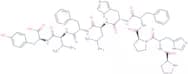
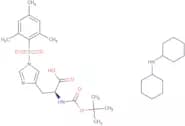
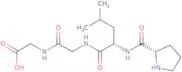
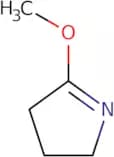
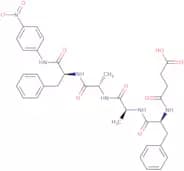
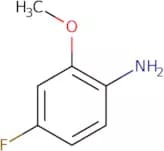
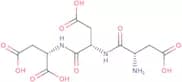
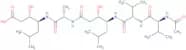
Amino Acids (AA)
Amino acids (AAs) are the fundamental building blocks of proteins, playing a crucial role in various biological processes. These organic compounds are essential for protein synthesis, metabolic pathways, and cell signaling. In this category, you will find a comprehensive range of amino acids, including essential, non-essential, and modified forms, which are vital for research in biochemistry, molecular biology, and nutritional sciences. At CymitQuimica, we provide high-quality amino acids to support your research and development needs, ensuring accuracy and reliability in your experimental outcomes.
Subcategories of "Amino Acids (AA)"
- Amino Acid Derivatives(3,955 products)
- Amino Acid and Amino Acid Related Compounds(3,465 products)
- Amino Acids with Oxygen or Sulphur(168 products)
- Boc- Amino Acids(351 products)
- Fmoc Amino Acids(1,710 products)
Found 38248 products of "Amino Acids (AA)"
Sort by
Purity (%)
0
100
|
0
|
50
|
90
|
95
|
100
Suc-Ala-Pro-Ala-AMC
CAS:<p>Suc-Ala-Pro-Ala-AMC is a synthetic peptide that is used as a fluorescent substrate to measure the activity of serine proteases. It is used in plant physiology and has been shown to be effective in the treatment of inflammatory diseases. Suc-Ala-Pro-Ala-AMC is an acidic molecule with a pKa of 3.1. This means it can exist as both a zwitterion, with a positive charge on one end and negative charge on the other, or as an ionized molecule with both ends having a negative charge. The zwitterionic form is more stable than the ionized form at low pH levels and will therefore be present at higher concentrations at lower pH values. Suc-Ala-Pro-Ala-AMC shows proteolytic activity against peptidases such as papain, bromelain, trypsin, and chymotrypsin. It also binds to neutroph</p>Formula:C25H30N4O8Purity:Min. 95%Molecular weight:514.53 g/molBoc-Val-Leu-Lys-AMC acetate salt
CAS:<p>Boc-Val-Leu-Lys-AMC acetate salt is a protease inhibitor that binds to the active site of trypsin and inhibits its proteolytic activity. It has been shown to protect neuronal cells from death caused by amyloid beta (Aβ) peptide. Boc-Val-Leu-Lys-AMC acetate salt also inhibits the secretion of proinflammatory cytokines and reduces the permeability of mitochondrial membranes in human neutrophils. This drug is stable in acidic environments, with a pH optimum of 2.0, but is sensitive to alkaline conditions with a pH optimum of 8.5. Boc-Val-Leu-Lys-AMC acetate salt has been shown to bind to casein, which may result in high values on sephadex g100 chromatography.</p>Formula:C32H49N5O7•C2H4O2Purity:Min. 98 Area-%Color and Shape:PowderMolecular weight:675.81 g/molFmoc-Pro-Wang resin (200-400 mesh)
<p>Please enquire for more information about Fmoc-Pro-Wang resin (200-400 mesh) including the price, delivery time and more detailed product information at the technical inquiry form on this page</p>Purity:Min. 95%pTH (1-31) amide (human)
CAS:<p>pTH (1-31) amide is a polymer conjugate that is used to treat osteoporosis. It has been shown to be effective in reducing the risk of fracture and increasing bone mineral density in animals. The compound binds to the extracellular domain of the estrogen receptor, altering its conformation and preventing it from interacting with other proteins in the nucleus. pTH (1-31) amide has also been shown to reduce blood pressure in animals by inhibiting angiotensin-converting enzyme. Clinical data on this drug are limited, but it has been well tolerated so far.</p>Formula:C162H270N50O46S2Purity:Min. 95%Molecular weight:3,718.32 g/molFmoc-[D4]Ala-OH
CAS:Controlled Product<p>Please enquire for more information about Fmoc-[D4]Ala-OH including the price, delivery time and more detailed product information at the technical inquiry form on this page</p>Formula:C18H13D4NO4Purity:Min. 95%Color and Shape:PowderMolecular weight:315.35 g/mol4-[(4-Methylpiperazin-1-yl)methyl]benzoic acid
CAS:<p>4-[(4-Methylpiperazin-1-yl)methyl]benzoic acid is an organic compound. It is a white solid that is insoluble in water but soluble in organic solvents. The molecule has a molecular weight of 224.8 g/mol and contains a carbonyl group and amine functional groups. 4-[(4-Methylpiperazin-1-yl)methyl]benzoic acid can be prepared by the acylation of 4-(aminomethyl)-benzoic acid with imidazole hydrochloride in the presence of sodium carbonate as a base.</p>Formula:C13H18N2O2Purity:Min. 95%Molecular weight:234.29 g/molH-Lys(Mtt)-2-chlorotrityl resin (200-400 mesh)
<p>Please enquire for more information about H-Lys(Mtt)-2-chlorotrityl resin (200-400 mesh) including the price, delivery time and more detailed product information at the technical inquiry form on this page</p>Purity:Min. 95%H-Trp-Lys-OH formiate salt
CAS:<p>H-Trp-Lys-OH formiate salt is a tryptophan derivative that is stable in air and has been shown to have anti-inflammatory properties. It inhibits the synthesis of proinflammatory cytokines as well as cyclooxygenase, lipoxygenase, and nitric oxide synthase enzymes. This compound also inhibits the production of inflammatory mediators, such as leukotrienes, prostaglandins, and thromboxanes. H-Trp-Lys-OH formiate salt has been shown to be effective in lung diseases such as asthma and chronic obstructive pulmonary disease (COPD). It has also been shown to have an effect on autoimmune diseases such as rheumatoid arthritis and systemic lupus erythematosus (SLE). H-Trp-Lys-OH formiate salt can be used for the treatment of infectious diseases such as HIV and malaria due to its ability to inhibit viral replication.</p>Formula:C17H24N4O3Purity:Min. 95%Molecular weight:332.4 g/mol(R)-methyl pyrrolidine-3-carboxylate hydrochloride
CAS:<p>Please enquire for more information about (R)-methyl pyrrolidine-3-carboxylate hydrochloride including the price, delivery time and more detailed product information at the technical inquiry form on this page</p>Purity:Min. 95%(H-Cys-pNA)2 (Disulfide bond)
CAS:<p>H-Cys-pNA is a labile molecule that has been used as a substrate for aminopeptidase activity. It is a competitive inhibitor of aminopeptidase and binds to the active site of the enzyme, preventing it from cleaving peptides from their amino acids. H-Cys-pNA has been shown to inhibit oxytocin release by binding to the oxytocin receptor in rat brain tissue. This molecule also inhibits the growth of dysgerminoma cells in vitro and blocks cell division. H-Cys-pNA is susceptible to proteolytic degradation and may be degraded by polyacrylamide gel electrophoresis, which can be used for its analysis on polyacrylamide gels.</p>Formula:C18H20N6O6S2Purity:Min. 95%Molecular weight:480.52 g/molBoc-Thr(Ile-Fmoc)-OH
CAS:<p>Please enquire for more information about Boc-Thr(Ile-Fmoc)-OH including the price, delivery time and more detailed product information at the technical inquiry form on this page</p>Formula:C30H38N2O8Purity:Min. 95%Molecular weight:554.63 g/molFmoc-D-Lys(Trt)-OH
CAS:<p>Please enquire for more information about Fmoc-D-Lys(Trt)-OH including the price, delivery time and more detailed product information at the technical inquiry form on this page</p>Formula:C40H38N2O4Purity:Min. 95%Molecular weight:610.74 g/molH-Arg-Arg-Arg-Arg-Arg-Arg-Arg-OH trifluoroacetate salt
CAS:<p>The Arg-Arg-Arg-Arg-Arg-Arg-Arg-Arg-OH trifluoroacetate salt is a biologically active form of arginine. It has been shown to inhibit the activity of both NS3 protease and NS4A protease from the hepatitis C virus (HCV). It also inhibits tumor cell growth in vitro, which may be due to its ability to upregulate epidermal growth factor receptor (EGFR) expression on tumor cells. The Arg-Arg-Arg-Arg-Arg-Arg-Arghydrogen trifluoroacetate salt is an inhibitor of estrogen receptor modulators that are used as therapeutic agents for breast cancer.</p>Formula:C42H86N28O8Purity:Min. 95%Molecular weight:1,111.32 g/molMyristoyl-Lys-Arg-Thr-Leu-Arg-OH
CAS:<p>Myristoyl-Lys-Arg-Thr-Leu-Arg-OH is a synthetic compound that interacts with tyrosine kinase substrate proteins. It inhibits the activation of these proteins and prevents the phosphorylation of tyrosine residues in other substrate proteins. Myristoyl-Lys-Arg-Thr-Leu-Arg-OH has been shown to have potent inhibitory activity against IL2 receptor and adriamycin, which are protein kinases that play important roles in the death pathway.</p>Formula:C42H82N12O8Purity:Min. 95%Molecular weight:883.18 g/molH-Gly-Gly-Glu-Ala-OH
CAS:<p>H-Gly-Gly-Glu-Ala-OH is a carboxylate. It has been shown to be an ionizable molecule with a proton that can exist in either the hydrated or dehydrated form. The proton of the carboxylate group can move between the two forms and the ionization state depends on pH and temperature. H-Gly-Gly-Glu-Ala-OH is a linear peptide, which means it has an amide group and a residue at each end of the chain. Each of these residues has specific conformations, which are impacted by intramolecular hydrogen bonds. These conformations play a role in determining its pharmacological properties, as well as its function in structural biology and magnetic resonance techniques. H-Gly-Gly-Glu-Ala-OH also has population distribution studies that have been used for diffraction analyses, as well as for titration experiments.</p>Formula:C12H20N4O7Purity:Min. 95%Molecular weight:332.31 g/molAc-Asp(Glu-OH)-OH
CAS:<p>Ac-Asp(Glu-OH)-OH is a low potency, but potentiating compound that binds to the cell cytoplasm. It inhibits the uptake of glutamate into the synaptic cleft by binding to acidic granules. This compound may be neuroprotective and inhibit prostate carcinoma growth. Ac-Asp(Glu-OH)-OH has also been shown to inhibit postsynaptic potentials and decrease glutamate release in cerebellar granule cells.</p>Formula:C11H16N2O8Purity:Min. 95%Molecular weight:304.25 g/mol(Tyr36)-pTH-Related Protein (1-36) (human, mouse, rat)
CAS:<p>Please enquire for more information about (Tyr36)-pTH-Related Protein (1-36) (human, mouse, rat) including the price, delivery time and more detailed product information at the technical inquiry form on this page</p>Formula:C194H303N59O53Purity:Min. 95%Molecular weight:4,309.85 g/mol(Lys8-psi(CH2NH)Lys9)-Neurotensin (8-13)
CAS:<p>Neurotensin (NT) is a neuropeptide that is derived from the prepro-NT gene. It binds to the neurotensin receptor 1 (NTSR1) and has been shown to regulate intestinal motility, as well as function as an adjuvant therapy for enteric diseases. Neurotensin has been shown to be neuroprotective against dopamine toxicity in cell cultures, and could be used in cancer therapy. The profile of neurotensin has been studied in clinical trials for metastatic breast cancer and other cancers. Neurotensin does not have any significant safety issues, although it can cause neuronal death when administered intracerebroventricularly.</p>Formula:C38H66N8O7Purity:Min. 95%Molecular weight:746.98 g/molBoc-Tyr(Bzl)-aldehyde
CAS:<p>Please enquire for more information about Boc-Tyr(Bzl)-aldehyde including the price, delivery time and more detailed product information at the technical inquiry form on this page</p>Formula:C21H25NO4Purity:Min. 95%Molecular weight:355.43 g/molH-Cys(Trt)-2-chlorotrityl resin (200-400 mesh) (Low Substitution)
<p>Please enquire for more information about H-Cys(Trt)-2-chlorotrityl resin (200-400 mesh) (Low Substitution) including the price, delivery time and more detailed product information at the technical inquiry form on this page</p>Purity:Min. 95%H-Phe-Pro-bNA·HCl
CAS:<p>Please enquire for more information about H-Phe-Pro-bNA·HCl including the price, delivery time and more detailed product information at the technical inquiry form on this page</p>Formula:C24H25N3O2·HClPurity:Min. 95%Molecular weight:423.93 g/molOxyntomodulin (bovine, dog, porcine) trifluoroacetate salt
CAS:<p>Please enquire for more information about Oxyntomodulin (bovine, dog, porcine) trifluoroacetate salt including the price, delivery time and more detailed product information at the technical inquiry form on this page</p>Formula:C192H295N59O60SPurity:Min. 95%Molecular weight:4,421.82 g/molN-Boc-D-b-homoproline
CAS:<p>Please enquire for more information about N-Boc-D-b-homoproline including the price, delivery time and more detailed product information at the technical inquiry form on this page</p>Formula:C11H19NO4Purity:Min. 95%Molecular weight:229.27 g/molMeOSuc-Ala-Ala-Pro-Val-chloromethylketone
CAS:<p>MeOSuc-Ala-Ala-Pro-Val-chloromethylketone is a serine protease inhibitor that has been shown to be effective against influenza virus and HIV. It was found to be active against a number of serine proteases, such as trypsin, chymotrypsin, and elastase. MeOSuc-Ala-Ala-Pro-Val-chloromethylketone also has chemotactic activity in thp1 cells and lung fibroblasts. It is activated by the addition of water and has been shown to inhibit the growth of soybean trypsin. However, it does not have any effect on human trypsin.</p>Formula:C22H35ClN4O7Purity:Min. 95%Molecular weight:502.99 g/molAlarin (human) trifluoroacetate salt
CAS:<p>Alarin is a human protein that was originally developed as an antiserum to seal wounds. It is used in the manufacture of pharmaceuticals, such as vaccines and serums. Alarin has also been used in immunoassays for the detection of antibodies in blood, serum, and other body fluids. Alarin is a protein that can be biotinylated and used as a substrate for peroxidase-conjugated streptavidin. This allows it to be utilized in enzyme-linked immunosorbent assay (ELISA) tests.</p>Formula:C127H205N43O35Purity:Min. 95%Molecular weight:2,894.26 g/molBoc-D-Phe-Pro-Arg-OH
CAS:<p>Boc-D-Phe-Pro-Arg-OH is a receptor binding molecule that belongs to the family of serine proteases. It has been shown to be reactive with multi-walled carbon nanotubes and fatty acids, making it useful for analytical chemistry, processing and amplification. The Boc-D-Phe-Pro-Arg-OH molecule binds to carbohydrate molecules in a way that mimics the action of an enzyme. This binding activates markers and triggers a reaction that produces hydrogen bonds between the target and the substrate. Boc-D-Phe-Pro-Arg-OH has been shown to have high affinity for serine protease receptors.</p>Formula:C25H38N6O6Purity:Min. 95%Molecular weight:518.61 g/molFmoc-D-ApH(Cbm)-D-ApH(Cbm)-OH
CAS:<p>Fmoc-D-ApH(Cbm)-D-ApH(Cbm)-OH is a complex compound that is useful as a reagent for organic synthesis. It has been shown to be an effective intermediate in the synthesis of various compounds, such as peptides and pharmaceuticals. Fmoc-D-ApH(Cbm)-D-ApH(Cbm)-OH is also used as a building block for more complex molecules. This chemical has been shown to have high purity and quality, making it suitable for research purposes.</p>Formula:C35H34N6O7Purity:Min. 95%Color and Shape:PowderMolecular weight:650.68 g/molH-Ile-2-chlorotrityl resin (200-400 mesh) (Low Substitution)
<p>Please enquire for more information about H-Ile-2-chlorotrityl resin (200-400 mesh) (Low Substitution) including the price, delivery time and more detailed product information at the technical inquiry form on this page</p>Purity:Min. 95%H-Gly-Glu-Gly-OH trifluoroacetic acid
CAS:<p>H-Gly-Glu-Gly-OH trifluoroacetic acid is a dilute buffer solution of amino acids. It has been used to study the thermodynamic stability of polypeptides and their sensitivity to acidic conditions. Experiments have shown that H-Gly-Glu-Gly-OH trifluoroacetic acid is more stable than glycine, glutamic acid, histidine, aspartic acid, or aspartyl. This compound is an amino acid with a high concentration of glutamic acid.</p>Formula:C9H15N3O6•(CF3CO2H)xPurity:Min. 95%Molecular weight:261.23 g/mol(D-Ala2)-Leu-Enkephalin-Arg acetate salt
CAS:<p>Please enquire for more information about (D-Ala2)-Leu-Enkephalin-Arg acetate salt including the price, delivery time and more detailed product information at the technical inquiry form on this page</p>Formula:C35H51N9O8·xC2H4O2Purity:Min. 95%Molecular weight:725.84 g/molH-Val-Asn-OH
CAS:<p>H-Val-Asn-OH is a polyhydroxyamine that is soluble in water and has a low freezing point. It can be used as a coating material, sectioning medium, or to study the thermal expansion of materials. H-Val-Asn-OH has been shown to have no significant effect on the growth rate of bacteria and spores. H-Val-Asn-OH is made up of nitrogen atoms, ferrite, and strain. The microstructure of H-Val-Asn-OH includes a phase equilibrium with ferrite and strain morphology.</p>Formula:C9H17N3O4Purity:Min. 95%Molecular weight:231.25 g/molCys-Gly-Lys-Lys-Gly-Amyloid b-Protein (36-42) trifluoroacetate salt
CAS:<p>Please enquire for more information about Cys-Gly-Lys-Lys-Gly-Amyloid b-Protein (36-42) trifluoroacetate salt including the price, delivery time and more detailed product information at the technical inquiry form on this page</p>Formula:C47H86N14O13SPurity:Min. 95%Molecular weight:1,087.34 g/molBoc-Met-Met-OH
CAS:<p>Please enquire for more information about Boc-Met-Met-OH including the price, delivery time and more detailed product information at the technical inquiry form on this page</p>Formula:C15H28N2O5S2Purity:Min. 95%Molecular weight:380.53 g/molPAR-4 (1-6) amide (human) trifluoroacetate salt
CAS:<p>Please enquire for more information about PAR-4 (1-6) amide (human) trifluoroacetate salt including the price, delivery time and more detailed product information at the technical inquiry form on this page</p>Formula:C28H42N8O8Purity:Min. 95%Molecular weight:618.68 g/molH-Gly-Gly-Ala-Gly-OH
CAS:<p>Glycylglycine is a tetrapeptide antibiotic that belongs to the group of antibiotics. It is expressed in E. coli and has been shown to inhibit the growth of other bacteria through binding to metal ions, such as magnesium, which are necessary for their survival. Glycylglycine has also been shown to have a kinetic method with a high rate of inhibition. This compound was synthesized by an electrospray ionization process, and its enantiomeric form was detected using a spectrometer. The molecule has been found to be an overgrowth inhibitor in analytical chemistry studies.</p>Formula:C9H16N4O5Purity:Min. 95%Molecular weight:260.25 g/molMeOSuc-Ala-Ala-Pro-Ala-chloromethylketone
CAS:<p>MeOSuc-Ala-Ala-Pro-Ala-chloromethylketone is a peptidyl substrate for the enzyme carboxypeptidase A. This substrate has a high specificity for carboxypeptidase A and does not bind to other enzymes such as carboxypeptidase B, D, or L. The hydrophobic nature of this substrate has been shown in both hamsters and macaques. MeOSuc-Ala-Ala-Pro-Ala-chloromethylketone also shows cardiovascular effects in both animal models. It is possible that this effect is due to the proteolytic activity of the enzyme. More research needs to be done to identify the sequence of this peptide and how it may affect humans.</p>Formula:C20H31ClN4O7Purity:Min. 95%Molecular weight:474.94 g/molH-Trp-Phe-Tyr-Ser(PO3H2)-Pro-Arg-pNA trifluoroacetate salt
CAS:<p>Please enquire for more information about H-Trp-Phe-Tyr-Ser(PO3H2)-Pro-Arg-pNA trifluoroacetate salt including the price, delivery time and more detailed product information at the technical inquiry form on this page</p>Formula:C49H59N12O13PPurity:Min. 95%Molecular weight:1,055.04 g/mol(D-Trp6)-LHRH (1-6) amide
CAS:<p>Please enquire for more information about (D-Trp6)-LHRH (1-6) amide including the price, delivery time and more detailed product information at the technical inquiry form on this page</p>Formula:C45H49N11O9Purity:Min. 95%Molecular weight:887.94 g/mol4-[(4-Nitrophenyl)-azo]-phenol
CAS:<p>4-[(4-Nitrophenyl)-azo]-phenol is a molecular compound that has a nitro group, an azo group, and a phenolic hydroxyl group. It's also known as nitrophenyl diazonium salt. 4-[(4-Nitrophenyl)-azo]-phenol is used in the synthesis of other compounds such as dyes and pharmaceuticals. The magnetic resonance spectroscopy and optical microscope techniques were used to study the chemical structure of 4-[(4-Nitrophenyl)-azo]-phenol. The titration method was used to determine the purity of this compound. 4-[(4-Nitrophenyl)-azo]-phenol has been shown to have mesomorphic properties, which are exhibited by its ability to be either solid or liquid at room temperature (25°C). This property may be due to its functional groups that stabilize it in both states.</p>Purity:Min. 95%Suc-Tyr-Val-Ala-Asp-pNA
CAS:<p>Please enquire for more information about Suc-Tyr-Val-Ala-Asp-pNA including the price, delivery time and more detailed product information at the technical inquiry form on this page</p>Formula:C31H38N6O12Purity:Min. 95%Molecular weight:686.67 g/molL-Lysine acetate
CAS:Controlled Product<p>L-Lysine acetate is a precursor of L-lysine and is used in the treatment of cancers. It has been shown to promote the growth of pluripotent cells, which can differentiate into any tissue type. L-Lysine acetate promotes cellular transformation by increasing the expression of growth factor-β1 in cells. This compound also enhances cellular physiology, energy metabolism, and protein degradation. L-Lysine acetate inhibits the ubiquitin ligases that are involved in protein degradation, leading to an increase in cell proliferation. The use of L-Lysine acetate has shown promising results for the treatment of infectious diseases such as HIV/AIDS and tuberculosis. L-Lysine acetate blocks the replication of human immunodeficiency virus (HIV) by inhibiting reverse transcriptase activity and blocking its DNA chain elongation process.</p>Formula:C8H18N2O4Purity:Min. 95%Color and Shape:PowderMolecular weight:206.24 g/molH-D-Ala-Gln-OH
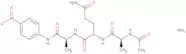
CAS:<p>H-D-Ala-Gln-OH is a modified structural analog of l-fucose that has been shown to be a potent immunostimulant in vitro. The hydrocarbon chain on this molecule is substituted with an H-D-Ala moiety, which provides the molecule with a hydroxyl group. This modification increases the solubility of the molecule, thereby making it more suitable for in vivo administration. Additionally, modifications to the hydrocarbon chain may have functional consequences on the molecule's activity (e.g., substitutions may increase or decrease its ability to induce interleukin).</p>Formula:C8H15N3O4Purity:Min. 95%Molecular weight:217.22 g/molCecropin B (free acid) trifluoroacetate salt
CAS:<p>Please enquire for more information about Cecropin B (free acid) trifluoroacetate salt including the price, delivery time and more detailed product information at the technical inquiry form on this page</p>Formula:C176H301N51O42SPurity:Min. 95%Molecular weight:3,835.66 g/molNeuropeptide Y (2-36) (porcine) trifluoroacetate salt
CAS:<p>Please enquire for more information about Neuropeptide Y (2-36) (porcine) trifluoroacetate salt including the price, delivery time and more detailed product information at the technical inquiry form on this page</p>Formula:C181H278N54O55Purity:Min. 95%Molecular weight:4,090.47 g/molH-Ala-Met-OH
CAS:<p>H-Ala-Met-OH is a hydrophobic amino acid. It is found in the sequence of a number of proteins, including hormones and enzymes. The optimum temperature for this amino acid is around 15 degrees Celsius, which is why it can be found in the cocrystallized dodecyl and racemized divalent forms. H-Ala-Met-OH has been shown to have divalent properties due to its ability to bind with two metal ions at the same time. H-Ala-Met-OH also has an amino acid sequence that can be found in many different proteins and enzymes, such as N-acetyl-L-tyrosine. This amino acid has been used as a target for bioinformatics studies on hormone sequences for the reaction mechanism.</p>Formula:C8H16N2O3SPurity:Min. 95%Molecular weight:220.29 g/molCaspase-3/7 Inhibitor II Ac-Asp-Asn-Leu-Asp-aldehyde (pseudo acid)
CAS:<p>Caspase-3/7 Inhibitor II Ac-Asp-Asn-Leu-Asp-aldehyde (pseudo acid) is a peptide inhibitor of caspases. It blocks the activation of these proteases and their subsequent cleavage of substrates in the apoptotic pathway. This drug has potent inhibitory activity against caspases 3, 7, 8, 9, and 10. Caspase-3/7 Inhibitor II Ac-Asp-Asn-Leu-Asp-aldehyde (pseudo acid) specifically interacts with the active site and inhibits the enzyme by binding to an aspartic acid residue at position D197 in human caspase 3. Caspase 3/7 Inhibitor II Ac-Asp-Asn-Leu-Asp-aldehyde (pseudo acid) is localized to mitochondria and binds to acetyldeviceine (acDEV), a substrate for caspases</p>Formula:C20H31N5O10Purity:Min. 95%Molecular weight:501.49 g/molH-Pro-Phe-NH2·HCl
CAS:<p>Please enquire for more information about H-Pro-Phe-NH2·HCl including the price, delivery time and more detailed product information at the technical inquiry form on this page</p>Formula:C14H19N3O2·HClPurity:Min. 95%Molecular weight:297.78 g/molPyr-Gly-OH
CAS:<p>Pyr-Gly-OH is a metabolite of the amino acid glutamate. It has been shown that this metabolite is formed by a non-enzymatic dehydration of glutamate. This compound has been shown to be effective in treating bowel disease and cancer, as well as stimulating the production of fibrinogen in the blood. Pyr-Gly-OH has also been found to have anti-inflammatory effects and an increased effect on glutamic receptors.</p>Formula:C7H10N2O4Purity:Min. 95%Molecular weight:186.17 g/molH-Gly-Leu-Leu-Gly-OH
CAS:<p>Please enquire for more information about H-Gly-Leu-Leu-Gly-OH including the price, delivery time and more detailed product information at the technical inquiry form on this page</p>Formula:C16H30N4O5Purity:Min. 95%Molecular weight:358.43 g/molTrt-Met-OH·DEA
CAS:<p>Please enquire for more information about Trt-Met-OH·DEA including the price, delivery time and more detailed product information at the technical inquiry form on this page</p>Formula:C24H25NO2S·C4H11NPurity:Min. 95%Molecular weight:464.66 g/mol((R)-4-Hydroxy-4-methyl-Orn (FITC)7)-Phalloidin trifluoroacetate salt
CAS:<p>Please enquire for more information about ((R)-4-Hydroxy-4-methyl-Orn (FITC)7)-Phalloidin trifluoroacetate salt including the price, delivery time and more detailed product information at the technical inquiry form on this page</p>Formula:C56H60N10O15S2Purity:Min. 95%Molecular weight:1,177.27 g/mol3-(2R,3S)-Phenylisoserine
CAS:<p>3-(2R,3S)-Phenylisoserine is a chiral enantiomer that can be used in organic synthesis. It is a reactive compound and has the ability to form amide bonds with other compounds. 3-(2R,3S)-Phenylisoserine is also able to react with nitro groups and form an oxime. It is not soluble in water but it is soluble in organic solvents like acetone or methanol. 3-(2R,3S)-Phenylisoserine can be synthesized by the enzymatic methods of benzyloxymethyl hydrazine and hydrochloric acid.</p>Formula:C9H11NO3Purity:Min. 95%Color and Shape:PowderMolecular weight:181.19 g/molN-Me-Thr(Bzl)-OH·HCl
CAS:<p>N-Me-Thr(Bzl)-OH·HCl is a soluble, hydroformylation catalyst with alkenyl and sulfonated substituents. It is used as a hydrogenation catalyst in the industrial production of polymers, detergents, and other organic chemicals. It can also be used to catalyze the reduction of carbonyl groups to alcohols in organic synthesis.<br>N-Me-Thr(Bzl)-OH·HCl is insoluble in water and can be converted into an insoluble form by reacting with HCl or NaOH. This product has been shown to have radical properties that allow it to catalyze the hydrogenation of alkenes and alkynes.</p>Formula:C12H17NO3·HClPurity:Min. 95%Molecular weight:259.73 g/molHCV Core Protein (59-68)
CAS:<p>Please enquire for more information about HCV Core Protein (59-68) including the price, delivery time and more detailed product information at the technical inquiry form on this page</p>Formula:C50H91N21O12Purity:Min. 95%Molecular weight:1,178.39 g/molG Protein Antagonist Pyr-Gln-D-Trp-Phe-D-Trp-D-Trp-Met-NH2
CAS:<p>G protein antagonist Pyr-Gln-D-Trp-Phe-D-Trp-D-Trp-Met-NH2 is a synthetic peptide that inhibits the activity of cyclase enzymes. It has been shown to inhibit skin cancer cells and has been shown to bind intracellular targets, such as protein kinase C, with high affinity. G protein antagonist Pyr-Gln-D-Trp-Phe-D-Trp-D-Trp--Met--NH2 has also been shown to inhibit the guanine nucleotide binding proteins (G proteins), which are necessary for cell signaling. G protein antagonist Pyr--Gln--D--Trp--Phe--D--Trp--D---Trp---Met---NH2 may also be used as an inhibitor of neurokinin 1 receptor activation and whole cell recordings have shown this drug to be potent antagonists of α subunit. G protein antagonist Pyr--Gln--D</p>Formula:C57H64N12O9SPurity:Min. 95%Molecular weight:1,093.26 g/molH-Ser-Met-OH
CAS:<p>Glycyl-l-leucine is a muscle protein that belongs to the group of glycyl amino acids. It has been shown to have cortisone activity, which causes it to function as a suppressant. Glycyl-l-leucine binds to iron and prevents its oxidation, thereby preventing the formation of reactive oxygen species. Glycyl-l-leucine also has the ability to chelate iron, which can cause it to have antioxidant functions. The pH optimum for this compound is acidic and it is not active in neutral pH environments. This compound is found in fetal bovine serum and may be present in some food products such as chocolate milk or cheese. Glycyl-l-leucine may be used as an immobilizing agent for enzymes because it does not denature proteins at high concentrations.END></p>Formula:C8H16N2O4SPurity:Min. 95%Molecular weight:236.29 g/mol2-Methoxyethyl acetoacetate
CAS:<p>2-Methoxyethyl acetoacetate is used as a raw material for coatings. It has been shown to be an effective calcium antagonist in the treatment of leukemia and other cancers. 2-Methoxyethyl acetoacetate has also been shown to inhibit the growth of HL-60 cells when it is incubated with these cells in the presence of hydrochloric acid, malonic acid, and quinoline derivatives. The reaction produces chlorine gas, which is toxic to cells.</p>Formula:C7H12O4Purity:Min. 95%Color and Shape:Clear LiquidMolecular weight:160.17 g/molCyclo(-Gly-Asn-Trp-His-Gly-Thr-Ala-Pro-Asp)-Trp-Val-Tyr-Phe-Ala-His-Leu-Asp-Ile-Ile-Trp-OH
CAS:<p>Please enquire for more information about Cyclo(-Gly-Asn-Trp-His-Gly-Thr-Ala-Pro-Asp)-Trp-Val-Tyr-Phe-Ala-His-Leu-Asp-Ile-Ile-Trp-OH including the price, delivery time and more detailed product information at the technical inquiry form on this page</p>Formula:C117H150N28O27Purity:Min. 95%Molecular weight:2,380.62 g/molBiotinyl-Angiotensin I/II (1-7) Biotinyl-Asp-Arg-Val-Tyr-Ile-His-Pro-OH
CAS:<p>Please enquire for more information about Biotinyl-Angiotensin I/II (1-7) Biotinyl-Asp-Arg-Val-Tyr-Ile-His-Pro-OH including the price, delivery time and more detailed product information at the technical inquiry form on this page</p>Formula:C51H76N14O13SPurity:Min. 95%Molecular weight:1,125.3 g/molH-Gly-Tyr-NH2·HCl
CAS:<p>H-Gly-Tyr-NH2·HCl is a peptide that has been shown to have an inhibitory effect on 5-hydroxytryptamine (5-HT) receptors. It can be used as a diluent for pharmaceuticals and as a potential treatment for autoimmune diseases, which are caused by the immune system attacking healthy cells. H-Gly-Tyr-NH2·HCl has also been shown to have antiestrogenic effects in breast cancer cells. This compound may be useful for treating inflammation associated with infectious diseases, such as Stenotrophomonas maltophilia, and other inflammatory diseases, such as inflammatory bowel disease. The amide group in this peptide may also be important for its antimicrobial properties against gram negative bacteria, such as Escherichia coli.</p>Formula:C11H15N3O3·HClPurity:Min. 95%Molecular weight:273.72 g/molType A Allatostatin I
CAS:<p>Type A Allatostatin I is a fatty acid that is synthesized in the liver and binds to the G protein-coupled receptor, alpha-MSH. Allatostatin I inhibits fatty acid synthesis and has been shown to have a protective effect on hepatic steatosis caused by methanol solvent exposure. It also has insecticidal properties which may be due to its ability to inhibit chitin synthesis in insects. Moreover, Type A Allatostatin I has shown ecological effects as an inhibitor of polymerase chain reactions (PCRs) for DNA replication. This compound also inhibits RNA synthesis in vitro at physiological levels. Type A Allatostatin I has been shown to be an endogenous factor that plays a role in obesity and diabetes, as well as its pathogenic mechanism.</p>Formula:C61H94N18O16Purity:Min. 95%Molecular weight:1,335.51 g/mol[(RS)-2-Carboxy-3-phenylpropionyl]-Leu-OH
CAS:<p>Please enquire for more information about [(RS)-2-Carboxy-3-phenylpropionyl]-Leu-OH including the price, delivery time and more detailed product information at the technical inquiry form on this page</p>Formula:C16H21NO5Purity:Min. 95%Molecular weight:307.34 g/molAc-Glu-Asp(EDANS)-Lys-Pro-Ile-Leu-Phe-Phe-Arg-Leu-Gly-Lys(DABCYL)-Glu-NH2 trifluoroacetate salt
CAS:<p>Please enquire for more information about Ac-Glu-Asp(EDANS)-Lys-Pro-Ile-Leu-Phe-Phe-Arg-Leu-Gly-Lys(DABCYL)-Glu-NH2 trifluoroacetate salt including the price, delivery time and more detailed product information at the technical inquiry form on this page</p>Formula:C104H146N24O23SPurity:Min. 95%Molecular weight:2,132.49 g/molAdrenomedullin (16-31) (human, pig)
CAS:<p>Please enquire for more information about Adrenomedullin (16-31) (human, pig) including the price, delivery time and more detailed product information at the technical inquiry form on this page</p>Formula:C82H129N25O21S2Purity:Min. 95%Molecular weight:1,865.19 g/molAc-Cys(farnesyl)-OH
CAS:<p>Ac-Cys(farnesyl)-OH is a synthetic chemical that has been shown to inhibit the growth of cells. It inhibits the enzyme form of farnesyl protein transferase, which is involved in the synthesis of basic proteins. Ac-Cys(farnesyl)-OH also binds to and inhibits epidermal growth factor receptor, which plays an important role in cell proliferation. In addition, this compound has been found to have anti-cancer properties. Ac-Cys(farnesyl)-OH has been shown to reduce the frequency of cellular transformation in vitro and in vivo. This effect may be due to its ability to inhibit protease activity.</p>Formula:C20H33NO3SPurity:Min. 95%Molecular weight:367.55 g/molMethyl 4-(3-methoxyphenyl)-6-methyl-2-thioxo-1,2,3,4-tetrahydropyrimidine-5-carboxylate
CAS:<p>Please enquire for more information about Methyl 4-(3-methoxyphenyl)-6-methyl-2-thioxo-1,2,3,4-tetrahydropyrimidine-5-carboxylate including the price, delivery time and more detailed product information at the technical inquiry form on this page</p>Formula:C14H16N2O3SPurity:85%MinMolecular weight:292.35 g/molH-Ala-Pro-Gly-OH
CAS:<p>Glycine is a small, sweet-tasting amino acid that is used in the biosynthesis of proteins. It has three linkages: an amide linkage to proline, and an ester linkage to alanine. The l-glycine molecule exists as two possible tautomers, the enol and keto forms. The enol form predominates at physiological pH; however, at very low pH, the keto form predominates. Glycine also has a cyclic structure and can be classified as a tripeptide.</p>Formula:C10H17N3O4Purity:Min. 95%Molecular weight:243.26 g/molH-His-Phe-OH
CAS:<p>H-His-Phe-OH is a polypeptide that is used in the diagnosis of chronic kidney disease. It is synthesized by the chemical reaction between histidine and phenylalanine. H-His-Phe-OH has been shown to have a molecular weight of 4,000 Da, with a diameter of 5 nm. The binding constants for this molecule are 3.5 x 10^6 M^(-1), and its stability in biological fluids has been shown to be greater than 100 hours at pH 7.4, 37°C.</p>Formula:C15H18N4O3Purity:Min. 95%Molecular weight:302.33 g/mol1-Methyl-1H-indazole-7-carbaldehyde
CAS:<p>1-Methyl-1H-indazole-7-carbaldehyde is a 1,3,5-substituted indazole derivative that can be used as a building block for the synthesis of complex compounds. It is an intermediate in the synthesis of various pharmaceuticals and it has been shown to have potential applications in research chemicals. 1-Methyl-1H-indazole-7-carbaldehyde can be used as a versatile building block after conversion to other derivatives. This chemical is also being investigated as a possible treatment for Parkinson's disease and Alzheimer's disease.</p>Formula:C9H8N2OPurity:Min. 95%Color and Shape:Yellow PowderMolecular weight:160.17 g/molCharacteristic MSH-Tetrapeptide
CAS:<p>The melanocortin-4 receptor (MC4R) is a G protein-coupled receptor that mediates the protective and cytoprotective activities of endogenous melanocortins. This receptor has been shown to be an important target for neuroprotective agents. The MC4R is expressed in the central nervous system, peripheral nervous system, and other tissues where it may have a role in regulating energy homeostasis. The N-terminal amino acid sequence of the human MC4R ligand is H-His-Phe-Arg-Trp-OH. This peptide has been shown to have potent agonist potency at the MC4R with a Kd of 0.2 nM and an EC50 of 2 nM.</p>Formula:C32H40N10O5Purity:Min. 95%Molecular weight:644.72 g/mol2,4-Dichloro-5-methoxyaniline
CAS:<p>2,4-Dichloro-5-methoxyaniline (2,4-DMA) is a trifluoroacetic acid derivative that inhibits the growth of cancer cells by interfering with cellular processes such as DNA replication and protein synthesis. It has been shown to have anticancer activity in vitro and in vivo. In addition, 2,4-DMA can inhibit the growth of cancer cells by preventing epidermal growth factor from binding to its receptor on the cell surface. A recent study showed that 2,4-DMA has anti-angiogenic properties and can prevent tumor growth by inhibiting bcr-abl kinase activity. 2,4-DMA also has an acidic property which may be due to its conversion of trifluoroacetic acid into hydrogen fluoride (HF) and hydrogen chloride (HCl).<br>2,4-Dichloro-5-methoxyaniline was approved for use in Japan</p>Formula:C7H7Cl2NOPurity:Min. 95%Color and Shape:White To Pink SolidMolecular weight:192.04 g/molH-Lys-Pro-Tyr-OH acetate salt
CAS:<p>Please enquire for more information about H-Lys-Pro-Tyr-OH acetate salt including the price, delivery time and more detailed product information at the technical inquiry form on this page</p>Formula:C20H30N4O5Purity:Min. 95%Molecular weight:406.48 g/molFmoc-D-Leu-Wang resin (200-400 mesh)
<p>Please enquire for more information about Fmoc-D-Leu-Wang resin (200-400 mesh) including the price, delivery time and more detailed product information at the technical inquiry form on this page</p>Purity:Min. 95%H-Pro-Ser-Hyp-Gly-Asp-Trp-OH
CAS:<p>H-Pro-Ser-Hyp-Gly-Asp-Trp-OH is a cyclic hexapeptide with a high activity against platelets. It is an antagonist of the cyclic RGD sequence, which is present in fibrinogen, fibronectin, vitronectin and other proteins. This peptide binds to the n-terminal residue of these proteins and prevents them from binding to their receptors on the surface of platelets. H-Pro-Ser-Hyp-Gly-Asp-Trp-OH has been shown to be specific for human platelets and does not bind to erythrocytes or leukocytes.</p>Formula:C30H39N7O11Purity:Min. 95%Molecular weight:673.67 g/molAmyloid P Component (33-38) amide trifluoroacetate salt
CAS:<p>Please enquire for more information about Amyloid P Component (33-38) amide trifluoroacetate salt including the price, delivery time and more detailed product information at the technical inquiry form on this page</p>Formula:C37H56N10O7SPurity:Min. 95%Molecular weight:784.97 g/mol(Trp11,D-Phe15·16)-SDF-1 (7-16) (Dimer) (human, cat, mouse) trifluoroacetate salt
<p>Please enquire for more information about (Trp11,D-Phe15·16)-SDF-1 (7-16) (Dimer) (human, cat, mouse) trifluoroacetate salt including the price, delivery time and more detailed product information at the technical inquiry form on this page</p>Formula:C134H180N34O26S2Purity:Min. 95%Molecular weight:2,747.21 g/molTau-fluvalinate
CAS:<p>Tau-fluvalinate is a pesticide that is used to control ectoparasites. It has been shown to be effective against fleas, ticks, and mites. Tau-fluvalinate binds to the active site of the enzyme protein kinase C (PKC). This binding prevents the production of phosphatidylinositol 3,4,5-trisphosphate (PIP3), which is required for cell signaling pathways and protein synthesis. Tau-fluvalinate also inhibits detoxification enzymes such as glutathione S-transferase (GST) and cytochrome P450 reductase. Tau-fluvalinate has been shown to have no sublethal effects on insects in vitro or in vivo at doses below its LD50. Tau-fluvalinate can also be used as an analytical standard for detecting polycyclic aromatic hydrocarbons in water samples with chemical ionization gas chromatography.</p>Formula:C26H22ClF3N2O3Purity:Min. 95%Color and Shape:Clear LiquidMolecular weight:502.91 g/molRF9 trifluoroacetate salt
CAS:<p>RF9 is a dipeptide that is structurally similar to the endogenous neuropeptides kisspeptin and arginine-vasopressin. RF9 binds to the GPR54 receptor, which is a G protein-coupled receptor that regulates secretion of luteinizing hormone in the anterior pituitary gland, as well as sexual desire and function. RF9 has been shown to be an antagonist of the GPR54 receptor and has been shown to inhibit the secretion of luteinizing hormone in primates.</p>Formula:C26H38N6O3Purity:Min. 95%Molecular weight:482.62 g/molFmoc-His-OMe
CAS:<p>Please enquire for more information about Fmoc-His-OMe including the price, delivery time and more detailed product information at the technical inquiry form on this page</p>Formula:C22H21N3O4Purity:Min. 95%Molecular weight:391.42 g/mol(R)-2-Hydroxy-4-phenylbutyric acid ethyl ester
CAS:<p>(R)-2-Hydroxy-4-phenylbutyric acid ethyl ester is a chiral compound that can be synthesized by an asymmetric synthesis reaction. The compound has been shown to inhibit the enzyme phosphodiesterase, which plays a role in the regulation of cardiac function. (R)-2-Hydroxy-4-phenylbutyric acid ethyl ester has also been shown to induce proliferation of recombinant cells and to bind to monoclonal antibodies against human C5a receptor. It is soluble in organic solvents such as isooctane or pyridine and stable under acidic or basic conditions.</p>Formula:C12H16O3Purity:Min. 95%Color and Shape:LiquidMolecular weight:208.25 g/molLymnaDFamide-1
CAS:<p>LymnaDFamide-1 is a neuropeptide that belongs to the family of c-terminal peptides. It is a dipeptide with a sequence of L-Pro-Tyr-Asp-Arg-Ile-Ser-Asn-Ser-Ala-Phe. This peptide was found in the nervous system of invertebrates, where it is believed to play an important role in the regulation of neurotransmitter release. In mammals, LymnaDFamide has been detected in the brain and in the gallbladder. It may be involved in regulating feeding behavior and gastric motility.</p>Formula:C68H96N18O22Purity:Min. 95%Molecular weight:1,517.6 g/mol1-t-Boc-piperidine-4-spiro-5'-[1',3'-bis-t-boc]-hydantoin
CAS:<p>Please enquire for more information about 1-t-Boc-piperidine-4-spiro-5'-[1',3'-bis-t-boc]-hydantoin including the price, delivery time and more detailed product information at the technical inquiry form on this page</p>Formula:C22H35N3O8Purity:Min. 95%Molecular weight:469.53 g/molN-((RS)-2-Hydroxy-1-phenyl-ethyl)-Val-Leu-anilide
CAS:<p>Please enquire for more information about N-((RS)-2-Hydroxy-1-phenyl-ethyl)-Val-Leu-anilide including the price, delivery time and more detailed product information at the technical inquiry form on this page</p>Formula:C25H35N3O3Purity:Min. 95%Molecular weight:425.56 g/molH-Ala-Phe-Gly-OH
CAS:<p>Please enquire for more information about H-Ala-Phe-Gly-OH including the price, delivery time and more detailed product information at the technical inquiry form on this page</p>Formula:C14H19N3O4Purity:Min. 95%Molecular weight:293.32 g/molCionin
CAS:<p>Cionin is a synthetic peptide that binds to the pancreatic enzyme receptor. It has been shown to inhibit the growth of ascidian and stimulates the secretion of growth factors in vitro. Cionin also has a physiological effect on inflammatory diseases, such as ovary. Cionin is composed of three amino acids: H-Asn-Tyr(SO3H)-Tyr(SO3H)-Gly-Trp-Met-Asp-Phe-NH2. The first two amino acids are sulfated tyrosine residues, which may be responsible for its biological activity.</p>Formula:C53H63N11O19S3Purity:Min. 95%Molecular weight:1,254.33 g/molH-Glu(Trp-OH)-OH
CAS:<p>H-Glu(Trp-OH)-OH is a synthetic immunomodulator that is used in vitro to study the immune system. H-Glu(Trp-OH)-OH has been shown to stimulate the production of antibodies by polyclonal antibodies, which inhibits the growth of bacteria. H-Glu(Trp-OH)-OH has also been shown to have anti-inflammatory properties and can inhibit lung damage caused by radiation. H-Glu(Trp-OH)-OH is not active against tuberculosis or other infectious diseases in animals because it does not cause an increase in phagocytic cells or leukocytes.</p>Formula:C16H19N3O5Purity:Min. 95%Molecular weight:333.34 g/mol(Ser(tBu)6,Azagly10)-LHRH
CAS:<p>Please enquire for more information about (Ser(tBu)6,Azagly10)-LHRH including the price, delivery time and more detailed product information at the technical inquiry form on this page</p>Formula:C59H84N18O14Purity:Min. 95%Molecular weight:1,269.41 g/molH-Gly-His-Gly-OH
CAS:<p>H-Gly-His-Gly-OH is an amino acid that belongs to the class of peptide science. It is a protonated molecule with a histidine side chain, which has been shown to have enzyme inhibition properties. This amino acid has been used in model studies to determine the effect of acidic and basic ternary mixtures on the stability of proteins. H-Gly-His-Gly-OH has also been found to be effective as a chelate ring, which is a ring that binds metals such as iron and copper. Enzymes can form when this amino acid is present in solution with metal ions.</p>Formula:C10H15N5O4Purity:Min. 95%Molecular weight:269.26 g/molZ-Asp(OtBu)-bromomethylketone
CAS:<p>Please enquire for more information about Z-Asp(OtBu)-bromomethylketone including the price, delivery time and more detailed product information at the technical inquiry form on this page</p>Formula:C17H22BrNO5Purity:Min. 95%Molecular weight:400.26 g/molH-His-Phe-bNA·2 HCl
CAS:<p>Please enquire for more information about H-His-Phe-bNA·2 HCl including the price, delivery time and more detailed product information at the technical inquiry form on this page</p>Formula:C25H25N5O2·2HClPurity:Min. 95%Molecular weight:500.42 g/molAc-Ala-Ala-Ala-Ala-OMe
CAS:<p>Ac-Ala-Ala-Ala-Ala-OMe is a peptidase that hydrolyzes the ester bonds of the hydrophobic amino acid residues, such as alanine, valine, leucine, and isoleucine. This enzyme deacylates and releases these amino acids from the side chain of their corresponding fatty acyl groups. Ac-Ala-Ala-Ala-Ala-OMe also acts on N terminal and C terminal residues. The presence of a scissile bond in the peptide substrate is required for this enzyme to function. Acetylation reactions are concurrent with acylation reactions, which produce an acetylated peptide product.</p>Formula:C15H26N4O6Purity:Min. 95%Molecular weight:358.39 g/molH-Phe-Leu-Arg-Phe-NH2 acetate salt
CAS:<p>H-Phe-Leu-Arg-Phe-NH2 acetate salt is a peptide that has been shown to inhibit neuronal activity in the Xenopus oocyte. This inhibition is biphasic and can be reversed by the addition of an excess of glutamate. It has been shown to have an inhibitory effect on the release of neurotransmitters from the isolated heart, ganglia, and subesophageal ganglion. The sequence of H-Phe-Leu-Arg-Phe-NH2 acetate salt has been determined as carboxy terminal. The physiological effects of H-Phe-Leu-Arg-Phe-NH2 acetate salt are related to its receptor binding properties.</p>Formula:C30H44N8O4Purity:Min. 95%Molecular weight:580.72 g/molSuc-Ala-Ala-Pro-Lys-pNA
CAS:<p>Suc-Ala-Ala-Pro-Lys-pNA is a hybrid peptide that was expressed and purified from the gene product of the human serine protease, pancreatic elastase. It has been shown to have high salt and pH stability and predominately exists as a single polypeptide chain. Suc-Ala-Ala-Pro-Lys-pNA has been shown to enhance the immunofluorescence of inflammatory cells in vitro, suggesting it may be used as a therapeutic agent for inflammatory diseases. In addition, this hybrid peptide has also demonstrated protease activity.</p>Formula:C27H39N7O9Purity:Min. 95%Molecular weight:605.64 g/molZ-Gly-Pro-Phe-Pro-Leu-OH
CAS:<p>Please enquire for more information about Z-Gly-Pro-Phe-Pro-Leu-OH including the price, delivery time and more detailed product information at the technical inquiry form on this page</p>Formula:C35H45N5O8Purity:Min. 95%Molecular weight:663.76 g/molH-D-Arg(Me)-OH acetate salt
CAS:Controlled Product<p>H-D-Arg(Me)-OH is a peptide that has been shown to inhibit the proliferation of cancer cells in culture. It inhibits the growth of tumor cells by blocking the activity of the oxytocin receptor, which regulates cell adhesion and migration. The H-D-Arg(Me)-OH acetate salt has also been shown to promote the differentiation of basophilic leukemia cells into normal myeloid cells. This peptide is used as a control for incubated cell cultures, such as liver cells, and can be used to study protein synthesis.</p>Formula:C7H16N4O2Purity:Min. 95%Molecular weight:188.23 g/mol5-Amino-2-methoxyisonicotinic acid
CAS:<p>5-Amino-2-methoxyisonicotinic acid is a carboxylic acid that is used in the synthesis of aminopyridines. The compound can be synthesized from formamidine acetate and diethyl dicarbonate. This process involves lithiation, followed by addition of an amine and finally conversion to the desired product with formamidine acetate. 5-Amino-2-methoxyisonicotinic acid can also be synthesized from formamide and diethyl ether. 5-Amino-2-methoxyisonicotinic acid is an analog of 2,4,6-trimethylaniline and has been shown to have similar properties to this compound, including strong basicity.</p>Formula:C7H8N2O3Purity:Min. 95%Molecular weight:168.15 g/molAMCA-Glu-Glu-Lys-Pro-Ile-Ser-Phe-Phe-Arg-Leu-Gly-Lys(biotinyl)-NH2
CAS:<p>Please enquire for more information about AMCA-Glu-Glu-Lys-Pro-Ile-Ser-Phe-Phe-Arg-Leu-Gly-Lys(biotinyl)-NH2 including the price, delivery time and more detailed product information at the technical inquiry form on this page</p>Formula:C90H131N21O22SPurity:Min. 95%Molecular weight:1,891.2 g/molAc-Gly-Arg-Gly-NH2
CAS:<p>Please enquire for more information about Ac-Gly-Arg-Gly-NH2 including the price, delivery time and more detailed product information at the technical inquiry form on this page</p>Formula:C12H23N7O4Purity:Min. 95%Molecular weight:329.36 g/molHIV (gp120) Antigenic Peptide trifluoroacetate salt
CAS:<p>Please enquire for more information about HIV (gp120) Antigenic Peptide trifluoroacetate salt including the price, delivery time and more detailed product information at the technical inquiry form on this page</p>Formula:C117H211N41O31SPurity:Min. 95%Molecular weight:2,720.25 g/molH-Gly-D-Tyr-OH
CAS:<p>Please enquire for more information about H-Gly-D-Tyr-OH including the price, delivery time and more detailed product information at the technical inquiry form on this page</p>Formula:C11H14N2O4Purity:Min. 95%Molecular weight:238.24 g/molBoc-Gly-Gly-Leu-pNA
CAS:<p>Boc-Gly-Gly-Leu-pNA is an analog of the protease inhibitor serine protease. It has a reactive site that is similar to the reactive site on serine proteases. This enables Boc-Gly-Gly-Leu-pNA to bind to them and inhibit their activity. The compound also inhibits neutrophil activation, as shown by a decrease in its expression of CD11b and CD11c, which are markers of neutrophils.</p>Formula:C21H31N5O7Purity:Min. 95%Molecular weight:465.5 g/molH-Tyr(tBu)-2-chlorotrityl resin (200-400 mesh) (Low Substitution)
<p>Please enquire for more information about H-Tyr(tBu)-2-chlorotrityl resin (200-400 mesh) (Low Substitution) including the price, delivery time and more detailed product information at the technical inquiry form on this page</p>Purity:Min. 95%HIV-1 gag Protein p24 (137-154)
CAS:<p>Please enquire for more information about HIV-1 gag Protein p24 (137-154) including the price, delivery time and more detailed product information at the technical inquiry form on this page</p>Formula:C92H158N26O26SPurity:Min. 95%Molecular weight:2,076.46 g/molDnp-Pro-Leu-Gly-Cys(Me)-His-Ala-D-Arg-NH2
CAS:<p>Dnp-Pro-Leu-Gly-Cys(Me)-His-Ala-D-Arg-NH2 is a protease that was isolated from the fungus Aspergillus niger. It has been shown to have high efficiency in cleaving peptide bonds, which makes it useful for protein sequencing and analysis. Dnp-Pro-Leu-Gly-Cys(Me)-His-Ala-D-Arg-NH2 can be used as an enzyme in the production of collagenase, a protein that breaks down collagen. This enzyme also has potential applications in the production of analogs for use in chromatography and sequencing techniques. The variable amino acids at positions 2, 3, 5, 6, 7, 9, 10, 11, 12 and 13 are important for activity and substrate specificity. The enzyme's activity is optimal under high pressure conditions and at pH 8.0. Dnp--Pro--Leu--Gly--Cys</p>Formula:C38H57N15O11SPurity:Min. 95%Molecular weight:932.02 g/molH-Gly-Gly-pNA·HCl
CAS:<p>Please enquire for more information about H-Gly-Gly-pNA·HCl including the price, delivery time and more detailed product information at the technical inquiry form on this page</p>Formula:C10H12N4O4·HClPurity:Min. 95%Molecular weight:288.69 g/molFmoc-ε-aminocaproic acid-Wang resin (200-400 mesh)
<p>Please enquire for more information about Fmoc-epsilon-aminocaproic acid-Wang resin (200-400 mesh) including the price, delivery time and more detailed product information at the technical inquiry form on this page</p>Purity:Min. 95%Chemotactic Domain of Elastin
CAS:<p>Chemotactic domain of elastin is a peptide with chemotactic activity. It is an amino acid sequence derived from the elastin protein, which is a major component of the extracellular matrix in connective tissue. Chemotactic domain of elastin has been shown to be a receptor molecule that binds to cells and induces chemotaxis. The chemotactic domain of elastin is also found in vivo and can be used as a model system for studying the behavior of cells in tissues. Structural analysis of this peptide has shown it to have an intramolecular hydrogen bond, which may explain its ability to withstand harsh conditions such as heat and pH changes.</p>Formula:C22H38N6O7Purity:Min. 95%Molecular weight:498.57 g/mol4-(Benzyloxy)-N,N-dimethyl-indole-3-glyoxylamide
CAS:<p>Please enquire for more information about 4-(Benzyloxy)-N,N-dimethyl-indole-3-glyoxylamide including the price, delivery time and more detailed product information at the technical inquiry form on this page</p>Formula:C19H18N2O3Purity:Min. 95%Molecular weight:322.36 g/mol(p-Iodo-Phe7)-ACTH (4-10)
CAS:<p>Please enquire for more information about (p-Iodo-Phe7)-ACTH (4-10) including the price, delivery time and more detailed product information at the technical inquiry form on this page</p>Formula:C44H58IN13O10SPurity:Min. 95%Molecular weight:1,087.98 g/mol(Ser8)-GLP-1 (7-36) amide (human, bovine, guinea pig, mouse, rat) trifluoroacetate salt
CAS:<p>Please enquire for more information about (Ser8)-GLP-1 (7-36) amide (human, bovine, guinea pig, mouse, rat) trifluoroacetate salt including the price, delivery time and more detailed product information at the technical inquiry form on this page</p>Formula:C149H226N40O46Purity:Min. 95%Molecular weight:3,313.63 g/mol4-Methylbenzyl acetate
CAS:<p>4-Methylbenzyl acetate is a monocarboxylic acid that is an oxidation product of benzyl esters. It has been found to be a suitable catalyst for the oxidation of wastewater containing monocarboxylic acids, including acetic acid, propionic acid and butyric acid. The catalytic mechanism of 4-methylbenzyl acetate was found to be an acylation reaction in which the carboxyl group of 4-methylbenzyl acetate acts as an acylating agent with the hydrogen atom of the substrate. The reaction mechanism for this process is similar to that for other types of carboxylic acids, such as propionate and butyrate. 4-Methylbenzyl acetate also has functional groups that allow it to act as both a base and a nucleophile in addition to its ability to act as an acylating agent.</p>Formula:C10H12O2Purity:Min. 95%Molecular weight:164.2 g/molH-Gly-His-Arg-Pro-NH2 acetate salt
CAS:<p>Please enquire for more information about H-Gly-His-Arg-Pro-NH2 acetate salt including the price, delivery time and more detailed product information at the technical inquiry form on this page</p>Formula:C19H32N10O4Purity:Min. 95%Molecular weight:464.52 g/mol(Glu9)-Exenatide (2-39) trifluoroacetate salt
CAS:<p>Please enquire for more information about (Glu9)-Exenatide (2-39) trifluoroacetate salt including the price, delivery time and more detailed product information at the technical inquiry form on this page</p>Formula:C179H277N47O59SPurity:Min. 95%Molecular weight:4,063.46 g/molZ-Gly-His-OH
CAS:<p>Please enquire for more information about Z-Gly-His-OH including the price, delivery time and more detailed product information at the technical inquiry form on this page</p>Formula:C16H18N4O5Purity:Min. 95%Molecular weight:346.34 g/molZ-Pro-Leu-Gly-OEt
CAS:<p>Z-Pro-Leu-Gly-OEt is a cyclic tripeptide that can be synthesized using ammonium sulfate as a catalyst. The reaction time required is between 4 and 12 hours, with the optimum at 8 hours. Resonances have been observed in the 1H NMR spectrum of Z-Pro-Leu-Gly-OEt. The most prominent resonance appears at δ 9.5 ppm. The cyclization of Z-Pro-Leu-Gly-OEt is catalysed by ammonium sulfate, which also produces a reaction yield of 100%. The effect of pH on the rate constant for the reaction has been studied and it was found that there was no significant difference in reactivity when the pH was varied between 7 and 11. Sulfoxide formation has also been monitored during synthesis, but concentrations are low enough to not affect the yield or reactivity of the product. The conformational structure of Z-Pro-Le</p>Formula:C23H33N3O6Purity:Min. 95%Molecular weight:447.52 g/molMCH-Gene-Overprinted-Polypeptide-14 (rat)
CAS:<p>Please enquire for more information about MCH-Gene-Overprinted-Polypeptide-14 (rat) including the price, delivery time and more detailed product information at the technical inquiry form on this page</p>Formula:C80H132N22O18S3Purity:Min. 95%Molecular weight:1,786.24 g/molGuanylin (human)
CAS:<p>Please enquire for more information about Guanylin (human) including the price, delivery time and more detailed product information at the technical inquiry form on this page</p>Formula:C58H87N15O21S4Purity:Min. 95%Molecular weight:1,458.66 g/molN-Methyl-1,2-phenylenediamine dihydrochloride
CAS:<p>N-Methyl-1,2-phenylenediamine dihydrochloride (NMP) is a synthetic compound that is used as the precursor to various pharmaceuticals, such as the antihypertensive drug clonidine. NMP can be synthesized from benzene and ammonia or phenylmagnesium bromide. It is carcinogenic in animals and humans, and has been shown to cause DNA damage and cell apoptosis. The chemical has a high potential for nitrosation reactions when exposed to nitrites. This reaction produces nitric oxide, which is cytotoxic and can lead to liver cancer in rats.<br>The synthesis of NMP generates impurities such as methanol solvent, sodium sulfide, and hydrogen chloride gas. These impurities are often found in recycled NMP due to incomplete removal during processing.</p>Formula:C7H12Cl2N2Purity:Min. 95%Color and Shape:PowderMolecular weight:195.09 g/molH-Gly-Gly-Lys-OH acetate salt
CAS:<p>Please enquire for more information about H-Gly-Gly-Lys-OH acetate salt including the price, delivery time and more detailed product information at the technical inquiry form on this page</p>Formula:C10H20N4O4Purity:Min. 95%Molecular weight:260.29 g/molBiotinyl-Asp-Glu-Val-Asp-aldehyde (pseudo acid)
CAS:<p>Biotinyl-Asp-Glu-Val-Asp-aldehyde (pseudo acid) is a biotinylated amino acid, which can be used to study the affinity of caspases and other proteases. Biotin binds to the peptide through an amide bond and the amino group on the biotin molecule reacts with reactive groups on proteins, such as lysine, cysteine, histidine, or arginine. This reaction leads to the formation of a stable link between biotin and the target protein. The biotinylated peptide can then be purified from a sample by using an affinity chromatography column that has been pre-coated with streptavidin.<br>Biotin is not toxic because it does not bind to DNA.</p>Formula:C28H42N6O12SPurity:Min. 95%Molecular weight:686.73 g/molACTH (7-38) (human)
CAS:<p>ACTH is a hormone that is produced by the anterior lobe of the pituitary gland. It stimulates the release of cortisol from the adrenal cortex. ACTH (7-38) has been shown to have cytosolic Ca2+ channel-blocking and antimicrobial activities, as well as an effect on defensin production in human neutrophils. ACTH (7-38) also has been shown to inhibit cytokine production in rat astrocytes, and to stimulate prostaglandin synthesis in mouse fibroblasts. This peptide also has been shown to have physiological effects on bowel disease and inflammatory bowel disease.</p>Formula:C167H257N47O46Purity:Min. 95%Molecular weight:3,659.12 g/molH-Lys-Cys-Thr-Cys-Cys-Ala-OH trifluoroacetate salt
CAS:<p>H-Lys-Cys-Thr-Cys-Cys-Ala-OH trifluoroacetate salt (KCTA) is a peptide that belongs to the group of thioneins and is characterized by a high content of lysine, cysteine and histidine residues. This peptide has been shown to be effective in treating subcutaneous tumors in mice. KCTA binds to metallothionein and gamma amino butyric acid (GABA), which are proteins that regulate energy metabolism in cells. KCTA has also been shown to have antimicrobial effects against human serum, which may be due to its ability to bind with thionein.</p>Formula:C22H41N7O8S3Purity:Min. 95%Molecular weight:627.8 g/molNeuropeptide Y (13-36) (human, rat) trifluoroacetate salt
CAS:<p>Trifluoroacetate salt</p>Formula:C134H207N41O36SPurity:Min. 95%Molecular weight:3,000.4 g/molH-Lys(acetimidoyl)-OH
CAS:<p>Lysine acetimidate is a reactive compound that can be activated by the addition of an acid. Lysine acetimidate is a potent activator of macrophages and other inflammatory cells. It has been used in experimental models to study bowel disease and repair mechanisms. In these models, lysine acetimidate has shown to have anti-inflammatory effects, which may be due to its ability to decrease the production of pro-inflammatory cytokines by immune cells. The metabolic disorder caused by lysine acetimidate is still being studied. Lysine acetimidate also has immunomodulatory effects, as it can inhibit the synthesis of epidermal growth factor (EGF) in lung cells and cause damage to alveolar type II cells in the lung.</p>Formula:C8H17N3O2Purity:Min. 95%Molecular weight:187.24 g/molCecropin A
CAS:<p>Cecropin A is an antimicrobial peptide, which is derived from the immune systems of insects, specifically moths. It displays potent antimicrobial properties through its ability to disrupt bacterial cell membranes, leading to cell lysis and death. This peptide primarily targets Gram-negative bacteria but is also effective against some Gram-positive strains. Cecropin A has garnered significant scientific interest due to its potential applications in developing new antimicrobial agents, particularly in the face of increasing antibiotic resistance. By integrating Cecropin A into therapeutic strategies, researchers aim to broaden the spectrum of antimicrobial options available for use in both clinical and agricultural settings, offering a promising avenue for future drug development.</p>Formula:C184H313N53O46Purity:Min. 95%Molecular weight:4,003.78 g/molGRF (1-29) amide (rat)
CAS:<p>Growth hormone-releasing factor (GRF) is a peptide fragment of amino acids 1–2 from GHRH (growth hormone-releasing hormone). This 1-29 region is the shortest fully functional fragment of GHRH. GRF is also known as sermorelin. Sermorelin binds to the growth hormone-releasing hormone receptor (GHRH-R), and acts as a surrogate for GHRH, causing growth hormone secretion.human: H-YADAIFTNSYRKVLGQLSARKLLQDIMSR-NH2rat: H-HADAIFTSSYRR I LGQLYARKLLHEIMNR-NH2</p>Formula:C155H251N49O40SPurity:Min. 95%Molecular weight:3,473.02 g/molN-Me-Abz-Amyloid β/A4 Protein Precursor770 (708-715)-Lys(Dnp)-D-Arg-D-Arg-D-Arg amide trifluoroacetate salt
CAS:<p>Please enquire for more information about N-Me-Abz-Amyloid beta/A4 Protein Precursor770 (708-715)-Lys(Dnp)-D-Arg-D-Arg-D-Arg amide trifluoroacetate salt including the price, delivery time and more detailed product information at the technical inquiry form on this page</p>Formula:C70H116N26O18Purity:Min. 95%Molecular weight:1,609.83 g/molFmoc-His(1-Trt)-Wang resin (100-200 mesh)
<p>Please enquire for more information about Fmoc-His(1-Trt)-Wang resin (100-200 mesh) including the price, delivery time and more detailed product information at the technical inquiry form on this page</p>Purity:Min. 95%N-Methyl-L-trans-4-hydroxyproline hydrochloride
CAS:<p>N-Methyl-L-trans-4-hydroxyproline hydrochloride is a bioactive compound that is present in the leaves of Semecarpifolia. It has been found to have antioxidant and anti-inflammatory properties. The chemical structure of N-methyl-L-trans-4-hydroxyproline hydrochloride is cyclic, butanamide, hexane, ethanolic extracts, and semecarpifolia. The family Meliaceae includes species such as Eucalyptus, which produces the bioactive compound cineole. Solvents used in this process are hexane and ethanolic extracts.</p>Formula:C6H11NO3·HClPurity:Min. 95%Color and Shape:PowderMolecular weight:181.62 g/molFmoc-Tyr(PO3(MDPSE)2)-OH
CAS:<p>Please enquire for more information about Fmoc-Tyr(PO3(MDPSE)2)-OH including the price, delivery time and more detailed product information at the technical inquiry form on this page</p>Formula:C54H54NO8PSi2Purity:Min. 95%Molecular weight:932.15 g/molH-Ala-Gly-Ala-Ala-OH
CAS:<p>Please enquire for more information about H-Ala-Gly-Ala-Ala-OH including the price, delivery time and more detailed product information at the technical inquiry form on this page</p>Formula:C11H20N4O5Purity:Min. 95%Molecular weight:288.3 g/molFmoc-Cys(Acm)-Wang resin (200-400 mesh)
<p>Please enquire for more information about Fmoc-Cys(Acm)-Wang resin (200-400 mesh) including the price, delivery time and more detailed product information at the technical inquiry form on this page</p>Purity:Min. 95%Mca-Arg-Pro-Lys-Pro-Gln-OH
CAS:<p>Please enquire for more information about Mca-Arg-Pro-Lys-Pro-Gln-OH including the price, delivery time and more detailed product information at the technical inquiry form on this page</p>Formula:C39H56N10O11Purity:Min. 95%Molecular weight:840.92 g/mol(Lauroyl-Cys-Tyr-Gly(-Glu-Glu-Asn-Val)6-OH)2 (Disulfide bond)
CAS:<p>Please enquire for more information about (Lauroyl-Cys-Tyr-Gly(-Glu-Glu-Asn-Val)6-OH)2 (Disulfide bond) including the price, delivery time and more detailed product information at the technical inquiry form on this page</p>Formula:C280H428N66O120S2Purity:Min. 95%Molecular weight:6,702.9 g/molAc-Gln-NH2
CAS:<p>Ac-Gln-NH2 is a multifunctional protein that has been covalently immobilized on the surface of a glass fiber. It can be used to immobilize enzymes and other proteins, as well as being able to function as an enzyme itself. Ac-Gln-NH2 has been shown to conjugate with various molecules, including antibodies, DNA, and proteins. The immobilizing process involves cross-linking the protein to the glass surface through a chemical method that uses reagents such as glutaraldehyde or epoxy resin. Immobilization of Ac-Gln-NH2 onto a glass surface allows for easier use in applications such as diagnostics and industrial processes.</p>Formula:C7H13N3O3Purity:Min. 95%Molecular weight:187.2 g/molZ-Asp(OtBu)-ONp
CAS:<p>Please enquire for more information about Z-Asp(OtBu)-ONp including the price, delivery time and more detailed product information at the technical inquiry form on this page</p>Formula:C22H24N2O8Purity:Min. 95%Molecular weight:444.43 g/molZ-Trp-NH2
CAS:<p>Please enquire for more information about Z-Trp-NH2 including the price, delivery time and more detailed product information at the technical inquiry form on this page</p>Formula:C19H19N3O3Purity:Min. 95%Molecular weight:337.37 g/mol1-Methyl-4-(4,4,5,5-tetramethyl-[1,3,2]dioxaborolan-2-yl)-1h-imidazole
CAS:<p>Please enquire for more information about 1-Methyl-4-(4,4,5,5-tetramethyl-[1,3,2]dioxaborolan-2-yl)-1h-imidazole including the price, delivery time and more detailed product information at the technical inquiry form on this page</p>Formula:C10H17BN2O2Purity:Min. 95%Color and Shape:PowderMolecular weight:208.07 g/molN-[(2RS,3RS)-2,3,4-Trihydroxy-butyl]-Val-Leu-anilide
CAS:<p>Please enquire for more information about N-[(2RS,3RS)-2,3,4-Trihydroxy-butyl]-Val-Leu-anilide including the price, delivery time and more detailed product information at the technical inquiry form on this page</p>Formula:C21H35N3O5Purity:Min. 95%Molecular weight:409.52 g/mol(Asn10,Leu11,D-Trp12)-pTH-Related Protein (7-34) amide (human, mouse, rat)
CAS:<p>Please enquire for more information about (Asn10,Leu11,D-Trp12)-pTH-Related Protein (7-34) amide (human, mouse, rat) including the price, delivery time and more detailed product information at the technical inquiry form on this page</p>Formula:C162H254N50O36Purity:Min. 95%Molecular weight:3,478.07 g/molHepcidin-24 (human) trifluoroacetate salt
<p>Please enquire for more information about Hepcidin-24 (human) trifluoroacetate salt including the price, delivery time and more detailed product information at the technical inquiry form on this page</p>Formula:C109H165N33O28S9Purity:Min. 95%Molecular weight:2,674.28 g/molH-Ala-Pro-Arg-Thr-Pro-Gly-Gly-Arg-Arg-OH
CAS:<p>H-Ala-Pro-Arg-Thr-Pro-Gly-Gly-Arg-Arg-OH is a diacylglycerol that regulates the expression of genes and has been shown to modulate hematopoietic cells. This compound is a derivative of atypical proteins, which are proteins that have an atypical tertiary structure and do not possess a classical signal peptide or secretion signal. H-Ala-Pro-Arg-Thr-Pro-Gly-Gly-Arg-Arg -OH has been shown to be expressed in hematopoietic growth regulator domains, which may account for its pleiotropic effects on hematopoietic cells.</p>Formula:C39H70N18O11Purity:Min. 95%Molecular weight:967.09 g/molH-Cys(farnesyl)-Val-Ile-Ser-OH
CAS:<p>Please enquire for more information about H-Cys(farnesyl)-Val-Ile-Ser-OH including the price, delivery time and more detailed product information at the technical inquiry form on this page</p>Formula:C32H56N4O6SPurity:Min. 95%Molecular weight:624.88 g/molN-2-Chloroethyl-Val-Leu-anilide
CAS:<p>Please enquire for more information about N-2-Chloroethyl-Val-Leu-anilide including the price, delivery time and more detailed product information at the technical inquiry form on this page</p>Formula:C19H30ClN3O2Purity:Min. 95%Molecular weight:367.91 g/molFmoc-Dap(Ac)-OH
CAS:<p>Fmoc-Dap(Ac)-OH is a fine chemical that is used as a building block in the synthesis of complex compounds. It reacts with various nucleophiles to form an amide bond, and has been shown to be useful for both research and industrial applications. Fmoc-Dap(Ac)-OH can also be used as a reagent to synthesize peptides, which are biologically active compounds that form the basis of many drugs. This versatile intermediate is also used as a scaffold in the construction of more complex molecules. Fmoc-Dap(Ac)-OH has CAS No. 181952-29-4 and is classified as a speciality chemical by the International Union of Pure and Applied Chemistry (IUPAC).</p>Formula:C20H20N2O5Purity:Min. 95%Color and Shape:PowderMolecular weight:368.38 g/mol(D-Trp6,D-Leu7)-LHRH trifluoroacetate salt
CAS:<p>Please enquire for more information about (D-Trp6,D-Leu7)-LHRH trifluoroacetate salt including the price, delivery time and more detailed product information at the technical inquiry form on this page</p>Formula:C64H82N18O13Purity:Min. 95%Molecular weight:1,311.45 g/molN-[3-Fluoro-4-[6-(2-methyl-2H-tetrazol-5-yl)-3-pyridinyl]phenyl]carbamic acid phenylmethyl ester
CAS:<p>Intermediate in the synthesis of tedizolid</p>Formula:C21H17FN6O2Purity:Min. 95%Molecular weight:404.4 g/molPotassium 4-methoxycinnamate
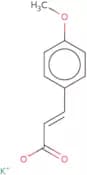
CAS:<p>Potassium 4-methoxycinnamate is a fine chemical that is used as a versatile building block in the synthesis of complex compounds. It can be used in research and as a reagent or speciality chemical. It is also a useful building block for high quality, useful intermediate, and reaction component. Potassium 4-methoxycinnamate can be used as a scaffold to synthesize compounds with diverse applications such as pharmaceuticals, polymers, and agrochemicals.</p>Formula:C10H9O3·KPurity:Min. 95%Molecular weight:216.27 g/molMca-Pro-Leu-Gly-Pro-D-Lys(Dnp)-OH
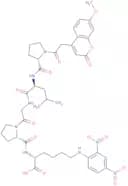
CAS:<p>Please enquire for more information about Mca-Pro-Leu-Gly-Pro-D-Lys(Dnp)-OH including the price, delivery time and more detailed product information at the technical inquiry form on this page</p>Formula:C42H52N8O14Purity:Min. 95%Molecular weight:892.91 g/molGRF (bovine) trifluoroacetate salt
CAS:<p>Growth hormone-releasing factor (GRF) or GHRH (growth hormone-releasing hormone).Binds to the growth hormone-releasing hormone receptor (GHRH-R), causing growth hormone secretion.porcine: H-YADAIFTNSYRKVLGQLSARKLLQDIMSRQQGERNQEQGARVRL-NH2bovine: H-YADAIFTNSYRKVLGQLSARKLLQDIMNRQQGERNQEQGAKVRL-NH2ovine: H-YADAIFTNSYRKILGQLSARKLLQDIMNRQQGERNQEQGAKVRL-NH2human: H-YADAIFTNSYRKVLGQLSARKLLQDIMSRQQGESNQERGARARL-NH2</p>Formula:C220H366N72O66SPurity:Min. 95%Molecular weight:5,107.77 g/molH-Gly-Leu-Tyr-OH
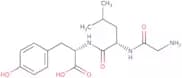
CAS:<p>H-Gly-Leu-Tyr-OH is a tripeptide that is found in some human and animal proteins. The peptide contains glycine, leucine, tyrosine, and hydroxyproline. It binds to copper ions with an inhibition constant of 1.5 x 10^5 M and has a pH optimum of 7.0. In the active form, it inhibits α subunit of bacterial aminopeptidase which is required for protein synthesis in bacteria. The peptide also has been shown to be a model system for the study of enzyme mechanisms and as a chromatographic method for analyzing proteins in food chemistry.</p>Formula:C17H25N3O5Purity:Min. 95%Molecular weight:351.4 g/molAc-Ala-Ala-Ser(PO3H2)-Pro-Arg-pNA trifluoroacetate salt
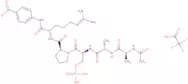
CAS:<p>Please enquire for more information about Ac-Ala-Ala-Ser(PO3H2)-Pro-Arg-pNA trifluoroacetate salt including the price, delivery time and more detailed product information at the technical inquiry form on this page</p>Formula:C28H43N10O12PPurity:Min. 95%Molecular weight:742.67 g/molBiotinyl-(Gln1)-LHRH trifluoroacetate salt Biotinyl-Gln-His-Trp-Ser-Tyr-Gly-Leu-Arg-Pro-Gly-NH2 trifluoroacetate salt
CAS:<p>Please enquire for more information about Biotinyl-(Gln1)-LHRH trifluoroacetate salt Biotinyl-Gln-His-Trp-Ser-Tyr-Gly-Leu-Arg-Pro-Gly-NH2 trifluoroacetate salt including the price, delivery time and more detailed product information at the technical inquiry form on this page</p>Formula:C65H92N20O15SPurity:Min. 95%Molecular weight:1,425.62 g/molH-Val-His-Leu-Thr-Pro-OH
CAS:<p>Please enquire for more information about H-Val-His-Leu-Thr-Pro-OH including the price, delivery time and more detailed product information at the technical inquiry form on this page</p>Formula:C26H43N7O7Purity:Min. 95%Molecular weight:565.66 g/molH-Gly-Gly-Arg-OH acetate salt
CAS:<p>Please enquire for more information about H-Gly-Gly-Arg-OH acetate salt including the price, delivery time and more detailed product information at the technical inquiry form on this page</p>Formula:C10H20N6O4Purity:Min. 95%Molecular weight:288.3 g/mol(D-Ala2,N-Me-Phe4,methionin(O)-ol5)-Enkephalin trifluoroacetate salt
CAS:<p>D-Ala2,N-Me-Phe4,methionin(O)-ol5)-Enkephalin trifluoroacetate salt H-Tyr-D-Ala-Gly-N-Me-Phe-methionin(O)-ol trifluoroacetate salt is an analog of the endocannabinoid neurotransmitter, anandamide. It has been shown to be effective in the treatment of autoimmune diseases such as multiple sclerosis and inflammatory bowel disease. D-(3R)-3-[(1S,2R,3R,5R) -3-[2-(2,6 dichlorophenyl)ethenyl] -1H -indole]-1 -butanamine trifluoroacetate salt has been shown to inhibit the replication of a number of viruses including human immunodeficiency virus type 1 (HIV). This drug also inhibits the growth of organisms that are resistant</p>Formula:C29H41N5O7SPurity:Min. 95%Molecular weight:603.73 g/molUrocortin (human) trifluoroacetate salt
CAS:<p>Trifluoroacetate salt</p>Formula:C204H337N63O64Purity:Min. 95%Molecular weight:4,696.24 g/molAbz-Gly-Ile-Val-Arg-Ala-Lys(Dnp)-OH
CAS:<p>Abz-Gly-Ile-Val-Arg-Ala-Lys(Dnp)-OH is a protease inhibitor that has been shown to inhibit the activity of proteinases, such as collagenase, elastase and cathepsin G. It also inhibits the growth of leishmania parasites. Abz-Gly-Ile-Val-Arg-Ala-Lys(Dnp)-OH was also found to be potent in inhibiting the proteolytic activity of cancer cells. The inhibition is due to its ability to form tight complexes with the active site of enzymes such as trypsin and chymotrypsin. This compound has potential for use in animal experiments and in vitro assays.</p>Formula:C41H61N13O12Purity:Min. 95%Molecular weight:928 g/molAbz-Lys-Pro-Leu-Gly-Leu-Dap (Dnp)-Ala-Arg-NH2 trifluoroacetate salt
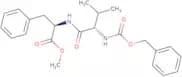
CAS:<p>Please enquire for more information about Abz-Lys-Pro-Leu-Gly-Leu-Dap (Dnp)-Ala-Arg-NH2 trifluoroacetate salt including the price, delivery time and more detailed product information at the technical inquiry form on this page</p>Formula:C50H77N17O13Purity:Min. 95%Molecular weight:1,124.25 g/molZ-Val-D-Phe-OMe
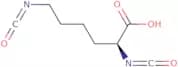
CAS:<p>Please enquire for more information about Z-Val-D-Phe-OMe including the price, delivery time and more detailed product information at the technical inquiry form on this page</p>Formula:C23H28N2O5Purity:Min. 95%Molecular weight:412.48 g/molL-Lysine diisocyanate
CAS:<p>L-Lysine diisocyanate is an organic compound that is a reactive site for the production of calcium stearate and ethylene diamine. It has been shown to be a reactive site in vitro, but not in vivo. L-Lysine diisocyanate reacts with water vapor to produce hydrogen cyanide, which is toxic to cells. The presence of l-lysine can inhibit the formation of hydrogen cyanide, but it also inhibits uptake into cells and tissue cultures.</p>Formula:C8H10N2O4Purity:Min. 95 Area-%Molecular weight:198.18 g/molKisspeptin-54 (27-54) (human) trifluoroacetate salt
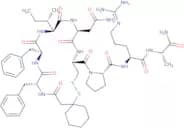
CAS:<p>Please enquire for more information about Kisspeptin-54 (27-54) (human) trifluoroacetate salt including the price, delivery time and more detailed product information at the technical inquiry form on this page</p>Formula:C149H226N42O39Purity:Min. 95%Molecular weight:3,229.65 g/mol(d(CH2)51,D-Phe2,Ile4,Ala-NH29)-Vasopressin b-Mercapto-b,b-cyclopentamethylene-propionyl-D-Phe-Phe-Ile-Asn-Cys-Pro-Arg-Ala-NH2 (Disu lfide bond)
CAS:<p>Please enquire for more information about (d(CH2)51,D-Phe2,Ile4,Ala-NH29)-Vasopressin b-Mercapto-b,b-cyclopentamethylene-propionyl-D-Phe-Phe-Ile-Asn-Cys-Pro-Arg-Ala-NH2 (Disu lfide bond) including the price, delivery time and more detailed product information at the technical inquiry form on this page</p>Formula:C53H78N13O10S2Purity:Min. 95%Molecular weight:1,121.4 g/molH-Pro-His-Pro-Phe-His-Leu-Phe-Val-Tyr-OH
CAS:<p>Please enquire for more information about H-Pro-His-Pro-Phe-His-Leu-Phe-Val-Tyr-OH including the price, delivery time and more detailed product information at the technical inquiry form on this page</p>Formula:C60H77N13O11Purity:Min. 95%Molecular weight:1,156.33 g/molBoc-His(1-Mts)-OH·DCHA
CAS:Controlled Product<p>Please enquire for more information about Boc-His(1-Mts)-OH·DCHA including the price, delivery time and more detailed product information at the technical inquiry form on this page</p>Formula:C20H27N3O6S·C12H23NPurity:Min. 95%Molecular weight:618.83 g/molH-Pro-Leu-Gly-Gly-OH
CAS:<p>Please enquire for more information about H-Pro-Leu-Gly-Gly-OH including the price, delivery time and more detailed product information at the technical inquiry form on this page</p>Formula:C15H26N4O5Purity:Min. 95%Molecular weight:342.39 g/molZ-Leu-Leu-Tyr-a-keto aldehyde
CAS:<p>Please enquire for more information about Z-Leu-Leu-Tyr-a-keto aldehyde including the price, delivery time and more detailed product information at the technical inquiry form on this page</p>Formula:C30H39N3O7Purity:Min. 95%Molecular weight:553.65 g/mol5-Methoxy-3,4-dihydro-2H-pyrrole
CAS:<p>5-Methoxy-3,4-dihydro-2H-pyrrole is a chemical compound that contains a pyrrole ring. It can be found in the form of dehydrogenation and intramolecular hydrogen. 5-Methoxy-3,4-dihydro-2H-pyrrole has been shown to have antibacterial effects against Mycobacterium tuberculosis and other bacteria. 5-Methoxy-3,4-dihydro-2H-pyrrole also reacts with nitroacetate to form an aziridine, which is an intermediate in the synthesis of several pharmaceuticals. This chemical compound is used in the preparation of bipyrrole compounds such as naphthalene and alicyclic compounds such as nitrophenols.</p>Formula:C5H9NOPurity:Min. 95%Molecular weight:99.13 g/molSuc-Phe-Ala-Ala-Phe-pNA
CAS:<p>Suc-Phe-Ala-Ala-Phe-pNA is a serine protease with natriuretic properties. It has been shown to have high salt and pH optima and to be reactive at physiological pH. Suc-Phe-Ala-Ala-Phe-pNA has been sequenced and found to have a carboxy terminal reactive site. There are eight cysteine residues in the amino acid sequence of this protease, four of which are in the reactive site. This protease also has vasoactive intestinal peptide (VIP) activity, which is involved in inflammatory diseases.</p>Formula:C34H38N6O9Purity:Min. 95%Molecular weight:674.7 g/mol4-Fluoro-2-methoxyaniline
CAS:<p>4-Fluoro-2-methoxyaniline is an inhibitor of tyrosine kinase. It is a molecule that has been isolated from the ground leaves of erythroxylon coca and is used in the treatment of diabetes mellitus. 4-Fluoro-2-methoxyaniline inhibits the growth factor receptor, epidermal growth factor (EGF), and its receptor, EGF receptor. This inhibition leads to decreased proliferation of epidermal cells and decreased insulin production by pancreatic beta cells. 4-Fluoro-2-methoxyaniline also has antioxidant properties, which may be due to its ability to scavenge free radicals.</p>Formula:C7H8FNOPurity:Min. 95%Color and Shape:Light Brown To Brown LiquidMolecular weight:141.14 g/molH-Asp-Asp-Asp-OH
CAS:<p>H-Asp-Asp-Asp-OH is a peptide that has been shown to disrupt the cytosol and cause apoptosis. It can also induce proteolytic maturation and modulate autocatalytic functions. H-Asp-Asp-Asp-OH induces apoptosis by activating caspase 9 and caspase 3, which cleaves poly (ADP ribose) polymerase (PARP). This leads to DNA fragmentation, chromatin condensation, nuclear fragmentation, cell shrinkage, membrane blebbing, and nuclear pyknosis. H-Asp-Asp-Asp-OH binds to the regulatory domain of caspase 9 and prevents it from being activated. The peptide also activates caspase 8 by binding to its regulatory domain, which then activates caspases 3 and 7. H-Asp-Asp-Asp-OH also stimulates the release of granzyme B from cytot</p>Formula:C12H17N3O10Purity:Min. 95%Molecular weight:363.28 g/molAcetyl-Pepstatin Ac-Val-Val-Sta-Ala-Sta-OH
CAS:<p>Acetyl-Pepstatin is a protein data inhibitor that binds to the active site of enzymes, inhibiting their function. Acetyl-pepstatin has been shown to inhibit cathepsin D, chymotrypsin, and trypsin. It also inhibits the activity of proteases in the stomach and intestinal tract. Acetyl-Pepstatin is used as an anti-inflammatory drug for the treatment of chronic obstructive pulmonary disease (COPD) and congestive heart failure (CHF). The inhibition of these enzymes reduces inflammation by preventing the activation of inflammatory cytokines. It also prevents collagen from being degraded by proteases, which leads to decreased degradation of cartilage by chondrocytes. This drug's mechanism is similar to that of acetylsalicylic acid (aspirin), in that it inhibits prostaglandin synthesis.br></p>Formula:C31H57N5O9Purity:Min. 95%Molecular weight:643.81 g/mol(1S,2R)-Fmoc-aminocyclohexane carboxylic acid
CAS:<p>Please enquire for more information about (1S,2R)-Fmoc-aminocyclohexane carboxylic acid including the price, delivery time and more detailed product information at the technical inquiry form on this page</p>Formula:C22H23NO4Purity:Min. 95%Molecular weight:365.42 g/molBoc-Phe-Merrifield resin (200-400 mesh)
<p>Please enquire for more information about Boc-Phe-Merrifield resin (200-400 mesh) including the price, delivery time and more detailed product information at the technical inquiry form on this page</p>Purity:Min. 95%2-Methyl-5-chloromethylpyridineHydrochloride
CAS:<p>Please enquire for more information about 2-Methyl-5-chloromethylpyridineHydrochloride including the price, delivery time and more detailed product information at the technical inquiry form on this page</p>Formula:C7H9Cl2NPurity:Min. 95%Molecular weight:178.06 g/molZ-Gly-Trp-OH
CAS:<p>Z-Gly-Trp-OH is a peptide that is synthesized by combining the amino acids glycine, alanine, and tryptophan. It is used in a variety of applications, including as an antimicrobial agent, sweetener, and health care product. Z-Gly-Trp-OH has been shown to have potential health benefits such as improved insulin sensitivity and prevention of cardiovascular disease. The strategies for synthesizing this peptide are dependent on the availability of different amino acid building blocks. For example, zinc ions may be used to catalyze the condensation of glycine with tryptophan.</p>Formula:C21H21N3O5Purity:Min. 95%Molecular weight:395.41 g/molZ-D-Orn (Z)-OH
CAS:<p>Please enquire for more information about Z-D-Orn (Z)-OH including the price, delivery time and more detailed product information at the technical inquiry form on this page</p>Formula:C21H24N2O6Purity:Min. 95%Molecular weight:400.43 g/molH-Met-D-Met-OH
CAS:<p>Please enquire for more information about H-Met-D-Met-OH including the price, delivery time and more detailed product information at the technical inquiry form on this page</p>Formula:C10H20N2O3S2Purity:Min. 95%Molecular weight:280.41 g/molAdipokinetic Hormone G (Gryllus bimaculatus)
CAS:<p>Adipokinetic hormone G is a peptide found in the hemolymph of Gryllus bimaculatus, a species of cricket. It has been shown to have anti-lipemic and antilipaemic effects in animal models. Adipokinetic hormone G can be detected by bioassay and matrix-assisted laser desorption/ionization (MALDI) mass spectrometry.</p>Formula:C43H57N11O12Purity:Min. 95%Molecular weight:919.98 g/molPeptide 46
CAS:<p>Peptide 46 is a synthetic peptide that has been shown to be effective in the treatment of cancer. It binds to an antigen-presenting cell, which presents the peptide to a T-cell receptor on a cytotoxic T-cell. The binding of the peptide to this receptor leads to activation of the cytotoxic T-cell, resulting in killing of cells bearing the peptide sequence. This peptide can also be used as an adjuvant for cancer therapy, as it induces regulatory responses in immune cells. Peptide 46 has been shown to have inhibitory effects on intracellular targets and sequences that are involved in regulating gene expression. It can also bind specifically to DNA sequences and linkers that are found in cancer tissues.</p>Formula:C100H174N40O31Purity:Min. 95%Molecular weight:2,432.7 g/molN-Boc-isonipecotic acid
CAS:<p>N-Boc-isonipecotic acid is a potent antitumor agent that has been clinically shown to be effective against leukemia and lymphoma. It has potent antibacterial activity against Gram-positive bacteria such as Staphylococcus aureus and Streptococcus pyogenes. N-Boc-isonipecotic acid binds to the gyrase enzyme, which is used by these bacteria to maintain the integrity of their DNA, inhibiting protein synthesis and cell division. This drug also has anti-inflammatory properties. N-Boc-isonipecotic acid inhibits prostaglandin synthesis in cells, which may be due to its ability to inhibit the production of tumor necrosis factor α (TNFα) in macrophages.</p>Formula:C11H19NO4Purity:Min. 95%Molecular weight:229.27 g/molCys(NPys)-Antennapedia Homeobox (43-58) amide trifluoroacetate salt
CAS:<p>Please enquire for more information about Cys(NPys)-Antennapedia Homeobox (43-58) amide trifluoroacetate salt including the price, delivery time and more detailed product information at the technical inquiry form on this page</p>Formula:C112H176N38O22S3Purity:Min. 95%Molecular weight:2,503.04 g/molNeuropeptide Y (free acid) (human, rat) trifluoroacetate salt
CAS:<p>Please enquire for more information about Neuropeptide Y (free acid) (human, rat) trifluoroacetate salt including the price, delivery time and more detailed product information at the technical inquiry form on this page</p>Formula:C189H284N54O58SPurity:Min. 95%Molecular weight:4,272.67 g/mol3,5-Diiodo-4-methoxybenzhydrazide
CAS:<p>3,5-Diiodo-4-methoxybenzhydrazide is a high quality chemical that is useful in the preparation of complex compounds. This compound has been shown to be an excellent reagent and useful intermediate for the synthesis of various fine chemicals. It has been used as a precursor for the production of the antiviral drug Tamiflu, among other pharmaceuticals. 3,5-Diiodo-4-methoxybenzhydrazide is also a versatile building block that can be used in research or as a reaction component in organic synthesis.</p>Formula:C8H8I2N2O2Purity:Min. 95%Color and Shape:PowderMolecular weight:417.97 g/molBoc-Pro-PAM resin (200-400 mesh)
<p>Please enquire for more information about Boc-Pro-PAM resin (200-400 mesh) including the price, delivery time and more detailed product information at the technical inquiry form on this page</p>Purity:Min. 95%H-Arg(Pbf)-OtBu·HCl
CAS:<p>Please enquire for more information about H-Arg(Pbf)-OtBu·HCl including the price, delivery time and more detailed product information at the technical inquiry form on this page</p>Formula:C23H38N4O5S·HClPurity:Min. 95%Color and Shape:PowderMolecular weight:519.1 g/molCyclo(-D-Glu-Ala-D-allo-Ile-Leu-D-Trp)
CAS:<p>Please enquire for more information about Cyclo(-D-Glu-Ala-D-allo-Ile-Leu-D-Trp) including the price, delivery time and more detailed product information at the technical inquiry form on this page</p>Formula:C31H44N6O7Purity:Min. 95%Molecular weight:612.72 g/molFurin Inhibitor II trifluoroacetate salt
CAS:<p>Furin inhibitor II is a small molecule that inhibits the activity of furin, which is an enzyme used in the processing of growth factor-β1. Furin inhibitor II binds to human receptors and blocks their binding to the surface glycoprotein on cancer cells. Furin inhibitor II also has physiological activities, such as reducing inflammation, inhibiting viral replication, and inhibiting the growth of bacteria. Furin inhibitor II may be useful for treating cancer or infectious diseases.</p>Formula:C36H75N25O6Purity:Min. 95%Molecular weight:954.15 g/molH-Tyr-Lys-Thr-OH
CAS:<p>Please enquire for more information about H-Tyr-Lys-Thr-OH including the price, delivery time and more detailed product information at the technical inquiry form on this page</p>Formula:C19H30N4O6Purity:Min. 95%Molecular weight:410.46 g/molPKI-tide
CAS:<p>PKI-tide is a potent, selective inhibitor of the calcium/calmodulin-dependent protein kinase. It inhibits the activity of this enzyme and prevents the activation of other protein kinases by this enzyme. PKI-tide binds to the ATP site of the calcium/calmodulin-dependent protein kinase and blocks the binding of ATP and calmodulin. This inhibition prevents the phosphorylation of target proteins, including myosin light chain in muscle cells.</p>Formula:C85H149N31O24Purity:Min. 95%Molecular weight:1,989.29 g/mol4-Fluoro-2-methoxy-5-nitroaniline
CAS:<p>Intermediate in the synthesis of osimertinib (AZD9291)</p>Formula:C7H7FN2O3Purity:Min. 95%Molecular weight:186.14 g/molDABCYL-(Asn670,Leu671)-Amyloid b/A4 Protein Precursor770 (667-675)-EDANS ammonium salt
CAS:<p>Please enquire for more information about DABCYL-(Asn670,Leu671)-Amyloid b/A4 Protein Precursor770 (667-675)-EDANS ammonium salt including the price, delivery time and more detailed product information at the technical inquiry form on this page</p>Formula:C71H91N15O21SPurity:Min. 95%Molecular weight:1,522.64 g/molOsteogenic Growth Peptide (10-14) trifluoroacetate salt
CAS:<p>Osteogenic growth peptide is a cyclic peptide that has been shown to activate the production of collagen and other proteins in fibroblasts. It has also been found to promote hematopoietic cell proliferation, as well as stimulate growth in cultured cells. Osteogenic growth peptide is an analog of TGF-β1, but it differs by having a tyrosine residue at the 10th position instead of an arginine residue. This difference in amino acid sequence alters the activity of this peptide and produces a new compound with different biological effects.</p>Formula:C24H29N5O7Purity:Min. 95%Molecular weight:499.52 g/molEthyl 2-(4-hydroxyphenyl)-4-methylthiazole-5-carboxylate
CAS:<p>Ethyl 2-(4-hydroxyphenyl)-4-methylthiazole-5-carboxylate is an anticancer agent that belongs to the class of formamidines. It is synthesized by refluxing ethyl 4-hydroxyphenylacetic acid with hexamethylenetetramine and acetic acid in ethanol. After purification, it is converted to its active form by reacting with hydrochloric acid. Ethyl 2-(4-hydroxyphenyl)-4-methylthiazole-5-carboxylate prevents the growth of cancer cells in culture by preventing DNA synthesis, which prevents RNA and protein synthesis. This agent has also been found to suppress paclitaxel production in cultured human breast cancer cells.</p>Formula:C13H13NO3SPurity:Min. 95%Molecular weight:263.31 g/molZ-Glu-Gly-OH
CAS:<p>Z-Glu-Gly-OH is a cysteine donor for the chemical cross-linking of keratin proteins. Follicle cells are a major source of keratin, and glutamic acid is the most abundant amino acid in these cells. Glutamine is also abundant in keratins, and may be responsible for the cornified layer. Cysteine is used to cross-link the structural proteins, while glutamic acid and glutamine are involved in cross-linking the fibre and residue. Cross-linking results in an insoluble protein matrix that provides strength to skin.</p>Formula:C15H18N2O7Purity:Min. 95%Molecular weight:338.31 g/molBiotinyl-Obestatin (rat) trifluoroacetate salt
CAS:<p>Please enquire for more information about Biotinyl-Obestatin (rat) trifluoroacetate salt including the price, delivery time and more detailed product information at the technical inquiry form on this page</p>Formula:C124H188N36O33SPurity:Min. 95%Molecular weight:2,743.11 g/mol(S,S)-(-)-Bis(a-methylbenzyl)amine Hcl
CAS:<p>Please enquire for more information about (S,S)-(-)-Bis(a-methylbenzyl)amine Hcl including the price, delivery time and more detailed product information at the technical inquiry form on this page</p>Formula:C16H19N·HClPurity:Min. 95%Molecular weight:261.79 g/molTyr-Uroguanylin (mouse, rat)
<p>Please enquire for more information about Tyr-Uroguanylin (mouse, rat) including the price, delivery time and more detailed product information at the technical inquiry form on this page</p>Formula:C69H105N17O27S4Purity:Min. 95%Molecular weight:1,732.93 g/molAc-Ala-Gln-Ala-pNA
CAS:<p>Please enquire for more information about Ac-Ala-Gln-Ala-pNA including the price, delivery time and more detailed product information at the technical inquiry form on this page</p>Formula:C19H26N6O7Purity:Min. 95%Molecular weight:450.45 g/mol


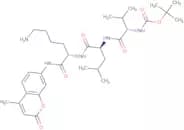

![Fmoc-[D4]Ala-OH](/_next/image/?url=https%3A%2Fstatic.cymitquimica.com%2Fproducts%2F3D%2Fthumb-webp%2FFF111394.webp&w=3840&q=75)
![4-[(4-Methylpiperazin-1-yl)methyl]benzoic acid](/_next/image/?url=https%3A%2Fstatic.cymitquimica.com%2Fproducts%2F3D%2Fthumb-webp%2FFM136767.webp&w=3840&q=75)


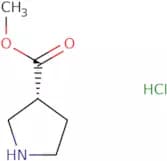
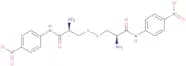
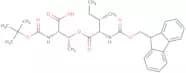
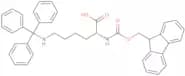
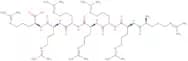
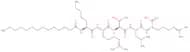
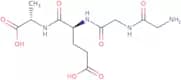
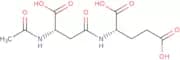

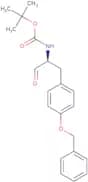

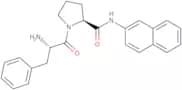

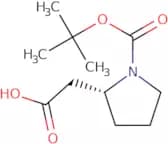

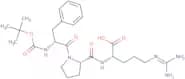
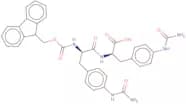

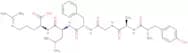
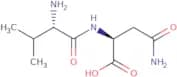

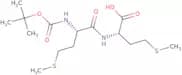
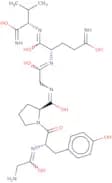
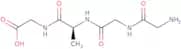
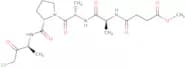
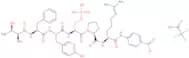
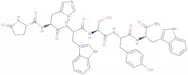
![4-[(4-Nitrophenyl)-azo]-phenol](/_next/image/?url=https%3A%2Fstatic.cymitquimica.com%2Fproducts%2F3D%2Fthumb-webp%2FFN31052.webp&w=3840&q=75)
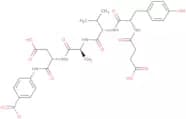

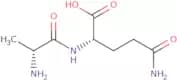

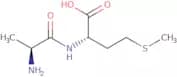
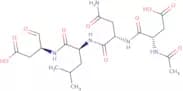
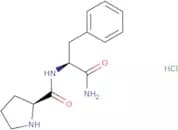
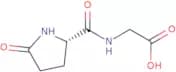
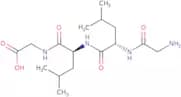
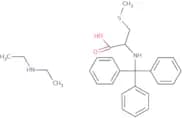
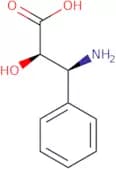
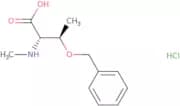
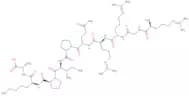
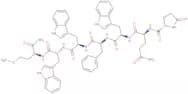
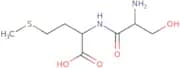
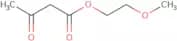

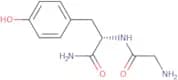
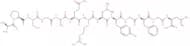
![[(RS)-2-Carboxy-3-phenylpropionyl]-Leu-OH](/_next/image/?url=https%3A%2Fstatic.cymitquimica.com%2Fproducts%2F3D%2Fthumb-webp%2FFR111021.webp&w=3840&q=75)

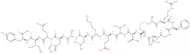

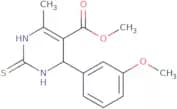

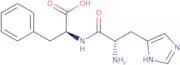


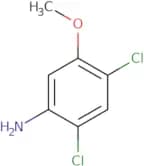
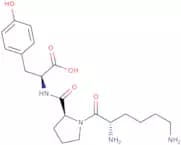
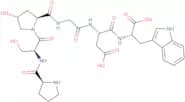
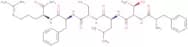

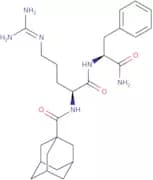

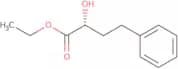

![1-t-Boc-piperidine-4-spiro-5'-[1',3'-bis-t-boc]-hydantoin](/_next/image/?url=https%3A%2Fstatic.cymitquimica.com%2Fproducts%2F3D%2Fthumb-webp%2FFB18981.webp&w=3840&q=75)
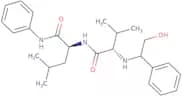
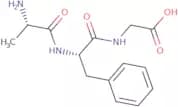
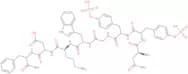
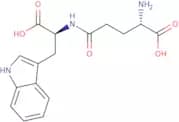
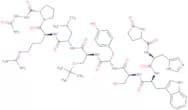
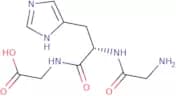
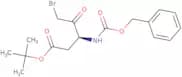

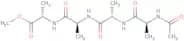
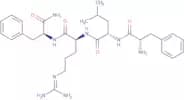


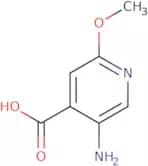

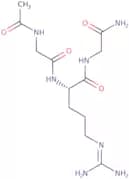

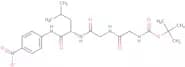

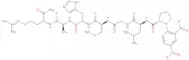


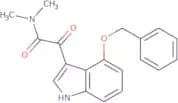


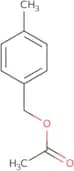


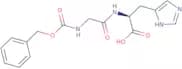
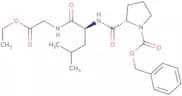
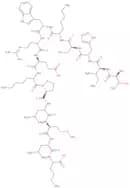
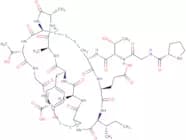
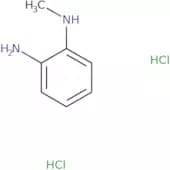
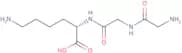
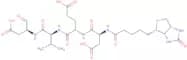
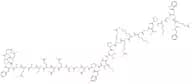

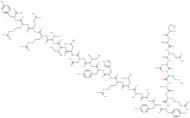
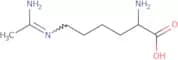

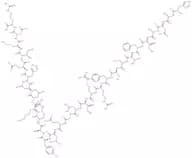
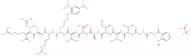
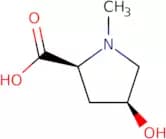
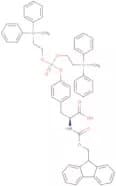
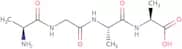

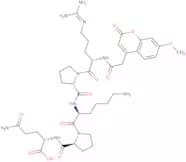


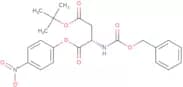
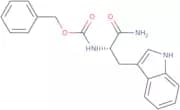
![1-Methyl-4-(4,4,5,5-tetramethyl-[1,3,2]dioxaborolan-2-yl)-1h-imidazole](/_next/image/?url=https%3A%2Fstatic.cymitquimica.com%2Fproducts%2F3D%2Fthumb-webp%2FFM166321.webp&w=3840&q=75)
![N-[(2RS,3RS)-2,3,4-Trihydroxy-butyl]-Val-Leu-anilide](/_next/image/?url=https%3A%2Fstatic.cymitquimica.com%2Fproducts%2F3D%2Fthumb-webp%2FFT108329.webp&w=3840&q=75)

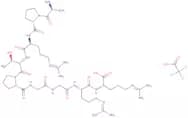
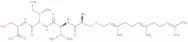
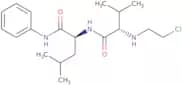
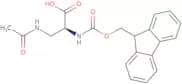
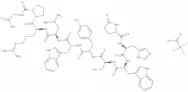
![N-[3-Fluoro-4-[6-(2-methyl-2H-tetrazol-5-yl)-3-pyridinyl]phenyl]carbamic acid phenylmethyl ester](/_next/image/?url=https%3A%2Fstatic.cymitquimica.com%2Fproducts%2F3D%2Fthumb-webp%2FFF102200.webp&w=3840&q=75)