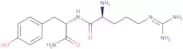
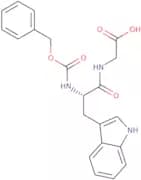
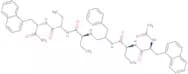
Amino Acids (AA)
Amino acids (AAs) are the fundamental building blocks of proteins, playing a crucial role in various biological processes. These organic compounds are essential for protein synthesis, metabolic pathways, and cell signaling. In this category, you will find a comprehensive range of amino acids, including essential, non-essential, and modified forms, which are vital for research in biochemistry, molecular biology, and nutritional sciences. At CymitQuimica, we provide high-quality amino acids to support your research and development needs, ensuring accuracy and reliability in your experimental outcomes.
Subcategories of "Amino Acids (AA)"
- Amino Acid Derivatives(3,957 products)
- Amino Acid and Amino Acid Related Compounds(3,472 products)
- Amino Acids with Oxygen or Sulphur(168 products)
- Boc- Amino Acids(351 products)
- Fmoc Amino Acids(1,710 products)
Found 38265 products of "Amino Acids (AA)"
Sort by
Purity (%)
0
100
|
0
|
50
|
90
|
95
|
100
((R)-4-Hydroxy-4-methyl-Orn (FITC)7)-Phalloidin trifluoroacetate salt
CAS:<p>Please enquire for more information about ((R)-4-Hydroxy-4-methyl-Orn (FITC)7)-Phalloidin trifluoroacetate salt including the price, delivery time and more detailed product information at the technical inquiry form on this page</p>Formula:C56H60N10O15S2Purity:Min. 95%Molecular weight:1,177.27 g/molFmoc-Ser(tBu)-Pro-OH
CAS:<p>Please enquire for more information about Fmoc-Ser(tBu)-Pro-OH including the price, delivery time and more detailed product information at the technical inquiry form on this page</p>Formula:C27H32N2O6Purity:Min. 95%Molecular weight:480.55 g/mol2-Methoxy-6-picolinic acid
CAS:<p>2-Methoxy-6-picolinic acid (2MPA) is a picolinate that has been shown to be an effective catalyst for the conversion of alcohols into allylic alcohols. 2MPA is able to catalyze the reaction by abstracting hydrogen from the carbonyl group, and then adding it to the adjacent carbon. This reaction can produce peroxide as a byproduct, which is subsequently hydrolyzed to form water and alcohol. The β-unsaturated carbonyl group of 2MPA provides additional stability for this catalytic process.<br>2MPA can also be used as a catalyst in other reactions, such as the oxidation of benzylic alcohols with hydrogen peroxide to form benzylic carbonyl compounds.</p>Formula:C7H7NO3Purity:Min. 95%Color and Shape:PowderMolecular weight:153.14 g/molCART (62-76) (human, rat) trifluoroacetate salt
CAS:<p>Please enquire for more information about CART (62-76) (human, rat) trifluoroacetate salt including the price, delivery time and more detailed product information at the technical inquiry form on this page</p>Formula:C64H99N17O23S3Purity:Min. 95%Molecular weight:1,570.77 g/molH-Lys-Cys-Thr-Cys-Cys-Ala-OH trifluoroacetate salt
CAS:<p>H-Lys-Cys-Thr-Cys-Cys-Ala-OH trifluoroacetate salt (KCTA) is a peptide that belongs to the group of thioneins and is characterized by a high content of lysine, cysteine and histidine residues. This peptide has been shown to be effective in treating subcutaneous tumors in mice. KCTA binds to metallothionein and gamma amino butyric acid (GABA), which are proteins that regulate energy metabolism in cells. KCTA has also been shown to have antimicrobial effects against human serum, which may be due to its ability to bind with thionein.</p>Formula:C22H41N7O8S3Purity:Min. 95%Molecular weight:627.8 g/mol1-Methylpiperidine-4-carboxylic acid hydrochloride
CAS:<p>1-Methylpiperidine-4-carboxylic acid hydrochloride is a betaine. Betaines are intermediates in the biosynthesis of phosphocholine, which is an important component of all cell membranes. 1-Methylpiperidine-4-carboxylic acid hydrochloride has been analyzed and quantified in fruits and plants such as beets, bananas, oranges, and tomatoes. It can be found in the roots of plants and has been shown to inhibit abiotic stress. This compound is also present in the human body as a result of its ingestion from food sources. 1-Methylpiperidine-4-carboxylic acid hydrochloride inhibits proline synthesis by competing with glycine for the enzyme choline acetyltransferase. It also inhibits synthesis of pipecolic acid (a precursor for histamine) by competing with glycine for the enzyme choline acetyltransferase.</p>Formula:C7H14NO2ClPurity:Min. 95%Molecular weight:179.64 g/mol1-Boc-5-Cyano-3-hydroxymethylindole
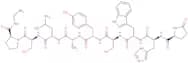
CAS:<p>Please enquire for more information about 1-Boc-5-Cyano-3-hydroxymethylindole including the price, delivery time and more detailed product information at the technical inquiry form on this page</p>Formula:C15H16N2O3Purity:Min. 95%Molecular weight:272.3 g/molLHRH (1-6) amide Pyr-His-Trp-Ser-Tyr-Gly-NH2
CAS:<p>Please enquire for more information about LHRH (1-6) amide Pyr-His-Trp-Ser-Tyr-Gly-NH2 including the price, delivery time and more detailed product information at the technical inquiry form on this page</p>Formula:C36H42N10O9Purity:Min. 95%Molecular weight:758.78 g/molAntho-RPamide III·HCl Pyr-Val-Lys-Leu-Tyr-Arg-Pro-NH2·HCl
CAS:<p>Please enquire for more information about Antho-RPamide III·HCl Pyr-Val-Lys-Leu-Tyr-Arg-Pro-NH2·HCl including the price, delivery time and more detailed product information at the technical inquiry form on this page</p>Formula:C42H68N12O9·HClPurity:Min. 95%Molecular weight:921.53 g/molSuc-Ala-Pro-Leu-Phe-pNA
CAS:<p>Suc-Ala-Pro-Leu-Phe-pNA is a synthetic protease with regulatory, mycological, and proteolytic properties. It has been shown to be effective against anisopliae, nematodes, and serine proteases. Suc-Ala-Pro-Leu-Phe-pNA has been synthesized by the chemical coupling of three amino acids: alanine, proline, and phenylalanine. The sequence of this protease is SEQ ID NO:1. Suc-Ala-Pro-Leu-Phe-pNA has a pH optimum of 3.0 and exhibits significant activity at acidic pHs (less than 6). The enzyme also displays kinetic properties that are typical for serine proteases. The buffer used in the assay should be Tris or phosphate buffered saline (PBS) at pH 7.2 to 8.0 with a salt concentration of 150 mM NaCl or</p>Formula:C33H42N6O9Purity:Min. 95%Molecular weight:666.72 g/molEnantio-PAF C-16
CAS:<p>Enantio-PAF C-16, or 3-O-Hexadecyl-2-O-acetyl-sn-glycero-1-phosphocholine, is a biologically inactive enatiomer of platelet-activating factor (PAF). It is a PAF receptor agonist.</p>Formula:C26H54NO7PPurity:Min. 95%Molecular weight:523.68 g/molObestatin (human) trifluoroacetate salt
CAS:<p>Please enquire for more information about Obestatin (human) trifluoroacetate salt including the price, delivery time and more detailed product information at the technical inquiry form on this page</p>Formula:C116H176N32O33Purity:Min. 95%Molecular weight:2,546.83 g/molCyclo(-Gly-Asn-Trp-His-Gly-Thr-Ala-Pro-Asp)-Trp-Phe-Phe-Asn-Tyr-Tyr-Trp-OH
CAS:<p>Please enquire for more information about Cyclo(-Gly-Asn-Trp-His-Gly-Thr-Ala-Pro-Asp)-Trp-Phe-Phe-Asn-Tyr-Tyr-Trp-OH including the price, delivery time and more detailed product information at the technical inquiry form on this page</p>Formula:C103H115N23O23Purity:Min. 95%Molecular weight:2,043.16 g/molMethyl 3-amino-2-phenylpropanoate HCl
CAS:<p>Methyl 3-amino-2-phenylpropanoate HCl is a chemical intermediate that is synthesized in the biosynthesis of scopolamine and tenellin. It has been found to be an isotopically labeled analog of tropane alkaloids, which are a class of natural products that includes atropine, hyoscyamine, and scopolamine. Methyl 3-amino-2-phenylpropanoate HCl is one of many compounds that can provide structural insights into the biosynthesis and metabolism of these compounds.</p>Formula:C10H13NO2·HClPurity:Area-% Min. 95 Area-%Color and Shape:PowderMolecular weight:215.68 g/molAngiotensin A trifluoroacetate salt
CAS:<p>Angiotensin A trifluoroacetate salt H-Ala-Arg-Val-Tyr-Ile-His-Pro-Phe-OH is a drug that has been shown to be effective in treating chronic kidney disease and heart failure. It is a synthetic peptide that mimics the activity of angiotensin II, an important regulator of blood pressure. Angiotensin A trifluoroacetate salt H-Ala-Arg-Val-Tyr-Ile-His-Pro-Phe-OH binds to the angiotensin receptor, which causes vasoconstriction and increases the release of soluble guanylate cyclase. This drug also inhibits the production of matrix metalloproteinases, which break down collagen and other extracellular proteins.</p>Formula:C49H71N13O10Purity:Min. 95%Molecular weight:1,002.17 g/molAc-Asp-Arg-Leu-Asp-Ser-OH
CAS:<p>Ac-Asp-Arg-Leu-Asp-Ser-OH is a peptide that has been synthesized to mimic the activity of aspartic acid. It has been shown to have prophylactic and/or therapeutic effects on infectious diseases and autoimmune diseases. Ac-Asp-Arg-Leu-Asp-Ser-OH may be used for the treatment of cancer, inflammatory diseases, and neurodegenerative diseases. Ac-Asp-Arg-Leu-Asp-Ser OH also acts as a cryoprotectant and diluent in drug development.</p>Formula:C25H42N8O12Purity:Min. 95%Molecular weight:646.65 g/molMoth Cytochrome C (MCC) Fragment
CAS:<p>Please enquire for more information about Moth Cytochrome C (MCC) Fragment including the price, delivery time and more detailed product information at the technical inquiry form on this page</p>Formula:C78H129N23O26Purity:Min. 95%Molecular weight:1,805 g/mol(Asn7)-Amyloid b-Protein (1-40) trifluoroacetate salt
CAS:<p>(Asn7)-Amyloid b-Protein (1-40) trifluoroacetate salt H-Asp-Ala-Glu-Phe-Arg-His-Asn-Ser-Gly-Tyr-Glu-Val-His-His-Gln-Lys<br>The product is a compound that has been shown to inhibit the formation of beta amyloid peptides in the brain. It binds to the beta amyloid peptide and prevents its aggregation, thereby preventing the formation of plaques and inhibiting neuronal cell death. The product contains no detectable levels of trehalose, which makes it ideal for use in brain imaging studies. This product may also be used as a predictive biomarker for Alzheimer's disease because it can be detected in cerebrospinal fluid and plasma.</p>Formula:C194H296N54O57SPurity:Min. 95%Molecular weight:4,328.82 g/molAc-Leu-Val-Phe-aldehyde
CAS:<p>Ac-Leu-Val-Phe-aldehyde is a synthetic compound that inhibits the catalytic activity of carboxyl enzymes. It binds to the catalytic site of the enzyme via a noncovalent interaction with residues on the polypeptide chain, thereby preventing the formation of an active complex with other cofactors such as metal ions, amino acids, and ATP. Ac-Leu-Val-Phe-aldehyde can be used in analytical chemistry for determination of carboxyl groups in organic compounds or for determining protein content in biological samples. Ac-Leu-Val-Phe-aldehyde has also been shown to bind to antibodies which are specific for carboxyl groups.</p>Formula:C22H33N3O4Purity:Min. 95%Molecular weight:403.52 g/molH-Leu-Gly-Arg-Ser-Gly-Gly-Asp-Ile-Ile-Lys-Lys-Met-Gln-Thr-Leu-OH
CAS:<p>Please enquire for more information about H-Leu-Gly-Arg-Ser-Gly-Gly-Asp-Ile-Ile-Lys-Lys-Met-Gln-Thr-Leu-OH including the price, delivery time and more detailed product information at the technical inquiry form on this page</p>Formula:C69H125N21O21SPurity:Min. 95%Molecular weight:1,616.93 g/molH-Gly-Phe-Tyr-OH
CAS:<p>H-Gly-Phe-Tyr-OH is a water soluble polymer that can be conjugated to drugs. The polymer is composed of methacrylamide and Gly, Phe, and Tyr residues. This polymer is used in the treatment of cancer by conjugating a drug to the polymer to make it water soluble. H-Gly-Phe-Tyr-OH can also be used as a polymeric carrier for docetaxel or gemcitabine.</p>Formula:C20H23N3O5Purity:Min. 95%Molecular weight:385.41 g/molPresenilin-1 (331-349)-Cys (human, mouse) trifluoroacetate salt
CAS:<p>Please enquire for more information about Presenilin-1 (331-349)-Cys (human, mouse) trifluoroacetate salt including the price, delivery time and more detailed product information at the technical inquiry form on this page</p>Formula:C92H130N28O37SPurity:Min. 95%Molecular weight:2,252.25 g/molGLP-2 (1-34) (human) trifluoroacetate salt
CAS:<p>Structure/Function: human; Trifluoroacetate salt</p>Formula:C171H266N48O56SPurity:Min. 95%Molecular weight:3,922.3 g/molMethoxycarbonyl-D-Nle-Gly-Arg-pNA acetate salt
CAS:<p>Please enquire for more information about Methoxycarbonyl-D-Nle-Gly-Arg-pNA acetate salt including the price, delivery time and more detailed product information at the technical inquiry form on this page</p>Formula:C22H34N8O7Purity:Min. 95%Molecular weight:522.56 g/mol6-Chloro-2-methylbenzoic acid
CAS:<p>6-Chloro-2-methylbenzoic acid is a methyl ester that is used in the synthesis of 2-chloro-6-fluorobenzaldehyde. This chemical reacts with hydrogen peroxide to produce chloride and 2,6-dichlorobenzoic acid. The compound can also be synthesized from 2,6-dichlorobenzaldehyde and methoxyethanol. 6CMB has been shown to react with anions such as Cl-, Br-, NO2-, SO3H, and PO3H2 to form organic carboxylates or sulfoxides. It has also been shown to be a byproduct of the reaction between chloral hydrate and potassium permanganate.</p>Formula:C8H7ClO2Purity:90%Color and Shape:PowderMolecular weight:170.59 g/molAc-Tyr-Val-Ala-Asp-aldehyde (pseudo acid)
CAS:<p>Ac-Tyr-Val-Ala-Asp-aldehyde is a sesquiterpene lactone that has been shown to have anti-inflammatory properties. It inhibits the inflammatory response by inhibiting the production of pro-inflammatory cytokines and chemokines, such as IL1β, IL6, and TNFα. Ac-Tyr-Val-Ala-Asp-aldehyde also inhibits the activity of cyclooxygenase 2 (COX2) and lipoxygenase (LOX), which are enzymes that produce prostaglandins from arachidonic acid. Acetylsalicylic acid is an example of a drug with similar properties. Acetylsalicylic acid has been shown to inhibit the growth of cancer cells in tissue culture studies and in animal models. This compound may also be used to treat bowel disease, congestive heart failure, or other diseases that are characterized by increased apoptosis.</p>Formula:C23H32N4O8Purity:Min. 95%Molecular weight:492.52 g/molpTH (1-37) (human) trifluoroacetate salt
CAS:<p>Please enquire for more information about pTH (1-37) (human) trifluoroacetate salt including the price, delivery time and more detailed product information at the technical inquiry form on this page</p>Formula:C195H316N58O54S2Purity:Min. 95%Molecular weight:4,401.09 g/molFmoc-N-methyl-L-leucine
CAS:<p>Please enquire for more information about Fmoc-N-methyl-L-leucine including the price, delivery time and more detailed product information at the technical inquiry form on this page</p>Formula:C22H25NO4Purity:Min. 95%Color and Shape:PowderMolecular weight:367.44 g/molZ-Pro-D-Leu-D-Ala-NHOH
CAS:<p>Z-Pro-D-Leu-D-Ala-NHOH is a neutralizing peptide that inhibits the activity of elastase and collagenase. It also has potent inhibitory activities against experimental infection with various microorganisms, including Streptococcus pyogenes, Staphylococcus aureus, and Pseudomonas aeruginosa. This peptide is a molecule consisting of 11 amino acids, which is synthesized in vivo by the host as a response to bacterial infections. Z-Pro-D-Leu-D-Ala-NHOH can be used for pharmaceutical preparations or techniques that require an enzyme inhibitor. The biological function of this peptide is not fully understood but it has been shown to have antiestrogenic effects.</p>Formula:C22H32N4O6Purity:Min. 95%Molecular weight:448.51 g/mol(Ala11·22·28)-VIP (human, mouse, rat) trifluoroacetate salt
CAS:<p>(Ala11·22·28)-VIP is an endogenous peptide which is involved in the regulation of inflammation. It is a specific agonist for the vasoactive intestinal peptide receptor (VIP-R) and has been shown to exacerbate inflammatory responses such as those seen in tissues, intestines, and phagocytes. VIP also has effects on other cells types that are mediated by its ability to activate the VIP-R. These include increased vascular permeability and vasodilation, as well as increases in reactive oxygen species and cytokine production.</p>Formula:C139H231N43O39SPurity:Min. 95%Molecular weight:3,160.65 g/molZ-Leu-Glu(OMe)-Thr-DL-Asp(OMe)-fluoromethylketone
CAS:<p>Please enquire for more information about Z-Leu-Glu(OMe)-Thr-DL-Asp(OMe)-fluoromethylketone including the price, delivery time and more detailed product information at the technical inquiry form on this page</p>Formula:C30H43FN4O11Purity:Min. 95%Molecular weight:654.68 g/molN-Me-Val-Leu-anilide
CAS:<p>Please enquire for more information about N-Me-Val-Leu-anilide including the price, delivery time and more detailed product information at the technical inquiry form on this page</p>Formula:C18H29N3O2Purity:Min. 95%Molecular weight:319.44 g/molH-Arg-Val-OH acetate salt
CAS:<p>H-Arg-Val-OH acetate salt is a recombinant humanized monoclonal antibody that binds to the serine protease, which is an enzyme that cleaves proteins at specific sites. The antibody inhibits the activity of this enzyme and prevents the release of proteins from cells. It has been shown to be clinically relevant in treating heart failure, chronic pulmonary disease, and congenital heart disease. In addition, H-Arg-Val-OH acetate salt inhibits the release of inflammatory molecules like interleukin 6 (IL6) and tumor necrosis factor alpha (TNFα), which are involved in a variety of diseases.</p>Formula:C11H23N5O3Purity:Min. 95%Molecular weight:273.33 g/molAc-Phe-Gly-pNA
CAS:<p>Ac-Phe-Gly-pNA is a peptidyl prodrug that has been shown to have proteolytic activity against cells of the malignant phenotype. Ac-Phe-Gly-pNA is converted to an active form by serine proteases, which are found on the surface of trophozoites and in cancerous cells. The sequence of Ac-Phe-Gly-pNA is homologous with a protein found in Giardia lamblia, and it has been shown to be active against this parasite. Ac-Phe-Gly-pNA can also be detected with fluorogenic substrates and aminopeptidase activity.</p>Formula:C19H20N4O5Purity:Min. 95%Molecular weight:384.39 g/molFA-OSu
CAS:<p>FA-OSu is a nucleophile that is used in peptide synthesis. It has an affinity for amides, which can be used as a synthetic intermediate. FA-OSu is also a synergistic compound with perimeter, and has been shown to hydrolyse the amide bond of tetrapeptides. This product is insoluble in water and has been shown to be effective against P. aeruginosa by transpeptidation and hydrolysis. FA-OSu can be synthesized from commercially available chemicals or enzymatically from the amino acid phenylalanine.</p>Formula:C11H9NO5Purity:Min. 95%Molecular weight:235.19 g/molN-Methyl-L-trans-4-hydroxyproline hydrochloride
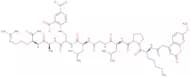
CAS:<p>N-Methyl-L-trans-4-hydroxyproline hydrochloride is a bioactive compound that is present in the leaves of Semecarpifolia. It has been found to have antioxidant and anti-inflammatory properties. The chemical structure of N-methyl-L-trans-4-hydroxyproline hydrochloride is cyclic, butanamide, hexane, ethanolic extracts, and semecarpifolia. The family Meliaceae includes species such as Eucalyptus, which produces the bioactive compound cineole. Solvents used in this process are hexane and ethanolic extracts.</p>Formula:C6H11NO3·HClPurity:Min. 95%Color and Shape:PowderMolecular weight:181.62 g/molMca-Pro-Leu-Gly-Leu-Dap (Dnp)-Ala-Arg-NH2 trifluoroacetate salt
CAS:<p>Please enquire for more information about Mca-Pro-Leu-Gly-Leu-Dap (Dnp)-Ala-Arg-NH2 trifluoroacetate salt including the price, delivery time and more detailed product information at the technical inquiry form on this page</p>Formula:C49H68N14O15Purity:Min. 95%Molecular weight:1,093.15 g/molCyclo(-Arg-Ala-Asp-D-Phe-Cys) trifluoroacetate salt
CAS:<p>Please enquire for more information about Cyclo(-Arg-Ala-Asp-D-Phe-Cys) trifluoroacetate salt including the price, delivery time and more detailed product information at the technical inquiry form on this page</p>Formula:C25H36N8O7SPurity:Min. 95%Molecular weight:592.67 g/molH-D-Pro-Phe-Arg-chloromethylketone trifluoroacetate salt
CAS:<p>H-D-Pro-Phe-Arg-chloromethylketone trifluoroacetate salt is a polyvalent antivenom that is used in the treatment of snakebites and insect stings. It has been shown to be effective in the treatment of life-threatening envenomations, including bites from cobras and other rattlesnakes. This drug is not active against nonactivated venom, such as those from bees or spiders. H-D-Pro-Phe-Arg-chloromethylketone trifluoroacetate salt binds to the cytolysin, which prevents its activity by inactivating it. The drug also has a vasoconstrictive effect, which limits blood flow to tissues and may reduce tissue damage caused by venom toxins.</p>Formula:C21H31ClN6O3Purity:Min. 95%Molecular weight:450.96 g/molGhrelin-Cys(BMCC-biotinyl) (human) trifluoroacetate salt
<p>Please enquire for more information about Ghrelin-Cys(BMCC-biotinyl) (human) trifluoroacetate salt including the price, delivery time and more detailed product information at the technical inquiry form on this page</p>Formula:C178H293N53O48S2Purity:Min. 95%Molecular weight:4,007.69 g/molPAR-3 (1-6) amide (human) trifluoroacetate salt
<p>Please enquire for more information about PAR-3 (1-6) amide (human) trifluoroacetate salt including the price, delivery time and more detailed product information at the technical inquiry form on this page</p>Formula:C29H46N10O7Purity:Min. 95%Molecular weight:646.74 g/molExendin-4 (1-8) trifluoroacetate salt
CAS:<p>Please enquire for more information about Exendin-4 (1-8) trifluoroacetate salt including the price, delivery time and more detailed product information at the technical inquiry form on this page</p>Formula:C35H51N11O13Purity:Min. 95%Molecular weight:833.85 g/molH-Thr-Asp-OH TFA salt
CAS:<p>Please enquire for more information about H-Thr-Asp-OH TFA salt including the price, delivery time and more detailed product information at the technical inquiry form on this page</p>Formula:C8H14N2O6C2F3HO2Purity:Min. 95%Molecular weight:348.23 g/molDnp-Pro-Gln-Gly-Ile-Ala-Gly-Gln-D-Arg-OH
CAS:<p>Dnp-Pro-Gln-Gly-Ile-Ala-Gly-Gln-D-Arg-OH is an activated form of DNP that has been proteolyzed and then carbonylated. It has a ph optimum of 10.5, is reactive in tissue culture, and reacts with collagen. This molecule has clinical response in women, and also shows low expression in human serum. The carbonyl group may be used as a synthetic substrate to generate antibodies against the protein or modified forms of the protein.</p>Formula:C40H61N15O15Purity:Min. 95%Molecular weight:992 g/molTLQP-21 (mouse, rat) trifluoroacetate salt
CAS:<p>Please enquire for more information about TLQP-21 (mouse, rat) trifluoroacetate salt including the price, delivery time and more detailed product information at the technical inquiry form on this page</p>Formula:C107H170N40O26Purity:Min. 95%Molecular weight:2,432.75 g/mol(D-Trp6)-LHRH (1-6) amide
CAS:<p>Please enquire for more information about (D-Trp6)-LHRH (1-6) amide including the price, delivery time and more detailed product information at the technical inquiry form on this page</p>Formula:C45H49N11O9Purity:Min. 95%Molecular weight:887.94 g/molFmoc-Phe-Thr(Psi(Me,Me)pro)-OH
CAS:<p>Please enquire for more information about Fmoc-Phe-Thr(Psi(Me,Me)pro)-OH including the price, delivery time and more detailed product information at the technical inquiry form on this page</p>Formula:C31H32N2O6Purity:Min. 95%Molecular weight:528.6 g/molL-Glutamic acid 5-benzyl ester
CAS:<p>L-Glutamic acid 5-benzyl ester is an amino acid that has been synthesized to have a lysine residue. It is an ester hydrochloride and has been shown to have broad-spectrum antimicrobial properties. L-glutamic acid 5-benzyl ester's antimicrobial activity is thought to be due to its chemical structure which allows it to act as an antimicrobial peptide, binding to receptors on the surface of bacterial cells and inhibiting their growth. L-glutamic acid 5-benzyl ester also inhibits osteogenic genes in cervical cancer cells, but not in normal cells.</p>Formula:C12H15NO4Purity:Min. 95%Color and Shape:White Off-White PowderMolecular weight:237.25 g/molFmoc-rink amide resin
CAS:<p>Fmoc-rink amide resin is a synthetic, radionuclide, and constant polymer. It is used in chemical ligation to produce peptides from amines and growth factors. Fmoc-rink amide resin also has antimicrobial properties due to its ability to inhibit the growth of bacteria and fungi by binding to their cell membranes. This polymer can be conjugated with growth factor or antimicrobial peptides for use as a therapeutic agent or used in the production of antibodies against a particular protein. Fmoc-rink amide resin has been shown to increase epidermal growth factor (EGF) uptake into cells by targeting EGF receptors on the cell surface.</p>Purity:Min. 95%FA-Glu-Glu-OH
CAS:<p>Please enquire for more information about FA-Glu-Glu-OH including the price, delivery time and more detailed product information at the technical inquiry form on this page</p>Formula:C17H20N2O9Purity:Min. 95%Molecular weight:396.35 g/mol(Tyr0)-C-Type Natriuretic Peptide (32-53) (human, porcine, rat)
CAS:<p>Please enquire for more information about (Tyr0)-C-Type Natriuretic Peptide (32-53) (human, porcine, rat) including the price, delivery time and more detailed product information at the technical inquiry form on this page</p>Formula:C102H166N28O30S3Purity:Min. 95%Molecular weight:2,360.78 g/molAc-Ile-Glu-Thr-Asp-aldehyde (pseudo acid)
CAS:<p>Ac-Ile-Glu-Thr-Asp-aldehyde (pseudo acid) is a neurotrophic factor that plays an important role in the development and function of the nervous system. It stimulates the production of other neurotrophic factors such as NGF, BDNF, and GDNF. This protein has been shown to be involved in a number of autoimmune diseases, including multiple sclerosis and rheumatoid arthritis. Ac-Ile-Glu-Thr-Asp-aldehyde (pseudo acid) is also known to reduce neuronal death by binding to toll receptors on neurons and activating mitogen activated protein kinases. Acetylcholine esterase activity can also be inhibited by this protein. Acetylcholine esterase is responsible for breaking down acetylcholine, which is a neurotransmitter that transmits nerve impulses across the synapses between neurons. The inhibition of this enzyme leads to an increase in acetylcholine levels and increased transmission of</p>Formula:C21H34N4O10Purity:Min. 95%Molecular weight:502.52 g/molpTH (2-34) (human) acetate salt
CAS:<p>Please enquire for more information about pTH (2-34) (human) acetate salt including the price, delivery time and more detailed product information at the technical inquiry form on this page</p>Formula:C178H286N54O49S2Purity:Min. 95%Molecular weight:4,030.64 g/molH-Lys-Thr-Glu-Glu-Ile-Ser-Glu-Val-Lys-Met-pNA
CAS:<p>Please enquire for more information about H-Lys-Thr-Glu-Glu-Ile-Ser-Glu-Val-Lys-Met-pNA including the price, delivery time and more detailed product information at the technical inquiry form on this page</p>Formula:C56H92N14O20SPurity:Min. 95%Molecular weight:1,313.48 g/mol3-Phenyl-1-adamantane carboxylic acid
CAS:<p>3-Phenyl-1-adamantane carboxylic acid is a thioester that can be used in the synthesis of anti-fungal and antiviral agents. 3-Phenyl-1-adamantane carboxylic acid has been shown to have anti-viral activity against herpes simplex virus type 1 (HSV-1) and type 2 (HSV-2). It also has anthelmintic properties, which may be due to its ability to inhibit the growth of parasitic worms. 3PCA can also be used in the synthesis of cyclic anthelmintics, which are drugs that treat worm infestations.</p>Formula:C17H20O2Purity:Min. 95%Color and Shape:White Off-White PowderMolecular weight:256.34 g/molH-Ala-Pro-4MbetaNA·HCl
CAS:<p>Please enquire for more information about H-Ala-Pro-4MbetaNA·HCl including the price, delivery time and more detailed product information at the technical inquiry form on this page</p>Formula:C19H23N3O3·HClPurity:Min. 95%Molecular weight:377.86 g/molAnxiety Peptide acetate salt
CAS:<p>Anxiety Peptide acetate salt H-Gln-Ala-Thr-Val-Gly-Asp-Val-Asn-Thr-Asp-Arg-Pro-Gly-Leu-Leu-Asp-Leu Lys is a peptide that has been shown to have neurotrophic activity and the ability to modulate locomotor activity in mice. This compound has also been shown to inhibit dpp iv, a protein that is involved in the regulation of neuronal death. Anxiety Peptide acetate salt H Gln Ala Thr Val Gly Asp Val Asn Thr Arg Pro Gly Leu Leu Asp Leu Lys OH acetate salt also inhibits the polymerase chain reaction, which is an enzyme that synthesizes DNA from RNA templates. Anxiety Peptide acetate salt H Gln Ala Thr Val Gly Asp Val Asn Thr Arg Pro Gly Leu Leu Asp Leu Lys OH acetate salt has been shown</p>Formula:C81H138N24O29Purity:Min. 95%Molecular weight:1,912.11 g/molZ-L-Alanine
CAS:<p>Z-L-Alanine is a cytosolic enzyme inhibitor that inhibits the activity of enzymes involved in protein catalysis. This inhibition is stereoselective, with the L-enantiomer having the stronger inhibitory effect. Z-L-Alanine has been shown to be an effective inhibitor of proteolytic enzymes and has been used as an additive in buffers to prevent enzymatic degradation. Molecular modeling studies have demonstrated that Z-L-Alanine can bind to the active site of these enzymes and inhibit their activity by binding to the catalytic triad of serine, aspartate, and histidine residues. The molecular structure of Z-L-Alanine resembles that of a natural substrate for these enzymes, which may account for its effectiveness in inhibiting them. FTIR spectroscopy has confirmed the presence of Z-L-alanine in a sample obtained from a bacterial culture. Liquid chromatography has shown that this amino acid is present at high levels in various</p>Formula:C11H13NO4Purity:Min. 95%Color and Shape:White Off-White PowderMolecular weight:223.23 g/molAc-Ile-Glu-Pro-Asp-pNA
CAS:<p>Ac-Ile-Glu-Pro-Asp-pNA is a synthetic peptide that has been shown to induce apoptosis in tumor cells. The peptide was found to cause cell lysis and necrotic cell death, which is associated with the activation of serine proteases. Ac-Ile-Glu-Pro-Asp-pNA also has been shown to have a toxicity profile similar to other apoptotic agents such as staurosporine, but it has not been tested for its ability to kill cancer cells without causing damage to healthy cells. Ac-Ile-Glu-Pro-Asp-pNA induces mitochondrial membrane depolarization and protein synthesis inhibition in K562 cells, which are human erythroleukemia cells. This peptide also has shown an ability to bind with monoclonal antibodies and inhibit the growth of casein.</p>Formula:C28H38N6O11Purity:Min. 95%Molecular weight:634.64 g/molZ-Ala-Ala-NH2
CAS:<p>Z-Ala-Ala-NH2 is a peptide that has been modified. Z-Ala-Ala-NH2 is a hydrolase and has the ability to hydrolyze peptides. It can be used in organic solvents as an unmodified hydrolase, or it can be modified with a nucleophile (such as an amine) to produce an active hydrolase. The unmodified form of Z-Ala-Ala-NH2 has been shown to have high yields and specificity for peptidyl substrates. This modification is also useful for the synthesis of amide bonds in peptides, which are more stable than ester bonds.</p>Formula:C14H19N3O4Purity:Min. 95%Molecular weight:293.32 g/mol3,5-Dichloro-4-methylpyridine
CAS:<p>Please enquire for more information about 3,5-Dichloro-4-methylpyridine including the price, delivery time and more detailed product information at the technical inquiry form on this page</p>Formula:C6H5Cl2NPurity:Min. 95%Molecular weight:162.02 g/molH-Gly-Phe-Leu-OH
CAS:<p>H-Gly-Phe-Leu-OH is a hydrophobic amino acid and homologue of the natural amino acid histidine. It is an organic compound that is used in the synthesis of peptides and proteins. This compound can be synthesized by reacting ethyl esters with glycine, phenylalanine, and leucine. H-Gly-Phe-Leu-OH has been shown to be active against organisms such as Staphylococcus aureus, Escherichia coli, and Bacillus subtilis. The effectiveness of this compound may be due to its ability to bind to various sites on the organism's cell wall. It also has been shown to have antiplatelet activity similar to aspirin.</p>Formula:C17H25N3O4Purity:Min. 95%Molecular weight:335.4 g/molBoc-L-Nitroarginine
CAS:<p>Boc-L-Nitroarginine is a nitric oxide synthase inhibitor that belongs to the class of drugs called nitric oxide inhibitors. It is a potent inhibitor of nitric oxide synthase, preventing the production of nitric oxide from arginine. The drug has been shown to have therapeutic effects in the treatment of cancer, diabetes mellitus, and other diseases. Boc-L-Nitroarginine inhibits tumor angiogenesis by blocking endothelial cell proliferation and migration. It also inhibits insulin secretion, leading to an improved glycemic control in diabetic patients. Boc-L-Nitroarginine can be used as a hydrogenation reducing agent for the synthesis of imatinib and palladium catalysts for hydrogenation reactions.</p>Formula:C11H21N5O6Purity:Min. 95%Color and Shape:PowderMolecular weight:319.31 g/molZ-Leu-Met-OH
CAS:<p>Please enquire for more information about Z-Leu-Met-OH including the price, delivery time and more detailed product information at the technical inquiry form on this page</p>Formula:C19H28N2O5SPurity:Min. 95%Molecular weight:396.5 g/molC3a (70-77)
CAS:<p>C3a is a molecule that is part of the complement system. It was first discovered in leukocytes and has since been detected in other populations. C3a is a chemotactic factor for neutrophils and eosinophils, which are types of white blood cells. C3a binds to the surface of cells by means of protein-antibody interactions, and it can also act as an anaphylatoxin by binding to mast cell receptors.</p>Formula:C35H61N13O10Purity:Min. 95%Molecular weight:823.94 g/molZ-Phe-Arg-pNA·HCl
CAS:<p>Please enquire for more information about Z-Phe-Arg-pNA·HCl including the price, delivery time and more detailed product information at the technical inquiry form on this page</p>Formula:C29H33N7O6·HClPurity:Min. 95%Molecular weight:612.08 g/molPAR-1 (1-6) (mouse, rat) trifluoroacetate salt
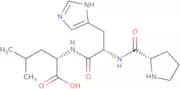
CAS:<p>Please enquire for more information about PAR-1 (1-6) (mouse, rat) trifluoroacetate salt including the price, delivery time and more detailed product information at the technical inquiry form on this page</p>Formula:C37H54N10O9Purity:Min. 95%Molecular weight:782.89 g/molH-Pro-Val-Gly-OH
CAS:<p>Please enquire for more information about H-Pro-Val-Gly-OH including the price, delivery time and more detailed product information at the technical inquiry form on this page</p>Formula:C12H21N3O4Purity:Min. 95%Molecular weight:271.31 g/molHirudin (55-65) (sulfated)
CAS:<p>Please enquire for more information about Hirudin (55-65) (sulfated) including the price, delivery time and more detailed product information at the technical inquiry form on this page</p>Formula:C64H90N12O27SPurity:Min. 95%Molecular weight:1,491.53 g/molH-D-Ala-D-Ala-D-Ala-D-Ala-D-Ala-D-Ala-OH
CAS:<p>Please enquire for more information about H-D-Ala-D-Ala-D-Ala-D-Ala-D-Ala-D-Ala-OH including the price, delivery time and more detailed product information at the technical inquiry form on this page</p>Formula:C18H32N6O7Purity:Min. 95%Molecular weight:444.48 g/molPz-Pro-Leu-OH
CAS:<p>Pz-Pro-Leu-OH is a proteolytic enzyme that cleaves proteins by hydrolysis at the peptide bond. It has been shown to be active against Clostridium and has been used in colorimetric methods for the measurement of this bacterium. Pz-Pro-Leu-OH is produced by subtilisin, which is expressed in Escherichia coli. The amount of this enzyme can be monitored and optimized by cloning. Thermolysin, another protease, also cleaves proteins at the peptide bond and has been used to measure the activity of Pz-Pro-Leu-OH.</p>Formula:C25H30N4O5Purity:Min. 95%Molecular weight:466.53 g/molH-D-Leu-Thr-Arg-pNA acetate salt
CAS:<p>Please enquire for more information about H-D-Leu-Thr-Arg-pNA acetate salt including the price, delivery time and more detailed product information at the technical inquiry form on this page</p>Formula:C22H36N8O6Purity:Min. 95%Molecular weight:508.57 g/molH-Tyr-Lys-OH
CAS:<p>H-Tyr-Lys-OH is a small drug molecule that has been shown to inhibit protein synthesis. It binds to the active site of the transcription-polymerase chain and competitively inhibits the binding of RNA polymerase. H-Tyr-Lys-OH has also been shown to have anti-inflammatory properties, which may be due to its ability to inhibit prostaglandin synthesis. H-Tyr-Lys-OH's conformational properties are similar to those found in proteins such as glutamic acid and lysine.</p>Formula:C15H23N3O4Purity:Min. 95%Molecular weight:309.36 g/molFmoc-Trp-Wang resin (100-200 mesh)
<p>Please enquire for more information about Fmoc-Trp-Wang resin (100-200 mesh) including the price, delivery time and more detailed product information at the technical inquiry form on this page</p>Purity:Min. 95%Fmoc-Ala-Pro-OH
CAS:<p>Fmoc-Ala-Pro-OH is a peroxide that can be used as a radical initiator for the synthesis of polymers, such as polypropylene. It has been shown to catalyze the oxidation of hydrogen peroxide by a phenoxy group to form radicals. The rate of formation of these radicals is highly dependent on the number and location of proline residues in the molecule. Fmoc-Ala-Pro-OH is chemically stable and does not react with oxygen or light.</p>Formula:C23H24N2O5Purity:Min. 95%Molecular weight:408.45 g/molFmoc-Asp(OtBu)-Wang resin (100-200 mesh)
<p>Please enquire for more information about Fmoc-Asp(OtBu)-Wang resin (100-200 mesh) including the price, delivery time and more detailed product information at the technical inquiry form on this page</p>Purity:Min. 95%Boc-Thr(Ile-Fmoc)-OH
CAS:<p>Please enquire for more information about Boc-Thr(Ile-Fmoc)-OH including the price, delivery time and more detailed product information at the technical inquiry form on this page</p>Formula:C30H38N2O8Purity:Min. 95%Molecular weight:554.63 g/molH-Leu-Tyr-Leu-OH
CAS:<p>H-Leu-Tyr-Leu-OH is a molecule that contains a pyrrolidine ring and methyl groups. The molecule is an amino acid, which is one of the twenty that are used to form proteins. It has three terminal residues, which are H, Leu, and Tyr. The crystallographic structure of the compound was determined by x-ray crystallographic studies and it was found to be orthorhombic with a sephadex crystal lattice. The molecular conformation of this compound can be altered through kinetic or equilibrium processes.</p>Formula:C21H33N3O5Purity:Min. 95%Molecular weight:407.5 g/molFor-Nle-Leu-Phe-Nle-Tyr-Lys-OH
CAS:<p>For-Nle-Leu-Phe-Nle-Tyr-Lys-OH is an amino acid sequence that is a proteolytic fragment of the erythrocyte membrane protein band 3. It has been shown to be able to inhibit the activity of cytosolic calcium and actin filament polymerization, as well as inhibiting apoptosis in human polymorphonuclear leukocytes (PMNL). This compound has been found to be effective in preventing uptake of bacteria by neutrophils, which may be due to its ability to alter the pH gradient across the membrane and increase intracellular calcium levels. For-Nle-Leu-Phe-Nle-Tyr-Lys-OH also inhibits diacylglycerol synthesis, which may contribute to its antiinflammatory effects.</p>Formula:C43H65N7O9Purity:Min. 95%Molecular weight:824.02 g/molZ-Leu-Tyr-chloromethylketone
CAS:<p>Z-Leu-Tyr-chloromethylketone is a peptide that binds to the reticulum and prevents the release of calcium ions. It is a chloromethyl ketone, which inhibits the L-type calcium channels in cells. Z-Leu-Tyr-chloromethylketone has been shown to block the influx of calcium ions into cytosolic compartments. This process leads to inhibition of protein synthesis and cell death by apoptosis.</p>Formula:C24H29ClN2O5Purity:Min. 95%Molecular weight:460.95 g/molBz-Nle-Lys-Arg-Arg-AMC trifluoroacetate salt
CAS:<p>Please enquire for more information about Bz-Nle-Lys-Arg-Arg-AMC trifluoroacetate salt including the price, delivery time and more detailed product information at the technical inquiry form on this page</p>Formula:C41H60N12O7·C2HF3O2Purity:Min. 95%Color and Shape:White PowderMolecular weight:832.99 g/molH-D-His(Bzl)-OH
CAS:<p>Please enquire for more information about H-D-His(Bzl)-OH including the price, delivery time and more detailed product information at the technical inquiry form on this page</p>Formula:C13H15N3O2Purity:Min. 95%Molecular weight:245.28 g/molAc-Glu-Ser-Met-Asp-aldehyde (pseudo acid)
CAS:<p>Ac-Glu-Ser-Met-Asp-aldehyde is a molecule that is naturally produced by the human body. It has been shown to be an endogenous caspase activator, which may lead to apoptosis. Ac-Glu-Ser-Met-Asp-aldehyde can also bind to cholesterol and influence its synthesis, thus affecting the production of other proteins. This molecule has a protease activity and can cleave peptides at specific sites. The sequences of this molecule have been determined and it has been found that these sequences are similar to those found in other proteases such as serine proteases.</p>Formula:C19H30N4O10SPurity:Min. 95%Molecular weight:506.53 g/molAc-Leu-Glu-His-Asp-AMC trifluoroacetate salt
CAS:<p>Ac-Leu-Glu-His-Asp-AMC trifluoroacetate salt is a synthetic peptide that is derived from the amino acid sequence of caspases. Ac-Leu-Glu-His-Asp-AMC trifluoroacetate salt induces apoptosis in insect and E. coli cells by protease activity, which leads to cell death. The sequence of this peptide is found in Drosophila melanogaster and has been shown to induce apoptosis in insect cells. Caspases are enzymes that regulate apoptosis and play a key role in cell death.</p>Formula:C33H41N7O11Purity:Min. 95%Molecular weight:711.72 g/molN-(Hydroxymethyl)-phenylacetamide
CAS:<p>N-(Hydroxymethyl)-phenylacetamide is an organic solvent that is used in the synthesis of certain antibiotics. It is a synthetic compound and can be obtained by reacting toluene with benzene, using a strong acid catalyst such as sulfuric acid. N-(Hydroxymethyl)-phenylacetamide has been used in the synthesis of isoquinolones, which are also antibiotics. This organic solvent can also be used for recrystallization, which is a process that helps purify solids from liquids or liquids from solids. The yield of this reaction is high, making it an efficient way to synthesize these compounds.</p>Formula:C9H11NO2Purity:Min. 95%Molecular weight:165.19 g/molBoc-Thr(Ala-Fmoc)-OH
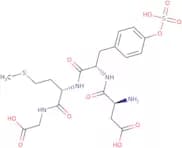
CAS:<p>Please enquire for more information about Boc-Thr(Ala-Fmoc)-OH including the price, delivery time and more detailed product information at the technical inquiry form on this page</p>Formula:C27H32N2O8Purity:Min. 95%Color and Shape:PowderMolecular weight:512.55 g/molAc-Asp-Tyr(PO3H2)-Val-Pro-Met-Leu-NH2
CAS:<p>Please enquire for more information about Ac-Asp-Tyr(PO3H2)-Val-Pro-Met-Leu-NH2 including the price, delivery time and more detailed product information at the technical inquiry form on this page</p>Formula:C36H56N7O13PSPurity:Min. 95%Molecular weight:857.91 g/molH-Glu-Leu-Asp-[(2R,4S,5S)-5-amino-4-hydroxy-2,7-dimethyl-octanoyl]-Ala-Glu-Phe-OH
CAS:<p>Please enquire for more information about H-Glu-Leu-Asp-[(2R,4S,5S)-5-amino-4-hydroxy-2,7-dimethyl-octanoyl]-Ala-Glu-Phe-OH including the price, delivery time and more detailed product information at the technical inquiry form on this page</p>Formula:C42H65N7O15Purity:Min. 95%Molecular weight:908 g/molH-Val-Arg-Lys-Arg-Thr-Leu-Arg-Arg-Leu-OH
CAS:<p>H-Val-Arg-Lys-Arg-Thr-Leu-Arg-Arg-Leu (HVLAHR) is a synthetic peptide that has been shown to have antiinflammatory properties. The peptide binds to the epidermal growth factor receptor (EGFR) and inhibits the production of proinflammatory cytokines and chemokines, such as IL1α, IL6, IL8, and TNFα. HVLAHR also binds to calmodulin and inhibits protein kinase C (PKC) activity. It has been shown that this peptide has neuroprotective effects in vitro by binding to neurogranin and inhibiting protein phosphorylation. HVLAHR can be used as a model organism in vitro to study protein kinase activity.</p>Formula:C51H100N22O11Purity:Min. 95%Molecular weight:1,197.48 g/molH-Ala-Ala-Pro-Val-chloromethylketone
CAS:<p>H-Ala-Ala-Pro-Val-chloromethylketone is a hydrogen peroxide prodrug that is activated by the enzyme chloromethyl ketone. This drug has been shown to be active against schistosoma and pancreatic cancer cells, as well as in activating peroxide. HAPV may also have an effect on immunity and leukocytes, which could be due to its ability to sensitize these cells to damage caused by other agents, or through the hydrolytic enzymes it generates.</p>Formula:C17H29ClN4O4Purity:Min. 95%Molecular weight:388.89 g/molAc-Ala-Ala-Pro-Phe-pNA
CAS:<p>Ac-Ala-Ala-Pro-Phe-pNA is a serine protease inhibitor that has been shown to inhibit chymotrypsin, elastase, and other serine proteases. It is benzoylated to protect it from proteolytic degradation in the gastrointestinal tract and can be used as a therapeutic treatment for inflammatory bowel disease, pancreatitis, or other chronic diseases. Ac-Ala-Ala-Pro-Phe-pNA can be inactivated by thermal treatment (e.g., boiling) or by chemical reduction (e.g., sodium borohydride).</p>Formula:C28H34N6O7Purity:Min. 95%Molecular weight:566.61 g/molH-Lys-Phe-OH·HCl
CAS:<p>Please enquire for more information about H-Lys-Phe-OH·HCl including the price, delivery time and more detailed product information at the technical inquiry form on this page</p>Formula:C15H23N3O3·HClPurity:Min. 95%Molecular weight:329.82 g/molH-Thr-Lys-Pro-Pro-Arg-OH acetate salt
CAS:Controlled Product<p>Please enquire for more information about H-Thr-Lys-Pro-Pro-Arg-OH acetate salt including the price, delivery time and more detailed product information at the technical inquiry form on this page</p>Formula:C26H47N9O7Purity:Min. 95%Molecular weight:597.71 g/molFmoc-D-thiazolidine-4-carboxylic acid
CAS:<p>Please enquire for more information about Fmoc-D-thiazolidine-4-carboxylic acid including the price, delivery time and more detailed product information at the technical inquiry form on this page</p>Formula:C19H17NO4SPurity:Min. 95%Molecular weight:355.41 g/molH-Cys-Val-2-Nal-Met-OH TFA salt
CAS:<p>H-Cys-Val-2-Nal-Met-OH is a peptide sequence that contains two ancillary substituents and one bidentate ligand. It has the potential to be a bioactive ligand due to its ability to form heterocomplexes with coordination complexes. The peptide sequences are dianionic, making them highly suitable for use in labeling experiments. H-Cys-Val-2-Nal-Met-OH is also a ligand that can bind to diphosphine and be used for labeling purposes.</p>Formula:C26H36N4O5S2•C2HF3O2Purity:Min. 95%Molecular weight:662.74 g/mol(3S)-3-(tert-Butoxycarbonyl)amino-1-chloro-4-phenyl-2-butanone
CAS:<p>(3S)-3-(tert-Butoxycarbonyl)amino-1-chloro-4-phenyl-2-butanone is an organic compound that belongs to the class of carbonyl reductase. It is used as a catalyst for the transformation of secondary alcohols to ketones or aldehydes, including isopropyl alcohol. The reaction proceeds via an intermediate carboxylic acid. The enzyme has been found in various microorganisms, and can be purified from Bacillus megaterium and Streptomyces lividans. The enzyme’s activity can be inhibited by steric effects, metal ions, or other compounds. (3S)-3-(tert-Butoxycarbonyl)amino-1-chloro-4-phenyl-2-butanone crystallizes in two forms: one with the chiral center at the 3 position and one with it at the 4 position.</p>Purity:Min. 95%H-Trp-Gly-Gly-Tyr-OH
CAS:<p>Please enquire for more information about H-Trp-Gly-Gly-Tyr-OH including the price, delivery time and more detailed product information at the technical inquiry form on this page</p>Formula:C24H27N5O6Purity:Min. 95%Molecular weight:481.5 g/mol(Tyr38,Phe42·46)-Osteocalcin (38-49) (human)
CAS:<p>Please enquire for more information about (Tyr38,Phe42·46)-Osteocalcin (38-49) (human) including the price, delivery time and more detailed product information at the technical inquiry form on this page</p>Formula:C73H101N19O17Purity:Min. 95%Molecular weight:1,516.7 g/molZ-Ala-Ala-OMe
CAS:<p>Z-Ala-Ala-OMe is a serine protease inhibitor that binds to serine proteases, including chymotrypsin, trypsin, and elastase. The inhibition of these enzymes prevents the hydrolysis of proteins by these enzymes, which can lead to cell death. Z-Ala-Ala-OMe has been shown to inhibit the growth of bacteria in vitro and in animal models. This compound also showed an ability to inhibit the production of phosphite by immobilized subtilisin from Bacillus licheniformis (Bacillus subtilis) with a Km value of 0.5 mM</p>Formula:C15H20N2O5Purity:Min. 95%Molecular weight:308.33 g/molBoc-Ser(Val-Fmoc)-OH
CAS:<p>Boc-Ser(Val-Fmoc)-OH is a biomolecule that is used for the synthesis of peptides. It has been shown to be an efficient synthetic method for the synthesis of peptides and isopeptides. The use of this biomolecule in peptide synthesis allows for the production of large quantities of peptides without racemization or epimerization that can occur with other methods. This synthetic method provides a means to produce both amino acid and dipeptide sequences, as well as the incorporation of non-natural amino acids.</p>Formula:C28H34N2O8Purity:Min. 95%Molecular weight:526.58 g/molAmyloid P Component (33-38) amide trifluoroacetate salt
CAS:<p>Please enquire for more information about Amyloid P Component (33-38) amide trifluoroacetate salt including the price, delivery time and more detailed product information at the technical inquiry form on this page</p>Formula:C37H56N10O7SPurity:Min. 95%Molecular weight:784.97 g/molH-Tyr-Thr-NH2 hydrochloride salt
CAS:<p>Please enquire for more information about H-Tyr-Thr-NH2 hydrochloride salt including the price, delivery time and more detailed product information at the technical inquiry form on this page</p>Formula:C13H19N3O4Purity:Min. 95%Molecular weight:281.31 g/molMca-Pro-Leu-Gly-Pro-D-Lys(Dnp)-OH
CAS:<p>Please enquire for more information about Mca-Pro-Leu-Gly-Pro-D-Lys(Dnp)-OH including the price, delivery time and more detailed product information at the technical inquiry form on this page</p>Formula:C42H52N8O14Purity:Min. 95%Molecular weight:892.91 g/mol2-Methoxyethyl acetoacetate
CAS:<p>2-Methoxyethyl acetoacetate is used as a raw material for coatings. It has been shown to be an effective calcium antagonist in the treatment of leukemia and other cancers. 2-Methoxyethyl acetoacetate has also been shown to inhibit the growth of HL-60 cells when it is incubated with these cells in the presence of hydrochloric acid, malonic acid, and quinoline derivatives. The reaction produces chlorine gas, which is toxic to cells.</p>Formula:C7H12O4Purity:Min. 95%Color and Shape:Clear LiquidMolecular weight:160.17 g/molAc-Ala-α-naphthyl ester
CAS:<p>Ac-Ala-alpha-naphthyl ester is a chemical compound that belongs to the class of aromatic esters. It is used as a research and benchmarking agent in the measurement of skin penetration potential. Ac-Ala-alpha-naphthyl ester has been shown to have good skin penetration properties, with no adverse effects on the skin.</p>Formula:C15H15NO3Purity:Min. 95%Molecular weight:257.28 g/molHCV-1 e2 Protein (484-499)
CAS:<p>The HCV-1 e2 protein (484-499) is a peptide that is a fragment of the HCV-1 e2 protein. It has been shown to be neuroprotective in vitro and in vivo, by inhibiting the production of reactive oxygen species and reducing cell death. The HCV-1 e2 protein (484-499) is also able to inhibit inflammatory responses in human pancreatic cells and fibrosis in autoimmune disease models. This peptide could be used as prophylaxis or treatment for neurodegenerative disease, pancreatic cancer, infectious diseases, autoimmune diseases, or fibrotic diseases.</p>Formula:C88H122N20O19S2Purity:Min. 95%Molecular weight:1,828.17 g/molH-Glu-Pro-Gln-Tyr(PO3H2)-Glu-Glu-Ile-Pro-Ile-Tyr-Leu-OH
CAS:<p>The target of H-Glu-Pro-Gln-Tyr(PO3H2)-Glu-Glu-Ile-Pro-Ile-Tyr-Leu is the phosphotyrosine residue in tyrosine kinase. This compound has been shown to inhibit the proliferation of cells that express this type of receptor and induce apoptosis. The x-ray structures of ligand binding to the receptor show a hydrogen bond network with the hydroxyl group at position 2, which is believed to be important for binding activity. The molecular modeling studies confirm that this interaction is energetically favorable, with a ΔΔG = -6.5 kcal/mol. H-Glu-Pro-Gln-Tyr(PO3H2)-Glu-Glu-Ile-(OH) has also been found to have antiosteoporotic properties when administered orally in rats.</p>Formula:C66H97N12O24PPurity:Min. 95%Molecular weight:1,473.52 g/molH-Glu-bNA
CAS:<p>H-Glu-bNA is a synthetic peptide that has been shown to have aminopeptidase activity. H-Glu-bNA has been used as a marker for the presence of proteolytic bacteria in milk and cheese products. The enzyme hydrolyzes peptides at the carboxyl terminal end of amino acids, releasing them from protein molecules. It is also used to study the action of proteases on casein, which are enzymes that break down the proteins found in milk. The enzyme can be assayed in vitro using lactococci or other bacterial cells. This product is not intended for use as an antibiotic or antimicrobial agent and should not be taken internally.</p>Formula:C15H16N2O3Purity:Min. 95%Molecular weight:272.3 g/molBoc-Tyr(tBu)-OH
CAS:<p>Boc-Tyr(tBu)-OH is a chemical compound that is part of the class of lactams. It has been shown to have antitumor activity in vitro and in vivo, but it has not yet been tested for its cytotoxicity. This compound is synthesized by solid-phase synthesis and contains a disulfide bond, which may contribute to its cytotoxicity. Boc-Tyr(tBu)-OH has also been shown to have high affinity for the alpha 2A adrenergic receptor subtype and other receptors with an isosteric carbonyl group.</p>Formula:C18H27NO5Purity:Min. 95%Color and Shape:PowderMolecular weight:337.41 g/mol(Ala6,D-Trp8,L-alaninol15)-Galanin (1-15)
CAS:<p>Please enquire for more information about (Ala6,D-Trp8,L-alaninol15)-Galanin (1-15) including the price, delivery time and more detailed product information at the technical inquiry form on this page</p>Formula:C81H114N20O18Purity:Min. 95%Molecular weight:1,655.9 g/molAc-Ala-Ala-Val-Ala-Leu-Leu-Pro-Ala-Val-Leu-Leu-Ala-Leu-Leu-Ala-Pro-Ile-Glu-Thr-Asp-aldehyde trifluoroacetate salt
CAS:<p>Please enquire for more information about Ac-Ala-Ala-Val-Ala-Leu-Leu-Pro-Ala-Val-Leu-Leu-Ala-Leu-Leu-Ala-Pro-Ile-Glu-Thr-Asp-aldehyde trifluoroacetate salt including the price, delivery time and more detailed product information at the technical inquiry form on this page</p>Formula:C95H162N20O26Purity:Min. 95%Molecular weight:2,000.42 g/molPAR-4 (1-6) (mouse) trifluoroacetate salt
CAS:<p>Please enquire for more information about PAR-4 (1-6) (mouse) trifluoroacetate salt including the price, delivery time and more detailed product information at the technical inquiry form on this page</p>Formula:C33H45N7O8Purity:Min. 95%Molecular weight:667.75 g/molAc-Pen-Arg-Gly-Asp-Cys-OH (Disulfide bond)
CAS:<p>Disulfide bond is an analytical method for the determination of the concentration-time curve. It is a cyclic peptide that competes with fibrinogen for binding to platelets. Disulfide bond has been shown to be an antagonist of receptor antagonist, and has potential applications in the treatment of autoimmune diseases. Disulfide bond can also be used as a model system for toxicological studies and experimental models in humans.</p>Formula:C22H36N8O9S2Purity:Min. 95%Molecular weight:620.7 g/molH-Arg-4MbetaNA hydrochloride salt
CAS:<p>Please enquire for more information about H-Arg-4MbetaNA hydrochloride salt including the price, delivery time and more detailed product information at the technical inquiry form on this page</p>Formula:C17H23N5O2·xHClPurity:Min. 95%Molecular weight:365.86 g/molSar-Pro-OH
CAS:<p>Please enquire for more information about Sar-Pro-OH including the price, delivery time and more detailed product information at the technical inquiry form on this page</p>Formula:C8H14N2O3Purity:Min. 95%Molecular weight:186.21 g/molBoc-Cys(Bzl)-OSu
CAS:<p>Boc-Cys(Bzl)-OSu is a prodrug that is metabolized by esterases to form the active compound, boc-Cys(Bzl)-OH. This molecule inhibits matrix metalloproteinase (MMP) activity and can be used for the treatment of viral infections, such as hepatitis C and HIV. Boc-Cys(Bzl)-OSu has been shown to inhibit MMPs in a number of different ways including steric interactions with the active site of MMPs and by binding to the receptor protein for these enzymes. It also has antiviral activity against HIV and other viruses.</p>Formula:C19H24N2O6SPurity:Min. 95%Molecular weight:408.47 g/molH-Ala-Ala-Ala-pNA·HCl
CAS:<p>Please enquire for more information about H-Ala-Ala-Ala-pNA·HCl including the price, delivery time and more detailed product information at the technical inquiry form on this page</p>Formula:C15H21N5O5·HClPurity:Min. 95%Molecular weight:387.82 g/molH-Arg-Met-OH acetate salt
CAS:<p>H-Arg-Met-OH acetate salt is a reactive chemical that is used in the treatment of hepatitis. It has been shown to be effective against virus and heart disease, as well as being active in the prevention of insulin resistance. H-Arg-Met-OH acetate salt is also used to determine if a person has had an allergic reaction by testing for elevated serum levels of this chemical. H-Arg-Met-OH acetate salt can be found in the blood, urine, and liver cells. This chemical is also present in mouse spleen cells and has been shown to react with specific antibodies.</p>Formula:C11H23N5O3SPurity:Min. 95%Molecular weight:305.4 g/molH-Thr-Arg-OH sulfate salt
CAS:<p>H-Thr-Arg-OH sulfate salt is a molecule that contains the active amino acid residues of vasoactive intestinal peptide (VIP) and reversed-phase high-performance liquid chromatography. The structure of VIP was determined by stepwise synthesis and chloromethyl ketone activation. It has been shown to have an intestinal effect, which is due to its ability to increase blood pressure. This drug also has potential as a therapeutic agent in the treatment of hypertension, heart disease, or diabetes mellitus.</p>Formula:C10H21N5O4Purity:Min. 95%Molecular weight:275.31 g/molBoc-Thr(Bzl)-PAM resin (200-400 mesh)
<p>Please enquire for more information about Boc-Thr(Bzl)-PAM resin (200-400 mesh) including the price, delivery time and more detailed product information at the technical inquiry form on this page</p>Purity:Min. 95%Urotensin I
CAS:<p>Please enquire for more information about Urotensin I including the price, delivery time and more detailed product information at the technical inquiry form on this page</p>Formula:C210H340N62O67S2Purity:Min. 95%Molecular weight:4,869.46 g/molCortistatin-29 (human) trifluoroacetate salt
CAS:<p>Please enquire for more information about Cortistatin-29 (human) trifluoroacetate salt including the price, delivery time and more detailed product information at the technical inquiry form on this page</p>Formula:C149H223N47O42S3Purity:Min. 95%Molecular weight:3,440.85 g/molH-D-Phe-D-Phe-OH
CAS:<p>H-D-Phe-D-Phe-OH is a polypeptide that contains 24 amino acids. It is synthesized by the filamentous fungus, Aspergillus niger, and has been found to be an optimal substrate for aminopeptidase. H-D-Phe-D-Phe-OH has also been shown to be a homolog of the halophilic enzyme from Halobacterium salinarum.</p>Formula:C18H20N2O3Purity:Min. 95%Molecular weight:312.36 g/molCalcium-Like Peptide
CAS:<p>Please enquire for more information about Calcium-Like Peptide including the price, delivery time and more detailed product information at the technical inquiry form on this page</p>Formula:C40H75N9O10Purity:Min. 95%Molecular weight:842.08 g/molBoc-Ala-Gly-OH
CAS:<p>Boc-Ala-Gly-OH is a synthetic chemotactic peptide. It was originally synthesized in the form of an N-terminal amide and conjugated to a variety of carrier proteins, including bovine serum albumin, ovalbumin, thyroglobulin, and keyhole limpet hemocyanin. Boc-Ala-Gly-OH has been shown to stimulate the growth of various cell types including platelets and erythrocytes, as well as to inhibit tumor growth.</p>Formula:C10H18N2O5Purity:Min. 95%Molecular weight:246.26 g/mol(Ala1·3·11·15)-Endothelin-1 trifluoroacetate salt
CAS:<p>(Ala1·3·11·15)-Endothelin-1 trifluoroacetate salt H-Ala-Ser-Ala-Ser-Ser-Leu-Met-Asp-Lys-Glu-Ala-Val-Tyr-Phe-Ala-His-Leu) is a phorbol ester, which is an analog of endothelin. It has been shown to inhibit the production of proinflammatory cytokines and chemokines in vitro and in vivo. This compound also inhibits the migration and proliferation of vascular endothelial cells, which may be due to its ability to suppress Ca2+ concentration. (Ala1·3·11·15)-Endothelin -1 trifluoroacetate salt H-) can also be used as a fluorescent marker for immunohistochemical studies on tissues such as vessels and gastrointestinal tissues. The localization of this drug can be observed by microscopy techniques such as</p>Formula:C109H163N25O32SPurity:Min. 95%Molecular weight:2,367.68 g/mol(Des-Asp187,Met186)-Melanocyte Protein PMEL 17 (185-193) (human, bovine, mouse) trifluoroacetate salt
CAS:<p>Please enquire for more information about (Des-Asp187,Met186)-Melanocyte Protein PMEL 17 (185-193) (human, bovine, mouse) trifluoroacetate salt including the price, delivery time and more detailed product information at the technical inquiry form on this page</p>Formula:C43H69N9O11SPurity:Min. 95%Molecular weight:920.13 g/mol(Cys18)-Atrial Natriuretic Factor (4-18) amide (mouse, rabbit, rat) trifluoroacetate salt
CAS:<p>Please enquire for more information about (Cys18)-Atrial Natriuretic Factor (4-18) amide (mouse, rabbit, rat) trifluoroacetate salt including the price, delivery time and more detailed product information at the technical inquiry form on this page</p>Formula:C64H107N25O19S2Purity:Min. 95%Molecular weight:1,594.82 g/mol([D2]Gly4)-Cholecystokinin Octapeptide (sulfated) ammonium salt
<p>Please enquire for more information about ([D2]Gly4)-Cholecystokinin Octapeptide (sulfated) ammonium salt including the price, delivery time and more detailed product information at the technical inquiry form on this page</p>Formula:C49H60D2N10O16S3Purity:Min. 95%Molecular weight:1,145.28 g/molH-D-Phg-Leu-OH
CAS:<p>H-D-Phg-Leu-OH is a protein that has been shown to have protease activity. It is encoded by the gene for human mitochondrial protein. H-D-Phg-Leu-OH is involved in the adsorption mechanism of proteins in cells, which may be due to its ability to form disulfide bonds with other molecules. H-D-Phg-Leu-OH also has the ability to bind specifically to antibodies and monoclonal antibodies that are directed against it. The biological function of this protein is not known, but it has been found that it is differentially expressed between women and men. Studies using a polymerase chain reaction showed that H-D-Phg-Leu-OH was upregulated in cancer cells and its expression increased with increasing body mass index (BMI).</p>Formula:C14H20N2O3Purity:Min. 95%Molecular weight:264.32 g/molFmoc-N-methylglycine
CAS:<p>Fmoc-N-methylglycine is a modified form of the amino acid glycine, which has been modified to include a reactive group that can be used to link other molecules. This molecule has gram-negative bacterial activity and exhibits potent antibacterial activity against many gram-positive bacteria. Fmoc-N-methylglycine is also an antimicrobial peptide with binding constants in the nanomolar range. It is also an agent that binds to serotonin, which may explain its effects on mood and sleep. Fmoc-N-methylglycine can be synthesized using stepwise solid phase synthesis methods or by conjugation with other molecules.</p>Formula:C18H17NO4Purity:Min. 95%Molecular weight:311.33 g/molHIV Protease Substrate III
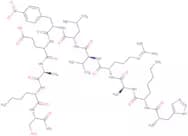
CAS:<p>HIV protease is a large protein that cleaves the polyprotein of HIV. This enzyme is essential for viral replication and so any drug that inhibits its function will inhibit HIV infectivity. The HIV protease substrate III, which contains histidine at position 3, has been used to study the effects of HIV proteases on different tissue types. It has been shown that this substrate can be detected in the cytoplasm and vacuole of cells infected with HIV, indicating that it may be involved in the transport process. The addition of an acidic amino acid (p-nitro-phenylalanine) to the substrate increases its antiviral activity by increasing its stability against proteolytic enzymes and allowing it to penetrate into cells more easily.</p>Formula:C58H95N19O16Purity:Min. 95%Molecular weight:1,314.49 g/molN-Boc-2-aminoacetaldehyde
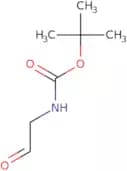
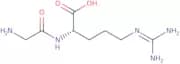
CAS:<p>N-Boc-2-aminoacetaldehyde is an aliphatic aldehyde that has been used in the synthesis of a number of bioactive molecules. It is synthesized by reacting an N-Boc amino acid with chloroform and hydrochloric acid. The reaction time is typically 2 hours at room temperature, although it can be decreased to 20 minutes if the temperature is increased to 60°C. The product can be purified using extraction or recrystallization methods. N-Boc-2-aminoacetaldehyde reacts with chloride ions to form phosphoranes, which are useful in clinical development as antimicrobial peptides. This compound also reacts with fluorine to form hydrogenated derivatives that have been shown to have neurokinin activity in animal models.</p>Formula:C7H13NO3Purity:Min. 95%Color and Shape:Colorless PowderMolecular weight:159.18 g/molH-Arg-Gly-OH·HCl
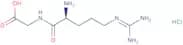
CAS:<p>Please enquire for more information about H-Arg-Gly-OH·HCl including the price, delivery time and more detailed product information at the technical inquiry form on this page</p>Formula:C8H17N5O3·HClPurity:Min. 95%Molecular weight:267.71 g/molH-Tyr-Tyr-Tyr-OMe
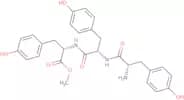
CAS:<p>H-Tyr-Tyr-Tyr-OMe is a chiral, fluorinated, enantiomeric molecule that is synthesized by the reaction of an aryloxybenzene with tetrahydropyran and chlorine. This product has been used in asymmetric synthesis as a building block for pyrazole derivatives. It has also been used to produce alcohols and dialkylamino compounds.</p>Formula:C28H31N3O7Purity:Min. 95%Molecular weight:521.56 g/molCholecystokinin Octapeptide (1-4) (sulfated)
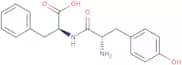
CAS:<p>Please enquire for more information about Cholecystokinin Octapeptide (1-4) (sulfated) including the price, delivery time and more detailed product information at the technical inquiry form on this page</p>Formula:C20H28N4O11S2Purity:Min. 95%Molecular weight:564.59 g/molH-Tyr-Phe-OH
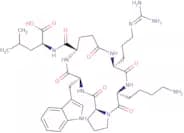
CAS:<p>H-Tyr-Phe-OH is a peptide that is derived from the amino acid sequence of human epidermal growth factor and has been shown to inhibit HIV infection in vitro. H-Tyr-Phe-OH binds to the dna binding site on the protein gp120, which is essential for viral binding to cells and subsequent infection. The peptide has also been shown to bind to serum aminotransferase levels and produce an antibody response in humans. This peptide has biological properties that may be useful for treatment of many infectious diseases, such as hepatitis and HIV infection.</p>Formula:C18H20N2O4Purity:Min. 95%Molecular weight:328.36 g/mol(Lys9,Trp11,Glu12)-Neurotensin (8-13) (Cyclic Analog)
CAS:<p>Please enquire for more information about (Lys9,Trp11,Glu12)-Neurotensin (8-13) (Cyclic Analog) including the price, delivery time and more detailed product information at the technical inquiry form on this page</p>Formula:C39H59N11O8Purity:Min. 95%Molecular weight:809.96 g/molZ-Gln(Mtt)-OH
CAS:<p>Please enquire for more information about Z-Gln(Mtt)-OH including the price, delivery time and more detailed product information at the technical inquiry form on this page</p>Formula:C33H32N2O5Purity:Min. 95%Molecular weight:536.62 g/mol(Des-Gly10,D-Ala6,Pro-NHEt 9)-LHRH TFA salt
CAS:<p>Please enquire for more information about (Des-Gly10,D-Ala6,Pro-NHEt 9)-LHRH TFA salt including the price, delivery time and more detailed product information at the technical inquiry form on this page</p>Formula:C53H71N13O13·xC2HF3O2Purity:Min. 95%Molecular weight:1,098.21 g/molHSV-1 Glycoprotein (gB) (497-507)
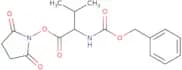
CAS:<p>Please enquire for more information about HSV-1 Glycoprotein (gB) (497-507) including the price, delivery time and more detailed product information at the technical inquiry form on this page</p>Formula:C59H91N15O18Purity:Min. 95%Molecular weight:1,298.44 g/molZ-L-Valine N-hydroxysuccinimide ester
CAS:<p>Z-L-Valine N-hydroxysuccinimide ester is a synthetic δ opioid ligand that has been shown to have potent inhibitory activity against casein. The compound has also been shown to have high affinity for opioid receptors and δ opioid receptors, which may be due to its ability to form supramolecular complexes with these proteins. Z-L-Valine N-hydroxysuccinimide ester binds to the receptor binding site of the protein, preventing it from interacting with other molecules. It is not selective for one receptor over another and can bind to both the δ and μ opioid receptors. This synthetic substance may be used as a lead compound in drug development.</p>Formula:C17H20N2O6Purity:Min. 95%Molecular weight:348.35 g/molVasonatrin Peptide (VNP) trifluoroacetate salt
CAS:<p>Please enquire for more information about Vasonatrin Peptide (VNP) trifluoroacetate salt including the price, delivery time and more detailed product information at the technical inquiry form on this page</p>Formula:C123H198N36O36S3Purity:Min. 95%Molecular weight:2,853.31 g/molFmoc-D-Val-Wang resin (200-400 mesh)
<p>Please enquire for more information about Fmoc-D-Val-Wang resin (200-400 mesh) including the price, delivery time and more detailed product information at the technical inquiry form on this page</p>Purity:Min. 95%(Phe4)-Dermorphin (1-4) amide
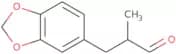
CAS:<p>Dermorphin is a peptide that is derived from the proenkephalin gene. It is an opioid analgesic and has been shown to be effective in the treatment of hernias. Dermorphin has also been shown to inhibit platelet aggregation and blood coagulation, making it an antithrombotic therapy. The structure of dermorphin has been determined using a hydroxy group as the reactive site for synthesis and molecular modelling techniques. Dermorphin has also been shown to have an active oxygen species selectivity index (a measure of antioxidant activity) higher than those of other drugs in its class, which makes it suitable for use as a sealant in abdominal surgery.</p>Formula:C30H35N5O5Purity:Min. 95%Molecular weight:545.63 g/mol2-Methyl-3-(3,4-methylenediOxyphenyl)prOpanal
CAS:Controlled Product<p>2-Methyl-3-(3,4-methylenedioxyphenyl)propionaldehyde (2MMPP) is a minor constituent of piperonal. It has been shown to be a potent inhibitor of intracellular calcium levels in humans and rat prostate cancer cells. The mechanism of action is thought to be through an interaction with fatty acid receptors and alterations in cytosolic calcium levels. 2MMPP has been found to act as an odorant binding agent that binds to the olfactory receptor OR5AN1 and alters its function. 2-Methyl-3-(3,4-methylenedioxyphenyl)propionaldehyde has also been shown to have high electrochemical impedance spectroscopy values, which may indicate its ability to remove organic contaminants from wastewater treatment systems.</p>Formula:C11H12O3Purity:Min. 95%Color and Shape:Clear LiquidMolecular weight:192.21 g/molPeptide YY (13-36) (canine, mouse, porcine, rat) trifluoroacetate salt
CAS:<p>Please enquire for more information about Peptide YY (13-36) (canine, mouse, porcine, rat) trifluoroacetate salt including the price, delivery time and more detailed product information at the technical inquiry form on this page</p>Formula:C135H209N41O38Purity:Min. 95%Molecular weight:3,014.36 g/molAlarin (rat) trifluoroacetate salt
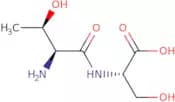
CAS:<p>Please enquire for more information about Alarin (rat) trifluoroacetate salt including the price, delivery time and more detailed product information at the technical inquiry form on this page</p>Formula:C119H199N45O35Purity:Min. 95%Molecular weight:2,820.14 g/molH-Thr-Ser-OH
CAS:<p>H-Thr-Ser-OH is a synthetic peptide that contains the amino acid sequence H-Thr-Ser-OH. It has been shown to have antitumor activity and antiangiogenic properties. This peptide was observed to destabilize protonated lysine residues in the tumor cell membrane, leading to increased permeability of the membrane and subsequent leakage of ions and water. The resulting cytotoxic environment leads to cancer cell death by apoptosis. HTSOH also inhibits tumor angiogenesis by inhibiting vascular endothelial growth factor (VEGF) production. HTSOH is stable at physiological pH and has been crystallized with a resolution of 1.5 Å.</p>Formula:C7H14N2O5Purity:Min. 95%Molecular weight:206.2 g/molH-Tyr(tBu)-2-chlorotrityl resin (200-400 mesh) (Low Substitution)
<p>Please enquire for more information about H-Tyr(tBu)-2-chlorotrityl resin (200-400 mesh) (Low Substitution) including the price, delivery time and more detailed product information at the technical inquiry form on this page</p>Purity:Min. 95%H-Glu-Ala-OH
CAS:<p>H-Glu-Ala-OH is a human protein that belongs to the family of glycosylated proteins. It is expressed in the cells of the ovary and is a member of the insulin-like growth factor (IGF) superfamily. H-Glu-Ala-OH binds to lectins in mammalian cells, which may be due to its sulfoxide group. This protein has been shown to have dehydrogenase activity and polymerase chain reaction (PCR) amplification properties. H-Glu-Ala-OH has also been shown to inhibit growth in cell culture and promote apoptosis, which may be due to its ability to regulate IGF levels in mammalian cells.br>br><br>br>br><br>This protein is found at high levels in ovarian cancer cells and serum from patients with ovarian cancer. The sequence of this protein has been determined using mass spectrometry analysis on ovary extracts and on cDNA derived from human embryonic kidney (</p>Formula:C8H14N2O5Purity:Min. 95 Area-%Color and Shape:PowderMolecular weight:218.21 g/molSar-Gly-Gly-OH
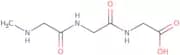
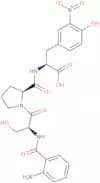
CAS:<p>Sar-Gly-Gly-OH is a zwitterionic, hydrophobic, and alkylating agent that is used to synthesize hyaluronic acid derivatives. It has been shown to form stable hydrogen bonds with metal ions such as copper (Cu) and zinc (Zn). Sar-Gly-Gly-OH has been used in the synthesis of various hyaluronic acid derivatives. These derivatives are used for the treatment of allergic conjunctivitis, dry eye, and other related conditions. Sar-Gly-Gly-OH also has low molecular weight and functional groups that allow it to react with other chemicals. The reaction products are aromatic hydrocarbons that can be used in techniques such as nuclear magnetic resonance spectroscopy.</p>Formula:C7H13N3O4Purity:Min. 95%Molecular weight:203.2 g/molAbz-Ser-Pro-3-nitro-Tyr-OH
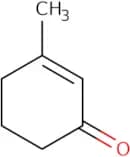
CAS:<p>Abz-Ser-Pro-3-nitro-Tyr-OH is a chromophobe peptide that is expressed in renal cell carcinomas. It is a potent inhibitor of all three major classes of proteases: serine, cysteine and aspartyl proteases. Abz-Ser-Pro-3-nitro-Tyr-OH inhibits the activity of peptidases, which are enzymes involved in protein degradation and turnover. Abz has been shown to inhibit the activity of intrarenal proteolytic enzymes, including endopeptidase, metallopeptidase and aminopeptidase activities. Abz also has been shown to inhibit the expression of markers on the surface of kidney cells and to reduce renal cell proliferation.</p>Formula:C24H27N5O9Purity:Min. 95%Molecular weight:529.5 g/mol3-Methylcyclohex-2-en-1-one
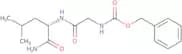
CAS:<p>3-Methylcyclohex-2-en-1-one is a chemical compound that is used in the synthesis of pharmaceuticals, pesticides, and other organic compounds. It has been shown to be effective against Dendroctonus species and other pests. 3-Methylcyclohex-2-en-1-one is synthesized from cyclohexanone by hydrogenation of the double bond at the 3 position. The reaction can be catalyzed by palladium complexes with acid complexing ligands, such as phosphines or amines. The product is then purified by distillation, crystallization, or recrystallization.</p>Formula:C7H10OPurity:Min. 95%Molecular weight:110.15 g/molZ-Gly-Leu-NH2
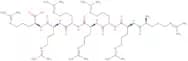
CAS:<p>Z-Gly-Leu-NH2 is a synthetic peptide that has been designed to mimic the amino acid sequence of casein. It is a metalloendopeptidase inhibitor and can be used in the synthesis of proteins. Z-Gly-Leu-NH2 inhibits the activity of subtilisin, which is a proteolytic enzyme. The inhibition of subtilisin by Z-Gly-Leu-NH2 prevents the hydrolysis of peptide bonds in protein substrates. This inhibition leads to an increase in molecular weight and molecular weight distribution, as well as an increase in the number of high molecular weight peaks on chromatograms. This peptide also has serine protease inhibitory activity and can be used as a synthetic substrate for kinetic studies.</p>Formula:C16H23N3O4Purity:Min. 95%Molecular weight:321.37 g/molH-Arg-Arg-Arg-Arg-Arg-Arg-Arg-OH trifluoroacetate salt
CAS:<p>The Arg-Arg-Arg-Arg-Arg-Arg-Arg-Arg-OH trifluoroacetate salt is a biologically active form of arginine. It has been shown to inhibit the activity of both NS3 protease and NS4A protease from the hepatitis C virus (HCV). It also inhibits tumor cell growth in vitro, which may be due to its ability to upregulate epidermal growth factor receptor (EGFR) expression on tumor cells. The Arg-Arg-Arg-Arg-Arg-Arg-Arghydrogen trifluoroacetate salt is an inhibitor of estrogen receptor modulators that are used as therapeutic agents for breast cancer.</p>Formula:C42H86N28O8Purity:Min. 95%Molecular weight:1,111.32 g/molZ-His-Phe-Phe-OEt
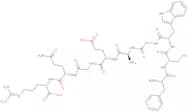
CAS:<p>Z-His-Phe-Phe-OEt is a synthetic, polyacrylamide gel-based experiment that determines the amino acid composition of imidazolium zymogens. This experiment utilizes an ion-exchange chromatography technique to separate and identify peptides. The solvents used in this experiment are acetone and ion-exchange chromatography. In order to carry out this experiment, one must first dissolve the polyacrylamide gel in a system of solvents with a pH of 7.5 or lower in order to create an electrofocusing environment. This solution is then applied to the polyacrylamide gel, which will form a solid film when dried. The imidazolium zymogen can then be cleaved by pepsin, yielding peptides that can be analysed using mass spectrometry.</p>Formula:C34H37N5O6Purity:Min. 95%Molecular weight:611.69 g/molExperimental Allergic Encephalitogenic Peptide (human)
CAS:<p>Experimental Allergic Encephalitogenic Peptide (human) H-Phe-Ser-Trp-Gly-Ala-Glu-Gly-Gln-Arg-OH is a protein that is used as an adjuvant to increase the immune response. It is composed of a string of amino acids that are recognized by the immune system, but do not elicit an immune response on their own. The peptide can be administered intracutaneously or in the form of a vaccine. This peptide has been shown to have a basic nature and has been found to have lethal effects when administered at high doses.</p>Formula:C46H64N14O14Purity:Min. 95%Molecular weight:1,037.09 g/molFmoc-Lys(N3)-OH
CAS:<p>Fmoc-Lys(N3)-OH is a glutamic acid molecule with a specific lysine and histidine residue. It has been shown to be cytotoxic in vitro, specifically targeting cancer cells. Fmoc-Lys(N3)-OH can be conjugated to vancomycin or other molecules that are not normally cell permeable for the treatment of neurodegenerative diseases. The divalent nature of this molecule allows it to cross the blood-brain barrier. Solid phase synthesis is used to produce this compound, which is then purified by chromatography and characterized by mass spectrometry.</p>Formula:C21H22N4O4Purity:Min. 95%Molecular weight:394.42 g/molH-Gly-Arg-OH
CAS:<p>H-Gly-Arg-OH is a hydrophobic molecule that is structurally similar to the amino acid composition of casein. It has been shown to be an efficient method for the isolation of casein from milk. H-Gly-Arg-OH binds reversibly to casein and can be used as a reagent in immunoaffinity chromatography and filtration. The residue obtained after enzymatic activity can be used for polyacrylamide gel electrophoresis.</p>Formula:C8H17N5O3Purity:Min. 95%Molecular weight:231.25 g/molMca-Lys-Pro-Leu-Gly-Leu-Dap (Dnp)-Ala-Arg-NH2 trifluoroacetate salt
CAS:<p>Please enquire for more information about Mca-Lys-Pro-Leu-Gly-Leu-Dap (Dnp)-Ala-Arg-NH2 trifluoroacetate salt including the price, delivery time and more detailed product information at the technical inquiry form on this page</p>Formula:C55H80N16O16Purity:Min. 95%Molecular weight:1,221.32 g/molH-Pro-His-Leu-OH
CAS:<p>H-Pro-His-Leu-OH is a tripeptide with a sequence of L-proline, H-histidine, and D-leucine. It is an experimental substrate for peptide transporters and has been shown to be taken up by E. coli. This peptide is specific for Borrelia burgdorferi, the organism that causes Lyme disease.</p>Formula:C17H27N5O4Purity:Min. 95%Molecular weight:365.43 g/mol4-Methoxyphenyl boronic acid
CAS:<p>4-Methoxyphenyl boronic acid is a molecule with a hydroxyl group and a boronic acid. It is synthesized by reacting biphenyl with trifluoroacetic acid in the presence of sodium carbonate and palladium-catalyzed coupling. 4-Methoxyphenyl boronic acid has shown to bind to the receptor for fatty acids, which may be due to its structural similarity to p-hydroxybenzoic acid. The protonated form of this molecule has been shown to react with an electrophilic carbon atom and an electron-deficient alkyl or vinyl halide, resulting in ring formation. This reaction is known as the Suzuki coupling reaction.</p>Formula:C7H9BO3Purity:Min. 95%Color and Shape:PowderMolecular weight:151.96 g/molExendin-4 (3-39)
CAS:<p>Please enquire for more information about Exendin-4 (3-39) including the price, delivery time and more detailed product information at the technical inquiry form on this page</p>Formula:C176H272N46O58SPurity:Min. 95%Color and Shape:PowderMolecular weight:3,992.38 g/molAc-Cys(farnesyl)-OH
CAS:<p>Ac-Cys(farnesyl)-OH is a synthetic chemical that has been shown to inhibit the growth of cells. It inhibits the enzyme form of farnesyl protein transferase, which is involved in the synthesis of basic proteins. Ac-Cys(farnesyl)-OH also binds to and inhibits epidermal growth factor receptor, which plays an important role in cell proliferation. In addition, this compound has been found to have anti-cancer properties. Ac-Cys(farnesyl)-OH has been shown to reduce the frequency of cellular transformation in vitro and in vivo. This effect may be due to its ability to inhibit protease activity.</p>Formula:C20H33NO3SPurity:Min. 95%Molecular weight:367.55 g/mol(Des-octanoyl)-Ghrelin (mouse, rat) trifluoroacetate salt
CAS:<p>Please enquire for more information about (Des-octanoyl)-Ghrelin (mouse, rat) trifluoroacetate salt including the price, delivery time and more detailed product information at the technical inquiry form on this page</p>Formula:C139H231N45O41Purity:Min. 95%Molecular weight:3,188.6 g/molAc-Glu-Glu-Val-Val-Ala-Cys-pNA
CAS:<p>Please enquire for more information about Ac-Glu-Glu-Val-Val-Ala-Cys-pNA including the price, delivery time and more detailed product information at the technical inquiry form on this page</p>Formula:C34H50N8O13SPurity:Min. 95%Molecular weight:810.87 g/molBoc-Pressinoic acid Boc-Cys-Tyr-Phe-Gln-Asn-Cys-OH (Disulfide bond)
CAS:<p>Please enquire for more information about Boc-Pressinoic acid Boc-Cys-Tyr-Phe-Gln-Asn-Cys-OH (Disulfide bond) including the price, delivery time and more detailed product information at the technical inquiry form on this page</p>Formula:C38H50N8O12S2Purity:Min. 95%Molecular weight:874.98 g/molN-Methyl-1-propanamine
CAS:<p>N-Methyl-1-propanamine is a compound made up of ethylene diamine and activated chlorine. It has been used as a model system to study the biological properties of amines. This compound has been shown to have anti-cancer effects in human serum and is active against inflammation diseases. N-Methyl-1-propanamine is soluble in water, but not in ethanol or acetone. It has a pH optimum at 10 and decomposes at temperatures higher than 120°C. The activation energies for the reactions of this compound with hydrogen bond acceptors, such as alcohols and ethers, are relatively low (around 20 kcal/mol).</p>Formula:C4H11NPurity:Min. 95%Molecular weight:73.14 g/mol4-Methylbenzyl acetate
CAS:<p>4-Methylbenzyl acetate is a monocarboxylic acid that is an oxidation product of benzyl esters. It has been found to be a suitable catalyst for the oxidation of wastewater containing monocarboxylic acids, including acetic acid, propionic acid and butyric acid. The catalytic mechanism of 4-methylbenzyl acetate was found to be an acylation reaction in which the carboxyl group of 4-methylbenzyl acetate acts as an acylating agent with the hydrogen atom of the substrate. The reaction mechanism for this process is similar to that for other types of carboxylic acids, such as propionate and butyrate. 4-Methylbenzyl acetate also has functional groups that allow it to act as both a base and a nucleophile in addition to its ability to act as an acylating agent.</p>Formula:C10H12O2Purity:Min. 95%Molecular weight:164.2 g/mol(Glu9)-Exenatide (2-39) trifluoroacetate salt
CAS:<p>Please enquire for more information about (Glu9)-Exenatide (2-39) trifluoroacetate salt including the price, delivery time and more detailed product information at the technical inquiry form on this page</p>Formula:C179H277N47O59SPurity:Min. 95%Molecular weight:4,063.46 g/molPAR-2 (1-6) (human) trifluoroacetate salt
CAS:<p>PAR-2 is a cytosolic protein that is activated by calcium. PAR-2 activation induces the synthesis of prostaglandins and other inflammatory mediators, which stimulate the release of substances from cells such as cytokines and chemokines. PAR-2 also has an important role in cell proliferation, differentiation, apoptosis, and cancer development. PAR-2 activation is induced by proteases such as trypsin or soybean trypsin inhibitor. The trifluoroacetate salt form of PAR-2 (1-6) has been used to inhibit protease activity in colon cancer cells and prostate cancer cells.<br>PAR-2 (1-6) (human) trifluoroacetate salt H-Ser-Leu-Ile-Gly-Lys-Val-OH trifluoroacetate salt is a potent chemical inhibitor of trypsin activity with IC50 values of 0.5 µM for soybean trypsin inhibitor</p>Formula:C28H53N7O8Purity:Min. 95%Molecular weight:615.76 g/molAnti-Inflammatory Peptide 3
CAS:<p>Anti-Inflammatory Peptide 3 (AIP3) is a peptide that contains an ester linkages and a carboxylic ester, which are both hydrophobic. The amino acid sequence of AIP3 is H-Met-Gln-Met-Asn-Lys-Val-Leu-Asp-Ser. AIP3 has been shown to have antiinflammatory properties and can be used as a diagnostic tool for inflammation. This peptide also has prodrug properties and can be conjugated with drugs to form drug linkers.</p>Formula:C43H76N12O15S2Purity:Min. 95%Molecular weight:1,065.27 g/molHIV-1 env Protein gp41 (1-23) amide (isolates BRU/JRCSF)
CAS:<p>Please enquire for more information about HIV-1 env Protein gp41 (1-23) amide (isolates BRU/JRCSF) including the price, delivery time and more detailed product information at the technical inquiry form on this page</p>Formula:C95H155N27O26SPurity:Min. 95%Molecular weight:2,123.48 g/molH-Lys-Gly-Trp-Lys-OtBu acetate salt
CAS:<p>The acetate salt of H-Lys-Gly-Trp-Lys is a peptide that has been modified with an acetyl group. The acetate salt is neutral and does not react with other compounds. This compound is a superoxide scavenger and can be used to prevent the formation of reactive oxygen species in biological systems.</p>Formula:C29H47N7O5Purity:Min. 95%Molecular weight:573.73 g/molZ-Val-Gly-Gly-OBzl
CAS:<p>Please enquire for more information about Z-Val-Gly-Gly-OBzl including the price, delivery time and more detailed product information at the technical inquiry form on this page</p>Formula:C24H29N3O6Purity:Min. 95%Molecular weight:455.5 g/molH-Ala-Pro-Arg-Thr-Pro-Gly-Gly-Arg-Arg-OH
CAS:<p>H-Ala-Pro-Arg-Thr-Pro-Gly-Gly-Arg-Arg-OH is a diacylglycerol that regulates the expression of genes and has been shown to modulate hematopoietic cells. This compound is a derivative of atypical proteins, which are proteins that have an atypical tertiary structure and do not possess a classical signal peptide or secretion signal. H-Ala-Pro-Arg-Thr-Pro-Gly-Gly-Arg-Arg -OH has been shown to be expressed in hematopoietic growth regulator domains, which may account for its pleiotropic effects on hematopoietic cells.</p>Formula:C39H70N18O11Purity:Min. 95%Molecular weight:967.09 g/molH-Val-His-Leu-Thr-Pro-OH
CAS:<p>Please enquire for more information about H-Val-His-Leu-Thr-Pro-OH including the price, delivery time and more detailed product information at the technical inquiry form on this page</p>Formula:C26H43N7O7Purity:Min. 95%Molecular weight:565.66 g/molH-Ser-Ile-Gly-Ser-Leu-Ala-Lys-OH trifluoroacetate salt
CAS:<p>H-Ser-Ile-Gly-Ser-Leu-Ala-Lys-OH trifluoroacetate salt is a recombinant, fluorescent, hydrazide, labile protein that has been synthesized with a murine amino acid sequence. This protein has been shown to be reactive with the cytokine IL2 and can be used for labeling of cells or proteins in cytometric analysis. The N-terminal end of this protein is acidic, allowing for it to react with periodate or hydroxylamine for tagging purposes.</p>Formula:C29H54N8O10Purity:Min. 95%Molecular weight:674.79 g/molH-Ala-Gly-OH
CAS:<p>H-Ala-Gly-OH is a synthetic amino acid that is used to produce the peptide hormone luteinizing hormone (LH). It has been shown that H-Ala-Gly-OH is an antigen specific antibody response and has a hydrogen bond. The functional groups of H-Ala-Gly-OH include amine, carboxyl, and hydroxyl. Structural analysis of this compound was completed using a kinetic method. The conformational properties of H-Ala-Gly-OH were determined by nmr spectra and titration method. This synthetic amino acid may inhibit protein synthesis in vivo through treatment with carbohydrate.</p>Formula:C5H10N2O3Purity:Min. 95%Molecular weight:146.14 g/molBiotinyl-AEEAc-AEEAc-OH
CAS:<p>Please enquire for more information about Biotinyl-AEEAc-AEEAc-OH including the price, delivery time and more detailed product information at the technical inquiry form on this page</p>Formula:C22H38N4O9SPurity:Min. 95%Molecular weight:534.62 g/molZ-Val-D-Phe-OMe
CAS:<p>Please enquire for more information about Z-Val-D-Phe-OMe including the price, delivery time and more detailed product information at the technical inquiry form on this page</p>Formula:C23H28N2O5Purity:Min. 95%Molecular weight:412.48 g/molZ-Leu-Leu-Tyr-a-keto aldehyde
CAS:<p>Please enquire for more information about Z-Leu-Leu-Tyr-a-keto aldehyde including the price, delivery time and more detailed product information at the technical inquiry form on this page</p>Formula:C30H39N3O7Purity:Min. 95%Molecular weight:553.65 g/molLeptin (93-105) (human)
CAS:<p>Please enquire for more information about Leptin (93-105) (human) including the price, delivery time and more detailed product information at the technical inquiry form on this page</p>Formula:C64H110N20O23Purity:Min. 95%Molecular weight:1,527.68 g/molZ-Gly-Trp-OH
CAS:<p>Z-Gly-Trp-OH is a peptide that is synthesized by combining the amino acids glycine, alanine, and tryptophan. It is used in a variety of applications, including as an antimicrobial agent, sweetener, and health care product. Z-Gly-Trp-OH has been shown to have potential health benefits such as improved insulin sensitivity and prevention of cardiovascular disease. The strategies for synthesizing this peptide are dependent on the availability of different amino acid building blocks. For example, zinc ions may be used to catalyze the condensation of glycine with tryptophan.</p>Formula:C21H21N3O5Purity:Min. 95%Molecular weight:395.41 g/molAnti-Inflammatory Peptide 1
CAS:<p>Anti-Inflammatory Peptide 1 is a peptide that has been shown to have anti-inflammatory properties. It is synthesized from H-Met-Gln-Met-Lys-Lys-Val-Leu-Asp-Ser-OH, with the hydroxyl group linked by an ester bond to the N terminal of the peptide. Antiinflammatory peptides can be used as potential biomarkers for inflammatory diseases or as a treatment for these diseases.</p>Formula:C45H82N12O14S2Purity:Min. 95%Molecular weight:1,079.34 g/molPKI-tide
CAS:<p>PKI-tide is a potent, selective inhibitor of the calcium/calmodulin-dependent protein kinase. It inhibits the activity of this enzyme and prevents the activation of other protein kinases by this enzyme. PKI-tide binds to the ATP site of the calcium/calmodulin-dependent protein kinase and blocks the binding of ATP and calmodulin. This inhibition prevents the phosphorylation of target proteins, including myosin light chain in muscle cells.</p>Formula:C85H149N31O24Purity:Min. 95%Molecular weight:1,989.29 g/mol4-Methylsulphonylaniline
CAS:<p>4-Methylsulphonylaniline is a reactive compound that can be used as an anticancer agent. It is a quinoline derivative and has been found to have potent antitumor activity against various cancer cell lines, including those resistant to other anticancer agents. The activation energy of this compound is high at 93 kcal/mol and it has been found to react with dimethylformamide (DMF) in the reaction mechanism. 4-Methylsulphonylaniline has also been shown to inhibit the growth of tumor cells in mice by inhibiting DNA synthesis. This molecule also causes DNA damage in cultured cells. 4-Methylsulphonylaniline may also cause environmental pollution because it reacts with sulfadiazine, which is a drug used for the treatment of chronic infections caused by bacteria such as Salmonella typhi and Mycobacterium tuberculosis, leading to the release of methyl sulfone, which can be toxic to aquatic</p>Formula:C7H9NO2SPurity:Min. 95%Molecular weight:171.22 g/molBiotinyl-epsilonAhx-ω-Conotoxin GVIA trifluoroacetate salt
CAS:Controlled Product<p>Please enquire for more information about Biotinyl-epsilonAhx-omega-Conotoxin GVIA trifluoroacetate salt including the price, delivery time and more detailed product information at the technical inquiry form on this page</p>Formula:C136H207N41O46S7Purity:Min. 95%Molecular weight:3,376.81 g/molH-Arg-Tyr-NH2·2 HCl
CAS:<p>Please enquire for more information about H-Arg-Tyr-NH2·2 HCl including the price, delivery time and more detailed product information at the technical inquiry form on this page</p>Formula:C15H24N6O3·2HClPurity:Min. 95%Molecular weight:409.31 g/molAmylin (mouse, rat) trifluoroacetate salt
CAS:<p>Trifluoroacetate salt</p>Formula:C167H272N52O53S2Purity:Min. 95%Molecular weight:3,920.4 g/molZ-Trp-Gly-OH
CAS:<p>Please enquire for more information about Z-Trp-Gly-OH including the price, delivery time and more detailed product information at the technical inquiry form on this page</p>Formula:C21H21N3O5Purity:Min. 95%Molecular weight:395.41 g/molFmoc-D-Pro-D-Pro-D-Pro-D-Pro-OH
CAS:<p>Please enquire for more information about Fmoc-D-Pro-D-Pro-D-Pro-D-Pro-OH including the price, delivery time and more detailed product information at the technical inquiry form on this page</p>Formula:C35H40N4O7Purity:Min. 95 Area-%Color and Shape:PowderMolecular weight:628.71 g/mol1-Methylbiguanide sulfate
CAS:<p>Please enquire for more information about 1-Methylbiguanide sulfate including the price, delivery time and more detailed product information at the technical inquiry form on this page</p>Formula:C4H8N8H2SO4Purity:Min. 95%Molecular weight:266.24 g/molH-Val-β-Ala-OH
CAS:<p>Please enquire for more information about H-Val-beta-Ala-OH including the price, delivery time and more detailed product information at the technical inquiry form on this page</p>Formula:C8H16N2O3Purity:Min. 95%Molecular weight:188.22 g/molFmoc-Homophe-Wang resin (200-400 mesh)
<p>Please enquire for more information about Fmoc-Homophe-Wang resin (200-400 mesh) including the price, delivery time and more detailed product information at the technical inquiry form on this page</p>Purity:Min. 95%2-Phenylpyridine
CAS:<p>2-Phenylpyridine is a heterocyclic organic compound that has been shown to have x-ray crystal structures. It has redox potentials, nitrogen atoms, and a fatty acid group attached. 2-Phenylpyridine has been shown to have nmr spectra that are characteristic of a transfer reaction mechanism. The steric interactions and the biphenyl groups have been shown to have ancillary effects on the reaction mechanism. 2-Phenylpyridine is also known to coordinate in a geometric shape called octahedral, which is most likely due to hydrogen bonding and photophysical properties. The analytical chemistry of this molecule consists of determining its melting point, boiling point, and density. 2-phenylpyridine</p>Formula:C11H9NPurity:Min. 95%Molecular weight:155.2 g/mol(Met(O)35)-Amyloid b-Protein (1-42)
CAS:<p>Please enquire for more information about (Met(O)35)-Amyloid b-Protein (1-42) including the price, delivery time and more detailed product information at the technical inquiry form on this page</p>Formula:C203H311N55O61SPurity:Min. 95%Molecular weight:4,530.04 g/molZ-D-Orn (Z)-OH
CAS:<p>Please enquire for more information about Z-D-Orn (Z)-OH including the price, delivery time and more detailed product information at the technical inquiry form on this page</p>Formula:C21H24N2O6Purity:Min. 95%Molecular weight:400.43 g/molAc-1-Nal-Abu-Phe-psi(CH2NH) Abu-Abu-1-Nal-NH2
CAS:<p>Please enquire for more information about Ac-1-Nal-Abu-Phe-psi(CH2NH) Abu-Abu-1-Nal-NH2 including the price, delivery time and more detailed product information at the technical inquiry form on this page</p>Formula:C49H59N7O6Purity:Min. 95%Molecular weight:842.04 g/mol

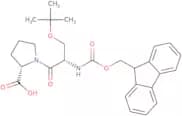
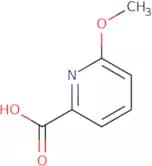

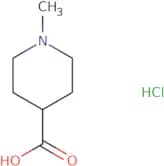
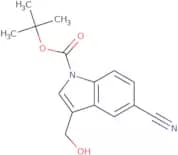

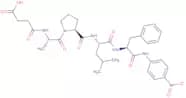
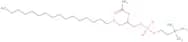

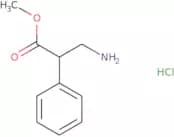
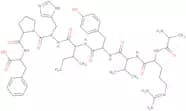

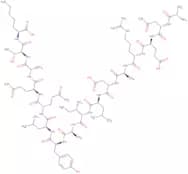

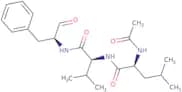

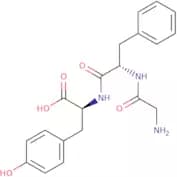


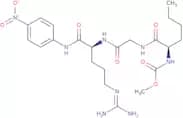


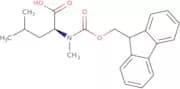

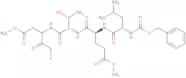
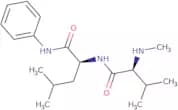
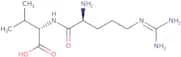

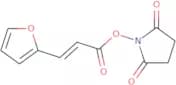
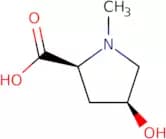
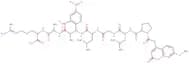
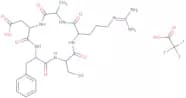
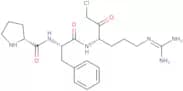

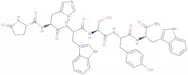
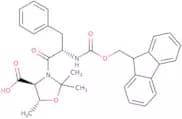
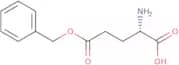

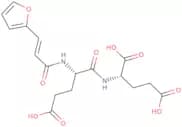
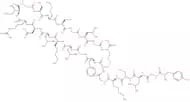
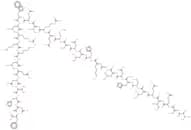
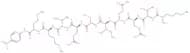

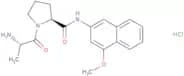


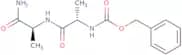
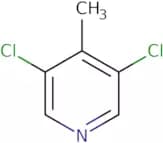

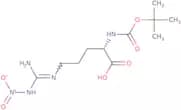

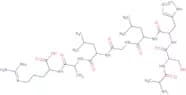
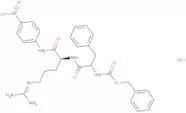
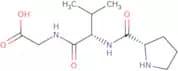


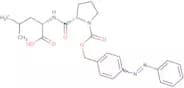

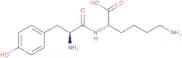
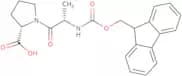

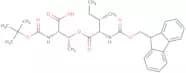
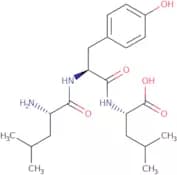
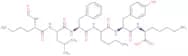
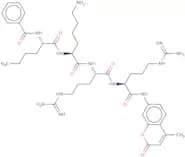
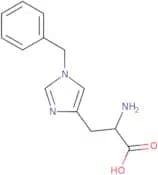
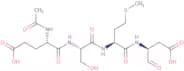
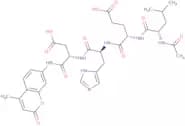
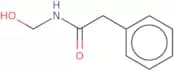


![H-Glu-Leu-Asp-[(2R,4S,5S)-5-amino-4-hydroxy-2,7-dimethyl-octanoyl]-Ala-Glu-Phe-OH](/_next/image/?url=https%3A%2Fstatic.cymitquimica.com%2Fproducts%2F3D%2Fthumb-webp%2FFG111094.webp&w=3840&q=75)
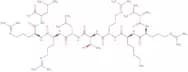
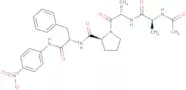
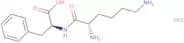
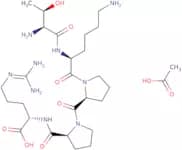
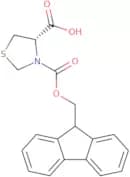
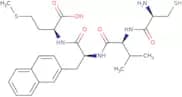
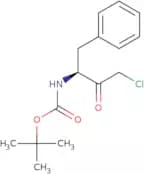

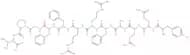
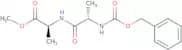
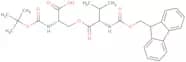
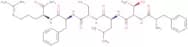
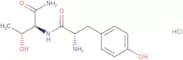
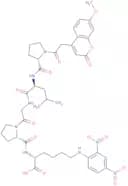
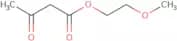
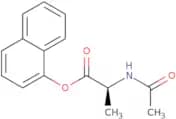
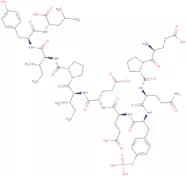
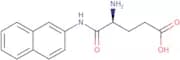


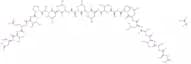
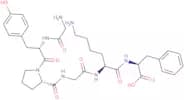
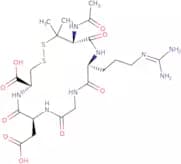
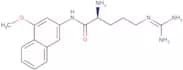

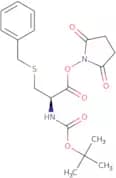
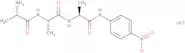


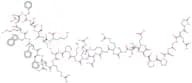
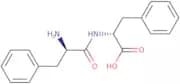
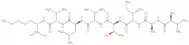
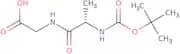

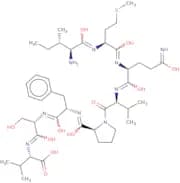
![([D2]Gly4)-Cholecystokinin Octapeptide (sulfated) ammonium salt](/_next/image/?url=https%3A%2Fstatic.cymitquimica.com%2Fproducts%2F3D%2Fthumb-webp%2FFG110020.webp&w=3840&q=75)