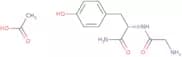
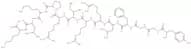
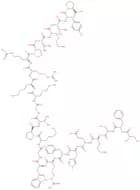
Amino Acids (AA)
Amino acids (AAs) are the fundamental building blocks of proteins, playing a crucial role in various biological processes. These organic compounds are essential for protein synthesis, metabolic pathways, and cell signaling. In this category, you will find a comprehensive range of amino acids, including essential, non-essential, and modified forms, which are vital for research in biochemistry, molecular biology, and nutritional sciences. At CymitQuimica, we provide high-quality amino acids to support your research and development needs, ensuring accuracy and reliability in your experimental outcomes.
Subcategories of "Amino Acids (AA)"
- Amino Acid Derivatives(3,955 products)
- Amino Acid and Amino Acid Related Compounds(3,471 products)
- Amino Acids with Oxygen or Sulphur(168 products)
- Boc- Amino Acids(351 products)
- Fmoc Amino Acids(1,710 products)
Found 38262 products of "Amino Acids (AA)"
Sort by
Purity (%)
0
100
|
0
|
50
|
90
|
95
|
100
5-Methylpyrimidine-2-carboxylic acid
CAS:<p>Please enquire for more information about 5-Methylpyrimidine-2-carboxylic acid including the price, delivery time and more detailed product information at the technical inquiry form on this page</p>Formula:C6H6N2O2Purity:Min. 95%Molecular weight:138.12 g/molMbs-D-Arg-OH
CAS:<p>Please enquire for more information about Mbs-D-Arg-OH including the price, delivery time and more detailed product information at the technical inquiry form on this page</p>Formula:C13H20N4O5SPurity:Min. 95%Molecular weight:344.39 g/molH-Lys-Lys-Lys-Trp-Lys-Lys-Lys-OH acetate salt
CAS:Controlled Product<p>Please enquire for more information about H-Lys-Lys-Lys-Trp-Lys-Lys-Lys-OH acetate salt including the price, delivery time and more detailed product information at the technical inquiry form on this page</p>Formula:C47H84N18O8Purity:Min. 95%Molecular weight:1,029.29 g/mol(Tyr0)-Atriopeptin II (rat)
CAS:<p>Please enquire for more information about (Tyr0)-Atriopeptin II (rat) including the price, delivery time and more detailed product information at the technical inquiry form on this page</p>Formula:C107H165N35O34S2Purity:Min. 95%Molecular weight:2,549.8 g/mol(Deamino-Cys11,D-2-Nal 14,Cys18)-b-MSH (11-22) amide trifluoroacetate salt
CAS:<p>Please enquire for more information about (Deamino-Cys11,D-2-Nal 14,Cys18)-b-MSH (11-22) amide trifluoroacetate salt including the price, delivery time and more detailed product information at the technical inquiry form on this page</p>Formula:C69H91N19O16S2Purity:Min. 95%Molecular weight:1,506.71 g/molH-Lys-Tyr-Ser-OH
CAS:<p>H-Lys-Tyr-Ser-OH is a molecule that is the product of a racemase enzyme. This molecule is an acid with a pKa of 2.6, which means that it can exist as either a D or L form at pH values less than 2.6. The D form is more stable and has greater solubility in water than the L form. H-Lys-Tyr-Ser-OH stabilizes the conformation of erythromycin and other antibiotics by binding to Murein, which is the cell wall component responsible for conferring resistance to these drugs.</p>Formula:C18H28N4O6Purity:Min. 95%Molecular weight:396.44 g/molBz-Phe-Val-Arg-AMC hydrochloride salt
CAS:<p>Bz-Phe-Val-Arg-AMC is a synthetic substrate that is used to measure proteolytic activity. It has been shown to be hydrolyzed by serine proteases, such as trypsin and chymotrypsin, at a rate proportional to the enzyme's concentration. The rate of hydrolysis was determined using a kinetic assay in which the release of AMC from the peptide bond was measured using an ultraviolet spectrophotometer. Bz-Phe-Val-Arg-AMC has also been used to study the effects of various food additives on proteolytic activity. This test can be used as a diagnostic tool for inflammatory diseases, such as Crohn's disease and ulcerative colitis.</p>Formula:C37H43N7O6Purity:Min. 95%Molecular weight:681.78 g/molH-Gly-Pro-Gly-OH
CAS:<p>H-Gly-Pro-Gly-OH is a glycan molecule. It is an artificially synthesized glycan that was designed to act as a neutralizing agent for HIV. It binds to the envelope protein gp120 and prevents it from binding to CD4 receptors on cells, thereby preventing viral entry into the cell. H-Gly-Pro-Gly-OH has also been shown to be effective in neutralizing collagenase activity, which may be useful in treating arthritis and other autoimmune disorders.<br>H-Gly-Pro-Gly-OH has been shown to bind to monoclonal antibodies that are used in the development of cancer treatments, such as Herceptin and Erbitux. This binding is thought to be due to sequences within the antibody that correspond with those found on gp120, the envelope protein of HIV.</p>Formula:C9H15N3O4Purity:Min. 95%Molecular weight:229.23 g/mol(Deamino-Phe19,D-Ala24,D-Pro26-psi(CH2NH)Phe27)-GRP (19-27) (human, porcine, canine) trifluoroacetate salt
CAS:<p>Please enquire for more information about (Deamino-Phe19,D-Ala24,D-Pro26-psi(CH2NH)Phe27)-GRP (19-27) (human, porcine, canine) trifluoroacetate salt including the price, delivery time and more detailed product information at the technical inquiry form on this page</p>Formula:C57H72N14O8Purity:Min. 95%Molecular weight:1,081.27 g/molAcetyl-L-leucine amide
CAS:<p>Acetyl-L-leucine amide is a drug used to treat symptoms of depression in geriatric patients. It is an amide form of acetyl-L-leucine, which is an amino acid that plays a role in the synthesis of proteins and lipids. Acetyl-L-leucine amide has been shown to have antidepressant effects in geriatric patients with mild to moderate depression. This drug can be used as part of a combination therapy for infectious diseases, such as tuberculosis, when there is no infection or when resistance to other antibiotics has occurred. Acetyl-L-leucine amide has also been shown to be effective against cervical cancer and breast cancer cells. The synthesis of this drug involves two steps: first, reacting L-leucine with acetyl chloride; second, reacting the product with aqueous ammonia solution.</p>Formula:C8H16N2O2Purity:Min. 95%Molecular weight:172.22 g/molO-Hippuryl-DL-b-phenyllactic acid sodium salt
CAS:<p>Please enquire for more information about O-Hippuryl-DL-b-phenyllactic acid sodium salt including the price, delivery time and more detailed product information at the technical inquiry form on this page</p>Formula:C18H16NNaO5Purity:Min. 95%Molecular weight:349.31 g/mol(Hyp 474·477,Gln479)-cyclo-a-Fetoprotein (471-479) (human, lowland gorilla)
CAS:<p>Please enquire for more information about (Hyp 474·477,Gln479)-cyclo-a-Fetoprotein (471-479) (human, lowland gorilla) including the price, delivery time and more detailed product information at the technical inquiry form on this page</p>Formula:C40H63N11O16SPurity:Min. 95%Molecular weight:986.06 g/molH-Ala-Val-NH2·HCl
CAS:<p>Please enquire for more information about H-Ala-Val-NH2·HCl including the price, delivery time and more detailed product information at the technical inquiry form on this page</p>Formula:C8H17N3O2·HClPurity:Min. 95%Molecular weight:223.7 g/molBoc-Ile-PAM resin (200-400 mesh)
<p>Please enquire for more information about Boc-Ile-PAM resin (200-400 mesh) including the price, delivery time and more detailed product information at the technical inquiry form on this page</p>Purity:Min. 95%1-Methylethyl N-((S)-(((1R)-2-(6-amino-9H-purin-9-yl)-1-methylethoxy)methyl)phenoxyphosphinoyl)-L-alaninate
CAS:<p>Tenofovir is a nucleoside analog reverse transcriptase inhibitor that binds to the RNA-dependent polymerase. This compound is used in combination with other antiviral agents for the treatment of HIV-1 infection and for prophylaxis against HIV-1 infection. Tenofovir has been shown to be effective against infections caused by strains of HIV-1, such as the drug resistant virus. Tenofovir is absorbed rapidly after oral administration, with a bioavailability of over 80%. The prodrug fumarate is hydrolyzed to tenofovir in vivo and this conversion occurs more efficiently in acidic conditions. Alafenamide, a prodrug of tenofovir, has been approved by the FDA as an alternative to tenofovir disoproxil fumarate (TDF) for the treatment of HIV-1 infection. Alafenamide is an acyclic nucleoside phosphonate that inhibits viral replication by inhibiting reverse</p>Formula:C46H62N12O14P2Purity:Min. 95%Color and Shape:PowderMolecular weight:1,069 g/molFmoc-Val-Wang resin (200-400 mesh)
<p>Please enquire for more information about Fmoc-Val-Wang resin (200-400 mesh) including the price, delivery time and more detailed product information at the technical inquiry form on this page</p>Purity:Min. 95%Angiotensin II Receptor Ligand Nicotinoyl-Tyr-Lys(Z-Arg)-His-Pro-Ile-OH
CAS:<p>Angiotensin II receptor ligand nicotinoyl-tyrosine-arginine-proline-ile (ANGII) is a peptide that acts as a potent angiotensin II receptor agonist. It can be used to anesthetize rats and cause bradykinin b2 receptor activation. ANGII has been shown to inhibit the growth of several types of tumors, such as human melanoma cells, in animal experiments. This drug also has antiangiogenic properties, which may be due to its ability to induce the production of tumor necrosis factor-α (TNF-α).</p>Formula:C52H69N13O11Purity:Min. 95%Molecular weight:1,052.19 g/molBiotinyl-Amylin (mouse, rat) trifluoroacetate salt
CAS:<p>Please enquire for more information about Biotinyl-Amylin (mouse, rat) trifluoroacetate salt including the price, delivery time and more detailed product information at the technical inquiry form on this page</p>Formula:C177H286N54O55S3Purity:Min. 95%Molecular weight:4,146.69 g/molH-D-Ile-Asp-OH
CAS:<p>Please enquire for more information about H-D-Ile-Asp-OH including the price, delivery time and more detailed product information at the technical inquiry form on this page</p>Formula:C10H18N2O5Purity:Min. 95%Molecular weight:246.26 g/molFmoc-D-Ser(BSi)-OH
CAS:<p>Please enquire for more information about Fmoc-D-Ser(BSi)-OH including the price, delivery time and more detailed product information at the technical inquiry form on this page</p>Formula:C24H31NO5SiPurity:Min. 95%Molecular weight:441.59 g/molSorbin (147-153) amide (porcine) trifluoroacetate salt
CAS:<p>Please enquire for more information about Sorbin (147-153) amide (porcine) trifluoroacetate salt including the price, delivery time and more detailed product information at the technical inquiry form on this page</p>Formula:C33H58N10O9Purity:Min. 95%Molecular weight:738.88 g/molCell-permeable Caspase-3 Inhibitor I trifluoroacetate salt
CAS:<p>Please enquire for more information about Cell-permeable Caspase-3 Inhibitor I trifluoroacetate salt including the price, delivery time and more detailed product information at the technical inquiry form on this page</p>Formula:C94H158N20O27Purity:Min. 95%Molecular weight:2,000.38 g/molFibronectin CS-1 Fragment (1978-1985) trifluoroacetate salt
CAS:<p>Fibronectin CS-1 Fragment (1978-1985) trifluoroacetate salt H-Glu-Ile-Leu-Asp-Val-Pro-Ser-Thr-OH trifluoroacetate salt is a peptidomimetic with peroxidase activity. It has the ability to bind to red blood cells and monoclonal antibodies, which are used in spatially specific immunoassays. Fibronectin CS-1 Fragment (1978-1985) trifluoroacetate salt H-Glu-Ile-Leu-Asp-Val-Pro-Ser-Thr-OH trifluoroacetate salt also has an effect on hyperresponsiveness and can be used as a costimulatory antigen for cancer immunotherapy.</p>Formula:C38H64N8O15Purity:Min. 95%Molecular weight:872.96 g/molAmyloid β/A4 Protein Precursor770 (740-770) trifluoroacetate salt
CAS:<p>Please enquire for more information about Amyloid beta/A4 Protein Precursor770 (740-770) trifluoroacetate salt including the price, delivery time and more detailed product information at the technical inquiry form on this page</p>Formula:C162H243N45O52S2Purity:Min. 95%Molecular weight:3,717.07 g/molAc-Ser-Gln-Asn-Tyr-OH
CAS:<p>Ac-Ser-Gln-Asn-Tyr-OH is an oligopeptide that is a substrate for enzymes that catalyze the hydrolysis of peptides. Ac-Ser-Gln-Asn-Tyr-OH has been shown to be an effective inhibitor of elastase and other proteases, with a kinetic mechanism involving a serine residue at position 1 as the nucleophile. This inhibitor binds to the active site of elastase and prevents access by the substrate. Acetylation at the C terminus may increase solubility, while substitution of tyrosine with a phenylalanine or tryptophan residue increases inhibitory activity. The optimum pH for this enzyme is around 7, while it’s inorganic nature makes it less sensitive to organic solvents.</p>Formula:C23H32N6O10Purity:Min. 95%Molecular weight:552.53 g/mol2-(Chloromethyl)-4-methoxy-3,5-dimethylpyridine hydrochloride
CAS:<p>2-(Chloromethyl)-4-methoxy-3,5-dimethylpyridine hydrochloride is a benzimidazole derivative. It has a chemical stability and can be used for wastewater treatment. It is also a pump inhibitor and can be used for anhydrous sodium magnesium salts. This product is synthesized from the reaction of protonated 2-bromo-4-methoxyphenol with 2,6-dimethylpyridine in the presence of hydrochloric acid. The reaction was carried out in an asymmetric synthesis using a proton transport system. 2-(Chloromethyl)-4-methoxy-3,5-dimethylpyridine hydrochloride is soluble in water and has a pH of 1 to 3. It has been shown that this product can be used as an antioxidant and as a metal chelation agent.</p>Formula:C9H13Cl2NOPurity:Min. 95%Color and Shape:PowderMolecular weight:222.11 g/molThrombin B-Chain (147-158) (human)
CAS:<p>Please enquire for more information about Thrombin B-Chain (147-158) (human) including the price, delivery time and more detailed product information at the technical inquiry form on this page</p>Formula:C54H84N16O18Purity:Min. 95%Molecular weight:1,245.34 g/molSuc-Leu-Tyr-AMC
CAS:<p>AMC conjugated molecule targeting chymotrypsin-like peptidase, calpain I and II and papain, and Ti protease from E. coli</p>Formula:C29H33N3O8Purity:Min. 95%Molecular weight:551.59 g/molN-α-Z-L-lysine methyl ester hydrochloride
CAS:<p>N-alpha-Z-L-lysine methyl ester hydrochloride is a preparation that is used as a methyl ester. It is an ester of lysine and methyl chloride. This product has a molecular weight of 170.16 g/mol and the chemical formula CH3CONHCH2CH(NH)CO2CH3. The structural data has not been confirmed by X-ray crystallography, but it can be assumed to be in the form of a zwitterion. N-alpha-Z-L-lysine methyl ester hydrochloride can be used for the synthesis of peptides, which are building blocks for proteins and enzymes. N-alpha-Z-L-lysine methyl ester hydrochloride is also used in the production of certain kinds of drugs and organic acids such as acetylsalicylic acid (aspirin).</p>Formula:C15H22N2O4·HClPurity:Min. 95%Molecular weight:330.81 g/molH-Lys-Asn-Asn-Gln-Lys-Ser-Glu-Pro-Leu-Ile-Gly-Arg-Lys-Lys-Thr-OH
CAS:<p>Please enquire for more information about H-Lys-Asn-Asn-Gln-Lys-Ser-Glu-Pro-Leu-Ile-Gly-Arg-Lys-Lys-Thr-OH including the price, delivery time and more detailed product information at the technical inquiry form on this page</p>Formula:C74H133N25O23Purity:Min. 95%Molecular weight:1,741 g/molVIP sulfoxide (human, mouse, rat) trifluoroacetate salt
CAS:<p>Please enquire for more information about VIP sulfoxide (human, mouse, rat) trifluoroacetate salt including the price, delivery time and more detailed product information at the technical inquiry form on this page</p>Formula:C147H238N44O43SPurity:Min. 95%Molecular weight:3,341.8 g/mol(D-Pro4,D-Trp7·9·10,Val8)-Substance P (4-11)
CAS:<p>Please enquire for more information about (D-Pro4,D-Trp7·9·10,Val8)-Substance P (4-11) including the price, delivery time and more detailed product information at the technical inquiry form on this page</p>Formula:C58H74N14O10SPurity:Min. 95%Molecular weight:1,159.36 g/molFmoc-Tyr-Ala-OH
CAS:<p>Fmoc-Tyr-Ala-OH is a biochemical that is expressed in mammalian cells. It has been shown to activate enzymes and the production of proteins, which are essential for cell growth. Fmoc-Tyr-Ala-OH is also proteolytic and hydrolyzing, meaning it can be used to cleave proteins into smaller pieces. It has been shown to have acidic and neutral properties at different pH levels. This enzyme also has an inhibitory effect on the production of monoclonal antibodies in mcf-7 cells, which are derived from mouse mammary epithelial cells.</p>Formula:C27H26N2O6Purity:Min. 95%Molecular weight:474.51 g/molFmoc-b-(2-thienyl)-L-alanine
CAS:<p>Please enquire for more information about Fmoc-b-(2-thienyl)-L-alanine including the price, delivery time and more detailed product information at the technical inquiry form on this page</p>Formula:C22H19NO4SPurity:Min. 95%Molecular weight:393.46 g/molH-Gly-Gly-bNA·HBr
CAS:<p>Please enquire for more information about H-Gly-Gly-bNA·HBr including the price, delivery time and more detailed product information at the technical inquiry form on this page</p>Formula:C14H15N3O2·HBrPurity:Min. 95%Molecular weight:338.2 g/molBoc-His(Trt)-OH
CAS:<p>Boc-His(Trt)-OH is a chemical compound that has been used in the laboratory to study uptake and binding of compounds. It is stable in complex with albumin, which has led to its use as a model system for studying hepatic steatosis. This chemical can be synthesized by solid-phase synthesis with trifluoroacetic acid and polypeptide synthesis. FT-IR spectroscopy has been used to characterize Boc-His(Trt)-OH, revealing its chemical diversity.</p>Formula:C30H31N3O4Purity:Min. 95%Color and Shape:PowderMolecular weight:497.58 g/mol(R)-2-Methylmorpholine
CAS:<p>(R)-2-Methylmorpholine is a protease inhibitor that has been shown to inhibit HIV-1 protease, a class of enzymes that are involved in the replication of HIV-1. It is used as a research tool to study the structure and function of HIV-1 protease. (R)-2-Methylmorpholine binds to the active site of the enzyme by forming hydrophobic interactions with residues in the active site. This binding leads to an inhibitory effect on ligand binding, protein synthesis, and other cellular processes. Molecular modeling studies have shown that (R)-2-Methylmorpholine inhibits HIV-1 protease by blocking the catalytic cleft and preventing access to substrate residues.</p>Formula:C5H11NOPurity:Min. 95%Molecular weight:101.15 g/molFluorescein-6-carbonyl-Val-Glu(OMe)-Ile-DL-Asp(OMe)-fluoromethylketone
CAS:<p>Please enquire for more information about Fluorescein-6-carbonyl-Val-Glu(OMe)-Ile-DL-Asp(OMe)-fluoromethylketone including the price, delivery time and more detailed product information at the technical inquiry form on this page</p>Formula:C44H49FN4O14Purity:Min. 95%Molecular weight:876.88 g/molAmyloid β-Protein (1-37) trifluoroacetate salt
CAS:<p>Please enquire for more information about Amyloid beta-Protein (1-37) trifluoroacetate salt including the price, delivery time and more detailed product information at the technical inquiry form on this page</p>Formula:C182H274N50O55SPurity:Min. 95%Molecular weight:4,074.49 g/molSuc-Phe-Pro-Phe-pNA
CAS:<p>Suc-Phe-Pro-Phe-pNA is a peptide that has been shown to inhibit the effector functions of anisopliae. The molecule is synthesized by attaching a chloromethyl ketone to the carboxy terminal amino acid. This process is specific for only one sequence and can be used in metarhizium, which is a fungus that naturally occurs in soil and decomposing organic matter. Suc-Phe-Pro-Phe-pNA has been shown to be reactive with inflammatory diseases such as asthma, arthritis, and atherosclerosis. The molecule's activity may be due to its acidic nature or high salt content at its reactive site. This peptide also has a pH optimum range of 3–5, which may contribute to its activity as well.</p>Formula:C33H35N5O8Purity:Min. 95%Molecular weight:629.66 g/molAF-16 trifluoroacetate salt
CAS:<p>AF-16 trifluoroacetate salt is a synthetic peptide, which is derived from chemical synthesis with tailored modifications to enhance its stability and efficacy. This compound acts by specifically binding to target receptors or proteins, facilitating the study of biochemical pathways and mechanisms at the molecular level. It is particularly used in biological and biochemical research settings to probe cellular processes, offering insights into protein interactions and signaling pathways.</p>Formula:C71H119N25O25SPurity:Min. 95%Molecular weight:1,754.92 g/molAc-Arg-Phe-Met-Trp-Met-Lys-NH2 TFA salt
CAS:<p>Ac-Arg-Phe-Met-Trp-Met-Lys-NH2 is an opioid receptor agonist with a high affinity for the μ-, δ-, and κ-opioid receptors. Ac-Arg-Phe-Met-Trp-Met-Lys-NH2 binds to these receptors, thereby inhibiting the release of neurotransmitters that transmit pain signals from the peripheral nerves to the brain. Acetyl fentanyl also inhibits the binding of opioid receptor antagonists such as naloxone, which is used in emergency rooms to block or reverse the effects of opioids. Acetyl fentanyl has been shown to be an effective analgesic in animal studies.</p>Formula:C44H66N12O7S2•xC2HF3O2Purity:Min. 95%Molecular weight:939.2 g/molFmoc-4-(Boc-amino)-L-phenylalanine
CAS:<p>Fmoc-4-(Boc-amino)-L-phenylalanine is a useful building block, which is used in the synthesis of complex compounds and research chemicals. It is also a reaction component in the synthesis of compounds. Fmoc-4-(Boc-amino)-L-phenylalanine has CAS No. 174132-31-1 and can be used as a versatile building block to produce high quality reagents.</p>Formula:C29H30N2O6Purity:Min. 98 Area-%Color and Shape:SolidMolecular weight:502.56 g/mol(Asp28)-Exenatide trifluoroacetate salt
CAS:<p>Please enquire for more information about (Asp28)-Exenatide trifluoroacetate salt including the price, delivery time and more detailed product information at the technical inquiry form on this page</p>Formula:C184H281N49O61SPurity:Min. 95%Molecular weight:4,187.56 g/mol...(Ala13)-Apelin-13 (human, bovine, mouse, rat) trifluoroacetate salt
CAS:<p>Apelin-13 is a peptide hormone that is involved in the regulation of cardiovascular, respiratory and gastrointestinal functions. It has been shown to stimulate receptor activity and pain sensitivity in animal models. Apelin-13 has been shown to act as an opioid receptor agonist, meaning that it binds to the opioid receptors and activates them. This activation leads to an increase in the production of growth factors and matrix metalloproteinases, which are proteins that break down collagen and other substances in the body. The increased production of these substances can lead to inflammation and tissue destruction. Apelin-13 also interacts with several other receptors including CB2 (a cannabinoid receptor), GPCR (a G protein-coupled receptor), CRHR1 (a corticotropin releasing hormone receptor 1) and Naloxone (an opioid antagonist).</p>Formula:C63H107N23O16S·xC2HF3O2Purity:Min. 95%Molecular weight:1,474.74 g/molN,N'-Ethane-1,2-diylidenebis(2-methylpropan-2-amine)
CAS:<p>Please enquire for more information about N,N'-Ethane-1,2-diylidenebis(2-methylpropan-2-amine) including the price, delivery time and more detailed product information at the technical inquiry form on this page</p>Formula:C10H20N2Purity:Min. 95%Color and Shape:PowderMolecular weight:168.28 g/molZ-N-Me-D-Ser(tBu)-OH·DCHA
CAS:Controlled Product<p>Please enquire for more information about Z-N-Me-D-Ser(tBu)-OH·DCHA including the price, delivery time and more detailed product information at the technical inquiry form on this page</p>Formula:C16H23NO5·C12H23NPurity:Min. 95%Molecular weight:490.68 g/mol1,2-Distearoyl-rac-glycero-3-phosphocholine
CAS:<p>1,2-Distearoyl-rac-glycero-3-phosphocholine is a synthetic phospholipid, which is typically derived from the hydrogenation of naturally occurring lecithins. This compound serves as a key structural component in lipid bilayers, joining polar heads with hydrophobic tails to form stable membranes.</p>Formula:C44H88NO8PPurity:Min. 95%Molecular weight:790.15 g/molHIV-1 gag Protein p24 (194-210)
CAS:<p>Please enquire for more information about HIV-1 gag Protein p24 (194-210) including the price, delivery time and more detailed product information at the technical inquiry form on this page</p>Formula:C73H126N20O23SPurity:Min. 95%Molecular weight:1,683.97 g/molNeuromedin U-8 (porcine) trifluoroacetate salt
CAS:<p>Neuromedin U-8 (porcine) trifluoroacetate salt H-Tyr-Phe-Leu-Phe-Arg-Pro-Arg-Asn-NH2 trifluoroacetate salt is a molecule that inhibits the action of vasoactive intestinal peptide. It is a peptide hormone that has been shown to be involved in the regulation of bowel function and blood pressure. Neuromedin U-8 (porcine) trifluoroacetate salt H-Tyr-Phe-Leu-Phe-Arg-Pro-Arg-Asn NH2 trifluoroacetate salt has also been shown to inhibit cell proliferation, cancer, and inflammatory bowel disease. Neuromedin U 8 (porcine) trifluoroacetate salt H Tyr Phe Leu Phe Arg Pro Arg Asn NH2 trifluoroacetate salt binds to the receptor for</p>Formula:C54H78N16O10Purity:Min. 95%Molecular weight:1,111.3 g/molAmyloid P Component (27-38) amide trifluoroacetate salt
CAS:<p>Please enquire for more information about Amyloid P Component (27-38) amide trifluoroacetate salt including the price, delivery time and more detailed product information at the technical inquiry form on this page</p>Formula:C68H107N19O17SPurity:Min. 95%Molecular weight:1,494.76 g/molKisspeptin-13 (human) trifluoroacetate salt
CAS:<p>Please enquire for more information about Kisspeptin-13 (human) trifluoroacetate salt including the price, delivery time and more detailed product information at the technical inquiry form on this page</p>Formula:C78H107N21O18Purity:Min. 95%Molecular weight:1,626.81 g/molGM-CSF (96-112)
CAS:<p>Please enquire for more information about GM-CSF (96-112) including the price, delivery time and more detailed product information at the technical inquiry form on this page</p>Formula:C88H139N21O29SPurity:Min. 95%Molecular weight:1,987.24 g/molNeuromedin U-23 (rat) trifluoroacetate salt
CAS:<p>Neuromedin U-23 (rat) is a peptide that belongs to the family of tachykinins, which are small neuropeptides that act as neurotransmitters in the central nervous system. It is a potent stimulator of intestinal motility and has been shown to have protective effects against oxidative stress in cells. Neuromedin U-23 (rat) shares sequence similarity with human neuromedin N-19 and binds to the same receptors in the brain, suggesting it may have similar physiological effects. This peptide has been shown to inhibit tumor cell growth by inducing apoptosis, but it does not appear to have any effect on healthy cells.</p>Formula:C124H180N34O31Purity:Min. 95%Molecular weight:2,642.97 g/mol(D-Tyr27·36,D-Thr32)-Neuropeptide Y (27-36) trifluoroacetate salt
CAS:<p>Please enquire for more information about (D-Tyr27·36,D-Thr32)-Neuropeptide Y (27-36) trifluoroacetate salt including the price, delivery time and more detailed product information at the technical inquiry form on this page</p>Formula:C61H99N19O15Purity:Min. 95%Molecular weight:1,338.56 g/molH-Ala-Ala-Pro-Leu-pNA·HCl
CAS:<p>Please enquire for more information about H-Ala-Ala-Pro-Leu-pNA·HCl including the price, delivery time and more detailed product information at the technical inquiry form on this page</p>Formula:C23H34N6O6·HClPurity:Min. 95%Molecular weight:527.01 g/molFA-Ala-Phe-NH2
CAS:<p>FA-Ala-Phe-NH2 is a synthetic, hydrophobic peptide that mimics the structure of a spermatozoal regulatory protein. It has been shown to be an irreversible metal chelator and is used as a substrate in assays for metalloendopeptidases. In vitro studies have also shown that this peptide interacts with lectins and can inhibit the binding of spermatozoa to egg zona pellucida.</p>Formula:C19H21N3O4Purity:Min. 95%Molecular weight:355.39 g/molDynorphin A (1-11) amide trifluoroacetate salt
CAS:<p>Dynorphin A (1-11) amide trifluoroacetate salt is a modified form of the opioid peptide dynorphin, which is a natural ligand for kappa-opioid receptors. It has affinity for the surface receptors and can be used to study the modifications that occur in cell function. Dynorphin A (1-11) amide trifluoroacetate salt has been shown to decrease cell function when it interacts with these surface receptors, which are found in brain homogenates and other tissues. Dynorphin A (1-11) amide trifluoroacetate salt also has an effect on brain cells, which may be due to its ability to alter conformational changes in proteins by binding to them. This can lead to alterations in the structure of certain enzymes or receptor proteins.</p>Formula:C63H104N22O12Purity:Min. 95%Molecular weight:1,361.64 g/molNeuropeptide S (rat) trifluoroacetate salt
CAS:<p>Please enquire for more information about Neuropeptide S (rat) trifluoroacetate salt including the price, delivery time and more detailed product information at the technical inquiry form on this page</p>Formula:C95H160N34O27Purity:Min. 95%Molecular weight:2,210.5 g/molH-DL-δ-Hydroxy-DL-Lys(Boc)-OH
CAS:<p>Please enquire for more information about H-DL-delta-Hydroxy-DL-Lys(Boc)-OH including the price, delivery time and more detailed product information at the technical inquiry form on this page</p>Formula:C11H22N2O5Purity:Min. 95%Color and Shape:PowderMolecular weight:262.3 g/molFmoc-D-Asp(OMpe)-OH
CAS:<p>Please enquire for more information about Fmoc-D-Asp(OMpe)-OH including the price, delivery time and more detailed product information at the technical inquiry form on this page</p>Formula:C25H29NO6Purity:Min. 95%Molecular weight:439.5 g/molBiotinyl-Neuropeptide W-23 (human) trifluoroacetate salt
CAS:<p>Please enquire for more information about Biotinyl-Neuropeptide W-23 (human) trifluoroacetate salt including the price, delivery time and more detailed product information at the technical inquiry form on this page</p>Formula:C129H197N37O30S2Purity:Min. 95%Molecular weight:2,810.31 g/molZ-Ala-Ser-OH
CAS:<p>Z-Ala-Ser-OH is a basic protein with a sequence of Z-Ala-Ser. It has a hydrophobic section and carboxylic acid group, which is why it is soluble in organic solvents. The dichroic spectra of this protein are characteristic for its secondary structure. This protein can be analyzed using the technique of dichroism, which allows one to determine its analogs as well as analyze its enzyme preparations. The amino acid residues found in this protein are Ala and Ser, which are basic and polar respectively.</p>Formula:C14H18N2O6Purity:Min. 95%Color and Shape:PowderMolecular weight:310.3 g/molH-Leu-Leu-Tyr-OH
CAS:<p>H-Leu-Leu-Tyr-OH is a water soluble polymer that is produced by the enzymatic polymerization of L-leucine and L-tyrosine. This polymer is cytotoxic and has been shown to bind to DNA in the cell nucleus, as well as inhibit protein synthesis. H-Leu-Leu-Tyr-OH was developed as an alternative to polyethylene glycol (PEG) due to its low toxicity, high biocompatibility, and ability to be easily synthesized.</p>Formula:C21H33N3O5Purity:Min. 95%Molecular weight:407.5 g/mol(Phe1-psi(CH2NH)Gly2)-Nociceptin (1-13) amide
<p>Please enquire for more information about (Phe1-psi(CH2NH)Gly2)-Nociceptin (1-13) amide including the price, delivery time and more detailed product information at the technical inquiry form on this page</p>Formula:C61H102N22O14Purity:Min. 95%Molecular weight:1,367.6 g/molProinsulin C-Peptide (31-63) (porcine) trifluoroacetate salt
CAS:<p>Please enquire for more information about Proinsulin C-Peptide (31-63) (porcine) trifluoroacetate salt including the price, delivery time and more detailed product information at the technical inquiry form on this page</p>Formula:C142H239N47O46Purity:Min. 95%Molecular weight:3,340.71 g/mol1-Methyl-4-nitro-1H-pyrazole-3-carboxamide
CAS:<p>Please enquire for more information about 1-Methyl-4-nitro-1H-pyrazole-3-carboxamide including the price, delivery time and more detailed product information at the technical inquiry form on this page</p>Purity:Min. 95%Fmoc-Asp(OtBu)-Thr(Psi(Me,Me)pro)-OH
CAS:<p>Please enquire for more information about Fmoc-Asp(OtBu)-Thr(Psi(Me,Me)pro)-OH including the price, delivery time and more detailed product information at the technical inquiry form on this page</p>Formula:C30H36N2O8Purity:Min. 95%Molecular weight:552.62 g/molBoc-Ile-Gly-OH
CAS:<p>Boc-Ile-Gly-OH is a reactive compound that contains an aldehyde group. It is catalytic and can be used in the synthesis of peptides, amino acids, and other compounds. Boc-Ile-Gly-OH is unmodified by reaction with carbonyl groups or any other functional groups. It has been modified by thermal treatment to produce an oxygen species at temperatures below 100°C.</p>Formula:C13H24N2O5Purity:Min. 95%Molecular weight:288.34 g/molCys-Gly-His-Gly-Asn-Lys-Ser-Amyloid b-Protein (33-40) trifluoroacetate salt
CAS:<p>Please enquire for more information about Cys-Gly-His-Gly-Asn-Lys-Ser-Amyloid b-Protein (33-40) trifluoroacetate salt including the price, delivery time and more detailed product information at the technical inquiry form on this page</p>Formula:C58H99N19O18S2Purity:Min. 95%Molecular weight:1,414.66 g/molTumor Targeted Pro-Apoptotic Peptide trifluoroacetate salt
<p>Please enquire for more information about Tumor Targeted Pro-Apoptotic Peptide trifluoroacetate salt including the price, delivery time and more detailed product information at the technical inquiry form on this page</p>Formula:C94H174N32O22S2Purity:Min. 95%Molecular weight:2,168.72 g/molSodium L-glutamate
CAS:<p>Glutamate is the most abundant amino acid in the body and plays an important role in metabolism, brain function, and immune function. It is involved in many biochemical reactions and has been found to be associated with liver lesions, thermal expansion, and brain functions. Glutamate also has a role in diseases such as Huntington's disease, amyotrophic lateral sclerosis (ALS), and Parkinson's disease. Furthermore, glutamate is used as a neurotransmitter that regulates the central nervous system. The treatment of diseases can be done through glutamate replacement therapy or by inhibiting glutamate receptors. Glutamate levels in human serum have been shown to increase when blood sampling is taken from individuals with metabolic disorders. Results show high values for glutamate levels in human serum samples collected from patients with metabolic disorders.</p>Formula:C5H9NO4•NaPurity:Min. 95%Color and Shape:PowderMolecular weight:170.12 g/molpTH-Related Protein (67-86) amide (human, bovine, dog, mouse, ovine, rat) trifluoroacetate salt
CAS:<p>Please enquire for more information about pTH-Related Protein (67-86) amide (human, bovine, dog, mouse, ovine, rat) trifluoroacetate salt including the price, delivery time and more detailed product information at the technical inquiry form on this page</p>Formula:C108H173N27O35Purity:Min. 95%Molecular weight:2,409.69 g/molH-Cys(NPys)-D-Arg-D-Arg-D-Arg-D-Arg-D-Arg-D-Arg-D-Arg-D-Arg-D-Arg-NH2 trifluoroacetate salt
CAS:<p>Please enquire for more information about H-Cys(NPys)-D-Arg-D-Arg-D-Arg-D-Arg-D-Arg-D-Arg-D-Arg-D-Arg-D-Arg-NH2 trifluoroacetate salt including the price, delivery time and more detailed product information at the technical inquiry form on this page</p>Formula:C62H118N40O12S2Purity:Min. 95%Molecular weight:1,679.99 g/molPAR-4 (1-6) amide (human) trifluoroacetate salt
CAS:<p>Please enquire for more information about PAR-4 (1-6) amide (human) trifluoroacetate salt including the price, delivery time and more detailed product information at the technical inquiry form on this page</p>Formula:C28H42N8O8Purity:Min. 95%Molecular weight:618.68 g/molNesfatin-1 (30-59) (human) trifluoroacetate salt
<p>Please enquire for more information about Nesfatin-1 (30-59) (human) trifluoroacetate salt including the price, delivery time and more detailed product information at the technical inquiry form on this page</p>Formula:C167H263N41O54Purity:Min. 95%Molecular weight:3,709.12 g/molN-Boc-glycine
CAS:<p>N-Boc-glycine is a chemical compound used in the synthesis of cyclic peptides. N-Boc-glycine is synthesized by the reaction of glycine with methanol and hydrochloric acid in the presence of an activated form of carbon monoxide. The pharmacokinetic properties of N-Boc-glycine are similar to those for human immunoglobulin, and it can be used as a reference compound for preparative high performance liquid chromatography (HPLC). It has been shown that the nitrogen atoms in N-Boc-glycine are chemically stable, which makes it suitable for asymmetric synthesis. N-Boc-glycine also has potent antagonist effects on biochemical properties such as calcium channel blockade, inhibition of platelet aggregation, and inhibition of neutrophil chemotaxis.</p>Formula:C7H13NO4Purity:Min. 95%Color and Shape:White PowderMolecular weight:175.18 g/mol(H-Gly-Cys-OH)2 (Disulfide bond)
CAS:<p>Please enquire for more information about (H-Gly-Cys-OH)2 (Disulfide bond) including the price, delivery time and more detailed product information at the technical inquiry form on this page</p>Formula:C10H18N4O6S2Purity:Min. 95%Color and Shape:PowderMolecular weight:354.41 g/molH-Glu(OtBu)-2-chlorotrityl resin (200-400 mesh) (Low Substitution)
<p>Please enquire for more information about H-Glu(OtBu)-2-chlorotrityl resin (200-400 mesh) (Low Substitution) including the price, delivery time and more detailed product information at the technical inquiry form on this page</p>Purity:Min. 95%H-Gly-Ile-2-Nal-Trp-His-His-Tyr-OH
CAS:<p>Please enquire for more information about H-Gly-Ile-2-Nal-Trp-His-His-Tyr-OH including the price, delivery time and more detailed product information at the technical inquiry form on this page</p>Formula:C53H60N12O9Purity:Min. 95%Molecular weight:1,009.12 g/mol(Gln53)-Connexin 37 (51-58) (human, mouse, rat)
CAS:<p>Please enquire for more information about (Gln53)-Connexin 37 (51-58) (human, mouse, rat) including the price, delivery time and more detailed product information at the technical inquiry form on this page</p>Formula:C40H59N11O15Purity:Min. 95%Molecular weight:933.96 g/molpTH-Related Protein (7-34) amide (human, mouse, rat) trifluoroacetate salt
CAS:<p>Please enquire for more information about pTH-Related Protein (7-34) amide (human, mouse, rat) trifluoroacetate salt including the price, delivery time and more detailed product information at the technical inquiry form on this page</p>Formula:C153H247N49O37Purity:Min. 95%Molecular weight:3,364.91 g/mol4-Chloro-6-methyl-2-trifluoromethylpyrimidine
CAS:<p>Please enquire for more information about 4-Chloro-6-methyl-2-trifluoromethylpyrimidine including the price, delivery time and more detailed product information at the technical inquiry form on this page</p>Formula:C6H4ClF3N2Purity:Min. 95%Molecular weight:196.56 g/mol(Nle 8·18,Tyr34)-pTH (1-34) (human)
CAS:<p>Please enquire for more information about (Nle 8·18,Tyr34)-pTH (1-34) (human) including the price, delivery time and more detailed product information at the technical inquiry form on this page</p>Formula:C183H295N55O52Purity:Min. 95%Molecular weight:4,097.64 g/molH-Tyr-Gln-OH
CAS:<p>H-Tyr-Gln-OH is a model system for the study of polymerase chain reactions. It is a basic protein that has been shown to have antimicrobial peptide activity, and it can be used as a light signal in colony-stimulating factor experiments. H-Tyr-Gln-OH also has been shown to affect fertility in mice and to alter the frequency shift of light. The plant physiology studies on H-Tyr-Gln-OH have revealed that this molecule can stimulate epidermal growth factor production in plants, which may be due to its ability to bind lipid kinases. H-Tyr-Gln-OH can also be used as an antigen for antibody production or as a hybridization probe for DNA detection.</p>Formula:C14H19N3O5Purity:Min. 95%Molecular weight:309.32 g/mol(Met5,Pro6,D-Phe7,D-Trp9,Phe10)-α-MSH (5-13)
CAS:<p>(Met5,Pro6,D-Phe7,D-Trp9,Phe10)-a-MSH (5-13) is a fragment of alpha-MSH. It is produced by the coupling of 5 amino acids with a fatty acid at the C-terminus. This peptide has been found to have an anti aging effect on the skin due to its ability to stimulate the production of collagen and glycerin. It also has an active oxygen species that can activate tyrosinase and therefore increase melanin production. The enzyme tyrosinase is responsible for catalyzing the last step in the synthesis of melanin from dopaquinone. This compound may be used cosmetically or as a growth regulator in skincare products.</p>Formula:C61H87N15O9SPurity:Min. 95%Molecular weight:1,206.51 g/molRenin Substrate 1 trifluoroacetate salt
CAS:<p>Please enquire for more information about Renin Substrate 1 trifluoroacetate salt including the price, delivery time and more detailed product information at the technical inquiry form on this page</p>Formula:C109H157N31O22S2Purity:Min. 95%Molecular weight:2,317.74 g/molFibrinopeptide A (human) trifluoroacetate salt
CAS:<p>Fibrinopeptide A is a peptide that is released from the fibrinolysis of fibrinogen. It can be used as a blood marker for the diagnosis of bowel disease and primary pulmonary hypertension, but not for other diseases such as infectious diseases. Fibrinopeptide A has been shown to be an effective model system for studying thrombin-mediated fibrin polymerization in vitro. This drug also can be used as a tool for investigating the disulfide bond in fibrinogen.</p>Formula:C63H97N19O26Purity:Min. 95%Molecular weight:1,536.56 g/molGastric Inhibitory Polypeptide (6-30) amide (human) trifluoroacetate salt
CAS:<p>Please enquire for more information about Gastric Inhibitory Polypeptide (6-30) amide (human) trifluoroacetate salt including the price, delivery time and more detailed product information at the technical inquiry form on this page</p>Formula:C139H209N35O38SPurity:Min. 95%Molecular weight:3,010.43 g/molH-Ala-Gly-Ala-OH
CAS:<p>H-Ala-Gly-Ala-OH is a small molecule that regulates the replication of viruses. It was discovered by x-ray crystallography and has been shown to inhibit the replication of viruses in cell culture. H-Ala-Gly-Ala-OH effectively inhibits viral replication by binding to the protein that is required for viral RNA synthesis. This molecule also affects other cellular processes, such as regulating gene expression and DNA repair. The molecular orbital energies have been calculated using density functional theory and analysed using diffraction data from X-ray crystallography. H-Ala-Gly-Ala-OH binds to the virus's surface by electrostatic interactions with the phosphate backbone of the nucleic acid, preventing it from infecting cells. At low temperatures, HAAGAO can inhibit both DNA and RNA synthesis in vitro, but at higher temperatures it only inhibits RNA synthesis.</p>Formula:C8H15N3O4Purity:Min. 95%Molecular weight:217.22 g/mol3-Cyano-2-methylphenylboronic acid
CAS:<p>3-Cyano-2-methylphenylboronic acid is a high quality compound that can be used as a reagent, intermediate, or building block in the synthesis of complex compounds. This chemical is also useful as a speciality chemical and research chemical. 3-Cyano-2-methylphenylboronic acid has versatile uses in organic synthesis due to its versatility in reactions and building blocks.</p>Formula:C8H8BNO2Purity:Min. 95%Color and Shape:PowderMolecular weight:160.97 g/molpTH (1-31) (human)
CAS:<p>Please enquire for more information about pTH (1-31) (human) including the price, delivery time and more detailed product information at the technical inquiry form on this page</p>Formula:C162H269N49O47S2Purity:Min. 95%Molecular weight:3,719.3 g/molFITC-β-Ala-Amyloid β-Protein (1-40)
CAS:<p>Please enquire for more information about FITC-beta-Ala-Amyloid beta-Protein (1-40) including the price, delivery time and more detailed product information at the technical inquiry form on this page</p>Formula:C218H311N55O64S2Purity:Min. 95%Molecular weight:4,790.27 g/molBoc-Ala-Pro-Nva-4-chloro-SBzl
CAS:<p>Please enquire for more information about Boc-Ala-Pro-Nva-4-chloro-SBzl including the price, delivery time and more detailed product information at the technical inquiry form on this page</p>Formula:C25H36ClN3O5SPurity:Min. 95%Molecular weight:526.09 g/molH-Val-Leu-OH·HCl
CAS:<p>H-Val-Leu-OH·HCl is a hydrolytic cleavage product of the covalent adduct of valproic acid and HCl. It is an acidic compound that can be produced by hydrolysis or by exposure to alcohols. This compound is also known as ethylene glycol monobutyl ether, which is formed when ethylene reacts with butanol. H-Val-Leu-OH·HCl has been shown to cause termination in animal experiments and has been detected in humans following alcohol exposure. It also has some toxic effects on animals such as liver damage, kidney damage, and death.</p>Formula:C11H22N2O3·HClPurity:Min. 95%Molecular weight:266.76 g/molN-α-Allyloxycarbonyl-N-ε-2-Fmoc-L-lysine
CAS:<p>The synthesis of semaglutide is accomplished by a solid-phase synthetic route. The peptide is synthesized on a polymeric support. The side chains are assembled in the liquid phase and then condensed with the peptide chain. The condensation reaction between the side chains and peptide chain is catalyzed by an acid such as trifluoroacetic acid or ethyl chloroformate. Semaglutide was synthesized using this method to produce high purity, concentration, and yield.</p>Formula:C25H28N2O6Purity:Min. 95%Color and Shape:White/Off-White SolidMolecular weight:452.5 g/mol(Pro7)-Neurokinin B
CAS:<p>Please enquire for more information about (Pro7)-Neurokinin B including the price, delivery time and more detailed product information at the technical inquiry form on this page</p>Formula:C55H77N13O14S2Purity:Min. 95%Molecular weight:1,208.41 g/molMCLV3 trifluoroacetate salt
CAS:<p>Please enquire for more information about MCLV3 trifluoroacetate salt including the price, delivery time and more detailed product information at the technical inquiry form on this page</p>Formula:C57H89N19O19Purity:Min. 95%Molecular weight:1,344.43 g/molSomatostatin-14 (3-14) trifluoroacetate salt
CAS:<p>Please enquire for more information about Somatostatin-14 (3-14) trifluoroacetate salt including the price, delivery time and more detailed product information at the technical inquiry form on this page</p>Formula:C71H96N16O17S2Purity:Min. 95%Molecular weight:1,509.75 g/mol(D-Cys(tBu)2,Thr(tBu)6)-Leu-Enkephalin-Thr
CAS:<p>Leu-Enkephalin is a synthetic opioid peptide that exhibits potent analgesic effects and is used in the treatment of a variety of pain syndromes. Leu-Enkephalin has been shown to have an inhibitory effect on δ-opioid receptors, which are involved in the transmission of pain signals. Leu-Enkephalin has also been shown to have an inhibitory effect on other enzymes such as aminopeptidases, proteases, and kinases. This drug has been used in the treatment of autoimmune diseases, cancer, and inflammatory diseases. Leu-Enkephalin is also known to increase locomotor activity and reduce sensitivity to pain.</p>Formula:C41H62N6O9SPurity:Min. 95%Molecular weight:815.03 g/molH-Trp-Lys-Tyr-Met-Val-D-Met-NH2 trifluoroacetate salt
CAS:<p>Please enquire for more information about H-Trp-Lys-Tyr-Met-Val-D-Met-NH2 trifluoroacetate salt including the price, delivery time and more detailed product information at the technical inquiry form on this page</p>Formula:C41H61N9O7S2·C2HF3O2Purity:Min. 95%Molecular weight:970.13 g/molAdipokinetic Hormone (Apis mellifera ligustica) TFA salt
CAS:<p>Adipokinetic hormone is a peptide hormone that has been shown to stimulate the metabolism of fat cells in laboratory animals. This peptide is produced by the gland cells of honeybees and is used to regulate the energy metabolism of honeybees and other insects. Adipokinetic hormone has been shown to increase locomotor activity, inhibit the growth of human pathogens, activate transfer reactions, and inhibit receptor activity. The biological properties of this hormone have not yet been fully elucidated.</p>Formula:C47H65N11O14•C2HF3O2Purity:Min. 95 Area-%Color and Shape:PowderMolecular weight:1,122.10 g/molH-Leu-Val-Leu-Ala-pNA
CAS:<p>Please enquire for more information about H-Leu-Val-Leu-Ala-pNA including the price, delivery time and more detailed product information at the technical inquiry form on this page</p>Formula:C26H42N6O6Purity:Min. 95%Molecular weight:534.65 g/molH-Ile-2-chlorotrityl resin (200-400 mesh)
<p>Please enquire for more information about H-Ile-2-chlorotrityl resin (200-400 mesh) including the price, delivery time and more detailed product information at the technical inquiry form on this page</p>Purity:Min. 95%H-Lys(Boc)-OH
CAS:<p>H-Lys(Boc)-OH is an ε-amino-protected lysine that plays a pivotal role in solution phase peptide synthesis. Strategically protected at the ε-amino group, it allows controlled peptide assembly, and it serves as intermediate for synthesizing β-peptides. The bulky Boc (tert-butyloxycarbonyl) group shields its epsilon amine (NH2) group, acting as a protective measure to prevent unwanted side reactions.</p>Formula:C11H22N2O4Color and Shape:White PowderMolecular weight:246.3 g/molPhenserine
CAS:<p>Phenserine is a natural drug that is an ester hydrochloride. It has been shown to be effective in the treatment of Alzheimer's disease in clinical trials. Phenserine has also been found to inhibit acetylcholinesterase, an enzyme that breaks down the neurotransmitter acetylcholine. This inhibition leads to increased levels of acetylcholine, which can improve cognitive function and reduce neuronal death. The mechanism of action for phenserine is unknown, but it may involve a change in iron homeostasis or other biochemical reactions. Phenserine has not been tested on humans; however, it has shown promising results in animal studies.</p>Formula:C20H23N3O2Purity:Min. 95%Molecular weight:337.42 g/mol(D-Arg1,D-Trp7·9,Leu11)-Substance P
CAS:<p>Substance P is a neuropeptide that is involved in the transmission of pain signals from the nerves to the brain. It also has been implicated in inflammatory and autoimmune diseases. Substance P is a potent agonist of the neurokinin-1 receptor, which causes an increase in intracellular calcium ion levels, leading to neuronal excitation. The release of substance P from nerve fibers can be blocked by administration of an analog (e.g., N-acetyl-D-Arg1,D-Trp7·9,Leu11)-substance P H-D-Arg-Pro-Lys-Pro-Gln-Gln-D-Trp-Phe-D-Trp-Leu -Leu -NH2). This compound blocks the activation of substance P receptors with high affinity and specificity.</p>Formula:C75H108N20O13Purity:Min. 95%Molecular weight:1,497.79 g/molFmoc-D-Asn(Mtt)-OH
CAS:<p>Please enquire for more information about Fmoc-D-Asn(Mtt)-OH including the price, delivery time and more detailed product information at the technical inquiry form on this page</p>Formula:C39H34N2O5Purity:Min. 95%Molecular weight:610.7 g/molIGF-I (30-41)
CAS:<p>Please enquire for more information about IGF-I (30-41) including the price, delivery time and more detailed product information at the technical inquiry form on this page</p>Formula:C51H83N19O19Purity:Min. 95%Molecular weight:1,266.32 g/molN-Et-Val-Leu-anilide
CAS:<p>Please enquire for more information about N-Et-Val-Leu-anilide including the price, delivery time and more detailed product information at the technical inquiry form on this page</p>Formula:C19H31N3O2Purity:Min. 95%Molecular weight:333.47 g/mol4-Bromo-2-methylthiophene
CAS:<p>4-Bromo-2-methylthiophene is a linker that is used in the synthesis of metal carbonyls. It has been shown to be an efficient cross-linking agent for the preparation of polymers. 4-Bromo-2-methylthiophene can be isomerized to 2,5-dimethylthiophene by heating it with hydroxylamine. 4-Bromo-2-methylthiophene can also catalyze the alkylation of nucleophiles such as ammonia and dimethyl sulfate, as well as nucleophilic attack on carboxylic acid derivatives. This compound is acidic, due to its chloride substituent, which can react with basic groups such as hydroxyl groups or amines.</p>Formula:C5H5BrSPurity:Min. 95%Color and Shape:Clear LiquidMolecular weight:177.06 g/molL-Cystine dihydrochloride
CAS:<p>L-Cystine dihydrochloride is a chemical compound that is used as an amino acid. It has biological properties that are due to its ability to inhibit pancreatic lipase and l-threonine. L-Cystine dihydrochloride has been shown to have anti-infectious effects against a number of bacterial and viral diseases, including HIV, herpes simplex virus, and influenza. L-Cystine dihydrochloride is also used in cell culture experiments because it can be used to break disulfide bonds in proteins.</p>Formula:C6H14Cl2N2O4S2Purity:Min. 95%Color and Shape:White PowderMolecular weight:313.22 g/molH-Tyr-Cys-Trp-Ser-Gln-Tyr-Leu-Cys-Tyr-OH trifluoroacetate salt (Disulfide bond)
CAS:<p>Please enquire for more information about H-Tyr-Cys-Trp-Ser-Gln-Tyr-Leu-Cys-Tyr-OH trifluoroacetate salt (Disulfide bond) including the price, delivery time and more detailed product information at the technical inquiry form on this page</p>Formula:C58H71N11O15S2Purity:Min. 95%Molecular weight:1,226.38 g/molFmoc-α-methyl-L-phenylalanine
CAS:<p>Please enquire for more information about Fmoc-α-methyl-L-phenylalanine including the price, delivery time and more detailed product information at the technical inquiry form on this page</p>Formula:C25H23NO4Purity:Min. 95%Color and Shape:PowderMolecular weight:401.45 g/mol(S)-(1-boc-pyrrolidin-3-yl)-acetic acid
CAS:<p>Please enquire for more information about (S)-(1-boc-pyrrolidin-3-yl)-acetic acid including the price, delivery time and more detailed product information at the technical inquiry form on this page</p>Formula:C11H19NO4Purity:Min. 95%Molecular weight:229.27 g/mol1-Boc-4-Iodomethyl-Piperidine
CAS:<p>Please enquire for more information about 1-Boc-4-Iodomethyl-Piperidine including the price, delivery time and more detailed product information at the technical inquiry form on this page</p>Formula:C11H20INO2Color and Shape:PowderMolecular weight:325.19 g/molPhenylacetyl-(D-Arg2·28,p-chloro-Phe6,Arg9, Abu 15, Nle 27, Homoarg 29)-GRF (1-29) amide (human)
CAS:<p>Please enquire for more information about Phenylacetyl-(D-Arg2·28,p-chloro-Phe6,Arg9, Abu 15, Nle 27, Homoarg 29)-GRF (1-29) amide (human) including the price, delivery time and more detailed product information at the technical inquiry form on this page</p>Formula:C170H280ClN53O41Purity:Min. 95%Molecular weight:3,757.83 g/mol(d(CH2)51,D-Ile2,Ile4,Arg8)-Vasopressin b-Mercapto-b,b-cyclopentamethylene-propionyl-D-Ile-Phe-Ile-Asn-Cys-Pro-Arg-Gly-NH2 (Disulfid e bond)
CAS:<p>Please enquire for more information about (d(CH2)51,D-Ile2,Ile4,Arg8)-Vasopressin b-Mercapto-b,b-cyclopentamethylene-propionyl-D-Ile-Phe-Ile-Asn-Cys-Pro-Arg-Gly-NH2 (Disulfid e bond) including the price, delivery time and more detailed product information at the technical inquiry form on this page</p>Formula:C49H77N13O10S2Purity:Min. 95%Molecular weight:1,072.35 g/molNeuropeptide Y (18-36) trifluoroacetate salt
CAS:<p>Neuropeptide Y (18-36) trifluoroacetate salt H-Ala-Arg-Tyr-Tyr-Ser-Ala-Leu-Arg-His-Tyr-Ile-Asn-Leu-Ile-Thr-Arg -Gln is a peptide belonging to the family of neuropeptides. It has been shown to have potent vasoconstricting activity in rat and guinea pig hearts, as well as contractile activity in rat aortic rings. Neuropeptide Y (18 - 36) trifluoroacetate salt H -Ala -Arg Tyr Tyr Ser Ala Leu Arg His Tyr Ile Asn Leu Ile Thr Arg Gln Arg Tyr NH2 trifl uoroacetate salt also inhibits the cyclase activity of adenylate cyclase, which is responsible for generating the second messenger cAMP. This compound may be used to treat congest</p>Formula:C112H174N36O27Purity:Min. 95%Molecular weight:2,456.81 g/molAntho-RPamide III·HCl Pyr-Val-Lys-Leu-Tyr-Arg-Pro-NH2·HCl
CAS:<p>Please enquire for more information about Antho-RPamide III·HCl Pyr-Val-Lys-Leu-Tyr-Arg-Pro-NH2·HCl including the price, delivery time and more detailed product information at the technical inquiry form on this page</p>Formula:C42H68N12O9·HClPurity:Min. 95%Molecular weight:921.53 g/molH-Leu-Ala-Leu-Ala-OEt·HCl
CAS:<p>Please enquire for more information about H-Leu-Ala-Leu-Ala-OEt·HCl including the price, delivery time and more detailed product information at the technical inquiry form on this page</p>Formula:C20H38N4O5·HClPurity:Min. 95%Molecular weight:451 g/molHel 13-5 trifluoroacetate salt
CAS:Controlled Product<p>Hel 13-5 trifluoroacetate salt H-Lys-Leu-Leu-Lys-Leu-Leu-Leu-Lys-Leu-Trp-Leu-Lys-Leu-Leu-Lys-Leu-Leu<br>Hel 13 is a ternary anionic surfactant consisting of a helix and three head groups. The head groups are Lys, Leu, and Leu. Each of these three head groups have a hydrophilic polar group and two lipophilic chains. It is typically used as a surfactant in the pulmonary system to help maintain lung function. When Hel 13 is used in the pulmonary system, it helps to keep the alveoli open so that air can be exchanged with blood. Hel 13 also has been shown to reduce surface tension at high pressures and temperatures, which could potentially be used for industrial purposes such as oil drilling or nuclear power plants.</p>Formula:C113H204N24O19Purity:Min. 95%Molecular weight:2,202.98 g/mol(p-Chloro-D-Phe6,Leu17)-VIP (human, mouse, rat) trifluoroacetate salt
CAS:<p>VIP is a potent vasoactive neuropeptide that is found in the heart, brain, and gut. It has been shown to be a potent inhibitor of guanethidine-induced contractions in the femoral vein, as well as atrial contractions. VIP also inhibits spontaneous contractions in the fundic region of the stomach and intestinal motility. VIP has been shown to inhibit vasoactive intestinal polypeptide-induced contractions in isolated rat ileum. VIP is expressed primarily in the enteric nervous system and throughout the gastrointestinal tract.</p>Formula:C148H239ClN44O42Purity:Min. 95%Molecular weight:3,342.21 g/molExendin-4 (3-39)
CAS:<p>Please enquire for more information about Exendin-4 (3-39) including the price, delivery time and more detailed product information at the technical inquiry form on this page</p>Formula:C176H272N46O58SPurity:Min. 95%Color and Shape:PowderMolecular weight:3,992.38 g/molAc-Arg-Cys-Met-5-aminopentanoyl-Arg-Val-Tyr-5-aminopentanoyl-Cys-NH2 trifluoroacetate salt (Disulfide bond)
CAS:<p>Please enquire for more information about Ac-Arg-Cys-Met-5-aminopentanoyl-Arg-Val-Tyr-5-aminopentanoyl-Cys-NH2 trifluoroacetate salt (Disulfide bond) including the price, delivery time and more detailed product information at the technical inquiry form on this page</p>Formula:C49H82N16O11S3Purity:Min. 95%Molecular weight:1,167.47 g/molpTH (73-84) (human)
CAS:<p>Please enquire for more information about pTH (73-84) (human) including the price, delivery time and more detailed product information at the technical inquiry form on this page</p>Formula:C54H96N16O19Purity:Min. 95%Molecular weight:1,273.44 g/molH-Phe-Leu-Glu-Glu-Val-OH
CAS:<p>H-Phe-Leu-Glu-Glu-Val-OH is a synthetic amino acid molecule that is used as a substrate for protein synthesis. The solubilized and biochemically active H-Phe-Leu-Glu-Glu-Val-OH can be prepared by the reaction of glutamic acid with phenylalanine, leucine, and glycine. This product is an irreversible enzyme that has been conjugated to a linker to form a reversible linkage. A spectrometer can be used to analyze the chemical structure of this compound. It is soluble in water and has a molecular weight of 310. It contains two carboxyl groups and one amino group that are linked by amide bonds.</p>Formula:C30H45N5O10Purity:Min. 95%Molecular weight:635.71 g/molGlutaryl-Phe-bNA
CAS:<p>Please enquire for more information about Glutaryl-Phe-bNA including the price, delivery time and more detailed product information at the technical inquiry form on this page</p>Formula:C24H24N2O4Purity:Min. 99 Area-%Molecular weight:404.46 g/molH-Leu-His-OH
CAS:<p>H-Leu-His-OH is a peptide that has been shown to have ovarian activity. It binds to the epidermal growth factor receptor and inhibits the function of this receptor, thereby inhibiting cellular proliferation. H-Leu-His-OH has also been shown to inhibit follicular growth in mice, which may be due to its ability to inhibit follicle stimulating hormone (FSH) production. This peptide also has a potential use for cancer treatment when administered with estradiol benzoate. In addition, it has been shown that H-Leu-His-OH can be used as an antigen in animals and humans for the development of an anti-idiotypic vaccine against autoimmune diseases such as Graves' disease. H-Leu-His-OH is active at physiological levels and clinical relevance has not yet been determined.</p>Formula:C12H20N4O3Purity:Min. 95%Molecular weight:268.31 g/molPseudin-2 trifluoroacetate salt
CAS:<p>Please enquire for more information about Pseudin-2 trifluoroacetate salt including the price, delivery time and more detailed product information at the technical inquiry form on this page</p>Formula:C122H202N36O32Purity:Min. 95%Molecular weight:2,685.13 g/molH-Gly-Pro-Gly-Gly-OH
CAS:<p>H-Gly-Pro-Gly-Gly-OH is a peptide that has been shown to have anti-inflammatory properties. It is an amide with four amino acids, Glycine, Proline, Glycine and Hydroxyproline. The terminal residues of this peptide are Glycine and Hydroxyproline. The optical properties of this peptide include the absorption maximum at 264 nm and the extinction coefficient at 25°C is approximately 5200 M−1 cm−1. This amide also has been clinically studied for its effects in humans with inflammatory disease such as arthritis. Kinetic studies have shown that this peptide binds to protein data through site specific interactions and molecular electrostatic potential simulations have shown that the chelate ring on the tetrapeptide interacts with the protein data.</p>Formula:C11H18N4O5Purity:Min. 95%Molecular weight:286.28 g/molb-Alanine methyl ester hydrochloride
CAS:<p>b-Alanine methyl ester hydrochloride is a fatty acid that is found in animal and plant tissues. It is a bifunctional molecule that can act as an inhibitor of serine proteases and also as an activator of fatty acid uptake by cells. This molecule has the potential to be used for the treatment of heart disease and other conditions caused by activation of serine proteases.</p>Formula:C4H9NO2·HClPurity:Min. 95%Color and Shape:White PowderMolecular weight:139.58 g/mol4-Bromo-3-methoxypyridine
CAS:<p>Please enquire for more information about 4-Bromo-3-methoxypyridine including the price, delivery time and more detailed product information at the technical inquiry form on this page</p>Formula:C6H6BrNOPurity:Min. 95%Molecular weight:188.02 g/molSuc-Ala-Ile-Pro-Phe-pNA
CAS:<p>Cyclosporine is a cyclic peptide that is used as an immunosuppressive drug. It binds to the cytosolic protein phosphatase, preventing its activation. Cyclosporine also binds to other proteins in the cell, such as casein kinase II and cyclophilin, leading to changes in cellular function. It has been shown to inhibit the production of cytokines and other inflammatory mediators by inhibiting tyrosine kinase activity. Cyclosporine is metabolized into FK506, which has a similar structure but greater potency than cyclosporine. The mechanism of action for FK506 is not fully understood but it appears to be related to its ability to bind to tyrosine kinases and inhibit their activity.</p>Formula:C33H42N6O9Purity:Min. 95%Molecular weight:666.72 g/molH-Gly-Pro-Arg-Pro-NH2 acetate salt
CAS:<p>H-Gly-Pro-Arg-Pro-NH2 acetate salt is a peptide with antiplatelet activity. It has been shown to inhibit the interaction between fibrinogen and platelets, which leads to the inhibition of thrombin formation and subsequent clotting. The amide bond in this peptide is susceptible to hydrolysis by enzymes such as phospholipase A2, which means that it can be broken down into smaller fragments that have different biological activities. H-Gly-Pro-Arg-Pro-NH2 acetate salt has been shown to inhibit the growth of babesia microti, a causative agent of babesiosis in cattle, through lysis of infected erythrocytes. This drug also inhibits the growth of hemagglutinating virus type 3 (HV3) and filovirus, two viruses that are not yet fully understood.</p>Formula:C18H32N8O4Purity:Min. 95%Molecular weight:424.5 g/molH-Glu-Thr-Tyr-Ser-Lys-OH·2 TFA
CAS:<p>Please enquire for more information about H-Glu-Thr-Tyr-Ser-Lys-OH·2 TFA including the price, delivery time and more detailed product information at the technical inquiry form on this page</p>Formula:C27H42N6O11·2C2HF3O2Purity:Min. 95%Molecular weight:854.7 g/molPAR-2 (6-1) amide (human) trifluoroacetate salt
CAS:<p>Please enquire for more information about PAR-2 (6-1) amide (human) trifluoroacetate salt including the price, delivery time and more detailed product information at the technical inquiry form on this page</p>Formula:C28H54N8O7Purity:Min. 95%Molecular weight:614.78 g/mol(Z-Asp-Glu-Val-Asp)2-Rhodamine 110
CAS:<p>Fluorogenic dye targeting caspase 3</p>Formula:C72H78N10O27Purity:Min. 95%Molecular weight:1,515.44 g/molH-Tyr-Tyr-Phe-OH acetate salt
CAS:<p>H-Tyr-Tyr-Phe-OH acetate salt is a reaction product of the matrix-assisted laser desorption ionization (MALDI) technique. It is an analog of tyrosine, with a hydroxyl group substituted for the amino group. The protonation state of this molecule has been determined by the hydration constant and the centroid to be a neutral pH. Using hydrogen bonding, H-Tyr-Tyr-Phe-OH acetate salt binds to the mitochondria in cells, which may lead to a higher rate of reaction.</p>Formula:C27H29N3O6Purity:Min. 95%Molecular weight:491.54 g/molH-Ala-Phe-Pro-pNA
CAS:<p>Please enquire for more information about H-Ala-Phe-Pro-pNA including the price, delivery time and more detailed product information at the technical inquiry form on this page</p>Formula:C23H27N5O5Purity:Min. 95%Molecular weight:453.49 g/molPmc-S-methylisothiourea
CAS:<p>Pmc-S-methylisothiourea is a synthetic compound that is used as a cross-coupling agent in organic synthesis. It has been shown to be an efficient and selective catalyst for Suzuki reactions. Pmc-S-methylisothiourea can be used to synthesize isoforms of macrolides, which are compounds with a skeleton similar to penicillin. Pmc-S-methylisothiourea can also be modified by adding ligands, such as thyronine, which can bind to hormone receptors and regulate transcription.</p>Formula:C16H24N2O3S2Purity:Min. 95%Color and Shape:PowderMolecular weight:356.51 g/molAcetyl-Angiotensin I Ac-Asp-Arg-Val-Tyr-Ile-His-Pro-Phe-His-Leu-OH
CAS:<p>Please enquire for more information about Acetyl-Angiotensin I Ac-Asp-Arg-Val-Tyr-Ile-His-Pro-Phe-His-Leu-OH including the price, delivery time and more detailed product information at the technical inquiry form on this page</p>Formula:C64H91N17O15Purity:Min. 95%Molecular weight:1,338.51 g/mol(D-Ala6)-LHRH acetate salt Pyr-His-Trp-Ser-Tyr-D-Ala-Leu-Arg-Pro-Gly-NH2 acetate salt
CAS:<p>Please enquire for more information about (D-Ala6)-LHRH acetate salt Pyr-His-Trp-Ser-Tyr-D-Ala-Leu-Arg-Pro-Gly-NH2 acetate salt including the price, delivery time and more detailed product information at the technical inquiry form on this page</p>Formula:C56H77N17O13Purity:Min. 95%Molecular weight:1,196.32 g/molRanamargarin
CAS:<p>Ranamargarin H-Asp-Asp-Ala-Ser-Asp-Arg-Ala-Lys-Lys-Phe-Tyr-Gly-Leu-Met-NH2 is a compound that has been shown to bind to the dopamine receptor in rats. It has been shown to have low potency and is not active in clinical trials. Ranamargarin H-Asp-Asp-Ala-Ser--Asp--Arg--Ala--Lys--Lys--Phe--Tyr--Gly--Leu---Met---NH2 has also been shown to inhibit the production of dopamine in animals and humans, with a maximal response at concentrations of 10 nM. The biological properties of this compound are still being researched, but it appears that it can be used as a lead for developing new drugs for treating Parkinson's disease.</p>Formula:C70H110N20O22SPurity:Min. 95%Molecular weight:1,615.81 g/molAc-muramyl-Thr-D-Glu-NH2
CAS:<p>Muramyl dipeptide (MDP) is a cell-wall constituent of Mycobacterium tuberculosis, which induces an antibody response. Muramyl tripeptide (MTP) is a modified form of MDP that has been used as a vaccine adjuvant. Ac-muramyl-Thr-D-Glu-NH2 is a specific antibody to MDP, which can be reconstituted by mixing with water and sodium chloride. It binds to the influenza virus, enhancing the immune response. The flu virus contains an antigen that stimulates the production of antibodies against influenza virus, and it also contains amphipathic molecules that are responsible for receptor binding and fusion with cells in the respiratory system. Ac-muramyl-Thr-D-Glu-NH2 binds to these molecules and enhances their function by increasing the efficiency of antibody binding. This leads to increased viral clearance from the body and reduced symptoms associated with infection with influenza</p>Formula:C20H34N4O12Purity:Min. 95%Molecular weight:522.5 g/molH-Gly-Pro-Pro-OH trifluoroacetate salt
CAS:<p>H-Gly-Pro-Pro-OH trifluoroacetate salt is an amide with a high specificity and low energy. This compound is activated by sequences of collagen, which may be due to its ability to hydrate intracellular calcium concentrations. H-Gly-Pro-Pro-OH trifluoroacetate salt has been shown to have polymerase chain activation activity in the presence of lysine residues, and it can bind to regulatory sites on DNA. H-Gly-Pro-Pro-OH trifluoroacetate salt has also been shown to have hydroxyproline hydroxylase activity, which leads to a helical structure.</p>Formula:C12H19N3O4Purity:Min. 95%Molecular weight:269.3 g/molPAR-3 (1-6) amide (mouse) trifluoroacetate salt
CAS:<p>Please enquire for more information about PAR-3 (1-6) amide (mouse) trifluoroacetate salt including the price, delivery time and more detailed product information at the technical inquiry form on this page</p>Formula:C25H36N8O8Purity:Min. 95%Molecular weight:576.6 g/molUrocortin (rat) trifluoroacetate salt
CAS:<p>Trifluoroacetate salt</p>Formula:C206H338N62O64Purity:Min. 95%Molecular weight:4,707.27 g/mol(Des-Gly10,D-His2,D-Leu6,Pro-NHEt 9)-LHRH
CAS:<p>Please enquire for more information about (Des-Gly10,D-His2,D-Leu6,Pro-NHEt 9)-LHRH including the price, delivery time and more detailed product information at the technical inquiry form on this page</p>Formula:C59H84N16O12Purity:Min. 95%Molecular weight:1,209.4 g/molFmoc-Leu-Cys(Psi(Dmp,H)pro)-OH
CAS:<p>Please enquire for more information about Fmoc-Leu-Cys(Psi(Dmp,H)pro)-OH including the price, delivery time and more detailed product information at the technical inquiry form on this page</p>Formula:C33H36N2O7SPurity:Min. 95%Molecular weight:604.71 g/molAc-Gln-NH2
CAS:<p>Ac-Gln-NH2 is a multifunctional protein that has been covalently immobilized on the surface of a glass fiber. It can be used to immobilize enzymes and other proteins, as well as being able to function as an enzyme itself. Ac-Gln-NH2 has been shown to conjugate with various molecules, including antibodies, DNA, and proteins. The immobilizing process involves cross-linking the protein to the glass surface through a chemical method that uses reagents such as glutaraldehyde or epoxy resin. Immobilization of Ac-Gln-NH2 onto a glass surface allows for easier use in applications such as diagnostics and industrial processes.</p>Formula:C7H13N3O3Purity:Min. 95%Molecular weight:187.2 g/mol(D-Arg1,D-Phe5,D-Trp7·9,Leu11)-Substance P
CAS:<p>Substance P is a neuropeptide that binds to the tachykinin receptor NK1. It has potent anti-inflammatory and mitogenic activities, which are mediated through its binding to the NK1 receptor. Substance P can stimulate lung cancer cells to proliferate and inhibit their apoptosis, which may be due to an autocrine mechanism. In addition, it has been shown that substance P can potentiate the growth of some cancers such as colon cancer in vitro and in vivo by increasing DNA synthesis and cell proliferation. This peptide also has a dose-dependent effect on cell growth, with high doses inhibiting cell proliferation at higher levels than low doses.</p>Formula:C79H109N19O12Purity:Min. 95%Molecular weight:1,516.83 g/molH-Val-4MbNA·HCl
CAS:<p>Please enquire for more information about H-Val-4MbNA·HCl including the price, delivery time and more detailed product information at the technical inquiry form on this page</p>Formula:C16H20N2O2·HClPurity:Min. 95%Molecular weight:308.8 g/molFmoc-Pro-Pro-Pro-OH
CAS:<p>Please enquire for more information about Fmoc-Pro-Pro-Pro-OH including the price, delivery time and more detailed product information at the technical inquiry form on this page</p>Formula:C30H33N3O6Purity:Min. 95%Molecular weight:531.6 g/molPolistes Mastoparan
CAS:<p>Polistes mastoparan is a peptide that was extracted from the venom of the European beewolf. It has been shown to have high affinity for tumor cells and can be used as a diagnostic agent. Polistes mastoparan has also been shown to have anti-inflammatory properties and inhibit the formation rate of glycopeptide antibiotics. This peptide can bind to calmodulin, which may be due to its β-amino acid sequence. Polistes mastoparan inhibits the growth of Stenotrophomonas maltophilia in vitro by binding to fatty acids on the cell membrane.</p>Formula:C77H127N21O18Purity:Min. 95%Molecular weight:1,634.96 g/mol4-Methoxycarbonylphenylboronic acid
CAS:<p>4-Methoxycarbonylphenylboronic acid is an organic compound that can be synthesized from biphenyl. It is a diazonium salt with a bidentate ligand and a carbonyl group, which allows it to form an intermolecular hydrogen bond. The phenyl group of 4-methoxycarbonylphenylboronic acid can be oxidized to the corresponding carboxylic acid or reduced to the corresponding alcohol.<br>4-Methoxycarbonylphenylboronic acid is also soluble in halides, iodinations, and mercaptoacetic acid. This compound has been used as an acceptor in the oxidation of aluminium with diborane as a catalyst. 4-Methoxycarbonylphenylboronic acid has also been used to synthesize other compounds such as metronidazole (a drug) and erythromycin (an antibiotic).</p>Formula:C8H9BO4Purity:Min. 95%Color and Shape:White PowderMolecular weight:179.97 g/molN-Me-D-Ala-OMe·HCl
CAS:<p>Please enquire for more information about N-Me-D-Ala-OMe·HCl including the price, delivery time and more detailed product information at the technical inquiry form on this page</p>Formula:C5H11NO2·HClPurity:Min. 95%Molecular weight:153.61 g/molAc-Leu-Val-Lys-aldehyde
CAS:<p>Please enquire for more information about Ac-Leu-Val-Lys-aldehyde including the price, delivery time and more detailed product information at the technical inquiry form on this page</p>Formula:C19H36N4O4Purity:Min. 95%Molecular weight:384.51 g/molL-Arginine
CAS:<p>Please enquire for more information about L-Arginine including the price, delivery time and more detailed product information at the technical inquiry form on this page</p>Formula:C6H14N4O2Color and Shape:White PowderMolecular weight:174.2 g/molH-D-Phe-Met-Arg-Phe-NH2 trifluoroacetate salt
CAS:<p>Please enquire for more information about H-D-Phe-Met-Arg-Phe-NH2 trifluoroacetate salt including the price, delivery time and more detailed product information at the technical inquiry form on this page</p>Formula:C29H42N8O4SPurity:Min. 95%Molecular weight:598.76 g/molDL-3-Amino-3-phenylpropionic acid
CAS:<p>DL-3-Amino-3-phenylpropionic acid is an amino acid that is synthesized by the reaction of malonic acid and ethyl ester. This compound is a competitive inhibitor of the enzyme pyruvate carboxylase and inhibits this enzyme in the conversion of pyruvic acid to acetyl CoA, which plays a key role in metabolism. DL-3-Amino-3-phenylpropionic acid has been shown to inhibit the growth of bacteria such as Escherichia coli, Salmonella typhimurium and Staphylococcus aureus. The inhibition of pyruvate carboxylase by DL-3-Amino-3-phenylpropionic acid prevents the production of acetaldehyde from pyruvate, which is toxic to cells.</p>Formula:C9H11NO2Purity:Min. 95%Molecular weight:165.19 g/mol(Pyr 5,N-Me-Phe8, Sar 9)-Substance P (5-11)
CAS:<p>Senktide is a substance P analog that has been shown to produce tail-flick responses in animals. The maximum response of the tail-flick test can be enhanced by the administration of either dopamine or serotonin. Inhibition of metabolism is likely to be responsible for these effects, as demonstrated by experiments in Sprague-Dawley rats. Senktide is an experimental model for studying the role of substance P in the regulation of blood pressure and locomotor activity. This compound also has pressor properties that are similar to those of dopamine and serotonin, which may be due to its ability to stimulate alpha-adrenergic receptors and inhibit dopaminergic neurons via a presynaptic mechanism.</p>Formula:C43H61N9O9SPurity:Min. 95%Molecular weight:880.07 g/molBoc-Ser(Ile-Fmoc)-OH
CAS:<p>Boc-Ser(Ile-Fmoc)-OH is a peptide synthesis reagent that can be used for the efficient and convenient preparation of peptides. It is a synthetic, non-natural amino acid that has been synthesized by the chemists at Pfizer. Boc-Ser(Ile-Fmoc)-OH is an epimer of natural L-serine and has been shown to be more soluble than L-serine making it easier to work with. This reagent can also be used in the synthesis of biomolecules such as proteins and nucleic acids. The chemistry behind this compound has been published in the journal Biomolecular Chemistry.</p>Formula:C29H36N2O8Purity:Min. 95%Molecular weight:540.6 g/mol(Tyr(Me)21)-Neuropeptide Y (human, rat) trifluoroacetate salt
CAS:<p>Please enquire for more information about (Tyr(Me)21)-Neuropeptide Y (human, rat) trifluoroacetate salt including the price, delivery time and more detailed product information at the technical inquiry form on this page</p>Formula:C190H287N55O57SPurity:Min. 95%Molecular weight:4,285.71 g/molAbz-Ala-Gly-Leu-Ala-p-nitrobenzylamide
CAS:<p>Benzamidine is a benzamidase inhibitor that competitively binds to bacterial enzymes such as metalloendopeptidases and matrix metalloproteinases. It inhibits the degradation of collagen, resulting in a higher concentration of soluble extract. This drug also has an effect on spermatozoa, which may be due to its ability to inhibit bacterial enzymes that are involved with uptake and preload. Benzamidine has been shown to have a pH optimum of 8-9 and is most active at this pH range.</p>Formula:C28H37N7O7Purity:Min. 95%Molecular weight:583.64 g/molAc-muramyl-Ala-Glu-NH2
CAS:<p>Please enquire for more information about Ac-muramyl-Ala-Glu-NH2 including the price, delivery time and more detailed product information at the technical inquiry form on this page</p>Formula:C19H32N4O11Purity:Min. 95%Molecular weight:492.48 g/molZ-Ile-His-OH
CAS:<p>Please enquire for more information about Z-Ile-His-OH including the price, delivery time and more detailed product information at the technical inquiry form on this page</p>Formula:C20H26N4O5Purity:Min. 95%Molecular weight:402.44 g/mol(Pen 5)-Urotensin II (4-11) (human) trifluoroacetate salt
CAS:<p>Please enquire for more information about (Pen 5)-Urotensin II (4-11) (human) trifluoroacetate salt including the price, delivery time and more detailed product information at the technical inquiry form on this page</p>Formula:C52H68N10O12S2Purity:Min. 95%Molecular weight:1,089.29 g/molPAR-4 (1-6) amide (mouse) trifluoroacetate salt
CAS:<p>PAR-4 (1-6) amide (mouse) trifluoroacetate salt H-Gly-Tyr-Pro-Gly-Lys-Phe-NH2 trifluoroacetate salt is a guanine nucleotide binding protein that belongs to the PAR family of proteins. It is expressed in wild type mice and binds to the cytosolic calcium, which regulates polymerase chain reaction. PAR-4 (1-6) amide (mouse) trifluoroacetate salt H-Gly-Tyr-Pro-Gly-Lys-Phe NH2 trifluoroacetate salt can be used as a potential drug target for epidermal growth factor. It has been shown to activate transcription polymerase chain and transcriptase polymerase chain during transcriptional regulation of messenger RNA.</p>Formula:C33H46N8O7Purity:Min. 95%Molecular weight:666.77 g/molFmoc-Lys(Boc)-Thr(Psi(Me ,Me)pro)-OH
CAS:<p>Please enquire for more information about Fmoc-Lys(Boc)-Thr(Psi(Me ,Me)pro)-OH including the price, delivery time and more detailed product information at the technical inquiry form on this page</p>Formula:C33H43N3O8Purity:Min. 95%Molecular weight:609.71 g/mol2-Bromo-6-methylpyridin-3-ol
CAS:<p>2-Bromo-6-methylpyridin-3-ol is a heterocyclic organic compound. It is a pyridine ring with two methyl groups attached to the ring at positions 2 and 6. The bromine atom is at position 3. This is an important intermediate in the Suzuki coupling reaction, which uses it as a starting material for the synthesis of many other compounds. The dieckmann condensation reaction produces this compound from 2,6-dichloropyridine and other reagents. Fluorescent when exposed to UV light, this compound has been used as a probe for chloride ions in solution using mass spectroscopy. This substance also yields dieckmann condensation products with alkynes and chlorine or bromine. 2-Bromo-6-methylpyridin-3-ol can be produced by treating pyridine with methylacrylate in the presence of catalysts such as copper(II)</p>Formula:C6H6BrNOPurity:Min. 95%Molecular weight:188.02 g/mol3-Hydroxy-4-methyl-2-nitro-benzoic acid
CAS:<p>3-Hydroxy-4-methyl-2-nitrobenzoic acid is an analog of the natural substrate for the enzyme nitroreductase. It can be used in oxidative coupling reactions to generate a covalently bonded product, which is immobilized on sepharose. 3-Hydroxy-4-methyl-2-nitrobenzoic acid has a high affinity for nucleic acids and can be used in biospecific assays. The chromophore of 3-hydroxy-4-methyl-2-nitrobenzoic acid is easily oxidized, leading to its use in nitroreduction reactions in which a nitro group is reduced to an amino group.</p>Purity:Min. 95%Acetyl-Exenatide trifluoroacetate salt
CAS:<p>Please enquire for more information about Acetyl-Exenatide trifluoroacetate salt including the price, delivery time and more detailed product information at the technical inquiry form on this page</p>Formula:C186H284N50O61SPurity:Min. 95%Molecular weight:4,228.61 g/molN-Boc-cis-3,4-methylene D-proline
CAS:<p>Please enquire for more information about N-Boc-cis-3,4-methylene D-proline including the price, delivery time and more detailed product information at the technical inquiry form on this page</p>Formula:C11H17NO4Purity:Min. 95%Molecular weight:227.26 g/mol4-(4-Phenylbutoxy)benzoic acid
CAS:<p>4-(4-Phenylbutoxy)benzoic acid is an organic compound that is produced by the reaction of 4-hydroxybenzoic acid with a Grignard reagent. The 4-hydroxybenzoic acid reacts with magnesium to form magnesium chloride and p-hydroxybenzoic acid, which then reacts with a Grignard reagent to form the desired product. This compound has been used in wastewater treatment and as an intermediate in the synthesis of dyes, perfumes, and pharmaceuticals. 4-(4-Phenylbutoxy)benzoic acid has also been used as a starting material for synthesizing other compounds such as chlorobenzene and p-hydroxybenzoic acid.</p>Formula:C17H18O3Purity:Min. 95%Molecular weight:270.32 g/molLIP2 (human) trifluoroacetate salt
<p>Please enquire for more information about LIP2 (human) trifluoroacetate salt including the price, delivery time and more detailed product information at the technical inquiry form on this page</p>Formula:C184H288N58O58Purity:Min. 95%Molecular weight:4,240.61 g/mol3-Methyldihydrofuran-2,5-dione
CAS:<p>3-Methyldihydrofuran-2,5-dione is a diterpenoid alkaloid found in the plant Dictamnus albus. This compound has been shown to have metal chelating properties and can be used as an asymmetric synthesis intermediate. 3-Methyldihydrofuran-2,5-dione reacts with diazonium salt to form a high resistance molecule that is highly reactive. This chemical reacts with hydroxyl groups, amide groups, or methyl ethyl groups. The structure of this compound consists of nitrogen atoms and anhydride bonds. 3-Methyldihydrofuran-2,5-dione has been shown to exhibit electrochemical impedance spectroscopy (EIS) characteristics similar to those of other molecules that are known to be reactive.</p>Formula:C5H6O3Purity:Min. 95%Molecular weight:114.1 g/molZ-Phe-His-Leu-OH
CAS:<p>Z-Phe-His-Leu-OH is a monoclonal antibody that is used in the diagnosis and treatment of prostate cancer. This drug binds to the extracellular domain of the human prostate epithelial cell antigen (PSA), which is overexpressed in prostate cancers. Z-Phe-His-Leu-OH can be used in combination with other drugs for the treatment of prostate hyperplasia, such as angiotensin II receptor antagonists or 5α reductase inhibitors. The conformational epitope of this antibody has been demonstrated by immunohistochemical analysis on human tissues.</p>Formula:C29H35N5O6Purity:Min. 95%Molecular weight:549.62 g/mol(2S,4R)-Fmoc-Mpt(Trt)-OH
CAS:<p>Please enquire for more information about (2S,4R)-Fmoc-Mpt(Trt)-OH including the price, delivery time and more detailed product information at the technical inquiry form on this page</p>Formula:C39H33NO4SPurity:Min. 95%Color and Shape:PowderMolecular weight:611.75 g/molBoc-Ala-Merrifield resin (200-400 mesh)
<p>Please enquire for more information about Boc-Ala-Merrifield resin (200-400 mesh) including the price, delivery time and more detailed product information at the technical inquiry form on this page</p>Purity:Min. 95%Glycine - EP
CAS:<p>Glycine is a buffering agent that can be used in electrophoresis for protein samples. It has an optimal pH range of 2.2-3.6 and a pKa of 2.35.</p>Formula:NH2CH2COOHPurity:Min. 95%Molecular weight:75.07 g/molBoc-Pro-Pro-Pro-Pro-OH
CAS:<p>Boc-Pro-Pro-Pro-Pro-OH is a synthetic peptide. It has been shown to have high specificity and is useful in the diagnosis of diseases that are caused by abnormal extracellular glutamic acid, hydroxyproline, or ion-exchange. Boc-Pro-Pro-Pro-Pro-OH has been used as a model for other peptides and has been shown to have acidic properties. The structure is dodecyl peptidic with a residue of -N(CH2)3-.</p>Formula:C25H38N4O7Purity:Min. 95%Molecular weight:506.59 g/mol(3-Methyl-2-nitro-3H-imidazol-4-yl)methanol
CAS:<p>3-Methyl-2-nitro-3H-imidazol-4-yl)methanol is a fluorescent probe that can be used to detect hypoxic tumor cells. It has been shown to selectively react with the methylethyl group in Trichomonas vaginalis. 3-Methyl-2-nitro-3H-imidazol-4-yl)methanol is bioreductive and can be activated by nitro groups in proteins, which are found in the active site of enzymes such as bacterial dna gyrase. This probe has been shown to bind to the sn38 position of bacterial DNA, but not mammalian DNA.</p>Formula:C5H7N3O3Purity:Min. 95%Molecular weight:157.13 g/molFmoc-D-Ala-OH
CAS:<p>Fmoc-D-Ala-OH is a synthetic cyclic peptide that has been shown to have anticancer properties. This compound was synthesized by solid-phase chemistry and exhibits an inhibitory effect on cancer cells. Fmoc-D-Ala-OH blocks the synthesis of proteins in cancer cells, leading to cell death. It also inhibits the activity of serine proteases such as degarelix acetate, which are important for cancer cell growth and metastasis.</p>Formula:C18H17NO4Purity:Min. 95%Color and Shape:PowderMolecular weight:311.33 g/molBoc-4-phosphono-Phe(Et)2-OH
CAS:<p>Please enquire for more information about Boc-4-phosphono-Phe(Et)2-OH including the price, delivery time and more detailed product information at the technical inquiry form on this page</p>Formula:C18H28NO7PPurity:Min. 95%Molecular weight:401.39 g/molBIM-23127
CAS:<p>Please enquire for more information about BIM-23127 including the price, delivery time and more detailed product information at the technical inquiry form on this page</p>Formula:C62H71N11O9S2Purity:Min. 95%Molecular weight:1,178.43 g/molH-Asp-Gly-OH
CAS:<p>H-Asp-Gly-OH is a peptide hormone that belongs to the group of hydroxylated aspartic acid. This peptide hormone has been shown to be a lymphocyte transformation factor in vitro and stimulates the production of collagen and other proteins. It has also been shown to have anticarcinogenic effects on bone cancer cells, which may be due to its ability to induce apoptosis. H-Asp-Gly-OH has a neutral pH and forms stable complexes with metal ions, such as copper and zinc, which are important for a variety of biological functions.</p>Formula:C6H10N2O5Purity:Min. 95 Area-%Color and Shape:PowderMolecular weight:190.15 g/molH-Gly-Arg-Gly-Glu-Ser-Pro-OH
CAS:<p>H-Gly-Arg-Gly-Glu-Ser-Pro-OH is a peptide fragment of collagen that has been used in research to study the effects of this protein on fibrosis, bowel disease, and autoimmune diseases. It has also been found to be able to activate stem cells and is being studied for its application as a cell factor. This peptide fragment inhibits the growth of Candida glabrata by stimulating the production of growth factors such as β1 and colony stimulating factor. It also stimulates the production of integrin receptors, which are important for cell adhesion. H-Gly-Arg-Gly-Glu-Ser-Pro-OH has also been shown to have an antiviral effect in vivo models.</p>Formula:C23H39N9O10Purity:Min. 95%Molecular weight:601.61 g/mol(Deamino-Cys1,Val4,D-Arg8)-Vasopressin
CAS:<p>Vasopressin 3-mercaptopropionyl-Tyr-Phe-Val-Asn-Cys-Pro-D-Arg-Gly-NH2 is a peptide hormone that is involved in the regulation of water balance and blood pressure. It is a vasoconstrictor and has been shown to have an inhibitory effect on cellular targets such as soluble guanylate cyclase, which are involved in the synthesis of cGMP. Vasopressin 3-mercaptopropionyl-Tyr-Phe-Val-Asn-Cys Pro D Arg Gly NH2 also binds to the oxytocin receptor, which may be responsible for its vasodilatory effect.</p>Formula:C46H65N13O11S2Purity:Min. 95%Molecular weight:1,040.22 g/molBoc-Homoarg-OH·HCl
CAS:<p>Please enquire for more information about Boc-Homoarg-OH·HCl including the price, delivery time and more detailed product information at the technical inquiry form on this page</p>Formula:C12H24N4O4·HClPurity:Min. 95%Molecular weight:324.8 g/molZ-Ala-Gly-Gly-OH
CAS:<p>Z-Ala-Gly-Gly-OH is a hydrophobic amino acid that can be used in the treatment of cancers. It has been shown to interact with residues on lysine and aspartic acid, which may be due to its acidic properties. This compound is also able to bind metal ions such as copper and zinc, which may contribute to its anticancer potential. Z-Ala-Gly-Gly-OH also acts as a ligand for anticancer drugs such as carbonyl group or hydroxyl radicals.</p>Formula:C15H19N3O6Purity:Min. 95%Molecular weight:337.33 g/molH-Lys-Glu-Thr-Tyr-Ser-Lys-OH
CAS:<p>Please enquire for more information about H-Lys-Glu-Thr-Tyr-Ser-Lys-OH including the price, delivery time and more detailed product information at the technical inquiry form on this page</p>Formula:C33H54N8O12Purity:Min. 95%Molecular weight:754.83 g/molBoc-Ala-PAM resin (200-400 mesh)
<p>Please enquire for more information about Boc-Ala-PAM resin (200-400 mesh) including the price, delivery time and more detailed product information at the technical inquiry form on this page</p>Purity:Min. 95%H-Lys(2-chloro-Z)-OBzl·HCl
CAS:<p>Please enquire for more information about H-Lys(2-chloro-Z)-OBzl·HCl including the price, delivery time and more detailed product information at the technical inquiry form on this page</p>Formula:C21H25ClN2O4·HClPurity:Min. 95%Molecular weight:441.35 g/mol(D-Lys(nicotinoyl)1,b-(3-pyridyl)-Ala3,3,4-dichloro-D-Phe5,Asn6,D-Trp7·9, Nle 11)-Substance P trifluoroacetate salt
CAS:<p>Substance P is a tachykinin neuropeptide that belongs to the tachykinin family. It is found in the central and peripheral nervous system and has been shown to have an important role in locomotor activity, protein synthesis, receptor activity, and neurotransmitter release. Substance P is also associated with a number of diseases such as infectious diseases, sciatic nerve pain, and vasoactive intestinal peptide (VIP) production. This substance has been used for the diagnosis of neurogenic bladder dysfunction by measuring its effects on urinary bladder contractility.</p>Formula:C86H104Cl2N18O13Purity:Min. 95%Molecular weight:1,668.76 g/mol4-[(4-Nitrophenyl)-azo]-phenol
CAS:<p>4-[(4-Nitrophenyl)-azo]-phenol is a molecular compound that has a nitro group, an azo group, and a phenolic hydroxyl group. It's also known as nitrophenyl diazonium salt. 4-[(4-Nitrophenyl)-azo]-phenol is used in the synthesis of other compounds such as dyes and pharmaceuticals. The magnetic resonance spectroscopy and optical microscope techniques were used to study the chemical structure of 4-[(4-Nitrophenyl)-azo]-phenol. The titration method was used to determine the purity of this compound. 4-[(4-Nitrophenyl)-azo]-phenol has been shown to have mesomorphic properties, which are exhibited by its ability to be either solid or liquid at room temperature (25°C). This property may be due to its functional groups that stabilize it in both states.</p>Purity:Min. 95%H-His-Phe-bNA·2 HCl
CAS:<p>Please enquire for more information about H-His-Phe-bNA·2 HCl including the price, delivery time and more detailed product information at the technical inquiry form on this page</p>Formula:C25H25N5O2·2HClPurity:Min. 95%Molecular weight:500.42 g/molH-Gly-Tyr-NH2 acetate salt
CAS:Controlled Product<p>Please enquire for more information about H-Gly-Tyr-NH2 acetate salt including the price, delivery time and more detailed product information at the technical inquiry form on this page</p>Formula:C13H19N3O5Purity:Min. 95%Molecular weight:297.31 g/mol(D-Arg6)-Dynorphin A (1-13)
CAS:<p>Dynorphin A (1-13) H-Tyr-Gly-Gly-Phe-Leu <br>Dynorphin A (1-13) H-Tyr-Gly-Gly-Phe is a synthetic substrate for κ opioid receptors. It also has antinociceptive properties and may be used as a potential analgesic drug. Dynorphin A (1-13) H-Tyr-Gly-Gly <br>Dynorphin A (1-13) H Tyr Gly Gly Phe Leu D Arg Arg Arg Ile Arg Pro Lys Leu Lys OH has been shown to be effective in the treatment of humans and rats with cardiac or physiological function problems. Dynorphin A (1 13) H Tyr Gly Gly Phe Leu D Arg Arg Arg Ile Arg Pro Lys Leu Lys OH increases serum prolactin levels in humans, which may indicate that it stimulates the hypothalamus to</p>Formula:C75H126N24O15Purity:Min. 95%Molecular weight:1,603.96 g/mol(Phe2, Nle 4)-ACTH (1-24) (human, bovine, rat) trifluoroacetate salt
CAS:<p>Please enquire for more information about (Phe2, Nle 4)-ACTH (1-24) (human, bovine, rat) trifluoroacetate salt including the price, delivery time and more detailed product information at the technical inquiry form on this page</p>Formula:C137H212N40O30Purity:Min. 95%Molecular weight:2,899.4 g/mol
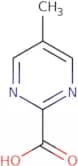

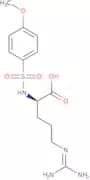

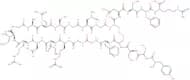
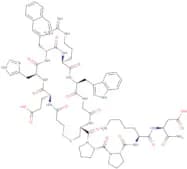
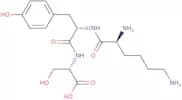
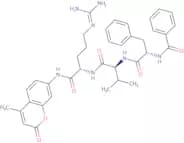

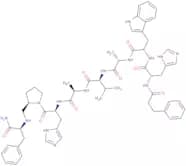

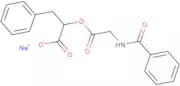
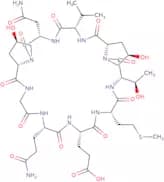

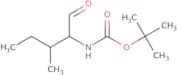
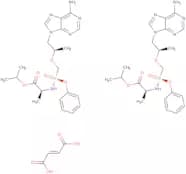
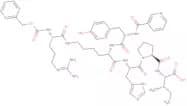

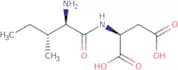

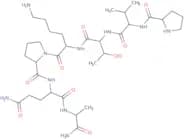


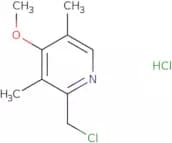
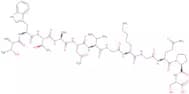


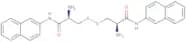
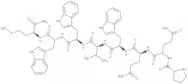

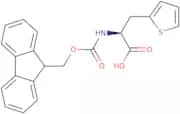
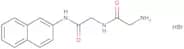
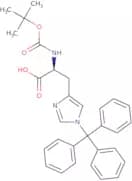
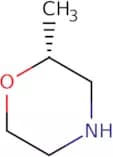


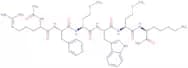
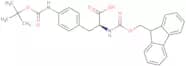
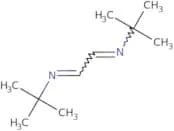
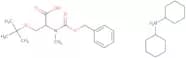


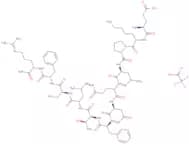
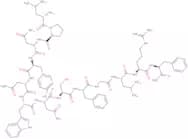
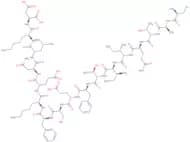


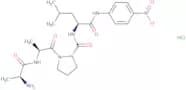

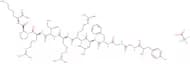
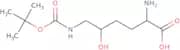
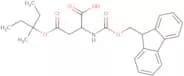




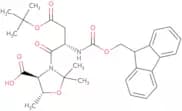
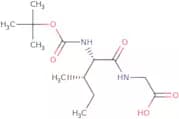
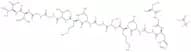
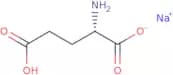
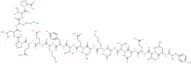
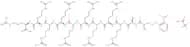
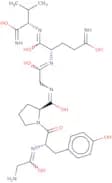

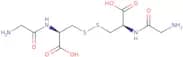

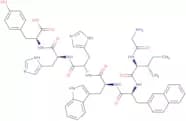


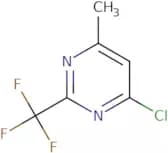
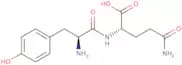
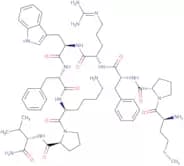
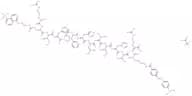
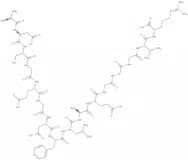
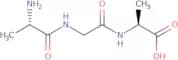
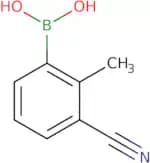
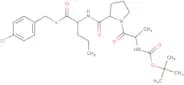
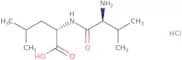
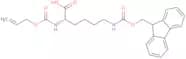

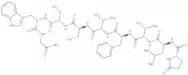
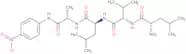
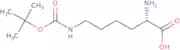
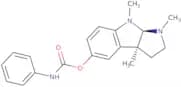
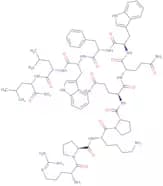
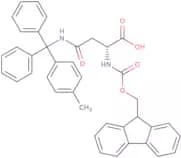
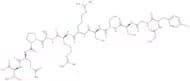
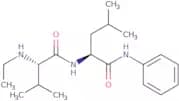
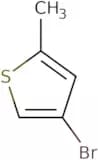
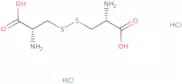
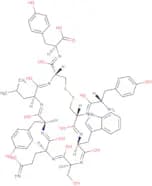

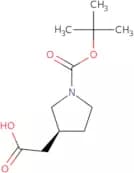
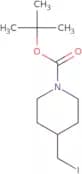

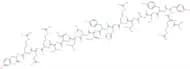


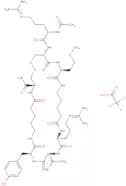


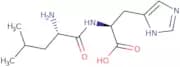

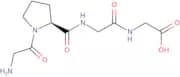
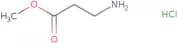
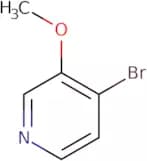
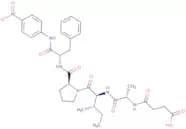

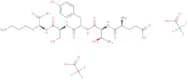
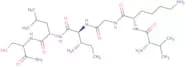
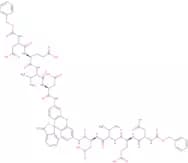
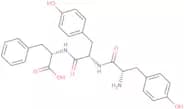

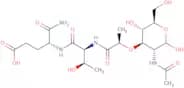

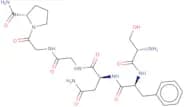

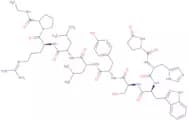
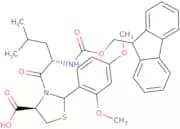

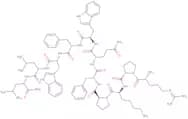
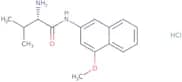
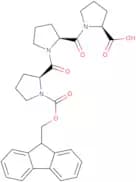
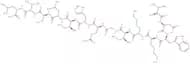
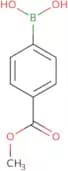
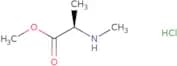
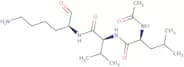


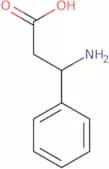
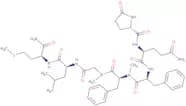
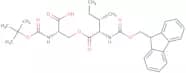
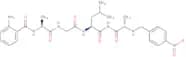
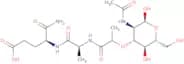
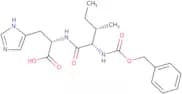
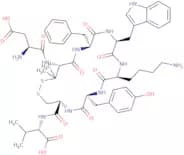
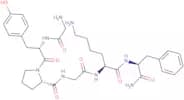


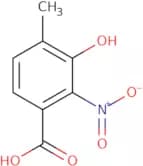
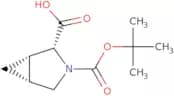
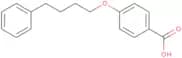
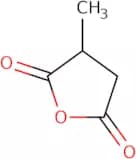

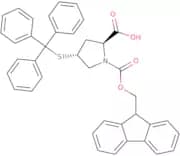


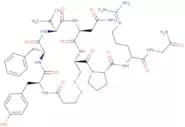
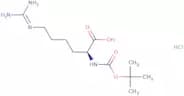
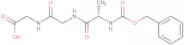
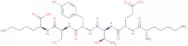
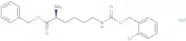
![4-[(4-Nitrophenyl)-azo]-phenol](/_next/image/?url=https%3A%2Fstatic.cymitquimica.com%2Fproducts%2F3D%2Fthumb-webp%2FFN31052.webp&w=3840&q=75)