Enzyme Substrates
Enzyme substrates are molecules upon which enzymes act to catalyze chemical reactions. The substrate binds to the active site of the enzyme, where it undergoes a specific transformation to form the product of the reaction. Enzyme substrates are essential tools in research for studying enzyme kinetics, specificity, and mechanism of action. They are also used in diagnostic assays and biochemical studies. At CymitQuimica, we provide a diverse selection of high-quality enzyme substrates to support your research in enzymology and biochemistry.
Subcategories of "Enzyme Substrates"
Found 1527 products of "Enzyme Substrates"
Sort by
Purity (%)
0
100
|
0
|
50
|
90
|
95
|
100
5-Bromo-4-chloro-3-indoxyl-β-D-glucuronic acid, sodium salt anhydrous
CAS:<p>5-Bromo-4-chloro-3-indoxyl-beta-D-glucuronic acid, sodium salt anhydrous is a potent inhibitor of histidine decarboxylase (HDC). It is used in the histochemical staining of dehydrogenase and effector proteins in urine samples. This compound has been shown to inhibit the growth of macroalgae and can be used as a selective agent for phylogenetic tree construction. 5BDG,Sr with its high specificity for HDC, also inhibits cell proliferation in plant cells and ovules.</p>Formula:C14H12BrClNNaO7Purity:Min. 98.0 Area-%Molecular weight:444.60 g/mol5-Bromo-4-chloro-3-indoxyl-β-D-fucopyranoside
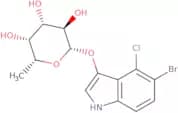
CAS:<p>Chromogenic substrate for β-D-fucosidase yielding a blue precipitate.</p>Formula:C14H15BrClNO5Purity:Min. 99.0 Area-%Molecular weight:392.64 g/mol2-Nitrophenyl b-L-fucopyranoside
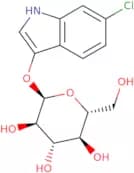
CAS:<p>2-Nitrophenyl beta-L-fucopyranoside is a chromogenic substrate used to detect the enzymatic activity of beta-L-fucosidase. After cleavage, the nitrophenyl moiety is released exhibiting a light yellowish color. 2-Nitrophenyl beta-L-fucopyranoside is used in bacterial fucose metabolism studies to identify and quantify the enzymatic activity in, for example, Bacteroides spp..</p>Purity:Min. 98 Area-%Color and Shape:PowderMolecular weight:285.25 g/mol6-Chloro-3-indoxyl-β-D-glucuronic acid methyl ester, Biosynth Patent: EP 2718458 and US 9127303
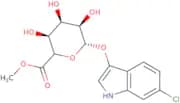
<p>6-Chloro-3-indoxyl-beta-D-glucuronic acid methyl ester is a chromogenic substrate that can be used for the detection of indoxyl glucuronide in urine and other biological fluids. 6-Chloro-3-indoxyl-beta-D-glucuronic acid methyl ester is a white or light yellow crystalline solid that is soluble in water. It has a melting point of about 80°C and is stable at pH levels ranging from 2 to 12. The CAS number for this compound is 13982-87-6.</p>Formula:C15H16ClNO7Purity:Min. 97.0 Area-%Molecular weight:357.74 g/molAldol® 515 caprylate solution, 0.50 M in DMSO, Biosynth Patent: EP 2427431 and US 8940909
CAS:<p>Aldol® 515 caprylate is a chromogenic and fluorogenic enzyme substrate used for detection of lipase activity. The colorless enzyme substrate is cleaved by C8 esterases, yielding development of red coloration. In addition, red fluorescence is generated when Aldol® 355 fluorescence enhancer or a suitable matrix is present. Aldol® 515 caprylate can be used in enzyme assays and live bacterial cultures. Aldol® 515 caprylate is suitable for use in liquid and solid media, under aerobic as well as anaerobic conditions.</p>Formula:C31H34N2O3Purity:Min. 95%Color and Shape:Clear Liquid PowderMolecular weight:482.62 g/mol4-Methylumbelliferyl myo-inositol 1-phosphate lithium salt
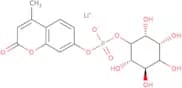
CAS:<p>4-Methylumbelliferyl myo-inositol 1-phosphate lithium salt is a fluorogenic substrate that is used in food testing to detect the presence of glucose. It can also be used in environmental testing to measure bacterial activity and as a chromogenic substrate in diagnostic applications. 4-Methylumbelliferyl myo-inositol 1-phosphate lithium salt is also used as an enzyme substrate in the determination of conjugates, ligands, and other substances. 4-Methylumbelliferyl myo-inositol 1-phosphate lithium salt has high purity and high quality, enabling it to be used for chemiluminescence and bioluminescence reactions.</p>Purity:Min. 95%Molecular weight:424.22 g/molAldol® 515 β-D-xylopyranoside, Biosynth Patent: EP 2427431 and US 8940909
CAS:<p>Aldol® 515 beta-D-xylopyranoside is a chemiluminescent ligand that can be used for the detection of beta-xylosidase activity to yield a red color.</p>Formula:C28H34N2O6Purity:Min. 95%Color and Shape:PowderMolecular weight:494.59 g/molNaphthol AS-BI β-D-galactopyranoside
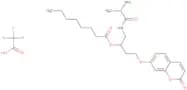
CAS:<p>Substrate for beta-galactosidase</p>Formula:C24H24BrNO8Purity:Min. 95%Color and Shape:PowderMolecular weight:534.35 g/mol7-((4'-L-Alaninamido)-rac-(3'-octanoyloxy)butyloxy) coumarin trifluoroacetate salt
CAS:<p>This Clips-O substrate 7-(4'-L-Alaninamido)-rac-(3'-octanoyloxy)butyloxy) coumarin allows the detection of three enzymatic activities (L-alanine aminopeptidase, C8-esterase and oxidation of 4-amino-3-hydroxybutyloxy either enzymatically or by exposure to sodium periodate) with one single substrate and give a positive fluorescent signal only in presence of all activities. The main virtues of Clips-O substrates are an increased stability towards non-enzymatic hydrolysis that results in a reduced background and high sensitivity.</p>Formula:C26H35F3N2O8Purity:Min. 95%Color and Shape:PowderMolecular weight:560.56 g/mol5-Bromo-4-chloro-1-methyl-3-indolyl-α-D-glucopyranoside
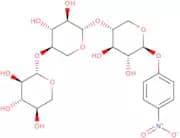
CAS:<p>5-Bromo-4-chloro-1-methyl-3-indolyl-α-D-glucopyranoside is a fluorescent substrate used for the detection of α-glucuronidase.</p>Formula:C15H17BrClNO6Purity:Min. 99.0 Area-%Molecular weight:422.66 g/mol4-Nitrophenyl b-D-xylotrioside
CAS:<p>Chromogenic substrate targeting beta-D-xylosidase. A xylanase substrate.</p>Formula:C21H29NO15Purity:Min. 98 Area-%Color and Shape:PowderMolecular weight:535.45 g/mol6-Hexadecanoylamino-4-methylumbelliferyl phosphorylcholine - Moscerdam™ biochemical purity
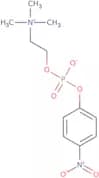
CAS:<p>6-Hexadecanoylamino-4-methylumbelliferyl phosphorylcholine (HMUPC) is a fluorogenic substrate of acid sphingomyelinase (ASM) in the application of the diagnosis of Niemann–Pick type A and B (NPAB). NPAB is one of the lysosomal storage diseases, caused by a deficiency of ASM. This deficiency results in the accumulation of sphingomyelin and other lipids in various tissues. The assay using HMUPC as the substrate shows rapid and robust determination of ASM activity. When combined with the unlabelled natural substrate such as sphingomyelin as a specific inhibitor of ASM activity, the specificity of assay is enhanced up to the level of the classical assay with radiolabelled natural substrate. HMUPC is also used as the substrate in the ASM assay to investigate the retention of lysosomal enzyme activity of bi-functional IgG-ASM fusion protein in the delivery across blood-brain barrier.</p>Formula:C31H51N2O7PPurity:Min. 97 Area-%Color and Shape:White PowderMolecular weight:594.72 g/molp-Nitrophenylphosphorylcholine
CAS:<p>p-Nitrophenylphosphorylcholine is a substrate molecule for enzymes that catalyze phospholipid biosynthesis. It is the most common substrate used to study the enzyme activity of phosphatidylcholine synthase and phospholipase A2 in human serum. The reaction mechanism is not well understood, but it appears to involve autocatalysis and an initial nucleophilic attack by p-nitrophenolate on the carbonyl carbon atom of the choline moiety. p-Nitrophenylphosphorylcholine has been shown to exhibit receptor activity on cells, which may be due to its ability to bind with basic proteins. This compound can also inhibit meiosis in Drosophila melanogaster and increase levels of natriuretic peptides in rats, as well as cause cell lysis and polymerase chain reactions in mammalian cells.</p>Formula:C11H17N2O6PMolecular weight:304.24 g/mol5-Bromo-4-chloro-3-indoxyl sulfate, potassium salt
CAS:<p>Chromogenic substrate for aryl-sulfatase. Yields a blue precipitate upon cleavage.</p>Formula:C8H4BrClKNO4SPurity:Min. 98.0 Area-%Molecular weight:364.65 g/molAldol® 584 β-D-glucuronic acid, triethylammonium salt, Biosynth Patent: EP 2427431 and US 8940909
CAS:<p>Aldol® 584 is a fluorogenic substrate that can be used for enzymatic and chemical assays. It is an important component of the Cymit Quimica Aldol Reagent Kit and other diagnostic kits. Aldol® 584 is used in immunoassays, such as ELISA, to measure the activity of serine proteases, including cathepsin D, elastase, and leukocyte elastase. This product has a CAS number of 2484873-11-0.</p>Formula:C37H46ClN3O10Purity:Min. 95.0 Area-%Molecular weight:728.20 g/molAldol® 518 β-D-galactopyranoside, Biosynth Patent: EP 2427431 and US 8940909
CAS:<p>Aldol® 518 beta-D-galactopyranoside is a chromogenic and fluorogenic enzyme substrate used for detection of beta-galactosidase activity. The colorless enzyme substrate is cleaved by lactose-utilizing bacteria in liquid or solid media, yielding intense red color as well as red fluorescence when a fluorescence enhancer or a suitable matrix is present. Aldol® 518 beta-D-galactopyranoside can also be used in beta-gal reporter gene assays or for identification of beta-gal positive transformants on agar plates. Aldol® 518 beta-D-galactopyranoside can be used under aerobic and anaerobic conditions.</p>Formula:C29H29ClN2O7Purity:Min. 95 Area-%Molecular weight:553.01 g/mol5-Bromo-6-chloro-3-indoxyl-N-acetyl-β-D-glucosaminide
CAS:<p>Chromogenic substrate for N-Acetyl-β-D-glucosaminidase yielding a magenta precipitate.</p>Formula:C16H18BrClN2O6Purity:Min. 99 Area-%Molecular weight:449.69 g/molRef: 3D-B-7020
1gTo inquire5gTo inquire10gTo inquire500mgTo inquire2500mgTo inquire-Unit-ggTo inquire5-Bromo-4-chloro-3-indoxyl thymidine-3'-phosphate, cyclohexylammonium salt
CAS:<p>5-Bromo-4-chloro-3-indoxyl thymidine (BCIT) is a chromogenic substrate that reacts with the enzyme β-galactosidase, which cleaves the BCIT to form a bromochloroindoxyl (BCI) and an indoxyl phosphate. The BCI is then detected by chemiluminescence or fluorescence. This product is used in food testing, diagnostics, environmental testing, and staining. It has been shown to be a good substrate for β-galactosidase from different sources such as calf thymus, bacteria, fungi, and plants.</p>Formula:C24H31BrClN4O8PPurity:Min. 98 Area-%Molecular weight:649.87 g/molRef: 3D-B-7680
1gTo inquire50mgTo inquire100mgTo inquire250mgTo inquire500mgTo inquire-Unit-mgmgTo inquireAldol® 495 nonanoate, Biosynth Patent: EP 2427431 and US 8940909
CAS:Controlled Product<p>Aldol 495 nonanoate is a bioluminescent substrate that can be used to measure the activity of Aldolase, which is an enzyme that catalyzes the conversion of glyceraldehyde-3-phosphate and dihydroxyacetone phosphate to D-glyceraldehyde. This substrate is used in various diagnostic assays, including food testing and staining. Aldol 495 nonanoate was developed by Cymit Quimica Pharmaceuticals and has been patented by EP 2427431 and US 8940909.</p>Formula:C29H31ClN2O3Purity:Min. 95.0 Area-%Molecular weight:491.02 g/mol6-Chloro-3-indoxyl-β-D-cellobioside
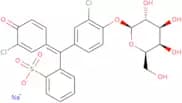
CAS:<p>Chromogenic substrate for β-D-Cellobiosidase yielding a salmon-colored precipitate.</p>Formula:C20H26ClNO11Purity:Min. 99.0 Area-%Molecular weight:491.88 g/molChlorophenol red β-D-galactopyranoside sodium salt
CAS:<p>Chlorophenol red beta-D-galactopyranoside sodium salt is a water soluble, colorless salt that is used as a substrate for the reduction of contaminants in soil and water. It can be used to measure the activity of microorganisms in the environment and has been shown to inhibit growth of certain bacteria, such as methylotrophic bacteria. Chlorophenol red beta-D-galactopyranoside sodium salt is also used in biological treatment systems. This product can be mixed with other substances in order to regulate the microbial population and reduce nutrients.</p>Formula:C25H21Cl2NaO10SPurity:Min. 96.0 Area-%Molecular weight:607.40 g/molAldol® 470 acetate, Biosynth Patent: EP 2427431 and US 8940909
CAS:Controlled Product<p>Aldol 470 acetate is a chromogenic substrate for carboxylesterases yielding a yellow precipitate. Furthermore it shows some fluorescence(excitation at 320 nm to 490 nm). In contrast to classical indoxylsubstrates, Aldol substrates work not only under aerobic but also under anaerobic conditions.</p>Formula:C25H21NO5Purity:Min. 95.0 Area-%Molecular weight:415.44 g/mol5-Bromo-4-chloro-3-indoxyl-α-D-fucopyranoside
CAS:<p>5-Bromo-4-chloro-3-indoxyl-alpha-D-fucopyranoside is a photosynthetic agent that belongs to the class of fucopyranosides. It is a non-proteinogenic amino acid that has been shown to be encoded in chloroplasts and mitochondria in photosynthetic organisms. 5B4C3IF has also been found to be involved in the synthesis of polynucleotides and polypeptides, as well as the regulation of biomass.</p>Formula:C14H15BrClNO5Molecular weight:392.64 g/molRef: 3D-B-7134
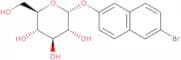
1gTo inquire5gTo inquire250mgTo inquire500mgTo inquire2500mgTo inquire-Unit-ggTo inquire6-Bromo-2-naphthyl a-D-glucopyranoside
CAS:<p>6-Bromo-2-naphthyl alpha-D-glucopyranoside is a chromogenic substrate used to detect alpha-glucosidase enzyme activity. When cleaved by the enzyme alpha-glucosidase, it releases 6-bromo-2-naphthol, which can be coupled with diazonium salts (for example 4'-amino-2,3'-dimethylazobenzene, also known as Fast Garnet GBC) to form a colored precipitate. 6-Bromo-2-naphthyl alpha-D-glucopyranoside is used in biochemical assays, histochemistry, and diagnostic tests for conditions like lysosomal storage disorders (e.g. Pompe disease) and carbohydrate metabolism studies.</p>Formula:C16H17BrO6Purity:Min. 95%Color and Shape:White Off-White PowderMolecular weight:385.21 g/mol5-Bromo-6-chloro-3-indoxyl-β-D-glucuronic acid, cyclohexylammonium salt
CAS:<p>Chromogenic substrate for β-D-glucuronidase (GUS) yielding a magenta precipitate. It is used fordetection of GUS+ bacterial colonies as analternative to 5-bromo-4-chloro-3-indoxyl-β-D-glucuronide (X-GlcA).</p>Formula:C20H26BrClN2O7Purity:Min. 99 Area-%Molecular weight:521.80 g/molL-Alanine 7-amido-4-methylcoumarin, trifluoroacetate salt
CAS:<p>Fluorogenic substrate for aminopeptidase yielding a blue fluorescent solution.</p>Formula:C15H15F3N2O5Purity:Min. 98.0 Area-%Molecular weight:360.29 g/mol5-Bromo-4-chloro-3-indoxyl-α-D-galactopyranoside
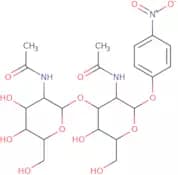
CAS:<p>Chromogenic substrate for α-galactosidase yielding a blue precipitate. Used for species differentiation within the family Enterobacteriaceae and differentiation of Bifido bacteria species from Lactobacillus species.</p>Formula:C14H15BrClNO6Purity:Min. 99 Area-%Molecular weight:408.64 g/mol4-Nitrophenyl N,N'-diacetyl-b-D-chitobioside
CAS:<p>4-Nitrophenyl N,N'-diacetyl-beta-D-chitobioside is a chromogenic substrate for chitinase. Upon hydrolysis, para-nitrophenol is released yielding a yellowish colour. 4-Nitrophenyl N,N'-diacetyl-beta-D-chitobioside is used in different applications such as the Fungal infection detection, chitin degradation assays</p>Purity:Min. 95%Color and Shape:PowderMolecular weight:545.49 g/molN-CBZ-L-Lysyl-L-lysyl-L-arginine 7-amido-4-methylcoumarin, triacetate salt
CAS:<p>N-CBZ-L-Lysyl-L-lysyl-L-arginine 7-amido-4-methylcoumarin, triacetate salt is a fluorogenic substrate for the detection of phosphatases. It has been used in various assays for the detection of phosphatases in culture media and for the identification of phosphatase substrates in food products. This product has also been used to detect phosphatases in environmental samples. N-CBZ-L-Lysyl-L-lysyl-L arginine 7-amido 4 methyl coumarin, triacetate salt has shown to be a chromogenic substrate that can be used to detect peroxidase activity. It is highly soluble and stable at high pH levels and can be used as a bioluminescent substrate for enzyme activity measurements.</p>Formula:C42H64N9O13Purity:Min. 98.0 Area-%Molecular weight:903.03 g/mol5-Bromo-6-chloro-3-indoxyl-β-D-galactopyranoside
CAS:<p>5-Bromo-6-chloro-3-indoxyl-beta-D-galactopyranoside is a chromogenic substrate for beta-D-galactosidase, yielding a magenta precipitate and contained in a chromogenic culture media. It is an indolyl carbohydrate that is the alpha-D-mannoside of indoxyl, in which the indole moiety is substituted at positions 4 and 5 by chlorine and bromine, respectively.</p>Formula:C14H15BrClNO6Purity:Min. 99.0 Area-%Molecular weight:408.64 g/mol4-Methylumbelliferyl-α-L-iduronic acid, cyclohexylammonium salt
CAS:<p>4-Methylumbelliferyl-alpha-L-iduronic acid, cyclohexylammonium salt is a fluorogenic substrate for the detection of alpha-L-iduronidase activity. It has been used to measure the activity of this enzyme in cells and tissues and as an indicator of tissue damage. The product is also used in food testing, diagnostics, and environmental testing.</p>Formula:C22H29NO9Molecular weight:451.48 g/molAldol® 515 caprylate solution, 0.50 M in DMSO, Biosynth Patent: EP 2427431 and US 8940909
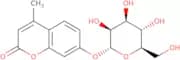
CAS:<p>Aldol® 515 caprylate is a chromogenic and fluorogenic enzyme substrate used for detection of lipase activity. The colorless enzyme substrate is cleaved by C8 esterases, yielding development of red coloration. In addition, red fluorescence is generated when Aldol® 355 fluorescence enhancer or a suitable matrix is present. Aldol® 515 caprylate can be used in enzyme assays and live bacterial cultures. Aldol® 515 caprylate is suitable for use in liquid and solid media, under aerobic as well as anaerobic conditions.</p>Formula:C31H34N2O3Purity:Of Solute (Hplc) Min. 90.0 Area-%Molecular weight:482.62 g/mol4-Methylumbelliferyl-α-D-galactopyranoside
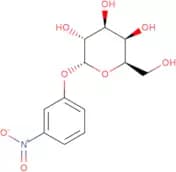
CAS:<p>Fluorogenic substrate for α-galactosidase yielding a blue fluorescent solution upon cleavage. It is used for species differentiation within the family of Enterobacteriaceae. It is also utilized for the localization of the enzyme in plants.</p>Formula:C16H18O8Purity:Min. 99.0 Area-%Molecular weight:338.32 g/mol3-Nitrophenyl a-D-galactopyranoside
CAS:<p>3-Nitrophenyl alpha-D-galactopyranoside is a chromogenic substrate to measure the activity of the alpha-galactosidase enzymes. Upon hydrolysis by galactosidase, 3NPG releases a yellowish product, 3-nitrophenol, which can be easily measured spectrophotometrically. Some of the applications include enzyme assays, screening for alpha-galactosidase-producing microorganisms, and studying the kinetics and inhibition of alpha-galactosidase enzymes.</p>Purity:Min. 95%Color and Shape:PowderMolecular weight:301.25 g/mol4-Trifluoromethylumbelliferyl b-D-glucuronide potassium salt
CAS:<p>4-Trifluoromethylumbelliferyl b-D-glucuronide potassium salt is a fluorogenic substrate for beta-glucuronidase. Upon hydrolysis, the fluorogenic moiety (blueish) 4-trifluoromethylumbelliferone (also known as TFMU) is released. 4-Trifluoromethylumbelliferyl b-D-glucuronide potassium salt is commonly used in bacterial detection and for drug metabolism studies as well as lysosomal storage disorder screening.</p>Formula:C16H12F3O9KPurity:Min. 95 Area-%Color and Shape:White PowderMolecular weight:444.35 g/mol5-Dodecanoylaminofluorescein di-b-D-galactopyranoside
CAS:<p>5-Dodecanoylaminofluorescein di-b-D-galactopyranoside, commonly known as C12FDG, is a fluorogenic substrate for β-galactosidase. Fluorescein is released upon enzymatic cleavage by β-galactosidase. The intensity of its fluorescence is utilised to quantify β-galactosidase activity. C12FDG has been shown to be useful in identifying senescent cells that are associated with aging and cancer. It has also been used as a model system in some studies for studying disease activity, intracellular targets, and biological sample storage. It is also used to identify cancer tissues and radiation damage in the form of senescent cells. The chemical structure of 5DAFG is similar to that of the natural sugar galactose. 5DAFG binds to the plasma membrane of cells due to its lipophilic properties and then enters the cell through transport proteins on the cell surface called ATP binding cassette transporters.</p>Formula:C44H55NO16Purity:Min. 95 Area-%Color and Shape:White PowderMolecular weight:853.9 g/molBis-(4-methylumbelliferyl)phosphate
CAS:<p>Bis-(4-methylumbelliferyl)phosphate, or bis-4MU-phopshate, is a fluorogenic substrate used to study phosphatase activity, particularly in enzyme-linked immunosorbent assays (ELISAs).</p>Formula:C20H15O8PPurity:Min. 95 Area-%Color and Shape:White PowderMolecular weight:414.3 g/mol2-Nitrophenyl butyrate
CAS:<p>2-Nitrophenyl butyrate is a chromogenic enzyme substrate that is commonly used in enzymatic assays to detect lipases and esterases. When hydrolyzed by these enzymes, the substrate yields a yellow product that can be detected spectrophotometrically at 405 nm. The advantage of using 2-nitrophenyl butyrate is its high sensitivity and specificity for detecting lipolytic and esterolytic activities. This substrate is widely used in various applications, including enzyme kinetics studies, inhibitor screening, and the determination of esterase activity in biological samples such as serum, plasma, and cell lysates.</p>Formula:C10H11NO4Purity:Min. 95%Color and Shape:Clear LiquidMolecular weight:209.2 g/mol4-Nitrophenyl 2-acetamido-2-deoxy-a-D-galactopyranoside
CAS:<p>4-Nitrophenyl 2-acetamido-2-deoxy-alpha-D-galactopyranoside is a chromogenic substrate for alpha-N-acetylgalactosaminidase. Upon hydrolysis, para-nitrophenol is released yielding a yellowish colour. 4-Nitrophenyl 2-acetamido-2-deoxy-alpha-D-galactopyranoside is used in different applications such as the diagnosis of Schindler-Kanzaki disease and other lysosomal storage disorders.</p>Formula:C14H18N2O8Purity:Min. 98%Color and Shape:White PowderMolecular weight:342.3 g/mol4-Methylumbelliferyl a-D-mannopyranoside
CAS:<p>4-Methylumbelliferyl alpha-D-mannopyranoside (4-MU-a-D-Man) is a fluorogenic substrate used in activity assays for alpha-mannosidase. When it is hydrolyzed by alpha-mannosidase, it produces a fluorescent compound, 4-methylumbelliferone (4-MU). 4-MU-a-D-Man is often used in medical research to monitor the activity of alpha-mannosidase, which is important in lysosomal storage diseases. In addition, 4-Methylumbelliferyl alpha-D-mannopyranoside has been used to study the the activity of concanavalin A, a lectin that specifically binds to alpha-D-mannopyranosyl and alpha-D-glucopyranosyl residues on various glycoproteins. The use of this fluorogenic enzyme substrate permits study the degree of alpha-D-mannosidic linkage cleavage by the enzyme.</p>Formula:C16H18O8Purity:Min. 98 Area-%Color and Shape:White Off-White PowderMolecular weight:338.31 g/molD-Luciferin 6'-O-phosphate trisodium salt
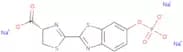
CAS:<p>Chemiluminescent substrate for phosphatase</p>Formula:C11H6N2Na3O6PS2Purity:Min. 94 Area-%Color and Shape:PowderMolecular weight:426.25 g/mol4-Methylumbelliferyl-β-D-glucuronic acid methyl ester, Biosynth Patent: EP 2718458 and US 9127303
<p>4-Methylumbelliferyl-β-D-glucuronic acid methyl ester is a fluorogenic substrate that can be used as a ligand for enzyme activity detection. The substrate reacts with an oxidizing agent to produce the fluorescent product 4-methylumbelliferone, which can then be detected with a sensitive fluorometer. 4-Methylumbelliferyl-β-D-glucuronic acid methyl ester is an alternative to the more commonly used fluorescein in enzyme assays. This product has been shown to be an effective chemiluminescent substrate for the detection of bacteria and fungi in culture media, as well as for food testing.</p>Formula:C17H18O9Purity:Min. 97.0 Area-%Molecular weight:366.32 g/molRef: 3D-M-5709_P00
1gTo inquire5gTo inquire10gTo inquire25gTo inquire2500mgTo inquire-Unit-ggTo inquireNaphthol AS-BI-β-D-glucuronic acid
CAS:<p>Naphthol AS-BI-beta-D-glucuronic acid is a β-glucuronidase substrate. The substrate is used in combination with stabilized diazonium salts such as Fast Red Violet LB salt (5-chloro-4-benzamido-2-methylbenzenediazonium chloride). Free Naphthol AS and Fast Red Violet undergo a chemical reaction to yield intensely colored azo-dyes.</p>Formula:C24H22BrNO9Purity:Min. 98 Area-%Molecular weight:548.35 g/molOstazin brilliant red H-3B starch
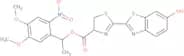
<p>Ostazin Brilliant Red H-3B is a water soluble, non-toxic, and non-hazardous substrate for enzymes that catalyze reactions involving the cleavage of β-D-glucosides. It is used as a chromogenic or fluorogenic substrate in diagnostic tests. Ostazin Brilliant Red H-3B can also be used in bioluminescence reaction with luciferase to measure ATP levels in living cells.</p>Purity:Min. 95%DL-Luciferin 1-(4,5-dimethoxy-2-nitrophenyl)ethyl ester
CAS:<p>DMNPE-caged form of luciferin</p>Formula:C21H19N3O7S2Purity:Min. 95%Color and Shape:PowderMolecular weight:489.52 g/molAldol® 455 beta-D-glucopyranoside, Biosynth Patent: EP 2427431 and US 8940909
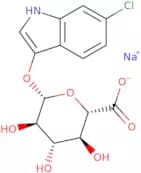
CAS:<p>Aldol® 455 beta-D-glucopyranoside is a chromogenic and fluorogenic enzyme substrate used for detection of beta-glucosidase activity. The colorless enzyme substrate is cleaved by beta-glucosidase producing bacteria grown in liquid or solid media, yielding a yellow color and green to orange fluorescence. Aldol® 455 beta-D-glucopyranoside can be used under aerobic and anaerobic conditions.</p>Formula:C27H24ClNO7Purity:Min. 95%Color and Shape:PowderMolecular weight:509.94 g/mol6-Chloro-3-indolyl b-D-glucuronide sodium salt
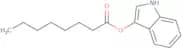
CAS:<p>6-Chloro-3-indolyl b-D-glucuronide sodium salt is a chromogenic substrate for beta-glucuronidase, a reporter gene used to monitor gene expression by detecting the enzyme's activity. It yields a salmon colored precipitate upon cleavage.</p>Purity:Min. 95%Color and Shape:PowderMolecular weight:365.7 g/mol3-Indoxyl caprylate
CAS:<p>3-Indoxyl caprylate is a chemiluminescent substrate that is used in the detection of bacteria. It has been shown to be a very sensitive and selective fluorogenic substrate for the detection of bacterial activity, which can be used with an appropriate enzyme reaction. 3-Indoxyl caprylate has also been shown to be a potent quencher of bioluminescence, and can be used as a chromogenic substrate in diagnostic assays. 3-Indoxyl caprylate is often used as a culture media supplement or food additive to enhance its growth properties. It has been found to have high purity and quality levels, making it suitable for use in diagnostics and research.</p>Purity:Min. 95%Molecular weight:259.34 g/mol4-Nitrophenyl-β-D-mannopyranoside
CAS:<p>Chromogenic β-mannosidase substrate yielding a yellow solution upon cleavage.</p>Formula:C12H15NO8Purity:Min. 98.0 Area-%Molecular weight:301.26 g/mol4-Nitrophenyl b-D-thioglucopyranoside
CAS:<p>4-Nitrophenyl b-D-thioglucopyranoside is a highly sensitive chromogenic substrate designed for the colorimetric detection and quantification of thioglucosidase enzymes. Upon enzymatic cleavage, it releases a highly absorbing 4-nitrophenyl moiety, generating a yellow color that can be readily measured spectrophotometrically. This substrate is widely utilized in the study of enzyme kinetics, substrate specificity, and inhibitor screening for thioglucosidases involved in various metabolic pathways and biological processes.</p>Formula:C12H15NO7SPurity:Min. 95%Color and Shape:White PowderMolecular weight:317.32 g/mol2-Naphthyl-α-D-glucopyranoside
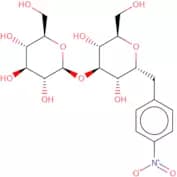
CAS:<p>2-Naphthyl-α-D-glucopyranoside is a substrate for α-glucosidase. 2-Naphthol is released upon hydrolyzation. By simultaneous coupling with a suitable staining reagent, such as hexazonium p-rosaniline, the corresponding reddish-brown azo-dye is formed. Naphthols can also be detected by fluorescence analysis.</p>Formula:C16H18O6Purity:Min. 98.0 Area-%Molecular weight:306.32 g/mol4-Nitrophenyl 3-O-(β-D-glucopyranosyl)-α-D-glucopyranoside
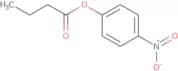
<p>4-Nitrophenyl 3-O-(beta-D-glucopyranosyl)-alpha-D-glucopyranoside is a chromogenic substrate for alpha-glucosidase. Upon hydrolysis, para-nitrophenol is released yielding a yellowish colour. 4-Nitrophenyl 3-O-(beta-D-glucopyranosyl)-alpha-D-glucopyranoside is used in different applications such as the Gaucher disease screening, carbohydrate metabolism studies</p>Formula:C18H25NO13Purity:Min. 95%Molecular weight:463.39 g/mol4-Nitrophenyl butyrate
CAS:<p>Chromogenic substrate for esterases</p>Formula:C10H11NO4Purity:Min. 98%Color and Shape:Slightly Yellow Yellow Green Clear LiquidMolecular weight:209.2 g/mol5-Bromo-4-chloro-3-indolyl b-D-fucopyranoside
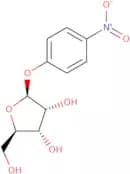
CAS:<p>5-Bromo-4-chloro-3-indolyl b-D-fucopyranoside is a chromogenic substrate used is for the enzyme beta-fucosidase.</p>Formula:C14H15BrClNO5Purity:Min. 98 Area-%Color and Shape:PowderMolecular weight:392.63 g/mol4-Nitrophenyl b-D-ribofuranoside
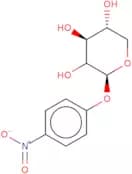
CAS:<p>4-Nitrophenyl β-D-ribofuranoside is a synthetic chromogenic molecule designed to profile phosphorolytic enzyme activity, specifically ribonucleoside-hydrolyzing enzymes. Upon hydrolysis by these enzymes, it releases a 4-nitrophenolic compound, which can be monitored spectrophotometrically at 405-410 nm as a quantitative indicator of enzyme activity. This substrate is suitable for studying ribonucleoside-hydrolyzing enzymes, such as ribo- and deoxyribonucleases, in various biological systems and, in turn, could help advance our understanding of nucleic acid metabolism, gene function, and regulatory processes.</p>Formula:C11H13NO7Purity:Min. 97 Area-%Color and Shape:White PowderMolecular weight:271.22 g/mol4-Nitrophenyl b-D-arabinopyranoside
CAS:<p>Chromogenic substrate targeting beta-L-arabinofuranosidase</p>Purity:Min. 95%Molecular weight:271.22 g/mol4-Nitrophenyl β-rutinoside
CAS:<p>4-Nitrophenyl beta-rutinoside is a chromogenic substrate for beta-glucosidase. Upon hydrolysis, para-nitrophenol is released yielding a yellowish colour. 4-Nitrophenyl beta-rutinoside is used in different applications such as the Flavonoid glycoside hydrolysis, food industry applications</p>Formula:C18H25NO12Purity:Min. 95%Color and Shape:PowderMolecular weight:447.39 g/mol4-Methylumbelliferyl-N-acetyl-β-D-galactosaminide
CAS:<p>Fluorogenic substrate for N-acetyl-β-D-galactosaminidase. Detection of Candida albicans.</p>Formula:C18H21NO8Purity:Min. 98.0 Area-%Molecular weight:379.37 g/mol4-Methylumbelliferyl-b-D-glucose-6-phosphoethanolamine
<p>4-Methylumbelliferyl-b-D-glucose-6-phosphoethanolamine is a fluorescent substrate that can be used to identify the presence of beta-glucosidase in biological samples, such as wine or cheese. It has been shown to offer high purity and quality, with a CAS number of 70750-68-6. This product is often used for diagnosing bacterial infections, as it will fluoresce when hydrolyzed by beta-glucosidase enzymes. 4MMUFBE can also be used for food testing, environmental testing, and chromogenic substrate reactions in the laboratory.</p>Purity:Min. 95%Coelenterazine-v
CAS:<p>Coelenterazine-v is a coelenterazine analog that emits a red fluorescent light in the presence of calcium (Ca2+). It is used as a reporter molecule for intracellular calcium concentration. Coelenterazine-v has been used in vitro to detect protein–protein interactions and in animal experiments to detect luciferase activity. Other coelenterazine-v analogs have also been developed with different color properties, including blue, green, yellow, orange, and purple. All these analogs, including coelenterazine-v, are used for optical imaging of cells or tissues or for detecting the activity of luciferases.</p>Formula:C28H21N3O3Purity:Min. 95%Molecular weight:447.48 g/mol4-Nitrophenyl palmitate
CAS:<p>4-Nitrophenyl palmitate is a lipase-sensitive chromogenic substrate commonly used in the study of lipase and esterase activity. Its hydrolysis by lipases produces a yellow 4-nitrophenol, which can be easily detected spectrophotometrically, offering a quantitative measure of enzyme activity. This substrate is widely utilized in the screening of lipase-producing microorganisms and the optimization of enzyme-catalyzed reactions in various fields, including biotechnology and pharmaceutical research.</p>Formula:C22H35NO4Purity:Min. 95%Color and Shape:Off-White PowderMolecular weight:377.52 g/mol4-Methylumbelliferyl 2-acetamido-2-deoxy-b-D-galactopyranoside-6-sulfate potassium salt
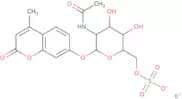
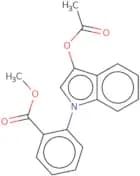
CAS:<p>4-Methylumbelliferyl 2-acetamido-2-deoxy-beta-D-galactopyranoside-6-sulfate potassium salt is a fluorogenic substrate for N-acetylgalactosamine-6-sulfatase. After enzymatic cleaveage, free 4-methylumbelliferone (also known as hymecromone) is released, exhibiting blue fluorescence upon excitation with UV light. The strongest fluorescence of 4-methylumbelliferone requires deprotonation of the hydroxyl group (thus requires alkaline pH), with a maximal fluorescence intensity obtained with excitation at 350 to 370 nm and emission at 440 to 470 nm. The use of 4-methylumbelliferyl 2-acetamido-2-deoxy-beta-D-galactopyranoside-6-sulfate potassium saltas a substrate for measuring the N-acetylgalactosamine-6-sulfatase activity is used for diagnosis of Mucopolysaccharidosis IVA (MPS IVA) (a rare lysosomal storage disorder) and Morquio A syndrome screening.</p>Formula:C18H20KNO11SPurity:Min. 95%Color and Shape:PowderMolecular weight:497.52 g/molN-Acetyl-5-bromo-3-indoxyl-2,3,4-tri-O-acetyl-β-D-glucuronic acid methyl ester
<p>N-Acetyl-5-bromo-3-indoxyl-2,3,4-tri-O-acetyl-beta-D-glucuronic acid methyl ester is a chromogenic substrate that can be used for the detection of bile acids and bilirubin in food testing. It is a conjugate of an acetylated 2,3,4 triacetyl glucuronic acid methyl ester with 5 bromo 3 indoxyl. This product has high purity and high quality.</p>Formula:C23H24BrNO11Purity:Min. 98.0 Area-%Molecular weight:570.34 g/molAldol® 470 β-D-galactopyranoside, Biosynth Patent: EP 2427431 and US 8940909
CAS:<p>Aldol® 470 beta-D-galactopyranoside is a chromogenic and fluorogenic enzyme substrate used for detection of ?-galactosidase activity. The colorless enzyme substrate is cleaved by lactose-utilizing bacteria grown in liquid or solid media, yielding yellow coloration and green fluorescence. Aldol® 470 beta-D-galactopyranoside can also be used in ?-galactosidase gene reporter assays or immunoassay applications (ELISA). Aldol® 470 beta-D-galactopyranoside can be used under aerobic and anaerobic conditions.</p>Formula:C29H29NO9Purity:Min. 95.0 Area-%Molecular weight:535.54 g/mol6-Chloro-3-indolyl phosphate disodium salt
CAS:<p>6-Chloro-3-indolyl phosphate disodium salt is a chromogenic substrate that is used in food testing, diagnostics, and environmental testing. It can be used to detect the presence of the enzyme phosphatase by adding it to a sample containing glucose, which will produce an orange color. The ligand 6-chloro-3-indolyl phosphate disodium salt can also be used as a bioluminescence probe for detecting ATP or ADP using luciferase. This product has high purity and quality, and is available at a competitive price.</p>Formula:C8H5ClNNa2O4PPurity:Min. 98 Area-%Molecular weight:291.54 g/molRUG ®, Resorufin-β-D-glucuronic acid methyl ester, Biosynth Patent: EP 2718458 and US 9127303
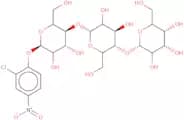
CAS:<p>Living cells of Escherichia coli can be reliably detected with media that contain a chromogenic or fluorogenic substrate for beta-glucuronidase (also termed β-D-glucuronidase), an enzyme that occurs almost exclusively in E. coli. RUG®, Resorufin-beta-D-glucuronic acid methyl ester is a highly sensitive chromogenic and fluorogenic indicator for E. coli. After removal of the methyl ester group by unspecific hydrolysis, orange colored product is cleaved by beta-glucuronidase in liquid media or on agar plates and yields an intense pink color. Red fluorescence is obtained upon excitation at 560-570 nm.Formally ER175455.</p>Formula:C19H17NO9Purity:Min. 90.0 Area-%Molecular weight:403.34 g/mol2-Chloro-4-nitrophenyl b-D-maltoheptaoside
CAS:<p>2-Chloro-4-nitrophenyl b-D-maltoheptaoside is a fluorescent compound that is used in medical research for the visualization of muscle glycogen. It is also used to study the binding of molecules to proteins, as well as to measure enzyme activity. The compound has been shown to be insensitive to changes in pH and temperature, so it can be used at different pH levels and temperatures without affecting its function. 2-Chloro-4-nitrophenyl b-D-maltoheptaoside can be detected by titration calorimetry due to its high molecular weight. The molecule's affinity for carbohydrates also allows it to be used in optimization studies of carbohydrate molecules.</p>Purity:Min. 95%Molecular weight:1,308.54 g/molNaphthol AS-BI β-D-glucopyranoside
CAS:<p>Substrate detecting beta-glucosidase activity</p>Color and Shape:PowderMolecular weight:534.35 g/molLuc-phosphate Na
CAS:<p>Luc-phosphate Na is a synthetic drug that is used in the treatment of cancer. It is an inhibitor of DNA methyltransferase, which is a key enzyme in DNA methylation. The inhibition of this enzyme leads to decreased DNA methylation and increased expression of tumor suppressor genes. Luc-phosphate Na also has anti-cancer activity by inhibiting the growth of cells and by inducing apoptosis. This drug has been shown to have no adverse effects on cellular physiology, such as cell division or protein synthesis.</p>Formula:C11H6N2Na3O6PS2Purity:Min. 94 Area-%Molecular weight:426.25 g/molRef: 3D-L-8276
5mgTo inquire10mgTo inquire25mgTo inquire50mgTo inquire100mgTo inquire-Unit-mgmgTo inquire2-Nitrophenyl-β-D-galactopyranoside
CAS:<p>Chromogenic β-galactosidase substrate yielding a yellow solution upon cleavage. Can be used for the detection of coliforms due to their beta-galactosidase activity.</p>Formula:C12H15NO8Purity:Min. 99.0 Area-%Molecular weight:301.26 g/mol2-Chloro-4-nitrophenyl β-D-cellotrioside
CAS:<p>2-Chloro-4-nitrophenyl β-D-cellotrioside is a chromogenic substrate use in cellulase activity assays. This enzyme, which is responsible to break down cellulose, hydrolyzes 2-chloro-4-nitrophenyl beta-D-cellotrioside and releases 2-chloro-4-nitrophenol than can be quantified spectrophotometrically. The use of 2-chloro-4-nitrophenyl beta-D-cellotrioside as substrate for enzymatic assays allows detecting bacterial cellulose in urine tract infections in the biofilm state.</p>Formula:C24H35ClNO18Purity:Min. 95%Color and Shape:PowderMolecular weight:660.98 g/molAldol® 495 nonanoate solution, 0.75 M in DMSO, Biosynth Patent: EP 2427431 and US 8940909
CAS:Controlled Product<p>Aldol® 495 nonanoate is a chromogenic and fluorogenic enzyme substrate used for detection of lipase activity. The colorless enzyme substrate is cleaved by C9 esterases, yielding development of an orange coloration. In addition, green fluorescence is generated when Aldol® 355 fluorescence enhancer or a suitable matrix is present. Aldol® 495 nonanoate can be used in enzyme assays and live bacterial cultures. Aldol® 495 nonanoate is suitable for use in liquid and solid media, under aerobic as well as anaerobic conditions.</p>Formula:C29H31ClN2O3Purity:Min. 95%Molecular weight:491.02 g/mol2-Chloro-4-nitrophenyl a-D-glucopyranoside
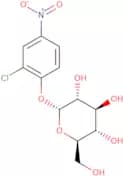
CAS:<p>2-Chloro-4-nitrophenyl a-D-glucopyranoside is an an enzyme-activated irreversible inhibitor of alpha-glucosidase. The substrate 2-Chloro-4-nitrophenyl a-D-glucopyranoside is covalently attached to the enzyme enabling mechanistic studies of glycosidase activity, especificallyt in carbohydrate metabolism studies.</p>Purity:Max. 97 Area-%Color and Shape:White Off-White PowderMolecular weight:335.69 g/mol4-Nitrophenyl-β-D-cellobioside
CAS:<p>Chromogenic substrate for β-D-Cellobiosidase yielding a yellow solution upon cleavage.</p>Formula:C18H25NO13Purity:Min. 98 Area-%Molecular weight:463.39 g/molResorufin-7-O-phosphate
CAS:<p>Resorufin-7-O-phosphate is a fluorogenic substrate for alkaline phosphatase that exhibits a red color after cleavage that can be measured at ~ 585nm.</p>Formula:C12H6NO6P·2H4NPurity:Min. 95%Molecular weight:327.23 g/mol5-Bromo-4-chloro-3-indolyl a-D-xylopyranoside
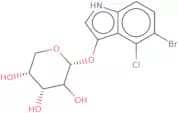
CAS:<p>5-Bromo-4-chloro-3-indolyl a-D-xylopyranoside is a chromogenic substrate used to detect the specific enzymatic activity of alpha-xylosidase. After cleavage, 5-bromo-4-chloro-indoxyl is released, resulting in a blue to blue-green color change in bacterial colonies or media. 5-Bromo-4-chloro-3-indolyl a-D-xylopyranoside is used in bacterial xylan metabolism studies and plant cell wall degradation assays.</p>Formula:C13H13BrClNO5Purity:Min. 95%Color and Shape:White to off-white solid.Molecular weight:378.61 g/mol2-Chloro-4-nitrophenyl 4-O-b-D-galactopyranosylmaltoside
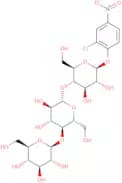
CAS:<p>2-Chloro-4-nitrophenyl 4-O-b-D-galactopyranosylmaltoside, also known as Gal-G2-CNP, is a high quality, water soluble, chromogenic substrate that is used as an enzyme substrate and can be used in bioluminescence and chemiluminescence assays. This product is designed for use in diagnostics, culture media, food testing, environmental testing, and other research applications. 2-Chloro-4-nitrophenyl 4-O-b-D-galactopyranosylmaltoside has been tested in chromogenic assays with alpha-amylases.</p>Formula:C24H34ClNO18Purity:(Hplc) Min. 90%Color and Shape:PowderMolecular weight:659.98 g/mol4-Nitrophenyl 2-acetamido-3-O-(2-acetamido-2-deoxy-b-D-glucopyranosyl)-2-deoxy-a-D-galactopyranoside
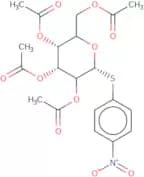
CAS:<p>4-Nitrophenyl 2-acetamido-3-O-(2-acetamido-2-deoxy-beta-D-glucopyranosyl)-2-deoxy-alpha-D-galactopyranoside is a chromogenic substrate for alpha-galactosidase. Upon hydrolysis, para-nitrophenol is released yielding a yellowish colour. 4-Nitrophenyl 2-acetamido-3-O-(2-acetamido-2-deoxy-beta-D-glucopyranosyl)-2-deoxy-alpha-D-galactopyranoside is used in different applications such as the Fabry disease diagnosis, glycolipid metabolism studies</p>Purity:Min. 98 Area-%Color and Shape:White PowderMolecular weight:545.49 g/mol4-Nitrophenyl 2,3,4,6-tetra-O-acetyl-a-D-thiomannopyranoside
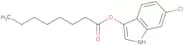
CAS:<p>4-Nitrophenyl 2,3,4,6-tetra-O-acetyl-a-D-thiomannopyranoside is a pNP substrate that serves as a chromogenic substrate for enzyme assays. It has been tested for the detection of a-D-mannosidase activity in a variety of biological samples, including cell lysates, body fluids, and tissue homogenates.</p>Purity:Min. 95%Molecular weight:485.47 g/mol6-Chloro-1H-indol-3-yl octanoate
CAS:<p>6-Chloro-1H-indol-3-yl octanoate is a fluorogenic substrate that can be used to detect enzymes such as phosphatases, lipases, esterases, and proteases. 6-Chloro-1H-indol-3-yl octanoate is a ligand for metal ions such as Cu(II), Ni(II) and Zn(II). This product has high purity and quality. It is an enzyme substrate for many enzymes such as phosphatases, lipases, esterases, and proteases. This product can be used in diagnostics of various substances including food testing, environmental testing and staining. 6CIO is a chromogenic substrate that can be used to detect bioluminescence reactions.<br>6CIO is CAS No. 159954-35-5.</p>Purity:Min. 95%Molecular weight:293.79 g/mol4-(Hydroxymethyl)phenyl-β-D-glucopyranoside tetraacetate
CAS:<p>4-(Hydroxymethyl)phenyl-beta-D-glucopyranoside tetraacetate is a drug that has been shown to have antidiabetic effects in diabetic patients. It has been shown to inhibit tyrosinase activity and increase the production of gamma-aminobutyric acid (GABA) in brain cells. This compound also has a protective effect against glutamate toxicity, and is being studied as a potential treatment for epilepsy. 4-(Hydroxymethyl)phenyl-beta-D-glucopyranoside tetraacetate inhibits the production of tyrosinase, which is an enzyme responsible for the conversion of tyrosine to melanin. This process can be inhibited by inhibiting tyrosinase activity with 4-(hydroxymethyl)phenyl-beta-D-glucopyranoside tetraacetate.</p>Formula:C21H26O11Molecular weight:454.43 g/mol6-Chloro-3-indoxyl-β-D-glucuronic acid methyl ester, Biosynth Patent: EP 2718458 and US 9127303
<p>6-Chloro-3-indoxyl-beta-D-glucuronic acid methyl ester is a chemiluminescent substrate that is used to measure the activity of enzymes in the beta-galactosidase family. This product is a white crystalline solid that dissolves in water and ethanol. 6-Chloro-3-indoxyl-beta-D-glucuronic acid methyl ester has been shown to be stable for at least two years when stored at -20°C. It can be used for diagnostic purposes, such as the detection of bacterial infections, or as an enzyme substrate in biochemistry studies.</p>Purity:Min. 95%Aldol® 535 myo-inositol-1-phosphate, ammonium salt, Biosynth Patent: EP 2427431 and US 8940909
CAS:<p>Aldol® 535 myo-inositol-1-phosphate, ammonium salt is a chromogenic substrate for the enzyme, phosphoglucomutase. This product is used for the detection of phosphoglucomutase by its ability to react with this enzyme and produce a blue or green color. Aldol® 535 myo-inositol-1-phosphate, ammonium salt is also used as a ligand in fluorescence resonance energy transfer (FRET) experiments. It has an EC number of CAS No. 2484872-80-0 and a molecular weight of 345.05 g/mol.</p>Formula:C29H32BrClN3O10PPurity:Min. 95.0 Area-%Molecular weight:728.91 g/molAldol® 458 acetate, Biosynth Patent: EP 2427431 and US 8940909
CAS:Controlled Product<p>Aldol 458 acetate is a synthetic chemical that is used in the food industry as an enzyme substrate and in diagnostic tests to measure the level of enzymes. Aldol 458 acetate is a ligand that binds to proteins, such as horseradish peroxidase and alkaline phosphatase, which are commonly used for detection of antibodies or other proteins. This product can be used as a culture medium additive for bacteria, fungi, and yeast. It can also be used for diagnostics and chemiluminescence reactions. Aldol 458 acetate has high purity and quality.</p>Formula:C18H15NO4Purity:Min. 95.0 Area-%Molecular weight:309.32 g/molAldol® 515 nonanoate hydrochloride, Biosynth Patent: EP 2427431 and US 8940909
CAS:<p>Aldol® 515 nonanoate hydrochloride is a chromogenic and fluorogenic enzyme substrate for detection of lipase activity. The colorless product is cleaved by C9 esterases produced by bacteria in liquid or solid media, yielding a red color and red fluorescence when Aldol® 355 fluorescence enhancer or a suitable matrix is present. Aldol® 515 nonanoate can be used under aerobic and anaerobic conditions. Well detectable color/fluorescence of bacterial colonies or liquid cultures is obtained within 24-48 h. In the presence of a purified lipase, color and fluorescence develops within minutes to few hours.</p>Formula:C32H36ClN2O3Purity:Min. 95 Area-%Molecular weight:533.1 g/mol4-Nitrophenyl α-L-fucopyranoside
CAS:<p>Chromogenic substrate for alpha-L-fucosidase</p>Formula:C12H15NO7Purity:(%) Min. 98.0%Color and Shape:PowderMolecular weight:285.25 g/molAldol® 484 β-D-glucopyranoside, Biosynth Patent: EP 2427431 and US 8940909
CAS:<p>Aldol® 484 beta-D-glucopyranoside is a chromogenic and fluorogenic enzyme substrate used for detection of ?-glucosidase activity. The colorless enzyme substrate is cleaved by bacteria producing ?-glucosidase in liquid or solid media, yielding intense red color and green fluorescent signal. Aldol® 484 beta-D-glucopyranoside can be used under aerobic and anaerobic conditions.</p>Formula:C26H24ClFN2O7Purity:Min. 95.0 Area-%Molecular weight:530.93 g/molBis(4-methylumbelliferyl)pyrophosphoric acid, disodium salt
CAS:<p>Bis(4-methylumbelliferyl)pyrophosphoric acid, disodium salt is a fluorogenic substrate that is commonly used in environmental testing, bioluminescence, and culture media. It reacts with an enzyme to produce light. The light produced by the reaction of bis(4-methylumbelliferyl)pyrophosphoric acid, disodium salt with the enzyme can be measured using a luminometer to measure the amount of light. This reaction is also known as chemiluminescence and has been shown to have a high quality and purity. Bis(4-methylumbelliferyl)pyrophosphoric acid, disodium salt is often used in diagnostics for detecting conjugated or ligand compounds. It can be used as a staining agent for proteins or nucleic acids as well.</p>Formula:C20H14Na2O11P2Molecular weight:538.26 g/mol6-Bromo-2-naphthyl-b-D-xylopyranoside
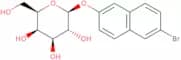
CAS:<p>6-Bromo-2-naphthyl-b-D-xylopyranoside (BNX) is a chromogenic enzyme substrate used primarily to detect xylosidase activity. It is cleaved by the enzyme, resulting in the release of a colored product that can be measured spectrophotometrically. BNX is widely used as a substrate in research studies for the detection and quantification of various glycoside hydrolases, and it is particularly useful for studying cellulases and xylanases.</p>Purity:Min. 95%Color and Shape:PowderMolecular weight:355.18 g/mol4-Nitrophenyl b-D-thiogalactopyranoside
CAS:<p>4-Nitrophenyl b-D-thiogalactopyranoside is a specialized chromogenic substrate designed for measuring the activity of thio-β-galactosidase enzymes. Upon cleavage by thio-β-galactosidase, it releases the intensely colored 4-nitrophenolate ion, providing a straightforward, sensitive, and quantitative detection method. This substrate is easily incorporated into enzyme-coupled assays, making it a reliable and convenient choice for research and diagnostic applications. With its rapid color development and high signal-to-background ratio, 4-Nitrophenyl b-D-thiogalactopyranoside is ideal for monitoring enzyme kinetics, substrate specificity evaluation, and inhibitor screening in a range of scientific and biotechnological settings.</p>Formula:C12H15NO7SPurity:Min. 98 Area-%Color and Shape:PowderMolecular weight:317.32 g/mol4-Chloro-3-indoxyl-β-D-galactopyranoside
CAS:<p>Chromogenic substrate for β-D-galactosidase yielding a precipitate. Mostly used in histochemistry.</p>Formula:C14H16ClNO6Molecular weight:329.74 g/molNaphthol AS-BI N-acetyl-b-D-galactosaminide
CAS:<p>Modified naphtol AS substrate used in histochemical and cytochemical staining</p>Formula:C26H27BrN2O8Purity:Min. 95%Color and Shape:PowderMolecular weight:575.41 g/mol5-Bromo-4-chloro-3-indoxyl myristate
CAS:<p>5-Bromo-4-chloro-3-indoxyl myristate is a chemiluminescent substrate that can be used in the detection of peroxide. It reacts with hydrogen peroxide to emit light, which can be detected using a luminometer. 5-Bromo-4-chloro-3-indoxyl myristate is also used for the detection of bacteria, such as Staphylococcus aureus and Escherichia coli, by staining. The compound is also used for diagnostic tests to identify diseases such as tuberculosis. 5-Bromo-4-chloro-3 indoxyl myristate is soluble in organic solvents and water, not toxic, and has a high purity level.</p>Formula:C22H31BrClNO2Purity:Min. 98 Area-%Molecular weight:456.86 g/molAldol® 455 α-D-glucopyranoside, Biosynth Patent: EP 2427431 and US 8940909
<p>Aldol® 455 alpha-D-glucopyranoside is a synthetic fluorescent sugar that has been used in the diagnosis of bacterial infections. It has been used as a substrate for the enzyme beta-galactosidase and as a conjugate with anti-bacterial antibodies, which can be used to detect bacteria in urine and blood samples. Aldol® 455 alpha-D-glucopyranoside is also commonly used in the detection of bacteria in food and environmental samples. The product has a high purity level and quality.</p>Formula:C27H24ClNO7Purity:Min. 95.0 Area-%Molecular weight:509.93 g/molCoelenterazine F
CAS:<p>Coelenterazine F is an analog of the natural compound coelenterazine (a luciferin). It is a bioluminescence molecule commonly used as a calcium indicator in cells and tissues.</p>Formula:C26H20FN3O2Purity:Min. 95 Area-%Color and Shape:Orange PowderMolecular weight:425.45 g/mol4-Methylumbelliferyl-β-D-glucuronic acid methyl ester, Biosynth Patent: EP 2718458 and US 9127303
<p>4-Methylumbelliferyl-beta-D-glucuronic acid methyl ester is a chromogenic substrate for β-glucuronidase. It is used in diagnostic applications and as a substrate in enzyme kinetics experiments. 4-Methylumbelliferyl-beta-D-glucuronic acid methyl ester has fluorescence properties that allow it to be detected by chemiluminescence and bioluminescence.</p>Purity:Min. 95%DL-Luciferin 1-(4,5-dimethoxy-2-nitrophenyl)ethyl ester
CAS:<p>DL-Luciferin 1-(4,5-dimethoxy-2-nitrophenyl)ethyl ester is a fluorogenic substrate that is used to measure the activity of various enzymes. It can be used in food testing and diagnostics and as an indicator for chemiluminescence. DL-Luciferin 1-(4,5-dimethoxy-2-nitrophenyl)ethyl ester binds to the enzyme substrate and is then converted by the enzyme into a fluorescent product. This product can be measured using a fluorometer or luminometer.</p>Formula:C21H19N3O7S2Molecular weight:489.53 g/mol4-(Trifluoromethyl)umbelliferyl-β-D-cellotrioside
CAS:<p>4-(Trifluoromethyl)umbelliferyl-beta-D-cellotrioside is a fluorogenic substrate for cellulase. After cleavage, the fluorophore 4-(trifluoromethyl)umbelliferone, commonly referred as TFMU, is released, exhibiting a blueish color. 4-(Trifluoromethyl)umbelliferyl-beta-D-cellotrioside is used to study the enzyme kinetics in bacterial cellulose degradation assays as well as in biomass conversion research studies.</p>Formula:C28H35F3O18Purity:Min. 95%Color and Shape:White to off-white solid.Molecular weight:716.56 g/mol4-Methylumbelliferyl decanoate
CAS:<p>Fluorogenic substrate for carboxylesterases</p>Formula:C20H26O4Purity:Min. 98 Area-%Color and Shape:White PowderMolecular weight:330.42 g/mol2-Chloro-4-nitrophenyl phosphate
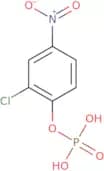
CAS:<p>2-Chloro-4-nitrophenyl phosphate is a chromogenic substrate for phosphatases. Afer cleavage of the substrate, 2-chloro-4-nitrophenol is released, which can be quantified at 405 nm. 2-Chloro-4-nitrophenyl phosphate is used in clinical diagnostics to for prostate cancer, diagnosis of liver and bone diseases.</p>Formula:C6H5ClNO6PPurity:Min. 95 Area-%Molecular weight:253.53 g/molChloro-3-indolyl a-D-glucopyranoside
CAS:<p>Chromogenic substrate for α-glucosidase</p>Formula:C14H16ClNO6Purity:Min. 97 Area-%Color and Shape:White PowderMolecular weight:329.73 g/molAldol® 515 propionate, Biosynth Patent: EP 2427431 and US 8940909
CAS:<p>Aldol® 515 propionate is a chromogenic substrate for many enzymes, including beta-galactosidase, β-glucuronidase, α-galactosidase, β-galactosidase, and acid phosphatase. It can be used as a substrate in the detection of staining and enzyme activity in diagnostic testing. Aldol® 515 propionate has been shown to be an effective ligand for the protein Glu-C.</p>Formula:C26H24N2O3Purity:Min. 95%Color and Shape:PowderMolecular weight:412.48 g/molAldol® 470 L-alanine ester, hydrochloride, Biosynth Patent: EP 2427431 and US 8940909
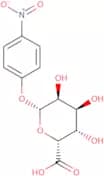
CAS:Controlled Product<p>Aldol® 470 L-alanine ester, hydrochloride is a fluorescent chemiluminescent substrate. It is a ligand with high purity and high quality, which has been patented in the European Patent Office (EP 2427431) and the United States Patent and Trademark Office (US 8940909). The product can be used for chemiluminescence, staining, fluorescence, bioluminescence, enzyme substrate and food testing. Aldol® 470 L-alanine ester, hydrochloride is an excellent fluorescent chemiluminescent substrate that can be used for conjugation to enzymes or antibodies.</p>Formula:C26H25ClN2O5Purity:Min. 95%Color and Shape:PowderMolecular weight:480.95 g/mol4-Nitrophenyl α-D-glucuronide
CAS:<p>4-Nitrophenyl alpha-D-glucuronide is a chromogenic substrate widely used for detecting and quantifying the activity of alpha glucuronidase enzyme. Upon cleavage by the enzyme, it releases the yellow-colored 4-nitrophenol, whose absorbance can be monitored spectrophotometrically. This substrate is routinely employed in biochemistry and molecular biology applications, such as enzyme assays, enzyme kinetics studies, and characterization of recombinant enzymes. As a non-toxic and easy-to-use reagent, 4-Nitrophenyl alpha-D-glucuronide provides a convenient and sensitive method for studying alpha-glucuronidase activity in various biological samples, including cell extracts, tissue homogenates, and purified enzyme preparations.</p>Formula:C12H13NO9Purity:Min. 97 Area-%Color and Shape:Off-White PowderMolecular weight:315.23 g/molAldol® 535 myo-inositol-1-phosphate, ammonium salt, Biosynth Patent: EP 2427431 and US 8940909
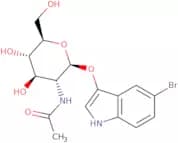
CAS:<p>Aldol 535 is a chemiluminescent substrate for the detection of myo-inositol-1-phosphate. It has been shown to have high purity and high quality, and is suitable for use in diagnostics, food testing, and as a bioluminescence substrate. Aldol 535 is also used as a ligand in various enzyme assays. It has been tested for its ability to react with the fluorogenic substrates: 4-methylumbelliferyl phosphate and 4-methylumbelliferone phosphate. The CAS number is 2484872-80-0.</p>Formula:C29H32BrClN3O10PPurity:Min. 95%Color and Shape:PowderMolecular weight:728.91 g/mol5-Bromo-3-indolyl 2-acetamido-2-deoxy-b-D-glucopyranoside
CAS:<p>5-Bromo-3-indolyl 2-acetamido-2-deoxy-b-D-glucopyranoside is a lapis substrate, a chromogenic substrate that yields a deep blue color after cleavage. It is used in lysosomal storage disorder screening such as for Sanfilippo syndrome.</p>Formula:C16H19BrN2O6Purity:Min. 98 Area-%Color and Shape:White Off-White PowderMolecular weight:415.24 g/mol6-Bromo-2-naphthyl-2-acetamido-2-deoxy-β-D-glucopyranoside
CAS:<p>6-Bromo-2-naphthyl 2-acetamido-2-deoxy-beta-D-glucopyranoside is a chromogenic substrate used for the detection of chitinase activity. Upon hydrolysis by chitinase, it releases a yellow-brown color, which is easily detected by spectrophotometry. This substrate has been used to study chitinases in various organisms, including bacteria, fungi, and insects. It can also be used to quantitate chitinase activity in various biological samples.</p>Formula:C18H20BrNO6Molecular weight:426.26 g/molAldol® 458 acetate, Biosynth Patent: EP 2427431 and US 8940909
CAS:Controlled Product<p>Aldol 458 acetate is a fluoroquinolone antibiotic. It is an enzyme substrate that can be used in the detection of β-galactosidase, alkaline phosphatase, and other enzymes. Aldol 458 acetate can be used for the detection of β-galactosidase by chemiluminescence or bioluminescence. It has been shown to have high purity and high quality as well as being a ligand that can be conjugated with a fluorescent dye to provide a fluorescent substrate. Aldol 458 acetate can also be used in culture media for the growth of bacteria. It has been shown to have strong inhibitory effects on Escherichia coli, Bacillus subtilis, Pseudomonas aeruginosa, and Staphylococcus aureus.</p>Formula:C18H15NO4Purity:Min. 95%Color and Shape:PowderMolecular weight:309.32 g/mol5-Bromo-4-chloro-3-indolyl β-D-lactopyranoside
CAS:<p>5-Bromo-4-chloro-3-indolyl b-D-lactopyranoside is a chromogenic substrate used to detect the specific enzymatic activity of beta-galactosidase. After cleavage, 5-bromo-4-chloro-indoxyl is released, resulting in a blue to blue-green color change in bacterial colonies or media. 5-Bromo-4-chloro-3-indolyl b-D-lactopyranoside is used in lactose intolerance screening.</p>Formula:C20H25BrClNO11Purity:Min. 95%Color and Shape:PowderMolecular weight:570.77 g/molFluorescein di-β-D-galactopyranoside
CAS:<p>Fluorogenic substrate for beta-galactosidase</p>Formula:C32H32O15Purity:Min. 98 Area-%Color and Shape:Slightly Yellow PowderMolecular weight:656.59 g/mol4-Methylumbelliferyl elaidate
CAS:<p>4-Methylumbelliferone is a fluorescent probe that can be used to study the metabolism of fatty acids in plants. It is also used as a marker for radiation and significant cytotoxicity. 4-Methylumbelliferone binds to the DNA termini, specifically at the 5' phosphate group, and inhibits phosphatase activity. This process increases levels of p-nitrophenyl phosphate (a substrate), which produces protocatechuic acid (an intermediate). The disulfide bond is then broken by hydrogen peroxide, leading to an increase in fluorescence. The optimum pH for this process is 7.5.</p>Formula:C28H40O4Purity:Min. 95 Area-%Molecular weight:440.63 g/mol4-Nitrophenyl-β-D-fucopyranoside
CAS:<p>A chromogenic substrate for β-galactosidase.</p>Formula:C12H15NO7Purity:Min. 99 Area-%Molecular weight:285.26 g/molNaphthol AS-D
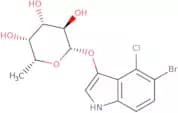
CAS:<p>Naphthol AS-D is a diagnostic chemical for phosphatase enzymes and is used to stain cells, tissues, and body fluids for diagnosis. The chemical reacts with the amino groups of proteins in cells and produces a brown color. Naphthol AS-D is not toxic to living cells in concentrations below 5%. It stains basophilic leukemia cells as well as brain cells. This chemical can be used to diagnose cutaneous lesions, such as psoriasis or melanoma, which are difficult to diagnose by standard methods. present in these lesions and produce a brown color.</p>Formula:C18H15NO2Purity:Min. 95%Color and Shape:PowderMolecular weight:277.32 g/mol5-Bromo-4-chloro-3-indolyl α-D-fucopyranoside
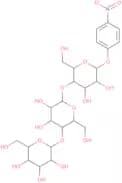
CAS:<p>This powerful chromogenic substrate is designed specifically for the assay and detection of a-L-fucosidase enzyme activity. With a unique combination of bromo, chloro, and indolyl moieties, it offers enhanced stability and promotes color development that is unparalleled in clarity and intensity. Ideal for biochemistry, molecular biology, and related life sciences applications, this substrate provides unmatched performance and reliability for all your a-L-fucosidase enzyme research needs.</p>Formula:C14H15BrClNO5Purity:Min. 95%Color and Shape:PowderMolecular weight:392.63 g/mol4-Nitrophenyl-α-D-maltohexaoside
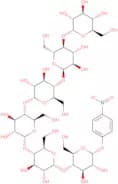
CAS:<p>Chromogenic substrate for α-amylase yielding a yellow solution upon cleavage.</p>Formula:C42H65NO33Purity:Min. 97.0 Area-%Molecular weight:1,111.97 g/mol5-Bromo-4-chloro-1H-indol-3-yl-β-D-cellotetraoside
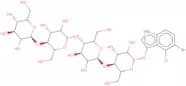
<p>5-Bromo-4-chloro-1H-indol-3-yl-b-D-cellotetraoside is a chromogenic substrate used to detect the specific enzymatic activity of cellulase. After cleavage, 5-bromo-4-chloro-indoxyl is released, resulting in a blue to blue-green color change in bacterial colonies or media. 5-Bromo-4-chloro-1H-indol-3-yl-b-D-cellotetraoside is used in bacterial cellulase detection and biomass conversion research.</p>Formula:C32H45BrClNO21Purity:Min. 95%Color and Shape:PowderMolecular weight:895.05 g/mol4-Methylumbelliferyl a-L-idopyranosiduronic acid
CAS:<p>4-Methylumbelliferyl a-L-idopyranosiduronic acid is an ester that is used as a marker for the identification of glycolipids. It is a fluorogenic substrate for alpha-L-iduronidase used as a marker for the diagnosis of autoimmune diseases, including diabetic neuropathy. 4-Methylumbelliferyl a-L-idopyranosiduronic acid has been shown to inhibit inflammation and cancer, although it is not currently approved for this use. The mechanism by which 4-methylumbelliferyl a-L-idopyranosiduronic acid inhibits inflammation may be due to its ability to block cation channels on the surface of cells, thereby preventing inflammatory mediators from entering cells.</p>Formula:C16H16O9Purity:Min. 97 Area-%Color and Shape:White Off-White PowderMolecular weight:352.29 g/mol4-Nitrophenyl 2-acetamido-2-deoxy-b-D-glucopyranoside-6-sulfate sodium salt
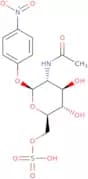
CAS:<p>4-Nitrophenyl 2-acetamido-2-deoxy-beta-D-glucopyranoside-6-sulfate sodium salt is a chromogenic substrate for N-acetylglucosamine-6-sulfatase. Upon hydrolysis, para-nitrophenol is released yielding a yellowish colour. 4-Nitrophenyl 2-acetamido-2-deoxy-beta-D-glucopyranoside-6-sulfate sodium salt is used in different applications such as the Mucopolysaccharidosis IIID (Sanfilippo D) diagnosis</p>Formula:C14H17N2O11S·NaPurity:Min. 95 Area-%Color and Shape:PowderMolecular weight:444.35 g/molL-Leucine 7-amido-4-methylcoumarin hydrochloride salt
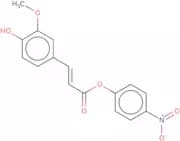
CAS:<p>L-Leucine 7-amido-4-methylcoumarin hydrochloride salt is a synthetic peptide substrate used as a fluorogenic substrate for leucine aminopeptidase.</p>Formula:C16H21ClN2O3Purity:Min. 98 Area-%Color and Shape:White PowderMolecular weight:324.8 g/mol4-Nitrophenyl trans-ferulate
CAS:<p>Substrate for feruloyl esterases</p>Formula:C16H13NO6Purity:Min. 98 Area-%Color and Shape:PowderMolecular weight:315.28 g/molNitrocefin
CAS:<p>Chromogenic cephalosporin substrate for the detection of beta-lactamase activity</p>Formula:C21H16N4O8S2Purity:Min. 90 Area-%Color and Shape:Yellow Orange PowderMolecular weight:516.51 g/mol4-Methylumbelliferyl 6-thio-palmitate-b-D-glucopyranoside - Moscerdam™ biochemical purity
CAS:<p>4-Methylumbelliferyl 6-thio-palmitate-b-D-glucopyranoside (Mu-6S-Palm-β-Glc) is a fluorogenic substrate of palmitoyl-protein thioesterase 1 (PPT1), used in the diagnosis of infantile neuronal ceroid lipofuscinosis (INCL). INCL, also known as infantile CLN1 disease, is a rapidly progressing lysosomal storage disorder (LSD), caused by a deficiency of PPT1. Mu-6S-Palm-β-Glc is also used as the substrate in the PPT assay to investigate the retention of lysosomal enzyme activity of bi-functional IgG-PPT1 fusion protein in the delivery across blood-brain barrier.</p>Formula:C32H48O8SPurity:Min. 95%Color and Shape:White PowderMolecular weight:592.78 g/mol4-Nitrophenyl b-D-cellotrioside
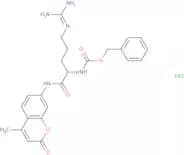
CAS:<p>4-Nitrophenyl beta-D-cellotrioside is a chromogenic substrate for cellulase. Upon hydrolysis, para-nitrophenol is released yielding a yellowish colour. 4-Nitrophenyl beta-D-cellotrioside is used in different applications such as the Biomass conversion research, paper industry applications</p>Formula:C24H35NO18Purity:Min. 95%Color and Shape:PowderMolecular weight:625.53 g/molN-alpha-CBZ-L-Arginine 7-amido-4-methylcoumarin hydrochloride
CAS:<p>N-alpha-CBZ-L-Arginine 7-amido-4-methylcoumarin hydrochloride is a Ffluorogenic substrate used in protease activity assays.</p>Formula:C24H27N5O5·ClHPurity:Min. 95%Color and Shape:PowderMolecular weight:501.96 g/molPotassium thioacetate monohydrate
CAS:<p>Potassium thioacetate monohydrate is a compound that possesses unique characteristics. It is a polyunsaturated substance that contains 1-triacontanol, which has been found to have potential benefits for human health. This compound has been studied for its effects on various channels in the body, including Enzyme Substrates and dopamine receptors. It has also shown promise in the treatment of pancreatitis and lung cancer.</p>Formula:C2H3KOS•H2OPurity:Min. 95%Molecular weight:132.22 g/mol5-Bromo-3-indoxyl myo-inositol-1-phosphate, ammonium salt
<p>Please enquire for more information about 5-Bromo-3-indoxyl myo-inositol-1-phosphate, ammonium salt including the price, delivery time and more detailed product information at the technical inquiry form on this page</p>Formula:C14H20BrN2O9PMolecular weight:471.2 g/mol2-Nitrophenyl a-D-galactopyranoside
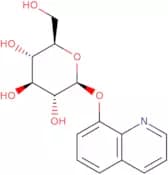
CAS:<p>2-Nitrophenyl alpha-D-galactopyranoside is a chromogenic substrate used to detect the enzymatic activity of alpha-galactosidase. After cleavage, the nitrophenyl moiety is released exhibiting a light yellowish color. 2-Nitrophenyl alpha-D-galactopyranoside is used in Fabry disease screening.</p>Formula:C12H15NO8Purity:Min. 95%Color and Shape:White Off-White PowderMolecular weight:301.25 g/mol8-Hydroxyquinoline b-D-glucopyranoside
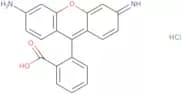
CAS:<p>8-Hydroxyquinoline b-D-glucopyranoside (8-OHG-glu) is a chromogenic enzyme substrate commonly used to detect the presence of beta-glucosidase in biological samples. When hydrolyzed by beta-glucosidase, 8-OHG-glu produces a yellow-orange color, indicating the presence of the enzyme. This substrate is particularly useful for measuring beta-glucosidase activity in soil and plant samples.</p>Formula:C15H17NO6Purity:Min. 95%Color and Shape:PowderMolecular weight:307.3 g/molRhodamine 110 chloride
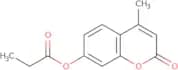
CAS:<p>Fluorescent dye substrate for flow cytometric measurements</p>Formula:C20H15O3N2ClPurity:Min. 95 Area-%Color and Shape:Red PowderMolecular weight:366.8 g/mol4-Methylumbelliferyl propionate
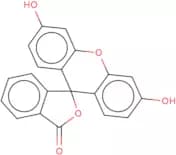
CAS:<p>4-Methylumbelliferyl propionate is a fluorogenic substrate for esterase. After enzymatic cleaveage, free 4-methylumbelliferone (also known as hymecromone) is released, exhibiting blue fluorescence upon excitation with UV light. The strongest fluorescence of 4-methylumbelliferone requires deprotonation of the hydroxyl group (thus requires alkaline pH), with a maximal fluorescence intensity obtained with excitation at 350 to 370 nm and emission at 440 to 470 nm. The use of 4-methylumbelliferyl propionateas a substrate for measuring the esterase activity is used for esterase deficiency screening assays.</p>Formula:C13H12O4Purity:Min. 95 Area-%Color and Shape:PowderMolecular weight:232.23 g/molFluorescein diacetate
CAS:<p>Fluorogenic substrate targeting esterases , hGSTP1-1</p>Formula:C24H16O7Color and Shape:PowderMolecular weight:416.38 g/mol4-Methylumbelliferyl β-D-glucuronide
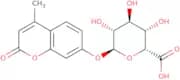
CAS:<p>Fluorogenic substrate for b-glucuronidase GUS</p>Formula:C16H16O9Purity:Min. 95%Molecular weight:352.29 g/mol5-Bromo-6-chloro-3-indoxyl caprylate, Patent WO 2022/038120
CAS:<p>5-Bromo-6-chloro-3-indolyl caprylate is also known as magenta caprylate. Upon the cleavage of the ester bond in the substrate by esterase enzymes, 5-bromo-6-chloro-1H-indol-3-ol is released. When exposed to oxygen (such as in the air) this undergoes dimerization to form 5,5'-dibromo-6,6'-dicholoro-indigo, which is a magenta coloured chromophore (λmax 565nm). Bacteria such as Salmonella and some Klebsiella and Enterobacter produce caprylate esterase and so this substrate can be used for the detection of these bacteria in samples, such as in food. This product is patent pending, as polymorphs of this product can have different physicochemical properties and can improve solubility and stability. Cymit Quimica is able to product high quality, stable product to detect esterase enzyme activity.</p>Formula:C16H19BrClNO2Purity:Min. 99.0 Area-%Molecular weight:372.7 g/mol4-Nitrophenylphosphorylcholine
CAS:<p>Chromogenic substrate used to measure phospholipase C (PLC) activity</p>Formula:C11H17N2O6PPurity:Min. 95 Area-%Color and Shape:PowderMolecular weight:304.24 g/molAquaSpark® inositol-phosphate, Ramot at Tel-Aviv University Ltd. Patent family WO 2017/130191
<p>Fluorescent reagent for the detection of phospholipids. Previously under code EA179480.</p>Formula:C34H40ClO15PPurity:Min. 90 Area-%Molecular weight:755.1 g/molAldol® 515 phosphate, disodium salt, Biosynth Patent: EP 2427431 and US 8940909
CAS:<p>Aldol® 515 phosphate is a chromogenic and fluorogenic enzyme substrate used for detection of phosphatase activity. The colorless enzyme substrate is cleaved by acid and alkaline phosphatases secreted by bacteria in liquid or solid media, yielding intense red color and red fluorescence. Aldol® 515 phosphate can also be used in Western blots and other immunoassay applications with phosphatase-coupled secondary antibodies. Aldol® 515 phosphate can be used under aerobic and anaerobic conditions.</p>Formula:C23H19N2Na2O5PPurity:Min. 95 Area-%Molecular weight:480.36 g/mol5-Bromo-4-chloro-3-indoxyl phosphate, p-toluidine salt, high grade
CAS:<p>A substrate for visualising alkaline phosphatase activity. It produces a purple insoluble end product that is detected visually, when used together with nitroblue tetrazolium. The substrate system is versatile and has functions in a variety of applications, including Northern, Southern, and Western blotting, in situ hybridization, ELISAs, microarray and immunohistochemistry. DMF soluble.</p>Formula:C15H15BrClN2O4PPurity:Min. 98.0 Area-%Molecular weight:433.63 g/mol5-Bromo-6-chloro-3-indoxyl-3-acetate
CAS:<p>Chromogenic substrate for carboxylesterase yielding a magenta precipitate upon cleavage. Mainly used in histochemistry.</p>Formula:C10H7BrClNO2Purity:Min. 98.0 Area-%Molecular weight:288.53 g/molRef: 3D-B-6304
1gTo inquire5gTo inquire10gTo inquire500mgTo inquire2500mgTo inquire-Unit-ggTo inquire6-Bromo-2-naphthyl β-D-galactopyranoside
CAS:<p>6-Bromo-2-naphthyl β-D-galactopyranoside is a chromogenic substrate commonly used for the detection of the enzymatic activity of β-galactosidase. It can produce a yellow precipitate upon hydrolysis by β-galactosidase, indicating the presence of the enzyme. It is often used in molecular biology applications to detect gene expression or to monitor cloning efficiency.</p>Formula:C16H17BrO6Purity:Min. 98 Area-%Color and Shape:PowderMolecular weight:385.21 g/mol5-Bromo-4-chloro-3-indoxyl-β-D-xylopyranoside
CAS:<p>5-Bromo-4-chloro-3-indoxyl-beta-D-xylopyranoside is a fluorogenic substrate that can be used to measure the activity of bacterial esterases. The enzyme cleaves the xylose moiety from 5-bromo-4-chloro-3-indoxyl, yielding indoxyl as an intermediate product. This reaction can be catalyzed by esterases found in bacteria, which hydrolyze esters containing a single hydroxyl group at one end and a carboxylic acid or alcohol at the other end. Indoxyl is fluorescent and can be detected using a fluorimeter. 5BX is also chromogenic, so it can be used as an enzyme substrate for detecting beta galactosidase activity in bacteria such as Mycobacterium smegmatis or Escherichia coli.<br>5BX is also used to detect chemilumines</p>Formula:C13H13BrClNO5Molecular weight:378.61 g/molRef: 3D-B-7750
1gTo inquire5gTo inquire10gTo inquire500mgTo inquire2500mgTo inquire-Unit-ggTo inquireAldol® 518 palmitate, Biosynth Patent: EP 2427431 and US 8940909
<p>Aldol 518 Palmitate is a high purity and high quality, bioluminescent substrate for use in diagnostic applications. Aldol 518 Palmitate is an enzyme substrate that is used for the detection of hydrogen peroxide through chemiluminescence or bioluminescence. It can be used in the diagnosis of bacterial infections and to test food products for spoilage. The enzyme substrate has a CAS number of 646-12-2.</p>Formula:C39H49ClN2O3Purity:Min. 95 Area-%Molecular weight:629.28 g/mol4-Methylumbelliferyl phosphate, dilithium salt
CAS:<p>4-Methylumbelliferyl phosphate, dilithium salt is a fluorescent probe that is used for the detection of phosphatases. The fluorescence of this compound is inversely proportional to the activity of phosphatases. This compound can be used as a substrate for phosphatases, which are enzymes that break down phosphate groups from compounds such as ATP, ADP, and AMP. 4-Methylumbelliferyl phosphate, dilithium salt reacts with surface antigens on cells and shows reproducible results when screened with monoclonal antibodies.</p>Formula:C10H7Li2O6PMolecular weight:268.02 g/molRef: 3D-M-5920
1gTo inquire5gTo inquire250mgTo inquire500mgTo inquire2500mgTo inquire-Unit-ggTo inquire5-Bromo-6-chloro-3-indoxyl butyrate
CAS:<p>5-Bromo-6-chloro-3-indoxyl butyrate is an enzyme substrate that is used for the detection of bacteria and fungi in environmental testing, food testing, and diagnostics. It is also used as a fluorogenic substrate in bioluminescence and chemiluminescence assays. 5-Bromo-6-chloro-3-indoxyl butyrate binds to proteins on the cell surface, causing an increase in fluorescence when excited by light of a specific wavelength. The conjugate can be detected using a variety of methods, including staining with dyes such as safranin or methylene blue. This product has high purity and high quality.</p>Formula:C12H11BrClNO2Purity:Min. 98 Area-%Molecular weight:316.59 g/molRef: 3D-B-7060
1gTo inquire5gTo inquire10gTo inquire500mgTo inquire2500mgTo inquire-Unit-ggTo inquire6-Chloro-3-indoxyl-β-D-glucopyranoside
CAS:<p>Chromogenic substrate for β-D-glucosidase. Yields a red precipitate upon cleavage.</p>Formula:C14H18ClNO7Purity:Min. 98 Area-%Molecular weight:347.75 g/mol5-Bromo-3-indoxyl phosphate, p-toluidine salt
CAS:<p>Used as substrate for chemiluminescent assay of alkaline phosphatase (ALP) to produce a blue colour precipitate when cleaved.</p>Formula:C15H16BrN2O4PPurity:Min. 98.0 Area-%Molecular weight:399.19 g/molAldol® 518 β-D-glucuronic acid, Biosynth Patent: EP 2427431 and US 8940909
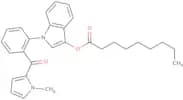
CAS:<p>Aldol® 518 beta-D-glucuronic acid is a chromogenic and fluorogenic enzyme substrate used for detection of beta-glucuronidase activity, yielding red colour and red fluorescence. Living cells of Escherichia coli can be reliably detected with Aldol® 518 beta-D-glucuronic acid-containing media. Aldol® 518 beta-D-glucuronic acid can be also used in GUS reporter assays, e.g. in plant biotechnology. Aldol® 518 beta-D-glucuronic acid is suitable for use in liquid and solid media, under aerobic as well as anaerobic conditions.</p>Formula:C29H27ClN2O8Purity:Min. 95 Area-%Molecular weight:566.99 g/molAldol® 470 nonanoate, Biosynth Patent: EP 2427431 and US 8940909
CAS:Controlled Product<p>Aldol® 470 nonanoate is a chromogenic substrate with a molecular weight of 496.5 g/mol. Aldol® 470 nonanoate has been used to detect the presence of L-amino acids using a fluorogenic assay. This substrate can be used as a ligand in an enzyme-linked immunosorbent assay (ELISA) to measure the concentration of L-amino acids in food and drink samples, as well as in diagnostics for detecting fluoroquinolone resistance in bacteria. Aldol® 470 nonanoate is also used in the detection of bioluminescence and chemiluminescence reactions. CAS No.: 2484872-50-4</p>Formula:C32H35NO5Purity:Min. 95.0 Area-%Molecular weight:513.62 g/molAldol® 458 β-D-galactopyranoside, Biosynth Patent: EP 2427431 and US 8940909
CAS:<p>Aldol® 458 beta-D-galactopyranoside is a chromogenic and fluorogenic enzyme substrate used for detection of ?-galactosidase activity. The colorless enzyme substrate is cleaved by lactose utilizing bacteria grown in liquid or solid media, yielding yellow coloration and green fluorescence. Aldol® 458 beta-D-galactopyranoside can also be used in ?-galactosidase gene reporter assays or immunoassay applications (ELISA). Aldol® 458 beta-D-galactopyranoside can be used under aerobic and anaerobic conditions.</p>Formula:C22H23NO8Purity:Min. 95.0 Area-%Molecular weight:429.42 g/molBoc-Val-Pro-Arg-PAB-Resorufin
<p>Boc-Val-Pro-Arg-PAB-Resorufin is fluorogenic substrate for thrombin and the thrombin-staphylocoagulase complex.</p>Formula:C40H50N8O8Purity:Min. 97 Area-%Molecular weight:770.87 g/mol5-Bromo-6-chloro-3-indoxyl phosphate, p-toluidine salt
CAS:<p>Substrate for visualizing alkaline phosphatase activity. Produces a magenta colored insoluble end product that is detected visually, when used together with Nitroblue tetrazolium. The substrate system is versatile and functions in a variety of applications, including Northern, Southern, and Western blotting, in situ hybridization, ELISAs and immunohistochemistry. DMF soluble.</p>Formula:C15H15BrClN2O4PPurity:Min. 98.0 Area-%Molecular weight:433.63 g/mol5-Bromo-4-chloro-3-indoxyl myo-inositol-1-phosphate, ammonium salt
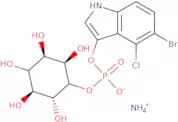
CAS:<p>This product is designed for the sensitive color detection andidentification of various bacteria, such as pathogenic strains of Listeria, Clostridium, Bacillus and Staphylococcus. 5-Bromo-4-chloro-3-indoxyl myo-inositol-1-phosphate (X-phos-inositol; X-IP) is a chromogenic indicator for phosphatidyl-inositol specific phospholipase C(PI-PLC, EC 4.6.1.13). The colorless product is cleaved by PI-PLC positive microorganisms in liquid media or on solid culture media and yields a blue-green color precipitate.</p>Formula:C14H19BrClN2O9PPurity:Min. 90.0 Area-%Molecular weight:505.64 g/mol1-Fluoro-2,4,6-trimethylpyridinium triflate
CAS:<p>Please enquire for more information about 1-Fluoro-2,4,6-trimethylpyridinium triflate including the price, delivery time and more detailed product information at the technical inquiry form on this page</p>Formula:C9H11F4NO3SPurity:Min. 95 Area-%Molecular weight:289.24 g/molAldol® 495 β-D-galactopyranoside, Biosynth Patent: EP 2427431 and US 8940909
CAS:<p>Aldol® 495 beta-D-galactopyranoside is a chromogenic and fluorogenic enzyme substrate used for detection of beta-galactosidase activity. The colorless enzyme substrate is cleaved by lactose-utilizing bacteria in liquid or solid media, yielding orange color as well as green fluorescence if a fluorescence enhancer or a suitable matrix are present. Aldol® 495 beta-D-galactopyranoside can also be used in beta-gal reporter gene assays or for identification of beta-gal positive transformants on agar plates. Aldol® 495 beta-D-galactopyranoside can be used under aerobic and anaerobic conditions.</p>Formula:C26H25ClN2O7Purity:Min. 95.0 Area-%Molecular weight:512.94 g/molCoelenterazine h
CAS:<p>Coelenterazine h is a substrate for luciferases or as a constituent of photoproteins</p>Formula:C26H21N3O2Purity:Min. 95 Area-%Molecular weight:407.48 g/mol5-Bromo-4-chloro-3-indoxyl-β-D-glucopyranoside
CAS:<p>Chromogenic substrate for beta-D-glucosidase, yielding a blue precipitate and contained in a chromogenic culture media for the detection of Enterococci, Streptococci, Klebsiella species, Enterobacter species and Listeria species. It is an indolyl carbohydrate that is the beta-D-glucoside of 3-hydroxy-1H-indole, in which the indole moiety is substituted at positions 4 and 5 by chlorine and bromine, respectively. It is used to test for the presence of the enzyme, beta-glucosidase, which cleaves the glycosidic bond to give 5-bromo-4-chloro-3-hydroxy-1H-indole; this immediately dimerises to give an intensely blue product.</p>Formula:C14H15BrClNO6Purity:Min. 98.0 Area-%Molecular weight:408.64 g/mol5-Bromo-4-chloro-3-indoxyl-N-acetyl-β-D-glucosaminide
CAS:<p>Chromogenic substrate for N-acetyl-β-D-glucosaminidase yielding a blue precipitate. Contained in certain mycological culture media. Used in histochemistry.</p>Formula:C16H18BrClN2O6Purity:Min. 99.5 Area-%Molecular weight:449.69 g/mol5-Bromo-3-indoxyl phosphate, disodium salt
CAS:<p>5-Bromo-3-indoxyl phosphate, disodium salt is an enzyme substrate that is used for environmental testing, bioluminescence, culture media, chemiluminescence, fluorogenic substrate and food testing. It is also used as a ligand for diagnostic purposes. 5-Bromo-3-indoxyl phosphate, disodium salt has CAS number 16036-59-2 and it is soluble in water. This product has high quality and purity with a conjugate of 5% phenol red. 5-Bromo-3-indoxyl phosphate, disodium salt reacts with the enzyme horseradish peroxidase to produce a red color. This product can be used to detect hydrogen peroxide in the presence of an oxidizing agent such as hydrogen peroxide or potassium permanganate. The reaction produces a blue color when the solution is viewed in daylight or under ultraviolet light.</p>Formula:C8H5BrNNa2O4PPurity:98.0 To 100.0 Area-%Molecular weight:335.99 g/mol5-Bromo-4-chloro-3-indoxyl-α-D-glucopyranoside
CAS:<p>Chromogenic substrate for alpha-D-glucosidase, yielding a blue precipitate. It is used for the detection of, e.g. Staphylococcusaureus and Bacillus species, and the isolation of Enterobactersakazakii e.g., from baby food. It is an indolyl carbohydrate that is the beta-D-glucoside of 3-hydroxy-1H-indole, in which the indole moiety is substituted at positions 4 and 5 by chlorine and bromine, respectively. The enzyme, beta-glucosidase, cleaves the glycosidic bond to give 5-bromo-4-chloro-3-hydroxy-1H-indole, which immediately dimerises to give an intensely blue product.</p>Formula:C14H15BrClNO6Purity:Min. 98.0 Area-%Molecular weight:408.64 g/molAldol® 455 α-D-maltopyranoside, Biosynth Patent: EP 2427431 and US 8940909
<p>Aldol® 455 alpha-D-maltopyranoside is a chromogenic substrate developed by Cymit Quimica, designed for the detection of maltosidases.</p>Formula:C33H34ClNO12Purity:Min. 95.0 Area-%Molecular weight:672.08 g/molAldol® 518 choline phosphate, Biosynth Patent: EP 2427431 and US 8940909
<p>Aldol® 518 choline phosphate is a fluorogenic substrate that is used in the detection of enzyme activity. It has been shown to be an effective substrate for enzymes such as beta-galactosidase and phosphatases, and can be used in the detection of bacterial growth. Aldol® 518 choline phosphate is also a chromogenic substrate for the detection of alkaline phosphatase. It has been shown to have high purity and bioluminescence properties, making it useful for detecting bacteria in culture media or environmental testing. The conjugate of Aldol® 518 choline phosphate with various ligands can be used to detect specific proteins or antibodies.</p>Formula:C28H31ClN3O5PPurity:Min. 95 Area-%Molecular weight:556 g/mol5-Bromo-4-chloro-3-indoxyl-α-L-arabinofuranoside
<p>5-Bromo-4-chloro-3-indoxyl-alpha-L-arabinofuranoside is a fluorogenic substrate. It is also used as a ligand to detect the presence of an enzyme in a sample. 5BCIAF may be used as an enzyme substrate to measure the activity of enzymes such as beta-galactosidase, alpha-glucuronidase, and esterases. It is also used for diagnostic purposes, with the most common use being for the detection of Mycobacterium tuberculosis in clinical specimens. 5BCIAF can be conjugated to other compounds to form fluorescent probes for detecting specific compounds or cells within a sample. This compound has been shown to have activity against bacteria, fungi, and viruses when tested in culture media and food samples. The chemical structure of 5BCIAF is similar to that of fluorescein, which has been shown to have chemiluminescent properties</p>Formula:C13H13BrClNO5Purity:Min. 99.0 Area-%Molecular weight:378.61 g/mol5-Bromo-6-chloro-3-indoxyl myo-inositol-1-phosphate, ammonium salt
<p>Indoxyl substrate targeting the enzyme inositol monophosphatase; Magenta color</p>Formula:C14H19BrClN2O9PPurity:Min. 99 Area-%Molecular weight:505.65 g/molCoelenterazine 400a
CAS:<p>Coelenterazine 400a is a light-emitting molecule that is used in bioluminescence assays. It is a subunit of the luciferin family and has been shown to have some effects on blood pressure, growth factor, and protein–protein interactions. Coelenterazine 400a can be used as a test compound for cancer research. This molecule emits light when it interacts with other molecules, such as NADPH and cytochrome P450 reductase. The luminescence signal can be detected with a fluorescence resonance energy transfer (FRET) assay.</p>Formula:C26H21N3OPurity:Min. 95.0 Area-%Molecular weight:391.46 g/mol5-Bromo-3-indoxyl choline phosphate
<p>Please enquire for more information about 5-Bromo-3-indoxyl choline phosphate including the price, delivery time and more detailed product information at the technical inquiry form on this page</p>Formula:C13H18BrN2O4PMolecular weight:377.18 g/molAlizarin-2-β-D-galactopyranoside
CAS:<p>Chromogenic substrate targeting beta- galactosidase and whose color is dependent on the metal chelating.Alizarin-2-beta-D-galactopyranoside is a chromogenic substrate for enzymes based on alizarin and has been reported for the detection of bacterial beta-galactosidase by researchers at the University of Northumbria and the Freeman Hospital, Newcastle upon Tyne in the UK (James, 2000).</p>Formula:C20H18O9Purity:Min. 98.0 Area-%Molecular weight:402.36 g/molAldol® 518 ammonium myo-inositol-1-phosphate, Biosynth Patent: EP 2427431 and US 8940909
CAS:<p>Aldol® 518 myo-inositol phosphate is a chromogenic and fluorogenic enzyme substrate used for detection of phosphatidylinositol specific phospholipase C (PI-PLC, EC 4.6.1.13) activity. The colorless enzyme substrate is cleaved by PI-PLC positive microorganisms grown in liquid or solid media, yielding intense red color. In combination with Aldol® 355 fluorescence enhancer, red fluorescence can also be obtained. Aldol® 518 myo-inositol phosphate thus enables the detection and identification of various bacteria, such as, pathogenic strains of Listeria, Clostridium, Bacillus, and Staphylococcus species. Aldol® 518 myo-inositol phosphate is suitable for use under aerobic and anaerobic conditions.</p>Formula:C29H33ClN3O10PPurity:Min. 95.0 Area-%Molecular weight:650.02 g/molAldol® 518 acetate, Biosynth Patent: EP 2427431 and US 8940909
CAS:<p>Aldol® 518 acetate is a fluorogenic substrate for the enzyme aldolase. It is used in diagnostic kits for detecting aldolase in blood and other body fluids, and as an indicator of liver function. Aldol® 518 acetate can be used to detect the presence of aldolase in foods and beverages. The compound has also been shown to be an excellent substrate for bioluminescence and chemiluminescence reactions, which are widely used in research laboratories.</p>Formula:C25H21ClN2O3Purity:Min. 95.0 Area-%Molecular weight:432.9 g/molN-α-Benzoyl-L-Arginine-AquaSpark®, Ramot at Tel-Aviv University Ltd. Patent family WO 2017/130191
<p>Ramot at Tel-Aviv University Ltd. Patent family WO 2017/130191 is a chemiluminescent ligand that can be used for detecting and quantifying proteins, nucleic acids, proteins, carbohydrates and lipids. Ramot at Tel-Aviv University Ltd. Patent family WO 2017/130191 has been shown to be a high quality and high purity reagent with excellent stability in the presence of heat, light or pH changes. The product has been tested for safety in cell cultures and animals, as well as for its effects on the environment. It has also been found to be safe for use in food products. This chemiluminescent ligand is an ideal tool for diagnostic purposes, such as detection of bacteria or viruses in culture media or environmental testing.</p>Formula:C41H46ClN5O8Purity:Min. 85 Area-%Molecular weight:772.3 g/mol6-Chloro-3-indoxyl nonanoate
CAS:<p>Chromogenic substrate for esterase with C9 activity yielding a salmon colored precipitate upon cleavage.</p>Formula:C17H22ClNO2Purity:Min. 98 Area-%Molecular weight:307.82 g/mol5-Bromo-4-chloro-3-indoxyl oleate
CAS:<p>5-Bromo-4-chloro-3-indoxyl oleate is a fluorescent substrate that is used for staining and enzyme substrate. It is a conjugate that is used in environmental testing, food testing, and diagnostics. 5-Bromo-4-chloro-3-indoxyl oleate has a CAS number of 341972-97-2 and its molecular weight is 229.5 g/mol. It's purity is > 98%, with a specific optical rotation of +147° (c=1, CHCl3). This compound can be used as a chromogenic or fluorogenic substrate in bioluminescence assays. 5BRIO3 has been shown to be an excellent ligand for the detection of DNA polymerase I activity.</p>Formula:C26H37BrClNO2Purity:Min. 98 Area-%Molecular weight:510.95 g/molAquaSpark® β-D-glucoside, 10 mM in DMSO, Ramot at Tel-Aviv University Ltd. Patent family WO 2017/130191
CAS:<p>AquaSpark® β-D-glucoside is a dioxetane-based water-soluble substrate for β-glucosidase activity. In microbiology, β-glucosidase probes can be used for the detection of Listeria spp., Enterococcus spp.,Klebsiella pneumoniae and other species.</p>Formula:C34H39ClO12Molecular weight:675.12 g/mol5-Bromo-4-chloro-3-indoxyl-3-acetate
CAS:<p>5-Bromo-4-chloro-3-indolyl acetate (5BCIA) is an enzyme substrate that has been shown to inhibit the activity of a number of enzymes, such as proteases and phosphatases. It has also been shown to inhibit the growth of a number of human pathogens, including Staphylococcus aureus, Escherichia coli, Salmonella enterica, Pseudomonas aeruginosa, and Mycobacterium tuberculosis. 5BCIA inhibits bacterial growth by binding to the active site of the enzyme phosphatase and preventing it from hydrolyzing a phosphate group from ATP. This process is necessary for energy metabolism in all living cells. 5BCIA has been shown to be effective against methicillin resistant Staphylococcus aureus (MRSA).</p>Formula:C10H7BrClNO2Purity:Min. 98 Area-%Molecular weight:288.53 g/molAquaSpark® Enhanced HRP Detection Solution, Ramot at Tel-Aviv University Ltd. Patent family WO 2017/130191
CAS:<p>AquaSpark® Enhanced HRP Detection Solution is a sensitive chemiluminescent substrate solution for detecting horseradish peroxidase (HRP) conjugates on immunoblots (Western blot, dot blot) and in enzyme-linked immunosorbent assays (ELISA). The ready-to-use detection solution contains the AquaSpark® substrate and the oxidizing reagent hydrogen peroxide (H2O2).</p>5-Bromo-4-chloro-3-indoxyl caprylate
CAS:<p>Chromogenic substrate for esterase with C8 activity yielding a blue precipitate upon cleavage.</p>Formula:C16H19BrClNO2Purity:Min. 99 Area-%Molecular weight:372.70 g/molAquaSpark® β-D-glucuronide, 10 mM in DMSO, Ramot at Tel-Aviv University Ltd. Patent family WO 2017/130191
CAS:<p>AquaSpark® beta-D-glucuronide, 10 mM in DMSO, is a chromogenic substrate that can be used to detect the presence of beta-glucuronidase enzyme. The substrate is a blue fluorescent compound that can be detected by fluorimetry or chemiluminescence. AquaSpark® beta-D-glucuronide, 10 mM in DMSO, has been shown to be an excellent ligand for binding to beta-glucuronidase and can be used for detection of this enzyme in food testing and culture media. The product also has high purity, being obtained from Sigma Aldrich Corporation with CAS No. 2484873-21-2 and Staining.</p>Formula:C34H37ClO13Molecular weight:688.19 g/mol5-Bromo-4-chloro-3-indoxyl-α-L-arabinopyranoside
<p>5-Bromo-4-chloro-3-indoxyl-alpha-L-arabinopyranoside is a fluorogenic substrate that can be used in enzyme and chromogenic assays. It is a high purity, stable product with a CAS number of 53673-61-7. This product has been shown to have fluorescence properties under acidic conditions, as well as chemiluminescence properties when exposed to an oxidizing agent. This compound can be used for the detection of bacterial activity in culture media and for the detection of pathogens in environmental samples. The conjugate can also be used for food testing.</p>Formula:C13H13BrClNO5Molecular weight:378.61 g/molAldol® 495 acetate, Biosynth Patent: EP 2427431 and US 8940909
CAS:Controlled Product<p>Aldol 495 acetate is a chromogenic substrate that contains the chemical compound Aldol. It is used in food testing, diagnostics, and environmental testing. Aldol 495 acetate can be used as a ligand to detect the presence of enzymes or bacteria in culture media and diagnostics. This product has been shown to have a high purity and quality.</p>Formula:C22H17ClN2O3Purity:Min. 95.0 Area-%Molecular weight:392.83 g/molAldol® 455 β-D-glucopyranoside, Biosynth Patent: EP 2427431 and US 8940909
CAS:<p>Aldol® 455 beta-D-glucopyranoside is a chromogenic and fluorogenic enzyme substrate used for detection of beta-glucosidase activity. The colorless enzyme substrate is cleaved by beta-glucosidase producing bacteria grown in liquid or solid media, yielding a yellow color and green to orange fluorescence. Aldol® 455 beta-D-glucopyranoside can be used under aerobic and anaerobic conditions.</p>Formula:C27H24ClNO7Purity:Min. 92.0 Area-%Molecular weight:509.94 g/mol5-Bromo-4-chloro-3-indoxyl-α-D-mannopyranoside
CAS:<p>Chromogenic substrate specific for α-D-mannosidase. Yields a blue precipitate upon cleavage. Identification of Listeria species.</p>Formula:C14H15BrClNO6Purity:Min. 99 Area-%Molecular weight:408.64 g/molAldol® 484 α-D-glucopyranoside, Biosynth Patent: EP 2427431 and US 8940909
CAS:<p>Aldol® 484 alpha-D-glucopyranoside is a chromogenic and fluorogenic enzyme substrate for ?-glucosidase activity (EC 3.2.1.20, ?-1,4-glucosidase, also known as maltase). The colorless enzyme substrate is cleaved by bacteria producing this enzyme in liquid or solid media, yielding orange color. Green fluorescence is also generated if a suitable matrix is present such as: cellulose acetate filters, polypropylene tubes or microplates and polyethylene vials. Aldol® 484 alpha-D-glucopyranoside can be used under aerobic and anaerobic conditions.</p>Formula:C26H24ClFN2O7Purity:Min. 95.0 Area-%Molecular weight:530.93 g/molCoelenterazine, native
CAS:<p>Coelenterazine is the substrate for the enzymes Renilla luciferase, Gaussia luciferase and other luciferase enzymes. Marine organisms like squids, shrimps, fish and jellyfish use coelenterazine to produce spectacular bioluminescence (in analogy with insects which utilize firefly luciferine). Today, coelenterazine is used in numerous applications like immunoassays, ELISA, monitoring of reporter genes, chemiluminescence detection of superoxide anion and peroxynitritein cells or tissues. The substrate is also used in bioluminescence resonance energy transfer (BRET), HTS and protein based methods for Calcium detection. The isolation and structure determination of coelenterazine was reported independently by two different groups in the seventies who discovered the molecule in sea pansy (Renilla reniformis) and in the cnidarian Aequorea victoria, respectively. Interestingly it was also found that the luminescent jellyfish Aequorea victoria does not produce coelenterazine itself but it rather assimilates it through ingestion of small preys like shrimps and copepods.<br>This product Coelenterazine, native, which is provided as a powder, is identical in quality and chemistry to our product Coelenterazine, native, dried.</p>Formula:C26H21N3O3Purity:Min. 95 Area-%Molecular weight:423.48 g/molAquaSpark® 510 Peroxide Probe, 10 mM in DMSO, Ramot at Tel-Aviv University Ltd. Patent family WO 2017/130191
CAS:<p>AquaSpark® Peroxide Probe is a dioxetane-based substrate for the luminescence detection of hydrogen peroxide and other peroxides in biological samples. AquaSpark® Peroxide Probe is the most sensitive probe for H2O2 detection available. It is also an extremely versatile probe for oxidase detection applicable in a wide range of biocompatible buffers. For example it can be used for glucose oxidase detection andfor the quantitation of glucose levels (when coupled to the glucoseoxidase activity in an assay). In addition, AquaSpark® Peroxide Probe is used for the quantification of other biologically relevant compounds(e.g. amino acids) using the corresponding peroxide releasing oxidases.</p>Formula:C34H40BClO8Molecular weight:622.95 g/molcybLuc
CAS:<p>In vivo bioluminescence imaging (BLI) is limited by the fact that the luminescence signal from native D-Luciferin (maximum emission at about 560 nm) is attenuated in the animal due to absorption and scattering of light below 600 nm in blood and tissues. These shortcomings can be avoided using a red-shifted luciferin derivative (max. em. at 600 nm) like CybLuc. In addition to red shift properties, CybLuc also displays higher lipophilicity and metabolic stability. This make it the ideal luciferin for in vivo studies. Cymit Quimica is the only supplier of commercial CybLuc.</p>Formula:C15H15N3O2S2Purity:Min. 95.0 Area-%Molecular weight:333.42 g/molAldol® 515 caprylate hydrochloride
CAS:<p>Aldol 515 caprylate hydrochloride is a high-quality fluorogenic substrate that is used for the detection of enzymes in culture media and enzyme substrates. The product has a CAS number of 2484873-14-3 and can be used for food testing, diagnostics, and environmental testing. Aldol 515 caprylate hydrochloride can also be used as a ligand or chromogenic substrate to measure bioluminescence.</p>Formula:C31H35ClN2O3Purity:Min. 95 Area-%Molecular weight:519.08 g/mol5-Amino-3-indoxyl-β-D-galactopyranoside
<p>5-Amino-3-indoxyl-beta-D-galactopyranoside (AIG) is a chromogenic substrate that is used for the detection of beta-galactosidase activity. AIG is also used in food testing, diagnostics, and environmental testing. The detection of beta-galactosidase activity can be done by either using the fluorogenic substrate 4-methylumbelliferyl galactopyranoside or the bioluminescence system of firefly luciferase and luciferin. This product has a CAS number of 110114-03-0 and a molecular weight of 417.5 g/mol.</p>Formula:C14H18N2O6Molecular weight:310.31 g/molBis(4-methylumbelliferyl)phosphate
CAS:<p>Bis(4-methylumbelliferyl)phosphate is a fluorescent probe that can be used for the diagnosis of β-glucosidase. It has a phosphate group and can be used to study phosphodiesterases and phosphodiesters. Bis(4-methylumbelliferyl)phosphate is also a liposomal probe that can be used in kinetic studies. This compound has been shown to inhibit β-glucosidase, which is an enzyme found in human saliva and pancreatic juice, at high concentrations. The inhibition of this enzyme leads to the accumulation of glucose and galactose in the blood, which can lead to diabetes mellitus or cancer.</p>Formula:C20H15O8PMolecular weight:414.31 g/molAquaSpark® Alkaline Phosphatase Substrate, 2 mM in DMSO, Ramot at Tel-Aviv University Ltd. Patent family WO 2017/130191
CAS:<p>AquaSpark® Alkaline Phosphatase Substrate is a chemiluminescent substrate for alkaline phosphatase (AP) detection in immunoassays, in particular in ELISA. AquaSpark® Alkaline Phosphatase Substrate is also a suitable substrate for protein (Western) blotting or nucleic acid blotting procedures using AP-conjugated antibodies. AquaSpark® probes offer unique advantages as they can work as single agents, they have ahigher efficiency and sensitivity over currently existing probes.</p>Formula:C21H24NaO9PMolecular weight:474.38 g/molAquaSpark® α-D-galactoside, 10 mM in DMSO, Ramot at Tel-Aviv University Ltd. Patent family WO 2017/130191
CAS:<p>AquaSpark™ α-D-galactoside is a dioxetane-based substrate for the luminescence detection of α-galactosidase activity. It is the first single-compound chemiluminescent substrate commercially available for the detection of α-galactosidase activity. α-galactosidase assays are used in molecular biology to monitor the transcriptional activity of the GLA gene that is correlated with metabolic diseases or gene mutations. In microbiology the α-galactosidase activity is used to detect specific bacteria such as α-galactosidase positive Salmonella strains (Salmonella Enteritidis RKI 05/07992).</p>Formula:C34H39ClO12Molecular weight:675.12 g/mol6-Chloro-3-indoxyl palmitate
CAS:<p>6-Chloro-3-indoxyl palmitate is a high quality, pure chemical reagent that can be used as a substrate for enzyme activity. It is a chromogenic substrate that is used in the detection of esterase activity. 6-Chloro-3-indoxyl palmitate is also used as a fluorogenic substrate in the presence of horseradish peroxidase and hydrogen peroxide to produce chemiluminescence. 6-Chloro-3-indoxyl palmitate has been shown to be an effective bioluminescent substrate for luciferase enzymes, such as firefly luciferase and Renilla luciferase.</p>Formula:C24H36ClNO2Purity:Min. 98 Area-%Molecular weight:406.01 g/molAquaSpark® 515 Singlet Oxygen Probe, Ramot at Tel-Aviv University Ltd. Patent family WO 2017/130191
CAS:<p>The AquaSpark® 515 Singlet Oxygen Probe (SOCL) is a highly selective and sensitive chemiluminescence probe for the detection of singlet oxygen (1O2). The SOCL probe reacts specifically with 1O2 to form an intermediate dioxetane that spontaneously decomposes to emit green light with extraordinary intensity</p>Formula:C21H23ClO4Purity:Min. 95.0 Area-%Molecular weight:374.13 g/molRef: 3D-A-8165_P00
5mgTo inquire10mgTo inquire25mgTo inquire50mgTo inquire2500µgTo inquire-Unit-mgmgTo inquireAquaSpark® Alkaline Phosphatase Detection Solution, Ramot at Tel-Aviv University Ltd. Patent family WO 2017/130191
CAS:<p>Alkaline phosphatase (AP) is a widely used marker enzyme in ELISA as the enzyme is easily conjugated with antibodies, is extremely stable, has high catalytic activity and a broad substrate spectrum. Highly sensitive sensing of alkaline phosphatase activity is therefore of great significance for the development of AP-based ELISA platforms. Our AquaSpark® phosphatase substrate is designed for the most sensitive ELISA and Western blot detection methods. AquaSpark® -based substrates work as single reagent without the need for enhancers, co-substrates or any additional reagent as opposite to traditional dioxetanes. In ELISA procedures the AquaSpark® phosphatase substrate solution is applied to the test at the last step of the procedure. Green light is emitted immediately if AP-conjugated (secondary) antibody is bound to its corresponding detecting (first) antibody.</p>Formula:C21H24NaO9PMolecular weight:474.37 g/molAquaSpark® Broad Range Phosphatase Substrate, Ramot at Tel-Aviv University Ltd. Patent family WO 2017/130191
CAS:<p>Chemiluminescence phosphatase substrate, broad pH range 6 - 10</p>Formula:C28H30ClO10PPurity:Min. 80 Area-%Molecular weight:592.13 g/molRef: 3D-A-8197_P00
5mgTo inquire10mgTo inquire25mgTo inquire50mgTo inquire2500µgTo inquire-Unit-mgmgTo inquire5-Bromo-4-chloro-3-indoxyl phosphate, disodium salt sesquihydrate
CAS:<p>Water soluble, chromogenic substrate for visualizing alkaline phosphatase activity. Produces a blueinsoluble end product that is detected visually when used together with nitroblue tetrazolium. The substrate system is versatile and functions in a variety of applications, including Northern, Southern, and Western blotting, in situhybridization, ELISAs and immunohistochemistry.</p>Formula:C8H4BrClNNa2O4P·5(H2O)Purity:Min. 98.0 Area-%Molecular weight:397.45 g/molAldol® 514 inositol-phosphate, ammonium salt, Biosynth Patent: EP 2427431 and US 8940909
CAS:<p>Aldol® 514 inositol-phosphate is a chromogenic enzyme substrate used for detection of phosphatidylinositol specific phospholipase C (PI-PLC, EC 4.6.1.13). The colorless enzyme substrate is cleaved by PI-PLC positive microorganisms, yielding a red-orange color. The substrate thus enables the detection and identification of various bacteria, such as, pathogenic strains of Listeria, Clostridium, Bacillus, and Staphylococcus. Aldol® 514 inositol-phosphate is suitable for use under aerobic and anaerobic conditions.</p>Formula:C26H28BrClN3O10PPurity:Min. 95.0 Area-%Molecular weight:688.85 g/molAquaSpark® β-D-galactoside, lyophilized, Ramot at Tel-Aviv University Ltd. Patent family WO 2017/130191
<p>Chemiluminescence beta-galactosidase substrate</p>Formula:C34H39ClO12Molecular weight:675.12 g/mol6-Bromo-2-naphthyl-α-D-galactopyranoside
CAS:<p>6-Bromo-2-naphthyl-alpha-D-galactopyranoside is a bioluminescent substrate for the enzyme luciferase that has been shown to be useful in detection of phenazines, antibiotics and other compounds in environmental testing. 6-Bromo-2-naphthyl-alpha-D-galactopyranoside can also be used for measurements of total microbial counts and for the measurement of the activity of enzymes such as beta galactosidase. It is also a ligand for the peroxidase enzyme, which makes it useful in staining techniques. 6BARG can be used as a fluorogenic substrate or as an indicator in chromogenic substrates. It is an important reagent for chemiluminescence and can also be used to measure the concentration of various substances.</p>Formula:C16H17BrO6Purity:Min. 98 Area-%Molecular weight:385.22 g/mol3,4-Cyclohexenoesculetine phosphate disodium
<p>Please enquire for more information about 3,4-Cyclohexenoesculetine phosphate disodium including the price, delivery time and more detailed product information at the technical inquiry form on this page</p>5-Bromo-4-chloro-3-indoxyl-β-D-glucuronic acid, cyclohexylammonium salt monohydrate
CAS:<p>Chromogenic substrate for β-glucuronidase (GUS) yieldinga blue precipitate. It is used for detection of GUS+ bacterial colonies and has been reported as chromogenic substrate in a number of chromogenic E. coli / coliform culture media. About 95% of common E. coli possess β-D-glucuronidase activity. Such chromogenic culture media are used for detection and enumeration of E. coli in food samples such as meat, dairy products, shellfish and have clinical applications in the assessment of urinary infections. It has gained international acceptance as highly accurate test for the presence of E. coli in drinking water samples. It is also used for the detection of the expression of GUS (E. coli β-glucuronidase) gene fusion marker constructs in plants.</p>Formula:C20H28BrClN2O8Purity:Min. 99.0 Area-%Molecular weight:539.81 g/mol5-Bromo-6-chloro-3-indoxyl choline phosphate
CAS:<p>Please enquire for more information about 5-Bromo-6-chloro-3-indoxyl choline phosphate including the price, delivery time and more detailed product information at the technical inquiry form on this page</p>Formula:C13H17BrClN2O4PPurity:Min. 99 Area-%Molecular weight:411.63 g/mol3,4-Cyclohexenoesculetine-N-acetyl-glucosamine
<p>Please enquire for more information about 3,4-Cyclohexenoesculetine-N-acetyl-glucosamine including the price, delivery time and more detailed product information at the technical inquiry form on this page</p>