Amino Acid Derivatives
Amino acid derivatives are compounds that are structurally related to amino acids but have been chemically modified to introduce new functional groups or alter their properties. These derivatives are widely used in peptide synthesis, drug development, and biochemical research. At CymitQuimica, we offer a broad range of high-quality amino acid derivatives to support your research and industrial applications, ensuring precise and effective results in your experiments and synthesis projects.
Found 3955 products of "Amino Acid Derivatives"
Sort by
Purity (%)
0
100
|
0
|
50
|
90
|
95
|
100
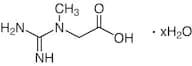
Creatine Hydrate
CAS:Formula:C4H9N3O2·xH2OPurity:>98.0%(T)(HPLC)Color and Shape:White to Almost white powder to crystalMolecular weight:131.14 (as Anhydrous)(R)-3-Aminobutyric Acid
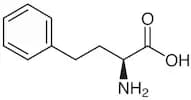
CAS:Formula:C4H9NO2Purity:>98.0%(T)Color and Shape:White to Almost white powder to crystalMolecular weight:103.12L-Homophenylalanine
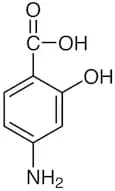
CAS:Formula:C10H13NO2Purity:>98.0%(T)Color and Shape:White to Almost white powder to crystalMolecular weight:179.224-Aminosalicylic Acid
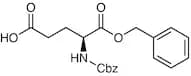
CAS:Formula:C7H7NO3Purity:>98.0%(T)Color and Shape:White to Light gray to Light orange powder to crystalMolecular weight:153.141-Benzyl N-Benzyloxycarbonyl-L-glutamate
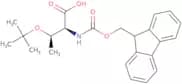
CAS:Formula:C20H21NO6Purity:>98.0%(T)(HPLC)Color and Shape:White to Almost white powder to crystalMolecular weight:371.39Nα-[(9H-Fluoren-9-ylmethoxy)carbonyl]-O-tert-butyl-L-threonine
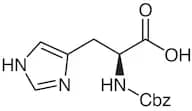
CAS:Formula:C23H27NO5Purity:>98.0%(T)(HPLC)Color and Shape:White to Light yellow powder to crystalMolecular weight:397.47Nα-Carbobenzoxy-L-histidine
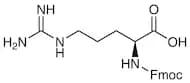
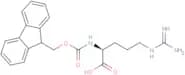
CAS:Formula:C14H15N3O4Purity:>99.0%(T)Color and Shape:White to Almost white powder to crystalMolecular weight:289.29Fmoc-Arg-OH
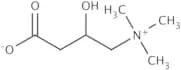
CAS:Formula:C21H24N4O4Purity:>95.0%(T)(HPLC)Color and Shape:White to Light yellow powder to crystalMolecular weight:396.45D-Carnitine
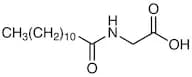
CAS:Formula:C7H15NO3Purity:>95.0%(T)(HPLC)Color and Shape:White to Light yellow powder to crystalMolecular weight:161.20N-Lauroylglycine
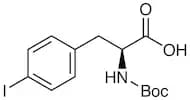
CAS:Formula:C14H27NO3Purity:>98.0%(T)(HPLC)Color and Shape:White to Almost white powder to crystalMolecular weight:257.37Boc-Phe(4-I)-OH
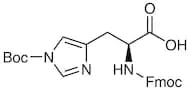
CAS:Formula:C14H18INO4Purity:>98.0%(T)(HPLC)Color and Shape:White to Light yellow powder to crystalMolecular weight:391.21Fmoc-His(Boc)-OH
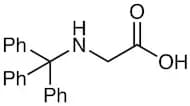
CAS:Formula:C26H27N3O6Purity:>98.0%(T)(HPLC)Color and Shape:White to Light yellow powder to crystalMolecular weight:477.52N-(Triphenylmethyl)glycine
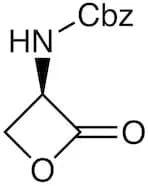
CAS:Formula:C21H19NO2Purity:>98.0%(T)(HPLC)Color and Shape:White to Almost white powder to crystalMolecular weight:317.39N-(Benzyloxycarbonyl)-D-serine-β-lactone
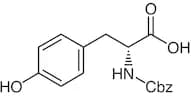
CAS:Formula:C11H11NO4Purity:>98.0%(HPLC)Color and Shape:White to Almost white powder to crystalineMolecular weight:221.21N-Carbobenzoxy-D-tyrosine
CAS:Formula:C17H17NO5Purity:>98.0%(T)(HPLC)Color and Shape:White to Light yellow powder to crystalMolecular weight:315.33N-Acetyl-DL-methionine
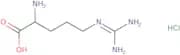
CAS:Formula:C7H13NO3SPurity:>98.0%(T)Color and Shape:White to Almost white powder to crystalMolecular weight:191.25L-Argininamide Dihydrochloride [for Protein Research]
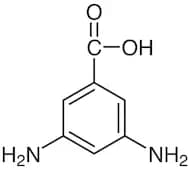
CAS:Formula:C6H15N5O·2HClPurity:>95.0%(HPLC)Color and Shape:White to Light yellow powder to crystalMolecular weight:246.143,5-Diaminobenzoic Acid
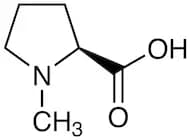
CAS:Formula:C7H8N2O2Purity:>98.0%(T)(HPLC)Color and Shape:White to Amber to Dark green powder to crystalMolecular weight:152.15N-Me-Pro-OH
CAS:Formula:C6H11NO2Purity:>95.0%(T)(HPLC)Color and Shape:White to Light yellow powder to crystalMolecular weight:129.162-Acetamido-N-methylacetamide
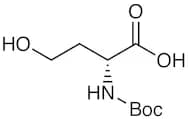
CAS:Formula:C5H10N2O2Purity:>95.0%(GC)Color and Shape:White to Light yellow powder to crystalMolecular weight:130.15(tert-Butoxycarbonyl)-D-homoserine
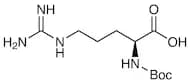
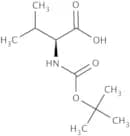
CAS:Formula:C9H17NO5Purity:>95.0%(T)(HPLC)Color and Shape:White to Almost white powder to crystalMolecular weight:219.24Boc-Arg-OH
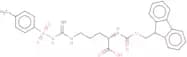
CAS:Formula:C11H22N4O4Purity:>98.0%(HPLC)Color and Shape:White to Light yellow powder to crystalMolecular weight:274.32FMoc-Arg(Tos)-OH
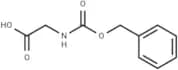
CAS:<p>FMoc-Arg(Tos)-OH: Synthetic amino acid for solid-phase peptide synthesis, biochemistry, and molecular biology.</p>Formula:C28H30N4O6SPurity:98.85%Color and Shape:SolidMolecular weight:550.63Z-Glycine
CAS:<p>N-Benzyloxycarbonylglycine is a lipid-like drug designed for enhanced brain penetration.</p>Formula:C10H11NO4Purity:99.88%Color and Shape:Slightly Beige PowderMolecular weight:209.2O-Succinylhomoserine
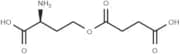
CAS:<p>O-Succinylhomoserine (O-Succinyl-L-homoserine) is an intermediate in the synthesis of cystathionine by E coli..</p>Formula:C8H13NO6Purity:≥98%Color and Shape:SolidMolecular weight:219.19L-Tyrosine methyl ester
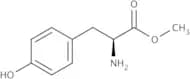
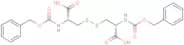
CAS:Formula:C10H13NO3Purity:≥ 98.0%Color and Shape:White to almost white powderMolecular weight:195.22L-Cystine dimethyl ester dihydrochloride
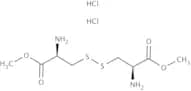
CAS:Formula:C8H16N2O4S2·2HClPurity:≥ 97.0%Color and Shape:White to off-white powderMolecular weight:341.28N-Carbobenzyloxy-L-glutamic acid O-benzyl ester
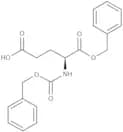
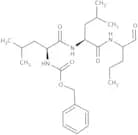
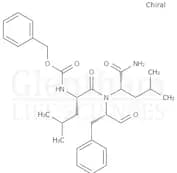
CAS:Formula:C20H21NO6Purity:≥ 98.0%Color and Shape:White to almost white crystalline powderMolecular weight:371.38Z-Leu-Leu-Norvalinal
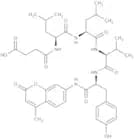
CAS:Formula:C25H39N3O5Purity:≥ 95.0%Color and Shape:White solidMolecular weight:461.59N-Succinyl-Leu-Leu-Val-Tyr-7-Amido-4-Methylcoumarin
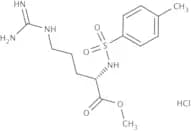
CAS:Formula:C40H53N5O10Purity:≥ 95.0%Color and Shape:White to off-white powderMolecular weight:763.89TAME Hydrochloride
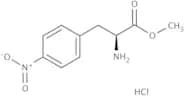
CAS:Formula:C14H22N4O4S·HClPurity:≥ 98.0%Color and Shape:White to almost white powderMolecular weight:378.87(S)-(+)-4-Nitrophenylalanine methyl ester hydrochloride
CAS:Formula:C10H12N2O4·HClPurity:≥ 97.0%Color and Shape:White to off-white or pale yellow powderMolecular weight:260.68Ethionine
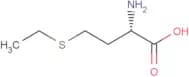
CAS:<p>Ethionine (NSC-82393) is an antimetabolite and methionine antagonist. It also produces liver neoplasms.</p>Formula:C6H13NO2SPurity:99.28% - ≥95%Color and Shape:Crystals White SolidMolecular weight:163.24L-Glutamic acid γ-ethyl ester
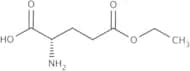
CAS:Formula:C7H13NO4Purity:≥ 98.0%Color and Shape:White to almost white powderMolecular weight:175.18(L)-Canavanine
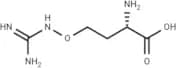
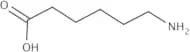
CAS:<p>(L)-Canavanine is antimutagenic activity.</p>Formula:C5H12N4O3Color and Shape:SolidMolecular weight:176.176-Aminohexanoic acid, USP grade
CAS:Formula:C6H13NO2Purity:98.5 - 101.5 % (anhydrous basis)Color and Shape:White crystalline powder or colourless crystalsMolecular weight:131.18Z-Pyr-OH
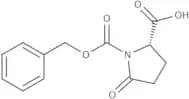
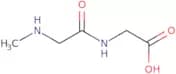
CAS:Formula:C13H13NO5Purity:(Titration) ≥ 98.0%Color and Shape:White or almost white powderMolecular weight:263.25Glycylsarcosine
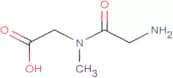
CAS:<p>Glycylsarcosine (GLYCYL-SARCOSINE) is a dipeptide obtained by formal condensation of the carboxy group of glycine with the amino group of sarcosine</p>Formula:C5H10N2O3Purity:98.47%Color and Shape:SolidMolecular weight:146.14Boc-D-Glu-OBzl
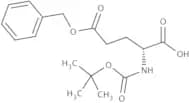
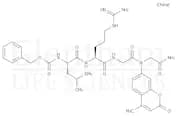
CAS:Formula:C17H23NO6Purity:(Titration) ≥ 98.0%Color and Shape:White to almost white powder or crystalsMolecular weight:337.37Z-Leu-Leu-Glu-AMC
CAS:Formula:C35H44N4O9Purity:≥ 95.0%Color and Shape:White to off-white lyophilized powderMolecular weight:664.8N-Methyl-D-aspartic acid
CAS:Formula:C5H9NO4Purity:≥ 98.0%Color and Shape:White powderMolecular weight:147.13S-Benzyl-L-cysteine
CAS:Formula:C10H13NO2SPurity:≥ 98.0%Color and Shape:White to off-white crystalline powderMolecular weight:211.28L-Carnitine, USP grade
CAS:Formula:C7H15NO3Purity:D-carnitine: ≤ 0.2%Color and Shape:White crystalline powderMolecular weight:161.20N-Phenylglycine
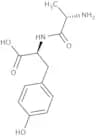
CAS:Formula:C8H9NO2Purity:≥ 98.0%Color and Shape:White to off-white crystalline powderMolecular weight:151.17Ala-Tyr
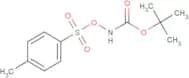
CAS:Formula:C12H16N2O4Purity:(Titration) ≥ 98.0% (dried basis)Color and Shape:White to almost white powder or crystalsMolecular weight:252.27N-Boc-O-tosyl hydroxylamine
CAS:<p>N-Boc-O-tosyl hydroxylamine is nitrogen source for the N-amination of aryl and alkyl amines.</p>Formula:C12H17NO5SPurity:99.93%Color and Shape:SolidMolecular weight:287.33Fmoc-Ser(O-α-D-GalNAc(OAc)3)-OH
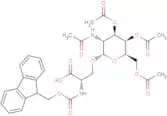
CAS:<p>Fmoc-Ser(O-α-D-GalNAc(OAc)3)-OH (Fmoc-Ser(Ac3AcNH-α-Gal)-OH) is an anti-tumor drug</p>Formula:C32H36N2O13Purity:98% - ≥98%Color and Shape:SolidMolecular weight:656.63Boc-Leu-Arg-Arg-AMC
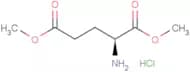
CAS:Formula:C33H52N10O7·C2H4O2Purity:≥ 98.0%Color and Shape:White lyophilised powderMolecular weight:760.9Dimethyl DL-Glutamate (hydrochloride)
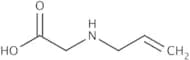
CAS:<p>Dimethyl DL-glutamate boosts insulin release in response to glucose.</p>Formula:C7H14ClNO4Purity:≥95%Color and Shape:SolidMolecular weight:211.64D-Allylglycin
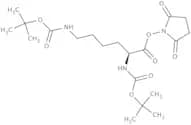
CAS:Formula:C5H9NO2Purity:≥ 98.0%Color and Shape:White to almost white powderMolecular weight:115.13Boc-Lys(Boc)-OSu
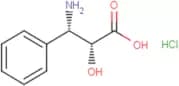
CAS:Formula:C20H33N3O8Purity:(HPLC) ≥ 97.0%Color and Shape:White or almost white powderMolecular weight:443.49(2R,3S)-3-Phenylisoserine hydrochloride
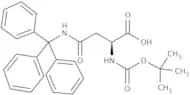
CAS:<p>"(2R,3S)-3-Phenylisoserine hydrochloride serves as a pharmaceutical intermediate."</p>Formula:C9H12ClNO3Purity:≥95%Color and Shape:SolidMolecular weight:217.65Boc-Asn(Trt)-OH
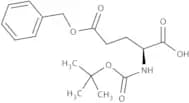
CAS:Formula:C28H30N2O5Purity:≥ 98.0%Color and Shape:White to off-white powderMolecular weight:474.55Boc-Glu(OBzl)-OH
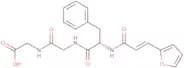
CAS:Formula:C17H23NO6Purity:(Titration) ≥ 98.0%Color and Shape:White to almost white powder or crystalsMolecular weight:337.37N-[3-(2-Furyl)acryloyl]-Phe-Gly-Gly, 97%
CAS:Formula:C20H21N3O6Purity:(HPLC) ≥ 97.0%Color and Shape:White to off-white powderMolecular weight:399.40L-Pyroglutamic acid β-naphthylamide
CAS:Formula:C15H14N2O2Purity:≥ 99.0%Color and Shape:White to off-white powderMolecular weight:254.28Oxaceprol
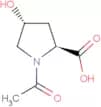
CAS:<p>Oxaceprol (N-Acetyl-L-hydroxyproline) is an established therapeutic agent for osteoarthritis.</p>Formula:C7H11NO4Purity:99.21%Color and Shape:White Fine CrystalsMolecular weight:173.17Glycine benzyl ester hydrochloride
CAS:Formula:C9H11NO2·HClPurity:≥ 98.0%Color and Shape:White powderMolecular weight:201.65BSBM7
CAS:<p>BSBM7 is an inhibitor of Aβ aggregation and neuronal toxicity.</p>Formula:C22H24N2O8S2Purity:97.27%Color and Shape:SolidMolecular weight:508.56L-β-Leucine hydrochloride
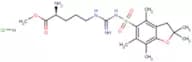
CAS:Formula:C6H13NO2·HClPurity:≥ 98.0%Color and Shape:White to off-white powderMolecular weight:167.63H-Arg(Pbf)-OMe hydrochloride
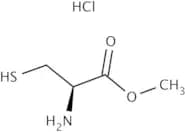
CAS:<p>H-Arg(Pbf)-OMe hydrochloride is an arginine analogue.</p>Formula:C20H33ClN4O5SPurity:99.90%Color and Shape:SolidMolecular weight:477.02L-Cysteine methyl ester hydrochloride
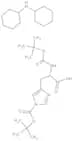
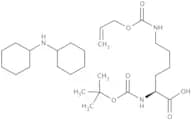
CAS:Formula:C4H9NO2S·HClColor and Shape:White to almost white powder or crystalsMolecular weight:171.65Boc-His(Boc)-OH dicyclohexylammonium salt
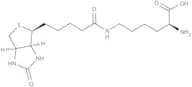
CAS:Formula:C16H25N3O6·C12H23NPurity:≥ 98%Color and Shape:White to off-white or pale beige powderMolecular weight:536.70Biocytin
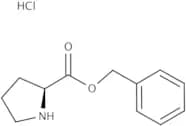
CAS:Formula:C16H28N4O4SPurity:≥ 98.0%Color and Shape:White to off-white powderMolecular weight:372.48L-Proline benzyl ester hydrochloride
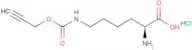
CAS:Formula:C12H15NO2·HClPurity:≥ 98.0%Color and Shape:White to off-white powderMolecular weight:241.72H-L-Lys(Poc)-OH HCl
CAS:<p>N-ε-propargyloxycarbonyl-L-lysine hydrochloride (N6-((Prop-2-yn-1-yloxy)carbonyl)-L-lysine hydrochloride) is a modified amino acid for cancer therapy</p>Formula:C10H17ClN2O4Purity:99.79% - 99.93%Color and Shape:SolidMolecular weight:264.71N-Acetyl-L-phenylalanine
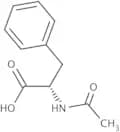
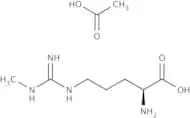
CAS:Formula:C11H13NO3Purity:98.5 - 101.5 %Color and Shape:White or almost white powder or crystalsMolecular weight:207.23NG-Methyl-L-arginine acetate salt
CAS:Formula:C9H20N4O4Purity:≥ 99%Color and Shape:White or off-white powderMolecular weight:248.28NSC-226572
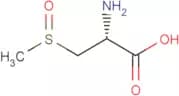
CAS:<p>NSC-226572, a synthetic alliin analog from cruciferous veggies, turns into thiosulfinate via alliinase.</p>Formula:C4H9NO3SPurity:99.48%Color and Shape:SolidMolecular weight:151.183-Guanidinopropionic acid
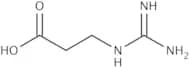
CAS:Formula:C4H9N3O2Purity:≥ 99.0%Color and Shape:White to almost white crystalline powderMolecular weight:131.13Ethionamide
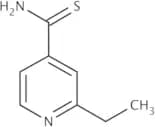
CAS:Formula:C8H10N2SPurity:98.0 - 102.0 % (anhydrous basis)Color and Shape:Yellow crystalline powderMolecular weight:166.24Z-Tyr(tBu)-OH dicyclohexylammonium salt
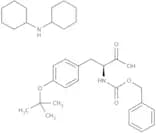
CAS:Formula:C21H25NO5·C12H23NPurity:≥ 98.5%Color and Shape:White powderMolecular weight:552.74Fmoc-Phe(4-CN)-OH
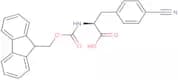
CAS:<p>Fmoc-Phe(4-CN)-OH is an N-Fmoc protected phenylalanine derivative and potentially useful synthetic intermediate</p>Formula:C25H20N2O4Purity:99.45%Color and Shape:White PowderMolecular weight:412.44Fmoc-D-Pro-OH
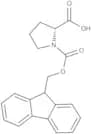
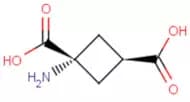
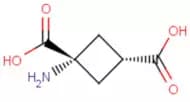
CAS:Formula:C20H19NO4Purity:≥ 99.0%Color and Shape:White or almost white powderMolecular weight:337.38Cis-ACBD
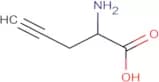
CAS:<p>Cis-ACBD (cis-1-aminocyclobutane-1,3-dicarboxylic acid) is a potent and selective N-methyl-D-aspartate receptor agonist.</p>Formula:C6H9NO4Purity:99.77%Color and Shape:SolidMolecular weight:159.14L-Propargylglycine
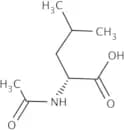
CAS:<p>L-Propargylglycine ((S)-Propargylglycine) is an inhibitor of the enzyme.</p>Formula:C5H7NO2Purity:99.63% - 99.83%Color and Shape:White Crystalline PowderMolecular weight:113.11N-Acetyl-D-leucine
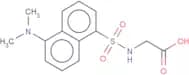
CAS:Formula:C8H15NO3Purity:≥ 98.0%Color and Shape:White or almost white powderMolecular weight:173.21Dansylglycine
CAS:<p>Dansylglycine is a fluorescent probe for specific determination of halogenating activity of myeloperoxidase and eosinophil peroxidase[1].</p>Formula:C14H16N2O4SPurity:99.1%Color and Shape:SolidMolecular weight:308.35Trans-ACBD
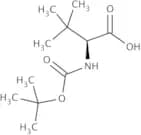
CAS:<p>Trans-ACBD (Trans-1-aminocyclobutane-1,3-dicarboxylic acid) is an effective and specific N-methyl-D-aspartate receptor agonist.</p>Formula:C6H9NO4Purity:99.47%Color and Shape:SolidMolecular weight:159.14Boc-Tle-OH
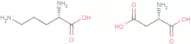
CAS:Formula:C11H21NO4Purity:≥ 98.0%Color and Shape:White to off-white powderMolecular weight:231.29L-Ornithine L-aspartate
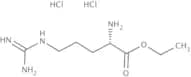
CAS:<p>L-Ornithine L-aspartate reduces blood ammonia and treats hepatic encephalopathy in liver cirrhosis.</p>Formula:C9H19N3O6Purity:99.92%Color and Shape:White PowderMolecular weight:265.26L-Arginine ethyl ester dihydrochloride
CAS:Formula:C8H18N4O2·2HClPurity:≥ 98.0%Color and Shape:White powderMolecular weight:275.18Z-D-Glu-OBzl
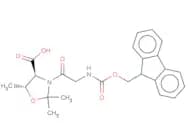
CAS:Formula:C20H21NO6Purity:(HPLC) ≥ 98.0%Color and Shape:White to almost white powder or crystalsMolecular weight:371.39Fmoc-Gly-Thr(psi(Me,Me)pro)-OH
CAS:<p>Fmoc-Gly-Thr(psi(Me,Me)pro)-OH is a polypeptide composed of two amino acids.</p>Formula:C24H26N2O6Purity:97.35%Color and Shape:SolidMolecular weight:438.47Carbobenzoxyphenylalanine
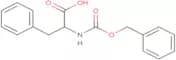
CAS:<p>Carbobenzoxyphenylalanine (NSC-402059) is a thermolysin inhibitor.</p>Formula:C17H17NO4Purity:99.71%Color and Shape:White Amorphous PowderMolecular weight:299.32Cyclo(Phe-Pro)
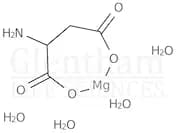
CAS:<p>Cyclo(Phe-Pro) (A-64863) known as a secondary metabolite of some bacteria and fungi, is also produced by Vibrio vulnificus.</p>Formula:C14H16N2O2Purity:98.27%Color and Shape:SolidMolecular weight:244.29DL-Aspartic acid magnesium salt tetrahydrate
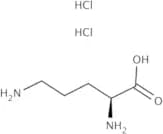
CAS:Formula:C4H5MgNO4·4H2OPurity:(Titration) 98.0 - 102.0 %Color and Shape:White crystalline powder or crystalsMolecular weight:360.56L-Ornithine dihydrochloride
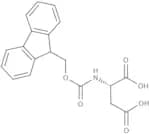
CAS:Formula:C5H12N2O2·2HClPurity:≥ 98.0%Color and Shape:White to almost white powder or crystalsMolecular weight:205.08Fmoc-Arg-OH
CAS:<p>Fmoc-Arg-OH (Fmoc-L-Arginine) (Fmoc-L-Arginine) is a used in peptide synthesis.</p>Formula:C21H24N4O4Purity:>99.99%Color and Shape:White SolidMolecular weight:396.44Ac-Arg-Leu-Arg-AMC
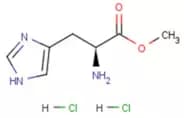
CAS:Formula:C30H46N10O6·C2HF3O2Purity:≥ 97.0%Color and Shape:White to off-white powder or solidMolecular weight:756.8Methyl L-histidinate dihydrochloride
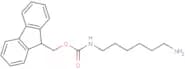
CAS:<p>The inhibitory effect of Methyl L-histidinate dihydrochloride (L-Histidine methyl ester dihydrochloride) on histidine decarboxylase in Sprague-Dawley rat</p>Formula:C7H13Cl2N3O2Purity:99.74%Color and Shape:White To Off-White PowderMolecular weight:242.1Fmoc-1,6-diaminohexane
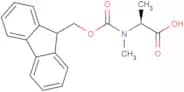
CAS:<p>Fmoc-1,6-diaminohexane has the potential for Alzheimer's disease and cancer treatment.Fmoc-1,6-diaminohexane is an analog of Osw-1.</p>Formula:C21H26N2O2Purity:98%Color and Shape:SolidMolecular weight:338.44Fmoc-N-Me-Ala-OH
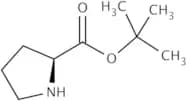
CAS:<p>Fmoc-N-Me-Ala-OH is available for the peptide-coupling reaction.</p>Formula:C19H19NO4Purity:99.45%Color and Shape:Cream-Colored PowderMolecular weight:325.36L-Proline tert-butyl ester
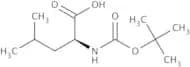
CAS:Formula:C9H17NO2Purity:≥ 98.0%Color and Shape:Clear, colourless liquidMolecular weight:171.2BOC-Leu-OH monohydrate
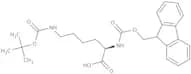
CAS:Formula:C11H21NO4·H2OPurity:≥ 98.0%Color and Shape:White to almost white powder or crystalsMolecular weight:249.31Fmoc-D-Lys(Boc)-OH
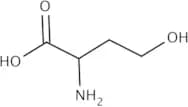
CAS:Formula:C26H32N2O6Purity:≥ 98.0%Color and Shape:White to almost white powder or crystalsMolecular weight:468.54DL-Homoserine
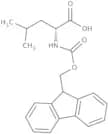
CAS:Formula:C4H9NO3Purity:(Titration) ≥ 98.5%Color and Shape:White to off-white powderMolecular weight:119.12Fmoc-D-Leu-OH
CAS:Formula:C21H23NO4Purity:≥ 99.0%Color and Shape:White to almost white powder or crystalsMolecular weight:353.423,5-Diiodo-L-tyrosine hydrate
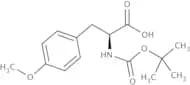
CAS:Formula:C9H9I2NO3·xH2OPurity:≥ 98.0%Color and Shape:Off-white to pale yellow-beige powderMolecular weight:432.98 (anhydrous)Boc-Tyr(Me)-OH
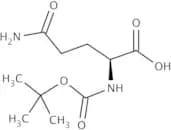
CAS:Formula:C15H21NO5Purity:≥ 98.0%Color and Shape:White to off-white powderMolecular weight:295.33Boc-Gln-OH
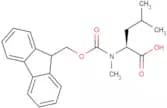
CAS:Formula:C10H18N2O5Purity:(Titration) ≥ 98.0%Color and Shape:White to almost powder or crystalsMolecular weight:246.26Fmoc-N-Me-Leu-OH
CAS:<p>Fmoc-N-Me-Leu-OH is available for the peptide-coupling reaction.</p>Formula:C22H25NO4Purity:99.51%Color and Shape:White PowderMolecular weight:367.443,5-Diiodo-L-thyronine
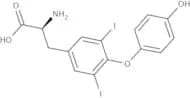
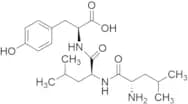
CAS:Formula:C15H13I2NO4Purity:≥ 97.0% (dried basis)Color and Shape:White to off-white or faint yellow powder or crystalsMolecular weight:525.08H-Leu-Leu-Tyr-OH
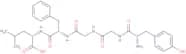
CAS:Controlled Product<p>Applications H-Leu-Leu-Tyr-OH (CAS# 20368-24-5) is a useful research chemical compound.<br></p>Formula:C21H33N3O5Color and Shape:NeatMolecular weight:407.504Sex Pheromone Inhibitor iPD1 Trifluoroacetate Salt
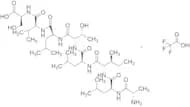
CAS:Controlled Product<p>Applications Sex Pheromone Inhibitor iPD1 trifluoroacetate salt H-Ala-Leu-Ile-Leu-Thr-Leu-Val-Ser-OH trifluoroacetate salt (CAS# 120116-56-5) is a useful research chemical compound.<br></p>Formula:C39H72N8O11·C2HF3O2Color and Shape:NeatMolecular weight:943.059H-β-Ala-pNA HBr
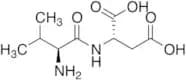
CAS:Controlled ProductFormula:C9H11N3O3·HBrColor and Shape:NeatMolecular weight:290.114H-Val-Asp-OH
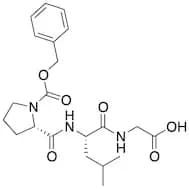
CAS:Controlled Product<p>Applications H-VAL-ASP-OH (cas# 20556-16-5) is a useful research chemical.<br></p>Formula:C9H16N2O5Color and Shape:NeatMolecular weight:232.23Z-Pro-Leu-Gly-OH
CAS:Controlled Product<p>Applications Z-Pro-Leu-Gly-OH (CAS# 7801-38-9) is a useful research chemical compound.<br></p>Formula:C21H29N3O6Color and Shape:NeatMolecular weight:419.471H-D-Ala-D-Leu-OH TFA Salt
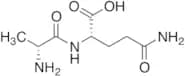
CAS:Controlled Product<p>Applications H-D-Ala-D-Leu-OH (cas# 67392-69-2) is a useful research chemical.<br></p>Formula:C9H18N2O3·C2HF3O2Color and Shape:NeatMolecular weight:316.274H-Ala-Asp-OH
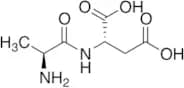
CAS:Controlled Product<p>Stability Hygroscopic<br>Applications H-ALA-ASP-OH (cas# 20727-65-5) is a useful research chemical.<br></p>Formula:C7H12N2O5Color and Shape:NeatMolecular weight:204.18D-Alanine amide hydrochloride
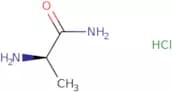
CAS:<p>D-Alanine amide hydrochloride is a molecule that belongs to the class of organic solvents. It is a chiral compound with high specificity for d-alanine. D-Alanine amide hydrochloride has been shown to block bacterial strains such as Acinetobacter, Ochrobactrum and Stenotrophomonas maltophilia. This drug also inhibits the growth of bacteria by binding to the active site of enzymes, preventing them from catalyzing reactions. The stereoselectivity of this drug is due to its pharmacophore that mimics the three amino acids found in d-alanine: an amide, an aliphatic chain, and a hydroxyl group.</p>Formula:C3H8N2O·HClColor and Shape:White Off-White PowderMolecular weight:124.57 g/molLys(Boc)-OtBu,HCl
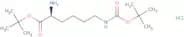
CAS:<p>Lys(Boc)-OtBu,HCl is a versatile building block and research chemical that can be used for the synthesis of complex compounds. This compound is a useful intermediate and reaction component in organic chemistry. It is also a reagent that can be used to synthesize high-quality chemical products.</p>Formula:C15H30N2O4·HClPurity:Min. 95%Color and Shape:White PowderMolecular weight:338.87 g/molL-Valine
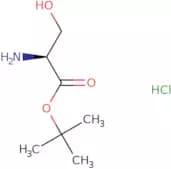
CAS:<p>Amino acid</p>Formula:C5H11NO2Purity:min 98%Color and Shape:White PowderMolecular weight:117.15 g/molL-Serine tert-butyl ester hydrochloride
CAS:<p>L-Serine tert-butyl ester hydrochloride is a conditionally catalytic reagent that is used to synthesize aromatic compounds. It is an effective catalyst for toluene hydroxylation, and can be used in the synthesis of L-serine from serine. The tert-butyl group on the molecule prevents side reactions by sterically hindering other molecules from reacting with the reagent.</p>Formula:C7H15O3N·HClPurity:Area-% Min. 95 Area-%Color and Shape:White PowderMolecular weight:197.66 g/molSar-Gly-OH
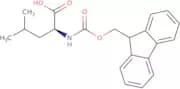
CAS:<p>Sar-Gly-OH is a high quality, reagent chemical that is a useful intermediate in the production of complex compounds. It has CAS No. 38082-72-3 and can be used as a fine chemical, speciality chemical, or research chemical. Sar-Gly-OH is also a versatile building block that can be used in the production of many different types of compounds. It has been shown to be an important reaction component in the synthesis of several types of pharmaceuticals and other organic materials.</p>Formula:C5H10N2O3Purity:Min. 95%Color and Shape:PowderMolecular weight:146.14 g/molFmoc-Leu-OH
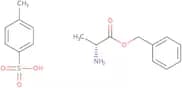
CAS:<p>Fmoc-Leu-OH is a fatty acid that contains a hydroxyl group. It is used in the synthesis of polymer drugs, especially sodium salt polymers. The activity of Fmoc-Leu-OH can be reversed with degarelix acetate, an irreversible inhibitor of ns3 protease. In addition to its use as an antidiabetic agent, Fmoc-Leu-OH has been shown to have immunomodulatory effects and antiinflammatory activity. In tumor treatment, Fmoc-Leu-OH has been shown to inhibit the growth of fat cells without affecting normal cells or causing any toxic side effects.</p>Formula:C21H23NO4Purity:Min. 98 Area-%Color and Shape:White PowderMolecular weight:353.41 g/molD-Alanine benzyl ester p-toluenesulfonate salt
CAS:<p>D-Alanine benzyl ester p-toluenesulfonate salt is a fine chemical that is used in research and development. It is a versatile building block that can be used as an intermediate or a reaction component. D-Alanine benzyl ester p-toluenesulfonate salt has been shown to have high quality, which makes it useful for the production of complex compounds. This compound can be used as a speciality chemical or as a reagent in research.</p>Formula:C10H13NO2·C7H8O3SPurity:Min. 95%Color and Shape:PowderMolecular weight:351.42 g/molFmoc-Thr(tBu)-Ser-OH
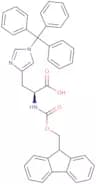
<p>Fmoc-Thr(tBu)-Ser-OH is a building block that is often used in organic synthesis as a reagent or scaffold. It can be used in the synthesis of complex compounds, such as peptides and proteins. Fmoc-Thr(tBu)-Ser-OH has been shown to be useful in the preparation of high quality reagents and research chemicals. This chemical can also be used as an intermediate for the synthesis of other compounds, such as pharmaceuticals and pesticides. Fmoc-Thr(tBu)-Ser-OH is soluble in organic solvents, which makes it versatile for use in a wide variety of reactions. Fmoc-Thr(tBu)-Ser-OH has a CAS number that can be found by searching on the Chemical Abstract Services website (CAS).</p>Formula:C26H32N2O7Purity:Min. 95%Color and Shape:PowderMolecular weight:484.54 g/molFmoc-His(Trt)-OH
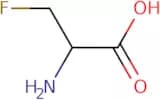
CAS:<p>Fmoc-His(Trt)-OH is an amino acid with the chemical formula HOOC-CH2-CH2-N(CH3)2. It has broad-spectrum antimicrobial activity and can be used as a chemosensor for trifluoroacetic acid. Fmoc-His(Trt)-OH also showed anticancer activity, which may be due to its ability to inhibit protein synthesis in cancer cells by inhibiting histidine decarboxylase. Fmoc-His(Trt)-OH is synthesized through a chemical reaction using trifluoroacetic acid, which reacts with His and Trt residues on the surface of the resin.</p>Formula:C40H33N3O4Purity:Min. 98 Area-%Color and Shape:White PowderMolecular weight:619.71 g/molβ-Fluoro-DL-alanine
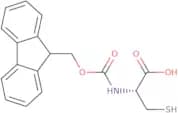
CAS:<p>b-Fluoro-DL-alanine is an amino acid that is synthesized by the asymmetric synthesis of hydrogen fluoride and acetic anhydride. b-Fluoro-DL-alanine has a deuterium isotope effect on the NMR spectra, which can be used to determine the structure of the molecule. It has been found that this amino acid inhibits ribonucleotide reductase activity. The inhibition constant for b-fluoro-DL-alanine is 1.6 mM with a kinetic rate of 0.0012 min−1 M−1, which can be used to compare its inhibitory effect with other chemicals. This chemical also has inhibitory effects on transcriptase polymerase chain and protein synthesis by binding to the A site on RNA polymerase and preventing transcription from occurring.</p>Formula:C3H6FNO2Purity:Min. 95%Color and Shape:PowderMolecular weight:107.08 g/molFmoc-L-cysteine
CAS:<p>Fmoc-L-cysteine is a reactive thiol that can be used for the synthesis of peptides and proteins. Fmoc-L-cysteine is synthesized by hydrothiolation of L-cysteine with 3-mercaptopropionic acid, which leads to the formation of a disulfide bond. The reaction product is purified by column chromatography and analyzed by NMR spectroscopy. Fmoc-L-cysteine has been shown to have efficient prenylation activity in vitro and in cell culture experiments. It has also been shown to be an important amino acid for the formation of amyloid protein aggregates, as well as being involved with other helical peptides in plants. X-ray crystal structures have been determined for Fmoc-L-cysteine bound to monoclonal antibodies.</p>Formula:C18H17NO4SPurity:Min. 98 Area-%Color and Shape:PowderMolecular weight:343.4 g/molFmoc-Gly-OH
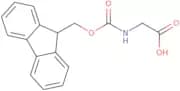
CAS:<p>Fmoc-Gly-OH is a peptide that has been shown to have anti-inflammatory properties. It inhibits the production of inflammatory cytokines by binding to the receptor for IL-1β on du145 cells, which are prostate cancer cells. The synthesis of Fmoc-Gly-OH is achieved through an ester hydrochloride and amide bond formation. This synthesis method is not efficient and requires high amounts of reagents and solvents. Fmoc-Gly-OH has been shown to be effective in inhibiting the inflammatory response in human serum with a dose of 10 μM, but it does not inhibit inflammation in chronic exposure studies with rats or mice.!--</p>Formula:C17H15NO4Purity:Min. 98 Area-%Color and Shape:White Off-White PowderMolecular weight:297.31 g/molN-Acetyl-L-alanine
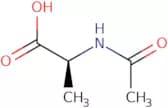
CAS:<p>N-Acetyl-L-alanine is the N-acetylated form of L-alanine and is a nonessential amino acid. It is an amide containing one nitrogen atom and two carbonyl groups. The nitrogen can be found in either the alpha or beta position on the amide. The biological properties of N-acetyl-L-alanine are similar to those of L-alanine, as it is used as a substrate for protein synthesis and has been shown to inhibit p21 and epidermal growth factor. The conformational properties of N-acetyl-L-alanine are different from that of L-alanine due to its changed shape, which may affect its biological activity.</p>Formula:C5H9NO3Purity:Min. 95%Color and Shape:White PowderMolecular weight:131.13 g/molL-Arginine methyl ester dihydrochloride
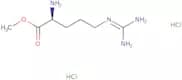
CAS:<p>L-Arginine methyl ester dihydrochloride is a bioactive form of L-arginine, which is an amino acid. L-Arginine methyl ester dihydrochloride has been shown to increase the production of cyclic guanosine monophosphate (cGMP) in mammalian cells. It also causes protein synthesis and cell division in C. neoformans and is a substrate for nitric oxide synthase (NOS). It has been shown to have opioid receptor activity and can act as an alpha-2 adrenergic agonist. L-Arginine methyl ester dihydrochloride can inhibit serine proteases by binding to their active site and preventing them from breaking down proteins such as collagen and elastin.</p>Formula:C7H16N4O2·2HClPurity:Min. 95%Color and Shape:White PowderMolecular weight:261.15 g/mol(2R)-4-Methyl-2-[2-oxo-2-[(phenylmethoxy)amino]ethyl]pentanoic acid
CAS:<p>Please enquire for more information about (2R)-4-Methyl-2-[2-oxo-2-[(phenylmethoxy)amino]ethyl]pentanoic acid including the price, delivery time and more detailed product information at the technical inquiry form on this page</p>Formula:C15H21NO4Molecular weight:279.33 g/molFmoc-Gln(Trt)-OH
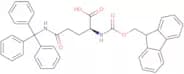
CAS:<p>Fmoc-Gln(Trt)-OH is a synthetic amino acid that contains a hydroxyl group in its side chain. The hydroxyl group of Fmoc-Gln(Trt)-OH can react with other molecules and form conjugates, which leads to impurities in the final product. In the synthesis of Fmoc-Gln(Trt)-OH, the reaction time can affect the efficiency of the synthesis. In order to produce a high concentration of Fmoc-Gln(Trt)-OH, it is necessary to use chromatographic methods for purification. Fmoc-Gln(Trt)-OH has been shown to be beneficial as an anticancer agent due to its ability to inhibit serine proteases.</p>Formula:C39H34N2O5Purity:Min. 98 Area-%Color and Shape:White Off-White PowderMolecular weight:610.7 g/molL-Threonine methyl ester hydrochloride
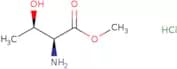
CAS:<p>L-Threonine methyl ester hydrochloride is a synthetic amino acid that has shown efficacy in treating Gram-negative infections. L-Threonine methyl ester hydrochloride is an agonist for the hyaluronic acid receptor and has been demonstrated to be potent in vitro against gram-negative bacteria such as Escherichia coli and Klebsiella pneumoniae. It also exhibits high stereoselectivity, with one enantiomer being more active than the other. L-Threonine methyl ester hydrochloride is currently in clinical development for cancer treatments, as it shows promise for inhibiting tumor growth and inducing apoptosis.</p>Formula:C5H11NO3•HClPurity:Min. 97%Color and Shape:Yellow PowderMolecular weight:169.61 g/mol5-Chloro-DL-tryptophan
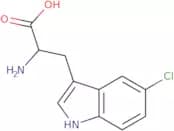
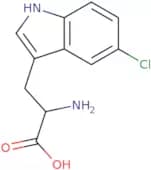
CAS:<p>5-Chloro-DL-tryptophan is an antibiotic that is synthesized from tryptophan. It is used as a precursor for the synthesis of other antibiotics, including 5-chloro-dl-tryptophan and indole. 5-Chloro-DL-tryptophan has been shown to have a significant effect on the synthesis of protein amino acids, such as d-aspartic acid and α-amino acids. The steric properties of 5-chloro-dl-tryptophan are also important in its ability to block protein synthesis. Ozonization can be used to oxidize α,β unsaturated carbonyl compounds found in 5 - chloro - DL - tryptophan.</p>Formula:C11H11ClN2O2Purity:Min. 95%Color and Shape:White PowderMolecular weight:238.67 g/molFmoc-Lys(Boc)-OH
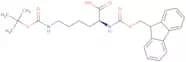
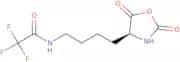
CAS:<p>Fmoc-Lys(Boc)-OH is a synthetic amino acid that has been used to synthesize polypeptides. It is prepared by the reaction of naphthalene, trifluoroacetic acid and copper (II) acetate in an acidic environment. The synthesis of Fmoc-Lys(Boc)-OH involves the use of a high salt and coordination geometry for the copper complex. This amino acid can be used as a cancer drug, because it inhibits NS3 protease, which is an enzyme that promotes tumor growth. Fmoc-Lys(Boc)-OH also binds to carbohydrate receptors on cancer cells and inhibits uptake of these cells by macrophages.</p>Formula:C26H32N2O6Purity:Min. 98 Area-%Color and Shape:White PowderMolecular weight:468.54 g/molN6-Trifluoroacetyl-L-lysine N-carboxyanhydride
CAS:<p>Trifluoroacetyl-L-lysine N-carboxyanhydride is an N6-trifluoroacetylated lysine derivative that is used in the synthesis of peptides. It is a racemic mixture of L and D forms, which is hydrolyzed to form L-glutamic acid, NH4Cl, and CO2. Trifluoroacetyl-L-lyside N-carboxyanhydride has been shown to be useful in the formation of bonds between amino acids, such as lysine and dipeptides. The compound is also used for the protection of lysine against oxidation during peptide synthesis.</p>Formula:C9H11F3N2O4Purity:Min. 95%Color and Shape:White PowderMolecular weight:268.19 g/molPoly ε L-lysine HCl approx MW 4500Da
CAS:<p>Poly epsilon L-lysine HCl is a water soluble, biodegradable, cationic peptide that can be produced via fermentation by Streptomyces albulus. It shows a wide range of antimicrobial activity against microorganisms such as bacteria, yeasts and molds and is stable at high temperatures and under both acidic and alkaline conditions. This non-toxic poly-L-lysine is commonly used as a supplement or preservative in various food, beverage and cosmetics products. It can also be used for microscopy glass slides coating.</p>Formula:(C6H12N2O•HCl)nPurity:Min. 95.0 Area-%Color and Shape:Off-White Yellow PowderL-Seleno-L-methionine
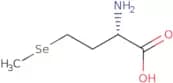
CAS:<p>L-Seleno-L-methionine is a selenium-containing amino acid that is found in the proteins of some plants and animals. It functions as an enzyme cofactor and aids in energy metabolism, protein synthesis, and other biochemical processes. Seleno-L-methionine has been shown to have a protective effect against oxidative damage by scavenging free radicals. It also increases mitochondrial membrane potential and prevents the release of proapoptotic factors from mitochondria into the cytosol. Seleno-L-methionine has been used for analytical purposes as well as to evaluate changes in cell signaling pathways due to chemiluminescence methods or chemical inhibitors. Seleno-L-methionine also has an antioxidant activity that reduces the production of reactive oxygen species (ROS) by reacting with hydroxyl radicals, hydrogen peroxide, nitric oxide, singlet oxygen, and peroxynitrite. Seleno-L-m</p>Formula:C5H11NO2SePurity:(Hplc) Min. 98%Color and Shape:White PowderMolecular weight:196.11 g/molFmoc-Tyr(tBu)-OH
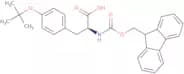
CAS:<p>Fmoc-Tyr(tBu)-OH is an amide that binds to the natriuretic receptor. It has a disulfide bond with a hydroxyapatite, which makes it more stable and inhibits its degradation. Fmoc-Tyr(tBu)-OH is hemolytic in vitro and minimally toxic in vivo at high concentrations. It also has a hydroxyl group, which can be used to synthesize other molecules. Fmoc-Tyr(tBu)-OH also has antimicrobial properties, as it inhibits the growth of bacteria and fungi by binding to cell membranes and disrupting their integrity.br>br> Fmoc-Tyr(tBu)-OH is taken up by cells through sodium/hydrogen antiporter system. This uptake process is mediated by the protein Na+, K+ -ATPase, which provides energy for transport across the membrane.</p>Formula:C28H29NO5Purity:Min. 98 Area-%Color and Shape:White Off-White PowderMolecular weight:459.53 g/molL-Valinol
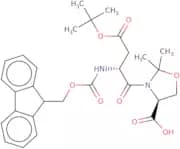
CAS:<p>L-Valinol is a model system that is used to study the reaction of aziridines with oxygen nucleophiles. It has been shown that this reaction proceeds through the formation of an intermediate, hydrogen tartrate, followed by a second step with nitrogen atoms as the nucleophile and alcohol residue as the substrate. The use of L-valinol in asymmetric synthesis was also demonstrated. In this process, amides were obtained with high enantioselectivity by reacting L-valinol with amines in acidic conditions. This synthetic pathway was found to be synergic with other reactions, such as nitroolefination and benzoylation.</p>Formula:C5H13NOPurity:Min. 95%Color and Shape:Solidified MassMolecular weight:103.16 g/molFmoc-D-Asp(OtBu)-L-Ser(Psi(Me,Me)pro)-OH
<p>Fmoc-D-Asp(OtBu)-L-Ser(Psi(Me,Me)pro)-OH is a high quality reagent that can be used as an intermediate in the synthesis of complex compounds. It is a useful building block for the synthesis of speciality chemicals and research chemicals. Fmoc-D-Asp(OtBu)-L-Ser(Psi(Me,Me)pro)-OH is also a versatile building block that can be used to synthesize different types of compounds.</p>Formula:C29H34N2O8Purity:Min. 95%Color and Shape:PowderMolecular weight:538.59 g/molL-Phenylalanine
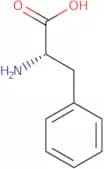
CAS:<p>L-phenylalanine is an amino acid that is naturally present in the human body. It is an essential amino acid, meaning it cannot be synthesized by the body and must be obtained through diet or supplementation. L-Phenylalanine has been shown to inhibit oxidative injury by scavenging reactive oxygen species (ROS) and reducing lipid peroxidation. It also has a protective effect on the intestinal tract by increasing the activity of bowel enzymes and preventing intestinal ulcers. L-Phenylalanine is used in biochemical studies to measure the activities of various enzymes, such as chymotrypsin, aminopeptidase, and carboxypeptidase. L-Phenylalanine can be converted into dopamine and norepinephrine, which are neurotransmitters in the brain that are important for memory, learning, mood regulation, sleep cycles, and other brain functions. L-Phenylalanine toxicity can lead to liver failure</p>Formula:C9H11NO2Color and Shape:White PowderMolecular weight:165.19 g/molDL-Asparagine monohydrate
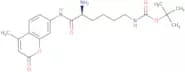
CAS:<p>DL-Asparagine monohydrate is a white crystalline powder that is soluble in water. It has been used as a building block for the synthesis of various compounds and as a reaction component in chemical research.</p>Formula:C4H10N2O4Molecular weight:150.14 g/molH-Lys(Boc)-AMC
CAS:<p>H-Lys(Boc)-AMC is a useful building block for the synthesis of peptides, nucleic acids, and other complex molecules. It is a fine chemical that can be used as a reagent or speciality chemical in research laboratories. H-Lys(Boc)-AMC is also a versatile building block that can be used to synthesize complex compounds and scaffolds. This compound has been assigned CAS number 222037-62-9.</p>Formula:C21H29N3O5Purity:Min. 95%Color and Shape:PowderMolecular weight:403.47 g/molCyclo(L-His-L-Pro)
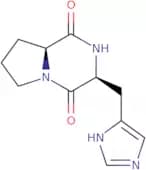
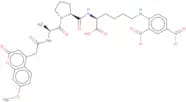
CAS:<p>Cyclo(L-His-L-Pro) is a dipeptide molecule that is part of the thyroid hormone thyrotropin-releasing hormone. It has been shown to have physiological effects on experimental models, such as increased thyrotropin release and decreased calcium levels in cells. Cyclo(L-His-L-Pro) is synthesized by the enzyme prohormone convertase in the cytosol of cells. The cyclic structure of this molecule is due to intermolecular hydrogen bonding between His and Pro residues. This peptide can be metabolized into a number of metabolites, including cyclic, diketopiperazines.</p>Formula:C11H14N4O2Purity:Min. 98 Area-%Color and Shape:PowderMolecular weight:234.25 g/molMca-Ala-Pro-Lys(Dnp)-OH trifluoroacetate salt
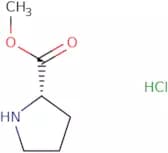
CAS:<p>Mca-Ala-Pro-Lys(Dnp)-OH trifluoroacetate salt is a high quality, versatile, and speciality chemical that is used as an intermediate in the synthesis of complex compounds. Mca-Ala-Pro-Lys(Dnp)-OH trifluoroacetate salt is also a useful scaffold for building block molecules and a versatile building block for peptide synthesis. This compound can be utilized in the manufacture of research chemicals and speciality chemicals.</p>Purity:Min. 98 Area-%Color and Shape:PowderMolecular weight:696.66 g/molL-Proline methyl ester hydrochloride
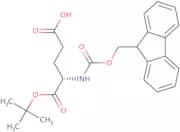
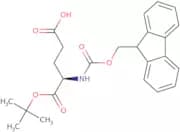
CAS:<p>L-Proline methyl ester hydrochloride is an organic compound that is classified as a trifluoroacetic acid ester. It has significant antiproliferative activity and induces apoptotic cell death in colorectal carcinoma cells. L-Proline methyl ester hydrochloride also inhibits the proliferation of lymphocytes by inhibiting protein synthesis, which may be due to its conformational properties. L-Proline methyl ester hydrochloride is synthesized by reacting L-proline with trifluoroacetic acid and subsequently hydrolyzing the resulting ester with hydrochloric acid. The synthesis can be carried out in two steps: first, a chloride ion is added to the protonated form of the amine; second, the protonated form of the amine reacts with hydrophobic compounds such as dodecyl amines or ethyl acetate to form an alkyl group. This reaction can also be carried out using</p>Formula:C6H12ClNO2Color and Shape:White PowderMolecular weight:165.62 g/molFmoc-L-Glu-OtBu
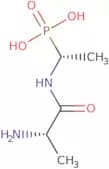
CAS:<p>Fmoc-L-Glu-OtBu is a synthetic ligand that is used as a fluorescent probe in vivo. It has been shown to bind to semaglutide with high affinity, and it can be used to study the function of semaglutide in the cell. Fmoc-L-Glu-OtBu has also been found to have an inhibitory effect on cancer cells. This ligand can be synthesized by solid-phase synthesis and purified by column chromatography. The purity of Fmoc-L-Glu-OtBu is confirmed by elemental analysis, and its impurities are determined by fluorescence spectroscopy. The carboxylate group of Fmoc-L-Glu-OtBu is activated with sulfuric acid to form the corresponding active ester, which can then be conjugated with other molecules.</p>Formula:C24H27NO6Purity:Min. 95%Color and Shape:White PowderMolecular weight:425.47 g/molAlafosfalin
CAS:<p>Antibacterial phosphonopeptide mimic of peptidoglycan dipeptide D-Ala-D-Ala</p>Formula:C5H13N2O4PPurity:Min. 98 Area-%Color and Shape:White PowderMolecular weight:196.14 g/molL-Cysteine ethyl ester hydrochloride
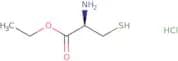
CAS:<p>L-Cysteine ethyl ester HCl is a disulfide bond that is used in the synthesis of proteins. It is also used to prevent hair loss and to treat baldness. L-Cysteine ethyl ester HCl has potent antitumor activity, which may be due to its ability to react with nucleophilic substitutions. In addition, L-Cysteine ethyl ester HCl can induce apoptosis by binding to the apoptosis protein. The reaction mechanism is not well understood but it may involve hydroxide ion and organometallic complexes. L-Cysteine ethyl ester HCl is soluble in water at neutral pH and poorly soluble in ethanol. It hydrolyzes in the presence of acid or base, forming trifluoroacetic acid or sodium hydroxide solution respectively.</p>Formula:C5H11NO2S•HClPurity:Min. 95%Color and Shape:PowderMolecular weight:185.67 g/molN-Acetyl-L-alanine 4-nitroanilide
CAS:<p>N-Acetyl-L-alanine 4-nitroanilide is a drug that belongs to the class of drugs called anticholinergics. It is used to treat various symptoms, such as asthma and other respiratory disorders, chronic obstructive pulmonary disease, emphysema, bronchitis, and other lung diseases. N-Acetyl-L-alanine 4-nitroanilide has been shown to have clinical relevance in the treatment of autoimmune diseases such as rheumatoid arthritis and systemic lupus erythematosus. The drug can also be used to treat clinical studies involving intubation. Drug interactions are possible with cardiac medications and antihistamines. It should not be taken by people who have a body mass index over 30 or those who have a history of cardiac problems or heart disease. The drug also interacts with heparin and nitrates, which can lead to an increased risk of irregular heartbeat or chest pain.</p>Formula:C11H13N3O4Purity:Min. 95%Color and Shape:Off-White PowderMolecular weight:251.24 g/molL-Tyrosine - non-animal origin
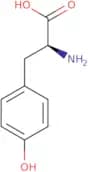
CAS:<p>Amino acid; precursor to neurotransmitters, hormones, pigments, natural phenols</p>Formula:C9H11NO3Color and Shape:White Off-White PowderMolecular weight:181.19 g/mol1-Butanoic acid-2-(O-methyl-L-tyrosine)-1-carbaoxytocin
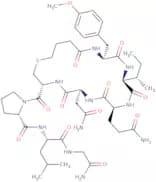
CAS:<p>1-Butanoic acid-2-(O-methyl-L-tyrosine)-1-carbaoxytocin (BMT) is a synthetic analog of oxytocin. Oxytocin is a hormone that is produced in the hypothalamus and released by the pituitary gland to stimulate uterine contractions and milk letdown in mammals. 1-Butanoic acid-2-(O-methyl-L-tyrosine)-1-carbaoxytocin has been shown to bind to the oxytocin receptor and stimulate the release of insulin, which may be useful for treating type 2 diabetes. BMT also stimulates epidermal growth factor (EGF) production and induces skin cell growth. It has been used as an animal health drug for stimulating appetite, increasing weight gain, reducing inflammation, and lowering blood pressure.</p>Formula:C45H69N11O12SPurity:Min. 95%Color and Shape:White PowderMolecular weight:988.16 g/molN-Acetylglycine
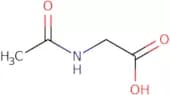
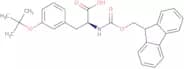
CAS:<p>N-Acetylglycine is an amide, which is a molecule with both a carboxylate and hydroxyl group. It belongs to the class of antimicrobial agents and has been shown to inhibit the growth of bacteria by inhibiting synthesis of folic acid and other metabolites. N-Acetylglycine also inhibits the formation of terminal residues from amino acids. The analytical method for this compound is based on the reaction between n-acetylglycine and hydrogen chloride in methanol. This produces picolinic acid, which can be detected using ultraviolet spectroscopy at a wavelength of 325 nm.</p>Formula:C4H7NO3Purity:Min. 95%Color and Shape:White PowderMolecular weight:117.1 g/molFmoc-L-m-Tyrosine(tBu)-OH
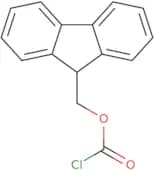
CAS:<p>Fmoc-L-m-Tyrosine is a reagent that is used in organic synthesis. It is a complex compound that can be synthesized from m-tyrosine and t-butyl bromoacetate. Fmoc-L-m-Tyrosine is also a useful intermediate for the preparation of other compounds, such as pharmaceuticals and agrochemicals. It has been shown to be a fine chemical that has a wide range of applications in the field of biotechnology and pharmaceuticals. Fmoc-L-m Tyrosine is also a versatile building block with many possible reactions, making it an excellent candidate for research chemicals, including speciality chemicals. The CAS number for this compound is 204384-71-4 and it's molecular weight is 262.3 g/mol.br></p>Formula:C28H29NO5Purity:Min. 97 Area-%Color and Shape:Off-White PowderMolecular weight:459.53 g/molFmoc-Cl
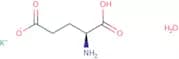
CAS:<p>Fmoc-Cl is a fluorescent derivative that can be used as an analytical method for amino acids in human serum. This reagent is synthesized from chloroformate and derivatization of the amino acid with polymyxin B. Fmoc-Cl reacts with amino acids, producing a fluorescent molecule. The reaction solution can be applied to human serum to determine the concentration of various types of amino acids in the sample. The main matrix effect comes from the presence of human serum proteins, which have been shown to interfere with the measurement of some amino acid concentrations. Fmoc-Cl has also been studied as a potential therapeutic agent for autoimmune diseases, such as multiple sclerosis, lupus erythematosus, and rheumatoid arthritis. It has been shown that Fmoc-Cl inhibits complex enzymes and can reduce levels of certain inflammatory markers in animal models.</p>Formula:C15H11ClO2Purity:Min. 95%Color and Shape:White PowderMolecular weight:258.7 g/molL-Glutamic acid monopotassium salt monohydrate
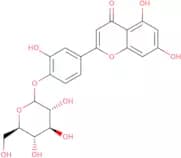
CAS:<p>Amino acid; neurotransmitter; flavor enhancer</p>Formula:C5H8KNO4·H2OColor and Shape:White PowderMolecular weight:203.23 g/molLuteolin-4'-O-glucoside
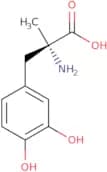
CAS:<p>Luteolin-4'-O-glucoside is a flavonol glycoside that is found in plants such as licorice, celery, and parsley. Luteolin-4'-O-glucoside has been shown to inhibit the growth of Coccidioides neoformans by binding to the cell membrane surface and blocking the synthesis of phospholipids. It also inhibits cancer cells in culture by reducing their viability. The structural analysis of luteolin-4'-O-glucoside revealed an hydroxyl group on its aromatic ring, which may be responsible for its anti-inflammatory effects. Luteolin-4'-O-glucoside has been shown to be effective against inflammatory diseases, such as rheumatoid arthritis and asthma, and may also have a protective effect against certain types of cancer, such as cervical cancer. Luteolin-4'-O-glucoside has also been shown to</p>Formula:C21H20O11Purity:Min. 95%Color and Shape:PowderMolecular weight:448.38 g/mol3-(3,4-Dihydroxyphenyl)-2-methyl-L-alanine sesquihydrate
CAS:<p>3-(3,4-Dihydroxyphenyl)-2-methyl-L-alanine sesquihydrate is a biological sample that is an active inhibitor of the enzyme methyldopa. This compound has been shown to reduce blood pressure in rats and humans by blocking the α7 nicotinic acetylcholine receptor. 3-(3,4-Dihydroxyphenyl)-2-methyl-L-alanine sesquihydrate is also a polymer composition that has been shown to be toxic in animal studies. The toxicity of 3-(3,4-dihydroxyphenyl)-2-methyl-L-alanine sesquihydrate can be attributed to its structural similarity to methyldopa or its ability to act as a receptor agonist.</p>Formula:C10H13NO4•(H2O)1Purity:Min. 95%Molecular weight:238.24 g/molLeu-Enkephalin acetate
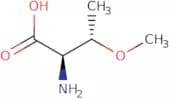
CAS:<p>Leu-Enkephalin is an endogenous opioid peptide that has been shown to produce analgesia, anti-inflammatory effects, and changes in locomotor activity. Leu-enkephalin binds to the kappa opioid receptor, which is found in high concentrations in the caudate putamen and hippocampal formation. The enkephalins are a family of basic proteins with two amino acids linked by a single amide bond. They are peptide hormones that act as neurotransmitters in the central nervous system and peripheral nervous system. Leu-enkephalin is a drug candidate for treatment of infectious diseases such as HIV and malaria. In addition, leu-enkephalin has been shown to have side effect profiles that are less severe than morphine or methadone.</p>Formula:C28H37N5O7·C2H4O2Purity:Min. 95%Color and Shape:PowderMolecular weight:554.64 g/molO-Methyl-D-threonine
CAS:<p>O-Methyl-D-threonine is an amino acid that is biosynthesized from O-methylserine and D-threonine. It belongs to the class of β-lactam antibiotics and inhibits peptidoglycan synthesis by binding to the catalytic site of the enzyme synthase, which is required for the formation of β-lactam rings in peptidoglycan. The crystal structure of O-methylserine has been determined and analyzed. Mutations in the catalytic tripeptide have been shown to affect its activity, as well as protonation state and carboxylate groups.</p>Formula:C5H11NO3Purity:Min. 98 Area-%Color and Shape:White Off-White PowderMolecular weight:133.15 g/molFmoc-D-glu-OtBu
CAS:<p>Fmoc-D-glu-OtBu is an amide that can be used as a screening reagent for the detection of carbohydrate and periplasmic compounds. It has been shown to inhibit hepatitis in humans, which may be due to its ability to bind with muramyl dipeptide. Fmoc-D-glu-OtBu has also been shown to synergize with other vaccines, such as tetanus and escherichia coli surface antigen.</p>Formula:C24H27NO6Purity:Min. 95%Color and Shape:White PowderMolecular weight:425.47 g/molFA-Phe-Gly-Gly-OH
CAS:<p>FA-Phe-Gly-Gly-OH is a peptide with angiotensin II inhibitory properties. It has been shown that FA-Phe-Gly-Gly-OH inhibits the enzyme activity of angiotensin converting enzyme (ACE) and prevents the formation of angiotensin II, which causes blood vessel constriction. The inhibitory effects of FA-Phe-Gly-Gly-OH on ACE are reversible and competitive, which is different from other ACE inhibitors that are irreversible and noncompetitive. This peptide also has antioxidative properties, due to its ability to scavenge reactive oxygen species (ROS). This peptide can be hydrolysed by esterases or proteases in vitro or in vivo.</p>Formula:C20H21N3O6Purity:Min. 95%Color and Shape:White PowderMolecular weight:399.4 g/mol5-Chloro-DL-tryptophan
CAS:<p>5-Chloro-DL-tryptophan is a research chemical that is used as a building block in the synthesis of other chemicals.</p>Formula:C11H11ClN2O2Molecular weight:238.68 g/molFMoc-L-Allylglycine
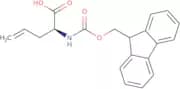
CAS:<p>FMoc-L Allylglycine is a synthetic reactive molecule that binds to the P2Y receptor. It is active in the cell maturation process and stimulates receptor activity. FMoc-L-Allylglycine has been shown to have anticancer properties, as well as an effect on human serum and bovine fetal serum. The nitrogen atoms in FMoc-L-Allylglycine are capable of forming strong bonds with buffers and imprinting agents, which can be used to study biomolecules. The disulfide bond in FMoc-L-Allylglycine can be cleaved with reductive conditions, making it a useful tool for the synthesis of peptides.</p>Formula:C20H19NO4Purity:Min. 95%Color and Shape:White PowderMolecular weight:337.37 g/molL-Histidine monohydrochloride monohydrate
CAS:<p>L-Histidine monohydrochloride monohydrate is a histidine derivative that is used in the treatment of chronic oral and bowel diseases. L-histidine has been shown to activate phospholipase A2, which releases arachidonic acid from phospholipids. Arachidonic acid then reacts with other molecules to form prostaglandins and leukotrienes. L-histidine also inhibits the release of tumor necrosis factor (TNF) by blocking the activity of lipoxygenase, or it can stimulate the production of prostaglandins and leukotrienes that suppress inflammation in animal models. L-histidine monohydrochloride monohydrate has been shown to have an anti-inflammatory effect in animals with inflammatory bowel disease due to its ability to inhibit the production of prostaglandin E2 (PGE2). This drug has also been shown to be capable of neutralizing acidic ph by forming a salt with</p>Formula:C6H9N3O2·HCl·H2OColor and Shape:White PowderMolecular weight:209.63 g/molGlycine ethyl ester hydrochloride
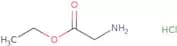
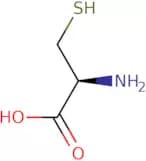
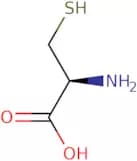
CAS:<p>Used with EDC for carboxyl-foot printing studies of proteins</p>Formula:C4H9NO2•HClPurity:Min. 95%Color and Shape:PowderMolecular weight:139.58 g/molD-Cysteine
CAS:<p>D-Cysteine is the L-cysteine stereoisomer. It has been shown to inhibit the response of nicotinic acetylcholine receptors and toll-like receptor 4, which are proteins that play a role in inflammation. D-Cysteine also inhibits the production of nitric oxide by inhibiting NADPH oxidase. This inhibition leads to decreased inflammation, as well as decreased oxidation of proteins and DNA. D-Cysteine has been shown to be a specific inhibitor of wild type strains of Escherichia coli, but not mutant strains with defects in iron homeostasis. The enzyme activity for d-cysteine is also inhibited by l-cysteine, which may result in drug interactions. D-Cysteine can be found naturally in foods such as garlic, onions, broccoli, and cauliflower.</p>Formula:C3H7NO2SColor and Shape:White PowderMolecular weight:121.16 g/molL-Theanine
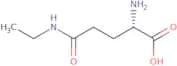
CAS:<p>L-Theanine is an amino acid found in various types of tea and has been shown to have physiological effects. It is also found in the leaves of Camellia sinensis plants. L-Theanine is a nonprotein amino acid that does not have any chiral centers, unlike other amino acids. It is chemically similar to glutamate and glutamine. L-Theanine has been shown to bind to alpha 1-acid glycoprotein and polymerase chain, which may affect its solubility in water. This amino acid also has a number of enzyme activities, including those that produce enzymes for acetylcholine synthesis and metabolism. L-Theanine has been shown to have antioxidant properties and can decrease neuronal death in humans when given intravenously.</p>Formula:C7H14N2O3Purity:Min. 98 Area-%Color and Shape:White PowderMolecular weight:174.2 g/molDL-Arginine hydrochloride
CAS:<p>L-Arginine is a conditionally essential amino acid that is used in the biosynthesis of proteins. It has been shown to inhibit the activity of specific enzymes, such as casein kinase II and phospholipase A2, which are involved in cellular processes. L-Arginine has been found to be beneficial for patients with type 2 diabetes mellitus who have poor glucose homeostasis and renal dysfunction. L-Arginine also enhances uptake of cationic surfactants by cells. L-Arginine HCl is an inorganic acid that may be used for pharmacokinetic studies in humans or animals.</p>Formula:C6H14N4O2•(HCl)xPurity:Min. 95%Color and Shape:PowderMolecular weight:174.2 g/molD-Cysteine
CAS:<p>D-Cysteine is a versatile building block for the synthesis of complex compounds and peptides.</p>Formula:C3H7NO2SMolecular weight:121.16 g/molFmoc-D-Val-OH
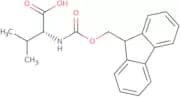
CAS:<p>Fmoc-D-Val-OH is a synthetic acetal that is used as a substrate for protein modification. It has been shown to bind to the active site of enzymes such as butyrylcholinesterase and esterases, which are involved in the metabolism of fatty acids. Fmoc-D-Val-OH also binds to mammalian cells and can be conjugated with other molecules, such as nanoribbons, to improve their solubility in water.</p>Formula:C20H21NO4Purity:Min. 98 Area-%Color and Shape:PowderMolecular weight:339.39 g/molN-α-Boc-N-ε-Fmoc-L-lysine
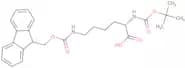
CAS:<p>N-alpha-Boc-N-epsilon-Fmoc-L-lysine is a cyclic peptide that has antimicrobial properties. The peptide is synthesized from the amino acid lysine and contains a sequence of lysine residues. N-alpha-Boc-N-epsilon-Fmoc-L-lysine can be used to treat herpes simplex virus infections and influenza virus infections. It also has the potential to neutralize glycopeptide antibiotics, such as vancomycin, by binding to their cell wall targets and interfering with the function of these molecules. In addition, this peptide can be used to manufacture insulin analogues with improved pharmacokinetic properties and increased stability in blood plasma.</p>Formula:C26H32N2O6Purity:Min. 95%Color and Shape:White To Off-White SolidMolecular weight:468.54 g/molD-Allo-isoleucine
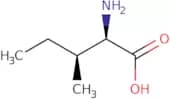
CAS:<p>D-Allo-isoleucine is an antimicrobial agent that belongs to the group of hydroxyl compounds. It is a natural amino acid that can be synthesized by asymmetric synthesis, and its conformational properties are different from those of L-isoleucine. D-Allo-isoleucine has been shown to increase activity against microorganisms in vitro and in mice models. D-Allo-isoleucine also has an inhibitory effect on aminotransferase activity, which may be due to its ability to form a cyclic peptide with the fatty acid group p2.</p>Formula:C6H13NO2Purity:Min. 95%Color and Shape:PowderMolecular weight:131.17 g/molFmoc-D-Leu-OH
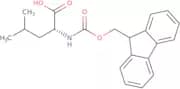
CAS:<p>Fmoc-D-Leu-OH is a disulfide bond containing molecule with an intracellular Ca2+ chelating activity. It has been shown to have cytoprotective effects against oxidative stress and cell death, and has also been found to have antiinflammatory properties. Fmoc-D-Leu-OH can inhibit the activities of various enzymes such as cyclooxygenase, lipoxygenase, phospholipases, and diamine oxidase. This molecule also exhibits cytotoxic activity against bladder cancer cells in vitro. The pharmacokinetic properties of Fmoc-D-Leu-OH are similar to other molecules that are used as antibiotics.<br>Fmoc-D-Leu-OH is a cyclic peptide with antimicrobial peptide (AMP) activity that inhibits bacterial growth by disrupting their cell membranes or inhibiting protein synthesis. It binds to bacterial 16S ribosomal RNA and inhibits protein synthesis, leading</p>Formula:C21H23NO4Purity:Min. 98 Area-%Color and Shape:White PowderMolecular weight:353.41 g/molSarcosine methyl ester hydrochloride
CAS:<p>Sarcosine methyl ester hydrochloride is a pharmaceutical drug that inhibits the production of inosine monophosphate (IMP) and guanosine monophosphate (GMP). It is thought to work by interfering with the synthesis of nucleotides. Sarcosine methyl ester hydrochloride has been shown to inhibit tumour growth in solid tumours. It also has pharmacokinetic properties that include a low volume of distribution, high protein binding, and low clearance rate.</p>Formula:C4H9NO2·HClColor and Shape:White PowderMolecular weight:139.58 g/molD-Penicillamine
CAS:<p>D-Penicillamine is a nonsteroidal anti-inflammatory drug that is used to treat bowel disease, including ulcerative colitis and Crohn's disease. It has also been used as a treatment for schizophrenia that is unresponsive to other treatments. D-Penicillamine binds covalently to reactive oxygen species (ROS), thereby preventing their interaction with proteins and DNA. The binding of ROS by D-penicillamine can be monitored using electrochemical impedance spectroscopy (EIS). The compound has also been shown to reduce the expression of bcl-2 protein in human cells, which may result in increased oxidative injury and rates of cell proliferation. D-Penicillamine has been shown to have therapeutic benefits for patients with primary sclerosing cholangitis, myocardial infarcts, or preparative high performance liquid chromatography (HPLC) analysis.</p>Formula:C5H11NO2SPurity:Min 97%Color and Shape:White PowderMolecular weight:149.21 g/molFmoc-Thr(tBu)-OH
CAS:<p>Fmoc-Thr(tBu)-OH is an ester hydrochloride that is synthesized by reacting the amino acid, Fmoc-Thr(tBu) with trifluoroacetic acid. It has been used to synthesize a cyclic peptide with a protonated amide group, which allows for stereoselective synthesis of the chloride. This product has shown to be resistant to hydrolysis by atosiban and carbonyl oxygens, and also binds to mammalian cell receptors.</p>Formula:C23H27NO5Purity:Min. 98 Area-%Color and Shape:White PowderMolecular weight:397.46 g/molFmoc-Ala-OH
CAS:<p>Fmoc-Ala-OH is a bioactive molecule with a molecular weight of 195.2 Daltons. It has been shown to have receptor activity and cyclic peptide properties. Fmoc-Ala-OH is soluble in chloroform and methanol, but insoluble in water. It can be used as a substrate for the chemical ligation reaction, which involves the joining of two peptides by forming an amide bond between their carboxyl groups. This process is known as "Fmoc chemistry". Fmoc-Ala-OH has also been shown to have anti-inflammatory effects in animal models of autoimmune diseases such as rheumatoid arthritis and multiple sclerosis.</p>Formula:C18H17NO4Purity:Min. 98 Area-%Color and Shape:White PowderMolecular weight:311.33 g/molL-Pyroglutamyl-L-histidyl-L-prolinamide
CAS:<p>L-Pyroglutamyl-L-histidyl-L-prolinamide (PGC) is a pyrrolidine that is used for the treatment of neurologic disorders. It has been shown to be effective in treating depression and a number of other neurologic disorders, including Parkinson's disease, Alzheimer's disease, and epilepsy. PGC has also been shown to have an antidepressant effect in women with depression who are pregnant or have recently given birth. In addition, it has been found to be clinically effective in the treatment of symptoms associated with Parkinson’s Disease. PGC is not absorbed into the bloodstream and must be injected directly into muscle tissue or fat cells in order to produce its therapeutic effects.</p>Formula:C16H22N6O4Purity:Min. 95%Color and Shape:White PowderMolecular weight:362.38 g/molArg-Gly-Asp
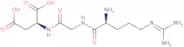
CAS:<p>Arg-Gly-Asp is a peptide with inhibitory properties against tumor growth. It binds to the integrin receptor and blocks the angiogenic process by inhibiting the expression of vascular endothelial growth factor (VEGF) and transforming growth factor beta (TGF-β). Arg-Gly-Asp also inhibits the proliferation of pluripotent cells, which are cells that can differentiate into any type of cell in the body, and prevents the formation of new blood vessels. This peptide has been shown to have inhibitory properties against leukemia inhibitory factor (LIF), which is a cytokine that regulates cell growth.</p>Formula:C12H22N6O6Purity:Min. 98 Area-%Color and Shape:PowderMolecular weight:346.34 g/molL-Alaninamide hydrochloride
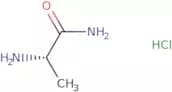
CAS:<p>L-Alaninamide hydrochloride is a hydrogen bond donor that has been shown to have anti-inflammatory properties. L-Alaninamide hydrochloride is able to crosslink hyaluronic acid, which can act as an immunosuppressant and inhibit the production of proinflammatory cytokines. In addition, L-alaninamide hydrochloride has been found to be effective in the treatment of amyloid protein aggregation diseases such as Alzheimer's disease. The drug binds to amyloid proteins by binding to their receptor site and inhibits the formation of amyloid fibrils by preventing cross-linking reactions between polypeptides. L-alaninamide hydrochloride also inhibits the formation of benzimidazole compounds, which are used in the treatment of rheumatoid arthritis.br>br><br>The structure of L-alaninamide hydrochloride is an intramolecular hydrogen bond donor with a carbonyl group. It</p>Formula:C3H8N2O•HClPurity:(Titration) Min 98%Color and Shape:PowderMolecular weight:124.57 g/molγ-Polyglutamic acid sodium - MW > 700,000
CAS:<p>Gamma-Polyglutamic acid sodium - MW > 700,000 is a high molecular weight biopolymer, which is a salt form of polyglutamic acid. Its unique structure consists of glutamic acid units linked via γ-amide bonds, resulting in a robust and biodegradable polymer.The mode of action of gamma-Polyglutamic acid sodium involves its high water-binding capacity and viscosity, which make it exceptional in forming hydrogels. This property is pivotal in applications that require moisture retention or controlled release of active ingredients. Its biodegradability and non-toxic nature add to its versatility and safety profile.Gamma-Polyglutamic acid sodium is used across various fields, including biotechnology, pharmaceuticals, agriculture, and cosmetics. In biotechnology and pharmaceuticals, it is utilized as a drug delivery vehicle and tissue engineering scaffold due to its compatibility with human tissues. Its agricultural applications include acting as a soil conditioner and enhancing water retention. In cosmetics, it serves as a potent moisturizer and anti-aging ingredient.</p>Formula:(C5H7NO3)n•NaxPurity:Min. 90 Area-%Color and Shape:White PowderD-Isoserine
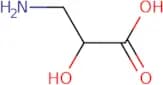
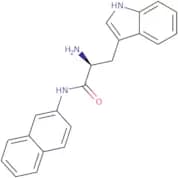
CAS:<p>D-Isoserine is a stereoselective synthetic amino acid that can be used as a structural analog of l-serine. D-Isoserine is synthesized from d-threonine and has been shown to inhibit the bacterial enzyme tyrosine kinase, which is important in cell signaling. D-Isoserine is also being investigated as a treatment for inflammatory diseases such as rheumatoid arthritis and Crohn's disease. The marine sponge Aerogenes sp. produces this compound, which is also produced by the microbial species Aerobacter aerogenes and Staphylococcus aureus.</p>Formula:C3H7NO3Purity:Min. 95%Molecular weight:105.09 g/molL-Tryptophan β-naphthylamide
CAS:<p>L-Tryptophan beta-naphthylamide is a fine chemical that is useful for research purposes. It can be used as a versatile building block in the synthesis of other chemicals and can also be used as a reaction component. L-Tryptophan beta-naphthylamide has been used to synthesize complex compounds such as 5,6-dihydroindolizine, which has been shown to have anti-inflammatory properties. This compound can also be used as a reagent in organic synthesis.</p>Formula:C21H19N3OPurity:Min. 95%Color and Shape:PowderMolecular weight:329.4 g/molFmoc-Gly-Gly-Gly-OH
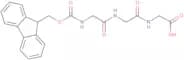
CAS:<p>Fmoc-gly-gly-gly-OH is a synthetic amino acid with the carboxylate group at the alpha position and an amide group at the beta position. It is a white solid that can be synthesized by reacting glycine ethyl ester with glyoxylic acid in a solvent such as chloroform. Fmoc-gly-gly-gly-OH has been used to study the binding of oxytocin to its receptor, which is important for regulating uterine contraction during childbirth. The compound also has potential applications in drug delivery, biotechnology, and medical research.</p>Formula:C21H21N3O6Purity:Min. 95%Color and Shape:PowderMolecular weight:411.41 g/molBoc-L-Arg-OH hydrochloride monohydrate
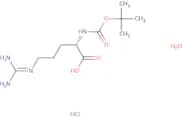
CAS:<p>Boc-L-Arg-OH.HCl.H2O is a methyl-arginine analog that is thought to be the primary endogenous agonist for the guanyl cyclase C receptor. This compound is used in simulations of potential drug targets for cancer therapy, such as tumor suppressor genes, exonic splicing enhancers, and transcription factors. Boc-L-Arg-OH.HCl has been shown to have anti-tumor effects by inhibiting DNA synthesis, protein synthesis, and cell proliferation in vitro and in vivo at low concentrations. It also has an inhibitory effect on intestinal function, which may be due to its ability to inhibit the release of nitric oxide from intestinal cells. The inhibition of nitric oxide release may also contribute to its effects on malignant tumors because nitric oxide can stimulate tumor growth.</p>Formula:C11H22N4O4•HCl•H2OPurity:Min. 95%Molecular weight:328.79 g/molFurosine hydrochloride
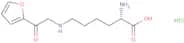
CAS:<p>Furosine hydrochloride is a white crystalline chemical with a molecular formula of C6H7N3O4S. It is soluble in water and has a melting point of about 140 degrees Celsius. Furosine hydrochloride is a useful building block for the synthesis of polymers, pharmaceuticals, organic semiconductors and other organic compounds. Furosine hydrochloride is used as an intermediate to produce fine chemicals such as polyurethanes, polyamides and amino acids. It can also be used as a reaction component in the synthesis of complex compounds such as 2-amino-5-nitrothiophene or 2,2'-dithiobis(benzothiazole). Furosine hydrochloride can be used as a scaffold for the production of various drugs such as antihypertensives or antidepressants.</p>Formula:C12H18N2O4·xHClPurity:Min. 98 Area-%Color and Shape:PowderMolecular weight:254.28 g/molFmoc-Cys(Trt)-OH
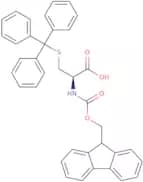
CAS:<p>Fmoc-Cys(Trt)-OH is a cyclic peptide that has potent antitumor activity. It binds to albumin and inhibits protein synthesis, leading to cell death by inhibiting the production of proteins vital for cell division. Fmoc-Cys(Trt)-OH has been shown to be effective against cancer cells in vitro and in vivo. Fmoc-Cys(Trt)-OH also binds the plasma glucose, which may be due to its ability to impede insulin release from the pancreas. This compound is synthesized by a stepwise light-induced solid-phase synthesis with trifluoroacetic acid as a solvent.</p>Formula:C37H31NO4SPurity:Min. 98 Area-%Color and Shape:White PowderMolecular weight:585.71 g/mol


![Nα-[(9H-Fluoren-9-ylmethoxy)carbonyl]-O-tert-butyl-L-threonine](/_next/image/?url=https%3A%2Fstatic.cymitquimica.com%2Fproducts%2F3B%2Fthumb-webp%2FF0505.webp&w=3840&q=75)


![L-Argininamide Dihydrochloride [for Protein Research]](/_next/image/?url=https%3A%2Fstatic.cymitquimica.com%2Fproducts%2F3B%2Fthumb-webp%2FA3459.webp&w=3840&q=75)










![N-[3-(2-Furyl)acryloyl]-Phe-Gly-Gly, 97%](/_next/image/?url=https%3A%2Fstatic.cymitquimica.com%2Fproducts%2F7W%2Fthumb-webp%2FGL0193.webp&w=3840&q=75)













![(2R)-4-Methyl-2-[2-oxo-2-[(phenylmethoxy)amino]ethyl]pentanoic acid](/_next/image/?url=https%3A%2Fstatic.cymitquimica.com%2Fproducts%2F3D%2Fthumb-webp%2FB-9970.webp&w=3840&q=75)