Organometallic Ligands
In this category, you will be able to find a large number of organometallic molecules used as ligands in biomolecules. These organometallic ligands can be used in organic chemistry and synthesis in the laboratory. They play a critical role in forming coordination complexes and catalyzing various chemical reactions. At CymitQuimica, we offer a diverse selection of high-quality organometallic ligands to support your research and industrial needs.
Subcategories of "Organometallic Ligands"
- Buchwald Ligands(22 products)
- DPEN(4 products)
- DPHEN(4 products)
- JOSIPHOS(4 products)
- Phosphine(497 products)
- Porphirines(75 products)
Found 2887 products of "Organometallic Ligands"
Sort by
Purity (%)
0
100
|
0
|
50
|
90
|
95
|
100
Sevoflurane
CAS:Controlled Product<p>Sevoflurane is an experimental drug that belongs to the group of intravenous anaesthetics. It has been shown to be effective in the prevention and treatment of myocardial infarcts. Sevoflurane inhibits polymerase chain reaction by binding to dinucleotide phosphate, which prevents DNA synthesis. It also inhibits oxidative injury in the heart, as well as genotoxic activity. Sevoflurane is a potent chemical inhibitor of the ryanodine receptor, which regulates calcium release from the sarcoplasmic reticulum. This inhibition results in reduced contractility and relaxation of vascular smooth muscle cells, leading to vasodilation and increased blood flow.</p>Formula:C4H3F7OPurity:Min. 95%Color and Shape:Colorless PowderMolecular weight:200.05 g/molS55746
CAS:<p>Please enquire for more information about S55746 including the price, delivery time and more detailed product information at the technical inquiry form on this page</p>Formula:C43H42N4O6Purity:Min. 95%Molecular weight:710.82 g/mol2,4-Dihydroxy-6-[(14R)-14-hydroxypentadecyl]benzoic acid
CAS:Controlled Product<p>2,4-Dihydroxy-6-[(14R)-14-hydroxypentadecyl]benzoic acid is a specialized hydroxybenzoic acid derivative, typically identified as an antibacterial agent, which is derived from specific bacterial sources. This compound is characterized by its unique structure, containing both dihydroxy benzene rings and a lengthy aliphatic side chain. The origin of this compound is rooted in certain bacterial metabolic processes, often from strains that reside in specific ecological niches where they fend off competing microorganisms.</p>Formula:C22H36O5Purity:Min. 95%Molecular weight:380.5 g/molMbp, gst tagged human
CAS:<p>Mbp, gst tagged human is a recombinant fusion protein designed for molecular and biochemical research. It is derived from a human source and engineered by fusing the maltose-binding protein (MBP) with the human sequence of interest, alongside a glutathione S-transferase (GST) tag. This configuration allows for dual-affinity purification and enhances solubility, ultimately facilitating the study and manipulation of the target protein.</p>Purity:Min. 95%ARQ 621
CAS:<p>ARQ 621 is a highly specialized molecular compound, primarily utilized as a selective inhibitor. It originates from a complex synthetic process involving advanced organic chemistry techniques. Its mode of action involves targeting specific enzymatic pathways, thereby inhibiting their activity at a molecular level. This allows for precise modulation of biochemical processes, offering unprecedented control in experimental settings.</p>Formula:C28H24Cl2FN5O2Purity:Min. 95%Molecular weight:552.43 g/mol25-Hydroxy vitamin d3 3,3'-biotinylaminopropyl ether
CAS:<p>25-Hydroxy vitamin D3 3,3'-biotinylaminopropyl ether is a synthesized compound, which is an analog designed for specific biochemical applications. It is derived from 25-Hydroxyvitamin D3, an active form of vitamin D found in the human body, combined with a biotin moiety through a flexible linker. The mode of action involves the binding of the biotin component to avidin or streptavidin, facilitating the targeted delivery and study of vitamin D3 pathways. This compound allows for the exploration of vitamin D3 interactions and mechanisms by enabling easy tracking and manipulation.</p>Formula:C40H65N3O4SPurity:Min. 95%Molecular weight:684 g/molTAS4464
CAS:<p>TAS4464 is a digital-input class-D audio amplifier, developed as an integrated circuit with advanced signal processing capabilities. It originates from the semiconductor industry, utilizing precision engineering to enhance audio signal fidelity and power efficiency. The TAS4464 employs a modulated pulse width modulation (PWM) technique to amplify digital audio signals, ensuring minimal distortion and high output efficiency across various load conditions and frequencies.</p>Formula:C21H23FN6O6SPurity:Min. 95%Molecular weight:506.5 g/mol16:1 Aldehyde-d5
CAS:Controlled Product<p>16:1 Aldehyde-d5 is a deuterated aldehyde, which is a type of organic compound where the hydrogen atoms have been replaced with deuterium, an isotope of hydrogen. This modification is typically synthesized through isotopic exchange reactions or by using deuterated precursors. The use of deuterium labels in such compounds provides unique insights due to the slight differences in nuclear properties compared to protium, which enables enhanced analytical capabilities.</p>Formula:C16H25OD5Purity:Min. 95%Molecular weight:243.44 g/molPKI 402
CAS:<p>PKI 402 is a potent enzyme inhibitor, which is derived synthetically to target specific kinase activities. The product's source involves sophisticated chemical synthesis techniques designed to enhance selectivity and potency. PKI 402 functions primarily by modulating protein kinase activities, inhibiting phosphorylation processes crucial in cell signaling pathways.</p>Formula:C29H34N10O3Purity:Min. 95%Molecular weight:570.65 g/molMG 624
CAS:<p>MG 624 is a biofungicide, which is derived from naturally occurring microorganisms with a complex enzymatic mode of action. This product employs a consortium of beneficial microbes that produce enzymes capable of degrading the cell walls of various plant pathogens, thus preventing their spread and growth.</p>Formula:C22H30INOPurity:Min. 95%Molecular weight:451.38 g/molTulrampator
CAS:<p>Tulrampator is a selective AMPA receptor potentiator, which is a synthetic pharmaceutical compound designed to enhance glutamatergic neurotransmission efficacy. This compound acts on the α-amino-3-hydroxy-5-methyl-4-isoxazolepropionic acid (AMPA) receptors in the central nervous system. Tulrampator modulates these receptors by increasing their response to endogenous glutamate, thus facilitating synaptic transmission and plasticity.</p>Formula:C20H17FN4O3Purity:Min. 95%Molecular weight:380.4 g/molLE 300
CAS:<p>LE 300 is a cutting-edge biopesticide, which is derived from naturally occurring microbial sources. This formulation exploits the bioactive compounds produced by specific microorganisms to disrupt the physiological processes of target pests. The mode of action involves the inhibition of essential metabolic pathways, leading to the eventual mortality of these pests. This mechanism makes it an effective tool in integrated pest management programs that aim to minimize chemical pesticide use.</p>Formula:C20H22N2Purity:Min. 95%Molecular weight:290.41 g/molMK 3207
CAS:<p>Antagonist of CGRP receptor</p>Formula:C31H29F2N5O3Purity:Min. 95%Molecular weight:557.59 g/molDiflumidone
CAS:<p>Diflumidone is a fungicide, which is a synthetic chemical compound with specific activity against pathogenic fungi. It is derived from chemical synthesis processes aimed at disrupting crucial metabolic pathways within fungal cells. The mode of action of diflumidone is primarily through disrupting mitochondrial function, specifically by inhibiting the electron transport chain. This interruption in cellular respiration leads to energy depletion and subsequent fungal cell death.</p>Formula:C14H11F2NO3SPurity:Min. 95%Molecular weight:311.31 g/molAtenolol
CAS:<p>Atenolol is a selective beta blocker with antihypertensive activity. It selectively binds to the beta-1 adrenergic receptors of the vascular smooth muscles and the heart and blocks the release of certain chemicals in our body that might cause an increase in the blood pressure.</p>Formula:C19H22N2O5Purity:Min. 95%Molecular weight:358.4 g/molPglu-Pro-Arg-mna monoacetate
CAS:Controlled Product<p>Pglu-Pro-Arg-mna monoacetate is a synthetic peptide inhibitor, which is typically derived from biochemical synthesis processes involving solid-phase peptide synthesis. Its primary mode of action is the competitive inhibition of certain enzyme activities, commonly within the realm of proteolytic enzymes. By mimicking substrate structures, it effectively binds to the enzyme's active site, thereby preventing the actual substrate from interacting and consequently inhibiting the enzyme's activity.</p>Formula:C25H36N8O9Purity:Min. 95%Molecular weight:592.6 g/molRG-12525
CAS:<p>RG-12525 is an engineered compound designed for targeted genetic modification, which is synthesized from recombinant DNA technology. With precise gene-editing capabilities, it utilizes CRISPR-Cas9 as its mode of action, enabling specific gene sequences to be accurately cut and modified within a variety of eukaryotic cells. The compound's mechanism involves guiding RNA that pairs with target DNA sequences, allowing the Cas9 enzyme to introduce double-strand breaks, which facilitate desired genetic alterations through cellular repair pathways.<br><br>This compound is utilized predominantly in genetic engineering and functional genomics studies. RG-12525 enhances the ability to investigate gene function, develop gene therapies, and create genetically modified organisms for research purposes. Its applications extend to agricultural biotechnology, where it aids in the development of crops with enhanced traits, and to biomedical research, where it contributes to the understanding of genetic diseases and the development of potential treatments.</p>Formula:C25H21N5O2Purity:Min. 95%Molecular weight:423.5 g/molMMK 1
CAS:<p>MMK 1 is a synthetic small molecule compound designed for use in cellular biology, specifically targeting signal transduction pathways. It is derived from innovative biotechnological synthesis, utilizing advanced techniques in organic chemistry to ensure high purity and stability. MMK 1 acts by modulating specific kinases involved in the regulation of cellular processes, affecting pathways critical for cell proliferation and differentiation.</p>Formula:C75H123N19O18SPurity:Min. 95%Molecular weight:1,611 g/molBenzyl 3-fluoro-4-(3-oxopyrrolidin-1-yl)phenylcarbamate
CAS:<p>Benzyl 3-fluoro-4-(3-oxopyrrolidin-1-yl)phenylcarbamate is a synthetic carbamate derivative, which is derived from the combination of fluorinated aromatic structures and pyrrolidinone rings. The compound is designed to act on biological systems by leveraging the unique properties of its fluorine and carbamate constituents. Fluorine's electronegativity can alter the compound's pharmacokinetics, while the carbamate moiety offers potential reactivity with enzymatic or cellular targets.</p>Formula:C18H17FN2O3Purity:Min. 95%Molecular weight:328.3 g/mol5-(4-Methoxyphenyl)-N-(1-methyl-4-(3-pyridinyl)butyl)-2,4-decadienamide
CAS:<p>5-(4-Methoxyphenyl)-N-(1-methyl-4-(3-pyridinyl)butyl)-2,4-decadienamide is a bioactive compound derived from specific plant sources. This chemical entity functions primarily through modulation of biological pathways, notably influencing signal transduction and cellular responses. Its mode of action involves interaction with specific receptors and enzymes, affecting processes such as inflammation and neural activities.</p>Formula:C27H36N2O2Purity:Min. 95%Molecular weight:420.6 g/molTomivosertib hydrochloride
CAS:<p>Tomivosertib hydrochloride is an investigational small molecule inhibitor targeting the mitogen-activated protein kinase interacting kinase (MNK) pathway, which is a synthetic product derived from chemical synthesis. Its mode of action involves the selective inhibition of MNK1 and MNK2 enzymes, leading to the disruption of the phosphorylation of eIF4E, a key component in the translation initiation process. This interruption suppresses the production of oncogenic proteins involved in tumor growth and metastasis.</p>Formula:C17H21ClN6O2Purity:Min. 95%Molecular weight:376.8 g/molTesevatinib
CAS:<p>Tesevatinib is a kinase inhibitor, which is a type of pharmaceutical compound. It is derived from complex chemical synthesis, focusing on selectively inhibiting certain signaling pathways involved in cellular proliferation and survival. Tesevatinib exhibits its mode of action by targeting multiple tyrosine kinases, including epidermal growth factor receptor (EGFR) and others involved in oncogenic signaling. This multi-targeted approach aims to interrupt abnormal signaling cascades that promote tumor growth and metastasis.</p>Formula:C24H27Cl2FN4O2Purity:Min. 95%Molecular weight:493.4 g/molML-099
CAS:<p>ML-099 is a synthetic organometallic catalyst, which is derived from a complex metal-ligand framework. It operates through the facilitation of electron transfer processes, enhancing the reaction rates in catalytic cycles. This organometallic compound effectively lowers the activation energy, thereby accelerating chemical transformations and improving yield in various synthesis pathways.</p>Formula:C14H13NO2SPurity:Min. 95%Molecular weight:259.32 g/molBestatin trifluoroacetate
CAS:<p>Bestatin trifluoroacetate is an aminopeptidase inhibitor, which is sourced from the fermentation products of the Streptomyces species. Its mode of action involves the competitive inhibition of aminopeptidases, specifically targeting enzymes like aminopeptidase B and leukotriene A4 hydrolase. This inhibitory action results in the modulation of peptide-related processes within the cell, affecting the degradation of peptides into amino acids.</p>Formula:C18H25F3N2O6Purity:Min. 95%Molecular weight:422.4 g/molR(+)-SKF-81297 hydrobromide
CAS:<p>Dopamine (D1) receptor agonist</p>Formula:C16H16ClNO2·HBrPurity:Min. 95%Molecular weight:370.67 g/molGSK726701A
CAS:<p>GSK726701A is an investigational biologic product that is a human monoclonal antibody, which is derived from recombinant DNA technology. The mode of action involves targeting and inhibiting specific pathways in the immune system that are responsible for allergic reactions. This is achieved by binding to and neutralizing specific cytokines or receptors involved in the inflammatory response, thus alleviating allergy symptoms.</p>Formula:C24H22FNO5Purity:Min. 95%Molecular weight:423.4 g/molLY 266097 Hydrochloride
CAS:<p>LY 266097 Hydrochloride is a selective 5-HT2A receptor antagonist, which is a synthetic compound primarily used in neuroscience research. This compound is derived from laboratory synthesis, designed to interact specifically with serotonin receptors located in the central nervous system.</p>Formula:C21H23ClN2O2•HClPurity:Min. 95%Molecular weight:370.87 g/molCathepsin Inhibitor 1
CAS:<p>Cathepsin Inhibitor 1 is a selective chemical inhibitor specifically targeting cathepsin enzymes, which is derived through synthetic processes. Cathepsins are proteolytic enzymes predominantly found in lysosomes and play a crucial role in intracellular protein degradation. By inhibiting these enzymes, Cathepsin Inhibitor 1 effectively prevents the breakdown of protein substrates, thus allowing for the regulation of various cellular processes such as apoptosis, antigen presentation, and tissue remodeling.</p>Formula:C20H24ClN5O2Purity:Min. 95%Molecular weight:401.89 g/molGM 1489
CAS:<p>GM 1489 is a synthetic glucocorticoid receptor agonist, which is a man-made compound mimicking naturally occurring steroid hormones. It is derived from chemical synthesis methods that facilitate precise structural modifications to enhance receptor affinity and efficacy. The mode of action of GM 1489 involves binding to cytoplasmic glucocorticoid receptors, leading to the translocation of the complex into the nucleus. This interaction results in the modulation of gene transcription, causing upregulation of anti-inflammatory proteins and downregulation of pro-inflammatory mediators.</p>Formula:C27H33N3O4Purity:Min. 95%Molecular weight:463.6 g/molEthyl 2-(2-oxo-2H-chromen-7-yloxy)acetate
CAS:<p>Ethyl 2-(2-oxo-2H-chromen-7-yloxy)acetate is a synthetic coumarin derivative, often utilized in biochemical research. This compound is typically derived from the structural modification of naturally occurring coumarins, which are secondary metabolites found in many plant species. The modification process involves the introduction of an ethyl ester group, enhancing its stability and bioavailability compared to its natural counterparts.</p>Formula:C13H12O5Purity:Min. 95%Molecular weight:248.23 g/mol1-(3-Chloro-2-pyridinyl)-N-cyclopentyl-4-methyl-5-(3-pyridinyl)-1H-pyrazole-3-methanamine
CAS:<p>1-(3-Chloro-2-pyridinyl)-N-cyclopentyl-4-methyl-5-(3-pyridinyl)-1H-pyrazole-3-methanamine is a selective antagonist, predominantly utilized in scientific research. This compound is synthetically derived through advanced organic chemistry techniques and is notable for its specificity and affinity towards particular receptor sites.</p>Formula:C20H22ClN5Purity:Min. 95%Molecular weight:367.9 g/molLy2444296 (fp3fbz)
CAS:<p>Ly2444296, also known as FP3FBZ, is an experimental pharmaceutical compound, specifically a small-molecule antagonist designed to target a particular receptor system in the central nervous system. It is synthesized through a complex series of chemical reactions, leveraging advanced organic synthesis techniques. The primary mode of action for Ly2444296 is the selective inhibition of the norepinephrine transporter (NET), which results in increased levels of norepinephrine in the synaptic cleft. This modulation of neurotransmitter dynamics can have significant effects on mood and stress responses.</p>Formula:C24H22F2N2O2Purity:Min. 95%Molecular weight:408.4 g/molBAY 6035
CAS:<p>BAY 6035 is an anticoagulant drug, which is a synthetic compound developed for clinical and research purposes. It is derived from chemical synthesis, designed to interact specifically with elements of the coagulation cascade. BAY 6035 functions by inhibiting factor Xa, an enzyme critical in the pathway leading to the formation of thrombin. By targeting factor Xa, it effectively reduces thrombin generation, consequently decreasing fibrin formation and clot development.</p>Formula:C22H28N4O3Purity:Min. 95%Molecular weight:396.5 g/mol(R)-(-)-Ibuprofen-d3
CAS:Controlled Product<p>(R)-(-)-Ibuprofen-d3 is a stable isotope-labeled compound, specifically a deuterated form of the (R)-enantiomer of ibuprofen. This compound is synthesized through specific chemical processes, involving the replacement of hydrogen atoms with deuterium in the ibuprofen molecule. The presence of deuterium enhances the compound’s utility in various scientific applications by allowing researchers to better trace and study metabolic pathways without altering the compound’s inherent biological activity.</p>Formula:C13H15D3O2Purity:Min. 95%Molecular weight:209.3 g/molBMS-1166
CAS:<p>BMS-1166 is a small molecule immunotherapy agent that functions as a PD-1 antagonist. It is derived from targeted drug design, focusing on disrupting the interaction between the programmed cell death protein 1 (PD-1) and its ligands, PD-L1 and PD-L2.</p>Formula:C36H33ClN2O7Purity:Min. 95%Molecular weight:641.11 g/molCrkl, His tagged human
CAS:<p>Crkl, His tagged human is a recombinant fusion protein, which is sourced from engineered human cells. It is designed to include a histidine tag, facilitating affinity purification and detection in research applications. This protein acts as an adaptor in intracellular signaling pathways, primarily involved in the transduction of extracellular signals into cellular responses. It plays a crucial role in various biological processes, including cell proliferation, migration, and differentiation, by interacting with other proteins and initiating downstream signaling cascades.</p>Purity:Min. 95%Tiaprost
CAS:<p>Tiaprost is a synthetic analogue of prostaglandin F2α that has been used in animal health and fertility. This drug stimulates follicular growth and ovulation in cows and heifers, as well as increases estradiol benzoate (EB) levels in the blood. Tiaprost is also used to treat intrauterine infections caused by bacteria, such as E. coli, or protozoa, such as Tritrichomonas foetus. Tiaprost has been shown to be clinically relevant for the treatment of human infertility due to its ability to stimulate ovulation in women with polycystic ovary syndrome (PCOS).</p>Formula:C20H28O6SPurity:Min. 95%Molecular weight:396.5 g/mol16:0 Cyanur pe
CAS:<p>16:0 Cyanur pe is a synthetic phospholipid compound, which is derived from saturated fatty acids. This substance is primarily utilized in the field of lipidomics as a part of phospholipid membrane studies. With its unique structure, it facilitates the exploration of lipid interactions within biological membranes and can serve as a probe in biophysical experiments.</p>Formula:C40H72Cl2N4NaO8PPurity:Min. 95%Molecular weight:861.89 g/mol6-[[4-(2-Fluorophenyl)-1-piperazinyl]methyl]-N2-1-naphthalenyl-1,3,5-triazine-2,4-diamine
CAS:<p>6-[[4-(2-Fluorophenyl)-1-piperazinyl]methyl]-N2-1-naphthalenyl-1,3,5-triazine-2,4-diamine is a synthetic triazine compound, which is an intriguing molecule in the field of medicinal chemistry. Triazines are heterocyclic compounds known for their diverse pharmacological properties. This specific compound originates from the inclusion of a piperazine group, a 2-fluorophenyl moiety, and a naphthalenyl structure, which collectively contribute to its unique chemical characteristics.</p>Formula:C24H24FN7Purity:Min. 95%Molecular weight:429.49 g/molMv-1-NH-Me
CAS:<p>Mv-1-NH-Me is a synthetic peptide, which is derived from laboratory synthesis rather than a natural source. Its design is often based on modifying naturally occurring peptides to achieve specific biochemical properties. The mode of action typically involves interaction with specific proteins or cell receptors, altering their natural state or activity, which can help elucidate biological pathways or mechanisms.</p>Formula:C33H45N5O4Purity:Min. 95%Molecular weight:575.7 g/mol08:0 Pi(3)P
CAS:<p>08:0 Pi(3)P is a synthetic phosphatidylinositol 3-phosphate analog, which is often utilized as a biochemical tool. This product is derived from phosphatidylinositol, a lipid naturally occurring within biological membranes, and is chemically synthesized to mimic the function of the native lipid. Its mode of action involves binding to specific phosphoinositide-binding domains within proteins, allowing researchers to study protein-lipid interactions and signaling pathways.</p>Formula:C25H54N2O16P2Purity:Min. 95%Molecular weight:700.65 g/molLaniquidar
CAS:<p>Laniquidar is a pharmacological agent classified as a third-generation multidrug resistance (MDR) modulator. It is derived from a class of compounds specifically designed to overcome MDR in cancer by targeting P-glycoprotein, a well-known efflux transporter protein. Laniquidar functions by inhibiting the action of P-glycoprotein, which is often overexpressed in various cancer cells and facilitates the efflux of chemotherapeutic drugs, thereby reducing their intracellular concentrations and effectiveness.</p>Formula:C37H36N4O3Purity:Min. 95%Molecular weight:584.7 g/mol2,3-Dihydroxypropyl (8Z)-8-heptadecenoate
CAS:<p>2,3-Dihydroxypropyl (8Z)-8-heptadecenoate is a synthetic ester compound often utilized in biochemical research and lipid metabolism studies. This compound is derived through the esterification of 2,3-dihydroxypropanol with (8Z)-8-heptadecenoic acid, typically sourced from advanced chemical synthesis processes. Its mode of action involves participating in lipid pathways as a biochemical mimic, providing insights into enzymatic activities and metabolic regulation associated with lipid molecules.</p>Formula:C20H38O4Purity:Min. 95%Molecular weight:342.51 g/mol1-Hydroxy-2,3,5-trimethoxyxanthone
CAS:<p>1-Hydroxy-2,3,5-trimethoxyxanthone is a xanthone derivative, which is a class of compounds known for their diverse biological activities. This compound is typically sourced from various plant species, particularly those within the Gentianaceae family. It is often isolated using advanced extraction techniques such as solvent extraction followed by chromatographic purification.</p>Formula:C16H14O6Purity:Min. 95%Molecular weight:302.28 g/mol3-[(1R,5S)-8-[2-[Cyclohexylmethyl(2,3-dihydroxypropanoyl)amino]ethyl]-8-azabicyclo[3.2.1]octan-3-yl]benzamide
CAS:<p>3-[(1R,5S)-8-[2-[Cyclohexylmethyl(2,3-dihydroxypropanoyl)amino]ethyl]-8-azabicyclo[3.2.1]octan-3-yl]benzamide is a selective inhibitor that is synthesized for its pharmacological properties. This compound is typically derived through complex organic synthesis involving the modification of bicycle and benzamide frameworks to achieve specificity and potency in its action.</p>Formula:C26H39N3O4Purity:Min. 95%Molecular weight:457.6 g/molOxcarbazepine - Bio-X ™
CAS:Controlled Product<p>Oxcarbazepine is an anti-epileptic drug that is used for the treatment of partial-onset seizures. Although, the mechanism of action for this drug is unclear, it is said to involve the blockage of voltage-gated sodium channels. As a result, the firing of the action potentials which lead to seizures are reduced and so seizure activity is inhibited.</p>Formula:C15H12N2O2Purity:Min. 95%Color and Shape:PowderMolecular weight:252.27 g/molGSK'963
CAS:<p>GSK'963 is a selective inhibitor, which is a pharmacological agent primarily targeting the receptor-interacting protein kinase 1 (RIP1). Originating from GlaxoSmithKline's research efforts, this inhibitor is a synthetic compound designed to interfere with specific biochemical pathways. GSK'963 operates by targeting the RIP1 kinase, a crucial component involved in necroptosis, a form of programmed cell death distinct from apoptosis.</p>Formula:C14H18N2OPurity:Min. 95%Molecular weight:230.31 g/mol3-[[2-(Cyclopentylamino)-3,4-dioxo-1-cyclobuten-1-yl]amino]-2-hydroxy-N-methylbenzamide
CAS:<p>3-[[2-(Cyclopentylamino)-3,4-dioxo-1-cyclobuten-1-yl]amino]-2-hydroxy-N-methylbenzamide is a potent enzyme inhibitor, which is synthetically derived with high specificity for certain protein interactions. Its mode of action involves the inhibition of targeted enzymatic activity, potentially modulating biochemical pathways of interest in various scientific studies.</p>Formula:C18H21N3O4Purity:Min. 95%Molecular weight:343.38 g/molPd 128907
CAS:<p>Pd 128907 is a selective agonist that targets the A2A adenosine receptor, which is a G protein-coupled receptor critical in numerous physiological processes. This compound is originally synthesized through a chemical synthesis process that involves precise structural engineering to ensure specificity to the A2A receptor subtype. Its mode of action involves binding to the receptor and mimicking the effects of adenosine, which results in modulation of downstream signaling pathways.</p>Formula:C14H19NO3Purity:Min. 95%Molecular weight:249.3 g/molBC-LI-0186
CAS:<p>BC-LI-0186 is a microbial inoculant, which is a blend of beneficial microbes derived from natural soil environments with symbiotic relationships with plants. The mode of action involves colonization of the rhizosphere and the enhancement of nutrient uptake by solubilizing phosphates and fixing atmospheric nitrogen. Additionally, it facilitates the production of growth-promoting substances such as auxins and cytokinins.</p>Formula:C22H27N3O4SPurity:Min. 95%Molecular weight:429.5 g/molL002
CAS:<p>L002 is a chemical inhibitor that targets lysine acetyltransferases (KATs), which are enzymes responsible for the acetylation of lysine residues on histone and non-histone proteins. This small-molecule inhibitor is derived from a synthetic chemical source utilizing rational design principles to enhance its specificity and efficacy. The mode of action of L002 involves the competitive inhibition of the KATs catalytic activity, which leads to a reduction in protein acetylation levels. This alteration affects chromatin structure and function, thereby influencing gene expression and cellular processes such as proliferation and differentiation.</p>Formula:C15H15NO5SPurity:Min. 95%Molecular weight:321.35 g/molRPH-2823
CAS:<p>RPH-2823 is a cutting-edge biochemical reagent, meticulously synthesized through advanced organic chemistry processes. This compound is derived from a series of complex reactions involving proprietary modifications to enhance its stability and reactivity under physiological conditions. The intricate mode of action of RPH-2823 involves targeting specific biochemical pathways, allowing for precise interaction at the molecular level with target receptors or enzymes. It exhibits strong affinity and selectivity, making it a valuable tool in modulating biological activities. RPH-2823 finds extensive applications in biochemical research, particularly within cellular signaling and metabolic pathway studies. It serves as an indispensable resource for unraveling complex biological mechanisms, facilitating the identification and characterization of potential therapeutic targets. Scientists utilize RPH-2823 to gain insights into cellular processes, offering the potential for groundbreaking discoveries in pharmacology and biotechnology.</p>Formula:C17H22N8O2Purity:Min. 95%Molecular weight:370.41 g/molMPI-0479605
CAS:<p>MPI-0479605 is a small molecule inhibitor, specifically designed to target and inhibit the activity of certain protein kinases. It is synthetically derived and formulated to interact with key signaling pathways involved in cellular growth and proliferation. The compound works by selectively binding to the ATP-binding site of the targeted kinases, thereby preventing their phosphorylation activity. This interaction disrupts downstream signaling pathways, ultimately influencing cellular functions such as differentiation, apoptosis, and migration.</p>Formula:C22H29N7OPurity:Min. 95%Molecular weight:407.52 g/molCCG-222740
CAS:<p>CCG-222740 is a small molecule inhibitor, which is derived from synthetic chemistry advancements aimed at developing targeted cancer therapies. It operates by modulating specific signaling pathways that are known to contribute to tumor growth and survival. Specifically, CCG-222740 targets the Rho GTPase family, which is involved in regulating cytoskeletal dynamics and cell proliferation.</p>Formula:C23H19ClF2N2O3Purity:Min. 95%Molecular weight:444.86 g/mol2-Methyl-3-(3,5-diiodo-4-carboxymethoxybenzyl)benzofuran
CAS:<p>2-Methyl-3-(3,5-diiodo-4-carboxymethoxybenzyl)benzofuran is a synthetic benzofuran derivative, which is a compound often used in a range of biochemical applications. This compound is typically sourced through chemical synthesis, involving specific reactions that introduce iodine atoms into the structural configuration of the benzofuran framework. Its mode of action primarily revolves around its interaction with thyroid-related pathways, due to the presence of iodine atoms — an essential element in thyroid hormone synthesis and function.</p>Formula:C18H14I2O4Purity:Min. 95%Molecular weight:548.1 g/mol42-(2-Tetrazolyl)rapamycin
CAS:<p>42-(2-Tetrazolyl)rapamycin is an immunophilin-binding compound, which is derived from the natural product rapamycin. It is a semi-synthetic derivative designed to enhance the properties of the parent compound. As a macrolide, it is sourced from a bacterium called *Streptomyces hygroscopicus*. The mode of action involves binding to FKBP12, forming a complex that inhibits the mammalian target of rapamycin (mTOR), a critical kinase in cell growth, proliferation, and survival pathways.</p>Formula:C52H79N5O12Purity:Min. 95%Molecular weight:966.2 g/molASP 4058
CAS:<p>ASP 4058 is a metallo-β-lactamase inhibitor, which is derived from synthetic sources and designed to counteract the resistance mechanisms of β-lactam antibiotics. The compound operates by binding to and inhibiting metallo-β-lactamase enzymes, which are responsible for hydrolyzing and inactivating the β-lactam ring of antibiotics, rendering them ineffective against resistant bacterial strains.</p>Formula:C19H12F6N4O2Purity:Min. 95%Molecular weight:442.3 g/molUNC10217938A
CAS:<p>UNC10217938A is a synthetic small molecule serving as a histone deacetylase (HDAC) inhibitor, which is designed through extensive medicinal chemistry optimization. This compound originates from research-based laboratories focused on epigenetic regulation and its implications in cellular processes. The mode of action involves selective inhibition of HDAC enzymes, leading to increased acetylation of histone proteins. This alteration in the acetylation status affects the chromatin structure, ultimately influencing gene expression.</p>Formula:C26H28N6O2Purity:Min. 95%Molecular weight:456.5 g/mol7-((Benzo[D]thiazol-2-ylamino)(4-(difluoromethoxy)phenyl)methyl)quinolin-8-ol
CAS:<p>7-((Benzo[D]thiazol-2-ylamino)(4-(difluoromethoxy)phenyl)methyl)quinolin-8-ol is a synthetic investigational compound, which is typically synthesized in a laboratory setting through a series of chemical reactions involving quinoline derivatives and other complex organic molecules. This compound is designed to target and inhibit specific molecular pathways involved in cancer cell proliferation and survival. Its mode of action is believed to involve the disruption of signaling pathways critical to tumor growth, potentially through interaction with specific kinases or receptor sites on the cancer cells.</p>Formula:C24H17F2N3O2SPurity:Min. 95%Molecular weight:449.5 g/molAlmokalant
CAS:<p>Almokalant is an investigational antiarrhythmic drug, which is a synthetic pharmaceutical compound. It is derived from the class of drugs known as selective potassium channel blockers. Almokalant's mode of action involves the blockade of hERG (human Ether-à-go-go-Related Gene) potassium channels. This blockade prolongs the cardiac action potential duration, which can be beneficial in stabilizing irregular heartbeats.</p>Formula:C18H28N2O3SPurity:Min. 95%Molecular weight:352.5 g/molS186
CAS:<p>Please enquire for more information about S186 including the price, delivery time and more detailed product information at the technical inquiry form on this page</p>Formula:C5H13CaNNaO7P2Purity:Min. 95%Molecular weight:324.17 g/molCPI-455 HCl
CAS:<p>CPI-455 HCl is a potent, selective bromodomain inhibitor, which is a synthetic chemical compound designed to modulate epigenetic targets. Its source is a laboratory-synthesized small molecule developed to specifically inhibit the activity of bromodomains, which are protein domains that recognize acetylated lysine residues. The mode of action involves competitively binding to bromodomains, thereby preventing the interaction between these domains and acetylated histones. This inhibition disrupts the transcriptional activity of bromodomain-containing proteins and can alter gene expression patterns.</p>Formula:C16H15ClN4OPurity:Min. 95%Molecular weight:314.77 g/molPD 173955-Analog1
CAS:<p>PD 173955-Analog1 is a synthetic small molecule inhibitor, which is derived from a class of tyrosine kinase inhibitors commonly used in biochemical research. It functions by targeting the ATP-binding site of tyrosine kinases, leading to the inhibition of kinase activity. This interruption of signaling pathways is crucial for understanding the biological processes involved in cell proliferation and oncogenesis.</p>Formula:C21H14Cl2N4O3Purity:Min. 95%Color and Shape:PowderMolecular weight:441.27 g/molAcat-in-1 cis isomer
CAS:<p>Acat-in-1 cis isomer is an enzymatic inhibitor, which is synthesized through organic chemical processes. It is particularly known for its action as an inhibitor of acyl-coenzyme A:cholesterol acyltransferase (ACAT), an enzyme crucial for the esterification of cholesterol. This inhibition occurs through the specific binding to the active site of ACAT, preventing the conversion of cholesterol to cholesteryl esters, and thereby influencing the cholesterol metabolism pathways.</p>Formula:C29H25NO2Purity:Min. 95%Molecular weight:419.5 g/molAZD7624
CAS:<p>AZD7624 is an inhaled anti-inflammatory compound, which is derived from AstraZeneca's research efforts. It functions as a p38 MAP kinase inhibitor, targeting specific pathways involved in inflammatory responses within the respiratory system. AZD7624 is designed for the modulation of inflammatory processes in diseases such as chronic obstructive pulmonary disease (COPD) and asthma. By inhibiting the p38 MAP kinase, AZD7624 attenuates the production of pro-inflammatory cytokines and other mediators that contribute to the pathological progression of respiratory disorders. Its use is particularly significant in patients suffering from persistent inflammation where traditional therapies may be insufficient. The development of AZD7624 highlights the ongoing efforts to manage inflammatory diseases at the molecular level with a targeted therapeutic approach, providing insights into novel intervention strategies for respiratory illnesses.</p>Formula:C27H30FN5O3Purity:Min. 95%Molecular weight:491.56 g/molOctadecanoic acid 1,1′-[(1R)-1-[[[hydroxy[2-[(7-nitro-2,1,3-benzoxadiazol-4-yl)amino]ethoxy]phosphinyl]oxy]methyl]-1,2-ethanediyl] e ster ammonium salt
CAS:<p>Octadecanoic acid 1,1′-[(1R)-1-[[[hydroxy[2-[(7-nitro-2,1,3-benzoxadiazol-4-yl)amino]ethoxy]phosphinyl]oxy]methyl]-1,2-ethanediyl] ester ammonium salt is a synthetic phospholipid analog, which is often utilized in biochemical and cellular research. This compound is derived from modifications of natural lipids and is strategically designed to include a fluorescent group, enhancing its utility in various analytical applications. Its mode of action involves integrating into lipid membranes, serving as a marker for studying membrane dynamics and interactions due to the presence of the fluorescent nitrobenzoxadiazole (NBD) moiety.</p>Formula:C47H86N5O11PPurity:Min. 95%Molecular weight:928.19 g/molPKI (5-24)
CAS:<p>PKI (5-24) is a synthetic peptide specifically designed as a protein kinase inhibitor. Derived from a segment of the endogenous PKA inhibitor protein, this peptide is utilized to inhibit the activity of cyclic AMP-dependent protein kinase (PKA). The sequence corresponds to amino acids 5-24 of the native protein, retaining its potent inhibitory activity. PKI (5-24) functions by binding to the catalytic subunit of PKA, thus preventing the phosphorylation of downstream targets.</p>Formula:C94H148N32O31Purity:Min. 95%Molecular weight:2,222.4 g/molI-Cbp 112 hydrochloride
CAS:<p>I-Cbp 112 hydrochloride is a small molecule inhibitor that is synthetically derived. Its primary mode of action involves the selective inhibition of bromodomain-containing proteins, specifically targeting interactions between bromodomains and acetylated lysine residues on histone tails. This results in modulation of transcriptional regulation by interfering with the reader functions of bromodomains, thereby impacting chromatin remodeling and gene expression pathways.</p>Formula:C27H37ClN2O5Purity:Min. 95%Molecular weight:505 g/molVL285
CAS:<p>VL285 is a biochemical compound designed as a specific enzyme inhibitor, derived from advanced synthetic chemistry processes. This compound functions by binding to the active site of the target enzyme, thereby preventing substrate interaction and subsequent catalytic activity. Its action is characterized by high specificity and potency, which allows for effective modulation of enzyme function without significant off-target effects.</p>Formula:C29H32N4O4SPurity:Min. 95%Molecular weight:532.65 g/molGSK8814
CAS:<p>GSK8814 is a pharmacological compound, specifically a selective receptor modulator, which is synthesized through advanced chemical engineering processes. This compound acts by selectively targeting specific receptors within biological systems, influencing cellular responses and signaling pathways. Its mode of action involves the modulation of receptor activity, offering precise control over physiological and biochemical processes. GSK8814 is predominantly used in both clinical research and therapeutic contexts, where it plays a crucial role in exploring the regulation of physiological responses. Its applications may include the investigation of receptor-mediated effects and the development of treatment paradigms for various disorders. By providing insights into receptor function, GSK8814 facilitates the expansion of knowledge in receptor biology and the advancement of targeted therapies.</p>Formula:C28H35F2N5O3Purity:Min. 95%Molecular weight:527.6 g/molC-82
CAS:<p>C-82 is a synthetic chemical inhibitor, which is commonly sourced from laboratory-derived compounds and characterized through organic chemistry techniques. Its mode of action involves selective inhibition of specific enzymes or proteins within particular biochemical pathways, rendering it useful for dissecting complex biological systems. This specificity allows researchers to elucidate the roles of individual components within larger networks by observing downstream effects of inhibition.</p>Formula:C33H34N6O4Purity:Min. 95%Molecular weight:578.7 g/molPrifuroline
CAS:<p>Please enquire for more information about Prifuroline including the price, delivery time and more detailed product information at the technical inquiry form on this page</p>Formula:C14H16N2OPurity:Min. 95%Molecular weight:228.29 g/molValsartan-d3
CAS:Controlled Product<p>Valsartan-d3 is a deuterated version of valsartan, which is a pharmacological compound used for research purposes. This isotopically labeled compound is derived through the strategic substitution of hydrogen atoms with deuterium in the valsartan molecule. The incorporation of deuterium, a stable isotope of hydrogen, enhances the compound's utility in various scientific applications without altering its fundamental biological activity.</p>Formula:C24H26D3N5O3Purity:Min. 95%Molecular weight:438.54 g/molPf-06412154 hydrochloride
CAS:<p>Pf-06412154 hydrochloride is an investigational anti-inflammatory agent, which is synthesized chemically. It functions as a selective inhibitor of Janus kinases (JAK), crucial enzymes involved in the signaling pathways of various cytokines and growth factors. By inhibiting JAK activity, Pf-06412154 disrupts the JAK-STAT pathway, which is implicated in the pathogenesis of several inflammatory and autoimmune disorders. This mode of action is intended to reduce the expression of inflammatory cytokines, offering potential therapeutic benefits.</p>Formula:C24H28ClN3O3Purity:Min. 95%Molecular weight:441.9 g/molAspochalasin M
CAS:Controlled Product<p>Aspochalasin M is a natural product, specifically a cytochalasin, which is a secondary metabolite derived from fungi of the genus *Aspergillus*. Its mode of action involves the disruption of actin filament polymerization within the cytoskeleton. By binding to the barbed ends of actin filaments, Aspochalasin M effectively inhibits further monomer addition, leading to altered cellular morphology and impaired cellular processes such as division and motility.</p>Formula:C24H35NO4Purity:Min. 95%Molecular weight:401.5 g/molDLK-IN-1
CAS:<p>DLK-IN-1 is a synthetic small-molecule inhibitor, which is a product derived from targeted chemical synthesis with the specific aim of modulating the function of certain kinases. This inhibitor is sourced through advanced laboratory techniques that allow for precision-targeting of proteins involved in cellular signaling pathways. DLK-IN-1 specifically inhibits the dual leucine zipper kinase (DLK), a protein kinase involved in neuronal regeneration and degeneration pathways. By binding to the ATP-binding site of DLK, it prevents the phosphorylation of downstream substrates, thus modulating the DLK-mediated signaling cascade.<br><br>The utilization of DLK-IN-1 primarily lies in neurological research, particularly in understanding and potentially mitigating neurodegenerative diseases and nerve injury responses. It is instrumental in studying the roles of DLK in axonal degeneration and regeneration, providing insights into therapeutic approaches for conditions like Alzheimer's, Parkinson's, and other neurodegenerative disorders. Researchers employ DLK-IN-1 to dissect the DLK signaling mechanism, aiming to discover novel intervention points within neuronal repair and deterioration processes. The specificity and action of DLK-IN-1 make it a crucial tool for probing deeper into the molecular underpinnings of nerve health and disease.</p>Formula:C20H24F3N5O2Purity:Min. 95%Molecular weight:423.4 g/molJNK Inhibitor V
CAS:<p>JNK Inhibitor V is a small molecule inhibitor, which is a synthetic compound with selective inhibitory activity against the c-Jun N-terminal kinase (JNK) pathway. It acts by specifically targeting the JNK enzymes, thereby blocking their interaction with downstream substrates involved in various cellular processes. The inhibition of JNK activity by JNK Inhibitor V mitigates the phosphorylation of c-Jun and other transcription factors, ultimately influencing gene expression and cellular responses.</p>Formula:C20H16N6SPurity:Min. 95%Molecular weight:372.45 g/molNMDAR antagonist 1
CAS:<p>NMDAR antagonist 1 is a chemical compound that functions as a non-competitive antagonist at the N-methyl-D-aspartate receptor (NMDAR), a subtype of glutamate receptor. Sourced synthetically, this compound is designed to modify neurotransmitter activity in the central nervous system by inhibiting the action of glutamate, which is the primary excitatory neurotransmitter. Its mode of action involves blocking the ion channel of the NMDAR, thereby preventing calcium ions from entering the neuron and modulating synaptic plasticity and neuronal communication.<br><br>This antagonist is widely used in neuroscience research to study the mechanisms of excitotoxicity, which is implicated in a variety of neurodegenerative disorders such as Alzheimer's disease, Parkinson's disease, and amyotrophic lateral sclerosis (ALS). It is also utilized to explore the fundamental processes involving learning, memory, and synaptic transmission. By providing insights into glutamatergic signaling pathways, NMDAR antagonist 1 aids in the development of therapeutic strategies for conditions related to excessive neuronal activity and synaptic dysfunction.</p>Formula:C20H20BrN3O2Purity:Min. 95%Molecular weight:414.3 g/molWAY-262611
CAS:<p>WAY-262611 is a synthetic small-molecule compound, which is an experimental pharmacological agent originally sourced from chemical libraries aimed at modulating bone biology. This compound acts as an antagonist of the Wnt signaling pathway, specifically targeting low-density lipoprotein receptor-related protein 5 (LRP5). By inhibiting the binding of Wnt proteins, WAY-262611 modulates downstream signaling events, leading to alterations in gene expression that influence bone mass and density.</p>Formula:C20H22N4Purity:Min. 95%Molecular weight:318.42 g/mol(E)-N-[(2S)-1-[5-[2-(4-Cyanoanilino)-4-(propylamino)pyrimidin-5-yl]pent-4-ynylamino]-1-oxopropan-2-yl]-4-(dimethylamino)-N-methylbut -2-enamide
CAS:<p>(E)-N-[(2S)-1-[5-[2-(4-Cyanoanilino)-4-(propylamino)pyrimidin-5-yl]pent-4-ynylamino]-1-oxopropan-2-yl]-4-(dimethylamino)-N-methylbut-2-enamide is a novel small molecule, which is a synthetic compound designed for research purposes. Its structure is derived from a combination of pyrimidine and aniline derivatives, engineered to enhance biological activity and specificity. This compound functions mainly as a kinase inhibitor, targeting specific signaling pathways involved in cellular proliferation and survival. By inhibiting kinase activity, it can modulate aberrant signal transduction pathways frequently observed in various pathological conditions, including cancers.</p>Formula:C29H38N8O2Purity:Min. 95%Molecular weight:530.7 g/molS107 hydrochloride
CAS:Controlled Product<p>S107 hydrochloride is a pharmacological compound that functions as a stabilizer of the ryanodine receptor (RyR), which is a crucial channel in the sarcoplasmic reticulum involved in calcium ion regulation within muscle cells. This synthetic molecule originates from medicinal chemistry efforts aimed at modulating intracellular calcium handling, particularly in skeletal and cardiac muscle tissues.</p>Formula:C11H15NOS•HClPurity:Min. 95%Molecular weight:245.77 g/molTT 232
CAS:<p>TT 232 is an advanced semiconductor characterization instrument, which is a critical tool in the field of materials science and electrical engineering. This product is sourced from the latest innovations in semiconductor technology, designed to provide comprehensive analysis of material properties. With a sophisticated mode of action, TT 232 employs high-resolution electrical measurements to assess parameters such as carrier concentration, mobility, and defect levels within semiconductor materials.</p>Formula:C45H58N10O9S2Purity:Min. 95%Molecular weight:947.1 g/mol2-((2,6-Dimethoxy-4-(2-methyl-1-oxo-1,2-dihydro-2,7-naphthyridin-4-yl)benzyl)(methyl)amino)-N-(2-(2-(2-((2-(2,6-dioxopiperidin-3-yl) -1,3-dioxoisoindolin-4-yl)amino)ethoxy)ethoxy)ethyl)acetamide
CAS:<p>2-((2,6-Dimethoxy-4-(2-methyl-1-oxo-1,2-dihydro-2,7-naphthyridin-4-yl)benzyl)(methyl)amino)-N-(2-(2-(2-((2-(2,6-dioxopiperidin-3-yl)-1,3-dioxoisoindolin-4-yl)amino)ethoxy)ethoxy)ethyl)acetamide is a synthetic bioactive compound, which is developed through intricate organic synthesis processes. This compound functions primarily through the modulation of specific molecular pathways, such as protein-protein interactions or enzyme activity, potentially altering cellular processes. It may exhibit properties that interfere with particular signaling cascades or molecular targets, thus influencing their biological outcomes.<br><br>The applications of this compound could span across various research domains, particularly in pharmacological studies where it may serve as an investigational tool to probe biological systems or as a lead compound in drug development efforts against diseases where its target pathways are implicated. Scientists in medicinal chemistry and pharmacology might find this compound especially relevant for experiments seeking novel therapeutic interventions or mechanistic insights into complex biological phenomena.</p>Formula:C40H45N7O10Purity:Min. 95%Molecular weight:783.8 g/molPF 04937319
CAS:<p>PF 04937319 is an investigative ophthalmic drug candidate, which is derived from chemical synthesis. It functions as an inhibitor of the Rho kinase enzyme. The Rho kinase pathway is critical in regulating aqueous humor outflow in the eye, and its inhibition reduces intraocular pressure, a primary risk factor for glaucoma.</p>Formula:C22H20N6O4Purity:Min. 95%Molecular weight:432.43 g/mol2-Amino-5-[(1-methoxy-2-methylindolizin-3-yl)carbonyl]benzoic acid
CAS:<p>2-Amino-5-[(1-methoxy-2-methylindolizin-3-yl)carbonyl]benzoic acid is a sophisticated organic compound, typically synthesized for scientific research purposes. It is derived through multi-step chemical processes that integrate functional groups to achieve its specific structure. This compound functions by interacting with biological targets at the molecular level, potentially influencing biochemical pathways and signaling mechanisms.</p>Formula:C18H16N2O4Purity:Min. 95%Molecular weight:324.3 g/molGLN-1062
CAS:Controlled Product<p>GLN-1062 is a prodrug, crafted to facilitate the enhanced delivery of glutathione precursors across the blood-brain barrier. It is sourced from the modification of existing compounds to improve central nervous system (CNS) penetration. The mode of action involves enzymatic conversion within the CNS, releasing active ingredients that support glutathione synthesis.</p>Formula:C24H25NO4Purity:Min. 95%Molecular weight:391.5 g/molRac1 Inhibitor W56
CAS:<p>Rac1 Inhibitor W56 is a small molecule inhibitor, which is a synthetic compound designed to modulate the activity of the Rac1 protein. This inhibitor is derived through chemical synthesis and is characterized by its ability to selectively target Rac1, a member of the Rho family of GTPases. Rac1 plays a crucial role in various cellular processes including cytoskeletal dynamics, gene expression, and cell proliferation.</p>Formula:C74H117N19O23SPurity:Min. 95%Molecular weight:1,672.9 g/mol1-Octadecanoyl-2-(15S-hydroxy-5Z,8Z,11Z,13E-eicosatetraenoyl)-sn-glycero-3-phosphoethanolamine
CAS:<p>1-Octadecanoyl-2-(15S-hydroxy-5Z,8Z,11Z,13E-eicosatetraenoyl)-sn-glycero-3-phosphoethanolamine is a bioactive lipid compound, which is derived from natural lipid sources such as cellular membranes. Its mode of action involves participation in complex lipid signaling pathways that play a crucial role in cellular processes. This compound acts as a mediator in signaling cascades associated with inflammation, cellular communication, and homeostasis. As such, it can be integral in studies focused on cell signaling and the physiological roles of lipids.</p>Formula:C43H78NO9PPurity:Min. 95%Molecular weight:784.1 g/moltert-Butyl 3-benzyl-4-{4-[4-(trifluoromethoxy)phenyl]-1H-1,2,3-triazole-1-carbonyl}piperazine-1-carboxylate
CAS:<p>Tert-Butyl 3-benzyl-4-{4-[4-(trifluoromethoxy)phenyl]-1H-1,2,3-triazole-1-carbonyl}piperazine-1-carboxylate is a specialized chemical compound, primarily utilized in the field of medicinal chemistry. This compound is synthetically derived, often produced through multi-step organic synthesis processes that incorporate click chemistry techniques, leading to the formation of 1,2,3-triazole rings.</p>Formula:C26H28F3N5O4Purity:Min. 95%Molecular weight:531.5 g/molCarbidopa ethyl ester hydrochloride
CAS:Controlled Product<p>Carbidopa ethyl ester hydrochloride is a biochemical compound that acts as a prodrug of carbidopa, often used in neurological studies. It is synthesized through the modification of carbidopa, itself a derivative of the amino acid hydrazine, by adding ethyl ester and hydrochloride groups to enhance its properties.</p>Formula:C13H22N2O4Purity:Min. 95%Molecular weight:270.32 g/mol1-(7Z-Hexadecenoyl)-rac-glycerol
CAS:<p>1-(7Z-Hexadecenoyl)-rac-glycerol is a monoacylglycerol, which is a type of lipid commonly found in various biological systems. This compound is typically derived from natural sources such as plant oils or synthesized for research purposes. Its mode of action involves acting as a signaling molecule within cell membranes, where it can influence various biochemical pathways. This lipid can interact with specific enzymes and receptors, contributing to cellular regulation processes.</p>Formula:C19H36O4Purity:Min. 95%Molecular weight:328.49 g/molPKS21004
CAS:<p>PKS21004 is a bioactive compound, specifically a secondary metabolite, which is derived from marine bacteria. This compound is produced through polyketide synthase pathways, typical of many bioactive natural products sourced from marine organisms. Its mode of action involves the inhibition of key cellular pathways critical for cancer cell proliferation and metastasis.</p>Formula:C32H38N4O4Purity:Min. 95%Molecular weight:542.67 g/molMDK34597
CAS:<p>Please enquire for more information about MDK34597 including the price, delivery time and more detailed product information at the technical inquiry form on this page</p>Formula:C19H17N5O2Purity:Min. 95%Molecular weight:347.38 g/molVanin-1-IN-1
CAS:<p>Vanin-1-IN-1 is an inhibitor, which is a synthetic compound designed to modulate the activity of the Vanin-1 enzyme. As a chemical inhibitor, it is synthetically derived, offering researchers precise control over its biochemical interactions. The mode of action of Vanin-1-IN-1 involves the selective inhibition of the pantetheinase activity of the Vanin-1 enzyme. This inhibition is crucial in understanding the metabolic and regulatory pathways in which Vanin-1 plays a pivotal role.</p>Formula:C18H22N6O2Purity:Min. 95%Molecular weight:354.41 g/molSCR-1481B1
CAS:<p>SCR-1481B1 is an innovative nanocarrier system, which is developed from biomimetic polymers with ligand-targeted capabilities. This system functions by leveraging surface-functionalized nanoparticles to deliver therapeutic agents directly to specific cell types, thereby enhancing efficacy and reducing off-target effects. The intricate design of SCR-1481B1 allows it to bypass common biological barriers and achieve high-efficiency delivery, making it a compelling tool in precision medicine.</p>Formula:C28H29ClF2N5O10PPurity:Min. 95%Molecular weight:699.98 g/molCarbovir-13C,d2
CAS:<p>Carbovir-13C,d2 is a stable isotope-labeled compound, specifically a version of the antiviral agent carbovir, which is a nucleoside analog. This labeled compound is derived through the incorporation of carbon-13 and deuterium atoms within the molecular structure of carbovir, a process typically achieved via synthetic organic chemistry techniques. Such isotopic labeling enables more precise investigation into the compound's pharmacokinetics and metabolic pathways.</p>Formula:C11H13N5O2Purity:Min. 95%Molecular weight:250.26 g/molMS37452
CAS:<p>MS37452 is an antimicrobial peptide, which is a type of biomolecule sourced from natural or synthetic origins. These peptides are known for their ability to interact with bacterial cell membranes through electrostatic interactions and hydrophobic insertions. This mode of action leads to the disruption of bacterial cell integrity, resulting in cell lysis and death.</p>Formula:C22H26N2O5Purity:Min. 95%Molecular weight:398.45 g/molCimlanod
CAS:<p>Please enquire for more information about Cimlanod including the price, delivery time and more detailed product information at the technical inquiry form on this page</p>Formula:C5H7NO4SPurity:Min. 95%Molecular weight:177.18 g/molU-101017
CAS:<p>U-101017 is an advanced biochemical compound, which is a synthetic molecule engineered to modulate specific cellular pathways. It is sourced through a sophisticated process of chemical synthesis designed to maximize its purity and efficacy. U-101017 operates by selectively interacting with targeted cellular receptors, thereby altering intracellular signaling cascades. This mode of action enables precise control over cellular activities, making it a valuable tool for probing biochemical pathways.</p>Formula:C23H27ClN4O3Purity:Min. 95%Molecular weight:442.9 g/molAZ1495
CAS:<p>Please enquire for more information about AZ1495 including the price, delivery time and more detailed product information at the technical inquiry form on this page</p>Formula:C21H31N5O2Purity:Min. 95%Molecular weight:385.5 g/molDi-o-glycinoylcurcumin-d6 dihydrochloride
CAS:<p>Di-o-glycinoylcurcumin-d6 dihydrochloride is an isotopically labeled curcumin derivative, which is a compound used primarily in biochemical and pharmaceutical research. This product is synthesized in the laboratory, with deuterium atoms incorporated strategically to facilitate NMR spectroscopy studies and other analytical applications.</p>Formula:C25H22D6Cl2N2O8Purity:Min. 95%Molecular weight:561.44 g/mol5-(Azepan-2-ylidene)-2,2-dimethyl-1,3-dioxane-4,6-dione
CAS:Controlled Product<p>5-(Azepan-2-ylidene)-2,2-dimethyl-1,3-dioxane-4,6-dione is a synthetic chemical compound known for its role as a biochemical intermediate. This compound is synthesized through a controlled chemical process involving the reaction of relevant precursors under specific conditions, typically in a laboratory setting, making it an artificial construct rather than a naturally occurring substance.</p>Formula:C12H17NO4Purity:Min. 95%Molecular weight:239.27 g/molTandospirone hydrochloride
CAS:<p>Tandospirone hydrochloride is a selective agonist of the 5-HT1A serotonin receptor, which is synthesized through a chemical process involving the modification of pyrimidinylpiperazine derivatives. Its primary mode of action involves partial agonism at the 5-HT1A receptors in the central nervous system, which helps modulate neurotransmission by inhibiting serotonin release. This action is thought to alleviate anxiety symptoms by normalizing serotonin levels in the brain.</p>Formula:C21H30ClN5O2Purity:Min. 95%Molecular weight:419.9 g/molFSL-1
CAS:<p>FSL-1 is an advanced antimicrobial agent, which is derived from fatty acids and modified through a synthesis process involving surface-active molecules. This compound exhibits enhanced antimicrobial efficacy through its unique mode of action that disrupts microbial cell membranes by integrating into the lipid bilayer, causing structural instability and leakage of cellular contents. Such action effectively eliminates a broad spectrum of bacteria and fungi.</p>Formula:C84H140N14O18SPurity:Min. 95%Molecular weight:1,666.2 g/molGMC 2-29
CAS:<p>GMC 2-29 is a broad-spectrum fungicide, which is derived from chemical synthesis with systemic properties. As a product of chemico-biological research, it is engineered to inhibit fungal growth by interfering with essential cellular processes within target pathogens. Its active ingredients penetrate plant tissues, providing efficient internal protection against a range of fungal diseases.</p>Formula:C27H30N4O3Purity:Min. 95%Molecular weight:458.6 g/molLY-255283
CAS:<p>LY-255283 is a potent leukotriene B4 (LTB4) receptor antagonist, which is a synthetic compound developed for research purposes. The source of LY-255283 is a chemically synthesized molecule designed to interfere with the biological pathways mediated by leukotriene B4, a pro-inflammatory lipid mediator involved in various inflammatory responses.</p>Formula:C19H28N4O3Purity:Min. 95%Molecular weight:360.45 g/molDiflapolin
CAS:<p>Diflapolin is a synthetic pharmaceutical compound, which is a non-steroidal anti-inflammatory drug (NSAID) derived from laboratory-synthesized chemical precursors. Its mode of action involves the inhibition of specific enzymes, particularly cyclooxygenase (COX) enzymes, which play a crucial role in the biosynthesis of pro-inflammatory mediators like prostaglandins. By impeding these enzymes, Diflapolin effectively reduces inflammation, alleviates pain, and decreases fever.</p>Formula:C22H17Cl2N3O2SPurity:Min. 95%Molecular weight:458.4 g/molMl204 hydrochloride
CAS:<p>ML204 hydrochloride is a selective TRPC4/5 ion channel inhibitor, which is a synthetic compound designed to modulate specific biological pathways. It is derived from a series of chemical modifications tailored to target the transient receptor potential canonical (TRPC) family of ion channels, particularly TRPC4 and 5.</p>Formula:C15H19ClN2Purity:Min. 95%Molecular weight:262.78 g/molDeferiprone-d3
CAS:Controlled Product<p>Deferiprone-d3 is a specialized form of the chelating agent Deferiprone, which is a deuterium-labeled compound. This synthetic isotope is used in various scientific studies, particularly in the field of bioinorganic and medicinal chemistry. The incorporation of deuterium, a stable hydrogen isotope, provides distinct properties that can be exploited in mass spectrometry to investigate the pharmacokinetics and metabolic pathways of chelators.</p>Formula:C7H6D3NO2Purity:Min. 95%Molecular weight:142.17 g/molSNIPER(ABL)-033
CAS:<p>SNIPER(ABL)-033 is an advanced biotechnological tool designed to facilitate targeted research interventions. It is sourced from a collaborative effort between molecular biology specialists and biochemical engineers, ensuring robustness in complex biological environments. The product operates via advanced Antibody-Based Ligand (ABL) technology, which allows for the precise targeting and modulation of specific cellular pathways. Its mode of action involves binding to distinct molecular markers, facilitating targeted interference or activation of biological processes with high specificity and minimized off-target effects.</p>Formula:C61H73F3N10O9S2Purity:Min. 95%Molecular weight:1,211.4 g/molYM 60828
CAS:<p>Inhibits factor Xa; anti-thrombotic</p>Formula:C27H33Cl2N5O5SPurity:Min. 95%Molecular weight:610.55 g/molCGP36742
CAS:<p>CGP36742 is a GABA_B receptor antagonist, which is a type of pharmacological agent that specifically inhibits the action of the gamma-aminobutyric acid subtype B (GABA_B) receptor in the central nervous system (CNS). This compound is derived through synthetic chemical processes designed to target and interact with GABA_B receptors, which are part of the G-protein coupled receptor family.</p>Formula:C7H18NO2PPurity:Min. 95%Molecular weight:179.2 g/mol5α-Androstan-3α,17β-diol-17β-glucuronide
CAS:Controlled Product<p>5α-Androstan-3α,17β-diol-17β-glucuronide is a metabolite of dihydrotestosterone, which is a type of androgenic steroid. It is primarily sourced from the metabolic pathways involving the action of enzyme systems on testosterone and its derivatives within the body. This compound is formed through the conjugation of 5α-androstanediol with glucuronic acid, a process mediated by the enzyme UDP-glucuronosyltransferase.</p>Formula:C25H40O8Purity:Min. 95%Molecular weight:468.6 g/molSB 258719
CAS:<p>SB 258719 is a selective 5-HT1A receptor antagonist, which is a type of pharmacological agent that binds to and inhibits the activity of the 5-HT1A receptor. It is synthesized from chemical compounds typically used in neurobiological research. The mode of action involves the competitive blockade of serotonin (5-HT) at the 5-HT1A receptor sites, thereby preventing serotonin from activating these receptors in the brain.</p>Formula:C18H30N2O2SPurity:Min. 95%Molecular weight:338.51 g/molThiorphan disulfide
CAS:<p>Thiorphan disulfide is a compound known as an enkephalinase inhibitor, which is derived synthetically for research purposes. Its mode of action involves the inhibition of enkephalinase, an enzyme responsible for the degradation of enkephalins, which are endogenous peptides that modulate pain and emotion. By preventing the breakdown of these peptides, Thiorphan disulfide enhances their activity, resulting in increased analgesic effects.</p>Formula:C24H28N2O6S2Purity:Min. 95%Molecular weight:504.6 g/molNuvenzepine
CAS:<p>Nuvenzepine is a potent and selective muscarinic antagonist, synthesized from intricate chemical processes involving non-peptidic structures. Its primary mode of action involves inhibiting muscarinic acetylcholine receptors, particularly those located in the gastrointestinal tract. By impeding these receptors, Nuvenzepine effectively reduces gastric secretions and modulates smooth muscle activity.</p>Formula:C19H20N4O2Purity:Min. 95%Molecular weight:336.4 g/molCapsiconiate
CAS:Controlled Product<p>Capsiconiate is a natural compound derived from the Capsicum family of plants, specifically through the esterification of capsinoids, which are non-pungent analogs of capsaicinoids. It is derived from sources such as sweet peppers and other Capsicum varieties. Unlike its pungent counterparts, capsiconiate is characterized by its milder sensory perception while retaining significant bioactivity.</p>Formula:C20H28O4Purity:Min. 95%Molecular weight:332.4 g/molp-Methyl atomoxetine hydrochloride
CAS:<p>p-Methyl atomoxetine hydrochloride is a selective norepinephrine reuptake inhibitor, which is synthesized from chemical precursors typically through a series of organic reactions proceeding under controlled conditions. It functions by inhibiting the reuptake of norepinephrine in the synaptic cleft, resulting in increased concentrations of this neurotransmitter in the central nervous system.</p>Formula:C17H22ClNOPurity:Min. 95%Molecular weight:291.8 g/molWAY 100635 trihydrochloride
CAS:<p>WAY 100635 trihydrochloride is a selective serotonin 5-HT1A receptor antagonist, which is a compound used primarily in pharmacological research. It is a synthetic derivative with high specificity for the 5-HT1A receptor, originating from advanced organic chemistry processes. WAY 100635 trihydrochloride operates by competitively binding to the 5-HT1A receptors, thereby inhibiting the action of endogenous serotonin. This mode of action provides a valuable tool for scientists to study the physiological and pathological roles of the 5-HT1A receptor in the central nervous system.</p>Formula:C25H34N4O2·3HClPurity:Min. 95%Molecular weight:531.95 g/molN-(5-Methyl-2,3-dihydro-1,4-benzodioxin-6-yl)-1H-imidazol-2-amine
CAS:<p>N-(5-Methyl-2,3-dihydro-1,4-benzodioxin-6-yl)-1H-imidazol-2-amine is a chemical compound that serves as an investigational tool in biochemical and pharmacological research. Sourced primarily through synthetic pathways in organic chemistry, this compound is characterized by its unique benzodioxin-imidazole structure. The mode of action typically involves interaction with specific amino acid residues, which can modulate receptor activity or inhibit enzymatic pathways, although the precise mechanisms may vary and require further exploration.</p>Formula:C12H13N3O2Purity:Min. 95%Molecular weight:231.25 g/mol(3R,5R)-Rosuvastatin sodium salt
CAS:<p>Inhibitor of HMG-CoA reductase</p>Formula:C22H27FN3O6S·NaPurity:Min. 95%Molecular weight:503.52 g/molVU 0360223
CAS:<p>VU 0360223 is a selective positive allosteric modulator of the metabotropic glutamate receptor subtype 5 (mGluR5), a type of receptor found in the central nervous system. Synthesized through medicinal chemistry efforts, it serves as a tool compound for neuroscientific research related to glutamatergic signaling.</p>Formula:C15H9FN2SPurity:Min. 95%Molecular weight:268.31 g/molDelavinone
CAS:<p>Delavinone is a synthetic compound, which is derived from advanced chemical synthesis techniques. Its mode of action primarily involves the inhibition of specific cellular pathways, potentially disrupting aberrant cellular processes. This mechanism suggests its utility in modulating biochemical pathways, offering potential for therapeutic development.</p>Formula:C27H43NO2Purity:Min. 95%Molecular weight:413.6 g/molBio-013077-01
CAS:<p>Bio-013077-01 is a bioactive compound, which is a naturally derived product sourced from marine organisms. Its mode of action involves functioning as an enzyme inhibitor, capable of selectively binding to specific target enzymes and altering their activity. This mechanism allows it to modulate biochemical pathways that are crucial for various physiological and pathological processes.</p>Formula:C17H13N5Purity:Min. 95%Molecular weight:287.32 g/molCARM1-IN-1
CAS:<p>CARM1-IN-1 is a selective inhibitor designed to target and inhibit the activity of coactivator-associated arginine methyltransferase 1 (CARM1). This compound is synthetically derived and specifically interacts with its enzymatic target by competitively binding to its active site, thereby preventing the methylation of arginine residues on histone and non-histone proteins.</p>Formula:C26H21Br2NO3Purity:Min. 95%Molecular weight:555.26 g/molL-742001 Hydrochloride
CAS:<p>L-742001 Hydrochloride is a selective dopamine D4 receptor antagonist, which is synthesized as a research tool for scientific investigations into dopaminergic signaling. Its primary mode of action involves binding to the dopamine D4 receptor subtype, inhibiting its activity, and thus modulating various neurological processes. This compound serves as an invaluable tool for probing the dopamine D4 receptor's role in the central nervous system and its implications in psychiatric and neurological disorders.</p>Formula:C23H24ClNO4•(HCl)Purity:Min. 95%Molecular weight:413.89 g/molSPR719
CAS:<p>SPR719 is a novel antimicrobial agent, which is a synthetic small molecule derived from the pleuromutilin class of antibiotics, known for its unique ability to inhibit bacterial protein synthesis through binding to the peptidyl transferase center of the 50S ribosomal subunit. This mode of action is distinctive in that it interferes with the transpeptidation step during protein synthesis, ultimately leading to the cessation of bacterial growth.</p>Formula:C21H25FN6O3Purity:Min. 95%Molecular weight:428.5 g/molPI3K/mTOR inhibitor-1
CAS:<p>PI3K/mTOR inhibitor-1 is a potent dual inhibitor targeting the phosphoinositide 3-kinase (PI3K) and mammalian target of rapamycin (mTOR) pathways. These pathways are critical regulators in controlling cell growth, proliferation, and survival, originating from complex intracellular signaling cascades. PI3K/mTOR inhibitor-1 exerts its mechanism of action by competitively binding to the ATP-binding site of both PI3K and mTOR kinases, effectively hindering their catalytic activities. This blockade disrupts downstream signaling, leading to the inhibition of tumor cell proliferation and induction of apoptosis.</p>Formula:C18H22FN5O3SPurity:Min. 95%Molecular weight:407.5 g/molc2 Ceramide (d17:1/2:0)
CAS:<p>C2 Ceramide (d17:1/2:0) is a synthetic bioactive ceramide molecule utilized extensively in biochemical research. It is synthesized from sphingosine and is structurally characterized as N-acetyl-D-erythro-dihydro-sphingosine. Ceramides are a family of lipid molecules and this specific variant acts as a precursor in the biosynthesis of more complex sphingolipids. Its mode of action primarily involves modulation of cell signaling pathways, where it functions as a second messenger in various apoptosis-related processes.</p>Formula:C19H37NO3Purity:Min. 95%Molecular weight:327.5 g/molBAY-524
CAS:<p>BAY-524 is a selective inhibitor of the protein methyltransferase PRMT5, derived from proprietary chemical synthesis methods. PRMT5 is an enzyme involved in the symmetrical dimethylation of arginine residues on substrate proteins, playing a crucial role in regulating gene expression and maintaining cellular homeostasis. BAY-524 targets PRMT5, thereby modulating methylation processes critical for cellular proliferation and survival. This compound exhibits high specificity and affinity for PRMT5, effectively inhibiting its activity and leading to altered gene expression profiles within affected cells.<br><br>The primary use and application of BAY-524 lie within the field of oncology. PRMT5 is often overexpressed in various cancers, contributing to the malignant phenotype by promoting cancer cell growth and survival. By inhibiting PRMT5, BAY-524 has the potential to suppress tumor progression, making it a promising candidate for anti-cancer therapy. Ongoing research aims to further elucidate its therapeutic efficacy and safety profile, with a focus on various cancer subtypes where PRMT5 dysregulation is evident. This compound serves as a valuable tool for understanding methylation-driven processes in cancer biology and exploring new avenues for targeted cancer treatments.</p>Formula:C24H24F2N6O3Purity:Min. 95%Molecular weight:482.5 g/molVU0359595
CAS:<p>VU0359595 is a selective negative allosteric modulator that targets the metabotropic glutamate receptor 5 (mGluR5), which is primarily sourced from synthetic chemical libraries. This compound acts by binding to a site distinct from the active site on mGluR5, effectively inhibiting the receptor's activity without directly competing with endogenous ligands. By altering the receptor's conformation, VU0359595 modulates downstream signaling pathways, which can be pivotal in understanding synaptic transmission and plasticity.</p>Formula:C25H29BrN4O2Purity:Min. 95%Molecular weight:497.43 g/molG6Pd activator ag1
CAS:<p>G6PD Activator AG1 is a biochemical compound designed to act as an activator of the enzyme Glucose-6-Phosphate Dehydrogenase (G6PD), which is derived from synthetic chemical sources. The mode of action involves binding to and enhancing the catalytic efficiency of G6PD. This augmentation increases the metabolic flux through the pentose phosphate pathway by boosting the conversion of glucose-6-phosphate to 6-phosphoglucono-δ-lactone, which is crucial for maintaining cellular redox balance and biosynthetic reactions within cells, especially in contexts where rapid cellular proliferation or oxidative stress is present.</p>Formula:C24H30N4S2Purity:Min. 95%Molecular weight:438.7 g/molAZD7594
CAS:<p>AZD7594 is a novel non-steroidal inhaled drug, developed as a derivative of a compound from AstraZeneca's diverse chemical library. This product functions as a selective modulator designed to impact the glucocorticoid receptor with high specificity. Its mode of action involves binding to the glucocorticoid receptor, which subsequently modulates the transcription of anti-inflammatory genes and represses pro-inflammatory cytokines. This selective binding is hypothesized to reduce local inflammation in the lungs with minimal systemic side effects.</p>Formula:C32H32F2N4O6Purity:Min. 95%Molecular weight:606.62 g/molJSH-150
CAS:<p>Please enquire for more information about JSH-150 including the price, delivery time and more detailed product information at the technical inquiry form on this page</p>Formula:C24H33ClN6O2SPurity:Min. 95%Molecular weight:505.1 g/molRavoxertinib hydrochloride
CAS:<p>Ravoxertinib hydrochloride is an investigational pharmaceutical compound, specifically a selective small molecule inhibitor. It is synthesized chemically, designed to target and inhibit specific protein kinases, particularly those associated with the ERK signaling pathway. The mode of action involves binding to these kinases, thus preventing their phosphorylation and subsequent activation. This interruption of the cellular signaling cascade can result in the suppression of tumor cell proliferation and survival.</p>Formula:C21H19Cl2FN6O2Purity:Min. 95%Molecular weight:477.3 g/molKYT 0353
CAS:<p>Please enquire for more information about KYT 0353 including the price, delivery time and more detailed product information at the technical inquiry form on this page</p>Formula:C23H21Cl4N3O4Purity:Min. 95%Molecular weight:545.2 g/molAnastrozole-d12
CAS:Controlled Product<p>Anastrozole-d12 is a stable isotope-labeled compound, which is derived from synthetic chemical processes. It incorporates deuterium atoms in place of hydrogen, providing a distinct isotopic signature that aids in analytical measurements. The mode of action for Anastrozole-d12 mirrors that of anastrozole, a non-steroidal aromatase inhibitor, which serves to inhibit the aromatase enzyme responsible for converting androgens into estrogens.</p>Formula:C17H19N5Purity:Min. 95%Molecular weight:305.44 g/molE3 Ligase ligand 10
CAS:<p>E3 Ligase Ligand 10 is a chemical probe, which is derived from the natural small molecules involved in the ubiquitin-proteasome system. It operates by binding specifically to E3 ubiquitin ligases, enzymes responsible for the transfer of ubiquitin to substrate proteins, marking them for degradation. This mechanism is pivotal for regulating protein homeostasis and cellular processes such as signal transduction, cell division, and apoptosis.</p>Formula:C47H52N4O7Purity:Min. 95%Molecular weight:784.9 g/molCCT137690
CAS:<p>CCT137690 is a chemical inhibitor, which is a synthetic compound developed through medicinal chemistry. Its primary mode of action is the selective inhibition of Cyclin-dependent kinases 8 and 19 (CDK8 and CDK19), which are part of the Mediator complex crucial for regulating transcription and gene expression. By interfering with these kinases, CCT137690 impacts the transcriptional regulation pathways that are critical for cancer cell proliferation and survival.</p>Formula:C26H31BrN8OPurity:Min. 95%Molecular weight:551.48 g/molUFP-101
CAS:<p>UFP-101 is a synthetic antimicrobial compound, which is engineered from advanced chemical synthesis methodologies with unique molecular modifications. The compound acts by disrupting microbial cell membranes, resulting in cell lysis and death. This mode of action is particularly effective against a broad spectrum of bacterial strains, including multi-drug-resistant varieties.</p>Formula:C82H138N32O21Purity:Min. 95%Molecular weight:1,908.2 g/molP63, Gst tagged human
CAS:<p>P63, GST tagged human, is a recombinant protein, which is derived from human sources. This product features a glutathione S-transferase (GST) tag, facilitating its purification and use in various experimental settings. The mechanism of action involves the P63 protein, which plays a crucial role in the regulation of gene expression, cellular development, and apoptosis, fused with the GST tag that enables straightforward purification via affinity chromatography.</p>Purity:Min. 95%Fiboflapon sodium
CAS:<p>Fiboflapon sodium is a selective leukotriene B4 receptor antagonist, which is a synthetic compound designed to inhibit specific pathways involved in inflammatory processes. The source of Fiboflapon sodium derives from advanced chemical synthesis aimed at targeting the lipoxygenase pathway, crucial in the production of leukotrienes. Its mode of action involves binding to and blocking the leukotriene B4 receptor, thereby reducing the recruitment and activation of inflammatory cells, particularly neutrophils, in response to pro-inflammatory stimuli.</p>Formula:C38H42N3NaO4SPurity:Min. 95%Molecular weight:659.81 g/molSB 328437
CAS:<p>SB 328437 is a selective 5-HT6 receptor antagonist, which is a synthetic compound developed for research purposes. It originates from a series of chemical syntheses aimed at creating ligands capable of specifically targeting serotonin receptors in the brain. The mode of action involves blocking the 5-HT6 receptor, a subtype of serotonin receptors primarily expressed in the central nervous system, thereby modulating the neurotransmission associated with this receptor.</p>Formula:C21H18N2O5Purity:Min. 95%Molecular weight:378.38 g/mol2-Methyl-N-(4-piperidin-1-ylsulfonylphenyl)-5-(trifluoromethyl)pyrazole-3-carboxamide
CAS:<p>2-Methyl-N-(4-piperidin-1-ylsulfonylphenyl)-5-(trifluoromethyl)pyrazole-3-carboxamide is a highly specific type of biochemical inhibitor, which is synthetically derived. With its unique chemical structure, it serves as an inhibitor for specific enzymes or proteins, often targeting key pathways in cellular processes. Its mode of action involves binding to the active site of the enzyme, thereby preventing the enzyme from catalyzing its substrate, which allows researchers to study the downstream effects of enzyme inhibition.</p>Formula:C17H19F3N4O3SPurity:Min. 95%Molecular weight:416.4 g/molJFD00244
CAS:<p>Please enquire for more information about JFD00244 including the price, delivery time and more detailed product information at the technical inquiry form on this page</p>Formula:C30H26N2O4Purity:Min. 95%Molecular weight:478.54 g/molLY 334370 Hydrochloride
CAS:<p>LY 334370 Hydrochloride is a selective 5-HT1F receptor agonist, which is a chemical compound derived from advanced synthetic processes. As an agonist, it specifically targets the 5-HT1F receptor, a subtype of serotonin receptor that is implicated in neurovascular modulation. The selective activation of this receptor is thought to inhibit pro-inflammatory neuropeptide release and modulate pain pathways within the central nervous system.</p>Formula:C21H22FN3O·HClPurity:Min. 95%Molecular weight:211.69 g/molUbrogepant
CAS:<p>Ubrogepant is a small-molecule calcitonin gene-related peptide (CGRP) receptor antagonist, derived from medicinal chemistry research focused on migraine pathophysiology. It functions by selectively binding to the CGRP receptor, thereby blocking the action of CGRP, a neuropeptide implicated in the pathogenesis of migraines. This mechanism disrupts neurogenic inflammation and vasodilation, processes known to contribute to migraine attacks.</p>Formula:C29H26F3N5O3Purity:Min. 95%Molecular weight:549.54 g/molVU 0483605
CAS:<p>VU 0483605 is a selective allosteric modulator, which is a type of small molecule compound. It originates from the field of neuropharmacology research, specifically designed to interact with metabotropic glutamate receptors (mGluRs), a class of G-protein-coupled receptors. This compound exhibits a selective mode of action by targeting mGlu receptor subtypes with high affinity, modulating their physiological and pathophysiological roles in the central nervous system.</p>Formula:C20H10Cl3N3O3Purity:Min. 95%Molecular weight:446.67 g/molLP 44 Hydrochloride
CAS:<p>LP 44 Hydrochloride is a synthetic chemical compound, which is commonly used as a specific agonist in scientific research. It originates from laboratory synthesis, designed to selectively interact with certain biological pathways. The mode of action for LP 44 Hydrochloride involves binding to specific receptor sites, thereby modulating the activity of these receptors to elucidate biological functions and processes within experimental systems.</p>Formula:C27H38ClN3OSPurity:Min. 95%Molecular weight:488.13 g/molKY-226
CAS:<p>KY-226 is a synthetic chemical compound, which is a derivative developed through organic synthesis techniques. It is designed to function as a targeted enzyme inhibitor, specifically binding to its enzyme of interest to modulate its activity. This interaction is achieved via competitive inhibition, where KY-226 competes with the natural substrate for binding sites on the enzyme's active site.</p>Formula:C27H31NO3S2Purity:Min. 95%Molecular weight:481.7 g/molMc-Val-Ala-PAB
CAS:<p>Mc-Val-Ala-PAB is a peptide-based linker, which is a synthetic compound used in targeted drug delivery systems. This compound originates from chemical synthesis techniques and serves as a critical component in the design of prodrugs, particularly antibody-drug conjugates (ADCs). The mode of action involves its cleavage by specific enzymes, such as cathepsins, which are overexpressed in tumor tissues, triggering the release of the active drug selectively within the cancer cells.</p>Formula:C25H34N4O6Purity:Min. 95%Molecular weight:486.6 g/mol3-(6-(Dimethylamino)-4-methylpyridin-3-yl)-2,5-dimethyl-N,N-dipropylpyrazolo[1,5-a]pyrimidin-7-amine hydrochloride
CAS:<p>3-(6-(Dimethylamino)-4-methylpyridin-3-yl)-2,5-dimethyl-N,N-dipropylpyrazolo[1,5-a]pyrimidin-7-amine hydrochloride is a small-molecule inhibitor, which is synthetically derived and primarily used in cancer pharmacology studies. This compound acts as a highly selective inhibitor of specific kinase pathways that are often dysregulated in various forms of cancer, thereby interfering with the proliferation and survival of malignant cells.</p>Formula:C22H33ClN6Purity:Min. 95%Molecular weight:417 g/molAM 103
CAS:<p>AM 103 is a microbial-based bioinoculant, which is derived from naturally occurring soil microorganisms with the primary purpose of enhancing plant growth and health. The source of AM 103 is a consortium of beneficial fungi and bacteria that have been isolated and optimized to synergistically interact with plant roots. The mode of action involves the colonization of plant roots, improving nutrient uptake, and promoting root development through the production of growth-promoting compounds.</p>Formula:C36H39N3NaO4SPurity:Min. 95%Molecular weight:632.8 g/mol2-[[2-[(2-Methylphenyl)methyl]-3-sulfanylpropanoyl]amino]-4-methylsulfanylbutanoic acid
CAS:<p>2-[[2-[(2-Methylphenyl)methyl]-3-sulfanylpropanoyl]amino]-4-methylsulfanylbutanoic acid is a specialized chemical compound often encountered in pharmaceutical and biochemical research contexts. It is typically synthesized through intricate organic chemistry pathways involving the incorporation of thiol and methylphenyl groups onto a butanoic acid backbone. This compound is a derivative of amino acids, making it relevant for studies related to peptide synthesis and enzymatic interactions.</p>Formula:C16H23NO3S2Purity:Min. 95%Molecular weight:341.5 g/mol14:1 Epc (tf salt)
CAS:<p>14:1 Epc (TF Salt) is an antimicrobial food preservative, which is derived from a refined combination of naturally occurring and synthetic compounds. Its mode of action involves disrupting microbial cell membranes, effectively inhibiting the growth of a broad spectrum of bacteria, yeast, and molds. This action is achieved through a physico-chemical process that destabilizes the cell wall integrity, leading to leakage of essential intracellular components.</p>Formula:C39H73F3NO11PSPurity:Min. 95%Molecular weight:852.03 g/molPHA-680632
CAS:<p>PHA-680632 is a potent and selective small-molecule inhibitor of Aurora kinases, which are serine/threonine kinases involved in crucial processes during mitosis. Sourced from synthesized chemical compounds, this inhibitor specifically targets Aurora kinases A, B, and C, disrupting their role in cell cycle regulation. The mode of action involves binding to the ATP-binding site of these kinases, leading to the inhibition of their activity and subsequently arresting cell cycle progression at the mitotic phase.</p>Formula:C28H35N7O2Purity:Min. 95%Molecular weight:501.62 g/molAmpicillin-d5
CAS:<p>Ampicillin-d5 is a stable isotope-labeled antibiotic, which is a derivative of the β-lactam antibacterial agent ampicillin. This compound is synthesized by incorporating deuterium atoms, replacing certain hydrogen atoms, which aids in mass spectrometry analysis due to its distinct molecular weight.</p>Formula:C16H19N3O4SPurity:Min. 95%Molecular weight:354.4 g/molCD 3254
CAS:<p>CD 3254 is a biocidal agent, which is synthesized through a proprietary chemical process involving quaternary ammonium compounds. This agent acts by disrupting the cell membranes of bacteria, leading to cell lysis and death. The mode of action involves binding to the negatively charged bacterial cell surfaces, which compromises cell integrity and ultimately results in the leakage of cytoplasmic contents.</p>Formula:C24H28O3Purity:Min. 95%Molecular weight:364.48 g/mol20:4 Lyso pi
CAS:<p>20:4 Lyso PI is a lysophospholipid product, specifically a lysophosphatidylinositol, derived from natural phospholipid sources. As a biologically active lipid, it plays a crucial role in cellular signaling pathways. This compound is composed of a glycerol backbone linked to a single arachidonic acid moiety, making it an important intermediate in lipid signaling cascades.</p>Formula:C29H52NO12PPurity:Min. 95%Molecular weight:637.7 g/mol2-Ethyl-3-[4-[(E)-3-(4-isopropylpiperazin-1-yl)propenyl]benzyl]-5,7-dimethyl-3H-imidazo[4,5-b]pyridine
CAS:<p>2-Ethyl-3-[4-[(E)-3-(4-isopropylpiperazin-1-yl)propenyl]benzyl]-5,7-dimethyl-3H-imidazo[4,5-b]pyridine is an advanced pharmaceutical compound, which is synthesized through a multi-step organic chemistry process. This compound is designed to target specific biochemical pathways with high precision, offering potential therapeutic benefits. Its mode of action involves modulation of receptor activity, potentially influencing signal transduction pathways critical in various diseases.</p>Formula:C27H37N5Purity:Min. 95%Molecular weight:431.6 g/molCTX-712
CAS:<p>CTX-712 is an innovative small-molecule inhibitor, which is synthesized through state-of-the-art organic chemical processes. This compound functions by selectively targeting and inhibiting specific intracellular pathways critical for tumor cell proliferation and survival. Through its precise mechanism of disrupting key signaling cascades, CTX-712 effectively impairs the growth of cancer cells while minimizing the impact on normal, healthy tissues.</p>Formula:C19H17FN8O2Purity:Min. 95%Molecular weight:408.39 g/molPolyethylene glycol 12-hydroxystearate
CAS:<p>Polyethylene glycol 12-hydroxystearate is a non-ionic surfactant derived from the esterification of 12-hydroxystearic acid, typically sourced from castor oil, with polyethylene glycol. This compound exhibits amphiphilic properties, allowing it to reduce surface and interfacial tension between different phases. Its mode of action primarily involves facilitating the formation of stable emulsions by reducing the energy required to disperse one phase uniformly within another.</p>Formula:C20H40O4Purity:Min. 95%Molecular weight:344.5 g/molC 101
CAS:<p>C 101 is a biochemical reagent, often employed in laboratory settings. It is derived from natural sources known for their high enzymatic activity. The primary mode of action involves facilitating specific biochemical reactions by acting as a cofactor or catalyst, depending on the experimental context. This product is critical in advancing biochemical research due to its specificity and efficacy in reaction enhancement.</p>Formula:C44H44N6O4RuS4Purity:Min. 95%Molecular weight:950.19 g/molGN 44028
CAS:<p>GN 44028 is a synthetic small molecule, which is an ATP-competitive inhibitor developed through advanced medicinal chemistry techniques. It specifically targets serine/threonine kinases, a class of enzymes pivotal in cellular signaling and regulation. The inhibitor achieves its effects by binding to the ATP-binding site of these kinases, thereby blocking substrate phosphorylation and downstream signal transduction pathways.</p>Formula:C18N15N3O2Purity:Min. 95%Molecular weight:305.33 g/molZoledronic acid monohydrate EP Impurity B
CAS:<p>Zoledronic acid monohydrate EP Impurity B is a chemical impurity often encountered in the synthesis and quality control of zoledronic acid. This impurity arises from synthetic pathways involved in the production of bisphosphonates, a class of compounds used for bone-related conditions. As an impurity, it does not have direct therapeutic action but plays a significant role in the characterization and purity assessment of pharmaceutical formulations.</p>Formula:C7H17N2O14P4Purity:Min. 95%Molecular weight:477.11 g/molMB 0223
CAS:<p>MB 0223 is a specialized agricultural biostimulant derived from natural plant extracts, designed to enhance plant growth and resilience. This product is sourced from sustainable botanical materials, ensuring an eco-friendly profile that aligns with environmentally conscious agricultural practices. Its mode of action involves modulating plant hormone pathways and enhancing nutrient uptake efficiency, leading to improved growth and stress tolerance in crops.</p>Formula:C26H27N5OSPurity:Min. 95%Molecular weight:457.6 g/molGSK2643943A
CAS:<p>GSK2643943A is an investigational drug, which is a product of GlaxoSmithKline's extensive research efforts. It is a small molecule inhibitor targeting specific cellular pathways involved in tumor growth and proliferation. This compound is designed to selectively inhibit kinase signaling, a process critical for the survival and metastasis of cancer cells. By disrupting these pathways, GSK2643943A aims to impede cancer progression, offering a potential new avenue for therapeutic intervention in oncology.</p>Formula:C17H12FN3Purity:Min. 95%Molecular weight:277.29 g/molGW-870086
CAS:<p>GW-870086 is a synthetic small molecule compound classified as a selective glucocorticoid receptor agonist. It is derived from structured pharmaceutical research aimed at developing targeted therapies with minimal systemic side effects. This compound selectively binds to glucocorticoid receptors, modulating the transcription of glucocorticoid-responsive genes while attenuating inflammation and immune responses.</p>Formula:C31H39F2NO6Purity:Min. 95%Molecular weight:559.65 g/molNed 19
CAS:<p>Ned 19 is a sophisticated neuromodulation system, derived from advanced optogenetic technology, with a unique capability to precisely control and modulate neuronal activity. This system utilizes a refined approach based on light-sensitive proteins to influence neural circuits with high specificity and temporal precision. This mode of action allows researchers to manipulate targeted neurons with unparalleled accuracy, facilitating the dissection of complex neural networks and behaviors.</p>Formula:C30H31FN4O3Purity:Min. 95%Molecular weight:514.6 g/molP73B, gst tagged human
CAS:<p>P73B is a GST-tagged human protein, which is a recombinant fusion protein derived from an expression vector that incorporates a glutathione S-transferase (GST) tag. The GST tag originates from the parasitic helminth Schistosoma japonicum, and the fusion allows for a convenient purification process of the target protein through glutathione affinity chromatography.</p>Purity:Min. 95%CGP 78608
CAS:<p>CGP 78608 is a neuropeptide Y (NPY) Y5 receptor antagonist, which is a synthetic compound derived from a complex series of chemical syntheses. The source of this product lies in tailored organic chemistry processes designed to precisely inhibit specific receptor subtypes associated with neuropeptide Y.</p>Formula:C11H13BrN3O5PPurity:Min. 95%Molecular weight:378.12 g/molY-29794 Oxalate
CAS:<p>Y-29794 Oxalate is a synthetic compound classified as a thromboxane receptor antagonist. It is derived from chemical synthesis, primarily targeting the TXA2 receptor pathway. The compound functions by inhibiting the binding and action of thromboxane A2, a potent vasoconstrictor and promoter of platelet aggregation, effectively reducing thromboxane-mediated physiological responses.</p>Formula:C25H36N2O5S2Purity:Min. 95%Molecular weight:508.69 g/molS38093 HCl
CAS:<p>S38093 HCl is a selective histamine H3 receptor antagonist and inverse agonist, which is synthesized for research purposes involving neuropharmacology. As a compound derived from chemical synthesis, its principal mode of action involves binding to and inhibiting the activity of the H3 histamine receptor. This receptor is primarily located in the central nervous system and acts as an autoreceptor, modulating the release of histamine and other neurotransmitters, including dopamine, noradrenaline, and acetylcholine.</p>Formula:C17H25ClN2O2Purity:Min. 95%Molecular weight:324.85 g/molTat-cyclo-cllfvy
CAS:<p>Tat-cyclo-cllfvy is a cell-penetrating peptide, which is a synthetic compound designed for therapeutic applications. It is derived from natural peptide sequences, engineered to facilitate efficient cellular uptake without significant toxicity or disruption of cellular membranes. The mode of action involves the facilitated transport of the peptide across the lipid bilayer of cells, leveraging its amphipathic structure to interact with cellular membranes and enable intracellular delivery of attached therapeutic agents.</p>Formula:C111H188N42O24S2Purity:Min. 95%Molecular weight:2,559.1 g/molTRAM 39
CAS:<p>TRAM 39 is a synthetic detergent, which is formulated from nonionic surfactants with a unique chemical composition. It exhibits excellent emulsification properties and operates primarily through the disruption of lipid-lipid and lipid-protein interactions within cellular membranes. This mode of action allows it to effectively solubilize membrane proteins and other lipophilic substances without denaturing them.</p>Formula:C20H14ClNPurity:Min. 95%Molecular weight:303.8 g/molLosmiprofen
CAS:<p>Losmiprofen is a non-steroidal anti-inflammatory drug (NSAID) synthesized through pharmaceutical chemical processes. It is structurally designed to inhibit cyclooxygenase (COX) enzymes, which play a key role in the conversion of arachidonic acid to prostaglandins. Prostaglandins are lipid compounds that exacerbate inflammation, pain, and fever. By selectively acting on the COX enzymes, losmiprofen mitigates the synthesis of these mediators, thereby reducing inflammatory responses.</p>Formula:C17H15ClO4Purity:Min. 95%Molecular weight:318.7 g/molAlphos Pd G6 otf
CAS:<p>Alphos Pd G6 otf is a fumigant formulation that releases phosphine gas, sourced from metal phosphides such as aluminum or magnesium phosphide. When exposed to moisture, the product undergoes hydrolysis, liberating phosphine, a potent gaseous phosphine (PH₃) compound. This mode of action is based on phosphine’s ability to disrupt cellular respiration in pests, leading to their effective eradication.</p>Formula:C60H71F10O4PPdSPurity:Min. 95%Molecular weight:1,215.65 g/molFiruglipel
CAS:<p>Firuglipel is a synthetic biocompound, which is derived from advanced organic synthesis processes and designed for biotechnological applications. It functions as an enzyme inhibitor, leveraging its unique ability to interact with specific metabolic pathways. This interaction involves competitive binding to active sites within target enzymes, effectively modulating biochemical reactions.</p>Formula:C25H26FN3O5Purity:Min. 95%Molecular weight:467.5 g/molZataroside B
CAS:<p>Zataroside B is a novel marine-derived compound, which is a potent cytotoxic agent sourced primarily from marine sponge extracts. Its mode of action involves the disruption of microtubule dynamics, leading to the inhibition of mitotic spindle formation and ultimately inducing apoptosis in cancer cells. The specificity of Zataroside B towards disrupting cancer cell proliferation while sparing healthy cells makes it a promising candidate for anti-cancer therapy research. Studies investigating Zataroside B focus on its application in the treatment of various aggressive cancers, including metastatic and drug-resistant forms. Due to its unique mechanism and marine origin, it represents a new frontier in natural product pharmacology with potential implications in developing targeted therapies.</p>Formula:C16H24O7Purity:Min. 95%Molecular weight:328.36 g/molSHA 68
CAS:<p>SHA 68 is a plant bioenhancer, which is derived from microbial fermentation processes. This bioenhancer functions by interacting with plant root systems and soil biota, promoting more efficient nutrient absorption and utilization. It achieves this by stimulating microbial activity around the root zone, leading to improved root growth and enhanced solubilization of nutrients. This interaction between SHA 68 and the rhizosphere is pivotal in optimizing plant health and productivity.</p>Formula:C26H24FN3O3Purity:Min. 95%Molecular weight:445.49 g/molFluorosalan
CAS:<p>Fluorosalan is a topical antiseptic, which is a fluorinated salicylamide derivative with bacteriostatic properties. This product is synthesized through the halogenation of salicylamide, a compound known for its antimicrobial effects. The incorporation of fluorine enhances the chemical stability and increases its effectiveness against a broad spectrum of pathogenic microorganisms.<br><br>The mode of action of Fluorosalan involves the disruption of microbial cell membranes and inhibition of essential enzyme systems within the pathogen, thus preventing their replication and survival. Its efficacy is attributed to its ability to interfere with microbial metabolism and cellular integrity effectively.<br><br>Fluorosalan is predominantly employed in clinical settings for the treatment of superficial skin infections and as a preventive measure in surgical procedures to reduce infection rates. The application is typically through topical formulations, enabling direct delivery to the site of infection and minimizing systemic side effects. Due to its potent antibacterial properties and low incidence of resistance, Fluorosalan remains a critical component in infection control protocols.</p>Formula:C14H8Br2F3NO2Purity:Min. 95%Molecular weight:439.02 g/molA-1165442
CAS:<p>A-1165442 is a selective EP2 receptor antagonist, which is a class of compound utilized in pharmacological research. This product is synthesized through chemical processes aiming to block specific biological pathways. The mode of action for A-1165442 involves the inhibition of the EP2 receptor, a subtype of the prostaglandin E2 (PGE2) receptor family. By selectively binding to this receptor, A-1165442 effectively blocks the downstream signaling pathways activated by PGE2 binding, providing a sophisticated method to study and manipulate these pathways.</p>Formula:C22H20ClF2N3O2Purity:Min. 95%Molecular weight:431.86 g/mol(S,S,S)-Enalapril-d5 maleate
CAS:<p>(S,S,S)-Enalapril-d5 maleate is a deuterated analogue of enalapril maleate, a pharmaceutical compound used as an angiotensin-converting enzyme (ACE) inhibitor. This isotopically labeled form is synthetically derived to incorporate five deuterium atoms, serving as a critical tool in mass spectrometry studies. By replacing hydrogen atoms with deuterium, this compound enables precise measurements in pharmacokinetic and metabolic research.</p>Formula:C24H32N2O9Purity:Min. 95%Molecular weight:497.5 g/molAZD2716
CAS:<p>AZD2716 is a neuroactive pharmaceutical compound, which is a small molecule synthesized through chemical processes targeting the central nervous system. It functions primarily as an agonist for specific neuronal receptors, aiming to enhance synaptic plasticity and improve neurotransmission efficacy within the brain. The specificity of its action allows it to facilitate cognitive processes by modulating the activity of neuroreceptors involved in memory consolidation and retrieval.</p>Formula:C24H23NO3Purity:Min. 95%Molecular weight:373.4 g/molArginino-succinic acid disodium
CAS:<p>Arginino-succinic acid disodium is a dicarboxylic acid salt, which is a derivative of argininosuccinic acid in its sodium salt form. This compound is synthesized through enzymatic reactions involving citrulline and aspartate, culminating in the production of argininosuccinate. The mode of action involves its participation as a substrate in the urea cycle, catalyzed by the enzyme argininosuccinate lyase, where it is cleaved into arginine and fumarate. Arginino-succinic acid disodium plays a pivotal role in the detoxification of ammonia in biological systems, facilitating its conversion into urea.</p>Formula:C10H18N4O6•Na2Purity:80%MinColor and Shape:PowderMolecular weight:336.25 g/molEntacapone sodium
CAS:Controlled Product<p>Entacapone sodium is a catechol-O-methyltransferase (COMT) inhibitor, which is a synthetic compound designed to enhance dopaminergic function. Its source is laboratory-synthesized, and it works by inhibiting the COMT enzyme that metabolizes levodopa, thereby prolonging the half-life and enhancing the availability of levodopa in the central nervous system.</p>Formula:C14H15N3O5Purity:Min. 95%Molecular weight:305.29 g/mol(2E)-1-(4-Hydroxy-2,6-dimethoxyphenyl)-3-(4-hydroxyphenyl)prop-2-en-1-one
CAS:<p>(E)-1-(4-Hydroxy-2,6-dimethoxyphenyl)-3-(4-hydroxyphenyl)prop-2-en-1-one is a chalcone derivative, which is a class of aromatic ketones. Chalcones are primarily obtained through the aldol condensation of aromatic aldehydes and ketones. This compound acts as a bridge between flavonoids and isoflavonoids and is noted for its utility in various biochemical applications.</p>Formula:C17H16O5Purity:Min. 95%Molecular weight:300.3 g/molGSK334429 hydrochloride
CAS:<p>GSK334429 hydrochloride is a selective corticotropin-releasing factor 1 (CRF1) receptor antagonist, which is a synthetic compound developed by GlaxoSmithKline. As a small-molecule antagonist, it acts by binding to the CRF1 receptor, thereby inhibiting the action of corticotropin-releasing factor (CRF). This interruption in CRF signaling is significant as CRF is a key regulator in the body’s response to stress, influencing both endocrine and behavioral reactions.</p>Formula:C20H29F3N4O·HClPurity:Min. 95%LCH-7749944
CAS:<p>LCH-7749944 is a selective receptor modulator, which is derived from synthetic chemical processes. Its mode of action involves specifically binding to receptors on cellular membranes, thereby altering the signaling pathways within the cell. This alteration can lead to enhanced or suppressed cellular responses depending on the receptor type it interacts with.</p>Formula:C20H22N4O2Purity:Min. 95%Molecular weight:350.4 g/molMAO-IN-1
CAS:<p>MAO-IN-1 is a synthetic chemical compound designed as an inhibitor of monoamine oxidase (MAO) enzymes. These enzymes are sourced from specific biochemical pathways associated with neurotransmitter metabolism. The mode of action of MAO-IN-1 involves the selective binding to MAO active sites, thereby preventing the breakdown of monoamines such as dopamine, norepinephrine, and serotonin. This inhibition can lead to increased levels of these neurotransmitters in the synaptic cleft.</p>Formula:C17H19ClO4Purity:Min. 95%Molecular weight:322.8 g/molPkcζ pseudosubstrate inhibitor
CAS:<p>Pkcζ pseudosubstrate inhibitor is a synthetic peptide inhibitor, which is derived from a specific sequence of the PKCζ enzyme, known for its role in signal transduction pathways. It is sourced through chemical synthesis to mimic the autoinhibitory domain of PKCζ, allowing it to competitively inhibit the activity of the enzyme.</p>Formula:C68H130N30O9Purity:Min. 95%Molecular weight:1,512 g/molSr9011 hydrochloride
CAS:Controlled Product<p>**SR9011 hydrochloride** is a synthetic compound classified as a Rev-Erb agonist, which is derived from chemical synthesis. Its mode of action involves binding to the Rev-Erbα and Rev-Erbβ nuclear receptors, which play a crucial role in controlling the circadian rhythm and metabolic pathways. By activating these receptors, SR9011 hydrochloride influences the expression of genes involved in lipid and glucose metabolism, leading to enhanced metabolic activity and energy expenditure.<br><br>The primary applications of SR9011 hydrochloride are in research settings, where it is used to investigate the physiological and biochemical effects of Rev-Erb activation. Studies have explored its potential to modulate sleep-wake cycles, reduce fat accumulation, and improve exercise capacity in various animal models. Its ability to alter metabolic functions makes it a valuable tool for probing the pathways underlying obesity, diabetes, and other metabolic disorders. Researchers continue to study SR9011 hydrochloride to uncover further insights into its broader therapeutic potential and mechanistic pathways.</p>Formula:C23H32Cl2N4O3SPurity:Min. 95%Molecular weight:515.5 g/molM443
CAS:<p>Please enquire for more information about M443 including the price, delivery time and more detailed product information at the technical inquiry form on this page</p>Formula:C31H30F3N7O2Purity:Min. 95%Molecular weight:589.6 g/molXL-784
CAS:<p>XL-784 is a small-molecule compound that acts as a selective metalloproteinase inhibitor. It is derived from chemical synthesis and is designed to selectively inhibit a range of metalloproteinases implicated in the pathological remodeling of tissue. Its mode of action involves binding to the active sites of target metalloproteinases, thus preventing their enzymatic activity and subsequent tissue degradation or abnormal remodeling.</p>Formula:C21H22ClF2N3O8SPurity:Min. 95%Molecular weight:549.9 g/mol4-Hydroxy-α-(((3-(2-methoxyphenyl)-1,1-dimethylpropyl)amino)methyl)benzenemethanol
CAS:<p>4-Hydroxy-α-(((3-(2-methoxyphenyl)-1,1-dimethylpropyl)amino)methyl)benzenemethanol is a synthetic compound classified as a beta-adrenergic agonist. This chemical is derived from laboratory synthesis, involving the modification of phenylethanolamine structures to achieve specific adrenergic properties.</p>Formula:C20H27NO3Purity:Min. 95%Molecular weight:329.4 g/molrac Mepindolol
CAS:<p>rac Mepindolol is a beta-adrenergic antagonist, which is a synthetic compound with non-selective beta-blocking activity. Derived from synthetic chemical synthesis, it functions by competitively inhibiting sympathetic neurotransmitters, such as epinephrine and norepinephrine, at beta-adrenergic receptors. This leads to a reduction in heart rate, myocardial contractility, and overall sympathetic activity.</p>Formula:C15H22N2O2Purity:Min. 95%Molecular weight:262.35 g/molAvex-73
CAS:<p>Avex-73 is a chemical deterrent, which is derived from naturally occurring plant-based extracts. It operates by affecting the sensory pathways of birds, making treated areas undesirable for them through olfactory and gustatory discomfort. When applied, Avex-73 interacts with the specific chemosensory receptors present in avian species, creating an aversive, yet non-lethal reaction. This makes it an effective tool in managing bird-related challenges in various environments.</p>Formula:C19H23NOPurity:Min. 95%Molecular weight:281.4 g/molWAY 267464 dihydrochloride
CAS:<p>WAY 267464 dihydrochloride is a selective agonist used in neuroscience research, derived from synthetic sources to specifically target the neuropeptide Y receptor Y1. This compound operates by mimicking the natural ligand's action on the Y1 receptor, leading to specific receptor activation. This mechanism is significant in the modulation of various physiological processes related to neuropeptide Y, including appetite regulation, anxiety, and stress response.</p>Formula:C32H37Cl2N7O4Purity:Min. 95%Molecular weight:654.6 g/mol[Des-Arg9]-bradykinin acetate
CAS:Controlled Product<p>[Des-Arg9]-bradykinin acetate is a synthetic peptide, which is derived from bradykinin, a naturally occurring peptide in the body that acts as a mediator of various physiological processes. This compound is specifically modified by the removal of the C-terminal arginine residue, which alters its reactivity and affinity for certain receptors. It primarily acts on B1 receptors, which are upregulated in tissues under inflammatory conditions. By specifically targeting these receptors, [Des-Arg9]-bradykinin acetate serves as a valuable tool for exploring the roles of bradykinin in inflammation and pain pathways.</p>Formula:C46H65N11O12Purity:Min. 95%Molecular weight:964.07 g/molCD 2314
CAS:<p>CD 2314 is an innovative compound used as a neuromodulatory agent, derived from advanced synthetic pathways. This compound acts selectively on specific neural receptors through ligand-receptor interactions, making it a valuable tool for elucidating complex neurological pathways. By modulating synaptic transmission and influencing neurotransmitter release, CD 2314 offers potential insights into the synaptic mechanisms underpinning cognitive processes.</p>Formula:C23H24O2SPurity:Min. 95%Molecular weight:364.5 g/mol


![2,4-Dihydroxy-6-[(14R)-14-hydroxypentadecyl]benzoic acid](/_next/image/?url=https%3A%2Fstatic.cymitquimica.com%2Fproducts%2F3D%2Fthumb-webp%2FZEA70928.webp&w=3840&q=75)


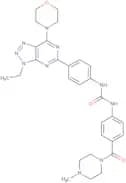
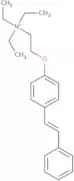
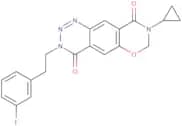
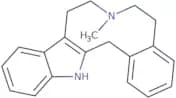


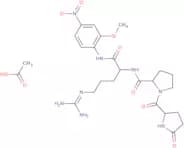
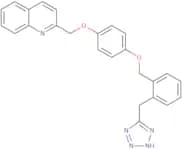
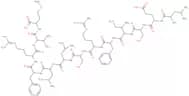
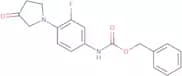


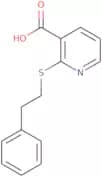


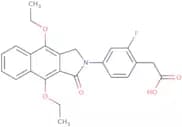
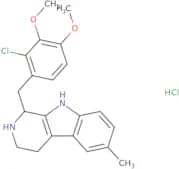

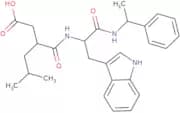
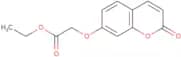
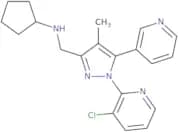
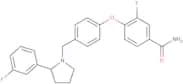
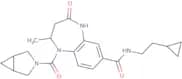

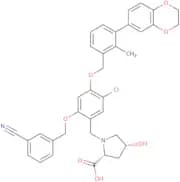


![6-[[4-(2-Fluorophenyl)-1-piperazinyl]methyl]-N2-1-naphthalenyl-1,3,5-triazine-2,4-diamine](/_next/image/?url=https%3A%2Fstatic.cymitquimica.com%2Fproducts%2F3D%2Fthumb-webp%2FZLB86633.webp&w=3840&q=75)


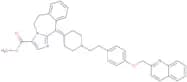

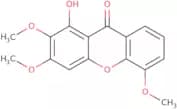
![3-[(1R,5S)-8-[2-[Cyclohexylmethyl(2,3-dihydroxypropanoyl)amino]ethyl]-8-azabicyclo[3.2.1]octan-3-y…](/_next/image/?url=https%3A%2Fstatic.cymitquimica.com%2Fproducts%2F3D%2Fthumb-webp%2FZMB90448.webp&w=3840&q=75)


![3-[[2-(Cyclopentylamino)-3,4-dioxo-1-cyclobuten-1-yl]amino]-2-hydroxy-N-methylbenzamide](/_next/image/?url=https%3A%2Fstatic.cymitquimica.com%2Fproducts%2F3D%2Fthumb-webp%2FYTA72867.webp&w=3840&q=75)




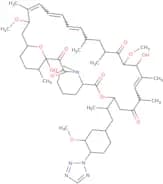
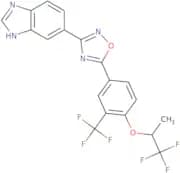
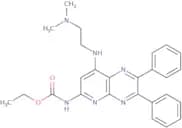
![7-((Benzo[D]thiazol-2-ylamino)(4-(difluoromethoxy)phenyl)methyl)quinolin-8-ol](/_next/image/?url=https%3A%2Fstatic.cymitquimica.com%2Fproducts%2F3D%2Fthumb-webp%2FWSA82686.webp&w=3840&q=75)
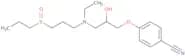


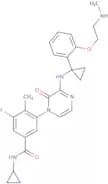
![Octadecanoic acid 1,1′-[(1R)-1-[[[hydroxy[2-[(7-nitro-2,1,3-benzoxadiazol-4-yl)amino]ethoxy]phosph…](/_next/image/?url=https%3A%2Fstatic.cymitquimica.com%2Fproducts%2F3D%2Fthumb-webp%2FWZB30301.webp&w=3840&q=75)

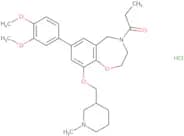
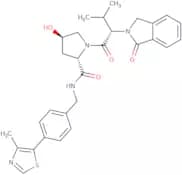
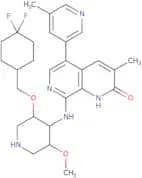


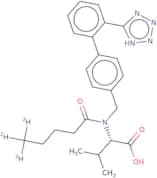

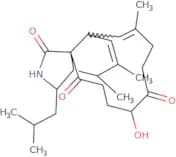
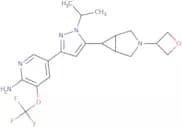

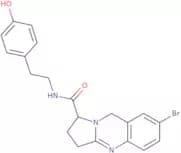
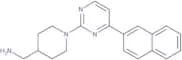
![(E)-N-[(2S)-1-[5-[2-(4-Cyanoanilino)-4-(propylamino)pyrimidin-5-yl]pent-4-ynylamino]-1-oxopropan-2…](/_next/image/?url=https%3A%2Fstatic.cymitquimica.com%2Fproducts%2F3D%2Fthumb-webp%2FXIC79769.webp&w=3840&q=75)
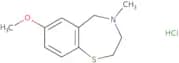


![2-Amino-5-[(1-methoxy-2-methylindolizin-3-yl)carbonyl]benzoic acid](/_next/image/?url=https%3A%2Fstatic.cymitquimica.com%2Fproducts%2F3D%2Fthumb-webp%2FYIB46313.webp&w=3840&q=75)
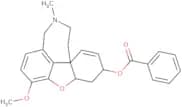
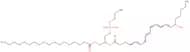
![tert-Butyl 3-benzyl-4-{4-[4-(trifluoromethoxy)phenyl]-1H-1,2,3-triazole-1-carbonyl}piperazine-1-ca…](/_next/image/?url=https%3A%2Fstatic.cymitquimica.com%2Fproducts%2F3D%2Fthumb-webp%2FYYC23358.webp&w=3840&q=75)
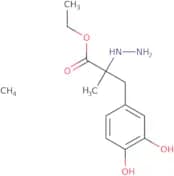

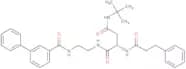
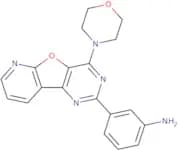

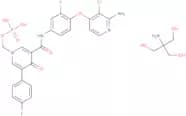

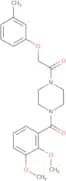
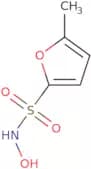


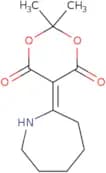
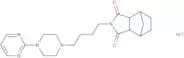
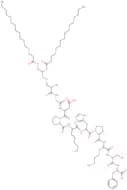
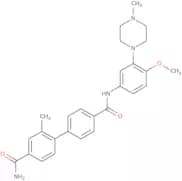
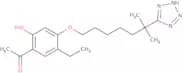
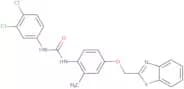
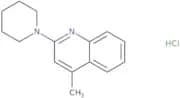

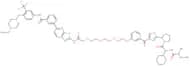
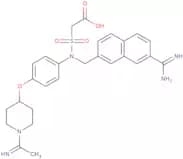
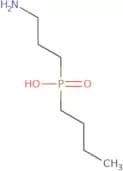


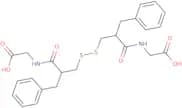
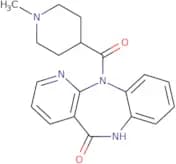
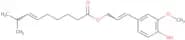


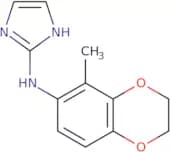
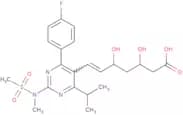
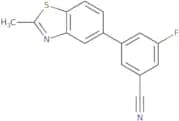


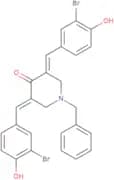
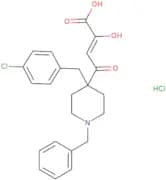
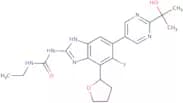


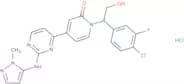
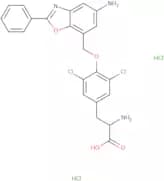


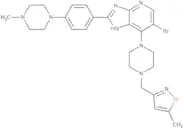



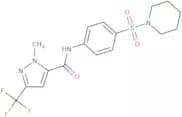

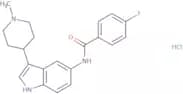

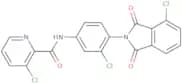
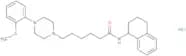

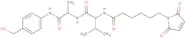
![3-(6-(Dimethylamino)-4-methylpyridin-3-yl)-2,5-dimethyl-N,N-dipropylpyrazolo[1,5-a]pyrimidin-7-ami…](/_next/image/?url=https%3A%2Fstatic.cymitquimica.com%2Fproducts%2F3D%2Fthumb-webp%2FVHA05566.webp&w=3840&q=75)

![2-[[2-[(2-Methylphenyl)methyl]-3-sulfanylpropanoyl]amino]-4-methylsulfanylbutanoic acid](/_next/image/?url=https%3A%2Fstatic.cymitquimica.com%2Fproducts%2F3D%2Fthumb-webp%2FVFA77514.webp&w=3840&q=75)


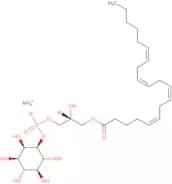
![2-Ethyl-3-[4-[(E)-3-(4-isopropylpiperazin-1-yl)propenyl]benzyl]-5,7-dimethyl-3H-imidazo[4,5-b]pyri…](/_next/image/?url=https%3A%2Fstatic.cymitquimica.com%2Fproducts%2F3D%2Fthumb-webp%2FXXB87916.webp&w=3840&q=75)


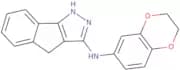

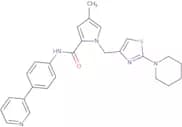
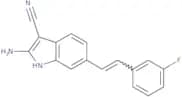

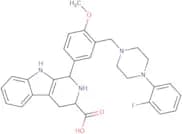
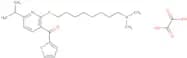


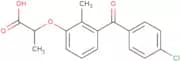
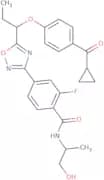

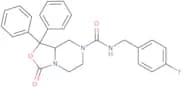
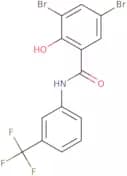

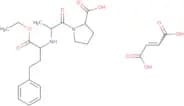

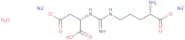
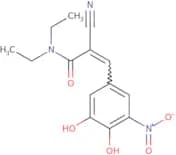
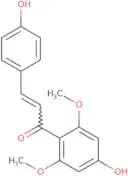
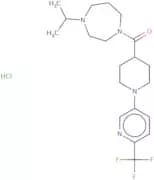
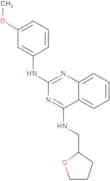


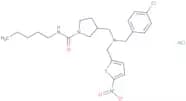
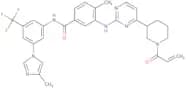
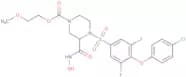

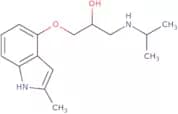

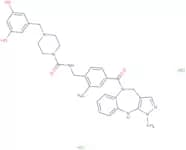
![[Des-Arg9]-bradykinin acetate](/_next/image/?url=https%3A%2Fstatic.cymitquimica.com%2Fproducts%2F3D%2Fthumb-webp%2FYAA82791.webp&w=3840&q=75)