Organometallic Ligands
In this category, you will be able to find a large number of organometallic molecules used as ligands in biomolecules. These organometallic ligands can be used in organic chemistry and synthesis in the laboratory. They play a critical role in forming coordination complexes and catalyzing various chemical reactions. At CymitQuimica, we offer a diverse selection of high-quality organometallic ligands to support your research and industrial needs.
Subcategories of "Organometallic Ligands"
- Buchwald Ligands(22 products)
- DPEN(4 products)
- DPHEN(4 products)
- JOSIPHOS(4 products)
- Phosphine(497 products)
- Porphirines(75 products)
Found 2887 products of "Organometallic Ligands"
Sort by
Purity (%)
0
100
|
0
|
50
|
90
|
95
|
100
BMS-582949
CAS:<p>BMS-582949 is an investigational pharmaceutical compound, specifically a chemokine receptor antagonist, that has been derived through synthetic chemical processes. Its mode of action involves selectively inhibiting the C-C chemokine receptor type 2 (CCR2), a receptor involved in the migration and activation of monocytes and other immune cells. By blocking CCR2, BMS-582949 aims to modulate inflammatory pathways that are implicated in various diseases.</p>Formula:C22H26N6O2Purity:Min. 95%Molecular weight:406.48 g/molObaa
CAS:<p>Obaa is an antimicrobial coating, which is a synthetic compound with engineered properties designed to inhibit bacterial growth. The source of this product is advanced chemical engineering, utilizing innovative formulations to create a stable, long-lasting barrier against microbial colonization. Its mode of action involves disrupting the cell membrane integrity of bacteria, leading to cell lysis and subsequent death of the microorganism.</p>Formula:C28H44O3Purity:Min. 95%Molecular weight:428.6 g/molPhe-Lys(Fmoc)-PAB
CAS:<p>Phe-Lys(Fmoc)-PAB is a chemical compound that belongs to the category of peptide-based prodrugs, which is derived from synthetic sources with a focus on targeted delivery. This compound consists of phenylalanine and lysine residues, where the lysine is modified with a fluorenylmethyloxycarbonyl (Fmoc) protecting group and a p-aminobenzyl (PAB) linker. The mode of action involves utilizing the stable peptide bond and the cleavable PAB linker to deliver active agents in a controlled fashion, usually by enzyme-mediated cleavage at the target site.</p>Formula:C37H40N4O5Purity:Min. 95%Molecular weight:620.74 g/molCCT020312
CAS:<p>CCT020312 is a small-molecule inhibitor that is a selective and potent inhibitor of the P21-activated kinase 4 (PAK4), which is sourced through synthetic organic chemistry. By inhibiting PAK4, this compound disrupts the signaling pathways that are often upregulated in various malignancies, involving proliferation, survival, and cytoskeletal reorganization. Through competitive binding at the ATP-binding site of PAK4, CCT020312 effectively suppresses kinase activity, which is crucial for downstream signaling events associated with oncogenic processes.</p>Formula:C31H30Br2N4O2Purity:Min. 95%Molecular weight:650.4 g/molMKT-077
CAS:<p>MKT-077 is a rhodacyanine dye analogue, which is a compound derived from the class of compounds known as rhodacyanines. This particular analogue is synthesized for its biochemical properties, specifically targeting mitochondrial functions. The mode of action of MKT-077 involves the selective accumulation within the mitochondria of cancer cells, where it induces mitochondrial stress and disrupts mitochondrial membrane potential. This disruption leads to apoptotic cell death, making it a potential agent in cancer treatment research.</p>Formula:C21H22ClN3OS2Purity:Min. 95%Molecular weight:432 g/molTopfluor pi(4,5)P2
CAS:<p>Topfluor PI(4,5)P2 is a synthetic phosphoinositide, which is chemically modified to include a fluorophore for advanced biological research. It is derived from phosphatidylinositol 4,5-bisphosphate, a critical lipid found in eukaryotic cell membranes. The fluorophore allows researchers to visualize and track the behavior of phosphoinositides in real-time using fluorescence microscopy techniques.</p>Formula:C50H78BF2N3O20P3Purity:Min. 95%Molecular weight:1,182.89 g/molGW-406381
CAS:<p>GW-406381 is a potent and selective agonist for the peroxisome proliferator-activated receptor delta (PPARδ), which is commonly employed in pharmacological research. This compound functions as a ligand that activates PPARδ, a nuclear receptor that plays a critical role in the regulation of lipid metabolism, energy homeostasis, and inflammatory responses. By binding to the PPARδ receptor, GW-406381 modulates the transcription of target genes involved in fatty acid oxidation, mitochondrial biogenesis, and muscle fiber type switching.</p>Formula:C21H19N3O3SPurity:Min. 95%Molecular weight:393.46 g/molVPC 23019
CAS:<p>VPC 23019 is an advanced herbicidal formulation, which is a synthetic chemical compound designed for effective weed control. This product is derived from a complex synthesis process involving multiple chemical precursors, optimized for high efficacy and low environmental persistence. The active ingredient in VPC 23019 targets specific enzymatic pathways in weed species, disrupting essential biological processes such as amino acid synthesis. This mode of action results in the inhibited growth and eventual death of the target plants, while minimizing impact on non-target species and surrounding ecosystems.</p>Formula:C17H29N2O5PPurity:Min. 95%Molecular weight:372.4 g/molPf-04455242 hydrochloride
CAS:<p>Pf-04455242 hydrochloride is a selective phosphodiesterase 10A (PDE10A) inhibitor, which is derived synthetically. Its mode of action involves inhibiting the PDE10A enzyme, which plays a critical role in the regulation of intracellular cyclic nucleotides, particularly cyclic AMP and cyclic GMP, in the brain. By selectively targeting PDE10A, this compound modulates neurotransmission pathways that are implicated in psychiatric and neurological disorders.</p>Formula:C21H28N2O2S•HClPurity:Min. 95%Molecular weight:409 g/molSAR 405
CAS:<p>SAR 405 is a selective inhibitor, which is synthesized chemically, targeting the phosphatidylinositol 3-kinase catalytic subunit type 3 (PIK3C3), also known as Vps34. This inhibitor functions by specifically binding to the ATP-binding site of the kinase, thus blocking its catalytic activity. By inhibiting PIK3C3, SAR 405 disrupts phosphatidylinositol 3-phosphate (PI3P) production, a pivotal element in autophagy and endosomal trafficking processes.</p>Formula:C19H21ClF3N5O2Purity:Min. 95%Molecular weight:443.85 g/molAmelubant
CAS:<p>Amelubant is a synthetic compound designed for use in detailed biochemical research and therapeutic investigations. As a product derived from innovative chemical synthesis techniques, Amelubant is engineered to interact with particular biological pathways, predominantly in the field of inflammatory response modulation. Its mode of action involves specific binding to target receptors, influencing downstream signaling cascades.</p>Formula:C33H34N2O5Purity:Min. 95%Molecular weight:538.6 g/molS 32212 hydrochloride
CAS:<p>S 32212 hydrochloride is a selective serotonin receptor antagonist, which is synthesized chemically. Its mode of action involves the selective binding and inhibition of serotonin receptors in the brain, particularly those involved in the modulation of mood, anxiety, and other neurological processes. By targeting these receptors, S 32212 hydrochloride influences serotonin pathways, providing insights into potential therapeutic strategies for neuropsychiatric conditions.</p>Formula:C25H28N4O2·HClPurity:Min. 95%Molecular weight:452.98 g/moldFKBP-1
CAS:<p>dFKBP-1 is a heat shock protein derived from Drosophila melanogaster, which is commonly used as a model organism in genetic and molecular biology research. This protein, known as Drosophila FK506-binding protein 1 (dFKBP-1), originates from Drosophila and is involved in essential cellular processes.</p>Formula:C53H64N6O14Purity:Min. 95%Molecular weight:1,009.1 g/molNada
CAS:<p>Nada is a delactosed fermented dairy beverage, derived from milk sources, with live probiotic cultures as its mode of action. These cultures primarily include strains such as Lactobacillus acidophilus and Bifidobacterium bifidum, known for their ability to promote gut health by modulating the intestinal microbiota, enhancing gut barrier function, and modulating the immune response.</p>Formula:C28H41NO3Purity:Min. 95%Molecular weight:439.6 g/molYC-1
CAS:<p>YC-1 is an activator of soluble guanylate cyclase (sGC), derived from synthetic chemical sources, with a specific mode of action that inhibits the degradation of cyclic guanosine monophosphate (cGMP). By modulating the levels of cGMP, YC-1 affects various biological pathways associated with vasodilation, anti-platelet aggregation, and anti-inflammatory effects.</p>Formula:C19H16N2O2Purity:Min. 95%Molecular weight:304.34 g/molMac glucuronide phenol-linked sn-38
CAS:<p>Mac glucuronide phenol-linked SN-38 is a chemically engineered prodrug derived from irinotecan. This compound serves as a targeted therapeutic agent, designed to enhance the delivery and activation of SN-38, an active metabolite, at tumor sites. The source of this product arises from the selective conjugation of SN-38 with a glucuronide moiety, linked through a phenolic connector, enabling preferential release in the tumor microenvironment.</p>Formula:C50H54N6O20SPurity:Min. 95%Molecular weight:1,091.06 g/molMI-1061
CAS:<p>MI-1061 is a bio-insecticide, which is microbially derived from the bacterium *Metarhizium anisopliae*. This environmentally friendly product utilizes the natural biological processes of its source organism, functioning primarily through spore ingestion by target insect pests. Upon ingestion, the spores germinate, leading to the proliferation of the fungus within the host insect, ultimately causing death through nutrient depletion and physical blockage.</p>Formula:C30H26Cl2FN3O4Purity:Min. 95%Molecular weight:582.4 g/molAxitinib sulfoxide
CAS:<p>Axitinib sulfoxide is a small molecule metabolite, which is derived from the parent compound axitinib. Axitinib, a tyrosine kinase inhibitor, targets vascular endothelial growth factor receptors (VEGFRs), primarily utilized in oncological therapeutics. The source of axitinib sulfoxide is the metabolic transformation of axitinib in vivo, involving the oxidation of sulfur atoms by hepatic metabolic enzymes, particularly cytochrome P450.</p>Formula:C22H18N4O2SPurity:Min. 95%Molecular weight:402.5 g/mol(E)-5-(4-Chlorophenyl)-3-phenylpent-2-enoic acid
CAS:<p>(E)-5-(4-Chlorophenyl)-3-phenylpent-2-enoic acid is an anti-inflammatory compound, which is synthesized through organic chemical processes. Its mode of action involves the inhibition of cyclooxygenase enzymes, thereby reducing the synthesis of pro-inflammatory mediators such as prostaglandins. This action is critical in diminishing inflammation and associated symptoms.</p>Formula:C17H15ClO2Purity:Min. 95%Molecular weight:286.8 g/mol1-(3,4-Dimethoxyphenethylamino)-3-(3,4-dihydroxyphenoxy)-2-propanol
CAS:<p>1-(3,4-Dimethoxyphenethylamino)-3-(3,4-dihydroxyphenoxy)-2-propanol is a synthetic beta-adrenergic blocking agent primarily utilized in scientific research. Derived from laboratory chemical synthesis, this compound is designed to mimic and antagonize the action of endogenous catecholamines on beta-adrenergic receptors. The compound's mode of action involves competitive inhibition of these receptors, reducing heart rate, cardiac output, and vasodilation effects typically mediated by adrenaline and noradrenaline.</p>Formula:C19H25NO6Purity:Min. 95%Molecular weight:363.4 g/molValspodar
CAS:<p>P-glycoprotein (MDR1) inhibitor; non-immunosuppressive cyclosporin A analog</p>Formula:C63H111N11O12Purity:Min. 98 Area-%Color and Shape:PowderMolecular weight:1,214.62 g/molAM 36 dihydrochloride
CAS:<p>AM 36 dihydrochloride is a synthetic cannabinoid receptor ligand, which is derived from chemical synthesis processes aimed at targeting specific receptors in the endocannabinoid system. With its action primarily focused on modulating cannabinoid receptor activity, AM 36 dihydrochloride interacts as an agonist or antagonist, depending on the receptor subtype and the biological context.</p>Formula:C27H39ClN2O2Purity:Min. 95%Molecular weight:459.1 g/molA-889425
CAS:<p>A-889425 is a novel small molecule compound that serves as a potent and selective antagonist. It is derived from synthetic chemical processes aimed at modulating ion channel activity specifically. The mode of action of A-889425 involves the selective inhibition of specific ion channels, which play critical roles in cellular signaling pathways and are implicated in various physiological processes.</p>Formula:C19H18F3N3O3SPurity:Min. 95%Molecular weight:425.4 g/molCDM-NAG
CAS:<p>CDM-NAG is a specialized biochemical substrate, which is a chemical compound derived from the structural modification of chitin. It has been engineered to act as a chromogenic or fluorescent marker due to its functional groups that undergo changes upon enzymatic action. The mode of action involves hydrolysis by N-acetylglucosaminidases, enzymes that recognize and cleave specific glycosidic bonds within the substrate. Upon enzymatic cleavage, CDM-NAG releases a measurable signal, either through colorimetric change or fluorescence, enabling precise quantification of enzyme activity.</p>Formula:C20H30N2O11Purity:Min. 95%Molecular weight:474.5 g/molBombinakinin-GAP
CAS:<p>Bombinakinin-GAP is a neuropeptide, which is derived from the skin secretions of Bombina orientalis, a species of toad. This peptide's source is an amphibian, specifically extracted for its unique biochemical properties. Bombinakinin-GAP functions by interacting with specific receptors in the nervous system, modulating various physiological responses. Its mode of action involves binding to neurokinin receptors, influencing neural signal transmission.</p>Formula:C145H219N39O39S3Purity:Min. 95%Molecular weight:3,228.7 g/molMyxochelin A
CAS:<p>Myxochelin A is an iron-chelating siderophore, which is a specialized secondary metabolite produced by certain strains of myxobacteria. These microorganisms, often found in soil and decomposing material, synthesize Myxochelin A to scavenge iron from the environment, essential for their survival and growth. The mode of action of Myxochelin A involves the sequestration of ferric iron (Fe^3+) ions through its high-affinity binding sites. This effectively deprives competing microorganisms of the iron required for crucial biological processes, imparting an antimicrobial effect.</p>Formula:C20H24N2O7Purity:Min. 95%Molecular weight:404.4 g/molSIS3
CAS:<p>SIS3 is a selective Smad3 inhibitor, which is a small-molecule compound derived through synthetic chemical methods. It is designed to specifically inhibit the phosphorylation and activity of the Smad3 protein, a critical transcription factor involved in the transforming growth factor-beta (TGF-β) signaling pathway. Smad3 is implicated in various cellular processes, including proliferation, differentiation, and apoptosis.</p>Formula:C28H27N3O3·HClPurity:Min. 95%Molecular weight:489.99 g/molAdriforant hydrochloride
CAS:<p>Adriforant hydrochloride is a synthetic histamine H4 receptor antagonist, which is derived through chemical synthesis. This compound specifically targets the H4 receptor, a member of the histamine receptor family, playing a crucial role in the modulation of immune response and inflammatory processes. The mode of action of adriforant hydrochloride involves competitive inhibition of the H4 receptor, thereby blocking the signaling pathways that contribute to the recruitment and activation of immune cells, such as eosinophils and T cells, which are pivotal in allergic and inflammatory conditions.</p>Formula:C13H25Cl3N6Purity:Min. 95%Molecular weight:371.7 g/molRLLFT-NH2
CAS:<p>RLLFT-NH2 is a synthetic neuropeptide, which is designed to mimic naturally occurring neuropeptides with potential modulatory effects in the central nervous system. It is sourced through chemical synthesis, allowing for precise control over its amino acid sequence and modifications. The mode of action of RLLFT-NH2 involves interaction with specific neuropeptide receptors, potentially altering neurotransmission pathways, thereby affecting neural signaling and plasticity.</p>Formula:C31H53N9O6Purity:Min. 95%Molecular weight:647.8 g/molBMS 777607
CAS:<p>A potent Met kinase inhibitor (IC50 = 3.9 nM). Also inhibits Axl, Ron, and Tyro-3 (IC50 = 1.1, 1.8 and 4.3 nM, respectively). Anti-proliferative in Met-driven tumors in vitro and in vivo. Induces polyploidy in breast cancer cells and thereby chemoresistance.</p>Formula:C25H19ClF2N4O4Purity:Min. 95%Molecular weight:512.10629CVT 6883
CAS:Controlled Product<p>CVT 6883 is a selective adenosine A2B receptor antagonist, which is synthesized through chemical processes designed to enhance specificity and efficacy for A2B receptor blockade. The mode of action involves the inhibition of the adenosine A2B receptor, preventing adenosine from binding and activating this receptor subtype. This inhibition can modulate various physiological and pathological processes since adenosine receptors play critical roles in inflammation and fibrosis.</p>Formula:C21H21F3N6O2Purity:Min. 95%Color and Shape:PowderMolecular weight:446.43 g/molAST-1306
CAS:<p>AST-1306 is an irreversible inhibitor, which is a compound designed to target specific enzymes. It stems from advanced pharmaceutical research in the field of cancer therapeutics with a mechanism of targeting the epidermal growth factor receptor (EGFR) kinase. Through covalent bonding, AST-1306 effectively impairs the function of EGFR by forming a stable, permanent bond with its active site, leading to sustained suppression of downstream signaling pathways involved in cellular proliferation and survival.</p>Formula:C24H18ClFN4O2Purity:Min. 95%Molecular weight:448.88 g/molN-[(1S,2R,4S)-2-Amino-4-(dimethylcarbamoyl)cyclohexyl]-N'-(5-chloropyridin-2-yl)oxamide
CAS:<p>N-[(1S,2R,4S)-2-Amino-4-(dimethylcarbamoyl)cyclohexyl]-N'-(5-chloropyridin-2-yl)oxamide is a synthetic compound, which is an engineered chemical structure with potential pharmacological properties. This compound is sourced from systematic organic synthesis, employing targeted molecular adjustments to achieve a precise configuration that may interact with specific biological pathways. It operates by potentially modulating receptor activity or enzyme inhibition, although detailed mechanistic studies are necessary to fully elucidate its mode of action. Its unique configuration allows it to possibly interact with certain biomolecules, aiming to alter or inhibit pathological processes.</p>Formula:C16H22ClN5O3Purity:95%NmrMolecular weight:367.8 g/molPIM-447 dihydrochloride
CAS:<p>PIM-447 dihydrochloride is a potent small molecule kinase inhibitor, which is synthesized as a selective inhibitor of PIM kinases. These kinases, part of the serine/threonine kinase family, are implicated in various cellular processes, including cell cycle progression and survival, making them a target of interest in oncology research. PIM-447 acts by binding to the ATP-binding pocket of PIM kinases, thereby inhibiting their activity and disrupting downstream signaling pathways that promote tumor growth and survival.</p>Formula:C24H25Cl2F3N4OPurity:Min. 95%Molecular weight:513.38 g/molTyrphostin ag 1007
CAS:<p>Tyrphostin AG 1007 is a synthetic small molecule inhibitor, which is derived from chemical synthesis with a targeted mode of action on protein tyrosine kinases. These kinases are crucial enzymes involved in the signal transduction pathways that regulate various cellular processes, including cell growth, differentiation, and metabolism. By inhibiting these kinases, Tyrphostin AG 1007 interferes with aberrant signaling pathways often implicated in diseases such as cancer and inflammatory disorders.</p>Formula:C17H14N2O2SPurity:Min. 95%Molecular weight:310.37 g/mol5-Phenacyloxy-2H-isoquinolin-1-one
CAS:<p>5-Phenacyloxy-2H-isoquinolin-1-one is a synthetic chemical compound, which is primarily utilized as a biochemical inhibitor. This compound is derived from isoquinolinone sources and is distinguished by its phenacyloxy moiety linking it to the isoquinolinone core structure. Its mechanism of action involves selectively inhibiting specific biological pathways, a characteristic that makes it a valuable tool in the study of enzyme regulation and signal transduction processes. By interfering with these pathways, 5-Phenacyloxy-2H-isoquinolin-1-one provides insights into cellular functions and the biochemical landscape.</p>Formula:C17H13NO3Purity:Min. 95%Molecular weight:279.29 g/molDeltamethrin-d5
CAS:<p>Deltamethrin-d5 is a labeled pyrethroid isomer, which is an essential tool in analytical chemistry and environmental science. This product is synthetically derived and incorporates deuterium, a stable isotope of hydrogen, thereby serving as an internal standard in mass spectrometric analysis.</p>Formula:C22H19Br2NO3Purity:Min. 95%Molecular weight:510.2 g/mol3-(3,4-Dimethoxyphenyl)-N-[4-(trifluoromethyl)phenyl]-2-propenamide
CAS:<p>3-(3,4-Dimethoxyphenyl)-N-[4-(trifluoromethyl)phenyl]-2-propenamide is a synthetic compound that belongs to the class of amides derived from 2-propenamide structures. It is primarily sourced from chemical synthesis processes involving the reaction of substituted phenyl groups with trifluoromethyl phenyl derivatives. The compound’s structural features allow it to engage in various interactions through its aromatic and polar functional groups.<br><br>In terms of its mode of action, this compound acts by potentially interacting with specific biological pathways, likely involving modulation of receptor activities or enzyme inhibition due to its molecular architecture. Such interactions can influence cellular responses and are of interest in the study of signal transduction and metabolic pathways.<br><br>The potential uses and applications of 3-(3,4-Dimethoxyphenyl)-N-[4-(trifluoromethyl)phenyl]-2-propenamide include research in pharmacology, specifically within the realms of understanding disease mechanisms and developing therapeutic agents. It may serve as a lead compound or molecular scaffold in the design of new drugs aimed at targeting specific proteins or pathways implicated in various diseases, including cancer, inflammatory disorders, and neurological conditions. Its applications are primarily experimental and aimed at elucidating biochemical pathways within cellular systems.</p>Formula:C18H16F3NO3Purity:Min. 95%Molecular weight:351.3 g/molSPDH
CAS:<p>SPDH reacts with primary amines via its NHS ester and forms disulfide bonds via the pyridyldithiol group. The cleavage occurs intracellularly.</p>Formula:C15H18N2O4S2Purity:Min. 95%Molecular weight:354.44 g/mol5-Ht6 antagonist 29
CAS:<p>5-HT6 antagonist 29 is a pharmacological compound, which is synthesized through organic chemistry techniques, typically involving multi-step reactions to yield high specificity. This compound functions as a selective antagonist for the 5-HT6 serotonin receptor, a G-protein-coupled receptor predominantly found in the central nervous system.</p>Formula:C7H8N6Purity:Min. 95%Molecular weight:176.18 g/mol2'-Hydroxy-2,4,4',5,6'-pentamethoxychalcone
CAS:<p>2'-Hydroxy-2,4,4',5,6'-pentamethoxychalcone is a chalcone compound, which is a type of flavonoid widely known for its diverse biological activities. This particular chalcone is sourced from natural plant origins, where it forms part of the plant's secondary metabolites. Its structure features a unique arrangement of methoxy and hydroxy groups, contributing to its distinctive biochemical properties.</p>Formula:C20H22O7Purity:Min. 95%Molecular weight:374.4 g/molBIX nhe1 inhibitor
CAS:<p>BIX is an NHE1 inhibitor, which is a small molecule compound derived from chemical synthesis. It specifically targets the Na+/H+ exchanger 1 (NHE1), a protein involved in the regulation of intracellular pH. The mode of action of BIX involves the inhibition of NHE1, leading to altered proton exchange across the plasma membrane. This action affects the cellular pH homeostasis and ion balance, which can influence various cellular processes such as cell proliferation, apoptosis, and migration.</p>Formula:C16H20ClF3N4O2Purity:Min. 95%Molecular weight:392.8 g/molBrl 15572 hydrochloride
CAS:<p>Brl 15572 hydrochloride is a selective adenosine A2B receptor antagonist, which is a synthetic chemical compound designed for research purposes. It originates from the synthesis of pharmacological agents aimed at interfering with adenosine receptor-mediated pathways in human physiology. This compound acts by binding to the adenosine A2B receptors with high specificity, inhibiting their activity, and preventing the natural ligand, adenosine, from exerting its effects.</p>Formula:C25H28Cl2N2OPurity:Min. 95%Molecular weight:443.4 g/molIMB-808
CAS:<p>IMB-808 is an advanced synthetic compound, which is derived from a meticulously engineered chemical synthesis process. This compound functions through a unique mode of action that involves the disruption of microbial cell walls, leading to cell lysis and death. The precise mechanism involves the interference with enzymatic functions critical to cell wall biosynthesis, making it highly effective against a broad spectrum of bacterial pathogens.</p>Formula:C18H15F3N2O4Purity:Min. 95%Molecular weight:380.3 g/molSW203668 trifluoroacetate
CAS:<p>SW203668 trifluoroacetate is a synthetic neuropeptide, which is a laboratory-derived analog of natural signaling molecules involved in neuronal communication. It is sourced from chemical synthesis, designed to mimic or enhance the function of endogenous peptides by binding to specific receptors on cell surfaces. The mode of action of SW203668 trifluoroacetate involves the modulation of neurotransmitter release and the subsequent alteration of neuronal signaling pathways.</p>Formula:C22H19N3O2S·CF3CO2HPurity:Min. 95%Molecular weight:503.49 g/molNSC 135130
CAS:<p>NSC 135130 is a synthetic compound that serves as an antioxidant and anti-inflammatory agent. It is derived through chemical synthesis, a process involving the combination of various elements and compounds to produce a novel substance with specific desired properties. The mode of action of NSC 135130 primarily involves the scavenging of free radicals and modulation of inflammatory pathways, thus helping to mitigate oxidative stress and inflammation at the cellular level.</p>Formula:C12H23NO4Purity:Min. 95%Molecular weight:245.32 g/molDesmethylene tadalafil
CAS:<p>Desmethylene tadalafil is a chemical compound, specifically a designer analog of tadalafil, which is known for its phosphodiesterase type 5 (PDE5) inhibition. It is a synthetic derivative, often cited in contexts involving unauthorized erectile dysfunction treatments. Its mode of action involves the inhibition of the PDE5 enzyme, leading to increased levels of cyclic guanosine monophosphate (cGMP). This results in vasodilation and increased blood flow, particularly in the corpus cavernosum.</p>Formula:C21H19N3O4Purity:Min. 95%Molecular weight:377.4 g/molEnsartinib
CAS:<p>Ensartinib is a small-molecule inhibitor of anaplastic lymphoma kinase (ALK), which is a receptor tyrosine kinase. This product is derived from chemical synthesis and classified as a targeted cancer therapy. Ensartinib’s mode of action involves the selective inhibition of ALK phosphorylation, which blocks downstream signaling pathways involved in cell proliferation and survival.</p>Formula:C26H27Cl2FN6O3Purity:Min. 95%Molecular weight:561.4 g/molYHO-13351
CAS:<p>YHO-13351 is an investigational pharmaceutical compound classified as a small molecule inhibitor. It is synthesized through a series of complex chemical processes involving precise modifications and optimizations to achieve high specificity and potency. This compound operates by selectively inhibiting certain molecular pathways that are implicated in pathological conditions, particularly those involving aberrant cellular proliferation and survival mechanisms.</p>Formula:C27H37N3O7S2Purity:Min. 95%Molecular weight:579.73 g/molTCH-165
CAS:<p>TCH-165 is a synthetic compound, which is derived from specialized chemical synthesis processes with precision-targeted interactions in biochemical systems. This compound operates primarily through its capacity to modulate specific signaling pathways, affecting cellular responses at the molecular level. It is engineered to interact selectively with key proteins, altering their activity and thereby influencing downstream biological effects.</p>Formula:C39H37N3O3Purity:Min. 95%Molecular weight:595.7 g/mol2-[1-[(2-Amino-7H-purin-6-yl)amino]ethyl]-5-methyl-3-(2-methylphenyl)quinazolin-4-one
CAS:<p>2-[1-[(2-Amino-7H-purin-6-yl)amino]ethyl]-5-methyl-3-(2-methylphenyl)quinazolin-4-one is a synthetic pharmaceutical compound, classified as a small molecule inhibitor. It is derived from a combination of purine and quinazoline structures, typically synthesized through multi-step organic processes. This compound exhibits its mode of action by specifically targeting and inhibiting certain key enzymes or receptors within cellular pathways, potentially interfering with aberrant signaling processes. Through this mechanism, it can modulate biological activity, offering a pathway to correct dysregulated cellular environments.</p>Formula:C23H22N8OPurity:Min. 95%Molecular weight:426.5 g/molTJ191
CAS:<p>Please enquire for more information about TJ191 including the price, delivery time and more detailed product information at the technical inquiry form on this page</p>Formula:C13H21NO2SPurity:Min. 95%Molecular weight:255.38 g/molCbp/P300-in-3
CAS:<p>Cbp/P300-in-3 is a small molecule inhibitor, which is synthesized in vitro. It functions by selectively inhibiting the CBP/p300 family of histone acetyltransferases (HATs), essential regulatory proteins involved in chromatin remodeling and transcriptional activation. The inhibitor binds to the active site of these enzymes, hindering their activity, thereby disrupting the acetylation of histones and other substrates.</p>Formula:C24H29N7OPurity:Min. 95%Molecular weight:431.53 g/molNsah
CAS:<p>Please enquire for more information about Nsah including the price, delivery time and more detailed product information at the technical inquiry form on this page</p>Formula:C18H14N2O3Purity:Min. 95%Molecular weight:306.3 g/molBeraprost sodium
CAS:<p>Beraprost sodium is a synthetic analog of prostacyclin, which is derived from chemical synthesis. It acts by binding to the prostacyclin (IP) receptors on the surface of vascular endothelial cells and platelets, leading to an increase in cyclic adenosine monophosphate (cAMP) levels. This biochemical cascade results in vasodilation, inhibition of platelet aggregation, and anti-proliferative effects on smooth muscle cells.</p>Formula:C24H29NaO5Purity:Min. 95%Molecular weight:420.5 g/molImidazo[1,2-a]pyridin-2(3H)-one
CAS:<p>Imidazo[1,2-a]pyridin-2(3H)-one is a heterocyclic compound, which is a member of the imidazopyridine class. This compound is synthesized through various organic reactions involving the cyclization of precursor molecules, often incorporating nitrogen atoms into its ring structure. Its mode of action typically involves interaction with specific biological targets, such as receptors or enzymes, where it can modulate physiological responses. The compound acts through binding at allosteric sites, often influencing the activity of central nervous system receptors or enzymes involved in cellular signaling pathways.</p>Formula:C21H18N2OPurity:Min. 95%Molecular weight:314.4 g/molDihydrocyclosporin A
CAS:<p>Dihydrocyclosporin A is an immunosuppressant, which is a cyclic undecapeptide derived from fungal metabolites, specifically from the soil fungus Tolypocladium inflatum. This compound functions through the inhibition of calcineurin, which is a crucial phosphatase involved in the activation of T-cells. By binding to the intracellular protein cyclophilin, Dihydrocyclosporin A forms a complex that inhibits calcineurin activity, subsequently blocking the transcription of interleukin-2 and other cytokines essential for T-cell proliferation.</p>Formula:C62H113N11O12Purity:Min. 95 Area-%Color and Shape:PowderMolecular weight:1,204.63 g/molPEN (human)
CAS:<p>Penicillin (human) is a beta-lactam antibiotic, which is derived from the Penicillium fungi. Its mode of action involves inhibiting the synthesis of peptidoglycan, an essential component of bacterial cell walls. This disruption in cell wall synthesis leads to cell lysis and ultimately bacterial cell death, making it particularly effective against Gram-positive bacteria.</p>Formula:C97H159N27O32Purity:Min. 95%Molecular weight:2,215.49 g/mol1-[4-[6-[6-[(2R)-2-(3-Fluorophenyl)pyrrolidin-1-yl]imidazo[1,2-b]pyridazin-3-yl]pyridin-2-yl]pyridin-2-yl]piperidin-4-ol
CAS:<p>1-[4-[6-[6-[(2R)-2-(3-Fluorophenyl)pyrrolidin-1-yl]imidazo[1,2-b]pyridazin-3-yl]pyridin-2-yl]pyridin-2-yl]piperidin-4-ol is a bioactive small molecule, typically synthesized in laboratories focusing on medicinal chemistry. This compound is specifically designed to interact with biochemical targets, usually proteins or receptors, to modulate their activity. Its mode of action involves binding to specific sites on these targets, potentially leading to inhibition, activation, or alteration of the target's natural function, depending on the desired therapeutic outcome. The applications of this compound are mainly situated in the realm of drug discovery and development, serving as a lead or candidate in the pursuit of effective therapies for conditions that involve the targeted pathways or receptors. Researchers analyze such compounds to assess their efficacy, selectivity, and therapeutic potential in disease models, which is critical in the preclinical stage of drug development.</p>Formula:C31H30FN7OPurity:Min. 95%Molecular weight:535.6 g/molProcaterol
CAS:<p>Procaterol is a bronchodilator, which is a synthetic beta-2 adrenergic agonist. It is derived through chemical processes designed to specifically target the beta-2 adrenergic receptors located in the bronchial smooth muscle. The mode of action involves the activation of these receptors, which leads to the relaxation of bronchial smooth muscles. This relaxation effect facilitates the widening of airways, improving airflow and respiratory function.</p>Formula:C16H22N2O3Purity:Min. 95%Molecular weight:290.36 g/molCalcitonin (salmon) trifluoroacetate
CAS:<p>Calcitonin (salmon) trifluoroacetate is a synthetic peptide analogue of the naturally occurring hormone calcitonin. It is derived from salmon, which is a rich source of calcitonin known for its higher potency compared to human calcitonin. This peptide functions by inhibiting osteoclast activity, which are the cells responsible for bone resorption. It achieves this by binding to specific receptors on osteoclasts, thus reducing bone turnover and lowering calcium levels in the blood.</p>Formula:C147H241F3N44O50S2Purity:Min. 95%Molecular weight:3,545.9 g/molRVT 501
CAS:<p>RVT 501 is a biochemical reagent, which is derived from synthetic organic compounds with high specificity. Its primary mode of action involves the modulation of cellular oxygenation pathways, impacting the activity of specific intracellular enzymes. By interacting with these molecular targets, RVT 501 effectively alters oxidative stress responses, making it invaluable for experimental protocols focused on redox biology and related fields.</p>Formula:C26H24N4O5Purity:Min. 95%Molecular weight:472.49 g/molMSX-122
CAS:<p>MSX-122 is a small-molecule inhibitor, which is synthetically derived through pharmaceutical research. It functions as an antagonist to hypoxia-inducible factor-1α (HIF-1α), a transcription factor pivotal in cellular response to low oxygen conditions. By inhibiting HIF-1α, MSX-122 effectively disrupts the transcriptional activation of genes involved in angiogenesis, metabolism, and survival pathways that are often upregulated in cancerous tissues.</p>Formula:C16H16N6Purity:Min. 95%Molecular weight:292.34 g/molCYM 50769
CAS:<p>CYM 50769 is an agricultural fungicide, which is a synthetic chemical compound designed to protect crops from fungal infections. It originates from extensive laboratory research and development processes aimed at targeting and neutralizing specific fungal threats that affect agricultural yield and quality. The mode of action of CYM 50769 involves the inhibition of essential fungal metabolic pathways, thereby preventing the growth and proliferation of the fungus. This mechanism disrupts the pathogen's ability to reproduce and colonize plant tissues, effectively controlling the spread of the disease.</p>Formula:C24H17ClN2O3Purity:Min. 95%Molecular weight:416.86 g/molAVN-492
CAS:<p>AVN-492 is an anti-inflammatory compound, derived from specific medicinal plant sources. It operates through the modulation of inflammatory pathways, primarily by inhibiting key inflammatory mediators such as cytokines and enzymes involved in the inflammatory response. This is achieved by targeting molecular receptors and signalling pathways that are crucial in the regulation of inflammation.</p>Formula:C17H21N5O2SPurity:Min. 95%Molecular weight:359.45 g/molGSK J4 HCl (GSKJ4 HCl)
CAS:<p>GSK J4 HCl is a small-molecule inhibitor, which is derived from synthetic chemistry methods, designed specifically to target the histone demethylase JMJD3/UTX. This compound functions by inhibiting the activity of the enzyme, effectively modulating epigenetic modifications through its influence on histone demethylation processes.</p>Formula:C24H27N5O2·HClPurity:Min. 95%Molecular weight:453.96 g/molN-Acetylpurinomycin
CAS:<p>N-Acetylpurinomycin is an antibiotic compound, which is a naturally occurring substance derived from microbial sources, specifically certain strains of the Streptomyces genus. The mode of action of N-Acetylpurinomycin involves inhibition of protein synthesis by targeting ribosomal RNA, thereby disrupting the translation process in bacterial cells. This mechanism is akin to several aminoglycoside antibiotics, whereby binding to the ribosome interferes with the fidelity of mRNA translation, leading to the incorporation of incorrect amino acids into proteins and the inhibition of bacterial growth.</p>Formula:C24H31N7O6Purity:Min. 95%Molecular weight:513.5 g/molNCX1022
CAS:<p>NCX1022 is a novel anti-inflammatory compound, which is a nitric oxide-releasing glucocorticoid. This product originates from the integration of glucocorticoids, known for their potent immunosuppressive and anti-inflammatory properties, with nitric oxide (NO) donors. The mode of action involves the dual-release mechanism where the glucocorticoid exerts its effects by binding to the intracellular glucocorticoid receptor, inhibiting the transcription of pro-inflammatory cytokines, while the nitric oxide component facilitates vasodilation and additional anti-inflammatory effects through the modulation of blood flow and reduction of oxidative stress.</p>Formula:C29H35NO9Purity:Min. 95%Molecular weight:541.6 g/molDihydrokainic acid
CAS:<p>Non-transportable inhibitor of GLT-1 glutamate transporter</p>Formula:C10H17NO4Purity:Min. 95%Molecular weight:215.25 g/molNs-3-008 hydrochloride
CAS:<p>Ns-3-008 hydrochloride is a synthetic research compound, which is derived from laboratory-based chemical synthesis. It acts primarily as an inhibitor of specific biological targets, potentially interfering with cellular signaling pathways. The mode of action of Ns-3-008 hydrochloride often involves binding to and inhibiting key enzymes or receptors that play critical roles in disease-related processes.</p>Formula:C14H24ClN3Purity:Min. 95%Molecular weight:269.81 g/molCUDC-427
CAS:<p>CUDC-427 is a small-molecule inhibitor of apoptosis proteins (IAP), which is a synthetic compound sourced from the design and synthesis of targeted anticancer agents. Its primary mode of action involves the selective inhibition of IAPs, particularly cIAP1 and cIAP2. This inhibition leads to the activation of caspases and subsequent induction of apoptosis in cancer cells.</p>Formula:C29H36N6O4SPurity:Min. 95%Molecular weight:564.7 g/molNamitecan
CAS:<p>Namitecan is a semi-synthetic camptothecin derivative, derived primarily from the bark of the Camptotheca acuminata tree, a source known for potent antitumor properties. Its mode of action involves the inhibition of DNA topoisomerase I, an enzyme critical for DNA replication. By stabilizing the covalent bond between DNA and topoisomerase I during the replication process, Namitecan effectively induces DNA damage, resulting in apoptosis of rapidly dividing tumor cells.</p>Formula:C23H22N4O5Purity:Min. 95%Molecular weight:434.4 g/molY-33075 dihydrochloride
CAS:<p>Y-33075 dihydrochloride is a potent selective Rho-associated kinase (ROCK) inhibitor, which is synthesized chemically. It specifically targets ROCK enzymes involved in the regulation of the cytoskeleton by phosphorylating proteins that control smooth muscle contraction, cell migration, and other critical cellular processes. Y-33075 dihydrochloride works by inhibiting the ROCK pathway, leading to alterations in cell shape, motility, and apoptosis.</p>Formula:C16H18Cl2N4OPurity:Min. 95%Molecular weight:353.25 g/mol[(2R)-2-[(E)-But-2-enoyl]oxy-3-hexadecoxypropyl] 2-(trimethylazaniumyl)ethyl phosphate
CAS:Controlled Product<p>[(2R)-2-[(E)-But-2-enoyl]oxy-3-hexadecoxypropyl] 2-(trimethylazaniumyl)ethyl phosphate is a synthetic phospholipid, which is derived from designed chemical synthesis. With its amphiphilic nature, this compound integrates into lipid bilayers, enhancing membrane permeability. It serves as an effective vector for drug delivery, facilitating the transport of therapeutic agents across cellular membranes.</p>Formula:C28H56NO7PPurity:Min. 95%Molecular weight:549.7 g/molIfn α-ifnar-in-1 hydrochloride
CAS:<p>Ifn alpha-ifnar-in-1 hydrochloride is a synthetic small molecule, which is derived from chemical synthesis with a focus on disrupting specific cytokine signaling pathways. This compound operates by selectively inhibiting the interaction between interferon-alpha (IFN-α) and its receptor, IFNAR, thereby blocking downstream JAK-STAT signaling pathways. The blockade of this signaling cascade is crucial in modulating immune responses, which are often dysregulated in various pathologies.</p>Formula:C18H18ClNSPurity:Min. 95%Molecular weight:315.86 g/molBIIE 0246
CAS:<p>BIIE 0246 is a selective neuropeptide Y (NPY) Y2 receptor antagonist, which is a synthetic compound with specific applications in neuroscience research. This product is derived from combinatorial chemistry techniques that allow for precise structure-activity relationship studies.</p>Formula:C49H57N11O6Purity:Min. 95%Molecular weight:896.06 g/molLin28-let-7a antagonist 1
CAS:<p>Lin28-let-7a antagonist 1 is a small molecule inhibitor, which is a chemically synthesized compound with significant therapeutic potential. It acts by targeting the Lin28/let-7 axis, a critical regulatory pathway involved in cellular processes such as development, metabolism, and tumorigenesis. The source of this antagonist is a synthetic, rationally designed compound, optimized for high specificity and potency.</p>Formula:C31H29N5O7Purity:Min. 95%Molecular weight:583.59 g/molPF-3758309
CAS:<p>PF-3758309 is a small molecule inhibitor, which is identified as a product of synthetic chemical engineering. It acts as a potent inhibitor of the PAK kinases, particularly PAK4, a family of serine/threonine kinases involved in cytoskeletal dynamics, cell motility, survival, and proliferation. These kinases are overexpressed in various types of cancer, making them attractive targets for therapeutic intervention.</p>Formula:C25H30N8OSPurity:Min. 95%Molecular weight:490.63 g/molPyr6
CAS:<p>Pyr6 is a small molecule inhibitor, which is derived from synthetic organic chemistry with a specific mode of action targeting signaling pathways. Its main mechanism involves the inhibition of transient receptor potential (TRP) channels, specifically TRPV6, which plays a critical role in calcium influx in cells. By inhibiting TRPV6, Pyr6 effectively disrupts calcium signaling, which is pivotal in various cellular processes, including proliferation and differentiation.</p>Formula:C17H9F7N4OPurity:Min. 95%Molecular weight:418.27 g/mol1-Desoxymethylsphingosine
CAS:<p>1-Desoxymethylsphingosine is a synthetic compound, which is derived from sphingosine analogs, designed for research purposes. As a chemical entity, it is typically synthesized in laboratories specializing in lipid chemistry. The mode of action of 1-Desoxymethylsphingosine involves the inhibition of enzymes involved in sphingolipid metabolism, primarily targeting the sphingosine kinase pathway. This inhibition affects the regulation of bioactive sphingolipids, which play crucial roles in cell signaling and apoptosis.</p>Formula:C17H35NOPurity:Min. 95%Molecular weight:269.47 g/molRMC-4550
CAS:<p>RMC-4550 is an adhesive compound, which is a synthetic formulation with high-performance bonding capabilities. It is derived from an optimized blend of polymers, designed to enhance its adhesion and tensile strength on diverse substrates. The mode of action involves forming molecular interactions and mechanical interlocks with the surfaces it bonds, which provides exceptional resistance to environmental degradation and mechanical stress.</p>Formula:C21H26Cl2N4O2Purity:Min. 95%Molecular weight:437.36 g/mol2-(Phosphonomethyl)-pentanedioic acid tetrasodium
CAS:<p>2-(Phosphonomethyl)-pentanedioic acid tetrasodium is a synthetic compound, which is an organophosphorus chemical designed for specific biochemical applications. Its source lies in the realm of chemical synthesis involving the phosphorylation of organic moieties, leading to its unique structural configuration.</p>Formula:C6H7Na4O7PPurity:Min. 95%Molecular weight:314.05 g/molZnAF-2
CAS:<p>ZnAF-2 is a specialized chemical compound known as a zinc-based antimicrobial agent. It is synthesized through a controlled chemical process involving zinc ions coordinated with specific ligand structures, which contribute to its stability and reactivity. The primary mode of action for ZnAF-2 involves the disruption of microbial cellular structures, specifically targeting cell wall synthesis and membrane integrity. This mechanism allows it to effectively inhibit the growth and proliferation of a wide range of pathogenic microorganisms, including bacteria and fungi.</p>Formula:C34H28N4O5Purity:Min. 95%Molecular weight:572.61 g/molMSC 2032964A
CAS:<p>MSC 2032964A is a synthetic small molecule compound, which is derived from a complex multi-step chemical synthesis process. It functions as an inhibitor of specific enzymatic pathways within cellular processes, displaying selectivity based on molecular interactions at the binding site.</p>Formula:C16H13F3N6OPurity:Min. 95%Molecular weight:362.31 g/molIQ 1S
CAS:<p>IQ 1S is an advanced writing instrument, which is an innovation in sensor-integrated pens developed from cutting-edge optoelectronic engineering. With the integration of highly sensitive, miniaturized sensors and a sophisticated feedback system, IQ 1S provides users with real-time analysis and metadata collection while writing. This instrument utilizes a combination of pressure sensors and accelerometers to capture comprehensive writing data, including pressure, angle, and velocity.</p>Formula:C15H8N3NaOPurity:Min. 95%Molecular weight:269.23 g/molDCG IV
CAS:<p>DCG IV is a sophisticated fourth-generation tyrosine kinase inhibitor, which is synthesized through advanced medicinal chemistry techniques. Its mode of action involves the selective targeting and inhibition of specific tyrosine kinases that are aberrantly active in certain malignancies. By binding to the ATP-binding sites of these kinases, DCG IV effectively disrupts the signaling pathways that are crucial for cancer cell proliferation and survival.</p>Formula:C7H9NO6Purity:Min. 95%Molecular weight:203.15 g/molEnt-ticagrelor
CAS:<p>Ent-ticagrelor is a chirally pure pharmaceutical compound, categorized as a P2Y12 receptor antagonist, derived synthetically. This stereoisomer exemplifies the principle of stereochemistry in drug development, focusing on molecular specificity. Its mode of action involves selective binding to the P2Y12 adenosine diphosphate (ADP) receptors on platelets. This binding effectively inhibits the ADP-mediated activation of the GPIIb/IIIa receptor complex, which is crucial for platelet aggregation and clot formation.</p>Formula:C23H28F2N6O4SPurity:Min. 95%Molecular weight:522.6 g/molUSP7/USP47 inhibitor
CAS:<p>The USP7/USP47 inhibitor is a small molecule inhibitor, which is a synthetic compound designed to interrupt specific protein functions. It is sourced through chemical synthesis processes that enable precise modulation of the ubiquitin-proteasome system. The mode of action involves the inhibition of USP7 (ubiquitin-specific protease 7) and USP47, which are enzymes with deubiquitinating activity. By preventing these enzymes from removing ubiquitin tags from substrate proteins, the inhibitor promotes protein degradation.</p>Formula:C18H11Cl2N3O3S3Purity:Min. 95%Molecular weight:484.4 g/molProtac brd9 degrader-1
CAS:<p>Protac BRD9 Degrader-1 is a small molecule degrader, which is a bifunctional molecule derived from proteolysis-targeting chimera (PROTAC) technology. It operates by harnessing the ubiquitin-proteasome system to selectively degrade the BRD9 protein. The molecule consists of two ligands: one binds to the target protein, BRD9, and the other recruits an E3 ubiquitin ligase. This forms a ternary complex, leading to the ubiquitination and subsequent degradation of BRD9.</p>Formula:C42H45N7O12S2Purity:Min. 95%Molecular weight:904 g/molABP 688
CAS:<p>ABP 688 is a radiolabeled ligand, which is a synthetic compound used primarily in positron emission tomography (PET) to visualize metabotropic glutamate receptor subtype 5 (mGluR5) in vivo. Developed from chemical synthesis, ABP 688 acts by selectively binding to the allosteric site of the mGluR5 receptor with high affinity and specificity. When labeled with a positron-emitting isotope such as Carbon-11 or Fluorine-18, it allows for the non-invasive imaging and quantification of mGluR5 distribution and density in the brain.</p>Formula:C15H16N2OPurity:Min. 95%Molecular weight:240.3 g/molFASN-IN-3
CAS:<p>FASN-IN-3 is a chemical compound that functions as a selective inhibitor of fatty acid synthase (FASN), which is an enzyme crucial for the biosynthesis of fatty acids. It is typically synthesized through complex organic chemistry techniques aimed at robust and precise inhibitory action. The mode of action involves the potent binding to the FASN enzyme, thereby obstructing its activity. This disruption hinders the conversion of acetyl-CoA and malonyl-CoA into long-chain fatty acids, a process vital for cellular lipid synthesis and energy storage.</p>Formula:C24H24N4OPurity:Min. 95%Molecular weight:384.47 g/mol4-[6-Amino-9-methyl-8-(triazol-2-yl)purin-2-yl]butan-2-ol
CAS:<p>4-[6-Amino-9-methyl-8-(triazol-2-yl)purin-2-yl]butan-2-ol is a synthetic chemical compound with potential applications in biomedical research. This compound is derived from purine, which is a molecule that plays a critical role in various biological processes, including the synthesis of nucleic acids. The presence of the triazole group in its structure enhances the compound's capacity for diverse chemical interactions, making it a versatile tool in experimental settings.</p>Formula:C12H16N8OPurity:Min. 95%Molecular weight:288.31 g/mol3-Methyl-1-trityl-1H-1,2,4-triazole
CAS:<p>3-Methyl-1-trityl-1H-1,2,4-triazole is a chemical compound that belongs to the class of triazole derivatives. It is synthesized in a laboratory setting through organic synthesis techniques, involving the tritylation of a triazole moiety. Its mode of action is primarily centered on its triazole ring, which is known to interact with a variety of biological targets, potentially affecting enzymatic functions and inhibiting certain pathways. Due to its unique structure, this compound is of interest in medicinal chemistry for its possible role as a bioactive agent. Applications include its use as a research tool in the study of enzyme inhibition, exploring new therapeutic pathways, and as a scaffold for the development of more complex bioactive molecules. Its structure allows for modifications that can yield analogs with diverse biological activities, making it a valuable compound for scientists working in drug discovery and development.</p>Formula:C22H19N3Purity:Min. 95%Molecular weight:325.4 g/mol(+)-Azasetron hydrochloride
CAS:<p>(+)-Azasetron hydrochloride is a chemical compound known as a 5-HT3 receptor antagonist, which is synthesized through chemical processes. Its primary mode of action involves the selective inhibition of the serotonin 5-HT3 receptor, located in both the central and peripheral nervous systems. This block prevents serotonin from binding to its receptor, which is a crucial step in the emetic response—a physiological reaction that leads to nausea and vomiting.</p>Formula:C17H21Cl2N3O3Purity:Min. 95%Molecular weight:386.3 g/molNeopatulin
CAS:<p>Neopatulin is a naturally occurring compound classified as a bioactive agent, which is derived from certain species of fungi, particularly from Penicillium. Its mode of action involves disrupting microbial cell function, making it effective as an antimicrobial agent. The compound interferes with cell wall synthesis and metabolic processes of the microorganisms, ultimately inhibiting their growth and proliferation.<br><br>Neopatulin is utilized primarily in research settings to explore its potential applications in controlling microbial growth in various contexts, ranging from food preservation to pharmaceutical development. Its ability to inhibit a broad spectrum of pathogens highlights its importance in studies focusing on food safety and infectious disease control. Ongoing research is investigating its efficacy and safety profile, with an aim to strategically harness its antimicrobial properties while minimizing any potential adverse effects. As such, Neopatulin serves as a potent tool for scientists aiming to develop innovative solutions for microbial resistance and other challenges in microbiology and biotechnology.</p>Formula:C7H6O4Purity:Min. 95%Molecular weight:154.12 g/molN-(3-Bromophenyl)-1H-imidazo[4,5-G]quinazolin-8-amine, hydrochloride
CAS:Controlled Product<p>N-(3-Bromophenyl)-1H-imidazo[4,5-G]quinazolin-8-amine, hydrochloride is a small molecule inhibitor, which is typically sourced from chemical synthesis performed under controlled laboratory conditions. This compound operates as a selective inhibitor targeting specific signaling pathways, such as those involving kinases that are often upregulated in cancerous cells. By interfering with these pathways, the compound can effectively disrupt cellular proliferation, making it a valuable tool for understanding cancer cell biology.</p>Formula:C15H11BrClN5Purity:Min. 95%Molecular weight:376.64 g/molMF-438
CAS:<p>MF-438 is a novel chemical catalyst, which is synthesized from specialized organic compounds. Functioning as a highly effective facilitator in chemical reactions, it accelerates reaction rates without being consumed in the process. This catalyst operates at a molecular level, optimizing the energy profile of reactions and thereby increasing yield and efficiency.</p>Formula:C19H18F3N5OSPurity:Min. 95%Molecular weight:421.4 g/molAumitin
CAS:<p>Aumitin is an innovative compound that is categorized as a bioactive molecule, which is derived from natural sources such as medicinal plants or microorganisms. It exhibits its mode of action through specific interactions with cellular pathways, potentially modulating key processes within the cell. These interactions can lead to alterations in cellular functions such as signaling, metabolism, or growth regulation.</p>Formula:C24H20ClN5OPurity:Min. 95%Molecular weight:429.9 g/molrac-Enprostil
CAS:<p>rac-Enprostil is a synthetic prostaglandin analog derived from the natural compound prostaglandin E2, produced primarily via synthetic chemical processes. This compound functions by mimicking the action of endogenous prostaglandins on the gastrointestinal mucosa. It enhances the secretion of mucus and bicarbonate, promoting mucosal protection and stability. Additionally, rac-Enprostil inhibits gastric acid secretion, thus providing a protective effect against gastric lesions and ulcers.</p>Formula:C23H28O6Purity:Min. 95%Molecular weight:400.5 g/molUC-514321
CAS:<p>Please enquire for more information about UC-514321 including the price, delivery time and more detailed product information at the technical inquiry form on this page</p>Formula:C26H35NO5Purity:Min. 95%Molecular weight:441.56 g/molGAT228
CAS:<p>GAT228 is a herbicide that functions as an enzyme inhibitor, originating from synthetic chemical formulations developed for agricultural use. The mode of action involves inhibiting specific enzymes that are crucial for the growth and survival of certain plant species, thereby disrupting their normal physiological processes. This interruption prevents the synthesis of essential amino acids, ultimately leading to the death of the targeted weeds.</p>Formula:C22H18N2O2Purity:Min. 95%Molecular weight:342.4 g/molDPP IV Inhibitor, NVP DPP 728
CAS:<p>NVP DPP 728 is a DPP IV Inhibitor, which is a small molecule compound derived from pharmaceutical research aimed at targeting metabolic pathways. As a potent inhibitor of dipeptidyl peptidase IV (DPP-IV), it functions by preventing the degradation of incretin hormones, primarily glucagon-like peptide-1 (GLP-1) and glucose-dependent insulinotropic polypeptide (GIP). This action enhances the body's ability to regulate glucose levels by increasing insulin secretion in a glucose-dependent manner, while simultaneously suppressing glucagon release.</p>Formula:C15H18N6O·2HClPurity:Min. 95%Molecular weight:371.27 g/molBTZO 1
CAS:<p>BTZO 1 is an advanced biochemical reagent, typically derived through complex organic synthesis. It operates primarily by interacting with specific biochemical pathways, acting as either a catalyst or inhibitor depending on the surrounding conditions and the target system. This dual functionality allows for precise modulation of biochemical processes, making it highly versatile in laboratory settings.</p>Formula:C13H8N2OSPurity:Min. 95%Molecular weight:240.28 g/molVapreotide acetate
CAS:Controlled Product<p>Vapreotide acetate is a synthetic somatostatin analog, which is derived through chemical synthesis to mimic the naturally occurring hormone somatostatin. Its mode of action involves binding to somatostatin receptors, leading to the inhibition of the secretion of several hormones and growth factors, such as growth hormone (GH), insulin, glucagon, and gastrin. This inhibitory effect is achieved due to its structural similarity to somatostatin, allowing it to effectively modulate endocrine and exocrine functions.</p>Formula:C59H74N12O11S2Purity:Min. 95%Molecular weight:1,191.4 g/molCEP-33779
CAS:<p>CEP-33779 is a small-molecule inhibitor designed to target the Janus kinase 2 (JAK2) enzyme, which is a crucial component in the JAK-STAT signaling pathway originating from pro-inflammatory cytokine and growth factor receptors. Derived through sophisticated medicinal chemistry and pharmacological exploration, CEP-33779 functions by selectively inhibiting JAK2 activity. This inhibition is achieved by binding to the ATP-binding pocket of the JAK2 enzyme, thereby blocking the phosphorylation and subsequent activation of STAT proteins, which are essential for the transcription of genes involved in inflammation and tumor proliferation.</p>Formula:C24H26N6O2SPurity:Min. 95%Molecular weight:462.6 g/molFosteabine
CAS:<p>Please enquire for more information about Fosteabine including the price, delivery time and more detailed product information at the technical inquiry form on this page</p>Formula:C27H50N3O8PPurity:Min. 95%Molecular weight:575.7 g/mol(R)-5-Fluoro-N-(4-fluoro-3-(3-imino-2,5-dimethyl-1,1-dioxido-1,2,4-thiadiazinan-5-yl)phenyl)picolinamide 2,2,2-trifluoroacetate
CAS:<p>(R)-5-Fluoro-N-(4-fluoro-3-(3-imino-2,5-dimethyl-1,1-dioxido-1,2,4-thiadiazinan-5-yl)phenyl)picolinamide 2,2,2-trifluoroacetate is a sophisticated chemical compound, primarily utilized in the field of pharmaceutical research. Derived from synthetic organic chemical processes, this compound represents a class of advanced heteroaryl amides with potential bioactive properties. Its unique mode of action is centered on its ability to engage in binding interactions, presumably with specific protein targets or enzymes, influencing molecular pathways related to disease states.</p>Formula:C19H18F5N5O5SPurity:Min. 95%Molecular weight:523.4 g/molBay 11-7085
CAS:<p>Bay 11-7085 is a synthetic chemical inhibitor that is utilized in scientific research. It is derived from a class of bioactive molecules designed to interfere with specific cellular pathways. Bay 11-7085 functions as a covalent inhibitor of the NF-κB signaling pathway, a critical regulator of immune response and cell survival. By targeting the phosphorylation of IκBα, Bay 11-7085 effectively prevents the translocation of NF-κB to the nucleus, thereby modulating gene expression and inhibiting downstream effects.</p>Formula:C13H15NO2SPurity:Min. 95%Molecular weight:249.33 g/molN-[4-(3-Aminopiperidin-1-yl)-5-bromo-1H-indol-3-yl]cyclopropanecarboxamide
CAS:<p>Please enquire for more information about N-[4-(3-Aminopiperidin-1-yl)-5-bromo-1H-indol-3-yl]cyclopropanecarboxamide including the price, delivery time and more detailed product information at the technical inquiry form on this page</p>Formula:C17H21BrN4OPurity:Min. 95%Molecular weight:377.3 g/molPAT-1251 hydrochloride
CAS:<p>PAT-1251 hydrochloride is a synthetic compound, classified as a selective serotonin receptor antagonist. It is synthesized through complex organic chemistry processes in a controlled laboratory environment, ensuring high purity and specificity. Its mode of action involves the selective inhibition of the 5-HT3 receptor, a subtype of serotonin receptors, which are ion channels involved in neurotransmission in the central and peripheral nervous systems.</p>Formula:C18H18ClF4N3O3Purity:Min. 95%Molecular weight:435.8 g/molDeriglidole
CAS:<p>Deriglidole is a synthetic compound, which is an organic molecule developed through chemical synthesis. Its source is a lab-engineered process, designed to provide consistency and precision in its molecular structure. This compound functions by inhibiting specific enzymes involved in critical metabolic pathways, thereby altering the biochemical reactions within cellular systems.</p>Formula:C16H21N3Purity:Min. 95%Molecular weight:255.36 g/molBrobactam sodium
CAS:<p>Brobactam sodium is a β-lactamase inhibitor, which is a chemically synthesized compound with the primary function of inactivating β-lactamase enzymes produced by certain bacteria. These enzymes can degrade β-lactam antibiotics, such as penicillins and cephalosporins, rendering them ineffective. Brobactam sodium functions by forming a covalent bond with the active site of β-lactamase enzymes, thus inhibiting their activity and allowing the concomitantly administered β-lactam antibiotic to exert its bactericidal effect on the susceptible pathogens.</p>Formula:C8H9BrNNaO3SPurity:Min. 95%Molecular weight:302.12 g/molPF-03549184
CAS:<p>PF-03549184 is a novel pharmacological compound, classified as a selective GABA_A receptor modulator. It is synthetically derived through advanced chemical processes to achieve high specificity and potency. The mode of action of PF-03549184 involves targeting specific subtypes of the GABA_A receptor, which plays a significant role in inhibitory neurotransmission in the central nervous system. By modulating these receptors, PF-03549184 enhances synaptic transmission and neural network function.</p>Formula:C21H14Cl2N2O4SPurity:Min. 95%Molecular weight:461.32 g/molASP3026
CAS:<p>ASP3026 is a selective tyrosine kinase inhibitor, which is a synthetic small molecule derived from advanced pharmaceutical research. Its mode of action involves the selective inhibition of the anaplastic lymphoma kinase (ALK), a receptor tyrosine kinase implicated in a variety of cancers. By blocking the activity of ALK, ASP3026 interferes with critical signaling pathways that are essential for cancer cell proliferation and survival.</p>Formula:C29H40N8O3SPurity:Min. 95%Molecular weight:580.75 g/molDinitrodenafil
CAS:<p>Dinitrodenafil is a synthetic phosphodiesterase type 5 (PDE5) inhibitor, which is developed through chemical synthesis. Its mode of action involves inhibiting the PDE5 enzyme, leading to increased levels of cyclic guanosine monophosphate (cGMP) in smooth muscle cells. This results in vasodilation and improved blood flow, particularly in the corpus cavernosum of the penis.</p>Formula:C17H18N6O6Purity:Min. 95%Molecular weight:402.4 g/molAB 1010
CAS:<p>AB 1010 is a natural antioxidant derived from plant sources, specifically formulated to exhibit potent free radical scavenging properties. This product operates by neutralizing reactive oxygen species (ROS) and other free radicals, thereby preventing oxidative stress and subsequent cellular damage. The primary mechanism involves the donation of electrons to unstable molecules, effectively stabilizing them and halting further oxidative chain reactions.</p>Formula:C28H30N6OS·CH4O3SPurity:Min. 95%Molecular weight:594.75 g/mol1-Deoxy-L-threo-sphinganine-d3
CAS:Controlled Product<p>1-Deoxy-L-threo-sphinganine-d3 is a deuterated sphingolipid analogue, which is a synthetic derivative obtained through selective hydrogen-deuterium exchange. This compound acts as a stable isotope-labeled internal standard, essential for accurate quantification in mass spectrometry-based lipidomics and metabolomics studies. As an analog of naturally occurring sphingolipids, it participates in cellular signaling by modulating pathways involved in cell growth, differentiation, and apoptosis.</p>Formula:C18H36D3NOPurity:Min. 95%Molecular weight:288.53 g/molTrk-in-4
CAS:<p>Trk-in-4 is a small molecule inhibitor, which is synthetically derived to target Trk kinases. These kinases, part of the receptor tyrosine kinase family, are critically involved in neurotrophin signaling pathways, impacting cell differentiation, growth, and survival. Trk-in-4 functions by selectively binding to the ATP-binding site of Trk receptors, thereby blocking downstream signaling cascades.</p>Formula:C24H23F4N5O4Purity:Min. 95%Molecular weight:521.5 g/molPYZD-4409
CAS:<p>PYZD-4409 is a synthetic compound designed for use in advanced materials science. It is sourced from a meticulously controlled chemical synthesis process that ensures high purity and specificity. The compound operates through a unique molecular interaction mechanism, enabling it to modify the physical properties of polymer matrices. This interaction enhances the durability and thermal stability of the materials in which it is incorporated.</p>Formula:C14H7ClFN3O5Purity:Min. 95%Molecular weight:351.67 g/molMilfasartan
CAS:<p>Milfasartan is an angiotensin II receptor blocker (ARB), which is synthetically derived. Its mode of action involves selectively blocking the binding of angiotensin II to the angiotensin I receptor, a crucial aspect in the regulation of blood pressure. This inhibition results in vasodilation, thereby reducing blood pressure and decreasing the workload on the heart.</p>Formula:C30H30N6O3SPurity:Min. 95%Molecular weight:554.7 g/mol1,2-Dipalmitoyl-d62-sn-glycero-3-phosphocholine-N,N,N-trimethyl-d9
CAS:Controlled Product<p>1,2-Dipalmitoyl-d62-sn-glycero-3-phosphocholine-N,N,N-trimethyl-d9 is a deuterated phospholipid, which is an important tool in biophysical research. This molecule is sourced from the synthetic modification of natural phosphatidylcholine, incorporating deuterium atoms to enhance its utility in specialized studies. The deuterium labeling replaces hydrogen atoms, which significantly reduces background noise and enhances signal clarity in spectroscopic techniques like NMR and neutron scattering.</p>Formula:C40H9NO8PD71Purity:Min. 95%Molecular weight:805.48 g/mol7-Chloro-3,4-dihydro-2-(3-pyridyl)-1(2H)-naphthalenone
CAS:<p>7-Chloro-3,4-dihydro-2-(3-pyridyl)-1(2H)-naphthalenone is a prenylated aromatic amine that is metabolized to 1,4-benzodioxane by cytochrome P450 enzymes. The enzyme activities of 7-chloro-3,4-dihydro-2-(3-pyridyl)-1(2H)-naphthalenone have been shown to be dose dependent in rat liver microsomes and in testicular incubations. This compound is not reactive with the electron spin resonance spectrometer (ESR) at room temperature but becomes highly reactive when it is warmed up. This increased reactivity may be due to an increase in the concentration of free radicals or an increase in the number of accessible sites on the molecule after warming.</p>Formula:C15H12ClNOPurity:Min. 95%Molecular weight:257.71 g/molE 5555 hydrobromide
CAS:<p>E 5555 hydrobromide is a psychoactive compound, which is a synthetic derivative developed for research purposes. This product is derived from laboratory synthesis, specifically designed to interact with neurological pathways, reflecting a controlled and reproducible production process. The mode of action involves modulation of neurotransmitter systems, specifically targeting receptors commonly associated with psychiatric and neurological disorders. This interaction alters synaptic transmission, providing insights into receptor function and potential pharmacological profiles.</p>Formula:C29H38FN3O5·HBrPurity:Min. 95%Molecular weight:608.54 g/molSIRT1 Activator II
CAS:<p>SIRT1 Activator II is a biochemical compound known as a small molecule activator. It is derived from synthetic sources, specifically engineered to interact with cellular pathways involved in aging and metabolism. The mode of action of SIRT1 Activator II involves the activation of the SIRT1 enzyme, a member of the sirtuin family of NAD+-dependent deacetylases. This activation results in the modulation of gene expression relevant to cellular stress resistance, metabolic regulation, and longevity.</p>Formula:C22H15FN4O2SPurity:Min. 95%Molecular weight:418.44 g/molPhytosphingosine acetamide
CAS:<p>Phytosphingosine acetamide is a bioactive lipid derivative, which is synthesized from phytosphingosine, a naturally occurring component present in the stratum corneum of the skin. Its mode of action involves modulation of ceramide synthesis, improvement of the skin’s barrier function, and inhibition of microbial adherence. This compound effectively integrates into the skin’s lipid matrix and influences cellular processes related to skin health.</p>Formula:C20H41NO4Purity:Min. 95%Molecular weight:359.5 g/molPK68
CAS:<p>PK68 is an innovative chemical compound that serves as a selective protein kinase inhibitor, derived through advanced synthetic chemistry techniques. The compound operates by binding to the ATP-binding pocket of target kinases, effectively inhibiting their activity. This mode of action allows PK68 to modulate various kinase-driven signaling pathways that are crucial in cellular processes.</p>Formula:C22H24N4O3SPurity:Min. 95%Molecular weight:424.5 g/molSch-42495 racemate
CAS:<p>Sch-42495 racemate is a synthetic compound, categorized as a central nervous system (CNS) agent, derived from laboratory synthesis. This racemate comprises a mixture of enantiomers that display activity affecting neurotransmitter systems, which makes it of particular interest in neuropharmacology. The mode of action involves modulation of specific receptor pathways in the CNS, potentially influencing neurotransmitter release and receptor sensitivity.<br><br>Scientific investigations have explored Sch-42495 racemate primarily for its potential applications in treating neurological disorders. Its effects on brain chemistry suggest possible use in addressing conditions such as depression, anxiety, and other mood disorders. Researchers are also examining its utility in neuroprotection and cognitive enhancement, given its interactions with neural signaling pathways. While still in experimental phases, the compound's dual-enantiomer profile may offer unique advantages in fine-tuning therapeutic effects and minimizing side effects, making it a promising candidate for future CNS drug development.</p>Formula:C20H29NO4S2Purity:Min. 95%Molecular weight:411.6 g/mol12:0(2S-OH) ceramide
CAS:<p>12:0(2S-OH) ceramide is a bioactive lipid molecule, which is a type of ceramide characterized by a specific chemical structure denoted by its 12 carbon atoms and a 2S-hydroxy group. It is derived from sphingolipids, typically sourced from cellular membranes where sphingolipids are major components. Ceramides are integral to the maintenance of the structural integrity of cell membranes and are involved in diverse cellular functions.</p>Formula:C30H59NO4Purity:Min. 95%Molecular weight:497.79 g/molDeramciclane
CAS:Controlled Product<p>Deramciclane is an anxiolytic medication, which is a synthetic compound derived from chemical synthesis. Its mode of action involves modulating the serotonergic neurotransmission system in the brain. Deramciclane primarily functions as a 5-HT2A receptor antagonist. This interaction is believed to contribute to its anxiolytic properties by balancing serotonin levels, thereby reducing symptoms of anxiety.<br><br>The uses and applications of Deramciclane are predominantly within the field of psychiatry for the management of anxiety disorders. It is administered in therapeutic settings where decreasing excessive neural excitability is desired. Unlike benzodiazepines, which also have anxiolytic effects, Deramciclane does not exhibit sedative or muscle relaxant properties, making it potentially advantageous where cognitive impairment needs to be minimized. Ongoing research is also investigating its effects on other mood disorders, contributing to a broader understanding of its clinical efficacy.</p>Formula:C20H31NOPurity:Min. 95%Molecular weight:301.5 g/molM1001
CAS:<p>M1001 is a biochemical reagent, which is synthesized through advanced organic chemistry techniques, with a specific mode of action that targets nucleic acid structures. It functions as an intercalating agent, inserting itself between base pairs in DNA strands. This interaction alters DNA topology, making M1001 invaluable for research applications that involve DNA replication, transcription, and repair studies.</p>Formula:C17H17N3O2SPurity:Min. 95%Molecular weight:327.4 g/molNVX-207
CAS:<p>NVX-207 is a nanoparticle-based vaccine platform, which is engineered using recombinant nanoparticle technology with a protein subunit approach. This vaccine is derived from a proprietary recombinant baculovirus that infects insect cells, enabling the production of dense, protein-filled nanoparticles. This unique mode of action allows for the stable presentation of antigens in a manner that mimics their native conformation, effectively enhancing the host's immune response.</p>Formula:C36H59NO6Purity:Min. 95%Molecular weight:601.9 g/molAspochracin
CAS:<p>Aspochracin is a mycotoxin, which is a naturally occurring product derived from certain fungi, specifically from the genus Aspergillus. It acts by inhibiting protein synthesis in susceptible organisms, altering fundamental cellular processes. As a biologically active compound, Aspochracin has been studied for its potential antibiotic and antifungal properties. Its mode of action involves the disruption of cellular mechanisms crucial for growth and replication, making it a compound of interest in the study of microbial growth inhibitors.</p>Formula:C23H36N4O4Purity:Min. 95%Molecular weight:432.6 g/mol6-Methoxy-2-(5-methyl-2-furyl)-N-[(1-methyl-4-piperidyl)methyl]-7-(3-pyrrolidin-1-ylpropoxy)quinolin-4-amine
CAS:<p>6-Methoxy-2-(5-methyl-2-furyl)-N-[(1-methyl-4-piperidyl)methyl]-7-(3-pyrrolidin-1-ylpropoxy)quinolin-4-amine is a synthetic quinoline derivative, which is developed through a series of targeted chemical modifications of the quinoline core structure. This compound is engineered to interact selectively with specific receptors within the central nervous system, due to its high affinity for particular receptor subtypes. Its molecular architecture facilitates the modulation of neurotransmitter pathways, by either agonistic or antagonistic activities, depending on its application.</p>Formula:C29H40N4O3Purity:Min. 95%Molecular weight:492.7 g/molCcr7 ligand 1
CAS:<p>Ccr7 Ligand 1 is a synthetic chemotactic cytokine, which is a product designed for research purposes sourced from a specialized laboratory synthesis process. This ligand functions by specifically binding to the CCR7 receptor, thus activating intracellular signaling pathways that are crucial for navigation of cells toward lymphoid organs. It engages in signaling pathways that influence cell migration, maturation, and activation through G-protein coupled receptor mechanisms.</p>Formula:C22H29N5O5SPurity:Min. 95%Molecular weight:475.56 g/molGW 311616A
CAS:<p>GW 311616A is an experimental immunomodulatory compound, which is synthesized through chemical processes designed to interact with specific biological pathways. The compound works by selectively inhibiting particular enzymes involved in the immune response, thereby modulating inflammatory processes. This mode of action allows researchers to explore its potential in regulating overactive immune systems or in conditions where immune suppression might be beneficial.</p>Formula:C19H31N3O4S·HClPurity:Min. 95%Molecular weight:433.99 g/mol2’-Oxo tadalafil
CAS:<p>2’-Oxo tadalafil is a synthetic compound, specifically a derivative of tadalafil. It is a research chemical derived from chemical modifications and is closely related to phosphodiesterase type 5 (PDE5) inhibitors. Its mode of action involves the inhibition of the PDE5 enzyme, leading to increased levels of cyclic guanosine monophosphate (cGMP) in the smooth muscle cells of the corpus cavernosum. This action facilitates smooth muscle relaxation and increased blood flow, which are key mechanisms in the treatment of erectile dysfunction.</p>Formula:C22H17N3O5Purity:Min. 95%Molecular weight:403.4 g/mol4-Amino-N-[2,6-bis(methylamino)-4-pyrimidinyl]-benzenesulfonamide dihydrochloride
CAS:<p>4-Amino-N-[2,6-bis(methylamino)-4-pyrimidinyl]-benzenesulfonamide dihydrochloride is a sulfonamide antibiotic, commonly known as sulfadiazine dihydrochloride. It is a synthetic antimicrobial agent derived from sulfanilamide, a compound originally extracted from azo dyes. Its mode of action involves inhibiting bacterial dihydropteroate synthase, which leads to the obstruction of folic acid synthesis. This disruption is critical as folic acid is essential for bacterial growth and replication.</p>Formula:C12H17ClN6O2SPurity:Min. 95%Molecular weight:344.82 g/moliso IRX-A
CAS:<p>Iso IRX-A is a novel isomeric compound, which is synthetically derived from advanced organic chemical processes. Its molecular structure has been meticulously engineered to optimize its stability and reactivity, making it an invaluable tool for researchers investigating complex chemical reactions and synthetic pathways. This compound operates through a unique mode of action that involves precise intermolecular interactions, facilitating the formation and cleavage of chemical bonds with high specificity. The isomer's capability to engage in such targeted reactions makes it an ideal candidate for exploring reaction mechanisms and for use as a reference substance in analytical applications.</p>Formula:C24H32O2Purity:Min. 95%Molecular weight:352.5 g/molNSC305787
CAS:<p>NSC305787 is a small molecule modulator, which is derived from synthetic sources. It exhibits its mode of action by interfering with specific cell signaling pathways, ultimately influencing cellular processes. The compound is particularly known for its ability to inhibit or modify the activity of certain proteins involved in these pathways, offering insight into cellular behavior and potential intervention points for various biological systems.</p>Formula:C25H30Cl2N2OPurity:Min. 95%Molecular weight:445.42 g/molLometrexol disodium
CAS:<p>Lometrexol disodium is an antifolate chemotherapeutic agent, which is a synthetic derivative of the naturally occurring compound folic acid. Its mechanism of action involves the inhibition of the enzyme glycinamide ribonucleotide formyltransferase (GARFT), which plays a critical role in the de novo purine biosynthesis pathway. By targeting GARFT, Lometrexol disodium effectively disrupts nucleotide synthesis, leading to impaired DNA replication and cell division, primarily affecting rapidly proliferating cancer cells.</p>Formula:C21H23N5Na2O6Purity:Min. 95%Molecular weight:487.4 g/molNVP-QAV 680
CAS:<p>NVP-QAV 680 is a kinase inhibitor, which is a synthetic compound designed to obstruct the enzymatic activity of specific kinases involved in various cellular processes. It is derived from precise chemical synthesis, allowing for targeted interaction with the ATP-binding pockets of kinases pertinent to oncogenic signaling pathways. The mode of action involves competitive inhibition, where NVP-QAV 680 competes with ATP, effectively decreasing the phosphorylation of downstream substrates and resulting in the inhibition of aberrant cell proliferation.</p>Formula:C18H18N2O4SPurity:Min. 95%Molecular weight:358.41 g/molBisphenol A-d6 diglycidyl ether
CAS:<p>Bisphenol A-d6 diglycidyl ether is a deuterated form of an epoxy resin prepolymer, which is a vital compound in polymer chemistry and materials science. It is synthesized through the glycidylation of deuterated bisphenol A, introducing stable isotopic labeling with six deuterium atoms. This isotopic form retains the structural integrity of Bisphenol A diglycidyl ether but enhances its utility in specific scientific applications.</p>Formula:C21H24O4Purity:Min. 95%Molecular weight:346.4 g/molHMN-154
CAS:<p>Please enquire for more information about HMN-154 including the price, delivery time and more detailed product information at the technical inquiry form on this page</p>Formula:C20H18N2O3SPurity:Min. 95%Molecular weight:366.43 g/molSKF83822 hydrobromide
CAS:<p>SKF83822 hydrobromide is a selective dopamine receptor agonist, which is synthetically derived with a specific affinity for dopamine D1 receptors. Its mode of action involves the targeting and activation of these receptors, offering a unique tool for research into dopamine-related signaling pathways. Due to its specificity, SKF83822 hydrobromide is utilized extensively in neuroscientific research to investigate the roles of D1 receptors in various physiological and pathological contexts.</p>Formula:C20H22ClNO2·HBrPurity:Min. 95%Molecular weight:424.76 g/molN-[(E,2S,3R)-1,3-Dihydroxyoctadec-4-en-2-yl]triacontanamide
CAS:Controlled Product<p>N-[(E,2S,3R)-1,3-Dihydroxyoctadec-4-en-2-yl]triacontanamide is a complex lipid molecule, which is typically synthesized or isolated from biological sources such as plant or animal lipids. This compound belongs to a class of fatty acid conjugates known for their structural complexity and biological activities.</p>Formula:C48H95NO3Purity:Min. 95%Molecular weight:734.3 g/molRTC-30
CAS:<p>RTC-30 is an optogenetic tool, which is a photoresponsive device that operates by altering its chemical structure upon exposure to specific wavelengths of light. This molecule can be precisely controlled through exposure to UV or visible light, leading to reversible changes between its active and inactive forms. RTC-30's mechanism involves photoswitching, a property that allows it to toggle cellular processes on or off, effectively acting as a molecular switch.</p>Formula:C24H23F3N2O4SPurity:Min. 95%Molecular weight:492.5 g/molORM-15341
CAS:<p>Please enquire for more information about ORM-15341 including the price, delivery time and more detailed product information at the technical inquiry form on this page</p>Formula:C19H17ClN6O2Purity:Min. 95%Molecular weight:396.83 g/mol13-[(2-Fluorophenyl)methyl]-5,6-dihydro-9,10-dimethoxy-benzo[g]-1,3-benzodioxolo[5,6-a]quinolizinium chloride
CAS:<p>13-[(2-Fluorophenyl)methyl]-5,6-dihydro-9,10-dimethoxy-benzo[g]-1,3-benzodioxolo[5,6-a]quinolizinium chloride is a synthetic heterocyclic compound, which is a derivative of quinolizinium chloride. It is synthesized through a series of chemical reactions involving arylation and cyclization, leveraging fluorinated aromatic substrates as precursors. The mode of action of this compound typically involves interactions with nucleic acids or enzyme systems, making it a potential candidate for studying biological pathways and molecular interactions.</p>Formula:C27H23FClNO4Purity:Min. 95%Molecular weight:479.93 g/molAIM-100
CAS:<p>The AIM-100 is an advanced spectrophotometer, which is a sophisticated instrument originating from the field of optical technology, and it operates through the absorption of light wavelengths for the quantification and analysis of molecular compounds. By utilizing a state-of-the-art monochromator and photodetector, it precisely measures the intensity of light absorbed by a sample as a function of wavelength. This method enables the elucidation of molecular structure, concentration, and interactions within complex mixtures. The AIM-100 is particularly valuable in biochemical and pharmaceutical laboratories, where it contributes to the identification and quantitative analysis of proteins, nucleic acids, and small molecules. Its applications are further extended to environmental science, where it assists in the analysis of pollutants and organic materials in water and soil samples. Scientists leverage the AIM-100 to obtain high-resolution spectra that are critical for research and development, ensuring enhanced accuracy and reliability in experimental outcomes.</p>Formula:C23H21N3O2Purity:Min. 95%Molecular weight:371.43 g/mol1-(3-Methylbenzoyl)-1H-indazole-3-carbonitrile
CAS:Controlled Product<p>1-(3-Methylbenzoyl)-1H-indazole-3-carbonitrile is a synthetic compound categorized as a designer drug, specifically within the class of synthetic cannabinoids. These compounds are often manufactured to mimic the effects of naturally occurring cannabinoids found in the cannabis plant (Cannabis sativa). They act primarily on cannabinoid receptors, particularly CB1 and CB2 receptors, found throughout the central and peripheral nervous systems.</p>Formula:C16H11N3OPurity:Min. 95%Molecular weight:261.28 g/molBis(7)-tacrine
CAS:<p>Bis(7)-tacrine is a synthetic, dimeric acetylcholinesterase inhibitor, which is derived from the classical Alzheimer's treatment drug, tacrine. This compound functions through a dual-binding mechanism where it efficiently inhibits acetylcholinesterase by binding at two different sites, leading to increased availability of acetylcholine at synapses. Bis(7)-tacrine has been studied for its potential neuroprotective and cognitive-enhancing effects.</p>Formula:C33H42Cl2N4Purity:Min. 95%Molecular weight:565.6 g/molISA-2011B
CAS:<p>ISA-2011B is a corrosion inhibitor, which is a synthetic compound designed to minimize or prevent the degradation of metals caused by environmental factors. It is derived from a specialized chemical synthesis process, ensuring high purity and efficacy in various industrial applications. The mode of action involves forming a protective film on the surface of metal substrates, thereby blocking corrosive agents such as moisture, oxygen, and salts from making contact with the metal surface.</p>Formula:C22H18ClN3O4Purity:Min. 95%Molecular weight:423.85 g/molML314
CAS:<p>Please enquire for more information about ML314 including the price, delivery time and more detailed product information at the technical inquiry form on this page</p>Formula:C24H28N4O3Purity:Min. 95%Molecular weight:420.5 g/molID 8-d3
CAS:<p>ID 8-d3 is a plant growth stimulant, which is derived from lignin, a complex organic polymer found in the cell walls of many plants and algae. With a deep focus on promoting plant growth and resilience, ID 8-d3 functions through the modulation of key plant physiological processes. Its mode of action involves enhancing nutrient uptake, stimulating root development, and bolstering stress resilience, which is mediated by biochemical pathways that synergize with the plant’s inherent metabolic processes.</p>Formula:C16H11D3N2O4Purity:Min. 95%Molecular weight:301.31 g/molDisplurigen
CAS:<p>Displurigen is an advanced immunotherapy agent, engineered from recombinant DNA technology, which is derived from a specifically modified microbial source to act as an immune modulator. By targeting specific receptors on immune cells, it enhances the adaptive immune response, thereby facilitating a robust and sustained activation of T-cells and B-cells. This targeted action leads to improved antigen presentation and subsequent effector function.</p>Formula:C15H10O4SPurity:Min. 95%Molecular weight:286.3 g/molVU 0364439
CAS:<p>VU 0364439 is a negative allosteric modulator (NAM) of the metabotropic glutamate receptor 5 (mGlu5), which is sourced from synthetic chemical libraries. Its mode of action involves selectively binding to the mGlu5 receptor, thereby inhibiting its function by interfering with glutamate signaling without competing at the active site. This modulation affects various downstream signaling pathways involved in numerous neurological processes.</p>Formula:C18H13Cl2N3O3SPurity:Min. 95%Molecular weight:422.29 g/molLevobupivacaine hydrochloride
CAS:<p>Inhibitor of sodium channels; analgesic</p>Formula:C18H29ClN2OPurity:Min. 95%Color and Shape:PowderMolecular weight:324.89 g/molSKI 5C
CAS:<p>SKI 5C is a small-molecule inhibitor, which is synthetically derived with a unique mechanism that targets specific signaling pathways involved in cancer cell proliferation. The source of SKI 5C lies in its synthetic chemistry, designed to interact precisely with cellular components that regulate growth signals within cancerous cells. Its mode of action includes the inhibition of key enzymes and receptors involved in these pathways, effectively disrupting the processes that lead to uncontrolled cell division.<br><br>In research and clinical applications, SKI 5C is primarily used to study and potentially treat malignancies characterized by aberrant signaling activities. By selectively targeting cancer cells while sparing normal cells, SKI 5C provides a valuable model for understanding the molecular dynamics of cancer growth and resistance. Its precise intervention in cellular signaling cascades makes it an important tool for experimental therapeutics and biomarker discovery, offering insights into new avenues for targeted oncological therapies. Through its application, SKI 5C contributes to the broader research goals of improving the specificity and efficacy of cancer treatments.</p>Formula:C26H45NO4Purity:Min. 95%Molecular weight:435.64 g/mol9(S)-Hydroxy-10(E),12(Z)-octadecadienoic acid
CAS:<p>9(S)-Hydroxy-10(E),12(Z)-octadecadienoic acid is a specialized lipid derivative, classified as an oxidized fatty acid product, specifically a hydroxyoctadecadienoic acid (HODE). It is derived from linoleic acid through the action of lipoxygenases, enzymes that catalyze the dioxygenation of polyunsaturated fatty acids, resulting in regio- and stereospecific hydroxy derivatives.</p>Formula:C18H32O3Purity:Min. 95%Molecular weight:296.4 g/molPrionogenesis inhibitor, daph-12
CAS:<p>Prionogenesis inhibitor, daph-12, is a specialized bioactive compound that functions as a prionogenesis inhibitor. This product is derived from natural sources, specifically isolated through advanced biochemical techniques designed to identify compounds with affinity for misfolded protein structures. Its mode of action involves the selective inhibition of prion protein misfolding and aggregation pathways, effectively preventing the conversion of normal cellular prion proteins into their pathological forms.</p>Formula:C22H19N3O4Purity:Min. 95%Molecular weight:389.4 g/molHeparin cofactor II
CAS:<p>Heparin cofactor II is a serine protease inhibitor (serpin), which is a naturally occurring protein primarily synthesized in the liver. It plays a critical role in the regulation of thrombin, an enzyme involved in blood coagulation. The mechanism of action involves Heparin cofactor II binding to heparin or dermatan sulfate, which significantly enhances its ability to inhibit thrombin by forming a stable complex, thereby reducing thrombin’s activity and preventing the conversion of fibrinogen to fibrin.</p>Purity:90%YLF-466D
CAS:<p>YLF-466D is a synthetic compound, which is an engineered chemical entity designed for biochemical applications. It is typically synthesized through a multi-step chemical process involving specific reagents and catalysts, ensuring precision and purity that meet research-grade standards. Its mode of action involves interaction with specific molecular targets, altering biological pathways to facilitate detailed studies of cellular mechanisms. This makes YLF-466D highly valuable in research settings focused on understanding intricate biochemical processes or developing novel therapeutic strategies.</p>Formula:C29H20ClNO3Purity:Min. 95%Molecular weight:465.93 g/mol3-(4-Oxo-1H-quinazolin-2-yl)-N-[(1S)-1-phenylethyl]propanamide
CAS:<p>3-(4-Oxo-1H-quinazolin-2-yl)-N-[(1S)-1-phenylethyl]propanamide is a synthetic small molecule, which is primarily utilized in the field of medicinal chemistry. This compound is derived through complex organic synthesis, involving the assembly of the quinazoline scaffold, a structure frequently encountered in pharmacologically active agents.</p>Formula:C19H19N3O2Purity:Min. 95%Molecular weight:321.4 g/molFEN1-IN-4
CAS:<p>FEN1-IN-4 is a small-molecule inhibitor, which is a chemically synthesized compound designed to selectively bind and inhibit the activity of Flap Endonuclease 1 (FEN1), a crucial enzyme in DNA replication and repair processes. By targeting FEN1, FEN1-IN-4 effectively interferes with its role in maintaining genomic stability, thereby promoting synthetic lethality in cancer cells that rely heavily on DNA repair mechanisms.</p>Formula:C12H12N2O3Purity:Min. 95%Molecular weight:232.23 g/molIQ-R
CAS:<p>IQ-R is an advanced nucleic acid detection system, which is an innovative product derived from state-of-the-art molecular biology techniques with a focus on specificity and sensitivity. Its primary mode of action involves the utilization of highly specific probes that hybridize with target nucleic acid sequences, enabling precise detection and quantification even in complex biological samples.<br><br>The IQ-R system is designed for use in a wide range of biochemical and genetic research applications. It is particularly valuable for experiments requiring accurate DNA or RNA analysis, such as gene expression studies, pathogen detection, and genetic variation investigations. The system's advanced design allows for high-throughput capabilities, making it suitable for both small-scale laboratories and large research institutions. Through its robust and reliable technology, IQ-R stands out as a pivotal tool for scientists aiming to achieve precise and reproducible data in their molecular biology research.</p>Formula:C34H28N2O7Purity:Min. 95%Molecular weight:576.6 g/molLorlatinib acetate
CAS:Controlled Product<p>Lorlatinib acetate is a small-molecule tyrosine kinase inhibitor, which is a synthetic pharmaceutical compound designed to specifically inhibit the activity of anaplastic lymphoma kinase (ALK) and C-ros oncogene 1 (ROS1). This compound is derived through complex chemical synthesis to ensure specificity and potency in its mechanism of action. Lorlatinib acetate functions by selectively binding to the ATP-binding site of ALK and ROS1, leading to the inhibition of downstream signaling pathways that promote tumor cell proliferation and survival. This targeted action results in the interruption of cancer cell growth and the induction of apoptosis in cancer cells harboring ALK and ROS1 aberrations.</p>Formula:C23H23FN6O4Purity:Min. 95%Molecular weight:466.5 g/molHypocrellin B
CAS:<p>Hypocrellin B is a photosensitizer, which is a compound capable of generating reactive oxygen species upon light activation. It is derived from the perylenequinone family of compounds, primarily sourced from fungi such as Shiraia bambusicola. The mode of action of Hypocrellin B involves the generation of singlet oxygen and other reactive oxygen species when exposed to specific wavelengths of light. This oxidative process can induce cellular damage, making it effective in targeting abnormal cells.</p>Formula:C30H24O9Purity:Min. 95%Molecular weight:528.51 g/molAcetildenafil
CAS:<p>Synthetic phosphodiesterase inhibitor</p>Formula:C25H34N6O3Purity:Min. 95 Area-%Color and Shape:White PowderMolecular weight:466.58 g/molTLR7/8 agonist 1 dihydrochloride
CAS:<p>TLR7/8 agonist 1 dihydrochloride is a synthetic small molecule compound, which is derived through meticulous chemical synthesis efforts aimed at modulating specific immune pathways. It functions by targeting toll-like receptors 7 and 8 (TLR7/8), which play a crucial role in the innate immune system. By activating these receptors, TLR7/8 agonist 1 dihydrochloride triggers a cascade of immune responses including the production of pro-inflammatory cytokines and type I interferons.</p>Formula:C22H27Cl2N5Purity:Min. 95%Molecular weight:432.39 g/molN-[1-(3-Cyclopropyl-1,2,4-oxadiazol-5-yl)cyclohexyl]-2-(2-thienyl)acetamide
CAS:Controlled Product<p>N-[1-(3-Cyclopropyl-1,2,4-oxadiazol-5-yl)cyclohexyl]-2-(2-thienyl)acetamide is a synthetic compound, which is derived from targeted chemical synthesis processes. It is designed to act as a specific modulator within certain biochemical pathways, leveraging its unique structural components for selective binding and activity. The cyclopropyl-oxadiazole moiety is critical for its receptor interaction, while the thienyl-acetamide segment enhances its pharmacokinetic profile.</p>Formula:C17H21N3O2SPurity:Min. 95%Molecular weight:331.4 g/mol2-(2-Acetamido-4-methylvaleramido)-N-(1-formyl-4-guanidinobutyl)-4-methylvaleramide
CAS:<p>2-(2-Acetamido-4-methylvaleramido)-N-(1-formyl-4-guanidinobutyl)-4-methylvaleramide is a synthetic compound that functions as an antifungal agent. It is derived from chemical synthesis, allowing precise modifications for enhanced efficacy. This compound acts by inhibiting vital fungal cell processes, disrupting cell wall synthesis, and impeding protein production, ultimately causing cell death.</p>Formula:C20H38N6O4Purity:Min. 95%Molecular weight:426.6 g/molPT2385
CAS:<p>PT2385 is a small molecule inhibitor, which is derived from pharmaceutical research targeting the hypoxia-inducible factor pathway. It specifically targets and inhibits hypoxia-inducible factor 2 alpha (HIF-2α), a key transcription factor involved in tumor angiogenesis and growth. The mode of action of PT2385 involves binding selectively to the PAS-B domain of HIF-2α, preventing its dimerization and subsequent DNA binding, thereby attenuating hypoxic response gene expression.</p>Formula:C17H12F3NO4SPurity:Min. 95%Molecular weight:383.34 g/molH2L 5765834
CAS:<p>Please enquire for more information about H2L 5765834 including the price, delivery time and more detailed product information at the technical inquiry form on this page</p>Formula:C21H12N2O7Purity:Min. 95%Molecular weight:404.3 g/molMMP Inhibitor V
CAS:<p>MMP Inhibitor V is a synthetic compound, which is designed as a selective inhibitor of matrix metalloproteinases (MMPs), a group of zinc-dependent endopeptidases. Derived from chemical synthesis, this inhibitor specifically targets the catalytic sites of MMPs, which are crucial for their enzymatic activity. By chelating the zinc ion at the active site, it effectively hinders the proteolytic function of these enzymes.</p>Formula:C22H28N2O6Purity:Min. 95%Molecular weight:416.47 g/molCrassifolioside
CAS:<p>Crassifolioside is a bioactive saponin-derived compound that is sourced from the Ligularia species, specifically Ligularia vellerea. This compound exhibits a distinct mode of action by interacting with specific cellular pathways to exert anti-inflammatory and antioxidant effects. It achieves this by modulating the activity of enzymes and signaling molecules involved in inflammation and oxidative stress responses.</p>Formula:C35H46O19Purity:Min. 95%Molecular weight:770.7 g/molAKTide-2T
CAS:<p>AKTide-2T is a synthetic peptide, which is designed as a research tool to selectively engage with Akt signaling pathways in cellular models. Synthesized using advanced peptide chemistry, AKTide-2T mimics physiological substrates of Akt, a serine/threonine-specific protein kinase crucial for regulating cellular processes like metabolism, proliferation, and survival.</p>Formula:C74H114N28O20Purity:Min. 95%Molecular weight:1,715.9 g/molErythro-3,4-dimethyl-α-[1-(methylamino)ethyl]benzylalcohol hydrochloride
CAS:Controlled Product<p>Erythro-3,4-dimethyl-alpha-[1-(methylamino)ethyl]benzylalcohol hydrochloride is a synthetic compound, which is a derivative obtained through intricate chemical synthesis. It functions primarily as a norepinephrine-dopamine reuptake inhibitor, thereby influencing the synaptic levels of these neurotransmitters by blocking their reabsorption into presynaptic neurons, which increases their availability in the synaptic cleft.</p>Formula:C12H19NOPurity:Min. 95%Molecular weight:193.28 g/molOleacein
CAS:<p>Oleacein is a phenolic compound, which is a secoiridoid derivative primarily found in olive leaves and extra virgin olive oil. It is derived from the hydrolysis of oleuropein during oil extraction and storage. Oleacein exerts its mode of action through its potent antioxidant and anti-inflammatory properties, functioning by scavenging free radicals and modulating pathways involved in inflammatory responses.</p>Formula:C17H20O6Purity:Min. 95%Molecular weight:320.3 g/molTD-0212
CAS:<p>TD-0212 is a synthesized small molecule, which is derived from a specialized strain of bacterium engineered for enhanced bioactivity. It functions as an antimicrobial agent, primarily targeting gram-positive bacteria by disrupting cell wall synthesis through the inhibition of peptidoglycan polymerization. This targeted mechanism of action results in cell lysis and effectively curbs bacterial proliferation.</p>Formula:C28H34FN3O4SPurity:Min. 95%Molecular weight:527.7 g/molSGC-CK2-1
CAS:<p>SGC-CK2-1 is a molecule that inhibits the activity of casein kinase 2. Casein kinase 2 has been shown to be a drug target for neurodegenerative diseases, which includes Parkinson's disease and Alzheimer's disease. SGC-CK2-1 has shown efficacy in clinical studies as an anticancer agent, although it is not yet known how this drug works at the molecular level. Further research is needed to determine the effects of SGC-CK2-1 on other types of cancer cells, such as glioma or pancreatic cancer cells.</p>Formula:C20H21N7OPurity:Min. 95%Molecular weight:375.43 g/molFinasteride acetate
CAS:Controlled Product<p>Finasteride acetate is a synthetic compound classified as a 5-alpha-reductase inhibitor. This compound is derived through organic synthesis processes, allowing precise control over its chemical structure and pharmacological properties. Finasteride acetate functions by competitively inhibiting the enzyme 5-alpha-reductase, which is responsible for the conversion of testosterone to dihydrotestosterone (DHT). This reduction in DHT levels leads to a decrease in the androgenic activity associated with conditions such as benign prostatic hyperplasia (BPH) and androgenetic alopecia.</p>Formula:C25H40N2O4Purity:Min. 95%Molecular weight:432.6 g/molSb-204070 hydrochloride
CAS:<p>Sb-204070 hydrochloride is a potent and selective endothelin receptor antagonist, which is a synthetic compound developed for research purposes. Synthesized from a laboratory process, it specifically targets the endothelin receptor subtypes, which play a crucial role in various physiological functions related to the cardiovascular system.</p>Formula:C19H27ClN2O4Purity:Min. 95%Molecular weight:382.9 g/molRK-33
CAS:<p>RK-33 is a small molecule inhibitor, which is synthesized as a chemical compound. It functions by targeting and inhibiting the activity of DDX3, a DEAD-box RNA helicase, which plays a crucial role in the modulation of RNA biogenesis and translation processes. By interfering with DDX3, RK-33 disrupts processes essential for the proliferation of certain cancer cells, making it a significant focus in cancer research.<br><br>The compound demonstrates potential therapeutic applications in oncology, particularly in the treatment of cancers showing elevated DDX3 activity. Studies have shown its ability to impede the growth of tumor cells in various cancer models, highlighting its role in enhancing the efficacy of existing therapeutic strategies. Researchers are keenly investigating RK-33's effectiveness in combination therapies to better understand its potential in reducing tumor resistance and improving treatment outcomes. Such investigations could pave the way for developing targeted therapies across diverse types of malignancies where DDX3 is a pivotal factor.</p>Formula:C23H20N6O3Purity:Min. 95%Molecular weight:428.44 g/molFPL-64176
CAS:<p>Please enquire for more information about FPL-64176 including the price, delivery time and more detailed product information at the technical inquiry form on this page</p>Formula:C22H21NO3Purity:Min. 95%Molecular weight:347.41 g/molCBL0137 hydrochloride
CAS:<p>CBL0137 hydrochloride is a small molecule anti-cancer agent, which is a synthetic compound derived from curaxins. It acts as an inhibitor of chromatin remodeling. The source of this compound consists of artificial synthesis designed to target molecular pathways involved in cancer cell survival.</p>Formula:C21H25ClN2O2Purity:Min. 95%Molecular weight:372.89 g/molDihydrexidine
CAS:<p>Dihydrexidine is a selective dopamine receptor agonist, which is synthesized in a laboratory setting. It primarily acts on D1-like dopamine receptors, facilitating an increase in dopaminergic signaling pathways. This increased signaling is achieved through binding and activating specific receptor subtypes that influence numerous neural pathways.</p>Formula:C17H17NO2Purity:Min. 95%Molecular weight:267.32 g/molGSK'962
CAS:<p>GSK'962 is a small molecule phosphodiesterase inhibitor, specifically designed to modulate intracellular signaling pathways by targeting phosphodiesterase enzymes. This compound is synthesized through complex organic chemistry techniques conducted under controlled laboratory conditions. Its primary mode of action involves the inhibition of specific phosphodiesterase enzymes, leading to an increase in intracellular levels of cyclic adenosine monophosphate (cAMP) or cyclic guanosine monophosphate (cGMP). These changes in intracellular signaling cascades have been shown to affect various physiological processes, particularly within neural and cardiovascular systems.</p>Formula:C14H18N2OPurity:Min. 95%Molecular weight:230.31 g/molNPS-1034
CAS:<p>Please enquire for more information about NPS-1034 including the price, delivery time and more detailed product information at the technical inquiry form on this page</p>Formula:C31H23F2N5O3Purity:Min. 95%Molecular weight:551.54 g/mol6-Methyl-12-[4-(4-methylpiperazin-1-yl)phenyl]-4-(1-methylpyrazol-4-yl)-3,5,8,10-tetrazatricyclo[7.4.0.02,7]trideca-1(9),2,4,6,10,12 -hexaene
CAS:<p>6-Methyl-12-[4-(4-methylpiperazin-1-yl)phenyl]-4-(1-methylpyrazol-4-yl)-3,5,8,10-tetrazatricyclo[7.4.0.0^2,7]trideca-1(9),2,4,6,10,12-hexaene is a synthetic heterocyclic compound, which is developed as part of pharmaceutical research focused on oncology. This compound is synthesized through complex organic chemistry techniques to achieve a unique configuration that interacts with specific biological pathways. Its mode of action involves binding to certain molecular targets within cancer cells, thereby modulating signaling pathways that control cell proliferation, apoptosis, and other critical functions pertinent to tumor growth and metastasis.</p>Formula:C25H26N8Purity:Min. 95%Molecular weight:438.5 g/molEMD386088
CAS:<p>EMD386088 is a selective phosphoinositide 3-kinase (PI3K) inhibitor, which is a compound of synthetic origin designed to target specific kinases involved in cell signaling pathways. It functions by selectively inhibiting the activity of PI3K enzymes, which play a critical role in multiple cellular processes, including cell growth, proliferation, and survival. Through its mode of action, EMD386088 disrupts the PI3K/AKT/mTOR signaling pathway, a pivotal regulatory axis often implicated in various malignancies.</p>Formula:C14H15ClN2·HClPurity:Min. 95%Molecular weight:283.2 g/mol3,5-Difluoro-L-tyrosine
CAS:<p>3,5-Difluoro-L-tyrosine is a fluorinated amino acid, which is synthesized through chemical modification of L-tyrosine. This compound is a product of organic synthesis processes, typically starting with L-tyrosine, a naturally occurring amino acid, and introducing fluorine atoms at specific positions on the phenyl ring. The introduction of fluorine atoms significantly alters the chemical properties of the tyrosine moiety, allowing it to function as a probe or substitute in various biochemical applications.</p>Formula:C9H9F2NO3Purity:Min. 95%Molecular weight:217.17 g/mol(4R)-2-Undecyl-4-thiazolidinecarboxylic acid
CAS:<p>(4R)-2-Undecyl-4-thiazolidinecarboxylic acid is a synthetic compound, which is often used as a chemical reagent. Derived from thiazolidine, it is formed through the cyclization of an aldose or ketose with cysteamine. Its mode of action involves the scavenging of free radicals; this thiol-containing compound can neutralize reactive oxygen species, thereby preventing cellular damage.</p>Formula:C15H29NO2SPurity:Min. 95%Molecular weight:287.46 g/molMA242
CAS:<p>MA242 is a targeted therapeutic agent, which is derived from advanced biochemical research. It operates through precise interaction with specific cellular targets, altering biochemical pathways that are essential for disease progression. This mode of action distinguishes MA242 as an innovative option within its class of therapeutics, allowing for enhanced efficacy while minimizing off-target effects.</p>Formula:C26H21ClF3N3O5SPurity:Min. 95%Molecular weight:580 g/molPPDA
CAS:<p>PPDA is a synthetic chemical compound, which is an aromatic amine derived from aniline through a series of chemical reactions involving nitration and reduction. Its mode of action involves acting as an intermediate or precursor in a variety of organic synthesis processes, playing a pivotal role in the formation of complex organic structures. PPDA's electrophilic properties make it an essential component in producing dyes, polymers, and pharmaceuticals by facilitating specific chemical transformations. Additionally, it demonstrates high reactivity in coupling reactions due to its amine group, enhancing its utility in the synthesis of polymers and advanced materials.</p>Formula:C21H18N2O5Purity:Min. 95%Molecular weight:378.38 g/molPerfluorophenyl 3-(2-(2-(3-(2,5-dioxo-2H-pyrrol-1(5H)-yl)propanamido)ethoxy)ethoxy)propanoate
CAS:<p>Perfluorophenyl 3-(2-(2-(3-(2,5-dioxo-2H-pyrrol-1(5H)-yl)propanamido)ethoxy)ethoxy)propanoate is a specialized chemical compound, belonging to the class of fluorinated organic esters. It is derived synthetically through a series of controlled chemical reactions involving perfluorophenyl groups and functionalized pyrrolidone derivatives. The presence of perfluorinated groups imparts unique physicochemical properties to the compound, including chemical inertness and hydrophobicity.</p>Formula:C20H19F5N2O7Purity:Min. 95%Molecular weight:494.4 g/molHOE 32021
CAS:<p>HOE 32021 is a fungicide, which is developed from synthetic chemical sources with a broad spectrum mode of action. As a multisite inhibitor, it targets several pathways crucial for fungal survival, effectively impeding spore germination and mycelial growth. This mode of action reduces the likelihood of resistance development among targeted pathogens.</p>Formula:C26H26N6OPurity:Min. 95%Molecular weight:438.52 g/molN-Desmethyl Rosuvastatin-d3 Sodium Salt
CAS:Controlled Product<p>N-Desmethyl Rosuvastatin-d3 Sodium Salt is a stable isotope-labeled compound, which is a synthetically produced standard. It serves as an internal standard in analytical chemistry, particularly in pharmacokinetic and metabolism studies. The compound incorporates deuterium atoms, denoted by "d3," which allows researchers to distinguish it from non-labeled equivalents through mass spectrometry techniques.</p>Formula:C21H22D3FN3NaO6SPurity:Min. 95%Molecular weight:492.51 g/mol14-3-3 Ε, Untagged human
CAS:<p>14-3-3 Ε, Untagged human, is a recombinant protein expressed in Escherichia coli, which is derived from human sources. This protein belongs to the 14-3-3 family, known for regulatory roles in diverse biological processes, primarily involving protein-protein interactions that modulate the function of its bound targets.</p>Purity:Min. 95%KT185
CAS:<p>KT185 is an advanced catalytic complex, which is synthesized from proprietary ligand-modified transition metals. It operates by facilitating electron exchange and lowering activation energy, thus optimizing reaction kinetics in various chemical processes. KT185's efficacy in catalyzing complex transformations makes it a versatile tool in industrial settings, including the synthesis of pharmaceuticals, polymers, and fine chemicals. Its robust performance across diverse conditions reduces energy consumption and byproduct formation, making it an invaluable component in modern sustainable manufacturing. The precision enhancement in reaction pathways afforded by KT185 significantly contributes to advancing efficiency in chemical synthesis, aligning with green chemistry principles.</p>Formula:C32H33N5O2Purity:Min. 95%Molecular weight:519.64 g/molAM095
CAS:<p>AM095 is a synthetic compound derived from algal extracts, which serves as a potent modulator of cellular pathways. The product originates from marine algae, known for their diverse biochemical properties, and is synthesized through a series of refined extraction and modification processes to enhance its stability and efficacy. AM095 acts by specifically targeting and altering key signaling pathways within cells, particularly those involved in cell proliferation and apoptosis.</p>Formula:C27H23N2O5·NaPurity:Min. 95%Molecular weight:478.47 g/mol
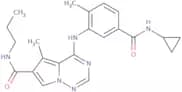


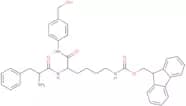

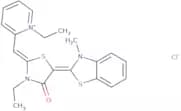
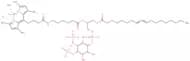
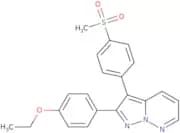
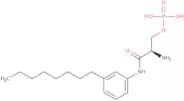
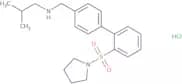
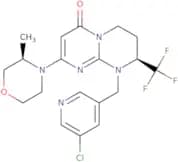
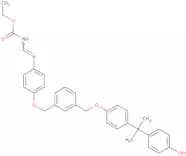
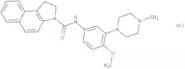
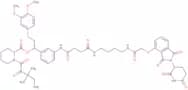
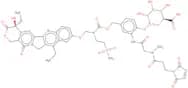

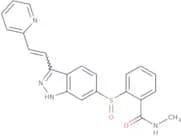
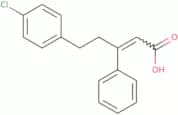
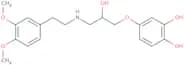
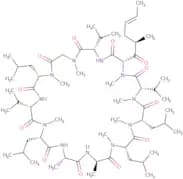
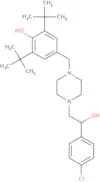
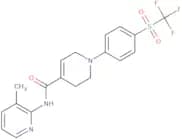
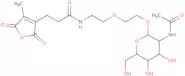
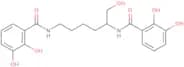
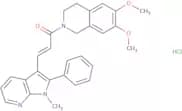
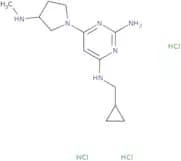
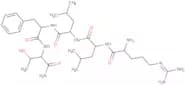
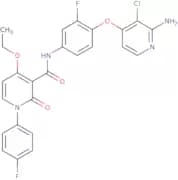
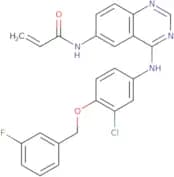
![N-[(1S,2R,4S)-2-Amino-4-(dimethylcarbamoyl)cyclohexyl]-N'-(5-chloropyridin-2-yl)oxamide](/_next/image/?url=https%3A%2Fstatic.cymitquimica.com%2Fproducts%2F3D%2Fthumb-webp%2FFUA45237.webp&w=3840&q=75)
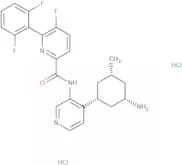
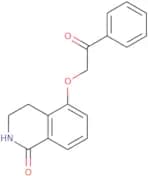
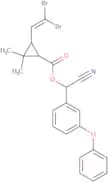
![3-(3,4-Dimethoxyphenyl)-N-[4-(trifluoromethyl)phenyl]-2-propenamide](/_next/image/?url=https%3A%2Fstatic.cymitquimica.com%2Fproducts%2F3D%2Fthumb-webp%2FVKB70018.webp&w=3840&q=75)

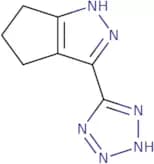
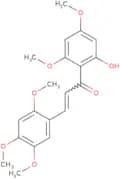
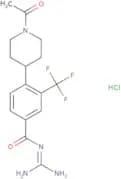
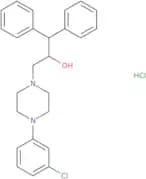
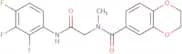
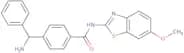
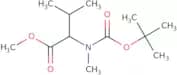

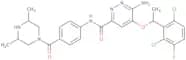

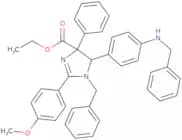
![2-[1-[(2-Amino-7H-purin-6-yl)amino]ethyl]-5-methyl-3-(2-methylphenyl)quinazolin-4-one](/_next/image/?url=https%3A%2Fstatic.cymitquimica.com%2Fproducts%2F3D%2Fthumb-webp%2FZTA01290.webp&w=3840&q=75)
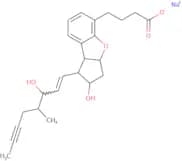
![Imidazo[1,2-a]pyridin-2(3H)-one](/_next/image/?url=https%3A%2Fstatic.cymitquimica.com%2Fproducts%2F3D%2Fthumb-webp%2FZMA07762.webp&w=3840&q=75)
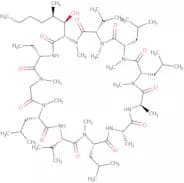
![1-[4-[6-[6-[(2R)-2-(3-Fluorophenyl)pyrrolidin-1-yl]imidazo[1,2-b]pyridazin-3-yl]pyridin-2-yl]pyrid…](/_next/image/?url=https%3A%2Fstatic.cymitquimica.com%2Fproducts%2F3D%2Fthumb-webp%2FWXB54633.webp&w=3840&q=75)



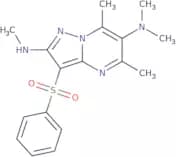
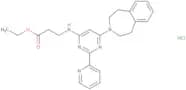

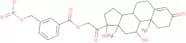
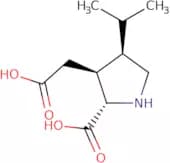

![[(2R)-2-[(E)-But-2-enoyl]oxy-3-hexadecoxypropyl] 2-(trimethylazaniumyl)ethyl phosphate](/_next/image/?url=https%3A%2Fstatic.cymitquimica.com%2Fproducts%2F3D%2Fthumb-webp%2FZTA94425.webp&w=3840&q=75)
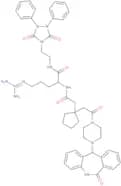
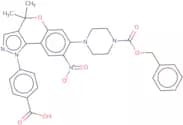
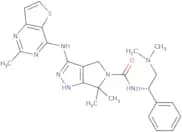
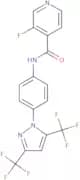

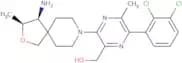
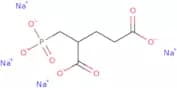
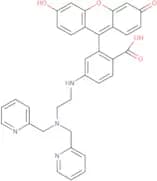
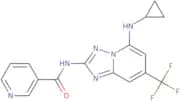
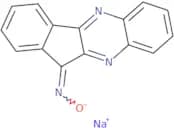
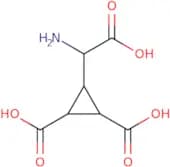
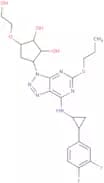

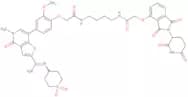

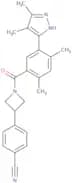
![4-[6-Amino-9-methyl-8-(triazol-2-yl)purin-2-yl]butan-2-ol](/_next/image/?url=https%3A%2Fstatic.cymitquimica.com%2Fproducts%2F3D%2Fthumb-webp%2FWZB01821.webp&w=3840&q=75)
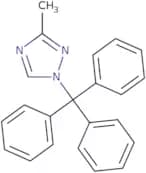
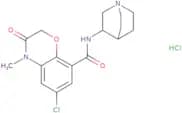
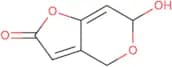
![N-(3-Bromophenyl)-1H-imidazo[4,5-G]quinazolin-8-amine, hydrochloride](/_next/image/?url=https%3A%2Fstatic.cymitquimica.com%2Fproducts%2F3D%2Fthumb-webp%2FWGA17937.webp&w=3840&q=75)
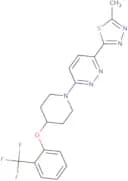
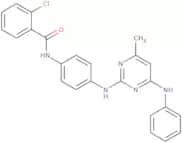
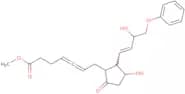
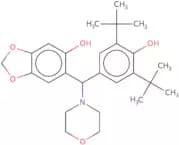
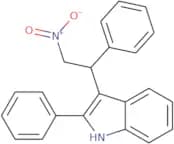
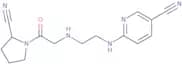
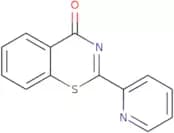

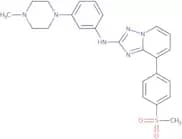


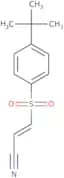
![N-[4-(3-Aminopiperidin-1-yl)-5-bromo-1H-indol-3-yl]cyclopropanecarboxamide](/_next/image/?url=https%3A%2Fstatic.cymitquimica.com%2Fproducts%2F3D%2Fthumb-webp%2FXID93864.webp&w=3840&q=75)
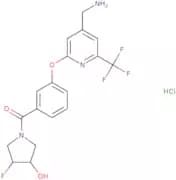
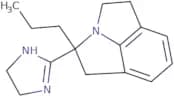
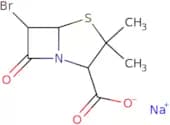
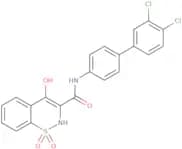


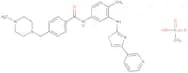
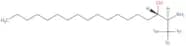
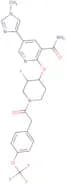
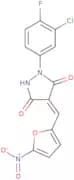
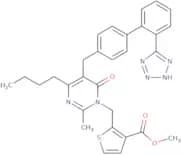

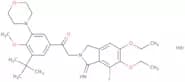
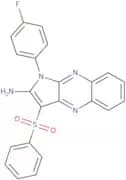
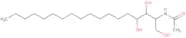
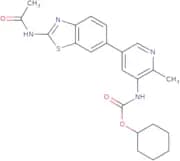
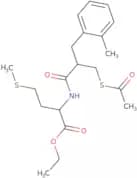

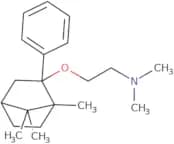
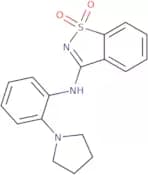
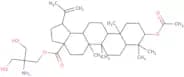
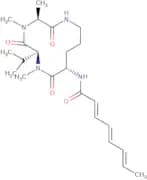
![6-Methoxy-2-(5-methyl-2-furyl)-N-[(1-methyl-4-piperidyl)methyl]-7-(3-pyrrolidin-1-ylpropoxy)quinol…](/_next/image/?url=https%3A%2Fstatic.cymitquimica.com%2Fproducts%2F3D%2Fthumb-webp%2FWYC57040.webp&w=3840&q=75)

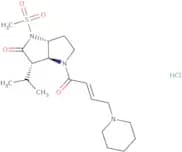
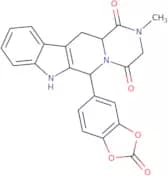
![4-Amino-N-[2,6-bis(methylamino)-4-pyrimidinyl]-benzenesulfonamide dihydrochloride](/_next/image/?url=https%3A%2Fstatic.cymitquimica.com%2Fproducts%2F3D%2Fthumb-webp%2FXXB33395.webp&w=3840&q=75)

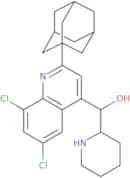
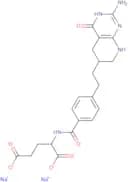

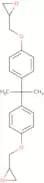
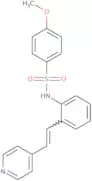
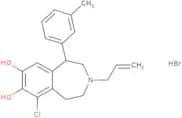
![N-[(E,2S,3R)-1,3-Dihydroxyoctadec-4-en-2-yl]triacontanamide](/_next/image/?url=https%3A%2Fstatic.cymitquimica.com%2Fproducts%2F3D%2Fthumb-webp%2FWJB54097.webp&w=3840&q=75)
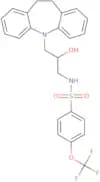
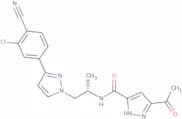
![13-[(2-Fluorophenyl)methyl]-5,6-dihydro-9,10-dimethoxy-benzo[g]-1,3-benzodioxolo[5,6-a]quinolizini…](/_next/image/?url=https%3A%2Fstatic.cymitquimica.com%2Fproducts%2F3D%2Fthumb-webp%2FYJA26075.webp&w=3840&q=75)
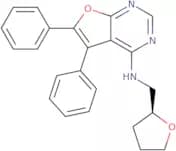
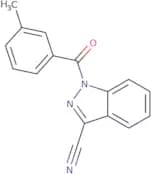

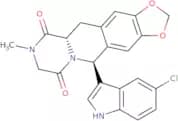
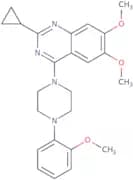
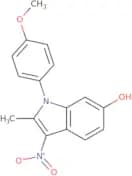
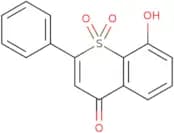
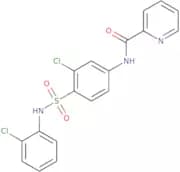
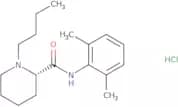
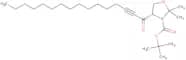
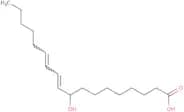
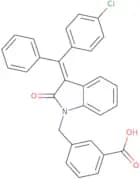
![3-(4-Oxo-1H-quinazolin-2-yl)-N-[(1S)-1-phenylethyl]propanamide](/_next/image/?url=https%3A%2Fstatic.cymitquimica.com%2Fproducts%2F3D%2Fthumb-webp%2FYID56370.webp&w=3840&q=75)

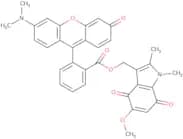
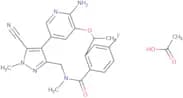
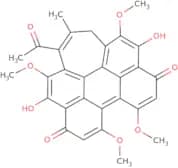
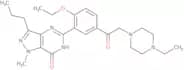

![N-[1-(3-Cyclopropyl-1,2,4-oxadiazol-5-yl)cyclohexyl]-2-(2-thienyl)acetamide](/_next/image/?url=https%3A%2Fstatic.cymitquimica.com%2Fproducts%2F3D%2Fthumb-webp%2FWFC79479.webp&w=3840&q=75)
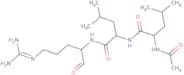

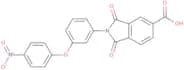
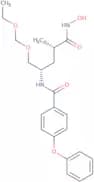
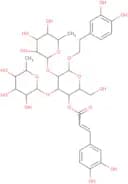

![Erythro-3,4-dimethyl-α-[1-(methylamino)ethyl]benzylalcohol hydrochloride](/_next/image/?url=https%3A%2Fstatic.cymitquimica.com%2Fproducts%2F3D%2Fthumb-webp%2FEAA86561.webp&w=3840&q=75)
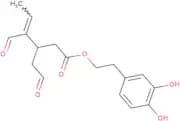
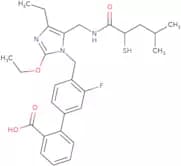
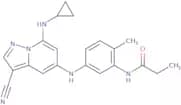
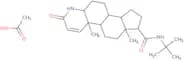
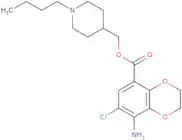
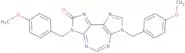
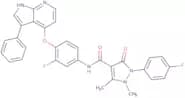
![6-Methyl-12-[4-(4-methylpiperazin-1-yl)phenyl]-4-(1-methylpyrazol-4-yl)-3,5,8,10-tetrazatricyclo[7…](/_next/image/?url=https%3A%2Fstatic.cymitquimica.com%2Fproducts%2F3D%2Fthumb-webp%2FZXB59075.webp&w=3840&q=75)