Organic Halides
Subcategories of "Organic Halides"
Found 20442 products of "Organic Halides"
L-threo-methylphenidate hydrochloride
CAS:Controlled ProductL-threo-methylphenidate hydrochloride is a drug with a long duration of action. It has been shown to be effective in the treatment of ADHD symptoms and is used as an alternative to dexmethylphenidate. L-threo-methylphenidate hydrochloride is metabolized by cytochrome P450s, which results in slower pharmacokinetics, but also increases its bioavailability. L-threo-methylphenidate hydrochloride inhibits the activity of dopamine transporters, which leads to increased extracellular dopamine levels and reduced locomotor activity in mice. This drug has been shown to have an anti-inflammatory effect on alopecia areata and may be useful as a treatment for this condition. L-threo-methylphenidate hydrochloride has also been shown to have a protective effect against neurotoxicity induced by methamphetamine in CD1 mice.Formula:C14H20ClNO2Purity:Min. 95%Molecular weight:269.77 g/mol2,6-Dibromoanthracene
CAS:2,6-Dibromoanthracene is an aromatic hydrocarbon that can be synthesized in a cross-coupling reaction. It has been shown to have a high electron mobility and good thermal stability. The compound was prepared by the Suzuki coupling reaction of 2,6-dibromobenzene with phenylboronic acid. This product has no commercial use but has been tested for its transport properties and has been found to be activated by heat.
Purity:Min. 95%(+)-(8,8-Dichlorocamphorylsulfonyl)oxaziridine
CAS:Please enquire for more information about (+)-(8,8-Dichlorocamphorylsulfonyl)oxaziridine including the price, delivery time and more detailed product information at the technical inquiry form on this pageFormula:C10H13Cl2NO3SPurity:Min. 95%Molecular weight:298.19 g/mol3-Chloro-N-methylpropan-1-amine HCl
CAS:Please enquire for more information about 3-Chloro-N-methylpropan-1-amine HCl including the price, delivery time and more detailed product information at the technical inquiry form on this pageFormula:C4H11Cl2NPurity:Min. 95%Molecular weight:144.04 g/mol3,4-Dichlorobenzyl mercaptan
CAS:3,4-Dichlorobenzyl mercaptan is a yellow, volatile liquid that has been shown to be toxic to animals and humans. It is a sulfide compound that has been classified as an acid halide. 3,4-Dichlorobenzyl mercaptan is used as a pheromone in the sex attractant of some species of insects and moths. In addition, it can be used as a plant growth regulator or herbicide for plants such as eggplants. It has low toxicity against other plants and mammals, but high toxicity against some insects.
Formula:C7H6Cl2SPurity:Min. 95%Molecular weight:193.09 g/molFluorescein-sp-biotin
CAS:Fluorescein-sp-biotin is a biotinylated derivative of fluorescein. The conjugate is used to measure the amount of free d-biotin in samples. Fluorescein-sp-biotin binds to streptavidin, which has a high affinity for biotin, and then emits light at an excitation wavelength of 488 nm when excited with a laser. The intensity of the emitted light is proportional to the concentration of free d-biotin in the sample. The following product descriptions have been generated from this information: Rifapentine Rifapentine is an anti-tuberculosis drug that belongs to the class of rifamycins. It is the most active of the rifamycins for the treatment of tuberculosis. Rifapentine inhibits bacterial growth by binding to DNA-dependent RNA polymerase, thereby preventing transcription and replication.Formula:C42H50N6O8S2Purity:Min. 95%Molecular weight:831.01 g/mol4-(Methylsulfonyl)phenylhydrazine hydrochloride
CAS:4-(Methylsulfonyl)phenylhydrazine hydrochloride is a sulfone that is used as a radiopharmaceutical agent. It can be used in the diagnosis of Alzheimer's disease and other neurodegenerative diseases. 4-(Methylsulfonyl)phenylhydrazine hydrochloride binds to carbonic anhydrase I and II, which are membrane-bound enzymes that catalyze the reversible hydration of carbon dioxide. This inhibition leads to increased blood pressure and decreased production of platelets, which can lead to thrombocytopenia. The inhibitory potency of 4-(methylsulfonyl)phenylhydrazine hydrochloride on Cox-1 and Cox-2 has been shown to be similar to that of aspirin, but it is more selective for Cox-2.Formula:C7H10N2O2S•HClPurity:Min. 95%Color and Shape:PowderMolecular weight:222.69 g/mol3-Chloro-7-nitro-1H-indole
CAS:3-Chloro-7-nitro-1H-indole is a chemical compound that has been shown to have antitumor activity in clinical trials. It is catalysed by the addition of chloride ions to the nitro group, yielding an aminocarbonyl intermediate. This intermediate reacts with hydrogen chloride to form a chlorinating agent that can react with DNA and protein bases. The chlorinating agent has been shown to be efficient in screening for anticancer drugs. 3-Chloro-7-nitro-1H-indole is currently being tested for efficacy against colon carcinoma cells and human colon carcinoma xenografts.Formula:C8H5ClN2O2Purity:Min. 95%Molecular weight:196.59 g/mol[4-[2-(Diethylamino)ethoxy]-3-iodophenyl][2-(1-hydroxybutyl)-3-benzofuranyl]-methanone
CAS:Controlled ProductPlease enquire for more information about [4-[2-(Diethylamino)ethoxy]-3-iodophenyl][2-(1-hydroxybutyl)-3-benzofuranyl]-methanone including the price, delivery time and more detailed product information at the technical inquiry form on this pageFormula:C25H30INO4Purity:Min. 95%Molecular weight:535.41 g/mol(6-Chloro-1-isopropyl-1H-benzimidazol-2-yl)methanol
CAS:Controlled ProductPlease enquire for more information about (6-Chloro-1-isopropyl-1H-benzimidazol-2-yl)methanol including the price, delivery time and more detailed product information at the technical inquiry form on this pageFormula:C11H13ClN2OPurity:Min. 95%Molecular weight:224.69 g/mol4-Chloro-3-(trifluoromethyl)phenyl isocyanate
CAS:4-Chloro-3-(trifluoromethyl)phenyl isocyanate (4CTFPI) is a phenoxy that has significant antiproliferative activity and can be used to treat cancer. It can inhibit the growth of tumor cells by suppressing the production of growth factors and binding to the receptor for these factors, which leads to inhibition of cell division. 4CTFPI also inhibits tumor growth through its ability to induce apoptosis in cancer cells. 4CTFPI has been shown to have antitumor effects on sarcoma cells in vitro and in vivo with a low toxicity profile. This compound is not active against bacterial infections or fungi, but it does not show any carcinogenic effects.Formula:C8H3ClF3NOPurity:Min. 95%Color and Shape:PowderMolecular weight:221.56 g/mol1-Cyclopropyl-7-(2,8-diazabicyclo[4.3.0]non-8-yl)-6-fluoro-8-methoxy-4-oxoquinoline-3-carboxylic acid
CAS:This is a broad-spectrum antibacterial agent that inhibits bacterial DNA gyrase. It is active against atypical bacterial species, such as Chlamydia and Mycoplasma, and has been shown to be effective against certain strains of the methicillin-resistant Staphylococcus aureus (MRSA) bacteria. This drug also inhibits the growth of other bacteria by binding to their DNA. The drug is used in combination with other antibiotics to treat infections caused by Clostridium difficile, Helicobacter pylori, Borrelia burgdorferi, and Salmonella enterica. However, this drug does not work against Pseudomonas aeruginosa or Enterobacteriaceae infections.Formula:C21H24FN3O4Purity:Min. 95%Color and Shape:PowderMolecular weight:401.43 g/mol[(4-Methyl-1,3-thiazol-2-yl)methyl]amine dihydrochloride
CAS:Please enquire for more information about [(4-Methyl-1,3-thiazol-2-yl)methyl]amine dihydrochloride including the price, delivery time and more detailed product information at the technical inquiry form on this pageFormula:C5H8N2SPurity:Min. 95%Molecular weight:128.2 g/mol2-Chloro-6-cyanopyrazine
CAS:2-Chloro-6-cyanopyrazine is a compound that has been shown to have antimycobacterial activity against Mycobacterium avium. It may also have tuberculostatic activity and be useful for the treatment of tuberculosis. 2-Chloro-6-cyanopyrazine inhibits bacterial growth by binding to DNA, RNA, and protein synthesis in mycobacteria. The antibacterial effect is due to its ability to inhibit amidation and alkylation reactions, as well as its nucleophilic properties. 2-Chloro-6-cyanopyrazine is an acidic compound with a pKa of 3.2, which makes it more soluble in water than hydrophobic compounds such as alkanoic acids.Formula:C5H2ClN3Purity:Min. 95%Molecular weight:139.54 g/molRac 1,2-bis-palmitoyl-3-chloropropanediol
CAS:Rac-1,2-bis-palmitoyl-3-chloropropanediol is a dispersive molecule that is composed of a fatty acid and a chlorinated derivative of palmitic acid. It is used to calibrate the mass spectrometer and as an internal standard in quantitative analysis. Rac-1,2-bis-palmitoyl-3-chloropropanediol reacts with electrospray ionization with a dose-dependent response. It has been shown to be toxic to kidney cells at high doses but not at low doses. This chemical has been detected in food samples after being absorbed from the gastrointestinal tract. Rac 1,2-bis-palmitoyl 3 chloropropanediol can be found in the dipalmitate form or as formic acid.
Formula:C35H67ClO4Purity:95%NmrColor and Shape:PowderMolecular weight:587.36 g/mol4-Chloro-L-phenylalanine
CAS:4-Chloro-L-phenylalanine is an amino acid that is a precursor for the synthesis of dopamine and other monoamines. It is used to investigate the mechanisms of cancer, Parkinsonism, and other diseases. 4-Chloro-L-phenylalanine has been shown to be a potent pressor in wild-type mice. This compound has also been shown to increase locomotor activity in mice. 4-Chloro-L-phenylalanine has been identified as an endophytic fungus metabolite found in plants. It reacts with sodium hydroxide solution to produce chlorophenols. The enzyme reaction solution can be used to measure the concentrations of 4-chloro-L-phenylalanine in urine samples.
Formula:C9H10ClNO2Purity:Min. 95%Color and Shape:White PowderMolecular weight:199.63 g/molH-Arg-Gln-OH hydrochloride salt
CAS:H-Arg-Gln-OH is a growth factor that has been shown to be effective in the genetic ablation of mice. This growth factor is taken up by cells via receptor activity and stimulates DNA synthesis and cell division. H-Arg-Gln-OH has been shown to be successful in the treatment of congenital heart disease. The onset latency is site specific and low energy, which means that it can be used for noninvasive treatments.Formula:C11H22N6O4Purity:Min. 95%Molecular weight:302.33 g/mol6-Amino-3-methylquinazolin-4(3H)-one hydrochloride
CAS:Controlled ProductPlease enquire for more information about 6-Amino-3-methylquinazolin-4(3H)-one hydrochloride including the price, delivery time and more detailed product information at the technical inquiry form on this pageFormula:C9H9N3OPurity:Min. 95%Molecular weight:175.19 g/molEthyl 2-[bis(2,2,2-trifluoroethyl)phosphono]propionate
CAS:Please enquire for more information about Ethyl 2-[bis(2,2,2-trifluoroethyl)phosphono]propionate including the price, delivery time and more detailed product information at the technical inquiry form on this page
Formula:C9H13F6O5PPurity:Min. 95%Molecular weight:346.16 g/molEthyl 5-bromo-2-methylnicotinate
CAS:Ethyl 5-bromo-2-methylnicotinate is a crystalline compound that is extracted from the industrial process of synthetic organic solvents. The extraction of this compound can be done using an acetylation reaction with ammonium acetate. This chemical is then recrystallized to produce a large amount of pure product. The average yield for this chemical is around 60%.
Purity:Min. 95%3-Bromo-4-oxo-piperidine-1-carboxylic acid ethyl ester
CAS:3-Bromo-4-oxo-piperidine-1-carboxylic acid ethyl ester is a monoclinic crystal of the salt of 3-bromo-4-oxo-piperidine and 1,2-ethanediol. It is used as an intermediate in the synthesis of cisapride, a medication that regulates gastrointestinal motility. 3BOCEP has been shown to hydrolyze in the stomach with a rate constant of 2 x 10 M s. The bromination product is cisapride, which has been shown to regulate gastrointestinal motility by stimulating GI smooth muscle contractions.Formula:C8H12BrNO3Purity:Min. 95%Molecular weight:250.09 g/molN-Methyl-O-methyl-L-tyrosine hydrochloride
CAS:Controlled ProductN-Methyl-O-methyl-L-tyrosine hydrochloride (NMT) is an organic compound that is synthesized from D-alanine. It has been shown to inhibit the production of didemnin, a protein that regulates the cell cycle, in mcf-7 cells. NMT has also been shown to stop the growth of human breast cancer cells and increase the lifespan of mice with cancerous tumors. NMT is a macrocyclic molecule, which means it has a ring structure made up of at least six atoms. The conformation of this molecule may be cyclic or linear.Formula:C11H15NO3·HClPurity:Min. 95%Molecular weight:245.7 g/molTrioctyltin chloride
CAS:Trioctyltin chloride is a polymer that is synthesized by the reaction of two equivalents of tributyltin chloride with fatty acids. Trioctyltin chloride is reactive and can be extracted from a variety of sources using a variety of solvents. It has been used to extract chloride ions from mesenchymal stromal cells, which are cells that are involved in tissue repair. The trioctyltin chloride polymer can be used as an analytical method for 3β-hydroxysteroid dehydrogenase, which catalyzes the conversion of 3β-hydroxysteroids into 3-keto steroids. This reaction is reversible and it produces hydrogen ions as a product. The hydrogen ions cause the polymer to undergo ring-opening reactions, leading to the formation of polymeric matrixes on solid surfaces. These matrices have been used in membrane systems as well as in microextraction experiments for solid phase extraction with gas chromatography (SPE).Formula:C24H51ClSnPurity:Min. 95%Molecular weight:493.82 g/moltrans-Heptachlor epoxide
CAS:trans-Heptachlor epoxide is a pesticide that is used in agriculture and industry. It can be detected by various analytical methods, including mass spectrometry. The chemical structure of trans-heptachlor epoxide has been determined by mass spectrometric analysis. This compound has been found to exist as two stereoisomers, with the cis form being more stable than the trans form at ambient conditions. Magnetic resonance spectroscopy has been used to study the rotational motion of the hydrocarbon chain. Validation of analytical methods for this compound is necessary due to its limited availability and high reactivity with other compounds in the environment.Formula:C10H5Cl7OPurity:Min. 95%Molecular weight:389.32 g/mol(1-Chloroisoquinolin-4-yl)boronic acid
CAS:Please enquire for more information about (1-Chloroisoquinolin-4-yl)boronic acid including the price, delivery time and more detailed product information at the technical inquiry form on this pageFormula:C9H7BClNO2Purity:Min. 95%Molecular weight:207.42 g/mol2-Chloro-4-iodo-6-(trifluoromethyl)pyridine
CAS:2-Chloro-4,6-difluoro-pyridine is an electrophilic compound that can react with nucleophiles to form covalent bonds. This reaction is known as nucleophilic substitution and it can be used in the synthesis of organic compounds. The diisopropylamide of lithium is a popular reagent for this purpose because it is inexpensive, highly reactive, and easily purified by distillation. In particular, 2-chloro-4,6-difluoro-pyridine reacts quantitatively with lithium diisopropylamide to form 4-(2-chloro-4,6-difluoro)pyrimidin-2(1H)-ones in tetrahydrofuran.Formula:C6H2ClF3INPurity:Min. 95%Color and Shape:Solid.Molecular weight:307.44 g/molR-(-)-Methamphetamine hydrochloride
CAS:Controlled ProductPlease enquire for more information about R-(-)-Methamphetamine hydrochloride including the price, delivery time and more detailed product information at the technical inquiry form on this pageFormula:C10H15N•HClPurity:Min. 95%Color and Shape:PowderMolecular weight:185.69 g/molEthyl (R)-(+)-4-chloro-3-hydroxybutyrate
CAS:Ethyl (R)-(+)-4-chloro-3-hydroxybutyrate is a chiral compound with two stereoisomers, one of which is the natural form. It can be synthesized by asymmetric synthesis from ethylene diamine and acetaldehyde. This reaction is catalysed by enzymes such as dehydrogenase, which are used in the biosynthesis of other compounds. The enzyme catalysis results in a high activation energy. Ethyl (R)-(+)-4-chloro-3-hydroxybutyrate also has an organic solvent that is required for its synthesis, d-xylose. The enzyme expression plasmid that is used to express this compound requires recombinant cells.Formula:C6H11ClO3Purity:Min. 95%Color and Shape:Clear LiquidMolecular weight:166.6 g/molEthyl5-acetoxy-6-bromo-2-(bromomethyl)-1-methyl-1H-indole-3-carboxylate
CAS:Controlled ProductEthyl 5-acetoxy-6-bromo-2-(bromomethyl)-1-methyl-1H-indole-3-carboxylate is a chemical compound that has been shown to have anti viral activity in vitro. The structure of the compound suggests that it may inhibit the production of inflammatory cytokines. This drug inhibits the activity of enzymes such as hydroxylases and lipases, which are important for the inflammatory process. Ethyl 5-acetoxy-6-bromo-2-(bromomethyl)-1-methyl-1H-indole-3 carboxylate may be an effective treatment for bowel disease and other inflammatory conditions.Formula:C15H15Br2NO4Purity:Min. 95%Molecular weight:433.09 g/mol2-Chloro-N-(2-oxotetrahydro-3-thienyl)acetamide
CAS:2-Chloro-N-(2-oxotetrahydro-3-thienyl)acetamide is a chemical compound that is used as an intermediate in the synthesis of other organic compounds. The impurities are minimized by using organic solvents such as acetone, pyridine, and tetrahydrofuran. The product can be precipitated by adding sodium carbonate or potassium carbonate to the solution, or it can be crystallized from a mixture of methanol and water. 2-Chloro-N-(2-oxotetrahydro-3-thienyl)acetamide is also soluble in ethers such as erdosteine and acetonitrile, which can be used to remove the last traces of water.Formula:C6H8ClNO2SPurity:Min. 95%Molecular weight:193.65 g/molBromoacetic acid-13C2
CAS:Please enquire for more information about Bromoacetic acid-13C2 including the price, delivery time and more detailed product information at the technical inquiry form on this pageFormula:C2H3BrO2Purity:Min. 95%Color and Shape:PowderMolecular weight:140.95 g/molPerfluorotriamylamine (so called)
CAS:Controlled ProductPerfluorotriamylamine (so called) is a perfluorinated compound that has thermal expansion properties. It is used in the production of polymer films, membranes and flow systems. This compound has shown to be effective against bacteria such as Escherichia coli and Staphylococcus aureus, but not against other types of organisms. The binding constants for this compound are high with hydroxyl groups and lipophilic solutes. It is also stable at low pH levels and in light exposure.Formula:C15F33NPurity:Min. 95%Molecular weight:821.11 g/molOctafluoroadipoyl difluoride
CAS:Octafluoroadipoyl difluoride is an aliphatic hydrocarbon that is a surfactant and can be used as a coagulant. It contains the functional groups of chloride, aromatic acid, and triazine. Octafluoroadipoyl difluoride has been shown to have coagulation properties in addition to being a fluorinated compound with semipermeable membranes.Formula:C6F10O2Purity:Min. 95%Color and Shape:Clear LiquidMolecular weight:294.05 g/mol1,2,3,4-Tetrahydronaphthalen-2-ylamine hydrochloride
CAS:Controlled Product1,2,3,4-Tetrahydronaphthalen-2-ylamine hydrochloride (THN) is a prodrug that is converted to the active form in the gastrointestinal tract by beta-lactamases. It inhibits bacterial growth and crosslinks bacterial cell walls. THN has been shown to be effective against colitis and ulcerative colitis in animals. It also has anticancer activity, which may be due to its ability to inhibit colon cancer cells from proliferating by interfering with protein synthesis. THN also inhibits the growth of colorectal cancer cells in a dose-dependent manner.Formula:C10H13N·HClPurity:Min. 95%Molecular weight:183.68 g/mol2-Methoxybenzenesulphonyl chloride
CAS:2-Methoxybenzenesulphonyl chloride is an enzyme inhibitor that has been shown to have anti-cancer and anti-HIV activity. It inhibits the growth of cancer cells by interfering with protein synthesis and preventing RNA transcription. 2-Methoxybenzenesulphonyl chloride has also been shown to be effective in treating chronic hepatitis, degenerative diseases, and autoimmune diseases. This drug is metabolized through a number of metabolic transformations, including oxidation by cytochrome P450 enzymes or conjugation with glucuronic acid. The pro-apoptotic protein Bax is induced by 2-methoxybenzenesulphonyl chloride in human HL60 cells, which may be due to its ability to induce transcriptional regulation.Formula:C7H7ClO3SPurity:Min. 97%Color and Shape:PowderMolecular weight:206.65 g/mol(7-bromo-2H-1,3-benzodioxol-5-yl)methanol
CAS:Controlled ProductPlease enquire for more information about (7-bromo-2H-1,3-benzodioxol-5-yl)methanol including the price, delivery time and more detailed product information at the technical inquiry form on this pagePurity:Min. 95%Molecular weight:231.045Cobalt chloride hexahydrate
CAS:Cobalt chloride is the inorganic compound with the chemical formula CoCl2.6H2O. It is a salt of cobalt in the form of a hexahydrate, which means that it contains six water molecules per molecule of cobalt. Cobalt chloride can be used as a chelate ligand to bind metal ions and prevent them from reacting with other substances. In this way, it can be used in wastewater treatment to remove heavy metals such as copper and zinc, or to remove nitrogen from waste water. The cobalt ion binds reversibly to two oxygen atoms on each molecule of hydrogen peroxide, forming HCoO3HO. This process converts one mole of hydrogen peroxide into one mole of water vapor and one mole of oxygen gas. It also catalyzes reactions involving organic compounds containing ammonia, such as ammonium salts or urea-ammonia solutions - reactions that are used for industrial purposes or for agricultural fertilizers. Cobalt chloride hexahydrate hasFormula:Cl2Co•(H2O)6Purity:Min. 95%Molecular weight:237.93 g/mol2-(2-Chlorophenyl)ethylamine
CAS:Controlled Product2-(2-Chlorophenyl)ethylamine is an amine that inhibits the production of proteins vital for cell division. It binds to bacterial 16S ribosomal RNA and inhibits protein synthesis, leading to cell death by inhibiting the production of proteins vital for cell division. 2-(2-Chlorophenyl)ethylamine has been shown to be effective against methicillin-resistant Staphylococcus aureus (MRSA) and Clostridium perfringens, although is not active against acid-fast bacteria such as Mycobacterium tuberculosis or Mycobacterium avium complex. 2-(2-Chlorophenyl)ethylamine has shown anti-inflammatory properties, which may be due to its inhibition of prostaglandin synthesis.Formula:C8H10ClNPurity:Min. 95%Molecular weight:155.62 g/molPhenyl trifluoromethylsulfide
CAS:Phenyl trifluoromethylsulfide is a diazonium salt that reacts with serine proteases to form reactive functional groups, resulting in the formation of reaction products. The chlorine atom in phenyl trifluoromethylsulfide reacts with hydroxide ions, forming a chloroformate anion. This anion then reacts with nucleophilic amino acids such as lysine and arginine in the protease. This nucleophilic attack induces inflammation in inflammatory diseases such as asthma and arthritis. Phenyl trifluoromethylsulfide has been shown to be effective against ns3 protease found in plasma mass spectrometry samples of patients with chronic respiratory disease (COPD).Formula:C7H5F3SPurity:Min. 95%Color and Shape:Clear LiquidMolecular weight:178.18 g/mol1-Butylpyridinium Chloride
CAS:1-Butylpyridinium Chloride is an ionic liquid that is a colorless, water-soluble liquid. It has been reported to have detergent compositions and can be used as a solvent or cleaning agent. 1-Butylpyridinium chloride has been shown to have strong hydrogen bonding interactions with other molecules. It also exhibits electrochemical impedance spectroscopy, ft-ir spectroscopy, and thermal expansion properties.Formula:C9H14ClNPurity:Min. 95%Molecular weight:171.67 g/mol(1,3-Benzodioxol-5-ylmethyl)methylamine hydrochloride
CAS:Controlled Product(1,3-Benzodioxol-5-ylmethyl)methylamine hydrochloride (BZMA) is a drug that has been used in research to study the role of serotonin in psychological effects and as a marker for fingerprinting. BZMA is a synthetic compound that is structurally similar to drugs like amphetamine and MDMA. It is not known to have any recreational use. BZMA can be detected using matrix-assisted laser desorption/ionization mass spectrometry. This technique requires a sample containing less than 1% impurities, which are usually silicon compounds or other ions.Formula:C9H11NO2Purity:Min. 95%Molecular weight:165.19 g/mol5-Chlorofuran-2-carboxylic acid
CAS:5-Chlorofuran-2-carboxylic acid is an unlabeled compound that has been found in the chloroacetate fraction of a crude extract of leaves from the plant Garcinia hombroniana. The compound was evaluated for its potential as a bioactive molecule using acetylation, which led to the formation of 5-chlorofuran-2-carboxylic acid methyl ester. This compound was then analysed for its chemical properties, including sequences and parameters. 5-Chlorofuran-2-carboxylic acid methyl ester had no effects on the growth rate of Escherichia coli, but did inhibit the activity of some enzymes involved in DNA replication and repair. Furan, an anion found in 5-chlorofuran-2-carboxylic acid methyl ester, is also present in many other compounds such as 2,4,6 trichlorophenol and 2,5 dichlorophenolFormula:C5H3ClO3Purity:Min. 95%Molecular weight:146.53 g/mol2-Amino-1-tetralone hydrochloride
CAS:Controlled ProductPlease enquire for more information about 2-Amino-1-tetralone hydrochloride including the price, delivery time and more detailed product information at the technical inquiry form on this pageFormula:C10H11NO·HClPurity:Min. 95%Color and Shape:PowderMolecular weight:196.65 g/mol3,5-Dinitrobenzylchloride
CAS:3,5-Dinitrobenzylchloride is a chemical compound that belongs to the family of phenylchloroformates. It is an aminoacylated derivative of subtilisin and was synthesized by reacting 3,5-dinitrobenzyl chloride with glutamate in methanol. The reaction yielded a mixture of two products: one with an aminoacyl group at the C-terminal end and the other without. The latter product contains a carbonyl group at the C-terminal end instead. 3,5-Dinitrobenzylchloride has been used as a reagent for detection of proteins with high sensitivity by gel electrophoresis. It also has thermal expansion properties that are greater than those of chromatography columns, which makes it useful in supramolecular chemistry or spectrometric analysis where these properties may be advantageous. 3,5-Dinitrobenzylchloride is not effective against methyl ketonesFormula:C7H5ClN2O4Purity:Min. 95%Molecular weight:216.58 g/molN,N,N-Tributyl-1-butanaminium 1,1,2,2,3,3,4,4,5,5,6,6,7,7,8,8,8-heptadecafluoro-1-octanesulfonate
CAS:Controlled ProductN,N,N-Tributyl-1-Butanaminium 1,1,2,2,3,3,4,4,5,5,6,6,7,7,8,8,8-heptadecafluoro-1-octanesulfonate is an organic solvent that belongs to the group of surfactants. It is used as a crosslinking agent and ionizing agent in uncured coatings. This chemical has shown proton conductivity and the ability to generate hydroxyl ions when exposed to radiation such as ultraviolet light or gamma rays. NBDBS has been shown to be an effective antigen for use in immunological assays.Formula:C24H36F17NO3SPurity:Min. 95%Color and Shape:Clear LiquidMolecular weight:741.59 g/mol1-(4-Fluorobenzyl)piperazine
CAS:Controlled Product1-(4-Fluorobenzyl)piperazine is a potent tyrosinase inhibitor and has been shown to inhibit the proliferation of human cancer cells. It has been found to have inhibitory activity against the amine oxidase enzyme, which is involved in the biosynthesis of pro-inflammatory cytokines. The biochemical properties of 1-(4-fluorobenzyl)piperazine have been studied by liquid chromatography and mass spectrometry and it has been found to be synthesized from piperazine and an amine. There are no other studies available on this drug at this time.Formula:C11H15FN2Purity:Min. 95%Molecular weight:194.25 g/mol21-Amino-17-hydroxypregn-4-ene-3,11,20-trioneHydrochloride
CAS:Controlled ProductPlease enquire for more information about 21-Amino-17-hydroxypregn-4-ene-3,11,20-trioneHydrochloride including the price, delivery time and more detailed product information at the technical inquiry form on this pageFormula:C21H30ClNO4Purity:Min. 95%Molecular weight:395.92 g/mol4-Bromo-1-butyne
CAS:4-Bromo-1-butyne is an organic chemical compound that is used as a precursor in the synthesis of pharmaceuticals and agrochemicals. 4-Bromo-1-butyne has been shown to inhibit the growth of T-cell leukemia cells, murine leukemia cells, tuberculosis, and colorectal adenocarcinoma. In addition, 4-Bromo-1-butyne has been shown to be active against bacteria when conjugated with a variety of functional groups such as sulfonamides or amines. The synthetic route for this compound starts from styrene and bromination using NBS followed by 1,4-addition of butyne to the bromide. This process produces a mixture of cis and trans isomers which are separated by chromatography on silica gel.Formula:C4H5BrPurity:Min. 95%Color and Shape:Clear LiquidMolecular weight:132.99 g/mol5-({[2-(4-Chlorophenyl)-1,3-oxazol-4-yl]methyl}thio)-1,3,4-thiadiazol-2-amine
CAS:Please enquire for more information about 5-({[2-(4-Chlorophenyl)-1,3-oxazol-4-yl]methyl}thio)-1,3,4-thiadiazol-2-amine including the price, delivery time and more detailed product information at the technical inquiry form on this pageFormula:C12H9ClN4OS2Purity:Min. 95%Color and Shape:PowderMolecular weight:324.81 g/molPhenyl chloroformate
CAS:Phenyl chloroformate is a phenyl compound that is used as a reagent for cationic polymerization. This chemical reacts with amines to form an N-substituted amide in the presence of hydrogen chloride. The mechanism of this reaction is based on nucleophilic substitutions by the hydroxyl group of the phenyl group. Phenyl chloroformate has been used in the synthesis of fatty acids, which are important components of metabolic disorders such as diabetes mellitus type 2.Formula:C7H5ClO2Purity:Min. 95%Color and Shape:PowderMolecular weight:156.57 g/mol4-Hydrazino-N-methyl benzene methanesulfonamide, hydrochloride (1:1)
CAS:Please enquire for more information about 4-Hydrazino-N-methyl benzene methanesulfonamide, hydrochloride (1:1) including the price, delivery time and more detailed product information at the technical inquiry form on this pageFormula:C8H14ClN3O2SPurity:Min. 95%Molecular weight:251.73 g/mol4-Fluoro-2-nitroaniline
CAS:4-Fluoro-2-nitroaniline is an amide that is a l1210 murine carcinogen. It is also an analytical reagent for the detection of nitrogen atoms in amines and thione compounds. 4-Fluoro-2-nitroaniline has been shown to be effective against cervical cancer, but not cancerous cells, which may be due to its ability to inhibit fatty acid synthesis. The carbon disulphide reacts with the nitro group of 4-fluoro-2-nitroaniline, resulting in the formation of a thione compound.Formula:C6H5FN2O2Purity:Min. 95%Color and Shape:Orange PowderMolecular weight:156.11 g/mol5-Chloro-1H-imidazo[4,5-b]pyridin-2(3H)-one
CAS:5-Chloro-1H-imidazo[4,5-b]pyridin-2(3H)-one is a chemical compound that is used in analytical chemistry as an insecticide. It has been shown to cause genotoxic activity in weevils exposed to light. The compound has also been shown to have long term efficacy in plants and toxicity studies on animals. 5-Chloro-1H-imidazo[4,5-b]pyridin-2(3H)-one is metabolized by detoxification enzymes and excreted through the urine.Purity:Min. 95%4-Bromoindazole
CAS:4-Bromoindazole is an antibacterial agent that binds to the protonated form of the staphylococcal enzyme methicillin-resistant penicillinase (MRP) and prevents the enzyme from participating in the synthesis of cell wall precursors. The molecular modeling studies of 4-bromoindazole have shown that it can bind to pyogenes, a bacterium that causes streptococcal pharyngitis, by hydrogen bonding between its amide group and pyogenes' carboxylic acid group. 4-Bromoindazole also has anticancer activity against cancer cells with v600e mutation. It has been shown that 4-bromoindazole inhibits cancer cell proliferation by binding to the oxacillin site on DNA gyrase and topoisomerase IV, leading to DNA damage and apoptosis.Purity:Min. 95%N-Butyl nor scopolamine hydrochloride
CAS:Please enquire for more information about N-Butyl nor scopolamine hydrochloride including the price, delivery time and more detailed product information at the technical inquiry form on this pageFormula:C20H28ClNO4Purity:Min. 95%Molecular weight:381.89 g/mol1-Bromo-2-chloroethane
CAS:Controlled Product1-Bromo-2-chloroethane is a chemical compound with the molecular formula CH3BrCl. It is used as a fumigant, an intermediate in organic synthesis, and a precursor to other chemicals. 1-Bromo-2-chloroethane is produced by the reaction of hydrogen chloride with ethylene and methyl ethyl ether. This chemical has been extensively studied for its conformational properties, which are dependent on the presence of a hydrogen bond. The molecule has two conformations, one in which the two bromine atoms are on opposite sides of the carbon atom and another in which they are not. 1-Bromo-2-chloroethane is also used as an intermediate in organic synthesis and can be converted to other chemicals such as chloral hydrate or ethylene diamine.Purity:Min. 95%1,3-Bis(2,6-diisopropylphenyl)imidazolium chloride
CAS:1,3-Bis(2,6-diisopropylphenyl)imidazolium chloride is an organic compound that is used as a solvent. It was originally synthesized by reacting triethyl orthoformate with 2,6-diisopropylaniline. This reaction formed the corresponding imidazolium salt. The synthesis of this compound was later improved by using ring-opening polymerization of glycolide and furfural. 1,3-Bis(2,6-diisopropylphenyl)imidazolium chloride is mainly used to extract estradiol from urine samples in clinical laboratories.Formula:C27H37ClN2Purity:Min. 95%Color and Shape:White PowderMolecular weight:425.05 g/mol2-(4-Methoxyphenyl)-2-(1-hydroxycyclohexyl)ethylamineHydrochloride
CAS:Please enquire for more information about 2-(4-Methoxyphenyl)-2-(1-hydroxycyclohexyl)ethylamineHydrochloride including the price, delivery time and more detailed product information at the technical inquiry form on this pageFormula:C15H24ClNO2Purity:Min. 95%Molecular weight:285.81 g/mol2-Diethylaminoethyl 1-cyclohexylcyclohexane-1-carboxylate hydrochloride
CAS:2-Diethylaminoethyl 1-cyclohexylcyclohexane-1-carboxylate hydrochloride is a methyltransferase inhibitor that blocks the synthesis of monoethyl ether, which is used to synthesize dicyclomine. It has been shown to be effective in vitro against biological samples such as rat liver and blood cells. 2-Diethylaminoethyl 1-cyclohexylcyclohexane-1-carboxylate hydrochloride also has been shown to have a pharmacological effect on rats with bowel disease, congestive heart failure, and crystalline cellulose. The chemical structure of 2-Diethylaminoethyl 1-cyclohexylcyclohexane-1-carboxylate hydrochloride is similar to that of phosphorus pentoxide, which makes it difficult for this drug to cross the blood brain barrier.Formula:C19H36ClNO2Purity:Min. 95%Molecular weight:345.95 g/mol(R)-3,3'-Dibromo-1,1'-bi-2-naphthol
CAS:(R)-3,3'-Dibromo-1,1'-bi-2-naphthol is an aromatic hydrocarbon that is chiral. It has been used as a reagent in organic synthesis and as a fluorescent labeling agent for HPLC analysis. (R)-3,3'-Dibromo-1,1'-bi-2-naphthol has also been used to synthesize biphenyls. (R)-3,3'-Dibromo-1,1'-bi-2-naphthol can be found in natural products such as flavanones and styrene. It can act as a solvating or additive agent in organic reactions and reactions involving aromatics.
Formula:C20H12Br2O2Purity:Min. 95%Color and Shape:PowderMolecular weight:444.12 g/molRU 58841
CAS:RU 58841 is a non-steroidal anti-androgen, which is a chemical compound sourced through synthetic processes in pharmaceutical laboratories. It functions by selectively binding to androgen receptors in the hair follicles, thereby inhibiting the action of androgens such as dihydrotestosterone (DHT). This mode of action prevents DHT from activating the receptor, which is a critical factor in the miniaturization of hair follicles.
Formula:C17H18F3N3O3Purity:Min. 95%Molecular weight:369.34 g/molN-Trifluoroacetyl (R)-amphetamine
CAS:Controlled ProductPlease enquire for more information about N-Trifluoroacetyl (R)-amphetamine including the price, delivery time and more detailed product information at the technical inquiry form on this pageFormula:C11H12F3NOPurity:Min. 95%Molecular weight:231.21 g/molPhenylselenenyl bromide
CAS:Phenylselenenyl bromide is a fatty acid with a selenium atom in the side chain. It has an unsymmetrical structure and reacts with thrombin receptor, leading to the activation of protein C. Phenylselenenyl bromide is also converted to a glucuronide conjugate in the liver. This compound can be used as an immunosuppressant and has been shown to have anti-inflammatory effects in animal models of autoimmune diseases. Phenylselenenyl bromide may also inhibit nitric oxide production by reacting with nitro groups.br> Phenylselenenyl bromide contains nitrogen atoms that are asymmetric because they are not paired together. This means that one of the two nitrogen atoms is surrounded by four different substituents, while the other nitrogen atom is only surrounded by three different substituents. The structure of phenylselenenynl bromide makes it difficult
Formula:C6H5BrSePurity:Min. 95%Color and Shape:PowderMolecular weight:235.97 g/molCyclohexyl chloroformate
CAS:Cyclohexyl chloroformate is a hydroxyl group that is used as a catalyst for organic reactions. It can also be used to prepare 5-ht2a receptor agonists, which are drugs that stimulate the activity of serotonin in the brain. Cyclohexyl chloroformate has been shown to induce chemiluminescence and has an inhibition constant of 2.6x10 M.
Formula:C7H11ClO2Purity:Min. 95%Molecular weight:162.61 g/mol4-Chloro-3-iodopyridin-2-amine
CAS:Please enquire for more information about 4-Chloro-3-iodopyridin-2-amine including the price, delivery time and more detailed product information at the technical inquiry form on this pageFormula:C5H4ClIN2Purity:Min. 95%Molecular weight:254.46 g/mol2,1,3-Benzoxadiazole-4-sulphonyl chloride
CAS:2,1,3-Benzoxadiazole-4-sulphonyl chloride is a versatile building block that can be used in the synthesis of complex compounds. It is a reagent that can be used in research as well as in industrial processes. 2,1,3-Benzoxadiazole-4-sulphonyl chloride is also useful for the preparation of organic and organometallic compounds. The compound has shown high quality and purity, which makes it an excellent intermediate or reaction component. This fine chemical can be used as a scaffold to generate new and interesting molecules with different properties.Formula:C6H3ClN2O3SPurity:Min. 95%Molecular weight:218.62 g/molPerfluorodimethylcyclobutane
CAS:Controlled ProductPerfluorodimethylcyclobutane is an organic compound that belongs to the class of perfluorinated compounds. It is a polymer film-forming agent with a chemical formula of C5H8F2. The chemical structure of this drug consists of a chlorine atom, two fluorine atoms, and two hydrogen atoms. The molecular weight is 126.7 g/mol. Perfluorodimethylcyclobutane has been used in microcapsules as an analytical chemistry tool and in the development of pharmaceutical drugs for cardiac conditions. This molecule has been used as a chromatographic science analytical method to identify fatty acids in petroleum products and chlorinated solvents.Formula:C6F12Purity:Min. 95%Molecular weight:300.05 g/mol9-Ethyl-8-iodo-6,6-dimethyl-11-oxo-6,11-dihydro-5H-benzo[b]carbazole-3-carbonitrile
CAS:Alectinib intermediateFormula:C21H17IN2OPurity:Min. 95%Color and Shape:White PowderMolecular weight:440.28 g/molChlormadinol acetate
CAS:Controlled ProductChlormadinol acetate is a stable complex of a fatty acid and an antibiotic that is used to treat infections caused by bacteria. It has been shown to have high resistance to antimicrobial agents, including amoxicillin-clavulanic acid, tetracycline, and multidrug efflux pumps. Chlormadinol acetate has also been shown to inhibit the growth of certain cancer cells in vitro and in vivo using gene therapy. This drug also inhibits bacterial protein synthesis by binding to the 30S ribosomal subunit and preventing the formation of a functional 70S ribosome. Chlormadinol acetate has been shown to be clinically relevant in mice when used with amoxicillin-clavulanic acid or tetracycline.Formula:C23H31ClO4Purity:Min. 95%Molecular weight:406.94 g/mol3,4-Dimethoxybenzyl chloride
CAS:3,4-Dimethoxybenzyl chloride is an acetate extract that has been shown to have anticancer properties. It is also a corrosion inhibitor with the ability to inhibit fatty acid demethylation and antimicrobial agents. It has been used in pharmaceutical preparations for treating high blood pressure, as well as in the production of eugenol, papaverine and other drugs.
Formula:C9H11ClO2Purity:Min. 95%Molecular weight:186.64 g/mol[5-(Trifluoromethyl)-1,2-Oxazol-3-Yl]Methanol
CAS:Please enquire for more information about [5-(Trifluoromethyl)-1,2-Oxazol-3-Yl]Methanol including the price, delivery time and more detailed product information at the technical inquiry form on this pageFormula:C5H4F3NO2Purity:Min. 95%Molecular weight:167.09 g/mol9-Iodo-1,2-carbarone
CAS:Controlled ProductPlease enquire for more information about 9-Iodo-1,2-carbarone including the price, delivery time and more detailed product information at the technical inquiry form on this pageFormula:IC2B10H11Purity:Min. 95%Molecular weight:2,431.11 g/molBeta-CIT-FP
CAS:Controlled ProductMethyl (1R,2S,3S)-8-(3-Fluoropropyl)-3-(4-Iodophenyl)-8-Azabicyclo[3.2.1]Octane-2-Carboxylate is a potent dopamine receptor agonist with a high affinity for the D2 and D3 receptors in the brain. It has been shown to have antiparkinsonian effects in animal models of Parkinson's disease by increasing dopamine levels in the prefrontal cortex and striatum. This drug has also been shown to be effective in clinical studies for the diagnosis of Parkinson's disease. Methyl (1R,2S,3S)-8-(3-Fluoropropyl)-3-(4-Iodophenyl)-8-Azabicyclo[3.2.1]Octane-2-Carboxylate binds to both dopamine and serotonin receptors, which may account for its therapeutic effects on ParkinsonFormula:C18H23FINO2Purity:Min. 95%Molecular weight:431.28 g/mol3-Fluorophenethylamine
CAS:Controlled Product3-Fluorophenethylamine is a fluorinated analog of phenethylamine that binds to the same receptors and has a similar effect on neurotransmitters as the parent compound. 3-Fluorophenethylamine inhibits the production of tumor necrosis factor-α (TNF-α) in vitro, which may be due to its ability to inhibit prostaglandin synthesis by binding to cyclooxygenase. This drug has also been shown to have anti-inflammatory effects that are mediated by inhibition of TNF-α production and activation of nuclear factor kappa B (NFκB) pathways in hippocampal neurons.Formula:C8H10FNPurity:Min. 95%Molecular weight:139.17 g/mol[2-(1,2-Dimethyl-1H-indol-3-yl)ethyl]amine hydrochloride
CAS:Controlled ProductPlease enquire for more information about [2-(1,2-Dimethyl-1H-indol-3-yl)ethyl]amine hydrochloride including the price, delivery time and more detailed product information at the technical inquiry form on this page
Formula:C12H16N2Purity:Min. 95%Molecular weight:188.27 g/mol2-(2-Propyl-1H-benzimidazol-1-yl)butanoic acid hydrochloride
CAS:Controlled ProductPlease enquire for more information about 2-(2-Propyl-1H-benzimidazol-1-yl)butanoic acid hydrochloride including the price, delivery time and more detailed product information at the technical inquiry form on this pageFormula:C14H18N2O2Purity:Min. 95%Molecular weight:246.31 g/molChlorodimethyl(3,3,4,4,5,5,6,6,7,7,8,8,8-Tridecafluorooctyl)-Silane
CAS:Chlorodimethyl(3,3,4,4,5,5,6,6,7,7,8,8,8-Tridecafluorooctyl)-Silane is an organic solvent that can be used as a component in the synthesis of synaptic membranes. It has been shown to inhibit spontaneous activity in rat brain slices and exhibits high hydrophobicity. Chlorodimethyl(3,3,4,4,5,5,6,6) - Silane has been used for the patch-clamp technique on human erythrocytes and the immunostaining of proteins. This compound is also useful for the optimization of organic reactions and asymmetric synthesis.Formula:C10H10ClF13SiPurity:Min. 95%Molecular weight:440.7 g/molEthyl bromoacetate
CAS:Ethyl bromoacetate is an ethyl ester of bromoacetic acid. It is a precursor to a number of pharmaceuticals, including the anti-inflammatory drug bromoacetate and the radioprotective agent dibromopropane. Ethyl bromoacetate is used in analytical chemistry as a reagent for the detection and identification of coumarin derivatives, which have been detected in biological samples such as wastewater. The compound has also been shown to be effective against certain strains of bacteria and fungi that are responsible for bowel diseases. Ethyl bromoacetate can act as an antimicrobial agent by disrupting bacterial cell membranes and inhibiting their metabolic pathways.
Formula:C4H7BrO2Purity:Min. 95%Molecular weight:167 g/mol1-Chloro-2-(ethylthio)ethane
CAS:Controlled Product1-Chloro-2-(ethylthio)ethane (1,2-ETE) is a reactive oxygen species that inhibits the electron transport chain in mitochondria. 1,2-ETE decreases the mitochondrial membrane potential and causes oxidative damage to proteins, such as recombinant cytochrome P450. 1,2-ETE has been shown to decrease photosynthetic activity by inhibiting the light reactions of photosynthesis. It also inhibits the electron transport chain in mitochondria and causes damage to cells by reacting with sulfide to form sulfhydryl compounds. The toxic effects of 1,2-ETE are due to its ability to cause injury by reacting with other molecules.
Formula:C4H9ClSPurity:Min. 95%Color and Shape:Clear Colourless To Pale Yellow LiquidMolecular weight:124.63 g/mol2-Fluoro-4-(tributylstannyl)pyridine
CAS:Controlled ProductPlease enquire for more information about 2-Fluoro-4-(tributylstannyl)pyridine including the price, delivery time and more detailed product information at the technical inquiry form on this pageFormula:C17H30FNSnPurity:Min. 95%Molecular weight:386.14 g/mol[2-(1-Isopropyl-1H-benzimidazol-2-yl)ethyl]amine dihydrochloride
CAS:Controlled ProductPlease enquire for more information about [2-(1-Isopropyl-1H-benzimidazol-2-yl)ethyl]amine dihydrochloride including the price, delivery time and more detailed product information at the technical inquiry form on this pageFormula:C12H17N3Purity:Min. 95%Molecular weight:203.28 g/mol4-Chloro-2-methylbenzenesulfonyl chloride
CAS:Please enquire for more information about 4-Chloro-2-methylbenzenesulfonyl chloride including the price, delivery time and more detailed product information at the technical inquiry form on this page
Formula:C7H6Cl2O2SPurity:Min. 95%Molecular weight:225.09 g/mol5-[4-(3-Chlorophenyl)piperazin-1-yl]-5-oxopentanoic acid
CAS:Controlled ProductPlease enquire for more information about 5-[4-(3-Chlorophenyl)piperazin-1-yl]-5-oxopentanoic acid including the price, delivery time and more detailed product information at the technical inquiry form on this page
Formula:C15H19ClN2O3Purity:Min. 95%Molecular weight:310.78 g/mol7-Chloro-5-(2-chlorophenyl)-2-hydrazinyl-3H-1,4-benzodiazepine
CAS:Controlled ProductPlease enquire for more information about 7-Chloro-5-(2-chlorophenyl)-2-hydrazinyl-3H-1,4-benzodiazepine including the price, delivery time and more detailed product information at the technical inquiry form on this pageFormula:C15H12Cl2N4Purity:Min. 95%Molecular weight:319.19 g/mol3-[4-(3,4-Dichlorophenyl)piperazin-1-yl]-3-oxopropanenitrile
CAS:Controlled ProductPlease enquire for more information about 3-[4-(3,4-Dichlorophenyl)piperazin-1-yl]-3-oxopropanenitrile including the price, delivery time and more detailed product information at the technical inquiry form on this page
Formula:C13H13Cl2N3OPurity:Min. 95%Molecular weight:298.17 g/molrac 2-palmitoyl-3-chloropropanediol
CAS:Please enquire for more information about rac 2-palmitoyl-3-chloropropanediol including the price, delivery time and more detailed product information at the technical inquiry form on this page
Formula:C19H37ClO3Purity:Min. 95%Molecular weight:348.95 g/molN-Bromosuccinimide
CAS:N-Bromosuccinimide is a reactive chemical that is used in the manufacture of pharmaceutical preparations. It reacts with methyl ketones to form bromoketones, which can be detected by the chemiluminescence method. Although there is no direct evidence for the mechanism of this reaction, it is thought that there are two possible pathways. The first pathway involves a series of reactions involving activated methylene compounds and quinoline derivatives, while the second pathway involves transfer reactions from n-dimethyl formamide to lysine residues in proteins. The second pathway has been shown to be dominant in aerobacter aerogenes.
Formula:C4H4BrNO2Color and Shape:White To Yellow SolidMolecular weight:177.99 g/moltert-Butyl 4-chloro-5,6-dihydropyrido[3,4-d]pyrimidine-7(8H)-carboxylate
CAS:Please enquire for more information about tert-Butyl 4-chloro-5,6-dihydropyrido[3,4-d]pyrimidine-7(8H)-carboxylate including the price, delivery time and more detailed product information at the technical inquiry form on this pageFormula:C12H16ClN3O2Purity:Min. 95%Molecular weight:269.73 g/mol7-[(3R)-3-[(N-Acetyl)amino]-1-oxo-4-(2,4,5-trifluorophenyl)butyl]-5,6,7,8-tetrahydro-3-(trifluoromethyl)-1,2,4-triazolo[4,3-a]pyrazi ne
CAS:Please enquire for more information about 7-[(3R)-3-[(N-Acetyl)amino]-1-oxo-4-(2,4,5-trifluorophenyl)butyl]-5,6,7,8-tetrahydro-3-(trifluoromethyl)-1,2,4-triazolo[4,3-a]pyrazi ne including the price, delivery time and more detailed product information at the technical inquiry form on this pageFormula:C18H17F6N5O2Purity:Min. 95%Molecular weight:449.35 g/molBetacetylmethadol hydrochloride
CAS:Controlled ProductBetacetylmethadol hydrochloride is a pharmaceutical that belongs to the group of opioid analgesics. It is an active form of the prodrug, betacetylmethadol. Betacetylmethadol hydrochloride has a high addictive potential and can lead to overdose. The active agent in betacetylmethadol hydrochloride is oxycodone, which has been shown to have physiological activity. Oxycodone is metabolized by the liver into oxymorphone, which has similar effects as morphine. Oxymorphone binds to opioid receptors in the gastrointestinal tract and brain, decreasing pain and producing feelings of euphoria or pleasure. Betacetylmethadol hydrochloride also acts on other opioid receptors in the body such as those found in the central nervous system, spinal cord, and peripheral nervous system.Formula:C23H32ClNO2Purity:Min. 95%Molecular weight:389.96 g/molCyclobutanecarboxylic acid chloride
CAS:Cyclobutanecarboxylic acid chloride is an acyl halide that is a reactive chemical intermediate. Cyclobutanecarboxylic acid chloride reacts with naphthalene to produce cyclobutane, which can undergo a Friedel-Crafts reaction to form a benzene ring. The compound also has been shown to inhibit the growth of human cervical carcinoma cells by inhibiting the production of growth factors and interferon, as well as by inducing apoptosis. Cyclobutanecarboxylic acid chloride has been used in the treatment of infectious diseases such as tuberculosis, leprosy, and malaria. This drug was originally synthesized for use as a protein inhibitor, but it has not been found to be active in this application.Formula:C5H7ClOPurity:Min. 95%Color and Shape:Clear LiquidMolecular weight:118.56 g/mol4-Iodobenzyl bromide
CAS:4-Iodobenzyl bromide is an aromatic hydrocarbon that inhibits the activity of aromatic hydroxylase, an enzyme responsible for the metabolism of aromatic compounds. It is a synthetic compound that has been used in research to study the metabolism of aromatic amino acids. 4-Iodobenzyl bromide has been shown to be effective in inhibiting the synthesis of diphenyl sulfoxide and chloride by human kidney cells in vitro. The inhibition of this reaction leads to a decrease in the concentration of these substances in urine samples. It also inhibits silver trifluoromethanesulfonate, which may be due to its ability to react with chloride ions. This product is soluble in organic solvents such as chloroformate and can be used as a functional group.
Formula:C7H6BrIPurity:Min. 95%Color and Shape:PowderMolecular weight:296.93 g/molMethyl bromopyruvate
CAS:Methyl bromopyruvate is a medication with various functions. It can be used to treat viral infections such as hepatitis and AIDS, as well as to treat psychosis and depression. Methyl bromopyruvate has been shown to be an effective antiviral agent that inhibits the synthesis of viral proteins by methylating their amino acids. Methyl bromopyruvate also inhibits the production of fatty acids by blocking the enzyme enolase, which catalyzes the conversion of 2-phosphoglycerate into phosphoenolpyruvate. This drug is metabolized in the liver through conjugation with glutathione or glucuronide or by oxidation to a reactive carbon-centered species. Methyl bromopyruvate is also used for treatment of insulin resistance in patients with type II diabetes mellitus.Formula:C4H5BrO3Purity:Min. 95%Color and Shape:Colourless To Yellow LiquidMolecular weight:180.98 g/molProlintane hydrochloride
CAS:Controlled ProductProlintane hydrochloride is a drug that has been shown to inhibit the activity of enzymes in the inflammatory and immune responses. It also inhibits the uptake of caffeine, which may be due to its ability to bind with the toll-like receptor (TLR) and CB2 receptor. Prolintane hydrochloride has been used to treat bowel disease, depression, and autoimmune diseases such as rheumatoid arthritis. This drug has a depressant effect on the central nervous system, which may lead to symptoms such as drowsiness and fatigue. The drug is metabolized through a synthetic pathway that involves N-deacetylation by acetyltransferase enzymes. Prolintane hydrochloride also inhibits inflammatory bowel disease by reducing cytokine production in mice with colitis.
Purity:Min. 95%Eicosafluorononane
CAS:Controlled ProductEicosafluorononane is a hydrogen fluoride that is used as a chemical reagent to produce dry weight in cells. It has been shown to promote growth factor-induced cell proliferation and monoclonal antibody production. Eicosafluorononane has also been used for diagnostic purposes, with the ability to react with cell culture media and form fluorescent compounds. This agent is lipophilic and can be used in humans, which makes it an ideal candidate for use in a basic fibroblast model. The reaction solution of eicosafluorononane can also be used to measure boron nitride, mainly due to its high thermal expansion coefficient and low solubility coefficient. Eicosafluorononane reacts with trifluoroacetic acid at high temperatures, forming a volatile compound that can be collected by condensation.Formula:C9F20Purity:Min. 95%Molecular weight:488.06 g/mol1-Bromoicosane
CAS:1-Bromoicosane is a viscous, hydrophobic organic solvent with a high boiling point. It has been used as an additive in the production of polyurethanes and as a cross-linking agent in rubber and plastics. The viscosity of 1-bromoicosane can be increased by adding it to other solvents, such as xylene. 1-Bromoicosane is also used as an additive in paints and varnishes, where it increases the glossiness of the final product. This compound is also used to prevent corrosion on metal surfaces when mixed with zinc chloride or phosphonium salt. 1-Bromoicosane has been shown to have antioxidative activities against lipid peroxidation, hydrogen peroxide oxidation, and nitric oxide induced hemoglobin oxidation.Formula:C20H41BrPurity:Min. 95%Color and Shape:White PowderMolecular weight:361.44 g/mol2,6-Dibromo-3-nitropyridine
CAS:2,6-Dibromo-3-nitropyridine is a chemical compound that has been shown to inhibit serine protease activity. The compound was shown to be an inhibitor of the enzyme trypsin, and showed some activity against a number of other proteases. 2,6-Dibromo-3-nitropyridine has also been shown to inhibit nucleophilic alkylation of DNA bases by 2,6-dichloroquinoxaline. 2,6-Dibromo-3-nitropyridine is a targeted inhibitor that binds to the active site of the enzyme and prevents the formation of an enzyme-substrate complex. This inhibition leads to a decrease in the production of proteins essential for cell division.Formula:C5H2Br2N2O2Purity:Min. 95%Molecular weight:281.89 g/mol1-(2-chloro-6-fluorophenyl)ethanone
CAS:Please enquire for more information about 1-(2-chloro-6-fluorophenyl)ethanone including the price, delivery time and more detailed product information at the technical inquiry form on this page
Formula:C8H6ClFOPurity:Min. 95%Molecular weight:172.58 g/mol5-Bromo-3-methyl-1H-indazole
CAS:5-Bromo-3-methyl-1H-indazole is an organic compound that is synthesized from lithium diisopropylamide and lithium. 5-Bromo-3-methyl-1H-indazole is a white solid with a melting point of 151°C. It reacts with anhydrous hydrogen bromide to form 5,5'-dibromoindazole. The molecular weight of this compound is 202.2 g/mol.Formula:C8H7BrN2Purity:Min. 95%Molecular weight:211.06 g/molBarium chloride anhydrous
CAS:Barium chloride anhydrous is a chemical compound with the formula BaCl2. It is soluble in water and has been used for wastewater treatment. The solubility of this compound increases as temperature decreases. Barium chloride anhydrous can also be used to measure the levels of calcium ions in cells and tissues, by measuring the fluorescence intensity produced when the compound reacts with Ca2+. This property has been utilized to study neuronal death and Ca2+ overload. Barium chloride anhydrous also exhibits biological properties, such as enzyme activity or the ability to bind coumarin derivatives. X-ray diffraction data have shown that BaCl2 consists of a cubic crystalline structure, with each barium ion coordinated by six chloride ions. In solution, BaCl2 dissociates into Ba2+ and Cl-. Water vapor may cause the formation of anhydrous sodium carbonate on surfaces of objects exposed to it. The structural analysis of this compound has been modeled using particle methods.
Formula:BaCl2Purity:Min. 95%Molecular weight:208.23 g/mol[2-(Methylsulfinyl)ethyl]amine hydrobromide
CAS:Please enquire for more information about [2-(Methylsulfinyl)ethyl]amine hydrobromide including the price, delivery time and more detailed product information at the technical inquiry form on this pageFormula:C3H9NOSPurity:90%MinMolecular weight:107.18 g/mol2,5-Difluoro-7,7,8,8-tetracyanoquinodimethane
CAS:2,5-Difluoro-7,7,8,8-tetracyanoquinodimethane is a donor molecule that has an acceptor property. It can be used in the fabrication of organic light emitting devices. 2,5-Difluoro-7,7,8,8-tetracyanoquinodimethane is a molecule with a molecular structure that consists of two benzene rings and two quinonediimide groups. The molecule has a fluorine atom at position 5 and another fluorine atom at position 8. This molecule has been shown to have good transport properties and to emit light when irradiated with UV radiation.Formula:C12H2F2N4Purity:Min. 95%Color and Shape:PowderMolecular weight:240.17 g/molCCT 241533
CAS:CCT 241533 is a Chinese herb that has been shown to have anti-cancer properties. It has been demonstrated to inhibit the growth of HL-60 cells and induce apoptosis in these cells. CCT 241533 also inhibits the proliferation of epidermal growth factor (EGF) and induces cell death in response to radiation. This drug also binds to toll-like receptors, which are proteins on the surface of cells that detect pathogens and initiate an immune response. CCT 241533 has been shown to inhibit polymerase chain reactions by competitive inhibition or by binding to DNA, preventing transcription or replication. CCT 241533 may be useful for the treatment of infectious diseases, such as tuberculosis, because it can bind to bacterial 16S ribosomal RNA and inhibit protein synthesis, leading to cell death by inhibiting the production of proteins vital for cell division.
CCT 241533 has been shown in animal studies to be effective against cervical cancer due to its ability to bindFormula:C23H27FN4O4Purity:Min. 95%Molecular weight:442.48 g/mol2,5-Bis(2,2,2-trifluoroethoxy)benzoic acid
CAS:Please enquire for more information about 2,5-Bis(2,2,2-trifluoroethoxy)benzoic acid including the price, delivery time and more detailed product information at the technical inquiry form on this pageFormula:C11H8F6O4Purity:Min. 95%Color and Shape:PowderMolecular weight:318.17 g/mol(R)-(-)-1-[(4-Chlorophenyl)phenylmethyl]piperazine
CAS:Controlled Product(R)-(-)-1-[(4-Chlorophenyl)phenylmethyl]piperazine is a chemical compound that belongs to the group of c1-4 alkyl, high yield. It has a chemical formula of C12H17ClN2O and an organic base. This compound is hydrolyzed in vivo to levocetirizine, its active form. (R)-(-)-1-[(4-Chlorophenyl)phenylmethyl]piperazine is an antihistamine that binds to H1 receptors in the central nervous system, which results in decreased production of histamine and other proinflammatory substances. It also has optical activity, with (+) being the active form.Formula:C17H19ClN2Purity:Min. 95%Molecular weight:286.8 g/mol2-(Chloromethyl)benzoic acid
CAS:2-(Chloromethyl)benzoic acid (CMBA) is a reactive chemical that can be used as an oxidant or a carbanion. CMBA is activated by sulfinyl, alicyclic, and sulfoxides, which are organic compounds with one or more sulfur atoms. These reactions may be either alkylation or condensation reactions. The activated CMBA can then react with chlorine to form chlorinated products. This reaction can be catalyzed by low energy sources, such as light or heat.
Formula:C8H7ClO2Purity:Min. 95%Color and Shape:PowderMolecular weight:170.59 g/molMethyl dichlorophosphite
CAS:Methyl dichlorophosphite is a chemical compound that is used as an antimicrobial agent. It reacts with hydroxyl groups on the surface of bacteria, forming a polymerase chain reaction (PCR) product that inhibits the growth and reproduction of bacteria. Methyl dichlorophosphite also reacts with β-amino acids to form amides, which are then hydrolyzed to produce fatty acids and phosphites. This chemical can be used as a solid catalyst for reactions involving alkylthio groups or amides.Formula:CH3Cl2OPPurity:Min. 95%Color and Shape:Clear LiquidMolecular weight:132.91 g/mol(9b,11b)-Epoxy fluorometholone acetate
CAS:Please enquire for more information about (9b,11b)-Epoxy fluorometholone acetate including the price, delivery time and more detailed product information at the technical inquiry form on this page
Formula:C24H30O5Purity:Min. 95%Molecular weight:398.49 g/mol(R)-De(carboxymethoxy) cetirizine acetic acid hydrochloride
CAS:Please enquire for more information about (R)-De(carboxymethoxy) cetirizine acetic acid hydrochloride including the price, delivery time and more detailed product information at the technical inquiry form on this pageFormula:C19H22Cl2N2O2Purity:Min. 95%Molecular weight:381.3 g/mol3-Bromo-7-hydroxy-4-methylchromen-2-one
CAS:3-Bromo-7-hydroxy-4-methylchromen-2-one is an organic compound with the molecular formula CHBrNO. It is a colorless solid that is soluble in organic solvents. 3-Bromo-7-hydroxy-4-methylchromen-2-one has shown antiviral activity against the pandemic Covid 19 virus, as well as activity against influenza A and B viruses. This compound also has been shown to be active against methicillin resistant Staphylococcus aureus (MRSA) and Clostridium perfringens. 3BRMCHM2O binds to DNA by covalent binding and inhibits the synthesis of RNA, causing cell death in bacteria. The compound can be accessed through two routes: one involving phenylhydrazine and hydrazines, and another involving ionic liquids and ionic reagents. The reaction time for this reaction is very short (10 minutes
Formula:C10H7BrO3Purity:Min. 95%Molecular weight:255.06 g/mol2-Bromo-N,N-dimethylisonicotinamide
CAS:Please enquire for more information about 2-Bromo-N,N-dimethylisonicotinamide including the price, delivery time and more detailed product information at the technical inquiry form on this pageFormula:C8H9BrN2OPurity:Min. 95%Molecular weight:229.07 g/mol4-Bromo-2-fluorophenylisothiocyanate
CAS:Please enquire for more information about 4-Bromo-2-fluorophenylisothiocyanate including the price, delivery time and more detailed product information at the technical inquiry form on this pageFormula:C7H3BrFNSPurity:Min. 95%Color and Shape:PowderMolecular weight:232.07 g/mol2-(Trifluoromethyl)pyridin-3-amine
CAS:2-(trifluoromethyl)pyridin-3-amine is an industrial chemical that is used as a reagent in the synthesis of other chemicals. It is synthesized from benzene and an acid ethyl ester in a complex reaction. 2-(trifluoromethyl)pyridin-3-amine is toxic, with industrial uses such as the synthesis of dyes and pesticides.Formula:C6H5F3N2Purity:Min. 95%Color and Shape:PowderMolecular weight:162.11 g/mol6-Bromo-1H-pyrrolo[3,2-c]pyridine
CAS:Pyrroloquinoline quinones are a class of naturally occurring bioactive natural products that have been isolated from plants and fungi. Pyrroloquinoline quinone is an important intermediate in the synthesis of many other biologically active natural products. The pyrrole ring is synthesized by two different methods: (1) the oxidation of 2-pyridone, or (2) the reaction of methyl 4-hydroxypyrimidine-2-carboxylate with methylamine. Synthesis can be accomplished through a number of synthetic strategies, including bioorganic chemistry, organic chemistry, and synthetic strategies. The mechanisms for each step in the synthesis are discussed in detail below.Formula:C7H5BrN2Purity:Min. 95%Color and Shape:SolidMolecular weight:197.03 g/mol(4-Carboxybutyl)triphenylphosphonium bromide
CAS:(4-Carboxybutyl)triphenylphosphonium bromide (CTBP) is a chemical compound that is used as a mosquito oviposition inhibitor. CTBP is derived from tetrazole, an organic compound that has been shown to have insecticidal properties. The mechanism of action of CTBP may be due to its reactive nature and ability to form toxic reaction products with an alkanoic acid. This effect has been demonstrated in the mitochondria of mosquitoes, leading to death by interference with energy production. CTBP can also be detected at low levels, making it suitable for use as a pesticide. It has been shown to have no effect on mammals or other vertebrates, which makes it safe for humans and animals alike.Formula:C23H24BrO2PPurity:Min. 95%Color and Shape:Off-White PowderMolecular weight:443.31 g/mol4-Chloro-2-Fluorophenyl Isocyanate
CAS:Please enquire for more information about 4-Chloro-2-Fluorophenyl Isocyanate including the price, delivery time and more detailed product information at the technical inquiry form on this pageFormula:C7H3ClFNOPurity:Min. 95%Molecular weight:171.56 g/mol3'-Chloro-biphenyl-4-carboxylic acid
CAS:Please enquire for more information about 3'-Chloro-biphenyl-4-carboxylic acid including the price, delivery time and more detailed product information at the technical inquiry form on this pagePurity:Min. 95%2-Hydroxy-3-(Trifluoromethoxy)Benzaldehyde
CAS:2-Hydroxy-3-(trifluoromethoxy)benzaldehyde is a coordination compound that is used as a ligand. It has two-dimensional and crystal structures. The ligated molecule is usually coordinated to the metal ion, forming a dimer.Formula:C8H5F3O3Purity:Min. 95%Molecular weight:206.12 g/mol3-Bromopropionamide
CAS:3-Bromopropionamide is an antibacterial agent that inhibits bacterial growth by blocking the synthesis of proteins. It is a synthetic amide with significant antibacterial activity against S. aureus. 3-Bromopropionamide has been shown to be effective against drug-resistant bacteria, including those that are resistant to metalloid salts or alkylene compounds. This substance also has psychomimetic effects and may be useful for studying the kinetics of protein synthesis in cells. 3-Bromopropionamide can be used as a linker to attach other molecules to proteins, which could allow them to penetrate cell membranes more easily.Formula:C3H6ONBrPurity:Min. 95%Color and Shape:PowderMolecular weight:151.99 g/mol2-(tert-Butylamino)propiophenone hydrochloride
CAS:Controlled ProductPlease enquire for more information about 2-(tert-Butylamino)propiophenone hydrochloride including the price, delivery time and more detailed product information at the technical inquiry form on this pageFormula:C13H20ClNOPurity:Min. 95%Molecular weight:241.76 g/mol1-(2-Methoxylphenyl)-piperazine monohydrobromide
CAS:Controlled ProductPlease enquire for more information about 1-(2-Methoxylphenyl)-piperazine monohydrobromide including the price, delivery time and more detailed product information at the technical inquiry form on this pagePurity:Min. 95%3-Bromo-2,4-dimethylthiophene
CAS:3-Bromo-2,4-dimethylthiophene is a reactive chemical that can reversibly change its color in the presence of uv light. The isomers of 3-bromo-2,4-dimethylthiophene are easily separated by uv irradiation and are characterized by their different spectral properties. This compound fluoresces with a maximum at 370 nm under a uv light source and has an absorption maximum at 360 nm. The photochromic properties of 3-bromo-2,4-dimethylthiophene are related to changes in the crystalline phase and light source. 3-Bromo-2,4-dimethylthiophene is used as a photochromic agent for uv radiation protection in glasses and contact lenses.Formula:C6H7BrSPurity:Min. 95%Molecular weight:191.09 g/mol(5-Fluoro-2-methyl-1H-inden-3-yl)acetic acid
CAS:(5-Fluoro-2-methyl-1H-inden-3-yl)acetic acid (FMIAA) is a phase transfer catalyst that catalyses the condensation of alkyl esters. It can be used in the condensation of aromatic and aliphatic aldehydes in liquid phase with potassium as a reagent and organic solvent. The FMIAA is then removed by dehydrating the product, leaving it in solid form. FMIAA has been shown to be effective for the synthesis of a wide range of compounds, including pharmaceuticals such as cyclopentanone, aminomethylpiperidine, and 4-aminoquinoline.Formula:C12H11FO2Purity:Min. 95%Molecular weight:206.21 g/molN-[2-(1,3-Dimethylbutyl)phenyl]-5-fluoro-1,3-dimethyl-1H-pyrazole-4-carboxamide
CAS:Controlled ProductN-[2-(1,3-Dimethylbutyl)phenyl]-5-fluoro-1,3-dimethyl-1H-pyrazole-4-carboxamide is an herbicide that belongs to the group of fatty acid amides. It is a selective postemergence herbicide that inhibits the germination and growth of plants by inhibiting the synthesis of fatty acids. Unlike other chemical pesticides, it has no effect on animals or humans and it is not toxic to plants. The selectivity of N-[2-(1,3-Dimethylbutyl)phenyl]-5-fluoro-1,3-dimethyl-1H-pyrazole-4-carboxamide makes it a good candidate for use in combination preparations with other chemicals.
Purity:Min. 95%Myristoyl chloride
CAS:Myristoyl chloride is an antimicrobial agent that belongs to the group of cationic surfactants. It has been shown to be active against bacteria and fungi, but not against viruses. Myristyl chloride has been used in a number of industries, including food production and processing, for its ability to inhibit microbial growth in acidic environments. This chemical also has anti-inflammatory properties and can be used as a topical treatment for inflammatory diseases such as psoriasis or atopic dermatitis.
Formula:C14H27ClOPurity:Min. 95%Color and Shape:Colourless To Pale Yellow LiquidMolecular weight:246.82 g/mol4-Methoxy-N-methylbenzylamine hydrochloride
CAS:Please enquire for more information about 4-Methoxy-N-methylbenzylamine hydrochloride including the price, delivery time and more detailed product information at the technical inquiry form on this pageFormula:C9H14NOClPurity:Min. 95%Molecular weight:187.67 g/molKisspeptin-54 (human) trifluoroacetate salt
CAS:Kisspeptin-54 is a mammalian peptide hormone that regulates the release of gonadotropin-releasing hormone (GnRH) from the hypothalamus. Kisspeptin-54 has been shown to be potently immunogenic in humans and can be used as an antigen for the production of monoclonal antibodies. It is also a candidate drug for the treatment of obesity and may have neuroprotective effects. Kisspeptin-54 has been shown to reduce body mass index, which may be due to its ability to stimulate the immune system and promote antibody production against tumors. This peptide also has potent on-line binding properties that are useful in polymerase chain reactions.Formula:C258H401N79O78Purity:Min. 95%Molecular weight:5,857.43 g/molMethyl 5-bromo-2-iodobenzoate
CAS:Methyl 5-bromo-2-iodobenzoate (MIB) is a thiourea that inhibits the enzyme activity of thioredoxin reductase. It has been shown to inhibit the proliferation of cancer cells in vitro and in vivo, as well as induce apoptosis. MIB has also been shown to have a potent antiproliferative effect on various cancer cell lines and other natural compounds. MIB is an efficient anticancer agent with a high quantum efficiency, which may be due to its ability to scavenge free radicals. MIB can also be used to increase the yields of other natural compounds.Formula:C8H6BrIO2Purity:Min. 95%Molecular weight:340.94 g/molCopper hexafluorosilicate
CAS:Copper hexafluorosilicate is a peroxide, which is used to produce reactive oxygen species. It has been shown to adsorb copper ions from solutions, and it can be used in texturing applications. Copper hexafluorosilicate is an ionic complex of copper and fluorosilicic acid. It is a hydrogenated form of the salt, a mixture of copper oxide and hydroxyl group. The complex is formed by the reaction of silver ions with ruthenium, which are then reduced to form a sulfate solution. This process produces metal-based particles that have potential applications in the treatment of silver-resistant bacteria or as catalysts for organic reactions.Formula:CuF6SiPurity:Min. 95%Color and Shape:Blue PowderMolecular weight:205.62 g/molBis(2,2,2-trifluoroethyl) ether
CAS:Bis(2,2,2-trifluoroethyl) ether is a potent inducer of monoamine neurotransmitters. It has been shown to induce the release of gamma-aminobutyric acid (GABA) from cells in culture and to have a physiological effect on GABAergic neurons. Bis(2,2,2-trifluoroethyl) ether binds to the α1 subunit of GABA receptors and increases the rate at which chloride ions enter the cell. This results in an increase in potassium ion levels outside the cell, leading to hyperpolarization and blockade of neural activity. Bis(2,2,2-trifluoroethyl) ether also inhibits locomotor activity.Formula:C4H4F6OPurity:Min. 95%Molecular weight:182.06 g/mol5-Bromo-1H-indazol-3-amine
CAS:Please enquire for more information about 5-Bromo-1H-indazol-3-amine including the price, delivery time and more detailed product information at the technical inquiry form on this page
Formula:C7H6BrN3Purity:Min. 95%Molecular weight:212.05 g/mol1-Azaspiro[4.4]nonane hydrochloride
CAS:1-Azaspiro[4.4]nonane hydrochloride is a versatile building block that is also used in research, as a reagent, and as a speciality chemical. It has been shown to be an excellent building block for complex compounds, with wide applications in the pharmaceutical industry. 1-Azaspiro[4.4]nonane hydrochloride has a CAS No. of 1417567-64-6 and can be found under the trade name Azapropynalene Hydrochloride (AP). It is soluble in water, alcohols, ethers and acetone but insoluble in most other solvents. 1-Azaspiro[4.4]nonane hydrochloride has been shown to have high quality and stability when stored under appropriate conditions; it is also resistant to degradation by light or air.Formula:C8H15N•HClPurity:Min. 95%Color and Shape:PowderMolecular weight:161.67 g/mol4-(Trifluoromethyl)benzyl amine
CAS:4-(Trifluoromethyl)benzyl amine is a nucleophilic reagent that is used for the asymmetric synthesis of chiral amines. The reaction mechanism involves the nucleophilic attack of the trifluoromethyl group on an electron-deficient carbon atom of a substrate, followed by elimination of hydrogen fluoride. The trifluoromethyl group also acts as a light emitter when irradiated with UV light. 4-(Trifluoromethyl)benzyl amine is able to produce carbonyl groups through irreversible oxidation and has been shown to inhibit cancer cell proliferation in vitro and in vivo. This compound can be found as white crystals and has a polymorphic nature.Formula:C8H8F3NPurity:Min. 95%Color and Shape:PowderMolecular weight:175.15 g/mol4-(2,4-Difluorobenzoyl)piperidine hydrochloride
CAS:Iloperidone is a white to off-white crystalline powder that is soluble in water and alcohol. It is used as an antipsychotic drug and belongs to the class of benzamides. Iloperidone has been shown to be effective for schizophrenia, bipolar disorder, and major depressive disorder. The chemical name for iloperidone hydrochloride is 4-(2,4-Difluorobenzoyl)piperidine hydrochloride. This drug also has a high affinity for serotonin 5-HT2A receptors in the brain, which may contribute to its therapeutic effects.
Formula:C12H14ClF2NOPurity:Min. 95%Color and Shape:PowderMolecular weight:261.7 g/molEpichlorohydrine
CAS:Epichlorohydrine is a chemical compound that binds to calcium and sodium ions. It is used in wastewater treatment, where it reacts with fatty acids to form epoxides. Epichlorohydrine has been shown to have carcinogenic effects in animals and humans, which are due to its genotoxic properties. The carcinogenic properties of epichlorohydrine can be attributed to the formation of reactive oxygen species, such as hydroxyl radicals and hydrogen peroxide, which cause DNA damage. Epichlorohydrine also has photosynthetic activity when exposed to sunlight or ultraviolet light.Formula:C3H5ClOPurity:Min. 95%Color and Shape:Clear LiquidMolecular weight:92.52 g/molBenzethidine hydrobromide
CAS:Controlled ProductPlease enquire for more information about Benzethidine hydrobromide including the price, delivery time and more detailed product information at the technical inquiry form on this pageFormula:C23H30BrNO3Purity:Min. 95%Molecular weight:448.39 g/mol(E)-5-(2-Bromovinyl)uracil
CAS:(E)-5-(2-Bromovinyl)uracil is a drug that has been shown to be effective against leukemic cells. It is a prodrug of 5-bromouracil, which is an antimetabolite and cytotoxic agent. (E)-5-(2-Bromovinyl)uracil has also been shown to be active against solid tumours, such as metastatic colorectal cancer, and bacteria. The mechanism of action involves the irreversible inhibition of the enzyme thymidylate synthase, which catalyzes the conversion of deoxyuridine monophosphate (dUMP) to thymidine monophosphate (dTMP). The drug binds to the dinucleotide phosphate pocket in the enzyme's active site and blocks access by dUMP. This leads to DNA synthesis errors, causing cell death. As a prodrug, it has low toxicity profiles and does not cause bone marrow suppression likeFormula:C6H5BrN2O2Purity:(¹H-Nmr) Min. 95 Area-%Color and Shape:Off-white to pale orange solid.Molecular weight:217.02 g/molMebeverine Hydrochloride
CAS:Controlled ProductMebeverine hydrochloride is a drug that is used to treat bowel disease. It inhibits the contractions of the intestinal tract, which can help relieve symptoms of constipation, diarrhea, and bloating. Mebeverine hydrochloride may also be used in combination with other drugs to treat chronic inflammatory bowel disease. The drug interacts with protocatechuic acid and crystalline cellulose in an adsorption isotherm study. This interaction has been shown to have a significant effect on the polymerase chain reaction (PCR) control analysis of bacterial DNA samples. Mebeverine hydrochloride can cause side effects such as nausea, vomiting, headache, dizziness, or dry mouth. These side effects are more likely when taken with methyl ethyl alcohol or mebeverine. These side effects are also more likely in patients who have liver dysfunction or have a history of an allergic reaction to this drug.Formula:C25H36ClNO5Purity:Min. 95%Color and Shape:White PowderMolecular weight:466.01 g/molMethyl 2-amino-4,6-dichloropyridine-3-carboxylate
CAS:Please enquire for more information about Methyl 2-amino-4,6-dichloropyridine-3-carboxylate including the price, delivery time and more detailed product information at the technical inquiry form on this pageFormula:C7H6Cl2N2O2Purity:Min. 95%Molecular weight:221.04 g/molEthyl 1-benzyl-3-(4-bromophenyl)-1H-pyrazole-5-carboxylate
CAS:Controlled ProductPlease enquire for more information about Ethyl 1-benzyl-3-(4-bromophenyl)-1H-pyrazole-5-carboxylate including the price, delivery time and more detailed product information at the technical inquiry form on this page
Formula:C19H17BrN2O2Purity:Min. 95%Molecular weight:385.25 g/mol1-(4-Bromophenyl)-3-(4-chlorophenyl)-1H-pyrazole-5-carboxylic acid
CAS:Controlled ProductPlease enquire for more information about 1-(4-Bromophenyl)-3-(4-chlorophenyl)-1H-pyrazole-5-carboxylic acid including the price, delivery time and more detailed product information at the technical inquiry form on this pageFormula:C16H10BrClN2O2Purity:Min. 95%Molecular weight:377.62 g/molEthyl (2,3,4,5-tetrafluorobenzoyl)acetate
CAS:Ethyl (2,3,4,5-tetrafluorobenzoyl)acetate is a new oxazine derivative that inhibits bacterial growth by binding to the DNA gyrase and topoisomerase IV. It also exhibits antibacterial activity against Gram-positive bacteria such as methicillin-resistant Staphylococcus aureus (MRSA). This compound is an analog of the quinolone antibacterials. The most efficient example of this class of compounds is ofloxacin.
Formula:C11H8F4O3Purity:Min. 95%Color and Shape:PowderMolecular weight:264.17 g/mol3,3-Diphenylpiperidine Hydrochloride
CAS:Please enquire for more information about 3,3-Diphenylpiperidine Hydrochloride including the price, delivery time and more detailed product information at the technical inquiry form on this pageFormula:C17H19N·HClPurity:Min. 95%Molecular weight:273.8 g/mol1,3-Dichloropropane
CAS:1,3-Dichloropropane is an aromatic hydrocarbon that is used in clinical chemistry as a solvent for the extraction of cholesterol. It has been shown to cause genotoxic effects in animals and humans. 1,3-Dichloropropane has been detected in the blood of CD-1 mice after exposure by inhalation or injection. The micronucleus test was used to detect these effects and found that 1,3-dichloropropane causes chromosomal aberrations. This chemical also affects the metabolic pathways of rats, causing changes in liver microsomes and increased levels of chloride ions.Formula:C3H6Cl2Purity:Min. 95%Molecular weight:112.99 g/mol3,4-Dihydro-7-(4-chlorobutoxy)-2(1H)-Quinolinone
CAS:3,4-Dihydro-7-(4-chlorobutoxy)-2(1H)-Quinolinone is a crystalline organic base. It is used as an intermediate in the synthesis of piperazine derivatives. 3,4-Dihydro-7-(4-chlorobutoxy)-2(1H)-Quinolinone can be used to acetylate phenols and amines. This compound also has been shown to be useful in the industrial production of carbostyril and other pharmaceuticals. 3,4-Dihydro-7-(4-chlorobutoxy)-2(1H)-Quinolinone is also a high yield coupling agent for the production of heterocyclic compounds such as 1,5,6,8-tetrahydropyrimidines and benzimidazoles.Purity:Min. 95%2-(Chloromethyl)-1-(2-phenylethyl)-1H-benzimidazole
CAS:Controlled ProductPlease enquire for more information about 2-(Chloromethyl)-1-(2-phenylethyl)-1H-benzimidazole including the price, delivery time and more detailed product information at the technical inquiry form on this pageFormula:C16H15ClN2Purity:Min. 95%Molecular weight:270.76 g/mol3,5-Difluoromandelic acid
CAS:3,5-Difluoromandelic acid is a biomolecule that is synthesized in the laboratory. It has been shown to have anti-cancer properties by inhibiting the formation of amyloid plaques and inhibiting γ-secretase, which are substances involved in the development of Alzheimer's disease. 3,5-Difluoromandelic acid has been shown to be more potent than other ligands in its class with respect to inhibition of γ-secretase activity. This molecule also shows stereospecificity for the L- and D-isomers of lactam substrates. 3,5-Difluoromandelic acid may be used as a potential lead for development of new drugs for treatment of Alzheimer's disease.Formula:C8H6F2O3Purity:Min. 95%Color and Shape:White PowderMolecular weight:188.13 g/mol2-Bromopropionyl chloride
CAS:2-Bromopropionyl chloride is an organic compound that contains a hydroxyl group and a bromine atom, which are attached to the same carbon atom. It is used as a synthetic intermediate in the ring-opening polymerization of ethylene oxide. 2-Bromopropionyl chloride has been shown to be active against tumour cell lines, but not normal cells. The mechanism of action is thought to be due to its ability to coordinate with amines, which may lead to inhibition of amino acid synthesis. 2-Bromopropionyl chloride can also be used as a fluorescence probe for fatty acids, which may be useful for biological studies or clinical response.Formula:C3H4BrClOPurity:Min. 95%Color and Shape:Clear LiquidMolecular weight:171.42 g/molChlorodiphenylphosphine
CAS:Chlorodiphenylphosphine is an organophosphorus compound that can form stable complexes with fatty acids. It reacts with hydroxyl groups to form stable complexes, which are soluble in organic solvents and can be used as ligands for metal ions. Chlorodiphenylphosphine has been shown to react with copper chloride in aqueous solution at room temperature to form copper chlorodiphenylphosphine, which is soluble in water or ethanol. Several chelate ligands were synthesized using this method, including dimethyl fumarate and halides. The structures of these compounds were analyzed by x-ray diffraction data.
Formula:C12H10PClPurity:Min. 95%Color and Shape:Colorless Clear LiquidMolecular weight:220.63 g/mol2,2-Difluoroethyl methyl ether
CAS:2,2-Difluoroethyl methyl ether (DEFME) is a nonpolar, hydrophobic compound that can be used as an alternative to isopentane. Radiative data show that DEFME has a higher thermal stability than isopentane, which makes it more suitable for use in high-temperature applications. DEFME has been shown to have synergistic effects with chlorine and amines in the presence of radiation. Furthermore, DEFME can be used to remove chlorinated organic compounds from contaminated water and soil. The chemical properties of DEFME are also ideal for use in polyolefin production and other polymerization processes. The chemical structure of DEFME is similar to that of methylamine and amines, which make it useful as an actuation gas in aerosol cans and other pressurized containers. The atmospheric lifetime of DEFME is long enough that it does not accumulate in the environment or cause environmental pollution when released into the atmosphere.Formula:C3H6F2OPurity:Min. 95%Molecular weight:96.08 g/mol7-Fluoro-imidazo[1,2-a]pyridine
CAS:Please enquire for more information about 7-Fluoro-imidazo[1,2-a]pyridine including the price, delivery time and more detailed product information at the technical inquiry form on this page
Formula:C7H5FN2Purity:95%NmrColor and Shape:SolidMolecular weight:136.13 g/mol(Oc-6-21)-(4-Aminophenyl)Pentafluoro-Sulfur
CAS:(Oc-6-21)-(4-Aminophenyl)Pentafluoro-Sulfur is a synthetic chemical that has the molecular formula of CF5SO2NH. It is a five membered heterocycle with an affinity for chloride ions. The compound was synthesized using phenacyl chloride and chlorosulfonyl fluoride in a one step synthesis. This chemical has shown to be an analog of serotonin with hydrogen bonding capabilities. (Oc-6-21)-(4-Aminophenyl)Pentafluoro-Sulfur can act as both a sensor and an electroneutral chlorine ionophore.Formula:C6H6F5NSPurity:Min. 95%Molecular weight:219.18 g/molBromobenzene
CAS:Bromobenzene is a reactive molecule that can be used in organic syntheses. It can also be used to change the properties of other molecules, such as reducing the reactivity of anhydrous sodium. Bromobenzene has been shown to have hepatotoxic effects in rats by inducing liver lesions and affecting iron homeostasis. Bromobenzene is toxic to humans and reacts with oxygen to form bromate, which is toxic to cells. The reaction mechanism for this process has not been elucidated yet, but it is believed that a tetrazolium dye may be involved in the oxidation catalyst. br>br> Bromobenzene is an aromatic compound with chemical formula C6H5Br. This molecule consists of benzene ring with two bromine atoms attached at ortho positions on the ring (see figure). br>br> The general structure for aromatic compounds is as follows: br>br> CFormula:C6H5BrPurity:Min. 95%Molecular weight:157.01 g/molD-2,4-Dichlorophenylalanine
CAS:Please enquire for more information about D-2,4-Dichlorophenylalanine including the price, delivery time and more detailed product information at the technical inquiry form on this pageFormula:C9H9NO2Cl2Purity:95%NmrMolecular weight:234.08 g/mol2-Chloroquinolin-8-ol
CAS:2-Chloroquinolin-8-ol is a chemical compound that binds to the human serum albumin and has cytotoxic effects on cancer cells. It has been shown to be an inhibitor of survivin, a protein that can promote cancer cell survival. 2-Chloroquinolin-8-ol has also been shown to inhibit the proliferation of human epidermoid carcinoma cells in vitro. This agent also inhibits the growth of Trichophyton mentagrophytes, a fungus that causes tinea versicolor, by binding to the ribosomal RNA. The binding constants for 2-chloroquinolin-8-ol were determined using atomic orbital calculations and vibrational spectroscopy. It has also been shown to bind with high affinity to hepg2 cells and cervical cancer cells.Formula:C9H6ClNOPurity:Min. 95%Molecular weight:179.6 g/mol(S)-1-N-Boc-Propane-1,2-diamine hydrochloride
CAS:Please enquire for more information about (S)-1-N-Boc-Propane-1,2-diamine hydrochloride including the price, delivery time and more detailed product information at the technical inquiry form on this pageFormula:C8H19ClN2O2Purity:Min. 95%Molecular weight:210.7 g/molDibromochloromethane (stabilized with ethanol)
CAS:Dibromochloromethane (DBCM) is a chemical that is used as a solvent and cleaning agent. It was found to be genotoxic, with the potential to cause cancer in humans. DBCM causes cardiac effects in animals, including arrhythmias and an increase in heart rate. DBCM is not volatile and has a low vapor pressure, which makes it hazardous if inhaled or ingested. DBCM can also cause renal toxicity and liver injury in rats. Dibromochloromethane has been shown to have a toxic effect on the heart, lungs, kidneys and liver when administered at high doses in animals. It has been shown to damage DNA by causing mutations or cross-linking with DNA strands.
Formula:CHBr2ClPurity:Min. 95%Molecular weight:208.28 g/molDL-Aspartic acid dimethyl ester hydrochloride
CAS:Please enquire for more information about DL-Aspartic acid dimethyl ester hydrochloride including the price, delivery time and more detailed product information at the technical inquiry form on this pageFormula:C6H11NO4·HClPurity:Min. 95%Color and Shape:White PowderMolecular weight:197.62 g/molMethyl trichloroacetate
CAS:Methyl trichloroacetate (MTCA) is a reactive chemical that is used as an intermediate in the synthesis of various organic compounds. It has been shown to react with nucleophiles, such as hydroxyl groups, to form a copper complex. MTCA has also been found to produce light emission when exposed to air and aryl halides. The synthesis of MTCA involves treating 1-chloro-2-propanol with hydrogen fluoride in the presence of an acid catalyst. The chemical can be detected by gas chromatography or liquid chromatography, but it is not readily available on the market.
Formula:C3H3Cl3O2Purity:Min. 95%Molecular weight:177.41 g/molN-(2-Benzoyl-4-chlorophenyl)-2-chloro-N-methylacetamide
CAS:Please enquire for more information about N-(2-Benzoyl-4-chlorophenyl)-2-chloro-N-methylacetamide including the price, delivery time and more detailed product information at the technical inquiry form on this pageFormula:C16H13Cl2NO2Purity:Min. 95%Molecular weight:322.19 g/mol2-Chloro-4-nitro-6-bromoaniline
CAS:2-Chloro-4-nitro-6-bromoaniline is a dispersive, linear range, ammonolysis and chloride free oxidant for wastewater treatment. This compound is effective at removing organic pollutants from wastewater and has been shown to be both environmentally safe and cost effective. 2-Chloro-4-nitro-6-bromoaniline is also used as a polymerization initiator in the production of polyester resins. It can be manufactured by recycling anilines by reacting them with bromine in the presence of an acid catalyst. 2CNBBA is used as a hydrogen bond acceptor in microextraction of chlorinated compounds from water samples.Formula:C6H4BrClN2O2Purity:Min. 95%Molecular weight:251.46 g/molS-Ethylisothio urea, hydrobromide
CAS:S-Ethylisothio urea, hydrobromide is a nitric oxide (NO) synthase inhibitor that prevents the conversion of arginine to NO. It has been shown to inhibit protein synthesis in cells, which may be due to its ability to inhibit guanylate cyclase and intracellular calcium concentrations. S-Ethylisothio urea, hydrobromide has been used in experimental models as an anti-inflammatory drug for the treatment of autoimmune diseases like rheumatoid arthritis. This compound also blocks the production of NO by inhibiting the oxygen transport system in the lungs, which is required for redox potential. S-Ethylisothio urea, hydrobromide is a cyclase inhibitor that prevents the conversion of dehydroascorbic acid to ascorbic acid. It can be used as an antioxidant by scavenging reactive oxygen species and preventing oxidative damage.Formula:C3H9BrN2SPurity:Min. 95%Molecular weight:185.09 g/mol3,4-Diaminobenzotrifluoride
CAS:3,4-Diaminobenzotrifluoride is a photophysical agent that emits light of a specific wavelength when irradiated with ultraviolet light. It has been shown to inhibit the growth of human cervical carcinoma cells in vitro and to cause apoptosis in these cells. 3,4-Diaminobenzotrifluoride also inhibits the proliferation of human liver and lung cancer cells in vitro. The mechanism by which this agent causes cell death is unknown. 3,4-Diaminobenzotrifluoride is an acid catalyst and stabilizes the chloride ion. This agent may inhibit DNA synthesis or affect proteins that are involved in signal transduction pathways for cell proliferation.Formula:C7H7F3N2Purity:Min. 95%Color and Shape:PowderMolecular weight:176.14 g/mol3-(4-Chlorophenyl)quinazoline-2,4(1H,3H)-dione
CAS:Controlled ProductPlease enquire for more information about 3-(4-Chlorophenyl)quinazoline-2,4(1H,3H)-dione including the price, delivery time and more detailed product information at the technical inquiry form on this pageFormula:C14H9ClN2O2Purity:Min. 95%Molecular weight:272.69 g/molEthyl 6-bromo-5-hydroxy-1-methyl-2-(phenylsulfanylmethyl)indole-3-carboxylate
CAS:Controlled ProductPlease enquire for more information about Ethyl 6-bromo-5-hydroxy-1-methyl-2-(phenylsulfanylmethyl)indole-3-carboxylate including the price, delivery time and more detailed product information at the technical inquiry form on this pagePurity:Min. 95%Dichloro(1,1-bis(diphenylphosphino)ferrocene)palladium(II)acetoneadduct
CAS:Controlled ProductPlease enquire for more information about Dichloro(1,1-bis(diphenylphosphino)ferrocene)palladium(II)acetoneadduct including the price, delivery time and more detailed product information at the technical inquiry form on this page
Formula:C37H34Cl2FeOP2PdPurity:Min. 95%Molecular weight:789.78 g/mol9,9-Dichlorofluorene
CAS:9,9-Dichlorofluorene is a bifluorenylidene that reacts with hydrochloric acid to form the trifluoroacetate anion. It is nucleophilic and can be used in organic synthesis to form carbon-fluorine bonds or chloroformates. 9,9-Dichlorofluorene also reacts with chloride ions to form the chloride anion. This reaction yields a high yield and has been used to synthesize other chemicals, including thioacetals and dimethylformamide. 9,9-Dichlorofluorene reacts with protonated nucleophiles in DMF and forms thioacetals following deprotection by hydrochloric acid. The reaction yield of this process is high and it has been extensively studied by NMR spectroscopy.Formula:C13H8Cl2Purity:Min. 95%Color and Shape:PowderMolecular weight:235.11 g/mol2-Chloro-1-[4-(4-Fluorophenyl)-1-Piperazinyl]Ethanone
CAS:Controlled ProductPlease enquire for more information about 2-Chloro-1-[4-(4-Fluorophenyl)-1-Piperazinyl]Ethanone including the price, delivery time and more detailed product information at the technical inquiry form on this page
Formula:C12H14ClFN2OPurity:Min. 95%Molecular weight:256.7 g/mol2-Amino-3,4-dihydro-7-methoxy-2H-1-naphthalenone, hydrochloride
CAS:Controlled ProductPlease enquire for more information about 2-Amino-3,4-dihydro-7-methoxy-2H-1-naphthalenone, hydrochloride including the price, delivery time and more detailed product information at the technical inquiry form on this pageFormula:C11H14ClNO2Purity:Min. 95%Molecular weight:227.69 g/molMethyl 6-chloro-2-pyridinecarboxylate
CAS:Methyl 6-chloro-2-pyridinecarboxylate is a reactive, organic compound that belongs to the class of monomers. It is a white crystalline solid with a melting point of approximately 130 degrees Celsius. This chemical can be synthesized by reacting 2-chlorobenzothiazole with sodium carbonate in water at temperatures between 100 and 140 degrees Celsius. The reaction yields methyl 6-chloro-2-pyridinecarboxylate as well as chloride and picolinic acid as side products. This compound has been shown to have neurotoxic effects when administered to rats at high doses.Formula:C7H6ClNO2Purity:Min. 95%Molecular weight:171.58 g/mol[2-(1-Isobutyl-1H-benzimidazol-2-yl)ethyl]amine dihydrochloride
CAS:Controlled ProductPlease enquire for more information about [2-(1-Isobutyl-1H-benzimidazol-2-yl)ethyl]amine dihydrochloride including the price, delivery time and more detailed product information at the technical inquiry form on this pageFormula:C13H19N3Purity:Min. 95%Molecular weight:217.31 g/molEthyl 7-bromoheptanoate
CAS:Ethyl 7-bromoheptanoate is a hydroxamic acid that has potent cytotoxicity against cancer cells. This compound has been shown to inhibit the growth of cancer cells and induce apoptosis in vitro. Ethyl 7-bromoheptanoate also inhibits the production of the epidermal growth factor, which may explain its anti-cancer properties. It also has antioxidant properties due to its ability to scavenge free radicals and inhibit lipid peroxidation. The pharmacokinetic properties of this compound are unknown, but it is known to have a biphenyl moiety, which is commonly used as an inhibitor in chemical biology studies.Formula:C9H17BrO2Purity:Min. 95%Molecular weight:237.13 g/mol(2S,6S)-2-Amino-2-(2-chlorophenyl)-6-hydroxycyclohexan-1-one HCl
CAS:Controlled ProductPlease enquire for more information about (2S,6S)-2-Amino-2-(2-chlorophenyl)-6-hydroxycyclohexan-1-one HCl including the price, delivery time and more detailed product information at the technical inquiry form on this pageFormula:C12H15CI2NO2Purity:Min. 95%Color and Shape:PowderMolecular weight:471.07 g/molN-(4-Fluorophenyl)piperidin-4-amine
CAS:Controlled ProductFentanyl is a synthetic opioid that is similar to morphine. It has been used in human studies for its analgesic effects. Fentanyl has been shown to have a high potential for abuse and can cause life-threatening respiratory depression. It can be administered orally, intravenously, or by inhalation. The drug is metabolized by the liver into several inactive metabolites. Fentanyl is an analog of the natural opioid peptide endorphin and binds to δ-opioid receptors in the central nervous system, which are involved in the regulation of pain. This drug also has antinociceptive properties at low doses and δ-opioid agonist activity at higher doses.
Formula:C11H15FN2Purity:Min. 95%Molecular weight:194.25 g/molCicletanine hydrochloride
CAS:Cicletanine hydrochloride is a drug that has been shown to be effective in the treatment of pulmonary hypertension. It is a prodrug that is converted to cicletanine, which inhibits the activity of the cytosolic calcium-calmodulin-dependent protein kinase II (CaM kinase II). Cicletanine hydrochloride has been shown to have cardiac effects in vivo and to reduce cardiac contractility. This compound has potential side effects such as metabolic disorders, gastrointestinal problems, and fetal toxicity.
Formula:C14H13Cl2NO2Purity:Min. 95%Color and Shape:PowderMolecular weight:298.16 g/molFluorescent Brightener 251
CAS:Fluorescent Brightener 251 is a quaternary ammonium salt that is used as a fluorescent whitening agent. It has been shown to be safe for use with human keratin and can be identified by its ultraviolet-visible spectra. This compound is a polybasic, anionic compound that is neutralized with a diluent and then chloride. The radiation emitted by the compound triggers the emission of visible light, which is what makes it fluorescent. Fluorescent Brightener 251 emits radiation in three wavelengths: 280 nm, 350 nm, and 420 nm. The evaporation rate of this compound depends on the counterions present in the solution. Fluorescent Brightener 251 undergoes a stepwise reaction with reactive compounds.Formula:C36H36N12O14S4•Na4Purity:Min. 95%Color and Shape:PowderMolecular weight:1,080.97 g/molTetrabutylammonium difluorotriphenylsilicate
CAS:Tetrabutylammonium difluorotriphenylsilicate is a model system for studying the mechanism of nucleophilic substitution at an unsymmetrical carbon center. It is used in analytical chemistry to prepare samples for analysis. Tetrabutylammonium difluorotriphenylsilicate has been shown to be an effective and selective reagent for the synthesis of picolinic acid, which can be used as a precursor for the synthesis of nicotinamide riboside, a vitamin B3 derivative. The reaction proceeds via an SN2 mechanism, where hydrogen fluoride (HF) acts as a nucleophile that attacks the electrophilic carbon center of allyl chloride (CH2=CH-CH2Cl) to form an intermediate with two alkyl groups on opposite sides. The reaction product is then hydrolyzed to release tetrabutylammonium chloride (tBuNH4Cl).
Formula:C34H51F2NSiPurity:Min. 95%Color and Shape:White PowderMolecular weight:539.86 g/mol4-Chloro-6-Fluoro-Pyrimidine
CAS:Please enquire for more information about 4-Chloro-6-Fluoro-Pyrimidine including the price, delivery time and more detailed product information at the technical inquiry form on this page
Formula:C4H2ClFN2Purity:Min. 95%Molecular weight:132.52 g/molBis(isopropylcyclopentadienyl)hafniumdichloride
CAS:Controlled ProductPlease enquire for more information about Bis(isopropylcyclopentadienyl)hafniumdichloride including the price, delivery time and more detailed product information at the technical inquiry form on this pageFormula:C16H22Cl2HfPurity:Min. 95%Molecular weight:463.74 g/mol(4-Chlorophenyl)methanesulphonyl chloride
CAS:Please enquire for more information about (4-Chlorophenyl)methanesulphonyl chloride including the price, delivery time and more detailed product information at the technical inquiry form on this pageFormula:C7H6Cl2O2SPurity:Min. 95%Color and Shape:PowderMolecular weight:225.09 g/mol2-Amino-5-bromo-N-cyclohexyl-N-methylbenzylamine dihydrochloride
CAS:Please enquire for more information about 2-Amino-5-bromo-N-cyclohexyl-N-methylbenzylamine dihydrochloride including the price, delivery time and more detailed product information at the technical inquiry form on this pageFormula:C14H23BrCl2N2Purity:Min. 95%Color and Shape:PowderMolecular weight:370.16 g/mol1-Tributylstannyl-3,3,3-trifluoro-1-propyne
CAS:Controlled Product1-Tributylstannyl-3,3,3-trifluoro-1-propyne is an organic solvent that can be used as a reagent in the trifluoromethylation of hexane and diazomethane. It has been shown to be regioselective in the 1,3-dipolar cycloaddition of acetonitrile and oxide. It also reacts efficiently with aryl groups to produce yields.Formula:C15H27F3SnPurity:Min. 95%Molecular weight:383.08 g/mol(4-Bromophenyl)methanesulfonyl chloride
CAS:Please enquire for more information about (4-Bromophenyl)methanesulfonyl chloride including the price, delivery time and more detailed product information at the technical inquiry form on this page
Formula:C7H6BrClO2SPurity:Min. 95%Molecular weight:269.54 g/molL-Alaninol-2-chlorotrityl resin
Please enquire for more information about L-Alaninol-2-chlorotrityl resin including the price, delivery time and more detailed product information at the technical inquiry form on this page
Purity:Min. 95%2-(4-Bromo-benzyl)-pyrrolidine
CAS:Controlled ProductPlease enquire for more information about 2-(4-Bromo-benzyl)-pyrrolidine including the price, delivery time and more detailed product information at the technical inquiry form on this pageFormula:C11H14BrNPurity:Min. 95%Molecular weight:240.14 g/molBis(4-(di-tert-butylphosphino)-N,N-dimethylbenzenamine) palladium dichloride
CAS:Controlled ProductBis(4-(di-tert-butylphosphanyl)-N,N-dimethylaniline) is a boronic acid that has been used as a surfactant in organic chemistry. It is hydrophobic and has hydrogen bonding interactions with other molecules. Bis(4-(di-tert-butylphosphanyl)-N,N-dimethylaniline) is also a proton acceptor and can form stable complexes with metal ions such as palladium chloride. This compound is kinase selective and can be used to inhibit tyrosine kinases by binding to the ATP binding site of the enzyme's kinase domain. The functional groups of this compound are able to undergo cross-coupling reactions with other functional groups that have been activated by a reagent such as palladium chloride. Bis(4-(di-tert-butylphosphanyl)-N,N-dimethylaniline) has been used in highFormula:C32H56Cl2N2P2PdPurity:Min. 95%Color and Shape:PowderMolecular weight:708.07 g/mol1,5-Bis(4-allyldimethylammoniumphenyl)pentan-3-one, dibromide
CAS:1,5-Bis(4-allyldimethylammoniumphenyl)pentan-3-one, dibromide is a reversible inhibitor of acetylcholinesterase. It has been shown to inhibit the enzyme activity in vitro and in vivo. 1,5-Bis(4-allyldimethylammoniumphenyl)pentan-3-one, dibromide has been shown to be an effective inhibitor of nicotinic acetylcholine receptors in model organisms such as Xenopus oocytes and Acetylcholine esterase activated rat pheochromocytoma cells. The molecule also inhibits the phosphorylation of pnitrophenyl phosphate by choline kinase. This inhibiting effect on choline kinase leads to a decrease in the concentration of choline available for neurotransmitter synthesis. Monoclonal antibodies against acetylcholinesterase are used to detect thisFormula:C27H38Br2N2OPurity:Min. 95%Molecular weight:566.41 g/mol2-Amino-3',4'-dimethoxypropiophenone hydrochloride
CAS:Controlled ProductPlease enquire for more information about 2-Amino-3',4'-dimethoxypropiophenone hydrochloride including the price, delivery time and more detailed product information at the technical inquiry form on this pageFormula:C11H16ClNO3Purity:Min. 95%Molecular weight:245.7 g/molDiisopropyl(bromomethyl)boronate
CAS:Diisopropyl(bromomethyl)boronate is a reagent used in organic synthesis. It is an alkynyl boronic ester that reacts with alkenes to form new carbon-carbon bonds. Diisopropyl(bromomethyl)boronate can be used for the asymmetric synthesis of α,β-unsaturated carbonyl compounds and other oxidations of aldehydes and ketones. This reagent has been shown to have a high yield, solvents are not required for its preparation, and it is stable at room temperature. Diisopropyl(bromomethyl)boronate also reacts with haloalkanes and argon gas to generate organoboranes.Formula:C7H16BBrO2Purity:Min. 95%Molecular weight:222.92 g/molDibenzylfluorescein
CAS:Dibenzylfluorescein is a fluorescent probe that can be used for the detection of CYP3A4 enzyme activity. Dibenzylfluorescein has significant cytotoxicity and causes genotoxic effects in human cells, which may be due to its ability to inhibit drug-metabolizing enzymes such as cytochrome P450 (CYP) enzymes. The fluorescence intensity of dibenzylfluorescein is proportional to the amount of CYP3A4 present in the sample. The fluorescence intensity can be quantified using a spectrofluorometer, and the results can be analyzed by high-performance liquid chromatography-mass spectrometry (LC-MS/MS). Dibenzylfluorescein has been used as a marker for CYP3A4 activity in human hepatocyte-like cells and has been shown to have an inhibitory effect on enzyme activities. It also inhibits theFormula:C34H24O5Purity:Min. 95%Molecular weight:512.55 g/molLithium difluoro(oxalato)borate
CAS:Lithium difluoro(oxalato)borate is an electron-microscopic corrosion inhibitor that belongs to the class of ester compounds. It is a solid compound that has been shown to be efficacious against oxidation products. The efficiency of this compound is dependent on the concentration and purity of lithium difluoro(oxalato)borate and the type of metal, such as steel or aluminum. Lithium difluoro(oxalato)borate can be used in rechargeable batteries, due to its transport properties, high salt tolerance, and low self-discharge rate. This compound has been shown to have functional groups that are capable of interacting with hydrogen fluoride in an organic solution.Formula:C2BF2O4•LiPurity:Min. 95%Molecular weight:143.77 g/mol4-fluoro-1-methyl-1,4-diazoniabicyclo[2.2.2]octane
CAS:4-fluoro-1-methyl-1,4-diazoniabicyclo[2.2.2]octane (ditetrafluor) is a fluorine containing compound that can be used to treat cancer cells. It is a chiral molecule with four stereoisomers, two of which are active against cancer cells and the other two are inactive. Ditetrafluor has been shown to have antiviral activity against influenza A virus by inhibiting viral replication, but it does not have any effect on the common cold virus. This drug is also able to inhibit syncytia formation in cultured cells and has been shown to be effective in treating malaria caused by Plasmodium falciparum.Formula:C7H15B2F9N2Purity:Min. 95%Molecular weight:319.82 g/mol4-Fluoro bupropion
CAS:Controlled ProductPlease enquire for more information about 4-Fluoro bupropion including the price, delivery time and more detailed product information at the technical inquiry form on this pageFormula:C13H18FNOPurity:Min. 95%Molecular weight:223.29 g/mol4-(Trifluoromethylsulfonyl)Benzonitrile
CAS:4-(Trifluoromethylsulfonyl)benzonitrile is a coupling agent that is used to catalyze cross-coupling reactions between organoboranes and organic electrophiles. It is compatible with a wide range of functional groups, including phosphine and phosphite. 4-(Trifluoromethylsulfonyl)benzonitrile has been shown to be an excellent catalyst for the Suzuki and Miyaura reactions, as well as for arylation reactions. 4-(Trifluoromethylsulfonyl)benzonitrile is not active in the presence of water or oxygen and should be stored in a dry place at room temperature.Formula:C8H4F3NO2SPurity:Min. 95%Molecular weight:235.18 g/mol(1S,3S)-Methyl 3-aminocyclobutane carboxylate hydrochloride
CAS:Please enquire for more information about (1S,3S)-Methyl 3-aminocyclobutane carboxylate hydrochloride including the price, delivery time and more detailed product information at the technical inquiry form on this page
Formula:C6H12ClNO2Purity:Min. 95%Molecular weight:165.62 g/molImidazo[1,2-a]pyridin-8-ylamine dihydrochloride
CAS:Imidazo[1,2-a]pyridin-8-ylamine dihydrochloride is an arylation agent that reacts with nucleophiles to form an amide linkage. Imidazo[1,2-a]pyridin-8-ylamine dihydrochloride is used in the synthesis of carboxylic acid derivatives and other biomolecules. It can be used for selective functionalization of unsymmetrical carboxylic acids.
Formula:C7H7N3·2HClPurity:Min. 95%Molecular weight:206.07 g/mol7-Chloro-5-(2-fluorophenyl)-2-methylamino-3H-1,4-benzodiazepine
CAS:Controlled ProductPlease enquire for more information about 7-Chloro-5-(2-fluorophenyl)-2-methylamino-3H-1,4-benzodiazepine including the price, delivery time and more detailed product information at the technical inquiry form on this pageFormula:C16H13ClFN3Purity:Min. 95%Molecular weight:301.75 g/molChlorfenvinphos
CAS:Chlorfenvinphos is an organophosphate pesticide that inhibits the enzyme acetylcholinesterase. It is used in agricultural and commercial settings to control insect pests, such as aphids, leafhoppers, and thrips. Chlorfenvinphos has been shown to have acute toxicities in humans and animals, as well as chronic effects on the environment. This chemical has been shown to reduce the activity of enzymes involved in metabolism and cell division. The use of chlorfenvinphos in wastewater treatment systems has been shown to be ineffective at removing this agent from wastewater effluent. Chlorfenvinphos is toxic to aquatic organisms and can cause ecological damage by disrupting the balance of natural ecosystems.
Formula:C12H14Cl3O4PPurity:Min. 95 Area-%Color and Shape:Colorless Clear LiquidMolecular weight:359.57 g/mol2-(Chloromethyl)-3-(3-methylphenyl)quinazolin-4(3H)-one
CAS:Controlled ProductPlease enquire for more information about 2-(Chloromethyl)-3-(3-methylphenyl)quinazolin-4(3H)-one including the price, delivery time and more detailed product information at the technical inquiry form on this pageFormula:C16H13ClN2OPurity:Min. 95%Molecular weight:284.74 g/mol2-(Chloromethyl)-3-(4-methylphenyl)quinazolin-4(3H)-one
CAS:Controlled ProductPlease enquire for more information about 2-(Chloromethyl)-3-(4-methylphenyl)quinazolin-4(3H)-one including the price, delivery time and more detailed product information at the technical inquiry form on this pageFormula:C16H13ClN2OPurity:Min. 95%Molecular weight:284.74 g/mol
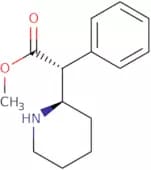

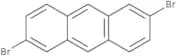
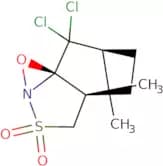

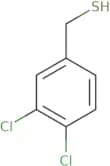
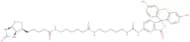
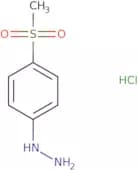
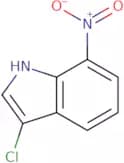
![[4-[2-(Diethylamino)ethoxy]-3-iodophenyl][2-(1-hydroxybutyl)-3-benzofuranyl]-methanone](/_next/image/?url=https%3A%2Fstatic.cymitquimica.com%2Fproducts%2F3D%2Fthumb-webp%2FFD150040.webp&w=3840&q=75)
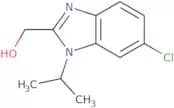
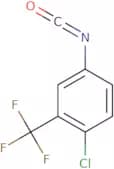
![1-Cyclopropyl-7-(2,8-diazabicyclo[4.3.0]non-8-yl)-6-fluoro-8-methoxy-4-oxoquinoline-3-carboxylic a…](/_next/image/?url=https%3A%2Fstatic.cymitquimica.com%2Fproducts%2F3D%2Fthumb-webp%2FFC102529.webp&w=3840&q=75)
![[(4-Methyl-1,3-thiazol-2-yl)methyl]amine dihydrochloride](/_next/image/?url=https%3A%2Fstatic.cymitquimica.com%2Fproducts%2F3D%2Fthumb-webp%2FFM124176.webp&w=3840&q=75)
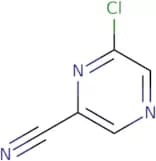

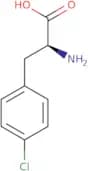
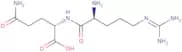
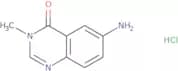
![Ethyl 2-[bis(2,2,2-trifluoroethyl)phosphono]propionate](/_next/image/?url=https%3A%2Fstatic.cymitquimica.com%2Fproducts%2F3D%2Fthumb-webp%2FFE22959.webp&w=3840&q=75)
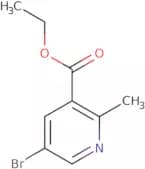
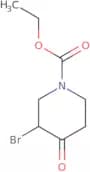
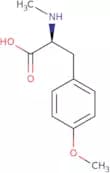
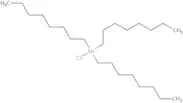
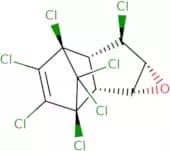
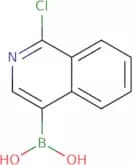

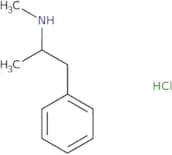
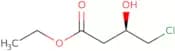
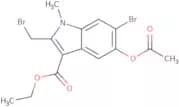
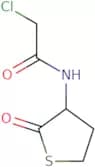


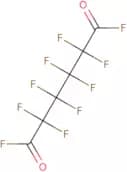
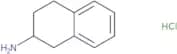
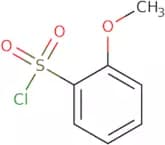
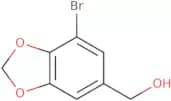

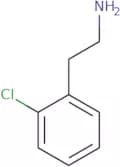
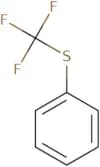

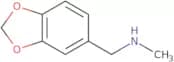
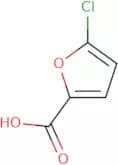
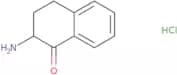

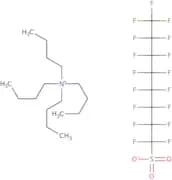
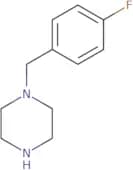
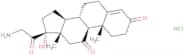
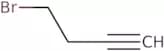
![5-({[2-(4-Chlorophenyl)-1,3-oxazol-4-yl]methyl}thio)-1,3,4-thiadiazol-2-amine](/_next/image/?url=https%3A%2Fstatic.cymitquimica.com%2Fproducts%2F3D%2Fthumb-webp%2FFC122189.webp&w=3840&q=75)
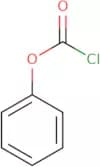
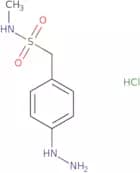
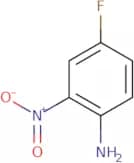
![5-Chloro-1H-imidazo[4,5-b]pyridin-2(3H)-one](/_next/image/?url=https%3A%2Fstatic.cymitquimica.com%2Fproducts%2F3D%2Fthumb-webp%2FFC142316.webp&w=3840&q=75)

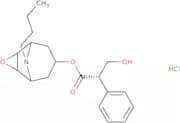
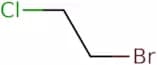
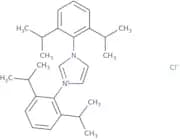
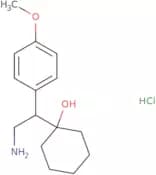
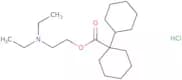
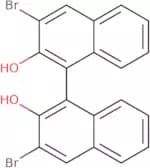

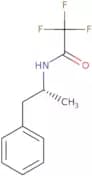
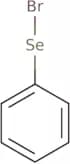
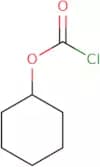
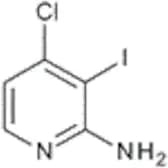
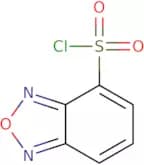
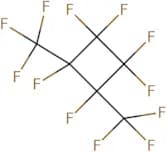
![9-Ethyl-8-iodo-6,6-dimethyl-11-oxo-6,11-dihydro-5H-benzo[b]carbazole-3-carbonitrile](/_next/image/?url=https%3A%2Fstatic.cymitquimica.com%2Fproducts%2F3D%2Fthumb-webp%2FFE137738.webp&w=3840&q=75)
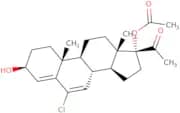
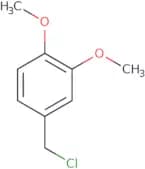
![[5-(Trifluoromethyl)-1,2-Oxazol-3-Yl]Methanol](/_next/image/?url=https%3A%2Fstatic.cymitquimica.com%2Fproducts%2F3D%2Fthumb-webp%2FFT89239.webp&w=3840&q=75)
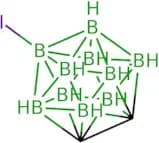
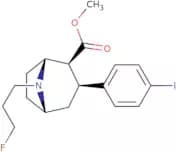
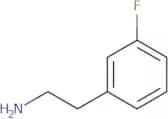
![[2-(1,2-Dimethyl-1H-indol-3-yl)ethyl]amine hydrochloride](/_next/image/?url=https%3A%2Fstatic.cymitquimica.com%2Fproducts%2F3D%2Fthumb-webp%2FFD135164.webp&w=3840&q=75)
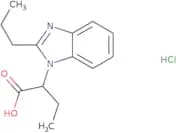
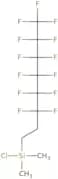
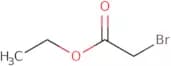

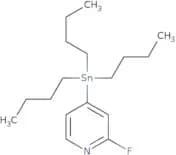
![[2-(1-Isopropyl-1H-benzimidazol-2-yl)ethyl]amine dihydrochloride](/_next/image/?url=https%3A%2Fstatic.cymitquimica.com%2Fproducts%2F3D%2Fthumb-webp%2FFI126434.webp&w=3840&q=75)
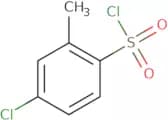
![5-[4-(3-Chlorophenyl)piperazin-1-yl]-5-oxopentanoic acid](/_next/image/?url=https%3A%2Fstatic.cymitquimica.com%2Fproducts%2F3D%2Fthumb-webp%2FFC124636.webp&w=3840&q=75)
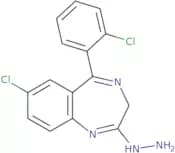
![3-[4-(3,4-Dichlorophenyl)piperazin-1-yl]-3-oxopropanenitrile](/_next/image/?url=https%3A%2Fstatic.cymitquimica.com%2Fproducts%2F3D%2Fthumb-webp%2FFD118649.webp&w=3840&q=75)

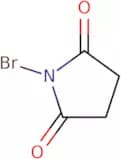
![tert-Butyl 4-chloro-5,6-dihydropyrido[3,4-d]pyrimidine-7(8H)-carboxylate](/_next/image/?url=https%3A%2Fstatic.cymitquimica.com%2Fproducts%2F3D%2Fthumb-webp%2FFB144255.webp&w=3840&q=75)
![7-[(3R)-3-[(N-Acetyl)amino]-1-oxo-4-(2,4,5-trifluorophenyl)butyl]-5,6,7,8-tetrahydro-3-(trifluorom…](/_next/image/?url=https%3A%2Fstatic.cymitquimica.com%2Fproducts%2F3D%2Fthumb-webp%2FFA104169.webp&w=3840&q=75)
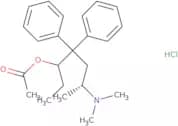
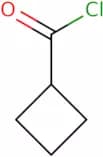
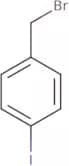
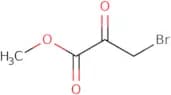

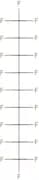



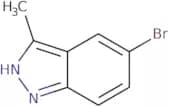

![[2-(Methylsulfinyl)ethyl]amine hydrobromide](/_next/image/?url=https%3A%2Fstatic.cymitquimica.com%2Fproducts%2F3D%2Fthumb-webp%2FFM121339.webp&w=3840&q=75)
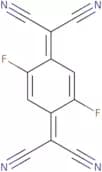

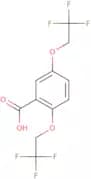
![(R)-(-)-1-[(4-Chlorophenyl)phenylmethyl]piperazine](/_next/image/?url=https%3A%2Fstatic.cymitquimica.com%2Fproducts%2F3D%2Fthumb-webp%2FFC53712.webp&w=3840&q=75)
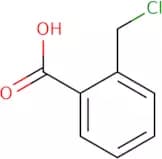
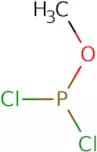
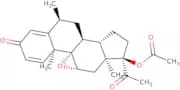
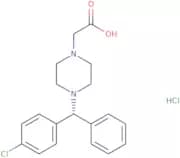
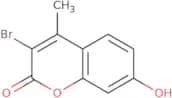
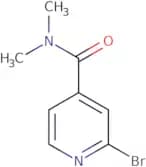
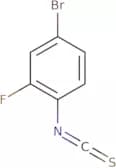
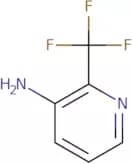
![6-Bromo-1H-pyrrolo[3,2-c]pyridine](/_next/image/?url=https%3A%2Fstatic.cymitquimica.com%2Fproducts%2F3D%2Fthumb-webp%2FFB141720.webp&w=3840&q=75)


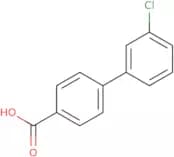
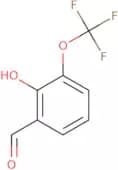
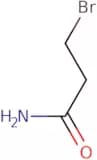
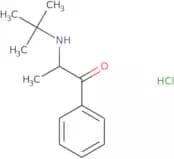
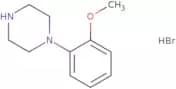

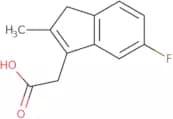
![N-[2-(1,3-Dimethylbutyl)phenyl]-5-fluoro-1,3-dimethyl-1H-pyrazole-4-carboxamide](/_next/image/?url=https%3A%2Fstatic.cymitquimica.com%2Fproducts%2F3D%2Fthumb-webp%2FFD156991.webp&w=3840&q=75)

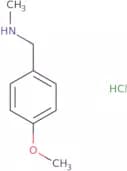
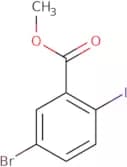
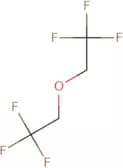
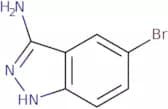
![1-Azaspiro[4.4]nonane hydrochloride](/_next/image/?url=https%3A%2Fstatic.cymitquimica.com%2Fproducts%2F3D%2Fthumb-webp%2FFA130012.webp&w=3840&q=75)
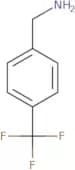

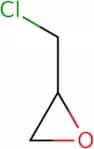
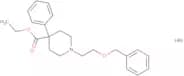
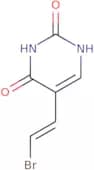
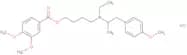

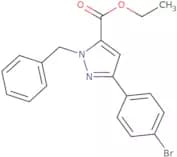
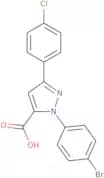
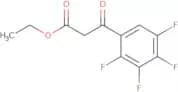

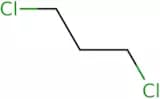
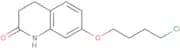

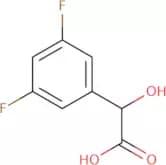
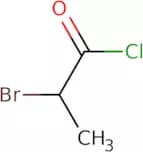
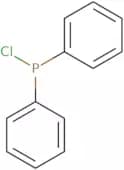
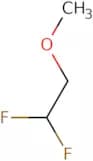
![7-Fluoro-imidazo[1,2-a]pyridine](/_next/image/?url=https%3A%2Fstatic.cymitquimica.com%2Fproducts%2F3D%2Fthumb-webp%2FFF165964.webp&w=3840&q=75)
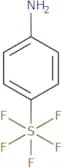
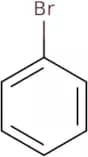
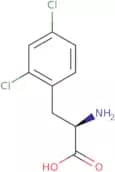
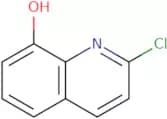
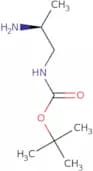
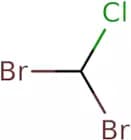
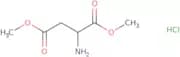
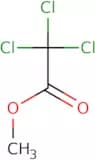
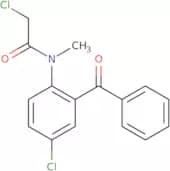
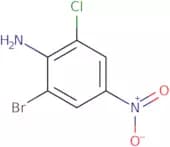
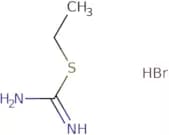

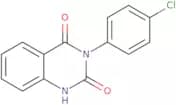
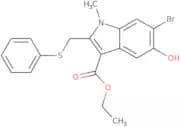

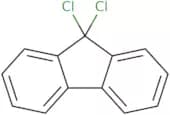
![2-Chloro-1-[4-(4-Fluorophenyl)-1-Piperazinyl]Ethanone](/_next/image/?url=https%3A%2Fstatic.cymitquimica.com%2Fproducts%2F3D%2Fthumb-webp%2FFC93551.webp&w=3840&q=75)
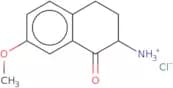
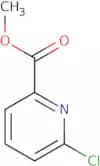
![[2-(1-Isobutyl-1H-benzimidazol-2-yl)ethyl]amine dihydrochloride](/_next/image/?url=https%3A%2Fstatic.cymitquimica.com%2Fproducts%2F3D%2Fthumb-webp%2FFI135795.webp&w=3840&q=75)

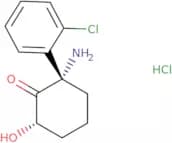
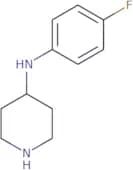
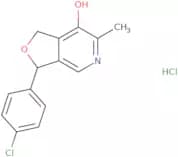
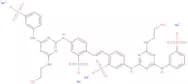
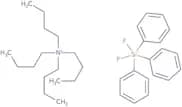
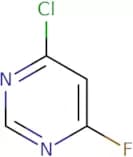
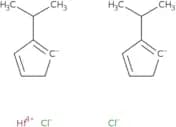
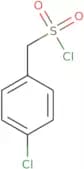
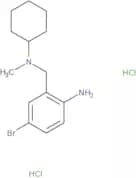
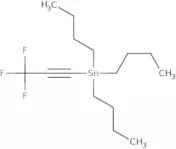
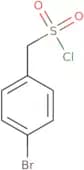
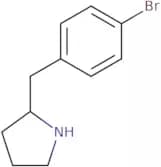
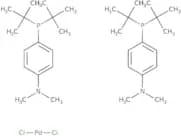
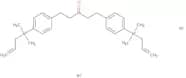
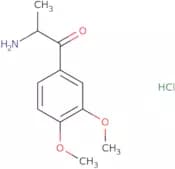
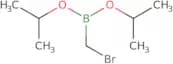
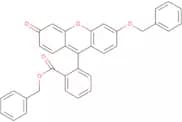
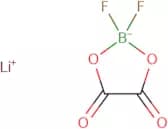
![4-fluoro-1-methyl-1,4-diazoniabicyclo[2.2.2]octane](/_next/image/?url=https%3A%2Fstatic.cymitquimica.com%2Fproducts%2F3D%2Fthumb-webp%2FFF106220.webp&w=3840&q=75)
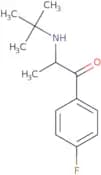

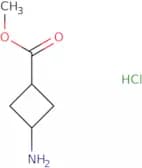
![Imidazo[1,2-a]pyridin-8-ylamine dihydrochloride](/_next/image/?url=https%3A%2Fstatic.cymitquimica.com%2Fproducts%2F3D%2Fthumb-webp%2FFI51744.webp&w=3840&q=75)