Organic Halides
In this category, you can find organic molecules containing one or more halogen atoms in their structure. These organic halides include brominated, iodinated, chlorinated, and cyclic halide compounds. Organic halides are widely used in organic synthesis, pharmaceuticals, agrochemicals, and materials science due to their reactivity and ability to undergo a variety of chemical transformations. At CymitQuimica, we offer a comprehensive selection of high-quality organic halides to support your research and industrial applications, ensuring reliable and effective performance in your synthetic and analytical projects.
Subcategories of "Organic Halides"
Found 20437 products of "Organic Halides"
Sort by
Purity (%)
0
100
|
0
|
50
|
90
|
95
|
100
1,2-Benzenedisulfonyl Dichloride
CAS:<p>1,2-Benzenedisulfonyl Dichloride is a sulfonamide that has shown to be an effective antagonist of glutamate receptors (N-methyl-D-aspartate) in the central nervous system. The drug binds to the receptor and prevents the binding of glutamate, which is needed for its activation. It also inhibits the production of inflammatory cytokines such as IL-1β, IL-6, and TNFα by blocking proton influx into the cells. 1,2-Benzenedisulfonyl Dichloride has been found to be effective in treating inflammation in animals and humans. It has a short half life in plasma and liver, making it suitable for use with other drugs.</p>Formula:C6H4Cl2O4S2Purity:Min. 95%Color and Shape:PowderMolecular weight:275.13 g/mol1-(2-Phenylethyl)piperidin-4-amine dihydrochloride
CAS:Controlled Product<p>Please enquire for more information about 1-(2-Phenylethyl)piperidin-4-amine dihydrochloride including the price, delivery time and more detailed product information at the technical inquiry form on this page</p>Formula:C13H20N2Purity:Min. 95%Molecular weight:204.31 g/mol1-Butyl-3-methylimidazolium bis(trifluoromethanesulfonyl)imide
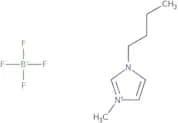
CAS:<p>1-Butyl-3-methylimidazolium bis(trifluoromethanesulfonyl)imide (BMIMTFSI) is a cationic electrolyte that is used in a variety of electrochemical applications. BMIMTFSI has been shown to be able to form hydrogen bonds with water and other hydroxyl groups. Hydrogen bonding interactions are important for the ionic conductivity of BMIMTFSI. These interactions allow the formation of an ionic solution in which the ions can conduct electricity. This property of BMIMTFSI makes it useful in electrochemical detectors, such as gas sensors and pH monitors, where it can be used to measure changes in pH or detect gases such as carbon dioxide or ammonia. The frequency shift of this material is due to its ability to undergo an acylation reaction, which is the addition of an acyl group onto a molecule. The activation energies for this process are determined by the chemical interactions between</p>Formula:C10H15F6N3O4S2Purity:Min. 98 Area-%Color and Shape:Clear LiquidMolecular weight:419.37 g/mol7-[(3R)-3-[(N-Acetyl)amino]-1-oxo-4-(2,4,5-trifluorophenyl)butyl]-5,6,7,8-tetrahydro-3-(trifluoromethyl)-1,2,4-triazolo[4,3-a]pyrazi ne
CAS:<p>Please enquire for more information about 7-[(3R)-3-[(N-Acetyl)amino]-1-oxo-4-(2,4,5-trifluorophenyl)butyl]-5,6,7,8-tetrahydro-3-(trifluoromethyl)-1,2,4-triazolo[4,3-a]pyrazi ne including the price, delivery time and more detailed product information at the technical inquiry form on this page</p>Formula:C18H17F6N5O2Purity:Min. 95%Molecular weight:449.35 g/mol2-Chloro-N-(2,3-dihydro-1H-inden-2-yl)acetamide
CAS:Controlled Product<p>Please enquire for more information about 2-Chloro-N-(2,3-dihydro-1H-inden-2-yl)acetamide including the price, delivery time and more detailed product information at the technical inquiry form on this page</p>Formula:C11H12ClNOPurity:Min. 95%Molecular weight:209.67 g/molTetrafluoroterephthaldehyde
CAS:<p>Tetrafluoroterephthaldehyde (TFPA) is a reactive aldehyde that can be synthesized in the laboratory by the reaction of trifluoromethanesulfonic acid with an aromatic hydrocarbon or ester compound. TFPA has been used to study the synthesis of supramolecular assemblies and supramolecular chemistry. The radiation-induced formation of TFPA is a useful method for the synthesis of polymers, and the thermal expansion of TFPA is high enough to be used as a thermometer. TFPA has shown chemical stability in both acidic and alkaline media, as well as resistance to radiation and oxidation. TFPA also has a high boiling point, making it useful for desolvation during gas chromatography experiments.</p>Formula:C8H2F4O2Purity:Min. 95%Color and Shape:PowderMolecular weight:206.09 g/mol1-Ethyl-3-methylimidazolium hexafluorophosphate
CAS:<p>1-Ethyl-3-methylimidazolium hexafluorophosphate is an ionic liquid that has been used as a solvent and electrolyte in electrochemical impedance spectroscopy. It has also been shown to be effective for the removal of hydrogen fluoride from water and wastewater treatment. 1-Ethyl-3-methylimidazolium hexafluorophosphate has been found to be chemically stable, which makes it suitable for use in chemical reactions with other compounds. This ionic liquid is not toxic, making it a good candidate for use as a model system.</p>Formula:C6H11N2·F6PPurity:Min. 95%Molecular weight:256.13 g/mol2-Bromoethyl isothiocyanate
CAS:<p>2-Bromoethyl isothiocyanate is a synthetic, bifunctional isothiocyanate. It reacts with amines to form active methylene compounds and can be used for the synthesis of choline. 2-Bromoethyl isothiocyanate has been shown to induce phytoalexin production in plants by activating the transcription factor Nrf2 through its chlorination of silicon. This compound also inhibits choline uptake, leading to a decrease in acetylcholine levels in the brain and increased aggressiveness.</p>Formula:C3H4BrNSPurity:Min. 95%Molecular weight:166.04 g/mol2-Chloro-5-methoxyaniline
CAS:<p>2-Chloro-5-methoxyaniline is a primary amine that has structural isomers. It is also a lactam with an aromatic ring. 2-Chloro-5-methoxyaniline can be used as a cytotoxic compound. It can inhibit the uptake of unlabeled chemical ionization by cells and has been shown to have potent inhibition of brain uptake in rats. 2-Chloro-5-methoxyaniline has been shown to be effective against Alzheimer's disease in clinical studies. Chemical ionization mass spectrometry has demonstrated that this compound binds to the molecule acetylcholine, which is involved in the neurotransmitter system.</p>Formula:C7H8ClNOPurity:Min. 95%Color and Shape:Colourless To Yellow To Brown Solid Or Liquid (May Vary)Molecular weight:157.6 g/molBetacetylmethadol hydrochloride
CAS:Controlled Product<p>Betacetylmethadol hydrochloride is a pharmaceutical that belongs to the group of opioid analgesics. It is an active form of the prodrug, betacetylmethadol. Betacetylmethadol hydrochloride has a high addictive potential and can lead to overdose. The active agent in betacetylmethadol hydrochloride is oxycodone, which has been shown to have physiological activity. Oxycodone is metabolized by the liver into oxymorphone, which has similar effects as morphine. Oxymorphone binds to opioid receptors in the gastrointestinal tract and brain, decreasing pain and producing feelings of euphoria or pleasure. Betacetylmethadol hydrochloride also acts on other opioid receptors in the body such as those found in the central nervous system, spinal cord, and peripheral nervous system.</p>Formula:C23H32ClNO2Purity:Min. 95%Molecular weight:389.96 g/mol6-Fluoro-3-(4-piperidinyl)-1,2-benzisoxazole
CAS:<p>6-Fluoro-3-(4-piperidinyl)-1,2-benzisoxazole is a drug candidate that belongs to a new class of atypical antipsychotics. It has been synthesized using an efficient method and was found to bind to the m1 receptor with high affinity. 6-Fluoro-3-(4-piperidinyl)-1,2-benzisoxazole has shown efficacy in vitro studies against 5HT1a receptors and in vivo studies against fibroblast cells. This drug is also effective against serotonin levels, which may be due to its ability to inhibit the reuptake of serotonin by blocking the serotonin transporter.</p>Formula:C12H13FN2OPurity:Min. 95%Color and Shape:PowderMolecular weight:220.24 g/molTetradecafluoromethylcyclohexane
CAS:Controlled Product<p>Tetradecafluoromethylcyclohexane is a chemical compound with the chemical formula CF4CH2. It is a colorless gas that has a high octane number. It has been used as a refrigerant and in metal carbonyl synthesis, among other applications. Tetradecafluoromethylcyclohexane has been used for the removal of hydrogen fluoride from metal-containing wastewater, but it is not effective in removing other halides because it does not react with them. This compound can also be used as an analytical method for detecting metals, such as mercury and arsenic. The detection sensitivity of this method is about 0.01 ppb.<br>Tetradecafluoromethylcyclohexane reacts with oxygen at room temperature to form tetradecaoxafulvene (C8F16O). Solid phase microextraction (SPME) is an analytical chemistry technique that uses porous polymer fibers</p>Formula:C7F14Purity:Min. 95%Molecular weight:350.05 g/molMethyl 6-Bromo-1-Methyl-1H-Indole-2-Carboxylate
CAS:Controlled Product<p>Please enquire for more information about Methyl 6-Bromo-1-Methyl-1H-Indole-2-Carboxylate including the price, delivery time and more detailed product information at the technical inquiry form on this page</p>Formula:C11H10BrNO2Purity:Min. 95%Molecular weight:268.11 g/mol5-(2-Chlorophenyl)-2-oxo-2,3-dihydro-1H-1,4-benzodiazepine
CAS:Controlled Product<p>Phenazepam is a benzodiazepine with hypnotic and anxiolytic properties. It is used in the treatment of anxiety disorders, insomnia, and muscle spasms. Phenazepam has a higher potency than other benzodiazepines, but it has a shorter half-life and duration of action. The synthesis of phenazepam involves the reaction of 5-(2-chlorophenyl)-1,3-dihydro-2H-1,4-benzodiazepin-2-one with 4-(aminosulfonyl)piperidine. This substance is a crystalline solid that has an anxiolytic effect by increasing the activity of GABA receptors in the brain.</p>Formula:C15H11ClN2OPurity:Min. 95%Molecular weight:270.71 g/mol2,6-Dimethoxybenzoyl Chloride
CAS:<p>2,6-Dimethoxybenzoyl chloride is a halide that is used in the synthesis of other compounds. It can be synthesized by the reaction of methoxy groups with demethylation and regiospecific chlorination. This compound has been used to synthesize other substances, such as 2-chloro-2′,6′-diethoxybenzophenone. 2,6-Dimethoxybenzoyl chloride also has enzymatic activity that can be catalyzed by chromatographic science. The chloride ion is the most common anion found in living cells and it is involved in a variety of reactions. Dimethoxybenzamido and tribromide are two types of organic compounds that contain chlorine.</p>Formula:C9H9ClO3Purity:Min. 95%Molecular weight:200.62 g/molDes-4-fluorobenzyl mosapride
CAS:<p>Please enquire for more information about Des-4-fluorobenzyl mosapride including the price, delivery time and more detailed product information at the technical inquiry form on this page</p>Formula:C14H20ClN3O3Purity:Min. 95%Molecular weight:313.78 g/mol3-Chloro-6-isopropylpyridazine
CAS:<p>Please enquire for more information about 3-Chloro-6-isopropylpyridazine including the price, delivery time and more detailed product information at the technical inquiry form on this page</p>Formula:C7H9ClN2Purity:Min. 95%Molecular weight:156.61 g/molβ-Alaninol 2-chlorotrityl resin
<p>Please enquire for more information about beta-Alaninol 2-chlorotrityl resin including the price, delivery time and more detailed product information at the technical inquiry form on this page</p>Purity:Min. 95%Dibromochloromethane (stabilized with ethanol)
CAS:<p>Dibromochloromethane (DBCM) is a chemical that is used as a solvent and cleaning agent. It was found to be genotoxic, with the potential to cause cancer in humans. DBCM causes cardiac effects in animals, including arrhythmias and an increase in heart rate. DBCM is not volatile and has a low vapor pressure, which makes it hazardous if inhaled or ingested. DBCM can also cause renal toxicity and liver injury in rats. Dibromochloromethane has been shown to have a toxic effect on the heart, lungs, kidneys and liver when administered at high doses in animals. It has been shown to damage DNA by causing mutations or cross-linking with DNA strands.</p>Formula:CHBr2ClPurity:Min. 95%Molecular weight:208.28 g/mol(S)-Esmolol hydrochloride
CAS:Controlled Product<p>(S)-Esmolol hydrochloride is an optical isomer of esmolol that is used to treat cardiac arrhythmias. It has a low affinity for beta-adrenergic receptors and has been shown to have a profile of antiarrhythmic effects. The drug also has the ability to block potassium channels, which may be due to its structural similarity to propanolol. (S)-Esmolol hydrochloride can be synthesized from the reaction of ethyl chloroformate with potassium phosphate in alkaline conditions. This optical isomer of esmolol is used as a probe for determining the stereochemistry of other compounds.</p>Formula:C16H25NO4•HClPurity:Min. 95%Molecular weight:331.83 g/molMethyl bromopyruvate
CAS:<p>Methyl bromopyruvate is a medication with various functions. It can be used to treat viral infections such as hepatitis and AIDS, as well as to treat psychosis and depression. Methyl bromopyruvate has been shown to be an effective antiviral agent that inhibits the synthesis of viral proteins by methylating their amino acids. Methyl bromopyruvate also inhibits the production of fatty acids by blocking the enzyme enolase, which catalyzes the conversion of 2-phosphoglycerate into phosphoenolpyruvate. This drug is metabolized in the liver through conjugation with glutathione or glucuronide or by oxidation to a reactive carbon-centered species.<br>Methyl bromopyruvate is also used for treatment of insulin resistance in patients with type II diabetes mellitus.</p>Formula:C4H5BrO3Purity:Min. 95%Color and Shape:Colourless To Yellow LiquidMolecular weight:180.98 g/molS-Ethylisothio urea, hydrobromide
CAS:<p>S-Ethylisothio urea, hydrobromide is a nitric oxide (NO) synthase inhibitor that prevents the conversion of arginine to NO. It has been shown to inhibit protein synthesis in cells, which may be due to its ability to inhibit guanylate cyclase and intracellular calcium concentrations. S-Ethylisothio urea, hydrobromide has been used in experimental models as an anti-inflammatory drug for the treatment of autoimmune diseases like rheumatoid arthritis. This compound also blocks the production of NO by inhibiting the oxygen transport system in the lungs, which is required for redox potential. S-Ethylisothio urea, hydrobromide is a cyclase inhibitor that prevents the conversion of dehydroascorbic acid to ascorbic acid. It can be used as an antioxidant by scavenging reactive oxygen species and preventing oxidative damage.</p>Formula:C3H9BrN2SPurity:Min. 95%Molecular weight:185.09 g/mol2,3,4-Trifluorophenol
CAS:<p>2,3,4-Trifluorophenol is a chemical control agent that is used as an intermediate in the synthesis of organic compounds. It reacts with hydroxyl groups to form 2,3,4-trifluoroacetophenone from a proton. The compound has low light and x-ray absorption properties and is typically used in liquid crystal compositions. Chemical ionization experiments have shown that 2,3,4-trifluorophenol binds to copper oxide and forms copper trifluoride. This compound also has been found to be conjugated with neutral ph phenols and chlorinated with chlorine atom.</p>Formula:C6H3F3OPurity:Min. 95%Color and Shape:PowderMolecular weight:148.08 g/mol6-Bromo-1H-pyrrolo[3,2-c]pyridine
CAS:<p>Pyrroloquinoline quinones are a class of naturally occurring bioactive natural products that have been isolated from plants and fungi. Pyrroloquinoline quinone is an important intermediate in the synthesis of many other biologically active natural products. The pyrrole ring is synthesized by two different methods: (1) the oxidation of 2-pyridone, or (2) the reaction of methyl 4-hydroxypyrimidine-2-carboxylate with methylamine. Synthesis can be accomplished through a number of synthetic strategies, including bioorganic chemistry, organic chemistry, and synthetic strategies. The mechanisms for each step in the synthesis are discussed in detail below.</p>Formula:C7H5BrN2Purity:Min. 95%Color and Shape:SolidMolecular weight:197.03 g/mol1-bromo-2,3,5-trifluorobenzene
CAS:<p>1-bromo-2,3,5-trifluorobenzene (1,2,3-BTFB) is a chemical substance that is used for bromination. It has been shown to be a selective agent for the removal of nitrogen compounds in wastewater. 1,2,3-BTFB can be used to remove pollutants from the environment without causing an increase in pollution levels. It can also be used as a diazotizing agent and a high selectivity reagent.</p>Formula:C6H2BrF3Purity:Min. 95%Molecular weight:210.98 g/mol1-Bromoicosane
CAS:<p>1-Bromoicosane is a viscous, hydrophobic organic solvent with a high boiling point. It has been used as an additive in the production of polyurethanes and as a cross-linking agent in rubber and plastics. The viscosity of 1-bromoicosane can be increased by adding it to other solvents, such as xylene. 1-Bromoicosane is also used as an additive in paints and varnishes, where it increases the glossiness of the final product. This compound is also used to prevent corrosion on metal surfaces when mixed with zinc chloride or phosphonium salt. 1-Bromoicosane has been shown to have antioxidative activities against lipid peroxidation, hydrogen peroxide oxidation, and nitric oxide induced hemoglobin oxidation.</p>Formula:C20H41BrPurity:Min. 95%Color and Shape:White PowderMolecular weight:361.44 g/mol1-(2-Chlorobenzyl)piperazine
CAS:Controlled Product<p>1-(2-Chlorobenzyl)piperazine is a drug that binds to the adenosine receptor with high affinity. It has been shown to produce a bell-shaped dose-response curve, meaning that at low doses it increases the activity of adenosine receptors and at high doses it decreases the activity of these receptors. 1-(2-Chlorobenzyl)piperazine is an atypical agonist for this receptor because it does not have the typical skeleton structure of other drugs that bind to this receptor. It is also used as a research tool in assays to study the effects of drugs on adenosine receptors.</p>Formula:C11H15ClN2Purity:Min. 95%Molecular weight:210.7 g/mol2,6-Dibromo-3-nitropyridine
CAS:<p>2,6-Dibromo-3-nitropyridine is a chemical compound that has been shown to inhibit serine protease activity. The compound was shown to be an inhibitor of the enzyme trypsin, and showed some activity against a number of other proteases. 2,6-Dibromo-3-nitropyridine has also been shown to inhibit nucleophilic alkylation of DNA bases by 2,6-dichloroquinoxaline. 2,6-Dibromo-3-nitropyridine is a targeted inhibitor that binds to the active site of the enzyme and prevents the formation of an enzyme-substrate complex. This inhibition leads to a decrease in the production of proteins essential for cell division.</p>Formula:C5H2Br2N2O2Purity:Min. 95%Molecular weight:281.89 g/mol4-(Trifluoromethyl)cyclohexanone
CAS:<p>4-(Trifluoromethyl)cyclohexanone is a reagent that is used in the synthesis of cyclohexanones, which are used to produce diazo compounds. In this process, the 4-trifluoromethyl group reacts with an aldehyde to form a cyclic intermediate, which then reacts with nitroethane to give the desired product. This compound has been shown experimentally to have a diastereoselection of about 75% for the formation of one stereoisomer over another.</p>Formula:C7H9F3OPurity:Min. 95%Molecular weight:166.14 g/mol4-Amino-3-(trifluoromethoxy)benzoic acid
CAS:<p>Please enquire for more information about 4-Amino-3-(trifluoromethoxy)benzoic acid including the price, delivery time and more detailed product information at the technical inquiry form on this page</p>Formula:C8H6F3NO3Purity:Min. 95%Molecular weight:221.13 g/mol2-Cyano-5-fluoropyridine
CAS:<p>2-Cyano-5-fluoropyridine is a potential antitubercular agent that has shown penetrability in the central nervous system and activity against Mycobacterium tuberculosis. It is orally active at low doses, and has been shown to be an effective inhibitor of mycobacterial growth and lipid synthesis. In addition, this compound also has antimycobacterial activity against M. avium complex and M. ulcerans, and is a potent inhibitor of β-amyloid aggregation.</p>Formula:C6H3FN2Purity:Min. 95%Molecular weight:122.1 g/mol4-Bromophenylacetylene
CAS:<p>4-Bromophenylacetylene is a molecule that can be activated by nucleophilic attack, which is the process of reacting with a nucleophile. It is used in clinical studies to determine the activity of pancreatic lipase in humans and animals. 4-Bromophenylacetylene has been shown to have a high degree of regiospecificity, meaning that it only reacts with certain carbon atoms on the molecule, and not all of them. This allows for selective reactions to take place. 4-Bromophenylacetylene also reacts with amines, which are organic molecules containing nitrogen and hydrogen, through an X-ray absorption process. X-ray absorption is defined as an x-ray photon being absorbed by an electron in a molecule, causing the electron to change its energy level and state. The energy level and state changes are characterized by x-ray emission spectroscopy (XES).</p>Formula:C8H5BrPurity:Min. 95%Molecular weight:181.03 g/mol5-(Aminomethyl)-2-furoic acid hydrochloride
CAS:<p>5-(Aminomethyl)-2-furoic acid hydrochloride is a molecule that belongs to the group of carboxylates. It has a molecular weight of 191.2 g/mol and a chemical formula of CHNO. The structure of 5-(aminomethyl)-2-furoic acid hydrochloride is similar to that of hexamethylenetetramine, a common organic compound with the formula (CH)N(H)CH. 5-(Aminomethyl)-2-furoic acid hydrochloride can be used as an acceptor in hydrogen chloride gas generation reactions, which are used in the synthesis of some pharmaceutical drugs and other organic compounds. The molecule also has potential use in telomerase research because it is structurally similar to natural telomeres. In addition, this molecule has been shown to have anti-inflammatory properties due to its ability to inhibit prostaglandin synthesis.</p>Formula:C6H7NO3Purity:Min. 95%Molecular weight:141.12 g/mol1-Chloroundecane
CAS:<p>1-Chloroundecane is an organic compound that has been used as a disinfectant and an oxidizing agent. It can be prepared by the chlorination of undecane, or by the oxidation of 1-chloro-1,2-butadiene with sodium dichromate. 1-Chloroundecane is a white crystalline solid that melts at 8°C. The compound does not have any known medical use. It can be used for sample preparation in analytical chemistry, as well as for surface disinfection and deodorization. 1-Chloroundecane has been shown to inhibit cell growth in culture and to have antioxidant properties.</p>Formula:C11H23ClPurity:Min. 95%Color and Shape:Clear LiquidMolecular weight:190.75 g/molBarium chloride anhydrous
CAS:<p>Barium chloride anhydrous is a chemical compound with the formula BaCl2. It is soluble in water and has been used for wastewater treatment. The solubility of this compound increases as temperature decreases. Barium chloride anhydrous can also be used to measure the levels of calcium ions in cells and tissues, by measuring the fluorescence intensity produced when the compound reacts with Ca2+. This property has been utilized to study neuronal death and Ca2+ overload. Barium chloride anhydrous also exhibits biological properties, such as enzyme activity or the ability to bind coumarin derivatives. X-ray diffraction data have shown that BaCl2 consists of a cubic crystalline structure, with each barium ion coordinated by six chloride ions. In solution, BaCl2 dissociates into Ba2+ and Cl-. Water vapor may cause the formation of anhydrous sodium carbonate on surfaces of objects exposed to it. The structural analysis of this compound has been modeled using particle methods.</p>Formula:BaCl2Purity:Min. 95%Molecular weight:208.23 g/mol6-Chloro-benzofuran-3-one
CAS:<p>6-Chloro-benzofuran-3-one is an organic compound that is used in the synthesis of other chemical compounds. It is a useful scaffold for the construction of complex molecules and may be used as a reagent or reaction component in organic chemistry. This product has CAS number 3260-78-4, and is also known as 6-chlorobenzofuranone.</p>Formula:C8H5ClO2Purity:Min. 98%Color and Shape:PowderMolecular weight:168.58 g/molDimethylaminoacetic acid hydrazide dihydrochloride
CAS:<p>Please enquire for more information about Dimethylaminoacetic acid hydrazide dihydrochloride including the price, delivery time and more detailed product information at the technical inquiry form on this page</p>Purity:Min. 95%(NZ)-4-chloro-N-[1-[2-(4-nitrophenyl)ethyl]piperidin-2-ylidene]benzenesulfonamide
CAS:Controlled Product<p>Please enquire for more information about (NZ)-4-chloro-N-[1-[2-(4-nitrophenyl)ethyl]piperidin-2-ylidene]benzenesulfonamide including the price, delivery time and more detailed product information at the technical inquiry form on this page</p>Formula:C19H20ClN3O4SPurity:Min. 95%Molecular weight:421.9 g/molManganese chloride tetrahydrate
CAS:<p>Manganese chloride tetrahydrate is a salt of manganese and hydrochloric acid. It can be used as a catalyst in the reaction of fatty acids to form esters. Manganese chloride tetrahydrate can be used as a diagnostic agent for liver lesions, by reacting with the liver cells in an acidic solution. The product is a dark blue or greenish-blue powder that dissolves in water, methanol, or other solvents.</p>Formula:MnCl2·4H2OPurity:Min. 95%Color and Shape:PowderMolecular weight:197.9 g/molEthyl 3-(difluoromethyl)-1H-pyrazole-5-carboxylate
CAS:<p>Please enquire for more information about Ethyl 3-(difluoromethyl)-1H-pyrazole-5-carboxylate including the price, delivery time and more detailed product information at the technical inquiry form on this page</p>Formula:C7H8F2N2O2Purity:Min. 95%Color and Shape:PowderMolecular weight:190.15 g/mol2-(3-Bromopropyl)-1,3-dioxolane
CAS:<p>2-(3-Bromopropyl)-1,3-dioxolane is a detectable, organometallic compound with the chemical formula CHBrO. It has been used in asymmetric synthesis as an intermediate for the construction of alcohols and aldehydes. The compound reacts with aldehydes to form 2-bromoacetophenones or 2-bromoacetals, which are useful intermediates for the synthesis of other compounds. 2-(3-Bromopropyl)-1,3-dioxolane has also been shown to be effective against Gram-negative bacteria and resistant parasites such as ectoparasites and cross-coupling. Trifluoroacetic acid is used in multidrug efflux pump inhibition studies on Gram-negative bacteria.</p>Formula:C6H11BrO2Purity:Min. 95%Molecular weight:195.05 g/molTetrafluoroterephthalonitrile
CAS:<p>Tetrafluoroterephthalonitrile is a hydroxyl group-containing organic chemical compound with the molecular formula (CF)CO. It has been used in analytical chemistry as a reagent for the determination of peptide binding constants and disulfide bonds. Tetrafluoroterephthalonitrile binds to nucleophilic sites on proteins, such as the pim-1 protein, and can be used to transport other molecules across cell membranes. In addition, it has been used to produce polymers for use in analytical chemistry. This chemical is also able to bind with magnetic particles under constant pressure conditions, which makes it useful for optical sensor applications. Tetrafluoroterephthalonitrile is a hydroxyl group-containing organic chemical compound with the molecular formula (CF)CO. It has been used in analytical chemistry as a reagent for the determination of peptide binding constants and disulfide bonds. Tetrafluoroterephthal</p>Formula:C8F4N2Purity:Min. 95%Molecular weight:200.09 g/mol5-Bromo-1-ethyl-1H-1,2,4-triazole
CAS:<p>Please enquire for more information about 5-Bromo-1-ethyl-1H-1,2,4-triazole including the price, delivery time and more detailed product information at the technical inquiry form on this page</p>Formula:C4H6BrN3Purity:Min. 95%Molecular weight:176.01 g/mol1-Bromomethyl-o-carborane
CAS:Controlled Product<p>1-Bromomethyl-o-carborane is a boron compound that has been used as a cross-coupling reagent for the conversion of terminal alkynes to acetonitrile. This reagent is prepared by the reaction of lithium diisopropylamide with dicarbonyl compounds, followed by desilylation and alkylation. The hydroxy group can be substituted with triflates or monosubstituted groups. The nature of these substituents will depend on the desired product and reaction conditions. 1-Bromomethyl-o-carborane has been shown to form hyaluronic acid in yields of up to 98%.</p>Formula:C3B10H13BrPurity:Min. 95%Molecular weight:237.15 g/molLithium tetrachloroaluminate
CAS:<p>Lithium tetrachloroaluminate is a compound that consists of lithium, copper, and aluminum. It has an average particle diameter of about 1 micrometer. Lithium tetrachloroaluminate can be used as a catalyst for the reduction of inorganic and organic solutes. This compound is soluble in water and organic solvents, which may be due to its ionic nature. Lithium tetrachloroaluminate can be used as a rechargeable battery electrode material because it has a high capacity for storing lithium ions. The reaction with chloride ions produces chlorine gas, which is corrosive and toxic under certain conditions.</p>Formula:LiAlCl4Purity:(%) Min. 98%Color and Shape:White PowderMolecular weight:175.73 g/mol(5-bromo-2-fluorophenyl)boronic Acid
CAS:<p>5-Bromo-2-fluorophenyl)boronic acid is a synthetic chemical that is used in the synthesis of pharmaceuticals and pesticides. This compound is an inhibitor of bace1, which is an enzyme involved in the production of amyloid beta peptide (Aβ) and other proteins implicated in Alzheimer's disease. 5-Bromo-2-fluorophenyl)boronic acid has been shown to be effective at reducing Aβ levels in mice with Alzheimer's disease. It also inhibits pyrethroid, a pesticide that is used on crops to control insects, by binding to the active site of the enzyme. 5-Bromo-2-fluorophenyl)boronic acid has been evaluated for use as a cancer treatment, but these studies have not been completed.</p>Formula:C6H5BBrFO2Purity:Min. 95%Molecular weight:218.82 g/mol2,4,6-Trichloro-5-nitropyrimidine
CAS:<p>2,4,6-Trichloro-5-nitropyrimidine is a purine derivative that inhibits the cell proliferation of cancer cells. It has been shown to inhibit the activity of kinases and to induce apoptosis in human cancer cells in vitro. This drug also has antiproliferative potential against erythrocytes and is being investigated as a treatment for renal disease. 2,4,6-Trichloro-5-nitropyrimidine shows inhibitory effects on the phosphorylation of roscovitine by ATP and may be used to treat patients with glomerulonephritis. 2,4,6-Trichloro-5-nitropyrimidine can be synthesized from 2,4,6-trichloropyrimidinethiol and nitric acid according to the following equation: CClNO + HNO → CClNOH + NO 2 Cl + 3 HNO</p>Formula:C4Cl3N3O2Purity:Min. 97 Area-%Molecular weight:228.42 g/mol8-Chlorotheophylline
CAS:Controlled Product<p>8-Chlorotheophylline is a chemical compound used in pharmaceutical preparations as an antispasmodic and bronchodilator. It is a derivative of theophylline and has been shown to bind to receptors in the brain, lungs, heart, and smooth muscles. 8-Chlorotheophylline has been shown to have broad-spectrum antimicrobial activity against both Gram-positive and Gram-negative bacteria. The compound is water soluble at physiological pH levels and does not require a buffer for stability. This agent can be prepared by using a sample preparation procedure that includes adding sodium carbonate followed by caffeine to extract the sample from a biological matrix such as tissue or blood. 8-Chlorotheophylline can be analyzed by chromatography with UV detection (254 nm) or fluorescence detection (365 nm).</p>Formula:C7H7ClN4O2Purity:Min. 95%Color and Shape:White PowderMolecular weight:214.61 g/mol2,5-Bis(2,2,2-trifluoroethoxy)benzoic acid
CAS:<p>Please enquire for more information about 2,5-Bis(2,2,2-trifluoroethoxy)benzoic acid including the price, delivery time and more detailed product information at the technical inquiry form on this page</p>Formula:C11H8F6O4Purity:Min. 95%Color and Shape:PowderMolecular weight:318.17 g/mol1-(Pyridin-3-ylmethyl)piperazineHydrochloride
CAS:Controlled Product<p>Please enquire for more information about 1-(Pyridin-3-ylmethyl)piperazineHydrochloride including the price, delivery time and more detailed product information at the technical inquiry form on this page</p>Formula:C10H16ClN3Purity:Min. 95%Molecular weight:213.71 g/mol1,2,3,5-Tetrachlorobenzene
CAS:<p>1,2,3,5-Tetrachlorobenzene (1,2,3,5-TCB) is a chlorinated aromatic compound that inhibits the growth of bacteria. It has been used as a model system to study the inhibition of aniline-dependent enzymes by 1,2,3,5-TCB. The rate of elimination of 1,2,3,5-TCB from human and rat tissues varies with the type of tissue and the type of fatty acid present in the tissue. In addition to its effects on enzyme activity and bacterial growth rate, 1,2,3,5-TCB can also inhibit mitochondrial electron transport chain function and vitamin B12 absorption.</p>Formula:C6H2Cl4Purity:Min. 95%Molecular weight:215.89 g/molS-Benzylthioacetimidate, hydrochloride
CAS:<p>S-Benzylthioacetimidate, hydrochloride is a synthetic pyrazine compound that is used as an immunogen to produce antibodies against the influenza virus. It is also used in the synthesis of carboxy n-oxide and nitro derivatives. S-Benzylthioacetimidate, hydrochloride has been shown to have psychotropic effects in animals and humans by altering dopamine metabolism in the brain. This drug can cause psychosis, ganglia damage and may lead to Parkinson's disease.</p>Formula:C9H11NS•HClPurity:Min. 95%Molecular weight:201.72 g/molIsomethadone hydrochloride
CAS:Controlled Product<p>Isomethadone hydrochloride is the drug substance in a solid oral dosage form. It is an active substance that can be used to treat inflammatory diseases and target tissue. Isomethadone hydrochloride is a type of natural polymer with a metal ion as its active ingredient. The absorption mechanism for this drug is not known, but it appears to work by causing dysfunction in the membranes of cells. Isomethadone hydrochloride has been shown to cause addiction in animals and humans, and may have potential toxic effects on liver function. Symptoms of Isomethadone hydrochloride overdose include: <br>-Nausea and vomiting<br>-Constipation<br>-Loss of appetite<br>-Headache<br>-Drowsiness <br>-Confusion <br>-Muscle spasms <br>-Tremors and seizures</p>Formula:C21H28ClNOPurity:Min. 95%Molecular weight:345.91 g/molSalbutamon hydrochloride
CAS:Controlled Product<p>Please enquire for more information about Salbutamon hydrochloride including the price, delivery time and more detailed product information at the technical inquiry form on this page</p>Formula:C13H20ClNO3Purity:Min. 95%Molecular weight:273.76 g/molAcetyl-ACTH (3-24) (human, bovine, rat) trifluoroacetate salt
CAS:<p>Please enquire for more information about Acetyl-ACTH (3-24) (human, bovine, rat) trifluoroacetate salt including the price, delivery time and more detailed product information at the technical inquiry form on this page</p>Formula:C126H198N38O28SPurity:Min. 95%Molecular weight:2,725.23 g/mol(R)-(-)-1-[(4-Chlorophenyl)phenylmethyl]piperazine
CAS:Controlled Product<p>(R)-(-)-1-[(4-Chlorophenyl)phenylmethyl]piperazine is a chemical compound that belongs to the group of c1-4 alkyl, high yield. It has a chemical formula of C12H17ClN2O and an organic base. This compound is hydrolyzed in vivo to levocetirizine, its active form. (R)-(-)-1-[(4-Chlorophenyl)phenylmethyl]piperazine is an antihistamine that binds to H1 receptors in the central nervous system, which results in decreased production of histamine and other proinflammatory substances. It also has optical activity, with (+) being the active form.</p>Formula:C17H19ClN2Purity:Min. 95%Molecular weight:286.8 g/mol(S)-Albuterol hydrochloride
CAS:Controlled Product<p>Please enquire for more information about (S)-Albuterol hydrochloride including the price, delivery time and more detailed product information at the technical inquiry form on this page</p>Formula:C13H22ClNO3Purity:Min. 95%Color and Shape:White PowderMolecular weight:275.77 g/mol[2-(5-Fluoro-1-methyl-1H-indol-3-yl)ethyl]amine hydrochloride
CAS:Controlled Product<p>Please enquire for more information about [2-(5-Fluoro-1-methyl-1H-indol-3-yl)ethyl]amine hydrochloride including the price, delivery time and more detailed product information at the technical inquiry form on this page</p>Formula:C11H13FN2·HClPurity:Min. 95%Molecular weight:228.69 g/mol10-Chloro-9-anthraldehyde
CAS:<p>10-Chloro-9-anthraldehyde is an antibacterial agent that exhibits activity against a wide variety of bacteria. It is the product of the photomodification of anthracene, which is activated by ultraviolet light to produce 10-chloro-9-anthraldehyde. The preliminary functional studies of this compound indicate that it may be used in coatings for polymers and textiles as well as in innovative applications such as fluorescence labeling and immunoassays. 10-Chloro-9-anthraldehyde also has a protonation site at the 9 position, making it useful for conjugation with biomolecules.</p>Formula:C15H9ClOPurity:Min. 95%Molecular weight:240.68 g/mol2-Amino-2-(2-chlorophenyl)cyclohexan-1-one
CAS:Controlled Product<p>2-Amino-2-(2-chlorophenyl)cyclohexan-1-one is an anesthetic drug that belongs to the group of ketamine. It is a chiral compound and has been shown to have central nervous system depressant effects, which are more pronounced than those of ketamine. This drug also affects the cardiovascular system and can cause respiratory depression. 2-Amino-2-(2-chlorophenyl)cyclohexan-1-one has been shown to be metabolized in humans by cytochrome P450 (CYP3A4). It may potentiate the effect of drugs that induce CYP3A4 activity such as erythromycin, rifampin, and phenobarbital.<br> 2-Amino-2-(2-chlorophenyl)cyclohexan-1-one is not active against MRSA or methicillin resistant pseudomonas aeruginosa (MR</p>Formula:C12H14ClNOPurity:Min. 95%Color and Shape:PowderMolecular weight:223.7 g/mol(3-Chloropropyl)diphenylsulfonium tetrafluoroborate
CAS:<p>Please enquire for more information about (3-Chloropropyl)diphenylsulfonium tetrafluoroborate including the price, delivery time and more detailed product information at the technical inquiry form on this page</p>Formula:C15H16ClS•BF4Purity:Min. 95%Molecular weight:350.61 g/mol2-(Chloromethyl)benzoic acid
CAS:<p>2-(Chloromethyl)benzoic acid (CMBA) is a reactive chemical that can be used as an oxidant or a carbanion. CMBA is activated by sulfinyl, alicyclic, and sulfoxides, which are organic compounds with one or more sulfur atoms. These reactions may be either alkylation or condensation reactions. The activated CMBA can then react with chlorine to form chlorinated products. This reaction can be catalyzed by low energy sources, such as light or heat.</p>Formula:C8H7ClO2Purity:Min. 95%Color and Shape:PowderMolecular weight:170.59 g/mol2-(4-Bromophenyl)piperazine
CAS:<p>Please enquire for more information about 2-(4-Bromophenyl)piperazine including the price, delivery time and more detailed product information at the technical inquiry form on this page</p>Formula:C10H13BrN2Purity:Min. 95%Molecular weight:241.13 g/mol6-Chloro-1,3-dimethyl-1H-pyrazolo[3,4-b]pyridine-5-carboxaldehyde
CAS:<p>Please enquire for more information about 6-Chloro-1,3-dimethyl-1H-pyrazolo[3,4-b]pyridine-5-carboxaldehyde including the price, delivery time and more detailed product information at the technical inquiry form on this page</p>Formula:C9H8ClN3OPurity:Min. 95%Molecular weight:209.63 g/mol2,5-Diaminopyridine dihydrochloride
CAS:<p>2,5-Diaminopyridine dihydrochloride is a compound that belongs to the class of hydroxamic acids. It is an intermediate in the synthesis of the anti-cancer drug, hydroxyurea (hydroxylamine). 2,5-Diaminopyridine dihydrochloride can be used as a cross-coupling reagent for coupling reactions with chlorinated and tritiated organic compounds. The efficiency of this reaction is dependent on the coulombic and mutagenic properties of 2,5-diaminopyridine dihydrochloride. 2,5-Diaminopyridine dihydrochloride has been shown to cause cancer in animal studies.</p>Formula:C5H7N3•(HCl)2Purity:Min. 95%Molecular weight:182.05 g/molEthyl5-acetoxy-6-bromo-2-(bromomethyl)-1-methyl-1H-indole-3-carboxylate
CAS:Controlled Product<p>Ethyl 5-acetoxy-6-bromo-2-(bromomethyl)-1-methyl-1H-indole-3-carboxylate is a chemical compound that has been shown to have anti viral activity in vitro. The structure of the compound suggests that it may inhibit the production of inflammatory cytokines. This drug inhibits the activity of enzymes such as hydroxylases and lipases, which are important for the inflammatory process. Ethyl 5-acetoxy-6-bromo-2-(bromomethyl)-1-methyl-1H-indole-3 carboxylate may be an effective treatment for bowel disease and other inflammatory conditions.</p>Formula:C15H15Br2NO4Purity:Min. 95%Molecular weight:433.09 g/mol5-Chloro-2-(ethylsulfonyl)pyrimidine-4-carboxylic acid
CAS:<p>Please enquire for more information about 5-Chloro-2-(ethylsulfonyl)pyrimidine-4-carboxylic acid including the price, delivery time and more detailed product information at the technical inquiry form on this page</p>Formula:C7H7ClN2O4SPurity:Min. 95%Molecular weight:250.66 g/mol1-(Piperidine-4-carbonyl)piperidin-4-one hydrochloride
CAS:Controlled Product<p>Please enquire for more information about 1-(Piperidine-4-carbonyl)piperidin-4-one hydrochloride including the price, delivery time and more detailed product information at the technical inquiry form on this page</p>Formula:C11H19ClN2O2Purity:Min. 95%Molecular weight:246.73 g/mol2-Bromo-N,N-dimethylisonicotinamide
CAS:<p>Please enquire for more information about 2-Bromo-N,N-dimethylisonicotinamide including the price, delivery time and more detailed product information at the technical inquiry form on this page</p>Formula:C8H9BrN2OPurity:Min. 95%Molecular weight:229.07 g/mol4-Bromo-2-fluorophenylisothiocyanate
CAS:<p>Please enquire for more information about 4-Bromo-2-fluorophenylisothiocyanate including the price, delivery time and more detailed product information at the technical inquiry form on this page</p>Formula:C7H3BrFNSPurity:Min. 95%Color and Shape:PowderMolecular weight:232.07 g/mol4-Fluorobenzyl chloride
CAS:<p>4-Fluorobenzyl chloride (4FBCl) is a fluorinated benzyl chloride that is used as an intermediate in the synthesis of pharmaceuticals and agrochemicals. 4FBCl inhibits the growth of bacteria by reacting with sodium carbonate to form a molecule with chlorine atoms. 4FBCl has been shown to have cancer-fighting properties and is used as a treatment for malignant tumors. It also has anti-inflammatory properties, which are due to its ability to inhibit the production of growth factors. 4FBCl also has fluorescence properties and can be used as a fluorescent probe in certain reactions involving malonic acid or Friedel-Crafts reactions.</p>Formula:C7H6ClFPurity:Min. 95%Molecular weight:144.57 g/mol2-(tert-Butylamino)-4,6-dichloro-1,3,5-triazine
CAS:<p>Please enquire for more information about 2-(tert-Butylamino)-4,6-dichloro-1,3,5-triazine including the price, delivery time and more detailed product information at the technical inquiry form on this page</p>Formula:C7H10Cl2N4Purity:Min. 95%Molecular weight:221.09 g/molN-(4-(4-Fluorophenyl)-5-(hydroxymethyl)-6-isopropylpyrimidin-2-yl)-Nmethylmethanesulfonamide
CAS:<p>Please enquire for more information about N-(4-(4-Fluorophenyl)-5-(hydroxymethyl)-6-isopropylpyrimidin-2-yl)-Nmethylmethanesulfonamide including the price, delivery time and more detailed product information at the technical inquiry form on this page</p>Formula:C16H20FN3O3SPurity:Min. 95%Molecular weight:353.41 g/molTifluadom hydrochloride
CAS:Controlled Product<p>Tifluadom hydrochloride is an analogue of the drug adomol. It is a conformationally restricted derivative of 2-methyl-5,6-dihydro-2H-1,3,4-thiadiazin-4(5H)-one 1,1-dioxide that acts as a competitive inhibitor of acetylcholine esterase (AChE). The seven membered ring in this molecule has two conformations: one with the ketone on the left side and one with the methyl ketone on the left side. In its keto form, tifluadom hydrochloride is more potent than adomol because it binds to AChE more tightly. Tifluadom hydrochloride is also more soluble and less toxic than adomol.</p>Formula:C22H21ClFN3OSPurity:Min. 95%Molecular weight:429.94 g/mol(Trifluoromethoxy)benzene
CAS:<p>(Trifluoromethoxy)benzene is a colorless liquid that has a boiling point of 97.1°C and a flashpoint of 23°C. It is an aromatic hydrocarbon with the molecular formula C6H3(OCH2CF3) and a molecular weight of 132.2 g/mol. The compound belongs to group P2, it's soluble in water, and can be prepared by reacting trifluoroacetic acid with methyl pentanoate. (Trifluoromethoxy)benzene has antimicrobial properties, but it also causes autoimmune diseases in animals. It is used as an industrial solvent and as a reagent for the preparation of other chemicals.</p>Formula:C7H5OF3Purity:Min. 95%Molecular weight:162.11 g/mol9-Bromononanoic acid
CAS:<p>9-Bromononanoic acid is a conjugate of a brominated fatty acid. It is used in the chemical ionization process to produce ions for mass spectrometry analysis. 9-Bromononanoic acid has an inhibitory effect on the growth of bacteria and was shown to be effective against bacterial cell division by inhibiting the synthesis of proteins vital for cell division. 9-Bromononanoic acid also inhibits the production of fatty acids, which may be due to its ability to bind to fatty acids and form esters with them.</p>Formula:C9H17BrO2Purity:Min. 95%Molecular weight:237.13 g/molN-(5-Bromopentyl)phthalimide
CAS:<p>N-(5-Bromopentyl)phthalimide is an antibacterial agent that inhibits the growth of gram-negative bacteria. It binds to the cell wall and prevents the formation of peptidoglycan, which is a major component of bacterial cell walls. N-(5-Bromopentyl)phthalimide also has anti-inflammatory properties and may be used as an anti-infective agent for topical preparations.</p>Formula:C13H14BrNO2Purity:Min. 95%Color and Shape:PowderMolecular weight:296.16 g/mol9-Deschloro-9-bromo beclomethasone dipropionate
CAS:Controlled Product<p>Please enquire for more information about 9-Deschloro-9-bromo beclomethasone dipropionate including the price, delivery time and more detailed product information at the technical inquiry form on this page</p>Formula:C28H37BrO7Purity:Min. 95%Molecular weight:565.49 g/mol3,5-Bis(trifluoromethyl)pyrazole
CAS:<p>3,5-Bis(trifluoromethyl)pyrazole is a pyrazole derivative that can be used in coordination chemistry. It has been shown to act as a ligand for the copper oxide ion channel. The binding of 3,5-bis(trifluoromethyl)pyrazole to the copper oxide ion channel leads to an increase in the amount of Ca2+ ions that enter the cell. This compound has also been shown to inhibit the activity of x-ray crystal structures and cation channels with nanomolar concentrations. These properties make 3,5-bis(trifluoromethyl)pyrazole an effective agent for treating various diseases like cancer, Alzheimer's disease, and epilepsy.</p>Formula:C5H2F6N2Purity:Min. 95%Molecular weight:204.07 g/mol1-Fluoro-2-iodoethane
CAS:<p>1-Fluoro-2-iodoethane is a molecule that has been observed by nuclear magnetic resonance spectroscopy. It is an enantiomer of ethane, and it can be used as a ligand for transition metals. 1-Fluoro-2-iodoethane reacts with chloride to produce 1,1'-dichloroethane, which is an agrochemical that can be used to introduce other molecules into plants. The reaction requires heat and activation; the activation process gives off vibrational energy. Thermodynamic activation occurs in the first stage of the reaction, when the reactants are mixed together. This process is irreversible and releases the activated product from its potential energy state.</p>Formula:C2H4FIPurity:Min. 95%Color and Shape:Colorless Clear LiquidMolecular weight:173.96 g/mol2-Chloro-5-(trifluoromethyl)pyridin-4-ol
CAS:<p>Please enquire for more information about 2-Chloro-5-(trifluoromethyl)pyridin-4-ol including the price, delivery time and more detailed product information at the technical inquiry form on this page</p>Formula:C6H3ClF3NOPurity:Min. 95%Molecular weight:197.54 g/molBromopentafluorobenzene
CAS:<p>Bromopentafluorobenzene (BPF) is a small-molecule drug that belongs to the discovery group of cyclic peptides. It is structurally similar to natural products and has been shown to be an inhibitor of a transcriptional regulator in a model system. The compound BPF has been shown to act as a competitive inhibitor of the enzyme acetylcholinesterase, which is involved in the degradation of acetylcholine and thereby leads to increased levels of this neurotransmitter in the brain. Chemical biology studies have shown that BPF binds to the active site of protein target, suppressing its activity by competitive inhibition.</p>Formula:C6BrF5Purity:Min. 95%Molecular weight:246.96 g/molBeclotiamine hydrochloride
CAS:<p>Beclotiamine hydrochloride, also known as beclamethasone 17,21-dipropionate, is a synthetic corticosteroid that has anti-inflammatory and anticoccidial properties. It is not active against coccidiosis in piglets. Beclotiamine hydrochloride has been shown to have a prophylactic effect on coccidiosis in piglets by inhibiting the development of the oocysts. The mechanism of action is not fully understood but may involve inhibition of the uptake of pyrophosphate or interference with the conversion of organic phosphates to inorganic phosphate. Beclotiamine hydrochloride can be used for the treatment and prevention of coccidiosis in pigs.</p>Formula:C12H17Cl3N4SPurity:Min. 95%Color and Shape:PowderMolecular weight:355.71 g/molL-Pyroglutamic acid pentachlorophenyl ester
CAS:Controlled Product<p>Please enquire for more information about L-Pyroglutamic acid pentachlorophenyl ester including the price, delivery time and more detailed product information at the technical inquiry form on this page</p>Formula:C11H6Cl5NO3Purity:Min. 95%Molecular weight:377.43 g/mol2-Bromo-4-methylacetaphenone
CAS:<p>2-Bromo-4-methylacetophenone is a synthetic compound that inhibits bacterial growth through acetylation of the aromatic ring. It is used in the synthesis of imidazolidinones, which are a class of antibacterial drugs. 2-Bromo-4-methylacetophenone has shown inhibitory activity against MCF-7 breast carcinoma cells and mononuclear cells. It also has been synthesized from phenacyl bromide and potassium carbonate in anhydrous conditions. The crystal system for 2-bromo-4-methylacetophenone is tetragonal with space group P42/mnm.</p>Formula:C9H9BrOPurity:Min. 95%Molecular weight:213.07 g/mol5-Bromo-N1-methylbenzene-1,2-diamine
CAS:<p>Please enquire for more information about 5-Bromo-N1-methylbenzene-1,2-diamine including the price, delivery time and more detailed product information at the technical inquiry form on this page</p>Formula:C7H9BrN2Purity:Min. 95%Molecular weight:201.06 g/mol3,3'4,4'5,5'-Hexabromobiphenyl
CAS:Controlled Product<p>3,3',4,4',5,5'-Hexabromobiphenyl is a brominated flame retardant that is used in the production of polymers and textiles. It has been detected in human adipose tissue at concentrations of up to 1.2 ng/g dry weight. 3,3',4,4',5,5'-hexabromobiphenyl has been shown to inhibit the production of uridine in mammalian cells. This inhibition may be due to its ability to form a complex with the enzyme uridine phosphorylase or it may be due to an indirect effect on cellular energy metabolism as it has been shown to enhance depression-like behavior in Sprague-Dawley rats and to inhibit liver cell proliferation. 3,3',4,4',5,5'-Hexabromobiphenyl also inhibits the growth of V79 cells and biphenyl uptake into these cells.</p>Formula:C12H4Br6Purity:Min. 95%Molecular weight:627.58 g/mol1,3-Thiazol-4-ylacetic acid hydrochloride
CAS:<p>1,3-Thiazol-4-ylacetic acid hydrochloride is an antimicrobial agent that has been shown to be active against Gram-negative bacteria. It is an acidic compound that hydrolyzes in water to produce a carboxylic acid and an alcohol. 1,3-Thiazol-4-ylacetic acid hydrochloride has been used in pharmaceutical preparations as an antimicrobial and blood platelet aggregating agent. It also inhibits the coagulation of blood platelets and the aggregation of platelets. The mechanism for this may involve the interference with phospholipid biosynthesis or with the cytochrome P450 enzyme system involved in the metabolism of arachidonic acid into prostaglandins.</p>Formula:C5H5NO2SPurity:Min. 95%Molecular weight:143.16 g/mol1,1,1-Trifluoro-3-iodopropane
CAS:<p>1,1,1-Trifluoro-3-iodopropane is a coordination compound that is used as an additive in the production of polymers. It has been shown to be an effective γ-secretase inhibitor in vitro and in vivo. This drug prevents the formation of β-amyloid protein by blocking proteolytic cleavage of amyloid precursor protein (APP). 1,1,1-Trifluoro-3-iodopropane has also shown potential as a therapeutic agent for Alzheimer’s disease. The toxicity of this drug has been studied using a variety of methods. These studies have shown that this drug is not toxic to cells in culture and does not cause DNA damage or mutagenicity. 1,1,1-Trifluoro-3-iodopropane inhibits the enzyme triazolo metathesis reactions in alkene synthesis and alkylation reactions with pentene.</p>Formula:C3H4F3IPurity:Min. 95%Color and Shape:Colourless To Pink Clear LiquidMolecular weight:223.96 g/mol2,6-Dichloro-5-nitropyrimidin-4-amine
CAS:<p>2,6-Dichloro-5-nitropyrimidin-4-amine is a chlorinating agent that reacts with aliphatic and aromatic amines to form substituted pyrimidines. The substitution pattern of the product depends on the regioselectivity of the reaction. 2,6-Dichloro-5-nitropyrimidin-4-amine is one of the few chlorinating agents that react with propylamine. Substitution at position 2 of the purine ring has been found to be more selective than substitution at position 6. The 2,6-dichloropyrimidine can also be used as a nitro group source in chemical synthesis or as an intermediate in production of other compounds.</p>Formula:C4H2Cl2N4O2Purity:Min. 95%Color and Shape:SolidMolecular weight:208.99 g/mol4-Methoxyphenyl chloroformate
CAS:<p>4-Methoxyphenyl chloroformate is a reactive chemical that can be used to synthesize amides, esters, and anhydrides. It reacts with nucleophiles such as chloride or hydroxide to form an intermediate product. This intermediate product then reacts with the desired molecule to form the desired final product. 4-Methoxyphenyl chloroformate has shown selectivity for binding to opioid receptors, including mu and delta subtypes. This chemical may be used in the synthesis of antibiotic drugs that have similar receptor subtypes. 4-Methoxyphenyl chloroformate also has been shown to modulate G protein signaling pathways in cells, which may lead to improved pharmacokinetic properties.</p>Formula:C8H7ClO3Purity:Min. 95%Color and Shape:Clear LiquidMolecular weight:186.59 g/molFmoc-Nd-L-ornithine hydrochloride
CAS:<p>Please enquire for more information about Fmoc-Nd-L-ornithine hydrochloride including the price, delivery time and more detailed product information at the technical inquiry form on this page</p>Formula:C20H22N2O4•HClPurity:Min. 95%Color and Shape:PowderMolecular weight:390.86 g/molChlorogenic acid hemihydrate
CAS:<p>Chlorogenic acid hemihydrate is a natural phenolic compound that belongs to the family of flavonol glycosides. The molecule has two caffeoylquinic acids and one chlorogenic acid functional groups, which are responsible for its antioxidant properties. Chlorogenic acid hemihydrate is soluble in water and can be used as a solid dispersion. This compound has been shown to have significant interactions with other drugs, including polymeric matrix, protocatechuic acid, and α-amyrin acetate. It also has been shown to have cell culture and in vivo model evidence of efficacy against cancer cells.</p>Purity:Min. 95%Bromoacetic acid
CAS:<p>Bromoacetic acid is a brominated carboxylic acid that has been shown to bind to response elements and inhibit the synthesis of proteins. It has been shown to inhibit the growth of bacteria in human serum at concentrations of 1-5 mM. Bromoacetic acid also binds to metals, such as copper and zinc, and inhibits their activity. This compound has also been shown to have anti-inflammatory properties in experimental models. Bromoacetic acid is not toxic in rats, but it may cause myocardial infarction in humans.</p>Formula:C2H3BrO2Purity:Min. 95%Color and Shape:Clear LiquidMolecular weight:138.95 g/molCicletanine hydrochloride
CAS:<p>Cicletanine hydrochloride is a drug that has been shown to be effective in the treatment of pulmonary hypertension. It is a prodrug that is converted to cicletanine, which inhibits the activity of the cytosolic calcium-calmodulin-dependent protein kinase II (CaM kinase II). Cicletanine hydrochloride has been shown to have cardiac effects in vivo and to reduce cardiac contractility. This compound has potential side effects such as metabolic disorders, gastrointestinal problems, and fetal toxicity.</p>Formula:C14H13Cl2NO2Purity:Min. 95%Color and Shape:PowderMolecular weight:298.16 g/molS-(+)-α-Methoxy-α-(trifluoromethyl)phenylacetic acid chloride
CAS:<p>S-(+)-alpha-Methoxy-alpha-(trifluoromethyl)phenylacetic acid chloride is an optical, amide, and epoxidation derivatizing agent that is used to chiralify amines. It is a liquid at room temperature with a molecular weight of 123.87 g/mol. This chemical reacts with alcohols to form esters, which can be identified by their different retention times in chromatography. It also reacts with hydroxyl groups to form ethers and esters, as well as hydroxyls on other molecules such as amino acids, peptides, and proteins. S-(+)-alpha-Methoxy-alpha-(trifluoromethyl)phenylacetic acid chloride has been used for the synthesis of bisoprolol from metoprolol and triethylphosphite.</p>Formula:C10H8ClF3O2Purity:Min. 95%Molecular weight:252.62 g/mol(3,5-Dichlorophenyl)methanesulfonyl chloride
CAS:<p>Please enquire for more information about (3,5-Dichlorophenyl)methanesulfonyl chloride including the price, delivery time and more detailed product information at the technical inquiry form on this page</p>Formula:C7H5Cl3O2SPurity:Min. 95%Molecular weight:259.54 g/mol2,2,2-Trifluoroethyl Formate
CAS:<p>2,2,2-Trifluoroethyl Formate is an organic compound that can be used as a fuel in diesel engines. It is a colorless liquid with a boiling point of -14.5°C and a molecular weight of 60.06 g/mol. 2,2,2-Trifluoroethyl Formate is not soluble in water and has very low solubility in other organic solvents. This compound has been shown to have antiviral and antibacterial properties against hepatitis C virus and infectious diseases such as tuberculosis and malaria. 2,2,2-Trifluoroethyl Formate also has the ability to inhibit the activity of enzymes such as ns3 protease and amines oxidases. The vibrational spectra show that the molecule’s structure includes at least one β-unsaturated ketone moiety with an acyclic bond on the second carbon from the end of the chain (C2). This structure also contains</p>Formula:C3H3F3O2Purity:Min. 95%Molecular weight:128.05 g/molDemethyl benzydamine hydrochloride
CAS:Controlled Product<p>Please enquire for more information about Demethyl benzydamine hydrochloride including the price, delivery time and more detailed product information at the technical inquiry form on this page</p>Formula:C18H22ClN3OPurity:Min. 95%Molecular weight:331.84 g/mol3,5-difluoro-4-formylbenzoic Acid
CAS:<p>3,5-Difluoro-4-formylbenzoic acid is a sulfamic acid derivative that is used as a catalyst in the synthesis of aldehydes. The catalytic activity of 3,5-difluoro-4-formylbenzoic acid is due to its ability to be oxidized by air and light to give an active form. It also has other uses in the synthesis of dihydropyrans and regioselectivity studies.</p>Formula:C8H4F2O3Purity:Min. 95%Molecular weight:186.11 g/molEthyl hexafluoroglutaryl chloride
CAS:<p>Ethyl hexafluOrOglutaryl chlOride is a tricyclic antidepressant drug that belongs to the class of drugs known as monoamine oxidase inhibitors. It can be used to treat depression and other mood disorders. Ethyl hexafluOrOglutaryl chlOride inhibits the enzyme monoamine oxidase, which is responsible for breaking down amines such as serotonin and norepinephrine in the brain. This leads to an increase in the levels of these neurotransmitters, which are important for mood regulation. The presence of this drug in urine samples can be detected using a spectrometric analytical method. It can also be detected in blood samples by chemical ionization with gas chromatography-mass spectrometry (GC-MS).</p>Formula:C7H5ClF6O3Purity:95%NmrMolecular weight:286.55 g/molPalmitoyl chloride
CAS:<p>Palmitoyl chloride is a chemical compound that has the chemical formula CH3(CH2)16COCl. It is an ester of palmitic acid and chloroform. Palmitoyl chloride has a phase transition temperature of 39°C, giving it high resistance to heat. It can be used as a model system for studying the interactions between hydroxyl groups and chloride ions in water. This compound also has high water permeability and water vapor permeability, making it useful in the treatment of infectious diseases such as malaria. Palmitoyl chloride can be synthesized by reacting sodium carbonate with trifluoroacetic acid, which generates sodium trifluoroacetate. The sodium trifluoroacetate can react with 4-chlorobutyl alcohol to form 4-chlorobutylchloroformate, which reacts with palmitic acid to form palmitoyl chloride.</p>Formula:C16H31ClOPurity:Min. 95%Molecular weight:274.87 g/molACTH (2-24) (human, bovine, rat) trifluoroacetate salt
CAS:<p>Please enquire for more information about ACTH (2-24) (human, bovine, rat) trifluoroacetate salt including the price, delivery time and more detailed product information at the technical inquiry form on this page</p>Formula:C133H205N39O29SPurity:Min. 95%Molecular weight:2,846.36 g/mol1-(4-Fluorophenyl)-5-methyl-1H-pyrazole-4-carboxylic acid
CAS:<p>Please enquire for more information about 1-(4-Fluorophenyl)-5-methyl-1H-pyrazole-4-carboxylic acid including the price, delivery time and more detailed product information at the technical inquiry form on this page</p>Formula:C11H9FN2O2Purity:Min. 95%Molecular weight:220.2 g/mol2-Hydroxy-3-(Trifluoromethoxy)Benzaldehyde
CAS:<p>2-Hydroxy-3-(trifluoromethoxy)benzaldehyde is a coordination compound that is used as a ligand. It has two-dimensional and crystal structures. The ligated molecule is usually coordinated to the metal ion, forming a dimer.</p>Formula:C8H5F3O3Purity:Min. 95%Molecular weight:206.12 g/mol4-Chloro-benzene-sulfinic acid sodium salt
CAS:<p>The 4-chloro-benzenesulfinic acid sodium salt is a type of sulfinic acid. It can be used to control experiments involving methides, halides, and human macrophages. Sodium salts of this compound have been shown to inhibit the growth of Candida glabrata and Galleria mellonella in vitro. The 4-chloro-benzenesulfinic acid sodium salt reacts with chloride ion to form a nucleophilic trifluoroacetate anion, which reacts with thiosulfonates to produce type strain. Trifluoroacetic acid is used as a solvent in the reaction.</p>Formula:C6H4ClNaO2SPurity:Min. 95%Molecular weight:198.6 g/molDidecyl dimethyl ammonium chloride - 80% aqueous solution
CAS:<p>Didecyl dimethyl ammonium chloride is a quaternary ammonium compound that has been shown to have a broad-spectrum antimicrobial activity. It has been used in disinfectants and as an active ingredient in pharmaceuticals, cosmetics, and foods. The compound is not toxic to humans or animals at concentrations up to 50%. Didecyl dimethyl ammonium chloride has been shown to be effective against infectious diseases caused by bacteria, viruses, fungi, and protozoa. This compound also has an effect on the epithelial-mesenchymal transition (EMT) process. Didecyl dimethyl ammonium chloride can be prepared by titration calorimetry or analytical method. The preparation of didecyl dimethyl ammonium chloride can be done using chloroform and benzalkonium chloride or glycol ether.</p>Formula:C22H48ClNColor and Shape:Clear LiquidMolecular weight:362.08 g/mol3-Bromopropionamide
CAS:<p>3-Bromopropionamide is an antibacterial agent that inhibits bacterial growth by blocking the synthesis of proteins. It is a synthetic amide with significant antibacterial activity against S. aureus. 3-Bromopropionamide has been shown to be effective against drug-resistant bacteria, including those that are resistant to metalloid salts or alkylene compounds. This substance also has psychomimetic effects and may be useful for studying the kinetics of protein synthesis in cells. 3-Bromopropionamide can be used as a linker to attach other molecules to proteins, which could allow them to penetrate cell membranes more easily.</p>Formula:C3H6ONBrPurity:Min. 95%Color and Shape:PowderMolecular weight:151.99 g/mol2-Amino-4-chloro-3-nitropyridine
CAS:<p>2-Amino-4-chloro-3-nitropyridine is a potent inhibitory molecule that inhibits the activity of the enzyme acetylcholinesterase. It has been used in the treatment of chronic pain, and has been shown to be effective for inhibiting malonate esters and amino acid esters. This drug is an ethyl ester that can be synthesized from chlorobenzene and malonic acid by chlorinating it with chlorine gas. 2-Amino-4-chloro-3-nitropyridine has also been shown to have a high affinity for malonic acid diethyl esters.</p>Formula:C5H4ClN3O2Purity:Min. 98 Area-%Color and Shape:PowderMolecular weight:173.56 g/mol(R)-(+)-(2,2-Bis(Diphenylphosphino)-1,1-binaphthyl)palladium(II)chloride
CAS:Controlled Product<p>(R)-(+)-(2,2-Bis(Diphenylphosphino)-1,1-binaphthyl)palladium(II)chloride is a colorless solid that can be made into a crystalline form. It has a molecular weight of 518.8 g/mol and the chemical formula C12H14P4Cl2. The compound has four asymmetric carbon atoms and two stereocenters in the molecule. This compound is used as a catalyst for organic reactions and in the synthesis of other compounds. (R)-(+)-(2,2-Bis(Diphenylphosphino)-1,1-binaphthyl)palladium(II)chloride is soluble in ethanol and ether but insoluble in water. It reacts with oxygen to produce phosphorous acid and hydrogen chloride gas. This compound has been shown to have nuclear magnetic resonance spectra at room temperature with chemical shifts (</p>Formula:C44H33Cl2P2PdPurity:Min. 95%Molecular weight:801.01 g/mol(S)-2-Methylmorpholine hydrochloride
CAS:<p>Please enquire for more information about (S)-2-Methylmorpholine hydrochloride including the price, delivery time and more detailed product information at the technical inquiry form on this page</p>Purity:Min. 95%Bis(Benzonitrile)palladium(II) chloride
CAS:Controlled Product<p>Bis(benzonitrile)palladium(II) chloride is a palladium complex with the coordination geometry of square-planar. It has been shown to undergo a suzuki coupling reaction when reacted with an aromatic hydrocarbon, such as benzene or toluene, in the presence of sodium carbonate and nitrogen gas. This reaction produces an intramolecular hydrogen bond between the oxygen atom of the hydroxyl group and the nitrogen atom on the chelate ligand. Bis(benzonitrile)palladium(II) chloride has also been shown to be useful for generating x-ray crystal structures of metal complexes by using ft-ir spectroscopy. The chlorine atom from bis(benzonitrile)palladium(II) chloride may react with hydrochloric acid to produce a soluble complex that can be isolated by crystallography.</p>Formula:C14H10Cl2N2PdPurity:Min. 95%Molecular weight:383.57 g/molMethyl 2-amino-4,6-dichloropyridine-3-carboxylate
CAS:<p>Please enquire for more information about Methyl 2-amino-4,6-dichloropyridine-3-carboxylate including the price, delivery time and more detailed product information at the technical inquiry form on this page</p>Formula:C7H6Cl2N2O2Purity:Min. 95%Molecular weight:221.04 g/molPyridine-3-sulfonyl chloride
CAS:<p>Pyridine-3-sulfonyl chloride is a chemical compound that binds to the active site of cytochrome P450 enzymes. It can be used to study the effects of matrix effect on reaction solution. Pyridine-3-sulfonyl chloride has been shown to have an UV absorption spectrum with a maximum at 280 nm and a p450 activity that is proportional to the concentration of human serum. This compound has been shown to inhibit kinase domain in vitro assays, which may have clinical relevance in the treatment of obesity.</p>Formula:C5H4ClNO2SPurity:Min. 95%Color and Shape:PowderMolecular weight:177.61 g/mol4-Bromoindazole
CAS:<p>4-Bromoindazole is an antibacterial agent that binds to the protonated form of the staphylococcal enzyme methicillin-resistant penicillinase (MRP) and prevents the enzyme from participating in the synthesis of cell wall precursors. The molecular modeling studies of 4-bromoindazole have shown that it can bind to pyogenes, a bacterium that causes streptococcal pharyngitis, by hydrogen bonding between its amide group and pyogenes' carboxylic acid group. 4-Bromoindazole also has anticancer activity against cancer cells with v600e mutation. It has been shown that 4-bromoindazole inhibits cancer cell proliferation by binding to the oxacillin site on DNA gyrase and topoisomerase IV, leading to DNA damage and apoptosis.</p>Purity:Min. 95%5-Fluoro-2-nitroaniline
CAS:<p>5-Fluoro-2-nitroaniline is a sulfonated compound that acts as a growth factor. It has been shown to be effective in the treatment of cancer, especially in the epidermal growth factor receptor (EGFR) signaling pathway. 5-Fluoro-2-nitroaniline has also been shown to have antithrombotic properties and may be beneficial for cardiovascular diseases. This compound is an inhibitor of the human serum albumin binding site on EGFR and inhibits the activation of EGFR by its ligand, epidermal growth factor. The sulfonation reaction increases the polarity of the molecule, which has been attributed to increased activity against cancer cells.</p>Formula:C6H5FN2O2Purity:Min. 95%Color and Shape:PowderMolecular weight:156.11 g/mol1-[(2-Chlorophenyl)-N-(methylimino)methyl]cyclopentanol hydrochloride
CAS:Controlled Product<p>Please enquire for more information about 1-[(2-Chlorophenyl)-N-(methylimino)methyl]cyclopentanol hydrochloride including the price, delivery time and more detailed product information at the technical inquiry form on this page</p>Formula:C13H16ClNO•HClPurity:Min. 95%Molecular weight:274.19 g/mol1-(2-Methoxylphenyl)-piperazine monohydrobromide
CAS:Controlled Product<p>Please enquire for more information about 1-(2-Methoxylphenyl)-piperazine monohydrobromide including the price, delivery time and more detailed product information at the technical inquiry form on this page</p>Purity:Min. 95%Epichlorohydrine
CAS:<p>Epichlorohydrine is a chemical compound that binds to calcium and sodium ions. It is used in wastewater treatment, where it reacts with fatty acids to form epoxides. Epichlorohydrine has been shown to have carcinogenic effects in animals and humans, which are due to its genotoxic properties. The carcinogenic properties of epichlorohydrine can be attributed to the formation of reactive oxygen species, such as hydroxyl radicals and hydrogen peroxide, which cause DNA damage. Epichlorohydrine also has photosynthetic activity when exposed to sunlight or ultraviolet light.</p>Formula:C3H5ClOPurity:Min. 95%Color and Shape:Clear LiquidMolecular weight:92.52 g/mol1-iodo-3-(trifluoromethyl)benzene
CAS:<p>1-Iodo-3-(trifluoromethyl)benzene is a reagent used in cross-coupling reactions to form carbon-carbon and carbon-heteroatom bonds. It is soluble in organic solvents, such as benzene and tetrahydrofuran. 1-Iodo-3-(trifluoromethyl)benzene can be used as an organic fluorophore or as an electrophilic halogenating agent. The reaction of 1-iodo-3-(trifluoromethyl)benzene with sodium methoxide yields the corresponding iodonium salt, which has been shown to react with aldehydes, ketones, esters, thiols, and amines to give substituted products. The reaction rate depends on the temperature and the nature of the substrate. 1-Iodo-3-(trifluoromethyl)benzene can also be</p>Formula:C7H4F3IPurity:Min. 95%Molecular weight:272.01 g/mol4-[4-(Dimethylamino)-1-(4-fluorophenyl)-1-hydroxybutyl]-3-(hydroxymethyl)benzonitrile hydrobromide
CAS:<p>4-[4-(Dimethylamino)-1-(4-fluorophenyl)-1-hydroxybutyl]-3-(hydroxymethyl)benzonitrile hydrobromide is an antagonist of the nicotinic acetylcholine receptor (nAChR) that has been shown to be prophylactic against mediated nitrogen. It was isolated from a marine sponge and shows high affinity for nAChRs, with low nanomolar binding constants. The prophylactic properties of 4-[4-(dimethylamino)-1-(4-fluorophenyl)-1-hydroxybutyl]-3-(hydroxymethyl)benzonitrile hydrobromide are mediated by its ability to antagonize the function of nAChRs and prevent the release of neurotransmitters such as acetylcholine.</p>Formula:C20H23FN2O2•HBrPurity:Min. 95%Molecular weight:423.32 g/mol3-Bromo-2,4-dimethylthiophene
CAS:<p>3-Bromo-2,4-dimethylthiophene is a reactive chemical that can reversibly change its color in the presence of uv light. The isomers of 3-bromo-2,4-dimethylthiophene are easily separated by uv irradiation and are characterized by their different spectral properties. This compound fluoresces with a maximum at 370 nm under a uv light source and has an absorption maximum at 360 nm. The photochromic properties of 3-bromo-2,4-dimethylthiophene are related to changes in the crystalline phase and light source. 3-Bromo-2,4-dimethylthiophene is used as a photochromic agent for uv radiation protection in glasses and contact lenses.</p>Formula:C6H7BrSPurity:Min. 95%Molecular weight:191.09 g/mol3-Aminomethylphthalide hydrochloride
CAS:<p>Please enquire for more information about 3-Aminomethylphthalide hydrochloride including the price, delivery time and more detailed product information at the technical inquiry form on this page</p>Formula:C9H9NO2•HClPurity:Min. 95%Color and Shape:PowderMolecular weight:199.63 g/molTrifluoromethanesulfonic acid-D
CAS:Controlled Product<p>Triflic acid is a strong acid that reacts with nucleophiles such as water, alcohols, and amines. It is used in organic synthesis for desulfurization reactions, for example to convert thiophene to benzothiophene. Triflic acid is a synthetic chemical that is prepared by the reaction of sulfur trioxide with chlorotrifluoroethanesulfonyl fluoride. The protonation of the triflic acid molecule generates a sulfide anion. This anion then reacts with a nucleophile (e.g., chloride ion) to generate a chloride anion and regenerate the triflic acid molecule, which can then react again with another nucleophile. The reaction mechanism is shown below: HSOClF + NH3 → HSOClF + NH2Cl HSOClF + Cl- → HSO-Cl- + Cl The reaction mechanism for this process is shown below: HSOCl</p>Formula:CDF3O3SPurity:Min. 95%Color and Shape:Clear LiquidMolecular weight:151.08 g/mol2-Aminomethyl-4-(4-fluorobenzyl)morpholine
CAS:<p>2-Aminomethyl-4-(4-fluorobenzyl)morpholine (2AMFM) is a prokinetic agent that has been shown to be effective as a treatment for gastrointestinal motility disorders. This drug binds to the 5HT4 receptors, which are found on the enteric nervous system and in the gut. 2AMFM has been shown to increase the frequency of contractions in rat ileum and small intestine preparations. It also increases gastric emptying time and decreases postprandial acidity in dogs. 2AMFM is an enantiomeric mixture of two chiral molecules that are mirror images of each other. The racemic mixture is synthesized by reacting 2-aminomethyl-4-(4-fluorobenzyl)morpholine with chloroacetic acid ethyl ester.</p>Formula:C12H17FN2OPurity:Min. 95%Color and Shape:Clear LiquidMolecular weight:224.27 g/mol4-(4-Chlorophenoxy)butyric acid
CAS:Controlled Product<p>4-(4-Chlorophenoxy)butyric acid (4CBA) is a nitrobenzodiazepine derivative. It has been shown to bind to the benzodiazepine receptor at the same site as benzodiazepines, but with a different conformation. This drug has been shown to be an effective treatment for anxiety, but not depression. In addition, 4CBA has been shown to interact with GABA receptors and modulate their activity. It also appears that this drug may be useful in the treatment of epilepsy and other neurological disorders because it can enhance GABAergic transmission. 4CBA binds to the carboxylate site on GABA A receptors and inhibits chloride ion influx, which leads to membrane hyperpolarization. This binding also causes conformational changes in the receptor protein that have an effect on the binding of other ligands at the same site. The molecular modelling techniques used for this research showed that 4CBA binds in a similar manner as benzod</p>Formula:C10H11ClO3Purity:Min. 95%Molecular weight:214.65 g/mol2,5-Dibromo-3-methylthiophene
CAS:<p>2,5-Dibromo-3-methylthiophene is a small molecule that has been shown to have anti-bacterial properties. It reacts with the bacterial cell membrane, disrupting the bacteria's ability to function and causing it to die. 2,5-Dibromo-3-methylthiophene can be used as an antibacterial agent in medicine or cosmetics. The chemical structure of 2,5-dibromo-3-methylthiophene is similar to that of oxadiazole and 5H-[1]benzothiazol[5,4,-d][1,2]oxazole and it has been shown that these compounds can also be used for antibacterial purposes. The anti-bacterial activity of 2,5-dibromo-3-methylthiophene is due to its functional groups which are reactive with metal ions such as Cu(II) and Fe(III).</p>Formula:C5H4Br2SPurity:Min. 95%Molecular weight:255.96 g/mol[(1-Ethyl-1H-benzimidazol-2-yl)methyl]amine dihydrochloride
CAS:Controlled Product<p>Please enquire for more information about [(1-Ethyl-1H-benzimidazol-2-yl)methyl]amine dihydrochloride including the price, delivery time and more detailed product information at the technical inquiry form on this page</p>Formula:C10H13N3Purity:Min. 95%Molecular weight:175.23 g/mol(1S,2R)-2-(2-Benzylamino-1-hydroxyethyl)-6-fluorochromane
CAS:<p>Please enquire for more information about (1S,2R)-2-(2-Benzylamino-1-hydroxyethyl)-6-fluorochromane including the price, delivery time and more detailed product information at the technical inquiry form on this page</p>Formula:C18H20FNO2Purity:Min. 95%Molecular weight:301.36 g/mol1-(4-Fluorophenyl)pyrazole-4-boronic acid
CAS:<p>Please enquire for more information about 1-(4-Fluorophenyl)pyrazole-4-boronic acid including the price, delivery time and more detailed product information at the technical inquiry form on this page</p>Formula:C9H8BFN2O2Purity:Min. 95%Molecular weight:205.98 g/molBromotrimethylsilane
CAS:<p>Bromotrimethylsilane is an inhibitor of the enzyme hydroxyl methyl transferases. It binds to the penicillin-binding protein and inhibits the activity of this enzyme, which is involved in the synthesis of bacterial cell walls. Bromotrimethylsilane has been shown to be active against murine sarcoma virus and other viruses as well as bacterial growth. This compound has also been shown to inhibit the growth of several types of cancer cells, including leukemia cells from mice.</p>Formula:C3H9BrSiPurity:Min. 95%Color and Shape:Colorless Clear LiquidMolecular weight:153.09 g/mol1-Bromo-4-cyclohex-1-en-1-ylbenzene
CAS:<p>Please enquire for more information about 1-Bromo-4-cyclohex-1-en-1-ylbenzene including the price, delivery time and more detailed product information at the technical inquiry form on this page</p>Formula:C12H13BrPurity:Min. 95%Molecular weight:237.14 g/mol1-(2-Chloropropanoyl)pyrrolidine
CAS:<p>Please enquire for more information about 1-(2-Chloropropanoyl)pyrrolidine including the price, delivery time and more detailed product information at the technical inquiry form on this page</p>Formula:C7H12ClNOPurity:Min. 95%Molecular weight:161.63 g/mol1-(difluoromethyl)-4-(4,4,5,5-tetramethyl-1,3,2-dioxaborolan
CAS:<p>Please enquire for more information about 1-(difluoromethyl)-4-(4,4,5,5-tetramethyl-1,3,2-dioxaborolan including the price, delivery time and more detailed product information at the technical inquiry form on this page</p>Formula:C10H15BF2N2O2Purity:Min. 95%Molecular weight:244.05 g/mol2-(1-Adamantyl)pyrrolidine hydrochloride
CAS:<p>Please enquire for more information about 2-(1-Adamantyl)pyrrolidine hydrochloride including the price, delivery time and more detailed product information at the technical inquiry form on this page</p>Formula:C14H23NPurity:Min. 95%Molecular weight:205.34 g/mol3,4-Dihydroxy amphetamine hydrochloride
CAS:Controlled Product<p>3,4-Dihydroxy amphetamine hydrochloride is a metabolite of amphetamine. It is a chemical intermediate in the metabolism of amphetamine and therefore has similar pharmacological effects. 3,4-Dihydroxy amphetamine hydrochloride is not embryotoxic or teratogenic in rats or mice at doses as high as 2000 mg/kg. The concentration range for humans is unknown. 3,4-Dihydroxy amphetamine hydrochloride has been shown to inhibit the production of dopamine in the brain and may be associated with neurotoxicity.</p>Formula:C9H14ClNO2Purity:Min. 95%Molecular weight:203.67 g/mol1-(4-Fluorophenyl)piperazine free base
CAS:Controlled Product<p>Please enquire for more information about 1-(4-Fluorophenyl)piperazine free base including the price, delivery time and more detailed product information at the technical inquiry form on this page</p>Purity:Min. 95%1-Tributylstannyl-3,3,3-trifluoro-1-propyne
CAS:Controlled Product<p>1-Tributylstannyl-3,3,3-trifluoro-1-propyne is an organic solvent that can be used as a reagent in the trifluoromethylation of hexane and diazomethane. It has been shown to be regioselective in the 1,3-dipolar cycloaddition of acetonitrile and oxide. It also reacts efficiently with aryl groups to produce yields.</p>Formula:C15H27F3SnPurity:Min. 95%Molecular weight:383.08 g/mol(Pyrimidin-4-ylmethyl)amine dihydrochloride
CAS:<p>Pyrimidin-4-ylmethyl)amine dihydrochloride is a drug that belongs to the class of drugs known as kinase inhibitors. Pyrimidin-4-ylmethyl)amine dihydrochloride inhibits the kinase activity of Jak3, which is involved in regulating inflammation and immune response. This inhibitor has been shown to be effective against chronic inflammatory diseases such as asthma, psoriasis, and rheumatoid arthritis. Pyrimidin-4-ylmethyl)amine dihydrochloride has an affinity for ATP binding sites and can be used to regulate kinase activity by competing with ATP for these binding sites.</p>Formula:C5H7N3Purity:Min. 95%Molecular weight:109.13 g/molN1-(2-Hydroxyethyl) flurazepam hydrochloride
CAS:Controlled Product<p>Please enquire for more information about N1-(2-Hydroxyethyl) flurazepam hydrochloride including the price, delivery time and more detailed product information at the technical inquiry form on this page</p>Formula:C17H15Cl2FN2O2Purity:Min. 95%Molecular weight:369.22 g/molN-Methyl-DL-phenylalanine methyl ester hydrochloride
CAS:<p>Please enquire for more information about N-Methyl-DL-phenylalanine methyl ester hydrochloride including the price, delivery time and more detailed product information at the technical inquiry form on this page</p>Formula:C11H15NO2·HClPurity:Min. 95%Molecular weight:229.7 g/mol(4R-cis)-6-Chloromethyl-2,2-dimethyl-1,3-dioxane-4-acetic acid tert-butyl ester
CAS:<p>Please enquire for more information about (4R-cis)-6-Chloromethyl-2,2-dimethyl-1,3-dioxane-4-acetic acid tert-butyl ester including the price, delivery time and more detailed product information at the technical inquiry form on this page</p>Formula:C13H23ClO4Purity:Min. 95%Molecular weight:278.77 g/mol4-Chlorobenzylamine
CAS:<p>4-Chlorobenzylamine is a chemical that is used as an intermediate in the synthesis of other compounds. It has low bioavailability, which may be due to its reactive site. The chemical can be characterized using nmr spectra and potent inhibitory activity. 4-Chlorobenzylamine has been found to react with nitrogen atoms, and this reaction is highly acidic. FT-IR spectroscopy can also be used to characterize this compound. Intermolecular hydrogen bonding and hydroxyl group are two of the major interactions of 4-chlorobenzylamine with other molecules. This chemical reacts with serine protease, glyoxal, and other substances in a manner that depends on the molecule's structure.</p>Formula:C7H8ClNPurity:Min. 95%Molecular weight:141.6 g/mol2-(4-Bromo-benzyl)-pyrrolidine
CAS:Controlled Product<p>Please enquire for more information about 2-(4-Bromo-benzyl)-pyrrolidine including the price, delivery time and more detailed product information at the technical inquiry form on this page</p>Formula:C11H14BrNPurity:Min. 95%Molecular weight:240.14 g/moltert-Butyl 2-(2-chloroethoxy)acetate
CAS:<p>Please enquire for more information about tert-Butyl 2-(2-chloroethoxy)acetate including the price, delivery time and more detailed product information at the technical inquiry form on this page</p>Formula:C8H15ClO3Purity:Min. 95%Color and Shape:Clear, colourless liquid.Molecular weight:194.66 g/mol3-Desmethoxy-3-bromo Trimethoprim
CAS:<p>Please enquire for more information about 3-Desmethoxy-3-bromo Trimethoprim including the price, delivery time and more detailed product information at the technical inquiry form on this page</p>Formula:C13H15BrN4O2Purity:Min. 95%Molecular weight:339.19 g/mol3-(Chloromethyl)-4-methoxybenzaldehyde
CAS:<p>3-(Chloromethyl)-4-methoxybenzaldehyde is a natural product that can be extracted from the rhizomes of the plant. It has been shown to have antibacterial activity in laboratory experiments and has been used in traditional medicine for the treatment of fungus infections. 3-(Chloromethyl)-4-methoxybenzaldehyde is an imidazolylmethyl derivative with a hexane structure. It reacts with hydrochloric acid to form a molecule called chloromethylation, which is also known as an esterification reaction. Piperazine acts as a catalyst in this reaction, increasing its scalability and making it suitable for large-scale production. The compound exhibits radical scavenging activity, which may be due to its ability to donate electrons or hydrogen atoms to free radicals.</p>Formula:C9H9CIO2Purity:Min. 95%Molecular weight:288.08 g/molDesmethyl fluorometholone
CAS:Controlled Product<p>Please enquire for more information about Desmethyl fluorometholone including the price, delivery time and more detailed product information at the technical inquiry form on this page</p>Formula:C21H27FO4Purity:Min. 95%Color and Shape:SolidMolecular weight:362.44 g/molDechlorane 604 component A
CAS:<p>Dechlorane 604 is a chemical that is used as an additive in some plastics. It has been detected in the environment and human populations, but the low detection limits make it difficult to determine if Dechlorane 604 is endocrine disruptor. Animal experiments have shown that Dechlorane 604 can bind to hormone receptors, but there are no studies on its effects on humans. There are database records for Dechlorane 604 and its metabolites, but these do not provide information on their toxicity. The analytical method for detecting Dechlorane 604 has been developed and validated by GC/MS-ECD analysis of ethane extracts from soil samples. This method is based on dispersive microextraction (SPME) with gas chromatography/mass spectrometry (GC/MS). In vitro studies have examined the effects of Dechlorane 604 on the elongatus nematode and dry weight measurements show that this chemical alters metabolism by altering fatty acid composition.</p>Formula:C13H4Br4Cl6Purity:Min. 95%Color and Shape:PowderMolecular weight:692.5 g/mola,a-Dimethylbenzyl chloride
CAS:<p>Dimethylbenzyl chloride is an aromatic hydrocarbon that is used as a precursor to other chemicals and pharmaceuticals. This compound is synthesized by the chlorination of benzene in the presence of a catalyst, such as aluminum chloride or phosphorus pentachloride. The reaction proceeds via a chain reaction mechanism, with the addition of hydrogen chloride as a reactant. The activation energy for this process is around 35 kcal/mol. Dimethylbenzyl chloride can be reacted with polymeric compounds to create telechelic polymers. These polymers are often used in applications where moisture sensitivity is not an issue, such as paints and varnishes.</p>Formula:C9H11ClPurity:Min. 97 Area-%Molecular weight:154.64 g/mol2-Chloro-4,6-dimethoxypyrimidine
CAS:<p>2-Chloro-4,6-dimethoxypyrimidine is a synthetic compound that is a triazolopyrimidine derivative. It has been shown to have significant antifungal activity against cryptococcus neoformans in toxicity studies. 2-Chloro-4,6-dimethoxypyrimidine is an amine that can be used as a fungicide or pesticide due to its toxicity and effectiveness against fungi. 2-Chloro-4,6-dimethoxypyrimidine has a molecular weight of 196 and contains three functional groups: chlorine, hydrogen chloride, and pyridinium. This compound also has the ability to form covalent bonds with organic molecules such as chloromethyl groups on proteins.</p>Formula:C6H7ClN2O2Purity:Min. 95%Color and Shape:Off-White To Yellow SolidMolecular weight:174.58 g/mol4-Methoxy-3-(trifluoromethyl)aniline
CAS:<p>4-Methoxy-3-(trifluoromethyl)aniline is a benzene derivative that is stabilized by the methoxy and trifluoromethyl groups. The crystal structure of 4-methoxy-3-(trifluoromethyl)aniline has been determined to be orthorhombic, with space group Pbca and lattice constants a=6.541(2), b=8.829(2), c=5.744(1) Å at 100 K. This compound has a benzene ring with four methyl substituents on the phenyl ring, two of which are located on the para position. The molecule also contains two O atoms in positions 1 and 2, as well as two F atoms in positions 3 and 4.</p>Formula:C8H8F3NOPurity:Min. 95%Molecular weight:191.15 g/mol2-fluoro-5-hydroxybenzaldehyde
CAS:<p>2-Fluoro-5-hydroxybenzaldehyde (2FHBA) is an olefinic compound that is synthesized from 2,5-dihydroxybenzaldehyde by reductive amination with formaldehyde. The configuration of 2FHBA is dependent on the dihedral angle between the two olefinic groups. Liquid chromatography has been used to analyze the metabolic pathway of 2FHBA in rats and humans. This study showed that tyramine and aligned are metabolites of 2FHBA in rats, while crystallized and emission are metabolites in humans. The positron emission studies also showed that 2FHBA was metabolized by erythrocytes in vitro to produce positron emission.</p>Formula:C7H5FO2Purity:Min. 95%Molecular weight:140.11 g/mol2-Bromo-4-methoxybenzaldehyde
CAS:<p>2-Bromo-4-methoxybenzaldehyde is a cyclic, stereoselectively eliminable, acrylate that can be used in the asymmetric synthesis of sulfamidate and lactam. It can also be used to synthesize quinoline derivatives with aluminium chloride. This product has been shown to yield good yields when reacted with functional groups such as halides and nature. 2-Bromo-4-methoxybenzaldehyde is found in biomolecular reactions.</p>Formula:C8H7BrO2Color and Shape:PowderMolecular weight:215.04 g/mol2-Bromo-N,N-dimethylethanamine hydrobromide
CAS:<p>2-Bromo-N,N-dimethylethanamine hydrobromide is a quaternary ammonium salt that is used as an excipient in pharmaceutical formulations. It has been used to prepare conjugates for clinical diagnostics and can be used as a substrate in phosphorus pentoxide assays. This product is also an intermediate in the synthesis of paracyclophanes, which are stereoisomers of cyclopentane. 2-Bromo-N,N-dimethylethanamine hydrobromide has been shown to have anti-inflammatory properties and may be useful for the treatment of respiratory diseases. The drug also has potential in the treatment of Alzheimer's disease due to its ability to inhibit β-amyloid aggregation.</p>Formula:C4H11Br2NPurity:Min. 95%Color and Shape:White PowderMolecular weight:232.94 g/mol3b-Acetoxy-6a-chloroergosta-7,22-dien-5a-ol
CAS:Controlled Product<p>Please enquire for more information about 3b-Acetoxy-6a-chloroergosta-7,22-dien-5a-ol including the price, delivery time and more detailed product information at the technical inquiry form on this page</p>Formula:C30H47ClO3Purity:Min. 95%Molecular weight:491.15 g/mol4-Amino-3-bromo-1-(tert-butyl)-1H-pyrazolo[3,4-d]pyrimidine
CAS:<p>4-Amino-3-bromo-1-(tert-butyl)-1H-pyrazolo[3,4-d]pyrimidine is a drug that inhibits the growth of tumour cells by binding to and inhibiting kinases. It has been shown to have a significant inhibitory effect on lung cancer cells and pyridazine derivatives in vitro. 4-Amino-3-bromo-1-(tert-butyl)-1H-pyrazolo[3,4-d]pyrimidine has been shown to be effective against lung cancer cells in vivo. This drug may be useful for the treatment of cancer.</p>Formula:C9H12BrN5Purity:Min. 95%Molecular weight:270.13 g/molTrifluoromethanesulfonyl chloride
CAS:<p>Trifluoromethanesulfonyl chloride is a reactive chemical that reacts with nucleophilic groups in biological molecules. It is used for the treatment of infectious diseases and metabolic disorders. Trifluoromethanesulfonyl chloride has been shown to have receptor activity against various microorganisms, including resistant strains. Structural analysis has shown that the active form of trifluoromethanesulfonyl chloride binds to malonic acid and other coumarin derivatives. This binding prevents the formation of hydrogen bonds, which would otherwise stabilize the molecule, leading to its degradation. Trifluoromethanesulfonyl chloride also reacts with magnesium salt to produce trifluoroacetic acid, which is an organic solvent that can be used as a reaction medium or a reagent in organic synthesis.</p>Formula:CClF3O2SPurity:Min. 95%Molecular weight:168.52 g/molValethamate bromide
CAS:<p>Valethamate bromide is a pharmaceutical drug that is used as a neuroprotective agent. It is believed to be involved in memory, learning, and motor control. Valethamate bromide has been shown to statistically improve the clinical response of women with Alzheimer's disease. However, it does not have any effect on people without Alzheimer's disease. The molecular weight of this compound is 220.24 g/mol and its chemical formula is C14H17BrNO2. Valethamate bromide has been shown to produce an average particle diameter of 3 microns when analyzed by chromatography.</p>Formula:C19H32BrNO2Purity:Min. 95%Color and Shape:SolidMolecular weight:386.37 g/mol2,3-Dichloro-5-nitropyridine
CAS:<p>2,3-Dichloro-5-nitropyridine (2,3-DNP) is an antidiabetic drug that has been shown to improve insulin sensitivity in animals. It is a sample preparation reagent that can be used to validate the use of γ-aminobutyric acid (GABA) as a linker for the immobilization of proteins on solid supports. 2,3-DNP is also used as an adipose tissue marker to study obesity and insulin resistance. This drug has been shown to increase choline levels in the liver by inhibiting its export and increasing its synthesis by phosphorylation of serine hydroxymethyltransferase. 2,3-DNP also increases fatty acid synthesis by activating acetyl coenzyme A carboxylase and inhibiting carnitine palmitoyl transferase I. 2,3-DNP has also been shown to decrease food intake and body weight gain in db/db mice</p>Formula:C5H2Cl2N2O2Purity:Min. 95%Color and Shape:PowderMolecular weight:192.99 g/mol4-Chloro-2-hydroxypyridine
CAS:<p>4-Chloro-2-hydroxypyridine is a chemical substance that has been shown to inhibit the replication of viruses in cell culture. It has demonstrated antiobesity effects in animal studies, but its mechanism is not well understood. This substance may be a thioxanthone derivative, which are heterocyclic compounds containing oxygen and sulfur. 4-Chloro-2-hydroxypyridine can crosslink DNA and form adducts with deoxyribose sugars. It also has affinity for sequences containing pyridones and imidazopyridines.</p>Formula:C5H4ClNOPurity:Min. 95%Molecular weight:129.54 g/molN-(5-bromo-pyridin-2-yl)-2,2-dimethyl-propionamide
CAS:<p>Please enquire for more information about N-(5-bromo-pyridin-2-yl)-2,2-dimethyl-propionamide including the price, delivery time and more detailed product information at the technical inquiry form on this page</p>Formula:C10H13BrN2OPurity:Min. 95%Molecular weight:257.13 g/mol6-Chloro-3,4-dihydro-3-(a-methylbenzyl)-2H-1,2,4-benzothiadiazine-7-sulfonamide 1,1-dioxide
CAS:<p>6-Chloro-3,4-dihydro-3-(a-methylbenzyl)-2H-1,2,4-benzothiadiazine-7-sulfonamide 1,1-dioxide is an active metabolite of the drug benzbromarone. It is primarily administered as a diuretic to treat high blood pressure and congestive heart failure. The pharmacodynamics of this drug are related to its ability to inhibit the activity of sodium channels in vascular smooth muscle cells and thereby reduce the force of contraction and relax the vessel wall. 6CBDMTD has shown an increase in glomerular filtration rate in patients with congestive heart failure. This drug also decreases the plasma concentration of fatty acids by inhibiting the formation of lipoprotein particles. 6CBDMTD has been shown to be effective at lowering diastolic and systolic blood pressure levels in patients with hypertension.</p>Formula:C15H16ClN3O4S2Purity:Min. 95%Molecular weight:401.89 g/molNG,NG'-Dimethyl-L-arginine dihydrochloride
CAS:<p>NG,NG'-Dimethyl-L-arginine dihydrochloride is a substrate for nitrite reductase and is used to diagnose kidney disease. It has been shown in vitro to inhibit the activity of steroidogenic enzymes in the zona fasciculata of the adrenal gland. NG,NG'-Dimethyl-L-arginine dihydrochloride is also used as a diagnostic agent in pediatric patients with hypogonadotropic hypogonadism and during inhalation therapy in adults with asthma. NG,NG'-Dimethyl-L-arginine dihydrochloride has been shown to reduce inflammatory diseases such as rheumatoid arthritis and Crohn's disease by inhibiting arginine methylation. The drug also reduces age-related changes in steroidogenesis and blood pressure.</p>Formula:C8H18N4O2·2HClPurity:Min. 95%Color and Shape:PowderMolecular weight:275.18 g/mol3-Nitrobenzyl bromide
CAS:<p>3-Nitrobenzyl bromide (3NB) is a lectin that binds to the carbohydrate moieties of glycoproteins. It has been shown to inhibit protease activity and be an inhibitor of nitro group formation by reacting with sodium carbonate. 3NB has also been used in sample preparation for monoclonal antibody production. 3-Nitrobenzyl bromide can be used as a probe for hydrogen bonds, which may be due to its ability to form an intermolecular hydrogen bond with other molecules. 3NB inhibits fatty acid synthesis and cardiac contractile function, which is likely due to its inhibitory properties on hydrogen bonding.</p>Formula:C7H6BrNO2Purity:Min. 95%Color and Shape:Off-White PowderMolecular weight:216.03 g/mol(4-Benzylpiperazin-1-yl)piperidin-4-yl-methanone dihydrochloride
CAS:Controlled Product<p>Please enquire for more information about (4-Benzylpiperazin-1-yl)piperidin-4-yl-methanone dihydrochloride including the price, delivery time and more detailed product information at the technical inquiry form on this page</p>Formula:C17H27Cl2N3OPurity:Min. 95%Molecular weight:360.32 g/mol2-Methoxybenzenesulphonyl chloride
CAS:<p>2-Methoxybenzenesulphonyl chloride is an enzyme inhibitor that has been shown to have anti-cancer and anti-HIV activity. It inhibits the growth of cancer cells by interfering with protein synthesis and preventing RNA transcription. 2-Methoxybenzenesulphonyl chloride has also been shown to be effective in treating chronic hepatitis, degenerative diseases, and autoimmune diseases. This drug is metabolized through a number of metabolic transformations, including oxidation by cytochrome P450 enzymes or conjugation with glucuronic acid. The pro-apoptotic protein Bax is induced by 2-methoxybenzenesulphonyl chloride in human HL60 cells, which may be due to its ability to induce transcriptional regulation.</p>Formula:C7H7ClO3SPurity:Min. 97%Color and Shape:PowderMolecular weight:206.65 g/mol[(5-Chloro-1-methyl-1H-benzimidazol-2-yl)methyl]amine hydrochloride
CAS:Controlled Product<p>Please enquire for more information about [(5-Chloro-1-methyl-1H-benzimidazol-2-yl)methyl]amine hydrochloride including the price, delivery time and more detailed product information at the technical inquiry form on this page</p>Formula:C9H10ClN3Purity:Min. 95%Molecular weight:195.65 g/molD-(+)-2-ChlorophenylglycIne
CAS:<p>D-(+)-2-Chlorophenylglycine is a synthetic, chiral aldehyde that serves as an industrial solvent. It is used to produce other organic compounds and has been shown to cause environmental pollution. D-(+)-2-Chlorophenylglycine is also used in the synthesis of thiourea and organocatalysts. This compound is synthesized from quinidine and enantiomeric (D or L) thionyl chloride, which are both manufactured on an industrial scale. The stereoselective process for D-(+)-2-chlorophenylglycine involves the use of a chiral catalyst.</p>Purity:Min. 95%(R)-3-Amino-4-(2,4,5-trifluorophenyl)butanoic acid hydrochloride
CAS:<p>Please enquire for more information about (R)-3-Amino-4-(2,4,5-trifluorophenyl)butanoic acid hydrochloride including the price, delivery time and more detailed product information at the technical inquiry form on this page</p>Formula:C10H10F3NO2·HClPurity:Min. 95%Molecular weight:269.65 g/molDoxorubicinol hydrochloride - Mixture of Diasteromers
CAS:<p>Please enquire for more information about Doxorubicinol hydrochloride - Mixture of Diasteromers including the price, delivery time and more detailed product information at the technical inquiry form on this page</p>Formula:C27H32ClNO11Purity:Min. 95%Molecular weight:582 g/molHydroxyzine dihydrochloride
CAS:Controlled Product<p>Hydroxyzine is an antihistamine drug that produces its therapeutic effects by blocking the action of histamine - a chemical involved in allergic reactions. This medication also has a sedative effect and can be used to treat anxiety disorders. Hydroxyzine has been shown to block the physiological effects of adrenaline, which may lead to its use as a treatment for allergies. It has also been shown to inhibit skin tests in humans when administered at a dose of 25-50mg/kg. Hydroxyzine pamoate is an ester prodrug of hydroxyzine with improved absorption and distribution after oral administration. The most common symptoms associated with this drug are itching, hives, and swelling. Idiopathic urticaria is a type of urticaria (hives) that is not caused by an allergy or another underlying medical condition.</p>Formula:C21H29Cl3N2O2Purity:Min. 95%Molecular weight:447.83 g/mol4-(2-Chloroethyl)-1-(triphenylmethyl)-1H-imidazole
CAS:Controlled Product<p>Please enquire for more information about 4-(2-Chloroethyl)-1-(triphenylmethyl)-1H-imidazole including the price, delivery time and more detailed product information at the technical inquiry form on this page</p>Formula:C24H21ClN2Purity:Min. 95%Molecular weight:372.89 g/molDimethylammonium dichlorotri(mu-chloro)bis[(R)-(+)-5,5'-bis(diphenylphosphino)-4,4'-bi-1,3-benzodioxole]diruthenate(II)
CAS:Controlled Product<p>Please enquire for more information about Dimethylammonium dichlorotri(mu-chloro)bis[(R)-(+)-5,5'-bis(diphenylphosphino)-4,4'-bi-1,3-benzodioxole]diruthenate(II) including the price, delivery time and more detailed product information at the technical inquiry form on this page</p>Formula:C78H64Cl5O8P4Ru2NPurity:Min. 95%Molecular weight:1,646.64 g/mol1,2-Difluorobenzene
CAS:<p>1,2-Difluorobenzene is an aromatic compound that is a member of the class of molecules called phenols. The 1,2-difluorobenzene molecule consists of two phenyl groups linked to a fluorine atom. The 1,2-difluorobenzene molecule has been shown to react with trifluoroacetic acid and chiral derivatives to form 1,1′-difluoroethane and 2,3-dichloro-1,4-benzenediol, respectively. It also reacts in a one-step reaction with p450 enzymes to form covid 19 pandemic and other related compounds. 1,2-Difluorobenzene also undergoes electrochemical studies. It absorbs ultraviolet light at wavelengths between 200 nm and 300 nm and produces an electric current when exposed to uv light. The 1,2-difluorobenzene molecule has</p>Formula:C6H4F2Purity:Min. 95%Molecular weight:114.09 g/mol4-Ethylbenzyl chloride
CAS:<p>4-Ethylbenzyl chloride is a fluorophore that absorbs light at 378 nm and emits light at 460 nm. When excited, 4-ethylbenzyl chloride has a half-life of about 2 hours. It can be used for the calibration of pressor or measuring water vapor in the atmosphere. It is also used as an activator for viologen or hydrogen chloride, which are reactive substances. 4-Ethylbenzyl chloride is insoluble in water and reacts with primary alcohols to form esters. The reaction time depends on the type of alcohol and ranges from 24 hours to 3 days. 4-Ethylbenzyl chloride is active in the cytoplasm of cells and can be attached to bioactive molecules to produce new compounds with a variety of properties.</p>Formula:C9H11ClPurity:Min. 95%Molecular weight:154.64 g/molDichlorotriphenylphosphorane
CAS:<p>Dichlorotriphenylphosphorane is a chemical compound that has been used as an alternative to chloroform in the preparation of fatty acids. It is also used in the preparation of 2-pentenoic acid, which is an anti-inflammatory compound. The chemical stability of dichlorotriphenylphosphorane has been found to be comparable to that of amide compounds. It has also been shown to have mild anti-inflammatory properties and can be used as a potential therapeutic agent for autoimmune diseases such as multiple sclerosis, rheumatoid arthritis, and type 1 diabetes mellitus. Dichlorotriphenylphosphorane is also commonly used in the chemiluminescence method.</p>Formula:C18H15Cl2PPurity:Min. 95%Color and Shape:PowderMolecular weight:333.19 g/molLauroyl chloride
CAS:<p>Lauroyl chloride is a hydroxyl containing organic acid that can react with sodium carbonate to form ester hydrochloride. This reaction is used to convert the hydroxyl group into an ester group in organic chemistry. Lauroyl chloride has been shown to have skin cancer inhibiting effects, as well as thermal expansion and phosphorus pentoxide solubility properties. It has also been shown to scavenge anion radicals in a model system and is used for preparative high-performance liquid chromatography (prep-HPLC). The chemical lauroyl chloride is also used for the preparation of amides and water vapor.</p>Formula:C12H23CIOPurity:Min. 95%Molecular weight:322.23 g/molDechlorane A
CAS:<p>Dechlorane A is a polymeric matrix that binds to calcium ions and alters the energy metabolism of cells. It has been shown to have physiological effects in rats, such as axonal growth and transcriptomic analysis. Dechlorane A is not absorbed by the human body and has shown low bioavailability. It is used in wastewater treatment plants to remove diphenyl ethers from water, which are toxic to aquatic life.</p>Formula:C18H12Cl12Purity:Min. 95%Color and Shape:PowderMolecular weight:653.72 g/mol1-(Pyridin-3-ylmethyl)piperazinetrihydrochloride
CAS:Controlled Product<p>Please enquire for more information about 1-(Pyridin-3-ylmethyl)piperazinetrihydrochloride including the price, delivery time and more detailed product information at the technical inquiry form on this page</p>Formula:C10H18Cl3N3Purity:Min. 95%Molecular weight:286.63 g/mol5-Chloropentanol
CAS:<p>5-Chloropentanol is a reactive compound that can be used as an epidermal growth factor. It has been shown to have potentiating effects on the production of epidermal growth factor in a biological sample. 5-Chloropentanol has also been shown to increase the rate of cell proliferation, which could be due to its ability to generate reactive chloroform in cells. It is not known whether 5-Chloropentanol has any carcinogenic properties.</p>Purity:Min. 95%Hydroxyzine acetic acid dihydrochloride
CAS:Controlled Product<p>Please enquire for more information about Hydroxyzine acetic acid dihydrochloride including the price, delivery time and more detailed product information at the technical inquiry form on this page</p>Formula:C23H31Cl3N2O4Purity:Min. 95%Molecular weight:505.86 g/mol4-Cyano-2-fluorobenzyl bromide
CAS:<p>4-Cyano-2-fluorobenzyl bromide is a methyl ester that can be used as a reagent for the synthesis of chiral α-amino acids. It can also be used as an enantioselective methylating agent for the synthesis of γ-secretase inhibitors. The methodology for the convergent synthesis of this compound includes alkylation with glycine followed by an enantioselective hydrolysis, which results in optically pure 4-cyano-2-fluorobenzyl bromide.</p>Formula:C8H5BrFNPurity:Min. 95%Color and Shape:PowderMolecular weight:214.03 g/mol1-(3-Trifluoromethylphenyl)piperazine hydrochloride
CAS:Controlled Product<p>1-(3-Trifluoromethylphenyl)piperazine hydrochloride (TFMPP) is a derivative of the piperazine class of drugs. It is structurally similar to other drugs in this class, such as bromopropane, which acts as an agonist of the 5-HT1 receptor. TFMPP has been shown to be an agonist at 5-HT1 receptors and dopamine receptors. It has also been shown to inhibit serotonin uptake and release, and inhibits choline acetyltransferase activity in brain tissue. TFMPP is not active on the 5-HT2 receptor, but does have some affinity for the 5-HT2A receptor. TFMPP has high affinity for the serotonergic system, with selective binding to serotonin transporter proteins in vitro. TFMPP may also have some effect on cholinergic systems through its inhibition of acetylcholinesterase activity.</p>Formula:C11H14ClF3N2Purity:Min. 95%Color and Shape:White PowderMolecular weight:266.69 g/mol1,3-Distearoyl-2-chloropropanediol-d5
CAS:<p>Please enquire for more information about 1,3-Distearoyl-2-chloropropanediol-d5 including the price, delivery time and more detailed product information at the technical inquiry form on this page</p>Formula:C39H70D5CIO4Purity:Min. 95%Molecular weight:751.95 g/mol5-Chloro bupropion fumarate
CAS:Controlled Product<p>Please enquire for more information about 5-Chloro bupropion fumarate including the price, delivery time and more detailed product information at the technical inquiry form on this page</p>Formula:C17H21Cl2NO5Purity:Min. 95%Molecular weight:390.26 g/molN-Chlorosuccinimide
CAS:<p>Chlorinating agents are used in the production of pharmaceutical preparations and other chemical products. They react with amines to form diazonium salts, which can then be reduced to azo compounds. N-Chlorosuccinimide is a chlorinating agent that reacts with amines to form diazonium salts. It is used primarily as an injection solution for the treatment of trichomoniasis and other sexually transmitted diseases, but it also has been used in the preparation of pharmaceutical preparations. The reaction mechanism for N-chlorosuccinimide is not well understood, but it may involve a free radical intermediate or electron transfer from the chlorine atom to the carbon atom. Diazonium salts are formed by the reaction between an amine and an acid chloride. The addition of sodium hydroxide produces the corresponding azo compound. The reaction mechanism for N-chlorosuccinimide is not well understood, but it may involve a free radical intermediate or</p>Formula:C4H4ClNO2Purity:Min. 95%Color and Shape:White PowderMolecular weight:133.53 g/molAmmonium chloride
CAS:<p>Ammonium chloride is a salt of ammonium and chloride. It is used in wastewater treatment as a coagulant, to remove suspended solids from the water. In addition, ammonium chloride has been shown to have potent antitumor activity and is used in chemotherapy treatments. Ammonium chloride can be toxic if ingested or inhaled and should not be handled without proper safety precautions. Ammonium chloride also has an effect on the bowel disease, slowing down the rate at which it progresses. It is produced when trimethyl reacts with blood or water vapor. The surface methodology was used to obtain thermodynamic data for ammonium chloride. This method can be applied to other compounds that are difficult to analyze by other methods.</p>Formula:NH4ClPurity:Min. 95%Color and Shape:PowderMolecular weight:53.49 g/mol2-Fluoro-5-hydrazinylpyridine
CAS:<p>Please enquire for more information about 2-Fluoro-5-hydrazinylpyridine including the price, delivery time and more detailed product information at the technical inquiry form on this page</p>Formula:C5H6FN3Purity:Min. 95%Molecular weight:127.12 g/molN,N-Diethylaminoethyl 2,2-diphenylvalerate hydrochloride
CAS:Controlled Product<p>N,N-Diethylaminoethyl 2,2-diphenylvalerate hydrochloride is a depressant drug that inhibits the growth of bacteria by inhibiting fatty acid synthesis. It has been shown to inhibit group P2 enzymes that are involved in the production of fatty acids. In this way, it inhibits the formation and release of ATP, which is essential for bacterial growth. N,N-Diethylaminoethyl 2,2-diphenylvalerate hydrochloride also has inhibitory properties against bacteria that cause infectious diseases. This drug is effective against Hl-60 cells and can be used as a diagnostic tool for detection sensitivity and detection time.</p>Formula:C23H32ClNO2Purity:Min. 95%Molecular weight:389.96 g/molEthyl 7-bromoheptanoate
CAS:<p>Ethyl 7-bromoheptanoate is a hydroxamic acid that has potent cytotoxicity against cancer cells. This compound has been shown to inhibit the growth of cancer cells and induce apoptosis in vitro. Ethyl 7-bromoheptanoate also inhibits the production of the epidermal growth factor, which may explain its anti-cancer properties. It also has antioxidant properties due to its ability to scavenge free radicals and inhibit lipid peroxidation. The pharmacokinetic properties of this compound are unknown, but it is known to have a biphenyl moiety, which is commonly used as an inhibitor in chemical biology studies.</p>Formula:C9H17BrO2Purity:Min. 95%Molecular weight:237.13 g/molLithium difluoro(oxalato)borate
CAS:<p>Lithium difluoro(oxalato)borate is an electron-microscopic corrosion inhibitor that belongs to the class of ester compounds. It is a solid compound that has been shown to be efficacious against oxidation products. The efficiency of this compound is dependent on the concentration and purity of lithium difluoro(oxalato)borate and the type of metal, such as steel or aluminum. Lithium difluoro(oxalato)borate can be used in rechargeable batteries, due to its transport properties, high salt tolerance, and low self-discharge rate. This compound has been shown to have functional groups that are capable of interacting with hydrogen fluoride in an organic solution.</p>Formula:C2BF2O4•LiPurity:Min. 95%Molecular weight:143.77 g/mol2’-Nor thiamine hydrochloride
CAS:<p>Please enquire for more information about 2’-Nor thiamine hydrochloride including the price, delivery time and more detailed product information at the technical inquiry form on this page</p>Formula:C11H16Cl2N4OSPurity:Min. 95%Molecular weight:323.24 g/mol[1,4-Bis(diphenylphosphino)butane]palladium(II) Dichloride
CAS:Controlled Product<p>[1,4-Bis(diphenylphosphino)butane]palladium(II) dichloride (PdCl2(DPPB)) is a covalent catalyst that is used in the cross-coupling of styrene with chlorides. It has been shown to be a very effective catalyst for this reaction and yields high yields. The use of this catalyst allows for the quantification of the phosphine ligand that is used in the reaction. [1,4-Bis(diphenylphosphino)butane]palladium(II) dichloride has also been shown to be an efficient catalyst for other reactions, such as solvents and diphosphine ligands.</p>Formula:C28H28Cl2P2PdPurity:Min. 95%Molecular weight:603.79 g/mol1-(Chloroacetyl)-4-(4-chlorophenyl)piperazine
CAS:Controlled Product<p>Please enquire for more information about 1-(Chloroacetyl)-4-(4-chlorophenyl)piperazine including the price, delivery time and more detailed product information at the technical inquiry form on this page</p>Formula:C12H14Cl2N2OPurity:Min. 95%Molecular weight:273.16 g/molTridecafluoro-N-(2-Hydroxyethyl)-N-Methylhexanesulphonamide
CAS:<p>Please enquire for more information about Tridecafluoro-N-(2-Hydroxyethyl)-N-Methylhexanesulphonamide including the price, delivery time and more detailed product information at the technical inquiry form on this page</p>Formula:C9H8F13NO3SPurity:Min. 95%Molecular weight:457.21 g/mol(1S,3S)-Methyl 3-aminocyclobutane carboxylate hydrochloride
CAS:<p>Please enquire for more information about (1S,3S)-Methyl 3-aminocyclobutane carboxylate hydrochloride including the price, delivery time and more detailed product information at the technical inquiry form on this page</p>Formula:C6H12ClNO2Purity:Min. 95%Molecular weight:165.62 g/mol1-Butyl-3-methylimidazolium terafluoroborate
CAS:<p>1-Butyl-3-methylimidazolium terafluoroborate is an ionic liquid that has been used in a number of research applications.</p>Formula:C8H15N2·BF4Purity:Min. 95%Color and Shape:Colorless PowderMolecular weight:226.02 g/molPeptide YY (canine, mouse, porcine, rat)
CAS:<p>Peptide YY (PYY) is a peptide hormone that inhibits gastric emptying and increases intestinal transit time. This peptide can be given as an intubation, perfusion, or intravenous infusion to increase the absorption of nutrients. It also has the potential to reduce body weight in obese people. PYY is a potent activator of protein synthesis and it has been shown to stimulate lipolysis in adipocytes. PYY is found in the ileum and colon, where it may have its effects on appetite suppression and regulation of gastrointestinal motility.</p>Formula:C190H288N54O57Purity:Min. 95%Color and Shape:PowderMolecular weight:4,240.65 g/mol2-Bromo-3-nitrobenzoic acid
CAS:<p>2-Bromo-3-nitrobenzoic acid is a reactive chemical used as an antibacterial agent. It inhibits the growth of staphylococcus by inhibiting the synthesis of DNA and protein, which are required for cell division. 2-Bromo-3-nitrobenzoic acid is also effective against mammalian cells, but not against bacteria that grow in a thionyl environment. The chemical reacts with chloride to form 2-bromo-3-chlorobenzoic acid, which can be converted to mercaptoacetic acid by means of reduction with sodium dithionite. Mercaptoacetic acid inhibits bacterial growth by blocking the synthesis of proteins necessary for cell division. 2-Bromo-3-nitrobenzoic acid is synthesized from bromine and nitric acid, while mercaptoacetic acid is synthesized from bromine and acetic anhydride.</p>Formula:C7H4BrNO4Purity:Min. 95%Color and Shape:PowderMolecular weight:246.02 g/mol
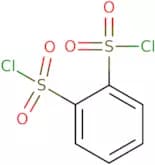

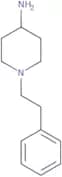

![7-[(3R)-3-[(N-Acetyl)amino]-1-oxo-4-(2,4,5-trifluorophenyl)butyl]-5,6,7,8-tetrahydro-3-(trifluorom…](/_next/image/?url=https%3A%2Fstatic.cymitquimica.com%2Fproducts%2F3D%2Fthumb-webp%2FFA104169.webp&w=3840&q=75)
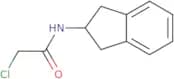
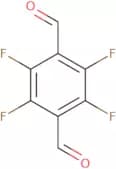
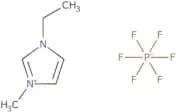
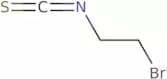
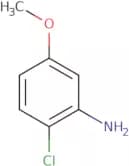
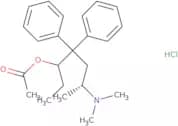
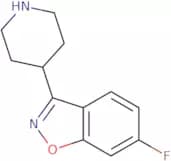
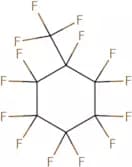
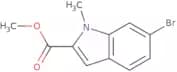
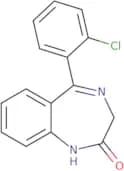
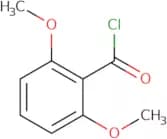
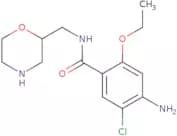
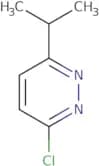

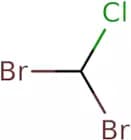
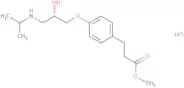
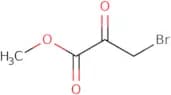
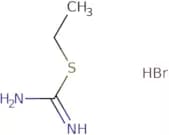
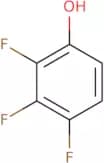
![6-Bromo-1H-pyrrolo[3,2-c]pyridine](/_next/image/?url=https%3A%2Fstatic.cymitquimica.com%2Fproducts%2F3D%2Fthumb-webp%2FFB141720.webp&w=3840&q=75)
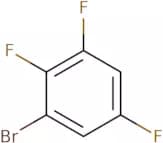



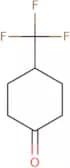

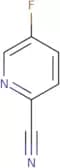
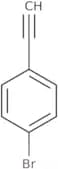
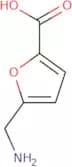

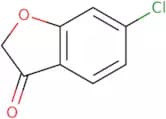
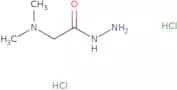
![(NZ)-4-chloro-N-[1-[2-(4-nitrophenyl)ethyl]piperidin-2-ylidene]benzenesulfonamide](/_next/image/?url=https%3A%2Fstatic.cymitquimica.com%2Fproducts%2F3D%2Fthumb-webp%2FFN154024.webp&w=3840&q=75)
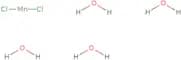
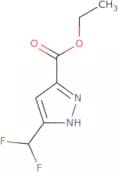
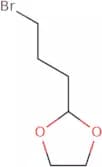

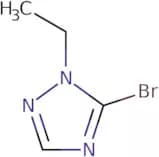
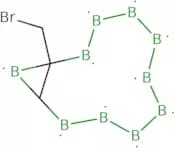
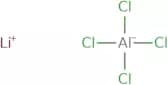
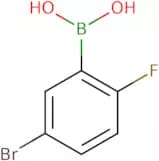
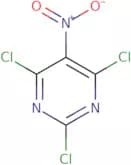

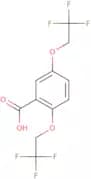
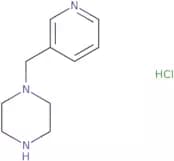
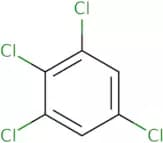
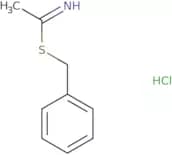

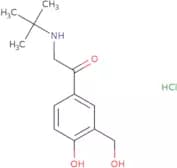
![(R)-(-)-1-[(4-Chlorophenyl)phenylmethyl]piperazine](/_next/image/?url=https%3A%2Fstatic.cymitquimica.com%2Fproducts%2F3D%2Fthumb-webp%2FFC53712.webp&w=3840&q=75)
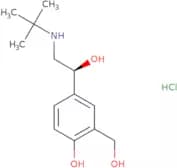
![[2-(5-Fluoro-1-methyl-1H-indol-3-yl)ethyl]amine hydrochloride](/_next/image/?url=https%3A%2Fstatic.cymitquimica.com%2Fproducts%2F3D%2Fthumb-webp%2FFF118334.webp&w=3840&q=75)
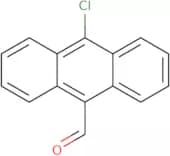
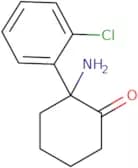
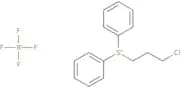
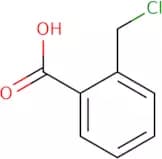
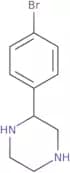
![6-Chloro-1,3-dimethyl-1H-pyrazolo[3,4-b]pyridine-5-carboxaldehyde](/_next/image/?url=https%3A%2Fstatic.cymitquimica.com%2Fproducts%2F3D%2Fthumb-webp%2FFC30642.webp&w=3840&q=75)

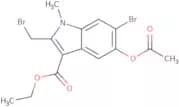

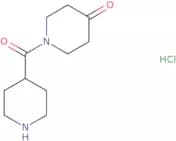
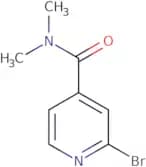
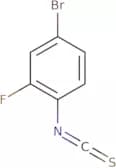
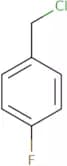
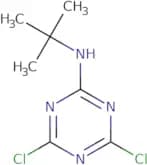
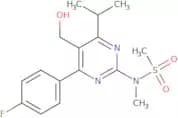

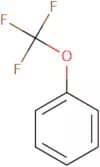

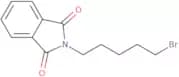
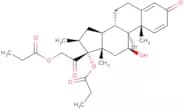
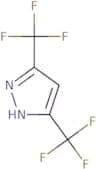
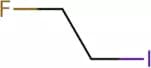
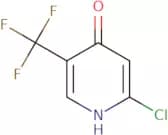
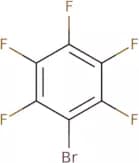
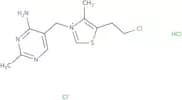
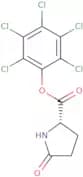
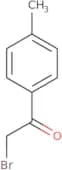
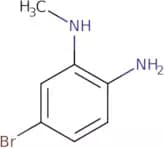
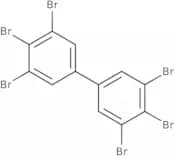
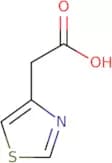
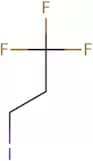
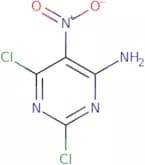
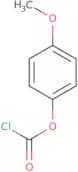
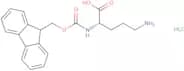
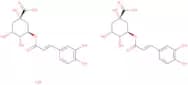
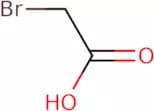
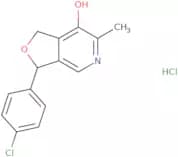
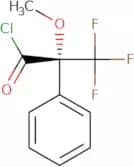
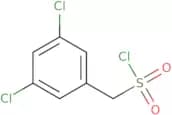
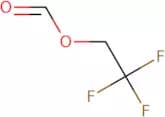

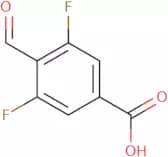
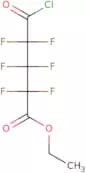

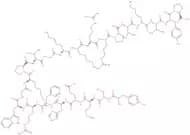
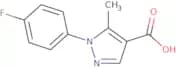
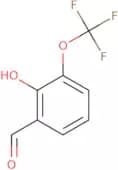
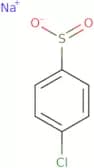

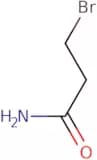
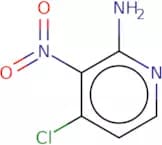
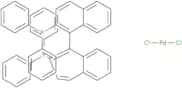
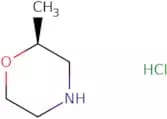
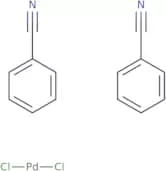

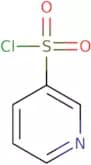

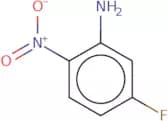
![1-[(2-Chlorophenyl)-N-(methylimino)methyl]cyclopentanol hydrochloride](/_next/image/?url=https%3A%2Fstatic.cymitquimica.com%2Fproducts%2F3D%2Fthumb-webp%2FFC146990.webp&w=3840&q=75)
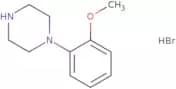
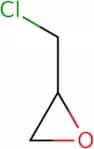
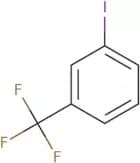
![4-[4-(Dimethylamino)-1-(4-fluorophenyl)-1-hydroxybutyl]-3-(hydroxymethyl)benzonitrile hydrobromide](/_next/image/?url=https%3A%2Fstatic.cymitquimica.com%2Fproducts%2F3D%2Fthumb-webp%2FFD102304.webp&w=3840&q=75)

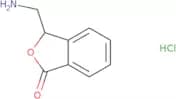
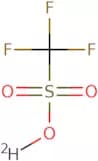

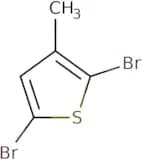
![[(1-Ethyl-1H-benzimidazol-2-yl)methyl]amine dihydrochloride](/_next/image/?url=https%3A%2Fstatic.cymitquimica.com%2Fproducts%2F3D%2Fthumb-webp%2FFE126425.webp&w=3840&q=75)
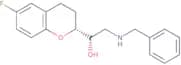

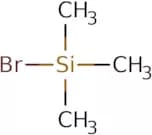
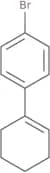
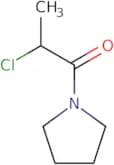
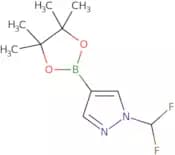
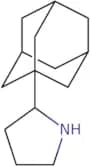
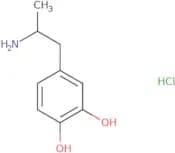
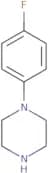
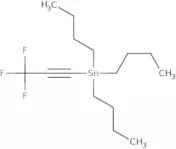
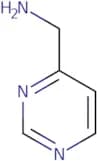
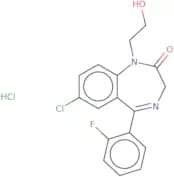
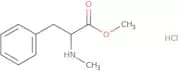
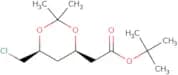
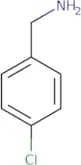
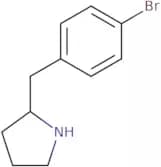
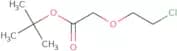
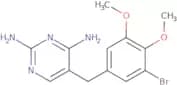

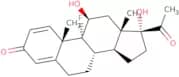
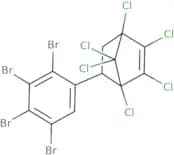
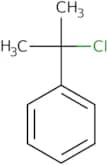


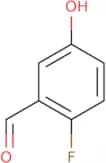
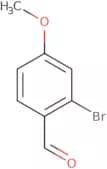
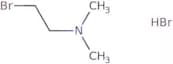
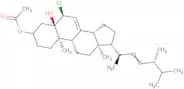
![4-Amino-3-bromo-1-(tert-butyl)-1H-pyrazolo[3,4-d]pyrimidine](/_next/image/?url=https%3A%2Fstatic.cymitquimica.com%2Fproducts%2F3D%2Fthumb-webp%2FFA168683.webp&w=3840&q=75)
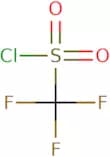
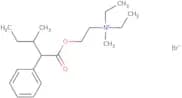
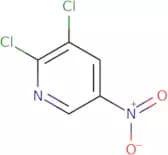
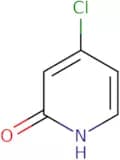
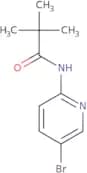
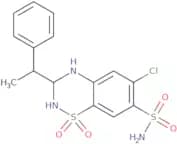
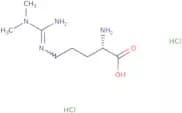

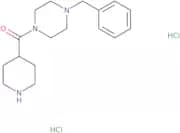
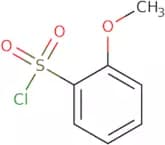
![[(5-Chloro-1-methyl-1H-benzimidazol-2-yl)methyl]amine hydrochloride](/_next/image/?url=https%3A%2Fstatic.cymitquimica.com%2Fproducts%2F3D%2Fthumb-webp%2FFC135791.webp&w=3840&q=75)
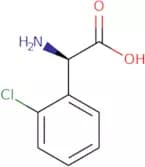
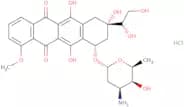
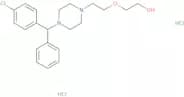
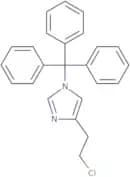

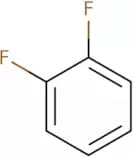

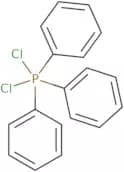

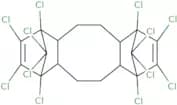
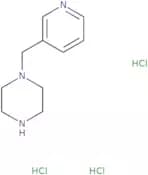

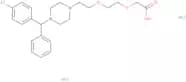
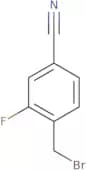


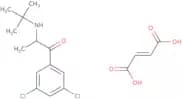

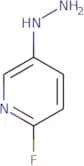
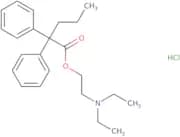

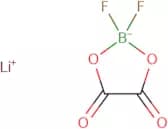
![[1,4-Bis(diphenylphosphino)butane]palladium(II) Dichloride](/_next/image/?url=https%3A%2Fstatic.cymitquimica.com%2Fproducts%2F3D%2Fthumb-webp%2FFB60968.webp&w=3840&q=75)