Organic Halides
In this category, you can find organic molecules containing one or more halogen atoms in their structure. These organic halides include brominated, iodinated, chlorinated, and cyclic halide compounds. Organic halides are widely used in organic synthesis, pharmaceuticals, agrochemicals, and materials science due to their reactivity and ability to undergo a variety of chemical transformations. At CymitQuimica, we offer a comprehensive selection of high-quality organic halides to support your research and industrial applications, ensuring reliable and effective performance in your synthetic and analytical projects.
Subcategories of "Organic Halides"
Found 20437 products of "Organic Halides"
Sort by
Purity (%)
0
100
|
0
|
50
|
90
|
95
|
100
(Pyrimidin-4-ylmethyl)amine dihydrochloride
CAS:<p>Pyrimidin-4-ylmethyl)amine dihydrochloride is a drug that belongs to the class of drugs known as kinase inhibitors. Pyrimidin-4-ylmethyl)amine dihydrochloride inhibits the kinase activity of Jak3, which is involved in regulating inflammation and immune response. This inhibitor has been shown to be effective against chronic inflammatory diseases such as asthma, psoriasis, and rheumatoid arthritis. Pyrimidin-4-ylmethyl)amine dihydrochloride has an affinity for ATP binding sites and can be used to regulate kinase activity by competing with ATP for these binding sites.</p>Formula:C5H7N3Purity:Min. 95%Molecular weight:109.13 g/molα-(1,1,2,2,2-Pentafluoroethyl)-ω-[Tetrafluoro(Trifluoromethyl)Ethoxy]-Poly[Oxy[Trifluoro(Trifluoromethyl)-1,2-Ethanediyl]] - Average MW 2000
CAS:Controlled Product<p>Alpha-(1,1,2,2,2-Pentafluoroethyl)-omega-[Tetrafluoro(Trifluoromethyl)Ethoxy]-Poly[Oxy[Trifluoro(Trifluoromethyl)-1,2-Ethanediyl]] - Average MW 2000 (FTFEPA) is a fluorinated compound that is a monofluorophosphate. It is used as an electrolyte in nonaqueous systems. FTFEPA has been shown to be effective in reducing the corrosion of metals such as magnesium and aluminum.</p>Formula:(C3F6O)n•C5F12OPurity:Min. 95%3-Chloro-4-cyanophenylboronic acid
CAS:Controlled Product<p>Please enquire for more information about 3-Chloro-4-cyanophenylboronic acid including the price, delivery time and more detailed product information at the technical inquiry form on this page</p>Formula:C7H5BClNO2Purity:Min. 95%Molecular weight:181.38 g/mol3-Aminobenzotrifluoride
CAS:<p>3-Aminobenzotrifluoride is a chemical substance that can be used as an intermediate in the synthesis of pharmaceuticals. It is an aryl halide and has been shown to react with hydrogen fluoride, hydrochloric acid, nitrous acid, and trifluoroacetic acid to produce 3-aminobenzotrifluoride derivatives. This product is not readily bioavailable due to its low solubility in water and high lipophilicity. The preparation of 3-aminobenzotrifluoride requires a sample preparation step such as diazonium salt or diphenyl ether. Magnetic resonance spectroscopy has been used to identify the chemical structures of 3-aminobenzotrifluoride derivatives.</p>Formula:C7H6F3NPurity:Min. 95%Color and Shape:Colorless Clear LiquidMolecular weight:161.12 g/mol{[5-(Trifluoromethyl)-1,2,4-oxadiazol-3-yl]methyl}amine hydrochloride
CAS:<p>Please enquire for more information about {[5-(Trifluoromethyl)-1,2,4-oxadiazol-3-yl]methyl}amine hydrochloride including the price, delivery time and more detailed product information at the technical inquiry form on this page</p>Formula:C4H4F3N3O•HClPurity:Min. 95%Molecular weight:203.55 g/molCyanuric chloride
CAS:<p>Cyanuric chloride is a water treatment agent that is used to remove chlorine from wastewater. It reacts with chlorine, forming cyanuric acid which is then removed from the water. Cyanuric chloride also has the ability to bind to human serum albumin and enzymes in biological samples. This binding inhibits their activity and makes them unavailable for use by bacteria. The antibacterial efficacy of cyanuric chloride has been shown in a study where it was found to have high resistance against many types of bacteria, such as Escherichia coli, Staphylococcus aureus, and Klebsiella pneumoniae.</p>Formula:C3Cl3N3Purity:Min. 95%Color and Shape:White/Off-White SolidMolecular weight:184.41 g/molFerric chloride hexahydrate
CAS:<p>Ferric chloride hexahydrate is a chemical compound that has the formula FeCl3·6H2O. It is composed of iron, chlorine, and water. Ferric chloride hexahydrate is used in wastewater treatment to remove organic compounds from the water. Ferric chloride hexahydrate reacts with sodium carbonate to form sodium citrate and ferrous chloride: FeCl3 + Na2CO3 → Fe(CO)2 + NaCl + 3H2O The reaction between ferric chloride hexahydrate and potassium dichromate produces the following products: FeCl3 + K2CrO4 → FeCrO4 + 2KCl In addition, ferric chloride hexahydrate can be used as an oxidizing agent in organic synthesis. The reaction mechanism for this process occurs when ferric chloride hexahydrate is mixed with a fatty acid such as octanoic acid: FeCl3 + C8H18</p>Formula:Cl3Fe·6H2OPurity:Min. 95%Color and Shape:Yellow PowderMolecular weight:270.29 g/mol1-Bromo-5-chloro-2-fluorobenzene
CAS:<p>1-Bromo-5-chloro-2-fluorobenzene is an antibacterial and antifungal agent that belongs to the group of halogenated brominated compounds. It has shown effective inhibitory activity against a wide range of bacteria, including Staphylococcus aureus and gram-negative bacteria. 1-Bromo-5-chloro-2-fluorobenzene has been used as a treatment for small ulcers in the mouth caused by fungi. The drug inhibits bacterial growth by interfering with the synthesis of protein, DNA, and RNA. 1-Bromo-5-chloro-2-fluorobenzene also inhibits the growth of fungi by inhibiting their production of ergosterol, which is necessary for cell membrane function.</p>Formula:C6H3BrClFPurity:Min. 95%Molecular weight:209.44 g/mol2-Dimethylaminoisopropyl chloride hydrochloride
CAS:<p>2-Dimethylaminoisopropyl chloride hydrochloride is a fluorescent molecule that emits light at wavelengths of 370-430 nm. It has a number of uses, such as detecting the presence or absence of chloride ions in water samples, determining the composition of petroleum products, and measuring the concentration of sodium ions in electrolytes. 2-Dimethylamino-1-propanesulfonic acid chloride hydrochloride can be used to identify the transition metal (Cu) in a sample, because it absorbs light at wavelengths below 450 nm.</p>Formula:C5H12ClN·HClPurity:Min. 95%Color and Shape:White to off-white solid.Molecular weight:158.07 g/molTetrabutylammonium hexafluorophosphate
CAS:<p>Tetrabutylammonium hexafluorophosphate is a chemical reagent that is used in organic synthesis. It is a strong Lewis acid that reacts with substrates to form adducts. Tetrabutylammonium hexafluorophosphate reacts with trifluoroacetic acid, ethylene diamine, and hydrogen fluoride to produce the salt tetrabutylammonium hexafluorophosphate dihydrate (TBAPF). The reaction proceeds through an ionic intermediate that involves the abstraction of a proton from the substrate by the tetrabutylammonium cation followed by nucleophilic attack on the anion by water. Tetrabutylammonium hexafluorophosphate dihydrate can be formed via this mechanism as well as through a simple salt metathesis reaction between TBAPF and sodium carbonate. This reagent has been shown to form crystals of good quality for</p>Formula:C16H36F6NPPurity:Min. 98.0%Color and Shape:PowderMolecular weight:387.43 g/mol1,2-Dibromo-1,1,2-trifluoroethane
CAS:Controlled Product<p>1,2-Dibromo-1,1,2-trifluoroethane (DBTF) is a catalyst that is used to transfer ethane to hydrogen fluoride. It is activated by hydrogen fluoride and reacts with ethane in the presence of a liquid phase. It can also be used for hydrogenation reactions. 1,2-Dibromo-1,1,2-trifluoroethane has been shown to be an effective catalyst for the transfer reaction between ethane and hydrogen fluoride. The rate of this reaction is dependent on the population of DBTF and the amount of n-dimethyl formamide (DMF). This catalyst does not require high energy input or zinc powder for activation.</p>Formula:C2HBr2F3Purity:Min. 95%Color and Shape:Clear LiquidMolecular weight:241.83 g/mol2-Chloropyridine
CAS:Controlled Product<p>2-Chloropyridine is a molecule that reacts with hydrochloric acid to produce hydrogen chloride and 2-chloropyridine. The reaction mechanism involves a photoelectron and hydrogen bonding interactions. The chlorine atom in the original molecule will be replaced by a hydrogen atom, while the other chlorine atom becomes part of the product, hydrogen chloride. This reaction occurs in solution at room temperature.</p>Formula:C5H4ClNPurity:Min. 95%Color and Shape:PowderMolecular weight:113.54 g/mol3-(Bromomethyl)benzoic acid
CAS:<p>3-(Bromomethyl)benzoic acid is a quaternary ammonium salt that has been shown to be an ampk activator. It has been used in the synthesis of mesoporous materials and for the synthesis of sulfoxides, oxindoles, and carboxylic acids. 3-(Bromomethyl)benzoic acid has also been used as a calibrant for nonlinear regression analysis, due to its conformational properties.</p>Formula:C8H7BrO2Purity:Min. 95%Molecular weight:215.04 g/mol2-(Chloromethyl)-3-(4-fluorophenyl)quinazolin-4(3H)-one
CAS:Controlled Product<p>Please enquire for more information about 2-(Chloromethyl)-3-(4-fluorophenyl)quinazolin-4(3H)-one including the price, delivery time and more detailed product information at the technical inquiry form on this page</p>Formula:C15H10ClFN2OPurity:Min. 95%Molecular weight:288.7 g/mol1,3-Bis(3,3,3-trifluoropropyl)-1,1,3,3-tetramethyldisilazane
CAS:<p>1,3-Bis(3,3,3-trifluoropropyl)-1,1,3,3-tetramethyldisilazane is a dielectric with a low dielectric constant and high hydrophobicity. It can be used as a self-assembled monolayer for reducing the contact angle on hydrophobic surfaces. 1,3-Bis(3,3,3-trifluoropropyl)-1,1,3,3-tetramethyldisilazane has been used in transistors to increase the conductivity of pentacene monolayer.</p>Formula:C10H21F6NSi2Purity:94%MinMolecular weight:325.44 g/mol5-(2-Chlorophenyl)-2-oxo-2,3-dihydro-1H-1,4-benzodiazepine
CAS:Controlled Product<p>Phenazepam is a benzodiazepine with hypnotic and anxiolytic properties. It is used in the treatment of anxiety disorders, insomnia, and muscle spasms. Phenazepam has a higher potency than other benzodiazepines, but it has a shorter half-life and duration of action. The synthesis of phenazepam involves the reaction of 5-(2-chlorophenyl)-1,3-dihydro-2H-1,4-benzodiazepin-2-one with 4-(aminosulfonyl)piperidine. This substance is a crystalline solid that has an anxiolytic effect by increasing the activity of GABA receptors in the brain.</p>Formula:C15H11ClN2OPurity:Min. 95%Molecular weight:270.71 g/mol3-Chloro-6-isopropylpyridazine
CAS:<p>Please enquire for more information about 3-Chloro-6-isopropylpyridazine including the price, delivery time and more detailed product information at the technical inquiry form on this page</p>Formula:C7H9ClN2Purity:Min. 95%Molecular weight:156.61 g/mol5-Chloro-2-(ethylsulfonyl)pyrimidine-4-carboxylic acid
CAS:<p>Please enquire for more information about 5-Chloro-2-(ethylsulfonyl)pyrimidine-4-carboxylic acid including the price, delivery time and more detailed product information at the technical inquiry form on this page</p>Formula:C7H7ClN2O4SPurity:Min. 95%Molecular weight:250.66 g/mol2-(tert-Butylamino)-4,6-dichloro-1,3,5-triazine
CAS:<p>Please enquire for more information about 2-(tert-Butylamino)-4,6-dichloro-1,3,5-triazine including the price, delivery time and more detailed product information at the technical inquiry form on this page</p>Formula:C7H10Cl2N4Purity:Min. 95%Molecular weight:221.09 g/molcis-Dichloro(N,N,N',N'-tetramethylethylenediamine)palladium(II)
CAS:Controlled Product<p>Please enquire for more information about cis-Dichloro(N,N,N',N'-tetramethylethylenediamine)palladium(II) including the price, delivery time and more detailed product information at the technical inquiry form on this page</p>Formula:C6H16Cl2N2PdPurity:Min. 95%Molecular weight:293.53 g/molBis(tricyclohexylphosphine)palladium(II) Dichloride
CAS:Controlled Product<p>Bis(tricyclohexylphosphine)palladium(II) Dichloride is a cross-coupling agent that is used for the synthesis of organic and organometallic compounds. It reacts with terminal alkynes to form a phosphine oxide, which can then be converted into an arylated product. The reaction proceeds by the formation of a palladium-carbon bond and subsequent cleavage of the carbon-palladium bond in the presence of ammonium formate. Bis(tricyclohexylphosphine)palladium(II) Dichloride is insoluble in water, but soluble in organic solvents such as dichloromethane, 1,2-dichloroethane, or chloroform. This reagent has been shown to enhance the rate of transfer reactions between monomers.</p>Formula:C36H66Cl2P2PdPurity:Min. 95%Molecular weight:738.18 g/mol2-Amino-4-chloro-3-nitropyridine
CAS:<p>2-Amino-4-chloro-3-nitropyridine is a potent inhibitory molecule that inhibits the activity of the enzyme acetylcholinesterase. It has been used in the treatment of chronic pain, and has been shown to be effective for inhibiting malonate esters and amino acid esters. This drug is an ethyl ester that can be synthesized from chlorobenzene and malonic acid by chlorinating it with chlorine gas. 2-Amino-4-chloro-3-nitropyridine has also been shown to have a high affinity for malonic acid diethyl esters.</p>Formula:C5H4ClN3O2Purity:Min. 98 Area-%Color and Shape:PowderMolecular weight:173.56 g/mol2-Bromo-4-methoxybenzaldehyde
CAS:<p>2-Bromo-4-methoxybenzaldehyde is a cyclic, stereoselectively eliminable, acrylate that can be used in the asymmetric synthesis of sulfamidate and lactam. It can also be used to synthesize quinoline derivatives with aluminium chloride. This product has been shown to yield good yields when reacted with functional groups such as halides and nature. 2-Bromo-4-methoxybenzaldehyde is found in biomolecular reactions.</p>Formula:C8H7BrO2Color and Shape:PowderMolecular weight:215.04 g/mol4-Chloro-2-hydroxypyridine
CAS:<p>4-Chloro-2-hydroxypyridine is a chemical substance that has been shown to inhibit the replication of viruses in cell culture. It has demonstrated antiobesity effects in animal studies, but its mechanism is not well understood. This substance may be a thioxanthone derivative, which are heterocyclic compounds containing oxygen and sulfur. 4-Chloro-2-hydroxypyridine can crosslink DNA and form adducts with deoxyribose sugars. It also has affinity for sequences containing pyridones and imidazopyridines.</p>Formula:C5H4ClNOPurity:Min. 95%Molecular weight:129.54 g/mol5-Chloropentanol
CAS:<p>5-Chloropentanol is a reactive compound that can be used as an epidermal growth factor. It has been shown to have potentiating effects on the production of epidermal growth factor in a biological sample. 5-Chloropentanol has also been shown to increase the rate of cell proliferation, which could be due to its ability to generate reactive chloroform in cells. It is not known whether 5-Chloropentanol has any carcinogenic properties.</p>Purity:Min. 95%N-Desmethyl prochlorperazine dimaleate
CAS:<p>Please enquire for more information about N-Desmethyl prochlorperazine dimaleate including the price, delivery time and more detailed product information at the technical inquiry form on this page</p>Formula:C27H30ClN3O8SPurity:Min. 95%Molecular weight:592.06 g/mol(+)-(8,8-Dichlorocamphorylsulfonyl)oxaziridine
CAS:<p>Please enquire for more information about (+)-(8,8-Dichlorocamphorylsulfonyl)oxaziridine including the price, delivery time and more detailed product information at the technical inquiry form on this page</p>Formula:C10H13Cl2NO3SPurity:Min. 95%Molecular weight:298.19 g/mol4-(Methylsulfonyl)phenylhydrazine hydrochloride
CAS:<p>4-(Methylsulfonyl)phenylhydrazine hydrochloride is a sulfone that is used as a radiopharmaceutical agent. It can be used in the diagnosis of Alzheimer's disease and other neurodegenerative diseases. 4-(Methylsulfonyl)phenylhydrazine hydrochloride binds to carbonic anhydrase I and II, which are membrane-bound enzymes that catalyze the reversible hydration of carbon dioxide. This inhibition leads to increased blood pressure and decreased production of platelets, which can lead to thrombocytopenia. The inhibitory potency of 4-(methylsulfonyl)phenylhydrazine hydrochloride on Cox-1 and Cox-2 has been shown to be similar to that of aspirin, but it is more selective for Cox-2.</p>Formula:C7H10N2O2S•HClPurity:Min. 95%Color and Shape:PowderMolecular weight:222.69 g/mol(17R)-4-Chloro-5-ethyl-9-fluoro-11b-hydroxy-16b-methylspiro[androsta-1,4-diene-17,2(3H)-furan]-3,3-dione
CAS:<p>Clobetasol propionate is an organic acid with a chemical structure that is stable in pharmaceutical preparations. It is used to treat inflammatory skin disorders such as psoriasis and atopic dermatitis. Clobetasol propionate is an impurity of clobetasol, which has been shown to be chemically stable in preparations. The clobetasol propionate compound has been found to be more potent than other topical corticosteroids for the treatment of plaque psoriasis and atopic dermatitis.</p>Formula:C25H30ClFO4Purity:Min. 95%Molecular weight:448.95 g/molSodium N-(6-chloropyridazin-3-yl)sulphanilamidate
CAS:<p>Sodium N-(6-chloropyridazin-3-yl)sulphanilamidate (NPS) is a sulfa drug that has been shown to have an effect on the enzyme activities of some endoparasites, such as Giardia lamblia and Entamoeba histolytica. The active form of NPS is metabolized through a number of metabolic transformations, including hydrolysis by esterases or glucuronidases, oxidation by cytochrome P450 enzymes, reduction by glutathione reductase, or conjugation with glucuronic acid. It also specifically binds to markers expressed at high levels in Mycobacterium tuberculosis strains (e.g., ESX-1 secretion system protein) and inhibits cell growth in culture.</p>Formula:C10H8ClN4O2SNaPurity:Min. 95%Molecular weight:306.7 g/molPiperidin-3-one hydrochloride
CAS:<p>Piperidin-3-one hydrochloride is an organic solvent that belongs to the group of benzyl compounds. It is a reagent for the synthesis of sulfides, which are used in the production of dyes, pharmaceuticals, and other products. Piperidin-3-one hydrochloride can be used as a constant in calculating the shift of tetrafluoroborate ions. This compound has been shown to be assembled into planar structures with six atoms per side. The resonance frequencies of this compound depend on the solvents and its aliphatic nature. Piperidin-3-one hydrochloride can be used to generate dimethyl sulfide by reacting with methanol or methyl chloride.</p>Formula:C5H10NOClPurity:Min. 95%Color and Shape:White PowderMolecular weight:135.59 g/moltrans-Heptachlor epoxide
CAS:<p>trans-Heptachlor epoxide is a pesticide that is used in agriculture and industry. It can be detected by various analytical methods, including mass spectrometry. The chemical structure of trans-heptachlor epoxide has been determined by mass spectrometric analysis. This compound has been found to exist as two stereoisomers, with the cis form being more stable than the trans form at ambient conditions. Magnetic resonance spectroscopy has been used to study the rotational motion of the hydrocarbon chain. Validation of analytical methods for this compound is necessary due to its limited availability and high reactivity with other compounds in the environment.</p>Formula:C10H5Cl7OPurity:Min. 95%Molecular weight:389.32 g/mol2-Amino-5-nitroindan hydrochloride
CAS:Controlled Product<p>Please enquire for more information about 2-Amino-5-nitroindan hydrochloride including the price, delivery time and more detailed product information at the technical inquiry form on this page</p>Formula:C9H10N2O2·HClPurity:Min. 95%Molecular weight:214.65 g/molEthyl (R)-(+)-4-chloro-3-hydroxybutyrate
CAS:<p>Ethyl (R)-(+)-4-chloro-3-hydroxybutyrate is a chiral compound with two stereoisomers, one of which is the natural form. It can be synthesized by asymmetric synthesis from ethylene diamine and acetaldehyde. This reaction is catalysed by enzymes such as dehydrogenase, which are used in the biosynthesis of other compounds. The enzyme catalysis results in a high activation energy. Ethyl (R)-(+)-4-chloro-3-hydroxybutyrate also has an organic solvent that is required for its synthesis, d-xylose. The enzyme expression plasmid that is used to express this compound requires recombinant cells.</p>Formula:C6H11ClO3Purity:Min. 95%Color and Shape:Clear LiquidMolecular weight:166.6 g/molBromoacetic acid-13C2
CAS:<p>Please enquire for more information about Bromoacetic acid-13C2 including the price, delivery time and more detailed product information at the technical inquiry form on this page</p>Formula:C2H3BrO2Purity:Min. 95%Color and Shape:PowderMolecular weight:140.95 g/mol(7-bromo-2H-1,3-benzodioxol-5-yl)methanol
CAS:Controlled Product<p>Please enquire for more information about (7-bromo-2H-1,3-benzodioxol-5-yl)methanol including the price, delivery time and more detailed product information at the technical inquiry form on this page</p>Purity:Min. 95%Molecular weight:231.0452-Amino-1-tetralone hydrochloride
CAS:Controlled Product<p>Please enquire for more information about 2-Amino-1-tetralone hydrochloride including the price, delivery time and more detailed product information at the technical inquiry form on this page</p>Formula:C10H11NO·HClPurity:Min. 95%Color and Shape:PowderMolecular weight:196.65 g/mol3-Fluoro-4-methylaniline
CAS:<p>3-Fluoro-4-methylaniline is a synthesized compound that is used to produce anti-cancer agents. It is an amide and has anti-cancer properties. 3-Fluoro-4-methylaniline also binds to DNA and inhibits the synthesis of proteins in cancer cells. The binding constants for ligands are found to be high. 3-Fluoro-4-methylaniline can also bind with DNA through intercalation or hybridization, which prevents transcription of RNA from DNA, thereby inhibiting protein synthesis. This results in cell death by apoptosis.</p>Formula:C7H8FNPurity:Min. 95%Color and Shape:Clear LiquidMolecular weight:125.14 g/molPhenyl chloroformate
CAS:<p>Phenyl chloroformate is a phenyl compound that is used as a reagent for cationic polymerization. This chemical reacts with amines to form an N-substituted amide in the presence of hydrogen chloride. The mechanism of this reaction is based on nucleophilic substitutions by the hydroxyl group of the phenyl group. Phenyl chloroformate has been used in the synthesis of fatty acids, which are important components of metabolic disorders such as diabetes mellitus type 2.</p>Formula:C7H5ClO2Purity:Min. 95%Color and Shape:PowderMolecular weight:156.57 g/mol6-Fluoro-3-oxo-3,4-dihydro-2-pyrazinecarbonitrile
CAS:<p>Dibenzylamine is a tertiary amine with the chemical formula C6H12N2. Dibenzylamine is a colorless liquid that boils at 110°C and freezes at -50°C. It has a density of 0.859 g/mL and a refractive index of 1.539. When heated, it decomposes to form dipropylamine, dibutylamine, and dicyclohexylamine. It also reacts with nitric acid to form an explosive compound called nitrobenzene or dinitrobenzene. Dipropylamine is a colorless volatile liquid that has the chemical formula C6H12N2 and boils at 130°C. When heated, it decomposes to form dibutylamine and dicyclohexylamine. Dibutylamine is a colorless volatile liquid that has the chemical formula C6</p>Formula:C5H2FN3OPurity:Min. 95%Molecular weight:139.09 g/mol1-(4-Chloro-3-Trifluoromethylphenyl)Piperazine
CAS:Controlled Product<p>Please enquire for more information about 1-(4-Chloro-3-Trifluoromethylphenyl)Piperazine including the price, delivery time and more detailed product information at the technical inquiry form on this page</p>Formula:C11H12ClF3N2Purity:Min. 95%Molecular weight:264.67 g/mol1-[3-Chloro-5-(trifluoromethyl)phenyl]ethanone
CAS:<p>Please enquire for more information about 1-[3-Chloro-5-(trifluoromethyl)phenyl]ethanone including the price, delivery time and more detailed product information at the technical inquiry form on this page</p>Formula:C9H6ClF3OPurity:Min. 95%Molecular weight:222.59 g/molUndecafluoro(nonafluorobutyl)cyclohexane
CAS:Controlled Product<p>Undecafluoro(nonafluorobutyl)cyclohexane is a perfluorinated compound that has been used as a cardioplegic solution for surgical procedures. It is highly membrane permeable and tissue plasminogen activator-inhibiting, which may promote thrombus formation. Undecafluoro(nonafluorobutyl)cyclohexane also has viscosity-reducing properties and potassium ion transport properties, making it an ideal agent for the prevention of reperfusion injury. The average particle diameter of this compound is about 0.05 microns (μm). The fatty acid composition of undecafluoro(nonafluorobutyl)cyclohexane consists of C6-C12 saturated and unsaturated bonds.</p>Formula:C10F20Purity:Min. 95%Color and Shape:Colorless Clear LiquidMolecular weight:500.08 g/mol7-(2-Carbomethoxyethyl)-5-(2-chlorophenyl)-thieno-1,4-diazepin-2-one
CAS:Controlled Product<p>Please enquire for more information about 7-(2-Carbomethoxyethyl)-5-(2-chlorophenyl)-thieno-1,4-diazepin-2-one including the price, delivery time and more detailed product information at the technical inquiry form on this page</p>Formula:C17H15ClN2O3SPurity:Min. 95%Molecular weight:362.83 g/molOlodaterol hydrochloride
CAS:Controlled Product<p>Olodaterol hydrochloride is a long-acting β2-agonist (LABA) used to treat asthma. It is a prodrug that is hydrolyzed in vivo to olodaterol, its active form. Olodaterol hydrochloride binds to the β2 receptor and activates adenylyl cyclase, resulting in increased levels of cAMP. This drug has been shown to have statistically significant improvement in lung function and bronchial responsiveness in vivo models. The most common adverse effects include headache, dizziness, and cough. Olodaterol hydrochloride has been shown to be effective for short-term treatment of asthma but does not show long-term efficacy or reduced need for pharmacological treatments.</p>Formula:C21H26N2O5·HClPurity:Min. 95%Color and Shape:PowderMolecular weight:422.9 g/mol1-(2,6-Dichlorobenzyl)piperazine
CAS:Controlled Product<p>1-(2,6-Dichlorobenzyl)piperazine is a benzylpiperazine that emits light in the visible region. It is an acidic reagent that can be used as an electron donating agent in organic synthesis. 1-(2,6-Dichlorobenzyl)piperazine reacts with amines to form substituted phenylpiperazines. This reaction is widely used to investigate the structure and reactivity of amines. 1-(2,6-Dichlorobenzyl)piperazine reacts with phenols to form piperazines. It also reacts with aliphatic compounds to form a trifluoromethyl group.</p>Formula:C11H14Cl2N2Purity:Min. 95%Molecular weight:245.15 g/mol7-Chloro-1,2,3,4-tetrahydrobenzo[b]azepin-5-one
CAS:<p>7-Chloro-1,2,3,4-tetrahydrobenzo[b]azepin-5-one (7CTB) is a synthetic vasopressin analogue that is used as a vasopressin receptor antagonist. It is a competitive inhibitor of the vasopressin V2 receptor and has been shown to be effective in the treatment of diabetes insipidus. 7CTB has also been shown to bind to and inhibit the binding of arginine, an acid binding agent, preventing hydrolysis reactions with other compounds. 7CTB has been shown to be an effective agent for the treatment of congestive heart failure and chronic kidney disease in animal models. The synthesis process involves sulfonylation followed by dieckmann condensation and organic solvent extraction.</p>Formula:C10H10ClNOPurity:Min. 95%Molecular weight:195.65 g/mol1-Bromo-2,4,5-trifluorobenzene
CAS:<p>1-Bromo-2,4,5-trifluorobenzene is a liquid crystal that can be used to synthesize amides in an asymmetric synthesis. It has been shown to react with nucleophiles such as β-amino acids or chloride ions to form an amide. This compound is also thermally stable and can be stored at room temperature. The structural formula of 1-bromo-2,4,5-trifluorobenzene is C6H3BrF3. Functional groups present on this molecule include a bromine atom (Br), three hydrogen atoms (H) and two fluorine atoms (F).</p>Formula:C6H2BrF3Purity:Min. 95%Molecular weight:210.98 g/mol2-Fluoro-3-(trifluoromethyl)benzoic acid
CAS:<p>2-Fluoro-3-(trifluoromethyl)benzoic acid is an amide that has been shown to inhibit the growth of Huh-7 human hepatoma cells, which express ABCA1. This compound has been shown to bind to and inhibit the activity of the enzyme acid hydrazide. It has also been shown to be active against methoxy functional assays and macrophage cell lines.</p>Formula:C8H4F4O2Purity:Min. 95%Molecular weight:208.11 g/molBis[2-(perfluorohexyl)ethyl]phosphate
CAS:<p>Bis[2-(perfluorohexyl)ethyl] Phosphate is a perfluorinated, fluorinated chemical that is used in wastewater treatment. It is also found in human serum and organisms, as well as in the drinking water of some communities. Bis[2-(perfluorohexyl)ethyl] Phosphate has been detected in the maternal serum and urine of women who are pregnant or breast-feeding. It may be associated with adverse effects on neurodevelopmental outcomes in children. Bis[2-(perfluorohexyl)ethyl] Phosphate can be removed from drinking water by using an ultrasonic extraction system. This method uses sound waves to extract the chemical from water and other liquids and is effective at removing small amounts (less than 10 parts per billion). The analytical method for this compound is low detection, which means that it can only detect concentrations of up to 0.1 part per billion (ppb). However, this method</p>Formula:C16H9F26O4PPurity:Min. 95%Color and Shape:PowderMolecular weight:790.17 g/mol4-Chloro-2-methylbenzenesulfonyl chloride
CAS:<p>Please enquire for more information about 4-Chloro-2-methylbenzenesulfonyl chloride including the price, delivery time and more detailed product information at the technical inquiry form on this page</p>Formula:C7H6Cl2O2SPurity:Min. 95%Molecular weight:225.09 g/mol3-(trifluoromethoxy)aniline
CAS:<p>3-(trifluoromethoxy)aniline is a compound that contains a trifluoromethoxy group. It has been shown to have antiproliferative effects in prostate cancer cells. 3-(trifluoromethoxy)aniline inhibits the activity of pim-1, which is important for cell proliferation and differentiation. The synthesis of 3-(trifluoromethoxy)aniline can be accomplished by one of two methods. In the first method, 3-chloroaniline is reacted with trifluoroacetic acid and bis(trimethylsilyl)acetamide in dichloromethane to form 3-hydroxy-4-chlorobenzenesulfonyl chloride (3HCBSCl). In the second method, the desired product is synthesized from 3-aminophenol and trifluoroacetic acid in acetonitrile. These two methods produce different isomers</p>Formula:C7H6F3NOPurity:Min. 95%Color and Shape:PowderMolecular weight:177.12 g/mol7-Chloro-5-(2-chlorophenyl)-2-hydrazinyl-3H-1,4-benzodiazepine
CAS:Controlled Product<p>Please enquire for more information about 7-Chloro-5-(2-chlorophenyl)-2-hydrazinyl-3H-1,4-benzodiazepine including the price, delivery time and more detailed product information at the technical inquiry form on this page</p>Formula:C15H12Cl2N4Purity:Min. 95%Molecular weight:319.19 g/mol3-[4-(3,4-Dichlorophenyl)piperazin-1-yl]-3-oxopropanenitrile
CAS:Controlled Product<p>Please enquire for more information about 3-[4-(3,4-Dichlorophenyl)piperazin-1-yl]-3-oxopropanenitrile including the price, delivery time and more detailed product information at the technical inquiry form on this page</p>Formula:C13H13Cl2N3OPurity:Min. 95%Molecular weight:298.17 g/mol1-Bromoicosane
CAS:<p>1-Bromoicosane is a viscous, hydrophobic organic solvent with a high boiling point. It has been used as an additive in the production of polyurethanes and as a cross-linking agent in rubber and plastics. The viscosity of 1-bromoicosane can be increased by adding it to other solvents, such as xylene. 1-Bromoicosane is also used as an additive in paints and varnishes, where it increases the glossiness of the final product. This compound is also used to prevent corrosion on metal surfaces when mixed with zinc chloride or phosphonium salt. 1-Bromoicosane has been shown to have antioxidative activities against lipid peroxidation, hydrogen peroxide oxidation, and nitric oxide induced hemoglobin oxidation.</p>Formula:C20H41BrPurity:Min. 95%Color and Shape:White PowderMolecular weight:361.44 g/mol2-Chloropyridine-3,5-dicarbonitrile
CAS:<p>2-Chloropyridine-3,5-dicarbonitrile is a potential drug that can be used as an anionic linker in the synthesis of donepezil. Donepezil is a pharmacological agent that inhibits the enzyme acetylcholinesterase and may be effective in treating Alzheimer's disease. 2-Chloropyridine-3,5-dicarbonitrile has been shown to have good profile against cholinesterase inhibitors. It binds to the active site of acetylcholinesterase and inhibits its activity. This inhibition prevents the breakdown of acetylcholine, which is required for memory and cognitive function. 2-Chloropyridine-3,5-dicarbonitrile also has molecular modeling properties and has been studied at the μm range.</p>Formula:C7H2ClN3Purity:Min. 95%Molecular weight:163.56 g/mol5-Bromo-3-methyl-1H-indazole
CAS:<p>5-Bromo-3-methyl-1H-indazole is an organic compound that is synthesized from lithium diisopropylamide and lithium. 5-Bromo-3-methyl-1H-indazole is a white solid with a melting point of 151°C. It reacts with anhydrous hydrogen bromide to form 5,5'-dibromoindazole. The molecular weight of this compound is 202.2 g/mol.</p>Formula:C8H7BrN2Purity:Min. 95%Molecular weight:211.06 g/molN'-Cyanobenzenecarboximidamide hydrochloride
CAS:<p>N-Cyanobenzenecarboximidamide hydrochloride (NCBCH) is an intermediate for the synthesis of azomethine dyes. It can be used to produce azo dyes with a methoxy group at the 3 position and a hydrogen atom at the 4 position. NCBCH is also an excellent substrate for chemical reactions involving fragmentation, extraction, or elimination. NCBCH can be synthesized from methyl ether and benzonitrile in the presence of benzamidine. The product is then treated with methanol to give a tautomeric mixture of benzyl and methyl ether.</p>Formula:C8H7N3Purity:Min. 95%Molecular weight:145.16 g/mol(R)-(-)-1-[(4-Chlorophenyl)phenylmethyl]piperazine
CAS:Controlled Product<p>(R)-(-)-1-[(4-Chlorophenyl)phenylmethyl]piperazine is a chemical compound that belongs to the group of c1-4 alkyl, high yield. It has a chemical formula of C12H17ClN2O and an organic base. This compound is hydrolyzed in vivo to levocetirizine, its active form. (R)-(-)-1-[(4-Chlorophenyl)phenylmethyl]piperazine is an antihistamine that binds to H1 receptors in the central nervous system, which results in decreased production of histamine and other proinflammatory substances. It also has optical activity, with (+) being the active form.</p>Formula:C17H19ClN2Purity:Min. 95%Molecular weight:286.8 g/molMethyl dichlorophosphite
CAS:<p>Methyl dichlorophosphite is a chemical compound that is used as an antimicrobial agent. It reacts with hydroxyl groups on the surface of bacteria, forming a polymerase chain reaction (PCR) product that inhibits the growth and reproduction of bacteria. Methyl dichlorophosphite also reacts with β-amino acids to form amides, which are then hydrolyzed to produce fatty acids and phosphites. This chemical can be used as a solid catalyst for reactions involving alkylthio groups or amides.</p>Formula:CH3Cl2OPPurity:Min. 95%Color and Shape:Clear LiquidMolecular weight:132.91 g/molPentafluoropropionic anhydride
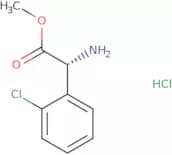
CAS:<p>Pentafluoropropionic anhydride is a chemical compound that reacts with fatty acids to form trifluoroacetic acid. In analytical chemistry, it is used to determine the amount of fatty acids in biological samples. Pentafluoropropionic anhydride has been shown to react with human serum and rat striatal tissue to form carbon disulphide and hydrochloric acid. It reacts with amines in the sample preparation phase, forming receptor molecules that can be analyzed by gas chromatography-mass spectrometry.</p>Formula:C6F10O3Purity:Min. 95%Molecular weight:310.05 g/molD-(+)-2-ChlorophenylglycIne
CAS:<p>D-(+)-2-Chlorophenylglycine is a synthetic, chiral aldehyde that serves as an industrial solvent. It is used to produce other organic compounds and has been shown to cause environmental pollution. D-(+)-2-Chlorophenylglycine is also used in the synthesis of thiourea and organocatalysts. This compound is synthesized from quinidine and enantiomeric (D or L) thionyl chloride, which are both manufactured on an industrial scale. The stereoselective process for D-(+)-2-chlorophenylglycine involves the use of a chiral catalyst.</p>Purity:Min. 95%1-(Chloroacetyl)-4-(4-chlorophenyl)piperazine
CAS:Controlled Product<p>Please enquire for more information about 1-(Chloroacetyl)-4-(4-chlorophenyl)piperazine including the price, delivery time and more detailed product information at the technical inquiry form on this page</p>Formula:C12H14Cl2N2OPurity:Min. 95%Molecular weight:273.16 g/mol3-bromo-o-xylene
CAS:<p>3-bromo-o-xylene is a xylene that has been shown to react with nucleophiles, such as ammonia and alcohols, by way of nucleophilic substitution. It can be used as a solvent for carboxylic acid derivatives and is also used in the production of ethyl formate. The most important use of 3-bromo-o-xylene is its conversion to 3-bromopropanoic acid (3BPA). This conversion can be achieved through a reaction with an inorganic acid or an organic acid, such as sulfamic acid or trifluoroacetic acid. Another method of conversion is called Grignard reagent synthesis. This process involves the reaction of 3-bromopropene with magnesium metal and an alkyl halide, such as methyl chloride. In addition, 3BPA can be prepared by hydrolysis using hydrochloric acid or potassium phosphate in the presence of b</p>Formula:C8H9BrPurity:Min. 95%Color and Shape:Clear LiquidMolecular weight:185.06 g/mol2-Chloro-1-(1,2-dimethyl-1H-indol-3-yl)ethanone
CAS:Controlled Product<p>Please enquire for more information about 2-Chloro-1-(1,2-dimethyl-1H-indol-3-yl)ethanone including the price, delivery time and more detailed product information at the technical inquiry form on this page</p>Formula:C12H12ClNOPurity:Min. 95%Molecular weight:221.68 g/mol5-Bromo-2-chloro-3-fluoropyridine
CAS:<p>5-Bromo-2-chloro-3-fluoropyridine is a catalytic reagent for the amination of anilines. It is extracted from coal tar, and is used in the manufacture of pesticides and pharmaceuticals. 5-Bromo-2-chloro-3-fluoropyridine has been shown to be an effective catalyst for the synthesis of functionalized adducts. This compound can also be used as a chemoselective agent in palladium catalysis, where it selectively adds hydrogen bromide to form aryl halides.</p>Formula:C5H2BrCIFNPurity:Min. 95%Molecular weight:210.43 g/mol1,3-Thiazol-5-ylmethylamineHydrochloride
CAS:<p>Please enquire for more information about 1,3-Thiazol-5-ylmethylamineHydrochloride including the price, delivery time and more detailed product information at the technical inquiry form on this page</p>Formula:C4H7ClN2SPurity:Min. 95%Molecular weight:150.63 g/mol3-Amino-5-bromobenzonitrile
CAS:<p>Please enquire for more information about 3-Amino-5-bromobenzonitrile including the price, delivery time and more detailed product information at the technical inquiry form on this page</p>Formula:C7H5BrN2Purity:Min. 95%Molecular weight:197.03 g/mol2,2-Difluoroethyl methyl ether
CAS:<p>2,2-Difluoroethyl methyl ether (DEFME) is a nonpolar, hydrophobic compound that can be used as an alternative to isopentane. Radiative data show that DEFME has a higher thermal stability than isopentane, which makes it more suitable for use in high-temperature applications. DEFME has been shown to have synergistic effects with chlorine and amines in the presence of radiation. Furthermore, DEFME can be used to remove chlorinated organic compounds from contaminated water and soil. The chemical properties of DEFME are also ideal for use in polyolefin production and other polymerization processes. The chemical structure of DEFME is similar to that of methylamine and amines, which make it useful as an actuation gas in aerosol cans and other pressurized containers. The atmospheric lifetime of DEFME is long enough that it does not accumulate in the environment or cause environmental pollution when released into the atmosphere.</p>Formula:C3H6F2OPurity:Min. 95%Molecular weight:96.08 g/mol7-Fluoro-imidazo[1,2-a]pyridine
CAS:<p>Please enquire for more information about 7-Fluoro-imidazo[1,2-a]pyridine including the price, delivery time and more detailed product information at the technical inquiry form on this page</p>Formula:C7H5FN2Purity:95%NmrColor and Shape:SolidMolecular weight:136.13 g/mol4-Fluoro(pentafluorosulfanyl)benzene
CAS:<p>4-Fluoro(pentafluorosulfanyl)benzene is a fluorinating agent that can be used to produce fluorides, including the trifluoroacetic acid. The cost-effective nature of this compound makes it an attractive alternative to hydrogen fluoride and other fluorinating agents.</p>Formula:C6H4F6SPurity:Min. 95%Molecular weight:222.15 g/mol3,4-Diaminobenzotrifluoride
CAS:<p>3,4-Diaminobenzotrifluoride is a photophysical agent that emits light of a specific wavelength when irradiated with ultraviolet light. It has been shown to inhibit the growth of human cervical carcinoma cells in vitro and to cause apoptosis in these cells. 3,4-Diaminobenzotrifluoride also inhibits the proliferation of human liver and lung cancer cells in vitro. The mechanism by which this agent causes cell death is unknown. 3,4-Diaminobenzotrifluoride is an acid catalyst and stabilizes the chloride ion. This agent may inhibit DNA synthesis or affect proteins that are involved in signal transduction pathways for cell proliferation.</p>Formula:C7H7F3N2Purity:Min. 95%Color and Shape:PowderMolecular weight:176.14 g/molMethyl 6-chloro-2-pyridinecarboxylate
CAS:<p>Methyl 6-chloro-2-pyridinecarboxylate is a reactive, organic compound that belongs to the class of monomers. It is a white crystalline solid with a melting point of approximately 130 degrees Celsius. This chemical can be synthesized by reacting 2-chlorobenzothiazole with sodium carbonate in water at temperatures between 100 and 140 degrees Celsius. The reaction yields methyl 6-chloro-2-pyridinecarboxylate as well as chloride and picolinic acid as side products. This compound has been shown to have neurotoxic effects when administered to rats at high doses.</p>Formula:C7H6ClNO2Purity:Min. 95%Molecular weight:171.58 g/mol3,5-Dichloroaniline
CAS:<p>3,5-Dichloroaniline is an organic compound that exists in two forms. The form that is of most interest to chemists is the para form, which is also called 3,5-dichloro-4-nitroaniline. It has been shown to be an inhibitor of the P450 enzyme system and can be used as a probe for this enzyme activity. 3,5-Dichloroaniline inhibits the activity of bacterial enzymes such as urease, nitroreductase, and cytochrome C reductase. This compound also inhibits the reaction between hydrochloric acid and ammonia to produce ammonium chloride and water. Solubility data for this compound have been obtained by a variety of methods including in vitro studies and experiments on Sprague-Dawley rats.</p>Formula:C6H5Cl2NPurity:Min. 95%Molecular weight:162.02 g/mol1-(2-Chloroethyl)-2-imidazolidinone
CAS:<p>1-(2-Chloroethyl)-2-imidazolidinone is a dopamine receptor agonist that is used as a reagent in the synthesis of other drugs. This compound has been shown to have affinity for 5-HT1A and 5-HT2C receptors, and has been used in vivo studies to assess its effect on serotonin levels. It also binds with high affinity to adrenergic receptors, including the D3 receptor. 1-(2-Chloroethyl)-2-imidazolidinone may be useful as a ligand for studying dopamine D3 receptors.</p>Formula:C5H9ClN2OPurity:Min. 95%Molecular weight:148.59 g/molBoc-4-(4-fluorophenyl)-piperidine-4-carboxylic acid
CAS:<p>Please enquire for more information about Boc-4-(4-fluorophenyl)-piperidine-4-carboxylic acid including the price, delivery time and more detailed product information at the technical inquiry form on this page</p>Formula:C17H22FNO4Purity:Min. 95%Molecular weight:323.36 g/molL-Alaninol-2-chlorotrityl resin
<p>Please enquire for more information about L-Alaninol-2-chlorotrityl resin including the price, delivery time and more detailed product information at the technical inquiry form on this page</p>Purity:Min. 95%3-Bromo-4-pyridinecarboxylic acid
CAS:<p>3-Bromo-4-pyridinecarboxylic acid is a naphthyridine derivative that is used in drug development. It is a crystalline solid that can be dissolved in organic solvents. 3-Bromo-4-pyridinecarboxylic acid has been shown to have antiinflammatory properties and can be used as an oxidant. 3-Bromo-4-pyridinecarboxylic acid is being investigated as a receptor subtype for inflammatory diseases, and it has also been used to study the mechanism of chronic inflammatory diseases.</p>Formula:C6H4BrNO2Purity:Min. 95%Molecular weight:202.01 g/mol4-(Trifluoromethylsulfonyl)Benzonitrile
CAS:<p>4-(Trifluoromethylsulfonyl)benzonitrile is a coupling agent that is used to catalyze cross-coupling reactions between organoboranes and organic electrophiles. It is compatible with a wide range of functional groups, including phosphine and phosphite. 4-(Trifluoromethylsulfonyl)benzonitrile has been shown to be an excellent catalyst for the Suzuki and Miyaura reactions, as well as for arylation reactions. 4-(Trifluoromethylsulfonyl)benzonitrile is not active in the presence of water or oxygen and should be stored in a dry place at room temperature.</p>Formula:C8H4F3NO2SPurity:Min. 95%Molecular weight:235.18 g/mol3-Bromo-5-phenyl-1,2,4-oxadiazole
CAS:<p>3-Bromo-5-phenyl-1,2,4-oxadiazole (3BrO) is an organic compound that can be synthesized by coupling a benzoyl chloride with a cyanide salt. 3BrO is also produced in the pyrolysis of benzophenone and 1,2,4-triazole. The fragmentation of 3BrO produces catechol and phenylhydrazine. The deoxygenative coupling reaction of 3BrO with sodium azide produces the explosive compound 2,4,6-trinitrobenzamide. This chemical has been used as the starting material for the synthesis of many other explosives such as RDX and TNT.</p>Formula:C8H5BrN2OPurity:Min. 95%Molecular weight:225.04 g/mol3,4-Dichloropropiophenone
CAS:<p>3,4-Dichloropropiophenone is an organic solvent that contains a chlorine atom. 3,4-Dichloropropiophenone exhibits significant activity for the removal of chlorinated phenols and other halogenated organic compounds from wastewater. The reaction mechanism of this process involves the conversion of 3,4-dichloropropiophenone to a tetranuclear thiolate complex which then reacts with the halogenated compound to form an imine. This imine is hydrolyzed by hydroxide ion to produce a chlorine-containing product and ammonia. 3,4-Dichloropropiophenone has also been shown to have antimalarial activity.</p>Formula:C9H8Cl2OPurity:Min. 95%Color and Shape:PowderMolecular weight:203.06 g/mol3-Hydroxyazetidine hydrochloride
CAS:<p>3-Hydroxyazetidine hydrochloride is an amide that interacts with hydrogen bonding. It is used as a drug for the treatment of hypertension and edema, especially in patients with long-term diseases such as autoimmune diseases. 3-Hydroxyazetidine hydrochloride inhibits the production of fatty acids and chloride ions, thereby reducing the amount of sodium ions in the body. 3-Hydroxyazetidine hydrochloride has been shown to be effective in treating high blood pressure and edema by inhibiting the enzyme regulatory protein phosphatase 2A.</p>Formula:C3H7NO·HClPurity:Min. 97 Area-%Color and Shape:White Yellow PowderMolecular weight:109.55 g/molCysteamine 2-chlorotrityl resin
<p>Cysteamine 2-chlorotrityl resin is a synthetic polymer that is used in peptidomimetic synthesis. It has been shown to inhibit the growth of cancer cells, and has been studied as a potential therapeutic agent for cancer treatment. Cysteamine 2-chlorotrityl resin has also been studied as an adjuvant for immunotherapy strategies against cancers. Cysteamine 2-chlorotrityl resin interacts with the cell membrane, highlighting its diagnostic and therapeutic potentials.</p>Color and Shape:Powder4-Bromo-pyridine-2-carboxylic acid
CAS:<p>4-Bromo-pyridine-2-carboxylic acid is a metabotropic glutamate receptor antagonist that inhibits the neurotransmitter glutamate. It has been shown to have antibacterial activity against Staphylococcus aureus and anti-inflammatory properties against the fungus Candida albicans. The drug is orally bioavailable, which means it can be taken by mouth, and has a pharmacokinetic profile that increases its bioavailability. This means that 4-Bromo-pyridine-2-carboxylic acid is an inhibitor of deoxycytidine kinase and may be used as an antifungal agent.</p>Formula:C6H4BrNO2Purity:Min. 95%Color and Shape:White To Light (Or Pale) Grey SolidMolecular weight:202.01 g/molBis[2-(perfluorooctyl)ethyl] phosphate
CAS:Controlled Product<p>Bis[2-(perfluorooctyl)ethyl] phosphate is a perfluorinated compound that can be used as an alternative to polyvinyl chloride in the manufacture of children's toys and other consumer products. It has been shown to have no health effects on humans, unlike other perfluorinated compounds, in a study where human serum was analyzed. Bis[2-(perfluorooctyl)ethyl] phosphate also has a high affinity for polyfluoroalkyl substances (PFASs) and can be used in analytical methods for their detection. The optimised extraction procedure is simple and rapid, using ultrasonic extraction with no need for any organic solvents. Recoveries are high (>99%) and the method does not require any volatile solvents.</p>Formula:C20H9F34O4PPurity:Min. 95%Molecular weight:990.2 g/mol1-(4-Bromophenyl)-3-phenyl-1H-pyrazole-5-carboxylic acid
CAS:Controlled Product<p>Please enquire for more information about 1-(4-Bromophenyl)-3-phenyl-1H-pyrazole-5-carboxylic acid including the price, delivery time and more detailed product information at the technical inquiry form on this page</p>Formula:C16H11BrN2O2Purity:Min. 95%Color and Shape:PowderMolecular weight:343.17 g/mol3,4-Difluorostyrene
CAS:<p>3,4-Difluorostyrene is a synthetic compound that can be used to manufacture ticagrelor. It is an organic chemical with the chemical formula C8H6F2O2. 3,4-Difluorostyrene is an organic solvent and can be used as an antithrombotic agent. 3,4-Difluorostyrene has been shown to have optimum temperature of 40°C and is mainly used in preparative reactions.</p>Formula:C8H6F2Purity:Min. 95%Color and Shape:Colourless To Pale Yellow LiquidMolecular weight:140.13 g/molAcridine orange hydrochloride hydrate
CAS:<p>Acridine orange hydrochloride hydrate is a fine chemical that can be used as a reagent or building block in research and other chemical reactions. It is used as a speciality chemical with CAS number 1704465-79-1. Acridine orange hydrochloride hydrate has versatile applications and is used as a reaction component or intermediate. Acridine orange hydrochloride hydrate is also useful as a scaffold to make complex compounds.</p>Formula:C17H19N3·HCl·xH2OPurity:Min. 98 Area-%Color and Shape:Orange PowderMolecular weight:301.817-Bromobenzo[d]oxazole
CAS:<p>Please enquire for more information about 7-Bromobenzo[d]oxazole including the price, delivery time and more detailed product information at the technical inquiry form on this page</p>Formula:C7H4BrNOPurity:Min. 95%Molecular weight:198.02 g/mol1-(3-Fluorobenzyl)piperazine
CAS:Controlled Product<p>1-(3-Fluorobenzyl)piperazine is a potent inhibitor of annexin A1. It has been shown to inhibit the proliferation of pancreatic cancer cells and induce apoptosis in these cells by inhibiting cholinesterase activity. 1-(3-Fluorobenzyl)piperazine also inhibits tumor growth in vivo and induces apoptosis, which may be due to its ability to inhibit the mitochondrial membrane potential. The compound has also been shown to have antitumor effects in other types of cancer cells. This drug is an amine that emits acidic compounds as a result of hydrolysis.</p>Formula:C11H15FN2Purity:Min. 95%Molecular weight:194.25 g/mol[chloro(difluoro)methyl]benzene
CAS:<p>Hexamethylphosphoramide is a liquid crystal composition that can be used to produce polymerizable materials. It is a colorless, odorless and toxic liquid at room temperature. Hexamethylphosphoramide contains six nitrogen atoms, which are nucleophilic and can react with hydrogen chloride or chlorine atom in the reaction solution to form an elimination product. This process is accompanied by the release of heat and radiation. Hexamethylphosphoramide forms polymers with aluminium and hydrogen fluoride as the initiator. The elimination rate is high for this compound under radiation, which allows it to be used as a polymerization initiator. Hexamethylphosphoramide also reacts with aromatic hydrocarbons to form chloro(difluoro)methylbenzene</p>Formula:C7H5ClF2Purity:Min. 95%Molecular weight:162.56 g/molN-Ethyl-4-methoxy amphetamine hydrochloride
CAS:Controlled Product<p>Please enquire for more information about N-Ethyl-4-methoxy amphetamine hydrochloride including the price, delivery time and more detailed product information at the technical inquiry form on this page</p>Formula:C12H20ClNOPurity:Min. 95%Molecular weight:229.75 g/mol3-(1-Methyl-1H-benzimidazol-2-yl)propan-1-amine hydrochloride
CAS:Controlled Product<p>Please enquire for more information about 3-(1-Methyl-1H-benzimidazol-2-yl)propan-1-amine hydrochloride including the price, delivery time and more detailed product information at the technical inquiry form on this page</p>Formula:C11H15N3Purity:Min. 95%Molecular weight:189.26 g/mol4-(Difluoromethoxy)phenylboronic acid
CAS:<p>Please enquire for more information about 4-(Difluoromethoxy)phenylboronic acid including the price, delivery time and more detailed product information at the technical inquiry form on this page</p>Formula:C7H7BF2O3Purity:Min. 95%Molecular weight:187.94 g/mol2,6-Difluorobenzyl chloride
CAS:<p>2,6-Difluorobenzyl chloride is a dihedral molecule that can be synthesized from an amide and a chlorinating agent. It is used in the chromatographic method to separate β-unsaturated ketones from their corresponding acid chloride. The 2,6-difluorobenzyl chloride was prepared by condensation of the corresponding acid chloride with phenol in an organic solvent. The validation of this reaction system was done using a chromatographic method on β-unsaturated ketones and chloride gas. The hydrogen chloride gas was bubbled through an ice water bath, generating chlorine gas which was then passed over the sample. The resulting 2,6-difluorobenzyl chloride was identified by its functional groups</p>Formula:C7H5ClF2Purity:Min. 95%Color and Shape:Clear To Light (Or Pale) Yellow SolidMolecular weight:162.5 g/mol2,5-Dimethoxy-4-(propylsulfanyl)phenethylamine hydrochloride
CAS:Controlled Product<p>Please enquire for more information about 2,5-Dimethoxy-4-(propylsulfanyl)phenethylamine hydrochloride including the price, delivery time and more detailed product information at the technical inquiry form on this page</p>Formula:C13H22ClNO2SPurity:Min. 95%Molecular weight:291.84 g/mol2-Bromo-4-ethylbenzonitrile
CAS:<p>Please enquire for more information about 2-Bromo-4-ethylbenzonitrile including the price, delivery time and more detailed product information at the technical inquiry form on this page</p>Formula:C9H8BrNPurity:Min. 95%Molecular weight:210.07 g/molTetrafluoro-1,4-benzoquinone
CAS:<p>Tetrafluoro-1,4-benzoquinone is a second-order rate constant in the reaction of oxygen nucleophiles. It is a nonpolar solvent that can be used to oxidize hydrogen fluoride and trifluoromethanesulfonic acid. Tetrafluoro-1,4-benzoquinone is also an electron donor for fluorine atoms and has a redox potential of 1.72 V. Tetrafluoro-1,4-benzoquinone has been shown to have fluorescence properties and light emission in the ultraviolet range. It also reacts with hydroxyl groups to form tetrafluoroethylene oxide and carbonyl groups to form tetrafluoroethylene ketones. The binding constants for these reactions are 1.8 x 10 M -2 s and 6 x 10 M -2 s respectively. Tetrafluoro-1,4-benzoquinone has been shown to react with anil</p>Formula:C6F4O2Purity:(19F-Nmr) Min. 95 Area-%Color and Shape:PowderMolecular weight:180.06 g/mol2-Chloro-N-(3-cyano-4,5-dimethylthien-2-yl)acetamide
CAS:<p>Please enquire for more information about 2-Chloro-N-(3-cyano-4,5-dimethylthien-2-yl)acetamide including the price, delivery time and more detailed product information at the technical inquiry form on this page</p>Formula:C9H9ClN2OSPurity:Min. 95%Molecular weight:228.7 g/mol4,4''-Dibromo-p-terphenyl
CAS:<p>4,4''-Dibromo-p-terphenyl is a polycyclic aromatic hydrocarbon that has been synthesized as a nanomaterial. This material has been studied by XPS and microscopy as well as by kinetic experiments. The energetics of the reaction have been studied using photoelectron spectroscopy. 4,4''-Dibromo-p-terphenyl dehalogenates organometallic compounds at a rate that can be calculated using rate equations. The mechanistic study of the reaction was done through synthesizing 4,4''-Dibromo-p-terphenyl.</p>Purity:Min. 95%4-Bromo-2-chloro-1-ethenyl-benzene
CAS:<p>Please enquire for more information about 4-Bromo-2-chloro-1-ethenyl-benzene including the price, delivery time and more detailed product information at the technical inquiry form on this page</p>Formula:C8H6BrClPurity:Min. 95%Molecular weight:217.49 g/mol9-Fluoro-11b,21-dihydroxy-16a-methylpregna-1,4-diene-3,20-dione
CAS:Controlled Product<p>9-Fluoro-11b,21-dihydroxy-16a-methylpregna-1,4-diene-3,20-dione is a potent antiandrogen that is used to treat alopecia areata and other skin disorders. 9-Fluoro-11b,21-dihydroxy-16a-methylpregna-1,4-diene-3,20-dione has been shown to have an inhibitory effect on the growth of skin tumors in mice. This drug also has a protective effect against chemical stability. It binds to fatty acids and epidermal growth factor (EGF), which may be related to its ability to regulate transcriptional processes and inflammatory skin diseases.</p>Formula:C22H29FO4Purity:Min. 95%Molecular weight:376.46 g/molD-Valine tert-butyl ester hydrochloride
CAS:<p>Valine is one of the 20 amino acids commonly found in proteins. Valine is a modified form of the amino acid l-valine that has been shown to have anti-inflammatory properties and may be used as a medicine. Valine tert-butyl ester hydrochloride (VTBE) is an alkyl ester that has been shown to inhibit the activity of metalloproteinases, which are enzymes that break down proteins in the body. It has also been shown to have medicinal uses in the diagnosis of diseases such as Parkinson's disease and Alzheimer's disease. VTBE may be activated by tripartite motifs and lead to structural studies on exotoxins.</p>Formula:C9H19NO2•HClPurity:Min. 95%Color and Shape:White PowderMolecular weight:209.71 g/mol1-(3-Chlorophenyl)-4-(3-chloropropyl)piperazine Hydrochloride
CAS:Controlled Product<p>1-(3-Chlorophenyl)-4-(3-chloropropyl)piperazine Hydrochloride is an antidepressant that belongs to the class of nefazodone. It is a prodrug, which is hydrolyzed to nefazodone in the liver. It has been shown to have a high affinity for serotonin receptors and as such may be useful for the treatment of depression. 1-(3-Chlorophenyl)-4-(3-chloropropyl)piperazine Hydrochloride also has anticonvulsant properties, which may be due to its inhibition of neuronal excitability by blocking sodium channels in the brain.</p>Formula:C13H18Cl2N2·HClPurity:Min. 95%Molecular weight:309.66 g/mol5-Amino-2-chloropyridine-4-carboxylic acid
CAS:<p>5-Amino-2-chloropyridine-4-carboxylic acid is a potent tyrosine kinase inhibitor. It inhibits the activation of EGFR, which may be due to its binding to the ATP-binding pocket in EGFR. 5-Amino-2-chloropyridine-4-carboxylic acid has been shown to inhibit cancer cell growth and induce apoptosis in vitro. This drug has also been shown to have potent anticancer activity in vivo, as well as inhibitory effect on tumor growth in xenograft models of human cancer cells. In addition, it inhibits the production of formamidine acetate, a precursor for histamine synthesis. 5-Amino-2-chloropyridine-4-carboxylic acid binds to formamide and formamidine acetate with high affinity and therefore inhibits histamine synthesis.</p>Formula:C6H5ClN2O2Purity:Min. 95%Color and Shape:White PowderMolecular weight:172.57 g/mol(R)-Tetrahydro-2H-pyran-3-amine hydrochloride
CAS:<p>Please enquire for more information about (R)-Tetrahydro-2H-pyran-3-amine hydrochloride including the price, delivery time and more detailed product information at the technical inquiry form on this page</p>Formula:C5H12ClNOPurity:Min. 95%Molecular weight:137.61 g/mol1-[2-(5-Fluoro-1H-indol-3-yl)ethyl]-5-oxopyrrolidine-3-carboxylic acid
CAS:Controlled Product<p>Please enquire for more information about 1-[2-(5-Fluoro-1H-indol-3-yl)ethyl]-5-oxopyrrolidine-3-carboxylic acid including the price, delivery time and more detailed product information at the technical inquiry form on this page</p>Formula:C15H15FN2O3Purity:Min. 95%Molecular weight:290.29 g/mol2-Methyl-6-(trifluoromethyl)nicotinaldehyde
CAS:<p>Please enquire for more information about 2-Methyl-6-(trifluoromethyl)nicotinaldehyde including the price, delivery time and more detailed product information at the technical inquiry form on this page</p>Formula:C8H6F3NOPurity:Min. 95%Molecular weight:189.13 g/mol5-Bromo-2,3-dihydro-1H-inden-2-amine hydrobromide
CAS:Controlled Product<p>Please enquire for more information about 5-Bromo-2,3-dihydro-1H-inden-2-amine hydrobromide including the price, delivery time and more detailed product information at the technical inquiry form on this page</p>Formula:C9H10BrN·HBrPurity:Min. 95%Molecular weight:293 g/mol4-Bromofuran-2-carbaldehyde
CAS:<p>4-Bromofuran-2-carbaldehyde is a synthetic compound that has been shown to have antioxidant properties. It contains an electron-donating carbonyl group and an electron-withdrawing bromine atom. 4-Bromofuran-2-carbaldehyde is useful in the treatment of endophytic fungi infections, as it inhibits the synthesis of ergosterol, which is an important component of the fungal cell membrane. The molecule's conformational properties are also important for its biological activity, as they enable it to act as a chiral ligand by binding to proteins in a way that will inhibit their function. In addition, 4-bromofuran-2-carbaldehyde has been shown to be effective against cancer cells in vitro, particularly against MMCF7 cells. This may be due to its ability to bind to DNA and prevent transcription or replication of DNA strands.</p>Formula:C5H3BrO2Purity:Min. 95%Molecular weight:174.98 g/mol2,4-Dichloro-5-trifluoromethylpyrimidine
CAS:<p>2,4-Dichloro-5-trifluoromethylpyrimidine is a synthetic compound that can be used as an additive in plastics and cellulose. It is also used to produce 2,4-dichloro-5-(trifluoromethyl)pyrimidine, which has been shown to inhibit the growth of cancer cells. The methylating properties of 2,4-dichloro-5-(trifluoromethyl)pyrimidine have been shown to be useful for the production of amines. This chemical can also be used as a solvent due to its low boiling point.</p>Formula:C5HCl2F3N2Purity:Min. 95%Color and Shape:Clear Colourless To Pale Yellow To Brown LiquidMolecular weight:216.98 g/molMethyl3-iodothiophene-2-carboxylate
CAS:<p>Methyl3-iodothiophene-2-carboxylate is a chemical compound that is involved in the biosynthesis of eicosanoids. It can be synthesized by the cyclization of the corresponding lactam to produce an intermediate, which is then converted to methyl3-iodothiophene-2-carboxylate by hydrolysis or reduction. This compound has been shown to inhibit malaria parasites such as Plasmodium falciparum and Plasmodium vivax. Methyl3-iodothiophene-2-carboxylate also inhibits the growth of bacteria such as Staphylococcus aureus and Bacillus subtilis. The mechanism of action is believed to be due to its ability to inhibit protein synthesis by binding with ribosomes in prokaryotic cells.END></p>Formula:C6H5IO2SPurity:Min. 95%Molecular weight:268.07 g/mol4-[(2,5-Dimethyl-1H-pyrrol-1-yl)methyl]piperidine hydrochloride
CAS:Controlled Product<p>Please enquire for more information about 4-[(2,5-Dimethyl-1H-pyrrol-1-yl)methyl]piperidine hydrochloride including the price, delivery time and more detailed product information at the technical inquiry form on this page</p>Formula:C12H20N2Purity:Min. 95%Molecular weight:192.3 g/mol5-Chloropyridine-2-boronicacid
CAS:<p>Please enquire for more information about 5-Chloropyridine-2-boronicacid including the price, delivery time and more detailed product information at the technical inquiry form on this page</p>Formula:C5H5BClNO2Purity:Min. 95%Molecular weight:157.36 g/mol1H,1H-Nonafluoropentylamine
CAS:<p>Please enquire for more information about 1H,1H-Nonafluoropentylamine including the price, delivery time and more detailed product information at the technical inquiry form on this page</p>Formula:C5H4F9NPurity:Min. 95%Color and Shape:Clear LiquidMolecular weight:249.08 g/mol3-Desmethylprodine hydrochloride
CAS:Controlled Product<p>Please enquire for more information about 3-Desmethylprodine hydrochloride including the price, delivery time and more detailed product information at the technical inquiry form on this page</p>Formula:C15H22ClNO2Purity:Min. 95%Molecular weight:283.79 g/mol1-(2-Chloroethyl)piperidine hydrochloride
CAS:<p>1-(2-Chloroethyl)piperidine hydrochloride is a chemical compound that has photochemical properties. It is used as an amine and in the synthesis of other chemicals. The crystal structure of 1-(2-Chloroethyl)piperidine hydrochloride has been determined by X-ray crystallography. It also has antibacterial activity and inhibits the growth of bacteria by binding to single-stranded DNA, which prevents DNA replication. 1-(2-Chloroethyl)piperidine hydrochloride binds to DNA with tetradentate coordination, forming a stable complex which does not allow the DNA polymerase to bind to the single strand. 1-(2-Chloroethyl)piperidine hydrochloride can be detected using mass spectrometry and nuclear magnetic resonance spectra.</p>Formula:C7H14ClN•HClPurity:Min. 95%Molecular weight:184.11 g/mol4-(2-Chlorophenyl)-9-methyl-6H-thieno[3,2-f][1,2,4]triazolo[4,3-a][1,4]diazepine-2-propanoic acid
CAS:Controlled Product<p>Please enquire for more information about 4-(2-Chlorophenyl)-9-methyl-6H-thieno[3,2-f][1,2,4]triazolo[4,3-a][1,4]diazepine-2-propanoic acid including the price, delivery time and more detailed product information at the technical inquiry form on this page</p>Formula:C18H15ClN4O2SPurity:Min. 95%Molecular weight:386.86 g/mol9-Chloro-11β,17,21-trihydroxy-16β-methylpregna-1,4-diene-3,20-dione 17-valerate
CAS:Controlled Product<p>Prednisolone is a synthetic corticosteroid that is used in the treatment of a number of lung diseases, including asthma. Prednisolone is used to decrease the inflammation and swelling around the airways and lungs. Prednisolone is used to treat certain skin conditions, such as eczema and dermatitis. This drug also decreases the activity of the immune system by inhibiting production of substances that cause inflammation. The onset of action for prednisolone is typically one day with a duration of up to two weeks. It has been shown to be more effective when taken orally than when applied topically. It may be taken with or without food and can be given as an oral or an intravenous dose. Prednisolone tablets must be dissolved in water before they are placed under the tongue (sublingual). The tablets will dissolve quickly under the tongue, releasing prednisolone into your bloodstream. Enteric-coated tablets should not be crushed or chewed</p>Formula:C27H37ClO6Purity:Min. 95%Molecular weight:493.03 g/mol1-Bromo-3-(Pentafluorosulfanyl)Benzene
CAS:<p>1-Bromo-3-(pentafluorosulfanyl)benzene is a molecule that can be used in the synthesis of biologically active compounds. It has been shown to have anti-inflammatory properties, which may be due to its ability to modulate the activity of 5-hydroxytryptamine (5-HT). The functionalities of 1-bromo-3-(pentafluorosulfanyl)benzene include cross-coupling (i.e., chemical reactions that join two or more substances together), protonation, and ligand binding. This molecule has been synthesized from 2,4,6-trifluorobenzonitrile and bromine. The isomers for this molecule are cis and trans, with the cis isomer being more active than the trans isomer. Techniques such as molecular modeling have also been used to study 1-bromo-3-(pentafluorosulfanyl)ben</p>Formula:C6H4BrF5SPurity:Min. 95%Molecular weight:283.06 g/molS-[2-(Dimethylamino)ethyl]isothiourea Dihydrochloride
CAS:Controlled Product<p>S-[2-(Dimethylamino)ethyl]isothiourea Dihydrochloride is an inhibitor of tyrosinase, an enzyme that catalyzes the oxidation of tyrosine to dopa and dopaquinone. It binds to the active site of the enzyme and blocks its activity. S-[2-(Dimethylamino)ethyl]isothiourea Dihydrochloride has been shown to inhibit tyrosinase in animal experiments and in vitro studies, with a concentration-response curve that can be described by a Michaelis-Menten kinetic model. The inhibition of tyrosinase activity may be due to steric hindrance by the thiourea group or a covalent binding to amino acid residues on the protein surface. S-[2-(Dimethylamino)ethyl]isothiourea Dihydrochloride is also known as monomethyl auristatin E (MMAE</p>Formula:C5H13N3S·2HClPurity:Min. 95%Molecular weight:220.16 g/molImidazo[1,2-a]pyridin-8-ylamine dihydrochloride
CAS:<p>Imidazo[1,2-a]pyridin-8-ylamine dihydrochloride is an arylation agent that reacts with nucleophiles to form an amide linkage. Imidazo[1,2-a]pyridin-8-ylamine dihydrochloride is used in the synthesis of carboxylic acid derivatives and other biomolecules. It can be used for selective functionalization of unsymmetrical carboxylic acids.</p>Formula:C7H7N3·2HClPurity:Min. 95%Molecular weight:206.07 g/molAlfentanil hydrochloride
CAS:Controlled Product<p>Alfentanil is an opioid analgesic that is used for the treatment of severe or acute pain. It is a potent synthetic analog of fentanyl, which is an opioid analgesic that is used for the treatment of short-term (acute) and long-term (chronic) pain. Alfentanil has been shown to have a high affinity for α1-acid glycoprotein, which has been associated with drug interactions and blood sampling. Alfentanil also has chemical stability in experimental models and does not interact with nonsteroidal anti-inflammatory drugs. This drug may have a matrix effect on the concentration of cortisol in the blood.</p>Formula:C21H33ClN6O3Purity:Min. 95%Molecular weight:452.98 g/molEicosafluorononane
CAS:Controlled Product<p>Eicosafluorononane is a hydrogen fluoride that is used as a chemical reagent to produce dry weight in cells. It has been shown to promote growth factor-induced cell proliferation and monoclonal antibody production. Eicosafluorononane has also been used for diagnostic purposes, with the ability to react with cell culture media and form fluorescent compounds. This agent is lipophilic and can be used in humans, which makes it an ideal candidate for use in a basic fibroblast model. The reaction solution of eicosafluorononane can also be used to measure boron nitride, mainly due to its high thermal expansion coefficient and low solubility coefficient. Eicosafluorononane reacts with trifluoroacetic acid at high temperatures, forming a volatile compound that can be collected by condensation.</p>Formula:C9F20Purity:Min. 95%Molecular weight:488.06 g/molN-[(1S)-1-(Aminocarbonyl)propyl]-4-chlorobutanamide
CAS:<p>Please enquire for more information about N-[(1S)-1-(Aminocarbonyl)propyl]-4-chlorobutanamide including the price, delivery time and more detailed product information at the technical inquiry form on this page</p>Formula:C8H15ClN2O2Purity:Min. 95%Color and Shape:PowderMolecular weight:206.67 g/molPoly(allylamine hydrochloride) - MW 15000
CAS:<p>Allylamine HCl content - max 7%</p>Formula:(C3H7N)x•(HCl)xColor and Shape:Clear Liquid8-Chloro-1-methyl-6-phenyl-4H-Imidazo[1,5-a][1,4]benzodiazepine
CAS:Controlled Product<p>Please enquire for more information about 8-Chloro-1-methyl-6-phenyl-4H-Imidazo[1,5-a][1,4]benzodiazepine including the price, delivery time and more detailed product information at the technical inquiry form on this page</p>Formula:C18H14ClN3Purity:Min. 95%Molecular weight:307.78 g/mol1,3,5-Trifluorotrichlorobenzene
CAS:<p>Applications 1,3,5-Trifluorotrichlorobenzene is a useful reagent.<br></p>Formula:C6Cl3F3Molecular weight:235.422-(2-Bromoethyl)-1,3-dioxolane
CAS:<p>2-(2-Bromoethyl)-1,3-dioxolane is a synthetic chemical compound that is used for the asymmetric synthesis of fatty acids. It can be prepared by the cross-coupling reaction of ethyl formate with bromoethane and copper(II) acetate in trifluoroacetic acid. The reaction produces an unsymmetrical product with two aldehyde groups and two halides on each side of the molecule. It can also be prepared by the reaction of 2-bromoethanol with sodium formaldehyde sulfoxylate and sodium methoxide in methanol. This process produces a symmetrical molecule with one aldehyde group on each side of the molecule. 2-(2-Bromoethyl)-1,3-dioxolane has been shown to have anti-cancer properties in carcinoma cell lines.</p>Formula:C5H9BrO2Purity:Min. 95%Color and Shape:Brown Colorless Yellow Clear LiquidMolecular weight:181.03 g/molZ-Ile-Glu(OMe)-Thr-DL-Asp(OMe)-fluoromethylketone
CAS:<p>Z-Ile-Glu(OMe)-Thr-DL-Asp(OMe)-fluoromethylketone is an apoptosis inducer that belongs to the category of small molecules. It has been shown to induce apoptosis in cells by binding to DNA and inhibiting transcription, leading to DNA fragmentation and the activation of caspase-8. Z-Ile-Glu(OMe)-Thr-DL-Asp(OMe)-fluoromethylketone has also been shown to have a synergistic effect on cells when combined with other potent inducers of apoptosis. This drug binds to toll receptors (TLR) and IL2 receptors, which are important for cell signaling pathways.</p>Formula:C30H43FN4O11Purity:Min. 95%Molecular weight:654.68 g/molFluorescein-6-carbonyl-Asp(OMe)-Glu(OMe)-Val-DL-Asp(OMe)-fluoromethylketone
CAS:<p>Please enquire for more information about Fluorescein-6-carbonyl-Asp(OMe)-Glu(OMe)-Val-DL-Asp(OMe)-fluoromethylketone including the price, delivery time and more detailed product information at the technical inquiry form on this page</p>Formula:C43H45FN4O16Purity:Min. 95%Molecular weight:892.83 g/mol2-Bromobenzo[d]thiazol-6-amine
CAS:<p>Please enquire for more information about 2-Bromobenzo[d]thiazol-6-amine including the price, delivery time and more detailed product information at the technical inquiry form on this page</p>Formula:C7H5BrN2SPurity:Min. 95%Molecular weight:229.1 g/mol4-Chloroanisole
CAS:<p>4-Chloroanisole is a chlorinated aromatic compound that is used as an industrial solvent. It has been shown to have fungicidal activity and can be used in the production of polyurethanes. 4-Chloroanisole reacts with chlorine atoms, forming diphenyl ethers. It also reacts with argon gas to form isotopomers, which are important in the study of steric interactions. The hydroxyl ions present in water cause the formation of a solid catalyst from 4-chloroanisole and potassium chloride. This solid catalyst is then used for reactions such as Suzuki coupling reactions and cationic polymerization reactions. 4-Chloroanisole also has the ability to react with an aryl halide, forming an aromatic molecule or halides.</p>Formula:C7H7ClOPurity:Min. 95%Color and Shape:PowderMolecular weight:142.58 g/molLys-(Des-Arg9,Leu8)-Bradykinin trifluoroacetate salt
CAS:<p>Bradykinin is a peptide that is released in response to injury and inflammation. It has two receptors, B1 and B2. Bradykinin binds to the B2 receptor which leads to vasodilation, increased vascular permeability, and bronchoconstriction. Lys-(Des-Arg9,Leu8)-Bradykinin trifluoroacetate salt H-Lys-Arg-Pro-Pro-Gly-Phe-Ser-Pro-Leu (LBP) is a synthetic analogue of bradykinin that competes with bradykinin for binding sites on the bradykinin b2 receptor. LBP also inhibits lipoxygenase activity in vitro and in animals. This drug can be used as an antagonist against bradykinin b2 receptor or as an antiplatelet agent.</p>Formula:C47H75N13O11Purity:Min. 95%Molecular weight:998.18 g/mol6-Chloro-1,7-naphthyridin-4-ol
CAS:<p>Please enquire for more information about 6-Chloro-1,7-naphthyridin-4-ol including the price, delivery time and more detailed product information at the technical inquiry form on this page</p>Purity:Min. 95%2-Bromo-2'-chlorophenyl acetic acid methyl ester
CAS:<p>2-Bromo-2'-chlorophenyl acetic acid methyl ester is a synthetic chemical that can be used as a pharmaceutical intermediate. It is prepared by the reaction of bromine with 2-chloroacetic acid and magnesium, which yields the desired product. The catalytic effect of this chemical is due to its ability to act as a catalyst for many reactions, such as the synthesis of clopidogrel. This chemical also has an industrial application in the production of other medicines, such as aspirin.</p>Formula:C9H8BrClO2Purity:Min. 95%Molecular weight:263.52 g/molRANTES (human) trifluoroacetate salt
<p>Please enquire for more information about RANTES (human) trifluoroacetate salt including the price, delivery time and more detailed product information at the technical inquiry form on this page</p>Formula:C350H534N96O100S5Purity:Min. 95%Molecular weight:7,846.9 g/mol1,1'-(2,2,2-Trichloroethylidene)Bis(4-Fluorobenzene)
CAS:<p>1,1'-(2,2,2-Trichloroethylidene)Bis(4-fluorobenzene) is a fluorine-containing compound that is used in analytical chemistry. It is a synthetic nucleophile that reacts with electron deficient molecules to form covalent bonds. This substance has been shown to denature proteins and inhibit the activity of enzymes such as DNA polymerase, RNA polymerase, and phosphodiesterases. 1,1'-(2,2,2-Trichloroethylidene)Bis(4-fluorobenzene) also inhibits the signal transduction pathway in Drosophila melanogaster (fruit fly). The effects of this substance on blood flow velocity were studied in an animal model system.</p>Formula:C14H9Cl3F2Purity:Min. 95%Molecular weight:321.58 g/molGhrelin-Cys(BMCC-biotinyl) (human) trifluoroacetate salt
<p>Please enquire for more information about Ghrelin-Cys(BMCC-biotinyl) (human) trifluoroacetate salt including the price, delivery time and more detailed product information at the technical inquiry form on this page</p>Formula:C178H293N53O48S2Purity:Min. 95%Molecular weight:4,007.69 g/molCyclo(-Arg-Ala-Asp-D-Phe-Cys) trifluoroacetate salt
CAS:<p>Please enquire for more information about Cyclo(-Arg-Ala-Asp-D-Phe-Cys) trifluoroacetate salt including the price, delivery time and more detailed product information at the technical inquiry form on this page</p>Formula:C25H36N8O7SPurity:Min. 95%Molecular weight:592.67 g/molBoc-Lys(2-chloro-Z)-PAM resin (200-400 mesh)
<p>Please enquire for more information about Boc-Lys(2-chloro-Z)-PAM resin (200-400 mesh) including the price, delivery time and more detailed product information at the technical inquiry form on this page</p>Purity:Min. 95%3,5-Dichloro-4-methylpyridine
CAS:<p>Please enquire for more information about 3,5-Dichloro-4-methylpyridine including the price, delivery time and more detailed product information at the technical inquiry form on this page</p>Formula:C6H5Cl2NPurity:Min. 95%Molecular weight:162.02 g/molPAR-1 (1-6) (mouse, rat) trifluoroacetate salt
CAS:<p>Please enquire for more information about PAR-1 (1-6) (mouse, rat) trifluoroacetate salt including the price, delivery time and more detailed product information at the technical inquiry form on this page</p>Formula:C37H54N10O9Purity:Min. 95%Molecular weight:782.89 g/molC3a (70-77)
CAS:<p>C3a is a molecule that is part of the complement system. It was first discovered in leukocytes and has since been detected in other populations. C3a is a chemotactic factor for neutrophils and eosinophils, which are types of white blood cells. C3a binds to the surface of cells by means of protein-antibody interactions, and it can also act as an anaphylatoxin by binding to mast cell receptors.</p>Formula:C35H61N13O10Purity:Min. 95%Molecular weight:823.94 g/mol5-(2-Bromo-acetyl)-2-hydroxy-benzaldehyde
CAS:<p>5-Bromo-2-hydroxybenzaldehyde is an organic compound with a chemical formula of CHBrO. It is a white solid that is soluble in water, ethanol, and acetone. The synthesis of 5-bromo-2-hydroxybenzaldehyde has been achieved by the acylation reaction of benzaldehyde with bromide ion. The selectivity for this reaction can be increased by using sodium borohydride as a reducing agent instead of lithium aluminum hydride. This method can be applied to the synthesis of salmeterol, which is used as a medicine in the treatment of asthma.</p>Formula:C9H7BrO3Purity:Min. 95%Molecular weight:243.05 g/mol(3S)-3-(tert-Butoxycarbonyl)amino-1-chloro-4-phenyl-2-butanone
CAS:<p>(3S)-3-(tert-Butoxycarbonyl)amino-1-chloro-4-phenyl-2-butanone is an organic compound that belongs to the class of carbonyl reductase. It is used as a catalyst for the transformation of secondary alcohols to ketones or aldehydes, including isopropyl alcohol. The reaction proceeds via an intermediate carboxylic acid. The enzyme has been found in various microorganisms, and can be purified from Bacillus megaterium and Streptomyces lividans. The enzyme’s activity can be inhibited by steric effects, metal ions, or other compounds. (3S)-3-(tert-Butoxycarbonyl)amino-1-chloro-4-phenyl-2-butanone crystallizes in two forms: one with the chiral center at the 3 position and one with it at the 4 position.</p>Purity:Min. 95%2-Methyl-5-chloromethylpyridineHydrochloride
CAS:<p>Please enquire for more information about 2-Methyl-5-chloromethylpyridineHydrochloride including the price, delivery time and more detailed product information at the technical inquiry form on this page</p>Formula:C7H9Cl2NPurity:Min. 95%Molecular weight:178.06 g/molAmyloid P Component (33-38) amide trifluoroacetate salt
CAS:<p>Please enquire for more information about Amyloid P Component (33-38) amide trifluoroacetate salt including the price, delivery time and more detailed product information at the technical inquiry form on this page</p>Formula:C37H56N10O7SPurity:Min. 95%Molecular weight:784.97 g/mol4,6-Dichloro-pyridin-3-ylamine
CAS:<p>Please enquire for more information about 4,6-Dichloro-pyridin-3-ylamine including the price, delivery time and more detailed product information at the technical inquiry form on this page</p>Formula:C5H4Cl2N2Purity:Min. 95%Color and Shape:PowderMolecular weight:163 g/mol1-(Trifluoromethyl)-1,2-benziodoxol-3(1h)-one
CAS:<p>1-(Trifluoromethyl)-1,2-benziodoxol-3(1H)-one is a deuterated analog of the phenoxy radical. It has been shown to be a potent inhibitor of the apical radiation-induced chain reactions in mitochondria and chloroplasts. The deuterium isotope effect makes 1-(Trifluoromethyl)-1,2-benziodoxol-3(1H)-one more reactive than its non-deuterated counterpart. This increased reactivity leads to an increase in biological properties, such as toxicity studies and reaction mechanism. This drug also has modulating effects on sulfonic acids, which are important for many biological reactions.</p>Formula:C8H4F3IO2Purity:Min. 95 Area-%Color and Shape:White PowderMolecular weight:316.02 g/molAc-Gly-Ala-Lys-AMC trifluoroacetate salt
<p>Please enquire for more information about Ac-Gly-Ala-Lys-AMC trifluoroacetate salt including the price, delivery time and more detailed product information at the technical inquiry form on this page</p>Formula:C23H31N5O6Purity:Min. 95%Molecular weight:473.52 g/molH-Tyr(tBu)-2-chlorotrityl resin (200-400 mesh) (Low Substitution)
<p>Please enquire for more information about H-Tyr(tBu)-2-chlorotrityl resin (200-400 mesh) (Low Substitution) including the price, delivery time and more detailed product information at the technical inquiry form on this page</p>Purity:Min. 95%H-Cys-psi(CH2NH)Val-psi(CH2NH)Phe-Met-OH trifluoroacetate salt
CAS:<p>FTI-277 is a peptidomimetic compound that inhibits HIV-1 protease. FTI-277 is an orally active, potent, and selective inhibitor of HIV-1 protease. The drug has been shown to be effective in the treatment of HIV infection in various clinical trials. FTI-277 inhibited HIV replication in activated cells and disrupted virion production by binding to the target enzyme. FTI-277 also has potential for use as a diagnostic tool for detecting the presence of HIV in body fluids.</p>Formula:C22H38N4O3S2Purity:Min. 95%Molecular weight:470.69 g/molDABCYL-Tyr-Val-Ala-Asp-Ala-Pro-Val-EDANS trifluoroacetate salt
CAS:<p>DABCYL-Tyr-Val-Ala-Asp-Ala-Pro-Val-EDANS trifluoroacetate salt is a reactive dye that has been shown to bind to the granule neurons of the cerebellum in HL60 cells. It is used as an indicator of protease activity, as it undergoes hydrolysis by serine proteases. DABCYL-Tyr-Val-Ala-Asp-Ala-Pro-Val-EDANS trifluoroacetate salt has also been shown to activate caspase 1 and cause neuronal death in a number of experimental models. This molecule is used for fluorescent labeling and detection of protein synthesis, as well as for visualization of the termini of proteins and other molecules. DABCYL Tyr Val Ala Asp Ala Pro Val EDANS trifluoroacetate salt is also known to be an antiinflammatory agent that may be effective against infectious diseases such as HIV,</p>Formula:C61H76N12O14SPurity:Min. 95%Molecular weight:1,233.39 g/molDnp-(Leu421)-Collagen Type VIII a1 Chain (419-426) amide (human, mouse) trifluoroacetate salt
<p>Please enquire for more information about Dnp-(Leu421)-Collagen Type VIII a1 Chain (419-426) amide (human, mouse) trifluoroacetate salt including the price, delivery time and more detailed product information at the technical inquiry form on this page</p>Formula:C40H64N14O12SPurity:Min. 95%Molecular weight:965.09 g/mol2'-Bromoacetophenone
CAS:<p>2'-Bromoacetophenone is a chemical compound that is used in the synthesis of unsaturated ketones. It reacts with terminal alkynes to form 2-bromo-2-methylpropene, which can subsequently be converted into unsaturated ketones such as methyl vinyl ketone. The reaction time for this process is less than five minutes and no catalyst is required. This chemical has been shown to have anticancer activity and may act as a biomimetic. 2'-Bromoacetophenone also has been shown to react with hydroxyl groups in the presence of copper salts and hydrochloric acid to form an unsaturated ketone with a terminal alkene.</p>Formula:C8H7BrOPurity:Min. 90%Color and Shape:Clear LiquidMolecular weight:199.04 g/mol(3,5-Dibromo-Tyr1)-Leu-Enkephalin
CAS:<p>Please enquire for more information about (3,5-Dibromo-Tyr1)-Leu-Enkephalin including the price, delivery time and more detailed product information at the technical inquiry form on this page</p>Formula:C28H35Br2N5O7Purity:Min. 95%Molecular weight:713.42 g/mol3-Chloro-4-fluorobenzoyl chloride
CAS:<p>3-Chloro-4-fluorobenzoyl chloride is a chlorinating agent that is used as a fungicide, phytotoxin, and an insecticide. It is an effective pesticide against many fungal diseases that affect plants. 3-Chloro-4-fluorobenzoyl chloride has been shown to be effective in the treatment of cervical cancer and other cancers. It also has photochromic properties, which make it useful for detecting skin cancer. 3-Chloro-4-fluorobenzoyl chloride is synthesized by reacting chlorine with 4-fluorobenzoyl chloride in the presence of a base such as sodium hydroxide or potassium hydroxide. This reaction can be carried out in either liquid or gaseous phases. The product can be purified by vacuum distillation or crystallization. 3-Chloro-4-fluorobenzoyl chloride is primarily used as a fungicide</p>Formula:C7H3Cl2FOPurity:Min. 95%Molecular weight:193 g/molDecamethonium bromide
CAS:<p>Decamethonium bromide is a potent and selective antagonist of nicotinic acetylcholine receptors. It is used in the treatment of autoimmune diseases, such as myasthenia gravis, Lambert-Eaton syndrome, and Guillain-Barre syndrome. Decamethonium bromide has been shown to inhibit the enzyme activity of acetylcholinesterase, which leads to an accumulation of acetylcholine at neuromuscular junctions. This causes muscle paralysis and increased bronchoconstriction in humans. In animal models, decamethonium bromide has been shown to be a potent inhibitor of receptor activity in the muscle tissue.</p>Formula:C16H38Br2N2Purity:Min. 95%Color and Shape:PowderMolecular weight:418.29 g/molDesmethyl cyclobenzaprine hydrochloride
CAS:<p>Desmethyl cyclobenzaprine hydrochloride is a metabolite of cyclobenzaprine, a drug used for the treatment of muscle spasms. Desmethyl cyclobenzaprine hydrochloride has been shown to have an increased potency for the termination of nerve impulses. These results were determined by in vivo studies using an assay on rat sciatic nerve and a study on human adrenergic receptors. This metabolite also shows potentiation effects with other drugs such as clonidine and prazosin, which are used to treat hypertension and anxiety, respectively. However, clinical relevance is still unknown due to the lack of data on desmethyl cyclobenzaprine hydrochloride's uptake and enhancement in humans.</p>Formula:C19H20ClNPurity:Min. 95%Color and Shape:White To Off-White SolidMolecular weight:297.82 g/molBenzyltributylammonium chloride
CAS:<p>Benzyltributylammonium chloride is a quaternary ammonium salt that is used as a surfactant. It is commercially available in the form of its sodium salt, which is prepared by the reaction of benzyltriethylamine with trifluoroacetic acid and sodium carbonate. The surface methodology used to characterize the adsorption properties of this compound was Langmuir adsorption isotherms. The optimum concentration for this compound was found to be 0.05 M at 25°C, where it exhibits surface adsorption kinetics at a rate of 1.1 x 10⁻⁴ mol/cm2/s. Benzyltributylammonium chloride has strong hydroxyl groups, which gives it an affinity for water molecules and makes it an excellent surfactant for use in detergent formulations. It also chelates metal ions such as chloride and metal ions (e.g., zinc) that are present in hard</p>Formula:C19H34ClNPurity:Min. 95%Color and Shape:PowderMolecular weight:311.93 g/mol3,5-Diiodothyroformic acid
CAS:<p>3,5-Diiodothyroformic acid is a fine chemical that is used as a versatile building block in organic synthesis. It is also an intermediate for research chemicals and speciality chemicals. In addition to its use as a reagent, 3,5-Diiodothyroformic acid has been shown to be useful as a building block for the synthesis of pharmaceuticals and agricultural chemicals.</p>Formula:C13H8I2O4Purity:Min. 95%Molecular weight:482.01 g/molBig Endothelin-1 (1-31) (human, bovine) trifluoroacetate salt )
CAS:<p>Please enquire for more information about Big Endothelin-1 (1-31) (human, bovine) trifluoroacetate salt ) including the price, delivery time and more detailed product information at the technical inquiry form on this page</p>Formula:C162H236N38O47S5Purity:Min. 95%Molecular weight:3,628.17 g/mol3-(Difluoromethyl)-1-methyl-1H-pyrazole-4-carboxylic acid
CAS:<p>3-(Difluoromethyl)-1-methyl-1H-pyrazole-4-carboxylic acid is a synthetic chemical that is used as a pesticide. This chemical has been found to be more effective than other pesticides because it can inhibit the synthesis of fatty acids, which are necessary for the growth of insect larvae. 3-(Difluoromethyl)-1-methyl-1H-pyrazole-4-carboxylic acid is synthesized by reacting sodium hydroxide solution with triethyl orthoformate in the presence of hexamethylenetetramine. This reaction produces a mixture of diethyl ester and carboxylate esters, which are then separated from each other. The resulting carboxylate ester is then oxidized to produce 3-(difluoromethyl)-1-methyl-1H pyrazole 4 carboxylic acid.</p>Formula:C6H6F2N2O2Purity:Min. 95%Color and Shape:White Off-White PowderMolecular weight:176.12 g/molBiotinyl-5-aminopentanoyl-Antennapedia Homeobox (43-58) amide trifluoroacetate salt
CAS:<p>Please enquire for more information about Biotinyl-5-aminopentanoyl-Antennapedia Homeobox (43-58) amide trifluoroacetate salt including the price, delivery time and more detailed product information at the technical inquiry form on this page</p>Formula:C119H192N38O22S2Purity:Min. 95%Molecular weight:2,571.17 g/molN,4-Dimethyl-1-(phenylmethyl)-3-piperidinamine hydrochloride (1:2)
CAS:<p>Intermediate in the synthesis of tofacitinib</p>Formula:C14H24N2Cl2Purity:Min. 95%Molecular weight:291.26 g/mol5-Chloro-2-formylpyridine
CAS:<p>5-Chloro-2-formylpyridine is a peroxide that reacts with pyridine rings to form epoxides. It has been shown to be a potent oxidant and is used in the synthesis of epoxides. 5-Chloro-2-formylpyridine can also react with imidazoles and form tetradentate ligands, which are compounds that bind to metals. This chemical has selectivity for carboxylic acid groups, hydrogen peroxide, alkene, and piperazine. Irradiation of 5-chloro-2-formylpyridine yields an epoxide group on the pyridine ring.</p>Formula:C6H4NOClPurity:Min. 95%Molecular weight:141.55 g/mol1-(Chloroacetyl)-2-(trifluoroacetyl)hydrazine
CAS:<p>Please enquire for more information about 1-(Chloroacetyl)-2-(trifluoroacetyl)hydrazine including the price, delivery time and more detailed product information at the technical inquiry form on this page</p>Formula:C4H4ClF3N2O2Purity:Min. 95 Area-%Color and Shape:White PowderMolecular weight:204.53 g/mol5'-Bromo-2'-hydroxypropiophenone
CAS:<p>5'-Bromo-2'-hydroxypropiophenone is a synthetic compound that inhibits the dimerization of survivin, which is a protein involved in cancer pathways. This compound has been shown to inhibit the growth of cells in culture and can be used as an inhibitor for assays. 5'-Bromo-2'-hydroxypropiophenone has also been shown to integrate into DNA, which may lead to chromosomal rearrangements and mutations. It also binds with high affinity to the family of modifications borealin, which are implicated in cellular processes such as cell differentiation and proliferation.</p>Formula:C9H9BrO2Purity:Min. 95%Color and Shape:SolidMolecular weight:229.07 g/molChloramine T trihydrate
CAS:<p>Chloramine T trihydrate is a water-soluble and biodegradable chemical that is used in wastewater treatment. It reacts with chloramines to produce chloramine, which has a higher disinfectant potential than chlorine. Chloramine T trihydrate also has antimicrobial properties and can be used to control microbial growth in biological samples. In addition, it can inhibit the activity of certain enzymes, such as aziridination, which is involved in the production of nitrosamines and nitric oxide. The matrix effect for chloramine-t may be different from other antimicrobial agents because it does not have a high affinity for proteins. It was found that benzalkonium chloride had an inhibitory effect on chloramine-t activity.<br>MECHANISM OF ACTION: Chloramine T trihydrate is an oxidizing agent that reacts with organic matter to form chloramines and other oxidized products. When these reactions occur in the presence of water or organic material,</p>Formula:C7H7ClNNaO2S•(H2O)3Purity:Min. 98 Area-%Color and Shape:PowderMolecular weight:282.7 g/molTrimethylsulfoxonium bromide
CAS:<p>Trimethylsulfoxonium Bromide is a fungicide that inhibits the growth of fungal cells. It binds to the sterol biosynthesis pathway and disrupts the production of ergosterol, which is an essential component for fungal cell membranes. Trimethylsulfoxonium Bromide has been shown to be effective against chronic bronchitis and other pulmonary diseases. This drug also has a horticultural use as a plant growth regulator. The chemical formula for Trimethylsulfoxonium Bromide is C1-C4-haloalkyl, profile, tebuconazole, fluconazole, triethyl orthoformate, chronic bronchitis, carbonyl group, hydroxyl group, anti-fungal.</p>Formula:C3H9BrOSPurity:Min. 95%Molecular weight:173.07 g/molAdrenomedullin (porcine) trifluoroacetate salt
CAS:<p>Please enquire for more information about Adrenomedullin (porcine) trifluoroacetate salt including the price, delivery time and more detailed product information at the technical inquiry form on this page</p>Formula:C262H403N79O76S3Purity:Min. 95%Molecular weight:5,971.69 g/molGAP 26 trifluoroacetate salt
CAS:<p>13-mer connexin mimetic peptide, composed of residue numbers 63-75 of the first extracellular loop of connexin 43 (gap junction blocker), containing the SHVR amino acid motif.</p>Formula:C70H107N19O19SPurity:Min. 95%Molecular weight:1,550.78 g/mol2,3,6-Trifluorophenylacetic acid
CAS:<p>Please enquire for more information about 2,3,6-Trifluorophenylacetic acid including the price, delivery time and more detailed product information at the technical inquiry form on this page</p>Purity:Min. 95%5-Bromo-2-chlorobenzoic acid
CAS:<p>Intermediate in the synthesis of dapagliflozin</p>Formula:C7H4BrClO2Purity:Min. 95%Color and Shape:PowderMolecular weight:235.46 g/molFmoc-L-Lys[Oct-(otBu)-Glu-(otBu)-AEEA-AEEA]-OH
CAS:<p>Please enquire for more information about Fmoc-L-Lys[Oct-(otBu)-Glu-(otBu)-AEEA-AEEA]-OH including the price, delivery time and more detailed product information at the technical inquiry form on this page</p>Formula:C64H101N5O16Purity:Min. 95%Molecular weight:1,196.51 g/molGW 3965 hydrochloride
CAS:<p>GW 3965 hydrochloride is a selective liver X receptor (LXR) agonist, which is a synthetic compound derived through pharmaceutical research aimed at modulating lipid metabolism. It functions by binding to and activating LXRs, which are nuclear receptors that regulate the expression of genes involved in cholesterol, fatty acid, and glucose homeostasis. Upon activation, these receptors influence the transcription of various target genes, leading to increased cholesterol efflux, decreased intestinal cholesterol absorption, and modulation of inflammatory responses.</p>Formula:C33H31ClF3NO3•HClPurity:Min. 95%Molecular weight:618.51 g/molMyeloblastin (142-150) (human, mouse) trifluoroacetate salt
CAS:<p>Myeloblastin (142-150) (human, mouse) trifluoroacetate salt HVal-Leu-Gln-Glu-Leu-Asn-Val-Thr-Val-OH trifluoroacetate salt is an antigen that belongs to the class of serine proteinases. It is a soluble recombinant human proteinase that has been shown to have a tumor cell lysis activity in vitro and in vivo. Myeloblastin (142-150) (human, mouse) trifluoroacetate salt HVal-Leu-Gln-Glu-Leu-Asn-Val-Thr Val is also a leukocyte antigen and can be used for the development of cancer vaccines.</p>Formula:C45H79N11O15Purity:Min. 95%Molecular weight:1,014.17 g/mol3-Bromo-2-methyl-5-nitropyridine
CAS:<p>Please enquire for more information about 3-Bromo-2-methyl-5-nitropyridine including the price, delivery time and more detailed product information at the technical inquiry form on this page</p>Formula:C6H5BrN2O2Purity:Min. 95%Molecular weight:217.02 g/molCys-Gly-Lys-Lys-Gly-Amyloid b-Protein (33-40) trifluoroacetate salt
CAS:<p>Please enquire for more information about Cys-Gly-Lys-Lys-Gly-Amyloid b-Protein (33-40) trifluoroacetate salt including the price, delivery time and more detailed product information at the technical inquiry form on this page</p>Formula:C51H93N15O14S2Purity:Min. 95%Molecular weight:1,204.51 g/mol2-[(4-Chloro-2-nitrophenyl)azo]-N-(2-methoxyphenyl)-3-oxobutanamide
CAS:<p>2-[(4-Chloro-2-nitrophenyl)azo]-N-(2-methoxyphenyl)-3-oxobutanamide is a chelating agent that has been used as a control agent in the manufacture of dyes, plastics, and rubber. It is also used as an additive in paints, textiles, and paper. 2-[(4-Chloro-2-nitrophenyl)azo]-N-(2-methoxyphenyl)-3-oxobutanamide is nonvolatile, nonflammable, and does not produce toxic byproducts when heated. This compound has low molecular weight with a molecular formula of C12H13NO5Cl. The structure of this compound includes two hydroxy groups (OH), one aliphatic hydrocarbon group (CH3), one carboxylic acid group (COOH), and three chlorine atoms (Cl). This product is soluble in water</p>Formula:C17H15ClN4O5Color and Shape:Yellow Clear LiquidMolecular weight:390.78 g/mol3-Cyclopropylmethoxy-4-difluoromethoxy-benzoic acid
CAS:<p>3-Cyclopropylmethoxy-4-difluoromethoxy-benzoic acid is an industrial chemical that is used as a binding agent in the production of dyes, rubber, and pharmaceuticals. The compound is produced by the acylation of 3-chloromethoxybenzoic acid with cyclopropylmethanol. This reaction requires an inorganic base such as potassium carbonate or sodium bicarbonate to activate the chloride. 3-Cyclopropylmethoxy-4-difluoromethoxybenzoic acid can be used as a reactive alkylating agent for the production of amides and other organic compounds, which increases its versatility.</p>Formula:C12H12O4F2Purity:Min. 95%Color and Shape:White/Off-White SolidMolecular weight:258.22 g/mol4-Fluoromethyl-α-methylbenzyl alcohol
CAS:<p>4-Fluoromethyl-alpha-methylbenzyl alcohol is a nonclassical molecule that has been synthesized. This molecule has been modeled computationally and the results indicate that it exhibits a planar geometry with a diastereomeric ratio of 1:1. The theoretical calculations show that the reaction of 4-fluoromethyl-alpha-methylbenzyl alcohol with water is exothermic, which would result in the formation of an intermediate hydroxide ion. Kinetic studies have shown that this molecule can undergo transfer reactions and dehydrogenation reactions, both of which are possible mechanisms for its reactivity.</p>Formula:C8H9FOPurity:Min. 95%Molecular weight:140.15 g/mol4-Fluorophenethyl bromide
CAS:<p>4-Fluorophenethyl bromide is an antagonist that blocks the binding of agonists to β-adrenoceptors. It has been shown to be a potent and selective antagonist of the β-adrenoceptor, with little effect on other receptors. This compound has been synthesized by reacting 4-fluorobenzeneethanol with ethyl bromoacetate, leading to a product that has a high affinity for β-adrenoceptors. In animal studies, 4-fluorophenethyl bromide was found to be selective for the trachea, inhibiting airway constriction responses in rats. This compound also had high potency, as it was able to produce an increase in heart rate in animals at low dosages.</p>Formula:C8H8BrFPurity:Min. 95%Molecular weight:203.05 g/molCys-Gly-Lys-Lys-Gly-Amyloid b-Protein (35-40) trifluoroacetate salt
CAS:<p>Please enquire for more information about Cys-Gly-Lys-Lys-Gly-Amyloid b-Protein (35-40) trifluoroacetate salt including the price, delivery time and more detailed product information at the technical inquiry form on this page</p>Formula:C43H79N13O12S2Purity:Min. 95%Molecular weight:1,034.3 g/molAmyloid Bri Protein Precursor277 (89-106) trifluoroacetate salt
CAS:<p>Please enquire for more information about Amyloid Bri Protein Precursor277 (89-106) trifluoroacetate salt including the price, delivery time and more detailed product information at the technical inquiry form on this page</p>Formula:C87H141N21O30SPurity:Min. 95%Molecular weight:1,993.24 g/molAmyloid β-Protein (25-35) trifluoroacetate salt
CAS:<p>Amyloid beta-protein (Aβ) is a protein that is a major component of amyloid plaques in the brains of people with Alzheimer's disease. Aβ-Protein (25-35) trifluoroacetate salt, also known as Aβ(25-35), is an amyloid beta protein fragment that has been shown to inhibit neuronal death and increase antioxidative properties in human serum. It has been shown to have anti-apoptotic effects by inhibiting the activation of caspases and the release of cytochrome C from mitochondria. This drug may have physiological effects on the central nervous system due to its ability to induce apoptosis through mitochondrial membrane depolarization and cytosolic calcium levels. It has been shown to be active against Chinese herb Pueraria lobata and cell lysis, as well as granule neurons in culture. It may also stimulate phosphorylation of p38mapk and induce logarithmic growth</p>Formula:C45H81N13O14SPurity:Min. 95%Color and Shape:PowderMolecular weight:1,060.27 g/mol(Asp56)-pTH (1-84) (rat) trifluoroacetate salt
CAS:<p>Please enquire for more information about (Asp56)-pTH (1-84) (rat) trifluoroacetate salt including the price, delivery time and more detailed product information at the technical inquiry form on this page</p>Formula:C405H668N122O126S3Purity:Min. 95%Molecular weight:9,358.58 g/molAmyloid β-Protein (40-1) trifluoroacetate salt
CAS:<p>Trifluoroacetate salt</p>Formula:C194H295N53O58SPurity:Min. 95%Molecular weight:4,329.81 g/moltert-Butyl6-[(1e)-2-[4-(4-fluorophenyl)-6-(1-methylethyl)-2-[methyl(methylsulfonyl)amino]-5-pyrimidinyl]ethenyl]-2,2-dimethyl-1,3-di oxane-4-acetate
CAS:<p>Please enquire for more information about tert-Butyl6-[(1e)-2-[4-(4-fluorophenyl)-6-(1-methylethyl)-2-[methyl(methylsulfonyl)amino]-5-pyrimidinyl]ethenyl]-2,2-dimethyl-1,3-di oxane-4-acetate including the price, delivery time and more detailed product information at the technical inquiry form on this page</p>Formula:C29H40FN3O6SPurity:Min. 95%Molecular weight:577.71 g/molOsteostatin (1-5) (human, bovine, dog, horse, mouse, rabbit, rat) trifluoroacetate salt
CAS:<p>Please enquire for more information about Osteostatin (1-5) (human, bovine, dog, horse, mouse, rabbit, rat) trifluoroacetate salt including the price, delivery time and more detailed product information at the technical inquiry form on this page</p>Formula:C27H41N9O8Purity:Min. 95%Molecular weight:619.67 g/molMca-Gly-Ala-Lys-Arg-His-Arg-Lys-Val-NH2 trifluoroacetate salt
<p>Please enquire for more information about Mca-Gly-Ala-Lys-Arg-His-Arg-Lys-Val-NH2 trifluoroacetate salt including the price, delivery time and more detailed product information at the technical inquiry form on this page</p>Formula:C52H83N19O12Purity:Min. 95%Molecular weight:1,166.34 g/mol1,1,2,2,2-Pentafluoroethanesulfonyl chloride
CAS:<p>1,1,2,2,2-Pentafluoroethanesulfonyl Chloride (PFES) is a perfluorinated compound that reacts with hydrogen fluoride to produce a colorless solution. PFES has been shown to be an effective catalyst for the reaction of naphthalene and hydrogen chloride. In addition, PFES is used as a reagent in the synthesis of amides and other functional groups as well as being a precursor for the production of low energy fluoropolymers. It is also used in the manufacture of fire-fighting foams.</p>Formula:C2ClF5O2SPurity:Min. 95%Color and Shape:Clear LiquidMolecular weight:218.53 g/molpTH (1-84) (dog) trifluoroacetate salt
<p>Please enquire for more information about pTH (1-84) (dog) trifluoroacetate salt including the price, delivery time and more detailed product information at the technical inquiry form on this page</p>Formula:C414H672N122O128S2Purity:Min. 95%Molecular weight:9,470.64 g/molD-(-)-2-Chlorophenylglycine methyl ester hydrochloride
CAS:<p>Please enquire for more information about D-(-)-2-Chlorophenylglycine methyl ester hydrochloride including the price, delivery time and more detailed product information at the technical inquiry form on this page</p>Formula:C9H10ClNO2•HClPurity:Min. 95%Molecular weight:236.1 g/mol1-(2,4-Dichlorobenzoyl)-2-(1-naphthoyl)hydrazine
CAS:<p>Please enquire for more information about 1-(2,4-Dichlorobenzoyl)-2-(1-naphthoyl)hydrazine including the price, delivery time and more detailed product information at the technical inquiry form on this page</p>Formula:C18H12Cl2N2O2Purity:Min. 95%Molecular weight:359.21 g/molAbz-Gly-Ala-Lys(Ac)-Ala-Ala-Dap (Dnp)-NH2 trifluoroacetate salt
CAS:<p>Please enquire for more information about Abz-Gly-Ala-Lys(Ac)-Ala-Ala-Dap (Dnp)-NH2 trifluoroacetate salt including the price, delivery time and more detailed product information at the technical inquiry form on this page</p>Formula:C35H48N12O12Purity:Min. 95%Molecular weight:828.83 g/molAc-Arg-Leu-Arg-AMC trifluoroacetate salt
CAS:<p>Ac-Arg-Leu-Arg-AMC trifluoroacetate salt is a mitochondrial biogenesis activator that has been shown to increase the levels of proteins in the mitochondria. These proteins are required for mitochondrial membrane potential, ATP production, and protein homeostasis. Ac-Arg-Leu-Arg-AMC trifluoroacetate salt has been shown to increase the number of pluripotency markers in human liver cells and to reduce insulin resistance in animals. The drug also increases the expression of ubiquitin ligases and proteasomes, which are enzymes that degrade damaged proteins. Ac-Arg-Leu-Arg-AMC trifluoroacetate salt may be used for treating liver diseases or disorders as well as obesity.</p>Formula:C30H46N10O6•C2HF3O2Purity:Min. 96 Area-%Color and Shape:PowderMolecular weight:756.77 g/mol2,4'-Difluorobenzophenone
CAS:<p>2,4'-Difluorobenzophenone is a n-hexane recrystallized product of the reaction between phosgene and 2,4-dichlorobenzophenone. It is an inorganic chemical that can be used as a residue or uptake inhibitor in the manufacture of aluminum. 2,4'-Difluorobenzophenone reacts with triazole to form sulfide and fluorobenzoyl chloride. The industrial use of this compound is mostly limited to pharmaceuticals and dyes. 2,4'-Difluorobenzophenone is not known to have any adverse environmental effects because it does not bioaccumulate or biomagnify in food chains.</p>Formula:C13H8F2OPurity:90%Color and Shape:Clear LiquidMolecular weight:218.2 g/mol5-Fluoro-2-methoxyphenylacetone
CAS:<p>5-Fluoro-2-methoxyphenylacetone is a chemical with a wide array of applications in research and industry. It is a versatile building block, useful intermediate, and reagent for organic synthesis. This compound has been used as a starting material in the synthesis of other compounds. CAS No. 1017082-10-8</p>Formula:C10H11FO2Color and Shape:PowderMolecular weight:182.19 g/mol
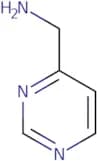

![α-(1,1,2,2,2-Pentafluoroethyl)-ω-[Tetrafluoro(Trifluoromethyl)Ethoxy]-Poly[Oxy[Trifluoro(Trifluoro…](/_next/image/?url=https%3A%2Fstatic.cymitquimica.com%2Fproducts%2F3D%2Fthumb-webp%2FFP103632.webp&w=3840&q=75)
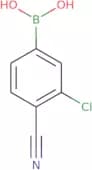
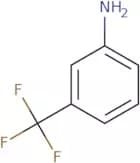
![{[5-(Trifluoromethyl)-1,2,4-oxadiazol-3-yl]methyl}amine hydrochloride](/_next/image/?url=https%3A%2Fstatic.cymitquimica.com%2Fproducts%2F3D%2Fthumb-webp%2FFT127171.webp&w=3840&q=75)
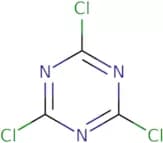
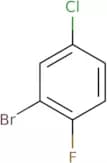

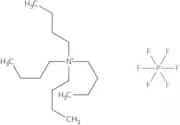
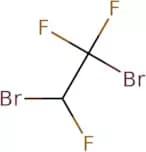
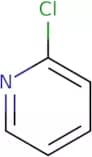
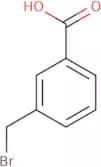
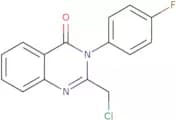
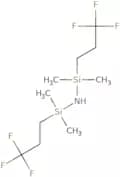
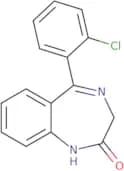
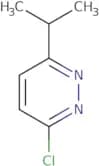

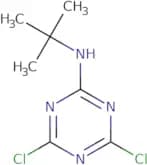
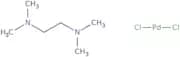
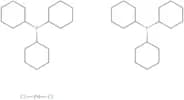
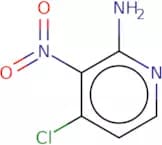
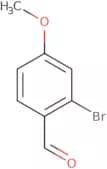
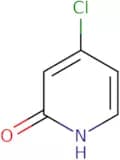


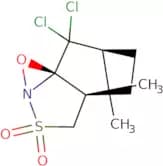
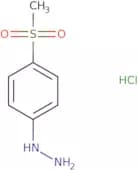
![(17R)-4-Chloro-5-ethyl-9-fluoro-11b-hydroxy-16b-methylspiro[androsta-1,4-diene-17,2(3H)-furan]-3,3…](/_next/image/?url=https%3A%2Fstatic.cymitquimica.com%2Fproducts%2F3D%2Fthumb-webp%2FFF103612.webp&w=3840&q=75)
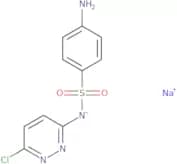
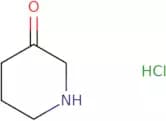
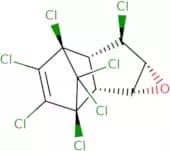
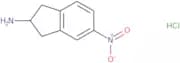
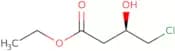

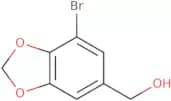
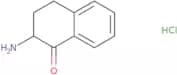
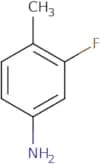
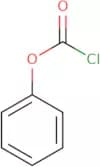


![1-[3-Chloro-5-(trifluoromethyl)phenyl]ethanone](/_next/image/?url=https%3A%2Fstatic.cymitquimica.com%2Fproducts%2F3D%2Fthumb-webp%2FFC90109.webp&w=3840&q=75)
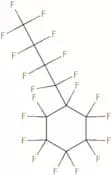

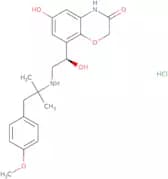
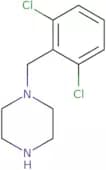
![7-Chloro-1,2,3,4-tetrahydrobenzo[b]azepin-5-one](/_next/image/?url=https%3A%2Fstatic.cymitquimica.com%2Fproducts%2F3D%2Fthumb-webp%2FFC51283.webp&w=3840&q=75)
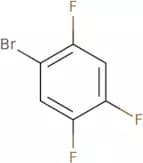
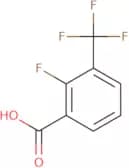
![Bis[2-(perfluorohexyl)ethyl]phosphate](/_next/image/?url=https%3A%2Fstatic.cymitquimica.com%2Fproducts%2F3D%2Fthumb-webp%2FFB84246.webp&w=3840&q=75)
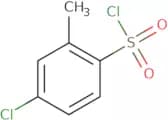
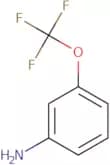
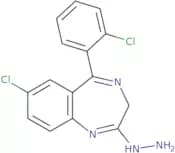
![3-[4-(3,4-Dichlorophenyl)piperazin-1-yl]-3-oxopropanenitrile](/_next/image/?url=https%3A%2Fstatic.cymitquimica.com%2Fproducts%2F3D%2Fthumb-webp%2FFD118649.webp&w=3840&q=75)

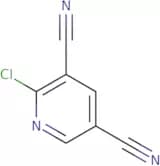
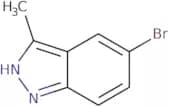
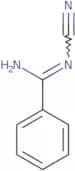
![(R)-(-)-1-[(4-Chlorophenyl)phenylmethyl]piperazine](/_next/image/?url=https%3A%2Fstatic.cymitquimica.com%2Fproducts%2F3D%2Fthumb-webp%2FFC53712.webp&w=3840&q=75)
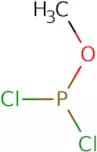
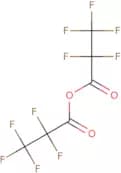
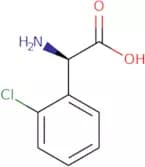
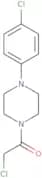
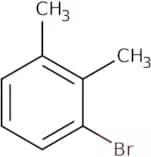
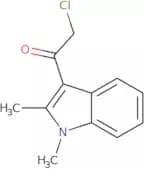
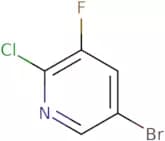

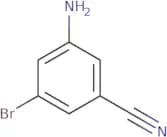
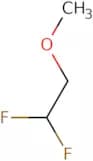
![7-Fluoro-imidazo[1,2-a]pyridine](/_next/image/?url=https%3A%2Fstatic.cymitquimica.com%2Fproducts%2F3D%2Fthumb-webp%2FFF165964.webp&w=3840&q=75)
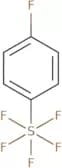

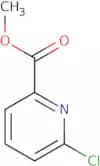

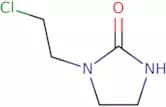
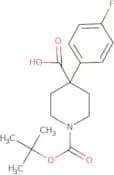

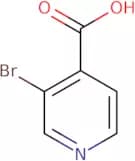

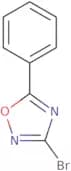

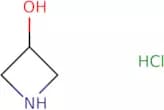

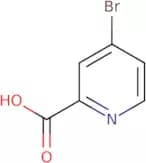
![Bis[2-(perfluorooctyl)ethyl] phosphate](/_next/image/?url=https%3A%2Fstatic.cymitquimica.com%2Fproducts%2F3D%2Fthumb-webp%2FFB18790.webp&w=3840&q=75)
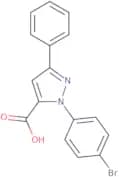
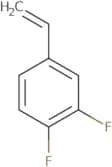

![7-Bromobenzo[d]oxazole](/_next/image/?url=https%3A%2Fstatic.cymitquimica.com%2Fproducts%2F3D%2Fthumb-webp%2FFB144368.webp&w=3840&q=75)
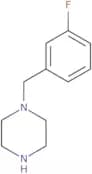
![[chloro(difluoro)methyl]benzene](/_next/image/?url=https%3A%2Fstatic.cymitquimica.com%2Fproducts%2F3D%2Fthumb-webp%2FFC104724.webp&w=3840&q=75)
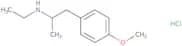
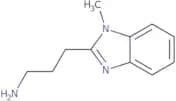
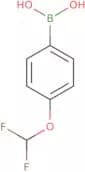

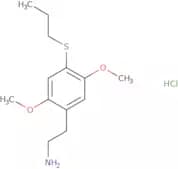
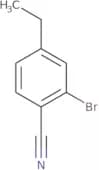
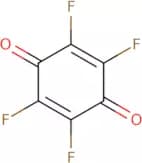
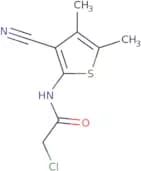

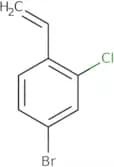
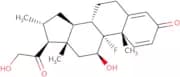
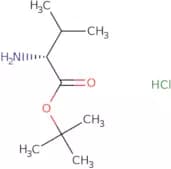
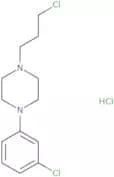
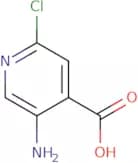

![1-[2-(5-Fluoro-1H-indol-3-yl)ethyl]-5-oxopyrrolidine-3-carboxylic acid](/_next/image/?url=https%3A%2Fstatic.cymitquimica.com%2Fproducts%2F3D%2Fthumb-webp%2FFF119448.webp&w=3840&q=75)
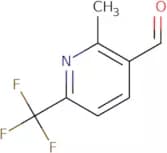
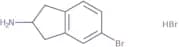
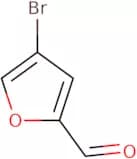
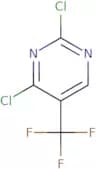

![4-[(2,5-Dimethyl-1H-pyrrol-1-yl)methyl]piperidine hydrochloride](/_next/image/?url=https%3A%2Fstatic.cymitquimica.com%2Fproducts%2F3D%2Fthumb-webp%2FFD117663.webp&w=3840&q=75)
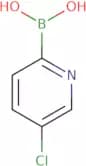
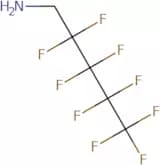
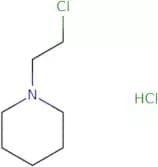
![4-(2-Chlorophenyl)-9-methyl-6H-thieno[3,2-f][1,2,4]triazolo[4,3-a][1,4]diazepine-2-propanoic acid](/_next/image/?url=https%3A%2Fstatic.cymitquimica.com%2Fproducts%2F3D%2Fthumb-webp%2FFC20336.webp&w=3840&q=75)

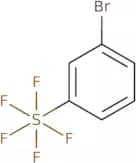
![S-[2-(Dimethylamino)ethyl]isothiourea Dihydrochloride](/_next/image/?url=https%3A%2Fstatic.cymitquimica.com%2Fproducts%2F3D%2Fthumb-webp%2FFD61318.webp&w=3840&q=75)
![Imidazo[1,2-a]pyridin-8-ylamine dihydrochloride](/_next/image/?url=https%3A%2Fstatic.cymitquimica.com%2Fproducts%2F3D%2Fthumb-webp%2FFI51744.webp&w=3840&q=75)
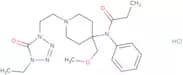
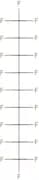
![N-[(1S)-1-(Aminocarbonyl)propyl]-4-chlorobutanamide](/_next/image/?url=https%3A%2Fstatic.cymitquimica.com%2Fproducts%2F3D%2Fthumb-webp%2FFA171302.webp&w=3840&q=75)
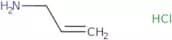
![8-Chloro-1-methyl-6-phenyl-4H-Imidazo[1,5-a][1,4]benzodiazepine](/_next/image/?url=https%3A%2Fstatic.cymitquimica.com%2Fproducts%2F3D%2Fthumb-webp%2FFC159452.webp&w=3840&q=75)
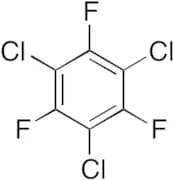

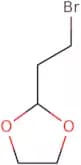
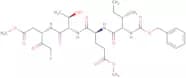
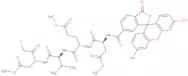
![2-Bromobenzo[d]thiazol-6-amine](/_next/image/?url=https%3A%2Fstatic.cymitquimica.com%2Fproducts%2F3D%2Fthumb-webp%2FFB144124.webp&w=3840&q=75)

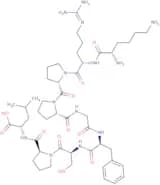

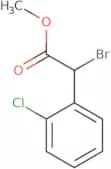

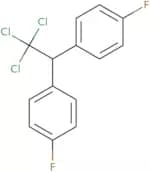
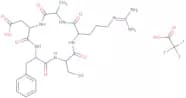

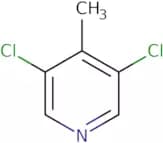
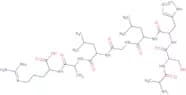
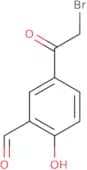
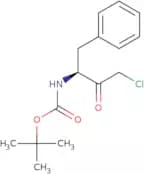
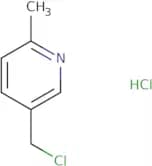

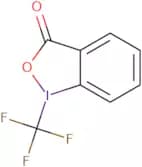
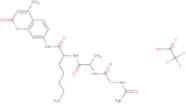




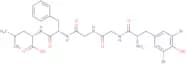
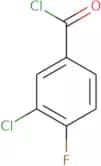
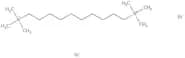

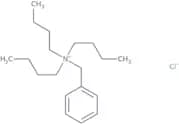


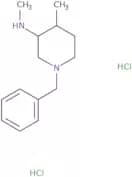
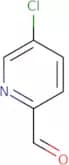
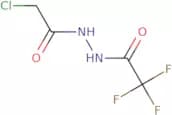
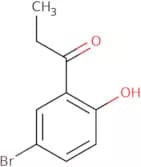
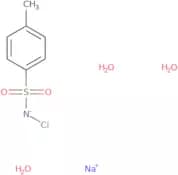


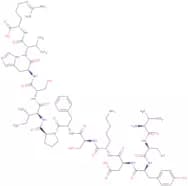
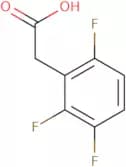
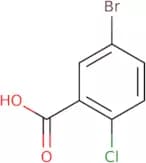
![Fmoc-L-Lys[Oct-(otBu)-Glu-(otBu)-AEEA-AEEA]-OH](/_next/image/?url=https%3A%2Fstatic.cymitquimica.com%2Fproducts%2F3D%2Fthumb-webp%2FFC165871.webp&w=3840&q=75)


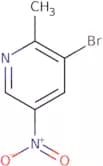
![2-[(4-Chloro-2-nitrophenyl)azo]-N-(2-methoxyphenyl)-3-oxobutanamide](/_next/image/?url=https%3A%2Fstatic.cymitquimica.com%2Fproducts%2F3D%2Fthumb-webp%2FFC149929.webp&w=3840&q=75)
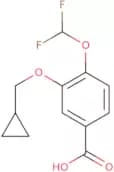
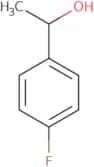
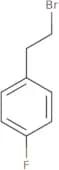
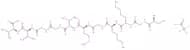
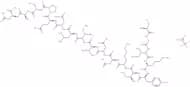
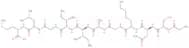


![tert-Butyl6-[(1e)-2-[4-(4-fluorophenyl)-6-(1-methylethyl)-2-[methyl(methylsulfonyl)amino]-5-pyrimi…](/_next/image/?url=https%3A%2Fstatic.cymitquimica.com%2Fproducts%2F3D%2Fthumb-webp%2FFB148489.webp&w=3840&q=75)