


Building Blocks
This section contains fundamental products for the synthesis of organic and biological compounds. Building blocks are the essential starting materials used to construct complex molecules through various chemical reactions. They play a critical role in drug discovery, material science, and chemical research. At CymitQuimica, we offer a diverse range of high-quality building blocks to support your innovative research and industrial projects, ensuring you have the essential components for successful synthesis.
Subcategories of "Building Blocks"
- Boronic Acids & Boronic Acid Derivatives(5,756 products)
- Chiral Building Blocks(1,242 products)
- Hydrocarbon Building Blocks(6,095 products)
- Organic Building Blocks(61,037 products)
Found 196200 products of "Building Blocks"
Sort by
Purity (%)
0
100
|
0
|
50
|
90
|
95
|
100
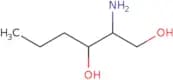
2-Aminohexane-1,3-diol
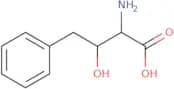
CAS:<p>Versatile small molecule scaffold</p>Formula:C6H15NO2Purity:Min. 95%Molecular weight:133.19 g/mol2-Amino-3-hydroxy-4-phenylbutanoic acid
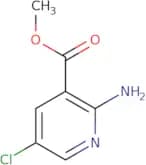
CAS:<p>Versatile small molecule scaffold</p>Formula:C10H13NO3Purity:Min. 95%Molecular weight:195.21 g/molMethyl 2-amino-5-chloronicotinate
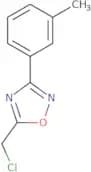
CAS:<p>Versatile small molecule scaffold</p>Formula:C7H7ClN2O2Purity:Min. 95%Molecular weight:186.6 g/mol5-(Chloromethyl)-3-(3-methylphenyl)-1,2,4-oxadiazole
CAS:<p>Versatile small molecule scaffold</p>Formula:C10H9ClN2OPurity:Min. 95%Molecular weight:208.64 g/mol5-Chloromethyl-3-(2-chloro-phenyl)-[1,2,4]oxadiazole
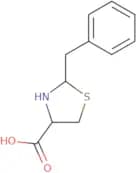
CAS:<p>Versatile small molecule scaffold</p>Formula:C9H6Cl2N2OPurity:Min. 95%Molecular weight:229.06 g/mol2-Benzyl-1,3-thiazolidine-4-carboxylic acid
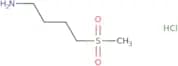
CAS:<p>2-Benzyl-1,3-thiazolidine-4-carboxylic acid is a sulfur containing compound that is an ionizable, crystallographic, and spectroscopic compound. It has the ability to react with amino acids in the presence of heat. The vibrational spectrum of 2-benzyl-1,3-thiazolidine-4 carboxylic acid displays peaks at 1240 cm and 1450 cm. The x-ray crystallography data for 2BZTAC is available in the supplementary information.</p>Formula:C11H13NO2SPurity:Min. 95%Molecular weight:223.29 g/mol4-Methanesulfonylbutan-1-amine hydrochloride
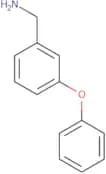
CAS:<p>4-Methanesulfonylbutan-1-amine hydrochloride is a heterocyclic compound that belongs to the group of carbamothioates. It is a white solid with low solubility in water. 4-Methanesulfonylbutan-1-amine hydrochloride has been used as an intermediate in the synthesis of other compounds and has also been shown to have dermatological properties. This compound can react with alcohols, thiols, and isothiocyanates to form sulfones, sulfonates, and isothiocyanato compounds respectively.</p>Formula:C5H14ClNO2SPurity:Min. 95%Molecular weight:187.69 g/mol3-Phenoxy-benzylamine
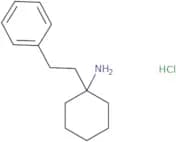
CAS:<p>3-phenoxybenzylamine is a regulatory agent that has been shown to inhibit the activity of some drugs. The toxicities of 3-phenoxybenzylamine are similar to those of other inhibitor drugs and include acute toxicity, which may be due to inhibition of intracellular ATP, and chronic effects that may be due to protein–protein interaction or competition with chloride for the cell membrane. It has been shown to be an excellent validation agent for acrylonitrile production by reacting with acetonitrile in the presence of alkali metal compounds. 3-Phenoxybenzylamine also inhibits cancer cells, which is related to its ability to bind proteins in the cancer cell membranes.</p>Formula:C13H13NOPurity:Min. 95%Molecular weight:199.25 g/mol1-(2-Phenylethyl)cyclohexan-1-amine hydrochloride
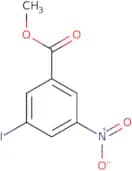
CAS:<p>Versatile small molecule scaffold</p>Formula:C14H22ClNPurity:Min. 95%Molecular weight:239.8 g/molMethyl 3-iodo-5-nitrobenzoate
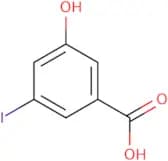
CAS:<p>Versatile small molecule scaffold</p>Formula:C8H6INO4Purity:Min. 95%Molecular weight:307.04 g/mol3-Hydroxy-5-iodobenzoic acid
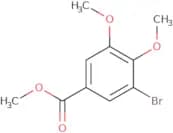
CAS:<p>Versatile small molecule scaffold</p>Formula:C7H5IO3Purity:Min. 95%Molecular weight:264.02 g/molMethyl 3-bromo-4,5-dimethoxybenzoate
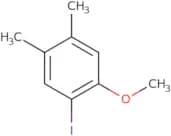
CAS:<p>Versatile small molecule scaffold</p>Formula:C10H11BrO4Purity:Min. 95%Molecular weight:275.1 g/mol1-Iodo-2-methoxy-4,5-dimethylbenzene
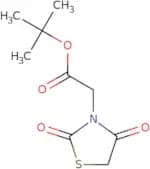
CAS:<p>Versatile small molecule scaffold</p>Formula:C9H11IOPurity:Min. 95%Molecular weight:262.09 g/moltert-Butyl 2-(2,4-dioxo-1,3-thiazolidin-3-yl)acetate
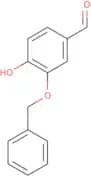
CAS:<p>Versatile small molecule scaffold</p>Formula:C9H13NO4SPurity:Min. 95%Molecular weight:231.27 g/mol3-Benzyloxy-4-hydroxybenzaldehyde
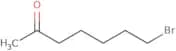
CAS:<p>3-Benzyloxy-4-hydroxybenzaldehyde (3BOHB) is an aromatic compound that is used in the synthesis of aporphines. It can be synthesized by using a Wittig reaction with phenylmagnesium bromide and 3-benzyloxybenzoic acid. This product has been shown to have anticancer activity against breast cancer cells, as well as other cancer cells, in mice and rats. 3BOHB is also biosynthesized by clivia plants, and it is commercially available as a starting material for drug synthesis.</p>Formula:C14H12O3Purity:Min. 95%Molecular weight:228.24 g/mol7-Bromoheptan-2-one
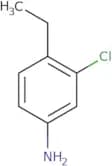
CAS:<p>7-Bromoheptan-2-one is a hydrogen bond donor that can act as a proton receptor. It has been shown to be able to reversibly bind chloride ions in the cavity of an anion, which has been modified with a 2,3-diaminopyridine moiety. This compound has been synthesized by reacting acetonitrile with 7-bromoheptanoic acid and the amine in a 1:1 ratio at room temperature for 3 hours. The supramolecular chemistry of this compound is based on its ability to form hydrogen bonds with other molecules. 7-Bromoheptan-2-one also has peptidomimetic properties because it can form tetrapyrrolic structures. 7-Bromoheptan-2-one has been used in titration calorimetry experiments to study the binding affinity of the molecule for various metal cations.</p>Formula:C7H13BrOPurity:Min. 95%Molecular weight:193.08 g/mol3-Chloro-4-ethylbenzenamine
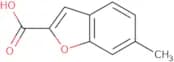
CAS:<p>3-Chloro-4-ethylbenzenamine is a chlorinating agent that reacts with amines to produce chloroamines. It is used as a catalyst in the production of tetramethylurea, anisole, chloro xylene, naphthylamine, and nitrobenzene. 3-Chloro-4-ethylbenzenamine also participates in the synthesis of 3,4-dichlorophenyl isocyanate and benzene. It can be used as a chemical intermediate for the production of polycarbonates or polyurethanes.</p>Formula:C8H10ClNPurity:Min. 95%Molecular weight:155.62 g/mol6-Methyl-benzofuran-2-carboxylic acid
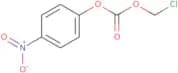
CAS:<p>6-Methyl-benzofuran-2-carboxylic acid is a hydroxamic acid that has been shown to have pharmacological properties. It is a potent histone deacetylase inhibitor and blocks the activity of diuretic, ligand, benzofurans, and inhibitors of deacetylase. 6-Methyl-benzofuran-2-carboxylic acid also has minimal effects on the cardiovascular system.</p>Formula:C10H8O3Purity:Min. 95%Molecular weight:176.17 g/molChloromethyl (4-nitrophenyl) carbonate
CAS:<p>Versatile small molecule scaffold</p>Formula:C8H6NO5ClPurity:Min. 95%Molecular weight:231.58 g/mol2-(2,3-Dihydro-1H-indol-1-yl)acetonitrile
CAS:<p>2-(2,3-Dihydro-1H-indol-1-yl)acetonitrile is a chemical with the molecular formula of C9H7N. It has a cyano group and stabilized carbanions. The compound is used in organic synthesis as a reagent to make various products, such as spiropyrans and perchlorate. It can also be transformed into indoline derivatives through condensation reactions with aromatic aldehydes.</p>Formula:C10H10N2Purity:Min. 95%Molecular weight:158.2 g/molSpiro[3.4]oct-7-en-6-one
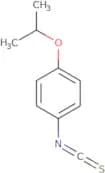
CAS:<p>Versatile small molecule scaffold</p>Formula:C8H10OPurity:Min. 95%Molecular weight:122.2 g/mol1-Isothiocyanato-4-(propan-2-yloxy)benzene
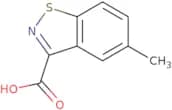
CAS:<p>Versatile small molecule scaffold</p>Formula:C10H11NOSPurity:Min. 95%Molecular weight:193.27 g/mol5-Methyl-1,2-benzothiazole-3-carboxylic acid
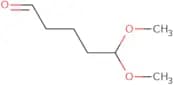
CAS:<p>Versatile small molecule scaffold</p>Formula:C9H7NO2SPurity:Min. 95%Molecular weight:193.22 g/mol5,5-Dimethoxypentanal
CAS:<p>Versatile small molecule scaffold</p>Formula:C7H14O3Purity:Min. 95%Molecular weight:146.18 g/mol3-Phenoxybenzonitrile
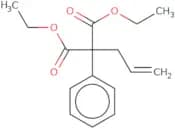
CAS:<p>3-Phenoxybenzonitrile is a diphenyl ether that can be used as an anti-cancer and pesticide. It has been shown to inhibit the growth of human cancer cells in vitro, and is effective against a number of insect pests. 3-Phenoxybenzonitrile is toxic to humans, but is less toxic than other phenoxybenzamines. 3-Phenoxybenzonitrile has also been shown to be carcinogenic, with parameters such as hydrogen chloride, optimization and chloride affecting its carcinogenicity. This chemical's toxicity depends on the functional group present at the 3-position. In the presence of chloride ions, it reacts with acetonitrile to form 1,2-dioxane and hydrogen chloride. The rate of this reaction will depend on the reaction time and temperature.</p>Formula:C13H9NOPurity:Min. 95%Molecular weight:195.22 g/mol1,3-Diethyl 2-phenyl-2-(prop-2-en-1-yl)propanedioate
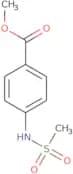
CAS:<p>Versatile small molecule scaffold</p>Formula:C16H20O4Purity:Min. 95%Molecular weight:276.3 g/molMethyl 4-methanesulfonamidobenzoate
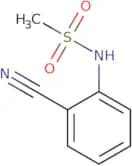
CAS:<p>Methyl 4-methanesulfonamidobenzoate is an enzyme inhibitor that binds to the hydroxyl group of the active site on enzymes, such as human protein kinase. The hydroxyl group of this compound interacts with the amide group of the enzyme, preventing it from carrying out its normal function. Methyl 4-methanesulfonamidobenzoate has been shown to inhibit a number of different enzyme isozymes, including 2-methylisocitrate dehydrogenase and cyclooxygenase 2. This drug also has selectivity for one conformation over another because it binds only to the human form of these enzymes, while not binding to other animal or microbial forms.</p>Formula:C9H11NO4SPurity:Min. 95%Molecular weight:229.25 g/mol2-(Methanesulfonylamino)benzonitrile
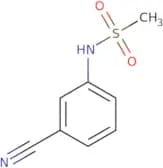
CAS:<p>Versatile small molecule scaffold</p>Formula:C8H8N2O2SPurity:Min. 95%Molecular weight:196.23 g/mol3-(Methanesulfonylamino)benzonitrile
CAS:<p>Versatile small molecule scaffold</p>Formula:C8H8N2O2SPurity:Min. 95%Molecular weight:196.23 g/molN-[4-(Trifluoromethyl)phenyl]methanesulfonamide
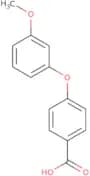
CAS:<p>Versatile small molecule scaffold</p>Formula:C8H8F3NO2SPurity:Min. 95%Molecular weight:239.22 g/mol4-(3-Methoxyphenoxy)benzoic acid
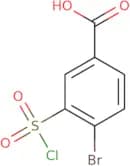
CAS:<p>4-(3-Methoxyphenoxy)benzoic acid is a chemical compound that has dehydrating properties and can be used industrially as an organic solvent. It is a colorless, water-soluble liquid with an aprotic nature. 4-(3-Methoxyphenoxy)benzoic acid is also used to prepare other chemicals by hydrolysis, such as 3-methoxybenzoic acid and 3,4-dimethoxybenzoic acid.</p>Formula:C14H12O4Purity:Min. 95%Molecular weight:244.24 g/mol4-Bromo-3-chlorosulfonylbenzoic acid
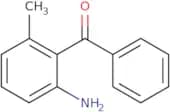
CAS:<p>4-Bromo-3-chlorosulfonylbenzoic acid (4BCSA) is a synthetic cannabinoid that has been modified to have increased affinity for the CB2 receptor. 4BCSA has been shown to produce analgesia in animal models of neuropathic and inflammatory pain. This drug also blocks the effects of endocannabinoids at the CB1 receptor, which may be useful for treating postoperative and chronic pain. In addition, 4BCSA has been shown to inhibit caspase activity in cells and increase levels of glutathione, which may have therapeutic benefits for diseases such as cancer.</p>Formula:C7H4BrClO4SPurity:Min. 95%Molecular weight:299.52 g/mol2-Benzoyl-3-methylaniline
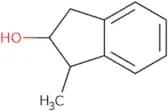
CAS:<p>Versatile small molecule scaffold</p>Formula:C14H13NOPurity:Min. 95%Molecular weight:211.26 g/mol1-Methyl-2,3-dihydro-1H-inden-2-ol
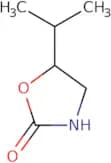
CAS:<p>Versatile small molecule scaffold</p>Formula:C10H12OPurity:Min. 95%Molecular weight:148.2 g/mol5-(Propan-2-yl)-1,3-oxazolidin-2-one
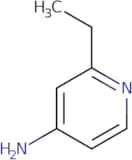
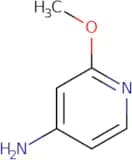
CAS:<p>Versatile small molecule scaffold</p>Formula:C6H11NO2Purity:Min. 95%Molecular weight:129.16 g/mol2-Ethylpyridin-4-amine
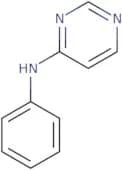
CAS:<p>2-Ethylpyridin-4-amine is a pyridine that can be synthesized from the amination of 4-nitrophenol. It can also be synthesized by acylation of 2-ethylpyridine with ethyl chloroformate followed by cyclization. This compound has shown to have high yields in reactions involving pyridines and it is often used as a precursor for other compounds.</p>Formula:C7H10N2Purity:Min. 95%Molecular weight:122.17 g/molN-Phenylpyrimidin-4-amine
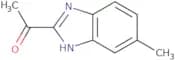
CAS:<p>N-Phenylpyrimidin-4-amine is a drug that binds to the bromodomain, a protein domain in the cell nucleus. It has been shown to have clinical relevance as an anti-inflammatory agent and as a potential treatment for autoimmune diseases, cancer, and nitro. N-Phenylpyrimidin-4-amine has been shown to inhibit the production of influenza virus in cells by binding to the alkylthio group on its surface. This drug is also being studied as a potential therapy for avian influenza and other viral infections. In addition, it has been shown to inhibit the replication of human immunodeficiency virus (HIV) in cultured lymphocytes.</p>Formula:C10H9N3Purity:Min. 95%Molecular weight:171.2 g/mol1-(5-Methyl-1H-benzimidazol-2-yl)ethanone
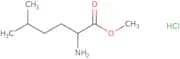
CAS:<p>Versatile small molecule scaffold</p>Formula:C10H10N2OPurity:Min. 95%Molecular weight:174.2 g/molMethyl 2-amino-5-methylhexanoate hydrochloride
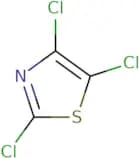
CAS:<p>Versatile small molecule scaffold</p>Formula:C8H18ClNO2Purity:Min. 95%Molecular weight:195.69 g/mol2,4,5-Trichlorothiazole
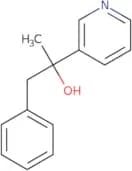
CAS:<p>2,4,5-Trichlorothiazole (2,4,5-T) is a chlorinated organic acid that is used as an active substance in the manufacture of pesticides. 2,4,5-T has been shown to be toxic to plants and animals by inhibiting growth and causing damage to cells. It has been used as an herbicide for the control of weeds and grasses in crop fields. The chemical is also an algicide for the control of algae in lakes and rivers. 2,4,5-T can be applied as a foliar spray or soil drenching agent. This chemical can also be diluted with water or other substances before application.</p>Formula:C3Cl3NSPurity:Min. 95%Molecular weight:188.5 g/mol1-Phenyl-2-(pyridin-3-yl)propan-2-ol
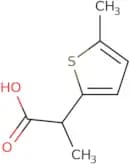
CAS:<p>Versatile small molecule scaffold</p>Formula:C14H15NOPurity:Min. 95%Molecular weight:213.27 g/mol2-(5-Methylthiophen-2-yl)propanoic acid
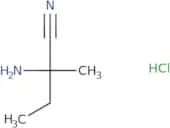
CAS:<p>Versatile small molecule scaffold</p>Formula:C8H10O2SPurity:Min. 95%Molecular weight:170.23 g/mol2-Amino-2-methylbutanenitrile hydrochloride
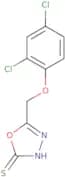
CAS:<p>Versatile small molecule scaffold</p>Formula:C5H11ClN2Purity:Min. 95%Molecular weight:134.61 g/mol5-(2,4-Dichlorophenoxymethyl)-1,3,4-oxadiazole-2-thiol
CAS:<p>Versatile small molecule scaffold</p>Formula:C9H6Cl2N2O2SPurity:Min. 95%Molecular weight:277.13 g/mol9-Thia-3-azabicyclo[4.2.1]nonane hydrochloride
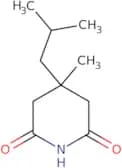
CAS:<p>Versatile small molecule scaffold</p>Formula:C7H14ClNSPurity:Min. 95%Molecular weight:179.71 g/mol4-Methyl-4-(2-methylpropyl)piperidine-2,6-dione
CAS:<p>Versatile small molecule scaffold</p>Formula:C10H17NO2Purity:Min. 95%Molecular weight:183.25 g/mol4,6-Dioxa-10-thia-12-azatricyclo[7.3.0.0,3,7]dodeca-1,3(7),8,11-tetraen-11-amine
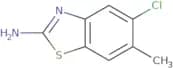
CAS:<p>Versatile small molecule scaffold</p>Formula:C8H6N2O2SPurity:Min. 95%Molecular weight:194.21 g/mol5-Chloro-6-methyl-benzothiazol-2-ylamine
CAS:<p>Versatile small molecule scaffold</p>Formula:C8H7ClN2SPurity:Min. 95%Molecular weight:198.67 g/mol6-[1-(Hydroxyimino)ethyl]-1,3-benzothiazol-2-amine
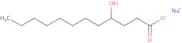
CAS:<p>Versatile small molecule scaffold</p>Formula:C9H9N3OSPurity:Min. 95%Molecular weight:207.25 g/molSodium 4-hydroxydodecanoate
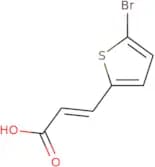
CAS:<p>Versatile small molecule scaffold</p>Formula:C12H23NaO3Purity:Min. 95%Molecular weight:238.3 g/mol(E)-3-(5-Bromothiophen-2-yl)acrylic acid
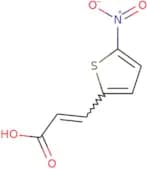
CAS:<p>Versatile small molecule scaffold</p>Formula:C7H5BrO2SPurity:Min. 95%Molecular weight:233.08 g/mol(E)-3-(5-Nitrothiophen-2-yl)acrylic acid
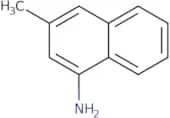
CAS:<p>Versatile small molecule scaffold</p>Formula:C7H5NO4SPurity:Min. 95%Molecular weight:199.19 g/mol3-Methylnaphthalen-1-amine
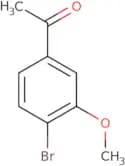
CAS:<p>Versatile small molecule scaffold</p>Formula:C11H11NPurity:Min. 95%Molecular weight:157.21 g/mol1-(4-Bromo-3-methoxyphenyl)ethanone
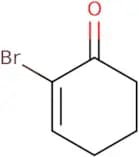
CAS:<p>Versatile small molecule scaffold</p>Formula:C9H9BrO2Purity:Min. 95%Molecular weight:229.07 g/mol2-Bromocyclohex-2-en-1-one
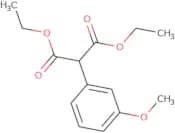
CAS:<p>2-Bromocyclohex-2-en-1-one is a reactive compound that belongs to the group of organometallic compounds. It is utilized in polyphosphoric acid production, where it reacts with hydrocarbons and alcohols to form esters or ethers. This compound may also be used as an intermediate in the preparation of Taxol, which is a drug used to treat cancer. 2-Bromocyclohex-2-en-1-one has shown enantioselective reactions with chloride ion and chiral trifluoroacetic acid, leading to the formation of enolate anion. The reaction mechanism for this process is still not fully understood.</p>Formula:C6H7BrOPurity:Min. 95%Molecular weight:175.02 g/mol1,3-Diethyl 2-(3-methoxyphenyl)propanedioate
CAS:<p>Versatile small molecule scaffold</p>Formula:C14H18O5Purity:Min. 95%Molecular weight:266.29 g/mol1a,2,3a,5b-Tetrachlorohexahydro-3,3-dimethoxy-1,2,4-ethanylylidene-1H-cyclobuta[cd]pentalene-5,7(1aH)-dione
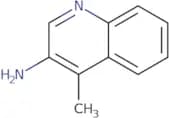
CAS:<p>Versatile small molecule scaffold</p>Formula:C13H10Cl4O4Purity:Min. 95%Molecular weight:372 g/mol4-Methyl-3-quinolinamine
CAS:<p>4-Methyl-3-quinolinamine is a compound that is synthesized by the diazotization of 4-methyl-3-nitroaniline and can be used as a synthetic intermediate. The ring system of this compound has not been determined.</p>Formula:C10H10N2Purity:Min. 95%Molecular weight:158.2 g/mol4-[2-(1H-Imidazol-1-yl)ethoxy]aniline
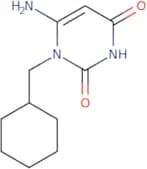
CAS:<p>Versatile small molecule scaffold</p>Formula:C11H13N3OPurity:Min. 95%Molecular weight:203.24 g/mol6-Amino-1-(cyclohexylmethyl)-1,2,3,4-tetrahydropyrimidine-2,4-dione
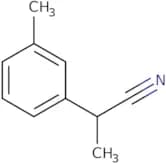
CAS:<p>Versatile small molecule scaffold</p>Formula:C11H17N3O2Purity:Min. 95%Molecular weight:223.27 g/mol2-M-Tolylpropanenitrile
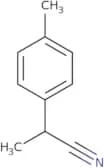
CAS:<p>Versatile small molecule scaffold</p>Formula:C10H11NPurity:Min. 95%Molecular weight:145.2 g/mol2-(4-Methylphenyl)propanenitrile
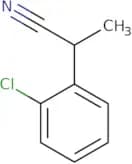
CAS:<p>Versatile small molecule scaffold</p>Formula:C10H11NPurity:Min. 95%Molecular weight:145.2 g/mol2-(2-Chloro-phenyl)-propionitrile
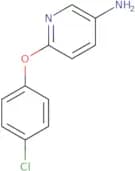
CAS:<p>Versatile small molecule scaffold</p>Formula:C9H8ClNPurity:Min. 95%Molecular weight:165.62 g/mol6-(4-Chlorophenoxy)pyridin-3-amine
CAS:<p>Versatile small molecule scaffold</p>Formula:C11H9ClN2OPurity:Min. 95%Molecular weight:220.65 g/mol{1-Azabicyclo[2.2.2]octan-3-yl}methanamine
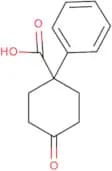
CAS:<p>Azabicyclo[2.2.2]octan-3-ylmethanamine (AOBA) is a drug that belongs to the class of oximes. It is an effective antidote for poisoning from nerve agents such as sarin and tabun. AOBA acts by binding to the active site of the enzyme acetylcholinesterase, which breaks down acetylcholine in the neuromuscular junction, thereby preventing paralysis caused by these nerve agents.</p>Formula:C8H16N2Purity:Min. 95%Molecular weight:140.23 g/mol4-oxo-1-Phenylcyclohexanecarboxylic acid
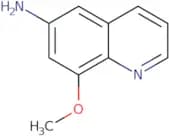
CAS:<p>Versatile small molecule scaffold</p>Formula:C13H14O3Purity:Min. 95%Molecular weight:218.25 g/mol8-Methoxyquinolin-6-amine
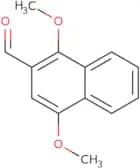
CAS:<p>Versatile small molecule scaffold</p>Formula:C10H10N2OPurity:Min. 95%Molecular weight:174.2 g/mol1,4-Dimethoxynaphthalene-2-carbaldehyde
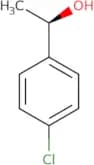
CAS:<p>Versatile small molecule scaffold</p>Formula:C13H12O3Purity:Min. 95%Molecular weight:216.23 g/mol(R)-1-(4-Chlorophenyl)ethanol
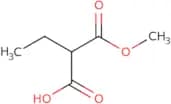
CAS:<p>(R)-1-(4-Chlorophenyl)ethanol is a chiral alcohol that can be used in the synthesis of enantiopure compounds. The racemic mixture of this alcohol is not suitable for use as a substrate in asymmetric synthesis because it has no optical activity. This alcohol is oxidized by dehydrogenase enzymes to form (S)-1-(4-chlorophenyl)ethanol and an H radical, which then reacts with O2 to form HO2 and (R)-1-(4-chlorophenyl)ethyl radical. The reactivity of these two radicals will depend on the concentration of the substrate and the presence of other substrates that compete with it for binding sites on the enzyme. In general, short-chain alcohols are more easily hydrated than longer chain alcohols. The reaction rate also increases with temperature, although at high temperatures, substrate binding and product release may become limiting factors.</p>Formula:C8H9ClOPurity:Min. 95%Molecular weight:156.61 g/mol2-(Methoxycarbonyl)butanoic acid
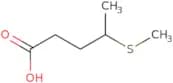
CAS:<p>Versatile small molecule scaffold</p>Formula:C6H10O4Purity:Min. 95%Molecular weight:146.14 g/mol4-(Methylsulfanyl)pentanoic acid
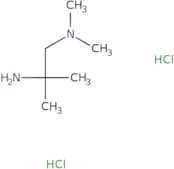
CAS:<p>Versatile small molecule scaffold</p>Formula:C6H12O2SPurity:Min. 95%Molecular weight:148.23 g/molN1,N1,2-Trimethyl-1,2-propanediamine Dihydrochloride
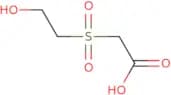
CAS:<p>Versatile small molecule scaffold</p>Formula:C6H16N2·2HClPurity:Min. 95%Molecular weight:189.12 g/mol2-(2-Hydroxyethanesulfonyl)acetic acid
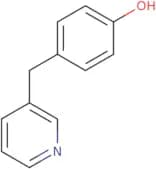
CAS:<p>Versatile small molecule scaffold</p>Formula:C4H8O5SPurity:Min. 95%Molecular weight:168.17 g/mol4-(pyridin-3-ylmethyl)phenol
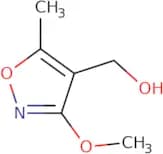
CAS:<p>Versatile small molecule scaffold</p>Formula:C12H11NOPurity:Min. 95%Molecular weight:185.22 g/mol(3-Methoxy-5-methyl-1,2-oxazol-4-yl)methanol
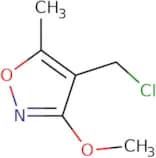
CAS:<p>Versatile small molecule scaffold</p>Formula:C6H9NO3Purity:Min. 95%Molecular weight:143.14 g/mol4-(Chloromethyl)-3-methoxy-5-methyl-1,2-oxazole
CAS:<p>4-(Chloromethyl)-3-methoxy-5-methyl-1,2-oxazole (CGS 19755) is a neuroprotective agent that binds to the glutamate receptor, inhibiting glutamate binding. It also inhibits the production of intracellular cGMP, which may be due to its ability to inhibit the binding of G protein coupled receptors. CGS 19755 has been shown to have neuroprotective properties in vivo and expressed in vitro. It has high affinity for both alpha-amino-3-hydroxy-5-methylisoxazolepropionic acid (AMPA) and N -methyl--aspartic acid (NMDA) receptors.<br>CGS 19755 has been shown to be more potent than other glutamate antagonists such as LY 273558 in animal tests for neuroprotection.</p>Formula:C6H8ClNO2Purity:Min. 95%Molecular weight:161.58 g/mol5-Bromo-N-(3-methoxyphenyl)-2-furamide
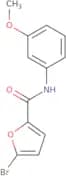
CAS:<p>Versatile small molecule scaffold</p>Formula:C12H10BrNO3Purity:Min. 95%Molecular weight:296.12 g/mol2-Ethyl-4,6-dimethoxybenzoic acid
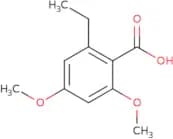
CAS:<p>Versatile small molecule scaffold</p>Formula:C11H14O4Purity:Min. 95%Molecular weight:210.2 g/mol5-Fluororesorcinol
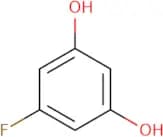
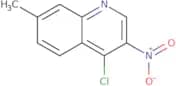
CAS:<p>5-Fluororesorcinol is a fluorine-containing analog of resorcinol. It is used as a topical medication for the treatment of acne, psoriasis, and other skin disorders. 5-Fluororesorcinol has been shown to inhibit the production of tyrosinase, an enzyme that catalyzes the oxidation of phenols to quinones. This process is involved in the formation of melanin and plays a role in inflammation and cell proliferation. 5-Fluororesorcinol also binds to cannabinoid receptors (CB1 and CB2) with high affinity. The molecular model for 5-fluoro resorcinol shows hydrogen bonding interactions with the hydroxyl group and fluorine atom. It also exhibits ferroelectric behavior due to its nonlinear dipole moment. The presence of two isomers (5R or 6S) may be due to steric hindrance from one or more methyl groups in the ortho</p>Formula:C6H5FO2Purity:Min. 95%Molecular weight:128.1 g/mol4-Chloro-7-methyl-3-nitroquinoline
CAS:<p>Versatile small molecule scaffold</p>Formula:C10H7ClN2O2Purity:Min. 95%Molecular weight:222.63 g/mol4-[4-(Ethoxycarbonyl)-5-(trifluoromethyl)-1H-pyrazol-1-yl]benzoic acid
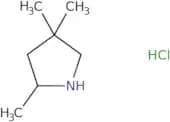
CAS:Controlled Product<p>4-[4-(Ethoxycarbonyl)-5-(trifluoromethyl)-1H-pyrazol-1-yl]benzoic acid is an inhibitor of the protein tyrosine phosphatase 1B. This drug binds to the ATP site and competitively inhibits the binding of ATP, which results in the inhibition of the catalytic activity of this enzyme. 4-[4-(Ethoxycarbonyl)-5-(trifluoromethyl)-1H-pyrazol-1-yl]benzoic acid has been shown to inhibit ion channels, such as nicotinic acetylcholine receptors, as well as other protein interactions like receptor interaction.</p>Formula:C14H11F3N2O4Purity:Min. 95%Molecular weight:328.24 g/mol2,4,4-Trimethylpyrrolidine hydrochloride
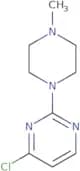
CAS:<p>Versatile small molecule scaffold</p>Formula:C7H16ClNPurity:Min. 95%Molecular weight:149.66 g/mol4-Chloro-2-(4-methylpiperazin-1-yl)pyrimidine
CAS:<p>Versatile small molecule scaffold</p>Formula:C9H13ClN4Purity:Min. 95%Molecular weight:212.68 g/mol4-[1-(Morpholin-4-yl)ethyl]aniline
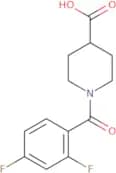
CAS:<p>Versatile small molecule scaffold</p>Formula:C12H18N2OPurity:Min. 95%Molecular weight:206.28 g/mol1-(2,4-Difluorobenzoyl)piperidine-4-carboxylic acid
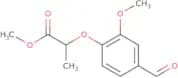
CAS:<p>1-(2,4-Difluorobenzoyl)piperidine-4-carboxylic acid is a custom synthesis that is used for the methylation of carbohydrates. 1-(2,4-Difluorobenzoyl)piperidine-4-carboxylic acid has been shown to be an effective reagent for the conversion of oligosaccharides and polysaccharides to their corresponding monosaccharide derivatives. It can also be used to modify saccharide structures or to fluorinate saccharides. This chemical is highly pure and can be modified with click chemistry.</p>Formula:C13H13F2NO3Purity:Min. 95%Molecular weight:269.24 g/molMethyl 2-(4-formyl-2-methoxyphenoxy)propanoate
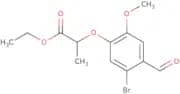
CAS:<p>Versatile small molecule scaffold</p>Formula:C12H14O5Purity:Min. 95%Molecular weight:238.24 g/molEthyl 2-(5-bromo-4-formyl-2-methoxyphenoxy)propanoate
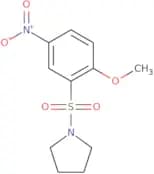
CAS:<p>Versatile small molecule scaffold</p>Formula:C13H15BrO5Purity:Min. 95%Molecular weight:331.16 g/mol1-(2-Methoxy-5-nitrobenzenesulfonyl)pyrrolidine
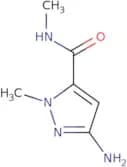
CAS:<p>Versatile small molecule scaffold</p>Formula:C11H14N2O5SPurity:Min. 95%Molecular weight:286.31 g/mol3-Amino-N,1-dimethyl-1H-pyrazole-5-carboxamide
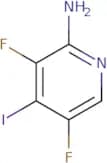
CAS:<p>Versatile small molecule scaffold</p>Formula:C6H10N4OPurity:Min. 95%Molecular weight:154.17 g/mol3,5-Difluoro-4-iodopyridin-2-amine
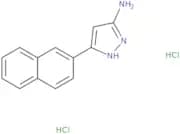
CAS:<p>Versatile small molecule scaffold</p>Formula:C5H3F2IN2Purity:Min. 95%Molecular weight:255.99 g/mol5-(Naphthalen-2-yl)-1H-pyrazol-3-amine dihydrochloride
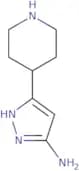
CAS:<p>Versatile small molecule scaffold</p>Formula:C13H13Cl2N3Purity:Min. 95%Molecular weight:282.17 g/mol5-Amino-3-(4-piperidyl)-1H-pyrazole
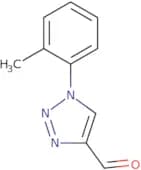
CAS:<p>Versatile small molecule scaffold</p>Formula:C8H14N4Purity:Min. 95%Molecular weight:166.22 g/mol1-(2-Methylphenyl)-1H-1,2,3-triazole-4-carbaldehyde
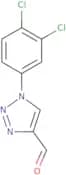
CAS:<p>Versatile small molecule scaffold</p>Formula:C10H9N3OPurity:Min. 95%Molecular weight:187.2 g/mol1-(3,4-Dichlorophenyl)-1H-1,2,3-triazole-4-carbaldehyde
CAS:<p>Versatile small molecule scaffold</p>Formula:C9H5Cl2N3OPurity:Min. 95%Molecular weight:242.06 g/mol3-[1-Methyl-4-(pyrrolidine-1-carbonyl)-1H-pyrazol-3-yl]piperidine
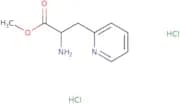
CAS:<p>Versatile small molecule scaffold</p>Formula:C14H22N4OPurity:Min. 95%Molecular weight:262.4 g/molMethyl 2-amino-3-(pyridin-2-yl)propanoate
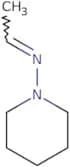
CAS:<p>Versatile small molecule scaffold</p>Formula:C9H14Cl2N2O2Purity:Min. 95%Molecular weight:253.12 g/mol(1E)-N-(Piperidin-1-yl)ethan-1-imine
CAS:<p>Versatile small molecule scaffold</p>Formula:C7H14N2Purity:Min. 95%Molecular weight:126.2 g/molMethyl 2-{[(tert-butoxy)carbonyl]amino}but-3-enoate
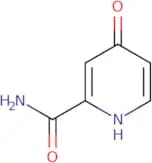
CAS:<p>Versatile small molecule scaffold</p>Formula:C10H17NO4Purity:Min. 95%Molecular weight:215.25 g/mol4-Hydroxypyridine-2-carboxamide
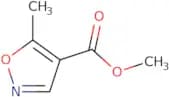
CAS:<p>4-Hydroxypyridine-2-carboxamide is a primary alcohol that can be catalyzed to form an aldehyde or ketone. It is used in the catalytic hydrogenation of primary and secondary alcohols to form the corresponding aldehydes or ketones. 4-Hydroxypyridine-2-carboxamide also has been used as an analog for 2,4-dihydroxypyridine-3-carboxamide in cyclopropanations and hydrolysis reactions.</p>Formula:C6H6N2O2Purity:Min. 95%Molecular weight:138.12 g/molMethyl 5-methyl-1,2-oxazole-4-carboxylate
CAS:<p>Versatile small molecule scaffold</p>Formula:C6H7NO3Purity:Min. 95%Molecular weight:141.12 g/molN-(3-Methylbutan-2-yl)aniline
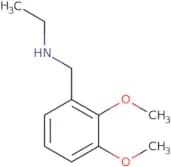
CAS:<p>Versatile small molecule scaffold</p>Formula:C11H17NPurity:Min. 95%Molecular weight:163.26 g/molN-(2,3-Dimethoxybenzyl)ethanamine
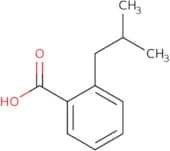
CAS:<p>Versatile small molecule scaffold</p>Formula:C11H17NO2Purity:Min. 95%Molecular weight:195.26 g/mol2-(2-Methylpropyl)benzoic acid
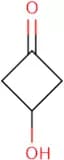
CAS:<p>2-(2-Methylpropyl)benzoic acid (MPBA) is a hydroxy acid that has been shown to exhibit immunosuppressive properties. MPBA inhibits the proliferation of T lymphocytes, which are cells involved in immune responses. This inhibition was found to be due to inhibition of protein synthesis and may be related to the functional group. MPBA also inhibits viral replication by interfering with the production of viral vectors and can be used as a therapeutic agent for hyperproliferative diseases such as cancer.</p>Formula:C11H14O2Purity:Min. 95%Molecular weight:178.23 g/mol3-(Benzyloxy)cyclobutanol
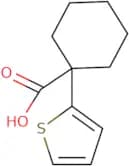
CAS:<p>3-(Benzyloxy)cyclobutanol is a synthetic drug that is used as a radiolabeled substrate for positron emission tomography (PET). It has been shown to be metabolically stable in rat plasma and lung carcinoma cell lines. 3-(Benzyloxy)cyclobutanol has high uptake in cancer cells, which may be due to its ability to cross the blood-brain barrier. 3-(Benzyloxy)cyclobutanol can also be used as a model system for cancer research, such as determining how it affects the metabolic activity of cancer cells. This compound can also be used to study the pharmacokinetics of PET imaging agents in humans.</p>Formula:C11H14O2Purity:Min. 95%Molecular weight:178.23 g/mol1-(Thiophen-2-yl)cyclohexane-1-carboxylic acid
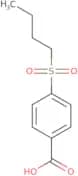
CAS:<p>Versatile small molecule scaffold</p>Formula:C11H14O2SPurity:Min. 95%Molecular weight:210.29 g/mol4-(Butane-1-sulfonyl)benzoic acid
CAS:<p>Versatile small molecule scaffold</p>Formula:C11H14O4SPurity:Min. 95%Molecular weight:242.29 g/mol3-(3,4-Dimethoxybenzenesulfonyl)propanoic acid
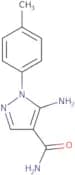
CAS:<p>Versatile small molecule scaffold</p>Formula:C11H14O6SPurity:Min. 95%Molecular weight:274.29 g/mol5-Amino-1-(4-methylphenyl)-1H-pyrazole-4-carboxamide
CAS:<p>Versatile small molecule scaffold</p>Formula:C11H12N4OPurity:Min. 95%Molecular weight:216.24 g/molMethyl 4-(4-methyl-1,3-thiazol-2-yl)benzoate
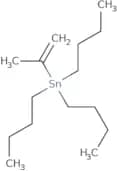
CAS:<p>Versatile small molecule scaffold</p>Formula:C12H11NO2SPurity:Min. 95%Molecular weight:233.29 g/mol2-(Tributylstannyl)propene
CAS:Controlled Product<p>2-(Tributylstannyl)propene (2-TBTP) is a cardiac muscle relaxant that inhibits the activity of the leukocyte ryanodine receptor. It has been shown to be effective in reducing nasal congestion, and is used for treating post-myocardial infarction. 2-TBTP also prevents the release of intracellular calcium ions from sarcoplasmic reticulum in cardiac muscle cells and has been shown to reduce concentrations of cholesterol, triglycerides, and phospholipids in the blood. 2-TBTP inhibits post-infarction remodeling by inhibiting fibroblast proliferation and collagen synthesis. This agent has also been shown to have chemotactic effects on neutrophils and eosinophils.</p>Formula:C15H32SnPurity:Min. 95%Molecular weight:331.12 g/mol5-Amino-1,2,3-thiadiazole-4-carbothioamide
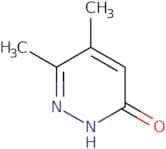
CAS:<p>Versatile small molecule scaffold</p>Formula:C3H4N4S2Purity:Min. 95%Molecular weight:160.2 g/mol5,6-Dimethylpyridazin-3(2H)-one
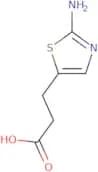
CAS:<p>Versatile small molecule scaffold</p>Formula:C6H8N2OPurity:Min. 95%Molecular weight:124.14 g/mol3-(2-Amino-1,3-thiazol-5-yl)propanoic acid
CAS:<p>Versatile small molecule scaffold</p>Formula:C6H8N2O2SPurity:Min. 95%Molecular weight:172.21 g/mol(4-Aminopyridin-2-yl)methanol
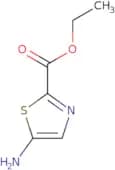
CAS:<p>Versatile small molecule scaffold</p>Formula:C6H8N2OPurity:Min. 95%Molecular weight:124.14 g/molethyl 5-amino-1,3-thiazole-2-carboxylate
CAS:<p>Versatile small molecule scaffold</p>Formula:C6H8N2O2SPurity:Min. 95%Molecular weight:172.2 g/molCyclobutyl(4-methoxyphenyl)methanone
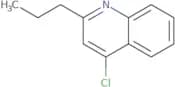
CAS:<p>Versatile small molecule scaffold</p>Formula:C12H14O2Purity:Min. 95%Molecular weight:190.24 g/mol4-Chloro-2-propylquinoline
CAS:<p>Versatile small molecule scaffold</p>Formula:C12H12ClNPurity:Min. 95%Molecular weight:205.68 g/mol[1-(1-Benzofuran-2-yl)ethyl](methyl)amine
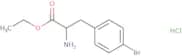
CAS:<p>Versatile small molecule scaffold</p>Formula:C11H13NOPurity:Min. 95%Molecular weight:175.23 g/molEthyl 2-amino-3-(4-bromophenyl)propanoate hydrochloride
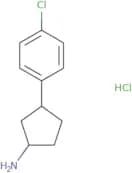
CAS:<p>Versatile small molecule scaffold</p>Formula:C11H15BrClNO2Purity:Min. 95%Molecular weight:308.6 g/mol3-(4-Chlorophenyl)cyclopentan-1-amine hydrochloride
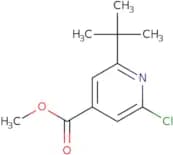
CAS:<p>Versatile small molecule scaffold</p>Formula:C11H15Cl2NPurity:Min. 95%Molecular weight:232.15 g/molMethyl 2-tert-butyl-6-chloropyridine-4-carboxylate
CAS:<p>Versatile small molecule scaffold</p>Formula:C11H14ClNO2Purity:Min. 95%Molecular weight:227.69 g/mol(4-Isopropoxyphenyl)methanamine hydrochloride
CAS:<p>Versatile small molecule scaffold</p>Formula:C10H16ClNOPurity:Min. 95%Molecular weight:201.7 g/mol2-[(4-Methoxybenzyl)amino]ethanol hydrochloride
CAS:<p>Versatile small molecule scaffold</p>Formula:C10H16ClNO2Purity:Min. 95%Molecular weight:217.69 g/mol1-(Thiophen-2-yl)cyclohexan-1-amine
CAS:Controlled Product<p>Versatile small molecule scaffold</p>Formula:C10H15NSPurity:Min. 95%Molecular weight:181.3 g/mol4-(7-Methoxy-1-benzofuran-2-yl)-1,3-thiazol-2-amine
CAS:<p>Versatile small molecule scaffold</p>Formula:C12H10N2O2SPurity:Min. 95%Molecular weight:246.29 g/mol4-Aminopicolinamide
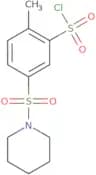
CAS:<p>4-Aminopicolinamide is a monolithic integrated circuit that has a high frequency and coupling, as well as the capability of transmitting data through a magnetic or radio frequency. It also has the ability to operate with microprocessors with transponders. This circuit can be used in a variety of applications, such as RFID tags and labels, GPS devices, and biochips.</p>Formula:C6H7N3OPurity:Min. 95%Molecular weight:137.14 g/mol2-Methyl-5-(piperidine-1-sulfonyl)benzene-1-sulfonyl chloride
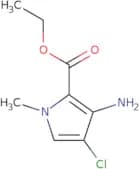
CAS:<p>Versatile small molecule scaffold</p>Formula:C12H16ClNO4S2Purity:Min. 95%Molecular weight:337.8 g/molEthyl 3-amino-4-chloro-1-methyl-1H-pyrrole-2-carboxylate
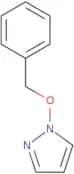
CAS:<p>Versatile small molecule scaffold</p>Formula:C8H11ClN2O2Purity:Min. 95%Molecular weight:202.64 g/mol1-(Benzyloxy)-1H-pyrazole
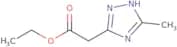
CAS:<p>Versatile small molecule scaffold</p>Formula:C10H10N2OPurity:Min. 95%Molecular weight:174.2 g/molEthyl 2-(5-methyl-4H-1,2,4-triazol-3-yl)acetate
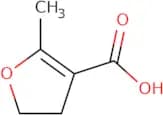
CAS:<p>Ethyl 2-(5-methyl-4H-1,2,4-triazol-3-yl)acetate is an organic compound with a molecular formula of C6H10N6O and a molecular weight of 154.14 g/mol. It has a triclinic crystal structure and a melting point of 165 °C. The chemical is used as a reagent for the conversion of alcohols to alkyl nitriles.</p>Formula:C7H11N3O2Purity:Min. 95%Molecular weight:169.18 g/mol2-Methyl-4,5-dihydrofuran-3-carboxylic acid
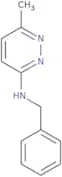
CAS:<p>2-Methyl-4,5-dihydrofuran-3-carboxylic acid is a carboxylic ester that is used in the synthesis of other organic compounds. It is also an isomeric compound with many different enol ethers. The stability of 2-methyl-4,5-dihydrofuran-3-carboxylic acid depends on its environment and can be determined by thermodynamics or the spectra obtained from nuclear magnetic resonance (NMR) spectroscopy. The equilibration of 2-methyl-4,5-dihydrofuran-3-carboxylic acid occurs when it is subjected to a change in temperature or pressure.</p>Formula:C6H8O3Purity:Min. 95%Molecular weight:128.13 g/molN-Benzyl-6-methylpyridazin-3-amine
CAS:<p>Versatile small molecule scaffold</p>Formula:C12H13N3Purity:Min. 95%Molecular weight:199.25 g/mol{4-[2-(1H-Imidazol-1-yl)ethoxy]phenyl}methanol
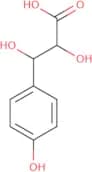
CAS:<p>Versatile small molecule scaffold</p>Formula:C12H14N2O2Purity:Min. 95%Molecular weight:218.25 g/mol2,3-Dihydroxy-3-(4-hydroxyphenyl)propanoic acid
CAS:<p>Versatile small molecule scaffold</p>Formula:C9H10O5Purity:Min. 95%Molecular weight:198.17 g/mol4-[2-(4-Methylpiperazin-1-yl)ethoxy]phenol
CAS:<p>Versatile small molecule scaffold</p>Formula:C13H20N2O2Purity:Min. 95%Molecular weight:236.31 g/mol6-{[(tert-Butoxy)carbonyl](methyl)amino}hexanoic acid
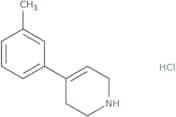
CAS:<p>Versatile small molecule scaffold</p>Formula:C12H23NO4Purity:Min. 95%Molecular weight:245.3 g/mol4-(3-Methylphenyl)-1,2,3,6-tetrahydropyridine hydrochloride
CAS:<p>Versatile small molecule scaffold</p>Formula:C12H16ClNPurity:Min. 95%Molecular weight:209.71 g/mol2-(Bromomethyl)-1-oxaspiro[4.4]nonane
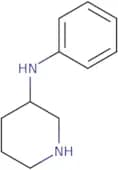
CAS:<p>Versatile small molecule scaffold</p>Formula:C9H15BrOPurity:Min. 95%Molecular weight:219.12 g/molN-Phenylpiperidin-3-amine
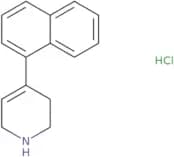
CAS:<p>Versatile small molecule scaffold</p>Formula:C11H16N2Purity:Min. 95%Molecular weight:176.26 g/mol4-(Naphthalen-1-yl)-1,2,3,6-tetrahydropyridine hydrochloride
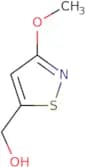
CAS:<p>Versatile small molecule scaffold</p>Formula:C15H16ClNPurity:Min. 95%Molecular weight:245.74 g/mol(3-Methoxy-1,2-thiazol-5-yl)methanol
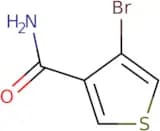
CAS:<p>Versatile small molecule scaffold</p>Formula:C5H7NO2SPurity:Min. 95%Molecular weight:145.18 g/mol4-Bromothiophene-3-carboxamide
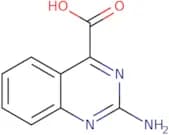
CAS:<p>Versatile small molecule scaffold</p>Formula:C5H4BrNOSPurity:Min. 95%Molecular weight:206.06 g/mol2-Aminoquinazoline-4-carboxylic acid
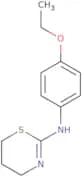
CAS:<p>Versatile small molecule scaffold</p>Formula:C9H7N3O2Purity:Min. 95%Molecular weight:189.17 g/molN-(4-Ethoxyphenyl)-5,6-dihydro-4H-1,3-thiazin-2-amine
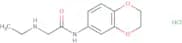
CAS:<p>Versatile small molecule scaffold</p>Formula:C12H16N2OSPurity:Min. 95%Molecular weight:236.34 g/molN-(2,3-Dihydro-1,4-benzodioxin-6-yl)-2-(ethylamino)acetamide
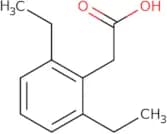
CAS:<p>Versatile small molecule scaffold</p>Formula:C12H17ClN2O3Purity:Min. 95%Molecular weight:272.73 g/mol2-(2,6-Diethylphenyl)acetic acid
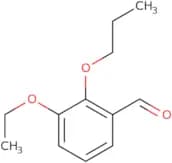
CAS:<p>Versatile small molecule scaffold</p>Formula:C12H16O2Purity:Min. 95%Molecular weight:192.25 g/mol3-Ethoxy-2-propoxybenzaldehyde
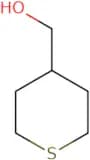
CAS:<p>Versatile small molecule scaffold</p>Formula:C12H16O3Purity:Min. 95%Molecular weight:208.25 g/mol(Tetrahydro-2H-thiopyran-4-yl)methanol
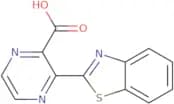
CAS:<p>Versatile small molecule scaffold</p>Formula:C6H12OSPurity:Min. 95%Molecular weight:132.22 g/mol3-(1,3-Benzothiazol-2-yl)pyrazine-2-carboxylic acid
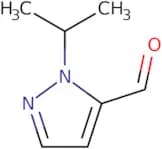
CAS:<p>Versatile small molecule scaffold</p>Formula:C12H7N3O2SPurity:Min. 95%Molecular weight:257.27 g/mol1-Isopropyl-1H-pyrazole-5-carbaldehyde
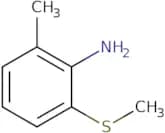
CAS:<p>Versatile small molecule scaffold</p>Formula:C7H10N2OPurity:Min. 95%Molecular weight:138.17 g/mol2-Methyl-6-(methylsulfanyl)aniline
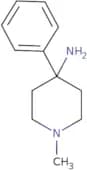
CAS:<p>Versatile small molecule scaffold</p>Formula:C8H11NSPurity:Min. 95%Molecular weight:153.25 g/mol1-Methyl-4-phenyl-4-piperidinamine
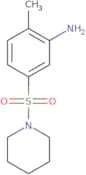
CAS:<p>Versatile small molecule scaffold</p>Formula:C12H18N2Purity:Min. 95%Molecular weight:190.28 g/mol2-Methyl-5-(piperidine-1-sulfonyl)aniline
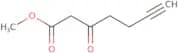
CAS:<p>Versatile small molecule scaffold</p>Formula:C12H18N2O2SPurity:Min. 95%Molecular weight:254.35 g/molmethyl 3-oxohept-6-ynoate
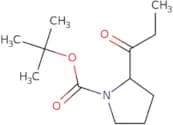
CAS:<p>Versatile small molecule scaffold</p>Formula:C8H10O3Purity:Min. 95%Molecular weight:154.16 g/moltert-Butyl (2S)-2-propanoylpyrrolidine-1-carboxylate
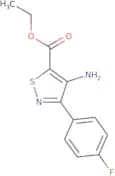
CAS:<p>Versatile small molecule scaffold</p>Formula:C12H21NO3Purity:Min. 95%Molecular weight:227.3 g/molEthyl 4-amino-3-(4-fluorophenyl)isothiazole-5-carboxylate
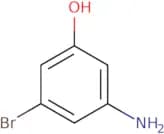
CAS:<p>Versatile small molecule scaffold</p>Formula:C12H11FN2O2SPurity:Min. 95%Molecular weight:266.29 g/mol3-amino-5-bromophenol
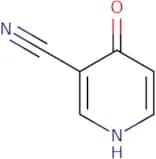
CAS:<p>Versatile small molecule scaffold</p>Formula:C6H6BrNOPurity:Min. 95%Molecular weight:188 g/mol4-Oxo-1,4-dihydropyridine-3-carbonitrile
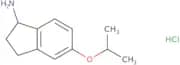
CAS:<p>Versatile small molecule scaffold</p>Formula:C6H4N2OPurity:Min. 95%Molecular weight:120.11 g/mol5-(Propan-2-yloxy)-2,3-dihydro-1H-inden-1-amine hydrochloride
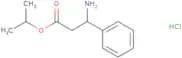
CAS:<p>Versatile small molecule scaffold</p>Formula:C12H18ClNOPurity:Min. 95%Molecular weight:227.7 g/molPropan-2-yl 3-amino-3-phenylpropanoate hydrochloride
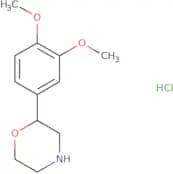
CAS:<p>Versatile small molecule scaffold</p>Formula:C12H18ClNO2Purity:Min. 95%Molecular weight:243.73 g/mol2-(3,4-Dimethoxy-phenyl)-morpholine hydrochloride
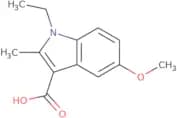
CAS:<p>Versatile small molecule scaffold</p>Formula:C12H18ClNO3Purity:Min. 95%Molecular weight:259.73 g/mol1-Ethyl-5-methoxy-2-methyl-1H-indole-3-carboxylic acid
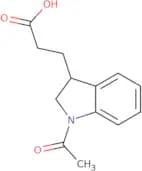
CAS:Controlled Product<p>Versatile small molecule scaffold</p>Formula:C13H15NO3Purity:Min. 95%Molecular weight:233.26 g/mol3-(1-Acetyl-2,3-dihydro-1H-indol-3-yl)propanoic acid
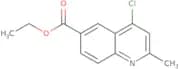
CAS:<p>Versatile small molecule scaffold</p>Formula:C13H15NO3Purity:Min. 95%Molecular weight:233.26 g/molEthyl 4-chloro-2-methylquinoline-6-carboxylate
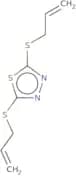
CAS:<p>Versatile small molecule scaffold</p>Formula:C13H12ClNO2Purity:Min. 95%Molecular weight:249.69 g/molBis(prop-2-en-1-ylsulfanyl)-1,3,4-thiadiazole
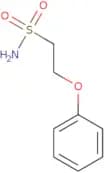
CAS:<p>Versatile small molecule scaffold</p>Formula:C8H10N2S3Purity:Min. 95%Molecular weight:230.4 g/mol2-Phenoxyethane-1-sulfonamide
CAS:<p>Versatile small molecule scaffold</p>Formula:C8H11NO3SPurity:Min. 95%Molecular weight:201.25 g/mol3-(2-Chloroethyl)-1-azabicyclo[2.2.2]octane hydrochloride
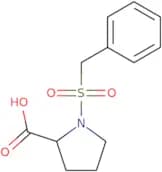
CAS:<p>Versatile small molecule scaffold</p>Formula:C9H17Cl2NPurity:Min. 95%Molecular weight:210.14 g/mol1-Phenylmethanesulfonylpyrrolidine-2-carboxylic acid
CAS:<p>Versatile small molecule scaffold</p>Formula:C12H15NO4SPurity:Min. 95%Molecular weight:269.32 g/molHexyl[2-(morpholin-4-yl)ethyl]amine
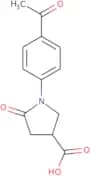
CAS:<p>Versatile small molecule scaffold</p>Formula:C12H26N2OPurity:Min. 95%Molecular weight:214.35 g/mol1-(4-Acetylphenyl)-5-oxopyrrolidine-3-carboxylic acid
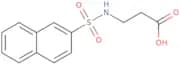
CAS:<p>Versatile small molecule scaffold</p>Formula:C13H13NO4Purity:Min. 95%Molecular weight:247.25 g/mol3-(Naphthalene-2-sulfonylamino)propionic acid
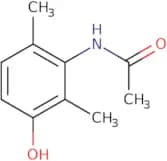
CAS:<p>Versatile small molecule scaffold</p>Formula:C13H13NO4SPurity:Min. 95%Molecular weight:279.32 g/molN-(3-Hydroxy-2,6-dimethylphenyl)acetamide
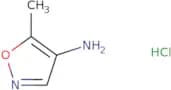
CAS:<p>Versatile small molecule scaffold</p>Formula:C10H13NO2Purity:Min. 95%Molecular weight:179.22 g/mol5-Methyl-1,2-oxazol-4-amine hydrochloride
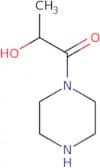
CAS:<p>Versatile small molecule scaffold</p>Formula:C4H7ClN2OPurity:Min. 95%Molecular weight:134.56 g/mol2-Hydroxy-1-(piperazin-1-yl)propan-1-one
CAS:<p>Versatile small molecule scaffold</p>Formula:C7H14N2O2Purity:Min. 95%Molecular weight:158.2 g/mol1-Methyl-4,5,6,7-tetrahydro-1H-pyrazolo[4,3-c]pyridine
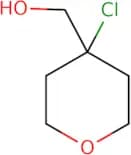
CAS:<p>Versatile small molecule scaffold</p>Formula:C7H11N3Purity:Min. 95%Molecular weight:137.18 g/mol(4-Chlorooxan-4-yl)methanol
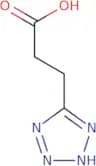
CAS:<p>Versatile small molecule scaffold</p>Formula:C6H11ClO2Purity:Min. 95%Molecular weight:150.6 g/mol3-(2H-1,2,3,4-Tetrazol-5-yl)propanoic acid
CAS:<p>Versatile small molecule scaffold</p>Formula:C4H6N4O2Purity:Min. 95%Molecular weight:142.12 g/mol7,7-Dimethyl-2-(pyridin-4-yl)-3H,5H,6H,7H-imidazo[4,5-F]indol-6-one
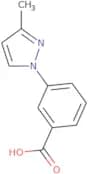
CAS:<p>7,7-Dimethyl-2-(pyridin-4-yl)-3H,5H,6H,7H-imidazo[4,5-F]indol-6-one (DMPI) is a selective inhibitor of ACAT. It has been shown to be an effective drug for the treatment of cancer and bowel disease. DMPI inhibits fatty acid synthesis in cardiac muscle cells by binding to the enzyme ACAT. This leads to reduced fatty acids and increased energy production for cardiac cells. DMPI also has inhibitory properties on isolated heart cells and nitroprusside (NTP).</p>Formula:C16H14N4OPurity:Min. 95%Molecular weight:278.31 g/mol3-(3-Methyl-1H-pyrazol-1-yl)benzoic acid
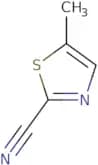
CAS:<p>Versatile small molecule scaffold</p>Formula:C11H10N2O2Purity:Min. 95%Molecular weight:202.21 g/mol5-Methyl-1,3-thiazole-2-carbonitrile
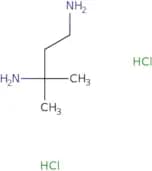
CAS:<p>Versatile small molecule scaffold</p>Formula:C5H4N2SPurity:Min. 95%Molecular weight:124.17 g/mol3-Methylbutane-1,3-diamine dihydrochloride
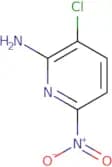
CAS:<p>Versatile small molecule scaffold</p>Formula:C5H16Cl2N2Purity:Min. 95%Molecular weight:175.1 g/mol3-Chloro-6-nitropyridin-2-amine
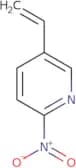
CAS:<p>Versatile small molecule scaffold</p>Formula:C5H4ClN3O2Purity:Min. 95%Molecular weight:173.56 g/mol5-Ethenyl-2-nitropyridine
CAS:<p>Versatile small molecule scaffold</p>Formula:C7H6N2O2Purity:Min. 95%Molecular weight:150.13 g/mol(2,5-Dichlorothiophen-3-yl)methanesulfonyl chloride
CAS:<p>Versatile small molecule scaffold</p>Formula:C5H3Cl3O2S2Purity:Min. 95%Molecular weight:265.6 g/mol2-[3-(Trifluoromethyl)phenyl]ethanimidamide hydrochloride
CAS:<p>Versatile small molecule scaffold</p>Formula:C9H10ClF3N2Purity:Min. 95%Molecular weight:238.64 g/mol2-Chloroquinoline-3-methanol
CAS:<p>2-Chloroquinoline-3-methanol is a synthetic chemical that is dehydrated to form 2,4-dichloroaniline. It is used as an antimycotic and antibacterial agent for the control of test organisms in the laboratory. 2-Chloroquinoline-3-methanol has been shown to react with amines and quinoline derivatives, resulting in an increase in the functional groups on these molecules. The catalytic activity of this compound can be increased by adding a strong base such as potassium hydroxide or sodium methoxide.</p>Formula:C10H8ClNOPurity:Min. 95%Molecular weight:193.63 g/mol1-Cyclohexyl-3-phenylpropan-2-one
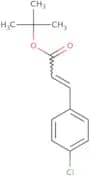
CAS:<p>Versatile small molecule scaffold</p>Formula:C15H20OPurity:Min. 95%Molecular weight:216.32 g/moltert-Butyl (2E)-3-(4-chlorophenyl)prop-2-enoate
CAS:<p>Versatile small molecule scaffold</p>Formula:C13H15ClO2Purity:Min. 95%Molecular weight:238.71 g/mol5-(2-Aminoethyl)-2-methoxybenzene-1-sulfonamide hydrochloride
CAS:Controlled Product<p>Versatile small molecule scaffold</p>Formula:C9H15ClN2O3SPurity:Min. 95%Molecular weight:266.75 g/mol4,6-Dimethoxypyrimidine-2yl-carbaldehyde
CAS:<p>4,6-Dimethoxypyrimidine-2yl-carbaldehyde is a pyrimidine derivative that can be used in the synthesis of pharmaceuticals.</p>Formula:C7H8N2O3Purity:Min. 95%Molecular weight:168.15 g/mol2-Chloro-N-(4-diethylamino-phenyl)-acetamide
CAS:<p>Versatile small molecule scaffold</p>Formula:C12H17ClN2OPurity:Min. 95%Molecular weight:240.73 g/mol2-(Chloromethyl)-1H-perimidine
CAS:<p>2-(Chloromethyl)-1H-perimidine is a cytotoxic and cytostatic agent. It is a nitrogenous organic compound that inhibits the synthesis of DNA and RNA, which are essential for cell division. 2-(Chloromethyl)-1H-perimidine has been shown to have maximal activity against cells in the G2 phase of the cell cycle and minimal activity against cells in the S phase. This agent is also cytotoxic to various types of cancer cells, such as colon adenocarcinoma cells, breast carcinoma cells, leukemia cells, and others.</p>Formula:C12H9ClN2Purity:Min. 95%Molecular weight:216.66 g/molMethyl 2-bromo-3-(bromomethyl)benzoate
CAS:<p>Versatile small molecule scaffold</p>Formula:C9H8Br2O2Purity:Min. 95%Molecular weight:307.97 g/molMethyl 3-amino-6-bromo-2-methylbenzoate
CAS:<p>Versatile small molecule scaffold</p>Formula:C9H10BrNO2Purity:Min. 95%Molecular weight:244.08 g/molMethyl 6-bromo-2-chloro-3-methoxybenzoate
CAS:<p>Versatile small molecule scaffold</p>Formula:C9H8BrClO3Purity:Min. 95%Molecular weight:279.51 g/mol13-Chloro-11-ethyl-1,8-diazatricyclo[7.4.0.0,2,7]trideca-2,4,6,8,10,12-hexaene-10-carbonitrile
CAS:Versatile small molecule scaffoldFormula:C14H10ClN3Purity:Min. 95%Molecular weight:255.7 g/mol1-(4-Fluorophenyl)-2-(methylsulfanyl)-1H-imidazole-5-carboxylic acid
CAS:<p>Versatile small molecule scaffold</p>Formula:C11H9FN2O2SPurity:Min. 95%Molecular weight:252.27 g/mol2-[2-(Phenoxymethyl)-1H-1,3-benzodiazol-1-yl]acetic acid
CAS:Controlled Product<p>Versatile small molecule scaffold</p>Formula:C16H14N2O3Purity:Min. 95%Molecular weight:282.29 g/mol5,6-Dihydro-4H-cyclopenta[b]thiophene-2-carbohydrazide
CAS:<p>Versatile small molecule scaffold</p>Formula:C8H10N2OSPurity:Min. 95%Molecular weight:182.24 g/mol2-[2-(4-Chlorophenoxymethyl)-1H-1,3-benzodiazol-1-yl]acetohydrazide
CAS:Controlled Product<p>Versatile small molecule scaffold</p>Formula:C16H15ClN4O2Purity:Min. 95%Molecular weight:330.77 g/mol

![5-Chloromethyl-3-(2-chloro-phenyl)-[1,2,4]oxadiazole](/_next/image/?url=https%3A%2Fstatic.cymitquimica.com%2Fproducts%2F3D%2Fthumb-webp%2FACA73732.webp&w=3840&q=75)

![Spiro[3.4]oct-7-en-6-one](/_next/image/?url=https%3A%2Fstatic.cymitquimica.com%2Fproducts%2F3D%2Fthumb-webp%2FACA78204.webp&w=3840&q=75)

![N-[4-(Trifluoromethyl)phenyl]methanesulfonamide](/_next/image/?url=https%3A%2Fstatic.cymitquimica.com%2Fproducts%2F3D%2Fthumb-webp%2FACA79032.webp&w=3840&q=75)
![9-Thia-3-azabicyclo[4.2.1]nonane hydrochloride](/_next/image/?url=https%3A%2Fstatic.cymitquimica.com%2Fproducts%2F3D%2Fthumb-webp%2FACA84831.webp&w=3840&q=75)
![4,6-Dioxa-10-thia-12-azatricyclo[7.3.0.0,3,7]dodeca-1,3(7),8,11-tetraen-11-amine](/_next/image/?url=https%3A%2Fstatic.cymitquimica.com%2Fproducts%2F3D%2Fthumb-webp%2FACA85094.webp&w=3840&q=75)
![6-[1-(Hydroxyimino)ethyl]-1,3-benzothiazol-2-amine](/_next/image/?url=https%3A%2Fstatic.cymitquimica.com%2Fproducts%2F3D%2Fthumb-webp%2FACA85105.webp&w=3840&q=75)
![1a,2,3a,5b-Tetrachlorohexahydro-3,3-dimethoxy-1,2,4-ethanylylidene-1H-cyclobuta[cd]p…](/_next/image/?url=https%3A%2Fstatic.cymitquimica.com%2Fproducts%2F3D%2Fthumb-webp%2FACA87439.webp&w=3840&q=75)
![4-[2-(1H-Imidazol-1-yl)ethoxy]aniline](/_next/image/?url=https%3A%2Fstatic.cymitquimica.com%2Fproducts%2F3D%2Fthumb-webp%2FADA91283.webp&w=3840&q=75)
![{1-Azabicyclo[2.2.2]octan-3-yl}methanamine](/_next/image/?url=https%3A%2Fstatic.cymitquimica.com%2Fproducts%2F3D%2Fthumb-webp%2FADA93699.webp&w=3840&q=75)
![4-[4-(Ethoxycarbonyl)-5-(trifluoromethyl)-1H-pyrazol-1-yl]benzoic acid](/_next/image/?url=https%3A%2Fstatic.cymitquimica.com%2Fproducts%2F3D%2Fthumb-webp%2FADB37226.webp&w=3840&q=75)
![4-[1-(Morpholin-4-yl)ethyl]aniline](/_next/image/?url=https%3A%2Fstatic.cymitquimica.com%2Fproducts%2F3D%2Fthumb-webp%2FADB80406.webp&w=3840&q=75)
![3-[1-Methyl-4-(pyrrolidine-1-carbonyl)-1H-pyrazol-3-yl]piperidine](/_next/image/?url=https%3A%2Fstatic.cymitquimica.com%2Fproducts%2F3D%2Fthumb-webp%2FADD76840.webp&w=3840&q=75)
![Methyl 2-{[(tert-butoxy)carbonyl]amino}but-3-enoate](/_next/image/?url=https%3A%2Fstatic.cymitquimica.com%2Fproducts%2F3D%2Fthumb-webp%2FAEA03868.webp&w=3840&q=75)





amine](/_next/image/?url=https%3A%2Fstatic.cymitquimica.com%2Fproducts%2F3D%2Fthumb-webp%2FAEA12774.webp&w=3840&q=75)
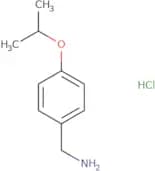
![2-[(4-Methoxybenzyl)amino]ethanol hydrochloride](/_next/image/?url=https%3A%2Fstatic.cymitquimica.com%2Fproducts%2F3D%2Fthumb-webp%2FAEA13203.webp&w=3840&q=75)
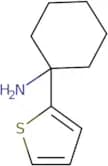
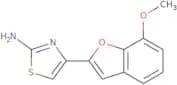
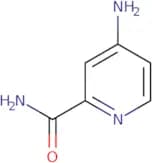
![{4-[2-(1H-Imidazol-1-yl)ethoxy]phenyl}methanol](/_next/image/?url=https%3A%2Fstatic.cymitquimica.com%2Fproducts%2F3D%2Fthumb-webp%2FAEA19960.webp&w=3840&q=75)
![4-[2-(4-Methylpiperazin-1-yl)ethoxy]phenol](/_next/image/?url=https%3A%2Fstatic.cymitquimica.com%2Fproducts%2F3D%2Fthumb-webp%2FAEA22101.webp&w=3840&q=75)
amino}hexanoic acid](/_next/image/?url=https%3A%2Fstatic.cymitquimica.com%2Fproducts%2F3D%2Fthumb-webp%2FAEA22298.webp&w=3840&q=75)
![2-(Bromomethyl)-1-oxaspiro[4.4]nonane](/_next/image/?url=https%3A%2Fstatic.cymitquimica.com%2Fproducts%2F3D%2Fthumb-webp%2FAEA23892.webp&w=3840&q=75)
![3-(2-Chloroethyl)-1-azabicyclo[2.2.2]octane hydrochloride](/_next/image/?url=https%3A%2Fstatic.cymitquimica.com%2Fproducts%2F3D%2Fthumb-webp%2FAEA38373.webp&w=3840&q=75)
![Hexyl[2-(morpholin-4-yl)ethyl]amine](/_next/image/?url=https%3A%2Fstatic.cymitquimica.com%2Fproducts%2F3D%2Fthumb-webp%2FAEA39232.webp&w=3840&q=75)
![1-Methyl-4,5,6,7-tetrahydro-1H-pyrazolo[4,3-c]pyridine](/_next/image/?url=https%3A%2Fstatic.cymitquimica.com%2Fproducts%2F3D%2Fthumb-webp%2FAEA50158.webp&w=3840&q=75)
![7,7-Dimethyl-2-(pyridin-4-yl)-3H,5H,6H,7H-imidazo[4,5-F]indol-6-one](/_next/image/?url=https%3A%2Fstatic.cymitquimica.com%2Fproducts%2F3D%2Fthumb-webp%2FAEA51033.webp&w=3840&q=75)

![2-[3-(Trifluoromethyl)phenyl]ethanimidamide hydrochloride](/_next/image/?url=https%3A%2Fstatic.cymitquimica.com%2Fproducts%2F3D%2Fthumb-webp%2FAFA90376.webp&w=3840&q=75)




![13-Chloro-11-ethyl-1,8-diazatricyclo[7.4.0.0,2,7]trideca-2,4,6,8,10,12-hexaene-10-carbonitrile](/_next/image/?url=https%3A%2Fstatic.cymitquimica.com%2Fproducts%2F3D%2Fthumb-webp%2FAFB59894.webp&w=3840&q=75)

![2-[2-(Phenoxymethyl)-1H-1,3-benzodiazol-1-yl]acetic acid](/_next/image/?url=https%3A%2Fstatic.cymitquimica.com%2Fproducts%2F3D%2Fthumb-webp%2FAFB59900.webp&w=3840&q=75)
![5,6-Dihydro-4H-cyclopenta[b]thiophene-2-carbohydrazide](/_next/image/?url=https%3A%2Fstatic.cymitquimica.com%2Fproducts%2F3D%2Fthumb-webp%2FAFB59901.webp&w=3840&q=75)
![2-[2-(4-Chlorophenoxymethyl)-1H-1,3-benzodiazol-1-yl]acetohydrazide](/_next/image/?url=https%3A%2Fstatic.cymitquimica.com%2Fproducts%2F3D%2Fthumb-webp%2FAFB59905.webp&w=3840&q=75)