Amines
Amines are a set of molecules containing an amino functional group (derived from ammonia). This category includes amines at any level of substitution : primary, secondary, tertiary, and ammonium salts. Amines are fundamental in organic synthesis and are widely used in pharmaceuticals, agrochemicals, and materials science. At CymitQuimica, we provide a comprehensive selection of amines to meet your research and industrial needs. Our range ensures access to various amines for diverse chemical processes and innovative research.
Subcategories of "Amines"
- Nitrosamines(2,605 products)
- Primary Amines(30,821 products)
- Quaternary Ammonium Cations and Salts(1,099 products)
- Secondary Amines(20,817 products)
- Tertiary Amines(17,117 products)
Found 8778 products of "Amines"
Sort by
Purity (%)
0
100
|
0
|
50
|
90
|
95
|
100
6-Amino-3,4-methylenedioxyacetophenone HCl
CAS:<p>Please enquire for more information about 6-Amino-3,4-methylenedioxyacetophenone HCl including the price, delivery time and more detailed product information at the technical inquiry form on this page</p>Formula:C9H10ClNO3Purity:Min. 95%Color and Shape:PowderMolecular weight:215.63 g/mol4-Aminobenzoic acid N-butyl ester
CAS:<p>4-Aminobenzoic acid N-butyl ester is a glycol ether compound that has been shown to have strong immunosuppressive and anti-inflammatory properties. It has been used in the treatment of autoimmune diseases, such as systemic lupus erythematosus and rheumatoid arthritis. 4-Aminobenzoic acid N-butyl ester also has a low potential for drug interactions with other drugs. The water solubility of this compound is high, making it suitable for use in humid environments, such as the respiratory tract. The bone cancer drug butamben was developed using 4-aminobenzoic acid N-butyl ester as a starting material. This drug also reacts with benzalkonium chloride to form stable complexes with high potency and high values.</p>Formula:C11H15NO2Purity:Min. 95 Area-%Color and Shape:PowderMolecular weight:193.24 g/mol1-(3-Aminopropyl)pyridin-2(1H)-one HCl
CAS:<p>1-(3-Aminopropyl)pyridin-2(1H)-one HCl is a fine chemical that belongs to the group of heterocyclic compounds. It is a versatile building block that can be used as an intermediate or a scaffold in chemical synthesis. 1-(3-Aminopropyl)pyridin-2(1H)-one HCl is soluble in water and has been shown to react with a variety of other compounds, including amines, alcohols, thiols, and phenols. This compound also has high quality and can be used for research purposes.</p>Formula:C8H12N2O·HClPurity:Min. 95%Color and Shape:White PowderMolecular weight:188.65 g/molN-Hydroxy-2-(4-methoxyphenoxy)ethanimidamide
CAS:<p>Please enquire for more information about N-Hydroxy-2-(4-methoxyphenoxy)ethanimidamide including the price, delivery time and more detailed product information at the technical inquiry form on this page</p>Formula:C9H12N2O3Purity:Min. 95%Color and Shape:PowderMolecular weight:196.2 g/molN-(2-Chlorobenzyl)-1-phenylpropan-2-amine hydrochloride
CAS:Controlled Product<p>N-(2-Chlorobenzyl)-1-phenylpropan-2-amine hydrochloride (CBP) is a potent stimulant drug that is used to treat chronic pain. It has been shown to be effective in the treatment of alopecia areata and inflammatory diseases, such as Crohn's disease, ulcerative colitis, and rheumatoid arthritis. CBP blocks protein synthesis by inhibiting the activity of the enzyme dinucleotide phosphate (DNP). This inhibition leads to the accumulation of adenosine monophosphate (AMP), which inhibits cyclic AMP production and protein synthesis. CBP also prevents the binding of DNP to RNA polymerase II at promoter sites, leading to a decrease in mRNA production. As a result, CBP may inhibit protein synthesis by preventing transcription or translation.</p>Formula:C16H18ClN•HClPurity:Min. 95%Color and Shape:PowderMolecular weight:296.24 g/molN-(2-Amino-1,2-dinitrilovinyl)(propylamino)formamide
CAS:<p>Please enquire for more information about N-(2-Amino-1,2-dinitrilovinyl)(propylamino)formamide including the price, delivery time and more detailed product information at the technical inquiry form on this page</p>Formula:C8H11N5OPurity:Min. 95%Color and Shape:PowderMolecular weight:193.21 g/molEthylenediaminetetraacetic acid disodium salt
CAS:<p>Ethylenediaminetetraacetic acid disodium salt (EDTA-2Na) is a water-soluble chelating agent that forms a complex with metal ions. EDTA-2Na has been shown to be an effective inhibitor of the polymerase chain reaction (PCR), which is a technique to amplify DNA. EDTA-2Na can be used as a fluorescence probe in biological samples and can also be used in the analysis of reaction solutions. It has been shown to have lubricity properties and can be used as an injection solution for bowel disease. EDTA-2Na is also used in wastewater treatment, where it binds heavy metals and prevents them from being reabsorbed into the environment. The optimum concentration of EDTA-2Na is 1 mM at pH 7.0, with a range from 0.1 mM to 10 mM.</p>Formula:C10H14N2Na2O8Purity:Min. 95%Color and Shape:PowderMolecular weight:336.21 g/mol5,7-Dihydroxytryptamine hydrobromide
CAS:Controlled Product<p>5,7-Dihydroxytryptamine hydrobromide (5,7-DHT) is a serotonin agonist that inhibits the reuptake of 5-hydroxytryptamine. 5,7-DHT is used to study the role of serotonin in regulating mood and behavior. It is also used as an experimental model for studying pain mechanisms and for testing potential analgesic drugs. The drug has been shown to act on the serotonergic system by increasing cholinergic activity and decreasing dopamine levels, leading to an excitatory effect. 5,7-DHT can also inhibit histamine release from mast cells. This drug also has a potent anti-inflammatory effect through its action on cytokine production. 5,7-DHT has been shown to be effective against chronic neuropathic pain in rats with experimental models of peripheral neuropathy and spinal cord injury.</p>Formula:C10H12N2O2•HBrPurity:(Hplc-Ms) Min. 94 Area-%Color and Shape:PowderMolecular weight:273.13 g/molN-Propyl-4,5,6,7-tetrahydrobenzo[D]thiazol-6-amine
CAS:<p>N-Propyl-4,5,6,7-tetrahydrobenzo[D]thiazol-6-amine hydrochloride is a chemical intermediate or reagent used in the synthesis of other substances. It is a white solid that is soluble in water and has a melting point of 154°C. This chemical has been shown to be useful as a building block for the synthesis of many different substances. N-Propyl-4,5,6,7-tetrahydrobenzo[D]thiazol-6-amine hydrochloride is also an effective starting material for research chemicals with versatile applications.</p>Formula:C14H15N3SPurity:Min. 95%Molecular weight:257.36 g/molAlkylated diphenylamines
CAS:<p>Alkylated diphenylamines are reactive compounds that have been used as antioxidants in industrial processes. These antioxidants inhibit the propagation of oxidation reactions, which can lead to the degradation of polycarboxylic acids. Alkylated diphenylamines are usually synthesized from phenyl groups and fatty acid esters. They are also known as synthetic antioxidants and are used in a variety of industries, such as food production and textiles. Alkylated diphenylamines have been shown to react with metal hydroxides, such as magnesium oxide or sodium nitrate, to form reaction products that include alkanes and alkenes. The viscosity of these compounds is dependent on the length of their fatty acid chains; the longer the chain length, the lower the viscosity.</p>Purity:Min. 95%Color and Shape:Clear Viscous LiquidMolecular weight:281.4 g/molZoxazolamine
CAS:<p>Zoxazolamine is a synthetic, immunosuppressive and cytotoxic agent that inhibits the enzyme activities of cytosolic Ca2+-ATPases. It has been shown to suppress antibody response in rats. Zoxazolamine also has a number of drug interactions, including inhibition of tetracycline metabolism and induction of cytochrome P450 enzymes. The experimental model for zoxazolamine is based on the T84 cell line, which is an intestinal epithelial cell line derived from human ileum. Zoxazolamine has been shown to induce toxicity in this cell line. Zoxazolamine also causes release of bile acids from rat liver microsomes and can lead to autoimmune diseases in experimental models.</p>Formula:C7H5ClN2OPurity:Min. 95%Color and Shape:PowderMolecular weight:168.58 g/mol4-Amino-3-methylbenzoic acid
CAS:<p>4-Amino-3-methylbenzoic acid is a chemical compound that can be synthesized from 4-Methylbenzoic acid and sodium carbonate. It has been used in the treatment of cervical cancer and leishmania. The synthesis of this drug is an example of a chemical reaction in which a carboxylic acid is reacted with sodium carbonate to give an ester and sodium bicarbonate. This process requires the use of trifluoroacetic acid. The resulting drug also has antiviral properties, as it inhibits HIV infection by blocking reverse transcriptase activity. 4-Amino-3-methylbenzoic acid was also shown to have anti-inflammatory properties, which may be due to its ability to inhibit prostaglandin synthesis.</p>Formula:C8H9NO2Purity:Min. 95%Color and Shape:Brown PowderMolecular weight:151.16 g/mol3-Bromobenzylamine hydrochloride
CAS:<p>3-Bromobenzylamine hydrochloride is a chemical compound that belongs to the class of alkylating agents. It is a derivative of allylamine, which is an amine and can be used in the synthesis of tripeptides. 3-Bromobenzylamine hydrochloride has been shown to be able to bind to primary amines, such as histamine, serotonin, and dopamine. It has been found to inhibit the reuptake of these neurotransmitters by blocking the transporter responsible for their uptake. This inhibition leads to increased concentrations of neurotransmitters in tissues.</p>Formula:C7H8BrN•HClColor and Shape:PowderMolecular weight:222.51 g/mol5-Aminogramine
CAS:<p>5-Aminogramine is a fine chemical that is used as a versatile building block for the synthesis of complex compounds. 5-Aminoguanidine is an aminoguanidine compound that has been reported to be useful in the synthesis of reagents and speciality chemicals, such as heterocycles, polymers, and pharmaceuticals. 5-Aminoguanidine has been used as a reactant in the preparation of high quality products with various applications. It is also known to be a useful intermediate for reactions involving nucleophiles or electrophiles. Furthermore, it can be used as a scaffold for the synthesis of other compounds.</p>Formula:C11H15N3Purity:Min. 95%Color and Shape:PowderMolecular weight:189.26 g/molAdrenochrome monoaminoguanidine mesilate
CAS:<p>Adrenochrome monoaminoguanidine mesilate is a synthetic drug that has been used in the treatment of cellulite, obesity, and chronic fatigue syndrome. It is an orally administered drug that causes the body to release adrenaline and noradrenaline. Adrenochrome monoaminoguanidine mesilate is a crystalline substance with a melting point of 130-140°C. The drug contains no additives or excipients other than gelatinization and cellulose.</p>Formula:C11H17N5O5SPurity:Min. 95%Color and Shape:PowderMolecular weight:331.35 g/mol5-Amino-2-fluorobenzoic acid
CAS:<p>5-Amino-2-fluorobenzoic acid (5AFBA) is a synthetic aniline that is used as a fluoroquinolone antibiotic. 5AFBA inhibits the synthesis of trehalose, which is vital for bacterial growth. This drug also has been shown to be active against Mycobacterium tuberculosis and Mycobacterium avium complex. 5AFBA has also been shown to have antifungal properties, inhibiting the synthesis of ergosterol in the fungal cell membrane. 5AFBA can be modified by alkylation with geranyl groups or N-methylation at the amino group. These modifications have been shown to increase its antibacterial activity against Pseudomonas aeruginosa.</p>Formula:C7H6FNO2Color and Shape:PowderMolecular weight:155.13 g/molMethyl 4-aminobutyrate HCl
CAS:<p>Methyl 4-aminobutyrate HCl is an ester hydrochloride that is used as a chiral auxiliary in the synthesis of aminobutyric acid. It has been shown to have cognitive enhancing effects and to increase brain levels of l-glutamic acid. Methyl 4-aminobutyrate HCl also inhibits the uptake of chloride ions into synaptic vesicles, which may be due to its ability to bind with plasma proteins. This drug has been shown to have pharmacological effects on rats when administered at a dose of 1mg/kg.</p>Formula:C5H12ClNO2Color and Shape:White Off-White PowderMolecular weight:153.61 g/mol2-Amino-5-methylbenzonitrile
CAS:<p>2-Amino-5-methylbenzonitrile (2AMB) is a molecule that has two nitrile groups. It has been shown to be effective in the treatment of cancer cells, and it also inhibits thymidylate synthase (TS), an enzyme involved in DNA synthesis. The crystallographic structure of this compound has been determined by x-ray diffraction studies, and 2AMB was synthesized and assayed for its anticancer activity on human lung cancer cells in culture. 2AMB is an intercalator that binds to DNA by inserting itself between base pairs, which then blocks the progression of DNA synthesis during replication. This type of inhibition causes cell death because the cell cannot divide or make new proteins. Naphthalene and pyrrole are two chemicals found in 2AMB that have been shown to have antibacterial properties.</p>Formula:C8H8N2Purity:Min. 95%Color and Shape:PowderMolecular weight:132.16 g/mol3-Amino-1,2,4-triazole
CAS:<p>Inhibitor of catalase; selection marker for HIS3 systems; herbicide</p>Formula:C2H4N4Purity:Min. 95%Color and Shape:PowderMolecular weight:84.08 g/mol2-(2-Aminoethyl)phenol
CAS:<p>2-(2-Aminoethyl)phenol is a monoamine oxidase inhibitor. It is a biogenic amine that is found in animals and plants. 2-(2-Aminoethyl)phenol has been found to have anti-inflammatory properties and can be used to treat mongolism.</p>Formula:C8H11NOPurity:Min. 95 Area-%Color and Shape:PowderMolecular weight:137.18 g/molN-Ethyl-N-nitroso-1-[3-(trifluoromethyl)phenyl]-2-propanamine
CAS:<p>Usnic acid is a dietary supplement that has been shown to have beneficial effects on the liver, including hepatoprotective and anti-inflammatory properties. Usnic acid prevents mitochondrial membrane potential from decreasing, leading to an increase in adenine nucleotide content and improved mitochondrial function. Usnic acid also reverses the inhibition of monoamine neurotransmitters caused by chemical ionization and pharmacologic agents such as acetaminophen. Usnic acid also has been shown to be effective against hepatitis A virus (HAV) infection in CD-1 mice.</p>Formula:C12H15F3N2OPurity:Min. 95%Color and Shape:Clear LiquidMolecular weight:260.26 g/mol3-Aminophenylacetylene
CAS:<p>3-Aminophenylacetylene is a colorless liquid that is soluble in water. It has a molecular weight of 123.14 and a chemical formula of C6H5CHNH2. The transport rate of 3-aminophenylacetylene can be determined by FT-IR spectroscopy, and the epidermal growth factor can be used for the determination of 3-aminophenylacetylene. The anhydrous sodium copper complex is formed by the reaction of 3-aminophenylacetylene with hydrochloric acid. There are two possible mechanisms for this reaction: one involves the formation of a diazonium salt, while the other involves an analytical method that uses hydrogen bond or molecular docking analysis to determine the structure of 3-aminophenylacetylene. High values are obtained when 3-aminophenylacetylene reacts with malonic acid and protein synthesis.</p>Formula:C8H7NPurity:Min. 97.5 Area-%Color and Shape:Clear LiquidMolecular weight:117.15 g/mol2-Amino-4,5,6,7-tetrahydro-1-benzothiophene-3-carboxamide
CAS:<p>2-Amino-4,5,6,7-tetrahydro-1-benzothiophene-3-carboxamide is an anticancer agent that inhibits the synthesis of proteins required for cell division. It has been shown to have anticancer activity and efficacy in vitro studies against human cancer cells, such as HCT116. This compound also induces apoptosis in infected cells by binding to viral particles and inducing the release of chloride ions. 2-Amino-4,5,6,7-tetrahydro-1-benzothiophene-3-carboxamide has been found to be effective against influenza virus and particle production by inhibiting neuraminidase activity.</p>Formula:C9H12SN2OPurity:Min. 95%Color and Shape:PowderMolecular weight:196.27 g/mol(S)-Brompheniramine maleate
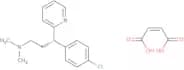
CAS:<p>Brompheniramine is a non-sedating antihistamine with a variety of uses. It has been shown to inhibit the release of histamine and other mediators from mast cells, thereby preventing allergic reactions, such as hay fever, asthma, and chronic urticaria. Brompheniramine is also used for its sedative properties in the treatment of insomnia. Brompheniramine is a versatile building block that can be used to create complex compounds for research purposes or as speciality chemicals for high-quality fine chemical production.</p>Formula:C20H23BrN2O4Purity:Min. 95%Color and Shape:White PowderMolecular weight:435.31 g/mol3-Bromo-4-methoxybenzylamine hydrochloride
CAS:<p>3-Bromo-4-methoxybenzylamine hydrochloride is a high quality reagent that is used as an intermediate in the synthesis of complex compounds. It has been shown to be a useful scaffold for the synthesis of new chemical entities and a versatile building block for organic synthesis. 3-Bromo-4-methoxybenzylamine hydrochloride can be used as a reaction component in various chemical reactions, including Friedel-Crafts acylation, nitration, chlorination and bromination.</p>Formula:C8H11BrClNOPurity:Min. 95%Color and Shape:PowderMolecular weight:252.54 g/mol5-(Benzyloxy)tryptamine hydrochloride
CAS:Controlled Product<p>5-(Benzyloxy)tryptamine hydrochloride (5-BOC-TRP) is a serotonin agonist that is used to study the effects of serotonin on various tissues. 5-BOC-TRP has been shown to increase extracellular Ca2+ concentrations in receptor cells, and it has also been shown to act as an agonist at synaptic and submandibular gland levels. It binds to specific receptors in the parotid, submandibular, and other salivary glands, where it induces a release of saliva. These effects were observed when 5-BOC-TRP was administered intravenously or intraperitoneally. The distribution of this drug within the salivary glands was determined by immunoreaction with antibodies against serotonin. The localization of 5-BOC-TRP was also confirmed by whole cell patch clamp recordings obtained from rat parotid cells perfused with 5-BOC-TRP.</p>Formula:C17H19ClN2OPurity:Min. 98.0 Area-%Color and Shape:PowderMolecular weight:302.8 g/molMethyl 2-amino-7,7-dimethyl-4-(3-nitrophenyl)-5-oxo-4,6,7,8-tetrahydro2H-chromene-3-carboxylate
CAS:<p>Please enquire for more information about Methyl 2-amino-7,7-dimethyl-4-(3-nitrophenyl)-5-oxo-4,6,7,8-tetrahydro2H-chromene-3-carboxylate including the price, delivery time and more detailed product information at the technical inquiry form on this page</p>Formula:C19H20N2O6Purity:Min. 95%Color and Shape:PowderMolecular weight:372.37 g/molLofepramine
CAS:<p>Serotonin and norepinephrine reuptake inhibitor; anti-depressant</p>Formula:C26H27ClN2OPurity:Min. 95%Color and Shape:PowderMolecular weight:418.96 g/molN,N-Dimethyl-tert-butylamine
CAS:<p>N,N-Dimethyl-tert-butylamine is an organic compound that is used as a primary amine in the preparation of piperidines. It can be obtained by electrolysis of carbon tetrachloride with n-nitrosopiperidine as the catalyst. The process of obtaining N,N-Dimethyl-tert-butylamine is unsymmetrical and yields are low. The amines may be prepared by transfer hydrogenation or catalytic reduction of an aldehyde. The asymmetric synthesis may be achieved using chiral auxiliaries.</p>Formula:C6H15NPurity:Min. 95%Color and Shape:Colorless Clear LiquidMolecular weight:101.19 g/mol3-Aminobenzanilide
CAS:<p>3-Aminobenzanilide is an organic compound that is used as a starting material in the synthesis of other compounds. It is also used in the synthesis of ethylenediamine and benzamide, which are used in the production of rubber. 3-Aminobenzanilide can be synthesized by reacting benzoyl chloride with ammonia or ethylenediamine. The reaction with ammonia produces 3-aminobenzamide, while that with ethylenediamine produces 3-aminobenzene. This compound has been shown to induce pentylenetetrazol convulsions and to produce neurological symptoms when administered at high doses.</p>Formula:C13H12N2OPurity:Min. 95%Color and Shape:White/Off-White SolidMolecular weight:212.25 g/mol3-(2-(2-(2-Aminoethoxy)ethoxy)ethoxy)propanoic acid HCI
CAS:<p>3-(2-(2-(2-Aminoethoxy)ethoxy)ethoxy)propanoic acid HCI is a PEG compound with two different functional groups (also known as heterobifunctional). Unlike homobifunctional PEG compounds (same functional group on both ends), this type of compounds are more versatile as have two different anchor points. 3-(2-(2-(2-Aminoethoxy)ethoxy)ethoxy)propanoic acid HCI is used as a linker and spacer to add a PEG moiety, via pegylation (a bioconjugation technique) to proteins, peptides, oligonucleotides, small molecules and nanoparticles.</p>Formula:C9H19NO5·HClColor and Shape:Slightly Yellow Yellow Clear Liquid PowderMolecular weight:257.71 g/mol2-(((2,5-dimethoxyphenyl)sulfonyl)amino)benzamide
CAS:<p>Please enquire for more information about 2-(((2,5-dimethoxyphenyl)sulfonyl)amino)benzamide including the price, delivery time and more detailed product information at the technical inquiry form on this page</p>Purity:Min. 95%N-Ethylamine-2,4,6-triphenyl pyridinium tetrafluoroborate
CAS:<p>N-Ethylamine-2,4,6-triphenyl pyridinium tetrafluoroborate is a chemical reagent that belongs to the group of fine chemicals. It is soluble in water and ethanol, and has a melting point of around 100°C. N-Ethylamine-2,4,6-triphenyl pyridinium tetrafluoroborate is used in organic synthesis as a useful building block or as a research chemical for the production of other compounds. This compound is a versatile building block that can be used in the preparation of complex compounds such as pharmaceuticals. N-Ethylamine-2,4,6-triphenyl pyridinium tetrafluoroborate has been classified as an extremely hazardous substance by the US Department of Transportation due to its high reactivity with water.</p>Formula:C25H23N2·BF4Purity:Min. 95%Molecular weight:438.27 g/mol(S)-2-((Methoxycarbonyl)amino)-3-methylbutanoic acid
CAS:<p>(S)-2-((Methoxycarbonyl)amino)-3-methylbutanoic acid is a synthetic molecule that has been studied for its antiviral activity against hepatitis C virus. The compound was found to inhibit the replication of the virus, with an IC50 of 0.5 mM in cell culture studies. It also inhibited the replicon and reaction yield of the virus in vitro. (S)-2-((Methoxycarbonyl)amino)-3-methylbutanoic acid is effective against genotype 1 and 2, but not against genotype 3. It is active against a broad range of HCV isolates, including those resistant to other drugs such as ribavirin or telaprevir. The drug has been shown to be well tolerated in animals and humans. END></p>Formula:C7H13NO4Purity:Min. 95%Color and Shape:White PowderMolecular weight:175.18 g/molN, N-Dimethylpyridin-4-amine 4-methylbenzenesulfonate
CAS:<p>N,N-Dimethylpyridin-4-amine 4-methylbenzenesulfonate is an integrating agent used in polymer chemistry. It can be used to study the effects of chromophores on both linear and nonlinear optical properties in polymers. N,N-Dimethylpyridin-4-amine 4-methylbenzenesulfonate has been shown to be a good 1,3-dipolar cycloadductor for the synthesis of polymers with polarizable hyperbranched structures.</p>Formula:C7H10N2·C7H8O3SPurity:Min. 95%Color and Shape:White PowderMolecular weight:294.37 g/mol2,4,6-Trimethylbenzylamine
CAS:<p>2,4,6-Trimethylbenzylamine is a benzyl amine that has been shown to increase bone mass and reduce insulin resistance. It is also used as a specific treatment for cardiovascular disorders, cardiovascular diseases, and cancer. Benzyl amines are ligands that activate the enzyme hydroxylase by binding to it and increasing the activity of this enzyme. This leads to an increase in the production of diacylglycerol (DAG) and monoacylglycerol (MAG), which are important signaling molecules involved in cellular growth. 2,4,6-Trimethylbenzylamine has been shown to have anti-inflammatory properties by inhibiting serotonin release from platelets.br><br>br><br>2,4,6-Trimethylbenzylamine is metabolized by cytochrome p450 enzymes such as CYP1A2 into 2-methyltetrahydrofuran-3(2</p>Formula:C10H15NColor and Shape:Clear LiquidMolecular weight:149.23 g/mol2,3-Diaminophenazine
CAS:<p>2,3-Diaminophenazine is a fluorescent probe that is used for the detection of dopamine. 2,3-Diaminophenazine has been shown to be a good indicator of the presence of organic compounds in human serum. Research has also shown that 2,3-diaminophenazine can be used as a fluorescence probe for transport properties and transfer reactions. It is soluble in water and shows no evidence of toxicity or mutagenicity.<br>2,3-Diaminophenazine has been shown to react with copper ions to form a copper complex. This reaction solution can catalyze the enzyme catalysis of p-nitrophenyl phosphate to produce acid p-nitrophenol (pNP). The nitrogen atoms on 2,3-diaminophenazine are responsible for its ability to bind with copper ions and act as an electron acceptor at the electrode surface.</p>Formula:C12H10N4Purity:Min 95%Molecular weight:210.23 g/mol5-Amino-1H-tetrazole potassium salt
CAS:<p>5-Amino-1H-tetrazole potassium salt is a chemical compound that is used as a reagent for the alkylation of organic compounds. It can be synthesized by reacting sodium with 5-amino-1H-tetrazole in the presence of dimethylformamide and ether. The yield of this reaction is high, but it is not an efficient process because it requires large quantities of starting materials. The potassium salt can be isolated from the mixture by adding water to produce a precipitate, which can then be dried.</p>Formula:CH2KN5Purity:Min. 95%Color and Shape:Slightly Yellow PowderMolecular weight:123.16 g/mol4-Aminoindole hydrochloride
CAS:<p>4-Aminoindole hydrochloride is a white crystalline solid that can be used as a versatile building block in organic synthesis. It is also used as an intermediate in the production of various pharmaceuticals and other chemical compounds. 4-Aminoindole hydrochloride is soluble in most polar solvents, but insoluble in ethers and oils. This compound is also a useful reagent for the conversion of nitrobenzenes to aminobenzoic acids. CAS Number 174854-93-4</p>Formula:C8H9ClN2Purity:Min. 95%Color and Shape:PowderMolecular weight:168.62 g/molDL-1,2-Diphenyl-1,2-ethanediamine
CAS:<p>The fluorescence resonance energy transfer (FRET) technique is used to measure the distance between two molecules in a crystalline state. The FRET phenomenon occurs when one molecule is excited with light of a specific wavelength and interacts with another molecule that has an absorption spectrum at the same wavelength. The energy from the excited molecule is transferred to the second molecule, which then emits light of a different wavelength. This phenomenon can be used to study structures and interactions within molecules. A large number of studies have been done using this technique to study how small molecules bind together, such as dopamine and trifluoroacetic acid, or hydrogen bonding interactions in nitrogen-containing molecules.</p>Formula:C14H16N2Purity:Min. 95%Color and Shape:White PowderMolecular weight:212.29 g/mol2,6-Dimethylbenzylamine
CAS:<p>2,6-Dimethylbenzylamine is a chemical compound that has been shown to have potent antiviral activity. It binds to the active site of the HIV-1 protease enzyme, which blocks the cleavage of polyproteins into functional proteins. In addition, 2,6-dimethylbenzylamine has been shown to be capable of blocking other enzymes such as human immunodeficiency virus (HIV)-1 integrase and influenza virus neuraminidase. The chemical structure of 2,6-dimethylbenzylamine includes a heterocyclic ring that may be modified to optimise its antiviral activity. This modification can be done by using peptidomimetics or bioactive molecules such as small molecules or lipids.</p>Formula:C9H13NPurity:Min. 95%Color and Shape:Clear LiquidMolecular weight:135.21 g/mol4-(Dimethylamino)phenylaceticacid
CAS:<p>4-(Dimethylamino)phenylacetic acid (DMAPA) is a chemical inhibitor that binds to fatty acids. It has been shown to have antitumor effects on prostate cancer cells in vitro and in vivo, as well as anti-inflammatory properties. DMAPA also inhibits the synthesis of prostaglandins, which may be due to its binding to amines or the uv irradiation of the molecule. DMAPA has been shown to be effective in preventing the aggregation of serotonin receptors, which may play a role in its potential use for treating depression.</p>Formula:C10H13NO2Purity:Min. 95%Color and Shape:PowderMolecular weight:179.22 g/mol4-(5-Methoxy-1,2-dimethyl-1H-indol-3-yl)-1,3-thiazol-2-amine
CAS:<p>Please enquire for more information about 4-(5-Methoxy-1,2-dimethyl-1H-indol-3-yl)-1,3-thiazol-2-amine including the price, delivery time and more detailed product information at the technical inquiry form on this page</p>Formula:C14H15N3OSPurity:Min. 95%Color and Shape:PowderMolecular weight:273.35 g/mol[2-(4-Chlorophenoxy)ethyl]amine hydrochloride
CAS:<p>2-(4-Chlorophenoxy)ethyl]amine hydrochloride is a chemical that can be used as a building block for the synthesis of pharmaceuticals. It is an intermediate in the production of fine chemicals and other reagents. 2-[2-(4-Chlorophenoxy)ethoxy]ethylamine hydrochloride has CAS number 28769-06-4 and can be used for research purposes.</p>Formula:C8H10ClNOPurity:Min. 95 Area-%Color and Shape:Clear LiquidMolecular weight:171.62 g/mol2-(((4-Bromo-2,5-dimethoxyphenyl)amino)methylene)-5,5-dimethylcyclohexane-1,3-dione
CAS:<p>Please enquire for more information about 2-(((4-Bromo-2,5-dimethoxyphenyl)amino)methylene)-5,5-dimethylcyclohexane-1,3-dione including the price, delivery time and more detailed product information at the technical inquiry form on this page</p>Formula:C17H20BrNO4Purity:Min. 95%Molecular weight:382.25 g/molAmino(naphthalen-2-yl)acetic acid
CAS:<p>Amino(naphthalen-2-yl)acetic acid is a versatile chemical building block that can be used in research, industry and as a high quality reagent. It is a useful scaffold for the synthesis of complex compounds. Amino(naphthalen-2-yl)acetic acid has been shown to be an excellent reactant for the production of fine chemicals and is high quality, with a purity of 99%. This product is also used as a speciality chemical for the production of pharmaceuticals, pesticides, and other chemical products.</p>Formula:C12H11NO2Purity:Min. 95%Color and Shape:PowderMolecular weight:201.22 g/mol4,4'-Diamino-3,3'-dimethyldiphenylmethane
CAS:<p>4,4'-Diamino-3,3'-dimethyldiphenylmethane is a reactive dye that is used in the diagnosis of cervical cancer. It has been shown to suppress the expression of tumor suppressor genes by binding to DNA and interfering with transcription. This dye is also a polyvinyl compound that binds to proteins through an amine group. The bound form of 4,4'-Diamino-3,3'-dimethyldiphenylmethane can be detected using an electrode and hydroxyl group as a diode. Multivariate logistic regression was used to determine the relationship between the bound form of 4,4'-Diamino-3,3'-dimethyldiphenylmethane and women who have not had any symptoms of cervical cancer. A section was taken from each subject's cervix and stained with 4,4'-Diamino-3,3'-dimethyldiphenylmethane</p>Formula:C15H18N2Purity:Min. 95%Color and Shape:PowderMolecular weight:226.32 g/mol(S,S)-(+)-N,N'-Bis(3,5-di-tert-butylsalicylidene)-1,2-cyclohexanediaminomanganese(III) chloride
CAS:<p>The preparation of racemic N,N'-Bis(3,5-di-tert-butylsalicylidene)-1,2-cyclohexanediaminomanganese(III) chloride (S,S)-(+)-N,N'-Bis(3,5-di-tert-butylsalicylidene)-1,2-cyclohexanediaminomanganese(III) chloride is carried out by the reaction of salicyaldehyde with manganese dioxide in acetonitrile. The mixture is heated to reflux for 3 hours. The product is purified by recrystallization from hot acetonitrile and then purified again by preparative thin layer chromatography using a chiral stationary phase. The product is obtained as a white powder in an overall yield of 52%.<br>The synthesis of (R)-(-)-N-(3,5-Di-tert-butylsalicyl</p>Formula:C36H52ClMnN2O2Color and Shape:PowderMolecular weight:635.2 g/mol(R,R)-(-)N,N'-Bis(3,5-di-tert-butylsalicylidene)-1,2-cyclohexanediaminomanganese(III) chloride
CAS:<p>(R,R)-(-)N,N'-Bis(3,5-di-tert-butylsalicylidene)-1,2-cyclohexanediaminomanganese(III) chloride is a diamine ligand that has been used for the immobilization of ethylene. The reaction proceeds via an oxidation catalyzed by a metal such as copper or manganese. The reaction products are chlorides and alcohols. The molecular modeling and x-ray crystal structures of these reactions have been studied and kinetic data have been collected. Kinetics measurements show that the reactions are fast with an activation energy of 45 kcal/mol and proceed through a hydrogen transfer mechanism.</p>Formula:C36H52ClMnN2O2Purity:Min. 95%Color and Shape:PowderMolecular weight:635.2 g/mol3-Amino-4-methylpyridine
CAS:<p>3-Amino-4-methylpyridine is a chemical compound that belongs to the group of organic compounds. It is used as an intermediate in the synthesis of podophyllotoxin, a cytotoxic agent that inhibits protein synthesis and cell division. 3-Amino-4-methylpyridine binds to mammalian cells with high affinity and inhibits protein synthesis by inhibiting the enzyme ribosomal protein S6 kinase. This compound also has an inhibitory effect on tofacitinib citrate, which is a drug used for treatment of rheumatoid arthritis. 3-Amino-4-methylpyridine has been shown to be effective against chloride ions in its reaction mechanism, making it suitable for use in organic synthesis.</p>Formula:C6H8N2Purity:Min. 98 Area-%Color and Shape:PowderMolecular weight:108.14 g/molN-Boc-6-bromohexylamine
CAS:<p>N-Boc-6-bromohexylamine is a hypoglycemic agent that belongs to the group of diagnostic agents. It has been shown to have an effect on glucose regulation and was used in clinical development. N-Boc-6-bromohexylamine interacts with the catalytic subunit of protein kinase C delta (PKCδ) and inhibits its activity, which can lead to a decrease in cellular glucose uptake. This molecule has also been shown to interact with chloride channels, which are involved in the regulation of cell volume, and 2-nitroimidazole, which is a hypoxic tumor promoter. N-Boc-6-bromohexylamine is synthesized from fatty acids and amides by supramolecular chemistry.</p>Formula:C11H22BrNO2Purity:Min. 95%Color and Shape:Colourless Clear LiquidMolecular weight:280.2 g/molDimethyldioctadecylammonium bromide
CAS:<p>Dimethyldioctadecylammonium bromide is a cationic surfactant that is used as an antimicrobial agent. It has been shown to be effective against gram-positive and gram-negative bacteria and fungi. Dimethyldioctadecylammonium bromide also has the ability to bind to human immunoglobulin, which may be due to its disulfide bond structure. This surfactant has been shown to have biological properties in a model system, including optimum concentration and thermal expansion. The surface glycoprotein of the bacterium Pseudomonas aeruginosa is not affected by this surfactant, but it does show preferential binding for the protein that coats Staphylococcus aureus</p>Formula:C38H80BrNPurity:Min. 95%Color and Shape:White PowderMolecular weight:630.95 g/mol2-Amino-5-nitrobenzylamine hydrochloride
CAS:<p>2-Amino-5-nitrobenzylamine hydrochloride is a fine chemical that can be used as a building block for research chemicals and speciality chemicals. It is a versatile building block for the synthesis of complex compounds and useful scaffold for the preparation of biologically active molecules. 2-Amino-5-nitrobenzylamine hydrochloride has been shown to have high quality with CAS No. 863771-09-9. This chemical can be used as a reagent, reaction component, or useful intermediate in reactions like nitration, amination, and reductive amination.</p>Formula:C7H10ClN3O2Purity:Min. 95%Molecular weight:203.63 g/mol4-Aminoacetanilide-3-sulfonic acid
CAS:<p>4-Aminoacetanilide-3-sulfonic acid is a chemical compound with the molecular formula, C6H7NO4S. It is a white crystalline solid that is soluble in water and readily soluble in organic solvents such as ethanol, acetone and DMF. This product is used as a building block for other compounds. It can be synthesized from the reaction of 4-aminobenzenesulfonyl chloride with sodium sulfite and it has been used as an intermediate in organic synthesis. The CAS Registry Number for this compound is 96-78-6.</p>Formula:C8H10N2O4SPurity:Min. 95%Color and Shape:Pale Pink To Violet SolidMolecular weight:230.24 g/mol[(1,2-Dimethyl-1H-imidazol-5-yl)methyl]amine dihydrochloride
CAS:<p>[(1,2-Dimethyl-1H-imidazol-5-yl)methyl]amine dihydrochloride is a diagnostic agent that is used for the detection of cancer. It reacts with copper oxide to form a green precipitate that can be detected by dissolution in hydrochloric acid. This reaction takes place at a relatively short time and at temperatures as low as 0°C. The use of [(1,2-dimethyl-1H-imidazol-5-yl)methyl]amine dihydrochloride is limited to the diagnosis of pancreatic cancer because it has no effect on any other type of cancer cells.</p>Formula:C6H13Cl2N3Purity:Min. 95%Color and Shape:White PowderMolecular weight:198.09 g/mol2-Amino-4-bromobenzoic acid
CAS:<p>2-Amino-4-bromobenzoic acid is a molecule that has an acidic carboxylic group and two aromatic amino groups. It has a hydroxyl group and a fluorescence that can be activated or deactivated by ultraviolet light. 2-Amino-4-bromobenzoic acid is used in the synthesis of certain organic compounds. This molecule can be synthesized from other molecules, such as phenol, aminobenzene, and nitrobenzene. The reaction time for this chemical species is dependent on the catalytic agent used during the reaction process. A variety of chemical species are produced when 2-Amino-4-bromobenzoic acid is synthesized, including hydrogen bromide, ammonia, nitrogen gas, and water vapor. The population of 2-Amino-4-bromobenzoic acid is unknown because it is not abundant in nature.</p>Formula:C7H6BrNO2Purity:Min. 95%Color and Shape:Yellow PowderMolecular weight:216.03 g/mol4-Hydroxy-3-methoxybenzylamine
CAS:<p>4-Hydroxy-3-methoxybenzylamine is a nonsteroidal anti-inflammatory drug (NSAID) that has been shown to inhibit the production of cytokines and prostaglandins. It is metabolized by cytochrome P450 enzymes in the liver to form an amide and anhydrous sodium methyl myristate, which are excreted in urine. The reaction solution was analyzed using kinetic energy spectroscopy, which showed that 4-hydroxy-3-methoxybenzylamine reacts with vanillylamine to create a polymerase chain reaction product. This compound also has specific binding affinity for toll-like receptor 2 with high affinity, suggesting that it may have immunomodulatory properties.</p>Formula:C8H11NO2Purity:Min. 95%Color and Shape:PowderMolecular weight:153.18 g/molethyl 2-amino-4-(2-fluorophenyl)-7,7-dimethyl-5-oxo-4,6,7,8-tetrahydro2H-chromene-3-carboxylate
CAS:<p>Please enquire for more information about ethyl 2-amino-4-(2-fluorophenyl)-7,7-dimethyl-5-oxo-4,6,7,8-tetrahydro2H-chromene-3-carboxylate including the price, delivery time and more detailed product information at the technical inquiry form on this page</p>Purity:Min. 95%Isobutyl 3,5-diamino-4-chlorobenzoate
CAS:<p>Isobutyl 3,5-diamino-4-chlorobenzoate is a compound that can be used as an inhibitor in the reaction process of dehalogenation. It is a low-temperature compound that crystallizes with isobutyl, which can be recycled and hydrogen gas. Isobutyl 3,5-diamino-4-chlorobenzoate absorbs nitrogen gas at high pressure and has a molecular weight of 146.</p>Formula:C11H15ClN2O2Purity:Min. 95%Color and Shape:Brown PowderMolecular weight:242.7 g/molZanamivir amine triacetate methyl ester
CAS:<p>Anti-viral; neuraminidase inhibitor; effective agains influenza A and B viruses</p>Formula:C18H26N2O10Purity:Min. 95%Color and Shape:Yellow PowderMolecular weight:430.41 g/molN,N-Dicyclohexylammonium nitrite
CAS:Controlled Product<p>Dicyclohexylammonium nitrite is a chemical compound that contains nitrite and an organic ammonium group. This compound has been shown to inhibit the growth of carcinoma cells in vitro. It has also been shown to inhibit the production of reactive oxygen species (ROS) by these cells, which may be due to its ability to scavenge hydroxyl radicals. Dicyclohexylammonium nitrite has been shown to have a low corrosion potential, which makes it suitable for use in environments where corrosion is a concern. This compound is stable in acidic, neutral or basic conditions, making it suitable for a wide range of applications.</p>Formula:C12H23N·HNO2Purity:Min. 95%Color and Shape:PowderMolecular weight:228.33 g/mol3,4-Diaminobenzhydrazide
CAS:<p>3,4-Diaminobenzhydrazide is a diaminobenzhydrazide compound that is used as an antidote for poisoning by the tick-borne pathogen Ornithodoros moubata. It has been shown to be effective against Ornithodoros infection in humans and can be administered orally or intravenously. 3,4-Diaminobenzhydrazide has a potentiometric titration profile that can be used to detect dysprosium ions in the presence of interfering ions such as chloride. The treatment of Ornithodoros infection does not appear to have any effect on hematology or kidney function.</p>Formula:C7H10N4OPurity:Min. 95%Color and Shape:PowderMolecular weight:166.18 g/mol6-Benzyloxytryptamine
CAS:Controlled Product<p>6-Benzyloxytryptamine is a drug that is metabolized by hydroxylation of the 6-hydroxyl group and glucuronidation. It is a positional isomer of tryptamine, with the methyl group on the 6 position instead of the 3 position. The 6-benzyloxytryptamine has been shown to have stimulatory effects in animals, but its effect on humans is not known.</p>Formula:C17H18N2OPurity:Min. 98.0 Area-%Color and Shape:PowderMolecular weight:266.34 g/molTyramine
CAS:<p>Tyramine targets peroxidase to form a brown color</p>Formula:C8H11NOColor and Shape:Off-White Slightly Brown PowderMolecular weight:137.18 g/mol5-Bromo-1,3,4-thiadiazol-2-amine
CAS:<p>5-Bromo-1,3,4-thiadiazol-2-amine is a synthetic antiplatelet agent that belongs to the thiosemicarbazide class. It has been shown to have broad-spectrum antimicrobial activity against Gram-positive and Gram-negative bacteria. 5-Bromo-1,3,4-thiadiazol-2-amine is an orally bioavailable drug that can be used in the treatment of bacterial infections caused by Gram negative bacteria. The molecular modeling study suggests that this compound binds to the enzyme active site of DNA gyrase and inhibits its activity. 5Bromo-1,3,4-thiadiazol-2 amine is deuterated and can be used for molecular modeling studies because it is soluble in organic solvents.</p>Formula:C2H2BrN3SPurity:Min. 95%Color and Shape:PowderMolecular weight:180.03 g/mol4-(Dimethylamino)chalcone
CAS:<p>4-(Dimethylamino)chalcone is a fluorescent molecule that has been used as a fluorescence probe to study the structures of fatty acids and other molecules. It is also used to detect neutral pH in biological studies. 4-(Dimethylamino)chalcone reacts with carbonyl groups to form stable complexes, which are useful for structural analysis. The fluorescence intensity is proportional to the concentration of the carbonyl group. This molecule has been shown to be potently active against human serum, which may be due to its ability to bind with protein and form stable complexes.</p>Formula:C17H17NOPurity:Min. 95%Color and Shape:PowderMolecular weight:251.32 g/molSodium 2-[[3-(trifluoromethyl)phenyl]amino]benzoate
CAS:<p>Sodium 2-[[3-(trifluoromethyl)phenyl]amino]benzoate (TFPB) is a synthetic substrate that has been used in the synthesis of microcapsules. TFPB is soluble in water, which allows it to be administered orally and provides a non-toxic environment for the release of protein drugs. TFPB is also able to bind with receptors on polymorphonuclear leucocytes and can be used as an adjuvant therapy in women.</p>Formula:C14H9F3NNaO2Purity:Min. 95%Color and Shape:PowderMolecular weight:303.21 g/molMethyl 4-(dimethylamino)benzoate
CAS:<p>Methyl 4-(dimethylamino)benzoate is a fluorescent probe that emits light at a wavelength of 360 nm when it absorbs ultraviolet radiation. It can be used in solvents to measure the acidity of solutions. The fluorescence properties are due to the dipole interaction between the trifluoromethyl group and the carbonyl group. The constant is dependent on the solvent, but it is typically around 3.2 x 10⁻² M/cm at 25°C. The solution has a greenish-yellow color, which can be attributed to its absorption in the visible region of the spectrum. This chemical also has properties as an organic solvent and can be used as a reaction medium for electrophilic aromatic substitution reactions.</p>Formula:C10H13NO2Purity:90%Color and Shape:PowderMolecular weight:179.22 g/molAMPD
CAS:<p>AMPD, also known as 2-Amino-2-methyl-1,3-propanediol, is a buffer solution with a pH range of 7.8-9.7 and a pKa of 8.8. This chemical buffer is used in molecular biology, protein studies, enzyme assays, and separation techniques such as isatachophoresis (ITP) and SDS-gradient gel electrophoresis.</p>Formula:C4H11NO2Purity:Min. 95%Color and Shape:PowderMolecular weight:105.14 g/mol4-Hydroxy benzeneacetic acid 2-(dimethylamino)-2-oxoethyl ester
CAS:<p>4-Hydroxybenzeneacetic acid 2-(dimethylamino)-2-oxoethyl ester is a reagent with a CAS number of 59721-16-3. It is one of the building blocks of complex compounds, useful as an intermediate in fine chemicals and research chemicals. This chemical is used in reactions as a reaction component or scaffold. The versatility of this chemical makes it a useful building block for speciality chemicals.</p>Formula:C12H15NO4Purity:Min. 95%Color and Shape:PowderMolecular weight:237.25 g/mol2-Amino-3-chloropyrazine
CAS:<p>2-Amino-3-chloropyrazine is an active analogue of pyrazinamide, which is a potent antimycobacterial drug. It has been shown to have bacteriostatic activity against Mycobacterium tuberculosis in vitro and in vivo. 2-Amino-3-chloropyrazine has been shown to inhibit mitochondrial membrane potential, which may be due to its ability to inhibit hepg2 cell growth by decreasing intracellular ATP levels. It also inhibits the synthesis of bacterial DNA and protein, thereby inhibiting bacterial growth. 2-Amino-3-chloropyrazine has also been shown to have antitumor properties against mouse tumor cells. The pharmacokinetic properties of this drug are not well understood yet, but it has been shown that it can be detected in serum after administration</p>Purity:Min. 95%Color and Shape:PowderMolecular weight:129.55 g/molAmmoniumdithiocarbamate
CAS:<p>Ammoniumdithiocarbamate is a group p2 compound that reacts with hydrochloric acid to form a dithiocarbamic acid. This reaction is reversible and an equilibrium between the two compounds exists. Ammoniumdithiocarbamate can be used to synthesize nucleophilic substitutions, which are used in many industrial applications. The reactivity of ammoniumdithiocarbamate is increased by the presence of amp-activated protein, which increases hydrogen bonding interactions with the dithiocarbamic acid. Ammoniumdithiocarbamate has been shown in animal studies to inhibit inflammatory diseases and lung damage caused by carbon disulphide.</p>Formula:CH6N2S2Purity:Min. 95%Color and Shape:PowderMolecular weight:110.2 g/molMethyl 4-((aminocarbamoyl)methoxy)benzoate
CAS:<p>Please enquire for more information about Methyl 4-((aminocarbamoyl)methoxy)benzoate including the price, delivery time and more detailed product information at the technical inquiry form on this page</p>Formula:C10H12N2O4Purity:Min. 95%Color and Shape:PowderMolecular weight:224.21 g/mol1-(4-Fluorophenyl)-N-Methylcyclohexylamine
CAS:Controlled Product<p>1-(4-Fluorophenyl)-N-Methylcyclohexylamine is a planar molecule with an electron density distribution that is more concentrated in the region of the benzene ring. The 4-fluorostyrene substituent has a vinyl group. The electron density distribution is more concentrated in the region of the benzene ring, and is less concentrated in the region of the methyl group, which is substituted by a fluorine atom. This molecule can be used as an intermediate to synthesize other molecules with conformational, planar, or hybridized properties.</p>Formula:C13H18FNPurity:Min. 95%Molecular weight:207.29 g/mol2-(((2-Indol-3-ylethyl)amino)ethylidene)indane-1,3-dione
CAS:<p>Please enquire for more information about 2-(((2-Indol-3-ylethyl)amino)ethylidene)indane-1,3-dione including the price, delivery time and more detailed product information at the technical inquiry form on this page</p>Formula:C21H18N2O2Purity:Min. 95%Color and Shape:PowderMolecular weight:330.38 g/mol1-N-Acetyl-3-nitro-p-phenylenediamine
CAS:<p>1-N-Acetyl-3-nitro-p-phenylenediamine is a hydrolytic product of 1,4-diaminobenzene. It is an intermediate in the preparation of naphthalene diamine and has been shown to hydrolyze in acidic solutions.</p>Formula:C8H9N3O3Purity:Min. 95%Color and Shape:PowderMolecular weight:195.18 g/mol4-Amino-3-chlorophenol hydrochloride
CAS:<p>Intermediate in the synthesis of lenvatinib</p>Formula:C6H7Cl2NOPurity:Min. 95%Color and Shape:PowderMolecular weight:180.03 g/mol5-Aminophthalide
CAS:<p>5-Aminophthalide is a chemical compound that can be found as an oxidation product in cellular structures. It has been shown to have cancer-inhibiting properties and may be used for the treatment of prostate carcinoma. 5-Aminophthalide is a molecule that has two isomers, one with two chlorine atoms and one with three chlorine atoms. The molecule contains functional groups such as carbonyl, amine, and nitro groups. These functional groups are important for its activity and can bind to the enzyme dehydrogenase in bacteria, which is involved in the biosynthesis of guanine nucleotides. 5-Aminophthalide inhibits bacterial growth by binding to this enzyme and preventing it from functioning normally. This causes an accumulation of guanine nucleotides within cells, which prevents them from dividing.</p>Formula:C8H7NO2Purity:Min. 95%Color and Shape:Off-White PowderMolecular weight:149.15 g/molAminopterin
CAS:<p>Aminopterin is an antineoplastic agent and antifolate, which is a synthetic derivative of pteroylglutamic acid. It functions as a chemotherapeutic agent by inhibiting dihydrofolate reductase, an enzyme crucial in the folic acid pathway, thereby preventing the conversion of dihydrofolate to tetrahydrofolate. This disruption leads to impaired synthesis of purine nucleotides and thymidylate, which are essential for DNA synthesis and cell division.</p>Formula:C19H20N8O5Purity:Min. 97 Area-%Color and Shape:Slightly Yellow PowderMolecular weight:440.41 g/mol3-Chloro-1-aminoadamantane hydrochloride
CAS:<p>3-Chloro-1-aminoadamantane hydrochloride is a versatile building block that can be used to synthesize a variety of complex compounds. It has been shown to be an effective reagent for the synthesis of new chemical compounds and has also been used in the synthesis of pharmaceuticals, agrochemicals, and other useful organic compounds. 3-Chloro-1-aminoadamantane hydrochloride can be used as a high quality intermediate for the synthesis of other chemicals or as a reaction component for organic reactions. This compound is also an important scaffold for the construction of biologically active molecules.</p>Formula:C10H16ClN•HClPurity:Min. 95%Color and Shape:PowderMolecular weight:222.15 g/mol1-Pyrrolidinecarbodithioic acid,ammonium
CAS:<p>1-Pyrrolidinecarbodithioic acid, ammonium salt is an inhibitor of the NMDA receptor. It blocks the activation of this receptor by glutamate, a neurotransmitter that plays an important role in pain transmission and memory formation. 1-Pyrrolidinecarbodithioic acid, ammonium salt has been shown to inhibit the growth of human pathogenic fungi in cell culture. The polymerase chain reaction (PCR) technique was used to detect the presence of this drug in solutions and phase microextraction was used for chromatographic analysis. The control method for these experiments was pyrrolidine dithiocarbamate, which is a structural analog of 1-pyrrolidinecarbodithioic acid, ammonium salt. Pyrrolidine dithiocarbamate inhibits NF-κB pathway and is used to treat injury. This drug also has anti-inflammatory properties due to its inhibition of nuclear factor kappa B (NF-</p>Formula:C5H9NS2•NH3Purity:Min. 95%Color and Shape:PowderMolecular weight:164.29 g/molZanamivir amine
CAS:<p>Anti-viral; influenza neuraminidase inhibitor</p>Formula:C11H18N2O7Purity:Min. 95%Color and Shape:PowderMolecular weight:290.27 g/mol(R)-2-Amino-1-phenylethanol
CAS:<p>(R)-2-Amino-1-phenylethanol is a molecule that has antimicrobial activity. It binds to the active site of bacterial enzymes, such as those involved in the synthesis of cell walls, and inhibits the growth of bacteria through competitive inhibition. This molecule also has a dihedral angle that is similar to that of other molecules with antibacterial activity. (R)-2-Amino-1-phenylethanol is an enantiomer, which means it can be synthesized from either (S)- or (R)-1-phenylethanol. The racemic form is more active than any individual enantiomer.</p>Formula:C8H11NOPurity:Min. 95%Color and Shape:PowderMolecular weight:137.18 g/molγ-(Aminooxy)propyl mercaptan HCl
CAS:<p>Gamma-aminopropyl mercaptan is a versatile building block that is used in the synthesis of complex organic compounds. It can be used as a reagent for research and as a speciality chemical. Gamma-aminopropyl mercaptan has been found to be useful in the synthesis of drugs, pesticides, and other biologically active substances. The compound has also been found to have anti-inflammatory properties.</p>Formula:C3H10ClNOSPurity:Min. 95 Area-%Color and Shape:PowderMolecular weight:143.64 g/mol4-Phenoxybenzylamine
CAS:<p>4-Phenoxybenzylamine is a cardiac stimulant that belongs to the group of l-type calcium channel blockers. It is a highly potent and selective blocker of voltage-gated L-type calcium channels in myocytes, which are cells that make up the muscle tissue of the heart. 4-Phenoxybenzylamine has been shown to be effective against resistant strains and can be used to optimize sodium channels in recombinant cells. This drug also blocks potassium channels, which may lead to an antiseizure effect. 4-Phenoxybenzylamine is hydrophobic and can be given orally.<br>END>></p>Formula:C13H13NOPurity:Min. 95%Color and Shape:Clear LiquidMolecular weight:199.25 g/mol1,5-Diaminopentanedihydrochloride
CAS:<p>1,5-Diaminopentanedihydrochloride (1,5-DAHP) is a chemical compound that can be used in the preparation of biological samples for analysis. It is able to bind to protein molecules and thus alter their properties. 1,5-DAHP has been shown to inhibit cancer cell growth by interfering with the matrix effect. The fluorescence detector can be used for detection of amines, which are known to be produced at high levels in cancer cells. A study was conducted on the use of 1,5-DAHP as an analytical tool in urine samples. It was found that 1,5-DAHP could successfully detect coryneform bacteria in urine cultures and also showed a high specificity for identifying lysine residues at pH 6.0 and pH 8.0</p>Formula:C5H16Cl2N2Purity:Min. 95%Color and Shape:PowderMolecular weight:175.1 g/molN-(4-(((2-Indol-3-ylethyl)amino)sulfonyl)phenyl)ethanamide
CAS:<p>Please enquire for more information about N-(4-(((2-Indol-3-ylethyl)amino)sulfonyl)phenyl)ethanamide including the price, delivery time and more detailed product information at the technical inquiry form on this page</p>Formula:C18H19N3O3SPurity:Min. 95%Color and Shape:PowderMolecular weight:357.43 g/molMethyl 2-amino-3-bromobenzoate
CAS:<p>Methyl 2-amino-3-bromobenzoate is a high quality, versatile building block that is used as a reagent and intermediate in the synthesis of biologically active compounds. Methyl 2-amino-3-bromobenzoate is a complex compound that has proven useful as an intermediate in the synthesis of various fine chemicals, such as speciality chemicals. The compound also serves as a useful scaffold for the preparation of other compounds, such as research chemicals. Methyl 2-amino-3-bromobenzoate can be used in reactions with other reagents to form new compounds. It is also used to make important reaction components, such as CAS No. 104670-74-8.</p>Formula:C8H8BrNO2Purity:Min. 95%Color and Shape:PowderMolecular weight:230.06 g/molN-(3-Methyl-2-propan-2-ylimidazol-4-Yl)-N-oxidohydroxylamine
CAS:<p>N-(3-Methyl-2-propan-2-ylimidazol-4-yl)-N-oxidohydroxylamine is a chemical compound that has been shown to have antimicrobial activity in vitro. It interacts with the matrix effect and can be used as a chemotherapeutic agent. The molecule is also an analytical method for detection of cancer cells, which can be performed using a lc-ms/ms method.</p>Formula:C7H11N3O2Purity:Min. 95%Color and Shape:PowderMolecular weight:169.18 g/mol6-Carboxytetramethylrhodamine succinimidyl ester
CAS:<p>6-Carboxytetramethylrhodamine (TAMRA) is a widely employed fluorescent dye (orange-red) suitable for different uses. In PCR applications, it has been used both as a reporter at the 5â or as a quencher at the 3â end. TAMRA-labelled oligonucleotides have been used to study interactions with DNA or DNA/proteins interactions. It is an excellent fluorescent acceptor for FRET applications with a suitable dye pair. It is used as a protein/antibody labelling agent for structural studies, immunochemistry and flow cytometry. Bioconjugation is generally performed through coupling of the carboxylic acid to a primary amine at the N-terminus of a protein, on lysine side chains or amino-modified oligonucleotide. Carboxylic acids activated with succinimidyl esters react with primary amines.</p>Formula:C29H25N3O7Purity:Min. 95 Area-%Color and Shape:PowderMolecular weight:527.52 g/mol2-Amino-1-(1-aza-2-(5-chloro-2-hydroxyphenyl)vinyl)ethene-1,2-dicarbonitrile
CAS:<p>Please enquire for more information about 2-Amino-1-(1-aza-2-(5-chloro-2-hydroxyphenyl)vinyl)ethene-1,2-dicarbonitrile including the price, delivery time and more detailed product information at the technical inquiry form on this page</p>Formula:C11H7ClN4OPurity:Min. 95%Color and Shape:PowderMolecular weight:246.65 g/mol2-Aminothiazole
CAS:<p>2-Aminothiazole is a nonsteroidal anti-inflammatory drug (NSAID) that inhibits the enzyme cyclooxygenase and prevents the formation of prostaglandins. It has been shown to be effective in the treatment of autoimmune diseases, HIV infection, and infectious diseases. 2-Aminothiazole has significant cytotoxicity against cancer cells and has been used for surface methodology experiments. This drug also exhibits antimicrobial activity against bacteria, but does not have any effect on fungi or viruses. 2-Aminothiazole has chemical stability in air, water and acid medium, but it is unstable in alkaline medium. It also reacts with copper chloride to form copper aminothiazoles. 2-Aminothiazole is an antagonist of nitric oxide synthase, which contributes to its biological properties as an anti-inflammatory agent.</p>Formula:C3H4N2SPurity:Min. 95%Color and Shape:PowderMolecular weight:100.14 g/molAmylamine
CAS:<p>Amylamine is a nitrite ion that is used in analytical chemistry to measure the concentration of nitrite ions. It is often used as a control analysis in vitro assays to compare the effects of different treatments on biological systems. Amylamine is also used to produce p-nitrophenyl phosphate, which can be detected by electrochemical impedance spectroscopy. This chemical has been shown to induce autoimmune diseases and inhibit the growth of resistant breast cancer cells.</p>Formula:C5H13NPurity:Min. 95%Color and Shape:Clear LiquidMolecular weight:87.16 g/mol(4-Aminophenyl)-N-(4-chlorophenyl)formamide
CAS:<p>Please enquire for more information about (4-Aminophenyl)-N-(4-chlorophenyl)formamide including the price, delivery time and more detailed product information at the technical inquiry form on this page</p>Formula:C13H11ClN2OPurity:Min. 95%Color and Shape:PowderMolecular weight:246.69 g/mol1-Aminopyridinium iodide
CAS:<p>1-Aminopyridinium iodide is a reactive compound that can bind to receptors, including the epidermal growth factor receptor. It is also a pyridinium salt and a type of chlorine. The compound has been shown to be effective in inhibiting cancer cell growth and has been used in chemotherapy treatments. 1-Aminopyridinium iodide binds to the glycogen synthase kinase 3 enzyme, which regulates cellular processes such as cell division, and inhibits its activity. This causes the process of glycogen synthesis to stop and leads to cell death by apoptosis. 1-Aminopyridinium iodide is most commonly used in cancer research because of its ability to inhibit tumor growth.</p>Formula:C5H7IN2Purity:Min. 95%Color and Shape:PowderMolecular weight:222.03 g/molEthyl (3-amino-3-cyanopropyl)methylphosphinate
CAS:<p>Ethyl (3-amino-3-cyanopropyl)methylphosphinate is a versatile building block that can be used as a reagent, speciality chemical, or research chemical. It is useful as an intermediate for complex compounds and can be used as a reaction component in the synthesis of high quality compounds. Ethyl (3-amino-3-cyanopropyl)methylphosphinate is also a useful scaffold in organic synthesis.</p>Formula:C7H15N2O2PPurity:Min. 95%Color and Shape:PowderMolecular weight:190.18 g/mol(2-methoxyethyl)((2-nitrophenyl)sulfonyl)amine
CAS:<p>Please enquire for more information about (2-methoxyethyl)((2-nitrophenyl)sulfonyl)amine including the price, delivery time and more detailed product information at the technical inquiry form on this page</p>Purity:Min. 95%Sodium ammonium phosphate tetrahydrate
CAS:<p>Sodium ammonium phosphate tetrahydrate is an inorganic compound that is a salt. It is used as a test compound to measure the inhibition of viral growth. The test compound binds to the virus and prevents it from binding to cells, thus inhibiting viral replication. Sodium ammonium phosphate tetrahydrate can also be used as a means of preventing cavities by lowering the pH level in the mouth and inhibiting bacterial growth. Selenium compounds have been shown to have antiviral properties when tested on the typhimurium virus. Selenium compounds are not active against herpes simplex virus, but protocatechuic acid has been shown to inhibit herpes simplex virus replication in vitro and in vivo. Protocatechuic acid has also been shown to inhibit fatty acid synthesis and chloride ion uptake into cells, which may be responsible for its anti-viral properties.</p>Formula:NaNH5PO4·4H2OPurity:Min. 95%Color and Shape:PowderMolecular weight:209.07 g/molN-(5-Amino-2-methylphenyl)-4-(3-pyridyl)-2-pyrimidineamine
CAS:<p>Imatinib is an anticancer drug that belongs to the class of trimethyls. It is a potent inhibitor of tyrosine-specific protein kinases, including Bcr-Abl and Src family kinases. It has been shown to have antineoplastic properties in human cells in vitro. Imatinib is structurally similar to the anticancer agent lapatinib and inhibits G1 phase cell cycle progression by preventing phosphorylation of retinoblastoma protein (Rb). Imatinib is also genotoxic due to its structural similarity to other known genotoxic compounds such as bromo-2′-deoxyuridine and 2-chloroimidazole.</p>Formula:C16H15N5Purity:Min. 95%Color and Shape:PowderMolecular weight:277.32 g/mol6-Fluorogramine
CAS:<p>6-Fluorogramine is a synthetic compound that is metabolized by drug-metabolizing enzymes to form 6-fluorohydroxymethyltetrahydrofolate. This intermediate is then hydrolyzed to form 6-hydroxymethyltetrahydrofolate and monohydroxy methylene tetrahydrofolate. The reaction yield for this reaction is about 60%. 6-Fluorohydroxymethyltetrahydrofolate can also be converted to paraformaldehyde and dimethylamine, which are used in the synthesis of other compounds. The positional isomer of 6-fluoromethylenetetrahydropterin (6FMTP) can be synthesized from 6-fluoroformaldehyde and paraformaldehyde.</p>Formula:C11H13FN2Purity:Min. 95%Molecular weight:192.23 g/mol[4-(2-Methyl-1,3-oxazol-5-yl)phenyl]amine
CAS:<p>4-(2-Methyl-1,3-oxazol-5-yl)phenyl]amine is a versatile building block that is widely used in the research and development of complex compounds. This compound can be used as a reagent, speciality chemical, or useful intermediate as it has high reactivity and good solubility. 4-(2-Methyl-1,3-oxazol-5-yl)phenyl]amine is also a useful scaffold for producing other compounds.</p>Formula:C10H10N2OPurity:Min. 95 Area-%Color and Shape:PowderMolecular weight:174.2 g/mol2-(2,2-dimethylpropanoyl)-3-(phenylamino)-3-sulfanylprop-2-enenitrile
CAS:<p>Please enquire for more information about 2-(2,2-dimethylpropanoyl)-3-(phenylamino)-3-sulfanylprop-2-enenitrile including the price, delivery time and more detailed product information at the technical inquiry form on this page</p>Purity:Min. 95%N-((1-(2-(tert-Butylamino)-2-oxoethyl)piperidin-4-yl)methyl)-3-chloro-5-fluorobenzamide
CAS:<p>N-((1-(2-(tert-Butylamino)-2-oxoethyl)piperidin-4-yl)methyl)-3-chloro-5-fluorobenzamide is a novel antiarrhythmic drug that inhibits the activation of cardiac cells. It was shown to inhibit proliferation and migration of human leukemia cells in vitro and to inhibit tumor growth in vivo. N-(1-(2-(tert-Butylamino)-2-oxoethyl)piperidin-4-yl)methyl)-3-chloro-5-fluorobenzamide has been shown to have cardioprotective effects in Sprague Dawley rats, reducing the incidence of ventricular tachycardia and fibrillation. The clinical studies conducted so far have not revealed any adverse effects on the heart or other organs.</p>Formula:C19H27ClFN3O2Purity:Min. 95%Color and Shape:White SolidMolecular weight:383.89 g/molβ-(3-Aminophenyl)propionic acid
CAS:<p>Beta-(3-aminophenyl)propionic acid (BAPA) is a β-amino acid that inhibits the formation of nitric oxide and other reactive oxygen species by binding to a receptor on the surface of cells. BAPA also has inhibitory properties against certain enzymes, such as aminopyrine N-demethylase and carbonic anhydrase. It is used in analytical methods for amines, malonic acid, and hydrochloride salts. Carbon sources that are metabolized by fungi can be converted into BAPA through the process of asymmetric synthesis. This compound is also used as a precursor for gamma-aminobutyric acid (GABA), which is a neurotransmitter in the central nervous system.</p>Formula:C9H11NO2Purity:Min. 95%Color and Shape:PowderMolecular weight:165.19 g/mol3-Amino-4-chlorophenylacetic acid methyl ester
CAS:<p>3-Amino-4-chlorophenylacetic acid methyl ester is a fine chemical that is useful as a building block in the synthesis of complex compounds. It has been used as a reagent and speciality chemical, which can be used for research purposes. CAS No. 59833-69-1</p>Formula:C9H10ClNO2Purity:Min. 95%Molecular weight:199.63 g/mol8-Aza-2,6-diaminopurine sulfate (1:x)
CAS:<p>8-Aza-2,6-diaminopurine sulfate (1:x) is a sulfate salt that is soluble in water. The molecular mass of the compound is 581.10 g/mol and it has a molecular formula of C5H7N3O4S. The crystal structure of the compound consists of an asymmetric unit containing one molecule. The 8-aza-2,6-diaminopurine monohydrate salt has a solubility of 1 g/100 mL in water at 25°C. It also has a melting point of 190°C and a boiling point of 340°C.</p>Formula:C4H5N7·xH2SO4Purity:Min. 95%Color and Shape:Slightly Yellow PowderMolecular weight:151.13 g/mol4-(2-Bromophenyl)-1,3-thiazol-2-amine
CAS:<p>Please enquire for more information about 4-(2-Bromophenyl)-1,3-thiazol-2-amine including the price, delivery time and more detailed product information at the technical inquiry form on this page</p>Purity:Min. 95%2,6-Dichlorobenzylamine
CAS:<p>2,6-Dichlorobenzylamine (2,6-DCBA) is a potent inhibitor of creatine kinase. It has been shown to be a potent inhibitor of the enzyme in muscle cells. 2,6-DCBA binds to the phosphoryl group of creatine kinase and inhibits its activity. This inhibitory effect on muscle cells causes fatigue and weakness during exercise. 2,6-DCBA also inhibits the enzyme cytosolic creatine kinase from eukaryotes and may be a potential inhibitor for treating Duchenne muscular dystrophy.</p>Formula:C7H7Cl2NPurity:Min. 95%Color and Shape:Clear LiquidMolecular weight:176.04 g/molPiperacillin
CAS:<p>Piperacillin is a β-lactam antibiotic that inhibits the synthesis of bacterial cell walls by binding to penicillin-binding proteins. It is used for the treatment of serious infections caused by gram-negative organisms such as Aerogenes, Enterobacter, and Klebsiella. Piperacillin has a high MIC90 value against Staphylococcus and other gram-positive bacteria, but it is not active against β-lactamase producing strains of bacteria such as E. coli or Klebsiella pneumoniae. The MIC90 values are determined through an analytical method on different strains of bacteria and validated with a sample preparation before use in clinical trials.</p>Formula:C23H27N5O7SPurity:Min. 95 Area-%Color and Shape:White PowderMolecular weight:517.56 g/mol2-(1H-Indazol-3-yl)ethanamine hydrochloride
CAS:<p>2-(1H-Indazol-3-yl)ethanamine hydrochloride is a chemical building block that can be used as a reaction component, reagent or useful scaffold. It is also a versatile building block in organic synthesis and can be used to make fine chemicals, speciality chemicals and research compounds. 2-(1H-Indazol-3-yl)ethanamine hydrochloride has been shown to have high purity and is suitable for use in pharmaceuticals, agrochemicals, dyestuffs, flavors and fragrances.</p>Formula:C9H12ClN3Purity:Min. 95%Color and Shape:PowderMolecular weight:197.66 g/molPerfluorooctylsulfonylpropylaminoethyl acrylate
CAS:Controlled Product<p>Perfluorooctylsulfonylpropylaminoethyl acrylate is a sulfonate, which is a chemical that can be found in mixtures. It is a chemical substance that has the ability to connect with other chemicals. This chemical has not been classified as hazardous by the National Institute for Occupational Safety and Health (NIOSH).</p>Formula:C16H14F17NO4SPurity:Min. 95%Molecular weight:639.33 g/molMethyl 3-chloro-2-aminobenzoate
CAS:<p>Methyl 3-chloro-2-aminobenzoate is an organic compound that is used as a pesticide. It can be synthesized by reacting phosphorus pentachloride with isopropyl chloride. The reaction occurs in the presence of a catalyst, such as sodium nitrate or citric acid, to produce methyl 3-chloro-2-aminobenzoate and 2-amino-3-chlorobenzoic acid. This organic compound has been modified by substituting silicon for hydrogen atoms and halide groups for chlorine. Methyl 3-chloro-2-aminobenzoate can be cross coupled with many other molecules to form new molecules. When it reacts with tetrahydrofuran, the residue left over from the reaction is a nature unknown substance.</p>Formula:C8H8ClNO2Purity:Min. 95%Color and Shape:PowderMolecular weight:185.61 g/mol(S)-2-Aminobutyramide hydrochloride
CAS:<p>(S)-2-Aminobutyramide hydrochloride is a strong acid that can be used in the synthesis of other compounds. It is made by dissociating acetic acid with hydrogen chloride, or by reacting ammonia with hydrochloric acid. (S)-2-Aminobutyramide hydrochloride is also known as 2-aminobutyric acid dihydrochloride and protonated aminobutyric acid. It can be used to synthesize many other compounds, including amino acids, pharmaceuticals, and polymers. The virulent properties of this compound make it useful for industrial purposes.</p>Formula:C4H11ClN2OPurity:Min. 95%Color and Shape:White PowderMolecular weight:138.6 g/molL-Glutamic acid γ-(3-carboxy-4-nitroanilide) ammonium salt
CAS:<p>L-Glutamic acid gamma-(3-carboxy-4-nitroanilide) ammonium salt has been used as a synthetic substrate for gamma-glutamyltransferase (GGT) to determine GGT activity.</p>Formula:C12H16N4O7Purity:Min. 99 Area-%Color and Shape:White PowderMolecular weight:328.28 g/mol(2-Indol-3-ylethyl)((2,4,5-trichlorophenyl)sulfonyl)amine
CAS:<p>Please enquire for more information about (2-Indol-3-ylethyl)((2,4,5-trichlorophenyl)sulfonyl)amine including the price, delivery time and more detailed product information at the technical inquiry form on this page</p>Formula:C16H13Cl3N2O2SPurity:Min. 95%Color and Shape:PowderMolecular weight:403.71 g/mol4'-Amino-4-hydroxystilbene
CAS:<p>4'-Amino-4-hydroxystilbene is a hydrocarbon that has been extracted from various plant sources. It can be dissolved in acetone and is soluble in alkanes. 4'-Amino-4-hydroxystilbene has been analyzed for its aromatic hydrocarbons, including naphthalene. This chemical can be used as a solvent extraction agent and may also have applications as an analytical reagent.</p>Formula:C14H13NOPurity:Min. 95%Color and Shape:PowderMolecular weight:211.26 g/molThiamine hydrochloride
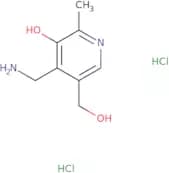
CAS:<p>Thiamine hydrochloride is a water-soluble vitamin that belongs to the group of B vitamins. It has been used as a model system for investigating the phase transition temperature of fatty acids in biological membranes. In addition, it has been shown to enhance thermal expansion and improve chronic exposure in fetal bovine brain cells. Thiamine hydrochloride has also shown insecticidal activity against various species of insects, including the tobacco budworm and the Indianmeal moth. This drug has been found to be active against phytophagous insects that cause crop damage, such as Anthranilate and Pyridoxine Hydrochloride. Thiamine hydrochloride is involved in cellular metabolism by enhancing the conversion of l-lysine into succinic acid via an intermediate product called anthranilate. It also plays an important role in pyridoxal phosphate synthesis, which is essential for protein synthesis and tissue growth.</p>Formula:C12H18Cl2N4OSPurity:Min. 95%Color and Shape:White Off-White PowderMolecular weight:337.27 g/mol5-Amino-N,N'-bis(2,3-dihydroxypropyl)-2,4,6-triiodo-1,3-benzenedicarboxamide
CAS:<p>5-Amino-N,N'-bis(2,3-dihydroxypropyl)-2,4,6-triiodo-1,3-benzenedicarboxamide is an experimental compound that is used in the industrial preparation of pharmaceuticals and agricultural chemicals. It has a molecular weight of 191.14 g/mol. The crystallization process involves the use of ethanol to create supersaturation and then cooling to induce crystallization. This compound can be synthesized by an iodination reaction with x-ray irradiation at low temperatures.</p>Formula:C14H18I3N3O6Purity:Min. 95%Color and Shape:White PowderMolecular weight:705.02 g/molMethyl 3-(((phenylcarbonylamino)thioxomethyl)amino)thiophene-2-carboxylate
CAS:<p>Please enquire for more information about Methyl 3-(((phenylcarbonylamino)thioxomethyl)amino)thiophene-2-carboxylate including the price, delivery time and more detailed product information at the technical inquiry form on this page</p>Formula:C14H12N2O3S2Purity:Min. 95%Color and Shape:PowderMolecular weight:320.39 g/mol4-Acetamido-2'-amino-2-nitrophenyl sulphide
CAS:<p>4-Acetamido-2'-amino-2-nitrophenyl sulphide is a versatile building block that is used as a reagent, speciality chemical, and useful scaffold. It is a complex compound with CAS No. 1017060-37-5. This compound has been shown to be useful in the synthesis of fine chemicals and other research chemicals. 4-Acetamido-2'-amino-2-nitrophenyl sulphide can also be used as an intermediate in reactions or as a reaction component, making it an important building block for high quality compounds.</p>Formula:C14H13N3O3SPurity:Min. 95%Color and Shape:PowderMolecular weight:303.34 g/mol2-Amino-6-bromo-4-methoxyphenol
CAS:<p>2-Amino-6-bromo-4-methoxyphenol (2ABMP) is a benzyl compound that can be used as a substitute for 2,4-diaminophenol. It has been shown to have estrogenic activity and may function as an estrogen receptor agonist. 2ABMP has also been shown to inhibit the growth of breast cancer cells in culture. The role of this drug in the treatment of breast cancer is not yet clear, but it may be useful in combination therapy with other drugs.</p>Formula:C7H8BrNO2Purity:Min. 95%Color and Shape:PowderMolecular weight:218.05 g/mol4-Aminobenzoyl-L-glutamic acid
CAS:<p>4-Aminobenzoyl-L-glutamic acid (PABA) is a dinucleotide phosphate that can be found in human serum. It has been shown to have receptor activity for epithelial mesenchymal cells and is used as a model organism for folate, group p2 polymerase chain reactions (PCR). PABA is also involved in the reaction mechanism of linear calibration curves.</p>Formula:C12H14N2O5Purity:Min. 95%Color and Shape:PowderMolecular weight:266.25 g/mol5-Chloro-3-pyridinamine
CAS:<p>5-Chloro-3-pyridinamine is a catalyst that is used in the synthesis of polymers. It can be used in ring-opening polymerization reactions and is reactive with a variety of functional groups, including aliphatic and aromatic rings. 5-Chloro-3-pyridinamine also has high activity for ring opening polymerizations, which makes it an ideal choice for the synthesis of polymers. This catalyst can be used to control the molecular weight of polymers by dilution or by altering the amount of catalyst used. 5-Chloro-3-pyridinamine has been shown to be biocompatible and biodegradable, making it a good choice for biomedical applications.</p>Formula:C5H5ClN2Purity:Min. 95%Color and Shape:PowderMolecular weight:128.56 g/mol3-Amino-2-piperidinone
CAS:<p>3-Amino-2-piperidinone is a metabolite of ornithine, which is a nonessential amino acid. It is produced by the metabolism of arginine and lysine, both of which are essential amino acids. 3-Amino-2-piperidinone has been found in urine samples from patients with bladder cancer and hyperornithinemia. It has also been detected in saccharomyces cerevisiae strain during energy metabolism experiments. This metabolite can be identified using chromatographic techniques such as gas chromatography and mass spectrometry.<br>3-Amino-2-piperidinone can be used to identify the presence of cancer or metabolic disorders such as hyperornithinemia by measuring its concentration in urine samples or reaction solutions.</p>Formula:C5H10N2OPurity:Min. 95%Color and Shape:PowderMolecular weight:114.15 g/mol6-Bromo-naphthalen-2-ylamine
CAS:<p>6-Bromo-naphthalen-2-ylamine is a chromophore that has been used for the development of novel imaging techniques. This compound has been shown to have synaptic properties and can be used in the study of neurodegenerative diseases. It has also been shown to be an anticancer drug, with staining properties that are useful for the identification of motoneurons. 6-Bromo-naphthalen-2-ylamine is also useful as a fluorescent probe for studies of mechanisms of reaction yield and optical properties.</p>Formula:C10H8BrNPurity:Min. 98%Color and Shape:PowderMolecular weight:222.08 g/mol4-Amino-1-Boc-piperidine
CAS:<p>4-Amino-1-Boc-piperidine is a potent inhibitor of the CCR5 receptor. It is an x-ray crystal structure with a hydroxide solution that inhibits the growth of cancer cells. The inhibitor binding site for 4-Amino-1-Boc-piperidine was determined to be the CCR5 receptor, which is located on the surface of hematopoietic cells. The compound has been shown to inhibit human T lymphocyte proliferation in vitro and inhibit HIV replication in infected patients. 4-Amino-1-Boc-piperidine is able to inhibit the growth of cancer cells by blocking the production of cytokines, such as interleukin 2, that are needed for cell division and growth.</p>Formula:C10H20N2O2Purity:Min. 95%Color and Shape:PowderMolecular weight:200.28 g/mol4,6-Dimethyl-N-phenylpyrimidin-2-amine
CAS:<p>4,6-Dimethyl-N-phenylpyrimidin-2-amine is a fungicide that is effective against the production of nitrite ion in the liver. It has been shown to be a potent inhibitor of hepatic steatosis. 4,6-Dimethyl-N-phenylpyrimidin-2-amine was also shown to have an inhibitory effect on the growth of fungal strains in vitro. This compound has been demonstrated to be active against a number of plant pathogens and may be useful in postharvest applications. 4,6-Dimethyl-N-phenylpyrimidin-2-amine interacts with the hippocampus formation and may play a role in preventing neurodegenerative diseases such as Alzheimer's disease or Parkinson's disease.</p>Formula:C12H13N3Purity:Min. 95%Color and Shape:PowderMolecular weight:199.25 g/mol3-(Methylamino)-3-oxopropanoic acid
CAS:<p>3-(Methylamino)-3-oxopropanoic acid is a metabolite of nitroprusside. It is a potent inhibitor of the uptake of nitrates by cells, which causes cell lysis. 3-(Methylamino)-3-oxopropanoic acid has been shown to inhibit the uptake and transport chain of amino acids in the human metabolism. This results in an accumulation of metabolites that are toxic to cells and can lead to necrosis. 3-(Methylamino)-3-oxopropanoic acid is also a biocide with anti-inflammatory properties. It inhibits monoclonal antibody production by blocking protein synthesis and has been shown to be effective against tumor growth in animal models.</p>Formula:C4H7NO3Purity:Min. 95%Color and Shape:PowderMolecular weight:117.1 g/mol4-(N-Methylamino)benzonitrile
CAS:<p>4-(N-Methylamino)benzonitrile is a chemical compound that has an inhibitory effect on the reaction rate of amines. It is activated in the presence of light and can be used to measure the concentration of amines in solution. The fluorescence emission spectrum of 4-(N-Methylamino)benzonitrile changes with the concentration of amines, which can be detected by a photometer. Kinetic data for this compound show that it has two reaction intermediates and shows a multiexponential decay with a hydrogen bond interaction as well as an inhibitory effect on the reaction rate. This chemical also exhibits thermally activated inhibition properties and has an activation energy constant of 0.3 kcal/mol.</p>Formula:C8H8N2Purity:Min. 95%Color and Shape:PowderMolecular weight:132.16 g/mol3-Aminopropyldiisopropylethoxysilane
CAS:<p>3-Aminopropyldiisopropylethoxysilane (APDS) is a monolayer chemical that is used to modify the surface properties of a variety of substrates. This chemical can be used for patterning, functionalization, and immobilization of biomolecules. APDS has been shown to have a protective effect on cells in culture by preventing oxidation and denaturation of proteins. APDS also has been used for detection methods such as electron microscopy and photoelectron spectroscopy.</p>Formula:C10H29NO2Si3Purity:Min. 95%Color and Shape:Clear LiquidMolecular weight:279.6 g/mol5-Amino-2-chlorobenzonitrile
CAS:<p>5-Amino-2-chlorobenzonitrile is a functional theory that has been optimised for the synthesis of pesticides. It has been shown to have high affinity constants and to be a good potential for monitoring. 5-Amino-2-chlorobenzonitrile is synthesized in the form of monoclonal antibodies, which are then optimised using vibrational frequencies. The parameters of these molecules are optimized by comparing the calculated frequencies with those obtained from experimental data. This theory can be used to develop new pesticides that are less harmful to humans and animals, as well as being more environmentally friendly.</p>Formula:C7H5ClN2Purity:Min. 95%Color and Shape:PowderMolecular weight:152.58 g/molmethyl 2-(4,5-dimethoxy-2-(((3-(trifluoromethyl)phenyl)amino)sulfonyl)phenyl)acetate
CAS:<p>Please enquire for more information about methyl 2-(4,5-dimethoxy-2-(((3-(trifluoromethyl)phenyl)amino)sulfonyl)phenyl)acetate including the price, delivery time and more detailed product information at the technical inquiry form on this page</p>Purity:Min. 95%N-Cyclopropyl-N-tetrahydro-2H-pyran-4-ylamine HCl
CAS:<p>N-Cyclopropyl-N-tetrahydro-2H-pyran-4-ylamine HCl is a fine chemical used as a building block in the synthesis of many compounds. It is also used in research and development, as a reagent, and as a speciality chemical. N-Cyclopropyl-N-tetrahydro-2H-pyran-4-ylamine HCl has been shown to be an excellent intermediate for the synthesis of many different products. This product is versatile and can be used as a building block or scaffold for synthesizing other compounds. N-Cyclopropyl-N-tetrahydro-2H-pyran-4-ylamine HCl has a CAS number of 1158426–65–3.</p>Formula:C8H16NOClPurity:Min. 95%Color and Shape:PowderMolecular weight:177.67 g/mol4-Aminobenzaldehyde polymer
CAS:<p>4-Aminobenzaldehyde polymer is a crystalline solid that is soluble in organic solvents. It can be used as a reaction vessel for acylation reactions, such as the conversion of an acid chloride to the corresponding amide. 4-Aminobenzaldehyde polymer has been shown to react with diazonium salts to form the corresponding diazo compounds in high yields. The electron activity of the molecule was tested by measuring its oxidation potentials and reducing power. 4-Aminobenzaldehyde polymer is functionalized with both nucleophilic and electrophilic groups. This compound also has electrochemical properties, including optical properties and nmr spectra. The control experiments for this substance are sodium nitrate, which does not react with diazonium salts or react with 4-aminobenzaldehyde polymer at all.</p>Formula:(C7H7NO)xPurity:Min. 95%Color and Shape:PowderN1-(6-Methoxy-8-quinolinyl)-1,4-pentanediamine
CAS:<p>Impurity found in Primaquine diphosphate</p>Formula:C15H21N3OPurity:Min. 95%Color and Shape:Yellow PowderMolecular weight:259.35 g/mol4-Carbethoxyaminothiazole
CAS:<p>4-Carbethoxyaminothiazole is a versatile building block for the synthesis of many fine chemicals and complex compounds. It is a reagent that can be used in research, as a speciality chemical, or as an intermediate to produce other useful compounds. 4-Carbethoxyaminothiazole is also a useful scaffold for the synthesis of organic molecules with interesting biological properties.</p>Formula:C6H8N2O2SPurity:Min. 95%Color and Shape:White solid.Molecular weight:172.21 g/mol1H-Pyrrolo[3,2-b]pyridin-7-amine
CAS:<p>1H-Pyrrolo[3,2-b]pyridin-7-amine is a potent inhibitor of cyclization catalysed by 7-azaindole. It was synthesized as a modification of the 7-azaindole synthesis and has been shown to be a lipophilic heterocycle. This compound is not readily soluble in water and can be used for the synthesis of other heterocycles with similar properties. The yields are high and the modifications are easy to make, making this compound an excellent candidate for use in research.</p>Purity:Min. 95%Color and Shape:PowderMolecular weight:133.15 g/molTris(3-Aminopropyl)amine
CAS:<p>Tris(3-Aminopropyl)amine is a polypeptide that binds to copper ions and forms a chelate ring. It also has binding constants with nitrogen atoms, which are important in enzyme activities, biochemical properties, and the molecule's structure. Tris(3-Aminopropyl)amine chelates copper ions and prevents them from reacting with other molecules in the environment. This compound is used as an antioxidant for proteins and other macromolecules. Tris(3-Aminopropyl)amine has been shown to be effective in inhibiting protein synthesis and preventing the growth of bacteria such as E. coli. Tris(3-Aminopropyl)amine is also used to stabilize biomacromolecules such as DNA, RNA, or proteins against chemical modification or degradation by metal ions such as copper or iron. In addition, this compound can be used for water permeability studies because it allows water molecules to penetrate its</p>Formula:C9H24N4Purity:Min. 95 Area-%Color and Shape:Clear LiquidMolecular weight:188.31 g/mol(3-((hydroxyimino)ethyl)-4-methyl(2,5-thiazolyl))phenylamine
CAS:<p>Please enquire for more information about (3-((hydroxyimino)ethyl)-4-methyl(2,5-thiazolyl))phenylamine including the price, delivery time and more detailed product information at the technical inquiry form on this page</p>Formula:C12H13N3OSPurity:Min. 95%Color and Shape:Clear LiquidMolecular weight:247.32 g/molN-amino-2-(4-bromo-3,5-dimethylphenoxy)ethanamide
CAS:<p>Please enquire for more information about N-amino-2-(4-bromo-3,5-dimethylphenoxy)ethanamide including the price, delivery time and more detailed product information at the technical inquiry form on this page</p>Formula:C10H13BrN2O2Purity:Min. 95%Color and Shape:PowderMolecular weight:273.13 g/molDimethylammonium tetrafluoroborate
CAS:Controlled Product<p>Dimethylammonium tetrafluoroborate is a reagent that is used in organic chemistry. It is a solid with a melting point of -56°C and can be synthesized by the reaction of ethyl amine and hexafluoro-2-butyne. This reagent has been used to synthesize quaternary ammonium salts, anions, and aliphatic hydrocarbons. Dimethylammonium tetrafluoroborate is also employed as a solvent for some devices due to its physicochemical properties, including its low boiling point and high dielectric constant.</p>Formula:C2H8BF4NPurity:Min. 95%Molecular weight:132.9 g/molPyrilamine maleate
CAS:<p>Pyrilamine maleate salt is a reagent used for optical rotation measurements. It is also known to be an antihistamine that has been shown to have mutagenic effects on Salmonella typhimurium and other bacteria. Pyrilamine maleate salt inhibits potassium ion transport across the cell membrane, which can lead to hyperpolarization of the cell membrane and inhibition of the uptake of sodium ions. This inhibition leads to an increase in intracellular sodium concentrations, which in turn leads to decreased ATP production.</p>Formula:C17H23N3O•C4H4O4Purity:Min. 95%Color and Shape:PowderMolecular weight:401.46 g/mol3-Amino-1-adamantanol hydrochloride
CAS:<p>3-Amino-1-adamantanol hydrochloride (3AAAH) is a versatile building block that can be used for the synthesis of complex compounds. It has been shown to have a high quality and is useful as a reagent, research chemical, speciality chemical, or useful scaffold in organic synthesis.</p>Formula:C10H17NO·HClPurity:Min. 95%Molecular weight:203.71 g/mol4-Aminosalicylic acid hydrazide
CAS:<p>4-Aminosalicylic acid hydrazide is a reactive functional group that is used as an intermediate in organic synthesis. It has a structural formula of C6H7N3O2 and is a white solid. 4-Aminosalicylic acid hydrazide has been shown to be highly resistant to mycobacterium avium, and can be used for the treatment of tuberculosis. The reactivity of this compound was studied by gravimetric analysis. This reaction is also degradable due to the presence of chloride ions and amido groups.</p>Formula:C7H9N3O2Purity:Min. 95%Color and Shape:PowderMolecular weight:167.17 g/mol2-(1H-Benzoimidazol-2-yl)-ethylamine
CAS:<p>2-(1H-Benzoimidazol-2-yl)-ethylamine is a metal complex that has energies of 2.8 and 2.6 eV. It is an equimolar mixture of the two compounds pyridoxal, pyridoxamine, or their derivatives with a molecular weight of 214.2 g/mol. The crystal structure of this compound was determined by single-crystal x-ray diffraction analysis to be [C(NCH)NH][Mn(OH)(HO)]. This compound has been shown to have an X-ray crystallographic structure that is consistent with the molecular structure and electronic properties reported in the literature.</p>Formula:C9H11N3Purity:Min. 95%Color and Shape:PowderMolecular weight:161.2 g/mol[(2-Methylimidazo[2,1-b][1,3,4]thiadiazol-6-yl)methyl]amine dihydrochloride
CAS:<p>[(2-Methylimidazo[2,1-b][1,3,4]thiadiazol-6-yl)methyl]amine dihydrochloride is a high quality reagent with many uses. It is a complex compound that is used as an intermediate in the synthesis of many other compounds. This chemical has been shown to be useful as a scaffold for drug design and development. It also has been found to be a valuable building block for the synthesis of speciality chemicals and pharmaceuticals. This chemical can be used in reactions as a versatile building block and reaction component.</p>Formula:C6H8N4S·2HClPurity:Min. 95%Color and Shape:White PowderMolecular weight:241.14 g/mol[4-(2-Aminoethoxy)phenyl](phenyl)methanone HCl
CAS:<p>[4-(2-Aminoethoxy)phenyl](phenyl)methanone HCl is a fine chemical that belongs to the group of versatile building blocks. It can be used as a reagent, speciality chemical, useful building block, high quality research chemical, or useful intermediate. The CAS registry number is 1185504-45-3.</p>Formula:C15H15NO2·HClPurity:Min. 95%Color and Shape:White PowderMolecular weight:277.75 g/mol5(6)-Carboxytetramethylrhodamine succinimidyl ester - Mixture of 2 isomers
CAS:<p>5(6)-Carboxytetramethylrhodamine succinimidyl ester is a chemical that can be used as a research chemical, speciality chemical, or a building block in the synthesis of other compounds. It is a high quality product and has been shown to be useful in the synthesis of complex compounds. This compound reacts with amines to form N-hydroxysuccinimide esters and is an excellent reagent for the production of fluorescamine derivatives. 5(6)-Carboxytetramethylrhodamine succinimidyl ester is also an excellent scaffold for the production of other chemicals such as peptides, proteins, and drugs. CAS No: 246256-50-8</p>Formula:C29H25N3O7Purity:Min. 95%Color and Shape:Red PowderMolecular weight:527.52 g/molSolvent Blue 63
CAS:<p>1-[2,(3)-Methylanilino]-4-(methylamino)anthraquinone is a diazo dye that emits light when irradiated with UV-A or UV-B radiation. It is used as a fluorescent stain in electron microscopy to detect and identify the presence of metals and metal oxides in films. The compound is also used in polyvinyl chloride (PVC) films to increase thermal expansion and viscosity. 1-[2,(3)-Methylanilino]-4-(methylamino)anthraquinone may be used as a substrate film for the production of polyurethane foam for furniture cushions and automotive components. The compound can be acylated with fatty acids such as p-hydroxybenzoic acid to give it desirable properties such as lower viscosity, better adhesion, or improved light emission. This reaction can be catalyzed by heat or radiation.</p>Formula:C22H18N2O2Purity:Min. 95%Color and Shape:PowderMolecular weight:342.39 g/molp-Aminophenyldichloroarsine hydrochloride
CAS:<p>p-Aminophenyldichloroarsine hydrochloride (APD) is a reversible alkylating agent that binds to sulphydryls and reversibly inhibits the activity of nicotinic acetylcholine receptors. It is also an arsenical that has been shown to react with other proteins, such as acetylcholine receptor subunits. When it reacts with the acetylcholine receptor, it forms stable complexes and irreversible bonds. This prevents the receptor from functioning normally and leads to paralysis of muscles. The APD also binds to the reactive sites on DNA and blocks rRNA synthesis, leading to cell death.<br>APD is active against many bacteria, including Mycobacterium tuberculosis, but not against Gram-positive bacteria such as staphylococci or streptococci. It is also active against some fungi and protozoa but not against viruses.</p>Formula:C6H7AsCl3NPurity:Min. 95%Color and Shape:PowderMolecular weight:274.41 g/mol2-[[(Heptadecafluorooctyl)Sulphonyl]Methylamino]Ethyl Methacrylate
CAS:Controlled Product<p>2-[[(Heptadecafluorooctyl)Sulphonyl]Methylamino]Ethyl Methacrylate is a substance that belongs to the group of substances. It is a chemical substance with a molecular formula of CH2=C(COOCH2CF3SO2)-N(CH3)2. 2-[[(Heptadecafluorooctyl)Sulphonyl]Methylamino]Ethyl Methacrylate is used as an additive in paints, adhesives and sealants to improve their resistance to water, oil and acid. This substance also has a sulfonate group, which makes it soluble in organic solvents.</p>Formula:C15H12F17NO4SPurity:Min. 95%Molecular weight:625.3 g/molTriethylmethylammonium chloride
CAS:<p>Triethylmethylammonium chloride is a disulfide bond forming agent that reacts with 4-benzoyloxybenzoic acid to produce an inorganic acid. It also reacts with the substrate film to form a nitrogen atom. This product has been used as a phase transition temperature indicator and as a probe for investigating the effects of thermal expansion on electrochemical impedance spectroscopy measurements. Triethylmethylammonium chloride has also been shown to cause acid formation from sodium carbonate, which can be used in the production of hydroxyl groups, amides or fatty acids.</p>Formula:C7H18ClNPurity:Min. 95%Color and Shape:PowderMolecular weight:151.68 g/molSulfur trioxide triethylamine complex
CAS:<p>Sulfur trioxide triethylamine complex is a second-order rate constant for the reaction of ester hydrochloride with carbapenem. It has been shown to have anti-inflammatory properties, which may be due to its inhibition of prostaglandin synthesis. Sulfur trioxide triethylamine complex has also been shown to be an effective inhibitor of pyrazoles and chromatographic analysis at nmr spectra. It has been found to act as a substrate for hydroxyl group, fetal bovine serum, and metabolic disorders in urine samples. Disulfate is a byproduct of this reaction.</p>Formula:C6H15N·SO3Purity:Min. 95%Color and Shape:White PowderMolecular weight:181.25 g/mol3-Amino-3'-nitrobiphenyl hydrochloride
CAS:<p>3-Amino-3'-nitrobiphenyl hydrochloride is a versatile intermediate that can be used in the synthesis of complex compounds. It is a white crystalline solid with a melting point of 178 °C. This product is soluble in water, methanol, ethanol, acetone and chloroform. 3-Amino-3'-nitrobiphenyl hydrochloride has many applications including research chemicals and speciality chemicals.</p>Formula:C12H10N2O2·HClPurity:Min. 95%Color and Shape:PowderMolecular weight:250.68 g/mol3-Amino-2,5,6-trifluorobenzoic acid
CAS:<p>3-Amino-2,5,6-trifluorobenzoic acid is a pharmaceutical agent that can be used in the synthesis of dyestuffs and as a matrix for laser desorption/ionization (LDI) mass spectrometry. 3-Amino-2,5,6-trifluorobenzoic acid has been shown to form crystals that are insoluble in water or organic solvents. The crystal morphology was determined by using XRD and FTIR. 3-Amino-2,5,6-trifluorobenzoic acid also has high concentrations of impurities such as 2,4,6-trichloroaniline and 2-(3,4 dichlorophenyl) ethyl amine.</p>Formula:C7H4F3NO2Purity:Min. 95%Color and Shape:PowderMolecular weight:191.11 g/molPhenoxybenzamine hydrochloride
CAS:<p>Phenoxybenzamine hydrochloride is a drug with pharmacological properties, which is used in the treatment of carcinoid syndrome. It is a combination therapy group that can be used to treat patients with neurological disorders. Phenoxybenzamine inhibits the activity of the 5-HT2 receptors and has been shown to reduce neuronal death. In addition, it has been shown to increase chemiluminescence in cells infected with HIV. Phenoxybenzamine also has effects on cardiac function and can be used to treat congestive heart failure as well as high levels of natriuretic peptides in maternal blood during pregnancy. It has also been shown to be effective against infectious diseases, such as tuberculosis and malaria.</p>Formula:C18H23Cl2NOPurity:Min. 90 Area-%Color and Shape:PowderMolecular weight:340.29 g/molBromotrimethylammoniumbimane bromide
CAS:<p>Bromotrimethylammoniumbimane bromide is a fluorescent molecule that can be used as a probe for protease activity. It is also used to study the α1 subunit of the human histone deacetylase (HDAC) complex, which plays an important role in HIV infection and autoimmune diseases. The redox potential of Bromotrimethylammoniumbimane bromide has been shown to be dependent on its basic structure, with the disulfide bond being the most reactive. This chemical has been shown to have cytosolic Ca2+-dependent effects on cell signaling pathways, including induction of apoptosis and modulation of protein phosphatases.</p>Formula:C13H19Br2N3O2Purity:Min. 95%Color and Shape:PowderMolecular weight:409.12 g/mol5,6-Diamino-2,3-dicyanopyrazine
CAS:<p>5,6-Diamino-2,3-dicyanopyrazine (5,6-DDA) is a synthetic compound that has been shown to emit in the visible region. The emission spectrum of 5,6-DDA shows three peaks at 599 nm, 614 nm, and 637 nm. The molecular orbitals of 5,6-DDA are calculated to be sp2 hybridized with a singlet ground state. This molecule has been shown to form imines with aniline and pyrrole in the presence of chloride ions. It also forms a zn complex with zinc chloride and nitrate ions. The thermolysis of furyl derivatives produces the corresponding anions. 5,6-DDA can also undergo a photochemical reaction with chlorine gas to form its molecular ion at 637 nm.</p>Formula:C6N4N6Purity:(%) Min. 98%Color and Shape:PowderMolecular weight:160.14 g/molIsobutyl 4-aminobenzoate
CAS:<p>Isobutyl 4-aminobenzoate is an anesthetic that has been shown to be effective in epidural anesthesia. It has been evaluated for the prevention of post-epidural pain and found to be chemically similar to lidocaine and bupivacaine. Isobutyl 4-aminobenzoate is also used topically as a nerve block agent.</p>Formula:C11H15NO2Purity:Min. 95%Color and Shape:Yellow PowderMolecular weight:193.24 g/mol2-Amino-3-bromo-5-methylbenzoic acid
CAS:<p>2-Amino-3-bromo-5-methylbenzoic acid is a fatty acid that belongs to the group of undescribed organic acids. It is found in soil as well as in organisms such as bacteria and fungi. The 2-Amino-3-bromo-5-methylbenzoic acid molecule has been shown to be an antibiotic, inhibiting the growth of bacterial strains belonging to the phyla Actinobacteria and Proteobacteria. It may also be present in plants, where it is channeled out through the roots. This fatty acid also has nucleobase properties, which are essential for DNA replication.br>br><br>span style="font-size: 12px;">2 Amino 3 bromo 5 methyl benzoic acid (2ABMB) was first isolated from soil samples collected from a site near Beijing, China. It is one of many undescribed organic acids that are found</p>Formula:C8H8BrNO2Purity:Min. 95%Color and Shape:PowderMolecular weight:230.06 g/molO-(2-Aminoethyl)-O'-(2-azidoethyl)nonaethylene glycol
CAS:<p>O-(2-Aminoethyl)-O'-(2-azidoethyl)nonaethylene glycol is a PEG compound with two different functional groups (also known as heterobifunctional). Unlike homobifunctional PEG compounds (same functional group on both ends), this type of compounds are more versatile as have two different anchor points. O-(2-Aminoethyl)-O'-(2-azidoethyl)nonaethylene glycol is used as a linker and spacer to add a PEG moiety, via pegylation (a bioconjugation technique) to proteins, peptides, oligonucleotides, small molecules and nanoparticles.</p>Formula:C22H46N4O10Purity:Min. 90%Color and Shape:Colorless PowderMolecular weight:526.62 g/mol2-Amino-4-(1H-indol-3-yl)-7,7-dimethyl-5-oxo-5,6,7,8-tetrahydro-4H-chromene-3-carbonitrile
CAS:<p>Please enquire for more information about 2-Amino-4-(1H-indol-3-yl)-7,7-dimethyl-5-oxo-5,6,7,8-tetrahydro-4H-chromene-3-carbonitrile including the price, delivery time and more detailed product information at the technical inquiry form on this page</p>Formula:C20H19N3O2Purity:Min. 95%Color and Shape:PowderMolecular weight:333.38 g/molSodium 2-(3,3-bis(4-(dimethylamino)phenyl)ureido)acetate
CAS:<p>Please enquire for more information about Sodium 2-(3,3-bis(4-(dimethylamino)phenyl)ureido)acetate including the price, delivery time and more detailed product information at the technical inquiry form on this page</p>Formula:C19H23N4NaO3Purity:Min. 95%Molecular weight:378.4 g/mol2-Amino-5-bromobenzoic acid
CAS:<p>2-Amino-5-bromobenzoic acid is a chemical compound that is used to synthesize other pharmaceuticals. It has been shown to have potent antiinflammatory activity and inhibit the growth of certain types of cancer cells. 2-Amino-5-bromobenzoic acid also has antiviral properties, and it inhibits the replication of human immunodeficiency virus type 1 (HIV-1) in cell culture. This drug has been shown to be effective against herpes simplex virus type 1 (HSV-1), varicella zoster virus (VZV), and cytomegalovirus (CMV). 2-Amino-5-bromobenzoic acid is poorly soluble in water; therefore, it can be administered intravenously as a prodrug. The absorption of this drug is dependent on pH levels, with higher concentrations found in acidic environments.</p>Formula:C7H6BrNO2Purity:Min. 95%Color and Shape:PowderMolecular weight:216.03 g/mol4-Aminobenzaldehyde
CAS:<p>4-Aminobenzaldehyde is a molecule that belongs to the class of aromatic compounds. It has a crystalline structure and reacts with acylating agents to form amides. 4-Aminobenzaldehyde has been used for the preparation of diazonium salts, which are reactive intermediates in organic synthesis that can be used as a nucleophile. This compound has been shown to react with sodium nitrate to form an electrochemical data, and it has also been used as a control experiment for nmr spectra.</p>Formula:C7H7NOPurity:Min. 98 Area-%Color and Shape:PowderMolecular weight:121.14 g/molThiamine tetrahydrofurfuryl disulfide
CAS:<p>Thiamine tetrahydrofurfuryl disulfide is a thiamine derivative that has been shown to serve as a cofactor for enzymes such as peptidyl-prolyl cis-trans isomerase, which catalyzes the formation of peptide hormones. It also plays a role in the synthesis of polymers such as cellulose. Thiamine tetrahydrofurfuryl disulfide can be found in crystalline cellulose and is an important component of two-way crossover studies on peptide hormones. This drug has been shown to stimulate oxidative metabolism in cells and may have therapeutic potential for treating conditions associated with oxidative injury, such as stroke, head trauma, and heart attack. <br>Thiamine tetrahydrofurfuryl disulfide may also have a role in the development of inflammatory responses through its interaction with toll-like receptor 4 (TLR4).</p>Formula:C17H26N4O3S2Purity:Min. 98 Area-%Color and Shape:PowderMolecular weight:398.55 g/mol5-Aminovaleric acid
CAS:<p>5-Aminovaleric acid is a cyclic peptide that is an antagonist of the enzyme 5-aminovaleric acid hydrolase that catalyzes the conversion of 5-aminovaleric acid to succinic semialdehyde. The physiological function of 5-aminovaleric acid hydrolase is not known, but it has been implicated in a number of neurological disorders, such as Alzheimer's disease, Parkinson's disease, and amyotrophic lateral sclerosis. The reaction solution contains 5-aminovaleric acid (5AVA), hydrogen fluoride (HF), and l-lysine (Lys). Upon addition of HF to the solution, it reacts with Lys to form a dinucleotide phosphate intermediate. This intermediate then reacts with 5AVA to form an intramolecular hydrogen bond with the amino group of Lys and release hydrogen gas. The detection sensitivity for this reaction can be increased by using a cyclic peptide inhibitor.</p>Formula:C5H11NO2Purity:Min. 95%Color and Shape:Off-White PowderMolecular weight:117.15 g/molErgotamine D-tartrate
CAS:Controlled Product<p>Ergotamine D-tartrate is a drug that belongs to the group of nonsteroidal anti-inflammatory drugs. It is used in the treatment of migraine and other headaches. Ergotamine D-tartrate inhibits the production of nitric oxide, which has been shown to be involved in the process of angiogenesis. This drug also has long-term efficacy for headaches and migraines, as well as an anti-migraine effect. Ergotamine D-tartrate binds to specific receptors on neurons called alpha2 adrenergic receptors, which are located on blood vessels in the brain and have been implicated in migraine pathophysiology. These receptors are not present on vessels elsewhere in the body, which makes ergotamine a more selective drug for migraine than other nonsteroidal anti-inflammatory drugs.</p>Formula:(C33H35N5O5)2•C4H6O6Purity:Min. 95%Molecular weight:1,313.44 g/molAvanafil
CAS:<p>Avanafil is a drug that can be used as a treatment for male erectile dysfunction. It works by inhibiting the production of PDE5, which is an enzyme that regulates the levels of cGMP in the penis. Avanafil has been shown to be effective when taken at a dose of 100 mg; this is because it takes about 30 minutes for avanafil to reach its peak level. Avanafil has a chemical stability that is greater than 12 hours, with an average lifespan of 24 hours. The drug also has no major drug interactions and does not inhibit any other drugs from working.</p>Formula:C23H26ClN7O3Purity:Min. 98 Area-%Color and Shape:White PowderMolecular weight:483.95 g/mol2-((3-Oxocyclohex-1-enyl)amino)benzoic acid
CAS:<p>Please enquire for more information about 2-((3-Oxocyclohex-1-enyl)amino)benzoic acid including the price, delivery time and more detailed product information at the technical inquiry form on this page</p>Formula:C13H13NO3Purity:Min. 95%Color and Shape:PowderMolecular weight:231.25 g/mol[1-(Morpholin-4-ylcarbonyl)butyl]amine hydrochloride
CAS:Controlled Product<p>Please enquire for more information about [1-(Morpholin-4-ylcarbonyl)butyl]amine hydrochloride including the price, delivery time and more detailed product information at the technical inquiry form on this page</p>Formula:C9H18N2O2Purity:Min. 95%Molecular weight:186.25 g/molN,O-Dimethylhydroxylamine hydrochloride
CAS:<p>N,O-Dimethylhydroxylamine hydrochloride is a methyl ketone that is used as an affinity ligand. It is synthesized by the reaction of hydrochloric acid and amide. N,O-Dimethylhydroxylamine hydrochloride has been shown to have growth factor β activity and can be used in the synthesis of analogs. The compound has been shown to have biological properties and can be used as a synthetic pathway for other compounds. N,O-Dimethylhydroxylamine hydrochloride reacts with hydroxyl groups in the presence of a base to form an ether linkage or with amines to form an amide linkage. This compound also has nmr spectra that are similar to those of growth factor.</p>Formula:C2H7NO•HClPurity:Min. 95%Color and Shape:White PowderMolecular weight:97.54 g/mol2,2-dimethyl-5-(((4-phenoxyphenyl)amino)methylene)-1,3-dioxane-4,6-dione
CAS:<p>Please enquire for more information about 2,2-dimethyl-5-(((4-phenoxyphenyl)amino)methylene)-1,3-dioxane-4,6-dione including the price, delivery time and more detailed product information at the technical inquiry form on this page</p>Purity:Min. 95%(PEO)3-Mono-amine
CAS:<p>(PEO)3-Mono-amine is a glucose analogue that is taken up by cells via glucose transporters. It has been shown to inhibit the growth of cancer cells in vitro and in vivo. This molecule can be conjugated with drugs, proteins, or other molecules for targeted delivery to tumor cells. The chemical stability of (PEO)3-Mono-amine makes it a potential candidate for use in on-line glucose sensing devices.</p>Formula:C6H15NO3Purity:Min. 96 Area-%Color and Shape:Clear LiquidMolecular weight:149.19 g/mol[1-(3-Methoxyphenyl)-1-methylethyl]amine hydrochloride
CAS:<p>[1-(3-Methoxyphenyl)-1-methylethyl]amine hydrochloride is an organic compound that can be used as a reagent and a building block. It has been shown to be a useful intermediate in the synthesis of various other compounds, such as pharmaceuticals. This chemical is also used in research, as it is versatile and can react with other compounds easily. [1-(3-Methoxyphenyl)-1-methylethyl]amine hydrochloride can be purchased at our store if you are interested in purchasing this product.</p>Formula:C10H15NO·HClPurity:Min. 95%Color and Shape:PowderMolecular weight:201.69 g/mol4-{[(Dimethylamino)sulfonyl]amino}benzoic acid
CAS:<p>4-{[(Dimethylamino)sulfonyl]amino}benzoic acid is a reagent that is used as an intermediate in the synthesis of complex compounds. It is also a useful scaffold for the synthesis of speciality chemicals and research chemicals. The compound has been shown to be versatile as a building block in organic reactions, such as condensation, esterification, and nitration.</p>Formula:C9H12N2O4SPurity:Min. 95%Color and Shape:Off-White To Brown SolidMolecular weight:244.27 g/mol2-Amino-3-methoxybenzoic acid methyl ester
CAS:<p>2-Amino-3-methoxybenzoic acid methyl ester can be used as a chiral auxiliary in enantioselective synthesis. It is synthesised by reaction of l-valine with methyl iodide, followed by hydrolysis of the resulting ester under basic conditions. 2-Amino-3-methoxybenzoic acid methyl ester is used as a chiral auxiliary for the asymmetric synthesis of d-mannitol and related compounds.</p>Formula:C9H11NO3Purity:Min. 95%Color and Shape:PowderMolecular weight:181.19 g/molN-(Dithiocarboxy)sarcosine diammonium salt
CAS:<p>Dithiocarboxy-sarcosine is a chemical compound that has been used as a reaction component in organic synthesis. It is a fine chemical with CAS number 29664-09-3. Dithiocarboxy-sarcosine can be used as a versatile building block in the synthesis of complex compounds and pharmaceutical intermediates. It is also useful for the preparation of high quality reagents and research chemicals.</p>Formula:C4H13N3O2S2Purity:Min. 95%Color and Shape:PowderMolecular weight:199.3 g/mol4-(3,4-Dimethoxyphenyl)-1,3-thiazol-2-amine
CAS:<p>Please enquire for more information about 4-(3,4-Dimethoxyphenyl)-1,3-thiazol-2-amine including the price, delivery time and more detailed product information at the technical inquiry form on this page</p>Formula:C11H12N2O2SPurity:Min. 95%Molecular weight:236.29 g/molN,N-Dimethyl-(tetrahydro-3,3 diphenyl-2-furilidine)ammonium bromide
CAS:<p>N,N-Dimethyl-(tetrahydro-3,3 diphenyl-2-furilidine)ammonium bromide is a synthetic opioid analgesic and is used in the treatment of severe pain. It has been shown to cause life-threatening cardiac effects, supratherapeutic concentrations, or fatalities in humans and animals. N,N-Dimethyl-(tetrahydro-3,3 diphenyl-2-furilidine)ammonium bromide has also been shown to cause gastrointestinal inflammation in animal models. This drug acts as an agonist at opioid receptors and can be fatal at high doses.</p>Formula:C18H20BrNOPurity:Min. 95%Color and Shape:White PowderMolecular weight:346.26 g/molR-a-Lipoic acid tromethamine salt
CAS:<p>R-a-Lipoic acid tromethamine salt is a reaction component and reagent that is used in the synthesis of high quality chemical products. The compound has many applications, including being a useful scaffold for the synthesis of complex compounds. R-a-Lipoic acid tromethamine salt can be used as a versatile building block or as a fine chemical. This compound is also listed under CAS No. 14358-90-8, which makes it an excellent choice for research chemicals and speciality chemicals.</p>Formula:C8H14O2S2·C4H11NO3Purity:Min. 95%Color and Shape:PowderMolecular weight:327.46 g/mol3-[(4-Chlorophenyl)amino]-5,5-dimethylcyclohex-2-en-1-one
CAS:<p>The compound is a chiral molecule, meaning that it has two different structures. One side of the molecule is the mirror image of the other. The translation and conformation of this molecule are asymmetric because the carbon atoms in its chain are not lined up in a straight line. The hydrogen bonds that form between these chains are also asymmetric, as one side of the molecule has more than one hydrogen bond while the other side only has one hydrogen bond.</p>Formula:C14H16ClNOPurity:Min. 95%Molecular weight:249.74 g/molethyl 2-(4-((4-phenoxyphenyl)amino)-3,5-thiazolyl)acetate
CAS:<p>Please enquire for more information about ethyl 2-(4-((4-phenoxyphenyl)amino)-3,5-thiazolyl)acetate including the price, delivery time and more detailed product information at the technical inquiry form on this page</p>Purity:Min. 95%N-Boc-N, N-bis(2-bromoethyl)amine
CAS:<p>N-Boc-N, N-bis(2-bromoethyl)amine is a versatile building block which can be used to generate complex compounds. It has been used as a reagent in the synthesis of various research chemicals, and as a speciality chemical in the manufacture of herbicides. N-Boc-N, N-bis(2-bromoethyl)amine is also an intermediate for the production of certain pharmaceuticals and as a scaffold for organic syntheses. This compound is also useful as a reaction component in the synthesis of high quality pharmaceuticals with diverse metabolic profiles.</p>Formula:C9H17O2NBr2Purity:Min. 95%Color and Shape:PowderMolecular weight:331.04 g/mol2-[(4-Isopropylphenyl)amino]nicotinic acid
CAS:<p>2-[(4-Isopropylphenyl)amino]nicotinic acid is a fine chemical, useful building block, research chemicals, reagent, speciality chemical and a versatile building block. It is an intermediate in organic synthesis and can be used to form many types of compounds. This compound also has many applications in the field of chemistry including use as a reaction component or as a scaffold. 2-[(4-Isopropylphenyl)amino]nicotinic acid is used in the production of pharmaceuticals, pesticides and other industrial chemicals.</p>Formula:C15H16N2O2Purity:Min. 95%Color and Shape:Yellow PowderMolecular weight:256.3 g/mol1-(2-Dimethylaminoethyl)-5-mercaptotetrazole
CAS:<p>The 1-(2-Dimethylaminoethyl)-5-mercaptotetrazole (DMTT) is a nucleophilic molecule that has been studied extensively in electrochemical impedance spectroscopy. It is a potentiodynamic polarization agent, which is used to study the kinetics of redox reactions. The DMTT has also been shown to be an efficient catalyst for the oxidation of iodomethane to iodine and methanol. This chemical compound can also be used as a medicine due its virulent properties against cancer cells. The DMTT binds to polybenzimidazole and produces morphological changes in the polymer chains, which may be due to its ability to induce aggregation and crosslinking of polybenzimidazole chains. DMTT can also be used as a precursor for other molecules by reacting with polybenzimidazoles under certain conditions.</p>Formula:C5H11N5SPurity:Min. 98 Area-%Molecular weight:173.24 g/mol5,5-dimethyl-2-((phenylamino)sulfanylmethylene)cyclohexane-1,3-dione
CAS:<p>Please enquire for more information about 5,5-dimethyl-2-((phenylamino)sulfanylmethylene)cyclohexane-1,3-dione including the price, delivery time and more detailed product information at the technical inquiry form on this page</p>Formula:C15H17NO2SPurity:Min. 95%Color and Shape:PowderMolecular weight:275.37 g/molMethyl 3-aminothieno[2,3-β]pyridine-2-carboxylate
CAS:<p>Please enquire for more information about Methyl 3-aminothieno[2,3-β]pyridine-2-carboxylate including the price, delivery time and more detailed product information at the technical inquiry form on this page</p>Formula:C9H8N2O2SPurity:Min. 95%Color and Shape:PowderMolecular weight:208.24 g/mol3-Aminobutan-1-ol
CAS:<p>3-Aminobutan-1-ol is an amine that is synthesized industrially by the reduction of soybean trypsin with borohydride. This chemical has been used as a substrate in asymmetric synthesis and can be detected by high detection sensitivity. 3-Aminobutan-1-ol binds to the carbonyl group of amino acid residues and causes a reaction with chloride ions for detection. The product of this reaction is an enantiomer, which can be separated from other reaction products by purified chiral stationary phases. 3-Aminobutan-1-ol is also involved in the biosynthesis of proteins and enzymes. It reacts with hydrochloric acid to form a salt, which can then be used as an enzyme inhibitor.</p>Formula:C4H11NOPurity:Min. 95%Color and Shape:Clear LiquidMolecular weight:89.14 g/mol4-Amino-3-chloro-a-[[(1,1-dimethylethyl)amino]methyl]-5-(trifluoromethyl)benzenemethanol
CAS:Controlled Product<p>4-Amino-3-chloro-a-[(1,1-dimethylethyl)amino]methyl]-5-(trifluoromethyl)benzenemethanol (4ACBEM) is a fluorescent probe for the detection of intracellular Ca2+ levels. It binds to ryanodine receptors in the plasma membrane and can be used as a marker for Ca2+ mobilization in cells. 4ACBEM is used in flow cytometry and has been shown to bind to human serum albumin and other proteins with high affinity. The pharmacokinetics of 4ACBEM has been studied in rats, showing that it is eliminated by hepatic metabolism. This compound has also been shown to have no toxic effects on fetal bovine liver cells in vitro, although it does exhibit some interactions with the matrix that are dependent on the concentration of Ca2+.</p>Formula:C13H18ClF3N2OPurity:Min. 95%Color and Shape:Off-White To Yellow To Orange SolidMolecular weight:310.74 g/molPoly(allylamine) solution - Average MW 15000 15 % aqueous solution
CAS:<p>Poly(allylamine) is a polymer that has antimicrobial properties and can be used to treat wastewater. It is synthesized from allyl bromide, sodium hydroxide, and water. Poly(allylamine) can also inhibit the activity of enzymes such as ATPase and lipase. The polymerization process leads to an increase in the number of hydroxyl groups, which are responsible for the antimicrobial properties. Poly(allylamine) solution has been shown to inhibit cell lysis and tumor growth in animal models.</p>Formula:(C3H7N)nPurity:Min. 95%Color and Shape:Clear Liquid(S)-Chlorpheniramine maleate
CAS:<p>Histamine (H1) antagonist; used to treat allergies</p>Formula:C20H23ClN2O4Purity:Min. 95%Color and Shape:White Off-White PowderMolecular weight:390.86 g/mol2-Aminoterephthalic acid
CAS:<p>2-Aminoterephthalic acid is a sulfa drug that has a skeleton containing two nitrogen atoms. It is a white, crystalline powder and can be dissolved in water. 2-Aminoterephthalic acid is used as an intermediate for the preparation of other sulfa drugs. The detection limit of this compound was determined to be 0.5 mg/L with the use of a chemiluminescence method and fluorescence probe. This compound reacts with acid to form an acid complex that can be detected by plasma mass spectrometry or electrochemical impedance spectroscopy.</p>Formula:C8H7NO4Purity:Min. 97 Area-%Color and Shape:White PowderMolecular weight:181.15 g/mol3-(4-Dimethylaminophenyl)propionic acid hydrochloride
CAS:<p>3-(4-Dimethylaminophenyl)propionic acid hydrochloride is a white crystalline compound that is soluble in water. It has many uses as a building block, reagent, intermediate, or scaffold in organic synthesis due to its versatility and stability. 3-(4-Dimethylaminophenyl)propionic acid hydrochloride can be used as an additive to improve the performance of other substances. In addition, this chemical is a useful building block for the production of research chemicals or speciality chemicals.</p>Formula:C11H15NO2•HClPurity:Min. 95%Molecular weight:229.7 g/molN,N'-Bis(2-hydroxyethyl)ethylenediamine
CAS:<p>N,N'-Bis(2-hydroxyethyl)ethylenediamine is a chemical compound that has been used in the synthesis of a number of drugs. It is an alkanolamine that can be synthesized by the reaction of piperazine with hydroxyethylamine. In addition, N,N'-Bis(2-hydroxyethyl)ethylenediamine has been shown to have biological properties such as being able to stimulate the production of antibodies and citric acid in animals. It also has structural similarities to vitamin B12 and exhibits hydrogen bonding between its molecules. N,N'-Bis(2-hydroxyethyl)ethylenediamine is biodegradable and does not produce significant environmental effects when released into water or soil.</p>Formula:C6H16N2O2Purity:Min. 95 Area-%Color and Shape:White PowderMolecular weight:148.2 g/molPyridoxamine dihydrochloride
CAS:<p>Pyridoxamine dihydrochloride is a dinucleotide phosphate that is used as an antimicrobial agent. It has been shown to be toxic to certain bacteria, such as Staphylococcus aureus and Bacillus subtilis. Pyridoxamine dihydrochloride also has been shown to have inhibitory effects on the growth of yeast and fungi. This compound binds to calcium in the body, which may account for its observed toxicity to organisms that use this element for cellular processes. Pyridoxamine dihydrochloride has also been shown to have effects on the kidney and heart.</p>Formula:C8H14Cl2N2O2Color and Shape:White PowderMolecular weight:241.11 g/mol4-Aminophenylacetonitrile
CAS:<p>4-Aminophenylacetonitrile is a molecule that is structurally similar to nitrobenzene. 4-Aminophenylacetonitrile has been shown to be an efficient method for inhibiting faecalis growth and secretory phospholipase A2 (sPLA2) activity in vitro. It also inhibits the population growth of E. coli in vivo, which can be attributed to its ability to inhibit the enzyme catalysed by hydrogen bond formation.</p>Formula:C8H8N2Purity:Min. 95%Color and Shape:PowderMolecular weight:132.16 g/molethyl 4-(prop-2-enylamino)-3,5-thiazolecarboxylate
CAS:<p>Please enquire for more information about ethyl 4-(prop-2-enylamino)-3,5-thiazolecarboxylate including the price, delivery time and more detailed product information at the technical inquiry form on this page</p>Purity:Min. 95%3-((4-(dimethylamino)phenyl)amino)-5,5-dimethylcyclohex-2-en-1-one
CAS:<p>Please enquire for more information about 3-((4-(dimethylamino)phenyl)amino)-5,5-dimethylcyclohex-2-en-1-one including the price, delivery time and more detailed product information at the technical inquiry form on this page</p>Purity:Min. 95%4,5-Dimethoxy-1,2-phenylenediamine hydrochloride
CAS:<p>Produces fluorescent benzimidazole derivatives; detects aromatic aldehydes</p>Formula:C8H14N2O2•xHClPurity:Min. 98%Color and Shape:Purple PowderMolecular weight:241.11 g/mol


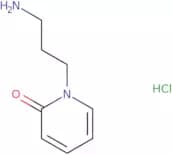
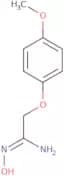
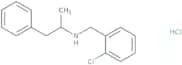
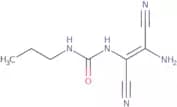
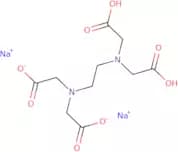
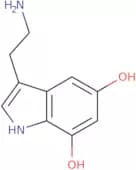
![N-Propyl-4,5,6,7-tetrahydrobenzo[D]thiazol-6-amine](/_next/image/?url=https%3A%2Fstatic.cymitquimica.com%2Fproducts%2F3D%2Fthumb-webp%2FFP65140.webp&w=3840&q=75)
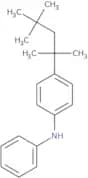
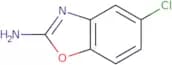
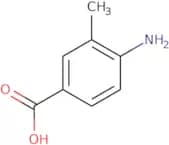
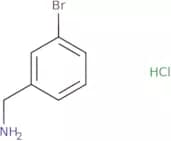
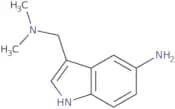
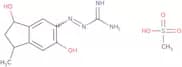
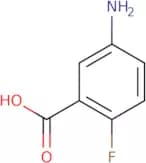
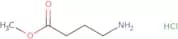
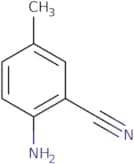
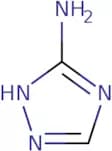
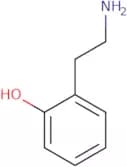
![N-Ethyl-N-nitroso-1-[3-(trifluoromethyl)phenyl]-2-propanamine](/_next/image/?url=https%3A%2Fstatic.cymitquimica.com%2Fproducts%2F3D%2Fthumb-webp%2FFE96581.webp&w=3840&q=75)
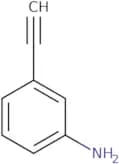
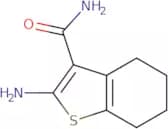
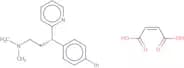
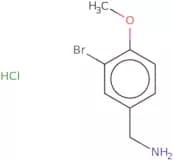
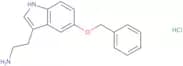

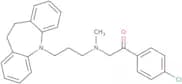
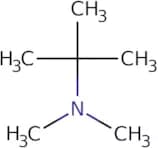
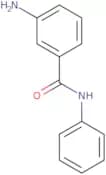

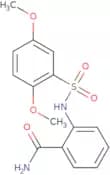
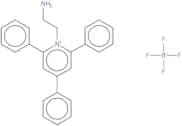
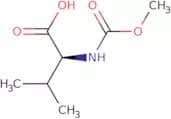
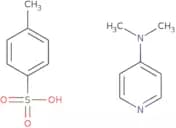
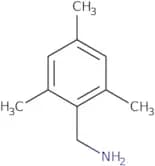
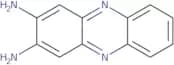
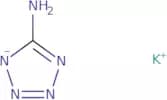
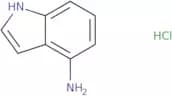
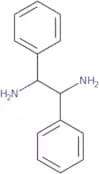
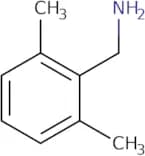

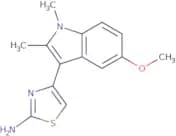
![[2-(4-Chlorophenoxy)ethyl]amine hydrochloride](/_next/image/?url=https%3A%2Fstatic.cymitquimica.com%2Fproducts%2F3D%2Fthumb-webp%2FFC133243.webp&w=3840&q=75)
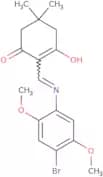
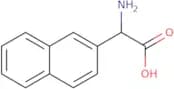
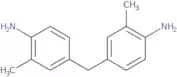
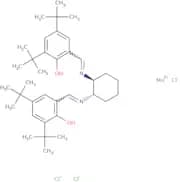
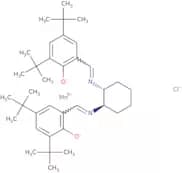

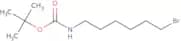

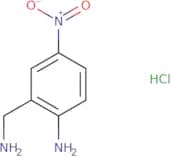
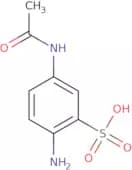
![[(1,2-Dimethyl-1H-imidazol-5-yl)methyl]amine dihydrochloride](/_next/image/?url=https%3A%2Fstatic.cymitquimica.com%2Fproducts%2F3D%2Fthumb-webp%2FFD124269.webp&w=3840&q=75)
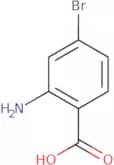
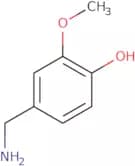
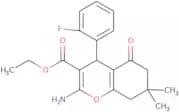

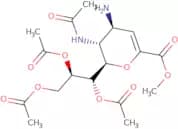
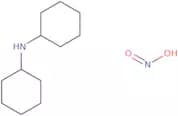
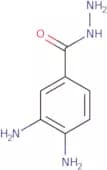
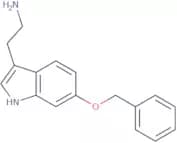

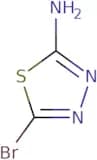
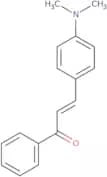
![Sodium 2-[[3-(trifluoromethyl)phenyl]amino]benzoate](/_next/image/?url=https%3A%2Fstatic.cymitquimica.com%2Fproducts%2F3D%2Fthumb-webp%2FFS92420.webp&w=3840&q=75)
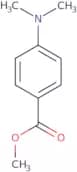
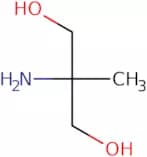
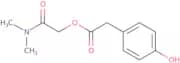
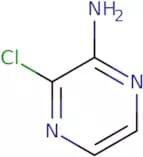
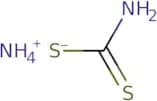
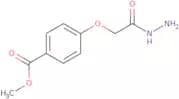
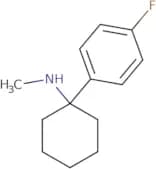

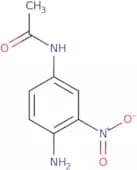
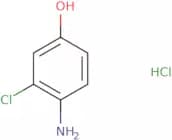
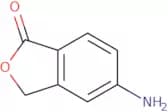
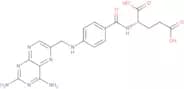
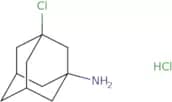
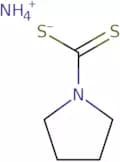
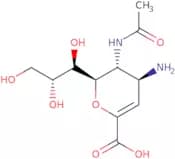
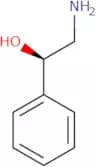

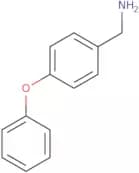
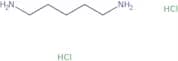

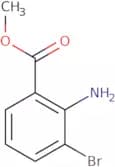
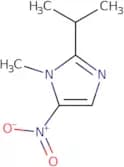
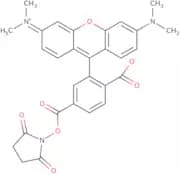
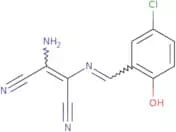
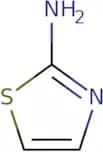

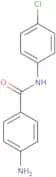
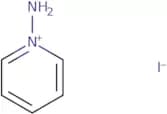
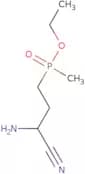


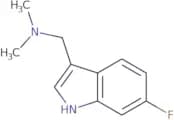
![[4-(2-Methyl-1,3-oxazol-5-yl)phenyl]amine](/_next/image/?url=https%3A%2Fstatic.cymitquimica.com%2Fproducts%2F3D%2Fthumb-webp%2FFM131648.webp&w=3840&q=75)
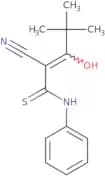
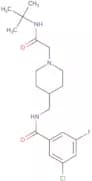
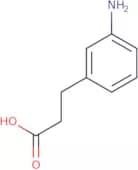
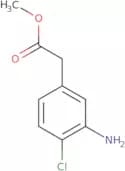

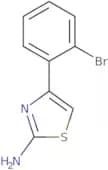

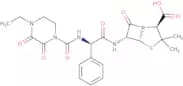
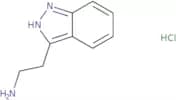
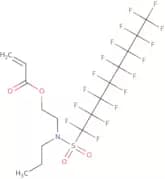
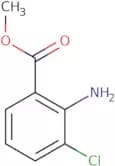
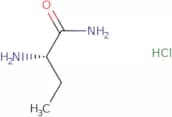
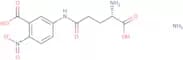
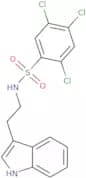
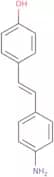
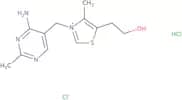

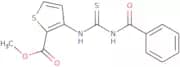
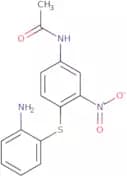
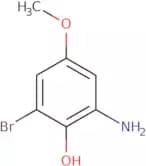
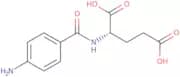
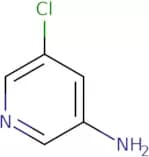
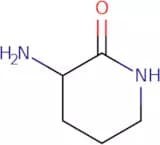

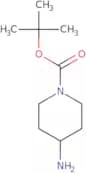
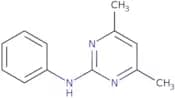
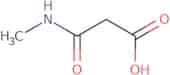
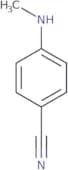
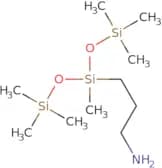
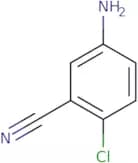
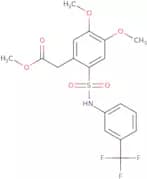
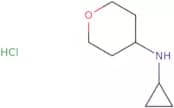
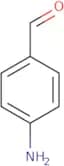
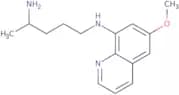
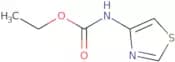
![1H-Pyrrolo[3,2-b]pyridin-7-amine](/_next/image/?url=https%3A%2Fstatic.cymitquimica.com%2Fproducts%2F3D%2Fthumb-webp%2FFP142011.webp&w=3840&q=75)

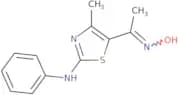
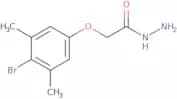
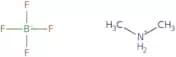
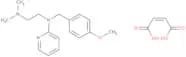
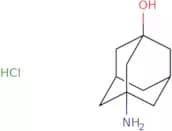
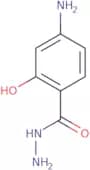
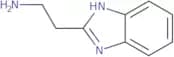
![[(2-Methylimidazo[2,1-b][1,3,4]thiadiazol-6-yl)methyl]amine dihydrochloride](/_next/image/?url=https%3A%2Fstatic.cymitquimica.com%2Fproducts%2F3D%2Fthumb-webp%2FFM123820.webp&w=3840&q=75)
methanone HCl](/_next/image/?url=https%3A%2Fstatic.cymitquimica.com%2Fproducts%2F3D%2Fthumb-webp%2FFA133569.webp&w=3840&q=75)

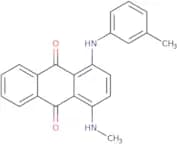
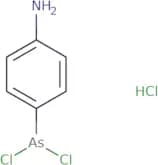
![2-[[(Heptadecafluorooctyl)Sulphonyl]Methylamino]Ethyl Methacrylate](/_next/image/?url=https%3A%2Fstatic.cymitquimica.com%2Fproducts%2F3D%2Fthumb-webp%2FFH98020.webp&w=3840&q=75)
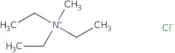

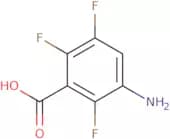
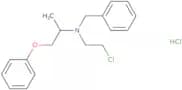
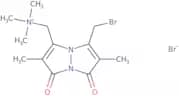
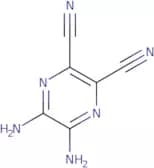
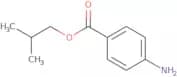
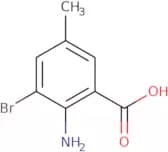

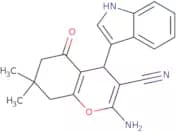
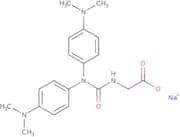
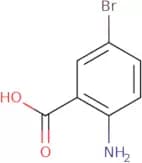
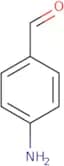
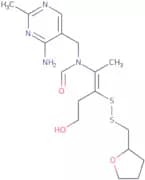
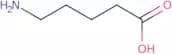

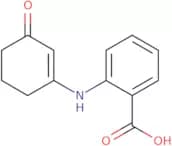
![[1-(Morpholin-4-ylcarbonyl)butyl]amine hydrochloride](/_next/image/?url=https%3A%2Fstatic.cymitquimica.com%2Fproducts%2F3D%2Fthumb-webp%2FFM130676.webp&w=3840&q=75)
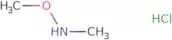
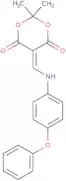

![[1-(3-Methoxyphenyl)-1-methylethyl]amine hydrochloride](/_next/image/?url=https%3A%2Fstatic.cymitquimica.com%2Fproducts%2F3D%2Fthumb-webp%2FFM136868.webp&w=3840&q=75)
![4-{[(Dimethylamino)sulfonyl]amino}benzoic acid](/_next/image/?url=https%3A%2Fstatic.cymitquimica.com%2Fproducts%2F3D%2Fthumb-webp%2FFD132762.webp&w=3840&q=75)
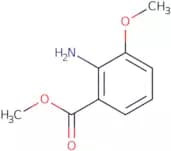
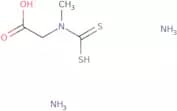
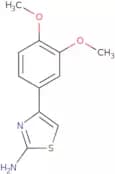
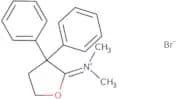
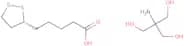
![3-[(4-Chlorophenyl)amino]-5,5-dimethylcyclohex-2-en-1-one](/_next/image/?url=https%3A%2Fstatic.cymitquimica.com%2Fproducts%2F3D%2Fthumb-webp%2FFC123031.webp&w=3840&q=75)
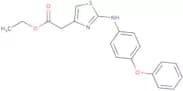

![2-[(4-Isopropylphenyl)amino]nicotinic acid](/_next/image/?url=https%3A%2Fstatic.cymitquimica.com%2Fproducts%2F3D%2Fthumb-webp%2FFI136104.webp&w=3840&q=75)
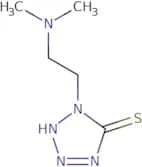
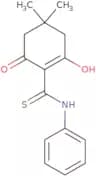
![Methyl 3-aminothieno[2,3-β]pyridine-2-carboxylate](/_next/image/?url=https%3A%2Fstatic.cymitquimica.com%2Fproducts%2F3D%2Fthumb-webp%2FFM57205.webp&w=3840&q=75)
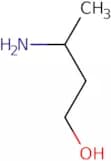
![4-Amino-3-chloro-a-[[(1,1-dimethylethyl)amino]methyl]-5-(trifluoromethyl)benzenemethanol](/_next/image/?url=https%3A%2Fstatic.cymitquimica.com%2Fproducts%2F3D%2Fthumb-webp%2FFA24968.webp&w=3840&q=75)