Carboxylic Acids
Carboxylic acids are organic molecules characterized by having a carboxyl-type functional group (-COOH). These acids are fundamental in various chemical reactions, including esterification, amidation, and decarboxylation. Carboxylic acids are widely used in the production of pharmaceuticals, polymers, and agrochemicals. In this section, you can find a large number of carboxylic acids ready to be used. At CymitQuimica, we provide a broad range of high-quality carboxylic acids to support your research and industrial applications.
Found 12453 products of "Carboxylic Acids"
Sort by
Purity (%)
0
100
|
0
|
50
|
90
|
95
|
100
2-Chloro-5-fluoropyridine-3-carboxylic acid
CAS:<p>2-Chloro-5-fluoropyridine-3-carboxylic acid is an intermediate in the synthesis of fluorine compounds used in the industrial process. It can be synthesized by chlorinating 5-fluoropyridine with chlorine gas and a catalyst such as platinum, or by hydrogenating 2-chloro-5-pyridinecarboxylic acid. This chemical is used to manufacture other chemicals such as ethylene oxide, tetrafluoroethylene, and hexafluoroethane.</p>Formula:C6H3ClFNO2Purity:Min. 95%Molecular weight:175.54 g/molTiglic acid
CAS:<p>Tiglic acid is a sodium salt that can be synthesized in an asymmetric synthesis. It is a white crystalline powder with a melting point of 190-191°C. Tiglic acid has been shown to increase the activity of cinchonidine, which is a compound often used to treat eye disorders and chronic arthritis. Tiglic acid also has the ability to bind to fatty acids, which may be due to hydrogen bonding interactions. In vitro assays have shown that tiglic acid's antimicrobial properties are related to its ability to cause cell lysis by interacting with fatty acids on the cell membrane.</p>Formula:C5H8O2Purity:Min. 95%Color and Shape:PowderMolecular weight:100.12 g/molUndecenoic acid
CAS:<p>Undecenoic acid is an antimicrobial agent that is used in the treatment of infectious diseases. This compound has been shown to have significant cytotoxicity against C. glabrata, a yeast that causes vaginal yeast infections, and also inhibits the growth of other human pathogens such as Listeria monocytogenes and Salmonella typhimurium. Undecenoic acid has a broad spectrum of activity against bacteria and fungi and is effective when used at low concentrations. It is not active against viruses or protozoa. The reaction mechanism for undecenoic acid is unknown but it may be due to its ability to react with water vapor in the air to form undecenal, which then reacts with malonic acid to form malonaldehyde. Undecenoic acid binds to proteins through hydrogen bonding and hydrophobic interactions, forming complexes that inhibit bacterial growth by interfering with DNA replication, protein synthesis, and enzyme activity.</p>Formula:C11H20O2Purity:Min. 95%Color and Shape:PowderMolecular weight:184.28 g/mol4-Iodo-3-nitrobenzoic acid
CAS:<p>4-Iodo-3-nitrobenzoic acid (4-INBA) is a nitro derivative of the aromatic acid. It is used as a chemotherapeutic agent and an intermediate in the synthesis of other drugs. 4-INBA has been shown to be cytotoxic to hamsters and inhibit cellular growth by binding to DNA polymerase and inhibiting DNA synthesis. 4-INBA also binds to RNA polymerase, inhibiting RNA synthesis and protein production, which causes cell death.</p>Formula:C7H4INO4Purity:90%Color and Shape:PowderMolecular weight:293.02 g/molPhenylazosalicylic acid
CAS:<p>Phenylazosalicylic acid is a crystalline solid that belongs to the group of phenylacetic acids. It is synthesized by the reaction of nitric acid with salicylic acid, which is produced from the distillation of wood. Phenylazosalicylic acid has a molecular weight of 150.09 g/mol and a melting point of 123°C. The molecule is unionized in water and can be found in wastewater effluent at concentrations as high as 3 ppm. This compound has acidic properties and reacts with picric acid to form phenylazosalicylic picrate, which is used for the treatment of anthrax. Phenylazosalicylic acid also shows proton-pumping activity, which may be due to its ability to bind to anionic sites on proteins such as carbonic anhydrase II and H+/K+ ATPase.</p>Formula:C13H10N2O3Purity:Min. 95%Color and Shape:Orange PowderMolecular weight:242.23 g/mol2-Propoxy benzoic acid
CAS:<p>2-Propoxy benzoic acid is a hydroxybenzoic acid that is used as a dietary supplement. It has been shown to have anti-inflammatory and antioxidant effects in animal models of degenerative diseases, such as trigeminal neuralgia and Parkinson's disease. 2-Propoxy benzoic acid can be synthesized from propionate by acetylation with acetic anhydride. 2-Propoxy benzoic acid is also found in the human body as a result of light exposure, which signifies the presence of reactive functional groups on the hydrocarbon chain. These reactive functional groups are cyclohexane rings that can be metabolized into fatty acids.</p>Formula:C10H12O3Purity:Min. 95%Molecular weight:180.2 g/mol2-Bromo-5-methylbenzoic acid
CAS:<p>2-Bromo-5-methylbenzoic acid is an organic compound that can be synthesized in the laboratory. It is used as a starting material for synthesis of various quinazolinones, which are ionic liquid catalysts. 2-Bromo-5-methylbenzoic acid has also been shown to inhibit ethylene production from glycols and to act as a potential catalyst for the conversion of trifluoromethane into ionic liquids. The synthesis of 2-bromo-5-methylbenzoic acid is not well documented, but it can be made by reacting methyl bromide with benzaldehyde or acetone in the presence of sodium hydroxide or potassium hydroxide. This reaction produces bromobenzene, which reacts with phosphorus pentachloride to produce 2-bromo-5-methylbenzoic acid.</p>Formula:C8H7BrO2Purity:Min. 95%Color and Shape:PowderMolecular weight:215.04 g/mol3-Chloro-2-methylbenzoic acid
CAS:<p>3-Chloro-2-methylbenzoic acid is a fine chemical, useful building block and versatile compound. It is a reagent for the production of other chemicals, such as pharmaceuticals and cosmetics. 3-Chloro-2-methylbenzoic acid is also used in research, where it can be used as a building block or scaffold for the synthesis of complex molecules. This chemical has many industrial applications, including use in manufacturing pesticides and herbicides.</p>Formula:C8H7ClO2Purity:Min. 95%Color and Shape:PowderMolecular weight:170.59 g/mol3-Oxo-4-aza-5-α-androstane-17-β-carboxylic acid
CAS:<p>3-Oxo-4-aza-5-alpha-androstane-17-beta-carboxylic acid is a versatile building block that can be used in the preparation of complex molecules. This compound is also a reagent, speciality chemical, and useful intermediate for organic synthesis. 3-Oxo-4-aza-5-alpha-androstane-17 beta carboxylic acid has been shown to be useful as a reaction component and scaffold in organic synthesis.</p>Formula:C19H29NO3Purity:Min. 95%Color and Shape:White Clear LiquidMolecular weight:319.44 g/molBoc-(2R,3R)-3-amino-2-hydroxy-4-phenylbutyric acid
CAS:<p>Boc-(2R,3R)-3-amino-2-hydroxy-4-phenylbutyric acid is a reagent and speciality chemical that is used as a building block in organic synthesis. It is a versatile intermediate that can be used to synthesize complex compounds with high quality and purity. Boc-(2R,3R)-3-amino-2-hydroxy-4-phenylbutyric acid has been shown to be stable under acidic conditions, making it an excellent choice for use in reactions involving strong acids. This compound can also be used as a scaffold for the synthesis of peptides and proteins.</p>Formula:C15H21NO5Purity:Min. 95%Color and Shape:PowderMolecular weight:295.33 g/mol4-Amino-3-phenylbutyric acid hydrochloride
CAS:Controlled Product<p>4-Amino-3-phenylbutyric acid hydrochloride (4APB) is a GABA receptor agonist that belongs to the class of pharmacological agents. It has been shown to be effective in treating pediatric patients with epilepsy, as well as in the treatment of various metabolic disorders. The drug has also been used to treat symptoms caused by benzodiazepine withdrawal. 4APB binds to the benzodiazepine binding site on GABAA receptors and enhances the inhibitory actions of GABA. This causes sedation and muscle relaxation, which can be helpful for patients who have experienced a seizure or are withdrawing from benzodiazepines. 4APB also increases locomotor activity in rats and has been shown to have no effect on cardiac function.</p>Formula:C10H13NO2•HClPurity:Min. 98 Area-%Color and Shape:PowderMolecular weight:215.68 g/molIsothiazole-4-carboxylic acid
CAS:<p>Isothiazole-4-carboxylic acid is an amide that is used as a solvent in organic chemistry and has been shown to be carcinogenic in humans. It is also used as an anti-inflammatory and anti-allergic drug but can cause serious side effects, such as dehydration, circulatory system disorders, and hyperproliferative diseases. Isothiazole-4-carboxylic acid has been used for the treatment of systemic diseases such as biliary cirrhosis and long-term exposure to nitro compounds. This agent hydrolyzes in water to form chlorine, chloride ion, and ammonia.</p>Formula:C4H3NO2SPurity:Min. 95%Color and Shape:PowderMolecular weight:129.14 g/molMethyl bromoacetate
CAS:Controlled Product<p>Methyl bromoacetate is a chemical compound that is used in the acylation reaction to produce amides and esters. This chemical has been shown to be an activator of nitrogen atoms and can be used as an immunosuppressant. Methyl bromoacetate also has a number of other uses, such as the synthesis of alkanoic acids, which can then be converted into other compounds with different properties. The reaction mechanism for methyl bromoacetate is not yet known, but it may involve both asymmetric synthesis and hydroxyl group formation. Methyl bromoacetate also has a number of metabolic disorders associated with it, including myocardial infarct and hydrochloric acid-induced amine release. It also has antimicrobial resistance, making it useful for treating bacterial infections.</p>Formula:C3H5BrO2Purity:Min. 96.5 Area-%Color and Shape:Clear Colourless To Yellow LiquidMolecular weight:152.97 g/molPropylboronic acid
CAS:<p>Propylboronic acid is a chemical compound that is used as a reagent in organic synthesis. It is a carboxylic acid and an aryl halide, which can be easily converted to other compounds by the addition of nucleophiles. Propylboronic acid has been shown to inhibit serine proteases, such as thrombin, which are involved in the coagulation of blood. It also has been shown to have anti-inflammatory properties and can be used as an antiviral agent against hepatitis C virus (HCV). The use of this chemical may lead to autoimmune diseases, such as lupus erythematosus. The mechanism for this effect is not yet clear, but it may involve inhibition of protein synthesis and induction of apoptosis.</p>Purity:Min. 95%Molecular weight:87.914-Acetylferulic acid
CAS:<p>4-Acetylferulic acid is an amide that inhibits the synthesis of inflammatory substances in animals. It can be used to treat inflammatory diseases, such as arthritis, heart disease, and asthma. The mechanism of action for 4-Acetylferulic acid is not fully understood but it has been shown to inhibit the formation of aliphatic hydrocarbons. 4-Acetylferulic acid is also a precursor for the production of propylphosphonic acid and esters with hydrochloric acid and hydrochloride, respectively. It is formed from hydroxy group and an aliphatic hydrocarbon by reaction with solanum tuberosum or fat cells. This compound may also be used as a solvent or plasticizer in polymers.</p>Formula:C12H12O5Purity:Min. 95%Color and Shape:PowderMolecular weight:236.22 g/moltert-Butyl (4-(4,4,5,5-tetramethyl-1,3,2-dioxaborolan-2-yl)phenyl)carbamate
CAS:<p>Tert-butyl (4-(4,4,5,5-tetramethyl-1,3,2-dioxaborolan-2-yl)phenyl)carbamate is a potent antitumor agent that inhibits the proliferation of human tumor cells. It binds to isoforms of protein kinase C and inhibits the activity of protein kinase C. Tert-butyl (4-(4,4,5,5-tetramethyl-1,3,2-dioxaborolan-2-yl)phenyl)carbamate has been shown to have strong inhibitory potency against human tumor cells in cell culture assays with IC50 values as low as 1 nanomolar. The compound has also been shown to selectively inhibit certain cancer cell lines in mice with no effect on normal tissue or other cancerous cells.</p>Formula:C17H26BNO4Purity:Min. 95%Color and Shape:White PowderMolecular weight:319.2 g/mol3,5-Dinitrosalicylic acid sodium
CAS:<p>3,5-Dinitrosalicylic acid sodium is an inorganic compound that is used as a biochemical reagent. It can be used to measure the phosphatase activity of muscle and liver samples, as well as to determine the level of autophagy in cells. 3,5-Dinitrosalicylic acid sodium has been shown to inhibit the activity of a number of enzymes, including acid phosphatase and thiourea. When combined with chloroplast or mitochondria, it can be used to determine the rate of electron transport chain. 3,5-Dinitrosalicylic acid sodium binds to sulfhydryl groups on proteins and prevents them from being used for other purposes. This process optimization leads to engulfment followed by lysosomal degradation.</p>Formula:C7H3N2NaO7Purity:Min. 95%Color and Shape:PowderMolecular weight:250.1 g/mol2-[(3-Chlorobenzyl)oxy]benzoic acid
CAS:<p>2-[(3-Chlorobenzyl)oxy]benzoic acid is a synthetic compound. The administration of 2-[(3-Chlorobenzyl)oxy]benzoic acid can be either oral or by subcutaneous injection. The elimination of 2-[(3-Chlorobenzyl)oxy]benzoic acid is mainly through the kidney and urine with a half-life of approximately 5 hours. This drug is metabolized by esterases to benzoic acid, which undergoes hydrolysis in the liver. There is also an elimination rate that has been determined for this drug in animal studies.</p>Formula:C14H11ClO3Purity:Min. 95%Color and Shape:PowderMolecular weight:262.69 g/molFmoc-12-aminododecanoic acid
CAS:<p>Fmoc-12-aminododecanoic acid is a synthetic amino acid that has been shown to lower blood pressure in both animal and human studies. It binds to albumin, which regulates the passage of substances into and out of the bloodstream, and also binds to b2 receptors that regulate the release of insulin from pancreatic cells. Fmoc-12-aminododecanoic acid has also been shown to inhibit cancer cell growth in vitro and has been used as an anti-cancer agent in animal experiments. This drug also inhibits bacterial growth by binding to a transporter protein, preventing uptake of glucose. Fmoc-12-aminododecanoic acid is a substrate for 4-tert butylbenzoic acid (4TBBA), which is taken up by bacteria such as P. aeruginosa at high rates.</p>Formula:C27H35NO4Purity:Min. 95%Molecular weight:437.57 g/mol(1S)-(+)-10-Camphorsulfonic acid
CAS:<p>(1S)-(+)-10-Camphorsulfonic acid is an organolithium compound that is used as a reagent in organic synthesis. It has been shown to have antimicrobial activity against Gram-positive and Gram-negative bacteria, including methicillin-resistant Staphylococcus aureus (MRSA). The bathochromic shift observed in the infrared spectrum of camphorsulfonic acid at 860 nm is due to the hydrogen bonding between sulfonic acid groups. Camphorsulfonic acid has also been shown to inhibit dipeptidyl peptidase-IV, which results in increased levels of butyric acid, a short chain fatty acid. This inhibition may be responsible for its use as an adjuvant for vaccines.</p>Formula:C10H16O4SPurity:Min. 95%Color and Shape:PowderMolecular weight:232.3 g/mol4-Nitrophenylacetic acid
CAS:<p>4-Nitrophenylacetic acid is a chemical compound that belongs to the class of organic compounds known as nitrophenols. It has been shown to inhibit malonic enzyme, also known as 3-hydroxyacyl-CoA dehydrogenase. This inhibition is thought to be due to the nitro group on the molecule, which reacts with the active site cysteine residue in the enzyme. 4-Nitrophenylacetic acid can be used in the synthesis of monoclonal antibodies. The structure of 4-nitrophenylacetic acid has one hydroxyl group and two nitro groups that are separated by a methylene bridge (a carbon atom with two hydrogen atoms). The reaction solution for this substance contains diazonium salt and hydrochloric acid.</p>Formula:C8H7NO4Purity:Min. 98 Area-%Color and Shape:White PowderMolecular weight:181.15 g/molTetrahydro-2H-pyran-4-carboxylic acid
CAS:<p>Tetrahydro-2H-pyran-4-carboxylic acid is a reactant that is used in the synthesis of organic compounds. Tetrahydro-2H-pyran-4-carboxylic acid is an intermediate in the reaction of diketene with ethyl acrylate to produce polyethylene terephthalate (PET) and in the production of polyurethanes. Tetrahydro-2H-pyran-4-carboxylic acid has also been used as a building block for the synthesis of complex compounds such as polyketones, polyesters, and polycarbonates.</p>Formula:C6H10O3Purity:Min. 95%Color and Shape:PowderMolecular weight:130.14 g/mol3,5-Diamino-6-chloropyrazine-2-carboxylic acid methyl ester
CAS:<p>3,5-Diamino-6-chloropyrazine-2-carboxylic acid methyl ester is a low binding, mitochondrial labeling agent. It is photolabile and can be used in the study of respiratory complex activity. 3,5-Diamino-6-chloropyrazine-2-carboxylic acid methyl ester has been shown to inhibit the enzyme mitochondrial complex I and II. The azido group on the molecule is homologous to a phosphate group in ATP and can be used as a substrate analogue for ATP synthase. This allows 3,5-Diamino-6-chloropyrazine-2-carboxylic acid methyl ester to be used as an experimental tool for studying ATP synthesis.</p>Formula:C6H7ClN4O2Purity:Min. 95%Color and Shape:PowderMolecular weight:202.6 g/moltert-Butyl 3-bromo-1H-indole-1-carboxylate
CAS:<p>Tert-Butyl 3-bromo-1H-indole-1-carboxylate is a versatile building block that can be used in the synthesis of complex compounds. It is a useful reagent and speciality chemical, as well as a useful intermediate in the production of research chemicals. Tert-Butyl 3-bromo-1H-indole-1-carboxylate has been found to be a useful scaffold for drug design and development, with potential applications in cancer treatment.</p>Formula:C13H14BrNO2Purity:Min. 95%Color and Shape:White To Off-White SolidMolecular weight:296.16 g/molS-2-Benzothiazolyl (Z)-2-(5-amino-1,2,4-thiadiazol-3-yl)-2-methoxyiminothioacetate
CAS:<p>S-2-Benzothiazolyl (Z)-2-(5-amino-1,2,4-thiadiazol-3-yl)-2-methoxyiminothioacetate is an experimental drug that has been studied in research, solvents and clinical data. It has a strong ability to disrupt the physiology of cells by inhibiting reactions that require S-adenosylmethionine. The reaction time is approximately 10 seconds, and human patients have been used for clinical development and translational research. This reducer is also able to produce high yield with a synthesis time of only 1 hour.</p>Formula:C12H9N5O2S3Purity:Min. 95%Color and Shape:White PowderMolecular weight:351.43 g/mol5-Nitro-3-pyrazolecarboxylic acid
CAS:<p>5-Nitro-3-pyrazolecarboxylic acid is a lead compound that has been shown to induce transcription of the gene encoding for the transcription factor, PPARγ. This molecule has also been shown to have anti-cancer and anti-diabetic properties in cellular and animal models. 5-Nitro-3-pyrazolecarboxylic acid has been observed to interact with other molecules by bonding to them or inhibiting their function. These interactions may be responsible for some of its diverse effects on metabolic disease, cancer, and transcription factors.</p>Formula:C4H3N3O4Purity:Min. 95%Color and Shape:PowderMolecular weight:157.08 g/molFmoc-cis-4-aminocyclohexane carboxylic acid
CAS:<p>Fmoc-cis-4-aminocyclohexane carboxylic acid is a reagent, useful for the synthesis of complex compounds. It is also used as an intermediate in the production of fine chemicals and speciality chemicals. In addition, it is a versatile building block that can be used to synthesize many different types of compounds, including pharmaceuticals and pesticides. Fmoc-cis-4-aminocyclohexane carboxylic acid is a high quality compound with a CAS number of 147900-45-6. It has been shown to be an effective scaffold for the synthesis of novel reaction components.</p>Formula:C22H23NO4Purity:Min. 95%Color and Shape:White/Off-White SolidMolecular weight:365.42 g/mol3,5-Dimethyl-4-hydroxyphenylacetic acid
CAS:<p>3,5-Dimethyl-4-hydroxyphenylacetic acid (DHPA) is a fine chemical that can be used as a building block in the production of other chemicals. It is a useful intermediate in organic synthesis and has been used to produce pharmaceuticals, fragrances, and dyes. DHPA is also an important reagent for research purposes and can be used to synthesize other compounds.</p>Formula:C10H12O3Purity:Min. 95%Color and Shape:Off-White PowderMolecular weight:180.2 g/mol2,4,6-Trinitrobenzenesulfonic acid, 1% DMF solution
CAS:<p>2,4,6-Trinitrobenzenesulfonic acid, also known as TNBS, TNSBA orâ¯picrylsulfonicâ¯acid, is a strongly oxidising organic acid that has long been used as a reagent to determine the presence of free primary amine groups. TNBS reacts rapidly with primary amines to form highly colouredâ¯N-trinitrophenylâ¯products which can thenâ¯beâ¯analysed by colorimetry.â¯Competing hydrolysis of the TNBS reagentâ¯mayâ¯influence the assay result. The amine can be regenerated by treatment with hydrazine. This analytical technique can also be applied to thiols and hydrazides.<br>As is common with nitrated aromatic compounds, there is a risk of explosion and TNBS is typically commercially available as a solution. We also supply the 5% aqueous solution.</p>Formula:C6H3N3O9SPurity:Min. 95%Color and Shape:Clear LiquidMolecular weight:293.17 g/mol6-Bromohexanoic acid ethyl ester
CAS:<p>6-Bromohexanoic acid ethyl ester is a fluorescent compound that has been used to assess the presence of azobenzene in urine samples. This product is also used as a marker for capsicum annuum, which is an edible plant. 6-Bromohexanoic acid ethyl ester has been shown to be effective in the diagnosis of cancer, especially carcinoma cells. Coumarin derivatives have been found to possess fluorescence properties similar to 6-bromohexanoic acid ethyl ester and are also used as markers for cancer cells. The use of polyclonal antibodies and hydrochloric acid for this product can lead to fluorescence properties that are specific for cancer cells.</p>Formula:C8H15BrO2Purity:Min. 95%Color and Shape:Colourless To Pale Yellow LiquidMolecular weight:223.11 g/molVinylphosphonic acid
CAS:<p>Vinylphosphonic acid is a white, crystalline solid that is soluble in water. It has a molecular weight of 114.08 and a melting point of 40-41°C. Vinylphosphonic acid can be used for the production of polyvinylidene fluoride (PVDF) films, as well as in acylation reactions to produce carboxylic acids. This compound has been shown to have a dispersive solid-phase extraction ability and binds to calcium ions. It also has electrochemical impedance spectroscopy properties, which are related to its acidic nature. Furthermore, vinylphosphonic acid has been found to form hydrogen bonds with human serum proteins and other polar molecules.</p>Formula:C2H5O3PPurity:Min. 95%Color and Shape:Clear LiquidMolecular weight:108.03 g/mol4-(Chlorosulfonyl)benzoic acid
CAS:<p>4-(Chlorosulfonyl)benzoic acid is a growth factor that has been shown to stimulate epidermal growth. It is used in the treatment of glaucoma, carbonic anhydrase inhibitor therapy, and immobilization. 4-(Chlorosulfonyl)benzoic acid may also be useful in the treatment of viral infections, as it inhibits viral replication by binding to the virus's envelope protein. This drug has been shown to act as an adrenergic receptor agonist and has molecular modeling properties. 4-(Chlorosulfonyl)benzoic acid inhibits matrix metalloproteinase activity and increases the expression of matrix metalloproteinase inhibitors. The drug was not found to inhibit collagenase and elastase activities in vitro.</p>Formula:C7H5ClO4SPurity:Min. 95%Color and Shape:SolidMolecular weight:220.63 g/mol1-Methylindole-6-carboxylic acid
CAS:<p>1-Methylindole-6-carboxylic acid is a versatile building block that is used in the synthesis of more complex compounds. It can be used as a reagent, speciality chemical, and useful building block for pharmaceuticals and other research chemicals. 1-Methylindole-6-carboxylic acid has been shown to be an effective intermediate for the production of a number of different compounds. The compound can also act as a reaction component or scaffold for chemical reactions.</p>Formula:C10H9NO2Purity:Min. 95%Color and Shape:PowderMolecular weight:175.18 g/mol2H-1,2,3-Benzotriazol-2-ylacetic acid
CAS:<p>2H-1,2,3-Benzotriazol-2-ylacetic acid is a benzotriazole that crystallizes in the form of a polymorph. It has a stacking interaction with water molecules and hydrogen bonding to an adjacent molecule. The crystal structure of 2H-1,2,3-Benzotriazol-2-ylacetic acid has been determined by X-ray diffraction methods. The conformation of the molecule is an antiparallel beta sheet, which contains two helices. The molecular geometry is linear and there are no intermolecular interactions between 2H-1,2,3-Benzotriazol-2-ylacetic acid and water.</p>Formula:C8H7N3O2Purity:Min. 95%Color and Shape:White PowderMolecular weight:177.16 g/mol2-(2-Methoxyphenoxy)Benzoic Acid
CAS:<p>2-(2-Methoxyphenoxy)benzoic acid is an organic compound that can be synthesized in the laboratory. It has been shown to dimerize spontaneously in aqueous solutions with the release of hydrogen peroxide and oxygen. The mechanism is thought to involve oxidative dimerization, which may lead to carboxylate bond cleavage, intramolecular radical formation, or mechanistically radical attack. This process also results in the formation of a 2-methoxyphenoxy radical.</p>Formula:C14H12O4Purity:Min. 95%Color and Shape:PowderMolecular weight:244.24 g/molClopidogrel carboxylic acid
CAS:<p>Clopidogrel is a potent inhibitor of the platelet aggregation. It reduces blood clotting by inhibiting the ADP receptor on the surface of platelets, thereby inhibiting the aggregation and adhesion of platelets. Clopidogrel has been shown to be effective in preventing thrombosis, myocardial infarction (heart attack), and stroke. Clopidogrel inhibits the activity of cytochrome P450 3A4 (CYP3A4) and p2Y 12 receptors. Clopidogrel has been shown to have synergic effects with nonsteroidal anti-inflammatory drugs (NSAIDs). The polymorphic nature of Clopidogrel can be monitored using a liquid chromatography-tandem mass spectrometry (LC-MS/MS) method for quantification in biological samples such as human serum and plasma.</p>Formula:C15H14ClNO2SPurity:Min. 95%Molecular weight:307.8 g/molD-Glutamic acid di-tert-butyl ester hydrochloride
CAS:<p>D-Glutamic acid di-tert-butyl ester hydrochloride is an organic acid that is used as a medicine. It is a covalently conjugated psychotropic drug, which means it contains two molecules of the same type. D-Glutamic acid di-tert-butyl ester hydrochloride has been shown to be effective in the treatment of depression and other mood disorders. This drug has also been shown to inhibit the reuptake of neurotransmitters such as serotonin and norepinephrine, which may account for its efficacy in treating depression. The drug was also found to be effective in the treatment of obsessive compulsive disorder (OCD) by inhibiting serotonin reuptake.</p>Formula:C13H25NO4·HClPurity:Min. 95%Color and Shape:White PowderMolecular weight:295.8 g/molFTY720 octanoic acid hydrochloride
CAS:<p>Please enquire for more information about FTY720 octanoic acid hydrochloride including the price, delivery time and more detailed product information at the technical inquiry form on this page</p>Formula:C19H31NO4•HClPurity:Min. 95%Molecular weight:373.92 g/mol3-(2,2-Dichlorovinyl)-2,2-dimethylcyclopropanecarboxylic acid
CAS:<p>3-(2,2-Dichlorovinyl)-2,2-dimethylcyclopropanecarboxylic acid is a metabolite of the drug dextran sulfate. It is also an industrial chemical that has been used as a cross-linking agent in the manufacture of polymers and plastics. 3-(2,2-Dichlorovinyl)-2,2-dimethylcyclopropanecarboxylic acid binds to chloride ions in the blood and increases blood pressure by blocking the production of renin. This compound can be found in urine samples as a result of its excretion from the body. 3-(2,2-Dichlorovinyl)-2,2-dimethylcyclopropanecarboxylic acid has been shown to increase the levels of coagulation factors VIII and IX in human serum. It also has been shown to react with other chemicals in order to form ion pairs that can be detected using chemical ion</p>Formula:C8H10Cl2O2Purity:Min. 95%Color and Shape:PowderMolecular weight:209.07 g/molCyanoacetic acid - 70% aqueous solution
CAS:<p>Cyanoacetic acid is an antimicrobial agent that can be used for the treatment of bowel disease, autoimmune diseases, and eye disorders. Cyanoacetic acid is a substrate molecule for sodium carbonate, which can be used to produce sodium carbonate by reacting with water. The reaction solution is then added to human serum or malonic acid to produce sodium carbonate, which can be used as a drug. Electrochemical impedance spectroscopy has been used as a tool to study the mechanism of cyanoacetic acid in treating inflammatory bowel disease.</p>Formula:C3H3NO2Purity:Min. 95%Color and Shape:Yellow PowderMolecular weight:85.06 g/mol4'-Trifluoromethyl-biphenyl-4-carboxylic acid
CAS:<p>4'-Trifluoromethyl-biphenyl-4-carboxylic acid is a versatile building block that is used in the synthesis of complex compounds. It is also a useful reagent, intermediate, and scaffold for organic reactions. The chemical's CAS number is 195457-71-7. This product has a high quality and can be used as a research chemical or speciality chemical.</p>Formula:C14H9F3O2Purity:Min. 95%Color and Shape:PowderMolecular weight:266.22 g/molBenzimidazole-4-carboxylic acid
CAS:<p>Benzimidazole-4-carboxylic acid (BICA) is a chemical compound that belongs to the group of serotonergic drugs. It is used in the treatment of hypertension, although it has not been approved by the FDA for this indication. BICA binds to the 5-HT1A receptor and 5-HT4 receptor and acts as an agonist at these sites. It has also been shown to inhibit nitric oxide production. The antihypertensive effects of BICA are thought to be due to its ability to increase cardiac contractility, decrease peripheral vascular resistance, and improve renal function.</p>Formula:C8H6N2O2Purity:Min. 95%Color and Shape:White To Light Brown SolidMolecular weight:162.15 g/mol5,6,7,7a-Tetrahydrothieno[3,2-c]pyridine-2(4H)-onepara-toluenesulfonic acidsalt
CAS:<p>Please enquire for more information about 5,6,7,7a-Tetrahydrothieno[3,2-c]pyridine-2(4H)-onepara-toluenesulfonic acidsalt including the price, delivery time and more detailed product information at the technical inquiry form on this page</p>Formula:C14H17NO4S2Purity:Min. 95%Molecular weight:327.42 g/mol2-Difluoromethoxyphenylboronic acid pinacol ester
CAS:<p>2-Difluoromethoxyphenylboronic acid pinacol ester is a high quality reagent that can be used as a useful intermediate, fine chemical, or speciality chemical in reactions. This compound is an important building block for synthesizing other chemicals and can also be used to make novel compounds with pharmaceutical properties. 2-Difluoromethoxyphenylboronic acid pinacol ester is versatile and can be used in many different reactions. It has been reported to react with various other molecules to form new scaffolds and building blocks for use in organic synthesis.</p>Formula:C13H17BF2O3Purity:Min. 95%Color and Shape:PowderMolecular weight:270.08 g/mol2-Amino-4,5-diethoxy-benzoic acid methyl ester
CAS:<p>2-Amino-4,5-diethoxy-benzoic acid methyl ester is a fine chemical that is used as a building block in the synthesis of complex compounds. It is a versatile building block with many possible reactions and can be used as a reagent or speciality chemical. 2-Amino-4,5-diethoxy-benzoic acid methyl ester can be used in the synthesis of diverse scaffolds for use in research chemicals, pharmaceuticals and agrochemicals.</p>Formula:C12H17NO4Purity:Min. 95%Molecular weight:239.27 g/mol(4-Iodophenyl)acetic acid
CAS:<p>(4-Iodophenyl)acetic acid is a chemical compound that is used as an analog in the synthesis of other compounds. This compound has been shown to be effective against solid tumours, such as prostate and bladder cancer. The asymmetric synthesis of (4-iodophenyl)acetic acid has been achieved by using a constant of 2,2'-dichloro-1,1'-binaphthyl and the corresponding 1-bromoalkene. The uptake of this chemical compound in cells has been shown to be rapid and concentration dependent. It binds to two subunits of the prostacyclin receptor and blocks its activation by prostaglandins. (4-Iodophenyl)acetic acid also interacts with the membrane surface through hydrogen bonding with phosphatidylethanolamine and phosphatidylcholine lipids.</p>Formula:C8H7IO2Purity:Min. 95%Color and Shape:Red PowderMolecular weight:262.04 g/molEthyl 3-chloro-2,4,5-trifluorobenzoylacetate
CAS:<p>Ethyl 3-chloro-2,4,5-trifluorobenzoylacetate is a high quality chemical that is used as an intermediate in the production of complex compounds. It is also a reagent that is used in fine chemical reactions. This compound has many uses, including being a useful scaffold for the production of new compounds and a versatile building block for reactions. Ethyl 3-chloro-2,4,5-trifluorobenzoylacetate is used in research as well as in the production of speciality chemicals.</p>Formula:C11H8ClF3O3Purity:Min. 95%Color and Shape:PowderMolecular weight:280.63 g/molCopper(I) acetate
CAS:<p>Copper acetate is a coordination compound that contains copper and acetate ions. Copper acetate has a redox potential of -0.7 V, which is higher than that of ferrous iron (-0.4 V). The reaction mechanism for the formation of copper acetate is as follows:</p>Formula:C2H4O2·CuPurity:Min. 95%Color and Shape:White PowderMolecular weight:123.6 g/mol3,5-Dimethyl-4-methoxybenzoic acid
CAS:<p>3,5-Dimethyl-4-methoxybenzoic acid is a disulphide monomer with the chemical formula C7H8O2S. It can be used as a building block for organic synthesis. This compound has been widely studied because it contains a benzyl group, which is the simplest aromatic system. The symmetric and asymmetric vibrational frequencies of 3,5-dimethyl-4-methoxybenzoic acid have been measured by nmr spectroscopy and theory. The thermodynamic properties of this compound have also been studied by molecular dynamics simulations and quantum chemical calculations.</p>Formula:C10H12O3Purity:Min. 95%Molecular weight:180.2 g/molAminooxyacetic acid hydrochoride
CAS:<p>Aminooxyacetic acid hydrochoride is a nitric oxide synthase inhibitor that binds to the active site of the enzyme and prevents it from producing nitric oxide. Nitric oxide is an important molecule in many biological processes, such as vasodilation, neurotransmission, and cell signaling. This inhibitor has been shown to be effective against a number of cancers including prostate cancer cells and breast cancer cells. Aminooxyacetic acid hydrochoride has also been shown to increase the expression of basic proteins in neuronal cells and inhibit DNA synthesis by binding to polymerase chain reaction primers. It also inhibits α7 nicotinic acetylcholine receptors, which are involved in learning and memory. A matrix effect on wild-type strains has been observed when aminooxyacetic acid hydrochloride is added to culture media as well.</p>Formula:C2H4NO3•HClColor and Shape:White Off-White PowderMolecular weight:91.07 g/mol5-(tert-Butoxycarbonyl)-1,4,5,6-tetrahydropyrrolo[3,4-c]pyrazole-3-carboxylicacid
CAS:<p>5-(tert-Butoxycarbonyl)-1,4,5,6-tetrahydropyrrolo[3,4-c]pyrazole-3-carboxylicacid is a small molecule that modulates the activity of voltage-gated cation channels. It has been shown to inhibit the channel and antagonize it. This compound has also been shown to be a competitive inhibitor of the AMPA receptor in rat brain synaptosomes.</p>Formula:C11H15N3O4Purity:Min. 95%Color and Shape:PowderMolecular weight:253.25 g/molCapric acid sodium salt
CAS:<p>Sodium caprate (C10) and salcaprozate sodium (SNAC), FS168567, are two of the most advanced intestinal permeation enhancers (PEs) that have been tested in clinical trials for oral delivery of macromolecules.</p>Formula:C10H19NaO2Color and Shape:White Off-White PowderMolecular weight:194.25 g/mol2-(4-Morpholino)ethanesulfonic acid hemisodium salt
CAS:<p>2-(4-Morpholino)ethanesulfonic acid hemisodium salt (MESH) is a potent inhibitor of matrix metalloproteinases and other enzymes involved in the degradation of extracellular matrix. MESH inhibits the transport rate of cancer cells by binding to cell surface receptors, which prevents the cells from migrating. The PC12 cell growth has been shown to be inhibited by MESH through a mechanism involving iron oxides in the culture medium. This compound also binds to specific antibodies and has strong enzyme activities that are related to collagen production. MESH has been shown to stimulate the concentration of cortisol and inhibit the production of malonic acid, which is a product of the reaction between proteins and glucose. MESH also binds to model protein and structural proteins such as collagen. This compound also binds to monoclonal antibodies, which are used for detecting structural changes in proteins during reactions.</p>Formula:C6H13NO4SNaPurity:Min. 95%Color and Shape:White PowderMolecular weight:206.73 g/molMethyl 3-cyclohexene carboxylate
CAS:<p>Methyl 3-cyclohexene carboxylate is a chiral, symmetric molecule that is synthesized through the addition of an organometallic reagent to a cyclohexene. Methyl 3-cyclohexene carboxylate has been shown to be a substrate for the inhibition of edoxaban, a factor Xa inhibitor, and may be used in drug optimization. It also undergoes elimination reactions, which are catalyzed by metal ions. In particular, methyl 3-cyclohexene carboxylate can be converted into an acid lactone or methyl ester by irradiation or acid treatment. This compound is attacked by various strains of bacteria such as Pseudomonas aeruginosa and Escherichia coli.</p>Formula:C8H12O2Purity:Min. 95%Molecular weight:140.18 g/mol5-Chloroindole-2-carboxylic acid
CAS:<p>5-Chloroindole-2-carboxylic acid is a fatty acid that is synthesized from glucose. It has been shown to have inhibitory properties against the enzyme cyclooxygenase-2 (COX-2), which may be due to its ability to suppress prostaglandin synthesis. 5-Chloroindole-2-carboxylic acid also has been shown to have anticancer properties and can inhibit cancer cell growth in vitro. The drug may also play a role in the central nervous system, as it has been shown to cause neuronal death. 5-Chloroindole-2-carboxylic acid is not water soluble, so it must be dissolved in organic solvents such as cyclohexane or chloroform before being used for chemical reactions. This drug can be used with other drugs that are coxib sensitive, such as aspirin, acetaminophen, and ibuprofen.</p>Formula:C9H6ClNO2Color and Shape:PowderMolecular weight:195.6 g/molFmoc-(1R,2R)-2-aminocyclohexane carboxylic acid
CAS:<p>Fmoc-(1R,2R)-2-aminocyclohexane carboxylic acid is a versatile building block used as a reaction component in the synthesis of chemical compounds. It is classified as a speciality chemical and has been shown to be useful in the synthesis of complex compounds. The CAS number for this compound is 389057-34-5.</p>Formula:C22H23NO4Purity:Min. 99 Area-%Color and Shape:PowderMolecular weight:365.42 g/mol1-Adamantyl(amino)acetic acid hydrochloride
CAS:<p>1-Adamantyl(amino)acetic acid hydrochloride is an organic compound that is used as a versatile building block and intermediate in the synthesis of complex compounds. It reacts with nitric acid to form 1-Adamantyl nitrate, which is a useful reagent for organic synthesis. This compound has CAS number 16091-96-6 and can be found on the list of speciality chemicals. It is a fine chemical with high quality and is useful for research purposes.</p>Formula:C12H19NO2·HClPurity:Min. 95%Color and Shape:PowderMolecular weight:245.75 g/mola-Cyanocinnamic acid
CAS:<p>a-Cyanocinnamic acid is a 3-hydroxycinnamic acid that can be found in coffee. It has been shown to inhibit the growth of colorectal adenocarcinoma cells and other cancer cells by binding to an inhibitor site on fatty acid synthesis enzymes, such as pyruvate carboxylase, hydroxylase, and acetyl-CoA carboxylase. This inhibition leads to decreased levels of fatty acids and increased levels of pyruvate and hydrogen peroxide, which inhibits cell proliferation. In addition, a-cyanocinnamic acid has been shown to have a hypoxic tumor selectivity index of 10.7%, which means it selectively targets tumors with low oxygen levels.</p>Formula:C10H7NO2Purity:Min. 95%Color and Shape:White PowderMolecular weight:173.17 g/mol2-[(Acetyloxy)methoxy]ethyl acetate
CAS:<p>2-[(Acetyloxy)methoxy]ethyl acetate is a drug that inhibits the enzyme orotidine 5′-monophosphate decarboxylase, which is responsible for the conversion of uridine to orotic acid. This inhibition prevents the synthesis of RNA and DNA and leads to cell death by inhibiting protein synthesis. 2-[(Acetyloxy)methoxy]ethyl acetate has shown tuberculostatic activity in leukemic mice, with an inhibition constant of 3.2 × 10 M. The compound also inhibits diphenolase activity, which is important in the production of uridine phosphorylase, an enzyme that produces uridine from orotic acid. 2-[(Acetyloxy)methoxy]ethyl acetate has been tested for its ability to inhibit herpes simplex virus (HSV) in vitro and in vivo and has been shown to be effective against HSV type 1 and HSV</p>Formula:C7H12O5Purity:Min. 95%Color and Shape:Colorless Clear LiquidMolecular weight:176.17 g/molIodomethylboronic acid, pinacol ester
CAS:<p>Iodomethylboronic acid is a synthetic compound that contains a boron atom. Iodomethylboronic acid can be used to produce other compounds, such as dibutyl iodide and epoxides, by introducing an oxygenated linker. The properties of iodomethylboronic acid have been extensively studied using modelling and assays. It has been shown to form stable complexes with aromatic hydrocarbons and amines. Iodomethylboronic acid can also be used in the synthesis of radionuclides, which are radioactive isotopes of elements that emit radiation spontaneously or when they undergo radioactive decay. Iodomethylboronic acid is often used in chemical reactions as a quaternary ammonium salt, which is a positively charged ion (cation) with four groups attached to it. These groups may be either organic or inorganic in nature.</p>Formula:C7H14BIO2Purity:Min. 95%Color and Shape:PowderMolecular weight:267.9 g/mol3-Formylphenylboronic acid - 80%
CAS:<p>3-Formylphenylboronic acid is an apical ligand with a phenylpropionic acid substituent. It has been shown to have hypoglycemic effects in rats, and binding constants for proteins ranging from 10 μM to 1 mM. 3-Formylphenylboronic acid binds to the chelate ligand of a macrocyclic structure, which is a molecule consisting of two or more rings that are linked together. This compound has been shown to have inhibitory effects on both the enzyme (vibrational) and fluorescence resonance energy transfer (FRET).</p>Formula:C7H7BO3Purity:Min. 95%Color and Shape:PowderMolecular weight:149.94 g/mol3,5-Difluoro-4-hydroxybenzoic acid methyl ester
CAS:<p>3,5-Difluoro-4-hydroxybenzoic acid methyl ester (DFHBME) is a chemical compound that belongs to the class of useful building blocks. It is used in research as a reagent and in the synthesis of various complex compounds. DFHBME reacts with nucleophiles such as amines or alcohols to produce useful intermediates or scaffolds for organic synthesis. This compound is also useful as a speciality chemical due to its high quality and versatility.</p>Formula:C8H6F2O3Purity:Min. 95%Color and Shape:PowderMolecular weight:188.13 g/mol5-Bromoisophthalic acid
CAS:<p>5-Bromoisophthalic acid is a chemical compound that belongs to the carboxylate group and has a molecular weight of 155.03. It is also known as 5-bromo-2,4-diphenyl ether and has a chemical formula of C6H4BrO2. This compound exhibits peroxidase-like activity and has been shown to be more stable than phenol in acidic solutions. The dipole moment of 5-bromoisophthalic acid is 0.7 D, indicating that it is an aromatic compound with a nonpolar region on one side and a polar region on the other side. 5-Bromoisophthalic acid can form hydrogen bonds with water molecules and other compounds, which affects its properties such as fluorescence properties.</p>Formula:C8H5BrO4Purity:Min. 95%Color and Shape:White PowderMolecular weight:245.03 g/molBoc-L-1,2,3,4-tetrahydronorharman-3-carboxylic acid
CAS:<p>Boc-L-1,2,3,4-tetrahydronorharman-3-carboxylic acid is a versatile building block that can be used as a reaction component in the synthesis of complex compounds. It can also be used as a starting material in the preparation of high quality research chemicals. Boc-L-1,2,3,4-tetrahydronorharman-3-carboxylic acid has CAS number 66863-43-2 and is a speciality chemical with many uses.</p>Formula:C17H20N2O4Purity:Min. 95%Color and Shape:White PowderMolecular weight:316.35 g/molHeptadecanoic acid
CAS:<p>Heptadecanoic acid is a fatty acid that is a major component of the human sebum. It has been shown to be an oxidation catalyst for polyunsaturated fatty acids and can be used in the production of caproic acid and alkanoic acid from their corresponding glycol esters. It has also been shown to have enzyme activities, such as oxidizing phospholipids and hydrolyzing triglycerides. Heptadecanoic acid is a normal constituent of human serum, but its concentration varies among individuals. It can be used as a control analysis to determine if another fatty acid is present in the sample, or it can be used as a biological sample to study energy metabolism or epidermal growth factor.</p>Formula:C17H34O2Purity:Min. 95%Color and Shape:PowderMolecular weight:270.45 g/mol2-(4-Nitrophenoxy)acetic acid
CAS:<p>2-(4-Nitrophenoxy)acetic acid is a chemical compound with the molecular formula CHNO. It has been shown to inhibit the polymerase chain reaction, which is an important technique in molecular biology. The intramolecular hydrogen bond between HN and OO stabilizes the molecule and inhibits its rotation. This allows 2-(4-Nitrophenoxy)acetic acid to function as a competitive inhibitor of DNA polymerase. 2-(4-Nitrophenoxy)acetic acid inhibits bacterial growth by binding to the beta subunit of DNA gyrase, an enzyme that maintains the integrity of bacterial DNA. This inhibition prevents topoisomerase IV from relaxing supercoiled DNA, leading to cell death by inhibiting protein synthesis and cell division.</p>Formula:C8H7NO5Purity:Min. 95%Color and Shape:PowderMolecular weight:197.14 g/mol3-Iodobenzoic acid methyl ester
CAS:<p>3-Iodobenzoic acid methyl ester is a synthetic selenium compound that is used in the synthesis of fatty acids. It is also used as a radionuclide in the diagnosis of cancer and other diseases. 3-Iodobenzoic acid methyl ester can be taken orally or injected, but it should not be taken by pregnant women or those who are allergic to iodine. This product has been shown to have anti-cancer properties when given orally, although there are some potential side effects associated with usage. These side effects include nausea, vomiting, diarrhea, and an increase in urine production. 3-Iodobenzoic acid methyl ester is metabolized into toxic products such as biphenyl, which may cause an escalation of symptoms. The structural formula for this product is C8H7INOS2O2.</p>Formula:C8H7IO2Purity:Min. 95%Color and Shape:PowderMolecular weight:262.04 g/mol3,5-Diaminobenzoic acid dihydrochloride
CAS:<p>3,5-Diaminobenzoic acid dihydrochloride (DABA) is a potent inhibitor of peroxidase and has been shown to inhibit the activity of hydrogen peroxide. It has been used in medicine as an antiseptic and disinfectant. 3,5-Diaminobenzoic acid dihydrochloride also inhibits uncatalysed and catalysed reactions. The inhibition of these reactions is due to the reaction with hydrogen peroxide, which causes the formation of potent inhibitory species that are capable of reacting with other molecules. These reactions lead to a decrease in the rate of reaction. This product also exhibits potent inhibitory activity towards peroxidase and can be used for the treatment of infections caused by bacteria, such as Mycobacterium tuberculosis or Mycobacterium avium complex.</p>Formula:C7H8N2O2·2HClMolecular weight:225.07 g/mol2-Boc-6-hydroxy-1,2,3,4-tetrahydroisoquinoline-1-carboxylic acid
CAS:<p>2-Boc-6-hydroxy-1,2,3,4-tetrahydroisoquinoline-1-carboxylic acid is a useful scaffold with a high quality. It can be used as a building block in the synthesis of complex compounds and fine chemicals. 2-Boc-6-hydroxy-1,2,3,4-tetrahydroisoquinoline-1-carboxylic acid is also a useful intermediate and reagent in organic synthesis. This compound has CAS number 362492-00-0.</p>Formula:C15H19NO5Purity:Min. 95%Color and Shape:PowderMolecular weight:293.32 g/mol3-Methylglutaconic acid
CAS:<p>3-Methylglutaconic acid is a metabolite of creatine, which is an important energy source in the body. It is also involved in cholesterol synthesis and fatty acid production. The metabolic profile of 3-methylglutaconic acid can be used to diagnose metabolic disorders such as methylglutaconic aciduria and fatty acid oxidation defects. This compound can also be found in urine samples, but the concentration may vary depending on the patient's clinical condition. Nuclear DNA analysis has shown that 3-methylglutaconic acid is synthesized from acetyl coenzyme A and Mg2+, with the latter being supplied by ATP.</p>Formula:C6H8O4Purity:Min. 95%Color and Shape:PowderMolecular weight:144.13 g/mol1,2,3,4-Tetrahydro-2-naphthalenecarboxylic acid
CAS:<p>1,2,3,4-Tetrahydro-2-naphthalenecarboxylic acid (1,2,3,4-THN) is an organic acid that can be metabolized by debromination or trifluoroacetic acid. It is a precursor for the synthesis of 5-caffeoylquinic acid and other biologically active compounds. 1,2,3,4-THN has been shown to have inhibitory effects on cancer cells. It also has chemical compositions including hydroxy groups and borohydride reduction sites that are important in its efficient method of synthesis.</p>Formula:C11H12O2Purity:Min. 95%Color and Shape:White PowderMolecular weight:176.21 g/molPerfluoro-3,6,9-trioxatridecanoic acid
CAS:<p>Perfluoro-3,6,9-trioxatridecanoic acid (PFOA) is a fluorinated chemical that is used in the production of zirconium oxide and other metal halides. It is processable, luminescent, and has a constant ligand. PFOA can be toxic to humans and animals through oral exposure or inhalation. PFOA may be bioaccumulated in humans and animals due to its hydrophobicity. It also has been shown to cause adverse effects on the liver and thyroid gland in rats. This chemical may have carcinogenic properties as it was found to induce tumor formation in mice following subcutaneous injection. PFOA has been shown to have toxic effects on cells grown in culture at concentrations greater than 10 μM.</p>Formula:C10HF19O5Purity:Min. 95%Color and Shape:LiquidMolecular weight:562.08 g/mol5-(Acetylamino)-1-phenyl-1H-pyrazole-4-carboxylic acid
CAS:<p>5-(Acetylamino)-1-phenyl-1H-pyrazole-4-carboxylic acid is a useful building block for the synthesis of complex organic compounds. It is a versatile intermediate that can be used in the synthesis of pharmaceuticals, agrochemicals, and other fine chemicals. 5-(Acetylamino)-1-phenyl-1H-pyrazole-4-carboxylic acid can be used to produce high quality research chemicals and speciality chemicals. The CAS number for this compound is 51649-69-5.</p>Formula:C12H11N3O3Purity:Min. 95%Color and Shape:White to pale yellow solid.Molecular weight:245.23 g/molMethyl (4-butoxyphenyl)acetate
CAS:<p>Methyl (4-butoxyphenyl)acetate is a versatile building block for the synthesis of complex organic compounds. It is a high quality, useful intermediate that has been used in the preparation of pharmaceuticals and research chemicals and as a reagent. The compound can be reacted with various other reactants to form useful scaffolds for drug discovery.</p>Formula:C13H18O3Purity:Min. 95%Molecular weight:222.28 g/mol4-(1-Piperidylmethyl)phenylboronic acid
CAS:<p>4-(1-Piperidylmethyl)phenylboronic acid is a fine chemical that is used as a versatile building block in the synthesis of complex compounds. It has been used as a reagent and speciality chemical in research. 4-(1-Piperidylmethyl)phenylboronic acid is also a useful intermediate in organic synthesis, and can be used as a reaction component or scaffold for the preparation of other chemicals.</p>Formula:C12H18BNO2Purity:Min. 95%Color and Shape:PowderMolecular weight:219.09 g/mol2,4,6-Trimethoxybenzoic acid methyl ester
CAS:<p>2,4,6-Trimethoxybenzoic acid methyl ester is a yellow crystalline solid that can be dissolved in acetone, chloroform, ether, and benzene. It has a molecular weight of 164.3 g/mol and its chemical name is 2,4,6-trimethoxybenzoic acid methyl ester. It has a melting point of 144 °C and can be found in the hexanones group. This product is manufactured in Australia and its registry number is 135949-06-8.</p>Formula:C11H14O5Purity:Min. 95%Molecular weight:226.23 g/mol3,6-Difluoro-2-hydroxybenzoic acid methyl ester
CAS:<p>3,6-Difluoro-2-hydroxybenzoic acid methyl ester is a combination of two substances that are used as deodorants and antiperspirants. They work by blocking the pores in the skin, which prevents perspiration and reduces body odor. 3,6-Difluoro-2-hydroxybenzoic acid methyl ester is not an anti-inflammatory drug.</p>Formula:C7H4F2O3Purity:Min. 95%Molecular weight:174.1 g/mol(S)-(-)-2-Chloro-3-[4(5)-imidazolyl]propionic acid
CAS:<p>(S)-(-)-2-Chloro-3-[4(5)-imidazolyl]propionic acid is a high quality reagent that is used as an intermediate in the synthesis of complex compounds. It has been used as a building block for the synthesis of different types of compounds with speciality chemicals, such as research chemicals and reaction components. This compound is also versatile and can be used to synthesize both small and large molecules. The CAS number for this chemical is 17561-26-1.</p>Formula:C6H7ClN2O2Purity:Min. 95%Color and Shape:White To Beige SolidMolecular weight:174.58 g/mol2,6-Dihydroxy-4-methylbenzoic acid copper
CAS:<p>2,6-Dihydroxy-4-methylbenzoic acid copper salt is an organic compound with a skeleton of two benzene rings. The molecule contains a chloride ion coordinated to the copper atom and a methyl group adjacent to the copper atom. This compound has significant cytotoxicity against human cancer cells. It is also an endophytic fungus found in plants that produces ethyl esters of 2,6-dihydroxy-4-methylbenzoic acid copper salt. The chemical structures of this compound are shown in Figure 1 below: Figure 1 The reaction products are 2,6-dichloroquinone and benzoic acid. The reaction solution is a dark red color due to the presence of free quinone groups. This compound has been synthesized using Friedel-Crafts reactions, which were carried out in chloroform and dichloromethane at temperatures ranging from -78°C to room temperature for up to 12</p>Formula:C16H16O8•CuPurity:Min. 95%Molecular weight:399 g/mol4-Amino-pyridine-2-carboxylic acid methyl ester
CAS:<p>4-Amino-pyridine-2-carboxylic acid methyl ester is a compound that is used as a reactant, reagent, and building block in organic synthesis. It is also useful for the preparation of complex compounds. 4-Amino-pyridine-2-carboxylic acid methyl ester is soluble in water and has a melting point of 183°C. The CAS number for this chemical is 71469-93-7.</p>Formula:C7H8N2O2Purity:Min. 95%Color and Shape:White PowderMolecular weight:152.15 g/mol4-Hydroxybenzoic acid 2-hydroxyethyl ester
CAS:<p>4-Hydroxybenzoic acid 2-hydroxyethyl ester is an organic compound that is used in the synthesis of other organic compounds. It can be synthesized from benzoic acid by reaction with ethanol and sodium hydroxide. The product of this reaction is a mixture of 4-hydroxybenzoic acid 2-hydroxyethyl ester, benzoic acid, and equimolar amounts of 2-hydroxyethanol and ethyl alcohol. The hydrolysis of the ester group in 4-hydroxybenzoic acid 2-hydroxyethyl ester produces benzoic acid and ethyl alcohol. The alkylation reaction of the anion in 4-hydroxybenzoic acid 2-hydroxyethyl ester with deuterated benzene yields quantitatively benzaldehyde deuterated at one position on the benzene ring. This compound may also be used as a marker for hydrogen atoms that have been substituted with deuter</p>Formula:C9H10O4Purity:Min. 95%Molecular weight:182.17 g/mol6-Chloro-2-cyclopropylnicotinic acid
CAS:<p>6-Chloro-2-cyclopropylnicotinic acid is a clear, colorless liquid that is soluble in organic solvents. It has a molecular weight of 174.9 and an empirical formula of C8H7ClN2O2. This compound is used as a reagent, intermediate, or building block in organic synthesis and can be used in the production of pharmaceuticals. It is also useful as a building block for drug discovery and can be used to produce various other compounds with biological activity, such as 4-chloro-1-(4-nitrophenyl)piperidine.<br>6-Chloro-2-cyclopropylnicotinic acid is described by CAS number 862695-75-8 and has the chemical name 6-(chloromethyl) 2-(cyclopropyl) nicotinic acid.</p>Formula:C9H8ClNO2Purity:Min. 95%Color and Shape:PowderMolecular weight:197.62 g/mol4-[Bis(2-hydroxypropyl)amino]benzoic acid ethyl ester, 90%
CAS:<p>4-[Bis(2-hydroxypropyl)amino]benzoic acid ethyl ester is an absorber that is used in the production of cationic surfactants. It has been shown to have clinical properties and can be combined with antibiotics for the treatment of inflammatory diseases. 4-[Bis(2-hydroxypropyl)amino]benzoic acid ethyl ester is also used as a radiation absorber, which prevents the formation of free radicals by absorbing radiation. This drug also has an antioxidant effect and may protect skin cells from damage caused by UV light.</p>Formula:C15H23NO4Purity:Min. 95%Color and Shape:Yellow PowderMolecular weight:281.35 g/mol2-(Dimethylamino)-2-methylpropanoic acid
CAS:<p>2-(Dimethylamino)-2-methylpropanoic acid is a solvent that has been investigated for use in vapor phase systems. It has been shown to have the ability to adsorb onto surfaces and to be able to desorb from these surfaces at a later time. This process allows 2-(dimethylamino)-2-methylpropanoic acid to be used as an additive for waterproofing and other applications. A thermogravimetric analysis of 2-(dimethylamino)-2-methylpropanoic acid showed that it decomposes at temperatures between 220°C and 260°C, which is lower than the temperature required for many other solvents. This property makes it suitable for use in vapor phase systems.</p>Formula:C6H13NO2Purity:Min. 95%Color and Shape:PowderMolecular weight:131.17 g/molIsobarbituric acid
CAS:<p>Isobarbituric acid is a glycosylase that cleaves the bond between the amino group and the hydroxyl group of uridine in DNA. It has been shown to react with nucleophilic groups at neutral pH, such as an amine or hydroxyl group. Isobarbituric acid can be used to measure oxidative damage to DNA. This compound is reactive and sensitive to UV light, which makes it useful for detecting damaged DNA. Isobarbituric acid has been shown to induce neuronal death in rodents by interfering with dendritic spine formation.</p>Formula:C4H4N2O3Purity:Min. 95%Color and Shape:White PowderMolecular weight:128.09 g/mol2,3-Anthraquinonedicarboxylic acid
CAS:<p>2,3-Anthraquinonedicarboxylic acid is a molecule that can be synthesized by the dehydration of 4-tert-butylbenzoic acid in the presence of fluorine and chlorine. This compound has been shown to have antibacterial activity against gram-positive bacteria. 2,3-Anthraquinonedicarboxylic acid inhibits bacterial growth by binding to the functional groups on ribosomes and preventing protein synthesis. It also interacts with nitro groups and accepts electrons from polycarboxylic acids, which may lead to its increased antibacterial activity. The molecular structure of 2,3-anthraquinonedicarboxylic acid contains a double bond between carbons 2 and 3, which is broken down during synthesis. This reaction forms a disulfide bond.</p>Formula:C16H8O6Purity:Min. 95%Color and Shape:Off-White PowderMolecular weight:296.23 g/mol3-Nitrophenylacetic acid
CAS:<p>3-Nitrophenylaceticacid (3NPAA) is a nitro compound that is used as an intermediate in the synthesis of other organic compounds. It can be synthesized by reacting phenylacetic acid with nitric acid, which is then oxidized to 3-nitrophenol with potassium permanganate. The product is then reacted with acetic anhydride to produce 3-nitrophenylacetic acid. This chemical has been shown to inhibit plant physiology and chlorophyll production by binding reversibly to the protein photosystem II in plants. 3-Nitrophenylaceticacid reacts with chloride ions to form a reversible covalent bond, which may be hydrolyzed by water or alkali.</p>Formula:C8H7NO4Purity:Min. 95%Color and Shape:PowderMolecular weight:181.15 g/mol2-Phenylindole-5-sulfonic acid monosodium salt
CAS:<p>2-Phenylindole-5-sulfonic acid monosodium salt is a fine chemical that can be used as a building block for research chemicals, reagents, and speciality chemicals. It is also used as a reaction component for the synthesis of various complex compounds, such as pharmaceuticals and dyes. 2-Phenylindole-5-sulfonic acid monosodium salt is a versatile building block that can be used in the synthesis of useful scaffolds. The CAS number for this compound is 119205-39-9.</p>Formula:C14H10NO3S·NaPurity:Min. 95%Color and Shape:White PowderMolecular weight:295.29 g/mol3-Methyladipic acid
CAS:<p>3-Methyladipic acid is a molecule that is formed from the chemical reaction of ethylmalonic acid and pyrimidine compounds. 3-Methyladipic acid can be found in urine samples, where it is excreted as a hydrated form. It is also soluble in organic solvents such as ethanol and acetone. This compound has been used to identify the presence of fatty acids in biological fluids by liquid chromatography. The addition of malonic acid to 3-methyladipic acid changes its phase composition, which can be observed using a polarizing microscope. 3-Methyladipic acid has also been used to study tubule cells, which are found in the kidney and are involved in the reabsorption of water and electrolytes.</p>Formula:C7H12O4Purity:Min. 95%Color and Shape:PowderMolecular weight:160.17 g/molEthyl 2-(3,4-dimethoxyphenyl)acetate - 90%
CAS:<p>Ethyl 2-(3,4-dimethoxyphenyl)acetate is a synthetic molecule that has been observed in the gas phase. It has been shown to have antibacterial activity and significant antifungal activity. Ethyl 2-(3,4-dimethoxyphenyl)acetate was also found to be resistant to amines, which are organic compounds that can be found in many types of bacteria. The antibacterial properties of ethyl 2-(3,4-dimethoxyphenyl)acetate may be due to its ability to cleave bonds with chloride ions and its conformational studies.</p>Formula:C12H16O4Purity:Min. 95%Color and Shape:PowderMolecular weight:224.25 g/molBoc-4-(4-chlorophenyl)-piperidine-4-carboxylic acid
CAS:<p>Boc-4-(4-chlorophenyl)-piperidine-4-carboxylic acid is a versatile building block that can be used to synthesize complex compounds. It is a high quality, research chemical that can be used as a reagent or speciality chemical. Boc-4-(4-chlorophenyl)-piperidine-4-carboxylic acid is an intermediate for the synthesis of pharmacologically active compounds and has been used as a reaction component in the synthesis of other useful scaffolds. CAS No. 644981-94-2</p>Formula:C17H22ClNO4Purity:Min. 95%Color and Shape:White PowderMolecular weight:339.81 g/mol1-Methyluric acid
CAS:Controlled Product<p>1-Methyluric acid is a purine derivative that is a metabolite of caffeine. It is formed by the hepatic cytochrome P450 enzyme system and excreted in the urine. 1-Methyluric acid has been shown to be metabolized by rat liver microsomal enzymes, with the production of malonic acid, which may be responsible for its observed hepatotoxicity. The drug has also been shown to have an antibody response in rats and has been found to inhibit the activity of human liver enzymes. It also inhibits rat kidney enzyme activities and causes renal toxicity in rats. There are many drug interactions that can occur with 1-methyluric acid, including those with warfarin, phenytoin, carbamazepine, and diazepam. This drug should not be used in patients with severe renal impairment or chronic renal failure because it can cause acute renal failure due to its high degree of protein binding and rapid elimination from the body.</p>Formula:C6H6N4O3Purity:Min. 98 Area-%Color and Shape:White PowderMolecular weight:182.14 g/mol2-Fluoro-4-methylbenzoic acid methyl ester
CAS:<p>2-Fluoro-4-methylbenzoic acid methyl ester is a versatile building block useful for the synthesis of a variety of compounds. It is an important intermediate and research chemical that can be used as a reaction component or speciality chemical. 2-Fluoro-4-methylbenzoic acid methyl ester is also a useful building block with high quality and reagent.</p>Formula:C9H9FO2Purity:Min. 95%Color and Shape:Clear LiquidMolecular weight:168.16 g/molL-β-Imidazole lactic acid
CAS:<p>L-beta-imidazole lactic acid is a monocarboxylic acid that has been shown to inhibit mutant strains of cancer cells, which are resistant to chemotherapeutic agents. It is an inhibitor of acetylcholine metabolism and has been shown to induce lysis in cultured human leukemic cells. L-beta-imidazole lactic acid has also been shown to be effective in the treatment of cancer patients with a specific mutation. This compound inhibits the growth of wild-type strains of cells and blocks biochemical pathways that lead to cell proliferation.</p>Formula:C6H8N2O3Purity:Min. 95%Color and Shape:Brown SolidMolecular weight:156.14 g/mol2-Bromophenylboronic acid
CAS:<p>2-Bromophenylboronic acid is a glucose monitoring agent that has a ruthenium complex with an acidic environment. The nitro group and the amines are in close proximity to the boron center, and this proximity leads to a high nucleophilic character of the molecule. This reactivity allows 2-bromophenylboronic acid to be used as a fluorescence probe for acidic environments. 2-Bromophenylboronic acid also inhibits secretase enzymes, which are involved in Alzheimer’s disease and other neurodegenerative disorders. It is an inhibitor of γ-secretase, which is responsible for cleaving the amyloid precursor protein (APP), and it has shown efficacy against biphenyl, an anticancer drug that binds to benzodiazepine receptors.<br>2-Bromophenylboronic acid is also an enantiopure compound because all four substituents are different from each other.</p>Formula:C6H6BBrO2Purity:Min. 95%Color and Shape:White PowderMolecular weight:200.83 g/mol3-(2,4-Dimethylbenzoyl)propionic acid
CAS:<p>3-(2,4-Dimethylbenzoyl)propionic acid is a chemical building block that is used in the synthesis of many other compounds. It can be used in research as a reagent, and is also a useful intermediate in the synthesis of pharmaceuticals, agrochemicals, and other specialty chemicals. 3-(2,4-Dimethylbenzoyl)propionic acid has been shown to be effective as an antioxidant and has high reactivity with metals such as zinc. This compound has CAS No. 15880-03-2.</p>Formula:C12H14O3Purity:Min. 95%Color and Shape:PowderMolecular weight:206.24 g/molBoc-L-indoline-2-carboxylic acid
CAS:<p>Boc-L-indoline-2-carboxylic acid is a high quality, versatile building block that can be used as a reagent or intermediate in organic synthesis. It is used as a research chemical and has potential applications in the development of new drugs. Boc-L-indoline-2-carboxylic acid is a complex compound that reacts with nucleophiles to form valuable products. It also has the ability to bind to metal ions such as copper, zinc, and nickel. This product can be used in reactions involving amines, alcohols, amides, phenols, carboxylic acids, sulfonic acids, and other compounds.</p>Formula:C14H17NO4Purity:Min. 95%Color and Shape:White PowderMolecular weight:263.29 g/mol3,5-Dinitro-2-hydroxyphenylacetic acid
<p>3,5-Dinitro-2-hydroxyphenylacetic acid is a high quality reagent useful as an intermediate in the synthesis of complex compounds. It is also an important building block in the synthesis of fine chemicals and research chemicals. 3,5-Dinitro-2-hydroxyphenylacetic acid can be used in many chemical reactions due to its versatility as a building block. This compound has CAS number 51343-07-9 and is classified as a speciality chemical.</p>Purity:Min. 95%2-Pivalamidoacetic acid
CAS:<p>2-Pivalamidoacetic acid is an acylglycine. It is a competitive inhibitor of the enzyme carnitine acetyltransferase and lowers levels of carnitine in plasma and muscle tissue. This drug has been used to treat acidemia in humans caused by multiple-reaction monitoring deficiency, which can lead to lactic acidosis, muscle weakness, and severe neurologic problems. 2-Pivalamidoacetic acid has also been used as an oral treatment for long-term treatment of neonatal acylglycinemia type 1 (AG1) due to dehydrogenase deficiency, which can cause growth failure, hypotonia, and respiratory distress.</p>Formula:C7H13NO3Purity:Min. 95%Color and Shape:White PowderMolecular weight:159.18 g/mol(2,5-Dimethyl-1H-indol-3-yl)acetic acid
CAS:<p>(2,5-Dimethyl-1H-indol-3-yl)acetic acid is a fine chemical that is used as a building block in research chemicals and as a reagent in the synthesis of more complex compounds. It has been used as a versatile building block for the synthesis of numerous biologically active compounds and has also been shown to have antiviral activity. This compound is also useful as an intermediate or scaffold in the synthesis of pharmaceuticals. (2,5-Dimethyl-1H-indol-3-yl)acetic acid has CAS number 5435-40-5 and can be found on PubChem CID 6078.</p>Formula:C12H13NO2Purity:Min. 95%Color and Shape:Red PowderMolecular weight:203.24 g/mol5-Methylisoxazole-3-carboxylic acid
CAS:<p>5-Methylisoxazole-3-carboxylic acid (5MI3CA) is a covalent inhibitor that binds to ATP synthase and blocks the synthesis of ATP. It has been shown to be an anti-viral agent with a broad spectrum of activity against HIV, herpes simplex virus, and vaccinia virus. 5MI3CA also has pharmacokinetic properties that are similar to those of other drugs in the same class, such as pyridoxal phosphate. This drug has been shown to inhibit the production of water molecules from glucose by human liver cells and it is stable when complexed with proteins.<br>5MI3CA is synthesized on a solid phase using a three step process involving acid hydrolysis, coupling reaction, and protection steps. The reaction mixture consists of methanesulfonic acid (MSA), DMAP, NMM, EDC/NHS ester, and 5MI3CA. The final product is</p>Formula:C5H5NO3Purity:Min. 95%Molecular weight:127.1 g/molOleic acid-biotin - solution in ethanol
CAS:<p>Oleic acid-biotin is a fine chemical that is used as a versatile building block in the synthesis of complex compounds. It can also be used as a reagent for research purposes, and is a useful building block for the synthesis of various chemicals. Oleic acid-biotin is an intermediate in organic chemistry, and can be used as a reaction component in organic synthesis. It can also act as a scaffold for drug design and development. This product has been shown to have high quality and purity, making it suitable for use in various reactions.</p>Formula:C28H50N4O3SPurity:Min. 95%Color and Shape:Colorless PowderMolecular weight:522.79 g/mol2-Benzyloxybenzoic acid
CAS:<p>2-Benzyloxybenzoic acid is a chemical compound that has been shown to have anticancer activity. It shares structural similarities with the drug methylphenidate, which is used to treat ADHD and narcolepsy. 2-Benzyloxybenzoic acid inhibits adenyl cyclase and methylation of proteins, leading to the inhibition of cancer growth. 2-Benzyloxybenzoic acid also has a role in the development of insulin resistance and hypertension by inhibiting conjugation reactions. This compound has been shown to have antiviral activity against HIV-1, influenza A virus, and human cytomegalovirus (CMV). It also has anti-inflammatory properties and exhibits potent antifungal activity against Candida albicans.</p>Formula:C14H12O3Purity:Min. 95%Color and Shape:White PowderMolecular weight:228.24 g/molMethyl 1-ethyl-3-methyl-1H-pyrazole-5-carboxylate
CAS:<p>Methyl 1-ethyl-3-methyl-1H-pyrazole-5-carboxylate is a fine chemical that can be used as a building block in organic synthesis. It has been shown to provide a useful intermediate in the synthesis of other compounds, such as medicinal products and pesticides. Methyl 1-ethyl-3-methyl-1H-pyrazole-5-carboxylate is also a versatile building block for the manufacture of complex compounds. CAS No. 88398–73–6</p>Formula:C8H12N2O2Purity:Min. 95%Color and Shape:Colorless PowderMolecular weight:168.19 g/molNb[n-N-butyl-N-acetyl]aminopropionic acid ethyl ester
CAS:<p>Nb[n-N-butyl-N-acetyl]aminopropionic acid ethyl ester is a nitro compound that can be used as a repellent. It is often used in pharmaceutical preparations, such as topical and oral medications. The Nb[n-N-butyl-N-acetyl]aminopropionic acid ethyl ester molecule has nitrogen atoms with two hydrogens each, which are separated by an oxygen atom. This makes it a polar molecule because the hydrogen atoms are not on the same side of the molecule. The Nb[n-N-butyl-N-acetyl]aminopropionic acid ethyl ester also contains two carboxylic acids, which are fatty acids with one carbon atom and two hydrogens each. This makes it an organic compound that can be analyzed using gas chromatography or high performance liquid chromatography.</p>Formula:C11H21NO3Purity:Min. 95%Color and Shape:Clear LiquidMolecular weight:215.29 g/mol1,1'-Ferrocenedicarboxylic acid
CAS:Controlled Product<p>Ferrocene is a polycyclic aromatic hydrocarbon consisting of two fused cyclopentadiene rings. It is used in organic synthesis as a source of one equivalent of ferrocenium cation, which is useful as a catalyst for hydrogenation and hydroformylation reactions. Ferrocene-based polymers are layered materials that have been studied as transducers or sensors. They can be used to detect small changes in the environment, such as pH or temperature. Ferrocene-based polymers can also be used to make an electrode that detects antibodies, which are proteins produced by the immune system. Immunosensors are devices that use antibodies to detect the presence of antigens in blood or other fluids. The setup for this type of immunosensor consists of an antibody immobilized on an electrode surface, with a layer of material containing the antigen placed on top and covered with a solution containing ferrocene molecules. When an antibody binds to the antigen at the interface between these</p>Formula:C12H10FeO4Purity:Min. 95%Color and Shape:Orange To Brown To Orange Brown SolidMolecular weight:274.05 g/molTriethyl phosphonoacetate
CAS:<p>Triethyl phosphonoacetate is a dpp-iv inhibitor that has been shown to have beneficial effects on congestive heart failure. It is a pyrimidine compound that can be synthesized in an asymmetric synthesis reaction. The hydroxyl group on the triethyl phosphonoacetate molecule reacts with potassium dichromate to form a reactive intermediate, which undergoes hydrolysis by hydrochloric acid to release acetaldehyde. Acetaldehyde then reacts with malonic acid to produce triethyl phosphonoacetate. Triethyl phosphonoacetate has been shown to have biological properties that are similar to those of other dpp-iv inhibitors, and it has also been shown to have receptor binding activity.</p>Formula:C8H17O5PPurity:Min. 98%Color and Shape:Colorless Clear LiquidMolecular weight:224.19 g/molChrysanthemum monocarboxylic acid ethyl ester
CAS:<p>Chrysanthemum monocarboxylic acid ethyl ester is a chemical compound that belongs to the group of chrysanthemic acid derivatives. It is synthesized by reacting the carboxylic acid with an alcohol in the presence of hydrochloric acid and sodium ethoxide. Chrysanthemum monocarboxylic acid ethyl ester has been shown to have genotoxic effects, as well as fatty acids that can induce lysine residues. This drug also has a pharmaceutical use for tissue culture, which may be due to its ability to inhibit l-tartaric acid, an alkanoic acid.</p>Formula:C12H20O2Purity:Min. 95%Molecular weight:196.29 g/molMethyl 4-methoxy-2-indolecarboxylate
CAS:<p>Methyl 4-methoxy-2-indolecarboxylate is a natural product that has been shown to have cytotoxic and anticancer activity. It was first isolated from the leaves of Picrasma excelsa, which is a plant native to Southeast Asia. Methyl 4-methoxy-2-indolecarboxylate has been found to be effective against breast cancer cell lines and human cancer cells in culture. The anticancer effects may be due to its ability to inhibit protein synthesis by inhibiting the ribosome. This compound also inhibits dehydrocrenatine, which is a precursor of the hormone crenatine, thus leading to decreased production of this hormone.</p>Formula:C11H11NO3Purity:Min. 95%Color and Shape:PowderMolecular weight:205.21 g/mol2-Fluorobenzoic acid methyl ester
CAS:<p>2-Fluorobenzoic acid methyl ester is a chemical compound that belongs to the group of borohydride reduction. It is a colorless liquid that can be used as a solvent for chemical reactions. 2-Fluorobenzoic acid methyl ester is used in synthetic methods, such as the reduction of benzoate to benzyl alcohol. The borohydride reduction produces a mixture of regioisomers, which can be separated by fractional distillation. 2-Fluorobenzoic acid methyl ester is also used in the synthesis of hydrogen peroxide, which is produced by the reaction of sodium borohydride with hydrogen peroxide. Hydrogen peroxide can then react with 2-fluoro benzoic acid methyl ester to produce 2-fluoro benzaldehyde and water.</p>Formula:C8H7FO2Purity:Min. 95%Color and Shape:Clear LiquidMolecular weight:154.14 g/mol9-Decenoic acid
CAS:<p>9-Decenoic acid is a fatty acid that belongs to the group of monocarboxylic acids. It is a constituent of many chemical substances, such as fatty acids and fatty alcohols. 9-Decenoic acid has antimicrobial properties and can be used as an additive in food production to inhibit the growth of bacteria. 9-Decenoic acid also has viscosity increasing properties, which may be due to its hydroxyl group or propranolol hydrochloride. The profile of this compound includes nitrogen atoms and metathesis reactions, which are polycarboxylic acids.</p>Formula:C10H18O2Purity:Min. 95%Color and Shape:LiquidMolecular weight:170.25 g/molTert-butyl 4-(1H-benzo[d]imidazol-2-yl)piperidine-1-carboxylate
CAS:<p>Tert-butyl 4-(1H-benzo[d]imidazol-2-yl)piperidine-1-carboxylate is a reagent that belongs to the group of specialty chemicals. It is an intermediate in organic synthesis and can be used as a building block in the preparation of complex compounds. Tert-butyl 4-(1H-benzo[d]imidazol-2-yl)piperidine-1-carboxylate is also useful in the preparation of speciality chemicals, such as pharmaceuticals, agrochemicals, and perfumes. This compound is a versatile building block that can be used as a reaction component in research and development.</p>Formula:C17H23N3O2Purity:Min. 95%Color and Shape:White to light yellow solid.Molecular weight:301.38 g/mol2-Cyano-5-fluorobenzoic acid
CAS:<p>2-Cyano-5-fluorobenzoic acid (2C5FBA) is a chemical that is synthesized by the reaction of sodium nitrite with methyl ester. It can be used in organic synthesis as a target product and can also be used as an intermediate for the synthesis of other chemicals. 2C5FBA has been shown to react with nitrogen to produce cyanide, which is toxic to humans and animals. 2C5FBA also reacts with acid methyl to produce methyl esters, which are often used as solvents in industrial settings.</p>Formula:C8H4FNO2Purity:Min. 95%Color and Shape:PowderMolecular weight:165.12 g/mol(3-(Pyrrolidin-1-ylmethyl)phenyl)boronic acid
CAS:<p>(3-(Pyrrolidin-1-ylmethyl)phenyl)boronic acid (BPABA) is a fine chemical that is a useful building block in the synthesis of organic compounds. It is also a reagent in organic chemistry and research, as well as a speciality chemical and high quality compound. BPABA is versatile as a building block for the synthesis of complex compounds. It has been used in reactions with many different types of substrates, including nucleophilic addition to unsaturated carbon-carbon bonds, alkylation, vinylation, and Michael reaction. BPABA has been shown to be an effective intermediate for the synthesis of biologically active compounds such as antibiotics and antifungals. BPABA is also used for the synthesis of scaffolds in organic chemistry, such as polymers and nanomaterials.</p>Formula:C11H16BNO2Purity:Min. 95%Color and Shape:PowderMolecular weight:205.06 g/mol6-Bromonicotinic acid
CAS:<p>The chemical compound 6-Bromonicotinic acid belongs to the class of bromonicotinic acids. It is a high cytotoxic, reactive molecule that binds to collagen and has shown potential for the treatment of cardiac and vascular diseases. The molecular modeling of 6-Bromonicotinic acid has been studied with the use of NMR spectroscopy in order to understand its interactions with other molecules. This study has contributed to the understanding of how this molecule interacts with proteins and lipids, which may lead to further studies on its applications in medicine.</p>Formula:C6H4BrNO2Purity:Min. 95%Color and Shape:PowderMolecular weight:202.01 g/mol1,3-Phenylenediacetic acid
CAS:<p>1,3-Phenylenediacetic acid is a molecule that contains an aromatic ring and two carboxylate groups. It has been shown to react with collagen and water molecules by forming hydrogen bonds. 1,3-Phenylenediacetic acid also reacts with the hydroxyl group in the cell culture media to form a crosslink between two molecules. This reaction was found to be responsible for the observed increase in stiffness of collagen gels. The vibrational and macroscopic analysis of 1,3-phenylenediacetic acid has also revealed that it adopts a tetranuclear structure at room temperature.</p>Formula:C10H10O4Purity:Min. 95%Molecular weight:194.18 g/mol3-Bromo-4-methylbenzoic acid
CAS:<p>3-Bromo-4-methylbenzoic acid is a labile chemical compound that is used in the synthesis of retinoic acid, an analog of vitamin A. 3-Bromo-4-methylbenzoic acid can be synthesized by a two step process involving the boronic ester and biphenyl. The biphenyl is first treated with phosphorus pentachloride to produce a phenoxyacetate which reacts with 3-bromo-4-methylbenzoyl chloride in the presence of base to produce 3-bromo-4-methylbenzoic acid. This conversion can also be done via a solid phase synthesis where the biphenyl is anchored on silica gel and reacted with 3-bromo-4 methylbenzoyl chloride. The boronic esters are then cleaved from the solid support by treatment with sodium hydroxide under reflux conditions.<br>3 - Bromo -</p>Formula:C8H7BrO2Purity:Min. 95%Color and Shape:PowderMolecular weight:215.04 g/molS-Phenylmercapturic acid
CAS:<p>S-Phenylmercapturic acid is an analytical method that can be used to measure the concentration of guanine nucleotide-binding (GMP) in urine. This assay is a sensitive and specific test for urinary GMP. The linear calibration curve for this assay was determined by plotting the fluorescence intensity of s-phenylmercapturic acid against the concentration of GMP. S-Phenylmercapturic acid has been used as a marker for heart disease, kidney disease, and diabetes mellitus type 2. S-Phenylmercapturic acid also has toxicological studies that show it is not carcinogenic or teratogenic and does not affect fertility or reproduction. The use of s-phenylmercapturic acid as a biomarker for GMP has been validated using matrix effect techniques and solid phase microextraction followed by dispersive solid phase extraction on a column with a fluorescence detector.</p>Formula:C11H13NO3SPurity:Min. 95%Color and Shape:PowderMolecular weight:239.29 g/molEthyl-2-aminoquinoline-3-carboxylate
CAS:<p>Ethyl-2-aminoquinoline-3-carboxylate is an intramolecular reductive coupling product. It was synthesized by the reductive coupling of nitrobenzene with triethylamine in the presence of a copper salt. The use of ethyl cyanoacetate as a starting material for this synthesis has been shown to produce regioselective products with high yields. Ethyl-2-aminoquinoline-3-carboxylate is used in the synthesis of quinoline derivatives and fluoroquinolone antibiotics. This compound has been shown to have optimum properties for GC/MS analysis, which makes it an advance in the field of chemistry.</p>Formula:C12H12N2O2Purity:Min. 95%Color and Shape:PowderMolecular weight:216.24 g/mol3-(3-Fluoro-4-methoxybenzoyl)propionic acid
CAS:<p>3-(3-Fluoro-4-methoxybenzoyl)propionic acid is a versatile building block that is used in the synthesis of many organic compounds. 3-(3-Fluoro-4-methoxybenzoyl)propionic acid has been used as a reagent in the synthesis of pharmaceuticals and other chemicals. 3-(3-Fluoro-4-methoxybenzoyl)propionic acid can be used to produce high quality research chemicals, speciality chemicals, and fine chemicals. This compound is also used to produce complex compounds and useful intermediates. 3-(3-Fluoro-4-methoxybenzoyl)propionic acid is available through chemical suppliers such as Sigma Aldrich or Acros Organics.</p>Formula:C11H11FO4Purity:Min. 95%Molecular weight:226.2 g/molRhizocarpic acid
CAS:<p>Rhizocarpic acid is a naturally occurring organic compound that belongs to the group of polyhydroxy acids. It is a light-sensitive, acidic compound with a hydroxyl group and a multidrug efflux pump. Rhizocarpic acid has been shown to have metabolic profiles that are similar to those of other polyhydroxylated compounds and it is thought to be an intermediate in the biosynthesis of usnic acid. Rhizocarpic acid can be used as a low-light photosynthetic activator for plants, because it enhances their photosynthetic activity under conditions where light intensity is not high enough for photosynthesis. The FT-IR spectroscopy data indicates that rhizocarpic acid has three carbonyl groups in its structure and these groups are responsible for its acidic nature.</p>Formula:C28H23NO6Purity:Min. 95%Molecular weight:469.49 g/mol5-Bromo-6-chloroindolyl 1,3-diacetate
CAS:<p>5-Bromo-6-chloroindolyl 1,3-diacetate is a versatile building block that can be used in the synthesis of complex compounds. It is a useful intermediate for the synthesis of speciality chemicals with high quality. 5-Bromo-6-chloroindolyl 1,3-diacetate is a reagent and reaction component for research chemicals with CAS No. 108847-96-7. It has a variety of applications in the manufacture of fine chemicals and pharmaceuticals, as well as being a useful scaffold for the production of new compounds.</p>Formula:C12H9BrClNO3Purity:Min. 95%Color and Shape:Off-White PowderMolecular weight:330.57 g/molFolic acid dihydrate
CAS:<p>Folic acid dihydrate is a water-soluble vitamin that is involved in the production of nucleic acids and amino acids. It is a component of many compounds, such as DNA and RNA, and is essential for cell growth. Folic acid dihydrate can be synthesized by bacteria, which use it as an energy source. The radionuclide form of folic acid has been used to study the thermal expansion of food composition and to determine the nutrient content of foods. In addition, folic acid dihydrate has been used in tissue culture experiments to measure receptor binding or growth factor activity. Folic acid dihydrate has also been investigated for its ability to inhibit the growth of infectious diseases, including Streptococcus faecalis, Helicobacter pylori and HIV-1.</p>Formula:C19H19N7O6Purity:97 To 102%Molecular weight:441.4 g/mol2,2'-Bipyridine-6-carboxylic acid
CAS:<p>2,2'-Bipyridine-6-carboxylic acid is a reagent that is used in organic synthesis as a reaction component and building block for the synthesis of heterocyclic compounds. 2,2'-Bipyridine-6-carboxylic acid is also used as a precursor to produce other compounds. 2,2'-Bipyridine-6-carboxylic acid has been shown to be useful in the synthesis of complex compounds with diverse structures, making it a versatile building block. It can also be used as an intermediate in the synthesis of various drugs and speciality chemicals.</p>Formula:C11H8N2O2Purity:Min. 95%Color and Shape:Off-White PowderMolecular weight:200.19 g/mol2-Aminophenylboronic acid
CAS:<p>2-Aminophenylboronic acid is an organic compound that can be used as a cross-coupling agent in the Suzuki coupling reaction. It has been used to synthesize amides and β-unsaturated ketones. It has also been used to prepare fluorescent molecules for use in clinical diagnostics. The phase transition temperature of 2-aminophenylboronic acid is approximately -6°C, which makes it useful for the synthesis of amides and β-unsaturated ketones at low temperatures. This compound is not reactive towards nucleophiles due to its acidic character, but it can undergo a nucleophilic attack when protonated. Its fluorescence assay can be used to detect the presence of low concentrations of hydrogen sulfide gas in natural gas pipelines.</p>Formula:C6H8BNO2Purity:Min. 95%Color and Shape:PowderMolecular weight:136.94 g/mol3,4-(Methylenedioxy)phenylacetic acid
CAS:Controlled Product<p>3,4-(Methylenedioxy)phenylacetic acid is a synthetic compound that has been shown to inhibit tyrosine phosphatases. This inhibition leads to an increase in the production of protein kinase C and other enzymes that are involved in signal transduction processes, which result in the promotion of cell proliferation. 3,4-(Methylenedioxy)phenylacetic acid also possesses photochemical properties and can absorb ultraviolet light at wavelengths of up to 300 nm. It has been shown to have inhibitory effects on tumour cells and is used as a lead compound for the development of new drugs. 3,4-(Methylenedioxy)phenylacetic acid interacts with receptor ligands and is a functional theory drug that binds to receptors on cell surfaces. The coumarin ring present in this molecule may be important for binding to receptors, although it does not appear to be necessary for its anti-tumour activity.</p>Formula:C9H8O4Purity:Min. 95%Molecular weight:180.16 g/mol4,5-Dihydroxy-1,3-benzenedisulfonic acid
CAS:<p>4,5-Dihydroxy-1,3-benzenedisulfonic acid (DHBDS) is a calcium-binding compound that has been shown to have anti-inflammatory and antinociceptive properties in animal models. DHBDS is also known to inhibit the activity of p450 enzymes, thereby reducing the production of reactive oxygen species. It can be used for wastewater treatment and skin cancer prevention. DHBDS has been shown to have an absorption enhancer effect on drugs such as growth factor β1, which may be due to its ability to transfer electrons from NADH to cytochrome P450.</p>Formula:C6H6Na2O9S2Purity:Min. 95%Molecular weight:332.22 g/mol2-Methylnicotinic acid
CAS:<p>2-Methylnicotinic acid is a compound that belongs to the amide group. It is an aromatic hydrocarbon that has been shown to be active in animals. 2-Methylnicotinic acid has been shown to have anti-inflammatory properties, which may be due to its ability to inhibit prostaglandin synthesis. This compound also prevents the development of autoimmune diseases by blocking the receptor activity of T cells and preventing the production of inflammatory cytokines.</p>Formula:C7H7NO2Purity:Min. 95%Color and Shape:White PowderMolecular weight:137.14 g/molDiatrizoic acid dihydrate
CAS:<p>Diatrizoic acid dihydrate is a compound that has been used in the past for the detection of bladder cancer and urethral carcinoma. It is most often administered by intravesical instillation, postoperatively after pyelography, or prophylactically to prevent recurrence following surgery for bladder cancer. Diatrizoic acid dihydrate is an oxidant agent with high reactivity to nucleic acids. When it reacts with viral DNA, it causes a break in the DNA chain at the site of contact, resulting in cell death. The compound also reacts with DNA in bacteria and human cells, causing a change in the configuration of the molecule and leading to cell death. Diatrizoic acid dihydrate can be used as a treatment for subgroups C and D of virus-induced cystitis in animals, but it does not work against other types of cystitis viruses. Diatrizoic acid dihydrate is also</p>Formula:C11H9I3N2O4·2H2OPurity:Min. 95%Color and Shape:White PowderMolecular weight:649.94 g/mol5-Formylfuran-2-boronic acid
CAS:<p>5-Formylfuran-2-boronic acid is a compound that has been shown to be used in the synthesis of Pd complexes. This compound was found to inhibit the soluble guanylate cyclase and sirtuin 2 enzyme. It also has been shown to have anti-cancer effects, as it may inhibit cancer cell proliferation. 5-Formylfuran-2-boronic acid has been shown to increase the transport properties of potassium dichromate, which may be due to its acidic nature. This red fluorescent compound is soluble in organic solvents and can be activated by light. The optimum concentration of 5-Formylfuran-2-boronic acid is 3 mM in an acidic solution at room temperature.</p>Formula:C5H5BO4Purity:Min. 95%Color and Shape:Yellow SolidMolecular weight:139.9 g/mol5-(3-Nitrophenyl)-1H-pyrazole-3-carboxylic acid
CAS:<p>5-(3-Nitrophenyl)-1H-pyrazole-3-carboxylic acid is a molecule that inhibits the proliferation of cancer cells in vitro. This compound has been shown to inhibit the growth of human breast cancer cells in culture, with IC50 values of 7.8 µM for MCF-7 and 5.6 µM for A549 cells. It also inhibits cell growth in MDA-MB231 cells, which are human breast carcinoma cells, with IC50 values of 4.5 µM for MCF-7 and 2.4 µM for A549 cells. The mechanism by which this drug inhibits cancer cell proliferation is not clear but may be due to its ability to interfere with DNA synthesis or protein synthesis.</p>Formula:C10H7N3O4Purity:Min. 95%Color and Shape:PowderMolecular weight:233.18 g/molEthoxyacetic Acid
CAS:Formula:C4H8O3Purity:>98.0%(GC)(T)Color and Shape:Colorless to Light yellow clear liquidMolecular weight:104.114-Piperidinobutyric acid
CAS:<p>The aim of this study is to assess the effect of 4-Piperidinobutyric acid (4-PABA) on the efficiency of rats in a dietary model. The experimental design included two treatments with different levels of 4-PABA, and a control group with no supplementation. The experiment was conducted by feeding rats a diet with low protein content (6% casein), and measuring their weight gain, feed intake, and food conversion ratio (FCR). The results indicated that 4-PABA had no statistically significant effects on weight gain or feed intake. However, FCR was significantly higher for the high 4-PABA treatment group. These findings support the hypothesis that dietary protein is an important determinant in rat energy metabolism.</p>Formula:C9H17NO2Purity:Min. 95%Molecular weight:171.24 g/mol3-Methyl-6-nitro-2,4,5-trifluorobenzoic acid
CAS:<p>3-Methyl-6-nitrobenzoic acid is a chemical intermediate in the production of nitrobenzene, which is used as a precursor to other chemicals. It can be used for the synthesis of 3-methyl-6-nitrobenzoic acid (used in the synthesis of pesticides) and 3,5-dimethyl-2,4,6-trinitrobenzoic acid (used in the synthesis of dyes). This chemical has been recrystallized and contains less than 1% impurities such as halogens or methylbenzoic acid.</p>Formula:C8H4F3NO4Purity:Min. 95%Molecular weight:235.12 g/mol4-Iodo-3-methylbenzoic acid
CAS:<p>4-Iodo-3-methylbenzoic acid is a bifunctional phosphine that can be activated by phosphine gas. This compound has been shown to react with diethyl ethers and form a lanthanide phosphine complex. 4-Iodo-3-methylbenzoic acid also reacts with azides to form triazinylphosphines, which are used in fluorescence techniques. 4-Iodo-3-methylbenzoic acid has luminescent properties, which may be due to its ability to produce singlet oxygen when irradiated with visible light.</p>Formula:C8H7IO2Purity:Min. 80%Color and Shape:PowderMolecular weight:262.04 g/mol(3-Ethyl-1-adamantyl)acetic acid
CAS:<p>3-Ethyl-1-adamantyl)acetic acid is a byproduct of the chemical reaction between 3-ethyladamantanecarboxylic acid and acetic anhydride. It is used in the synthesis of various compounds with pharmaceutical, agricultural, and other industrial applications. 3-Ethyl-1-adamantyl)acetic acid has been shown to be a useful scaffold for the preparation of complex compounds. It is also used as a reagent in organic syntheses and as a building block for the synthesis of high quality fine chemicals.</p>Formula:C14H22O2Purity:Min. 95%Color and Shape:PowderMolecular weight:222.32 g/mol4-[(2-Chlorobenzyl)oxy]benzoic acid
CAS:<p>4-[(2-Chlorobenzyl)oxy]benzoic acid is a chemical building block that has been used in the synthesis of organic compounds. It is an intermediate for the production of many different products, such as pharmaceuticals and pesticides. 4-[(2-Chlorobenzyl)oxy]benzoic acid is a versatile building block that can be used to synthesize a wide range of complex compounds. This compound is also useful as a reagent in research.</p>Formula:C14H11ClO3Purity:Min. 95%Color and Shape:PowderMolecular weight:262.69 g/mol3-Acetamidobenzoic acid
CAS:<p>3-Acetamidobenzoic acid is a metabolite of erythromycin. It is used as a contrast agent in radiocontrast studies, and has also been used to immobilize enzymes. 3-Acetamidobenzoic acid can be synthesized from erythromycin by methylation with metrizamide or methyl alcohol. The reaction rate of this compound is slow, which makes it an excellent candidate for immobilization on cation exchange resins. 3-Acetamidobenzoic acid has functional groups that are primary amines, making it a good substrate for the enzyme aminopeptidase. This compound also reacts with methylamine to form 3-methylaminobenzoic acid, which is a competitive inhibitor of the enzyme methylaminopeptidase.</p>Formula:C9H9NO3Purity:Min. 95%Color and Shape:PowderMolecular weight:179.17 g/mol2-Hydroxyisonicotinic acid
CAS:<p>2-Hydroxyisonicotinic acid is a synthetic analog of isonicotinic acid that is used as a nonheme iron chelator. It has been shown to inhibit the growth of cavity-causing bacteria in vitro by binding to iron enzymes, such as methane monooxygenase and n-oxide reductase. 2-Hydroxyisonicotinic acid inhibits bacterial growth by binding to the enzyme complexes containing iron, thereby inhibiting the synthesis of fatty acids and pyridine compounds. X-ray crystal structures have also shown that this compound binds to the nonheme iron at two sites, which may explain its ability to inhibit bacterial growth.</p>Formula:C6H5NO3Purity:Min. 95%Color and Shape:PowderMolecular weight:139.11 g/molLinolenic acid, 98.5%
CAS:<p>Linolenic acid is a polyunsaturated fatty acid that is an essential component of human nutrition. Linolenic acid has apoptosis-inducing properties and has been shown to induce the mitochondrial membrane potential in neuronal cells and induce neuronal death by decreasing the levels of pge2. Linolenic acid also participates in energy metabolism, as it can be converted into arachidonic acid, which is a precursor for prostaglandins. Linolenic acid has been shown to have physiological effects on humans, such as improving eye disorders and congestive heart failure. It does not seem to be linked with any toxicity or adverse effects.</p>Formula:C18H30O2Purity:Min. 95%Color and Shape:Colorless Clear LiquidMolecular weight:278.43 g/molMethyl 3,4,5-trimethoxyphenyl acetate
CAS:<p>Methyl 3,4,5-trimethoxyphenyl acetate is an ester that is used as a building block and intermediate in the synthesis of pharmaceuticals. It can also be used as an intermediate in research and as a reagent for chemical analysis. Methyl 3,4,5-trimethoxyphenyl acetate has high purity and is available at competitive prices.</p>Formula:C12H16O5Purity:Min. 95%Molecular weight:240.25 g/mol4-n-Octyloxybenzoic Acid
CAS:<p>4-n-Octyloxybenzoic Acid is a chemical compound that is soluble in organic solvents. It has a phase transition temperature of 156 °C and a melting point of 141 °C. 4-n-Octyloxybenzoic Acid is used as an intermediate in the synthesis of other compounds. It can be used as a fluorescence probe to detect intermolecular hydrogen bonding or as an intermediate in the Suzuki coupling reaction, which is used to polymerize styrene. 4-n-Octyloxybenzoic Acid can also be used as a liquid crystal composition for optical microscopy. It has been found to have ternary mixtures with butyric acid and phenol and dipole properties that are sensitive to changes in pH and ion concentration.<br>4-n-Octyloxybenzoic Acid has been shown to be able to activate the suzuki coupling reaction by donating its lone pair electrons to the carbonyl carbon atom</p>Formula:C15H22O3Purity:Min. 95%Color and Shape:PowderMolecular weight:250.33 g/mol(+)-(1S,3R)-3-Amino-cyclopentane carboxylic acid
CAS:<p>The nature of the amino acid side chain plays a major role in determining the properties of an amino acid. The side chain is either hydrophobic (CH3) or hydrophilic (NH2). Amino acids are arranged into subunits. The alpha-amino group is attached to the carbon atom at the end of the side chain, and the carboxyl group is attached to a second carbon atom on a different molecule. These two molecules are joined by a chemical bond called an amide bond. The alpha-carboxyl group determines whether an amino acid will be acidic or basic in nature. The pH scale ranges from 0 to 14, with 7 being neutral, and numbers higher than 7 indicating alkaline conditions. Constant values for each amino acid can be found on this website:</p>Formula:C6H11NO2Purity:Min. 95%Color and Shape:White PowderMolecular weight:129.16 g/mol(2-Methoxyphenoxy)acetic acid
CAS:<p>2-Methoxyphenoxyacetic acid is an organic compound that is used as a plant growth regulator and insecticide. It belongs to the group of phenoxyacetic acids and has a molecular weight of 152.2 g/mol. The chemical formula for 2-methoxyphenoxyacetic acid is C8H10O3. This compound is used as a control agent in pest control, where it is applied to crops to prevent damage from insects and mites. 2-Methoxyphenoxyacetic acid can be synthesized by reacting 5-carboxyvanillic acid with methanol in the presence of an oxidizing agent such as potassium permanganate or hydrogen peroxide. This chemical can also be prepared by oxidation of syringyl alcohols with chromium(VI) oxide in the presence of a reducing agent such as sodium bisulfite.<br>2-Methoxyphenoxyacetic acid can be detected</p>Formula:C9H10O4Purity:Min. 95%Color and Shape:PowderMolecular weight:182.17 g/mol8-Methoxycarbonyloctanoic acid
CAS:<p>8-Methoxycarbonyloctanoic acid is a fatty acid derivative that has been found to be a potent inhibitor of platelet aggregation. It exhibits anti-platelet activity in human pathogens and in the model system studied. The mechanism of this inhibition is not clearly understood, but it may involve the inhibition of the enzyme ns3 protease or an interaction with the cell membrane. 8-Methoxycarbonyloctanoic acid has also shown antibacterial efficacy against human pathogens such as Escherichia coli, Pseudomonas aeruginosa, Klebsiella pneumoniae, and Bacillus cereus. This drug also inhibits bacterial growth by binding to DNA-dependent RNA polymerase, thereby preventing transcription and replication. The high frequency of human activity has been shown using a patch-clamp technique on human erythrocytes. This active form is metabolized through a number of metabolic transformations, including hydrolysis by esterases or glucuron</p>Formula:C10H18O4Purity:Min. 95%Color and Shape:White/Off-White SolidMolecular weight:202.25 g/molL-Aspartic acid dibenzyl ester p-toluenesulfonate salt
CAS:<p>Aspartic acid derivative</p>Formula:C18H19NO4·C7H8O3SPurity:Min. 95%Color and Shape:White PowderMolecular weight:485.55 g/mol(1S,2S)-Boc-aminocyclopentane carboxylic acid
CAS:<p>(1S,2S)-Boc-aminocyclopentane carboxylic acid is a useful scaffold for the synthesis of complex compounds and pharmaceuticals. It has been used as a building block for the synthesis of bioactive natural products and pharmaceuticals. This product is also used as an intermediate in the production of research chemicals and speciality chemicals. It can be used as a reagent in organic chemistry reactions, such as peptide coupling, esterification, oxidation, reduction, nitration, sulfonylation, and Friedel-Crafts acylation. (1S,2S)-Boc-aminocyclopentane carboxylic acid has high purity with CAS No. 143679-80-5 and is available at competitive prices.</p>Formula:C11H19NO4Purity:Min. 95%Color and Shape:White PowderMolecular weight:229.27 g/mol5-Methyl salicylic acid
CAS:<p>5-Methyl salicylic acid is a molecule that is used in analytical chemistry to identify the presence of p-hydroxybenzoic acid in urine samples. It has a phase transition temperature of around 198 degrees Celsius, and reacts with hydroxyl groups. 5-Methyl salicylic acid has been shown to have protocatechuic acid, hydrochloric acid, and cationic surfactant properties. It also has diphenolase activity and can be used as an antioxidant. 5-Methyl salicylic acid is synthesized from phenolic acids such as nepeta cataria or protocatechuic acid and is a metabolite of benzoic acid.<br>5-Methyl salicylic acid can be found in plants such as nepeta cataria or sephadex g-100.</p>Formula:C8H8O3Purity:Min. 95%Color and Shape:PowderMolecular weight:152.15 g/mol3-Amino-3-(4-chlorophenyl)propionic Acid
CAS:Formula:C9H10ClNO2Purity:>97.0%(T)(HPLC)Color and Shape:White to Almost white powder to crystalMolecular weight:199.633-(3-Hydroxyphenyl)propionic acid
CAS:<p>3-(3-Hydroxyphenyl)propionic acid is a model compound that has been shown to inhibit the bacterial metabolism of protocatechuic acid. It has also been shown to have an effect on the ATP levels in cells, as well as on enzyme activities. 3-(3-Hydroxyphenyl)propionic acid is poorly absorbed from the gut and exhibits low bioavailability. The compound has been found in human feces and urine, and can be detected in wild-type strains of E. coli K-12. 3-(3-Hydroxyphenyl)propionic acid inhibits neuronal death induced by amyloid beta protein, which may be due to its ability to bind with glucocorticoid receptors.</p>Formula:C9H10O3Purity:Min. 95%Color and Shape:PowderMolecular weight:166.17 g/molLinalyl acetate
CAS:<p>Linalyl acetate is an organic compound that belongs to the class of chlorogenic acids. It is a polymerase chain reaction (PCR) enhancer, which increases the rate of DNA replication. Linalyl acetate also has a significant interaction with mitochondrial membrane potential and co2 flow, as well as being a potent inhibitor of dinucleotide phosphate-dependent enzymes. Linalyl acetate is used in anti-infective agents, in particular for its significant cytotoxicity against skin cells and its ability to interfere with bacterial cell wall synthesis. Benzalkonium chloride has been shown to be able to combine with linalyl acetate to form complexes that are more stable at physiological pH than either benzalkonium chloride or linalyl acetate alone. The basic structure of this complex has been determined by solid phase microextraction followed by electrochemical impedance spectroscopy.</p>Formula:C12H20O2Purity:Min. 95%Color and Shape:Clear LiquidMolecular weight:196.29 g/mol2-Fluoro-4-trifluoromethoxyphenyl boronic acid
CAS:<p>2-Fluoro-4-trifluoromethoxyphenyl boronic acid is a fine chemical that has been used as a building block in organic synthesis. It is also a versatile intermediate, which can be used for the preparation of complex compounds. The compound is soluble in methanol, ethanol, and THF. It has a CAS number of 503309-10-2 and was first synthesized in 1960.</p>Formula:C7H5BF4O3Purity:Min. 95%Color and Shape:White PowderMolecular weight:223.92 g/molD-(-)-Quinic acid
CAS:<p>Quinic acid is a natural compound that is found in many plants and fruits. It has been shown to have antioxidant properties, which may be due to its ability to inhibit oxidative injury. Quinic acid also has anti-inflammatory effects and has been shown to have activity against infectious diseases such as HIV and malaria. Quinic acid can act as an enzyme activator or inhibitor depending on the type of enzyme it binds to. This property makes quinic acid a powerful tool for controlling the activity of enzymes in vitro and in vivo.</p>Formula:C7H12O6Purity:Min. 95%Color and Shape:White PowderMolecular weight:192.17 g/mol(R)-3-Hydroxy myristic acid dicyclohexylammonium salt
CAS:Controlled Product<p>(R)-3-Hydroxy myristic acid dicyclohexylammonium salt is a fine chemical that is used as a versatile building block for the synthesis of complex compounds. It has been used as a reagent and speciality chemical in research and as a high-quality, useful intermediate. It can be used in the synthesis of new drugs, such as anti-inflammatory agents. (R)-3-Hydroxy myristic acid dicyclohexylammonium salt is also an interesting scaffold for the development of new drugs or drug leads against various diseases.</p>Formula:C26H51NO3Purity:Min. 95%Color and Shape:White to off-white solid.Molecular weight:425.69 g/molN-w-Hydroxy-L-norarginine acetate
CAS:<p>N-hydroxy-L-norarginine acetate is a chemical intermediate that can be used in high quality reagents and fine chemicals. It is also a useful scaffold for the synthesis of complex compounds. This compound is an N-hydroxy derivative of L-norarginine. It has been shown to be an effective building block for the synthesis of various compounds, including pharmaceuticals, pesticides, and other organic syntheses. N-hydroxy-L-norarginine acetate is soluble in water and alcohols, making it a versatile building block in reactions with solvent sensitive compounds.</p>Formula:C5H12N4O3•C2H4O2Purity:Min. 95%Color and Shape:PowderMolecular weight:236.23 g/molBoc-(2S,4S)-4-phenylpyrrolidine-2-carboxylic acid
CAS:<p>Boc-(2S,4S)-4-phenylpyrrolidine-2-carboxylic acid is a versatile building block that can be used in the synthesis of complex compounds. It has been shown to be a useful intermediate in the synthesis of pharmaceuticals and other compounds. Boc-(2S,4S)-4-phenylpyrrolidine-2-carboxylic acid is also a reagent for the preparation of heterocyclic compounds and other research chemicals. This chemical is soluble in methanol and water, but insoluble in ether or chloroform. The CAS number for this product is 96314-29-3.</p>Formula:C16H21NO4Purity:Min. 95%Color and Shape:White PowderMolecular weight:291.34 g/molCAPSO sodium salt
CAS:<p>CAPSO-Na salt, also known as3-Cyclohexylamino-2-hydroxypropanesulfonic acid sodium salt, is a zwitterionic buffer chemical that has an optimal pH range of 8.9-10.3 and a pKa of 9.6. This buffering agent shows low metal ion binding and high solubility and is commonly used in protein transfer applications and during cell lysis for membrane protein extraction.</p>Formula:C9H18NNaO4SPurity:Min. 95%Color and Shape:White To Off-White SolidMolecular weight:259.3 g/mol4-Phenoxyphenylacetic acid
CAS:<p>4-Phenoxyphenylacetic acid is a ligand that is used as a catalyst. It has been shown to catalyze the hydrochlorination of 4-ethoxybenzene to 4-chlorobenzene. 4-Phenoxyphenylacetic acid binds to metals and forms complexes with them, which increases its catalytic activity. The stability of the complex is also increased by the presence of heteroatoms such as chlorine or bromine on the ring system. Ligands that interact with metals are more electronegative than those that do not, and this can affect their stability in the complex.</p>Formula:C14H12O3Purity:Min. 95%Molecular weight:228.24 g/mol2,2'-Bipyridine-3,3'-dicarboxylic acid
CAS:<p>2,2'-Bipyridine-3,3'-dicarboxylic acid is a coordination compound that contains two carboxylic acid groups. It forms a dihydrate in water and is orthorhombic in crystal form. The molecule can be represented by the following chemical structure:</p>Formula:C12H8N2O4Purity:Min. 95%Color and Shape:SolidMolecular weight:244.2 g/mol2,3-Difluorophenylacetic acid
CAS:<p>2,3-Difluorophenylacetic acid is an industrial chemical that has been used as a solvent and an additive in paint, varnish, lacquer, and rubber. It is also used to make other chemicals such as cyclen. 2,3-Difluorophenylacetic acid has been shown to have fluorescence properties that can be detected by chromatography. The use of this compound is not restricted by any major regulations or health concerns. It can be prepared industrially from carbon tetrachloride with the use of modifiers and additives. This chemical can also be localized in the environment by using chloride techniques for detection.</p>Formula:C8H6F2O2Purity:Min. 95%Molecular weight:172.13 g/mol1-Methyl-5-amino-1H-benzimidazole-2-butanoic acid ethyl ester
CAS:<p>1-Methyl-5-amino-1H-benzimidazole-2-butanoic acid ethyl ester is a fine chemical that can be used to make a variety of other compounds. It is also used as a reagent in the synthesis of complex compounds, research chemicals, and speciality chemicals. The CAS number for this compound is 3543-73-5. This product has a high quality and is useful as an intermediate or reaction component in the synthesis of useful scaffolds.</p>Formula:C14H19N3O2Purity:Min. 95%Color and Shape:Orange To Brown SolidMolecular weight:261.32 g/mol4-Pentynoic acid
CAS:<p>4-Pentynoic acid (4PA) is a natural product that has been shown to inhibit the growth of prostate cancer cells. It is a hydroxylated fatty acid and an oxidative metabolite of 4-hydroxybutyrate. 4PA inhibits the production of brain natriuretic peptide, which can be a predictor of cardiovascular disease. 4PA also has regulatory effects on the uptake of calcium carbonate by cells. The chemical structure of 4PA is similar to that of 2,5-dihydroxybenzoic acid, which inhibits monolayers on the surface of iron oxides. This similarity may lead to the formation of covalent linkages with the iron oxides, leading to particle formation and isolated yield.</p>Formula:C5H6O2Purity:Min. 98 Area-%Color and Shape:PowderMolecular weight:98.1 g/molCocinic acid
CAS:Controlled Product<p>Cocinic acid is a fatty acid that is found in coconut oil. It has been used as a conditioning agent and as an emulsifier for the production of hydrogenated coconut oil. Cocinic acid is also used as a sulfated or unsulfated fatty alcohol, which can be found in the profiles of many natural oils. The fatty acids in cocinic acid are combined with an alcohol to produce esters, which are used as an ingredient in many cosmetic products.</p>Purity:Min. 95%Color and Shape:White Powder3-Amino-5-nitrophenylboronic acid pinacol ester
CAS:<p>3-Amino-5-nitrophenylboronic acid pinacol ester is a versatile building block that can be used in the synthesis of complex compounds. This compound has been shown to have useful properties in research chemicals and as reagents or speciality chemicals. Useful intermediates are usually synthesized from 3-Amino-5-nitrophenylboronic acid pinacol ester, which is also a useful scaffold for the synthesis of other compounds.</p>Formula:C12H17BN2O4Purity:Min. 95%Color and Shape:Yellow PowderMolecular weight:264.09 g/mol(5Z,8Z,11Z)-5,8,11-Eicosatrienoic acid
CAS:<p>(5Z,8Z,11Z)-5,8,11-Icosatrienoic acid is a fatty acid that has anti-angiogenic effects. This compound is synthesized from arachidonic acid by the enzyme delta-5-desaturase and inhibits the formation of new blood vessels by promoting the death of endothelial cells. The synthesis of (5Z,8Z,11Z)-5,8,11-Icosatrienoic acid in liver cells is stimulated by an increase in body mass index and a decrease in fatty acids. This molecule has been shown to have physiological effects on brain function and to have anti-inflammatory properties. It also binds to the CB2 receptor.</p>Formula:C20H34O2Purity:Min. 95%Molecular weight:306.48 g/mol3,5,6-Trichloro-4-hydroxy-2-picolinic acid
CAS:<p>3,5,6-Trichloro-4-hydroxy-2-picolinic acid is a high quality reagent that is used as a building block for the synthesis of complex compounds with potential pharmaceutical applications. It can be used as an intermediate in the production of fine chemicals and speciality chemicals. This compound is also useful for research purposes and as a versatile building block for reactions.</p>Formula:C6H2Cl3NO3Purity:Min. 95%Color and Shape:White to off-white solid.Molecular weight:242.44 g/molTrichloroacetic acid
CAS:<p>Trichloroacetic acid is a chemical compound that is commonly used as an analytical reagent. It is a white solid that can be dissolved in water and has a faint odor of chlorine. Trichloroacetic acid is used to measure the concentration of sodium trifluoroacetate in biological samples or as an analytical reagent in various chemical reactions. Trichloroacetic acid has been shown to cause oxidative injury to cells, which may be due to its ability to inhibit growth factor-β1 synthesis and glycol ether metabolism. Trichloroacetic acid also causes cancer cells to die by inducing apoptosis, which may be due to its ability to inhibit basic protein synthesis.</p>Formula:C2HCl3O2Purity:Min. 95%Color and Shape:White/Off-White SolidMolecular weight:163.39 g/mol3-Carboxyphenylboronic acid
CAS:<p>3-Carboxyphenylboronic acid is a natural compound that is used in the treatment of tumors. It is also used as a starting material for the synthesis of other compounds, such as 3-carboxyphenylboronic acid and 3-carboxyphenylboronic acid hydrochloride. 3-Carboxyphenylboronic acid has been shown to activate signal pathways involved in tumor growth, survival, and metastasis. This drug has low bioavailability and can be excreted through urine or human serum. 3-Carboxyphenylboronic acid contains a pyrazole ring with ester linkages. Hydrogen bonding interactions are also present between this molecule and dopamine, which may account for its antitumor activity.</p>Formula:C7H7BO4Purity:Min. 95%Color and Shape:White PowderMolecular weight:165.94 g/mol(Z)-2-(5-Amino-1,2,4-thiadiazol-3-yl)-2-(ethoxyimino)acetic acid
CAS:<p>(Z)-2-(5-Amino-1,2,4-thiadiazol-3-yl)-2-(ethoxyimino)acetic acid is a synthetic compound that can be used as an antibiotic. It is synthesized from acetonitrile and phosphorus oxychloride in the presence of hydroxyl groups. This reaction yields a mixture of amides and cyanoacetamide derivatives. The amides are then converted to their respective alkyl chlorides with methyl iodide, which are then reacted with dimethyl acetylenedicarboxylate to form the desired product. The final step is to hydrolyze the ester group with hydrochloric acid to yield (Z)-2-(5-amino-1,2,4-thiadiazol-3-yl)-2-(ethoxyimino)acetic acid. This chemical has been shown to have antibacterial properties against some strains of bacteria such as</p>Formula:C6H8N4O3SPurity:Min. 95%Color and Shape:PowderMolecular weight:216.22 g/mol3-Cyanomethylbenzoic acid methyl ester
CAS:<p>3-Cyanomethylbenzoic acid methyl ester is a synthetic chemical compound that is used as an intermediate in the production of other chemicals. It is a chlorination agent that reacts with toluene and methanol in the presence of chlorine to produce 3-chloromethylbenzoic acid methyl ester. This reaction also produces a byproduct called sulphone, which can be converted into acylation reagents for use in organic synthesis. The chloride ion can be used for cyanation reactions, which are useful for producing dyes or pharmaceuticals.</p>Formula:C10H9NO2Purity:Min. 95%Color and Shape:SolidMolecular weight:175.18 g/mol2-Cyclohexylethenylboronic acid
CAS:<p>2-Cyclohexylethenylboronic acid is an intermediate in the synthesis of petasis, a drug that is used to treat epilepsy. This compound is enantioenriched and diastereoselectively synthesized from 2-bromoethanol and cyclohexene with sodium acetate as the catalyst. The method for synthesis includes the addition of boron trifluoride etherate to the reaction mixture, which produces aldehydes in an enantiomeric ratio of greater than 99%.</p>Formula:C8H15BO2Purity:Min. 95%Color and Shape:SolidMolecular weight:154.01 g/molHyodeoxycholic acid
CAS:Controlled Product<p>Hyodeoxycholic acid is a bile acid that is extracted from porcine bile. Hyodeoxycholic acid has been shown to have neurotrophic effects, which are due to its ability to stimulate nerve growth factor (NGF) synthesis.</p>Formula:C24H40O4Purity:Min. 95%Color and Shape:White Off-White PowderMolecular weight:392.57 g/mol2-Thenoic acid
CAS:<p>2-Thenoic Acid is an experimental drug that binds to and inhibits the activity of inhibitor molecules. It has been shown to inhibit the growth of a number of pathogens, including Mycobacterium tuberculosis and Mycobacterium avium complex. 2-Thenoic acid also inhibits the production of picolinic acid, which is a key intermediate in the biosynthesis of nicotinamide adenine dinucleotide (NAD). 2-Thenoic acid is not active against methicillin resistant Staphylococcus aureus (MRSA) isolates, but has been shown to be effective against some strains of Clostridium perfringens. The structure of 2-thenoic acid was determined using X-ray crystallography and electrochemical impedance spectroscopy. This molecule binds to palladium in an octahedral coordination geometry with two nitrogen atoms from the carboxylic acid moiety forming direct bonds with palladium.</p>Formula:C5H4O2SPurity:Min. 95%Color and Shape:PowderMolecular weight:128.15 g/molβ-(3-Aminophenyl)propionic acid hydrochloride
CAS:<p>Beta- (3-aminophenyl)propionic acid hydrochloride is a drug that belongs to the class of pharmaceuticals and is used as a gastric antacid. It has been shown to be effective in treating acute and chronic gastritis, as well as ulcers in humans. Beta-(3-aminophenyl)propionic acid hydrochloride has been shown to have strong effects on tissues, membranes, and chlorides. The drug binds to hydrogen chloride and chlorine ions in the stomach, thereby preventing the formation of hydrochloric acid (HCL). This prevents the damage caused by HCL on tissues and membranes of the stomach. Beta-(3-aminophenyl)propionic acid hydrochloride also has health effects with high concentrations, such as chloroform or chlorine gas.</p>Formula:C9H12ClNO2Purity:Min. 95%Molecular weight:201.65 g/molFmoc-(1R,2R)-2-aminocyclopentane carboxylic acid
CAS:<p>Fmoc-(1R,2R)-2-aminocyclopentane carboxylic acid is a high quality and versatile building block. It can be used as an intermediate in the synthesis of complex compounds or as a reaction component. Fmoc-(1R,2R)-2-aminocyclopentane carboxylic acid is a speciality chemical that has potential uses in research, development and manufacturing of pharmaceuticals, agrochemicals, dyestuff intermediates, perfumes and other fine chemicals. CAS No. 359586-69-9</p>Formula:C21H21NO4Purity:Min. 95%Color and Shape:PowderMolecular weight:351.4 g/molEthyl 2,2-dimethyl-1,3-dioxane-5-carboxylate
CAS:<p>Ethyl 2,2-dimethyl-1,3-dioxane-5-carboxylate is a nucleoside phosphonate that is used in the synthesis of nucleotides and nucleosides. Ethyl 2,2-dimethyl-1,3-dioxane-5-carboxylate inhibits viral replication by binding to the purine base in DNA and RNA. This compound has been shown to be effective against adefovir resistant strains of human immunodeficiency virus (HIV). It also inhibits the synthesis of pyrimidine nucleotides and uracil nucleosides, which are important for viral replication.</p>Formula:C9H16O4Purity:Min. 95%Molecular weight:188.22 g/mol6-Thiouric acid sodium salt dihydrate
CAS:<p>6-Thiouric acid sodium salt dihydrate is a reaction component and fine chemical that is used as a reagent in the synthesis of various speciality chemicals. It has been used as a building block for the synthesis of complex compounds, and is also an intermediate for the production of high quality research chemicals. 6-Thiouric acid sodium salt dihydrate is soluble in water, methanol, ethanol, acetone and benzene. The CAS number for this product is 1329805-85-7.</p>Formula:C5H7N4NaO4SPurity:Min. 95%Color and Shape:PowderMolecular weight:242.19 g/mol2-(p-tert-Butylbenzoyl)acrylic acid
CAS:<p>2-(p-tert-Butylbenzoyl)acrylic acid is an organic compound that belongs to the group of useful scaffolds, versatile building blocks, and fine chemicals. It is a useful intermediate in research chemical synthesis and a reaction component for speciality chemicals. 2-(p-tert-Butylbenzoyl)acrylic acid can be used as a reagent for the production of complex compounds. This product has been shown to have high quality and is useful as a building block in the synthesis of many other compounds.</p>Formula:C14H16O3Purity:Min. 95%Molecular weight:232.28 g/molMethyl 2,4-dichloropyrimidine-5-carboxylate
CAS:<p>Methyl 2,4-dichloropyrimidine-5-carboxylate is a versatile building block for the synthesis of complex compounds. It has been used as a reagent for research, and as an intermediate in the synthesis of pharmaceuticals and other chemicals. Methyl 2,4-dichloropyrimidine-5-carboxylate can be used as a high quality intermediate for the production of pharmaceuticals, such as Tamsulosin. This compound is also known to have useful scaffold properties.</p>Formula:C6H4N2O2Cl2Purity:Min. 95%Color and Shape:White PowderMolecular weight:207.01 g/mol3-(Trifluoromethyl)phenylboronic acid
CAS:<p>3-(Trifluoromethyl)phenylboronic acid is a potent fatty acid that inhibits the release of TNF-α, a pro-inflammatory cytokine. 3-(Trifluoromethyl)phenylboronic acid binds to the p65 subunit of NF-κB, thereby preventing its activation. This limits the production of reactive oxygen species and neutrophil infiltration in response to LPS-induced lung injury. 3-(Trifluoromethyl)phenylboronic acid also has anti-inflammatory potential, inhibiting the activation of CRTH2 and reducing emissions from diesel engine exhausts. The molecule is homologous to fenofibrate, which belongs to a class of drugs that are used for lowering blood cholesterol. 3-(Trifluoromethyl)phenylboronic acid is not active against life threatening bacterial infections caused by other bacteria.</p>Formula:C7H6BF3O2Purity:Min. 95%Color and Shape:PowderMolecular weight:189.93 g/molN-(4-Fluorophenyl)Anthranilic Acid
CAS:<p>N-(4-Fluorophenyl)Anthranilic Acid is a fine chemical that is used as a scaffold for research chemicals, reaction components, and speciality chemicals. It can be used as a building block for complex compounds and useful building blocks. This compound has been shown to have high quality and can be used as an intermediate in the synthesis of other chemicals. N-(4-Fluorophenyl)Anthranilic Acid is a versatile building block that can be used in the synthesis of many different types of compounds. It also has been shown to be useful in the production of pharmaceuticals, dyes, pesticides, and herbicides.</p>Formula:C13H10FNO2Purity:Min. 95%Color and Shape:Green PowderMolecular weight:231.22 g/molQuinoline-5-carboxylic acid
CAS:<p>Quinoline-5-carboxylic acid is a peroxide that is produced by the oxidation of quinoline derivatives. Quinoline-5-carboxylic acid has been shown to have antibacterial activity, and it also has affinity values for chloride ions. The chemical isomers of quinoline-5-carboxylic acid are called quninolines, which are produced by the hydrolysis of quinoline-5-carboxylic acid. Quinolines can be obtained by the oxidation of aniline. Quinolines have been shown to catalyze reactions with carbonyl groups in organic molecules, such as the reaction between an alkoxycarbonyl group and a hydroxyl group to form an aldehyde or ketone. Kinetic data for this reaction was obtained using titration calorimetry.</p>Formula:C10H7NO2Purity:Min. 95%Color and Shape:White To Beige To Light Brown To Grey SolidMolecular weight:173.17 g/molRisedronic acid monohydrate
CAS:<p>Risedronic acid monohydrate is a bisphosphonate that inhibits bone resorption by inhibiting the activity of osteoclasts. It is used to treat postmenopausal women with osteoporosis and bowel disease, as well as to prevent bone loss in men with prostate cancer. Risedronic acid monohydrate has been shown to be more effective than alendronate for decreasing bone mineral density in women with breast cancer who have undergone chemotherapy. Risedronic acid monohydrate binds to the active site of the enzyme polymerase chain reaction (PCR) and blocks DNA synthesis, preventing the formation of new cells. Risedronic acid monerate also binds to the active site of nonsteroidal anti-inflammatory drugs (NSAIDs), thereby blocking their ability to inhibit cyclooxygenase enzymes, which are responsible for prostaglandin synthesis. This leads to reduced inflammation and pain.</p>Formula:C7H11NO7P2·H2OPurity:Min. 95%Color and Shape:White PowderMolecular weight:301.13 g/mol2,2-Difluoro-2-(4-fluorophenyl)acetic acid
CAS:<p>2,2-Difluoro-2-(4-fluorophenyl)acetic acid is a versatile building block that can be used as a reagent in the synthesis of complex compounds. This chemical is also an intermediate in the synthesis of pharmaceuticals and agrochemicals. It can be used as a speciality chemical for research purposes. The compound has been shown to have high quality and is useful as a scaffold for the synthesis of other compounds.</p>Formula:C8H5F3O2Purity:Min. 95%Color and Shape:White To Off-White SolidMolecular weight:190.12 g/molo-Carboxyphenylacetic acid cyclic anhydride
CAS:<p>The o-carboxyphenylacetic acid cyclic anhydride (OCPA) is a compound that has been shown to have antimicrobial activity. It inhibits the growth of bacteria by binding to the receptor site of bacterial enzymes and blocking the synthesis of fungal cell walls. OCPA can also be used in the treatment of inflammatory diseases, such as cancer and arthritis. The mode of action for OCPA is not well understood but it is believed that it may interfere with amine metabolism or act as a hydrogen bond acceptor. Analysis of OCPA has been done using analytical methods such as gas chromatography mass spectrometry (GCMS), nuclear magnetic resonance (NMR), and infrared spectroscopy (IR).</p>Formula:C9H6O3Purity:Min. 95%Color and Shape:PowderMolecular weight:162.14 g/molPhthalic acid bis(2-butoxyethyl) ester
CAS:<p>Phthalic acid bis(2-butoxyethyl) ester is a chemical substance that can be used as a polyvinyl stabilizer. It is often used in the manufacture of magnetic particles, which are used in chromatographic or other sample preparation methods. The benzyl groups on the molecule make it biocompatible with living tissues and cells. Phthalic acid bis(2-butoxyethyl) ester has been shown to inhibit cholesterol esterase, an enzyme that is involved in the breakdown of cholesterol and fats, and has been found to be a biocompatible polymer. This compound also has anti-inflammatory properties due to its ability to inhibit prostaglandin synthesis.</p>Formula:C20H30O6Purity:Min. 95%Color and Shape:Clear LiquidMolecular weight:366.45 g/mol3,4,5-Tribromobenzoic acid - technical grade
CAS:<p>3,4,5-Tribromobenzoic acid is a benzoic acid with the molecular formula C6H3Br3O2. It is used as a plant growth regulator in agriculture and gardening. 3,4,5-Tribromobenzoic acid may be applied to the surface of plants to stimulate abscission (the natural shedding of leaves) or excision (the removal of flowers). This chemical also has been shown to inhibit physiological activity in plants by inhibiting 2,3,5-triiodobenzoic acid synthesis. This inhibition leads to a reduction in the production of substances that are involved in physiological processes such as photosynthesis and protein synthesis.</p>Formula:C7H3Br3O2Purity:Min. 95%Molecular weight:358.81 g/mol(2-Fluoro-3-methoxyphenyl)boronic acid
CAS:<p>2-Fluoro-3-methoxyphenylboronic acid is a boronic acid that has been shown to be orally activated. It is a potent inhibitor of the enzyme target, which is involved in the production of estradiol. 2-Fluoro-3-methoxyphenylboronic acid has been found to inhibit cellular growth and induce cancer cell death by targeting estrogen receptor β. This molecule also inhibits the growth factor, leading to inhibition of prostate cancer cells in vitro.</p>Formula:C7H8BFO3Purity:Min. 95%Color and Shape:White PowderMolecular weight:169.95 g/mol4-(2-Methoxyphenoxy)benzoic acid
CAS:<p>4-(2-Methoxyphenoxy)benzoic acid is a white crystalline solid with a melting point of 50°C. It is soluble in water, ethanol, ether, and chloroform. 4-(2-Methoxyphenoxy)benzoic acid has been used as a starting material for the synthesis of pharmaceuticals such as carbamazepine (Tegretol). The compound has two methoxy groups on the phenyl ring that are susceptible to nucleophilic attack by strong bases. This reaction occurs at room temperature and can be reversed by heating the solution to 150°C. The compound also undergoes polycondensation reactions when heated in the presence of an oxidizing agent.</p>Formula:C14H12O4Purity:Min. 95%Color and Shape:White PowderMolecular weight:244.24 g/mol2,4,6-Trihydroxybenzoic acid
CAS:<p>2,4,6-Trihydroxybenzoic acid is the sodium salt of 2,4,6-trihydroxybenzoic acid. It is a white to off-white crystalline powder with a molecular weight of 198.2 and a melting point of 197°C. The chemical formula for this compound is C7H5O5Na. This product has been shown to exhibit antimicrobial activity against Gram-positive and Gram-negative bacteria, including methicillin resistant Staphylococcus aureus (MRSA). In addition, 2,4,6-trihydroxybenzoic acid has been shown to inhibit the production of proteins that are necessary for bacterial growth.</p>Formula:C7H6O5Purity:Min. 95%Color and Shape:PowderMolecular weight:170.12 g/mol3-Amino-4-hydroxybenzoic acid hydrate
CAS:<p>3-Amino-4-hydroxybenzoic acid hydrate is a fine chemical that is used as a versatile building block in the synthesis of pharmaceuticals, agrochemicals, and other organic chemicals. It is an intermediate for the preparation of various research chemicals. 3-Amino-4-hydroxybenzoic acid hydrate has been shown to be an effective reagent for the synthesis of certain complex compounds. It also has high quality and can be used as a reaction component in many reactions.</p>Formula:C7H7NO3·H2OPurity:Min. 95%Color and Shape:PowderMolecular weight:171.15 g/molBES
CAS:<p>BES, also known as 2-[N,N-Bis-(2-hydroxyethyl)amino]ethanesulfonic acid, is a buffering agent that forms complexes with DNA and certain metal ions, It has an optimal pH range of 6.4-7.8 and a pKa of 7.09.</p>Formula:C6H15NO5SPurity:(%) Min. 99.0%Color and Shape:PowderMolecular weight:213.2 g/mol2-[(4-Chlorophenyl)amino]nicotinic acid
CAS:<p>2-[(4-Chlorophenyl)amino]nicotinic acid is a fine chemical that is useful for the production of a variety of compounds. It is also used as a research chemical and a building block in the synthesis of complex compounds. This compound has no known use as a drug, but it can be used as a reagent or intermediate in chemical reactions. The CAS number for this compound is 16344-26-6.</p>Formula:C12H9ClN2O2Purity:Min. 95%Color and Shape:Brown PowderMolecular weight:248.66 g/molEthyl 2-(thiazol-2-yl)acetate
CAS:<p>Ethyl 2-(thiazol-2-yl)acetate is a versatile building block that can be used as a reagent, speciality chemical, or useful scaffold. It is an intermediate in the synthesis of various pharmaceuticals, including Cefoperazone and Clopidogrel. This product is useful for the preparation of a variety of compounds, such as research chemicals and fine chemicals. Ethyl 2-(thiazol-2-yl)acetate has high purity and can be used as a reaction component for the production of other compounds.</p>Formula:C7H9NO2SPurity:Min. 95%Color and Shape:PowderMolecular weight:171.22 g/molMethyl piperidine-3-carboxylate
CAS:<p>Methyl piperidine-3-carboxylate (PMP) is a potent inhibitor of the enzyme ido1, which is involved in the metabolism of tryptophan to serotonin. It was synthesized by reacting methyl piperidine-3-carboxylate with 3 equivalents of 1,2-propanediol and 2 equivalents of potassium carbonate in an aqueous solution at room temperature for 2 hours. This reaction yields PMP as a white solid that can be characterized by nuclear magnetic resonance spectroscopy and thin layer chromatography. PMP has been shown to inhibit the enzymatic activity of ido1 and may be useful in the treatment of neurodegenerative diseases because it inhibits the production of serotonin.</p>Formula:C7H13NO2Purity:Min. 95%Color and Shape:PowderMolecular weight:143.18 g/mol(2S,4R)-Boc-4-hydroxypiperidine-2-carboxylic acid
CAS:<p>(2S,4R)-Boc-4-hydroxypiperidine-2-carboxylic acid is a fine chemical that is used as an intermediate in organic synthesis. It has been shown to be a versatile building block for the construction of complex compounds. (2S,4R)-Boc-4-hydroxypiperidine-2-carboxylic acid is also a speciality chemical with many applications in the research field.</p>Formula:C11H19NO5Purity:Min. 95%Color and Shape:PowderMolecular weight:245.27 g/mol2-Chloro-5-(4-chloro-5-difluoromethoxy-1-methylpyrazol-3-yl)-4-fluorophenoxyacetic acid monohydrate
CAS:<p>2-Chloro-5-(4-chloro-5-difluoromethoxy-1-methylpyrazol-3-yl)-4-fluorophenoxyacetic acid monohydrate (2,4,5P) is a phenoxy herbicide that has been shown to be an effective broadleaf and grass weed control agent. 2,4,5P is a granule formulation that can be applied by helicopter or ground equipment. It has synergistic effects with glyphosate when applied together to soybean plants and can be used in combination with other herbicides for more effective weed control.</p>Formula:C13H9Cl2F3N2O·H2OPurity:Min. 95%Color and Shape:White PowderMolecular weight:355.14 g/molEthyl bromofluoroacetate
CAS:<p>Ethyl bromofluoroacetate is a β-amino acid that is synthesized by the oxidation of ethyl formate with hydrogen peroxide. It has an inhibitory effect on mineralocorticoid receptor and can be used as a cross-coupling agent in organic chemistry. Ethyl bromofluoroacetate has been shown to have anti-cancer effects, but it can also inhibit insulin's ability to regulate glucose levels in the body, which may lead to diabetes.</p>Formula:C4H6BrFO2Purity:Min. 95%Color and Shape:PowderMolecular weight:184.99 g/molD-2-Aminobutyric acid
CAS:<p>D-2-Aminobutyric acid is a chemical compound that can act as an antiplatelet agent. It is also a sodium salt that is used in kinetic and gravimetric analysis. D-2-Aminobutyric acid is metabolized by humans, with the 2-aminoisobutyric acid being the most prevalent metabolite. This chemical has been shown to be an inhibitor of matrix metalloproteinase activity and can act as an antioxidant to protect cells from radiation damage. D-2-Aminobutyric acid also inhibits protein synthesis by binding to carbonyl groups on proteins, which prevents them from being oxidized or degraded.</p>Formula:C4H9NO2Purity:Min. 95%Color and Shape:PowderMolecular weight:103.12 g/mol(R)-(+)-2-(4-Hydroxyphenoxy)propionic Acid
CAS:<p>The compound is an isomer of 2-(4-hydroxyphenoxy)propionic acid. It has been shown to have inhibitory activity against extracellular reactions, such as the synthesis of fatty acids. The compound was found to be soluble in water and hydrochloric acid, and can be used as a cosmeceutical ingredient. The enantiomer of the compound was found to be more active than the other isomer.</p>Formula:C9H10O4Purity:Min. 95%Color and Shape:PowderMolecular weight:182.17 g/mol
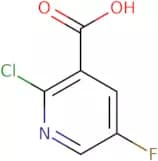

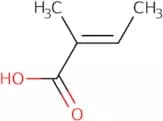

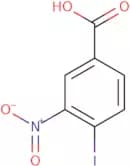
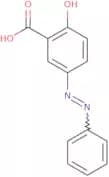
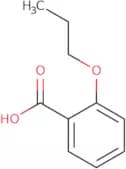
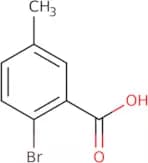
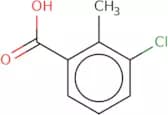
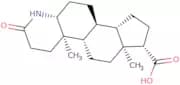

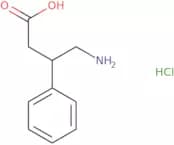
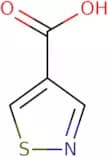
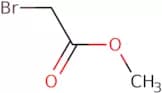
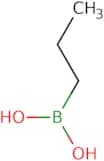
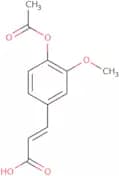
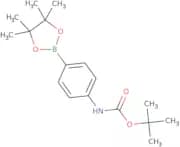

![2-[(3-Chlorobenzyl)oxy]benzoic acid](/_next/image/?url=https%3A%2Fstatic.cymitquimica.com%2Fproducts%2F3D%2Fthumb-webp%2FFC119064.webp&w=3840&q=75)
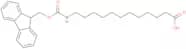
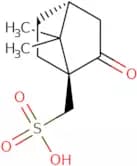

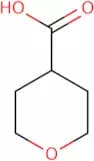
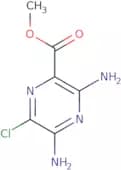
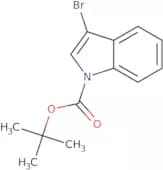
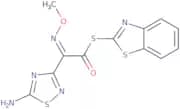


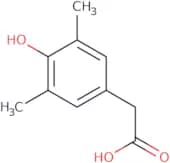
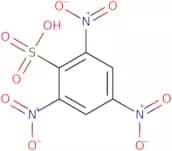
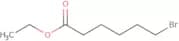
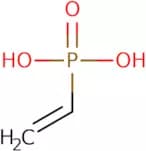
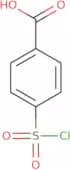
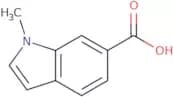
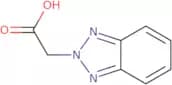
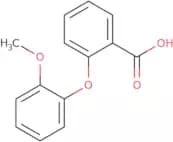
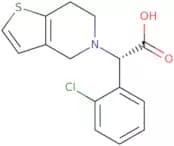
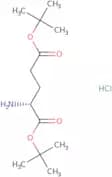
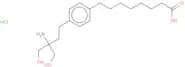
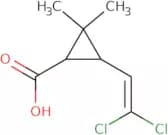
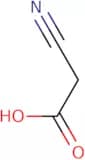
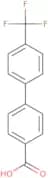
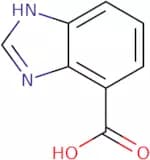
![5,6,7,7a-Tetrahydrothieno[3,2-c]pyridine-2(4H)-onepara-toluenesulfonic acidsalt](/_next/image/?url=https%3A%2Fstatic.cymitquimica.com%2Fproducts%2F3D%2Fthumb-webp%2FFT153026.webp&w=3840&q=75)
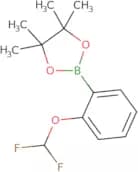
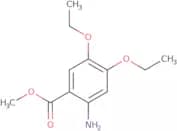
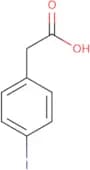
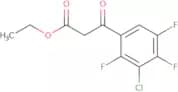
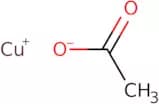

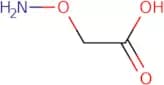
![5-(tert-Butoxycarbonyl)-1,4,5,6-tetrahydropyrrolo[3,4-c]pyrazole-3-carboxylicacid](/_next/image/?url=https%3A%2Fstatic.cymitquimica.com%2Fproducts%2F3D%2Fthumb-webp%2FFB148317.webp&w=3840&q=75)
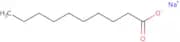
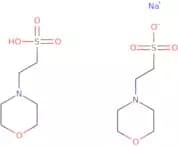
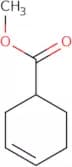
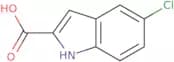

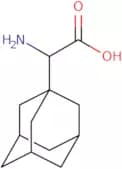
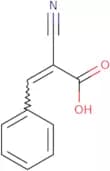
![2-[(Acetyloxy)methoxy]ethyl acetate](/_next/image/?url=https%3A%2Fstatic.cymitquimica.com%2Fproducts%2F3D%2Fthumb-webp%2FFA64791.webp&w=3840&q=75)

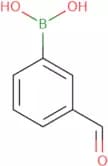
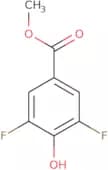
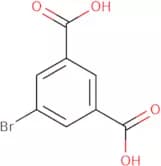
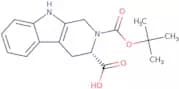

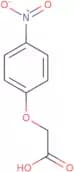
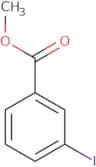
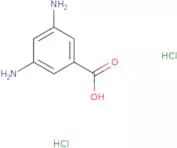

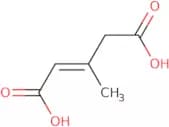
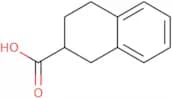
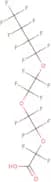
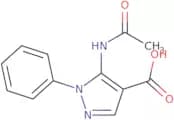
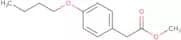
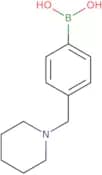

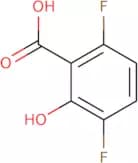
![(S)-(-)-2-Chloro-3-[4(5)-imidazolyl]propionic acid](/_next/image/?url=https%3A%2Fstatic.cymitquimica.com%2Fproducts%2F3D%2Fthumb-webp%2FFC20058.webp&w=3840&q=75)
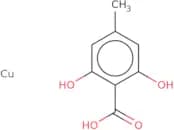
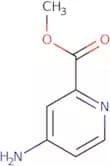
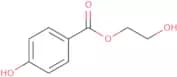
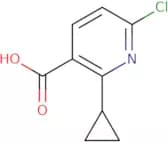
![4-[Bis(2-hydroxypropyl)amino]benzoic acid ethyl ester, 90%](/_next/image/?url=https%3A%2Fstatic.cymitquimica.com%2Fproducts%2F3D%2Fthumb-webp%2FFB18673.webp&w=3840&q=75)
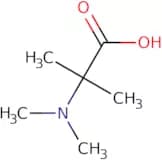
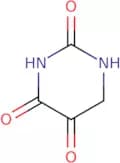
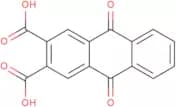


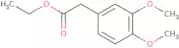
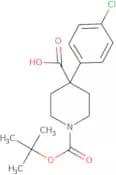

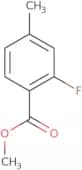
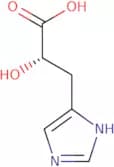
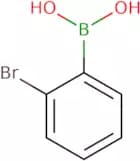
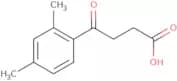
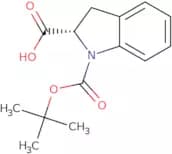


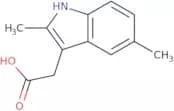
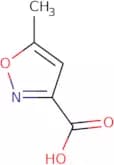

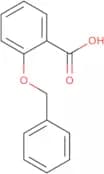
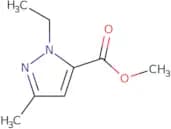
![Nb[n-N-butyl-N-acetyl]aminopropionic acid ethyl ester](/_next/image/?url=https%3A%2Fstatic.cymitquimica.com%2Fproducts%2F3D%2Fthumb-webp%2FFN149896.webp&w=3840&q=75)

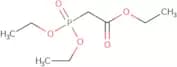
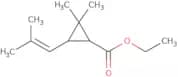
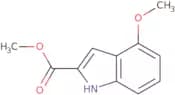
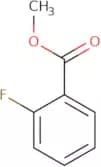
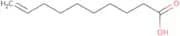
![Tert-butyl 4-(1H-benzo[d]imidazol-2-yl)piperidine-1-carboxylate](/_next/image/?url=https%3A%2Fstatic.cymitquimica.com%2Fproducts%2F3D%2Fthumb-webp%2FFT46131.webp&w=3840&q=75)
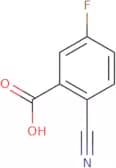
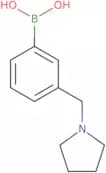
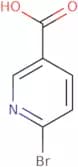
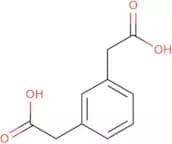
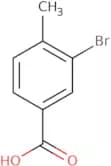
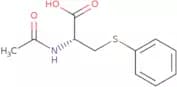
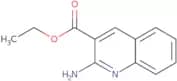
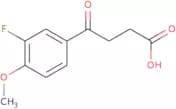
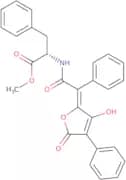
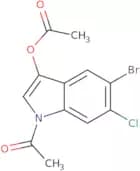
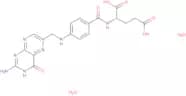
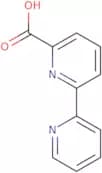
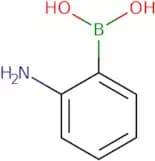
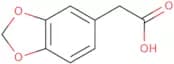
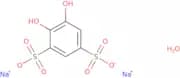
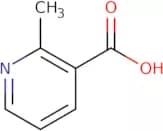
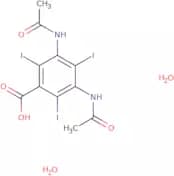
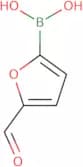
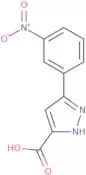
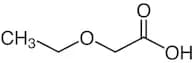

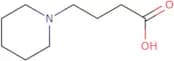
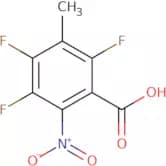
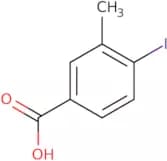
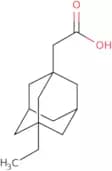
![4-[(2-Chlorobenzyl)oxy]benzoic acid](/_next/image/?url=https%3A%2Fstatic.cymitquimica.com%2Fproducts%2F3D%2Fthumb-webp%2FFC119032.webp&w=3840&q=75)

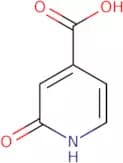
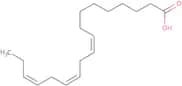
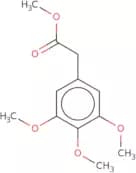


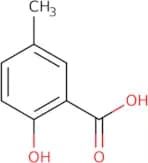
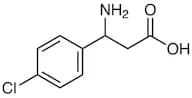
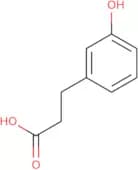
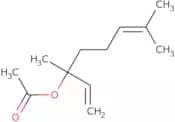
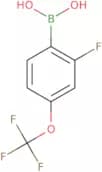
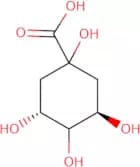
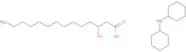
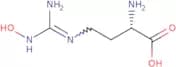
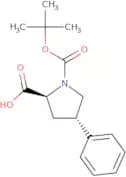
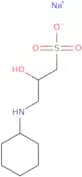
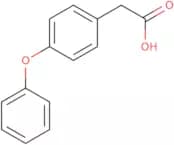
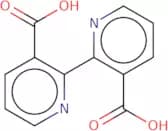
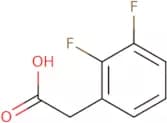
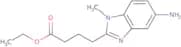
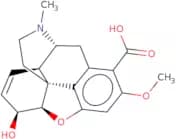
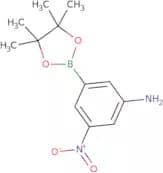
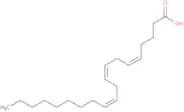
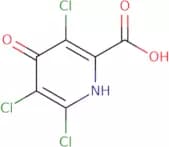
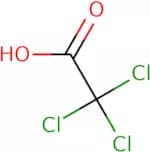
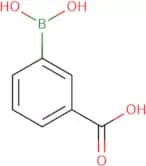
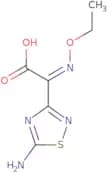

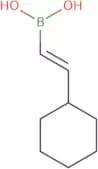
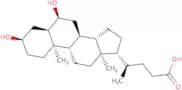
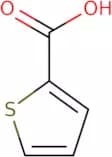
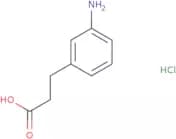
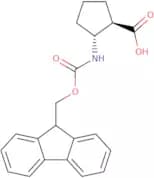
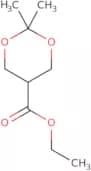

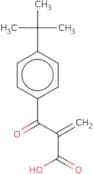

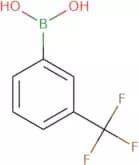
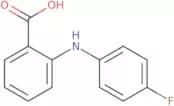
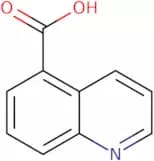

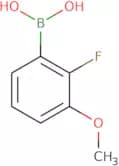
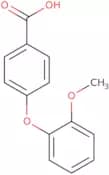
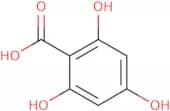
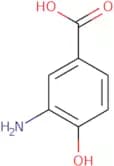

![2-[(4-Chlorophenyl)amino]nicotinic acid](/_next/image/?url=https%3A%2Fstatic.cymitquimica.com%2Fproducts%2F3D%2Fthumb-webp%2FFC136121.webp&w=3840&q=75)