Carboxylic Acids
Carboxylic acids are organic molecules characterized by having a carboxyl-type functional group (-COOH). These acids are fundamental in various chemical reactions, including esterification, amidation, and decarboxylation. Carboxylic acids are widely used in the production of pharmaceuticals, polymers, and agrochemicals. In this section, you can find a large number of carboxylic acids ready to be used. At CymitQuimica, we provide a broad range of high-quality carboxylic acids to support your research and industrial applications.
Found 12453 products of "Carboxylic Acids"
Sort by
Purity (%)
0
100
|
0
|
50
|
90
|
95
|
100
2-Bromopropionic acid tert-butyl ester
CAS:<p>2-Bromopropionic acid tert-butyl ester is a chemical compound that belongs to the group of alkylation agents. It is used in organic synthesis as a reagent for the preparation of enolates and acrylates by transfer reactions. This compound can be used to prepare styrene copolymers with acrylic acid, methacrylic acid, and crotonic acid. 2-Bromopropionic acid tert-butyl ester has been shown to react with chloride ions in an electrophilic substitution reaction to form a radical species that reacts with oxygen in the presence of light or heat to form a dipole. This process has been shown using techniques such as gel permeation chromatography and mass spectroscopy.</p>Formula:C7H13BrO2Purity:Min. 95%Color and Shape:Colorless Clear LiquidMolecular weight:209.08 g/mol3-Amino-4-hydroxybenzoic acid hydrate
CAS:<p>3-Amino-4-hydroxybenzoic acid hydrate is a fine chemical that is used as a versatile building block in the synthesis of pharmaceuticals, agrochemicals, and other organic chemicals. It is an intermediate for the preparation of various research chemicals. 3-Amino-4-hydroxybenzoic acid hydrate has been shown to be an effective reagent for the synthesis of certain complex compounds. It also has high quality and can be used as a reaction component in many reactions.</p>Formula:C7H7NO3·H2OPurity:Min. 95%Color and Shape:PowderMolecular weight:171.15 g/mol[4-(Allyloxy)phenyl]boronic acid
CAS:<p>4-(Allyloxy)phenylboronic acid is an intermediate in the manufacture of pharmaceuticals and other organic compounds. It can be used as a building block for more complex compounds and as a reagent in organic synthesis. 4-(Allyloxy)phenylboronic acid is soluble in water and has a melting point of >200°C. This compound is a fine chemical with CAS No. 1117776-68-7 and is useful for research purposes.</p>Formula:C9H11BO3Purity:Min. 95%Color and Shape:White PowderMolecular weight:177.99 g/mol2-[4-(Trifluoromethyl)Phenoxy]Benzoic Acid
CAS:<p>2-[4-(Trifluoromethyl)phenoxy]benzoic acid is a research chemical that is used as a building block in organic synthesis. This compound can be used to synthesize other compounds and to create new reactions. 2-[4-(Trifluoromethyl)phenoxy]benzoic acid is a versatile building block for complex molecules and can be used as an intermediate or scaffold for the formation of other compounds. The high quality of this compound makes it useful for research purposes and its CAS number makes it easy to identify.</p>Formula:C14H9F3O3Purity:Min. 95%Color and Shape:PowderMolecular weight:282.21 g/molTetradecylthioacetic acid
CAS:<p>Tetradecylthioacetic acid is a molecule that binds to the response element of the gene and inhibits the production of fatty acids, which are one of the main sources of energy for cells. Tetradecylthioacetic acid has been shown to inhibit mitochondrial functions in 3T3-L1 preadipocytes and dextran sulfate polymerase chain reaction. It also has an active effect on HIV-1 replication in HL-60 cells. Tetradecylthioacetic acid may be used as a treatment for cardiac diseases with heart failure or artery disease, such as balloon injury, because it can improve cardiac contractility and reduce arrhythmia.</p>Formula:C16H32O2SPurity:Min. 95%Color and Shape:White PowderMolecular weight:288.49 g/mol4-Hydroxy-3-nitrobenzoic acid
CAS:<p>4-Hydroxy-3-nitrobenzoic acid is an antioxidant that has been studied for its potential therapeutic effects on pancreatitis. This compound is a precursor to protocatechuic acid, a molecule that helps to protect the pancreas. 4-Hydroxy-3-nitrobenzoic acid is also used in the preparation of hydroxide solution and activated carbon. The terminal half-life of this compound is approximately 15 hours, with a plasma concentration–time curve that peaks at about 2 hours after administration. The biological activity of 4-Hydroxy-3-nitrobenzoic acid can be increased by reaction with sodium hydroxide solution or 5 nitrosalicylic acid.</p>Formula:C7H5NO5Purity:Min. 95%Molecular weight:183.12 g/mol5-Chloroindole-2-carboxylic acid
CAS:<p>5-Chloroindole-2-carboxylic acid is a fatty acid that is synthesized from glucose. It has been shown to have inhibitory properties against the enzyme cyclooxygenase-2 (COX-2), which may be due to its ability to suppress prostaglandin synthesis. 5-Chloroindole-2-carboxylic acid also has been shown to have anticancer properties and can inhibit cancer cell growth in vitro. The drug may also play a role in the central nervous system, as it has been shown to cause neuronal death. 5-Chloroindole-2-carboxylic acid is not water soluble, so it must be dissolved in organic solvents such as cyclohexane or chloroform before being used for chemical reactions. This drug can be used with other drugs that are coxib sensitive, such as aspirin, acetaminophen, and ibuprofen.</p>Formula:C9H6ClNO2Color and Shape:PowderMolecular weight:195.6 g/mol1,2,3,4-Tetrahydro-2-naphthalenecarboxylic acid
CAS:<p>1,2,3,4-Tetrahydro-2-naphthalenecarboxylic acid (1,2,3,4-THN) is an organic acid that can be metabolized by debromination or trifluoroacetic acid. It is a precursor for the synthesis of 5-caffeoylquinic acid and other biologically active compounds. 1,2,3,4-THN has been shown to have inhibitory effects on cancer cells. It also has chemical compositions including hydroxy groups and borohydride reduction sites that are important in its efficient method of synthesis.</p>Formula:C11H12O2Purity:Min. 95%Color and Shape:White PowderMolecular weight:176.21 g/mol(5-(Prop-1-yn-1-yl)pyridin-3-yl)boronic acid
CAS:<p>(5-(Prop-1-yn-1-yl)pyridin-3-yl)boronic acid is a versatile building block that has been used in the synthesis of complex compounds, reagents, and speciality chemicals. It can also be used in reactions as a reaction component or scaffold. This chemical is soluble in most organic solvents and can be used as a high quality intermediate for synthesis of pharmaceuticals or research chemicals. It has been shown to have a CAS number of 917471-30-8.</p>Formula:C8H8BNO2Purity:Min. 95%Color and Shape:PowderMolecular weight:160.97 g/molEthyl-2-aminoquinoline-3-carboxylate
CAS:<p>Ethyl-2-aminoquinoline-3-carboxylate is an intramolecular reductive coupling product. It was synthesized by the reductive coupling of nitrobenzene with triethylamine in the presence of a copper salt. The use of ethyl cyanoacetate as a starting material for this synthesis has been shown to produce regioselective products with high yields. Ethyl-2-aminoquinoline-3-carboxylate is used in the synthesis of quinoline derivatives and fluoroquinolone antibiotics. This compound has been shown to have optimum properties for GC/MS analysis, which makes it an advance in the field of chemistry.</p>Formula:C12H12N2O2Purity:Min. 95%Color and Shape:PowderMolecular weight:216.24 g/molEthyl 4,4,4-Trichloroacetoacetate
CAS:<p>Ethyl 4,4,4-trichloroacetoacetate is a chloroalkyl compound that belongs to the class of activated esters. It is synthesized by the reaction of ethyl alcohol with chloride and potassium hydroxide in the presence of a base. The synthetic method for this compound was first developed in the mid-1930s by German chemists. This compound also has been used in the synthesis of coumarin derivatives as well as a catalyst in organic reactions. Ethyl 4,4,4-trichloroacetoacetate has been shown to be effective in treating neurodegenerative diseases such as Alzheimer's disease and Parkinson's disease.</p>Formula:C6H7Cl3O3Purity:Min. 95%Color and Shape:Colourless To Pale Yellow LiquidMolecular weight:233.48 g/mol2-[2-[4-[Bis(4-fluorophenyl)methyl]piperazin-1-yl]ethoxy]acetic acid HCl
CAS:<p>2-[2-[4-[Bis(4-fluorophenyl)methyl]piperazin-1-yl]ethoxy]acetic acid HCl (BAY-85788) is a drug which acts as a histamine receptor antagonist. It has been shown to be effective in the treatment of idiopathic urticaria. BAY-85788 has also been found to have less potential for drug interactions than other histamine receptor antagonists, and does not cause an increase in blood pressure, unlike other compounds with this activity. This compound is metabolized by cytochrome P450 enzymes and does not contain nitrogen atoms or heterocyclic rings. Experimental studies have shown that orally administered BAY-85788 is absorbed from the GI tract and eliminated unchanged in urine. Studies have also shown that BAY-85788 is active against inflammatory diseases such as atopic dermatitis, asthma, and chronic obstructive pulmonary disease (COPD</p>Formula:C21H24F2N2O3·xHClPurity:Min. 95%Color and Shape:PowderMolecular weight:390.42 g/mol4-Hydroxyisophthalic acid
CAS:<p>4-Hydroxyisophthalic acid is a compound that has been shown to have antioxidant properties, and is capable of scavenging free radicals. It is an inhibitor of the p-hydroxybenzoic acid, which inhibits protein glycosylation and leads to neuronal dysfunction. This molecule also has anti-inflammatory effects through its inhibition of the enzyme activity in neutrophils, which prevents the release of inflammatory mediators. 4-Hydroxyisophthalic acid also protects against oxidative damage and neuronal death caused by exposure to metal hydroxides or hydroxyl radicals. 4-Hydroxyisophthalic acid has shown neuroprotective effects in animal models of cerebral ischemia and Parkinson's disease.</p>Formula:C8H6O5Purity:Min. 97 Area-%Color and Shape:White PowderMolecular weight:182.13 g/molDL-Isocitric acid lactone
CAS:<p>DL-Isocitric acid lactone is a skin condition agent that belongs to the group of amides. It has hypoglycemic effects and, when applied topically, can improve skin conditions such as xerosis. DL-Isocitric acid lactone also inhibits the growth of bacteria by binding to dinucleotide phosphate in the bacterial cell wall and inhibiting protein synthesis. This compound also has an inhibitory effect on hydroxyl groups in polycarboxylic acids in plants. The structure of this compound was determined by x-ray crystallography.</p>Formula:C6H6O6Purity:Min. 95%Color and Shape:PowderMolecular weight:174.11 g/molVinylphosphonic acid
CAS:<p>Vinylphosphonic acid is a white, crystalline solid that is soluble in water. It has a molecular weight of 114.08 and a melting point of 40-41°C. Vinylphosphonic acid can be used for the production of polyvinylidene fluoride (PVDF) films, as well as in acylation reactions to produce carboxylic acids. This compound has been shown to have a dispersive solid-phase extraction ability and binds to calcium ions. It also has electrochemical impedance spectroscopy properties, which are related to its acidic nature. Furthermore, vinylphosphonic acid has been found to form hydrogen bonds with human serum proteins and other polar molecules.</p>Formula:C2H5O3PPurity:Min. 95%Color and Shape:Clear LiquidMolecular weight:108.03 g/molEthyl 2-(2-oxocyclopentyl)acetate
CAS:<p>Ethyl 2-(2-oxocyclopentyl)acetate is a chiral compound with a boiling point of 78°C. It can be synthesized by the reaction of ethyl formate and cyclopentanol. This process is catalyzed by zirconium chloride and diethylene glycol. The yield of this process is high, and the product has a high enantiopurity. This organic compound is used as an intermediate in organic synthesis, specifically as an activating reagent that promotes nucleophilic attack on carbonyl groups in various substrates. It also has been used to produce ethyl 4-chloro-3-methylbenzoate and ethyl 4-chloro-3-methylbenzoic acid, which are used in the synthesis of drugs such as clozapine and lorazepam.</p>Formula:C9H14O3Purity:Min. 95%Color and Shape:Clear LiquidMolecular weight:170.21 g/mol2-Difluoromethoxyphenylboronic acid pinacol ester
CAS:<p>2-Difluoromethoxyphenylboronic acid pinacol ester is a high quality reagent that can be used as a useful intermediate, fine chemical, or speciality chemical in reactions. This compound is an important building block for synthesizing other chemicals and can also be used to make novel compounds with pharmaceutical properties. 2-Difluoromethoxyphenylboronic acid pinacol ester is versatile and can be used in many different reactions. It has been reported to react with various other molecules to form new scaffolds and building blocks for use in organic synthesis.</p>Formula:C13H17BF2O3Purity:Min. 95%Color and Shape:PowderMolecular weight:270.08 g/mol3-(5-Iodo-4-hydroxy-3-methoxy)cinnamic acid
CAS:<p>3-(5-Iodo-4-hydroxy-3-methoxy)cinnamic acid is a chemical compound that can be used as a starting material for synthesis of complex compounds. It is a white solid with a melting point of about 100°C, and it is soluble in water. This product is an excellent reagent for the synthesis of new chemicals, and it has been widely used as a reaction component in organic syntheses. 3-(5-Iodo-4-hydroxy-3-methoxy)cinnamic acid also has antibacterial properties.</p>Formula:C10H9IO4Purity:Min. 95%Molecular weight:320.08 g/mol(R)-2-Amino-6-azidohexanoic acid HCl
CAS:<p>(R)-2-Amino-6-azidohexanoic acid HCl is a chemical intermediate that is used in the synthesis of a number of biologically active compounds. It is also a versatile building block for the construction of complex molecules. This chemical has been shown to be useful in the synthesis of pharmaceuticals, agrochemicals, and other fine chemicals. CAS No. 2098497-01-7</p>Formula:C6H12N4O2·HClPurity:Min. 95%Color and Shape:White PowderMolecular weight:208.65 g/mol2-Fluoro-4-methylbenzoic acid methyl ester
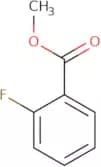
CAS:<p>2-Fluoro-4-methylbenzoic acid methyl ester is a versatile building block useful for the synthesis of a variety of compounds. It is an important intermediate and research chemical that can be used as a reaction component or speciality chemical. 2-Fluoro-4-methylbenzoic acid methyl ester is also a useful building block with high quality and reagent.</p>Formula:C9H9FO2Purity:Min. 95%Color and Shape:Clear LiquidMolecular weight:168.16 g/mol4-n-Octyloxybenzoic Acid
CAS:<p>4-n-Octyloxybenzoic Acid is a chemical compound that is soluble in organic solvents. It has a phase transition temperature of 156 °C and a melting point of 141 °C. 4-n-Octyloxybenzoic Acid is used as an intermediate in the synthesis of other compounds. It can be used as a fluorescence probe to detect intermolecular hydrogen bonding or as an intermediate in the Suzuki coupling reaction, which is used to polymerize styrene. 4-n-Octyloxybenzoic Acid can also be used as a liquid crystal composition for optical microscopy. It has been found to have ternary mixtures with butyric acid and phenol and dipole properties that are sensitive to changes in pH and ion concentration.<br>4-n-Octyloxybenzoic Acid has been shown to be able to activate the suzuki coupling reaction by donating its lone pair electrons to the carbonyl carbon atom</p>Formula:C15H22O3Purity:Min. 95%Color and Shape:PowderMolecular weight:250.33 g/mol4-Phenoxyphenylacetic acid
CAS:<p>4-Phenoxyphenylacetic acid is a ligand that is used as a catalyst. It has been shown to catalyze the hydrochlorination of 4-ethoxybenzene to 4-chlorobenzene. 4-Phenoxyphenylacetic acid binds to metals and forms complexes with them, which increases its catalytic activity. The stability of the complex is also increased by the presence of heteroatoms such as chlorine or bromine on the ring system. Ligands that interact with metals are more electronegative than those that do not, and this can affect their stability in the complex.</p>Formula:C14H12O3Purity:Min. 95%Molecular weight:228.24 g/mol4-Nitrophenylacetic acid
CAS:<p>4-Nitrophenylacetic acid is a chemical compound that belongs to the class of organic compounds known as nitrophenols. It has been shown to inhibit malonic enzyme, also known as 3-hydroxyacyl-CoA dehydrogenase. This inhibition is thought to be due to the nitro group on the molecule, which reacts with the active site cysteine residue in the enzyme. 4-Nitrophenylacetic acid can be used in the synthesis of monoclonal antibodies. The structure of 4-nitrophenylacetic acid has one hydroxyl group and two nitro groups that are separated by a methylene bridge (a carbon atom with two hydrogen atoms). The reaction solution for this substance contains diazonium salt and hydrochloric acid.</p>Formula:C8H7NO4Purity:Min. 98 Area-%Color and Shape:White PowderMolecular weight:181.15 g/mol4-[(4-Methylbenzyl)oxy]benzoic acid
CAS:<p>4-[(4-Methylbenzyl)oxy]benzoic acid is a high quality chemical that can be used as a building block in the synthesis of complex compounds or as an intermediate in the preparation of speciality chemicals. This reagent is useful for research purposes and can be used to prepare other compounds with similar structures. 4-[(4-Methylbenzyl)oxy]benzoic acid can also be used as a reactant in chemical reactions to produce new products.</p>Formula:C15H14O3Purity:Min. 95%Color and Shape:White PowderMolecular weight:242.27 g/molBenzenesulfonic acid
CAS:<p>Benzenesulfonic acid is a sulfonic acid that is used in the preparation of glycol esters. It has been shown to have a synergic effect with trifluoroacetic acid and human serum, which leads to potent antitumor activity. Benzenesulfonic acid also has a strong inhibitory effect on sodium salts and benzimidazole compounds, which are model systems for studying the dihydrate salt form. This compound can be used as an analytical method for determining the structure of benzenesulfonic acids.</p>Formula:C6H6SO3Purity:Min. 95%Color and Shape:Off-White To Brown SolidMolecular weight:158.18 g/mol4-Hydroxy-3-methylbenzoic acid
CAS:<p>4-Hydroxy-3-methylbenzoic acid is a metabolite of 4-hydroxybenzoic acid that is found in human blood and serum. It is also a methylated derivative of benzoic acid. This compound is an intermediate in the metabolism of benzoic acid, which can be found in many plants such as cranberries, apples, and oranges.</p>Formula:C8H8O3Color and Shape:PowderMolecular weight:152.15 g/mol4-Benzoyloxybenzoic acid
CAS:<p>4-Benzoyloxybenzoic acid is an organic compound with the chemical formula of C8H5O2. It is a white solid that can be synthesized by copolymerizing 4-hydroxybenzoic acid and benzoic acid in the presence of ethyl methacrylate. The formation rate of 4-benzoyloxybenzoic acid depends on the concentration of amines, which are used as a catalyst for the polymerization reaction. This molecule has been shown to be soluble in cellulose acetate and insoluble in solvents such as chloroform. 4-Benzoyloxybenzoic acid can be prepared by reacting methyl esters with transesterification reaction at temperatures between 60°C and 130°C, depending on the type of solvent used.</p>Formula:C14H10O4Purity:Min. 95%Molecular weight:242.23 g/molPhenylhydrazine-4-sulfonic acid
CAS:<p>Phenylhydrazine-4-sulfonic acid is a solid catalyst that is used in the formation of ternary complexes. It can be used to study mitochondrial membrane potential and reactive oxygen species production by diazonium salt. Phenylhydrazine-4-sulfonic acid has also been used as a model system for acylation reactions, with p-hydroxybenzoic acid as the acylating agent. This chemical is acidic and reacts with hydrochloric acid to produce phenylhydrazine and 4-chlorophenol. Phenylhydrazine-4-sulfonic acid is chemically stable in acidic solution.</p>Formula:C6H8N2O3SPurity:Min. 95%Color and Shape:White PowderMolecular weight:188.21 g/mol2-(Trifluoromethoxy)phenylboronic acid
CAS:<p>2-(Trifluoromethoxy)phenylboronic acid (2-TFB) is a boronic acid that is used in cross-coupling reactions. It has been shown to be an effective inhibitor of the Vismodegib pathway, which may offer therapeutic benefits for cancer patients. 2-TFB has also been shown to inhibit the activity of other pathways involved in cancer development, such as the benzamide and suzuki pathways. 2-TFB is metabolized through filtration, which can lead to significant pharmacokinetic properties. This compound can be recycled and reused in cross-coupling reactions, which reduces waste production and costs.</p>Formula:C7H6BF3O3Purity:Min. 95%Color and Shape:PowderMolecular weight:205.93 g/molTheophylline-7-acetic acid
CAS:Controlled Product<p>Theophylline-7-acetic acid is a substance that has the chemical name of 2-amino-5-(1,3-dimethylxanthin-9-yl)benzoic acid. It is an amorphous substance with a biochemical property of being soluble in water and ethanol. Theophylline-7-acetic acid is used as a reagent for the quantitative determination of cardiac glycosides in human serum. This compound also reacts with a solution of sodium salts under constant pressure at room temperature and an electrochemical detector to yield an intense blue fluorescence. Structural analysis indicates that this substance contains a hydroxyl group, which can be found in proteins, fatty acids, and pharmacokinetics.</p>Formula:C9H10N4O4Purity:Min. 95%Color and Shape:PowderMolecular weight:238.2 g/molEthyl bromofluoroacetate
CAS:<p>Ethyl bromofluoroacetate is a β-amino acid that is synthesized by the oxidation of ethyl formate with hydrogen peroxide. It has an inhibitory effect on mineralocorticoid receptor and can be used as a cross-coupling agent in organic chemistry. Ethyl bromofluoroacetate has been shown to have anti-cancer effects, but it can also inhibit insulin's ability to regulate glucose levels in the body, which may lead to diabetes.</p>Formula:C4H6BrFO2Purity:Min. 95%Color and Shape:PowderMolecular weight:184.99 g/mol(E,Z)-2-Propyl-2,4-pentadienoic acid
CAS:<p>(E,Z)-2-Propyl-2,4-pentadienoic acid is a reactive metabolite of the fatty acid linoleic acid. It is formed by oxidation of linoleic acid in the cytosol and can be found in human serum and urine samples. (E,Z)-2-Propyl-2,4-pentadienoic acid has been shown to have diagnostic potential in metabolic disorders such as diabetes mellitus type 2 and familial hypercholesterolemia. The concentration of this metabolite can be measured using gas chromatography with mass spectrometry detection. This analytical method has a high specificity and sensitivity for (E,Z)-2-propyl-2,4-pentadienoic acid.</p>Formula:C8H12O2Purity:Min. 95%Color and Shape:Clear Viscous LiquidMolecular weight:140.18 g/molEthoxyacetic Acid
CAS:Formula:C4H8O3Purity:>98.0%(GC)(T)Color and Shape:Colorless to Light yellow clear liquidMolecular weight:104.116-Thiouric acid sodium salt dihydrate
CAS:<p>6-Thiouric acid sodium salt dihydrate is a reaction component and fine chemical that is used as a reagent in the synthesis of various speciality chemicals. It has been used as a building block for the synthesis of complex compounds, and is also an intermediate for the production of high quality research chemicals. 6-Thiouric acid sodium salt dihydrate is soluble in water, methanol, ethanol, acetone and benzene. The CAS number for this product is 1329805-85-7.</p>Formula:C5H7N4NaO4SPurity:Min. 95%Color and Shape:PowderMolecular weight:242.19 g/mol2-Fluoro-5-hydroxybenzoic acid ethyl ester
CAS:<p>2-Fluoro-5-hydroxybenzoic acid ethyl ester is a fine chemical that is used as a versatile building block, complex compound, and reagent. It has been used in the synthesis of novel drugs, such as oseltamivir. 2-Fluoro-5-hydroxybenzoic acid ethyl ester has been shown to have useful properties in research, such as being an intermediate for the synthesis of other compounds. This chemical can also be used as a scaffold for the synthesis of other compounds.</p>Formula:C9H9FO3Purity:Min. 95%Molecular weight:184.16 g/molEthyl Hydrogen Maleate
CAS:Formula:C6H8O4Purity:>95.0%(GC)Color and Shape:Colorless to Almost colorless clear liquidMolecular weight:144.134-Carboxyphenylboronic acid pinacol ester
CAS:<p>4-Carboxyphenylboronic acid pinacol ester is a linker that can be used to tether hydrophobic compounds to the surface of nanomaterials. This linker has been shown to have a low detection limit, meaning it can be used in red blood cells and cancer cells with high sensitivity. 4-Carboxyphenylboronic acid pinacol ester has also been shown to have an affinity for prostate cancer cells. The linker was synthesized from dopamine, which is a precursor molecule for many neurotransmitters in the central nervous system. It is important to note that this compound is not selective and can react with other hydrophilic molecules such as DNA or proteins.</p>Formula:C13H17BO4Purity:Min. 95%Color and Shape:White PowderMolecular weight:248.08 g/molChrysanthemum monocarboxylic acid ethyl ester
CAS:<p>Chrysanthemum monocarboxylic acid ethyl ester is a chemical compound that belongs to the group of chrysanthemic acid derivatives. It is synthesized by reacting the carboxylic acid with an alcohol in the presence of hydrochloric acid and sodium ethoxide. Chrysanthemum monocarboxylic acid ethyl ester has been shown to have genotoxic effects, as well as fatty acids that can induce lysine residues. This drug also has a pharmaceutical use for tissue culture, which may be due to its ability to inhibit l-tartaric acid, an alkanoic acid.</p>Formula:C12H20O2Purity:Min. 95%Molecular weight:196.29 g/molQuinoline-5-carboxylic acid
CAS:<p>Quinoline-5-carboxylic acid is a peroxide that is produced by the oxidation of quinoline derivatives. Quinoline-5-carboxylic acid has been shown to have antibacterial activity, and it also has affinity values for chloride ions. The chemical isomers of quinoline-5-carboxylic acid are called quninolines, which are produced by the hydrolysis of quinoline-5-carboxylic acid. Quinolines can be obtained by the oxidation of aniline. Quinolines have been shown to catalyze reactions with carbonyl groups in organic molecules, such as the reaction between an alkoxycarbonyl group and a hydroxyl group to form an aldehyde or ketone. Kinetic data for this reaction was obtained using titration calorimetry.</p>Formula:C10H7NO2Purity:Min. 95%Color and Shape:White To Beige To Light Brown To Grey SolidMolecular weight:173.17 g/mol(1S)-(+)-10-Camphorsulfonic acid
CAS:<p>(1S)-(+)-10-Camphorsulfonic acid is an organolithium compound that is used as a reagent in organic synthesis. It has been shown to have antimicrobial activity against Gram-positive and Gram-negative bacteria, including methicillin-resistant Staphylococcus aureus (MRSA). The bathochromic shift observed in the infrared spectrum of camphorsulfonic acid at 860 nm is due to the hydrogen bonding between sulfonic acid groups. Camphorsulfonic acid has also been shown to inhibit dipeptidyl peptidase-IV, which results in increased levels of butyric acid, a short chain fatty acid. This inhibition may be responsible for its use as an adjuvant for vaccines.</p>Formula:C10H16O4SPurity:Min. 95%Color and Shape:PowderMolecular weight:232.3 g/mol3,5-Pyrazoledicarboxylic acid monhydrate
CAS:<p>3,5-Pyrazoledicarboxylic acid monhydrate (PDA) is a hydrogen-bonding molecule that can be used for the production of various compounds. PDA can be synthesized in a stepwise process from 3,5-dihydroxypyridine and pyrazole. In this process, the first step involves the formation of an amide bond between 3,5-dihydroxypyridine and pyrazole to form 3,5-pyrazolidinecarboxamide. The second step is the dehydrogenation of 3,5-pyrazolidinecarboxamide to form PDA with loss of one water molecule. This compound shows photocatalytic activity due to its coordination chemistry properties.</p>Formula:C5H4N2O4·H2OPurity:Min. 95%Color and Shape:White PowderMolecular weight:174.11 g/mol2-Pivalamidoacetic acid
CAS:<p>2-Pivalamidoacetic acid is an acylglycine. It is a competitive inhibitor of the enzyme carnitine acetyltransferase and lowers levels of carnitine in plasma and muscle tissue. This drug has been used to treat acidemia in humans caused by multiple-reaction monitoring deficiency, which can lead to lactic acidosis, muscle weakness, and severe neurologic problems. 2-Pivalamidoacetic acid has also been used as an oral treatment for long-term treatment of neonatal acylglycinemia type 1 (AG1) due to dehydrogenase deficiency, which can cause growth failure, hypotonia, and respiratory distress.</p>Formula:C7H13NO3Purity:Min. 95%Color and Shape:White PowderMolecular weight:159.18 g/mol3-Cyanomethylbenzoic acid methyl ester
CAS:<p>3-Cyanomethylbenzoic acid methyl ester is a synthetic chemical compound that is used as an intermediate in the production of other chemicals. It is a chlorination agent that reacts with toluene and methanol in the presence of chlorine to produce 3-chloromethylbenzoic acid methyl ester. This reaction also produces a byproduct called sulphone, which can be converted into acylation reagents for use in organic synthesis. The chloride ion can be used for cyanation reactions, which are useful for producing dyes or pharmaceuticals.</p>Formula:C10H9NO2Purity:Min. 95%Color and Shape:SolidMolecular weight:175.18 g/molOleic acid-biotin - solution in ethanol
CAS:<p>Oleic acid-biotin is a fine chemical that is used as a versatile building block in the synthesis of complex compounds. It can also be used as a reagent for research purposes, and is a useful building block for the synthesis of various chemicals. Oleic acid-biotin is an intermediate in organic chemistry, and can be used as a reaction component in organic synthesis. It can also act as a scaffold for drug design and development. This product has been shown to have high quality and purity, making it suitable for use in various reactions.</p>Formula:C28H50N4O3SPurity:Min. 95%Color and Shape:Colorless PowderMolecular weight:522.79 g/molFmoc-L-glutamic acid-O-tert-butyl ester hydrate
CAS:<p>Fmoc-L-glutamic acid-O-tert-butyl ester hydrate is a useful scaffold that is used in the synthesis of complex compounds. It can be used as a reaction component for the preparation of speciality chemicals and as an intermediate for the production of fine chemicals. Fmoc-L-glutamic acid-O-tert-butyl ester hydrate has a CAS number of 204251-24-1.</p>Formula:C24H27NO6•H2OPurity:Min. 95%Color and Shape:White PowderMolecular weight:443.49 g/molBoc-4-(4-chlorophenyl)-piperidine-4-carboxylic acid
CAS:<p>Boc-4-(4-chlorophenyl)-piperidine-4-carboxylic acid is a versatile building block that can be used to synthesize complex compounds. It is a high quality, research chemical that can be used as a reagent or speciality chemical. Boc-4-(4-chlorophenyl)-piperidine-4-carboxylic acid is an intermediate for the synthesis of pharmacologically active compounds and has been used as a reaction component in the synthesis of other useful scaffolds. CAS No. 644981-94-2</p>Formula:C17H22ClNO4Purity:Min. 95%Color and Shape:White PowderMolecular weight:339.81 g/molN(α)-Z-L-2,3-Diaminopropionic acid
CAS:<p>N(alpha)-Z-L-2,3-Diaminopropionic acid is a reagent or building block for the synthesis of complex compounds. It is also a useful intermediate in organic chemistry as well as being used as a reactant and reaction component. This compound is soluble in water and can be stored at room temperature. N(alpha)-Z-L-2,3-Diaminopropionic acid has CAS number 35761-26-3 and can be found under speciality chemical. N(alpha)-Z-L-2,3-Diaminopropionic acid is a versatile building block that can be used to synthesize many types of organic compounds with high quality.</p>Formula:C11H14N2O4Purity:Min. 95%Color and Shape:White PowderMolecular weight:238.24 g/molCapric acid sodium salt
CAS:<p>Sodium caprate (C10) and salcaprozate sodium (SNAC), FS168567, are two of the most advanced intestinal permeation enhancers (PEs) that have been tested in clinical trials for oral delivery of macromolecules.</p>Formula:C10H19NaO2Color and Shape:White Off-White PowderMolecular weight:194.25 g/mol4-Aminophenylboronic acid hydrochloride
CAS:<p>4-Aminophenylboronic acid hydrochloride is a fluorescent probe that can be used to detect hydrogen bonds in proteins. It has been used to measure water vapor in human serum and as an electrochemical impedance spectroscopy probe for the detection of ATP levels. This compound has also been used as a fluorescence probe for the detection of viruses and fetal bovine serum, as well as nanomaterials and matrix effect studies. 4-Aminophenylboronic acid hydrochloride is synthesized through the reaction of 4-aminophenylboronic acid with hydrochloric acid in water at high temperature, which produces a white solid. The thermal expansion coefficient of this compound is 2.6 x 10^-5 K^-1.</p>Formula:C6H8BNO2•HClPurity:Min. 95%Color and Shape:PowderMolecular weight:173.4 g/molRhizocarpic acid
CAS:<p>Rhizocarpic acid is a naturally occurring organic compound that belongs to the group of polyhydroxy acids. It is a light-sensitive, acidic compound with a hydroxyl group and a multidrug efflux pump. Rhizocarpic acid has been shown to have metabolic profiles that are similar to those of other polyhydroxylated compounds and it is thought to be an intermediate in the biosynthesis of usnic acid. Rhizocarpic acid can be used as a low-light photosynthetic activator for plants, because it enhances their photosynthetic activity under conditions where light intensity is not high enough for photosynthesis. The FT-IR spectroscopy data indicates that rhizocarpic acid has three carbonyl groups in its structure and these groups are responsible for its acidic nature.</p>Formula:C28H23NO6Purity:Min. 95%Molecular weight:469.49 g/mol4,4'-Biphenyldiboronic acid
CAS:<p>4,4'-Biphenyldiboronic acid is a boronate ester that can be used as a cross-linker in the synthesis of polymers. It is soluble in organic solvents, but insoluble in water. The chemical structure of 4,4'-biphenyldiboronic acid consists of two phenyl groups and one boronic acid group. This compound has been shown to have a spacing between 2.2 and 2.4 Å for germanium atoms and has been used for microscopy studies with morphology and diffraction experiments.</p>Formula:C12H12B2O4Purity:Min. 95%Color and Shape:White Off-White PowderMolecular weight:241.84 g/molMethyl 3-cyclohexene carboxylate
CAS:<p>Methyl 3-cyclohexene carboxylate is a chiral, symmetric molecule that is synthesized through the addition of an organometallic reagent to a cyclohexene. Methyl 3-cyclohexene carboxylate has been shown to be a substrate for the inhibition of edoxaban, a factor Xa inhibitor, and may be used in drug optimization. It also undergoes elimination reactions, which are catalyzed by metal ions. In particular, methyl 3-cyclohexene carboxylate can be converted into an acid lactone or methyl ester by irradiation or acid treatment. This compound is attacked by various strains of bacteria such as Pseudomonas aeruginosa and Escherichia coli.</p>Formula:C8H12O2Purity:Min. 95%Molecular weight:140.18 g/molBoc-(3S)-1,2,3,4-Tetrahydroisoquinoline-3-carboxylic acid
CAS:<p>Boc-(3S)-1,2,3,4-Tetrahydroisoquinoline-3-carboxylic acid is an amino acid that has the δ-opioid receptor antagonist activity. It can be synthesized by a stepwise synthesis with an asymmetric center. The δ-opioid receptor antagonist activity of Boc-(3S)-1,2,3,4-Tetrahydroisoquinoline-3-carboxylic acid was found to be comparable to naloxone in terms of affinity constants and functional groups.</p>Formula:C15H19NO4Purity:Min. 95%Color and Shape:SolidMolecular weight:277.32 g/molMethyl bromoacetate
CAS:Controlled Product<p>Methyl bromoacetate is a chemical compound that is used in the acylation reaction to produce amides and esters. This chemical has been shown to be an activator of nitrogen atoms and can be used as an immunosuppressant. Methyl bromoacetate also has a number of other uses, such as the synthesis of alkanoic acids, which can then be converted into other compounds with different properties. The reaction mechanism for methyl bromoacetate is not yet known, but it may involve both asymmetric synthesis and hydroxyl group formation. Methyl bromoacetate also has a number of metabolic disorders associated with it, including myocardial infarct and hydrochloric acid-induced amine release. It also has antimicrobial resistance, making it useful for treating bacterial infections.</p>Formula:C3H5BrO2Purity:Min. 96.5 Area-%Color and Shape:Clear Colourless To Yellow LiquidMolecular weight:152.97 g/mol2-Chloro-5-methoxybenzoic acid
CAS:<p>2-Chloro-5-methoxybenzoic acid (2CMB) is a copper chelator that has been shown to have antagonistic properties against microglia cells. 2CMB is synthesized from 2,5-dichlorobenzoic acid and methoxylamine. It has been shown to inhibit the synthesis of inflammatory mediators in rat spinal cord microglia cells by inhibiting the activity of polyphosphoric acid, anions and additives. 2CMB also has a high affinity for chloride ions and can be used as a tracer to measure chloride profiles. 2CMB reacts with copper ions at a slow rate and can be used as an indicator for the presence of microglia cells.</p>Formula:C8H7ClO3Purity:Min. 95%Molecular weight:186.59 g/mol4-Iodo-3-nitrobenzoic acid
CAS:<p>4-Iodo-3-nitrobenzoic acid (4-INBA) is a nitro derivative of the aromatic acid. It is used as a chemotherapeutic agent and an intermediate in the synthesis of other drugs. 4-INBA has been shown to be cytotoxic to hamsters and inhibit cellular growth by binding to DNA polymerase and inhibiting DNA synthesis. 4-INBA also binds to RNA polymerase, inhibiting RNA synthesis and protein production, which causes cell death.</p>Formula:C7H4INO4Purity:90%Color and Shape:PowderMolecular weight:293.02 g/molβ-(3-Aminophenyl)propionic acid hydrochloride
CAS:<p>Beta- (3-aminophenyl)propionic acid hydrochloride is a drug that belongs to the class of pharmaceuticals and is used as a gastric antacid. It has been shown to be effective in treating acute and chronic gastritis, as well as ulcers in humans. Beta-(3-aminophenyl)propionic acid hydrochloride has been shown to have strong effects on tissues, membranes, and chlorides. The drug binds to hydrogen chloride and chlorine ions in the stomach, thereby preventing the formation of hydrochloric acid (HCL). This prevents the damage caused by HCL on tissues and membranes of the stomach. Beta-(3-aminophenyl)propionic acid hydrochloride also has health effects with high concentrations, such as chloroform or chlorine gas.</p>Formula:C9H12ClNO2Purity:Min. 95%Molecular weight:201.65 g/molβ-Casomorphin (1-4) amide (bovine) acetate salt
CAS:<p>Beta-casomorphin (1-4) amide (bovine) acetate salt is a peptide hormone. It is an opioid and has been shown to bind to the kappa-opioid and δ receptors. Beta-casomorphin (1-4) amide (bovine) acetate salt has also been shown to have biological properties. Beta-casomorphin (1-4) amide (bovine) acetate salt is structurally similar to morphiceptin and analogs of this drug have been synthesized that are more potent than beta-casomorphin (1-4) amide (bovine) acetate salt. These analogs have not yet been tested in vitro or in vivo, but it is believed that they will be more potent than beta-casomorphin (1-4) amide (bovine) acetate salt because of their structural similarity.</p>Formula:C28H35N5O5Purity:Min. 95%Color and Shape:White PowderMolecular weight:521.61 g/molBoc-L-indoline-2-carboxylic acid
CAS:<p>Boc-L-indoline-2-carboxylic acid is a high quality, versatile building block that can be used as a reagent or intermediate in organic synthesis. It is used as a research chemical and has potential applications in the development of new drugs. Boc-L-indoline-2-carboxylic acid is a complex compound that reacts with nucleophiles to form valuable products. It also has the ability to bind to metal ions such as copper, zinc, and nickel. This product can be used in reactions involving amines, alcohols, amides, phenols, carboxylic acids, sulfonic acids, and other compounds.</p>Formula:C14H17NO4Purity:Min. 95%Color and Shape:White PowderMolecular weight:263.29 g/mol2H-1,2,3-Benzotriazol-2-ylacetic acid
CAS:<p>2H-1,2,3-Benzotriazol-2-ylacetic acid is a benzotriazole that crystallizes in the form of a polymorph. It has a stacking interaction with water molecules and hydrogen bonding to an adjacent molecule. The crystal structure of 2H-1,2,3-Benzotriazol-2-ylacetic acid has been determined by X-ray diffraction methods. The conformation of the molecule is an antiparallel beta sheet, which contains two helices. The molecular geometry is linear and there are no intermolecular interactions between 2H-1,2,3-Benzotriazol-2-ylacetic acid and water.</p>Formula:C8H7N3O2Purity:Min. 95%Color and Shape:White PowderMolecular weight:177.16 g/mol1-Methyluric acid
CAS:Controlled Product<p>1-Methyluric acid is a purine derivative that is a metabolite of caffeine. It is formed by the hepatic cytochrome P450 enzyme system and excreted in the urine. 1-Methyluric acid has been shown to be metabolized by rat liver microsomal enzymes, with the production of malonic acid, which may be responsible for its observed hepatotoxicity. The drug has also been shown to have an antibody response in rats and has been found to inhibit the activity of human liver enzymes. It also inhibits rat kidney enzyme activities and causes renal toxicity in rats. There are many drug interactions that can occur with 1-methyluric acid, including those with warfarin, phenytoin, carbamazepine, and diazepam. This drug should not be used in patients with severe renal impairment or chronic renal failure because it can cause acute renal failure due to its high degree of protein binding and rapid elimination from the body.</p>Formula:C6H6N4O3Purity:Min. 98 Area-%Color and Shape:White PowderMolecular weight:182.14 g/molN-α-Boc-L-2,3-diaminopropionic acid
CAS:<p>N-alpha-Boc-L-2,3-diaminopropionic acid is a synthetic amino acid that has been shown to have anticancer properties. The amino acid contains a functional group with two carboxylates and a disulfide bond. It has also been shown to inhibit the nuclear factor kappa B ligand (NFκB) and hepg2 cells, leading to cell death. This agent is a glycopeptide conjugate that inhibits the growth of mammalian cells by preventing protein synthesis. N-alpha-Boc-L-2,3-diaminopropionic acid has been shown to be cytotoxic in vitro against human leukemia HL60 cells.</p>Formula:C8H16N2O4Purity:Min. 95%Color and Shape:White PowderMolecular weight:204.22 g/mol6α-Methyl prednisolone 21-acetate
Controlled Product<p>6a-Methyl prednisolone 21-acetate is a corticosteroid that binds to the glucocorticoid receptor, which regulates gene transcription. It has been used as an injection solution for bowel disease, but has also been shown to have anti-inflammatory and immunosuppressive effects. 6a-Methyl prednisolone 21-acetate reduces the production of inflammatory cytokines and may be a useful treatment for patients with inflammatory bowel disease (IBD). 6a-Methyl prednisolone 21-acetate has also been shown to decrease inflammation in experimental models of tissue infection, such as sepsis in mice. This drug may be useful as an adjuvant therapy for the treatment of sepsis in humans. 6a-Methyl prednisolone 21-acetate is not recommended for use in patients with congestive heart failure or severe kidney impairment because it can cause fluid retention and aggravation of these conditions.</p>Formula:C24H32O6Purity:Min. 95%Color and Shape:PowderMolecular weight:416.51 g/mol2,6-Dihydroxy-4-methylbenzoic acid copper
CAS:<p>2,6-Dihydroxy-4-methylbenzoic acid copper salt is an organic compound with a skeleton of two benzene rings. The molecule contains a chloride ion coordinated to the copper atom and a methyl group adjacent to the copper atom. This compound has significant cytotoxicity against human cancer cells. It is also an endophytic fungus found in plants that produces ethyl esters of 2,6-dihydroxy-4-methylbenzoic acid copper salt. The chemical structures of this compound are shown in Figure 1 below: Figure 1 The reaction products are 2,6-dichloroquinone and benzoic acid. The reaction solution is a dark red color due to the presence of free quinone groups. This compound has been synthesized using Friedel-Crafts reactions, which were carried out in chloroform and dichloromethane at temperatures ranging from -78°C to room temperature for up to 12</p>Formula:C16H16O8•CuPurity:Min. 95%Molecular weight:399 g/molCyanoacetic acid - 70% aqueous solution
CAS:<p>Cyanoacetic acid is an antimicrobial agent that can be used for the treatment of bowel disease, autoimmune diseases, and eye disorders. Cyanoacetic acid is a substrate molecule for sodium carbonate, which can be used to produce sodium carbonate by reacting with water. The reaction solution is then added to human serum or malonic acid to produce sodium carbonate, which can be used as a drug. Electrochemical impedance spectroscopy has been used as a tool to study the mechanism of cyanoacetic acid in treating inflammatory bowel disease.</p>Formula:C3H3NO2Purity:Min. 95%Color and Shape:Yellow PowderMolecular weight:85.06 g/mol3-Cyano-4-fluorobenzoic acid
CAS:<p>3-Cyano-4-fluorobenzoic acid is a fluorinated analog of 3-cyano-4-fluorobenzoic acid, which has been shown to be effective in the treatment of prostate cancer. It is a prodrug that is metabolized by activated esterases to release the active form. The 18F radiolabeled form of 3-Cyano-4-fluorobenzoic acid has a high affinity for prostate carcinoma cells and has been used as a diagnostic agent. This drug also has an excellent pharmacokinetic profile and can be used as a nonradioactive tracer for imaging tumor cells in vivo.</p>Formula:C8H4FNO2Purity:Min. 95%Color and Shape:White To Off-White SolidMolecular weight:165.12 g/mol1,3-Phenylenediacetic acid
CAS:<p>1,3-Phenylenediacetic acid is a molecule that contains an aromatic ring and two carboxylate groups. It has been shown to react with collagen and water molecules by forming hydrogen bonds. 1,3-Phenylenediacetic acid also reacts with the hydroxyl group in the cell culture media to form a crosslink between two molecules. This reaction was found to be responsible for the observed increase in stiffness of collagen gels. The vibrational and macroscopic analysis of 1,3-phenylenediacetic acid has also revealed that it adopts a tetranuclear structure at room temperature.</p>Formula:C10H10O4Purity:Min. 95%Molecular weight:194.18 g/mol2-Amino-6-methoxybenzoic acid
CAS:<p>2-Amino-6-methoxybenzoic acid is a monosubstituted amide, which is synthesized by the hydrolysis of 2-amino-5-methylbenzoic acid with hydrochloric acid in the presence of diacetate. This compound is formed as part of the biosynthesis of aminophenols and heterocycles. It can be used to adsorb metal ions and organic compounds, such as chloride and butyllithium. 2-Amino-6-methoxybenzoic acid is also found in aeruginosa infections due to its ability to inhibit bacterial growth by inhibiting protein synthesis. The synthesis of this compound requires shikimate pathway enzymes.</p>Formula:C8H9NO3Purity:Min. 95%Color and Shape:PowderMolecular weight:167.16 g/molBoc-(2R,3R)-3-amino-2-hydroxy-4-phenylbutyric acid
CAS:<p>Boc-(2R,3R)-3-amino-2-hydroxy-4-phenylbutyric acid is a reagent and speciality chemical that is used as a building block in organic synthesis. It is a versatile intermediate that can be used to synthesize complex compounds with high quality and purity. Boc-(2R,3R)-3-amino-2-hydroxy-4-phenylbutyric acid has been shown to be stable under acidic conditions, making it an excellent choice for use in reactions involving strong acids. This compound can also be used as a scaffold for the synthesis of peptides and proteins.</p>Formula:C15H21NO5Purity:Min. 95%Color and Shape:PowderMolecular weight:295.33 g/mol3-Carboxyphenylboronic acid
CAS:<p>3-Carboxyphenylboronic acid is a natural compound that is used in the treatment of tumors. It is also used as a starting material for the synthesis of other compounds, such as 3-carboxyphenylboronic acid and 3-carboxyphenylboronic acid hydrochloride. 3-Carboxyphenylboronic acid has been shown to activate signal pathways involved in tumor growth, survival, and metastasis. This drug has low bioavailability and can be excreted through urine or human serum. 3-Carboxyphenylboronic acid contains a pyrazole ring with ester linkages. Hydrogen bonding interactions are also present between this molecule and dopamine, which may account for its antitumor activity.</p>Formula:C7H7BO4Purity:Min. 95%Color and Shape:White PowderMolecular weight:165.94 g/molMethyl 4-hydroxypyrrolidine-2-carboxylate
CAS:<p>Methyl 4-hydroxypyrrolidine-2-carboxylate is a fine chemical that is used as a building block in the synthesis of various pharmaceuticals and other organic compounds. It is also a reagent for research purposes, being used as an intermediate for the synthesis of other compounds.<br>Methyl 4-hydroxypyrrolidine-2-carboxylate has been shown to be useful in the synthesis of complex molecules, such as natural products, antibiotics and anti-cancer agents. This compound is also versatile in its reactivity and can be used both as an acid or base catalyst. Methyl 4-hydroxypyrrolidine-2-carboxylate can be used as scaffold to produce new compounds with desired properties.</p>Formula:C6H11NO3Purity:Min. 95%Color and Shape:White to off-white solid.Molecular weight:145.16 g/mol2,4,6-Trimethoxybenzoic acid methyl ester
CAS:<p>2,4,6-Trimethoxybenzoic acid methyl ester is a yellow crystalline solid that can be dissolved in acetone, chloroform, ether, and benzene. It has a molecular weight of 164.3 g/mol and its chemical name is 2,4,6-trimethoxybenzoic acid methyl ester. It has a melting point of 144 °C and can be found in the hexanones group. This product is manufactured in Australia and its registry number is 135949-06-8.</p>Formula:C11H14O5Purity:Min. 95%Molecular weight:226.23 g/molCopper(II) diethyldithiocarbamate
CAS:<p>Copper(II) diethyldithiocarbamate is a reactive chemical that has been extensively studied. The mechanism of its reaction with hydrochloric acid is well understood. Copper(II) diethyldithiocarbamate reacts with hydrochloric acid to form the copper complex and Zn(II) diethyldithiocarbamate. Copper complexes are known for their high resistance to oxidation, which makes them stable in analytical chemistry. This stability also contributes to their clinical relevance as they can be used in prostate cancer cells without causing oxidative damage. Copper(II) diethyldithiocarbamate is used in analytical chemistry because it reacts with ethylene diamine to produce an intense color change, which can be detected by eye or spectrophotometrically.</p>Formula:C10H20CuN2S4Color and Shape:PowderMolecular weight:360.09 g/molN-Acetylaminomethylphosphonic acid
CAS:<p>N-Acetylaminomethylphosphonic acid is a benzylcompound with an amide group on the nitrogen atom. It has three resonance structures, two of which are shown below.</p>Formula:C3H8NO4PPurity:Min. 95%Color and Shape:White PowderMolecular weight:153.07 g/molHeptadecanoic acid
CAS:<p>Heptadecanoic acid is a fatty acid that is a major component of the human sebum. It has been shown to be an oxidation catalyst for polyunsaturated fatty acids and can be used in the production of caproic acid and alkanoic acid from their corresponding glycol esters. It has also been shown to have enzyme activities, such as oxidizing phospholipids and hydrolyzing triglycerides. Heptadecanoic acid is a normal constituent of human serum, but its concentration varies among individuals. It can be used as a control analysis to determine if another fatty acid is present in the sample, or it can be used as a biological sample to study energy metabolism or epidermal growth factor.</p>Formula:C17H34O2Purity:Min. 95%Color and Shape:PowderMolecular weight:270.45 g/molCuminic acid
CAS:<p>Cuminic acid is a diphenolase that hydrolyzes esters and amides. It has been shown to have protease activity against the α subunit of the enzyme, which may be due to its ability to bind to DNA and form covalent bonds with amino acids. Cuminic acid also has a high binding affinity for odorant molecules and can be used as an odorant in perfumes. The reaction mechanism of cuminic acid is not well understood, but it is believed that it forms an intermediate with copper chloride that reacts with carbon dioxide or trifluoroacetic acid, forming hydroxyl groups. These reactions are catalyzed by a coenzyme A-dependent enzyme.</p>Formula:C10H12O2Purity:Min. 95%Color and Shape:White PowderMolecular weight:164.2 g/mol2-Methylbenzo[d]oxazole-6-carboxylic acid
CAS:<p>2-Methylbenzo[d]oxazole-6-carboxylic acid (MBOCA) is a potent and selective antagonist of the histamine H4 receptor, which is expressed in high levels in the central nervous system. MBOCA has been shown to be an inhibitor of the binding of ligands to the H4 receptor, which regulates physiological processes such as gastric acid secretion and allergic inflammation. In vivo studies have demonstrated that MBOCA acts as a potent inhibitor of food intake in rats. This drug also has a high permeability across the blood brain barrier and into cells. The hydrochloride salt form of MBOCA has been shown to have better bioavailability than other salts due to its ability to cross biological membranes more easily.</p>Formula:C9H7NO3Purity:Min. 95%Molecular weight:177.16 g/mol6-Methoxybenzothiazole-2-carboxylic acid
CAS:<p>6-Methoxybenzothiazole-2-carboxylic acid is a synthetic sulfur compound that is used in the synthesis of benzothiazines. It is also an intermediate in the biosynthesis of thiocyanate, a natural product that has been shown to have anti-inflammatory properties. 6-Methoxybenzothiazole-2-carboxylic acid has been shown to be highly efficient as a luciferin, and can be used in the production of bioluminescence. 6-Methoxybenzothiazole-2-carboxylic acid belongs to the family of benzothiazines, which are benzoquinones with two fused rings. Benzothiazines are found in marine natural products such as luciferins and some other nature products.</p>Formula:C9H7NO3SPurity:Min. 95%Color and Shape:PowderMolecular weight:209.22 g/mol3,5-Dinitro-2-hydroxyphenylacetic acid
<p>3,5-Dinitro-2-hydroxyphenylacetic acid is a high quality reagent useful as an intermediate in the synthesis of complex compounds. It is also an important building block in the synthesis of fine chemicals and research chemicals. 3,5-Dinitro-2-hydroxyphenylacetic acid can be used in many chemical reactions due to its versatility as a building block. This compound has CAS number 51343-07-9 and is classified as a speciality chemical.</p>Purity:Min. 95%11-Ethoxycarbonyldodecanoic acid
CAS:<p>11-Ethoxycarbonyldodecanoic acid is a high quality, useful intermediate, and versatile building block. It has been shown to be an efficient reagent for the synthesis of complex compounds. 11-Ethoxycarbonyldodecanoic acid can be used as a speciality chemical or research chemical in the production of fine chemicals, as well as in the synthesis of useful scaffolds and building blocks. This compound is also a reaction component that can be used in the production of many different types of products.</p>Formula:C14H26O4Purity:Min. 95%Color and Shape:PowderMolecular weight:258.35 g/molHyodeoxycholic acid
CAS:Controlled Product<p>Hyodeoxycholic acid is a bile acid that is extracted from porcine bile. Hyodeoxycholic acid has been shown to have neurotrophic effects, which are due to its ability to stimulate nerve growth factor (NGF) synthesis.</p>Formula:C24H40O4Purity:Min. 95%Color and Shape:White Off-White PowderMolecular weight:392.57 g/molPhenoxyacetic acid N-hydroxysuccinimide ester
CAS:<p>Phenoxyacetic acid N-hydroxysuccinimide ester is a nucleic acid research reagent. It is an uncharged molecule that can be used to inhibit the activity of ribonucleic acid or transfer RNA. Phenoxyacetic acid N-hydroxysuccinimide ester has been shown to have antibacterial activity against gram-positive bacteria and gram-negative bacteria, including methicillin resistant Staphylococcus aureus. This compound has also been shown to bind to the anticodon stem region of tRNA molecules and inhibit protein synthesis by preventing the binding of aminoacyl tRNA synthetases to their cognate mRNA codons.</p>Formula:C12H11NO5Purity:Min. 95%Color and Shape:PowderMolecular weight:249.22 g/mol(R)-(+)-2-(4-Hydroxyphenoxy)propionic Acid
CAS:<p>The compound is an isomer of 2-(4-hydroxyphenoxy)propionic acid. It has been shown to have inhibitory activity against extracellular reactions, such as the synthesis of fatty acids. The compound was found to be soluble in water and hydrochloric acid, and can be used as a cosmeceutical ingredient. The enantiomer of the compound was found to be more active than the other isomer.</p>Formula:C9H10O4Purity:Min. 95%Color and Shape:PowderMolecular weight:182.17 g/mol3,4-(Methylenedioxy)phenylacetic acid
CAS:Controlled Product<p>3,4-(Methylenedioxy)phenylacetic acid is a synthetic compound that has been shown to inhibit tyrosine phosphatases. This inhibition leads to an increase in the production of protein kinase C and other enzymes that are involved in signal transduction processes, which result in the promotion of cell proliferation. 3,4-(Methylenedioxy)phenylacetic acid also possesses photochemical properties and can absorb ultraviolet light at wavelengths of up to 300 nm. It has been shown to have inhibitory effects on tumour cells and is used as a lead compound for the development of new drugs. 3,4-(Methylenedioxy)phenylacetic acid interacts with receptor ligands and is a functional theory drug that binds to receptors on cell surfaces. The coumarin ring present in this molecule may be important for binding to receptors, although it does not appear to be necessary for its anti-tumour activity.</p>Formula:C9H8O4Purity:Min. 95%Molecular weight:180.16 g/molMethyl tetrahydro-2,5-dimethoxy-2-furancarboxylate
CAS:<p>Methyl tetrahydro-2,5-dimethoxy-2-furancarboxylate is a sterically bulky molecule with a nitrogen atom in the ortho position. It has been used for the synthesis of various heterocyclic compounds. The steric bulk of methyl tetrahydro-2,5-dimethoxy-2-furancarboxylate prevents it from being substituted easily. This can be demonstrated by the refluxing of methyl tetrahydro-2,5-dimethoxy-2-furancarboxylate in benzene. The steric bulk also causes electron density to be distributed around methyl tetrahydro-2,5-dimethoxy-2-furancarboxylate, which creates a conjugated system.</p>Formula:C8H14O5Purity:Min. 95%Color and Shape:Colourless To Pale Yellow Clear LiquidMolecular weight:190.19 g/mol2,4-Dichlorobenzoic acid
CAS:<p>2,4-Dichlorobenzoic acid is a chemical compound that is commonly used for sample preparation for analytical methods. It is also used as a nutrient in group P2 bacteria. 2,4-Dichlorobenzoic acid has coordination geometry of octahedral with the central atom being surrounded by six ligands. This chemical has hydrogen bonding interactions that are most likely due to the electronegative chlorine atoms.</p>Formula:C7H4Cl2O2Purity:Min. 95%Color and Shape:PowderMolecular weight:191.01 g/mol7-Amino-3-chloro cephalosporanic acid
CAS:<p>7-Amino-3-chloro cephalosporanic acid is a molecule that can be used to synthesize the drug cefaclor. It is a synthetic compound that has been shown to have anticancer activity and antibacterial activity. This molecule is an ester hydrochloride and has a bulk density of 1.2 g/cm³. 7-Amino-3-chloro cephalosporanic acid is activated by hydrochloric acid in the presence of an organic solvent, such as ethyl acetate, at room temperature. The molecule is also bioactive and its expression can be induced by adding an activator, such as sodium butyrate or benzyl alcohol, to the medium.br>br><br>7-Amino-3-chloro cephalosporanic acid exhibits antibacterial activity against Gram positive bacteria, such as Bacillus subtilis and Staphylococcus epidermid</p>Formula:C7H7ClN2O3SPurity:Min. 95%Color and Shape:PowderMolecular weight:234.66 g/mol5-Bromoisophthalic acid
CAS:<p>5-Bromoisophthalic acid is a chemical compound that belongs to the carboxylate group and has a molecular weight of 155.03. It is also known as 5-bromo-2,4-diphenyl ether and has a chemical formula of C6H4BrO2. This compound exhibits peroxidase-like activity and has been shown to be more stable than phenol in acidic solutions. The dipole moment of 5-bromoisophthalic acid is 0.7 D, indicating that it is an aromatic compound with a nonpolar region on one side and a polar region on the other side. 5-Bromoisophthalic acid can form hydrogen bonds with water molecules and other compounds, which affects its properties such as fluorescence properties.</p>Formula:C8H5BrO4Purity:Min. 95%Color and Shape:White PowderMolecular weight:245.03 g/molMethyl piperidine-3-carboxylate
CAS:<p>Methyl piperidine-3-carboxylate (PMP) is a potent inhibitor of the enzyme ido1, which is involved in the metabolism of tryptophan to serotonin. It was synthesized by reacting methyl piperidine-3-carboxylate with 3 equivalents of 1,2-propanediol and 2 equivalents of potassium carbonate in an aqueous solution at room temperature for 2 hours. This reaction yields PMP as a white solid that can be characterized by nuclear magnetic resonance spectroscopy and thin layer chromatography. PMP has been shown to inhibit the enzymatic activity of ido1 and may be useful in the treatment of neurodegenerative diseases because it inhibits the production of serotonin.</p>Formula:C7H13NO2Purity:Min. 95%Color and Shape:PowderMolecular weight:143.18 g/mol1-Cyclopentene-1-carboxylic acid
CAS:<p>1-Cyclopentene-1-carboxylic acid is a natural product with antimicrobial and anti-inflammatory properties. It has been shown to inhibit the production of proinflammatory cytokines, such as tumor necrosis factor (TNF), and prostaglandins, which are important in the pathogenesis of inflammatory diseases. 1-Cyclopentene-1-carboxylic acid also inhibits the activity of Cox-2 and has been shown to have cancer regulatory activities. This compound binds to β-amino acid receptors and can be used as an oxidation catalyst for trifluoroacetic acid.</p>Formula:C6H8O2Purity:Min. 95%Color and Shape:White/Off-White SolidMolecular weight:112.13 g/mol3,5-Difluoro-4-hydroxybenzoic acid methyl ester
CAS:<p>3,5-Difluoro-4-hydroxybenzoic acid methyl ester (DFHBME) is a chemical compound that belongs to the class of useful building blocks. It is used in research as a reagent and in the synthesis of various complex compounds. DFHBME reacts with nucleophiles such as amines or alcohols to produce useful intermediates or scaffolds for organic synthesis. This compound is also useful as a speciality chemical due to its high quality and versatility.</p>Formula:C8H6F2O3Purity:Min. 95%Color and Shape:PowderMolecular weight:188.13 g/mol3-Nitrophenylacetic acid
CAS:<p>3-Nitrophenylaceticacid (3NPAA) is a nitro compound that is used as an intermediate in the synthesis of other organic compounds. It can be synthesized by reacting phenylacetic acid with nitric acid, which is then oxidized to 3-nitrophenol with potassium permanganate. The product is then reacted with acetic anhydride to produce 3-nitrophenylacetic acid. This chemical has been shown to inhibit plant physiology and chlorophyll production by binding reversibly to the protein photosystem II in plants. 3-Nitrophenylaceticacid reacts with chloride ions to form a reversible covalent bond, which may be hydrolyzed by water or alkali.</p>Formula:C8H7NO4Purity:Min. 95%Color and Shape:PowderMolecular weight:181.15 g/molCyanuric acid
CAS:<p>Cyanuric acid is a chemical substance that is used in the manufacturing of polymer compositions. It has been shown to be an effective inhibitor of bcl-2 protein and has been used as a matrix for analytical methods such as chromatographic analysis. The compound has also been shown to have a high rate constant, which may be due to hydrogen bonding interactions with melamine. Cyanuric acid is soluble in water vapor and its biochemical properties are similar to other compounds with similar structures.</p>Formula:C3H3N3O3Purity:Min. 95%Color and Shape:White To Light (Or Pale) Yellow SolidMolecular weight:129.07 g/molFmoc-12-aminododecanoic acid
CAS:<p>Fmoc-12-aminododecanoic acid is a synthetic amino acid that has been shown to lower blood pressure in both animal and human studies. It binds to albumin, which regulates the passage of substances into and out of the bloodstream, and also binds to b2 receptors that regulate the release of insulin from pancreatic cells. Fmoc-12-aminododecanoic acid has also been shown to inhibit cancer cell growth in vitro and has been used as an anti-cancer agent in animal experiments. This drug also inhibits bacterial growth by binding to a transporter protein, preventing uptake of glucose. Fmoc-12-aminododecanoic acid is a substrate for 4-tert butylbenzoic acid (4TBBA), which is taken up by bacteria such as P. aeruginosa at high rates.</p>Formula:C27H35NO4Purity:Min. 95%Molecular weight:437.57 g/molFmoc-cis-4-aminocyclohexane carboxylic acid
CAS:<p>Fmoc-cis-4-aminocyclohexane carboxylic acid is a reagent, useful for the synthesis of complex compounds. It is also used as an intermediate in the production of fine chemicals and speciality chemicals. In addition, it is a versatile building block that can be used to synthesize many different types of compounds, including pharmaceuticals and pesticides. Fmoc-cis-4-aminocyclohexane carboxylic acid is a high quality compound with a CAS number of 147900-45-6. It has been shown to be an effective scaffold for the synthesis of novel reaction components.</p>Formula:C22H23NO4Purity:Min. 95%Color and Shape:White/Off-White SolidMolecular weight:365.42 g/mol4-Chloro-3-fluorophenylacetic acid
CAS:<p>4-Chloro-3-fluorophenylacetic acid is a high quality reagent that is used as a complex compound. It has CAS No. 883500-51-4, and it is useful in the manufacture of fine chemicals, speciality chemicals, research chemicals, and versatile building blocks. The chemical can be used as a reaction component for the production of various compounds with different molecular structures.</p>Formula:C8H6ClFO2Purity:Min. 95%Color and Shape:PowderMolecular weight:188.58 g/molD-2-Aminobutyric acid
CAS:<p>D-2-Aminobutyric acid is a chemical compound that can act as an antiplatelet agent. It is also a sodium salt that is used in kinetic and gravimetric analysis. D-2-Aminobutyric acid is metabolized by humans, with the 2-aminoisobutyric acid being the most prevalent metabolite. This chemical has been shown to be an inhibitor of matrix metalloproteinase activity and can act as an antioxidant to protect cells from radiation damage. D-2-Aminobutyric acid also inhibits protein synthesis by binding to carbonyl groups on proteins, which prevents them from being oxidized or degraded.</p>Formula:C4H9NO2Purity:Min. 95%Color and Shape:PowderMolecular weight:103.12 g/mol3-Formylphenylboronic acid - 80%
CAS:<p>3-Formylphenylboronic acid is an apical ligand with a phenylpropionic acid substituent. It has been shown to have hypoglycemic effects in rats, and binding constants for proteins ranging from 10 μM to 1 mM. 3-Formylphenylboronic acid binds to the chelate ligand of a macrocyclic structure, which is a molecule consisting of two or more rings that are linked together. This compound has been shown to have inhibitory effects on both the enzyme (vibrational) and fluorescence resonance energy transfer (FRET).</p>Formula:C7H7BO3Purity:Min. 95%Color and Shape:PowderMolecular weight:149.94 g/molIodomethylboronic acid, pinacol ester
CAS:<p>Iodomethylboronic acid is a synthetic compound that contains a boron atom. Iodomethylboronic acid can be used to produce other compounds, such as dibutyl iodide and epoxides, by introducing an oxygenated linker. The properties of iodomethylboronic acid have been extensively studied using modelling and assays. It has been shown to form stable complexes with aromatic hydrocarbons and amines. Iodomethylboronic acid can also be used in the synthesis of radionuclides, which are radioactive isotopes of elements that emit radiation spontaneously or when they undergo radioactive decay. Iodomethylboronic acid is often used in chemical reactions as a quaternary ammonium salt, which is a positively charged ion (cation) with four groups attached to it. These groups may be either organic or inorganic in nature.</p>Formula:C7H14BIO2Purity:Min. 95%Color and Shape:PowderMolecular weight:267.9 g/mol4-(3-Chloro-benzyloxy)benzoic acid
CAS:<p>4-(3-Chloro-benzyloxy)benzoic acid (4CBA) is a useful scaffold for the synthesis of complex compounds. It is a versatile building block that can be used as an intermediate in the synthesis of fine chemicals and research chemicals. 4CBA is also a reactive compound that can be used in reactions to form covalent bonds, such as amide formation. 4CBA has a CAS number of 84403-70-3 and can be used in reactions involving organic chemistry, such as esterification, etherification, nitration, sulfonation, amidation, and chlorination.</p>Formula:C14H11ClO3Purity:Min. 95%Color and Shape:White PowderMolecular weight:262.69 g/molEthyl isocyanatoacetate
CAS:<p>Ethyl isocyanatoacetate (EICA) is a fatty acid that has been shown to have antimicrobial activity. It forms coordination complexes with malonic acid and fatty acids, which inhibit the synthesis of proteins by binding to the ribosomes. The antimicrobial properties of EICA are due to its ability to disrupt protein synthesis in gram-negative organisms. EICA also inhibits locomotor activity and levels of human liver enzymes. It has ether linkages as well as sulfonic acid groups, which make it more soluble in water than other fatty acids.<br>EICA is metabolized by hepatic lipase into methylmalonic acid and ethylmalonic acid, which can lead to metabolic disorders such as alkaptonuria.</p>Formula:C5H7NO3Purity:Min. 95%Color and Shape:LiquidMolecular weight:129.12 g/moltert-Butyl 3-bromo-1H-indole-1-carboxylate
CAS:<p>Tert-Butyl 3-bromo-1H-indole-1-carboxylate is a versatile building block that can be used in the synthesis of complex compounds. It is a useful reagent and speciality chemical, as well as a useful intermediate in the production of research chemicals. Tert-Butyl 3-bromo-1H-indole-1-carboxylate has been found to be a useful scaffold for drug design and development, with potential applications in cancer treatment.</p>Formula:C13H14BrNO2Purity:Min. 95%Color and Shape:White To Off-White SolidMolecular weight:296.16 g/mol2-Ethoxy-4-methoxycinnamic acid
CAS:<p>2-Ethoxy-4-methoxycinnamic acid is a synthetic chemical with the CAS number 1372859-34-1. It is a versatile building block that can be used for the synthesis of many complex compounds. 2-Ethoxy-4-methoxycinnamic acid is one of a number of scaffolds that are useful for creating fine chemicals and research chemicals. This compound is also an intermediate in many reactions and can be used as a reagent to produce other substances.</p>Formula:C12H14O4Purity:Min. 95%Molecular weight:222.24 g/molBES
CAS:<p>BES, also known as 2-[N,N-Bis-(2-hydroxyethyl)amino]ethanesulfonic acid, is a buffering agent that forms complexes with DNA and certain metal ions, It has an optimal pH range of 6.4-7.8 and a pKa of 7.09.</p>Formula:C6H15NO5SPurity:(%) Min. 99.0%Color and Shape:PowderMolecular weight:213.2 g/mol2,2'-Biphenyldicarboxylic acid
CAS:<p>2,2'-Biphenyldicarboxylic acid belongs to the group of diphenic compounds and is synthesized by the reaction of 2-bromobenzene and sodium carbonate. It has a molecular formula of C12H10O4 with an empirical formula of C8H6O4. The compound is an intramolecular hydrogen bond acceptor and an intermolecular hydrogen bond donor. 2,2'-Biphenyldicarboxylic acid has been shown to have analytical chemistry properties for measuring nitrogen content in organic compounds, as well as being used in the synthesis of p-hydroxybenzoic acid. This compound also has metabolic disorders such as cancer, diabetes mellitus, and Alzheimer's disease because it is a hydrogen bond acceptor that can be oxidized into p-hydroxybenzoic acid.</p>Formula:C14H10O4Purity:Min. 95%Color and Shape:PowderMolecular weight:242.23 g/mol(S)-(-)-2-Chloro-3-[4(5)-imidazolyl]propionic acid
CAS:<p>(S)-(-)-2-Chloro-3-[4(5)-imidazolyl]propionic acid is a high quality reagent that is used as an intermediate in the synthesis of complex compounds. It has been used as a building block for the synthesis of different types of compounds with speciality chemicals, such as research chemicals and reaction components. This compound is also versatile and can be used to synthesize both small and large molecules. The CAS number for this chemical is 17561-26-1.</p>Formula:C6H7ClN2O2Purity:Min. 95%Color and Shape:White To Beige SolidMolecular weight:174.58 g/molMethyl 3,6-dichloropyridine-2-carboxylate
CAS:<p>Methyl 3,6-dichloropyridine-2-carboxylate is a nitro compound that is used as a transport inhibitor. It has been shown to inhibit the transport of some organic compounds in h9c2 cells by binding to the active site of ATP synthase, which is required for energy production. Methyl 3,6-dichloropyridine-2-carboxylate has also been shown to modulate physiological effects in mice, such as modulating the activity of enzymes involved in fatty acid synthesis. This compound is synthetically derived from anthranilic acid and dichlorprop with oxadiazole as a starting material.</p>Formula:C7H5Cl2NO2Purity:Min. 95%Color and Shape:PowderMolecular weight:206.03 g/molEthyl 4-methylpyrrole 3-carboxylate
CAS:<p>Ethyl 4-methylpyrrole 3-carboxylate is a monomer that belongs to the group of functional groups. It is used in the polymerization process and has been shown to be able to imprint or introduce other functional groups into polymers. The following are some of its properties: it can be used as an operational group, it has chemical interactions with other functional groups, and it can be used for selectivity techniques. It also has isomeric properties, which depend on the type of functional group attached. Some examples of these properties are electrochemical polymerization and electropolymerization. The molecule also interacts with different polarities depending on the type of functional group attached.</p>Formula:C8H11NO2Purity:Min. 95%Color and Shape:Yellow PowderMolecular weight:153.18 g/mol6-Fluoroindole-3-acetic acid
CAS:<p>6-Fluoroindole-3-acetic acid is a molecule that has been synthesized by the reaction of 6-fluoroindole with acetic anhydride. When mixed with acetonitrile, the fluorescence of 6-fluoroindole-3-acetic acid can be seen in the solution. The fluorescence intensity is proportional to the concentration of this molecule. 6-Fluoroindole-3-acetic acid is used as a template molecule for fluorescence labeling experiments. It interacts with hormones and can be used to identify their conformations and interactions. This compound has been shown to have anticancer properties in mice, and it may also be effective against cancer cells in humans. It has also been shown to inhibit the growth of pisum sativum (pea).</p>Formula:C10H8FNO2Purity:Min. 95%Color and Shape:PowderMolecular weight:193.17 g/mol3-Hydroxyanthranilic acid Hydrochloride
CAS:<p>3-Hydroxyanthranilic acid hydrochloride is a prodrug of 3-hydroxyanthranilic acid. It is metabolized by the liver to 3-hydroxyanthranilic acid, which inhibits the synthesis of proteins and blocks the formation of bacterial cell walls. The carboxyl group on this drug attaches to a hydrogen atom on the phenol group and forms a hydrogen bond with a protonated chloride atom to form an ionic bond. This drug also has an amino group that can donate a proton to become positively charged.</p>Formula:C7H7NO3·ClHPurity:Min. 95%Molecular weight:189.6 g/mol1-Methylindole-6-carboxylic acid
CAS:<p>1-Methylindole-6-carboxylic acid is a versatile building block that is used in the synthesis of more complex compounds. It can be used as a reagent, speciality chemical, and useful building block for pharmaceuticals and other research chemicals. 1-Methylindole-6-carboxylic acid has been shown to be an effective intermediate for the production of a number of different compounds. The compound can also act as a reaction component or scaffold for chemical reactions.</p>Formula:C10H9NO2Purity:Min. 95%Color and Shape:PowderMolecular weight:175.18 g/mol2-(1H-Benzo[d]imidazol-2-yl)benzoic acid
CAS:<p>2-(1H-Benzo[d]imidazol-2-yl)benzoic acid is a primary amine that inhibits the growth of bacteria by binding to their amino acid receptors. It has been shown to be active against a wide range of bacterial species, including Staphylococcus aureus and Salmonella enterica. 2-(1H-Benzo[d]imidazol-2-yl)benzoic acid is an efficient method for the synthesis of antibiotics and other pharmaceuticals that contain an ethyl group. The catalytic mechanism of this compound involves protonation at the carbon atom adjacent to the nitrogen atom on the imidazole ring, followed by nucleophilic attack by water. This process leads to formation of an oxime intermediate and release of ammonia as a product.</p>Formula:C14H10N2O2Purity:Min. 95%Color and Shape:PowderMolecular weight:238.24 g/mol2-Benzyloxybenzoic acid
CAS:<p>2-Benzyloxybenzoic acid is a chemical compound that has been shown to have anticancer activity. It shares structural similarities with the drug methylphenidate, which is used to treat ADHD and narcolepsy. 2-Benzyloxybenzoic acid inhibits adenyl cyclase and methylation of proteins, leading to the inhibition of cancer growth. 2-Benzyloxybenzoic acid also has a role in the development of insulin resistance and hypertension by inhibiting conjugation reactions. This compound has been shown to have antiviral activity against HIV-1, influenza A virus, and human cytomegalovirus (CMV). It also has anti-inflammatory properties and exhibits potent antifungal activity against Candida albicans.</p>Formula:C14H12O3Purity:Min. 95%Color and Shape:White PowderMolecular weight:228.24 g/mol4-(Aminomethyl)benzenesulfonamide acetate
CAS:Controlled Product<p>4-(Aminomethyl)benzenesulfonamide acetate is a biocompatible polymer that is used in the treatment of infectious diseases. It has antibacterial efficacy against a range of microorganisms, including methicillin-resistant Staphylococcus aureus and Pseudomonas aeruginosa. This polymer binds to sulfadiazine and antimicrobial peptides, which then act as antimicrobial agents. 4-(Aminomethyl)benzenesulfonamide acetate also exhibits good chemical stability in vivo and has been shown to inhibit the growth of skin cells.</p>Formula:C9H14N2O4SPurity:Min. 95%Color and Shape:PowderMolecular weight:246.28 g/molSerotonin hydrogen acetate
CAS:Controlled Product<p>Serotonin hydrogen acetate is a fine chemical with CAS No. 103360-13-0. It is a useful building block for research chemicals, such as serotonin hydrochloride, and speciality chemicals, such as serotonin phosphate. Serotonin hydrogen acetate has been used in the synthesis of a number of important compounds, including fluoxetine hydrochloride (Prozac), alpha-methylserotonin hydrochloride (PMS), and 5-hydroxytryptophan (5HTP). This compound is also an important reaction component for complex organic syntheses that require a versatile building block or scaffold.</p>Formula:C10H12N2O·C2H4O2Purity:Min. 95%Molecular weight:236.27 g/mol3-(2,4-Dimethylbenzoyl)propionic acid
CAS:<p>3-(2,4-Dimethylbenzoyl)propionic acid is a chemical building block that is used in the synthesis of many other compounds. It can be used in research as a reagent, and is also a useful intermediate in the synthesis of pharmaceuticals, agrochemicals, and other specialty chemicals. 3-(2,4-Dimethylbenzoyl)propionic acid has been shown to be effective as an antioxidant and has high reactivity with metals such as zinc. This compound has CAS No. 15880-03-2.</p>Formula:C12H14O3Purity:Min. 95%Color and Shape:PowderMolecular weight:206.24 g/mol2-Methylnicotinic acid
CAS:<p>2-Methylnicotinic acid is a compound that belongs to the amide group. It is an aromatic hydrocarbon that has been shown to be active in animals. 2-Methylnicotinic acid has been shown to have anti-inflammatory properties, which may be due to its ability to inhibit prostaglandin synthesis. This compound also prevents the development of autoimmune diseases by blocking the receptor activity of T cells and preventing the production of inflammatory cytokines.</p>Formula:C7H7NO2Purity:Min. 95%Color and Shape:White PowderMolecular weight:137.14 g/mol2,2'-Bipyridine-3,3'-dicarboxylic acid
CAS:<p>2,2'-Bipyridine-3,3'-dicarboxylic acid is a coordination compound that contains two carboxylic acid groups. It forms a dihydrate in water and is orthorhombic in crystal form. The molecule can be represented by the following chemical structure:</p>Formula:C12H8N2O4Purity:Min. 95%Color and Shape:SolidMolecular weight:244.2 g/mol5,6,7,7a-Tetrahydrothieno[3,2-c]pyridine-2(4H)-onepara-toluenesulfonic acidsalt
CAS:<p>Please enquire for more information about 5,6,7,7a-Tetrahydrothieno[3,2-c]pyridine-2(4H)-onepara-toluenesulfonic acidsalt including the price, delivery time and more detailed product information at the technical inquiry form on this page</p>Formula:C14H17NO4S2Purity:Min. 95%Molecular weight:327.42 g/mol2-Bromo-5-methylbenzoic acid
CAS:<p>2-Bromo-5-methylbenzoic acid is an organic compound that can be synthesized in the laboratory. It is used as a starting material for synthesis of various quinazolinones, which are ionic liquid catalysts. 2-Bromo-5-methylbenzoic acid has also been shown to inhibit ethylene production from glycols and to act as a potential catalyst for the conversion of trifluoromethane into ionic liquids. The synthesis of 2-bromo-5-methylbenzoic acid is not well documented, but it can be made by reacting methyl bromide with benzaldehyde or acetone in the presence of sodium hydroxide or potassium hydroxide. This reaction produces bromobenzene, which reacts with phosphorus pentachloride to produce 2-bromo-5-methylbenzoic acid.</p>Formula:C8H7BrO2Purity:Min. 95%Color and Shape:PowderMolecular weight:215.04 g/molPhthalic acid bis(2-butoxyethyl) ester
CAS:<p>Phthalic acid bis(2-butoxyethyl) ester is a chemical substance that can be used as a polyvinyl stabilizer. It is often used in the manufacture of magnetic particles, which are used in chromatographic or other sample preparation methods. The benzyl groups on the molecule make it biocompatible with living tissues and cells. Phthalic acid bis(2-butoxyethyl) ester has been shown to inhibit cholesterol esterase, an enzyme that is involved in the breakdown of cholesterol and fats, and has been found to be a biocompatible polymer. This compound also has anti-inflammatory properties due to its ability to inhibit prostaglandin synthesis.</p>Formula:C20H30O6Purity:Min. 95%Color and Shape:Clear LiquidMolecular weight:366.45 g/molPiperazine-2-carboxylic acid
CAS:<p>Piperazine-2-carboxylic acid is an amide that is a precursor to glutamate, ethylene diamine, and piperazine. It has been shown to be an enantiomer of piperazine. Piperazine-2-carboxylic acid is used in the production of various pharmaceuticals, including anticonvulsants and antiparasitic drugs. It is also used as a biochemical reagent for kinetic studies and as an orally administered drug for the treatment of inorganic acidosis.</p>Formula:C5H10N2O2Purity:Min. 95%Color and Shape:White PowderMolecular weight:130.15 g/molS-2-Benzothiazolyl (Z)-2-(5-amino-1,2,4-thiadiazol-3-yl)-2-methoxyiminothioacetate
CAS:<p>S-2-Benzothiazolyl (Z)-2-(5-amino-1,2,4-thiadiazol-3-yl)-2-methoxyiminothioacetate is an experimental drug that has been studied in research, solvents and clinical data. It has a strong ability to disrupt the physiology of cells by inhibiting reactions that require S-adenosylmethionine. The reaction time is approximately 10 seconds, and human patients have been used for clinical development and translational research. This reducer is also able to produce high yield with a synthesis time of only 1 hour.</p>Formula:C12H9N5O2S3Purity:Min. 95%Color and Shape:White PowderMolecular weight:351.43 g/molEthyl indole-7-carboxylate
CAS:<p>Ethyl indole-7-carboxylate is a fine chemical that is used as a versatile building block for the synthesis of complex compounds. It can act as a research chemical, reagent, or specialty chemical. This compound has been used to prepare various useful intermediates and reaction components, such as 4-chloro-3-nitrobenzaldehyde and 3-(2,6-dimethoxyphenyl)acrylonitrile. The CAS number for ethyl indole-7-carboxylate is 205873-58-1.</p>Purity:Min. 95%3,5-Dimethyl-4-hydroxyphenylacetic acid
CAS:<p>3,5-Dimethyl-4-hydroxyphenylacetic acid (DHPA) is a fine chemical that can be used as a building block in the production of other chemicals. It is a useful intermediate in organic synthesis and has been used to produce pharmaceuticals, fragrances, and dyes. DHPA is also an important reagent for research purposes and can be used to synthesize other compounds.</p>Formula:C10H12O3Purity:Min. 95%Color and Shape:Off-White PowderMolecular weight:180.2 g/molMethyl cyclopentane carboxylate
CAS:<p>Methyl cyclopentane carboxylate is an imidazopyrazine derivative and a potent inhibitor of the enzyme serine protease. It has been shown that methyl cyclopentane carboxylate inhibits inflammation in vitro and in vivo. This drug also has anti-cancer activity, as it inhibits cancer cell proliferation by inhibiting the growth of cells through a receptor-mediated mechanism. Methyl cyclopentane carboxylate is not active against all types of cancer, and its activity may be limited by its low solubility in water.</p>Formula:C7H12O2Purity:Min. 95%Color and Shape:Colorless PowderMolecular weight:128.17 g/mol2-Ethoxyphenylacetic acid
CAS:<p>2-Ethoxyphenylacetic acid (2EPA) is a drug that has been used in the treatment of cancer. It is a hydrophobic molecule that can inhibit the activity of various enzymes, such as sildenafil and triazolone. 2EPA has shown to be an antagonist at the active site of quinazolinone, which is a molecule involved in erectile dysfunction. The physicochemical properties of 2EPA have been studied using molecular dynamics simulations and quantum mechanical computations. This drug is able to form hydrophobic interactions with the active site of quinazolinone, which may account for its antagonistic activity.</p>Formula:C10H12O3Purity:90%Color and Shape:PowderMolecular weight:180.2 g/mol2,4,6-Trihydroxybenzoic acid
CAS:<p>2,4,6-Trihydroxybenzoic acid is the sodium salt of 2,4,6-trihydroxybenzoic acid. It is a white to off-white crystalline powder with a molecular weight of 198.2 and a melting point of 197°C. The chemical formula for this compound is C7H5O5Na. This product has been shown to exhibit antimicrobial activity against Gram-positive and Gram-negative bacteria, including methicillin resistant Staphylococcus aureus (MRSA). In addition, 2,4,6-trihydroxybenzoic acid has been shown to inhibit the production of proteins that are necessary for bacterial growth.</p>Formula:C7H6O5Purity:Min. 95%Color and Shape:PowderMolecular weight:170.12 g/mol(S,S,S)-2-Azabicyclo[3.3.0]octane-3-carboxylic acid benzyl ester hydrochloride
CAS:<p>(S,S,S)-2-Azabicyclo[3.3.0]octane-3-carboxylic acid benzyl ester hydrochloride is a research chemical that can be used as a reaction component or reagent in organic synthesis. This compound is also useful in the construction of complex compounds and fine chemicals with applications including drug discovery, pharmaceuticals, agrochemicals, and polymer chemistry.</p>Formula:C15H20ClNO2Purity:Min. 95 Area-%Color and Shape:White Off-White PowderMolecular weight:281.78 g/mol(S)-2-Azido isovaleric acid cyclohexylammonium
CAS:<p>Please enquire for more information about (S)-2-Azido isovaleric acid cyclohexylammonium including the price, delivery time and more detailed product information at the technical inquiry form on this page</p>Formula:C6H13N•C5H9N3O2Purity:Min. 95%Color and Shape:PowderMolecular weight:242.32 g/mol4-(2-Methoxyphenoxy)benzoic acid
CAS:<p>4-(2-Methoxyphenoxy)benzoic acid is a white crystalline solid with a melting point of 50°C. It is soluble in water, ethanol, ether, and chloroform. 4-(2-Methoxyphenoxy)benzoic acid has been used as a starting material for the synthesis of pharmaceuticals such as carbamazepine (Tegretol). The compound has two methoxy groups on the phenyl ring that are susceptible to nucleophilic attack by strong bases. This reaction occurs at room temperature and can be reversed by heating the solution to 150°C. The compound also undergoes polycondensation reactions when heated in the presence of an oxidizing agent.</p>Formula:C14H12O4Purity:Min. 95%Color and Shape:White PowderMolecular weight:244.24 g/mol3-[Methyl(methylsulfonyl)amino]benzoic acid
CAS:<p>3-[Methyl(methylsulfonyl)amino]benzoic acid is a chemical compound that is used as a building block for many other compounds. It is also a useful intermediate in the synthesis of various chemicals, such as pharmaceuticals and pesticides. This compound has been shown to be useful as a reaction component in the synthesis of complex compounds and can be used as a reagent in research. 3-[Methyl(methylsulfonyl)amino]benzoic acid has CAS number 89469-46-5 and is available at high quality from our company.</p>Formula:C9H11NO4SPurity:Min. 95%Color and Shape:White PowderMolecular weight:229.25 g/molTetracosanoic acid
CAS:<p>Tetracosanoic acid is a biocompatible polymer that is synthesized by esterification of malonic acid with poly(ethylene glycol). This polymer has been shown to have biological properties and can be used as an analytical method in the detection of infectious diseases. Tetracosanoic acid has also been shown to inhibit HIV-1 infection in vitro. Tetracosanoic acid is a model system for studying the molecular interactions that occur during autoimmune diseases.</p>Formula:C24H48O2Purity:Min. 95%Color and Shape:White PowderMolecular weight:368.64 g/mol2,4-Dichlorophenoxyacetic acid
CAS:Controlled Product<p>2,4-Dichlorophenoxyacetic acid is a chemical that is used to kill plants and has been shown to be toxic in humans. It has been used extensively in the past as an herbicide and insecticide. 2,4-Dichlorophenoxyacetic acid can be broken down by bacteria in wastewater treatment systems. This chemical has been shown to cause sublethal effects on cells, including changes in enzyme activities, protein genes, and gene expression levels. These changes are mediated by the production of reactive oxygen species (ROS). The mechanism of action for 2,4-dichlorophenoxyacetic acid involves the reaction with p-nitrophenyl phosphate (PNPP) to produce 2,4-dichlorobenzoic acid and formaldehyde.<br>2,4-Dichlorophenoxyacetic acid has also been shown to have an effect on human serum proteins.</p>Formula:C8H6Cl2O3Purity:Min. 98%Color and Shape:White PowderMolecular weight:221.04 g/mol(Z)-2-(5-Amino-1,2,4-thiadiazol-3-yl)-2-(ethoxyimino)acetic acid
CAS:<p>(Z)-2-(5-Amino-1,2,4-thiadiazol-3-yl)-2-(ethoxyimino)acetic acid is a synthetic compound that can be used as an antibiotic. It is synthesized from acetonitrile and phosphorus oxychloride in the presence of hydroxyl groups. This reaction yields a mixture of amides and cyanoacetamide derivatives. The amides are then converted to their respective alkyl chlorides with methyl iodide, which are then reacted with dimethyl acetylenedicarboxylate to form the desired product. The final step is to hydrolyze the ester group with hydrochloric acid to yield (Z)-2-(5-amino-1,2,4-thiadiazol-3-yl)-2-(ethoxyimino)acetic acid. This chemical has been shown to have antibacterial properties against some strains of bacteria such as</p>Formula:C6H8N4O3SPurity:Min. 95%Color and Shape:PowderMolecular weight:216.22 g/molN-Methyl-DL-aspartic acid
CAS:<p>N-Methyl-DL-aspartic acid (NMDA) is a pharmacological agent that binds to the glutamate receptor and increases the intracellular calcium concentration in cells. NMDA has been shown to cause neuronal death in mouse hippocampal cells, as well as rat striatal cells. It can also act as a messenger molecule and enhance growth factor production. NMDA binds to the N-methyl-D-aspartate receptor, which is located on the surface of neurons in the brain. This binding causes an influx of sodium ions into the cell, resulting in an increase in the intracellular calcium concentration. This increase leads to changes in cellular function, including increased growth factor production and neuronal death.</p>Formula:C5H9NO4Purity:Min. 95%Color and Shape:PowderMolecular weight:147.13 g/molMethyl 3-chlorosulfonylthiophene-2-carboxylate
CAS:<p>Methyl 3-chlorosulfonylthiophene-2-carboxylate is a chemical compound that belongs to the family of thiophene carboxylic acid esters. It has been used for the synthesis of bioactive molecules, such as tenoxicam, and heteroarylations. Methyl 3-chlorosulfonylthiophene-2-carboxylate can be used in cross-coupling reactions with chloride as a reagent and is regiospecific. This chemical has also been shown to be reactive towards proteins, nucleic acids, and other biomolecules.</p>Formula:C6H5ClO4S2Purity:Min. 95%Color and Shape:PowderMolecular weight:240.69 g/mol2,2'-Bipyridine-6-carboxylic acid
CAS:<p>2,2'-Bipyridine-6-carboxylic acid is a reagent that is used in organic synthesis as a reaction component and building block for the synthesis of heterocyclic compounds. 2,2'-Bipyridine-6-carboxylic acid is also used as a precursor to produce other compounds. 2,2'-Bipyridine-6-carboxylic acid has been shown to be useful in the synthesis of complex compounds with diverse structures, making it a versatile building block. It can also be used as an intermediate in the synthesis of various drugs and speciality chemicals.</p>Formula:C11H8N2O2Purity:Min. 95%Color and Shape:Off-White PowderMolecular weight:200.19 g/mol6-Bromonicotinic acid
CAS:<p>The chemical compound 6-Bromonicotinic acid belongs to the class of bromonicotinic acids. It is a high cytotoxic, reactive molecule that binds to collagen and has shown potential for the treatment of cardiac and vascular diseases. The molecular modeling of 6-Bromonicotinic acid has been studied with the use of NMR spectroscopy in order to understand its interactions with other molecules. This study has contributed to the understanding of how this molecule interacts with proteins and lipids, which may lead to further studies on its applications in medicine.</p>Formula:C6H4BrNO2Purity:Min. 95%Color and Shape:PowderMolecular weight:202.01 g/molP-Tolylacetic Acid
CAS:<p>P-Tolylacetic acid is a biologically active compound that has been isolated from fruit extract. It is also found in dry weight of mammalian cells. PTA has been shown to have anticancer activity and inhibit the growth of cancer cells. The mechanism of action of PTA is not yet clear, but it may be due to its ability to inhibit the formation of water molecule or intramolecular hydrogen bridges.</p>Formula:C9H10O2Purity:Min. 95%Molecular weight:150.17 g/mol(3-Ethyl-1-adamantyl)acetic acid
CAS:<p>3-Ethyl-1-adamantyl)acetic acid is a byproduct of the chemical reaction between 3-ethyladamantanecarboxylic acid and acetic anhydride. It is used in the synthesis of various compounds with pharmaceutical, agricultural, and other industrial applications. 3-Ethyl-1-adamantyl)acetic acid has been shown to be a useful scaffold for the preparation of complex compounds. It is also used as a reagent in organic syntheses and as a building block for the synthesis of high quality fine chemicals.</p>Formula:C14H22O2Purity:Min. 95%Color and Shape:PowderMolecular weight:222.32 g/molBromanilic acid
CAS:<p>Bromanilic acid is a ferroelectric material that contains nitrogen atoms. It is an active chemical that can be used to create holograms and light-emitting diodes. Bromanilic acid has been shown to have vibrational and structural properties, which are important for the development of new technology. Bromanilic acid has been studied in relation to its hydrogen bonding capabilities, proton transfer, and light emission. The constant of bromanilic acid was determined by structural analysis.</p>Formula:C6H2Br2O4Purity:Min. 95%Color and Shape:PowderMolecular weight:297.89 g/molSodium dibutyldithiocarbamate, 40% aqueous solution
CAS:<p>Sodium dibutyldithiocarbamate is a chemical that belongs to the group of cross-linking agents. It is used in the production of rubber and plastic products, as well as in textile finishing. This chemical is also used in the treatment of allergic reactions, such as those caused by poison ivy. Sodium dibutyldithiocarbamate has been shown to be an effective crosslinker for elastomeric polymers, such as natural rubber and synthetic polymers, including polychloroprene and styrene-butadiene copolymers. The viscosity of sodium dibutyldithiocarbamate solutions are dependent on the concentration, and can range from about 1 centipoise (cP) at 40% to 3 cP at 60%. Its average particle diameter ranges from 10 nm to 20 nm.</p>Formula:C9H18NNaS2Color and Shape:Clear LiquidMolecular weight:227.37 g/molSuccinic acid
CAS:<p>Succinic acid is a calcium salt of succinic acid that can be used as a chemical reagent. It has been shown to have protective effects against ischemic preconditioning, which may be due to its ability to inhibit the production of nitric oxide. Succinic acid also inhibits alcohol dehydrogenase and has been shown to have an anti-inflammatory effect in human mdr1 knockout mice. This compound is used as an analytical reagent for the determination of nitrate reductase activity in biological samples. Succinic acid is also used as a reagent for coordination geometry in organic chemistry.</p>Formula:C4H6O4Color and Shape:PowderMolecular weight:118.09 g/mol6-Chloro-2-cyclopropylnicotinic acid
CAS:<p>6-Chloro-2-cyclopropylnicotinic acid is a clear, colorless liquid that is soluble in organic solvents. It has a molecular weight of 174.9 and an empirical formula of C8H7ClN2O2. This compound is used as a reagent, intermediate, or building block in organic synthesis and can be used in the production of pharmaceuticals. It is also useful as a building block for drug discovery and can be used to produce various other compounds with biological activity, such as 4-chloro-1-(4-nitrophenyl)piperidine.<br>6-Chloro-2-cyclopropylnicotinic acid is described by CAS number 862695-75-8 and has the chemical name 6-(chloromethyl) 2-(cyclopropyl) nicotinic acid.</p>Formula:C9H8ClNO2Purity:Min. 95%Color and Shape:PowderMolecular weight:197.62 g/molDL-Mandelic acid benzyl ester
CAS:<p>DL-Mandelic acid benzyl ester is a chromatographic product with an alkyl group at the alpha position. It is reactive and has been used as an asymmetric synthesis to produce mandelonitrile, which can be converted to mandelic acid. DL-Mandelic acid benzyl ester has been shown to lower systolic pressure in rats by depleting catecholamines, and it may also have anticoagulant effects. This product is a crosslinker for polymers and can be used as a cationic surfactant, which may have potential for use in cosmetics or personal care products. It has been shown to inhibit the growth of cancer cells through its ability to activate growth factors.</p>Formula:C15H14O3Purity:Min. 95%Color and Shape:PowderMolecular weight:242.27 g/molBoc-L-1,2,3,4-tetrahydronorharman-3-carboxylic acid
CAS:<p>Boc-L-1,2,3,4-tetrahydronorharman-3-carboxylic acid is a versatile building block that can be used as a reaction component in the synthesis of complex compounds. It can also be used as a starting material in the preparation of high quality research chemicals. Boc-L-1,2,3,4-tetrahydronorharman-3-carboxylic acid has CAS number 66863-43-2 and is a speciality chemical with many uses.</p>Formula:C17H20N2O4Purity:Min. 95%Color and Shape:White PowderMolecular weight:316.35 g/molMethyl 1-adamantylacetate
CAS:<p>Methyl 1-adamantylacetate is a synthetic fluorinated solvent that is used in aerosols. It is also known as trichloromonofluoromethane. Methyl 1-adamantylacetate has been shown to be an extractable and trackable solute in human biofluids and exhaled air.</p>Formula:C13H20O2Color and Shape:PowderMolecular weight:208.3 g/molMethyl (4-butoxyphenyl)acetate
CAS:<p>Methyl (4-butoxyphenyl)acetate is a versatile building block for the synthesis of complex organic compounds. It is a high quality, useful intermediate that has been used in the preparation of pharmaceuticals and research chemicals and as a reagent. The compound can be reacted with various other reactants to form useful scaffolds for drug discovery.</p>Formula:C13H18O3Purity:Min. 95%Molecular weight:222.28 g/molTiglic acid
CAS:<p>Tiglic acid is a sodium salt that can be synthesized in an asymmetric synthesis. It is a white crystalline powder with a melting point of 190-191°C. Tiglic acid has been shown to increase the activity of cinchonidine, which is a compound often used to treat eye disorders and chronic arthritis. Tiglic acid also has the ability to bind to fatty acids, which may be due to hydrogen bonding interactions. In vitro assays have shown that tiglic acid's antimicrobial properties are related to its ability to cause cell lysis by interacting with fatty acids on the cell membrane.</p>Formula:C5H8O2Purity:Min. 95%Color and Shape:PowderMolecular weight:100.12 g/mol(S)-2-Bromopropionic acid
CAS:<p>(S)-2-Bromopropionic acid is a synthetic compound that has been shown to bind to an antigen. The structure activity relationship of this compound has been studied in order to find a suitable surrogate for the synthesis of (S)-2-Bromopropionic acid. This compound was synthesized using solid-phase chemistry and the resulting product was purified by HPLC. The synthetic route for (S)-2-Bromopropionic acid included d-alanine, which was used as the biomolecular building block. The alkylation reaction involved the use of chloroacetic acid and methyl iodide, which were reacted with d-alanine in aqueous solution at room temperature. After hydrolysis, ester linkages were introduced with methanol and acetic anhydride. The final product was purified by recrystallization from methanol and acetone.</p>Formula:C3H5BrO2Purity:Min. 95%Color and Shape:Slightly Yellow Clear LiquidMolecular weight:152.97 g/mol3,5-Dinitrosalicylic acid sodium
CAS:<p>3,5-Dinitrosalicylic acid sodium is an inorganic compound that is used as a biochemical reagent. It can be used to measure the phosphatase activity of muscle and liver samples, as well as to determine the level of autophagy in cells. 3,5-Dinitrosalicylic acid sodium has been shown to inhibit the activity of a number of enzymes, including acid phosphatase and thiourea. When combined with chloroplast or mitochondria, it can be used to determine the rate of electron transport chain. 3,5-Dinitrosalicylic acid sodium binds to sulfhydryl groups on proteins and prevents them from being used for other purposes. This process optimization leads to engulfment followed by lysosomal degradation.</p>Formula:C7H3N2NaO7Purity:Min. 95%Color and Shape:PowderMolecular weight:250.1 g/mol3-Acetamidobenzoic acid
CAS:<p>3-Acetamidobenzoic acid is a metabolite of erythromycin. It is used as a contrast agent in radiocontrast studies, and has also been used to immobilize enzymes. 3-Acetamidobenzoic acid can be synthesized from erythromycin by methylation with metrizamide or methyl alcohol. The reaction rate of this compound is slow, which makes it an excellent candidate for immobilization on cation exchange resins. 3-Acetamidobenzoic acid has functional groups that are primary amines, making it a good substrate for the enzyme aminopeptidase. This compound also reacts with methylamine to form 3-methylaminobenzoic acid, which is a competitive inhibitor of the enzyme methylaminopeptidase.</p>Formula:C9H9NO3Purity:Min. 95%Color and Shape:PowderMolecular weight:179.17 g/mol3-(3,4-Dimethoxyphenyl)-1H-pyrazole-5-carboxylic acid
CAS:<p>3-(3,4-Dimethoxyphenyl)-1H-pyrazole-5-carboxylic acid is a fine chemical that is used as a building block for other compounds. It is also a research chemical that can be used in the production of many types of drugs and chemicals. 3-(3,4-Dimethoxyphenyl)-1H-pyrazole-5-carboxylic acid has been shown to be a useful reagent for reactions involving alcohols, amines, and acids. This product is also a versatile building block for the synthesis of complex molecules with many types of substituents.</p>Formula:C12H12N2O4Purity:Min. 95%Color and Shape:White PowderMolecular weight:248.23 g/mol2-Aminopyridine-5-sulfonic acid
CAS:<p>2-Aminopyridine-5-sulfonic acid is an alkaline hydrolysis product of benzene and water. It is an organic compound that is classified as a heterocyclic amine. The molecule has a pyridine ring with two nitrogen atoms in the ring. 2-Aminopyridine-5-sulfonic acid has been shown to be used as a ligand for coordination of ruthenium metal ions, which has been studied by theory and experiment. This ligand was also found to be able to coordinate halides such as chloride, bromide, or iodide ions. 2-Aminopyridine-5-sulfonic acid can exist in two different isomers: (S)-2-(benzyloxycarbonylamino)pyridine 5 sulfonic acid or (R)-2-(benzyloxycarbonylamino)pyridine 5 sulfonic acid.</p>Formula:C5H6N2O3SPurity:Min. 95%Color and Shape:SolidMolecular weight:174.18 g/mol2,3-Anthraquinonedicarboxylic acid
CAS:<p>2,3-Anthraquinonedicarboxylic acid is a molecule that can be synthesized by the dehydration of 4-tert-butylbenzoic acid in the presence of fluorine and chlorine. This compound has been shown to have antibacterial activity against gram-positive bacteria. 2,3-Anthraquinonedicarboxylic acid inhibits bacterial growth by binding to the functional groups on ribosomes and preventing protein synthesis. It also interacts with nitro groups and accepts electrons from polycarboxylic acids, which may lead to its increased antibacterial activity. The molecular structure of 2,3-anthraquinonedicarboxylic acid contains a double bond between carbons 2 and 3, which is broken down during synthesis. This reaction forms a disulfide bond.</p>Formula:C16H8O6Purity:Min. 95%Color and Shape:Off-White PowderMolecular weight:296.23 g/mol2-(4-Nitrophenoxy)acetic acid
CAS:<p>2-(4-Nitrophenoxy)acetic acid is a chemical compound with the molecular formula CHNO. It has been shown to inhibit the polymerase chain reaction, which is an important technique in molecular biology. The intramolecular hydrogen bond between HN and OO stabilizes the molecule and inhibits its rotation. This allows 2-(4-Nitrophenoxy)acetic acid to function as a competitive inhibitor of DNA polymerase. 2-(4-Nitrophenoxy)acetic acid inhibits bacterial growth by binding to the beta subunit of DNA gyrase, an enzyme that maintains the integrity of bacterial DNA. This inhibition prevents topoisomerase IV from relaxing supercoiled DNA, leading to cell death by inhibiting protein synthesis and cell division.</p>Formula:C8H7NO5Purity:Min. 95%Color and Shape:PowderMolecular weight:197.14 g/mol5-Chloro-2-nitrocinnamic acid
CAS:<p>5-Chloro-2-nitrocinnamic acid is a fine chemical with a CAS number of 20357-28-2. It is a versatile building block that can be used as a reaction component or intermediate in the synthesis of more complex compounds. The high purity and quality of 5-Chloro-2-nitrocinnamic acid makes it an ideal reagent for research purposes, and it can be used as a building block for the synthesis of useful scaffolds.</p>Formula:C9H6ClNO4Purity:Min. 95%Molecular weight:227.6 g/mol2-Boc-6-hydroxy-1,2,3,4-tetrahydroisoquinoline-1-carboxylic acid
CAS:<p>2-Boc-6-hydroxy-1,2,3,4-tetrahydroisoquinoline-1-carboxylic acid is a useful scaffold with a high quality. It can be used as a building block in the synthesis of complex compounds and fine chemicals. 2-Boc-6-hydroxy-1,2,3,4-tetrahydroisoquinoline-1-carboxylic acid is also a useful intermediate and reagent in organic synthesis. This compound has CAS number 362492-00-0.</p>Formula:C15H19NO5Purity:Min. 95%Color and Shape:PowderMolecular weight:293.32 g/mol9-Fluorenone-2-carboxylic acid
CAS:<p>9-Fluorenone-2-carboxylic acid is a reducer that can be used in medicines and as a stabilizer. It has been shown to work synergistically with 2-benzoylbenzoic acid, polycarboxylic acid, and other conditioning agents. 9-Fluorenone-2-carboxylic acid has been shown to maximize the fluorescence of molecules and proteins, which may be due to its ability to stabilize them. This chemical also serves as a liquid phase for x-ray crystallography studies of proteins. The vibrational frequencies of 9-fluorenones are known to be between 250 and 350 cm−1.</p>Formula:C14H8O3Purity:Min. 95%Color and Shape:Yellow PowderMolecular weight:224.21 g/molZ-L-pyroglutamic acid 4-nitrophenyl ester
CAS:<p>Please enquire for more information about Z-L-pyroglutamic acid 4-nitrophenyl ester including the price, delivery time and more detailed product information at the technical inquiry form on this page</p>Formula:C19H16N2O7Purity:Min. 95%Molecular weight:384.34 g/molPalmitoleic acid - 98%
CAS:<p>Palmitoleic acid is a fatty acid with a molecular weight of 256. It is an unsaturated fatty acid that contains 16 carbon atoms and two double bonds. Palmitoleic acid has been shown to be effective in treating bowel disease, such as ulcerative colitis and Crohn's disease, by influencing the production of inflammatory cytokines. This active form inhibits the activity of toll-like receptor 4 (TLR4) and lipopolysaccharide (LPS)-induced signal peptide activation of nuclear factor kappa B (NF-κB), which leads to reduced inflammation. Palmitoleic acid has also been shown to have anti-inflammatory properties in vitro and in vivo, which may be due to its ability to inhibit IL-1β production by macrophages.</p>Formula:C16H30O2Purity:Min. 95%Color and Shape:Clear Colourless To Pale Yellow LiquidMolecular weight:254.41 g/molS-Phenylmercapturic acid
CAS:<p>S-Phenylmercapturic acid is an analytical method that can be used to measure the concentration of guanine nucleotide-binding (GMP) in urine. This assay is a sensitive and specific test for urinary GMP. The linear calibration curve for this assay was determined by plotting the fluorescence intensity of s-phenylmercapturic acid against the concentration of GMP. S-Phenylmercapturic acid has been used as a marker for heart disease, kidney disease, and diabetes mellitus type 2. S-Phenylmercapturic acid also has toxicological studies that show it is not carcinogenic or teratogenic and does not affect fertility or reproduction. The use of s-phenylmercapturic acid as a biomarker for GMP has been validated using matrix effect techniques and solid phase microextraction followed by dispersive solid phase extraction on a column with a fluorescence detector.</p>Formula:C11H13NO3SPurity:Min. 95%Color and Shape:PowderMolecular weight:239.29 g/mol3,6-Dinitro-1,8-naphthalenedicarboxylicanhydride
CAS:<p>3,6-Dinitro-1,8-naphthalenedicarboxylic anhydride is a fine chemical that is used as a building block in the synthesis of other compounds. It is also used as a reagent and can be found in research chemicals with CAS No. 3807-80-5. 3,6-Dinitro-1,8-naphthalenedicarboxylic anhydride is versatile and has many uses as a reaction component. The compound can be used to produce complex compounds or scaffolds that are useful in research.</p>Formula:C12H4N2O7Purity:Min. 95%Color and Shape:Beige PowderMolecular weight:288.17 g/mol3-Amino-3-(4-chlorophenyl)propionic Acid
CAS:Formula:C9H10ClNO2Purity:>97.0%(T)(HPLC)Color and Shape:White to Almost white powder to crystalMolecular weight:199.63Linalyl acetate
CAS:<p>Linalyl acetate is an organic compound that belongs to the class of chlorogenic acids. It is a polymerase chain reaction (PCR) enhancer, which increases the rate of DNA replication. Linalyl acetate also has a significant interaction with mitochondrial membrane potential and co2 flow, as well as being a potent inhibitor of dinucleotide phosphate-dependent enzymes. Linalyl acetate is used in anti-infective agents, in particular for its significant cytotoxicity against skin cells and its ability to interfere with bacterial cell wall synthesis. Benzalkonium chloride has been shown to be able to combine with linalyl acetate to form complexes that are more stable at physiological pH than either benzalkonium chloride or linalyl acetate alone. The basic structure of this complex has been determined by solid phase microextraction followed by electrochemical impedance spectroscopy.</p>Formula:C12H20O2Purity:Min. 95%Color and Shape:Clear LiquidMolecular weight:196.29 g/mol4-Hydroxybenzoic acid 2-hydroxyethyl ester
CAS:<p>4-Hydroxybenzoic acid 2-hydroxyethyl ester is an organic compound that is used in the synthesis of other organic compounds. It can be synthesized from benzoic acid by reaction with ethanol and sodium hydroxide. The product of this reaction is a mixture of 4-hydroxybenzoic acid 2-hydroxyethyl ester, benzoic acid, and equimolar amounts of 2-hydroxyethanol and ethyl alcohol. The hydrolysis of the ester group in 4-hydroxybenzoic acid 2-hydroxyethyl ester produces benzoic acid and ethyl alcohol. The alkylation reaction of the anion in 4-hydroxybenzoic acid 2-hydroxyethyl ester with deuterated benzene yields quantitatively benzaldehyde deuterated at one position on the benzene ring. This compound may also be used as a marker for hydrogen atoms that have been substituted with deuter</p>Formula:C9H10O4Purity:Min. 95%Molecular weight:182.17 g/mol4-(Trifluoromethylthio)benzoic acid
CAS:<p>4-(Trifluoromethylthio)benzoic acid is a versatile building block, useful intermediate, and reagent for research and development. 4-(Trifluoromethylthio)benzoic acid has been shown to be a high quality chemical with high purity. The CAS number for 4-(Trifluoromethylthio)benzoic acid is 330-17-6.</p>Formula:C8H5F3O2SPurity:Min. 98 Area-%Color and Shape:PowderMolecular weight:222.19 g/molRhodanine-3-propionic Acid
CAS:Formula:C6H7NO3S2Purity:>98.0%(GC)(T)Color and Shape:Light yellow to Brown powder to crystalMolecular weight:205.256-(Dimethylamino)nicotinic acid
CAS:<p>6-(Dimethylamino)nicotinic acid is a fine chemical and research chemical that is useful as a building block for complex compounds. It is also used as a reagent in the synthesis of other chemicals, or as an intermediate or scaffold molecule in organic chemistry. This chemical has been shown to be useful in the synthesis of many drugs, including penicillin and erythromycin. 6-(Dimethylamino)nicotinic acid has CAS number 82846-28-4.</p>Formula:C8H10N2O2Purity:Min. 95%Color and Shape:White PowderMolecular weight:166.18 g/mol1-(2-Chlorophenyl)-5-phenyl-1-H-pyrazole-3-carboxylic acid
CAS:Controlled Product<p>1-(2-Chlorophenyl)-5-phenyl-1H-pyrazole-3-carboxylic acid is a high quality, reagent, complex compound that has been shown to be useful as an intermediate in the synthesis of a number of different compounds. It has been shown to be useful as a speciality chemical and research chemicals with versatile building blocks that can be used for the synthesis of other compounds. The CAS number for 1-(2-chlorophenyl)-5-phenyl-1H-pyrazole-3-carboxylic acid is 116572-69-1.</p>Formula:C16H11ClN2O2Purity:Min. 95%Molecular weight:298.72 g/mol4-Iodophenylboronic acid
CAS:<p>4-Iodophenylboronic acid is a chemical compound that has been shown to bind to disaccharides and form hydrogen bonding interactions. It has also been shown to enhance the chemiluminescence of ethylene diamine in a light emission assay, which is due to its ability to bind to fatty acids. 4-Iodophenylboronic acid has been used in studies on tumor xenografts and optical properties. 4-Iodophenylboronic acid has also been shown to have vibrational and nmr spectra that differ from other boronic acids. This compound is unique because it binds with water molecules more strongly than any other boronic acid.</p>Formula:C6H6BIO2Purity:Min. 95%Color and Shape:PowderMolecular weight:247.83 g/molD-(-)-Quinic acid
CAS:<p>Quinic acid is a natural compound that is found in many plants and fruits. It has been shown to have antioxidant properties, which may be due to its ability to inhibit oxidative injury. Quinic acid also has anti-inflammatory effects and has been shown to have activity against infectious diseases such as HIV and malaria. Quinic acid can act as an enzyme activator or inhibitor depending on the type of enzyme it binds to. This property makes quinic acid a powerful tool for controlling the activity of enzymes in vitro and in vivo.</p>Formula:C7H12O6Purity:Min. 95%Color and Shape:White PowderMolecular weight:192.17 g/mol3-Bromosalicylic acid
CAS:<p>3-Bromosalicylic acid is a metabolite of salicylic acid and has shown clinical use in the treatment of cancer. 3-Bromosalicylic acid is synthesized from cyclohexanol and chlorine. It is a toxic compound that has been shown to inhibit protein synthesis in bacteria, including soil bacteria, but not in mammalian cells. This is due to its interaction with organic ligands that are present in the bacterial cell wall and not in mammalian cells. 3-Bromosalicylic acid also has been found to be a ligand for the receptor, PI3Kδ inhibitor, which inhibits tumor growth and metastasis by inhibiting phosphatidylinositol 3-kinase (PI3K) delta activity.</p>Formula:C7H5BrO3Purity:Min. 95%Color and Shape:PowderMolecular weight:217.02 g/mol3-(2-Methoxyphenyl)propionic Acid
CAS:Formula:C10H12O3Purity:>98.0%(GC)(T)Color and Shape:White to Almost white powder to crystalMolecular weight:180.20(3-Aminopropyl)phosphonic acid
CAS:<p>(3-Aminopropyl)phosphonic acid is an organic compound that is structurally similar to the neurotransmitter gamma-aminobutyric acid (GABA). It is a potent uptake inhibitor of GABA and has been shown to inhibit cancer growth in vitro. The mechanism of action for (3-aminopropyl)phosphonic acid is not fully known, but it has been suggested that it inhibits tumor cell proliferation by binding to ganglion cells and inhibiting their growth. This inhibition may be due to its ability to act as a potent antagonist at the GABA receptor site.</p>Formula:C3H10NO3PPurity:Min. 95%Color and Shape:White PowderMolecular weight:139.09 g/molL-Tartaric acid
CAS:<p>L-Tartaric acid is a white crystalline powder that is soluble in water. It is a model system for the study of calcium and its interactions with other ions, such as sodium and magnesium. L-Tartaric acid has been found to decrease the growth of carcinoma cell lines and increase the activity of certain enzymes, such as sodium salts, in mammalian cells. L-Tartaric acid crystals have been used for biological samples and electrochemical impedance spectroscopy. L-Tartaric acid also inhibits tumor growth in mice by inhibiting the production of proteins vital for cell division. This compound can be toxic at high doses and should not be administered to pregnant women or children.</p>Formula:C4H6O6Purity:Min. 95%Color and Shape:White PowderMolecular weight:150.09 g/molFolic acid dihydrate
CAS:<p>Folic acid dihydrate is a water-soluble vitamin that is involved in the production of nucleic acids and amino acids. It is a component of many compounds, such as DNA and RNA, and is essential for cell growth. Folic acid dihydrate can be synthesized by bacteria, which use it as an energy source. The radionuclide form of folic acid has been used to study the thermal expansion of food composition and to determine the nutrient content of foods. In addition, folic acid dihydrate has been used in tissue culture experiments to measure receptor binding or growth factor activity. Folic acid dihydrate has also been investigated for its ability to inhibit the growth of infectious diseases, including Streptococcus faecalis, Helicobacter pylori and HIV-1.</p>Formula:C19H19N7O6Purity:97 To 102%Molecular weight:441.4 g/mol2-[(3-Chlorobenzyl)oxy]benzoic acid
CAS:<p>2-[(3-Chlorobenzyl)oxy]benzoic acid is a synthetic compound. The administration of 2-[(3-Chlorobenzyl)oxy]benzoic acid can be either oral or by subcutaneous injection. The elimination of 2-[(3-Chlorobenzyl)oxy]benzoic acid is mainly through the kidney and urine with a half-life of approximately 5 hours. This drug is metabolized by esterases to benzoic acid, which undergoes hydrolysis in the liver. There is also an elimination rate that has been determined for this drug in animal studies.</p>Formula:C14H11ClO3Purity:Min. 95%Color and Shape:PowderMolecular weight:262.69 g/molS-2-(4-Aminobenzyl)-diethylenetriamine pentaacetic acid trifluoroacetic acid salt
CAS:<p>S-2-(4-Aminobenzyl)-diethylenetriamine pentaacetic acid trifluoroacetic acid salt is a reagent that can be used as a complex building block in the synthesis of organic and inorganic compounds. It is also a useful intermediate, with applications in fine chemical, research chemicals and speciality chemical manufacturing. S-2-(4-Aminobenzyl)-diethylenetriamine pentaacetic acid trifluoroacetic acid salt has been shown to be an excellent reaction component for the synthesis of many different types of compounds, such as natural products and pharmaceuticals.</p>Formula:C21H30N4O10•(C2HF3O2)4Purity:Area-% Min. 85 Area-%Color and Shape:PowderMolecular weight:954.56 g/mol(3-Benzyloxyphenyl)acetic acid
CAS:<p>(3-Benzyloxyphenyl)acetic acid is a synthetic compound that is used as a precursor in the synthesis of benzodiazepines. It has been shown to have pharmacological properties and can be used in the treatment of blood pressure. (3-Benzyloxyphenyl)acetic acid also has a profile that is hydroxyl, labile, and easily converted to other compounds. It undergoes photolytic degradation, which results in its elimination from the body after only a few hours. The drug is chiral, which means it can exist in two forms with different chemical structures. Both forms are active but with different pharmacokinetic properties. Optimization of this molecule may lead to an increase in one or both of these properties. (3-Benzyloxyphenyl)acetic acid also has nerve depressant effects due to its interaction with GABA receptors and may also have an effect on the central nervous system.<br>END></p>Formula:C15H14O3Purity:Min. 95%Color and Shape:PowderMolecular weight:242.27 g/mol1-Adamantyl(amino)acetic acid hydrochloride
CAS:<p>1-Adamantyl(amino)acetic acid hydrochloride is an organic compound that is used as a versatile building block and intermediate in the synthesis of complex compounds. It reacts with nitric acid to form 1-Adamantyl nitrate, which is a useful reagent for organic synthesis. This compound has CAS number 16091-96-6 and can be found on the list of speciality chemicals. It is a fine chemical with high quality and is useful for research purposes.</p>Formula:C12H19NO2·HClPurity:Min. 95%Color and Shape:PowderMolecular weight:245.75 g/molFmoc-(1R,2R)-2-aminocyclohexane carboxylic acid
CAS:<p>Fmoc-(1R,2R)-2-aminocyclohexane carboxylic acid is a versatile building block used as a reaction component in the synthesis of chemical compounds. It is classified as a speciality chemical and has been shown to be useful in the synthesis of complex compounds. The CAS number for this compound is 389057-34-5.</p>Formula:C22H23NO4Purity:Min. 99 Area-%Color and Shape:PowderMolecular weight:365.42 g/mol2-Fluoro-4-trifluoromethoxyphenyl boronic acid
CAS:<p>2-Fluoro-4-trifluoromethoxyphenyl boronic acid is a fine chemical that has been used as a building block in organic synthesis. It is also a versatile intermediate, which can be used for the preparation of complex compounds. The compound is soluble in methanol, ethanol, and THF. It has a CAS number of 503309-10-2 and was first synthesized in 1960.</p>Formula:C7H5BF4O3Purity:Min. 95%Color and Shape:White PowderMolecular weight:223.92 g/mol2-Chloro-6-methylnicotinic acid
CAS:<p>2-Chloro-6-methylnicotinic acid is a protonated nicotinic acid derivative with potent inhibitory activity against hepatitis C virus. It has been shown to inhibit the replication of the virus by competitive inhibition at the 2-chloro-6-methylnicotinic acid site on the viral genome. It also inhibits the synthesis of viral proteins, which are necessary for viral replication. The molecule has been shown to have an inhibitory effect on other RNA viruses such as influenza and HIV, but it is not active against DNA viruses such as herpes simplex or adenovirus. 2-Chloro-6-methylnicotinic acid is absorbed orally and its pharmacokinetic properties are well understood. This compound can be used as a probe in supramolecular chemistry to study hydrogen bonding and biomolecular interactions.</p>Formula:C7H6ClNO2Purity:Min. 95%Color and Shape:Yellow SolidMolecular weight:171.58 g/mol2-Methoxy-4-amino-5-ethylsulfonyl benzoic acid
CAS:<p>2-Methoxy-4-amino-5-ethylsulfonyl benzoic acid is a synthetic chemical that is used in wastewater treatment. It is also used as a precursor for the production of other chemicals, such as thiocyanates, peroxides, and bromoethanes. 2-Methoxy-4-amino-5-ethylsulfonyl benzoic acid can be produced by the reaction of hydrochloric acid with thionyl chloride. It reacts with aluminium to produce an acylation reaction that produces 2,2'-dithiodiethanol (DTE). The DTE can be reacted with an organic compound to produce a variety of products, including salicylic acid or bromoethanes.</p>Formula:C10H13NO5SPurity:Min. 95%Color and Shape:PowderMolecular weight:259.28 g/mol3-(3-Fluoro-4-methoxybenzoyl)propionic acid
CAS:<p>3-(3-Fluoro-4-methoxybenzoyl)propionic acid is a versatile building block that is used in the synthesis of many organic compounds. 3-(3-Fluoro-4-methoxybenzoyl)propionic acid has been used as a reagent in the synthesis of pharmaceuticals and other chemicals. 3-(3-Fluoro-4-methoxybenzoyl)propionic acid can be used to produce high quality research chemicals, speciality chemicals, and fine chemicals. This compound is also used to produce complex compounds and useful intermediates. 3-(3-Fluoro-4-methoxybenzoyl)propionic acid is available through chemical suppliers such as Sigma Aldrich or Acros Organics.</p>Formula:C11H11FO4Purity:Min. 95%Molecular weight:226.2 g/mol3,5-Dimethyl-4-methoxybenzoic acid
CAS:<p>3,5-Dimethyl-4-methoxybenzoic acid is a disulphide monomer with the chemical formula C7H8O2S. It can be used as a building block for organic synthesis. This compound has been widely studied because it contains a benzyl group, which is the simplest aromatic system. The symmetric and asymmetric vibrational frequencies of 3,5-dimethyl-4-methoxybenzoic acid have been measured by nmr spectroscopy and theory. The thermodynamic properties of this compound have also been studied by molecular dynamics simulations and quantum chemical calculations.</p>Formula:C10H12O3Purity:Min. 95%Molecular weight:180.2 g/molEthyl 3-chloro-2,4,5-trifluorobenzoylacetate
CAS:<p>Ethyl 3-chloro-2,4,5-trifluorobenzoylacetate is a high quality chemical that is used as an intermediate in the production of complex compounds. It is also a reagent that is used in fine chemical reactions. This compound has many uses, including being a useful scaffold for the production of new compounds and a versatile building block for reactions. Ethyl 3-chloro-2,4,5-trifluorobenzoylacetate is used in research as well as in the production of speciality chemicals.</p>Formula:C11H8ClF3O3Purity:Min. 95%Color and Shape:PowderMolecular weight:280.63 g/molTrichloroacetic acid
CAS:<p>Trichloroacetic acid is a chemical compound that is commonly used as an analytical reagent. It is a white solid that can be dissolved in water and has a faint odor of chlorine. Trichloroacetic acid is used to measure the concentration of sodium trifluoroacetate in biological samples or as an analytical reagent in various chemical reactions. Trichloroacetic acid has been shown to cause oxidative injury to cells, which may be due to its ability to inhibit growth factor-β1 synthesis and glycol ether metabolism. Trichloroacetic acid also causes cancer cells to die by inducing apoptosis, which may be due to its ability to inhibit basic protein synthesis.</p>Formula:C2HCl3O2Purity:Min. 95%Color and Shape:White/Off-White SolidMolecular weight:163.39 g/molTert-butyl 4-(1H-benzo[d]imidazol-2-yl)piperidine-1-carboxylate
CAS:<p>Tert-butyl 4-(1H-benzo[d]imidazol-2-yl)piperidine-1-carboxylate is a reagent that belongs to the group of specialty chemicals. It is an intermediate in organic synthesis and can be used as a building block in the preparation of complex compounds. Tert-butyl 4-(1H-benzo[d]imidazol-2-yl)piperidine-1-carboxylate is also useful in the preparation of speciality chemicals, such as pharmaceuticals, agrochemicals, and perfumes. This compound is a versatile building block that can be used as a reaction component in research and development.</p>Formula:C17H23N3O2Purity:Min. 95%Color and Shape:White to light yellow solid.Molecular weight:301.38 g/mol3-Methyladipic acid
CAS:<p>3-Methyladipic acid is a molecule that is formed from the chemical reaction of ethylmalonic acid and pyrimidine compounds. 3-Methyladipic acid can be found in urine samples, where it is excreted as a hydrated form. It is also soluble in organic solvents such as ethanol and acetone. This compound has been used to identify the presence of fatty acids in biological fluids by liquid chromatography. The addition of malonic acid to 3-methyladipic acid changes its phase composition, which can be observed using a polarizing microscope. 3-Methyladipic acid has also been used to study tubule cells, which are found in the kidney and are involved in the reabsorption of water and electrolytes.</p>Formula:C7H12O4Purity:Min. 95%Color and Shape:PowderMolecular weight:160.17 g/mol3,4-Dimethoxyphenylacetic acid
CAS:3,4-Dimethoxyphenylacetic acid is an aromatic acid that has antimicrobial properties. It is used as a food additive for the preservation of meat and poultry. The 3,4-dimethoxyphenyl group in this molecule is an intramolecular hydrogen acceptor. This property allows it to undergo transfer reactions with other molecules, such as protocatechuic acid and lignin. 3,4-Dimethoxyphenylacetic acid also inhibits cellular physiology and can be used in the treatment of bacteria in biological systems. The hydroxyl group can form an acidic compound by reacting with a proton donor, such as water or trifluoroacetic acid (TFA). This reaction may be catalyzed by the enzyme cytochrome P450 reductase.Formula:C10H12O4Purity:Min. 95%Color and Shape:White PowderMolecular weight:196.2 g/molEthyl 2-(3,4-dimethoxyphenyl)acetate - 90%
CAS:<p>Ethyl 2-(3,4-dimethoxyphenyl)acetate is a synthetic molecule that has been observed in the gas phase. It has been shown to have antibacterial activity and significant antifungal activity. Ethyl 2-(3,4-dimethoxyphenyl)acetate was also found to be resistant to amines, which are organic compounds that can be found in many types of bacteria. The antibacterial properties of ethyl 2-(3,4-dimethoxyphenyl)acetate may be due to its ability to cleave bonds with chloride ions and its conformational studies.</p>Formula:C12H16O4Purity:Min. 95%Color and Shape:PowderMolecular weight:224.25 g/mol3-(3-Hydroxyphenyl)propionic acid
CAS:<p>3-(3-Hydroxyphenyl)propionic acid is a model compound that has been shown to inhibit the bacterial metabolism of protocatechuic acid. It has also been shown to have an effect on the ATP levels in cells, as well as on enzyme activities. 3-(3-Hydroxyphenyl)propionic acid is poorly absorbed from the gut and exhibits low bioavailability. The compound has been found in human feces and urine, and can be detected in wild-type strains of E. coli K-12. 3-(3-Hydroxyphenyl)propionic acid inhibits neuronal death induced by amyloid beta protein, which may be due to its ability to bind with glucocorticoid receptors.</p>Formula:C9H10O3Purity:Min. 95%Color and Shape:PowderMolecular weight:166.17 g/mol2-Aminothiophene-3-methyl carboxylate
CAS:<p>2-Aminothiophene-3-methyl carboxylate is a hydrogen bond that is derived from the amino acid methionine. It has been shown to have potent antitumor activity and can be used for the treatment of cancer. 2-Aminothiophene-3-methyl carboxylate has a molecular weight of 244.6 g/mol, an isolated yield of 0.68%, and a melting point of 245 °C.</p>Formula:C4H2SCOOCH3NH2Purity:Min. 95%Color and Shape:Yellow PowderMolecular weight:157.19 g/mol(1S,2S)-Boc-aminocyclopentane carboxylic acid
CAS:<p>(1S,2S)-Boc-aminocyclopentane carboxylic acid is a useful scaffold for the synthesis of complex compounds and pharmaceuticals. It has been used as a building block for the synthesis of bioactive natural products and pharmaceuticals. This product is also used as an intermediate in the production of research chemicals and speciality chemicals. It can be used as a reagent in organic chemistry reactions, such as peptide coupling, esterification, oxidation, reduction, nitration, sulfonylation, and Friedel-Crafts acylation. (1S,2S)-Boc-aminocyclopentane carboxylic acid has high purity with CAS No. 143679-80-5 and is available at competitive prices.</p>Formula:C11H19NO4Purity:Min. 95%Color and Shape:White PowderMolecular weight:229.27 g/mol2-Cyano-5-fluorobenzoic acid
CAS:<p>2-Cyano-5-fluorobenzoic acid (2C5FBA) is a chemical that is synthesized by the reaction of sodium nitrite with methyl ester. It can be used in organic synthesis as a target product and can also be used as an intermediate for the synthesis of other chemicals. 2C5FBA has been shown to react with nitrogen to produce cyanide, which is toxic to humans and animals. 2C5FBA also reacts with acid methyl to produce methyl esters, which are often used as solvents in industrial settings.</p>Formula:C8H4FNO2Purity:Min. 95%Color and Shape:PowderMolecular weight:165.12 g/mol2-Fluorobenzoic acid methyl ester
CAS:<p>2-Fluorobenzoic acid methyl ester is a chemical compound that belongs to the group of borohydride reduction. It is a colorless liquid that can be used as a solvent for chemical reactions. 2-Fluorobenzoic acid methyl ester is used in synthetic methods, such as the reduction of benzoate to benzyl alcohol. The borohydride reduction produces a mixture of regioisomers, which can be separated by fractional distillation. 2-Fluorobenzoic acid methyl ester is also used in the synthesis of hydrogen peroxide, which is produced by the reaction of sodium borohydride with hydrogen peroxide. Hydrogen peroxide can then react with 2-fluoro benzoic acid methyl ester to produce 2-fluoro benzaldehyde and water.</p>Formula:C8H7FO2Purity:Min. 95%Color and Shape:Clear LiquidMolecular weight:154.14 g/mol5-Nitro-3-pyrazolecarboxylic acid
CAS:<p>5-Nitro-3-pyrazolecarboxylic acid is a lead compound that has been shown to induce transcription of the gene encoding for the transcription factor, PPARγ. This molecule has also been shown to have anti-cancer and anti-diabetic properties in cellular and animal models. 5-Nitro-3-pyrazolecarboxylic acid has been observed to interact with other molecules by bonding to them or inhibiting their function. These interactions may be responsible for some of its diverse effects on metabolic disease, cancer, and transcription factors.</p>Formula:C4H3N3O4Purity:Min. 95%Color and Shape:PowderMolecular weight:157.08 g/mol
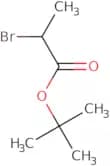

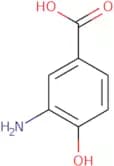
![[4-(Allyloxy)phenyl]boronic acid](/_next/image/?url=https%3A%2Fstatic.cymitquimica.com%2Fproducts%2F3D%2Fthumb-webp%2FFA121987.webp&w=3840&q=75)
![2-[4-(Trifluoromethyl)Phenoxy]Benzoic Acid](/_next/image/?url=https%3A%2Fstatic.cymitquimica.com%2Fproducts%2F3D%2Fthumb-webp%2FFT53144.webp&w=3840&q=75)

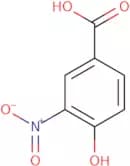
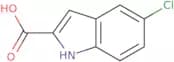
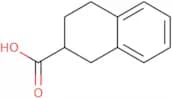
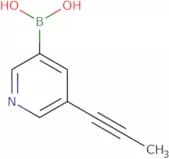
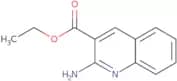
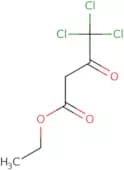
![2-[2-[4-[Bis(4-fluorophenyl)methyl]piperazin-1-yl]ethoxy]acetic acid HCl](/_next/image/?url=https%3A%2Fstatic.cymitquimica.com%2Fproducts%2F3D%2Fthumb-webp%2FFB98570.webp&w=3840&q=75)
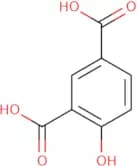
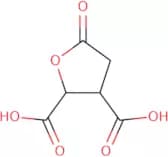
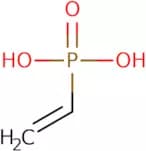
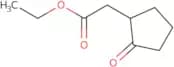
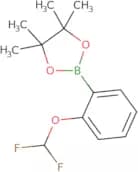
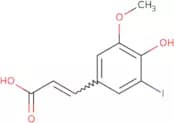
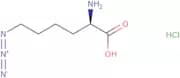
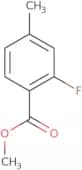
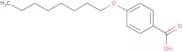
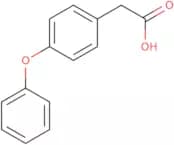

![4-[(4-Methylbenzyl)oxy]benzoic acid](/_next/image/?url=https%3A%2Fstatic.cymitquimica.com%2Fproducts%2F3D%2Fthumb-webp%2FFM119097.webp&w=3840&q=75)
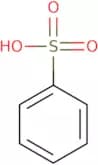
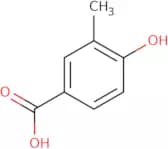
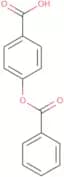


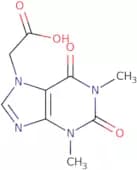
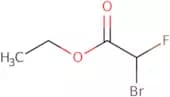
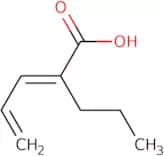
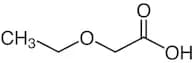


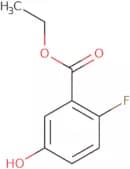
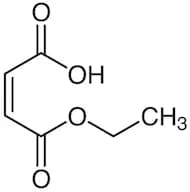

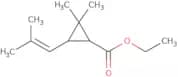
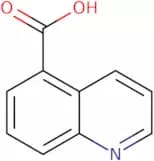
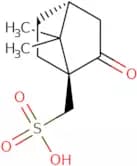
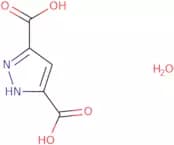


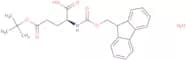
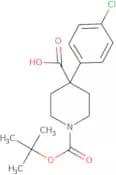
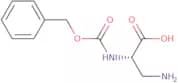
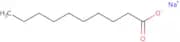
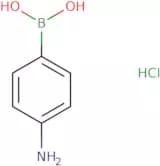
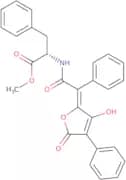
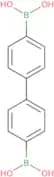
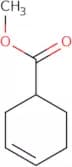
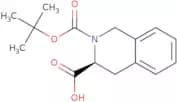
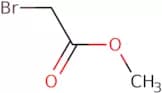
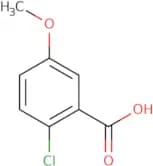
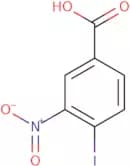
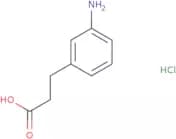

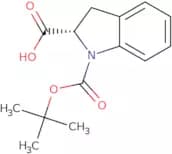
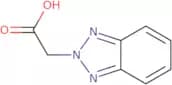

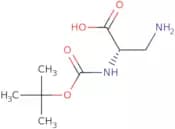
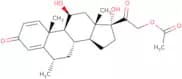
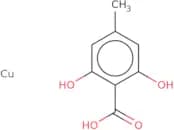
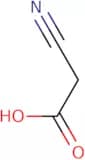
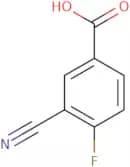
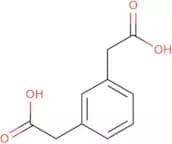


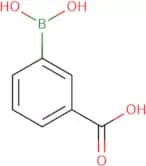


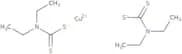
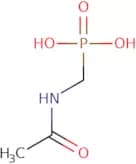

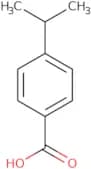
![2-Methylbenzo[d]oxazole-6-carboxylic acid](/_next/image/?url=https%3A%2Fstatic.cymitquimica.com%2Fproducts%2F3D%2Fthumb-webp%2FFM139590.webp&w=3840&q=75)
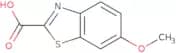

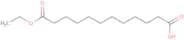
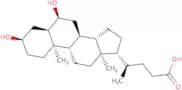
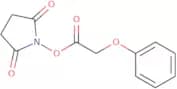
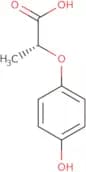
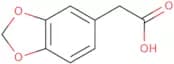
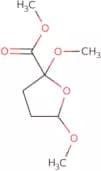
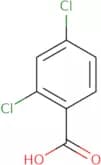
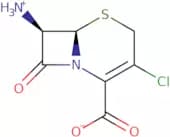
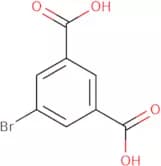
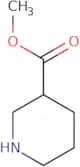
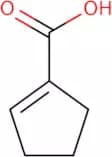
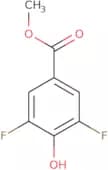


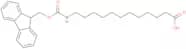

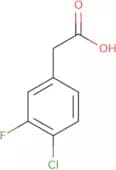

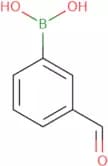


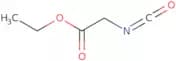
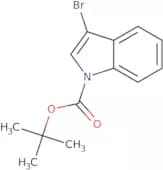
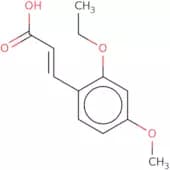

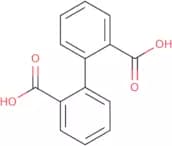
![(S)-(-)-2-Chloro-3-[4(5)-imidazolyl]propionic acid](/_next/image/?url=https%3A%2Fstatic.cymitquimica.com%2Fproducts%2F3D%2Fthumb-webp%2FFC20058.webp&w=3840&q=75)
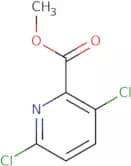
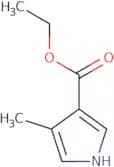

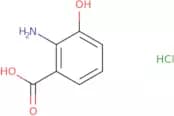
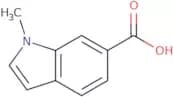
![2-(1H-Benzo[d]imidazol-2-yl)benzoic acid](/_next/image/?url=https%3A%2Fstatic.cymitquimica.com%2Fproducts%2F3D%2Fthumb-webp%2FFB142013.webp&w=3840&q=75)
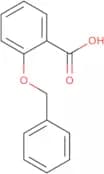
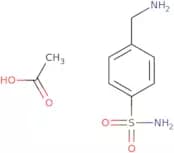
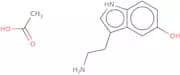
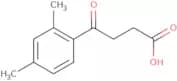
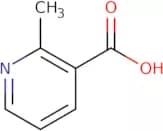
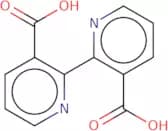
![5,6,7,7a-Tetrahydrothieno[3,2-c]pyridine-2(4H)-onepara-toluenesulfonic acidsalt](/_next/image/?url=https%3A%2Fstatic.cymitquimica.com%2Fproducts%2F3D%2Fthumb-webp%2FFT153026.webp&w=3840&q=75)
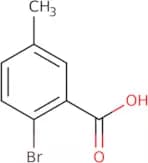

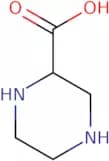
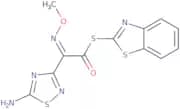
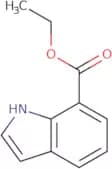
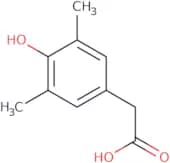
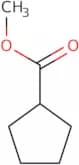
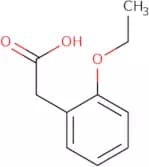
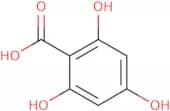
![(S,S,S)-2-Azabicyclo[3.3.0]octane-3-carboxylic acid benzyl ester hydrochloride](/_next/image/?url=https%3A%2Fstatic.cymitquimica.com%2Fproducts%2F3D%2Fthumb-webp%2FFA18053.webp&w=3840&q=75)
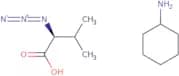
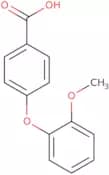
![3-[Methyl(methylsulfonyl)amino]benzoic acid](/_next/image/?url=https%3A%2Fstatic.cymitquimica.com%2Fproducts%2F3D%2Fthumb-webp%2FFM136650.webp&w=3840&q=75)

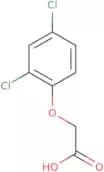
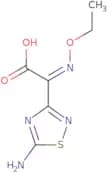
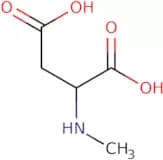
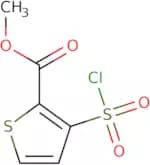
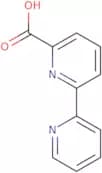
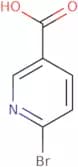
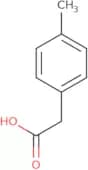
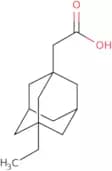
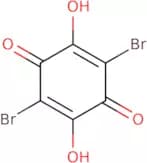
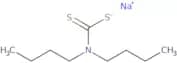
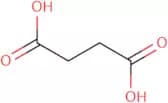
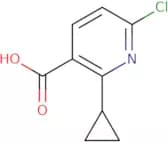
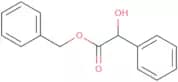
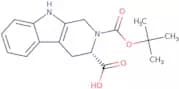
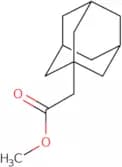
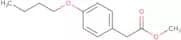
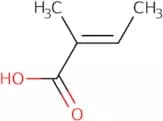
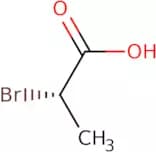


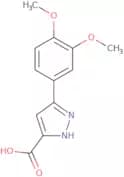
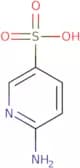
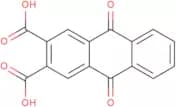
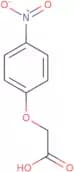
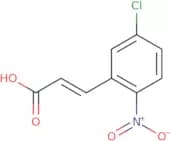

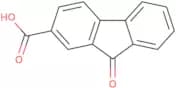
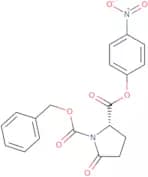
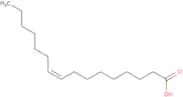
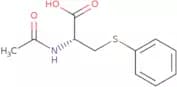
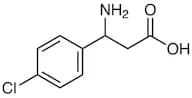
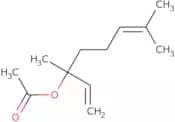
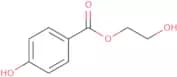

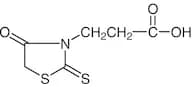
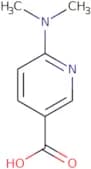

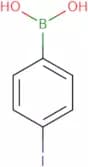
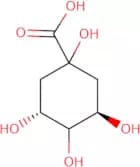
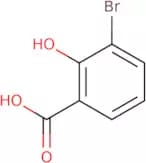

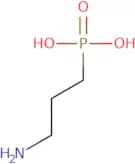
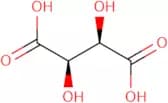
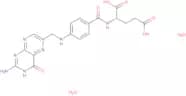
![2-[(3-Chlorobenzyl)oxy]benzoic acid](/_next/image/?url=https%3A%2Fstatic.cymitquimica.com%2Fproducts%2F3D%2Fthumb-webp%2FFC119064.webp&w=3840&q=75)
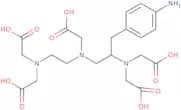
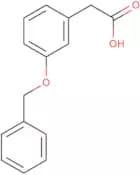
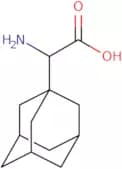

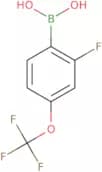
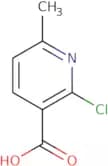
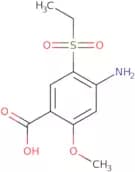
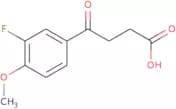

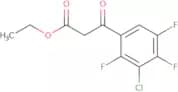
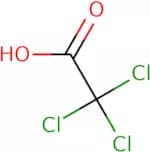
![Tert-butyl 4-(1H-benzo[d]imidazol-2-yl)piperidine-1-carboxylate](/_next/image/?url=https%3A%2Fstatic.cymitquimica.com%2Fproducts%2F3D%2Fthumb-webp%2FFT46131.webp&w=3840&q=75)