Carboxylic Acids
Carboxylic acids are organic molecules characterized by having a carboxyl-type functional group (-COOH). These acids are fundamental in various chemical reactions, including esterification, amidation, and decarboxylation. Carboxylic acids are widely used in the production of pharmaceuticals, polymers, and agrochemicals. In this section, you can find a large number of carboxylic acids ready to be used. At CymitQuimica, we provide a broad range of high-quality carboxylic acids to support your research and industrial applications.
Found 12453 products of "Carboxylic Acids"
Sort by
Purity (%)
0
100
|
0
|
50
|
90
|
95
|
100
Methyl 5-oxopyrrolidine-3-carboxylate
CAS:<p>Methyl 5-oxopyrrolidine-3-carboxylate is a nonsteroidal anti-inflammatory drug that reduces the production of pro-inflammatory cytokines. It binds to COX-2 and prevents the production of prostaglandins, which are involved in the inflammatory process. Methyl 5-oxopyrrolidine-3-carboxylate has been shown to inhibit mouse hippocampal cells and human THP1 cells, which are important in inflammation. This drug also interacts with other proteins and can be localized to mitochondria membrane potentials. Methyl 5-oxopyrrolidine-3-carboxylate has the potential for use as an anti-inflammatory agent for cellular localization in mitochondria membrane potentials.</p>Formula:C6H9NO3Purity:Min. 95%Molecular weight:143.14 g/mol5-Hydroxyisophthalic acid
CAS:<p>5-Hydroxyisophthalic acid is a dicarboxylic acid that has one hydroxyl group. It is an odorless, colorless solid that is soluble in water and ether. 5-Hydroxyisophthalic acid has been found to be a good thermal expansion agent for polypropylene and polyethylene, due to its intermolecular hydrogen bonding ability. This compound also has the ability to form diphenyl ethers with carboxylates, which are used as stabilizers in PVC. 5-Hydoxyisophthalic acid is not very reactive and can be used as a neutral pH stabilizer in alkaline solutions. Hydrogen bonds between 5-hydroxyisophthalic acid molecules allow it to form complexes with sodium salts, such as sodium thiosulfate or sodium nitrite. The coordination geometry of the molecule also allows for hydrogen bonding interactions with other neutral molecules, such as p-hydroxybenzoic acid</p>Formula:C8H6O5Purity:Min. 95%Molecular weight:182.13 g/molFmoc-trans-4-(aminomethyl)cyclohexane-1-carboxylic acid
CAS:<p>Fmoc-trans-4-(aminomethyl)cyclohexane-1-carboxylic acid is a synthetic amino acid that has been shown in vitro to inhibit the growth of prostate cancer cells. It is an analog of butyric acid, a naturally occurring fatty acid. Fmoc-trans-4-(aminomethyl)cyclohexane-1-carboxylic acid has been synthesized by solid phase methods and labeled with radiotracers such as indium 111 or technetium 99m. The use of Fmoc-trans-4-(aminomethyl)cyclohexane-1-carboxylic acid in vivo is limited by its short circulating half life, rapid metabolism, and high toxicity.</p>Formula:C23H25NO4Purity:Min. 95%Color and Shape:White SolidMolecular weight:379.45 g/mol4-[(4-Acetylphenyl)amino]-4-oxobutanoic acid
CAS:<p>Please enquire for more information about 4-[(4-Acetylphenyl)amino]-4-oxobutanoic acid including the price, delivery time and more detailed product information at the technical inquiry form on this page</p>Formula:C12H13NO4Purity:Min. 95%Molecular weight:235.24 g/molThiocyanic acidpiperidine
CAS:Controlled Product<p>Thiocyanic acidpiperidine is a substrate for film hydroxide solution. It reacts with hydrochloric acid to form hydrogen chloride and thiocyanate ion. Thiocyanic acidpiperidine is a reactive compound that can be used as a radiation-sensitive reagent in the synthesis of β-unsaturated ketones. The reaction is carried out in an immiscible solvent such as dichloromethane or chloroform and sodium hydroxide solution. This efficient method has been shown to be useful for the preparation of β-unsaturated ketones.</p>Formula:C6H12N2SPurity:Min. 95%Molecular weight:144.24 g/mol1,2,3,4-Tetrahydro-1-naphthoic acid
CAS:<p>Tetrahydro-1-naphthoic acid is a toxic chemical that is used in the synthesis of various organic compounds. It is an organic acid that has a pungent odor and can cause irritation of the nose and throat. When heated, it evolves toxic fumes of hydrogen chloride gas and phosgene. Tetrahydro-1-naphthoic acid reacts with metal hydroxides to form metal tetrahydro-1-naphthoates, which have useful properties as catalysts in organic reactions. Tetrahydro-1-naphthoic acid has been used as a growth regulator in plants and animals. It binds to DNA at the C–H site, preventing protein synthesis and cell division by inhibiting RNA synthesis.</p>Formula:C11H12O2Purity:Min. 95%Molecular weight:176.21 g/mol1-Methylcyclopropane-1-carboxylic acid
CAS:<p>1-Methylcyclopropane-1-carboxylic acid is a reactive, stereoisomeric amide with an alkaline metal. It can be prepared by the reaction of methoxide and nitrobenzene in the presence of a base such as potassium hydroxide. 1-Methylcyclopropane-1-carboxylic acid has been shown to have potent antitumor activity against solid tumors in vivo. This compound was also shown to inhibit the growth of human prostate cancer cells in vitro. Additionally, 1-methylcyclopropane-1-carboxylic acid has been shown to inhibit the generation of reactive oxygen species (ROS) from xylene and other aromatic hydrocarbons, which may be due to its ability to nitrosylate these compounds and prevent them from reacting with oxygen.</p>Formula:C5H8O2Purity:Min. 95%Molecular weight:100.12 g/mol2-[2-(1H-Indol-3-yl)ethyl]-1,3-dioxoisoindoline-5-carboxylic acid
CAS:Controlled Product<p>Please enquire for more information about 2-[2-(1H-Indol-3-yl)ethyl]-1,3-dioxoisoindoline-5-carboxylic acid including the price, delivery time and more detailed product information at the technical inquiry form on this page</p>Formula:C19H14N2O4Purity:Min. 95%Molecular weight:334.33 g/molACTH (2-24) (human, bovine, rat) trifluoroacetate salt
CAS:<p>Please enquire for more information about ACTH (2-24) (human, bovine, rat) trifluoroacetate salt including the price, delivery time and more detailed product information at the technical inquiry form on this page</p>Formula:C133H205N39O29SPurity:Min. 95%Molecular weight:2,846.36 g/molEthyl5-acetoxy-6-bromo-2-(bromomethyl)-1-methyl-1H-indole-3-carboxylate
CAS:Controlled Product<p>Ethyl 5-acetoxy-6-bromo-2-(bromomethyl)-1-methyl-1H-indole-3-carboxylate is a chemical compound that has been shown to have anti viral activity in vitro. The structure of the compound suggests that it may inhibit the production of inflammatory cytokines. This drug inhibits the activity of enzymes such as hydroxylases and lipases, which are important for the inflammatory process. Ethyl 5-acetoxy-6-bromo-2-(bromomethyl)-1-methyl-1H-indole-3 carboxylate may be an effective treatment for bowel disease and other inflammatory conditions.</p>Formula:C15H15Br2NO4Purity:Min. 95%Molecular weight:433.09 g/molrac-cis despropionyl mefentanyl N-trifluoroacetate
CAS:Controlled Product<p>Please enquire for more information about rac-cis despropionyl mefentanyl N-trifluoroacetate including the price, delivery time and more detailed product information at the technical inquiry form on this page</p>Formula:C22H25F3N2OPurity:Min. 95%Molecular weight:390.44 g/mol3-Bromo-4-pyridinecarboxylic acid
CAS:<p>3-Bromo-4-pyridinecarboxylic acid is a naphthyridine derivative that is used in drug development. It is a crystalline solid that can be dissolved in organic solvents. 3-Bromo-4-pyridinecarboxylic acid has been shown to have antiinflammatory properties and can be used as an oxidant. 3-Bromo-4-pyridinecarboxylic acid is being investigated as a receptor subtype for inflammatory diseases, and it has also been used to study the mechanism of chronic inflammatory diseases.</p>Formula:C6H4BrNO2Purity:Min. 95%Molecular weight:202.01 g/mol5-(3-Hydroxyphenyl)isoxazole-3-carboxylic acid
CAS:<p>Please enquire for more information about 5-(3-Hydroxyphenyl)isoxazole-3-carboxylic acid including the price, delivery time and more detailed product information at the technical inquiry form on this page</p>Formula:C10H7NO4Purity:Min. 95%Molecular weight:205.17 g/mol14-Azido-3,6,9,12-tetraoxatetradecanoic acid solution - 0.5M solution in tert-butyl methyl ether
CAS:<p>Please enquire for more information about 14-Azido-3,6,9,12-tetraoxatetradecanoic acid solution - 0.5M solution in tert-butyl methyl ether including the price, delivery time and more detailed product information at the technical inquiry form on this page</p>Formula:C10H19N3O6Purity:Min. 95%Color and Shape:Colorless PowderMolecular weight:277.27 g/mol4-Aminomethylphenylacetic acid
CAS:<p>4-Aminomethylphenylacetic acid is a nonsteroidal anti-inflammatory drug that is used to treat inflammation and pain. It belongs to the class of peptidomimetics, which are compounds that mimic the structure of a natural biological molecule. 4-Aminomethylphenylacetic acid has an analog with a lactam ring at position 3, which is not present in other NSAIDs. This structural difference may contribute to its high stability and low reactivity. 4-Aminomethylphenylacetic acid has been shown to exhibit antiviral activity against viruses such as HIV or Hepatitis C virus by inhibiting viral replication.</p>Formula:C9H11NO2·HClPurity:Min. 95%Molecular weight:201.65 g/molPeptide YY (canine, mouse, porcine, rat)
CAS:<p>Peptide YY (PYY) is a peptide hormone that inhibits gastric emptying and increases intestinal transit time. This peptide can be given as an intubation, perfusion, or intravenous infusion to increase the absorption of nutrients. It also has the potential to reduce body weight in obese people. PYY is a potent activator of protein synthesis and it has been shown to stimulate lipolysis in adipocytes. PYY is found in the ileum and colon, where it may have its effects on appetite suppression and regulation of gastrointestinal motility.</p>Formula:C190H288N54O57Purity:Min. 95%Color and Shape:PowderMolecular weight:4,240.65 g/mol7-Methyluric acid
CAS:Controlled Product<p>7-Methyluric acid is a purine derivative that is excreted in the urine. This compound can be used to measure the metabolic rate of an individual. 7-Methyluric acid reacts with caffeine to produce methylxanthines and uric acid, which are then measured by chromatographic methods. In order to measure the metabolic rate, a known amount of caffeine is given orally to Sprague-Dawley rats for a period of time, followed by measurement of 7-methyluric acid in their urine samples. The results show that the metabolic rate increases linearly with time.</p>Formula:C6H6N4O3Purity:Min. 95%Color and Shape:PowderMolecular weight:182.14 g/molArjunolic acid
CAS:Controlled Product<p>Arjunolic acid is a hypoglycemic agent that belongs to the group of pharmacological agents. It is a reactive compound, which can be found in pueraria lobata and melaleuca alternifolia. Studies have shown that arjunolic acid has an effect on mitochondrial membrane potential, enzyme activities, and cardiac function. This compound also has anti-inflammatory activity and could be used for the treatment of inflammation. Arjunolic acid may have many other effects due to its ability to inhibit proinflammatory transcription factors such as NF-κB and AP-1.</p>Formula:C30H48O5Purity:(Hplc-Ms) Min. 95 Area-%Color and Shape:PowderMolecular weight:488.7 g/molL-Aspartic acid α-tert-butyl ester
CAS:<p>L-Aspartic acid alpha-tert-butyl ester is a synthetic amino acid that can be used as a substrate for the synthesis of L-cysteine in the presence of selenomethionine. This compound is an auxotroph and cannot be synthesized by the body, so it must be obtained through diet or supplementation. It has been shown to have anti-cancer properties, which may be due to its role in regulating cell proliferation, apoptosis, and angiogenesis. L-Aspartic acid alpha-tert-butyl ester may also inhibit colon cancer cells by preventing them from recycling proteins. This compound was shown to inhibit HCT116 human colon cancer cells in both experimentally and computationally studies. Additionally, this molecule was seen to induce tumor regression in mice with colitis by inhibiting eukaryotic protein synthesis. This inhibition was found to be mediated through a trifluoromethyl group on the molecule's</p>Formula:C8H15NO4Purity:Min. 95%Color and Shape:PowderMolecular weight:189.21 g/mol4-Bromo-pyridine-2-carboxylic acid
CAS:<p>4-Bromo-pyridine-2-carboxylic acid is a metabotropic glutamate receptor antagonist that inhibits the neurotransmitter glutamate. It has been shown to have antibacterial activity against Staphylococcus aureus and anti-inflammatory properties against the fungus Candida albicans. The drug is orally bioavailable, which means it can be taken by mouth, and has a pharmacokinetic profile that increases its bioavailability. This means that 4-Bromo-pyridine-2-carboxylic acid is an inhibitor of deoxycytidine kinase and may be used as an antifungal agent.</p>Formula:C6H4BrNO2Purity:Min. 95%Color and Shape:White To Light (Or Pale) Grey SolidMolecular weight:202.01 g/mol3-(4-Chlorophenyl)-1-phenyl-1H-pyrazole-5-carboxylic acid
CAS:Controlled Product<p>Please enquire for more information about 3-(4-Chlorophenyl)-1-phenyl-1H-pyrazole-5-carboxylic acid including the price, delivery time and more detailed product information at the technical inquiry form on this page</p>Formula:C16H11ClN2O2Purity:Min. 95%Molecular weight:298.72 g/mol4-Phenoxyphenylboronic acid
CAS:<p>4-Phenoxyphenylboronic acid is a chemical inhibitor of protein kinase. It binds to the ATP binding site of the enzyme and prevents ATP from binding, thereby inhibiting the phosphorylation of proteins. This inhibition blocks the activation of downstream pathways that are involved in cell proliferation, leading to apoptotic cell death. 4-Phenoxyphenylboronic acid has been shown to inhibit growth of human cancer cells in vitro. This molecule also inhibits root formation and plant growth, which may be due to its ability to selectively inhibit protein kinases found in plant cells.</p>Formula:C12H11BO3Purity:Min. 95%Molecular weight:214.02 g/molMercuric trifluoroacetate
CAS:Controlled Product<p>Mercuric trifluoroacetate is an organic compound that contains mercury and a carboxylic acid. It is an acid that is formed when mercury reacts with hydrochloric acid. Mercuric trifluoroacetate has been shown to be effective in the synthesis of a number of organic compounds, including the nonsteroidal anti-inflammatory drug (NSAID) 3-hydroxyanthranilic acid. This compound also inhibits the production of prostaglandin E2 in human leukocytes, which may be related to its inhibitory properties on congestive heart failure. Mercuric trifluoroacetate can also cause autoimmune diseases in mice by suppressing the production of interleukin-4 and interleukin-10, which are cytokines involved in immune responses.</p>Formula:C4F6HgO4Purity:Min. 95%Molecular weight:426.62 g/molMethyl chlorooxoacetate
CAS:<p>Methyl chlorooxoacetate is an oxalyl ester that has been used for the synthesis of glycol esters. Methyl chlorooxoacetate has been shown to have a high solubility in water and organic solvents, which is desirable for industrial processes. This molecule also has the ability to be acylated with various organic groups and can act as a process-optimization agent in plant physiology. Methyl chlorooxoacetate binds as a receptor to growth factors and HIV infection, which leads to amide formation and carbonyl group formation.</p>Formula:C3H3ClO3Purity:Min. 95%Color and Shape:Clear LiquidMolecular weight:122.51 g/mol(R)-3-Amino-butyric acid methyl ester
CAS:<p>Please enquire for more information about (R)-3-Amino-butyric acid methyl ester including the price, delivery time and more detailed product information at the technical inquiry form on this page</p>Formula:C5H11NO2Purity:Min. 95%Molecular weight:117.15 g/molMethyl 2-methylpropanimidic acid hydrochloride
CAS:<p>Methyl 2-methylpropanimidic acid hydrochloride is a neutralizing agent that can be used to react with water, acids, and bases. It has been shown to react with gaseous compounds at temperatures as high as 200°C. Methyl 2-methylpropanimidic acid hydrochloride is soluble in organic solvents such as alcohols, ethers, and acetone and can be used to prepare esters by reacting with the corresponding alcohol or phenol. In addition, it has been shown to interact with haloalkyl groups and oxazinones. This compound also has nod-like receptor binding properties that have been shown to play a role in mediating the transport of organic solutions into cells. A receptor protein that reacts with methyl 2-methylpropanimidic acid hydrochloride has been identified in some organisms. The stereostructure of this compound resembles that of triazines and other organometallic compounds.</p>Formula:C5H11NO·HClPurity:Min. 95%Molecular weight:137.61 g/molRibonucleic acid free acid
CAS:<p>Ribonucleic acid free acid (ribo-FAA) is a derivative of the immunosuppressive drug rapamycin. It is an immunosuppressant that inhibits the immune system by binding to a protein called FKBP12, which is involved in the activation of T cells and other immune system cells. Ribo-FAA has been shown to be effective in treating HIV patients undergoing active antiretroviral therapy, as well as for treatment of other infectious diseases such as tuberculosis or leishmaniasis. Ribo-FAA binds to FKBP12 and prevents it from activating T cells or other immune system cells, which leads to suppression of the immune response.</p>Purity:Min. 95%Color and Shape:Yellow Powder1-[2-(5-Chloro-1H-indol-3-yl)ethyl]-5-oxopyrrolidine-3-carboxylic acid
CAS:Controlled Product<p>Please enquire for more information about 1-[2-(5-Chloro-1H-indol-3-yl)ethyl]-5-oxopyrrolidine-3-carboxylic acid including the price, delivery time and more detailed product information at the technical inquiry form on this page</p>Formula:C15H15ClN2O3Purity:Min. 95%Molecular weight:306.74 g/moltert-Butyl-n-(6-methoxy-3-pyridyl)carbamate
CAS:<p>Please enquire for more information about tert-Butyl-n-(6-methoxy-3-pyridyl)carbamate including the price, delivery time and more detailed product information at the technical inquiry form on this page</p>Formula:C11H16N2O3Purity:Min. 95%Molecular weight:224.26 g/mol(6R,7R)-3-(Acetoxymethyl)-8-oxo-7-(2-(thiophen-2-yl)acetamido)-5-thia-1-azabicyclo[4.2.0]oct-2-ene-2-carboxylic acid
CAS:<p>(6R,7R)-3-(Acetoxymethyl)-8-oxo-7-(2-(thiophen-2-yl)acetamido)-5-thia-1-azabicyclo[4.2.0]oct-2-ene-2-carboxylic acid is an antimicrobial agent that inhibits bacterial growth by binding to the penicillin binding protein (PBP), which prevents the synthesis of peptidoglycan. This drug has shown effectiveness against gram positive bacteria, including aerobacter aerogenes, as well as infectious diseases in wastewater treatment plants. It has also been demonstrated to be effective in experimental models of infection due to high resistance and cell signaling pathways. The reaction solution was analyzed by plasma mass spectrometry.</p>Formula:C16H16N2O6S2Purity:Min. 98%Color and Shape:White PowderMolecular weight:396.44 g/molBenzyl N-(2-aminoethyl)carbamate hydrochloride
CAS:<p>Please enquire for more information about Benzyl N-(2-aminoethyl)carbamate hydrochloride including the price, delivery time and more detailed product information at the technical inquiry form on this page</p>Formula:C10H15ClN2O2Purity:Min. 95%Molecular weight:230.69 g/mol3-Bromo-4-oxo-piperidine-1-carboxylic acid ethyl ester
CAS:<p>3-Bromo-4-oxo-piperidine-1-carboxylic acid ethyl ester is a monoclinic crystal of the salt of 3-bromo-4-oxo-piperidine and 1,2-ethanediol. It is used as an intermediate in the synthesis of cisapride, a medication that regulates gastrointestinal motility. 3BOCEP has been shown to hydrolyze in the stomach with a rate constant of 2 x 10 M s. The bromination product is cisapride, which has been shown to regulate gastrointestinal motility by stimulating GI smooth muscle contractions.</p>Formula:C8H12BrNO3Purity:Min. 95%Molecular weight:250.09 g/molMethylisoxazole-4-carboxylic acid
CAS:<p>Methylisoxazole-4-carboxylic acid is an amide that is oxidized to form a hydroxycrotonic acid. It is found in food products, such as milk and eggs, which are rich in amino acids. Methylisoxazole-4-carboxylic acid can be converted to the corresponding hydroxycrotonic acid by deamination of alpha-ketoglutarate or by enamine formation with other amines. These processes are important for the metabolism of amino acids and the synthesis of proteins. Methylisoxazole-4-carboxylic acid has analgesic properties and has been shown to reduce cycloaddition reactions that lead to the formation of free radicals. The methyl group on this compound also allows it to act as a reducing agent, forming nitro compounds with nitrous oxide or nitric oxide and hydroxyl groups with alcohols, phenols, and pyridines.</p>Formula:C5H5NO3Purity:Min. 95%Molecular weight:127.1 g/mol2-(2-Propyl-1H-benzimidazol-1-yl)butanoic acid hydrochloride
CAS:Controlled Product<p>Please enquire for more information about 2-(2-Propyl-1H-benzimidazol-1-yl)butanoic acid hydrochloride including the price, delivery time and more detailed product information at the technical inquiry form on this page</p>Formula:C14H18N2O2Purity:Min. 95%Molecular weight:246.31 g/mol2,5-Pyridinedicarboxylic acid diethyl ester
CAS:<p>2,5-Pyridinedicarboxylic acid diethyl ester is a porphyrin derivative that has been used in the synthesis of phthalocyanines and porphyrins. It is reactive and can be made to react with other compounds by cross-coupling reactions. This compound can also be synthesized through the reaction of picolyl chloride with 2,5-diketopiperazine. The yield of this product is low, but it can be improved through cross-coupling reactions. The functionality of this molecule is determined by the pyridyl group at one end and the diethyl ester at the other.</p>Formula:C11H13NO4Purity:Min. 95%Color and Shape:White PowderMolecular weight:223.23 g/molThallium(I) acetate
CAS:<p>Used as a selective agent against gram-negative bacteria in selective media</p>Formula:C2H3O2TlPurity:Min. 95%Molecular weight:263.43 g/molBoc-(S)-3-amino-3-(2-methoxyphenyl)propionic acid
CAS:<p>Please enquire for more information about Boc-(S)-3-amino-3-(2-methoxyphenyl)propionic acid including the price, delivery time and more detailed product information at the technical inquiry form on this page</p>Formula:C15H21NO5Purity:Min. 95%Color and Shape:PowderMolecular weight:295.33 g/molThioacetic acid
CAS:<p>Thioacetic acid is a monoethyl ether of thioacetic acid. It is used in the synthesis of fatty acids and other organic compounds. Thioacetic acid can be used in the treatment of infectious diseases, such as malaria and cholera, by inhibiting the growth of pathogenic microorganisms. The reactive nature of thioacetic acid makes it ideal for wastewater treatment, where it reacts with ammonia to form ammonium sulfate, which can be easily removed from water.</p>Formula:C2H4OSPurity:Min. 95%Color and Shape:Colorless Clear LiquidMolecular weight:76.12 g/mol2-[4-(tert-Butyldimethylsilyloxymethyl)-2-nitrophenoxy]acetic Acid
CAS:<p>Please enquire for more information about 2-[4-(tert-Butyldimethylsilyloxymethyl)-2-nitrophenoxy]acetic Acid including the price, delivery time and more detailed product information at the technical inquiry form on this page</p>Formula:C15H23NO6SiPurity:Min. 95%Molecular weight:341.43 g/mol2-[(2S,3S,4S)-3-Formyl-5-Methoxycarbonyl-2-Methyl-3,4-Dihydro-2H-Pyran-4-Yl]Acetic Acid
CAS:<p>2-[(2S,3S,4S)-3-Formyl-5-Methoxycarbonyl-2-Methyl-3,4-Dihydro-2H-Pyran-4-Yl]Acetic Acid (PCA) is a natural phenolic compound that is found in olive oil. PCA has been shown to possess antioxidant and antiinflammatory properties. It also has minimal toxicity, with no adverse effects on the liver or kidney. PCA is metabolized by hydrolysis to form hydroxytyrosol and tyrosol. Hydroxytyrosol can be further metabolized to produce the aglycon 2-[(2S,3S,4S)-3-(acetyloxy)-5-(hydroxymethyl)oxolan-4-yl]acetic acid (OHA). OHA is an intermediate in the biosynthesis of erythromycin and other macrolide antibiotics such as</p>Formula:C11H14O6Purity:90%MinMolecular weight:242.23 g/mol(R)-De(carboxymethoxy) cetirizine acetic acid hydrochloride
CAS:<p>Please enquire for more information about (R)-De(carboxymethoxy) cetirizine acetic acid hydrochloride including the price, delivery time and more detailed product information at the technical inquiry form on this page</p>Formula:C19H22Cl2N2O2Purity:Min. 95%Molecular weight:381.3 g/mol1-[2-(1H-Indol-3-yl)ethyl]-2,5-dimethyl-1H-pyrrole-3-carboxylic acid
CAS:Controlled Product<p>Please enquire for more information about 1-[2-(1H-Indol-3-yl)ethyl]-2,5-dimethyl-1H-pyrrole-3-carboxylic acid including the price, delivery time and more detailed product information at the technical inquiry form on this page</p>Formula:C17H18N2O2Purity:Min. 95%Molecular weight:282.34 g/molα,α-Difluorophenylacetic acid
CAS:<p>Please enquire for more information about alpha,alpha-Difluorophenylacetic acid including the price, delivery time and more detailed product information at the technical inquiry form on this page</p>Formula:C8H6F2O2Purity:Min. 95%Molecular weight:172.13 g/molMethyl 6-Bromo-1-Methyl-1H-Indole-2-Carboxylate
CAS:Controlled Product<p>Please enquire for more information about Methyl 6-Bromo-1-Methyl-1H-Indole-2-Carboxylate including the price, delivery time and more detailed product information at the technical inquiry form on this page</p>Formula:C11H10BrNO2Purity:Min. 95%Molecular weight:268.11 g/molMethyl 2-fluoroacetate
CAS:<p>Methyl 2-fluoroacetate is a nucleophilic drug that has been shown to cause conformational changes in the target protein. It has been shown to be water-soluble, and can be used as a probe for studying biological processes. Methyl 2-fluoroacetate has been shown to be effective against papillary muscle, and is a potential drug for treating cardiac conditions. The mechanism of action of methyl 2-fluoroacetate is not well understood, but it is thought to involve the formation of an alkoxy radical. The molecular structure of methyl 2-fluoroacetate was studied using vibrational spectroscopy and nuclear magnetic resonance (NMR) spectra. This drug was also found to inhibit the growth of tissue culture cells at low concentrations, which may indicate that it can affect cell function.</p>Formula:C3H5FO2Purity:Min. 95%Molecular weight:92.07 g/molD-Lactic acid lithium
CAS:<p>D(+)-Lactic acid lithium salt is a dipolar molecule with an activation energy of about 44 kJ/mol. It has been studied by NMR techniques and found to have a resonance in the range of 1.8-2.0 ppm, which is characteristic of protons on the oxygen atom. The proton magnetic resonance (PMR) study showed that the d-lactate resonances were very broad and shifted to higher frequencies, whereas the l-lactate resonances were sharp and shifted to lower frequencies. This may be due to the different number of protons on each type of lactate molecule. The magnetic resonance (NMR) study showed that lithium salt was a radical with a spin density distribution around 2.6 ppm in the nmr spectrum.</p>Formula:C3H6O3•LiPurity:Min. 95%Color and Shape:PowderMolecular weight:97.02 g/mol4-Chloroquinoline-6-carboxylicacid
CAS:<p>Please enquire for more information about 4-Chloroquinoline-6-carboxylicacid including the price, delivery time and more detailed product information at the technical inquiry form on this page</p>Formula:C10H6ClNO2Purity:Min. 95%Molecular weight:207.61 g/mol17-Methylestra-3,5-diene-3,17b-diol diacetate
CAS:Controlled Product<p>Please enquire for more information about 17-Methylestra-3,5-diene-3,17b-diol diacetate including the price, delivery time and more detailed product information at the technical inquiry form on this page</p>Formula:C23H32O4Purity:Min. 95%Molecular weight:372.5 g/mol(R)-3-Amino-4-(2,4,5-trifluorophenyl)butanoic acid hydrochloride
CAS:<p>Please enquire for more information about (R)-3-Amino-4-(2,4,5-trifluorophenyl)butanoic acid hydrochloride including the price, delivery time and more detailed product information at the technical inquiry form on this page</p>Formula:C10H10F3NO2·HClPurity:Min. 95%Molecular weight:269.65 g/mol6-Bromohexanoic acid
CAS:<p>6-Bromohexanoic acid is a fatty acid that has been shown to be an effective agent for the treatment of cancer. It is used in gene therapy to inhibit the growth of cancer cells by binding to and then activating transcription factors. 6-Bromohexanoic acid can also be used as a chemotherapeutic agent and has been shown to cause apoptosis in monoclonal antibody-treated cells. 6-Bromohexanoic acid has pharmacokinetic properties that are similar to those of other fatty acids. The reaction solution was found to have high chemical stability, which may be due to the presence of nitrogen atoms. This reaction solution was found to adsorb onto the surface of monoclonal antibodies and cell culture, altering their properties.</p>Formula:C6H11BrO2Purity:Min. 97.0%Color and Shape:PowderMolecular weight:195.05 g/moltert-Butyl 2-(2-chloroethoxy)acetate
CAS:<p>Please enquire for more information about tert-Butyl 2-(2-chloroethoxy)acetate including the price, delivery time and more detailed product information at the technical inquiry form on this page</p>Formula:C8H15ClO3Purity:Min. 95%Color and Shape:Clear, colourless liquid.Molecular weight:194.66 g/mol3-Keto-4-etiocholenic acid methylester
CAS:Controlled Product<p>3-Keto-4-etiocholenic acid methylester is a chemical that has been shown to have insecticidal properties. 3-Keto-4-etiocholenic acid methylester binds to odorant receptors on the antennae of insects and causes an excitatory response. It can be used as a potential environmental pollutant, as well as an insecticide or repellent. 3-Keto-4-etiocholenic acid methylester binds with high affinity to olfactory receptors in the antennae of insects and has been shown to cause excitation when it comes into contact with these receptors. This compound can be used for screening for new materials with similar odorant binding properties, for research purposes, and also as a biosensor for pollution detection. 3-Keto-4-etiocholenic acid methylester has been shown to react with various substances such as oxygen, nitric oxide, nitrous oxide, sulfur dioxide and</p>Formula:C21H30O3Purity:Min. 95%Molecular weight:330.46 g/mol4-(Difluoromethoxy)phenylboronic acid
CAS:<p>Please enquire for more information about 4-(Difluoromethoxy)phenylboronic acid including the price, delivery time and more detailed product information at the technical inquiry form on this page</p>Formula:C7H7BF2O3Purity:Min. 95%Molecular weight:187.94 g/mol3-(1-Ethyl-5-methyl-1H-pyrazol-4-yl)isoxazole-5-carboxylic acid
CAS:<p>Please enquire for more information about 3-(1-Ethyl-5-methyl-1H-pyrazol-4-yl)isoxazole-5-carboxylic acid including the price, delivery time and more detailed product information at the technical inquiry form on this page</p>Formula:C10H11N3O3Purity:Min. 95%Molecular weight:221.21 g/mol1,5-Diphenyl-1H-pyrazole-3-carboxylic acid
CAS:Controlled Product<p>1,5-Diphenyl-1H-pyrazole-3-carboxylic acid is a herbicide that belongs to the family of alkyloxycarbonyl amides. It is used in weed control and has shown good activity against many broadleaf weeds. 1,5-Diphenyl-1H-pyrazole-3-carboxylic acid inhibits the growth of plants by interfering with photosynthesis and the production of chlorophyll. The compound binds to the thylakoid membrane in chloroplasts, preventing electron transport and blocking the synthesis of carbohydrates from carbon dioxide and water. This leads to cell death as a result of oxygen depletion. 1,5-Diphenyl-1H-pyrazole-3-carboxylic acid also inhibits acetolactate synthase in plants, which produces amides that are important for protein synthesis.</p>Formula:C16H12N2O2Purity:Min. 95%Molecular weight:264.28 g/molBoc-(3S)-1,2,3,4-tetrahydroisoquinoline-7-hydroxy-3-carboxylic acid
CAS:<p>Boc-(3S)-1,2,3,4-tetrahydroisoquinoline-7-hydroxy-3-carboxylic acid is a synthetic opioid that is chemically related to morphine. It binds to the δ opioid receptor and has a clinical development in the treatment of pain. The drug has been shown to inhibit the binding of gtpγs, which leads to the suppression of neuronal activity. Boc-(3S)-1,2,3,4-tetrahydroisoquinoline-7-hydroxy-3-carboxylic acid also has low molecular weight and low toxicity.</p>Formula:C15H19NO5Purity:Min. 95%Color and Shape:PowderMolecular weight:293.32 g/molN-Phenyliminodiacetic acid
CAS:<p>N-Phenyliminodiacetic acid (NPD) is an organic acid that functions as a monomer and polymerization initiator in polyanhydrides. It has been shown to function as a redox potential sensor, having a strong response to changes in the environment. NPD has been shown to be sensitive to reactive oxygen species, such as HCl, which can affect its fluorescence properties. This compound is also active against aneurysms and has been used in simulations of these lesions. NPD also chelates with metal ions and can be used in the treatment of heavy metal poisoning.</p>Formula:C10H11NO4Purity:Min. 95%Molecular weight:209.2 g/molChlorogenic acid hemihydrate
CAS:<p>Chlorogenic acid hemihydrate is a natural phenolic compound that belongs to the family of flavonol glycosides. The molecule has two caffeoylquinic acids and one chlorogenic acid functional groups, which are responsible for its antioxidant properties. Chlorogenic acid hemihydrate is soluble in water and can be used as a solid dispersion. This compound has been shown to have significant interactions with other drugs, including polymeric matrix, protocatechuic acid, and α-amyrin acetate. It also has been shown to have cell culture and in vivo model evidence of efficacy against cancer cells.</p>Purity:Min. 95%1-(3-Chloro-2-methylphenyl)-5-oxopyrrolidine-3-carboxylic acid
CAS:<p>Please enquire for more information about 1-(3-Chloro-2-methylphenyl)-5-oxopyrrolidine-3-carboxylic acid including the price, delivery time and more detailed product information at the technical inquiry form on this page</p>Formula:C12H12ClNO3Purity:Min. 95%Molecular weight:253.68 g/molN-Phenylmethyl-7-methyluric acid
CAS:Controlled Product<p>Please enquire for more information about N-Phenylmethyl-7-methyluric acid including the price, delivery time and more detailed product information at the technical inquiry form on this page</p>Formula:C13H12N4O3Purity:Min. 95%Molecular weight:272.26 g/mol5-Cyanopyridine-2-carboxylic acid
CAS:<p>5-Cyanopyridine-2-carboxylic acid is a small molecule that has been found to have significant biological activity in a number of different areas, including neurotherapeutics. It is the result of a scalable synthesis and is soluble in water. The molecule has two chiral centers and can exist as four different stereoisomers (enantiomers). In vitro studies show that 5-cyanopyridine-2-carboxylic acid inhibits fatty acid uptake by blocking the proton pump, which transports lipids into cells. This compound also binds to the cytosolic protein pyrazine 2-carboxylic acid receptor 1 (PYZR1), which may provide an explanation for its effects on fatty acid uptake.</p>Formula:C7H4N2O2Purity:Min. 95%Molecular weight:148.12 g/molOxazepam acetate
CAS:Controlled Product<p>Oxazepam acetate is a chiral drug that has enantiomeric forms. Oxazepam acetate is converted to the corresponding lorazepam by hydrolysis of the acetate ester group. This drug is an analytical method for determining the concentration of oxazepam in human serum and rat liver microsomes. It also has a stereoselective effect on nucleophilic attack, which means it only reacts with one of two possible sites in the molecule. Oxazepam acetate can be used to treat insomnia, anxiety, and seizure disorders.</p>Formula:C17H13ClN2O3Purity:Min. 95%Molecular weight:328.75 g/moltert-Butyl 3-(4,4,5,5-tetramethyl-1,3,2-dioxaborolan-2-yl)-5,6-dihydropyridine-1(2H)-carboxylate
CAS:<p>tert-Butyl 3-(4,4,5,5-tetramethyl-1,3,2-dioxaborolan-2-yl)-5,6-dihydropyridine-1(2H)-carboxylate is a chemical compound that is used as a reagent in organic synthesis. It is also used as a building block for the preparation of other compounds. This compound can be used in the synthesis of complex molecules such as heterocycles and natural products.</p>Formula:C16H28BNO4Purity:Min. 95%Color and Shape:PowderMolecular weight:309.21 g/mol(4R-cis)-6-Chloromethyl-2,2-dimethyl-1,3-dioxane-4-acetic acid tert-butyl ester
CAS:<p>Please enquire for more information about (4R-cis)-6-Chloromethyl-2,2-dimethyl-1,3-dioxane-4-acetic acid tert-butyl ester including the price, delivery time and more detailed product information at the technical inquiry form on this page</p>Formula:C13H23ClO4Purity:Min. 95%Molecular weight:278.77 g/mol3,4’-O-dimethylellagic acid
CAS:<p>3,4’-O-dimethylellagic acid is a phenolic compound, which is a type of ellagic acid derivative. It is derived from natural sources, typically found in various fruits, nuts, and vegetables, particularly in certain berries and pomegranates. The compound is formed through the methylation of ellagic acid, which amplifies its lipophilicity and enhances its bioavailability.</p>Purity:Min. 95%Behenic acid
CAS:<p>Behenic acid is a fatty acid that has been used as a fluorescence probe for the detection of water vapor. It has shown to have antibacterial efficacy against bacteria including Acinetobacter baumannii, Staphylococcus aureus, and Pseudomonas aeruginosa. Behenic acid is also known to inhibit the synthesis of fatty acids in rat liver microsomes and to have biological properties such as the ability to induce hepatic steatosis. This fatty acid is found in some lichens and can be purified from them using an analytical method involving constant-pressure liquid chromatography. Behenic acid is also found in behen oil, which is produced by pressing nuts from the seed of the beech tree.</p>Formula:C22H44O2Purity:Min. 83 Area-%Color and Shape:PowderMolecular weight:340.58 g/mol5-Hexynoic acid
CAS:<p>5-Hexynoic acid is a chemical compound that has been shown to have anticancer properties. The mechanism of action is not fully understood, but it may be due to its ability to inhibit an enzyme called irreversible acetylcholinesterase, which is involved in the production of several pro-inflammatory mediators. 5-Hexynoic acid has also been shown to inhibit the growth of prostate cancer cells and can be used as a therapeutic agent for prostate cancer. It is synthesized by plants and some microorganisms, although it is not found in humans. 5-Hexynoic acid can be produced from conjugates with glutamic acid or oxalyl chloride in an acidic environment.</p>Formula:C6H8O2Purity:Min. 95%Color and Shape:Clear LiquidMolecular weight:112.13 g/mol12-Amino-1-dodecanoic acid methyl ester hydrochloride salt
CAS:<p>12-Amino-1-dodecanoic acid methyl ester hydrochloride salt (12ADM) has been shown to have immunomodulatory properties. It has a nanomolar range of activity, which is the optimal for an immunosuppressant. 12ADM inhibits the transcriptional activity of human immunodeficiency virus type 1 (HIV-1) and HIV-2, as well as other retroviruses, through interactions with specific RNA sequences in the viral genome. The amide group in this compound is essential for its antiviral activity, and it also interacts with betulinic acid to enhance its cytotoxicity.</p>Formula:C13H28ClNO2Purity:Min. 95%Color and Shape:PowderMolecular weight:265.82 g/mol20-Dehydro cholesterol 3-acetate
CAS:Controlled Product<p>Please enquire for more information about 20-Dehydro cholesterol 3-acetate including the price, delivery time and more detailed product information at the technical inquiry form on this page</p>Formula:C29H46O2Purity:Min. 95%Molecular weight:426.67 g/mol2-(2-Nitrobenzylidene)-3-oxobutanoic acid, methyl ester
CAS:<p>Please enquire for more information about 2-(2-Nitrobenzylidene)-3-oxobutanoic acid, methyl ester including the price, delivery time and more detailed product information at the technical inquiry form on this page</p>Formula:C12H11NO5Purity:Min. 95%Molecular weight:249.22 g/mol(9b,11b)-Epoxy fluorometholone acetate
CAS:<p>Please enquire for more information about (9b,11b)-Epoxy fluorometholone acetate including the price, delivery time and more detailed product information at the technical inquiry form on this page</p>Formula:C24H30O5Purity:Min. 95%Molecular weight:398.49 g/mol7H-Pyrrolo[2,3-d]pyrimidine-4-carboxylic acid
CAS:<p>7H-Pyrrolo[2,3-d]pyrimidine-4-carboxylic acid is a fine chemical that is used as a building block for more complex compounds. It is not an active ingredient in any pharmaceuticals or other products. 7H-Pyrrolo[2,3-d]pyrimidine-4-carboxylic acid can be used to produce research chemicals, reagents, and specialty chemicals. This compound has been shown to be useful as a reaction component or scaffold in the synthesis of more complex molecules.</p>Formula:C7H5N3O2Purity:Min. 95%Color and Shape:PowderMolecular weight:163.13 g/mol4'-[[1,4'-Dimethyl-2'-propyl(2,6'-bi-1H-benzimidazol)-1'-yl]-methyl]-1,1'-biphenyl-2-carboxylicacid 1,1-dimethylethylester
CAS:<p>4'-[[1,4'-Dimethyl-2'-propyl(2,6'-bi-1H-benzimidazol)-1'-yl]-methyl]-1,1'-biphenyl-2-carboxylic acid 1,1-dimethylethyl ester (DMBPC) is a drug substance that is used in the manufacture of solid oral dosage forms. It has been shown to be present at low levels as an impurity in other drug substances. The presence of this impurity has been shown to cause problems with the chromatographic and hplc methods used for its quantification. The following are some important aspects of DMBPC: A. Impurities: The purity of DMBPC is 98%. The impurity profile includes 6% 2-propylbenzimidazole (2PB), 3% 4'-[[2-(6' -methoxycarbony</p>Formula:C37H38N4O2Purity:Min. 95%Molecular weight:570.72 g/mol3-(Fluorosulphonyl)Benzoic Acid
CAS:<p>3-(Fluorosulphonyl)benzoic acid is a potent anti-cancer drug that belongs to the class of natural products. It has been shown to exhibit anti-cancer activity against carcinoma cell lines. 3-(Fluorosulphonyl)benzoic acid inhibits DNA replication, RNA synthesis and protein synthesis by binding to the ribosome. This compound may also have chemopreventive effects on colorectal cancer through its ability to induce apoptosis in cancer cells. 3-(Fluorosulphonyl)benzoic acid is an analog of the natural product alkaloid cytisine, which is found in tobacco plants and has been used for centuries as a smoking cessation aid.</p>Formula:C7H5FO4SPurity:Min. 95%Molecular weight:204.18 g/mol(3α,5β)-6-Ethylidene-3-hydroxy-7-oxocholan-24-oic acid
CAS:Controlled Product<p>Please enquire for more information about (3alpha,5beta)-6-Ethylidene-3-hydroxy-7-oxocholan-24-oic acid including the price, delivery time and more detailed product information at the technical inquiry form on this page</p>Formula:C26H40O4Purity:Min. 95%Molecular weight:416.59 g/mol4-Aminobicyclo[2.2.2]octane-1-carboxylic acid methyl ester
CAS:<p>Please enquire for more information about 4-Aminobicyclo[2.2.2]octane-1-carboxylic acid methyl ester including the price, delivery time and more detailed product information at the technical inquiry form on this page</p>Formula:C10H17NO2Purity:Min. 95%Molecular weight:183.25 g/mol1-[2-(5-Methoxy-1H-indol-3-yl)ethyl]-5-oxopyrrolidine-3-carboxylic acid
CAS:Controlled Product<p>Please enquire for more information about 1-[2-(5-Methoxy-1H-indol-3-yl)ethyl]-5-oxopyrrolidine-3-carboxylic acid including the price, delivery time and more detailed product information at the technical inquiry form on this page</p>Formula:C16H18N2O4Purity:Min. 95%Molecular weight:302.33 g/molD-Glutamic acid α-amide
CAS:<p>D-Glutamic acid alpha-amide is a carbohydrate that has been shown to have antibiotic properties. It can be produced by chemoenzymatic synthesis and is used as an animal feed additive. D-Glutamic acid alpha-amide is a conjugate of D-glutamic acid with either glycine or beta-alanine. The residue of this compound on red blood cells is measured in order to assess the amount of D-glutamic acid alpha-amide that has been ingested. This compound has also been shown to have antigenic properties, which can elicit immune responses when injected into animals. The meningococcal vaccine that contains D-glutamic acid alpha-amide was found to be effective at stimulating an immune response in mice against meningitis caused by gram negative species, such as Neisseria meningitidis.</p>Formula:C5H10N2O3Purity:Min. 95%Color and Shape:PowderMolecular weight:146.14 g/molFmoc-1-amino-4,7,10-trioxa-13-tridecanamine succinimic acid
CAS:<p>Fmoc-1-amino-4,7,10-trioxa-13-tridecanamine succinimic acid is a synthetic amide that is used as an intermediate in the synthesis of peptides. It has a conformational structure and can be labeled with dyes to study the structures of proteins or peptides. Fmoc-1-amino-4,7,10-trioxa-13-tridecanamine succinimic acid has been used as an immunogen in the preparation of monoclonal antibodies. It also can be conjugated to drugs or other compounds for use as bioconjugates. This compound has been shown to have enzymatic activity and can be used as a substrate for enzyme linked immunosorbent assays (ELISA). Trifluoroacetic acid is commonly used in the synthesis of this compound.</p>Formula:C29H38N2O8Purity:Min. 98 Area-%Molecular weight:542.62 g/mol1-(Benzyloxy)-6-oxo-1,6-dihydropyridine-2-carboxylic acid
CAS:<p>Please enquire for more information about 1-(Benzyloxy)-6-oxo-1,6-dihydropyridine-2-carboxylic acid including the price, delivery time and more detailed product information at the technical inquiry form on this page</p>Formula:C13H11NO4Purity:Min. 95%Color and Shape:PowderMolecular weight:245.23 g/mol(S)-tert-Butyl 3-(methylamino)pyrrolidine-1-carboxylate
CAS:<p>(S)-tert-Butyl 3-(methylamino)pyrrolidine-1-carboxylate is a research chemical that can be used as a versatile building block for the synthesis of complex compounds. It is also a reaction component in the synthesis of speciality chemicals and useful scaffolds. It has been shown to have high quality, reagent grade and purity.</p>Formula:C10H20N2O2Purity:Min. 95%Color and Shape:PowderMolecular weight:200.28 g/moltert-Butyl 4-azidopiperidine-1-carboxylate
CAS:<p>Please enquire for more information about tert-Butyl 4-azidopiperidine-1-carboxylate including the price, delivery time and more detailed product information at the technical inquiry form on this page</p>Formula:C10H18N4O2Purity:Min. 95%Molecular weight:226.28 g/molMethyl 5-bromo-1H-pyrazole-3-carboxylate
CAS:<p>Please enquire for more information about Methyl 5-bromo-1H-pyrazole-3-carboxylate including the price, delivery time and more detailed product information at the technical inquiry form on this page</p>Formula:C5H5BrN2O2Purity:Min. 95%Molecular weight:205.01 g/mol3-Thienylmalonic acid
CAS:<p>3-Thienylmalonic acid is a template molecule that is used in kinetic studies of receptor binding reactions. It is a white solid with a molecular weight of 170.07 g/mol and an empirical formula of CHOS. 3-Thienylmalonic acid has been shown to be effective for corrosion inhibition, as it reacts with chloride ions to form a complex that does not allow the metal surface to corrode. This process can be done in a pH range from 1 to 14 and the reaction solution is colorless, odorless, and stable at room temperature. 3-Thienylmalonic acid also has photocatalytic activity, which allows it to degrade organic molecules such as malonic acid or human serum proteins. The compound can also be used as an electrochemical impedance spectroscopy (EIS) probe for wastewater treatment or chloride solutions.</p>Purity:Min. 95%2,5-Dichloro-4-methoxybenzoic acid
CAS:<p>2,5-Dichloro-4-methoxybenzoic acid is a synthetic herbicide that inhibits the enzyme 5-enolpyruvylshikimate-3-phosphate synthase (EPSPS). This enzyme is necessary for the synthesis of aromatic amino acids. 2,5-Dichloro-4-methoxybenzoic acid is used as a selective herbicide in plants grown in vitro to eliminate weeds. It is also used to control populations of wild plants and grasses. 2,5-Dichloro-4-methoxybenzoic acid has been shown to inhibit the growth of glyphosate resistant weed species by inhibiting EPSPS activity.</p>Purity:Min. 95%Methyl 1H-pyrrolo[2,3-b]pyridine-2-carboxylate
CAS:<p>Please enquire for more information about Methyl 1H-pyrrolo[2,3-b]pyridine-2-carboxylate including the price, delivery time and more detailed product information at the technical inquiry form on this page</p>Formula:C9H8N2O2Purity:Min. 95%Molecular weight:176.17 g/mol1,3-Dihydroxy-2-naphthoic acid
CAS:<p>1,3-Dihydroxy-2-naphthoic acid is an organic compound that belongs to the binaphthyls. It is a white solid that can be obtained by reacting naphthalene with inorganic phosphite in the presence of acidic potassium carbonate. This reaction system produces 1,3-dihydroxy-2-naphthoic acid and potassium biphosphite as byproducts. The reaction time depends on the concentration of reactants. 1,3-Dihydroxy-2-naphthoic acid has acidic properties and can be used as a catalyst for chemical reactions involving carboxylic compounds. This compound has been shown to be effective at treating abdominal pain caused by intestinal inflammation or infection with a carbon source such as carbohydrates (e.g., glucose) or fats (e.g., oleic acid).</p>Formula:C11H8O4Purity:Min. 95%Molecular weight:204.18 g/mol4-Mercaptocinnamic acid
CAS:<p>4-Mercaptocinnamic acid is a liquid crystal that belongs to the class of aromatic compounds. It is chiral and has a high melting point. 4-Mercaptocinnamic acid has been used in electronic devices, such as liquid crystal displays and ferroelectric liquid crystals, for its high boiling point and low viscosity. It can also be used as an additive for other chemicals or as a solvent for coatings. The acid group (COOH) in this compound makes it reactive with elements such as chlorine, fluorine, and bromine. It reacts with dicyclohexylcarbodiimide to form cinnamic acid derivatives and toluene to form trifluoromethylbenzenes. This chemical also has alkylthio groups (CH3S) and alkoxy groups (CH2O).</p>Formula:C9H8O2SPurity:Min. 95%Molecular weight:180.22 g/molN,N'-bis-Fmoc-diaminoacetic acid
CAS:<p>Please enquire for more information about N,N'-bis-Fmoc-diaminoacetic acid including the price, delivery time and more detailed product information at the technical inquiry form on this page</p>Formula:C32H26N2O6Purity:Min. 95%Molecular weight:534.56 g/mol4-Isopropoxyphenylboronic acid
CAS:<p>4-Isopropoxyphenylboronic acid is a boronic acid that can be used as a cross-coupling partner in palladium-catalyzed cross-coupling reactions. It is synthesized by reacting 4-hydroxyphenylacetic acid with 2 equivalents of naphthoquinone diazide. The addition of the 4-isopropoxy group to the phenyl substituent increases the reactivity of this boronic acid. This compound has been used in the synthesis of rofecoxib and cyclooxygenase inhibitors, such as aspirin and ibuprofen. The presence of an electron withdrawing group on one phenyl ring enhances the reactivity of this boronic acid towards nucleophiles, such as amines or alcohols.</p>Formula:C9H13BO3Purity:Min. 95%Molecular weight:180.01 g/molCyclopropanecarboxylic acid chloride
CAS:<p>Cyclopropanecarboxylic acid chloride is an organic compound with a molecular formula of C3H6Cl2O. It belongs to the group of carboxylic acids and has a pyrazole ring, which is a potential drug target. Cyclopropanecarboxylic acid chloride has been found to be active against infectious diseases such as herpes, influenza, and Ebola. The mechanism of action for this compound is not yet fully understood but it has been shown to have an effect on growth factors and kinetic data.</p>Formula:C4H5ClOPurity:Min. 95%Molecular weight:104.53 g/mol3-Oxopentanoic acid
CAS:<p>3-Oxopentanoic acid is a fatty acid that is produced by the subunits of the liver. It is metabolized to propionyl CoA and then converted to 3-hydroxybutyrate or acetoacetate in the mitochondria. The conversion of propionyl CoA to 3-oxopentanoic acid is catalyzed by an amide synthetase, while the conversion of 3-oxopentanoic acid to acetoacetate is catalyzed by a β-ketothiolase. This fatty acid has been shown to be useful for the treatment of diabetes because it suppresses insulin secretion from pancreatic β cells and improves glucose uptake in muscle cells. It has also been speculated that this compound may have anti-inflammatory properties due to its inhibition of prostaglandin synthesis.</p>Formula:C5H8O3Purity:Min. 95%Color and Shape:PowderMolecular weight:116.12 g/molHyodeoxycholic acid sodium salt
CAS:Controlled Product<p>Hyodeoxycholic acid sodium salt is a nonsteroidal anti-inflammatory drug that belongs to the class of hyodeoxycholic acids. It is an inhibitor of the enzyme activities that are involved in the synthesis of prostaglandins from arachidonic acid. Hyodeoxycholic acid sodium salt has been shown to inhibit the activity of enzymes such as cyclooxygenase, lipoxygenase, and 5-lipoxigenase. This inhibition leads to decreased production of inflammatory prostaglandins, which are responsible for inflammation and pain. Hyodeoxycholic acid sodium salt also has neurotrophic effects that may be due to its ability to stimulate NGF synthesis by neurons in vitro.</p>Formula:C24H39NaO4Purity:Min. 95%Molecular weight:414.55 g/mol1-(4-Chlorophenyl)-3-(4-methylphenyl)-1H-pyrazole-5-carboxylic acid
CAS:Controlled Product<p>Please enquire for more information about 1-(4-Chlorophenyl)-3-(4-methylphenyl)-1H-pyrazole-5-carboxylic acid including the price, delivery time and more detailed product information at the technical inquiry form on this page</p>Formula:C17H13ClN2O2Purity:Min. 95%Molecular weight:312.75 g/molEthyl 6-methyl-2-thioxo-4-(3,4,5-trimethoxyphenyl)-1,2,3,4-tetrahydropyrimidine-5-carboxylate
CAS:<p>Please enquire for more information about Ethyl 6-methyl-2-thioxo-4-(3,4,5-trimethoxyphenyl)-1,2,3,4-tetrahydropyrimidine-5-carboxylate including the price, delivery time and more detailed product information at the technical inquiry form on this page</p>Formula:C17H22N2O5SPurity:90%MinMolecular weight:366.43 g/mol3,4-Dimethylbenzoic acid
CAS:<p>3,4-Dimethylbenzoic acid is a benzoate compound that is produced by bacteria. It has been shown to have a viscosity of 0.05 cP at 25°C and a melting point of 181°C. It also has the molecular formula C9H11O2, which consists of two carbons, 11 hydrogens, and one oxygen atom. 3,4-Dimethylbenzoic acid is found in urine samples as a metabolite of p-hydroxybenzoic acid (p-OHBA). This compound also has photochemical properties and can be used for analytical determination of urinary p-OHBA levels. 3,4-Dimethylbenzoic acid is not active against bacterial pathogens such as Staphylococcus aureus or Salmonella enterica serovar Typhimurium. However, it does show some activity against Pseudomonas aeruginosa and Escherichia coli.</p>Formula:C9H10O2Purity:Min. 98 Area-%Color and Shape:PowderMolecular weight:150.17 g/mol(5-Fluoro-2-methyl-1H-inden-3-yl)acetic acid
CAS:<p>(5-Fluoro-2-methyl-1H-inden-3-yl)acetic acid (FMIAA) is a phase transfer catalyst that catalyses the condensation of alkyl esters. It can be used in the condensation of aromatic and aliphatic aldehydes in liquid phase with potassium as a reagent and organic solvent. The FMIAA is then removed by dehydrating the product, leaving it in solid form. FMIAA has been shown to be effective for the synthesis of a wide range of compounds, including pharmaceuticals such as cyclopentanone, aminomethylpiperidine, and 4-aminoquinoline.</p>Formula:C12H11FO2Purity:Min. 95%Molecular weight:206.21 g/mol4-(2-Chlorophenyl)-9-methyl-6H-thieno[3,2-f][1,2,4]triazolo[4,3-a][1,4]diazepine-2-propanoic acid
CAS:Controlled Product<p>Please enquire for more information about 4-(2-Chlorophenyl)-9-methyl-6H-thieno[3,2-f][1,2,4]triazolo[4,3-a][1,4]diazepine-2-propanoic acid including the price, delivery time and more detailed product information at the technical inquiry form on this page</p>Formula:C18H15ClN4O2SPurity:Min. 95%Molecular weight:386.86 g/mol4-(2-Chlorophenyl)-9-methyl-6H-thieno[3,2-f][1,2,4]triazolo[4,3-a][1,4]diazepine-2-propanoic acid methyl ester
CAS:Controlled Product<p>Please enquire for more information about 4-(2-Chlorophenyl)-9-methyl-6H-thieno[3,2-f][1,2,4]triazolo[4,3-a][1,4]diazepine-2-propanoic acid methyl ester including the price, delivery time and more detailed product information at the technical inquiry form on this page</p>Formula:C19H17ClN4O2SPurity:Min. 95%Molecular weight:400.88 g/molPiperazine-2-carboxylic acid methyl esterdihydrochloride
CAS:<p>Piperazine-2-carboxylic acid methyl ester (PPCM) is a chemical compound that is used as an intermediate in the production of ethylenediamine and piperazine-2-carboxylic acid dihydrochloride. It is a white crystalline solid that can be synthesized by reacting ethylene diamine with piperazine-2-carboxylic acid. PPCM has been shown to inhibit the growth of bacteria, yeast, and fungi by inhibiting protein synthesis. This chemical also inhibits the production of proteins essential for respiration and cell wall formation.</p>Formula:C6H14Cl2N2O2Purity:Min. 95%Molecular weight:217.09 g/molBoc-trans-1,2-aminocyclohex-4-ene carboxylic acid
CAS:<p>Please enquire for more information about Boc-trans-1,2-aminocyclohex-4-ene carboxylic acid including the price, delivery time and more detailed product information at the technical inquiry form on this page</p>Formula:C12H19NO4Purity:Min. 95%Molecular weight:241.28 g/molStichodactyla helianthus Neurotoxin (ShK) trifluoroacetate salt
CAS:<p>ShK is an amide toxin that is found in the skin of the tropical marine organism Stichodactyla helianthus. It has been shown to have antimicrobial activity against E. coli and other bacteria, as well as a protective effect on inflammatory bowel disease. ShK has been shown to act by inhibiting protein synthesis, which may be due to its ability to bind to signal peptides and change their conformation.</p>Formula:C169H274N54O48S7Purity:Min. 95%Molecular weight:4,054.78 g/molSpiro[2.3]hexane-1-carboxylic acid
CAS:<p>Please enquire for more information about Spiro[2.3]hexane-1-carboxylic acid including the price, delivery time and more detailed product information at the technical inquiry form on this page</p>Formula:C7H10O2Purity:Min. 95%Molecular weight:126.15 g/mol3'-Chloro-biphenyl-4-carboxylic acid
CAS:<p>Please enquire for more information about 3'-Chloro-biphenyl-4-carboxylic acid including the price, delivery time and more detailed product information at the technical inquiry form on this page</p>Purity:Min. 95%Heptadecafluorooctanesulfonic acid potassium
CAS:<p>Please enquire for more information about Heptadecafluorooctanesulfonic acid potassium including the price, delivery time and more detailed product information at the technical inquiry form on this page</p>Formula:C8HF17O3S•KPurity:Min. 95%Color and Shape:PowderMolecular weight:539.23 g/mol9,9-Bis(2-ethylhexyl)fluorene-2,7-bis(boronic acidpinacolester)
CAS:<p>Please enquire for more information about 9,9-Bis(2-ethylhexyl)fluorene-2,7-bis(boronic acidpinacolester) including the price, delivery time and more detailed product information at the technical inquiry form on this page</p>Formula:C41H64B2O4Purity:Min. 95%Molecular weight:642.57 g/mol6-Methylnicotinic acid
CAS:<p>6-Methylnicotinic acid is the major metabolite of nicotine, which is a natural alkaloid. The formation of 6-methylnicotinic acid from nicotine in the body is induced by carbon sources such as glucose and sucrose. This compound has been shown to inhibit herpes simplex virus type 1 replication in tissue culture and animal experiments. 6-Methylnicotinic acid also has an effect on the reaction rate of 2-chloro-6-methylnicotinic acid with hydrogen gas, forming methyl nicotinate, which is an organic acid found in tobacco leaves. 6-Methylnicotinic acid is hydrophilic and can be separated from other compounds using hydrophilic interaction chromatography (HIC).</p>Formula:C7H7NO2Purity:Min. 95%Color and Shape:PowderMolecular weight:137.14 g/molTauroursodeoxycholic acid, sodium salt
CAS:<p>Tauroursodeoxycholic acid, sodium salt is a taurine-conjugated bile acid derivative, which is synthesized in the liver from ursodeoxycholic acid. It functions through its role in stabilizing the mitochondria and inhibiting apoptosis by modulating the unfolded protein response. This molecular action involves reducing endoplasmic reticulum stress, thereby providing cytoprotective effects in various cellular environments.</p>Formula:C26H44NNaO6SPurity:Min. 95%Molecular weight:521.69 g/mol(S)-2-Acetoxy-propionic acid
CAS:<p>(S)-2-Acetoxy-propionic acid is a hexyl, enantiopure, and biologically active chemical. It is a pheromone that is secreted by the streptomycetaceae bacterium as part of its mating process. It has been shown to have an inhibitory effect on stingless bees, which are native to Central America and South America. (S)-2-Acetoxy-propionic acid has been found in the mandibular glands of these bees and is believed to play a role in their behavior. This chemical can be synthesized from propionic acid and acetaldehyde or from lactic acid and acetaldehyde. It is also possible to produce it from 2-bromopropanoic acid through the tripropionate pathway. The chemical was first isolated in 1957 by Takaichi Yamashita, who named it for its ability to inhibit bee stings when applied externally. (S)-2-Acetoxy</p>Formula:C5H8O4Purity:Min. 95%Color and Shape:Colorless Clear LiquidMolecular weight:132.11 g/mol1-(4-Fluorophenyl)-5-methyl-1H-pyrazole-4-carboxylic acid
CAS:<p>Please enquire for more information about 1-(4-Fluorophenyl)-5-methyl-1H-pyrazole-4-carboxylic acid including the price, delivery time and more detailed product information at the technical inquiry form on this page</p>Formula:C11H9FN2O2Purity:Min. 95%Molecular weight:220.2 g/mol3-[2-(Ethoxycarbonyl)-1-methyl-1H-indol-3-yl]propanoic acid
CAS:Controlled Product<p>Please enquire for more information about 3-[2-(Ethoxycarbonyl)-1-methyl-1H-indol-3-yl]propanoic acid including the price, delivery time and more detailed product information at the technical inquiry form on this page</p>Formula:C15H17NO4Purity:Min. 95%Molecular weight:275.3 g/mol4-Methylcyclohex-3-ene-1-carboxylic acid
CAS:<p>4-Methylcyclohex-3-ene-1-carboxylic acid is an anionic compound that is used in the preparation of perfumes. This substance has been shown to have a cycloaddition reaction with nonionic detergents and isoprene, catalyzing the oxidation of terephthalic acid to ethylene. 4-Methylcyclohex-3-ene-1-carboxylic acid can also be used as a medicinal agent for aromatization or as a catalyst for the production of aldehydes.</p>Formula:C8H12O2Purity:Min. 95%Color and Shape:White PowderMolecular weight:140.18 g/molPyrimidine-5-carboxylic acid
CAS:<p>Pyrimidine-5-carboxylic acid is a synthetic, nucleophilic pyrimidine compound that is used in the laboratory for the synthesis of other compounds. It has been shown to inhibit the growth of Leishmania and Staphylococcus bacteria. Pyrimidine-5-carboxylic acid binds to the malonic acid moiety of phosphoenolpyruvate carboxykinase and inhibits its activity, leading to a reduction in cellular respiration. This drug also has clinical development potential as an analgesic with modulating properties.</p>Formula:C5H4N2O2Purity:Min. 95%Molecular weight:124.1 g/mol5-Chlorofuran-2-carboxylic acid
CAS:<p>5-Chlorofuran-2-carboxylic acid is an unlabeled compound that has been found in the chloroacetate fraction of a crude extract of leaves from the plant Garcinia hombroniana. The compound was evaluated for its potential as a bioactive molecule using acetylation, which led to the formation of 5-chlorofuran-2-carboxylic acid methyl ester. This compound was then analysed for its chemical properties, including sequences and parameters. 5-Chlorofuran-2-carboxylic acid methyl ester had no effects on the growth rate of Escherichia coli, but did inhibit the activity of some enzymes involved in DNA replication and repair. Furan, an anion found in 5-chlorofuran-2-carboxylic acid methyl ester, is also present in many other compounds such as 2,4,6 trichlorophenol and 2,5 dichlorophenol</p>Formula:C5H3ClO3Purity:Min. 95%Molecular weight:146.53 g/molMethyl3-iodothiophene-2-carboxylate
CAS:<p>Methyl3-iodothiophene-2-carboxylate is a chemical compound that is involved in the biosynthesis of eicosanoids. It can be synthesized by the cyclization of the corresponding lactam to produce an intermediate, which is then converted to methyl3-iodothiophene-2-carboxylate by hydrolysis or reduction. This compound has been shown to inhibit malaria parasites such as Plasmodium falciparum and Plasmodium vivax. Methyl3-iodothiophene-2-carboxylate also inhibits the growth of bacteria such as Staphylococcus aureus and Bacillus subtilis. The mechanism of action is believed to be due to its ability to inhibit protein synthesis by binding with ribosomes in prokaryotic cells.END></p>Formula:C6H5IO2SPurity:Min. 95%Molecular weight:268.07 g/molMethyl 4,5-dimethoxy-1-methyl-1H-indole-2-carboxylate
CAS:Controlled Product<p>Please enquire for more information about Methyl 4,5-dimethoxy-1-methyl-1H-indole-2-carboxylate including the price, delivery time and more detailed product information at the technical inquiry form on this page</p>Formula:C13H15NO4Purity:Min. 95%Molecular weight:249.26 g/mol12-Aminododecanoic acid
CAS:<p>12-Aminododecanoic acid is a fatty acid that is used in the manufacture of magnetic particles. It is synthesized by cationic polymerization of 4-tert-butylbenzoic acid and dodecanedioic acid. The process involves the use of water vapor to remove hydrochloric acid from the solution and form a salt, which then reacts with dodecanedioic acid to produce 12-aminododecanoic acid. This compound has been shown to have transport properties for nitrogen atoms and can be used in exfoliated materials such as nanometals. 12-Aminododecanoic acid has also been shown to exhibit redox activity due to its ability to react with hydrogen peroxide.</p>Formula:C12H25NO2Purity:Min. 95%Color and Shape:White PowderMolecular weight:215.33 g/mol1-(4-Chlorophenyl)-3-phenyl-1H-pyrazole-5-carboxylic acid
CAS:Controlled Product<p>Please enquire for more information about 1-(4-Chlorophenyl)-3-phenyl-1H-pyrazole-5-carboxylic acid including the price, delivery time and more detailed product information at the technical inquiry form on this page</p>Formula:C16H11ClN2O2Purity:Min. 95%Color and Shape:PowderMolecular weight:298.72 g/mol(R,R)-1,2-Cyclohexanedicarboxylic acid
CAS:<p>(R,R)-1,2-Cyclohexanedicarboxylic acid is a cyclohexane carboxylic acid which has been used as a pharmaceutical intermediate. It is a chiral molecule with two stereogenic centers and can exist in enantiomeric forms. The (R,R) form of the compound is most commonly used in pharmaceuticals due to its higher solubility in water. The (S,S) form of the compound is more reactive than the (R,R) form and can be used for reactions that require a high reactivity. (S,S)-1,2-Cyclohexanedicarboxylic acid has been found to have clinical uses such as the treatment of amines and cyclohexane rings.</p>Formula:C8H12O4Purity:Min. 95%Molecular weight:172.18 g/molEthyl 1,2-dimethyl-5-hydroxyindole-3-carboxylate
CAS:Controlled Product<p>Ethyl 1,2-dimethyl-5-hydroxyindole-3-carboxylate (EDMC) is an implantable drug that is used to treat hypertension. It is a diuretic that can be taken orally or injected. EDMC works by reducing the amount of urea nitrogen in the blood and increasing the amount of chlorine atom in the urine. This leads to an increase in active substances such as malonic acid and a decrease in arthropoda. EDMC has been shown to have antihypertensive activity due to its ability to lower diastolic and systolic pressure. The molecule also contains hydroxyl group and aldehyde groups that are analyzed by analytical chemistry.</p>Formula:C13H15NO3Purity:Min. 95%Molecular weight:233.26 g/mol3-(1-Methyl-1H-indol-3-yl)propanoic acid
CAS:Controlled Product<p>3-(1-Methyl-1H-indol-3-yl)propanoic acid is a potent inhibitor of serine protease. It has been shown to have no effect on fetal heart rate, but can cause bladder cancer in transgenic animals. 3-(1-Methyl-1H-indol-3-yl)propanoic acid blocks the interaction between mammalian cells and bladder cancer cells, which may be due to its ability to block the activation of serine protease in response to thymidylate. This compound also inhibits DNA synthesis and cell growth. It is highly toxic for tumor cells and normal cells, but less so for normal tissues. It also modifies the regulatory domain of cancer cells, making it possible for 3-(1-Methyl-1H-indol-3-yl)propanoic acid to modify cancer cell activity by configuring it with a different regulatory domain that regulates the expression of proteins involved in cancer development.</p>Formula:C12H13NO2Purity:Min. 95%Molecular weight:203.24 g/molcBenzooxazole-2-carboxylic acid
CAS:<p>Benzooxazole-2-carboxylic acid is a chemical compound that has been studied for its potential in the treatment of cancer. It has been shown to bind to estrogen receptors and inhibit the growth of cancer cells. This anti-cancer agent also inhibits the growth of bacteria by binding to metal ions, such as chloride, which are needed for bacterial growth. Benzooxazole-2-carboxylic acid is excreted via urine, which can lead to kidney damage if taken in high doses.</p>Formula:C8H5NO3Purity:Min. 95%Molecular weight:163.13 g/molα-Amino-2H-tetrazole-5-acetic acid
CAS:<p>Alpha-amino-2H-tetrazole-5-acetic acid (AAT) is a neurotoxin that inhibits glutamate receptors and causes neuronal cell death. It also decreases heart function in rats by inhibiting the cardiac sodium channel. AAT has been shown to be effective for inducing neuronal death in Xenopus oocytes, as well as decreasing the expression of certain receptor protein, such as NMDA and AMPA receptor subtypes. AAT is also known to cause apoptosis, which may be due to its inhibition of receptor function.</p>Formula:C3H5N5O2Purity:Min. 95%Color and Shape:Light (Or Pale) Green To Green SolidMolecular weight:143.1 g/mol4-Methoxy-4-oxobutanoic acid
CAS:<p>Succinic acid monomethyl ester (SAMME) is an antimicrobial agent that inhibits the enzyme activities of succinate dehydrogenase, producing mitochondrial membrane depolarization and neuronal death. SAMME has been shown to be effective in treating syncytial virus infection and solid tumours, although it has not been studied in depth. The biological sample used for this study was water vapor, which is a substrate molecule for the enzyme succinic acid semialdehyde dehydrogenase (SASD). This enzyme converts SAMME to succinic acid, which can then inhibit phosphofructokinase-1 or pyruvate kinase, leading to cellular necrosis.</p>Formula:C5H8O4Purity:Min. 95%Molecular weight:132.11 g/molBoc-4-(4-fluorophenyl)-piperidine-4-carboxylic acid
CAS:<p>Please enquire for more information about Boc-4-(4-fluorophenyl)-piperidine-4-carboxylic acid including the price, delivery time and more detailed product information at the technical inquiry form on this page</p>Formula:C17H22FNO4Purity:Min. 95%Molecular weight:323.36 g/mol2-Phosphonobutane-1,2,4-tricarboxylic acid, 50% aqueous solution
CAS:<p>Polymerase chain reaction (PCR) is a technique that can be used to amplify a specific segment of DNA. This technique is based on the use of primers, which are short single strands of DNA, to initiate DNA synthesis. The PCR process consists of two steps: 1) an initial denaturation step in which the temperature is raised to 90-95°C for 10 minutes and 2) a series of 30-40 cycles consisting of a sequence of 94°C for 30 seconds, 55°C for 20 seconds, and 72°C for 10 seconds. The optimum concentration for the polymerase chain reaction depends on the type of polymerase enzyme used and the type of nucleotide or base being added. Nitrogen atoms are found in all living organisms and have been shown to be necessary for bacterial growth. When nitrogen atoms are removed from water vapor, it has been shown that bacteria will not grow as well as when there are nitrogen atoms present. Inhibitor molecules such as benzalk</p>Formula:C7H11O9PPurity:Min. 95%Molecular weight:270.13 g/mol4-Chlorobutyric acid
CAS:<p>4-Chlorobutyric acid is a fatty acid with the chemical formula CH3ClC(O)CH2CO2H. It can be found in animal fats, vegetable oils, and butter. 4-Chlorobutyric acid has been shown to inhibit the growth of PC12 cells by hydrogen bonding to the cell membrane. This inhibition results in an increase in sodium hydroxide solution activity, which leads to increased production of gamma-aminobutyric acid. The butyrolactone that is produced inhibits nerve function and has been shown to have biological treatment potential for hydrochloric acid and cell culture models.</p>Formula:C4H7ClO2Purity:Min. 95%Color and Shape:Clear LiquidMolecular weight:122.55 g/mol2,2,4-Trimethyl-1,2-dihydroquinolin-6-yl phenylacetate
CAS:Controlled Product<p>Please enquire for more information about 2,2,4-Trimethyl-1,2-dihydroquinolin-6-yl phenylacetate including the price, delivery time and more detailed product information at the technical inquiry form on this page</p>Formula:C20H21NO2Purity:Min. 95%Molecular weight:307.39 g/molComanic acid
CAS:<p>Comanic acid is an organic compound that is a derivative of pyridinium. It can be synthesized from acetyl chloride and pyridine by reaction with silver ions in the presence of ethyl esters. Comanic acid has been shown to have anticholinergic activity and inhibit prostatic hypertrophy in rats. It is metabolized to propantheline, which has been shown to be a molecule that binds to chemokine receptors, inhibiting chemotaxis of activated T lymphocytes.</p>Formula:C6H4O4Purity:Min. 95%Color and Shape:White To Yellow To Red SolidMolecular weight:140.09 g/mol3,5-Di-(tert-butyl)benzoic acid
CAS:<p>3,5-Di-(tert-butyl)benzoic acid (3,5-DTBA) is a polynuclear organic solvent that is used as an additive in polymers, plastics, and rubbers. 3,5-DTBA has potent antiproliferative effects on cells and can be used to inhibit the growth of cancer cells. This compound also stabilizes terephthalic acid from oxidation and prevents the formation of amide products. 3,5-DTBA is synthesized from benzoic acid by reacting with methylene chloride in the presence of a catalyst such as aluminum chloride or zinc chloride.</p>Formula:C15H22O2Purity:Min. 95%Molecular weight:234.33 g/mol4-(Butylamino)benzoic acid
CAS:<p>4-(Butylamino)benzoic acid is a non-steroidal anti-inflammatory drug (NSAID) that has been used to treat pain. It is a prodrug, which is metabolized in the liver to 4-(butylamino)-phenylacetic acid, its active form. The 4-(butylamino)benzoic acid molecule has a hydrophobic effect and binds to chloride ions. This binding inhibits the production of prostaglandins, which are mediators of pain. 4-(Butylamino)benzoic acid also reduces the activity of plasma cells that produce antibodies and increases the activity of lymphocytes and platelets, leading to an increase in immunoglobulin levels.</p>Formula:C11H15NO2Purity:Min. 95%Color and Shape:PowderMolecular weight:193.24 g/molS-(+)-α-Methoxy-α-(trifluoromethyl)phenylacetic acid chloride
CAS:<p>S-(+)-alpha-Methoxy-alpha-(trifluoromethyl)phenylacetic acid chloride is an optical, amide, and epoxidation derivatizing agent that is used to chiralify amines. It is a liquid at room temperature with a molecular weight of 123.87 g/mol. This chemical reacts with alcohols to form esters, which can be identified by their different retention times in chromatography. It also reacts with hydroxyl groups to form ethers and esters, as well as hydroxyls on other molecules such as amino acids, peptides, and proteins. S-(+)-alpha-Methoxy-alpha-(trifluoromethyl)phenylacetic acid chloride has been used for the synthesis of bisoprolol from metoprolol and triethylphosphite.</p>Formula:C10H8ClF3O2Purity:Min. 95%Molecular weight:252.62 g/mol[2-(4-Aminophenyl)ethyl]carbamic acid tert-butyl ester
CAS:<p>Please enquire for more information about [2-(4-Aminophenyl)ethyl]carbamic acid tert-butyl ester including the price, delivery time and more detailed product information at the technical inquiry form on this page</p>Formula:C13H20N2O2Purity:Min. 95%Color and Shape:Slightly Yellow PowderMolecular weight:236.31 g/mol2-(5-Chloro-1H-indol-2-yl)acetic acid
CAS:<p>Please enquire for more information about 2-(5-Chloro-1H-indol-2-yl)acetic acid including the price, delivery time and more detailed product information at the technical inquiry form on this page</p>Formula:C10H8CINO2Purity:Min. 95%Molecular weight:313.09 g/molPiperidinium acetate
CAS:Controlled Product<p>Piperidinium acetate is a photochemical agent that has been used in the photochemical oxidation of organic compounds. It is also used as a catalyst for the oxidative coupling of piperidinium salts with sodium salts to form piperidine. Piperidinium acetate can be used for the treatment of metabolic disorders, such as lactic acidosis and hyperglycemia, and autoimmune diseases such as rheumatoid arthritis and systemic lupus erythematosus. This compound is also known to cause allergic symptoms and anhydrous sodium may be generated in the process.</p>Formula:C5H11N·C2H4O2Purity:Min. 95%Color and Shape:PowderMolecular weight:145.20 g/molNonafluoro-1-butanesulfonic Acid
CAS:<p>Nonafluoro-1-butanesulfonic acid (NBS) is a sulfonic acid that is used in the synthesis of sodium salts. NBS has been shown to be toxic to cultured human immunoglobulin cells, with an IC50 of 0.5 mM. It also inhibits the growth of 3T3-L1 preadipocytes and can cause weight gain in animal models. However, NBS has been found to be non-toxic to mice, rats and monkeys after 28 days of continuous dosing with up to 1 g/kg/day. This compound also has been found to have no significant interactions with drugs or other chemicals at concentrations up to 10 times higher than therapeutic doses. A validated analytical method for determining the concentration of NBS in water samples has been developed using liquid chromatography coupled with tandem mass spectrometry (LC/MS/MS).</p>Formula:C4HF9O3SPurity:Min. 95%Color and Shape:Colourless To Pale Yellow LiquidMolecular weight:300.1 g/mol[2-(Difluoromethyl)phenyl]boronic acid
CAS:<p>Please enquire for more information about [2-(Difluoromethyl)phenyl]boronic acid including the price, delivery time and more detailed product information at the technical inquiry form on this page</p>Formula:C7H7BF2O2Purity:Min. 95%Molecular weight:171.94 g/mol21-Hydroxy-pregna-1,4,16-triene-3,11,20-trione 21-acetate
CAS:Controlled Product<p>Please enquire for more information about 21-Hydroxy-pregna-1,4,16-triene-3,11,20-trione 21-acetate including the price, delivery time and more detailed product information at the technical inquiry form on this page</p>Formula:C23H26O5Purity:Min. 95%Molecular weight:382.45 g/molCobalt(II) acetate tetrahydrate
CAS:<p>Cobalt(II) acetate tetrahydrate is a model system that can be used to study the structures of coordination complexes. The cobalt ion has a coordination geometry with two water molecules, two oxygen atoms from the acetate anion, and one proton from the hydroxide anion. The crystal structure is composed of six-membered rings of alternating metal ions and oxygen atoms. The reaction solution contains excess sodium hydroxide and water vapor. It was determined that cobalt(II) acetate tetrahydrate reacts electrochemically at low frequencies as well as with 5-hmf, an oxidizing agent, in the presence of sodium citrate as an oxidation catalyst.</p>Formula:C4H6CoO4·4H2OPurity:Min. 95%Color and Shape:Pink To Red SolidMolecular weight:249.08 g/mol5-(4-Ethoxyphenyl)-5-ethylbarbituric acid
CAS:Controlled Product<p>Please enquire for more information about 5-(4-Ethoxyphenyl)-5-ethylbarbituric acid including the price, delivery time and more detailed product information at the technical inquiry form on this page</p>Formula:C14H16N2O4Purity:Min. 95%Molecular weight:276.29 g/moltert-Butyl ((diphenylphosphoryl)methyl)sulfonylcarbamate
CAS:<p>Please enquire for more information about tert-Butyl ((diphenylphosphoryl)methyl)sulfonylcarbamate including the price, delivery time and more detailed product information at the technical inquiry form on this page</p>Formula:C18H22NO5PSPurity:Min. 95%Color and Shape:PowderMolecular weight:395.41 g/molN, N-Bis(Carboxymethyl)-L -glutamic acid tetrasodium salt - ca. 40% in water
CAS:<p>N,N-Bis(carboxymethyl)-L-glutamic acid tetrasodium salt is a cationic surfactant that has been used in the production of personal care products and industrial cleaners. This compound is soluble in water and can be used as a post-treatment to reduce the redox potential of hydrochloric acid. It also has antibacterial efficacy against both Gram-positive and Gram-negative bacteria. N,N-Bis(carboxymethyl)-L-glutamic acid tetrasodium salt has been shown to be effective against tumor cells.</p>Formula:C9H9NO8·4NaPurity:Min. 95%Color and Shape:PowderMolecular weight:351.13 g/mol3-(2-Ethyl-1H-imidazol-1-yl)-2-methylpropanoic acid
CAS:Controlled Product<p>Please enquire for more information about 3-(2-Ethyl-1H-imidazol-1-yl)-2-methylpropanoic acid including the price, delivery time and more detailed product information at the technical inquiry form on this page</p>Formula:C9H14N2O2Purity:Min. 95%Molecular weight:182.22 g/mol3,4,5-Triacetoxybenzoic acid
CAS:<p>Trifluoroacetic acid is an organic acid that is used in the synthesis of esters, ethers, and amides. It can be used to produce 3,4,5-triacetoxybenzoic acid (TABA), which inhibits the proliferation of leukemia cells. TABA binds to the active site of the protein runx2, which is involved in development and differentiation. It also inhibits vibrational spectra and chemical profiles that are related to cancer cell growth. TABA has been shown to induce autophagy through activation of AMPK signaling pathways in leukemia cells. TABA also inhibits lipid accumulation by inhibiting the expression of genes such as SREBP1c and ACC2.</p>Formula:C13H12O8Purity:Min. 97 Area-%Color and Shape:PowderMolecular weight:296.23 g/mol(1R)-(-)-Menthyl acetate
CAS:<p>(1R)-(-)-Menthyl acetate is a lipase that catalyzes the hydrolysis of esters and amides. It has been immobilized to produce a solid-state biocatalyst that is efficient for the hydrolysis of ester bonds. Candida is an unicellular eukaryotic organism belonging to the phylum Ascomycota, class Saccharomycetes. The enzyme has shown excellent activity against Candida albicans, which causes candidiasis.</p>Formula:C12H22O2Purity:Min. 95%Color and Shape:Clear LiquidMolecular weight:198.3 g/mol2-Chloro-4-fluoropyridine-5-boronic acid, pinacol ester
CAS:<p>Please enquire for more information about 2-Chloro-4-fluoropyridine-5-boronic acid, pinacol ester including the price, delivery time and more detailed product information at the technical inquiry form on this page</p>Formula:C11H14BClFNO2Purity:Min. 95%Molecular weight:257.5 g/mol4,4'-Biphenyldisulfonic acid
CAS:<p>4,4'-Biphenyldisulfonic acid is a reactive and stable complex that can be used in organic synthesis. It has been shown to react with nitrogen-containing compounds to form stable complexes, such as 4,4'-biphenyldisulfonyl azide and 4,4'-biphenyldisulfonyl chloride. It also reacts with Friedel-Crafts reactions to form biphenyl. The alkali hydrolysis of this compound leads to the formation of sulfonic acids. This reaction also produces carbonyl groups and structural formula. 4,4'-Biphenyldisulfonic acid can be used as an anti-inflammatory agent for the treatment of influenza virus and molybdenum deficiency diseases.</p>Formula:C12H10O6S2Purity:Min. 95%Color and Shape:SolidMolecular weight:314.34 g/mol2-[4-(2-Methylpropenyl)phenyl]propionic acid
CAS:<p>2-[4-(2-Methylpropenyl)phenyl]propionic acid is an analgesic and antipyretic agent. It has been shown to have antiinflammatory properties, which are mediated through inhibition of prostaglandin synthesis. This agent binds to the enzyme cyclooxygenase and inhibits the biosynthesis of prostaglandins that are responsible for inflammation. 2-[4-(2-Methylpropenyl)phenyl]propionic acid also has optical antipyretic activity, which may be due to its ability to inhibit the release of prostaglandins from arachidonic acid in the hypothalamus. The optical antipyretic activity is most likely due to the enantiomers that this drug contains. 2-[4-(2-Methylpropenyl)phenyl]propionic acid has a pharmacologic profile that includes analgesic and antipyretic activities.END>></p>Formula:C13H16O2Purity:Min. 95%Color and Shape:PowderMolecular weight:204.26 g/mol5-Amino-2-(trifluoromethyl)isonicotinic acid
CAS:<p>Please enquire for more information about 5-Amino-2-(trifluoromethyl)isonicotinic acid including the price, delivery time and more detailed product information at the technical inquiry form on this page</p>Formula:C7H5F3N2O2Purity:Min. 95%Molecular weight:206.12 g/molOxaloacetic acid-13C4
CAS:<p>A labelled form of the oxalacetic acid (FO12113).</p>Formula:C4H4O5Purity:Min. 95%Molecular weight:136.04 g/mol2,5-Diphenyl-2H-pyrazole-3-carboxylic acid
CAS:Controlled Product<p>Please enquire for more information about 2,5-Diphenyl-2H-pyrazole-3-carboxylic acid including the price, delivery time and more detailed product information at the technical inquiry form on this page</p>Formula:C16H12N2O2Purity:Min. 95%Molecular weight:264.28 g/mol3-Aminopicolinic acid
CAS:<p>3-Aminopicolinic acid is a carboxylate that can be found in the cytosol, mitochondria, and nucleus of cells. It is an efficient method for the synthesis of picolinic acid from 3-aminopyridine-2-carboxylic acid. The synthesis of picolinic acid has been shown to have structural analogs to molecules involved in nucleotide metabolism such as single-stranded DNA, mitochondrial DNA, and mitochondrial RNA. 3-Aminopicolinic acid has been shown to increase renal blood flow by stabilizing complexes with chloride and phosphoenolpyruvate. This compound also enhances the renal excretion of picolinic acid. 3-Desacetylcefotaxime potassium Tilmicosin Gatifloxacin 3-Aminopicolinic acid</p>Formula:C6H6N2O2Purity:Min. 95 Area-%Color and Shape:Yellow PowderMolecular weight:138.12 g/mol7,7-Azo-3-a,12-a-dihydroxytaurocholanic acid sodium salt
CAS:<p>Please enquire for more information about 7,7-Azo-3-a,12-a-dihydroxytaurocholanic acid sodium salt including the price, delivery time and more detailed product information at the technical inquiry form on this page</p>Formula:C26H42N3NaO6SPurity:Min. 95%Molecular weight:547.68 g/molChelidonic acid
CAS:<p>Chelidonic acid is a natural compound that is found in many plants, including the bark of the canna tree. Chelidonic acid has been shown to inhibit enzymes responsible for the degradation of dextran sulfate and p-hydroxybenzoic acid. Chelidonic acid also has immunomodulatory effects on cells, which may be due to its ability to inhibit glutamate release from macrophages. Chelidonic acid is used as a chemical precursor in pharmaceutical preparations such as protocatechuic acid. It can be synthesized by reacting hydrochloric acid with chelidonium majus extract.</p>Formula:C7H4O6Purity:Min. 95%Color and Shape:PowderMolecular weight:184.1 g/molHemokinin 1 (mouse, rat) trifluoroacetate salt
CAS:<p>Hemokinin 1 is a protein that is encoded by the NK1R gene. It has been shown to be associated with insulin resistance, inflammatory diseases, and pain control. Hemokinin 1 is also a potential treatment for viral infections such as HIV and hepatitis C. Hemokinin 1 interacts with nicotinic acetylcholine receptors (nAChRs) in the brain and blood vessels, which leads to an increase in blood pressure. This protein also interacts with hematopoietic cells, which may be responsible for its function as an antinociceptive agent. Hemokinin 1 has been implicated in autoimmune diseases such as arthritis and atrial fibrillation. This protein is expressed mainly in the brain, liver, heart, kidneys and spleen.</p>Formula:C61H100N22O15SPurity:Min. 95%Molecular weight:1,413.65 g/molγ-Oxo-3-pyridinebutyric acid
CAS:<p>Gamma-oxo-3-pyridinebutyric acid (GOBA) is a non-protein amino acid that has been shown to be involved in the development of cancer. GOBA was found to be present in urine samples from patients with liver cancer and breast cancer, as well as in healthy individuals. GOBA is also present in rat liver microsomes and human liver, where it is converted into gamma-aminobutyric acid (GABA). This conversion may be due to GOBA's hydroxy group that can be oxidized by cytochrome P450 enzymes. The biological activity of GOBA appears to depend on its carboxyl group, which can form a complex with molybdenum. This complex inhibits the activity of the protein polymerase chain reaction, leading to a decrease in transcriptional regulation. In animal experiments, GOBA has been shown to inhibit tumor growth and induce cell cycle arrest by inhibiting the expression of cyclin D1 at the</p>Formula:C9H9NO3Purity:Min. 95%Color and Shape:PowderMolecular weight:179.17 g/mol(4-Ethoxyphenyl)boronic acid
CAS:<p>4-Ethoxyphenylboronic acid is a boron-containing compound that has been shown to have potent antiviral activity. This compound is synthesized from adipose tissue and optical properties of the phenoxazine derivative are studied in order to find an efficient process for solid-phase synthesis. 4-Ethoxyphenylboronic acid has been shown to inhibit triglyceride lipase and fatty acid, which may be an important drug target. It has also been found to have potent antagonistic effects on fatty acids.</p>Formula:C8H11BO3Purity:Min. 95%Molecular weight:165.98 g/mol5,6-Epoxy-13-cis retinoic acid
CAS:<p>5,6-Epoxy-13-cis retinoic acid (5,6-ER) is the most active metabolite of all-trans-retinoic acid. 5,6-ER binds to the nuclear receptor and acts as a transcription factor. It has been shown to inhibit the growth of several cancer cell lines in vitro, including T47D cells. 5,6-ER also has antacid properties and can be used for the treatment of inflammatory bowel disease. 5,6-ER is found in low concentrations in plasma and tissues and accumulates in high concentrations in rat liver microsomes. The major metabolic pathway includes hydrolysis by trifluoroacetic acid which produces 5,6 epoxyretinoyl coenzyme A (5,6 epoxyretinoyl CoA). This compound is then converted to 5,6 epoxyretinol by an unknown mechanism.</p>Formula:C20H28O3Purity:Min. 95%Molecular weight:316.43 g/mol15-Tritylmercapto-4,7,10,13-tetraoxapentadecanoic acid monohydrate
CAS:<p>Please enquire for more information about 15-Tritylmercapto-4,7,10,13-tetraoxapentadecanoic acid monohydrate including the price, delivery time and more detailed product information at the technical inquiry form on this page</p>Formula:C30H36O6S•H2OPurity:Min. 95%Color and Shape:PowderMolecular weight:542.68 g/mol2-Bromo-5,6-dihydro-8h-imidazo[1,2-a]pyrazine-7-carboxylic acid tert-butyl ester
CAS:<p>Please enquire for more information about 2-Bromo-5,6-dihydro-8h-imidazo[1,2-a]pyrazine-7-carboxylic acid tert-butyl ester including the price, delivery time and more detailed product information at the technical inquiry form on this page</p>Formula:C11H16BrN3O2Purity:Min. 95%Molecular weight:302.17 g/mol(6-Hydroxy-2-methyl-4-oxoquinazolin-3(4H)-yl)acetic acid
CAS:Controlled Product<p>Please enquire for more information about (6-Hydroxy-2-methyl-4-oxoquinazolin-3(4H)-yl)acetic acid including the price, delivery time and more detailed product information at the technical inquiry form on this page</p>Formula:C11H10N2O4Purity:Min. 95%Molecular weight:234.21 g/mol2-(Bromomethyl)acrylic acid
CAS:<p>2-(Bromomethyl)acrylic acid is a monomer that has been synthesized from bromoacetic acid and acrylic acid. It is an efficient method for the synthesis of 2-bromoethyl acrylate, which can be used as a precursor for polyurethanes and other polymers. The 2-bromoethyl acrylate can be obtained through allylation with ethylene glycol, followed by hydrolysis to produce acrylic acid. This monomer reacts with free hydroxyl groups to form esters and ethers. It also reacts with nitrogen atoms to form amides or nitriles. Cell culture studies have shown that this compound has no toxic effects on human erythrocytes or hepatocytes.</p>Formula:C4H5BrO2Purity:Min. 95%Color and Shape:PowderMolecular weight:164.99 g/molDiphenylsulfone-3,3'-disulfonic Acid Disodium Salt
CAS:<p>Please enquire for more information about Diphenylsulfone-3,3'-disulfonic Acid Disodium Salt including the price, delivery time and more detailed product information at the technical inquiry form on this page</p>Purity:Min. 95%Fmoc-4-hydrazinobenzoic acid
CAS:<p>Please enquire for more information about Fmoc-4-hydrazinobenzoic acid including the price, delivery time and more detailed product information at the technical inquiry form on this page</p>Formula:C22H18N2O4Purity:Min. 95%Molecular weight:374.39 g/molAc-Lys(Ac)-D-Ala-D-lactic acid
CAS:<p>Please enquire for more information about Ac-Lys(Ac)-D-Ala-D-lactic acid including the price, delivery time and more detailed product information at the technical inquiry form on this page</p>Formula:C16H27N3O7Purity:Min. 95%Molecular weight:373.4 g/mol(S)-α-Ethyl-2-oxo-1-pyrrolidineacetic acid(R)-α-methylbenzenemethanaminesalt
CAS:Controlled Product<p>Please enquire for more information about (S)-alpha-Ethyl-2-oxo-1-pyrrolidineacetic acid(R)-alpha-methylbenzenemethanaminesalt including the price, delivery time and more detailed product information at the technical inquiry form on this page</p>Formula:C16H24N2O3Purity:Min. 95%Molecular weight:292.37 g/mol2-(Benzimidazolylthio) acetic acid
CAS:<p>2-(Benzimidazolylthio) acetic acid is a ligand that can be used as an antihelminthic. It can also be used to produce luminescent substances, inorganic salts and heterocycles. 2-(Benzimidazolylthio) acetic acid reacts with nucleophiles by nucleophilic attack, cleaving the bond and releasing the atom or group. 2-(Benzimidazolylthio) acetic acid has been used to synthesize condensation products with irradiation. This chemical has been shown to have antimicrobial properties against bacteria and fungi.</p>Formula:C9H8N2O2SPurity:Min. 95%Color and Shape:PowderMolecular weight:208.24 g/mol1-Boc-4-aminopiperidine-4-carboxylic acid
CAS:<p>Please enquire for more information about 1-Boc-4-aminopiperidine-4-carboxylic acid including the price, delivery time and more detailed product information at the technical inquiry form on this page</p>Formula:C11H20N2O4Purity:Min. 95%Color and Shape:White To Beige SolidMolecular weight:244.29 g/molIsopentylboronic acid
CAS:<p>Isopentylboronic acid is a boron-containing organic compound that is used for the catalysis of cross-coupling reactions, such as the Suzuki reaction. It reacts with aryl halides to form an alkylboronic ester and a metal salt. Isopentylboronic acid is also used to produce trimers in the presence of formyl or nitro groups. Isopentylboronic acid may also be used as a reagent to convert alcohols into chlorides or bromides. This compound has been shown to react with alkali metal ions on one side and alkyl substituents on the other side, leading to deuterium incorporation at the carbon atom adjacent to the carboxylic acid group. Isopentylboronic acid can also be used for dehydrating alcohols and converting alkynes into alkenes when heated in the presence of an alkali metal chloride.</p>Formula:C5H13BO2Purity:Min. 95%Molecular weight:115.97 g/molall-cis-6,9,12,15-Octadecatetraenoic acid
CAS:<p>All-cis-6,9,12,15-octadecatetraenoic acid is a polyunsaturated fatty acid that has been shown to have anti-inflammatory properties. It is found in the form of stearidonic acid and can be derived from plants such as flaxseed or soybeans. All-cis-6,9,12,15-octadecatetraenoic acid has been shown to inhibit the production of chemoattractant protein (MCP) in 3T3L1 preadipocytes by blocking the synthesis of arachidonic acid. This compound also inhibits the proliferation of MDA-MB 231 breast cancer cells and induces cell death via apoptosis.</p>Formula:C18H28O2Purity:Min. 95%Molecular weight:276.41 g/mol2-(1-(tert-Butoxycarbonyl)azetidin-3-yl)acetic acid
CAS:<p>Please enquire for more information about 2-(1-(tert-Butoxycarbonyl)azetidin-3-yl)acetic acid including the price, delivery time and more detailed product information at the technical inquiry form on this page</p>Formula:C10H17NO4Purity:Min. 95%Molecular weight:215.25 g/molDL-Lactic acid
CAS:<p>DL-lactic acid is a metabolic intermediate that is produced in the muscle cells during anaerobic glycolysis. It is used to treat cancer and has been shown to be effective against squamous cell carcinoma. DL-lactic acid also inhibits mitochondrial membrane potential, which may be one of the mechanisms by which it causes cell death. DL-lactic acid has been found to have antibacterial efficacy against a number of bacteria, including Staphylococcus aureus, Enterococcus faecalis, Escherichia coli, Proteus mirabilis, Pseudomonas aeruginosa, and Streptococcus pyogenes. DL-lactic acid also inhibits enzyme activities that are necessary for bacterial growth such as phosphotransferase enzymes and urease. DL-lactic acid is a metabolic intermediate that can be used to inhibit tumor growth and metastasis. DL-lactic acid also inhibits transcriptional regulation in human serum</p>Formula:C3H6O3Color and Shape:Colorless Clear LiquidMolecular weight:90.08 g/mol5-[2-[4',5-Bis(Pyridin-2-ylsulfamoyl)biphenyl-2-yl]diazenyl]-2-hydroxybenzoic acid
CAS:<p>Please enquire for more information about 5-[2-[4',5-Bis(Pyridin-2-ylsulfamoyl)biphenyl-2-yl]diazenyl]-2-hydroxybenzoic acid including the price, delivery time and more detailed product information at the technical inquiry form on this page</p>Formula:C29H22N6O7S2Purity:Min. 95%Molecular weight:630.65 g/mol2-Methyl-3-(4-methyl-1H-pyrazol-1-yl)propanoic acid
CAS:Controlled Product<p>Please enquire for more information about 2-Methyl-3-(4-methyl-1H-pyrazol-1-yl)propanoic acid including the price, delivery time and more detailed product information at the technical inquiry form on this page</p>Formula:C8H12N2O2Purity:Min. 95%Molecular weight:168.19 g/mol4-Pyridazinecarboxylic acid
CAS:<p>4-Pyridazinecarboxylic acid is a salt that contains sodium. It is a white crystalline solid that is soluble in water, ethanol, and acetone. It has been shown to be effective against Leishmania species and Cryptococcus neoformans. 4-Pyridazinecarboxylic acid inhibits the growth of these fungi by binding to their cell membrane and inhibiting protein synthesis. 4-Pyridazinecarboxylic acid forms coordination complexes with metal ions that are involved in electron transfer reactions during the oxidative phosphorylation process. This leads to a decrease in ATP production and an increase in reactive oxygen species (ROS), which disrupts the function of macrophages and other phagocytic cells, leading to immunosuppression.</p>Formula:C5H4N2O2Purity:Min. 95%Molecular weight:124.1 g/mol3-Isoquinolinecarboxylic acid
CAS:<p>3-Isoquinolinecarboxylic acid is a molecule with a reactive group that can form cyclic structures. It has been shown that 3-Isoquinolinecarboxylic acid is an apoptotic agent in human macrophages and induces the release of picolinic acid from these cells. This molecule also has a high affinity for α7 nicotinic acetylcholine receptors, which are present on the surface of nerve cells. 3-Isoquinolinecarboxylic acid can be synthesized by condensing picolinic acid, an aromatic aminoacid, with an appropriate amine. The synthesis of this heterocycle is catalyzed by an enzyme called quinolinate synthase. The product of this reaction is oxidized to form 3-isoquinolyl carboxylic acid. The final step in the synthesis involves the oxidative cleavage of a disulfide bond using hydrogen peroxide, yielding 3-isoquinoly</p>Formula:C10H7NO2Purity:Min. 95%Molecular weight:173.17 g/molγ-Aminobutyric acid
CAS:<p>Gamma-aminobutyric acid (GABA) is a neurotransmitter that inhibits the transmission of nerve impulses in the brain. GABA binds to specific receptors and blocks voltage-dependent calcium channels, which are ion channels that allow the passage of calcium ions into cells. GABA also has a number of other functions, including biochemical properties, its role in brain function and drug interactions. The GABA receptor is found on neurons and is subject to modulation by drugs that interact with GABA receptors. In addition, GABA can react with water vapor to produce hydrogen bonding interactions. This reaction is used in electrochemical impedance spectroscopy as an analytical tool for determining the concentration of free water in a sample.</p>Formula:C4H9NO2Purity:Min. 98.0%Color and Shape:White PowderMolecular weight:103.12 g/molBoric acid, pinacol ester
CAS:<p>Boric acid, pinacol ester (BP) is a chemical compound that inhibits the 5-HT7 receptor. BP has been shown to be an inhibitor of growth factor and is used to treat autoimmune diseases. BP inhibits the formation of a copper complex with the BCR-ABL kinase, which is associated with chronic myeloid leukemia. It also inhibits epidermal growth factor and has been shown to have anti-inflammatory properties in eye disorders. BP has a chemical stability that is greater than other inhibitors of 5-HT7 receptors, due to its hydroxyl group and nitrogen atoms. BP can be synthesized using a Suzuki coupling reaction as well as an optical sensor for monitoring the reaction rate. It has been found to be effective in treating hyperproliferative disease such as cancerous tumors and fibrosis.</p>Formula:C6H13BO3Purity:Min. 95%Molecular weight:143.98 g/mol3-Methylglutaric acid
CAS:<p>3-Methylglutaric acid is an organic compound that belongs to the group of alkanocarboxylic acids. It has been shown to reduce the formation of malonic acid, which can be toxic to the heart and cause congestive heart failure. 3-Methylglutaric acid also inhibits oxidation catalysts and increases the production of energy in cells by providing electrons. The kinetic data for 3-methylglutaric acid have been determined using a gas chromatography technique on a high-temperature conversion reactor at a pH of 7.0 with a concentration of 0.1 M potassium phosphate buffer (pH 7) and a temperature of 70°C. 3-Methylglutaric acid has been shown to inhibit monoclonal antibody cationic polymerization, which may be due to its reactive nature and its ability to donate hydrogen ions or electrons.</p>Formula:C6H10O4Purity:Min. 95%Molecular weight:146.14 g/molNicotinuric acid
CAS:<p>Nicotinuric acid is an endogenous metabolite of nicotinic acid, which is a cofactor for the enzyme that catalyzes the conversion of phosphoenolpyruvate to pyruvate. Nicotinuric acid has been shown to be a potential biomarker for human pharmacokinetics. It has been shown to be involved in energy metabolism and may play a role in the pathogenesis of atherosclerotic cardiovascular disease. Nicotinuric acid is also a product of the enzymatic degradation of pyrrolidinecarboxylic acid, which is found in papillary muscle cells and penicillin-binding protein. The formation of nicotinuric acid can be inhibited by nicotinic acid, pyrazinoic acid, or by inhibitors of lc-ms/ms method.</p>Formula:C8H8N2O3Purity:Min. 95%Molecular weight:180.16 g/mol4-Amino-3-(trifluoromethoxy)benzoic acid
CAS:<p>Please enquire for more information about 4-Amino-3-(trifluoromethoxy)benzoic acid including the price, delivery time and more detailed product information at the technical inquiry form on this page</p>Formula:C8H6F3NO3Purity:Min. 95%Molecular weight:221.13 g/mol3-(3-Acetyl-1H-indol-1-yl)propanoic acid
CAS:Controlled Product<p>Please enquire for more information about 3-(3-Acetyl-1H-indol-1-yl)propanoic acid including the price, delivery time and more detailed product information at the technical inquiry form on this page</p>Formula:C13H13NO3Purity:Min. 95%Molecular weight:231.25 g/molEthyl 2-amino-thiazole-4-carboxylate
CAS:<p>Ethyl 2-amino-thiazole-4-carboxylate (ETAC) is an inhibitor of protein synthesis. It binds to the dna and inhibits transcription, leading to cell death by inhibiting the production of proteins vital for cell division. ETAC has been shown to have cytotoxic activity against cancer cells and hemolytic activity. It also has a strong fluorescence probe property, which may be used in cancer diagnosis. ETAC can inhibit protein synthesis in cells that are resistant to other antimicrobial agents and platinum-based chemotherapy, making it a potential treatment for these infections. The pharmacokinetic properties of ETAC are not well studied but it is excreted through urine, suggesting that it is hydrophilic and may be metabolized with glucuronidation or sulfation. The molecular modeling study suggests that the hydrogen bond between ETAC and the dna phosphate group may explain its inhibitory effects on DNA synthesis.</p>Formula:C6H8N2O2SPurity:Min. 99.0 Area-%Molecular weight:172.21 g/mol4-{[1-(tert-Butoxycarbonyl)azetidin-3-yl]oxy}benzoic acid
CAS:<p>Please enquire for more information about 4-{[1-(tert-Butoxycarbonyl)azetidin-3-yl]oxy}benzoic acid including the price, delivery time and more detailed product information at the technical inquiry form on this page</p>Formula:C15H19NO5Purity:Min. 95%Molecular weight:293.32 g/mol3-[(Dimethylamino)methyl]benzoic acid hydrochloride
CAS:<p>Please enquire for more information about 3-[(Dimethylamino)methyl]benzoic acid hydrochloride including the price, delivery time and more detailed product information at the technical inquiry form on this page</p>Formula:C10H13NO2Purity:Min. 95%Molecular weight:179.22 g/molTetrakis[N-tetrachlorophthaloyl-(S)-tert-leucinato]dirhodium Bis(ethyl Acetate) Adduct
CAS:<p>Please enquire for more information about Tetrakis[N-tetrachlorophthaloyl-(S)-tert-leucinato]dirhodium Bis(ethyl Acetate) Adduct including the price, delivery time and more detailed product information at the technical inquiry form on this page</p>Formula:C56H40Cl16N4O16Rh2·C8H16O4Purity:Min. 95%Molecular weight:1,974.2 g/mol3,5-di-tert-Butyl-4-hydroxyphenylacetic acid
CAS:<p>3,5-Di-tert-butyl-4-hydroxyphenylacetic acid (BHT) is an antiaging agent that has been used in food packaging and cosmetics. BHT is a functionalized triethoxysilane with phenyl groups attached to the silicon atoms. BHT is an antioxidant that protects against lipid peroxidation and prevents the formation of free radicals by reacting with peroxy radicals. It has been shown to have a protective effect on skin cells when applied topically. BHT also has protective effects against environmental stressors such as UV radiation, ozone, and cigarette smoke.</p>Formula:C16H23O3Purity:Min. 95%Molecular weight:263.36 g/molFmoc-(2S,4S)-4-phenylpyrrolidine-2-carboxylic acid
CAS:<p>Please enquire for more information about Fmoc-(2S,4S)-4-phenylpyrrolidine-2-carboxylic acid including the price, delivery time and more detailed product information at the technical inquiry form on this page</p>Formula:C26H23NO4Purity:Min. 95%Molecular weight:413.47 g/mol(-)-trans-1,2-Cyclohexanedicarboxylic Anhydride
CAS:Controlled Product<p>(-)-trans-1,2-Cyclohexanedicarboxylic Anhydride is a macrocyclic molecule that can be used to synthesize glutaric anhydride. This compound is an analogue of the succinic anhydride and 1,2-cyclohexanedicarboxylic anhydride. (-)-trans-1,2-Cyclohexanedicarboxylic Anhydride has been shown to catalyze the hydrogenation of epoxides. It also has been shown to be a potential precursor for the synthesis of pyrrolizidine alkaloids.</p>Formula:C8H10O3Purity:Min. 95%Molecular weight:154.16 g/moltert-Butyl (1-methyl-1H-imidazol-5-yl)carbamate
CAS:<p>Please enquire for more information about tert-Butyl (1-methyl-1H-imidazol-5-yl)carbamate including the price, delivery time and more detailed product information at the technical inquiry form on this page</p>Formula:C9H15N3O2Purity:Min. 95%Molecular weight:197.23 g/molEthyl bromoacetate
CAS:<p>Ethyl bromoacetate is an ethyl ester of bromoacetic acid. It is a precursor to a number of pharmaceuticals, including the anti-inflammatory drug bromoacetate and the radioprotective agent dibromopropane. Ethyl bromoacetate is used in analytical chemistry as a reagent for the detection and identification of coumarin derivatives, which have been detected in biological samples such as wastewater. The compound has also been shown to be effective against certain strains of bacteria and fungi that are responsible for bowel diseases. Ethyl bromoacetate can act as an antimicrobial agent by disrupting bacterial cell membranes and inhibiting their metabolic pathways.</p>Formula:C4H7BrO2Purity:Min. 95%Molecular weight:167 g/mol5-Oxo-1-(pyridin-3-ylmethyl)pyrrolidine-3-carboxylic acid
CAS:<p>Please enquire for more information about 5-Oxo-1-(pyridin-3-ylmethyl)pyrrolidine-3-carboxylic acid including the price, delivery time and more detailed product information at the technical inquiry form on this page</p>Formula:C11H12N2O3Purity:Min. 95%Molecular weight:220.22 g/mol4-Bromocrotonic acid - min 98%
CAS:<p>4-Bromocrotonic acid is a 3-mercaptopropionic acid (3-MPA) derivative. It inhibits the enzyme carnitine acyltransferase, which is involved in the uptake of fatty acids into mitochondria and their subsequent β-oxidation. This leads to an accumulation of fatty acids in the cytosol, which can inhibit insulin-stimulated glucose uptake and protein synthesis. 4-Bromocrotonic acid also inhibits glut1, an amp-activated protein kinase enzyme that plays a key role in cellular metabolism, leading to irreversible inhibition. 4-Bromocrotonic acid is used for analytical purposes as it is a good substrate for mitochondrial enzymes.</p>Formula:C4H5BrO2Purity:Min. 98 Area-%Color and Shape:White PowderMolecular weight:164.99 g/molPyridine-3-sulfonic acid
CAS:<p>Pyridine-3-sulfonic acid is a reactive molecule that can exist in two forms. It reacts with iron oxides to form pyridine-3-sulfonic acid amide and reacts with picolinic acid to form pyridine-3-sulfonic acid phosphoric acid complex. Pyridine 3 sulfonic acid is an intermediate in the synthesis of picolinic acid and is involved in the genetic mechanisms of bacteria. It has been shown to be effective at concentrations of 10 mM or higher when used in tissue culture experiments. The optimum concentration for the reaction varies depending on the reactant and its environment, which is why experimentation should be conducted before using it as a reagent.</p>Formula:C5H5NO3SPurity:Min. 95%Molecular weight:159.16 g/molChlormadinol acetate
CAS:Controlled Product<p>Chlormadinol acetate is a stable complex of a fatty acid and an antibiotic that is used to treat infections caused by bacteria. It has been shown to have high resistance to antimicrobial agents, including amoxicillin-clavulanic acid, tetracycline, and multidrug efflux pumps. Chlormadinol acetate has also been shown to inhibit the growth of certain cancer cells in vitro and in vivo using gene therapy. This drug also inhibits bacterial protein synthesis by binding to the 30S ribosomal subunit and preventing the formation of a functional 70S ribosome. Chlormadinol acetate has been shown to be clinically relevant in mice when used with amoxicillin-clavulanic acid or tetracycline.</p>Formula:C23H31ClO4Purity:Min. 95%Molecular weight:406.94 g/mol(2-Hydroxyphenyl)boronic acid
CAS:<p>(2-Hydroxyphenyl)boronic acid is an organic compound that contains a boronate ester group and a hydroxyl group. It is used in the synthesis of lysine-containing peptides, proteins, and other compounds. (2-Hydroxyphenyl)boronic acid is synthesized by cross-coupling reactions using palladium-catalyzed coupling reactions. The most common type of reaction is the Suzuki coupling reaction, which involves the addition of an aryl halide to an aryl or vinyl boronate ester. This reaction is carried out at elevated temperature in organic solvents such as tetrahydrofuran or dioxane. The yield for this reaction can be improved by using catalytic amounts of palladium acetate, which speeds up the rate at which the reaction occurs. The use of catalysts also decreases the need for high temperatures, making it possible to perform this process at</p>Formula:C6H7BO3Purity:Min. 95%Molecular weight:137.93 g/mol4-[1-(2-Methoxyethyl)-1H-indol-3-yl]butanoic acid
CAS:Controlled Product<p>Please enquire for more information about 4-[1-(2-Methoxyethyl)-1H-indol-3-yl]butanoic acid including the price, delivery time and more detailed product information at the technical inquiry form on this page</p>Formula:C15H19NO3Purity:Min. 95%Molecular weight:261.32 g/mol6-(Methoxycarbonyl)spiro[3.3]heptane-2-carboxylic acid
CAS:<p>Please enquire for more information about 6-(Methoxycarbonyl)spiro[3.3]heptane-2-carboxylic acid including the price, delivery time and more detailed product information at the technical inquiry form on this page</p>Formula:C10H14O4Purity:Min. 95%Molecular weight:198.22 g/molEthyl 2-chloroacetoacetate
CAS:<p>Ethyl 2-chloroacetoacetate is an organic compound that is prepared industrially by the chlorination of acetoacetic acid. It has been shown to have antimicrobial activity against human pathogens, such as Staphylococcus aureus and Escherichia coli. The kinetic constants for this reaction are pH dependent and depend on the ionic strength of the solution. Ethyl 2-chloroacetoacetate reacts with hydroxide to form ethyl chlorocarbonate, which is hydrolyzed to give carbon dioxide and hydrogen chloride. The hydrogen bonding interactions between these two molecules are important in the mechanism of this reaction. This reaction also generates a characteristic NMR spectrum in which six peaks can be seen. Ethyl 2-chloroacetoacetate is acidic and hemolytic when dissolved in water, but it does not react with trifluoroacetic acid or low energy radiation.</p>Formula:C6H9ClO3Purity:Min. 95%Color and Shape:Clear LiquidMolecular weight:164.59 g/mol5-Oxo Rosuvastatin
CAS:<p>5-Oxo Rosuvastatin is a drug product that has been synthesized from natural ingredients. It is an analytical standard for the impurity, 5-oxo-rosuvastatin, which is a potential impurity in the API, rosuvastatin. This drug product has been custom synthesized in order to provide an Impurity Standard for HPLC. This drug product is also used as a Synthetic Reference Standard for Drug Development and Research and Development.</p>Formula:C22H26FN3O6SPurity:Min. 95%Color and Shape:Off-White To Light (Or Pale) Yellow To Dark Yellow SolidMolecular weight:479.52 g/mol
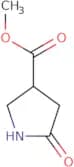


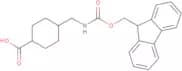
![4-[(4-Acetylphenyl)amino]-4-oxobutanoic acid](/_next/image/?url=https%3A%2Fstatic.cymitquimica.com%2Fproducts%2F3D%2Fthumb-webp%2FFA114593.webp&w=3840&q=75)
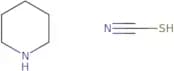

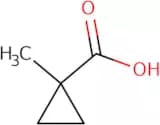
![2-[2-(1H-Indol-3-yl)ethyl]-1,3-dioxoisoindoline-5-carboxylic acid](/_next/image/?url=https%3A%2Fstatic.cymitquimica.com%2Fproducts%2F3D%2Fthumb-webp%2FFI124769.webp&w=3840&q=75)
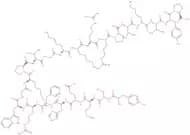
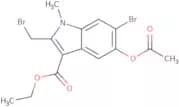
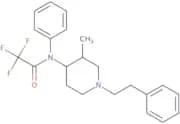
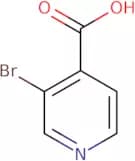
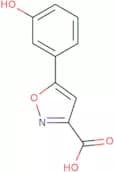


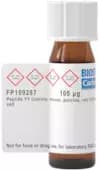
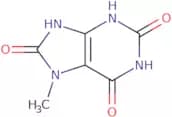
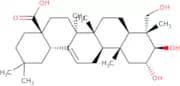
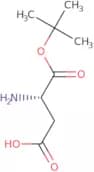
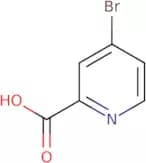
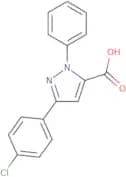

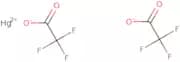
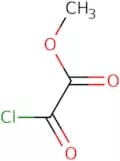
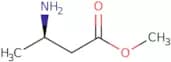
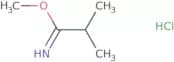

![1-[2-(5-Chloro-1H-indol-3-yl)ethyl]-5-oxopyrrolidine-3-carboxylic acid](/_next/image/?url=https%3A%2Fstatic.cymitquimica.com%2Fproducts%2F3D%2Fthumb-webp%2FFC119446.webp&w=3840&q=75)
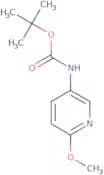
![(6R,7R)-3-(Acetoxymethyl)-8-oxo-7-(2-(thiophen-2-yl)acetamido)-5-thia-1-azabicyclo[4.2.0]oct-2-ene…](/_next/image/?url=https%3A%2Fstatic.cymitquimica.com%2Fproducts%2F3D%2Fthumb-webp%2FFA32097.webp&w=3840&q=75)
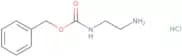
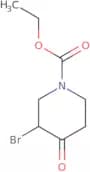
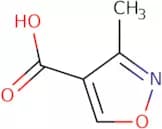
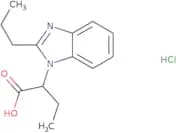
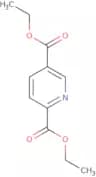
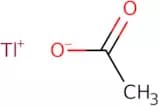
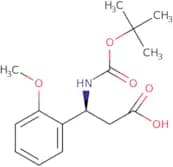
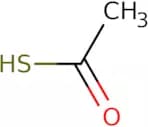
![2-[4-(tert-Butyldimethylsilyloxymethyl)-2-nitrophenoxy]acetic Acid](/_next/image/?url=https%3A%2Fstatic.cymitquimica.com%2Fproducts%2F3D%2Fthumb-webp%2FFB60313.webp&w=3840&q=75)
![2-[(2S,3S,4S)-3-Formyl-5-Methoxycarbonyl-2-Methyl-3,4-Dihydro-2H-Pyran-4-Yl]Acetic Acid](/_next/image/?url=https%3A%2Fstatic.cymitquimica.com%2Fproducts%2F3D%2Fthumb-webp%2FFF71925.webp&w=3840&q=75)
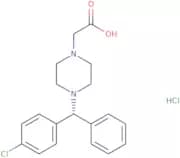
![1-[2-(1H-Indol-3-yl)ethyl]-2,5-dimethyl-1H-pyrrole-3-carboxylic acid](/_next/image/?url=https%3A%2Fstatic.cymitquimica.com%2Fproducts%2F3D%2Fthumb-webp%2FFI117604.webp&w=3840&q=75)
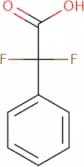
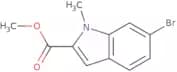
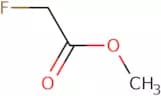
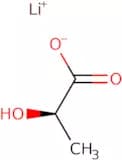
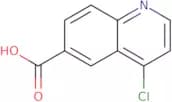
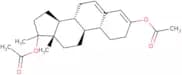
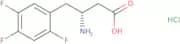
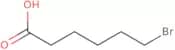
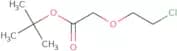
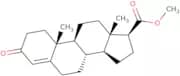
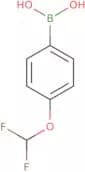
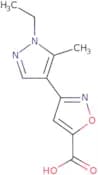
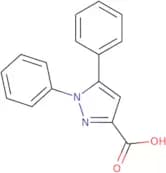
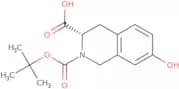
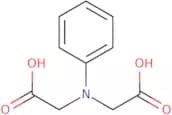
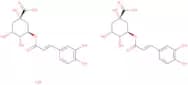
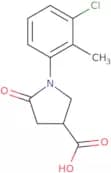

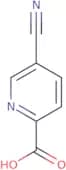
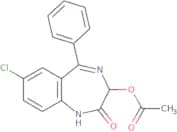
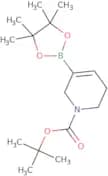
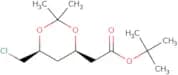
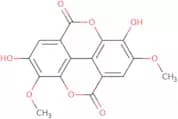



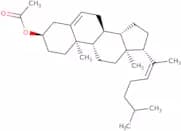
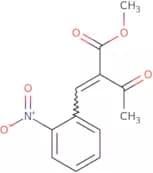
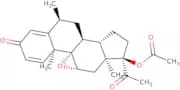
![7H-Pyrrolo[2,3-d]pyrimidine-4-carboxylic acid](/_next/image/?url=https%3A%2Fstatic.cymitquimica.com%2Fproducts%2F3D%2Fthumb-webp%2FFP167570.webp&w=3840&q=75)
![4'-[[1,4'-Dimethyl-2'-propyl(2,6'-bi-1H-benzimidazol)-1'-yl]-methyl]-1,1'-biphenyl-2-carboxylicaci…](/_next/image/?url=https%3A%2Fstatic.cymitquimica.com%2Fproducts%2F3D%2Fthumb-webp%2FFD148340.webp&w=3840&q=75)
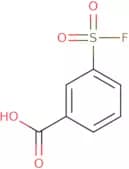
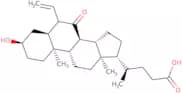
![4-Aminobicyclo[2.2.2]octane-1-carboxylic acid methyl ester](/_next/image/?url=https%3A%2Fstatic.cymitquimica.com%2Fproducts%2F3D%2Fthumb-webp%2FFA44258.webp&w=3840&q=75)
![1-[2-(5-Methoxy-1H-indol-3-yl)ethyl]-5-oxopyrrolidine-3-carboxylic acid](/_next/image/?url=https%3A%2Fstatic.cymitquimica.com%2Fproducts%2F3D%2Fthumb-webp%2FFM119445.webp&w=3840&q=75)
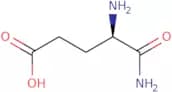
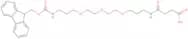


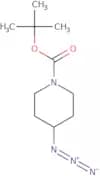
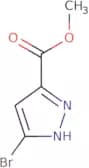


![Methyl 1H-pyrrolo[2,3-b]pyridine-2-carboxylate](/_next/image/?url=https%3A%2Fstatic.cymitquimica.com%2Fproducts%2F3D%2Fthumb-webp%2FFM142039.webp&w=3840&q=75)
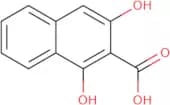
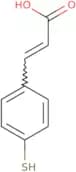
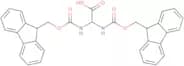
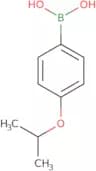

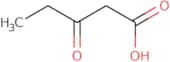
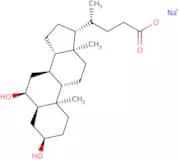
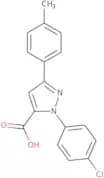
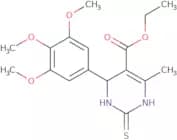
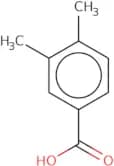
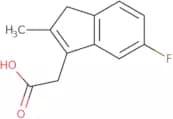
![4-(2-Chlorophenyl)-9-methyl-6H-thieno[3,2-f][1,2,4]triazolo[4,3-a][1,4]diazepine-2-propanoic acid](/_next/image/?url=https%3A%2Fstatic.cymitquimica.com%2Fproducts%2F3D%2Fthumb-webp%2FFC20336.webp&w=3840&q=75)
![4-(2-Chlorophenyl)-9-methyl-6H-thieno[3,2-f][1,2,4]triazolo[4,3-a][1,4]diazepine-2-propanoic acid …](/_next/image/?url=https%3A%2Fstatic.cymitquimica.com%2Fproducts%2F3D%2Fthumb-webp%2FFC20337.webp&w=3840&q=75)
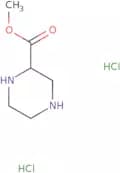
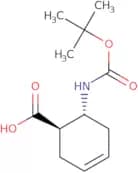
![Spiro[2.3]hexane-1-carboxylic acid](/_next/image/?url=https%3A%2Fstatic.cymitquimica.com%2Fproducts%2F3D%2Fthumb-webp%2FFS167675.webp&w=3840&q=75)
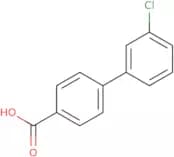
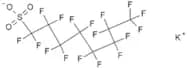
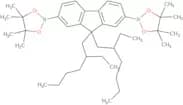
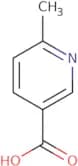

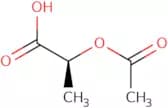
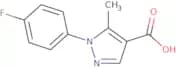
![3-[2-(Ethoxycarbonyl)-1-methyl-1H-indol-3-yl]propanoic acid](/_next/image/?url=https%3A%2Fstatic.cymitquimica.com%2Fproducts%2F3D%2Fthumb-webp%2FFE127998.webp&w=3840&q=75)
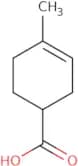
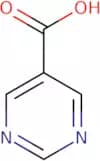
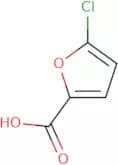


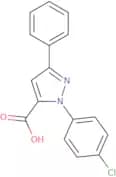
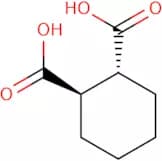
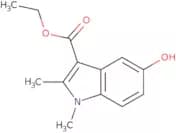
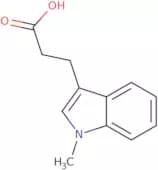
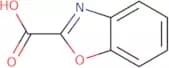
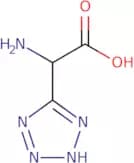
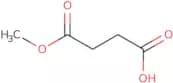
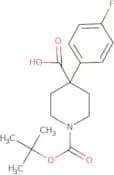

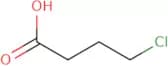

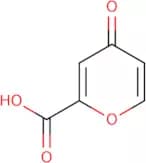
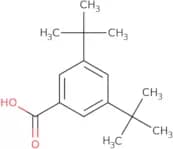
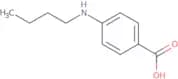
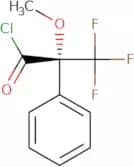
![[2-(4-Aminophenyl)ethyl]carbamic acid tert-butyl ester](/_next/image/?url=https%3A%2Fstatic.cymitquimica.com%2Fproducts%2F3D%2Fthumb-webp%2FFA51360.webp&w=3840&q=75)
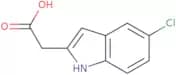

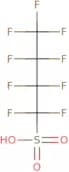
![[2-(Difluoromethyl)phenyl]boronic acid](/_next/image/?url=https%3A%2Fstatic.cymitquimica.com%2Fproducts%2F3D%2Fthumb-webp%2FFD84620.webp&w=3840&q=75)
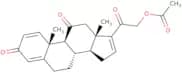
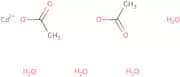
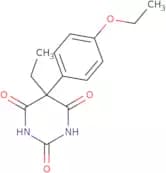
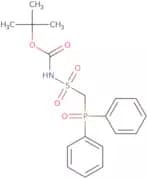
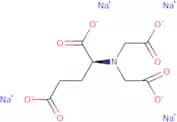
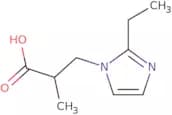
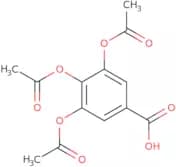
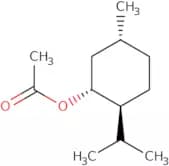
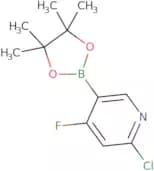
![2-[4-(2-Methylpropenyl)phenyl]propionic acid](/_next/image/?url=https%3A%2Fstatic.cymitquimica.com%2Fproducts%2F3D%2Fthumb-webp%2FFM25939.webp&w=3840&q=75)


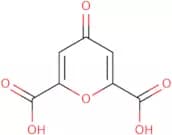
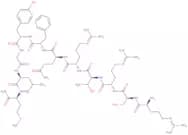

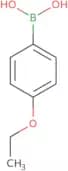
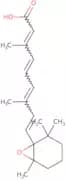
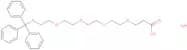
![2-Bromo-5,6-dihydro-8h-imidazo[1,2-a]pyrazine-7-carboxylic acid tert-butyl ester](/_next/image/?url=https%3A%2Fstatic.cymitquimica.com%2Fproducts%2F3D%2Fthumb-webp%2FFB163714.webp&w=3840&q=75)
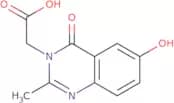
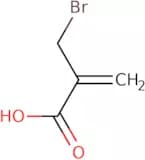
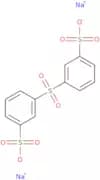
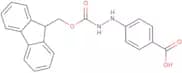
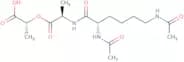
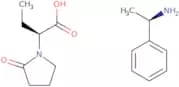
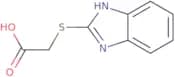

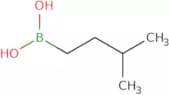
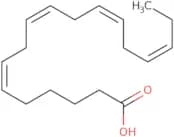
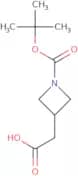
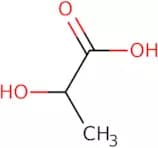
![5-[2-[4',5-Bis(Pyridin-2-ylsulfamoyl)biphenyl-2-yl]diazenyl]-2-hydroxybenzoic acid](/_next/image/?url=https%3A%2Fstatic.cymitquimica.com%2Fproducts%2F3D%2Fthumb-webp%2FFB167032.webp&w=3840&q=75)
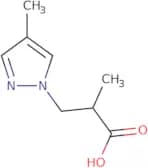
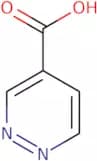
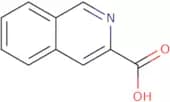

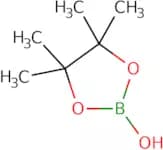
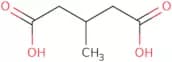
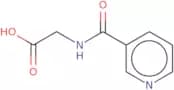

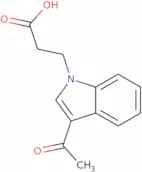

![4-{[1-(tert-Butoxycarbonyl)azetidin-3-yl]oxy}benzoic acid](/_next/image/?url=https%3A%2Fstatic.cymitquimica.com%2Fproducts%2F3D%2Fthumb-webp%2FFB125449.webp&w=3840&q=75)
![3-[(Dimethylamino)methyl]benzoic acid hydrochloride](/_next/image/?url=https%3A%2Fstatic.cymitquimica.com%2Fproducts%2F3D%2Fthumb-webp%2FFD124093.webp&w=3840&q=75)
![Tetrakis[N-tetrachlorophthaloyl-(S)-tert-leucinato]dirhodium Bis(ethyl Acetate) Adduct](/_next/image/?url=https%3A%2Fstatic.cymitquimica.com%2Fproducts%2F3D%2Fthumb-webp%2FFT60020.webp&w=3840&q=75)
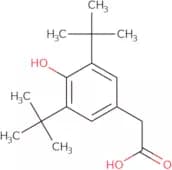
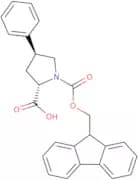

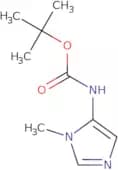
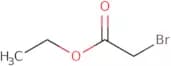

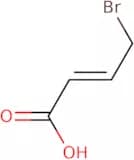
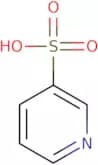
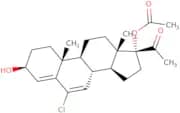
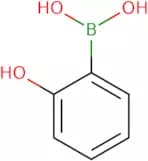
![4-[1-(2-Methoxyethyl)-1H-indol-3-yl]butanoic acid](/_next/image/?url=https%3A%2Fstatic.cymitquimica.com%2Fproducts%2F3D%2Fthumb-webp%2FFM135737.webp&w=3840&q=75)
![6-(Methoxycarbonyl)spiro[3.3]heptane-2-carboxylic acid](/_next/image/?url=https%3A%2Fstatic.cymitquimica.com%2Fproducts%2F3D%2Fthumb-webp%2FFM161396.webp&w=3840&q=75)