Carboxylic Acids
Carboxylic acids are organic molecules characterized by having a carboxyl-type functional group (-COOH). These acids are fundamental in various chemical reactions, including esterification, amidation, and decarboxylation. Carboxylic acids are widely used in the production of pharmaceuticals, polymers, and agrochemicals. In this section, you can find a large number of carboxylic acids ready to be used. At CymitQuimica, we provide a broad range of high-quality carboxylic acids to support your research and industrial applications.
Found 12453 products of "Carboxylic Acids"
Sort by
Purity (%)
0
100
|
0
|
50
|
90
|
95
|
100
(5-Chloropyridin-3-yl)boronic acid
CAS:<p>Please enquire for more information about (5-Chloropyridin-3-yl)boronic acid including the price, delivery time and more detailed product information at the technical inquiry form on this page</p>Formula:C5H5BClNO2Purity:Min. 95%Molecular weight:157.36 g/molGlycochenodeoxycholic acid 3-sulfate disodium salt
CAS:<p>Please enquire for more information about Glycochenodeoxycholic acid 3-sulfate disodium salt including the price, delivery time and more detailed product information at the technical inquiry form on this page</p>Formula:C26H41NNa2O8SPurity:Min. 95%Color and Shape:PowderMolecular weight:573.65 g/mol(±)-3-Methyl-2-oxovaleric acid
CAS:<p>(±)-3-Methyl-2-oxovaleric acid is a fatty acid that is found in the mitochondria of liver cells and other tissues. It is an intermediate in the citric acid cycle and can be converted into acetyl-CoA, which is used for energy production. (±)-3-Methyl-2-oxovaleric acid has been shown to cause necrotic cell death when it binds to the mitochondrial membrane potential and causes a loss of ATP production. This results in a lack of energy for the cell, leading to cell death. (±)-3-Methyl-2-oxovaleric acid has also been shown to inhibit protein synthesis by decreasing uptake and increasing creatine kinase activity. This inhibition leads to decreased body formation and tissue culture growth in vitro. In vivo, (±)-3-Methyl-2-oxovaleric acid causes primary sclerosing cholangitis, a disease characterized by inflammation of bile ducts that</p>Formula:C6H10O3Purity:Min. 95%Color and Shape:White PowderMolecular weight:130.14 g/mol(R)-2-((tert-Butoxycarbonyl)amino)-3-methoxypropanoic acid
CAS:<p>(R)-2-((tert-Butoxycarbonyl)amino)-3-methoxypropanoic acid (BAAM) is a potent, orally bioavailable, and pharmacokinetically well-characterized inhibitor of blood coagulation that has been shown to be effective in animal models. BAAM inhibits the activity of tissue factor (TF), an enzyme that initiates the blood coagulation cascade. TF is important for hemostasis because it is activated by contact with blood and tissue factors such as collagen or thrombin. BAAM has shown some promise as a potential treatment for thrombosis, which can lead to heart attacks and strokes.</p>Formula:C9H17NO5Purity:Min. 95%Molecular weight:219.24 g/molα-Amino-2H-tetrazole-5-acetic acid
CAS:<p>Alpha-amino-2H-tetrazole-5-acetic acid (AAT) is a neurotoxin that inhibits glutamate receptors and causes neuronal cell death. It also decreases heart function in rats by inhibiting the cardiac sodium channel. AAT has been shown to be effective for inducing neuronal death in Xenopus oocytes, as well as decreasing the expression of certain receptor protein, such as NMDA and AMPA receptor subtypes. AAT is also known to cause apoptosis, which may be due to its inhibition of receptor function.</p>Formula:C3H5N5O2Purity:Min. 95%Color and Shape:Light (Or Pale) Green To Green SolidMolecular weight:143.1 g/mol17-Hydroxy-19-nor-17alpha-pregna-4,6-dien-20-yn-3-one acetate
CAS:<p>Please enquire for more information about 17-Hydroxy-19-nor-17alpha-pregna-4,6-dien-20-yn-3-one acetate including the price, delivery time and more detailed product information at the technical inquiry form on this page</p>Formula:C22H26O3Purity:Min. 95%Color and Shape:Off-white to pale yellowsolid.Molecular weight:338.44 g/molMethyl 3-formyl-4,6-dimethoxy-1-methyl-1H-indole-2-carboxylate
CAS:Controlled Product<p>Please enquire for more information about Methyl 3-formyl-4,6-dimethoxy-1-methyl-1H-indole-2-carboxylate including the price, delivery time and more detailed product information at the technical inquiry form on this page</p>Formula:C14H15NO5Purity:Min. 95%Molecular weight:277.27 g/molMethyl 1,5-diphenyl-1H-pyrazole-3-carboxylate
CAS:Controlled Product<p>Please enquire for more information about Methyl 1,5-diphenyl-1H-pyrazole-3-carboxylate including the price, delivery time and more detailed product information at the technical inquiry form on this page</p>Formula:C17H14N2O2Purity:Min. 95%Molecular weight:278.31 g/molHeptadecafluorooctanesulfonic acid potassium
CAS:<p>Please enquire for more information about Heptadecafluorooctanesulfonic acid potassium including the price, delivery time and more detailed product information at the technical inquiry form on this page</p>Formula:C8HF17O3S•KPurity:Min. 95%Color and Shape:PowderMolecular weight:539.23 g/molFluperolone acetate
CAS:Controlled Product<p>Fluperolone acetate is a synthetic steroid that has been used as an anti-inflammatory agent. It is a potent corticosteroid and has been shown to inhibit the growth of microorganisms, such as bacteria and fungi. Fluperolone acetate does not cross the blood-brain barrier into the central nervous system, so it can be used for the treatment of inflammatory diseases in the eye without affecting vision. This drug also has been shown to reduce choroidal neovascularization in patients with age-related macular degeneration. Some biodegradable implants have been made from fluoropolymers, which are biocompatible polymers that are degraded by hydrolysis or enzymatic action in vivo. These implants may provide a sealant for use in surgical procedures and for treating cavities.</p>Formula:C24H31FO6Purity:Min. 95%Molecular weight:434.5 g/mol(2,4-Dichlorophenoxy)acetic acid sodium salt monohydrate
CAS:<p>(2,4-Dichlorophenoxy)acetic acid sodium salt monohydrate is a chemical that belongs to the phenoxy herbicides. It is used as a selective herbicide for control of annual and perennial grasses and broadleaf weeds in noncrop areas. This compound has been detected by gas chromatography/mass spectrometric analysis after a dispersive solid-phase extraction procedure. The target analytes were found to be acidic with an unknown molecular weight.</p>Formula:C8H5Cl2O3·Na·H2OPurity:Min. 95%Color and Shape:PowderMolecular weight:261.03 g/molN-α-Trityl-Nβ-Fmoc-L-2,3-diaminopropionic acid
CAS:<p>Please enquire for more information about N-alpha-Trityl-Nbeta-Fmoc-L-2,3-diaminopropionic acid including the price, delivery time and more detailed product information at the technical inquiry form on this page</p>Formula:C37H32N2O4Purity:Min. 95%Molecular weight:568.66 g/mol1,1'-Bicyclo[1,1,1]pentane-1,3-dicarboxylic acid monomethyl ester
CAS:<p>1,1'-Bicyclo[1,1,1]pentane-1,3-dicarboxylic acid monomethyl ester is a chemical compound used in research and as a building block for complex compounds. It is a high quality and versatile compound that has a wide range of uses in the production of fine chemicals. This compound is an intermediate for the synthesis of 1,4-benzodioxan. CAS No. 83249-10-9</p>Formula:C8H10O4Purity:Min. 95%Color and Shape:White PowderMolecular weight:170.16 g/moltert-Butyl 4-azidopiperidine-1-carboxylate
CAS:<p>Please enquire for more information about tert-Butyl 4-azidopiperidine-1-carboxylate including the price, delivery time and more detailed product information at the technical inquiry form on this page</p>Formula:C10H18N4O2Purity:Min. 95%Molecular weight:226.28 g/molHydrocortisone Acetate Impurity G
CAS:Controlled Product<p>Hydrocortisone is a corticosteroid that is used to treat inflammation, allergies and skin diseases. It is also used to treat adrenal gland disorders. Hydrocortisone Acetate Impurity G (HA) is a drug that has anti-inflammatory properties, which may be due to its inhibition of prostaglandin synthesis. HA was the first hydrocortisone impurity found in prednisolone tablets. This discovery led to the development of corticosteroids and their use in medicine for the treatment of inflammation and allergies.</p>Formula:C25H34O7Purity:Min. 95%Molecular weight:446.53 g/mol1-Fluoro-5a-androst-2-en-17b-ol acetate
CAS:Controlled Product<p>Please enquire for more information about 1-Fluoro-5a-androst-2-en-17b-ol acetate including the price, delivery time and more detailed product information at the technical inquiry form on this page</p>Formula:C20H28FO2Purity:Min. 95%Molecular weight:319.43 g/mol2-Amino-3-(1.2-dihydro-2-oxoquinoline-4-yl)propanoic acid
CAS:<p>Please enquire for more information about 2-Amino-3-(1.2-dihydro-2-oxoquinoline-4-yl)propanoic acid including the price, delivery time and more detailed product information at the technical inquiry form on this page</p>Formula:C12H12N2O3Purity:Min. 95%Molecular weight:232.24 g/molMethyl 5-bromo-1H-pyrazole-3-carboxylate
CAS:<p>Please enquire for more information about Methyl 5-bromo-1H-pyrazole-3-carboxylate including the price, delivery time and more detailed product information at the technical inquiry form on this page</p>Formula:C5H5BrN2O2Purity:Min. 95%Molecular weight:205.01 g/mol2,3-Diketogulonic acid potassium
CAS:<p>Please enquire for more information about 2,3-Diketogulonic acid potassium including the price, delivery time and more detailed product information at the technical inquiry form on this page</p>Formula:C6H7KO7Purity:Min. 95%Color and Shape:SolidMolecular weight:230.21 g/molMethyl 2-cyclohexyl-2-hydroxyphenylacetate
CAS:<p>Methyl 2-cyclohexyl-2-hydroxyphenylacetate is a c6 alkyl and diode. It is an orally active hormone with potential use in catalysis of additives, as well as in the treatment of metabolic disorders. Methyl 2-cyclohexyl-2-hydroxyphenylacetate has been shown to have anticholinergic properties, which may be due to its ability to inhibit acetylcholine release from nerve endings. Lectins are proteins found on the surface of cells that bind to specific sugars and play a role in many biological processes. A lectin that binds to erythrocytes can be used as a marker for damaged red blood cells. Methyl 2-cyclohexyl-2-hydroxyphenylacetate has been shown to react with this lectin in plasma samples from humans, indicating that it is metabolized by enzymes present in red blood cells.</p>Formula:C15H20O3Purity:Min. 95%Molecular weight:248.32 g/mol3-Chloro-4-cyanophenylboronic acid
CAS:Controlled Product<p>Please enquire for more information about 3-Chloro-4-cyanophenylboronic acid including the price, delivery time and more detailed product information at the technical inquiry form on this page</p>Formula:C7H5BClNO2Purity:Min. 95%Molecular weight:181.38 g/molBromoacetic acid
CAS:<p>Bromoacetic acid is a brominated carboxylic acid that has been shown to bind to response elements and inhibit the synthesis of proteins. It has been shown to inhibit the growth of bacteria in human serum at concentrations of 1-5 mM. Bromoacetic acid also binds to metals, such as copper and zinc, and inhibits their activity. This compound has also been shown to have anti-inflammatory properties in experimental models. Bromoacetic acid is not toxic in rats, but it may cause myocardial infarction in humans.</p>Formula:C2H3BrO2Purity:Min. 95%Color and Shape:Clear LiquidMolecular weight:138.95 g/molEthyl bromodifluoroacetate
CAS:<p>Ethyl bromodifluoroacetate is a chemical substance that reacts with amines in the presence of copper to form a copper complex. It is used as an intermediate in the synthesis of organic compounds, such as pharmaceuticals. Ethyl bromodifluoroacetate is also used as a catalyst for cross-coupling reactions of organic molecules. This reaction requires low energy and can be performed under mild conditions. The asymmetric synthesis of ethyl bromodifluoroacetate requires few steps and only uses inexpensive starting materials. The carbonyl group is chemically stable, making it difficult to decompose or oxidize. However, hydrogen fluoride will react with ethyl bromodifluoroacetate and cause it to decompose into its elements, fluorine and carbon dioxide gas. In addition, nucleophilic attack by halides can lead to the formation of ethyl bromodifluoroacetate from other substances. Control agents are necessary</p>Formula:C4H5BrF2O2Purity:Min. 95%Color and Shape:Colourless LiquidMolecular weight:202.98 g/molMethyl 1H-pyrrolo[2,3-b]pyridine-2-carboxylate
CAS:<p>Please enquire for more information about Methyl 1H-pyrrolo[2,3-b]pyridine-2-carboxylate including the price, delivery time and more detailed product information at the technical inquiry form on this page</p>Formula:C9H8N2O2Purity:Min. 95%Molecular weight:176.17 g/molL-Pyroglutamic acid pentachlorophenyl ester
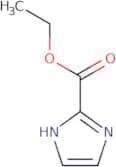
CAS:Controlled Product<p>Please enquire for more information about L-Pyroglutamic acid pentachlorophenyl ester including the price, delivery time and more detailed product information at the technical inquiry form on this page</p>Formula:C11H6Cl5NO3Purity:Min. 95%Molecular weight:377.43 g/molMethyl 1H-imidazole-2-carboxylate
CAS:<p>Please enquire for more information about Methyl 1H-imidazole-2-carboxylate including the price, delivery time and more detailed product information at the technical inquiry form on this page</p>Formula:C5H6N2O2Purity:Min. 95%Molecular weight:126.11 g/mol[(5-Methyl-4-phenyl-4H-1,2,4-triazol-3-yl)thio]acetic acid
CAS:<p>Please enquire for more information about [(5-Methyl-4-phenyl-4H-1,2,4-triazol-3-yl)thio]acetic acid including the price, delivery time and more detailed product information at the technical inquiry form on this page</p>Formula:C11H11N3O2SPurity:Min. 95%Molecular weight:249.29 g/mol(2S)-2-Amino-2-[(5S)-3-chloro-4,5-dihydroisoxazol-5-Yl]acetic acid
CAS:<p>(2S)-2-Amino-2-[(5S)-3-chloro-4,5-dihydroisoxazol-5-Yl]acetic acid is an inhibitor of the enzyme glutathione reductase (GR) and cytochrome P450. GR activates glutathione in cells to form a powerful antioxidant that protects against oxidative stress. (2S)-2-Amino-2-[(5S)-3-chloro-4,5-dihydroisoxazol-5-Yl]acetic acid inhibits GR and cytochrome P450 activity, leading to increased oxidative stress and neuronal death. This drug has been shown to have inhibitory properties on bowel disease by reducing the production of proinflammatory cytokines IL1β and TNFα. The compound also exhibits anti tumor response against mouse tumors by inducing apoptosis and inhibiting cell proliferation. The compound targets intracellular targets</p>Formula:C5H7ClN2O3Purity:Min. 95%Color and Shape:White PowderMolecular weight:178.57 g/mol4-Chlorobutyric acid
CAS:<p>4-Chlorobutyric acid is a fatty acid with the chemical formula CH3ClC(O)CH2CO2H. It can be found in animal fats, vegetable oils, and butter. 4-Chlorobutyric acid has been shown to inhibit the growth of PC12 cells by hydrogen bonding to the cell membrane. This inhibition results in an increase in sodium hydroxide solution activity, which leads to increased production of gamma-aminobutyric acid. The butyrolactone that is produced inhibits nerve function and has been shown to have biological treatment potential for hydrochloric acid and cell culture models.</p>Formula:C4H7ClO2Purity:Min. 95%Color and Shape:Clear LiquidMolecular weight:122.55 g/molMethyl4-aminomethyl-1-boc-piperidine-4-carboxylate
CAS:<p>Please enquire for more information about Methyl4-aminomethyl-1-boc-piperidine-4-carboxylate including the price, delivery time and more detailed product information at the technical inquiry form on this page</p>Formula:C13H24N2O4Purity:Min. 95%Molecular weight:272.34 g/molMesitylboronic acid
CAS:<p>Mesitylboronic acid is a divalent organoboron compound with the molecular formula CHB(O)OH. It is a white solid that is soluble in organic solvents, but not water. Mesitylboronic acid has been used for the palladium-catalyzed cross-coupling of aryl halides and vinylogous esters, yielding substituted pyridines. Mesitylboronic acid also catalyzes the Suzuki coupling reaction of aryl boronic acids and alkenes, producing substituted indoles. This compound has diagnostic applications due to its ability to form a fluorescent complex with certain metal ions. It also plays an important role in insulin resistance due to its ability to form cross-couplings with unsymmetrical boron compounds.</p>Formula:C9H13BO2Purity:Min. 95%Molecular weight:164.01 g/moltert-butyl (2S)-2-Methyl-4-oxopiperidine-1-carboxylate
CAS:<p>Please enquire for more information about tert-butyl (2S)-2-Methyl-4-oxopiperidine-1-carboxylate including the price, delivery time and more detailed product information at the technical inquiry form on this page</p>Formula:C11H19NO3Purity:Min. 95%Molecular weight:213.27 g/mol5-Amino-2-chloropyridine-4-carboxylic acid
CAS:<p>5-Amino-2-chloropyridine-4-carboxylic acid is a potent tyrosine kinase inhibitor. It inhibits the activation of EGFR, which may be due to its binding to the ATP-binding pocket in EGFR. 5-Amino-2-chloropyridine-4-carboxylic acid has been shown to inhibit cancer cell growth and induce apoptosis in vitro. This drug has also been shown to have potent anticancer activity in vivo, as well as inhibitory effect on tumor growth in xenograft models of human cancer cells. In addition, it inhibits the production of formamidine acetate, a precursor for histamine synthesis. 5-Amino-2-chloropyridine-4-carboxylic acid binds to formamide and formamidine acetate with high affinity and therefore inhibits histamine synthesis.</p>Formula:C6H5ClN2O2Purity:Min. 95%Color and Shape:White PowderMolecular weight:172.57 g/molLevetiracetam carboxylic acid
CAS:<p>Synaptic vesicle protein 2A ligand; anti-seizure drug</p>Formula:C8H13NO3Purity:Min. 95%Molecular weight:171.19 g/molDelmadinone acetate
CAS:Controlled Product<p>Delmadinone acetate is an oestrogenic amorphous drug that has been used in the treatment of prostatic hypertrophy, diabetic neuropathy and other conditions. It is a prodrug that is hydrolyzed to delmadinone, its active form, following oral administration. Delmadinone acetate has shown efficacy against a number of pharmacological agents, including fatty alcohols and pharmaceutical dosage form preparations. It binds to fatty acids and carbon sources in the body and is removed by dispersive solid-phase extraction. The effects of this drug are dose-dependent; it can be used for control experiments at low doses but has adverse effects at higher doses.</p>Formula:C23H27ClO4Purity:Min. 95%Color and Shape:PowderMolecular weight:402.91 g/molIndole-3-acetyl-L-glutamic acid
CAS:<p>Indole-3-acetyl-L-glutamic acid is an endogenous substance that is found in plants. It is the conjugated form of indole-3-acetaldehyde and L-glutamic acid. Indole-3-acetylglutamic acid has shown to have antioxidant potential and can be used to regulate plant growth, as well as protect against environmental stresses. Indole-3-acetylglutamic acid also has a role in regulating the production of other hormones, such as ethylene and auxin, which are involved in plant growth regulation.</p>Formula:C15H16N2O5Purity:Min. 98 Area-%Color and Shape:PowderMolecular weight:304.3 g/molBoc-1-amino-1-cyclobutane carboxylic acid
CAS:<p>Boc-1-amino-1-cyclobutane carboxylic acid is a synthetic and potent agonist of the androgen receptor. It is an analog of apalutamide, which is a selective antagonist of the androgen receptor. Boc-1-amino-1-cyclobutane carboxylic acid has been shown to have high oral bioavailability, which makes it suitable for oral administration. Boc-1-amino-1-cyclobutane carboxylic acid has been shown to have increased functional activity in cancer cells, which may be due to its ability to inhibit the growth of tumor cells by binding to their androgen receptors. Boc-1-amino-1-cyclobutane carboxylic acid has also been found to have good affinity for the androgen receptor when tested on cultured cells.</p>Formula:C10H17NO4Purity:Min. 95%Color and Shape:White/Off-White SolidMolecular weight:215.25 g/mol2-Amino-4,6-difluorobenzoic acid
CAS:<p>Please enquire for more information about 2-Amino-4,6-difluorobenzoic acid including the price, delivery time and more detailed product information at the technical inquiry form on this page</p>Formula:C7H5F2NO2Purity:Min. 95%Molecular weight:173.12 g/mol1-Aminobenzene-3,4,5-tricarboxylic acid
CAS:<p>1-Aminobenzene-3,4,5-tricarboxylic acid is a transport inhibitor that is used to block the uptake of 1-aminobenzene by cells. It has been shown to have a diameter of 6 nm and chemical stability. This substance can be dissolved in water, alcohols, and polar organic solvents. The particles are spherical with an average size of 10 nm. This compound exhibits strong absorption in the ultraviolet region. It is fluorescent and has high fluorescence properties. 1-Aminobenzene-3,4,5-tricarboxylic acid can enter cells through passive diffusion or active transport mechanisms. It binds to metal ions and multi-walled carbon nanotubes which can be used for uv irradiation.</p>Formula:C9H7NO6Purity:Min. 95%Color and Shape:PowderMolecular weight:225.16 g/mol(R)-De(carboxymethoxy) cetirizine acetic acid hydrochloride
CAS:<p>Please enquire for more information about (R)-De(carboxymethoxy) cetirizine acetic acid hydrochloride including the price, delivery time and more detailed product information at the technical inquiry form on this page</p>Formula:C19H22Cl2N2O2Purity:Min. 95%Molecular weight:381.3 g/mol5-(4-Fluorophenyl)-3-isoxazolecarboxylic acid
CAS:<p>5-(4-Fluorophenyl)-3-isoxazolecarboxylic acid is a high quality reagent with CAS No. 33282-24-5. It is a complex compound that is useful as an intermediate for the synthesis of various fine chemicals. 5-(4-Fluorophenyl)-3-isoxazolecarboxylic acid also has a number of uses in the synthesis of speciality chemicals, research chemicals, and versatile building blocks for organic chemistry. As a reaction component, it can be used to synthesize compounds with different functional groups on their molecules.</p>Formula:C10H6FNO3Purity:Min. 95%Color and Shape:White/Off-White SolidMolecular weight:207.16 g/mol1-[2-(1H-Indol-3-yl)ethyl]-2,5-dimethyl-1H-pyrrole-3-carboxylic acid
CAS:Controlled Product<p>Please enquire for more information about 1-[2-(1H-Indol-3-yl)ethyl]-2,5-dimethyl-1H-pyrrole-3-carboxylic acid including the price, delivery time and more detailed product information at the technical inquiry form on this page</p>Formula:C17H18N2O2Purity:Min. 95%Molecular weight:282.34 g/mol4-Chloroquinoline-6-carboxylicacid
CAS:<p>Please enquire for more information about 4-Chloroquinoline-6-carboxylicacid including the price, delivery time and more detailed product information at the technical inquiry form on this page</p>Formula:C10H6ClNO2Purity:Min. 95%Molecular weight:207.61 g/mol6-Chloroindole-2-carboxylic acid
CAS:<p>6-Chloroindole-2-carboxylicacid is a potent inhibitor of β-lactamase enzymes. It has been shown to act as a competitive inhibitor with an affinity for the β-lactamase enzyme in the nanomolar range. 6-Chloroindole-2-carboxylicacid is also a potent compound that can be used in experiments and screening. It has been shown to bind to the β-lactamase enzyme, which inhibits its activity, leading to a decrease in fluorescence. 6-Chloroindole-2-carboxylicacid has also been shown to have an inhibitory effect on bacterial cells by inhibiting protein synthesis, DNA replication, and RNA transcription.</p>Formula:C9H6ClNO2Purity:95%NmrMolecular weight:195.6 g/mol(Asp371)-Tyrosinase (369-377) (human) acetate salt
CAS:<p>Tyrosinase protein:<br>Peptide Tyrosinase (Asp371) – HLA-A*0201 (YMDGTMSQV) is a human tyrosinase-derived (369-377) peptide by posttranslational conversion of the sequence YMNGTMSQV. Tyrosinase is an oxidase membrane-bound protein. Tyrosinase play a key role in the melanin synthesis pathway. Tyrosinase is presented on the surface of HLA-A*02:01 melanomas and also expressed in melanocytes. Tyrosinase has been still suggested to be a tumor antigen and might be implicated in improvement of immunotherapeutic strategies such as for efficient anticancer vaccine development.<br>Applications of Peptide Tyrosinase (Asp371) – HLA-A*0201 (YMDGTMSQV):<br>Peptide Tyrosinase (Asp371) – HLA-A*0201 (YMDGTMSQV) is used to stimulate specific cytotoxic T lymphocytes (CTL) in PBMCs and then to analyze CTL response especially the cytokine production by ELISPOT assay. Peptide Tyrosinase (Asp371) – HLA-A*0201 (YMDGTMSQV) is also involved in experimental therapies of metastatic melanoma by allogeneic hematopoietic stem cell transplantation. In fact, cytotoxic T cells were generated from peripherical blood mononuclear cells (PBMCs) of HLA-A*02:01 healthy donors after being stimulated by injection of Asp371 antigen (2). This strategy raises issues which concern the graft versus tumor (GvT) effect and graft versus host disease (GvHD).</p>Formula:C42H66N10O16S2Purity:Min. 95%Molecular weight:1,031.16 g/molN10-Methyl pteroic acid
CAS:<p>N10-Methyl pteroic acid is a novel immunosuppressant that inhibits T-cell proliferation and promotes regression of inflammatory bowel disease. It has been shown to be effective in treating cancer patients, with the terminal half-life being approximately 20 hours. N10-Methyl pteroic acid is a potent inhibitor of human acute lymphoblastic leukemia cells. It can also be used as an immunosuppressant for organ transplantation, with desorption from gels using matrix-assisted laser desorption/ionization time-of-flight mass spectrometry (MALDI TOF MS) and bioanalytical methods such as high performance liquid chromatography (HPLC).</p>Formula:C15H14N6O3Purity:Min. 95%Molecular weight:326.31 g/mol6-Chloro-1-methyl-1H-indole-2-carboxylic acid
CAS:<p>Please enquire for more information about 6-Chloro-1-methyl-1H-indole-2-carboxylic acid including the price, delivery time and more detailed product information at the technical inquiry form on this page</p>Formula:C10H8ClNO2Purity:Min. 95%Molecular weight:209.63 g/molDehydrotumulosic acid
CAS:Controlled Product<p>Dehydrotumulosic acid is a natural product that has been shown to inhibit the activity of P-glycoprotein (P-gp) in vitro. It also inhibits tumor growth and metastasis by inducing apoptosis in HL60 cells, as well as inhibiting the proliferation of human leukemia cells. Dehydrotumulosic acid is not toxic to normal cells because it does not induce apoptosis in these cells. The effect on tumor cell proliferation was found with an acetate extract of dehydrotumulosic acid and matrix effects were observed by use of poria, which may lead to a more accurate analytical method. Pharmacokinetic studies have been done with dehydrotumulosic acid, but no toxicity or adverse effects have been reported for this drug. This compound is being investigated for its potential use in cancer therapy and treatment.</p>Formula:C31H48O4Purity:Min. 95%Color and Shape:SolidMolecular weight:484.71 g/molEthyl (ethoxymethylene) cyanoacetate
CAS:<p>Ethyl (Ethoxymethylene) cyanoacetate is a chemical compound that belongs to the family of aldehyde compounds. It is a colorless liquid at room temperature, with an odor similar to that of acetic acid. The compound has been used in the synthesis of epidermal growth factor and diazonium salts. It has also been used in the production of anti-cancer drugs such as malonic acid, which inhibits tumor growth by inhibiting protein synthesis. Ethyl (Ethoxymethylene) cyanoacetate reacts with quinoline derivatives to form carbon disulphide, which can be used as an antimicrobial agent and insecticide.</p>Formula:C8H11NO3Purity:Min. 95%Color and Shape:PowderMolecular weight:169.18 g/molDL-3-Aminobutyric acid
CAS:<p>DL-3-Aminobutyric acid is a natural compound that belongs to the group of amino acids. It is found in human immunoglobulin, enzymes, and proteins. DL-3-Aminobutyric acid has been shown to have an effect on iron homeostasis, signal pathways, and water permeability. It has also been shown to have anti-fungal activity in vitro and can be used as a model system for plant physiology.</p>Formula:C4H9NO2Purity:Min. 95%Molecular weight:103.12 g/molBehenic acid
CAS:<p>Behenic acid is a fatty acid that has been used as a fluorescence probe for the detection of water vapor. It has shown to have antibacterial efficacy against bacteria including Acinetobacter baumannii, Staphylococcus aureus, and Pseudomonas aeruginosa. Behenic acid is also known to inhibit the synthesis of fatty acids in rat liver microsomes and to have biological properties such as the ability to induce hepatic steatosis. This fatty acid is found in some lichens and can be purified from them using an analytical method involving constant-pressure liquid chromatography. Behenic acid is also found in behen oil, which is produced by pressing nuts from the seed of the beech tree.</p>Formula:C22H44O2Purity:Min. 83 Area-%Color and Shape:PowderMolecular weight:340.58 g/molHydroxybisnorcholenic acid
CAS:Controlled Product<p>Hydroxybisnorcholenic acid is a sterol that is present in high concentrations in the skin and other tissues. It has been shown to have biological properties, such as meiosis, and to be involved in the regulation of ion transport. Hydroxybisnorcholenic acid is also one of the major components of the saponified product of cholesterol. The molecule is a target tissue for control levels of biochemical analysis and modulation by hormones. Hydroxybisnorcholenic acid can be converted into aminosterol, which then undergoes additional conversion to cholesterol.</p>Formula:C22H34O3Purity:Min. 95%Color and Shape:PowderMolecular weight:346.50 g/mol2-(3,4-Dimethylphenoxy)propanoic acid
CAS:<p>Please enquire for more information about 2-(3,4-Dimethylphenoxy)propanoic acid including the price, delivery time and more detailed product information at the technical inquiry form on this page</p>Formula:C11H14O3Purity:Min. 95%Molecular weight:194.23 g/mol3-Cyanopropionic acid methyl ester
CAS:<p>3-Cyanopropionic acid methyl ester is a compound that belongs to the class of aliphatic carboxylic acids. It is an intermediate in the production of adiponitrile and acrylonitrile. This compound is used as a feedstock for the manufacture of vinylene, which can be used to produce c1-6 alkyl. 3-Cyanopropionic acid methyl ester can be produced from propylene and hydrogen cyanide in a high salt, activated reaction system. It has been shown that this compound may have metabolic disorders due to its ability to inhibit fatty acid oxidation and increase viscosity. 3-Cyanopropionic acid methyl ester is a colorless liquid at room temperature with a boiling point of 154°C and a molecular weight of 98.14 g/mol.</p>Formula:C5H7NO2Purity:Min. 95%Color and Shape:Clear LiquidMolecular weight:113.11 g/molButyl acetate
CAS:<p>Butyl acetate is a reactive solvent that has been used in wastewater treatment. It has also been proposed as an analytical method for the determination of the concentration of butyl ester in mixtures. In this technique, a constant pressure is maintained until the butyl ester is released from the sample matrix and enters into a gas phase. The gas phase is then drawn into a solid-phase microextraction (SPME) fiber and analyzed by gas chromatography/mass spectrometry. Butyl acetate has limited solubility in water, which limits its practical use as a solvent. However, it can be mixed with other solvents such as ethanoate or n-butyl acetate to produce solutions that are more easily soluble in water. The structural analysis of butyl acetate was carried out using infrared spectroscopy and nuclear magnetic resonance (NMR).</p>Formula:C6H12O2Purity:Min. 95%Color and Shape:Clear LiquidMolecular weight:116.16 g/molN-Hexylboronic acid
CAS:<p>N-Hexylboronic acid is an organometallic compound that has been used as a model system to study the catalytic mechanism of the Suzuki coupling reaction. It has also been shown to be a substrate film for use in the suzuki coupling reaction when combined with Raney nickel, which can be used to synthesize organic compounds. N-Hexylboronic acid has been shown to inhibit the activity of pancreatic lipase, but not cholesterol esterase or cholesterol ester hydrolase. The skeleton of this molecule is made up of six carbon atoms and one boron atom. Hydrogen chloride and aliphatic hydrocarbons are inhibitors of N-hexylboronic acid.</p>Formula:C6H15BO2Purity:Min. 95%Molecular weight:129.99 g/mol1-Phenyl-1H-pyrrole-2-carboxylic acid
CAS:<p>1-Phenyl-1H-pyrrole-2-carboxylic acid is a heterocyclic compound with a carbonyl group. It is the simplest furan derivative. 1PPC has been shown to react with phosphite and trimethyl phosphite to form an intramolecular cycloaddition product, which is a biomolecular reaction. 1PPC competes with furan for the formation of pyrroles. This study also showed that pyrrole rings can be opened by 1PPC and other carbonyl groups in the presence of base, forming new compounds.</p>Formula:C11H9NO2Purity:Min. 95%Color and Shape:PowderMolecular weight:187.19 g/mol3a,21-Dihydroxy-5a-pregnane-11,20-dione 21-acetate
CAS:Controlled Product<p>3a,21-Dihydroxy-5a-pregnane-11,20-dione 21-acetate is a short-acting intravenous anaesthetic that is used in surgical procedures. It has been shown to have antinociceptive properties and can be used as a potent analgesic. 3a,21-Dihydroxy-5a-pregnane-11,20-dione 21-acetate binds to the alpha1 adrenergic receptor and blocks the release of noradrenaline from nerve terminals in the brain. This prevents the activation of neurons in the spinal cord that transmit pain signals to the brain. The drug also inhibits the action of gamma aminobutyric acid on neurones and increases levels of cortisol concentration in blood plasma. The mechanism by which 3a,21 -dihydroxy 5a pregnane 11,20 dione 21 acetate produces its anaesthetic effects has not yet been elucidated.</p>Formula:C23H34O5Purity:Min. 95%Molecular weight:390.51 g/molFmoc-(S)-3-amino-3-(2-naphthyl)propionic acid
CAS:<p>Please enquire for more information about Fmoc-(S)-3-amino-3-(2-naphthyl)propionic acid including the price, delivery time and more detailed product information at the technical inquiry form on this page</p>Formula:C28H23NO4Purity:Min. 95%Molecular weight:437.49 g/mol3,4-Dimethylbenzoic acid
CAS:<p>3,4-Dimethylbenzoic acid is a benzoate compound that is produced by bacteria. It has been shown to have a viscosity of 0.05 cP at 25°C and a melting point of 181°C. It also has the molecular formula C9H11O2, which consists of two carbons, 11 hydrogens, and one oxygen atom. 3,4-Dimethylbenzoic acid is found in urine samples as a metabolite of p-hydroxybenzoic acid (p-OHBA). This compound also has photochemical properties and can be used for analytical determination of urinary p-OHBA levels. 3,4-Dimethylbenzoic acid is not active against bacterial pathogens such as Staphylococcus aureus or Salmonella enterica serovar Typhimurium. However, it does show some activity against Pseudomonas aeruginosa and Escherichia coli.</p>Formula:C9H10O2Purity:Min. 98 Area-%Color and Shape:PowderMolecular weight:150.17 g/mol(S)-(-)-3-(Benzoylthio)-2-methylpropanoic acid
CAS:<p>Please enquire for more information about (S)-(-)-3-(Benzoylthio)-2-methylpropanoic acid including the price, delivery time and more detailed product information at the technical inquiry form on this page</p>Formula:C11H12O3SPurity:Min. 95%Molecular weight:224.28 g/mol1-tert-Butyl 2-methyl 2-methylpyrrolidine-1,2-dicarboxylate
CAS:<p>Please enquire for more information about 1-tert-Butyl 2-methyl 2-methylpyrrolidine-1,2-dicarboxylate including the price, delivery time and more detailed product information at the technical inquiry form on this page</p>Formula:C12H21NO4Purity:Min. 95%Color and Shape:SolidMolecular weight:243.3 g/molTridecanedioic Acid
CAS:<p>Tridecanedioic Acid is a polycarboxylic acid that has reactive functional groups. It is used in detergent compositions as an inhibitor of the formation of soaps and hard water deposits. Tridecanedioic acid has been shown to inhibit pancreatitis, which may be due to its ability to inhibit the conversion of fatty acids into prostaglandins. Tridecanedioic acid also has anti-cancer properties, which have been shown in animal studies. In addition, it has broad-spectrum antimicrobial activity against gram-positive bacteria, such as Clostridium perfringens and Staphylococcus aureus. This compound inhibits protein synthesis by inhibiting enzymes belonging to the cytochrome P450 family.</p>Formula:C13H24O4Purity:Min. 95%Molecular weight:244.33 g/mol5a-Dihydrocortisol 21-acetate
CAS:Controlled Product<p>Please enquire for more information about 5a-Dihydrocortisol 21-acetate including the price, delivery time and more detailed product information at the technical inquiry form on this page</p>Formula:C23H34O6Purity:Min. 95%Molecular weight:406.51 g/molFmoc-(4-aminomethyl) benzoic acid
CAS:<p>Please enquire for more information about Fmoc-(4-aminomethyl) benzoic acid including the price, delivery time and more detailed product information at the technical inquiry form on this page</p>Formula:C23H19NO4Purity:Min. 95%Molecular weight:373.4 g/mol3,5-Dimethylpyrazine-2-carboxylic acid
CAS:<p>Please enquire for more information about 3,5-Dimethylpyrazine-2-carboxylic acid including the price, delivery time and more detailed product information at the technical inquiry form on this page</p>Purity:Min. 95%1-(4-Isopropylphenyl)-5-oxopyrrolidine-3-carboxylic acid
CAS:<p>Please enquire for more information about 1-(4-Isopropylphenyl)-5-oxopyrrolidine-3-carboxylic acid including the price, delivery time and more detailed product information at the technical inquiry form on this page</p>Formula:C14H17NO3Purity:Min. 95%Molecular weight:247.29 g/mol(S)-2-Hydroxy-3-methoxy-3,3-diphenylpropionic acid
CAS:<p>This is a crystalline form of the pyrimidine derivative (S)-2-Hydroxy-3-methoxy-3,3-diphenylpropionic acid. The compound has been shown to have antiplatelet properties and is currently being developed as an antithrombotic agent. In vitro studies have shown that ambrisentan inhibits platelet aggregation, thromboxane synthesis, and leukocyte adhesion. It also reduces the levels of serum cholesterol and triglycerides in patients with chronic heart failure. Ambrisentan has been studied in clinical trials for the treatment of pulmonary hypertension associated with chronic obstructive pulmonary disease (COPD) and idiopathic pulmonary fibrosis (IPF).</p>Formula:C16H16O4Purity:Min. 95%Molecular weight:272.3 g/molTrichloroacetic anhydride
CAS:<p>Trichloroacetic anhydride is a chemical compound that is used in organic synthesis. It is a strong acid that reacts with fatty acids to form trifluoroacetic acid, which can be used as an analytical method for determining the presence of amines in a sample. It also shows inhibitory properties against inflammatory bowel disease and has been shown to have anti-inflammatory activity. Trichloroacetic anhydride is not very soluble in water, but it can be dissolved in alcohols and alkalis. This compound's ability to react with hydroxyl groups makes it useful for the synthesis of esters and ethers. Trichloroacetic anhydride's ability to react with intramolecular hydrogen may lead to metabolic disorders such as diabetes mellitus.</p>Formula:C4Cl6O3Purity:Min. 95%Molecular weight:308.76 g/molCyclopiazonic acid
CAS:<p>Cyclopiazonic acid is a sesquiterpene lactone that inhibits the transcription activator-binding site in the promoter region of c-myc and c-jun. Cyclopiazonic acid also inhibits protein synthesis by preventing phosphorylation of dinucleotide phosphate, which leads to an increase in intracellular calcium levels. This compound also has a cytotoxic effect on HL60 cells, which may be due to its ability to inhibit the production of secretases. Cyclopiazonic acid's effects on pluripotent cells have not been well studied, but it is known to have pharmacological properties that are similar to other compounds that are being studied for their potential anti-cancer effects.</p>Formula:C20H20N2O3Purity:Min. 95%Color and Shape:PowderMolecular weight:336.39 g/mol3-Epikatonic acid
CAS:Controlled Product<p>3-Epikatonic acid is a triterpenoid saponin that can be found in Tripterygium wilfordii. It has immunosuppressive activities and has been used in the treatment of cancer. 3-Epikatonic acid inhibits the production of proinflammatory cytokines such as tumor necrosis factor-α, IL-6, and IL-8. It also inhibits the proliferation of human breast cancer cells by inducing apoptosis. 3-Epikatonic acid is also a fertility agent because it can stimulate ovulation in rats.</p>Formula:C30H48O3Purity:Min. 95%Molecular weight:456.7 g/mol1-(4-Fluorophenyl)-3-phenyl-1H-pyrazole-5-carboxylic acid
CAS:Controlled Product<p>Please enquire for more information about 1-(4-Fluorophenyl)-3-phenyl-1H-pyrazole-5-carboxylic acid including the price, delivery time and more detailed product information at the technical inquiry form on this page</p>Formula:C16H11FN2O2Purity:Min. 95%Color and Shape:PowderMolecular weight:282.27 g/mol4-(2-Chlorophenyl)-9-methyl-6H-thieno[3,2-f][1,2,4]triazolo[4,3-a][1,4]diazepine-2-propanoic acid methyl ester
CAS:Controlled Product<p>Please enquire for more information about 4-(2-Chlorophenyl)-9-methyl-6H-thieno[3,2-f][1,2,4]triazolo[4,3-a][1,4]diazepine-2-propanoic acid methyl ester including the price, delivery time and more detailed product information at the technical inquiry form on this page</p>Formula:C19H17ClN4O2SPurity:Min. 95%Molecular weight:400.88 g/molMagnesium acetate tetrahydrate
CAS:<p>Magnesium acetate tetrahydrate is a white crystalline solid that is soluble in water and is used as a nutritional supplement. It is produced by the reaction of magnesium carbonate with an aqueous solution of acetic acid. The particle size varies depending on the synthesis method used. Magnesium acetate tetrahydrate has been shown to be effective for treating diabetes mellitus, as it helps regulate blood sugar levels by promoting insulin release from pancreatic cells and increasing glucose uptake into these cells. This compound also has been found to be effective in reducing hiv infection rates, which may be due to its ability to increase the activity of CD4+ T-cells.</p>Formula:Mg(C2H3O2)2•(H2O)4Purity:Min. 95%Color and Shape:White/Off-White SolidMolecular weight:214.45 g/molE-Hexen-1-ylboronic acid
CAS:<p>E-Hexen-1-ylboronic acid is a reactive, boron-containing compound that can be used for Suzuki coupling reactions and metathesis reactions. It is also useful in the analysis of organic compounds, due to its ability to form brightly coloured complexes with metal ions. E-Hexen-1-ylboronic acid has been shown to react with chloride, reoxidant and hexane. This compound can be used as an analytical reagent for the detection of stereoselectively in a stepwise reaction. E-Hexen-1-ylboronic acid forms crystals x-ray diffraction patterns that are characteristic of a chair conformation.</p>Formula:C6H13BO2Purity:Min. 95%Molecular weight:127.98 g/mol2-Bromo-3-methylbutenoic acid methyl ester
CAS:<p>Please enquire for more information about 2-Bromo-3-methylbutenoic acid methyl ester including the price, delivery time and more detailed product information at the technical inquiry form on this page</p>Formula:C6H9BrO2Purity:Min. 95%Molecular weight:193.04 g/molMethyl 1,5-dimethyl-1H-indole-2-carboxylate
CAS:Controlled Product<p>Please enquire for more information about Methyl 1,5-dimethyl-1H-indole-2-carboxylate including the price, delivery time and more detailed product information at the technical inquiry form on this page</p>Formula:C12H13NO2Purity:Min. 95%Molecular weight:203.24 g/mol3-Hydroxymandelic acid
CAS:<p>3-Hydroxymandelic acid is a metabolite of mandelic acid and has been found to have cytostatic effects in human cells. The concentration–time curve for 3-hydroxymandelic acid displays a single-dose pharmacokinetics. It has been shown to inhibit the nuclear factor kappa-light-chain enhancer (NFκB) pathway, which is involved in the regulation of cell proliferation, differentiation, and apoptosis. 3-Hydroxymandelic acid also inhibits energy metabolism by reducing mitochondrial respiration. This compound binds to plasma proteins and is excreted through urine as well as being oxidized by hepatic cytochrome P450 enzymes.</p>Formula:C8H8O4Purity:Min. 95%Molecular weight:168.15 g/mol3,5-Di-(tert-butyl)benzoic acid
CAS:<p>3,5-Di-(tert-butyl)benzoic acid (3,5-DTBA) is a polynuclear organic solvent that is used as an additive in polymers, plastics, and rubbers. 3,5-DTBA has potent antiproliferative effects on cells and can be used to inhibit the growth of cancer cells. This compound also stabilizes terephthalic acid from oxidation and prevents the formation of amide products. 3,5-DTBA is synthesized from benzoic acid by reacting with methylene chloride in the presence of a catalyst such as aluminum chloride or zinc chloride.</p>Formula:C15H22O2Purity:Min. 95%Molecular weight:234.33 g/molTert-butyl(8-anti)-3-azabicyclo[3.2.1]oct-8-ylcarbamate
CAS:<p>Tert-butyl(8-anti)-3-azabicyclo[3.2.1]oct-8-ylcarbamate (tBAA) is a heterocycle that has been modified to enhance its pharmacokinetic properties. Tert-butyl(8-anti)-3-azabicyclo[3.2.1]oct-8-ylcarbamate was designed to be metabolically stable and have a high bioavailability and isosteric properties with phosphatidylinositol, which it uses as a substrate in the catalytic cycle. This modification also increased tBAA's stability in vivo, leading to an increase in efficacy. The covalent attachment of the phenyl ring on the tertiary amine nitrogen of tBAA provides additional protection against hepatic metabolism by CYP450 enzymes, making it more potent than other compounds with similar structures that are not covalently attached to the amine group.</p>Formula:C12H22N2O2Purity:Min. 95%Molecular weight:226.32 g/mol4-(4-Bromophenyl)piperazine-1-carboxylic acid tert-butyl ester
CAS:Controlled Product<p>Please enquire for more information about 4-(4-Bromophenyl)piperazine-1-carboxylic acid tert-butyl ester including the price, delivery time and more detailed product information at the technical inquiry form on this page</p>Formula:C15H21BrN2O2Purity:Min. 95%Molecular weight:341.24 g/mol2-(5-Chloro-1H-indol-2-yl)acetic acid
CAS:<p>Please enquire for more information about 2-(5-Chloro-1H-indol-2-yl)acetic acid including the price, delivery time and more detailed product information at the technical inquiry form on this page</p>Formula:C10H8CINO2Purity:Min. 95%Molecular weight:313.09 g/molSinapic acid acyl-β-D-glucoside
CAS:<p>a functionalised glucoside</p>Formula:C17H22O10Purity:Min. 95%Molecular weight:386.35 g/molR-(3)-Benzyloxy myristic acid
CAS:<p>R-(3)-Benzyloxy myristic acid is an adjuvant that is used in vaccines. It is a synthetic molecule with the ability to activate antigen-specific CD4 and CD8 T-cells. R-(3)-Benzyloxy myristic acid has been shown to be an efficient method of enhancing antigen-specific antibody production by stimulating dendritic cells. This agent is also pH sensitive and can be used as a vaccine adjuvant at acidic pH values, which are found in the stomach. R-(3)-Benzyloxy myristic acid has been shown to stimulate T-cell proliferation and increase the expression of co-stimulatory molecules on these cells, increasing the efficiency of immunization.</p>Formula:C21H34O3Purity:Min. 95%Molecular weight:334.49 g/mol5β-Cholanic acid
CAS:Controlled Product<p>5beta-Cholanic acid is a fatty acid that is the product of cholesterol metabolism. It has been shown to inhibit tumor growth by binding to ATP-binding cassette transporter and blocking the transport of tumor cells. 5beta-Cholanic acid also inhibits HIV infection by interfering with the virus's ability to bind and enter host cells. 5beta-Cholanic acid may also be used as a treatment for autoimmune diseases such as multiple sclerosis, rheumatoid arthritis, ulcerative colitis and Crohn's disease. This compound has been shown to inhibit mitochondrial membrane potential and induce apoptosis in prostate cancer cells in vitro. The mechanism of action for this compound is not well understood but it may be due to its ability to decrease ATP levels in mitochondria or interfere with the production of bile acids from cholesterol by inhibiting hydroxylation reactions.</p>Formula:C24H40O2Purity:Min. 95%Color and Shape:PowderMolecular weight:360.57 g/mol1-[2-(5-Methoxy-1H-indol-3-yl)ethyl]-5-oxopyrrolidine-3-carboxylic acid
CAS:Controlled Product<p>Please enquire for more information about 1-[2-(5-Methoxy-1H-indol-3-yl)ethyl]-5-oxopyrrolidine-3-carboxylic acid including the price, delivery time and more detailed product information at the technical inquiry form on this page</p>Formula:C16H18N2O4Purity:Min. 95%Molecular weight:302.33 g/mol2-(4-Bromophenyl)-2,2'-dimethylacetic acid
CAS:<p>2-Bromo-2-(4-bromophenyl)-2,2'-dimethylacetic acid (2bpd) is the sodium salt of 2-(4-bromophenyl)-2,2'-dimethylacetic acid. It is a metabolite of terfenadine and thionyl chloride. 2bpd has been shown to be an inhibitor of the histamine H1 receptor. This drug is also a brominated derivative of 2-amino-2-methyl-1-propanol, which has been shown to be an inhibitor of the histamine H1 receptor.</p>Formula:C10H11BrO2Purity:Min. 95%Molecular weight:243.1 g/mol4-(Hydroxymethyl)phenylboronic acid
CAS:<p>4-(Hydroxymethyl)phenylboronic acid is an organic compound that has been identified as a reactive, fatty acid. It has shown antibacterial efficacy against gram-positive and gram-negative bacteria in the presence of nanogels. 4-(Hydroxymethyl)phenylboronic acid is also a cross-linking agent that can be used to form hydrogels for tissue engineering applications. This chemical is being studied as a potential treatment for inflammatory bowel disease and diabetes mellitus. 4-(Hydroxymethyl)phenylboronic acid has been shown to have anti-cancer properties by inhibiting the proliferation of cancer cells and inducing apoptosis. The molecule also undergoes structural analysis using confocal microscopy.</p>Formula:C7H9BO3Molecular weight:151.96 g/mol4-Aminomethylphenylacetic acid
CAS:<p>4-Aminomethylphenylacetic acid is a nonsteroidal anti-inflammatory drug that is used to treat inflammation and pain. It belongs to the class of peptidomimetics, which are compounds that mimic the structure of a natural biological molecule. 4-Aminomethylphenylacetic acid has an analog with a lactam ring at position 3, which is not present in other NSAIDs. This structural difference may contribute to its high stability and low reactivity. 4-Aminomethylphenylacetic acid has been shown to exhibit antiviral activity against viruses such as HIV or Hepatitis C virus by inhibiting viral replication.</p>Formula:C9H11NO2·HClPurity:Min. 95%Molecular weight:201.65 g/molβ-CIT-FP
CAS:Controlled Product<p>Methyl (1R,2S,3S)-8-(3-Fluoropropyl)-3-(4-Iodophenyl)-8-Azabicyclo[3.2.1]Octane-2-Carboxylate is a potent dopamine receptor agonist with a high affinity for the D2 and D3 receptors in the brain. It has been shown to have antiparkinsonian effects in animal models of Parkinson's disease by increasing dopamine levels in the prefrontal cortex and striatum. This drug has also been shown to be effective in clinical studies for the diagnosis of Parkinson's disease. Methyl (1R,2S,3S)-8-(3-Fluoropropyl)-3-(4-Iodophenyl)-8-Azabicyclo[3.2.1]Octane-2-Carboxylate binds to both dopamine and serotonin receptors, which may account for its therapeutic effects on Parkinson</p>Formula:C18H23FINO2Purity:Min. 95%Molecular weight:431.28 g/molEthanesulfonic acid, 70% aqueous solution
CAS:<p>Ethanesulfonic acid solution - 70 wt. % in H2O is a monosodium salt that is used as an enzymatic reagent for the determination of bacteria and fungi, as well as for the detection of infectious diseases. It has been shown to be effective against microdialysis probes with a high degree of sensitivity and specificity. Ethanesulfonic acid solution - 70 wt. % in H2O has been shown to have significant physiological effects on various regions of the body, including bowel disease, polymerase chain reaction (PCR), glycol ethers, antimicrobial agents, and radiation. Ethanesulfonic acid solution - 70 wt. % in H2O also inhibits the growth of bacteria by acting as a coumarin derivative that reacts with nucleotides to form dinucleotide phosphate, which blocks DNA synthesis and transcription from RNA templates.</p>Formula:C2H6O3SPurity:(Titration) 68.0 To 72.0%Color and Shape:Clear LiquidMolecular weight:110.13 g/molEthyl mercaptoacetate
CAS:<p>Ethyl mercaptoacetate (EM) is a metabolite of ethyl diazoacetate (EDA) that reacts with nucleophilic groups such as hydroxyl, amino, and thiol groups. It binds to the receptor binding sites of an enzyme that is involved in inflammatory diseases. EM has been shown to have inhibitory effects on the activity of this enzyme and may be used for the treatment of inflammatory diseases. EM also inhibits the production of epoxides by acting as an alkylating agent on protein cysteine residues. This reaction leads to changes in the nmr spectra which can be used for identification purposes.</p>Formula:C4H8O2SPurity:Min. 95%Molecular weight:120.17 g/molDiethyl 1-[2-(1H-indol-3-yl)ethyl]-2,5-dimethyl-1H-pyrrole-3,4-dicarboxylate
CAS:Controlled Product<p>Please enquire for more information about Diethyl 1-[2-(1H-indol-3-yl)ethyl]-2,5-dimethyl-1H-pyrrole-3,4-dicarboxylate including the price, delivery time and more detailed product information at the technical inquiry form on this page</p>Formula:C22H26N2O4Purity:Min. 95%Molecular weight:382.45 g/mol(5-bromo-2-fluorophenyl)boronic Acid
CAS:<p>5-Bromo-2-fluorophenyl)boronic acid is a synthetic chemical that is used in the synthesis of pharmaceuticals and pesticides. This compound is an inhibitor of bace1, which is an enzyme involved in the production of amyloid beta peptide (Aβ) and other proteins implicated in Alzheimer's disease. 5-Bromo-2-fluorophenyl)boronic acid has been shown to be effective at reducing Aβ levels in mice with Alzheimer's disease. It also inhibits pyrethroid, a pesticide that is used on crops to control insects, by binding to the active site of the enzyme. 5-Bromo-2-fluorophenyl)boronic acid has been evaluated for use as a cancer treatment, but these studies have not been completed.</p>Formula:C6H5BBrFO2Purity:Min. 95%Molecular weight:218.82 g/molcBenzooxazole-2-carboxylic acid
CAS:<p>Benzooxazole-2-carboxylic acid is a chemical compound that has been studied for its potential in the treatment of cancer. It has been shown to bind to estrogen receptors and inhibit the growth of cancer cells. This anti-cancer agent also inhibits the growth of bacteria by binding to metal ions, such as chloride, which are needed for bacterial growth. Benzooxazole-2-carboxylic acid is excreted via urine, which can lead to kidney damage if taken in high doses.</p>Formula:C8H5NO3Purity:Min. 95%Molecular weight:163.13 g/moltert-Butyl 6-(aminomethyl)-1,4-oxazepane-4-carboxylate
CAS:<p>Please enquire for more information about tert-Butyl 6-(aminomethyl)-1,4-oxazepane-4-carboxylate including the price, delivery time and more detailed product information at the technical inquiry form on this page</p>Formula:C11H22N2O3Purity:Min. 95%Molecular weight:230.3 g/mol2-(1-(tert-Butoxycarbonyl)azetidin-3-yl)acetic acid
CAS:<p>Please enquire for more information about 2-(1-(tert-Butoxycarbonyl)azetidin-3-yl)acetic acid including the price, delivery time and more detailed product information at the technical inquiry form on this page</p>Formula:C10H17NO4Purity:Min. 95%Molecular weight:215.25 g/mol4-Acetamido-4'-isothiocyanatostilbene-2,2'-disulfonic acid, sodium salt
CAS:<p>4-Acetamido-4'-isothiocyanatostilbene-2,2'-disulfonic acid, sodium salt (AITC-S) is a stilbene derivative with inhibitory properties. It has been shown to inhibit the uptake of camp in rat ventricular myocytes and caco-2 cells as well as the release of camp from rat renal proximal tubules. AITC-S also inhibits the transport of camp into the cells. The mechanism by which AITC-S inhibits uptake is not yet known, but it may be due to competition for a common carrier or an effect on intracellular metabolism. This compound has also been shown to have an acute ischemic protective effect on rats when administered before reperfusion following coronary artery occlusion.</p>Formula:C17H12N2Na2O7S3Purity:Min. 95%Molecular weight:498.46 g/mol(D-His1)-Exenatide trifluoroacetate salt
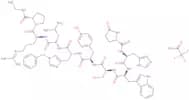
CAS:<p>Please enquire for more information about (D-His1)-Exenatide trifluoroacetate salt including the price, delivery time and more detailed product information at the technical inquiry form on this page</p>Formula:C184H282N50O60SPurity:Min. 95%Molecular weight:4,186.57 g/mol(3a,5b,12a)-3,12-Dihydroxy-7-oxocholan-24-oic acid methyl ester
CAS:Controlled Product<p>(3a,5b,12a)-3,12-Dihydroxy-7-oxocholan-24-oic acid methyl ester is an organic compound that belongs to the family of bile acids. It is synthesized in the liver by a series of reactions involving the conversion of cholesterol. The synthesis of this compound has been studied by x-ray analysis on single crystals and by various electron diffraction methods. This study revealed that the molecule is electron deficient and binds well to chloroform. (3a,5b,12a)-3,12-Dihydroxy-7-oxocholan-24-oic acid methyl ester has also been shown to have a constant molecular weight with a molecular formula of C37H64O4.</p>Formula:C25H40O5Purity:Min. 95%Molecular weight:420.58 g/mol3-(4-Chlorophenyl)glutaric acid
CAS:<p>3-(4-Chlorophenyl)glutaric acid is a subunit of lanthanide complexes. It has been synthesized from cinchona alkaloids and single-crystal x-ray diffraction data obtained in the absence of ligands. 3-(4-Chlorophenyl)glutaric acid is a desymmetrization reagent and has been shown to be an effective ligand for lanthanide complexes. This compound has the potential to form impurities during the synthesis process, which can lead to morphological changes, luminescence, or high-performance liquid chromatography interference.</p>Formula:C11H11ClO4Purity:Min. 95%Molecular weight:242.66 g/molACTH (2-24) (human, bovine, rat) trifluoroacetate salt
CAS:<p>Please enquire for more information about ACTH (2-24) (human, bovine, rat) trifluoroacetate salt including the price, delivery time and more detailed product information at the technical inquiry form on this page</p>Formula:C133H205N39O29SPurity:Min. 95%Molecular weight:2,846.36 g/molHydroxymethanesulfinic acid monosodium salt dihydrate
CAS:<p>Hydroxymethanesulfinic acid monosodium salt dihydrate (HMSD) is a chemical that can be used to remove sulfoxylate and formaldehyde in wastewater. It can also be used as a polymerization catalyst, an activator for epoxy resins, and as a stabilizer of glycol ethers. HMSD is formed by the reaction of methyl ethyl sulfoxide with copper chloride. This chemical has been shown to have thermal expansion properties and high chemical stability, making it useful for industrial processes involving polymerization or glycol esters.</p>Formula:CH3NaO3S·2H2OPurity:Min. 95%Color and Shape:White/Off-White SolidMolecular weight:154.12 g/mol7H-Pyrrolo[2,3-d]pyrimidine-4-carboxylic acid
CAS:<p>7H-Pyrrolo[2,3-d]pyrimidine-4-carboxylic acid is a fine chemical that is used as a building block for more complex compounds. It is not an active ingredient in any pharmaceuticals or other products. 7H-Pyrrolo[2,3-d]pyrimidine-4-carboxylic acid can be used to produce research chemicals, reagents, and specialty chemicals. This compound has been shown to be useful as a reaction component or scaffold in the synthesis of more complex molecules.</p>Formula:C7H5N3O2Purity:Min. 95%Color and Shape:PowderMolecular weight:163.13 g/mol4-(1H-Pyrazol-1-yl)butanoic acid
CAS:<p>Please enquire for more information about 4-(1H-Pyrazol-1-yl)butanoic acid including the price, delivery time and more detailed product information at the technical inquiry form on this page</p>Formula:C7H10N2O2Purity:Min. 95%Molecular weight:154.17 g/molAluminum diacetate hydroxide
CAS:<p>Aluminum diacetate hydroxide is a white powder that is soluble in water. It is used as a laser ablation material and can be used to seal chemical reactions. Aluminum diacetate hydroxide also functions as a gas sensor, with its sensitivity to aromatic hydrocarbons and fatty acids. This compound has clinical use in detergent compositions, where it prevents the formation of foam.</p>Formula:C4H7AlO5Purity:Min. 28%Color and Shape:PowderMolecular weight:162.08 g/molb-Glycerophosphoric acid disodium salt tetrahydrate
CAS:<p>Glycerolipid metabolism component</p>Formula:C3H7O6P·2Na·4H2OPurity:Min. 95%Molecular weight:288.1 g/mol4-Bromocrotonic acid - min 98%
CAS:<p>4-Bromocrotonic acid is a 3-mercaptopropionic acid (3-MPA) derivative. It inhibits the enzyme carnitine acyltransferase, which is involved in the uptake of fatty acids into mitochondria and their subsequent β-oxidation. This leads to an accumulation of fatty acids in the cytosol, which can inhibit insulin-stimulated glucose uptake and protein synthesis. 4-Bromocrotonic acid also inhibits glut1, an amp-activated protein kinase enzyme that plays a key role in cellular metabolism, leading to irreversible inhibition. 4-Bromocrotonic acid is used for analytical purposes as it is a good substrate for mitochondrial enzymes.</p>Formula:C4H5BrO2Purity:Min. 98 Area-%Color and Shape:White PowderMolecular weight:164.99 g/mol3-Keto-7a,12a-dihydroxy-5a-cholanic acid
CAS:Controlled Product<p>3-Keto-7a,12a-dihydroxy-5a-cholanic acid is a steroid hormone that is synthesized from cholesterol. It is one of the major hormones involved in the regulation of the menstrual cycle and ovulation. The levels of this hormone increase during ovulation, with maximal concentration occurring at midcycle. 3-Keto-7a,12a-dihydroxy-5a-cholanic acid is converted by enzymes into estradiol and testosterone. 3-Keto-7a,12a-dihydroxy-5a-cholanic acid may also be involved in regulating peptide hormones and pheromones.</p>Formula:C24H38O5Purity:Min. 95%Molecular weight:406.56 g/mol1-tert-Butyl 3-methyl pyrrolidine-1,3-dicarboxylate
CAS:<p>Please enquire for more information about 1-tert-Butyl 3-methyl pyrrolidine-1,3-dicarboxylate including the price, delivery time and more detailed product information at the technical inquiry form on this page</p>Formula:C11H19NO4Purity:Min. 95%Molecular weight:229.27 g/mol3-Keto-4-etiocholenic acid methylester
CAS:Controlled Product<p>3-Keto-4-etiocholenic acid methylester is a chemical that has been shown to have insecticidal properties. 3-Keto-4-etiocholenic acid methylester binds to odorant receptors on the antennae of insects and causes an excitatory response. It can be used as a potential environmental pollutant, as well as an insecticide or repellent. 3-Keto-4-etiocholenic acid methylester binds with high affinity to olfactory receptors in the antennae of insects and has been shown to cause excitation when it comes into contact with these receptors. This compound can be used for screening for new materials with similar odorant binding properties, for research purposes, and also as a biosensor for pollution detection. 3-Keto-4-etiocholenic acid methylester has been shown to react with various substances such as oxygen, nitric oxide, nitrous oxide, sulfur dioxide and</p>Formula:C21H30O3Purity:Min. 95%Molecular weight:330.46 g/mol4-(Difluoromethoxy)phenylboronic acid
CAS:<p>Please enquire for more information about 4-(Difluoromethoxy)phenylboronic acid including the price, delivery time and more detailed product information at the technical inquiry form on this page</p>Formula:C7H7BF2O3Purity:Min. 95%Molecular weight:187.94 g/molEthyl 5-chloro-1,3-dimethyl-1H-indole-2-carboxylate
CAS:Controlled Product<p>Please enquire for more information about Ethyl 5-chloro-1,3-dimethyl-1H-indole-2-carboxylate including the price, delivery time and more detailed product information at the technical inquiry form on this page</p>Formula:C13H14ClNO2Purity:Min. 95%Molecular weight:251.71 g/mol[1-(2-Methoxyethyl)-1H-indol-3-yl]acetic acid
CAS:Controlled Product<p>Please enquire for more information about [1-(2-Methoxyethyl)-1H-indol-3-yl]acetic acid including the price, delivery time and more detailed product information at the technical inquiry form on this page</p>Formula:C13H15NO3Purity:Min. 95%Molecular weight:233.26 g/molComanic acid
CAS:<p>Comanic acid is an organic compound that is a derivative of pyridinium. It can be synthesized from acetyl chloride and pyridine by reaction with silver ions in the presence of ethyl esters. Comanic acid has been shown to have anticholinergic activity and inhibit prostatic hypertrophy in rats. It is metabolized to propantheline, which has been shown to be a molecule that binds to chemokine receptors, inhibiting chemotaxis of activated T lymphocytes.</p>Formula:C6H4O4Purity:Min. 95%Color and Shape:White To Yellow To Red SolidMolecular weight:140.09 g/mol3-(1-Ethyl-5-methyl-1H-pyrazol-4-yl)isoxazole-5-carboxylic acid
CAS:<p>Please enquire for more information about 3-(1-Ethyl-5-methyl-1H-pyrazol-4-yl)isoxazole-5-carboxylic acid including the price, delivery time and more detailed product information at the technical inquiry form on this page</p>Formula:C10H11N3O3Purity:Min. 95%Molecular weight:221.21 g/mol4-Chloro-benzene-sulfinic acid sodium salt
CAS:<p>The 4-chloro-benzenesulfinic acid sodium salt is a type of sulfinic acid. It can be used to control experiments involving methides, halides, and human macrophages. Sodium salts of this compound have been shown to inhibit the growth of Candida glabrata and Galleria mellonella in vitro. The 4-chloro-benzenesulfinic acid sodium salt reacts with chloride ion to form a nucleophilic trifluoroacetate anion, which reacts with thiosulfonates to produce type strain. Trifluoroacetic acid is used as a solvent in the reaction.</p>Formula:C6H4ClNaO2SPurity:Min. 95%Molecular weight:198.6 g/mol4-(Ethoxycarbonyl)phenylboronic acid
CAS:<p>4-(Ethoxycarbonyl)phenylboronic acid is a potential use for picric acid detection. It has been shown to be a chemosensor with an electrochemical impedance spectroscopy response that is sensitive to chloride ions. 4-(Ethoxycarbonyl)phenylboronic acid can be used as a linker in multigram-scale synthesis of aryl halides, and its reaction mechanism has been elucidated by crystal x-ray diffraction. The synthesis of this compound is scalable and involves the formation of an apical carboxylate from ethoxycarbonyl phenyl boronic acid and an aryl halide.</p>Formula:C9H11BO4Purity:Min. 95%Color and Shape:PowderMolecular weight:193.99 g/molN-Nitroso-N-methyl-4-aminobutyric acid methyl ester
CAS:<p>Please enquire for more information about N-Nitroso-N-methyl-4-aminobutyric acid methyl ester including the price, delivery time and more detailed product information at the technical inquiry form on this page</p>Formula:C6H12N2O3Purity:Min. 95%Molecular weight:160.17 g/mol1-Cyclohexyl-5-oxopyrrolidine-3-carboxylic acid
CAS:<p>Please enquire for more information about 1-Cyclohexyl-5-oxopyrrolidine-3-carboxylic acid including the price, delivery time and more detailed product information at the technical inquiry form on this page</p>Formula:C11H17NO3Purity:Min. 95%Molecular weight:211.26 g/mol1-Methylindole-3-boronic acid pinacol ester
CAS:<p>Please enquire for more information about 1-Methylindole-3-boronic acid pinacol ester including the price, delivery time and more detailed product information at the technical inquiry form on this page</p>Formula:C15H20BNO2Purity:Min. 95%Molecular weight:257.14 g/molBenzyl 4-hydroxy-1-piperidinecarboxylate
CAS:<p>Benzyl 4-hydroxy-1-piperidinecarboxylate is a poison that belongs to the group of benzyl ethers. It is an aliphatic, nitrogen-containing compound with a hydrogenolysis mechanism. Benzyl 4-hydroxy-1-piperidinecarboxylate can be used as a catalyst for hydrogenation reactions and has been shown to have chemoselective properties.</p>Formula:C13H17NO3Purity:Min. 95%Molecular weight:235.28 g/mol(1S,3S)-Methyl 3-aminocyclobutane carboxylate hydrochloride
CAS:<p>Please enquire for more information about (1S,3S)-Methyl 3-aminocyclobutane carboxylate hydrochloride including the price, delivery time and more detailed product information at the technical inquiry form on this page</p>Formula:C6H12ClNO2Purity:Min. 95%Molecular weight:165.62 g/molDrostanolone acetate
CAS:Controlled Product<p>Please enquire for more information about Drostanolone acetate including the price, delivery time and more detailed product information at the technical inquiry form on this page</p>Formula:C22H34O3Purity:Min. 95%Molecular weight:346.5 g/molD-Glutamic acid α-amide
CAS:<p>D-Glutamic acid alpha-amide is a carbohydrate that has been shown to have antibiotic properties. It can be produced by chemoenzymatic synthesis and is used as an animal feed additive. D-Glutamic acid alpha-amide is a conjugate of D-glutamic acid with either glycine or beta-alanine. The residue of this compound on red blood cells is measured in order to assess the amount of D-glutamic acid alpha-amide that has been ingested. This compound has also been shown to have antigenic properties, which can elicit immune responses when injected into animals. The meningococcal vaccine that contains D-glutamic acid alpha-amide was found to be effective at stimulating an immune response in mice against meningitis caused by gram negative species, such as Neisseria meningitidis.</p>Formula:C5H10N2O3Purity:Min. 95%Color and Shape:PowderMolecular weight:146.14 g/mol6-Methoxypyridine-2-boronic acid
CAS:<p>6-Methoxypyridine-2-boronic acid is a boronate ligand that can be used to form coordination complexes with metals. It has been shown to interact with silver ions, which are the most effective ligands for enhancing the fluorescence of organic dyes. 6-Methoxypyridine-2-boronic acid is able to rigidify organic molecules by binding to their steric and electronic properties, making them more resistant to photodegradation. This property makes it an excellent candidate for the use in the development of fluorescent labels in analytical chemistry.</p>Formula:C6H8BNO3Purity:Min. 95%Molecular weight:152.94 g/molEthylene glycol monomethyl ether acetate
CAS:<p>Ethylene glycol monomethyl ether acetate (EMEA) is a solvent that is used for the extraction of organic compounds in the laboratory. It can be used to extract fatty acids from animal tissue or to isolate DNA from blood samples. EMEA is also used as a solvent in analytical methods such as gas chromatography and high-performance liquid chromatography. This compound is mainly used as an inorganic acid, but it can also be used as a nitrogen source for some chemical reactions. EMEA reacts with light exposure, which makes it a potent inducer of chemical reactions. The hydrolysis reaction of EMEA by hydrochloric acid yields glycol ethers and diethyl succinate.</p>Formula:C5H10O3Purity:Min. 95%Molecular weight:118.13 g/molEthyl 7-Methoxy-1H-Indazole-3-Carboxylate
CAS:Controlled Product<p>Please enquire for more information about Ethyl 7-Methoxy-1H-Indazole-3-Carboxylate including the price, delivery time and more detailed product information at the technical inquiry form on this page</p>Formula:C11H12N2O3Purity:Min. 95%Molecular weight:220.22 g/molTrifluoro acetic anhydride
CAS:<p>Trifluoro acetic anhydride is a chemical compound that is used in the laboratory as a model system to study antimicrobial agents and the reaction mechanism of these compounds. It has been shown to have receptor activity against infectious diseases and enzyme activities against bacterial growth. Trifluoroacetic anhydride has also been shown to inhibit plasma mass spectrometry, which may be due to its ability to react with water vapor. The chemical inhibitor can be recovered and reused for other experiments.</p>Formula:C4F6O3Purity:Min. 95%Color and Shape:Colorless Clear LiquidMolecular weight:210.03 g/mol1,5-Diphenyl-1H-pyrazole-3-carboxylic acid
CAS:Controlled Product<p>1,5-Diphenyl-1H-pyrazole-3-carboxylic acid is a herbicide that belongs to the family of alkyloxycarbonyl amides. It is used in weed control and has shown good activity against many broadleaf weeds. 1,5-Diphenyl-1H-pyrazole-3-carboxylic acid inhibits the growth of plants by interfering with photosynthesis and the production of chlorophyll. The compound binds to the thylakoid membrane in chloroplasts, preventing electron transport and blocking the synthesis of carbohydrates from carbon dioxide and water. This leads to cell death as a result of oxygen depletion. 1,5-Diphenyl-1H-pyrazole-3-carboxylic acid also inhibits acetolactate synthase in plants, which produces amides that are important for protein synthesis.</p>Formula:C16H12N2O2Purity:Min. 95%Molecular weight:264.28 g/mol(2S,3S,5S)-5-[(N-Formyl-L-leucyl)oxy]-2-hexyl-3-hydroxyhexadecanoic acid
CAS:<p>Please enquire for more information about (2S,3S,5S)-5-[(N-Formyl-L-leucyl)oxy]-2-hexyl-3-hydroxyhexadecanoic acid including the price, delivery time and more detailed product information at the technical inquiry form on this page</p>Formula:C29H55NO6Purity:Min. 95%Molecular weight:513.75 g/molBoc-4-(4-fluorophenyl)-piperidine-4-carboxylic acid
CAS:<p>Please enquire for more information about Boc-4-(4-fluorophenyl)-piperidine-4-carboxylic acid including the price, delivery time and more detailed product information at the technical inquiry form on this page</p>Formula:C17H22FNO4Purity:Min. 95%Molecular weight:323.36 g/mol3-(4-Oxopiperidine-1-carbonyl)phenylboronic acid
CAS:Controlled Product<p>Please enquire for more information about 3-(4-Oxopiperidine-1-carbonyl)phenylboronic acid including the price, delivery time and more detailed product information at the technical inquiry form on this page</p>Formula:C12H14BNO4Purity:Min. 95%Molecular weight:247.05 g/molCyclopropanecarboxylic acid chloride
CAS:<p>Cyclopropanecarboxylic acid chloride is an organic compound with a molecular formula of C3H6Cl2O. It belongs to the group of carboxylic acids and has a pyrazole ring, which is a potential drug target. Cyclopropanecarboxylic acid chloride has been found to be active against infectious diseases such as herpes, influenza, and Ebola. The mechanism of action for this compound is not yet fully understood but it has been shown to have an effect on growth factors and kinetic data.</p>Formula:C4H5ClOPurity:Min. 95%Molecular weight:104.53 g/molMethyl 6-Bromo-1-Methyl-1H-Indole-2-Carboxylate
CAS:Controlled Product<p>Please enquire for more information about Methyl 6-Bromo-1-Methyl-1H-Indole-2-Carboxylate including the price, delivery time and more detailed product information at the technical inquiry form on this page</p>Formula:C11H10BrNO2Purity:Min. 95%Molecular weight:268.11 g/molIsobutyl acetate
CAS:<p>Isobutyl acetate is an organic compound that is used in the synthesis of other chemicals and as a solvent. Isobutyl acetate is synthesized by reacting ethyl decanoate with water vapor, a reaction that requires constant pressure. The product of this reaction has a fatty acid chain with a hydroxyl group on the third carbon atom. This hydroxyl group reacts with caproic acid to form an ester. Isobutyl acetate is acidic, which can be seen in its biochemical properties. It also has an acidic complex, which consists of the conjugated carboxylic acid and the hydroxyl group. The methyl ethyl group is connected to the second carbon atom from the alcohol group. Wild-type strains have been shown to be more reactive than mutants, so Isobutyl acetate is reactive when it interacts with certain substances.</p>Formula:C6H12O2Purity:Min. 95%Color and Shape:Clear LiquidMolecular weight:116.16 g/moltert-Butyl 4-(aminomethyl)-4-methylpiperidine-1-carboxylate
CAS:<p>Please enquire for more information about tert-Butyl 4-(aminomethyl)-4-methylpiperidine-1-carboxylate including the price, delivery time and more detailed product information at the technical inquiry form on this page</p>Formula:C12H24N2O2Purity:Min. 95%Molecular weight:228.33 g/mol1-N-Boc-pyrrolidine-3-(S)-methylcarboxylate
CAS:<p>Please enquire for more information about 1-N-Boc-pyrrolidine-3-(S)-methylcarboxylate including the price, delivery time and more detailed product information at the technical inquiry form on this page</p>Formula:C11H19NO4Purity:Min. 95%Molecular weight:229.27 g/molMethyl 6-methyl-2-oxo-4-phenyl-1,2,3,4-tetrahydropyrimidine-5-carboxylate
CAS:<p>Please enquire for more information about Methyl 6-methyl-2-oxo-4-phenyl-1,2,3,4-tetrahydropyrimidine-5-carboxylate including the price, delivery time and more detailed product information at the technical inquiry form on this page</p>Formula:C13H14N2O3Purity:Min. 95%Molecular weight:246.26 g/mol3,5-difluoro-4-formylbenzoic Acid
CAS:<p>3,5-Difluoro-4-formylbenzoic acid is a sulfamic acid derivative that is used as a catalyst in the synthesis of aldehydes. The catalytic activity of 3,5-difluoro-4-formylbenzoic acid is due to its ability to be oxidized by air and light to give an active form. It also has other uses in the synthesis of dihydropyrans and regioselectivity studies.</p>Formula:C8H4F2O3Purity:Min. 95%Molecular weight:186.11 g/mol4-Piperazinylphenylboronic acid, pinacol ester
CAS:<p>Please enquire for more information about 4-Piperazinylphenylboronic acid, pinacol ester including the price, delivery time and more detailed product information at the technical inquiry form on this page</p>Formula:C16H25BN2O2Purity:Min. 95%Color and Shape:PowderMolecular weight:288.19 g/mol5-[(3,5-Dimethyl-1H-pyrazol-1-yl)methyl]-2-furoic acid
CAS:<p>Please enquire for more information about 5-[(3,5-Dimethyl-1H-pyrazol-1-yl)methyl]-2-furoic acid including the price, delivery time and more detailed product information at the technical inquiry form on this page</p>Formula:C11H12N2O3Purity:Min. 95%Molecular weight:220.22 g/mol4-Aminobenzenesulfonic acid
CAS:<p>4-Aminobenzenesulfonic acid is a sulfonic acid that is used in wastewater treatment. It has been shown to be an excellent water permeability agent and can be used as an additive to the process of making sulfonated polymers for use in water filtration. 4-Aminobenzenesulfonic acid has been shown to have enzyme inhibitory effects on metal hydroxide-dependent enzymes, such as sulphanilic and sulfanilic acid. This compound also has been investigated as a potential therapeutic agent for the treatment of cancer, with some success. It has been shown to stimulate the production of picolinic acid, which is an intermediate in the kynurenine pathway leading to production of nicotinamide adenine dinucleotide (NAD+). In humans, 4-aminobenzenesulfonic acid can bind toll-like receptors (TLRs) and activate TLR4 signaling pathways.</p>Formula:C6H7NO3SPurity:Min. 95%Molecular weight:173.19 g/mol5-Methyl-1H-pyrrole-3-carboxylic acid
CAS:<p>Please enquire for more information about 5-Methyl-1H-pyrrole-3-carboxylic acid including the price, delivery time and more detailed product information at the technical inquiry form on this page</p>Formula:C6H7NO2Purity:Min. 95%Molecular weight:125.13 g/mol3,3-Dimethyl-5-oxo-5-(1,2,3,4-tetrahydronaphthalen-2-ylamino)pentanoic acid
CAS:Controlled Product<p>Please enquire for more information about 3,3-Dimethyl-5-oxo-5-(1,2,3,4-tetrahydronaphthalen-2-ylamino)pentanoic acid including the price, delivery time and more detailed product information at the technical inquiry form on this page</p>Formula:C17H23NO3Purity:Min. 95%Molecular weight:289.37 g/mol2-(Phenylmethoxy)-acetic acid hydrazide
CAS:<p>2-(Phenylmethoxy)-acetic acid hydrazide is a synthetic depressant that belongs to the group of phthalimides. It is an orally active drug with a triazolo structure and has been used in the treatment of psychoneurosis and anxiety, but it has also been found to be effective in treating reflexes and diazepine-induced psychosomatic disorders. 2-(Phenylmethoxy)-acetic acid hydrazide may also act as a prodrug for other agents, such as azides or phenylureas.</p>Formula:C9H12N2O2Purity:Min. 95%Molecular weight:180.2 g/mol3-{[(3,4-Dichlorophenyl)amino]carbonyl}bicyclo[2.2.1]hept-5-ene-2-carboxylic acid
CAS:<p>Please enquire for more information about 3-{[(3,4-Dichlorophenyl)amino]carbonyl}bicyclo[2.2.1]hept-5-ene-2-carboxylic acid including the price, delivery time and more detailed product information at the technical inquiry form on this page</p>Formula:C15H13Cl2NO3Purity:Min. 95%Molecular weight:326.17 g/molBenzyl N-(2-aminoethyl)carbamate hydrochloride
CAS:<p>Please enquire for more information about Benzyl N-(2-aminoethyl)carbamate hydrochloride including the price, delivery time and more detailed product information at the technical inquiry form on this page</p>Formula:C10H15ClN2O2Purity:Min. 95%Molecular weight:230.69 g/molTimapiprant
CAS:Controlled Product<p>Timapiprant is an amide that acts as a selective inhibitor of the prostanoid receptor CRTH2, which is involved in regulating the inflammatory response. Timapiprant inhibits skin eosinophilia, which is associated with inflammatory skin diseases such as atopic dermatitis and psoriasis. It has been shown to be safe in clinical trials and has a good safety profile. The drug's mechanism of action may be due to its ability to inhibit the production of IL-4 and IL-13 by Th2 cells and its ability to inhibit lung function. Timapiprant has shown efficacy in treating allergic rhinitis, asthma, chronic obstructive pulmonary disease, erythema multiforme, pyoderma gangrenosum, and other types of inflammatory skin diseases.</p>Formula:C21H17FN2O2Purity:Min. 95%Molecular weight:348.37 g/mol4-Mercaptocinnamic acid
CAS:<p>4-Mercaptocinnamic acid is a liquid crystal that belongs to the class of aromatic compounds. It is chiral and has a high melting point. 4-Mercaptocinnamic acid has been used in electronic devices, such as liquid crystal displays and ferroelectric liquid crystals, for its high boiling point and low viscosity. It can also be used as an additive for other chemicals or as a solvent for coatings. The acid group (COOH) in this compound makes it reactive with elements such as chlorine, fluorine, and bromine. It reacts with dicyclohexylcarbodiimide to form cinnamic acid derivatives and toluene to form trifluoromethylbenzenes. This chemical also has alkylthio groups (CH3S) and alkoxy groups (CH2O).</p>Formula:C9H8O2SPurity:Min. 95%Molecular weight:180.22 g/molBenzene-1,3-disulfonic acid disodium
CAS:<p>This is a polynuclear compound that has an electrochemical method for detection. It is catalytic, with a low detection limit. The shape of the crystals are spherical, which is due to the size of the crystals. There are no interferences in these measurements, as well as photomicrographs and dopamine sensor. This compound will have synergistic effects with chloride and glucose sensors. The following are some properties of benzene-1,3-disulfonic acid disodium salt: -It has a molecular weight of 227.2 -It has a melting point of about 237 degrees Celsius -It is soluble in water -It has a boiling point at about 515 degrees Celsius -Benzene-1,3-disulfonic acid disodium salt is not hazardous to humans if it is ingested orally; however, it can be harmful if inhaled or if it comes into contact with skin</p>Formula:C6H4Na2O6S2Purity:Min. 95%Color and Shape:PowderMolecular weight:282.2 g/molMethyl 4-(benzyloxy)-1-methyl-1H-indole-2-carboxylate
CAS:Controlled Product<p>Please enquire for more information about Methyl 4-(benzyloxy)-1-methyl-1H-indole-2-carboxylate including the price, delivery time and more detailed product information at the technical inquiry form on this page</p>Formula:C18H17NO3Purity:Min. 95%Molecular weight:295.33 g/molPhenylphosphonic Acid
CAS:<p>Phenylphosphonic acid is an inorganic compound that belongs to the group of phosphonic acids. It is used as a model system for reactions involving zirconium oxide, pyrazole ring, and p-nitrophenyl phosphate. Phenylphosphonic acid has been shown to be able to efficiently react with metal hydroxides under acidic conditions. The rate of this reaction increases with increasing concentration of the metal hydroxide and decreasing pH. This reaction also produces picolinic acid, which can be detected by its yellow color. Phenylphosphonic acid has been shown to have covalent linkages between nitrogen atoms and phosphorus atoms. X-ray crystal structures have revealed that the molecule has a linear structure with the nitrogen atom located on one side of the molecule and the phosphorus atom on the other side. It also contains two electron pairs at its center, which are responsible for its electrochemical properties.</p>Formula:C6H7O3PPurity:Min. 95%Molecular weight:158.09 g/mol3-(Methylsulfonyl)propanoic acid
CAS:<p>3-(Methylsulfonyl)propanoic acid is a polynucleotide that is used in sequencing reactions. It has been shown to bind to the protein Smegmatis and increase the rate of the polymer composition. 3-(Methylsulfonyl)propanoic acid has also been shown to have a structural similarity with porins, which are proteins that form pores in cell membranes for ion transport. 3-methylsulfanylpropanoic acid binds to porins by coordinating geometry, allowing it to be transported into cells. The 6-Fluoro-3-indoxyl-beta-D-galactopyranoside is an antituberculosis drug that belongs to the class of rifamycins. Rifapentine inhibits bacterial growth by binding to DNA-dependent RNA polymerase, thereby preventing transcription and replication. The high frequency of human activity has been shown using a patch-clamp technique on human ery</p>Formula:C4H8O4SPurity:Min. 95%Molecular weight:152.17 g/molBoc-L-aspartic acid 4-tert-butyl ester
CAS:<p>Boc-L-aspartic acid 4-tert-butyl ester is a synthetic aminoacylase that is used in the synthesis of ergosterol. It is an efficient and economical reagent for the preparation of esters of aspartic acid, which are used in fungal antifungal agents. Boc-L-aspartic acid 4-tert-butyl ester has been shown to have various physiological functions, including the ability to inhibit ergosterol synthesis by inhibiting the enzyme polymeric ergosterol synthase in fungi. This compound can also be used to synthesize n-substituted aspartates.</p>Formula:C13H23NO6Purity:Min. 95 Area-%Color and Shape:PowderMolecular weight:289.32 g/mol5-Methyl-4,5,6,7-tetrahydrothiazolo[5,4-c]pyridine-2-carboxylic acid hydrochloride
CAS:<p>Intermediate in the synthesis of edoxaban</p>Formula:C8H10N2O2S·HClPurity:Min. 95%Molecular weight:234.7 g/molEthyl 2-(2-Amino-4-thiazolyl)-2-(hydroxyimino)acetate
CAS:<p>Ethyl 2-(2-amino-4-thiazolyl)-2-(hydroxyimino)acetate is a phosphomolybdate antibiotic that is used in the treatment of respiratory tract infections. It binds to the bacterial enzyme, phosphomolybdate oxidase, and inhibits the formation of acid in the body. The reaction solution is recycled and activated with an acid catalyst to increase the yield of acetonitrile. The ion-pair formed by ethyl 2-(2-amino-4-thiazolyl)-2-(hydroxyimino)acetate and sodium carbonate is nucleophilic and reacts with nitrous to produce acetonitrile as a side product.</p>Formula:C7H9N3O3SPurity:Min. 95%Molecular weight:215.23 g/mol1,2,3,4-Tetrahydro-1-naphthoic acid
CAS:<p>Tetrahydro-1-naphthoic acid is a toxic chemical that is used in the synthesis of various organic compounds. It is an organic acid that has a pungent odor and can cause irritation of the nose and throat. When heated, it evolves toxic fumes of hydrogen chloride gas and phosgene. Tetrahydro-1-naphthoic acid reacts with metal hydroxides to form metal tetrahydro-1-naphthoates, which have useful properties as catalysts in organic reactions. Tetrahydro-1-naphthoic acid has been used as a growth regulator in plants and animals. It binds to DNA at the C–H site, preventing protein synthesis and cell division by inhibiting RNA synthesis.</p>Formula:C11H12O2Purity:Min. 95%Molecular weight:176.21 g/molMethylisoxazole-4-carboxylic acid
CAS:<p>Methylisoxazole-4-carboxylic acid is an amide that is oxidized to form a hydroxycrotonic acid. It is found in food products, such as milk and eggs, which are rich in amino acids. Methylisoxazole-4-carboxylic acid can be converted to the corresponding hydroxycrotonic acid by deamination of alpha-ketoglutarate or by enamine formation with other amines. These processes are important for the metabolism of amino acids and the synthesis of proteins. Methylisoxazole-4-carboxylic acid has analgesic properties and has been shown to reduce cycloaddition reactions that lead to the formation of free radicals. The methyl group on this compound also allows it to act as a reducing agent, forming nitro compounds with nitrous oxide or nitric oxide and hydroxyl groups with alcohols, phenols, and pyridines.</p>Formula:C5H5NO3Purity:Min. 95%Molecular weight:127.1 g/mol2-Oxo-1,2,5,6,7,8-hexahydroquinoline-3-carboxylic acid
CAS:<p>Please enquire for more information about 2-Oxo-1,2,5,6,7,8-hexahydroquinoline-3-carboxylic acid including the price, delivery time and more detailed product information at the technical inquiry form on this page</p>Formula:C10H11NO3Purity:Min. 95%Molecular weight:193.2 g/molMethyl 1-aminocyclohexanecarboxylate hydrochloride
CAS:<p>Please enquire for more information about Methyl 1-aminocyclohexanecarboxylate hydrochloride including the price, delivery time and more detailed product information at the technical inquiry form on this page</p>Formula:C8H15NO2Purity:Min. 95%Molecular weight:157.21 g/mol2-(Dimethylaminocarbonyl)ethylboronic acid, pinacol ester
CAS:<p>Please enquire for more information about 2-(Dimethylaminocarbonyl)ethylboronic acid, pinacol ester including the price, delivery time and more detailed product information at the technical inquiry form on this page</p>Formula:C11H22BNO3Purity:Min. 95%Molecular weight:227.11 g/molChelidonic acid
CAS:<p>Chelidonic acid is a natural compound that is found in many plants, including the bark of the canna tree. Chelidonic acid has been shown to inhibit enzymes responsible for the degradation of dextran sulfate and p-hydroxybenzoic acid. Chelidonic acid also has immunomodulatory effects on cells, which may be due to its ability to inhibit glutamate release from macrophages. Chelidonic acid is used as a chemical precursor in pharmaceutical preparations such as protocatechuic acid. It can be synthesized by reacting hydrochloric acid with chelidonium majus extract.</p>Formula:C7H4O6Purity:Min. 95%Color and Shape:PowderMolecular weight:184.1 g/mol20-Dehydro cholesterol 3-acetate
CAS:Controlled Product<p>Please enquire for more information about 20-Dehydro cholesterol 3-acetate including the price, delivery time and more detailed product information at the technical inquiry form on this page</p>Formula:C29H46O2Purity:Min. 95%Molecular weight:426.67 g/molCyclobutanecarboxylic acid chloride
CAS:<p>Cyclobutanecarboxylic acid chloride is an acyl halide that is a reactive chemical intermediate. Cyclobutanecarboxylic acid chloride reacts with naphthalene to produce cyclobutane, which can undergo a Friedel-Crafts reaction to form a benzene ring. The compound also has been shown to inhibit the growth of human cervical carcinoma cells by inhibiting the production of growth factors and interferon, as well as by inducing apoptosis. Cyclobutanecarboxylic acid chloride has been used in the treatment of infectious diseases such as tuberculosis, leprosy, and malaria. This drug was originally synthesized for use as a protein inhibitor, but it has not been found to be active in this application.</p>Formula:C5H7ClOPurity:Min. 95%Color and Shape:Clear LiquidMolecular weight:118.56 g/molCacodylic acid
CAS:<p>Cacodylic acid is a white to brown crystalline powder that is soluble in water. It has been used as an analytical reagent, polymerase chain reaction (PCR) inhibitor, and skin cancer treatment. Cacodylic acid inhibits the activity of the bacterial enzyme activities in humans and other mammals. The mechanism of action of cacodylic acid is not completely understood but it appears that it binds to inorganic iron and blocks its availability for use by bacterial enzymes such as dihydropteroate synthase, which is required for DNA synthesis. This leads to cell death. Cacodylic acid has also been shown to inhibit the growth of human HL-60 cells in vitro, suggesting that it may have carcinogenic potential.</p>Formula:C2H7AsO2Purity:Min. 95%Color and Shape:PowderMolecular weight:138 g/mol3-Cyanoethylbenzoic acid
CAS:<p>3-Cyanoethylbenzoic acid is an anthropogenic compound that is produced by the Friedel-Crafts reaction between benzoyl chloride and acrylonitrile in the presence of a base. 3-Cyanoethylbenzoic acid is used as a solvent for chromatographic methods, such as gradient elution, ion exchange, and reversed phase. 3-Cyanoethylbenzoic acid has been used to determine the optical purity of benzoate salts and amides. This compound can be taken orally in solid oral dosage form or enterically in liquid oral dosage form. 3-Cyanoethylbenzoic acid interacts with other drugs that are metabolized by CYP3A4, such as erythromycin, to produce an active metabolite (N-desmethyldesipramide).</p>Formula:C10H9NO2Purity:Min. 95%Color and Shape:PowderMolecular weight:175.18 g/mol4-Diazobenzenesulfonic Acid
CAS:<p>Applications 4-Diazobenzenesulfonic acid (cas# 305-80-6) is a useful research chemical.<br></p>Formula:C6H4N2O3SMolecular weight:184.17Propanedioic acid 1-methyl ester
CAS:<p>Propanedioic acid 1-methyl ester (PDM) is a synthetic trifluoroacetic acid ester of the natural fatty acid, propanedioic acid. It has been found to be a potent inhibitor of the enzyme malonic acid decarboxylase in vitro and has also been shown to inhibit the production of prostaglandin E2 in mice with adjuvant arthritis. PDM is used as a diagnostic agent for autoimmune diseases and inflammatory diseases. It is also being studied as an anti-inflammatory drug for use in the treatment of chronic inflammatory conditions such as rheumatoid arthritis, psoriasis, and ulcerative colitis. The mechanism of action is not well understood but may involve inhibition of arachidonic acid metabolism or inhibition of cyclooxygenase enzymes.</p>Formula:C4H6O4Purity:Min. 95%Color and Shape:Colourless To Pale Yellow Clear LiquidMolecular weight:118.09 g/mol(Deamino-Cys3, Nle 4,Arg5,D-2-Nal 7,Cys11)-a-MSH (3-11) amide trifluoroacetate salt
CAS:<p>Please enquire for more information about (Deamino-Cys3, Nle 4,Arg5,D-2-Nal 7,Cys11)-a-MSH (3-11) amide trifluoroacetate salt including the price, delivery time and more detailed product information at the technical inquiry form on this page</p>Formula:C56H76N18O9S2Purity:Min. 95%Molecular weight:1,209.45 g/mol3-Hydroxy-3-methylglutaric acid
CAS:<p>3-Hydroxy-3-methylglutaric acid is an organic acid that is a valuable intermediate in the chemical production of epidermal growth factor. 3-Hydroxy-3-methylglutaric acid also has been shown to be useful as a reagent for the detection of bacterial strains, including E. coli, Salmonella enterica, and Pseudomonas aeruginosa. The enzyme activities of 3-hydroxy-3-methylglutaric acid are not well understood, but it has been shown to have effects on congestive heart failure and bowel disease. 3-Hydroxy-3-methylglutaric acid may be used in the treatment of inflammatory bowel disease due to its ability to inhibit certain enzymes responsible for inflammation and pain. The long term toxicity and symptoms associated with 3-hydroxy-3-methylglutaric acid have not yet been studied, but it has been shown to have no effect on cardiac function</p>Formula:C6H10O5Purity:Min. 95%Molecular weight:162.14 g/moltert-Butyl 1-oxa-4,9-diazaspiro[5.5]undecane-9-carboxylate
CAS:<p>Please enquire for more information about tert-Butyl 1-oxa-4,9-diazaspiro[5.5]undecane-9-carboxylate including the price, delivery time and more detailed product information at the technical inquiry form on this page</p>Formula:C13H24N2O3Purity:Min. 95%Molecular weight:256.34 g/mol3-Phenyl-1-adamantane carboxylic acid
CAS:<p>3-Phenyl-1-adamantane carboxylic acid is a thioester that can be used in the synthesis of anti-fungal and antiviral agents. 3-Phenyl-1-adamantane carboxylic acid has been shown to have anti-viral activity against herpes simplex virus type 1 (HSV-1) and type 2 (HSV-2). It also has anthelmintic properties, which may be due to its ability to inhibit the growth of parasitic worms. 3PCA can also be used in the synthesis of cyclic anthelmintics, which are drugs that treat worm infestations.</p>Formula:C17H20O2Purity:Min. 95%Color and Shape:White Off-White PowderMolecular weight:256.34 g/molPreangiotensinogen (11-14) (human) acetate salt
CAS:<p>Please enquire for more information about Preangiotensinogen (11-14) (human) acetate salt including the price, delivery time and more detailed product information at the technical inquiry form on this page</p>Formula:C21H35N7O6Purity:Min. 95%Molecular weight:481.55 g/mol2-Methoxyethyl acetoacetate
CAS:<p>2-Methoxyethyl acetoacetate is used as a raw material for coatings. It has been shown to be an effective calcium antagonist in the treatment of leukemia and other cancers. 2-Methoxyethyl acetoacetate has also been shown to inhibit the growth of HL-60 cells when it is incubated with these cells in the presence of hydrochloric acid, malonic acid, and quinoline derivatives. The reaction produces chlorine gas, which is toxic to cells.</p>Formula:C7H12O4Purity:Min. 95%Color and Shape:Clear LiquidMolecular weight:160.17 g/molTGF α (1-50) (rat) trifluoroacetate salt
CAS:<p>Please enquire for more information about TGF alpha (1-50) (rat) trifluoroacetate salt including the price, delivery time and more detailed product information at the technical inquiry form on this page</p>Formula:C244H361N71O71S6Purity:Min. 95%Molecular weight:5,617.31 g/mol4-Bromobutyl acetate
CAS:<p>4-Bromobutyl acetate is a nucleic acid that contains a hydroxyl group, two nitrogen atoms, and four carbon atoms. It is the acetic ester of 4-bromobutyric acid. 4-Bromobutyl acetate can be found in the nucleus of cells and in mitochondria. It has been shown to bind to p2y receptors on the surface of cells and is thought to have tuberculostatic activity in vitro. 4-Bromobutyl acetate has also been shown to inhibit viral replication by binding to template or molecule. This nucleic acid can be used as a sequencing template because it will form complementary base pairs with other molecules that contain complementary sequences of nucleic acids.</p>Formula:C6H11BrO2Purity:Min. 95%Molecular weight:195.05 g/molAlloferon - in acetate salt
CAS:<p>Alloferon is a drug that affects the body's biological processes and has been shown to have anticancer and antimicrobial properties. Alloferon binds to histidine residues on peptidoglycan, inhibiting bacterial cell wall synthesis and the development of resistance to antibiotics. It also interacts with amide groups in proteins, which are essential for their biological activity. In addition, Alloferon binds to peptides in the form of an amide bond. This interaction makes Alloferon a bioinorganic molecule that can be used as an antimicrobial agent against microbial infections.</p>Formula:C52H75N22O16Purity:Min. 95%Molecular weight:1,264.29 g/mol3-Fluoro-2-nitrobenzoic acid
CAS:<p>3-Fluoro-2-nitrobenzoic acid is an anhydrous nitrating agent that reacts with 5-fluoro-2-nitrobenzoic acid to produce 3,5-difluoronitrobenzene. This reaction mixture is introduced into a reaction vessel and heated in the presence of sulfuric acid. 3-Fluoro-2-nitrobenzoic acid is used in the production of dyes and pharmaceuticals.</p>Formula:C7H4FNO4Purity:Min. 95%Color and Shape:PowderMolecular weight:185.11 g/molO-a-Hippuryl-L-argininic acid hydrochloride salt
CAS:<p>Please enquire for more information about O-a-Hippuryl-L-argininic acid hydrochloride salt including the price, delivery time and more detailed product information at the technical inquiry form on this page</p>Formula:C15H20N4O5Purity:Min. 95%Molecular weight:336.34 g/molAmyloid β-Protein (1-11) trifluoroacetate salt
CAS:<p>Please enquire for more information about Amyloid beta-Protein (1-11) trifluoroacetate salt including the price, delivery time and more detailed product information at the technical inquiry form on this page</p>Formula:C56H76N16O22Purity:Min. 95%Molecular weight:1,325.3 g/mol5-Nitro nicotinic acid
CAS:<p>5-Nitro nicotinic acid is a drug that has been synthesized in the laboratory. It is a white crystalline solid with a molecular weight of 201.18, and it has the chemical formula of C6H5NO2. 5-Nitro nicotinic acid is an antitubercular drug that inhibits Mycobacterium tuberculosis and Mycobacterium avium complex without inhibiting other human cells. It also inhibits the growth of bacteria that are resistant to aminoglycosides (e.g., Pbtz169). This drug binds to the enzyme NADH dehydrogenase, which leads to inhibition of bacterial respiration and ATP synthesis. 5-Nitro nicotinic acid also has antimycobacterial activity against mycobacteria by forming nitric oxide radicals (NO) through hydrogen peroxide oxidation, which react with cellular components such as DNA and proteins.</p>Formula:C6H4N2O4Purity:Min. 95%Molecular weight:168.11 g/molDnp-Arg-Pro-Leu-Ala-Leu-Trp-Arg-Ser-OH trifluoroacetate salt
CAS:<p>Dnp-Arg-Pro-Leu-Ala-Leu-Trp-Arg-Ser-OH trifluoroacetate salt is a potent, competitive inhibitor of matrix metalloproteinase (MMP) 3 and MMP9. It binds to the catalytic zinc ion in the active site of these enzymes. Dnp-Arg-Pro-Leu-Ala-Leu-Trp-Arg-Ser-OH trifluoroacetate salt has been shown to inhibit tumor growth and promote neuronal death in vitro. This drug also blocks the release of matrix metalloproteins from cells, which are involved in extracellular processes such as cell migration and cell adhesion.</p>Formula:C52H77N17O14Purity:Min. 95%Molecular weight:1,164.27 g/molGlucagon (19-29) (human, rat, porcine) trifluoroacetate salt
CAS:<p>Glucagon is a peptide hormone that belongs to the group of vasoactive intestinal peptides. It is produced by the alpha cells of the pancreas and stimulates gluconeogenesis in the liver, thereby increasing blood glucose levels. Glucagon has also been shown to cause membrane hyperpolarization and cell death in cancer cells. Glucagon is a homologous protein that has been shown to have physiological effects similar to those of insulin, such as increased levels of cytosolic Ca2+ ions and camp levels. Glucagon binds to its receptor on the plasma membrane with high affinity, activating adenylate cyclase and phospholipase C, which leads to an increase in intracellular camp levels. This results in activation of protein kinase A (PKA), which phosphorylates proteins involved in glycogenolysis, glycolysis, and lipolysis. Glucagon also activates mitogen-activated protein kinases (MAPK</p>Formula:C61H89N15O18SPurity:Min. 95%Molecular weight:1,352.52 g/molH-Gly-p-iodo-Phe-Trp-OH trifluoroacetate salt
CAS:<p>Please enquire for more information about H-Gly-p-iodo-Phe-Trp-OH trifluoroacetate salt including the price, delivery time and more detailed product information at the technical inquiry form on this page</p>Formula:C22H23IN4O4Purity:Min. 95%Molecular weight:534.35 g/molHuman CMV pp65 (495-503) trifluoroacetate salt
CAS:<p>Please enquire for more information about Human CMV pp65 (495-503) trifluoroacetate salt including the price, delivery time and more detailed product information at the technical inquiry form on this page</p>Formula:C42H74N10O12SPurity:Min. 95%Molecular weight:943.16 g/molC-Peptide 1 (rat) trifluoroacetate salt
CAS:<p>Please enquire for more information about C-Peptide 1 (rat) trifluoroacetate salt including the price, delivery time and more detailed product information at the technical inquiry form on this page</p>Formula:C140H228N38O51Purity:Min. 95%Molecular weight:3,259.53 g/mol[2-fluoro-4-(trifluoromethyl)phenyl]boronic Acid
CAS:<p>2-Fluoro-4-(trifluoromethyl)phenylboronic acid is a boron compound that can be used to synthesize a variety of target products. 2-Fluoro-4-(trifluoromethyl)phenylboronic acid occurs in the form of an oil and is an impurity in the target product, phenylboronic acid. This impurity can be removed by reacting with lithium benzotrifluoride. Lithiated 2-fluoro-4-(trifluoromethyl)phenylboronic acid is then reacted with phenylboronic acid to give lithiated phenylboronic ester in high yield. The lithiation reaction can be carried out under alkaline conditions or under a condition where the reactants are dissolved in water.</p>Formula:C7H5BF4O2Purity:Min. 95%Molecular weight:207.92 g/molBz-Ile-Glu-Gly-Arg-pNA acetate salt
CAS:<p>Bz-Ile-Glu-Gly-Arg-pNA acetate salt is an anticoagulant that binds to heparin. It has been shown to inhibit protease activity in soybean trypsin by binding to the active site of the enzyme. Bz-Ile-Glu-Gly-Arg-pNA acetate salt has also been shown to have a molecular weight of heparin and a protein synthesis inhibition rate of fibrinogen, which is responsible for coagulation.</p>Formula:C32H43N9O9Purity:Min. 95%Molecular weight:697.74 g/molEthyl imidazole-2-carboxylate
CAS:<p>Ethyl imidazole-2-carboxylate is a β-glucosidase inhibitor that has shown selectivity for cancer cells. This drug inhibits the activity of β-glucosidase, an enzyme that catalyzes the hydrolysis of terminal non-reducing β-D-glucose residues from oligo-, di-, and polysaccharides, which are substrates for glycosylation. Dasatinib is a type of drug that inhibits Bcr-Abl tyrosine kinase and is used in the treatment of chronic myeloid leukemia and other cancers. The inhibition of this enzyme may lead to increased levels of thymidine (a nucleotide) and therefore, DNA synthesis. Dasatinib also blocks the function of ribonucleotide reductases, which are enzymes that reduce ribonucleotides to deoxyribonucleotides. This mechanism prevents DNA replication by inhibiting the production of new DNA</p>Purity:Min. 95%Neuropeptide Y (free acid) (human, rat) trifluoroacetate salt
CAS:<p>Please enquire for more information about Neuropeptide Y (free acid) (human, rat) trifluoroacetate salt including the price, delivery time and more detailed product information at the technical inquiry form on this page</p>Formula:C189H284N54O58SPurity:Min. 95%Molecular weight:4,272.67 g/mol3-Methylsalicylic acid
CAS:<p>3-Methylsalicylic acid is a naturally occurring carboxylate that has been shown to be an inhibitor of the hydrogenation of polyunsaturated fatty acids. 3-Methylsalicylic acid inhibits the binding of benzyl groups to intramolecular hydrogen and hydroxyl groups, which are required for the formation of a covalent bond. The antiproliferative effect of 3-methylsalicylic acid on cancer cells is due to its ability to inhibit protein synthesis by blocking the enzyme carboxylase. 3-Methylsalicylic acid also has anti-inflammatory properties and can be used as an antiseptic and analgesic.</p>Formula:C8H8O3Purity:Min. 95%Color and Shape:White PowderMolecular weight:152.15 g/molSPLUNC1 (22-39) trifluoroacetate salt
CAS:<p>Please enquire for more information about SPLUNC1 (22-39) trifluoroacetate salt including the price, delivery time and more detailed product information at the technical inquiry form on this page</p>Formula:C82H135N21O25Purity:Min. 95%Molecular weight:1,815.08 g/molTAT 2-4 trifluoroacetate salt
CAS:<p>Trifluoroacetate salt</p>Formula:C132H240N66O29Purity:Min. 95%Molecular weight:3,215.75 g/molGLP-1 (1-36) amide (human, bovine, guinea pig, mouse, rat) trifluoroacetate salt
CAS:<p>Please enquire for more information about GLP-1 (1-36) amide (human, bovine, guinea pig, mouse, rat) trifluoroacetate salt including the price, delivery time and more detailed product information at the technical inquiry form on this page</p>Formula:C184H273N51O57Purity:Min. 95%Molecular weight:4,111.45 g/molpTH (1-37) (human) trifluoroacetate salt
CAS:<p>Please enquire for more information about pTH (1-37) (human) trifluoroacetate salt including the price, delivery time and more detailed product information at the technical inquiry form on this page</p>Formula:C195H316N58O54S2Purity:Min. 95%Molecular weight:4,401.09 g/molMethyl benzofuran-6-carboxylate
CAS:<p>Methyl benzofuran-6-carboxylate is a synthetic retinoid that is a conformationally constrained analogue of retinoic acid, which is one of the most powerful biological molecules. Methyl benzofuran-6-carboxylate has been shown to be an effective anti-inflammatory agent and may be useful in the treatment of inflammatory skin diseases. It also inhibits the production of proinflammatory cytokines and chemokines, such as TNF-α, IL-1β, IL-8, CCL2, CXCL1, and CXCL2. Methyl benzofuran-6-carboxylate binds to specific receptors on cell surfaces to inhibit the production of inflammatory mediators. The drug also has been shown to have antiangiogenic activity. This property may be due to its ability to inhibit the production of vascular endothelial growth factor (VEGF) and other angiogenic factors.</p>Formula:C10H8O3Purity:Min. 95%Molecular weight:176.17 g/molHydrazine acetate
CAS:Controlled Product<p>Hydrazine acetate is an organic solution that has a glycoconjugate. It is also found in uridine, hydrogen bond and serine protease. Hydrazine acetate has been shown to have a benzyl group and carbonyl group. Hydrazine acetate interacts with trifluoroacetic acid and particle. This drug can be used for the treatment of autoimmune diseases, such as rheumatoid arthritis, and infectious diseases such as HIV/AIDS. Hydrazine acetate has shown high values for growth factor activity, which may be due to its ability to inhibit the enzyme ns3 protease in the synthesis of proinflammatory cytokines.</p>Formula:C2H4O2·H4N2Purity:Min. 95%Color and Shape:White PowderMolecular weight:92.1 g/mol(Des-Gly10,D-Tyr5,D-His(Bzl)6,Pro-NHEt 9)-LHRH trifluoroacetate salct
CAS:<p>Please enquire for more information about (Des-Gly10,D-Tyr5,D-His(Bzl)6,Pro-NHEt 9)-LHRH trifluoroacetate salct including the price, delivery time and more detailed product information at the technical inquiry form on this page</p>Formula:C66H86N18O12Purity:Min. 95%Molecular weight:1,323.5 g/molUrotensin II-Related Peptide (human, mouse, rat) trifluoroacetate salt
CAS:<p>Urotensin II is a peptide that is expressed in the brain and has hypotensive effects. It is an endogenous ligand for the urotensin II receptor, which is found in various tissues including the heart, vascular system, and lungs. Urotensin II-Related Peptide (URP) was identified from cDNA sequences of human, mouse, and rat tissues. The URP consists of a sequence of amino acids with a molecular weight of 1219. This peptide has been shown to have diagnostic use in tissues and animals as well as being immunoreactive in monoclonal antibodies. The gene encoding URP has been cloned and its protein product has been characterized by mass spectroscopy.</p>Formula:C49H64N10O10S2Purity:Min. 95%Molecular weight:1,017.23 g/mol


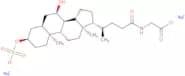
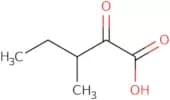
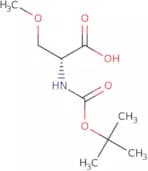
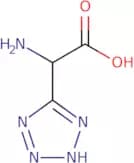
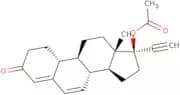

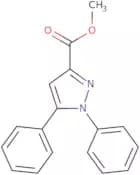
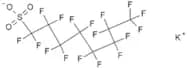
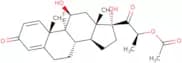
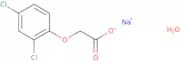
![1,1'-Bicyclo[1,1,1]pentane-1,3-dicarboxylic acid monomethyl ester](/_next/image/?url=https%3A%2Fstatic.cymitquimica.com%2Fproducts%2F3D%2Fthumb-webp%2FFB33677.webp&w=3840&q=75)
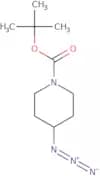
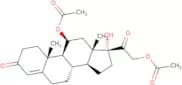
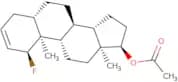
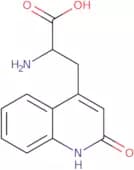
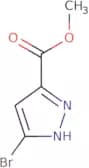
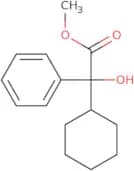
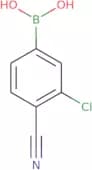
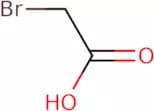

![Methyl 1H-pyrrolo[2,3-b]pyridine-2-carboxylate](/_next/image/?url=https%3A%2Fstatic.cymitquimica.com%2Fproducts%2F3D%2Fthumb-webp%2FFM142039.webp&w=3840&q=75)
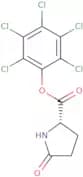
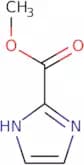
![[(5-Methyl-4-phenyl-4H-1,2,4-triazol-3-yl)thio]acetic acid](/_next/image/?url=https%3A%2Fstatic.cymitquimica.com%2Fproducts%2F3D%2Fthumb-webp%2FFM132283.webp&w=3840&q=75)
![(2S)-2-Amino-2-[(5S)-3-chloro-4,5-dihydroisoxazol-5-Yl]acetic acid](/_next/image/?url=https%3A%2Fstatic.cymitquimica.com%2Fproducts%2F3D%2Fthumb-webp%2FFA17203.webp&w=3840&q=75)
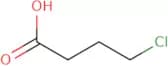
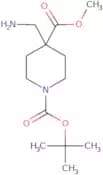
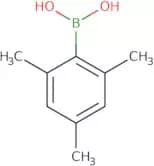
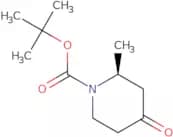
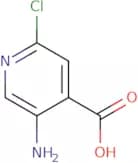
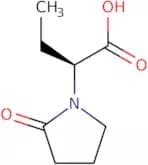
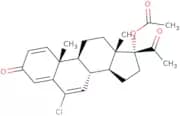
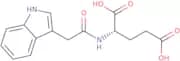
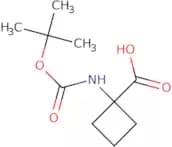
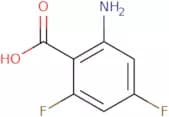
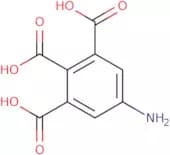
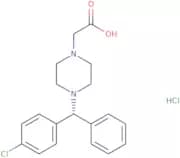

![1-[2-(1H-Indol-3-yl)ethyl]-2,5-dimethyl-1H-pyrrole-3-carboxylic acid](/_next/image/?url=https%3A%2Fstatic.cymitquimica.com%2Fproducts%2F3D%2Fthumb-webp%2FFI117604.webp&w=3840&q=75)
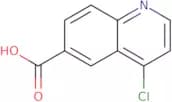

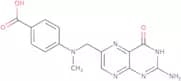
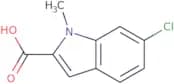
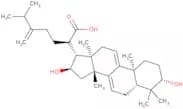
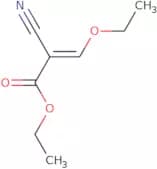
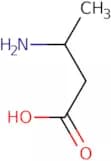

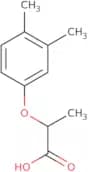
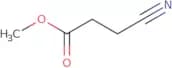
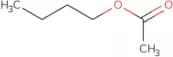
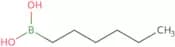
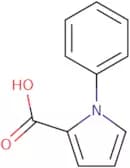
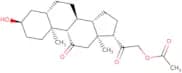

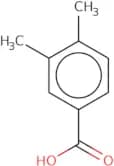
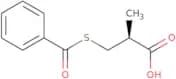
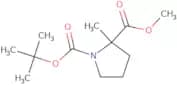


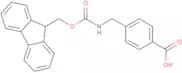
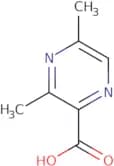

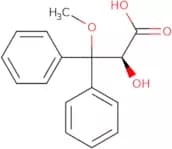
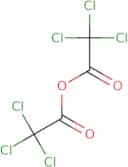
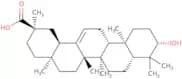
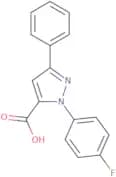
![4-(2-Chlorophenyl)-9-methyl-6H-thieno[3,2-f][1,2,4]triazolo[4,3-a][1,4]diazepine-2-propanoic acid …](/_next/image/?url=https%3A%2Fstatic.cymitquimica.com%2Fproducts%2F3D%2Fthumb-webp%2FFC20337.webp&w=3840&q=75)
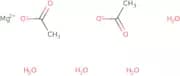
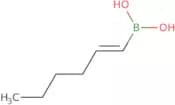
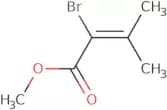
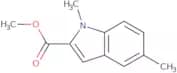
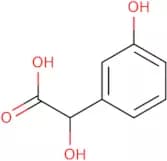
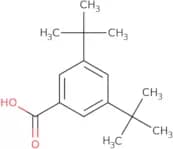
![Tert-butyl(8-anti)-3-azabicyclo[3.2.1]oct-8-ylcarbamate](/_next/image/?url=https%3A%2Fstatic.cymitquimica.com%2Fproducts%2F3D%2Fthumb-webp%2FFT167890.webp&w=3840&q=75)
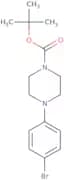
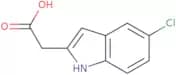
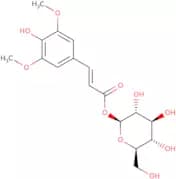
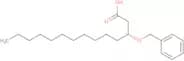
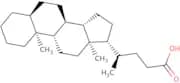
![1-[2-(5-Methoxy-1H-indol-3-yl)ethyl]-5-oxopyrrolidine-3-carboxylic acid](/_next/image/?url=https%3A%2Fstatic.cymitquimica.com%2Fproducts%2F3D%2Fthumb-webp%2FFM119445.webp&w=3840&q=75)
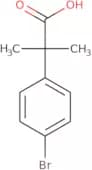
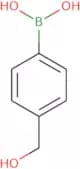

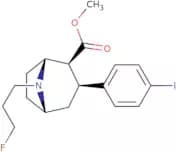
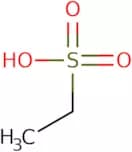
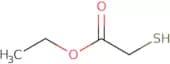
![Diethyl 1-[2-(1H-indol-3-yl)ethyl]-2,5-dimethyl-1H-pyrrole-3,4-dicarboxylate](/_next/image/?url=https%3A%2Fstatic.cymitquimica.com%2Fproducts%2F3D%2Fthumb-webp%2FFD121816.webp&w=3840&q=75)
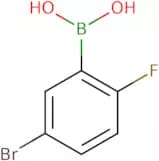
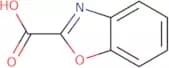
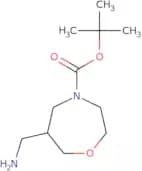
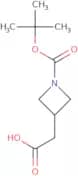
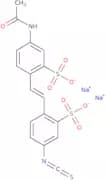
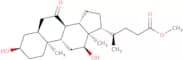
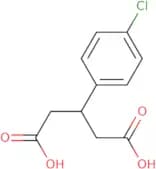

![7H-Pyrrolo[2,3-d]pyrimidine-4-carboxylic acid](/_next/image/?url=https%3A%2Fstatic.cymitquimica.com%2Fproducts%2F3D%2Fthumb-webp%2FFP167570.webp&w=3840&q=75)
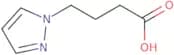
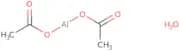
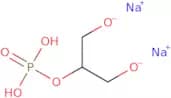
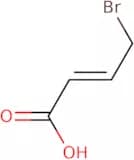
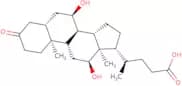
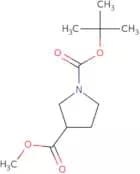
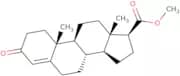
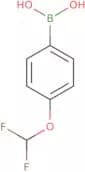
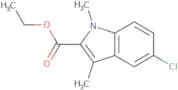
![[1-(2-Methoxyethyl)-1H-indol-3-yl]acetic acid](/_next/image/?url=https%3A%2Fstatic.cymitquimica.com%2Fproducts%2F3D%2Fthumb-webp%2FFM135744.webp&w=3840&q=75)
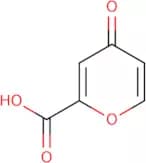
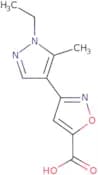
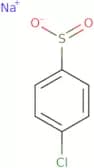
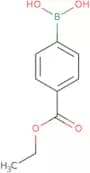
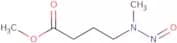
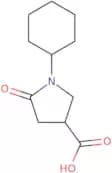
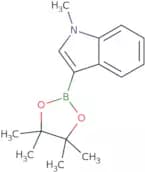
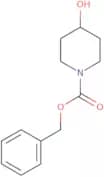
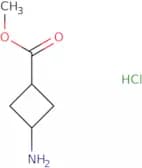

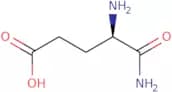
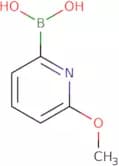
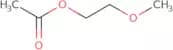
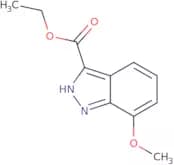
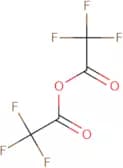
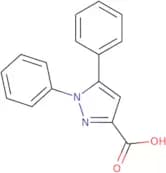
![(2S,3S,5S)-5-[(N-Formyl-L-leucyl)oxy]-2-hexyl-3-hydroxyhexadecanoic acid](/_next/image/?url=https%3A%2Fstatic.cymitquimica.com%2Fproducts%2F3D%2Fthumb-webp%2FFF23586.webp&w=3840&q=75)
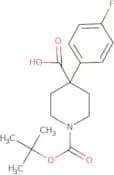
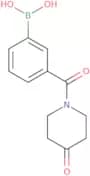

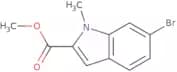
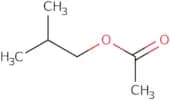
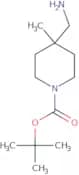
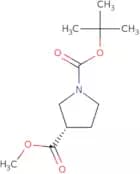

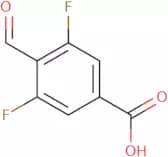

![5-[(3,5-Dimethyl-1H-pyrazol-1-yl)methyl]-2-furoic acid](/_next/image/?url=https%3A%2Fstatic.cymitquimica.com%2Fproducts%2F3D%2Fthumb-webp%2FFD115286.webp&w=3840&q=75)
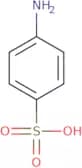


![3-{[(3,4-Dichlorophenyl)amino]carbonyl}bicyclo[2.2.1]hept-5-ene-2-carboxylic acid](/_next/image/?url=https%3A%2Fstatic.cymitquimica.com%2Fproducts%2F3D%2Fthumb-webp%2FFD136060.webp&w=3840&q=75)
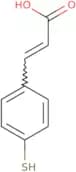


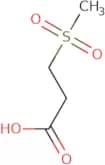

![5-Methyl-4,5,6,7-tetrahydrothiazolo[5,4-c]pyridine-2-carboxylic acid hydrochloride](/_next/image/?url=https%3A%2Fstatic.cymitquimica.com%2Fproducts%2F3D%2Fthumb-webp%2FFM63141.webp&w=3840&q=75)


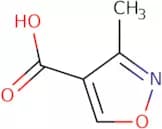
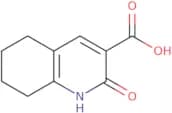


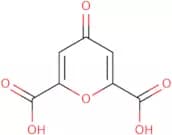
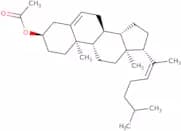
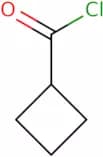
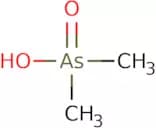
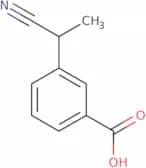
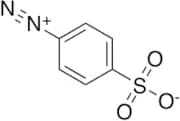

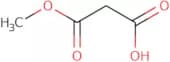
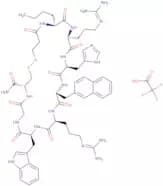
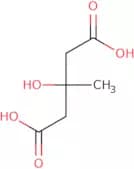
![tert-Butyl 1-oxa-4,9-diazaspiro[5.5]undecane-9-carboxylate](/_next/image/?url=https%3A%2Fstatic.cymitquimica.com%2Fproducts%2F3D%2Fthumb-webp%2FFB134944.webp&w=3840&q=75)

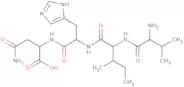
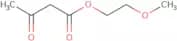
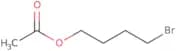


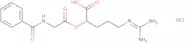

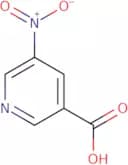
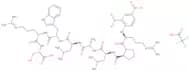
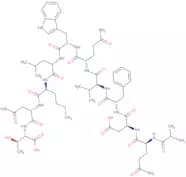

![[2-fluoro-4-(trifluoromethyl)phenyl]boronic Acid](/_next/image/?url=https%3A%2Fstatic.cymitquimica.com%2Fproducts%2F3D%2Fthumb-webp%2FFF105416.webp&w=3840&q=75)