Carboxylic Acids
Carboxylic acids are organic molecules characterized by having a carboxyl-type functional group (-COOH). These acids are fundamental in various chemical reactions, including esterification, amidation, and decarboxylation. Carboxylic acids are widely used in the production of pharmaceuticals, polymers, and agrochemicals. In this section, you can find a large number of carboxylic acids ready to be used. At CymitQuimica, we provide a broad range of high-quality carboxylic acids to support your research and industrial applications.
Found 12453 products of "Carboxylic Acids"
Sort by
Purity (%)
0
100
|
0
|
50
|
90
|
95
|
100
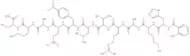
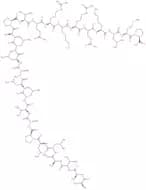
(Asn670,Leu671)-Amyloid b/A4 Protein Precursor770 (667-676) trifluoroacetate salt
CAS:<p>Please enquire for more information about (Asn670,Leu671)-Amyloid b/A4 Protein Precursor770 (667-676) trifluoroacetate salt including the price, delivery time and more detailed product information at the technical inquiry form on this page</p>Formula:C50H78N14O19Purity:Min. 95%Molecular weight:1,179.24 g/mol4-Methoxybenzylboronic acid pinacolester
CAS:<p>Please enquire for more information about 4-Methoxybenzylboronic acid pinacolester including the price, delivery time and more detailed product information at the technical inquiry form on this page</p>Formula:C14H21BO3Purity:Min. 95%Molecular weight:248.13 g/mol(3-(4-Azidophenyl)propionyl1,D-Tyr(Me)2,Arg6,Arg8,Tyr-NH29)-Vasopressin trifluoroacetate salt
CAS:<p>Please enquire for more information about (3-(4-Azidophenyl)propionyl1,D-Tyr(Me)2,Arg6,Arg8,Tyr-NH29)-Vasopressin trifluoroacetate salt including the price, delivery time and more detailed product information at the technical inquiry form on this page</p>Formula:C63H84N20O13Purity:Min. 95%Molecular weight:1,329.47 g/mol(D-Tyr6,betaPhe11,Phe13, Nle 14)-Bombesin (6-14) (free acid) trifluoroacetate salt
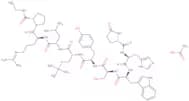
CAS:<p>Please enquire for more information about (D-Tyr6,betaPhe11,Phe13, Nle 14)-Bombesin (6-14) (free acid) trifluoroacetate salt including the price, delivery time and more detailed product information at the technical inquiry form on this page</p>Formula:C63H79N13O12Purity:Min. 95%Molecular weight:1,210.38 g/mol(Des-Gly10,D-Leu6, Orn 8,Pro-NHEt 9)-LHRH trifluoroacetate salt
CAS:<p>Please enquire for more information about (Des-Gly10,D-Leu6, Orn 8,Pro-NHEt 9)-LHRH trifluoroacetate salt including the price, delivery time and more detailed product information at the technical inquiry form on this page</p>Formula:C58H82N14O12Purity:Min. 95%Molecular weight:1,167.36 g/molGLP-1 (1-37) (human, bovine, guinea pig, mouse, rat) trifluoroacetate salt
CAS:<p>GLP-1 (1-37) (human, bovine, guinea pig, mouse, rat) trifluoroacetate salt is a posttranslational modification of the endogenous human hormone GLP-1. It is a synthetic form of this hormone that has been modified to allow for improved stability and solubility. This peptide is found in the pancreatic alpha cells and intestinal L cells and stimulates the release of insulin from pancreatic beta cells. GLP-1 (1-37) (human, bovine, guinea pig, mouse, rat) trifluoroacetate salt has also been shown to increase glucose uptake by muscle tissue as well as stimulate the release of incretin hormones such as glucagon-like peptide 1 and gastric inhibitory polypeptide. GLP-1 (1-37) (human, bovine, guinea pig, mouse, rat) trifluoroacetate salt</p>Formula:C186H275N51O59Purity:Min. 95%Molecular weight:4,169.48 g/mol7-Hydroxynaphthalene-1-sulfonic acid
CAS:<p>7-Hydroxynaphthalene-1-sulfonic acid is a chemical compound with the formula HNSO. It is an organic compound and a proton acceptor. The conjugate base of 7-hydroxynaphthalene-1-sulfonic acid has a strong absorption band in the ultraviolet region. In DMF solution, the reaction of 7-hydroxynaphthalene-1-sulfonic acid with formamide, hydroxy, and nitrogen atoms produces a product that has been characterized by photoexcitation and kinetic studies. The proton transfer process from formamide to 7-hydroxynaphthalene-1-sulfonic acid was found to be exponential and followed first order kinetics. The protonation constant for this process was determined to be 8.4 x 10 M/equivalent. 7HNSO can also act as an electron acceptor in dimethylsulphoxide (DMSO) solution</p>Purity:Min. 95%LIP1 (human) trifluoroacetate salt
<p>Please enquire for more information about LIP1 (human) trifluoroacetate salt including the price, delivery time and more detailed product information at the technical inquiry form on this page</p>Formula:C133H229N45O37Purity:Min. 95%Molecular weight:3,050.52 g/molNeuropeptide FF (5-8) acetate salt
CAS:<p>Please enquire for more information about Neuropeptide FF (5-8) acetate salt including the price, delivery time and more detailed product information at the technical inquiry form on this page</p>Formula:C25H39N9O5Purity:Min. 95%Molecular weight:545.63 g/molGLP-1 (7-37) (human, bovine, guinea pig, mouse, rat) acetate salt
CAS:<p>Please enquire for more information about GLP-1 (7-37) (human, bovine, guinea pig, mouse, rat) acetate salt including the price, delivery time and more detailed product information at the technical inquiry form on this page</p>Formula:C151H228N40O47·xC2H4O2Purity:Min. 95%Molecular weight:3,355.67 g/molThr-Ala-Pro-Arg-Atrial Natriuretic Factor (1-28) (human, bovine, porcine) trifluoroacetate salt
CAS:<p>Thr-Ala-Pro-Arg-Atrial Natriuretic Factor (1-28) (human, bovine, porcine) trifluoroacetate salt is a peptide hormone that regulates blood pressure by causing the kidneys to excrete sodium and water. It is used as a model system for studying the physiological effects of urodilatin and has been shown to inhibit the cyclase enzyme. Thr-Ala-Pro-Arg-Atrial Natriuretic Factor (1-28) (human, bovine, porcine) trifluoroacetate salt may also have an antihypertensive effect through its ability to reduce levels of natriuretic peptides in plasma. This drug is also being investigated as a possible treatment for congestive heart failure. The small molecular weight makes it suitable for use as a natriuretic or antihypertensive drug with minimal side effects.</p>Formula:C145H234N52O44S3Purity:Min. 95%Molecular weight:3,505.93 g/molPhylloseptin-L2 trifluoroacetate salt
CAS:<p>Please enquire for more information about Phylloseptin-L2 trifluoroacetate salt including the price, delivery time and more detailed product information at the technical inquiry form on this page</p>Formula:C76H126N18O19Purity:Min. 95%Molecular weight:1,595.92 g/molAngiotensin (1-12) (human) trifluoroacetate salt
CAS:<p>Please enquire for more information about Angiotensin (1-12) (human) trifluoroacetate salt including the price, delivery time and more detailed product information at the technical inquiry form on this page</p>Formula:C73H109N19O16Purity:Min. 95%Molecular weight:1,508.77 g/molN-Me-Abz-Lys-Pro-Leu-Gly-Leu-Dap (Dnp)-Ala-Arg-NH2 trifluoroacetate salt
CAS:<p>Please enquire for more information about N-Me-Abz-Lys-Pro-Leu-Gly-Leu-Dap (Dnp)-Ala-Arg-NH2 trifluoroacetate salt including the price, delivery time and more detailed product information at the technical inquiry form on this page</p>Formula:C51H79N17O13Purity:Min. 95%Molecular weight:1,138.28 g/molAmyloid β/A4 Protein Precursor770 (394-410) trifluoroacetate salt
CAS:<p>Please enquire for more information about Amyloid beta/A4 Protein Precursor770 (394-410) trifluoroacetate salt including the price, delivery time and more detailed product information at the technical inquiry form on this page</p>Formula:C86H151N31O26S2Purity:Min. 95%Molecular weight:2,099.44 g/molH-Leu-Trp-Met-Arg-Phe-Ala-OH acetate salt
CAS:<p>H-Leu-Trp-Met-Arg-Phe-Ala-OH acetate salt is a synthetic amino acid. It has been shown to be a substrate for peptidases and proteolytic enzymes, including serine protease. H-Leu-Trp-Met-Arg-Phe-Ala-OH acetate salt also has catalytic activity, which leads to the formation of methyl ketones. This product is used as an analytical reagent in the determination of specificities of proteolytic enzymes. It is also used to measure the activity of amyloid protein and peptidases.</p>Formula:C40H58N10O7SPurity:Min. 95%Molecular weight:823.02 g/molGambogic acid
CAS:<p>Gambogic acid is a xanthonoid compound, which is a naturally occurring product derived from the resin of Garcinia hanburyi, a tree found in Southeast Asia. It functions primarily through its apoptotic and anti-proliferative effects on cancer cells. Mechanistically, Gambogic acid binds to transferrin receptors, leading to the disruption of cell survival pathways, inhibition of the NF-kB signaling pathway, and induction of apoptosis by activating caspases and influencing mitochondrial pathways.</p>Purity:Min. 95%(Nle 8·18,Tyr34)-pTH (1-34) amide (bovine) trifluoroacetate salt
CAS:<p>Please enquire for more information about (Nle 8·18,Tyr34)-pTH (1-34) amide (bovine) trifluoroacetate salt including the price, delivery time and more detailed product information at the technical inquiry form on this page</p>Formula:C185H293N55O50Purity:Min. 95%Molecular weight:4,087.65 g/mol2-Fluoro-6-methylbenzoic acid
CAS:<p>Please enquire for more information about 2-Fluoro-6-methylbenzoic acid including the price, delivery time and more detailed product information at the technical inquiry form on this page</p>Formula:C8H7FO2Purity:Min. 98 Area-%Color and Shape:White PowderMolecular weight:154.14 g/mol(7-Diethylaminocoumarin-3-yl)carbonyl-Amyloid b-Protein (1-40) trifluoroacetate salt
CAS:<p>Please enquire for more information about (7-Diethylaminocoumarin-3-yl)carbonyl-Amyloid b-Protein (1-40) trifluoroacetate salt including the price, delivery time and more detailed product information at the technical inquiry form on this page</p>Formula:C208H308N54O61SPurity:Min. 95%Molecular weight:4,573.06 g/mol(Pro34)-Neuropeptide Y (porcine) trifluoroacetate salt
CAS:<p>Please enquire for more information about (Pro34)-Neuropeptide Y (porcine) trifluoroacetate salt including the price, delivery time and more detailed product information at the technical inquiry form on this page</p>Formula:C190H286N54O56Purity:Min. 95%Molecular weight:4,222.63 g/molLinoleic acid - powder
CAS:<p>Linoleic acid is a polyunsaturated fatty acid that is an important component of cell membranes. It has been shown to inhibit oxidative injury and improve mitochondrial functions. Linoleic acid also has a role in energy metabolism, as it is the precursor for biosynthesis of eicosanoids and arachidonic acid. The physiological effects of linoleic acid have been studied using a model system consisting of isolated rat adipose tissue and mitochondria. This model system has been used to investigate the inhibitory properties of linoleic acid on caproic acid-induced lipid peroxidation. Linoleic acid has also been shown to have anion radical scavenging activity when in the presence of iron. This compound can be analyzed using gas chromatography-mass spectrometry (GC-MS) based on its chemical composition, which consists mainly of linear 18-carbon chains with two double bonds at positions 9 and 12.</p>Formula:C18H32O2Purity:Min. 95%Color and Shape:PowderMolecular weight:280.45 g/mol3,3'-Dithiodipropionic acid dimethyl ester
CAS:<p>3,3'-Dithiodipropionic acid dimethyl ester is a reactive chemical that can be used as a cross-linking agent. When reacted with an amine group in a protein, the amine is converted to an amide bond and the amino acid becomes covalently attached to the protein. 3,3'-Dithiodipropionic acid dimethyl ester reacts with chloride ions or hydrochloric acid to form a disulfide bond between two proteins. This product is also used as a polymerization initiator for polymers and can be used in the synthesis of hyaluronic acid. 3,3'-Dithiodipropionic acid dimethyl ester has been shown to react with sodium citrate and osmosis to produce sodium hydroxide solution.</p>Formula:C8H14O4S2Purity:Min. 97%Color and Shape:Colorless Clear LiquidMolecular weight:238.33 g/molEnterostatin (human, mouse, rat) acetate salt
CAS:<p>Enterostatin is a peptide hormone that inhibits the release of insulin, gastric acid and pancreatic juices. Enterostatin has been shown to have a number of biological properties, including an anti-obesity effect in humans. In mice, enterostatin has been shown to decrease food intake, increase energy expenditure and weight loss. Enterostatin also decreases the levels of serum cholesterol and triglycerides in rats. This drug has a number of pharmacological activities including inhibition of platelet aggregation and vasodilation. Enterostatin is related to peptide hormones such as ghrelin, which stimulates appetite, and cholecystokinin (CCK), which reduces appetite. It may be used as an alternative treatment for obesity or metabolic disorders like diabetes mellitus type 2 or hyperlipidaemia.</p>Formula:C21H36N8O6Purity:Min. 95%Molecular weight:496.56 g/molFmoc-L-aspartic acid β-allyl ester
CAS:<p>Fmoc-L-aspartic acid beta-allyl ester is a specific interaction between an amide and an enzyme target. It has been shown to have anti-inflammatory properties by inhibiting the activity of COX-2, which inhibits the production of prostaglandins. Fmoc-L-aspartic acid beta-allyl ester is a cyclic peptide with a lactam ring system that has been synthesized in a stepwise manner on a solid phase. This molecule interacts with cell line A549 and blocks the proliferation of cancer cells. Fmoc-L-aspartic acid beta-allyl ester also contains a disulfide bond that stabilizes its structure.</p>Formula:C22H21NO6Purity:Min. 95%Molecular weight:395.41 g/molH-Lys-Tyr-OH acetate salt
CAS:<p>H-Lys-Tyr-OH acetate salt (HAT) is a synthetic nonsteroidal anti-inflammatory drug that has been used in the treatment of inflammatory diseases and cancer. HAT is an optical isomer of the naturally occurring amino acid L-lysine. It has been shown to have antioxidative properties and to be active against HIV infection and inflammatory diseases, including diabetes. HAT also has a molecular structure that makes it a potential therapeutic agent for cancer, as well as for women with osteoporosis and other chronic inflammatory conditions.</p>Formula:C15H23N3O4Purity:Min. 95%Molecular weight:309.36 g/molMethyl carbamate
CAS:<p>Methyl carbamate is a carbamate that inhibits a number of enzymes, including mitochondrial membrane potential, cell nuclei, and dinucleotide phosphate. It also inhibits the synthesis of DNA, RNA, and proteins. Methyl carbamate has been shown to inhibit the growth of infectious diseases such as malaria and tuberculosis. It is a potent inhibitor of hyperproliferative diseases such as cancer. Methyl carbamate is used in analytical chemistry to determine the amount of an unknown compound in a sample by measuring its concentration with mass spectrometry or other methods. The compound can be prepared in various ways depending on the type of analysis needed. Methyl carbamate is usually prepared by reacting methyl iodide with sodium cyanide at 150 °C for 24 hours.</p>Formula:C2H5NO2Purity:Min. 95%Molecular weight:75.07 g/molLys-Lys-IRS-1 (891-902) (dephosphorylated) (human) trifluoroacetate salt
CAS:<p>Please enquire for more information about Lys-Lys-IRS-1 (891-902) (dephosphorylated) (human) trifluoroacetate salt including the price, delivery time and more detailed product information at the technical inquiry form on this page</p>Formula:C73H114N18O22Purity:Min. 95%Molecular weight:1,595.79 g/molent-[Amyloid b-Protein (20-16)]-b-Ala-D-Lys(ent-[Amyloid b-Protein (16-20)]) trifluoroacetate salt
CAS:<p>Please enquire for more information about ent-[Amyloid b-Protein (20-16)]-b-Ala-D-Lys(ent-[Amyloid b-Protein (16-20)]) trifluoroacetate salt including the price, delivery time and more detailed product information at the technical inquiry form on this page</p>Formula:C79H119N15O13Purity:Min. 95%Molecular weight:1,486.88 g/molTri-tert-butyl 1,4,7,10-tetraazacyclododecane-1,4,7,10-tetraacetate
CAS:<p>Tri-tert-butyl 1,4,7,10-tetraazacyclododecane-1,4,7,10-tetraacetate (TBA) is a gadolinium chelate that is used as a contrast agent in magnetic resonance imaging. TBA binds to the malignant cells and shows an increase in uptake of the gadolinium contrast agent. TBA has been shown to be effective in the diagnosis of cancerous brain tissue and is also able to detect cancer cells in animals. TBA has shown some efficacy against bacterial infection by binding to the cell membrane and inhibiting protein synthesis. It is also able to act synergistically with antibiotics such as penicillin or ampicillin to kill bacteria more effectively.</p>Formula:C28H52N4O8Purity:Min. 95%Color and Shape:White PowderMolecular weight:572.73 g/molEthoxyiminoacetic acid ethyl ester
CAS:<p>Ethoxyiminoacetic acid ethyl ester is an annulated, lactam-containing compound that is synthesized via the condensation of ethyl thiooxamate and carboxylic acid. This drug has been shown to be efficient in inhibiting the growth of bacteria that are resistant to antibiotics such as polycyclic, triazoles, and condensates. It also inhibits protein synthesis by binding to bacterial DNA gyrase and topoisomerase IV. Ethoxyiminoacetic acid ethyl ester has shown significant antimicrobial activity against Gram-positive bacteria such as streptococci and staphylococci.</p>Formula:C6H11NO3Purity:Min. 95%Molecular weight:145.16 g/molMaxadilan trifluoroacetate salt
CAS:<p>Maxadilan trifluoroacetate salt is a low-potency drug that binds to the GABA receptor and affects the central nervous system. Maxadilan trifluoroacetate salt is structurally related to leishmaniasis, an infectious disease caused by protozoa of the genus Leishmania. Maxadilan trifluoroacetate salt has been shown to prevent the development of autoimmune diseases in mice, including systemic lupus erythematosus, experimental autoimmune encephalomyelitis, and collagen-induced arthritis. Maxadilan trifluoroacetate salt has also been shown to be effective against cutaneous lesions in mice infected with Leishmania major. The mechanism of action is not yet known but may be due to its ability to influence mitochondrial membrane potential or fatty acid metabolism.</p>Formula:C291H466N86O94S6Purity:Min. 95%Molecular weight:6,865.73 g/molH-D-Arg(Me)-OH acetate salt
CAS:Controlled Product<p>H-D-Arg(Me)-OH is a peptide that has been shown to inhibit the proliferation of cancer cells in culture. It inhibits the growth of tumor cells by blocking the activity of the oxytocin receptor, which regulates cell adhesion and migration. The H-D-Arg(Me)-OH acetate salt has also been shown to promote the differentiation of basophilic leukemia cells into normal myeloid cells. This peptide is used as a control for incubated cell cultures, such as liver cells, and can be used to study protein synthesis.</p>Formula:C7H16N4O2Purity:Min. 95%Molecular weight:188.23 g/mol((R)-4-Hydroxy-4-methyl-Orn (FITC)7)-Phalloidin trifluoroacetate salt
CAS:<p>Please enquire for more information about ((R)-4-Hydroxy-4-methyl-Orn (FITC)7)-Phalloidin trifluoroacetate salt including the price, delivery time and more detailed product information at the technical inquiry form on this page</p>Formula:C56H60N10O15S2Purity:Min. 95%Molecular weight:1,177.27 g/molCorticostatin I (rabbit) trifluoroacetate salt
CAS:<p>Please enquire for more information about Corticostatin I (rabbit) trifluoroacetate salt including the price, delivery time and more detailed product information at the technical inquiry form on this page</p>Formula:C163H259N63O44S6Purity:Min. 95%Molecular weight:3,997.59 g/molo-Cresol-4-sulphonic acid
CAS:<p>o-Cresol-4-sulphonic acid is a fine chemical with the CAS number 7134-04-5. It is a versatile building block that can be used as a reagent in research, as a speciality chemical and as an intermediate in the production of other compounds. o-Cresol-4-sulphonic acid has been used to synthesize pharmaceuticals, agrochemicals, dyes, perfumes and many more products. This compound has also been used as a reaction component in organic synthesis to form new compounds and scaffolds.</p>Formula:C7H8O4SPurity:Min. 95%Color and Shape:PowderMolecular weight:188.2 g/molTyrosinase (243-251) (human) acetate salt
CAS:<p>H-KCDICTDEY-OH peptide, corresponding to amino acids 243-251 of human Tyrosinase. The peptide is supplied as an acetate salt.</p>Formula:C44H68N10O18S2Purity:Min. 95%Molecular weight:1,089.2 g/molAlarin (rat) trifluoroacetate salt
CAS:<p>Please enquire for more information about Alarin (rat) trifluoroacetate salt including the price, delivery time and more detailed product information at the technical inquiry form on this page</p>Formula:C119H199N45O35Purity:Min. 95%Molecular weight:2,820.14 g/molAngiotensin I/II (1-7) trifluoroacetate salt
CAS:<p>Angiotensin I/II (1-7) trifluoroacetate salt is a selective inhibitor of angiotensin II. It blocks the activity of angiotensin II, and thereby prevents the activation of growth factor-β1, which leads to a decrease in pulmonary hypertension. The drug has also been shown to be effective in blocking dextran sulfate absorption, as well as preventing bowel disease by inhibiting receptor activity. Angiotensin I/II (1-7) trifluoroacetate salt has been shown to have an anti-inflammatory effect on the cardiovascular system by blocking cell signaling pathways and reducing blood pressure. This drug is used for treatment of metabolic disorders such as atherosclerotic lesion, cardiac diseases such as coronary heart diseases, and bowel disease.</p>Formula:C41H62N12O11Purity:Min. 95%Molecular weight:899.01 g/molC5a Anaphylatoxin (human) trifluoroacetate salt )
CAS:<p>Please enquire for more information about C5a Anaphylatoxin (human) trifluoroacetate salt ) including the price, delivery time and more detailed product information at the technical inquiry form on this page</p>Formula:C350H578N108O107S8Purity:Min. 95%Molecular weight:8,267.53 g/molα-Helical CRF (12-41) trifluoroacetate salt
CAS:<p>Please enquire for more information about Alpha-Helical CRF (12-41) trifluoroacetate salt including the price, delivery time and more detailed product information at the technical inquiry form on this page</p>Formula:C152H251N43O47S2Purity:Min. 95%Molecular weight:3,497.01 g/mol1-(Mercaptomethyl)cyclopropaneacetic acid
CAS:<p>1-(Mercaptomethyl)cyclopropaneacetic acid is a reaction product of hydrolysis, transfer, and industrialization. It is used in the synthesis of organic compounds such as quinolinediols and thioureas. 1-(Mercaptomethyl)cyclopropaneacetic acid is typically prepared by the reaction of an alkylsulfonyl chloride with an inorganic base such as lithium or sodium carbonate in an organic solvent such as acetonitrile. The compound is also used to produce other organosulfur compounds, including imino sulfides and disulfides.</p>Formula:C6H10O2SPurity:Min. 95%Color and Shape:PowderMolecular weight:146.21 g/molAngiotensin II trifluoroacetate salt
CAS:<p>Angiotensin II is a peptide hormone that may act as a neurotransmitter or neuromodulator. It is one of the most important vasoconstrictor and aldosterone-secreting hormones produced by the renin-angiotensin system in mammals. Angiotensin II has been shown to stimulate cardiac contractility, increase vascular resistance, and regulate blood pressure. The effect of Angiotensin II on cardiac contractility is mediated through its binding to a response element in the promoter region of genes encoding for Ca2+ channels. This binding leads to increased Ca2+ influx into cardiac cells and increased myofibrillar Ca2+ sensitivity. Angiotensin II also activates reactive oxygen species (ROS) production, which causes injury to the renal tubular epithelium and induces tubulointerstitial injury in rats with diabetes. It also stimulates squamous cell carcinoma growth by inducing reactive oxygen species (ROS) production and activating signal trans</p>Formula:C50H71N13O12·xC2HF3O2Purity:Min. 95%Molecular weight:1,046.18 g/mol2,5-Diaminoterephthalic acid
CAS:<p>2,5-Diaminoterephthalic acid is a synthetic organic compound that is used as a building block for the synthesis of polyamides. It has been shown to have high salt adsorption properties and low detection limits for certain analytes. 2,5-Diaminoterephthalic acid has also been found to have photocatalytic activity and can be used in the treatment of cancer. This chemical reacts with nitro groups on nucleophilic attack to form the carcinogenic nitrosamine. The formation rate of this nitrosamine depends on the presence of methoxy groups and nitrogen atoms in 2,5-diaminoterephthalic acid.</p>Formula:C8H8N2O4Purity:Min. 95%Molecular weight:196.16 g/mol2-Chloropyridine-4-boronic acid
CAS:<p>2-Chloropyridine-4-boronic acid is a nicotinic acetylcholine receptor antagonist that has been shown to be effective against trypanosomiasis. It blocks the binding of acetylcholine to its receptor, which prevents the propagation of an action potential in the postsynaptic cell. 2-Chloropyridine-4-boronic acid inhibits the enzymes cyclooxygenase and prostaglandin synthase, which are involved in inflammation. 2-Chloropyridine-4-boronic acid is potent and selective for nicotinic acetylcholine receptors, but it also binds to other sites on the enzyme. The molecular modeling studies have shown that this compound has a pharmacophore that can be used as a guide for drug design.</p>Formula:C5H5BClNO2Purity:Min. 95%Molecular weight:157.36 g/molAlloferon 2 trifluoroacetate salt
CAS:<p>Please enquire for more information about Alloferon 2 trifluoroacetate salt including the price, delivery time and more detailed product information at the technical inquiry form on this page</p>Formula:C46H69N19O15Purity:Min. 95%Molecular weight:1,128.16 g/molA-VI-5 acetate salt
CAS:<p>Please enquire for more information about A-VI-5 acetate salt including the price, delivery time and more detailed product information at the technical inquiry form on this page</p>Formula:C22H40N6O10Purity:Min. 95%Molecular weight:548.59 g/molDocosahexaenoic acid ethyl ester
CAS:<p>Docosahexaenoic acid ethyl ester (DHAEE) is a biologically active form of docosahexaenoic acid (DHA), which is an omega-3 polyunsaturated fatty acid. DHAEE is synthesized from DHA through the process of acylation with ethanol. It has been shown to have antioxidant and anti-inflammatory properties in animal studies, as well as improved brain functions. When given to rats, it prevents neuronal death and has been shown to reduce the risk of congestive heart failure.</p>Formula:C24H36O2Purity:Min. 95%Color and Shape:Colorless Yellow Clear LiquidMolecular weight:356.54 g/molMca-Amyloid β/A4 Protein Precursor770 (667-676)-Lys(Dnp)-Arg-Arg amide trifluoroacetate salt
CAS:<p>Please enquire for more information about Mca-Amyloid beta/A4 Protein Precursor770 (667-676)-Lys(Dnp)-Arg-Arg amide trifluoroacetate salt including the price, delivery time and more detailed product information at the technical inquiry form on this page</p>Formula:C87H129N27O28SPurity:Min. 95%Molecular weight:2,033.19 g/mol(2-Methylindol-1-yl)acetic acid·DCHA
CAS:Controlled Product<p>Please enquire for more information about (2-Methylindol-1-yl)acetic acid·DCHA including the price, delivery time and more detailed product information at the technical inquiry form on this page</p>Formula:C11H11NO2·C12H23NPurity:Min. 95%Molecular weight:370.53 g/molSuc-Ala-Phe-Lys-AMC trifluoroacetate salt
CAS:<p>Please enquire for more information about Suc-Ala-Phe-Lys-AMC trifluoroacetate salt including the price, delivery time and more detailed product information at the technical inquiry form on this page</p>Formula:C32H39N5O8·C2HF3O2Purity:Min. 95%Molecular weight:735.7 g/molBoc-N-Methyl-γ-aMinobutyric acid
CAS:<p>Please enquire for more information about Boc-N-Methyl-gaMMa-aMinobutyric acid including the price, delivery time and more detailed product information at the technical inquiry form on this page</p>Formula:C10H19NO4Purity:Min. 95%Molecular weight:217.26 g/molH-Arg-Met-OH acetate salt
CAS:<p>H-Arg-Met-OH acetate salt is a reactive chemical that is used in the treatment of hepatitis. It has been shown to be effective against virus and heart disease, as well as being active in the prevention of insulin resistance. H-Arg-Met-OH acetate salt is also used to determine if a person has had an allergic reaction by testing for elevated serum levels of this chemical. H-Arg-Met-OH acetate salt can be found in the blood, urine, and liver cells. This chemical is also present in mouse spleen cells and has been shown to react with specific antibodies.</p>Formula:C11H23N5O3SPurity:Min. 95%Molecular weight:305.4 g/mol3-[(2-Aminoethyl)dithio]propionic acid
CAS:<p>Dithiobis(3-mercaptopropionate) is an analog of 3-[(2-Aminoethyl)dithio]propionic acid (DTA). It has been used as a cross-linking agent for the synthesis of polymers with acidic pH. Dithiobis(3-mercaptopropionate) is also used for the synthesis of conjugates and bifunctional molecules. Dithiobis(3-mercaptopropionate) can be synthesized by reacting bis(sulfanylmethyl)amine with sodium azide in an acidic solution. The cross-linking reaction will produce a disulfide bond, which is a covalent linkage between two cysteine residues in two different polypeptides or proteins. This crosslink is irreversible, so it cannot be broken down by chemical processes, but can be broken down by enzymatic digestion.</p>Formula:C5H11NO2S2Purity:(%) Min. 95%Color and Shape:PowderMolecular weight:181.28 g/mol1H-Indazole-5-boronic acid
CAS:<p>1H-Indazole-5-boronic acid is a potent compound that belongs to the class of indazole compounds. It has been shown to inhibit protein phosphorylation and induce morphological changes in cells. This compound also inhibits the activity of a number of different cellular enzymes, including protein phosphatases, protein kinases, and protein tyrosine phosphatases. 1H-Indazole-5-boronic acid has been shown to be a promising lead compound for the discovery of novel inhibitors of these enzymes.</p>Formula:C7H7BN2O2Purity:Min. 95%Molecular weight:161.95 g/molTetrahydro-3-furoic acid
CAS:<p>Tetrahydro-3-furoic acid is an organic acid that can be found in the form of its tautomers, alpha-methylene-gamma-butyrolactone and 3-hydroxy-2,4-pentadienoic acid. It is a proapoptotic compound that induces cell death in cancer cells by inhibiting protein synthesis. Tetrahydro-3-furoic acid has been shown to have low expression levels in most tissues, with high levels found in the liver. The mechanism behind this inhibition is not yet known but may be due to the formation of a Schiff base between the amine and the carbonyl group of tetrahydro-3-furoic acid. This reaction mechanism has been proposed as a possible explanation for why tetrahydro-3-furoic acid is more toxic than other furoates such as ethyl-, propyl-, butyl-, and amyl-. Tet</p>Formula:C5H8O3Purity:Min. 95%Molecular weight:116.12 g/molBoc-Arg-Val-Arg-Arg-AMC acetate salt
CAS:Controlled Product<p>Boc-Arg-Val-Arg-Arg-AMC acetate salt is a protease inhibitor that belongs to the group of basic proteins. It inhibits the action of serine proteases, which are enzymes that break down proteins in cells. Boc-Arg-Val-Arg-Arg-AMC acetate salt has been shown to inhibit leishmania and tumor cell growth. It also inhibits cancer cell proliferation and metastasis. The inhibition of these cancer cell lines by Boc-Arg-Val-Arg-Arg-AMC acetate salt may be due to its ability to inhibit protein synthesis, which is vital for tumor cell growth. Boc Arg Val Arg Arg AMC acetate salt also induces apoptosis (cell death) in some cancer cells through the activation of caspase 3, a cysteine protease that plays an important role in apoptosis signaling pathways.</p>Formula:C38H62N14O8Purity:Min. 95%Molecular weight:842.99 g/molDnp-Pro-TNF-α (71-82) amide (human) trifluoroacetate salt
CAS:<p>Please enquire for more information about Dnp-Pro-TNF-alpha (71-82) amide (human) trifluoroacetate salt including the price, delivery time and more detailed product information at the technical inquiry form on this page</p>Formula:C57H94N22O21Purity:Min. 95%Molecular weight:1,423.49 g/molpTH (7-84) (human) trifluoroacetate salt
<p>Please enquire for more information about pTH (7-84) (human) trifluoroacetate salt including the price, delivery time and more detailed product information at the technical inquiry form on this page</p>Formula:C381H629N119O115S2Purity:Min. 95%Molecular weight:8,780.94 g/mol6-Chloro-2-methylbenzoic acid
CAS:<p>6-Chloro-2-methylbenzoic acid is a methyl ester that is used in the synthesis of 2-chloro-6-fluorobenzaldehyde. This chemical reacts with hydrogen peroxide to produce chloride and 2,6-dichlorobenzoic acid. The compound can also be synthesized from 2,6-dichlorobenzaldehyde and methoxyethanol. 6CMB has been shown to react with anions such as Cl-, Br-, NO2-, SO3H, and PO3H2 to form organic carboxylates or sulfoxides. It has also been shown to be a byproduct of the reaction between chloral hydrate and potassium permanganate.</p>Formula:C8H7ClO2Purity:90%Color and Shape:PowderMolecular weight:170.59 g/molAc-Gly-Asp-Tyr-Ser-His-Cys-Ser-Pro-Leu-Arg-Tyr-Tyr-Pro-Trp-Trp-Lys-Cys-Thr-Tyr-Pro-Asp-Pro-Glu-Gly-Gly-Gly-NH2 trifluoroacetate salt (Disulfide bond)
CAS:<p>Please enquire for more information about Ac-Gly-Asp-Tyr-Ser-His-Cys-Ser-Pro-Leu-Arg-Tyr-Tyr-Pro-Trp-Trp-Lys-Cys-Thr-Tyr-Pro-Asp-Pro-Glu-Gly-Gly-Gly-NH2 trifluoroacetate salt (Disulfide bond) including the price, delivery time and more detailed product information at the technical inquiry form on this page</p>Formula:C141H185N35O40S2Purity:Min. 95%Molecular weight:3,074.32 g/moltert-Butyl 4,7-diazaspiro[2.5]octane-4-carboxylate
CAS:<p>Please enquire for more information about tert-Butyl 4,7-diazaspiro[2.5]octane-4-carboxylate including the price, delivery time and more detailed product information at the technical inquiry form on this page</p>Purity:Min. 95%Amyloid β-Protein (1-38) trifluoroacetate salt
CAS:<p>Please enquire for more information about Amyloid beta-Protein (1-38) trifluoroacetate salt including the price, delivery time and more detailed product information at the technical inquiry form on this page</p>Formula:C184H277N51O56SPurity:Min. 95%Molecular weight:4,131.54 g/molEtiroxate carboxylic acid
CAS:<p>Please enquire for more information about Etiroxate carboxylic acid including the price, delivery time and more detailed product information at the technical inquiry form on this page</p>Formula:C16H13I4NO4Purity:Min. 95%Molecular weight:790.9 g/molD-Aspartic acid
CAS:<p>D-Aspartic acid is a basic protein that binds to glutamate. It has been shown to be effective in the prevention and treatment of bone cancer in mice. D-Aspartic acid also has an inhibitory effect on the production of estradiol benzoate, which is an enzyme responsible for bone resorption. D-Aspartic acid may also be used as a dietary supplement for bowel disease and bowel motility.<br>D-Aspartic acid has been shown to have receptor activity in humans and to have physiological effects on the locomotor activity of rats. The complex enzyme d-aspartate oxidase can be inhibited by d-aspartic acid.</p>Formula:C4H7NO4Purity:Min. 95%Color and Shape:White PowderMolecular weight:133.1 g/molFormyl-(D-Trp6)-LHRH (2-10) trifluoroacetate salt
CAS:<p>Please enquire for more information about Formyl-(D-Trp6)-LHRH (2-10) trifluoroacetate salt including the price, delivery time and more detailed product information at the technical inquiry form on this page</p>Formula:C60H77N17O12Purity:Min. 95%Molecular weight:1,228.36 g/mol2-(Carboxymethyl)-4,5-dimethoxybenzoic acid
CAS:<p>Please enquire for more information about 2-(Carboxymethyl)-4,5-dimethoxybenzoic acid including the price, delivery time and more detailed product information at the technical inquiry form on this page</p>Formula:C11H12O6Purity:Min. 95%Molecular weight:240.21 g/mol2-Phenylpropionic acid
CAS:<p>2-Phenylpropionic acid is a reactive chemical that can be synthesized by an asymmetric process. It has been used in the synthesis of nonsteroidal anti-inflammatory drugs, as it inhibits the activity of cyclooxygenase and lipoxygenase enzymes. This chemical also binds to the hydroxyl group on target proteins, inhibiting their function. 2-Phenylpropionic acid is metabolized by microbial metabolism and can inhibit the activity of drug-metabolizing enzymes such as CYP3A4 and CYP2D6. It may also interact with other drugs that are processed by these enzymes, including warfarin and carbamazepine. 2-Phenylpropionic acid is a competitive inhibitor that binds to the active site of an enzyme and blocks its access to its substrate molecule. The binding of 2-phenylpropionic acid to enzyme's active site prevents the reactant from entering and reacting with the enzyme, thereby preventing a</p>Formula:C9H10O2Purity:Min. 95%Color and Shape:Colorless Clear LiquidMolecular weight:150.17 g/molAbz-Amyloid β/A4 Protein Precursor770 (708-715)-Lys(Dnp)-D-Arg-D-Arg-D-Arg amide trifluoroacetate salt
CAS:<p>Please enquire for more information about Abz-Amyloid beta/A4 Protein Precursor770 (708-715)-Lys(Dnp)-D-Arg-D-Arg-D-Arg amide trifluoroacetate salt including the price, delivery time and more detailed product information at the technical inquiry form on this page</p>Formula:C69H114N26O18Purity:Min. 95%Molecular weight:1,595.81 g/molDynorphin A trifluoroacetate salt
CAS:<p>Dynorphin A is a peptide that belongs to the class of opioid peptides. It acts as a kappa-opioid receptor agonist and is involved in the transmission of pain signals and other information from the central nervous system to the peripheral nervous system. Dynorphin A has been shown to inhibit the release of neurotransmitters, such as acetylcholine, dopamine, serotonin, and norepinephrine. It also blocks the action of transmitters at postsynaptic membranes by binding to their receptors. Dynorphin A binds with high affinity to kappa-opioid receptors and can be used for treatment of heroin addiction and chronic pain.</p>Formula:C99H155N31O23Purity:Min. 95%Molecular weight:2,147.49 g/molβ-Casomorphin (1-4) (bovine) acetate salt
CAS:<p>Beta-Casomorphin (1-4) is a tetrapeptide that is derived from the amino acid sequence of bovine beta-casein. It inhibits the binding of opioid receptors and has been shown to have an inhibitory effect on muscle activity. Beta-Casomorphin (1-4) has also been shown to have a stabilizing effect on the genotype, which may be due to its ability to bind to DNA. Beta-Casomorphin (1-4) is detectable in urine and can be used as a marker for assessing the effectiveness of treatments in infants with Colic.</p>Formula:C28H34N4O6Purity:Min. 95%Molecular weight:522.59 g/molPAR-2 (1-6) (human) trifluoroacetate salt
CAS:<p>PAR-2 is a cytosolic protein that is activated by calcium. PAR-2 activation induces the synthesis of prostaglandins and other inflammatory mediators, which stimulate the release of substances from cells such as cytokines and chemokines. PAR-2 also has an important role in cell proliferation, differentiation, apoptosis, and cancer development. PAR-2 activation is induced by proteases such as trypsin or soybean trypsin inhibitor. The trifluoroacetate salt form of PAR-2 (1-6) has been used to inhibit protease activity in colon cancer cells and prostate cancer cells.<br>PAR-2 (1-6) (human) trifluoroacetate salt H-Ser-Leu-Ile-Gly-Lys-Val-OH trifluoroacetate salt is a potent chemical inhibitor of trypsin activity with IC50 values of 0.5 µM for soybean trypsin inhibitor</p>Formula:C28H53N7O8Purity:Min. 95%Molecular weight:615.76 g/molCortistatin-29 (human) trifluoroacetate salt
CAS:<p>Please enquire for more information about Cortistatin-29 (human) trifluoroacetate salt including the price, delivery time and more detailed product information at the technical inquiry form on this page</p>Formula:C149H223N47O42S3Purity:Min. 95%Molecular weight:3,440.85 g/molα-CGRP (8-37) (mouse, rat) trifluoroacetate salt
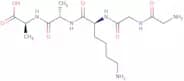
CAS:<p>Trifluoroacetate salt</p>Formula:C138H224N42O41Purity:Min. 95%Molecular weight:3,127.51 g/molH-Lys-Gly-Gly-Lys-OH acetate salt
CAS:<p>Please enquire for more information about H-Lys-Gly-Gly-Lys-OH acetate salt including the price, delivery time and more detailed product information at the technical inquiry form on this page</p>Formula:C16H32N6O5Purity:Min. 95%Molecular weight:388.46 g/molAQEE-30 (mouse, rat) trifluoroacetate salt
CAS:<p>Please enquire for more information about AQEE-30 (mouse, rat) trifluoroacetate salt including the price, delivery time and more detailed product information at the technical inquiry form on this page</p>Formula:C156H245N47O56Purity:Min. 95%Molecular weight:3,674.9 g/molEpinecidin-1 trifluoroacetate salt
CAS:<p>Please enquire for more information about Epinecidin-1 trifluoroacetate salt including the price, delivery time and more detailed product information at the technical inquiry form on this page</p>Formula:C114H176N30O21SPurity:Min. 95%Molecular weight:2,334.87 g/molDnp-Pro-Leu-Gly-Leu-Trp-Ala-D-Arg-NH2 trifluoroacetate salt
CAS:<p>Please enquire for more information about Dnp-Pro-Leu-Gly-Leu-Trp-Ala-D-Arg-NH2 trifluoroacetate salt including the price, delivery time and more detailed product information at the technical inquiry form on this page</p>Formula:C45H64N14O11Purity:Min. 95%Molecular weight:977.08 g/molAmyloid β-Protein (1-40) trifluoroacetate salt
CAS:Amyloid beta-protein (Aβ) is a protein that is involved in the metabolic processes that are thought to be associated with Alzheimer's disease. Aβ is a peptide of 39-43 residues and is found in amyloid plaques, which are aggregates of Aβ. The amino acid sequence of human Aβ has been determined by sequencing the cDNA and gene for this protein. The structure of the protein has been studied using molecular modeling, kinetic data, and predictive biomarker studies. Cleavage products have been identified from the protein, including beta-amyloid peptide (1-40), which can be used as a diagnostic marker for Alzheimer's disease. Structural analysis has also shown lysine residues that may serve as pharmaceutical targets for therapeutic intervention.Formula:C194H295N53O58SPurity:Min. 95%Molecular weight:4,329.81 g/molO-Hippuryl-L-b-phenyllactic acid sodium salt
CAS:<p>Please enquire for more information about O-Hippuryl-L-b-phenyllactic acid sodium salt including the price, delivery time and more detailed product information at the technical inquiry form on this page</p>Formula:C18H16NNaO5Purity:Min. 95%Molecular weight:349.31 g/molPAR-2 (1-6) amide (mouse, rat) trifluoroacetate salt
CAS:<p>PAR-2 agonist is a synthetic peptide that activates PAR-2. It binds to PAR-2 receptors, which are present in the mesenteric vasculature and in various other tissues. Activation of PAR-2 leads to an increase in intracellular calcium concentration, activation of protein kinase C, cytosolic calcium ion release, phosphorylation of myosin light chain, muscle cell proliferation, transcription and translation initiation, and increased production of vasoactive intestinal peptide. This drug also has anti-inflammatory effects and stimulates epidermal growth factor (EGF) and thrombin receptor expression as well as growth factor production.</p>Formula:C29H56N10O7Purity:Min. 95%Molecular weight:656.82 g/molAnnexin A1 (1-11) (dephosphorylated) (human, bovine, chicken, porcine) trifluoroacetate salt
CAS:<p>Annexin A1 (1-11) is a peptide that is part of the annexin family. It is involved in the degranulation of cells and inhibits inflammation by inhibiting the production of pro-inflammatory cytokines. Annexin A1 (1-11) has been shown to be an anti-inflammatory compound as it binds to phospholipids on the surface of neutrophils, leading to inhibition of their chemotaxis and phagocytosis. This peptide also interacts with other annexins and prevents apoptosis by blocking caspase activity. Finally, it has been found that annexin A1 (1-11) can promote the healing of wounds in mice by accelerating reepithelialization and reducing scar formation. The concentration required for these effects are nanomolar concentrations.</p>Formula:C63H94N14O17SPurity:Min. 95%Molecular weight:1,351.57 g/molBNP-26 (porcine) trifluoroacetate salt
CAS:<p>Please enquire for more information about BNP-26 (porcine) trifluoroacetate salt including the price, delivery time and more detailed product information at the technical inquiry form on this page</p>Formula:C120H198N42O36S2Purity:Min. 95%Molecular weight:2,869.25 g/molDibenzoyl-D-(+)-tartaric acid monohydrate
CAS:<p>Dibenzoyl-D-(+)-tartaric acid monohydrate is a weak organic acid that can be used as a neutralizing agent. It has been shown to react with hydrochloric acid, calcium carbonate, and other inorganic acids to form water soluble salts. This compound is also useful for the separation of enantiomers in chromatography and for the determination of the rate of reaction between an organic molecule and an inorganic acid. Dibenzoyl-D-(+)-tartaric acid monohydrate has been used as a template molecule for determining thermodynamic data on various molecules.</p>Formula:C18H14O8·H2OPurity:Min. 95%Color and Shape:White To Off-White SolidMolecular weight:376.31 g/molDocosahexaenoic acid
CAS:<p>Docosahexaenoic acid (DHA) is a fatty acid that is usually obtained from fish oil. DHA has been shown to decrease the production of prostaglandin E2 (PGE2), which can lead to inflammation in various parts of the body. The synthesis and release of PGE2 is regulated by toll-like receptor 4 (TLR4). DHA has also been shown to reduce tumor size and improve survival rates in mice with breast cancer. DHA is a long-chain polyunsaturated fatty acid that can be found in many types of cells, including neurons. It has been shown to have beneficial effects on neuronal death during experimental models of stroke and traumatic brain injury.</p>Formula:C22H32O2Purity:Min. 95%Color and Shape:PowderMolecular weight:328.49 g/molH-D-Leu-Thr-Arg-pNA acetate salt
CAS:<p>Please enquire for more information about H-D-Leu-Thr-Arg-pNA acetate salt including the price, delivery time and more detailed product information at the technical inquiry form on this page</p>Formula:C22H36N8O6Purity:Min. 95%Molecular weight:508.57 g/molEndothelin-3 (human, mouse, rabbit, rat) acetate
CAS:<p>Acetate salt</p>Formula:C121H168N26O33S4•(C2H4O2)xPurity:Min. 95%Molecular weight:2,643.05 g/molH-D-Pro-Phe-Arg-chloromethylketone trifluoroacetate salt
CAS:<p>H-D-Pro-Phe-Arg-chloromethylketone trifluoroacetate salt is a polyvalent antivenom that is used in the treatment of snakebites and insect stings. It has been shown to be effective in the treatment of life-threatening envenomations, including bites from cobras and other rattlesnakes. This drug is not active against nonactivated venom, such as those from bees or spiders. H-D-Pro-Phe-Arg-chloromethylketone trifluoroacetate salt binds to the cytolysin, which prevents its activity by inactivating it. The drug also has a vasoconstrictive effect, which limits blood flow to tissues and may reduce tissue damage caused by venom toxins.</p>Formula:C21H31ClN6O3Purity:Min. 95%Molecular weight:450.96 g/molCART (62-76) (human, rat) trifluoroacetate salt
CAS:<p>Please enquire for more information about CART (62-76) (human, rat) trifluoroacetate salt including the price, delivery time and more detailed product information at the technical inquiry form on this page</p>Formula:C64H99N17O23S3Purity:Min. 95%Molecular weight:1,570.77 g/molNeuropeptide W-30 (human) trifluoroacetate salt
CAS:<p>Please enquire for more information about Neuropeptide W-30 (human) trifluoroacetate salt including the price, delivery time and more detailed product information at the technical inquiry form on this page</p>Formula:C165H249N49O37SPurity:Min. 95%Molecular weight:3,543.12 g/molβ-Bag Cell Peptide (Aplysia californica) trifluoroacetate salt
CAS:<p>Aplysia californica is a species of sea slug that produces a peptide, beta-Bag Cell Peptide (BACP), which has been shown to have depolarizing effects on neurons. BACP can be synthesized from the amino acid sequence of the Aplysia californica cell membrane protein, and this synthetic peptide has been shown to have maximal depolarizing effects at high concentrations. The depolarizing effect of BACP can be seen in populations of neurons as well as individual neurons. This peptide also desensitizes autoreceptors for acetylcholine and serotonin, which may play a role in its electrophysiological effects.</p>Formula:C33H53N13O6Purity:Min. 95%Molecular weight:727.86 g/mol5-Formyl-2,4-dimethyl-1H-pyrrole-3-carboxylic acid
CAS:<p>5-Formyl-2,4-dimethyl-1H-pyrrole-3-carboxylic acid is a chemical compound that is used in the formylation of amines to produce formamides. It has been optimized for industrial production by optimizing reaction time, formylation conditions, and solvents. It has also been shown that 5-formyl-2,4-dimethyl-1H-pyrrole-3-carboxylic acid produces good yields and high product purity.</p>Formula:C8H9NO3Purity:Min. 95%Molecular weight:167.16 g/mol(D-Tyr5,D-Trp6)-LHRH trifluoroacetate salt
CAS:<p>Please enquire for more information about (D-Tyr5,D-Trp6)-LHRH trifluoroacetate salt including the price, delivery time and more detailed product information at the technical inquiry form on this page</p>Formula:C64H82N18O13Purity:Min. 95%Molecular weight:1,311.45 g/molPAR-2 (1-6) amide (human) (scrambled) trifluoroacetate salt
CAS:<p>Please enquire for more information about PAR-2 (1-6) amide (human) (scrambled) trifluoroacetate salt including the price, delivery time and more detailed product information at the technical inquiry form on this page</p>Formula:C28H54N8O7Purity:Min. 95%Molecular weight:614.78 g/molMyelin Proteolipid Protein (139-151) (depalmitoylated) (human, bovine, dog, mouse, rat) trifluoroacetate salt
CAS:<p>MPLP(139-151) is a peptide that is derived from the myelin proteolipid protein (PLP). MPLP(139-151) has been shown to inhibit macrophage inflammatory in vitro and brain inflammation in vivo. The inhibition of macrophages was mediated by the induction of apoptosis and inhibition of NF-κB. MPLP(139-151) also induced regression of experimental autoimmune encephalomyelitis in mice, which suggests that it might be useful as a therapeutic agent for multiple sclerosis or other inflammatory diseases.</p>Formula:C72H104N20O16SPurity:Min. 95%Molecular weight:1,537.79 g/mol4-[5-(4-Pentyloxyphenyl)isoxazol-3-yl]benzoic acid
CAS:<p>Please enquire for more information about 4-[5-(4-Pentyloxyphenyl)isoxazol-3-yl]benzoic acid including the price, delivery time and more detailed product information at the technical inquiry form on this page</p>Formula:C21H21NO4Purity:Min. 95%Molecular weight:351.4 g/mol(His(3-Me)2)-TRH trifluoroacetate salt
CAS:<p>Please enquire for more information about (His(3-Me)2)-TRH trifluoroacetate salt including the price, delivery time and more detailed product information at the technical inquiry form on this page</p>Formula:C17H24N6O4Purity:Min. 95%Molecular weight:376.41 g/molDSP
CAS:<p>DSP is a widely used disulfide crosslinker in ADC synthesis. It forms reversible conjugates via intracellular reduction, enabling payload release.</p>Formula:C14H16N2O8S2Purity:Min. 95%Color and Shape:SolidMolecular weight:404.42 g/mol3-p-Coumaroylquinic acid
CAS:<p>3-p-Coumaroylquinic acid is a natural compound found in plants. It has been shown to have antibacterial properties and can be used as an alternative to antibiotics for the treatment of opportunistic fungal infections. 3-p-Coumaroylquinic acid exhibits hypoglycemic activity, which may be due to its ability to inhibit glucose absorption by the gut. This compound can also be analyzed using a surface methodology that involves analyzing the surface of an object with a chemical reagent.</p>Formula:C16H18O8Purity:Min. 95%Color and Shape:PowderMolecular weight:338.31 g/mol4-Hydroxy-1,3-benzenedisulfonic acid
CAS:<p>4-Hydroxy-1,3-benzenedisulfonic acid (4HBDS) is a reactive molecule that is used as a model system for the study of chain reactions. 4HBDS does not undergo hydrolysis or oxidation and is stable in water. It can be prepared by the reaction of nitrate with acetate extract and has been shown to react with diazonium salts to form an analytical method for nitrite ion. 4HBDS reacts with hydrochloric acid to generate proton and significant interactions are observed at pH values between 1 and 3.</p>Purity:Min. 95%Nocistatin (bovine) trifluoroacetate salt
CAS:<p>Please enquire for more information about Nocistatin (bovine) trifluoroacetate salt including the price, delivery time and more detailed product information at the technical inquiry form on this page</p>Formula:C82H135N21O32Purity:Min. 95%Molecular weight:1,927.07 g/molp-Sulfophenylazochromotropic acid trisodium salt
CAS:<p>p-Sulfophenylazochromotropic acid trisodium salt is a chemical that can be used as a building block for the synthesis of various organic compounds. It is an intermediate for the synthesis of other chemicals and can be used as a research chemical in laboratories. This compound has been shown to be useful in the production of pharmaceuticals, agrochemicals, and dyes. CAS No. 23647-14-5.</p>Formula:C16H9N2Na3O11S3Purity:Min. 95 Area-%Color and Shape:Yellow PowderMolecular weight:570.42 g/mol(D-Trp6)-LHRH acetate salt
CAS:<p>Please enquire for more information about (D-Trp6)-LHRH acetate salt including the price, delivery time and more detailed product information at the technical inquiry form on this page</p>Formula:C64H82N18O13·xC2H4O2Purity:Min. 95%Molecular weight:1,311.45 g/mol(Gly14)-Humanin (human) trifluoroacetate salt
CAS:<p>Please enquire for more information about (Gly14)-Humanin (human) trifluoroacetate salt including the price, delivery time and more detailed product information at the technical inquiry form on this page</p>Formula:C118H202N34O31S2Purity:Min. 95%Molecular weight:2,657.21 g/molDynorphin A (1-8) acetate salt
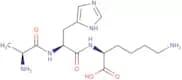
CAS:<p>Dynorphin A (1-8) acetate salt H-Tyr-Gly-Gly-Phe-Leu-Arg-Arg-Ile-OH acetate salt is a synthetic, nonpeptide opioid agonist. It binds to the delta receptor and inhibits nociception in the central nervous system. This compound has been shown to produce acute phase and subchronic toxicity in rats and has been shown to possess antinociceptive effects in mice. Dynorphin A (1-8) acetate salt H-Tyr-Gly-Gly-Phe-Leu-Arg-Arg-Ile-OH acetate salt has also been shown to antagonize the enzyme inhibitors of phospholipase A2, cyclooxygenase, and lipoxygenase.<br>MECHANISM OF ACTION: Dynorphin A (1–8) is an endogenous peptide that modulates neurotransmission at the</p>Formula:C46H72N14O10Purity:Min. 95%Molecular weight:981.15 g/molSPARC (119-122) (mouse) acetate salt
CAS:<p>SPARC (119-122) (mouse) is an acetate salt of H-Lys-Gly-His-Lys-OH. SPARC (119-122) has been shown to be a mimetic of the c-terminal region of the protein SPARC and can bind to many metal ions including Zn2+, Mn2+, Cu2+, Co2+, Ni2+ and Mg2+. The binding affinity for these metals is dose dependent, with saturation occurring at high concentrations. This property may make this compound a therapeutic target for drug discovery strategies.</p>Formula:C20H36N8O5Purity:Min. 95%Molecular weight:468.55 g/mol(1-Methyl-1H-pyrazol-4-yl)boronic acid
CAS:<p>(1-Methyl-1H-pyrazol-4-yl)boronic acid is a boronic acid that has been used for the synthesis of a number of heterocyclic compounds. Boronic acids are commonly used to synthesize phosphine ligands, which are reactive and can be used in cross-coupling reactions with organic halides, triflates, and tosylates. The efficiency of the reaction depends on the functional group present on the boron atom. (1-Methyl-1H-pyrazol-4-yl)boronic acid can inhibit the activity of many types of enzymes, including those involved in bacterial DNA synthesis and protein synthesis. (1-Methyl-1H-pyrazol-4-yl)boronic acid has been shown to have pharmacokinetic properties that depend on its ionization state.</p>Formula:C4H7BN2O2Purity:Min. 95%Molecular weight:125.92 g/mol(Ala1)-PAR-4 (1-6) (mouse) trifluoroacetate salt
CAS:<p>(Ala1)-PAR-4 (1-6) (mouse) trifluoroacetate salt H-Ala-Tyr-Pro-Gly-Lys-Phe-OH trifluoroacetate salt is a potent inhibitor of protein kinase C, and has been shown to inhibit the growth of prostate cancer cells. It also inhibits phosphorylation of epidermal growth factor receptors, which leads to lower levels of epidermal growth factor in the cell. This drug also has antiplatelet effects and may be used as an antiplatelet agent for patients with vascular disease or diabetes.</p>Formula:C34H47N7O8Purity:Min. 95%Molecular weight:681.78 g/mol(Met(O)27)-Glucagon (1-29) (human, rat, porcine) trifluoroacetate salt
CAS:<p>Please enquire for more information about (Met(O)27)-Glucagon (1-29) (human, rat, porcine) trifluoroacetate salt including the price, delivery time and more detailed product information at the technical inquiry form on this page</p>Formula:C153H225N43O50SPurity:Min. 95%Molecular weight:3,498.75 g/mol(Val34)-Amyloid b-Protein (1-40) trifluoroacetate salt
CAS:<p>Please enquire for more information about (Val34)-Amyloid b-Protein (1-40) trifluoroacetate salt including the price, delivery time and more detailed product information at the technical inquiry form on this page</p>Formula:C193H293N53O58SPurity:Min. 95%Molecular weight:4,315.78 g/molMelanocyte Protein PMEL 17 (185-193) (human, bovine, mouse) trifluoroacetate salt
CAS:<p>Please enquire for more information about Melanocyte Protein PMEL 17 (185-193) (human, bovine, mouse) trifluoroacetate salt including the price, delivery time and more detailed product information at the technical inquiry form on this page</p>Formula:C46H72N10O15Purity:Min. 95%Molecular weight:1,005.12 g/mol(Cys(Et)2·7)-a-CGRP (human) trifluoroacetate salt
CAS:<p>Please enquire for more information about (Cys(Et)2·7)-a-CGRP (human) trifluoroacetate salt including the price, delivery time and more detailed product information at the technical inquiry form on this page</p>Formula:C167H277N51O49S2Purity:Min. 95%Molecular weight:3,847.43 g/mol4-Methoxyphenyl boronic acid
CAS:<p>4-Methoxyphenyl boronic acid is a molecule with a hydroxyl group and a boronic acid. It is synthesized by reacting biphenyl with trifluoroacetic acid in the presence of sodium carbonate and palladium-catalyzed coupling. 4-Methoxyphenyl boronic acid has shown to bind to the receptor for fatty acids, which may be due to its structural similarity to p-hydroxybenzoic acid. The protonated form of this molecule has been shown to react with an electrophilic carbon atom and an electron-deficient alkyl or vinyl halide, resulting in ring formation. This reaction is known as the Suzuki coupling reaction.</p>Formula:C7H9BO3Purity:Min. 95%Color and Shape:PowderMolecular weight:151.96 g/mol2-Amino-5-(trifluoromethoxy)benzoic acid
CAS:<p>Please enquire for more information about 2-Amino-5-(trifluoromethoxy)benzoic acid including the price, delivery time and more detailed product information at the technical inquiry form on this page</p>Formula:C8H6F3NO3Purity:Min. 95%Molecular weight:221.13 g/molC5a Anaphylatoxin (37-53) (human) trifluoroacetate salt
CAS:<p>Please enquire for more information about C5a Anaphylatoxin (37-53) (human) trifluoroacetate salt including the price, delivery time and more detailed product information at the technical inquiry form on this page</p>Formula:C82H141N27O22SPurity:Min. 95%Molecular weight:1,889.23 g/molMca-Pro-b-cyclohexyl-Ala-Gly-Nva-His-Ala-Dap (Dnp)-NH2 trifluoroacetate salt
CAS:<p>Please enquire for more information about Mca-Pro-b-cyclohexyl-Ala-Gly-Nva-His-Ala-Dap (Dnp)-NH2 trifluoroacetate salt including the price, delivery time and more detailed product information at the technical inquiry form on this page</p>Formula:C51H65N13O15Purity:Min. 95%Molecular weight:1,100.14 g/molAtrial Natriuretic Factor (3-28) (rat) trifluoroacetate salt
CAS:<p>Natriuretic factor is a peptide hormone that regulates blood pressure. This peptide is encoded by a gene located on chromosome 10 and is made up of 28 amino acids. Natriuretic factor binds to the membrane of mitochondria and zymogen granules, causing them to release their contents into the cytosol. The resulting increase in cytosolic volume causes an increased diastolic pressure, as well as an increased glomerular filtration rate and cardiac output. Natriuretic factors have also been shown to stimulate the production of natriuretic peptides, which are involved in water balance and electrolyte homeostasis.</p>Formula:C119H189N43O36S2Purity:Min. 95%Molecular weight:2,862.17 g/moltrans-1,2-Diaminocyclohexane-N,N,N',N'-tetraacetic acid monohydrate
CAS:<p>Trans-1,2-Diaminocyclohexane-N,N,N',N'-tetraacetic acid monohydrate (CDTA) is a chelating agent that has been shown to be effective in the treatment of some cancers. CDTA has been shown to inhibit the growth of tumor cells by binding to lysine residues on histones and DNA and inhibiting their acetylation. CDTA also prevents the genotoxicity induced by irradiation. CDTA can be used as an adjuvant in cancer therapy due to its ability to inhibit histone deacetylase activity. Trans-1,2-Diaminocyclohexane-N,N,N',N'-tetraacetic acid monohydrate is synthesized from two amino acids: lysine and glutamic acid. This molecule is a polymeric compound composed of cyclic molecules linked together through amide bonds. These polymers are linear chains of</p>Formula:C14H22N2O8·H2OColor and Shape:White PowderMolecular weight:364.35 g/molpTH (1-34) amide (human) trifluoroacetate salt
CAS:<p>Parathyroid hormone (PTH) is a peptide hormone that regulates calcium and phosphate balance in the body. PTH is secreted by the parathyroid glands, located near the thyroid gland in the neck. It is also known as parathormone or parathyrin. The active form of PTH, called pTH (1-34) amide, has been shown to stimulate bone resorption and to inhibit bone formation. The amino acid sequence of this hormone starts with arginine and ends with phenylalanine. The N-terminal amino acid residue is an aspartic acid or asparagine and histidine is the only basic residue in this molecule. This molecule has two acidic residues, glutamic acid and aspartic acid, which are found on the side chains of two amino acids: aspartic acid and glutamic acid. Valine is found at position 3 and phenylalanine at position 34.</p>Formula:C181H292N56O50S2Purity:Min. 95%Molecular weight:4,116.73 g/molTyr-α-CGRP (human) trifluoroacetate salt
CAS:<p>Please enquire for more information about Tyr-alpha-CGRP (human) trifluoroacetate salt including the price, delivery time and more detailed product information at the technical inquiry form on this page</p>Formula:C172H276N52O51S2Purity:Min. 95%Molecular weight:3,952.48 g/molMet(O)14-Exenatide trifluoroacetate salt
CAS:<p>Please enquire for more information about Met(O)14-Exenatide trifluoroacetate salt including the price, delivery time and more detailed product information at the technical inquiry form on this page</p>Formula:C184H282N50O61SPurity:Min. 95%Molecular weight:4,202.57 g/molN-(Fmoc-5-amino-3-oxa-pentyl)succinamic acid
CAS:<p>N-(Fmoc-5-amino-3-oxa-pentyl)succinamic acid is a high quality chemical that is used as an intermediate in the production of pharmaceuticals and other fine chemicals. It is also a reagent for use in peptide synthesis. N-(Fmoc-5-amino-3-oxa-pentyl)succinamic acid has a CAS No. 669073-62-5 and can be used as a useful scaffold for the production of complex compounds. This compound is also useful for research purposes, due to its versatility as a building block with speciality chemical applications.</p>Formula:C23H26N2O6Purity:Min. 95%Molecular weight:426.46 g/molH-Lys-Gly-Asp-Ser-OH trifluoroacetate salt
CAS:<p>Please enquire for more information about H-Lys-Gly-Asp-Ser-OH trifluoroacetate salt including the price, delivery time and more detailed product information at the technical inquiry form on this page</p>Formula:C15H27N5O8Purity:Min. 95%Molecular weight:405.4 g/molN-[(RS)-1-Carboxy-3-phenyl-propyl]-Ala-Ala-Phe-4-Abz-OH trifluoroacetate salt
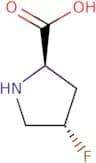
CAS:<p>The N-[(RS)-1-carboxy-3-phenyl-propyl]-Ala-Ala-Phe-4-Abz-OH trifluoroacetate salt is a synthetic substrate for the study of metalloendopeptidase. This compound was used to develop a model system to study the function of human liver, and has been shown to inhibit the growth of PC12 cells. The N-[(RS)-1-Carboxy-3-phenyl-propyl]-Ala-Ala-Phe-4-Abz-OH trifluoroacetate salt is also an experimental model for congestive heart failure. This compound has been shown to increase glomerular filtration rate in experimental animals as well as basic fibroblast growth factor activity in cell culture by increasing intracellular calcium levels.</p>Formula:C32H36N4O7Purity:Min. 95%Molecular weight:588.65 g/mol(2R,4S)-4-Fluoropyrrolidine-2-carboxylic acid
CAS:<p>Please enquire for more information about (2R,4S)-4-Fluoropyrrolidine-2-carboxylic acid including the price, delivery time and more detailed product information at the technical inquiry form on this page</p>Formula:C5H8FNO2Purity:Min. 95%Molecular weight:133.12 g/molAnthranilyl-HIV Protease Substrate III trifluoroacetate salt
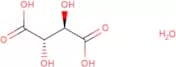
CAS:<p>Please enquire for more information about Anthranilyl-HIV Protease Substrate III trifluoroacetate salt including the price, delivery time and more detailed product information at the technical inquiry form on this page</p>Formula:C65H100N20O17Purity:Min. 95%Molecular weight:1,433.61 g/molmeso-Tartaric acid monohydrate
CAS:<p>Meso-tartaric acid monohydrate is a white crystalline substance that is soluble in water and has a strong acidic taste. It is an organic acid, which can be found in many fruits and vegetables. Meso-tartaric acid monohydrate is used as the sodium salt or potassium salt, which may lead to drug interactions with other drugs that are excreted through the kidneys. The product also inhibits the enzyme DPP-IV, which is involved in the degradation of glucagon and insulin. In addition, meso-tartaric acid monohydrate can cause an increase in surfactant sodium dodecyl sulfate (SDS) activity when it interacts with trifluoroacetic acid (TFA). Meso-tartaric acid monohydrate also prevents the growth of coli k-12 by inhibiting protein synthesis. This product has been shown to inhibit dpp-iv inhibitors from forming hydrogen bonds with malonic acid and polymorphon</p>Formula:C4H6O6·H2OPurity:Min. 95%Color and Shape:White PowderMolecular weight:168.1 g/molHIV (gp120) Fragment (421-438) trifluoroacetate salt
CAS:<p>Please enquire for more information about HIV (gp120) Fragment (421-438) trifluoroacetate salt including the price, delivery time and more detailed product information at the technical inquiry form on this page</p>Formula:C99H148N24O25S2Purity:Min. 95%Molecular weight:2,138.51 g/molpTH-Related Protein Splice Isoform 3 (140-173) (human) trifluoroacetate salt
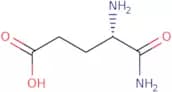
CAS:Please enquire for more information about pTH-Related Protein Splice Isoform 3 (140-173) (human) trifluoroacetate salt including the price, delivery time and more detailed product information at the technical inquiry form on this pageFormula:C186H313N53O44S2Purity:Min. 95%Molecular weight:4,059.94 g/molL-Glutamic acid α-amide
CAS:<p>L-Glutamic acid alpha-amide is an ester hydrochloride that is a tissue culture amide. It is a cyclic peptide analog and a hydroxyl group. L-glutamic acid alpha-amide has been shown to inhibit the inflammatory response in the bowel disease, Crohn's disease, by blocking the toll-like receptor 4 and 5. This drug also inhibits protein synthesis, which may be due to its ability to bind to fatty acids, thereby inhibiting the production of proteins vital for cell division.</p>Formula:C5H10N2O3Purity:Min. 95%Color and Shape:White PowderMolecular weight:146.14 g/molBiphalin trifluoroacetate salt (
CAS:<p>Biphalin trifluoroacetate salt (H-Tyr-D-Ala-Gly-Phe-NH)2 trifluoroacetate salt is a peptide hormone. It has been shown to be an opioid that binds to the μ and δ opioid receptors and inhibits the production of inflammatory mediators. Biphalin trifluoroacetate salt (H-Tyr-D-Ala-Gly-Phe-NH)2 trifluoroacetate salt has also been shown to have neuroprotective effects. This drug has low potency and can only be used in vivo models. Biphalin trifluoroacetate salt (H-Tyr-D-Ala-Gly-Phe-NH)2 trifluoroacetate salt is not active against skin cancer cells, but does show activity against other types of cancer cells.</p>Formula:C46H56N10O10Purity:Min. 95%Molecular weight:909 g/molH-Phe-Arg-Arg-OH acetate salt
CAS:<p>The H-Phe-Arg-Arg-OH acetate salt is a reversible (acetylcholinesterase inhibitor). It reversibly binds to the enzyme, acetylcholinesterase and blocks the breakdown of acetylcholine, which is an important neurotransmitter. The H-Phe-Arg-Arg-OH acetate salt has been shown to be effective against rat hearts that have been damaged by lysosomal enzymes. This drug can also act as an endogenous buffer in the blood plasma, preventing changes in pH due to acidosis or alkalosis. The H-Phe-Arg-Arg-OH acetate salt is a subcomponent of citrate and myocardial proteins, which are essential for biosynthetic processes in the body. It has been shown to be maximally additive with other drugs that affect cardiac function, such as beta blockers and digitalis glycosides. Proteolysis is maximally inhibited by this drug when it</p>Formula:C21H35N9O4Purity:Min. 95%Molecular weight:477.56 g/molAmyloid Bri Protein (1-23) trifluoroacetate salt
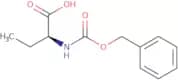
CAS:<p>Please enquire for more information about Amyloid Bri Protein (1-23) trifluoroacetate salt including the price, delivery time and more detailed product information at the technical inquiry form on this page</p>Formula:C116H175N31O35S2Purity:Min. 95%Molecular weight:2,627.95 g/molZ-L-α-aminobutyric acid
CAS:<p>Z-L-alpha-aminobutyric acid is a homogeneous, optically active, linear phosphinic analogue of alpha-aminobutyric acid. It has been used in the synthesis of phosphinic analogues of cyclosporin and undecapeptides with high yields. The coupling reaction between Z-L-alpha-aminobutyric acid and benzaldehyde was carried out in two steps to produce the desired product. A stepwise condensation between Z-L-alpha-aminobutyric acid and 3,4,5,6 tetrahydropyrimidine was also successful.</p>Formula:C12H15NO4Purity:Min. 98 Area-%Color and Shape:White PowderMolecular weight:237.25 g/mol(Des-Lys38)-M65 trifluoroacetate salt
CAS:<p>Please enquire for more information about (Des-Lys38)-M65 trifluoroacetate salt including the price, delivery time and more detailed product information at the technical inquiry form on this page</p>Formula:C199H314N62O60S5Purity:Min. 95%Molecular weight:4,695.33 g/mol(Leu13)-Motilin (human, porcine) trifluoroacetate salt
CAS:<p>Motilin is a gastrointestinal hormone that stimulates gastric motility and the release of pancreatic enzymes. It is also used to treat postoperative ileus, abdominal pain, and gastroduodenal ulcers. Motilin is administered nasogastrically to stimulate the movement of food through the stomach and intestines. The trifluoroacetate salt form is used in this application because it has a longer duration of action than other salts.</p>Formula:C121H190N34O35Purity:Min. 95%Molecular weight:2,681.01 g/molBombesin (8-14) acetate salt
CAS:<p>Bombesin (8-14) acetate salt H-Trp-Ala-Val-Gly-His-Leu-Met-NH2 acetate salt is a bifunctional peptide that has been shown to inhibit the growth of prostate cancer cells. Bombesin (8-14) acetate salt H-Trp-Ala-Val-Gly-His-Leu-Met-NH2 acetate salt also has antiinflammatory properties and is used in treating inflammatory diseases. It inhibits collagen synthesis and fibrinogen activation, which may be important in the treatment of autoimmune diseases such as rheumatoid arthritis. Bombesin (8 14) acetate salt H Trp Ala Val Gly His Leu Met NH2 Acetate Salt has been shown to have no effect on healthy tissues when administered systemically.</p>Formula:C38H57N11O7SPurity:Min. 95%Molecular weight:812 g/molH-Gly-Gly-Lys-Arg-OH acetate salt
CAS:<p>The H-Gly-Gly-Lys-Arg-OH acetate salt is a diagnostic agent that belongs to the group of active analogues. It is an analogue of sialin, a compound that has been shown to be involved in the molecular pathogenesis of cancer tissues. Sialic acid is an important component of many glycoproteins and glycolipids found in the human body. This compound is metabolized by sialidase enzymes, which are present in various tissues and organs such as the brain, kidney, liver, and plasma. The H-Gly-Gly-Lys-Arg-OH acetate salt inhibits these enzymes by binding to them and preventing their action. This drug also inhibits ATP dependent transport systems for neuronal cells.</p>Formula:C16H32N8O5Purity:Min. 95%Molecular weight:416.48 g/mol(2-Chlorophenyl)boronic acid
CAS:<p>2-Chlorophenylboronic acid is a diphenyl ether that can be used as a building block for the synthesis of benzodiazepine receptor ligands. It has been shown to be an efficient nucleophile, leading to the formation of carbonyl groups in the presence of halides. 2-Chlorophenylboronic acid has also been shown to inhibit p38 kinase activity and may be useful for anticancer therapy.</p>Formula:C6H6BClO2Purity:Min. 95%Molecular weight:156.37 g/molNeuromedin S (human) trifluoroacetate salt
<p>Please enquire for more information about Neuromedin S (human) trifluoroacetate salt including the price, delivery time and more detailed product information at the technical inquiry form on this page</p>Formula:C173H265N53O44Purity:Min. 95%Molecular weight:3,791.29 g/mol(Cys0)-Amyloid b-Protein (1-40) trifluoroacetate salt
CAS:<p>Please enquire for more information about (Cys0)-Amyloid b-Protein (1-40) trifluoroacetate salt including the price, delivery time and more detailed product information at the technical inquiry form on this page</p>Formula:C197H300N54O59S2Purity:Min. 95%Molecular weight:4,432.95 g/molDiphenolic acid
CAS:Diphenolic acid is a reactive compound that is used as a solid catalyst. It has a hydroxyl group and a fatty acid, which makes it soluble in organic solvents. The methyl ethyl ester of diphenolic acid can be obtained from the reaction of diphenolic acid with methanol, ethanol or ethylene glycol. Diphenolic acid can also be obtained by reacting dibenzalacetone with an alcohol. Diphenolic acid has been used to synthesize monoclonal antibodies and linear calibration curves for electrochemical impedance spectroscopy. The hydroxyl group on diphenolic acid allows it to undergo reactions that are not possible for other compounds such as phenols, leading to its use in surface methodology and flow systems.Formula:C17H18O4Color and Shape:White PowderMolecular weight:286.32 g/mol(Ala13)-Apelin-13 (human, bovine, mouse, rat) acetate salt
CAS:<p>Apelin-13 is a peptide hormone that is secreted from the stomach and small intestine. It may have analgesic effects through its interaction with μ-opioid receptors, which are also activated by morphine. Apelin-13 has been shown to increase locomotor activity in rats, suggesting it can potentiate the antinociceptive effect of morphine.</p>Formula:C63H107N23O16S·xC2H4O2Purity:Min. 95%Molecular weight:1,474.74 g/molH-Arg-Arg-Arg-OH acetate salt
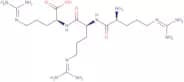
CAS:<p>H-Arg-Arg-Arg-OH acetate salt is a polycarboxylic acid that is found in human immunoglobulins. It has been used as a synthetic substrate for the study of radiation enhancement. H-Arg-Arg-Arg-OH acetate salt is also an allergen and can cause allergic reactions, such as itching and swelling. This compound can be used to study the neutral pH, chemical reactions, protein synthesis, and the hydroxyl group.</p>Formula:C18H38N12O4Purity:Min. 95%Molecular weight:486.57 g/molAbz-(Asn670,Leu671)-Amyloid β/A4 Protein Precursor770 (669-674)-EDDnp trifluoroacetate salt
CAS:<p>Please enquire for more information about Abz-(Asn670,Leu671)-Amyloid beta/A4 Protein Precursor770 (669-674)-EDDnp trifluoroacetate salt including the price, delivery time and more detailed product information at the technical inquiry form on this page</p>Formula:C42H58N12O16Purity:Min. 95%Molecular weight:986.98 g/molNeuropeptide Y-Lys(biotinyl) (free acid) (human, rat) trifluoroacetate salt
<p>Please enquire for more information about Neuropeptide Y-Lys(biotinyl) (free acid) (human, rat) trifluoroacetate salt including the price, delivery time and more detailed product information at the technical inquiry form on this page</p>Formula:C205H310N58O61S2Purity:Min. 95%Molecular weight:4,627.14 g/mol4,6-Dichloro-2-methylnicotinic acid
CAS:<p>Please enquire for more information about 4,6-Dichloro-2-methylnicotinic acid including the price, delivery time and more detailed product information at the technical inquiry form on this page</p>Purity:Min. 95%H-Gly-Arg-Gly-Asp-D-Ser-Pro-OH trifluoroacetate salt
CAS:<p>H-Gly-Arg-Gly-Asp-D-Ser-Pro-OH trifluoroacetate salt (HGGDS) is a collagen gel that is used in the treatment of autoimmune diseases, such as arthritis and lupus. HGGDS inhibits the production of fibrinogen, which is a protein involved in blood clotting, by binding to its receptor on human fibroblasts. It also inhibits the production of basic proteins needed for the generation of collagen and activation of integrin receptors, which are involved in cell adhesion and migration. HGGDS also blocks transcription polymerase chain reactions (PCRs), which are necessary for the synthesis of DNA. This can lead to a decrease in cell proliferation and an increase in apoptosis.</p>Formula:C22H37N9O10Purity:Min. 95%Molecular weight:587.58 g/molLHRH (4-10) acetate salt
CAS:<p>Please enquire for more information about LHRH (4-10) acetate salt including the price, delivery time and more detailed product information at the technical inquiry form on this page</p>Formula:C33H53N11O9Purity:Min. 95%Molecular weight:747.84 g/molH-Met-Arg-OH acetate salt
CAS:<p>H-Met-Arg-OH acetate salt is a metabolite of the amino acid L-methionine. It is also a dipeptide, which consists of two amino acids that are linked by an amide bond. The linkage between the amino acids in this compound is clockwise instead of the usual left to right orientation. This means that H-Met-Arg-OH acetate salt is not an essential amino acid and can be synthesized by the body. Salmonella typhimurium uses H-Met-Arg-OH acetate salt as a precursor for its synthesis of L-arginine and L-methionine, which are essential to bacterial growth and survival. Residues have been found in foods such as milk and eggs, and it has been shown that cotransduction can lead to resistance against antibiotics such as streptomycin and tetracycline.</p>Formula:C11H23N5O3SPurity:Min. 95%Molecular weight:305.4 g/mol4-Aminopicolinic acid
CAS:<p>4-Aminopicolinic acid is a synthetic amine that has been shown to activate plant science. 4-Aminopicolinic acid is a cyclic peptide with two subunits, one of which is 4-amino-3-pyridinecarboxylic acid. This compound has been synthesized from picolinic acid, an agriculturally important compound that is found in plant and animal tissues. The synthesis of 4-aminopicolinic acid involves the reaction of picolinic acid with nitrous oxide, followed by hydrolysis and oxidation to form the desired product. Hplc analyses have confirmed the presence of picolinic acid in extracts from various plants containing this compound.</p>Formula:C6H6N2O2Purity:Min. 95%Color and Shape:White To Beige Or Pink To Light Brown SolidMolecular weight:138.12 g/molPep-1-cysteamide trifluoroacetate salt
CAS:<p>Please enquire for more information about Pep-1-cysteamide trifluoroacetate salt including the price, delivery time and more detailed product information at the technical inquiry form on this page</p>Formula:C140H202N36O33SPurity:Min. 95%Molecular weight:2,949.39 g/molNuclear Factor NF-KB Inhibitor SN50 trifluoroacetate salt
CAS:<p>SN50 is a nuclear factor NF-KB inhibitor that blocks the activity of transcription factors that are involved in inflammation and cancer. SN50 inhibits protease activity, which may be due to its ability to bind to response elements on DNA, leading to cytosolic calcium release and activation of signal pathways. It also binds to endothelin-a receptor and induces apoptosis. SN50 has been shown to have anti-tumour effects in resistant breast cancer cells as well as reducing serum aminotransferase levels in rats. This drug also activates transcriptional regulation by binding toll-like receptors and inducing colony stimulating factors. SN50 also has cardioprotective properties, which may be due to its ability to inhibit fatty acid synthase in cardiomyocytes.</p>Formula:C129H230N36O29SPurity:Min. 95%Molecular weight:2,781.5 g/molPHM-27 (human) trifluoroacetate salt
CAS:<p>PHM-27 is a human protein that contains a c-terminal histidine and n-terminal lysine. It contains an amino acid composition of histidine, valine, alanine, aspartic acid, glycine, serine, threonine, arginine, and methionine. PHM-27 is present in the cardiovascular system, nervous system, gastrointestinal system, and respiratory system. It has been shown to be involved in the synthesis of peptides important for blood clotting.</p>Formula:C135H214N34O40SPurity:Min. 95%Molecular weight:2,985.41 g/molOsteoblast Activating Peptide (human) trifluoroacetate salt
<p>Please enquire for more information about Osteoblast Activating Peptide (human) trifluoroacetate salt including the price, delivery time and more detailed product information at the technical inquiry form on this page</p>Formula:C120H196N38O37SPurity:Min. 95%Molecular weight:2,795.14 g/molMethyl 6-bromo-1,2-dihydro-2-oxo-4-pyridineacetate
CAS:<p>Please enquire for more information about Methyl 6-bromo-1,2-dihydro-2-oxo-4-pyridineacetate including the price, delivery time and more detailed product information at the technical inquiry form on this page</p>Formula:C8H8BrNO3Purity:Min. 95%Molecular weight:246.06 g/molVIP (3-28) (human, mouse, rat) trifluoroacetate salt
CAS:<p>Please enquire for more information about VIP (3-28) (human, mouse, rat) trifluoroacetate salt including the price, delivery time and more detailed product information at the technical inquiry form on this page</p>Formula:C138H226N40O39SPurity:Min. 95%Molecular weight:3,101.58 g/molChloromethyl acetate
CAS:<p>Chloromethyl acetate is a potent antibacterial agent that inhibits the growth of bacteria by inhibiting the synthesis of fatty acids. It also has an inhibitory effect on adenosine receptors and is used to treat congestive heart failure, inflammatory diseases, metabolic disorders, and other conditions. Chloromethyl acetate has been shown to be effective against a number of bacterial strains, including methicillin-resistant Staphylococcus aureus (MRSA), Streptococcus pneumoniae, and Mycobacterium tuberculosis. Chloromethyl acetate binds to the cyanoformate group in the bacterial cell wall by competitive inhibition. This binding prevents the formation of an antibiotic-inhibitor complex with the enzyme fatty acid synthase that is required for fatty acid biosynthesis, inhibiting protein synthesis and cell division.</p>Formula:C3H5ClO2Purity:Min. 95%Molecular weight:108.52 g/molDiisopropyl azodicarboxylate - 40% toluene solution
CAS:<p>Diisopropyl azodicarboxylate is a chemical compound that reacts with hydrogen fluoride to form a mixture of diazo and triazole products. The chemical reaction is the first step in the synthesis of many pharmaceuticals, such as penicillin. Diisopropyl azodicarboxylate is used in eye disorders, metabolic disorders, and autoimmune diseases. It has been shown to be effective in treating bowel disease. This drug has been shown to have chemotherapeutic properties, which may be due to its ability to inhibit protein synthesis by binding to the nitrogen atoms on receptor molecules. Diisopropyl azodicarboxylate also reacts with trifluoroacetic acid, forming a disulfide bond that can be analyzed using structural analysis techniques or reaction solution methods.</p>Formula:C8H14N2O4Purity:Min. 95%Color and Shape:Yellow To Yellow Orange LiquidMolecular weight:202.21 g/mol(D-Trp8)-γ2-MSH trifluoroacetate salt
CAS:<p>Please enquire for more information about (D-Trp8)-gamma2-MSH trifluoroacetate salt including the price, delivery time and more detailed product information at the technical inquiry form on this page</p>Formula:C74H99N21O16SPurity:Min. 95%Molecular weight:1,570.78 g/mol3-(3,5-Dimethoxyphenyl)propionic acid methyl ester
CAS:3-(3,5-Dimethoxyphenyl)propionic acid methyl ester is a reagent that is used as a reactant in organic synthesis. It is also useful as a scaffold for the synthesis of heterocycles and other complex compounds. 3-(3,5-Dimethoxyphenyl)propionic acid methyl ester is used in research chemical synthesis and as a versatile building block for the production of fine chemicals. This chemical can be used to create products such as pharmaceuticals, pesticides, and cosmetics.Formula:C12H16O4Purity:Min. 95%Molecular weight:224.25 g/mol(Des-His6)-ACTH (1-24) (human, bovine, rat) trifluoroacetate salt
<p>Please enquire for more information about (Des-His6)-ACTH (1-24) (human, bovine, rat) trifluoroacetate salt including the price, delivery time and more detailed product information at the technical inquiry form on this page</p>Formula:C130H203N37O30SPurity:Min. 95%Molecular weight:2,796.3 g/molH-Gly-Gly-Lys-Ala-Ala-OH acetate salt
CAS:<p>Please enquire for more information about H-Gly-Gly-Lys-Ala-Ala-OH acetate salt including the price, delivery time and more detailed product information at the technical inquiry form on this page</p>Formula:C16H30N6O6Purity:Min. 95%Molecular weight:402.45 g/molH-Ala-His-Lys-OH acetate salt
CAS:<p>H-Ala-His-Lys-OH acetate salt is a copper complex that has been shown to have antioxidant properties in vitro. It has been studied for use as an analog of the vitamin C, which is a cofactor for collagen synthesis and follicular keratinization. Copper complexes with H-Ala-His-Lys-OH acetate salt have been shown to inhibit the formation of reactive oxygen species (ROS) and to stimulate collagen production by human dermal fibroblasts in vitro. This compound also stimulates the growth of human skin cells in vitro, which may be due to its ability to induce fibroblast proliferation.</p>Formula:C15H26N6O4Purity:Min. 95%Molecular weight:354.4 g/molEthyl 4-methoxyphenylacetate
CAS:<p>Ethyl 4-methoxyphenylacetate is a fatty acid that is synthesized by the condensation of aniline and pyrrole. It has been shown to inhibit the growth of bacteria, such as Salmonella typhi and Staphylococcus aureus, in vitro. The inhibition of bacterial growth is thought to be due to its ability to react with hydrogen fluoride, which results in the formation of reactive oxygen species and nitrogen radicals. This compound also inhibits the production of tyrosinase in human skin cells, which may be beneficial for individuals with acne. Ethyl 4-methoxyphenylacetate has been shown to be safe for use in clinical trials.</p>Formula:C11H14O3Purity:Min. 95%Color and Shape:Clear LiquidMolecular weight:194.23 g/mol(Des-Gly10,D-Tyr5,D-Ser(tBu)6,Pro-NHEt 9)-LHRH acetate salt
CAS:Controlled Product<p>Please enquire for more information about (Des-Gly10,D-Tyr5,D-Ser(tBu)6,Pro-NHEt 9)-LHRH acetate salt including the price, delivery time and more detailed product information at the technical inquiry form on this page</p>Formula:C60H86N16O13Purity:Min. 95%Molecular weight:1,239.42 g/mol4,4',4''-Nitrilotribenzoic acid
CAS:<p>4,4',4''-Nitrilotribenzoic acid is a low molecular weight activated compound with a hexane molecule and luminescence properties. This compound has been used in the detection of human pathogens, for example, Salmonella enterica serovar Typhimurium. The uptake of 4,4',4''-nitrilotribenzoic acid by these bacteria has been shown to be due to its peroxidase-like activity. 4,4',4''-Nitrilotribenzoic acid has also been used for the activation of polybenzimidazole and for polymerization reactions in polybenzimidazole films. The time required for polymerization depends on the concentration of 4,4',4''-nitrilotribenzoic acid used.</p>Formula:C21H15NO6Purity:Min. 95%Molecular weight:377.35 g/molH-Pro-Pro-Gln-OH trifluoroacetate salt
CAS:<p>Please enquire for more information about H-Pro-Pro-Gln-OH trifluoroacetate salt including the price, delivery time and more detailed product information at the technical inquiry form on this page</p>Formula:C15H24N4O5Purity:Min. 95%Molecular weight:340.38 g/molH-Val-Lys-OH monoacetate salt
CAS:<p>Please enquire for more information about H-Val-Lys-OH monoacetate salt including the price, delivery time and more detailed product information at the technical inquiry form on this page</p>Formula:C11H23N3O3•C2H4O2Purity:Min. 95%Molecular weight:305.37 g/molZ-Val-Gly-Arg-pNA acetate salt
CAS:<p>Please enquire for more information about Z-Val-Gly-Arg-pNA acetate salt including the price, delivery time and more detailed product information at the technical inquiry form on this page</p>Formula:C27H36N8O7Purity:Min. 95%Molecular weight:584.62 g/mol2-Bromo-3-methylbenzoic acid
CAS:<p>2-Bromo-3-methylbenzoic acid is an alcohol that has been shown to be selective for the stereoselective synthesis of chiral secondary alcohols. It has been used in the reduction of 2-formylphenylboronic acid, yielding a mixture of the two possible diastereomers, and in the reductive elimination of carboxylic acids, which can be used as an alternative to the Baylis-Hillman reaction. The compound also has inhibitory activity against several bacteria, including methicillin resistant Staphylococcus aureus (MRSA) and Mycobacterium tuberculosis. 2-Bromo-3-methylbenzoic acid is photochromic and changes color from yellow to red when exposed to UV light.</p>Formula:C8H7BrO2Purity:Min. 95%Color and Shape:PowderMolecular weight:215.04 g/molAc-Val-Arg-Pro-Arg-AMC trifluoroacetate salt
CAS:<p>Please enquire for more information about Ac-Val-Arg-Pro-Arg-AMC trifluoroacetate salt including the price, delivery time and more detailed product information at the technical inquiry form on this page</p>Formula:C34H51N11O7•C2HF3O2Purity:Min. 98 Area-%Color and Shape:PowderMolecular weight:839.86 g/molBradykinin (2-7) acetate salt
CAS:<p>Please enquire for more information about Bradykinin (2-7) acetate salt including the price, delivery time and more detailed product information at the technical inquiry form on this page</p>Formula:C29H40N6O8Purity:Min. 95%Molecular weight:600.66 g/molH-Phe-D-Met-Arg-Phe-NH2 trifluoroacetate salt
CAS:<p>Please enquire for more information about H-Phe-D-Met-Arg-Phe-NH2 trifluoroacetate salt including the price, delivery time and more detailed product information at the technical inquiry form on this page</p>Formula:C29H42N8O4SPurity:Min. 95%Molecular weight:598.76 g/molCecropin B (free acid) trifluoroacetate salt
CAS:<p>Please enquire for more information about Cecropin B (free acid) trifluoroacetate salt including the price, delivery time and more detailed product information at the technical inquiry form on this page</p>Formula:C176H301N51O42SPurity:Min. 95%Molecular weight:3,835.66 g/molH-Met-AMC acetate salt
CAS:<p>Please enquire for more information about H-Met-AMC acetate salt including the price, delivery time and more detailed product information at the technical inquiry form on this page</p>Formula:C15H18N2O3SPurity:Min. 95%Molecular weight:306.38 g/molNeuropeptide VF (124-131) (human) trifluoroacetate salt
CAS:<p>Neuropeptide VF (124-131) (human) trifluoroacetate salt H-Val-Pro-Asn-Leu-Pro-Gln-Arg-Phe-NH2 trifluoroacetate salt is a peptide that is synthesized in the hypothalamus and is involved in the regulation of gonadotropin secretion. It has been shown to inhibit cell growth in vitro and to have an inhibitory effect on cancer cells. This peptide also binds to receptors α, adenohypophyseal, cellular, testicular, vasoactive intestinal peptide, messenger RNA, estradiol benzoate, cancer, and progesterone receptor.</p>Formula:C45H72N14O10Purity:Min. 95%Molecular weight:969.14 g/molMyristoyl-(Lys12·27·28)-VIP-Gly-Gly-Thr (free acid) trifluoroacetate salt
CAS:<p>Please enquire for more information about Myristoyl-(Lys12·27·28)-VIP-Gly-Gly-Thr (free acid) trifluoroacetate salt including the price, delivery time and more detailed product information at the technical inquiry form on this page</p>Formula:C171H283N45O47SPurity:Min. 95%Molecular weight:3,753.42 g/mol(Des-Gly10,D-His2,D-Ser(tBu)6,Pro-NHEt 9)-LHRH acetate salt
<p>Please enquire for more information about (Des-Gly10,D-His2,D-Ser(tBu)6,Pro-NHEt 9)-LHRH acetate salt including the price, delivery time and more detailed product information at the technical inquiry form on this page</p>Formula:C60H86N16O13Purity:Min. 95%Molecular weight:1,239.42 g/molKemptide trifluoroacetate salt
CAS:<p>Kemptide is a substrate molecule that has been shown to inhibit the enzyme activity of some protein kinases. Kemptide is a 3-amino acid peptide that contains the amino acids L-leucine, L-arginine, and L-arginine. It was originally isolated from an extract of human brain tissue and has been shown to inhibit the activity of protein kinase C (PKC), phosphorylase kinase, and glycogen synthase kinase 3β in vitro assays. Kemptide also inhibits the expression of genes encoding PKCα1, PKCα2, PKCδ, PKCε, PKCγ1, PKCγ2, PKCζ in t84 cells. The inhibition of these genes suggests that kemptide may be useful as a drug candidate for inhibiting protein kinases in vivo.</p>Formula:C32H61N13O9·xC2HF3O2Purity:Min. 95%Molecular weight:771.91 g/molProtein Kinase P34 (cd2) Substrate trifluoroacetate salt
CAS:<p>H-ADAQHATPPKKKRKVEDPKDF-OH peptide, which can act as a substrate of Protein Kinase P34 (cd2). The peptide is supplied as a trifluoroacetate salt.</p>Formula:C106H172N32O32Purity:Min. 95%Molecular weight:2,406.7 g/mol(Ile5,Trp23,Tyr36)-pTH-Related Protein (1-36) (human, mouse, rat) trifluoroacetate salt
CAS:<p>Please enquire for more information about (Ile5,Trp23,Tyr36)-pTH-Related Protein (1-36) (human, mouse, rat) trifluoroacetate salt including the price, delivery time and more detailed product information at the technical inquiry form on this page</p>Formula:C196H308N58O53Purity:Min. 95%Molecular weight:4,324.9 g/molH-Gly-Gly-Arg-Ala-OH acetate salt
CAS:<p>Please enquire for more information about H-Gly-Gly-Arg-Ala-OH acetate salt including the price, delivery time and more detailed product information at the technical inquiry form on this page</p>Formula:C13H25N7O5Purity:Min. 95%Molecular weight:359.38 g/molPyrrole-2-carboxylic acid
CAS:<p>Pyrrole-2-carboxylic acid is a polycyclic aromatic compound that can be found in coal tar. It has been shown to have anti-inflammatory, antiallergic, and antifungal properties. Pyrrole-2-carboxylic acid is produced by the human body as an intermediate in the metabolism of tryptophan. This compound can also be synthesized and used to treat chronic bronchitis, which is caused by excessive mucus production and inflammation of the airways. The reaction mechanism for pyrrole-2-carboxylic acid is similar to that of other drugs that are used in respiratory therapy, such as aminophylline or acetylcysteine.</p>Formula:C5H5NO2Purity:Min. 95%Molecular weight:111.1 g/mol(H-Cys-4MbNA)2 acetate salt (Disulfide bond)
CAS:<p>Please enquire for more information about (H-Cys-4MbNA)2 acetate salt (Disulfide bond) including the price, delivery time and more detailed product information at the technical inquiry form on this page</p>Formula:C28H30N4O4S2Purity:Min. 95%Molecular weight:550.69 g/mol3,4,9,10-Perylenetetracarboxylic diimide
CAS:<p>3,4,9,10-Perylenetetracarboxylic diimide is a model system for studying the mechanism of protonated pyridine. It is a bicyclic heterocycle that contains two phenyl rings and one imide group. The nitrogen atoms in the molecule form hydrogen bonds with other molecules and can be substituted with chlorine or bromine. 3,4,9,10-Perylenetetracarboxylic diimide has been shown to have chemical stability under conditions of hydrochloric acid and heat. This compound also has a high melting point and is not soluble in water. 3,4,9,10-Perylenetetracarboxylic diimide has been used to study the reaction mechanisms of chemical reactions involving light emission. This compound absorbs light at wavelengths longer than 400 nm (e.g., ultraviolet) and emits light at wavelengths shorter than 400 nm (e.g.,</p>Formula:C24H10N2O4Color and Shape:PowderMolecular weight:390.35 g/molH-Ser-Leu-Ser-Leu-Ser-Pro-Gly-OH trifluoroacetate salt
CAS:<p>Please enquire for more information about H-Ser-Leu-Ser-Leu-Ser-Pro-Gly-OH trifluoroacetate salt including the price, delivery time and more detailed product information at the technical inquiry form on this page</p>Formula:C28H49N7O11Purity:Min. 95%Molecular weight:659.73 g/molBoc-15-amino-4,7,10,13-tetraoxapentadecanoic acid
CAS:<p>Boc-15-amino-4,7,10,13-tetraoxapentadecanoic acid is a PEG compound with two different functional groups (also known as heterobifunctional). Unlike homobifunctional PEG compounds (same functional group on both ends), this type of compounds are more versatile as have two different anchor points. Boc-15-amino-4,7,10,13-tetraoxapentadecanoic acid is used as a linker and spacer to add a PEG moiety, via pegylation (a bioconjugation technique) to proteins, peptides, oligonucleotides, small molecules and nanoparticles.</p>Formula:C16H31NO8Purity:Min. 95%Molecular weight:365.42 g/mol3-Benzoyl acrylic acid
CAS:<p>3-Benzoyl acrylic acid is an organic compound that is the product of a chemical reaction between benzaldehyde and acetic anhydride. It contains a carboxylic acid group, an hydroxyl group, a nitro group, and a particle. 3-Benzoyl acrylic acid has been shown to inhibit the growth factor epidermal growth factor (EGF). This inhibition occurs by binding to the receptor for EGF on the cell membrane and blocking its activation. 3-Benzoyl acrylic acid also inhibits fatty acid synthesis and mitochondrial membrane potential, which may be due to its ability to form ester hydrochloride.</p>Formula:C10H8O3Purity:Min. 95%Color and Shape:PowderMolecular weight:176.17 g/molAdrenomedullin 5 (primate) trifluoroacetate salt
CAS:<p>Please enquire for more information about Adrenomedullin 5 (primate) trifluoroacetate salt including the price, delivery time and more detailed product information at the technical inquiry form on this page</p>Formula:C253H394N82O71S2Purity:Min. 95%Molecular weight:5,784.48 g/molDimethyl benzyl carbinol acetate
CAS:<p>Dimethyl benzyl carbinol acetate is a polymer that forms a film on the skin and prevents water loss. It has been shown to have enzyme-inhibiting properties, which may be due to its ability to prevent geranyl production. Dimethyl benzyl carbinol acetate has also been used as a sealant in microcapsules, which are then broken down by enzymes in order to release the contents of the capsule. Dimethyl benzyl carbinol acetate can also be used as an antimicrobial agent, where it inhibits bacterial cell growth by interfering with fatty acid synthesis.</p>Purity:Min. 95%(Des-Thr5)-Glucagon trifluoroacetate salt
CAS:<p>Please enquire for more information about (Des-Thr5)-Glucagon trifluoroacetate salt including the price, delivery time and more detailed product information at the technical inquiry form on this page</p>Formula:C149H218N42O47SPurity:Min. 95%Molecular weight:3,381.65 g/molHexanedioic acid
CAS:<p>Hexanedioic acid is a glycol ether that is used as an extraction solvent. It has been shown to be a good solvent for the separation of organic acids and aromatic compounds, such as malonic acid and caproic acid. Hexanedioic acid has also been shown to be a good solvent for the removal of sulfur and nitrogen compounds from water vapor. Hexanedioic acid can also be used as an oxidation catalyst in the chemical industry. Hexanedioic acid is stable in acidic and alkaline environments, but not in basic environments.</p>Formula:C6H10O4Color and Shape:White Off-White PowderMolecular weight:146.14 g/mol(4-Chloro-3-fluorophenyl)acetic acid ethyl ester
CAS:<p>Please enquire for more information about (4-Chloro-3-fluorophenyl)acetic acid ethyl ester including the price, delivery time and more detailed product information at the technical inquiry form on this page</p>Formula:C10H10ClFO2Purity:Min. 95%Molecular weight:216.64 g/molH-Cit-AMC trifluoroacetate salt
CAS:<p>Please enquire for more information about H-Cit-AMC trifluoroacetate salt including the price, delivery time and more detailed product information at the technical inquiry form on this page</p>Formula:C16H20N4O4Purity:Min. 95%Molecular weight:332.35 g/mola-(Trichloromethyl)benzyl acetate
CAS:<p>a-(Trichloromethyl)benzyl acetate is an organic compound with the formula CHClCOCH. It is a colorless liquid which is soluble in organic solvents. This compound exhibits oxidative carbonylation activity, and has been shown to be used for the coating of particles, detergent compositions, and analytical methods. The microcapsules are prepared by encapsulating a fatty acid in a glycol ether. The health effects of this compound are not well understood but it is believed that it may have some carcinogenic properties.</p>Formula:C10H9Cl3O2Purity:Min. 95%Molecular weight:267.54 g/molBoc-(R)-3-Amino-4-(2,4,5-trifluorophenyl)butanoic acid
CAS:<p>Intermediate in the synthesis of sitagliptin</p>Formula:C15H18F3NO4Purity:Min. 95%Molecular weight:333.3 g/molD-α-Hydroxyisovaleric acid
CAS:<p>D-alpha-Hydroxyisovaleric acid is a compound that is used to synthesize stereoisomers. It is also a component of supramolecular chemistry and has been used in the construction of supramolecular polymers. D-alpha-Hydroxyisovaleric acid can be found in some plants, such as valinomycin, isovaleric acid, and metarhizium. This stereoisomer can be synthetized from the hydroxy group and an amino acid or peptide. D-alpha-Hydroxyisovaleric acid has the ability to degrade nonribosomal peptides into smaller molecules through its hydrolytic properties. It also inhibits Verticillium dahliae, which causes wilt disease in plants, by inhibiting the synthesis of hydroxycarboxylates. D-alpha-Hydroxyisovaleric acid is biodegradable and can be used for industrial purposes as well as pharmaceuticals.</p>Formula:C5H10O3Purity:Min. 95%Color and Shape:White PowderMolecular weight:118.13 g/molH-Leu-Ser-Lys-Leu-NH2 trifluoroacetate salt
CAS:L-Leu-Ser-Lys-Leu-NH2 is a cyclic peptide with the amino acid sequence H-Leu-Ser-Lys-Leu. It has been shown to have receptor activity and can be used as an experimental model of growth factors. L-Leu-Ser-Lys-Leu was found to stimulate collagen synthesis in a collagen gel, which may be due to its ability to inhibit the release of growth factor β1. L-Leu-Ser Lys Leu also has anti cancer effects by inhibiting the proliferation of malignant brain cells, as well as tubulointerstitial injury and renal cell carcinoma. This compound may also have some use in treating subarachnoid hemorrhage and fetal bovine serum (FBS) for tissue culture.Formula:C21H42N6O5Purity:Min. 95%Molecular weight:458.6 g/mol(Ile3)-Pressinoic acid
CAS:<p>Ile3-pressinoic acid is an amide that is structurally similar to gamma-aminobutyric acid. It has dose-dependent effects on fatty acid synthesis and redox potential. Ile3-pressinoic acid is a leishmania molecule that can be used as a diagnostic agent for the disease, as well as a potential treatment in cell culture and animal models. It also has been shown to have receptor activity on peptide hormones, including oxytocin receptors.</p>Formula:C30H44N8O10S2Purity:Min. 95%Molecular weight:740.85 g/mol

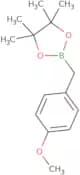

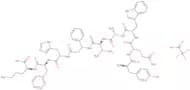
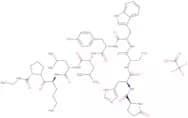



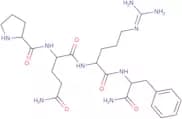

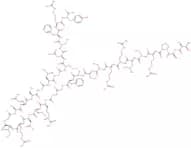
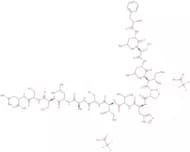

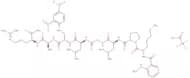

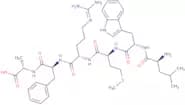
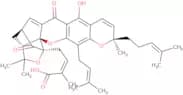
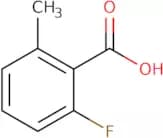

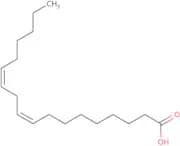
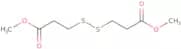
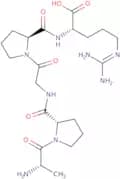
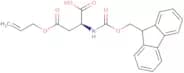
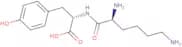
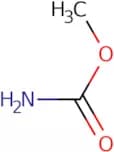
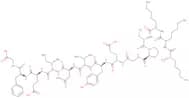
![ent-[Amyloid b-Protein (20-16)]-b-Ala-D-Lys(ent-[Amyloid b-Protein (16-20)]) trifluoroacetate salt](/_next/image/?url=https%3A%2Fstatic.cymitquimica.com%2Fproducts%2F3D%2Fthumb-webp%2FFE109711.webp&w=3840&q=75)
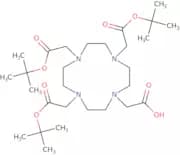
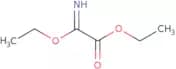
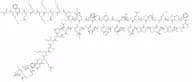

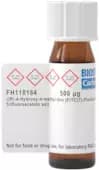
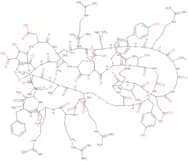
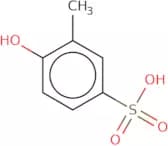
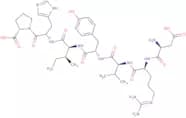



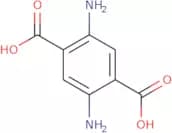
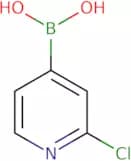

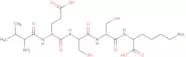
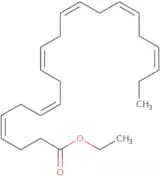
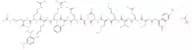
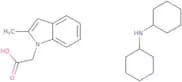
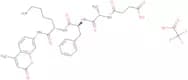
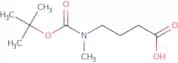

![3-[(2-Aminoethyl)dithio]propionic acid](/_next/image/?url=https%3A%2Fstatic.cymitquimica.com%2Fproducts%2F3D%2Fthumb-webp%2FFA17745.webp&w=3840&q=75)
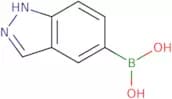
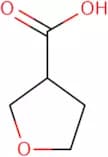
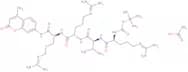


![tert-Butyl 4,7-diazaspiro[2.5]octane-4-carboxylate](/_next/image/?url=https%3A%2Fstatic.cymitquimica.com%2Fproducts%2F3D%2Fthumb-webp%2FFB141899.webp&w=3840&q=75)


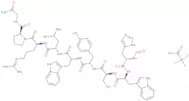
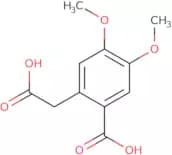
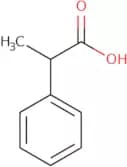
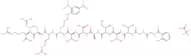
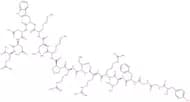
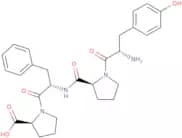
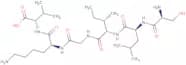


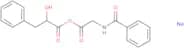
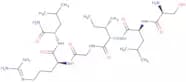

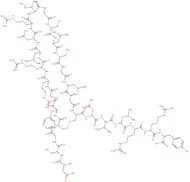
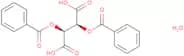



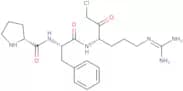
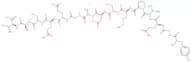
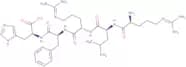
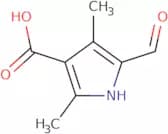


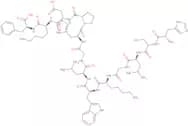
![4-[5-(4-Pentyloxyphenyl)isoxazol-3-yl]benzoic acid](/_next/image/?url=https%3A%2Fstatic.cymitquimica.com%2Fproducts%2F3D%2Fthumb-webp%2FFP61482.webp&w=3840&q=75)


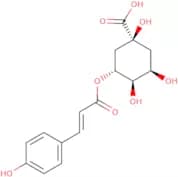


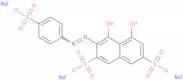

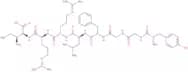
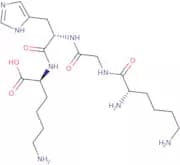
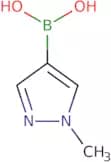
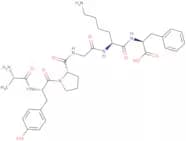

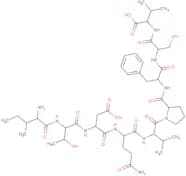

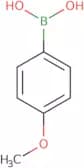
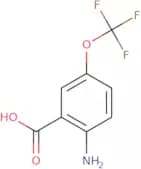


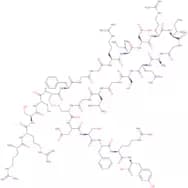

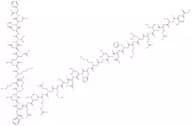

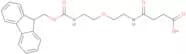
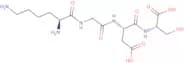
![N-[(RS)-1-Carboxy-3-phenyl-propyl]-Ala-Ala-Phe-4-Abz-OH trifluoroacetate salt](/_next/image/?url=https%3A%2Fstatic.cymitquimica.com%2Fproducts%2F3D%2Fthumb-webp%2FFR111118.webp&w=3840&q=75)