Glycoscience
Glycoscience is the study of carbohydrates and their derivatives, as well as the interactions and biological functions they participate in. This field of research is crucial for understanding a wide variety of biological processes, including cell recognition, signaling, immune response, and disease development. Glycoscience has important applications in biotechnology, medicine, and the development of new drugs and therapies. At CymitQuimica, we offer a wide selection of high-quality, high-purity products for glycoscience research. Our catalog includes monosaccharides, oligosaccharides, polysaccharides, glycoconjugates, and specific reagents, designed to support researchers in their studies on the structure, function, and applications of carbohydrates in biological systems. These resources are intended to facilitate scientific discoveries and practical applications in various areas of bioscience and medicine.
Subcategories of "Glycoscience"
- Aminosugars(108 products)
- Glyco-Related Antibodies(282 products)
- Glycolipids(46 products)
- Glycosaminoglycans (GAGs)(55 products)
- Glycosides(419 products)
- Monosaccharides(6,621 products)
- Oligosaccharides(3,681 products)
- Polysaccharides(503 products)
Found 11041 products of "Glycoscience"
Sort by
Purity (%)
0
100
|
0
|
50
|
90
|
95
|
100
(5R, 6R, 7R, 8S) -5, 7-Bis[[tert.butyl dimethylsilyl] oxy] - 8- [(tert.butyldimethylsilyl)oxy] methyl-1- azabicyclo[4.2.0] octan- 2- one
<p>(5R, 6R, 7R, 8S) -5, 7-Bis[[tert.butyl dimethylsilyl] oxy] - 8- [(tert.butyldimethylsilyl)oxy] methyl-1- azabicyclo[4.2.0] octan- 2- one is a custom synthesis that can be modified to fit your needs. It is an oligosaccharide with a high purity and low toxicity. This product is used in glycosylation reactions and has a CAS number of 976841-40-0. The modification of this product includes fluorination, methylation, and click chemistry modifications.</p>Purity:Min. 95%5-Aldo-1,2-O-isopropylidene-b-D-arabinofuranose
CAS:<p>5-Aldo-1,2-O-isopropylidene-b-D-arabinofuranose is a sugar that is synthesized from D-glucose. It has been modified with fluorine to produce an analogue of 5-fluoroarabinofuranose. The methylation and glycosylation of this compound have also been investigated. This chemical can be used for the synthesis of complex carbohydrates.</p>Formula:C8H12O5Purity:Min. 95%Color and Shape:PowderMolecular weight:188.18 g/mol3-O-Benzyl-6-O-tert-butyldimethylsilyl-1,2-O-isopropylidene-a-D-glucofuranose
<p>3-O-Benzyl-6-O-tert-butyldimethylsilyl-1,2-O-isopropylidene-a-D-glucofuranose is a custom synthesis of a monosaccharide. It is synthesized by fluorinating the hydroxyl group on C3 and then methylating the benzyl group. The resulting product is a glycosylation that can be used as a carbohydrate for biosynthesis or as a research tool for studying saccharides.</p>Formula:C22H36O6SiPurity:Min. 95%Molecular weight:424.6 g/mol2,4,6-Tri-O-benzoyl-3-benzyl-D-mannopyranosyl trichloroacetimidate
<p>2,4,6-Tri-O-benzoyl-3-benzyl-D-mannopyranosyl trichloroacetimidate is a synthetic glycosylation compound. It can be used for the synthesis of complex carbohydrates, such as polysaccharides and oligosaccharides. This product is a high purity, custom synthesis that has been modified with fluorination and methylation. CAS No.: 59978-06-0</p>Formula:C36H30Cl3NO9Purity:Min. 95%Molecular weight:726.98 g/mol2,6-Dimethyl-b-cyclodextrin - Technical
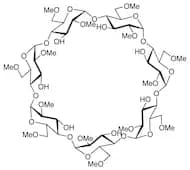
CAS:<p>This beta-cyclodextrin (β-CD) derivative is a functionalized cyclic oligosaccharide composed of seven glucose units, characterized by a hydrophilic exterior and a lipophilic cavity (bigger than α-CD and smaller than γ-CDs), which allows it to encapsulate various guest molecules. This structural feature facilitates its use in multiple applications, including pharmaceuticals, food enhancement, and cosmetics. In the pharmaceutical industry, it enhances the solubility and stability of poorly water-soluble drugs, improving their bioavailability and efficacy while also masking unpleasant tastes. The food sector utilizes it as a stabilizer for flavors, colors, and nutrients, extending shelf life by protecting sensitive ingredients from degradation. In cosmetics, it serves as a complexing agent for fragrances and active components, ensuring their stability and controlled release. Its use expands to many other fields, including nanotechnology for drug delivery systems, environmental remediation for extracting organic pollutants, textiles for slow-release fragrances, and analytical chemistry for chiral separation.</p>Formula:C56H98O35Purity:Min. 98%Color and Shape:White PowderMolecular weight:1,331.36 g/molMethyl 4,6-O-benzylidene-2,3-di-O-benzyl-a-D-glucopyranoside
CAS:<p>Methyl 4,6-O-benzylidene-2,3-di-O-benzyl-a-D-glucopyranoside is a synthetic compound that is used as an intermediate in the production of other chemicals. The compound has been shown to be resistant to methylation and glycosylation. It has also been modified with a click chemistry reaction and fluorinated. Methyl 4,6-O-benzylidene-2,3-di-O-benzyl-a-D -glucopyranoside is a carbohydrate with a molecular formula of C12H24O14 and a molecular weight of 594.8 g/mol.</p>Formula:C28H30O6Purity:Min. 95%Color and Shape:White PowderMolecular weight:462.53 g/molMethyl 2,4-Di-O-acetyl-3-deoxy-3-fluoro-b-D-xylopyranoside
CAS:<p>Methyl 2,4-Di-O-acetyl-3-deoxy-3-fluoro-b-D-xylopyranoside is a synthetic, fluorinated glycosylation product. It is used in the synthesis of complex carbohydrates, and has been shown to be useful for click modification. This product has been custom synthesized by our company, and can be ordered in high purity.</p>Formula:C10H15FO6Purity:Min. 95%Molecular weight:250.22 g/mol2,3,4,6-Tetra-O-benzyl-b-D-glucopyranosyl Fluoride
CAS:<p>2,3,4,6-Tetra-O-benzyl-b-D-glucopyranosyl Fluoride (TBG) is a drug that has antibiotic properties. It inhibits bacterial growth by binding to the D-glucose residue in the cell wall of gram positive bacteria, which prevents the synthesis of peptidoglycan and thus inhibits protein synthesis. TBG binds to the hydroxyl group on the stannic chloride to form an insoluble complex. The stannic chloride is then converted into a soluble complex with fluoride ion. TBG can be used as an antibiotic for gram positive bacteria such as Staphylococcus aureus and Streptococcus pyogenes.</p>Formula:C34H35FO5Purity:(%) Min. 96%Color and Shape:PowderMolecular weight:542.64 g/molD-Ribulose, 0.5-1.0 mol/L aqueous solution
CAS:<p>D-Ribulose is a type of sugar that belongs to the carbohydrate family. It is not metabolized by humans and is used as an energy source by certain bacteria. D-Ribulose is a substrate for bacterial xylitol dehydrogenase, which produces the intermediate xylitol. This product can be used in probiotic bacteria or as an antioxidant compound in biological samples such as coli k-12. D-Ribulose also has conformational properties that are different from other sugars, which may be due to its lack of hydroxyl groups on the ring. The reaction mechanism for this product has been identified and involves hydrogen fluoride (HF) and ribitol dehydrogenase to produce ribulose and hydrogen gas.</p>Formula:C5H10O5Purity:Min. 98 Area-%Color and Shape:PowderMolecular weight:150.13 g/mol2,3,4,6-Tetra-O-acetyl-1-S-acetyl-b-D-thiogalactopyranose
<p>2,3,4,6-Tetra-O-acetyl-1-S-acetyl-b-D-thiogalactopyranose is a synthetic sugar that is used in the synthesis of complex carbohydrates. It has been modified with methylation and acetylation reactions. The CAS number for this compound is 112724-71-8.</p>Formula:C15H20O11SPurity:Min. 95%Molecular weight:408.38 g/molMethyl 2,3,4-tri-O-acetyl-6-O-triisopropylsilyl-a-D-glucopyranoside
CAS:<p>Methyl 2,3,4-tri-O-acetyl-6-O-triisopropylsilyl-a-D-glucopyranoside is a glycosylation product of D-glucose and methyl 2,3,4,6 triacetate. This product is a fluorinated sugar with the following chemical structure:</p>Formula:C22H40O9SiPurity:Min. 95%Molecular weight:476.64 g/molD-Sedoheptulose-7-phosphate barium salt
CAS:<p>Substrate of phosphofructokinase; pentose phosphate pathway intermediate</p>Formula:C7H13O10PBaPurity:Min. 75 Area-%Color and Shape:White PowderMolecular weight:425.47 g/mol2,3,4-Tri-O-acetyl-1,6-anhydro-b-D-galactopyranose
CAS:<p>2,3,4-Tri-O-acetyl-1,6-anhydro-b-D-galactopyranose is a sugar that has been modified with fluorination. This modification is done in an effort to increase the solubility of this product. It is also used as the backbone for other sugars in order to create complex carbohydrates or polysaccharides. In addition, 2,3,4-Tri-O-acetyl-1,6-anhydro-b-D-galactopyranose can be methylated and glycosylated in order to modify its properties. This product is available for custom synthesis and has a purity level of 99%.</p>Formula:C12H16O8Purity:Min. 95%Color and Shape:PowderMolecular weight:288.25 g/mol1,6-Bis- O- Tert.butyldimethylsilyl- 3, 4- O-isopropylidene)-2,5-O-methanesulfonyl-D- mannitol
<p>1,6-Bis-O-tert.butyldimethylsilyl-3,4-O-isopropylidene)-2,5-O-methanesulfonyl-D-mannitol is a sugar that is used as a starting material for the synthesis of glycosides. This compound has been shown to react with click chemistry and undergo fluorination, glycosylation, methylation, and modification reactions. It has been shown to be useful in the synthesis of oligosaccharides and monosaccharides. The chemical formula for 1,6-Bis-O-tert.butyldimethylsilyl-3,4-O-[isopropylidene)-2,5 - O]-methanesulfonyl--D--mannitol is C14H30OSiMesO8S2.</p>Purity:Min. 95%Methyl 3,5-di-O-acetyl-2,4-anhydro-D-arabinonate
<p>Methyl 3,5-di-O-acetyl-2,4-anhydro-D-arabinonate is a custom synthesis of a complex carbohydrate. It is modified with methylation, glycosylation and click modification. This product has been fluorinated to provide high purity and is used in the preparation of other saccharides. Methyl 3,5-di-O-acetyl-2,4-anhydro-D-arabinonate belongs to the category of carbohydrates and sugars. This product is made up of a saccharide that contains three carbon atoms (C3H7O6) and one oxygen atom (O). The chemical formula for this compound is C3H5(COOC2H5)3.</p>Purity:Min. 95%Methyl 4-azido-2,3-di-O-benzoyl-4-deoxy-6-O-trityl-α-D-glucopyranoside
CAS:<p>Methyl 4-azido-2,3-di-O-benzoyl-4-deoxy-6-O-trityl-a-Dglucopyranoside is a synthetic carbohydrate. It is used in the synthesis of complex carbohydrates. Methyl 4-azido-2,3-diObenzoyl4deoxy6OtritylAglucopyranoside is an intermediate in the chemical synthesis of oligosaccharides and polysaccharides. This product is custom synthesized to meet customer specifications.</p>Formula:C40H35N3O7Purity:Min. 95%Color and Shape:White to off-white solid.Molecular weight:669.72 g/mol5-O-tert-Butyldimethylsilyl-2,3-O-isopropylidene-D-ribofuranose
CAS:<p>5-O-tert-Butyldimethylsilyl-2,3-O-isopropylidene-D-ribofuranose is a stereoselective, unsubstituted aryl group. It is used in the synthesis of deodorants and antiperspirants. This compound has been shown to have an effect on perspiration by reducing the amount of sweat produced by the apocrine glands. The mechanism of action may be related to its ability to inhibit c1-c4 esters that are involved in the synthesis of odoriferous substances. 5-O-tert-Butyldimethylsilyl-2,3-O-isopropylidene-D-ribofuranose also inhibits bacterial growth by binding to DNA gyrase and topoisomerase IV, which are enzymes that maintain the integrity of bacterial DNA.</p>Formula:C14H28O5SiPurity:Min. 95%Color and Shape:White PowderMolecular weight:304.45 g/mol(3aS, 6aS) -Dihydro- 2, 2, 6a- trimethyl-furo[3, 4- d] - 1, 3- dioxol- 4(3aH) - one
<p>(3aS, 6aS) -Dihydro-2,2,6a-trimethyl-furo[3,4-d]-1,3-dioxol-4(3aH)-one is a white crystalline powder that is soluble in chloroform and ether. It can be used as a synthetic intermediate for the preparation of other products. It has been shown to be effective in methylation reactions on saccharides and polysaccharides. This product is available with custom synthesis options and can be modified with click chemistry or fluorination. This product is also available with high purity levels and fluorescence properties.</p>Purity:Min. 95%3-O-Benzyl-4-(hydroxymethyl)-1,2-O-isopropylidene-α-D-ribofuranose
CAS:<p>Synthetic building block for nucleic acid research</p>Formula:C16H22O6Purity:Min. 98 Area-%Color and Shape:White PowderMolecular weight:310.34 g/mol1-Deoxy-3,4:6,7-Di-O-isopropylidene L-gulo-hept-2-ulose
CAS:<p>1-Deoxy-3,4:6,7-Di-O-isopropylidene L-gulo-hept-2-ulose is a synthetic sugar that can be used to synthesize oligosaccharides. It is a methylated derivative of the natural sugar galactose and has been modified with fluorine atoms at C1 and C3 positions. This product is offered as a custom synthesis and can be ordered in high purity.<br>Methylation of 1,2,3,4 tetra-, penta-, hexa-, or octa-saccharides is a way to introduce new chemical functionalities into the molecule. This process can be achieved through the use of methyl donors such as methanol or dimethyl sulfate. In this case, the methyl groups are introduced on the oxygen atom of glucose at position 3, 4, 6 or 7. The result is a new type of sugar called an oligosaccharide</p>Purity:Min. 95%5-Azido-5-deoxy-2-C-(hydroxymethyl)-L-lyxono-1.4-lactone
<p>5-Azido-5-deoxy-2-C-(hydroxymethyl)-L-lyxono-1.4-lactone (5AZDOL) is a modified oligosaccharide with a molecular weight of 558. It is synthesized from L-lyxonic acid, which is obtained from the hydrolysis of L-xylose. The methylation and glycosylation reactions are carried out in the presence of DMSO and ammonium hydroxide respectively. The final product is purified by crystallization and characterized by IR and NMR spectroscopy. 5AZDOL has CAS No. 607634-06-7, an M 1 monosaccharide, an Oligosaccharide, a Carbohydrate, a complex carbohydrate, and Synthetic.br>br></p>Purity:Min. 95%(2S, 3R, 4R) -3, 4- Dihydroxy- N- methyl- 2- pyrrolidinecarboxami de
CAS:<p>(2S, 3R, 4R) -3, 4-Dihydroxy-N-methyl-2-pyrrolidinecarboxamide is a synthetic sugar that has been synthesized for the modification of complex carbohydrates. The compound has a CAS number of 1394841-58-7 and can be used to decrease the rate of glycosylation reactions by removing hydroxyl groups from saccharides or oligosaccharides. This compound is typically synthesized by methylation and glycosylation. It is also possible to click modify this product with an azide group. Click modifications are reversible and produce no side products.</p>Purity:Min. 95%Isosorbide 5-mononitrate 2-b-D-glucuronide
CAS:<p>Isosorbide 5-mononitrate 2-b-D-glucuronide is a reconstituted form of Isosorbide 5-mononitrate. It is used in the treatment of congestive heart failure and angina pectoris. The drug is a nitrovasodilator that relaxes smooth muscle cells, increasing blood flow to the heart. It has been shown to be effective in reducing the frequency of angina attacks and improving exercise tolerance. Isosorbide 5-mononitrate 2-b-D-glucuronide may also have beneficial effects on other cardiovascular diseases such as coronary heart disease, heart attack, or high blood pressure.</p>Formula:C12H17NO12Purity:Min. 95%Molecular weight:367.26 g/mol1,3:4,6-Di-O-benzylidene-2,5-dideoxy-2,5-imino-L-iditol
CAS:<p>1,3:4,6-Di-O-benzylidene-2,5-dideoxy-2,5-imino-L-iditol is a synthetic oligosaccharide that can be used as a glycosylation probe. It has been shown to have high purity and good stability in the presence of strong acids and bases. The methyl group on the benzene ring can be replaced with other functional groups such as fluoro or chloro. This product is also available in custom synthesis for those who need it.</p>Formula:C20H21NO4Purity:Min. 95%Color and Shape:White PowderMolecular weight:339.39 g/mol1,2-Di-O-benzyl-4,6-O-benzylidene-a-D-mannopyranoside
CAS:<p>1,2-Di-O-benzyl-4,6-O-benzylidene-a-D-mannopyranoside is a custom synthesis that belongs to the class of polysaccharides. It is a synthetic modification of D-mannose. The 1,2 position on the glucose moiety has been fluorinated and the 6 position on the mannose moiety has been methylated. This sugar is a monosaccharide with a molecular weight of 587. The glycosylation pattern includes saccharide units linked by glycosidic bonds between the 1 and 2 positions on adjacent sugars in linear or branched chains. This product can be used as an intermediate for other syntheses or as a pharmaceutical drug.</p>Formula:C27H28O6Purity:Min. 95%Molecular weight:448.51 g/mol3-Deoxy-D-arabino-hexonic acid calcium salt
CAS:<p>3-Deoxy-D-arabino-hexonic acid calcium salt is a synthetic, modified monosaccharide that is used as a glycosylation or polysaccharide modification. It has been shown to have high purity and can be custom synthesized to meet the needs of your application. 3-Deoxy-D-arabino-hexonic acid calcium salt has been shown to have strong anti-tumor activity and is an important part of cancer treatment. This compound can be methylated for use in click chemistry reactions.</p>Formula:C12H24CaO12Purity:Min. 95%Molecular weight:400.39 g/molb-L-Fucose-1-phosphate bis(cyclohexylammonium) salt
CAS:<p>b-L-Fucose-1-phosphate bis(cyclohexylammonium) salt is a synthetic, fluorinated monosaccharide that is used in the synthesis of oligosaccharides, polysaccharides and glycoproteins. The compound can be modified using click chemistry. It has been synthesized by reacting b-D-fucose with 2 equivalents of cyclohexylamine in the presence of BF3.</p>Formula:C6H11O8P·2C6H14NPurity:Min. 95%Color and Shape:White PowderMolecular weight:442.48 g/molMethyl 2,3,4,6-tetra-O-acetyl-α-D-glucopyranoside
CAS:<p>Methyl 2,3,4,6-tetra-O-acetyl-a-D-glucopyranoside is a custom synthesis. It is a fluorinated sugar that can be modified with methyl groups and acetyl groups. Methyl 2,3,4,6-tetra-O-acetyl-a-D-glucopyranoside has been used in the synthesis of oligosaccharides and saccharides. This compound can also be glycosylated with other sugars to form complex carbohydrates.</p>Formula:C15H22O10Purity:Min. 95%Color and Shape:PowderMolecular weight:362.33 g/mol4-Methylphenyl β-D-thiogalactopyranoside
CAS:<p>4-Methylphenyl β-D-thiogalactopyranoside is a custom synthesis. The chemical is an Oligosaccharide, Polysaccharide, Modification, saccharide, Methylation, Glycosylation, Carbohydrate that has been Fluorinated and Synthetically Modified. It is a High purity product with the CAS No. 28244-98-6.</p>Formula:C13H18O5SPurity:Min. 95%Color and Shape:White Off-White PowderMolecular weight:286.35 g/mol3,4:5,6-Di-O-Isopropylidene-L-idonic acid methyl ester
<p>3,4:5,6-Di-O-Isopropylidene-L-idonic acid methyl ester (DIPIM) is a synthetic carbohydrate that is used in the modification of saccharides and oligosaccharides. DIPIM is a fluorinated monosaccharide that can be synthesized by the click chemistry reaction. It is highly pure, with a purity level of 99.9%. DIPIM has been shown to react with glycosyl acceptors to form glycosyl derivatives. This compound also has potential in the design of new therapeutic agents for cancer treatment.</p>Purity:Min. 95%Neocarraoctaose-4¹,4³,4⁵,4⁷-tetra-O-sulfate sodium
CAS:<p>Neocarraoctaose-41,3,5,7-tetra-O-sulfate sodium salt is a synthetic carbohydrate compound that is used in the synthesis of oligosaccharides and polysaccharides. The chemical name of this product is Neocarraoctaose-41,3,5,7-tetra-O-sulfate sodium salt. It has a molecular weight of 598.34 g/mol and a CAS number of 133647-94-6. This product can be synthesized by methylation, custom synthesis, click modification and fluorination.</p>Formula:C48H74O49S4•Na4Purity:Min. 95%Color and Shape:PowderMolecular weight:1,655.3 g/molMethyl 2,3,4,6-tetra-O-benzyl-α-D-galactopyranoside
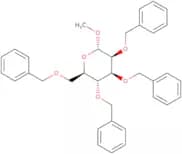
CAS:<p>Methyl 2,3,4,6-tetra-O-benzyl-α-D-galactopyranoside (MBGT) is a pharmaceutical that belongs to the class of aziridines. It has shown high light emission properties at temperatures between 25 and 50 °C. MBGT has been used as a shift reagent for the analysis of carbohydrates and glycols. The spectral shift exhibited by MBGT is due to the resonance stabilization of the molecule's excited state. This effect is increased by hydrogen peroxide, which acts as an oxidant and stabilizes the excited state via electron transfer. A bathochromic shift was observed in aqueous solutions at pH 4.5 when methyl 2,3,4,6-tetra-O-benzyl-α-D-galactopyranoside was combined with potassium hydroxide or sodium hydroxide as a base.</p>Formula:C35H38O6Purity:Min. 98 Area-%Color and Shape:PowderMolecular weight:554.67 g/molPhenolphthalein b-D-glucuronic acid sodium salt
CAS:<p>beta-glucuronidase substrate</p>Formula:C26H22O10NaPurity:Min. 95 Area-%Color and Shape:Yellow PowderMolecular weight:517.44 g/mol2-Azidoethyl 2-O-(2-acetamido-2-deoxy-b-D-glucopyranosyl)-a-D-mannopyranoside
<p>2-Azidoethyl 2-O-(2-acetamido-2-deoxy-b-D-glucopyranosyl)-a-D-mannopyranoside is a carbohydrate that is a modification of the saccharide oligosaccharide. It has been synthesized by custom synthesis and has high purity, methylation, glycosylation and click modification.</p>Formula:C16H28N4O11Purity:Min. 95%Molecular weight:452.41 g/molMethyl 2,3-di-O-p-toluenesulfonyl-a-D-glucopyranoside
<p>Methyl 2,3-di-O-p-toluenesulfonyl-a-D-glucopyranoside is a high purity, custom synthesis sugar that is used in glycosylation and modification. It has a CAS number of 83792-07-4 and can be synthesized from methyl p-toluenesulfonate, D-glucose, and sodium hydroxide. Methyl 2,3-di-O-p-toluenesulfonyl-a-Dglucopyranoside has been shown to react with fluorine to form fluoro derivatives. This compound reacts with glycosylations and modifications such as methylation or acetylation. It is also an oligosaccharide that is composed of monosaccharides and saccharides.</p>Formula:C21H26O10S2Purity:Min. 95%Molecular weight:502.56 g/mol(2S,3R,4R,5S)-3-O-Benzyl-3,4,5-trihydroxypiperidine-2-carboxylic acid
<p>(2S,3R,4R,5S)-3-O-Benzyl-3,4,5-trihydroxypiperidine-2-carboxylic acid is a synthetic compound. It is a fluorinated glycosylated oligosaccharide with the molecular formula C14H21FNO6. This compound has been modified with methylation, monosaccharide and polysaccharide modifications. It is also a complex carbohydrate that can be custom synthesized and purified to high purity. CAS No.: 366864-11-1</p>Purity:Min. 95%2,4,7,8,9-Penta-O-acetyl N-acetylneuraminic acid
CAS:<p>2,4,7,8,9-Penta-O-acetyl N-acetylneuraminic acid is a modification of the carbohydrate 2,4,7,8,9-penta-O-acetyl N-acetylneuraminic acid. It is a complex carbohydrate that is custom synthesized to meet the needs of specific customers. This product can be used for the synthesis of oligosaccharides and polysaccharides in glycosylation reactions. It can also be modified with methylation and fluorination. <br>2,4,7,8,9-Penta-O-acetyl N-acetylneuraminic acid has high purity and is monosaccharide. It also has an acetate group on its sugar chain at position 9. This product can be used as a sugar or in click chemistry reactions because it contains an amine group at position 8.</p>Formula:C21H29NO14Purity:Min. 95%Color and Shape:PowderMolecular weight:519.45 g/molN- (2, 5-Anhydro- 3- azido- 3- deoxy-4,6-di-O-acetyl- D- altronoyl) - 2, 5- anhydro- 3- amino- 3- deoxy-4,6-di-O-acetyl- D- altronic acid methyl ester
<p>N- (2, 5-Anhydro- 3- azido- 3- deoxy-4,6-di-O-acetyl- D- altronoyl) - 2, 5- anhydro- 3- amino -3,6 di O acetyl -D altronic acid methyl ester is a glycosylation compound that is synthesized by modifying the corresponding nitrophenol with methylamine. It has a CAS number of 1205843.</p>Purity:Min. 95%Ethyl 3,5,6-tri-O-benzyl-D-glucofuranoside
CAS:<p>Ethyl 3,5,6-tri-O-benzyl-D-glucofuranoside is a modification of the natural carbohydrate D-glucose and has been synthesized by methylation. This product has a purity of 99% and is made up of three monosaccharides: D-glucose, D-mannose, and D-galactose. It also contains an oligosaccharide chain that consists of 6 sugar units. Ethyl 3,5,6-tri-O-benzyl-D-glucofuranoside is insoluble in water but soluble in acetone. The molecular weight of this product is 522.2 g/mol.</p>Formula:C29H34O6Purity:Min. 95%Color and Shape:Yellow Clear LiquidMolecular weight:478.58 g/mol2,3-O-Isopropylidene-1-O-methyl-D-ribosic acid
CAS:<p>2,3-O-Isopropylidene-1-O-methyl-D-ribosic acid is a synthetic glycosylate that can be used to modify saccharides and oligosaccharides. It is a methylated form of ribose and has been shown to inhibit the glycosylation reactions of glycogen. 2,3-O-Isopropylidene-1-O-methyl-D-ribosic acid is also known to react with fluorine in order to produce a variety of fluorinated carbohydrates. This product has high purity and can be used for custom synthesis of carbohydrates. The CAS number for this product is 54622-95-6.</p>Formula:C9H14O6Purity:Min. 95%Color and Shape:PowderMolecular weight:218.2 g/mol3-O-Benzyl 4-C-(methanesulfonyloxymethyl)-5-O-methanesulfonyl-1,2-O-isopropylidene-a-D-ribofuranose
CAS:<p>3-O-Benzyl 4-C-(methanesulfonyloxymethyl)-5-O-methanesulfonyl-1,2-O-isopropylidene-a-D-ribofuranose is an Oligosaccharide with a CAS number of 293751-01-6. It has been synthesized by Click modification and has a purity of greater than 98%. The glycosylation is custom synthesis. Glycosylations are modifications to saccharides that are added to the sugar chain in order to increase the biological activity or improve the pharmacokinetics of the drug.</p>Formula:C18H26O10S2Purity:Min. 98 Area-%Color and Shape:White PowderMolecular weight:466.53 g/mol5-Azido- 5, 6- dideoxy- 2, 3- O-isopropylidene- D- gulonic acid-1,4-lactone
CAS:<p>5-Azido-5,6-dideoxy-2,3-O-isopropylidene-D-gulonic acid-1,4-lactone is a carbohydrate that belongs to the group of saccharides. It is a synthetic sugar that has been modified with fluorine atoms on the 2 and 3 position of the sugar. 5-Azido-5,6-dideoxygulonic acid 1,4lactone has been shown to be resistant to enzymatic degradation by α amylase and β amylase. The compound also has a high level of purity (>98%) and custom synthesis capabilities.</p>Purity:Min. 95%N-(Phenyl-1-propenyl)imino-2,3,4,6-tetra-O-pivaloyl-D-glucopyranoside
<p>N-(Phenyl-1-propenyl)imino-2,3,4,6-tetra-O-pivaloyl-D-glucopyranoside (NPG) is a synthetic oligosaccharide. It is an Methylation and Click modification of the natural glycosylation product of glucose with pivalic acid. NPG has been shown to inhibit the Glycosylation enzyme by methylating it and preventing it to be able to catalyze the attachment of a sugar molecule to an amino acid residue. This inhibition prevents the production of complex carbohydrates in bacteria. NPG is also fluorinated at the 2,3,4,6 positions on the glucose ring which allows for better binding to bacterial cells. NPG has been shown to bind specifically to mycobacterial cell wall glycolipids and inhibit their synthesis as well as other bacterial cells such as staphylococcus aureus.</p>Formula:C35H51NO9Purity:Min. 95%Molecular weight:629.78 g/molEthyl 2,4,6-tri-O-benzoyl-b-D-thiogalactopyranoside
CAS:<p>Ethyl 2,4,6-tri-O-benzoyl-b-D-thiogalactopyranoside is a custom synthesis that is a modification of an oligosaccharide. It is a glycosylation and carbonylation product of an ethyl 2,4,6-tri-O-(benzoyl)-b-D-thioglucopyranoside. This product has been fluorinated and methylated. Ethyl 2,4,6-tri-O-(benzoyl)-b-D-thiogalactopyranoside is a polysaccharide with a complex carbohydrate structure. It has been modified by glycosylation and carbonylation.</p>Formula:C29H28O8SPurity:Min. 95%Color and Shape:White Off-White PowderMolecular weight:536.59 g/molMethyl 2,3,4-tri-O-benzyl-α-D-glucopyranoside
CAS:<p>Resource for the 6-O-modification of Glc e.g. in glucuronic acid synthesis</p>Formula:C28H32O6Purity:Min. 95%Color and Shape:White PowderMolecular weight:464.55 g/mol(2R, 3R, 4S, 5R) -3, 4- Dihydroxy- 5- (hydroxymethyl) - N- methyl-2- pyrrolidinecarboxami de
CAS:<p>(2R, 3R, 4S, 5R) -3, 4- Dihydroxy- 5- (hydroxymethyl) - N- methyl-2- pyrrolidinecarboxami de is an Methylation product of 2-pyrrolidinone. It is a white to off-white solid. This product has been modified with Click chemistry to create a glycosylation site at the C6 position. It is soluble in water and alcohols. The CAS number for this product is 1591783-03-7.</p>Purity:Min. 95%Methyl 5-Acetamido-N-benzyl-5,6-dideoxy-2,6-imino-3-O-benzyl-L-galactofuranoside
<p>Methyl 5-Acetamido-N-benzyl-5,6-dideoxy-2,6-imino-3-O-benzyl-L-galactofuranoside is a modified carbohydrate with a methyl group at the C5 position. It is synthesized by modification of the saccharide and has a CAS number. This compound is used as a custom synthesis for synthesis of complex carbohydrates.</p>Purity:Min. 95%Methyl 2,3,4-tri-O-pivaloyl-6-O-triisopropylsilyl-a-D-galactopyranoside
<p>Methyl 2,3,4-tri-O-pivaloyl-6-O-triisopropylsilyl-a-D-galactopyranoside is a glycosylated sugar that can be custom synthesized or purchased. This product is a fluorinated oligosaccharide with a methyl group at C2. The chemical name for this modified sugar is O-(3,4,5,6-tetra-O-(1,1,1,3,3,3,-hexafluoroethoxy)propyl)-a-D-galactopyranose. It can be used in glycosylation reactions to modify the saccharides and it has an average purity of 99%. Methyl 2,3,4-tri-O-pivaloyl-6-O--triisopropylsilyl--a--D--galactopyranoside has a CAS</p>Formula:C31H58O9SiPurity:Min. 95%Molecular weight:602.87 g/mol2,5-Anhydro-4-azido-4-deoxy-L-xylonic acid methyl ester
CAS:<p>2,5-Anhydro-4-azido-4-deoxy-L-xylonic acid methyl ester is a custom synthesized carbohydrate that has been modified with glycosylation and methylation. This product can be used as a sugar or polysaccharide in the synthesis of complex carbohydrates. 2,5-Anhydro-4-azido-4-deoxy-L-xylonic acid methyl ester is an intermediate in the production of high purity monosaccharides for use in the manufacture of fluorinated saccharides.<br>2,5-Anhydro-4-azido-4-deoxy--L--xylonic acid methyl ester is also available from other suppliers.</p>Purity:Min. 95%2- Azido- 2- deoxy- 2- C- methyl-D- ribonic acid g- lactone
<p>2-Azido-2-deoxy-2-C-methyl-D-ribonic acid g-lactone is a glycoside that can be used as a monosaccharide or an oligosaccharide. It's custom synthesis allows for the modification of saccharides, such as fluorination and methylation, to create complex carbohydrates. This product has been shown to have high purity with a CAS number in the range of 108411-41-8.</p>Purity:Min. 95%2,3,4,6-Tetra-O-acetyl-b-D-glucopyranosyl amine
CAS:<p>2,3,4,6-Tetra-O-acetyl-b-D-glucopyranosyl amine is an artificial carbohydrate with a fluorinated sugar. It is synthesized by reacting 2,3,4,6-tetra-O-acetyl-b-D-glucopyranosyl chloride with ammonia and methyl iodide. The compound can be used to modify the sugar residues of glycosides or polysaccharides. It has been shown to have high purity and can be used in the synthesis of complex carbohydrates.</p>Formula:C14H21NO9Purity:Min. 98 Area-%Color and Shape:White PowderMolecular weight:347.32 g/molD-Gluconic acid magnesium (II) hydrate
CAS:<p>D-Gluconic acid magnesium (II) hydrate is a proton that is used as an enzyme inhibitor. It has been shown to inhibit glutamate pyruvate transaminase, which is involved in the production of inflammatory cytokines such as TNF-α and IL-1β. D-Gluconic acid magnesium (II) hydrate also inhibits creatine kinase, which plays an important role in the production of inflammatory cytokines. This compound has been shown to be effective at inhibiting bowel disease and inflammatory diseases.</p>Formula:C6H11O7Mg·xH2OPurity:Min. 95%Color and Shape:PowderMolecular weight:207.3 g/mol(3R, 4R, 5S) -3, 4- Dihydroxy- 5- (hydroxymethyl) - L- proline
CAS:<p>(3R, 4R, 5S) -3, 4- Dihydroxy- 5- (hydroxymethyl) - L- proline is a fluorinated monosaccharide that is synthesized from D-glucose and D-alanine. It can be modified to form oligosaccharides or polysaccharides with various glycosylations, methylations, and click modifications. This compound has shown promising results in cancer research studies and is available at high purity.</p>Purity:Min. 95%1,3,4,6-Tetra-O-acetyl-2-[[2-(acetylthio)acetyl]amino]-2-deoxy-D-galactopyranose
CAS:<p>1,3,4,6-Tetra-O-acetyl-2-[[2-(acetylthio)acetyl]amino]-2-deoxy-D-galactopyranose is a modified GalNAc analogue</p>Formula:C18H25NO11SPurity:Min. 95%Color and Shape:PowderMolecular weight:463.46 g/mol3-Azidopropyl 2-acetamido-2-deoxy-3,4,6-tri-O-acetyl-b-D-glucopyranoside
<p>3-Azidopropyl 2-acetamido-2-deoxy-3,4,6-tri-O-acetyl-b-D-glucopyranoside is a synthetic carbohydrate. It is a modification of the natural saccharide 3,4,6 tri O acetyl b D glucopyranoside. The modification in this case is the addition of an azide group to one of the hydroxyl groups on the sugar. This product has a CAS number and can be custom synthesized to meet your specific needs. It is available in high purity and can be modified by methylation or glycosylation.</p>Purity:Min. 95%2-Deoxy-2-(4-methoxybenzyliden)imino-D-glucose
CAS:<p>2-Deoxy-2-(4-methoxybenzyliden)imino-D-glucose is a modified carbohydrate that is used for the synthesis of oligosaccharides, polysaccharides, and glycosaminoglycans. This compound is also used as a substrate for methylation reactions. It can be synthesized from D-glucose by the addition of a 2-(4-methoxybenzylidene) group to the 2′ position of the carbon atom on the anomeric carbon. The structure of this compound has been determined by X-ray crystallography.</p>Formula:C14H19NO6Purity:Min. 95%Color and Shape:White to off-white solid.Molecular weight:297.3 g/mol1-Bromo-2,3,4,6-tetra-O-acetyl-α-D-galactopyranoside
CAS:<p>Donor for Koenigs-Knorr type galactosylation and other anomeric substitutions</p>Formula:C14H19BrO9Molecular weight:411.21 g/molRef: 3D-B-8975
1kgTo inquire100gTo inquire250gTo inquire500gTo inquire2500gTo inquire-Unit-ggTo inquireTri-b-GalNAcAc3-amine TFA
CAS:<p>Tri-b-GalNAc-amine formate salt is an ASGPR-targeted ligand for therapeutics and diagnostics. With three terminal beta-GalNAc (N-acetylgalactosamine) sugars in a trivalent configuration, its high-affinity permits binding to the asialoglycoprotein receptor (ASGPR) on hepatocytes. Notably, the presence of a protonated primary amine group allows for chemoselective bioconjugation with various functional moieties via established amide bond formation techniques. Its salt form (TFA salt) enhances the water solubility of the molecule, facilitating its use in aqueous reaction buffers commonly employed in bioconjugation protocols. This combination of specific ASGPR targeting and a readily available conjugation site makes tri-b-GalNAc-amine TFA a valuable tool for developing customized and targeted drug-GalNAc conjugates, siRNA delivery vehicles, or ASGPR-specific probes. The use of TFA as a counterion ensures efficient deprotonation of the amine during conjugation, potentially improving reaction efficiency.</p>Formula:C79H128N10O36C2HF3O2Purity:Min. 95 Area-%Molecular weight:1,907.93 g/molTri-b-GalNAcAc3-NHCbz
CAS:<p>This peracetylated tri-b-GalNAcAc3-NHCbz, a triantennary N-acetylgalactosamine (GalNAc) ligand with protected functionalities, serves as a valuable building block for ASGPR-targeted therapies. Its three branches or arms, each ending in a GalNAc sugar, ensure strong binding to hepatocyte ASGPR. However, the key feature lies in its protective groups: acetylated sugars allow for controlled removal to expose reactive sites for conjugation, while the Cbz-protected amine provides stability and can be selectively cleaved to introduce a reactive amine group for further biomolecule attachment, ultimately enabling researchers to tailor Tri-b-GalNAcAc3-NHCbz into customized conjugates for specific therapeutic applications.</p>Formula:C87H134N10O38Purity:Min. 97 Area-%Molecular weight:1,928.04 g/molN-Acetyl-D-glucosamine - plant source
CAS:<p>Please enquire for more information about N-Acetyl-D-glucosamine - plant source including the price, delivery time and more detailed product information at the technical inquiry form on this page</p>Formula:C8H15NO6Purity:Min. 98 Area-%Molecular weight:221.21 g/molD-Galacturonic acid monohydrate
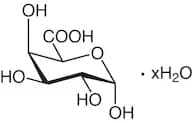
CAS:<p>Please enquire for more information about D-Galacturonic acid monohydrate including the price, delivery time and more detailed product information at the technical inquiry form on this page</p>Formula:C6H12O8Molecular weight:212.16 g/molUndecyl b-D-glucopyranoside
CAS:<p>Undecyl b-D-glucopyranoside is a potentiometer that can be used in fields such as modification and implementation. This compound has been shown to be stable and efficient, with a result that is implemented.</p>Formula:C17H34O6Purity:Min. 95%Color and Shape:White to off-white solid.Molecular weight:334.45 g/mol4-Aminophenyl a-D-glucopyranoside
CAS:<p>4-Aminophenyl a-D-glucopyranoside is an alkoxycarbonyl analog that can be used in the preparation of antigens. It is a small, water-soluble molecule that can be used to induce antibody production and to identify antigenic determinants. 4-Aminophenyl a-D-glucopyranoside has been shown to react with glutamicum and corynebacterium cells in vitro. The compound binds to the bacterial cell surface by reacting with amino groups, inducing the production of acid molecules, which leads to bacterial death. 4-Aminophenyl a-D-glucopyranoside also reacts with methoxy residues on the ribosomal RNA molecule and corynebacterium DNA molecules. This allows it to be used as an expression vector for proteins and nucleic acids in Corynebacterium glutamicum (a bacterium commonly found in soil). Spectrosc</p>Formula:C12H17NO6Purity:Min. 95%Color and Shape:PowderMolecular weight:271.27 g/moln-Dodecyl-β-D-maltoside
CAS:<p>Dodecyl maltoside (DDM) is a non-ionic detergent that consists of a hydrophilic maltose head and a hydrophobic long chain alkyl tail. It has a relatively low critical micelle concentration of 0.17 mM and is considered a gentle but powerful detergent. DDM is often the best tool for solubilising/crystallising membrane proteins. Membrane proteins usually have α-helical structures that are easily destroyed when the protein is released from its membrane environment. DDM can often preserve these structures during the solubilisation. In addition, membrane proteins can often be renatured when isolated with DDM.</p>Formula:C24H46O11Molecular weight:510.63 g/molN-(3,4,6-Triacetyl-N-azidoacetylmannosamine)-cis-2-ethyl-3-formylacrylamideglycoside
CAS:<p>Please enquire for more information about N-(3,4,6-Triacetyl-N-azidoacetylmannosamine)-cis-2-ethyl-3-formylacrylamideglycoside including the price, delivery time and more detailed product information at the technical inquiry form on this page</p>Formula:C20H27N5O10Purity:Min. 95%Molecular weight:497.45 g/molHexyl β-D-glucopyranoside
CAS:<p>Hexyl β-D-glucopyranoside is a 5-HT agonist that has been shown to activate the hydrolysis of phospholipids in the cell membrane. Hexyl β-D-glucopyranoside also increases the activity of ATPase, which is an enzyme that transports adenosine triphosphate (ATP) across membranes. This compound has been shown to inhibit the growth of lymphocytes and stimulate the growth of epidermal cells. It also inhibits prostaglandin synthesis and has been shown to reduce inflammation in animal studies. Hexyl β-D-glucopyranoside has been shown to have transport properties and can be found in fatty acids and cholesterol esters. It is used as a reagent for acid analysis, cell signaling pathways, and human liver function tests. This chemical can also be used as a growth factor for cells, especially for monoclonal antibody production when combined with an immunogen or</p>Formula:C12H24O6Purity:Min. 98.0 Area-%Color and Shape:PowderMolecular weight:264.32 g/mol2-((4,4,5,5,5-Pentafluoropentyl)oxy)octyl b-D-maltopyranoside
<p>2-((4,4,5,5,5-Pentafluoropentyl)oxy)octyl ?-D-maltopyranoside is a fluorinated surfactant that can be used as a substitute for traditional detergents in holding membranes proteins in the soluble fraction and improve their stability.</p>Formula:C25H43F5O12Purity:Min. 95%Color and Shape:SolidMolecular weight:630.59 g/mol2-Acetamido-3,4,6-tri-O-acetyl-2-deoxy-β-D-glucopyranosyl-Fmoc threonine
CAS:<p>Custom synthesis, Modification, Fluorination, Methylation, Monosaccharide, CAS No. 160168-40-1, Click modification, Oligosaccharide, Synthetic, saccharide, Polysaccharide, Glycosylation, sugar</p>Formula:C33H38N2O13Purity:Min. 95 Area-%Molecular weight:670.66 g/molOctanoyl D-glucopyranoside
CAS:<p>Octanoyl D-glucopyranoside is a potent inhibitor of histidine-mediated endocytosis and the activation of NF-κB signaling in human osteoarthritic chondrocytes. It has also been shown to inhibit viral replication by adenovirus. Octanoyl D-glucopyranoside inhibits the activity of several enzymes, including protein kinase C (PKC), nf-kappa B (NF-κB), and photolyase, which are all involved in inflammation. This compound also inhibits transcription, polymerization, and genotype expression. Octanoyl D-glucopyranoside has been shown to be effective against necrosis factor alpha (TNFα) and interleukin 1 beta (IL1β).</p>Formula:C14H26O7Purity:Min. 95%Color and Shape:White to off-white solid.Molecular weight:306.35 g/molN-Methyl-N-octanoylglucamine
CAS:<p>N-Methyl-N-octanoylglucamine is a chemical compound that inhibits the activity of the enzyme diacylglycerol lipase, which breaks down the lipid diacylglycerol. This leads to an accumulation of diacylglycerols in the cellular membrane and increased permeability of the cell, which results in physiological effects such as increased release of neurotransmitters. N-Methyl-N-octanoylglucamine has been shown to bind to peptides and inhibit their proteolytic degradation by peptidases. It also has been shown to have an effect on monoclonal antibodies with a high affinity for fatty acids. This compound is used for sample preparation prior to analysis by MALDI mass spectrometry.</p>Formula:C15H31NO6Purity:Min. 95 Area-%Color and Shape:White PowderMolecular weight:321.41 g/molDecyl α-D-maltopyranoside
CAS:<p>Decyl a-D-maltopyranoside is a low molecular weight alcohol that is used in the synthesis of glycoproteins. It has been shown to bind to the peptides and proteins of the cell membranes, which may be due to its hydrophobic character. Decyl a-D-maltopyranoside is also capable of coordinating with the membrane, which may be due to its high affinity for lipids. Decyl a-D-maltopyranoside can be used as an electrode material because it is more stable than other materials.</p>Formula:C22H42O11Purity:Min. 95%Color and Shape:White/Off-White SolidMolecular weight:482.56 g/molmyo-Inositol 1,3,4,5,6-pentakisphosphate decasodium salt
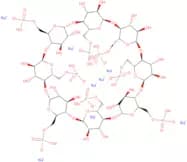
CAS:<p>Myo-inositol 1,3,4,5,6-pentakisphosphate decasodium salt is a complex carbohydrate that has been modified with fluorine. This modification has been shown to increase the solubility of myo-inositol 1,3,4,5,6-pentakisphosphate decasodium salt in organic solvents. Myo-inositol 1,3,4,5,6-pentakisphosphate decasodium salt is used in the synthesis of oligosaccharides and polysaccharides. It also serves as a substrate for methylation and glycosylation reactions. The synthesis of this compound can be achieved by a Click reaction.</p>Formula:C6H17O21P5·10NaPurity:Min. 95%Color and Shape:PowderMolecular weight:809.95 g/molTetraethylene glycol monooctyl ether
CAS:<p>Tetraethylene glycol monooctyl ether (TEGMOOE) is a surfactant and antimicrobial agent. It is a non-ionic surfactant that is used in many industrial applications, including as an emulsifier, dispersing agent, wetting agent, and defoamer. TEGMOOE has been shown to inhibit the multidrug efflux pump in some bacterial cells by binding to the signal peptide. This binding prevents the formation of an antibiotic-inhibitor complex with the enzyme cell wall synthesis that is required for cell wall biosynthesis, inhibiting protein synthesis and cell division. TEGMOOE also has been shown to have antimicrobial properties against tissue culture bacteria such as Staphylococcus aureus and Enterococcus faecalis. TEGMOOE can also be used as a calibration standard for titration calorimetry or flow systems by adding fatty acid to TEGMOOE solution</p>Formula:C16H34O5Purity:Min. 95%Color and Shape:LiquidMolecular weight:306.44 g/molHexadecyl b-D-maltopyranoside
CAS:<p>Hexadecyl b-D-maltopyranoside is a lamellar liquid crystal composed of octadecanol and hexadecyl b-D-maltopyranoside. It is an inorganic, crystalline polymorph that forms monomers and micelles with surfactant properties. Hexadecyl b-D-maltopyranoside has been shown to transduce x-ray data, which can be used in techniques such as microscopy. The lamellar phase of this compound may be metastable and depend on additives.</p>Formula:C28H54O11Purity:Min. 95%Color and Shape:PowderMolecular weight:566.72 g/molN,N-Dimethyldodecylamine N-oxide
CAS:<p>N,N-Dimethyldodecylamine N-oxide, also known as lauryldimethylamine oxide (LDAO), is an amine oxide nonionic surfactant with a C12 alkyl chain used widely in cosmetics, washing, cleaning and personal care products. LDAO has antimicrobial properties and is effective against common bacteria such as S. aureus and E. coli.</p>Formula:C14H31NOPurity:Min. 98%Color and Shape:White Off-White PowderMolecular weight:229.4 g/molMethyl a-maltohexaoside
<p>This product is a custom-synthesized, high purity sugar. The sugar is glycosylated and has undergone click chemistry modification and fluorination. It has been synthesized from monosaccharides and oligosaccharides, which are saccharide carbohydrates. The sugar is an example of a complex carbohydrate.</p>Purity:Min. 95%Octyl D-glucuronide methyl ester
CAS:<p>Octyl D-glucuronide methyl ester is a modification of the oligosaccharide octyl glucuronide. Octyl D-glucuronide methyl ester is a white to off-white solid with a molecular weight of 787. It has been synthesized using a custom synthesis, and is available in high purity and with high purity. The CAS number for this compound is 1423035-40-8.</p>Formula:C15H28O7Purity:Min. 95%Color and Shape:White PowderMolecular weight:320.39 g/molDecyl 2-acetamido-3,4,6-tri-O-acetyl-2-deoxy-β-D-glucopyranoside
CAS:<p>Decyl 2-acetamido-3,4,6-tri-O-acetyl-2-deoxy-b-D-glucopyranoside is a coordination compound that is used as an indicator for the determination of heavy metal ions in water. It has been shown to be stable and to provide consistent results. Decyl 2-acetamido-3,4,6-tri-O-acetyl-2,6-dideoxyglucopyranoside can be used to measure the concentration of heavy metal ions in aqueous solutions. The optimal conditions of use are pH 6 and a temperature range of 20°C - 25°C. The indicator is sensitive to light and should not be exposed to UV radiation.</p>Formula:C24H41NO9Purity:Min. 95%Molecular weight:487.58 g/molCYMAL-7 neopentyl glycol
CAS:<p>CYMAL-7 neopentyl glycol is a custom synthesis and is not commercially available. It is a complex carbohydrate that has been modified by methylation, glycosylation, and carbamate formation. CYMAL-7 neopentyl glycol has been modified with a fluorination reaction to give it high purity. This product has CAS No. 1423310-08-0 and is classified as an Oligosaccharide or Polysaccharide.</p>Formula:C49H88O22Purity:Min. 98 Area-%Color and Shape:PowderMolecular weight:1,029.21 g/molDodecyl β-D-cellobioside
CAS:<p>Dodecyl b-D-cellobioside is a surfactant that has been shown to form lamellar phases at low temperatures and high concentrations. It is primarily used as a stabilizer for emulsions, such as in ice cream, where it prevents the separation of fats and water. Dodecyl b-D-cellobioside is also known to be involved in the formation of bilayers, which are made up of one layer of hydrophobic molecules and one layer of hydrophilic molecules. This surfactant can exist as two conformations: a lyotropic phase with short chains (lamellar) or a synthetic phase with long chains (spreading). The lamellar phase is more stable than the synthetic phase because it has more contact with water. The lyotropic phase would be useful in an environment where water is scarce, like in outer space.</p>Formula:C24H46O11Purity:Min. 98 Area-%Color and Shape:PowderMolecular weight:510.62 g/molHeptyl 2-acetamido-3,4,6-tri-O-acetyl-2-deoxy-b-D-glucopyranoside
CAS:<p>Heptyl 2-acetamido-3,4,6-tri-O-acetyl-2-deoxy-b-D-glucopyranoside is a chemical compound that binds to the promoter region of genes and regulates their expression. It has been shown to regulate gene expression levels in a variety of cells, including humans. Heptyl 2-acetamido-3,4,6-tri-O-acetyl-2 deoxy -b D glucopyranoside binds to the promoter region of genes and alters their expression levels. The regulation of these genes can be used for research purposes or as a potential treatment for disease.</p>Formula:C21H35NO9Purity:Min. 95%Molecular weight:445.5 g/molOctyldecyl 2-acetamido-2-deoxy-b-D-glucopyranoside
CAS:<p>Octyldecyl 2-acetamido-2-deoxy-b-D-glucopyranoside is a custom synthesis and modification product. It is a high purity, complex carbohydrate with saccharide units that are modified with fluorination. This product has been modified using methylation and click chemistry to produce an oligosaccharide. Octyldecyl 2-acetamido-2-deoxy-b-D-glucopyranoside can be used as a glycosylation substrate in the synthesis of polysaccharides.</p>Formula:C26H51NO6Purity:Min. 95%Color and Shape:White/Off-White SolidMolecular weight:473.69 g/molMethyl 6-O-(N-heptylcarbamoyl)-a-D-glucopyranoside
CAS:<p>Non-ionic surfactant; used to study membrane proteins</p>Formula:C15H29NO7Purity:Min. 97 Area-%Color and Shape:White PowderMolecular weight:335.39 g/molHeptadecyl 2-acetamido-3,4,6-tri-O-acetyl-2-deoxy-b-D-glucopyranoside
CAS:<p>Heptadecyl 2-acetamido-3,4,6-tri-O-acetyl-2-deoxy-b-D-glucopyranoside is a custom synthesis, fluorinated carbohydrate.</p>Formula:C31H55NO9Purity:Min. 95%Molecular weight:585.77 g/molGlycyl-sialyllacto-N-tetraose b
<p>Glycyl-sialyllacto-N-tetraose b is a custom synthesis of an oligosaccharide consisting of four monosaccharides. The monosaccharides are glycyl, sialyllactose and two tetrasaccharides with the configuration of (1,4)-alpha-D-mannopyranosyl-(1,2)-alpha-D-mannopyranosyl-(1,6)-beta-D-glucopyranosyl-(1,4)-alpha-D-mannopyranosyl. Glycyl-sialyllacto-N-tetraose b is a high purity product that can be modified to contain fluorine atoms. This product has been shown to have methylation activity in Methylation reactions.</p>Formula:C39H66N4O29Purity:Min. 95%Molecular weight:1,054.95 g/molNonanoyl-D-glucopyranoside
CAS:<p>Nonanoyl-D-glucopyranoside is a custom-synthesized carbohydrate that functions as a glycosylation and fluorination agent. Nonanoyl-D-glucopyranoside can be used to modify oligosaccharides, carbohydrates, or polysaccharides. This product has CAS No. 191039-78-8, is synthesized with high purity, and is available in both monosaccharide and disaccharide forms.</p>Formula:C15H28O7Purity:Min. 95%Molecular weight:320.38 g/molDodecanoyl D-sucrose
CAS:<p>Non-ionic detergent for solubilising membrane proteins; surfactant</p>Formula:C24H44O12Purity:Min. 95%Color and Shape:White PowderMolecular weight:524.6 g/molOctyl β-D-galactopyranoside
CAS:<p>Octyl β-D-galactopyranoside is a chemosensor that has been used to detect the presence of aldehydes. The transfer mechanism of octyl β-D-galactopyranoside involves micelles, which are aggregates of amphiphilic molecules that form spherical structures in water. Octyl β-D-galactopyranoside has been shown to have antibacterial activity against gram-positive bacteria and leishmania parasites. This compound is also used as a glycosidase inhibitor, which prevents the breakdown of carbohydrates by enzymes called glycosidases. It is believed that this inhibition occurs because octyl β-D-galactopyranoside binds to the active site of the enzyme, thereby preventing access by the substrate. The optimum temperature for octyl β-D-galactopyranoside's activity is between 20 and 25 degrees Celsius. Octyl β-D-galactopyranoside</p>Formula:C14H28O6Purity:Min. 95%Color and Shape:PowderMolecular weight:292.37 g/mol6-Methyl-2-pyridyl 2-acetamido-2-deoxy-b-D-thioglucopyranoside
CAS:<p>The 6-Methyl-2-pyridyl 2-acetamido-2-deoxy-b-D-thioglucopyranoside is a chloride salt that has been used in the laboratory to develop an analytical method for the determination of glucose in urine samples. The bioavailability of 6MP is low and it is excreted by renal filtration, so this compound has been used as a marker for renal transplantation. Glomerular filtration rate (GFR) is reduced in diabetic patients, leading to a decrease in the amount of 6MP excreted. This drug can be administered orally or intravenously and has shown efficacy at low dose levels. Low doses have also been associated with decreased detection sensitivity due to its low level of excretion, which makes it an ideal candidate for use as a biomarker for chronic kidney disease. A chronic kidney disease animal model was used to study the effects on GFR and creatinine clearance rates</p>Purity:Min. 95%Color and Shape:White PowderMolecular weight:328.39 g/molDodecyl-d25-β-D-maltoside
CAS:Controlled Product<p>Dodecyl maltoside (DDM) is a non-ionic detergent that consists of a hydrophilic maltose head and a hydrophobic long chain alkyl tail. It has a relatively low critical micelle concentration of 0.17 mM and is considered a gentle but powerful detergent. DDM is often the best tool for solubilising/crystallising membrane proteins. Membrane proteins usually have α-helical structures that are easily destroyed when the protein is released from its membrane environment. DDM can often preserve these structures during the solubilisation. In addition, membrane proteins can often be renatured when isolated with DDM.</p>Formula:C24H21D25O11Purity:Min. 95%Color and Shape:PowderMolecular weight:535.77 g/molOctyl a-D-thiomannopyranoside
CAS:<p>Octyl a-D-thiomannopyranoside is an oligosaccharide which is a member of the mannose family. It is a high purity, custom synthesis that has been modified with fluorination and glycosylation. This product can be used for Click modification, fluoroethylation, methylation, and carbohydrate modification. Octyl a-D-thiomannopyranoside has CAS No. 163955-47-3 and is synthetically produced and can be used for oligosaccharide, monosaccharide, saccharide, carbohydrate complex carbohydrate research.</p>Formula:C14H28O5SPurity:Min. 95%Molecular weight:308.44 g/molOctyl-b-D-glucuronide methyl ester
<p>Octyl-b-D-glucuronide methyl ester is a synthetic molecule that can be used for a variety of purposes, including modification, fluorination, methylation and monosaccharide synthesis. This product is also available in various concentrations. Click modification, oligosaccharides and polysaccharides are all possible uses for this product. Octyl-b-D-glucuronide methyl ester has been shown to have many applications, such as glycosylation and sugar synthesis. This product has been shown to be useful in the production of complex carbohydrates.</p>Purity:Min. 95%Decyl β-D-maltopyranoside
CAS:<p>Non-ionic detergent; solubilises proteins for SDS-PAGE analysis</p>Formula:C22H42O11Purity:Min. 97 Area-%Color and Shape:White PowderMolecular weight:482.56 g/molO-(2,3,4,6-Tetra-O-acetyl-a-D-mannopyranosyl)-L-serine benzyl ester
CAS:<p>A protected mannose amino acid</p>Formula:C24H31NO12Purity:Min. 95 Area-%Color and Shape:PowderMolecular weight:525.5 g/mol2-[(2,3,4,6-Tetra-O-acetyl-α-D-mannopyranosyl)oxy]acetic acid
CAS:<p>Please enquire for more information about 2-[(2,3,4,6-Tetra-O-acetyl-α-D-mannopyranosyl)oxy]acetic acid including the price, delivery time and more detailed product information at the technical inquiry form on this page</p>Formula:C16H22O12Purity:Min. 95 Area-%Color and Shape:PowderMolecular weight:406.34 g/mol1,6-anhydrochitobiose
<p>1,6-Anhydrochitobiose is an anhydosugar that can be used in the synthesis of oligosaccharides and polysaccharides</p>Formula:C12H22N2O8Molecular weight:322.39 g/molNonyl b-D-maltopyranoside
CAS:<p>Nonyl b-D-maltopyranoside is a high purity custom synthesis sugar. The CAS number is 106402-05-5 and the molecular weight is 396.2 g/mol. This product has been synthesized using Click modification, Fluorination, Glycosylation, Synthetic, Methylation, Modification, Oligosaccharide, Monosaccharide and saccharide. This product can be used in the preparation of complex carbohydrate.</p>Formula:C21H40O11Purity:Min. 95%Color and Shape:White/Off-White SolidMolecular weight:468.54 g/molSucrose monocaprate
CAS:<p>Non-ionic detergent</p>Formula:C22H40O12Purity:Min. 97 Area-%Color and Shape:White PowderMolecular weight:496.55 g/mol1-Decanoyl-rac-glycerol
CAS:<p>1-Decanoyl-rac-glycerol is a microbicide that has been shown to have a broad spectrum of activity against viruses and bacteria. It can be used in tissue culture as an antimicrobial agent, and inhibits the growth of human serum, hydroxyl group, and metal hydroxides. 1-Decanoyl-rac-glycerol has also been shown to cause cell lysis in cancer cells, but not normal cells. This drug is lipophilic and easily crosses biological membranes. In vivo models have shown that this compound is nontoxic to humans at doses up to 100 mg/kg body weight. In vitro tests have shown that 1-decanoyl-rac-glycerol does not inhibit the growth of bacteria or fungi at concentrations as high as 500 μg/mL.</p>Formula:C13H26O4Purity:Min. 95%Color and Shape:PowderMolecular weight:246.34 g/mol4-Aminophenyl b-D-lactopyranoside
CAS:<p>4-Aminophenyl b-D-lactopyranoside is a chemical compound that has been used to optimize the production of human immunoglobulin. It has been shown to have diagnostic value for several viruses, including Epstein-Barr virus and cytomegalovirus. Electron microscopic studies have revealed organisms agglutinated by 4-aminophenyl b-D-lactopyranoside. The receptor binding properties and antigen concentration of this compound have been determined using agglutinin and lectin techniques. This molecule also has inhibitory potency on the synthesis of polypeptides, which are essential for the growth of certain organisms.</p>Formula:C18H27NO11Purity:Min. 95%Color and Shape:Off-White PowderMolecular weight:433.41 g/molMyristoyl-DL-carnitine chloride
CAS:<p>Myristoyl-DL-carnitine chloride (MC) is a prodrug that is hydrolyzed to form L-carnitine and myristic acid. The drug has been shown to be absorbed intranasally, and its absorption kinetics are enhanced by the presence of lipids. MC was found to increase the level of human growth hormone in Sprague-Dawley rats. It also decreased the amount of chloride excreted in the urine by inhibiting intestinal epithelial cells from absorbing chloride ions. This drug may be used as a nasal spray for treatment of gastrointestinal disorders such as chronic constipation.</p>Formula:C21H42ClNO4Purity:Min. 95%Color and Shape:PowderMolecular weight:408.02 g/molDecyl b-D-glucopyranoside
CAS:<p>Decyl b-D-glucopyranoside is a cationic surfactant, which inhibits bacterial growth by disrupting the lipid bilayer of the cell membrane. It has been used as an antimicrobial agent in the treatment of autoimmune diseases and as a preservative in cosmetics. Decyl b-D-glucopyranoside has also been shown to be effective against citric acid and sodium citrate, two common components of biofilm formation. Decyl b-D-glucopyranoside has chemical stability in both acidic and alkaline environments and is not affected by pH levels. It is also a fatty acid with a hydroxyl group and an ethylene diamine side chain.</p>Formula:C16H32O6Purity:Min. 90 Area-%Color and Shape:White PowderMolecular weight:320.42 g/mol5-O-Decanoyl-D-xylose
CAS:<p>5-O-Decanoyl-D-xylose is a synthetic sugar that is used in the synthesis of oligosaccharides and polysaccharides. 5-O-Decanoyl-D-xylose is a modification of D-xylose that can be synthesized from D-xylose by adding a decanoic acid group to the C5 position. This modification increases the susceptibility of the sugar to reactions with other molecules, such as fluorination or methylation. Click modification reactions have been shown to be particularly useful for this purpose, since they are highly selective and can be carried out under mild conditions.</p>Formula:C15H28O6Purity:Min. 95%Color and Shape:PowderMolecular weight:304.38 g/mol3-O-(a-D-Galactopyranosyl)-D-galactose
CAS:<p>Stability Hygroscopic<br>Applications 3-O-(α-D-Galactopyranosyl)-D-galactose (cas# 13168-24-6) is a compound useful in organic synthesis.<br>References Abramenko, I.V., et al.: Tsitologiya, 35 (5), 91 (1993), Kelly, R.F., et al.: Mol. Microbiol., 10 (3), 615 (1993), Stortz, C.A., et al.: J. Carbohydr. Chem., 13 (2), 235 (1994), Neethling, F.A., et al.: Transplantation, 57 (6), 959 (1994)<br></p>Formula:C12H22O11Color and Shape:NeatMolecular weight:342.304,6-O-Benzylidene-N-acetyl-D-galactosamine
CAS:Controlled Product<p>Applications 4,6-O-Benzylidene-N-acetyl-D-galactosamine (cas# 420118-03-2) is a compound useful in organic synthesis.<br></p>Formula:C15H19NO6Color and Shape:NeatMolecular weight:309.31β-D-Glucopyranuronic Acid Methyl Ester 2,3,4-Triacetate 1-(4-Nitrophenyl Carbonate)
CAS:Controlled Product<p>Applications Intermediate used in the addition of protected Glucopyranuronic Acid.<br></p>Formula:C20H21NO14Color and Shape:NeatMolecular weight:499.38Trigalacturonic Acid (>90%)
CAS:Controlled Product<p>Applications Trigalacturonic Acid, is the product of polygalacturonic acid degradation. The mixture of Oligogalacturonic Acids has shown to have shoot growth in cockscomb (Celosia argentea L.) seedlings.<br>References Suzuki, T., et al.: J. Plant Growth Reg., 21, 209 (2003);<br></p>Formula:C18H26O19Purity:>90%Color and Shape:NeatMolecular weight:546.39Propylene Glycol β-D-Glucopyranosiduronic Acid Benzyl Ester 2,3,4-Triacetate-d6
Controlled Product<p>Applications Propylene Glycol β-D-Glucopyranosiduronic Acid Benzyl Ester 2,3,4-Triacetate-d6 s an intermediate in the synthesis of Isotope labelled Propylene Glycol 2-Glucuronide which is a metabolite of propylene glycol, used in the synthesis of N-terminal kinase inhibitors with cellular activity. Acts as a solvent for various pharmaceutical compounds.<br>References Szczepankiewicz, B. et al.: J. Med. Chem., 49, 3563 (2006); Mateus, R. et al.: Int. J. Pharm., 444, 106 (2013);<br></p>Formula:C23H24D6O11Color and Shape:NeatMolecular weight:488.51D-Fucose
CAS:Controlled Product<p>Applications D-Fucose is a hexose deoxy sugar found on N-linked glycans that appears on the cell surface of mammalian and plant cells. D-Fucose is also the building block of fucoidan polysaccharide, an sulfated polysaccharide found in various species of brown algae.<br>References Becker, D.J., et al.: Glycobiol., 13, 41 (2003); Denkova, R., et al.: Food. Environ. Safe., 11, 5 (2012); Janathan, M.C., et al.: Carb. Poly., 93, 232 (2013);<br></p>Formula:C6H12O5Color and Shape:NeatMolecular weight:164.16N,N’,N’’-Triacetyl Chitotriose
CAS:Controlled Product<p>Applications N,N’,N’’-Triacetyl Chitotriose is a multivalent glycosides with strong crosslinking activity for lectin as a specific coagulant.<br>References Bhattacharyya, L., et al.: Biochemistry, 29, 7523 (1990), Sacchettini, J., et al.: Biochemistry, 40, 3009 (2001), Maierhofer, C., et al.: Bioorg. Med. Chem., 15, 7661 (2007),<br></p>Formula:C24H41N3O16Color and Shape:NeatMolecular weight:627.602-Acetamido-2-deoxy-N-[N-(benzyloxycarbonyl)-ε-aminocaproyl]-β-D-glucopyranosylamine
CAS:Controlled Product<p>Applications 2-Acetamido-2-deoxy-N-[N-(benzyloxycarbonyl)-ε-aminocaproyl]-β-D-glucopyranosylamine (cas# 56146-89-5) is a compound useful in organic synthesis.<br></p>Formula:C22H33N3O8Color and Shape:NeatMolecular weight:467.513’-O-(5’-Deoxy-β-D-ribofuranosyl) Capecitabine
CAS:Controlled Product<p>Impurity Capecitabine 3-O-BDR Impurity (USP)<br>Applications Capecitabine (C175650) impurity. Capecitabine 3-O-BDR Impurity (USP).<br></p>Formula:C20H30FN3O9Color and Shape:NeatMolecular weight:475.472-Acetamido-2-deoxy-D-gluconhydroximo-1,5-lactone 1,3,4,6-tetraacetate
CAS:Controlled Product<p>Stability Temperature Sensitive, Hygroscopic - Store Refridgerated<br>Applications An intermediate in the synthesis of PugNAc (Cat. No. A15725), an inhibitor of glucosamidase.<br>References Beer, D., et al.: Helv. Chim. Acta., 73, 1918 (1990), Horsch, M., et al.: Eur. J. Biochem., 197, 815 (1991), Horsch, M., et al.: J. Enzyme Inhib., 7, 47 (1993),Horsch, M., et al.: Eur. J. Biochem., 237, 476 (1996),<br></p>Formula:C16H22N2O10Color and Shape:NeatMolecular weight:402.35Spiramycin Embonate
CAS:Controlled Product<p>Applications Spiramycin Embonate is an antibiotic that is used in biological studies in the role of multidrug resistance of Strenotrophomonas maltophilia.<br>References Huang, Y., et al.: J. Antimicrob. Chemother., 68, 1987 (2013); Poole, K., et al.: Mol. Microbiol., 21, 713 (1996)<br></p>Formula:C66H90N2O20Color and Shape:NeatMolecular weight:1231.42G418 Disulfate
CAS:Formula:C20H40N4O10·2H2SO4Purity:>90.0%(HPLC)(N)Color and Shape:White to Almost white powder to crystalMolecular weight:692.70Monofucosyl-para-lacto-N-hexaose IV
CAS:<p>Monofucosyl-para-lacto-N-hexaose IV is a trisaccharide that belongs to the group of blood group antigens. It is found in human milk and can be used as an indicator for infant nutrition. Monofucosyl-para-lacto-N-hexaose IV is found in the cells of streptococcus, lactobacillus, and clostridium. It has been shown to be a potential biomarker for inflammatory bowel disease (IBD). This molecule has been used as an antigen in immunological assays. The sequences of monofucosyl-para-lacto-N-hexaose IV have been determined using chromatograms and profiles.</p>Formula:C46H78N2O35Purity:Min. 95%Color and Shape:PowderMolecular weight:1,219.11 g/molPolysorbate 20
CAS:<p>Polysorbate 20 is a sodium salt of polyoxyethylene sorbitan monolaurate, which is a biocompatible polymer. It is used as an emulsifier in pharmaceuticals, foods, cosmetics, and other personal care products. Polysorbate 20 has been shown to be effective against the production of proprotein convertase subtilisin/kexin type 9 (PCSK9), a protein that regulates the levels of low-density lipoprotein cholesterol (LDL-C) in the blood. This drug has also been shown to enhance the production of monoclonal antibodies by human serum cells. Polysorbate 20 can be used for cell lysis and biological sample handling due to its ability to dissolve proteins, including biological samples such as tissue sections or blood smears.</p>Color and Shape:Slightly Yellow Slightly Brown Clear Liquid1-(3-Dimethylaminopropyl)-3-ethylcarbodiimide
CAS:Formula:C8H17N3Purity:>98.0%(GC)(T)Color and Shape:Colorless to Yellow clear liquidMolecular weight:155.256-Chloro-6-deoxy-γ-cyclodextrin
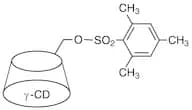
CAS:<p>This gamma-cyclodextrin (γ-CD) derivative is a modified cyclic oligosaccharide composed of eight glucose units, featuring a larger cavity size than α- and β-cyclodextrins. This structural characteristic allows γ-CDs to form inclusion complexes with a wider range of guest molecules, making it particularly versatile in various industries. In the food sector, it is used as a carrier and stabilizer for flavors, fat-soluble vitamins, and polyunsaturated fatty acids, protecting volatile compounds from evaporation. In pharmaceuticals, it enhances the solubility and bioavailability of poorly water-soluble drugs and, thanks to its larger ring size, allows for the encapsulation of larger molecules or even entire drug molecules. γ-CDs and derivatives are also used for environmental remediation and, in analytical chemistry, for the extraction and concentration of target substances.</p>Formula:C48H72Cl8O32Purity:Min. 95%Molecular weight:1,444.69 g/molMaltotetraosyl-b-cyclodextrin
<p>This beta-cyclodextrin (β-CD) derivative is a functionalized cyclic oligosaccharide composed of seven glucose units, characterized by a hydrophilic exterior and a lipophilic cavity (bigger than α-CD and smaller than γ-CDs), which allows it to encapsulate various guest molecules. This structural feature facilitates its use in multiple applications, including pharmaceuticals, food enhancement, and cosmetics. In the pharmaceutical industry, it enhances the solubility and stability of poorly water-soluble drugs, improving their bioavailability and efficacy while also masking unpleasant tastes. The food sector utilizes it as a stabilizer for flavors, colors, and nutrients, extending shelf life by protecting sensitive ingredients from degradation. In cosmetics, it serves as a complexing agent for fragrances and active components, ensuring their stability and controlled release. Its use expands to many other fields, including nanotechnology for drug delivery systems, environmental remediation for extracting organic pollutants, textiles for slow-release fragrances, and analytical chemistry for chiral separation.</p>Purity:Min. 95%Silodosin O-β-D-glucuronide
CAS:<p>Silodosin O-beta-D-glucuronide is a metabolite of silodosin, a drug used to treat benign prostatic hyperplasia. It is the glucuronide conjugate of silodosin and its presence in plasma can be quantified by high performance liquid chromatography (HPLC). The solvents used in HPLC are acetonitrile and ammonium formate. The chromatographic separation is achieved with a mobile phase consisting of an organic solvent (acetonitrile) and an ion pairing agent (ammonium formate) that interacts with the analyte and forms an ion pair. The sensitivity of HPLC for this analyte can be improved by using deuterated solvents.</p>Formula:C31H40F3N3O10Purity:Min. 95 Area-%Color and Shape:PowderMolecular weight:671.7 g/molb-Lactose - min 70% b-anomer
CAS:<p>70% β-D-Lactose is used in the pharmaceutical industry to produce tablets. It acts as a nutrient and as a filler in pills. It is also utilized in the dilution of heroin and to sweeten some beers.</p>Formula:C12H22O11Color and Shape:White PowderMolecular weight:342.3 g/molN-Acetyl-9-azido-9-deoxy-neuraminic acid
CAS:<p>N-Acetyl-9-azido-9-deoxy-neuraminic acid (also known as 9AzNeu5Ac) is used as a sialic acid substitute for metabolic glycan labelling, which allows glycan-protein interactions and sialylations to be interrogated. Naturally occurring glycans can be di-sialylated by sialidase and replaced by a sialyl analogue, such as N-acetyl-9-azido-9-deoxy-neuraminic acid, using sialyltransferase. The modified glycans are then resistant to sialidase. Reduction of the azide functionality of N-acetyl-9-azido-9-deoxy-neuraminic acid affords access to an additional 9-amino sialic acid analogue which can be further elaborated to 9-amido analogues.</p>Formula:C11H18N4O8Purity:Min. 90 Area-%Color and Shape:Off-White PowderMolecular weight:334.28 g/molAcidic Sophorolipids mix-acetylated - mixture of C30H54O13, C32H56O14 and C34H58O15
<p>Sophorolipids are produced by various yeast species, notably Starmerella bombicola. Acidic Sophorolipids are amphiphilic molecules and therefore possess the attributes of surfactants; however as bio-surfactants they have several advantages over synthetic surfactants including low toxicity, biodegradability and the potential for low cost manufacture.</p>Purity:Min. 95%Color and Shape:White Yellow PowderMolecular weight:622.74. 664.78 and 706.82Difucosyllacto-N-hexaose (a)
CAS:<p>Neutral octasasaccharide naturally present in human breast milk</p>Formula:C52H88N2O39Purity:Min. 95%Color and Shape:PowderMolecular weight:1,365.25 g/molSedoheptulose-1,7-diphosphate
CAS:<p>Sedoheptulose-1,7-diphosphate is a metabolite of glucose and fructose that is synthesized by the enzyme sedoheptulose-1,7-bisphosphatase. It is formed when the phosphate group of sedoheptulose-1,7-bisphosphate is transferred to another molecule in a process called phosphorylation. Sedoheptulose-1,7-diphosphate has been shown to be an important intermediate in the synthesis of fatty acids. It also activates various enzymes and has been shown to have an effect on transcriptional regulation in plants.</p>Formula:C7H16O13P2Purity:Min. 95%Color and Shape:SolidMolecular weight:370.14 g/molMethyl β-L-arabinopyranoside
CAS:<p>Methyl β-L-arabinopyranoside is a monomer that is used for the synthesis of polymers. It has been shown to be an effective polymerization catalyst, with long-term stability and good storage properties. Methyl β-L-arabinopyranoside has been used in gas chromatographic analysis as an analyte to identify hydroxy groups, although it may also interfere with the detection of certain other analytes. This monomer is often used in the production of plastics and rubbers because it enhances bonding between rubber molecules and plasticizers. Methyl β-L-arabinopyranoside has also been shown to have tailing enhancements and extracts that are due to hydroxy groups, which can lead to signal enhancement in gas chromatography. Additives such as ammonium acetate can be added if there is a need to increase sensitivity or reduce tailing effects.</p>Formula:C6H12O5Purity:Min. 95%Color and Shape:PowderMolecular weight:164.16 g/mol6-Deoxy-6-thio-a-cyclodextrin
CAS:<p>Alpha-cyclodextrin (α-CD) derivative with a hydrophilic exterior and lipophilic cavity (smaller than β-CDs and γ-CDs) to allocate certain guest molecules. This structural characteristic enables applications in molecular encapsulation, solubility enhancement, and stabilization across multiple industries. In pharmaceuticals, it serves as a drug delivery vehicle, enhancing the bioavailability and stability of active ingredients. The food industry utilizes it as a stabilizer for flavors, colors, and nutrients, as well as a functional ingredient for its effects on lipid metabolism. In cosmetics, it acts as a complex agent for fragrances and active components. Its applications extend to analytical chemistry for chiral separation and to materials science for developing smart materials and nanosystems.</p>Formula:C36H60O24S6Purity:Min. 95%Molecular weight:1,069.24 g/mol3,4,6-Tri-O-benzyl-2-nitro-D-galactal
CAS:<p>3,4,6-Tri-O-benzyl-2-nitro-D-galactal is a nitro compound that is used in the synthesis of glycopeptide antibiotics. It reacts with threonine, forming an intramolecular hydrogen bond to yield the corresponding methyl ester. The nitrate ion can also be used as a nucleophile to form an ether with alcohols or amines. This reaction is stereoselective and yields the desired product in high yields.</p>Formula:C27H27NO6Purity:Min. 98 Area-%Color and Shape:PowderMolecular weight:461.51 g/mol4-Methoxyphenyl 2-Amino-3,6-di-O-benzyl-2-deoxy-β-D-glucopyranoside
CAS:Formula:C27H31NO6Color and Shape:White to Almost white powder to crystalMolecular weight:465.552,3,6-Triethyl-γ-cyclodextrin
<p>This gamma-cyclodextrin (γ-CD) derivative is a modified cyclic oligosaccharide composed of eight glucose units, featuring a larger cavity size than α- and β-cyclodextrins. This structural characteristic allows γ-CDs to form inclusion complexes with a wider range of guest molecules, making it particularly versatile in various industries. In the food sector, it is used as a carrier and stabilizer for flavors, fat-soluble vitamins, and polyunsaturated fatty acids, protecting volatile compounds from evaporation. In pharmaceuticals, it enhances the solubility and bioavailability of poorly water-soluble drugs and, thanks to its larger ring size, allows for the encapsulation of larger molecules or even entire drug molecules. γ-CDs and derivatives are also used for environmental remediation and, in analytical chemistry, for the extraction and concentration of target substances.</p>Formula:C95H176O40Purity:Min. 95%Molecular weight:1,958.39 g/mol2,3:4,5-Di-O-isopropylidene-b-D-fructopyranose
CAS:<p>2,3:4,5-Di-O-isopropylidene-b-D-fructopyranose (IDFP) is a natural compound that has been shown to have pharmacological properties. It is an inhibitor of the enzyme alpha-glucosidase and may be used as a treatment for diabetes mellitus type II. IDFP binds to the active site of the enzyme α-glucosidase, preventing access of the substrate glucose. This causes a decrease in blood glucose levels and has also been shown to reduce cholesterol levels in mice. IDFP is synthesized by reacting ethylene diamine with 2,3:4,5-di-O-isopropylidene b -D -fructofuranose. This reaction produces a heterocycle that undergoes asymmetric synthesis using sodium hydroxide solution and hydrogen fluoride as catalysts.</p>Formula:C12H20O6Purity:Min. 95%Color and Shape:White Off-White PowderMolecular weight:260.28 g/molGalβ(1-3)[Neu5Acα(2-6)]GalNAc-α-pNP
CAS:Formula:C31H45N3O21Purity:>95.0%(HPLC)Color and Shape:White to Almost white powder to crystalMolecular weight:795.70Tween 85
CAS:Controlled Product<p>Tween 85 is a surface active agent that can be used to remove particulates from the air. It is a synthetic, non-ionic surfactant composed of ethylene oxide and propylene oxide. This product has been shown to inhibit particle aggregation in vitro studies. Tween 85 has also been shown to reduce bronchiolitis obliterans in mice when administered by inhalation. Tween 85 may also be useful for removal of water-soluble drugs from wastewater treatment systems and as a chitosan quaternary ammonium detergent additive.</p>Color and Shape:Clear LiquidD-Glycero-D-talo-heptitol
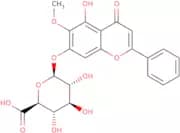
CAS:<p>D-Glycero-D-talo-heptitol is a natural product that is found in plants and bacteria. It is an alditol, which is created by the glycosidic bond of a carbohydrate and a hydroxyl group. D-Glycero-D-talo-heptitol has shown to inhibit the activity of enzymes involved in fatty acid synthesis, such as 3-hydroxyacyl coenzyme A dehydrogenase, and carbohydrate synthesis, such as fructose 1,6 bisphosphatase. This compound also inhibits the borohydride reduction of glycan precursors. This may be due to its hydrophilic interactions with water molecules and its hydrophobic interactions with other lipid molecules.</p>Formula:C7H16O7Purity:Min. 95%Color and Shape:White Off-White PowderMolecular weight:212.2 g/molOroxylin A 7-O-glucuronide
CAS:<p>Oroxylin A 7-O-glucuronide (OA7G) is a natural compound that exhibits anti-angiogenic and anti-inflammatory effects. OA7G binds to p-hydroxybenzoic acid and inhibits the activity of glycosidases, which are enzymes that hydrolyze glycosides. OA7G has been shown to have therapeutic potential in several models of inflammatory bowel disease. In vivo studies show that OA7G may be a useful agent for the treatment of bowel disease by inhibiting angiogenesis, which is the formation of new blood vessels from pre-existing ones. Molecular docking analysis showed binding affinity between OA7G and the enzyme dextran sulfate glucuronyltransferase, suggesting a possible mechanism for its anti-inflammatory effects.</p>Formula:C22H20O11Purity:Min. 95%Color and Shape:Yellow PowderMolecular weight:460.39 g/mol1-O-Methyl-α-D-galactopyranoside monohydrate - Crude
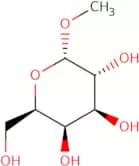
CAS:<p>Inhibitor of Gal-dependent lectin binding; used for synthesis of galactoses</p>Formula:C7H16O7Purity:Min. 95%Color and Shape:PowderMolecular weight:212.2 g/molGala1-3Galb1-3GlcNAc-HSA
<p>Gala1-3Galb1-3GlcNAc-HSA is a synthetic glycosylation product of Galactose, Glucose and Galactosamine with Hexose. It is a complex carbohydrate that can be used to modify proteins with the sugar group. The sugar group is synthesized by the Click modification of a monosaccharide and then methylated. The sugar group is attached to HSA via an N-acetylhexosamine linker. This product has been shown to have high purity and can be used in many applications such as fluorination, methylation, click modification, or complex carbohydrate research.</p>Purity:Min. 95%Mono-6-O-mesitylenesulfonyl-γ-cyclodextrin
CAS:Formula:C57H90O42SPurity:>90.0%(HPLC)Color and Shape:White to Almost white powder to crystalMolecular weight:1,479.37Methyl 2,3,4,6-tetra-O-benzyl-a-D-mannopyranoside
CAS:<p>Methyl 2,3,4,6-tetra-O-benzyl-a-D-mannopyranoside is a glycosylation product that can be used in chemical synthesis. This compound is an example of a complex carbohydrate and can be modified with methyl or fluorine groups. Methyl 2,3,4,6-tetra-O-benzyl-a-D-mannopyranoside is also a sugar and an oligosaccharide. This compound has been custom synthesized to meet customer specifications and is available in high purity.</p>Formula:C35H38O6Purity:Min. 95%Color and Shape:Clear Viscous LiquidMolecular weight:554.67 g/mola-Cyclodextrin dihydrogen phosphate sodium salt
CAS:<p>Alpha-cyclodextrin (α-CD) derivative with a hydrophilic exterior and lipophilic cavity (smaller than β-CDs and γ-CDs) to allocate certain guest molecules. This structural characteristic enables applications in molecular encapsulation, solubility enhancement, and stabilization across multiple industries. In pharmaceuticals, it serves as a drug delivery vehicle, enhancing the bioavailability and stability of active ingredients. The food industry utilizes it as a stabilizer for flavors, colors, and nutrients, as well as a functional ingredient for its effects on lipid metabolism. In cosmetics, it acts as a complex agent for fragrances and active components. Its applications extend to analytical chemistry for chiral separation and to materials science for developing smart materials and nanosystems.</p>Formula:C36H60O30Purity:Min. 95%Molecular weight:972.84 g/molN-Acetyl-D-quinovosamine
CAS:<p>N-Acetyl-D-quinovosamine is a chemical compound that belongs to the group of quinovosamines. It is an acidic molecule with a pKa of 3.5 and is soluble in water, methanol, and acetic acid. N-Acetyl-D-quinovosamine has been shown to inhibit the growth of P. aeruginosa strains, which are human pathogens. This drug binds to the bacterial cell wall by competitive inhibition and prevents the formation of an antibiotic-inhibitor complex with the enzyme cell wall synthesis that is required for cell wall biosynthesis, inhibiting protein synthesis and cell division. N-Acetyl-D-quinovosamine also inhibits the production of hydrogen fluoride (HF) by bacteria as well as their ability to produce ammonia from nitrite or nitrate ions.</p>Formula:C8H15NO5Purity:Min. 95%Color and Shape:PowderMolecular weight:205.21 g/molFlavanone rhamnoglucoside
<p>Flavanone rhamnoglucoside is a specialized flavonoid compound, which is derived from various natural sources such as fruits, vegetables, and certain medicinal plants. It functions primarily as an antioxidant by scavenging free radicals, thereby protecting cells from oxidative stress. Additionally, it exhibits anti-inflammatory properties by modulating pathways involved in inflammation, such as NF-kB and COX-2.</p>Purity:Min. 95%2,6-Di-O-methyl-β-cyclodextrin
CAS:Formula:C56H98O35Purity:>95.0%(HPLC)Color and Shape:White to Light yellow powder to crystalMolecular weight:1,331.372,3,4,6-Tetra-O-acetyl-a-D-galactopyranosyl trichloroacetimidate
CAS:<p>2,3,4,6-Tetra-O-acetyl-a-D-galactopyranosyl trichloroacetimidate is a disaccharide that is an activated glycoprotein. It is used as a hapten for the production of monoclonal antibodies and as an immunogen in stepwise immunization with bovine serum albumin. This compound has been shown to be specific for the EGF receptor on neoglycoproteins and can be used to detect this receptor. The glycosidic residue of 2,3,4,6-tetra-O-acetyl-a-D-galactopyranosyl trichloroacetimidate allows it to bind to proteins such as albumin and act as a carrier for other molecules.</p>Formula:C16H20Cl3NO10Purity:Min. 95%Color and Shape:White PowderMolecular weight:492.69 g/mol2-O-a-D-Glucopyranosyl-L-ascorbic acid
CAS:<p>2-O-a-D-Glucopyranosyl-L-ascorbic acid is a potent antioxidant compound found in the human body. It is produced by the enzyme tyrosinase from L-ascorbic acid and has been shown to have anti-apoptotic effects on skin cells. 2-O-a-D-Glucopyranosyl-L-ascorbic acid has also been shown to enhance mitochondrial membrane potential and increase the proliferation of skin cells in vitro. The compound has been tested for its ability to prevent radiation damage in mice and was found to be more effective than vitamin C at preventing cell death.<br>2OAGA can be used as a topical treatment for skin conditions, such as acne or wrinkles, by reducing inflammation and stimulating cellular growth.</p>Formula:C12H18O11Purity:Min. 98.0 Area-%Color and Shape:White PowderMolecular weight:338.26 g/mola-D-Glucoheptonic acid sodium salt
CAS:<p>a-D-Glucoheptonic acid sodium salt is a compound that has been shown to modulate the immune system. It also has been used in pharmaceutical formulations as an excipient and as a carrier for diagnostic and therapeutic agents.</p>Formula:C7H13O8NaPurity:Min. 95%Color and Shape:PowderMolecular weight:248.16 g/molα-D(+)Mannose 1-phosphate sodium hydrate
<p>a-D-Mannose-1-phosphate dipotassium salt (DMDK) is a synthetic oligosaccharide that was designed and synthesized for use as a potential drug in the treatment of cancer. DMDK has been shown to be an inhibitor of protein glycosylation, which may lead to the prevention of tumor formation. It also has anti-inflammatory properties and can inhibit the growth of bacteria by binding to bacterial 16S ribosomal RNA and inhibiting protein synthesis.</p>Formula:C6H13O9P·xNa·yH2OMolecular weight:260.14 g/mol2-Acetamido-3-O-benzyl-4,6-O-benzylidene-2-deoxy-b-D-glucopyranosyl azide
CAS:<p>2-Acetamido-3-O-benzyl-4,6-O-benzylidene-2-deoxy-b-D-glucopyranosyl azide is a modified carbohydrate that is used in the synthesis of glycosides. It is a synthetic molecule that is fluorinated at the alpha position of the glycosidic bond to allow for reaction with other molecules. This product has been shown to be stable in acid and base reactions and can be used for oligosaccharide synthesis or modification.</p>Formula:C22H24N4O5Purity:Min. 95%Color and Shape:PowderMolecular weight:424.46 g/molDifucosyllacto-N-hexaose (b)
CAS:<p>Neutral octasasaccharide naturally present in human breast milk.</p>Formula:C52H88N2O39Purity:Min. 90 Area-%Color and Shape:PowderMolecular weight:1,365.25 g/molFucogalactan - from Undaria pinnatifida
CAS:<p>Fucogalactan (GFS) is a polysaccharide isolated and purified from the brown seaweed Undaria pinnatifida. The polysaccharide is a sulphated galactose containing fucan. Fucogalactan is currently under investigation for possible therapeutic indications including anti-inflammatory properties, immuno- modulating activities, inhibition of tumor growth, stem cell replentishment, antiviral activity, dementia and ulcer healing.Fucoidan ≥ 75 %<br>The image was kindly provided by Prof Mike Guiry from Cork who runs ‘The Seaweed Site’.</p>Purity:(%) Min. 75%Color and Shape:Off-White PowderRengasin-3'-O-glucoside
<p>Rengasin-3'-O-glucoside is a fine chemical, useful building block, and research chemical. It is a versatile building block that can be used in the synthesis of complex compounds. Rengasin-3'-O-glucoside is also a useful intermediate or scaffold for reactions. This compound has been shown to react with 1,2-ethanediol and form an ester, which can be hydrolyzed to release glycerol and the original rengasin-3'-O-glucoside.</p>Formula:C22H22O11Purity:(%) Min. 75%Molecular weight:462.4 g/molIsomaltohexaose
CAS:<p>Produced from high maltose syrup by treatment with transglucosidase</p>Formula:C36H62O31Purity:Min. 90 Area-%Color and Shape:White PowderMolecular weight:990.9 g/mol1,6-α-D-Mannotriose
CAS:<p>Produced by the reverse hydrolysis of a mannose substrate</p>Formula:C18H32O16Purity:Min. 94 Area-%Color and Shape:PowderMolecular weight:504.44 g/mol2-O-α-D-Galactopyranosyl-1-deoxynojirimycin
CAS:<p>2-O-a-D-Galactopyranosyl-1-deoxynojirimycin is a monosaccharide derivative of deoxynojirimycin. It is synthesized by the methylation of the natural product, followed by the addition of a click modification and the fluorination of one sugar. This compound has been shown to have anti-inflammatory properties, as well as inhibitory effects on bacterial growth.</p>Formula:C12H23NO9Purity:90%Color and Shape:PowderMolecular weight:325.31 g/molN-(b-Hydroxyethyl)-1-deoxynojirimycin
CAS:<p>Inhibitor of α-glucosidase with applications in diabetes therapy for control of post-prandial blood glucose fluctuations. The compound inhibits the digestive breakdown of complex carbohydrates to absorbable monosaccharides and smoothens hyperglycaemic peaks in type 2 diabetes mellitus. It also possesses anti-obesity effects thanks to activation of brown adipose tissue and increasing energy expenditure.</p>Formula:C8H17NO5Purity:Min. 95%Color and Shape:White PowderMolecular weight:207.22 g/mol1,2,3,4,6-Penta-O-acetyl-D-glucopyranose
CAS:<p>Benzoate is a carboxylic acid that is found in many fruits and vegetables. Benzoate can be metabolized by the body to form hydrogen chloride, which may cause irritation of the mucous membranes of the respiratory tract. This chemical has been shown to have cytotoxic activity against human cancer cells in vitro. Benzoate also has an anti-inflammatory effect on insulin resistance and can be used as a topical treatment for psoriasis. The mechanism by which benzoate exerts its anticancer activity is not fully understood, but it may involve the production of reactive oxygen species or induction of apoptosis.</p>Formula:C16H22O11Purity:Min. 95%Color and Shape:White PowderMolecular weight:390.34 g/molBenzyl 2-azido-3,6-di-O-benzyl-2-deoxy-β-D-glucopyranoside
CAS:<p>Please enquire for more information about Benzyl 2-azido-3,6-di-O-benzyl-2-deoxy-β-D-glucopyranoside including the price, delivery time and more detailed product information at the technical inquiry form on this page</p>Formula:C27H29N3O5Molecular weight:475.54 g/molSugammadex
CAS:<p>Sugammadex is a modified gamma-cyclodextrin specifically designed to reverse the effects of steroidal non-depolarizing neuromuscular blocking drugs, particularly rocuronium and vecuronium. In anesthesiology, it offers a novel approach to neuromuscular blockade reversal by directly encapsulating and inactivating these muscle relaxants. Sugammadex forms tight 1:1 complexes with free plasma rocuronium or vecuronium molecules, rapidly reducing their concentration at the neuromuscular junction. This mechanism allows for fast and predictable reversal of neuromuscular blockade, even from deep levels, without the need for anticholinesterases or antimuscarinic agents. Sugammadex has also shown promise in special populations, including pregnancy, pediatrics, and patients with renal or hepatic impairment.</p>Formula:C72H112O48S8Purity:Min. 95%Molecular weight:2,002.16 g/molA,D-6-di-acetyl-β-Cyclodextrin
<p>This beta-cyclodextrin (β-CD) derivative is a functionalized cyclic oligosaccharide composed of seven glucose units, characterized by a hydrophilic exterior and a lipophilic cavity (bigger than α-CD and smaller than γ-CDs), which allows it to encapsulate various guest molecules. This structural feature facilitates its use in multiple applications, including pharmaceuticals, food enhancement, and cosmetics. In the pharmaceutical industry, it enhances the solubility and stability of poorly water-soluble drugs, improving their bioavailability and efficacy while also masking unpleasant tastes. The food sector utilizes it as a stabilizer for flavors, colors, and nutrients, extending shelf life by protecting sensitive ingredients from degradation. In cosmetics, it serves as a complexing agent for fragrances and active components, ensuring their stability and controlled release. Its use expands to many other fields, including nanotechnology for drug delivery systems, environmental remediation for extracting organic pollutants, textiles for slow-release fragrances, and analytical chemistry for chiral separation.</p>Formula:C46H74O37Purity:Min. 95%Color and Shape:PowderMolecular weight:1,219.06 g/molIsomaltulose
CAS:<p>Occurs by epimerisation of maltose and transglucosylation</p>Formula:C12H22O11Purity:Min. 95%Color and Shape:White PowderMolecular weight:342.3 g/molCarboxymethyl-a-cyclodextrin sodium salt
<p>Alpha-cyclodextrin (α-CD) derivative with a hydrophilic exterior and lipophilic cavity (smaller than β-CDs and γ-CDs) to allocate certain guest molecules. This structural characteristic enables applications in molecular encapsulation, solubility enhancement, and stabilization across multiple industries. In pharmaceuticals, it serves as a drug delivery vehicle, enhancing the bioavailability and stability of active ingredients. The food industry utilizes it as a stabilizer for flavors, colors, and nutrients, as well as a functional ingredient for its effects on lipid metabolism. In cosmetics, it acts as a complex agent for fragrances and active components. Its applications extend to analytical chemistry for chiral separation and to materials science for developing smart materials and nanosystems.</p>Formula:C43H64O37·xNaPurity:Min. 95%Molecular weight:1,172.95 g/molMonoammonium Glycyrrhizinate
CAS:Formula:C42H65NO16Purity:>75.0%(HPLC)Color and Shape:White to Light yellow powder to crystalMolecular weight:839.971,6-Anhydro-2-deoxy-2-thio-β-D-glucopyranose
CAS:<p>An anhydro thio sugar</p>Formula:C6H10O4SPurity:Min. 95%Molecular weight:178.21 g/mol1,6-Anhydro-2-deoxy-2-isopropylthio-β-D-glucopyranose
<p>An anhydro thio sugar</p>Formula:C9H16O4SPurity:Min. 95%Molecular weight:220.29 g/molLM Pectin
CAS:<p>Pectins are regarded as linear chains of α-1,4-linked D-galacturonic acid, a homogalacturonan (pectic acid). In the products of commerce, the degree of methylation has a vital influence on the properties of pectin, especially the solubility and gel forming characteristics.</p>Color and Shape:PowderHyaluronic acid octasaccharide ammonium salt
<p>Hyaluronic acid is a polysaccharide containing repeating disaccharide units of β-1,3-N-acetyl glucosamine and β-1, 4-glucuronicâ¯acid. A series of unsaturated oligosaccharides (oligouronic acids) are released from hyaluronic acid by the action of hyaluronidase on the umbilical cord (Weissman, 1954). This octasaccharide ammonium salt and other enzymatically produced polymer homologs have been of value in the study of hyaluronic acid metabolism in both healthy and diseased tissues (Hascall, 2019).</p>Formula:C56H86N4O45Purity:Min. 95 Area-%Color and Shape:White Yellow PowderMolecular weight:1,535.3 g/mol1,4-Anhydro-D-mannitol
CAS:<p>1,4-Anhydro-D-mannitol is a sugar alcohol that belongs to the group of alditols. It is a tautomer of galactitol, which is found in fetal bovine serum. The dehydrated form of this compound has been shown to have an inhibitory effect on tyrosinase activity. 1,4-Anhydro-D-mannitol may be used as an intermediate in the production of polymers or as a cosmeceutical agent due to its high water solubility and low toxicity.</p>Formula:C6H12O5Purity:Min. 95%Color and Shape:PowderMolecular weight:164.16 g/molPhenyl 2,3,4,6-tetra-O-acetyl-b-D-galactopyranoside
CAS:<p>Phenyl 2,3,4,6-tetra-O-acetyl-b-D-galactopyranoside (TTA) is a synthetic monosaccharide that is used in the synthesis of complex carbohydrates. TTA is also known as Fluorination, Monosaccharide, Synthetic, Oligosaccharide, complex carbohydrate and has CAS No. 2872-72-2. TTA can be custom synthesized for research purposes or for commercial use and can be glycosylated to form polysaccharides. TTA is modified through methylation or click chemistry and can be used to modify sugar molecules or other carbohydrates. It is also high purity with less than 1% impurities.</p>Formula:C20H24O10Purity:Min. 95%Color and Shape:PowderMolecular weight:424.4 g/molFructodecasaccharide
<p>Fructodecasaccharide is a methylated, custom-synthesized oligosaccharide that is a polysaccharide with the molecular formula C10H17O11. Fructodecasaccharide is a complex carbohydrate that consists of a monosaccharide and two disaccharides. It has been modified to include fluorine atoms in the glycosidic linkages between the sugar residues. This modification can alter the physical properties of fructodecasaccharide, such as increasing its solubility and stabilizing its structure. Fructodecasaccharide is used in many industries as a high-purity, synthetic product for use in medical applications, including pharmaceuticals and cosmetics.</p>Formula:C60H102O51Purity:Min. 95%Color and Shape:PowderMolecular weight:1,639.42 g/mol3'-Sialyl Lewis A
CAS:<p>Tetrasaccharide; tumor-associated antigen; prognostic factor</p>Formula:C31H52N2O23Purity:Min. 95%Color and Shape:White PowderMolecular weight:820.74 g/molChondroitin sulfate A sodium salt - Average MW 10,000 - 50,000
CAS:<p>Chondroitin sulfate A sodium salt is a glycosaminoglycan that is derived from chondroitin. It is a complex carbohydrate with a high molecular weight and an average MW of 10,000 to 50,000 Da. The synthesis of the monosaccharide units in chondroitin sulfate A sodium salt occurs by Methylation, Click modification, Polysaccharide, or Fluorination. Chondroitin sulfate A sodium salt can be custom synthesized according to customer specifications and can be ordered as a CAS No. 39455-18-0 with high purity.</p>Purity:Min. 95%Color and Shape:White Off-White Powder1,2,3,4-Tetra-O-acetyl-5-alkynyl-L-fucose
CAS:<p>1,2,3,4-Tetra-O-acetyl-5-alkynyl-L-fucose is a per-O-acetylated version of 5-alkynyl-L-fucose, an inhibitor of the cellular fucosylation pathway. 1,2,3,4-Tetra-O-acetyl-5-alkynyl-L-fucose can pass through the eukaryotic cell membrane somewhat better than 5-alkynyl-L-fucose can itself, is deacetylated by cellular esterases and interferes with the biosynthesis of the fucosyl-donor and fucosyltransferase substrate GDP-Fuc, thus reducing fucosylation levels during glycoprotein biosynthesis (Dekkers, 2016).</p>Formula:C15H18O9Purity:Min. 95%Color and Shape:Colorless Clear LiquidMolecular weight:342.3 g/molDL-Xylose
CAS:<p>DL-Xylose is a sugar that belongs to the group of pentoses. It contains a hydroxyl group at the C2 position and an aldehyde group at the C1 position. DL-Xylose is found in plants, animals, and bacteria. The gene sequence analysis of the type strain of DL-xylose showed that it has a fatty acid composition of 0.5% and protocatechuic acid composition of 0.7%. Dry weight analysis on swiss-webster mice fed with DL-xylose as the only carbon source showed that this sugar can provide up to 30% of energy requirements for these mice.</p>Formula:C5H10O5Purity:Min. 98.5 Area-%Color and Shape:White PowderMolecular weight:150.13 g/molα-D-Galacturonic Acid Hydrate
CAS:Formula:C6H10O7·xH2OPurity:>95.0%(T)Color and Shape:White to Light yellow to Light orange powder to crystalMolecular weight:194.14 (as Anhydrous)2,3-Dimethyl-6-tert-butyldimethylsilyl-b-cyclodextrin
CAS:<p>This beta-cyclodextrin (β-CD) derivative is a functionalized cyclic oligosaccharide composed of seven glucose units, characterized by a hydrophilic exterior and a lipophilic cavity (bigger than α-CD and smaller than γ-CDs), which allows it to encapsulate various guest molecules. This structural feature facilitates its use in multiple applications, including pharmaceuticals, food enhancement, and cosmetics. In the pharmaceutical industry, it enhances the solubility and stability of poorly water-soluble drugs, improving their bioavailability and efficacy while also masking unpleasant tastes. The food sector utilizes it as a stabilizer for flavors, colors, and nutrients, extending shelf life by protecting sensitive ingredients from degradation. In cosmetics, it serves as a complexing agent for fragrances and active components, ensuring their stability and controlled release. Its use expands to many other fields, including nanotechnology for drug delivery systems, environmental remediation for extracting organic pollutants, textiles for slow-release fragrances, and analytical chemistry for chiral separation.</p>Formula:C98H196O35Si7Purity:Min. 95 Area-%Color and Shape:White Off-White PowderMolecular weight:2,131.18 g/molMannide monooleate
CAS:<p>Mannide monooleate is a naturally occurring fatty acid that is found in the lipid bilayer of cell membranes. It has shown to be effective in the treatment of a number of chronic inflammatory diseases, such as arthritis and inflammatory bowel disease. Mannide monooleate is also being explored as an adjuvant for vaccines, and has shown efficacy against leishmania infection.</p>Formula:C24H44O6Purity:Min. 95%Color and Shape:PowderMolecular weight:428.61 g/mol6-Deoxy-6-iodo-b-cyclodextrin
CAS:<p>This beta-cyclodextrin (β-CD) derivative is a functionalized cyclic oligosaccharide composed of seven glucose units, characterized by a hydrophilic exterior and a lipophilic cavity (bigger than α-CD and smaller than γ-CDs), which allows it to encapsulate various guest molecules. This structural feature facilitates its use in multiple applications, including pharmaceuticals, food enhancement, and cosmetics. In the pharmaceutical industry, it enhances the solubility and stability of poorly water-soluble drugs, improving their bioavailability and efficacy while also masking unpleasant tastes. The food sector utilizes it as a stabilizer for flavors, colors, and nutrients, extending shelf life by protecting sensitive ingredients from degradation. In cosmetics, it serves as a complexing agent for fragrances and active components, ensuring their stability and controlled release. Its use expands to many other fields, including nanotechnology for drug delivery systems, environmental remediation for extracting organic pollutants, textiles for slow-release fragrances, and analytical chemistry for chiral separation.</p>Formula:C42H63I7O28Purity:Min. 95%Color and Shape:White PowderMolecular weight:1,904.26 g/mol3-Deoxy-3-fluorosucrose
CAS:<p>3-Deoxy-3-fluorosucrose is a noncompetitive inhibitor of leuconostoc mesenteroides glucosyltransferases. It inhibits the enzyme by binding to the active site and preventing the transfer of glucose from the sugar transport to the acceptor. 3-Deoxy-3-fluorosucrose has been shown to inhibit the synthesis of pro-inflammatory cytokines, such as TNF-α and IL1β, in vitro. This inhibition is thought to be due to its ability to inhibit sugar transport and thus prevent glycosylation reactions that are required for protein synthesis.</p>Formula:C12H21FO10Purity:Min. 95%Molecular weight:344.29 g/mol(2-Carboxyethyl)-a-cyclodextrin
<p>Alpha-cyclodextrin (α-CD) derivative with a hydrophilic exterior and lipophilic cavity (smaller than β-CDs and γ-CDs) to allocate certain guest molecules. This structural characteristic enables applications in molecular encapsulation, solubility enhancement, and stabilization across multiple industries. In pharmaceuticals, it serves as a drug delivery vehicle, enhancing the bioavailability and stability of active ingredients. The food industry utilizes it as a stabilizer for flavors, colors, and nutrients, as well as a functional ingredient for its effects on lipid metabolism. In cosmetics, it acts as a complex agent for fragrances and active components. Its applications extend to analytical chemistry for chiral separation and to materials science for developing smart materials and nanosystems.</p>Formula:C45H72O39Purity:Min. 95%Molecular weight:1,237.03 g/molSolasodine 3-glucoside
CAS:<p>Solasodine 3-glucoside is a sugar that belongs to the group of oligosaccharides. It has been synthetically modified by fluorination, methylation, and click chemistry. Solasodine 3-glucoside is synthesized from sucrose in a glycosylation reaction with glucuronic acid and an aminoglycoside antibiotic. The sugar analogs are then converted to the desired saccharide structure by monosaccharide synthesis or polysaccharide synthesis. This product is custom synthesized to order for customers and can be modified to suit their needs with click chemistry and other modifications.</p>Formula:C33H53NO7Purity:Min. 95%Molecular weight:575.8 g/molL-Sorbitol
CAS:<p>L-Sorbitol is a polyhydric alcohol that is found in various natural products, such as fruits and vegetables. It has been shown to inhibit the growth of strains of Stenotrophomonas maltophilia, which is an opportunistic pathogen of human and animal cells. L-Sorbitol can be used to treat bacterial infections by inhibiting the synthesis of DNA, RNA, and proteins. This compound has also been shown to prevent dehydration in bacteria by acting as an osmotic agent. The effect of L-sorbitol on the growth of bacteria depends on the pH of the environment in which it is dissolved. The optimum pH for this compound is 7.5</p>Formula:C6H14O6Purity:Min. 95%Color and Shape:PowderMolecular weight:182.17 g/molSuccinyl-(2-hydroxypropyl)-a-cyclodextrin
<p>Alpha-cyclodextrin (α-CD) derivative with a hydrophilic exterior and lipophilic cavity (smaller than β-CDs and γ-CDs) to allocate certain guest molecules. This structural characteristic enables applications in molecular encapsulation, solubility enhancement, and stabilization across multiple industries. In pharmaceuticals, it serves as a drug delivery vehicle, enhancing the bioavailability and stability of active ingredients. The food industry utilizes it as a stabilizer for flavors, colors, and nutrients, as well as a functional ingredient for its effects on lipid metabolism. In cosmetics, it acts as a complex agent for fragrances and active components. Its applications extend to analytical chemistry for chiral separation and to materials science for developing smart materials and nanosystems.</p>Purity:Min. 95%Dextran sulfate sodium - MW 5,000-8,000
CAS:<p>Dextran sulphate is a dextran derivative whose ulcer (colitis) -causing properties were first reported in hamsters and extrapolated a few years later to mice and rats. The exact mechanisms through which dextran sulphate induces intestinal inflammation are unclear but may be the result of direct damage of the monolayer of epithelial cells in the colon, leading to the crossing of intestinal contents (for e.g. commensal bacteria and their products) into underlying tissue and therefore induction of inflammation. The dextran sulphate sodium induced ulceration model in laboratory animals has some advantages, when compared to other animal models of colitis, due to its simplicity and similarities to human inflammatory bowel disease.</p>Formula:(C6H7Na3O14S3)nPurity:Min. 95%Color and Shape:PowderD-Maltitol
CAS:<p>Bulk sweetener; viscosity/bodying agent; humectant; cryoprotectant</p>Formula:C12H24O11Purity:Min. 95%Color and Shape:White PowderMolecular weight:344.31 g/molBacterial alginate - from fermentation of Azotobacter vinelandii or Pseudomonas mendocina
<p>An alginate-like polysaccharide produced by the fermentation of Azotobacter vinelandii or Pseudomonas mendocina. The chemical structure consists of blocks of (1,4) linked-β-D-polymannuronic acid (poly M), (1,4) linked-α-L-polyguluronic acid (poly G) and alternating blocks of the two uronic acids (poly MG). Unlike the alginate from seaweed, this polysaccharide is partially acetylated.</p>Color and Shape:PowderMolecular weight:~100KDaArabinan
CAS:<p>Sugar beet arabinan consists of a 1,5 α-linked arabinose backbone to which 1,3 α-linked (and possibly some 1,2 α-linked) L-arabinofuranosyl residues are attached. Approximately 60% of the main-chain arabinofuranosyl residues are substituted by single 1,3-linked arabinofuranosyl groups. The reducing terminal arabinosyl residue is attached through rhamnose to fragments of the rhamnogalacturonan backbone of the native pectin molecule.</p>Color and Shape:White PowderCellulose, particle size 20μm
CAS:<p>Cellulose with a particle size of 20μm is an industrial biomass material that has various applications. It is commonly used in the production of paper, textiles, and biofuels. Cellulose is a complex carbohydrate that provides structural support to plant cell walls. It can also be used as an excipient in pharmaceutical formulations, such as in the production of tablets.</p>Purity:Min. 95%Color and Shape:PowderNepetin-7-glucoside
CAS:<p>Nepetin-7-glucoside is a compound found in plants that has been shown to have anti-inflammatory and antiviral properties. Nepetin-7-glucoside inhibits the activity of enzymes such as phospholipase A2, cyclooxygenase, and lipoxygenase. It also reduces the production of inflammatory mediators such as prostaglandins and leukotrienes. Nepetin-7-glucoside may be helpful in the treatment of autoimmune diseases and other inflammatory disorders. This compound also has antiviral effects by inhibiting the replication of herpes simplex virus type 1 (HSV1) in a cell culture system. Nepetin-7-glucoside also has been shown to inhibit the expression of genes related to inflammation and other inflammatory diseases, such as rheumatoid arthritis, colitis ulcerosa, psoriasis, and Crohn's disease.</p>Formula:C22H22O12Purity:Min. 95%Color and Shape:PowderMolecular weight:478.4 g/molTri-guluronic acid sodium salt
CAS:<p>Tri-guluronic acid sodium salt (1,4-linked α-L-sodium guluronotriose) is one of a number of oligosaccharides obtained from alginate which is a polysaccharide in brown seaweeds containing: blocks of repeating mannuronic acid sequences (M-M-M-M etc), repeating guluronic acid sequences (G-G-G-G etc), and alternating M-G-M-G sequences. This oligosaccharide can be released by acid hydrolysis (Shimokawa, 1996) and a number of biological activities have been discussed in a recent review (Xing, 2020).</p>Formula:C18H23O19Na3Purity:Min. 98 Area-%Color and Shape:White PowderMolecular weight:612.33 g/mol1,3,5-Tri-O-acetyl-2-deoxy-D-ribose
CAS:<p>Building block for DNA-related organic synthesis</p>Formula:C11H16O7Purity:Min. 95%Color and Shape:Yellow PowderMolecular weight:260.24 g/molGlycosaminoglycans
CAS:<p>Glycosaminoglycans (GAGs) are polysaccharides that are found in the extracellular matrix and on the surface of cells. GAGs consist of a linear chain of repeating disaccharide units, with one or more sugar molecules linked by a glycosidic bond. They have been shown to be important for the function and structure of tissues, including those in the gastrointestinal tract. GAGs have been shown to stimulate cellular growth, regulate inflammatory responses, and promote wound healing. They have also been shown to inhibit activity of polymorphonuclear leucocytes (PMN), which play an important role in inflammation. One type of GAG is dextran sulfate, which has been used as a biological scaffold for tissue engineering applications. Glycosaminoglycans may also play a role in regulating immune responses through interaction with toll-like receptor 4 (TLR4).</p>Purity:Min. 95%Capsaicin β-D-Glucopyranoside
CAS:Formula:C24H37NO8Purity:>90.0%(HPLC)Color and Shape:White to Almost white powder to crystalMolecular weight:467.56γ-Cyclodextrin dihydrogen phosphate sodium salt
CAS:<p>This gamma-cyclodextrin (γ-CD) derivative is a modified cyclic oligosaccharide composed of eight glucose units, featuring a larger cavity size than α- and β-cyclodextrins. This structural characteristic allows γ-CDs to form inclusion complexes with a wider range of guest molecules, making it particularly versatile in various industries. In the food sector, it is used as a carrier and stabilizer for flavors, fat-soluble vitamins, and polyunsaturated fatty acids, protecting volatile compounds from evaporation. In pharmaceuticals, it enhances the solubility and bioavailability of poorly water-soluble drugs and, thanks to its larger ring size, allows for the encapsulation of larger molecules or even entire drug molecules. γ-CDs and derivatives are also used for environmental remediation and, in analytical chemistry, for the extraction and concentration of target substances.</p>Formula:C48H80O40Purity:Min. 95%Molecular weight:1,297.12 g/mol1,4:3,6-Dianhydro-2-O-acetyl-D-glucitol
CAS:<p>1,4:3,6-Dianhydro-2-O-acetyl-D-glucitol is an isosorbide intermediate</p>Formula:C8H12O5Purity:Min. 95%Color and Shape:PowderMolecular weight:188.18 g/mol2-Aminophenyl β-D-glucuronide
CAS:<p>2-Aminophenyl b-D-glucuronide is a cytosolic drug that is metabolized by the liver to mandelonitrile, which is then excreted in urine. 2-Aminophenyl b-D-glucuronide has been shown to inhibit the growth of fungi in vivo and has been shown to have a reversible binding affinity for fungal cell walls. This drug also inhibits the production of ergosterol, an important component of fungal cell membranes, which leads to cell death.</p>Formula:C12H15NO7Purity:Min. 95%Color and Shape:PowderMolecular weight:285.25 g/molN-Glycolylneuraminic acid-spacer-BSA
<p>N-Glycolylneuraminic acid-spacer-BSA is a synthetic, monosaccharide oligosaccharide, complex carbohydrate. The glycosylation of BSA with N-glycolylneuraminic acid has been shown to be an effective method for the protection of biomolecules against fluoroquinolones. Glycosylation with N-glycolylneuraminic acid can be used as a method for the protection of biomolecules from fluoroquinolone antibiotics and other chemical reagents that are known to react with sugars.</p>Purity:Min. 95%Color and Shape:PowderDifucosyl (1-2,1-2)-iso-lacto-N-octaose (DFiLNO (1-2,1-2))
<p>Difucosyl (1-2,1-2)-iso-lacto-N-octaose (DFiLNO (1-2,1-2)) is an oligosaccharide that is found in human milk</p>Purity:Min. 95%GD1b-Oligosaccharide
<p>GD1b oligosaccharide (shown as ammonium salt) is the carbohydrate moiety in one of the major gangliosides in neuronal and glial membranes; it has a core tetrasaccharide structure (Galβ1,3GalNAcβ1,4Galβ1,4Glc) with its two sialic acids linked α2,3/α2,8 to the inner galactose residue (Ledeen, 2009). GD1b ganglioside acts as a receptor for BK virus as well as for heat-labile LTII-a toxin, produced by enteropathogenicâ¯E. coli. GD1b ganglioside also interacts with tetanus neurotoxin (TeNT) and is crucial for its entry into cells (Kolter, 2012). The functional significance of ammonia in the brain is not yet fully understood. However, NH4 + stimulates Na+, K+ activated ATPase causing stabilization of the neuronal membranes of which gangliosides are major structural components. Further, ammonia is known to inhibit lysosomal enzymes which include enzymes degrading gangliosides (Modi, 1994).</p>Formula:C48H77N3O37Na2Purity:Min. 90%Color and Shape:White PowderMolecular weight:1,334.1 g/molGM4-Ganglioside
CAS:<p>GM4-ganglioside (sodium salt) is a disaccharide of sialic acid linked α2,4 to galactose and ceramide linked β to position 1 on the galactose (Ledeen, 2009). Demyelinated plaques in multiple sclerosis have decreased amounts of GM4-ganglioside, localized in myelin and oligodendroglia of the central nervous system. It has been found that the myelin basic protein is capable of releasing large quantities of entrapped [14C]glucose from multilamellar liposomes containing GM4. If the conformation of GM4 ganglioside in liposomal membranes resembles that of GM4 ganglioside in its natural environment, basic protein and GM4 may be associated within the myelin sheath of the central nervous system and their interactions are altered in demyelinating diseases, such as, multiple sclerosis (Mullin, 1981).</p>Formula:C57H106N2O17·xNaPurity:Min. 95%Molecular weight:1,091.45 g/mol
![(5R, 6R, 7R, 8S) -5, 7-Bis[[tert.butyl dimethylsilyl] oxy] - 8- [(tert.butyldimethylsilyl)oxy] met…](/_next/image/?url=https%3A%2Fstatic.cymitquimica.com%2Fproducts%2F3D%2Fthumb-webp%2FMB170688.webp&w=3840&q=75)

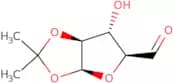
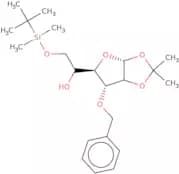
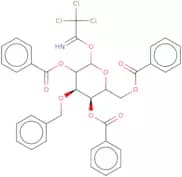


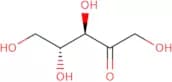
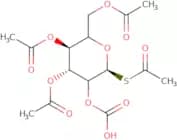
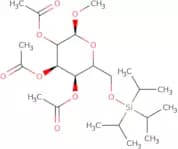
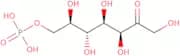



![(3aS, 6aS) -Dihydro- 2, 2, 6a- trimethyl-furo[3, 4- d] - 1, 3- dioxol- 4(3aH) - one](/_next/image/?url=https%3A%2Fstatic.cymitquimica.com%2Fproducts%2F3D%2Fthumb-webp%2FMD170601.webp&w=3840&q=75)
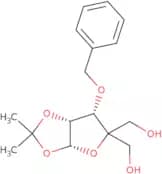
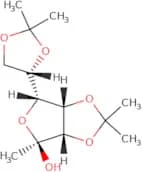

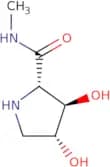
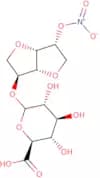
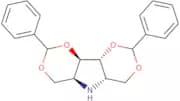
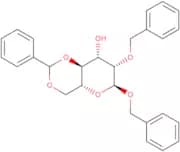
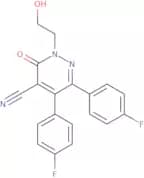
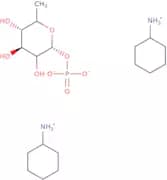


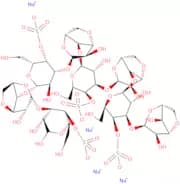
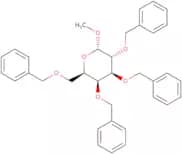
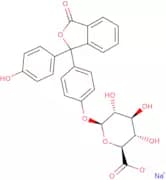
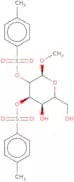

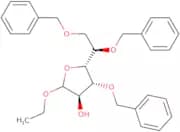
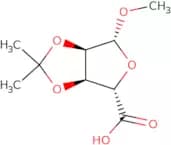
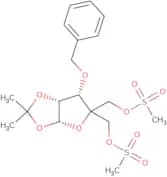
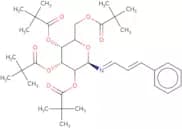
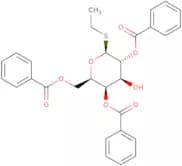
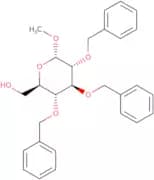
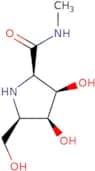
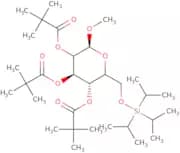

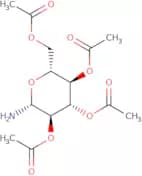
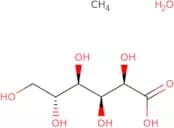
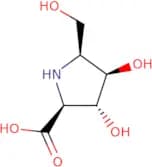
![1,3,4,6-Tetra-O-acetyl-2-[[2-(acetylthio)acetyl]amino]-2-deoxy-D-galactopyranose](/_next/image/?url=https%3A%2Fstatic.cymitquimica.com%2Fproducts%2F3D%2Fthumb-webp%2FMT145185.webp&w=3840&q=75)

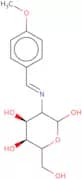
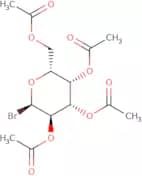


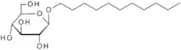
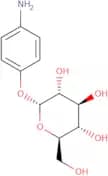


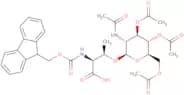

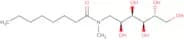





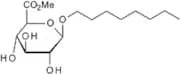
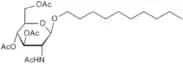
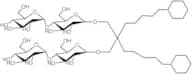

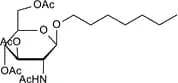
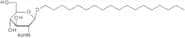
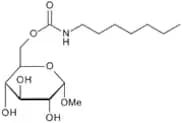
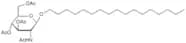

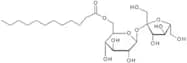
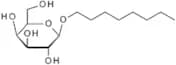


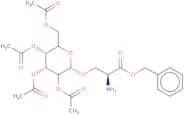
![2-[(2,3,4,6-Tetra-O-acetyl-α-D-mannopyranosyl)oxy]acetic acid](/_next/image/?url=https%3A%2Fstatic.cymitquimica.com%2Fproducts%2F3D%2Fthumb-webp%2FFA183571.webp&w=3840&q=75)
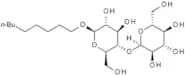
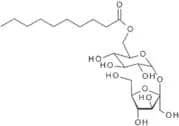
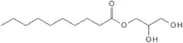
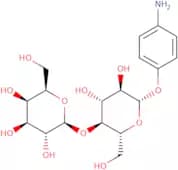
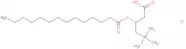

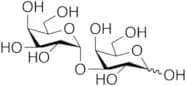


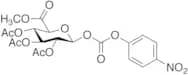

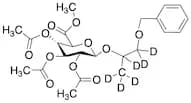

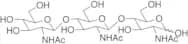
![2-Acetamido-2-deoxy-N-[N-(benzyloxycarbonyl)-ε-aminocaproyl]-β-D-glucopyranosylamine](/_next/image/?url=https%3A%2Fstatic.cymitquimica.com%2Fproducts%2FTR%2Fthumb-webp%2FA151050.webp&w=3840&q=75)
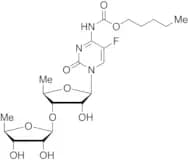





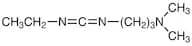

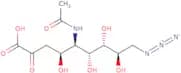
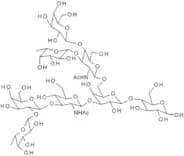
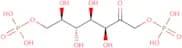

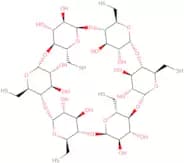
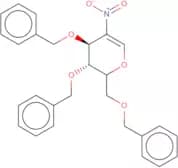
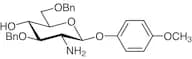

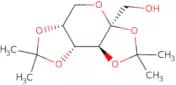
![Galβ(1-3)[Neu5Acα(2-6)]GalNAc-α-pNP](/_next/image/?url=https%3A%2Fstatic.cymitquimica.com%2Fproducts%2F3B%2Fthumb-webp%2FG0377.webp&w=3840&q=75)