Botanical Source
The Botanical Source category encompasses a diverse range of plant-derived compounds and extracts used in research and product development. These botanical sources include various herbs, trees, and shrubs that provide bioactive compounds for use in pharmaceuticals, cosmetics, and nutritional supplements. At CymitQuimica, we offer a comprehensive selection of botanical sources to support research in natural product chemistry, pharmacology, and traditional medicine.
Found 1459 products of "Botanical Source"
Sort by
Purity (%)
0
100
|
0
|
50
|
90
|
95
|
100
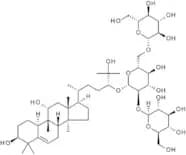
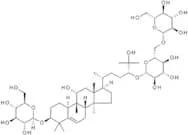
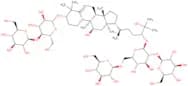
Mogroside III A1
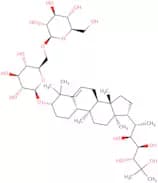
CAS:<p>Mogroside III A1 is a triterpene glycoside, which is derived from the fruit of Siraitia grosvenorii, commonly known as monk fruit. This compound is a significant component of the sweet profile associated with the fruit and is extracted through carefully controlled processes to maintain its structural integrity.</p>Formula:C48H82O19Purity:Min. 95%Color and Shape:White PowderMolecular weight:963.15 g/molRebaudioside F
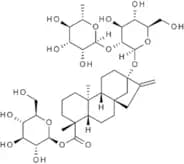
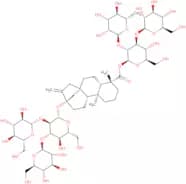
CAS:<p>Rebaudioside F is a non-caloric sweetener, which is a glycoside isolated from the leaves of Stevia rebaudiana. This compound is categorized as a steviol glycoside, where the steviol backbone is modified through glycosylation, contributing to its sweetening properties. Rebaudioside F shares a similar structure with other steviol glycosides, including rebaudioside A, but exhibits slight differences in its glycosylation pattern, which can influence its taste profile and solubility.</p>Formula:C43H68O22Purity:Min. 95%Color and Shape:PowderMolecular weight:936.99 g/molGinsenoside Ro
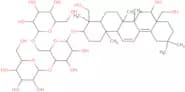
CAS:<p>Ginsenoside Ro is a triterpenoid saponin, which is a secondary metabolite found primarily in Panax ginseng. This compound is isolated from the roots of the ginseng plant, a source well-documented for its rich array of bioactive constituents. Ginsenoside Ro functions through various biochemical pathways, including modulating inflammatory signaling cascades and exhibiting antioxidant activity. It interacts with molecular targets such as enzymes and receptors involved in the inflammatory response, thereby exerting its effects on cellular processes.</p>Formula:C48H76O19Purity:Min. 95%Color and Shape:PowderMolecular weight:957.13 g/molTroxerutin
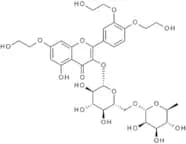
CAS:<p>Troxerutin is a flavonoid compound, which is derived from the natural bioflavonoid rutin, typically sourced from plants such as Sophora japonica. Its mode of action is primarily through its vasoprotective, antioxidant, and anti-inflammatory properties. Troxerutin acts by stabilizing vascular endothelial cells, reducing capillary permeability, and enhancing microcirculation. It also scavenges free radicals and inhibits lipid peroxidation, which helps in mitigating oxidative stress.</p>Formula:C33H42O19Purity:Min. 95%Color and Shape:Yellow PowderMolecular weight:742.68 g/molTyphaneoside
CAS:<p>Typhaneoside is a flavonoid glycoside, which is a type of naturally occurring compound found primarily in plants such as those belonging to the genus Typha. Its structure includes a flavonoid backbone linked to one or more sugar molecules, which is typical of glycosides. The source of typhaneoside is generally botanical, deriving from specific plant extracts, particularly those used in traditional medicine.</p>Formula:C34H42O20Purity:Min. 95%Color and Shape:PowderMolecular weight:770.69 g/molKaempferol 3-O-gentiobioside
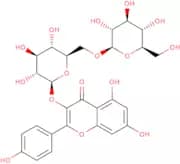
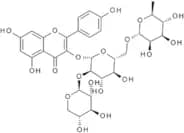
CAS:<p>Kaempferol 3-O-gentiobioside is a flavonoid glycoside, which is a naturally occurring compound commonly found in a variety of plant sources, including fruits, vegetables, and herbs. It is specifically derived from plants such as the Ginkgo biloba and other botanical sources that synthesize kaempferol derivatives as secondary metabolites.</p>Formula:C27H30O16Purity:Min. 95%Color and Shape:SolidMolecular weight:610.52 g/molDulcoside A
CAS:<p>Dulcoside A is a natural sweetening agent, which is a type of steviol glycoside. It is derived from the leaves of the Stevia rebaudiana plant, a perennial shrub native to regions in Paraguay and Brazil. The mode of action of Dulcoside A involves its interaction with taste receptors on the human tongue, particularly the T1R2/T1R3 sweet taste receptor, to produce a sensation of sweetness.</p>Formula:C38H60O17Purity:Min. 93 Area-%Color and Shape:PowderMolecular weight:788.87 g/molMogroside III
CAS:<p>Mogroside III is a natural sweetener, which is derived from the fruit of Siraitia grosvenorii, commonly known as monk fruit. This compound belongs to the mogrosides, a group of triterpene glycosides that are primarily responsible for the fruit's intense sweetness.</p>Formula:C48H82O19Purity:Min. 95%Color and Shape:Colorless PowderMolecular weight:963.15 g/molMycothiol - Stabilised with trifluoroacetic acid ammonium salt
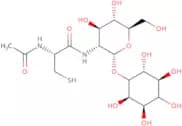
CAS:<p>Mycothiol (MSH or AcCys-GlcN-Ins) is an unusual thiol compound found in the Actinobacteria. It is composed of a cysteine residue with an acetylated amino group linked to glucosamine, which is then linked to inositol. The oxidized, disulfide form of mycothiol (MSSM) is called mycothione, and is reduced to mycothiol by the flavoprotein mycothione reductase. Mycothiol biosynthesis and mycothiol-dependent enzymes such as mycothiol-dependent formaldehyde dehydrogenase and mycothione reductase have been proposed to be good drug targets for the development of treatments for tuberculosis.<br>This material is provided as a solid in dried buffer improve stability. MSH can readily be prepared from MSSM. Due to the rapid oxidation of MSH to MSSM, only MSSM can be shipped.</p>Formula:C34H58N4O24S2Purity:Min. 95%Color and Shape:Colorless PowderMolecular weight:970.97 g/molSteviol glycosides
CAS:<p>Steviol glycosides are natural sweeteners, which are extracted from the leaves of the Stevia rebaudiana plant with glycosidic compounds as their principal components. These compounds interact with taste receptors on the tongue, specifically the T1R2 and T1R3 proteins, to produce a sweet sensation via non-caloric pathways, as they do not undergo the metabolic processes typical of carbohydrates. Steviol glycosides' primary use is in the food and beverage industry as a non-caloric sugar alternative, facilitating reduced sugar formulations while maintaining sweetness. They are also employed in pharmaceuticals and dietary supplements, where reduced caloric intake is desired. Due to their high-intensity sweetness and stability under heat and pH variations, steviol glycosides are preferred in various formulations, including baked goods and carbonated beverages. Their natural origin and metabolic neutrality offer advantages for developing health-conscious products.</p>Purity:Min. 95%Color and Shape:PowderSalireposide
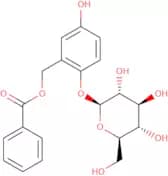
CAS:<p>Salireposide is a phytochemical compound, specifically classified as a glucoside. It is derived from Salix species, commonly known as willows. This compound has been identified in the bark and other parts of these plants, where it occurs naturally.</p>Formula:C20H22O9Purity:Min. 95%Color and Shape:PowderMolecular weight:406.38 g/molDelphinidin 3-sambubioside chloride
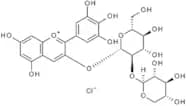
CAS:<p>Delphinidin 3-sambubioside chloride is a natural anthocyanin, which is a type of plant-derived flavonoid pigment. It is commonly sourced from various fruits and flowers, contributing to their vivid coloration. The mode of action of this compound primarily involves its antioxidant capabilities. It stabilizes free radicals, thus reducing oxidative stress within cells.</p>Formula:C26H29O16·ClPurity:(Hplc) Min. 90%Color and Shape:PowderMolecular weight:632.95 g/molIsomogroside V
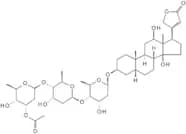
CAS:<p>Isomogroside V is a natural non-caloric sweetener, which is extracted from the fruit of Siraitia grosvenorii, commonly known as monk fruit or luo han guo. This compound belongs to the family of mogrosides, which are glycosylated triterpenoids. The mode of action of Isomogroside V is primarily through its interaction with the sweet taste receptors on the human tongue, specifically the TAS1R2/TAS1R3 receptor complex, where it induces a perception of sweetness with a potency significantly higher than sucrose.</p>Formula:C60H102O29Purity:Min. 95%Molecular weight:1,287.45 g/mola-Acetyl digoxin
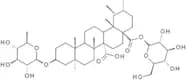
CAS:<p>a-Acetyl digoxin is a metabolite of digoxin, a type of cardiac glycoside. It is derived from the parent compound digoxin, which is sourced from the leaves of the Digitalis plant. The modification at the acetyl position renders this metabolite with altered biological properties compared to the original compound. a-Acetyl digoxin acts through inhibition of the Na⁺/K⁺-ATPase pump, similar to digoxin, but does so with significantly reduced activity.</p>Formula:C43H66O15Purity:Min. 95%Molecular weight:822.98 g/molQuinovic acid 3-O-(6-deoxy-b-D-glucopyranoside) 28-O-b-D-glucopyranosyl ester
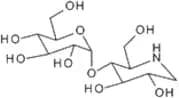
CAS:<p>Quinovic acid 3-O-(6-deoxy-b-D-glucopyranoside) 28-O-b-D-glucopyranosyl ester is a natural triterpenoid glycoside, which is derived from plants belonging to the Rubiaceae family. This compound is primarily extracted from the bark of certain species, such as those from the genus *Uncaria*. With its complex glycoside structure, it acts by modulating various biochemical pathways, including anti-inflammatory and antiviral mechanisms, possibly through the inhibition of viral replication or interference with inflammatory cytokine production.</p>Purity:Min. 95%4-O-(α-D-Glucopyranosyl) moranoline
CAS:<p>4-O-(α-D-Glucopyranosyl) moranoline is an iminosugar that functions as an effective glycosidase inhibitor, specifically targeting enzymes involved in carbohydrate metabolism. It is derived from natural sources such as mulberry leaves, where it is produced as a defense compound against herbivores. This substance interferes with the activity of α-glucosidases by mimicking the transition state of the glycosidic bond cleavage, thereby preventing the breakdown of complex carbohydrates into glucose.</p>Formula:C12H23NO9Purity:Min. 95%Color and Shape:PowderMolecular weight:325.32 g/molMomordicoside L
CAS:<p>Momordicoside L is a triterpenoid saponin, which is a class of chemical compounds predominantly found in plants. It is derived from Momordica charantia, commonly known as bitter melon, a plant which has been traditionally utilized in various medicinal practices. The mode of action of Momordicoside L involves its capacity to influence cellular pathways, particularly through the modulation of glucose metabolism and potential anti-inflammatory effects. This is achieved via the interaction with specific cellular receptors, thereby impacting signal transduction processes.</p>Formula:C36H58O9Purity:Min. 95%Molecular weight:634.8 g/molEpimedin B
CAS:<p>Epimedin B is a flavonoid glycoside, which is a bioactive compound extracted from the plant Epimedium, commonly known as "Horny Goat Weed." This compound belongs to a group of naturally occurring molecules that are known for their diverse pharmacological properties. The primary mode of action of Epimedin B involves interaction with various signaling pathways in the body, notably influencing nitric oxide synthesis, which plays a critical role in vasodilation and blood flow regulation.</p>Formula:C38H48O19Purity:Min. 95%Color and Shape:Yellow SolidMolecular weight:808.78 g/molDehydroadynerigenin glucosyldigitaloside
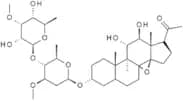
CAS:<p>Dehydroadynerigenin glucosyldigitaloside is a cardiac glycoside, which is derived from specific plant sources, particularly found in species of the Digitalis genus. These compounds have a strong affinity for cardiac tissues. The primary mode of action involves the inhibition of the sodium-potassium ATPase enzyme. This inhibition increases intracellular sodium levels, which subsequently leads to an elevated intracellular calcium concentration via the sodium-calcium exchange mechanism. The increased calcium availability enhances cardiac muscle contractility, resulting in improved cardiac output.</p>Purity:Min. 95%Aescin monosodium salt
CAS:<p>Aescin monosodium salt is a semisynthetic, anti-inflammatory product derived from escin, which is a mixture of saponins extracted from horse chestnut seeds (Aesculus hippocastanum). It functions primarily by enhancing the integrity of venous walls and decreasing vascular permeability. This is achieved through the stabilization of lysosomal membranes and the inhibition of enzymes that contribute to the breakdown of the vascular endothelium, as well as promoting the release of prostaglandins with vasoprotective properties.</p>Formula:C55H86NaO24Purity:Min. 95%Molecular weight:1,154.25 g/molCistanoside A
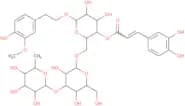
CAS:<p>Cistanoside A is a phenylethanoid glycoside, which is a bioactive compound derived from plants of the genus Cistanche, particularly noted for their use in traditional medicine. These plants are typically found in arid regions and have been used in various cultural medicinal practices. Cistanoside A exerts its effects primarily through antioxidant and neuroprotective mechanisms. It is known to scavenge free radicals, reduce oxidative stress, and inhibit apoptosis at the cellular level, thereby offering protective benefits to neuronal cells.</p>Formula:C36H48O20Purity:Min. 95%Color and Shape:SolidMolecular weight:800.75 g/molCamelliaside B
CAS:<p>Camelliaside B is a bioactive compound, which is a glycosylated flavonoid derived from the leaves of *Camellia sinensis*, the tea plant. It functions through its antioxidant properties, scavenging free radicals and reducing oxidative stress in biological systems. The molecular structure of Camelliaside B allows it to interact with cellular components, providing protective effects against reactive oxygen species.</p>Formula:C32H38O19Purity:Min. 95%Molecular weight:726.63 g/molTenacigenoside A
CAS:<p>Tenacigenoside A is a glycoside compound, which is derived from the plant genus Marsdenia, often found in traditional Chinese medicine. It is primarily sourced from the roots and leaves of Marsdenia tenacissima, a plant known for its diverse range of bioactive compounds. The mode of action of Tenacigenoside A involves the modulation of cellular pathways, including apoptosis and cell cycle arrest, suggesting its potential role in influencing various biological processes.</p>Purity:Min. 95%Phloretin-3-hydroxy-2'-O-glucoside
CAS:<p>Phloretin-3-hydroxy-2'-O-glucoside is a naturally occurring polyphenolic compound, specifically a type of dihydrochalcone. It is derived primarily from apples, where it is present as a glycoside form of phloretin. The compound's mode of action involves its strong antioxidant properties, scavenging free radicals, and reducing oxidative stress within biological systems. This capability plays a critical role in protecting cellular components from damage and preserving cellular integrity.</p>Formula:C21H24O11Purity:Min. 95%Molecular weight:452.41 g/mol6-O-Acetylscandoside
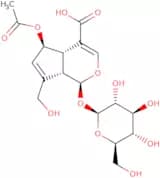
CAS:<p>6-O-Acetylscandoside is a natural compound classified as an iridoid glycoside, sourced primarily from certain plant species known for their medicinal properties. The molecular structure of this compound includes an acetyl group attached to the 6-O position of scandoside, a modification that is significant in understanding its bioactivity. Iridoid glycosides like 6-O-Acetylscandoside are secondary metabolites in plants, often implicated in defense mechanisms against herbivores and pathogens.</p>Formula:C18H24O12Purity:Min. 95%Molecular weight:432.38 g/molMemantine lactose adduct
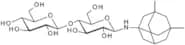
CAS:<p>Memantine lactose adduct is a synthetic pharmaceutical compound, which is derived from memantine, a well-known NMDA receptor antagonist, conjugated with lactose. This compound is sourced through chemical synthesis processes that aim to explore alternative formulations and derivatives of memantine to enhance delivery and bioavailability.</p>Formula:C24H41NO10Purity:Min. 95%Color and Shape:White to pale brown solid.Molecular weight:503.58 g/molGypenoside XLIX
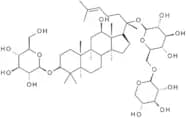
CAS:<p>Gypenoside XLIX is a saponin compound, which is derived from the plant Gynostemma pentaphyllum, commonly known as Jiaogulan. This plant is a valuable source of various gypenosides, which are structurally similar to ginsenosides found in ginseng. Gypenoside XLIX acts primarily through modulating cellular pathways, including antioxidative, anti-inflammatory, and apoptotic processes. It interacts with cell signaling mechanisms, potentially influencing metabolic and cardiovascular health.</p>Formula:C52H86O21Purity:Min. 95%Molecular weight:1,047.23 g/molClinopodiside A
CAS:<p>Clinopodiside A is a bioactive compound, which is a natural triterpenoid saponin isolated from plants belonging to the genus Clinopodium. This compound is sourced specifically from Clinopodium chinense, a species traditionally utilized in herbal medicine. The mode of action of Clinopodiside A primarily involves modulation of cellular processes through its interaction with cell membranes and signaling pathways, leading to various biological effects.</p>Formula:C48H78O19Purity:Min. 95%Molecular weight:959.12 g/molQuercetin 3-O-gentiobioside
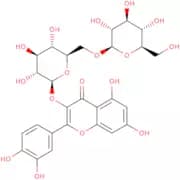
CAS:<p>Quercetin 3-O-gentiobioside is a flavonoid glycoside, which is a plant-derived compound known for its potential health benefits. This compound is predominantly sourced from various plant species, where it functions as part of the plant's defense mechanisms. The mode of action of Quercetin 3-O-gentiobioside primarily involves its antioxidant properties, allowing it to scavenge free radicals and reduce oxidative stress within biological systems.</p>Formula:C27H30O17Purity:Min. 95%Color and Shape:Yellow PowderMolecular weight:626.52 g/molRebaudioside N
CAS:<p>Rebaudioside N is a naturally occurring steviol glycoside, which is a type of molecule known for its sweetening properties. This compound is sourced from the leaves of the Stevia rebaudiana plant, a species native to South America renowned for its natural sweetness due to the presence of various glycosides. Rebaudioside N and other similar compounds are part of a broader category of non-caloric sweeteners that have gained attention due to their desirable taste profiles and natural origin.</p>Formula:C56H90O32Purity:Min. 95%Molecular weight:1,275.29 g/molMomordicoside A
CAS:<p>Momordicoside A is a triterpenoid saponin, which is isolated from the fruit and other parts of the bitter melon plant, scientifically known as *Momordica charantia*. This compound is derived through meticulous extraction and purification processes from the plant, which is renowned for its diverse array of bioactive phytochemicals.</p>Formula:C42H72O15Purity:Min. 95%Color and Shape:PowderMolecular weight:817.01 g/molEugenol rutinoside
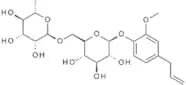
CAS:<p>Eugenol rutinoside is a bioactive compound, which is derived from certain plant species known for their medicinal properties. It is formed by the glycosylation of eugenol, a phenolic compound, with a rutinoside sugar moiety. This derivation typically occurs in plants such as cloves and other members of the Myrtaceae family.</p>Formula:C22H32O11Purity:Min. 95%Molecular weight:472.48 g/mol11-oxo-Mogroside V
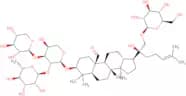
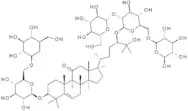
CAS:<p>11-oxo-Mogroside V is a natural sweetener, which is a type of mogroside, sourced primarily from the fruit of Siraitia grosvenorii, commonly known as monk fruit or Luo Han Guo. This compound is part of a group of triterpene glycosides, which are responsible for the intense sweetness of monk fruit extracts, being up to several hundred times sweeter than sucrose.</p>Purity:Min. 95%Clinopodiside G
CAS:<p>Clinopodiside G is a natural product, specifically a triterpenoid saponin, which is derived from the plant Clinopodium chinense. This compound is extracted from the roots and aerial parts of the plant, which are traditionally used in herbal medicine. The mode of action of Clinopodiside G involves interactions with cellular membranes and proteins, which may modulate signaling pathways and exhibit various biological activities, including anti-inflammatory, antioxidant, and cytotoxic effects.</p>Formula:C48H78O20Purity:Min. 95%Molecular weight:975.12 g/molScandoside
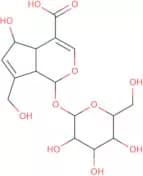
CAS:<p>Scandoside is a bioactive compound, classified as an iridoid glycoside, which is isolated from certain plant species, particularly those belonging to the Apocynaceae and Scrophulariaceae families. This compound is sourced from the leaves and roots of these plants and has attracted scientific interest due to its diverse range of biological activities.</p>Formula:C16H22O11Purity:Min. 95%Molecular weight:390.34 g/molGinsenoside Rh2
CAS:<p>Ginsenoside Rh2 is a bioactive compound, which is a triterpenoid saponin derived from the root of the Panax ginseng plant. It operates through multiple biochemical pathways, including the modulation of cell signaling cascades such as the inhibition of cell proliferation and the induction of apoptosis in cancer cells. These actions are primarily mediated through mitochondrial pathways and involve the regulation of pro-apoptotic and anti-apoptotic proteins.</p>Formula:C36H62O8Purity:Min. 95%Color and Shape:White PowderMolecular weight:622.87 g/molGypenoside IX
CAS:<p>Gypenoside IX is a saponin compound, which is extracted from the Gynostemma pentaphyllum plant. This source is a perennial climbing herb known for its extensive use in traditional medicine throughout Asia. The mode of action of Gypenoside IX involves modulation of various signaling pathways, such as AMPK and PI3K/Akt, which play significant roles in cellular energy homeostasis and apoptotic processes.</p>Purity:Min. 95%Aescin polysulphate sodium salt
CAS:<p>Aescin polysulphate sodium salt is a synthetic anti-inflammatory compound, designed as an enhanced version of the natural saponin, aescin, derived from horse chestnut seeds (Aesculus hippocastanum). The modification to create the polysulphate sodium salt increases the solubility and bioavailability of the compound, facilitating its absorption and effectiveness in biological systems.</p>Formula:C53H82O36S4Purity:Min. 95%Molecular weight:1,423.46 g/molClinodiside D
<p>Clinodiside D is a triterpenoid saponin, a specialized type of secondary metabolite that is isolated from various species of sea cucumbers. These marine organisms are well-known for their rich and diverse array of bioactive compounds, which they produce as a natural form of chemical defense against predators and pathogens. The mode of action of Clinodiside D involves the disruption of cellular integrity and signaling pathways within cancer cells, leading to apoptosis and inhibition of proliferation. This cytotoxic effect is achieved through the compound's ability to interact with cellular membranes and modulate key apoptotic pathways.</p>Formula:C47H74O18Purity:Min. 95%Molecular weight:927.08 g/molRebaudioside O
CAS:<p>Rebaudioside O is a high-intensity sweetener, which is a steviol glycoside isolated from the leaves of the Stevia rebaudiana plant. This molecule, like other steviol glycosides, is characterized by its ability to provide a sweetening effect without the caloric contribution typical of carbohydrates. The mode of action for Rebaudioside O involves its interaction with the sweet taste receptors on the tongue, specifically the TAS1R2 and TAS1R3 receptor subtypes, which leads to the activation of sweet perception pathways in humans.</p>Formula:C62H100O37Purity:Min. 95%Color and Shape:PowderMolecular weight:1,437.44 g/molGypenoside I
CAS:<p>Gypenoside I is a saponin compound, which is a natural product sourced from the medicinal plant Gynostemma pentaphyllum, also known as Jiaogulan. This plant is native to Asia and has been used in traditional medicine due to its wide range of purported health benefits.</p>Formula:C46H78O18Purity:Min. 95%Molecular weight:919.1 g/molIsorhamnetin-3-O-robinobioside
CAS:<p>Isorhamnetin-3-O-robinobioside is a flavonoid glycoside, classified as a secondary plant metabolite. This compound is primarily sourced from various medicinal plants, where it is naturally present as a bioactive constituent. Its mode of action is predominantly based on its antioxidative properties. By scavenging free radicals and inhibiting oxidative stress, it may contribute to the stabilization of cellular environments and reduction of oxidative damage within biological systems.</p>Formula:C28H32O16Purity:Min. 95%Molecular weight:624.54 g/molp-Vinylphenyl O-[b-D-apiofuranosyl-(1-6)]-b-D-glucopyranoside
CAS:<p>p-Vinylphenyl O-[b-D-apiofuranosyl-(1-6)]-b-D-glucopyranoside is a glycoside compound, which is typically derived from plant sources. It is characterized by its unique structure, comprising a phenolic moiety linked to a disaccharide sugar chain. Glycosides like this one are commonly found in nature and are known for their diverse roles in plant metabolism and potential biological activities.</p>Purity:Min. 95%7,4'-Di-O-methylapigenin 5-O-xylosylglucoside
CAS:<p>7,4'-Di-O-methylapigenin 5-O-xylosylglucoside is a flavonoid glycoside, which is a naturally occurring compound derived from certain plants. It belongs to the class of flavonoids, known for their diverse biological activities. The compound is structured with a flavone core and carries xylose and glucose sugar moieties, contributing to its solubility and bioavailability.</p>Purity:Min. 95%Apigenin 7-O-(2G-rhamnosyl)gentiobioside
CAS:<p>Apigenin 7-O-(2G-rhamnosyl)gentiobioside is a flavonoid glycoside, which is a compound comprised of the flavonoid apigenin linked to a sugar moiety. This compound is typically sourced from various plants, where it occurs naturally as part of the plant's secondary metabolites. The glycoside form enhances the solubility and stability of the apigenin molecule, which is essential for its biological activities.</p>Formula:C33H40O19Purity:Min. 95%Color and Shape:SolidMolecular weight:740.66 g/moltrans-Zeatin-9-glucoside-o-glucoside
CAS:<p>trans-Zeatin-9-glucoside-o-glucoside is a cytokinin derivative, which is a type of plant hormone involved in various growth and developmental processes. This compound is sourced from the metabolic conversion of natural cytokinins in plants. It is formed through the glycosylation of zeatin, a naturally occurring cytokinin, adding two glucose molecules.</p>Formula:C22H33N5O11Purity:Min. 95%Molecular weight:543.52 g/molMomordicoside K
CAS:<p>Momordicoside K is a triterpenoid saponin, which is derived from the bitter melon plant, scientifically known as *Momordica charantia*. This compound predominantly occurs in the fruit and leaves of the plant. As a phytochemical, Momordicoside K contributes to the plant’s defense mechanisms against pests and environmental stress.</p>Formula:C37H60O9Purity:Min. 95%Molecular weight:648.9 g/molIsorebaudioside A
CAS:<p>Isorebaudioside A is a type of steviol glycoside sweetener, which is extracted from the leaves of the Stevia rebaudiana plant. As a product of natural origin, it functions as a high-intensity sweetener by mimicking the taste of sucrose without the caloric content. Isorebaudioside A interacts with the taste receptors on the tongue, activating the sweet taste pathways. This mode of action allows it to provide a sugar-like sweetness, often considered favorable due to its clean taste profile and lack of caloric contributions.</p>Formula:C44H70O23Purity:Min. 95%Molecular weight:967.01 g/mol(-)-Syringaresinol-4''-O-b-D-monoglucopyranoside
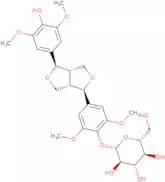
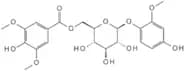
CAS:<p>(-)-Syringaresinol-4''-O-b-D-monoglucopyranoside is a lignan compound, which is a type of phenolic derivative found in plants. It is typically isolated from various plant species, where it plays a role in plant defense and structural integrity. The compound possesses a complex chemical structure, characterized by the presence of a glucose moiety linked to the syringaresinol core.</p>Formula:C28H36O13Purity:Min. 95%Molecular weight:580.58 g/mol4-Hydroxy-2-methoxyphenol 1-O-(6-O-syringoyl)glucoside
CAS:<p>4-Hydroxy-2-methoxyphenol 1-O-(6-O-syringoyl)glucoside is a phenolic glycoside, which is derived from plant sources, particularly in certain tree barks and leaves known for their rich polyphenolic content. This compound is a conjugate of glucoside and syringoyl moieties, contributing to its unique structural and functional properties. The mode of action of this compound involves its ability to act as an antioxidant, likely through electron donation that neutralizes free radicals, thereby mitigating oxidative stress within biological systems.</p>Formula:C22H26O12Purity:Min. 95%Molecular weight:482.43 g/molGinsenoside Rh4
CAS:<p>Ginsenoside Rh4 is a bioactive compound, which is a type of saponin. It is derived from Panax ginseng, a plant that has been used traditionally in herbal medicine. The mode of action of Ginsenoside Rh4 involves modulating various biochemical pathways, including anti-inflammatory and antioxidant activities. This compound influences the expression of cytokines and reactive oxygen species, contributing to its potential therapeutic effects.</p>Formula:C36H60O8Purity:Min. 95%Color and Shape:PowderMolecular weight:620.86 g/molClinodiside A
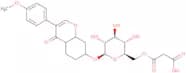
CAS:<p>Clinodiside A is a triterpenoid saponin, which is a type of secondary metabolite found in certain marine sponges. The source of this compound is primarily marine organisms, particularly sponges in the genus Cliona. Clinodiside A operates through various biochemical pathways, including disrupting cell membrane integrity and inducing apoptosis in certain cell types. This mode of action is particularly relevant in the context of inhibiting cancer cell proliferation and providing antitumor activities.</p>Formula:C48H78O19Purity:Min. 95%Molecular weight:959.12 g/molFormononetin 7-O-glucoside-6''-O-malonate
CAS:<p>Formononetin 7-O-glucoside-6''-O-malonate is a naturally occurring flavonoid compound, which is often derived from various plant sources, particularly those in the legume family. It is a malonylated glucoside derivative of formononetin, a well-known isoflavone. This compound plays a significant role in the plants' defense mechanisms and contributes to their physiological processes.</p>Formula:C25H24O12Purity:Min. 95%Color and Shape:PowderMolecular weight:516.45 g/molLuteolin-7-O-neohesperidoside
CAS:<p>Luteolin-7-O-neohesperidoside is a flavonoid glycoside, which is predominantly derived from various plant sources, particularly those belonging to the families Rosaceae and Lamiaceae. It is structurally characterized by the attachment of luteolin to a neohesperidose sugar moiety, which alters its solubility and bioavailability properties. The mode of action of Luteolin-7-O-neohesperidoside involves its capacity to act as a potent antioxidant, scavenging free radicals and protecting cells from oxidative stress. It also demonstrates anti-inflammatory properties by inhibiting key enzymes and signaling pathways involved in inflammatory responses.</p>Formula:C27H30O15Purity:Min. 95%Molecular weight:594.5 g/molRebaudioside B
CAS:<p>Rebaudioside B is a type of steviol glycoside, which is a naturally occurring compound extracted from the leaves of the Stevia rebaudiana plant. This plant, native to Paraguay, is known for its intensely sweet leaves, which have been utilized for centuries by indigenous peoples for sweetening purposes.</p>Formula:C38H60O18Purity:Min. 95%Molecular weight:804.87 g/molRebaudioside J
CAS:<p>Rebaudioside J is a non-caloric sweetener, which is a purified glycoside derived from the Stevia rebaudiana plant. The Stevia plant, native to South America, is well known for its sweet-tasting compounds, mainly the steviol glycosides. Rebaudioside J is one of these glycosides, specifically noted for its high sweetness intensity and favorable taste profile compared to other steviol glycosides.</p>Formula:C50H80O27Purity:Min. 95%Molecular weight:1,113.16 g/molCalendoflavoside
CAS:<p>Calendoflavoside is a flavonoid-based compound, which is an extract derived from the calendula plant, known for its rich flavonoid content. It functions primarily through the modulation of inflammatory pathways, acting on specific signaling molecules to reduce inflammation and oxidative stress. This mode of action is particularly valuable in therapeutic contexts, as it allows Calendoflavoside to target and mitigate inflammation at the cellular level.</p>Formula:C28H32O16Purity:Min. 95%Color and Shape:SolidMolecular weight:624.54 g/molZiziphin
CAS:<p>Ziziphin is a triterpene glycoside which exhibits taste-modifying properties and derives from the leaves of Ziziphus jujuba (Rhamnaceae). In a study, Ziziphin was up to 4 times more active in suppressing the sweet taste of sucrose than other anti-sweet constituents (Suttisri, 1995). Ziziphin suppressed the sweetness induced by D-glucose, D-fructose, stevioside, glycine, sodium saccharin, aspartame and naringin dihydrochalcone. Ziziphin however showed no uppressive effect on the sour taste of hydrochloric acid and the bitter taste of quinine, indicating that ziziphin is highly specific to the sweet taste (Kurihara, 1992). Ziziphin was found to inhibit the sweet taste receptors in humans (Smith, 1983) by a mechanism known as taste modification. In comparison with known gymnemic acids, effects suggest that net dissociation of ziziphins from taste receptor membranes and/or inactivation in the membrane may be much faster than with gymnemic acids (Mahajan, 2009).</p>Formula:C51H80O18Purity:Min. 95%Molecular weight:981.17 g/molEsculeoside A
CAS:<p>Spirosolane-type steroidal alkaloid glycoside found in ripe cherry tomato</p>Formula:C58H95NO29Purity:Min. 95%Color and Shape:PowderMolecular weight:1,270.37 g/mol








![p-Vinylphenyl O-[b-D-apiofuranosyl-(1-6)]-b-D-glucopyranoside](/_next/image/?url=https%3A%2Fstatic.cymitquimica.com%2Fproducts%2F3D%2Fthumb-webp%2FOV44158.webp&w=3840&q=75)