Amino Acids (AA)
Amino acids (AAs) are the fundamental building blocks of proteins, playing a crucial role in various biological processes. These organic compounds are essential for protein synthesis, metabolic pathways, and cell signaling. In this category, you will find a comprehensive range of amino acids, including essential, non-essential, and modified forms, which are vital for research in biochemistry, molecular biology, and nutritional sciences. At CymitQuimica, we provide high-quality amino acids to support your research and development needs, ensuring accuracy and reliability in your experimental outcomes.
Subcategories of "Amino Acids (AA)"
- Amino Acid Derivatives(3,955 products)
- Amino Acid and Amino Acid Related Compounds(3,464 products)
- Amino Acids with Oxygen or Sulphur(168 products)
- Boc- Amino Acids(351 products)
- Fmoc Amino Acids(1,710 products)
Found 38247 products of "Amino Acids (AA)"
Sort by
Purity (%)
0
100
|
0
|
50
|
90
|
95
|
100
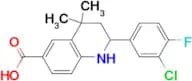
2-(3-CHLORO-4-FLUOROPHENYL)-4,4-DIMETHYL-1,2,3,4-TETRAHYDROQUINOLINE-6-CARBOXYLIC ACID
CAS:Purity:95.0%Molecular weight:333.790008544921912-(t-Boc-amino)-1-dodecanol
CAS:Controlled Product<p>Applications 12-(t-Boc-amino)-1-dodecanol (cas# 67341-03-1) is a compound useful in organic synthesis.<br></p>Formula:C17H35NO3Color and Shape:NeatMolecular weight:301.468-benzyl-4-(4-fluorobenzoyl)-1-oxa-4,8-diazaspiro[4.5]decane-3-carboxylic acid
CAS:Purity:95.0%Molecular weight:398.43399047851568-methyl-4-(4-methylbenzoyl)-1-oxa-4,8-diazaspiro[4.5]decane-3-carboxylic acid
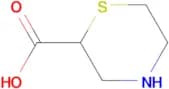
CAS:Purity:95.0%Molecular weight:318.37298583984375Thiomorpholine-2-carboxylic acid
CAS:Purity:97.0%Color and Shape:SolidMolecular weight:147.190002441406252-Ethyl-6-methylpyrazine
CAS:<p>Applications 2-ethyl-6-methylpyrazine (cas# 13925-03-6) is a useful research chemical.<br></p>Formula:C7H10N2Color and Shape:ColourlessMolecular weight:122.171-Methyl-L-histidine
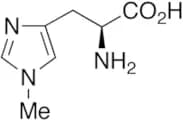
CAS:Controlled Product<p>Applications The urinary 1- and 3-methylhistidine (1- and 3-MH) metabolites as potential biomarkers of skeletal muscle toxicity. These metabolites were highly correlated to sex-, dose-, and time-dependent development of cerivastatin-induced myotoxicity. Natural but non-proteinogenic amino acid; employed as index of muscle protein breakdown.<br>References Berna, M., et al.: Anal. Chem., 79, 4199 (2007), Pritt, M., et al.: Toxicol. Sci., 103, 382 (2008), Tonomura, Y., et al.: Toxicology, 266, 48 (2009),<br></p>Formula:C7H11N3O2Color and Shape:NeatMolecular weight:169.182-Methoxybenzoic Acid
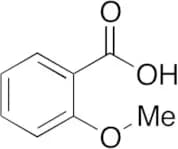
CAS:Controlled Product<p>Applications 2-Methoxybenzoic Acid is used in the preparation of benzohydroxamic acids as potent and selective anti-hepatitis C virus (HCV) agents.<br>References Kozlov, M.V., et al.: Bioorg. Med. Chem. Lett., 23, 5936 (2013)<br></p>Formula:C8H8O3Color and Shape:Off-WhiteMolecular weight:152.15N-Methyl-1H-imidazole-1-carboxamide (~90%)
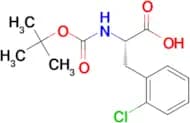
CAS:Controlled Product<p>Stability Moisture Sensitive<br>Applications N-Methyl-1H-imidazole-1-carboxamide is a useful Methyl Isocyanate (MIC) substitute.<br></p>Formula:C5H7N3OPurity:~90%Color and Shape:NeatMolecular weight:125.12Boc-2-chloro-L-phenylalanine
CAS:Formula:C14H18ClNO4Purity:98%Color and Shape:SolidMolecular weight:299.754-(3-bromophenyl)-3H,4H,5H,6H,7H-imidazo[4,5-c]pyridine-6-carboxylic acid
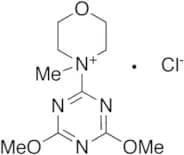
CAS:Purity:95.0%Molecular weight:322.16198730468754-(4,6-Dimethoxy-s-triazin-2-yl)-4-methyl-morpholinium Chloride
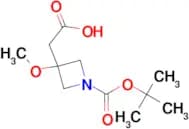
CAS:Controlled Product<p>Applications DMTMM, a conjugating agent that efficiently conjugat PnPS to Luminex microspheres without affecting the antigenicity of a broad set of PnPS.<br> Not a dangerous good if item is equal to or less than 1g/ml and there is less than 100g/ml in the package<br>References Wrzesien, J. & Graham, D.: Tetrahedron, 68, 1230 (2012); Schlottmann, S. et al.: J. Im. Meth., 309, 75 (2006)<br></p>Formula:C10H17N4O3·ClColor and Shape:NeatMolecular weight:276.722-(1-(TERT-BUTOXYCARBONYL)-3-METHOXYAZETIDIN-3-YL)ACETIC ACID
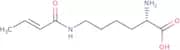
CAS:Purity:95.0%Molecular weight:245.27499389648438Lysine(crotonyl)-OH
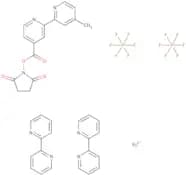
CAS:<p>Lysine(crotonyl)-OH is a versatile building block that has a variety of uses in the synthesis of complex compounds, research chemicals, and reagents. This compound can be used as a high-quality building block for the synthesis of useful intermediates, reaction components, and scaffolds.</p>Formula:C10H18N2O3Purity:Min. 95%Color and Shape:White PowderMolecular weight:214.26 g/molBis(2,2'-bipyridine)-4'-methyl-4-carboxybipyridine-ruthenium N-succinimidyl ester-bis(hexafluorophosphate)
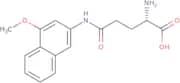
CAS:<p>Bis(2,2'-bipyridine)-4'-methyl-4-carboxybipyridine-ruthenium N-succinimidyl ester-bis(hexafluorophosphate) is a molecule that inhibits the activity of matrix metalloproteinases. It binds to the active site of the enzyme and blocks its activity. This drug has been shown to be effective in inhibiting the activity of MMPs in cells, but not in tissue culture because it does not cross cell membranes. Bis(2,2'-bipyridine)-4'-methyl-4-carboxybipyridine-ruthenium N-succinimidyl ester-bis(hexafluorophosphate) has also been shown to have a low detection limit and can detect low levels of matrix metalloproteinase activity in cells.</p>Formula:C36H29F12N7O4P2RuPurity:Min. 95%Color and Shape:PowderMolecular weight:1,014.66 g/molγ-Glutamyl-4-methoxy-β-naphthylamide
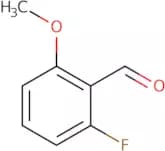
CAS:<p>Gamma-Glutamyl-4-methoxy-beta-naphthylamide is a versatile building block that can be used in the synthesis of a variety of complex compounds. It is a high quality chemical that is useful as an intermediate in organic syntheses and as a reagent in research. Gamma-Glutamyl-4-methoxy-beta-naphthylamide has been shown to be an effective scaffold for the preparation of other chemical substances.</p>Formula:C16H18N2O4Purity:Min. 95%Molecular weight:302.33 g/mol2-Fluoro-6-methoxybenzaldehyde
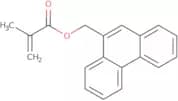
CAS:<p>2-Fluoro-6-methoxybenzaldehyde is a quinone that is used as an intermediate in the synthesis of other organic compounds. It has been shown to be a competitive inhibitor of malonate-induced fibrillation in heart muscle and also slows the reaction time. The pharmacokinetic properties of 2-fluoro-6-methoxybenzaldehyde have been evaluated in dogs, rats, and rabbits. In all three species, 2-fluoro-6-methoxybenzaldehyde showed no significant accumulation in any tissue after intravenous injection and was rapidly excreted unchanged in urine. 2-Fluoro-6-methoxybenzaldehyde may have some potential as an antihypertensive agent due to its ability to reduce blood pressure in rabbits.</p>Formula:C8H7FO2Purity:Min. 95%Color and Shape:PowderMolecular weight:154.14 g/mol(9-Phenanthryl)methyl methacrylate
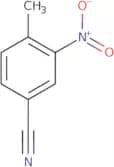
CAS:<p>9-Phenanthryl)methyl methacrylate is a fluorescent pigment that is used as a nanomaterial. It is an acidic material and can be used in coatings to improve the properties of materials. 9-Phenanthryl)methyl methacrylate has been shown to have fluorescence resonance energy transfer (FRET) properties, which may be due to its monolayer structure and chromophore. The diameter of this particle ranges from 10-20 nm, with a water permeability of 20% at pH 7.0 and 0.1% at pH 2.0. This pigment has a high degree of surface roughness, which is due to its morphology and the microenvironment in which it exists.</p>Formula:C19H16O2Purity:Min. 95 Area-%Color and Shape:PowderMolecular weight:276.33 g/mol4-Methyl-3-nitrobenzonitrile
CAS:<p>4-Methyl-3-nitrobenzonitrile is a potent antibacterial agent that belongs to the group of nitro compounds. It has been shown to be effective against gram negative bacteria at low concentrations. 4-Methyl-3-nitrobenzonitrile inhibits bacterial growth by binding to the enzyme nitroreductase, which is responsible for the conversion of nitrite ions to nitric oxide. This leads to a decrease in the production of toxic oxygen radicals, which are responsible for cell damage and death. 4-Methyl-3-nitrobenzonitrile has also been shown to have a linker length dependent antimicrobial activity against P. aeruginosa, with longer linkers being more active than shorter linkers.</p>Formula:C8H6N2O2Purity:Min. 95%Color and Shape:PowderMolecular weight:162.15 g/molN,N-Diethyl-2-[4-[(Z)-1-(4-Fluorophenyl)-2-Phenylethenyl]Phenoxy]Ethanamine
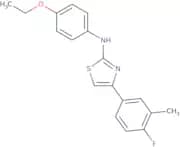
CAS:Controlled Product<p>Diethylstilbestrol (DES) is a synthetic, nonsteroidal estrogen that is used to treat breast cancer and other estrogen-dependent conditions. DES binds to the estrogen receptor and acts as an agonist. It has minimal liver toxicity and is not metabolized by the body because it is rapidly excreted in urine. DES can be synthesized from benzyl chloride and diethylstolbesterol. This process requires two steps: first, benzyl chloride reacts with diethylstilbesterol to form a triazene intermediate; second, treatment of the triazene intermediate with hydrogen chloride yields DES.</p>Formula:C26H28FNOPurity:Min. 95%Molecular weight:389.51 g/mol2-(4-Ethoxyphenylamino)-4-(3-methyl-4-fluorophenyl)thiazole
CAS:<p>Please enquire for more information about 2-(4-Ethoxyphenylamino)-4-(3-methyl-4-fluorophenyl)thiazole including the price, delivery time and more detailed product information at the technical inquiry form on this page</p>Purity:Min. 95%Z-L-Serine benzyl ester
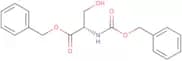
CAS:<p>Z-L-serine benzyl ester is a synthetic, water soluble compound that can be used as an intermediate in the preparation of conjugates. It has been shown to stimulate epidermal growth and promote wound healing. Z-L-serine benzyl ester is a precursor for the synthesis of d-xylose, which is used in biological function. The chloride ion binds to the molecule and forms a trisaccharide, which can be analyzed with microscopic studies. This substance has also been shown to have phosphatidylcholine lipase activity, which can be measured using techniques such as electron microscopy.</p>Formula:C18H19NO5Purity:Min. 95%Color and Shape:White PowderMolecular weight:329.35 g/mol2-Methyl-L-tryptophan
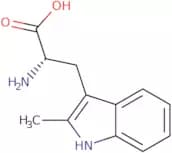
CAS:<p>2-Methyl-L-tryptophan is a natural amino acid that is an intermediate in the biosynthesis of tryptophan. It has been used to study protein synthesis and as a potential antibiotic. 2-Methyl-L-tryptophan has been shown to be stereoselective with respect to the enzyme catalysis of its hydroxylation. This active form is converted into the antibiotic thiostrepton by enzymatic reactions.</p>Formula:C12H14N2O2Purity:Min. 95%Color and Shape:PowderMolecular weight:218.25 g/molFmoc-D-Trp-OH
CAS:<p>Fmoc-D-Trp-OH is a cinchonidine analog that is synthesized through the coupling of two amino acid molecules, D-Trp and Fmoc-Lys. This compound has been shown to have anti-cancer properties in tumor xenografts, which may be due to its ability to bind hydrogen bonding interactions with proteins. Fmoc-D-Trp-OH also has an anti-inflammatory effect on Alzheimer's disease and cancer cells, which could be due to its ability to inhibit immune cell recruitment and increase apoptosis rates. In addition, it can be used as an optical imaging agent for the detection of brain tumors.</p>Formula:C26H22N2O4Purity:Min. 95%Color and Shape:PowderMolecular weight:426.46 g/molFmoc-Lys(Boc)-Wang resin
<p>Fmoc-Lys(Boc)-Wang resin is a synthetic peptide resin that is used in solid-phase peptide synthesis. It is a resin for the synthesis of short, unprotected peptides and has been used to synthesize sequences found in human insulin and other peptide hormones. Fmoc-Lys(Boc)-Wang resin is also used to synthesize peptides with amino acid sequences that are not found in nature, such as those found on the surface of cancer cells. This resin can be used to create antibodies by linking an antigen with the amino acid sequence of interest.</p>Color and Shape:Yellow PowderBoc-Pyr-OH
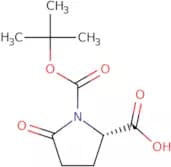
CAS:<p>Boc-Pyr-OH is a synthetic compound with medical applications. It is used as an anti-inflammatory agent and has been shown to be effective in the treatment of mouse tumor cells. Boc-Pyr-OH binds to plasma proteins and can be detected in the blood following administration. The drug has a high affinity for chloride ions, which may be due to its trifluoroacetyl group. The drug has two homologues: Boc-Pyr-Cl and Boc-Pyr-Br.</p>Formula:C10H15NO5Purity:Min. 95%Color and Shape:PowderMolecular weight:229.23 g/mol6-Boc-hydrazinonicotinicacid
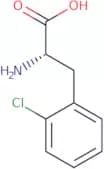
CAS:<p>6-Boc-hydrazinonicotinicacid is a cytotoxic compound that binds to hydroxyapatite and induces necrosis in cancer cells. This compound also has antimicrobial properties. 6-Boc-hydrazinonicotinic acid is conjugated with peptides for use as an immunoconjugate for the targeted delivery of drugs to cancer cells. It can be used to diagnose cancer by its uptake in human serum and inflammatory cells, as well as to identify cancerous tissues through its binding to hydroxyapatite. The biological studies have shown that 6-Boc-hydrazinonicotinic acid inhibits the growth of various types of tumour cells, including breast, prostate, colon, and lung cancers.</p>Formula:C11H15N3O4Purity:Min. 95%Color and Shape:PowderMolecular weight:253.25 g/mol2-Chloro-L-phenylalanine
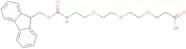
CAS:<p>2-Chloro-L-phenylalanine (2CLP) is a fatty acid that can be used as a pharmacological agent. It has been shown to have an anti-inflammatory effect in the form of an inflammatory lesion in animals. 2CLP is also able to inhibit monoamine neurotransmitters, such as phenolic acid, which is involved in energy metabolism and mitochondrial functions. 2CLP has been shown to increase bile acids and decrease serum cholesterol levels. The chemical structure of 2CLP makes it difficult for the body to absorb it. This chemical has not been tested on humans, but studies have shown that it may be effective when combined with other drugs.</p>Formula:C9H10ClNO2Purity:Min. 95%Color and Shape:White PowderMolecular weight:199.63 g/molFmoc-12-amino-4,7,10-trioxadodecanoic acid
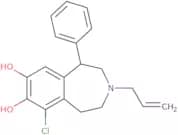
CAS:<p>Fmoc-12-amino-4,7,10-trioxadodecanoic acid is a PEG compound with two different functional groups (also known as heterobifunctional). Unlike homobifunctional PEG compounds (same functional group on both ends), this type of compounds are more versatile as have two different anchor points. Fmoc-12-amino-4,7,10-trioxadodecanoic acid is used as a linker and spacer to add a PEG moiety, via pegylation (a bioconjugation technique) to proteins, peptides, oligonucleotides, small molecules and nanoparticles.</p>Formula:C24H29NO7Purity:Min. 97 Area-%Color and Shape:White Off-White Solidified MassMolecular weight:443.49 g/mol(+/-)-6-Chloro-7,8-dihydroxy-3-allyl-1-phenyl-2,3,4,5-tetrahydro-1H-3-benzazepine HBr
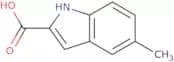
CAS:<p>(+/-)-6-Chloro-7,8-dihydroxy-3-allyl-1-phenyl-2,3,4,5-tetrahydro-1H-3-benzazepine HBr is a model system for Parkinson's disease that has been shown to have similar effects on locomotor activity as the dopamine antagonist haloperidol. The drug enhances dopaminergic and cholinergic transmission in the brain by binding to kappa opioid receptors. This leads to an increased release of dopamine and acetylcholine that can be blocked by drugs such as naloxone and atropine respectively. (+/-)-6-Chloro-7,8-dihydroxy 3-(allyl)-1-(phenyl) 2,3,4,5 tetrahydro 1H 3 benzazepine HBr has been shown to decrease camp levels in the caudate putamen region of rats</p>Formula:C19H20ClNO2·HBrPurity:Min. 95%Color and Shape:PowderMolecular weight:410.73 g/mol5-Methylindole-2-carboxylic acid
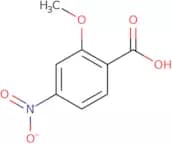
CAS:<p>5-Methylindole-2-carboxylic acid (5MICA) is a synthetic compound that has been shown to be cytotoxic in vitro. It has been shown to inhibit the growth of multiple cancer cell lines, including hepatoma cells, and is currently being studied as a potential anticancer drug. 5MICA inhibits the synthesis of protein and RNA by binding to the ribosome. This inhibition leads to cell death by apoptosis. 5MICA also exhibits an antimicrobial effect against opportunistic fungal pathogens such as Candida albicans, Aspergillus fumigatus, and Cryptococcus neoformans. The mechanism for this inhibition is unknown but may involve inhibition of protein synthesis or other cellular processes.</p>Formula:C10H9NO2Purity:Min. 95%Color and Shape:PowderMolecular weight:175.18 g/mol2-Methoxy-4-nitrobenzoic acid
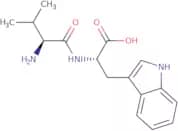
CAS:<p>Please enquire for more information about 2-Methoxy-4-nitrobenzoic acid including the price, delivery time and more detailed product information at the technical inquiry form on this page</p>Formula:C8H7NO5Purity:Min. 95%Molecular weight:197.14 g/molH-Val-Trp-OH
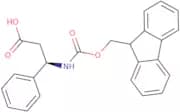
CAS:<p>H-Val-Trp-OH is a noncompetitive inhibitor of the enzyme tyrosinase, which plays a role in melanin production. It also has radical scavenging activities and can inhibit the activity of other enzymes such as glucose 6-phosphate dehydrogenase and acetylcholinesterase. The compound is stable in aqueous solution and can be used to study the effects of H-Val-Trp-OH on wheat germ cells. It is composed of an amino acid sequence that resembles tyrosine, with a carboxylate group attached to the hydroxyl group at position 3. H-Val-Trp-OH is most active against tyrosinase when it is in its activated form, but it can also act as an inhibitor when it is not activated. The compound inhibits the activity of tyrosinase by binding to its active site and blocking the binding or catalysis of substrate molecules. This inhibition occurs through competitive interactions with</p>Formula:C16H21N3O3Purity:Min. 95%Color and Shape:PowderMolecular weight:303.36 g/molFmoc-L-β-phenylalanine
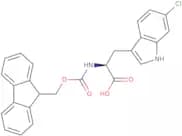
CAS:<p>Fmoc-L-β-phenylalanine (Fmoc-Phe) is a versatile building block for the synthesis of complex compounds. Fmoc-Phe is a high quality, useful intermediate and reaction component for the synthesis of peptides, polymers and other biomolecules. It is also a reagent and speciality chemical that can be used in research to produce other chemicals. Fmoc-Phe is an important building block with many reactions that can be done on it, so it is a very useful scaffold for developing new reactions or synthesizing new compounds.</p>Formula:C24H21NO4Purity:Min. 95%Color and Shape:White PowderMolecular weight:387.43 g/molFmoc-6-chloro L-tryptophan
CAS:<p>Fmoc-6-chloro L-tryptophan is a heterocycle with methylene and active methylene groups that can be used as a building block for 1,3-dipolar cycloadditions. It has been shown to react with perchlorates in the presence of catalysts such as dibromodifluoromethane (DBDM) and perchloric acid to form an exocyclic azomethine imine. This reaction generates a proton, which shifts the equilibrium to the right, forming more product. The optimal conditions for this reaction are pH 8, 50% DBDM, and 10% HClO4.</p>Formula:C26H21ClN2O4Purity:Min. 97 Area-%Color and Shape:White PowderMolecular weight:460.91 g/molTris(4,7-diphenyl-1,10-phenanthroline)ruthenium bis(hexafluorophosphate)
CAS:<p>Tris(4,7-diphenyl-1,10-phenanthroline)ruthenium bis(hexafluorophosphate) is a fluorescent dye that can be used to measure oxygen concentration. It has been shown to inhibit the transfer of oxygen at low concentrations. Tris(4,7-diphenyl-1,10-phenanthroline)ruthenium bis(hexafluorophosphate) is used as a calibration standard for the measurement of oxygen concentration in liquids by fluorescence.</p>Formula:C72H48N6Ru·2F6PPurity:(¹H-Nmr) Min. 95 Area-%Color and Shape:Orange PowderMolecular weight:1,388.19 g/molGhrelin trifluoroacetate
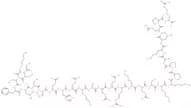
CAS:<p>Ghrelin is a peptide hormone that regulates appetite and has been shown to have potent anti-cachectic effects in animal models. It is thought to be an important regulator of body weight, insulin resistance, and metabolism. Ghrelin is synthesized in the stomach and released into the bloodstream when the stomach is empty. Ghrelin binds to ghrelin receptors in the hypothalamus, which stimulate growth hormone release from the pituitary gland. This hormone also binds to other cells in the hypothalamus, such as neurons that produce orexin, which may account for its effects on sleep patterns. Ghrelin has been shown to inhibit tumor growth by suppressing angiogenesis and inducing apoptosis. The molecular weight of ghrelin is 3497 Da. The sequence of ghrelin consists of 28 amino acids: Gly-Ser-Ser(octanoyl)-Phe-Leu-Ser-Pro-Glu-His-Gln-Lys-Ala</p>Formula:C147H245N45O42•(C2HO2F3)xPurity:Min. 95 Area-%Color and Shape:PowderMolecular weight:3,314.8 g/molDL-Proline
CAS:<p>A useful as an intermediate in the synthesis of peptides, proteins, and other organic molecules. It can be used as a reagent or as an additive to other chemicals.</p>Formula:C5H9NO2Purity:Min. 99 Area-%Molecular weight:115.13 g/mol(S)-2-Amino-5-methoxytetralin (S)-mandelate
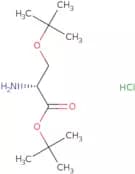
CAS:Controlled Product<p>Please enquire for more information about (S)-2-Amino-5-methoxytetralin (S)-mandelate including the price, delivery time and more detailed product information at the technical inquiry form on this page</p>Formula:C19H23NO4Purity:Min. 95%Molecular weight:329.39 g/molO-tert-Butyl-D-serine t-butyl ester hydrochloride
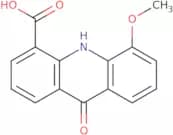
CAS:<p>O-tert-Butyl-D-serine t-butyl ester hydrochloride is a reaction component that can be used as a reagent in research and chemical synthesis. This compound is useful for the synthesis of complex compounds, such as pharmaceuticals and agrochemicals. It is also used in the production of fine chemicals, such as dyes and perfumes. CAS No. 179559-35-4</p>Formula:C11H23NO3·HClPurity:Min. 95%Color and Shape:PowderMolecular weight:253.77 g/mol9,10-Dihydro-5-methoxy-9-oxo-4-acridinecarboxylic acid
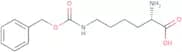
CAS:<p>Please enquire for more information about 9,10-Dihydro-5-methoxy-9-oxo-4-acridinecarboxylic acid including the price, delivery time and more detailed product information at the technical inquiry form on this page</p>Formula:C15H11NO4Purity:Min. 95%Color and Shape:PowderMolecular weight:269.25 g/molN6-Cbz-L-lysine
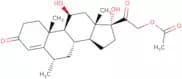
CAS:<p>N6-Cbz-L-lysine is a compound that has been shown to inhibit the activity of enzymes involved in disulfide bond formation, such as protein tyrosine phosphatase (PTP), and other enzymes implicated in cancer. N6-Cbz-L-lysine binds to the enzyme bromoacetic acid complex, which is involved in the uptake of substances into cells. This compound also has a high resistance to ring-opening, making it a good candidate for cancer therapy. The structural biology and molecular modelling of N6-Cbz-L-lysine has shown that this drug may be an active substance with anti-cancer activities. Magnetic resonance spectroscopy studies have revealed that N6-Cbz-L-lysine may have potential as an antihypertensive agent.</p>Formula:C14H20N2O4Purity:Min. 95%Color and Shape:White/Off-White SolidMolecular weight:280.32 g/mol6a-Methyl hydrocortisone 21-acetate
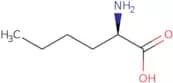
CAS:Controlled Product<p>Hydrocortisone is a corticosteroid that is used to suppress the immune system and reduce inflammation. It has anti-inflammatory, antipyretic, and vasoconstrictive properties. Hydrocortisone is a synthetic form of cortisol, which is produced naturally by the adrenal gland. Hydrocortisone acetate is an ester of hydrocortisone with acetic acid. This drug can be administered orally or topically, depending on the condition being treated. The methyl group in this compound makes it less reactive than natural hydrocortisone.</p>Formula:C24H34O6Purity:Min. 95%Color and Shape:PowderMolecular weight:418.52 g/molD-Norleucine
CAS:<p>D-Norleucine is a non-protein amino acid that is an important part of the synthesis of proteins. It has been shown to be a competitive inhibitor of the racemase enzyme, which converts D-alanine to L-alanine. The target cell for this reaction is unknown, but it may be related to the protein synthesis process. D-Norleucine has also been shown to inhibit the growth of Mycobacterium avium and other acid-fast bacteria by interfering with the production of ATP and incorporation into cellular structures. This inhibition is caused by its ability to form ionic bonds with functional groups in these compounds.</p>Formula:C6H13NO2Purity:Min. 95%Color and Shape:PowderMolecular weight:131.17 g/molN-Boc-hydroxylamine
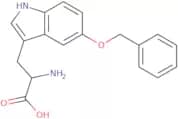
CAS:<p>N-Boc-hydroxylamine is an efficient method for the preparation of epoxides from carboxylic acids. The reaction system is a ruthenium complex in trifluoroacetic acid with an effective reaction time of 20 minutes and a stereoselective transfer mechanism. The carbamic acid group on the amine reacts with the epoxide to form a hydroxamic ester. Preparation of N-Boc-hydroxylamine can be accomplished by reacting hydroxylamine with a boc-protected alcohol, which then undergoes decarboxylation.</p>Formula:C5H11NO3Purity:Min. 95%Color and Shape:White PowderMolecular weight:133.15 g/mol5-Benzyloxy-DL-tryptophan
CAS:<p>5-Benzyloxy-DL-tryptophan is a tryptophan metabolite that has been shown to have physiological effects. It is formed by the hydrolysis of l-tryptophan by hydrochloric acid, which leads to an increase in extracellular Ca2+ and the production of reaction products. 5-Benzyloxy-DL-tryptophan is also involved in the biosynthesis of serotonin, which is a neurotransmitter that affects mood and appetite. Clinical oncology studies have shown that 5-benzyloxy-DL-tryptophan can be used as adjuvant therapy to attenuate tumor growth and metastasis. 5-Benzyloxy-DL-tryptophan has been found to bind to the serotonin receptor cells in the intestine, leading to an increase in Ca2+, which promotes intestinal motility. 5BTT also acts as a precursor for serotonin synthesis when combined with amino acids such as L -</p>Formula:C18H18N2O3Color and Shape:PowderMolecular weight:310.35 g/mol1-Deoxy-1-(methylamino)-D-glucitol [3-[[(2R,3S)-2-[(1R)-1-[3,5-bis(trifluoromethyl)phenyl]ethoxy]-3-(4-fluorophenyl)-4-morpholinyl]m ethyl]-2,5-dihydro-5-oxo-1H-1,2,4-triazol-1-yl]phosphonate
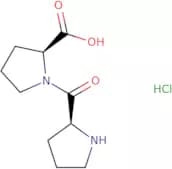
CAS:<p>Fosaprepitant is a drug that belongs to the class of drugs used for chemotherapy. It is a prodrug that is converted in vivo to aprepitant, its active form. Fosaprepitant acts as an antagonist of the neurokinin-1 receptor (NK-1R) and inhibits the binding of substance P, which leads to an anti-inflammatory effect. Fosaprepitant has been shown to inhibit the production of substance P in animal models, leading to a reduction in inflammation. In clinical trials, fosaprepitant has been shown to be safe and well tolerated when used with other drugs such as cisplatin and docetaxel in patients with cancer.</p>Formula:C23H22F7N4O6P•(C7H17NO5)2Purity:Min. 95%Color and Shape:White To Off-White SolidMolecular weight:1,004.83 g/molH-Pro-Pro-OH·HCl
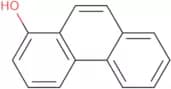
CAS:<p>H-Pro-Pro-OH·HCl is a fine chemical that is commonly used as a building block for organic synthesis. This compound is soluble in water, making it an ideal reactant for use in reactions involving peptides and proteins. H-Pro-Pro-OH·HCl is also useful as an intermediate, research chemical, or speciality chemical. It has been used as a reagent for the preparation of other chemicals and has shown high quality performance in reactions with nucleophiles.</p>Formula:C10H16N2O3·HClPurity:Min. 95%Color and Shape:White PowderMolecular weight:248.71 g/mol1-Phenanthrol
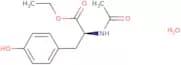
CAS:<p>1-Phenanthrol is a naturally occurring phenanthrene derivative that is used in the treatment of cervical cancer. It has been shown to be effective in the chemiluminescence method using urine samples, which indicates that it may have an effect on the body's metabolism. 1-Phenanthrol has also been shown to inhibit the production of s-phenylmercapturic acid, which is a metabolite of aromatic amines. This inhibition may be due to its receptor binding properties as it binds to and activates the peroxisome proliferator-activated receptor alpha (PPARα) and PPARγ. 1-Phenanthrol also inhibits angiotensin II type 1 receptors and can cause vasorelaxation by reducing blood pressure.</p>Formula:C14H10OPurity:Min. 95%Color and Shape:Off-White PowderMolecular weight:194.23 g/molN-Acetyl-L-tyrosine ethyl ester hydrate
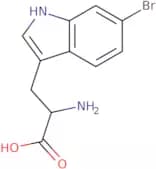
CAS:<p>N-Acetyl-L-tyrosine ethyl ester hydrate is a synthetic compound that has been used in the past as a substrate for protease activity. It is a monoclonal antibody that is used to detect the presence of human serum proteins and to prepare samples for analysis by liquid chromatography. This derivative of L-tyrosine is related to proteolytic activity and redox potential, but it does not have any biological properties. N-Acetyl-L-tyrosine ethyl ester hydrate can be prepared from soybean trypsin and caproic acid.</p>Formula:C13H17NO4·H2OPurity:Min. 96.0 Area-%Color and Shape:White Off-White PowderMolecular weight:269.29 g/mol6-Bromo-DL-tryptophan
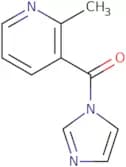
CAS:<p>6-Bromo-DL-tryptophan is an alkylating agent that has been shown to be effective in the treatment of neurodegenerative diseases. 6-Bromo-DL-tryptophan is a natural product that is synthesized from L-tryptophan by the addition of bromine. The biosynthesis of 6-bromo-DL-tryptophan occurs through a two step process, which involves conversion of L-tryptophan to L-3,4,5,6 tetrahydroisoquinoline and then to 6-(2,4dinitrophenyl)-L-tryptophan. This synthetic pathway has been optimized for industrial production using chemical and biochemical methodologies.</p>Formula:C11H11BrN2O2Purity:Min. 98 Area-%Color and Shape:White PowderMolecular weight:283.12 g/mol2-Methylnicotinic acid imidazolide
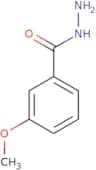
CAS:<p>2-Methylnicotinic acid imidazolide is a small molecule with the ability to regulate RNA splicing. It has been shown to inhibit the transcription of specific genes by binding to the RNA sequence and forming a stable complex with the mRNA. The chemical structure of 2-methylnicotinic acid imidazolide has also been shown to be similar to that of nicotinamide, which is a precursor for NAD+, a coenzyme involved in cellular metabolism. This may explain how 2-methylnicotinic acid imidazolide regulates gene expression and promotes neuronal health.</p>Formula:C10H9N3OPurity:Min. 95%Color and Shape:PowderMolecular weight:187.2 g/mol3-Methoxybenzhydrazide
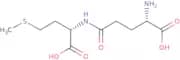
CAS:<p>3-Methoxybenzhydrazide is a molecule that has been studied for its biological properties. It has the ability to inhibit tyrosinase, an enzyme involved in melanin production, and is a potent inhibitor of bacterial growth. 3-Methoxybenzhydrazide also has the property of fluorescence, which can be used to detect its presence in cells. The stability of this molecule has been studied by x-ray crystallography and it is found to have high structural stability. 3-Methoxybenzhydrazide has been shown to be potentially useful for cancer research due to its ability to suppress tumor growth in mice.</p>Formula:C8H10N2O2Purity:Min. 95%Color and Shape:PowderMolecular weight:166.18 g/molH-Glu(Met-OH)-OH
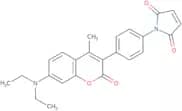
CAS:<p>H-Glu(Met-OH)-OH is an enzyme that catalyzes the conversion of stachyose to sucrose. It is also a synthetase that catalyzes the formation of fatty acids. H-Glu(Met-OH)-OH has been shown to be active in cancer cells and may be used as a potential therapeutic target for cancer treatment. This enzyme is inhibited by sodium hydroxide solution, hydrochloric acid, and urea nitrogen. The activity of H-Glu(Met-OH)-OH is measured by its ability to synthesize fatty acids from glucose in the presence of ATP and NADPH. Hydroxide solution can also be used to measure the activity of H-Glu(Met-OH)-OH as it converts stachyose to sucrose in the presence of ATP, NADP+, and sodium hydroxide solution. The rate at which this reaction occurs can be measured using a spectrophotometer with a carboxylate absorb</p>Formula:C10H18N2O5SPurity:Min. 95%Color and Shape:SolidMolecular weight:278.33 g/mol7-Diethylamino-3-(4'-maleimidylphenyl)-4-methylcoumarin
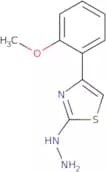
CAS:<p>7-Diethylamino-3-(4'-maleimidylphenyl)-4-methylcoumarin is a fluorescent probe that can be used to measure the cytosolic calcium concentration. This probe binds to heparin, which is a positive ionic charge and has been shown to cause an increase in cytosolic calcium levels in cultured cells. 7-Diethylamino-3-(4'-maleimidylphenyl)-4-methylcoumarin has been used to successfully monitor changes in cytosolic calcium levels in response to pharmacological agents, such as the monoclonal antibody TNF-α. 7-Diethylamino-3-(4'-maleimidylphenyl)-4-methylcoumarin has also been used as a marker for tissue culture studies, where it was found that this molecule binds to the ryanodine receptor and alters its redox potential.</p>Formula:C24H22N2O4Purity:Min. 95%Color and Shape:PowderMolecular weight:402.44 g/mol4-(2-Methoxyphenyl)-2(3H)-thiazolone hydrazone
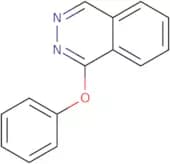
CAS:<p>4-(2-Methoxyphenyl)-2(3H)-thiazolone hydrazone is a versatile building block for the synthesis of complex compounds. It is also a useful intermediate for the preparation of research chemicals, reagents, and speciality chemicals. 4-(2-Methoxyphenyl)-2(3H)-thiazolone hydrazone has been used in the synthesis of a number of biologically active compounds, including hydroxyarylacetamides and 2,5-dioxo-4-(2-methoxybenzoyl)thiazolidine derivatives. This compound can be used as a scaffold to produce novel compounds with biological activity.</p>Formula:C10H11N3OSPurity:Min. 95%Color and Shape:Off-White PowderMolecular weight:221.28 g/mol1-Phenoxyphthalazine
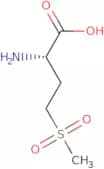
CAS:<p>1-Phenoxyphthalazine is a n-oxide with life-threatening properties. It is used as a medication for high blood pressure and as an anxiolytic. 1-Phenoxyphazin has been shown to have receptor affinity for the dopamine, serotonin, and noradrenaline receptors. It also blocks the carboxylate ion channels of the central nervous system. 1-Phenoxyphthalazine has been shown to have peroxide and chloride properties, which may contribute to its antihypertensive effects.</p>Formula:C14H10N2OPurity:Min. 95%Color and Shape:PowderMolecular weight:222.24 g/molL-Methionine sulfone
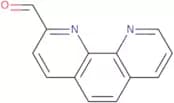
CAS:<p>L-Methionine sulfone is an enzyme substrate that is a potent antagonist of glutamate, the α subunit of aspartate aminotransferase, and proteolytic enzymes. L-Methionine sulfone inhibits protein synthesis by competitively inhibiting uptake of methionine into the cell. This compound has been shown to have inhibitory properties in tissue culture assays and also has potent antagonistic effects on glutamate, the α subunit of aspartate aminotransferase, and proteolytic enzymes. L-Methionine sulfone inhibits protein synthesis by competitively inhibiting uptake of methionine into the cell. This compound has been shown to have inhibitory properties in tissue culture assays and also has potent antagonistic effects on glutamate, the α subunit of aspartate aminotransferase, and proteolytic enzymes.</p>Formula:C5H11NO4SPurity:Min. 95%Molecular weight:181.21 g/mol1,10-Phenanthroline-2-carbaldehyde
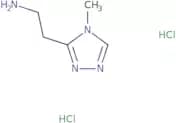
CAS:<p>1,10-Phenanthroline-2-carbaldehyde is a phenylhydrazone compound that has been shown to have anticancer activity. It is also a supramolecular complex, which means it can form hydrogen bonds and coordinate bonds with other molecules. The anticancer activity of 1,10-phenanthroline-2-carbaldehyde may be due to its ability to inhibit the growth of prostate carcinoma cells. This compound also inhibits the growth of human cervical carcinoma cells by binding to their DNA and inhibiting the synthesis of RNA and protein. 1,10-Phenanthroline-2-carbaldehyde is being studied for its potential as an inhibitor of tumor angiogenesis.<br>1,10-Phenanthroline-2-carbaldehyde has been shown to have antiplatelet aggregation effects in platelets from healthy humans as well as those with type 2 diabetes mellitus or chronic kidney disease.</p>Formula:C13H8N2OPurity:Min. 90 Area-%Color and Shape:Off-White PowderMolecular weight:208.22 g/mol2-(4-Methyl-4H-1,2,4-triazol-3-yl)ethanamine dihydrochloride
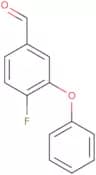
CAS:<p>2-(4-Methyl-4H-1,2,4-triazol-3-yl)ethanamine dihydrochloride is a high quality chemical used as a building block in the synthesis of complex compounds. It is an intermediate in the manufacture of research chemicals, reagents and speciality chemicals. 2-(4-Methyl-4H-1,2,4-triazol-3-yl)ethanamine dihydrochloride is also a versatile building block that can be used in reactions to produce useful scaffolds. CAS No. 1158631-54-9</p>Formula:C5H10N4·2HClPurity:Min. 95%Color and Shape:White PowderMolecular weight:199.08 g/mol4-Fluoro-3-phenoxybenzaldehyde
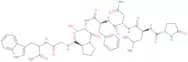
CAS:<p>4-Fluoro-3-phenoxybenzaldehyde is a chiral organic compound that has been synthesized in the laboratory. This compound has a linear response to peroxide and can be used as an environmental pollutant indicator. It is produced by the reaction of phenol with peroxide in deionized water, which is catalyzed by acid. The reaction time is dependent on the diluent used, and ultrasonic irradiation can be used to speed up the reaction. 4-Fluoro-3-phenoxybenzaldehyde's structure consists of two isomers, each containing either a fluorine atom or hydrogen atom on one of the phenyl rings. 4-Fluoro-3-phenoxybenzaldehyde can be purified using distillation or recrystallization techniques.</p>Formula:C13H9FO2Purity:Min. 95%Color and Shape:LiquidMolecular weight:216.21 g/molCrustacean Erythrophore Concentrating Hormone Pyr-Leu-Asn-Phe-Ser-Pro-Gly-Trp-NH2
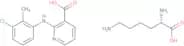
CAS:<p>Crustacean Erythrophore Concentrating Hormone Pyr-Leu-Asn-Phe-Ser-Pro-Gly-Trp-NH2 is a polypeptide hormone that belongs to the family of peptide hormones. It is a type of neurohormone that has been found in crustaceans. Crustacean Erythrophore Concentrating Hormone Pyr-Leu-Asn-Phe-Ser-Pro-Gly-Trp-NH2 shows high affinity for cardiac tissue and blocks the uptake of calcium ions into cells by binding to intracellular receptors. This peptide has been shown to have neurotrophic effects, which may be due to its ability to stimulate the production of nerve growth factor (NGF).</p>Formula:C45H59N11O11Purity:Min. 95%Molecular weight:930.02 g/molLysine clonixinate
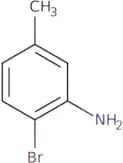
CAS:<p>Lysine clonixinate is a non-steroidal anti-inflammatory drug (NSAID) that is used to treat pain, inflammation and fever. It is effective in the treatment of infectious diseases, statistically. Lysine clonixinate has been shown to have an antiviral effect against influenza virus and HIV. Lysine clonixinate also exhibits a protective effect against bacterial infections in animals with bowel disease.</p>Formula:C19H25ClN4O4Purity:Min. 95%Color and Shape:PowderMolecular weight:408.88 g/mol2-Bromo-5-methylaniline
CAS:<p>2-Bromo-5-methylaniline is an insecticide that is used to control a number of pests, such as flies and mosquitoes. It has been shown to be effective against plasmodium falciparum, the parasite responsible for causing malaria. 2-Bromo-5-methylaniline inhibits the growth of plasmodium by interfering with the synthesis of proteins vital for cell division. This drug can cause unintended effects on other insects and mammals, which may be due to its ability to inhibit acetylcholinesterase activity in humans and rats, leading to paralysis. 2-Bromo-5-methylaniline is also a product of palladium catalyzed reactions with isocryptolepine, a chemical compound that has been shown to have antiplasmodial properties.</p>Formula:C7H8BrNPurity:Min. 95%Color and Shape:White To Brown SolidMolecular weight:186.05 g/molD,L-Cystathionine
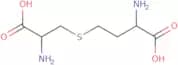
CAS:<p>Cystathionine is a sulfur-containing amino acid that is the precursor of cysteine. Cystathionine synthase, the enzyme that catalyzes the formation of cystathionine, is inhibited by L-cysteine and glutathione. Cystathionine has been shown to be an important growth factor for fibroblasts and osteoblasts in culture as well as a regulator of gene expression. It also has been shown to be essential for iron homeostasis, as it increases iron absorption from the gut and reduces iron excretion in bile. Cystathionine is a highly reactive molecule with a high redox potential and can cause oxidative injury to cells, which may contribute to bowel disease. Cystathionine has been shown to have receptor activity in neurons, and its physiological effects are similar to those of glutamate.</p>Formula:C7H14N2O4SPurity:Min. 95%Color and Shape:PowderMolecular weight:222.26 g/mol5-Bromo-2-methoxypyridine
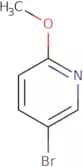
CAS:<p>5-Bromo-2-methoxypyridine is a synthetic organic chemical that is used in organic chemistry. It is a precursor to the HIV integrase inhibitor, PSC 833, and has been shown to be effective in treating idiopathic pulmonary fibrosis. 5-Bromo-2-methoxypyridine is synthesized by reacting phosphorus oxychloride with 2-bromomethoxybenzene. This reaction produces a mixture of products that are then separated using column chromatography. The desired product can be purified by recrystallization or distillation. 5-Bromo-2-methoxypyridine has three pairs of asymmetric carbon atoms and four different functional groups: halides, sulfur trifluoride, bromine, and methoxy groups.</p>Formula:C6H6BrNOPurity:Min. 95%Color and Shape:Clear LiquidMolecular weight:188.02 g/molBOC-β-alanine
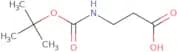
CAS:<p>BOC-β-alanine is a trifluoroacetic acid derivative that is activated with carbodiimides to form the ester hydrochloride. It has been shown to have anticancer activity in vitro and in vivo. BOC-β-alanine inhibits the synthesis of polypeptides by binding to the carboxyl group on the amino acid, thereby preventing protein formation. This compound also has an inhibitory effect on cell proliferation of 3T3-L1 preadipocytes in culture, which may be due to its ability to deplete fibrinogen from cells and inhibit activation of adenyl cyclase.</p>Formula:C8H15NO4Color and Shape:White PowderMolecular weight:189.21 g/mol1-Boc-amino-3,6,9-trioxaundecanyl-11-ol
CAS:<p>1-Boc-amino-3,6,9-trioxaundecanyl-11-ol is a PEG polymer categorised as monofunctional (OH-PEG-X). Used as a linker, 1-boc-amino-3,6,9-trioxaundecanyl-11-ol is used to attached PEG to proteins, peptides, oligonucleotides, nanoparticles and small molecules via pegylation, a bioconjugation technique.</p>Formula:C13H27NO6Purity:Min. 95%Color and Shape:Clear LiquidMolecular weight:293.36 g/molL-Norleucine
CAS:<p>L-Norleucine is a non-essential amino acid that is structurally similar to leucine. It has been shown to have an inhibitory effect on the growth of resistant mutants in the coli K-12 strain. L-Norleucine binds strongly to amyloid proteins and may be used as a therapeutic agent for Alzheimer's disease. It has also been shown to be effective against congestive heart failure in vitro, which may be due to its ability to modulate monoamine neurotransmitters and increase the availability of nitric oxide. L-Norleucine may also be useful for the treatment of Parkinson's disease because it inhibits protein aggregation at low concentrations.</p>Formula:C6H13NO2Purity:Min. 95%Color and Shape:PowderMolecular weight:131.17 g/mol5-Methylindole-3-carboxaldehyde
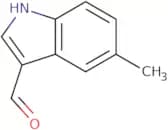
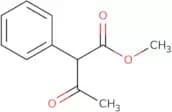
CAS:<p>5-Methylindole-3-carboxaldehyde (5MI) is a β-unsaturated aldehydes that is used as an analyte in assays for the detection of α,β-unsaturated aldehydes. It has been shown to be effective in degranulation of cells and induces cellular degranulation. 5MI has also been shown to be an analog of other β-unsaturated aldehydes and acts competitively with these compounds.</p>Formula:C10H9NOPurity:Min. 95%Color and Shape:PowderMolecular weight:159.18 g/molMethyl 2-phenylacetoacetate
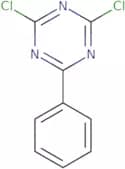
CAS:Controlled Product<p>Methyl 2-phenylacetoacetate is an impurity of amphetamine. It is a chemical intermediate and an impurity in the production of amphetamine by the Leuckart reaction. Methyl 2-phenylacetoacetate may be found in wastewater from the manufacture of amphetamine. This chemical is not a drug, but it may be used as a marker for wastewater treatment systems that are malfunctioning or aberrantly producing amphetamine.</p>Formula:C11H12O3Purity:Min. 95%Color and Shape:White PowderMolecular weight:192.21 g/mol2,4-Dichloro-6-phenyl-1,3,5-triazine
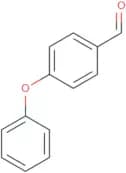
CAS:<p>2,4-Dichloro-6-phenyl-1,3,5-triazine is a triazine that has been synthesized and characterized by gel permeation chromatography and powder diffraction analysis. This compound is insoluble in organic solvents due to its high molecular weight. 2,4-Dichloro-6-phenyl-1,3,5-triazine has a number of different applications in the field of polymer science as an acceptor for activated polymers. It can also be used for thermally or photophysically activated polymers. The molecular structure of this compound was determined using x-ray crystallography and molecular modelling techniques.</p>Formula:C9H5Cl2N3Purity:Min. 98%Color and Shape:PowderMolecular weight:226.06 g/mol4-Phenoxybenzaldehyde
CAS:<p>4-Phenoxybenzaldehyde is a phenolic compound that has potent inhibitory activity against bacteria. It was shown to have the highest antibacterial activity among alkanoic acids, with an MIC of less than 2 µg/mL. 4-Phenoxybenzaldehyde is produced by the condensation of phenol and acetaldehyde in the presence of a solid catalyst and potassium hydroxide. This reaction produces a mixture of products, including 4-phenoxybenzaldehyde, which can be purified by recrystallization or column chromatography. The biosynthetic pathway for 4-phenoxybenzaldehyde in plants has been elucidated and includes two steps: one involving pyrazole ring formation and another involving hydroxyl group formation.</p>Formula:C13H10O2Purity:Min. 95%Molecular weight:198.22 g/molN-Acetyl-L-methionine
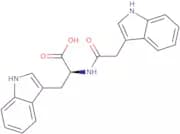
CAS:<p>N-Acetyl-L-methionine is a form of the amino acid methionine. It is an intermediate in the conversion of L-methionine to S-adenosylmethionine, which is involved in methylation reactions in cells. N-Acetyl-L-methionine has been shown to be effective against nitrite ion, a reactive nitrogen species that causes oxidative stress and damage to DNA, RNA, and proteins. It also has been shown to have biological properties for the prevention of ischemia reperfusion injury following cardiac arrest and liver transplantation. N-acetyl-L-methionine may also have benefits for individuals with high body mass index or rats with liver microsomes.</p>Formula:C7H13NO3SPurity:Min. 95%Color and Shape:White PowderMolecular weight:191.25 g/molIndole-3-acetyl-L-tryptophan
CAS:<p>Indole-3-acetyl-L-tryptophan is a water soluble anion that can be used as a recovery agent in the analysis of salicylic acid. It has been shown to quantitatively recover ammonium formate, which is an indicator for the presence of salicylic acid in a sample. Indole-3-acetyl-L-tryptophan also has been shown to quantitatively recover indole-3-acetyl-l -aspartic acid, which is another indicator for the presence of salicylic acid in a sample. Indole-3-acetyl L tryptophan can also be used to quantify and identify indoles. This compound has been proposed as a possible regulatory molecule for abscisic acid, which regulates plant growth and seed germination. Indole 3 acetyl tryptophan can also be used to measure the level of salicylic acid in plants and plant extracts by using UV spectrosc</p>Formula:C21H19N3O3Purity:Min. 98 Area-%Color and Shape:White Slightly Brown PowderMolecular weight:361.39 g/mol7-Chloro-5-(2-fluorophenyl)-2,3-dihydro-1H-1,4-benzodiazepine-2-methanamine
CAS:Controlled Product<p>Please enquire for more information about 7-Chloro-5-(2-fluorophenyl)-2,3-dihydro-1H-1,4-benzodiazepine-2-methanamine including the price, delivery time and more detailed product information at the technical inquiry form on this page</p>Formula:C16H15ClFN3Purity:Min. 95%Color and Shape:PowderMolecular weight:303.76 g/mol3-(tert-butyl)-2-phenylindeno[3,2-c]pyrazol-4-one
CAS:<p>Please enquire for more information about 3-(tert-butyl)-2-phenylindeno[3,2-c]pyrazol-4-one including the price, delivery time and more detailed product information at the technical inquiry form on this page</p>Formula:C20H18N2OPurity:Min. 95%Color and Shape:PowderMolecular weight:302.37 g/mol3-(tert-butyl)-1-phenyl-4-(2-thienylmethylene)-2-pyrazolin-5-one
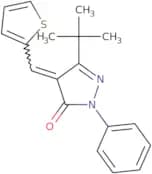
CAS:<p>Please enquire for more information about 3-(tert-butyl)-1-phenyl-4-(2-thienylmethylene)-2-pyrazolin-5-one including the price, delivery time and more detailed product information at the technical inquiry form on this page</p>Purity:Min. 95%2-Methyl-DL-serine
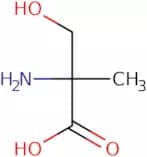
CAS:<p>2-Methyl-DL-serine is a metabolite of the amino acid serine. It is synthesized by the enzyme serine dehydratase, which converts L-serine to 2-methyl-L-serine. This product has been shown to inhibit microbial metabolism and has been proposed as a drug target for glycopeptide antibiotics. 2-Methyl-DL-serine is an inhibitor of glycosyltransferases that have high affinity for D-alanine, such as enolase, phosphoglycerate kinase, and pyruvate kinase. In addition, this product inhibits some enzymes involved in glycogen metabolism by binding to the lysosomal enzyme α-glucosidase. The enzyme genes that encode for these enzymes are expressed in both prokaryotes and eukaryotes. 2Methyl DL serine also inhibits dioxygenases (e.g., cytochrome P450) that utilize</p>Formula:C4H9NO3Purity:Min. 95%Color and Shape:PowderMolecular weight:119.12 g/mol1,3-Bis-(Z-Leu-Leu)-diaminoacetone
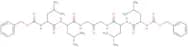
CAS:<p>1,3-Bis-(Z-Leu-Leu)-diaminoacetone is a synthetic diketone inhibitor, which is a formulation derived through specialized organic synthesis. It functions by targeting and inhibiting aspartic proteases, a class of enzymes that play critical roles in numerous biological processes, including protein degradation and processing. This compound's mechanism involves the reversible covalent modification of the enzyme's active site, leading to an obstruction of its catalytic function.</p>Formula:C43H64N6O9Purity:Min. 95%Color and Shape:PowderMolecular weight:809 g/mol1,4-Phenylene diisothiocyanate
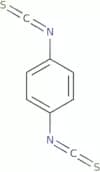
CAS:<p>1,4-Phenylene diisothiocyanate is a potent anthelmintic drug that inhibits the growth of parasites and has been used to treat infections caused by helminths. It binds to a chemoreceptor site on the parasite's surface and prevents the release of an inflammatory mediator, epidermal growth factor. This drug also interacts with other receptors, such as P2Y2, which are involved in inflammation. 1,4-Phenylene diisothiocyanate has been shown to be effective against cancer cells in experimental models and may be useful in chemotherapeutic treatments due to its ability to inhibit cell proliferation.</p>Formula:C8H4N2S2Purity:Min. 98 Area-%Color and Shape:Off-White PowderMolecular weight:192.26 g/mol(3,4-Dehydro-Pro2·4)-Substance P
CAS:<p>Please enquire for more information about (3,4-Dehydro-Pro2·4)-Substance P including the price, delivery time and more detailed product information at the technical inquiry form on this page</p>Formula:C63H94N18O13SPurity:Min. 95%Molecular weight:1,343.6 g/molFmoc-L-homotyrosine
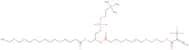
CAS:<p>Fmoc-L-homotyrosine is a tyrosine kinase inhibitor. Tyrosine kinases are enzymes that catalyze the transfer of phosphate groups from ATP to tyrosine residues in proteins, which play a role in many cellular processes. Fmoc-L-homotyrosine binds to the ATP binding site in the active site of these enzymes, preventing phosphorylation and thus preventing protein function. This compound has been shown to inhibit neurotensin receptors in vitro and has also been shown to be an endogenous ligand for this receptor. Fmoc-L-homotyrosine binds to allosteric sites on the neurotensin receptor, causing conformational changes that activate transduction pathways and increase signaling. The mechanism of inhibition is not yet fully understood but is thought to be due to steric hindrance or allosteric binding.</p>Formula:C25H23NO5Purity:Min. 95%Molecular weight:417.45 g/mol1-Palmitoyl-2-ω-(2-Diazo-3,3,3-Trifluoropropionyloxy)Lauroyl-Sn-Glycero-3-Phosphocholine
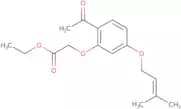
CAS:<p>1-Palmitoyl-2-omega-(2-Diazo-3,3,3-Trifluoropropionyloxy)Lauroyl-Sn-Glycero-3-Phosphocholine is a potential therapy for pulmonary fibrosis. It is an admixture of two phospholipids containing the fatty acid palmitic acid and omega-(2,3,3,3,-trifluoroethoxy)acetyl lauroylglycerophosphocholine. The molecule is activated by carbon monoxide (CO), which converts it to a form that can be taken up by cells. CO has been shown to inhibit the growth of cells in culture and in animal models of pulmonary fibrosis. Treatment with the molecule also inhibits production of galacturonic acid and oligosaccharides from lysophosphatidylethanolamine and its derivatives.</p>Formula:C39H71F3N3O10PPurity:Min. 95%Molecular weight:829.96 g/mol2'-Ethoxycarbonylmethoxy-4'-(3-methyl-2-butenyloxy)acetophenone
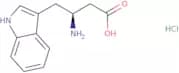
CAS:<p>2'-Ethoxycarbonylmethoxy-4'-(3-methyl-2-butenyloxy)acetophenone is a centrosymmetric molecule with a crystal structure. It has been shown to form dimers in the solid state.</p>Formula:C17H22O5Purity:Min. 95%Color and Shape:PowderMolecular weight:306.35 g/molL-β-Homotryptophan hydrochloride
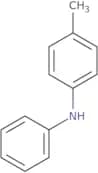
CAS:<p>L-beta-Homotryptophan hydrochloride is a fine chemical that is used in research, as well as in the production of other chemicals. It is a useful building block for complex compounds. It can be used to react with other compounds to produce reactions components or scaffolds. L-beta-Homotryptophan hydrochloride is also a versatile building block and can be used to synthesize other fine chemicals, such as pharmaceuticals, pesticides, and herbicides. L-beta-Homotryptophan hydrochloride belongs to the category of reagents that are available in high quality and are often used in research. The CAS number for this compound is 339994-86-4.</p>Formula:C12H14N2O2•HClPurity:Min. 95%Color and Shape:Off-White PowderMolecular weight:254.71 g/mol4-Methyldiphenylamine
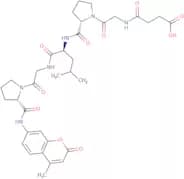
CAS:<p>4-Methyldiphenylamine is a polymerization inhibitor that can be used in the manufacture of polymers and paints. It has been shown to inhibit the polymerization of phenylenediamines, biphenyls, anilines, and other compounds. 4-Methyldiphenylamine is not soluble in water and must be dissolved in an organic solvent such as acetone or alcohol before use. This compound is also known for its ability to form complexes with aluminium ions and phosphotungstic acid. It reacts with chloride to form a yellow/brown solid that can be removed by filtration or decantation. The optimal reaction time ranges from 3 hours to 24 hours, depending on the substrate being used. Impurities may include chromatographic peaks at Rf 0.67, 0.59, and 0.50; these impurities can be removed by washing with deionized water or by using a different solvent system during chromatography. 4</p>Formula:C13H13NPurity:Min. 95%Molecular weight:183.25 g/molSuc-Gly-Pro-Leu-Gly-Pro-AMC
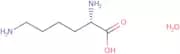
CAS:<p>Suc-Gly-Pro-Leu-Gly-Pro-AMC (SGLP) is a synthetic substrate that is hydrolyzed by proteases and has been used as a model substrate in protease studies. It has been shown to be cleaved by a number of enzymes, including chymotrypsin, trypsin, elastase, and cathepsin D. The hydrolysis products are sucrose glycolate, glycerol phosphate, leucine amino acid ester, and proline amino acid ester. SGLP has been shown to have low bioavailability in human liver cells and heart tissue. Studies have also shown that SGLP can stimulate the production of myelocytic cells in vitro. This activity may be due to its ability to act as an immunomodulator or by targeting tissue enzyme activities.</p>Formula:C34H44N6O10Purity:Min. 98 Area-%Color and Shape:PowderMolecular weight:696.75 g/molL-Lysine hydrate
CAS:<p>L-Lysine hydrate is a water-soluble amino acid that is used as an additive in animal feed. L-Lysine has been shown to have minimal toxicity, and can be used for the prevention of colds, flu, and fever. It also has anti-inflammatory effects in humans, which may be due to its ability to inhibit the production of prostaglandins that are involved in pain and inflammation. L-Lysine hydrate binds to several drugs such as nonsteroidal antiinflammatory drugs (NSAIDs) and ethylene diamine dihydrochloride (EDDH), forming stable complexes with them. This binding prevents the NSAID from being broken down by enzymes in the liver and intestines, which can lead to decreased blood levels of these drugs.</p>Formula:C6H14N2O2•H2OPurity:Min. 95%Color and Shape:White PowderMolecular weight:146.19 g/molD-Norvaline
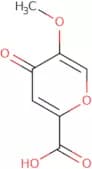
CAS:<p>D-Norvaline is a non-protein amino acid that is an intermediate in the biosynthesis of L-norvaline. It is synthesized from D-alanine by the racemase enzyme and converted to L-norvaline by the hydrolysis of an acetyl group. D-Norvaline has shown inhibitory effects on gamma-aminobutyric acid (GABA) and chloride ion channels, which may be helpful for treating t2d patients. Norvaline binds to GABA with high affinity and inhibits the opening of chloride ion channels in the central nervous system.</p>Formula:C5H11NO2Purity:Min. 95%Color and Shape:White PowderMolecular weight:117.15 g/mol5-Methoxy-4-oxo-4H-pyran-2-carboxylic acid
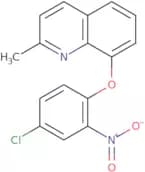
CAS:<p>5-Methoxy-4-oxo-4H-pyran-2-carboxylic acid is a building block for organic synthesis. It is a versatile building block that can be used to synthesize complex compounds. 5-Methoxy-4-oxo-4H-pyran-2-carboxylic acid has been shown to be useful as a reagent in organic synthesis and as a reaction component. It is also used in pharmaceutical research and development. CAS No.: 1199-60-6</p>Formula:C7H6O5Purity:Min. 95%Color and Shape:PowderMolecular weight:170.12 g/mol4-Chloro-1-(2-methyl(8-quinolyloxy))-2-nitrobenzene
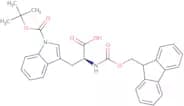
CAS:<p>Please enquire for more information about 4-Chloro-1-(2-methyl(8-quinolyloxy))-2-nitrobenzene including the price, delivery time and more detailed product information at the technical inquiry form on this page</p>Formula:C16H11ClN2O3Purity:Min. 95%Color and Shape:PowderMolecular weight:314.72 g/molFmoc-Trp(Boc)-OH
CAS:<p>Fmoc-Trp(Boc)-OH is an amide that has been shown to have the ability to bind to human serum proteins, making it useful in clinical diagnostics. This compound has also been found to be effective against a variety of bacterial strains and fungi. The Fmoc-Trp(Boc)-OH peptide can be synthesized using solid-phase synthesis techniques, which involve attaching amino acid residues to a polymer support. This process is cell specific and allows for the production of peptides with specific sequences. The presence of histidine residues on the side chain of this molecule makes it a good candidate for use in antimicrobial peptides.</p>Formula:C31H30N2O6Purity:Min. 98 Area-%Color and Shape:White Off-White PowderMolecular weight:526.58 g/mol4-Methylmorpholine N-oxide
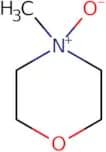
CAS:<p>Intermediate for organic synthesis</p>Formula:C5H11NO2Purity:Min 97%Color and Shape:White PowderMolecular weight:117.15 g/mol1-Methyl-1H-imidazole-2-boronic acid pinacolester
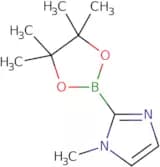
CAS:<p>1-Methyl-1H-imidazole-2-boronic acid pinacolester is a chemical compound that is used as a reagent in organic synthesis. It is also a useful building block for complex compounds, and can be used as a versatile building block for drug discovery research. 1-Methyl-1H-imidazole-2-boronic acid pinacolester is soluble in water, has good solubility in organic solvents such as ethanol, acetone, THF, and DMF. It has a CAS number of 553651-31-3 and the molecular weight of 252.24 g/mol.</p>Formula:C10H17BN2O2Purity:Min. 95 Area-%Color and Shape:White PowderMolecular weight:208.07 g/molN-[1-[2-(4-Ethyl-5-Oxotetrazol-1-Yl)Ethyl]-4-Phenylpiperidin-4-Yl]-N-(2-Fluorophenyl)Propanamide
CAS:Controlled Product<p>N-[1-[2-(4-Ethyl-5-Oxotetrazol-1-Yl)Ethyl]-4-Phenylpiperidin-4-Yl]-N-(2-Fluorophenyl)Propanamide is a drug that is used clinically for the treatment of depression. It is an analog of amitriptyline, an antidepressant and a tricyclic compound. N-[1-[2-(4-Ethyl-5-Oxotetrazol-1-Yl)Ethyl]-4-Phenylpiperidin-4-Yl]-N-(2-Fluorophenyl)Propanamide has been shown to increase the concentration of plasma drug levels by increasing transporter gene expression in muscle tissue. This drug also has clinical pharmacology and thermal expansion properties.</p>Formula:C25H31FN6O2Purity:Min. 95%Molecular weight:466.55 g/molH-Ser-His-OH acetate
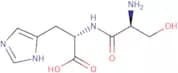
CAS:<p>H-Ser-His-OH acetate salt is an amide that has been shown to have a neutral pH and to be soluble in organic solvents such as chloroform. It has a biological function of being a serine protease inhibitor. H-Ser-His-OH acetate salt binds to the amino acid histidine and inhibits the activity of serine proteases. This product has been used in fluorescence techniques, immunofluorescence analyses, and molecular biology.</p>Formula:C9H14N4O4·xC2H4O2Purity:Min. 95%Color and Shape:PowderMolecular weight:242.24 g/mol8-Hydroxy-7-methoxy-2-oxo-2H-1-benzopyran-3-carboxylic acid
<p>8-Hydroxy-7-methoxy-2-oxo-2H-1-benzopyran-3-carboxylic acid is a versatile building block with a broad range of applications. It has been used in the synthesis of many complex compounds and research chemicals, including CAS No. 1207819-96-6. This chemical can be used as a reagent to produce important biological molecules such as antibiotics, antivirals, and antihypertensives.</p>Formula:C11H7NO8Purity:Min. 95%Color and Shape:Green SolidMolecular weight:281.18 g/mol



![8-benzyl-4-(4-fluorobenzoyl)-1-oxa-4,8-diazaspiro[4.5]decane-3-carboxylic acid](/_next/image/?url=https%3A%2Fstatic.cymitquimica.com%2Fproducts%2F10%2Fthumb-webp%2FF525792.webp&w=3840&q=75)
![8-methyl-4-(4-methylbenzoyl)-1-oxa-4,8-diazaspiro[4.5]decane-3-carboxylic acid](/_next/image/?url=https%3A%2Fstatic.cymitquimica.com%2Fproducts%2F10%2Fthumb-webp%2FF525624.webp&w=3840&q=75)
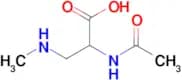
acetic acid](/_next/image/?url=https%3A%2Fstatic.cymitquimica.com%2Fproducts%2F10%2Fthumb-webp%2FF300214.webp&w=3840&q=75)


![4-(3-bromophenyl)-3H,4H,5H,6H,7H-imidazo[4,5-c]pyridine-6-carboxylic acid](/_next/image/?url=https%3A%2Fstatic.cymitquimica.com%2Fproducts%2F10%2Fthumb-webp%2FF522521.webp&w=3840&q=75)

![N,N-Diethyl-2-[4-[(Z)-1-(4-Fluorophenyl)-2-Phenylethenyl]Phenoxy]Ethanamine](/_next/image/?url=https%3A%2Fstatic.cymitquimica.com%2Fproducts%2F3D%2Fthumb-webp%2FFD99813.webp&w=3840&q=75)







![1-Deoxy-1-(methylamino)-D-glucitol [3-[[(2R,3S)-2-[(1R)-1-[3,5-bis(trifluoromethyl)phenyl]ethoxy]-…](/_next/image/?url=https%3A%2Fstatic.cymitquimica.com%2Fproducts%2F3D%2Fthumb-webp%2FFD46503.webp&w=3840&q=75)




![3-(tert-butyl)-2-phenylindeno[3,2-c]pyrazol-4-one](/_next/image/?url=https%3A%2Fstatic.cymitquimica.com%2Fproducts%2F3D%2Fthumb-webp%2FFB169663.webp&w=3840&q=75)



![N-[1-[2-(4-Ethyl-5-Oxotetrazol-1-Yl)Ethyl]-4-Phenylpiperidin-4-Yl]-N-(2-Fluorophenyl)Propanamide](/_next/image/?url=https%3A%2Fstatic.cymitquimica.com%2Fproducts%2F3D%2Fthumb-webp%2FFE102162.webp&w=3840&q=75)