Amino Acids (AA)
Amino acids (AAs) are the fundamental building blocks of proteins, playing a crucial role in various biological processes. These organic compounds are essential for protein synthesis, metabolic pathways, and cell signaling. In this category, you will find a comprehensive range of amino acids, including essential, non-essential, and modified forms, which are vital for research in biochemistry, molecular biology, and nutritional sciences. At CymitQuimica, we provide high-quality amino acids to support your research and development needs, ensuring accuracy and reliability in your experimental outcomes.
Subcategories of "Amino Acids (AA)"
- Amino Acid Derivatives(3,955 products)
- Amino Acid and Amino Acid Related Compounds(3,472 products)
- Amino Acids with Oxygen or Sulphur(168 products)
- Boc- Amino Acids(351 products)
- Fmoc Amino Acids(1,710 products)
Found 38263 products of "Amino Acids (AA)"
Sort by
Purity (%)
0
100
|
0
|
50
|
90
|
95
|
100
Acetyl-Amylin (8-37) (human)
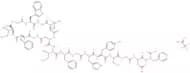
CAS:<p>Please enquire for more information about Acetyl-Amylin (8-37) (human) including the price, delivery time and more detailed product information at the technical inquiry form on this page</p>Formula:C140H218N42O46Purity:Min. 95%Molecular weight:3,225.48 g/mol(Des-Ser3)-ACTH (1-24) (human, bovine, rat) trifluoroacetate salt
<p>Please enquire for more information about (Des-Ser3)-ACTH (1-24) (human, bovine, rat) trifluoroacetate salt including the price, delivery time and more detailed product information at the technical inquiry form on this page</p>Formula:C133H205N39O29SPurity:Min. 95%Molecular weight:2,846.36 g/molLauroyl lysine
CAS:<p>Lauroyl lysine (N6-Lauroyl-L-lysine) functions as skin and hair conditioning agents and as surfactants-cleansing agents in personal care products.</p>Formula:C18H36N2O3Purity:99.18%Color and Shape:White To Off-White Solid With Characteristic Faint OdorMolecular weight:328.49H-Met-Asn-OH
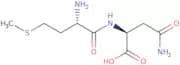
CAS:<p>H-Met-Asn-OH is a peptide that is composed of the amino acids methionine, asparagine, and hydroxyproline. It has been found to be specific for influenza and has been proposed as a potential drug target for this virus. The constant and resonance energies of H-Met-Asn-OH have been determined by NMR spectroscopy. The amino acid composition of H-Met-Asn-OH is typical of many proteins. Structural isomers are molecules that differ only in their spatial arrangement but share the same chemical formula. H-Met-Asn-OH can be considered a structural isomer because it differs by its chirality, which means that it rotates plane polarized light in one direction while its mirror image, L-methionine asparagine hydroxyproline (LMAHP), rotates light in the opposite direction. Gene products are molecules that are responsible for converting information from DNA into proteins via</p>Formula:C9H17N3O4SPurity:Min. 95%Molecular weight:263.32 g/mol(2R,4S)-1-tert-Butyl 2-methyl4-aminopyrrolidine-1,2-dicarboxylate
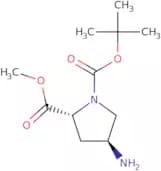
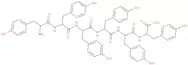
CAS:<p>Please enquire for more information about (2R,4S)-1-tert-Butyl 2-methyl4-aminopyrrolidine-1,2-dicarboxylate including the price, delivery time and more detailed product information at the technical inquiry form on this page</p>Formula:C11H20N2O4Purity:Min. 95%Molecular weight:244.29 g/molH-Tyr-Tyr-Tyr-Tyr-Tyr-Tyr-OH trifluoroacetate salt
CAS:<p>The compound H-Tyr-Tyr-Tyr-Tyr-Tyr-Tyr-OH trifluoroacetate salt is a synthetic antigen for use in the production of immunoadsorbent conjugates. It is a postulated fluorescence molecule that interacts with specific antibodies to form an antigen. This antigen can be used as a probe for detecting antibodies in biological fluids and tissues by fluorescence microscopy and has been shown to have no antigenicity in skin reactions.</p>Formula:C54H56N6O13Purity:Min. 95%Molecular weight:997.06 g/mol(Des-Gly10,D-Ala6,Pro-NHEt 9)-LHRH (salmon)
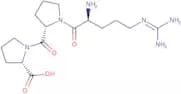
CAS:<p>Please enquire for more information about (Des-Gly10,D-Ala6,Pro-NHEt 9)-LHRH (salmon) including the price, delivery time and more detailed product information at the technical inquiry form on this page</p>Formula:C61H76N14O12Purity:Min. 95%Molecular weight:1,197.34 g/molBradykinin (1-3) sulfate salt
CAS:<p>Bradykinin (BK) is a peptide hormone that is released by the endothelium of blood vessels in response to injury. Bradykinin (1-3) sulfate salt H-Arg-Pro-Pro-OH is a synthetic version of the BK sequence with sulfate groups on the amino acids and an additional acid substitution. This molecule has been shown to be fully functional as a copolymer in thrombin activation, oligopeptide, and angiotensin production. Bradykinin (1-3) sulfate salt H-Arg-Pro-Pro-OH is stable at pH 3 and above, which makes it suitable for use in nutrient media, such as media for growing bacteria or yeast. It also has been shown to have platelet aggregation properties similar to those found in natural BK.</p>Formula:C16H28N6O4Purity:Min. 95%Molecular weight:368.43 g/mol(D-Tyr1,N-Me-Phe3)-Neuropeptide FF trifluoroacetate salt
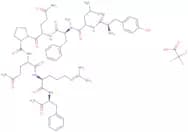
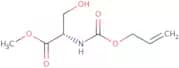
CAS:<p>Please enquire for more information about (D-Tyr1,N-Me-Phe3)-Neuropeptide FF trifluoroacetate salt including the price, delivery time and more detailed product information at the technical inquiry form on this page</p>Formula:C55H78N14O11Purity:Min. 95%Molecular weight:1,111.3 g/molAloc-Ser-OMe
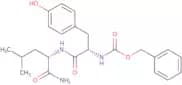
CAS:<p>Aloc-Ser-OMe is an enzyme that catalyzes the cleavage of 1,4-linked alpha-D-galactosides. It has been shown to be a useful reagent for the synthesis of alkyl glycosides. Aloc-Ser-OMe can be used in enzymatic synthesis or chemoenzymatic synthesis. This enzyme has excellent stereospecificity and is quantitatively active at pH 4.5 to 5.0 and at temperatures ranging from 20°C to 40°C. The enzyme can also catalyze transglycosylation reactions with beta-glucosidase, producing galactoarabinan oligosaccharides with various degrees of polymerization.</p>Formula:C8H13NO5Purity:Min. 95%Molecular weight:203.19 g/molZ-Tyr-Leu-NH2
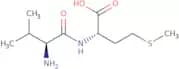
CAS:<p>The compound Z-Tyr-Leu-NH2 is a synthetic molecule that inhibits the activity of metalloproteases. It binds to the active site of these enzymes, preventing them from cleaving their substrates. The enzyme's activity is inhibited by binding to uncharged amino acid residues in the active site, which prevents attack by the metal ion and therefore prevents cleavage of substrate proteins. Z-Tyr-Leu-NH2 has been shown to be effective against proteases that are involved in Alzheimer's disease and other neurodegenerative diseases. The optimal pH for this compound is 7.5, with a reaction time of 1 hour at 37 degrees Celsius. The transition temperature for this compound is -10 degrees Celsius, with a phase transition at -4 degrees Celsius.</p>Formula:C23H29N3O5Purity:Min. 95%Molecular weight:427.49 g/molH-Val-Met-OH
CAS:<p>H-Val-Met-OH is a synthetic compound that was created to have a structure similar to the natural amino acid histidine. The synthesis of H-Val-Met-OH was achieved by reacting 2,5-diaminopentane with formaldehyde in the presence of cellulose acetate as a reaction medium. This process produced a white solid material that was then purified using chromatography. The purity and yield were confirmed by high performance liquid chromatography (HPLC) analysis and nuclear magnetic resonance (NMR). In vitro studies showed that H-Val-Met-OH promotes brain derived neurotrophic factor (BDNF) production in healthy Chinese adults. Clinical data also suggest that H-Val-Met-OH has beneficial effects on cognitive function in patients with mild cognitive impairment or Alzheimer's disease. Additionally, this compound has been shown to promote BDNF production in cultured mouse hippocampal neurons and enhance spatial memory retention in CD1 mice.</p>Formula:C10H20N2O3SPurity:Min. 95%Molecular weight:248.34 g/molSuc-Arg-Pro-Phe-His-Leu-Leu-Val-Tyr-AMC trifluoroacetate salt
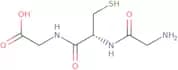
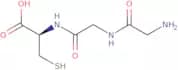
CAS:<p>Please enquire for more information about Suc-Arg-Pro-Phe-His-Leu-Leu-Val-Tyr-AMC trifluoroacetate salt including the price, delivery time and more detailed product information at the technical inquiry form on this page</p>Formula:C66H88N14O14Purity:Min. 95%Molecular weight:1,301.49 g/molH-Gly-Gly-Cys-OH
CAS:<p>Glycyl-glycine is an inhibitory compound that is a synthetic analog of an endogenous amino acid. The functional theory of glycyl-glycine is based on the carbonyl group, which is in an amide form with a hydroxyl group, and the inhibitory activities are due to its ion-exchange properties. Glycyl-glycine has been shown to have inhibitory effects on the growth of bacteria by binding to DNA in vitro. This binding interferes with transcription and replication. It also binds to specific DNA sequences, which may be due to its helical structure and disulfide bond. In addition, it has been shown that this compound can be metabolized into various metabolic products such as urea and glycine. Glycyl-glycine also inhibits protein synthesis by interfering with ribosomes in bacterial cells.br>br><br>Glycyl-glycine binds to proteins in bacteria cells that are involved in transcription and translation</p>Formula:C7H13N3O4SPurity:Min. 95%Molecular weight:235.26 g/molBoc-Ser(Ala-Fmoc)-OH
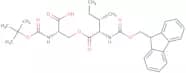
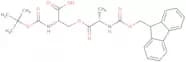
CAS:<p>Boc-Ser(Ala-Fmoc)-OH is a synthetic amino acid that is used in peptide synthesis. It is typically prepared by the condensation of Serine with diethyl Fmoc-amino acid and hydrochloric acid. This molecule has an efficient epimerization process, which allows for the synthesis of the other enantiomer, L-Ser(Ala-Fmoc)-OH. The synthetic method for Boc-Ser(Ala-Fmoc)-OH can be used to synthesize peptides from amino acids.</p>Formula:C26H30N2O8Purity:Min. 95%Molecular weight:498.53 g/mol1,3-Bis(methoxycarbonyl)-2-methyl-2-thiopseudourea
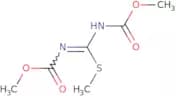
CAS:<p>1,3-Bis(methoxycarbonyl)-2-methyl-2-thiopseudourea (BMTC) is a novel anticancer agent that has been synthesized to be water soluble and also has significant cytotoxicity. BMTC is believed to exert its anticancer activity by binding to the colchicine binding site on tubulin which is involved in microtubule dynamics. The antitubulin effect of BMTC results in inhibition of cell division and growth. BMTC also inhibits cancer cell proliferation and migration. It has shown significant cytotoxicity against human prostate cancer cells and ovarian cancer cells, as well as inhibiting tumor xenografts in mice.</p>Formula:C6H10N2O4SPurity:Min. 95%Color and Shape:White PowderMolecular weight:206.22 g/molFor-Nle-Leu-Phe-OH
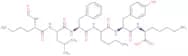
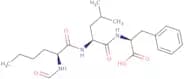
CAS:<p>Nle-Leu-Phe-OH is a potent colony-stimulating factor that binds to the receptor on the surface of cells and stimulates the production of white blood cells. Nle-Leu-Phe-OH has been shown to induce actin filament formation, which is necessary for cell movement. It also induces cytosolic calcium release and enhances protein synthesis. Nle-Leu-Phe-OH also binds to phosphatase and inhibits its activity, which may be due to a conformational change in the enzyme. This process is necessary for the synthesis of DNA and other proteins from amino acids. Nle-Leu-Phe-OH also causes an increase in the uptake of Ca2+ ions by cells.</p>Formula:C22H33N3O5Purity:Min. 95%Molecular weight:419.51 g/mol(D-Lys6)-LHRH trifluoroacetate salt
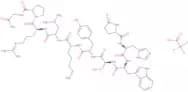
CAS:<p>Please enquire for more information about (D-Lys6)-LHRH trifluoroacetate salt including the price, delivery time and more detailed product information at the technical inquiry form on this page</p>Formula:C59H84N18O13·xC2HF3O2Purity:Min. 95%Color and Shape:White To Off-White SolidMolecular weight:1,253.41 g/molPAR-2 (1-6) (mouse, rat) trifluoroacetate salt
CAS:<p>Please enquire for more information about PAR-2 (1-6) (mouse, rat) trifluoroacetate salt including the price, delivery time and more detailed product information at the technical inquiry form on this page</p>Formula:C29H55N9O8Purity:Min. 95%Molecular weight:657.8 g/molH-Val-Ala-pNA acetate salt
CAS:<p>Please enquire for more information about H-Val-Ala-pNA acetate salt including the price, delivery time and more detailed product information at the technical inquiry form on this page</p>Formula:C14H20N4O4Purity:Min. 95%Molecular weight:308.33 g/molUrinary Trypsin Inhibitor Fragment
CAS:<p>Urinary Trypsin Inhibitor Fragment H-Arg-Gly-Pro-Cys-Arg-Ala-Phe-Ile-OH is a synthetic peptide that is used as a diagnostic agent. It has been shown to inhibit proinflammatory cytokines in vitro and in vivo. This peptide binds to the amino acid sequences of phospholipase A2, which are found in tumor cells, and can be used for cancer diagnosis. Urinary Trypsin Inhibitor Fragment H-Arg-Gly-Pro-Cys-Arg-Ala-Phe-Ile-OH also binds to DNA methylation, which may be useful for studying DNA methylation patterns in cancer cells.</p>Formula:C40H66N14O9SPurity:Min. 95%Molecular weight:919.11 g/molH-Tyr-Gly-NH2·HCl
CAS:<p>Please enquire for more information about H-Tyr-Gly-NH2·HCl including the price, delivery time and more detailed product information at the technical inquiry form on this page</p>Formula:C11H15N3O3·HClPurity:Min. 95%Molecular weight:273.72 g/molBoc-N-Me-D-Tyr-OH·DCHA
CAS:Controlled Product<p>Please enquire for more information about Boc-N-Me-D-Tyr-OH·DCHA including the price, delivery time and more detailed product information at the technical inquiry form on this page</p>Formula:C15H21NO5·C12H23NPurity:Min. 95%Molecular weight:476.65 g/molH-Lys-Lys-Glu-Asp-Val-Val-Abu-Cys-Ser-Abu-Ser-Tyr-Lys-Lys-NH2
CAS:<p>Please enquire for more information about H-Lys-Lys-Glu-Asp-Val-Val-Abu-Cys-Ser-Abu-Ser-Tyr-Lys-Lys-NH2 including the price, delivery time and more detailed product information at the technical inquiry form on this page</p>Formula:C69H119N19O21SPurity:Min. 95%Molecular weight:1,582.86 g/molBombesin trifluoroacetate salt
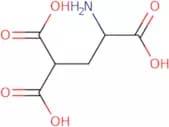
CAS:<p>Trifluoroacetate salt</p>Formula:C71H110N24O18SPurity:Min. 95%Molecular weight:1,619.85 g/molH-γ-Carboxy-DL-Glu-OH
CAS:<p>H-gamma-Carboxy-DL-Glu-OH is a protein that contains the sequence of amino acids -Gln-Gly-Leu. The basic structure of H-gamma-Carboxy-DL-Glu-OH includes an alpha helix, beta sheet and random coil. The rate constant for the reaction with sephadex g100 is 2.5x10^8 M^(-1) s^(-1). The signal peptide is located at the N terminus of the molecule. The mitochondrial membrane potential can be reduced by H-gamma-Carboxy-DL-Glu-OH. Glp1 analogues are compounds that stimulate glucose uptake and glycogen synthesis in muscle cells, which may be due to their ability to increase mitochondrial membrane potential. H gamma Carboxy DL Glu OH has been shown to have physiological levels in cells and it has been shown to inhibit growth in model systems. It also</p>Formula:C6H9NO6Purity:Min. 95%Molecular weight:191.14 g/molH-Val-β-Ala-OH
CAS:<p>Please enquire for more information about H-Val-beta-Ala-OH including the price, delivery time and more detailed product information at the technical inquiry form on this page</p>Formula:C8H16N2O3Purity:Min. 95%Molecular weight:188.22 g/molFibronectin Fragment (1377-1388)
CAS:<p>Please enquire for more information about Fibronectin Fragment (1377-1388) including the price, delivery time and more detailed product information at the technical inquiry form on this page</p>Formula:C56H97N19O20Purity:Min. 95%Molecular weight:1,356.49 g/molAc-muramyl-Ala-D-Glu(Lys(stearoyl)-OH)-NH2
CAS:<p>Ac-muramyl-Ala-D-Glu(Lys(stearoyl)-OH)-NH2 is a synthetic peptide that was designed to mimic the sequence of muramyl dipeptide (MDP), which is found in bacterial cell walls. Ac-muramyl-Ala-D-Glu(Lys(stearoyl)-OH)-NH2 binds to the protein albumin, which is an important component of human blood plasma and has been shown to be elevated in patients with autoimmune diseases. This peptide also inhibits the activity of metal hydroxides, such as aluminum hydroxide and calcium hydroxide, by binding to their surface, reducing their antimicrobial activity. The effect on locomotor activity has not been studied. Ac-muramyl-Ala-D-Glu(Lys(stearoyl)-OH)-NH2 may have effects on various cells types including macrophages and T</p>Formula:C43H78N6O13Purity:Min. 95%Color and Shape:SolidMolecular weight:887.11 g/molAngiogenin (108-122)
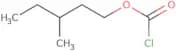
CAS:<p>Please enquire for more information about Angiogenin (108-122) including the price, delivery time and more detailed product information at the technical inquiry form on this page</p>Formula:C78H125N25O23Purity:Min. 95%Molecular weight:1,780.98 g/mol3-Methylpentyl chloroformate
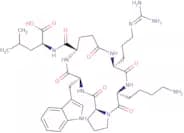
CAS:<p>Please enquire for more information about 3-Methylpentyl chloroformate including the price, delivery time and more detailed product information at the technical inquiry form on this page</p>Formula:C7H13ClO2Purity:Min. 95%Molecular weight:164.63 g/mol(Lys9,Trp11,Glu12)-Neurotensin (8-13) (Cyclic Analog)
CAS:<p>Please enquire for more information about (Lys9,Trp11,Glu12)-Neurotensin (8-13) (Cyclic Analog) including the price, delivery time and more detailed product information at the technical inquiry form on this page</p>Formula:C39H59N11O8Purity:Min. 95%Molecular weight:809.96 g/molBoc-Tyr(tBu)-OH
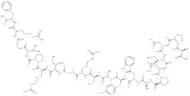
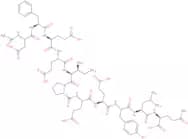
CAS:<p>Boc-Tyr(tBu)-OH is a chemical compound that is part of the class of lactams. It has been shown to have antitumor activity in vitro and in vivo, but it has not yet been tested for its cytotoxicity. This compound is synthesized by solid-phase synthesis and contains a disulfide bond, which may contribute to its cytotoxicity. Boc-Tyr(tBu)-OH has also been shown to have high affinity for the alpha 2A adrenergic receptor subtype and other receptors with an isosteric carbonyl group.</p>Formula:C18H27NO5Purity:Min. 95%Color and Shape:PowderMolecular weight:337.41 g/molAcetyl-Hirudin (55-65) (desulfated) Ac-Asp-Phe-Glu-Glu-Ile-Pro-Glu-Glu-Tyr-Leu-Gln-OH
CAS:<p>Please enquire for more information about Acetyl-Hirudin (55-65) (desulfated) Ac-Asp-Phe-Glu-Glu-Ile-Pro-Glu-Glu-Tyr-Leu-Gln-OH including the price, delivery time and more detailed product information at the technical inquiry form on this page</p>Formula:C66H92N12O25Purity:Min. 95%Molecular weight:1,453.5 g/molBoc-Tyr(Bzl)-aldehyde
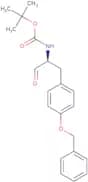
CAS:<p>Please enquire for more information about Boc-Tyr(Bzl)-aldehyde including the price, delivery time and more detailed product information at the technical inquiry form on this page</p>Formula:C21H25NO4Purity:Min. 95%Molecular weight:355.43 g/molH-Asp-Arg-OH
CAS:<p>H-Asp-Arg-OH is a histamine releasing factor. Histamine is a neurotransmitter that regulates the release of other neurotransmitters in the brain. It also has been shown to be an important mediator of inflammatory reactions and has been associated with asthma, allergic reactions, and inflammation. H-Asp-Arg-OH can be used as a histological stain for the detection of 8-hydroxyquinoline and its metabolites such as glucuronides in tissues. The distribution pattern of this compound can be visualized using infrared spectroscopy and β-glucuronidase activity can be detected by color change in histochemical reactions.</p>Formula:C10H19N5O5Purity:Min. 95%Molecular weight:289.29 g/mol(Tyr0)-BNP-32 (human) trifluoroacetate salt
CAS:<p>Please enquire for more information about (Tyr0)-BNP-32 (human) trifluoroacetate salt including the price, delivery time and more detailed product information at the technical inquiry form on this page</p>Formula:C152H253N51O44S4Purity:Min. 95%Molecular weight:3,627.22 g/molH-Cys(Trt)-2-chlorotrityl resin (200-400 mesh) (Low Substitution)
<p>Please enquire for more information about H-Cys(Trt)-2-chlorotrityl resin (200-400 mesh) (Low Substitution) including the price, delivery time and more detailed product information at the technical inquiry form on this page</p>Purity:Min. 95%1-Methyl-1H-indazole-7-carbaldehyde
CAS:<p>1-Methyl-1H-indazole-7-carbaldehyde is a 1,3,5-substituted indazole derivative that can be used as a building block for the synthesis of complex compounds. It is an intermediate in the synthesis of various pharmaceuticals and it has been shown to have potential applications in research chemicals. 1-Methyl-1H-indazole-7-carbaldehyde can be used as a versatile building block after conversion to other derivatives. This chemical is also being investigated as a possible treatment for Parkinson's disease and Alzheimer's disease.</p>Formula:C9H8N2OPurity:Min. 95%Color and Shape:Yellow PowderMolecular weight:160.17 g/molH-Pro-Ser-Hyp-Gly-Asp-Trp-OH
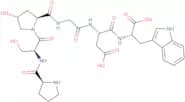
CAS:<p>H-Pro-Ser-Hyp-Gly-Asp-Trp-OH is a cyclic hexapeptide with a high activity against platelets. It is an antagonist of the cyclic RGD sequence, which is present in fibrinogen, fibronectin, vitronectin and other proteins. This peptide binds to the n-terminal residue of these proteins and prevents them from binding to their receptors on the surface of platelets. H-Pro-Ser-Hyp-Gly-Asp-Trp-OH has been shown to be specific for human platelets and does not bind to erythrocytes or leukocytes.</p>Formula:C30H39N7O11Purity:Min. 95%Molecular weight:673.67 g/molLysine(succinyl)-OH
CAS:<p>Lysine(succinyl)-OH, also known as N6-(3-carboxypropanoyl)-L-lysine, is a research chemical that falls under the category of amino acids. It is a derivative of lysine and has been widely used in various research studies. Lysine(succinyl)-OH is commonly used as a substrate for dehydrogenase enzymes and has been found to play a role in metabolic pathways. In addition to its research applications, Lysine(succinyl)-OH has also shown potential benefits for external use. It has been found to have moisturizing properties that can help improve the appearance of dry or damaged cuticles. Its succinyl group enhances its ability to penetrate the skin, providing deep hydration and nourishment. Lysine(succinyl)-OH is encoded by specific genes and expressed in various organisms. Its presence in different biological systems suggests its significance in cellular processes. In addition to its use as a</p>Formula:C10H18N2O5Purity:Min. 95%Color and Shape:PowderMolecular weight:246.26 g/mol(Des-Glu5)-ACTH (1-24) (human, bovine, rat) trifluoroacetate salt
CAS:<p>Please enquire for more information about (Des-Glu5)-ACTH (1-24) (human, bovine, rat) trifluoroacetate salt including the price, delivery time and more detailed product information at the technical inquiry form on this page</p>Formula:C131H203N39O28SPurity:Min. 95%Molecular weight:2,804.33 g/molpp60 c-src (521-533) (phosphorylated) trifluoroacetate salt
CAS:<p>Please enquire for more information about pp60 c-src (521-533) (phosphorylated) trifluoroacetate salt including the price, delivery time and more detailed product information at the technical inquiry form on this page</p>Formula:C62H95N16O28PPurity:Min. 95%Molecular weight:1,543.48 g/molSuc-Phe-Ala-Ala-Phe-pNA
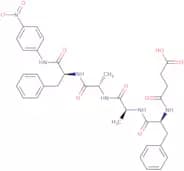
CAS:<p>Suc-Phe-Ala-Ala-Phe-pNA is a serine protease with natriuretic properties. It has been shown to have high salt and pH optima and to be reactive at physiological pH. Suc-Phe-Ala-Ala-Phe-pNA has been sequenced and found to have a carboxy terminal reactive site. There are eight cysteine residues in the amino acid sequence of this protease, four of which are in the reactive site. This protease also has vasoactive intestinal peptide (VIP) activity, which is involved in inflammatory diseases.</p>Formula:C34H38N6O9Purity:Min. 95%Molecular weight:674.7 g/mol3'-Hydroxy-4'-methoxyacetophenone
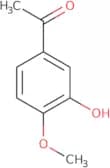
CAS:<p>3'-Hydroxy-4'-methoxyacetophenone is a chemical compound with the molecular formula CHO and it belongs to the group of bisbenzylisoquinoline alkaloids. It is a white crystalline powder that has a dry weight of 155.2g/mol and melting point of 154-158°C. 3'-Hydroxy-4'-methoxyacetophenone is used as an intermediate in the synthesis of other chemicals, such as methyl transferase inhibitors like metronidazole or oxidative stress agents like benzoquinones. 3'-Hydroxy-4'-methoxyacetophenone can be found in bowel disease patients, where it may be produced by bacteria in the gut. This chemical also has UV absorption properties and can be used as a sample preparation agent for hydroalcoholic samples.</p>Formula:C9H10O3Purity:Min. 95%Color and Shape:PowderMolecular weight:166.17 g/molent-[Amyloid b-Protein (20-16)]-b-Ala-D-Lys(ent-[Amyloid b-Protein (16-20)]) trifluoroacetate salt
CAS:<p>Please enquire for more information about ent-[Amyloid b-Protein (20-16)]-b-Ala-D-Lys(ent-[Amyloid b-Protein (16-20)]) trifluoroacetate salt including the price, delivery time and more detailed product information at the technical inquiry form on this page</p>Formula:C79H119N15O13Purity:Min. 95%Molecular weight:1,486.88 g/mol(Des-Gly2)-Exenatide trifluoroacetate salt
CAS:<p>Please enquire for more information about (Des-Gly2)-Exenatide trifluoroacetate salt including the price, delivery time and more detailed product information at the technical inquiry form on this page</p>Formula:C182H279N49O59SPurity:Min. 95%Molecular weight:4,129.52 g/molL-Lysine L-malate
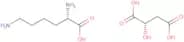
CAS:<p>L-Lysine L-malate is a chemical compound that is used in wastewater treatment. It inhibits the activity of enzymes such as carbon disulphide oxidase, copper complexes, and cationic surfactants. L-Lysine L-malate can be synthesized from sodium citrate and malonic acid by reacting with hydrogen peroxide to form a bicyclic heterocycle. This compound has been shown to have biological effects on metabolic disorders in animal studies, which may be due to its ability to inhibit the synthesis of fatty acids and proteins. The adsorption mechanism for this product is unknown.</p>Formula:C6H14N2O2·C4H6O5Purity:Min. 95%Color and Shape:White PowderMolecular weight:280.28 g/molFmoc-Arg(Z)2-OH
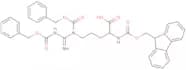
CAS:<p>Please enquire for more information about Fmoc-Arg(Z)2-OH including the price, delivery time and more detailed product information at the technical inquiry form on this page</p>Formula:C37H36N4O8Purity:Min. 95%Molecular weight:664.7 g/molZ-Gly-Pro-Arg-pNA acetate salt
CAS:Controlled Product<p>Please enquire for more information about Z-Gly-Pro-Arg-pNA acetate salt including the price, delivery time and more detailed product information at the technical inquiry form on this page</p>Formula:C27H34N8O7·C2H4O2Purity:Min. 98 Area-%Color and Shape:PowderMolecular weight:642.66 g/mol(Tyr1)-TRAP-7 trifluoroacetate salt
CAS:<p>Please enquire for more information about (Tyr1)-TRAP-7 trifluoroacetate salt including the price, delivery time and more detailed product information at the technical inquiry form on this page</p>Formula:C45H67N11O10Purity:Min. 95%Molecular weight:922.08 g/molProlactin-Releasing Peptide (1-31) (human)
CAS:<p>Please enquire for more information about Prolactin-Releasing Peptide (1-31) (human) including the price, delivery time and more detailed product information at the technical inquiry form on this page</p>Formula:C160H252N56O42SPurity:Min. 95%Molecular weight:3,664.13 g/molH-D-Pro-Phe-Arg-pNA·2 HCl
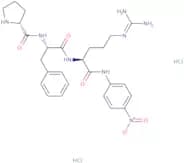
CAS:<p>Pro-Phe-Arg-pNA·2 HCl is a kallikrein substrate used to assay the activity of activated Hageman factor, that is the plasma protein and a serine protease also known as coagulation factor XII.</p>Formula:C26H34N8O5·2HClPurity:Min. 95%Molecular weight:611.52 g/molBIM-23127
CAS:<p>Please enquire for more information about BIM-23127 including the price, delivery time and more detailed product information at the technical inquiry form on this page</p>Formula:C62H71N11O9S2Purity:Min. 95%Molecular weight:1,178.43 g/molSuc-Ala-Leu-Pro-Phe-OH
CAS:<p>Please enquire for more information about Suc-Ala-Leu-Pro-Phe-OH including the price, delivery time and more detailed product information at the technical inquiry form on this page</p>Formula:C27H38N4O8Purity:Min. 95%Molecular weight:546.61 g/mol(Met(O2)35)-Amyloid b-Protein (1-42)
CAS:<p>Please enquire for more information about (Met(O2)35)-Amyloid b-Protein (1-42) including the price, delivery time and more detailed product information at the technical inquiry form on this page</p>Formula:C203H311N55O62SPurity:Min. 95%Molecular weight:4,546.04 g/molAcetyl-L-leucine amide
CAS:<p>Acetyl-L-leucine amide is a drug used to treat symptoms of depression in geriatric patients. It is an amide form of acetyl-L-leucine, which is an amino acid that plays a role in the synthesis of proteins and lipids. Acetyl-L-leucine amide has been shown to have antidepressant effects in geriatric patients with mild to moderate depression. This drug can be used as part of a combination therapy for infectious diseases, such as tuberculosis, when there is no infection or when resistance to other antibiotics has occurred. Acetyl-L-leucine amide has also been shown to be effective against cervical cancer and breast cancer cells. The synthesis of this drug involves two steps: first, reacting L-leucine with acetyl chloride; second, reacting the product with aqueous ammonia solution.</p>Formula:C8H16N2O2Purity:Min. 95%Molecular weight:172.22 g/molAntistasin-Related Peptide
CAS:<p>Please enquire for more information about Antistasin-Related Peptide including the price, delivery time and more detailed product information at the technical inquiry form on this page</p>Formula:C34H57N15O8S2Purity:Min. 95%Molecular weight:868.04 g/molBoc-guanidine
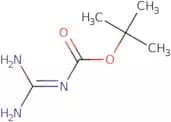
CAS:<p>Guanidine is a guanidinium cation that is used in the treatment of autoimmune diseases, cancer, and aspartyl receptor activity. Boc-guanidine is an efficient method for the synthesis of guanidine. It has been shown to be effective in treating inflammatory diseases and neutral pH conditions. Boc-guanidine inhibits glycogen synthase kinase-3 (GSK3) and membrane interactions, which are associated with a number of human disorders. It also has antimicrobial properties against marine microorganisms.</p>Formula:C6H13N3O2Purity:Min. 95%Molecular weight:159.19 g/molFmoc-D-Asn(Trt)-Wang resin (200-400 mesh)
<p>Please enquire for more information about Fmoc-D-Asn(Trt)-Wang resin (200-400 mesh) including the price, delivery time and more detailed product information at the technical inquiry form on this page</p>Purity:Min. 95%Anantin (linear sequence) trifluoroacetate salt
CAS:<p>Please enquire for more information about Anantin (linear sequence) trifluoroacetate salt including the price, delivery time and more detailed product information at the technical inquiry form on this page</p>Formula:C90H113N21O25Purity:Min. 95%Molecular weight:1,888.99 g/molMca-(endo-1a-Dap (Dnp))-TNF-a (-5 to +6) amide (human) trifluoroacetate salt
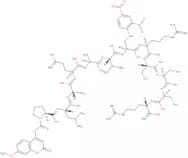
CAS:<p>Please enquire for more information about Mca-(endo-1a-Dap (Dnp))-TNF-a (-5 to +6) amide (human) trifluoroacetate salt including the price, delivery time and more detailed product information at the technical inquiry form on this page</p>Formula:C69H103N23O24Purity:Min. 95%Molecular weight:1,638.7 g/molDiphenyl(4-phenylthio)phenylsufonium hexafluorophosphate
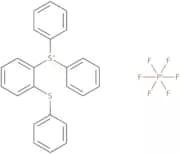
CAS:<p>Diphenyl(4-phenylthio)phenylsufonium hexafluorophosphate is a photoinitiator that is used in photopolymerization. It absorbs light at around 800 nm and emits light at around 810 nm. The initiator has a low molecular weight and is soluble in organic solvents, which makes it suitable for polymerization of acrylate monomers. Diphenyl(4-phenylthio)phenylsufonium hexafluorophosphate can be synthesized by the reaction of diphenyliodonium hexafluorophosphate with phenyldithiocarbonyl chloride.</p>Formula:C24H19S2•PF6Purity:Min. 95%Color and Shape:PowderMolecular weight:516.5 g/molH-Asp-Arg-Val-Tyr-Ile-His-Pro-Phe-His-Leu-Leu-Val-Tyr-Ser-OH
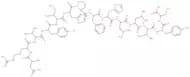
CAS:<p>H-Asp-Arg-Val-Tyr-Ile-His-Pro-Phe-His-Leu-Leu-Val-Tyr-Ser-OH is a synthetic peptide that has been shown to inhibit the production of angiotensin and angiotensinogen by interfering with the binding of its receptor. It has also been shown to inhibit the production of proinflammatory cytokines, such as tumor necrosis factor alpha (TNFα), interleukin 1beta (IL1β), and IL6, in human macrophages. HAVY can also inhibit toll like receptor 4 mediated inflammatory responses in vivo. HAVY is an inhibitor of angiotensin II type 1 receptor activity, which may be useful in treating cardiovascular diseases such as atherosclerotic lesions, hypertension, and bowel disease.</p>Formula:C85H123N21O20Purity:Min. 95%Molecular weight:1,759.02 g/molpTH (44-68) (human)
CAS:<p>Please enquire for more information about pTH (44-68) (human) including the price, delivery time and more detailed product information at the technical inquiry form on this page</p>Formula:C117H199N41O41Purity:Min. 95%Molecular weight:2,836.08 g/molFor-Nle-Leu-Phe-Nle-Tyr-Lys-OH
CAS:<p>For-Nle-Leu-Phe-Nle-Tyr-Lys-OH is an amino acid sequence that is a proteolytic fragment of the erythrocyte membrane protein band 3. It has been shown to be able to inhibit the activity of cytosolic calcium and actin filament polymerization, as well as inhibiting apoptosis in human polymorphonuclear leukocytes (PMNL). This compound has been found to be effective in preventing uptake of bacteria by neutrophils, which may be due to its ability to alter the pH gradient across the membrane and increase intracellular calcium levels. For-Nle-Leu-Phe-Nle-Tyr-Lys-OH also inhibits diacylglycerol synthesis, which may contribute to its antiinflammatory effects.</p>Formula:C43H65N7O9Purity:Min. 95%Molecular weight:824.02 g/molN-Boc-L-proline
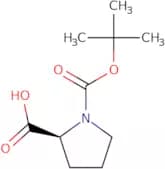
CAS:<p>N-Boc-L-proline is a proline derivative that has been synthesized as a drug candidate for cancer treatment. It has been shown to inhibit the activity of the enzyme, buserelin, which is involved in the synthesis of histamine and other substances. N-Boc-L-proline has also been shown to cause neuronal death by hydrogen bond formation with nitrogen nucleophiles in the brain, leading to apoptosis. The chromatographic method was used to analyze reaction products from N-Boc-L-proline with sodium carbonate. This compound has solubility data and an intramolecular hydrogen bond that can be detected by nmr spectroscopy. Trifluoroacetic acid was used as a solvent for this experiment.</p>Formula:C10H17NO4Purity:Min. 95%Color and Shape:White PowderMolecular weight:215.25 g/mol(D-2-Nal 5,Cys6·11,Tyr7,D-Trp8,Val10, 2-Nal 12)-Somatostatin-14 (5-12) amide trifluoroacetate salt
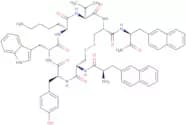
CAS:<p>Please enquire for more information about (D-2-Nal 5,Cys6·11,Tyr7,D-Trp8,Val10, 2-Nal 12)-Somatostatin-14 (5-12) amide trifluoroacetate salt including the price, delivery time and more detailed product information at the technical inquiry form on this page</p>Formula:C63H73N11O9S2Purity:Min. 95%Molecular weight:1,192.45 g/molH-Lys(Boc)-2-chlorotrityl resin (200-400 mesh) (Low Substitution)
<p>Please enquire for more information about H-Lys(Boc)-2-chlorotrityl resin (200-400 mesh) (Low Substitution) including the price, delivery time and more detailed product information at the technical inquiry form on this page</p>Purity:Min. 95%Fmoc-Phe-Pro-OH
CAS:<p>Fmoc-Phe-Pro-OH is a sensor molecule that has been used in supramolecular, nanostructured, and biological applications. It is a supramolecular self-assembly process that can be applied to sensors, devices, and modules. Fmoc-Phe-Pro-OH can be used as a biological source for sensing bacteria or other molecules of interest. The structural properties of Fmoc-Phe-Pro-OH have been studied extensively and it has been found to have favorable properties for use in humans. Advances in this field are ongoing with the hope of improving the understanding of biological systems and human health.</p>Formula:C29H28N2O5Purity:Min. 95%Molecular weight:484.54 g/molZ-Arg-p-nitrobenzyl ester mixture of hydrochloride and hydrobromide salt
CAS:<p>Please enquire for more information about Z-Arg-p-nitrobenzyl ester mixture of hydrochloride and hydrobromide salt including the price, delivery time and more detailed product information at the technical inquiry form on this page</p>Formula:C21H25N5O6Purity:Min. 95%Molecular weight:443.45 g/molZ-Arg-Arg-bNA acetate salt
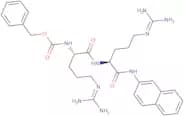
CAS:<p>Please enquire for more information about Z-Arg-Arg-bNA acetate salt including the price, delivery time and more detailed product information at the technical inquiry form on this page</p>Formula:C30H39N9O4Purity:Min. 95%Molecular weight:589.69 g/mol(Met(O)35)-Amyloid b-Protein (1-42)
CAS:<p>Please enquire for more information about (Met(O)35)-Amyloid b-Protein (1-42) including the price, delivery time and more detailed product information at the technical inquiry form on this page</p>Formula:C203H311N55O61SPurity:Min. 95%Molecular weight:4,530.04 g/molFmoc-Gly-Cys(Psi(Dmp,H)pro)-OH
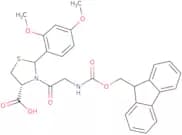
CAS:<p>Please enquire for more information about Fmoc-Gly-Cys(Psi(Dmp,H)pro)-OH including the price, delivery time and more detailed product information at the technical inquiry form on this page</p>Formula:C29H28N2O7SPurity:Min. 95%Molecular weight:548.61 g/molCholecystokinin Octapeptide (1-3) (desulfated)
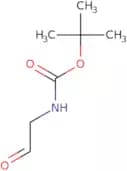
CAS:<p>Cholecystokinin Octapeptide (1-3) (desulfated) is a research chemical that has various applications in the field of chemistry and biology. This compound contains a hydrogen atom that plays a crucial role in solvation processes. It can be used in supercritical reactions due to its ability to interact with hydroxyl groups on metallic surfaces like silicon substrates. Additionally, Cholecystokinin Octapeptide (1-3) (desulfated) is utilized in thiol-ene reactions and chromatographic separations.</p>Formula:C18H25N3O7SPurity:Min. 95%Molecular weight:427.47 g/molN-Boc-2-aminoacetaldehyde
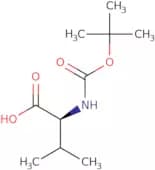
CAS:<p>N-Boc-2-aminoacetaldehyde is an aliphatic aldehyde that has been used in the synthesis of a number of bioactive molecules. It is synthesized by reacting an N-Boc amino acid with chloroform and hydrochloric acid. The reaction time is typically 2 hours at room temperature, although it can be decreased to 20 minutes if the temperature is increased to 60°C. The product can be purified using extraction or recrystallization methods. N-Boc-2-aminoacetaldehyde reacts with chloride ions to form phosphoranes, which are useful in clinical development as antimicrobial peptides. This compound also reacts with fluorine to form hydrogenated derivatives that have been shown to have neurokinin activity in animal models.</p>Formula:C7H13NO3Purity:Min. 95%Color and Shape:Colorless PowderMolecular weight:159.18 g/molBoc-L-valine
CAS:<p>Boc-L-Valine is a model system for the synthesis of peptides. This compound is synthesized in a liquid phase and then purified by column chromatography. It has an antimicrobial activity against Gram-positive bacteria such as Staphylococcus aureus and Escherichia coli, but not against Gram-negative bacteria such as Proteus vulgaris or Pseudomonas aeruginosa. Boc-L-Valine is also used to study the binding of inhibitors and ferrocenes.</p>Formula:C10H19NO4Purity:Min. 95%Color and Shape:White PowderMolecular weight:217.3 g/molFmoc-Leu-Wang resin (100-200 mesh)
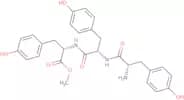
<p>Please enquire for more information about Fmoc-Leu-Wang resin (100-200 mesh) including the price, delivery time and more detailed product information at the technical inquiry form on this page</p>Purity:Min. 95%H-Tyr-Tyr-Tyr-OMe
CAS:<p>H-Tyr-Tyr-Tyr-OMe is a chiral, fluorinated, enantiomeric molecule that is synthesized by the reaction of an aryloxybenzene with tetrahydropyran and chlorine. This product has been used in asymmetric synthesis as a building block for pyrazole derivatives. It has also been used to produce alcohols and dialkylamino compounds.</p>Formula:C28H31N3O7Purity:Min. 95%Molecular weight:521.56 g/molH-Ala-D-Glu(Lys-D-Ala-D-Ala-OH)-OH
CAS:<p>Teicoplanin is an amide-linked glycopeptide antibiotic that binds to the bacterial cell wall. It is used for the treatment of infections caused by staphylococci and p. aeruginosa, which are resistant to other antibiotics. The drug binds to a specific site on the bacterial cell wall, forming a coordination complex with the peptidoglycan layer and making it easier for water molecules to penetrate the cell wall. This leads to increased rates of cell death by osmosis. Teicoplanin enhances the activity of other antibiotics against Gram-positive bacteria by preventing their binding to penicillin-binding proteins in the bacterial cell walls.</p>Formula:C20H36N6O8Purity:Min. 95%Molecular weight:488.54 g/molPerisulfakinin
CAS:<p>Perisulfakinin (PSK) is a cyclic peptide that has been isolated from the venom of the fly Phera insolita. PSK has a high affinity for protease activity and can be used as an inhibitor of proteases in control experiments. PSK is also an activator of cation channels and may be used as a neurotransmitter or neuromodulator in insects. The PSK peptide is present in dipteran species and can be seen by electron microscopy in their abdominal ganglia. PSK also activates Ca2+ influx into cells, which can lead to cell death. The PSK peptide is converted to cleavage products by enzymes, with bioassays being one way to measure these products.</p>Formula:C64H86N18O22S2Purity:Min. 95%Molecular weight:1,523.61 g/molN-Benzoyl-L-leucine-β-naphthylamide
CAS:<p>N-Benzoyl-L-leucine-beta-naphthylamide is a chromogenic substrate for transpeptidase. It is hydrolyzed to L-phenylalanine and 2-naphthylamine, which react with the chromogen to produce a color change. The reaction occurs in both spermatozoa and epithelial cells, but can be inhibited by aminopeptidase and peptidase. This substrate is used as a marker for spermatozoa in semen analysis.</p>Formula:C23H24N2O2Purity:Min. 95%Color and Shape:PowderMolecular weight:360.45 g/molAmyloid Bri Protein (1-34) trifluoroacetate salt
CAS:<p>Please enquire for more information about Amyloid Bri Protein (1-34) trifluoroacetate salt including the price, delivery time and more detailed product information at the technical inquiry form on this page</p>Formula:C173H273N49O52S2Purity:Min. 95%Molecular weight:3,935.45 g/molC-Reactive Protein (CRP) (174-185)
CAS:<p>Please enquire for more information about C-Reactive Protein (CRP) (174-185) including the price, delivery time and more detailed product information at the technical inquiry form on this page</p>Formula:C62H93N13O16Purity:Min. 95%Molecular weight:1,276.48 g/molProcathepsin B (26-50) (rat)
CAS:<p>Please enquire for more information about Procathepsin B (26-50) (rat) including the price, delivery time and more detailed product information at the technical inquiry form on this page</p>Formula:C123H198N34O33SPurity:Min. 95%Molecular weight:2,713.16 g/molH-Gly-Cys-Gly-OH
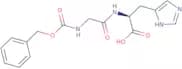
CAS:<p>H-Gly-Cys-Gly-OH is an amino acid sequence that has been evaluated for its interactions with other amino acids and proteins. It is a tripeptide heterocycle and can be found in the tissues of many organisms, including humans. H-Gly-Cys-Gly-OH can be found in bovine serum and has been shown to have reversed phase high performance liquid chromatography activity. This molecule also interacts with reversed phase high performance liquid chromatography, ion exchange, and tripeptides.</p>Formula:C7H13N3O4SPurity:Min. 95%Molecular weight:235.26 g/molZ-Gly-His-OH
CAS:<p>Please enquire for more information about Z-Gly-His-OH including the price, delivery time and more detailed product information at the technical inquiry form on this page</p>Formula:C16H18N4O5Purity:Min. 95%Molecular weight:346.34 g/molGuanylin (human)
CAS:<p>Please enquire for more information about Guanylin (human) including the price, delivery time and more detailed product information at the technical inquiry form on this page</p>Formula:C58H87N15O21S4Purity:Min. 95%Molecular weight:1,458.66 g/molBoc-Ser(Ile-Fmoc)-OH
CAS:<p>Boc-Ser(Ile-Fmoc)-OH is a peptide synthesis reagent that can be used for the efficient and convenient preparation of peptides. It is a synthetic, non-natural amino acid that has been synthesized by the chemists at Pfizer. Boc-Ser(Ile-Fmoc)-OH is an epimer of natural L-serine and has been shown to be more soluble than L-serine making it easier to work with. This reagent can also be used in the synthesis of biomolecules such as proteins and nucleic acids. The chemistry behind this compound has been published in the journal Biomolecular Chemistry.</p>Formula:C29H36N2O8Purity:Min. 95%Molecular weight:540.6 g/mol(Tyr34)-pTH (7-34) amide (bovine) trifluoroacetate salt
CAS:<p>Please enquire for more information about (Tyr34)-pTH (7-34) amide (bovine) trifluoroacetate salt including the price, delivery time and more detailed product information at the technical inquiry form on this page</p>Formula:C156H244N48O40S2Purity:Min. 95%Molecular weight:3,496.04 g/molZ-D-Phe-Pro-OH
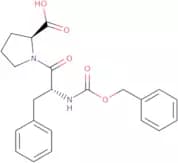
CAS:<p>D-Phe-Pro-OH is a tripeptide that is reversibly inactivated by methanol, chloromethyl ketone, and boronate esters. It can be used as an affinity label for the detection of aldehydes. This compound has been shown to be an inhibitor of protein synthesis and cell growth. It has also been used to synthesize analogs with similar properties, such as Z-D-Phe-Pro-OH.</p>Formula:C22H24N2O5Purity:Min. 95%Molecular weight:396.44 g/molmPEG9-OH
CAS:<p>mPEG9-OH is a PEG polymer categorised as monofunctional (OH-PEG-X). Used as a linker, mPEG9-OH is used to attached PEG to proteins, peptides, oligonucleotides, nanoparticles and small molecules via pegylation, a bioconjugation technique.</p>Formula:C19H40O10Purity:Min. 95%Molecular weight:428.51 g/molAcetyl-(Asn30,Tyr32)-Calcitonin (8-32) (salmon I) trifluoroacetate salt
CAS:<p>Please enquire for more information about Acetyl-(Asn30,Tyr32)-Calcitonin (8-32) (salmon I) trifluoroacetate salt including the price, delivery time and more detailed product information at the technical inquiry form on this page</p>Formula:C127H205N37O40Purity:Min. 95%Molecular weight:2,890.21 g/molNeuromedin U-23 (rat) trifluoroacetate salt
CAS:<p>Neuromedin U-23 (rat) is a peptide that belongs to the family of tachykinins, which are small neuropeptides that act as neurotransmitters in the central nervous system. It is a potent stimulator of intestinal motility and has been shown to have protective effects against oxidative stress in cells. Neuromedin U-23 (rat) shares sequence similarity with human neuromedin N-19 and binds to the same receptors in the brain, suggesting it may have similar physiological effects. This peptide has been shown to inhibit tumor cell growth by inducing apoptosis, but it does not appear to have any effect on healthy cells.</p>Formula:C124H180N34O31Purity:Min. 95%Molecular weight:2,642.97 g/molZ-Phe-Arg-OMe·HCl
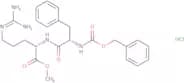
CAS:<p>Please enquire for more information about Z-Phe-Arg-OMe·HCl including the price, delivery time and more detailed product information at the technical inquiry form on this page</p>Formula:C24H31N5O5·HClPurity:Min. 95%Molecular weight:505.99 g/molZ-N-Me-D-Ser(tBu)-OH·DCHA
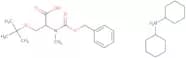
CAS:Controlled Product<p>Please enquire for more information about Z-N-Me-D-Ser(tBu)-OH·DCHA including the price, delivery time and more detailed product information at the technical inquiry form on this page</p>Formula:C16H23NO5·C12H23NPurity:Min. 95%Molecular weight:490.68 g/molN,N'-Ethane-1,2-diylidenebis(2-methylpropan-2-amine)
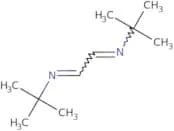
CAS:<p>Please enquire for more information about N,N'-Ethane-1,2-diylidenebis(2-methylpropan-2-amine) including the price, delivery time and more detailed product information at the technical inquiry form on this page</p>Formula:C10H20N2Purity:Min. 95%Color and Shape:PowderMolecular weight:168.28 g/mol...(Ala13)-Apelin-13 (human, bovine, mouse, rat) trifluoroacetate salt
CAS:<p>Apelin-13 is a peptide hormone that is involved in the regulation of cardiovascular, respiratory and gastrointestinal functions. It has been shown to stimulate receptor activity and pain sensitivity in animal models. Apelin-13 has been shown to act as an opioid receptor agonist, meaning that it binds to the opioid receptors and activates them. This activation leads to an increase in the production of growth factors and matrix metalloproteinases, which are proteins that break down collagen and other substances in the body. The increased production of these substances can lead to inflammation and tissue destruction. Apelin-13 also interacts with several other receptors including CB2 (a cannabinoid receptor), GPCR (a G protein-coupled receptor), CRHR1 (a corticotropin releasing hormone receptor 1) and Naloxone (an opioid antagonist).</p>Formula:C63H107N23O16S·xC2HF3O2Purity:Min. 95%Molecular weight:1,474.74 g/molDynorphin A (1-10) amide
CAS:<p>Dynorphin A (1-10) amide H-Tyr-Gly-Gly-Phe-Leu-Arg-Arg-Ile-Arg-Pro-NH2 is an analog of dynorphin A. It is a peptide that has been shown to be effective in reducing blood pressure and stress levels in animals. Dynorphin A (1-10) amide H-Tyr-Gly-Gly-Phe-Leu-Arg - Arg - Ile - Arg - Pro - NH2 also has analgesic properties and may be useful for the treatment of cardiac diseases.</p>Formula:C57H92N20O11Purity:Min. 95%Molecular weight:1,233.47 g/molAc-Gln-Gln-OH
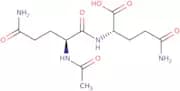
CAS:<p>Glutamine is a non-essential amino acid that is found in the cell in large amounts. It functions as a precursor of glutamate, an important neurotransmitter and intermediate in protein synthesis. Glutamine also has antioxidant properties, which may be due to its ability to donate hydrogen atoms or act as a reducing agent. Glutamine can be synthesized by glutaminase from glutamate and ammonia, but it can also be obtained from dietary sources. The uptake of glutamine is rapid at low concentrations, but becomes slower at higher concentrations. Glutamine is catabolized by the liver and kidney into glutamate and ammonia.<br>Glutamate dehydrogenase (GLDH) catalyzes the conversion of glutamate to α-ketoglutarate, producing NADH and H+.<br>The genetic mechanisms underlying the synthesis of glutamine are not well understood; however, one hypothesis states that glutamine could be synthesized from alpha-ketoglutarate via the reverse transamination reaction during periods when glucose</p>Formula:C12H20N4O6Purity:Min. 95%Molecular weight:316.31 g/mol















![ent-[Amyloid b-Protein (20-16)]-b-Ala-D-Lys(ent-[Amyloid b-Protein (16-20)]) trifluoroacetate salt](/_next/image/?url=https%3A%2Fstatic.cymitquimica.com%2Fproducts%2F3D%2Fthumb-webp%2FFE109711.webp&w=3840&q=75)