Amino Acids (AA)
Amino acids (AAs) are the fundamental building blocks of proteins, playing a crucial role in various biological processes. These organic compounds are essential for protein synthesis, metabolic pathways, and cell signaling. In this category, you will find a comprehensive range of amino acids, including essential, non-essential, and modified forms, which are vital for research in biochemistry, molecular biology, and nutritional sciences. At CymitQuimica, we provide high-quality amino acids to support your research and development needs, ensuring accuracy and reliability in your experimental outcomes.
Subcategories of "Amino Acids (AA)"
- Amino Acid Derivatives(3,955 products)
- Amino Acid and Amino Acid Related Compounds(3,472 products)
- Amino Acids with Oxygen or Sulphur(168 products)
- Boc- Amino Acids(351 products)
- Fmoc Amino Acids(1,710 products)
Found 38263 products of "Amino Acids (AA)"
Sort by
Purity (%)
0
100
|
0
|
50
|
90
|
95
|
100
3-(4-Chlorophenyl)-1-phenyl-1H-pyrazole-5-carboxylic acid
CAS:Controlled Product<p>Please enquire for more information about 3-(4-Chlorophenyl)-1-phenyl-1H-pyrazole-5-carboxylic acid including the price, delivery time and more detailed product information at the technical inquiry form on this page</p>Formula:C16H11ClN2O2Purity:Min. 95%Molecular weight:298.72 g/mol2-Acetyl-5-methylthiophene
CAS:<p>2-Acetyl-5-methylthiophene is a heteroatomic compound that can be used in cancer therapy. It has been shown to inhibit the growth of human cell lines and to have anticancer activity. This compound is also known for its potential interaction with fatty acids, which may be due to the molecular electrostatic potential. The molecule's structure contains a β-unsaturated ketone, which is an active site for many reactions and may interact with other compounds such as thiosemicarbazide. 2-Acetyl-5-methylthiophene has two isomers, namely 5-methylthiophen-2-yl acetate and 5-(acetyloxy)methylthiophen-2-yl acetate. These two molecules differ in the arrangement of their carbons and hydrogens on the central carbon atom and are not considered to be identical substances.</p>Formula:C7H8OSPurity:Min. 95%Color and Shape:PowderMolecular weight:140.2 g/mol(S)-2-Hydroxy-3-methoxy-3,3-diphenylpropionic acid
CAS:<p>This is a crystalline form of the pyrimidine derivative (S)-2-Hydroxy-3-methoxy-3,3-diphenylpropionic acid. The compound has been shown to have antiplatelet properties and is currently being developed as an antithrombotic agent. In vitro studies have shown that ambrisentan inhibits platelet aggregation, thromboxane synthesis, and leukocyte adhesion. It also reduces the levels of serum cholesterol and triglycerides in patients with chronic heart failure. Ambrisentan has been studied in clinical trials for the treatment of pulmonary hypertension associated with chronic obstructive pulmonary disease (COPD) and idiopathic pulmonary fibrosis (IPF).</p>Formula:C16H16O4Purity:Min. 95%Molecular weight:272.3 g/mol3-Methyl-2-phenylmorpholine hydrochloride
CAS:Controlled Product<p>3-Methyl-2-phenylmorpholine hydrochloride (3MPH) is a phenmetrazine derivative that has been used in animal studies to study the effects of plant metabolism on sensor and analytical methods. 3MPH has shown toxicity in rats, as well as some physiological effects such as increased heart rate, ataxia, and sedation. This compound is also a pharmacological agent that can be used for chromatographic analysis. 3MPH is metabolized by the liver into dopamine which can cause renal cell cancer in mice. A biological sample is required for this compound.</p>Formula:C11H15NOPurity:Min. 95%Molecular weight:177.24 g/molFmoc-Nd-L-ornithine hydrochloride
CAS:<p>Please enquire for more information about Fmoc-Nd-L-ornithine hydrochloride including the price, delivery time and more detailed product information at the technical inquiry form on this page</p>Formula:C20H22N2O4•HClPurity:Min. 95%Color and Shape:PowderMolecular weight:390.86 g/molN-Phenyliminodiacetic acid
CAS:<p>N-Phenyliminodiacetic acid (NPD) is an organic acid that functions as a monomer and polymerization initiator in polyanhydrides. It has been shown to function as a redox potential sensor, having a strong response to changes in the environment. NPD has been shown to be sensitive to reactive oxygen species, such as HCl, which can affect its fluorescence properties. This compound is also active against aneurysms and has been used in simulations of these lesions. NPD also chelates with metal ions and can be used in the treatment of heavy metal poisoning.</p>Formula:C10H11NO4Purity:Min. 95%Molecular weight:209.2 g/molBoc-4-(4-fluorophenyl)-piperidine-4-carboxylic acid
CAS:<p>Please enquire for more information about Boc-4-(4-fluorophenyl)-piperidine-4-carboxylic acid including the price, delivery time and more detailed product information at the technical inquiry form on this page</p>Formula:C17H22FNO4Purity:Min. 95%Molecular weight:323.36 g/molmPEG8-OH
CAS:<p>mPEG8-OH is a PEG polymer categorised as monofunctional (OH-PEG-X). Used as a linker, mPEG8-OH is used to attached PEG to proteins, peptides, oligonucleotides, nanoparticles and small molecules via pegylation, a bioconjugation technique.</p>Formula:C17H36O9Purity:Min. 95%Molecular weight:384.46 g/molFmoc-isothiocyanate
CAS:<p>Fmoc-isothiocyanate is an inhibitor of the enzyme glycogen synthase kinase-3 (GSK-3) and has been shown to be a potential therapeutic agent for inflammatory diseases such as rheumatoid arthritis. Fmoc-isothiocyanate has also been shown to inhibit the production of melanocortin, a growth factor that is associated with cancer cells, and it can be used as an antiviral agent. This compound also inhibits the production of certain inflammatory cytokines and growth factors, which are involved in autoimmune diseases such as hepatitis and trifluoroacetic acid. Fmoc-isothiocyanate inhibits the activity of antifungal agents by inhibiting their ability to bind to fungal cell walls. It is synthesized on a solid support using trifluoroacetic acid as a reagent.</p>Formula:C16H11NO2SPurity:Min. 95%Color and Shape:White To Light (Or Pale) Yellow SolidMolecular weight:281.33 g/molPhenylacetic acid 2-phenylethyl ester
CAS:Controlled Product<p>Phenylacetic acid 2-phenylethyl ester is an ester of caproic acid and phenylethyl. It is used as a control agent in the manufacture of chemical substances, detergent compositions, and lemongrass oil. Phenylacetic acid 2-phenylethyl ester can be synthesized by reacting methyl anthranilate with benzoic acid in the presence of phosphotungstic acid. The required starting materials are available from commercial sources. The product has a structural formula that can be confirmed by nmr spectroscopy.</p>Formula:C16H16O2Purity:Min. 95%Color and Shape:Clear LiquidMolecular weight:240.3 g/mol1-N-Boc-4-bromopiperidine
CAS:<p>1-N-Boc-4-bromopiperidine is a Grignard reagent that is used for the preparation of amines. It can be prepared by reacting 1-bromo-4-methylpiperidine with magnesium metal in an ether solution. This compound has been shown to be efficient for the synthesis of biologically active molecules, such as dihydropyridones and isoquinolines. This product may cause skin irritation.</p>Formula:C10H18BrNO2Purity:Min. 95%Color and Shape:White To Light (Or Pale) Yellow Solid Or Liquid (May Vary)Molecular weight:264.16 g/molTridecafluoro-N-(2-Hydroxyethyl)-N-Methylhexanesulphonamide
CAS:<p>Please enquire for more information about Tridecafluoro-N-(2-Hydroxyethyl)-N-Methylhexanesulphonamide including the price, delivery time and more detailed product information at the technical inquiry form on this page</p>Formula:C9H8F13NO3SPurity:Min. 95%Molecular weight:457.21 g/mol4-Chloro-2-phenylquinazoline
CAS:<p>4-Chloro-2-phenylquinazoline is a ligand that inhibits the growth of bacteria by binding to their DNA. It has a molecular weight of 242.6 g/mol, and can be synthesized in two steps from 2-phenylaniline and o-chloroacetophenone. The pharmacokinetic properties of this compound have been studied using magnetic nanoparticles. 4-Chloro-2-phenylquinazoline has been shown to inhibit cancer cells and also has anti-inflammatory properties, which may be due to its ability to inhibit prostaglandin synthesis. This ligand binds to the nitrogen nucleophiles on the bacterial cell wall (e.g., trichophyton mentagrophytes) and prevents them from reacting with chlorine atoms in the environment, thus inhibiting bacterial growth.</p>Formula:C14H9ClN2Purity:Min. 95%Color and Shape:White PowderMolecular weight:240.69 g/mol4-Methoxyphenyl chloroformate
CAS:<p>4-Methoxyphenyl chloroformate is a reactive chemical that can be used to synthesize amides, esters, and anhydrides. It reacts with nucleophiles such as chloride or hydroxide to form an intermediate product. This intermediate product then reacts with the desired molecule to form the desired final product. 4-Methoxyphenyl chloroformate has shown selectivity for binding to opioid receptors, including mu and delta subtypes. This chemical may be used in the synthesis of antibiotic drugs that have similar receptor subtypes. 4-Methoxyphenyl chloroformate also has been shown to modulate G protein signaling pathways in cells, which may lead to improved pharmacokinetic properties.</p>Formula:C8H7ClO3Purity:Min. 95%Color and Shape:Clear LiquidMolecular weight:186.59 g/molN3-Trp-OH·CHA
CAS:<p>Azido-L-tyrosine CHA salt is a useful azide functionalised amino acid. Provides a handle for click chemistry.</p>Formula:C11H10N4O2•C6H13NPurity:Min. 95%Color and Shape:PowderMolecular weight:329.4 g/mol[4-[2-(Diethylamino)ethoxy]-3-iodophenyl][2-(1-hydroxybutyl)-3-benzofuranyl]-methanone
CAS:Controlled Product<p>Please enquire for more information about [4-[2-(Diethylamino)ethoxy]-3-iodophenyl][2-(1-hydroxybutyl)-3-benzofuranyl]-methanone including the price, delivery time and more detailed product information at the technical inquiry form on this page</p>Formula:C25H30INO4Purity:Min. 95%Molecular weight:535.41 g/mol5-Bromo-3-methyl-1H-indazole
CAS:<p>5-Bromo-3-methyl-1H-indazole is an organic compound that is synthesized from lithium diisopropylamide and lithium. 5-Bromo-3-methyl-1H-indazole is a white solid with a melting point of 151°C. It reacts with anhydrous hydrogen bromide to form 5,5'-dibromoindazole. The molecular weight of this compound is 202.2 g/mol.</p>Formula:C8H7BrN2Purity:Min. 95%Molecular weight:211.06 g/molN6-(1-Deoxy-D-fructos-1-yl)-N2-[(phenylmethoxy)carbonyl]-L-lysine
CAS:<p>Please enquire for more information about N6-(1-Deoxy-D-fructos-1-yl)-N2-[(phenylmethoxy)carbonyl]-L-lysine including the price, delivery time and more detailed product information at the technical inquiry form on this page</p>Formula:C20H30N2O9Purity:Min. 95%Molecular weight:442.46 g/mol4-(4-Phenoxybutoxy)-7H-furo[3,2-g]chromen-7-one
CAS:Controlled Product<p>4-(4-Phenoxybutoxy)-7H-furo[3,2-g]chromen-7-one is a chromene derivative. It has been shown to suppress the production of inflammatory cytokines such as tumor necrosis factor and interleukin 4 in vitro. 4-(4-Phenoxybutoxy)-7H-furo[3,2-g]chromen-7-one also inhibits the activity of protein phosphatase 1 (PP1) and PP2B, which are enzymes that regulate the activity of other proteins by dephosphorylating them. The compound also suppresses the production of cytokines in wild type mice by inhibiting macrophages from releasing proinflammatory cytokines. Microglia cells are also suppressed from producing inflammatory mediators. These properties make 4-(4-Phenoxybutoxy)-7H-furo[3,2-g]chromen-7-one an attractive</p>Purity:Min. 95%D-Glutamic acid α-amide
CAS:<p>D-Glutamic acid alpha-amide is a carbohydrate that has been shown to have antibiotic properties. It can be produced by chemoenzymatic synthesis and is used as an animal feed additive. D-Glutamic acid alpha-amide is a conjugate of D-glutamic acid with either glycine or beta-alanine. The residue of this compound on red blood cells is measured in order to assess the amount of D-glutamic acid alpha-amide that has been ingested. This compound has also been shown to have antigenic properties, which can elicit immune responses when injected into animals. The meningococcal vaccine that contains D-glutamic acid alpha-amide was found to be effective at stimulating an immune response in mice against meningitis caused by gram negative species, such as Neisseria meningitidis.</p>Formula:C5H10N2O3Purity:Min. 95%Color and Shape:PowderMolecular weight:146.14 g/mol7-Bromo-1-methyl-1H-imidazo[4,5-c]pyridine
CAS:<p>Please enquire for more information about 7-Bromo-1-methyl-1H-imidazo[4,5-c]pyridine including the price, delivery time and more detailed product information at the technical inquiry form on this page</p>Formula:C7H6BrN3Purity:Min. 95%Molecular weight:212.05 g/mol1-Methylindole-3-acetonitrile
CAS:Controlled Product<p>Please enquire for more information about 1-Methylindole-3-acetonitrile including the price, delivery time and more detailed product information at the technical inquiry form on this page</p>Formula:C11H10N2Purity:Min. 95%Molecular weight:170.21 g/molEthacrynic acid L-cysteine adduct
CAS:<p>Ethacrynic acid L-cysteine adduct (EAC) is a non-competitive inhibitor of phosphatases. It is a β-unsaturated ketone that has been shown to inhibit the phosphatase activity of pepsin and other enzymes. EAC binds to glutathione, forming an inactive covalent bond. The glutathione conjugate is inactivated by incubation with aminopyrine and pepsin, which degrades the glutathione moiety. This leads to the formation of a phosphatase inhibitor that is catalytic and competitive in nature. EAC can be used as a reagent for cell culture media or tissue sections, where it inhibits the activity of phosphatases that might interfere with certain enzymatic reactions.</p>Formula:C16H19Cl2NO6SPurity:Min. 95%Molecular weight:424.3 g/mol1-(4-Isobutoxy-3-methoxybenzyl)piperazine
CAS:Controlled Product<p>Please enquire for more information about 1-(4-Isobutoxy-3-methoxybenzyl)piperazine including the price, delivery time and more detailed product information at the technical inquiry form on this page</p>Formula:C16H26N2O2Purity:Min. 95%Molecular weight:278.39 g/mol3-[2-(Ethoxycarbonyl)-1-methyl-1H-indol-3-yl]propanoic acid
CAS:Controlled Product<p>Please enquire for more information about 3-[2-(Ethoxycarbonyl)-1-methyl-1H-indol-3-yl]propanoic acid including the price, delivery time and more detailed product information at the technical inquiry form on this page</p>Formula:C15H17NO4Purity:Min. 95%Molecular weight:275.3 g/molFmoc-N-Me-Asn(Trt)-OH
CAS:<p>Fmoc-N-Me-Asn(Trt)-OH is a peptidomimetic that mimics the sequence of the serine protease. The Fmoc group on the N-terminal amino acid is used to protect against proteolytic degradation and its methyl ester group confers stability in biological fluids. The Fmoc-N-Me-Asn(Trt)-OH has been shown to have minimal effects on endogenous protein synthesis, while also being quantified with high sensitivity and specificity. This compound has been shown to inhibit protein-protein interactions by acting as a competitive inhibitor of serine proteases.</p>Formula:C39H34N2O5Purity:Min. 95%Color and Shape:PowderMolecular weight:610.7 g/mol2-Phenoxyacetaldehyde
CAS:<p>2-Phenoxyacetaldehyde is a reactive molecule that has been shown to inhibit the growth of hematopoietic cells. It also inhibits the production of active enzymes, such as amylase, by interfering with the nucleophilic attack and oxidation of 2-phenoxyacetaldehyde. The synthesis methods for 2-phenoxyacetaldehyde include homogeneous catalysts and chemical reactions. This molecule has been used in detergent compositions, but it is not suitable for use in food contact materials because of its toxicity.</p>Formula:C8H8O2Purity:Min. 95%Molecular weight:136.15 g/molL-threo-droxidopa
CAS:<p>L-threo-droxidopa is a prodrug that is hydrolyzed in the liver to L-3,4-dihydroxyphenylalanine (L-DOPA) and then metabolized by dopamine β-hydroxylase to form dopamine. This drug has been shown to be effective for the treatment of Parkinson's disease. The long-term efficacy of this drug is unknown, but it has been shown to be safe and well tolerated for up to six months. L-threo-droxidopa has also been shown to be effective in lowering systolic blood pressure in patients with mild hypertension. The side effects of this drug include symptoms such as nausea, vomiting, dizziness, headache, and insomnia. However, these side effects are often transient and do not require discontinuation of treatment with this medication. There are no known interactions between L-threo-droxidopa and other drugs or foods. Pharmacological</p>Formula:C9H11NO5Purity:Min. 95%Color and Shape:Off-White To Light (Or Pale) Beige SolidMolecular weight:213.19 g/molL-Histidine hydrochloride
CAS:<p>Please enquire for more information about L-Histidine hydrochloride including the price, delivery time and more detailed product information at the technical inquiry form on this page</p>Formula:C6H9N3O2•HClPurity:Min. 95%Molecular weight:191.62 g/mol1-(4-Methoxy-pyridin-2-yl)-ethanone
CAS:<p>Please enquire for more information about 1-(4-Methoxy-pyridin-2-yl)-ethanone including the price, delivery time and more detailed product information at the technical inquiry form on this page</p>Formula:C8H9NO2Purity:Min. 95%Molecular weight:151.16 g/molN-Boc-3-hydroxypyrrolidine
CAS:<p>N-Boc-3-hydroxypyrrolidine is a synthetic, orally available, broad spectrum antibiotic that inhibits bacterial DNA gyrase and topoisomerase IV. It has been shown to be effective against methicillin-resistant Staphylococcus aureus (MRSA) and resistant strains of other bacteria such as Pseudomonas aeruginosa. N-Boc-3-hydroxypyrrolidine is an amide that binds to the active site of PI3Kδ and inhibits its activity. This inhibition prevents the phosphorylation of Akt, leading to decreased production of inflammatory cytokines and chemokines. N-Boc-3-hydroxypyrrolidine also has immunosuppressive effects on T cells in vitro.</p>Formula:C9H17NO3Purity:Min. 95%Color and Shape:PowderMolecular weight:187.24 g/molN1-Boc-diethylenetriamine
CAS:<p>N1-Boc-diethylenetriamine is a triamine that can be used as a linker in the synthesis of nucleotides and nucleobases. It has been used to synthesize adenosine triphosphate (ATP) and other nucleotides. A study on the fluorescence intensity of N1-Boc-diethylenetriamine revealed that it has resonance energy transfer interactions with naphthalimide, hydrogen bonding interactions with adenosine, and fluorescence emission from the naphthalimide group.</p>Formula:C9H21N3O2Purity:Min. 95%Color and Shape:Clear LiquidMolecular weight:203.28 g/mol2-(Chloromethyl)-1-methyl-1H-benzimidazole hydrochloride
CAS:Controlled Product<p>2-(Chloromethyl)-1-methyl-1H-benzimidazole hydrochloride (CMMB) is a synthetic compound that inhibits the enzyme tyrosinase, which is responsible for catalyzing the production of melanin. The tetradentate ligand in CMMB binds to the active site of tyrosinase and prevents it from catalyzing reactions. The redox potentials of CMMB make it possible to oxidize and reduce the compound, which allows for an easy synthesis. The dihedral angle between the amine and pyrimidine rings in CMMB provides a biomimetic structure that can be used to synthesize other aromatic compounds.</p>Formula:C9H9ClN2Purity:Min. 95%Molecular weight:180.63 g/mol1-Methylcyclopropane-1-carboxylic acid
CAS:<p>1-Methylcyclopropane-1-carboxylic acid is a reactive, stereoisomeric amide with an alkaline metal. It can be prepared by the reaction of methoxide and nitrobenzene in the presence of a base such as potassium hydroxide. 1-Methylcyclopropane-1-carboxylic acid has been shown to have potent antitumor activity against solid tumors in vivo. This compound was also shown to inhibit the growth of human prostate cancer cells in vitro. Additionally, 1-methylcyclopropane-1-carboxylic acid has been shown to inhibit the generation of reactive oxygen species (ROS) from xylene and other aromatic hydrocarbons, which may be due to its ability to nitrosylate these compounds and prevent them from reacting with oxygen.</p>Formula:C5H8O2Purity:Min. 95%Molecular weight:100.12 g/mol2-Hydroxy-3-methylbutanenitrile
CAS:<p>2-Hydroxy-3-methylbutanenitrile is a carbonyl group and an amide, with the chemical formula CH2OHCN. It can be synthesized from isobutyraldehyde and cyanogen chloride. The reaction solution of this compound reacts with a hydroxy group to form cyanate, which can be used as a medicine. 2-Hydroxy-3-methylbutanenitrile is also used in organic solvents, such as chloroform and acetone. The reaction selectivity of this compound is determined by chromatographic analysis and spectrometry.</p>Formula:C5H9NOPurity:Min. 95%Molecular weight:99.13 g/mol3-(Chloromethyl)-4-methoxybenzaldehyde
CAS:<p>3-(Chloromethyl)-4-methoxybenzaldehyde is a natural product that can be extracted from the rhizomes of the plant. It has been shown to have antibacterial activity in laboratory experiments and has been used in traditional medicine for the treatment of fungus infections. 3-(Chloromethyl)-4-methoxybenzaldehyde is an imidazolylmethyl derivative with a hexane structure. It reacts with hydrochloric acid to form a molecule called chloromethylation, which is also known as an esterification reaction. Piperazine acts as a catalyst in this reaction, increasing its scalability and making it suitable for large-scale production. The compound exhibits radical scavenging activity, which may be due to its ability to donate electrons or hydrogen atoms to free radicals.</p>Formula:C9H9CIO2Purity:Min. 95%Molecular weight:288.08 g/molMAGE-3 Antigen (271-279) (human) trifluoroacetate salt
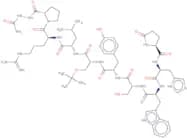
CAS:<p>ALPHA FACTOR SIGNALING PEPTIDE</p>Formula:C53H79N13O10Purity:Min. 95%Molecular weight:1,058.28 g/mol4-Bromo-2-phenylthiazole
CAS:<p>4-Bromo-2-phenylthiazole is a reactive arylating agent that has been used in the Suzuki reaction to form biaryl compounds. It is also used in the synthesis of heterocycles and alkene cross-coupling reactions. The 4-bromo group can be replaced by other halides, such as chlorides, bromides, or iodides. The substituents on the phenyl ring can be varied to yield different products. Reactive groups are an important factor in optimizing yields and preventing side reactions. This molecule is a useful starting point for the synthesis of complex molecules with functional groups.</p>Formula:C9H6BrNSPurity:Min. 95%Molecular weight:240.12 g/molL-Cysteinesulfinic acid, monohydrate
CAS:<p>Please enquire for more information about L-Cysteinesulfinic acid, monohydrate including the price, delivery time and more detailed product information at the technical inquiry form on this page</p>Formula:C3H7NO4S·H2OPurity:Min. 95%Molecular weight:171.17 g/mol2-Methyl-5-nitropyridin-3-amine
CAS:<p>2-Methyl-5-nitropyridin-3-amine is a heterocyclic compound that is synthesized by the cyclization of 2-methylpyridine with sodium nitrite. The reaction product is hydrolyzed to yield the desired compound, 5-nitropyridine. The synthesis of this compound can be used as a target for organic synthesis.</p>Formula:C6H7N3O2Purity:Min. 95%Molecular weight:153.14 g/molDL-1-Phenylethylamine
CAS:Controlled Product<p>DL-1-phenylethylamine is a chiral compound that has been studied for its biological properties. It can exist in either of two forms, or stereoisomers. DL-1-phenylethylamine is an amide and a methyl ester of phenethylamine hydrochloride. This compound has shown to have a high affinity for copper chloride and copper sulfate, and the 1R form is more soluble in water than the 2S form. The biological properties of DL-1-phenylethylamine are not fully understood but it may play a role in autoimmune diseases because it acts as an immunosuppressant and has anti-inflammatory activities.</p>Formula:C8H11NPurity:Min. 95%Molecular weight:121.18 g/mol4-Methylquinoline
CAS:<p>4-Methylquinoline is a natural compound that is structurally related to coumarin. It serves as an enzyme substrate for various types of enzymes, and has been shown to inhibit the activity of enzymes such as N-acetyltransferase, indoleamine 2,3-dioxygenase, and tryptophan 2,3-dioxygenase. 4-Methylquinoline has also been shown to be effective against infectious diseases such as toxoplasmosis and leishmaniasis. Furthermore, 4-methylquinoline has been shown to have anti-inflammatory properties in autoimmune diseases such as multiple sclerosis. The mechanism of action of 4-methylquinoline is not fully understood but it may interfere with the production of nitric oxide by inhibiting the enzyme nitric oxide synthase.</p>Formula:C10H9NPurity:Min. 95%Molecular weight:143.19 g/mol4-Methyl-2-piperidin-4-yl-1,3-benzoxazole
CAS:<p>Please enquire for more information about 4-Methyl-2-piperidin-4-yl-1,3-benzoxazole including the price, delivery time and more detailed product information at the technical inquiry form on this page</p>Formula:C13H16N2OPurity:Min. 95%Color and Shape:PowderMolecular weight:216.28 g/molMethyl 2-methylpropanimidic acid hydrochloride
CAS:<p>Methyl 2-methylpropanimidic acid hydrochloride is a neutralizing agent that can be used to react with water, acids, and bases. It has been shown to react with gaseous compounds at temperatures as high as 200°C. Methyl 2-methylpropanimidic acid hydrochloride is soluble in organic solvents such as alcohols, ethers, and acetone and can be used to prepare esters by reacting with the corresponding alcohol or phenol. In addition, it has been shown to interact with haloalkyl groups and oxazinones. This compound also has nod-like receptor binding properties that have been shown to play a role in mediating the transport of organic solutions into cells. A receptor protein that reacts with methyl 2-methylpropanimidic acid hydrochloride has been identified in some organisms. The stereostructure of this compound resembles that of triazines and other organometallic compounds.</p>Formula:C5H11NO·HClPurity:Min. 95%Molecular weight:137.61 g/mol2-Methyl-6-(tributylstannyl)pyridine
CAS:Controlled Product<p>2-Methyl-6-(tributylstannyl)pyridine is a synthetic organometallic compound that can be thermolysed to form azide and monoxide. It has been shown to react with tert-butyl lithium, leading to the formation of a nucleophilic radical species in the presence of an azide. This process is analogous to the Suzuki reaction. 2-Methyl-6-(tributylstannyl)pyridine can also be synthesized from 2,6-dibromopyridine and tributyltin chloride.</p>Formula:C18H33NSnPurity:Min. 95%Molecular weight:382.17 g/mol(S)-1,2,3,4,5,6,7,8-Octahydro-1-[(4-methoxyphenyl)methyl]isoquinoline (acetate salt )
CAS:<p>(S)-1,2,3,4,5,6,7,8-Octahydro-1-[(4-methoxyphenyl)methyl]isoquinoline (acetate salt ) is a diphosphine that can be used as a catalyst to produce formic acid from methanol and carbon monoxide. This product is an enantiomer of picric acid and has been shown to be an effective additive in the crystallization of picric acid. The acetate salt is also optically pure.</p>Purity:Min. 95%Demeton-S-methyl
CAS:<p>Demeton-S-methyl is a chemical pesticide that belongs to the group of organophosphates. It inhibits acetylcholinesterase activity and is used for the control of insects. Demeton-S-methyl is an anticholinesterase agent that binds reversibly to the active site of acetylcholinesterase, inhibiting the enzyme's activity. This inhibition leads to accumulation of acetylcholine in nerve tissue and increased transmission at cholinergic synapses. Demeton-S-methyl has been shown to be acutely toxic in rats, mice, and dogs by inhalation or ingestion. Acute toxicities are more severe with higher dosages as well as with repeated exposures.</p>Formula:C6H15O3PS2Purity:Min. 95%Color and Shape:Clear LiquidMolecular weight:230.29 g/mol4-Bromo-7-methoxy-1H-pyrrolo[2,3-c]pyridine
CAS:<p>Please enquire for more information about 4-Bromo-7-methoxy-1H-pyrrolo[2,3-c]pyridine including the price, delivery time and more detailed product information at the technical inquiry form on this page</p>Purity:Min. 95%(S)-N-Boc-3-amino-1-butyne
CAS:<p>Please enquire for more information about (S)-N-Boc-3-amino-1-butyne including the price, delivery time and more detailed product information at the technical inquiry form on this page</p>Formula:C9H15NO2Purity:Min. 95%Molecular weight:169.22 g/mol(2S,3S,5S)-5-[(N-Formyl-L-leucyl)oxy]-2-hexyl-3-hydroxyhexadecanoic acid
CAS:<p>Please enquire for more information about (2S,3S,5S)-5-[(N-Formyl-L-leucyl)oxy]-2-hexyl-3-hydroxyhexadecanoic acid including the price, delivery time and more detailed product information at the technical inquiry form on this page</p>Formula:C29H55NO6Purity:Min. 95%Molecular weight:513.75 g/molFmoc-3-nitro-L-phenylalanine
CAS:<p>Please enquire for more information about Fmoc-3-nitro-L-phenylalanine including the price, delivery time and more detailed product information at the technical inquiry form on this page</p>Formula:C24H20N2O6Purity:Min. 98 Area-%Color and Shape:White PowderMolecular weight:432.43 g/molZ-D-Lys(Boc)-OH
CAS:<p>Z-D-Lys(Boc)-OH is a synthetic peptidomimetic that has been shown to selectively kill cancer cells. Z-D-Lys(Boc)-OH binds to the lysine residue on the target cell surface, which is not present in normal cells. This binding inhibits serine protease activity and disrupts the synthesis of peptides, which are essential for cellular function. The electron microscopic images show that this compound causes an enhancement of biological function in human pathogenic chlamydia.</p>Formula:C19H28N2O6Purity:Min. 95%Molecular weight:380.44 g/molN,N'-bis-Fmoc-diaminoacetic acid
CAS:<p>Please enquire for more information about N,N'-bis-Fmoc-diaminoacetic acid including the price, delivery time and more detailed product information at the technical inquiry form on this page</p>Formula:C32H26N2O6Purity:Min. 95%Molecular weight:534.56 g/molMethyl 6-methyl-2-oxo-4-phenyl-1,2,3,4-tetrahydropyrimidine-5-carboxylate
CAS:<p>Please enquire for more information about Methyl 6-methyl-2-oxo-4-phenyl-1,2,3,4-tetrahydropyrimidine-5-carboxylate including the price, delivery time and more detailed product information at the technical inquiry form on this page</p>Formula:C13H14N2O3Purity:Min. 95%Molecular weight:246.26 g/mol2-Methyl-2-propanethiol
CAS:<p>2-Methyl-2-propanethiol is an electron acceptor and a reagent that can be used for the synthesis of organic compounds. It is soluble in polar solvents, but insoluble in nonpolar solvents. 2-Methyl-2-propanethiol has been shown to react with thiols at concentrations below its optimum concentration. The reaction mechanism is believed to involve adsorption and intramolecular hydrogen transfer. The adsorption process occurs on the surface of the substrate and the intramolecular hydrogen transfer occurs through an intermolecular hydrogen bond with the substrate's hydroxyl group or disulfide bond. When 2-methyl-2-propanethiol reacts with a thiol, it forms a mercaptan group called p2 that contains two substituents, one on each carbon atom. This reaction produces a disulfide bond as well as an electrochemical detector signal known as "activated."</p>Formula:C4H10SPurity:Min. 98%Color and Shape:Clear LiquidMolecular weight:90.19 g/mol1,2-Dilauroyl-sn-glycero-3-phosphocholine
CAS:<p>The liposome is a spherical lipid bilayer that encloses an aqueous interior. It is used in the treatment of hyperproliferative diseases, such as cancer, and infectious diseases. The lipid bilayer membrane of the liposomes are made up of phospholipids, mostly phosphatidylcholine, with cholesterol or other molecules added to increase stability. The liposome is composed of two layers: the external layer which includes the phosphate head groups and hydrophilic polymers, and the internal layer which includes the hydrophobic fatty acid tails. Liposomes can be manipulated to target specific cells by adding proteins to either side of the membrane. These proteins are called targeting factors and they usually bind to receptors on the surface of cells that have particular features (e.g., CD4+ T-cells). This drug is toxic because it causes significant cytotoxicity when exposed to various types of cells at a concentration greater than 1 mM. There is significant</p>Formula:C32H64NO8PPurity:Min. 95%Molecular weight:621.83 g/mol(S)-(-)-1-Boc-3-aminopyrrolidine
CAS:<p>(S)-(-)-1-Boc-3-aminopyrrolidine is an inhibitor that inhibits the activity of phosphoinositide 3-kinase (PI3K) by binding to the ATP binding site and inhibiting PI3K. It has been shown to inhibit the activation of PI3Kδ, which plays a key role in tumorigenesis and metastasis. The drug also has metabolic stability and selectivity for PI3Kδ over other kinases, as well as high affinity for this enzyme. The drug was found to have low toxicity in vitro, but its effects on humans are unknown.</p>Formula:C9H18N2O2Purity:Min. 95%Color and Shape:Clear LiquidMolecular weight:186.25 g/molβ-Alanine tert-butyl ester hydrochloride
CAS:<p>Beta-alanine tert-butyl ester hydrochloride is a hydrogenated beta-amino acid ester that is used as a peptidomimetic. It has been shown to be absorbed by the intestine and it can be used to focus on chloride channels in the intestinal cells. Beta-alanine tert-butyl ester hydrochloride is an organic solvent and can also be used as an excipient for drug formulations. The molecule has a benzyl group and a chloride group, which are both substituted with hydrogen atoms.</p>Formula:C7H15NO2·HClPurity:Min. 95%Color and Shape:White PowderMolecular weight:181.66 g/mol5-Bromo-3-methoxybenzaldehyde
CAS:<p>5-Bromo-3-methoxybenzaldehyde is a type of growth factor that is synthesized by cancer cells. It has been shown to have anticancer activity when used in conjunction with other drugs. 5-Bromo-3-methoxybenzaldehyde has been shown to inhibit tumor growth in mice, which may be due to its ability to prevent the activation of PD-L1. This compound interacts with a tetranuclear ligand and can be activated by light.</p>Formula:C8H7BrO2Purity:Min. 95%Color and Shape:PowderMolecular weight:215.04 g/molZ-NH-PEG6-CH2CH2COOH
<p>Z-NH-PEG6-CH2CH2COOH is a PEG compound with two different functional groups (also known as heterobifunctional). Unlike homobifunctional PEG compounds (same functional group on both ends), this type of compounds are more versatile as have two different anchor points. Z-NH-PEG6-CH2CH2COOH is used as a linker and spacer to add a PEG moiety, via pegylation (a bioconjugation technique) to proteins, peptides, oligonucleotides, small molecules and nanoparticles.</p>Formula:C23H37NO10Purity:Min. 95%Molecular weight:487.54 g/mol3-Amino-5-methylisoxazole
CAS:<p>3-Amino-5-methylisoxazole is a chemical compound that is used in the treatment of wastewater. It belongs to the group of p2, which includes sulfamethoxazole and sulfa drugs. 3-Amino-5-methylisoxazole is activated by multi-walled carbon or fatty acid and has a neutral pH. It has been shown to have significant cytotoxicity against cancer cells and also has antibiotic combinations with other drugs. 3-Amino-5-methylisoxazole is a drug that can be used in chemotherapy, but it may cause drug reactions.</p>Formula:C4H6N2OPurity:Min. 95%Molecular weight:98.1 g/mol7-[(4Methoxyphenyl)methyl]-5-methyl-2H-pyrazolo[3,4-d]pyrimidine-4,6(5H,7H)-dione
CAS:Controlled Product<p>Please enquire for more information about 7-[(4Methoxyphenyl)methyl]-5-methyl-2H-pyrazolo[3,4-d]pyrimidine-4,6(5H,7H)-dione including the price, delivery time and more detailed product information at the technical inquiry form on this page</p>Formula:C14H14N4O3Purity:Min. 95%Molecular weight:286.29 g/mol{1-[2-(4-Methylphenoxy)ethyl]-1H-benzimidazol-2-yl}methanol
CAS:Controlled Product<p>Please enquire for more information about {1-[2-(4-Methylphenoxy)ethyl]-1H-benzimidazol-2-yl}methanol including the price, delivery time and more detailed product information at the technical inquiry form on this page</p>Formula:C17H18N2O2Purity:Min. 95%Molecular weight:282.34 g/molrac-prolinol
CAS:<p>Rac-prolinol is a picolinic acid derivative that has been shown to inhibit the production of pyrrolidinecarboxylic acid in the form of l-tartaric acid. This inhibition is due to the formation of a hydrogen bond with the hydroxyl group on the substrate molecule, which prevents its conversion into pyrrolidinecarboxylic acid. Rac-prolinol has also been shown to inhibit collagen production in cells. Rac-prolinol binds to receptors that are involved in regulating cell proliferation and differentiation, including transforming growth factor beta receptor and epidermal growth factor receptor. It inhibits collagen synthesis by acting as a competitive inhibitor of proline hydroxylase, an enzyme responsible for catalyzing proline into hydroxyproline. The molecule also inhibits DNA synthesis by binding to the erythrocyte membrane skeleton and blocking ATP synthesis.</p>Formula:C5H11NOPurity:Min. 95%Molecular weight:101.15 g/mol3-Chloro-N-methylpropan-1-amine HCl
CAS:<p>Please enquire for more information about 3-Chloro-N-methylpropan-1-amine HCl including the price, delivery time and more detailed product information at the technical inquiry form on this page</p>Formula:C4H11Cl2NPurity:Min. 95%Molecular weight:144.04 g/molH-Gly-Phe-Gly-aldehyde semicarbazone acetate salt
CAS:<p>Please enquire for more information about H-Gly-Phe-Gly-aldehyde semicarbazone acetate salt including the price, delivery time and more detailed product information at the technical inquiry form on this page</p>Formula:C14H20N6O3Purity:Min. 95%Molecular weight:320.35 g/mol4-(2-Chlorophenyl)-9-methyl-6H-thieno[3,2-f][1,2,4]triazolo[4,3-a][1,4]diazepine-2-propanoic acid
CAS:Controlled Product<p>Please enquire for more information about 4-(2-Chlorophenyl)-9-methyl-6H-thieno[3,2-f][1,2,4]triazolo[4,3-a][1,4]diazepine-2-propanoic acid including the price, delivery time and more detailed product information at the technical inquiry form on this page</p>Formula:C18H15ClN4O2SPurity:Min. 95%Molecular weight:386.86 g/molPeptide YY (canine, mouse, porcine, rat)
CAS:<p>Peptide YY (PYY) is a peptide hormone that inhibits gastric emptying and increases intestinal transit time. This peptide can be given as an intubation, perfusion, or intravenous infusion to increase the absorption of nutrients. It also has the potential to reduce body weight in obese people. PYY is a potent activator of protein synthesis and it has been shown to stimulate lipolysis in adipocytes. PYY is found in the ileum and colon, where it may have its effects on appetite suppression and regulation of gastrointestinal motility.</p>Formula:C190H288N54O57Purity:Min. 95%Color and Shape:PowderMolecular weight:4,240.65 g/mol1,2-O-Dioctadecyl-rac-glycerol
CAS:<p>1,2-O-Dioctadecyl-rac-glycerol is a lipid that belongs to the class of synthetic lipids. It has been used as a model system for studying the interactions between phosphatidylcholine (PC) and other lipids. The systematic study of the morphology of 1,2-O-dioctadecyl-rac-glycerol in various solvents revealed that it is an amphiphile with an elongated shape. This molecule interacts with PC membranes in a specific manner, which can be detected using optical measurements. The transition from the solid to liquid state causes 1,2-O-dioctadecyl-rac-glycerol to change its shape from a rod to an ellipsoid. This property can be used as a diagnostic tool for identifying transitions in nanomaterials.</p>Formula:C39H80O3Purity:Min. 95%Molecular weight:597.05 g/mol2-Hydroxy-3-methylcyclopent-2-enone
CAS:<p>2-Hydroxy-3-methylcyclopent-2-enone is a chemical species that is commonly found in Chinese herbs. It has been shown to have a number of applications, including as an ingredient in wastewater treatment, light emission, and process optimization. 2-Hydroxy-3-methylcyclopent-2-enone can be synthesized by reacting hydrochloric acid with acetone and formaldehyde. The reaction mechanism is not yet fully understood. Clinical studies show that 2-hydroxy-3 methylcyclopentane carboxylic acid has the potential to treat cancerous tumors in vitro.</p>Formula:C6H8O2Purity:Min. 95%Molecular weight:112.13 g/molAcetyl-L-threonine
CAS:<p>Acetyl-L-threonine is a nonessential amino acid that is used as a dietary supplement and in clinical chemistry. Acetyl-L-threonine binds to the extracellular signal in mammalian cells and may be involved in the regulation of gene expression. It has been found that acetyl-L-threonine is coagulant, which may be due to its ability to inhibit the formation of fibrinogen or clotting factors. This amino acid can also regulate the release of l-threonine from cells, which affects serum levels. Acetyl-L-threonine has been shown to increase the glomerular filtration rate, which may be due to its ability to increase coagulation.</p>Formula:C6H11NO4Purity:Min. 95%Color and Shape:PowderMolecular weight:161.16 g/molL-Methionine tert-butyl ester hydrochloride
CAS:<p>L-Methionine tert-butyl ester hydrochloride is a peptide that is used for the treatment of lysosomal storage diseases. It is a metabolic precursor for polypeptides and may be useful for the treatment of tissue damage due to elimination. L-Methionine tert-butyl ester hydrochloride has been shown to have a stable half-life in murine studies, and it is eliminated primarily by the kidneys. Radiometabolites with short half-lives are found in blood and urine samples following intravenous administration. The elimination rate of L-Methionine tert-butyl ester hydrochloride can be calculated by measuring the radioactivity in urine over time.</p>Formula:C9H19NO2S•HClPurity:Min. 95%Color and Shape:PowderMolecular weight:241.78 g/molBoc-N-methylethylenediamine
CAS:<p>Boc-N-methylethylenediamine is an amphiphile that can form micelles and assemble into a bilayer membrane. It has been shown to interact with nucleic acids, such as RNA and DNA, in a complexing process. This product also has the ability to form complexes with cationic species, including sodium ions, through electrostatic interactions. Boc-N-methylethylenediamine has been shown to be effective in the treatment of certain cancers by inhibiting endosomal processes and thereby reducing cancer cell proliferation.</p>Formula:C8H18N2O2Purity:Min. 95%Color and Shape:Clear LiquidMolecular weight:174.24 g/mol3-O-Methyl 17a-estradiol
CAS:Controlled Product<p>Please enquire for more information about 3-O-Methyl 17a-estradiol including the price, delivery time and more detailed product information at the technical inquiry form on this page</p>Formula:C19H26O2Purity:Min. 95%Molecular weight:286.41 g/molFmoc-homocyclohexyl-L-alanine
CAS:<p>Please enquire for more information about Fmoc-homocyclohexyl-L-alanine including the price, delivery time and more detailed product information at the technical inquiry form on this page</p>Formula:C25H29NO4Purity:Min. 95%Color and Shape:White PowderMolecular weight:407.5 g/molZ-(R,S)-3-amino-2-oxo-5-phenyl-1,4-benzodiazepine
CAS:Controlled Product<p>Please enquire for more information about Z-(R,S)-3-amino-2-oxo-5-phenyl-1,4-benzodiazepine including the price, delivery time and more detailed product information at the technical inquiry form on this page</p>Formula:C23H19N3O3Purity:Min. 95%Molecular weight:385.42 g/molN-α-Z-L-lysine benzyl ester benzenesulfonate salt
CAS:<p>Please enquire for more information about N-alpha-Z-L-lysine benzyl ester benzenesulfonate salt including the price, delivery time and more detailed product information at the technical inquiry form on this page</p>Formula:C27H32N2O7SPurity:Min. 95%Molecular weight:528.62 g/molZ-D-Leu-OH
CAS:<p>Please enquire for more information about Z-D-Leu-OH including the price, delivery time and more detailed product information at the technical inquiry form on this page</p>Formula:C14H19NO4Purity:Min. 95%Molecular weight:265.31 g/molO-tert-Butyl-D-tyrosine
CAS:<p>O-tert-Butyl-D-tyrosine is an organogelator. It is a low molecular weight organic liquid that can form a gel when mixed with a solvent. O-tert-Butyl-D-tyrosine is soluble in hydrophobic solvents such as butanol, and insoluble in water. The gelation properties of this substance are due to its ability to interact with the surface of the solvent droplet and form a network that holds other solute molecules in place. This interaction is called physisorption, which means that it does not need any chemical bonds to form the gel. Gels formed by O-tert-Butyl-D-tyrosine are stable at room temperature, but will melt when heated or exposed to pH extremes.</p>Formula:C13H19NO3Purity:Min. 95%Molecular weight:237.29 g/molN-Methyl-N-[(1-methyl-1H-benzimidazol-2-yl)methyl]amine hydrochloride
CAS:Controlled Product<p>Please enquire for more information about N-Methyl-N-[(1-methyl-1H-benzimidazol-2-yl)methyl]amine hydrochloride including the price, delivery time and more detailed product information at the technical inquiry form on this page</p>Formula:C10H13N3Purity:Min. 95%Molecular weight:175.23 g/molN,N-Diethyl-β-alanine
CAS:<p>N,N-Diethyl-beta-alanine (DEBA) is a nucleophilic agent that reacts with epoxides. It has been synthesised and structurally studied using X-ray crystallography and electron diffraction techniques. DEBA has shown to have reactive properties and has been used in the synthesis of monoalkyl epoxides. The synthesis of DEBA was first reported by the research team of L1210 leukemia cells. This substance was found to be an effective inhibitor of growth in this cell line, which may be due to its ability to inhibit protein synthesis.</p>Formula:C7H15NO2Purity:Min. 95%Molecular weight:145.2 g/mol4,5-Dihydro-5a-methoxy D-(-)-norgestrel
CAS:<p>Please enquire for more information about 4,5-Dihydro-5a-methoxy D-(-)-norgestrel including the price, delivery time and more detailed product information at the technical inquiry form on this page</p>Formula:C22H32O3Purity:Min. 95%Molecular weight:344.49 g/mol1-(4-Amino-3,5-dichloro-phenyl)-2-bromo-ethanone
CAS:<p>Please enquire for more information about 1-(4-Amino-3,5-dichloro-phenyl)-2-bromo-ethanone including the price, delivery time and more detailed product information at the technical inquiry form on this page</p>Formula:C8H6BrCl2NOPurity:Min. 95%Molecular weight:282.95 g/molµ-Conotoxin GIIIB
CAS:Controlled Product<p>The µ-conotoxin GIIIB is a potent nicotinic acetylcholine receptor antagonist and has been shown to inhibit the g1 phase of the cell cycle. It inhibits the binding of veratridine, a neurotoxin, to its receptor on the cell membrane. The µ-conotoxin GIIIB has also been shown to have an inhibitory effect on acetylcholine release from synaptosomes incubated with glucose and insulin. A magnetic resonance spectroscopy (MRS) study showed that µ-conotoxin GIIIB was able to bind to noradrenaline and dopamine receptors in rat erythrocytes. The µ-conotoxin GIIIB is a disulfide bond peptide that can be synthesized by solid-phase synthesis and purified by lc-ms/ms methods. Disulfide bonds are formed between Cys3 and Cys15, Cys4 and Cys20, Cys10</p>Formula:C101H175N39O30S7Purity:Min. 95%Molecular weight:2,640.18 g/molN-α-Boc-Nω,ω''-bis-Z-D-arginine
CAS:<p>Please enquire for more information about N-alpha-Boc-Nomega,omega''-bis-Z-D-arginine including the price, delivery time and more detailed product information at the technical inquiry form on this page</p>Formula:C27H34N4O8Purity:Min. 95%Molecular weight:542.58 g/molFmoc-(2S,4S)-4-phenylpyrrolidine-2-carboxylic acid
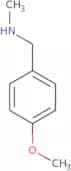
CAS:<p>Please enquire for more information about Fmoc-(2S,4S)-4-phenylpyrrolidine-2-carboxylic acid including the price, delivery time and more detailed product information at the technical inquiry form on this page</p>Formula:C26H23NO4Purity:Min. 95%Molecular weight:413.47 g/mol(±)-N-Methyl-p-methoxyamphetamine
CAS:Controlled Product<p>(±)-N-Methyl-p-methoxyamphetamine (MEM) is a synthetic cannabinoid that is used as an ingredient in the manufacture of designer drugs. MEM can be detected by gas chromatography and mass spectrometry, although it is not possible to distinguish MEM from other synthetic cannabinoids by these methods. MEM produces no significant adverse effects on human liver, but may have serious adverse effects on the heart and blood vessels. The drug can be found in urine samples with a chemical ionization detector or electrochemical detector. <br>The analytical method for MEM detection is based on liquid chromatography-tandem mass spectrometry (LC/MS/MS). The LC/MS/MS technique separates and identifies compounds by creating ions through the use of an electric field. This method has been shown to accurately detect MEM, while also eliminating false positives due to its specificity.</p>Formula:C11H17NOPurity:Min. 95%Molecular weight:179.26 g/mol1-(5-Methyl-1,2,4-oxadiazol-3-yl)cyclohexanamine hydrochloride
CAS:Controlled Product<p>Please enquire for more information about 1-(5-Methyl-1,2,4-oxadiazol-3-yl)cyclohexanamine hydrochloride including the price, delivery time and more detailed product information at the technical inquiry form on this page</p>Formula:C9H16N3OClPurity:Min. 95%Molecular weight:217.7 g/mol1-Methyl-5-(tributylstannyl)-1H-pyrazole
CAS:Controlled Product<p>Please enquire for more information about 1-Methyl-5-(tributylstannyl)-1H-pyrazole including the price, delivery time and more detailed product information at the technical inquiry form on this page</p>Formula:C16H32N2SnPurity:Min. 95%Molecular weight:371.15 g/mol2-(3-Methoxyphenyl)piperidine
CAS:<p>Please enquire for more information about 2-(3-Methoxyphenyl)piperidine including the price, delivery time and more detailed product information at the technical inquiry form on this page</p>Formula:C12H17NOPurity:Min. 95%Color and Shape:PowderMolecular weight:191.27 g/molD,L-Threo-b-hydroxy aspartic acid
CAS:<p>D,L-Threo-b-hydroxy aspartic acid is a stereoselective synthetic amino acid that has been used to study the uptake and hydrolysis of D,L-threo-b-hydroxy aspartic acid by rat brain synaptosomes. It has also been used in the synthesis of an L-alanine analogue with the same stereochemistry at the chiral center. The stereoselective synthesis of this compound is achieved by epimerization reaction using d-alanine as a starting material. Threo bhda has been shown to inhibit glutamate release from neurons and stimulate GABA release in synaptosomes, which may be due to its ability to bind to ion channels. Threo bhda has also been found to inhibit the binding of radioactive thymidine to calf thymus DNA with a high degree of stereoselectivity.</p>Formula:C4H7NO5Purity:Min. 95%Molecular weight:149.1 g/molZ-dehydroalanine
CAS:<p>Dehydroalanine, also known as Z-dehydroalanine, is an intermediate in the synthesis of a variety of compounds. It has been shown to be an effective catalyst for asymmetric hydrogenation reactions. Dehydroalanine is used in the synthesis of phenyl phosphine, which can be used to catalyze asymmetric hydrogenation reactions. The formation and reactivity of dehydroalanine have been studied using NMR techniques.</p>Formula:C11H11NO4Purity:Min. 95%Molecular weight:221.21 g/molH-Glu(OtBu)-OBzl.HCl
CAS:<p>Please enquire for more information about H-Glu(OtBu)-OBzl.HCl including the price, delivery time and more detailed product information at the technical inquiry form on this page</p>Formula:C16H23NO4·HClPurity:Min. 95%Molecular weight:329.82 g/mol[(4-Methyl-1,3-thiazol-2-yl)methyl]amine dihydrochloride
CAS:<p>Please enquire for more information about [(4-Methyl-1,3-thiazol-2-yl)methyl]amine dihydrochloride including the price, delivery time and more detailed product information at the technical inquiry form on this page</p>Formula:C5H8N2SPurity:Min. 95%Molecular weight:128.2 g/mol3-Bromo-2-methylbenzoic acid methyl ester
CAS:<p>3-Bromo-2-methylbenzoic acid methyl ester is a serotonin transporter and reuptake inhibitor. It has selectivities for serotonin, dopamine and norepinephrine transporters. 3-Bromo-2-methylbenzoic acid methyl ester acts as a linker molecule in the synthesis of complex molecules like neurotransmitters. It is also a bifunctional molecule that can act as an antidepressant or anti-anxiety drug by increasing serotonin levels in the brain. 3-Bromo-2-methylbenzoic acid methyl ester’s function as a ligand is to bind to receptors on cells, which may be linked with its effects on depression and anxiety.</p>Formula:C9H9BrO2Purity:Min. 95%Molecular weight:229.07 g/molN-MethylethylamineHydrochloride
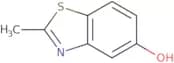
CAS:<p>N-Methylethylamine hydrochloride (MEA) is a cytotoxic agent that inhibits the growth of tumor cells by inhibiting protein synthesis. It is classified as an acyl halide and can be methylated in the liver to form methylamine. MEA has been shown to inhibit the growth of rat liver microsomes when combined with 3-bromopropylamine hydrobromide, hydroxide solution, aminoguanidine, alkylsulfonyl, nitrogen atoms, and carbon source. MEA is also known to inhibit HIV infection in vitro by inhibiting deoxynucleotide triphosphate (dNTP) binding to reverse transcriptase.</p>Formula:C3H9N•HClPurity:Min. 95%Molecular weight:95.57 g/mol2-Methyl-6-benzothiazolecarbonitrile
CAS:<p>2-Methyl-6-benzothiazolecarbonitrile is a heterocyclic compound that is used in the synthesis of benzothiazolium salts. The salt is obtained by reacting 2-methyl-6-(benzothiazole)carbonitrile with hydrochloric acid. It crystallizes in the triclinic system, with a space group P1 and unit cell parameters: a = 8.872 Å, b = 16.926 Å, c = 12.614 Å, β= 121.5°. Elemental analysis shows that it contains C, H and N; 13C NMR spectroscopy shows that the shift values are between −5 and 5 ppm for different substituted benzothiazole rings. The number of nonlinear parameters for this molecule is 3.</p>Formula:C9H6N2SPurity:Min. 95%Molecular weight:174.22 g/molEthyl 1-methyl-5-sulfamoylpyrazole-4-carboxylate
CAS:<p>Ethyl 1-methyl-5-sulfamoylpyrazole-4-carboxylate (EMS) is a fluorescent dye that is used as a reagent for identification of bacterial strains and in sequencing techniques. EMS reacts with dioxane, triazine, and alkylating agents to form yellow compounds. It can be synthesized from 5-aminopyrazole and ethyl chloroformate in basic ph buffers.</p>Purity:Min. 95%Cyclo(-Arg-Gly-Asp-D-Phe-Cys) acetate salt
CAS:<p>Cyclo(-Arg-Gly-Asp-D-Phe-Cys) acetate salt is a peptide that has been modified to be an active targeting agent. It is an amphipathic molecule that can be used to deliver therapeutic agents specifically to cancer cells. Cyclo(-Arg-Gly-Asp-D-Phe-Cys) acetate salt is conjugated to a drug and is taken up by cells through the process of endocytosis. Once inside the cell, the drug is released and binds with the cell membrane, which leads to cell death. The uptake of this peptide has been shown to be pH dependent; it is taken up more readily in acidic environments than in neutral or alkaline environments. This peptide has also been shown to have cytotoxic effects on both MFC7 cells and rat liver cells.</p>Formula:C24H34N8O7SPurity:Min. 95%Molecular weight:578.64 g/mol3-Benzyl-phenol
CAS:<p>3-Benzyl-phenol is a formaldehyde and aliphatic compound that is used as a chemical intermediate. It can be synthesized from 3-phenylglycine, which is an amino acid with the formula CH(CH)CONH. The hydroxyl group of 3-benzyl-phenol can be converted to a sulphonic or salicylic acid by hydrolysis with hydrochloric acid or salicylic acid respectively. 3-Benzyl phenol also catalyzes the reaction between paraformaldehyde and hexamine in the presence of water, yielding acetaldehyde and hydrogen gas.</p>Purity:Min. 95%Pyriminobac-methyl
CAS:Controlled Product<p>Pyriminobac-methyl is an herbicide that inhibits the synthesis of fatty acids and benzoate in plants. It has a synergistic effect with other compounds, such as glyphosate, atrazine, and 2,4-Dichlorophenoxyacetic acid. Pyriminobac-methyl is used to control weeds and grasses on pastures, rangelands, and noncropland areas. The compound is applied to plants by spraying the foliage or soil surface. Pyriminobac-methyl is absorbed by plant roots and translocated throughout the plant. The active metabolite inhibits fatty acid synthesis in cells by reacting with a malonic acid molecule in the mitochondrial membrane to form a cyclic diketone that reacts with the enzyme acyl carrier protein. This prevents attachment of acetyl groups to coenzyme A during the Krebs cycle, which blocks fatty acid synthesis.<br>Pyriminobac-methyl also has been shown to inhibit activity</p>Formula:C17H19N3O6Purity:Min. 95%Molecular weight:361.35 g/mol1H-Indene-1-methanamine, 2,3-dihydro-
CAS:<p>Indene-1-methanamine is a drug that has been used for the treatment of neurologic disorders and is an ester of aliphatic hydrocarbons. It has been shown to have antidepressant effects in animal models, which may be due to its ability to bind to 5-HT1A receptors. Indene-1-methanamine also has antimicrobial properties and can be used for treating bladder infections as well as cancer. This drug binds to the quinolizine site on bacterial DNA gyrase, which inhibits DNA synthesis and leads to cell death.</p>Formula:C10H13N·HClPurity:90%MinMolecular weight:183.68 g/mol2-(Chloromethyl)-1-(2-phenylethyl)-1H-benzimidazole
CAS:Controlled Product<p>Please enquire for more information about 2-(Chloromethyl)-1-(2-phenylethyl)-1H-benzimidazole including the price, delivery time and more detailed product information at the technical inquiry form on this page</p>Formula:C16H15ClN2Purity:Min. 95%Molecular weight:270.76 g/mol4-Methyl mebendazole
CAS:<p>Please enquire for more information about 4-Methyl mebendazole including the price, delivery time and more detailed product information at the technical inquiry form on this page</p>Formula:C17H15N3O3Purity:Min. 95%Molecular weight:309.32 g/mol2-(5-chloro-2-methyl-1H-indol-3-yl)ethanamine
CAS:Controlled Product<p>Please enquire for more information about 2-(5-chloro-2-methyl-1H-indol-3-yl)ethanamine including the price, delivery time and more detailed product information at the technical inquiry form on this page</p>Formula:C11H13ClN2Purity:Min. 95%Molecular weight:208.69 g/mol3-(4'-Pyridyl)-L-alanine
CAS:<p>Please enquire for more information about 3-(4'-Pyridyl)-L-alanine including the price, delivery time and more detailed product information at the technical inquiry form on this page</p>Formula:C8H10N2O2Purity:Min. 95%Color and Shape:PowderMolecular weight:166.18 g/molL-Valine ethyl ester HCl
CAS:<p>L-Valine ethyl ester HCl is a synthetic cannabinoid that has been shown to bind to the CB2 receptor and inhibit microbial infection. It also blocks the enzyme amine oxidase and nitrite ion, which may have implications for treating metabolic disorders. L-Valine ethyl ester HCl is synthesized by reacting L-valine with ethylene diamine, followed by hydrochloride formation. The compound has been shown to exhibit higher activity than other amino acid esters of hydrochloride (e.g., L-leucine, L-isoleucine).</p>Formula:C7H15NO2·HClPurity:Min. 95%Color and Shape:PowderMolecular weight:181.66 g/molN-Methylaniline
CAS:<p>N-Methylaniline is a chemical compound that is used in the treatment of wastewater. It can be synthesized by reacting acetaldehyde with ammonia and ethyl chloride. The adsorption of N-methylaniline onto a Langmuir monolayer was studied using electrochemical impedance spectroscopy (EIS). The kinetic energy of N-methylaniline molecules was found to be lower than water vapor molecules, which may explain its high detection sensitivity.</p>Formula:C7H9NPurity:Min. 95%Molecular weight:107.15 g/molZ-NH-PEG2-CH2COOH
CAS:<p>Z-NH-PEG2-CH2COOH is a PEG compound with two different functional groups (also known as heterobifunctional). Unlike homobifunctional PEG compounds (same functional group on both ends), this type of compounds are more versatile as have two different anchor points. Z-NH-PEG2-CH2COOH is used as a linker and spacer to add a PEG moiety, via pegylation (a bioconjugation technique) to proteins, peptides, oligonucleotides, small molecules and nanoparticles.</p>Formula:C14H19NO6Purity:Min. 95%Molecular weight:297.3 g/molEltrombopag olamine
CAS:<p>Eltrombopag olamine is an orally active drug that belongs to the class of thiazolidinones. It has been used for the treatment of thrombocytopenia in patients with chronic liver disease and myelodysplastic syndrome. Eltrombopag olamine inhibits platelet aggregation by binding to glycoprotein IIb/IIIa receptors on the surface of platelets. The drug is a prodrug that is metabolized in vivo to its active form, eltrombopag. This conversion is catalysed by CYP3A4 and CYP2D6 enzymes and can be inhibited by drugs that inhibit these enzymes, such as trifluoroacetic acid and hydroxyl group-containing compounds. Eltrombopag olamine binds to erythrocytes, which may be due to its ability to form intramolecular hydrogen bonds with nitrogen atoms. The synthesis of elt</p>Formula:C25H22N4O4•(C2H7NO)2Purity:Min. 95%Color and Shape:PowderMolecular weight:564.63 g/molZ-D-Alanine
CAS:<p>Z-D-Alanine is an amino acid that is synthesized from D-alanine by the enzyme serine protease. It has been shown to inhibit leukemia cells and kidney bean extract, which may be due to its ability to inhibit serine proteases. Z-D-Alanine also shows stereoselective effects in determining the enantiomeric form of its products. This amino acid can hydrogen bond with other molecules and has been shown to have intermolecular hydrogen bonds. Intramolecular hydrogen bonding has also been observed in this molecule.</p>Formula:C11H13NO4Purity:Min. 95%Molecular weight:223.23 g/molH-Cys-Glu-OH
<p>Please enquire for more information about H-Cys-Glu-OH including the price, delivery time and more detailed product information at the technical inquiry form on this page</p>Purity:Min. 95%17,21Dihydroxy-16β-methylpregna-1,4,9(11)-triene-3,20-dione
CAS:Controlled Product<p>Please enquire for more information about 17,21Dihydroxy-16beta-methylpregna-1,4,9(11)-triene-3,20-dione including the price, delivery time and more detailed product information at the technical inquiry form on this page</p>Formula:C22H28O4Purity:Min. 95%Molecular weight:356.46 g/molN-Me-D-Met-OH
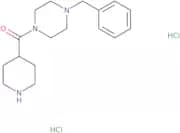
CAS:<p>N-Me-D-Met-OH is a nontoxic, nonprotein amino acid that is used in animal experiments to study the effects of tumorigenesis. It has been shown to be carcinogenic and tumorigenic in rats and mice. N-Me-D-Met-OH causes tumors by binding to arginine and inhibiting the synthesis of glycine and lysine. N-Me-D-Met-OH also inhibits protein synthesis by blocking the conversion of methionine into cysteine. This amino acid analog has been shown to be mutagenic in bacteria, yeast, and plants.</p>Formula:C6H13NO2SPurity:Min. 95%Molecular weight:163.24 g/mol(4-Phenylpiperazin-1-yl)piperidin-4-yl-methanone dihydrochloride
CAS:Controlled Product<p>Please enquire for more information about (4-Phenylpiperazin-1-yl)piperidin-4-yl-methanone dihydrochloride including the price, delivery time and more detailed product information at the technical inquiry form on this page</p>Formula:C16H25Cl2N3OPurity:Min. 95%Molecular weight:346.29 g/molGly-Ala-OH
CAS:<p>Gly-Ala-OH is a leukocyte antigen that belongs to the group of transcription-polymerase chain reaction (PCR) inhibitors. It has been shown to inhibit the transcription of DNA into RNA by binding to the polymerase, preventing it from adding nucleotides onto the 3’ end of DNA. This inhibition can be seen in experimental solubility data and nmr spectra. Gly-Ala-OH also binds to type strain bacteria, such as Escherichia coli, Bacillus subtilis, Streptococcus pneumoniae, and Staphylococcus aureus. Gly-Ala-OH has been shown to bind with high affinity to ubiquitin ligases. This property may be due to its ability to form hydrogen bonds with these enzymes. Gly-Ala-OH binds more tightly than ATP and is therefore able to stabilize these enzymes for an extended period of time.</p>Formula:C5H10N2O3Purity:Min. 95%Color and Shape:White PowderMolecular weight:146.14 g/mol1-Phenyl-4-hexyn-3-one
CAS:<p>Please enquire for more information about 1-Phenyl-4-hexyn-3-one including the price, delivery time and more detailed product information at the technical inquiry form on this page</p>Formula:C12H12OPurity:Min. 95%Molecular weight:172.22 g/mol4-Methylcyclohex-3-ene-1-carboxylic acid
CAS:<p>4-Methylcyclohex-3-ene-1-carboxylic acid is an anionic compound that is used in the preparation of perfumes. This substance has been shown to have a cycloaddition reaction with nonionic detergents and isoprene, catalyzing the oxidation of terephthalic acid to ethylene. 4-Methylcyclohex-3-ene-1-carboxylic acid can also be used as a medicinal agent for aromatization or as a catalyst for the production of aldehydes.</p>Formula:C8H12O2Purity:Min. 95%Color and Shape:White PowderMolecular weight:140.18 g/molNω-(4-Methoxy-2,3,6-trimethylbenzenesulfonyl)-L-arginine tert-butyl ester
CAS:<p>Please enquire for more information about Nomega-(4-Methoxy-2,3,6-trimethylbenzenesulfonyl)-L-arginine tert-butyl ester including the price, delivery time and more detailed product information at the technical inquiry form on this page</p>Formula:C20H34N4O5SPurity:Min. 95%Molecular weight:442.57 g/molN-Acetyl-L-proline
CAS:<p>N-Acetyl-L-proline is a metabolite of proline that has been shown to have a role in the development of metabolic disorders. It is an amide that has a hydroxyl group and a protonated nitrogen atom. N-Acetyl-L-proline is present in a model system that can be used to study the frequency shift phenomenon. This compound also undergoes michaelis–menten kinetics, which are used to describe enzyme activity and the velocity of reactions with high concentrations of substrate. N-Acetyl-L-proline has been found to have protease activity and intramolecular hydrogen bonding. It also forms hydrogen bonds with other molecules, such as fatty acids, which are involved in conformational properties.</p>Formula:C7H11NO3Purity:Min. 95%Molecular weight:157.17 g/mol1-(3,4-Dimethoxyphenyl)-2-(2-methoxyphenoxy)propane-1,3-diol
CAS:<p>1,3-Dimethoxy-2-(2-methoxyphenoxy)propane-1,3-diol (DMMP) is a natural product with antioxidant properties. It has been shown to be a potent inhibitor of the epidermal growth factor receptor (EGFR), and also inhibits the activity of the response elements for EGFR. DMMP is also a potent inhibitor of proliferation in human cancer cells and can inhibit the growth of tumour cells that are resistant to methotrexate. DMMP is a precursor to protocatechuic acid, which has been shown to have anti-herpes virus effects. DMMP has been shown to decrease the rate of second order reactions through its ability to react with carbonyl groups on proteins. This reaction leads to an increase in stability and decreases the rate of protein degradation by proteases. A mutant strain was found that can produce this compound without any external stimulus, making it ideal for use as an antibiotic against bacterial</p>Formula:C18H22O6Purity:Min. 95 Area-%Color and Shape:PowderMolecular weight:334.36 g/mol6-Amino-1-methyl-5-nitrosouracil
CAS:<p>6-Amino-1-methyl-5-nitrosouracil is a neutral form of the molecule that has both protonated and unprotonated forms. It is a bidentate ligand that can bind to a metal ion. The nitrogen atom in the molecule is an important part of its structure, as it contains two nitro groups and one amino group. 6-Amino-1-methyl-5-nitrosouracil has been used in techniques such as spectroscopies and dinitroso analysis. The neutral form of the molecule can be converted into its ionic form by adding either chlorine or nitrate ions to it, which causes the nitrogen atoms to be more electronegative. This conversion changes the nature of the compound, making it more acidic. Dehydration also occurs when water molecules are removed from 6-amino 1 methyl 5 nitrosourea, which causes a change in shape and shifts its properties to</p>Formula:C5H6N4O3Purity:Min. 95%Molecular weight:170.13 g/mol3-Amino-2-methylquinazolin-4(3H)-one
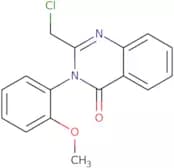
CAS:Controlled Product<p>3-Amino-2-methylquinazolin-4(3H)-one is a bidentate ligand that has been shown to have antibacterial and anticancer activity. The functional theory of the compound is based on its ability to form an imine nitrogen with metal ions such as Fe(II) or Cu(II). 3-Amino-2-methylquinazolin-4(3H)-one is not active against Staphylococcus aureus, but inhibits the growth of other bacteria by binding to their ribosomes and inhibiting protein synthesis. 3-Amino-2-methylquinazolin-4(3H)-one also has in vitro anticancer activity, which may be due to its ability to inhibit DNA synthesis and cell division.</p>Formula:C9H9N3OPurity:Min. 95%Molecular weight:175.19 g/mol2-Methyl-3-buten-2-ol
CAS:<p>2-Methyl-3-buten-2-ol is a reactive oxygenated compound that can be found in the environment. It is produced by the oxidation of glyoxal, glycolaldehyde, and other simple sugars. 2-Methyl-3-buten-2-ol has been found to have toxic effects on wild type strains of Escherichia coli, including inhibition of growth and induction of cell death. In addition, 2-methyl-3 buten 2 ol has been shown to react with other molecules in the environment to produce epoxides. This compound can also be found in some foods and beverages as a result of its presence as a natural component or from contamination during processing. !-- END--></p>Formula:C5H10OPurity:Max. 98%Molecular weight:86.13 g/mola-Methyl-D-phenylalanine
CAS:<p>a-Methyl-D-phenylalanine is an enantiomer of the racemic amino acid L-alanine. It has been shown to be a competitive inhibitor of benzyl alcohol dehydrogenase, which catalyses the conversion of benzyl alcohol to propanoic acid. This product is also an alkylating agent that reacts with the tert-butyl group on propanol to produce tert-butyl methyl ether and methyl benzoate. Citric acid is a weak organic acid that can be used as an acidulant in foods. Citric acid can also act as a buffer in food products, preventing changes in pH due to other ingredients. Citric acid monohydrate is a salt form of citric acid that can be used for cooking and baking purposes. A common use for citric acid monohydrate is as a leavening agent for cakes and breads, where it reacts with sodium bicarbonate to produce carbon dioxide bubbles that help make the</p>Formula:C10H13NO2Purity:Min. 95%Molecular weight:179.22 g/molDiethyl 2-methylenemalonate
CAS:<p>Diethyl 2-methylenemalonate is an ester compound that is used in the production of film-forming polymers. The polymer can be activated by exposing it to a reactive substance, such as hydrogen chloride or water. This reaction produces a film-forming polymer with properties that can be tailored for specific applications. Diethyl 2-methylenemalonate has been shown to react efficiently with ethyl ethoxymethylenecyanoacetate and diethyl ketomalonate to produce the desired product in an efficient manner.</p>Formula:C8H12O4Purity:Min. 95%Color and Shape:Yellow PowderMolecular weight:172.18 g/mol5-Desmethyl-3-methyl leflunomide
CAS:<p>Please enquire for more information about 5-Desmethyl-3-methyl leflunomide including the price, delivery time and more detailed product information at the technical inquiry form on this page</p>Formula:C12H9F3N2O2Purity:Min. 95%Color and Shape:PowderMolecular weight:270.21 g/mol3,4-Dehydro-DL-proline
CAS:<p>3,4-Dehydro-DL-proline is a monoclonal antibody that is known for its ability to bind to the amino acid proline. It has been shown to be effective in the treatment of resistant mutants in plant science, tissue culture, and biological studies. 3,4-Dehydro-DL-proline binds to collagen, amide and proline analogs and hydrogen bonds with them. 3,4-Dehydro-DL-proline also has conformational properties that are important for its function as an anti-inflammatory agent.</p>Formula:C5H7NO2Purity:Min. 95%Molecular weight:113.11 g/mol4-Hydrazino-N-methyl benzene methanesulfonamide, hydrochloride (1:1)
CAS:<p>Please enquire for more information about 4-Hydrazino-N-methyl benzene methanesulfonamide, hydrochloride (1:1) including the price, delivery time and more detailed product information at the technical inquiry form on this page</p>Formula:C8H14ClN3O2SPurity:Min. 95%Molecular weight:251.73 g/mol1-(4-Methoxyphenyl)-7-oxo-6-(4-(2-oxopiperidin-1-yl)phenyl)-4,5,6,7-tetrahydro-1H-pyrazolo[3,4-c]pyridine-3-carboxylic acid
CAS:<p>Apixaban is a novel, orally active, and selective factor Xa inhibitor. It is the first oral anticoagulant that has been developed to inhibit both free and clot-bound thrombin. Apixaban binds reversibly to the active site of factor Xa and inhibits factor Xa-mediated conversion of prothrombin to thrombin, resulting in an increased concentration of prothrombin in blood. Apixaban also inhibits the activity of thrombin-activated protein C (APC) that degrades fibrin clots by proteolytic cleavage of fibrinogen. This drug has a crystalline form with a particle size between 10 and 100 μm.</p>Formula:C25H24N4O5Purity:Min. 95%Molecular weight:460.48 g/molH-Asp-Val-OH
CAS:<p>Please enquire for more information about H-Asp-Val-OH including the price, delivery time and more detailed product information at the technical inquiry form on this page</p>Formula:C9H16N2O5Purity:Min. 95 Area-%Color and Shape:PowderMolecular weight:232.23 g/mol(R)-(-)-Glycidyl nosylate
CAS:<p>(R)-(-)-Glycidyl nosylate is an epoxide that is used in the synthesis of pharmaceuticals. It has shown mutagenic activity and can be used to produce chiral glycidyl compounds. (R)-(-)-Glycidyl nosylate has been evaluated as a potential drug for the treatment of cancer, but was found to have limited pharmacological activity. This compound binds to protein kinases and may inhibit their activity. (R)-(-)-Glycidyl nosylate also possesses aliphatic properties and is an enantiopure molecule. The stereoisomers of glycidyl nosylate are also available, with the most common being (+)glycidylether.</p>Formula:C9H9NO6SPurity:Min. 95%Color and Shape:White PowderMolecular weight:259.24 g/mol4-Bromo-4'-methylbiphenyl
CAS:<p>4-Bromo-4'-methylbiphenyl is a nematic liquid crystal that has two conformations: the extended and the collapsed. These conformations are determined by the balance between homologous and heterologous interactions. The transition temperature of 4-Bromo-4'-methylbiphenyl is affected by its alkyl chain length, which determines how many hydrogen bonds are available for cooperative ordering of the molecules. The isotropic phase has a higher transition temperature than the nematic phase.</p>Formula:C13H11BrPurity:Min. 95%Molecular weight:247.13 g/mol3-Methyl-1H-indazol-5-yl-5-boronic acid
CAS:<p>Please enquire for more information about 3-Methyl-1H-indazol-5-yl-5-boronic acid including the price, delivery time and more detailed product information at the technical inquiry form on this page</p>Formula:C8H9BN2O2Purity:Min. 95%Molecular weight:175.98 g/mol2-Chloro-5-methoxyaniline
CAS:<p>2-Chloro-5-methoxyaniline is a primary amine that has structural isomers. It is also a lactam with an aromatic ring. 2-Chloro-5-methoxyaniline can be used as a cytotoxic compound. It can inhibit the uptake of unlabeled chemical ionization by cells and has been shown to have potent inhibition of brain uptake in rats. 2-Chloro-5-methoxyaniline has been shown to be effective against Alzheimer's disease in clinical studies. Chemical ionization mass spectrometry has demonstrated that this compound binds to the molecule acetylcholine, which is involved in the neurotransmitter system.</p>Formula:C7H8ClNOPurity:Min. 95%Color and Shape:Colourless To Yellow To Brown Solid Or Liquid (May Vary)Molecular weight:157.6 g/mol4-Methoxyphenyl isocyanate
CAS:<p>4-Methoxyphenyl isocyanate (4MPIC) is a reactive organic compound that is used in the synthesis of polymers. 4MPIC reacts with amines to form amides, and can be used as a photophysical probe to study reaction mechanisms. It has been shown to react with hydroxy groups in polymers and form an insoluble polymer. 4MPIC also has antibacterial activity, although it is not active against all bacteria. This compound also reacts with chlorine atoms to form heterocycles, which are efficient for the synthesis of pharmaceuticals.</p>Formula:C8H7NO2Purity:Min. 95%Color and Shape:Clear LiquidMolecular weight:149.15 g/molZ-NH-PEG12-CH2CH2COOH
<p>Z-NH-PEG12-CH2CH2COOH is a PEG compound with two different functional groups (also known as heterobifunctional). Unlike homobifunctional PEG compounds (same functional group on both ends), this type of compounds are more versatile as have two different anchor points. Z-NH-PEG12-CH2CH2COOH is used as a linker and spacer to add a PEG moiety, via pegylation (a bioconjugation technique) to proteins, peptides, oligonucleotides, small molecules and nanoparticles.</p>Formula:C35H61NO16Purity:Min. 95%Molecular weight:751.86 g/mol6a-Methyl hydrocortisone 21-hemisuccinate
CAS:Controlled Product<p>Please enquire for more information about 6a-Methyl hydrocortisone 21-hemisuccinate including the price, delivery time and more detailed product information at the technical inquiry form on this page</p>Formula:C26H36O8Purity:Min. 95 Area-%Color and Shape:PowderMolecular weight:476.56 g/mol4'-[[1,4'-Dimethyl-2'-propyl(2,6'-bi-1H-benzimidazol)-1'-yl]-methyl]-1,1'-biphenyl-2-carboxylicacid 1,1-dimethylethylester
CAS:<p>4'-[[1,4'-Dimethyl-2'-propyl(2,6'-bi-1H-benzimidazol)-1'-yl]-methyl]-1,1'-biphenyl-2-carboxylic acid 1,1-dimethylethyl ester (DMBPC) is a drug substance that is used in the manufacture of solid oral dosage forms. It has been shown to be present at low levels as an impurity in other drug substances. The presence of this impurity has been shown to cause problems with the chromatographic and hplc methods used for its quantification. The following are some important aspects of DMBPC: A. Impurities: The purity of DMBPC is 98%. The impurity profile includes 6% 2-propylbenzimidazole (2PB), 3% 4'-[[2-(6' -methoxycarbony</p>Formula:C37H38N4O2Purity:Min. 95%Molecular weight:570.72 g/molN-(2-Cyano-4-oxo-4H-1-benzopyran-8-yl)-4-(4-phenylbutoxy)benzamide
CAS:<p>Please enquire for more information about N-(2-Cyano-4-oxo-4H-1-benzopyran-8-yl)-4-(4-phenylbutoxy)benzamide including the price, delivery time and more detailed product information at the technical inquiry form on this page</p>Formula:C27H22N2O4Purity:Min. 95%Molecular weight:438.47 g/molIsovaleryl-Phe-Nle-Sta-Ala-Sta-OH
CAS:<p>Isovaleryl-Phe-Nle-Sta-Ala-Sta-OH (IVAS) is a small molecule that has been shown to be an angiotensin system inhibitor. IVAS blocks the binding site of the angiotensin receptor and prevents the activation of this system. This effect is dose dependent and can be used to treat high blood pressure in humans. IVAS is a long-acting drug and has been shown to be effective in primates as well as humans. The drug is rapidly absorbed from the gastrointestinal tract and eliminated by metabolism, mainly through hydrolysis by esterases or glucuronidases, oxidation by cytochrome P450 enzymes, reduction by glutathione reductase, or conjugation with glucuronic acid. IVAS also specifically binds to markers expressed at high levels in Mycobacterium tuberculosis strains (e.g., ESX-1 secretion system protein) and inhibits cell growth in culture.</p>Formula:C39H65N5O9Purity:Min. 95%Molecular weight:747.96 g/mol1-(4-Bromophenyl)-3-phenyl-1H-pyrazole-5-carboxylic acid
CAS:Controlled Product<p>Please enquire for more information about 1-(4-Bromophenyl)-3-phenyl-1H-pyrazole-5-carboxylic acid including the price, delivery time and more detailed product information at the technical inquiry form on this page</p>Formula:C16H11BrN2O2Purity:Min. 95%Color and Shape:PowderMolecular weight:343.17 g/molmPEG6-OH
CAS:<p>mPEG6-OH is a PEG polymer categorised as monofunctional (OH-PEG-X). Used as a linker, mPEG6-OH is used to attached PEG to proteins, peptides, oligonucleotides, nanoparticles and small molecules via pegylation, a bioconjugation technique.</p>Formula:C13H28O7Purity:Min. 95%Molecular weight:296.36 g/molN-α-Methyl-D-phenylalanine hydrochloride
CAS:<p>N-alpha-Methyl-D-phenylalanine hydrochloride is a synthetic pentapeptide that has been shown to be effective against cyclic diseases. It is a naturally occurring amino acid and an important component of the human body. N-alpha-Methyl-D-phenylalanine hydrochloride has been used in research for the treatment of autoimmune diseases, such as inflammatory bowel disease. This drug is also known to have tumor necrosis factor alpha (TNFα) inhibitory activity.</p>Formula:C10H13NO2·HClPurity:Min. 95%Molecular weight:215.68 g/mol1-Methyl-2-imidazolecarboxaldehyde
CAS:<p>1-Methyl-2-imidazolecarboxaldehyde is a compound that has been studied for its redox potential, which is the measure of the tendency of a molecule to gain or lose electrons. 1-Methyl-2-imidazolecarboxaldehyde has shown to be an excellent candidate as an electrochemical probe. The molecule has also been shown to bind chloride ions in water, forming a tetradentate chelate ring. This type of chelate ring is formed between two nitrogen atoms and four oxygen atoms from the water molecule. The compound forms hydrogen bonds with other molecules in its vicinity, including hepg2 cells and chloride ions.</p>Formula:C5H6N2OPurity:Min. 95%Color and Shape:White To Yellow To Orange Solid Or Liquid (May Vary)Molecular weight:110.11 g/molFmoc-(R,S)-3-amino-N-1-carboxymethyl-2-oxo-5-cyclohexyl-1,4-benzodiazepine
CAS:Controlled Product<p>Please enquire for more information about Fmoc-(R,S)-3-amino-N-1-carboxymethyl-2-oxo-5-cyclohexyl-1,4-benzodiazepine including the price, delivery time and more detailed product information at the technical inquiry form on this page</p>Formula:C32H31N3O5Purity:Min. 95%Molecular weight:537.61 g/mol5-Benzyl-4-methyl-4H-1,2,4-triazole-3-thiol
CAS:<p>Please enquire for more information about 5-Benzyl-4-methyl-4H-1,2,4-triazole-3-thiol including the price, delivery time and more detailed product information at the technical inquiry form on this page</p>Formula:C10H11N3SPurity:Min. 95%Molecular weight:205.28 g/molMethyl (3S)-3-aminopent-4-ynoate hydrochloride
CAS:<p>Please enquire for more information about Methyl (3S)-3-aminopent-4-ynoate hydrochloride including the price, delivery time and more detailed product information at the technical inquiry form on this page</p>Formula:C6H9NO2•HClPurity:Min. 95%Molecular weight:163.6 g/mol2-Bromo-5-methyl-1,3-thiazole
CAS:<p>2-Bromo-5-methyl-1,3-thiazole (2BMT) is a heterocyclic compound that is used as a chemical intermediate for the synthesis of drugs and other organic compounds. 2BMT is synthesized by a two step process from 2-methylbenzothiazole. This compound has been shown to inhibit the enzyme acetylcholinesterase, which produces acetylcholine at nerve endings and in the brain. The monoclonal antibody binding affinity of 2BMT has also been shown to be greater than that of neonicotinoid pesticides.</p>Formula:C4H4BrNSPurity:Min. 95%Molecular weight:178.05 g/molBradykinin acetate
CAS:Controlled Product<p>Bradykinin acetate is a synthetic form of Bradykinin that is used as a nutritional supplement for people with chronic bronchitis. It is a solid-phase synthesis of bradykinin and has been shown to have the same effects on blood pressure as bradykinin b2. Bradykinin acetate has also been shown to cause vasodilation, which may be due to its ability to bind to the ryanodine receptor and activate calcium release from intracellular stores. This drug can be detected in test samples using laser ablation waveform analysis.</p>Formula:C50H73N15O11·xC2H4O2Purity:Min. 95%Color and Shape:PowderMolecular weight:1120.26Boc-(2R,5S)-5-phenylpyrrolidine-2-carboxylic acid
CAS:<p>Please enquire for more information about Boc-(2R,5S)-5-phenylpyrrolidine-2-carboxylic acid including the price, delivery time and more detailed product information at the technical inquiry form on this page</p>Formula:C16H21NO4Purity:Min. 95%Molecular weight:291.34 g/molH-Phe-Leu-Glu-Glu-Leu-OH
CAS:<p>H-Phe-Leu-Glu-Glu-Leu-OH is a synthetic vitamin B6 derivative that has been shown to be effective in treating infectious diseases. It inhibits the synthesis of proteins by inhibiting the carboxylase enzyme, which is involved in the reaction mechanism of amino acid metabolism. This drug also has a redox potential that is higher than that of other drugs and can react with coumarin derivatives to form quinones, which can inhibit protein synthesis. H-Phe-Leu-Glu-Glu-Leu-OH has been shown to be more effective than vitamin B6 in preventing stachyose accumulation and increasing body mass index. The drug also has an epoxidase activity that can lead to an increased production of reactive oxygen species, which may have antioxidant properties. H-Phe-Leu-Glu-Glu-Leu OH also contains a signal peptide and decarboxylated form</p>Formula:C31H47N5O10Purity:Min. 95%Molecular weight:649.73 g/mol17a-Methyl-4-[(phenylthio)methyl]testosterone
CAS:Controlled Product<p>Please enquire for more information about 17a-Methyl-4-[(phenylthio)methyl]testosterone including the price, delivery time and more detailed product information at the technical inquiry form on this page</p>Formula:C27H36O2SPurity:Min. 95%Molecular weight:424.64 g/molN2-Lauroyl-L-glutamine
CAS:<p>N2-Lauroyl-L-glutamine is a surfactant that is used in skin care products. It is an amphiphilic molecule that has a hydrophilic head and lipophilic tail, which allows it to form micelles. This surfactant can be found as either the L or D isomer, which are mirror images of each other. The L form is more soluble and less hygroscopic than the D form. N2-Lauroyl-L-glutamine also contains fatty acids, polycarboxylic acid, and monomers. In addition to being used in skin care products, this surfactant can be found in cosmetics such as sunscreens and moisturizers. It also has a polymerization initiator function for silicone polymers and polyurethanes.</p>Formula:C17H32N2O4Purity:Min. 95%Color and Shape:White/Off-White SolidMolecular weight:328.45 g/molZ-L-Asp-OH
CAS:<p>Z-L-Asp-OH is a protease inhibitor that inhibits the activity of serine proteases, including trypsin and chymotrypsin. Z-L-Asp-OH binds to the active site of these enzymes and prevents them from cleaving their substrates. The optimal pH for this enzyme is 8.0, which corresponds to its maximum level of activity. Z-L-Asp-OH also has apoptotic activities in cells by causing cellular pathway changes, leading to cell death via programmed cell death or apoptosis. This agent is activated by hydrolysis at ester linkages and polymerizes into films in aqueous solution at physiological pH. It has been shown to inhibit the growth of human ovarian carcinoma cells in vitro, but not normal cells.</p>Formula:C12H13NO6Purity:Min. 95%Molecular weight:267.23 g/molH-Leucinol-2-chlorotrityl resin
<p>Please enquire for more information about H-Leucinol-2-chlorotrityl resin including the price, delivery time and more detailed product information at the technical inquiry form on this page</p>Purity:Min. 95%Color and Shape:Light (Or Pale) Yellow To Brown SolidEthyl 2-(3-cyano-4-isobutoxyphenyl)-4-methyl-5-thiazolecarboxylate
CAS:<p>Ethyl 2-(3-cyano-4-isobutoxyphenyl)-4-methyl-5-thiazolecarboxylate (ECIT) is a derivative of formyl that has been used as a solvent for industrial and laboratory purposes. ECIT is an amorphous substance with the chemical formula CH3COC6H2CH2COCH=N(C=O)C6H4CN. The compound has been quantified in various solvents, such as n-butyl alcohol and acetonitrile. ECIT is a colorless liquid that boils at 140° C. It has a formyl group and an alkynyl group, which are both reactive groups that can be used to synthesize other compounds. ECIT also contains two stereoisomers: the erythro isomer and the threo isomer. The erythro isomer has the structural formula of CH3COC6H2CH</p>Purity:Min. 95%Fmoc-Thr-OPAC
CAS:<p>Fmoc-Thr-OPAC is a solid-phase peptide synthesis reagent. It is used to synthesize α-amino acid peptides. Fmoc-Thr-OPAC has been used in the preparation of various peptides, including polypeptide hormones such as insulin and vasopressin. The compound has also been used in the crystalline form for the synthesis of α-amino acid derivatives.</p>Formula:C27H25NO6Purity:Min. 95%Molecular weight:459.49 g/molFmoc-1-amino-4,7,10-trioxa-13-tridecanamine succinimic acid
CAS:<p>Fmoc-1-amino-4,7,10-trioxa-13-tridecanamine succinimic acid is a synthetic amide that is used as an intermediate in the synthesis of peptides. It has a conformational structure and can be labeled with dyes to study the structures of proteins or peptides. Fmoc-1-amino-4,7,10-trioxa-13-tridecanamine succinimic acid has been used as an immunogen in the preparation of monoclonal antibodies. It also can be conjugated to drugs or other compounds for use as bioconjugates. This compound has been shown to have enzymatic activity and can be used as a substrate for enzyme linked immunosorbent assays (ELISA). Trifluoroacetic acid is commonly used in the synthesis of this compound.</p>Formula:C29H38N2O8Purity:Min. 98 Area-%Molecular weight:542.62 g/mol7-Methyluric acid
CAS:Controlled Product<p>7-Methyluric acid is a purine derivative that is excreted in the urine. This compound can be used to measure the metabolic rate of an individual. 7-Methyluric acid reacts with caffeine to produce methylxanthines and uric acid, which are then measured by chromatographic methods. In order to measure the metabolic rate, a known amount of caffeine is given orally to Sprague-Dawley rats for a period of time, followed by measurement of 7-methyluric acid in their urine samples. The results show that the metabolic rate increases linearly with time.</p>Formula:C6H6N4O3Purity:Min. 95%Color and Shape:PowderMolecular weight:182.14 g/mol1-Cyclopropyl-7-(2,8-diazabicyclo[4.3.0]non-8-yl)-6-fluoro-8-methoxy-4-oxoquinoline-3-carboxylic acid
CAS:<p>This is a broad-spectrum antibacterial agent that inhibits bacterial DNA gyrase. It is active against atypical bacterial species, such as Chlamydia and Mycoplasma, and has been shown to be effective against certain strains of the methicillin-resistant Staphylococcus aureus (MRSA) bacteria. This drug also inhibits the growth of other bacteria by binding to their DNA. The drug is used in combination with other antibiotics to treat infections caused by Clostridium difficile, Helicobacter pylori, Borrelia burgdorferi, and Salmonella enterica. However, this drug does not work against Pseudomonas aeruginosa or Enterobacteriaceae infections.</p>Formula:C21H24FN3O4Purity:Min. 95%Color and Shape:PowderMolecular weight:401.43 g/mol5-Boc-octahydro-pyrrolo[3,4-c]pyridine
CAS:<p>Please enquire for more information about 5-Boc-octahydro-pyrrolo[3,4-c]pyridine including the price, delivery time and more detailed product information at the technical inquiry form on this page</p>Formula:C12H22N2O2Purity:Min. 95%Molecular weight:226.32 g/mol1-Benzyl-3-phenyl-1H-pyrazole-5-carboxylic acid
CAS:Controlled Product<p>Please enquire for more information about 1-Benzyl-3-phenyl-1H-pyrazole-5-carboxylic acid including the price, delivery time and more detailed product information at the technical inquiry form on this page</p>Formula:C17H14N2O2Purity:Min. 95%Molecular weight:278.31 g/molMethyl 5-bromo-3-methylpicolinate
CAS:<p>Please enquire for more information about Methyl 5-bromo-3-methylpicolinate including the price, delivery time and more detailed product information at the technical inquiry form on this page</p>Formula:C8H8BrNO2Purity:Min. 95%Molecular weight:230.06 g/molFmoc-L-Ala-OH monohydrate
CAS:<p>Please enquire for more information about Fmoc-L-Ala-OH monohydrate including the price, delivery time and more detailed product information at the technical inquiry form on this page</p>Formula:C18H17NO4·H2OPurity:Min. 95%Color and Shape:White To Off-White SolidMolecular weight:329.35 g/molR-(-)-Methamphetamine hydrochloride
CAS:Controlled Product<p>Please enquire for more information about R-(-)-Methamphetamine hydrochloride including the price, delivery time and more detailed product information at the technical inquiry form on this page</p>Formula:C10H15N•HClPurity:Min. 95%Color and Shape:PowderMolecular weight:185.69 g/molN-Pyrazinylcarbonyl-L-phenylalanine methyl ester
CAS:<p>Please enquire for more information about N-Pyrazinylcarbonyl-L-phenylalanine methyl ester including the price, delivery time and more detailed product information at the technical inquiry form on this page</p>Formula:C15H15N3O3Purity:Min. 95%Molecular weight:285.3 g/mol4-Phenoxyphenylboronic acid
CAS:<p>4-Phenoxyphenylboronic acid is a chemical inhibitor of protein kinase. It binds to the ATP binding site of the enzyme and prevents ATP from binding, thereby inhibiting the phosphorylation of proteins. This inhibition blocks the activation of downstream pathways that are involved in cell proliferation, leading to apoptotic cell death. 4-Phenoxyphenylboronic acid has been shown to inhibit growth of human cancer cells in vitro. This molecule also inhibits root formation and plant growth, which may be due to its ability to selectively inhibit protein kinases found in plant cells.</p>Formula:C12H11BO3Purity:Min. 95%Molecular weight:214.02 g/mol2-Phenyl-2-(p-toluenesulfonyloxy)acetophenone
CAS:<p>2-Phenyl-2-(p-toluenesulfonyloxy)acetophenone is a diphenyl ether that is used in the production of polymers as an antireflection agent and an acid catalyst. It can be used to modify polymer properties such as optical properties or cross-linking. The compound has been shown to have a particle size of 2 to 10 nm in diameter, which can be adjusted by changing the reaction conditions.</p>Formula:C21H18O4SPurity:Min. 95%Color and Shape:PowderMolecular weight:366.43 g/mol(S)-4-Fluorophenylglycine
CAS:<p>(S)-4-Fluorophenylglycine (FPG) is a drug that has been shown to have antipsychotic properties. FPG binds to the NS5B polymerase, which is an enzyme involved in the replication of viral dna. It also inhibits peptide binding in the active site of the enzyme, thereby preventing DNA synthesis. FPG has been shown to be effective against chronic schizophrenia and can be used as a treatment for this disorder. The drug is activated by uridine, which is converted into UMP by adenosine deaminase, which then reacts with FPG to form UMP-FPG. This compound has been shown to inhibit HIV replication in cell culture assays and animal models.</p>Formula:C8H8FNO2Purity:Min. 95%Molecular weight:169.15 g/moltert-butyl (2S)-2-Methyl-4-oxopiperidine-1-carboxylate
CAS:<p>Please enquire for more information about tert-butyl (2S)-2-Methyl-4-oxopiperidine-1-carboxylate including the price, delivery time and more detailed product information at the technical inquiry form on this page</p>Formula:C11H19NO3Purity:Min. 95%Molecular weight:213.27 g/molFmoc-Arg(Boc)2-OH
CAS:<p>Fmoc-Arg(Boc)2-OH is a synthetic amino acid. It can be used as a building block for peptide synthesis and in the formation of amides, lactams, and ketones. This reagent competes with other nucleophiles such as ammonia and hydrazine. Fmoc-Arg(Boc)2-OH is also used to form esters by reacting with carboxylic acids. As an intramolecular reaction, it reacts with itself to yield a benzyl group on the side chain that is not attached to the nitrogen atom.</p>Formula:C31H40N4O8Purity:Min. 95%Color and Shape:PowderMolecular weight:596.67 g/mol2-Hydroxy-4-methylpyrimidine HCI
CAS:<p>2-Hydroxy-4-methylpyrimidine HCI is a crystalline solid that belongs to the group of organic compounds. It has a molecular formula of C5H5N3O2 and a molecular weight of 137.15 g/mol. The crystal structure is stabilized by hydrogen bonding between the hydroxyl groups on the molecules and water molecules present in the crystal lattice. Crystals are found in orthorhombic form, meaning they have three axes at right angles to each other with lengths that are not equal.</p>Formula:C5H7ClN2OPurity:Min. 95%Molecular weight:146.57 g/mol(S)-5,6,6a,7-Tetrahydro-6-methyl- 4H-dibenzo[de,g]quinoline-10,11-diol hydrochloride
CAS:Controlled Product<p>Please enquire for more information about (S)-5,6,6a,7-Tetrahydro-6-methyl- 4H-dibenzo[de,g]quinoline-10,11-diol hydrochloride including the price, delivery time and more detailed product information at the technical inquiry form on this page</p>Formula:C17H17NO2·HClPurity:Min. 95%Color and Shape:SolidMolecular weight:303.78 g/molH-Leu-2-chlorotrityl resin
CAS:<p>Please enquire for more information about H-Leu-2-chlorotrityl resin including the price, delivery time and more detailed product information at the technical inquiry form on this page</p>Purity:Min. 95%4-Phenyl-4-carbethoxy piperidineHCl
CAS:Controlled Product<p>4-Phenyl-4-carbethoxy piperidineHCl is a germanium compound that can be used as a diagnostic agent to detect the presence of magnesium in the blood. It has been shown to bind to acidic and basic sites on the brain, regulating the functions of these regions. The drug has also been shown to have analgesic properties, as it activates opioid receptors in the brain. 4-Phenyl-4-carbethoxy piperidineHCl binds with high affinity to meperidine and naloxone, which are opioid receptor agonists. It is also able to bind to pentazocine, an opioid receptor antagonist. This drug is not active against molybdenum or thebaine.</p>Formula:C14H20ClNO2Purity:Min. 95%Molecular weight:269.77 g/mol2-Amino-3-(4-bromobenzoyl)benzoic acid
CAS:<p>Please enquire for more information about 2-Amino-3-(4-bromobenzoyl)benzoic acid including the price, delivery time and more detailed product information at the technical inquiry form on this page</p>Formula:C14H10BrNO3Purity:Min. 95%Molecular weight:320.14 g/molH-Cys(Trt)-2Cl-Trt Resin
<p>100 - 200 mesh, loading value 0.3-0.8 mmol/gCross linker: 1%</p>Purity:Min. 95%2-Methoxyethanamine
CAS:<p>2-Methoxyethanamine is a metabolite of the drug 2-methoxyethanol. It is an amine that can be found in urine samples. Its structure consists of a hydroxyl group, sodium carbonate, and an intramolecular hydrogen. 2-Methoxyethanamine inhibits the production of angiotensin II, which reduces blood pressure. This molecule has antihypertensive activity because it prevents the conversion of angiotensin I to angiotensin II in the kidneys. 2-Methoxyethanamine also has a stepwise mechanism for its synthesis from ethylene diamine and nitrogen atoms. It can be oxidized by hydrochloric acid or reduced by hydrogen bond or amines. The redox potential of this molecule is -0.06 V, which makes it a nucleophilic compound with an amide bond as its conjugate base.</p>Formula:C3H9NOPurity:Min. 95%Color and Shape:Colourless To Yellow Clear LiquidMolecular weight:75.11 g/mol2-(Chloromethyl)-3-(2-methoxyphenyl)quinazolin-4(3H)-one
CAS:Controlled Product<p>Please enquire for more information about 2-(Chloromethyl)-3-(2-methoxyphenyl)quinazolin-4(3H)-one including the price, delivery time and more detailed product information at the technical inquiry form on this page</p>Formula:C16H13ClN2O2Purity:Min. 95%Molecular weight:300.74 g/mol3-Methylisonicotinonitrile
CAS:<p>3-Methylisonicotinonitrile (3MI) is a gaseous functional theory that is synthesized by the reaction of methyl groups and ammonia in the presence of an acid catalyst. 3MI has been shown to have anti-inflammatory properties, including inhibiting prostaglandin synthesis and reducing serum levels of tumor necrosis factor-α (TNF-α). The inflammatory response may be mediated by receptor subtypes such as PPARγ, which regulates lipid metabolism. 3MI also inhibits the production of proinflammatory cytokines from macrophages and neutrophils. This drug has been shown to inhibit acute inflammation in animal models.</p>Formula:C7H6N2Purity:Min. 95%Molecular weight:118.14 g/mol(R)-5-(2-Aminopropyl)-2-methoxybenzenesulfonamide
CAS:Controlled Product<p>(R)-5-(2-Aminopropyl)-2-methoxybenzenesulfonamide is an amide. It is a hydrochloric acid salt that can regulate the reaction system and introduce filtration, which can be used to separate the components of the reaction system. The kinetic and chiral properties of this compound are derived from Friedel-Crafts reactions with phosphites and Friedel-Crafts reactions with d-alanine. (R)-5-(2-Aminopropyl)-2-methoxybenzenesulfonamide can also catalyze ammonolysis and catalysis with phenoxy.</p>Formula:C10H16N2O3SPurity:Min. 95%Color and Shape:PowderMolecular weight:244.31 g/molZ-NH-PEG10-CH2CH2COOH
<p>Z-NH-PEG10-CH2CH2COOH is a PEG compound with two different functional groups (also known as heterobifunctional). Unlike homobifunctional PEG compounds (same functional group on both ends), this type of compounds are more versatile as have two different anchor points. Z-NH-PEG10-CH2CH2COOH is used as a linker and spacer to add a PEG moiety, via pegylation (a bioconjugation technique) to proteins, peptides, oligonucleotides, small molecules and nanoparticles.</p>Formula:C31H53NO14Purity:Min. 95%Molecular weight:663.75 g/mol3-Methyl-p-anizaldehyde
CAS:<p>3-Methyl-p-anizaldehyde is a vanillyl alcohol, which is a natural compound that can be found in vanilla beans. It has been used in the synthesis of vanillic acid and lactams. 3-Methyl-p-anizaldehyde has been shown to react with alkyl halides to form alkylated products. These reactions are catalyzed by an enzyme called alcohol dehydrogenase. This enzyme binds to the hydroxyl group on the 3 position of the vanillin molecule, which is then oxidized to form a functional group called an acetate ester. The reaction occurs at low temperatures and can result in optical activity if it produces a chiral product. 3-Methyl-p-anizaldehyde also reacts with ecteinascidins, which are marine natural products that have potent cytotoxic properties against cancer cells.</p>Formula:C9H10O2Purity:Min. 95%Molecular weight:150.17 g/mol2-(2-Methoxyphenoxy)ethanol
CAS:<p>2-(2-Methoxyphenoxy)ethanol (2-MPE) is a metabolite of propanediol, which is a precursor in the synthesis of polyurethanes. 2-MPE can be oxidized by monooxygenases to form syringyl and other reactive metabolites. Basic hydrolysis may also produce monomers such as phenols, alcohols, and carboxylic acids. Syringyl is one of the metabolic products of 2-MPE, which has been shown to be resistant to degradation by basidiomycete fungi.</p>Formula:C9H12O3Purity:Min. 95%Molecular weight:168.19 g/molβ-Asp-Phe methyl ester
CAS:<p>The beta-Asp-Phe methyl ester is a sweetener that is used in many different food and drink products. It is a mixture of the amino acid phenylalanine, methylester and chrysanthemum petal extract. The beta-Asp-Phe methyl ester is used as a buffer to achieve the desired pH for the product. Beta-Asp-Phe methyl ester is also used as an anti-tumour agent, which has been shown to be effective against breast cancer cells. This compound can be synthesized using ammonium formate and chromatography to isolate the desired product.</p>Formula:C14H18N2O5Purity:Min. 95%Molecular weight:294.3 g/mol2-Amino-3-(4-hydroxy-3-methoxyphenyl)propanoic acid
CAS:Controlled Product<p>2-Amino-3-(4-hydroxy-3-methoxyphenyl)propanoic acid is a metabolite of levodopa in the body. It is formed by oxidation of levodopa via the enzyme catechol-O-methyltransferase (COMT). This compound is used as an analytical reagent to measure levels of levodopa and its metabolites in biological samples. 2-Amino-3-(4-hydroxy-3-methoxyphenyl)propanoic acid can also be used to diagnose Parkinson’s disease, since it is produced in excess when dopamine production decreases due to the degeneration of dopaminergic neurons. The concentration–time curve for this compound can be used to calculate the clearance rate of levodopa from the blood plasma.</p>Formula:C10H13NO4Purity:Min. 95 Area-%Color and Shape:PowderMolecular weight:211.21 g/mol2-Methyl-5-Benzothiazolol
CAS:<p>2-Methyl-5-benzothiazolol is a compound that has photophysical properties. It is soluble in organic solvents and can be used in techniques such as photochemical, fluorescence, crystallography, and MALDI-TOF. 2-Methyl-5-benzothiazolol has been shown to inhibit the formation of amyloid fibrils in the brain microvasculature endothelium of mice. This drug also inhibits the production of cyclotriphosphazene from bacteria. 2-Methyl-5-benzothiazolol can be synthesized from cyclotriphosphazene with benzaldehyde and methylamine. 2-Methyl-5-benzothiazolol has been shown to have anti cancer activity by inhibiting cell proliferation through apoptosis induction. It can also inhibit viral replication by interfering with viral protein synthesis at concentrations below those needed for inhibition of host cell</p>Formula:C8H7NSOPurity:Min. 95%Molecular weight:165.21 g/molD,L-Alanosine sodium salt
<p>Please enquire for more information about D,L-Alanosine sodium salt including the price, delivery time and more detailed product information at the technical inquiry form on this page</p>Formula:C3H6N3NaO4Purity:Min. 95%Molecular weight:171.09 g/mol4-Methoxy-N-methylbenzylamine
CAS:<p>4-Methoxy-N-methylbenzylamine is a synthesized compound that is structurally similar to piperazine. It has been synthesized using the Chloramine T method and has been shown to be active as an amine receptor ligand. This molecule binds to the amine receptor site of the GABAA receptor with high affinity, inhibiting chloride ion flow. The functional groups on this molecule are likely responsible for its binding activity. 4-Methoxy-N-methylbenzylamine may be useful in the treatment of scopolamine-induced amnesia, due to its ability to bind to specific receptors in the brain.</p>Formula:C9H13NOPurity:Min. 95%Color and Shape:Clear LiquidMolecular weight:151.21 g/mol(4-Benzylpiperazin-1-yl)piperidin-4-yl-methanone dihydrochloride
CAS:Controlled Product<p>Please enquire for more information about (4-Benzylpiperazin-1-yl)piperidin-4-yl-methanone dihydrochloride including the price, delivery time and more detailed product information at the technical inquiry form on this page</p>Formula:C17H27Cl2N3OPurity:Min. 95%Molecular weight:360.32 g/mol1,2-Diamino-2-methylpropane
CAS:<p>Intermediate in the synthesis of anagliptin</p>Formula:C4H12N2Purity:Min. 95%Molecular weight:88.15 g/mol(D-Ser4,D-Ser(tBu)6,Azagly10)-LHRH
CAS:<p>Please enquire for more information about (D-Ser4,D-Ser(tBu)6,Azagly10)-LHRH including the price, delivery time and more detailed product information at the technical inquiry form on this page</p>Formula:C59H84N18O14Purity:Min. 95%Molecular weight:1,269.41 g/molBoc-Gly-Arg-Arg-AMC trifluoroacetate
CAS:<p>Boc-Gly-Arg-Arg-AMC trifluoroacetate is a potent inhibitor of kinases, which are enzymes that play a crucial role in various cellular processes. It has been shown to effectively inhibit the activity of both Chinese and human kinases. This inhibitor has also demonstrated its efficacy as an anticancer agent by inducing apoptosis in cancer cells. Boc-Gly-Arg-Arg-AMC trifluoroacetate is a medicinal protein analog that can be used for the development of novel inhibitors with improved potency and selectivity. Its potential therapeutic applications make it a promising candidate for cancer treatment. Additionally, this compound can be detected in urine, making it an excellent biomarker for kinase activity in vivo.</p>Formula:C29H44N10O7•(C2HF3O2)xPurity:Min. 95%Color and Shape:Powder2-Cyano-N-cyclohexyl-N-methylacetamide
CAS:<p>Please enquire for more information about 2-Cyano-N-cyclohexyl-N-methylacetamide including the price, delivery time and more detailed product information at the technical inquiry form on this page</p>Formula:C10H16N2OPurity:Min. 95%Molecular weight:180.25 g/mol1-Methylcyclopropanol
CAS:<p>1-Methylcyclopropanol is a multigram chemical that can be produced on a large scale. It is an organic compound with the molecular formula CH3CCH2OH. It can be synthesized from monomers such as cyclobutanone, amines, and hydrogen bond by ring-opening polymerization to produce polycyclohexane rings. 1-Methylcyclopropanol has been used in the synthesis of polymers such as poly(1-methylcyclopropane). This chemical has also been investigated for use in laser ablation techniques that remove material from surfaces and in laser cutting techniques that cut materials into shapes. 1-Methylcyclopropanol has been found to react with hypobromous acid to form a diol ether product.</p>Formula:C4H8OPurity:80%MinColor and Shape:Clear LiquidMolecular weight:72.11 g/mol(S)-2-Methylmorpholine hydrochloride
CAS:<p>Please enquire for more information about (S)-2-Methylmorpholine hydrochloride including the price, delivery time and more detailed product information at the technical inquiry form on this page</p>Purity:Min. 95%(S)-(-)-2-Hydroxy-4-(2-methoxyphenyl)-5,5-dimethyl-1,3,2-dioxaphosphorinane 2-oxide
CAS:<p>(S)-(-)-2-Hydroxy-4-(2-methoxyphenyl)-5,5-dimethyl-1,3,2-dioxaphosphorinane 2-oxide is a crystallization inhibitor. It can be used in the treatment of osteoporosis and to prevent the calcification of prostate tissue. (S)-(-)-2-Hydroxy-4-(2-methoxyphenyl)-5,5-dimethyl-1,3,2-dioxaphosphorinane 2-oxide has been shown to inhibit nucleation and crystal growth by adsorbing to the surfaces of nuclei and inhibiting inhibitor molecules from diffusing into the nucleus. This compound also inhibits the crystallization process by binding to one molecule of phosphate on each phosphate site on a crystal surface. The result is that there are fewer sites available for other molecules to bind, preventing crystal growth.</p>Formula:C12H17O5PPurity:Min. 95%Color and Shape:Slightly Yellow PowderMolecular weight:272.23 g/molMART-1 (26-35) (human) trifluoroacetate salt
CAS:<p>Native Melan-A (26-35) decapeptide derives from the melanocyte lineage-specific protein Melan-A/MART-1, which is expressed in almost 75-100% of primary and metastatic melanomas.<br>The region 26-35 of Melan-A protein acts as an antigenic peptide that is recognized by CD8+ tumor-reactive cytolytic T lymphocytes (CTLs) for designing antigen-specific cancer vaccines1. It has been shown that CD8+ Melan-A-specific CTLs isolated from melanoma patients efficiently lyse the Melan-A-expressing HLA-A*0201+ melanoma cell line. However, CTLs preferentially recognize the Melan-A (26-35) peptide as compared with the Melan-A (27-35) peptide. Moreover, the Melan-A (26-35) A27L analog (ELAGIGILTV) has a higher binding affinity to HLA-A*0201 than the native Melan-A (26-35) peptide (EAAGIGILTV), and consequently displays more potent antigenicity and immunogenicity.<br>It has been reported that the concentration of Melan-A (26-35) A27L analog required to obtain 50% of maximal antigenic activity (EC50) is 0.01nM, whereas that of the native Melan-A (26-35) peptide is 0.25nM1. Therefore, the relative activity of Melan-A (26-35) A27L analog is 25 fold higher than that of the native Melan-A (26-35) peptide.<br>Furthermore, functional competition assay has shown that the concentration of Melan-A (26-35) A27L analog required to achieve 50% inhibition (IC50) of tumor lysis is 2nM, which is 10 fold lower than that of the native Melan-A (26-35) peptide. Regarding peptide stability in human serum, the half-lifes (t1/2) of the native Melan-A (26-35) peptide and the A27L analog are quite similar (45 and 40min, respectively) as measured by HPLC-ESI-MS, but much higher than that of the Melan-A (27-35) nonapeptide (5min).</p>Formula:C42H74N10O14Purity:Min. 95%Molecular weight:943.1 g/mol6-Chloro-1-methyl-1H-indole-2-carboxylic acid
CAS:<p>Please enquire for more information about 6-Chloro-1-methyl-1H-indole-2-carboxylic acid including the price, delivery time and more detailed product information at the technical inquiry form on this page</p>Formula:C10H8ClNO2Purity:Min. 95%Molecular weight:209.63 g/mol
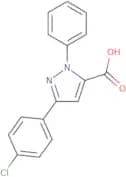


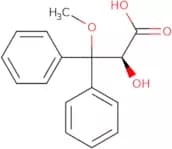

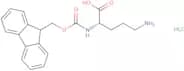
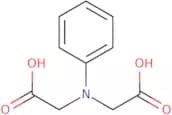
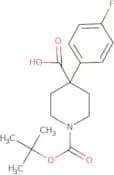

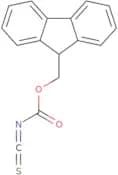
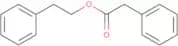
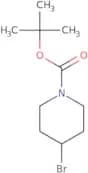
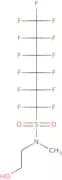
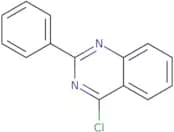
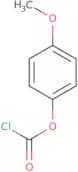
![[4-[2-(Diethylamino)ethoxy]-3-iodophenyl][2-(1-hydroxybutyl)-3-benzofuranyl]-methanone](/_next/image/?url=https%3A%2Fstatic.cymitquimica.com%2Fproducts%2F3D%2Fthumb-webp%2FFD150040.webp&w=3840&q=75)
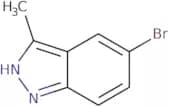
![N6-(1-Deoxy-D-fructos-1-yl)-N2-[(phenylmethoxy)carbonyl]-L-lysine](/_next/image/?url=https%3A%2Fstatic.cymitquimica.com%2Fproducts%2F3D%2Fthumb-webp%2FFD184014.webp&w=3840&q=75)
![4-(4-Phenoxybutoxy)-7H-furo[3,2-g]chromen-7-one](/_next/image/?url=https%3A%2Fstatic.cymitquimica.com%2Fproducts%2F3D%2Fthumb-webp%2FFP142327.webp&w=3840&q=75)
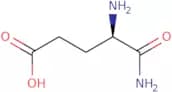
![7-Bromo-1-methyl-1H-imidazo[4,5-c]pyridine](/_next/image/?url=https%3A%2Fstatic.cymitquimica.com%2Fproducts%2F3D%2Fthumb-webp%2FFB155304.webp&w=3840&q=75)
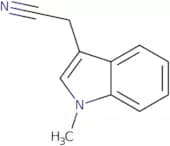
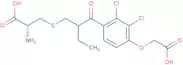
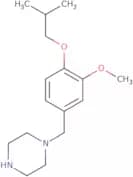
![3-[2-(Ethoxycarbonyl)-1-methyl-1H-indol-3-yl]propanoic acid](/_next/image/?url=https%3A%2Fstatic.cymitquimica.com%2Fproducts%2F3D%2Fthumb-webp%2FFE127998.webp&w=3840&q=75)
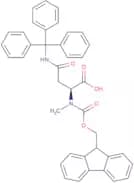

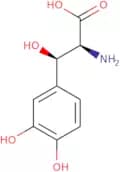
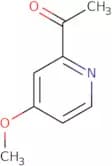
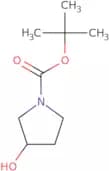
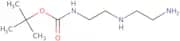
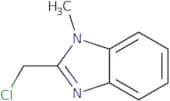
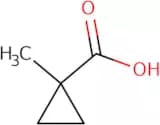


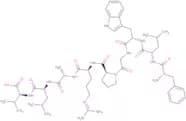

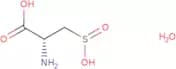
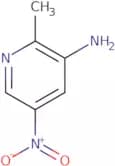
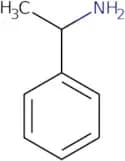

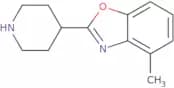
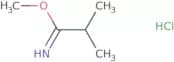
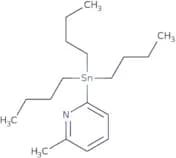
![(S)-1,2,3,4,5,6,7,8-Octahydro-1-[(4-methoxyphenyl)methyl]isoquinoline (acetate salt )](/_next/image/?url=https%3A%2Fstatic.cymitquimica.com%2Fproducts%2F3D%2Fthumb-webp%2FFO29465.webp&w=3840&q=75)
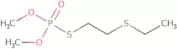
![4-Bromo-7-methoxy-1H-pyrrolo[2,3-c]pyridine](/_next/image/?url=https%3A%2Fstatic.cymitquimica.com%2Fproducts%2F3D%2Fthumb-webp%2FFB141995.webp&w=3840&q=75)

![(2S,3S,5S)-5-[(N-Formyl-L-leucyl)oxy]-2-hexyl-3-hydroxyhexadecanoic acid](/_next/image/?url=https%3A%2Fstatic.cymitquimica.com%2Fproducts%2F3D%2Fthumb-webp%2FFF23586.webp&w=3840&q=75)

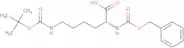
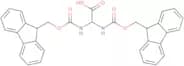

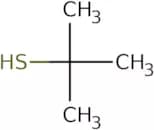
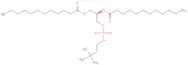

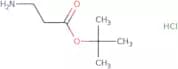
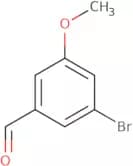
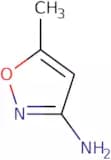
![7-[(4Methoxyphenyl)methyl]-5-methyl-2H-pyrazolo[3,4-d]pyrimidine-4,6(5H,7H)-dione](/_next/image/?url=https%3A%2Fstatic.cymitquimica.com%2Fproducts%2F3D%2Fthumb-webp%2FFM168534.webp&w=3840&q=75)
![{1-[2-(4-Methylphenoxy)ethyl]-1H-benzimidazol-2-yl}methanol](/_next/image/?url=https%3A%2Fstatic.cymitquimica.com%2Fproducts%2F3D%2Fthumb-webp%2FFM135811.webp&w=3840&q=75)
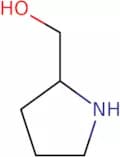

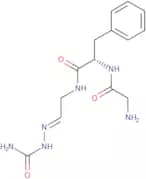
![4-(2-Chlorophenyl)-9-methyl-6H-thieno[3,2-f][1,2,4]triazolo[4,3-a][1,4]diazepine-2-propanoic acid](/_next/image/?url=https%3A%2Fstatic.cymitquimica.com%2Fproducts%2F3D%2Fthumb-webp%2FFC20336.webp&w=3840&q=75)

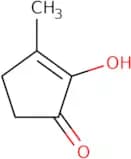
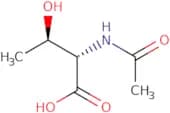
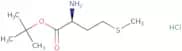

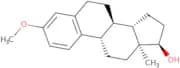
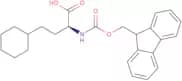
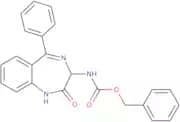
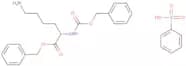
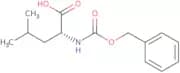
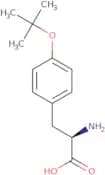
![N-Methyl-N-[(1-methyl-1H-benzimidazol-2-yl)methyl]amine hydrochloride](/_next/image/?url=https%3A%2Fstatic.cymitquimica.com%2Fproducts%2F3D%2Fthumb-webp%2FFM117084.webp&w=3840&q=75)
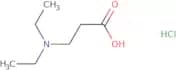
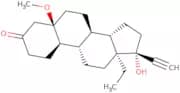
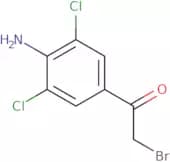
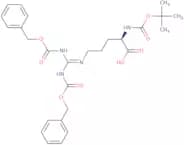
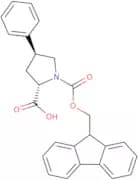


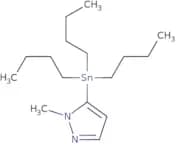
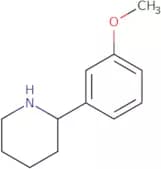
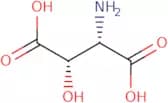
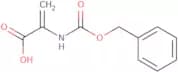
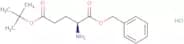
![[(4-Methyl-1,3-thiazol-2-yl)methyl]amine dihydrochloride](/_next/image/?url=https%3A%2Fstatic.cymitquimica.com%2Fproducts%2F3D%2Fthumb-webp%2FFM124176.webp&w=3840&q=75)


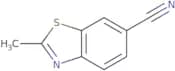
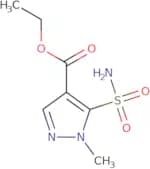
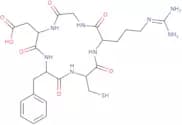
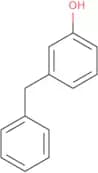
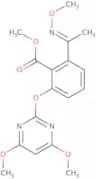
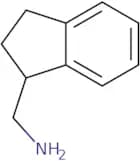

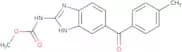
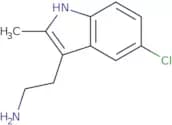
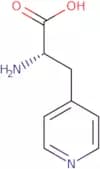

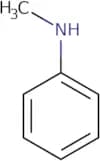

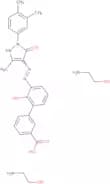
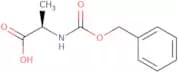
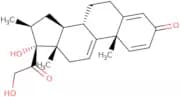
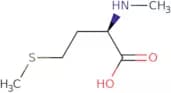
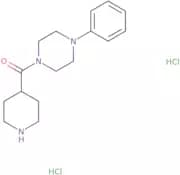
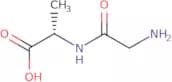
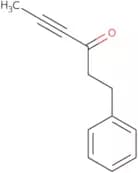
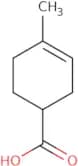
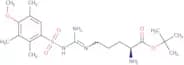
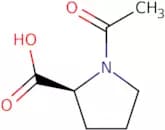
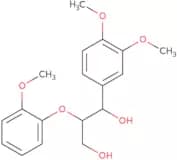
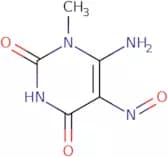
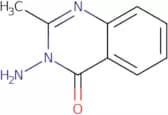
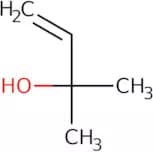
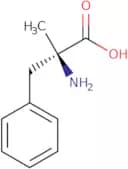
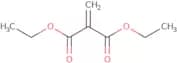
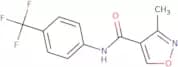

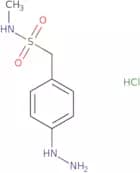
![1-(4-Methoxyphenyl)-7-oxo-6-(4-(2-oxopiperidin-1-yl)phenyl)-4,5,6,7-tetrahydro-1H-pyrazolo[3,4-c]p…](/_next/image/?url=https%3A%2Fstatic.cymitquimica.com%2Fproducts%2F3D%2Fthumb-webp%2FFM155764.webp&w=3840&q=75)
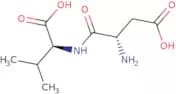
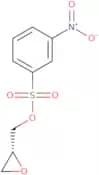
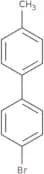
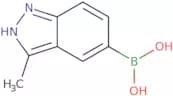
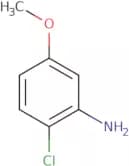
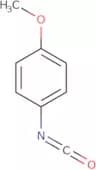

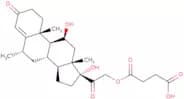
![4'-[[1,4'-Dimethyl-2'-propyl(2,6'-bi-1H-benzimidazol)-1'-yl]-methyl]-1,1'-biphenyl-2-carboxylicaci…](/_next/image/?url=https%3A%2Fstatic.cymitquimica.com%2Fproducts%2F3D%2Fthumb-webp%2FFD148340.webp&w=3840&q=75)
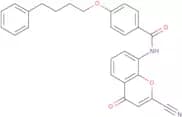
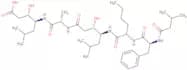
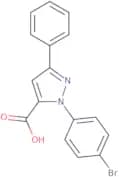

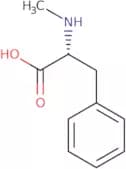
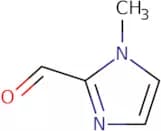
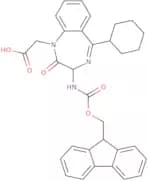
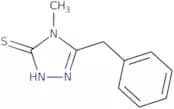
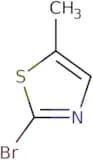
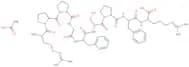
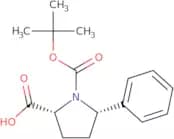
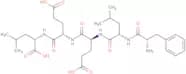
![17a-Methyl-4-[(phenylthio)methyl]testosterone](/_next/image/?url=https%3A%2Fstatic.cymitquimica.com%2Fproducts%2F3D%2Fthumb-webp%2FFM25693.webp&w=3840&q=75)
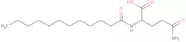
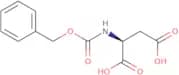
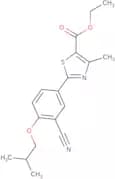
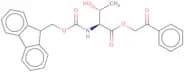
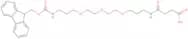
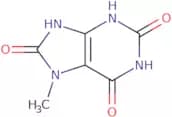
![1-Cyclopropyl-7-(2,8-diazabicyclo[4.3.0]non-8-yl)-6-fluoro-8-methoxy-4-oxoquinoline-3-carboxylic a…](/_next/image/?url=https%3A%2Fstatic.cymitquimica.com%2Fproducts%2F3D%2Fthumb-webp%2FFC102529.webp&w=3840&q=75)
![5-Boc-octahydro-pyrrolo[3,4-c]pyridine](/_next/image/?url=https%3A%2Fstatic.cymitquimica.com%2Fproducts%2F3D%2Fthumb-webp%2FFB147002.webp&w=3840&q=75)
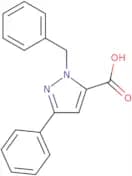
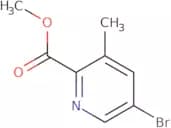
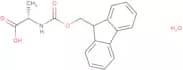
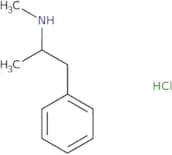


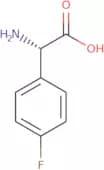
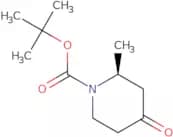
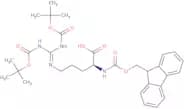

![(S)-5,6,6a,7-Tetrahydro-6-methyl- 4H-dibenzo[de,g]quinoline-10,11-diol hydrochloride](/_next/image/?url=https%3A%2Fstatic.cymitquimica.com%2Fproducts%2F3D%2Fthumb-webp%2FFT46165.webp&w=3840&q=75)