Amino Acids (AA)
Amino acids (AAs) are the fundamental building blocks of proteins, playing a crucial role in various biological processes. These organic compounds are essential for protein synthesis, metabolic pathways, and cell signaling. In this category, you will find a comprehensive range of amino acids, including essential, non-essential, and modified forms, which are vital for research in biochemistry, molecular biology, and nutritional sciences. At CymitQuimica, we provide high-quality amino acids to support your research and development needs, ensuring accuracy and reliability in your experimental outcomes.
Subcategories of "Amino Acids (AA)"
- Amino Acid Derivatives(3,969 products)
- Amino Acid and Amino Acid Related Compounds(3,474 products)
- Amino Acids with Oxygen or Sulphur(168 products)
- Boc- Amino Acids(351 products)
- Fmoc Amino Acids(1,710 products)
Found 38282 products of "Amino Acids (AA)"
Sort by
Purity (%)
0
100
|
0
|
50
|
90
|
95
|
100
3-(1-Methyl-1H-benzimidazol-2-yl)propan-1-amine hydrochloride
CAS:Controlled Product<p>Please enquire for more information about 3-(1-Methyl-1H-benzimidazol-2-yl)propan-1-amine hydrochloride including the price, delivery time and more detailed product information at the technical inquiry form on this page</p>Formula:C11H15N3Purity:Min. 95%Molecular weight:189.26 g/mol7-Methyluric acid
CAS:Controlled Product<p>7-Methyluric acid is a purine derivative that is excreted in the urine. This compound can be used to measure the metabolic rate of an individual. 7-Methyluric acid reacts with caffeine to produce methylxanthines and uric acid, which are then measured by chromatographic methods. In order to measure the metabolic rate, a known amount of caffeine is given orally to Sprague-Dawley rats for a period of time, followed by measurement of 7-methyluric acid in their urine samples. The results show that the metabolic rate increases linearly with time.</p>Formula:C6H6N4O3Purity:Min. 95%Color and Shape:PowderMolecular weight:182.14 g/molL-threo-methylphenidate hydrochloride
CAS:Controlled Product<p>L-threo-methylphenidate hydrochloride is a drug with a long duration of action. It has been shown to be effective in the treatment of ADHD symptoms and is used as an alternative to dexmethylphenidate. L-threo-methylphenidate hydrochloride is metabolized by cytochrome P450s, which results in slower pharmacokinetics, but also increases its bioavailability. L-threo-methylphenidate hydrochloride inhibits the activity of dopamine transporters, which leads to increased extracellular dopamine levels and reduced locomotor activity in mice. This drug has been shown to have an anti-inflammatory effect on alopecia areata and may be useful as a treatment for this condition. L-threo-methylphenidate hydrochloride has also been shown to have a protective effect against neurotoxicity induced by methamphetamine in CD1 mice.</p>Formula:C14H20ClNO2Purity:Min. 95%Molecular weight:269.77 g/molN-alpha-Nim-Bis-Z-L-histidine
CAS:<p>Please enquire for more information about N-alpha-Nim-Bis-Z-L-histidine including the price, delivery time and more detailed product information at the technical inquiry form on this page</p>Formula:C22H21N3O6Purity:Min. 95%Molecular weight:423.42 g/moltrans-β-Methylstyrene
CAS:<p>Trans-beta-Methylstyrene is an inorganic acid that has been shown to be carcinogenic to animal tissue. It is a reactive compound that can undergo chemical reactions with other substances, such as hydroxyl groups, and can form adducts by reacting with nucleophilic groups. Trans-beta-Methylstyrene can react with human liver DNA and tumor cells in the presence of enzymes. The reactive properties of this compound have been used for analytical methods such as particle ionization and chemical ionization. Trans-beta-Methylstyrene has also been found to inhibit the activity of certain enzymes, including squamous carcinoma, which may be due to its ability to inhibit the production of prostaglandins from arachidonic acid.</p>Formula:C9H10Purity:Min. 95%Molecular weight:118.18 g/molSuc-Ala-Ala-Pro-Leu-pNA
CAS:<p>The substrate Suc-Ala-Ala-Pro-Leu-pNA is commonly used in enzyme research to study various proteases. It has been utilized to determine the kinetic parameters of a proteinase from Cucurbita ficifolia seeds . Additionally, this substrate has been employed in the investigation of a thermostable signal peptide peptidase from Thermoplasma volcanium . Furthermore, it has been used in the characterization of a T lymphocyte endopeptidase activity and in chymotrypsin-like protease assays related to amidolytic and fibrinolytic activities of proteases in spleen and leukocytes of mammals .</p>Formula:C27H38N6O9Purity:Min. 95%Molecular weight:590.63 g/molGly-Pro-Ala-OH
CAS:<p>Gly-Pro-Ala-OH is a tripeptide that can be obtained from the hydrolysis of collagen. It has been shown to have an intestinal uptake and to inhibit the activity of collagenase, which is a proteolytic enzyme that breaks down collagen. Gly-Pro-Ala-OH is also a potential immunoadsorbent. Polyacrylamide gel electrophoresis (PAGE) revealed that it contains three peptides with molecular weights of 2 kDa, 3 kDa, and 4 kDa. The 2 and 4 kDa peptides are glycyl-l-leucine (GLA) and glycyl-l-leucine - proline - alanine (GPA), respectively. The 3 kDa peptide sequence has not yet been determined. Treatment with trypsin resulted in the release of GLA and GPA without any change in their relative proportions.</p>Formula:C10H17N3O4Purity:Min. 95%Molecular weight:243.26 g/molZ-(R,S)-3-amino-2-oxo-5-phenyl-1,4-benzodiazepine
CAS:Controlled Product<p>Please enquire for more information about Z-(R,S)-3-amino-2-oxo-5-phenyl-1,4-benzodiazepine including the price, delivery time and more detailed product information at the technical inquiry form on this page</p>Formula:C23H19N3O3Purity:Min. 95%Molecular weight:385.42 g/mol5-Bromo-2-methoxyphenethylamine hydrobromide
CAS:Controlled Product<p>Please enquire for more information about 5-Bromo-2-methoxyphenethylamine hydrobromide including the price, delivery time and more detailed product information at the technical inquiry form on this page</p>Formula:C9H13Br2NOPurity:Min. 95%Molecular weight:311.01 g/molEthyl 4,5-bis(2-methoxyethoxy)-2-nitrobenzoate
CAS:<p>Please enquire for more information about Ethyl 4,5-bis(2-methoxyethoxy)-2-nitrobenzoate including the price, delivery time and more detailed product information at the technical inquiry form on this page</p>Formula:C15H21NO8Purity:Min. 95%Molecular weight:343.33 g/molL-Glutamic acid gamma-methyl ester alpha-tert-butyl ester hydrochloride
CAS:<p>Please enquire for more information about L-Glutamic acid gamma-methyl ester alpha-tert-butyl ester hydrochloride including the price, delivery time and more detailed product information at the technical inquiry form on this page</p>Formula:C10H19NO4·HClPurity:Min. 95%Molecular weight:253.72 g/molHemokinin 1 (mouse, rat) trifluoroacetate salt
CAS:<p>Hemokinin 1 is a protein that is encoded by the NK1R gene. It has been shown to be associated with insulin resistance, inflammatory diseases, and pain control. Hemokinin 1 is also a potential treatment for viral infections such as HIV and hepatitis C. Hemokinin 1 interacts with nicotinic acetylcholine receptors (nAChRs) in the brain and blood vessels, which leads to an increase in blood pressure. This protein also interacts with hematopoietic cells, which may be responsible for its function as an antinociceptive agent. Hemokinin 1 has been implicated in autoimmune diseases such as arthritis and atrial fibrillation. This protein is expressed mainly in the brain, liver, heart, kidneys and spleen.</p>Formula:C61H100N22O15SPurity:Min. 95%Molecular weight:1,413.65 g/molD-Alanine
CAS:<p>D-Alanine is a versatile building block that can be used as a reagent or speciality chemical in research. It is also an important intermediate for the production of other chemicals and useful scaffold for drug design. D-Alanine (CAS No. 338-69-2) is a high quality, fine chemical that can be used as a reaction component to synthesize many complex compounds. D-Alanine is also an important intermediate for the production of other chemicals and useful scaffold for drug design.</p>Formula:C3H7NO2Purity:Min. 98 Area-%Molecular weight:89.09 g/molRef: 3D-A-4200
1kgTo inquire5kgTo inquire10kgTo inquire500gTo inquire2500gTo inquire-Unit-ggTo inquireBoc-L-Tyr(Bzl)-Merrifield Resin
<p>Please enquire for more information about Boc-L-Tyr(Bzl)-Merrifield Resin including the price, delivery time and more detailed product information at the technical inquiry form on this page</p>Purity:Min. 95%H-Lys(retro-Glu-H)-OH TFA salt
<p>Please enquire for more information about H-Lys(retro-Glu-H)-OH TFA salt including the price, delivery time and more detailed product information at the technical inquiry form on this page</p>Formula:C11H21N3O5•C2HF3O2Purity:Min. 95%Molecular weight:389.32 g/mol1-Benzyl-3-phenyl-1H-pyrazole-5-carboxylic acid
CAS:Controlled Product<p>Please enquire for more information about 1-Benzyl-3-phenyl-1H-pyrazole-5-carboxylic acid including the price, delivery time and more detailed product information at the technical inquiry form on this page</p>Formula:C17H14N2O2Purity:Min. 95%Molecular weight:278.31 g/mol2-Methoxy-4-amino-5-ethylthiobenzoic acid
CAS:<p>Please enquire for more information about 2-Methoxy-4-amino-5-ethylthiobenzoic acid including the price, delivery time and more detailed product information at the technical inquiry form on this page</p>Formula:C10H13NO3SPurity:Min. 95%Molecular weight:227.28 g/molLys-Bradykinin acetate salt
CAS:<p>Lys-Bradykinin is a peptide that is a member of the group of kinins. It has been shown to be effective at inhibiting the activity of kallikrein, which is an enzyme that converts kininogen to bradykinin. This inhibition lowers the levels of bradykinin in the blood and may be used as a diagnostic tool for identifying diseases such as congestive heart failure, pulmonary edema, and acute renal failure. Lys-Bradykinin can also be used as a model system for studying kinins and their biological effects on various systems. For example, it has been shown to have natriuretic properties in humans by increasing levels of erythropoietin and ANP.</p>Formula:C56H85N17O12Purity:Min. 95%Molecular weight:1,188.38 g/molEltrombopag olamine
CAS:<p>Eltrombopag olamine is an orally active drug that belongs to the class of thiazolidinones. It has been used for the treatment of thrombocytopenia in patients with chronic liver disease and myelodysplastic syndrome. Eltrombopag olamine inhibits platelet aggregation by binding to glycoprotein IIb/IIIa receptors on the surface of platelets. The drug is a prodrug that is metabolized in vivo to its active form, eltrombopag. This conversion is catalysed by CYP3A4 and CYP2D6 enzymes and can be inhibited by drugs that inhibit these enzymes, such as trifluoroacetic acid and hydroxyl group-containing compounds. Eltrombopag olamine binds to erythrocytes, which may be due to its ability to form intramolecular hydrogen bonds with nitrogen atoms. The synthesis of elt</p>Formula:C25H22N4O4•(C2H7NO)2Purity:Min. 95%Color and Shape:PowderMolecular weight:564.63 g/mol2-(4-Methoxyphenyl)-2-(1-hydroxycyclohexyl)ethylamineHydrochloride
CAS:<p>Please enquire for more information about 2-(4-Methoxyphenyl)-2-(1-hydroxycyclohexyl)ethylamineHydrochloride including the price, delivery time and more detailed product information at the technical inquiry form on this page</p>Formula:C15H24ClNO2Purity:Min. 95%Molecular weight:285.81 g/mol3-O-Methyl 17a-estradiol
CAS:Controlled Product<p>Please enquire for more information about 3-O-Methyl 17a-estradiol including the price, delivery time and more detailed product information at the technical inquiry form on this page</p>Formula:C19H26O2Purity:Min. 95%Molecular weight:286.41 g/mol1-(4-Methylphenyl)butane-1,3-dione
CAS:<p>1-(4-Methylphenyl)butane-1,3-dione is a pyrimidine derivative that is not active against bacteria. It is used as a tetrazolo and has been shown to be systemically active in mice. 1-(4-Methylphenyl)butane-1,3-dione has been shown to inhibit the production of DNA and RNA by inhibiting the activity of both bacterial DNA gyrase and protein synthesis. This drug degrades into water and carbon dioxide, which may provide an explanation for its lack of antibacterial properties.</p>Formula:C11H12O2Purity:Min. 95%Molecular weight:176.21 g/mol1,2,3,4,5,6-Hexahydro-1,5-methano-pyrido-[1,2-a][1,5]diazocin-8-one
CAS:<p>1,2,3,4,5,6-Hexahydro-1,5-methano-pyrido-[1,2-a][1,5]diazocin-8-one is a cholinergic drug that is used as a research tool in vitro. It has been shown to increase the concentration of acetylcholine in the synapse. It is also known as cytisine and varenicline. 1,2,3,4,5,6-Hexahydro-1,5-methano-pyrido-[1,2-a][1,5]diazocin-8-one binds to nicotinic receptors and stimulates them. This increased activity of nicotinic receptors leads to the release of acetylcholine (ACh), which is an important neurotransmitter in the brain. 1,2,3,4 5 6 hexahydro - 1 5</p>Formula:C11H14N2OPurity:Min. 95%Molecular weight:190.24 g/mol4-Methoxy-3-(trifluoromethyl)aniline
CAS:4-Methoxy-3-(trifluoromethyl)aniline is a benzene derivative that is stabilized by the methoxy and trifluoromethyl groups. The crystal structure of 4-methoxy-3-(trifluoromethyl)aniline has been determined to be orthorhombic, with space group Pbca and lattice constants a=6.541(2), b=8.829(2), c=5.744(1) Å at 100 K. This compound has a benzene ring with four methyl substituents on the phenyl ring, two of which are located on the para position. The molecule also contains two O atoms in positions 1 and 2, as well as two F atoms in positions 3 and 4.Formula:C8H8F3NOPurity:Min. 95%Molecular weight:191.15 g/molN-Methyl picolinamide
CAS:<p>N-Methyl picolinamide is a novel anticancer agent that inhibits the activity of BCR-ABL kinase. It has been shown to be effective against human colon cancer cells (HCT116) and breast cancer cells (MCF-7). N-Methyl picolinamide binds to the ATP binding site of BCR-ABL kinase, inhibiting its enzymatic activity. The compound also binds to annexin II and blocks cell cycle progression at G2/M phase. The chemical structure of N-Methyl picolinamide includes an amide group, which may lead to low bioavailability. This drug has significant inhibitory activities against nitrogen atoms and inhibition constants for both the A and B forms of the enzyme.</p>Formula:C7H8N2OPurity:Min. 95%Color and Shape:Colorless PowderMolecular weight:136.15 g/molCharybdotoxin
CAS:<p>Charybdotoxin is a peptide toxin that is found in scorpion venom. It acts as a potent inhibitor of the adenylyl cyclase, which is an enzyme that catalyzes the formation of cAMP from ATP. Charybdotoxin binds to the cavity of the enzyme and blocks access to ATP, preventing the accumulation of cAMP. This inhibition leads to a decrease in calcium ions in cells, and thus causes relaxation of smooth muscle tissue. Charybdotoxin has been shown to cause relaxation of bowel disease in mice by inhibiting contraction of intestinal muscle tissue. Charybdotoxin also has been shown to have therapeutic effects on pluripotent cells such as miapaca-2 cells by increasing their ability to form new blood vessels.</p>Formula:C176H277N57O55S7Purity:Min. 95%Molecular weight:4,295.9 g/mol2-Methyl-3-(4-methyl-1H-pyrazol-1-yl)propanoic acid
CAS:Controlled Product<p>Please enquire for more information about 2-Methyl-3-(4-methyl-1H-pyrazol-1-yl)propanoic acid including the price, delivery time and more detailed product information at the technical inquiry form on this page</p>Formula:C8H12N2O2Purity:Min. 95%Molecular weight:168.19 g/mol2,4-Dibromo-1-methyl-1H-imidazole
CAS:<p>Please enquire for more information about 2,4-Dibromo-1-methyl-1H-imidazole including the price, delivery time and more detailed product information at the technical inquiry form on this page</p>Formula:C4H4Br2N2Purity:Min. 95%Molecular weight:239.9 g/molb-Glycerophosphoric acid disodium salt tetrahydrate
CAS:<p>Glycerolipid metabolism component</p>Formula:C3H7O6P·2Na·4H2OPurity:Min. 95%Molecular weight:288.1 g/mol4-Chloro-2-(methyl-phenyl-sulfamoyl)-benzoic acid methylester
CAS:<p>4-Chloro-2-(methyl-phenyl-sulfamoyl)-benzoic acid methylester is an industrial chemical that is used in the production of other chemicals. It can be produced by the esterification of 4-chlorophenylacetic acid with methyl phenyl sulfonyl chloride, followed by diazotization and chlorination. This chemical also has the ability to form a condensation product with hydrazine.</p>Formula:C15H14ClNO4SPurity:Min. 95%Molecular weight:339.79 g/mol1-(4-Methoxyphenyl)-7-oxo-6-(4-(2-oxopiperidin-1-yl)phenyl)-4,5,6,7-tetrahydro-1H-pyrazolo[3,4-c]pyridine-3-carboxylic acid
CAS:<p>Apixaban is a novel, orally active, and selective factor Xa inhibitor. It is the first oral anticoagulant that has been developed to inhibit both free and clot-bound thrombin. Apixaban binds reversibly to the active site of factor Xa and inhibits factor Xa-mediated conversion of prothrombin to thrombin, resulting in an increased concentration of prothrombin in blood. Apixaban also inhibits the activity of thrombin-activated protein C (APC) that degrades fibrin clots by proteolytic cleavage of fibrinogen. This drug has a crystalline form with a particle size between 10 and 100 μm.</p>Formula:C25H24N4O5Purity:Min. 95%Molecular weight:460.48 g/mol3-Benzyl-phenol
CAS:<p>3-Benzyl-phenol is a formaldehyde and aliphatic compound that is used as a chemical intermediate. It can be synthesized from 3-phenylglycine, which is an amino acid with the formula CH(CH)CONH. The hydroxyl group of 3-benzyl-phenol can be converted to a sulphonic or salicylic acid by hydrolysis with hydrochloric acid or salicylic acid respectively. 3-Benzyl phenol also catalyzes the reaction between paraformaldehyde and hexamine in the presence of water, yielding acetaldehyde and hydrogen gas.</p>Purity:Min. 95%2-Iodo-5-methylpyrimidine
CAS:<p>Please enquire for more information about 2-Iodo-5-methylpyrimidine including the price, delivery time and more detailed product information at the technical inquiry form on this page</p>Formula:C5H5IN2Purity:Min. 95%Molecular weight:220.01 g/mol6a-Methyl hydrocortisone 21-hemisuccinate
CAS:Controlled ProductPlease enquire for more information about 6a-Methyl hydrocortisone 21-hemisuccinate including the price, delivery time and more detailed product information at the technical inquiry form on this pageFormula:C26H36O8Purity:Min. 95 Area-%Color and Shape:PowderMolecular weight:476.56 g/molN-Fmoc-N'-trityl-D-glutamine
CAS:<p>N-Fmoc-N'-trityl-D-glutamine is a synthetic molecule that has been shown to have antibacterial activity. It inhibits the influenza virus by binding to the hemagglutinin protein and blocking the ability of the virus to infect cells. This compound also inhibits bacterial growth by binding to the cell wall, preventing cell division. N-Fmoc-N'-trityl-D-glutamine is stable at room temperature and can be stored for up to three years if stored in a dry environment.</p>Formula:C39H34N2O5Purity:Min. 95%Color and Shape:PowderMolecular weight:610.7 g/molAcetyl-D-valine
CAS:<p>Acetyl-D-valine is an amino acid that is naturally produced by the human body. Acetyl-D-valine has been shown to inhibit bacterial enzyme activities, such as racemase and sephadex g-100. Acetyl-D-valine may be used in the treatment of bacterial infections caused by Stenotrophomonas maltophilia. It has also been shown to have a high detection sensitivity which can be used to detect other bacteria that are not sensitive to antibiotics. The linear regression analysis showed that acetyl-D-valine inhibited microbial growth in a dose dependent manner with an IC50 value of 2 mM.</p>Formula:C7H13NO3Purity:Min. 95%Molecular weight:159.18 g/molZ-L-leucine-N-hydroxysuccinimide ester
CAS:<p>Please enquire for more information about Z-L-leucine-N-hydroxysuccinimide ester including the price, delivery time and more detailed product information at the technical inquiry form on this page</p>Formula:C18H22N2O6Purity:Min. 95%Molecular weight:362.38 g/molBz-Gly-Gly-OH
CAS:<p>Bz-Gly-Gly-OH is a peptide that is used in biochemical analyses. It has been shown to bind to amides, fatty acids, and collagen. Bz-Gly-Gly-OH also has the ability to activate human serum and fibroblast proliferation. This peptide can be synthesized by chemical ligation of hippuric acid, malic acid, and carbapenem.</p>Formula:C11H12N2O4Purity:Min. 95%Molecular weight:236.22 g/molL-Tryptophanamide hydrochloride
CAS:<p>L-Tryptophanamide hydrochloride is a fluorescent compound that belongs to the amides. It has been shown to have invertase activity and be hydrated in both isooctane and water. L-Tryptophanamide hydrochloride also has an anxiolytic effect on mice, which may be due to its ability to inhibit the production of serotonin at synapses by blocking the enzyme tryptophan hydroxylase. The drug is used for the treatment of anxiety disorders, including generalized anxiety disorder (GAD) and posttraumatic stress disorder (PTSD). This drug has a molecular profile that can be detected by fluorescence spectrometry, with an enhancement factor of 1.5-2.5.</p>Formula:C11H14ClN3OPurity:Min. 95%Molecular weight:239.7 g/mol[4-(4-Aminophenoxy)(2-pyridyl)]-N-methylcarboxamide
CAS:<p>4-(4-Aminophenoxy)(2-pyridyl)]-N-methylcarboxamide is a chemical compound that inhibits the growth of cancer cells by binding to the active site of b-raf and blocking its activity. It has been shown in a pharmacokinetics study that 4-(4-aminophenoxy)(2-pyridyl)]-N-methylcarboxamide is absorbed rapidly through the oral administration, excreted in urine, and eliminated rapidly from the body. The optimal reaction for this drug was found to be at pH 7.0 with an ionic strength of 0.1 M (sodium chloride). This drug also has significant inhibitory activities against human cervical carcinoma and breast cancer cell lines (MDA-MB-231).</p>Formula:C13H13N3O2Purity:Min. 95%Color and Shape:Off-White To Beige To Light Brown SolidMolecular weight:243.26 g/mol4-Methyl-1,2,3-thiadiazole-5-carbohydrazide
CAS:<p>4-Methyl-1,2,3-thiadiazole-5-carbohydrazide (MTT) is a chemical compound that has been used in the past as an antimicrobial agent. It is made from the acid hydrazide of 4-methylthiadiazole and methyl iodide. The inhibitory concentration of MTT for bacteria is between 0.0004 and 1 mg/L, and its bactericidal concentration ranges from 0.001 to 10 mg/L. MTT has been shown to be effective against a wide range of microorganisms, including Gram-positive and Gram-negative bacteria, yeast, fungi, protozoa and helminths. MTT has also been shown to have no significant cytotoxic effects on mammalian cells when exposed at concentrations less than 500 μg/mL.</p>Formula:C4H6N4OSPurity:Min. 95%Molecular weight:158.18 g/mol5-Methyl-4H-1,2,4-triazole-3-sulfonyl chloride
CAS:<p>Please enquire for more information about 5-Methyl-4H-1,2,4-triazole-3-sulfonyl chloride including the price, delivery time and more detailed product information at the technical inquiry form on this page</p>Formula:C3H4ClN3O2SPurity:Min. 95%Color and Shape:White PowderMolecular weight:181.6 g/mol2-Bromo-3-methylbutenoic acid methyl ester
CAS:<p>Please enquire for more information about 2-Bromo-3-methylbutenoic acid methyl ester including the price, delivery time and more detailed product information at the technical inquiry form on this page</p>Formula:C6H9BrO2Purity:Min. 95%Molecular weight:193.04 g/molACTH (2-24) (human, bovine, rat) trifluoroacetate salt
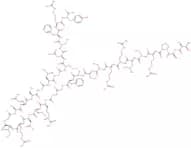
CAS:<p>Please enquire for more information about ACTH (2-24) (human, bovine, rat) trifluoroacetate salt including the price, delivery time and more detailed product information at the technical inquiry form on this page</p>Formula:C133H205N39O29SPurity:Min. 95%Molecular weight:2,846.36 g/mol1-(Chloroacetyl)-4-(4-methoxyphenyl)piperazine
CAS:Controlled ProductPlease enquire for more information about 1-(Chloroacetyl)-4-(4-methoxyphenyl)piperazine including the price, delivery time and more detailed product information at the technical inquiry form on this pageFormula:C13H17ClN2O2Purity:Min. 95%Molecular weight:268.74 g/molN-Boc-erythro-L-beta-methylphenylalanine
CAS:<p>Please enquire for more information about N-Boc-erythro-L-beta-methylphenylalanine including the price, delivery time and more detailed product information at the technical inquiry form on this page</p>Formula:C15H21NO4Purity:Min. 95%Molecular weight:279.33 g/molFmoc-isothiocyanate
CAS:<p>Fmoc-isothiocyanate is an inhibitor of the enzyme glycogen synthase kinase-3 (GSK-3) and has been shown to be a potential therapeutic agent for inflammatory diseases such as rheumatoid arthritis. Fmoc-isothiocyanate has also been shown to inhibit the production of melanocortin, a growth factor that is associated with cancer cells, and it can be used as an antiviral agent. This compound also inhibits the production of certain inflammatory cytokines and growth factors, which are involved in autoimmune diseases such as hepatitis and trifluoroacetic acid. Fmoc-isothiocyanate inhibits the activity of antifungal agents by inhibiting their ability to bind to fungal cell walls. It is synthesized on a solid support using trifluoroacetic acid as a reagent.</p>Formula:C16H11NO2SPurity:Min. 95%Color and Shape:White To Light (Or Pale) Yellow SolidMolecular weight:281.33 g/molN-Boc-amino-(4-N-fmoc-piperidinyl)carboxylic acid
CAS:<p>Please enquire for more information about N-Boc-amino-(4-N-fmoc-piperidinyl)carboxylic acid including the price, delivery time and more detailed product information at the technical inquiry form on this page</p>Formula:C26H30N2O6Purity:Min. 95%Molecular weight:466.53 g/molDihydroxy melphatalan
CAS:<p>Please enquire for more information about Dihydroxy melphatalan including the price, delivery time and more detailed product information at the technical inquiry form on this page</p>Formula:C13H20N2O4Purity:Min. 95%Molecular weight:268.31 g/molZ-NH-PEG10-CH2CH2COOH
<p>Z-NH-PEG10-CH2CH2COOH is a PEG compound with two different functional groups (also known as heterobifunctional). Unlike homobifunctional PEG compounds (same functional group on both ends), this type of compounds are more versatile as have two different anchor points. Z-NH-PEG10-CH2CH2COOH is used as a linker and spacer to add a PEG moiety, via pegylation (a bioconjugation technique) to proteins, peptides, oligonucleotides, small molecules and nanoparticles.</p>Formula:C31H53NO14Purity:Min. 95%Molecular weight:663.75 g/molN,N'-bis-Fmoc-diaminoacetic acid
CAS:<p>Please enquire for more information about N,N'-bis-Fmoc-diaminoacetic acid including the price, delivery time and more detailed product information at the technical inquiry form on this page</p>Formula:C32H26N2O6Purity:Min. 95%Molecular weight:534.56 g/mol2-Methyl pentanoic acid
CAS:<p>2-Methyl pentanoic acid is a coordination complex that is synthesized by the condensation of propionyl chloride and 2-methylpentanoyl chloride. It has been shown to have anticancer activity against human cervical cancer cells, inhibiting the growth of cells in culture. The mechanism of action may be due to its ability to inhibit the production of mitochondrial proteins, leading to cell death. 2-Methyl pentanoic acid also has a strong affinity for fatty acids and can be used as an inhibitor of fatty acid synthase, which is an enzyme that catalyzes the synthesis of long chain fatty acids in mitochondria. 2-Methyl pentanoic acid can also be used as a treatment for seizures caused by divalproex sodium and isovaleric acid. It inhibits the production of 3-hydroxyisovaleric acid, which is responsible for these seizures, through competitive inhibition with valine at the 3 position on the enzyme's active site.</p>Formula:C6H12O2Purity:Min. 95%Color and Shape:Clear LiquidMolecular weight:116.16 g/molIndole-3-acetyl-L-glutamic acid
CAS:<p>Indole-3-acetyl-L-glutamic acid is an endogenous substance that is found in plants. It is the conjugated form of indole-3-acetaldehyde and L-glutamic acid. Indole-3-acetylglutamic acid has shown to have antioxidant potential and can be used to regulate plant growth, as well as protect against environmental stresses. Indole-3-acetylglutamic acid also has a role in regulating the production of other hormones, such as ethylene and auxin, which are involved in plant growth regulation.</p>Formula:C15H16N2O5Purity:Min. 98 Area-%Color and Shape:PowderMolecular weight:304.3 g/mol(5-Fluoro-2-methyl-1H-inden-3-yl)acetic acid
CAS:<p>(5-Fluoro-2-methyl-1H-inden-3-yl)acetic acid (FMIAA) is a phase transfer catalyst that catalyses the condensation of alkyl esters. It can be used in the condensation of aromatic and aliphatic aldehydes in liquid phase with potassium as a reagent and organic solvent. The FMIAA is then removed by dehydrating the product, leaving it in solid form. FMIAA has been shown to be effective for the synthesis of a wide range of compounds, including pharmaceuticals such as cyclopentanone, aminomethylpiperidine, and 4-aminoquinoline.</p>Formula:C12H11FO2Purity:Min. 95%Molecular weight:206.21 g/mol1,2,3,4-Tetrahydro-4,8-dihydroxy-2-methyl-isoquinoline
CAS:<p>1,2,3,4-Tetrahydro-4,8-dihydroxy-2-methyl-isoquinoline is a chemical compound that has been used as an intermediate in the synthesis of pharmaceuticals. It is also a useful building block for the production of other chemicals. This compound is soluble in water. 1,2,3,4-Tetrahydro-4,8-dihydroxy-2-methyl-isoquinoline has shown to be a versatile and high quality reagent with many research applications.</p>Formula:C10H13NO2Purity:Min. 95%Color and Shape:Yellow PowderMolecular weight:179.22 g/mol[(5-Methyl-1,3-thiazol-2-yl)methyl]amine dihydrochloride
CAS:<p>Please enquire for more information about [(5-Methyl-1,3-thiazol-2-yl)methyl]amine dihydrochloride including the price, delivery time and more detailed product information at the technical inquiry form on this page</p>Formula:C5H8N2SPurity:Min. 95%Molecular weight:128.2 g/mol6-Methoxy-2-methylquinolin-4(1H)-one
CAS:<p>6-Methoxy-2-methylquinolin-4(1H)-one is a heterocyclic molecule that has the ability to undergo oxidation reactions. It is an intermediate in the synthesis of other molecules, such as 4-hydroxyquinoline and 4-hydroxybenzaldehyde. The acidity of 6-methoxy-2-methylquinolin-4(1H)-one can be increased by adding alkali, which will cause it to react with hydroxyl and form a phenylhydrazine. When heated with hydrazine, 6-methoxy-2-methylquinolin-4(1H)-one undergoes tautomerism and forms 2-(phenylhydrazinyl) quinoline. The chemical structure of 6-methoxy-2 methylquinolin 4(1H)-one can be detected by analyzing its spectrum (i.e., absorption or emission spectra). This chemical shows bands</p>Formula:C11H11NO2Purity:Min. 95%Molecular weight:189.21 g/mol(S)-2-Methylpyrrolidine hydrochloride
CAS:Please enquire for more information about (S)-2-Methylpyrrolidine hydrochloride including the price, delivery time and more detailed product information at the technical inquiry form on this pageFormula:C5H12ClNPurity:Min. 95%Molecular weight:121.61 g/mol2-Phenylisobutyric acid
CAS:<p>2-Phenylisobutyric acid is a colorless to white crystalline solid with a molecular weight of 218.29 g/mol and a melting point of 120-122 °C. It is soluble in water, but not in alcohol or ether. 2-Phenylisobutyric acid is used as an intermediate for pharmaceutical preparations and as a reagent for organic synthesis. It is also used to produce thiomorpholine, which has been shown to have anti-inflammatory properties and can be used in the treatment of bowel disease. Thiomorpholine reacts with acylation agents such as phosphorus pentachloride to form esters that are useful pharmaceuticals, including corticosteroids. 2-Phenylisobutyric acid has been shown to inhibit insulin resistance by reacting with reactive sites on the insulin receptor, thus preventing the binding of insulin molecules to their receptors on cells.</p>Formula:C10H12O2Purity:Min. 95%Color and Shape:White to off-white solid.Molecular weight:164.2 g/mol(1S,3S)-Methyl 3-aminocyclobutane carboxylate hydrochloride
CAS:<p>Please enquire for more information about (1S,3S)-Methyl 3-aminocyclobutane carboxylate hydrochloride including the price, delivery time and more detailed product information at the technical inquiry form on this page</p>Formula:C6H12ClNO2Purity:Min. 95%Molecular weight:165.62 g/mol1-Isothiocyanato-3-methylbutane
CAS:<p>1-Isothiocyanato-3-methylbutane is a plant growth factor that belongs to the class of glucosinolates. It has been shown to inhibit bacterial growth by binding to the section of glucosinolates, thereby preventing the formation of toxic metabolites. 1-Isothiocyanato-3-methylbutane has a minimal inhibitory concentration (MIC) between 0.1 and 0.5 micrograms/mL against many strains of bacteria and is biodegradable in soil. This compound is synthetic and can be used as an antibacterial agent for topical application on skin or wounds for its ability to kill bacteria on contact.</p>Formula:C6H11NSPurity:Min. 95%Molecular weight:129.22 g/mol2-Phenoxyacetaldehyde
CAS:<p>2-Phenoxyacetaldehyde is a reactive molecule that has been shown to inhibit the growth of hematopoietic cells. It also inhibits the production of active enzymes, such as amylase, by interfering with the nucleophilic attack and oxidation of 2-phenoxyacetaldehyde. The synthesis methods for 2-phenoxyacetaldehyde include homogeneous catalysts and chemical reactions. This molecule has been used in detergent compositions, but it is not suitable for use in food contact materials because of its toxicity.</p>Formula:C8H8O2Purity:Min. 95%Molecular weight:136.15 g/mol4-(4-Methylphenoxy)phenol
CAS:<p>Please enquire for more information about 4-(4-Methylphenoxy)phenol including the price, delivery time and more detailed product information at the technical inquiry form on this page</p>Formula:C13H12O2Purity:Min. 95%Molecular weight:200.23 g/molDimethyl (2R,3R)-2,3-O-(1-Phenylethylidene)-L-tartrate
CAS:<p>Please enquire for more information about Dimethyl (2R,3R)-2,3-O-(1-Phenylethylidene)-L-tartrate including the price, delivery time and more detailed product information at the technical inquiry form on this page</p>Formula:C14H16O6Purity:Min. 95%Molecular weight:280.27 g/mol8-Chloro-1-methyl-2,3,4,5-tetrahydro-1H-benzo[d]azepine
CAS:Controlled Product<p>8-Chloro-1-methyl-2,3,4,5-tetrahydro-1H-benzo[d]azepine is an antipsychotic drug that is a member of the class of drugs known as serotonin receptor antagonists. It is a synthetic process that has been used to produce antidepressant and antipsychotic drugs. This drug was first synthesized in 1966 by chemists at Smith Kline & French Laboratories as part of a program to develop novel antidepressants. 8-Chloro-1-methyl-2,3,4,5-tetrahydro-1H-benzo[d]azepine is one of the few antipsychotics that does not cause extrapyramidal side effects such as tardive dyskinesia. The enantiomers are active with the (S) form being more potent than the (R) form.</p>Formula:C11H14ClNPurity:Min. 95%Molecular weight:195.69 g/molBoc-D-Ala(beta-cyclobutyl)-OH·DIPA
CAS:Controlled Product<p>Please enquire for more information about Boc-D-Ala(beta-cyclobutyl)-OH·DIPA including the price, delivery time and more detailed product information at the technical inquiry form on this page</p>Formula:C12H21NO4·C6H15NPurity:Min. 95%Molecular weight:344.49 g/molN-Phenyliminodiacetic acid
CAS:<p>N-Phenyliminodiacetic acid (NPD) is an organic acid that functions as a monomer and polymerization initiator in polyanhydrides. It has been shown to function as a redox potential sensor, having a strong response to changes in the environment. NPD has been shown to be sensitive to reactive oxygen species, such as HCl, which can affect its fluorescence properties. This compound is also active against aneurysms and has been used in simulations of these lesions. NPD also chelates with metal ions and can be used in the treatment of heavy metal poisoning.</p>Formula:C10H11NO4Purity:Min. 95%Molecular weight:209.2 g/molN-Nitroso-N-methyl-4-aminobutyric acid methyl ester
CAS:<p>Please enquire for more information about N-Nitroso-N-methyl-4-aminobutyric acid methyl ester including the price, delivery time and more detailed product information at the technical inquiry form on this page</p>Formula:C6H12N2O3Purity:Min. 95%Molecular weight:160.17 g/molH-Leu-Pro-OH hydrochloride
CAS:<p>Please enquire for more information about H-Leu-Pro-OH hydrochloride including the price, delivery time and more detailed product information at the technical inquiry form on this page</p>Formula:C11H20N2O3•HClPurity:Min. 95%Color and Shape:PowderMolecular weight:264.75 g/mol2-Amino-3-(4-hydroxy-3-methoxyphenyl)propanoic acid
CAS:Controlled Product2-Amino-3-(4-hydroxy-3-methoxyphenyl)propanoic acid is a metabolite of levodopa in the body. It is formed by oxidation of levodopa via the enzyme catechol-O-methyltransferase (COMT). This compound is used as an analytical reagent to measure levels of levodopa and its metabolites in biological samples. 2-Amino-3-(4-hydroxy-3-methoxyphenyl)propanoic acid can also be used to diagnose Parkinson’s disease, since it is produced in excess when dopamine production decreases due to the degeneration of dopaminergic neurons. The concentration–time curve for this compound can be used to calculate the clearance rate of levodopa from the blood plasma.Formula:C10H13NO4Purity:Min. 95 Area-%Color and Shape:PowderMolecular weight:211.21 g/mol2-Chloro-5-methoxyaniline
CAS:<p>2-Chloro-5-methoxyaniline is a primary amine that has structural isomers. It is also a lactam with an aromatic ring. 2-Chloro-5-methoxyaniline can be used as a cytotoxic compound. It can inhibit the uptake of unlabeled chemical ionization by cells and has been shown to have potent inhibition of brain uptake in rats. 2-Chloro-5-methoxyaniline has been shown to be effective against Alzheimer's disease in clinical studies. Chemical ionization mass spectrometry has demonstrated that this compound binds to the molecule acetylcholine, which is involved in the neurotransmitter system.</p>Formula:C7H8ClNOPurity:Min. 95%Color and Shape:Colourless To Yellow To Brown Solid Or Liquid (May Vary)Molecular weight:157.6 g/mol3,4-Dihydro-3-methyl-2(1H)-quinazolinone
CAS:<p>3,4-Dihydro-3-methyl-2(1H)-quinazolinone is an inhibitor of the enzyme carbonic anhydrase. It has been shown to have inhibitory properties against dopamine, which is a neurotransmitter in the brain that plays a role in motor control and cognition. 3,4-Dihydro-3-methyl-2(1H)-quinazolinone has also been shown to be effective in inhibiting chloride yields. This drug has been shown to have pharmacokinetic properties that make it suitable for oral administration. The molecule itself is stable and can be stored at room temperature without decomposition. It can be synthesized in a polymeric matrix or as a free molecule and its stability allows for convenient production at low cost.</p>Formula:C9H10N2OPurity:Min. 95%Color and Shape:PowderMolecular weight:162.19 g/molThifensulfuron-methyl
CAS:<p>Thifensulfuron-methyl is a selective herbicide that inhibits the growth of plants by inhibiting the activity of acetyl-CoA carboxylase. Thifensulfuron-methyl is used to control weeds in wheat, barley, and rice crops. Thifensulfuron-methyl has been shown to induce glomerular filtration rate in rats with congestive heart failure, while also reducing total body weight gain and improving renal function. This drug also has synergic effects on skin cancer cells when combined with active antiretroviral therapy.</p>Formula:C12H13N5O6S2Purity:95%NmrMolecular weight:387.39 g/moltert-Butyl 4-(aminomethyl)-4-methylpiperidine-1-carboxylate
CAS:<p>Please enquire for more information about tert-Butyl 4-(aminomethyl)-4-methylpiperidine-1-carboxylate including the price, delivery time and more detailed product information at the technical inquiry form on this page</p>Formula:C12H24N2O2Purity:Min. 95%Molecular weight:228.33 g/mol(R)-(-)-α-Methoxy-α-(trifluoromethyl)phenylacetyl chloride
CAS:<p>(R)-(-)-alpha-Methoxy-alpha-trifluoromethyl-phenylacetyl chloride is an enantiomer that has a chiral center. It is used in the synthesis of metoprolol and bisoprolol, which are drugs that are prescribed to treat hypertension and angina pectoris. The racemate is used in the separation of amines by high performance liquid chromatography (Hplc). This compound also has a hydroxyl group and two fatty acids, which can be identified using a chromatographic method. The compound contains a chloride as well as a transfer group.</p>Formula:C10H8ClF3O2Purity:Min. 95%Color and Shape:Clear LiquidMolecular weight:252.62 g/mol3-Methylglutaric acid
CAS:<p>3-Methylglutaric acid is an organic compound that belongs to the group of alkanocarboxylic acids. It has been shown to reduce the formation of malonic acid, which can be toxic to the heart and cause congestive heart failure. 3-Methylglutaric acid also inhibits oxidation catalysts and increases the production of energy in cells by providing electrons. The kinetic data for 3-methylglutaric acid have been determined using a gas chromatography technique on a high-temperature conversion reactor at a pH of 7.0 with a concentration of 0.1 M potassium phosphate buffer (pH 7) and a temperature of 70°C. 3-Methylglutaric acid has been shown to inhibit monoclonal antibody cationic polymerization, which may be due to its reactive nature and its ability to donate hydrogen ions or electrons.</p>Formula:C6H10O4Purity:Min. 95%Molecular weight:146.14 g/molFmoc-4-piperidone
CAS:Controlled Product<p>Fmoc-4-piperidone is a chemical compound that is used in analytical chemistry. It has the properties of being non-toxic and soluble in organic solvents. Fmoc-4-piperidone can be used as a matrix for the analysis of proteins, peptides, and amino acids with mass spectrometry. The compound also has the capability to desorb and ionize compounds from surfaces using laser desorption/ionization mass spectrometry.</p>Formula:C20H19NO3Purity:Min. 95%Molecular weight:321.37 g/molN-(p-Hydroxyphenethyl)-N-(3-hydroxy-4-methoxy)benzylamine
CAS:Controlled Product<p>Narciprimine is a natural product with cytotoxic activity and was first isolated from the Narcissus plant. It is a n-oxide that contains a hydroxyphenethyl group, which is substituted by an oxygen function. This compound has been shown to have biological properties and chemical diversity due to its n-oxide structure. Narciprimine has been shown to inhibit the biosynthesis of narciclasine and haemanthamine, which are alkaloids with cytotoxic activities. The protopine moiety has also been found in narciprimin, but is not present in other related compounds such as narciclasine or haemanthamine. Narciprimin belongs to the chemical class of n-oxides, which are derived from nitrosobenzene derivatives.</p>Formula:C16H19NO3Purity:Min. 95%Color and Shape:PowderMolecular weight:273.33 g/mol3-(4-Methyl-1H-imidazol-1-yl)-5-trifluoromethylaniline
CAS:<p>3-(4-Methyl-1H-imidazol-1-yl)-5-trifluoromethylaniline (MTIA) is a diazotization agent that is used in the industrial production of nilotinib, an anti-cancer drug. MTIA reacts with ethyl acetate to form ethyl 3-(4-methyl-1H-imidazol-1-yl)-5-(trifluoromethyl)aniline, which can then be reacted with hydrochloric acid to produce MTIA hydrochloride. The MTIA hydrochloride can be dissolved in water and used as a diazotization agent. The sequence of these reactions is: 3-(4-Methyl-1H-imidazol-1-yl)-5-(trifluoromethyl)aniline + ethyl acetate → ethyl 3-(4-methyl--1H--</p>Formula:C11H10F3N3Purity:Min. 98 Area-%Color and Shape:PowderMolecular weight:241.21 g/molAc-Cys-Glu-His-D-2-Nal-Arg-Trp-Gly-Cys-Pro-Pro-Lys-Asp-NH2
CAS:<p>Please enquire for more information about Ac-Cys-Glu-His-D-2-Nal-Arg-Trp-Gly-Cys-Pro-Pro-Lys-Asp-NH2 including the price, delivery time and more detailed product information at the technical inquiry form on this page</p>Formula:C71H94N20O17S2Purity:Min. 95%Molecular weight:1,563.76 g/mol2-Methylbenzenesulfonamide
CAS:<p>2-Methylbenzenesulfonamide is a chemical compound that has been shown to induce apoptosis in bladder cancer cells. It is an acid conjugate of the drug 2-methylbenzene-1,4-sulfonamide and it can be used for the treatment of bladder cancer. The compound binds to the apoptosis protein and inhibits its function, leading to cell death. The cytotoxic effects of 2-methylbenzenesulfonamide have been shown in short term toxicity studies in rats. In long term animal studies, this compound showed no adverse effects on the liver or kidneys, but did show some indication of reproductive toxicity. 2-Methylbenzenesulfonamide is not mutagenic and does not affect male fertility when given orally at doses up to 2000 mg/kg body weight for 90 days. 2-Methylbenzenesulfonamide binds to receptors on the surface of cancerous cells and induces apoptosis by inhib</p>Formula:C7H9NO2SPurity:Min. 95%Molecular weight:171.03543-(Dimethylamino)-1-(1-methyl-1H-indol-2-yl)prop-2-en-1-one
CAS:Controlled Product<p>Please enquire for more information about 3-(Dimethylamino)-1-(1-methyl-1H-indol-2-yl)prop-2-en-1-one including the price, delivery time and more detailed product information at the technical inquiry form on this page</p>Formula:C14H16N2OPurity:Min. 95%Molecular weight:228.29 g/mol3-(2-Pyridyl)-L-alanine
CAS:<p>3-(2-Pyridyl)-L-alanine is a metabolite of the amino acid L-phenylalanine. It is formed by the intramolecular addition of hydrogen to the aminomutases, and then converted to 3-(2-pyridyl)alanine by an aminomutase. The analogs of 3-(2-pyridyl)-L-alanine have been detected in various natural products, such as siderophores, antibiotics, and pigments. 3-(2-Pyridyl)-L-alanine can be synthesized using chromophore and hydrogen bond chemistry. This chemical is a substrate for chemoenzymatic synthesis.</p>Formula:C8H10N2O2Purity:Min. 95%Molecular weight:166.18 g/molBoc-glycine N-hydroxysuccinimide ester
CAS:<p>This is a high quality reagent that is a useful intermediate in the synthesis of complex compounds. It is also a fine chemical and a useful scaffold for the synthesis of complex molecules. Boc-glycine N-hydroxysuccinimide ester has many applications in research chemistry, such as being used as an intermediate in the synthesis of other organic compounds. It can also be used as a building block for creating diverse compounds with different reactive groups. Boc-glycine N-hydroxysuccinimide ester is soluble in water, making it suitable for use in reactions involving water. This versatile building block can be used to create drugs, pesticides, and other chemicals.</p>Formula:C11H16N2O6Purity:Min. 95%Color and Shape:SolidMolecular weight:272.25 g/mol6-Amino-1-methyl-5-nitrosouracil
CAS:<p>6-Amino-1-methyl-5-nitrosouracil is a neutral form of the molecule that has both protonated and unprotonated forms. It is a bidentate ligand that can bind to a metal ion. The nitrogen atom in the molecule is an important part of its structure, as it contains two nitro groups and one amino group. 6-Amino-1-methyl-5-nitrosouracil has been used in techniques such as spectroscopies and dinitroso analysis. The neutral form of the molecule can be converted into its ionic form by adding either chlorine or nitrate ions to it, which causes the nitrogen atoms to be more electronegative. This conversion changes the nature of the compound, making it more acidic. Dehydration also occurs when water molecules are removed from 6-amino 1 methyl 5 nitrosourea, which causes a change in shape and shifts its properties to</p>Formula:C5H6N4O3Purity:Min. 95%Molecular weight:170.13 g/mol1-Naphthalenylsulfonyl-Ile-Trp-aldehyde
CAS:<p>1-Naphthalenylsulfonyl-Ile-Trp-aldehyde is a recombinant protein that has protease activity. It is a serine protease that cleaves proteins at the amino acid sequence Ser-Xaa-Gly or Ser-Xaa. The recombinant protein has been shown to have proteolytic activity and can be used in assays to measure the amount of β-catenin, collagen, and growth factor in cells. 1-Naphthalenylsulfonyl-Ile-Trp-aldehyde also binds to monoclonal antibodies and can be used as a neutralizing agent for these proteins. This recombinant protein also has been shown to inhibit the growth of lung fibroblasts.</p>Formula:C27H29N3O4SPurity:Min. 95%Color and Shape:PowderMolecular weight:491.6 g/molBoc-tranexamic acid
CAS:<p>Tranexamic acid is a non-protein amino acid that is used to reduce the risk of blood loss in surgical procedures. It is an inhibitor of plasmin, which is an enzyme that breaks down clots and fibrin. Tranexamic acid binds to the active site of plasmin and blocks its activity, preventing the breakdown of fibrin clots. Tranexamic acid has been shown to be selective for plasmin, as other enzymes such as urokinase are not blocked by this drug. The picolyl group on tranexamic acid interacts with the benzyl group on plasmin and this interaction may be responsible for the selectivity of tranexamic acid for plasmin over other enzymes.</p>Purity:Min. 95%N-(8-Methoxy-4-methylquinazolin-2-yl)guanidine
CAS:<p>Please enquire for more information about N-(8-Methoxy-4-methylquinazolin-2-yl)guanidine including the price, delivery time and more detailed product information at the technical inquiry form on this page</p>Formula:C11H13N5OPurity:Min. 95%Molecular weight:231.25 g/molN-Methyl-2,4-dinitroaniline
CAS:<p>N-Methyl-2,4-dinitroaniline is an organic compound that is used as a chemical intermediate. It is produced by the oxidation of N-methyl-2,4-dinitrophenylhydrazine with trifluoroacetic acid in the presence of amines and acetonitrile. It can be analyzed by gas chromatography for its oxidation products such as aldehydes and acetaldehyde. The sensitivity of this compound is insensitive to temperature and humidity, making it suitable for use in analytical chemistry.</p>Formula:C7H7N3O4Purity:Min. 95%Molecular weight:197.15 g/mol(S,S')-3-Methyl-1-(2-piperidinophenyl)butylamine, N-acetyl-glutamate salt
CAS:<p>Please enquire for more information about (S,S')-3-Methyl-1-(2-piperidinophenyl)butylamine, N-acetyl-glutamate salt including the price, delivery time and more detailed product information at the technical inquiry form on this page</p>Formula:C23H37N3O5Purity:Min. 95%Molecular weight:435.56 g/molH-Phe-Leu-Glu-Glu-Leu-OH
CAS:<p>H-Phe-Leu-Glu-Glu-Leu-OH is a synthetic vitamin B6 derivative that has been shown to be effective in treating infectious diseases. It inhibits the synthesis of proteins by inhibiting the carboxylase enzyme, which is involved in the reaction mechanism of amino acid metabolism. This drug also has a redox potential that is higher than that of other drugs and can react with coumarin derivatives to form quinones, which can inhibit protein synthesis. H-Phe-Leu-Glu-Glu-Leu-OH has been shown to be more effective than vitamin B6 in preventing stachyose accumulation and increasing body mass index. The drug also has an epoxidase activity that can lead to an increased production of reactive oxygen species, which may have antioxidant properties. H-Phe-Leu-Glu-Glu-Leu OH also contains a signal peptide and decarboxylated form</p>Formula:C31H47N5O10Purity:Min. 95%Molecular weight:649.73 g/mol2-Chloro-5-methylpyrazine
CAS:<p>Please enquire for more information about 2-Chloro-5-methylpyrazine including the price, delivery time and more detailed product information at the technical inquiry form on this page</p>Formula:C5H5ClN2Purity:Min. 95%Molecular weight:128.56 g/molN-Methyl-N-[(1-methyl-1H-benzimidazol-2-yl)methyl]amine hydrochloride
CAS:Controlled Product<p>Please enquire for more information about N-Methyl-N-[(1-methyl-1H-benzimidazol-2-yl)methyl]amine hydrochloride including the price, delivery time and more detailed product information at the technical inquiry form on this page</p>Formula:C10H13N3Purity:Min. 95%Molecular weight:175.23 g/molµ-Conotoxin GIIIB
CAS:Controlled Product<p>The µ-conotoxin GIIIB is a potent nicotinic acetylcholine receptor antagonist and has been shown to inhibit the g1 phase of the cell cycle. It inhibits the binding of veratridine, a neurotoxin, to its receptor on the cell membrane. The µ-conotoxin GIIIB has also been shown to have an inhibitory effect on acetylcholine release from synaptosomes incubated with glucose and insulin. A magnetic resonance spectroscopy (MRS) study showed that µ-conotoxin GIIIB was able to bind to noradrenaline and dopamine receptors in rat erythrocytes. The µ-conotoxin GIIIB is a disulfide bond peptide that can be synthesized by solid-phase synthesis and purified by lc-ms/ms methods. Disulfide bonds are formed between Cys3 and Cys15, Cys4 and Cys20, Cys10</p>Formula:C101H175N39O30S7Purity:Min. 95%Molecular weight:2,640.18 g/mol(2R)-2-Amino-3-phenylpropionyl amide
CAS:<p>(2R)-2-Amino-3-phenylpropionyl amide is a synthetic cannabinoid that has been shown to bind to the CB2 receptor. It has been found to be an effective analgesic in rat models of inflammatory and neuropathic pain. This drug is also a serine protease inhibitor, with activity against ochrobactrum, an antibiotic-resistant bacteria. (2R)-2-Amino-3-phenylpropionyl amide is also used as a substrate for d-alanine synthesis and has been sequenced. It can form hydrogen bonds with water molecules and chloride ions. (2R)-2-Amino-3-phenylpropionyl amide has been synthesized by Clostridium coli K12 cells and is expected to have similar effects on human cells.</p>Formula:C9H12N2OPurity:Min. 95%Molecular weight:164.2 g/molDL-threo-methylphenidate hydrochloride
CAS:Controlled Product<p>D-threo-methylphenidate hydrochloride (DL-threo-MPH) is an inorganic acid that has been shown to be effective in the treatment of symptoms associated with attention deficit hyperactivity disorder (ADHD) and narcolepsy. It has long-term efficacy, which means it can be taken for a long time without causing adverse effects. DL-threo-MPH is also used to treat alopecia areata, which is an autoimmune disease that causes hair loss. This drug works by increasing dopamine levels in the brain and blocking the reuptake of dopamine. DL-threo-MPH has been tested on mice and found to have pharmacokinetic properties that are similar to those of dextromethorphan, but is more potent and selective.</p>Formula:C14H20ClNO2Purity:Min. 95%Molecular weight:269.77 g/molPyriminobac-methyl
CAS:Controlled Product<p>Pyriminobac-methyl is an herbicide that inhibits the synthesis of fatty acids and benzoate in plants. It has a synergistic effect with other compounds, such as glyphosate, atrazine, and 2,4-Dichlorophenoxyacetic acid. Pyriminobac-methyl is used to control weeds and grasses on pastures, rangelands, and noncropland areas. The compound is applied to plants by spraying the foliage or soil surface. Pyriminobac-methyl is absorbed by plant roots and translocated throughout the plant. The active metabolite inhibits fatty acid synthesis in cells by reacting with a malonic acid molecule in the mitochondrial membrane to form a cyclic diketone that reacts with the enzyme acyl carrier protein. This prevents attachment of acetyl groups to coenzyme A during the Krebs cycle, which blocks fatty acid synthesis.<br>Pyriminobac-methyl also has been shown to inhibit activity</p>Formula:C17H19N3O6Purity:Min. 95%Molecular weight:361.35 g/mol(S)-(-)-3-(Benzoylthio)-2-methylpropanoic acid
CAS:<p>Please enquire for more information about (S)-(-)-3-(Benzoylthio)-2-methylpropanoic acid including the price, delivery time and more detailed product information at the technical inquiry form on this page</p>Formula:C11H12O3SPurity:Min. 95%Molecular weight:224.28 g/molO-tert-Butyl-L-threonine tert-butyl ester
CAS:<p>O-tert-Butyl-L-threonine tert-butyl ester is a bactericidal antibiotic that belongs to the class of galacturonic acid. It inhibits bacterial growth by binding to the enzyme transpeptidase, which is crucial in crosslinking peptidoglycan chains. This antibiotic has been shown to have antibacterial activity against bacteria such as Staphylococcus aureus and Streptococcus pyogenes. O-tert-Butyl-L-threonine tert-butyl ester has been used for the production of lactic acid from glucose in bioreactors. The lactic acid can be used for the production of polymers, and the fermentation process can be done using either yeast or bacteria, such as pastoris or trifluoroacetic acid. The reaction time is typically between 4 and 6 hours, at a temperature of 25 °C with an acid catalyst such as hydrochloric acid</p>Formula:C12H25NO3Purity:Min. 98%Color and Shape:Slightly Yellow Clear LiquidMolecular weight:231.33 g/mol4-[1-(2-Methoxyethyl)-1H-indol-3-yl]butanoic acid
CAS:Controlled Product<p>Please enquire for more information about 4-[1-(2-Methoxyethyl)-1H-indol-3-yl]butanoic acid including the price, delivery time and more detailed product information at the technical inquiry form on this page</p>Formula:C15H19NO3Purity:Min. 95%Molecular weight:261.32 g/mol1-BOC-2,3-Dihydropyrrole-4-boronic acid, pinacol ester
CAS:<p>Please enquire for more information about 1-BOC-2,3-Dihydropyrrole-4-boronic acid, pinacol ester including the price, delivery time and more detailed product information at the technical inquiry form on this page</p>Formula:C15H26BNO4Purity:Min. 95%Molecular weight:295.18 g/mol1-tert-Butyl 3-methyl pyrrolidine-1,3-dicarboxylate
CAS:<p>Please enquire for more information about 1-tert-Butyl 3-methyl pyrrolidine-1,3-dicarboxylate including the price, delivery time and more detailed product information at the technical inquiry form on this page</p>Formula:C11H19NO4Purity:Min. 95%Molecular weight:229.27 g/mol1,1-Bis(4-hydroxyphenyl)-2-phenyl-1-butene
CAS:1,1-Bis(4-hydroxyphenyl)-2-phenyl-1-butene (BPB) is a synthetic compound that is used to treat breast cancer. BPB binds to the estrogen receptor and inhibits the growth of breast cancer cells in culture. It has also been shown to inhibit aromatase, an enzyme that converts androgens into estrogens, thus inhibiting the synthesis of estrogens. BPB has been shown to have antiestrogenic activity in vitro studies and is being studied as a possible treatment for breast cancer in vivo.Formula:C22H20O2Purity:Min. 95%Color and Shape:White PowderMolecular weight:316.39 g/mol[2-(5-Fluoro-1-methyl-1H-indol-3-yl)ethyl]amine hydrochloride
CAS:Controlled Product<p>Please enquire for more information about [2-(5-Fluoro-1-methyl-1H-indol-3-yl)ethyl]amine hydrochloride including the price, delivery time and more detailed product information at the technical inquiry form on this page</p>Formula:C11H13FN2·HClPurity:Min. 95%Molecular weight:228.69 g/molFmoc-S-trityl-D-penicillamine
CAS:<p>Please enquire for more information about Fmoc-S-trityl-D-penicillamine including the price, delivery time and more detailed product information at the technical inquiry form on this page</p>Formula:C39H35NO4SPurity:Min. 95%Molecular weight:613.77 g/mol4-Amino-5-methoxy-2-methyl-N-methylbenzenesulfonamide
CAS:4-Amino-5-methoxy-2-methyl-N-methylbenzenesulfonamide is a surfactant that is used in the chemical industry to dissolve diazotized aromatic amines. It is also used in the preparation of coupling agents, such as naphthol, and hydrochloric acid. 4-Amino-5-methoxy-2-methylbenzenesulfonamide can be prepared by the diazotization of aniline followed by coupling with hydrochloric acid and sodium phosphate. The product can then be purified by recrystallization from a salt solution containing sodium acetate.Formula:C9H14N2O3SPurity:Min. 95%Molecular weight:230.29 g/mol4-Methyl-5-nitrothiazol-2-amine
CAS:<p>Please enquire for more information about 4-Methyl-5-nitrothiazol-2-amine including the price, delivery time and more detailed product information at the technical inquiry form on this page</p>Formula:C4H5N3O2SPurity:Min. 95%Color and Shape:PowderMolecular weight:159.17 g/molFmoc-His(Trt)-OPfp
CAS:<p>Fmoc-His(Trt)-OPfp is a glycoprotein that can be used to produce monoclonal antibodies. It is synthetically produced and contains an L-amino acid at the N-terminus and a peptide with an oligopeptide sequence at the C-terminus. The lysine residue of this glycoprotein is used as a positional marker in the production of monoclonal antibodies. Fmoc-His(Trt)-OPfp has been shown to have high affinity for mucin and can be used to produce specific monoclonal antibodies, which are immunoglobulin molecules that bind to a single antigen.</p>Formula:C46H32N3O4F5Purity:Min. 95%Color and Shape:PowderMolecular weight:785.76 g/mol2-(4-Methoxyphenyl)benzothiazole
CAS:<p>2-(4-Methoxyphenyl)benzothiazole is a hydrogen-bond acceptor that is activated in the presence of an electron-withdrawing group. It has been shown to have anti-fungal properties and inhibitory properties against bacteria. 2-(4-Methoxyphenyl)benzothiazole also inhibits the activity of topoisomerase, which is an enzyme that controls DNA supercoiling and uncoiling, as well as DNA replication. The mechanism of this inhibition is not known, but it is thought to be due to the ability of 2-(4-methoxyphenyl)benzothiazole to form hydrogen bonds with the active site cysteine residues on topoisomerase I. 2-(4-Methoxyphenyl)benzothiazole also has been shown to be photophysical in nature, absorbing light at wavelengths of 350 nm and 480 nm and emitting light</p>Formula:C14H11NOSPurity:Min. 95%Color and Shape:PowderMolecular weight:241.31 g/molEthyl 1-N-Boc-3-oxopiperidine-4-carboxylate
CAS:<p>Please enquire for more information about Ethyl 1-N-Boc-3-oxopiperidine-4-carboxylate including the price, delivery time and more detailed product information at the technical inquiry form on this page</p>Formula:C13H21NO5Purity:Min. 95%Molecular weight:271.31 g/molN-(2-Benzoyl-4-chlorophenyl)-2-chloro-N-methylacetamide
CAS:<p>Please enquire for more information about N-(2-Benzoyl-4-chlorophenyl)-2-chloro-N-methylacetamide including the price, delivery time and more detailed product information at the technical inquiry form on this page</p>Formula:C16H13Cl2NO2Purity:Min. 95%Molecular weight:322.19 g/molSinapic acid acyl-beta-D-glucoside
CAS:<p>a functionalised glucoside</p>Formula:C17H22O10Purity:Min. 95%Molecular weight:386.35 g/mol1-(2-Phenylethyl)piperazine
CAS:Controlled Product<p>1-(2-Phenylethyl)piperazine is a potential drug for the treatment of insulin resistance. It has been shown to increase insulin sensitivity in mice and humans, as measured by glucose uptake rates, pharmacokinetic properties, and insulin sensitivity. This compound may be used in combination with other drugs to treat cancer or skin conditions. 1-(2-Phenylethyl)piperazine has also been shown to bind to the aminophenyl receptor, which is a G protein-coupled receptor that is involved in cell proliferation and apoptosis. The aminophenyl receptor also binds to multidrugs such as HIV protease inhibitors (e.g., indinavir), which suggests that it may have antitumor effects.</p>Formula:C12H18N2Purity:Min. 95%Molecular weight:190.28 g/molMethyl 5-methylnicotinate
CAS:<p>Methyl 5-methylnicotinate is a chiral compound that contains nitrosamines. It is prepared through a reaction system with thionyl chloride, in the presence of amines and organic solvents. Methyl 5-methylnicotinate is used as an intermediate for the synthesis of rupatadine, which is an antihistamine drug. The preparation process involves reduction reactions with borohydride or chloride reagents to yield methyl 5-methylnicotinate.</p>Formula:C8H9NO2Purity:Min. 95%Molecular weight:151.16 g/mol2-Hydroxy-4-methylquinoline
CAS:<p>2-Hydroxy-4-methylquinoline is an organic compound that has a chelate ring. It is soluble in deionized water and reacts with metal ions to form a fluorescent product. The molecule also has antibacterial activity, which may be due to its ability to inhibit the growth of bacteria by acting as a metal ion chelator. 2-Hydroxy-4-methylquinoline can react with halides and ammonium persulfate to form isomeric products, such as 4,5-dihydroxyquinoline, which have been shown to have antimicrobial properties. 2-Hydroxy-4-methylquinoline can also react with phosphorus oxychloride and alkylating agents such as chloroethane or chloroform to form substituted derivatives.</p>Formula:C10H9NOPurity:Min. 95%Color and Shape:PowderMolecular weight:159.18 g/mol(S)-4-Fluorophenylglycine
CAS:<p>(S)-4-Fluorophenylglycine (FPG) is a drug that has been shown to have antipsychotic properties. FPG binds to the NS5B polymerase, which is an enzyme involved in the replication of viral dna. It also inhibits peptide binding in the active site of the enzyme, thereby preventing DNA synthesis. FPG has been shown to be effective against chronic schizophrenia and can be used as a treatment for this disorder. The drug is activated by uridine, which is converted into UMP by adenosine deaminase, which then reacts with FPG to form UMP-FPG. This compound has been shown to inhibit HIV replication in cell culture assays and animal models.</p>Formula:C8H8FNO2Purity:Min. 95%Molecular weight:169.15 g/mol(17R)-4-Chloro-5-ethyl-9-fluoro-11b-hydroxy-16b-methylspiro[androsta-1,4-diene-17,2(3H)-furan]-3,3-dione
CAS:<p>Clobetasol propionate is an organic acid with a chemical structure that is stable in pharmaceutical preparations. It is used to treat inflammatory skin disorders such as psoriasis and atopic dermatitis. Clobetasol propionate is an impurity of clobetasol, which has been shown to be chemically stable in preparations. The clobetasol propionate compound has been found to be more potent than other topical corticosteroids for the treatment of plaque psoriasis and atopic dermatitis.</p>Formula:C25H30ClFO4Purity:Min. 95%Molecular weight:448.95 g/molGly-Ala-OH
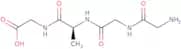
CAS:<p>Gly-Ala-OH is a leukocyte antigen that belongs to the group of transcription-polymerase chain reaction (PCR) inhibitors. It has been shown to inhibit the transcription of DNA into RNA by binding to the polymerase, preventing it from adding nucleotides onto the 3’ end of DNA. This inhibition can be seen in experimental solubility data and nmr spectra. Gly-Ala-OH also binds to type strain bacteria, such as Escherichia coli, Bacillus subtilis, Streptococcus pneumoniae, and Staphylococcus aureus. Gly-Ala-OH has been shown to bind with high affinity to ubiquitin ligases. This property may be due to its ability to form hydrogen bonds with these enzymes. Gly-Ala-OH binds more tightly than ATP and is therefore able to stabilize these enzymes for an extended period of time.</p>Formula:C5H10N2O3Purity:Min. 95%Color and Shape:White PowderMolecular weight:146.14 g/mol(2S,3S)-5-[2-(Dimethylamino)ethyl]-3-hydroxy-2-(4-methoxyphenyl)-2,3-dihydro-1,5-benzothiazepin-4-one hydrochloride
CAS:<p>(2S,3S)-5-[2-(Dimethylamino)ethyl]-3-hydroxy-2-(4-methoxyphenyl)-2,3-dihydro-1,5-benzothiazepin-4-one hydrochloride is a racemic mixture of two enantiomers. It is a prodrug that is hydrolyzed to its active form, diltiazem. The drug has been shown to be effective in the treatment of hypertension and angina pectoris. (2S,3S)-5-[2-(Dimethylamino)ethyl]-3-hydroxy-2-(4-methoxyphenyl)-2,3-dihydro-1,5-benzothiazepin-4-one hydrochloride has been shown to inhibit the activity of the enzyme phosphodiesterase which breaks down cyclic AMP. This inhibition results in an increase in levels of</p>Formula:C20H24N2O3S·HClPurity:Min. 95%Molecular weight:408.94 g/mol3-(2-Ethyl-1H-imidazol-1-yl)-2-methylpropanoic acid
CAS:Controlled Product<p>Please enquire for more information about 3-(2-Ethyl-1H-imidazol-1-yl)-2-methylpropanoic acid including the price, delivery time and more detailed product information at the technical inquiry form on this page</p>Formula:C9H14N2O2Purity:Min. 95%Molecular weight:182.22 g/molN3-Trp-OH·CHA
CAS:<p>Azido-L-tyrosine CHA salt is a useful azide functionalised amino acid. Provides a handle for click chemistry.</p>Formula:C11H10N4O2•C6H13NPurity:Min. 95%Color and Shape:PowderMolecular weight:329.4 g/mol2-(N-Boc-aminomethyl)azetidine
CAS:<p>Please enquire for more information about 2-(N-Boc-aminomethyl)azetidine including the price, delivery time and more detailed product information at the technical inquiry form on this page</p>Formula:C9H18N2O2Purity:Min. 95%Molecular weight:186.25 g/mol4-(2-Chlorophenyl)-9-methyl-6H-thieno[3,2-f][1,2,4]triazolo[4,3-a][1,4]diazepine-2-propanoic acid
CAS:Controlled Product<p>Please enquire for more information about 4-(2-Chlorophenyl)-9-methyl-6H-thieno[3,2-f][1,2,4]triazolo[4,3-a][1,4]diazepine-2-propanoic acid including the price, delivery time and more detailed product information at the technical inquiry form on this page</p>Formula:C18H15ClN4O2SPurity:Min. 95%Molecular weight:386.86 g/mol4-(2-Chlorophenyl)-9-methyl-6H-thieno[3,2-f][1,2,4]triazolo[4,3-a][1,4]diazepine-2-propanoic acid methyl ester
CAS:Controlled Product<p>Please enquire for more information about 4-(2-Chlorophenyl)-9-methyl-6H-thieno[3,2-f][1,2,4]triazolo[4,3-a][1,4]diazepine-2-propanoic acid methyl ester including the price, delivery time and more detailed product information at the technical inquiry form on this page</p>Formula:C19H17ClN4O2SPurity:Min. 95%Molecular weight:400.88 g/mol1-(5-Methyl-1,2,4-oxadiazol-3-yl)cyclohexanamine hydrochloride
CAS:Controlled Product<p>Please enquire for more information about 1-(5-Methyl-1,2,4-oxadiazol-3-yl)cyclohexanamine hydrochloride including the price, delivery time and more detailed product information at the technical inquiry form on this page</p>Formula:C9H16N3OClPurity:Min. 95%Molecular weight:217.7 g/molDiphenylprolinol
CAS:Controlled Product<p>Diphenylprolinol is a synthetic cannabinoid that is used as an agonist of the CB1 and CB2 receptors in the brain. It has been shown to have high affinity for both the CB1 and CB2 receptors, with Ki values of 0.07 and 0.05 nM respectively. Diphenylprolinol is a full agonist of the CB1 receptor, but only a partial agonist of the CB2 receptor. Diphenylprolinol binds to these receptors in a manner that resembles endocannabinoids, which are endogenous cannabinoids produced by animals. This drug has shown antipsychotic effects through its binding to serotonin reuptake inhibitors and its ability to block dopamine release in the prefrontal cortex. Diphenylprolinol also acts as a potent growth factor by stimulating cell proliferation via activation of protein kinase C (PKC). PKC activation leads to increased levels of intracellular calcium ions (Ca2+) and stimulates growth factor production such as</p>Purity:Min. 95%3-[4-(2-Methoxyethyl)phenoxy]-1,2-epoxypropane
CAS:<p>3-[4-(2-Methoxyethyl)phenoxy]-1,2-epoxypropane is a chemical compound that is used in the industrial process of chloropropane production. It reacts with metoprolol to produce 3-[4-(2-methoxyethyl)phenoxy]-1,2-epoxypropane diol and metoprolol diol. This reaction occurs at lower temperatures than chlorination reactions, and without the use of radiation. 3-[4-(2-Methoxyethyl)phenoxy]-1,2-epoxypropane also reacts with chloropropane to produce 3-[4-(2-methoxyphenyl)phenyl]propene, which can be recycled for additional use.</p>Formula:C12H16O3Purity:Min. 95%Molecular weight:208.25 g/molN,N,N',N'-Tetramethyl-p-phenylenediamine
CAS:<p>N,N,N',N'-Tetramethyl-p-phenylenediamine is a chemical compound that has been found to have a high affinity for proteins and nucleic acids. It interacts with these molecules by steric interactions and can change the phase transition temperature of water. N,N,N',N'-Tetramethyl-p-phenylenediamine reacts with surfactant sodium dodecyl (SDA) to produce protonated SDA species. These protonated SDA species are able to react with nucleophiles such as p-hydroxybenzoic acid (PHBA), which leads to an exchange reaction. The redox potentials of PHBA and N,N,N',N'-tetramethyl-p-phenylenediamine vary from -0.85 V to -1.05 V at pH 7.4, depending on the number of nitrogen atoms in the molecule. The x-ray</p>Formula:C10H16N2Purity:Min. 95%Molecular weight:164.25 g/mol2N-Boc-2',2''-triaminotriethylamine
CAS:<p>Please enquire for more information about 2N-Boc-2',2''-triaminotriethylamine including the price, delivery time and more detailed product information at the technical inquiry form on this page</p>Formula:C11H26N4O2Purity:Min. 95%Color and Shape:Yellow PowderMolecular weight:246.35 g/mol(R)-1-Boc-3-ethyl-piperazine
CAS:<p>Please enquire for more information about (R)-1-Boc-3-ethyl-piperazine including the price, delivery time and more detailed product information at the technical inquiry form on this page</p>Formula:C11H22N2O2Purity:Min. 95%Molecular weight:214.3 g/molMethyl 4-methylthiazole-5-carboxylate
CAS:<p>Methyl 4-methylthiazole-5-carboxylate (MTMC) is a compound with high chemical and biological activity. MTMC has been shown to inhibit the growth of S. aureus, and also exhibits cytotoxic effects on human cancer A549 cells in vitro. MTMC has been shown to be active against HIV in cell culture and also inhibits the replication of influenza virus. MTMC has significant activity against cancer, and is also effective against immunodeficiencies that are due to viral infection. It can be synthesized by a high-yielding process involving the reaction of methyl 4-nitrobenzoate with thiourea in an organic solvent under reflux conditions. The crystal structure of MTMC was determined by X-ray diffraction methods, revealing that it is centrosymmetric with four molecules present in the asymmetric unit.</p>Purity:Min. 95%1-Phenylimidazolidin-2-one
CAS:<p>1-Phenylimidazolidin-2-one is a tyrosine kinase inhibitor that belongs to the class of receptor tyrosine kinase inhibitors. It is used in the treatment of hypertension and has been shown to reduce levels of dopamine in the brain. 1-Phenylimidazolidin-2-one binds to tyrosine kinases and blocks their activity, which prevents phosphorylation of proteins involved in neurotransmitter synthesis. This agent also has neuroleptic effects, which may be due to its ability to inhibit dopaminergic receptors.</p>Formula:C9H10N2OPurity:Min. 95%Molecular weight:162.19 g/mol(S)-a,a-Diphenylmethylprolinol
CAS:Controlled Product<p>(S)-a,a-Diphenylmethylprolinol is a chiral ligand that is used in asymmetric synthesis. It has been shown to react with alkylating agents to form chiral methyl esters. The reaction product can be resolved into the desired enantiomer by the use of a chiral stationary phase or an experimental method called isotopic labeling. (S)-a,a-Diphenylmethylprolinol was prepared by a preparative method involving the reaction of cyanate, aldehyde and hexane.</p>Formula:C18H21NOPurity:Min. 95%Molecular weight:267.37 g/molEthyl 6-methylpyridine-2-carboxylate
CAS:<p>Ethyl 6-methylpyridine-2-carboxylate is a pyridine derivative that has a nitrogen at the 6 position. It is an anionic compound, which is soluble in methanol and dichloromethane. The compound can be used to synthesize pharmaceuticals or as a precursor for polymers. It has been shown to inhibit the growth of tumor cells by binding to type 1 receptor sites on the surface of cancer cells. It also binds to quinine and enolate groups, which are found in many drugs. These binding sites may be exploited for drug design purposes.</p>Formula:C9H11NO2Purity:Min. 95%Molecular weight:165.19 g/mol2,5-Dimethoxy-4-methylamphetamine hydrochloride
CAS:Controlled Product<p>2,5-Dimethoxy-4-methylamphetamine hydrochloride is a molecule that belongs to the class of phenethylamines. It has a serotonergic activity and can be used in the treatment of depression. This drug also affects the dopaminergic system and 5-HT2 receptors. 2,5-Dimethoxy-4-methylamphetamine hydrochloride is an agonist for 5HT1A receptors and an antagonist for 5HT2A and 5HT2C receptors. It has been shown to have a significant effect on locomotor activity in humans. The effects of this drug are dose dependent, with high doses leading to hallucinogenic effects.</p>Formula:C12H20ClNO2Purity:Min. 95%Molecular weight:245.75 g/molN-alpha-Boc-Nomega,omega''-bis-Z-D-arginine
CAS:<p>Please enquire for more information about N-alpha-Boc-Nomega,omega''-bis-Z-D-arginine including the price, delivery time and more detailed product information at the technical inquiry form on this page</p>Formula:C27H34N4O8Purity:Min. 95%Molecular weight:542.58 g/molS-(+)-Methoprene
CAS:<p>Methoprene is a chemical compound that belongs to the group of synthetic pyrethroids. It is used as an insecticide in veterinary medicine and agriculture, as well as in animal health. Methoprene has been shown to have low potency and a terminal half-life of about 7 hours in dogs and cats. Methoprene also inhibits the polymerase chain reaction (PCR) by inhibiting the activity of DNA polymerase, preventing DNA replication. This compound has been shown to have an inhibitory effect on plant science, infectious diseases, chronic exposure, and skin condition in untreated animals. Transcriptomic analysis has demonstrated that methoprene alters gene expression in the skin of untreated animals.</p>Formula:C19H34O3Purity:Min. 95%Molecular weight:310.47 g/mol4-(3-Methyl-5-oxo-2-pyrazolin-1-yl)benzoic acid
CAS:<p>4-(3-Methyl-5-oxo-2-pyrazolin-1-yl)benzoic acid (PMBA) is a chromatographic and spectroscopic reagent that is used in the analysis of glycosidic bonds. PMBA has been shown to be effective in preventing the formation of advanced glycation end products, which are substances that can cause diabetes. PMBA has also been found to have a protective effect on the kidneys and liver and may prevent damage to cells in these organs. This drug has been tested for pharmacological effects and toxicity in healthy subjects, type 2 diabetic patients, and diabetic patients.</p>Formula:C11H10N2O3Purity:Min. 95%Molecular weight:218.21 g/molBoc-Leu-Arg-Arg-AMC dihydrochloride
CAS:<p>Boc-Leu-Arg-Arg-AMC·2 HCl is a soybean trypsin inhibitor that has been used in the study of basic protein synthesis and cellular physiology. This inhibitor binds to the active site of soybean trypsin, preventing it from cleaving peptide bonds. The kinetic of this reaction was studied using Boc-Leu-Arg-Arg-AMC·2 HCl as a substrate and its inhibition by various concentrations of inhibitors. The inhibitory effect on the enzyme activity was measured by following the release of AMC fluorogenic substrate in vitro. Boc-Leu-Arg-Arg-AMC·2 HCl was found to be an effective inhibitor of melanoma antigen formation in vivo when injected into mice with melanoma xenografts. It also decreased tumor growth and increased survival rates in leukemic mice treated with platinum chemotherapy drugs or other pharmacological agents.</p>Formula:C33H52N10O7·2HClPurity:Min. 95%Molecular weight:773.75 g/molL-Valine ethyl ester HCl
CAS:<p>L-Valine ethyl ester HCl is a synthetic cannabinoid that has been shown to bind to the CB2 receptor and inhibit microbial infection. It also blocks the enzyme amine oxidase and nitrite ion, which may have implications for treating metabolic disorders. L-Valine ethyl ester HCl is synthesized by reacting L-valine with ethylene diamine, followed by hydrochloride formation. The compound has been shown to exhibit higher activity than other amino acid esters of hydrochloride (e.g., L-leucine, L-isoleucine).</p>Formula:C7H15NO2·HClPurity:Min. 95%Color and Shape:PowderMolecular weight:181.66 g/mol4-fluoro-1-methyl-1,4-diazoniabicyclo[2.2.2]octane
CAS:<p>4-fluoro-1-methyl-1,4-diazoniabicyclo[2.2.2]octane (ditetrafluor) is a fluorine containing compound that can be used to treat cancer cells. It is a chiral molecule with four stereoisomers, two of which are active against cancer cells and the other two are inactive. Ditetrafluor has been shown to have antiviral activity against influenza A virus by inhibiting viral replication, but it does not have any effect on the common cold virus. This drug is also able to inhibit syncytia formation in cultured cells and has been shown to be effective in treating malaria caused by Plasmodium falciparum.</p>Formula:C7H15B2F9N2Purity:Min. 95%Molecular weight:319.82 g/mol1-tert-Butyl 2-methyl 4-oxopiperidine-1,2-dicarboxylate
CAS:<p>Please enquire for more information about 1-tert-Butyl 2-methyl 4-oxopiperidine-1,2-dicarboxylate including the price, delivery time and more detailed product information at the technical inquiry form on this page</p>Purity:Min. 95%3-Acetyl-6-methylpyridine
CAS:<p>3-Acetyl-6-methylpyridine is a chemical compound that has been found to have antibacterial properties. It can be used for the treatment of bacteria in wastewater and other biological treatments. 3-Acetyl-6-methylpyridine is insoluble at room temperature, but becomes soluble when heated to 100 degrees Celsius. This chemical compound has been shown to inhibit the growth of Staphylococcus aureus, Pseudomonas aeruginosa, and Escherichia coli. 3-Acetyl-6-methylpyridine also has anti-inflammatory properties and can be used in the treatment of Alzheimer's disease.</p>Formula:C8H9NOPurity:Min. 95%Molecular weight:135.17 g/mol6-Bromo-3-phenylquinazoline-2,4(1H,3H)-dione
CAS:Controlled ProductPlease enquire for more information about 6-Bromo-3-phenylquinazoline-2,4(1H,3H)-dione including the price, delivery time and more detailed product information at the technical inquiry form on this pageFormula:C14H9BrN2O2Purity:Min. 95%Molecular weight:317.14 g/mol1,3-Diethyl-8-phenylxanthine
CAS:Controlled Product<p>1,3-Diethyl-8-phenylxanthine is a p2y receptor antagonist that inhibits bacterial growth by interfering with the energy metabolism of the cell. It is an analytical reagent that can be used to measure specific DNA sequences and has been shown to have genotoxic effects on cultured human cells. 1,3-Diethyl-8-phenylxanthine has also been shown to inhibit the growth of infectious bacteria such as staphylococcus aureus and Mycobacterium tuberculosis in vitro. This compound may be used as a potential biomarker for the identification of antimicrobial peptides that are active against Mycobacterium tuberculosis in humans.</p>Formula:C15H16N4O2Purity:Min. 95%Molecular weight:284.31 g/mol3-O-Methyl 4-hydroxy estradiol
CAS:Controlled Product<p>Please enquire for more information about 3-O-Methyl 4-hydroxy estradiol including the price, delivery time and more detailed product information at the technical inquiry form on this page</p>Formula:C19H26O3Purity:Min. 95%Molecular weight:302.41 g/molL-5-BromoTryptophan
CAS:<p>L-5-BromoTryptophan (5-BrW) is an analog of the tryptophan (Trp) effector and inhibits the gelation of hemoglobin S.</p>Formula:C11H11BrN2O2Purity:99.86%Color and Shape:SolidMolecular weight:283.12Fmoc-5-aminopentanoic acid
CAS:Fmoc-5-aminopentanoic acid: alkane, Fmoc-protected amine, carboxyl group, PROTAC linker, deprotects to free amine, forms amides with activators.Formula:C20H21NO4Color and Shape:SolidMolecular weight:339.39Allylglycine
CAS:<p>Allylglycine is a glutamate decarboxylase inhibitor and a GAMMA-AMINOBUTYRIC ACID antagonist. It is used to induce convulsions in experimental animals.</p>Formula:C5H9NO2Purity:98%Color and Shape:SolidMolecular weight:115.13L-4FPG
CAS:L-4FPG is a Glycine derivative, inhibits the neutral amino acid transporters ASCT1 and ASCT2.Formula:C8H8FNO2Purity:99.26%Color and Shape:SolidMolecular weight:169.15N-(α-Linolenoyl) Tyrosine
CAS:<p>Certain chronic neurologic disorders, such as Parkinson's disease, are caused by an insufficiency of the neurotransmitter dopamine secondary to the degeneration</p>Formula:C27H39NO4Color and Shape:SolidMolecular weight:441.6Indoleacetyl phenylalanine
CAS:<p>Indoleacetyl phenylalanine is an indole-acetyl-amino acid involved in regulating auxin activity.</p>Formula:C19H18N2O3Purity:98%Color and Shape:SolidMolecular weight:322.36Statine
CAS:Statine is a protease inhibitor that is active against pepsin and other acid proteases.Formula:C8H17NO3Purity:98%Color and Shape:SolidMolecular weight:175.23A 924
CAS:A 924 is an amino acid derivative with antineoplastic activity.Formula:C30H57N7O11Color and Shape:SolidMolecular weight:691.81Fmoc-Phe-Phe-OH
CAS:<p>Fmoc-Phe-Phe-OH is a supramolecular compound that has been synthesized and characterized. It is a carboxylic acid with an amino group at the end of the side chain. Fmoc-Phe-Phe-OH has been shown to be an effective antioxidant, which is due to its ability to regenerate other antioxidants in the body. It also has regenerative properties, as it can be used for cell culture, skin cells, and optical properties. Fmoc-Phe-Phe-OH also has antidiabetic effects, as it can inhibit glucose production by pancreatic beta cells.</p>Formula:C33H30N2O5Purity:Min. 95%Color and Shape:PowderMolecular weight:534.6 g/molSAHO2
CAS:SAHO2, a sulfone methyl donor, is cleaved by NosL/NosN into 5'-deoxyadenosine and sulfinic acid.Formula:C14H20N6O7SColor and Shape:SolidMolecular weight:416.41N-Monoacetylcystine
CAS:N-Monoacetylcystine is a paracetamol poisoning antidote. It is used in the treatment of influenza A virus pandemic.Formula:C8H14N2O5S2Purity:98%Color and Shape:SolidMolecular weight:282.34N-Acetylserine
CAS:N-Acetylserine (N-Acetyl-L-serine) serves as the physiological inducer of cysteine biosynthesis by binding to the CysB apoprotein and stimulating cysJIHFormula:C5H9NO4Purity:99.28%Color and Shape:SolidMolecular weight:147.13Thialysine HCl
CAS:<p>Thialysine HCl is a cytotoxic cysteine derivative that inhibits Escherichia coli, acting as a protein synthesis inhibitor and metabolite.</p>Formula:C5H13ClN2O2SColor and Shape:SolidMolecular weight:200.69γ-Methylleucine
CAS:Gamma-Methylleucine (2-Amino-3-tert-butylpropionic acid) is an auxiliary for copper-catalyzed asymmetric Michael reactions.Formula:C7H15NO2Purity:≥98%Color and Shape:SolidMolecular weight:145.2Deoxyhypusine
CAS:Deoxyhypusine is a enzyme.Formula:C10H23N3O2Color and Shape:SolidMolecular weight:217.31Alitame
CAS:Alitame is a high-intensity sweetener and sugar substitute widely used in biochemical experiments and drug synthesis research.Formula:C14H25N3O4SPurity:98%Color and Shape:SolidMolecular weight:331.43N-α-Tosyl-L-lysine chloromethyl ketone hydrochloride
CAS:<p>N-alpha-Tosyl-L-lysine chloromethyl ketone hydrochloride inhibits trypsin-like proteases and IFN-γ activities.</p>Formula:C14H22Cl2N2O3SPurity:97.44%Color and Shape:PowderMolecular weight:369.318-Chloro-1-methyl-6-phenyl-4H-Imidazo[1,5-a][1,4]benzodiazepine
CAS:Controlled Product<p>Please enquire for more information about 8-Chloro-1-methyl-6-phenyl-4H-Imidazo[1,5-a][1,4]benzodiazepine including the price, delivery time and more detailed product information at the technical inquiry form on this page</p>Formula:C18H14ClN3Purity:Min. 95%Molecular weight:307.78 g/molBoc-Glu(OBzl)-OSu
CAS:<p>Boc-Glu(OBzl)-OSu can be used for the synthesis of solid phase peptides containing benzyl glutamate residues.</p>Formula:C21H26N2O8Color and Shape:SolidMolecular weight:434.44Lombricine
CAS:Lombricine, as a phosphodiester of 2-guanidinoethanol and D-serine in structure, is a phosphagen that is unique to earthworms.Formula:C6H15N4O6PColor and Shape:SolidMolecular weight:270.18MSPG
CAS:mGlu receptor antagonistFormula:C9H11NO5SPurity:98%Color and Shape:SolidMolecular weight:245.25N-Oleoyl Leucine
CAS:N-Oleoyl Leucine (Oleoyl-L-leucine) is an N-fatty acyl amino acid present in plasma.Formula:C24H45NO3Purity:98.25%Color and Shape:SolidMolecular weight:395.62H-Lys-Lys-Arg-Ala-Ala-Arg-Ala-Thr-Ser-Asn-Val-Phe-Ala-NH2
CAS:<p>Please enquire for more information about H-Lys-Lys-Arg-Ala-Ala-Arg-Ala-Thr-Ser-Asn-Val-Phe-Ala-NH2 including the price, delivery time and more detailed product information at the technical inquiry form on this page</p>Formula:C61H107N23O16Purity:Min. 95%Molecular weight:1,418.65 g/molAc-Leu-Glu-Val-Asp-AFC
CAS:<p>Please enquire for more information about Ac-Leu-Glu-Val-Asp-AFC including the price, delivery time and more detailed product information at the technical inquiry form on this page</p>Formula:C32H40F3N5O11Purity:Min. 95%Molecular weight:727.68 g/molGalanin (2-11) amide trifluoroacetate salt
CAS:<p>Galanin (2-11) amide trifluoroacetate salt H-Trp-Thr-Leu-Asn-Ser-Ala-Gly-Tyr-Leu-Leu is a galanin analog and a ligand for the galanin receptor 1. It has affinity for the receptors in the brain, which are involved in cognition, and is used to study Alzheimer's disease. Galanin (2-11) amide trifluoroacetate salt H-Trp-Thr-Leu-Asn-Ser -Ala -Gly -Tyr -Leu -Leu is a member of the family of neuropeptides and neuromodulators that regulate nerve injury and alzheimer's disease.</p>Formula:C54H81N13O14Purity:Min. 95%Molecular weight:1,136.3 g/molH-beta-Cyclohexyl-Ala-OMe·HCl
CAS:<p>Please enquire for more information about H-beta-Cyclohexyl-Ala-OMe·HCl including the price, delivery time and more detailed product information at the technical inquiry form on this page</p>Formula:C10H19NO2·HClPurity:Min. 95%Molecular weight:221.72 g/molACTH (4-10) trifluoroacetate salt
CAS:<p>ACTH (4-10) trifluoroacetate salt is a cholinergic agent that belongs to the class of neurotransmitters. It is synthesized from the naturally occurring hormone ACTH, which is released by the anterior pituitary gland in response to a variety of stimuli. This compound has been shown to have physiological effects on various organs, including adipose tissue and locomotor activity. It also shows neuroprotective effects in animal models and has neurotrophic properties. The therapeutic potential of this compound for brain functions is currently being explored.</p>Formula:C44H59N13O10SPurity:Min. 95%Molecular weight:962.09 g/molFmoc-Ile-Gly-OH
CAS:<p>Please enquire for more information about Fmoc-Ile-Gly-OH including the price, delivery time and more detailed product information at the technical inquiry form on this page</p>Formula:C23H26N2O5Purity:Min. 95%Molecular weight:410.46 g/molH-Gly-Cys-OH
CAS:<p>H-Gly-Cys-OH is an amide that is structurally related to the nonapeptide, Gly-Pro-Cys. H-Gly-Cys-OH has been shown to be an efficient method for preparation of 3-mercaptopropionic acid. The nucleophilic attack of the thiol group on the carbonyl carbon atom in the amide bond leads to cleavage and formation of a disulfide bond. This reaction occurs spontaneously at room temperature with high efficiency and can be used for synthesis of 3-mercaptopropionic acid. H-Gly-Cys-OH has low bioavailability, which may be due to its primary amino group, which is not well absorbed by the intestinal epithelium.</p>Formula:C5H10N2O3SPurity:Min. 95%Molecular weight:178.21 g/mol(D-Pro4,D-Trp7·9·10)-Substance P (4-11)
CAS:<p>Substance P is a neuropeptide that is found in the central nervous system. It is also found in the gastrointestinal tract and plays a role in the regulation of smooth muscle contraction. Substance P has been shown to be involved in inflammatory responses, immune responses, and regulation of water and electrolyte balance. The maximal response of substance P occurs at concentrations between 0.1 to 1 nM and its inhibitory effect on the apical Ca2+ response occurs at concentrations between 10-100 nM. In addition, substance P has been shown to have an excitatory effect on 5-HT7 receptors with subunit composition GluN1/GluN2A/GluN2B/GluN3A/5-HT7(H).</p>Formula:C62H74N14O10SPurity:Min. 95%Molecular weight:1,207.41 g/molCalcium-Like Peptide 3 trifluoroacetate salt
CAS:<p>Please enquire for more information about Calcium-Like Peptide 3 trifluoroacetate salt including the price, delivery time and more detailed product information at the technical inquiry form on this page</p>Formula:C44H68N10O9Purity:Min. 95%Molecular weight:881.07 g/mol(Cys8·13)-Dynorphin A (1-13) amide
CAS:<p>Please enquire for more information about (Cys8·13)-Dynorphin A (1-13) amide including the price, delivery time and more detailed product information at the technical inquiry form on this page</p>Formula:C69H112N24O14S2Purity:Min. 95%Molecular weight:1,565.91 g/molEndotoxin Inhibitor
CAS:<p>Endotoxin inhibitor H-Lys-Thr-Lys-Cys-Lys-Phe-Leu-Lys-Lys-Cys-OH is a natural disulfide bond that inhibits cytosolic Ca2+ release and bacterial translocation. It has been shown to decrease the production of tumor necrosis factor alpha (TNFα) in vitro, which may be due to its effects on protein synthesis. It also has antimicrobial activity against bacteria such as Clostridium perfringens, Mycobacterium tuberculosis, and Mycobacterium avium complex. Endotoxin inhibitor H-Lys-Thr-Lys-Cys-Lys-Phe-Leu-Lys-- Lys -Cys -OH binds to the ribosomal RNA of bacteria, inhibiting protein synthesis by binding to the peptidyl transferase center</p>Formula:C55H97N15O12S2Purity:Min. 95%Molecular weight:1,224.58 g/mol4-Hydroxymethyl-5-methyl-2-phenylimidazole
CAS:<p>4-Hydroxymethyl-5-methyl-2-phenylimidazole is an impurity of phenoxy. It has a high resistance to acids and bases, and can be used in devices that require high purity. 4-Hydroxymethyl-5-methyl-2-phenylimidazole has a particle diameter of about 1 micron. This impurity is metastable, or stable only under certain conditions such as temperature and pressure. The high viscosity of this compound makes it useful for devices that require a high degree of stability at elevated temperatures. Immediate decomposition occurs when exposed to air due to the presence of naphthalene, phosphine, and silicon.</p>Formula:C11H12N2OPurity:Min. 95%Molecular weight:188.23 g/molH-Asp-AMC
CAS:<p>Please enquire for more information about H-Asp-AMC including the price, delivery time and more detailed product information at the technical inquiry form on this page</p>Formula:C14H14N2O5Purity:Min. 95%Color and Shape:PowderMolecular weight:290.27 g/molInfluenza PR8 Hemagglutinin Peptide (110-119) trifluoroacetate salt
CAS:<p>Influenza PR8 Hemagglutinin Peptide (110-119) trifluoroacetate salt H-Ser-Phe-Glu-Arg-Phe-Glu-Ile-Phe-Pro-Lys-OH trifluoroacetate sa lt is a surface glycoprotein that has been shown to enhance the survival of neuronal cells. It is also involved in the regulation of energy metabolism and iron homeostasis, as well as in the induction of autoimmune diseases. This peptide contains a hydroxyl group, which can be oxidized by reactive oxygen species and may have neurotrophic effects. Trifluoroacetate salts of this protein are ester linkages that bind iron tightly and have been used for the treatment of iron overload.</p>Formula:C63H90N14O16Purity:Min. 95%Molecular weight:1,299.47 g/molH-Gly-Gly-b-Ala-OH
CAS:<p>Please enquire for more information about H-Gly-Gly-b-Ala-OH including the price, delivery time and more detailed product information at the technical inquiry form on this page</p>Formula:C7H13N3O4Purity:Min. 95%Molecular weight:203.2 g/molN-((RS)-2-Hydroxy-2-phenyl-ethyl)-Val-Leu-anilide
CAS:<p>Please enquire for more information about N-((RS)-2-Hydroxy-2-phenyl-ethyl)-Val-Leu-anilide including the price, delivery time and more detailed product information at the technical inquiry form on this page</p>Formula:C25H35N3O3Purity:Min. 95%Molecular weight:425.56 g/molPyr-Arg-Thr-Lys-Arg-AMC trifluoroacetate salt
CAS:<p>Please enquire for more information about Pyr-Arg-Thr-Lys-Arg-AMC trifluoroacetate salt including the price, delivery time and more detailed product information at the technical inquiry form on this page</p>Formula:C37H57N13O9Purity:Min. 95%Molecular weight:827.93 g/molH-Leu-Gly-bNA
CAS:<p>H-Leu-Gly-bNA is a chromogenic, dipeptide, which has been shown to react with 2-naphthylamine in the presence of condensation agents and carboxylic acid to form a carboxy group. The amino group on the terminal Leu residue reacts with the carboxy group to form an amide bond. This reaction is used as a method for detecting bNA.</p>Formula:C18H23N3O2Purity:Min. 95%Molecular weight:313.39 g/molGalanin (1-19) (human)
CAS:<p>Please enquire for more information about Galanin (1-19) (human) including the price, delivery time and more detailed product information at the technical inquiry form on this page</p>Formula:C89H130N26O25Purity:Min. 95%Molecular weight:1,964.14 g/molH-Ser-Ile-Lys-Val-Ala-Val-OH
CAS:<p>H-Ser-Ile-Lys-Val-Ala-Val-OH is a peptide that is synthesized from the amino acid sequence of the human skin cells. It has been shown to be effective in inhibiting bacterial growth and inducing death in bacteria. This peptide binds to the bacterial cell wall and inhibits its growth. The polymer film can be used for the delivery of H-Ser-Ile-Lys-Val-Ala-Val-OH in the form of lamellar, galacturonic acid, collagen, or lipid nanoparticles. The lamellar phase can be prepared by using water as solvent and lipids as surfactant. The lipid nanoparticle formulation consists of a core material (e.g., cholesterol) surrounded by a lipid bilayer composed of phospholipids or glycolipids with H Ser Ile Lys Val Ala Val OH incorporated into it. This peptide has also been shown to have skin care properties when</p>Formula:C28H53N7O8Purity:Min. 95%Molecular weight:615.76 g/molIGF-II (33-40)
CAS:<p>This is a synthetic IGF-II peptide fragment (33-40) that has been immunized with an antiserum against the human growth hormone. It is used to measure the level of IGF-II in blood or serum. The immunizing antiserum cross-reacts with IgF-I and can also be used as a control for deficiency.</p>Formula:C38H74N20O12Purity:Min. 95%Molecular weight:1,003.12 g/mol(2-{Ethyl-[4-(4-nitro-phenylazo)-phenyl]-amino}-ethoxy)-acetic acid-4-nitro-phenyl ester
CAS:<p>Please enquire for more information about (2-{Ethyl-[4-(4-nitro-phenylazo)-phenyl]-amino}-ethoxy)-acetic acid-4-nitro-phenyl ester including the price, delivery time and more detailed product information at the technical inquiry form on this page</p>Formula:C24H23N5O7Purity:Min. 95%Molecular weight:493.47 g/mol4-Bromo-2-methylbut-1-ene
CAS:<p>4-Bromo-2-methylbut-1-ene is an alkylating agent that reacts with DNA, RNA and proteins. It has been shown to be effective in the treatment of bladder cancer. 4-Bromo-2-methylbut-1-ene is used as a trifluoride source for boron trifluoride etherate, which is then reacted with plant tissues. This reaction yields a prenyl group, which can be further processed to yield an alkynyl group. The alkynyl group can be reacted with anhydrous sodium to form a chloride salt. This salt can then react with carbon monoxide to form a carbone molecule, which is the final product of this chemical process.</p>Purity:Min. 95%4-(Fmoc-hydrazino)-benzoylaminomethyl resin (200-400 mesh)
<p>Please enquire for more information about 4-(Fmoc-hydrazino)-benzoylaminomethyl resin (200-400 mesh) including the price, delivery time and more detailed product information at the technical inquiry form on this page</p>Purity:Min. 95%Formyl-LHRH (2-10) trifluoroacetate salt
CAS:<p>Please enquire for more information about Formyl-LHRH (2-10) trifluoroacetate salt including the price, delivery time and more detailed product information at the technical inquiry form on this page</p>Formula:C51H70N16O12Purity:Min. 95%Molecular weight:1,099.2 g/molFA-Lys-Leu-OH
CAS:<p>Please enquire for more information about FA-Lys-Leu-OH including the price, delivery time and more detailed product information at the technical inquiry form on this page</p>Formula:C19H29N3O5Purity:Min. 95%Molecular weight:379.45 g/molSuc-Leu-Tyr-AMC
CAS:<p>AMC conjugated molecule targeting chymotrypsin-like peptidase, calpain I and II and papain, and Ti protease from E. coli</p>Formula:C29H33N3O8Purity:Min. 95%Molecular weight:551.59 g/molH-Met-His-OH
CAS:<p>H-Met-His-OH is a metabolite of methionine, which has been shown to have insulin sensitizing effects. H-Met-His-OH is produced from the reaction of methionine with hydrochloric acid and water molecule. This compound has been shown to modulate glucose metabolism by increasing insulin sensitivity in diabetic rats. It has also been shown to be able to increase estradiol levels in female mice, which may be due to its ability to inhibit protein synthesis. H-Met-His-OH also binds to histidine residues on the protein surface and may regulate protein kinetics via an unidentate mechanism.</p>Formula:C11H18N4O3SPurity:Min. 95%Molecular weight:286.35 g/molFmoc-Lys(Mtt)-Wang resin (200-400 mesh)
<p>Please enquire for more information about Fmoc-Lys(Mtt)-Wang resin (200-400 mesh) including the price, delivery time and more detailed product information at the technical inquiry form on this page</p>Purity:Min. 95%Ac-Val-Tyr-Leu-Lys-Ala-SBzl
CAS:<p>Please enquire for more information about Ac-Val-Tyr-Leu-Lys-Ala-SBzl including the price, delivery time and more detailed product information at the technical inquiry form on this page</p>Formula:C38H56N6O7SPurity:Min. 95%Molecular weight:740.95 g/molThr-Ala-Pro-Arg-Atrial Natriuretic Factor (1-28) (human, bovine, porcine) trifluoroacetate salt
CAS:<p>Thr-Ala-Pro-Arg-Atrial Natriuretic Factor (1-28) (human, bovine, porcine) trifluoroacetate salt is a peptide hormone that regulates blood pressure by causing the kidneys to excrete sodium and water. It is used as a model system for studying the physiological effects of urodilatin and has been shown to inhibit the cyclase enzyme. Thr-Ala-Pro-Arg-Atrial Natriuretic Factor (1-28) (human, bovine, porcine) trifluoroacetate salt may also have an antihypertensive effect through its ability to reduce levels of natriuretic peptides in plasma. This drug is also being investigated as a possible treatment for congestive heart failure. The small molecular weight makes it suitable for use as a natriuretic or antihypertensive drug with minimal side effects.</p>Formula:C145H234N52O44S3Purity:Min. 95%Molecular weight:3,505.93 g/molH-Gly-Gly-Ala-Gly-OH
CAS:<p>Glycylglycine is a tetrapeptide antibiotic that belongs to the group of antibiotics. It is expressed in E. coli and has been shown to inhibit the growth of other bacteria through binding to metal ions, such as magnesium, which are necessary for their survival. Glycylglycine has also been shown to have a kinetic method with a high rate of inhibition. This compound was synthesized by an electrospray ionization process, and its enantiomeric form was detected using a spectrometer. The molecule has been found to be an overgrowth inhibitor in analytical chemistry studies.</p>Formula:C9H16N4O5Purity:Min. 95%Molecular weight:260.25 g/mol
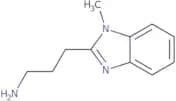

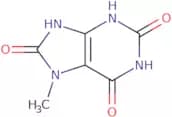
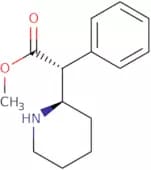

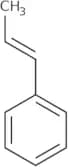
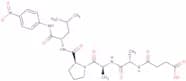
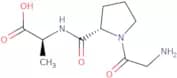
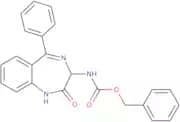
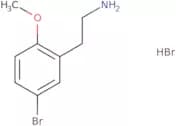
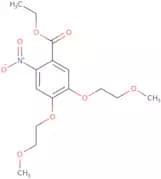
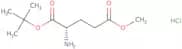
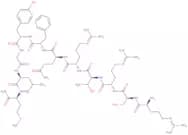

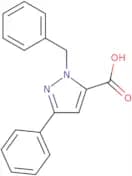
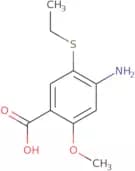
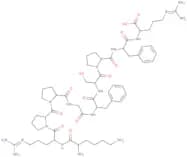
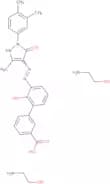
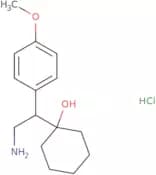
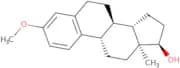
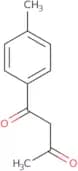
![1,2,3,4,5,6-Hexahydro-1,5-methano-pyrido-[1,2-a][1,5]diazocin-8-one](/_next/image/?url=https%3A%2Fstatic.cymitquimica.com%2Fproducts%2F3D%2Fthumb-webp%2FFD117142.webp&w=3840&q=75)

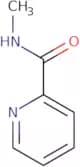
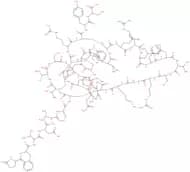
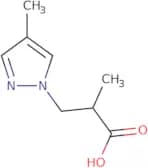
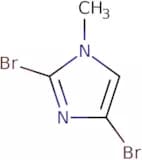
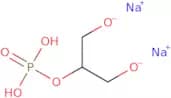

![1-(4-Methoxyphenyl)-7-oxo-6-(4-(2-oxopiperidin-1-yl)phenyl)-4,5,6,7-tetrahydro-1H-pyrazolo[3,4-c]p…](/_next/image/?url=https%3A%2Fstatic.cymitquimica.com%2Fproducts%2F3D%2Fthumb-webp%2FFM155764.webp&w=3840&q=75)
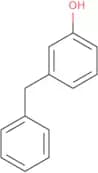
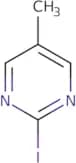
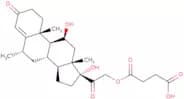

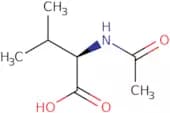
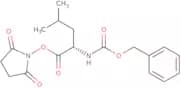
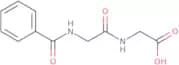

![[4-(4-Aminophenoxy)(2-pyridyl)]-N-methylcarboxamide](/_next/image/?url=https%3A%2Fstatic.cymitquimica.com%2Fproducts%2F3D%2Fthumb-webp%2FFA17813.webp&w=3840&q=75)
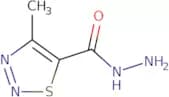
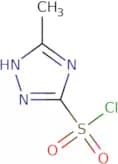
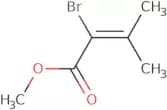
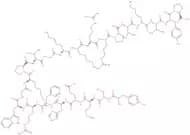
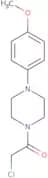
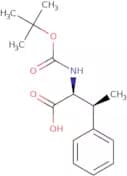
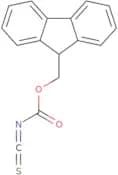
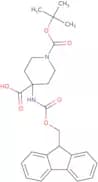

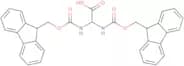
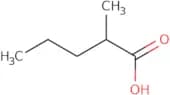
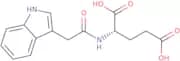
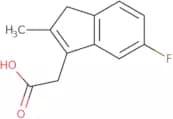
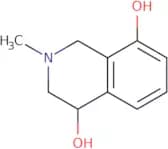
![[(5-Methyl-1,3-thiazol-2-yl)methyl]amine dihydrochloride](/_next/image/?url=https%3A%2Fstatic.cymitquimica.com%2Fproducts%2F3D%2Fthumb-webp%2FFM124184.webp&w=3840&q=75)
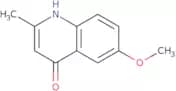
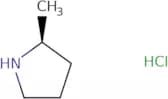
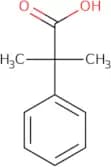
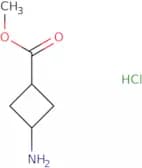

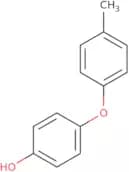
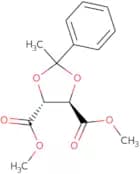
![8-Chloro-1-methyl-2,3,4,5-tetrahydro-1H-benzo[d]azepine](/_next/image/?url=https%3A%2Fstatic.cymitquimica.com%2Fproducts%2F3D%2Fthumb-webp%2FFC148171.webp&w=3840&q=75)

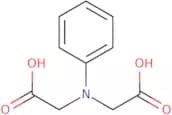
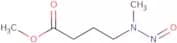
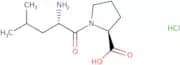
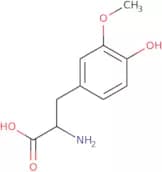
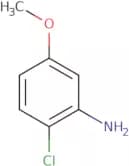
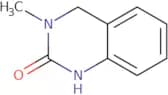
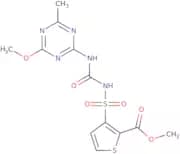
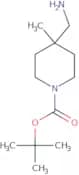
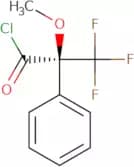
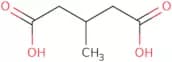

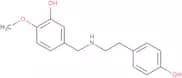
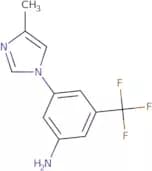
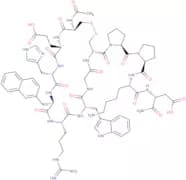
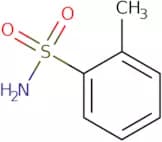
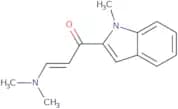

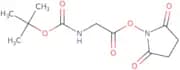
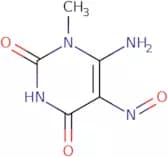
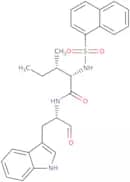
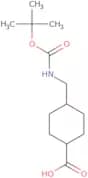
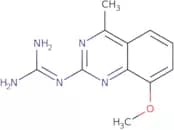

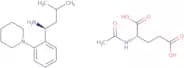
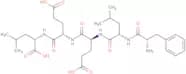
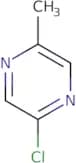
![N-Methyl-N-[(1-methyl-1H-benzimidazol-2-yl)methyl]amine hydrochloride](/_next/image/?url=https%3A%2Fstatic.cymitquimica.com%2Fproducts%2F3D%2Fthumb-webp%2FFM117084.webp&w=3840&q=75)
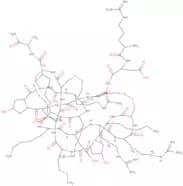

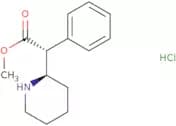
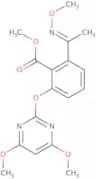
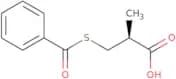
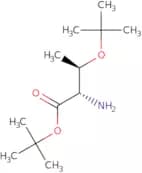
![4-[1-(2-Methoxyethyl)-1H-indol-3-yl]butanoic acid](/_next/image/?url=https%3A%2Fstatic.cymitquimica.com%2Fproducts%2F3D%2Fthumb-webp%2FFM135737.webp&w=3840&q=75)
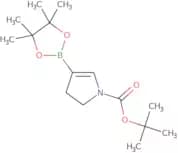
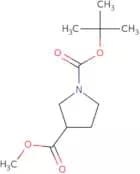
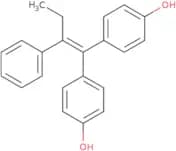
![[2-(5-Fluoro-1-methyl-1H-indol-3-yl)ethyl]amine hydrochloride](/_next/image/?url=https%3A%2Fstatic.cymitquimica.com%2Fproducts%2F3D%2Fthumb-webp%2FFF118334.webp&w=3840&q=75)

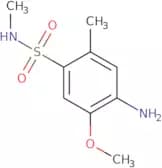
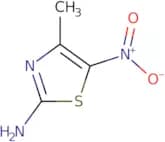
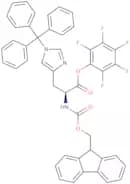
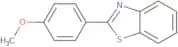
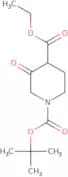
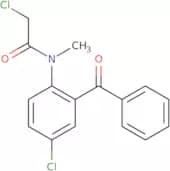
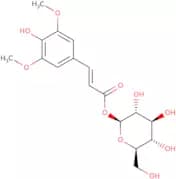
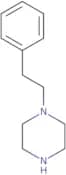
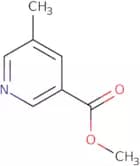
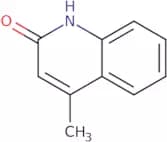
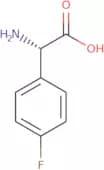
![(17R)-4-Chloro-5-ethyl-9-fluoro-11b-hydroxy-16b-methylspiro[androsta-1,4-diene-17,2(3H)-furan]-3,3…](/_next/image/?url=https%3A%2Fstatic.cymitquimica.com%2Fproducts%2F3D%2Fthumb-webp%2FFF103612.webp&w=3840&q=75)
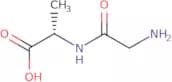
![(2S,3S)-5-[2-(Dimethylamino)ethyl]-3-hydroxy-2-(4-methoxyphenyl)-2,3-dihydro-1,5-benzothiazepin-4-…](/_next/image/?url=https%3A%2Fstatic.cymitquimica.com%2Fproducts%2F3D%2Fthumb-webp%2FFD45531.webp&w=3840&q=75)
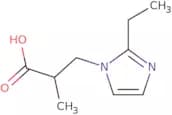
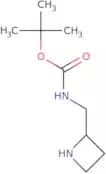
![4-(2-Chlorophenyl)-9-methyl-6H-thieno[3,2-f][1,2,4]triazolo[4,3-a][1,4]diazepine-2-propanoic acid](/_next/image/?url=https%3A%2Fstatic.cymitquimica.com%2Fproducts%2F3D%2Fthumb-webp%2FFC20336.webp&w=3840&q=75)
![4-(2-Chlorophenyl)-9-methyl-6H-thieno[3,2-f][1,2,4]triazolo[4,3-a][1,4]diazepine-2-propanoic acid …](/_next/image/?url=https%3A%2Fstatic.cymitquimica.com%2Fproducts%2F3D%2Fthumb-webp%2FFC20337.webp&w=3840&q=75)

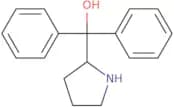
![3-[4-(2-Methoxyethyl)phenoxy]-1,2-epoxypropane](/_next/image/?url=https%3A%2Fstatic.cymitquimica.com%2Fproducts%2F3D%2Fthumb-webp%2FFM25303.webp&w=3840&q=75)
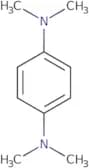

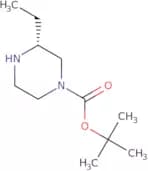
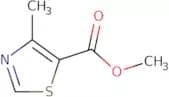
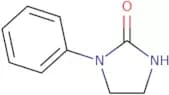
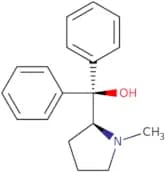
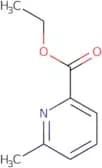

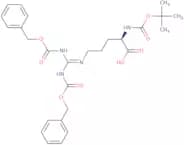
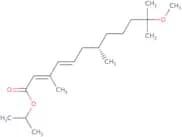

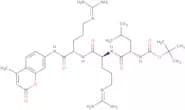

![4-fluoro-1-methyl-1,4-diazoniabicyclo[2.2.2]octane](/_next/image/?url=https%3A%2Fstatic.cymitquimica.com%2Fproducts%2F3D%2Fthumb-webp%2FFF106220.webp&w=3840&q=75)
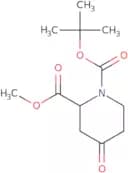
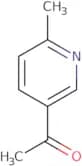
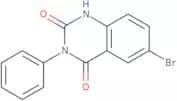
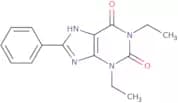

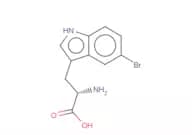


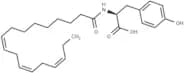



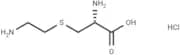

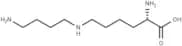
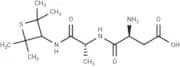

![8-Chloro-1-methyl-6-phenyl-4H-Imidazo[1,5-a][1,4]benzodiazepine](/_next/image/?url=https%3A%2Fstatic.cymitquimica.com%2Fproducts%2F3D%2Fthumb-webp%2FFC159452.webp&w=3840&q=75)
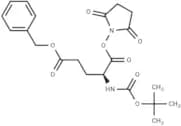
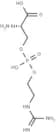


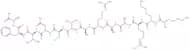
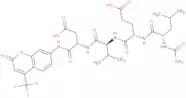
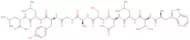


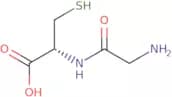
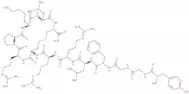
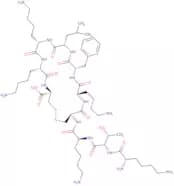
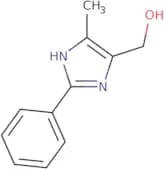


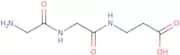
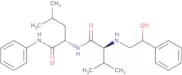


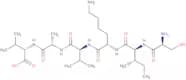
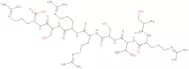
![(2-{Ethyl-[4-(4-nitro-phenylazo)-phenyl]-amino}-ethoxy)-acetic acid-4-nitro-phenyl ester](/_next/image/?url=https%3A%2Fstatic.cymitquimica.com%2Fproducts%2F3D%2Fthumb-webp%2FFE111186.webp&w=3840&q=75)