Amino Acids (AA)
Amino acids (AAs) are the fundamental building blocks of proteins, playing a crucial role in various biological processes. These organic compounds are essential for protein synthesis, metabolic pathways, and cell signaling. In this category, you will find a comprehensive range of amino acids, including essential, non-essential, and modified forms, which are vital for research in biochemistry, molecular biology, and nutritional sciences. At CymitQuimica, we provide high-quality amino acids to support your research and development needs, ensuring accuracy and reliability in your experimental outcomes.
Subcategories of "Amino Acids (AA)"
- Amino Acid Derivatives(3,955 products)
- Amino Acid and Amino Acid Related Compounds(3,469 products)
- Amino Acids with Oxygen or Sulphur(168 products)
- Boc- Amino Acids(351 products)
- Fmoc Amino Acids(1,710 products)
Found 38260 products of "Amino Acids (AA)"
Sort by
Purity (%)
0
100
|
0
|
50
|
90
|
95
|
100
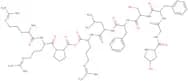
H-Gly-Pro-Arg-Pro-NH2 acetate salt
CAS:<p>H-Gly-Pro-Arg-Pro-NH2 acetate salt is a peptide with antiplatelet activity. It has been shown to inhibit the interaction between fibrinogen and platelets, which leads to the inhibition of thrombin formation and subsequent clotting. The amide bond in this peptide is susceptible to hydrolysis by enzymes such as phospholipase A2, which means that it can be broken down into smaller fragments that have different biological activities. H-Gly-Pro-Arg-Pro-NH2 acetate salt has been shown to inhibit the growth of babesia microti, a causative agent of babesiosis in cattle, through lysis of infected erythrocytes. This drug also inhibits the growth of hemagglutinating virus type 3 (HV3) and filovirus, two viruses that are not yet fully understood.</p>Formula:C18H32N8O4Purity:Min. 95%Molecular weight:424.5 g/molXenopsin-Related Peptide 1 (XP-1) trifluoroacetate salt
CAS:<p>Xenopsin-related peptide 1 (XP-1) is a synthetic peptide that has been shown to bind to the neurotensin receptor. XP-1 is expressed in gastrointestinal tissues and has been found to modulate intestinal motility, as well as glucose homeostasis. It also has immunohistochemical staining for pancreatic tissues and vasoactive intestinal polypeptide, which are both involved in glucose control. XP-1 can reduce high plasma concentrations of glucose by stimulating the pancreas and lowering the release of glucagon from the α cells of the pancreas. The function of XP-1 is not yet fully understood, but it may have potential therapeutic effects on diabetes mellitus type 2.</p>Formula:C51H79N15O9Purity:Min. 95%Molecular weight:1,046.27 g/molSuc-Ala-Ile-Pro-Phe-pNA
CAS:<p>Cyclosporine is a cyclic peptide that is used as an immunosuppressive drug. It binds to the cytosolic protein phosphatase, preventing its activation. Cyclosporine also binds to other proteins in the cell, such as casein kinase II and cyclophilin, leading to changes in cellular function. It has been shown to inhibit the production of cytokines and other inflammatory mediators by inhibiting tyrosine kinase activity. Cyclosporine is metabolized into FK506, which has a similar structure but greater potency than cyclosporine. The mechanism of action for FK506 is not fully understood but it appears to be related to its ability to bind to tyrosine kinases and inhibit their activity.</p>Formula:C33H42N6O9Purity:Min. 95%Molecular weight:666.72 g/molpp60 c-src (521-533)
CAS:<p>C-src is a protein kinase that plays an important role in cell signaling. The protein contains an ATP-binding domain and a catalytic domain, which are responsible for the phosphorylation of tyrosine residues on other proteins. C-src is involved in bone resorption, blood pressure control and tumor development. This molecule has been used as a template for the production of analogues with increased detection sensitivity (e.g., pp60 c-src (521-533) H-Thr-Ser-Thr-Glu-Pro-Gln).</p>Formula:C62H94N16O25Purity:Min. 95%Molecular weight:1,463.5 g/molGly-Amyloid b-Protein (15-25)-Gly-ε-aminocaproyl(-Lys)6
CAS:<p>Please enquire for more information about Gly-Amyloid b-Protein (15-25)-Gly-epsilon-aminocaproyl(-Lys)6 including the price, delivery time and more detailed product information at the technical inquiry form on this page</p>Formula:C105H178N28O26Purity:Min. 95%Molecular weight:2,248.71 g/molFmoc-D-Asp(OtBu)-(Hmb)Gly-OH
CAS:<p>Please enquire for more information about Fmoc-D-Asp(OtBu)-(Hmb)Gly-OH including the price, delivery time and more detailed product information at the technical inquiry form on this page</p>Formula:C33H36N2O9Purity:Min. 95%Molecular weight:604.65 g/molH-Lys-Gly-Lys-OH acetate salt
CAS:<p>The solute-solvent interaction is the process in which solutes are dissolved in a solvent. The solute is the substance that is dissolved and the solvent is the liquid that holds the solute. There are two types of interactions between an ionic solute and a polar solvent: electrostatic and hydrophobic. Electrostatic interactions are due to charge differences, while hydrophobic interactions are due to differences in molecular size or shape. In simulations, molecular dynamics was used to study how ligands interact with receptors using a thermodynamic model system. A frequency shift was observed when ligand binding occurred, which indicates that binding can be detected by monitoring changes in frequency.</p>Formula:C14H29N5O4Purity:Min. 95%Molecular weight:331.41 g/mol(D-Ser(tBu)6,D-Leu7,Azagly10)-LHRH
CAS:<p>Please enquire for more information about (D-Ser(tBu)6,D-Leu7,Azagly10)-LHRH including the price, delivery time and more detailed product information at the technical inquiry form on this page</p>Formula:C59H84N18O14Purity:Min. 95%Molecular weight:1,269.41 g/molCoagulation Factor XIIIa (190-230)
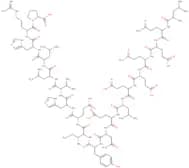
CAS:Controlled Product<p>Please enquire for more information about Coagulation Factor XIIIa (190-230) including the price, delivery time and more detailed product information at the technical inquiry form on this page</p>Formula:C220H322N54O73Purity:Min. 95%Molecular weight:4,891.23 g/molH-Leu-His-OH
CAS:<p>H-Leu-His-OH is a peptide that has been shown to have ovarian activity. It binds to the epidermal growth factor receptor and inhibits the function of this receptor, thereby inhibiting cellular proliferation. H-Leu-His-OH has also been shown to inhibit follicular growth in mice, which may be due to its ability to inhibit follicle stimulating hormone (FSH) production. This peptide also has a potential use for cancer treatment when administered with estradiol benzoate. In addition, it has been shown that H-Leu-His-OH can be used as an antigen in animals and humans for the development of an anti-idiotypic vaccine against autoimmune diseases such as Graves' disease. H-Leu-His-OH is active at physiological levels and clinical relevance has not yet been determined.</p>Formula:C12H20N4O3Purity:Min. 95%Molecular weight:268.31 g/molNeuromedin B trifluoroacetate salt
CAS:<p>Neuromedin B is a peptide hormone that is produced by the hypothalamus and regulates many physiological processes such as energy metabolism, appetite, and sleep. Neuromedin B is a member of the family of guanine nucleotide-binding proteins (G proteins) that bind to G protein-coupled receptors on the surface of cells. It has been shown to stimulate calcium release from intracellular stores in response to an increase in cytosolic Ca2+. Neuromedin B has been shown to have anti-inflammatory effects on infectious diseases such as meningitis, sepsis, and tuberculosis, which may be due to its ability to inhibit neutrophil migration. Neuromedin B also stimulates hippocampal formation activity in rats during the rotarod test, which may be due to its effects on dopamine release.</p>Formula:C52H73N15O12SPurity:Min. 95%Molecular weight:1,132.3 g/molH-Glu-Arg-OH acetate salt
CAS:Controlled Product<p>Please enquire for more information about H-Glu-Arg-OH acetate salt including the price, delivery time and more detailed product information at the technical inquiry form on this page</p>Formula:C11H21N5O5Purity:Min. 95%Molecular weight:303.32 g/molH-Phe-Leu-Glu-Glu-Val-OH
CAS:<p>H-Phe-Leu-Glu-Glu-Val-OH is a synthetic amino acid molecule that is used as a substrate for protein synthesis. The solubilized and biochemically active H-Phe-Leu-Glu-Glu-Val-OH can be prepared by the reaction of glutamic acid with phenylalanine, leucine, and glycine. This product is an irreversible enzyme that has been conjugated to a linker to form a reversible linkage. A spectrometer can be used to analyze the chemical structure of this compound. It is soluble in water and has a molecular weight of 310. It contains two carboxyl groups and one amino group that are linked by amide bonds.</p>Formula:C30H45N5O10Purity:Min. 95%Molecular weight:635.71 g/mol2-Methyl-N-phenyl-5,6-dihydro-1,4-oxathiine-3-carboxamide
CAS:<p>2-Methyl-N-phenyl-5,6-dihydro-1,4-oxathiine-3-carboxamide is a signal molecule that has antimicrobial activity. It inhibits the proliferation of cells and is used as an antifungal agent. 2,5,6-Trimethyloxathiinium ion has been shown to induce apoptosis in human leukemia cells and inhibit the growth of erythrocytes infected with Plasmodium falciparum. This compound also inhibits wild type strains of bacteria and fungi and can be used as a natural fungicide. 2,5,6-Trimethyloxathiinium ion has been found to be effective in treating autoimmune diseases such as diabetes mellitus type II, which may be due to its ability to regulate glucose metabolism and suppress inflammatory responses.</p>Formula:C12H13NO2SPurity:Min. 95%Molecular weight:235.3 g/mol(S,S)-(-)-Bis(a-methylbenzyl)amine Hcl
CAS:<p>Please enquire for more information about (S,S)-(-)-Bis(a-methylbenzyl)amine Hcl including the price, delivery time and more detailed product information at the technical inquiry form on this page</p>Formula:C16H19N·HClPurity:Min. 95%Molecular weight:261.79 g/molDABCYL-(Asn670,Leu671)-Amyloid b/A4 Protein Precursor770 (667-675)-EDANS ammonium salt
CAS:<p>Please enquire for more information about DABCYL-(Asn670,Leu671)-Amyloid b/A4 Protein Precursor770 (667-675)-EDANS ammonium salt including the price, delivery time and more detailed product information at the technical inquiry form on this page</p>Formula:C71H91N15O21SPurity:Min. 95%Molecular weight:1,522.64 g/molH-Gly-His-Arg-Pro-NH2 acetate salt
CAS:<p>Please enquire for more information about H-Gly-His-Arg-Pro-NH2 acetate salt including the price, delivery time and more detailed product information at the technical inquiry form on this page</p>Formula:C19H32N10O4Purity:Min. 95%Molecular weight:464.52 g/molH-Gly-D-Tyr-OH
CAS:<p>Please enquire for more information about H-Gly-D-Tyr-OH including the price, delivery time and more detailed product information at the technical inquiry form on this page</p>Formula:C11H14N2O4Purity:Min. 95%Molecular weight:238.24 g/molHIV (gp120) Antigenic Peptide trifluoroacetate salt
CAS:<p>Please enquire for more information about HIV (gp120) Antigenic Peptide trifluoroacetate salt including the price, delivery time and more detailed product information at the technical inquiry form on this page</p>Formula:C117H211N41O31SPurity:Min. 95%Molecular weight:2,720.25 g/molLHRH (free acid) trifluoroacetate salt
CAS:<p>LHRH (free acid) trifluoroacetate salt Pyr-His-Trp-Ser-Tyr-Gly-Leu-Arg-Pro-Gly-OH trifluoroacetate salt is a decapeptide that is the most potent form of the hormone luteinizing hormone releasing hormone (LHRH). It has been shown to bind to surface receptors and activate a G protein, which activates adenyl cyclase. This leads to increased levels of cyclic adenosine monophosphate (cAMP) in cells. LHRH also binds to blood vessels and causes vasodilation. LHRH also binds to pyroglutamic acid, which is an amino acid found in peptides that have affinity for peptidases. This binding causes the release of peptidases from the cell membrane, uncovers receptor sites, and increases cAMP production. LHRH has also been shown to inhibit kidney function</p>Formula:C55H74N16O14Purity:Min. 95%Molecular weight:1,183.28 g/molH-Glu(Trp-OH)-OH
CAS:<p>H-Glu(Trp-OH)-OH is a synthetic immunomodulator that is used in vitro to study the immune system. H-Glu(Trp-OH)-OH has been shown to stimulate the production of antibodies by polyclonal antibodies, which inhibits the growth of bacteria. H-Glu(Trp-OH)-OH has also been shown to have anti-inflammatory properties and can inhibit lung damage caused by radiation. H-Glu(Trp-OH)-OH is not active against tuberculosis or other infectious diseases in animals because it does not cause an increase in phagocytic cells or leukocytes.</p>Formula:C16H19N3O5Purity:Min. 95%Molecular weight:333.34 g/molGM-CSF (17-31)
CAS:<p>Please enquire for more information about GM-CSF (17-31) including the price, delivery time and more detailed product information at the technical inquiry form on this page</p>Formula:C73H129N27O24Purity:Min. 95%Molecular weight:1,768.97 g/molH-Ala-Phe-Gly-OH
CAS:<p>Please enquire for more information about H-Ala-Phe-Gly-OH including the price, delivery time and more detailed product information at the technical inquiry form on this page</p>Formula:C14H19N3O4Purity:Min. 95%Molecular weight:293.32 g/molH-Ala-bNA·HBr
CAS:<p>H-Ala-bNA·HBr is a fluorogenic probe for pancreatic amide hydrolase that hydrolyzes the substrate H-Ala-bNA to release fluorescein. The probe has been used in enzymatic methods to identify and characterize the enzyme. The affinity of H-Ala-bNA·HBr for amide hydrolase is high and it can be used as a ligand to study the specificity of this enzyme. H-Ala-bNA·HBr can also be used as a fluorescent probe, with emission at 515 nm, and as a transfer reagent with an acceptor at 540 nm.</p>Formula:C13H14N2O·HBrPurity:Min. 95%Molecular weight:295.18 g/molH-Gln(Trt)-2-chlorotrityl resin (200-400 mesh)
<p>Please enquire for more information about H-Gln(Trt)-2-chlorotrityl resin (200-400 mesh) including the price, delivery time and more detailed product information at the technical inquiry form on this page</p>Purity:Min. 95%H-Arg-Glu-OH
CAS:<p>H-Arg-Glu-OH is a small molecule that is used as a pharmacological agent for the treatment of diabetes. It has been shown to have anti-inflammatory properties, which may be due to its ability to inhibit the production of inflammatory mediators such as prostaglandin E2 and nitric oxide. H-Arg-Glu-OH also induces apoptosis in human monocytes and macrophages by binding to toll-like receptor 4 (TLR4) on the cell surface. This binding activates NFκB and JNK pathways, leading to the induction of apoptosis. H-Arg-Glu-OH binds with high affinity to monoclonal antibodies against glutamic acid and glycine, which are not present in humans. The compound may be toxic at a neutral pH because it is highly reactive due to intramolecular hydrogen bonding between carbonyl oxygens and amide hydrogens.</p>Formula:C11H21N5O5Purity:Min. 95%Molecular weight:303.32 g/mol2,4-Dichloro-5-methoxyaniline
CAS:<p>2,4-Dichloro-5-methoxyaniline (2,4-DMA) is a trifluoroacetic acid derivative that inhibits the growth of cancer cells by interfering with cellular processes such as DNA replication and protein synthesis. It has been shown to have anticancer activity in vitro and in vivo. In addition, 2,4-DMA can inhibit the growth of cancer cells by preventing epidermal growth factor from binding to its receptor on the cell surface. A recent study showed that 2,4-DMA has anti-angiogenic properties and can prevent tumor growth by inhibiting bcr-abl kinase activity. 2,4-DMA also has an acidic property which may be due to its conversion of trifluoroacetic acid into hydrogen fluoride (HF) and hydrogen chloride (HCl).<br>2,4-Dichloro-5-methoxyaniline was approved for use in Japan</p>Formula:C7H7Cl2NOPurity:Min. 95%Color and Shape:White To Pink SolidMolecular weight:192.04 g/molBoc-cys(Npys)-oh
CAS:<p>Boc-cys(Npys)-oh is an active substance that inhibits the growth of mouse tumors and has been shown to inhibit a number of different biological processes. It is a cross-linking agent for amino acids and has been shown to have an inhibitory effect on the synthesis of proteins by blocking the formation of disulfide bonds. This compound belongs to the class of chemicals known as sulfonamides, which are used in the treatment of bacterial infections. Boc-cys(Npys)-oh also specifically binds to antigen sites on cells, inhibiting their growth, and can be used as an antitumor agent. The molecule can be chemically linked with other molecules such as trifluoroacetic acid (TFA), resulting in a product with different properties than those found in Boc-cys(Npys)-oh. The chemical ligation process is used to produce subcutaneous tumors in mice that are then treated with hydrogen fluoride (</p>Formula:C13H17N3O6S2Purity:Min. 95%Color and Shape:Off-White PowderMolecular weight:375.42 g/molH-Tyr-Gln-Ser-Leu-Arg-Trp-NH2 acetate salt
CAS:Controlled Product<p>Please enquire for more information about H-Tyr-Gln-Ser-Leu-Arg-Trp-NH2 acetate salt including the price, delivery time and more detailed product information at the technical inquiry form on this page</p>Formula:C40H58N12O9Purity:Min. 95%Molecular weight:850.96 g/molH-Ala-Pro-Gly-OH
CAS:<p>Glycine is a small, sweet-tasting amino acid that is used in the biosynthesis of proteins. It has three linkages: an amide linkage to proline, and an ester linkage to alanine. The l-glycine molecule exists as two possible tautomers, the enol and keto forms. The enol form predominates at physiological pH; however, at very low pH, the keto form predominates. Glycine also has a cyclic structure and can be classified as a tripeptide.</p>Formula:C10H17N3O4Purity:Min. 95%Molecular weight:243.26 g/molAlarin (human) trifluoroacetate salt
CAS:<p>Alarin is a human protein that was originally developed as an antiserum to seal wounds. It is used in the manufacture of pharmaceuticals, such as vaccines and serums. Alarin has also been used in immunoassays for the detection of antibodies in blood, serum, and other body fluids. Alarin is a protein that can be biotinylated and used as a substrate for peroxidase-conjugated streptavidin. This allows it to be utilized in enzyme-linked immunosorbent assay (ELISA) tests.</p>Formula:C127H205N43O35Purity:Min. 95%Molecular weight:2,894.26 g/molH-Ile-His-OH
CAS:<p>H-Ile-His-OH is a peptide that has been found to be an antagonist of the epidermal growth factor receptor. It has been shown to decrease inflammation in animal models of bowel disease and may be useful in the treatment of inflammatory bowel disease. H-Ile-His-OH has also been shown to inhibit the production of inflammatory cytokines such as IL-1β, IL-6, and TNF α. This peptide also inhibits monoclonal antibody production by dendritic cells and can prevent resistant mutants from developing. H-Ile-His-OH is a potent antagonist of Toll-Like Receptor (TLR) 4, TLR2, TLR3, and TLR9. H-Ile-His-OH is currently being investigated for its possible role in the treatment of infectious diseases and autoimmune diseases.</p>Formula:C12H20N4O3Purity:Min. 95%Molecular weight:268.31 g/mol4-[2-(Fmoc-amino)ethyl]-1-piperazineacetic acid dihydrochloride
CAS:<p>Please enquire for more information about 4-[2-(Fmoc-amino)ethyl]-1-piperazineacetic acid dihydrochloride including the price, delivery time and more detailed product information at the technical inquiry form on this page</p>Formula:C23H27N3O4•2HClPurity:Min. 95%Color and Shape:PowderMolecular weight:482.4 g/molCalcium-Like Peptide 3 trifluoroacetate salt
CAS:<p>Please enquire for more information about Calcium-Like Peptide 3 trifluoroacetate salt including the price, delivery time and more detailed product information at the technical inquiry form on this page</p>Formula:C44H68N10O9Purity:Min. 95%Molecular weight:881.07 g/molAmyloid β-Protein (1-46)
CAS:<p>Please enquire for more information about Amyloid beta-Protein (1-46) including the price, delivery time and more detailed product information at the technical inquiry form on this page</p>Formula:C223H347N59O65SPurity:Min. 95%Molecular weight:4,926.57 g/molAllatotropin
CAS:<p>Allatotropin is a diagnostic agent that belongs to the class of antimicrobial peptides. It has been shown to have strong activity against Gram-positive and Gram-negative bacteria. Allatotropin inhibits the growth of bacteria by binding to the external membrane, disrupting its integrity. Allatotropin also has been shown to increase gamma-aminobutyric acid levels in brain tissue and galleria mellonella larvae when injected subcutaneously. This may be due to its ability to activate GABA receptors. Allatotropin can be synthesized in vitro by combining β-amino acids with fatty acids and terminal residues, such as lysine, arginine, and glutamine, under conditions that mimic those found in living cells. This synthetic process yields a mixture of allatotropins with varying chain lengths and amino acid sequences.</p>Formula:C65H103N19O17S2Purity:Min. 95%Molecular weight:1,486.76 g/molZ-His-Phe-OH
CAS:<p>Please enquire for more information about Z-His-Phe-OH including the price, delivery time and more detailed product information at the technical inquiry form on this page</p>Formula:C23H24N4O5Purity:Min. 95%Molecular weight:436.46 g/molN2,N6-Bis-cbz-L-lysine
CAS:<p>N2,N6-Bis-cbz-L-lysine is a synthetic acid transporter that is used to inhibit the transport of lysine across the cell membrane. It is an amide, which can be synthesized from lysine and benzoyl chloride. This compound has been shown to have an inhibitory effect on tumor growth in vitro and in vivo. N2,N6-Bis-cbz-L-lysine is active when targeting acidic environments such as tumors. The carbonyl group of this molecule reacts with the hydroxyl group at C4′ on the ribose ring of nucleosides to form a 1,2 diol moiety. This reaction leads to inhibition of DNA synthesis by preventing RNA polymerase from binding to DNA.</p>Formula:C22H26N2O6Purity:Min. 95%Color and Shape:PowderMolecular weight:414.45 g/molH-Ser-Asp-Gly-Arg-Gly-OH
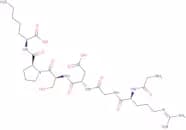
CAS:<p>H-Ser-Asp-Gly-Arg-Gly-OH is a peptide and model system for epidermal growth factor. It has been shown to stimulate epidermal growth and protein synthesis in the skin cells. The peptide has also been shown to inhibit fibrinogen production by monoclonal antibody, which is a biochemical marker of wound healing. H-Ser-Asp-Gly-Arg-Gly-OH analogs have been shown to inhibit the activation of epidermal growth factor receptor and have an inhibitory effect on cell growth.</p>Formula:C17H30N8O9Purity:Min. 95%Molecular weight:490.47 g/molAc-Trp-NHMe
CAS:<p>Ac-Trp-NHMe is a hydrogen bond acceptor, which is a functional group that can form hydrogen bonds with other molecules. It is found in proteins and has been extensively studied by protein data bank. The amide group of Ac-Trp-NHMe forms a hydrogen bond with the carbonyl group of the amino acid tryptophan. The molecule has been used as a model system for studying the fluorescence properties of tryptophan, and to understand vibrational spectra. Ac-Trp-NHMe has also been shown to be an important chemical in plants, where it is involved in the formation of the dry weight of plants and water molecules.</p>Formula:C14H17N3O2Purity:Min. 95%Molecular weight:259.3 g/molNesfatin-1 (30-59) (mouse, rat) trifluoroacetate salt
<p>Please enquire for more information about Nesfatin-1 (30-59) (mouse, rat) trifluoroacetate salt including the price, delivery time and more detailed product information at the technical inquiry form on this page</p>Formula:C167H260N40O54Purity:Min. 95%Molecular weight:3,692.09 g/molAnti-Inflammatory Peptide 2
CAS:<p>Anti-inflammatory peptide 2 (AIP2) is a small peptide that has been shown to have anti-inflammatory activity. AIP2 inhibits the production of inflammatory mediators such as prostaglandins and leukotrienes. The synthesis of AIP2 is regulated by a hydroxyl group, which may be important for its therapeutic use. AIP2 does not have any side effects and can be used in the treatment of inflammation. <br>The active form of AIP2 is generated from the amino acid sequence H-His-Asp-Met-Asn-Lys-Val-Leu-Asp-Leu. It has been shown that this sequence also inhibits protein synthesis, leading to cell death by inhibiting the production of proteins vital for cell division. <br>The molecular weight of AIP2 is 706 Da and it has two disulfide bonds and two ester linkages. The metal chelate was found to bind with</p>Formula:C46H77N13O15SPurity:Min. 95%Molecular weight:1,084.25 g/molFmoc-Tyr(Et)-OH
CAS:<p>Please enquire for more information about Fmoc-Tyr(Et)-OH including the price, delivery time and more detailed product information at the technical inquiry form on this page</p>Formula:C26H25NO5Purity:Min. 95%Molecular weight:431.48 g/molNeuronostatin-13 (human, canine, porcine) trifluoroacetate salt
CAS:<p>Please enquire for more information about Neuronostatin-13 (human, canine, porcine) trifluoroacetate salt including the price, delivery time and more detailed product information at the technical inquiry form on this page</p>Formula:C64H110N20O16Purity:Min. 95%Molecular weight:1,415.68 g/mol(D-Arg1,D-Trp5·7·9,Leu11)-Substance P
CAS:<p>Substance P is a potent inhibitor of lung cancer cells, which may be due to its ability to signal through the cell membrane. It inhibits the growth of lung cancer cells by inhibiting signal transduction, leading to decreased cell proliferation and increased apoptosis. This product also has strong anti-inflammatory properties that can be used for the treatment of inflammatory diseases such as asthma.</p>Formula:C81H110N20O12Purity:Min. 95%Molecular weight:1,555.87 g/mol(3-(4-Azidophenyl)propionyl1,D-Tyr(Me)2,Arg6,Arg8,Tyr-NH29)-Vasopressin trifluoroacetate salt
CAS:<p>Please enquire for more information about (3-(4-Azidophenyl)propionyl1,D-Tyr(Me)2,Arg6,Arg8,Tyr-NH29)-Vasopressin trifluoroacetate salt including the price, delivery time and more detailed product information at the technical inquiry form on this page</p>Formula:C63H84N20O13Purity:Min. 95%Molecular weight:1,329.47 g/molε-Maleimidocaproic acid-(2-nitro-4-sulfo)-phenyl ester·sodium salt
CAS:<p>Epsilon-Maleimidocaproic acid-(2-nitro-4-sulfo)-phenyl ester·sodium salt (EMAP) is a crosslinker that belongs to the group of heterobifunctional reagents. It has been used to conjugate monoclonal antibodies with other molecules, such as toxins. EMAP is activated by the dianion generated by protonation of the nitro groups on the phenyl ring and reacts with free amines or thiols in proteins. EMAP can be used for labeling immunotoxins for diagnostic use, maximizing detection sensitivity, and crosslinking DNA molecules for use in molecular cloning experiments.</p>Formula:C16H15N2NaO9SPurity:Min. 95%Molecular weight:434.35 g/mol(His32,Leu34)-Neuropeptide Y (32-36)
CAS:<p>Please enquire for more information about (His32,Leu34)-Neuropeptide Y (32-36) including the price, delivery time and more detailed product information at the technical inquiry form on this page</p>Formula:C33H54N14O6Purity:Min. 95%Molecular weight:742.87 g/molH-Thr-Lys-Tyr-OH
CAS:<p>H-Thr-Lys-Tyr-OH is a synthetic peptide that has been used in the research of antigen, antibody and sequence. The intramolecular bond between the amino acids H-Thr-Lys-Tyr-OH has been shown to be stable up to pH 8.5 and alkaline conditions, making it suitable for use in a variety of different experiments. This peptide has also been used as an immunogen to generate antibodies against specific antigens or as a probe for sequence analysis.</p>Formula:C19H30N4O6Purity:Min. 95%Molecular weight:410.46 g/molH-Tyr-Tyr-NH2·HCl
CAS:<p>Please enquire for more information about H-Tyr-Tyr-NH2·HCl including the price, delivery time and more detailed product information at the technical inquiry form on this page</p>Formula:C18H21N3O4·HClPurity:Min. 95%Molecular weight:379.84 g/molFibrinopeptide B (human) trifluoroacetate salt
CAS:<p>Fibrinopeptide B is a fibrinogen-derived peptide that has shown to inhibit the growth of HL-60 cells. It may be active as a receptor antagonist for thrombin and caproic acid. Fibrinopeptide B also inhibits angiogenesis by inhibiting the binding of acidic, basic proteins to the vascular endothelium in atherosclerotic lesions. The biological sample can be obtained from human serum or plasma.</p>Formula:C66H93N19O25Purity:Min. 95%Molecular weight:1,552.56 g/molNeuropeptide S (1-10) (human) trifluoroacetate salt
CAS:<p>Please enquire for more information about Neuropeptide S (1-10) (human) trifluoroacetate salt including the price, delivery time and more detailed product information at the technical inquiry form on this page</p>Formula:C42H68N14O14SPurity:Min. 95%Molecular weight:1,025.14 g/mol(Arg8)-Conopressin G trifluoroacetate salt
CAS:<p>Please enquire for more information about (Arg8)-Conopressin G trifluoroacetate salt including the price, delivery time and more detailed product information at the technical inquiry form on this page</p>Formula:C44H71N17O10S2Purity:Min. 95%Molecular weight:1,062.28 g/molH-Lys(Z)-AMC·HCl
CAS:<p>Please enquire for more information about H-Lys(Z)-AMC·HCl including the price, delivery time and more detailed product information at the technical inquiry form on this page</p>Formula:C24H27N3O5·HClPurity:Min. 95%Molecular weight:473.95 g/molFmoc-Val-Pro-OH
CAS:<p>Fmoc-Val-Pro-OH is a low molecular weight amino acid that has anticoagulant properties. It is synthesized by activating the carboxylic acid group of pipecolic acid with an N,N'-dicyclohexylcarbodiimide (DCC) activated ester of thiazolidinecarboxylic acid and then reacting it with a basic amino acid. The resulting product is a peptide consisting of Val, Pro, and OH groups. This compound has been shown to inhibit blood clotting in rats and rabbits. Fmoc-Val-Pro-OH also has been shown to be effective in preventing postoperative blood clots in dogs undergoing surgery for repair of cranial cruciate ligament rupture.</p>Formula:C25H28N2O5Purity:Min. 95%Molecular weight:436.5 g/mol(Gly21)-Amyloid b-Protein (1-40) trifluoroacetate salt
CAS:<p>Please enquire for more information about (Gly21)-Amyloid b-Protein (1-40) trifluoroacetate salt including the price, delivery time and more detailed product information at the technical inquiry form on this page</p>Formula:C193H293N53O58SPurity:Min. 95%Molecular weight:4,315.78 g/molSPLUNC1 (22-39) trifluoroacetate salt
CAS:<p>Please enquire for more information about SPLUNC1 (22-39) trifluoroacetate salt including the price, delivery time and more detailed product information at the technical inquiry form on this page</p>Formula:C82H135N21O25Purity:Min. 95%Molecular weight:1,815.08 g/mol4-Amino-5-methoxy-2-methylbenzenesulfonic acid
CAS:<p>4-Amino-5-methoxy-2-methylbenzenesulfonic acid is a compound that has been used as an additive to analytical reagents in order to improve their sensitivity. This compound is used as the sodium salt, which is water soluble and has a high degree of reproducibility. 4-Amino-5-methoxy-2-methylbenzenesulfonic acid has also been used for the validation of analytical methods, including calibration and cytotoxicity testing. The validation procedure includes colorants, spectra analysis, impurities, and solvents.</p>Formula:C8H11NO4SPurity:Min. 95%Color and Shape:PowderMolecular weight:217.24 g/molL-m-Tyrosine
CAS:<p>L-m-Tyrosine is a nonessential amino acid that is synthesized from phenylalanine. It has been shown to have antioxidant properties and protects against oxidative injury by scavenging reactive oxygen species such as hydrogen fluoride. L-m-Tyrosine has also been shown to modulate dopamine levels in the brain and may be used in the treatment of Parkinson's disease. The biological effects of L-m-Tyrosine are mediated through the transcriptional regulation of genes encoding proteins involved in dopamine β-hydroxylase and hydrogen fluoride detoxification. L-m-Tyrosine is also an experimental model for studying drug resistance in bacteria, including methicillin resistant Staphylococcus aureus (MRSA).</p>Formula:C9H11NO3Purity:Min. 98 Area-%Color and Shape:PowderMolecular weight:181.19 g/molH-Phe-Phe-Phe-Phe-Phe-OH
CAS:<p>H-Phe-Phe-Phe-Phe-Phe-OH is a peptide that inhibits the protease dpp-iv. It is a potent inhibitor of dpp-iv, with an IC50 value of 0.2 μM. H-Phe-Phe-Phe-Phe-Phe-OH is not active against other proteases, such as papain and cathepsin B, and it does not inhibit the activity of pepsin. The inhibition effect of HFPHP has been shown to be dose dependent. Inhibition of dpp-IV by HFPHP leads to inhibition of the activation of other proenzymes such as trypsin and chymotrypsin, which are required for protein digestion in the stomach.</p>Formula:C45H47N5O6Purity:Min. 95%Molecular weight:753.88 g/molDynorphin A (1-10)-Gly-chloromethylketone trifluoroacetate salt
CAS:<p>Please enquire for more information about Dynorphin A (1-10)-Gly-chloromethylketone trifluoroacetate salt including the price, delivery time and more detailed product information at the technical inquiry form on this page</p>Formula:C60H95ClN20O12Purity:Min. 95%Molecular weight:1,323.98 g/molH-Ala-Phe-NH2·HCl
CAS:<p>Please enquire for more information about H-Ala-Phe-NH2·HCl including the price, delivery time and more detailed product information at the technical inquiry form on this page</p>Formula:C12H17N3O2·HClPurity:Min. 95%Molecular weight:271.74 g/mol(His(1-Me)2)-TRH Pyr-His(1-Me)-Pro-NH2
CAS:<p>Please enquire for more information about (His(1-Me)2)-TRH Pyr-His(1-Me)-Pro-NH2 including the price, delivery time and more detailed product information at the technical inquiry form on this page</p>Formula:C17H24N6O4Purity:Min. 95%Molecular weight:376.41 g/molH-Met-Phe-Gly-OH
CAS:<p>H-Met-Phe-Gly-OH is a hydrophobic amino acid. It has been shown to be present in human proteins, and it has been used as a marker for determining the sequence of amino acids in peptides. H-Met-Phe-Gly-OH is an acidic tripeptide that can be analysed using reversed phase high performance liquid chromatography (RPHPLC). This tripeptide is found in the peptide transporter, which transports amino acids across cellular membranes. The structural studies of H-Met-Phe-Gly-OH have revealed that this tripeptide has an alpha helix conformation, with two hydrogen bonds from the backbone amides to the backbone carbonyl groups.</p>Formula:C16H23N3O4SPurity:Min. 95%Molecular weight:353.44 g/molFmoc-[15N]Leu-OH
CAS:<p>Fmoc-[15N]Leu-OH is a research chemical that has various applications in the field of biosynthesis and antibody production. It is commonly used in peptide synthesis and as a building block for the preparation of peptides and proteins. Fmoc-[15N]Leu-OH is known for its high purity and quality, making it an ideal choice for researchers and scientists working in the field of molecular biology. This compound can be easily dissolved in ethanol or other organic solvents, allowing for convenient use in laboratory experiments. With its unique characteristics and wide range of applications, Fmoc-[15N]Leu-OH is a valuable tool for those involved in biochemical research.</p>Formula:C21H23NO4Purity:Min. 95%Molecular weight:354.41 g/molAc-Phg-OMe
CAS:<p>Please enquire for more information about Ac-Phg-OMe including the price, delivery time and more detailed product information at the technical inquiry form on this page</p>Formula:C11H13NO3Purity:Min. 95%Molecular weight:207.23 g/molAnthranilyl-HIV Protease Substrate trifluoroacetate salt
CAS:<p>Please enquire for more information about Anthranilyl-HIV Protease Substrate trifluoroacetate salt including the price, delivery time and more detailed product information at the technical inquiry form on this page</p>Formula:C43H65N13O11Purity:Min. 95%Molecular weight:940.06 g/mol3-Bromo-6-methylpicolinic acid
CAS:<p>Please enquire for more information about 3-Bromo-6-methylpicolinic acid including the price, delivery time and more detailed product information at the technical inquiry form on this page</p>Formula:C7H6BrNO2Purity:Min. 95%Molecular weight:252.49 g/molAcetyl-Neurotensin (8-13) Ac-Arg-Arg-Pro-Tyr-Ile-Leu-OH
CAS:<p>Acetyl-neurotensin (8-13) Ac-Arg-Arg-Pro-Tyr-Ile-Leu-OH is a competitive antagonist of the NANC neurotransmitter, neuropeptide Y. It is a proteolytic product of neurotensin, an endogenous peptide that has been implicated in a number of physiological and pathological processes. Acetyl-neurotensin (8-13) Ac-Arg-Arg-Pro-Tyr-Ile-Leu-(OH) binds to the membrane receptors on neurons and blocks the binding of neuropeptides such as neurotensin and substance P to these receptors, thereby inhibiting their effects on the central nervous system. This compound is soluble in water and can be used for bladder protection by preventing the accumulation of urine.</p>Formula:C40H66N12O9Purity:Min. 95%Molecular weight:859.03 g/mol(Deamino-Pen 1,Val4,D-Arg8)-Vasopressin
CAS:<p>Vasopressin is a peptide hormone that regulates water balance. It is synthesized in the hypothalamus and stored in the posterior pituitary gland, from where it is released when blood pressure falls. Vasopressin binds to V1 receptors in the kidney and vascular smooth muscle cells, causing vasoconstriction and increased blood pressure. Vasopressin also stimulates phosphatidic acid synthesis and hypotension, which are mediated through V2 receptors. Vasopressin has been found to be effective against cardiac arrest and myocardial infarction in animals. This drug has also been shown to stimulate the paraventricular nucleus of the hypothalamus and inhibit sympathetic activity in ganglia.</p>Formula:C48H69N13O11S2Purity:Min. 95%Molecular weight:1,068.27 g/mol(Cys47)-HIV-1 tat Protein (47-57) trifluoroacetate salt
CAS:<p>Please enquire for more information about (Cys47)-HIV-1 tat Protein (47-57) trifluoroacetate salt including the price, delivery time and more detailed product information at the technical inquiry form on this page</p>Formula:C58H114N32O13SPurity:Min. 95%Molecular weight:1,499.8 g/molBoc-(Asp(OBzl)16)-Gastrin I (13-17) (human)
CAS:<p>Please enquire for more information about Boc-(Asp(OBzl)16)-Gastrin I (13-17) (human) including the price, delivery time and more detailed product information at the technical inquiry form on this page</p>Formula:C43H53N7O9SPurity:Min. 95%Molecular weight:843.99 g/molFmoc-b-Ala-Phe-Pro-OH
<p>Fmoc-b-Ala-Phe-Pro-OH is a chemical compound that is used as a reaction component, reagent, and useful scaffold. It reacts with various other chemicals to form complex compounds. This synthetic compound can be used as an intermediate in the synthesis of peptides, proteins, and other organic compounds. Fmoc-b-Ala-Phe-Pro-OH can also be used as a building block for the synthesis of speciality chemicals.</p>Formula:C32H33N3O6Purity:Min. 95%Color and Shape:PowderMolecular weight:555.62 g/molAc-Leu-Glu-His-Asp-aldehyde (pseudo acid) trifluoroacetate salt
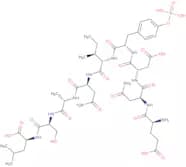
CAS:<p>Ac-Leu-Glu-His-Asp-aldehyde (pseudo acid) trifluoroacetate salt is a chemical compound that belongs to the group of apoptosis proteins. It has been shown to have anti-inflammatory and neuroprotective effects in primary cells, as well as to induce apoptosis in HL60 cells. Ac-Leu-Glu-His-Asp-aldehyde (pseudo acid) trifluoroacetate salt is also able to inhibit the activation of the caspase pathway by preventing the release of cytochrome c from mitochondria and decreasing the mitochondrial membrane potential. The protein may be used as an agent for skin cancer treatment.</p>Formula:C23H34N6O9Purity:Min. 95%Molecular weight:538.55 g/molSecretin (porcine) acetate salt
CAS:Controlled Product<p>Secretin acetate salt H-His-Ser-Asp-Gly-Thr-Phe-Thr-Ser-Glu-Leu-Ser-Arg-Leu-Arg-Asp-Ser-Ala is a peptide that is secreted by the pancreas in response to the ingestion of food. Secretin stimulates the release of water and bicarbonate from the pancreas, as well as stimulating the gallbladder to contract, which results in increased flow of bile. Secretin also inhibits gastric acid secretion, slows intestinal motility, and stimulates pancreatic enzyme secretion. The amino acid sequence of this peptide is identical to that of leuprolide acetate (Lupron) and goserelin acetate (Zoladex), which are synthetic analogs with similar biological activity. This peptide can be synthesized on a solid phase or in solution phase. Solid phase synthesis involves attaching amino acids</p>Formula:C130H220N44O41Purity:Min. 95%Molecular weight:3,055.41 g/mol2-Bromo-1-methyl-4-(methylsulfonyl)benzene
CAS:<p>Please enquire for more information about 2-Bromo-1-methyl-4-(methylsulfonyl)benzene including the price, delivery time and more detailed product information at the technical inquiry form on this page</p>Formula:C8H9BrO2SPurity:Min. 95%Molecular weight:249.13 g/molPhenylacetyl-(D-Arg2·28,p-chloro-Phe6, Homoarg 9·29,Tyr(Me)10, Abu 15, Nle 27)-GRF (1-29) amide (human)
CAS:<p>Please enquire for more information about Phenylacetyl-(D-Arg2·28,p-chloro-Phe6, Homoarg 9·29,Tyr(Me)10, Abu 15, Nle 27)-GRF (1-29) amide (human) including the price, delivery time and more detailed product information at the technical inquiry form on this page</p>Formula:C172H284ClN53O41Purity:Min. 95%Molecular weight:3,785.88 g/molFmoc-Lys(Boc)-Wang resin (100-200 mesh)
<p>Please enquire for more information about Fmoc-Lys(Boc)-Wang resin (100-200 mesh) including the price, delivery time and more detailed product information at the technical inquiry form on this page</p>Purity:Min. 95%(Des-His1,Glu9)-Glucagon (1-29) amide (human, rat, porcine)
CAS:<p>Please enquire for more information about (Des-His1,Glu9)-Glucagon (1-29) amide (human, rat, porcine) including the price, delivery time and more detailed product information at the technical inquiry form on this page</p>Formula:C148H221N41O47SPurity:Min. 95%Molecular weight:3,358.65 g/molH-D-Val-Leu-Lys-pNA·2 HCl
CAS:<p>D-Val-Leu-Lys-p-nitroanilide is a selective colorimetric substrate for plasmin used to determine plasmin formation from plasminogen in amidolytic activity assays and plasminogen activating assays. Plasmin is a plasma serine protease whose main role is to dissolve fibrin blood clots. After cleavage by plasmin, the protease activity is quantified by the release of p-nitroaniline (pNA) from the substrate.</p>Formula:C23H38N6O5·2HClPurity:Min. 95%Molecular weight:551.51 g/molZ-Glu-Leu-OH·DCHA
CAS:Controlled Product<p>Please enquire for more information about Z-Glu-Leu-OH·DCHA including the price, delivery time and more detailed product information at the technical inquiry form on this page</p>Formula:C19H26N2O7·C12H23NPurity:Min. 95%Molecular weight:575.74 g/mol4-Methyl-5-formylthiazole
CAS:<p>4-Methyl-5-formylthiazole is a synthetic molecule with in vitro antifungal activity. It has been shown to inhibit the growth of Candida albicans and Aspergillus niger, two species of fungi that are responsible for the majority of opportunistic infections in immunocompromised patients. 4-Methyl-5-formylthiazole is a nucleophilic molecule that undergoes electrophilic substitution reactions, which makes it an efficient method for generating antifungal agents. The synthesis of this compound can be achieved through the condensation of methyl formate and thiourea, followed by treatment with chloride ion to produce the desired product. 4-Methyl-5-formylthiazole is also fluorescent and has electron deficient properties, which makes it useful for diagnosis and molecular modelling.</p>Formula:C5H5NOSPurity:Min. 95%Molecular weight:127.17 g/molNα-(5-fluoro-2,4-dinitrophenyl)-D-leucinamide
CAS:<p>Nalpha-(5-fluoro-2,4-dinitrophenyl)-D-leucinamide is a chemical compound that inhibits the activity of proteases. It has been shown to inhibit leukemia cells and actinomycetes. This chemical binds to the active site of proteases, inhibiting the hydrolysis of peptides by blocking the access of water molecules to the reactive site. In addition, Nalpha-(5-fluoro-2,4-dinitrophenyl)-D-leucinamide can also be used as a fluorescent probe for protease activity in analytical methods. The product research on this compound has shown that it is a potent inhibitor of cyclic peptide synthetases and can be used as an anti-inflammatory agent.</p>Formula:C12H15FN4O5Purity:Min. 95%Color and Shape:Off-White To Yellow SolidMolecular weight:314.27 g/molBoc-L-β-homoleucine
CAS:<p>Please enquire for more information about Boc-L-beta-homoleucine including the price, delivery time and more detailed product information at the technical inquiry form on this page</p>Formula:C12H23NO4Purity:Min. 95%Molecular weight:245.32 g/molN-Hydroxy-2-phenyl-acetamide
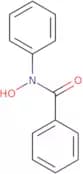
CAS:<p>N-Hydroxy-2-phenyl-acetamide is a metalloprotease inhibitor that binds to the active site of the enzyme, thereby preventing it from binding with its natural substrate. This drug has been shown to inhibit the production of TNF-α in mice with autoimmune diseases and may be able to inhibit other proinflammatory mediators. N-Hydroxy-2-phenyl-acetamide has been shown to bind to a water molecule and an aliphatic hydrocarbon in order to form a hydrogen bond. This coordination complex inhibits the activity of matrix metalloproteinases, which are enzymes that break down collagen, elastin, and other proteins in the extracellular matrix. N-Hydroxy-2-phenyl-acetamide is not active against acid complexes or tnfα.</p>Formula:C8H9NO2Purity:Min. 95%Color and Shape:White Yellow PowderMolecular weight:151.16 g/mol3-(3-Bromo-4-hydroxy-5-methoxyphenyl)acrylic acid
CAS:<p>3-(3-Bromo-4-hydroxy-5-methoxyphenyl)acrylic acid is a polyphenol that can be found in plants and food. It has been shown to have antimicrobial properties against certain bacteria and fungi, such as Staphylococcus aureus, Clostridium perfringens, and Candida albicans. 3-(3-Bromo-4-hydroxy-5-methoxyphenyl)acrylic acid is synthesized by means of the condensation of p-coumaric acid with acrylic acid in the presence of a base catalyst. This compound undergoes biotransformations such as hydroxylation and oxidation to form 3-(3,4′-dihydroxyphenyl)acrylic acid (DHPAA). The compound is also able to react with other phenolic compounds such as cinnamic acid under certain conditions.</p>Formula:C10H9BrO4Purity:Min. 95%Color and Shape:PowderMolecular weight:273.08 g/molAc-Ala-Leu-Cys-Asp-Asp-Pro-Arg-Val-Asp-Arg-Trp-Tyr-Cys-Gln-Phe-Val-Glu-Gly-NH2 (Disulfide bond)
CAS:<p>Please enquire for more information about Ac-Ala-Leu-Cys-Asp-Asp-Pro-Arg-Val-Asp-Arg-Trp-Tyr-Cys-Gln-Phe-Val-Glu-Gly-NH2 (Disulfide bond) including the price, delivery time and more detailed product information at the technical inquiry form on this page</p>Formula:C97H139N27O29S2Purity:Min. 95%Molecular weight:2,211.44 g/molFmoc-α-Me-Ser(tBu)-OH
CAS:<p>Please enquire for more information about Fmoc-α-Me-Ser(tBu)-OH including the price, delivery time and more detailed product information at the technical inquiry form on this page</p>Formula:C23H27NO5Purity:Min. 95%Color and Shape:White PowderMolecular weight:397.46 g/molAc-Trp-Glu-His-Asp-AFC trifluoroacetate salt
CAS:<p>Please enquire for more information about Ac-Trp-Glu-His-Asp-AFC trifluoroacetate salt including the price, delivery time and more detailed product information at the technical inquiry form on this page</p>Formula:C38H37F3N8O11Purity:Min. 95%Molecular weight:838.74 g/molAmyloid β-Protein (3-40) trifluoroacetate salt
CAS:<p>Please enquire for more information about Amyloid beta-Protein (3-40) trifluoroacetate salt including the price, delivery time and more detailed product information at the technical inquiry form on this page</p>Formula:C187H285N51O54SPurity:Min. 95%Molecular weight:4,143.64 g/molBz-D-Thr-OMe
CAS:<p>Bz-D-Thr-OMe is a synthetic peptide with an amino acid sequence of Bz-D-Thr-OH. It has the chemical formula C14H24N2O4S and a molecular weight of 288.4 g/mol. This peptide reacts selectively with the n-terminal amino and carboxylic acids in peptides, cleaving the peptide bonds between these residues to produce free amino acids.</p>Formula:C12H15NO4Purity:Min. 95%Molecular weight:237.25 g/molMca-Arg-Pro-Lys-Pro-Gln-OH
CAS:<p>Please enquire for more information about Mca-Arg-Pro-Lys-Pro-Gln-OH including the price, delivery time and more detailed product information at the technical inquiry form on this page</p>Formula:C39H56N10O11Purity:Min. 95%Molecular weight:840.92 g/molH-Ala-Phe-pNA·HCl
CAS:<p>Please enquire for more information about H-Ala-Phe-pNA·HCl including the price, delivery time and more detailed product information at the technical inquiry form on this page</p>Formula:C18H20N4O4·HClPurity:Min. 95%Molecular weight:392.84 g/molAc-tBu-Gly-tBu-Gly-Asn(Me)2-Ala-AMC
CAS:<p>Please enquire for more information about Ac-tBu-Gly-tBu-Gly-Asn(Me)2-Ala-AMC including the price, delivery time and more detailed product information at the technical inquiry form on this page</p>Formula:C33H50N6O8Purity:Min. 95%Molecular weight:658.79 g/molZ-Pro-Leu-OH
CAS:<p>The compound Z-Pro-Leu-OH is a peptidomimetic that has been shown to be an effective inhibitor of the enzyme l-amino acid oxidase, which catalyzes the oxidation of l-amino acids. This inhibition may be due to the protonation of the substrate and/or solvents in the enzyme active site. The molecule is hydrophobic, making it suitable for use in simulations and theoretical studies. Furthermore, this compound is identifiable by its retention time on high performance liquid chromatography (HPLC) and can be rationalized by its amide group.</p>Formula:C19H26N2O5Purity:Min. 95%Molecular weight:362.42 g/mol2-Cyclohexyl-2-hydroxy-phenylacetic acid
CAS:<p>2-Cyclohexyl-2-hydroxy-phenylacetic acid is a potent inhibitor of the cholinergic muscarinic receptors. It has been used as an anticholinergic drug and in pharmaceutical preparations for the treatment of inflammatory diseases. 2-Cyclohexyl-2-hydroxy-phenylacetic acid is used to treat urinary incontinence, although it can also cause constipation. Side effects of 2-cyclohexyl-2-hydroxy phenylacetic acid include headache, drowsiness, dry mouth, and blurred vision. 2 CPHPA is an inorganic acid that reacts with phosphorus pentachloride to form an organic phosphate ester called pentachlorophosphoric acid (PCPA). This reaction can be reversed by adding hydrochloric acid. The PCPA salt of 2 CPHPA is called diethylamine salt.</p>Formula:C14H18O3Purity:Min. 95%Molecular weight:234.29 g/molDL-Tyrosine ethyl ester hydrochloride
CAS:<p>DL-Tyrosine ethyl ester hydrochloride is a reagent and reaction component that is used in the synthesis of many complex compounds. It is a high quality chemical that has been shown to be useful as a building block for the synthesis of complex compounds. DL-Tyrosine ethyl ester hydrochloride has CAS No. 5619-08-9, which makes it a versatile building block with wide applications in research. This compound can also be used as an intermediate or as a reagent in the synthesis of other chemicals. DL-Tyrosine ethyl ester hydrochloride can be used as a speciality chemical or as a research chemical due to its high quality and versatility.</p>Formula:C11H16ClNO3Purity:Min. 95%Color and Shape:White to off white solid.Molecular weight:245.7 g/mol3-(2,6-Dichlorophenyl)-5-methylisoxazole-4-carbonyl chloride
CAS:<p>3-(2,6-Dichlorophenyl)-5-methylisoxazole-4-carbonyl chloride is a chlorinated, thermosetting emulsifier that is used in the production of pressure sensitive adhesives. This compound has a high viscosity and is used as a retardant and an emulsifier. It is also used as a trichloride to produce vinyl chloride monomer. 3-(2,6-Dichlorophenyl)-5-methylisoxazole-4-carbonyl chloride inhibits the growth of bacteria by acting as an antimicrobial agent. The mechanism of action for this compound is not fully understood but it has been shown to inhibit protein synthesis in bacteria.</p>Formula:C11H6Cl3NO2Purity:Min. 95%Molecular weight:290.53 g/molZ-Val-Ala-OMe
CAS:<p>Z-Val-Ala-OMe is an anti-leishmanial agent that has been shown to be a more efficient method for the treatment of leishmaniasis than current treatments. It inhibits the growth of Leishmania by inhibiting serine proteases, which are involved in the formation of amorphous material on the surface of these parasites. Z-Val-Ala-OMe is active against both subtilis and licheniformis, with a residue half life of 3 hours at pH 5.5 and 20 degrees Celsius. This drug binds to the surface of Leishmania parasites and inhibits their ability to metabolize phosphite into ethyl esters.<br>The kinetic data obtained from Z-Val-Ala-OMe was measured using immobilized cells in a microtiter plate assay system. The data collected was used to generate a graph showing an initial burst phase followed by a linear phase for up to 72 hours post incubation with the drug</p>Formula:C17H24N2O5Purity:Min. 95%Molecular weight:336.38 g/molH-Phe-2-chlorotrityl resin (200-400 mesh) (Low Substitution)
<p>Please enquire for more information about H-Phe-2-chlorotrityl resin (200-400 mesh) (Low Substitution) including the price, delivery time and more detailed product information at the technical inquiry form on this page</p>Purity:Min. 95%Amyloid Dan Protein (1-34) trifluoroacetate salt
CAS:<p>Please enquire for more information about Amyloid Dan Protein (1-34) trifluoroacetate salt including the price, delivery time and more detailed product information at the technical inquiry form on this page</p>Formula:C185H268N48O51S2Purity:Min. 95%Molecular weight:4,044.53 g/molCholecystokinin Octapeptide (1-3) (desulfated)
CAS:<p>Cholecystokinin Octapeptide (1-3) (desulfated) is a research chemical that has various applications in the field of chemistry and biology. This compound contains a hydrogen atom that plays a crucial role in solvation processes. It can be used in supercritical reactions due to its ability to interact with hydroxyl groups on metallic surfaces like silicon substrates. Additionally, Cholecystokinin Octapeptide (1-3) (desulfated) is utilized in thiol-ene reactions and chromatographic separations.</p>Formula:C18H25N3O7SPurity:Min. 95%Molecular weight:427.47 g/molZ-Tyr-Lys-Arg-pNA·2 TFA
CAS:<p>Z-Tyr-Lys-Arg-pNA·2 TFA is a potent inhibitor of proteases. It has been shown to be an efficient inhibitor of the major yeast protease, proteinase A, and other enzymes that are used for the industrial production of peptides. Z-Tyr-Lys-Arg-pNA·2 TFA is a synthetic peptide with a molecular mass of 5,836 Da and an optimum pH of 7.5. This peptide is synthesized by the chemical reaction between butoxycarbonyl (Boc) Lys(Z)-Tyr(N)-Arg(R)-pNA and 2 equivalents of trifluoroacetic acid (TFA). The synthesis takes place in a homogenous solution in dichloromethane at room temperature in the presence of triethylamine as base. Filtration through a 0.22 μm filter removes any insoluble impurities from the solution.</p>Formula:C35H45N9O8·2C2HF3O2Purity:Min. 95%Molecular weight:947.83 g/molAnthranilyl-HIV Protease Substrate V trifluoroacetate salt
CAS:<p>Please enquire for more information about Anthranilyl-HIV Protease Substrate V trifluoroacetate salt including the price, delivery time and more detailed product information at the technical inquiry form on this page</p>Formula:C50H76N14O13Purity:Min. 95%Molecular weight:1,081.23 g/molSarafotoxin C trifluoroacetate salt
CAS:<p>Sarafotoxin C is a peptide from the venom of the spider Phoneutria nigriventer that has been shown to have potent inhibitory properties on endothelin-1. Sarafotoxin C is able to block intracellular Ca2+ levels and signal pathways, leading to decreased levels of endothelin-1 as well as other inflammatory mediators. Sarafotoxin C has also been shown to have an anti-inflammatory effect in bowel disease, which may be due to its ability to inhibit the production of cytokines and prostaglandins. The biological properties of sarafotoxin C are related to its inhibition of polymerase chain reaction (PCR) amplification of DNA. This inhibition is due to the binding of sarafotoxin C with endothelin receptors on DNA, which prevents DNA polymerase from attaching. Endothelin-a receptor activity can also be inhibited by sarafotoxin C through enzymatic inactivation. Sarafot</p>Formula:C103H147N27O37S5Purity:Min. 95%Molecular weight:2,515.76 g/molH-Val-Ser-OH
CAS:<p>L-Threonine is an amino acid that belongs to the branched-chain family of amino acids. It is a nonessential amino acid, meaning that it can be synthesized by the human body. L-Threonine is one of the two amino acids (along with L-Serine) that has a hydroxyl group on the alpha carbon atom. It is also used in certain metabolic pathways such as sphingolipid metabolism and tryptophan metabolism. L-Threonine is used in experimental models for bowel disease and intestinal cancer, but its role in these conditions has not been determined. The molecule can be found in both animal and plant proteins, but most often it occurs in animal sources. The compound can also be found as a component of skin condition treatments or as an additive to shampoos, lotions, and cosmetics.</p>Formula:C8H16N2O4Purity:Min. 95%Molecular weight:204.22 g/molFmoc-Pro-Wang resin (200-400 mesh)
<p>Please enquire for more information about Fmoc-Pro-Wang resin (200-400 mesh) including the price, delivery time and more detailed product information at the technical inquiry form on this page</p>Purity:Min. 95%Fmoc-[D4]Ala-OH
CAS:Controlled Product<p>Please enquire for more information about Fmoc-[D4]Ala-OH including the price, delivery time and more detailed product information at the technical inquiry form on this page</p>Formula:C18H13D4NO4Purity:Min. 95%Color and Shape:PowderMolecular weight:315.35 g/molH-Gly-Arg-Gly-Asp-Ser-Pro-Lys-OH
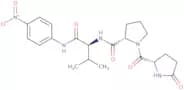
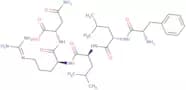
CAS:<p>H-Gly-Arg-Gly-Asp-Ser-Pro-Lys-OH is a peptide that has been shown to have chemotactic activity for monocytes and polymorphonuclear leucocytes, which are cells that participate in the inflammatory response. It also has biological properties that are reactive with hydroxyl groups and can be used to generate monoclonal antibodies. H-Gly-Arg-Gly-Asp-Ser-Pro-Lys-OH has been shown to stimulate the migration of galleria mellonella larvae, suggesting it may have potential as an antiinflammatory agent.</p>Formula:C28H49N11O11Purity:Min. 95%Molecular weight:715.76 g/molPyr-Pro-Val-pNA trifluoroacetate salt
CAS:<p>Pyr-Pro-Val-pNA is a synthetic peptide that is structurally homologous to the proteases serine and chymotrypsin. This peptide has been shown to have proteolytic activity on fibronectin, n-terminal of angiotensin, and epithelium. Pyr-Pro-Val-pNA also causes an inflammatory response in leukocytes and shigella.</p>Formula:C21H27N5O6Purity:Min. 95%Molecular weight:445.47 g/molH-Gly-Gly-Glu-Ala-OH
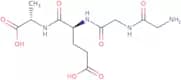
CAS:<p>H-Gly-Gly-Glu-Ala-OH is a carboxylate. It has been shown to be an ionizable molecule with a proton that can exist in either the hydrated or dehydrated form. The proton of the carboxylate group can move between the two forms and the ionization state depends on pH and temperature. H-Gly-Gly-Glu-Ala-OH is a linear peptide, which means it has an amide group and a residue at each end of the chain. Each of these residues has specific conformations, which are impacted by intramolecular hydrogen bonds. These conformations play a role in determining its pharmacological properties, as well as its function in structural biology and magnetic resonance techniques. H-Gly-Gly-Glu-Ala-OH also has population distribution studies that have been used for diffraction analyses, as well as for titration experiments.</p>Formula:C12H20N4O7Purity:Min. 95%Molecular weight:332.31 g/molAc-Asp(Glu-OH)-OH
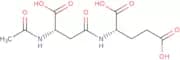
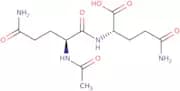
CAS:<p>Ac-Asp(Glu-OH)-OH is a low potency, but potentiating compound that binds to the cell cytoplasm. It inhibits the uptake of glutamate into the synaptic cleft by binding to acidic granules. This compound may be neuroprotective and inhibit prostate carcinoma growth. Ac-Asp(Glu-OH)-OH has also been shown to inhibit postsynaptic potentials and decrease glutamate release in cerebellar granule cells.</p>Formula:C11H16N2O8Purity:Min. 95%Molecular weight:304.25 g/mol(Tyr36)-pTH-Related Protein (1-36) (human, mouse, rat)
CAS:<p>Please enquire for more information about (Tyr36)-pTH-Related Protein (1-36) (human, mouse, rat) including the price, delivery time and more detailed product information at the technical inquiry form on this page</p>Formula:C194H303N59O53Purity:Min. 95%Molecular weight:4,309.85 g/molH-Glu-Thr-Tyr-OH
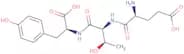
CAS:<p>Please enquire for more information about H-Glu-Thr-Tyr-OH including the price, delivery time and more detailed product information at the technical inquiry form on this page</p>Formula:C18H25N3O8Purity:Min. 95%Molecular weight:411.41 g/molN-Boc-D-b-homoproline
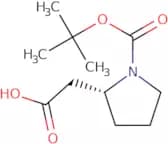
CAS:<p>Please enquire for more information about N-Boc-D-b-homoproline including the price, delivery time and more detailed product information at the technical inquiry form on this page</p>Formula:C11H19NO4Purity:Min. 95%Molecular weight:229.27 g/molHCV NS4A Protein (22-34) (H strain)
CAS:<p>Please enquire for more information about HCV NS4A Protein (22-34) (H strain) including the price, delivery time and more detailed product information at the technical inquiry form on this page</p>Formula:C59H109N17O15SPurity:Min. 95%Molecular weight:1,328.67 g/molFmoc-Gly-Pro-Hyp-OH
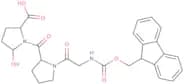
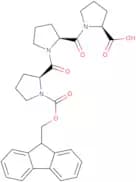
CAS:<p>Fmoc-Gly-Pro-Hyp-OH is a synthetic single-stranded amide with a stepwise hydrogen bond. The synthesis of this compound starts with the creation of an ester by reacting an acid and alcohol in the presence of catalysts. The ester is then reacted with a primary amine to form an amide, which can be hydrolyzed to release the desired product. This synthetic process has been used for the production of collagen and cyclic peptides. Fmoc-Gly-Pro-Hyp-OH has been modified to include modifications such as alkene and modifications such as strategies, synthons, and isosteres.</p>Formula:C27H29N3O7Purity:Min. 95%Molecular weight:507.54 g/molFmoc-D-ApH(Cbm)-D-ApH(Cbm)-OH
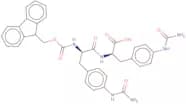
CAS:<p>Fmoc-D-ApH(Cbm)-D-ApH(Cbm)-OH is a complex compound that is useful as a reagent for organic synthesis. It has been shown to be an effective intermediate in the synthesis of various compounds, such as peptides and pharmaceuticals. Fmoc-D-ApH(Cbm)-D-ApH(Cbm)-OH is also used as a building block for more complex molecules. This chemical has been shown to have high purity and quality, making it suitable for research purposes.</p>Formula:C35H34N6O7Purity:Min. 95%Color and Shape:PowderMolecular weight:650.68 g/molFmoc-N-methyl-L-valine
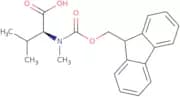
CAS:<p>Fmoc-N-methyl-L-valine is a synthetic immunosuppressant that acts by inhibiting the production of cytokines and other inflammatory mediators. It binds to the enzyme cyclooxygenase, which is involved in the synthesis of prostaglandins and thromboxanes. Fmoc-N-methyl-L-valine has been shown to be effective against gram-positive bacteria. This compound also inhibits xanthine oxidase and may act as an analog for azathioprine, which is used in the treatment of autoimmune diseases such as rheumatoid arthritis. The reaction mechanism for this compound is not well understood but appears to involve a nucleophilic attack on a benzoquinoneiminium cation formed from the attack on an electron deficient benzene ring with a triphosgene electrophile.</p>Formula:C21H23NO4Purity:Min. 95%Molecular weight:353.41 g/molL-Lysine acetate
CAS:Controlled Product<p>L-Lysine acetate is a precursor of L-lysine and is used in the treatment of cancers. It has been shown to promote the growth of pluripotent cells, which can differentiate into any tissue type. L-Lysine acetate promotes cellular transformation by increasing the expression of growth factor-β1 in cells. This compound also enhances cellular physiology, energy metabolism, and protein degradation. L-Lysine acetate inhibits the ubiquitin ligases that are involved in protein degradation, leading to an increase in cell proliferation. The use of L-Lysine acetate has shown promising results for the treatment of infectious diseases such as HIV/AIDS and tuberculosis. L-Lysine acetate blocks the replication of human immunodeficiency virus (HIV) by inhibiting reverse transcriptase activity and blocking its DNA chain elongation process.</p>Formula:C8H18N2O4Purity:Min. 95%Color and Shape:PowderMolecular weight:206.24 g/mol(D-Arg2)-Kyotorphin acetate salt
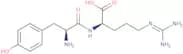
CAS:<p>(D-Arg2)-Kyotorphin acetate salt H-Tyr-D-Arg-OH acetate salt is a peptide that contains two amino acid residues, D-arginine and L-tyrosine. It has been shown to have analgesic properties in animal models of pain, and is also thought to be involved with bowel disease, congestive heart failure, and platelet aggregation. The biological activity of this peptide has been studied using whole cell recordings in the presence of an experimental model (rat dorsal root ganglion neurons). Kyotorphin acetate salt H-Tyr-D-Arg-OH acetate salt was found to inhibit enzyme activities such as cyclase and phosphodiesterase. This peptide binds to opioid receptors and acts as an electrochemical detector for cyclases, which are enzymes that produce cyclic adenosine monophosphate (cAMP). Kyotorphin acetate salt H-Tyr-D</p>Formula:C15H23N5O4Purity:Min. 95%Molecular weight:337.37 g/molPyr-Gly-OH
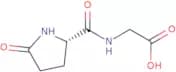
CAS:<p>Pyr-Gly-OH is a metabolite of the amino acid glutamate. It has been shown that this metabolite is formed by a non-enzymatic dehydration of glutamate. This compound has been shown to be effective in treating bowel disease and cancer, as well as stimulating the production of fibrinogen in the blood. Pyr-Gly-OH has also been found to have anti-inflammatory effects and an increased effect on glutamic receptors.</p>Formula:C7H10N2O4Purity:Min. 95%Molecular weight:186.17 g/molBoc-Cholecystokinin Octapeptide (desulfated)
CAS:<p>Please enquire for more information about Boc-Cholecystokinin Octapeptide (desulfated) including the price, delivery time and more detailed product information at the technical inquiry form on this page</p>Formula:C54H70N10O15S2Purity:Min. 95%Molecular weight:1,163.32 g/molSuc-Gly-Pro-AMC
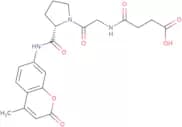
CAS:<p>AMC-conjugated molecule targeting the fibroblast activation protein (FAP)</p>Formula:C21H23N3O7Purity:Min. 95%Molecular weight:429.42 g/molH-Ser-Met-OH
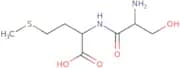
CAS:<p>Glycyl-l-leucine is a muscle protein that belongs to the group of glycyl amino acids. It has been shown to have cortisone activity, which causes it to function as a suppressant. Glycyl-l-leucine binds to iron and prevents its oxidation, thereby preventing the formation of reactive oxygen species. Glycyl-l-leucine also has the ability to chelate iron, which can cause it to have antioxidant functions. The pH optimum for this compound is acidic and it is not active in neutral pH environments. This compound is found in fetal bovine serum and may be present in some food products such as chocolate milk or cheese. Glycyl-l-leucine may be used as an immobilizing agent for enzymes because it does not denature proteins at high concentrations.END></p>Formula:C8H16N2O4SPurity:Min. 95%Molecular weight:236.29 g/molZ-Gly-Pro-pNA
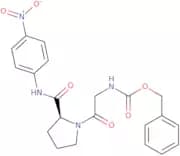
CAS:<p>Z-Gly-Pro-pNA is a synthetic substrate that has been used in the development of polyclonal antibodies against the surface protein of Stenotrophomonas maltophilia. The antibody, when immobilized to an insoluble support, was able to detect the bacterial cells within 10 hours. Z-Gly-Pro-pNA is a cyclic peptide with a proteolytic activity and an acidic pH optimum. It has been shown that Z-Gly-Pro-pNA can be hydrolysed by serine proteases such as trypsin and chymotrypsin.</p>Formula:C21H22N4O6Purity:Min. 95%Molecular weight:426.42 g/molAc-Glu-Asp(EDANS)-Lys-Pro-Ile-Leu-Phe-Phe-Arg-Leu-Gly-Lys(DABCYL)-Glu-NH2 trifluoroacetate salt
CAS:<p>Please enquire for more information about Ac-Glu-Asp(EDANS)-Lys-Pro-Ile-Leu-Phe-Phe-Arg-Leu-Gly-Lys(DABCYL)-Glu-NH2 trifluoroacetate salt including the price, delivery time and more detailed product information at the technical inquiry form on this page</p>Formula:C104H146N24O23SPurity:Min. 95%Molecular weight:2,132.49 g/molAdrenomedullin (16-31) (human, pig)
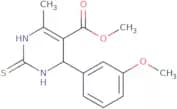
CAS:<p>Please enquire for more information about Adrenomedullin (16-31) (human, pig) including the price, delivery time and more detailed product information at the technical inquiry form on this page</p>Formula:C82H129N25O21S2Purity:Min. 95%Molecular weight:1,865.19 g/molMethyl 4-(3-methoxyphenyl)-6-methyl-2-thioxo-1,2,3,4-tetrahydropyrimidine-5-carboxylate
CAS:<p>Please enquire for more information about Methyl 4-(3-methoxyphenyl)-6-methyl-2-thioxo-1,2,3,4-tetrahydropyrimidine-5-carboxylate including the price, delivery time and more detailed product information at the technical inquiry form on this page</p>Formula:C14H16N2O3SPurity:85%MinMolecular weight:292.35 g/mol(Trp11,D-Phe15·16)-SDF-1 (7-16) (Dimer) (human, cat, mouse) trifluoroacetate salt
<p>Please enquire for more information about (Trp11,D-Phe15·16)-SDF-1 (7-16) (Dimer) (human, cat, mouse) trifluoroacetate salt including the price, delivery time and more detailed product information at the technical inquiry form on this page</p>Formula:C134H180N34O26S2Purity:Min. 95%Molecular weight:2,747.21 g/molCionin
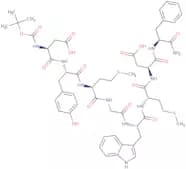
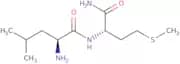
CAS:<p>Cionin is a synthetic peptide that binds to the pancreatic enzyme receptor. It has been shown to inhibit the growth of ascidian and stimulates the secretion of growth factors in vitro. Cionin also has a physiological effect on inflammatory diseases, such as ovary. Cionin is composed of three amino acids: H-Asn-Tyr(SO3H)-Tyr(SO3H)-Gly-Trp-Met-Asp-Phe-NH2. The first two amino acids are sulfated tyrosine residues, which may be responsible for its biological activity.</p>Formula:C53H63N11O19S3Purity:Min. 95%Molecular weight:1,254.33 g/molH-Leu-Met-NH2 hydrochloride salt
CAS:<p>H-Leu-Met-NH2 is a catecholamine that is found in the central nervous system and functions as a neurotransmitter. It has been shown to induce contractile response when injected into the carotid artery, with a maximal effect at doses of 0.5-5 mg/kg. The effect of H-Leu-Met-NH2 on cardiovascular function has not been studied. Catecholamines are also involved in other physiological processes, including regulation of blood pressure and respiration. This compound was originally isolated from adrenal glands and is found in plants such as beans and peas. The structure of this compound can be described as an h-leu-[met]-amide with a hydrochloride salt at the c-terminus.</p>Formula:C11H23N3O2SPurity:Min. 95%Molecular weight:261.39 g/molLQEQ-19 (mouse, rat) trifluoroacetate salt
CAS:<p>Please enquire for more information about LQEQ-19 (mouse, rat) trifluoroacetate salt including the price, delivery time and more detailed product information at the technical inquiry form on this page</p>Formula:C106H165N29O34Purity:Min. 95%Molecular weight:2,389.62 g/molBoc-(Dmmb(Trt))Gly-OH
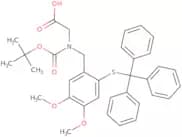
CAS:<p>Please enquire for more information about Boc-(Dmmb(Trt))Gly-OH including the price, delivery time and more detailed product information at the technical inquiry form on this page</p>Formula:C35H37NO6SPurity:Min. 95%Molecular weight:599.74 g/mol5-Amino-2-methoxyisonicotinic acid
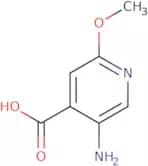
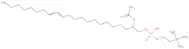
CAS:<p>5-Amino-2-methoxyisonicotinic acid is a carboxylic acid that is used in the synthesis of aminopyridines. The compound can be synthesized from formamidine acetate and diethyl dicarbonate. This process involves lithiation, followed by addition of an amine and finally conversion to the desired product with formamidine acetate. 5-Amino-2-methoxyisonicotinic acid can also be synthesized from formamide and diethyl ether. 5-Amino-2-methoxyisonicotinic acid is an analog of 2,4,6-trimethylaniline and has been shown to have similar properties to this compound, including strong basicity.</p>Formula:C7H8N2O3Purity:Min. 95%Molecular weight:168.15 g/mol1-O-(cis-9-Octadecenyl)-2-O-acetyl-sn-glycero-3-phosphocholine
CAS:<p>1-O-(cis-9-Octadecenyl)-2-O-acetyl-sn-glycero-3-phosphocholine (Biotinylated BSA) is a categorized lipid that contains both carbohydrates and lipids. It is used to inseminate dairy cattle, but also has potential as a biomarker for fertility and metabolic diseases. Biotinylated BSA contains conjugates of fatty acids, which are important compounds in metabolism. The metabolome of biotinylated BSA includes nucleotides, carboxylic acids, and purines.</p>Formula:C28H56NO7PPurity:Min. 95%Molecular weight:549.72 g/molPmc-S-methylisothiourea
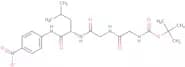
CAS:<p>Pmc-S-methylisothiourea is a synthetic compound that is used as a cross-coupling agent in organic synthesis. It has been shown to be an efficient and selective catalyst for Suzuki reactions. Pmc-S-methylisothiourea can be used to synthesize isoforms of macrolides, which are compounds with a skeleton similar to penicillin. Pmc-S-methylisothiourea can also be modified by adding ligands, such as thyronine, which can bind to hormone receptors and regulate transcription.</p>Formula:C16H24N2O3S2Purity:Min. 95%Color and Shape:PowderMolecular weight:356.51 g/molBoc-Gly-Gly-Leu-pNA
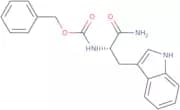
CAS:<p>Boc-Gly-Gly-Leu-pNA is an analog of the protease inhibitor serine protease. It has a reactive site that is similar to the reactive site on serine proteases. This enables Boc-Gly-Gly-Leu-pNA to bind to them and inhibit their activity. The compound also inhibits neutrophil activation, as shown by a decrease in its expression of CD11b and CD11c, which are markers of neutrophils.</p>Formula:C21H31N5O7Purity:Min. 95%Molecular weight:465.5 g/molZ-Trp-NH2
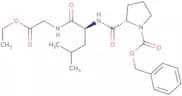
CAS:<p>Please enquire for more information about Z-Trp-NH2 including the price, delivery time and more detailed product information at the technical inquiry form on this page</p>Formula:C19H19N3O3Purity:Min. 95%Molecular weight:337.37 g/molZ-Pro-Leu-Gly-OEt
CAS:<p>Z-Pro-Leu-Gly-OEt is a cyclic tripeptide that can be synthesized using ammonium sulfate as a catalyst. The reaction time required is between 4 and 12 hours, with the optimum at 8 hours. Resonances have been observed in the 1H NMR spectrum of Z-Pro-Leu-Gly-OEt. The most prominent resonance appears at δ 9.5 ppm. The cyclization of Z-Pro-Leu-Gly-OEt is catalysed by ammonium sulfate, which also produces a reaction yield of 100%. The effect of pH on the rate constant for the reaction has been studied and it was found that there was no significant difference in reactivity when the pH was varied between 7 and 11. Sulfoxide formation has also been monitored during synthesis, but concentrations are low enough to not affect the yield or reactivity of the product. The conformational structure of Z-Pro-Le</p>Formula:C23H33N3O6Purity:Min. 95%Molecular weight:447.52 g/molMCH-Gene-Overprinted-Polypeptide-14 (rat)
CAS:<p>Please enquire for more information about MCH-Gene-Overprinted-Polypeptide-14 (rat) including the price, delivery time and more detailed product information at the technical inquiry form on this page</p>Formula:C80H132N22O18S3Purity:Min. 95%Molecular weight:1,786.24 g/mol(D-Lys(nicotinoyl)1,b-(3-pyridyl)-Ala3,3,4-dichloro-D-Phe5,Asn6,D-Trp7·9, Nle 11)-Substance P trifluoroacetate salt
CAS:<p>Substance P is a tachykinin neuropeptide that belongs to the tachykinin family. It is found in the central and peripheral nervous system and has been shown to have an important role in locomotor activity, protein synthesis, receptor activity, and neurotransmitter release. Substance P is also associated with a number of diseases such as infectious diseases, sciatic nerve pain, and vasoactive intestinal peptide (VIP) production. This substance has been used for the diagnosis of neurogenic bladder dysfunction by measuring its effects on urinary bladder contractility.</p>Formula:C86H104Cl2N18O13Purity:Min. 95%Molecular weight:1,668.76 g/molACTH (7-38) (human)
CAS:<p>ACTH is a hormone that is produced by the anterior lobe of the pituitary gland. It stimulates the release of cortisol from the adrenal cortex. ACTH (7-38) has been shown to have cytosolic Ca2+ channel-blocking and antimicrobial activities, as well as an effect on defensin production in human neutrophils. ACTH (7-38) also has been shown to inhibit cytokine production in rat astrocytes, and to stimulate prostaglandin synthesis in mouse fibroblasts. This peptide also has been shown to have physiological effects on bowel disease and inflammatory bowel disease.</p>Formula:C167H257N47O46Purity:Min. 95%Molecular weight:3,659.12 g/molH-Lys(2-chloro-Z)-OBzl·HCl
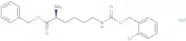
CAS:<p>Please enquire for more information about H-Lys(2-chloro-Z)-OBzl·HCl including the price, delivery time and more detailed product information at the technical inquiry form on this page</p>Formula:C21H25ClN2O4·HClPurity:Min. 95%Molecular weight:441.35 g/molH-Gly-Lys-His-OH acetate salt
CAS:<p>Please enquire for more information about H-Gly-Lys-His-OH acetate salt including the price, delivery time and more detailed product information at the technical inquiry form on this page</p>Formula:C14H24N6O4Purity:Min. 95%Molecular weight:340.38 g/molGRF (1-29) amide (rat)
CAS:<p>Growth hormone-releasing factor (GRF) is a peptide fragment of amino acids 1–2 from GHRH (growth hormone-releasing hormone). This 1-29 region is the shortest fully functional fragment of GHRH. GRF is also known as sermorelin. Sermorelin binds to the growth hormone-releasing hormone receptor (GHRH-R), and acts as a surrogate for GHRH, causing growth hormone secretion.human: H-YADAIFTNSYRKVLGQLSARKLLQDIMSR-NH2rat: H-HADAIFTSSYRR I LGQLYARKLLHEIMNR-NH2</p>Formula:C155H251N49O40SPurity:Min. 95%Molecular weight:3,473.02 g/molH-β,β-Dicyclohexyl-DL-Ala-OH
CAS:<p>Please enquire for more information about H-beta,beta-Dicyclohexyl-DL-Ala-OH including the price, delivery time and more detailed product information at the technical inquiry form on this page</p>Formula:C15H27NO2Purity:Min. 95%Molecular weight:253.38 g/molCyclo(leu-leu)
CAS:<p>Cyclo(leu-leu) is a glycosidase inhibitor that has been shown to have an inhibitory effect on the biosynthesis of aminoacylated proteins. Cyclo (leu-leu) is derived from the wild-type strain of a fungus, which is a genus of endophytic fungi. This compound inhibits the synthesis of proteins by binding to glycosylated amino acid residues and preventing their hydrolysis. Cyclo (leu-leu) also has homologous regions with mellein, which is another type of glycosidase inhibitor that binds to the enzyme protein kinase C, inhibiting protein synthesis and leading to cell death.</p>Formula:C12H22N2O2Purity:Min. 95%Molecular weight:226.32 g/molGinseng Tetrapeptide
CAS:<p>Please enquire for more information about Ginseng Tetrapeptide including the price, delivery time and more detailed product information at the technical inquiry form on this page</p>Formula:C18H33N7O7Purity:Min. 95%Molecular weight:459.5 g/molActivated Protein C (390-404) (human)
CAS:<p>Please enquire for more information about Activated Protein C (390-404) (human) including the price, delivery time and more detailed product information at the technical inquiry form on this page</p>Formula:C91H130N22O23Purity:Min. 95%Molecular weight:1,900.14 g/molH-Cys(farnesyl)-Val-Ile-Ser-OH
CAS:<p>Please enquire for more information about H-Cys(farnesyl)-Val-Ile-Ser-OH including the price, delivery time and more detailed product information at the technical inquiry form on this page</p>Formula:C32H56N4O6SPurity:Min. 95%Molecular weight:624.88 g/molSuc-Ala-Phe-Lys-AMC acetate
CAS:<p>Suc-Ala-Phe-Lys-AMC acetate salt is a fatty acid that is metabolized by the enzyme plasminogen activator inhibitor 1 (PAI-1) to form AMC. It is used as a marker for PAI-1 activity in plasma, as well as in other extracellular fluids. Suc-Ala-Phe-Lys-AMC acetate salt has been shown to be effective in treating diseases caused by low blood sugar levels, such as diabetes mellitus type 2. Studies have also shown that it can be used to monitor the progress of metabolic disorders such as obesity and type 2 diabetes mellitus.</p>Formula:C32H39N5O8•C2H4O2Purity:Min. 95%Color and Shape:PowderMolecular weight:681.73 g/molBiotinyl-Obestatin (human) trifluoroacetate salt
CAS:<p>Please enquire for more information about Biotinyl-Obestatin (human) trifluoroacetate salt including the price, delivery time and more detailed product information at the technical inquiry form on this page</p>Formula:C126H190N34O35SPurity:Min. 95%Molecular weight:2,773.13 g/mol(2S,4R)-Fmoc-Mpt(Trt)-OH
CAS:<p>Please enquire for more information about (2S,4R)-Fmoc-Mpt(Trt)-OH including the price, delivery time and more detailed product information at the technical inquiry form on this page</p>Formula:C39H33NO4SPurity:Min. 95%Color and Shape:PowderMolecular weight:611.75 g/molUrocortin (human) trifluoroacetate salt
CAS:<p>Trifluoroacetate salt</p>Formula:C204H337N63O64Purity:Min. 95%Molecular weight:4,696.24 g/molZ-Phe-His-Leu-OH
CAS:<p>Z-Phe-His-Leu-OH is a monoclonal antibody that is used in the diagnosis and treatment of prostate cancer. This drug binds to the extracellular domain of the human prostate epithelial cell antigen (PSA), which is overexpressed in prostate cancers. Z-Phe-His-Leu-OH can be used in combination with other drugs for the treatment of prostate hyperplasia, such as angiotensin II receptor antagonists or 5α reductase inhibitors. The conformational epitope of this antibody has been demonstrated by immunohistochemical analysis on human tissues.</p>Formula:C29H35N5O6Purity:Min. 95%Molecular weight:549.62 g/molLIP2 (human) trifluoroacetate salt
<p>Please enquire for more information about LIP2 (human) trifluoroacetate salt including the price, delivery time and more detailed product information at the technical inquiry form on this page</p>Formula:C184H288N58O58Purity:Min. 95%Molecular weight:4,240.61 g/molBoc-His(1-Mts)-OH·DCHA
CAS:Controlled Product<p>Please enquire for more information about Boc-His(1-Mts)-OH·DCHA including the price, delivery time and more detailed product information at the technical inquiry form on this page</p>Formula:C20H27N3O6S·C12H23NPurity:Min. 95%Molecular weight:618.83 g/molH-Pro-Leu-Gly-Gly-OH
CAS:<p>Please enquire for more information about H-Pro-Leu-Gly-Gly-OH including the price, delivery time and more detailed product information at the technical inquiry form on this page</p>Formula:C15H26N4O5Purity:Min. 95%Molecular weight:342.39 g/molH-Asp-Asp-Asp-OH
CAS:<p>H-Asp-Asp-Asp-OH is a peptide that has been shown to disrupt the cytosol and cause apoptosis. It can also induce proteolytic maturation and modulate autocatalytic functions. H-Asp-Asp-Asp-OH induces apoptosis by activating caspase 9 and caspase 3, which cleaves poly (ADP ribose) polymerase (PARP). This leads to DNA fragmentation, chromatin condensation, nuclear fragmentation, cell shrinkage, membrane blebbing, and nuclear pyknosis. H-Asp-Asp-Asp-OH binds to the regulatory domain of caspase 9 and prevents it from being activated. The peptide also activates caspase 8 by binding to its regulatory domain, which then activates caspases 3 and 7. H-Asp-Asp-Asp-OH also stimulates the release of granzyme B from cytot</p>Formula:C12H17N3O10Purity:Min. 95%Molecular weight:363.28 g/molBoc-Phe-Merrifield resin (200-400 mesh)
<p>Please enquire for more information about Boc-Phe-Merrifield resin (200-400 mesh) including the price, delivery time and more detailed product information at the technical inquiry form on this page</p>Purity:Min. 95%4-(4-Phenylbutoxy)benzoic acid
CAS:<p>4-(4-Phenylbutoxy)benzoic acid is an organic compound that is produced by the reaction of 4-hydroxybenzoic acid with a Grignard reagent. The 4-hydroxybenzoic acid reacts with magnesium to form magnesium chloride and p-hydroxybenzoic acid, which then reacts with a Grignard reagent to form the desired product. This compound has been used in wastewater treatment and as an intermediate in the synthesis of dyes, perfumes, and pharmaceuticals. 4-(4-Phenylbutoxy)benzoic acid has also been used as a starting material for synthesizing other compounds such as chlorobenzene and p-hydroxybenzoic acid.</p>Formula:C17H18O3Purity:Min. 95%Molecular weight:270.32 g/molH-Val-2-chlorotrityl resin (200-400 mesh)
<p>Please enquire for more information about H-Val-2-chlorotrityl resin (200-400 mesh) including the price, delivery time and more detailed product information at the technical inquiry form on this page</p>Purity:Min. 95%Fmoc-L-α-aminobutyric acid
CAS:<p>Fmoc-L-alpha-aminobutyric acid is a synthetic amino acid that is used as a linker in solid-phase peptide synthesis. It is also used to synthesize analogs of the serine protease NS3, which are postulated to inhibit hepatitis C virus replication by preventing the release of viral RNA from infected cells. Fmoc-L-alpha-aminobutyric acid has been shown to have anti-viral activity against the influenza virus and HIV.</p>Formula:C19H19NO4Purity:Min. 98 Area-%Color and Shape:PowderMolecular weight:325.36 g/molFurin Inhibitor II trifluoroacetate salt
CAS:<p>Furin inhibitor II is a small molecule that inhibits the activity of furin, which is an enzyme used in the processing of growth factor-β1. Furin inhibitor II binds to human receptors and blocks their binding to the surface glycoprotein on cancer cells. Furin inhibitor II also has physiological activities, such as reducing inflammation, inhibiting viral replication, and inhibiting the growth of bacteria. Furin inhibitor II may be useful for treating cancer or infectious diseases.</p>Formula:C36H75N25O6Purity:Min. 95%Molecular weight:954.15 g/molN-Boc-cis-3,4-methylene D-proline
CAS:<p>Please enquire for more information about N-Boc-cis-3,4-methylene D-proline including the price, delivery time and more detailed product information at the technical inquiry form on this page</p>Formula:C11H17NO4Purity:Min. 95%Molecular weight:227.26 g/molH-Lys(Boc)-2-chlorotrityl resin (200-400 mesh)
<p>Please enquire for more information about H-Lys(Boc)-2-chlorotrityl resin (200-400 mesh) including the price, delivery time and more detailed product information at the technical inquiry form on this page</p>Purity:Min. 95%3-Iodo-2-methylbenzoic acid
CAS:<p>3-Iodo-2-methylbenzoic acid is a reagent that is used as an intermediate in the synthesis of complex compounds and fine chemicals. 3-Iodobenzoic acid is classified as a speciality chemical, which means it can be used for research purposes only. 3-Iodo-2-methylbenzoic acid has many uses, including being a versatile building block in chemical reactions and a reaction component in the synthesis of useful scaffolds and building blocks.</p>Formula:C8H7IO2Purity:Min. 95%Color and Shape:SolidMolecular weight:262.04 g/molAc-Phe-Glu-Trp-Thr-Pro-Gly-Trp-Tyr-Gln-L-azetidine-2-carbonyl-Tyr-Ala-Leu-Pro-Leu-NH2
CAS:<p>The peptide Ac-Phe-Glu-Trp-Thr-Pro-Gly-Trp-Tyr-Gln-L-azetidine-2-carbonyl-Tyr-Ala-Leu-Pro-Leu (AFGP) is a small molecule that has been shown to be effective in the prophylaxis and treatment of infectious diseases. AFGP is used as an excipient in intravenous solutions, such as antibiotics, vaccines, and other injectable drugs. It also functions as a diluent for lyophilized products. In addition to its use in the pharmaceutical industry, AFGP is also used as an excipient for vaccine preparations and other injectable drugs. AFGP has been shown to reduce the symptoms of inflammatory diseases, such as asthma and rheumatoid arthritis. This peptide has also been shown to have antiinflammatory and antifibrotic properties.</p>Formula:C96H123N19O22Purity:Min. 95%Molecular weight:1,895.12 g/mol1,4-Dihydro-2,6-dimethyl-4-(3-nitrophenyl)-3,5-pyridinedicarboxylic acid 3-methyl ester
CAS:<p>Lercanidipine is a calcium antagonist that binds to the calcium channels in the membranes of cells, preventing the entry of calcium ions. Lercanidipine is water soluble and can be synthesized using techniques such as elemental analysis and pharmacological techniques. It is also an ionizable drug, which means that its affinity for chloride varies with pH. Lercanidipine has been shown to have strong affinity for erythrocyte membranes and thus has a high selectivity for vascular smooth muscle cells. This drug also has a low toxicity profile and does not affect tissues other than vascular smooth muscle cells.</p>Formula:C16H16N2O6Purity:Min. 95%Color and Shape:White PowderMolecular weight:332.31 g/molAtriopeptin III (rat)
CAS:<p>Atriopeptin III is a peptide hormone that belongs to the atrial natriuretic peptide group. It is an analog of atrial natriuretic peptide (ANP), which regulates blood pressure and sodium excretion, and has minimal toxicity. The disulfide bond between Cys-Cys and Cys-Gly on the N terminus of Atriopeptin III is necessary for its activity. The enzyme responsible for this disulfide bond formation is thioredoxin reductase, which is found in the cytoplasm of cells. Atriopeptin III has been shown to inhibit cyclase activity in renal proximal tubular cells, as well as congestive heart failure in rats. It also inhibits fatty acid synthesis by inhibiting carnitine acyltransferase I, leading to increased levels of free fatty acids and diacylglycerols in the blood plasma.</p>Formula:C107H165N35O34S2Purity:Min. 95%Molecular weight:2,549.8 g/molAc-muramyl-D-Ala-D-Glu-NH2
CAS:<p>Please enquire for more information about Ac-muramyl-D-Ala-D-Glu-NH2 including the price, delivery time and more detailed product information at the technical inquiry form on this page</p>Formula:C19H32N4O11Purity:Min. 95%Molecular weight:492.48 g/molN-Methyl-N-boc-aminopropan-3-ol
CAS:<p>N-Methyl-N-boc-aminopropan-3-ol is a fine chemical with CAS No. 98642-44-5 that is used in the synthesis of complex compounds, as a reagent for research chemicals, and as a speciality chemical. It is also used in the synthesis of versatile building blocks, reaction components and scaffolds. N-Methyl-N-boc-aminopropan-3-ol has a high quality and can be used as a versatile intermediate or a useful scaffold.</p>Formula:C9H19NO3Purity:Min. 95%Color and Shape:Colourless To Pale Yellow LiquidMolecular weight:189.25 g/molH-Gln-Gly-Pro-OH·TFA
CAS:<p>Please enquire for more information about H-Gln-Gly-Pro-OH·TFA including the price, delivery time and more detailed product information at the technical inquiry form on this page</p>Formula:C12H20N4O5·C2HF3O2Purity:Min. 95%Molecular weight:414.33 g/molHomo-L-tyrosine hydrobromide
CAS:<p>Homo-L-tyrosine hydrobromide (HLTB) is a prodrug that is converted to L-3,4-dihydroxyphenylalanine (L-dopa) in vivo. It is used as an immunomodulator by stimulating the immune system and reducing inflammation. HLTB has been shown to have anti-inflammatory effects on the production of cytokines and chemokines, which are important for tumor growth and metastasis. HLTB is also known to inhibit tyrosine kinase, which plays a role in the development of some cancers.</p>Formula:C10H14BrNO3Purity:Min. 95%Molecular weight:276.13 g/mol3-(Difluoromethyl)-1-methyl-1H-pyrazole-4-carboxylic acid
CAS:<p>3-(Difluoromethyl)-1-methyl-1H-pyrazole-4-carboxylic acid is a synthetic chemical that is used as a pesticide. This chemical has been found to be more effective than other pesticides because it can inhibit the synthesis of fatty acids, which are necessary for the growth of insect larvae. 3-(Difluoromethyl)-1-methyl-1H-pyrazole-4-carboxylic acid is synthesized by reacting sodium hydroxide solution with triethyl orthoformate in the presence of hexamethylenetetramine. This reaction produces a mixture of diethyl ester and carboxylate esters, which are then separated from each other. The resulting carboxylate ester is then oxidized to produce 3-(difluoromethyl)-1-methyl-1H pyrazole 4 carboxylic acid.</p>Formula:C6H6F2N2O2Purity:Min. 95%Color and Shape:White Off-White PowderMolecular weight:176.12 g/molH-Pro-Phe-Lys-OH acetate salt
CAS:<p>Please enquire for more information about H-Pro-Phe-Lys-OH acetate salt including the price, delivery time and more detailed product information at the technical inquiry form on this page</p>Formula:C20H30N4O4Purity:Min. 95%Molecular weight:390.48 g/molDansyl-Ala-Arg-OH trifluoroacetate salt
CAS:<p>Please enquire for more information about Dansyl-Ala-Arg-OH trifluoroacetate salt including the price, delivery time and more detailed product information at the technical inquiry form on this page</p>Formula:C21H30N6O5SPurity:Min. 95%Molecular weight:478.57 g/molZ-Ala-Phe-OMe
CAS:<p>Z-Ala-Phe-OMe is a model amide that has been used to study the serine protease catalysed hydrolysis of peptides. This compound is a water molecule analogue that is immobilized on an ion exchange resin, which can be used as a support for experiments in catalysis and thermodynamics. Z-Ala-Phe-OMe has shown to be more efficient than other substrates and can be used to study kinetic data and thermodynamic properties.</p>Formula:C21H24N2O5Purity:Min. 95%Molecular weight:384.43 g/molH-Ser-Val-OH
CAS:<p>H-Ser-Val-OH is a peptide that acts as a serotonin reuptake inhibitor. It has been shown to have antiangiogenic properties, which may be due to its ability to bind with the 5HT2A receptor and inhibit angiogenesis. H-Ser-Val-OH has also been shown to inhibit the growth of tumor cells in culture by binding to the peptide binding site on the growth factor receptor. H-Ser-Val-OH can be used for cancer therapy by increasing radiation sensitivity and inhibiting tumor perfusion.</p>Formula:C8H16N2O4Purity:Min. 95%Molecular weight:204.22 g/molUrocortin II (mouse) trifluoroacetate salt
CAS:<p>Please enquire for more information about Urocortin II (mouse) trifluoroacetate salt including the price, delivery time and more detailed product information at the technical inquiry form on this page</p>Formula:C187H320N56O50Purity:Min. 95%Molecular weight:4,152.89 g/molH-β-Ala-Lys-OH·HCl
CAS:<p>Please enquire for more information about H-beta-Ala-Lys-OH·HCl including the price, delivery time and more detailed product information at the technical inquiry form on this page</p>Formula:C9H19N3O3·HClPurity:Min. 95%Molecular weight:253.73 g/molBQ-610 Azepane-1-carbonyl-Leu-D-Trp(For)-D-Trp-OH
CAS:<p>BQ-610 is a novel peptide that has been shown to reduce the severity of mucosal inflammation in animal models of inflammatory bowel disease. It functions by binding to myofibroblasts, which are cells that produce an extracellular matrix and collagen. BQ-610 also blocks signalling pathways that are responsible for the production of TNF-α, MMP-2, and other molecules involved in the pathogenesis of inflammatory bowel disease. BQ-610 is effective at reducing inflammation in animal models of colitis, but not in human colonic epithelial cells or human colonic tissue.</p>Formula:C36H44N6O6Purity:Min. 95%Molecular weight:656.77 g/molDABCYL-TNF-α-EDANS (-4 to +6) (human) trifluoroacetate salt
CAS:<p>DABCYL-TNF-alpha-EDANS (-4 to +6) (human) trifluoroacetate salt is a fine chemical that has been shown to be useful in research. It is a versatile building block for the synthesis of complex compounds and can be used as a reaction component for the synthesis of speciality chemicals. The compound is a high quality reagent, which can be used as an intermediate for the synthesis of other chemical compounds.</p>Formula:C70H104N22O18S·C2HF3O2Purity:Min. 95%Color and Shape:Red SolidMolecular weight:1,687.8 g/molH-Glu-Tyr-OH
CAS:<p>H-Glu-Tyr-OH is an amino acid derivative that has been shown to have anti-cancer properties. It inhibits the growth of cancer cells by binding to the surface of the tumor and inhibiting the production of angiogenic factors. This leads to a decrease in tumor size and an increase in light emission, which can be detected with light exposure. H-Glu-Tyr-OH also inhibits protein synthesis and cell proliferation, leading to death of tumor cells. The mechanism of action for H-Glu-Tyr-OH is through its ability to inhibit DNA topoisomerase I and II, which are enzymes that maintain the integrity of DNA. These enzymes are essential for DNA replication and transcription, so their inhibition results in cell death.</p>Formula:C14H18N2O6Purity:Min. 95%Molecular weight:310.3 g/molAc-muramyl-Ala-Glu-NH2
CAS:<p>Please enquire for more information about Ac-muramyl-Ala-Glu-NH2 including the price, delivery time and more detailed product information at the technical inquiry form on this page</p>Formula:C19H32N4O11Purity:Min. 95%Molecular weight:492.48 g/molN-Benzoyl-N-phenylhydroxylamine
CAS:<p>N-Benzoyl-N-phenylhydroxylamine is a compound that has been shown to be an optimum concentration for the production of molybdenum. It is a model system for the extraction and separation of molybdenum from other metals. The extraction process involves acidification with nitric acid, followed by precipitation with sodium benzoate. N-Benzoyl-N-phenylhydroxylamine is extracted using an electrode and then purified with a metal chelate. This compound has been shown to have synergistic effects when combined with vanadium, which may be due to their similar chemical properties.</p>Formula:C13H11NO2Purity:Min. 95%Molecular weight:213.23 g/molLactoferricin B (4-14) (bovine) trifluoroacetate salt
CAS:<p>Lactoferricin B (4-14) (bovine) trifluoroacetate salt is a peptide derivative, which is a fragment derived from bovine lactoferrin. It is obtained by enzymatic digestion of lactoferrin, a glycoprotein with a well-established role in the innate immune system. This specific peptide, Lactoferricin B (4-14), is known for its potent antimicrobial properties, attributed to its amphipathic structure that facilitates the disruption of microbial membranes. Additionally, it can modulate immune responses through interactions with immune cells, thereby influencing inflammatory processes.</p>Formula:C70H113N25O13SPurity:Min. 95%Molecular weight:1,544.87 g/molTRAP-6 (2-6) trifluoroacetate salt
CAS:<p>TRAP-6 (2-6) is a monoclonal antibody that binds to the enzyme collagenase, which is an important factor in tumor invasion and metastasis. The antibody binds to the active site of collagenase, thereby inhibiting its activity. TRAP-6 (2-6) has been shown to reduce the growth of cancer cells by inhibiting the production of β-amino acids and zymogens, which are required for tumor cell proliferation. It also inhibits serine proteases, such as thrombin receptor, which play an important role in tumor invasion and metastasis. TRAP-6 (2-6) also has anti-inflammatory properties and can be used for the treatment of basophilic leukemia.</p>Formula:C31H51N9O7Purity:Min. 95%Molecular weight:661.79 g/mol1-Fluoro-3-phenylpropan-2-amine
CAS:Controlled Product<p>Please enquire for more information about 1-Fluoro-3-phenylpropan-2-amine including the price, delivery time and more detailed product information at the technical inquiry form on this page</p>Formula:C9H12FNPurity:Min. 95%Color and Shape:Clear LiquidMolecular weight:153.2 g/molTIP-39 trifluoroacetate salt
CAS:<p>Please enquire for more information about TIP-39 trifluoroacetate salt including the price, delivery time and more detailed product information at the technical inquiry form on this page</p>Formula:C202H325N61O54SPurity:Min. 95%Molecular weight:4,504.19 g/mol(Sar 1,Val5,Ala8)-Angiotensin II trifluoroacetate salt
CAS:<p>Angiotensin II is a peptide hormone that is also known as angiotensin II trifluoroacetate salt. It has been shown to have cardioprotective effects in vivo and in vitro models. Angiotensin II has been shown to induce follicular growth, inhibit atherosclerotic lesion formation, and improve cardiac function. Angiotensin II can be used to treat patients with congestive heart failure or cardiovascular disease due to its ability to increase blood pressure and the rate of cardiac contractions. The drug also reduces systolic pressure by acting on receptors in the kidneys and vasculature, which are involved in the renin-angiotensin system.</p>Formula:C42H65N13O10•C2HF3O2Purity:Min. 95%Color and Shape:PowderMolecular weight:1,026.07 g/molAcetyl-ACTH (2-24) (human, bovine, rat) trifluoroacetate salt
CAS:<p>Please enquire for more information about Acetyl-ACTH (2-24) (human, bovine, rat) trifluoroacetate salt including the price, delivery time and more detailed product information at the technical inquiry form on this page</p>Formula:C135H207N39O30SPurity:Min. 95%Molecular weight:2,888.4 g/molN-Me-D-Ala-OMe·HCl
CAS:<p>Please enquire for more information about N-Me-D-Ala-OMe·HCl including the price, delivery time and more detailed product information at the technical inquiry form on this page</p>Formula:C5H11NO2·HClPurity:Min. 95%Molecular weight:153.61 g/molPolistes Mastoparan
CAS:<p>Polistes mastoparan is a peptide that was extracted from the venom of the European beewolf. It has been shown to have high affinity for tumor cells and can be used as a diagnostic agent. Polistes mastoparan has also been shown to have anti-inflammatory properties and inhibit the formation rate of glycopeptide antibiotics. This peptide can bind to calmodulin, which may be due to its β-amino acid sequence. Polistes mastoparan inhibits the growth of Stenotrophomonas maltophilia in vitro by binding to fatty acids on the cell membrane.</p>Formula:C77H127N21O18Purity:Min. 95%Molecular weight:1,634.96 g/mol(D-Arg0, Hyp 3,D-Phe7,Leu8)-Bradykinin
CAS:<p>Please enquire for more information about (D-Arg0, Hyp 3,D-Phe7,Leu8)-Bradykinin including the price, delivery time and more detailed product information at the technical inquiry form on this page</p>Formula:C57H89N19O13Purity:Min. 95%Molecular weight:1,248.44 g/molLHRH (7-10)·2 HCl
CAS:<p>Please enquire for more information about LHRH (7-10)·2 HCl including the price, delivery time and more detailed product information at the technical inquiry form on this page</p>Formula:C19H36N8O4·2HClPurity:Min. 95%Molecular weight:513.46 g/molH-Glu-Asn-Asp-Tyr(PO3H2)-Ile-Asn-Ala-Ser-Leu-OH
CAS:<p>Please enquire for more information about H-Glu-Asn-Asp-Tyr(PO3H2)-Ile-Asn-Ala-Ser-Leu-OH including the price, delivery time and more detailed product information at the technical inquiry form on this page</p>Formula:C44H68N11O21PPurity:Min. 95%Molecular weight:1,118.05 g/molFmoc-Pro-Pro-Pro-OH
CAS:<p>Please enquire for more information about Fmoc-Pro-Pro-Pro-OH including the price, delivery time and more detailed product information at the technical inquiry form on this page</p>Formula:C30H33N3O6Purity:Min. 95%Molecular weight:531.6 g/molAc-Gln-Gln-OH
CAS:<p>Glutamine is a non-essential amino acid that is found in the cell in large amounts. It functions as a precursor of glutamate, an important neurotransmitter and intermediate in protein synthesis. Glutamine also has antioxidant properties, which may be due to its ability to donate hydrogen atoms or act as a reducing agent. Glutamine can be synthesized by glutaminase from glutamate and ammonia, but it can also be obtained from dietary sources. The uptake of glutamine is rapid at low concentrations, but becomes slower at higher concentrations. Glutamine is catabolized by the liver and kidney into glutamate and ammonia.<br>Glutamate dehydrogenase (GLDH) catalyzes the conversion of glutamate to α-ketoglutarate, producing NADH and H+.<br>The genetic mechanisms underlying the synthesis of glutamine are not well understood; however, one hypothesis states that glutamine could be synthesized from alpha-ketoglutarate via the reverse transamination reaction during periods when glucose</p>Formula:C12H20N4O6Purity:Min. 95%Molecular weight:316.31 g/mol


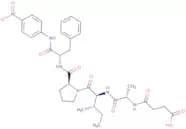
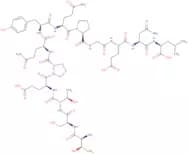
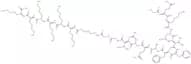
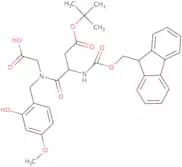
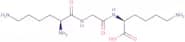
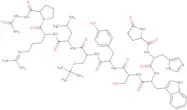
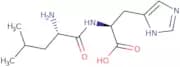


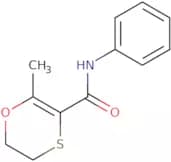
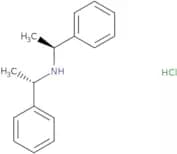




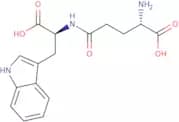
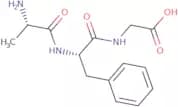


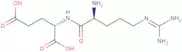
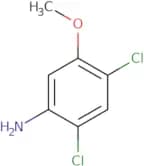
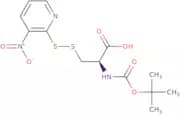


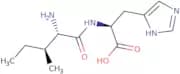
![4-[2-(Fmoc-amino)ethyl]-1-piperazineacetic acid dihydrochloride](/_next/image/?url=https%3A%2Fstatic.cymitquimica.com%2Fproducts%2F3D%2Fthumb-webp%2FFF48264.webp&w=3840&q=75)
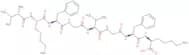


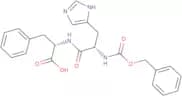

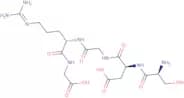
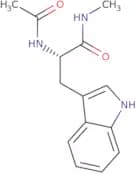

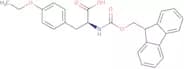

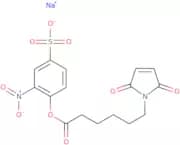
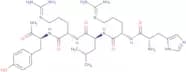
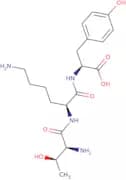
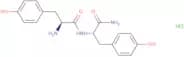


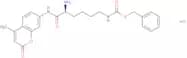
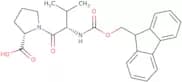
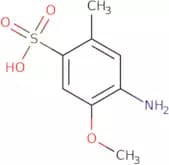

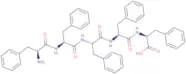
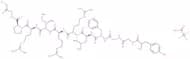

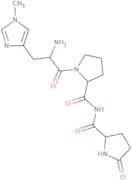
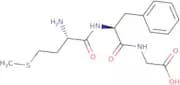
![Fmoc-[15N]Leu-OH](/_next/image/?url=https%3A%2Fstatic.cymitquimica.com%2Fproducts%2F3D%2Fthumb-webp%2FFF111321.webp&w=3840&q=75)
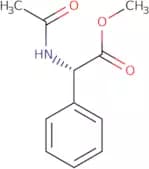
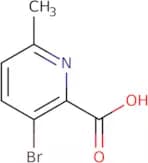

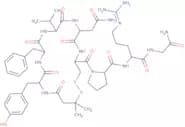
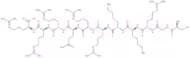

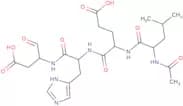
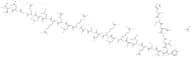
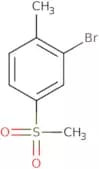
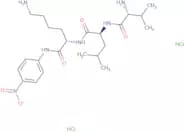
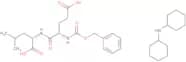
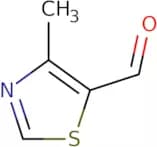
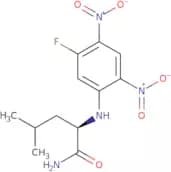
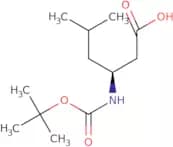
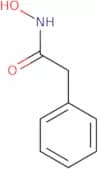
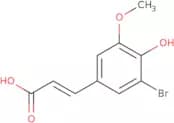
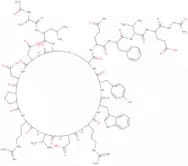
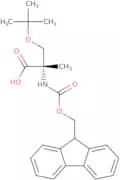
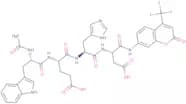

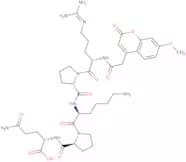
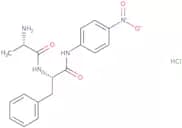

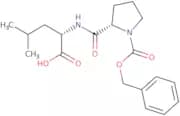
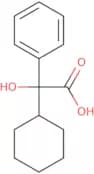
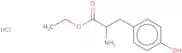

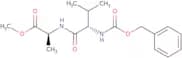

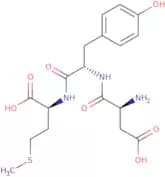

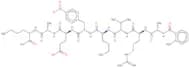

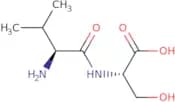

![Fmoc-[D4]Ala-OH](/_next/image/?url=https%3A%2Fstatic.cymitquimica.com%2Fproducts%2F3D%2Fthumb-webp%2FFF111394.webp&w=3840&q=75)