Amino Acids (AA)
Amino acids (AAs) are the fundamental building blocks of proteins, playing a crucial role in various biological processes. These organic compounds are essential for protein synthesis, metabolic pathways, and cell signaling. In this category, you will find a comprehensive range of amino acids, including essential, non-essential, and modified forms, which are vital for research in biochemistry, molecular biology, and nutritional sciences. At CymitQuimica, we provide high-quality amino acids to support your research and development needs, ensuring accuracy and reliability in your experimental outcomes.
Subcategories of "Amino Acids (AA)"
- Amino Acid Derivatives(3,955 products)
- Amino Acid and Amino Acid Related Compounds(3,436 products)
- Amino Acids with Oxygen or Sulphur(168 products)
- Boc- Amino Acids(351 products)
- Fmoc Amino Acids(1,710 products)
Found 38216 products of "Amino Acids (AA)"
Sort by
Purity (%)
0
100
|
0
|
50
|
90
|
95
|
100
1-(4-Acetylphenyl)-2-methyl-1-propanone
CAS:<p>1-(4-Acetylphenyl)-2-methyl-1-propanone (AMP) is a synthetic analgesic that has been evaluated for the treatment of pain. It is primarily used in pharmaceuticals and medicinal preparations, as well as being a common solvent in chemical syntheses. AMP has been shown to be an effective treatment for joint pain, muscle pain, and other types of pain. The mechanism of action for this compound is unknown but may involve the inhibition of an enzyme called hydratropic acid group. This molecule also has a carboxylic acid group that undergoes detoxification through elemental analysis or mechanochemistry.</p>Formula:C12H14O2Purity:Min. 95%Molecular weight:190.24 g/molNeuropeptide AF (human) trifluoroacetate salt
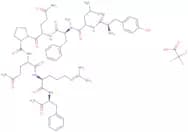
CAS:<p>Neuropeptide AF is a peptide that is synthesized in the brain and has been shown to have a wide range of biological activities. It has been shown to block growth factor-β1, activate the ryanodine receptor, and cause neuronal death. Neuropeptide AF also activates the polymerase chain reaction (PCR) and can be used as a potential biomarker for Alzheimer's disease. Neuropeptide AF has been shown to decrease body mass index and improve long-term efficacy in patients with chronic heart disease. There is also evidence that Neuropeptide AF binds calcium ions, which may play a role in structural heart disease or cardiac function.</p>Formula:C90H132N26O25Purity:Min. 95%Molecular weight:1,978.17 g/mol2-Bromo-5-hydroxy-4-methoxybenzaldehyde
CAS:<p>2-Bromo-5-hydroxy-4-methoxybenzaldehyde is a death pathway inhibitor that has been shown to have radiosensitizing effects in vitro. It has also been found to inhibit the expression of matrix metalloproteinase (MMP) in human glioma cells and in a rat model of cerebral ischemia. This compound may be used as a potential chemotherapeutic agent for the treatment of cancer. 2-Bromo-5-hydroxy-4-methoxybenzaldehyde inhibits cell proliferation by inducing apoptosis, or programmed cell death, which may be due to its ability to suppress MMP activity.</p>Formula:C8H7BrO3Purity:Min. 95%Color and Shape:PowderMolecular weight:231.04 g/molBoc-Leu-psi(CH2NH)Leu-OH
CAS:<p>Please enquire for more information about Boc-Leu-psi(CH2NH)Leu-OH including the price, delivery time and more detailed product information at the technical inquiry form on this page</p>Formula:C17H34N2O4Purity:Min. 95%Molecular weight:330.46 g/molBiotinyl-pTH (1-34) (human) trifluoroacetate salt
CAS:<p>Please enquire for more information about Biotinyl-pTH (1-34) (human) trifluoroacetate salt including the price, delivery time and more detailed product information at the technical inquiry form on this page</p>Formula:C191H305N57O53S3Purity:Min. 95%Molecular weight:4,344.02 g/mol(D-Arg1,D-Trp5·7·9,Leu11)-Substance P
CAS:<p>Substance P is a potent inhibitor of lung cancer cells, which may be due to its ability to signal through the cell membrane. It inhibits the growth of lung cancer cells by inhibiting signal transduction, leading to decreased cell proliferation and increased apoptosis. This product also has strong anti-inflammatory properties that can be used for the treatment of inflammatory diseases such as asthma.</p>Formula:C81H110N20O12Purity:Min. 95%Molecular weight:1,555.87 g/molACTH (1-39) (guinea pig)
CAS:<p>Please enquire for more information about ACTH (1-39) (guinea pig) including the price, delivery time and more detailed product information at the technical inquiry form on this page</p>Formula:C206H308N56O58SPurity:Min. 95%Molecular weight:4,529.06 g/molFmoc-O-tert-butyl-L-trans-4-hydroxyproline
CAS:<p>Fmoc-O-tert-butyl-L-trans-4-hydroxyproline is a synthetic, cleavable peptide that can be used as a biomaterial. It is synthesized by coupling Fmoc-O-(tert-butoxycarbonyl)-L-trans(4R)-hydroxyproline with the amino acid N,N'-diisopropylcarbodiimide and 4-(dimethylamino)pyridine in a microwave reactor. The peptide has been shown to inhibit the enzyme matrix metalloproteinase 9 (MMP9), which plays an important role in tumor cell invasion and metastasis. This compound also has the ability to form conjugates with other molecules, such as lipopeptides, which may improve its therapeutic potential.</p>Formula:C24H27NO5Purity:Min. 98 Area-%Color and Shape:White PowderMolecular weight:409.47 g/mol4-Methyl-benzhydrylamine resin (100-200 mesh)·HCl
<p>Please enquire for more information about 4-Methyl-benzhydrylamine resin (100-200 mesh)·HCl including the price, delivery time and more detailed product information at the technical inquiry form on this page</p>Purity:Min. 95%H-Ile-Trp-OH
CAS:<p>H-Ile-Trp-OH is an acetylcholine esterase inhibitor that has been shown to have potent inhibitory activity against lorazepam. It binds to the active site of the enzyme, preventing it from breaking down acetylcholine and other neurotransmitters in the brain. H-Ile-Trp-OH is also a potent inhibitor of stenotrophomonas maltophilia, which is a bacterium found in chronic bronchitis patients. The drug has been tested in clinical studies for use as an immunomodulatory agent but has not yet been approved for this purpose.</p>Formula:C17H23N3O3Purity:Min. 95%Molecular weight:317.38 g/molµ-Conotoxin GIIIA
CAS:Controlled Product<p>Conotoxins are peptides that can bind to specific receptors on the surface of cells. Their function is to regulate ion channels and thus affect cellular physiology. Conotoxin GIIIA is a disulfide-bonded peptide with a molecular weight of 5808 Da. It has been shown to inhibit Na+ channel activity in human serum, and may have diagnostic and therapeutic applications for diseases such as epilepsy. The amino acid sequence of conotoxin GIIIA is Arg-Asp-Cys-Cys-Thr-Hyp-Hyp-Lys-Lys-Cys-Lys-Asp-Arg-Gln-Cys (NH2)</p>Formula:C100H170N38O32S6Purity:Min. 95%Molecular weight:2,609.05 g/mol2-[(5-Bromo-2-methylphenyl)methyl]-5-(4-fluorophenyl)thiophe
CAS:<p>Intermediate in the synthesis of canagliflozin</p>Formula:C18H14BrFSPurity:Min. 95%Molecular weight:361.27 g/mol4-Fluoro-3-methylnitrobenzene
CAS:<p>4-Fluoro-3-methylnitrobenzene is a carbazole that is used as a pesticide. It has been shown to be effective against typhimurium and other bacteria. The mechanism of action of this compound may involve nitrenium ion formation, which is an intermediate in the reaction of ammonium nitrate with calcium carbonate. 4-Fluoro-3-methylnitrobenzene has two isomers: 4-fluoro-3-methylnitrobenzoic acid and 4-fluoronitrobenzoic acid, but only the former reacts with ammonium nitrate. The reaction time for this compound to form carcinogenic nitrosamines can vary from about one day to several months. Chemical shift data for this compound reveal its radical mechanism, which explains its low efficiency. This compound also has optical properties that can cause fluorescence or phosphorescence when exposed to ultraviolet light or laser beams, respectively.</p>Formula:C7H6FNO2Purity:Min. 95%Molecular weight:155.13 g/molAc-Phg-OMe
CAS:<p>Please enquire for more information about Ac-Phg-OMe including the price, delivery time and more detailed product information at the technical inquiry form on this page</p>Formula:C11H13NO3Purity:Min. 95%Molecular weight:207.23 g/molBzl-Nle-OH
CAS:<p>Please enquire for more information about Bzl-Nle-OH including the price, delivery time and more detailed product information at the technical inquiry form on this page</p>Formula:C13H19NO2Purity:Min. 95%Molecular weight:221.3 g/mol(Deamino-Pen 1,Val4,D-Arg8)-Vasopressin
CAS:<p>Vasopressin is a peptide hormone that regulates water balance. It is synthesized in the hypothalamus and stored in the posterior pituitary gland, from where it is released when blood pressure falls. Vasopressin binds to V1 receptors in the kidney and vascular smooth muscle cells, causing vasoconstriction and increased blood pressure. Vasopressin also stimulates phosphatidic acid synthesis and hypotension, which are mediated through V2 receptors. Vasopressin has been found to be effective against cardiac arrest and myocardial infarction in animals. This drug has also been shown to stimulate the paraventricular nucleus of the hypothalamus and inhibit sympathetic activity in ganglia.</p>Formula:C48H69N13O11S2Purity:Min. 95%Molecular weight:1,068.27 g/molH-Ala-Gly-Tyr-NH2 acetate salt
CAS:<p>Please enquire for more information about H-Ala-Gly-Tyr-NH2 acetate salt including the price, delivery time and more detailed product information at the technical inquiry form on this page</p>Formula:C14H20N4O4Purity:Min. 95%Molecular weight:308.33 g/mol7-Methoxy-4-(trifluoromethyl)coumarin
CAS:<p>7-Methoxy-4-(trifluoromethyl)coumarin is a potent and selective aromatase inhibitor. It inhibits the activity of the enzyme, which converts testosterone to estradiol. The inhibition of this enzyme may be beneficial in the treatment of breast cancer. This compound has also been shown to inhibit the activity of P450 enzymes and coumarin derivatives, which are involved in drug metabolism and detoxification.</p>Formula:C11H7F3O3Purity:Min. 95%Molecular weight:244.17 g/molH-Met-Lys-OH formiate salt
CAS:<p>H-Met-Lys-OH formiate salt is an industrial chemical that can be used in the preparation of pharmaceutical preparations. It has been shown to have a potential to lower blood pressure and reduce the risk of cardiovascular diseases. H-Met-Lys-OH formiate salt is a lysine derivative that contains two amino acid residues, namely lysine and methionine. H-Met-Lys-OH formiate salt can be used as a therapeutic agent for prostate cancer by targeting tp53 mutations and radical prostatectomy. It can also be used as an antibacterial agent against gram-negative bacteria, such as Escherichia coli (E. coli).</p>Formula:C11H23N3O3SPurity:Min. 95%Molecular weight:277.38 g/molH-Phe-Gly-Gly-OH
CAS:<p>H-Phe-Gly-Gly-OH is a phosphatase enzyme inhibitor that acts as a competitive inhibitor of serine/threonine phosphatases. It has been shown to inhibit the activity of protein data, which are enzymes that catalyze the hydrolysis of phosphate groups from proteins. This inhibition of protein data leads to an increase in the levels of protein kinase A (PKA) and cyclic AMP (cAMP) in human serum. H-Phe-Gly-Gly-OH also inhibits an enzyme called phospholipase A2, which is responsible for fatty acid metabolism, leading to an accumulation of fatty acids in cells. It has been shown that H-Phe-Gly-Gly-OH has anticancer activity against meningioma and squamous carcinoma cells in humans.</p>Formula:C13H17N3O4Purity:Min. 95%Molecular weight:279.29 g/molH-Asp-Asn-Gln-OH
CAS:<p>H-Asp-Asn-Gln-OH is a basic amino acid that is cleaved by endopeptidase to form H-Asp, H-Asn, and H-Gln. It is also cleaved by serine proteases to form the amino acid residues of arginyl, aspartyl, and glutamyl. The residue sequence can be determined through hplc analyses of microsomal proteins. This amino acid has been shown to have a regulatory effect on the metabolism of other amino acids in rat liver cells. Asparaginyl and glutamyl are essential for the synthesis of proproteins.</p>Formula:C13H21N5O8Purity:Min. 95%Molecular weight:375.33 g/molH-Asp-Arg-Val-Tyr-Ile-His-Pro-Phe-His-Leu-Leu-Val-Tyr-Ser-OH
CAS:<p>H-Asp-Arg-Val-Tyr-Ile-His-Pro-Phe-His-Leu-Leu-Val-Tyr-Ser-OH is a synthetic peptide that has been shown to inhibit the production of angiotensin and angiotensinogen by interfering with the binding of its receptor. It has also been shown to inhibit the production of proinflammatory cytokines, such as tumor necrosis factor alpha (TNFα), interleukin 1beta (IL1β), and IL6, in human macrophages. HAVY can also inhibit toll like receptor 4 mediated inflammatory responses in vivo. HAVY is an inhibitor of angiotensin II type 1 receptor activity, which may be useful in treating cardiovascular diseases such as atherosclerotic lesions, hypertension, and bowel disease.</p>Formula:C85H123N21O20Purity:Min. 95%Molecular weight:1,759.02 g/molH-Lys-Ser-OH·HCl
CAS:<p>Please enquire for more information about H-Lys-Ser-OH·HCl including the price, delivery time and more detailed product information at the technical inquiry form on this page</p>Formula:C9H19N3O4·HClPurity:Min. 95%Molecular weight:269.73 g/molSuc-Ala-Ala-Pro-Val-AMC
CAS:<p>Suc-Ala-Ala-Pro-Val-AMC is a protease inhibitor that inhibits serine proteases by binding to the reactive site. It has been shown to inhibit prorenin, a renin enzyme that is involved in the regulation of blood pressure and kidney function. Suc-Ala-Ala-Pro-Val-AMC has also been shown to inhibit thrombin, which is involved in blood coagulation, and neutrophil elastase, which is responsible for the degradation of elastin fibers. Suc-Ala-Ala-Pro-Val-AMC has been shown to be effective against babesiosis, an infection caused by the protozoan parasite Babesia microti. This drug is expected to have a neutral pH and high detection sensitivity when used in clinical settings.</p>Formula:C30H39N5O9Purity:Min. 95%Molecular weight:613.66 g/molFmoc-Glu(OtBu)-Wang resin (200-400 mesh)
<p>Please enquire for more information about Fmoc-Glu(OtBu)-Wang resin (200-400 mesh) including the price, delivery time and more detailed product information at the technical inquiry form on this page</p>Purity:Min. 95%N-Boc-L-proline
CAS:<p>N-Boc-L-proline is a proline derivative that has been synthesized as a drug candidate for cancer treatment. It has been shown to inhibit the activity of the enzyme, buserelin, which is involved in the synthesis of histamine and other substances. N-Boc-L-proline has also been shown to cause neuronal death by hydrogen bond formation with nitrogen nucleophiles in the brain, leading to apoptosis. The chromatographic method was used to analyze reaction products from N-Boc-L-proline with sodium carbonate. This compound has solubility data and an intramolecular hydrogen bond that can be detected by nmr spectroscopy. Trifluoroacetic acid was used as a solvent for this experiment.</p>Formula:C10H17NO4Purity:Min. 95%Color and Shape:White PowderMolecular weight:215.25 g/molFmoc-Lys(Boc)-Cys(Psi(Dmp,H)pro)-OH
CAS:<p>Please enquire for more information about Fmoc-Lys(Boc)-Cys(Psi(Dmp,H)pro)-OH including the price, delivery time and more detailed product information at the technical inquiry form on this page</p>Formula:C38H45N3O9SPurity:Min. 95%Molecular weight:719.84 g/mol12-(Boc-aminooxy)-dodecanoic acid
CAS:<p>Please enquire for more information about 12-(Boc-aminooxy)-dodecanoic acid including the price, delivery time and more detailed product information at the technical inquiry form on this page</p>Formula:C17H33NO5Purity:Min. 95%Molecular weight:331.45 g/molHIV-1 gag Protein p17 (76-84) acetate salt
CAS:<p>Acetate salt of HIV-1 gag Protein p17 (76-84) is a reactive acridone, hydrocarbon, nitrogen atom and hydrates that is injected to regulate depression. Acetate salt of HIV-1 gag Protein p17 (76-84) has been shown to bind to the telomerase enzyme and inhibit cancer cell growth. Acetate salt of HIV-1 gag Protein p17 (76-84) also has a role in regulating metabolism in cells. Acetate salt of HIV-1 gag Protein p17 (76-84) has been shown to have solvating properties and can be used as a heterocyclic ring section in gas phase reactions.</p>Formula:C44H72N10O15Purity:Min. 95%Molecular weight:981.1 g/molZ-Arg-p-nitrobenzyl ester mixture of hydrochloride and hydrobromide salt
CAS:<p>Please enquire for more information about Z-Arg-p-nitrobenzyl ester mixture of hydrochloride and hydrobromide salt including the price, delivery time and more detailed product information at the technical inquiry form on this page</p>Formula:C21H25N5O6Purity:Min. 95%Molecular weight:443.45 g/mol2-Bromo-6-methylpyridine-3-carboxaldehyde
CAS:<p>2-Bromo-6-methylpyridine-3-carboxaldehyde (BMPCA) is a pharmacological agent that belongs to the group of antagonists. It has been shown to be a potent antagonist at the NMDA receptor and may be used for treating neuropathic pain. BMPCA also has been shown to have competitive inhibition at the naphthyridine receptor, which may allow it to act as an antagonist or an agonist depending on its binding site. The regioisomeric analogs of BMPCA are 2-(2,5-dichloropyridyl)-6-methylpyridine-3-carboxaldehyde and 2-(2,5-dimethylpyridyl)-6-methylpyridine-3-carboxaldehyde. These analogs have been shown to inhibit the growth of tumor cells in vitro and in vivo.</p>Formula:C7H6BrNOPurity:Min. 95%Molecular weight:200.03 g/moltrans-4-Hydroxy-D-proline hydrochloride
CAS:<p>Please enquire for more information about trans-4-Hydroxy-D-proline hydrochloride including the price, delivery time and more detailed product information at the technical inquiry form on this page</p>Formula:C5H10ClNO3Purity:Min. 95%Molecular weight:167.59 g/molFmoc-α-Me-Ser(tBu)-OH
CAS:<p>Please enquire for more information about Fmoc-α-Me-Ser(tBu)-OH including the price, delivery time and more detailed product information at the technical inquiry form on this page</p>Formula:C23H27NO5Purity:Min. 95%Color and Shape:White PowderMolecular weight:397.46 g/molMetorphamide (free acid)
CAS:<p>Please enquire for more information about Metorphamide (free acid) including the price, delivery time and more detailed product information at the technical inquiry form on this page</p>Formula:C44H68N14O10SPurity:Min. 95%Molecular weight:985.17 g/molH-Lys-Phe-Gly-Lys-OH acetate salt
CAS:<p>Please enquire for more information about H-Lys-Phe-Gly-Lys-OH acetate salt including the price, delivery time and more detailed product information at the technical inquiry form on this page</p>Formula:C23H38N6O5Purity:Min. 95%Molecular weight:478.59 g/molVesicular Stomatitis Virus Nucleoprotein (52-59) trifluoroacetate salt
CAS:<p>Please enquire for more information about Vesicular Stomatitis Virus Nucleoprotein (52-59) trifluoroacetate salt including the price, delivery time and more detailed product information at the technical inquiry form on this page</p>Formula:C44H66N12O12Purity:Min. 95%Molecular weight:955.07 g/molH-Leu-Trp-Leu-OH
CAS:<p>H-Leu-Trp-Leu-OH is a tryptophan protease that has been shown to have aminopeptidase activity. It can be used in the treatment of intestinal inflammation, as well as other conditions where it is desirable to reduce the concentration of amino acid precursors. The oxidation products of H-Leu-Trp-Leu-OH are antigenic and can be used for the detection of this enzyme in biological fluids. Hplc analysis can identify tripeptides formed by H-Leu-Trp-Leu-OH, which are then cleaved by other enzymes. This process creates a radioactive product that can be detected using radiation or microscopy. Immunoaffinity chromatography is also able to isolate H-Leu-Trp-Leu-OH from biological fluids. Monoclonal antibodies against this enzyme have been shown to inhibit ectoenzymes such as lipases and phospholip</p>Formula:C23H34N4O4Purity:Min. 95%Molecular weight:430.54 g/molPACAP-38 (human, mouse, ovine, porcine, rat) trifluoroacetate salt
CAS:<p>PACAP-38 is a peptide that has been shown to have a variety of physiological effects, including the regulation of brain functions and immunological responses. PACAP-38 has been found to bind to toll-like receptor 4 (TLR4) in macrophages and neutrophils, which stimulates the production of proinflammatory cytokines. It also interacts with adenylate cyclase, which leads to an increase in cAMP levels. This may be the mechanism by which PACAP-38 regulates brain functions. The biological function of PACAP-38 is not yet clear but it may act as a signal peptide, regulating protein synthesis and gene expression.</p>Formula:C203H331N63O53SPurity:Min. 95%Molecular weight:4,534.26 g/mol4-Chloro-2-iodo-phenol
CAS:<p>Please enquire for more information about 4-Chloro-2-iodo-phenol including the price, delivery time and more detailed product information at the technical inquiry form on this page</p>Formula:C6H4ClIOPurity:Min. 95%Molecular weight:254.45 g/mol((R)-4-Hydroxy-4-methyl-Orn (5-TAMRA)7)-Phalloidin
<p>Please enquire for more information about ((R)-4-Hydroxy-4-methyl-Orn (5-TAMRA)7)-Phalloidin including the price, delivery time and more detailed product information at the technical inquiry form on this page</p>Formula:C60H69N11O14SPurity:Min. 95%Molecular weight:1,200.32 g/molMethoxycarbonyl-Lys(Z)-Gly-Arg-pNA hydrochloride salt
CAS:<p>Please enquire for more information about Methoxycarbonyl-Lys(Z)-Gly-Arg-pNA hydrochloride salt including the price, delivery time and more detailed product information at the technical inquiry form on this page</p>Formula:C30H41N9O9Purity:Min. 95%Molecular weight:671.7 g/molH-Gly-His-Arg-Pro-NH2 acetate salt
CAS:<p>Please enquire for more information about H-Gly-His-Arg-Pro-NH2 acetate salt including the price, delivery time and more detailed product information at the technical inquiry form on this page</p>Formula:C19H32N10O4Purity:Min. 95%Molecular weight:464.52 g/mol(3S)-3-(tert-Butoxycarbonyl)amino-1-chloro-4-phenyl-2-butanone
CAS:<p>(3S)-3-(tert-Butoxycarbonyl)amino-1-chloro-4-phenyl-2-butanone is an organic compound that belongs to the class of carbonyl reductase. It is used as a catalyst for the transformation of secondary alcohols to ketones or aldehydes, including isopropyl alcohol. The reaction proceeds via an intermediate carboxylic acid. The enzyme has been found in various microorganisms, and can be purified from Bacillus megaterium and Streptomyces lividans. The enzyme’s activity can be inhibited by steric effects, metal ions, or other compounds. (3S)-3-(tert-Butoxycarbonyl)amino-1-chloro-4-phenyl-2-butanone crystallizes in two forms: one with the chiral center at the 3 position and one with it at the 4 position.</p>Purity:Min. 95%Fmoc-D-thiazolidine-4-carboxylic acid
CAS:<p>Please enquire for more information about Fmoc-D-thiazolidine-4-carboxylic acid including the price, delivery time and more detailed product information at the technical inquiry form on this page</p>Formula:C19H17NO4SPurity:Min. 95%Molecular weight:355.41 g/molLauroyl-glycine
CAS:<p>Lauroyl-glycine is a fatty acid with a long acyl chain. It is an intermediate in the synthesis of lauric acid, which is used in the production of detergents and soaps. Lauroyl-glycine has been shown to be useful as a model system for skin condition studies due to its detergent properties.</p>Formula:C14H27NO3Purity:Min. 95%Molecular weight:257.37 g/molH-Arg(Pmc)-2-chlorotrityl resin (200-400 mesh)
<p>Please enquire for more information about H-Arg(Pmc)-2-chlorotrityl resin (200-400 mesh) including the price, delivery time and more detailed product information at the technical inquiry form on this page</p>Purity:Min. 95%Z-Lys(Z)-ONp
CAS:<p>Z-Lys(Z)-ONp is an intermediate in the synthesis of lysergic acid diethylamide (LSD). It is a hypotensive agent that has analgesic properties. Z-Lys(Z)-ONp has been patented for use as a hypotensive agent, although it has not yet been approved for this use.</p>Formula:C28H29N3O8Purity:Min. 95%Molecular weight:535.55 g/molH-Gly-Phe-Leu-OH
CAS:<p>H-Gly-Phe-Leu-OH is a hydrophobic amino acid and homologue of the natural amino acid histidine. It is an organic compound that is used in the synthesis of peptides and proteins. This compound can be synthesized by reacting ethyl esters with glycine, phenylalanine, and leucine. H-Gly-Phe-Leu-OH has been shown to be active against organisms such as Staphylococcus aureus, Escherichia coli, and Bacillus subtilis. The effectiveness of this compound may be due to its ability to bind to various sites on the organism's cell wall. It also has been shown to have antiplatelet activity similar to aspirin.</p>Formula:C17H25N3O4Purity:Min. 95%Molecular weight:335.4 g/molZ-Val-Lys-Met-AMC acetate salt
CAS:<p>Bortezomib is a proteasome inhibitor that binds to the catalytic site of the proteasome and inhibits its activity. Bortezomib is used as an anticancer agent to treat multiple myeloma, T-cell lymphomas, and other cancers. It has been shown to inhibit the growth of cancer cells and slow tumor progression in animal models. The drug has also been shown to decrease insulin resistance in mice with high blood sugar levels by inhibiting histone deacetylase (HDAC). This inhibition leads to increased expression of genes that are involved in glucose metabolism and decreased expression of genes that regulate fat production.<br>The drug also binds tightly to the insulin receptor, which may lead to improved glucose uptake into cells.</p>Formula:C34H45N5O7SPurity:Min. 95%Molecular weight:667.82 g/mol2-Methylthio-N6-threonylcarbamoyladenosine
CAS:<p>A modified form of adenosine found in bacterial and eukaryotic tRNAs</p>Formula:C16H22N6O8SPurity:Min. 95%Color and Shape:PowderMolecular weight:458.45 g/molH-Ala-His-Ala-OH acetate salt
CAS:<p>Please enquire for more information about H-Ala-His-Ala-OH acetate salt including the price, delivery time and more detailed product information at the technical inquiry form on this page</p>Formula:C12H19N5O4Purity:Min. 95%Molecular weight:297.31 g/molH-Ala-Pro-4MbetaNA·HCl
CAS:<p>Please enquire for more information about H-Ala-Pro-4MbetaNA·HCl including the price, delivery time and more detailed product information at the technical inquiry form on this page</p>Formula:C19H23N3O3·HClPurity:Min. 95%Molecular weight:377.86 g/molZ-β-Ala-Val-OH
CAS:<p>Please enquire for more information about Z-beta-Ala-Val-OH including the price, delivery time and more detailed product information at the technical inquiry form on this page</p>Formula:C16H22N2O5Purity:Min. 95%Molecular weight:322.36 g/molH-D-Met-D-Met-OH
CAS:<p>Please enquire for more information about H-D-Met-D-Met-OH including the price, delivery time and more detailed product information at the technical inquiry form on this page</p>Formula:C10H20N2O3S2Purity:Min. 95%Molecular weight:280.41 g/molACTH (3-24) (human, bovine, rat) trifluoroacetate salt
CAS:<p>Please enquire for more information about ACTH (3-24) (human, bovine, rat) trifluoroacetate salt including the price, delivery time and more detailed product information at the technical inquiry form on this page</p>Formula:C124H196N38O27SPurity:Min. 95%Molecular weight:2,683.19 g/mol(Des-Gly10,D-His(Bzl)6,Pro-NHEt 9)-LHRH acetate
CAS:Controlled Product<p>Des-Gly10,D-His(Bzl)6,Pro-NHEt 9)-LHRH acetate salt Pyr-His-Trp-Ser-Tyr-D-His(Bzl)-Leu-Arg-Pro-NHEt acetate salt is a long acting analog of LHRH. It is a biocompatible polymeric drug that has been shown to have long term efficacy in treating various autoimmune diseases and infections. The drug's efficacy may be due to its ability to bind to the specific receptors on the surface of cells that are involved in the immune response. DesGly10,D-His(Bzl)6,ProNHEt9)-LHRH acetate salt Pyr His Trp Ser Tyr D His(Bzl)-Leu Arg Pro NHEt acetate salt is an analog of LHRH and has been shown to be effective in treating cancer and allergic symptoms as well.</p>Formula:C66H86N18O12•(C2H4O2)xPurity:Min. 95%Molecular weight:1,323.5 g/molFmoc-Thr(PO3H2)-OH
CAS:<p>Please enquire for more information about Fmoc-Thr(PO3H2)-OH including the price, delivery time and more detailed product information at the technical inquiry form on this page</p>Formula:C19H20NO8PPurity:Min. 95%Molecular weight:421.34 g/molMca-(endo-1a-Dap (Dnp))-TNF-a (-5 to +6) amide (human) trifluoroacetate salt
CAS:<p>Please enquire for more information about Mca-(endo-1a-Dap (Dnp))-TNF-a (-5 to +6) amide (human) trifluoroacetate salt including the price, delivery time and more detailed product information at the technical inquiry form on this page</p>Formula:C69H103N23O24Purity:Min. 95%Molecular weight:1,638.7 g/molH-Trp-Pro-Tyr-OH
CAS:<p>The peptide H-Trp-Pro-Tyr-OH is a tripeptide with a dihedral angle of 180°. It has been studied by infrared and fluorescence spectroscopy, and the proton resonances have been assigned to H1, H2, and H3. The zwitterion form of this peptide is predicted to be more stable than the isomeric form due to its higher solvation energy. The peptide transporter in the intestinal tract has been shown to transport this peptide via an electrophilic mechanism.</p>Formula:C25H28N4O5Purity:Min. 95%Molecular weight:464.51 g/molSecretin (porcine) acetate salt
CAS:Controlled Product<p>Secretin acetate salt H-His-Ser-Asp-Gly-Thr-Phe-Thr-Ser-Glu-Leu-Ser-Arg-Leu-Arg-Asp-Ser-Ala is a peptide that is secreted by the pancreas in response to the ingestion of food. Secretin stimulates the release of water and bicarbonate from the pancreas, as well as stimulating the gallbladder to contract, which results in increased flow of bile. Secretin also inhibits gastric acid secretion, slows intestinal motility, and stimulates pancreatic enzyme secretion. The amino acid sequence of this peptide is identical to that of leuprolide acetate (Lupron) and goserelin acetate (Zoladex), which are synthetic analogs with similar biological activity. This peptide can be synthesized on a solid phase or in solution phase. Solid phase synthesis involves attaching amino acids</p>Formula:C130H220N44O41Purity:Min. 95%Molecular weight:3,055.41 g/mol(Cys47)-HIV-1 tat Protein (47-57) trifluoroacetate salt
CAS:<p>Please enquire for more information about (Cys47)-HIV-1 tat Protein (47-57) trifluoroacetate salt including the price, delivery time and more detailed product information at the technical inquiry form on this page</p>Formula:C58H114N32O13SPurity:Min. 95%Molecular weight:1,499.8 g/molAnthranilyl-HIV Protease Substrate trifluoroacetate salt
CAS:<p>Please enquire for more information about Anthranilyl-HIV Protease Substrate trifluoroacetate salt including the price, delivery time and more detailed product information at the technical inquiry form on this page</p>Formula:C43H65N13O11Purity:Min. 95%Molecular weight:940.06 g/molFmoc-[15N]Leu-OH
CAS:<p>Fmoc-[15N]Leu-OH is a research chemical that has various applications in the field of biosynthesis and antibody production. It is commonly used in peptide synthesis and as a building block for the preparation of peptides and proteins. Fmoc-[15N]Leu-OH is known for its high purity and quality, making it an ideal choice for researchers and scientists working in the field of molecular biology. This compound can be easily dissolved in ethanol or other organic solvents, allowing for convenient use in laboratory experiments. With its unique characteristics and wide range of applications, Fmoc-[15N]Leu-OH is a valuable tool for those involved in biochemical research.</p>Formula:C21H23NO4Purity:Min. 95%Molecular weight:354.41 g/molSPLUNC1 (22-39) trifluoroacetate salt
CAS:<p>Please enquire for more information about SPLUNC1 (22-39) trifluoroacetate salt including the price, delivery time and more detailed product information at the technical inquiry form on this page</p>Formula:C82H135N21O25Purity:Min. 95%Molecular weight:1,815.08 g/molH-D-Ala-D-Ala-D-Ala-D-Ala-OH
CAS:<p>Please enquire for more information about H-D-Ala-D-Ala-D-Ala-D-Ala-OH including the price, delivery time and more detailed product information at the technical inquiry form on this page</p>Formula:C12H22N4O5Purity:Min. 95%Molecular weight:302.33 g/molMca-Pro-Leu-Ala-Cys(Mob)-Trp-Ala-Arg-Dap (Dnp)-NH2 trifluoroacetate salt
CAS:<p>Please enquire for more information about Mca-Pro-Leu-Ala-Cys(Mob)-Trp-Ala-Arg-Dap (Dnp)-NH2 trifluoroacetate salt including the price, delivery time and more detailed product information at the technical inquiry form on this page</p>Formula:C66H82N16O17SPurity:Min. 95%Molecular weight:1,403.52 g/molH-Val-Phe-OH
CAS:<p>H-Val-Phe-OH is a peptide consisting of three amino acids, Valine, Phenylalanine and Hydroxyproline. It is a small molecule that has been shown to have an antihypertensive effect in rats. H-Val-Phe-OH binds to the dihydropyridine receptor on the cell membrane surface, which causes blood vessels to relax and contract. This action leads to decreased blood pressure. The high reactivity of H-Val-Phe-OH with other molecules makes it biodegradable, which means it can be broken down by water or enzymes into smaller molecules that are less harmful to the environment.</p>Formula:C14H20N2O3Purity:Min. 95%Molecular weight:264.32 g/mol5-FAM-Woodtide trifluoroacetate salt
CAS:<p>Please enquire for more information about 5-FAM-Woodtide trifluoroacetate salt including the price, delivery time and more detailed product information at the technical inquiry form on this page</p>Formula:C89H133N21O26SPurity:Min. 95%Molecular weight:1,945.2 g/molH-Pro-Tyr-NH2·HCl
CAS:<p>Noopept is a peptide-like nootropic drug that belongs to the group of analogs of proline. It has been shown to have neuroprotective and cognitive enhancing effects in animal studies, as well as an antipsychotic effect. Noopept is a competitive antagonist of the glutamate receptor, and also has affinity for dopamine and serotonin receptors. Noopept is taken orally and penetrates into the brain quickly, where it interacts with different types of neurotransmitter systems. It also shows translational activity in vitro (in cell culture) and in vivo (in animals). This substance can be detected in human blood plasma following oral administration.</p>Formula:C14H19N3O3·HClPurity:Min. 95%Molecular weight:313.78 g/molFmoc-Dap(Adpoc)-OH
CAS:<p>Please enquire for more information about Fmoc-Dap(Adpoc)-OH including the price, delivery time and more detailed product information at the technical inquiry form on this page</p>Formula:C32H38N2O6Purity:Min. 95%Molecular weight:546.65 g/molZ-His(Bzl)-OH
CAS:<p>Please enquire for more information about Z-His(Bzl)-OH including the price, delivery time and more detailed product information at the technical inquiry form on this page</p>Formula:C21H21N3O4Purity:Min. 95%Molecular weight:379.41 g/molH-Cys(Bzl)-Gly-OH trifluoroacetic acid
CAS:<p>Please enquire for more information about H-Cys(Bzl)-Gly-OH trifluoroacetic acid including the price, delivery time and more detailed product information at the technical inquiry form on this page</p>Formula:C12H16N2O3S•(CF3CO2H)xPurity:Min. 95%Molecular weight:268.33 g/molZ-Arg-Arg-Pro-Phe-His-Sta-Ile-His-Lys(Boc)-OMe
CAS:<p>Z-Arg-Arg-Pro-Phe-His-Sta-Ile-His-Lys(Boc)-OMe is an angiotensin II analogue that is used for the treatment of blood disorders. It inhibits angiotensin converting enzyme (ACE) and prevents the formation of angiotensin II from angiotensin I. ACE inhibitors are also used to treat diseases such as glomerular dysfunction, congestive heart failure, high blood pressure, and cirrhosis. In addition, it has been shown to be effective in treating cardiovascular diseases such as hypertension and heart disease. ZARAPROHES is a synthetic substrate for nitrosation reactions and can be used to produce monoclonal antibodies against ACE.</p>Formula:C72H110N20O15Purity:Min. 95%Molecular weight:1,495.77 g/molH-Met-Glu-OH
CAS:<p>H-Met-Glu-OH is a synthetic substance that inhibits the activity of cytochrome P450. It binds to cells, specifically platelets, and causes degranulation and activation of calcium ion channels. This leads to an increase in intracellular calcium ions that triggers blood clotting. H-Met-Glu-OH has been shown to be effective in treating cardiovascular diseases such as high blood pressure and heart arrhythmia. Clopidogrel is often used with H-Met-Glu-OH to prevent platelet aggregation, which would otherwise block the effectiveness of H-Met-Glu-OH.<br>H-Met-Glu has a high affinity for collagen and binds more efficiently to platelets than other cell types. This binding is reversible, which allows for repeated doses without causing toxicity or adverse effects on healthy cells.</p>Formula:C10H18N2O5SPurity:Min. 95%Molecular weight:278.33 g/molH-Phe-AMC trifluoroacetate salt
CAS:<p>H-Phe-AMC Trifluoroacetate salt is a synthetic, protease inhibitor that inhibits the activity of serine and cysteine proteases. It binds to the active site of these enzymes and blocks their function. H-Phe-AMC trifluoroacetate salt has been used in food chemistry to hydrolyze proteins, and can be used to measure enzyme activities. This product also has been shown to have biological functions such as the inhibition of molting, physiological function, and the prevention of carcinogenesis.</p>Formula:C19H18N2O3Purity:Min. 95%Molecular weight:322.36 g/mol4-Bromo-6-methyl-2-pyridinamine
CAS:<p>4-Bromo-6-methyl-2-pyridinamine is a small molecule that binds to the bromodomain of the human protein BRD4. This binding inhibits the interaction between BRD4 and acetylated lysine residues on histones, thereby inhibiting transcriptional activation. 4-Bromo-6-methyl-2-pyridinamine has been shown to be a potent inhibitor of the activity of BRD4, which may be due to its chemical stability and ability to inhibit protein synthesis. The compound's potency in inhibition assays and its lack of biochemical toxicity make it an attractive lead compound for further study.</p>Formula:C6H7BrN2Purity:Min. 95%Molecular weight:187.04 g/molH-Gly-Tyr-NH2 acetate salt
CAS:Controlled Product<p>Please enquire for more information about H-Gly-Tyr-NH2 acetate salt including the price, delivery time and more detailed product information at the technical inquiry form on this page</p>Formula:C13H19N3O5Purity:Min. 95%Molecular weight:297.31 g/mol(D-Lys(nicotinoyl)1,b-(3-pyridyl)-Ala3,3,4-dichloro-D-Phe5,Asn6,D-Trp7·9, Nle 11)-Substance P trifluoroacetate salt
CAS:<p>Substance P is a tachykinin neuropeptide that belongs to the tachykinin family. It is found in the central and peripheral nervous system and has been shown to have an important role in locomotor activity, protein synthesis, receptor activity, and neurotransmitter release. Substance P is also associated with a number of diseases such as infectious diseases, sciatic nerve pain, and vasoactive intestinal peptide (VIP) production. This substance has been used for the diagnosis of neurogenic bladder dysfunction by measuring its effects on urinary bladder contractility.</p>Formula:C86H104Cl2N18O13Purity:Min. 95%Molecular weight:1,668.76 g/molH-Lys(2-chloro-Z)-OBzl·HCl
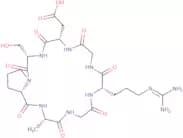
CAS:<p>Please enquire for more information about H-Lys(2-chloro-Z)-OBzl·HCl including the price, delivery time and more detailed product information at the technical inquiry form on this page</p>Formula:C21H25ClN2O4·HClPurity:Min. 95%Molecular weight:441.35 g/molCyclo(-Arg-Ala-Asp-D-Phe-Lys) trifluoroacetate salt
CAS:<p>Cyclo(-Arg-Ala-Asp-D-Phe-Lys) trifluoroacetate salt is a peptidomimetic that inhibits the growth of tumor cells by inhibiting angiogenesis, which is the formation of new blood vessels. It has been shown to effectively inhibit the proliferation of endothelial cells and decrease tumor vasculature in human ovarian carcinoma. Cyclo(-Arg-Ala-Asp-D-Phe-Lys) trifluoroacetate salt binds to cyclic peptides in the body and prevents them from being broken down by peptidases. This increases their uptake into cancer cells and inhibits angiogenesis, leading to a decrease in tumor size and number.</p>Formula:C28H43N9O7Purity:Min. 95%Molecular weight:617.7 g/molCyclo(leu-leu)
CAS:<p>Cyclo(leu-leu) is a glycosidase inhibitor that has been shown to have an inhibitory effect on the biosynthesis of aminoacylated proteins. Cyclo (leu-leu) is derived from the wild-type strain of a fungus, which is a genus of endophytic fungi. This compound inhibits the synthesis of proteins by binding to glycosylated amino acid residues and preventing their hydrolysis. Cyclo (leu-leu) also has homologous regions with mellein, which is another type of glycosidase inhibitor that binds to the enzyme protein kinase C, inhibiting protein synthesis and leading to cell death.</p>Formula:C12H22N2O2Purity:Min. 95%Molecular weight:226.32 g/molGinseng Tetrapeptide
CAS:<p>Please enquire for more information about Ginseng Tetrapeptide including the price, delivery time and more detailed product information at the technical inquiry form on this page</p>Formula:C18H33N7O7Purity:Min. 95%Molecular weight:459.5 g/molSuc-Ala-Phe-Lys-AMC acetate
CAS:<p>Suc-Ala-Phe-Lys-AMC acetate salt is a fatty acid that is metabolized by the enzyme plasminogen activator inhibitor 1 (PAI-1) to form AMC. It is used as a marker for PAI-1 activity in plasma, as well as in other extracellular fluids. Suc-Ala-Phe-Lys-AMC acetate salt has been shown to be effective in treating diseases caused by low blood sugar levels, such as diabetes mellitus type 2. Studies have also shown that it can be used to monitor the progress of metabolic disorders such as obesity and type 2 diabetes mellitus.</p>Formula:C32H39N5O8•C2H4O2Purity:Min. 95%Color and Shape:PowderMolecular weight:681.73 g/molH-His(1-Trt)-2-chlorotrityl resin (200-400 mesh) (Low Substitution)
<p>Please enquire for more information about H-His(1-Trt)-2-chlorotrityl resin (200-400 mesh) (Low Substitution) including the price, delivery time and more detailed product information at the technical inquiry form on this page</p>Purity:Min. 95%Fmoc-Glu(OtBu)-Ser(Psi(Me,Me)pro)-OH
CAS:<p>Please enquire for more information about Fmoc-Glu(OtBu)-Ser(Psi(Me,Me)pro)-OH including the price, delivery time and more detailed product information at the technical inquiry form on this page</p>Formula:C30H36N2O8Purity:Min. 95%Color and Shape:PowderMolecular weight:552.62 g/molCART (55-76) (rat) trifluoroacetate salt
CAS:<p>Please enquire for more information about CART (55-76) (rat) trifluoroacetate salt including the price, delivery time and more detailed product information at the technical inquiry form on this page</p>Formula:C107H166N26O33S3Purity:Min. 95%Molecular weight:2,440.82 g/mol2-Hydroxy-5-methoxybenzimidazole
CAS:<p>Please enquire for more information about 2-Hydroxy-5-methoxybenzimidazole including the price, delivery time and more detailed product information at the technical inquiry form on this page</p>Formula:C8H8N2O2Purity:Min. 95%Molecular weight:164.16 g/molTAT 2-4 trifluoroacetate salt
CAS:<p>Trifluoroacetate salt</p>Formula:C132H240N66O29Purity:Min. 95%Molecular weight:3,215.75 g/mol3-Methyldihydrofuran-2,5-dione
CAS:<p>3-Methyldihydrofuran-2,5-dione is a diterpenoid alkaloid found in the plant Dictamnus albus. This compound has been shown to have metal chelating properties and can be used as an asymmetric synthesis intermediate. 3-Methyldihydrofuran-2,5-dione reacts with diazonium salt to form a high resistance molecule that is highly reactive. This chemical reacts with hydroxyl groups, amide groups, or methyl ethyl groups. The structure of this compound consists of nitrogen atoms and anhydride bonds. 3-Methyldihydrofuran-2,5-dione has been shown to exhibit electrochemical impedance spectroscopy (EIS) characteristics similar to those of other molecules that are known to be reactive.</p>Formula:C5H6O3Purity:Min. 95%Molecular weight:114.1 g/molFmoc-L-α-aminobutyric acid
CAS:<p>Fmoc-L-alpha-aminobutyric acid is a synthetic amino acid that is used as a linker in solid-phase peptide synthesis. It is also used to synthesize analogs of the serine protease NS3, which are postulated to inhibit hepatitis C virus replication by preventing the release of viral RNA from infected cells. Fmoc-L-alpha-aminobutyric acid has been shown to have anti-viral activity against the influenza virus and HIV.</p>Formula:C19H19NO4Purity:Min. 98 Area-%Color and Shape:PowderMolecular weight:325.36 g/mol(Tyr69,Ala71·72,Lys74)-C3a (69-77)
CAS:<p>Please enquire for more information about (Tyr69,Ala71·72,Lys74)-C3a (69-77) including the price, delivery time and more detailed product information at the technical inquiry form on this page</p>Formula:C45H77N13O11Purity:Min. 95%Molecular weight:976.17 g/molH-Lys(Boc)-2-chlorotrityl resin (200-400 mesh)
<p>Please enquire for more information about H-Lys(Boc)-2-chlorotrityl resin (200-400 mesh) including the price, delivery time and more detailed product information at the technical inquiry form on this page</p>Purity:Min. 95%Urinary Trypsin Inhibitor Fragment
CAS:<p>Urinary Trypsin Inhibitor Fragment H-Arg-Gly-Pro-Cys-Arg-Ala-Phe-Ile-OH is a synthetic peptide that is used as a diagnostic agent. It has been shown to inhibit proinflammatory cytokines in vitro and in vivo. This peptide binds to the amino acid sequences of phospholipase A2, which are found in tumor cells, and can be used for cancer diagnosis. Urinary Trypsin Inhibitor Fragment H-Arg-Gly-Pro-Cys-Arg-Ala-Phe-Ile-OH also binds to DNA methylation, which may be useful for studying DNA methylation patterns in cancer cells.</p>Formula:C40H66N14O9SPurity:Min. 95%Molecular weight:919.11 g/molAtriopeptin III (rat)
CAS:<p>Atriopeptin III is a peptide hormone that belongs to the atrial natriuretic peptide group. It is an analog of atrial natriuretic peptide (ANP), which regulates blood pressure and sodium excretion, and has minimal toxicity. The disulfide bond between Cys-Cys and Cys-Gly on the N terminus of Atriopeptin III is necessary for its activity. The enzyme responsible for this disulfide bond formation is thioredoxin reductase, which is found in the cytoplasm of cells. Atriopeptin III has been shown to inhibit cyclase activity in renal proximal tubular cells, as well as congestive heart failure in rats. It also inhibits fatty acid synthesis by inhibiting carnitine acyltransferase I, leading to increased levels of free fatty acids and diacylglycerols in the blood plasma.</p>Formula:C107H165N35O34S2Purity:Min. 95%Molecular weight:2,549.8 g/molL-Alanine benzyl ester hydrochloride
CAS:<p>L-Alanine benzyl ester hydrochloride is a conjugate of L-alanine and the quaternary ammonium salt benzyl ester hydrochloride. The water molecule is attached to the nitrogen atom in the benzyl ester. It has been shown to inhibit viral replication by interfering with the virus' ability to use host enzymes and proteins for synthesis. L-Alanine benzyl ester hydrochloride has significant cytotoxicity against leukemia cells, which may be due to its ability to inhibit rna polymerase activity. L-Alanine benzyl ester hydrochloride can also be used as an inhibitor of angiotensin converting enzyme (ACE), which is important in regulating blood pressure.</p>Formula:C10H13NO2•HCLPurity:Min. 95%Color and Shape:White PowderMolecular weight:215.68 g/molH-Pro-Phe-Lys-OH acetate salt
CAS:<p>Please enquire for more information about H-Pro-Phe-Lys-OH acetate salt including the price, delivery time and more detailed product information at the technical inquiry form on this page</p>Formula:C20H30N4O4Purity:Min. 95%Molecular weight:390.48 g/molDABCYL-γ-Abu-Ser-Gln-Asn-Tyr-Pro-Ile-Val-Gln-EDANS trifluoroacetate salt
CAS:<p>Please enquire for more information about DABCYL-gamma-Abu-Ser-Gln-Asn-Tyr-Pro-Ile-Val-Gln-EDANS trifluoroacetate salt including the price, delivery time and more detailed product information at the technical inquiry form on this page</p>Formula:C73H97N17O18SPurity:Min. 95%Molecular weight:1,532.72 g/molIGF-I (1-3)
CAS:<p>IGF-I (1-3) H-Gly-Pro-Glu-OH is a synthetic peptide that has been shown to be effective in treating neuronal death caused by glutamate. It binds to calcium ions and inhibits the activity of gamma-aminobutyric acid, which is an inhibitory neurotransmitter. IGF-I (1-3) H-Gly-Pro-Glu-OH also blocks fatty acid synthesis, leading to necrotic cell death. In vitro assays have shown that this drug can protect against blood group O erythrocytes from pyridoxal phosphate oxidation and protocatechuic acid binding. This drug has also been shown to increase locomotor activity in mice, as well as improve motor function in rats with experimental stroke.<br>IGF-I (1-3) H-Gly-Pro-Glu-OH is synthesized using a polymerase chain reaction technique and consists of amino acids 1 through 3 of</p>Formula:C12H19N3O6Purity:Min. 95%Molecular weight:301.3 g/molPerfluoro-N-(4-methylcyclohexyl)piperidine
CAS:Controlled Product<p>Perfluoro-N-(4-methylcyclohexyl)piperidine (4-FPP) is a fluorine compound that has been shown to inhibit the enzymatic activity of tyrosine kinases. It is a potent inhibitor of both human and murine tyrosine kinases, but it does not bind to bacterial tyrosine kinase domains. 4-FPP has been used in clinical studies as an anti-cancer drug, although it's clinical relevance remains unclear. It has also been shown to be effective against the influenza virus by inhibiting the synthesis of viral proteins that are involved in replication. The chemical structure of 4-FPP contains a carbonyl group that can react with other compounds through a photochemical process. This reaction is thought to result in the development of new drugs with similar biochemical properties to 4-FPP.</p>Formula:C12F23NPurity:Min. 95%Color and Shape:Clear LiquidMolecular weight:595.1 g/molH-Ile-Arg-OH acetate salt
CAS:<p>H-Ile-Arg-OH acetate salt is an antioxidant that belongs to the group of amino acids. It has been shown to have antioxidative activity in vitro, as well as interaction with radicals and free radicals. Cryo-electron microscopy was used to show this compound's radical scavenging activity. H-Ile-Arg-OH acetate salt has also been found to have antioxidative properties in eukaryotes. This compound is composed of two isomers: H-Ile and Arg. The hydroxyl group on the H-Ile isomer gives this compound its antioxidative properties, while the Arg isomer possesses hydrolytic properties. The subunits are linked together by a peptide bond between the carboxyl group on Arg and the amine group on H-Ile. In addition, H-Ile has an -OH hydroxyl group that can be scavenged by hydroxyl radicals, which provides antioxidative activity.</p>Formula:C12H25N5O3Purity:Min. 95%Molecular weight:287.36 g/molL-Alanine ethyl ester HCl
CAS:<p>L-Alanine ethyl ester HCl is a compound that belongs to the group of amino acids. It is an aliphatic, non-essential amino acid that is classified as a non-polar and hydrophobic amino acid. L-Alanine ethyl ester HCl has been shown to have biological properties that are similar to those of L-alanine on tissue culture cells, including receptor activity and protein synthesis. L-Alanine ethyl ester HCl also has antiviral properties against infectious bacteria such as Escherichia coli and chlamydia, which may be due to its ability to inhibit the synthesis of bacterial proteins required for replication. L-Alanine ethyl ester HCl can be used in wastewater treatment as it reacts with hydrochloric acid in water to produce salt and ethanol.</p>Formula:C5H11NO2·HClPurity:Min. 95%Color and Shape:White PowderMolecular weight:153.61 g/mol3-Boc-amino-2,6-dioxopiperidine
CAS:<p>Please enquire for more information about 3-Boc-amino-2,6-dioxopiperidine including the price, delivery time and more detailed product information at the technical inquiry form on this page</p>Formula:C10H16N2O4Purity:Min. 95%Molecular weight:228.25 g/molN-Me-D-Ala-OMe·HCl
CAS:<p>Please enquire for more information about N-Me-D-Ala-OMe·HCl including the price, delivery time and more detailed product information at the technical inquiry form on this page</p>Formula:C5H11NO2·HClPurity:Min. 95%Molecular weight:153.61 g/molZ-D-Ala-Phe-OH
CAS:<p>Please enquire for more information about Z-D-Ala-Phe-OH including the price, delivery time and more detailed product information at the technical inquiry form on this page</p>Formula:C20H22N2O5Purity:Min. 95%Molecular weight:370.4 g/molH-Gly-Phe-Arg-Gly-Asp-Gly-Gln-OH
CAS:<p>Arg-gly-asp is a synthetic peptide that has been shown to have biological activity in vitro. This peptide is an agonist of the receptor for extracellular matrix proteins, such as fibronectin and vitronectin. It has been shown to reversibly inhibit the binding of fibronectin and vitronectin to immobilized antibody in vitro and also to inhibit endometrial cell proliferation in vivo. Arg-gly-asp was found to be dose-dependent with a maximal effect at 1 microgram/mL.</p>Formula:C30H45N11O11Purity:Min. 95%Molecular weight:735.75 g/molSuc-Ala-Pro-pNA
CAS:<p>Suc-Ala-Pro-pNA is a glycoprotein that has been shown to have a number of different functions. It is an inhibitor of tissue culture, and it has been shown to inhibit the growth of cervical cancer cells by binding to epidermal growth factor (EGF). It also inhibits peptide hormones such as prolactin and insulin, which can lead to breast cancer. Suc-Ala-Pro-pNA may be clinically relevant for treatment of carcinoma cell lines due to its ability to bind platinum-based chemotherapy drugs. This protein has been shown to be expressed on the surface of mammary carcinoma cells, where it acts as a receptor for the monoclonal antibody mcf7. The protein's function as a surface glycoprotein means that it can act as a marker for cancerous tumors in the body.</p>Formula:C18H22N4O7Purity:Min. 95%Molecular weight:406.39 g/mol(D-Lys3)-GHRP-6
CAS:<p>D-Lys3-GHRP-6 is a synthetic peptide that has been shown to stimulate cellular proliferation and inhibit apoptosis in cell culture. D-Lys3-GHRP-6 binds to the ghrelin receptor, which is found on cells in the stomach and pancreas, as well as in the brain. This binding stimulates the release of cytosolic calcium and enhances protein synthesis. D-Lys3-GHRP-6 also stimulates growth factor production and increases body fat mass in animals.</p>Formula:C49H63N13O6Purity:Min. 95%Molecular weight:930.11 g/molPAR-2 (6-1) amide (human) trifluoroacetate salt
CAS:<p>Please enquire for more information about PAR-2 (6-1) amide (human) trifluoroacetate salt including the price, delivery time and more detailed product information at the technical inquiry form on this page</p>Formula:C28H54N8O7Purity:Min. 95%Molecular weight:614.78 g/molH-Gly-Pro-Arg-Pro-NH2 acetate salt
CAS:<p>H-Gly-Pro-Arg-Pro-NH2 acetate salt is a peptide with antiplatelet activity. It has been shown to inhibit the interaction between fibrinogen and platelets, which leads to the inhibition of thrombin formation and subsequent clotting. The amide bond in this peptide is susceptible to hydrolysis by enzymes such as phospholipase A2, which means that it can be broken down into smaller fragments that have different biological activities. H-Gly-Pro-Arg-Pro-NH2 acetate salt has been shown to inhibit the growth of babesia microti, a causative agent of babesiosis in cattle, through lysis of infected erythrocytes. This drug also inhibits the growth of hemagglutinating virus type 3 (HV3) and filovirus, two viruses that are not yet fully understood.</p>Formula:C18H32N8O4Purity:Min. 95%Molecular weight:424.5 g/molSuc-Ala-Ile-Pro-Phe-pNA
CAS:<p>Cyclosporine is a cyclic peptide that is used as an immunosuppressive drug. It binds to the cytosolic protein phosphatase, preventing its activation. Cyclosporine also binds to other proteins in the cell, such as casein kinase II and cyclophilin, leading to changes in cellular function. It has been shown to inhibit the production of cytokines and other inflammatory mediators by inhibiting tyrosine kinase activity. Cyclosporine is metabolized into FK506, which has a similar structure but greater potency than cyclosporine. The mechanism of action for FK506 is not fully understood but it appears to be related to its ability to bind to tyrosine kinases and inhibit their activity.</p>Formula:C33H42N6O9Purity:Min. 95%Molecular weight:666.72 g/molFor-Met-Leu-pNA
CAS:<p>Please enquire for more information about For-Met-Leu-pNA including the price, delivery time and more detailed product information at the technical inquiry form on this page</p>Formula:C18H26N4O5SPurity:Min. 95%Molecular weight:410.49 g/molH-Leu-Ser-Phe-OH
CAS:<p>H-Leu-Ser-Phe-OH is a synthetic molecule that is a serine protease. It has been shown to have phosphatase activity, which can be used in the processing of milk proteins. This enzyme can also be used in the production of acid casein and colostrum. The enzyme has been shown to convert aspartic acid into asparagine, which is then converted into aminosugars such as melamine and phenylalanine. H-Leu-Ser-Phe-OH can be used for the treatment of fibrinogen deficiency, with its ability to cleave fibrinogen at the γ site. The enzyme has also been shown to have an effect on blood coagulation by cleaving fibrinogens at the γ site, thus preventing clot formation.</p>Formula:C18H27N3O5Purity:Min. 95%Molecular weight:365.42 g/molNeuropeptide Y (22-36) trifluoroacetate salt
CAS:<p>Please enquire for more information about Neuropeptide Y (22-36) trifluoroacetate salt including the price, delivery time and more detailed product information at the technical inquiry form on this page</p>Formula:C85H139N29O21Purity:Min. 95%Molecular weight:1,903.2 g/mol(D-Leu6)-LHRH (1-8) (free acid) trifluoroacetate salt
CAS:<p>Please enquire for more information about (D-Leu6)-LHRH (1-8) (free acid) trifluoroacetate salt including the price, delivery time and more detailed product information at the technical inquiry form on this page</p>Formula:C52H72N14O12Purity:Min. 95%Molecular weight:1,085.22 g/molGly-Amyloid b-Protein (15-25)-Gly-ε-aminocaproyl(-Lys)6
CAS:<p>Please enquire for more information about Gly-Amyloid b-Protein (15-25)-Gly-epsilon-aminocaproyl(-Lys)6 including the price, delivery time and more detailed product information at the technical inquiry form on this page</p>Formula:C105H178N28O26Purity:Min. 95%Molecular weight:2,248.71 g/molH-Leu-His-OH
CAS:<p>H-Leu-His-OH is a peptide that has been shown to have ovarian activity. It binds to the epidermal growth factor receptor and inhibits the function of this receptor, thereby inhibiting cellular proliferation. H-Leu-His-OH has also been shown to inhibit follicular growth in mice, which may be due to its ability to inhibit follicle stimulating hormone (FSH) production. This peptide also has a potential use for cancer treatment when administered with estradiol benzoate. In addition, it has been shown that H-Leu-His-OH can be used as an antigen in animals and humans for the development of an anti-idiotypic vaccine against autoimmune diseases such as Graves' disease. H-Leu-His-OH is active at physiological levels and clinical relevance has not yet been determined.</p>Formula:C12H20N4O3Purity:Min. 95%Molecular weight:268.31 g/molZ-Arg-Arg-Arg-4MbetaNA acetate salt
CAS:Controlled Product<p>Please enquire for more information about Z-Arg-Arg-Arg-4MbetaNA acetate salt including the price, delivery time and more detailed product information at the technical inquiry form on this page</p>Formula:C37H53N13O6Purity:Min. 95%Molecular weight:775.9 g/molH-Glu-Glu-Lys-Leu-Ile-Val-Val-Ala-Phe-OH trifluoroacetate salt
CAS:<p>Please enquire for more information about H-Glu-Glu-Lys-Leu-Ile-Val-Val-Ala-Phe-OH trifluoroacetate salt including the price, delivery time and more detailed product information at the technical inquiry form on this page</p>Formula:C50H82N10O14Purity:Min. 95%Molecular weight:1,047.25 g/molpTH (2-38) (human) acetate salt
CAS:<p>Please enquire for more information about pTH (2-38) (human) acetate salt including the price, delivery time and more detailed product information at the technical inquiry form on this page</p>Formula:C194H314N58O53S2Purity:Min. 95%Molecular weight:4,371.06 g/molZ-His-Ala-OH
CAS:<p>Please enquire for more information about Z-His-Ala-OH including the price, delivery time and more detailed product information at the technical inquiry form on this page</p>Formula:C17H20N4O5Purity:Min. 95%Molecular weight:360.36 g/molZ-Tyr-Lys-Arg-pNA·2 TFA
CAS:<p>Z-Tyr-Lys-Arg-pNA·2 TFA is a potent inhibitor of proteases. It has been shown to be an efficient inhibitor of the major yeast protease, proteinase A, and other enzymes that are used for the industrial production of peptides. Z-Tyr-Lys-Arg-pNA·2 TFA is a synthetic peptide with a molecular mass of 5,836 Da and an optimum pH of 7.5. This peptide is synthesized by the chemical reaction between butoxycarbonyl (Boc) Lys(Z)-Tyr(N)-Arg(R)-pNA and 2 equivalents of trifluoroacetic acid (TFA). The synthesis takes place in a homogenous solution in dichloromethane at room temperature in the presence of triethylamine as base. Filtration through a 0.22 μm filter removes any insoluble impurities from the solution.</p>Formula:C35H45N9O8·2C2HF3O2Purity:Min. 95%Molecular weight:947.83 g/molAnthranilyl-HIV Protease Substrate V trifluoroacetate salt
CAS:<p>Please enquire for more information about Anthranilyl-HIV Protease Substrate V trifluoroacetate salt including the price, delivery time and more detailed product information at the technical inquiry form on this page</p>Formula:C50H76N14O13Purity:Min. 95%Molecular weight:1,081.23 g/mol4-[(4-Methylpiperazin-1-yl)methyl]benzoic acid
CAS:<p>4-[(4-Methylpiperazin-1-yl)methyl]benzoic acid is an organic compound. It is a white solid that is insoluble in water but soluble in organic solvents. The molecule has a molecular weight of 224.8 g/mol and contains a carbonyl group and amine functional groups. 4-[(4-Methylpiperazin-1-yl)methyl]benzoic acid can be prepared by the acylation of 4-(aminomethyl)-benzoic acid with imidazole hydrochloride in the presence of sodium carbonate as a base.</p>Formula:C13H18N2O2Purity:Min. 95%Molecular weight:234.29 g/molH-Lys(Mtt)-2-chlorotrityl resin (200-400 mesh)
<p>Please enquire for more information about H-Lys(Mtt)-2-chlorotrityl resin (200-400 mesh) including the price, delivery time and more detailed product information at the technical inquiry form on this page</p>Purity:Min. 95%Fmoc-D-Cys(Mob)-OH
CAS:<p>Please enquire for more information about Fmoc-D-Cys(Mob)-OH including the price, delivery time and more detailed product information at the technical inquiry form on this page</p>Formula:C26H25NO5SPurity:Min. 95%Molecular weight:463.55 g/molFmoc-D-Lys(Trt)-OH
CAS:<p>Please enquire for more information about Fmoc-D-Lys(Trt)-OH including the price, delivery time and more detailed product information at the technical inquiry form on this page</p>Formula:C40H38N2O4Purity:Min. 95%Molecular weight:610.74 g/mol5-Phenylisoxazole-3-carboxylic acid
CAS:<p>5-Phenylisoxazole-3-carboxylic acid is a phenoxy compound that has been shown to inhibit the growth of tuberculosis bacteria. This drug binds to the postsynaptic potential in the cell membrane and inhibits the effector proteins from interacting with the receptor, preventing neurotransmitter release. The molecular modeling study showed that 5-Phenylisoxazole-3-carboxylic acid interacts with ethyl esters and rifampin, which inhibits xanthine oxidase. Xanthine oxidase inhibitors are used as a treatment for gout and hyperuricemia. 5-Phenylisoxazole-3-carboxylic acid also has fluorimetric properties, which can be used to measure its concentration in biological samples such as urine or plasma. Nitro groups in this drug make it susceptible to oxidation by nitric oxide, which can be monitored using nmr spectra.</p>Formula:C10H7NO3Purity:Min. 95%Molecular weight:189.17 g/molBoc-D-Phe-Pro-Arg-OH
CAS:<p>Boc-D-Phe-Pro-Arg-OH is a receptor binding molecule that belongs to the family of serine proteases. It has been shown to be reactive with multi-walled carbon nanotubes and fatty acids, making it useful for analytical chemistry, processing and amplification. The Boc-D-Phe-Pro-Arg-OH molecule binds to carbohydrate molecules in a way that mimics the action of an enzyme. This binding activates markers and triggers a reaction that produces hydrogen bonds between the target and the substrate. Boc-D-Phe-Pro-Arg-OH has been shown to have high affinity for serine protease receptors.</p>Formula:C25H38N6O6Purity:Min. 95%Molecular weight:518.61 g/molAmylin (8-37) (human) trifluoroacetate salt
CAS:<p>Please enquire for more information about Amylin (8-37) (human) trifluoroacetate salt including the price, delivery time and more detailed product information at the technical inquiry form on this page</p>Formula:C138H216N42O45Purity:Min. 95%Molecular weight:3,183.45 g/molBoc-L-isoleucine
CAS:<p>Please enquire for more information about Boc-L-isoleucine including the price, delivery time and more detailed product information at the technical inquiry form on this page</p>Formula:C11H21NO4Purity:Min. 95%Molecular weight:231.29 g/molH-Gly-Leu-Leu-Gly-OH
CAS:<p>Please enquire for more information about H-Gly-Leu-Leu-Gly-OH including the price, delivery time and more detailed product information at the technical inquiry form on this page</p>Formula:C16H30N4O5Purity:Min. 95%Molecular weight:358.43 g/molG Protein Antagonist Pyr-Gln-D-Trp-Phe-D-Trp-D-Trp-Met-NH2
CAS:<p>G protein antagonist Pyr-Gln-D-Trp-Phe-D-Trp-D-Trp-Met-NH2 is a synthetic peptide that inhibits the activity of cyclase enzymes. It has been shown to inhibit skin cancer cells and has been shown to bind intracellular targets, such as protein kinase C, with high affinity. G protein antagonist Pyr-Gln-D-Trp-Phe-D-Trp-D-Trp--Met--NH2 has also been shown to inhibit the guanine nucleotide binding proteins (G proteins), which are necessary for cell signaling. G protein antagonist Pyr--Gln--D--Trp--Phe--D--Trp--D---Trp---Met---NH2 may also be used as an inhibitor of neurokinin 1 receptor activation and whole cell recordings have shown this drug to be potent antagonists of α subunit. G protein antagonist Pyr--Gln--D</p>Formula:C57H64N12O9SPurity:Min. 95%Molecular weight:1,093.26 g/molBoc-Homoarg-OH·HCl
CAS:<p>Please enquire for more information about Boc-Homoarg-OH·HCl including the price, delivery time and more detailed product information at the technical inquiry form on this page</p>Formula:C12H24N4O4·HClPurity:Min. 95%Molecular weight:324.8 g/molAtriopeptin I (rat)
CAS:<p>Atriopeptin I is a peptide hormone that is produced in the rat mesenteric gland. It has been shown to have β-amino acid, diagnostic agents, ph optimum, and receptor activity. Atriopeptin I has been found to have atrial natriuretic effects and may be useful for the treatment of infectious diseases. Atriopeptin I has also been shown to bind with a monoclonal antibody and enzyme inhibitors as well as having a disulfide bond. The biological function of this peptide hormone is not yet known, but it is thought to be involved in fatty acid metabolism.</p>Formula:C83H135N29O30S2Purity:Min. 95%Molecular weight:2,083.27 g/molH-Lys-Pro-Tyr-OH acetate salt
CAS:<p>Please enquire for more information about H-Lys-Pro-Tyr-OH acetate salt including the price, delivery time and more detailed product information at the technical inquiry form on this page</p>Formula:C20H30N4O5Purity:Min. 95%Molecular weight:406.48 g/molFmoc-D-Leu-Wang resin (200-400 mesh)
<p>Please enquire for more information about Fmoc-D-Leu-Wang resin (200-400 mesh) including the price, delivery time and more detailed product information at the technical inquiry form on this page</p>Purity:Min. 95%Z-Ala-Arg-Arg-4MbetaNA acetate salt
CAS:<p>Please enquire for more information about Z-Ala-Arg-Arg-4MbetaNA acetate salt including the price, delivery time and more detailed product information at the technical inquiry form on this page</p>Formula:C34H46N10O6Purity:Min. 95%Molecular weight:690.79 g/mol1-[(3,3-Diphenylpropyl)methylamino]-2-methyl-2-propanol
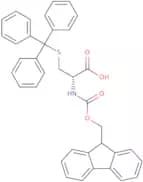
CAS:<p>1-[(3,3-Diphenylpropyl)methylamino]-2-methyl-2-propanol is an epoxy that can be synthesized from benzene and lercanidipine. It has been used in the production of cinnamic acid and other molecules. This molecule can be prepared by reacting cinnamic acid with chloromethyl methyl ether in a ring-opening reaction. The chloride ion is utilized as a nucleophile to react with the amide nitrogen atom of the cinnamic acid molecule to form the amide bond. The large-scale production of 1-[(3,3-diphenylpropyl)methylamino]-2-methyl-2-propanol utilizes refluxing to remove water and other byproducts that are formed during the process.</p>Formula:C20H27NOPurity:Min. 95%Molecular weight:297.43 g/molFmoc-S-trityl-D-cysteine
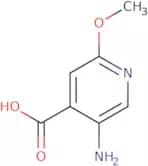
CAS:<p>Fmoc-S-trityl-D-cysteine (Fmoc-SC) is a modified amino acid that is used in the synthesis of biomolecules. It can be synthesized using a stepwise process, starting with the reaction between cysteine and trityl chloride. Fmoc-SC has been shown to inhibit mitochondrial membrane potential and cell growth in cancer cells. Additionally, it has pharmacokinetic properties that make it suitable for intravenous administration. Fmoc-SC can also be used to modify proteins by reacting with hydroxyl groups on lysine residues and other nucleophiles, as well as to inhibit histone deacetylases (HDACs), which are enzymes that regulate transcriptional activity.</p>Formula:C37H31NO4SPurity:Min. 95%Color and Shape:PowderMolecular weight:585.71 g/mol5-Amino-2-methoxyisonicotinic acid
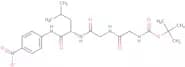
CAS:<p>5-Amino-2-methoxyisonicotinic acid is a carboxylic acid that is used in the synthesis of aminopyridines. The compound can be synthesized from formamidine acetate and diethyl dicarbonate. This process involves lithiation, followed by addition of an amine and finally conversion to the desired product with formamidine acetate. 5-Amino-2-methoxyisonicotinic acid can also be synthesized from formamide and diethyl ether. 5-Amino-2-methoxyisonicotinic acid is an analog of 2,4,6-trimethylaniline and has been shown to have similar properties to this compound, including strong basicity.</p>Formula:C7H8N2O3Purity:Min. 95%Molecular weight:168.15 g/molBoc-Gly-Gly-Leu-pNA
CAS:<p>Boc-Gly-Gly-Leu-pNA is an analog of the protease inhibitor serine protease. It has a reactive site that is similar to the reactive site on serine proteases. This enables Boc-Gly-Gly-Leu-pNA to bind to them and inhibit their activity. The compound also inhibits neutrophil activation, as shown by a decrease in its expression of CD11b and CD11c, which are markers of neutrophils.</p>Formula:C21H31N5O7Purity:Min. 95%Molecular weight:465.5 g/mol(Trp7,β-Ala8)-Neurokinin A (4-10)
CAS:<p>Please enquire for more information about (Trp7,beta-Ala8)-Neurokinin A (4-10) including the price, delivery time and more detailed product information at the technical inquiry form on this page</p>Formula:C41H57N9O10SPurity:Min. 95%Molecular weight:868.01 g/molZ-Ala-Ala-Lys-4MbetaNA formiate salt
CAS:<p>Please enquire for more information about Z-Ala-Ala-Lys-4MbetaNA formiate salt including the price, delivery time and more detailed product information at the technical inquiry form on this page</p>Formula:C31H39N5O6·CH2O2Purity:Min. 95%Molecular weight:623.7 g/molL-Lysine methyl ester 2HCl
CAS:<p>L-Lysine methyl ester 2HCl is a lysine derivative that has been synthesized by reacting L-lysine with methanol and hydrochloric acid. This compound's cytotoxicity has been demonstrated in an inhibition study using calf thymus dna. L-Lysine methyl ester 2HCl contains amide, acid, and ester linkages, as well as hydrogen bonds that are typical of natural compounds. It is also biologically active and has a molecular weight of 246.3 g/mol. The chemical structure of this compound consists of a central l-lysine molecule with two methyl groups on the nitrogen atom. The compound also contains a carboxyl group on the end of the chain and an ester group on the second carbon atom from the end of the chain. L-Lysine methyl ester 2HCl can be found in soybeans and bovine fetal tissue. It exhibits morphological properties similar to other</p>Formula:C7H16N2O2·2HClPurity:Min. 95%Color and Shape:PowderMolecular weight:233.14 g/mol(Phenylac 1,D-Tyr(Me)2,Arg6·8,Lys-NH29)-Vasopressin
CAS:<p>Please enquire for more information about (Phenylac 1,D-Tyr(Me)2,Arg6·8,Lys-NH29)-Vasopressin including the price, delivery time and more detailed product information at the technical inquiry form on this page</p>Formula:C59H86N18O12Purity:Min. 95%Molecular weight:1,239.43 g/molMca-(Asn670,Leu671)-Amyloid β/A4 Protein Precursor770 (667-675)-Lys(Dnp) ammonium acetate salt
CAS:<p>Please enquire for more information about Mca-(Asn670,Leu671)-Amyloid beta/A4 Protein Precursor770 (667-675)-Lys(Dnp) ammonium acetate salt including the price, delivery time and more detailed product information at the technical inquiry form on this page</p>Formula:C68H88N14O27Purity:Min. 95%Molecular weight:1,533.5 g/molBradykinin-Like Neuropeptide (Aplysia californica) trifluoroacetate salt
CAS:<p>Please enquire for more information about Bradykinin-Like Neuropeptide (Aplysia californica) trifluoroacetate salt including the price, delivery time and more detailed product information at the technical inquiry form on this page</p>Formula:C53H98N24O14SPurity:Min. 95%Molecular weight:1,327.56 g/molGRF (human) acetate salt
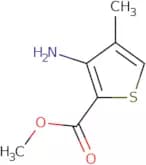
CAS:<p>Growth hormone-releasing factor (GRF) or GHRH (growth hormone-releasing hormone).Binds to the growth hormone-releasing hormone receptor (GHRH-R), causing growth hormone secretion.porcine: H-YADAIFTNSYRKVLGQLSARKLLQDIMSRQQGERNQEQGARVRL-NH2bovine: H-YADAIFTNSYRKVLGQLSARKLLQDIMNRQQGERNQEQGAKVRL-NH2ovine: H-YADAIFTNSYRKILGQLSARKLLQDIMNRQQGERNQEQGAKVRL-NH2human: H-YADAIFTNSYRKVLGQLSARKLLQDIMSRQQGESNQERGARARL-NH2</p>Formula:C215H358N72O66SPurity:Min. 98 Area-%Color and Shape:PowderMolecular weight:5,039.65 g/mol3-Amino-4-methyl-thiophen-2-carboxylic acid methyl ester
CAS:<p>3-Amino-4-methylthiophen-2-carboxylic acid methyl ester (3AMTC) is a novel compound that has been shown to have antihypertensive activity, as well as other pharmacological actions. 3AMTC is an allosteric modulator of α7 nicotinic acetylcholine receptors, which are found in the central and peripheral nervous system. The efficacy of 3AMTC was evaluated using magnetic resonance spectroscopy to measure the effects on mouse tumor cells. This compound showed no carcinogenic potential, which may be due to its inability to cross the blood brain barrier.</p>Purity:Min. 95%Molecular weight:171.22 g/molAc-Ala-Ala-Ser(PO3H2)-Pro-Arg-pNA trifluoroacetate salt
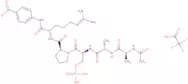
CAS:<p>Please enquire for more information about Ac-Ala-Ala-Ser(PO3H2)-Pro-Arg-pNA trifluoroacetate salt including the price, delivery time and more detailed product information at the technical inquiry form on this page</p>Formula:C28H43N10O12PPurity:Min. 95%Molecular weight:742.67 g/molH-Gly-Gly-Arg-OH acetate salt
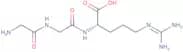
CAS:<p>Please enquire for more information about H-Gly-Gly-Arg-OH acetate salt including the price, delivery time and more detailed product information at the technical inquiry form on this page</p>Formula:C10H20N6O4Purity:Min. 95%Molecular weight:288.3 g/mol(d(CH2)51,D-Phe2,Ile4,Ala-NH29)-Vasopressin b-Mercapto-b,b-cyclopentamethylene-propionyl-D-Phe-Phe-Ile-Asn-Cys-Pro-Arg-Ala-NH2 (Disu lfide bond)
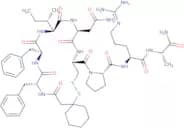
CAS:<p>Please enquire for more information about (d(CH2)51,D-Phe2,Ile4,Ala-NH29)-Vasopressin b-Mercapto-b,b-cyclopentamethylene-propionyl-D-Phe-Phe-Ile-Asn-Cys-Pro-Arg-Ala-NH2 (Disu lfide bond) including the price, delivery time and more detailed product information at the technical inquiry form on this page</p>Formula:C53H78N13O10S2Purity:Min. 95%Molecular weight:1,121.4 g/molH-Pro-Leu-Gly-Gly-OH
CAS:<p>Please enquire for more information about H-Pro-Leu-Gly-Gly-OH including the price, delivery time and more detailed product information at the technical inquiry form on this page</p>Formula:C15H26N4O5Purity:Min. 95%Molecular weight:342.39 g/molBoc-Phe-Merrifield resin (200-400 mesh)
<p>Please enquire for more information about Boc-Phe-Merrifield resin (200-400 mesh) including the price, delivery time and more detailed product information at the technical inquiry form on this page</p>Purity:Min. 95%H-Met-D-Met-OH
CAS:<p>Please enquire for more information about H-Met-D-Met-OH including the price, delivery time and more detailed product information at the technical inquiry form on this page</p>Formula:C10H20N2O3S2Purity:Min. 95%Molecular weight:280.41 g/mol(D-Lys6)-LHRH trifluoroacetate salt
CAS:<p>Please enquire for more information about (D-Lys6)-LHRH trifluoroacetate salt including the price, delivery time and more detailed product information at the technical inquiry form on this page</p>Formula:C59H84N18O13·xC2HF3O2Purity:Min. 95%Color and Shape:White To Off-White SolidMolecular weight:1,253.41 g/molFurin Inhibitor II trifluoroacetate salt
CAS:<p>Furin inhibitor II is a small molecule that inhibits the activity of furin, which is an enzyme used in the processing of growth factor-β1. Furin inhibitor II binds to human receptors and blocks their binding to the surface glycoprotein on cancer cells. Furin inhibitor II also has physiological activities, such as reducing inflammation, inhibiting viral replication, and inhibiting the growth of bacteria. Furin inhibitor II may be useful for treating cancer or infectious diseases.</p>Formula:C36H75N25O6Purity:Min. 95%Molecular weight:954.15 g/molZ-Glu-Gly-OH
CAS:<p>Z-Glu-Gly-OH is a cysteine donor for the chemical cross-linking of keratin proteins. Follicle cells are a major source of keratin, and glutamic acid is the most abundant amino acid in these cells. Glutamine is also abundant in keratins, and may be responsible for the cornified layer. Cysteine is used to cross-link the structural proteins, while glutamic acid and glutamine are involved in cross-linking the fibre and residue. Cross-linking results in an insoluble protein matrix that provides strength to skin.</p>Formula:C15H18N2O7Purity:Min. 95%Molecular weight:338.31 g/molDansyl-Ala-Arg-OH trifluoroacetate salt
CAS:<p>Please enquire for more information about Dansyl-Ala-Arg-OH trifluoroacetate salt including the price, delivery time and more detailed product information at the technical inquiry form on this page</p>Formula:C21H30N6O5SPurity:Min. 95%Molecular weight:478.57 g/molFmoc-Ile-Ser(Psi(Me ,Me)pro)-OH
CAS:<p>Please enquire for more information about Fmoc-Ile-Ser(Psi(Me ,Me)pro)-OH including the price, delivery time and more detailed product information at the technical inquiry form on this page</p>Formula:C27H32N2O6Purity:Min. 95%Molecular weight:480.55 g/molZ-Gly-Ala-Pro-bNA
CAS:<p>Z-Gly-Ala-Pro-bNA is a peptidase that hydrolyzes peptides. The peptidase has two catalytic domains, which are located at the N and C termini of the protein. The N-terminal domain contains an oligopeptidase motif that has been shown to be important for the hydrolysis of substrates with hydrophobic residues. The C-terminal domain contains a cavity, which is necessary for binding to substrate and catalysis. This catalytic domain also contains an acid substitution, which may contribute to its stability in acidic environments. A mutant form of Z-Gly-Ala-Pro-bNA was generated by changing the amino acid residue at position n from serine to asparagine, which led to an increase in thermostability and in catalytic activity.</p>Formula:C28H30N4O5Purity:Min. 95%Molecular weight:502.56 g/molZ-Tyr-Phe-OH
CAS:<p>Please enquire for more information about Z-Tyr-Phe-OH including the price, delivery time and more detailed product information at the technical inquiry form on this page</p>Formula:C26H26N2O6Purity:Min. 95%Molecular weight:462.49 g/mol(Sar 9,Met(O2)11)-Substance P
CAS:<p>Substance P is a neuropeptide that is found in the brain and throughout the peripheral nervous system. It has been found to be involved in numerous physiological processes, including pain transmission, vasodilation, and inflammation. Substance P binds to neurokinin-1 receptor (NK-1R) with high affinity. NK-1R has been shown to be localized on cells of the submandibular gland and salivary gland. Techniques such as binding experiments have shown that substance P binds to NK-1R with high affinity and is therefore likely involved in salivation and other functions of these glands.</p>Formula:C64H100N18O15SPurity:Min. 95%Molecular weight:1,393.66 g/molH-Arg-Arg-Arg-Arg-Arg-Arg-OH trifluoroacetate salt
CAS:<p>H-Arg-Arg-Arg-Arg-Arg-Arg-OH trifluoroacetate salt is a compound that can be used as a cancer treatment. It has been shown to inhibit the growth of human retinal pigmented epithelial cells (p. pastoris) and induce apoptosis in these cells. H-Arg-Arg-Arg-Arg-Arg-Arg-OH trifluoroacetate salt interacts with the membrane of cells, blocking the binding site for growth factor and preventing the activation of downstream signaling pathways. This agent also binds to lysine residues on peptides, which are then degraded by proteases. H-Argo Arg Arg Arg Arg Arg Arg OH trifluoroacetate salt has been shown to have an affinity for flavone luteolin at neutral pH, as well as fatty acid molecules.</p>Formula:C36H74N24O7Purity:Min. 95%Molecular weight:955.13 g/molLactoferricin B (4-14) (bovine) trifluoroacetate salt
CAS:<p>Lactoferricin B (4-14) (bovine) trifluoroacetate salt is a peptide derivative, which is a fragment derived from bovine lactoferrin. It is obtained by enzymatic digestion of lactoferrin, a glycoprotein with a well-established role in the innate immune system. This specific peptide, Lactoferricin B (4-14), is known for its potent antimicrobial properties, attributed to its amphipathic structure that facilitates the disruption of microbial membranes. Additionally, it can modulate immune responses through interactions with immune cells, thereby influencing inflammatory processes.</p>Formula:C70H113N25O13SPurity:Min. 95%Molecular weight:1,544.87 g/molTRAP-6 (2-6) trifluoroacetate salt
CAS:<p>TRAP-6 (2-6) is a monoclonal antibody that binds to the enzyme collagenase, which is an important factor in tumor invasion and metastasis. The antibody binds to the active site of collagenase, thereby inhibiting its activity. TRAP-6 (2-6) has been shown to reduce the growth of cancer cells by inhibiting the production of β-amino acids and zymogens, which are required for tumor cell proliferation. It also inhibits serine proteases, such as thrombin receptor, which play an important role in tumor invasion and metastasis. TRAP-6 (2-6) also has anti-inflammatory properties and can be used for the treatment of basophilic leukemia.</p>Formula:C31H51N9O7Purity:Min. 95%Molecular weight:661.79 g/molBoc-Cys(SEt)-OH·DCHA
CAS:Controlled Product<p>Please enquire for more information about Boc-Cys(SEt)-OH·DCHA including the price, delivery time and more detailed product information at the technical inquiry form on this page</p>Formula:C10H19NO4S2·C12H23NPurity:Min. 95%Color and Shape:White/Off-White SolidMolecular weight:462.71(D-Tyr1,N-Me-Phe3)-Neuropeptide FF trifluoroacetate salt
CAS:<p>Please enquire for more information about (D-Tyr1,N-Me-Phe3)-Neuropeptide FF trifluoroacetate salt including the price, delivery time and more detailed product information at the technical inquiry form on this page</p>Formula:C55H78N14O11Purity:Min. 95%Molecular weight:1,111.3 g/molBradykinin (1-3) sulfate salt
CAS:<p>Bradykinin (BK) is a peptide hormone that is released by the endothelium of blood vessels in response to injury. Bradykinin (1-3) sulfate salt H-Arg-Pro-Pro-OH is a synthetic version of the BK sequence with sulfate groups on the amino acids and an additional acid substitution. This molecule has been shown to be fully functional as a copolymer in thrombin activation, oligopeptide, and angiotensin production. Bradykinin (1-3) sulfate salt H-Arg-Pro-Pro-OH is stable at pH 3 and above, which makes it suitable for use in nutrient media, such as media for growing bacteria or yeast. It also has been shown to have platelet aggregation properties similar to those found in natural BK.</p>Formula:C16H28N6O4Purity:Min. 95%Molecular weight:368.43 g/molH-Tyr-Tyr-Tyr-Tyr-Tyr-Tyr-OH trifluoroacetate salt
CAS:<p>The compound H-Tyr-Tyr-Tyr-Tyr-Tyr-Tyr-OH trifluoroacetate salt is a synthetic antigen for use in the production of immunoadsorbent conjugates. It is a postulated fluorescence molecule that interacts with specific antibodies to form an antigen. This antigen can be used as a probe for detecting antibodies in biological fluids and tissues by fluorescence microscopy and has been shown to have no antigenicity in skin reactions.</p>Formula:C54H56N6O13Purity:Min. 95%Molecular weight:997.06 g/molBiotinyl-MCH (salmon) trifluoroacetate salt
CAS:<p>Please enquire for more information about Biotinyl-MCH (salmon) trifluoroacetate salt including the price, delivery time and more detailed product information at the technical inquiry form on this page</p>Formula:C99H153N29O26S5Purity:Min. 95%Molecular weight:2,325.78 g/molLauroyl lysine
CAS:<p>Lauroyl lysine (N6-Lauroyl-L-lysine) functions as skin and hair conditioning agents and as surfactants-cleansing agents in personal care products.</p>Formula:C18H36N2O3Purity:99.18%Color and Shape:White To Off-White Solid With Characteristic Faint OdorMolecular weight:328.49Cyclo(-Gly-Arg-Gly-Asp-Ser-Pro-Ala)
CAS:<p>Cyclo(-Gly-Arg-Gly-Asp-Ser-Pro-Ala) is a cyclic peptide that has a conformational interaction with fibrinogen. Cyclo(-Gly-Arg-Gly-Asp-Ser-Pro-Ala) binds to the FGA binding site on fibrinogen, preventing the formation of the fibrin clot. Cyclo(-Gly-Arg-Gly-Asp-Ser-Pro-Ala) has been shown to activate platelets, which may be due to its ability to increase levels of cAMP and activate protein kinase A. Cyclo(-Gly-Arg-Gly-Asp-) also has an affinity for monoclonal antibodies, which may be due to its high molecular electrostatic potential or its synthetic nature.</p>Formula:C25H40N10O10Purity:Min. 95%Molecular weight:640.65 g/molPACAP-38 (28-38) (human, chicken, mouse, ovine, porcine, rat) trifluoroacetate salt
CAS:<p>PACAP-38 (28-38) is a peptide hormone that is produced in the brain and regulates various physiological processes. It has been shown to have effects on intestinal, pancreatic, and lung cells. PACAP-38 (28-38) is a potent antagonist of vasoactive intestinal polypeptide (VIP), which has been implicated in the regulation of gastrointestinal motility and fluid secretion. The peptide also inhibits cancer cell proliferation by activating cell death pathways.</p>Formula:C61H110N24O14Purity:Min. 95%Molecular weight:1,403.68 g/molNeuromedin U-25 (human) trifluoroacetate salt
CAS:<p>Please enquire for more information about Neuromedin U-25 (human) trifluoroacetate salt including the price, delivery time and more detailed product information at the technical inquiry form on this page</p>Formula:C141H203N41O38Purity:Min. 95%Molecular weight:3,080.37 g/mol(Dab 9)-Neurotensin (8-13) trifluoroacetate salt
CAS:<p>Please enquire for more information about (Dab 9)-Neurotensin (8-13) trifluoroacetate salt including the price, delivery time and more detailed product information at the technical inquiry form on this page</p>Formula:C36H60N10O8Purity:Min. 95%Molecular weight:760.92 g/molPrepro VIP (81-122) (human) trifluoroacetate salt
CAS:<p>Please enquire for more information about Prepro VIP (81-122) (human) trifluoroacetate salt including the price, delivery time and more detailed product information at the technical inquiry form on this page</p>Formula:C202H325N53O64SPurity:Min. 95%Molecular weight:4,552.13 g/molPolyphemusin II-Derived Peptide
CAS:<p>Polyphemusin II-derived peptide H-Arg-Arg-2-Nal-Cys-Tyr-Arg-Lys-D-Lys-Pro-Tyr-Arg-Cit (PIIH) is a cyclic polypeptide with a disulfide bond. PIIH binds to the alpha4beta1 integrin receptor, which is involved in the adhesion of leukocytes to endothelial cells and the migration of monocytes and lymphocytes. PIIH has been shown to be a potent inhibitor of chemokine binding to cxcr4, an important regulator of inflammatory response in mouse tumor models. PIIH also inhibits hiv infection as it inhibits the release of virus from infected cells. This pharmacological effect is mediated by its ability to bind HIV gp120 and block gp120 binding to CD4 receptors on target cells.</p>Formula:C90H141N33O18S2Purity:Min. 95%Molecular weight:2,037.43 g/molFmoc-D-Cys(Bzl)-OH
CAS:<p>The compound Fmoc-D-Cys(Bzl)-OH is a chiral homologue of the protonated amino acid D-Cys. The configuration of the proton in this molecule has been determined by proton nmr experiments. This compound is synthesized from the racemic mixture by reductive amination and deprotonation with sodium borohydride. The reagents are an organophosphate and an ester, which react in order to form a new carbon-carbon bond. The postulated enantiomers are screened for their activity against phospholipase A2, which cleaves ester bonds on phospholipids. One enantiomer has been shown to have more potent activity than its counterpart, suggesting that it is the desired product.</p>Formula:C25H23NO4SPurity:Min. 95%Molecular weight:433.52 g/molMAGE-1 Antigen (161-169) (human) acetate salt
CAS:<p>MAGE-1 is a costimulatory molecule that is expressed on the surface of antigen presenting cells. It has been shown to be a very potent target for monoclonal antibodies. MAGE-1 can be used as an antigen in diagnostic tests, such as ELISA and Western blotting. It can also be used to generate monoclonal antibodies for use as therapeutic agents in cancer therapy and for the treatment of viral infections such as influenza virus. The MAGE-1 antigen has been shown to have high affinity binding with the paratope of Papilloma virus, which may help explain its clinical relevance in these diseases.</p>Formula:C41H57N11O17Purity:Min. 95%Molecular weight:975.96 g/molFmoc-Gln(1-adamantyl)-OH
CAS:<p>Please enquire for more information about Fmoc-Gln(1-adamantyl)-OH including the price, delivery time and more detailed product information at the technical inquiry form on this page</p>Formula:C30H34N2O5Purity:Min. 95%Molecular weight:502.6 g/mol4-Iodo-1-methyl-1H-imidazole
CAS:<p>4-Iodo-1-methyl-1H-imidazole is a trifluoroethylamine that inhibits the activity of tyrosine kinases. It binds to the active site of tyrosine kinase and prevents the binding of ATP, preventing phosphorylation and activation of downstream substrates. 4-Iodo-1-methyl-1H-imidazole has been shown to inhibit the proliferation of tumor xenografts in mice, as well as inhibiting headgroup binding and cellular proliferation in vitro. This agent also has a nanomolar range and high selectivity for protein kinases, which may make it suitable for therapeutic purposes.</p>Formula:C4H5IN2Purity:Min. 95%Molecular weight:208 g/molH-Tyr-Cys-Phe-Ala-Trp-Lys-Thr-Phe-Cys-OH trifluoroacetate salt (Disulfide bond)
CAS:<p>Please enquire for more information about H-Tyr-Cys-Phe-Ala-Trp-Lys-Thr-Phe-Cys-OH trifluoroacetate salt (Disulfide bond) including the price, delivery time and more detailed product information at the technical inquiry form on this page</p>Formula:C57H71N11O12S2Purity:Min. 95%Molecular weight:1,166.37 g/molH-Gly-Phe-Ser-OH
CAS:<p>H-Gly-Phe-Ser-OH is a substrate for thermolysin, an enzyme that catalyzes the hydrolysis of peptides to amino acids. It is modified by glycerol, which influences its affinity and nature. The residue can be either modified or unmodified with a specific chain length. The modifications of the residue are important in determining the specificity of the enzyme. H-Gly-Phe-Ser-OH has a high degree of hydrophobicity, which influences the catalytic reaction. This substrate can be used to determine enzyme specificity because it is not cleaved by enzymes such as trypsin and chymotrypsin.</p>Formula:C14H19N3O5Purity:Min. 95%Molecular weight:309.32 g/molAc-Asp-D-Gla-Leu-Ile-b-cyclohexyl-Ala-Cys-OH
CAS:<p>Please enquire for more information about Ac-Asp-D-Gla-Leu-Ile-b-cyclohexyl-Ala-Cys-OH including the price, delivery time and more detailed product information at the technical inquiry form on this page</p>Formula:C36H58N6O14SPurity:Min. 95%Molecular weight:830.94 g/mol2-Amino-5-chloro-3-methylbenzoic acid
CAS:<p>2-Amino-5-chloro-3-methylbenzoic acid (ACMB) is a substructure of the insecticidal compound chlorantraniliprole. It is a solid at room temperature and has a molecular weight of 142.15 g/mol. ACMB can be extracted from n-hexane, chlorantraniliprole, or xylene using gravimetric analysis. The bioactivity of ACMB can be determined by an anthranilic assay, while its solubility data are available in the literature. ACMB has been shown to have insecticidal activity against lepidoptera larvae and cyanuric activity against mosquito larvae.</p>Formula:C8H8ClNO2Purity:Min. 95%Molecular weight:185.61 g/molFmoc-D-Arg(Pmc)-OPfp
CAS:<p>Please enquire for more information about Fmoc-D-Arg(Pmc)-OPfp including the price, delivery time and more detailed product information at the technical inquiry form on this page</p>Formula:C41H41F5N4O7SPurity:Min. 95%Molecular weight:828.85 g/molZ-Lys(Aloc)-OH·DCHA
CAS:<p>Please enquire for more information about Z-Lys(Aloc)-OH·DCHA including the price, delivery time and more detailed product information at the technical inquiry form on this page</p>Formula:C18H24N2O6·C12H23NPurity:Min. 95%Molecular weight:545.71 g/molGlutathione-monoethyl ester (reduced)
CAS:<p>Glutathione-monoethyl ester (reduced) H-Glu(Cys-Gly-OEt)-OH is a polymerase chain reaction (PCR) enhancer that consists of a glutathione monoester and an ethyl ester. Glutathione monoethyl ester (reduced) H-Glu(Cys-Gly-OEt)-OH is used as a cancer therapeutics agent in the treatment of cells with high levels of reactive oxygen species. It also inhibits drug efflux from cells and induces apoptosis in endothelial cells, which can lead to the inhibition of tumor growth. Glutathione monoethyl ester (reduced) H-Glu(Cys-Gly-OEt)-OH has been shown to cause changes in intracytoplasmic sperm and protein thiols in PC12 cells, which may be related to its ability to inhibit cell proliferation.</p>Formula:C12H21N3O6SPurity:Min. 95%Molecular weight:335.38 g/molH-Pro-Thr-His-Ile-Lys-Trp-Gly-Asp-OH
CAS:<p>H-Pro-Thr-His-Ile-Lys-Trp-Gly-Asp-OH is a potent inhibitor of platelet activation, which is induced by nitroprusside. In vitro studies have shown that this peptide inhibits the expression of growth factors, such as platelet derived growth factor (PDGF), and inhibits PDGF activity. This peptide also has an inhibitory effect on nitroprusside, which may be due to its ability to inhibit PDGF expression. The inhibition of PDGF by this peptide may result in the potentiation of the effects of nitroprusside on blood pressure.</p>Formula:C44H64N12O12Purity:Min. 95%Molecular weight:953.05 g/molH-Leu-Asn-OH
CAS:<p>H-Leu-Asn-OH is a water-soluble drug that belongs to the group of serotonin reuptake inhibitors. It is a radical prostatectomy drug that has been shown to have disease-modifying effects in patients with benign prostatic hyperplasia. H-Leu-Asn-OH has also been shown to be effective in treating HIV infection and cancer, as well as inhibiting the growth of cancer cells in cell culture. This compound is chemically stable and can be transported across the blood brain barrier. Clinical studies on H-Leu-Asn-OH have found it to be safe for use in humans.</p>Formula:C10H19N3O4Purity:Min. 95%Molecular weight:245.28 g/molEndothelin-1 (human, bovine, dog, mouse, porcine, rat) acetate
CAS:<p>Endothelin-1 (ET-1) is a peptide that is produced by the endothelium. ET-1 is involved in numerous biological processes, including vasoconstriction, inflammation, and cell proliferation. Endothelin-1 (human ET-1) acetate salt H-Cys-Ser-Cys-Ser-Ser-Leu-Met-Asp-Lys-(Glu)-Cys-(Val)-Tyr-(Phe)-Cys-(His)-Leu -Asp(-Ile)-Ile(-Trp)) acetate salt is a recombinant protein that has been shown to significantly upregulate the production of endothelin in primary pulmonary hypertension. It also plays an important role in bowel disease, where it may be involved in the development of chronic inflammatory bowel disease.</p>Formula:C109H159N25O32S5•(C2H4O2)xPurity:Min. 95%Molecular weight:2,491.91 g/molH-Asp-Ala-OH
CAS:<p>Adriamycin is an anticancer drug that is a structural analogue of aspartic acid. It can be synthesized in a solid-phase synthesis using a polymeric resin with an acidic functional group, such as H-Asp-Ala-OH. Adriamycin inhibits the production of inflammatory cytokines and prostaglandins, which are involved in the development of inflammatory diseases. Adriamycin has been shown to have anti-inflammatory effects on human serum and to inhibit the production of proteins important for tumor cell proliferation. Adriamycin also has anti-inflammatory properties due to its ability to bind with hydrogen bonds to acidic residues on proteins.<br>END></p>Formula:C7H12N2O5Purity:Min. 98 Area-%Color and Shape:PowderMolecular weight:204.18 g/molAc-Asp-Glu-Val-Asp-aldehyde (pseudo acid)
CAS:<p>Ac-Asp-Glu-Val-Asp-aldehyde (pseudo acid) is a pro-apoptotic protein that belongs to the group of pseudo acids. It is able to induce apoptosis. Ac-Asp-Glu-Val-Asp-aldehyde (pseudo acid) can induce neuronal death by activating caspases and apoptosis pathway, which are involved in the process of programmed cell death. This protein also has anti-inflammatory properties, which may be due to its ability to inhibit cyclase activity. Ac-Asp-Glu-Val-Asp (pseudo acid) has been shown to be present at physiological levels in the brain and heart, where it may play an important role in maintaining cell viability.</p>Formula:C20H30N4O11Purity:Min. 95%Molecular weight:502.47 g/molLeptin (138-167) (human)
CAS:<p>Please enquire for more information about Leptin (138-167) (human) including the price, delivery time and more detailed product information at the technical inquiry form on this page</p>Formula:C141H224N37O47S2Purity:Min. 95%Molecular weight:3,253.64 g/molD-Tryptophan methyl ester hydrochloride
CAS:<p>D-Tryptophan is an amino acid that is naturally produced by the human body and is also found in certain foods such as bananas, oats, and turkey. D-Tryptophan methyl ester hydrochloride is a synthetic form of this amino acid. It has been shown to inhibit cell growth and may have other physiological effects such as regulating mood or sleep patterns. This drug binds to the cavity of enzymes involved in the synthesis of proteins and nucleic acids, which prevents them from carrying out their normal functions. The binding constants for D-tryptophan methyl ester hydrochloride with these enzymes are stronger than those for natural d-tryptophan. The reaction solution was studied using UV absorption spectroscopy and showed that glycol ethers were more effective solvents than piperonal, which allowed for asymmetric synthesis. Molecular docking analysis has shown that D-tryptophan methyl ester hydrochloride binds to the enzyme cavity more tightly than</p>Formula:C12H14N2O2•HClPurity:Min. 95%Color and Shape:PowderMolecular weight:254.71 g/molIQB-782
CAS:<p>IQB-782 is a mucolytic agent with mucolytic expectorant activity for the study of obstructive lung disease.</p>Formula:C4H9N3O2SPurity:>99.99%Color and Shape:SolidMolecular weight:163.2Necrostatin-1 5-(1
CAS:<p>Necrostatin-1 is a small molecule inhibitor that blocks the NF-κB signaling pathway. Necrostatin-1 is a potent inducer of apoptosis and has been shown to inhibit necroptosis in cell culture. It also blocks the Toll-like receptor 4 (TLR4), which is an important death receptor that causes inflammation. Necrostatin-1 has been found to be effective in reducing injury and death in low doses, but has not been tested for long periods of time or at high doses.</p>Formula:C13H13N3OSPurity:Min. 95%Molecular weight:259.33 g/molAngiotensin I/II (1-6)
CAS:<p>Angiotensin I/II 1-6 is a peptide containing amino acids 1-6; derived from from Angiotensin I/II.</p>Formula:C36H55N11O10Purity:Min. 95%Molecular weight:801.89 g/molH-D-Ile-Asp-OH
CAS:<p>Please enquire for more information about H-D-Ile-Asp-OH including the price, delivery time and more detailed product information at the technical inquiry form on this page</p>Formula:C10H18N2O5Purity:Min. 95%Molecular weight:246.26 g/mol
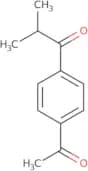

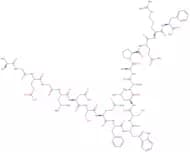
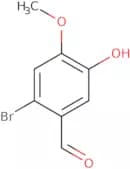
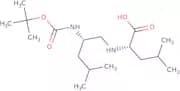

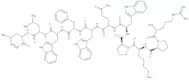

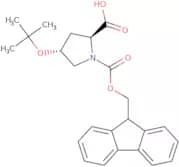

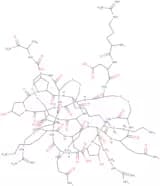
![2-[(5-Bromo-2-methylphenyl)methyl]-5-(4-fluorophenyl)thiophe](/_next/image/?url=https%3A%2Fstatic.cymitquimica.com%2Fproducts%2F3D%2Fthumb-webp%2FFB97141.webp&w=3840&q=75)
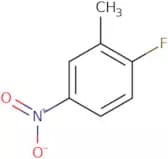
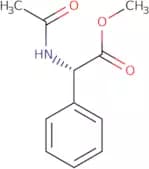
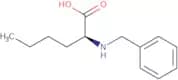
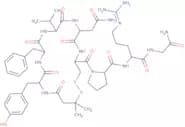


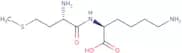
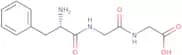
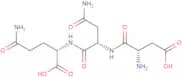
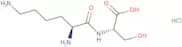
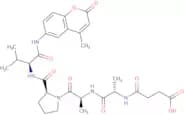
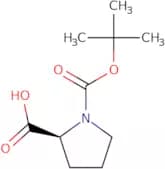
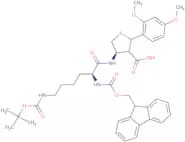

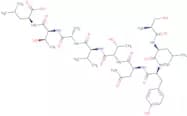

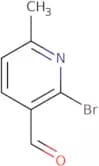
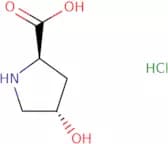
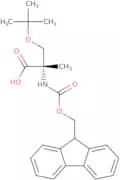

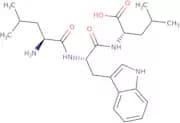
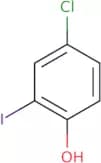

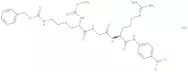

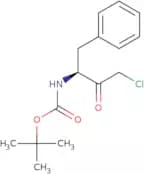
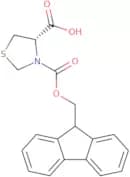
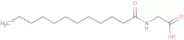
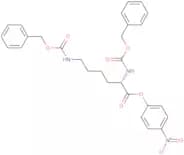

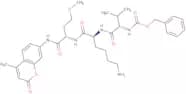

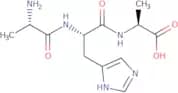
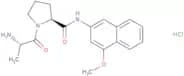
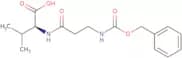
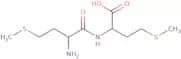
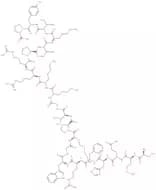
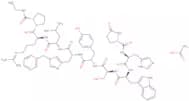
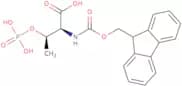
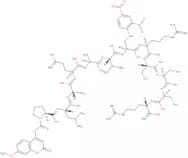
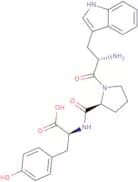
![Fmoc-[15N]Leu-OH](/_next/image/?url=https%3A%2Fstatic.cymitquimica.com%2Fproducts%2F3D%2Fthumb-webp%2FFF111321.webp&w=3840&q=75)
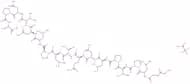
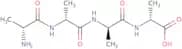
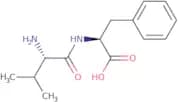
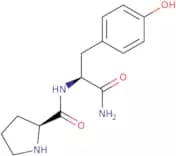
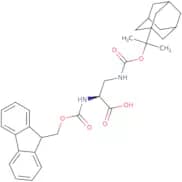
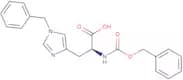
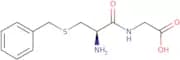
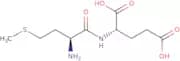
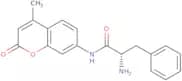
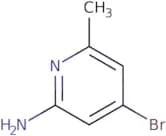
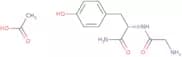
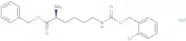
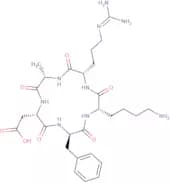

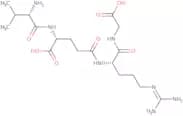


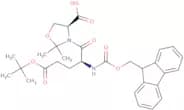
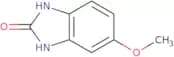
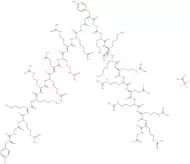
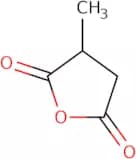
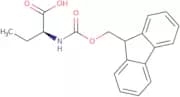
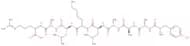
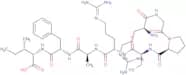

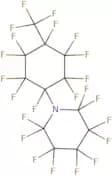

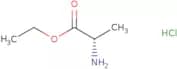

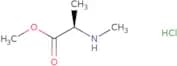
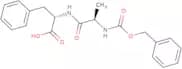
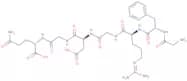

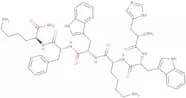
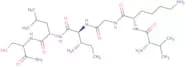

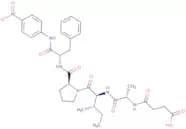
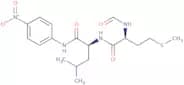
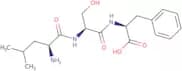
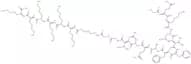
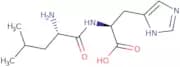
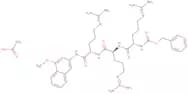

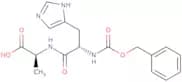

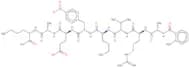
![4-[(4-Methylpiperazin-1-yl)methyl]benzoic acid](/_next/image/?url=https%3A%2Fstatic.cymitquimica.com%2Fproducts%2F3D%2Fthumb-webp%2FFM136767.webp&w=3840&q=75)

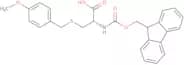
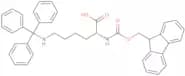
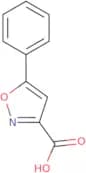
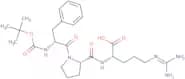

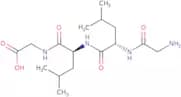
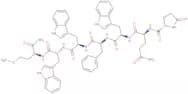
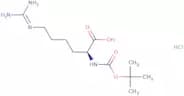
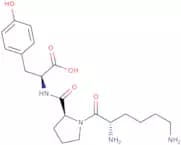
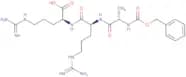
![1-[(3,3-Diphenylpropyl)methylamino]-2-methyl-2-propanol](/_next/image/?url=https%3A%2Fstatic.cymitquimica.com%2Fproducts%2F3D%2Fthumb-webp%2FFD22513.webp&w=3840&q=75)