Enzyme Substrates
Enzyme substrates are molecules upon which enzymes act to catalyze chemical reactions. The substrate binds to the active site of the enzyme, where it undergoes a specific transformation to form the product of the reaction. Enzyme substrates are essential tools in research for studying enzyme kinetics, specificity, and mechanism of action. They are also used in diagnostic assays and biochemical studies. At CymitQuimica, we provide a diverse selection of high-quality enzyme substrates to support your research in enzymology and biochemistry.
Subcategories of "Enzyme Substrates"
Found 1527 products of "Enzyme Substrates"
Sort by
Purity (%)
0
100
|
0
|
50
|
90
|
95
|
100
Aldol® 518 β-D-cellobioside, Biosynth Patent: EP 2427431 and US 8940909
CAS:<p>Aldol® 518 beta-D-cellobioside is a chromogenic substrate for the detection of glycosidases. Aldol® 518 beta-D-cellobioside reacts with enzymes such as alpha-amylase, beta-galactosidase, and alpha-glucosidase to produce a fluorescent product. This product is detected by spectrophotometer, fluorometer, or luminometer. The fluorescence intensity is proportional to the concentration of the enzyme in the sample.<br>It has been shown that Aldol® 518 beta-D-cellobioside can be used as a substitute for conventional substrates in food testing and diagnostics, such as staining and culture media. It also has applications in environmental testing and enzyme substrate assays.</p>Formula:C35H39ClN2O12Purity:Min. 95 Area-%Molecular weight:715.15 g/mol4-Nitrophenyl β-D-maltotrioside
CAS:<p>Chromogenic substrate targeting amylase</p>Formula:C24H35NO18Purity:Min. 95%Color and Shape:PowderMolecular weight:625.53 g/molD-Alanine 7-amido-4-methylcoumarin free base
CAS:<p>D-Alanine 7-amido-4-methylcoumarin free base is a chromogenic substrate that is used in diagnostic testing. It is used to identify the presence of beta-lactamase, which catalyzes the hydrolysis of penicillin and cephalosporin antibiotics, by turning the substrate into a bright blue color. D-Alanine 7-amido-4-methylcoumarin free base can also be used as a fluorescent substrate for bioluminescence or chemiluminescence reactions. This product is high quality and has CAS number 201847-51-0.</p>Formula:C13H14N2O3Purity:Min. 95%Molecular weight:246.26 g/mol2-Nitrophenyl 2,2',3,3',4'-penta-O-acetyl-b-D-xylobioside
CAS:<p>2-Nitrophenyl 2,2',3,3',4'-penta-O-acetyl-b-D-xylobioside is an oligosaccharide that is used as a substrate for the transport of nucleic acid molecules. It can be used to study the function of membrane transport proteins and their homologues. This compound has been shown to inhibit the growth of corynebacterium glutamicum and trisaccharide emissions.</p>Purity:Min. 95%Molecular weight:613.52 g/mol3-Carboxyumbelliferyl b-D-galactoside BSA conjugate
<p>3-Carboxyumbelliferyl b-D-galactoside BSA conjugate is a fluorogenic substrate that is used in chemiluminescent enzyme assays. The reaction of this compound with the enzyme β-galactosidase leads to an increase in the intensity of light emitted by the compound, which can be measured using a luminometer. This product is often used in diagnostics, such as food testing and environmental testing, as well as high quality research.</p>Purity:Min. 95%Fluorescein di-b-D-glucuronide dimethyl ester
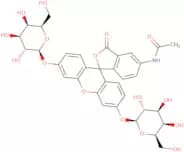
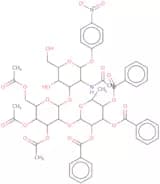
<p>Fluorogenic substrate for beta-glucuronidase</p>Purity:Min. 95%Color and Shape:PowderMolecular weight:712.61 g/mol4-Nitrophenyl 2-acetamido-3,6-di-O-acetyl-4-O-[2-O-(2,3,4-tri-O-benzoyl-a-L-fucopyranosyl)-3,4,6-tri-O-acetyl-b-D-galactopyranosyl]- 2-deoxy-b-D-glucopyranoside
<p>This chemical is a ligand that can bind to the enzyme luciferase. In a bioluminescence reaction, this chemical reacts with oxygen and ATP to produce light. This product has been tested for purity and quality and is suitable for use in culture media, environmental testing, or diagnostics. It has also been shown to be an excellent fluorescent substrate for fluorogenic or chromogenic substrates in enzyme substrate assays.</p>Purity:Min. 95%Molecular weight:1,173.08 g/mol5-Bromo-3-indoxyl-β-D-galactopyranoside-6-sulfate sodium salt
CAS:<p>5-Bromo-3-indoxyl-beta-D-galactopyranoside (5BIG) is a fluorogenic substrate that has been shown to be an effective enzyme substrate. It is used in the chemiluminescence, bioluminescence, and fluorescence detection of enzymes. 5BIG is also a chromogenic substrate for nucleic acid staining and can be used in food testing as well as diagnostics. 5BIG is highly pure and high quality with a CAS number of 1301706-59-1.</p>Formula:C14H15BrNNaO9SPurity:Min. 98 Area-%Molecular weight:476.24 g/mol4-Nitrophenyl 2,3,4,6-tetra-O-acetyl-b-D-thiogalactopyranoside
CAS:<p>4-Nitrophenyl 2,3,4,6-tetra-O-acetyl-b-D-thiogalactopyranoside (NPG) is a fluorogenic substrate that can be used in the detection of beta-galactosidase activity. It reacts with 4-nitrophenol to form an orange product at pH 6.0. The fluorescence intensity increases with increasing concentrations of the substrate and enzyme. The reaction is inhibited by borax, which competes for the enzyme active site. This product has been used as a chromogenic substrate for beta-galactosidase and as an enzyme substrate for beta-galactosidase in diagnostic tests for galactosemia and other carbohydrate metabolism disorders. NPG has also been used in chemiluminescent assays to detect beta-galactosidase activity in culture media and as a bioluminescence substrate in the detection of bacterial</p>Purity:Min. 95%Molecular weight:485.47 g/mol4-Nitrophenyl b-D-glucuronide sodium salt
CAS:<p>4-Nitrophenyl b-D-glucuronide sodium salt is a high-quality chromogenic substrate specifically designed for the colorimetric detection and measurement of β-glucuronidase activity. Upon enzymatic cleavage, it releases the yellow 4-nitrophenol, enabling quantitative analysis via spectroscopy. This compound is conveniently provided as a sodium salt to ensure enhanced solubility, stability, and shelf life. It is an ideal choice for biochemical, research, and diagnostic applications requiring a reliable and efficient b-D-glucuronide substrate.</p>Purity:Min. 95%Molecular weight:337.21 g/molNaphthol AS-BI b-D-glucopyranoside
CAS:<p>Naphthol AS-BI b-D-glucopyranoside is a substrate for enzymes such as β-glucosidase and β-glycosidase. It has been used in diagnostic tests to detect the presence of amylase, lipase, α-amylase, or maltase in urine and feces. In biochemistry, naphthol AS-BI b-D-glucopyranoside is often used as a chromogenic or fluorogenic substrate for the detection of β-galactosidases and other glycosidases. This product has also been used in the detection of bacteria in culture media. Naphthol AS-BI b-D-glucopyranoside is a high quality reagent that can be used for chemiluminescence experiments, food testing, and environmental testing.</p>Purity:Min. 95%Molecular weight:534.35 g/molN-(4,4-Difluoro-5,7-dimethyl-4-bora-3a,4a-diaza-s-indacene-3-dodecanoyl)sphingosyl 1-b-D-galactopyranoside
<p>N-(4,4-Difluoro-5,7-dimethyl-4-bora-3a,4a-diaza-s-indacene-3-dodecanoyl)sphingosyl 1bDgalactopyranoside is a fluorescent reagent. It has been used to detect the presence of boron in biological samples and as a substrate for enzymes. This product is also used in the diagnosis of tuberculosis and other bacterial infections. N-(4,4-Difluoro-5,7-dimethyl-4bora3a,4adiazasindacene 3dodecanoyl)sphingosyl 1bDgalactopyranoside is not intended for use in humans or animals and should be handled with care. This product is not available for sale in the state of California.</p>Purity:Min. 95%Molecular weight:861.95 g/mol4-Methylumbelliferyl 2,3,6-tri-O-benzoyl-b-D-galactopyranoside
CAS:<p>4-Methylumbelliferyl 2,3,6-tri-O-benzoyl-b-D-galactopyranoside is a fluorogenic substrate that can be used in food testing. This compound is also a chromogenic substrate that can be used for environmental testing. This product is a ligand and chemiluminescent reagent that can be used in diagnostics. It is also an enzyme substrate that has high purity and high quality.</p>Purity:Min. 95%Molecular weight:650.63 g/molN-Benzoyl-Val-Gly-Arg p-nitroanilide hydrochloride
CAS:<p>N-Benzoyl-Val-Gly-Arg p-nitroanilide hydrochloride is a fluorogenic substrate that can be used for the detection of β-glucuronidase. It has been shown to have high purity and quality, which makes it an excellent choice for use in food testing and staining.</p>Formula:C26H34N8O6•HClPurity:Min. 95%Molecular weight:591.06 g/mol4-Nitrophenyl 2,3,4-tri-O-acetyl-6-O-(2,3,4,6-tetra-O-[4-methoxybenzyl]-a-D-glucopyranosyl)-a-D-glucopyranoside
<p>Introducing our 4-Nitrophenyl 2,3,4-tri-O-acetyl-6-O-(2,3,4,6-tetra-O-[4-methoxybenzyl]-a-D-glucopyranosyl)-a-D-glucopyranoside, an advanced chromogenic pNP enzyme substrate designed for high performance and superior results. This cutting-edge substrate ensures excellent outcomes in various enzymatic assays, including glycosidase and glycosyltransferase, due to its unique composition and significant sensitivity. Offering rapid color development and clear visualization, this substrate is perfect for research or industrial applications.</p>Purity:Min. 95%Molecular weight:1,126.03 g/molPhenytoin sodium
CAS:Controlled Product<p>Please enquire for more information about Phenytoin sodium including the price, delivery time and more detailed product information at the technical inquiry form on this page</p>Formula:C15H11N2O2NaMolecular weight:274.25 g/mol5-Bromo-6-chloro-3-indoxyl choline phosphate
CAS:<p>5-Bromo-6-chloro-3-indoxyl choline phosphate is a chemiluminescent substrate for the detection of bacterial activity. It reacts with an enzyme, luciferase, which is present in a variety of living cells. The reaction produces light. This product has been tested for environmental and food safety by the manufacturer. 5-Bromo-6-chloro-3-indoxyl choline phosphate is used as a diagnostic tool to determine the presence of bacteria in humans, animals, and plants. It can be used to measure levels of bacteria in culture media, water samples, and food products. 5-Bromo-6-chloro-3-indoxyl choline phosphate can also be used as a substrate for enzymes such as phosphatases or esterases that catalyze reactions with substrates with brominated or chlorinated groups.</p>Formula:C13H17BrClN2O4PPurity:Min. 95%Molecular weight:411.63 g/mol4-Nitrophenyl 2-acetamido-2-deoxy-4,6-O-p-methoxybenzylidene-a-D-galactopyranoside
CAS:<p>4-Nitrophenyl 2-acetamido-2-deoxy-4,6-O-p-methoxybenzylidene-a-D-galactopyranoside is a chromogenic substrate designed for the detection and quantification of enzyme activity. This methoxybenzylidene-protected compound is specifically designed to be cleaved by enzymes, releasing a yellow 4-nitrophenol product that can be easily measured spectrophotometrically. This allows for accurate and sensitive analysis of enzyme kinetics, inhibition studies, and substrate specificity determination in various applications.</p>Purity:Min. 95%Molecular weight:460.43 g/mol4-Methylumbelliferyl-b-D-xylotrioside
CAS:<p>4-Methylumbelliferyl-b-D-xylotrioside is a fluorogenic substrate that reacts with an enzyme in the presence of oxygen to produce light. It is used in diagnostic applications, such as detecting the presence of a specific enzyme or protein. 4-Methylumbelliferyl-b-D-xylotrioside can also be used as a chromogenic substrate for the detection of DNA and RNA. This compound can be conjugated with other molecules for use in immunoassays and other diagnostic applications. 4-Methylumbelliferyl-b-D-xylotrioside has been shown to bind to bacterial cells and activate them, which leads to the production of light through bioluminescence.</p>Purity:Min. 95%Molecular weight:572.51 g/molRhodamine 110 bis-(L-aspartic acid amide) trifluoroacetic acid salt
CAS:<p>Fluorogenic substrate targeting caspases 3 and 7</p>Purity:Min. 95%Molecular weight:788.56 g/mol(4-Nitrophenyl)methyl-b-D-glucopyranoside
CAS:<p>This product is a fluorogenic substrate that is used in the detection of enzymes in biological systems. It is also used as a ligand to study enzyme activity and can be used to quantify enzyme activity. This product is made from high-purity, high-quality reagents and is often used as an enzyme substrate in diagnostic kits for food testing, environmental testing, and detection of bacteria with the help of chemiluminescence. The CAS number for this product is 700368-52-1. This product can be used for fluorescence staining and bioluminescence.</p>Purity:Min. 95%Molecular weight:315.28 g/mol4-Nitrophenyl 4,6-O-benzylidene-3-O-(2,3,4,6-tetra-O-acetyl-b-D-glucopyranosyl)-b-D-glucopyranoside
<p>4-Nitrophenyl 4,6-O-benzylidene-3-O-(2,3,4,6-tetra-O-acetyl-b-D-glucopyranosyl)-b-D-glucopyranoside is a high purity fluorescent reagent that can be used as a substrate for many enzymes. It is also used in environmental testing and to detect the presence of nitrophenols in food. This product has CAS number 545414.</p>Purity:Min. 95%Molecular weight:719.64 g/mol6'-(O-(Carboxymethyl))-2',7'-dichlorofluoroscein 3'-(O-(N-acetyl-b-D-glucosamide))
<p>6'-(O-(Carboxymethyl))-2',7'-dichlorofluoroscein 3'-(O-(N-acetyl-b-D-glucosamide)) is a chemiluminescent substrate that can be used in the detection of ligands. This product has a CAS number of 44636-76-8 and is available at a purity level of 98%. It has been tested for bacterial contamination, as well as for adverse effects on culture media and environmental testing. 6'-(O-(Carboxymethyl))-2',7'-dichlorofluoroscein 3'-(O-(N-acetyl-b-D-glucosamide)) is an enzymatic substrate that can be used in diagnostic applications such as the detection of fluorescence, staining, and bioluminescence. It has also been shown to be useful in food testing.</p>Purity:Min. 95%Molecular weight:662.44 g/mol4-Methylumbelliferyl 2,3,4-tri-O-benzoyl-b-D-galactopyranoside-6-sulfate
<p>4-Methylumbelliferyl 2,3,4-tri-O-benzoyl-b-D-galactopyranoside-6-sulfate is a fluorogenic substrate for β-galactosidase and a chromogenic substrate for β-glucuronidase. It is used in food testing, environmental testing, and diagnostics.</p>Purity:Min. 95%Molecular weight:730.69 g/molFluorescein dibutyrate
CAS:<p>Fluorogenic substrate targeting esterase and lipase</p>Purity:Min. 95%Molecular weight:472.49 g/mol2-Nitrophenyl 6-O-DMT-b-D-galactopyranoside
<p>N-Acetyl-2-nitrophenyl 6-O-DMT-b-D-galactopyranoside is a fluorogenic substrate that is used in enzyme and chromogenic assays, including the determination of aminoglycoside activity. This product has been shown to be suitable for detection of bacterial contamination in food products and environmental samples. N-Acetyl-2-nitrophenyl 6-O-DMT-b-D-galactopyranoside reacts with aminoglycosides at the O4 position, forming a fluorescent product that can be measured using a fluorometer.</p>Purity:Min. 95%Molecular weight:603.62 g/molN-(4-Nitrophenyl)-D-glucopyranosylamine
<p>N-(4-Nitrophenyl)-D-glucopyranosylamine is a conjugate that is used in food testing, environmental testing, and diagnostics. It is a fluorogenic substrate that reacts with the enzyme glucose oxidase to produce a yellow color. This product has high purity and quality and CAS No. 553-03-6. It also has bioluminescence properties.</p>Purity:Min. 95%4-Nitrophenyl 2,6-di-O-benzoyl-a-D-galactopyranoside
CAS:<p>4-Nitrophenyl 2,6-di-O-benzoyl-a-D-galactopyranoside is a specialized chromogenic substrate for the accurate evaluation of α-galactosidase activity. Upon enzymatic hydrolysis, it generates the chromophore 4-nitrophenol, which can be conveniently quantified by absorbance spectroscopy. The substrate features a unique benzoylated galactopyranoside moiety for enhanced selectivity and compound stability. This high-quality substrate is perfect for various research, analytical, and diagnostic applications involving α-galactosidase detection or quantification.</p>Purity:Min. 95%Molecular weight:509.46 g/mol2-Naphthyl 2-acetamido-2-deoxy-β-D-glucopyranoside
CAS:<p>2-Naphthyl 2-acetamido-2-deoxy-b-D-glucopyranoside is a chromogenic substrate used for staining and diagnostic purposes. It is a ligand that has been shown to bind to certain enzymes and can be used for the detection of those enzymes. This product is also a chemiluminescence substrate, which can be used in bioluminescent reactions. This product has been shown to have high purity and quality, as well as being a conjugate.</p>Formula:C18H21NO6Purity:Min. 95%Molecular weight:347.36 g/molAquaSpark® β-D-galactoside, lyophilized, Ramot at Tel-Aviv University Ltd. Patent family WO 2017/130191
<p>Chemiluminescence beta-galactosidase substrate</p>Purity:Min. 95%4-Nitrophenyl 6-O-DMT-2,3,4-tri-O-levulinoyl-a-D-mannopyranoside
<p>4-Nitrophenyl 6-O-DMT-2,3,4-tri-O-levulinoyl-a-D-mannopyranoside is a fluorogenic substrate that can be used for the detection of DMT (dihydroxyacetone) in food products. It has been shown to be an excellent alternative to the more commonly used 4,5′,6,7,8,-Tetrabromoindoxyl 3′,5′,6′,-tetraacetic acid (TBA). This product is also used as a chromogenic substrate for the determination of phenols in environmental testing and as a ligand conjugate for immunohistochemistry staining. The purity of this product is guaranteed and it has been tested extensively.</p>Purity:Min. 95%Molecular weight:897.92 g/mol4-Nitrophenyl 3-O-(2,3,4,6-tetra-O-acetyl-a-D-mannopyranosyl)-4,6-O-cyclohexylidene-b-D-mannopyranoside
CAS:<p>4-Nitrophenyl 3-O-(2,3,4,6-tetra-O-acetyl-a-D-mannopyranosyl)-4,6-O-cyclohexylidene-b-D-mannopyranoside is a chromogenic pNP enzyme substrate, which features a cyclohexylidene-protected mannopyranosyl core. Upon enzymatic hydrolysis by glycosidases or other related enzymes, it releases a yellow-colored product, 4-nitrophenol, that can be easily detected spectrophotometrically. This substrate is useful for studying enzyme specificity, kinetics, and inhibition, as well as for the screening of enzyme inhibitors, the identification of glycosidase-producing organisms, and the development of new analytical methods.</p>Purity:Min. 95%Molecular weight:711.66 g/molLuciferin-caprylate
<p>Luciferin-caprylate is a chemiluminescent substrate that is used in the detection of various substances. It is a high purity compound with CAS No. 583-22-8 and an E number of E711. This product can be used in diagnostic, food testing, and other applications. Luciferin-caprylate has been shown to be an excellent substrate for bioluminescence, fluorescence, and chemiluminescence reactions. It generates light through the oxidation of luciferin by the enzyme luciferase in the presence of oxygen or other oxidizing agents. The light generated by this reaction can be detected using a photomultiplier tube or luminometer, which can then be used to detect substances such as bacteria, protozoa, or fungi.</p>Purity:Min. 96 Area-%3-HTC
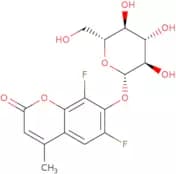
CAS:<p>3-HTC reacts reversibly with thiols and disulfides, and can be used to measure dynamic GSH/GSSH ratios in vitro as well as to monitor the reversible redox status of whole cell lysates.(λmax: 448 nm in its reduced thiolate form, and a λmax 370-410 nm for the oxidized mixed disulfide).</p>Formula:C16H9NO2S2Purity:Min. 95%Molecular weight:311.38 g/mol4-Chloromethyl-6,8-difluoroumbelliferyl b-D-galactopyranoside
CAS:<p>4-Chloromethyl-6,8-difluoroumbelliferyl b-D-galactopyranoside is a compound commonly used in biochemical research as a fluorescent substrate for the detection of sugar hydrolase enzymes. This compound can be cleaved by enzymes such as β-galactosidase, releasing a fluorescent molecule that can be easily detected using fluorescence spectroscopy. The compound is a member of the family of umbelliferyl glycosides, which have been widely used in the study of various biochemical pathways for many years. The advantage of using this particular substrate is that the fluorescent product has a high quantum yield, which means it produces a strong signal for detection. This substrate has been used in a wide variety of applications, including the study of microbial physiology and in the development of diagnostic assays for detecting bacterial and fungal infections.</p>Purity:Min. 95%Molecular weight:408.74 g/mol4-Nitrophenyl 3-O-(2,3,4,6-tetra-O-acetyl-a-D-mannopyranosyl)-2,4-di-O-benzoyl-b-D-mannopyranoside
CAS:<p>4-Nitrophenyl 3-O-(2,3,4,6-tetra-O-acetyl-a-D-mannopyranosyl)-2,4-di-O-benzoyl-b-D-mannopyranoside is a bioactive metabolite that can be found in the gene expression profile of a human genome. It has been shown to have an effect on gene expression levels and cellular function. This metabolite is found in the environment and has been shown to be mediated by environmental factors. The high level of gene expression has been shown to be due to its ability to bind to DNA.</p>Purity:Min. 95%Molecular weight:839.75 g/mol3-Indolyl b-D-glucuronide sodium salt
CAS:<p>3-Indolyl b-D-glucuronide sodium salt is a specialized enzyme substrate that features an indole moiety linked to a glucuronide group. This compound is commonly used in various biochemical assays to study the activity of glucuronidase enzymes, which play a crucial role in the metabolism and detoxification of xenobiotics and endogenous compounds. The sodium salt form of this substrate ensures enhanced solubility and stability in aqueous solutions, making it a valuable tool for researchers investigating the function and regulation of glucuronidase enzymes in biological systems. 3-Indolyl b-D-glucuronide sodium salt is also used for the detection of E. coli.</p>Purity:Min. 95%Color and Shape:Off-White SolidMolecular weight:331.25 g/molOctyl 4-nitrophenyl hexyl phosphonate
CAS:<p>Octyl 4-nitrophenyl hexyl phosphonate is a lipase suicide inhibitor that is a chromogenic substrate for lipases which upon enzymatic action, binds irreversibly to the lipase and inactivates it. The substrate can be used for the determination of active sites in lipases, especially in lipases preferring hydrophobic leaving groups.</p>Purity:Min. 95%Molecular weight:399.46Luc-phosphate Na enhanced
<p>Luc-phosphate Na enhanced is a chemiluminescent substrate that is used to detect the presence of an enzyme or a protein. This substrate is formed by the combination of luciferin and phosphate, which react with each other to produce light. Luc-phosphate Na enhanced is stable in solution and can be stored at room temperature for up to three months. It has been shown to be particularly effective in detecting the presence of DNAase, an enzyme that breaks down DNA. Luc-phosphate Na enhanced has also been used as a fluorogenic substrate in diagnostics, chromogenic substrate in enzymatic reactions, and conjugate for food testing.</p>Purity:Min. 95%rac-7-(3',4'-Dihydroxybutyloxy)coumarin-4'-phosphate disodium salt
CAS:<p>This Clips-O substrate rac-7-(3',4'-Dihydroxybutyloxy)coumarin-4'-phosphate allows the detection of single and dual enzymatic activity (phosphatase and oxidation of 4-amino-3-hydroxybutyloxy spacer either enzymatically or by exposure to sodium periodate) with a single substrate resulting in a fluorescent signal. The main virtues of Clips-O substrates are an increased stability towards non-enzymatic hydrolysis that results in a reduced background and high sensitivity.</p>Formula:C13H13Na2O8PPurity:Min. 95%Color and Shape:PowderMolecular weight:374.2 g/mol4-Nitrophenyl 2-O-(a-L-fucopyranosyl)-a-D-galactopyranoside
CAS:<p>4-Nitrophenyl 2-O-(a-L-fucopyranosyl)-a-D-galactopyranoside is a chromogenic pNP enzyme substrate consisting of a fucose and galactose moieties. Upon enzymatic hydrolysis by specific fucosidases or galactosidases, it releases the highly chromogenic molecule 4-nitrophenol, which exhibits a distinct yellow color that can be monitored spectrophotometrically. This substrate is frequently used to study enzyme specificity, kinetics, and inhibition, and it plays a critical role in the investigation of carbohydrate active enzymes (CAZymes), the screening of enzyme inhibitors, and the development of novel analytical methods for the detection and quantitation of enzyme activities.</p>Purity:Min. 95%Molecular weight:447.39 g/mol4-Nitrophenyl hepta-O-acetyl-b-lactoside
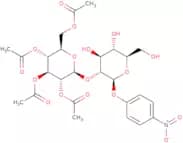
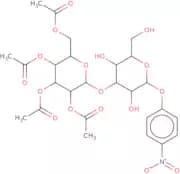
CAS:<p>4-Nitrophenyl hepta-O-acetyl-b-lactoside is a high-quality chromogenic pNP enzyme substrate that exhibits excellent sensitivity and specificity in enzyme assays. This synthetic compound is designed to react with β-galactosidase enzymes, generating a yellow product (4-nitrophenol) upon cleavage. The resulting color change allows for quantitative measurement of enzyme activity, providing valuable insights in various research applications including enzyme kinetics, screening of inhibitors, drug discovery, and molecular diagnostics. Our product ensures consistent results with minimal interference, making it a reliable choice for a wide range of biochemical applications.</p>Purity:Min. 95%Molecular weight:757.65 g/molButyl 4-nitrophenyl hexyl phosphonate
CAS:<p>Butyl 4-nitrophenyl hexyl phosphonate is a lipase suicide inhibitor that is a chromogenic substrate for lipases which upon enzymatic action, binds irreversibly to the lipase and inactivates it. The substrate can be used for the determination of active sites in lipases, especially in lipases preferring long chain leaving groups.</p>Purity:Min. 95%Molecular weight:343.364-Nitrophenyl 2-O-(2,3,4,6-tri-O-acetyl-a-D-mannopyranosyl)-4,6-O-benzylidene-a-D-mannopyranoside
<p>4-Nitrophenyl 2-O-(2,3,4,6-tri-O-acetyl-a-D-mannopyranosyl)-4,6-O-benzylidene-a-D-mannopyranoside is a fluorogenic substrate that is used for the detection of alpha amylase activity in food testing. It is also used as a chromogenic substrate for the detection of beta amylase activity. 4NP2ODM is a conjugate that can be used for the detection of alpha or beta amylases in environmental testing. This compound has high purity and quality and CAS No. 90105037.</p>Purity:Min. 95%Molecular weight:719.64 g/mol5-Bromo-4-chloro-3-indolyl b-D-galactopyranoside-6-sulphate
CAS:<p>5-Bromo-4-chloro-3-indolyl b-D-galactopyranoside 6-sulphate (BCIGS) is a chemiluminescent substrate that reacts with an enzyme to produce light. It has been used for the detection of various substances, including 5'-nucleotidase, 5'-adenosine monophosphate phosphohydrolases, and alkaline phosphatase. BCIGS can be used as a chromogenic substrate in the fluorometric assay of glucose oxidase and galactose oxidase. BCIGS is also used as a ligand in immunological reactions such as immunodiffusion, immunoelectrophoresis, and radioimmunoassay.</p>Formula:C14H15BrClNO9SPurity:Min. 95%Molecular weight:488.69 g/mol4-Nitrophenyl D-maltopentaoside
CAS:<p>Chromogenic substrate targeting amylase and maltase</p>Formula:C36H55NO28Purity:Min. 95%Molecular weight:949.81 g/mol4-Methylumbelliferyl N-acetyl-4,7,8,9-tetra-O-acetyl-a-D-neuraminic acid methyl ester
CAS:<p>4-Methylumbelliferyl N-acetyl-4,7,8,9-tetra-O-acetyl-a-D-neuraminic acid methyl ester (4MU) is a chemiluminescence substrate. It is used in the detection of an enzyme involved in the synthesis of glycoproteins and glycolipids. The enzyme conjugates 4MU with a sugar molecule to form a fluorescent product. This product can be detected by its emission of light at 560 nm when illuminated with light at 450 nm.</p>Purity:Min. 95%Molecular weight:649.6 g/mol4-Methyl-2-nitrophenyl b-D-galactopyranoside
<p>4-Methyl-2-nitrophenyl b-D-galactopyranoside is a fluorogenic substrate for β-galactosidase. It has a high purity and is of high quality. 4-Methyl-2-nitrophenyl b-D-galactopyranoside is used as an enzyme substrate in diagnostics, as a chromogenic substrate in staining, and as a conjugate in chemiluminescence. It can be used for the detection of β-galactosidase in culture media and for the detection of β-galactosidase in environmental testing. This chemical also has bioluminescent properties that make it useful for food testing.</p>Purity:Min. 95%Molecular weight:315.28 g/molDnp-pyaywmr trifluoroacetate
CAS:<p>Dnp-pyaywmr trifluoroacetate is a fluorogenic substrate that can be used in the detection of enzymes. It has a CAS number of 135662-06-5 and an EC number of 231-610-7. This chemical is not intended for human or animal use, but it can be used to detect the presence of specific enzymes in food testing, environmental testing, and diagnostics. Dnp-pyaywmr trifluoroacetate is also used as a ligand for fluorescent probes. Chemiluminescence and bioluminescence are two forms of light emission that can occur when this chemical is added to a solution containing a living cell.</p>Formula:C56H66F3N13O16SPurity:Min. 95%Molecular weight:1,266.3 g/mol6-Amino-D-luciferin
CAS:<p>Substrate for synthesis of proluminescent bioconjugates</p>Formula:C11H9N3O2S2Purity:Min. 95%Color and Shape:Clear LiquidMolecular weight:279.34 g/mol[2-Methoxy-4-(2-nitrovinyl)phenyl] b-D-galactopyranoside
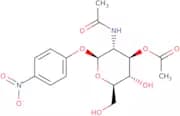
CAS:<p>[2-Methoxy-4-(2-nitrovinyl)phenyl] b-D-galactopyranoside (MNVP-gal) is a chromogenic enzyme substrate that is commonly used to detect the activity of beta-galactosidase in biological samples. MNVP-gal produces a distinctive magenta color when hydrolyzed by beta-galactosidase, making it particularly useful for applications where visual detection is necessary. This substrate is also resistant to endogenous proteases, making it well-suited for use in cellular and tissue preparations.</p>Purity:Min. 95%Molecular weight:357.31 g/mol4-Nitrophenyl 2-acetamido-3,6-di-O-acetyl-2-deoxy-b-D-glucopyranoside
CAS:<p>4-Nitrophenyl 2-acetamido-3,6-di-O-acetyl-2-deoxy-b-D-glucopyranoside is a versatile chromogenic pNP enzyme substrate designed to offer superior results for detecting enzyme activity in research and diagnostic applications. This substrate enables faster, more accurate, and reliable detection of hydrolase enzymes, making it ideal for various research and testing needs, such as studying enzyme kinetics, screening inhibitors, and profiling enzyme specificity.</p>Purity:Min. 95%Molecular weight:426.37 g/mol4-Nitrophenyl O-(N-acetyl-a-neuraminosyl)-(2-3)-b-D-galactopyranosyl-(1-4)-2-acetamido-2-deoxy-b-D-glucopyranoside
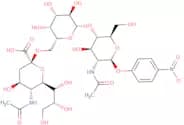
CAS:<p>4-Nitrophenyl O-(N-acetyl-a-neuraminosyl)-(2-3)-b-D-galactopyranosyl-(1-4)-2-acetamido-2-deoxybDglucopyranoside is a fluorescent compound that has been used as a substrate in enzyme assays. It has been shown to be an effective ligand for the enzyme beta galactosidase, which hydrolyzes the substrate to produce 4nitrophenol and o-(Nacetyl)a-neuraminic acid. This product is CAS No. 501427-92-5 and can be used as a high purity, high quality reagent for conjugation.</p>Purity:Min. 95%Molecular weight:795.7 g/molN-(12-Aminododecyl)-1-deoxynojirimycin dihydrochloride
CAS:<p>N-(12-Aminododecyl)-1-deoxynojirimycin dihydrochloride is a human 12-aminododecanoic acid derivative of the antibiotic najomycin. It has been shown to have an inhibitory effect on the growth of bacteria and fungi, but its exact mechanism of action is unknown. N-(12-Aminododecyl)-1-deoxynojirimycin dihydrochloride can be used as a reagent in the study of polypeptides and other biological molecules. This compound also has potential applications in the diagnosis, prevention, or treatment of human diseases such as cancer, bacterial infections, or fungal infections.</p>Formula:C18H38N2O4·2HClPurity:Min. 95%Color and Shape:Yellow SolidMolecular weight:419.43 g/mol4-Methylumbelliferyl b-L-arabinopyranoside
<p>4-Methylumbelliferyl b-L-arabinopyranoside is a chemiluminescent substrate that is used in the detection of various enzymes and other proteins. It can be used as a fluorogenic substrate, chromogenic substrate, or enzyme substrate. 4-Methylumbelliferyl b-L-arabinopyranoside has been shown to be an effective probe for detecting catalase, cytochrome c oxidase, and peroxidase activity. This product also has applications in diagnostics and food testing.</p>Purity:Min. 95%Molecular weight:308.28 g/mol6,8-Difluoro-4-methylumbelliferyl b-D-cellotetraoside
<p>6,8-Difluoro-4-methylumbelliferyl b-D-cellotetraoside is a chemiluminescent substrate for the detection of esterases. It is also used as an enzyme substrate in diagnostic applications and as a fluorogenic substrate in food testing. 6,8-Difluoro-4-methylumbelliferyl b-D-cellotetraoside has been shown to be an excellent ligand for use in immunoassays and can be conjugated to antibodies or antigens. 6,8-Difluoro-4-methylumbelliferyl b-D-cellotetraoside is chemically stable and has high purity and high quality.</p>Purity:Min. 95%Molecular weight:860.71 g/mol4-Nitrophenyl 3-O-(2,3,4,6-tetra-O-acetyl-a-D-mannopyranosyl)-2-O-benzoyl-4,6-O-benzylidene-a-D-mannopyranoside
<p>4-Nitrophenyl 3-O-(2,3,4,6-tetra-O-acetyl-a-D-mannopyranosyl)-2-O-benzoyl-4,6-O-benzylidene a -D-mannopyranoside is a synthetic substrate for glycosidases that can be used as an alternative to other substrates. It can be used in the detection of enzyme activity and in the diagnosis of diseases such as diabetes mellitus and Gaucher's disease. 4NP3ODABAB has been shown to have high quality and purity. This substrate has not been evaluated by CAS yet.</p>Purity:Min. 95%Molecular weight:823.75 g/mol4-Nitrophenyl 2-O-(2,3,4-tri-O-acetyl-b-L-fucopyranosyl)-6-O-benzoyl-a-D-galactopyranoside
CAS:<p>4-Nitrophenyl 2-O-(2,3,4-tri-O-acetyl-b-L-fucopyranosyl)-6-O-benzoyl-a-D-galactopyranoside is a chemiluminescent substrate with a CAS number of 104341548. It is used as a fluorescent probe for the detection of alpha amylase, beta amylase and glucose oxidase. It can be used to detect bacteria in food. This substrate can be used in the diagnostic industry and is an important component for the production of various enzymes.</p>Purity:Min. 95%Molecular weight:677.61 g/mol2,4-Dinitrophenyl b-L-arabinofuranoside
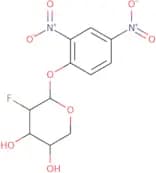
<p>2,4-Dinitrophenyl b-L-arabinofuranoside is a high quality chromogenic substrate for dinitrophenylase. It is a ligand that reacts with an enzyme to form a product that can be detected by various methods, including colorimetry and fluorimetry. 2,4-Dinitrophenyl b-L-arabinofuranoside has shown to be useful for the detection of organic contaminants in water and air. 2,4-Dinitrophenyl b-L-arabinofuranoside is also used as a reagent for the preparation of conjugates for immunoassays.</p>Purity:Min. 95%Molecular weight:628.54 g/molLuciferin-choline phosphate, sodium salt
<p>Luciferin-choline phosphate, sodium salt is a chemical compound used for the detection of phosphatases and esterases. This compound is also used for the detection of bacteria and fungi in food testing and environmental testing. Luciferin-choline phosphate, sodium salt is a chromogenic substrate that can be detected using bioluminescence or fluorogenic substrates. It has an absorbance maximum at around 420 nm.</p>Formula:C16H17N3NaO6PS2Purity:Min. 95 Area-%Molecular weight:465.41 g/mol4-Methylumbelliferyl phosphate, free acid
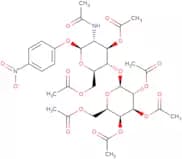
CAS:<p>A sensitive fluorogenic substrate for fluorometric and UV-spectrophotometric assays of phosphatases. It is used for the detection of C. perfringens because acid phosphatase is a highly specific indicator for C. perfringens.</p>Formula:C10H9O6PMolecular weight:256.15 g/mol4-Nitrophenyl 2,4,6-tri-O-acetyl-3-O-(2,3,4,6-tetra-O-acetyl-b-D-glucopyranosyl)-b-D-glucopyranoside
CAS:<p>4-Nitrophenyl 2,4,6-tri-O-acetyl-3-O-(2,3,4,6-tetra-O-acetyl-β-D-glucopyranosyl)-β-D-glucopyranoside is an advanced bifunctional chromogenic pNP substrate specifically tailored for the simultaneous detection and quantification of multiple glycosidase enzymes. This dual-action substrate undergoes cleavage by two separate enzymatic reactions, which increases the range and sensitivity of detection. The resulting 4-Nitrophenol release can be easily measured spectrophotometrically, providing rapid and reliable enzyme analysis for advanced enzymology studies, enabling new discoveries in biochemistry and biotechnology.</p>Purity:Min. 95%Molecular weight:757.65 g/mol5-Bromo-3-indolyl decanoate
CAS:<p>5-Bromo-3-indolyl decanoate (BID) is a chromogenic enzyme substrate often used for the detection of lipase activity. It is hydrolyzed by lipase to produce a blue-violet product, which can be detected visually or by spectrophotometry. BID is particularly useful for the detection of microbial lipases in food and environmental samples. It is commonly used in a wide range of biochemical, biological, and environmental testing applications that require precise lipase enzyme analysis.</p>Formula:C18H24BrNO2Purity:Min. 95%Color and Shape:PowderMolecular weight:366.29 g/mol6-Chloro-4-(trifluoromethyl)umbelliferyl b-D-cellotetraoside
<p>6-Chloro-4-(trifluoromethyl)umbelliferyl b-D-cellotetraoside is a fluorescent substrate that is used to measure the activity of the enzyme beta-glucuronidase. It is a chemiluminescent compound that emits light when hydrolyzed by an enzyme. 6-Chloro-4-(trifluoromethyl)umbelliferyl b-D-cellotetraoside has been shown to be a high quality and environmentally friendly product, as it does not cause any significant change in pH or turbidity in water samples. It has also been shown to be nontoxic and nonmutagenic at concentrations up to 400 ppm. This product can be used for a variety of purposes, including diagnostic tests for bacterial infections or food testing.</p>Purity:Min. 95%Molecular weight:913.15 g/mol4-Nitrophenyl 2-acetamido-2-deoxy-4,6-O-benzylidene-b-D-glucopyranoside
CAS:<p>4-Nitrophenyl 2-acetamido-2-deoxy-4,6-O-benzylidene-b-D-glucopyranoside is a fluorescent substrate for beta amylase and other glycosidases. It has been used as a fluorogenic substrate for food testing and as a chromogenic substrate for environmental testing. 4NPB has also been used in diagnostic applications such as enzyme substrates, ligands, and chemiluminescent substrates. This product is of high purity and quality with a conjugate that can be used in biotechnology applications.</p>Purity:Min. 95%Molecular weight:430.41 g/molCaspase substrate
CAS:<p>Caspase substrates are a class of pharmacological agents that regulate apoptosis. Caspases are proteases that cleave specific proteins in the cell, leading to apoptosis. Pro-apoptotic proteins activate caspases, while anti-apoptotic proteins inhibit them. Caspase substrates can be either pro-caspase or anti-caspase, depending on the desired effect. They may also be used to regulate caspases without affecting their activity. The caspase substrate is cleaved by caspases and releases a polypeptide fragment that triggers apoptosis in some cells, but not others. For example, the Hl-60 cell line is resistant to the pro-apoptotic effects of the substrate because it contains an anti-apoptotic protein called Bcl-2. In contrast, myocardial cells contain pro-apoptotic proteins and are sensitive to the pro-apoptotic effects of the substrate. In</p>Purity:Min. 95%Molecular weight:821.75 g/mol5-Bromo-4-chloro-3-indolyl 2-acetamido-2-deoxy-a-D-galactopyranoside
CAS:<p>Substrate for a-N-acetyl-galactosaminidase</p>Formula:C16H18BrClN2O6Purity:Min. 95%Color and Shape:White to off-white solid.Molecular weight:449.68 g/mol4-Methylumbelliferyl 2,3-di-O-benzoyl-4,6-O-benzylidene-b-D-galactopyranoside
<p>4-Methylumbelliferyl 2,3-di-O-benzoyl-4,6-O-benzylidene-b-D-galactopyranoside is a fluorogenic substrate that is used in the detection of β-galactosidase activity. This product is a white to off white powder that has a purity of 99.2%. It has been given CAS number 53654–95–1 and it can be found in the Diagnostics section of Acros Organics.</p>Purity:Min. 95%Molecular weight:634.63 g/mol2-Nitrophenyl 2-acetamido-3,4,6-tri-O-acetyl-2-deoxy-a-D-glucopyranoside
CAS:<p>2-Nitrophenyl 2-acetamido-3,4,6-tri-O-acetyl-2-deoxy-a-D-glucopyranoside is a chromogenic substrate commonly used in enzyme assays for the detection and quantification of enzyme activity. It is a colorless substrate that is enzymatically converted into a yellowish product, the intensity of which is directly proportional to the enzyme activity present in the sample.</p>Purity:Min. 95%Molecular weight:468.41 g/mol[2-Methoxy-4-(2-nitrovinyl)phenyl] b-D-glucopyranoside
CAS:<p>[2-Methoxy-4-(2-nitrovinyl)phenyl] beta-D-galactopyranoside is a chromogenic substrate (505 nm) for β-glucosidase.</p>Purity:Min. 95%Molecular weight:357.31 g/mol4-Nitrophenyl 2-acetamido-3-O-(2,3,4,6-tetra-O-acetyl-b-D-galactopyranosyl)-2-deoxy-a-D-galactopyranoside
CAS:<p>4-Nitrophenyl 2-acetamido-3-O-(2,3,4,6-tetra-O-acetyl-b-D-galactopyranosyl)-2-deoxy-a-D-galactopyranoside is a chromogenic substrate designed for the detection and quantification of enzyme activity. This tetra-acetylated compound is specifically designed to be cleaved by enzymes, releasing a yellow 4-nitrophenol product that can be easily measured spectrophotometrically, allowing for accurate and sensitive analysis of enzyme kinetics and inhibition studies.</p>Purity:Min. 95%Molecular weight:672.59 g/molBenzocaine fructoside
CAS:<p>Benzocaine fructoside is a synthetic carbohydrate that is used as a local anesthetic. It is synthesized from benzocaine to produce a glycosylated form of the drug. This compound has been modified to include fluorine atoms, and it has been methylated with primary amines. The modification of this compound has produced a high-purity product that can be used for click chemistry.</p>Purity:Min. 95%Resorufin methyl ether
CAS:<p>Fluorogenic substrate used to differentiate cytochrome P450 monooxygenases</p>Formula:C13H9NO3Purity:Min. 95%Color and Shape:PowderMolecular weight:227.22 g/mol4-Nitrophenyl 4-O-(2,3,4,6-tetra-O-acetyl-b-D-galactopyranosyl)-2,3,6-tri-O-acetyl-b-D-thioglucopyranoside
CAS:<p>4-Nitrophenyl 4-O-(2,3,4,6-tetra-O-acetyl-b-D-galactopyranosyl)-2,3,6-tri-O-acetyl-b-D-thioglucopyranoside is a superior chromogenic substrate for the detection of enzymes. Specifically designed for optimal performance, it provides exquisite sensitivity and definitive results in enzyme assays. Its exceptional properties make it a top choice among researchers and professionals in biochemistry, enabling accurate analysis and quantification of enzymatic activities.</p>Purity:Min. 95%Molecular weight:773.71 g/mol4-Nitrophenyl phosphate bis(tris) salt
CAS:<p>Please enquire for more information about 4-Nitrophenyl phosphate bis(tris) salt including the price, delivery time and more detailed product information at the technical inquiry form on this page</p>Formula:C14H28N3O12PMolecular weight:461.36 g/mol3-Indolyl-b-D-cellobioside
CAS:<p>3-Indolyl-b-D-cellobioside is a fluorogenic substrate for alkaline phosphatase. It can be used in food testing, environmental testing, and diagnostics. 3-Indolyl-b-D-cellobioside is a chromogenic substrate for beta-galactosidase. It can be used in staining and enzyme substrates. 3-Indolyl-b-D-cellobioside is also a ligand for alkaline phosphatase. It can be used in conjugates and chemiluminescence or bioluminescence reactions. 3-Indolyl -b -D -cellobioside is a high purity product with high quality standards that are suitable for use in culture media.br>br><br>3 - Indolyl - b - D - cellobioside <br>CAS No . 914912 - 14 - 4 <br>Food testing <br>St</p>Purity:Min. 95%Molecular weight:457.43 g/mol4-Methylumbelliferyl 2-azido-2-deoxy-3-O-(tetra-O-acetyl-b-D-galactopyranosyl)-4,6-O-benzylidene-a-D-galactopyranoside
CAS:<p>4-Methylumbelliferyl 2-azido-2-deoxy-3-O-(tetra-O-acetyl-b-D-galactopyranosyl)-4,6-O-benzylidene a D galactopyranoside is a chemiluminescent substrate for detecting ligands. It has been used to detect the presence of bacteria, fungi, and parasites in food samples and as an indicator for enzymatic activity. This product is an excellent fluorescent substrate for the detection of nucleic acids such as DNA. This product is a conjugate with high purity, which makes it suitable for use in various types of applications.</p>Formula:C37H39N3O16Purity:Min. 95%Molecular weight:781.72 g/molLuc-B.cereus Na
<p>Bacillus cereus is a rod-shaped β hemolytic bacterium commonly found in food and soil. Some strains can be associated with food intoxications, mainly from raw meat and poultry products. One example is the so called “fried rice syndrome”, that occurs when dishes containing cooked rice are left for several hours at room temperature. Typical symptoms of the infection include severe nausea, vomiting and diarrhea. Some strains of Bacillus cereus on the contrary are not harmful at all and they are used as probiotics food additives in animal farming to reduce the presence of other pathogens like Salmonella in the cecum end intestine. Bacillus cereus expresses phosphatidyl-choline specific phospholipase C (PC-PLC), encoded by the plc gene, which is regulated by PlcR. In addition, the expression of PlcR is dependent on the growth medium. Luc-B.cereus Na (L-8275) is a synthetic chemiluminescent substrate for the phosphatidyl-choline specific phospholipase C. The enzyme cleaves off phosphocholine from L-8275, leading to the release of D-Luc, and consequent strong light emission B. cereus culture exhibited strong luminescence, while RLU values were much lower for samples with B. thuringiensis.</p>Formula:C16H17N3NaO6PS2Purity:Min. 95 Area-%Molecular weight:465.41 g/mol4-Nitrophenyl trimethylacetate
CAS:<p>4-Nitrophenyl trimethylacetate is a cytosolic proteinase inhibitor. It binds to the active site of trypsin and other enzymes that hydrolyze peptide bonds, thereby inhibiting the activity of these enzymes. 4-Nitrophenyl trimethylacetate has been shown to inhibit soybean trypsin, which has led to its use as a model system for studying enzyme inhibition. The binding site on 4-Nitrophenyl trimethylacetate is competitive with respect to substrate binding but not with respect to the enzyme's catalytic triad. This inhibitor also has a high buffer capacity and can be used in low pH systems.</p>Purity:Min. 95%Molecular weight:223.23 g/mol4-Methylumbelliferyl 2-O-(2,3,4-tri-O-benzoyl-a-L-fucopyranosyl)-b-D-galactopyranoside
<p>4-Methylumbelliferyl 2-O-(2,3,4-tri-O-benzoyl-a-L-fucopyranosyl)-b-D-galactopyranoside is a fluorescent substrate for β–galactosidase. It is used to detect the enzyme in biological samples and as a diagnostic agent. This substrate can be used to develop chemiluminescent, chromogenic, and fluorogenic substrates for use in diagnostics. 4MUF 2OBG can also be conjugated to various ligands for use in bioluminescence assays or as a marker in immunoassays.</p>Purity:Min. 95%Molecular weight:796.77 g/molN-Methyl-3-indolyl a-D-arabinopyranoside
<p>3-indolyl-N-methyl a-D-arabinopyranoside is a fluorogenic substrate for the detection of beta-galactosidase. It also has been used as a chromogenic substrate for the detection of beta-glucuronidase. This product can be conjugated to an enzyme and used in enzyme substrates for the detection of beta-galactosidase, beta-glucuronidase, and other enzymes. 3-indolyl-N-methyl a-D-arabinopyranoside is also commonly used in culture media to detect bacteria and yeast.</p>Purity:Min. 95%Molecular weight:279.29 g/mol5-Bromo-4-chloro-3-indolyl 2-acetamido-2-deoxy-a-D-glucopyranoside
<p>5-Bromo-4-chloro-3-indolyl 2-acetamido-2-deoxy-a-D-glucopyranoside is a fluorogenic substrate that reacts with horseradish peroxidase to produce light. It is used in the detection of β-galactosidase activity in food testing, staining, and environmental testing. This product is also used as a chromogenic substrate for the determination of β-galactosidase activity in immunological assays. 5BICAPG is a conjugate that can be used as a diagnostic ligand for the detection of β -galactosidase enzyme activity. This product has been shown to react with horseradish peroxidase and produce chemiluminescence or bioluminescence when exposed to oxygen. 5BICAPG has also been found to be an excellent enzyme substrate for various enzymes including alkaline phosphatase</p>Formula:C16H18BrClN2O6Purity:Min. 95%Molecular weight:449.68 g/molAquaSpark® H2S probe, TFA salt, Ramot at Tel-Aviv University Ltd. Patent family WO 2017/130191
<p>AquaSpark® H2S probe is a chemiluminescent probe for the detection of hydrogen sulfide (H2S), with excellent selectivity for sulfide over thiols. The AquaSpark® H2S probe is ~760-fold more selective for Na2S than to L-cysteine, and ~380-fold more selective for Na2S than for glutathione. AquaSpark® H2S probe was used in a study identifying antibiotic-resistant bacterial strains by detecting the beta-lactamase-driven hydrolysis of beta-lactam antibiotics, where hydrogen sulfide is a biodegradation metabolite (Popat Gholap et al, 2021).</p>Formula:C35H31ClF3NO9SSePurity:Min. 95%Molecular weight:813.1 g/mol4-Nitrophenyl 2-acetamido-3,4,6-tri-O-acetyl-2-deoxy-a-D-glucopyranoside
CAS:<p>4-Nitrophenyl 2-acetamido-3,4,6-tri-O-acetyl-2-deoxy-a-D-glucopyranoside is a synthetic compound with the ability to inhibit the enzyme glutamicum. It is a radionuclide that can be used as a focusing agent for gamma cameras and has been shown to be effective against corynebacterium glutamicum and other organisms. 4NP2AG was synthesized by reacting nitrophenol with acetamide in the presence of an acid catalyst and hydrogenating the product. The synthesis employs precession chemistry, which involves rotating a molecule around its axis at high speed to increase its concentration in one area. This treatment leads to a higher yield of desired product. 4NP2AG contains two acetamido groups on the glucopyranoside moiety, which are esterified with nitrophenol and acetic acid respectively. These moieties are</p>Purity:Min. 95%Molecular weight:468.41 g/molThymidine 5′-monophosphate p-nitrophenyl ester sodium
CAS:<p>Thymidine 5′-monophosphate p-nitrophenyl ester sodium is a fluorogenic substrate that is used in food testing and environmental testing. It is an important component of the Ligand Assay, a diagnostic test for the detection of antibodies to HIV. Thymidine 5′-monophosphate p-nitrophenyl ester sodium has been shown to be a good substrate for use in enzyme assays, such as DNA polymerase, DNA ligase, and RNA polymerase. This product is also used in bioluminescence and chemiluminescence reactions.</p>Formula:C16H18N3O10P•NaPurity:Min. 95%Molecular weight:466.29 g/mol4-Nitrophenyl hepta-O-acetyl-1-thio-b-lactoside
CAS:<p>4-Nitrophenyl hepta-O-acetyl-1-thio-b-lactoside is an inorganic molecule that binds to the surface of bacteria. It has been used as a fingerprinting tool for a variety of organisms, including corynebacterium glutamicum. The molecule can be used to measure the metabolic activity of corynebacterium glutamicum with a technique called incremental acidification. This technique is based on the observation that the concentration of 4-nitrophenol decreases by one unit for each glucose metabolized by corynebacterium glutamicum. The use of 4NPHTBL and other primers can also be useful in diagnosing patients with autoimmune diseases such as celiac disease and inflammatory bowel disease.</p>Purity:Min. 95%4-Nitrophenyl 4,6-O-benzylidene-b-D-glucopyranoside
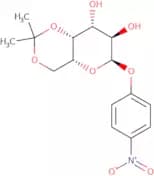
CAS:<p>4-Nitrophenyl 4,6-O-benzylidene-b-D-glucopyranoside is a fluorescent compound that is used in diagnostics and research. The compound is an enzyme substrate, a ligand for metal ions, and a chromogenic substrate. It can be used to test cultures of bacteria in culture media, as well as for food testing and environmental testing. 4-Nitrophenyl 4,6-O-benzylidene-b-D-glucopyranoside has high purity and quality due to its high fluorescence intensity. This product has been shown to be highly stable in various conditions and may be used in conjugates with other compounds.</p>Purity:Min. 95%Molecular weight:389.36 g/mol2-Nitrophenyl 6-O-trityl-b-D-galactopyranoside
CAS:<p>2-Nitrophenyl 6-O-trityl-b-D-galactopyranoside is a chromogenic enzyme substrate used in assays to detect galactosidase activity. It is a derivative of galactose that can be hydrolyzed by galactosidase to release the yellow-colored 2-nitrophenyl group, which can be detected spectrophotometrically. The trityl group helps to stabilize the molecule and prevent undesired hydrolysis during storage. This substrate is commonly used in the study of carbohydrate metabolism and in the detection of galactosidase activity in microorganisms.</p>Purity:Min. 95%Molecular weight:543.56 g/molResorufin oleate
<p>Resorufin oleate is a fluorogenic lipase substrate.</p>Purity:Min. 95%Color and Shape:PowderMolecular weight:477.64 g/mol4-Nitrophenyl 4,6-benzylidene-2-O-(2,3,4,6-tetra-O-[4-methoxybenzyl]-a-D-glucopyranosyl)-a-D-glucopyranoside
<p>4-Nitrophenyl 4,6-benzylidene-2-O-(2,3,4,6-tetra-O-[4-methoxybenzyl]-a-D-glucopyranosyl)-a-D-glucopyranoside is a fluorogenic substrate that is used in diagnostic assays to measure the activity of enzymes such as β–galactosidase and β–glucuronidase. It is also an enzyme substrate for culture media and chemiluminescence. This product has a CAS number of 57316-92-8.</p>Purity:Min. 95%Molecular weight:1,088.02 g/mol4-Nitrophenyl (N-acetyl-a-neuraminosyl)-(2,3)-O-b-D-galactopyranosyl-(1,3)-2-acetamido-2-deoxy-b-D-galactopyranoside
CAS:<p>4-Nitrophenyl (N-acetyl-a-neuraminosyl)-(2,3)-O-b-D-galactopyranosyl-(1,3)-2-acetamido-2-deoxy-b-D-galactopyranoside is a fluorogenic substrate that is used in the detection of enzyme activity. It reacts with a specific enzyme to produce light. This product has been shown to be useful for detecting β -galactosidase, β -glucuronidase, α -mannosidase, and lactose permeases. The product is also used in the diagnosis of urinary tract infections and other diseases. This product is not intended for use in humans or animals.</p>Purity:Min. 95%Molecular weight:795.7 g/molAquaSpark® H2S/-SH probe, TFA salt, Ramot at Tel-Aviv University Ltd. Patent family WO 2017/130191
<p>AquaSpark® H2S/-SH is a chemiluminescent probe for the detection of sulfides and thiols. The chemiluminescence obtained through sulfide is 3-5 fold higher than chemiluminescence obtained through thiols. AquaSpark® H2S/-SH probe was used in a study identifying antibiotic-resistant bacterial strains by detecting the beta-lactamase-driven hydrolysis of beta-lactam antibiotics, where hydrogen sulfide is a biodegradation metabolite (Popat Gholap et al, 2021).</p>Formula:C35H31ClF3NO9S2Purity:Min. 95%Molecular weight:766.2 g/mol4-Nitrophenyl 2-acetamido-3-O-[2-O-(2,3,4-tri-O-benzoyl-a-L-fucopyranosyl)-3,4,6-tri-O-acetyl-D-galactopyranosyl]-2-deoxy-6-O-trityl -b-D-glucopyranoside
<p>4-nitrophenyl 2-acetamido-3-O-[2-O-(2,3,4-tri-O-benzoyl-a-L-fucopyranosyl)-3,4,6-tri-O-acetyl -D -galactopyranosyl]-2 deoxy 6 O trityl b D glucopyranoside is a chemiluminescent substrate that can be used in biochemical assays. It reacts with oxygen to produce light when it is excited by a UV or blue light source. This product has been tested for purity and quality by HPLC analysis and spectroscopy.</p>Purity:Min. 95%Molecular weight:1,331.33 g/mol2-Naphthyl 2,3,4,6-tetra-O-acetyl-b-D-glucopyranoside
CAS:<p>2-Naphthyl 2,3,4,6-tetra-O-acetyl-b-D-glucopyranoside (NAG tetra acetate) is a chromogenic enzyme substrate commonly used in the detection of β-galactosidase activity. Upon hydrolysis by the enzyme, it produces a yellow product that can be detected by spectrophotometry or visually. It is frequently used in bacterial assays to monitor gene expression or as a tool for screening potential inhibitors of the enzyme.</p>Purity:Min. 95%Molecular weight:474.47 g/mol4-Nitrophenyl b-D-cellobioside heptacetate
CAS:<p>4-Nitrophenyl b-D-cellobioside heptacetate is a fluorogenic substrate that is used in food testing and environmental testing. The product is an enzyme substrate that can be used as a conjugate to produce chemiluminescence or bioluminescence. 4-Nitrophenyl b-D-cellobioside heptacetate has CAS number 69948-03-4 and is of high purity and quality. It has been shown to have good fluorescence properties, which makes it ideal for use in fluorescence microscopy applications.</p>Purity:Min. 95%Molecular weight:757.65 g/molAldol® 470 L-pyroglutamic acid amide, Biosynth Patent: EP 2427431 and US 8940909
CAS:Controlled Product<p>Aldol® 470 L-pyroglutamic acid amide is a chromogenic and fluorogenic enzyme substrate used for detection of pyrrolidonyl peptidase (PYRase) activity. The colorless enzyme substrate is cleaved by PYRase-producing bacteria grown in liquid or solid media, yielding orange color. In addition, green fluorescence is generated when a suitable matrix is present, such as, the surface of cellulose acetate filters, polypropylene tubes or microplates, and polyethylene vials. Aldol® 470 L-pyroglutamic acid amide is suitable for use under aerobic and anaerobic conditions.</p>Formula:C28H25N3O5Purity:Min. 95%Color and Shape:PowderMolecular weight:483.52 g/molResorufin ethyl ether
CAS:<p>Resorufin ethyl ether is a fluorescent substrate that is used to measure the activity of cytochrome P450 enzymes. It can be used in vitro to study the effects of drugs on enzyme activities and in vivo to study liver lesions. Resorufin ethyl ether is also used as a model system for studying synchronous fluorescence, which is the emission of light by two or more substances at the same time. The nitrogen atoms in resorufin ethyl ether can be substituted with other atoms such as magnesium or zinc, which will affect its activity and fluorescence properties. Resorufin ethyl ether binds to cytochrome P450 enzymes and therefore inhibits their activity. This inhibition is reversible, and it can be reversed by adding a substance that competes with the substrate for binding sites on the enzyme.</p>Purity:Min. 95%Molecular weight:241.24 g/molBz-Gly-D-Lys-OH
CAS:<p>Bz-Gly-D-Lys-OH is a chemiluminescent substrate used for the detection of peroxidase, catalase, and other oxidoreductases. It is a high purity, high quality product that can be used in a variety of applications. This product has been shown to have an activity of approximately 10% at pH 4.0 and 100% at pH 8.0. Bz-Gly-D-Lys-OH has been tested for its ability to produce chemiluminescence in the presence of hydrogen peroxide and luminol. This product is still undergoing environmental testing and should not be used as a food additive or dietary supplement without further authorization from the FDA.</p>Formula:C15H21N3O4Purity:Min. 95%Molecular weight:307.34 g/mol4-(Trifluoromethyl)umbelliferyl-b-D-cellotetraoside
CAS:<p>4-(Trifluoromethyl)umbelliferyl-b-D-cellotetraoside is a chemiluminescent substrate that can be used in the detection of peroxidase, horseradish peroxidase, and other enzymes. It is a fluorescent product that emits light upon reaction with hydrogen peroxide. This product has been tested for purity and quality and has shown to have no detectable levels of heavy metals or other contaminants. 4-(Trifluoromethyl)umbelliferyl-b-D-cellotetraoside is not cytotoxic and can be used for the detection of enzyme activity in living cells. 4-(Trifluoromethyl)umbelliferyl-b-D-cellotetraoside is also known as TMBECFDA, which stands for Trifluoromethyl)umbelliferone (Cellobiose) (Biot</p>Purity:Min. 95%Molecular weight:878.7 g/mol4-Nitrophenyl 2,3,4-tri-O-levulinoyl-a-D-mannopyranoside
<p>4-Nitrophenyl 2,3,4-tri-O-levulinoyl-a-D-mannopyranoside is a fluorogenic substrate that contains a reactive group of 2,3,4-tri-O-levulinoyl. This compound can be used to measure the activity of enzymes such as beta-glucosidase and alpha-galactosidase. 4NP2OMP is an excellent ligand for metal ions and has been shown to bind to copper in the presence of ATP. 4NP2OMP can also be used as a diagnostic agent for measuring the activity of bacterial beta-glucosidase and alpha galactosidase.</p>Purity:Min. 95%Molecular weight:595.55 g/mol4-Nitrophenyl b-D-galactopyranoside hydrate
CAS:<p>4-Nitrophenyl b-D-galactopyranoside hydrate is a water-soluble pNP-based enzyme substrate ideal for quantifying b-galactosidase activity in a variety of sample types. This chromogenic substrate features a unique hydrate composition, which allows for enhanced solubility and stability when compared to standard pNP-galactosides. With its high sensitivity and robust performance, this substrate is widely used in biotechnology, biochemistry, and molecular biology fields, including the investigation of enzyme kinetics, characterization of glycoside hydrolase specificity, and assessment of gene expression levels.</p>Purity:Min. 95%Molecular weight:319.27 g/mol2-Nitrophenyl 2,3,4-tri-O-acetyl-b-D-galactopyranoside
CAS:<p>2-Nitrophenyl 2,3,4-tri-O-acetyl-b-D-galactopyranoside is a fluorogenic substrate that can be used to detect β-galactosidase activity. This specific substrate is one of the most commonly used substrates for detecting β-galactosidase activity in diagnostic assays. It reacts with the enzyme to produce a blue color and has a fluorescence emission maximum at about 480 nm. The product is available in high purity and high quality and it is also an enzyme substrate.</p>Purity:Min. 95%Molecular weight:427.36 g/mol2-Nitrophenyl laurate
CAS:<p>2-Nitrophenyl laurate is a fatty acid that is not able to be degraded and has a high affinity for magnetic particles. It can be used in the immobilization of bacteria, such as Stenotrophomonas maltophilia, which are resistant to many antibiotics. 2-Nitrophenyl laurate also inhibits the enzyme lipolytic enzymes, which are responsible for the degradation of phospholipids in the cell membrane. This inhibition may lead to an increase in bacterial susceptibility to antibiotics. 2-Nitrophenyl laurate is a synthetic substrate that can be used to study the regulation of lipolytic enzymes by regulatory proteins.</p>Purity:Min. 95%Color and Shape:Pale yellow to yellow solid.Molecular weight:321.41 g/mol6-Chloro-7-hydroxy-4-(trifluoromethyl)coumarin
CAS:<p>6-Chloro-7-hydroxy-4-(trifluoromethyl)coumarin is a fungicide that inhibits the growth of fungi by interfering with their DNA synthesis. It does this by inhibiting the activity of two enzymes: the fungal enzyme oxime and the enzyme cinerea, which is found in many fungi. 6-Chloro-7-hydroxy-4-(trifluoromethyl)coumarin has been shown to be effective against Alternaria and Botrytis cinerea. The compound also has an antifungal effect against other types of fungi, such as Penicillium roqueforti, when used in combination with a solvent such as ether.</p>Purity:Min. 95%Molecular weight:264.58 g/mol6-Chloro-4-methylumbelliferyl b-D glucuronide
CAS:<p>6-Chloro-4-methylumbelliferyl b-D glucuronide is a fluorogenic substrate for beta-glucuronidase that exhibits longer absorption/emission maxima (~385/500 nm) than typical 4MU-derived substrates.</p>Formula:C16H15ClO9Purity:Min. 97 Area-%Color and Shape:White PowderMolecular weight:386.74 g/molMaltotetraose 2-aminobenzamide
<p>Maltotetraose 2-aminobenzamide is a chemiluminescent substrate that emits light in the presence of certain oxidizing agents. It provides high quality and environmental testing, as well as staining and ligand capability. Maltotetraose 2-aminobenzamide is used in diagnostics to identify bacteria and other microorganisms. Maltotetraose 2-aminobenzamide can be used for the detection of bacterial colonies on agar plates using a fluorogenic substrate, or for the detection of fungi using a chromogenic substrate. Maltotetraose 2-aminobenzamide is also used as an enzyme substrate in food testing or conjugate with enzymes for bioluminescence.</p>Purity:Min. 95%3-Carboxyumbelliferyl b-D-galactopyranoside
CAS:<p>3-Carboxyumbelliferyl b-D-galactopyranoside is a fluorescent probe that can be used to study protein synthesis in live cells. It binds to the active site of the enzyme peptidyl transferase, which catalyzes the covalent linkage of amino acids to form a polypeptide chain. 3CMBG is specific for the amino acid proline and is a substrate for peptidyl transferase. The fluorescence of 3CMBG increases when it is bound to peptidyl transferase, making it useful as a marker for protein synthesis.</p>Purity:Min. 95%Molecular weight:368.28 g/molAldol® 470 N-tosyl-L-alanine ester, Biosynth Patent: EP 2427431 and US 8940909
CAS:Controlled Product<p>Aldol® 470 N-tosyl-L-alanine ester is a fluorogenic substrate that is used in enzyme and chromogenic assays. It is a high purity, high quality, and highly soluble substrate for chemiluminescent reactions. Aldol® 470 N-tosyl-L-alanine ester can be used to detect the presence of bacteria in culture media and as an indicator of bacterial growth. It is also used to test for the presence of different types of enzymes that catalyze the oxidation of alcohols.</p>Formula:C33H30N2O7SPurity:Min. 90.0 Area-%Molecular weight:598.67 g/mol6-Amino-6-deoxyluciferin
CAS:<p>6-Amino-6-deoxyluciferin is a synthetic analog of luciferin. It is used as a substrate for bacterial luciferase and in immunoassays to detect neutrophils, infectious diseases, and various protease activities. 6-Amino-6-deoxyluciferin is synthesized by the condensation of an amide with a hydroxyl group from acetaldehyde. This reaction requires the use of a coupling agent such as dicyclohexylcarbodiimide or 1-(3-dimethylaminopropyl)-3-ethylcarbodiimide hydrochloride (EDC), which are often used to form amides from carboxylic acids and amines. The conjugation of 6-amino-6-deoxyluciferin with antibodies can be accomplished by chemical crosslinking methods, such as glutaraldehyde, which react thiol groups on the antibody</p>Formula:C11H9N3O2S2Purity:Min. 95%Color and Shape:Yellow SolidMolecular weight:279.34 g/mol6,8-Difluoro-4-methylumbelliferyl b-D-cellotrioside
<p>6,8-Difluoro-4-methylumbelliferyl b-D-cellotrioside is a ligand that binds to active sites of enzymes such as beta-glucuronidase and beta-glucosidase. It is used in diagnostics for the detection of bacteria in culture media and food testing where it can be used as a chromogenic or fluorogenic substrate. 6,8-Difluoro-4-methylumbelliferyl b-D-cellotrioside is also used to detect the presence of bacteria and fungi in environmental samples. It has a high purity and conjugate with other molecules for use in fluorescence microscopy.</p>Purity:Min. 95%Color and Shape:White to off-white powder.Molecular weight:698.57 g/molAldol® 496 acetate, Biosynth Patent: EP 2427431 and US 8940909
CAS:<p>Aldol 496 acetate is a chromogenic substrate for the enzyme Aldolase. It is also used as a ligand to detect the presence of Aldolase in biological fluids and tissues. This product is designed for Food testing, Diagnostics, Chromogenic substrate, Staining, Enzyme substrate, Bioluminescence, Fluorogenic substrate, Chemiluminescence, and Culture media. Aldol 496 acetate is an organic chemical with high purity and high quality.</p>Formula:C27H24N2O4Purity:Min. 95.0 Area-%Molecular weight:440.49 g/molAldol® 515 propionate, Biosynth Patent: EP 2427431 and US 8940909
CAS:<p>Aldol® 515 propionate is a chromogenic substrate that is used as a reagent in food testing, diagnostics, and environmental testing. It reacts with an enzyme to form a fluorescent product that can be detected with a spectrophotometer. The substrate has been shown to have high purity and high quality.</p>Formula:C26H24N2O3Purity:Min. 95.0 Area-%Molecular weight:412.48 g/molAldol® 495 phosphate, disodium salt, Biosynth Patent: EP 2427431 and US 8940909
CAS:<p>Aldol® 495 phosphate is a chromogenic and fluorogenic enzyme substrate used for detection of phosphatase activity. The colorless enzyme substrate is cleaved by acid and alkaline phosphatases secreted by bacteria in liquid or solid media, yielding orange color and green fluorescence. Aldol® 495 phosphate can also be used in Western blots and other immunoassay applications with phosphatase-coupled secondary antibodies. Aldol® 495 phosphate can be used under aerobic and anaerobic conditions.</p>Formula:C20H14ClN2Na2O5PPurity:Min. 98.0 Area-%Molecular weight:474.74 g/mol4-Nitrophenyl 2-acetamido-3-O-(2-O-a-L-fucopyranosyl-b-D-galactopyranosyl)-2-deoxy-a-D-galactopyranoside
CAS:<p>4-Nitrophenyl 2-acetamido-3-O-(2-O-a-L-fucopyranosyl-b-D-galactopyranosyl)-2,6,8,10,12-pentaoxoheptaacetic acid is a chemiluminescent substrate that is used for the detection of peroxidase and other enzymes. The reaction product is a yellow fluorescent product which can be measured using a fluorometer. It is sold as an aqueous solution at 1mg/mL in phosphate buffer at pH 7.4.</p>Purity:Min. 95%Molecular weight:650.58 g/molEspresso-Gal
<p>Espresso-Gal (Espresso-beta-D-galactopyranoside) is a chromogenic indicator for beta-galactosidase activity. The colorless product is cleaved by lactose-utilizing bacteria in liquid media or on agar plates and yields an espresso brown colored precipitate. Espresso-Gal can also be used as detecting agent for beta-galactosidase activity in reporter gene assays or for identification of positive transformants on agar plates when using the α-complementation approach. Read more in the Application Notes.</p>Molecular weight:495.6 g/mol4-Nitrophenyl 2,3,4,6-tetra-O-acetyl-a-D-glucopyranoside
CAS:<p>4-Nitrophenyl 2,3,4,6-tetra-O-acetyl-a-D-glucopyranoside is a useful substrate for enzymatic assays. This high-sensitivity chromogenic pNP substrate offers enhanced selectivity and increased detection ability, allowing for a broad range of applications in the field of glycosidase research. Featuring rapid colorimetric readouts with easily detectable endpoint determination, this substrate delivers clear and accurate results every time.</p>Purity:Min. 95%Molecular weight:469.4 g/mol4-Methylumbelliferyl 2-acetamido-3-O-(2,3,4-tri-O-acetyl-a-L-fucopyranosyl)-4-O-(2,3,4,6-tetra-O-acetyl-b-D-galactopyranosyl)-6-O-ac etyl-2-deoxy-b-D-glucopyranoside
<p>4-Methylumbelliferyl 2-acetamido-3-O-(2,3,4-tri-O-acetyl-a-L-fucopyranosyl)-4-O-(2,3,4,6 -tetra-O-acetylbDgalactopyranosyl)-6-O-acetyldEoxybDglucopyranoside is a chemiluminescent substrate that has been used in the detection of beta galactosidase activity. It is a ligand for beta galactosidases and can be used for the study of enzyme kinetics. This compound also exhibits high purity and is available in CAS number: 916071. 4MUFAGAALF is suitable for use in culture media and environmental testing as well as diagnostics (e.g., bioluminescence), staining (fluorogenic substrate), and chromogenic substrates</p>Purity:Min. 95%Molecular weight:1,023.94 g/mol5-Bromo-3-indolyl β-D-glucuronide cyclohexylammonium
CAS:<p>chromogenic substrate for beta-glucuronidase</p>Formula:C14H14BrNO7•C6H13NPurity:Min. 95%Color and Shape:PowderMolecular weight:487.34 g/mol4-Nitrophenyl phosphate potassium salt
CAS:<p>4-Nitrophenyl phosphate potassium salt is a high quality, non-radioactive chemiluminescence substrate that is used in the detection of oxidase activity. This product can be used to measure the activity of peroxidase and catalase enzymes, as well as the accumulation of hydrogen peroxide. It also has been shown to be a ligand for some sulfhydryl groups and an inhibitor of phosphatases. 4-Nitrophenyl phosphate potassium salt has been tested for its ability to inhibit bacterial growth and fluorescence by staining cells. This product has also been shown to have bioluminescent properties and can be used for diagnostics or culture media.</p>Purity:Min. 95%Molecular weight:257.18 g/mol5-Bromo-4-chloro-3-indolyl a-L-arabinopyranoside
<p>This product is a fluorogenic substrate that reacts with the enzyme beta-galactosidase to produce a fluorescent product. It can be used in food testing, environmental testing, and diagnostics. The CAS number for this product is 609-33-2. This product is available in high purity and high quality.</p>Formula:C13H13BrClNO5Color and Shape:PowderMolecular weight:378.6 g/mol4-Methylumbelliferyl 4-deoxy-b-D-chitobiose peracetate
CAS:<p>4-Methylumbelliferyl 4-deoxy-b-D-chitobiose peracetate is a chromogenic substrate used for the detection of β-galactosidase activity. It is an analog of 4-methylumbelliferone that can be hydrolyzed by β-galactosidase to produce fluorescence. This product is supplied as a white crystalline solid and can be stored at room temperature. This substrate has been shown to work well in culture media, food testing, and environmental testing.</p>Purity:Min. 95%Color and Shape:Off-White PowderMolecular weight:734.7 g/mol6-Chloro-1H-indol-3-yl b-D-mannopyranoside
CAS:<p>6-Chloro-1H-indol-3-yl b-D-mannopyranoside is an enzyme substrate that is used in the fluorogenic and chromogenic assays for detecting indoleamines. This compound has a conjugate, which is a fluorescent molecule that can be attached to an antibody to target specific proteins or cells. 6-Chloro-1H-indol-3-yl b-D-mannopyranoside is used as a diagnostic agent in the detection of bacterial and fungal infections. It is also used as an indicator of cell growth in culture media.</p>Purity:Min. 95%Molecular weight:329.73 g/molAquaSpark® 510 Nitroreductase/NADH Probe, lyophilized, Ramot at Tel-Aviv University Ltd. Patent family WO 2017/130191
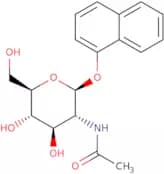
CAS:<p>The AquaSpark® 510 Nitroreductase/NADH Probe (CL-NTR) is a water-soluble probe for the selective chemiluminescent detection of nitroreductase (NTR) activity. It is a versatile tool for monitoring a number of biological processes.</p>Formula:C28H28ClNO8Molecular weight:541.15 g/mol1-Naphthyl a-D-glucopyranoside
CAS:<p>1-Naphthyl a-D-glucopyranoside is a chromogenic substrate used to detect the presence of enzymes that catalyze the hydrolysis of glycosidic bonds, such as alpha-glucosidase. When the substrate is cleaved by the enzyme, it produces a colored product that can be visualized and quantified.</p>Purity:Min. 95%Molecular weight:306.31 g/molAldol® 515 palmitate, Biosynth Patent: EP 2427431 and US 8940909
CAS:<p>Aldol® 515 palmitate is a high quality, non-toxic and water soluble chromogenic substrate for enzymes. It is used to detect the presence of lipase activity due to yielding a red color.</p>Formula:C39H50N2O3Purity:Min. 95%Color and Shape:PowderMolecular weight:594.83 g/mol4-Methylumbelliferyl N-acetyl-a-D-neuraminic acid ammonium
CAS:<p>4-Methylumbelliferyl N-acetyl-alpha-D-neuraminic acid ammonium is a fluorogenic substrate for neuraminidase. After enzymatic cleaveage, free 4-methylumbelliferone (also known as hymecromone) is released, exhibiting blue fluorescence upon excitation with UV light. The strongest fluorescence of 4-methylumbelliferone requires deprotonation of the hydroxyl group (thus requires alkaline pH), with a maximal fluorescence intensity obtained with excitation at 350 to 370 nm and emission at 440 to 470 nm. The use of 4-methylumbelliferyl N-acetyl-alpha-D-neuraminic acid ammoniumas a substrate for measuring the neuraminidase activity is used for detecting the glycoproteins on the surface of influenza A and B viruses, as well as for sialidosis diagnosis.</p>Formula:C21H28N2O11Purity:Min. 95%Color and Shape:PowderMolecular weight:471.44 g/molAldol® 458 phosphate, disodium salt, Biosynth Patent: EP 2427431 and US 8940909
CAS:<p>Aldol® 458 phosphate is a chromogenic and fluorogenic enzyme substrate used for detection of phosphatase activity. The colorless enzyme substrate is cleaved by phosphatases secreted by bacteria grown in liquid media, yielding yellow color and green fluorescence. Aldol® 458 phosphate can also be used in assays involving phosphatase-coupled antibodies in immunoassay applications (ELISA). Aldol® 458 phosphate can be used under aerobic and anaerobic conditions.</p>Formula:C16H12NNa2O6PPurity:Min. 95.0 Area-%Molecular weight:391.22 g/molAldol® 484 acetate, Biosynth Patent: EP 2427431 and US 8940909
CAS:Controlled Product<p>Aldol® 484 acetate is a chromogenic substrate for carboxylesterases yielding a red precipitate. In contrast to classical indoxyl substrates, Aldol substrates work not only under aerobic but also under anaerobic conditions</p>Formula:C22H16ClFN2O3Purity:Min. 95.0 Area-%Molecular weight:410.83 g/mol2-Chloro-4-nitrophenyl b-D-xylobioside
<p>2-Chloro-4-nitrophenyl b-D-xylobioside is a chemiluminescent substrate that is used as a diagnostic agent. It has been used in the identification of gram positive and gram negative bacteria, which are differentiated by the color of the reaction. This substrate has also been used to detect the presence of certain enzymes produced by bacteria. 2-Chloro-4-nitrophenyl b-D-xylobioside has shown to be an effective enzyme substrate for detecting bacterial growth in culture media and is often used as a fluorogenic substrate in food testing.</p>Purity:Min. 95%4-Nitrophenyl b-lacto-N-neotetraoside
CAS:<p>4-Nitrophenyl b-lacto-N-neotetraoside is a potent antibiotic that inhibits bacterial growth by binding to the beta subunit of DNA gyrase. This drug has been shown to be effective against methicillin resistant Staphylococcus aureus (MRSA) and Clostridium perfringens, although is not active against acid-fast bacteria such as Mycobacterium tuberculosis or Mycobacterium avium complex. Gatifloxacin has shown anti-inflammatory properties, which may be due to its inhibition of prostaglandin synthesis.</p>Purity:Min. 95%Molecular weight:828.72 g/mol4-Nitrophenyl 2-acetamido-2-deoxy-4-O-[2-O-(a-L-fucopyranosyl)-b-D-galactopyranosyl]-b-D-glucopyranoside
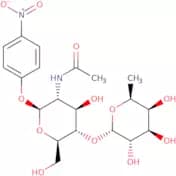
CAS:<p>The 4-Nitrophenyl 2-acetamido-2-deoxy-4-O-[2-O-(a-L-fucopyranosyl)-b-D-galactopyranosyl]-b-D-glucopyranoside is a specialized pNP enzyme substrate designed to study fucosyl-galactose-dependent enzymes. This chromogenic substrate is valuable for researchers investigating glycosyltransferase activity, structure-function relationships of glycan-binding proteins, and regulation of cellular signaling pathways involving fucose modifications. Its high specificity and sensitivity ensure accurate measurements in diverse experimental setups, and its chromogenic detection system facilitates rapid and reliable analysis.</p>Purity:Min. 95%Molecular weight:650.58 g/mol5-Bromo-4-chloro-3-indolyl N-acetyl-a-D-neuraminic acid methyl ester
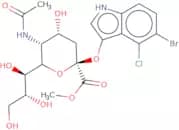
CAS:<p>5-Bromo-4-chloro-3-indolyl N-acetyl-a-D-neuraminic acid methyl ester is a chromogenic substrate that reacts with enzymes to produce a colored product. It can be used in diagnostic tests for the detection of various bacteria, including Salmonella and Brucella, as well as for the determination of concentration in food testing or environmental testing. 5B4C3INA can also be conjugated to other substances, such as biotin or an antibody, which allows it to be used in immunoassays.</p>Formula:C20H24BrClN2O9Purity:Min. 95%Molecular weight:551.77 g/molResorufin a-D-mannopyranoside
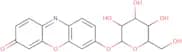
CAS:<p>Resorufin alpha-D-glucopyranoside is a sensitive fluorogenic substrate that generates a red fluorescent product (resorufin) upon interaction with alpha-glucosidase.</p>Purity:Min. 95%Color and Shape:Brown PowderMolecular weight:375.33 g/mol2-Chloro-4-nitrophenyl b-D-cellobioside
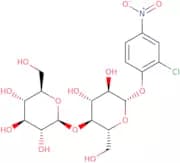
CAS:<p>2-Chloro-4-nitrophenyl b-D-cellobioside (CNPG) is a chromogenic enzyme substrate that is commonly used to detect and measure the activity of β-glucosidases. CNPG is cleaved by the enzyme into the chromogenic product, which can be detected spectrophotometrically. β-glucosidases are important enzymes in the breakdown of cellulose, and CNPG is a widely used substrate for the detection and quantification of these enzymes in various research studies.</p>Purity:Min. 95%Color and Shape:PowderMolecular weight:497.83 g/mol4-Methylumbelliferyl 3,4,6-tri-O-acetyl-b-D-galactopyranoside
<p>4-Methylumbelliferyl 3,4,6-tri-O-acetyl-b-D-galactopyranoside is a fluorescent compound that can be used as a substrate for the following enzymes: β-galactosidase, α-galactosidase, and β-glucuronidase. This product is used in diagnostics to measure the activity of these enzymes. It can also be used to detect bacteria in culture media and food testing. 4MUF3,4,6TABG is a high quality product that has been shown to have a high purity level by liquid chromatography. CAS number: 61440-03-2</p>Purity:Min. 95%Molecular weight:464.42 g/molrac-7-(3',4'-Dihydroxybutyloxy)coumarin-4'-phosphate disodium salt
CAS:<p>This Clips-O substrate rac-7-(3',4'-Dihydroxybutyloxy)coumarin-4'-phosphate allows the detection of single and dual enzymatic activity (phosphatase and oxidation of 4-amino-3-hydroxybutyloxy spacer either enzymatically or by exposure to sodium periodate) with a single substrate resulting in a fluorescent signal. The main virtues of Clips-O substrates are an increased stability towards non-enzymatic hydrolysis that results in a reduced background and high sensitivity.</p>Formula:C13H13Na2O8PPurity:Min. 95.0 Area-%Molecular weight:374.2 g/mol4-Methylumbelliferyl 3,4,6-tri-O-acetyl-2-azido-2-deoxy-a-D-galactopyranoside
CAS:<p>4-Methylumbelliferyl 3,4,6-tri-O-acetyl-2-azido-2-deoxy-a-D-galactopyranoside is a fluorogenic substrate for the enzyme beta galactosidase. It is used in food testing, environmental testing, and diagnostics. 4MUF3A2DGAL is an enzyme substrate that provides high quality chemiluminescence and bioluminescence signals. This product has a CAS number of 124167-43-7 and is available in both high purity and conjugate forms.</p>Purity:Min. 95%Molecular weight:489.43 g/molAldol® 515 β-D-xylopyranoside, Biosynth Patent: EP 2427431 and US 8940909
CAS:<p>Aldol® 515 beta-D-xylopyranoside is a chromogenic substrate that is used in food testing. It is an alternative to the more common glucose and sucrose, which are not suitable for some types of assays. Aldol® 515 beta-D-xylopyranoside is also used in diagnostics as a ligand for fluorescent antibody staining and chemiluminescence assays. It has been shown to increase the sensitivity of these tests by up to 10 times. The substrate has been tested extensively and is safe for use with a wide range of bacteria including E. coli, S. typhimurium, M. tuberculosis, and C. albicans at concentrations up to 100 mM without any inhibitory effects on growth or viability.<br>END>.</p>Formula:C28H34N2O6Purity:Min. 95.0 Area-%Molecular weight:494.59 g/mol1-Naphthyl 2-acetamido-2-deoxy-b-D-glucopyranoside
CAS:<p>1-Naphthyl 2-acetamido-2-deoxy-b-D-glucopyranoside is a chromogenic substrate commonly used to assay the activity of enzymes that cleave N-acetyl-beta-D-glucosaminide, such as beta-N-acetylglucosaminidase. Upon cleavage by the enzyme of interest, the substrate releases a yellow-colored 1-naphthylamine, which can be measured spectrophotometrically. This substrate is widely used in biomedical research and drug discovery for studying lysosomal storage disorders, bacterial infections, and neurological diseases.</p>Purity:Min. 95%Molecular weight:347.36 g/mol6,8-Difluoro-4-methylumbelliferyl b-D-glucopyranoside
CAS:<p>6,8-Difluoro-4-methylumbelliferyl b-D-glucopyranoside is a versatile fluorogenic substrate suitable for the measurement of various glycosidase enzymes. Its unique structure allows for enhanced sensitivity and selectivity in enzyme assays, making it ideal for studying enzyme kinetics and screening of potential enzyme inhibitors.</p>Purity:Min. 95%Molecular weight:374.29 g/molLuc-B.cereus Na
<p>Luc-B.cereus Na is a chemiluminescent substrate that is used for diagnostic purposes. This substrate emits light in the presence of peroxide and can be detected by a luminometer or photomultiplier tube. Luc-B.cereus Na is a high purity, high quality, and chemically stable product that can be stored at room temperature for up to one year. It has been tested for use with a wide variety of organisms such as bacteria, fungi, parasites, and viruses. Luc-B.cereus Na reacts with peroxide to produce light and is an excellent choice for use in diagnostics because it does not require any additional chemicals.</p>Purity:Min. 95%2-Nitrophenyl hexyl ether
CAS:<p>2-Nitrophenyl hexyl ether is a chromogenic substrate commonly used to assay the activity of esterases. Upon cleavage of the ester bond by esterases, the released 2-nitrophenyl group yields a yellow color detectable by spectrophotometry. This substrate has been used in a variety of applications, including environmental monitoring and studies of insecticide resistance. It is particularly useful for screening large numbers of samples because of its rapid reaction rate and high sensitivity. However, it should be noted that some non-specific hydrolysis may occur with this substrate, particularly at high concentrations or in the presence of strong nucleophiles.</p>Purity:Min. 95%Molecular weight:223.27 g/molL-Glutamic acid γ-(7-amido-4-methylcoumarin)
CAS:<p>Substrate for aminopeptidase a or the assay of γ-glutamyl transferase yielding a blue fluorescent solution upon cleavage.</p>Formula:C15H16N2O5Purity:Min. 99 Area-%Molecular weight:304.31 g/molRef: 3D-G-3850
1gTo inquire50mgTo inquire250mgTo inquire500mgTo inquire2500mgTo inquire-Unit-ggTo inquireD-Luciferin-6-O N-acetylneuraminic acid
<p>Chemiluminescent substrate for neuraminidase</p>Purity:Min. 95%Molecular weight:571.58 g/molCENTA ²-Lactamase Substrate
CAS:<p>CENTA²-Lactamase Substrate is a purified peptide that has been shown to be an effective inhibitor of lactamase enzymes. It is used as a signal peptide in the detection of pro-apoptotic proteins and peptide hormones, for the diagnosis of infectious diseases, and for the study of lactogenic hormones. The CENTA²-Lactamase Substrate can also be used in the polymerase chain reaction (PCR) to identify the presence of DNA from human serum. In addition, it is often used as a basic protein to detect antibodies in human serum or other biological samples by ELISA or Western blotting.</p>Formula:C21H17N3O8S3Purity:Min. 95%Molecular weight:535.57 g/mol4-Nitrophenyl b-D-cellobioside heptaacetate
<p>4-Nitrophenyl b-D-cellobioside heptaacetate is a chromogenic substrate for enzymes that catalyze the hydrolysis of glycosidic bonds. This product is used as a diagnostic tool for identifying and characterizing glycosidases and other enzymes that degrade glycosidic bonds. 4-Nitrophenyl b-D-cellobioside heptaacetate is also used in culture media to measure the activity of cellulase enzymes by measuring the release of reducing sugars. The color change of this substrate can be detected at 405 nm, 490 nm, or 550 nm.</p>Purity:Min. 95%Molecular weight:757.65 g/molNeu5Ac(a2-6)Gal(b1-3)GlcNAc-b-pNP
<p>Neu5Ac(a2-6)Gal(b1-3)GlcNAc-b-pNP is a fluorogenic substrate that can be used for testing the presence of glycoproteins in food samples. It also has been used to detect the presence of enzymes in culture media. Neu5Ac(a2-6)Gal(b1-3)GlcNAc-b-pNP is a high purity product that has a CAS number and is available as a conjugate. This product can be purchased in bulk quantities, with a purity of >90%.</p>Purity:Min. 95%Molecular weight:795.7 g/molJalapeno green-Gal
<p>Jalapeno green-Gal (Jalapeno green-beta-D-galactopyranoside) is a chromogenic indicator for beta-galactosidase activity. The colorless product is cleaved by lactose-utilizing bacteria in liquid media or on agar plates and yields a Jalapeno green colored precipitate. Jalapeno green-Gal can also be used as detecting agent for beta-galactosidase activity in reporter gene assays or for identification of positive transformants on agar plates when using the α-complementation approach.</p>Molecular weight:472.1 g/molLuciferin-choline phosphate, sodium salt
<p>Luciferin-choline phosphate, sodium salt is a fluorescent substrate for the enzyme luciferase that can be used in a variety of applications. It is a conjugate of luciferin and choline phosphate, which provides high purity and high quality. This substrate is typically used as a chemiluminescent or bioluminescent indicator in various diagnostic assays, such as food testing, staining, fluorogenic substrate, and environmental testing. The CAS number for this product is [CAS].</p>Purity:Min. 95%5-Bromo-6-chloro-3-indolyl b-D-cellobiopyranoside
<p>5-Bromo-6-chloro-3-indolyl b-D-cellobiopyranoside is a fluorogenic substrate for the enzyme β-glucuronidase. It is used in diagnostic applications such as food testing, bacterial culture media and environmental testing. The product has CAS number: 123591-77-0.</p>Purity:Min. 95%4-Nitrophenyl 2-acetamido-3-O-(3,4,6-tri-O-acetyl-2-deoxy-2-phthalimido-b-D-glucopyranosyl)-2-deoxy-a-D-galactopyranoside
<p>4-Nitrophenyl 2-acetamido-3-O-(3,4,6-tri-O-acetyl-2-deoxy-2-phthalimido-b-D-glucopyranosyl)-2-deoxy -a -D -galactopyranoside is a Fluorogenic substrate that is used in the detection of beta glucuronidase activity. It can be used for food testing, staining, environmental testing and chromogenic substrate for diagnostic purposes. It has a CAS number of 184840–55–9 and is available in high purity and quality. 4NPPAG is an enzyme substrate that is used to measure the amount of beta glucuronidase activity in culture media by chemiluminescence or bioluminescence.</p>Purity:Min. 95%Molecular weight:759.67 g/molLuc-Enterobacteria K
<p>Please enquire for more information about Luc-Enterobacteria K including the price, delivery time and more detailed product information at the technical inquiry form on this page</p>Formula:C17H17KN2O8S2Purity:Min. 94 Area-%Molecular weight:480.55 g/mol7-((4'-L-Alaninamido)-rac-(3'-octanoyloxy)butyloxy) coumarin trifluoroacetate salt
CAS:<p>This Clips-O substrate 7-(4'-L-Alaninamido)-rac-(3'-octanoyloxy)butyloxy) coumarin allows the detection of three enzymatic activities (L-alanine aminopeptidase, C8-esterase and oxidation of 4-amino-3-hydroxybutyloxy either enzymatically or by exposure to sodium periodate) with one single substrate and give a positive fluorescent signal only in presence of all activities. The main virtues of Clips-O substrates are an increased stability towards non-enzymatic hydrolysis that results in a reduced background and high sensitivity.</p>Formula:C26H35F3N2O8Purity:Min. 95.0 Area-%Molecular weight:560.56 g/mol2-O-(2-Nitrophenyl)-a-D-N-acetylneuraminic acid
CAS:<p>2-O-(2-Nitrophenyl)-a-D-N-acetylneuraminic acid is a chromogenic substrate specifically designed for the detection and quantification of sialidase (neuraminidase) enzyme activity. Neuraminidases are enzymes that cleave sialic acid residues from glycoconjugates, and are produced by many microorganisms, including influenza viruses. Upon cleavage by sialidase, this substrate releases a yellow-colored 2-nitrophenol product, which can be easily monitored spectrophotometrically. This substrate is widely used in various applications, including enzyme kinetics studies, inhibitor screening, and the detection of bacterial and viral neuraminidases in clinical and environmental samples.</p>Purity:Min. 95%Color and Shape:SolidMolecular weight:430.36 g/mol4-Nitrophenyl 2,4,6-tri-O-acetyl-3-O (2,3,4,6-tetra-O-acetyl-b-D-glucopyranosyl)-a-D-glucopyranoside
<p>4-Nitrophenyl 2,4,6-tri-O-acetyl-3-O (2,3,4,6-tetra-O-acetyl-b-D-glucopyranosyl)-a-D-glucopyranoside is a chemiluminescent substrate that can be used for the detection of aminoglycosides in biological fluids. It is a high purity and high quality product with CAS No. 482743. The product has been tested for safety and purity using culture media and environmental testing. This product may be used as a bioluminescence substrate to detect the presence of aminoglycosides in samples such as urine, serum or plasma. 4NTPAGDG is also useful as a fluorogenic substrate for diagnostics and enzyme substrates for food testing.</p>Purity:Min. 95%Molecular weight:757.65 g/molN-a-Boc-N-ε-cbz-L-lysine 4-nitroanilide
CAS:<p>N-a-Boc-N-epsilon-cbz-L-lysine 4-nitroanilide is a compound that has been shown to regulate the production of angiotensin. It also acts as an inhibitor for the production of fibronectin, which is key in the regulation of inflammation and wound healing. N-a-Boc-N-epsilon-cbz-L-lysine 4 nitroanilide has been shown to be a trifunctional molecule and can yield three different products: oxychlorides, hydrated and solvates. This molecule also regulates phosphorus levels. There are many functions that this molecule performs, including binding with amino acids and regulating their function, which is why it is so important to study this molecule more closely.</p>Purity:Min. 95%Molecular weight:500.54 g/mol4-Nitrophenyl b-D-galactopyranosiduronic acid
CAS:<p>4-Nitrophenyl b-D-galactopyranosiduronic acid is a chemiluminescent substrate for the detection of β-galactosidase. It is used for the determination of α-galactosidase activity in urine, feces, and blood. This product can be used as a chromogenic substrate for the detection of β-galactosidase in tissue culture medium. 4-Nitrophenyl b-D-galactopyranosiduronic acid is also a fluorogenic substrate which can be conjugated to an enzyme such as horseradish peroxidase or alkaline phosphatase.</p>Purity:Min. 95%Molecular weight:315.23 g/mol4-Nitrophenyl lacto-N-tetraoside
CAS:<p>4-Nitrophenyl lacto-N-tetraoside is a chromogenic substrate for enzymes that cleave lactose-specific linkages, such as beta-galactosidases. Upon enzyme cleavage, the pNP group is released, resulting in a yellow-colored solution that can be spectrophotometrically quantified at 405 nm. This substrate is commonly used in detecting lactose hydrolysis activity, such as in dairy industry for production optimization studies, or in microbiology for bacterial lactose fermentation assays. Its tetrasaccharide structure resembles that of lactose and makes it a specific substrate for lactose-utilizing enzymes. The properties of 4-nitrophenyl lacto-N-tetraoside make it a useful tool in enzyme kinetics studies and screening of new lactose-utilizing microorganisms.</p>Purity:Min. 95%Molecular weight:828.72 g/mol5-Bromo-6-chloro-3-indolyl b-D-glucuronide
CAS:<p>5-Bromo-6-chloro-3-indolyl b-D-glucuronide (5BCIG) is an antibiotic that inhibits bacterial growth by binding to the DNA gyrase and topoisomerase IV, which are enzymes that maintain the integrity of bacterial DNA. 5BCIG is detectable in tissues, and quantified in blood. It encodes a protein to the cell cytoplasm. The sensitivity of 5BCIG against clostridium perfringens was found to be 10 times higher than that of penicillin G or erythromycin. 5BCIG has optimal activity against clostridium perfringens when expressed functionally as a polypeptide.</p>Formula:C14H13BrClNO7Purity:Min. 95%Molecular weight:422.61 g/molAquaSpark® α-D-galactoside, 10 mM in DMSO, Ramot at Tel-Aviv University Ltd. Patent family WO 2017/130191
CAS:<p>Substrate for alpha-galactosidase</p>Formula:C34H39ClO12Purity:Min. 95%Color and Shape:Clear LiquidMolecular weight:675.12 g/mol4-Nitrophenyl 2,3,4-tri-O-acetyl-b-D-glucuronide methyl ester
CAS:<p>4-Nitrophenyl 2,3,4-tri-O-acetyl-b-D-glucuronide methyl ester is a fluorescent substrate for the beta-glucuronidase enzyme. It can be used to detect the presence of this enzyme in bacteria and other microorganisms by means of fluorometric or colorimetric assays. It has been shown to have an excellent stability in a variety of culture media and food testing applications. This product is available in high purity and quality, with a CAS number of 18472-49-6.</p>Purity:Min. 95%Molecular weight:455.37 g/molAldol® 457 β-D-galactopyranoside, Biosynth Patent: EP 2427431 and US 8940909
CAS:<p>Aldol 457 Beta-D-galactopyranoside is a chromogenic substrate for beta-galactosidase, which is an enzyme that catalyzes the hydrolysis of the terminal galactose residue in D-galactose to form D-galactitol and D-glucose. Aldol 457 Beta-D-galactopyranoside is used as a reagent for the detection of beta-galactosidase activity in biological samples, such as cultured cells or tissues, and has been shown to be a ligand in binding studies with Galectin 1. This product is also used in diagnostic applications such as food testing, culture media, fluorogenic substrates, environmental testing and more.</p>Formula:C24H28N2O8Purity:Min. 95.0 Area-%Molecular weight:472.49 g/molLuciferin-myo-inositol-1-phosphate, sodium salt
<p>Luciferin-myo-inositol-1-phosphate, sodium salt is a conjugate of luciferin and myo-inositol. It is used as a substrate for certain enzymes, such as the enzyme that catalyzes the oxidation of luciferin to oxyluciferin. This product can be used in environmental testing, food testing, and diagnostics. Luciferin-myo-inositol-1-phosphate, sodium salt is available in high purity and high quality.</p>Formula:C17H18N2NaO11PS2Purity:Min. 94 Area-%Molecular weight:544.42 g/mol5-Acetamidofluorescein-di-(b-D-galactopyranoside)
CAS:<p>5-Acetamidofluorescein-di-(b-D-galactopyranoside), also known as C2FDG, is a fluorogenic substrate for beta-galactosidase that generates a green fluorescence after cleavage (Em ~520 nm). It is used in enzyme activity assays and in flow cytometry in animal, bacterial, and yeast cells.</p>Formula:C34H35NO16Purity:Min. 95%Color and Shape:Yellow PowderMolecular weight:713.65 g/mol4-Nitrophenyl 2-O-(2,3,4,6-tetra-O-acetyl-b-D-glucopyranosyl)-b-D-glucopyranoside
CAS:<p>4-Nitrophenyl 2-O-(2,3,4,6-tetra-O-acetyl-b-D-glucopyranosyl)-b-D-glucopyranoside is a state-of-the-art chromogenic substrate designed for rapid and sensitive enzyme activity detection. As a versatile pNP substrate, it produces a noticeable color change upon enzyme-catalyzed hydrolysis, facilitating easy monitoring and quantification of enzyme levels in research and diagnostic applications. The substrate's acetylated glucose moiety ensures specificity and stability, allowing for precise and reliable results across a range of experimental conditions.</p>Purity:Min. 95%Molecular weight:631.54 g/molMethyl 4-nitrophenyl hexyl phosphonate
CAS:<p>Methyl 4-nitrophenyl hexyl phosphonate is a lipase suicide inhibitor that is a chromogenic substrate for lipases which upon enzymatic action, binds irreversibly to the lipase and inactivates it. The substrate can be used for the determination of active sites in lipases.</p>Purity:Min. 95%Molecular weight:301.284-Nitrophenyl 2,3,4,6-tetra-O-acetyl-a-D-galactopyranoside
CAS:<p>4-Nitrophenyl 2,3,4,6-tetra-O-acetyl-a-D-galactopyranoside is a chemiluminescent substrate that is used as a fluorescence indicator for the detection of β-galactosidase activities. This substrate has been shown to be useful for the detection of β-galactosidase in various types of samples such as culture media, environmental testing and food testing. 4NPTAG can also be used to detect β-galactosidase activity using fluorogenic substrates or chromogenic substrates. The enzyme activity can be detected by measuring the change in absorbance at 410 nm and the increase in luminescence at 460 nm.</p>Formula:C20H23NO12Purity:Min. 95%Color and Shape:PowderMolecular weight:469.4 g/mol5-Bromo-4-chloro-3-indoxyl-α-D-xylopyranoside
CAS:<p>5-Bromo-4-chloro-3-indoxyl-alpha-D-xylopyranoside is an enzyme substrate that can be used in the detection of β-galactosidase activity. This product has been shown to be a good ligand for various xanthine oxidoreductases, including xanthine dehydrogenase and uricase. 5BBIX is also a chromogenic substrate for horseradish peroxidase and can be used to detect hydrogen peroxide in the presence of osmium tetroxide or potassium permanganate. 5BBIX has been extensively tested for use in diagnostics, food, and environmental testing.</p>Formula:C13H13BrClNO5Purity:Min. 98.0 Area-%Molecular weight:378.61 g/mol4-Nitrophenyl 6-O-benzoyl-3,4-O-isopropylidene-a-D-galactopyranoside
CAS:<p>4-Nitrophenyl 6-O-benzoyl-3,4-O-isopropylidene-a-D-galactopyranoside (4NBP) is a fluorogenic substrate for β-galactosidase. It has been used as an enzyme substrate in the detection of β-galactosidase activity. 4NBP is also used to detect the presence of galactose in culture media and as a chromogenic substrate in diagnostics.</p>Purity:Min. 95%Molecular weight:445.42 g/mol4-Nitrophenyl 2-acetamido-3-O-acetyl-2-deoxy-b-D-glucopyranoside
CAS:<p>4-Nitrophenyl 2-acetamido-3-O-acetyl-2-deoxy-b-D-glucopyranoside is a fluorogenic substrate for the enzyme acetylcholinesterase. It can be used in food testing, environmental testing and diagnostics. 4NP2A2DGBG is a high purity, high quality product with a CAS number of 23262-57-9.</p>Purity:Min. 95%Molecular weight:384.34 g/molAldol® 518 myo-inositol-1-phosphate, Biosynth Patent: EP 2427431 and US 8940909
CAS:<p>Aldol® 518 myo-inositol-1-phosphate is a chromogenic and fluorogenic enzyme substrate used for detection of phosphatidyl-inositol specific phospholipase C activity (PI-PLC, EC 4.6.1.13). The colorless enzyme substrate is cleaved by PI-PLC or PI-PLC-positive microorganisms grown in liquid or solid media, yielding an intense red coloration. In combination with Aldol® 355 fluorescence enhancer, red fluorescence can also obtained. Aldol® 518 myo-inositol-1-phosphate is suitable for use in liquid and solid media, under aerobic as well as anaerobic conditions.</p>Formula:C29H30ClN2O10PPurity:Min. 95.0 Area-%Molecular weight:632.98 g/mol5-Bromo-6-chloro-3-indoxyl nonanoate
CAS:<p>5-Bromo-6-chloro-3-indoxyl nonanoate is a chemical compound that is used in the detection of bioluminescence. It is a substrate for enzymes, such as luciferase, and can be used to measure the amount of light emitted during the reaction. The CAS number for this molecule is 682802-80-8.</p>Purity:Min. 95%Molecular weight:386.71 g/molHordenine
CAS:<p>Produces a fluorogenic signal in the presence of peroxidase</p>Formula:C10H15NOPurity:Min. 95%Color and Shape:Brown PowderMolecular weight:165.23 g/molIsoluminol
CAS:<p>Isoluminol is a chromogenic molecule with a hydrophilic nature due to the location of the amino group in the phthalate ring, making it impermeable to cell membranes. It is used as a chemiluminescent probe to specifically detect extracellular reactive oxygen species (ROS) metabolites, which are known to be toxic for intra-erythrocytic parasites. Isoluminol-enhanced chemiluminescence has been employed as a sensitive method to study the release of superoxide anion from human neutrophils. Additionally, isoluminol has been utilized to measure extracellular ROS, distinguishing it from luminol, which is used to measure total ROS. Furthermore, isoluminol is suggested to detect mainly extracellular production of ROS, providing a lower chemiluminescence signal compared to luminol. <br>Isoluminol is used as a chemiluminescence amplifier with pronounced affinity to oxidants outside polymorphonuclear leukocytes (PMNLs). It has been reported that isoluminol is less able to traverse biological membranes, making it suitable for detecting the release of NADPH oxidase-derived superoxide ions. Moreover, isoluminol is more hydrophilic and polar than luminol, as indicated by its lower capacity to form intramolecular hydrogen bridges. The molecule's impermeability ensures that only extracellularly excreted ROS are detected in the assay. In analytical chemistry, isoluminol is used as a chemiluminescence probe for labeling proteins and biomolecules, and its chemiluminescent oxidation is enhanced in the presence of certain catalysts. Isoluminol is also employed in open-tubular capillary chromatography systems for the elution of labeled biomolecules. Additionally, isoluminol has been used in microchip chromatography for the analysis of biomolecules.</p>Formula:C8H7N3O2Purity:Min. 95%Molecular weight:177.053834-Nitrophenyl 2-acetamido-3,6-di-O-acetyl-4-O-(2,3,4,6-tetra-O-acetyl-b-D-galactopyranosyl)-2-deoxy-b-D-glucopyranoside
CAS:<p>4-Nitrophenyl 2-acetamido-3,6-di-O-acetyl-4-O-(2,3,4,6-tetra-O-acetyl-b-D-galactopyranosyl)-2-deoxy-b-D-glucopyranoside is modified acetylated chromogenic substrate designed for the detection and quantification of enzyme activity. This highly specific substrate is cleaved by enzymes, releasing a yellow 4-nitrophenol product that can be easily measured spectrophotometrically. This allows for accurate and sensitive analysis of enzyme kinetics, inhibition studies, and substrate specificity determination.</p>Purity:Min. 95%Molecular weight:756.66 g/molN-Acetyl-L-serine p-nitroanilide
<p>N-Acetyl-L-serine p-nitroanilide is a fluorescent probe used for the detection of glucose in urine. It has a high purity and is suitable for use as a substrate for many enzymes, including alkaline phosphatase, β-galactosidase, and peroxidase. N-Acetyl-L-serine p-nitroanilide has been shown to be an excellent indicator of bacterial growth in culture media.</p>Formula:C11H12N2O6Purity:Min. 95%Color and Shape:White powder.Molecular weight:268.22 g/mol3-(2'-Spiroadamantane)-4-methoxy-4-(3''-phosphoryloxy)phenyl-1,2-dioxetane
CAS:<p>As an alternative to commonly used colorimetric and fluorescent substrates, 3-(2'-Spiroadamantane)-4-methoxy-4-(3''-phosphoryloxy)phenyl-1,2-dioxetane, abbreviated AMPPD, is a chemiluminescent substrate for alkaline phosphatase (ALP). It allows detection of alkaline phosphatase at a high sensitivity. Literature reports that the co-presence of 0.1% bovine serum albumin (BSA) leads to a signal increase of 10-folds under selected conditions.</p>Formula:C18H23O7PPurity:Min. 97.0 Area-%Molecular weight:382.34 g/molRef: 3D-S-7601
1gTo inquire5gTo inquire250mgTo inquire500mgTo inquire2500mgTo inquire-Unit-ggTo inquire4-Methylumbelliferyl 2-acetamido-2-deoxy-4-O-(a-L-fucopyranosyl)-b-D-glucopyranoside
CAS:<p>4-Methylumbelliferyl 2-acetamido-2-deoxy-4-O-(alpha-L-fucopyranosyl)-beta-D-glucopyranoside is a fluorogenic substrate for alpha-L-fucosidase. After enzymatic cleaveage, free 4-methylumbelliferone (also known as hymecromone) is released, exhibiting blue fluorescence upon excitation with UV light. The strongest fluorescence of 4-methylumbelliferone requires deprotonation of the hydroxyl group (thus requires alkaline pH), with a maximal fluorescence intensity obtained with excitation at 350 to 370 nm and emission at 440 to 470 nm. The use of 4-methylumbelliferyl 2-acetamido-2-deoxy-4-O-(alpha-L-fucopyranosyl)-beta-D-glucopyranosideas a substrate for measuring the alpha-L-fucosidase activity is used for fucosidosis diagnosis (deficiency of the enzyme alpha-L-fucosidase) and glycoprotein metabolism disorder detection.</p>Formula:C24H31NO12Purity:Min. 95 Area-%Color and Shape:PowderMolecular weight:525.5 g/mol4-Chloro-2-nitrophenyl b-D-galactopyranoside
<p>4-Chloro-2-nitrophenyl b-D-galactopyranoside is a fluorogenic substrate that is used in diagnostic testing, such as food and environmental testing. 4-Chloro-2-nitrophenyl b-D-galactopyranoside is an enzyme substrate that can be used to measure the activity of beta galactosidase. This substrate is also chromogenic, which means that it will change color when exposed to the enzyme. 4CNPGalA has been shown to be an excellent ligand for beta galactosidase and can be used in conjugation reactions with other molecules.</p>Purity:Min. 95%Molecular weight:335.69 g/mol4-Nitrophenyl O-(N-acetyl-a-neuraminosyl)-(2-3)-b-D-galactopyranosyl-(1-4)-b-D-glucopyranoside
CAS:<p>4-Nitrophenyl O-(N-acetyl-a-neuraminosyl)-(2-3)-b-D-galactopyranosyl-(1-4)-b-D-glucopyranoside is a fluorescent substrate that can be used for the detection of β-galactosidase. It fluoresces when cleaved by β-galactosidase, which is an enzyme that catalyzes the hydrolysis of terminal galactose residues in the glycosidic linkage of β-galactosides. This product is an excellent substrate for use in chemiluminescence and bioluminescence assays. 4NPBG has been used to detect β-galactosidase activity in diverse environments, such as food testing, staining, fluorogenic substrate, environmental testing, chromogenic substrate, and conjugate. It is also used in diagnostics, ligand binding assays,</p>Purity:Min. 95%Molecular weight:754.64 g/mol2-Nitrophenyl caprylate
CAS:<p>2-Nitrophenyl caprylate is a potent inhibitor of gram-negative bacteria. It has been shown to inhibit the enzymatic activity of certain bacterial enzymes, such as the modification of cellular fatty acids. 2-Nitrophenyl caprylate has also been shown to inhibit in vitro growth of various gram-negative bacteria, including E. coli and Salmonella enterica serovar Typhimurium, through detergent compositions and enzymatic reactions (e.g., aminopeptidases). 2-Nitrophenyl caprylate may be useful for the treatment of pancreatitis due to its inhibition of pancreatic secretions and inhibition of pancreatic lipase activity. Transposable sequences have been found in the 2-nitrophenyl caprylate gene cluster, which may be related to its regulatory properties.</p>Purity:Min. 95%Color and Shape:PowderMolecular weight:265.31 g/molLuciferin-myo-inositol-1-phosphate, sodium salt
<p>Luciferin-myo-inositol-1-phosphate, sodium salt is a chromogenic substrate used in diagnostic assays and as a fluorogenic substrate for chemiluminescence. It can be used to determine the presence of certain enzymes or their activity. Luciferin-myo-inositol-1-phosphate, sodium salt is also used in the preparation of culture media for growing bacteria. This product is sold as a conjugate with other chemicals and can be found in food testing kits and environmental testing kits.</p>Purity:Min. 95%6-Chloro-4-trifluoromethylumbelliferyl b-D-galactopyranoside
<p>6-Chloro-4-trifluoromethylumbelliferyl b-D-galactopyranoside is a chromogenic substrate that can be used in enzyme assays to measure the activity of beta-glucuronidase. This compound is sold as a conjugate with an enzyme, which will not interfere with the assay. The compound has been tested to have high purity and quality.</p>Purity:Min. 95%4-Nitrophenyl O-(N-acetyl-a-neuraminosyl)-(2-6)-b-D-galactopyranosyl-(1-4)-2-acetamido-2-deoxy-b-D-glucopyranoside
CAS:<p>4-Nitrophenyl O-(N-acetyl-a-neuraminosyl)-(2-6)-b-D-galactopyranosyl-(1-4)-2-acetamido-2-deoxy-b-D-glucopyranoside is a fluorogenic substrate used in the detection of sialidase activity. It is also used as a chromogenic substrate in the determination of β -galactosidase activity.</p>Purity:Min. 95%Color and Shape:White PowderMolecular weight:795.7 g/mol6-Bromo-2-naphthalenyl-b-D-mannopyranoside
CAS:<p>6-Bromo-2-naphthalenyl-b-D-mannopyranoside is a boronic acid that is used as a universal substrate for the detection of peroxidase activity. This product has been shown to be stable in most culture media and can be used to detect peroxidase activity in food, environmental, and other biological samples. 6-Bromo-2-naphthalenyl-b-D-mannopyranoside also has high purity and is conjugated with various fluorophores for use in chemiluminescence and bioluminescence assays.</p>Formula:C16H17BrO6Purity:Min. 95%Molecular weight:385.21 g/molRhodamine 110 bis-(N-CBZ-L-aspartyl-L-glutamyl-L-valyl-L-aspartic acid amide
<p>For fluorogenic detection of caspase 3</p>Purity:Min. 95%Molecular weight:974.96 g/mol8-Hydroxyquinoline-β-D-galactopyranoside
CAS:<p>Chromogenic substrate for beta-D-galactosidase yielding a brown precipitate upon cleavage.</p>Formula:C15H17NO6Molecular weight:307.30 g/mol2,4-Dinitrophenyl 2-deoxy-2-fluoro-b-D-xylopyranoside
CAS:<p>2,4-Dinitrophenyl 2-deoxy-2-fluoro-b-D-xylopyranoside (DNFX) is a transglycosylation reagent that can be used to inactivate enzymes that catalyze the synthesis of xylosides. DNFX undergoes a covalent reaction with these enzymes and inhibits them by binding to the active site. DNFX catalyses the reaction between xylose and nucleophiles such as hydroxide ions, thiols, or amines. DNFX also has a catalytic effect on electrospray ionization and can be used for the detection of nucleophile activity.</p>Purity:Min. 95%Color and Shape:White PowderMolecular weight:318.21 g/mol4-Nitrophenyl 3-O-(2,3,4,6-tetra-O-acetyl-b-D-glucopyranosyl)-b-D-glucopyranoside
<p>4-Nitrophenyl 3-O-(2,3,4,6-tetra-O-acetyl-b-D-glucopyranosyl)-b-D-glucopyranoside is a chromogenic substrate that is used to test for the presence of an enzyme. It reacts with the enzyme to produce a light signal that can be detected by a spectrophotometer. The CAS number for this compound is 832476-41-8. This compound has been tested and found to be of high quality and purity. 4NP3OBG is also suitable for use in culture media, food testing, and as a fluorogenic substrate.</p>Purity:Min. 95%Molecular weight:631.54 g/mol4-Nitrophenyl 4,6-cyclohexylidene-b-D-mannopyranoside
CAS:<p>4-Nitrophenyl 4,6-cyclohexylidene-b-D-mannopyranoside is a fluorogenic substrate that can be used for the detection of β-glucosidase activity. It is a high purity product with a ligand that binds specifically to β-glucosidase. 4NPPM is an enzyme substrate that can be used in diagnostics for the detection of β-glucosidase activity and conjugate for chemiluminescence and bioluminescence. This product has been shown to react with glucose in the presence of hydrogen peroxide and luminol, emitting light when excited by ultraviolet light at 365 nm. 4NPPM also reacts with glucose oxidase to produce hydrogen peroxide, which then reacts with luminol, producing light. The CAS number for this compound is 102717-16-8.</p>Purity:Min. 95%Molecular weight:381.38 g/molTetrabutylphosphonium p-toluenesulfonate
CAS:<p>Tetrabutylphosphonium p-toluenesulfonate is a fluorogenic substrate that is used in the diagnosis of cytochrome P450 enzymes. It is a ligand that binds to metal ions, such as copper and zinc. This compound is also used for the preparation of bioluminescent substrates for use in diagnostics and research.</p>Formula:C16H36P•C7H7O3SPurity:Min. 95%Molecular weight:430.63 g/mol6-Chloro-4-(trifluoromethyl)umbelliferyl b-D-galactopyranoside
<p>6-Chloro-4-(trifluoromethyl)umbelliferyl b-D-galactopyranoside is a chromogenic substrate for the enzyme β-galactosidase, which hydrolyzes the substrate to produce a fluorescent product. This fluorogenic substrate can be used in chemiluminescent detection of β-galactosidase activity as well as in immunochemical and immunohistochemical analysis of glycoproteins. 6-Chloro-4-(trifluoromethyl)umbelliferyl b-D-galactopyranoside is also used for staining of glycoprotein substrates with periodic acid Schiff reagent or Alcian blue, and it can be used in the diagnosis of glycogen storage diseases.</p>Purity:Min. 95%Molecular weight:426.73 g/mol4-Methylumbelliferyl 2,3,4,6-tetra-O-acetyl-a-D-glucopyranoside
CAS:<p>4-Methylumbelliferyl 2,3,4,6-tetra-O-acetyl-a-D-glucopyranoside is a fluorescent marker for nucleic acid molecules. It can be applied to identify the metabolic pathways of bacteria in an ecosystem by using fluorescence microscopy. 4-Methylumbelliferyl 2,3,4,6-tetra-O-acetyl-a-D-glucopyranoside is also used to measure the activity of some enzymes in vitro. This compound has been shown to be effective against spittlebugs and other pests that feed on plant sap. The toxic effect of this compound is due to its ability to inhibit acetate synthesis and disrupt membrane transport systems.</p>Purity:Min. 95%Molecular weight:506.46 g/molMTT
CAS:<p>Used in the MTT assay to asses the viability of cells. The yellow MTT is reduced by the living cells to a water-insoluble purple formazan. In order to make a quantitative measurement the formazan is often dissolved by addition of a solubilization solution to yield a colored solution that can be measured in a spectrophotometer. The rate of color formation reflects the dynamics and intensity of the microbial metabolism.</p>Formula:C18H17BrN5SPurity:Min. 95%Molecular weight:415.3 g/mol4-Nitrophenyl 2-acetamido-3-O-(2-acetamido-3,4,6-tri-O-acetyl-b-D-glucopyranosyl)-4,6-di-O-acetyl-2-deoxy-a-D-galactopyranoside
<p>4-Nitrophenyl 2-acetamido-3-O-(2-acetamido-3,4,6-tri-O-acetyl-b-D-glucopyranosyl)-4,6-di-O-acetyl-2deoxy--aDgalactopyranoside is a substrate for enzymes such as beta galactosidase and alpha amylase. It can be used for the detection of these enzymes in biological samples, including culture media and body fluids. 4NPAG has also been used as a chromogenic substrate to measure the activity of NADH oxidase in neutrophils. 4NPAG is fluorescent in aqueous solution and can be used to detect bioluminescence reactions.</p>Purity:Min. 95%Molecular weight:755.68 g/mol4-Nitrophenyl 4,6-O-isopropylidene-a-D-galactopyranoside
CAS:<p>4-Nitrophenyl 4,6-O-isopropylidene-a-D-galactopyranoside is a fluorogenic substrate that can be used to measure the activity of beta-galactosidase. This product is high purity, high quality and has a CAS number of 29781-31-5. It is an enzyme substrate with chromogenic and diagnostic properties that are used for conjugation to other molecules, as well as for culture media, chemiluminescence and food testing. 4NP4IPG is also used in bioluminescence assays to detect the presence of beta-galactosidase.</p>Purity:Min. 95%Molecular weight:341.31 g/mol4-Nitrophenyl b-D-cellopentaoside hexadecaacetate
CAS:<p>4-Nitrophenyl b-D-cellopentaoside hexadecaacetate is a fluorogenic substrate that is used to study the activity of various enzymes. It reacts with hydrolytic enzymes in the presence of hydrogen peroxide to produce light, and it can be used for food testing, environmental testing, and diagnostics. 4-Nitrophenyl b-D-cellopentaoside hexadecaacetate is a conjugate of 4-nitrophenol and cellobiose pentaacetate that has a high purity and high quality. The CAS number for this compound is 129411-66-1.</p>Purity:Min. 95%Molecular weight:1,622.4 g/mol4-Nitrophenyl 2-acetamido-3-O-[2-O-(2,3,4-tri-O-benzoyl-a-L-fucopyranosyl)-3,4,6-tri-O-acetyl-2-deoxy-D-galactopyranosyl]-b-D-glucop yranoside
<p>4-Nitrophenyl 2-acetamido-3-O-[2-O-(2,3,4-tri-O-benzoyl-a-L-fucopyranosyl)-3,4,6-tri-O-acetyl-2 deoxy -D-galactopyranosyl]-b D glucopyranoside is a fluorescent substrate for the enzyme β galactosidase. It can be used to test for β galactosidase activity in food products, environmental samples and diagnostics. 4NPFAPG is a conjugate of 4 nitrophenol and 2 acetamido 3 O-[2 O-(2,3,4 tri O benzoyl a L fucopyranosyl) 3,4 6 tri O acetyl 2 deoxy D galactopyranosyl] b D glucopyranose. 4NPFAPG is water soluble and has</p>Purity:Min. 95%Molecular weight:1,089.01 g/molN-Acetyl-L-glutamine p-nitroanilide
CAS:<p>N-Acetyl-L-glutamine p-nitroanilide is a fluorogenic substrate that can be used in the diagnosis of bacterial infections. It is a ligand that can bind to enzymes involved in the production of bioluminescence, such as luciferase, and can be used for the detection of bacteria. It is also used for food testing, environmental testing, and diagnostics. N-Acetyl-L-glutamine p-nitroanilide has high purity and high quality, which makes it suitable for conjugation with other molecules.</p>Formula:C13H15N3O6Purity:Min. 95%Color and Shape:PowderMolecular weight:309.27 g/mol4-Nitrophenyl 2-acetamido-2-deoxy-4-O-(a-L-fucopyranosyl)-b-D-glucopyranoside
CAS:<p>4-Nitrophenyl 2-acetamido-2-deoxy-4-O-(a-L-fucopyranosyl)-b-D-glucopyranoside is a fluorescent substrate for beta-galactosidase that is used in diagnostics and research. The product has been shown to be an excellent substrate for beta-galactosidase and beta-glucuronidase, as well as other glycosidases. It can be used to detect the presence of these enzymes in any sample containing glycosides. This product is also used in food testing, environmental testing, and bioluminescence experiments. 4NPAFG is available in high purity with a conjugate group at the C4 position.</p>Purity:Min. 95%Molecular weight:488.44 g/mol


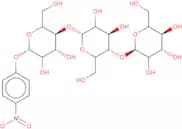
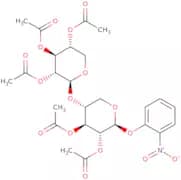
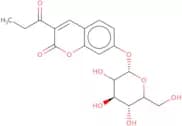
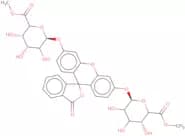
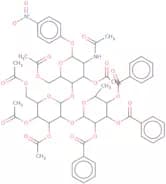

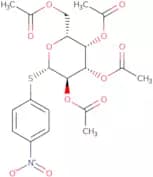
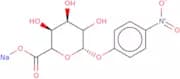
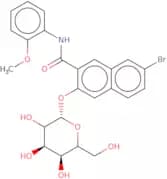
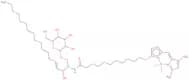

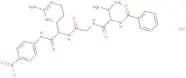
![4-Nitrophenyl 2,3,4-tri-O-acetyl-6-O-(2,3,4,6-tetra-O-[4-methoxybenzyl]-a-D-glucopyranosyl)-a-D-gl…](/_next/image/?url=https%3A%2Fstatic.cymitquimica.com%2Fproducts%2F3D%2Fthumb-webp%2FEN04817.webp&w=3840&q=75)

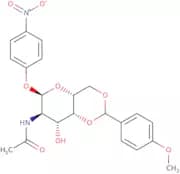


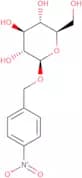
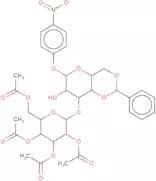
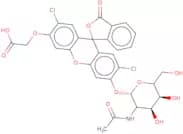

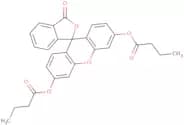
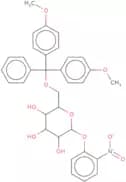


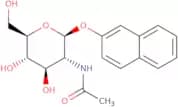

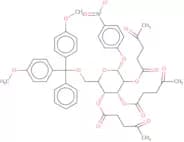
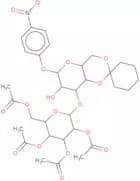

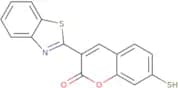
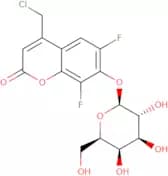
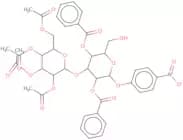


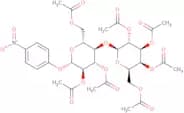

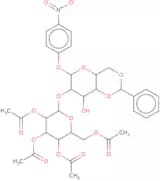

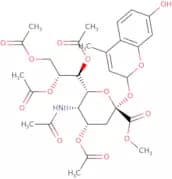


![[2-Methoxy-4-(2-nitrovinyl)phenyl] b-D-galactopyranoside](/_next/image/?url=https%3A%2Fstatic.cymitquimica.com%2Fproducts%2F3D%2Fthumb-webp%2FEM06779.webp&w=3840&q=75)
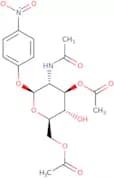


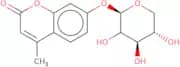
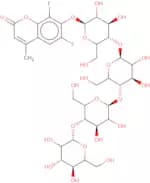
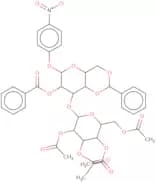

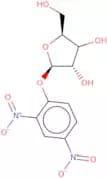


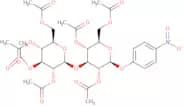
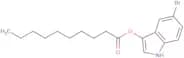


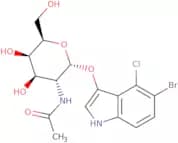
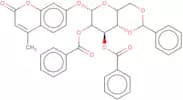
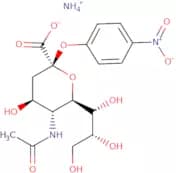
![[2-Methoxy-4-(2-nitrovinyl)phenyl] b-D-glucopyranoside](/_next/image/?url=https%3A%2Fstatic.cymitquimica.com%2Fproducts%2F3D%2Fthumb-webp%2FEM06789.webp&w=3840&q=75)
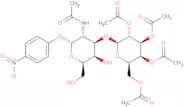

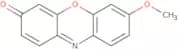
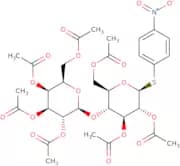


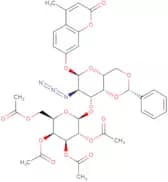

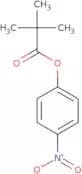

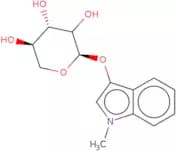
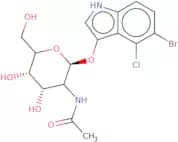

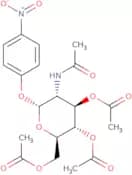


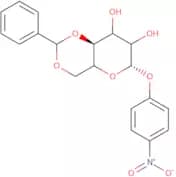
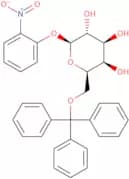
![4-Nitrophenyl 4,6-benzylidene-2-O-(2,3,4,6-tetra-O-[4-methoxybenzyl]-a-D-glucopyranosyl)-a-D-gluco…](/_next/image/?url=https%3A%2Fstatic.cymitquimica.com%2Fproducts%2F3D%2Fthumb-webp%2FEN04828.webp&w=3840&q=75)
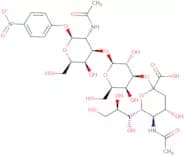

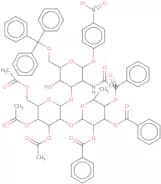
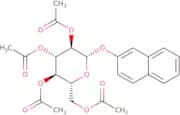

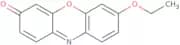

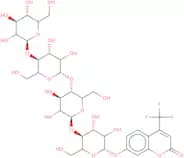
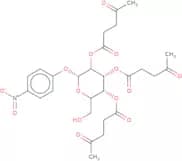

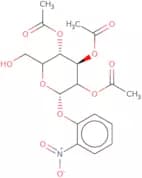
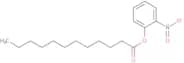
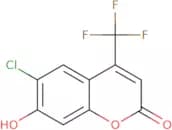
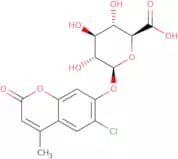

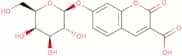
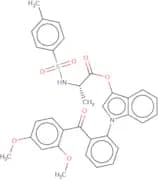
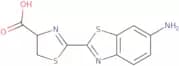


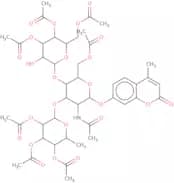

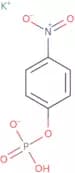

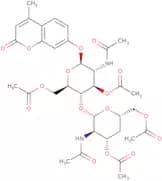


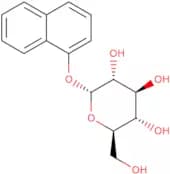

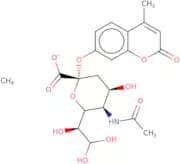


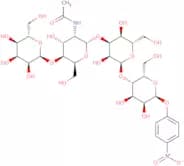
![4-Nitrophenyl 2-acetamido-2-deoxy-4-O-[2-O-(a-L-fucopyranosyl)-b-D-galactopyranosyl]-b-D-glucopyra…](/_next/image/?url=https%3A%2Fstatic.cymitquimica.com%2Fproducts%2F3D%2Fthumb-webp%2FEN04931.webp&w=3840&q=75)