Fluorogenic Substrates
Found 297 products of "Fluorogenic Substrates"
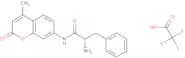
L-Phenylalanine 7-amido-4-methylcoumarin trifluoroacetate salt
CAS:L-Phenylalanine 7-amido-4-methylcoumarin trifluoroacetate salt is a fluorogenic peptide substrate for aminopeptidase. This AMC peptide substrate is normally used to rapidly profile the N-terminal specificity of proteases.Formula:C19H18N2O3•C2HF3O2Purity:Min. 98 Area-%Color and Shape:White PowderMolecular weight:436.38 g/mol7-((4'-L-Alaninamido)-rac-3'-hydroxybutyloxy) coumarin
This Clips-O substrate 7-((4'-L-Alaninamido)-rac-3'-hydroxybutyloxy) coumarin allows the detection of single and dual enzymatic activity (L-alanine aminopetidase and oxidation of 4-amino-3-hydroxybutyloxy spacer either enzymatically or by exposure to sodium periodate) with a single substrate resulting in a fluorescent signal. The main virtues of Clips-O substrates are an increased stability towards non-enzymatic hydrolysis that results in a reduced background and high sensitivity.
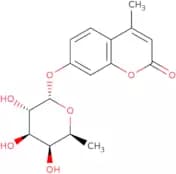
Formula:C16H20N2O5Molecular weight:320.35 g/mol4-Methylumbelliferyl-α-L-fucopyranoside
CAS:Fluorogenic substrate for α-L-Fucosidase yielding a blue fluorescent solution upon cleavage.
Formula:C16H18O7Molecular weight:322.32 g/molγ-L-Glutamic acid 7-amido-4-methylcoumarin trifluoroacetic acid
CAS:Substrate for aminopeptidase A
Formula:C15H16N2O5•C2F3O2HPurity:Min. 98 Area-%Color and Shape:White PowderMolecular weight:418.4 g/molL-Alanine 7-amido-4-methylcoumarin, trifluoroacetate salt
CAS:Fluorogenic substrate for aminopeptidase yielding a blue fluorescent solution.Formula:C15H15F3N2O5Purity:Min. 98.0 Area-%Molecular weight:360.29 g/molBis(4-methylumbelliferyl)pyrophosphoric acid, disodium salt
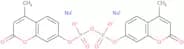
CAS:Bis(4-methylumbelliferyl)pyrophosphoric acid, disodium salt is a fluorogenic substrate that is commonly used in environmental testing, bioluminescence, and culture media. It reacts with an enzyme to produce light. The light produced by the reaction of bis(4-methylumbelliferyl)pyrophosphoric acid, disodium salt with the enzyme can be measured using a luminometer to measure the amount of light. This reaction is also known as chemiluminescence and has been shown to have a high quality and purity. Bis(4-methylumbelliferyl)pyrophosphoric acid, disodium salt is often used in diagnostics for detecting conjugated or ligand compounds. It can be used as a staining agent for proteins or nucleic acids as well.Formula:C20H14Na2O11P2Molecular weight:538.26 g/mol4-Methylumbelliferyl-N-acetyl-β-D-glucosaminide-6-sulfate, sodium salt
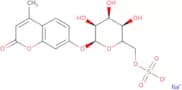
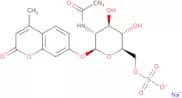
CAS:4-Methylumbelliferyl 2-acetamido-2-deoxy-beta-D-glucopyranoside-6-sulfate sodium salt is a high-quality fluorogenic substrate specifically designed for the detection and quantification of various enzymes, including beta-glucosidases and sulfatases. Upon hydrolysis by the target enzyme, this substrate releases the highly fluorescent 4-methylumbelliferone, allowing for real-time monitoring and accurate measurement of enzyme activities in biochemical assays, diagnostic tests, and research applications. 4-Methylumbelliferyl 2-acetamido-2-deoxy-beta-D-glucopyranoside-6-sulfate sodium salt has excellent solubility in water, ensuring a consistent and reliable performance in different experimental conditions. This versatile substrate is an essential tool for researchers and industry professionals who require a sensitive and reproducible detection method for enzymes of interest.Formula:C18H20NNaO11SPurity:Min. 98.0 Area-%Molecular weight:481.41 g/molRef: 3D-M-5505
5mgTo inquire25mgTo inquire50mgTo inquire100mgTo inquire250mgTo inquire-Unit-ggTo inquire4-Methylumbelliferyl 2-acetamido-2-deoxy-a-D-galactopyranoside - Moscerdam™ biochemical purity
CAS:A fluorogenic substrate for the detection of lysosomal enzyme N-acetyl-α-D-galactopyranosiaminidase (NAGA), which is driving the pathogenesis of Schindler disease. Also substrate for endo-α-N-acetylgalactosaminidase (O-glycosidase), which cleaves O-linked core 1 and core 3 disaccharides from glycoproteins.Formula:C18H21NO8Purity:Min. 98 Area-%Color and Shape:White PowderMolecular weight:379.36 g/mol4-Methylumbelliferyl-β-L-fucopyranoside
CAS:4-Methylumbelliferyl-beta-L-fucopyranoside is a fluorogenic substrate that is used in food testing. It also has uses as a chromogenic substrate and a ligand for biological studies. 4-Methylumbelliferyl-beta-L-fucopyranoside is a conjugate of 4-methylumbelliferone and beta-D-fucopyranosyl ester, which is an enzyme substrate for the detection of phosphatases. This product can be used to detect the activity of phosphatase enzymes in various media, including culture media, environmental testing, and staining. 4MUFBPY also has chemiluminescent properties that can be used for bioluminescence assays.Formula:C16H18O7Molecular weight:322.31 g/molRef: 3D-M-5541
1gTo inquire5gTo inquire250mgTo inquire500mgTo inquire2500mgTo inquire-Unit-ggTo inquire4-Methylumbelliferyl 4-O-(α-L-fucopyranosyl)-β-D-galactopyranoside
CAS:4-Methylumbelliferyl 4-O-(alpha-L-fucopyranosyl)-beta-D-galactopyranoside is a fluorogenic substrate for alpha-L-fucosidase. After enzymatic cleaveage, free 4-methylumbelliferone (also known as hymecromone) is released, exhibiting blue fluorescence upon excitation with UV light. The strongest fluorescence of 4-methylumbelliferone requires deprotonation of the hydroxyl group (thus requires alkaline pH), with a maximal fluorescence intensity obtained with excitation at 350 to 370 nm and emission at 440 to 470 nm. The use of 4-methylumbelliferyl 4-O-(alpha-L-fucopyranosyl)-beta-D-galactopyranosideas a substrate for measuring the alpha-L-fucosidase activity is used for fucosidosis diagnosis and in screening studies of glycoprotein metabolism disorders.Formula:C22H28O12Purity:Min. 95 Area-%Color and Shape:PowderMolecular weight:484.45 g/molL-Pyroglutamic acid 7-amido-4-methylcoumarin
CAS:Fluorogenic substrate for proglutamyl peptidase 1 yielding a blue fluorescent solution upon cleavage. Used in identification of Enterococcus spp. and group A streptococci (Streptococcus pyogenes).Formula:C15H14N2O4Purity:Min. 98 Area-%Molecular weight:286.29 g/mol6-Nitrocoumarin
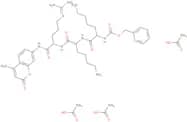
CAS:Substrate to study the nitroreductase activity in the pathogenic fungus Sporothrix schenckii, a thermal dimorphic pathogenic fungus causing a subcutaneous mycosis.Formula:C9H5NO4Purity:Min. 95%Color and Shape:PowderMolecular weight:191.14 g/molN-CBZ-L-Lysyl-L-lysyl-L-arginine 7-amido-4-methylcoumarin triacetate
CAS:Controlled ProductN-CBZ-L-Lysyl-L-lysyl-L-arginine 7-amido-4-methylcoumarin triacetate is a synthetic peptide substrate used as a fluorogenic substrate for aminopeptidase.Formula:C35H51N9O7•(C2H4O2)3Purity:Min. 95%Color and Shape:PowderMolecular weight:903.03 g/mol4-Methylumbelliferyl-N,N-diacetyl-beta-D-chitobioside
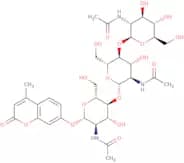
CAS:4-Methylumbelliferyl-N,N-diacetyl-beta-D-chitobioside is a molecule that has been expressed in the yeast Pichia pastoris. It can be used as a fluorescent probe for chitinase activity and has been shown to be sensitive to tryptophan residues and aromatic residues in proteins. 4-Methylumbelliferyl-N,N-diacetyl-beta-D-chitobioside has also been used as a fluorescent probe for isozymes of glucose phosphate isomerase. The nature of the trisaccharide is unknown, but it appears to be hydrophobic.Formula:C26H34N2O13Purity:Min. 99.0 Area-%Molecular weight:582.57 g/molL-Leucine 7-amido-4-methylcoumarin hydrochloride salt
CAS:L-Leucine 7-amido-4-methylcoumarin hydrochloride salt is a synthetic peptide substrate used as a fluorogenic substrate for leucine aminopeptidase.Formula:C16H21ClN2O3Purity:Min. 98 Area-%Color and Shape:White PowderMolecular weight:324.8 g/molResorufin N-acetyl-b-D-glucosamine
CAS:Resorufin N-acetyl-b-D-glucosamine is fluorogenic substrate for N-acetyl-beta-D-glucosaminidase (NAG).
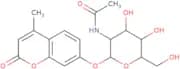
Formula:C20H20N2O8Purity:Min. 98 Area-%Color and Shape:Orange PowderMolecular weight:416.38 g/mol4-Methylumbelliferyl 2-acetamido-2-deoxy-a-D-glucopyranoside
CAS:4-Methylumbelliferyl 2-acetamido-2-deoxy-alpha-D-glucopyranoside is a fluorogenic substrate for alpha-N-acetylglucosaminidase. After enzymatic cleaveage, free 4-methylumbelliferone (also known as hymecromone) is released, exhibiting blue fluorescence upon excitation with UV light. The strongest fluorescence of 4-methylumbelliferone requires deprotonation of the hydroxyl group (thus requires alkaline pH), with a maximal fluorescence intensity obtained with excitation at 350 to 370 nm and emission at 440 to 470 nm. The use of 4-methylumbelliferyl 2-acetamido-2-deoxy-alpha-D-glucopyranosideas a substrate for measuring the alpha-N-acetylglucosaminidase activity is used for Sanfilippo syndrome B screening and mucopolysaccharidosis diagnosis.Formula:C18H21NO8Purity:Min. 98 Area-%Color and Shape:PowderMolecular weight:379.36 g/mol4-Methylumbelliferyl phosphate, free acid
CAS:A sensitive fluorogenic substrate for fluorometric and UV-spectrophotometric assays of phosphatases. It is used for the detection of C. perfringens because acid phosphatase is a highly specific indicator for C. perfringens.Formula:C10H9O6PMolecular weight:256.15 g/molFLsharp™ - Phosphate, disodium salt
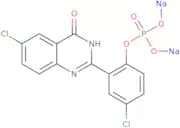
CAS:FLsharp™ - Phosphate, disodium salt is a fluorogenic water soluble substrate for phosphatase enzymes. After cleavage of the substrate by phosphatase activity an insoluble product is formed that is highly fluorescent in the solid state. Upon UV irradiation this very stable fluorophore emits green light in the 530 nm range for an extended period of time. FLsharp™ - Phosphate is a unique substrate - optimized for the detection of phosphatase activity in solid matrices such as agar media, tissuesections or microscopic preparations. FLsharp™ - Phosphate, disodium salt is used in microbiology as asubstrate for bacterial phosphatases. The substrate is suitable to detect the specific phosphatase activity of S. aureus or C. perfringensin food samples or clinical samples. Colonies growing on plating media supplemented with FLsharp™ emit green light upon UV light excitation(Excitation max: 365 nm; emission max: 530 nm). The enzyme product formed from FLsharp™ in agar plating media enables high precision for the localization of the relevant colonies on the plate. As a result small bacteria colonies of phosphatase-positive bacteria can be detected already after a short incubation time. In cytochemical and histochemical imaging FLsharp™ - Phosphate, disodiumsalt can be used as a substrate for Alkaline Phosphatase (AP)-coupled antibodies. The fluorophore that is released from FLsharp™ - Phosphateby phosphatase activity will precipitate. This insoluble fluorophoreen ables a precise localization of the antibody-bound epitope in cells or tissues under a fluorescence microscope or fluorescence imaging system. The green fluorescence of FLsharp™ can be clearly differentiated from autofluorescence or counterstainings such as (blue) DAPI or (red) Alexafluorophores.Formula:C14H7Cl2N2Na2O5PPurity:Min. 95.0 Area-%Molecular weight:431.08 g/mol4-Methylumbelliferyl-beta-D-mannopyranoside
CAS:Fluorogenic substrate for detection of β-D-mannosidase.Formula:C16H18O8Purity:Min. 99.0 Area-%Molecular weight:338.31 g/mol4-Methylumbelliferyl-beta-D-galactopyranoside
CAS:Fluorogenic substrate for β-D-galactosidase yielding a blue fluorescent solution upon cleavage.Formula:C16H18O8Purity:Min. 98.0 Area-%Molecular weight:338.32 g/mol6-(b-D-Galactopyranosyloxy)-9-(4-methoxy-2-methylphenyl)-3H-xanthen-3-one
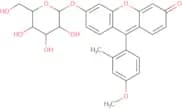
CAS:6-(b-D-Galactopyranosyloxy)-9-(4-methoxy-2-methylphenyl)-3H-xanthen-3-one (MGBG) is a hydrophilic activatable fluorescence probe that has been shown to be effective in photodynamic therapy. MGBG is activated by light and has a high affinity for esterases, which are found in many tissues. The fluorescence of the MGBG is quenched by the esterase enzymes, but when it is exposed to light and oxygen, the probe becomes activated and its fluorescence increases. MGBG can be used as a fluorescent probe for intraperitoneal tumor resection or as a fluorescent imaging agent in optical microscopy.Purity:Min. 95%Molecular weight:494.49 g/molResorufin-7-O-phosphate
CAS:Resorufin-7-O-phosphate is a fluorogenic substrate for alkaline phosphatase that exhibits a red color after cleavage that can be measured at ~ 585nm.
Formula:C12H6NO6P·2H4NPurity:Min. 95%Molecular weight:327.23 g/mol4-Methylumbelliferyl pyrophosphate diester disodium salt
CAS:4-Methylumbelliferyl pyrophosphate diester disodium salt is a fluorogenic substrate for pyrophosphatases or diphosphatases. After enzymatic cleaveage, free 4-methylumbelliferone (also known as hymecromone) is released, exhibiting blue fluorescence upon excitation with UV light. The strongest fluorescence of 4-methylumbelliferone requires deprotonation of the hydroxyl group (thus requires alkaline pH), with a maximal fluorescence intensity obtained with excitation at 350 to 370 nm and emission at 440 to 470 nm. The use of 4-methylumbelliferyl pyrophosphate diester disodium saltas a substrate for measuring the pyrophosphatases or diphosphatases activity is used for monitoring and diagnosis of pyrophosphatase deficiency and bone metabolism disorder.Formula:C20H14Na2O11P2Purity:Min. 95%Color and Shape:White PowderMolecular weight:538.25 g/mol4-Trifluoromethylumbelliferyl-β-D-galactopyranoside
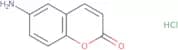
CAS:4-Trifluoromethylumbelliferyl-beta-D-galactopyranoside is a fluorogenic substrate for beta-galactosidase. It is used in the detection of beta-galactosidase activity in cell lysates and culture media, as well as in food testing. This compound has been shown to be highly pure, with a purity greater than 98%. 4-Trifluoromethylumbelliferyl-beta-D-galactopyranoside has also been shown to have high chemiluminescence, making it an ideal candidate for use in diagnostics.Formula:C16H15F3O8Molecular weight:392.29 g/mol6-Aminocoumarin HCl
CAS:Use as a positive control when detecting nitroreductase activityFormula:C9H7NO2·HClPurity:Min. 95%Molecular weight:197.62 g/molFLsharp™ - Phosphate, disodium salt
FLsharp™ - Phosphate, disodium salt is a fluorogenic water-soluble substrate for phosphatase enzymes. Its chemical name is 6-Chloro-2-[5-chloro-2-(phosphonooxy)phenyl]-4(1H)-quinazolinone disodium salt and was developed by Molecular Probes in the 1990s. After cleavage of the substrate by phosphatase activity, an insoluble product is formed that is highly fluorescent in the solid state. Upon UV irradiation this very stable fluorophore emits green light in the 530 nm range for an extended period of time. FLsharp™ is a unique substrate - optimized for the detection of phosphatase activity in solid matrices such as agar media, tissue sections or microscopic preparations. FLsharp™ - Phosphate, disodium salt is used in microbiology as a substrate for bacterial phosphatases.
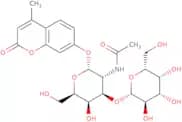
Purity:Min. 95%4-Methylumbelliferyl 2-acetamido-3-O-(b-D-galactopyranosyl)-a-D-galactopyranoside
CAS:4-Methylumbelliferyl 2-acetamido-3-O-(beta-D-galactopyranosyl)-alpha-D-galactopyranoside is a fluorogenic substrate for alpha-N-acetylgalactosaminidase. After enzymatic cleaveage, free 4-methylumbelliferone (also known as hymecromone) is released, exhibiting blue fluorescence upon excitation with UV light. The strongest fluorescence of 4-methylumbelliferone requires deprotonation of the hydroxyl group (thus requires alkaline pH), with a maximal fluorescence intensity obtained with excitation at 350 to 370 nm and emission at 440 to 470 nm. The use of 4-methylumbelliferyl 2-acetamido-3-O-(beta-D-galactopyranosyl)-alpha-D-galactopyranosideas a substrate for measuring the alpha-N-acetylgalactosaminidase activity is used for Fabry disease diagnosis and Schindler disease screening.Formula:C24H31NO13Purity:Min. 95%Color and Shape:White PowderMolecular weight:541.5 g/molMethionine Assay Kit (Fluorometric)
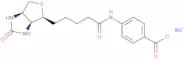
The Methionine Assay Kit (Fluorometric) is a kit containing the fluorogenic substrate needed for the determination of total methionine content. The kit is used to detect and quantify methionine in various food products, as well as in environmental samples. This assay can be used to measure free or protein-bound methionine. The fluorometric kit contains a conjugate that binds to the methionine molecule and provides a fluorescent signal proportional to the amount of bound methionine. The fluorescence intensity is measured on a fluorometer and converted into concentrations of methionine per gram of sample.Purity:Min. 95%(+)-Biotin 4-amidobenzoic acid sodium salt
CAS:(+)-Biotin 4-amidobenzoic acid sodium salt, often referred as (+)-biotin PABA, is a fluorogenic substrate used to measure biotinidase activity, especially in newborn screening programs.
Formula:C17H20N3NaO4SPurity:Min. 95%Color and Shape:White Slightly Yellow PowderMolecular weight:385.41 g/mol4-Methylumbelliferyl palmitate
CAS:Fluorogenic substrate for esterase yielding a blue fluorescent solution upon cleavage.Formula:C26H38O4Purity:Min. 99 Area-%Molecular weight:414.59 g/molRef: 3D-M-5750
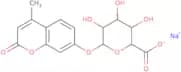
1gTo inquire5gTo inquire250mgTo inquire500mgTo inquire2500mgTo inquire-Unit-ggTo inquire4-Methylumbelliferyl a-L-idopyranosiduronic acid sodium salt
CAS:PAIRED PRODUCT AVAILABLE: alpha-L-iduronidase Enzyme, FI179383.
4MU-alpha-L-idopyranosiduronic acid is a fluorogenic substrate for alpha-L-iduronidase. Active alpha-L-iduronidase cleaves the MU moiety from the synthetic substrate, which results in release of a fluorescent signal (Ex 360 nm / Em 455 nm). The reaction is stopped by the addition of sodium carbonate. 4MU-alpha-L-idopyranosiduronic acid is used in alpha-L-iduronidase assays in the context of biochemical characterisation of samples from patients affected by lysosomal storage disease mucopolysaccharidosis I (MPS I).Formula:C16H15NaO9Purity:Min. 98 Area-%Color and Shape:White PowderMolecular weight:374.27 g/mol4-Methylumbelliferyl-2-O-(α-L-fucopyranosyl)-β-L-fucopyranoside
4-Methylumbelliferyl-2-O-(alpha-L-fucopyranosyl)-beta-L-fucopyranoside is a fluorogenic substrate for alpha-L-fucosidase. After enzymatic cleaveage, free 4-methylumbelliferone (also known as hymecromone) is released, exhibiting blue fluorescence upon excitation with UV light. The strongest fluorescence of 4-methylumbelliferone requires deprotonation of the hydroxyl group (thus requires alkaline pH), with a maximal fluorescence intensity obtained with excitation at 350 to 370 nm and emission at 440 to 470 nm. The use of 4-methylumbelliferyl-2-O-(alpha-L-fucopyranosyl)-beta-L-fucopyranosideas a substrate for measuring the alpha-L-fucosidase activity is used for diagnosis of fucosidosis (defficiency of L-fucosidase).Purity:Min. 95%Color and Shape:White/Off-White SolidMolecular weight:468.45 g/mol4-Methylumbelliferyl propionate
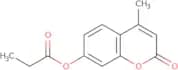
CAS:4-Methylumbelliferyl propionate is a fluorogenic substrate for esterase. After enzymatic cleaveage, free 4-methylumbelliferone (also known as hymecromone) is released, exhibiting blue fluorescence upon excitation with UV light. The strongest fluorescence of 4-methylumbelliferone requires deprotonation of the hydroxyl group (thus requires alkaline pH), with a maximal fluorescence intensity obtained with excitation at 350 to 370 nm and emission at 440 to 470 nm. The use of 4-methylumbelliferyl propionateas a substrate for measuring the esterase activity is used for esterase deficiency screening assays.
Formula:C13H12O4Purity:Min. 95 Area-%Color and Shape:PowderMolecular weight:232.23 g/mol4-Methylumbelliferyl caprylate
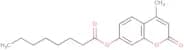
CAS:Used for identification of Salmonella spp. by detection of caprylate esteraseFormula:C18H22O4Purity:Min. 95%Color and Shape:White PowderMolecular weight:302.36 g/molResorufin b-D-glucuronide sodium salt
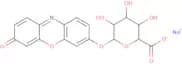
CAS:Resorufin b-D-glucuronide sodium salt is used as a fluorogenic substrate for beta-glucuronidase (GUS) to study drug metabolism.Purity:Min. 95%Color and Shape:Brown Orange Red PowderMolecular weight:411.29 g/mol4-Methylumbelliferyl 2-acetamido-2-deoxy-b-D-galactopyranoside-4-sulfate sodium salt
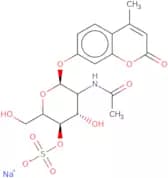
4-Methylumbelliferyl 2-acetamido-2-deoxy-beta-D-galactopyranoside-4-sulfate sodium salt is a fluorogenic substrate for N-acetylgalactosamine-4-sulfatase. After enzymatic cleaveage, free 4-methylumbelliferone (also known as hymecromone) is released, exhibiting blue fluorescence upon excitation with UV light. The strongest fluorescence of 4-methylumbelliferone requires deprotonation of the hydroxyl group (thus requires alkaline pH), with a maximal fluorescence intensity obtained with excitation at 350 to 370 nm and emission at 440 to 470 nm. The use of 4-methylumbelliferyl 2-acetamido-2-deoxy-beta-D-galactopyranoside-4-sulfate sodium saltas a substrate for measuring the N-acetylgalactosamine-4-sulfatase activity is used for diagnosis of Mucopolysaccharidosis VI (MPS VI) (a rare lysosomal storage disorder) and Maroteaux-Lamy syndrome screening.Purity:Min. 95%Color and Shape:White PowderMolecular weight:481.41 g/mol6'-(Diethylamino)spiro[isobenzofuran-1(3H),9'-[9H]xanthen]-3'-yl b-D-glucopyranoside
6'-(Diethylamino)spiro[isobenzofuran-1(3H),9'-[9H]xanthen]-3'-yl b-D-glucopyranoside is a fluorogenic substrate that is used in diagnostic applications. It has been shown to be a useful ligand for the determination of enzyme activity, and it can also be used to detect bacterial culture media contaminants. 6'-(Diethylamino)spiro[isobenzofuran-1(3H),9'-[9H]xanthen]-3'-yl b-D-glucopyranoside is used as an enzyme substrate in chemiluminescent assays, and with other reagents, it can be used for the detection of environmental contaminants. This product has a CAS number of 55426-02-8 and can be found on the website www.sigmaaldrich.com/catalog/productPurity:Min. 95%Molecular weight:494.49 g/mol4-Methylumbelliferyl dodecanoate
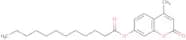
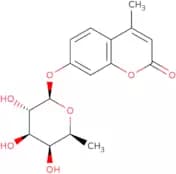
CAS:4-Methylumbelliferyl dodecanoate is a fluorogenic substrate for lipase. After enzymatic cleaveage, free 4-methylumbelliferone (also known as hymecromone) is released, exhibiting blue fluorescence upon excitation with UV light. The strongest fluorescence of 4-methylumbelliferone requires deprotonation of the hydroxyl group (thus requires alkaline pH), with a maximal fluorescence intensity obtained with excitation at 350 to 370 nm and emission at 440 to 470 nm. The use of 4-methylumbelliferyl dodecanoateas a substrate for measuring the lipase activity is used for detecting pancreatic insufficiency in diagnosis assays as well as the screening of lipase deficiency.Formula:C22H30O4Purity:Min. 95%Color and Shape:PowderMolecular weight:358.47 g/mol4-Methylumbelliferyl-alpha-L-rhamnopyranoside
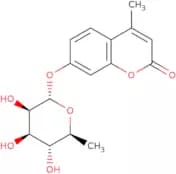
CAS:4-Methylumbelliferyl-alpha-L-rhamnopyranoside is a fluorogenic substrate for alpha-L-rhamnosidase. After enzymatic cleaveage, free 4-methylumbelliferone (also known as hymecromone) is released, exhibiting blue fluorescence upon excitation with UV light. The strongest fluorescence of 4-methylumbelliferone requires deprotonation of the hydroxyl group (thus requires alkaline pH), with a maximal fluorescence intensity obtained with excitation at 350 to 370 nm and emission at 440 to 470 nm. The use of 4-methylumbelliferyl-alpha-L-rhamnopyranosideas a substrate for measuring the alpha-L-rhamnosidase activity is used for detection of bacterial infection.Formula:C16H18O7Purity:Min. 98 Area-%Color and Shape:PowderMolecular weight:322.32 g/molResorufin b-D-xylobioside
Resorufin b-D-xylobioside is a fluorogenic substrate for xylanases useful for xylanase activity assays.Purity:Min. 95%Color and Shape:PowderMolecular weight:477.42 g/mol4-Methylumbelliferyl b-D-galactopyranoside-6-sulphate sodium salt - Moscerdam™ biochemical purity
CAS:4-MU-Gal-6S (M4A) is a fluorogenic substrate of galactose-6-sulfate sulfatase (GALNS), used for the diagnosis of Mucopolysaccharidosis IV type A (MPS IV A). MPS IV, also known as Morquio syndrome, is a rare metabolic disorder in which the human body cannot process glycosaminoglycans (GAGs). MPS IV A is caused by the deficiency of the enzyme N-acetyl-galactosamine-6-sulfatase resulting in accumulation of keratan and chondroitin sulfate in tissues. M4A is used as the GALNS substrate in the anti-lysosomal enzyme antibody assay for the treatments of lysosomal storage disorders (LSDs) with enzyme replacement therapies (ERTs).Formula:C16H17NaO11SPurity:Min. 97 Area-%Color and Shape:White PowderMolecular weight:440.36 g/molFluorescein diacetate
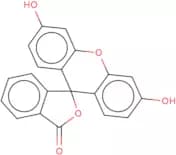
CAS:Fluorogenic substrate targeting esterases , hGSTP1-1
Formula:C24H16O7Color and Shape:PowderMolecular weight:416.38 g/mol4-Methylumbelliferyl cholin phosphate
CAS:4-Methylumbelliferyl phosphocholine, commonly known as 4-MUPC, is a synthetic phosphodiester used as an enzyme substrate for phospholipase enzymes. 4-MUPC is used as a fluorogenic substrate to measure the activity of phopholipases, which are important mediators of cell signalling.Formula:C15H20NO6PPurity:Min. 99.0 Area-%Molecular weight:341.30 g/mol4-Methylumbelliferyl β-D-glucuronide
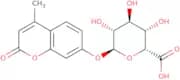
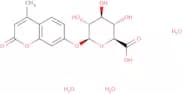
CAS:Fluorogenic substrate for b-glucuronidase GUSFormula:C16H16O9Purity:Min. 95%Molecular weight:352.29 g/mol3-(7-Hydroxycoumarin-3-carboxamido)propyl 4-O-(b-D-galactopyranosyl)-b-D-glucopyranoside
3-(7-Hydroxycoumarin-3-carboxamido)propyl 4-O-(b-D-galactopyranosyl)-b-D-glucopyranoside is a fluorogenic substrate that is used for the detection of beta-galactosidase. It has been shown to be an efficient substrate for the enzyme beta galactosidase and can be used to detect this enzyme in cell culture media and other diagnostic applications. 3-(7-Hydroxycoumarin-3-carboxamido)propyl 4-O-(b-D-galactopyranosyl)-b-D-glucopyranoside can also be used as a chromogenic substrate, which is added to a reaction mixture containing beta galactosidase, where it is hydrolyzed by the enzyme to produce a blue color. This product also has food testing and environmental testing applications.Purity:Min. 95%4-Methylumbelliferyl a-D-glucosaminide
CAS:4-Methylumbelliferyl alpha-D-glucosaminide is a fluorogenic substrate for alpha-N-acetylglucosaminidase. After enzymatic cleaveage, free 4-methylumbelliferone (also known as hymecromone) is released, exhibiting blue fluorescence upon excitation with UV light. The strongest fluorescence of 4-methylumbelliferone requires deprotonation of the hydroxyl group (thus requires alkaline pH), with a maximal fluorescence intensity obtained with excitation at 350 to 370 nm and emission at 440 to 470 nm. The use of 4-methylumbelliferyl alpha-D-glucosaminideas a substrate for measuring the alpha-N-acetylglucosaminidase activity is used for Sanfilippo syndrome B and Mucopolysaccharidosis IIIB (MPS IIIB) diagnosis.Formula:C16H19NO7Purity:Min. 90 Area-%Color and Shape:White PowderMolecular weight:337.32 g/mol4-Methylumbelliferyl a-L-idopyranosiduronic acid
CAS:4-Methylumbelliferyl a-L-idopyranosiduronic acid is an ester that is used as a marker for the identification of glycolipids. It is a fluorogenic substrate for alpha-L-iduronidase used as a marker for the diagnosis of autoimmune diseases, including diabetic neuropathy. 4-Methylumbelliferyl a-L-idopyranosiduronic acid has been shown to inhibit inflammation and cancer, although it is not currently approved for this use. The mechanism by which 4-methylumbelliferyl a-L-idopyranosiduronic acid inhibits inflammation may be due to its ability to block cation channels on the surface of cells, thereby preventing inflammatory mediators from entering cells.Formula:C16H16O9Purity:Min. 97 Area-%Color and Shape:White Off-White PowderMolecular weight:352.29 g/molAc-Abu-Tle-Leu-Gln-AMC TFA salt
A fluorogenic substrate for detection of enzymatic activity of the SARS-CoV-2 Mpro protease. The fluorophore 7-Amino-4-methylcoumarin (AMC) is linked to the tetrapeptide via a peptide bond at the C-terminal of the glutamine residue. Following the hydrolytic activity of the Mpro protease, the fluorogenic AMC group get released from the substrate, generating a fluorescent signal (Ex 380 nm / Em 455 nm).Formula:C33H48N6O8(freebase)Purity:Min. 95.0 Area-%Molecular weight:656.77 g/molL-Lysyl-L-alanine 7-amido-4-methylcoumarin dihydrochloride
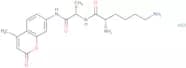
CAS:L-Lysyl-L-alanine 7-amido-4-methylcoumarin dihydrochloride is a fluorogenic peptide substrate for aminopeptidase. This AMC peptide substrate is normally used to rapidly profile the N-terminal specificity of proteases.Purity:Min. 98.0 Area-%Color and Shape:Powder4-Methylumbelliferyl beta-D-lactoside
CAS:Fluorogenic substrate for beta-galactosidaseFormula:C22H28O13Purity:Min. 98 Area-%Color and Shape:White PowderMolecular weight:500.45 g/mol4-(Trifluoromethyl)umbelliferyl-β-D-cellotrioside
CAS:4-(Trifluoromethyl)umbelliferyl-beta-D-cellotrioside is a fluorogenic substrate for cellulase. After cleavage, the fluorophore 4-(trifluoromethyl)umbelliferone, commonly referred as TFMU, is released, exhibiting a blueish color. 4-(Trifluoromethyl)umbelliferyl-beta-D-cellotrioside is used to study the enzyme kinetics in bacterial cellulose degradation assays as well as in biomass conversion research studies.Formula:C28H35F3O18Purity:Min. 95%Color and Shape:White to off-white solid.Molecular weight:716.56 g/molL-Alanine-7-amido-4-methylcoumarin hydrochloride
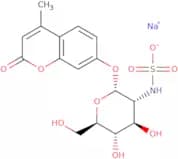
CAS:L-Alanine-7-amido-4-methylcoumarin hydrochloride is a synthetic peptide substrate used as a fluorogenic substrate for alanine aminopeptidase.Formula:C13H14N2O3·HClPurity:Min. 90%Color and Shape:PowderMolecular weight:282.72 g/mol4-Methylumbelliferyl 2-deoxy-2-sulfamino-b-D-glucopyranoside sodium salt
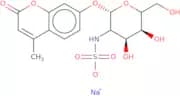
4-Methylumbelliferyl 2-deoxy-2-sulfamino-beta-D-glucopyranoside sodium salt is a fluorogenic substrate for N-sulfoglucosamine sulfohydrolase. After enzymatic cleaveage, free 4-methylumbelliferone (also known as hymecromone) is released, exhibiting blue fluorescence upon excitation with UV light. The strongest fluorescence of 4-methylumbelliferone requires deprotonation of the hydroxyl group (thus requires alkaline pH), with a maximal fluorescence intensity obtained with excitation at 350 to 370 nm and emission at 440 to 470 nm. The use of 4-methylumbelliferyl 2-deoxy-2-sulfamino-beta-D-glucopyranoside sodium saltas a substrate for measuring the N-sulfoglucosamine sulfohydrolase activity is used for screening of Mucopolysaccharidosis IIIA (MPS IIIA) and diagnosis of Sanfilippo A syndrome.Formula:C16H19NO10SNaPurity:Min. 95%Color and Shape:PowderMolecular weight:439.37 g/mol4-Methylumbelliferyl 2-acetamido-2-deoxy-α-D-glucopyranoside-6-sulfate potassium
CAS:4-Methylumbelliferyl 2-acetamido-2-deoxy-alpha-D-glucopyranoside-6-sulfate potassium is a fluorogenic substrate for N-acetylglucosamine-6-sulfatase. After enzymatic cleaveage, free 4-methylumbelliferone (also known as hymecromone) is released, exhibiting blue fluorescence upon excitation with UV light. The strongest fluorescence of 4-methylumbelliferone requires deprotonation of the hydroxyl group (thus requires alkaline pH), with a maximal fluorescence intensity obtained with excitation at 350 to 370 nm and emission at 440 to 470 nm. The use of 4-methylumbelliferyl 2-acetamido-2-deoxy-alpha-D-glucopyranoside-6-sulfate potassiumas a substrate for measuring the N-acetylglucosamine-6-sulfatase activity is used for screening of Mucopolysaccharidosis IIID (MPS IIID) (a rare lysosomal storage disorder) and Sanfilippo D syndrome diagnosis.Formula:C18H20KNO11SPurity:Min. 95%Color and Shape:White PowderMolecular weight:497.52 g/mol5-Dodecanoylaminofluorescein di-b-D-galactopyranoside
CAS:5-Dodecanoylaminofluorescein di-b-D-galactopyranoside, commonly known as C12FDG, is a fluorogenic substrate for β-galactosidase. Fluorescein is released upon enzymatic cleavage by β-galactosidase. The intensity of its fluorescence is utilised to quantify β-galactosidase activity. C12FDG has been shown to be useful in identifying senescent cells that are associated with aging and cancer. It has also been used as a model system in some studies for studying disease activity, intracellular targets, and biological sample storage. It is also used to identify cancer tissues and radiation damage in the form of senescent cells. The chemical structure of 5DAFG is similar to that of the natural sugar galactose. 5DAFG binds to the plasma membrane of cells due to its lipophilic properties and then enters the cell through transport proteins on the cell surface called ATP binding cassette transporters.Formula:C44H55NO16Purity:Min. 95 Area-%Color and Shape:White PowderMolecular weight:853.9 g/molFluorescein mono-b-D-galactopyranoside
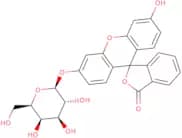
CAS:Fluorescein mono-b-D-galactopyranoside or FMG is a fluorogenic substrate for beta-galactosidase. The fluorophore fluorescein is released after enzymatic cleavage, exhibiting a greenish fluorescent. This substrate is particularly valuable in gene expression studies (e.g., lacZ reporter assays) and as a probe for cell-based assays for real-time monitoring.Purity:Min. 95%Color and Shape:PowderMolecular weight:494.45 g/mol4-Methylumbelliferyl 2-acetamido-2-deoxy-b-D-glucopyranoside-6-sulfate sodium salt
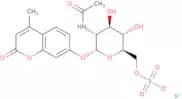
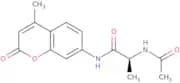
CAS:4-Methylumbelliferyl 2-acetamido-2-deoxy-beta-D-glucopyranoside-6-sulfate sodium salt is a high-quality fluorogenic substrate specifically designed for the detection and quantification of various enzymes, including beta-glucosidases and sulfatases. Upon hydrolysis by the target enzyme, this substrate releases the highly fluorescent 4-methylumbelliferone, allowing for real-time monitoring and accurate measurement of enzyme activities in biochemical assays, diagnostic tests, and research applications. 4-Methylumbelliferyl 2-acetamido-2-deoxy-beta-D-glucopyranoside-6-sulfate sodium salt has excellent solubility in water, ensuring a consistent and reliable performance in different experimental conditions. This versatile substrate is an essential tool for researchers and industry professionals who require a sensitive and reproducible detection method for enzymes of interest.Formula:C18H20NO11SNaPurity:Min. 98 Area-%Color and Shape:White PowderMolecular weight:481.41 g/molAcetyl-L-alanine 7-amido-4-methylcoumarin
CAS:Acetyl-L-alanine 7-amido-4-methylcoumarin is a fluorogenic substrate for aminopeptidase. The enzyme cleaves the N-terminal amino acids, yielding a blue fluorescent solution.
Formula:C15H16N2O4Purity:Min. 98 Area-%Color and Shape:PowderMolecular weight:288.3 g/mol4-Methylumbelliferyl b-L-fucopyranoside
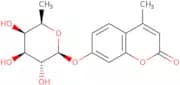
CAS:A MOSCERDAM® substrate targeting the fucosidase enzymeFormula:C16H18O7Purity:Min. 98 Area-%Color and Shape:PowderMolecular weight:322.31 g/mol4-Methylumbelliferyl a-L-fucopyranoside
CAS:Fluorogenic substrate for fucosidaseFormula:C16H18O7Purity:Min. 95%Color and Shape:White PowderMolecular weight:322.31 g/mol4-Methylumbelliferyl a-L-arabinofuranoside
CAS:Fluorogenic substrate for ?-arabinofuranosidase
Formula:C15H16O7Purity:Min. 95%Color and Shape:White PowderMolecular weight:308.28 g/mol6-Chloro-4-(trifluoromethyl)umbelliferyl β-D-cellotrioside
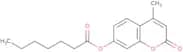
6-Chloro-4-(trifluoromethyl)umbelliferyl b-D-cellotrioside is a fluorogenic substrate for cellulases and beta-glucosidases. After hydrolisis, the fluorophore TFMU is released generating a blue fluorescence.Formula:C28H34ClF3O18Purity:Min. 95%Color and Shape:White to off-white powder.Molecular weight:751.01 g/mol4-Methylumbelliferyl heptanoate
CAS:Lipase targeting MOSCERDAM® substrateFormula:C17H20O4Purity:Min. 95%Color and Shape:White PowderMolecular weight:288.34 g/mol4-Methylumbelliferyl b-D-cellotrioside
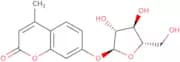
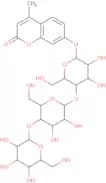
CAS:Fluorogenic cellulose analogueFormula:C28H38O18Purity:Min. 95%Color and Shape:PowderMolecular weight:662.6 g/mol4-Methylumbelliferyl b-D-ribofuranoside
CAS:The 4-Methylumbelliferyl b-D-ribofuranoside is a top-notch fluorogenic substrate for glycosidase activity detection. Upon hydrolysis by enzymes, it generates a strongly fluorescent 4-methylumbelliferone molecule, enabling rapid assay results and real-time monitoring of enzymatic reactions. This product is suitable for many biological research applications, such as in vitro analysis, diagnostic testing, and drug discovery. With its high sensitivity and specificity, it delivers consistent and accurate results, making it an essential tool for scientists and researchers.Formula:C15H16O7Purity:Min. 95%Color and Shape:White PowderMolecular weight:308.28 g/mol4-Methylumbelliferyl palmitate
CAS:4-Methylumbelliferyl palmitate, commonly names as 4-MUP, is a fluorescent probe that binds to lipases, enzymes responsible to assist on the hydrolysis of fats. In diagnosis, 4-MUP is used for screening of lysosomal storage diseases (LSD) caused by a deficiency of a single enzyme involved in the metabolism of glycoproteins, lipids or mucopolysaccharides.
Formula:C26H38O4Purity:Min. 95%Color and Shape:White PowderMolecular weight:414.58 g/mol4-Methylumbelliferyl phosphate, free acid
CAS:A sensitive fluorogenic substrate for fluorometric and UV-spectrophotometric assays of phosphatases. It is used for the detection of C. perfringens because acid phosphatase is a highly specific indicator for C. perfringens.
Formula:C10H9O6PMolecular weight:256.15 g/mol4-Methylumbelliferyl N,N',N''-triacetyl-b-D-chitotrioside
CAS:4-Methylumbelliferyl N,N',N''-triacetyl-beta-D-chitotrioside is a fluorogenic substrate for chitinase. After enzymatic cleaveage, free 4-methylumbelliferone (also known as hymecromone) is released, exhibiting blue fluorescence upon excitation with UV light. The strongest fluorescence of 4-methylumbelliferone requires deprotonation of the hydroxyl group (thus requires alkaline pH), with a maximal fluorescence intensity obtained with excitation at 350 to 370 nm and emission at 440 to 470 nm. The use of 4-methylumbelliferyl N,N',N''-triacetyl-beta-D-chitotriosideas a substrate for measuring the chitinase activity is used for fungal infection assays.Formula:C34H47N3O18Purity:Min. 95.0 Area-%Color and Shape:White Off-White PowderMolecular weight:785.75 g/molL-Histidine 7-amido-4-methylcoumarin hydrochloride
CAS:L-Histidine 7-amido-4-methylcoumarin hydrochloride is a synthetic peptide substrate used as a fluorogenic substrate for histidine aminopeptidase.Formula:C16H17ClN4O3Purity:Min. 95%Molecular weight:348.79 g/mol4-Methylumbelliferyl 6-deoxy-2,3,4,6-tetra-O-acetyl-6-thio-β-D-glucopyranoside
4-Methylumbelliferyl 6-deoxy-2,3,4,6-tetra-O-acetyl-6-thio-beta-D-glucopyranoside is a fluorogenic substrate for beta-glucosidase. After enzymatic cleaveage, free 4-methylumbelliferone (also known as hymecromone) is released, exhibiting blue fluorescence upon excitation with UV light. The strongest fluorescence of 4-methylumbelliferone requires deprotonation of the hydroxyl group (thus requires alkaline pH), with a maximal fluorescence intensity obtained with excitation at 350 to 370 nm and emission at 440 to 470 nm. The use of 4-methylumbelliferyl 6-deoxy-2,3,4,6-tetra-O-acetyl-6-thio-beta-D-glucopyranosideas a substrate for measuring the beta-glucosidase activity is used for Gaucher disease diagnosis.Formula:C24H26O11SPurity:Min. 95%Color and Shape:White to off-white solid.Molecular weight:522.52 g/molGlutaryl-glycyl-L-arginine 7-amido-4-methylcoumarin hydrochloride
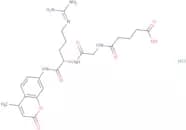
CAS:Glutaryl-glycyl-L-arginine 7-amido-4-methylcoumarin hydrochloride is a synthetic peptide substrate used as a fluorogenic substrate for aminopeptidase.
Formula:C23H30N6O7·HClPurity:Min. 95%Color and Shape:PowderMolecular weight:538.98 g/mol4-Methylumbelliferyl caprylate
CAS:Fluorogenic substrate for esterase with C8 activity yielding a blue fluorescent solution upon cleavage. Used for the identification of Salmonella spp. based on the detection of caprylate esterase.Formula:C18H22O4Purity:Min. 98 Area-%Molecular weight:302.37 g/mol4-Methylumbelliferyl acetate
CAS:Fluorogenic substrate for carboxylesteraseFormula:C12H10O4Purity:Min. 95%Color and Shape:White PowderMolecular weight:218.21 g/mol4-Methylumbelliferyl b-D-cellotetraoside
CAS:A fluorogenic MOSCERDAM® substrate targeting cellulasesFormula:C34H48O23Purity:Min. 95%Color and Shape:PowderMolecular weight:824.73 g/mol4-Methylumbelliferyl b-D-glucuronide trihydrate
CAS:Fluorogenic substrate for beta-glucuronidase GUS
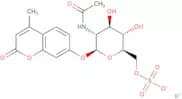
Formula:C16H22O12Purity:Min. 98 Area-%Color and Shape:White PowderMolecular weight:406.34 g/mol4-Methylumbelliferyl 2-acetamido-2-deoxy-β-D-glucopyranoside-6-sulfate potassium salt
CAS:4-Methylumbelliferyl 2-acetamido-2-deoxy-beta-D-glucopyranoside-6-sulfate potassium salt is a fluorogenic substrate for beta-N-acetylglucosaminidase. After enzymatic cleaveage, free 4-methylumbelliferone (also known as hymecromone) is released, exhibiting blue fluorescence upon excitation with UV light. The strongest fluorescence of 4-methylumbelliferone requires deprotonation of the hydroxyl group (thus requires alkaline pH), with a maximal fluorescence intensity obtained with excitation at 350 to 370 nm and emission at 440 to 470 nm. The use of 4-methylumbelliferyl 2-acetamido-2-deoxy-beta-D-glucopyranoside-6-sulfate potassium saltas a substrate for measuring the beta-N-acetylglucosaminidase activity is used for diagnosis of Mucopolysaccharidosis IIIB (MPS IIIB) (a rare lysosomal storage disorder) and Sanfilippo B syndrome screening.
Formula:C18H20KNO11SPurity:Min. 95%Color and Shape:White Off-White PowderMolecular weight:497.52 g/mol4-Methylumbelliferyl β-D-cellohexaoside
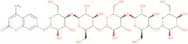
CAS:4-Methylumbelliferyl beta-D-cellohexaoside is a fluorogenic substrate for cellulase. After enzymatic cleaveage, free 4-methylumbelliferone (also known as hymecromone) is released, exhibiting blue fluorescence upon excitation with UV light. The strongest fluorescence of 4-methylumbelliferone requires deprotonation of the hydroxyl group (thus requires alkaline pH), with a maximal fluorescence intensity obtained with excitation at 350 to 370 nm and emission at 440 to 470 nm. The use of 4-methylumbelliferyl beta-D-cellohexaosideas a substrate for measuring the cellulase activity is used for detecting bacterial infection and gut microbiome analysis.Formula:C46H68O33Purity:Min. 95%Color and Shape:PowderMolecular weight:1,149.01 g/mol4-Methylumbelliferyl 2-deoxy-2-sulfamino-a-D-glucopyranoside sodium salt - Moscerdam™ biochemical purity
CAS:4-Methylumbelliferyl 2-deoxy-2-sulfamino-a-D-glucopyranoside sodium salt (M3A or MU-GlcNS) is a fluorogenic substrate of heparin sulfamidase, used in the diagnosis of Mucopolysaccharidosis III type A (MPS III A). MPS III A, also known as Sanfilippo syndrome type A, is caused by the deficiency of heparan N-sulfatase. Heparin sulfamidase in the assay desulfates MU-GlcNS to 4-methylumbelliferyl 2-amino-2-deoxy-α-D-glucopyranoside (MU-GlcNH2). To release fluorometrically measurable 4-methylumbelliferone (MU) and by-product glucosamine, MU-GlcNH2 is further hydrolysed by an enzyme such as yeast α-glucosidase during a second incubation.Formula:C16H18NO10SNaPurity:Min. 95 Area-%Color and Shape:White PowderMolecular weight:439.37 g/molN-alpha-CBZ-L-Arginine 7-amido-4-methylcoumarin hydrochloride
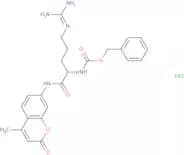
CAS:N-alpha-CBZ-L-Arginine 7-amido-4-methylcoumarin hydrochloride is a Ffluorogenic substrate used in protease activity assays.
Formula:C24H27N5O5·ClHPurity:Min. 95%Color and Shape:PowderMolecular weight:501.96 g/mol4-Methylumbelliferyl elaidate
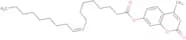
CAS:4-Methylumbelliferyl elaidate is a fluorogenic substrate for lipase. After enzymatic cleaveage, free 4-methylumbelliferone (also known as hymecromone) is released, exhibiting blue fluorescence upon excitation with UV light. The strongest fluorescence of 4-methylumbelliferone requires deprotonation of the hydroxyl group (thus requires alkaline pH), with a maximal fluorescence intensity obtained with excitation at 350 to 370 nm and emission at 440 to 470 nm. The use of 4-methylumbelliferyl elaidateas a substrate for measuring the lipase activity is used for assessment of lipase activity to identify pancreatitis.Formula:C28H40O4Purity:Min. 95%Color and Shape:PowderMolecular weight:440.61 g/mol6-Hexadecanoylamino-4-methylumbelliferone
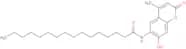
CAS:Fluorochrome for calibration of fluorimeters. Used with corresponding fluorogenic substrates for the diagnosis of Krabbe - and Niemann-Pick A/B disease.Formula:C26H39NO4Purity:Min. 95%Color and Shape:White PowderMolecular weight:429.59 g/molN-Acetyl-3,7-dihydroxyphenoxazine
CAS:Fluorogenic substrate for peroxidaseFormula:C14H11NO4Purity:(1H-Nmr) Min. 95%Color and Shape:Slightly Brown PowderMolecular weight:257.24 g/molGlycyl-glycine 7-amido-4-methylcoumarin hydrochloride
CAS:Glycyl-glycine 7-amido-4-methylcoumarin hydrochloride is a synthetic peptide substrate used as a fluorogenic substrate for aminopeptidase.Formula:C14H16ClN3O4Purity:Min. 95%Color and Shape:PowderMolecular weight:325.75 g/mol4-Methylumbelliferyl-alpha-L-iduronic acid, cyclohexylammonium salt
CAS:4-Methylumbelliferyl-alpha-L-iduronic acid, cyclohexylammonium salt is a fluorogenic substrate for the detection of alpha-L-iduronidase activity. It has been used to measure the activity of this enzyme in cells and tissues and as an indicator of tissue damage. The product is also used in food testing, diagnostics, and environmental testing.
Formula:C22H29NO9Molecular weight:451.48 g/mol4-Methylumbelliferyl-N-acetyl-beta-D-galactosaminide
CAS:Fluorogenic substrate for N-acetyl-β-D-galactosaminidase. Detection of Candida albicans.Formula:C18H21NO8Purity:Min. 98.0 Area-%Molecular weight:379.37 g/mol4-Methylumbelliferyl oleate
CAS:Methylumbelliferyl oleate is a MOSCERDAM® substrate targeting the lipase enzymeFormula:C28H40O4Purity:Min. 90 Area-%Color and Shape:White PowderMolecular weight:440.61 g/molResorufin-β-D-glucuronic acid, sodium salt
CAS:Resorufin-beta-D-glucuronic acid, sodium salt is a fluorogenic substrate that can be used in diagnostic applications. It is a conjugate of resorufin and beta-D-glucuronic acid. The enzyme substrate reacts with the enzyme luciferase to produce light. The high purity and quality of this product make it ideal for use in the detection of the presence of glucose in urine, which can be used to diagnose diabetes mellitus.Formula:C18H14NNaO9Purity:Min. 90.0 Area-%Molecular weight:411.30 g/molRef: 3D-R-2150
2mgTo inquire5mgTo inquire10mgTo inquire25mgTo inquire50mgTo inquire-Unit-ggTo inquire4-Methylumbelliferyl-β-D-ribofuranoside
CAS:4-Methylumbelliferyl-beta-D-ribofuranoside is a chemical compound that belongs to the class of phenols. It has been found in Australian plants and animals. 4-Methylumbelliferyl-beta-D-ribofuranoside is used as a corrosion inhibitor. This chemical has been shown to be effective against corrosion in mammals.br>br> 4-Methylumbelliferyl-beta-D-ribofuranoside can also be used as a fluorescent probe for studying cell membrane activity.Formula:C15H16O7Purity:Min. 99 Area-%Molecular weight:308.29 g/molRef: 3D-M-6190
1gTo inquire5gTo inquire250mgTo inquire500mgTo inquire2500mgTo inquire-Unit-ggTo inquire4-Methylumbelliferyl b-D-cellopentoside
CAS:A fluorogenic MOSCERDAM® substrate targeting cellulasesFormula:C40H58O28Purity:Min. 95%Color and Shape:White To Off-White SolidMolecular weight:986.89 g/mol4-Methylumbelliferyl-beta-D-fucopyranoside
CAS:4-Methylumbelliferyl-beta-D-fucopyranoside is a fluorogenic substrate for beta-fucosidase. After enzymatic cleaveage, free 4-methylumbelliferone (also known as hymecromone) is released, exhibiting blue fluorescence upon excitation with UV light. The strongest fluorescence of 4-methylumbelliferone requires deprotonation of the hydroxyl group (thus requires alkaline pH), with a maximal fluorescence intensity obtained with excitation at 350 to 370 nm and emission at 440 to 470 nm. The use of 4-methylumbelliferyl-beta-D-fucopyranosideas a substrate for measuring the beta-fucosidase activity is used for the diagnosis of fucosidosis and the study of glycoprotein metabolism disorder.Formula:C16H18O7Purity:Min. 99 Area-%Molecular weight:322.31 g/molDDAO galactoside
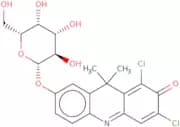
CAS:The DDAO molecule [7-hydroxy-9H-(1, 3-dichloro-9, 9 dimethylacridin-2-one] is used as a stain and a dye in molecular biology, due to its ability to bind intracellular and extracellular DNA. DDAO galactoside is a fluorogenic substrate for galactosidase.
Purity:Min. 95%Color and Shape:PowderMolecular weight:470.3 g/molL-Serine 7-amido-4-methylcoumarin hydrochloride
CAS:L-Serine 7-amido-4-methylcoumarin hydrochloride is a fluorogenic peptide substrate for peptidases. This AMC peptide substrate is normally used to rapidly profile the N-terminal specificity of proteases.
Formula:C13H15ClN2O4Molecular weight:298.72 g/mol3-(4,4-Difluoro-5,7-dimethyl-4-bora-3a,4a-diaza-s-indacene-3-propionamido)propyl b-D-lactoside
3-(4,4-Difluoro-5,7-dimethyl-4-bora-3a,4a-diaza-s-indacene-3-propionamido)propyl b -D -lactoside (FDPBP) is a substrate for alkaline phosphatase. It reacts with the enzyme to produce a blue color. FDPBP is used in diagnostic applications such as food testing and bioluminescence.Purity:Min. 95%Color and Shape:PowderMolecular weight:675.48 g/mol4-Methylumbelliferyl phosphate bis(cyclohexylammonium) salt
CAS:Sensitive fluorogenic substrate for fluorometric and UV-spectrophotometric assays of phosphatases. This may also be used for in-gel assaysFormula:C22H35N2O6PPurity:Min 99%Color and Shape:White to off-white solid.Molecular weight:454.50 g/mol4-Methylumbelliferyl a-L-idopyranosiduronic acid 2-sulphate disodium salt - Moscerdam™ biochemical purity
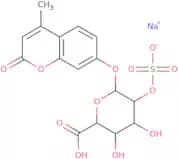
CAS:PAIRED PRODUCT AVAILABLE: alpha-L-iduronidase Enzyme, FI1793834MU-alpha-L-iduronide-2-sulphate (M2) is a fluorogenic substrate of iduronate-2-sulphatase (IDS), used in a 2-step assay coupled with alpha-L-iduronidase. The assay is used in biochemical testing for Hunter syndrome (mucopolysaccharidosis II / MPS II). In a first step, IDS from biological samples cleaves the sulphate group from M2. In a second step, exogeneous alpha-L-iduronidase which cleaves the 4-MU moiety is added to the reaction, resulting in release of a fluorescent signal (Ex 360 nm / Em 455 nm). The reaction is stopped by the addition of sodium carbonate.Formula:C16H14Na2O12SPurity:Min. 99 Area-%Color and Shape:White PowderMolecular weight:476.32 g/mol6-Hexadecanoylamino-4-methylumbelliferyl phosphorylcholine - Moscerdam™ biochemical purity
CAS:6-Hexadecanoylamino-4-methylumbelliferyl phosphorylcholine (HMUPC) is a fluorogenic substrate of acid sphingomyelinase (ASM) in the application of the diagnosis of Niemann–Pick type A and B (NPAB). NPAB is one of the lysosomal storage diseases, caused by a deficiency of ASM. This deficiency results in the accumulation of sphingomyelin and other lipids in various tissues. The assay using HMUPC as the substrate shows rapid and robust determination of ASM activity. When combined with the unlabelled natural substrate such as sphingomyelin as a specific inhibitor of ASM activity, the specificity of assay is enhanced up to the level of the classical assay with radiolabelled natural substrate. HMUPC is also used as the substrate in the ASM assay to investigate the retention of lysosomal enzyme activity of bi-functional IgG-ASM fusion protein in the delivery across blood-brain barrier.
Formula:C31H51N2O7PPurity:Min. 97 Area-%Color and Shape:White PowderMolecular weight:594.72 g/molMonofluoresceinated mannitol
Monofluoresceinated mannitol is a fluorescently labeled form of mannitol. It is used as a tracer for metabolism studies.Formula:C27H24O12Purity:Min. 95%Color and Shape:PowderMolecular weight:540.46 g/mol4-Methylumbelliferyl decanoate
CAS:Fluorogenic substrate for carboxylesterasesFormula:C20H26O4Purity:Min. 98 Area-%Color and Shape:White PowderMolecular weight:330.42 g/mol7-((4'-L-Alaninamido)-rac-(3'-octanoyloxy)butyloxy) coumarin trifluoroacetate salt
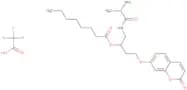
CAS:This Clips-O substrate 7-(4'-L-Alaninamido)-rac-(3'-octanoyloxy)butyloxy) coumarin allows the detection of three enzymatic activities (L-alanine aminopeptidase, C8-esterase and oxidation of 4-amino-3-hydroxybutyloxy either enzymatically or by exposure to sodium periodate) with one single substrate and give a positive fluorescent signal only in presence of all activities. The main virtues of Clips-O substrates are an increased stability towards non-enzymatic hydrolysis that results in a reduced background and high sensitivity.Formula:C26H35F3N2O8Purity:Min. 95%Color and Shape:PowderMolecular weight:560.56 g/mol















![6'-(Diethylamino)spiro[isobenzofuran-1(3H),9'-[9H]xanthen]-3'-yl b-D-glucopyranoside](/_next/image/?url=https%3A%2Fstatic.cymitquimica.com%2Fproducts%2F3D%2Fthumb-webp%2FED139090.webp&w=3840&q=75)