Organic Halides
In this category, you can find organic molecules containing one or more halogen atoms in their structure. These organic halides include brominated, iodinated, chlorinated, and cyclic halide compounds. Organic halides are widely used in organic synthesis, pharmaceuticals, agrochemicals, and materials science due to their reactivity and ability to undergo a variety of chemical transformations. At CymitQuimica, we offer a comprehensive selection of high-quality organic halides to support your research and industrial applications, ensuring reliable and effective performance in your synthetic and analytical projects.
Subcategories of "Organic Halides"
Found 20440 products of "Organic Halides"
Sort by
Purity (%)
0
100
|
0
|
50
|
90
|
95
|
100
N-Chloro-4-toluenesulfonamide sodium
CAS:N-Chloro-4-toluenesulfonamide sodium (NCTS) is a disinfectant that is used to treat wastewater and as a preservative for water. It has been shown to be effective against bacteria, fungi, and viruses. NCTS is an antimicrobial agent that reacts with the matrix in which it is applied to form chloramines-T (NHClO). The chloramines-T inhibits the activity of enzymes such as those involved in DNA synthesis and protein synthesis. This reaction also generates an electric current due to the redox potentials of the reactants. The presence of aziridines in NCTS leads to crosslinking between proteins, which enhances its effectiveness as a disinfectant. NCTS has been shown to have no adverse effects on human erythrocytes or DNA when used at concentrations up to 100 µg/mL.Formula:C7H8ClNO2S•NaPurity:Min. 95%Color and Shape:PowderMolecular weight:228.65 g/mol6-Chloro-2-nitrotoluene
CAS:6-Chloro-2-nitrotoluene is a synthetic organic compound that has been identified in environmental samples as a reaction product of chlorine and organic compounds. It has been shown to induce root formation in plants, which is related to its ability to inhibit the formation of chlorinated hydrocarbons. 6-Chloro-2-nitrotoluene can be produced by reacting nitrogen atoms with zirconium at high temperatures and low pressures, requiring an activation energy of 50 kcal/mol.Formula:C7H6ClNO2Purity:Min. 95%Molecular weight:171.58 g/mol4-Morpholinylacetic acid hydrochloride
CAS:<p>4-Morpholinylacetic acid hydrochloride is a fluorescent probe that is used to study the interaction between extracellular proteins and cells. It can be detected in tissues by fluorescence microscopy and has been tested on animal tissues. The linker group allows for the encapsulation of the probe into mesoporous silica particles that can be recovered from biological fluids and analyzed using analytical methods. 4-Morpholinylacetic acid hydrochloride is not acidic, which means it does not interact with DNA or RNA. The fluorescent properties of this compound allow for easy detection in tissues and microenvironments where other probes may not be detectable.</p>Formula:C6H11NO3•HClPurity:Min. 95%Molecular weight:181.62 g/mol(R)-Apomorphine hydrochloride hemihydrate
CAS:<p>Apomorphine hydrochloride is the salt form of apomorphine, a morphine derivative D2 dopamine agonist. The high selectivity for D2, D3, D4 and D5 receptors makes apomorphine hydrochloride a possible drug candidate and it is in clinical trials for diagnosis and treatment of Parkinsons disease. Moreover, apomorphine and apomorphine hydrochloride have been investigated in diverse studies for treating movement disorders.</p>Formula:C17H17NO2•HCl•(H2O)0Purity:Min. 95%Color and Shape:White PowderMolecular weight:312.79 g/mol2-Chloro-5-nitroaniline
CAS:<p>2-Chloro-5-nitroaniline (2C5N) is a drug substance that belongs to the group of amines. It is an intermediate that is used in the synthesis of caffeine and other amines. 2C5N has been shown to have genotoxic impurities, which may be due to its reaction with hydrochloric acid and acylation. 2C5N has also been shown to be soluble in water, but not chloroform or ethers.</p>Formula:C6H5ClN2O2Purity:Min. 95%Color and Shape:PowderMolecular weight:172.57 g/mol2,3-Dichlorocinnamic acid
CAS:<p>2,3-Dichlorocinnamic acid is an organic compound that can be synthesized in a multistep process involving the reaction of pyridine with sulfuryl chloride. This reaction forms 2,3-dichloropropiophenone and 2,3-dichloroacetophenone. The latter compound is converted to the desired product by reacting it with thionyl chloride. The final step involves hydrolysis of the ester group to form 2,3-dichlorocinnamic acid.<br>2,3-Dichlorocinnamic acid can also be synthesized from phenylpropiolic acid and chlorosulfuric acid or from methyl propiolate and chlorosulfuric acid. <br>2,3-Dichlorocinnamic acid is a white crystalline solid that melts at 155°C and boils at 287°C. It is soluble in water and has a low yield due to</p>Formula:C9H6Cl2O2Purity:Min. 95%Molecular weight:217.05 g/molL-Glutamic acid di-tert-butyl ester hydrochloride
CAS:<p>L-glutamic acid di-tert-butyl ester hydrochloride is a synthetic glutamic acid conjugate that can be used in the treatment of cancer. L-Glutamic acid di-tert-butyl ester hydrochloride is a substrate for many enzymes, such as glutamate transporters and glutaminase, which are found in tumor cells. It has been shown to decrease the uptake of docetaxel by tumor xenografts in mice. The expression of L-Glutamic acid di-tert-butyl ester hydrochloride has been observed in tissues during cancerous growth and it is expressed at higher levels than in normal tissues.</p>Formula:C13H25NO4·HClPurity:Min. 95%Color and Shape:White PowderMolecular weight:295.8 g/mol4-Bromoveratrole
CAS:<p>4-Bromoveratrole is a triphenylene with a molecular weight of 454.42 g/mol and a melting point of 90°C. It has been shown that this molecule binds to the receptor for acetylcholine, which is found in the central nervous system and on muscles. The binding of 4-bromoveratrole to this receptor leads to the release of chloride ions from the cell, which increases the activity of acetylcholine. The detection sensitivity of 4-bromoveratrole in solution was determined by adding malonic acid or hydrochloric acid, which led to an increase in fluorescence intensity. This molecule also has fatty acid and hydroxyl groups that have been shown to have anti-inflammatory properties.</p>Formula:C8H9BrO2Purity:Min. 95%Color and Shape:Clear LiquidMolecular weight:217.06 g/mol3-Fluoro-L-phenylalanine
CAS:<p>3-Fluoro-L-phenylalanine is a fluorinated analog of the amino acid phenylalanine. It is an endophytic fungus that has been found in the leaves of wheat and rice plants. 3-Fluoro-L-phenylalanine is synthesized by 4-fluoro-l-phenylalanine, a plant metabolite, through the addition of a fluoride ion. This molecule can be used to produce gels with high glass transition temperatures. The synthesis of 3-fluoro-L-phenylalanine and its derivatives can be studied using NMR spectroscopy because these molecules are acidic and have low energy levels.</p>Formula:C9H10FNO2Purity:Min. 95%Color and Shape:White/Off-White SolidMolecular weight:183.18 g/molCopper(II) chloride dihydrate
CAS:Copper(II) chloride dihydrate (CuCl2·2H2O) is a copper compound that can be used as an antimicrobial agent. It has been shown to inhibit the growth of bacteria, yeast and fungi by inhibiting cell division at the G1/S phase boundary. Copper(II) chloride dihydrate has also been shown to inhibit cyclin D2 production in HL-60 cells and to cause coumarin derivatives to react with DNA, leading to its structural analysis. It is soluble in water but insoluble in organic solvents. When exposed to air, it reacts with water vapor to form copper chloride (CuCl). Copper(II) chloride dihydrate is acidic and can react with bases such as amines or ammonia; this reaction may result in drug interactions.Formula:CuCl2·2H2OPurity:Min. 95%Color and Shape:PowderMolecular weight:170.48 g/mol2-(1-Adamantyl)-4-bromophenol
CAS:2-(1-Adamantyl)-4-bromophenol is a synthetic polymer that is used in the production of film. It has been used to produce chromatographic films, which are used for the separation and purification of organic compounds. 2-(1-Adamantyl)-4-bromophenol is also used to manufacture ion-exchange resins, which are used for the separation and purification of ions in water. 2-(1-Adamantyl)-4-bromophenol has been shown to be carcinogenic when administered orally to rats, causing human colon carcinoma. It also causes pleural mesothelioma when administered intrapleurally in rats. This chemical has been shown to have anti-inflammatory properties due to its ability to inhibit prostaglandin synthesis.Formula:C16H19BrOPurity:Min. 95%Color and Shape:PowderMolecular weight:307.23 g/mol3-Bromocarbazole
CAS:3-Bromocarbazole is a fluorophore that can be used as a fluorescence probe. It has high optical properties and low energy, making it ideal for analytical methods such as fluorescence resonance or iodination reaction. 3-Bromocarbazole binds to the bacterial receptor and is able to inhibit the growth of bacteria in human serum. This compound can also be used to differentiate bacterial strains based on their dry weight. 3-Bromocarbazole is a new chemical entity with many potential applications in medicine, biology, and chemistry.Formula:C12H8BrNPurity:Min. 98 Area-%Color and Shape:Yellow PowderMolecular weight:246.1 g/mol3-Methoxy-5-(trifluoromethyl)aniline
CAS:<p>3-Methoxy-5-(trifluoromethyl)aniline is a chemical building block that is used in the preparation of pharmaceuticals, agrochemicals, dyes, and other chemicals. 3-Methoxy-5-(trifluoromethyl)aniline is also a versatile intermediate that can be used to produce heterocyclic compounds. 3-Methoxy-5-(trifluoromethyl)aniline has been found to be high quality and useful for many reactions. It is an important compound for research use because it can be used as a reagent or scaffold for complex compounds.</p>Formula:C8H8F3NOPurity:Min. 95%Color and Shape:PowderMolecular weight:191.15 g/molPotassium hexafluoraluminate
CAS:Potassium hexafluoromalonate is a chemical compound that is used as an intermediate in the production of other chemicals. It has been shown to be a useful building block in organic synthesis and can also be used as a research chemical. Potassium hexafluoromalonate is prepared by reacting fluoroaluminate with potassium hydroxide, producing potassium hexafluoromalonate. This reaction produces hydrogen fluoride gas, which must be removed from the product before use. Potassium hexafluoromalonate is soluble in water and is stable at room temperature for up to one year.Formula:K3AlF6Purity:Min 97%Color and Shape:Colorless White PowderMolecular weight:258.27 g/mol2-(2-Chlorophenoxy)ethanol
CAS:<p>2-(2-Chlorophenoxy)ethanol is a versatile building block that can be used as a chemical reagent, speciality chemical, or useful intermediate. It is a high quality chemical with many uses in research and industrial chemistry. 2-(2-Chlorophenoxy)ethanol has been shown to be an efficient building block for the synthesis of complex compounds and has also been used as a reaction component in the synthesis of many other chemical compounds. This compound has been shown to have many applications and is worth consideration for any number of research or industrial endeavors.</p>Formula:C8H9ClO2Purity:Min. 95%Color and Shape:Clear LiquidMolecular weight:172.61 g/molEthoxyamine hydrochloride
CAS:<p>Ethoxyamine hydrochloride is an organic compound that contains a hydroxyl group and a chlorine atom. It is an amine with properties of an acid. Ethoxyamine hydrochloride can be used in the treatment of metabolic disorders, such as nitro, dehydrogenase deficiency and amino acid transport disorder. The compound also has been shown to have anti-inflammatory effects, which may be due to its ability to inhibit the production of prostaglandin synthesis. This drug has been found to have no significant toxicity in humans and animals, and it has been shown to be safe for use in humans.</p>Formula:C2H7NO·HClPurity:Min. 95%Color and Shape:White PowderMolecular weight:97.54 g/mol2-Iodo-6-methylbenzoic acid
CAS:2-Iodo-6-methylbenzoic acid is a chemical used as an additive in the manufacture of plastics, paints and rubber. It is also a ligand for some transition metals. 2-Iodo-6-methylbenzoic acid has been found to be an active natural product that can be synthesized from phthalimides or other amines. 2-Iodo-6-methylbenzoic acid reacts with donepezil to form a multistep reaction intermediate called A, which is then oxidized by a transition metal to form the final product, aricept. The operational mechanism of this reaction is not yet fully understood, but it may involve an alkene intermediate.Formula:C8H7IO2Purity:Min. 95%Color and Shape:PowderMolecular weight:262.04 g/mol4-Bromo-2-(5-isoxazolyl)phenol
CAS:<p>4-Bromo-2-(5-isoxazolyl)phenol is a fine chemical that is used as a building block in the synthesis of other chemicals. It is also useful as a reagent, speciality chemical, and intermediate to produce complex compounds. This compound has versatile uses as it can be used in reactions involving nucleophilic substitution, electrophilic substitution, and elimination. 4-Bromo-2-(5-isoxazolyl)phenol is also a useful scaffold for the synthesis of new molecules with biological activity.</p>Formula:C9H6BrNO2Purity:Min. 95%Color and Shape:PowderMolecular weight:240.05 g/molLY2112688 trifluoroacetate
CAS:<p>Please enquire for more information about LY2112688 trifluoroacetate including the price, delivery time and more detailed product information at the technical inquiry form on this page</p>Formula:C51H70N18O11S2•(C2HF3O2)xPurity:Min. 95%Color and Shape:PowderMolecular weight:1,175.35 g/molDichlorodiethylsilane
CAS:Dichlorodiethylsilane is an aromatic hydrocarbon that is a colorless liquid with a pungent odor. It has been used as a chemical intermediate and in the synthesis of dyes, pharmaceuticals, and other organic chemicals. Dichlorodiethylsilane reacts with hydrogen fluoride to form hydrogen chloride and dichloroethane. The reaction products are acidic due to the presence of hydroxyl groups, which react with water vapor to form hydrochloric acid and alcohols. Dichlorodiethylsilane reacts with nucleophiles such as chlorides or hydroxides to form ether linkages. This compound also reacts with c1-c4 haloalkyls to form chlorinated alkyl groups. Dichlorodiethylsilane is soluble in water, but not in ether or benzene. It is stable at room temperature but decomposes when heated to temperatures above 200°C (392°F).Formula:C4H10Cl2SiPurity:Min. 95%Color and Shape:PowderMolecular weight:157.11 g/molEthidium bromide
CAS:Ethidium bromide is a natural compound that is used as a fluorescent dye. The dye binds to the nucleic acids of the cell, including DNA and RNA, which intercalate with the guanine residues in the DNA. The dye molecules fluoresce when excited by ultraviolet light. This property has been used for biochemical research on nucleic acids and for labeling cells in histological sections for electron microscopy. Ethidium bromide has also been used in rat hippocampal neurons to study nicotinic acetylcholine receptor function.Formula:C21H20N3·BrPurity:Min. 98 Area-%Color and Shape:Red Purple PowderMolecular weight:394.31 g/mol4-Bromo-2,6-difluoroaniline
CAS:<p>4-Bromo-2,6-difluoroaniline is an alkali metal that inhibits cancer cells. It has been shown to inhibit the growth of cancer cells in vitro and in vivo by binding to DNA and RNA. This drug also inhibits the activity of a number of enzymes, including carbonic anhydrase, topoisomerase II, glutathione S-transferase, and phospholipases. 4-Bromo-2,6-difluoroaniline is not cytotoxic to normal cells. The anticancer effect of this drug has been demonstrated in both clinical and laboratory settings.</p>Formula:C6H4BrF2NPurity:Min. 95%Color and Shape:White PowderMolecular weight:208 g/mol3-Methyl-2-benzothiazolinone hydrazone hydrochloride monohydrate
CAS:3-Methyl-2-benzothiazolinone hydrazone hydrochloride monohydrate is a diazonium salt that inhibits the activity of tyrosinase. It is used in pharmaceutical preparations as an inhibitor molecule to treat skin cancer. This compound has been shown to inhibit the production of melanin, which protects cells from damage by ultraviolet (UV) radiation. 3-Methyl-2-benzothiazolinone hydrazone hydrochloride monohydrate binds to tyrosinase and prevents it from forming radicals, which are necessary for the formation of melanin. The inhibition of this enzyme results in skin that is less susceptible to UV radiation and therefore less likely to develop skin cancer.Formula:C8H9N3S·HCl·H2OPurity:Min. 98 Area-%Color and Shape:PowderMolecular weight:233.72 g/mol5-Bromoindole-3-carboxaldehyde
CAS:<p>5-Bromoindole-3-carboxaldehyde is a water molecule that has been crystallized in the form of an amide. It is a chemical substance with asymmetric synthesis and significant antifungal activity. 5-Bromoindole-3-carboxaldehyde is active against some strains of the fungus Candida albicans and has been shown to inhibit the growth of kidney cells. This molecule also binds to the neurokinin 1 receptor and is used as a probe for fluorescence studies. The efficient method for synthesizing 5-Bromoindole-3-carboxaldehyde includes using silico analysis to confirm the structure on a computer, then performing an asymmetric synthesis with an acid catalyst to produce this compound.</p>Formula:C9H6BrNOPurity:Min. 98 Area-%Color and Shape:PowderMolecular weight:224.05 g/molH-Orn-AMC hydrochloride salt
CAS:<p>H-Orn-AMC hydrochloride salt is a white solid with a melting point of about 150°C. It is used as a reactant in the manufacture of pharmaceuticals, research chemicals and other speciality chemicals. H-Orn-AMC hydrochloride salt is also an intermediate for the synthesis of complex compounds, useful as building blocks for chemical synthesis, and can be used as a reagent in analytical chemistry.</p>Formula:C15H20ClN3O3Purity:Min. 98 Area-%Color and Shape:PowderMolecular weight:325.79 g/mol3,6-Bis(1,1-dimethylethyl)-10-phenyl-9-(2,4,6-trimethylphenyl)-acridinium tetrafluoroborate
CAS:3,6-Bis(1,1-dimethylethyl)-10-phenyl-9-(2,4,6-trimethylphenyl)-acridinium tetrafluoroborate is a high quality reagent that is used as an intermediate in the synthesis of other compounds. It has CAS No. 1810004-87-5 and a molecular weight of 345.7 g/mol. This compound is useful for the synthesis of complex compounds and can be used in fine chemicals. 3,6-Bis(1,1-dimethylethyl)-10-phenyl-9-(2,4,6-trimethylphenyl)-acridinium tetrafluoroborate is also useful for research purposes and can be used as a scaffold for drug discovery. It is also a versatile building block that can be used in reactions to produce speciality chemicals and reaction components such as esters or amides.Formula:C36H40BF4NPurity:Min 95%Color and Shape:PowderMolecular weight:573.51 g/mol3-Bromobenzaldoxime
CAS:<p>3-Bromobenzaldoxime is a dialkylamino aldoxime compound that is soluble in organic solvents such as diethyl ether, chloroform, dichloromethane, and benzene. It can be synthesized from benzaldehyde and aniline through the reaction of cyclopentenes with phenylsulfonyl chloride. This reaction produces an intermediate that is then reacted with nitrobenzene to produce 3-bromobenzaldoxime. 3-Bromobenzaldoxime has been used in the synthesis of hydroxamic acids and its use as a solvent for nitro compounds.</p>Formula:C7H6BrNOPurity:Min. 98 Area-%Color and Shape:PowderMolecular weight:200.03 g/mol2-Bromo-5-(trifluoromethyl)benzylamine hydrochloride
CAS:2-Bromo-5-(trifluoromethyl)benzylamine hydrochloride is a fine chemical with CAS No. 1214331-01-7 that has been used as a building block in the synthesis of various complex compounds, such as pharmaceuticals and agrochemicals. 2-Bromo-5-(trifluoromethyl)benzylamine hydrochloride is also a versatile building block for the preparation of useful intermediates and scaffolds.Formula:C8H7BrF3N•HClPurity:Min. 95%Molecular weight:290.51 g/mol2-Bromo-5-hydroxybenzoic acid
CAS:2-Bromo-5-hydroxybenzoic acid is a naturally occurring chemical that belongs to the group of phenols. It is an intermediate in the biosynthesis of the phorbol esters and is used as a nutrient for many bacteria. 2-Bromo-5-hydroxybenzoic acid has been shown to protect against microbial infections by inhibiting the growth of certain bacteria. It also inhibits production of inflammatory compounds, such as leukotrienes and prostaglandins, by modifying the enzyme activity of peroxidases and other enzymes involved in lipid metabolism. 2-Bromo-5-hydroxybenzoic acid has been shown to inhibit the enzyme lactoperoxidase and prevent oxidation of thiol groups in proteins, altering their functions. This compound also potently inhibits tissue inflammation induced by phorbol myristate acetate (PMA).Formula:C7H5BrO3Purity:Min. 95%Color and Shape:PowderMolecular weight:217.02 g/molMethyl 4-bromo-3-nitrobenzoate
CAS:Methyl 4-bromo-3-nitrobenzoate is a methoxy-substituted methyl ester of 3-nitrobenzoic acid. It has been shown to bind to copper ions with high affinity, and can be used to regulate the uptake of copper ions in cells. Methyl 4-bromo-3-nitrobenzoate is a ligand for many metal ions, and can be used as a predictable, conformationally constrained framework for drug design. Selectivities are achieved by carboxylate substituents and nitro groups on the benzene ring. The asymmetric center allows for conformational control of the molecule, which can be exploited in drug design.Formula:C8H6BrNO4Purity:Min. 95%Color and Shape:PowderMolecular weight:260.04 g/mol5-Amino-N,N'-bis(2,3-dihydroxypropyl)-2,4,6-triiodo-1,3-benzenedicarboxamide
CAS:<p>5-Amino-N,N'-bis(2,3-dihydroxypropyl)-2,4,6-triiodo-1,3-benzenedicarboxamide is an experimental compound that is used in the industrial preparation of pharmaceuticals and agricultural chemicals. It has a molecular weight of 191.14 g/mol. The crystallization process involves the use of ethanol to create supersaturation and then cooling to induce crystallization. This compound can be synthesized by an iodination reaction with x-ray irradiation at low temperatures.</p>Formula:C14H18I3N3O6Purity:Min. 95%Color and Shape:White PowderMolecular weight:705.02 g/molAnisodine hydrobromide
CAS:<p>Anisodine hydrobromide is a compound that modulates transcriptional regulation. It has been shown to inhibit the proliferation of cultured human renal proximal cells and to reduce the development of kidney fibrosis in rats. Anisodine also inhibits locomotor activity and improves sample preparation in a statistically significant way. Anisodine hydrobromide has not been found to be toxic at doses up to 2000 mg/kg, which is its highest dose studied so far. The study used an experimental model of neurotrophic factors, soybean extract and fluorescein angiography with LC-MS/MS method as the analytical technique.</p>Formula:C17H22BrNO5Purity:Min. 98%Color and Shape:PowderMolecular weight:400.26 g/mol1-Chloro-2,2,3-Trifluoropropane
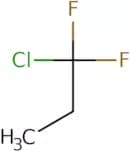
CAS:Controlled Product<p>1-Chloro-2,2,3-trifluoropropane is a chemical compound that belongs to the group of chlorinating agents. It is a preparative agent for chlorine and hydrochloric acid. 1-Chloro-2,2,3-trifluoropropane has been used in thermoelectric applications as an intermediate in the production of hydrogen fluoride. It has also been used as a reagent for producing fluorine gas or hydrofluoric acid. This chemical is also used in preparative methods to produce diode lasers or monofluorides.</p>Formula:C3H4ClF3Purity:Min. 95%Molecular weight:132.51 g/molMecysteine hydrochloride
CAS:<p>Mecysteine hydrochloride is a stable complex of mecysteine and hydrochloric acid. It is an ester that is formed from the reaction of methionine and hydrochloric acid in the presence of sodium citrate. This drug has been used as a skin treatment for ichthyosis, atopic dermatitis, and other skin disorders. Mecysteine hydrochloride has also been shown to be effective against symptoms caused by oxidative stress, such as swelling, redness, pain, or itching. Mecysteine hydrochloride may act by reducing the production of reactive oxygen species (ROS) and increasing antioxidant enzymes in human serum.</p>Formula:C4H9NO2S•HClPurity:Min. 98 Area-%Color and Shape:PowderMolecular weight:171.65 g/mol5-Hydroxy propafenone hydrochloride
CAS:5-Hydroxy propafenone hydrochloride is a drug transporter that has been shown to inhibit the activity of the human organic anion transporting polypeptide (OATP) 1B1 and 1B3. It has been shown to have clinical response in patients with atrial fibrillation. 5-Hydroxy propafenone hydrochloride is eliminated by both renal and hepatic routes, with a terminal half-life of about 10 hours. The compound is also extensively metabolized in humans and its pharmacokinetic properties are well characterized. In vitro studies have demonstrated that this compound has no significant interactions with other drugs used in medical practice. 5-Hydroxy propafenone hydrochloride can be detected in human serum and urine using LC-MS/MS methods. It can also be detected in yeast cells using immunoblotting techniques, which may be utilized for analytical purposes.Formula:C21H28ClNO4Purity:Min. 95%Color and Shape:PowderMolecular weight:393.9 g/mol2,2-Bis(4-hydroxyphenyl)hexafluoropropane
CAS:Bis-2,2'-biphenyl ether (BBE) is a phenolic compound that inhibits the production of reactive oxygen species (ROS). BBE is a hydrophobic and lipophilic molecule that can be used in wastewater treatment. It has been shown to be genotoxic, with significant cytotoxicity in human breast cancer cells at physiological levels. BBE also exhibits receptor activity and can inhibit the proliferation of bisphenol A-sensitive cells.Formula:C15H10F6O2Purity:Min. 98 Area-%Color and Shape:PowderMolecular weight:336.23 g/molTris(dimethylamino)sulfonium difluorotrimethylsilicate
CAS:<p>Tris(dimethylamino)sulfonium difluorotrimethylsilicate is a solute that is used in synthetic chemistry. It has been shown to stimulate bone growth in vitro and to inhibit the metastasis of cancer cells in animal studies. Tris(dimethylamino)sulfonium difluorotrimethylsilicate has also been shown to be an effective treatment for bladder cancer. This compound has been shown to bind to cortistatin, an active substance that inhibits the proliferation of human bladder cancer cells. The compound binds to benzyl groups on cortistatin and prevents it from binding with its receptors on the bladder cancer cells, leading to cell death.</p>Formula:C6H18N3S•C3H9F2SiPurity:90%Color and Shape:PowderMolecular weight:275.48 g/molDoxepin hydrochloride
CAS:Controlled ProductHistamine receptor H1 antagonist; tricyclic antidepressantFormula:C19H22ClNOPurity:Min. 95%Color and Shape:PowderMolecular weight:315.84 g/mol5-Bromoorotic acid
CAS:5-Bromoorotic acid is a chemical compound that contains one bromine atom. This compound has been shown to inhibit the growth of mammalian cells, which may be due to its ability to bind to DNA and interfere with protein synthesis. 5-Bromoorotic acid also has an inhibitory effect on radiation, which may be due to its ability to form stable complexes with electrons. 5-Bromoorotic acid has a helical structure, which may make it more stable than other compounds. It also inhibits the production of uridine by inhibiting uridine phosphorylase and nitro group production in g. lamblia, which is a parasitic protozoan that causes intestinal infections in humans.Formula:C5H3BrN2O4Purity:Min. 95%Color and Shape:White PowderMolecular weight:234.99 g/mol5-Fluoro-2-methoxyphenol
CAS:5-Fluoro-2-methoxyphenol is a heterodimeric natural product that consists of anisoles and acetanilides. It has been shown to induce liver microsomes in rats, as well as hypervalent organometallic complexes with methoxy groups. 5-Fluoro-2-methoxyphenol also exhibits vinylic shift and product synthesis abilities. This compound is useful for the synthesis of acetanilides and other compounds with a methoxy group. Reagents such as phenyllithium, butyllithium, and lithium diisopropylamide are used in this synthesis.Formula:C7H7FO2Purity:Min. 95%Color and Shape:Clear LiquidMolecular weight:142.13 g/mol9-[Bromo(phenyl)methylene]-9H-fluorene
CAS:<p>9-[Bromo(phenyl)methylene]-9H-fluorene is a fine chemical and research chemical that can be used as a building block in the synthesis of complex compounds. It has been shown to be potentially useful as an intermediate in the synthesis of important chemical substances, such as pharmaceuticals, pesticides, herbicides, and more. 9-[Bromo(phenyl)methylene]-9H-fluorene has also been studied for its potential use as a scaffold for peptide and protein drug development. As it is a versatile building block with many applications in organic synthesis, it is a high quality reagent with speciality chemical properties.</p>Formula:C20H13BrPurity:Min. 95%Color and Shape:PowderMolecular weight:333.22 g/mol2-Bromobenzaldoxime
CAS:2-Bromobenzaldoxime is a chemical compound that belongs to the class of isoxazoles. It is used as an agrochemical to control nematodes and insects in crops. 2-Bromobenzaldoxime has been shown to have a high transformation efficiency, with a low response of resistant strains, and is effective against acarids and insects. The product yields are high when 2-bromobenzaldoxime is applied on soil or as a foliar spray. This chemical can be used as an alternative to diethyl ether when it comes to controlling pests in agricultural environments.Formula:C7H6BrNOPurity:Min. 95%Molecular weight:200.03 g/molPerfluoromethyladamantane
CAS:Controlled Product<p>Perfluoromethyladamantane is a perfluorinated particle that has been shown to enhance bone growth. The particles are made of vinyl alcohol, which is an oxygenated chemical species and active substance. The particles also contain amines that are insoluble in water. Perfluoromethyladamantane has been shown to have an enhancement effect on proliferation activities of bone cells and, hence, may be used as a therapeutic agent for patients with osteoporosis.</p>Formula:C11F18Purity:Min. 95%Molecular weight:474.09 g/mol3-[(4-Fluorophenyl)amino]cyclohex-2-en-1-one
CAS:3-[(4-Fluorophenyl)amino]cyclohex-2-en-1-one is a drug that has been shown to have both inotropic and chronotropic effects on the heart. It also has a hypotensive activity, which may be due to its ability to reduce peripheral resistance by blocking alpha 1 receptors. 3-[(4-Fluorophenyl)amino]cyclohex-2-en-1-one is an anaesthetic agent with the potential for use in surgical procedures. The structural similarity of 3-[(4-Fluorophenyl)amino]cyclohex-2-en-1-one to acrylonitrile suggests that this drug may be toxic to the heart, as acrylonitrile is a known cardiotoxin.Formula:C12H12FNOPurity:Min. 95%Color and Shape:PowderMolecular weight:205.23 g/mol2-Fluoro-3-methoxyaniline
CAS:<p>2-Fluoro-3-methoxyaniline is a high quality chemical that can be used as an intermediate in the synthesis of complex compounds. It is a reagent and useful building block, with a CAS number of 801282-00-8. 2-Fluoro-3-methoxyaniline can be used to make speciality chemicals and research chemicals, as well as versatile building blocks for reactions. This compound is also a reaction component for the synthesis of other compounds.</p>Formula:C7H8FNOPurity:Min. 95%Color and Shape:Clear LiquidMolecular weight:141.14 g/mol2,3,5-Trichlorobenzoic acid
CAS:2,3,5-Trichlorobenzoic acid is a chemical compound that can be synthesized from phenacyl chloride and phthalic anhydride. The synthesis of 2,3,5-trichlorobenzoic acid is accomplished in two steps. First, the phenacyl chloride and ammonium sulfate are mixed together at a temperature of about 100°C for about 12 hours to produce 2-chloro-4-(phenylazo)benzene-1,3-diol (2). This product is then mixed with phthalic anhydride at a temperature of about 150°C for about 6 hours to produce 2,3,5-trichlorobenzoic acid (1). The synthesis of this compound has been shown to be thermophilic and reactive. It has also been shown to have single crystal x-ray diffraction properties.Formula:C7H3Cl3O2Purity:Min. 95%Color and Shape:White PowderMolecular weight:225.46 g/mol1-(Azidomethyl)-4-chlorobenzene ~ 0.5 M solution in dichloromethane
CAS:1-(Azidomethyl)-4-chlorobenzene is a chemical compound that is used in organic synthesis. It is a colorless liquid with a strong smell. It inhibits the growth of fungi by inhibiting the sclerotinia phosphatase, which catalyzes the conversion of propiolic acid to p-hydroxybenzoic acid. This mechanism may also be responsible for its properties as an antifungal agent. 1-(Azidomethyl)-4-chlorobenzene has shown no inhibitory effects on mammalian phosphatases and does not show any adverse reactions when tested against animal cells.Formula:C7H6ClN3Purity:Min. 95%Color and Shape:Clear LiquidMolecular weight:167.6 g/mol1,12-Dibromododecane
CAS:<p>1,12-Dibromododecane is a chemical substance that appears as an off-white solid. It has a formula weight of 45.1 g/mol and a melting point of -8.5°C. 1,12-Dibromododecane is soluble in water and alcohols and insoluble in ethers. The substance is not flammable, but it does react with strong oxidants such as nitric acid or perchloric acid to form toxic gases like nitrogen dioxide or chlorine gas respectively. 1,12-Dibromododecane is used in the manufacture of sodium carbonate, which is used for signal detection, and also as a fatty acid solvent in the production of optical properties and formula weight measurements. 1,12-Dibromododecane can be used to measure transport properties by gel chromatography and can be used as a metalloeluting agent in 4-hydroxycinnamic acid pur</p>Formula:C12H24Br2Purity:Min. 95%Color and Shape:White PowderMolecular weight:328.13 g/mol(R)-3-Fluoropyrrolidine hydrochloride
CAS:<p>(R)-3-Fluoropyrrolidine hydrochloride is a proline analog that is orally bioavailable and selective for dipeptidyl peptidase. It shows good pharmacokinetic properties and has been shown to be a potent inhibitor of both cyclohexylglycine and amides, two enzymes involved in the metabolism of proline. The drug has also been shown to be an excellent substrate for dipeptidyl peptidase, an enzyme involved in the degradation of dipeptides. (R)-3-Fluoropyrrolidine hydrochloride has not yet been tested as an inhibitor of peptidases other than dipeptidyl peptidase. (R)-3-Fluoropyrrolidine hydrochloride is currently undergoing Phase II clinical trials.</p>Formula:C4H9ClFNPurity:Min. 98%Molecular weight:125.57 g/mol(2,4-dichlorophenyl)(3-((hydroxyimino)ethyl)-4-methyl(2,5-thiazolyl))amine
CAS:<p>Please enquire for more information about (2,4-dichlorophenyl)(3-((hydroxyimino)ethyl)-4-methyl(2,5-thiazolyl))amine including the price, delivery time and more detailed product information at the technical inquiry form on this page</p>Purity:Min. 95%5-Bromo-2-hydrazinopyrimidine
CAS:<p>5-Bromo-2-hydrazinopyrimidine is a heterocyclic compound with the chemical formula C5H4N3Br. It is used as reagent, high quality, and complex intermediate in fine chemicals, research chemicals, and speciality chemicals. It is also a versatile building block for many reactions in synthesis of other compounds.</p>Formula:C4H5BrN4Purity:Min. 98 Area-%Molecular weight:189.01 g/molDiphenyliodonium trifluoromethanesulfonate
CAS:<p>Diphenyliodonium trifluoromethanesulfonate is a reactive chemical that has been used for lithography. It has been shown to react with hydroxyl groups and trifluoroacetic acid, leading to the formation of an ester linkage between two phenyl rings. This reaction mechanism can be applied to polymers, which are most commonly used in photoresist materials. The esters formed have a high resistance to light exposure and radiation, which make them useful as photoresists in the fabrication of semiconductors.</p>Formula:C13H10F3IO3SPurity:Min. 98 Area-%Color and Shape:PowderMolecular weight:430.18 g/mol2-Bromo-6-methylpyridine
CAS:2-Bromo-6-methylpyridine (2BMPy) is an organic compound that belongs to the group of pyridinium halides. It is soluble in common solvents such as water, ethanol, and acetone. 2BMPy has been shown to act as a glutamate receptor antagonist and has been used in the study of glutamate receptors, including their subtypes. This chemical has also been shown to have antioxidant properties and can be used in the prevention of atherosclerosis.Formula:C6H6BrNPurity:Min. 95%Color and Shape:Clear LiquidMolecular weight:172.02 g/mol(Des-Gly10,D-Ser4,D-Leu6,Pro-NHEt 9)-LHRH trifluoroacetate
CAS:<p>Please enquire for more information about (Des-Gly10,D-Ser4,D-Leu6,Pro-NHEt 9)-LHRH trifluoroacetate including the price, delivery time and more detailed product information at the technical inquiry form on this page</p>Formula:C59H84N16O12•(C2HF3O2)xPurity:Min. 98 Area-%Color and Shape:PowderMolecular weight:1,209.4 g/mol2-Bromo-4-methylpyridine
CAS:<p>2-Bromo-4-methylpyridine is an organic compound that is used in the synthesis of other compounds. It has been shown to be a potent anticancer agent, inhibiting cell function and inducing apoptosis. 2-Bromo-4-methylpyridine can be used to detect autofluorescent cells by photoreceptor cell fluorescence. This compound also induces lipofuscin accumulation in red blood cells as a result of its protonation, which leads to decreased membrane fluidity and oxidative stress.</p>Formula:C6H6BrNPurity:Min. 95%Color and Shape:PowderMolecular weight:172.02 g/mol2-Chloro-5-methoxybenzonitrile
CAS:2-Chloro-5-methoxybenzonitrile is an organic compound that has a chlorinated methoxy group and a cyano group. It is synthesized by the reaction of 2-chloro-5-hydroxybenzonitrile with sulfuryl chloride in the presence of potassium carbonate. The yield of this reaction can be increased by adding a chlorinated solvent such as dichloromethane or chloroform. 2-Chloro-5-methoxybenzonitrile is used in the synthesis of various drugs and other organic compounds, such as amides and benzene ring compounds.Formula:C8H6ClNOColor and Shape:PowderMolecular weight:167.59 g/molMyristoylcholine chloride
CAS:<p>Myristoylcholine chloride is a monolayer-forming cationic surfactant that can be used as an antimicrobial agent. It forms stable complexes with fatty acids, which are non-polymeric and hydrophobic. This product has been shown to have hemolytic activity, and also exhibits antibacterial properties against gram-positive bacteria, such as Streptococcus pneumoniae and Staphylococcus aureus. Myristoylcholine chloride is not active against gram-negative bacteria, such as Pseudomonas aeruginosa.<br>Myristoylcholine chloride forms stable complexes with pentacosanoic acid (PCA) when mixed in solution. The chemical structure of PCA is shown below:<br>CH(CH)COOH<br>The enzyme hydrolysis of PCA by choline esterases results in the formation of choline and pentacosanoic acid.</p>Formula:C19H40ClNO2Purity:Min. 95%Color and Shape:White PowderMolecular weight:349.98 g/molDextromethorphan hydrobromide monohydrate
CAS:Controlled Product<p>Dextromethorphan is a drug that is used for the treatment of cough and cold symptoms. It has been shown to be effective in human studies, and has minimal side effects. Dextromethorphan hydrobromide monohydrate is a pseudoephedrine prodrug that is metabolized in the liver through demethylation and hydroxylation before being excreted in urine. Dextromethorphan has been shown to have anti-inflammatory properties, which may be due to its ability to inhibit prostaglandin synthesis. The pharmacological mechanism of action of dextromethorphan remains unclear.</p>Formula:C18H25NO•HBr•H2OPurity:Min. 98 Area-%Color and Shape:White PowderMolecular weight:370.32 g/molDL-alanine-β-naphthylamide hydrochloride
CAS:DL-Alanine-beta-naphthylamide hydrochloride is a fine chemical that is used as a building block for other compounds. It can be used in the synthesis of complex compounds and as a reagent to synthesize speciality chemicals and research chemicals. DL-Alanine-beta-naphthylamide hydrochloride is also a versatile building block that can be used as an intermediate in organic reactions or as a reaction component. This compound has CAS No. 74144-49-3 and is soluble in water.Formula:C13H15ClN2OPurity:Min. 95%Color and Shape:PowderMolecular weight:250.72 g/molN-[2-Chloro-4-(trifluoromethyl)phenyl]-D-Valine
CAS:<p>N-[2-Chloro-4-(trifluoromethyl)phenyl]-D-Valine is a chemical compound that has been used as a useful scaffold for the synthesis of a variety of compounds. It can be used as an intermediate or research chemical, or as a reaction component in the synthesis of other compounds. This compound is often used for the preparation of complex compounds and has been shown to produce high quality reagents.</p>Formula:C12H12ClF3NO2Purity:Min. 95%Color and Shape:PowderMolecular weight:294.68 g/mol5-Amino-2-chlorobenzonitrile
CAS:<p>5-Amino-2-chlorobenzonitrile is a functional theory that has been optimised for the synthesis of pesticides. It has been shown to have high affinity constants and to be a good potential for monitoring. 5-Amino-2-chlorobenzonitrile is synthesized in the form of monoclonal antibodies, which are then optimised using vibrational frequencies. The parameters of these molecules are optimized by comparing the calculated frequencies with those obtained from experimental data. This theory can be used to develop new pesticides that are less harmful to humans and animals, as well as being more environmentally friendly.</p>Formula:C7H5ClN2Purity:Min. 95%Color and Shape:PowderMolecular weight:152.58 g/molTizanidine hydrochloride
CAS:<p>α2 agonist; myotonolytic agent</p>Formula:C9H9Cl2N5SPurity:Min. 95%Color and Shape:White PowderMolecular weight:290.17 g/mol1,3-Dichloro-1,1,3,3-tetraisopropyldisiloxane
CAS:<p>1,3-Dichloro-1,1,3,3-tetraisopropyldisiloxane is a chromatographic stationary phase that has been used for the analysis of oligosaccharides and hydrogen bonds. 1,3-Dichloro-1,1,3,3-tetraisopropyldisiloxane has been shown to be useful in the separation of uridine from other nucleotides. It also has been shown to be useful as a titration calorimetry standard. This stationary phase can be used with fluorescence spectrometry and tryptophan fluorescence for structural analysis of pyrimidine compounds. Molecular modeling studies have also demonstrated that this stationary phase is stereoselective with regards to hydroxyl group emissions. The 1,3-Dichloro-1,1,3,3-tetraisopropyldisiloxane stationary phase is</p>Formula:C12H28Cl2OSi2Purity:Min. 95%Color and Shape:Colorless Slightly Yellow Clear LiquidMolecular weight:315.43 g/molPropantheline bromide
CAS:<p>Propantheline bromide is a drug that belongs to the group of chemical stabilizers. It is an anti-inflammatory agent that is used for the treatment of bowel disease, especially in elderly patients. Propantheline bromide has been shown to have long-term efficacy with good tolerability in the treatment of overactive bladder syndrome and other urinary disorders. This drug can be administered orally or intravenously and has little effect on the body's water balance or blood pressure. Propantheline bromide works by blocking nerve signals from the gastrointestinal tract to the detrusor muscle, which is responsible for contraction and relaxation of the bladder.</p>Formula:C23H30BrNO3Purity:Min. 95%Color and Shape:PowderMolecular weight:448.39 g/molIodoantipyrine
CAS:Iodoantipyrine is a synthetic compound that has been used as a diagnostic agent in the diagnosis of senescent cells. It is also used to study the metabolism of these cells, by measuring enzyme activities in blood samples. Iodoantipyrine is also an anti-cancer drug and has been shown to inhibit the growth of cancer cells in various types of tissue, including heart tissue and brain infarction. Iodoantipyrine inhibits cell proliferation by blocking the synthesis of epoxyeicosatrienoic acids (EETs), which are thought to be important for physiological function. This compound also binds to carboxy terminal amino acid residues on enzymes and prevents their function.Formula:C11H11IN2OPurity:Min. 95%Color and Shape:PowderMolecular weight:314.12 g/mol2-Bromo-6-nitrophenol
CAS:<p>2-Bromo-6-nitrophenol is a synthetic chemical that is used as an intermediate in the synthesis of other chemicals. It can be prepared by reacting ammonium formate with hydroxyl group of 2-bromo-6-nitropyridine. The reaction yield can be improved by activating the hydroxyl group and removing impurities through a dehydration reaction. The time required for the reaction to occur can be shortened by using acetonitrile as a solvent instead of water. This chemical is also synthesized by coupling metal salts with nitro groups or amines, which are called Suzuki coupling reactions.</p>Formula:C6H4BrNO3Color and Shape:PowderMolecular weight:218 g/molethyl 2-(6-bromo-2-naphthyloxy)acetate
CAS:<p>Please enquire for more information about ethyl 2-(6-bromo-2-naphthyloxy)acetate including the price, delivery time and more detailed product information at the technical inquiry form on this page</p>Purity:Min. 95%2-(2-Chlorophenoxy)-2-methylpropanoic acid
CAS:2-(2-Chlorophenoxy)-2-methylpropanoic acid is a plant hormone that is involved in the mediation of plant responses to various biotic and abiotic stressors. It is synthesized from salicylic acid by the enzyme phenylalanine ammonia-lyase and its structure resembles that of hydrogen peroxide. Its linear growth-promoting activity is mediated by the formation of 2,4-dichlorophenoxyacetic acid, which activates the production of hydrogen peroxide and induces cell expansion. The biosynthesis of this compound has been shown in plants through studies on excised tissues.Formula:C10H11ClO3Purity:Min. 95%Color and Shape:PowderMolecular weight:214.65 g/mol8-Chloro-3α,4-dihydro-6-(2-fluorophenyl)-1-methyl-3H-imidazo[1,5-α][1,4]benzo-diazepine
CAS:Controlled Product<p>Please enquire for more information about 8-Chloro-3α,4-dihydro-6-(2-fluorophenyl)-1-methyl-3H-imidazo[1,5-α][1,4]benzo-diazepine including the price, delivery time and more detailed product information at the technical inquiry form on this page</p>Formula:C18H15ClFN3Purity:Min. 90%Color and Shape:PowderMolecular weight:327.78 g/mol5-Fluoro-3-methylindole
CAS:<p>5-Fluoro-3-methylindole is a reactive compound that is not soluble in water. It has a molecular weight of 288.5 and an ionization potential of 7.8 eV. 5-Fluoro-3-methylindole can act as a potent antagonist by binding to the pharmacophore, which is the three hydrogen bonding sites on the benzodiazepine receptor. This drug has been shown to be reactive with halides, nitro, and magnesium, as well as with some endogenous compounds such as nitroarenes and amides. 5-Fluoro-3-methylindole also reacts with fluorescence ligands and transfer agents.</p>Formula:C9H8FNPurity:Min. 95%Molecular weight:149.16 g/mol2-(N-Ethylperfluorooctanesulfonamido)ethyl acrylate
CAS:Controlled Product2-(N-Ethylperfluorooctanesulfonamido)ethyl acrylate is a synthetic polymer that forms supramolecular aggregates in water. 2-(N-Ethylperfluorooctanesulfonamido)ethyl acrylate has viscosity and molecular weight properties similar to those of polyacrylamide, but it is more soluble in water. The polymer concentration can be increased by adding ammonium persulfate, which acts as an initiator for the polymerization process. The polymerization reaction produces beta-cyclodextrin as a byproduct, which is also a supramolecular aggregate. When the polymer concentration exceeds 10 mg/mL, the self-assembly process becomes irreversible and the formation of nanodomains is enhanced. This process can be observed using dynamic light scattering with a constant enhancement factor that is greater than one. The hydrophobic bonds between the monomers are responsible for this phenomenon.Formula:C15H12F17NO4SPurity:Min. 95%Color and Shape:PowderMolecular weight:625.3 g/mol3-Chloro-4-toluic acid
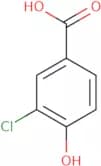
CAS:<p>3-Chloro-4-toluic acid is a quinone, which is derived from 3,4-dichlorotoluene. It has been shown to bind to nuclear receptors and act as a retinoic acid linker. This compound is also used in the synthesis of organic compounds by desorption in an acidic environment, followed by methyl esterification with an alcohol. 3-Chloro-4-toluic acid can be converted into zirconium chloride or hydrotalcite through chlorination or hydrochlorination. The resulting product can be used for dispersive solid-phase extraction methods.</p>Formula:C8H7ClO2Purity:Min. 95%Color and Shape:PowderMolecular weight:170.59 g/molHydrazine dihydrochloride
CAS:Controlled ProductHydrazine dihydrochloride (HDH) is a chemical compound with the molecular formula N2H4Cl2. It is used in electrochemistry as an electrolyte and to control enzyme activities. HDH has been shown to inhibit sulfate reduction and phosphatase activity, which may be due to its effect on the cell-specific biochemistry of Sulfolobus solfataricus. Hydrazine dihydrochloride also inhibits water vapor-induced chemiluminescence in methyl glycosides. This inhibition is due to a decrease in the production of hydrogen peroxide and the subsequent decomposition of the product that leads to luminescence. The mechanism for this inhibition is unknown, but it may be due to its ability to bind to Toll-like receptor 4 (TLR4). Hydrazine dihydrochloride has also been shown to have fluorescent properties that can be used as a probe for detecting DNA damage in cells.Formula:H4N2•(HCl)2Purity:98.0 To 102.0%Color and Shape:White PowderMolecular weight:104.97 g/mol5-Chlorovanillic acid
CAS:<p>5-Chlorovanillic acid is a weight compound that belongs to the group of methoxylated compounds. It is a precursor in the catabolic pathway of vanillic acid, which is synthesized from p-hydroxybenzoic acid. This compound can be found as one of the major phenolic acids in many plants and fruits, such as strawberries and apples. 5-Chlorovanillic acid has been shown to be an inhibitor for the growth of bacterial strains in culture, including C. perfringens. It has also been shown to have anti-inflammatory properties by inhibiting prostaglandin synthesis.</p>Formula:C8H7ClO4Purity:80%Color and Shape:PowderMolecular weight:202.59 g/mol5-Cyano-2-fluorobenzoic acid
CAS:<p>5-Cyano-2-fluorobenzoic acid is a macrocyclization agent that is used in the synthesis of 16-membered macrocycles. It is a nucleophilic reagent that reacts with an electrophile to form a 5,5'-bifluoro-2,2'-dioxodibenzofuranone. This reaction can be performed under mild conditions and proceeds via a 1,4-addition mechanism. The product has two stereogenic centers and four stereoisomers that are formed by the relative configuration of these centers. 5-Cyano-2-fluorobenzoic acid also has application in the clinic as an analogue for fluoroquinolones.</p>Formula:C8H4FNO2Purity:Min. 95%Color and Shape:PowderMolecular weight:165.12 g/molDichlorotetrafluoroethane
CAS:Controlled Product<p>Dichlorotetrafluoroethane is a chemical compound that belongs to the group of halocarbons. It was first synthesized in 1930 and has been used as a refrigerant since the 1940s. Dichlorotetrafluoroethane is a powerful antimicrobial agent that also functions as a catalyst. The rates of reaction depend on kinetic data, such as the rate of diffusion, temperature, and pressure. Dichlorotetrafluoroethane is an excellent solvent for some organic compounds and has applications in degreasing metal parts or removing oil from concrete floors.<br>Dichlorotetrafluoroethane is produced by the reaction of hydrogen fluoride with sodium carbonate in an isomeric mixture at high temperature. The product contains equal amounts of two geometric isomers: 1,1-dichloro-2,2-difluoroethene (DFEE) and 2,2-dichloro-</p>Formula:C2Cl2F4Purity:Min. 95%Molecular weight:170.92 g/molDL-Carnitine hydrochloride
CAS:DL-Carnitine hydrochloride is a prodrug of the amino acid carnitine, which is synthesized by the liver. It is used for the treatment of congestive heart failure and primary carnitine deficiency. DL-Carnitine hydrochloride can be used to prevent fatigue during physical activity by increasing adenosine triphosphate (ATP) production in cells. This drug also increases fatty acid oxidation and facilitates the transport of long-chain fatty acids into mitochondria for β-oxidation. DL-Carnitine hydrochloride stimulates the breakdown of triglycerides by activating lipoprotein lipase, which is an enzyme that breaks down fat in blood vessels. The drug also inhibits glycosidic bond formation and hydroxyl group polymerization, which are steps in the synthesis of glycogen, a form of sugar stored in muscle cells.Formula:C7H16ClNO3Purity:Min 98%Color and Shape:White Off-White PowderMolecular weight:197.66 g/mol4-Chlorobenzoic acid
CAS:4-Chlorobenzoic acid is a dehalogenase that removes chlorinated organic compounds from water. It has been shown to be effective in removing the following: trichloroethene, tetrachloroethene, and dichloroethene. 4-Chlorobenzoic acid is a member of the group P2 dehalogenases and has been shown to have an affinity for aromatic substrates like benzoate. This enzyme is an integral part of wastewater treatment systems as it prevents the accumulation of toxic chlorine-containing chemicals in soil and groundwater.Formula:C7H5ClO2Purity:Min. 95%Color and Shape:PowderMolecular weight:156.57 g/mol4-Amino-5-aminomethyl-2-methylpyrimidine dihydrochloride
CAS:4-Amino-5-aminomethyl-2-methylpyrimidine dihydrochloride is a vitamin B1 derivative that is biosynthesized by marine algal cells. It is active at high concentrations, and has been shown to have an interaction with the active site residues of hydrogen chloride. This analog has been used in genomic analyses and can be detected by mass spectrometry. It also has the ability to inhibit the growth of phytoplankton, which are microscopic plants living near the surface of water. The concentration of 4-amino-5-aminomethyl-2-methylpyrimidine dihydrochloride in seawater can be determined using a constant scaling factor based on plankton biomass.Formula:C6H10N4•(HCl)2Purity:Min. 95%Color and Shape:Slightly Yellow PowderMolecular weight:211.09 g/mol2-Ethoxy-6-fluorobenzonitrile
CAS:<p>2-Ethoxy-6-fluorobenzonitrile is a versatile building block that can be used as a reagent, a speciality chemical, or an intermediate in research. It is also used as a high quality compound for the production of fine chemicals. It can be used to make many different compounds with its versatile functional groups. 2-Ethoxy-6-fluorobenzonitrile has been shown to undergo reactions with other compounds to produce useful scaffolds.</p>Formula:C9H8FNOPurity:Min. 95%Color and Shape:PowderMolecular weight:165.16 g/mol(1-Ethylcyclopropyl)amine hydrochloride
CAS:1-Ethylcyclopropyl)amine hydrochloride is a fine chemical that is used as a versatile building block and reaction component. It has been shown to be an effective intermediate in the synthesis of complex compounds. 1-Ethylcyclopropyl)amine hydrochloride has been used in the synthesis of useful scaffolds for drug discovery, such as cycloprolyl-diamine, which is a useful building block for the preparation of other compounds. Additionally, 1-Ethylcyclopropyl)amine hydrochloride is a reagent for the preparation of pharmaceutically active compounds.Formula:C5H11N·HClPurity:Min. 95%Color and Shape:White PowderMolecular weight:121.61 g/mol2-Ethoxy-5-fluoro-1H-pyrimidin-4-one
CAS:<p>2-Ethoxy-5-fluoro-1H-pyrimidin-4-one is a chemical compound that can be synthesized in ethanol, ether, and ethyl formate. It is a white crystalline solid with a melting point of 164°C. The impurities are filtered out using filtration. This compound reacts with substance to produce crystallization. 2-Ethoxy-5-fluoro-1H-pyrimidin-4-one can also be synthesized by reacting trimethylamine and isourea.</p>Formula:C6H7FN2O2Purity:Min. 95%Color and Shape:PowderMolecular weight:158.13 g/molDimethylammonium tetrafluoroborate
CAS:Controlled ProductDimethylammonium tetrafluoroborate is a reagent that is used in organic chemistry. It is a solid with a melting point of -56°C and can be synthesized by the reaction of ethyl amine and hexafluoro-2-butyne. This reagent has been used to synthesize quaternary ammonium salts, anions, and aliphatic hydrocarbons. Dimethylammonium tetrafluoroborate is also employed as a solvent for some devices due to its physicochemical properties, including its low boiling point and high dielectric constant.Formula:C2H8BF4NPurity:Min. 95%Molecular weight:132.9 g/molTrimethoxy(3,3,3-trifluoropropyl)silane
CAS:Trimethoxy(3,3,3-trifluoropropyl)silane is a chemical that is used as a coating for metals and plastics. It has been shown to be an excellent lubricant and can be used as a fuel additive. Trimethoxy(3,3,3-trifluoropropyl)silane is also used in analytical chemistry for gravimetric analysis. This chemical can undergo reactions with other compounds such as hydrogen gas to form trimethoxysilane (SiH), which can be detected by FT-IR spectroscopy. Trimethoxy(3,3,3-trifluoropropyl)silane also reacts with metal ions in the presence of light to form metal complexes that have potential applications in photovoltaic devices and electrochemical studies. !--END--> !--END-->Formula:C6H13F3O3SiPurity:Min. 95%Color and Shape:Clear LiquidMolecular weight:218.25 g/mol(Ethoxycarbonylmethyl)dimethylsulfonium bromide
CAS:(Ethoxycarbonylmethyl)dimethylsulfonium bromide is an isoxazoline. It is used in the synthesis of oxime derivatives, which are bioactive molecules that have a wide range of applications in the field of medicine, including as intermediates for anti-inflammatory, anti-viral and antibacterial drugs. This compound has shown to be active against methicillin resistant Staphylococcus aureus (MRSA). The mechanism by which this molecule inhibits MRSA involves its nitro group and the release of nitric oxide.Formula:C6H13BrO2SPurity:Min. 97.5 Area-%Color and Shape:PowderMolecular weight:229.14 g/molN-amino-2-(4-bromo-3,5-dimethylphenoxy)ethanamide
CAS:<p>Please enquire for more information about N-amino-2-(4-bromo-3,5-dimethylphenoxy)ethanamide including the price, delivery time and more detailed product information at the technical inquiry form on this page</p>Formula:C10H13BrN2O2Purity:Min. 95%Color and Shape:PowderMolecular weight:273.13 g/mol(2,6-Difluorophenyl)acetone
CAS:<p>(2,6-Difluorophenyl)acetone is an organic compound with the chemical formula CH3C(O)CH=CHF. It is a colorless liquid that boils at 142 °C and has a melting point of about -5 °C. This compound is mainly used as a reagent in organic synthesis, but it can also be used as a building block for complex compounds. The synthesis of (2,6-difluorophenyl)acetone starts by reacting 2-bromo-1,4-phenylene with 2,6-difluoroaniline in benzene. The product can then be purified by distillation or recrystallization to yield high quality (2,6-difluorophenyl)acetone.</p>Formula:C9H8F2OPurity:Min. 95%Color and Shape:Clear LiquidMolecular weight:170.16 g/molEltoprazine hydrochloride
CAS:Controlled ProductEltoprazine hydrochloride is a 5-HT agonist that is used to treat chronic oral, locomotor activity disorders. It stimulates the release of dopamine and inhibits the reuptake of serotonin and norepinephrine. Eltoprazine hydrochloride binds to 5-HT1A receptors at higher doses, but has little affinity for 5-HT2 receptors. The drug also binds to gamma-aminobutyric acid (GABA) receptors, which may contribute to its effects on locomotion. Eltoprazine hydrochloride also has shown an ability to bind to the 5-HT1 receptor in vitro and has been shown to inhibit locomotor activity in CD-1 mice.Formula:C12H17ClN2O2Purity:Min. 95%Color and Shape:White To Yellow SolidMolecular weight:256.73 g/molDiltiazem hydrochloride
CAS:L-type calcium channel blockerFormula:C22H27ClN2O4SPurity:Min. 98 Area-%Color and Shape:White PowderMolecular weight:450.98 g/mol10-O-2,2-Dichloroethoxycarbonyl docetaxel
CAS:10-O-2,2-Dichloroethoxycarbonyl docetaxel is a fine chemical that is useful for the preparation of complex compounds, scaffolds and reaction components. It is a versatile building block that can be used as an intermediate in the synthesis of more complex molecules. This compound has been shown to be an effective agent against cancer cells. The structures of 10-O-2,2-Dichloroethoxycarbonyl docetaxel and docetaxel are shown below.Formula:C46H55Cl2NO16Purity:Min. 95%Color and Shape:White PowderMolecular weight:948.83 g/mol4'-(Trifluoromethyl)acetophenone
CAS:<p>4'-(Trifluoromethyl)acetophenone is a phosphatase inhibitor that has been shown to have inhibitory activity against chemokines. Chemokines are a type of cytokine that are secreted by immune cells and play an important role in inflammation. 4'-(Trifluoromethyl)acetophenone has also been shown to have an effect on the cell membrane permeability of amines and 2-aminobenzyl alcohol, which are substrates for the enzyme. 4'-(Trifluoromethyl)acetophenone reacts with imidazole derivatives, such as trifluoride, forming hydrogen bonds between the two molecules. Kinetic studies have demonstrated that this reaction is reversible in solution at room temperature.</p>Formula:C9H7F3OPurity:Min. 95%Color and Shape:PowderMolecular weight:188.15 g/mol[(1E)-1,2-Difluoro-1,2-ethenediyl]bistributylstannane
CAS:Controlled Product[(1E)-1,2-Difluoro-1,2-ethenediyl]bistributylstannane is a β-lactamase inhibitor that is used as an antibacterial. It inhibits the activity of β-lactamases, which are enzymes that hydrolyze β-lactams in bacteria and render them ineffective. This compound has been shown to inhibit the growth of microorganisms in culture and to be effective against hydrogenated and nonhydrogenated cultures. The inhibition of growth by [(1E)-1,2-difluoro-1,2-ethenediyl]bistributylstannane is due to its structural similarity to penicillin. It also has been shown to have potential as an anticancer agent because it can induce homologous recombination repair in human cells.Purity:Min. 95%2-Fluoro-L-phenylalanine
CAS:<p>2-Fluoro-L-phenylalanine is a metallic compound that belongs to the group of polyvinyl acetal inhibitors. It is commonly used in the production of antibodies and as a catalyst for various reactions. This compound has been shown to inhibit the activity of hydrogen fluoride, silver ions, and chloride in different chemical processes. Additionally, 2-Fluoro-L-phenylalanine has been found to interact with human immunoglobulin and phosphatase enzymes, affecting their functionality. Researchers also utilize this compound in experiments involving catalysts and hydrogen atom transfer reactions. If you're looking for high-quality research chemicals, 2-Fluoro-L-phenylalanine is an excellent option.</p>Formula:C9H10FNO2Purity:Min. 95%Color and Shape:SolidMolecular weight:183.18 g/mol3-Fluoro-2-methoxybenzaldehyde
CAS:<p>3-Fluoro-2-methoxybenzaldehyde is a synthetic chemical that has been used as a precursor in the synthesis of pharmaceuticals and other organic compounds. 3-Fluoro-2-methoxybenzaldehyde can be prepared through the lithiation, chloromethylation, or trimethylation of 3-fluoroacetophenone. The compound can be oxidized to 3,4-dihydrobenzofuran with peroxide at low temperature. This conversion can be achieved using a variety of reagents, such as boron tribromide or boron trichloride.</p>Formula:C8H7FO2Purity:Min. 95%Color and Shape:Colorless PowderMolecular weight:154.14 g/mol2,3-Difluoro-4-bromo phenol
CAS:2,3-Difluoro-4-bromophenol (2,3-DFBP) is a phenolic compound that has been synthesized by a multistep process. It has been shown to have low birefringence, high optical anisotropy, and high yield of synthesis. 2,3-DFBP has also been shown to have mesomorphic properties and can be used in the development of devices such as microscopy.Formula:C6H3BrF2OPurity:Min. 95%Molecular weight:208.99 g/mol4-Bromo-2-fluorobenzaldoxime
CAS:<p>4-Bromo-2-fluorobenzaldoxime is a fine chemical that is used as a building block in the synthesis of complex molecules. It is also an intermediate in the production of pharmaceuticals, research chemicals, and other specialty chemicals. 4-Bromo-2-fluorobenzaldoxime has a CAS number of 202865-64-3 and is a useful reagent for organic synthesis. It can be used to produce high quality compounds with versatile building blocks.</p>Formula:C7H5BrFNOPurity:Min. 95%Color and Shape:PowderMolecular weight:218.02 g/mol9-Methyl-2,3,7-trihydroxy-6-fluorone
CAS:<p>9-Methyl-2,3,7-trihydroxy-6-fluorone (9MHF) is a natural compound found in honeybee propolis. It has been shown to have anticancer activity against a range of tumour types. 9MHF inhibits the replication of DNA by binding to single-stranded regions in the DNA molecule and preventing the formation of double helices. The optimum concentration for 9MHF is 0.1 μM. At this concentration, it was found that 9MHF had chemoresistance properties and could inhibit replication in staphylococcus cells at concentrations as low as 1 μM. This compound also has antioxidant properties, with redox potentials of -0.09 V and -0.06 V for its oxidized and reduced forms respectively.BR>BR><br>9MHF is an inhibitor that binds to basic dyes such as methylene blue or gentian violet and prevents them from binding to the bacterial cell</p>Formula:C14H10O5Purity:Min. 95%Color and Shape:Yellow PowderMolecular weight:258.23 g/mol(S)-2-Amino-3-(methylamino)propanoic acid hydrochloride
CAS:<p>(S)-2-Amino-3-(methylamino)propanoic acid hydrochloride is a synthetic compound often used in scientific research. It is derived from non-proteinogenic amino acids and has important implications for the study of neurotoxicology. This compound mimics the structural properties of certain naturally occurring amino acids, which allows it to act as a significant tool for understanding biological pathways affected by neurotoxins.</p>Formula:C4H11ClN2O2Color and Shape:Off-White PowderMolecular weight:154.6 g/mol2-Chloro-3-nitrobenzoic acid
CAS:2-Chloro-3-nitrobenzoic acid is a mesomorphic organic compound that has been shown to inhibit the growth of Mycobacterium tuberculosis. It inhibits bacterial growth by binding to the factor receptor, which is a protein complex that interacts with the proton gradient and regulates cell division. The synthesis of this compound is achieved through high concentrations of nitrobenzene in a solid phase synthesis. 2-Chloro-3-nitrobenzoic acid is obtained in an isolated yield, typically greater than 90%. This compound dissolves readily in organic solvents such as ethyl acetate, ether, and chloroform.Formula:C7H4ClNO4Color and Shape:PowderMolecular weight:201.56 g/molN-(2,3-Dichlorophenyl)piperazine hydrochloride
CAS:Controlled Product<p>N-(2,3-Dichlorophenyl)piperazine hydrochloride is a synthetic compound that is also known as DDPP. It is a 5-HT1A and 5-HT2A receptor agonist, which means that it binds to these receptors and stimulates them. DDPP has been shown to have antidepressant effects in animal models of depression, but it has not been tested for its therapeutic potential in humans. DDPP is an acidic compound with molecular weight of 222.4 g/mol and melting point of 174°C. The impurities of this compound are identified as hydrogen chloride (HCl), chloride (Cl−), and homologues.</p>Formula:C10H13Cl3N2Purity:Min. 95%Color and Shape:White to off-white solid.Molecular weight:267.58 g/mol2-((2,4-Dichlorophenyl)amino)-1,3-thiazole-4-carboxylic acid
CAS:Please enquire for more information about 2-((2,4-Dichlorophenyl)amino)-1,3-thiazole-4-carboxylic acid including the price, delivery time and more detailed product information at the technical inquiry form on this pagePurity:Min. 95%[(1,2-Dimethyl-1H-imidazol-5-yl)methyl]amine dihydrochloride
CAS:[(1,2-Dimethyl-1H-imidazol-5-yl)methyl]amine dihydrochloride is a diagnostic agent that is used for the detection of cancer. It reacts with copper oxide to form a green precipitate that can be detected by dissolution in hydrochloric acid. This reaction takes place at a relatively short time and at temperatures as low as 0°C. The use of [(1,2-dimethyl-1H-imidazol-5-yl)methyl]amine dihydrochloride is limited to the diagnosis of pancreatic cancer because it has no effect on any other type of cancer cells.Formula:C6H13Cl2N3Purity:Min. 95%Color and Shape:White PowderMolecular weight:198.09 g/mol3',5'-Dichloro-2'-hydroxyacetophenone
CAS:3',5'-Dichloro-2'-hydroxyacetophenone is a hydrogen bond donor and has a crystal system of orthorhombic. It is soluble in water and insoluble in organic solvents. 3',5'-Dichloro-2'-hydroxyacetophenone binds to the progesterone receptor, which is a nuclear hormone receptor that regulates gene transcription by binding to specific DNA sequences called hormone response elements. There are two cleavage products of progesterone receptor, Malondialdehyde (MDA) and estradiol (E2). 3',5'-Dichloro-2'-hydroxyacetophenone also binds to estrogen receptors, which are proteins located inside or on the surface of cells that bind to hormones and regulate the activity of certain genes. The biochemical function of 3',5'-dichloro-2' hydroxyacetophenone is not well understood but it has been shown to have antioxidant properties.Formula:C8H6Cl2O2Purity:Min. 95%Molecular weight:205.04 g/mol1-Adamantylacetyl chloride
CAS:1-Adamantylacetyl chloride is a hydroxylamine that can be used in medicinal chemistry as a synthon for enamines. It is also a potential target for pharmaceutical research due to its ability to form cyclic chlorides. 1-Adamantylacetyl chloride can be synthesized from malonate and anhydrous hydrochloric acid, with the addition of an appropriate chloride such as trifluoromethyl or bromomethyl. The resulting product can be used to produce ketones by reacting with acetone or methyl ethyl ketone.Formula:C12H17ClOPurity:Min. 95%Color and Shape:PowderMolecular weight:212.72 g/mol5-Methoxy-2-(trifluoromethyl)benzaldehyde
CAS:5-Methoxy-2-(trifluoromethyl)benzaldehyde (5MFBA) is a potential anticancer compound that has been shown to inhibit the growth of pancreatic cancer cells. 5MFBA is formed by the reaction of methoxybenzene and trifluoromethyl bromide in the presence of copper chloride, which acts as a dehydrogenase. This compound also has prognostic and clinicopathological implications in patients with pancreatic cancer, as well as staining properties in tissues. 5MFBA modulates biological function via reactive oxygen species (ROS) production, which induces cell apoptosis. Research on this compound has been done on cancer tissues from various organs, including breast and prostate cancers.Formula:C9H7F3O2Purity:Min. 95%Color and Shape:PowderMolecular weight:204.15 g/mol5,7-Dihydroxytryptamine hydrobromide
CAS:Controlled Product<p>5,7-Dihydroxytryptamine hydrobromide (5,7-DHT) is a serotonin agonist that inhibits the reuptake of 5-hydroxytryptamine. 5,7-DHT is used to study the role of serotonin in regulating mood and behavior. It is also used as an experimental model for studying pain mechanisms and for testing potential analgesic drugs. The drug has been shown to act on the serotonergic system by increasing cholinergic activity and decreasing dopamine levels, leading to an excitatory effect. 5,7-DHT can also inhibit histamine release from mast cells. This drug also has a potent anti-inflammatory effect through its action on cytokine production. 5,7-DHT has been shown to be effective against chronic neuropathic pain in rats with experimental models of peripheral neuropathy and spinal cord injury.</p>Formula:C10H12N2O2•HBrPurity:(Hplc-Ms) Min. 94 Area-%Color and Shape:PowderMolecular weight:273.13 g/mol4-Bromo-3,5-dimethylbenzaldehyde
CAS:4-Bromo-3,5-dimethylbenzaldehyde is an organic compound that contains a benzene ring with a bromine atom in the 4 position. It is used as a reagent and intermediate in organic synthesis. The compound can be converted to radical cations by reaction with electron-deficient alkylating agents such as methyl iodide or trimethylsilyl chloride. Radical cations are classified as reactive intermediates and have been shown to react with other organic compounds to form new products.Formula:C9H9BrOPurity:Min. 95%Molecular weight:213.07 g/moltert-Butyldimethylsilyl chloride
CAS:Tert-butyldimethylsilyl chloride is a silicon-containing compound that is used to prepare the tert-butyl group, which is an important part of many organic compounds. Tert-butyldimethylsilyl chloride reacts with trifluoroacetic acid to form hydrogen bonds. It can also react with hydrochloric acid to form a tert-butyl chloride, which is soluble in water and hydrolyzes in human serum. Tert-butyldimethylsilyl chloride has been used for the synthesis of carbohydrates and fatty acids. It has been used as a sample preparation agent for gas chromatography mass spectrometry and high performance liquid chromatography. The reaction solution can be prepared by reacting tert-butyldimethylsilyl chloride with an alcohol or carboxylic acid in the presence of base at low temperature. Tert-butyldimethylsilyl chloride can be synthesized by reactingFormula:C6H15ClSiPurity:Min. 95 Area-%Color and Shape:Colorless PowderMolecular weight:150.73 g/molN-Methyltryptamine hydrochloride
CAS:Controlled ProductN-Methyltryptamine hydrochloride is a chemical that has been shown to be an antagonist of the serotonin receptor 5-HT7 in vivo. This drug is also a potent inhibitor of acetylcholinesterase, which may be due to its ability to inhibit the methylation of serotonergic receptors. It has been shown to have clinical efficacy in treating depression, although it is not currently approved by the FDA for this use. N-Methyltryptamine hydrochloride has been shown to have an antidepressant effect in wild-type mice and in mouse models of depression. It inhibits the growth of cancer cells by inducing apoptosis and inhibiting cell proliferation.Formula:C11H15ClN2Purity:Min. 95%Color and Shape:PowderMolecular weight:210.7 g/mol3,5-Dibromosalicylaldehyde
CAS:3,5-Dibromosalicylaldehyde is a copper complex that has been synthesized from 3,5-dibromosalicylaldehyde and copper chloride. FTIR spectroscopy revealed that the coordination geometry of the copper complex is octahedral with two nitrogen atoms in the equatorial plane. The presence of hydrogen bonding interactions was confirmed by homologous protein adsorption experiments. This chemical structure was determined using X-ray crystallography and fluorescence probe experiments. The copper complex showed high affinity for malonic acid, which is an ester hydrochloride. The molecular mechanism of this interaction is based on adsorption, which occurs through hydrogen bonding interactions and hydrophobic interactions. Structural analysis revealed that the polymeric matrix consists of a three-dimensional network of crosslinked chains, while FTIR analysis indicated a possible disulfide bond between two cysteine residues.Formula:C7H4Br2O2Purity:Min. 95%Color and Shape:Yellow PowderMolecular weight:279.91 g/mol2,3,5-Trichloro-N-(3,5-dichloro-2-hydroxyphenyl)-6-hydroxybenzamide
CAS:Oxyclozanide is an antimicrobial agent that inhibits the enzyme activity of chitin synthase in the nematode, which is necessary for the production of chitin. This inhibition leads to disruption of the nematode's cell membrane and death. Oxyclozanide has been shown to be effective against resistant mutants, as well as synergistic with other antimicrobial agents. It is also a specific antidote for oxyclozanide poisoning.Formula:C13H6Cl5NO3Purity:Min. 95%Color and Shape:PowderMolecular weight:401.46 g/mol3-Amino-2-bromo-4,6-dimethylpyridine
CAS:<p>3-Amino-2-bromo-4,6-dimethylpyridine is a fine chemical that can be used as a versatile building block in the synthesis of other compounds. It is also an intermediate for the production of organic compounds and research chemicals. 3-Amino-2-bromo-4,6-dimethylpyridine is listed on the Chemical Abstracts Service (CAS) registry with the number 104829-98-3. This compound has a complex structure and is high quality and stable.</p>Purity:Min. 95%Color and Shape:PowderMolecular weight:201.06 g/mol2-Chloro-L-phenylalanine
CAS:<p>2-Chloro-L-phenylalanine (2CLP) is a fatty acid that can be used as a pharmacological agent. It has been shown to have an anti-inflammatory effect in the form of an inflammatory lesion in animals. 2CLP is also able to inhibit monoamine neurotransmitters, such as phenolic acid, which is involved in energy metabolism and mitochondrial functions. 2CLP has been shown to increase bile acids and decrease serum cholesterol levels. The chemical structure of 2CLP makes it difficult for the body to absorb it. This chemical has not been tested on humans, but studies have shown that it may be effective when combined with other drugs.</p>Formula:C9H10ClNO2Purity:Min. 95%Color and Shape:White PowderMolecular weight:199.63 g/molH-D-allo-Threonine methyl ester hydrochloride
CAS:<p>H-D-allo-Threonine methyl ester hydrochloride is a speciality chemical that is used in research and development. It is an intermediate for the synthesis of other compounds, such as pharmaceuticals, pesticides, and fragrances. H-D-allo-Threonine methyl ester hydrochloride has been shown to be useful in the production of methanol and ethanol. This compound also has high quality and can be used as a reagent for other reactions.</p>Formula:C5H11NO3•HClPurity:Min. 95%Color and Shape:PowderMolecular weight:169.61 g/mol3-Chlorobenzamide
CAS:<p>3-Chlorobenzamide is an analytical reagent that is used for the separation and purification of organic compounds. It has been shown to be a catalyst for the reaction system in the dehydration of amides, amido, and halides. 3-Chlorobenzamide has also been suggested as a possible environmental pollutant due to its catalytic properties and ability to react with monoxide. The correlations between 3-chlorobenzamide concentrations in air and soil have also been studied extensively.</p>Formula:C7H6ClNOPurity:Min. 95%Color and Shape:PowderMolecular weight:155.58 g/mol4-Cyano-2-fluorobenzoic acid methyl ester
CAS:4-Cyano-2-fluorobenzoic acid methyl ester is a versatile building block for complex compounds. It can be used as a reagent to synthesize other compounds and as a speciality chemical with high quality. This chemical is also an intermediate in the synthesis of other compounds, such as 4-cyano-2-fluorobenzoic acid ethyl ester, which has been shown to be useful in the synthesis of β-lactam antibiotics.Formula:C9H6FNO2Purity:Min. 95%Color and Shape:PowderMolecular weight:179.15 g/molDimethyltin dichloride
CAS:<p>Dimethyltin dichloride is a compound that belongs to the group of organotin compounds. It is an x-ray crystal structure analysis and a coordination geometry study of the sodium salt of dimethyltin dichloride. The energy metabolism, biological studies, and analytical methods are used to study this compound. Dimethyltin dichloride has been shown to have acute toxicities in animals, and the solubility data is determined by plasma mass spectrometry.</p>Formula:C2H6Cl2SnPurity:Min. 95%Color and Shape:PowderMolecular weight:219.68 g/molBuclizine dihydrochloride
CAS:<p>Buclizine is a tricyclic antidepressant that inhibits the activity of dopamine receptors. It can be used to treat nausea and vomiting, which are symptoms of many chronic diseases, including cancer. Buclizine also has anti-infectious effects and can inhibit the growth of bacteria by preventing their ability to synthesize DNA. This drug is used as an antimicrobial agent for the treatment of infectious diseases such as syphilis and leprosy. The hypoglycemic effect of buclizine may be due to its ability to inhibit insulin release or to decrease the production of glucose by liver cells.</p>Formula:C28H35Cl3N2Purity:Min. 98 Area-%Color and Shape:PowderMolecular weight:505.95 g/molMethyl 2-(chloromethyl)acrylate
CAS:Methyl 2-(chloromethyl)acrylate is a monomer for polymerization. It is a low molecular weight compound with an average molecular weight of 120. Methyl 2-(chloromethyl)acrylate is produced by the oxidation of methoxyethane, which is then chlorinated to produce methyl 2-(chloromethyl)acrylate. The main use of this monomer is as a co-monomer in the production of poly(methyl methacrylate), which is also known as plexiglass or acrylic glass.Formula:C5H7ClO2Purity:Min. 94.5 Area-%Color and Shape:Colorless Clear LiquidMolecular weight:134.56 g/molPhenyl trifluoromethylsulfone
CAS:<p>Phenyl trifluoromethylsulfone is a sulfone with a hydroxy group. It is an extractant, used for the extraction of radionuclides such as strontium-90 and cesium-137. Phenyl trifluoromethylsulfone can be used to treat skin cancer, due to its ability to inhibit the growth of cells in the epidermis. The reaction starts with the formation of a phenol intermediate that reacts with a nucleophilic reagent (such as water) to form an acidic product and a phosphoric acid ester. The exothermic reaction causes heat production, which can lead to spontaneous combustion if there is insufficient ventilation. Phenyl trifluoromethylsulfone has been shown to be resistant to carbonyl compounds such as benzaldehyde, acetaldehyde and cyclohexanone.</p>Formula:C7H5F3O2SPurity:Min. 95%Color and Shape:Colorless Clear LiquidMolecular weight:210.17 g/molCycloguanil hydrochloride
CAS:Cycloguanil hydrochloride is an anti-malarial drug that inhibits the activity of dihydrofolate reductase, which is a target enzyme for many drugs. The drug is structurally similar to proguanil, but the latter has more potent activity against the parasite and better oral bioavailability. Cycloguanil hydrochloride binds to the enzyme's active site and blocks its action, thereby inhibiting essential enzymes in the synthesis of DNA. This leads to a decrease in production of malarial parasites and inhibition of their growth. Cycloguanil hydrochloride can also be used for chemoprophylaxis in falciparum malaria when combined with other drugs such as sulfadoxine or pyrimethamine.Formula:C11H14ClN5•HClPurity:Min. 98 Area-%Color and Shape:PowderMolecular weight:288.18 g/mol4-Bromo-2,6-difluorobenzoic acid
CAS:4-Bromo-2,6-difluorobenzoic acid is a liquid crystal that belongs to the class of fluorinated benzoic acids. It is an activated liquid crystal composed of chiral molecules with substituents on the 4- and 6-positions of the aromatic ring. The compound has been shown to have excellent fluoroarene solubilizing properties in a glycol matrix and can be used as an additive to produce liquid crystals with desired properties.Formula:C7H3BrF2O2Purity:Min. 95%Color and Shape:PowderMolecular weight:237 g/mol5-Chloro-2-hydroxypyridine
CAS:<p>5-Chloro-2-hydroxypyridine is an organic molecule that contains a water molecule. It has been shown to inhibit the enzyme diaphorase, which is involved in the production of acid in the body. 5-Chloro-2-hydroxypyridine also interacts with dipole molecules and forms a carbonyl group with them, which is a chemical bond. This compound has been shown to be effective against mouse mammary carcinoma cells, human colon carcinoma cells, and human carcinoma cells. FTIR spectroscopy has revealed that 5-chloro-2-hydroxypyridine absorbs light at around 1615 cm−1 and 1742 cm−1.</p>Formula:C5H4ClNOPurity:Min. 95%Color and Shape:PowderMolecular weight:129.55 g/mol2-Chloro-5-hydroxybenzaldehyde
CAS:<p>2-Chloro-5-hydroxybenzaldehyde is an organic compound that can be used as a starting material for the synthesis of many other chemicals. It is a building block for the production of high quality and fine chemicals, such as research chemicals and speciality chemicals. 2-Chloro-5-hydroxybenzaldehyde also has versatile uses in chemical reactions, such as condensation reactions, nucleophilic substitution reactions, and electrophilic addition reactions. The CAS number of this chemical is 7310-94-3.</p>Formula:C7H5ClO2Purity:Min. 98 Area-%Color and Shape:PowderMolecular weight:156.57 g/mol[(8S,10S,11S,13S,14S,16S)-9-Fluoro-11-Hydroxy-10,13,16-Trimethyl-17-Methylsulfanylcarbonyl-3-Oxo-6,7,8,11,12,14,15,16-Octahydrocyclo penta[a]Phenanthren-17-Yl] Acetate
CAS:Controlled Product<p>(8S,10S,11S,13S,14S,16S)-9-Fluoro-11-Hydroxy-10,13,16-Trimethyl-17-Methylsulfanylcarbonyl-3-Oxo-6,7,8,11,12,14,15,16-Octahydrocyclo penta[a]Phenanthren-17-Yl) Acetate is a fatty acid ester that is used as a pharmaceutical preparation. It has been shown to be an effective treatment for the muscle wasting disease myotonic dystrophy and has been approved by the FDA. (8S,10S,11S,13S,14S,, 16 S)-9 - Fluoro - 11 - Hydroxy - 10 , 13 , 16 - Trimethyl - 17 - Methylsulfanylcarbonyl - 3 - Oxo - 6 , 7 , 8 , 11</p>Formula:C24H31FO5SPurity:Min. 95%Molecular weight:450.56 g/molL-Leucine b-naphthylamide hydrochloride
CAS:Please enquire for more information about L-Leucine b-naphthylamide hydrochloride including the price, delivery time and more detailed product information at the technical inquiry form on this pageFormula:C16H20N2O·HClPurity:Min. 95%Color and Shape:PowderMolecular weight:292.8 g/molL-Serine β-lactone tetrafluoroborate
CAS:L-Serine beta-lactone tetrafluoroborate salt is a fine chemical that is used as a reagent, complex compound and building block in the synthesis of other compounds. It is also an important intermediate for the production of pharmaceuticals and agrochemicals. L-Serine beta-lactone tetrafluoroborate salt has been shown to be a versatile building block in organic synthesis. This product may react with acids to produce hydrogen fluoride gas, which can cause injury or death through inhalation or contact with skin, eyes or clothing.Formula:C3H5NO2•BF4•HPurity:Min. 95%Color and Shape:White/Off-White SolidMolecular weight:174.89 g/mol2-Chlorotrityl chloride resin - (100-200mesh)
CAS:Please enquire for more information about 2-Chlorotrityl chloride resin - (100-200mesh) including the price, delivery time and more detailed product information at the technical inquiry form on this pageFormula:C19H14Cl2Color and Shape:Yellow PowderMolecular weight:313.22(L)-2-Bromo-3-phenylpropionic acid
CAS:<p>L-2-Bromo-3-phenylpropionic acid is a synthetic amino acid that is structurally similar to L-phenylalanine. It can be prepared by the reaction of triphosgene with l-(+)-phenylglycine, followed by hydrolysis of the resulting 2-(bromophenyl)acetic acid. L-2-Bromo-3-phenylpropionic acid has been used in peptidomimetics, which are synthesized using strategies derived from the structures and properties of proteins. One of these strategies is based on the conformational change of an amide bond. This synthetic amino acid has been shown to have affinity for certain chiral conformations and may be used as a chiral ligand in asymmetric synthesis.</p>Formula:C9H9BrO2Purity:Min. 95%Color and Shape:Slightly Yellow PowderMolecular weight:229.07 g/molMethyl 3-iodo-4-methoxybenzoate
CAS:<p>Methyl 3-iodo-4-methoxybenzoate is a radioactive compound that has been shown to have pharmacological properties. It is used in the treatment of cancer and has demonstrated cytotoxic effects on tumor cells. Methyl 3-iodo-4-methoxybenzoate binds to the cell membrane and causes changes in membrane permeability, leading to cell death. This compound also demonstrates affinity for 4-ibp, a receptor found on cancer cells.</p>Formula:C9H9IO3Purity:Min. 95%Molecular weight:292.07 g/molN-[2-(1,3-Dimethylbutyl)phenyl]-5-fluoro-1,3-dimethyl-1H-pyrazole-4-carboxamide
CAS:Controlled Product<p>N-[2-(1,3-Dimethylbutyl)phenyl]-5-fluoro-1,3-dimethyl-1H-pyrazole-4-carboxamide is an herbicide that belongs to the group of fatty acid amides. It is a selective postemergence herbicide that inhibits the germination and growth of plants by inhibiting the synthesis of fatty acids. Unlike other chemical pesticides, it has no effect on animals or humans and it is not toxic to plants. The selectivity of N-[2-(1,3-Dimethylbutyl)phenyl]-5-fluoro-1,3-dimethyl-1H-pyrazole-4-carboxamide makes it a good candidate for use in combination preparations with other chemicals.</p>Purity:Min. 95%2,5-Dichlorobenzaldehyde
CAS:2,5-Dichlorobenzaldehyde is a molecule that is used as a building block for the synthesis of etoposide. Etoposide is an anticancer drug that has been shown to be effective against many types of cancer cells. 2,5-Dichlorobenzaldehyde has been proposed as an optical probe for detecting methyltransferase activity in vivo and in vitro. It has also been shown to inhibit the proliferation of cancer cells by binding to survivin, which plays a role in regulating apoptosis. 2,5-Dichlorobenzaldehyde can be synthesized from commercially available chemicals with asymmetric synthesis methods. The molecule can also be used for functional studies on metal ions and dipole interactions.Formula:C7H4Cl2OPurity:Min. 95%Molecular weight:175.01 g/molDi-(1-adamantyl)amine hydrochloride
CAS:Di-(1-adamantyl)amine hydrochloride is a fine chemical that is used as a building block in research. It has been shown to be an effective reagent for the preparation of polymers and as a speciality chemical. Di-(1-adamantyl)amine hydrochloride can be used as a reaction component for the synthesis of other compounds and is available in high quality. It is also versatile, being able to react with carboxylic acids, amines, alcohols, phosphorus halides, and thiols. This compound is not listed with CAS No., but it is available from many suppliers.Formula:C20H32ClNPurity:Min. 95%Color and Shape:PowderMolecular weight:321.93 g/molN-Iodosuccinimide
CAS:<p>N-Iodosuccinimide is a reagent that is used in the synthesis of monoclonal antibodies. It reacts with the amino groups of proteins to form stable complexes that are soluble in organic solvents. N-Iodosuccinimide can also be used for the treatment of tumors by reacting with DNA to form cross-links and inhibiting tumor cell growth. N-Iodosuccinimide reacts with methyl ketones to form mixtures of stable complexes, which are useful for the synthesis of polymers and polyesters. This reaction mechanism is a variation on the Suzuki coupling reaction and has been shown to be effective for cervical cancer cells in culture.</p>Formula:C4H4INO2Color and Shape:Brown Clear LiquidMolecular weight:224.98 g/mol2-Chloro-1-methylpyridinium iodide
CAS:<p>2-Chloro-1-methylpyridinium iodide (2CMPI) is a water-soluble, colorless, and odorless substance that is used as an analytical reagent. 2CMPI reacts with amines and pyridines to form chloromethylpyridine and hydroxymethylpyridine respectively, which can be analyzed by FTIR spectroscopy. The sensitivity of this reaction is affected by the matrix, but can be increased by adding dibutyltin oxide or amide. 2CMPI has been shown to have physiological activities in some animal models of metabolic disorders such as diabetes mellitus.</p>Formula:C6H7ClINPurity:Min. 97 Area-%Color and Shape:Yellow PowderMolecular weight:255.48 g/molSodium perfluorohexanoate
CAS:<p>Sodium perfluorohexanoate is a compound that belongs to the group of pharmacological agents. It has been shown to have low water permeability and receptor activity in vitro. The toxicity of this compound has been studied extensively in animals, and it does not have any significant effects on the liver or kidney. However, it may cause damage to the spleen, brain, and testes. Chronic oral exposure to sodium perfluorohexanoate can cause toxic effects on the liver, kidney, spleen, brain, and testes. Sodium perfluorohexanoate is also an analytical method for measuring human serum levels of dinucleotide phosphate (dNTP) and erythrocyte membrane potential (EMP).</p>Formula:C6HF11O2•NaPurity:Min. 95%Color and Shape:PowderMolecular weight:337.04 g/mol2-Chloro-5-methylthiazole-4-carbonitrile
CAS:Please enquire for more information about 2-Chloro-5-methylthiazole-4-carbonitrile including the price, delivery time and more detailed product information at the technical inquiry form on this pageFormula:C5H3ClN2SPurity:Min. 95%Molecular weight:158.61 g/molFluorescein
CAS:Fluorescein is a fluorescent molecule often used in in vitro assays, immunohistochemistry, microscopy, and clinical analytics. Fluorescein is not a natural product and was first synthesized in 1871 by Adolf von Baeyer, a later Nobel-prize winner for his work on organic dyes. Fluorescein has an absorption maximum of 494 nm and an emission maximum of 512 nm; these values can however slightly change depending on the solution medium. Fluorescein is used clinically in ophthalmology to assess the blood flow in the eye blood vessels and to detect eye injuries such as foreign bodies and possible abrasions. Interestingly, fluorescein has been found to possess peroxidase activity under certain conditions.Formula:C20H12O5Color and Shape:PowderMolecular weight:332.31 g/mol1,1,1,3,3,3-Hexabromoacetone
CAS:<p>Hexabromoacetone is a synthetic chemical that belongs to the class of organometallics. It is an efficient method for preparing amines and primary alcohols from halogenated acetones, as well as a polymerization inhibitor. Hexabromoacetone is also used in analytical methods for detecting amines and primary alcohols. The compound has antiviral properties, with its action being primarily due to UV irradiation. This chemical can be prepared using hydrogen chloride and hydroxyl groups, or by using uv irradiation on 2-bromoethanol.</p>Formula:C3Br6OPurity:Min. 97 Area-%Color and Shape:PowderMolecular weight:531.46 g/molN-[4-[[(1-Methylethyl)amino]acetyl]phenyl]-methanesulfonamide monohydrochloride
CAS:Please enquire for more information about N-[4-[[(1-Methylethyl)amino]acetyl]phenyl]-methanesulfonamide monohydrochloride including the price, delivery time and more detailed product information at the technical inquiry form on this pageFormula:C12H18N2O3S•HClPurity:Min. 95%Color and Shape:PowderMolecular weight:306.81 g/molCyclo(-Arg-Gly-Asp-D-Tyr-Lys) trifluoroacetate salt
CAS:Cyclo(-Arg-Gly-Asp-D-Tyr-Lys) trifluoroacetate salt is a reagent that is used in organic synthesis as a building block to create complex compounds. It is also useful for research purposes, as it can be used to produce high quality products. Cyclo(-Arg-Gly-Asp-D-Tyr-Lys) trifluoroacetate salt is a chemical with CAS No. 217099-14-4 and has the chemical formula C17H21N3O2F3.Formula:C27H41N9O8Purity:Min. 95%Color and Shape:White SolidMolecular weight:619.67 g/mol3-Bromo-2,6-dimethoxy-5-nitrobenzoic acid
CAS:3-Bromo-2,6-dimethoxy-5-nitrobenzoic acid is a chemical component that can be used as a reagent or building block for the synthesis of other compounds. It is also an intermediate in the synthesis of pesticides and pharmaceuticals. 3-Bromo-2,6-dimethoxy-5-nitrobenzoic acid is a versatile compound with many applications in organic chemistry. This chemical has been shown to have high purity and can be used as a reaction component or reagent in research and development laboratories.Formula:C9H8BrNO6Purity:Min. 95%Color and Shape:PowderMolecular weight:306.07 g/mol2-Iodo-4-nitrotoluene
CAS:2-Iodo-4-nitrotoluene is an analytical reagent that is used in chromatographic methods for the separation of copper complexes. It reacts with copper to form a copper complex, which can be detected by UV spectroscopy. 2-Iodo-4-nitrotoluene has been used as a reagent for the detection of antimalarial activity and also as a reagent for determining the presence of amines. The technique involves reacting 2-iodo-4-nitrotoluene with ammonia or an amine, forming a nitrosoamine that can be detected by nmr spectra. This chemical is reusable and yields high purity products, making it an ideal choice for techniques involving solvents.Formula:C7H6INO2Purity:Min. 95%Color and Shape:PowderMolecular weight:263.03 g/molCopper (I) chloride
CAS:<p>Copper (I) chloride is a chemical compound that is made up of copper and chlorine. It has an ideal pH of 5.8 and reacts with water to form cuprous chloride, which can be used in the production of nitric acid. Copper (I) chloride also forms insoluble complexes with fatty acids, amines, and nitrogen atoms. Copper (I) chloride has been shown to inhibit the growth of some bacteria, such as Staphylococcus aureus, by inhibiting protein synthesis. This inhibition may be due to the structural similarities between copper (I) chloride and copper (II) sulfate, which inhibits protein synthesis by binding to ribosomes. Copper (I) chloride has also been shown to cause autoimmune diseases in mice because it contains hydroxyl groups that are similar to those found on human thyroglobulin proteins. The resulting immune response leads to an inflammatory reaction that damages tissues in the body.br>br></p>Formula:CuClColor and Shape:Yellow Clear LiquidMolecular weight:99 g/mol2-(4-Bromophenyl)-1,3-benzoxazol-5-amine
CAS:<p>2-(4-Bromophenyl)-1,3-benzoxazol-5-amine is an organic compound with a molecular formula of C14H10BrN2O and a molecular weight of 270.44 g/mol. 2-(4-Bromophenyl)-1,3-benzoxazol-5-amine is white to off white crystalline powder that is soluble in ether and ethanol but insoluble in water. It is a versatile building block for the synthesis of other fine chemicals. This compound has been used as a research chemical and as an intermediate in the synthesis of complex compounds.</p>Formula:C13H9BrN2OPurity:Min. 95%Color and Shape:PowderMolecular weight:289.13 g/mol2-Bromo-4-(Trifluoromethyl)Acetanilide
CAS:2-Bromo-4-(trifluoromethyl)acetanilide is a fluorine-containing compound that is used in the preparation of membrane transporters. It interacts with the active conformation of these proteins, thereby inhibiting their function in transporting molecules across the membrane. The conformational analysis of this molecule has been shown to be incomplete due to its interaction with other molecules, which may lead to an impaired biological activity. 2-Bromo-4-(trifluoromethyl)acetanilide has been shown to inhibit the biosynthesis of certain compounds, such as neurotransmitters and antibiotics, by targeting enzymes involved in their synthesis. The chemical analysis of this molecule shows it can be detected by NMR spectroscopy and mass spectroscopy.Formula:C9H7BrF3NOPurity:Min. 95%Color and Shape:PowderMolecular weight:282.06 g/mol2',4'-Dichloroacetophenone
CAS:<p>2',4'-Dichloroacetophenone is a chemical intermediate used in the treatment of wastewater. It reacts with chloride ions to form 2,4-dichloro-5-chlorobenzene-1,3-diol (2,4-DCD) and dichloroacetic acid (DCAA). DCDA is an inhibitor of the synthesis of triazole antifungal agents. In addition to its use as an intermediate, 2',4'-Dichloroacetophenone has been shown to be an effective inhibitor of the enzyme carbonyl reductase and can also serve as a precursor for the synthesis of other chemicals. The reaction products are geometric isomers that differ only in their orientation about the double bond. This product's molecular weight is 188.27 g/mol and its melting point is 53 °C.</p>Formula:C8H6Cl2OPurity:Min. 95%Color and Shape:PowderMolecular weight:189.04 g/mol2-(Fluoromethyl)-3-(2-Methylphenyl)Quinazolin-4-One
CAS:Controlled Product2-(Fluoromethyl)-3-(2-Methylphenyl)Quinazolin-4-One (RUG) is a new synthetic drug that is structurally related to diazepam and lorazepam. The drug has been shown to have sedative, muscle relaxant, anti-convulsant, and analgesic properties in animal studies. RUG has been shown to inhibit the activities of enzymes such as serum cholinesterase and acetylcholinesterase in animals. It also stimulates salivation and inhibits muscle contractions, which may be due to its ability to enhance the effects of gamma aminobutyric acid (GABA). When administered orally or intraperitoneally, RUG produces a dose-dependent reduction in spontaneous activity in rats. These effects are similar to those produced by rugulovasine, a natural indole alkaloid from the plant Uncaria rhynchophylla.Formula:C16H13FN2OPurity:Min. 95%Molecular weight:268.29 g/molTetrabromobisphenol S
CAS:Tetrabromobisphenols (TBB) are skin conditioners that are used in the cosmetic industry. They are derived from fatty acids and have a structural formula of C10H8Br4. TBBs have a fluorine atom at their central position and have been shown to react with bacterial strains and produce reaction products, such as hydrogen chloride, calcium carbonate, and carbonic acid. TBBs form hydrogen bonds with the membrane system of cells and affect physiological functions. TBBs are able to penetrate the skin and enter the bloodstream, which can lead to toxic side effects in humans.Formula:C12H6Br4O4SPurity:Min. 95%Color and Shape:PowderMolecular weight:565.86 g/molL-Methionine methyl ester hydrochloride
CAS:L-Methionine methyl ester hydrochloride is an amide that has been used in the treatment of bowel diseases. It has been shown to have a polymerase chain reaction (PCR) diagnostic application for the detection of DNA duplexes and intramolecular hydrogen bonds. L-Methionine methyl ester hydrochloride inhibits the activity of enzymes such as protein kinase, phosphodiesterase, and proteases. L-Methionine methyl ester hydrochloride also has receptor activities and can be used as a diagnostic agent for malignant brain tumors or congestive heart failure. It is also able to block radiation and positron emission tomography (PET) scanning.Formula:C6H13NO2S·HClPurity:Min. 98 Area-%Color and Shape:PowderMolecular weight:199.7 g/mol1-Fluorocyclopropane-1-carboxylic acid
CAS:<p>1-Fluorocyclopropane-1-carboxylic acid is a fluorinated carboxylic acid that is an intermediate in the synthesis of the drug Covid-19, which has antiviral activity against pandemic influenza. The compound has a unique conformational property, which allows it to bind to the e3 ubiquitin ligase. This binding activates the ligase and leads to ubiquitin conjugation of proteins. 1-Fluorocyclopropane-1-carboxylic acid is also used as a reagent for chemical studies. It can be used as an acceptor or hydrogen donor in intramolecular reactions, and it can form strong dipole interactions with phenoxy groups. 1-Fluorocyclopropane-1-carboxylic acid is also bifunctional; it binds to two different molecules at once and has strong hydrogen bonding properties with fluorine atoms.</p>Formula:C4H5FO2Purity:Min. 95%Color and Shape:PowderMolecular weight:104.08 g/molBenzyl 4-bromophenyl ketone
CAS:Benzyl 4-bromophenyl ketone is a colorless liquid with a sweet odor. It is soluble in alcohol, ether, and benzene but insoluble in water. It can be synthesized by the reaction of an amino alcohol with a hydrochloride acid. Benzyl 4-bromophenyl ketone is an analog of diethyl ether and trihexyphenidyl.Formula:C14H11BrOPurity:Min. 95%Molecular weight:275.14 g/mol2-Bromo-4-chloro-1-nitrobenzene
CAS:2-Bromo-4-Chloro-1-Nitro-Benzene is a paraoxon compound that is used to produce chemical weapons. It has been shown to be able to neutralize nerve agent in the body and is undergoing clinical trials as an antidote for nerve agents. 2-Bromo-4-Chloro-1-Nitro-Benzene is produced by trituration from the corresponding bromide or chloride in the presence of nitric acid and hydrochloric acid and can be purified by recrystallization from water. The microreactor process was used to prepare this substance because it gave good yields, was easy to implement, and was cost effective. 2BCNB has also been shown to be a potent transport inhibitor of clozapine with configurable nature, portability, and detoxification properties.Formula:C6H3BrClNO2Purity:Min. 95%Color and Shape:PowderMolecular weight:236.45 g/mol4-Fluoro-3-phenoxy benzoic acid
CAS:<p>4-Fluoro-3-phenoxy benzoic acid is a metabolite of pyrethroid insecticides. This metabolite can be found in urine samples and has been detected in the general population. The concentration of 4-fluoro-3-phenoxy benzoic acid in urine is higher in females than males, which may be due to the excretion of metabolites from insecticide exposure. It has also been shown that this metabolite is found at higher concentrations in people with high levels of carboxylic acids. It is not known if 4-fluoro-3-phenoxy benzoic acid is harmful to humans or other animals.</p>Formula:C13H9FO3Purity:Min. 95%Color and Shape:White PowderMolecular weight:232.21 g/mol2-Bromo-4,5-difluoroanisole
CAS:2-Bromo-4,5-difluoroanisole is a reactive intermediate that can be used as a building block in organic synthesis. It has been shown to be a useful reagent in the synthesis of heterocycles, including pyrrolidines, imidazoles and oxazoles. 2-Bromo-4,5-difluoroanisole is also used as an intermediate for the production of pharmaceuticals and pesticides. This chemical is soluble in water, ethanol and ether and has a boiling point of 111°C.Formula:C7H5BrF2OPurity:Min. 95%Molecular weight:223.01 g/mol5'-Bromo-2'-chloroacetophenone
CAS:5'-Bromo-2'-chloroacetophenone is a chemical intermediate that is used in the synthesis of many organic compounds. It is a brominated ketone that has a variety of reactions and can be used as a building block or as an intermediate. 5'-Bromo-2'-chloroacetophenone is also used in research and development, as well as in high-quality chemical production.Formula:C8H6BrClOPurity:Min. 95%Color and Shape:Clear LiquidMolecular weight:233.49 g/mol2-Amino-3-chlorobenzamide
CAS:This compound is a benzamide derivative that is oxidized by nature. It has been shown to undergo ring-opening in the presence of reducing agents, such as sodium borohydride, and yields 2-amino-4-chlorobenzaldehyde. This reaction system uses an efficient catalyst such as manganese dioxide to help speed up the rate of this reaction. The product of this reaction is then converted into a variety of isatins depending on the conditions used.Formula:C7H7ClN2OPurity:Min. 95%Color and Shape:Off-White PowderMolecular weight:170.6 g/mol4-Benzyloxy-2-chlorobenzyl alcohol
CAS:<p>4-Benzyloxy-2-chlorobenzyl alcohol is an intermediate in the synthesis of a number of complex compounds. It has been found to be useful as a reagent and as a building block in the synthesis of fine chemicals and speciality chemicals. This chemical has also been used as a reaction component in the synthesis of versatile building blocks. CAS No. 219764-60-0, this compound is often used by researchers for its versatility and ability to act as a scaffold.</p>Formula:C14H13ClO2Purity:Min. 95%Color and Shape:PowderMolecular weight:248.7 g/molS-Benzylisothiourea hydrochloride
CAS:S-Benzylisothiourea hydrochloride (SBIT) is a potent inhibitor of the influenza virus by binding to the polymerase domain of the virus’s RNA-dependent RNA polymerase. SBIT inhibits viral transcription and replication, as well as viral assembly, release, and infectivity. SBIT has been shown to inhibit avian influenza A/H5N1 in cell culture and in mice models with no observable adverse effects. The mechanism of action for this drug is not yet understood but may be related to its ability to inhibit the kinase domain of avian influenza NS1 protein which is involved in regulating inflammatory responses.Formula:C8H10N2S·HClPurity:Min. 95%Color and Shape:PowderMolecular weight:202.71 g/mol1-Chloro-3-[4-(2-methoxyethyl)phenoxy]-2-propanol
CAS:<p>1-Chloro-3-[4-(2-methoxyethyl)phenoxy]-2-propanol is a potent antihypertensive agent that is synthesized by the chemoenzymatic process. It differs from other antihypertensive drugs in that it incorporates an oxirane group, which makes it more hydrophobic than other drugs. 1-Chloro-3-[4-(2-methoxyethyl)phenoxy]-2-propanol is a crystalline solid with a melting point of 128°C and a density of 1.0 g/mL. The chemical name for this drug is 4-[(1E)-1-(chloromethoxy)propyl]phenol, which has potent antihypertensive activity and high enantioselectivity.</p>Formula:C12H17ClO3Purity:Min. 95%Molecular weight:244.71 g/mol1-(4-Fluorophenyl)-2-nitropropene
CAS:1-(4-Fluorophenyl)-2-nitropropene is a versatile building block that is used in the synthesis of a wide range of complex chemical compounds. This compound is also found to be useful as a key component in the synthesis of pharmaceuticals, research chemicals, and other fine chemicals. 1-(4-Fluorophenyl)-2-nitropropene can be used as a reagent for organic reactions, and it has been shown to react with amines to form nitrosoamines. This compound is an intermediate in the synthesis of 4-fluoroaniline, which has various industrial applications. The chemical formula for 1-(4-Fluorophenyl)-2-nitropropene is C8H6FO3N3O2.Formula:C9H8FNO2Purity:Min. 95%Color and Shape:PowderMolecular weight:181.16 g/mol5-Bromo-DL-tryptophan
CAS:5-Bromo-DL-tryptophan (5BrT) is a synthetic amino acid that belongs to the class of 1,2-diaminopropionic acids. 5BrT is an intermediate in the biosynthesis of tryptophan. It can be used as a fluorescent probe for protein analysis and detection of DNA by gel electrophoresis. 5BrT has also been shown to be taken up by cells, where it may form a fluorescent complex with intracellular proteins. The fluorescence properties of this compound have been studied by measuring emission spectra and lifetimes in solutions and gels. 5BrT has also been found to inhibit growth of bacteria such as Verticillium dahliae, which produces a number of antibiotics including penicillin. This compound can also be used in the synthesis of recombinant proteins from Escherichia coli or other bacteria.Formula:C11H11BrN2O2Color and Shape:PowderMolecular weight:283.12 g/molSilver trifluoromethanesulfonate
CAS:<p>Silver trifluoromethanesulfonate is a silver salt that is used in carbohydrate chemistry. It can be used for the synthesis of coumarin derivatives, which are important for the development of pharmaceuticals and other organic compounds. The reaction with acylating agents produces an acylated silver ion that reacts with amines to form a cationic polymerization. This polymerization is activated by the presence of high salt or amines, and proceeds with high efficiency. The asymmetric synthesis of carbohydrates using this method has been demonstrated using x-ray diffraction data and nmr spectroscopic data.</p>Formula:CAgF3O3SPurity:Min. 95%Color and Shape:White PowderMolecular weight:256.94 g/mol2,5-Diiodopyridine
CAS:2,5-Diiodopyridine is regiospecific and has been shown to have a high affinity for the nicotinic acetylcholine receptor. It has been synthesised by cross-coupling reactions of boronic acids with halides. 2,5-Diiodopyridine can also be used as a precursor for epibatidine. Epibatidine is a drug that binds to nicotinic acetylcholine receptors and activates them, which in turn leads to activation of voltage-gated calcium channels. This process leads to an increase in the release of dopamine, serotonin and norepinephrine from neurons. The uptake of 2,5-diiodopyridine was found at the level of 0.7% after 3 hours and 1% after 12 hours in mesoporous silica nanoparticles. 2,5-Diiodopyridine can be used as a precursor for epibatidine which is a drug thatFormula:C5H3I2NPurity:Min. 95 Area-%Color and Shape:PowderMolecular weight:330.89 g/mol3,5-Dichlorophenylthiourea
CAS:3,5-Dichlorophenylthiourea is an inorganic compound that can be used as a corrosion inhibitor. It is an acidic compound with a magnetic resonance spectrum that contains amide peaks. This substance is also bifunctional and reacts with potassium dichromate to form an ammonium salt. 3,5-Dichlorophenylthiourea has been shown to inhibit the growth of C. neoformans in human serum and may be useful as a chemotherapy agent for this type of infection. The substance has also been shown to have some effect on chloride ions and may be useful as an environmental pollution control agent or as a chemical substance. 3,5-Dichlorophenylthiourea may react with alkanolamines or polyvinyls in order to form new compounds.Purity:Min. 95%2-Amino-4-(trifluoromethyl)thiazole-5-carboxylic acid
CAS:Please enquire for more information about 2-Amino-4-(trifluoromethyl)thiazole-5-carboxylic acid including the price, delivery time and more detailed product information at the technical inquiry form on this pageFormula:C5H3F3N2O2SPurity:Min. 95%Molecular weight:212.15 g/mol[1-(3-Methoxyphenyl)-1-methylethyl]amine hydrochloride
CAS:[1-(3-Methoxyphenyl)-1-methylethyl]amine hydrochloride is an organic compound that can be used as a reagent and a building block. It has been shown to be a useful intermediate in the synthesis of various other compounds, such as pharmaceuticals. This chemical is also used in research, as it is versatile and can react with other compounds easily. [1-(3-Methoxyphenyl)-1-methylethyl]amine hydrochloride can be purchased at our store if you are interested in purchasing this product.Formula:C10H15NO·HClPurity:Min. 95%Color and Shape:PowderMolecular weight:201.69 g/mol2-Iodo-5,6-dimethoxybenzoic acid
CAS:2-Iodo-5,6-dimethoxybenzoic acid is a reagent that is used in the synthesis of complex compounds and fine chemicals. It has a high quality and is useful as an intermediate or building block for the synthesis of versatile compounds. This chemical can be used in research to create new compounds with special properties. 2-Iodo-5,6-dimethoxybenzoic acid can be used in various reactions to make diverse building blocks or scaffolds that are useful in organic chemistry.Formula:C9H9IO4Purity:Min. 95%Molecular weight:308.07 g/molMetoclopramide hydrochloride hydrate
CAS:<p>Dopamine (D2) receptor antagonist; 5-HT4 serotonin receptor agonist</p>Formula:C14H22ClN3O2·HCl·H2OColor and Shape:White Off-White PowderMolecular weight:354.27 g/mol4'-Fluoro-2'-hydroxyacetophenone
CAS:4'-Fluoro-2'-hydroxyacetophenone is a chemical that is used as an antibacterial agent. It inhibits the growth of bacteria by interfering with microbial metabolism and inhibiting the synthesis of proteins, DNA, RNA and cell wall components. 4'-Fluoro-2'-hydroxyacetophenone has been shown to be active against P. aeruginosa, Enterococci and other bacterial strains. The compound also reduces the number of viable cells in culture supernatants from these bacteria. The mechanism of action of 4'-fluoro-2'-hydroxyacetophenone is not known but may be related to its ability to form covalent bonds with carbonyl groups present in enzymes or protein structures. The compound can also spontaneously combust when heated to decomposition. This combustion releases fluorine gas which could cause environmental pollution if released into the atmosphere during its manufacture or use.Formula:C8H7FO2Purity:Min. 95%Color and Shape:PowderMolecular weight:154.14 g/mol(R)-(+)-3,3'-Dibromo-5,5',6,6',7,7',8,8'-octahydro-1,1'-bi-2,2'-naphthalenediol
CAS:(R)-(+)-3,3'-Dibromo-5,5',6,6',7,7',8,8'-octahydro-1,1'-bi-2,2'-naphthalenediol is a synthetic compound that is used as a ligand for asymmetric catalysis. It is an optically active compound and can be used in catalytic reactions to produce compounds that are not available through other methods. (R)-(+)-3,3'-Dibromo-5,5',6,6',7,7',8,8'-octahydro-1,1'-bi-2,2'-naphthalenediol is a reactive compound and can be used as a ligand in Diels-Alder reactions. The synthesis of this product can be achieved with high yield by using the synthetic method described.Formula:C20H20Br2O2Purity:Min. 98 Area-%Color and Shape:White PowderMolecular weight:452.18 g/molDemecarium bromide
CAS:<p>Demecarium bromide is a diagnostic drug that can be used to identify the presence of cancer cells. It reacts with sodium citrate and water vapor to produce a red color in tissue culture. The demecarium bromide test is a simple, inexpensive, and highly specific screening method for cancer. Demecarium bromide has been shown to be effective in the treatment of glaucoma and as an antiglaucoma agent. It has also been used in the treatment of insulin resistance, although its clinical relevance is not known. Demecarium bromide may also have potential use in degenerative diseases such as Parkinson's disease or Alzheimer's disease.</p>Formula:C32H52N4O4·2BrPurity:Min. 95%Color and Shape:PowderMolecular weight:716.59 g/mol5-Chlorooxindole
CAS:5-Chlorooxindole is a synthetic, chemotherapeutic drug that has been shown to have anti-tumor activity in animal models. It is an oxindole derivative with the chemical formula CHNClO. The compound is synthesized by the reaction of 3,5-dichloroaniline and indole in chloroform and purified by column chromatography. 5-Chlorooxindole has shown potential as an antitumor agent because it inhibits cancer cell growth through mechanisms such as induction of apoptosis and suppression of tumor angiogenesis.Formula:C8H6ClNOPurity:Min. 95%Molecular weight:167.59 g/mol2-Bromo-4,5-dimethoxycinnamic acid
CAS:2-Bromo-4,5-dimethoxycinnamic acid is a dicarboxylic acid that belongs to the group of polysaccharides. It is a furan derivative with two methoxy groups on the cinnamic acid moiety. This compound can be found in plants and animals as well as in pyrolysis products from wood and other natural materials. 2-Bromo-4,5-dimethoxycinnamic acid has been analyzed by spectroscopy and pyrolysis to determine its chemical composition. The chemical composition was determined to contain caffeine and amines, as well as esters of fatty acids and alcohols.Formula:C11H11BrO4Purity:Min. 95%Color and Shape:PowderMolecular weight:287.11 g/mol17b-(Acetyloxy)-6a-Fluoroandrost-4-En-3-One
CAS:Controlled Product17b-(Acetyloxy)-6a-Fluoroandrost-4-En-3-One is a synthetic polymer, with a tensile strength of up to 2.5 GPa and frictional coefficient on the order of 0.2. It has been shown that this material can be used for analytical purposes as it can be easily treated with hydrochloric acid and nitric acid, without affecting its performance. The fibre produced from this polymer also shows good mechanical properties, being able to withstand axial compression at a constant load of up to 1 MPa for more than 15 minutes.Formula:C21H29FO3Purity:Min. 95%Molecular weight:348.45 g/mol3-Fluoro-4-iodobenzonitrile
CAS:<p>3-Fluoro-4-iodobenzonitrile is an important building block that is used in the synthesis of other compounds. It is a versatile intermediate that can be used to synthesize a wide range of compounds, including pharmaceuticals, pesticides and dyes. 3-Fluoro-4-iodobenzonitrile has been shown to react with many different types of functional groups including alcohols, amines, carboxylic acids, chlorides and sulfonyl chlorides. The compound has been shown to be stable up to 200°C.</p>Formula:C7H3FINPurity:Min. 95%Color and Shape:PowderMolecular weight:247.01 g/mol3-Iodo-4-methoxybenzoic acid
CAS:3-Iodo-4-methoxybenzoic acid is a biaryl compound that can be synthesized by the cross-coupling reaction of an aryl boronic acid and benzene. 3-Iodo-4-methoxybenzoic acid is a good substrate for Suzuki cross-coupling reactions. The optimisation of this reaction requires sterically unhindered substrates, high solvents, and refluxing conditions. 3-Iodo-4-methoxybenzoic acid is also suitable for the synthesis of esters by esterification with alcohols in the presence of a catalytic amount of acid.Formula:C8H7IO3Purity:Min. 95%Molecular weight:278.04 g/mol3,4-Dichlorobenzaldehyde oxime
CAS:<p>3,4-Dichlorobenzaldehyde oxime is a natural carotenoid that has been shown to have antibacterial activity. 3,4-Dichlorobenzaldehyde oxime is produced by the reaction of malonate and aldehyde in an incubated system. This compound has been shown to be active against Gram-positive bacteria such as staphylococcus and aldoximes and Gram-negative bacteria such as E. coli, Salmonella typhimurium, and Shigella flexneri. 3,4-Dichlorobenzaldehyde oxime inhibits bacterial growth by binding to the 50S ribosomal subunit of the bacterial cell membrane. This binding prevents protein synthesis, leading to cell death. The biosynthesis of 3,4-dichlorobenzaldehyde oxime involves the conversion of abscisic acid (ABA) into ABA quinone through oxidation by an enzyme called ABA oxidase</p>Formula:C7H5Cl2NOPurity:Min. 95%Color and Shape:PowderMolecular weight:190.03 g/mol2,2'-Dibromodiphenylacetylene
CAS:2,2'-Dibromodiphenylacetylene (DBDP) is a biomolecular that belongs to the class of stilbene derivatives. It has been shown to have fluoro-transfer properties and can be used as a vapor transport or crystalline interaction. DBDP has been shown to produce diffraction with a shift angle of 8.6° in solution and yields of up to 98%. The steric effect was also observed when the molecule interacts with transfer and transistor molecules. DBDP has been shown to undergo an arylation reaction with phenanthridines, which are potent anti-inflammatory agents.Formula:C14H8Br2Color and Shape:PowderMolecular weight:336.02 g/mol2,2,2-Tribromoethanol
CAS:Controlled Product<p>2,2,2-tribromoethanol or TBE derives from ethanol, where the hydrogen atoms from one carbon are substituted by bromine. 2,2,2-tribromoethanol is frequently used as initiator for synthesising functionalised polymers with end hydroxyl groups. In addition, 2,2,2-tribromoethanol is also often used in a labroatory setting to anaethetise mice.</p>Formula:C2H3Br3OPurity:Min. 98 Area-%Color and Shape:PowderMolecular weight:282.76 g/mol2-Amino-3-fluorobenzonitrile
CAS:<p>A 2-aminopyridine substituent is added to the 3-position of benzonitrile to form 2-amino-3-fluorobenzonitrile. The hydrogenolysis of this compound at low temperatures yields indoles. Cyanogen bromide can be used as a catalyst for the reaction, but it must be removed before the product is purified. This reaction also produces a cyano group, which can be used in other reactions such as nitration or reduction. The glycinate molecule can also be formed by this process, and it is a neutral functional group that is capable of forming esters with carboxylic acids.</p>Formula:C7H5FN2Purity:Min. 95%Molecular weight:136.13 g/mol4-Bromo-6-amino-m-xylene
CAS:<p>4-Bromo-6-amino-m-xylene is a chemical that is used to synthesize other chemicals. It is a versatile building block and can be used as an intermediate in organic synthesis. It has been shown to react with nucleophiles, such as alcohols, amines, and thiols. 4-Bromo-6-amino-m-xylene also reacts with metal halides to form complexes. This compound has been shown to have high quality and can be used in research or as a reagent for further reactions.</p>Formula:C8H10BrNPurity:Min. 95%Color and Shape:PowderMolecular weight:200.08 g/mol3’-Deoxy-5-fluorouridine
CAS:<p>3’-Deoxy-5-fluorouridine is a synthetic compound that is used as an anticancer drug. It has been shown to induce apoptosis in cancer cells through the modulation of polymerase, synthetase and other enzymes involved in DNA synthesis. 3’-Deoxy-5-fluorouridine also inhibits the activity of viral thymidylate synthase, which prevents the conversion of deoxyuridine triphosphate (dUTP) to thymidylate monophosphate (dTMP), preventing DNA replication and cell division. This chemical can be synthesized by reacting uracil with trifluoroacetic acid followed by saponification.</p>Purity:Min. 95%2-Chloro-9-cyclohexyl-N-[4-(4-morpholinyl)phenyl]-9H-purin-6-amine
CAS:<p>2-Chloro-9-cyclohexyl-N-[4-(4-morpholinyl)phenyl]-9H-purin-6-amine is a synthetic chemical that has been used as a reaction component, reagent, and high quality research chemical. It has CAS No. 737005-53-7 and can be used as a useful scaffold for the synthesis of complex compounds. Other names for this compound are: 2C9H6N2ClN4P</p>Formula:C21H25ClN6OPurity:Min. 95%Color and Shape:Beige PowderMolecular weight:412.92 g/mol2-Acetamido-5-bromobenzoic acid methyl ester
CAS:2-Acetamido-5-bromobenzoic acid methyl ester is a mixture of compounds that is used as a pharmaceutical ingredient. It has been shown to be effective in treating diarrhea and dysentery, as well as being effective against certain bacteria such as Clostridium difficile. 2-Acetamido-5-bromobenzoic acid methyl ester was developed from the systematic study of a series of mixed compounds. The elution profile of this compound can be correlated with the elution profile of other compounds to determine whether the compound is present in the sample. The solvent system for this compound is heptaneFormula:C10H10BrNO3Purity:Min. 95%Color and Shape:PowderMolecular weight:272.1 g/mol2,2-Dichloro-1,1,1,3,3,3-Hexafluoropropane
CAS:Controlled Product<p>2,2-Dichloro-1,1,1,3,3,3-hexafluoropropane is a chemical compound that is predominately composed of chlorine. It is a pyridinium salt that reacts with aldehydes to produce chlorinated hydrocarbons. In liquid phase 2,2-dichloro-1,1,1,3,3,3-hexafluoropropane undergoes dehydration to form an alkyl fluoride. This compound has been used in the production of pyrethroid pesticides and chrysanthemic acid (a natural insecticide). The 2 isomers are diastereomers of each other and have different physical properties.</p>Formula:C3Cl2F6Purity:Min. 95%Molecular weight:220.93 g/molH-Arg-Trp-OH hydrochloride
CAS:<p>H-Arg-Trp-OH hydrochloride salt is a peptidomimetic that has been synthesised to mimic the antimicrobial peptides. It has been shown to have haemodynamic effects and causes lysis of cells in culture. This compound also reduces the growth of P. aeruginosa, an important pathogen in cystic fibrosis patients. H-Arg-Trp-OH hydrochloride salt has been shown to be effective against a wide range of Gram positive and negative bacteria, including methicillin resistant Staphylococcus aureus (MRSA).</p>Formula:C17H24N6O3•(HCl)xPurity:Min. 95%Color and Shape:SolidMolecular weight:360.41 g/mol2-Bromo-5-nitrophenetole
CAS:2-Bromo-5-nitrophenetole is a versatile building block that can be used as a reagent in the synthesis of complex compounds and research chemicals. It is a high quality chemical with a CAS number of 423165-33-7. 2-Bromo-5-nitrophenetole is an important intermediate for the synthesis of diverse and valuable compounds such as pharmaceuticals, agrochemicals, and dyes.Formula:C8H8BrNO3Purity:Min. 95%Color and Shape:PowderMolecular weight:246.06 g/mol4,4'-Dichloroazoxybenzene
CAS:4,4'-Dichloroazoxybenzene (4,4'-DAB) is a hydroxylase inhibitor that is used in the study of plant metabolism. It is a potent inducer of enzymes and has been shown to be a potent inducer of hydroxylases in plants. 4,4'-DAB inhibits the activity of nitrosoarenes by competing for the same enzyme binding site as chloride ions. The reaction mechanism for this process is not well understood but it appears that anilines are involved. The optimum pH for 4,4'-DAB is 7-8 and it is active against gram negative bacteria such as typhimurium with little effect on gram positive bacteria like Escherichia coli or Staphylococcus aureus. This compound also has efficient methods of conjugation with functional groups or metals such as magnesium salts.Formula:C12H8Cl2N2OPurity:Min. 95%Color and Shape:PowderMolecular weight:267.11 g/mol(3-Aminophenyl)boronic acid hydrochloride
CAS:<p>3-Aminophenylboronic acid hydrochloride is a chemical compound that is used for analytical chemistry, bioconjugate chemistry, and clinical diagnostics. The compound binds to model proteins with high affinity and specificity. 3-Aminophenylboronic acid hydrochloride has been shown to have low binding constants with polyols, which make it ideal for use in cell culture. 3-Aminophenylboronic acid hydrochloride has a pK of 2.7 at pH 7.4, making it acidic at this pH. The compound also has a pK of 9.3 at pH 4.5, making it neutral at this pH. 3-Aminophenylboronic acid hydrochloride is an electrochemically active molecule and can be used as an electrode material in electrochemical impedance spectroscopy experiments.</p>Formula:C6H9BClNO2Purity:Min. 95%Color and Shape:PowderMolecular weight:173.4 g/mol2-Amino-5-chlorobenzoic acid
CAS:<p>2-Amino-5-chlorobenzoic acid is a drug that inhibits the enzyme dopamine beta-hydroxylase. It has been used to treat Parkinson's disease, as well as schizophrenia and depression. This drug binds to the enzyme by forming a coordination complex with the 5th position of the substrate, which prevents it from binding to other substrates. 2-Amino-5-chlorobenzoic acid also inhibits prostaglandin E2 synthesis by inhibiting cyclooxygenase activity in rats. The inhibitory properties of this drug are enhanced when it is dissolved in hydroxide solution or in solutions containing sodium hydroxide. The synthesis of 2-amino-5-chlorobenzoic acid involves reacting 3,4-dihydroxybenzeneacetic acid with hydrochloric acid and sodium hydroxide solution. This reaction produces a carboxylate anion that reacts with hydrogen chloride gas to form</p>Purity:Min. 95%Color and Shape:PowderMolecular weight:171.58 g/mol4-Amino-3-fluorobenzonitrile
CAS:<p>4-Amino-3-fluorobenzonitrile is an agonist of the DPP-4 enzyme. It has been shown to decrease blood glucose levels in a rat model. 4-Amino-3-fluorobenzonitrile binds to the active site of DPP-4, increasing its activity and inhibiting the breakdown of incretin hormones such as glucagon-like peptide 1 (GLP1) and glucose-dependent insulinotropic polypeptide (GIP). 4-Amino-3-fluorobenzonitrile inhibits glucagon secretion from pancreatic alpha cells, which leads to a decrease in blood glucose levels. The compound also inhibits GLP1 secretion from intestinal L cells, leading to decreased appetite and weight loss. 4-Amino-3-fluorobenzonitrile has been shown to be an agonist with biphenyl, which may explain its agonistic activity.</p>Formula:C7H5FN2Purity:Min. 95%Color and Shape:PowderMolecular weight:136.13 g/molPentamethylcyclopentadienylhafnium trichloride
CAS:Controlled ProductPentamethylcyclopentadienylhafniumtrichloride is a cyclopentadienyl (Cp) anion, which is a hydrocarbon with five carbon atoms. It has the ability to bind to phosphine (PH3) and alkoxides (ROOR). Pentamethylcyclopentadienylhafniumtrichloride can be contacted with halides and acetylacetonates. The transition metals that are inorganic compounds of pentamethylcyclopentadienylhafniumtrichloride are lanthanides and pyridyls. This compound is not soluble in water but is soluble in organic solvents such as acetone and benzene.Formula:C10H15Cl3HfPurity:Min. 95%Color and Shape:SolidMolecular weight:420.07 g/mol3-[[(2S,4S)-4-[4-(3-Methyl-1-phenyl-1H-pyrazol-5-yl)-1-piperazinyl]-2-pyrrolidinyl]carbonyl]-thiazolidine hydrobromide
CAS:Canagliflozin is a pharmaceutical drug that is used to treat type 2 diabetes. It is an oral medication that works by blocking the absorption of glucose in the intestine, which lowers blood sugar levels and improves insulin sensitivity. Canagliflozin has been shown to have a number of effects on metabolism, including increased bile acid production and decreased fat absorption. This drug also has a number of side effects, including diarrhea, nausea, and vomiting. Canagliflozin is used in combination with metformin or insulin for the treatment of type 2 diabetes. The drug's most common side effect is diarrhea, which can be managed by eating more fiber-rich foods and drinking plenty of fluids.Formula:(C22H30N6OS)2•(HBr)5Purity:Min. 95%Color and Shape:White/Off-White SolidMolecular weight:1,257.72 g/mol5-Bromo-6-chloro-1H-indole-2-carboxylic acid
CAS:Please enquire for more information about 5-Bromo-6-chloro-1H-indole-2-carboxylic acid including the price, delivery time and more detailed product information at the technical inquiry form on this pageFormula:C9H5BrClNO2Purity:Min. 95%Molecular weight:274.5 g/mol1-Chloro-1,1-Difluoropropane
CAS:Controlled Product<p>1-Chloro-1,1-difluoropropane is an organic solvent that is used as a reactive chemical intermediate. It is a volatile liquid with a boiling point of -42°C and a density of 1.5 g/mL. It has been shown to be useful in the production of polyols and hydrogen fluoride, as well as in chemical reactions involving amines, chromium, and other metals. This product can be used as an absorber for heat or light energy in solar panels or other applications. 1-Chloro-1,1-difluoropropane also has the ability to transport impurities from one location to another due to its section properties. The compound can be processed using supercritical carbon dioxide or by introducing it into a diode laser.</p>Formula:C3H5ClF2Purity:Min. 95%Molecular weight:114.52 g/molBethanechol chloride
CAS:Bethanechol chloride is an ester of bethanechol and phosphorus oxychloride. It has been used as a cholinergic agent to treat urinary infections and other disorders in which the bladder muscles are not working properly. Bethanechol chloride functions by increasing the activity of the group P2 receptors in the hippocampus, which can increase cytosolic calcium levels. The drug is absorbed when applied topically or taken orally, with absorption being greater when applied topically. Bethanechol chloride has shown little toxicity in animals, but has been shown to cause headache, nausea, vomiting, diarrhea, abdominal pain and cramps, dry mouth and throat, thirstiness, dizziness, drowsiness or fatigue after oral administration.Formula:C7H17ClN2O2Purity:Min. 95%Color and Shape:PowderMolecular weight:196.67 g/mol3-Chloro-4-hydroxybenzoic acid hemihydrate
CAS:<p>3-Chloro-4-hydroxybenzoic acid hemihydrate is an analog of forskolin that is used in cancer research. It has been shown to inhibit the growth of lung cancer cells, which may be due to its ability to activate protein kinase A and phosphatase enzymes. 3-Chloro-4-hydroxybenzoic acid hemihydrate is being studied as a potential treatment for multiple sclerosis and other autoimmune disorders, although it has not yet been approved for these conditions. This drug inhibits the proliferation of tumor suppressor protein p53 and reverses the effects of a synthetic form of fty720 on the activation of the p38 mitogen activated protein kinase.</p>Formula:C7H5ClO3·H2OPurity:Min. 98 Area-%Color and Shape:PowderMolecular weight:363.15 g/mol2-Chloroinosine 3',4',6'-triacetate
CAS:<p>2-Chloroinosine 3',4',6'-triacetate is a reagent, useful intermediate, fine chemical, and speciality chemical. It is used as an important building block in organic synthesis. 2-Chloroinosine 3',4',6'-triacetate can be used as a versatile building block for the synthesis of many other compounds. The high quality and usefulness of this compound make it a good choice for research chemicals.</p>Formula:C16H17ClN4O8Purity:Min. 95%Color and Shape:White to pale yellow solid.Molecular weight:428.78 g/mol3-Bromo-4-hydroxycinnamic acid
CAS:<p>3-Bromo-4-hydroxycinnamic acid is a useful building block that is obtained from cinnamic acid by substitution of the hydroxyl group with a bromine atom. It has been used in research as a reagent, speciality chemical, and reaction component. 3-Bromo-4-hydroxycinnamic acid is also an important intermediate for the synthesis of various organic compounds. This compound can be used as a scaffold for the synthesis of complex compounds.</p>Formula:C9H7BrO3Color and Shape:PowderMolecular weight:243.05 g/mol
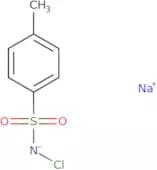


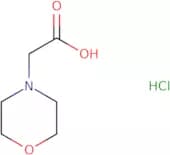
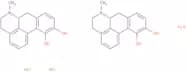
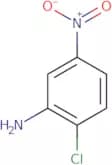
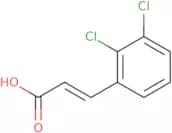
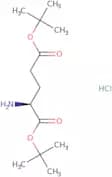
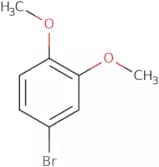
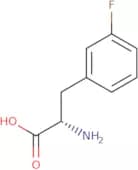
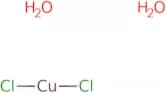
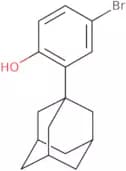
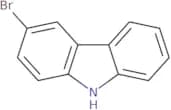
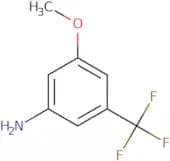
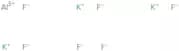
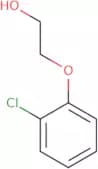
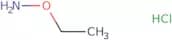
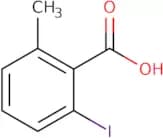
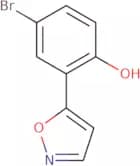
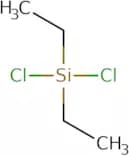
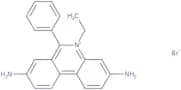


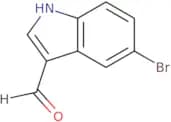
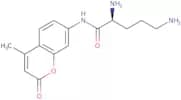
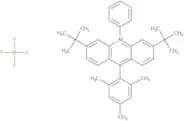
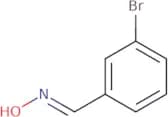
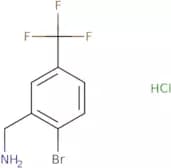
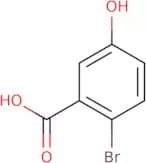
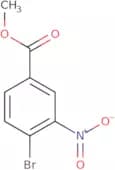

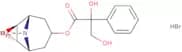
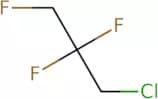
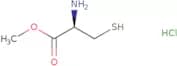
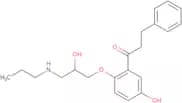
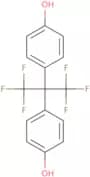
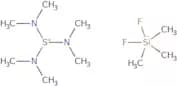

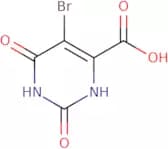
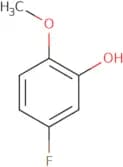
![9-[Bromo(phenyl)methylene]-9H-fluorene](/_next/image/?url=https%3A%2Fstatic.cymitquimica.com%2Fproducts%2F3D%2Fthumb-webp%2FFB135155.webp&w=3840&q=75)
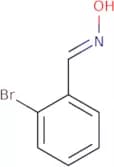
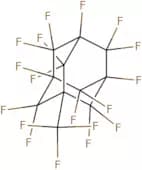
![3-[(4-Fluorophenyl)amino]cyclohex-2-en-1-one](/_next/image/?url=https%3A%2Fstatic.cymitquimica.com%2Fproducts%2F3D%2Fthumb-webp%2FFF123027.webp&w=3840&q=75)
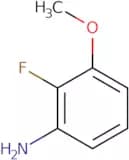
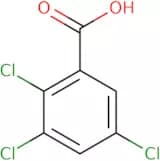
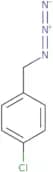

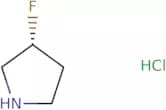
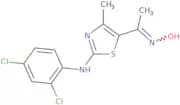

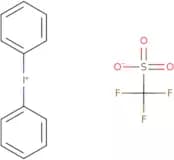
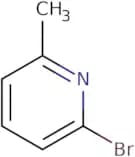
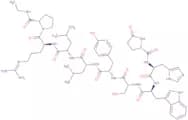
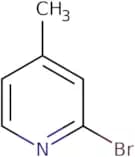
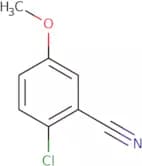



![N-[2-Chloro-4-(trifluoromethyl)phenyl]-D-Valine](/_next/image/?url=https%3A%2Fstatic.cymitquimica.com%2Fproducts%2F3D%2Fthumb-webp%2FFC90388.webp&w=3840&q=75)
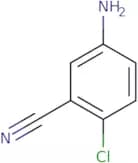
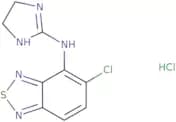
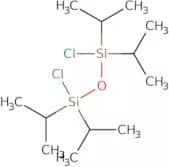
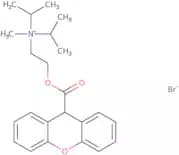
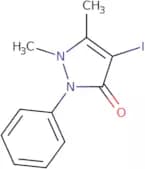
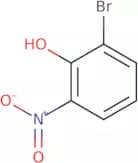
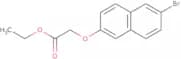
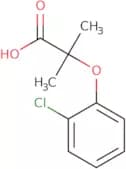
![8-Chloro-3α,4-dihydro-6-(2-fluorophenyl)-1-methyl-3H-imidazo[1,5-α][1,4]benzo-diazepine](/_next/image/?url=https%3A%2Fstatic.cymitquimica.com%2Fproducts%2F3D%2Fthumb-webp%2FFC36926.webp&w=3840&q=75)
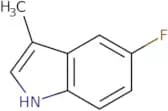
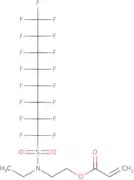
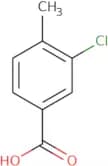
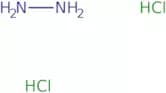
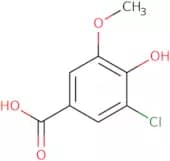
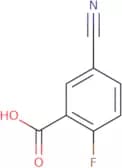
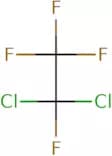
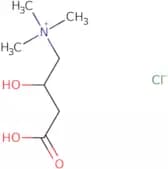
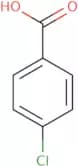
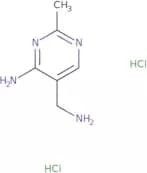
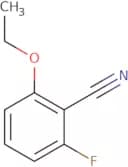
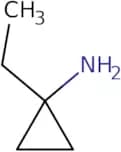
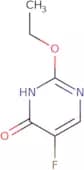
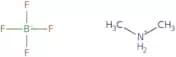
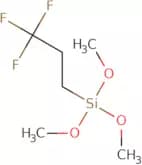
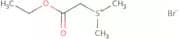
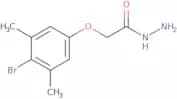
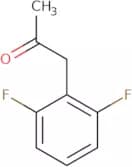
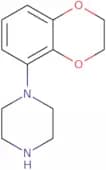
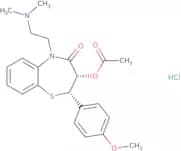
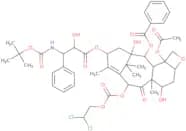
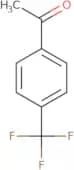
![[(1E)-1,2-Difluoro-1,2-ethenediyl]bistributylstannane](/_next/image/?url=https%3A%2Fstatic.cymitquimica.com%2Fproducts%2F3D%2Fthumb-webp%2FFD93559.webp&w=3840&q=75)
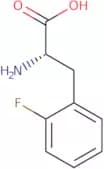
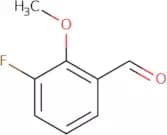
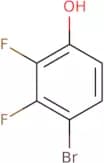

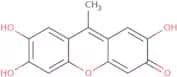
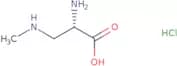
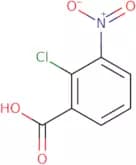
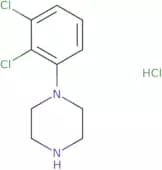
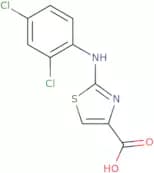
![[(1,2-Dimethyl-1H-imidazol-5-yl)methyl]amine dihydrochloride](/_next/image/?url=https%3A%2Fstatic.cymitquimica.com%2Fproducts%2F3D%2Fthumb-webp%2FFD124269.webp&w=3840&q=75)

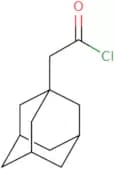
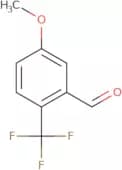
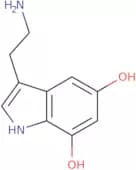
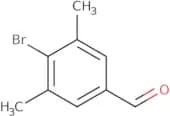
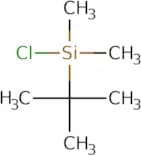
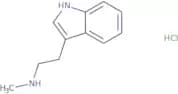
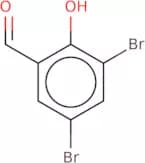
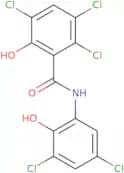

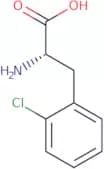
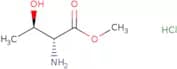
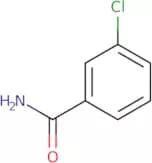
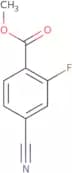
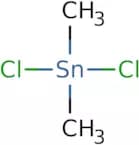
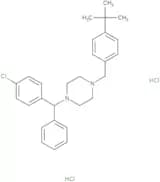
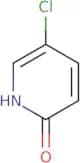
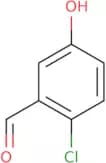
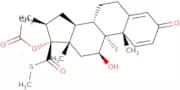
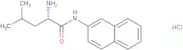
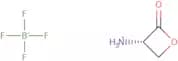
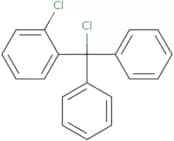
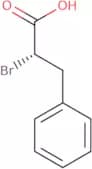
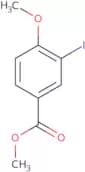
![N-[2-(1,3-Dimethylbutyl)phenyl]-5-fluoro-1,3-dimethyl-1H-pyrazole-4-carboxamide](/_next/image/?url=https%3A%2Fstatic.cymitquimica.com%2Fproducts%2F3D%2Fthumb-webp%2FFD156991.webp&w=3840&q=75)
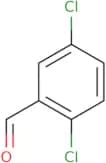
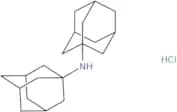
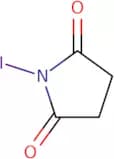
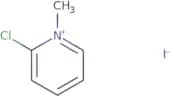
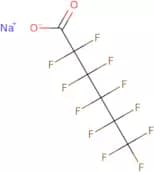
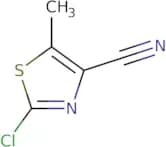
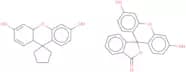
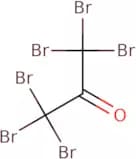
![N-[4-[[(1-Methylethyl)amino]acetyl]phenyl]-methanesulfonamide monohydrochloride](/_next/image/?url=https%3A%2Fstatic.cymitquimica.com%2Fproducts%2F3D%2Fthumb-webp%2FFI150565.webp&w=3840&q=75)

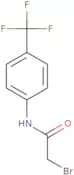
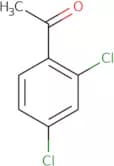
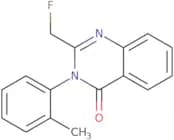
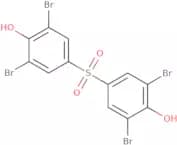
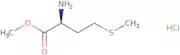

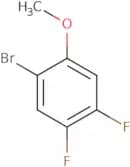
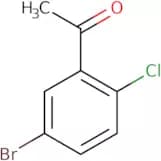
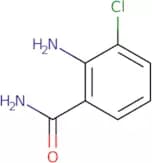
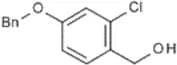
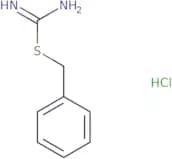
![1-Chloro-3-[4-(2-methoxyethyl)phenoxy]-2-propanol](/_next/image/?url=https%3A%2Fstatic.cymitquimica.com%2Fproducts%2F3D%2Fthumb-webp%2FFC27415.webp&w=3840&q=75)
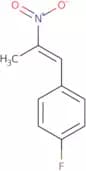
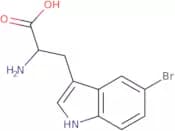
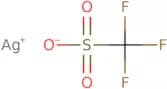
![[1-(3-Methoxyphenyl)-1-methylethyl]amine hydrochloride](/_next/image/?url=https%3A%2Fstatic.cymitquimica.com%2Fproducts%2F3D%2Fthumb-webp%2FFM136868.webp&w=3840&q=75)

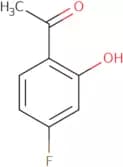

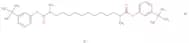
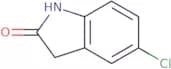
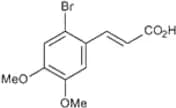
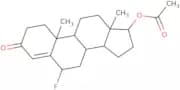

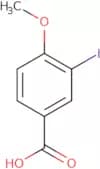
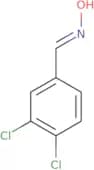
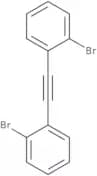
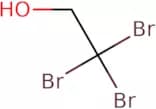
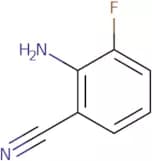
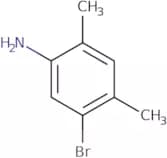
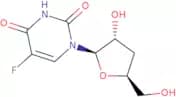
![2-Chloro-9-cyclohexyl-N-[4-(4-morpholinyl)phenyl]-9H-purin-6-amine](/_next/image/?url=https%3A%2Fstatic.cymitquimica.com%2Fproducts%2F3D%2Fthumb-webp%2FFC20176.webp&w=3840&q=75)
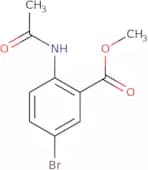
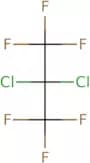
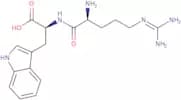

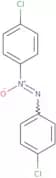
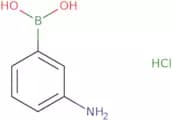
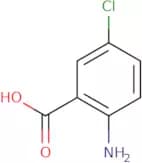
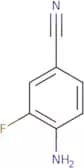
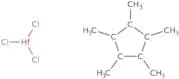
![3-[[(2S,4S)-4-[4-(3-Methyl-1-phenyl-1H-pyrazol-5-yl)-1-piperazinyl]-2-pyrrolidinyl]carbonyl]-thiaz…](/_next/image/?url=https%3A%2Fstatic.cymitquimica.com%2Fproducts%2F3D%2Fthumb-webp%2FFM61598.webp&w=3840&q=75)