Antibiotics
Antibiotics are compounds designed to destroy or inhibit the growth of various microorganisms, playing a crucial role in treating infections and preventing the spread of diseases. This category offers a diverse range of active ingredients specifically for research in the biochemical field. These compounds are essential tools in studying bacterial mechanisms, resistance patterns, and the development of new therapeutic agents. Researchers can explore a wide variety of antibiotics to understand their effects, optimize their use, and develop novel treatments to combat emerging microbial threats. The availability of such a broad spectrum of antibiotics supports advanced research and innovation in microbiology and pharmaceutical sciences.
Subcategories of "Antibiotics"
- Macrolide Antibiotics(26 products)
- Steroidal Antibiotics(31 products)
- Tetracycline Antibiotics(20 products)
- β-Lactam Antibiotics(11 products)
Found 4099 products of "Antibiotics"
Sort by
Purity (%)
0
100
|
0
|
50
|
90
|
95
|
100
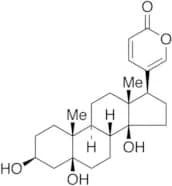
Telocinobufogenin
CAS:Controlled Product<p>Applications Telocinobufagin is isolated as a major component from skin secretion of the toad Bufo rubescens. Telocinobufogenin is a novel antibiotic cardiotonic.<br>References Akizawa, T., et al.: Chem. Pharm. Bull., 42, 754 (1994); Hancock, R., et al.: Antimicrob. Agents Chemother., 43, 1317 (1999); Jing, Y., et al.: J. Cancer Res., 85, 645 (1994); Kamano, Y., et al.: J. Med. Chem., 45, 5440 (2002); Schoner, W., et al.: Eur. J. Biochem., 269, 2440 (2002); Cunha Filho, G., et al.: Toxicon, 45, 777 (2005)<br></p>Formula:C24H34O5Color and Shape:NeatMolecular weight:402.52Pafuramidine
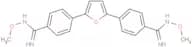
CAS:Pafuramidine (DB289) is an experimental prodrug of the metabolite DB75, an antiparasitic compound with antimalarial activity.Formula:C20H20N4O3Purity:98.34%Color and Shape:SolidMolecular weight:364.4Piperacilloic Acid
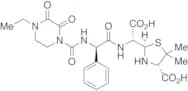
CAS:Controlled Product<p>Impurity Piperacillin EP Impurity B<br>Stability Hygroscopic, Temperature Sensitive<br>Applications Piperacilloic Acid (Piperacillin EP Impurity B) is a degradation product of Piperacillin (P479950), a new β-lactam antibiotic.<br>References Waxman, D.J., et al.: J. Biol. Chem., 255, 3964 (1980), Waley, S.G., et al.: Biochem. J., et al.: 205, 631 (1982),<br></p>Formula:C23H29N5O8SPurity:>80%Color and Shape:White To Light YellowMolecular weight:535.57Sulfaquinoxaline
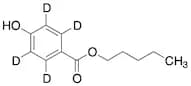
CAS:Sulfaquinoxaline (Sulfabenzpyrazine) is an antiprotozoal agent.Formula:C14H12N4O2SPurity:99.38% - 99.81%Color and Shape:Crystalline SolidMolecular weight:300.34n-Pentyl 4-Hydroxybenzoate-2,3,5,6-d4
CAS:Controlled Product<p>Applications n-Pentyl 4-Hydroxybenzoate-2,3,5,6-d4 (CAS# 1219798-66-9) is a useful isotopically labeled research compound.<br></p>Formula:C12H12D4O3Color and Shape:NeatMolecular weight:212.28Streptidine Sulfate Salt
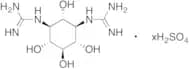
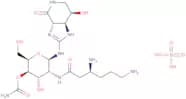
CAS:Controlled Product<p>Applications Streptidine, is a metabolite derivative of Streptomycin (S687500), an antibiotic (antimycobacterial) drug, used for patients suffering from tuberculosis or other infectious diseases.<br>References Granados, O., et al.: Histology and Histopathology, 20(2), 357 (2005);<br></p>Formula:C8H18N6O4xH2SO4Color and Shape:White To Off-WhiteMolecular weight:262.27Polyoxin B
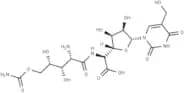
CAS:Polyoxin B is an antifungal peptidyl nucleoside antibiotic that inhibits fungal cell wall biosynthesis.Formula:C17H25N5O13Purity:79.94%Color and Shape:SolidMolecular weight:507.41Dicresulene Hydrate
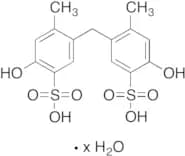
CAS:Controlled Product<p>Applications Dicresulene Hydrate is an impurity of Policresulen (P688085), an ideal drug for purulent endometritis and bovine mastitis of the animals.<br> Not a dangerous good if item is equal to or less than 1g/ml and there is less than 100g/ml in the package<br>References Xie, R., et al.: Zhejiang Nongye Daxue Xuebao., 24, 259-262 (1998)<br></p>Formula:C15H16O8S2•x(H2O)Color and Shape:NeatMolecular weight:388.411802Ceftazidime Pentahydrate
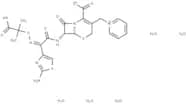
CAS:Ceftazidime Pentahydrate is a cephalosporin antibiotic with activity against gram-negative bacilli and may be used to study infectious diseases.Formula:C22H32N6O12S2Purity:99.39%Color and Shape:White To Cream-Colored Crystalline PowderMolecular weight:636.65Faropenem Sodium Salt Hemipentahydrate
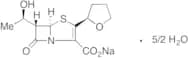
CAS:Controlled ProductFormula:C12H14NO5SNaH2OColor and Shape:NeatMolecular weight:704.67Fusidic acid
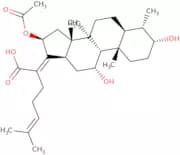
CAS:<p>Inhibitor of protein synthesis; steroid antibiotic</p>Formula:C31H48O6Purity:Min. 95 Area-%Color and Shape:White Off-White PowderMolecular weight:516.71 g/molNovobiocin sodium
CAS:<p>Inhibitor of prokaryotic DNA gyrase, eukaryotic DNA topoisomerase and HSP90</p>Formula:C31H35N2NaO11Purity:Min. 94%Color and Shape:PowderMolecular weight:634.61 g/molSpectinomycin dihydrochloride pentahydrate
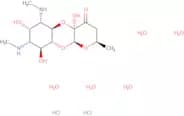
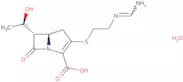
CAS:<p>Inhibitor of protein synthesis; aminocyclitol class</p>Formula:C14H24N2O7•(HCl)2•(H2O)5Purity:Min 93%Color and Shape:PowderMolecular weight:495.35 g/molMeropenem sodium
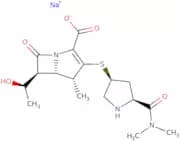
CAS:<p>Inhibitor of cell-wall synthesis; carbapenem class</p>Formula:C17H25N3O5S•NaPurity:Min. 95%Color and Shape:PowderMolecular weight:406.45 g/molPenicillin G sodium
CAS:<p>Penicillin G sodium is a natural penicillin antibiotic with action on bacterial cell wall synthesis and is used for treating bacterial infections such as pneumonia, gonorrhea, and anthrax.</p>Formula:C16H17N2NaSO4Color and Shape:White PowderMolecular weight:356.37 g/molNourseothricin sulfate
CAS:<p>Aminoglycoside antibiotic; inhibits protein synthesis by inducing miscoding</p>Formula:C19H34O8N8•H2SO4Purity:Min. 85%Color and Shape:White PowderMolecular weight:600 g/molNalidixic acid sodium salt
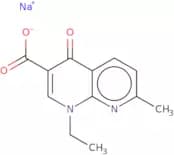
CAS:<p>Nalidixic acid sodium salt is a sodium salt form of nalidixic acid with similar action and applications as nalidixic acid.</p>Formula:C12H11N2NaO3Purity:(%) Min. 98%Color and Shape:White PowderMolecular weight:254.22 g/molCephradine
CAS:<p>Cephradine is a first-generation cephalosporin antibiotic with action on bacterial cell wall synthesis and is used for treating bacterial infections like urinary tract infections, respiratory infections, and skin infections.</p>Formula:C16H19N3O4SPurity:Min. 95%Color and Shape:PowderMolecular weight:349.41 g/molHerbicidin E
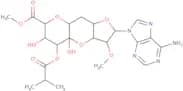
CAS:<p>Herbicidin E is a potent herbicidal compound, derived from blue-green algae, with a biochemical mode of action focused on inhibiting photosynthetic electron transport. It effectively disrupts the photosynthetic process by binding to specific sites within the chloroplasts of target plants, impairing their ability to convert light energy into chemical energy. This leads to a depletion of essential energy reserves, resulting in the controlled demise of the plant.</p>Formula:C22H29N5O10Purity:Min. 95%Molecular weight:523.49 g/molPolymyxin B sulfate
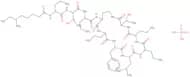
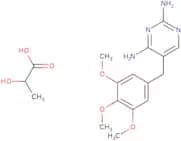
CAS:<p>Membrane-disrupting agent</p>Formula:C56H98N16O13·H2SO4Purity:Min 6000 Iu/MgColor and Shape:White PowderMolecular weight:1,301.56 g/mol5-(3,4,5-Trimethoxybenzyl)pyrimidine-2,4-diamine 2-hydroxypropanoate
CAS:<p>5-(3,4,5-Trimethoxybenzyl)pyrimidine-2,4-diamine 2-hydroxypropanoate is an antibacterial compound with a broad spectrum of activity against Gram-positive and Gram-negative bacteria. It is active against strains resistant to other antibiotics, such as, tetracycline and penicillin. 5-(3,4,5-Trimethoxybenzyl)pyrimidine-2,4-diamine 2-hydroxypropanoate has been shown to be effective in vitro against Campylobacter jejuni - the most common cause of bacterial gastroenteritis in humans. The compound also inhibits the growth cycle of Campylobacter jejuni by arresting the cells at the G1 phase. The molecule has been shown to inhibit DNA synthesis in E. coli and S. typhimurium with IC50 values of 1 ÎŒM and 0.8 ÎŒM respectively. This molecule has been tested for its surface active properties and it can be used as an additive in personal care products for improved wetting and spreading on surfaces. The compound is also researched for its antifungal efficacy against Candida albicans by inhibiting the growth cycle of the fungus.</p>Formula:C17H24N4O6Purity:Min. 98 Area-%Molecular weight:380.40 g/molImipenem monohydrate
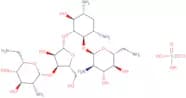
CAS:<p>Inhibitor of cell-wall synthesis; carbapenem class</p>Formula:C12H19N3O5SPurity:(Hplc) 98.0 To 101.0%Color and Shape:Brown White Yellow PowderMolecular weight:317.36 g/molNeomycin trisulfate, Antibiotic for Culture Media Use Only
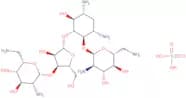
CAS:<p>Neomycin, one of the many oligosaccharide containing antibiotics, is an aminoglycoside antibiotic found in Streptomyces fradiae (Collins, 2006) with wide spectrum, active against Gram-negative Gram-positive bacteria. Neomycin is commony used as a selection marker in cloning, and is therefore used in growth media to select colonies with the neomycin resistance cassette integrated into their genome. Neomycin is a mixture of neomycin B (Framycetin) and its epimer Neomycin C, the latter component accounting for some 5â15% of the mixture.</p>Formula:C23H52N6O25S3Molecular weight:908.88 g/molAlvespimycin hydrochloride
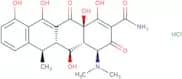
CAS:<p>Alvespimycin hydrochloride is a chemical inhibitor that binds and inhibits the ATP-binding site of Hsp90, an enzyme involved in protein synthesis. This inhibition prevents the release of other proteins that are needed for protein synthesis, leading to cell death. Alvespimycin hydrochloride has been shown to have anti-cancer properties in vitro assays. Alvespimycin hydrochloride is a semi-synthetic derivative of the antibiotic geldanamycin</p>Formula:C32H48N4O8Purity:Min. 95%Color and Shape:PowderMolecular weight:616.75 g/molDoxycycline hydrochloride
CAS:<p>Antibiotic; anti-protozoal; anti-helmintic; protein synthesis inhibitor</p>Formula:C22H24N2O8•HClPurity:Min. 95%Molecular weight:480.9 g/molSulbactam
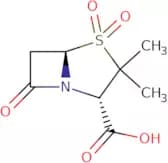
CAS:<p>A semi-synthetic beta-lactamase inhibitor</p>Formula:C8H11NO5SPurity:Min. 95%Color and Shape:White Off-White PowderMolecular weight:233.24 g/mol4-Epioxytetracycline
CAS:<p>Epioxytetracycline is a degradation product of the antibiotic oxytetracycline. It has been found in wastewater.</p>Formula:C22H24N2O9Purity:Min. 95%Color and Shape:PowderMolecular weight:460.43 g/molRanimycin
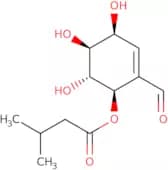
CAS:<p>Ranimycin is an antibiotic, which is derived from a natural microbial source. It exhibits bactericidal activity by inhibiting bacterial protein synthesis, thereby preventing bacterial cell growth and proliferation. This disruption of protein synthesis is achieved through binding to the bacterial ribosome, effectively halting the process of translating mRNA into vital bacterial proteins, which are essential for their survival and replication.</p>Formula:C12H18O6Purity:Min. 95%Molecular weight:258.27 g/molNystatin
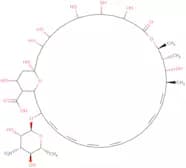
CAS:Nystatin is an antifungal compound, which is produced by the bacterium *Streptomyces noursei*. It functions by binding to ergosterol, a crucial component of fungal cell membranes, creating pores that lead to increased membrane permeability. This disruption results in the leakage of essential cellular components, ultimately causing cell death.Formula:C47H75NO17Purity:Min. 85 Area-%Color and Shape:PowderMolecular weight:926.09 g/molMitomycin C
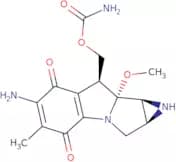
CAS:<p>Chemoterapeutic agent; DNA crosslinker</p>Formula:C15H18N4O5Purity:Min. 98 Area-%Color and Shape:PowderMolecular weight:334.33 g/molFosfomycin disodium
CAS:<p>Broad-spectrum antibiotic; bacterial cell wall biogenesis inhibitor</p>Formula:C3H5Na2O4PPurity:Min. 95%Color and Shape:PowderMolecular weight:182.02 g/molTobramycin sulfate
CAS:<p>Inhibitor of protein synthesis; aminoglycoside</p>Formula:C18H37N5O9H2SO4Purity:634 To 739 Ug/MgColor and Shape:White PowderMolecular weight:506.75 g/molCycloheximide - Antibiotic for Culture Media Use Only
CAS:<p>Cycloheximide is produced by the bacteria Streptomyces griseus. In eukaryotic organisms, it acts as an inhibitor of protein biosynthesis, interfering with protein elongation by binding to the E-site of ribosomes after two elongation cycles. It has many in vitro applications, with the most popular being to determine a proteins half-life. It is used as an antifungal in VTM. It does not appear to inhibit cell culture or viral replication at a concentration of 10ug/ml.</p>Formula:C15H23NO4Purity:Min. 95%Color and Shape:PowderMolecular weight:281.35 g/molOritavancin
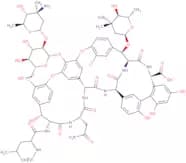
CAS:<p>Oritavancin is a semi-synthetic lipoglycopeptide antibiotic that inhibits bacterial cell wall synthesis by binding to the D-alanyl-D-alanine moiety of peptidoglycan precursors. It has been shown to be active against methicillin-resistant Staphylococcus aureus (MRSA) and Clostridium perfringens. Oritavancin also inhibits the growth of thp-1 cells in vitro and has been shown to be effective against endocarditis caused by MRSA.</p>Formula:C86H97Cl3N10O26Purity:Min. 95%Color and Shape:PowderMolecular weight:1,793.1 g/molDoxycycline calcium
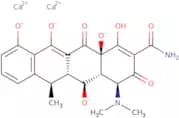
CAS:Antibiotic; anti-protozoal; anti-helmintic; protein synthesis inhibitorFormula:C22H24N2O8·2CaPurity:Min. 95%Molecular weight:524.59 g/molNorfloxacin
CAS:<p>Norfloxacin is a fluoroquinolone antibiotic with action on bacterial DNA gyrase and topoisomerase IV and is used for treating urinary tract infections and gonorrhea.</p>Formula:C16H18FN3O3Purity:Min. 98 Area-%Color and Shape:White PowderMolecular weight:319.33 g/molCeftriaxone sodium hydrate - Bio-X ™
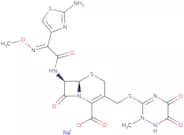
CAS:Ceftriaxone is a broad-spectrum cephalosporin antibiotic that is used for the treatment of bacterial infections in different locations such as the skin, soft tissue and respiratory tract. This drug works by inhibiting mucopeptide synthesis in the bacterial cell wall. As a result, bacteria will produce defective cell walls leading to cell death.Formula:C18H16N8Na2O7S3·5H2OPurity:Min. 95%Color and Shape:PowderMolecular weight:661.6 g/molAmpicillin sodium salt - Bio-X ™
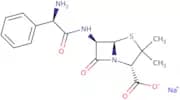
CAS:Ampicillin is a β-lactam antibiotic with a broad spectrum of activity against Gram-positive and Gram-negative bacteria. It is used in the treatment of bacterial infections, including those caused by methicillin-resistant Staphylococcus aureus (MRSA), Streptococcus pneumoniae, and Listeria monocytogenes. Ampicillin binds to penicillin-binding proteins in the bacterial cell wall by competitive inhibition. It prevents the formation of an antibiotic-inhibitor complex with the enzyme cell wall synthesis that is required for cell wall biosynthesis, inhibiting protein synthesis and cell division.Formula:C16H19N3O4S·NaPurity:Min. 85 Area-%Color and Shape:PowderMolecular weight:372.4 g/molMupirocin calcium
CAS:<p>Inhibitor of isoleucyl-tRNA synthetase; inhibitor of protein synthesis</p>Formula:C26H44O9CaPurity:Min. 95%Color and Shape:White PowderMolecular weight:520.66 g/molRifampicin
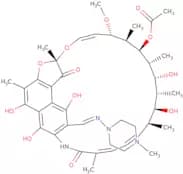
CAS:<p>Inhibitor of RNA synthesis</p>Formula:C43H58N4O12Purity:Min. 95%Color and Shape:Orange Red PowderMolecular weight:822.94 g/molGemifloxacin mesylate
CAS:<p>Inhibits DNA gyrase and topoisomerase IV</p>Formula:C19H24FN5O7SPurity:Min. 95%Color and Shape:White Beige PowderMolecular weight:485.49 g/molTetracycline
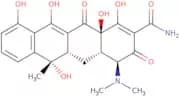
CAS:<p>Antibiotic of tetracycline class; protein synthesis inhibitor</p>Formula:C22H24N2O8Purity:Min. 91 Area-%Color and Shape:PowderMolecular weight:444.43 g/molTobramycin
CAS:<p>Tobramycin used to treat severe infections with gram-negative bacteria and it is often applied in combination with beta-lactams. It has similar antimicrobial effects to gentamicin and is effective against all Enterobacteriacae, but more effective than gentamicin against P. aeruginosa, which is why it is often used for gentamicin-resistant strains, especially in the case of cystic fibrosis.</p>Formula:C18H37N5O9Purity:Min. 97 Area-%Color and Shape:White PowderMolecular weight:467.51 g/molMeropenem trihydrate
CAS:<p>Inhibitor of cell-wall synthesis; carbapenem class</p>Formula:C17H25N3O5S·3H2OPurity:Min. 95 Area-%Color and Shape:PowderMolecular weight:437.51 g/molCefadroxil
CAS:<p>Cefadroxil is a first-generation cephalosporin antibiotic with action on bacterial cell wall synthesis and is used for treating infections like strep throat, skin infections, and urinary tract infections.</p>Formula:C16H17N3O5SPurity:Min. 95%Color and Shape:PowderMolecular weight:363.39 g/molAmikacin hydrate
CAS:<p>Inhibitor of protein synthesis; aminoglycoside</p>Formula:C22H43N5O13·xH2OPurity:Min. 900 Μg/MgColor and Shape:PowderMolecular weight:585.6 g/molC-390, Antibiotic for Culture Media Use Only
CAS:C-390 is an antibacterial agent. Selective isolation of Pseudomonas aeruginosa from other bacterial species when added to an agar medium.Formula:C29H27ClN2HClPurity:Min. 98.0 Area-%Molecular weight:490.05 g/molHygromycin B
CAS:<p>Hygromycin B binds near the A site of 16S rRNA and induces errors in the code by inhibition of translocation of peptydil-tRNA, however to a lesser extent compared to other aminoglycosides. Hygromycin B is efficient against bacteria, fungi and other eukaryotic cells, but more often used for the selection of eukaryotic cells including yeasts, such as, P. pastoris and S. cerevisiae, and mammalian cell lines, such as, CHO.</p>Formula:C20H37N3O13Purity:Min. 95%Color and Shape:White PowderMolecular weight:527.52 g/molDalbavancin HCl
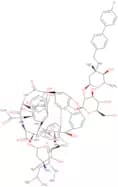
CAS:<p>Second-generation lipoglycopeptide antibiotic</p>Formula:C88H100Cl2N10O28·HClPurity:85 To 105%Color and Shape:White Off-White PowderMolecular weight:1,853.15 g/molN-Desmethyl clarithromycin
CAS:<p>N-Desmethyl clarithromycin is a metabolite of clarithromycin with action on bacterial protein synthesis inhibition and is used for studying clarithromycin pharmacokinetics.</p>Formula:C37H67NO13Purity:Min. 95%Color and Shape:PowderMolecular weight:733.93 g/molAlbomitomycin A
CAS:<p>Albomitomycin A is an antibiotic compound, which is derived from the fermentation of specific Streptomyces species. This compound exhibits a unique mode of action by inhibiting protein synthesis in bacterial cells, specifically targeting the 30S ribosomal subunit. This interference with ribosomal function ultimately disrupts the production of essential proteins, leading to bacterial cell death.</p>Purity:Min. 95%Cefonicid sodium
CAS:<p>Cephalosporin antibiotic; interferes with cell wall biosynthesis</p>Formula:C18H18N6Na2O8S3Purity:Min. 95%Color and Shape:PowderMolecular weight:588.55 g/molAmphotericin B, Antibiotic for Culture Media Use Only
CAS:Amphotericin B is a macrocycle antibiotic first isolated from Streptomyces nodosus. Its antifungal activity is exerted by interacting with the fungal membrane, mainly ergosterol, and inducing pore formation. The increase in membrane permeability causes loss of ions and cell death. The C-2 hydroxyl residue of the mycosamine carbohydrate moiety in the structure seems to have a major role in binding to ergosterol. It is used in cell culture to prevent growth of microbial contaminants, such as yeast and fungi. It is recommended by the WHO and CDC as an antifungal component for VTM at a concentration of 250ug/ml.Formula:C47H73NO17Purity:Min. 80.0 Area-%Molecular weight:924.08 g/molAmicetin
CAS:<p>Amicetin is a type of antibiotic, which is derived from bacterial sources, specifically from Streptomyces species. It functions primarily by inhibiting protein synthesis in susceptible bacteria, achieved through interfering with the aminoacyl-tRNA binding process on the ribosome. This mechanism disrupts the translation process, thereby preventing bacterial growth and replication.</p>Formula:C29H42N6O9Purity:Min. 95%Molecular weight:618.68 g/molPuromycin dihydrochloride
CAS:<p>Puromycin is active against both prokaryotic and eukaryotic cells. Puromycin resistance gene (pac) is a common choice for the selection of mammalian cells since its first application in 1988, especially for therapeutic proteins in mammalian cells where it was used to produce high levels of protein of interest. Puromycin can also be used as a selection marker for Archea.</p>Formula:C22H31Cl2N7O5Purity:Min. 98 Area-%Color and Shape:White PowderMolecular weight:544.44 g/molTelithromycin - 95%
CAS:<p>Ketolide; binds bacterial ribosomes and inhibits translation</p>Formula:C43H65N5O10Purity:Min. 95%Color and Shape:PowderMolecular weight:812 g/molCefdinir
CAS:<p>Cefdinir is a third-generation cephalosporin antibiotic with action on bacterial cell wall synthesis and is used for treating respiratory tract infections, skin infections, and ear infections.</p>Formula:C14H13N5O5S2Purity:Min. 98 Area-%Color and Shape:White PowderMolecular weight:395.42 g/molCiprofloxacin
CAS:<p>A fluoroquinolone antibiotic which inhibits nucleic acid synthesis by targeting the DNA gyrase and topoisomerase IV. This second-generation fluoroquinolone has a broad spectrum of action and is more effective against Gram-negative bacteria.</p>Formula:C17H18FN3O3Purity:Min. 98 Area-%Color and Shape:White PowderMolecular weight:331.34 g/molSparfloxacin
CAS:<p>Fluoroquinolone; inhibits bacterial DNA gyrase</p>Formula:C19H22F2N4O3Purity:Min. 98 Area-%Color and Shape:PowderMolecular weight:392.4 g/molMeropenem
CAS:<p>Inhibitor of cell-wall synthesis; carbapenem class</p>Formula:C17H25N3O5SPurity:Min. 98 Area-%Color and Shape:White PowderMolecular weight:383.46 g/mol9-Erythromycin 9-oxime
CAS:<p>9-Erythromycin 9-oxime is an activty inpurity, binding to the 50S ribosomal subunit of bacteria.</p>Formula:C37H68N2O13Purity:Min. 93 Area-%Color and Shape:PowderMolecular weight:748.94 g/molNadifloxacin
CAS:<p>Nadifloxacin is a fluoroquinolone antibiotic with action on bacterial DNA gyrase to inhibit DNA synthesis and is used for treating acne vulgaris and bacterial skin infections.</p>Formula:C19H21FN2O4Purity:Min. 95%Color and Shape:White PowderMolecular weight:360.38 g/molClarithromycin
CAS:<p>A macrolide, broad-spectrum antibiotic that targets cytochrome P4503A4 (CYP3A4). Clarithromycin has been used to potentiate the pharmacological effects of some drugs that are metabolised by the cytochrome P450.</p>Formula:C38H69NO13Purity:Min. 95%Color and Shape:PowderMolecular weight:747.95 g/molMonensin methyl ester
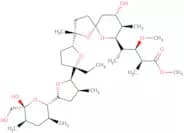
CAS:Monensin methyl ester is a neutral analog of monensin with action as an ionophore for sodium ion transport and is used for research in ion-selective electrodes and analytical chemistry.Formula:C37H64O11Purity:Min. 95 Area-%Color and Shape:PowderMolecular weight:684.9 g/molSangivamycin
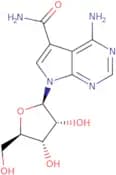
CAS:<p>Sangivamycin is a nucleoside analog with action as a protein kinase C inhibitor and is used for research on antiviral and anticancer therapies.</p>Formula:C12H15N5O5Purity:Min. 97 Area-%Color and Shape:PowderMolecular weight:309.28 g/molCerulenin
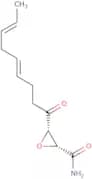
CAS:Cerulenin is an antifungal antibiotic with action on fatty acid and steroid biosynthesis inhibition and is used for studying lipid metabolism and cancer research.Formula:C12H17NO3Purity:Min. 95%Molecular weight:223.27 g/molOxacillin sodium monohydrate
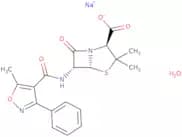
CAS:<p>Oxacillin sodium monohydrate is a hydrated form of oxacillin sodium with similar action and applications as oxacillin sodium.</p>Formula:C19H18N3NaO5S·H2OPurity:(%) Min. 95%Color and Shape:White PowderMolecular weight:441.43 g/molFosfomycin disodium salt, Antibiotic for Culture Media Use Only
CAS:Broad-spectrum antibiotic; bacterial cell wall biogenesis inhibitorFormula:C3H5Na2O4PMolecular weight:182.02 g/molValrubicin
CAS:<p>Chemotherapy for bladder cancer; semi-synthetic analog of doxorubicin</p>Formula:C34H36F3NO13Purity:Min. 95 Area-%Color and Shape:PowderMolecular weight:723.64 g/molTazobactam sodium
CAS:<p>Inhibitor of beta-lactamase; inhibitor of cell wall synthesis; beta-lactam class</p>Formula:C10H11NaN4O5SPurity:Min. 90%Color and Shape:PowderMolecular weight:322.27 g/molCinoxacin
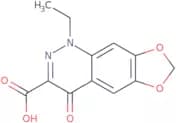
CAS:<p>Cinoxacin is a quinolone antibiotic with action on bacterial DNA synthesis inhibition and is used for treating urinary tract infections.</p>Formula:C12H10N2O5Purity:Min. 98 Area-%Color and Shape:PowderMolecular weight:262.22 g/molAmpicillin
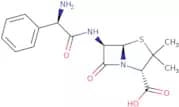
CAS:<p>Antibiotic of penicillin class; inhibits bacterial cell wall biogenesis</p>Formula:C16H19N3O4SPurity:Min. 98%Color and Shape:PowderMolecular weight:349.41 g/molDequalinium chloride
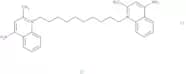
CAS:<p>Dequalinium chloride is a quaternary ammonium compound that has been discovered to be an inhibitor of the cytopathic effects of some syndrome viruses. It is able to inhibit the replication of the virus in various clinical isolates and in cell culture models. Dequalinium chloride also inhibits acetylcholine receptor-mediated endocytosis, which is one of the mechanisms by which cells resist infection. The mechanism by which dequalinium chloride inhibits acetylcholine receptor-mediated endocytosis is not yet known, but it has been suggested that it might be due to its inhibitory activity on mitochondrial uncoupler proteins. This property may make dequalinium chloride an effective treatment against bacterial infections and respiratory diseases such as cystic fibrosis and asthma.</p>Formula:C30H40Cl2N4Purity:Min. 95%Color and Shape:PowderMolecular weight:527.57 g/molCefepime dihydrochloride monohydrate
CAS:Cefepime dihydrochloride monohydrate is a fourth-generation cephalosporin antibiotic with action on bacterial cell wall synthesis and is used for treating severe bacterial infections, including pneumonia and urinary tract infections.Formula:C19H25N6O5S2Cl•HCl•H2OPurity:Min. 95%Color and Shape:PowderMolecular weight:571.5 g/molDoxycycline hyclate
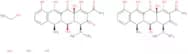
CAS:<p>Antibiotic; anti-protozoal; anti-helmintic; protein synthesis inhibitor</p>Formula:C22H24N2O8•HCl•(C2H6O)0•(H2O)0Purity:Min. 95 Area-%Color and Shape:Yellow PowderMolecular weight:512.94 g/molα-Apo-oxytetracycline
CAS:<p>α-Apo-oxytetracycline is a degradation product of oxytetracycline with action on bacterial protein synthesis inhibition and is used for research on antibiotic activity and bacterial resistance.</p>Formula:C22H22N2O8Purity:Min. 90 Area-%Color and Shape:Slightly Yellow Green PowderMolecular weight:442.42 g/molStreptomycin sulfate
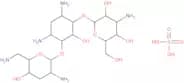
CAS:<p>Inhibitor of protein synthesis; aminoglycoside</p>Formula:(C21H39N7O12)2•(H2SO4)3Purity:Min. 720 Iu/MgColor and Shape:White Off-White PowderMolecular weight:1,457.39 g/molDoxycycline monohydrate
CAS:<p>Antibiotic; anti-protozoal; anti-helmintic; protein synthesis inhibitor</p>Formula:C22H24N2O8·H2OPurity:Min. 96.0 Area-%Color and Shape:Yellow PowderMolecular weight:462.45 g/molNeomycin trisulfate hydrate
CAS:<p>Neomycin, one of the many oligosaccharide containing antibiotics, is an aminoglycoside antibiotic found in Streptomyces fradiae (Collins, 2006) with wide spectrum, active against Gram-negative Gram-positive bacteria. Neomycin is commony used as a selection marker in cloning, and is therefore used in growth media to select colonies with the neomycin resistance cassette integrated into their genome. Neomycin is a mixture of neomycin B (Framycetin) and its epimer Neomycin C, the latter component accounting for some 515% of the mixture.</p>Formula:C23H46N6O13·3H2SO4Purity:Min. 600 Ug/MgColor and Shape:White Slightly Yellow PowderMolecular weight:908.88 g/molBenethamine penicillin
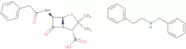
CAS:Controlled Product<p>Benethamine penicillin is a beta-lactam antibiotic, which is a semi-synthetic derivative of penicillin. It is sourced from the modification of naturally occurring penicillin compounds, typically produced through the fermentation of Penicillium mold cultures. Benethamine penicillin operates by inhibiting bacterial cell wall synthesis. It targets the penicillin-binding proteins within bacterial cell membranes, disrupting peptidoglycan cross-linking, which is essential for cell wall structural integrity. This leads to cell lysis and death in susceptible bacteria.</p>Formula:C16H18N2O4S·C15H17NPurity:Min. 95%Molecular weight:545.69 g/molGentamicin C1a
CAS:<p>Gentamicin C1a is an aminoglycoside antibiotic, which is a secondary metabolite derived from the bacterium Micromonospora. This antibiotic functions through a mode of action that involves binding to the 30S subunit of bacterial ribosomes. This binding disrupts protein synthesis by causing misreading of the mRNA, ultimately leading to inhibition of bacterial growth and cellular death.</p>Formula:C19H39N5O7Purity:Min. 98 Area-%Color and Shape:PowderMolecular weight:449.54 g/molAmdinocillin
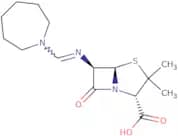
CAS:<p>Amdinocillin is a semisynthetic antibiotic with broad-spectrum activity that is part of the aminopenicillin family. It is used in the treatment of bacterial infections such as those caused by Gram-negative bacteria, and to treat methicillin-resistant Staphylococcus (MRSA). The clinical isolate Amdinocillin has an inhibitory concentration (IC) of 0.25 μg/mL against Enterobacter aerogenes and Enterobacter cloacae, and it displays a synergistic effect in combination with other antibiotics. The mechanism of action is that prevents bacterial growth and proliferation by inhibiting cell wall synthesis and causing lysis, which allows for drug therapy against specific types of bacteria.</p>Formula:C15H23N3O3SPurity:(%) Min. 97%Color and Shape:White Slightly Yellow PowderMolecular weight:325.43 g/molHerbicidin K
CAS:<p>Herbicidin K is a naturally derived herbicide, known for its biological origin from microbial fermentation processes. It is primarily sourced from certain strains of Streptomyces, a genus of Gram-positive bacteria notable for their diverse secondary metabolites. The mode of action of Herbicidin K involves the inhibition of key enzymatic pathways within target plants, leading to the disruption of cellular functions and ultimately plant death. This selectivity is particularly effective against broadleaf weeds, providing a targeted approach to weed management.</p>Formula:C22H27N5O10Purity:Min. 95%Molecular weight:521.48 g/molCefacetrile
CAS:<p>Cefacetrile is a first-generation cephalosporin antibiotic with action on bacterial cell wall synthesis and is used for treating bacterial infections in humans and animals.</p>Formula:C13H13N3O6SPurity:Min. 95%Color and Shape:Beige PowderMolecular weight:339.32 g/molSecnidazole
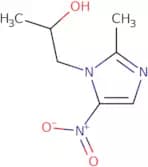
CAS:<p>Antimicrobial agent</p>Formula:C7H11N3O3Purity:Min. 95%Color and Shape:White PowderMolecular weight:185.18 g/molTylosin tartrate
CAS:<p>Tylosin tartrate is a macrolide antibiotic with action on bacterial protein synthesis inhibition and is used for treating bacterial infections in livestock and poultry.</p>Formula:C50H83NO23Purity:Min. 95%Color and Shape:PowderMolecular weight:1,066.19 g/molErythromycinacistrate
CAS:<p>Erythromycinacistrate is a macrolide antibiotic, which is derived from the bacterium *Saccharopolyspora erythraea*. Its mode of action involves binding to the 50S ribosomal subunit of susceptible bacteria, thereby inhibiting protein synthesis. This action effectively halts bacterial growth and replication, making it particularly effective against a wide range of Gram-positive and some Gram-negative bacteria.</p>Formula:C39H69NO14·C18H36O2Purity:Min. 95%Molecular weight:1,060.44 g/molPirarubicin
CAS:<p>Antibiotic of anthracycline class; DNA synthesis inhibitor</p>Formula:C32H37NO12Purity:Min. 95%Color and Shape:PowderMolecular weight:627.64 g/molRepromicin
CAS:<p>Repromicin is a novel antibiotic, which is derived from a unique strain of actinobacteria. This organism is known for its ability to produce a wide range of bioactive compounds. Repromicin operates by inhibiting bacterial protein synthesis, a mode of action that involves binding to the bacterial ribosome and interfering with the translation process. This leads to an effective halt in bacterial growth and proliferation.</p>Formula:C31H51NO8Purity:Min. 95%Molecular weight:565.74 g/molChloroeremomycin
CAS:<p>Fementation intermediate of Oritavancin</p>Formula:C73H88Cl2N10O26Purity:Min. 95%Color and Shape:White PowderMolecular weight:1,592.44 g/molTilmicosin - Bio-X ™
CAS:<p>Tilmicosin is a macrolide antibiotic that is used in veterinary medicine. It is used to treat bovine respiratory disease and inhibits bacterial growth by binding to the 50S ribosomal subunit of the bacteria resulting in reduced protein synthesis.</p>Formula:C46H80N2O13Purity:Min. 95%Color and Shape:PowderMolecular weight:869.13 g/molTomopenem
CAS:<p>Tomopenem is a carbapenem antibiotic, which is a product of synthetic origin with broad-spectrum antibacterial properties. It acts by inhibiting the synthesis of bacterial cell walls through binding to penicillin-binding proteins, thereby disrupting the structural integrity of the cell wall and leading to bacterial cell lysis and death.</p>Formula:C23H35N7O6SPurity:Min. 95%Molecular weight:537.63 g/molGriselimycin
CAS:<p>Griselimycin is an antibiotic, which is derived from the bacterial genus *Streptomyces*. This compound exhibits its mode of action by targeting bacterial protein synthesis, specifically binding to the DNA polymerase sliding clamp, thereby inhibiting replication and cell division in a range of bacterial pathogens. Griselimycin has been the focus of renewed scientific interest due to its potent activity against Mycobacterium tuberculosis, including multi-drug-resistant strains. The compound’s unique mode of action makes it a promising candidate for further development in the treatment of tuberculosis and potentially other bacterial infections that have developed resistance to more commonly used antibiotics. Advances in understanding its biosynthesis have facilitated semi-synthetic modifications, potentially enhancing its pharmacokinetic properties and antimicrobial spectrum. The applications of Griselimycin extend to research contexts where understanding resistance mechanisms and novel antibiotic development are critical. Continued exploration of this compound may contribute significantly to addressing the global challenge of antibiotic resistance.</p>Formula:C57H96N10O12Purity:Min. 95%Molecular weight:1112.72092Erythromycin
CAS:<p>A broad-spectrum antibiotic of macrolide class, which targets 50S ribosomal subunit and inhibits protein synthesis. Erythromycin is widely used in molecular biology and biotechnology as a selection marker. Erythromycin is also an agonist of the motilin receptor, and it has prokinetic activity on the gut.</p>Formula:C37H67NO13Purity:Min. 95%Color and Shape:PowderMolecular weight:733.93 g/molNeospiramycin I
CAS:<p>Neospiramycin I is a macrolide antibiotic with action on bacterial ribosomes to inhibit protein synthesis and is used for treating bacterial infections in research applications.</p>Formula:C36H62N2O11Purity:Min. 95 Area-%Color and Shape:PowderMolecular weight:698.88 g/molFlucloxacillin sodium
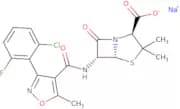
CAS:<p>Flucloxacillin sodium is a beta-lactam antibiotic with action on bacterial cell wall synthesis and is used for treating skin, bone, and respiratory infections.</p>Formula:C19H16ClFN3NaO5SPurity:Min. 95%Color and Shape:White PowderMolecular weight:475.85 g/molFinafloxacin hydrochloride
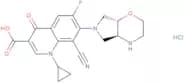
CAS:<p>Finafloxacin hydrochloride is an antibiotic, which is a synthetic compound derived from the fluoroquinolone class. Its source is a chemically engineered structure, specifically designed to combat bacterial infections effectively. The mode of action of Finafloxacin hydrochloride involves the inhibition of bacterial DNA gyrase and topoisomerase IV, essential enzymes responsible for DNA replication, transcription, and repair in bacteria. By inhibiting these enzymes, it disrupts bacterial DNA processes, ultimately leading to cell death and resolution of the infection.</p>Formula:C20H20ClFN4O4Purity:Min. 95%Molecular weight:434.85 g/molTetracycline - Bio-X ™
CAS:<p>Tetracycline is a broad-spectrum antibiotic that is effective against a variety of bacterial infections. It is a polyketide antibiotic that inhibits protein synthesis by binding to ribosomes and preventing the attachment of amino acids to tRNA molecules thus inhibiting bacterial growth.</p>Formula:C22H24N2O8Purity:Min. 95%Color and Shape:PowderMolecular weight:444.43 g/molCapastat sulfate
CAS:<p>Capastat sulfate is an antibiotic with action against Mycobacterium tuberculosis by inhibiting protein synthesis and is used for treating tuberculosis.</p>Formula:C24H42N14O8·H2O4SPurity:Min. 95%Color and Shape:PowderMolecular weight:752.76 g/molLomefloxacin
CAS:<p>Lomefloxacin is a fluoroquinolone antibiotic with a mode of action that inhibits bacterial DNA gyrase and topoisomerase IV. It is used for treating bacterial infections like bronchitis and urinary tract infections.</p>Formula:C17H19F2N3O3Purity:Min. 98 Area-%Color and Shape:PowderMolecular weight:351.35 g/mol