Heterocycles with Nitrogen (N)
In this category, you will find a wide variety of nitrogen-containing heterocycles. Heterocycles are carbon chains that form a cycle in which at least one position is occupied by a heteroatom, in this case, nitrogen. These compounds are integral in the synthesis of pharmaceuticals, agrochemicals, and dyes, offering unique reactivity and stability. At CymitQuimica, we provide a comprehensive selection of high-quality nitrogen-containing heterocycles to support your research and industrial applications
Subcategories of "Heterocycles with Nitrogen (N)"
- Azepane(434 products)
- Benzotriazoles(436 products)
- Diazepanes(331 products)
- Imidazoles(4,011 products)
- Imidazolines(385 products)
- Isoxazole(1,077 products)
- Piperazines(3,736 products)
- Piperidines(8,405 products)
- Pyrazines(1,299 products)
- Pyrazole(5,921 products)
- Pyrazolidine(21 products)
- Pyrazoline(142 products)
- Pyridazine(856 products)
- Pyridines(21,917 products)
- Pyrimidine(6,041 products)
- Pyrroles(2,443 products)
- Pyrrolidines(5,816 products)
- Pyrroline(48 products)
- Pyrrolo[1,2-b]pyridazine(10 products)
- Tetrazole(510 products)
- Triazines(462 products)
- Triazoles(1,680 products)
Show 14 more subcategories
Found 17855 products of "Heterocycles with Nitrogen (N)"
Sort by
Purity (%)
0
100
|
0
|
50
|
90
|
95
|
100
4,4'-Dipyridyl
CAS:<p>Please enquire for more information about 4,4'-Dipyridyl including the price, delivery time and more detailed product information at the technical inquiry form on this page</p>Formula:C10H8N2Molecular weight:156.19 g/mol5-Aminoindole
CAS:<p>5-Aminoindole is a versatile chemical intermediate that can be used in the synthesis of many different types of compounds. It has been used as a building block for the synthesis of complex molecules, such as antibiotics and other pharmaceuticals. 5-Aminoindole is also useful in research because it is a reagent that can be used to study the reaction between proteins and nucleic acids. This chemical reacts with calf thymus DNA to produce 5-aminoindole phosphate, which can then react with an activated phosphate group on a protein or nucleic acid. 5-Aminoindole is a high quality reagent that will provide you with excellent results in your experiments.</p>Formula:C8H8N2Molecular weight:132.17 g/mol2-(2-Butyl)-4-{4-[4-(4-methyloxy-phenyl)-piperazin-1-yl]-phenyl}-2,4-dihydro-[1,2,4]-triazol-3-one
CAS:<p>2-(2-Butyl)-4-{4-[4-(4-methyloxy-phenyl)-piperazin-1-yl]-phenyl}-2,4-dihydro-[1,2,4]-triazol-3-one (ITZ) is an antifungal drug that inhibits the synthesis of ergosterol. It is used in the treatment of systemic fungal infections such as candidiasis and cryptococcosis. ITZ is a metabolite of itraconazole and fluconazole. The presence of impurities in ITZ can be detected by liquid chromatography with a diode array detector or a fluorescence detector. An antiinfective drug product should be bioequivalent to the reference product and have comparable levels of impurities. Chromatograms are used to identify peaks on a graph and measure their height (area under the curve) to determine how much of each substance is present in the sample.</p>Formula:C23H29N5O2Purity:Min. 95%Color and Shape:White To Yellow SolidMolecular weight:407.51 g/mol1-Cyano-4-(dimethylamino)pyridinium tetrafluoroborate
CAS:<p>1-Cyano-4-(dimethylamino)pyridinium tetrafluoroborate (CDAP) is an organic cyanylating agent. It is reactive under acidic conditions giving CDAP an advantage over other sulfhydryl labeling agents, as it can avoid potential thiol-disulfide exchange.</p>Formula:C8H10N3BF4Purity:Min. 98 Area-%Color and Shape:PowderMolecular weight:234.99 g/molN-((1-(2-(tert-Butylamino)-2-oxoethyl)piperidin-4-yl)methyl)-3-chloro-5-fluorobenzamide
CAS:<p>N-((1-(2-(tert-Butylamino)-2-oxoethyl)piperidin-4-yl)methyl)-3-chloro-5-fluorobenzamide is a novel antiarrhythmic drug that inhibits the activation of cardiac cells. It was shown to inhibit proliferation and migration of human leukemia cells in vitro and to inhibit tumor growth in vivo. N-(1-(2-(tert-Butylamino)-2-oxoethyl)piperidin-4-yl)methyl)-3-chloro-5-fluorobenzamide has been shown to have cardioprotective effects in Sprague Dawley rats, reducing the incidence of ventricular tachycardia and fibrillation. The clinical studies conducted so far have not revealed any adverse effects on the heart or other organs.</p>Formula:C19H27ClFN3O2Purity:Min. 95%Color and Shape:White SolidMolecular weight:383.89 g/mol(aS,2S)-α-Phenyl-2-piperidineacetic acid Ethyl ester hydrochloride
CAS:Controlled Product<p>Please enquire for more information about (aS,2S)-alpha-Phenyl-2-piperidineacetic acid Ethyl ester hydrochloride including the price, delivery time and more detailed product information at the technical inquiry form on this page</p>Formula:C15H21NO2·HClPurity:Min. 95%Molecular weight:283.79 g/mol7-Methyl-2-(trifluoromethyl)[1,2,4]triazolo[1,5-a]pyrimidine-6-carboxylic acid
CAS:<p>7-Methyl-2-(trifluoromethyl)[1,2,4]triazolo[1,5-a]pyrimidine-6-carboxylic acid is a versatile building block that is useful in the synthesis of complex compounds. It is also a reagent for research and as a speciality chemical. It has been used in the synthesis of many important drugs such as methotrexate and trimethoprim. 7-Methyl-2-(trifluoromethyl)[1,2,4]triazolo[1,5-a]pyrimidine-6-carboxylic acid can also be used as an intermediate for the synthesis of other compounds and scaffolds.</p>Formula:C8H5F3N4O2Purity:Min. 95%Color and Shape:PowderMolecular weight:246.15 g/mol1-Methylindole
CAS:<p>1-Methylindole is a chemical compound that belongs to the group of pyrimidine compounds. It has been shown to have antibacterial activity against many types of bacteria, including methicillin-resistant Staphylococcus aureus and Clostridium perfringens. 1-Methylindole inhibits bacterial growth by binding to DNA and RNA, preventing the synthesis of proteins necessary for cell division. The high chemical stability and low redox potential make 1-methylindole an excellent candidate for use as an anticancer agent. This drug has been shown to be effective in killing cancer cells in vitro, but more research needs to be done before it can be used in vivo.</p>Formula:C9H9NPurity:Min. 97 Area-%Color and Shape:Colorless Clear LiquidMolecular weight:131.17 g/mol2-Chloro-3-pyridinecarboxyaldehyde
CAS:<p>2-Chloro-3-pyridinecarboxyaldehyde is a synthetic molecule that contains two chlorines and three pyridines. It is a potential drug for the treatment of cancer or tuberculosis. The synthesis of this compound starts from 2,4-dichlorobenzaldehyde and 3-amino-5-(chloromethyl)pyridine. The reaction with acetic acid yields 2-chloro-3-pyridinecarboxyaldehyde. This product has been shown to inhibit cancer cells in vitro, but it does not have any effect on healthy cells. In addition, this product can be used as an anticancer agent against cervical cancer cells in vitro.</p>Formula:C6H4ClNOPurity:Min. 98 Area-%Color and Shape:PowderMolecular weight:141.55 g/mol2-Chloroquinoline
CAS:<p>2-Chloroquinoline is a compound that has antimicrobial properties. It acts by inhibiting bacterial RNA synthesis and protein synthesis. 2-Chloroquinoline has been shown to have toxicological effects in animal studies, including cancer. It also inhibits the activity of the cb2 receptor and the CCR5 receptor, which are involved in tumor growth. The molecular docking analysis for this compound is available, which can be found on PubChem.</p>Formula:C9H6ClNPurity:Min. 98%Color and Shape:PowderMolecular weight:163.6 g/mol3-(3-Piperidinopropoxy)-1-[3-(Trifluoromethyl)Phenyl]-1H-Indazole
CAS:Controlled Product<p>3-(3-Piperidinopropoxy)-1-[3-(Trifluoromethyl)Phenyl]-1H-Indazole is a compound that functions as an actuator. It can be used to implement force, such as controlling a change in the position of a control or actuation, and it can also be used to shift control. 3-(3-Piperidinopropoxy)-1-[3-(Trifluoromethyl)Phenyl]-1H-Indazole is an actuation method that can be controlled by implementing force.</p>Formula:C22H24F3N3OPurity:Min. 95%Molecular weight:403.44 g/mol4-Hydroxyquinoline
CAS:<p>4-Hydroxyquinoline is a chemical compound that has been shown to have anticancer, anti-inflammatory, and antiviral properties. It is an inhibitor of the enzyme tyrosinase, which is required for the production of melanin. 4-Hydroxyquinoline has also been shown to suppress bowel inflammation by inhibiting the synthesis of 3-hydroxyanthranilic acid in cells. 4-Hydroxyquinoline has been found to be effective against Herpes Simplex Virus Type 1 (HSV1) in cell culture and in vitro assays. <br>4-Hydroxyquinoline's photochemical properties make it a useful precursor for the synthesis of other biologically active compounds. This chemical undergoes a reaction with trifluoroacetic acid to form diazonium salt intermediate, which then reacts with hydrogen peroxide to form an active oxygen species that damages DNA and kills cells.</p>Formula:C9H7NOPurity:Min. 95%Color and Shape:White PowderMolecular weight:145.16 g/molN'-[3-Cyano-1-[2,6-dichloro-4-(trifluoromethyl)phenyl]-4-(trifluoromethyl)-1H-pyrazol-5-yl]-N,N-dimethylmethanimidamide
CAS:<p>Please enquire for more information about N'-[3-Cyano-1-[2,6-dichloro-4-(trifluoromethyl)phenyl]-4-(trifluoromethyl)-1H-pyrazol-5-yl]-N,N-dimethylmethanimidamide including the price, delivery time and more detailed product information at the technical inquiry form on this page</p>Formula:C15H9Cl2F6N5Purity:Min. 95%Molecular weight:444.16 g/mol1-Propyl-3-piperidone hydrochloride hydrate
CAS:<p>1-Propyl-3-piperidone hydrochloride hydrate is a high quality chemical that can be used as a reagent in organic synthesis. It is an intermediate for the production of pharmaceuticals, agrochemicals, and other chemicals. 1-Propyl-3-piperidone hydrochloride hydrate is also a versatile building block with many uses as a reaction component. This compound has been shown to have antiulcer properties and may also have potential as an analgesic.</p>Formula:C8H15NO·HCl·H2OPurity:Min. 95%Color and Shape:PowderMolecular weight:195.69 g/mol3-(Bromomethyl)pyridine hydrobromide
CAS:<p>3-(Bromomethyl)pyridine hydrobromide is a small molecule that inhibits the influenza virus by binding to its neuraminidase enzyme. This binding prevents the virus from attaching to host cells and spreading. 3-(Bromomethyl)pyridine hydrobromide has been shown to inhibit the growth of influenza A in both cell culture and animal models. The drug also has anti-influenza virus activity against strains of the virus that are resistant to amantadine and rimantadine. 3-(Bromomethyl)pyridine hydrobromide could be used as a diagnostic tool for influenza, as well as an antiviral agent for treatment of influenza infections.</p>Formula:C6H7Br2NPurity:Min. 95%Color and Shape:PowderMolecular weight:252.93 g/mol1-Cyanoimidazole
CAS:<p>1-Cyanoimidazole is a phosphodiester that is used in the chemical ligation of nucleic acids. It reacts with terminal alkynes to form covalent linkages between DNA molecules, and can be used as a crosslinker for dna duplexes. 1-Cyanoimidazole can be used as a phosphate group replacement in DNA replication. This compound has been shown to react with terminal alkyne groups on DNA templates, forming stable covalent linkages between strands in the presence of an appropriate nucleophile. 1-Cyanoimidazole has been shown to have sequence specificity and efficient method for linking strands of DNA.</p>Formula:C4H3N3Purity:Min. 95%Color and Shape:Off-White PowderMolecular weight:93.09 g/molcis-5,6-Tetramethylen-1,4-diallyloxypiperazine-2,3-dione
CAS:<p>cis-5,6-Tetramethylen-1,4-diallyloxypiperazine-2,3-dione is a versatile building block and useful scaffold for the synthesis of pharmaceuticals. It has been shown to be an excellent reaction component in organic synthesis and as a speciality chemical. cis-5,6-Tetramethylen-1,4-diallyloxypiperazine-2,3-dione is a high quality reagent that can be used in research work.</p>Formula:C14H20N2O4Purity:Min. 95%Molecular weight:280.32 g/mol4-(Methylamino)pyridine
CAS:<p>4-(Methylamino)pyridine (4-MAP) is an anticancer drug that belongs to the class of aromatic heterocyclic compounds. It has been shown to have a broad spectrum of anticancer activity with no toxic effects on normal cells. 4-MAP is immobilized on the surface of nanotubes and has demonstrated a high degree of stability in acidic and alkaline solutions. 4-MAP can be used as a carrier for transfection experiments and for the immobilization of enzymes, proteins, or other biomolecules. The most significant limitation with this material is its relatively low solubility in water.</p>Formula:C6H8N2Purity:Min. 95%Color and Shape:PowderMolecular weight:108.14 g/mol1,1'-(Azodicarbonyl)dipiperidine
CAS:<p>1,1'-(Azodicarbonyl)dipiperidine is an organic compound that has been shown to be a radiosensitizing agent. It is used in the treatment of ovarian cancer and inhibits cell growth by inducing apoptosis. 1,1'-(Azodicarbonyl)dipiperidine modifies the cellular response to ionizing radiation by sensitizing cells to radiation and increasing the amount of DNA damage caused by radiation. This compound was found to increase the radiosensitivity of cells in vitro; however, it does not induce apoptosis in non-malignant cells. The effects are observed at low doses and are more pronounced when combined with other agents such as 3-aminobenzamide (3AB).</p>Formula:C12H20N4O2Purity:Min. 95%Color and Shape:Yellow PowderMolecular weight:252.31 g/molDipyrazino[2,3-f:2',3'-h]quinoxaline-2,3,6,7,10,11-hexacarbonitrile
CAS:<p>Dipyrazino[2,3-f:2',3'-h]quinoxaline-2,3,6,7,10,11-hexacarbonitrile is a molecular compound that consists of an aromatic hydrocarbon and boron nitride. It has been shown to have optical properties and an ancillary effect on the transport properties of other molecules. Dipyrazino[2,3-f:2',3'-h]quinoxaline-2,3,6,7,10,11-hexacarbonitrile is also a molecule that can participate in intramolecular hydrogen bonding. This compound has been shown to have coordination geometry with nitrogen atoms that are capable of accepting electrons from other molecules. Dipyrazino[2,3-f:2',3'-h]quinoxaline-2,3,6,7,10,11-hexacarbonitrile is used in diodes as an efficient</p>Formula:C18N12Purity:Min. 95%Color and Shape:PowderMolecular weight:384.27 g/mol2-Mercaptobenzimidazole zinc salt
CAS:<p>2-Mercaptobenzimidazole zinc salt is a synthetic, organic solvent that is used as an additive in the manufacture of dyes, paints, and varnishes. It is also used to make photographic film and x-ray film. 2-Mercaptobenzimidazole zinc salt is not soluble in water but can be dissolved by organic solvents such as acrylonitrile. This compound has been shown to have photocatalytic activity when activated by light. It has been found to be heat resistant up to 110°C, which makes it suitable for use in coating and printing applications. 2-Mercaptobenzimidazole zinc salt has carboxylate properties that allow it to react with calcium carbonate and hydrogen tartrate for industrial purposes.</p>Formula:C14H10N4S2ZnColor and Shape:White Off-White PowderMolecular weight:363.8 g/mol5-Bromo-2-hydrazinopyrimidine
CAS:<p>5-Bromo-2-hydrazinopyrimidine is a heterocyclic compound with the chemical formula C5H4N3Br. It is used as reagent, high quality, and complex intermediate in fine chemicals, research chemicals, and speciality chemicals. It is also a versatile building block for many reactions in synthesis of other compounds.</p>Formula:C4H5BrN4Purity:Min. 98 Area-%Molecular weight:189.01 g/molN-4-Boc-2-piperazine carboxylic acid
CAS:<p>N-4-Boc-2-piperazine carboxylic acid is an organic acid that functions in the metabolism of purine and bile acids. It is also involved in the metabolic pathway of the kidney, which is important for the elimination of waste products from the body. N-4-Boc-2-piperazine carboxylic acid has been shown to be useful as a marker for distinguishing between different types of kidney disease. It is a metabolite found in urine and can be used as an analytical tool for detecting renal function. This compound has also been shown to have long term effects on bile acid metabolism.</p>Formula:C10H18N2O4Purity:Min. 95%Color and Shape:White PowderMolecular weight:230.26 g/mol2,6-Dichloropyridine-3-carboxylic acid
CAS:<p>2,6-Dichloropyridine-3-carboxylic acid is an inhibitor of histone deacetylase (HDAC), and it has been shown to be effective in treating autoimmune diseases, cancer, inflammatory diseases, and other disorders. This drug binds to the catalytic site of HDACs and blocks the removal of acetyl groups from lysine residues on histones. 2,6-Dichloropyridine-3-carboxylic acid has been shown to inhibit the glutamate receptor subtype that is responsible for pain transmission in mice. This drug also has anti-inflammatory properties due to its alkylthio group that can disrupt protein–protein interactions. 2,6-Dichloropyridine-3-carboxylic acid is a cavity inhibitor that binds to a cavity formed by two amides on proteins.</p>Formula:C6H3Cl2NO2Purity:Min. 95%Color and Shape:PowderMolecular weight:192 g/mol8-Aminoquinoline
CAS:<p>8-Aminoquinoline is a fluorescent probe that is used to detect the presence of nitrite ions in biological samples. It is used in electron paramagnetic resonance (EPR) experiments and can be used as a chemical inhibitor of cytochrome P450 enzymes. 8-Aminoquinoline has been shown to have minimal toxicity in animal models. It has been shown to inhibit the growth of Leishmania, an organism that causes leishmaniasis, by arresting protein synthesis at the ribosome level. The drug interactions of 8-aminoquinoline have not been well studied, but it may be necessary for patients to avoid other drugs that are metabolized by cytochrome P450 enzymes when taking this agent.</p>Formula:C9H8N2Purity:Min. 95%Color and Shape:Slightly Yellow PowderMolecular weight:144.17 g/mol2,4-Dichloropyrimidine
CAS:<p>2,4-Dichloropyrimidine is a compound with an antiproliferation activity that has been shown to inhibit replication of viruses such as HIV. It inhibits the activity of enzymes involved in the replication of viral DNA, including the enzyme human telomerase reverse transcriptase (hTERT), which is essential for viral replication. The effects of 2,4-dichloropyrimidine on wild-type HIV are not clear because it does not have a significant effect on HIV-1 strains that have acquired resistance to erythromycin and tetracycline. However, this drug may be effective against other viruses that have not yet developed resistance. 2,4-Dichloropyrimidine also has antiinflammatory properties due to its ability to inhibit the production of epidermal growth factor and nitrogenous compounds from inflammatory cells.</p>Formula:C4H2N2CI2Purity:Min. 95%Color and Shape:Off-White PowderMolecular weight:148.98 g/molN,N'-Bis(2,2,6,6-tetramethylpiperidin-4-yl)hexane-1,6-diamine,2,4,6-trichloro-1,3,5-triazine,2,4,4-trimethylpentan-2-amine
CAS:<p>Bis(2,2,6,6-tetramethylpiperidin-4-yl)hexane-1,6-diamine is a nonionic hydroxyl compound and an additive in polyolefins. It is used as a polymerization initiator or accelerator for the preparation of polyolefin plastics. Bis(2,2,6,6-tetramethylpiperidin-4-yl)hexane-1,6-diamine can be used to prepare polymers by polymerization with olefins such as ethylene and propylene. The chemical stability of this compound makes it suitable for use in sample preparation before analysis by mass spectrometry. Bis(2,2,6,6-tetramethylpiperidin-4-yl)hexane-1,6-diamine is reactive with radiation and fatty acids and has been shown to have stabilizing properties for plasma mass</p>Formula:C35H69Cl3N8Purity:Min. 95%Color and Shape:PowderMolecular weight:708.33 g/mol5-Ethylindole
CAS:<p>5-Ethylindole is a granulatimide that is synthesized by the cross-coupling of ethylene and copper chromite in the presence of solvents and magnesium. The chemical reactions are performed at temperatures between room temperature and 50°C, depending on the desired product. 5-Ethylindole is used as an intermediate for other chemicals such as pharmaceuticals, fungicides, dyes, and pesticides. It can be used to produce chloroethanol, which is used in the synthesis of numerous compounds including pharmaceuticals and plastics. Chromatographic techniques are often used to isolate 5-Ethylindole from mixtures with other chemicals.</p>Formula:C10H11NPurity:Min. 95%Molecular weight:145.2 g/mol(4-Benzylpiperazinyl)-N-propylformamide
CAS:Controlled Product<p>Please enquire for more information about (4-Benzylpiperazinyl)-N-propylformamide including the price, delivery time and more detailed product information at the technical inquiry form on this page</p>Formula:C15H23N3OPurity:Min. 95%Color and Shape:PowderMolecular weight:261.36 g/mol1-Benzyl-4-(2-bromo-2-methylpropanoyl)piperazine
CAS:Controlled Product<p>Please enquire for more information about 1-Benzyl-4-(2-bromo-2-methylpropanoyl)piperazine including the price, delivery time and more detailed product information at the technical inquiry form on this page</p>Formula:C15H21BrN2OPurity:Min. 95%Molecular weight:325.24 g/mol(R)-(+)-3-Aminoquinuclidine dihydrochloride
CAS:<p>A building block; used for synthesis tryptophan 2,?3-?dioxygenase inhibitors</p>Formula:C7H14N2•(HCl)2Purity:Min. 95%Color and Shape:PowderMolecular weight:199.12 g/mol6-Mercaptopurine hydrate
CAS:<p>6-Mercaptopurine is a purine analog that suppresses the production of white blood cells by inhibiting the enzyme thiopurine methyltransferase. It has been used to treat bowel disease and also for long-term suppression of the immune system in patients with autoimmune diseases. 6-Mercaptopurine is metabolized to 6-mercaptopurine, which is then converted to dinucleotide phosphate (dNTP) by group P2 enzymes. This conversion allows 6-mercaptopurine to inhibit dNTP synthesis and cell division. The effects of 6-mercaptopurine are potentiated when given in conjunction with azathioprine, another drug that inhibits purine metabolism. 6-Mercaptopurine is not active against human serum albumin or erythrocytes because it cannot be cleaved into an active form by these proteins. However, it does inhibit enzyme activities such as DNA polymerase, RNA polymerase, and protein</p>Formula:C5H4N4S•H2OPurity:Min. 97 Area-%Color and Shape:Yellow PowderMolecular weight:152.18 g/mol4,4'-Diethyl-2,2'-bipyridine
CAS:<p>Please enquire for more information about 4,4'-Diethyl-2,2'-bipyridine including the price, delivery time and more detailed product information at the technical inquiry form on this page</p>Formula:C14H16N2Purity:Min. 95%Color and Shape:PowderMolecular weight:212.29 g/mol2-Hydrazinylpyridine
CAS:<p>2-Hydrazinylpyridine (2HNP) is a compound that has been used to detect the presence of hydrogen bonds in biological samples. It reacts with the nitrogen atoms in a sample to form an adduct and then reacts with human serum to form a fluorescent product. This reaction has been shown to be sensitive enough for detection of hydrogen bonding interactions in biological samples. 2HNP has also been shown to react with proteins, such as cyclic peptides, which are targets for toxicological studies. 2HNP reacts with the nitrogen atoms of proteins to form an adduct, which can be detected by changes in fluorescence or by x-ray crystallography. The structures of 2HNP and its adducts have been determined using x-ray crystal structures and high performance liquid chromatography (HPLC).</p>Formula:C5H7N3Purity:Min. 95%Color and Shape:PowderMolecular weight:109.13 g/mol3-Nitro-6-pyridinecarboxaldehyde
CAS:<p>3-Nitro-6-pyridinecarboxaldehyde is a colorless liquid that is soluble in water. It has a boiling point of 155 degrees Celsius, and it has a density of 1.03 grams per milliliter. This chemical reacts with metal ions to form nitro compounds. 3-Nitro-6-pyridinecarboxaldehyde has been used as an analytical reagent for the determination of benzenes and pyridines in organic solvents and gas chromatography calibration. The reactivity of this chemical is due to its pyridine ring, which can be used as a ligand or reagent.</p>Formula:C6H4N2O3Purity:Min. 98%Color and Shape:PowderMolecular weight:152.11 g/mol5-Fluoro-2-(trifluoromethyl)pyridin-4-amine
CAS:<p>5-Fluoro-2-(trifluoromethyl)pyridin-4-amine is a fine chemical that is used to create other organic compounds. This compound is an intermediate in the production of pharmaceuticals, pesticides, and herbicides. It can also be used as a reagent or a speciality chemical in research. 5-Fluoro-2-(trifluoromethyl)pyridin-4-amine can be used as a reaction component to synthesize other compounds and has been shown to have versatile functions as a building block for complex molecules. This compound is not classified by the Chemical Abstract Service (CAS) and does not have any reported toxic effects on humans.</p>Formula:C6H4F4N2Purity:Min. 95 Area-%Color and Shape:PowderMolecular weight:180.1 g/mol5-Methylpyrazine-2-carboxylic acid 4-oxide
CAS:<p>Niacin receptor 1 (NIACR1) antagonist; lipid lowering</p>Formula:C6H6N2O3Purity:Min. 98 Area-%Color and Shape:PowderMolecular weight:154.12 g/mol2-Chloro-3-nitropyridine
CAS:<p>2-Chloro-3-nitropyridine is a nucleophilic compound that reacts with amines to form substituted amines. It can be synthesized by hydrolysis of chloroacetamide with hydrochloric acid and reacting the resulting ammonium chloride with nitrobenzene. The reactions are nucleophilic substitutions, which means it reacts at an electron rich atom such as the nitrogen in the ammonium chloride. This reaction is exothermic, meaning it releases heat, and the products are 2-chloro-3-nitropyridine and water.<br>2-Chloro-3-nitropyridine has been shown to inhibit α subunit of protein kinase C (PKCα) activity by binding to the PKCα ATP site. It also has been shown to react with proteins containing reactive sulfhydryl groups such as cysteine residues, forming sulfonamides or sulfoxides that may inhibit enzyme activity or</p>Formula:C5H3ClN2O2Purity:Min. 95%Color and Shape:Slightly Yellow PowderMolecular weight:158.54 g/mol4,6-Diamino-5-(formylamino)pyrimidine hydrochloride
CAS:<p>4,6-Diamino-5-(formylamino)pyrimidine hydrochloride (4,6-dA-FAP) is a nucleic acid polymerase chain reaction probe that binds to damaged DNA. It can be used to identify the presence of nuclear DNA in human polymorphonuclear leukocytes. 4,6-Diamino-5-(formylamino)pyrimidine hydrochloride is also known as a redox indicator and has been shown to have antioxidant properties. This drug is not toxic at physiological levels, but it has been found to be an inhibitor of a number of enzymes. 4,6-Diamino-5-(formylamino)pyrimidine hydrochloride has been used in studies on cancer tissues and biological samples.</p>Formula:C5H7N5O•HClPurity:Min. 95%Color and Shape:PowderMolecular weight:189.6 g/mol7-Hydroxyquinoline-(1H)-2-one
CAS:<p>7-Hydroxyquinoline-(1H)-2-one is a quinoline derivative that binds to epidermal growth factor (EGF) receptors. It has been shown to inhibit the chloride current in neurons, which may be due to its ability to bind to the dopamine receptors in these cells. 7-Hydroxyquinoline-(1H)-2-one also inhibits DNA and protein synthesis by binding to nucleophilic nitrogen atoms and protonated nitrogen atoms, respectively. It has been shown to have an inhibitory effect on cancer cell growth in control experiments. This drug is not active against normal cells because it does not bind well to them. 7-Hydroxyquinoline-(1H)-2-one binds with high affinity to piperazine and this interaction can be used as a fluorescent probe for the presence of quinoline derivatives.</p>Formula:C9H7NO2Purity:Min. 95%Color and Shape:PowderMolecular weight:161.16 g/mol1,4'-Bipiperidine-1-carboxylic chloride hydrochloride
CAS:<p>1,4'-Bipiperidine-1-carboxylic chloride hydrochloride is a phosphorus pentachloride derivative that is used as a binding agent in the synthesis of cyclic trialkylsilyl compounds. It has been shown to inhibit topoisomerase II and III and may be useful in cancer therapy. 1,4'-Bipiperidine-1-carboxylic chloride hydrochloride binds to the active site of topoisomerase II and inhibits DNA replication, leading to cell death. This compound can also be used as a solvent for acetonitrile and chloroform.</p>Formula:C11H19ClN2O·HClPurity:Min. 95%Color and Shape:PowderMolecular weight:267.19 g/mol2,3-Dichloropyridine
CAS:<p>2,3-Dichloropyridine is an organic compound with the formula P(Cl)Cl. It is a white crystalline solid that reacts violently with water and alcohols. 2,3-Dichloropyridine can be used for the preparation of dichloroacetic acid by reaction with phosphorus pentachloride in the presence of sodium carbonate and water vapor. This compound can also be used to prepare copper chloride by reaction with diazonium salt in hydrochloric acid and chlorine atom in the presence of sodium carbonate at low energy.</p>Formula:C5H3Cl2NPurity:Min. 95%Color and Shape:PowderMolecular weight:147.99 g/molFerene disodium salt
CAS:<p>Ferene is an iron chelate that has been shown to have a number of beneficial effects on iron homeostasis. Ferene has been used in the treatment of chronic viral hepatitis, and it has also been shown to be effective against galleria mellonella. Ferene is a metal chelate, which means that it is a type of molecule that contains two metal ions. The metal ions are usually connected by a central atom, such as oxygen or nitrogen. Ferene disodium salt can be synthesized in the lab using the chemiluminescence method and polymerase chain reaction (PCR). It is also possible to isolate ferene from human serum or from a model system.</p>Formula:C16H8N4Na2O8S2Purity:Min. 95 Area-%Color and Shape:Yellow PowderMolecular weight:494.37 g/mol6-Amino-2-pyridinecarboxylic acid
CAS:<p>6-Amino-2-pyridinecarboxylic acid is a potentiating agent that belongs to the class of cyclic peptides. It has been shown to have anti-leukemic activity and can be used for the treatment of leukemia. The mechanism of action is not yet fully understood, but it may involve hydrogen bonding interactions with other molecules or cavities in proteins. 6-Amino-2-pyridinecarboxylic acid forms stable complexes with halides and intramolecular hydrogen bonds. This drug also has quantum theory effects, including a short lifetime in solution and an increase in fluorescence intensity when excited with light at low energies.</p>Formula:C6H6N2O2Purity:Min. 95%Color and Shape:PowderMolecular weight:138.12 g/mol6-(Dimethylamino)purine
CAS:<p>6-(Dimethylamino)purine (6-DAP) is a purine nucleoside that acts as an inhibitor of the transcription factor leukemia inhibitory factor (LIF). 6-DAP binds to the response element in the promoter region of LIF and blocks the binding of LIF to this site. This prevents transcription of LIF, which leads to cell cycle arrest. 6-DAP also has inhibitory effects on skin cells and inhibits the formation of fetal bovine serum protein in a model system. 6-DAP binds to nuclear DNA and alters its structure, which may cause problems with DNA replication or transcription.</p>Formula:C7H9N5Purity:Min. 98 Area-%Color and Shape:White PowderMolecular weight:163.18 g/mol4,4'-Di-tert-butyl-2,2'-bipyridine
CAS:<p>4,4'-Di-tert-butyl-2,2'-bipyridine is a maleate salt that is used in organic chemistry as a proton acceptor and donor. This compound has been shown to have an interaction with the functional theory by using voltammetry and nmr spectroscopic data. The structural analysis of 4,4'-di-tert-butyl-2,2'-bipyridine has also been done and it was found that this compound has agostic interactions. This compound has also been shown to be able to form neutral form crystals, which diffract x-rays well and have vibrational spectra.</p>Formula:C18H24N2Purity:Min. 98 Area-%Color and Shape:PowderMolecular weight:268.41 g/mol4-Aminopyrimidin-5-ol
CAS:<p>4-Aminopyrimidin-5-ol (4AP) is a small molecule that has been shown to mitigate populations of bacteria that are resistant to antibiotics. 4AP is a thiol compound that can be synthesized in high quantities using scalable, scalable synthesis. It has been shown to inhibit the protein synthesis of sensitive populations of bacteria by targeting their ribosomes and inhibiting the activity of bacterial DNA gyrase and topoisomerase IV. 4AP inhibits bacterial growth at low concentrations, with no effect on mammalian cells. This drug also shows potential as an antibiotic adjuvant because it utilizes trigonometric calculations, multigram scales, and chromatographic techniques for purification. 4AP is stable under a variety of temperatures, making it suitable for use in many environments.</p>Formula:C4H5N3OPurity:Min. 95%Color and Shape:SolidMolecular weight:111.1 g/mol2-(Azidomethyl)pyridine
CAS:<p>2-(Azidomethyl)pyridine (2-AP) is an organopalladium complex with a molecular weight of 206.2 g/mol. It has been used in magnetic resonance spectroscopy and has been shown to bind to all-trans retinoic acid, which is an active metabolite of vitamin A. 2-AP has also been shown to inhibit the growth of cancer cells by binding to the glycan on cell surfaces. The copper complex has been shown to have anti-inflammatory properties and can inhibit the activity of enzymes such as cyclooxygenase and lipoxygenase, which are involved in inflammatory responses. 2-AP is a second-order rate constant for the exothermic reaction between hydrogen peroxide and azide ion, which produces nitrous oxide ((NO)) and water molecules.</p>Formula:C6H6N4Purity:Min. 95%Color and Shape:Brown PowderMolecular weight:134.14 g/molN-Nitroso-3-azabicyclo[3.3.0]octane
CAS:<p>N-Nitroso-3-azabicyclo[3.3.0]octane is a nitrosating agent that can be used for the determination of gliclazide in pharmaceuticals and other applications. It is synthesized by reacting 3-azabicyclo[3.3.0]octane with sodium nitrite in an alkaline environment, followed by hydrolysis with hydrochloric acid. Nitrosation reactions are usually slow, but N-nitroso-3-azabicyclo[3.3.0]octane has been shown to have a fast reaction kinetics, which makes it useful for the determination of gliclazide in pharmaceuticals and other applications. The product is analyzed using chromatographic techniques such as high performance liquid chromatography (HPLC) or gas chromatography/mass spectrometry (GC/MS). The product was found to be linear over the range of 0–</p>Formula:C7H12N2OPurity:Min. 95%Color and Shape:Colorless PowderMolecular weight:140.18 g/mol2-Acetyl-3,4,5,6-tetrahydropyridine hydrochloride - technical grade
CAS:<p>Please enquire for more information about 2-Acetyl-3,4,5,6-tetrahydropyridine hydrochloride - technical grade including the price, delivery time and more detailed product information at the technical inquiry form on this page</p>Formula:C7H12ClNOPurity:Min. 95%Color and Shape:PowderMolecular weight:161.63 g/mol4,4'-Dimethoxy-2,2'-bipyridine
CAS:<p>4,4'-Dimethoxy-2,2'-bipyridine (DMBP) is a reactive compound that can undergo nucleophilic attack on protonated molecules. DMBP has a high value for protonation and is able to react with water vapor in the air to form hydroxide. It has been used as a model protein to study the redox potential of biomolecules and the biological properties of halides. The crystal structure of DMBP has been studied by X-ray crystallography and is found to be related to technetium.</p>Formula:C12H12N2O2Purity:Min. 95%Color and Shape:PowderMolecular weight:216.24 g/mol[2,2':6',2''- Terpyridine]-4'-methanol
CAS:<p>2,2':6',2''- Terpyridine-4'-methanol is a high quality reagent that is used as an intermediate in the synthesis of other fine chemicals. It has been shown to be a useful scaffold for synthesis of complex compounds with interesting biological and chemical properties. 2,2':6',2''- Terpyridine-4'-methanol has also been found to be a versatile building block for the preparation of new speciality chemicals. This compound can be used as a reaction component in many organic reactions.</p>Formula:C16H13N3OPurity:Min. 95%Color and Shape:PowderMolecular weight:263.29 g/mol3-Chloro-N-methyl-5-(trifluoromethyl)-2-pyridinamine
CAS:<p>3-Chloro-N-methyl-5-(trifluoromethyl)-2-pyridinamine is a fine chemical that is used as a versatile building block for the synthesis of other chemical compounds. 3-Chloro-N-methyl-5-(trifluoromethyl)-2-pyridinamine is also useful as an intermediate in research and development, and can be used to produce speciality chemicals. This compound has shown to be a useful reagent and is of high quality.</p>Formula:C7H6ClF3N2Purity:Min. 95%Molecular weight:210.58 g/mol3-Amino-6-chloropyridazine
CAS:<p>3-Amino-6-chloropyridazine is a synthetic compound that is soluble in hydrochloric acid. It has been shown to inhibit the proliferation of cells and induce apoptosis, which may be due to its inhibition of the growth factor receptor, factor. 3-Amino-6-chloropyridazine also inhibits bcr-abl kinase, an enzyme that is involved in the development of chronic myelogenous leukemia (CML). This chemical can be synthesized by coupling amino acids with chloropyridazine using cross coupling reactions. 3-Amino-6-chloropyridazine is a synthetic analogue of pyridoxal phosphate and may have use as an antiinflammatory agent.</p>Formula:C4H4ClN3Purity:Min. 95%Color and Shape:PowderMolecular weight:129.55 g/mol6-Methyl-2,2':6',2''-terpyridine
CAS:<p>6-Methyl-2,2':6',2''-terpyridine is a versatile building block that can be used in the synthesis of complex compounds. It is a fine chemical and is sold for research purposes only. 6-Methyl-2,2':6',2''-terpyridine has been used as a reagent or speciality chemical in the manufacture of pharmaceuticals, agrochemicals, and other organic compounds. This compound also has potential use as an intermediate in the synthesis of other useful compounds or scaffolds.</p>Formula:C16H13N3Purity:Min. 85 Area-%Color and Shape:PowderMolecular weight:247.29 g/mol4-Cyanoindole
CAS:<p>The 4-cyanoindole is a fluorescent molecule that binds to proteins and affects protein homeostasis. It has been shown to bind to the sodium salt form of proteins, which are typically found in human liver cells. The binding of 4-cyanoindole to these proteins leads to its reduction by borohydride and fluorescence resonance energy transfer (FRET) between the molecule and the protein. This binding can be detected using a fluorescence lifetime spectroscopy technique, which detects changes in the fluorescence's lifetime as well as intensity. The binding of 4-cyanoindole to proteins has been shown to have anti-cancer properties. It has also been used for detection of monoclonal antibodies against cancer cells or for fluorescent labeling of cancer cells for immunofluorescent microscopy.</p>Formula:C9H6N2Color and Shape:White PowderMolecular weight:142.16 g/mol3,3-Dibromopiperidin-2-one
CAS:<p>3,3-Dibromopiperidin-2-one is a synthetic reaction product that is used to synthesize diisobutylaluminum. This compound can be found in the sources methylester chloride, pentachloride, thionyl, phosphorus pentachloride, coniferyl alcohol and ferulic acid. It is also an alkaloid compound that has been reported as a palladium catalyst for coupling reactions. 3,3-Dibromopiperidin-2-one is used to synthesize diisobutylaluminum. This compound can be found in the sources methylester chloride, pentachloride, thionyl, phosphorus pentachloride, coniferyl alcohol and ferulic acid. It is also an alkaloid compound that has been reported as a palladium catalyst for coupling reactions.</p>Formula:C5H7Br2NOPurity:Min. 95%Color and Shape:PowderMolecular weight:256.92 g/molEthyl 5-chloropyrazolo[1,5-a]pyrimidine-3-carboxylate
CAS:<p>Please enquire for more information about Ethyl 5-chloropyrazolo[1,5-a]pyrimidine-3-carboxylate including the price, delivery time and more detailed product information at the technical inquiry form on this page</p>Formula:C9H8ClN3O2Purity:Min. 95%Color and Shape:PowderMolecular weight:225.63 g/molImidazo[1,2-α]pyridin-3-yl-boronic acid pinacol ester
CAS:<p>Imidazo[1,2-a]pyridin-3-yl-boronic acid pinacol ester is a reagent that is used as an intermediate in the synthesis of complex compounds. The compound has been shown to be useful for research purposes and can be used as a building block in the synthesis of chemical compounds. Imidazo[1,2-a]pyridin-3-yl-boronic acid pinacol ester has an CAS number of 1238337-02-4 and is a versatile building block that can be used to synthesize speciality chemicals.</p>Formula:C13H17BN2O2Purity:Min. 95%Color and Shape:PowderMolecular weight:244.1 g/molPiperonal oxime
CAS:Controlled Product<p>Piperonal oxime is a chemical compound that is used in the synthesis of the fragrance piperonal. It can be produced by the reaction of sodium carbonate and piperonal with an aldehyde such as n-propyl chloride. Piperonal oxime can also be produced by refluxing piperonal in water with sodium carbonate, followed by acidification and polymerization. Piperonal oxime is insoluble in water and has a melting point range between 118-121 °C. The compound has been shown to catalyze the oxidation of benzaldehyde to benzoic acid and o-xylene to ortho-xylene, which are useful for the production of polymers such as nylon 6.</p>Formula:C8H7NO3Purity:Min. 90%Molecular weight:165.15 g/mol5-Nitroindole
CAS:<p>5-Nitroindole is a nitro functionalized indole. It is a fine chemical that has a wide range of uses in research, industry and education. 5-Nitroindole can be used as a versatile building block for the synthesis of complex compounds and as an intermediate for the production of other chemicals. 5-Nitroindole is soluble in organic solvents and can be used to synthesize other compounds with high purity. This compound is also known as CAS No. 6146-52-7 and is considered to be of high quality.</p>Formula:C8H6N2O2Purity:Min. 99.0 Area-%Molecular weight:162.15 g/molRef: 3D-N-3000
1kgTo inquire100gTo inquire250gTo inquire500gTo inquire2500gTo inquire-Unit-ggTo inquireN-Methyl-N’-nitrosopiperazine
CAS:<p>N-Methyl-N’-nitrosopiperazine is a chemical that has been shown to produce genotoxic effects in mammalian cells. It was found to be carcinogenic in rats, but not in mice. This chemical induces mutations by reacting with nucleic acids and producing covalent DNA adducts. The uptake of N-methyl-N’-nitrosopiperazine into the body occurs through inhalation, ingestion, or skin contact. It can also be detected using analytical methods such as high performance liquid chromatography (HPLC) and gas chromatography/mass spectrometry (GC/MS).</p>Formula:C5H11N3OPurity:Min. 95 Area-%Color and Shape:Clear LiquidMolecular weight:129.16 g/mol4,6-Diamino-2-thiopyrimidine
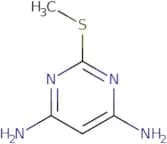
CAS:<p>4,6-Diamino-2-thiopyrimidine is a glycosidic bond that has been shown to inhibit the growth of bacteria in cell culture. It has also been shown to have an anticoagulant effect on human serum. The molecular weight of heparin is typically between 5000 and 15000 Da. In this study 4,6-Diamino-2-thiopyrimidine was found to be the most potent inhibitor of heparinase I activity with an IC50 of 1.5 mM. This compound is a trifluoroacetate salt that has a neutral pH and low solubility in water. It can be detected by electrochemical impedance spectroscopy (EIS). Hydrolysis by hydrochloric acid yields 4,6-diamino-2-thiopyrimidine trifluoroacetic acid as the only product. The chemical name for this substance is 4,6 diamino 2 thiop</p>Formula:C4H6N4SPurity:Min. 95%Color and Shape:PowderMolecular weight:142.18 g/mol3-Amino-4-chloropyridine
CAS:<p>3-Amino-4-chloropyridine is an organic compound with the molecular formula CHClN. It is a colorless solid that is soluble in organic solvents, such as diethyl ether and chloroform. 3-Amino-4-chloropyridine has been shown to be effective in cancer therapy by inhibiting ion channels, which are proteins that allow ions to pass through the cell membrane. This inhibition results in cell death due to lack of nutrients and oxygen. 3-Amino-4-chloropyridine inhibits the p2 receptor and induces apoptosis in cancer cells, which may be due to its ability to inhibit calcium influx and activate protein kinase C. 3-Amino-4-chloropyridine also has antiinflammatory effects by inhibiting prostaglandin synthesis.</p>Formula:C5H5ClN2Purity:Min. 95%Color and Shape:Yellow PowderMolecular weight:128.56 g/mol5-Chloro-2-methylindole
CAS:<p>5-Chloro-2-methylindole is an antimicrobial agent that is used to treat bacterial infections. It binds to the enzyme acetylacetone hydrazide, which prevents it from forming acetoacetate and 5-chloroindole. This leads to a decrease in the formation of serotonin, which may contribute to the alleviation of symptoms in patients with cerebral escherichia coli infection. 5-Chloro-2-methylindole has been shown to have antimicrobial effects against a number of bacteria, including E. coli and Staphylococcus aureus. The drug is injected intraperitoneally as a magnetic resonance imaging contrast agent for myelography, angiography, and other medical imaging procedures.</p>Formula:C9H8ClNPurity:Min. 95%Molecular weight:165.62 g/molDimethylolurea
CAS:<p>Dimethylolurea is a formaldehyde releaser that has clinical relevance as a nutrient solution. Dimethylolurea has been shown to release formaldehyde, which may be used to treat bowel diseases and inflammatory bowel disease. Dimethylolurea can also induce an immune response in the human body. This chemical is not soluble in water but it is soluble in ethanol and methanol, which are often used as solvents for this drug. The reaction mechanism of dimethylurea is unclear. It may be due to intramolecular hydrogen transfer or metal hydroxides. As with other drugs, the surface methodology of dimethylurea depends on the size of the microcapsules.</p>Formula:C3H8N2O3Purity:Min. 95%Color and Shape:White PowderMolecular weight:120.11 g/mol5-Nitro-pyridine-2-sulfonyl chloride
CAS:<p>5-Nitro-pyridine-2-sulfonyl chloride is a chemical reagent that is used in the synthesis of various organic compounds. It is a versatile building block and can be used as an intermediate for the synthesis of other compounds. 5-Nitro-pyridine-2-sulfonyl chloride is also a reaction component in the synthesis of some pharmaceutical drugs, such as benzoic acid, which can be used to manufacture more complex compounds, such as antibiotics.</p>Formula:C5H3ClN2O4SPurity:Min. 90 Area-%Color and Shape:PowderMolecular weight:222.61 g/mol7-Methoxy-1H-indole
CAS:<p>7-Methoxy-1H-indole (7MI) is a synthetic compound that exhibits anti-inflammatory activity. It is an analog of the amino acid methionine found in proteins and its synthesis involves the condensation of a chlorinated alkyl acetate with an esterified hydrazide to form the corresponding amide. 7MI has been shown to inhibit both bacterial and mammalian protein synthesis, as well as to inhibit tumor cell growth. 7MI binds reversibly to the N7 atom of the adenine base in DNA, thereby inhibiting DNA replication through inhibition of DNA polymerase.</p>Formula:C9H9NOPurity:Min. 95%Color and Shape:Clear LiquidMolecular weight:147.17 g/mol(R)-2,5-Dihydro-3,6-dimethoxy-2-isopropylpyrazine
CAS:<p>(R)-2,5-Dihydro-3,6-dimethoxy-2-isopropylpyrazine and its enantiomer (S)-2,5-Dihydro-3,6-dimethoxy-2-isopropylpyrazine are also known as Schöllkopf chiral auxiliaries or Schöllkopf reagents, and are used to produce optically pure α-amino acids via asymmetric synthesis. The Schöllkopf reagent can be deprotonated at the prochiral α-carbon, and the resulting enolate is trapped with electrophiles to yield adducts with high (typically > 95% d.e.) diastereoselectivity. The enolate is essentially planar, and the steric bulk of the isopropyl group directs the incoming electrophile to attack from the opposite face, yielding trans adducts. A wide range of electrophiles including alkyl halides, alkyl sulfonates, acyl chlorides, aldehydes, ketones, epoxides, thioketones and enones can be used. Hydrolysis, typically under mild acidic conditions, yields the non-substituted amino acid with high (typically > 95 e.e.) enantiopurity.</p>Formula:C9H16N2O2Purity:Min. 98%Color and Shape:Colorless Yellow Clear LiquidMolecular weight:184.24 g/mol6-Chloro-3-aminopyridine-2-carboxamide
CAS:<p>6-Chloro-3-aminopyridine-2-carboxamide is a small molecule that inhibits tumor growth in human prostate cancer cells. It binds to a pharmacophore, which is a three dimensional arrangement of atoms that is responsible for the biological activity of the drug. This compound has been shown to inhibit tumor cell proliferation and induce apoptosis. 6-Chloro-3-aminopyridine-2-carboxamide also inhibits the oncogenic signaling pathways, including the PI3K/Akt and MAPK pathways, leading to antiproliferative activity in cancer cell lines. 6-Chloro-3-aminopyridine-2-carboxamide also inhibits phosphorylation of Akt and Erk1/2, which are downstream targets of PI3K/Akt pathway activation. The compound was found to have no significant effects on noncancerous cells or normal prostate tissue.</p>Formula:C6H6ClN3OPurity:Min. 95%Color and Shape:PowderMolecular weight:171.58 g/mol5-Bromo-2-fluoro-3-methylpyridine
CAS:<p>5-Bromo-2-fluoro-3-methylpyridine is a fine chemical that is used as a scaffold for building more complex compounds. This chemical can be used in the synthesis of sulfonamides, thiocarbamates, and other organic compounds. 5-Bromo-2-fluoro-3-methylpyridine is also a versatile intermediate that can be used in the production of research chemicals and speciality chemicals. The purity of this compound is high and it has been shown to be a useful reagent in various reactions.</p>Formula:C6H5BrFNPurity:Min. 95%Molecular weight:190.02 g/mol5-Fluoroindole-2-carboxylic acid
CAS:<p>5-Fluoroindole-2-carboxylic acid is a new substance that has been found to be an inhibitor of the influenza virus. It prevents the virus from replicating by inhibiting the synthesis of viral proteins and nucleic acids. 5-Fluoroindole-2-carboxylic acid can be prepared by dispersive solid phase extraction of a mixture of fluoroindole, fumaric acid, and potassium hydroxide in water. The compound has also been shown to potentiate the effects of carbamazepine on caspases and enhance mass spectrometric analysis for gaseous hydrochloric acid. 5-Fluoroindole-2-carboxylic acid produces antinociceptive effects in animals.</p>Formula:C9H6FNO2Color and Shape:PowderMolecular weight:179.15 g/molMethyl-3-Formylindole-5-carboxylate
CAS:<p>Please enquire for more information about Methyl-3-Formylindole-5-carboxylate including the price, delivery time and more detailed product information at the technical inquiry form on this page</p>Formula:C11H9NO3Purity:Min. 95%Molecular weight:203.19 g/mol2-(Tributylstannyl)pyrimidin-5-amine
CAS:Controlled Product<p>Please enquire for more information about 2-(Tributylstannyl)pyrimidin-5-amine including the price, delivery time and more detailed product information at the technical inquiry form on this page</p>Formula:C16H31N3SnPurity:Min. 95%Molecular weight:384.15 g/mol2-Chloromethyl-3,5-dimethyl-4-methoxypyridine
CAS:<p>2-Chloromethyl-3,5-dimethyl-4-methoxypyridine is a drug substance that is used as a pump inhibitor. The optimal reaction conditions for the synthesis of this molecule are a Grignard reagent, chlorinating agent, and magnesium salt. Impurities may arise during the synthetic process due to chloride or inorganic acid catalyst. This drug substance is not soluble in water but can be dissolved in organic solvents such as ethers, chloroform, or benzene. It reacts with magnesium to form a chelate ring with an organic molecule.</p>Formula:C9H12ClNOPurity:Min. 95%Color and Shape:PowderMolecular weight:185.65 g/mol2,4-Dimethyl-5-nitropyridine
CAS:<p>2,4-Dimethyl-5-nitropyridine is a hydroxyurea analog that inhibits the synthesis of ribonucleotides by competitively binding to the enzyme ribonucleotide reductase. This inhibition leads to the accumulation of diphosphate and deoxyribonucleotides, which are necessary for DNA synthesis. 2,4-Dimethyl-5-nitropyridine was found to be more potent than hydroxyurea as an inhibitor of cellular growth in vitro and cancer cell lines in vivo. The potency of 2,4-dimethyl-5-nitropyridine can be attributed to its ability to bind very tightly with ribonucleotide reductase and form a stable complex.</p>Formula:C7H8N2O2Purity:Min. 95%Color and Shape:Yellow Clear LiquidMolecular weight:152.15 g/mol1,1-Dimethylethyl (2S)-2-[[[5-(tributylstannyl)-3-pyridinyl]oxy]methyl]-1-azetidinecarboxylate
CAS:Controlled Product<p>Please enquire for more information about 1,1-Dimethylethyl (2S)-2-[[[5-(tributylstannyl)-3-pyridinyl]oxy]methyl]-1-azetidinecarboxylate including the price, delivery time and more detailed product information at the technical inquiry form on this page</p>Formula:C26H46N2O3SnPurity:Min. 95%Color and Shape:Clear LiquidMolecular weight:553.37 g/mol4-(Aminomethyl)piperidine
CAS:<p>Inhibitor of CD4+ - GP120 binding during HIV infection</p>Formula:C6H14N2Purity:Min. 98 Area-%Color and Shape:PowderMolecular weight:114.19 g/mol5-Bromo-2-chloro-3-methoxypyridine
CAS:<p>5-Bromo-2-chloro-3-methoxypyridine is a kinase inhibitor that belongs to the class of compounds called analogues. This compound has been shown to be an efficient, selective and potent inhibitor of the csf1R protein kinase. 5-Bromo-2-chloro-3-methoxypyridine has also been shown to inhibit the activity of other kinases such as cdc2, cdk4, cdk6 and cdk7. The structure of this compound was used as a starting point in the development of a new class of kinase inhibitors.</p>Formula:C6H5BrClNOPurity:Min. 95%Color and Shape:SolidMolecular weight:222.47 g/mol5-Hydroxyindole-2-carboxylic acid ethyl ester
CAS:<p>5-Hydroxyindole-2-carboxylic acid ethyl ester is a fluorescent probe that is used in the detection of hepatitis C virus by micropet assay. The compound reacts with amines and undergoes fluorescence quenching, and can be used to quantitate their concentration. 5-Hydroxyindole-2-carboxylic acid ethyl ester is also used for the determination of the kinetics of amines and other compounds that are involved in the metabolism of drugs and biogenic amines. It can be applied to chromatographic analysis or sample preparation prior to analysis by analytical chemistry methods such as gas chromatography or liquid chromatography.</p>Formula:C11H11NO3Purity:Min. 95%Color and Shape:PowderMolecular weight:205.21 g/mol5-Bromo-2-methoxypyridine
CAS:<p>5-Bromo-2-methoxypyridine is a synthetic organic chemical that is used in organic chemistry. It is a precursor to the HIV integrase inhibitor, PSC 833, and has been shown to be effective in treating idiopathic pulmonary fibrosis. 5-Bromo-2-methoxypyridine is synthesized by reacting phosphorus oxychloride with 2-bromomethoxybenzene. This reaction produces a mixture of products that are then separated using column chromatography. The desired product can be purified by recrystallization or distillation. 5-Bromo-2-methoxypyridine has three pairs of asymmetric carbon atoms and four different functional groups: halides, sulfur trifluoride, bromine, and methoxy groups.</p>Formula:C6H6BrNOPurity:Min. 95%Color and Shape:Clear LiquidMolecular weight:188.02 g/mol5-Chloroindole
CAS:<p>5-Chloroindole is a molecule that can bind to the CB2 cannabinoid receptor. It has been shown in experiments to be an allosteric modulator of this receptor. 5-Chloroindole has been found to have an inhibitory effect on degenerative diseases, such as Huntington's disease and Alzheimer's disease, and may have therapeutic potential for these disorders. 5-Chloroindole binds to a metal surface by forming hydrogen bonds with the oxygen atom of its carboxyl group and the metal surface. The nucleophilic nature of 5-chloroindole allows it to react with chloride ions present in solution. 5-Chloroindole reacts with the carbon source in tissue culture, which leads to receptor activity and inhibition of cell proliferation.</p>Formula:C8H6ClNColor and Shape:White PowderMolecular weight:151.59 g/mol4-Vinylpyridine, stabilized with 100ppm Hydroquinone
CAS:<p>4-Vinylpyridine, stabilized with 100ppm Hydroquinone is a chemical compound that belongs to the class of pyridines. It has been shown to be stable in aqueous solution and to have a high water permeability. The reaction mechanism is not known, but it is thought that the quaternization of the vinyl group may be involved. 4-Vinylpyridine has been used as a component for the synthesis of polymers and can also be used in palladium-catalyzed coupling reactions.</p>Formula:C7H7NPurity:Min. 97 Area-%Color and Shape:Colorless Clear LiquidMolecular weight:105.14 g/molH-Imidazoleacetic acid
CAS:<p>H-Imidazoleacetic acid is a synthetic compound that can be used to produce other compounds. It is soluble in water and has a hydrophilic interaction with calcium carbonate. H-Imidazoleacetic acid may be recycled, as it is easily synthesized from ethyl bromoacetate by reaction with hydrochloric acid. This substance has shown anticancer activity and may be used to treat blood pressure. The chromatographic method for H-Imidazoleacetic acid involves the use of extracellular medium to remove the organic solvent, followed by reversed phase chromatography on an ion exchange column. H-Imidazoleacetic acid is soluble in water and has a hydrophilic interaction with calcium carbonate. It may be recycled, as it is easily synthesized from ethyl bromoacetate by reaction with hydrochloric acid. This substance has shown anticancer activity and may be used to treat blood pressure. The</p>Formula:C5H6N2O2Purity:Min. 95%Color and Shape:PowderMolecular weight:126.11 g/molN-[1-[2-(4-Ethyl-5-Oxotetrazol-1-Yl)Ethyl]-4-Phenylpiperidin-4-Yl]-N-(2-Fluorophenyl)Propanamide
CAS:Controlled Product<p>N-[1-[2-(4-Ethyl-5-Oxotetrazol-1-Yl)Ethyl]-4-Phenylpiperidin-4-Yl]-N-(2-Fluorophenyl)Propanamide is a drug that is used clinically for the treatment of depression. It is an analog of amitriptyline, an antidepressant and a tricyclic compound. N-[1-[2-(4-Ethyl-5-Oxotetrazol-1-Yl)Ethyl]-4-Phenylpiperidin-4-Yl]-N-(2-Fluorophenyl)Propanamide has been shown to increase the concentration of plasma drug levels by increasing transporter gene expression in muscle tissue. This drug also has clinical pharmacology and thermal expansion properties.</p>Formula:C25H31FN6O2Purity:Min. 95%Molecular weight:466.55 g/mol2-((4-(2-Furylcarbonyl)piperazinyl)carbonyl)cyclohexanecarboxylic acid
CAS:<p>Please enquire for more information about 2-((4-(2-Furylcarbonyl)piperazinyl)carbonyl)cyclohexanecarboxylic acid including the price, delivery time and more detailed product information at the technical inquiry form on this page</p>Formula:C17H22N2O5Purity:Min. 95%Color and Shape:PowderMolecular weight:334.37 g/molN-Benzyl-4-phenyl pyridinium tetrafluoroborate
CAS:<p>N-Benzyl-4-phenyl pyridinium tetrafluoroborate is a fine chemical that can be used as a building block in the synthesis of complex compounds. It has been shown to have versatile applications in organic synthesis, such as being a useful intermediate and reaction component. N-Benzyl-4-phenyl pyridinium tetrafluoroborate is an extremely high quality reagent with few side effects and low toxicity.</p>Formula:C18H16N•BF4Purity:Min. 95%Molecular weight:333.13 g/mol4'-Iodo-2,2':6',2''-terpyridine
CAS:<p>4'-Iodo-2,2':6',2''-terpyridine is a transoid that has two conformations: one with the pyridine ring in the cisoid position and one with the pyridine ring in the transoid position. It can form intermolecular interactions with other molecules of 4'-iodo-2,2':6',2''-terpyridine. These interactions may be due to stacking or planar interactions.</p>Formula:C15H10IN3Purity:Min. 95%Color and Shape:PowderMolecular weight:359.16 g/mol2,6-Dichloro-7-deazapurine
CAS:<p>Intermediate in the synthesis of tofacitinib</p>Formula:C6H3Cl2N3Purity:Min. 95%Color and Shape:Off-White PowderMolecular weight:188.02 g/mol3-Amino-2-pyrazinecarboxylic acid methyl ester
CAS:<p>3-Amino-2-pyrazinecarboxylic acid methyl ester (3APCME) is a potent anti-mycobacterial agent that inhibits the growth of Mycobacterium tuberculosis by inhibiting the synthesis of amines, which are necessary for its survival. 3APCME has also been shown to have an inhibitory effect on other bacteria that require amines for their survival, such as Escherichia coli. This agent binds to the receptor and inhibits the enzyme pyrazinase in the reaction of phenoxy with dimethylformamide. The molecular modeling studies show that 3APCME is able to bind to a hydrophobic region on the enzyme's surface and form a covalent bond through nucleophilic attack. The asymmetric synthesis results in the production of one enantiomer of 3APCME and allows for greater efficacy against mycobacteria than other agents.</p>Formula:C6H7N3O2Purity:Min. 95%Color and Shape:PowderMolecular weight:153.14 g/mol2,6-Dichloro-4-(2,4,6-triphenyl-1-pyridinio)phenolate
CAS:<p>2,6-Dichloro-4-(2,4,6-triphenyl-1-pyridinio)phenolate is a protonated form of the anion of 2,6-dichloro-4-(2,4,6-triphenyl-1-pyridinio)phenolate. It has hydrophobic properties and a low solubility in water. The solution temperature is close to 0°C. It can be analyzed by regression and chloride or physicochemical methods. This compound has a polarizability that is similar to that of nitrogen atoms and hydrogen bonds with chloride ions.</p>Formula:C29H19Cl2NOPurity:Min. 95%Color and Shape:PowderMolecular weight:468.37 g/mol6-Chloro-7-iodo-7-deazapurine
CAS:<p>6-Chloro-7-iodo-7-deazapurine is a nucleoside analogue that is synthesized by a cross-coupling reaction between 6-chloro-2,4(1H,3H)-pyrimidinedione and 7-iodo-7-(trifluoromethyl)purine. 6CIDP has been shown to inhibit growth of epidermal cells at concentrations as low as 0.1 µM, with cytostatic effects seen at 10 µM. 6CIDP has also been shown to potently inhibit the replication of the human papilloma virus in vitro and in vivo. 6CIDP is currently being investigated for the treatment of AIDS and other viral infections. The molecular modeling studies on this compound have revealed that it may be a potent inhibitor of the epidermal growth factor receptor (EGFR).</p>Formula:C6H3ClIN3Purity:Min. 98 Area-%Color and Shape:White PowderMolecular weight:279.47 g/mol3-Amino-2-bromo-4,6-dimethylpyridine
CAS:<p>3-Amino-2-bromo-4,6-dimethylpyridine is a fine chemical that can be used as a versatile building block in the synthesis of other compounds. It is also an intermediate for the production of organic compounds and research chemicals. 3-Amino-2-bromo-4,6-dimethylpyridine is listed on the Chemical Abstracts Service (CAS) registry with the number 104829-98-3. This compound has a complex structure and is high quality and stable.</p>Purity:Min. 95%Color and Shape:PowderMolecular weight:201.06 g/mol8-Hydroxyquinoline
CAS:<p>8-HQ, liberated by enzymatic activity, is a strong metal chelator and forms insoluble, grey precipitates with several metal cations such as Fe3+</p>Formula:C9H7NOColor and Shape:PowderMolecular weight:145.16 g/mol2-(2,4-dimethylphenoxy)pyridine-3-carboxylic acid
CAS:<p>Please enquire for more information about 2-(2,4-dimethylphenoxy)pyridine-3-carboxylic acid including the price, delivery time and more detailed product information at the technical inquiry form on this page</p>Purity:Min. 95%7,8-Dimethoxy-9-oxo-9H-indeno[1,2-B]pyrazine-2,3-dicarbonitrile
CAS:<p>7,8-Dimethoxy-9-oxo-9H-indeno[1,2-B]pyrazine-2,3-dicarbonitrile is a fine chemical that is useful for research and as a building block in the synthesis of more complex compounds. It can be used in the synthesis of a range of pharmaceuticals and other chemicals. 7,8-Dimethoxy-9-oxo-9H-indeno[1,2-B]pyrazine is also an excellent reagent for the preparation of other compounds. This compound has been shown to bind to DNA and RNA and its reaction with nucleophiles produces a variety of products.</p>Formula:C15H8N4O3Purity:Min. 95%Color and Shape:Yellow To Red SolidMolecular weight:292.25 g/mol5-Amino-(3,4'-bipyridin)-6(1H)-one
CAS:<p>Phosphodiesterase type 3 inhibitor; positive inotropic agent; vasodilatory</p>Formula:C10H9N3OPurity:Min. 95%Color and Shape:PowderMolecular weight:187.2 g/mol6-Methylpyridine-2-carboxylic acid
CAS:<p>6-Methylpyridine-2-carboxylic acid is a human metabolite that can be found in the serum matrix. It is part of a ternary complex formation with picolinic acid and fatty acid, which may result in an intramolecular hydrogen transfer from the methyl group to the oxygen atom of the carboxylic acid group. 6-Methylpyridine-2-carboxylic acid has been shown to react with hydroxyl groups to form n-oxides and redox potentials. These reactions are catalyzed by detergents.</p>Formula:C7H7NO2Purity:Min. 97 Area-%Color and Shape:PowderMolecular weight:137.14 g/mol4-Nitroimidazole
CAS:<p>4-Nitroimidazole has a redox potential that is well suited to the reduction of nitro groups. It is an antimicrobial agent that inhibits the growth of microorganisms by inhibiting DNA synthesis. 4-Nitroimidazole can be used for the treatment of infectious diseases such as tuberculosis, leprosy, and brucellosis. In rat liver microsomes, 4-nitroimidazole reacts with NADPH to produce a nitro group and an imidazole ring with a new configuration. The reaction mechanism is based on electron transfer from NADPH to the nitro group in 4-nitroimidazole via a series of reactions that involve cytochrome P450 enzymes. This reaction has kinetic energy and matrix effects that affect its pharmacokinetics and pharmacodynamics.</p>Formula:C3H3N3O2Purity:Min. 95%Color and Shape:White PowderMolecular weight:113.07 g/mol2-Amino-4,6-dimethylpyridine
CAS:<p>2-Amino-4,6-dimethylpyridine is a nonsteroidal anti-inflammatory drug that inhibits the production of prostaglandins and leukotrienes. 2-Amino-4,6-dimethylpyridine binds to the cyclooxygenase enzyme and blocks its conversion of arachidonic acid to prostaglandin H2. This compound has been shown to have potent inhibitory effects against Leishmania, with high values in reactive compounds. The molecular modeling of this compound shows that it has an unpaired amino function and an amide.</p>Formula:C7H10N2Purity:Min. 97%Color and Shape:PowderMolecular weight:122.17 g/mol2-Ethylpyridine
CAS:<p>2-Ethylpyridine is a chemical compound that can be derived from sodium succinate, 2-ethylpyridine, and trifluoroacetic acid. It has been shown to have biological properties such as the inhibition of mitochondrial membrane potential, which is the driving force for ATP synthesis in mitochondria. This drug also inhibits the production of hydrogen peroxide and nitric oxide by reacting with hydrochloric acid or nitrogen atoms. 2-Ethylpyridine can be used as a solid catalyst for reactions involving hydrogen bond formation or intermolecular hydrogen bond formation. 2-Ethylpyridine reacts with protocatechuic acid to form an intramolecular hydrogen bond and a group p2 type of reaction mechanism.</p>Formula:C7H9NPurity:Min. 95%Color and Shape:Colorless Clear LiquidMolecular weight:107.15 g/mol2-Methyl-6-quinolinecarboxylic acid
CAS:<p>2-Methyl-6-quinolinecarboxylic acid is a molecule with an affinity for aromatic rings. It has been shown through experiment that this molecule has a stable structure and can be transferred from one ring to another. 2-Methyl-6-quinolinecarboxylic acid has also been shown to have an affinity for aromatic rings in the range of 8.1 × 10 to 8.3 × 10 M−1, with an experimental affinity value of 1.2 × 10 M−1. This compound is known to interact with other molecules in a molecular docking process and can be optimized using parameters such as hydrogen bonding and van der Waals interactions.END> END></p>Formula:C11H9NO2Purity:Min. 95%Color and Shape:PowderMolecular weight:187.19 g/molmethyl 1-[(4-methylphenyl)sulfonyl]-4-piperidinecarboxylate
CAS:<p>Please enquire for more information about methyl 1-[(4-methylphenyl)sulfonyl]-4-piperidinecarboxylate including the price, delivery time and more detailed product information at the technical inquiry form on this page</p>Formula:C14H19NO4SPurity:Min. 95%Color and Shape:PowderMolecular weight:297.37 g/mol2,3-Dihydroxypyridine
CAS:<p>2,3-Dihydroxypyridine is a chemical compound that is a metabolite of the amino acid histidine. It is an important hydrogen bond donor in biological systems. 2,3-Dihydroxypyridine has been shown to have anti-pandemic influenza activity against influenza A (H1N1) and B. The mechanism of this activity may be due to its ability to inhibit the synthesis and release of proinflammatory cytokines such as IL-6 and TNF-α. 2,3-Dihydroxypyridine also has potent anti-fungal activity against Candida albicans. This activity is due to its ability to bind to amine groups on proteins and disrupt hydrogen bonding interactions within the cell membrane. 2,3-Dihydroxypyridine has been shown to have transcriptional regulatory properties in vitro by binding to DNA at specific sequences near promoters or enhancers and inhibiting binding of other transcription factors</p>Formula:C5H5NO2Purity:Min. 95%Color and Shape:White PowderMolecular weight:111.1 g/mol1-(5-Isoquinolinesulfonyl)piperazine hydrochloride
CAS:<p>1-(5-Isoquinolinesulfonyl)piperazine hydrochloride (1-ISOQ-PIP) is a chemical compound that has been shown to inhibit the growth of leukemia cells. It inhibits the expression of leukemia inhibitory factor, which may be due to its ability to introduce modifications into the sequence of DNA. 1-ISOQ-PIP also inhibits pluripotent stem cells and induces adipocyte differentiation. This substance can be used for cancer treatment by inhibiting the growth of leukemia cells and inducing differentiation.</p>Formula:C13H16ClN3O2SPurity:Min. 95%Color and Shape:PowderMolecular weight:313.8 g/molEthyl 4-butoxy-5-fluoro-2,6-dioxohexahydropyrimidine-5-carboxylate
CAS:Controlled Product<p>Ethyl 4-butoxy-5-fluoro-2,6-dioxohexahydropyrimidine-5-carboxylate is a drug that has been used in clinical studies for the treatment of primary brain tumors. It has shown clinical response rates of up to 87%, with the most favourable response observed in patients with low tumor grade and well differentiated histology. The drug is administered orally and penetrates tissues, including the central nervous system. Ethyl 4-butoxy-5-fluoro-2,6-dioxohexahydropyrimidine-5 carboxylate has been found to be toxic to ameloblasts and cancer cells in vitro. Tumor regression was observed in animals treated with ethyl 4 butoxy 5 fluoro 2 6 dioxohexahydropyrimidine 5 carboxylate, which led to decreased symptoms such as weight loss and cachexia.</p>Formula:C11H17FN2O5Purity:Min. 95%Molecular weight:276.26 g/mol6-Azaindole
CAS:<p>6-Azaindole is a fine chemical that can be used as a reagent, building block, and intermediate. It is a versatile compound that has been shown to have high quality and complex chemistry. 6-Azaindole is an important reaction component in the synthesis of other compounds with pharmaceutical applications such as amide synthons, amino acid esters, and pharmaceutical intermediates. 6-Azaindole can also be used as a scaffold for the preparation of indoles. CAS No: 271-29-4</p>Formula:C7H6N2Molecular weight:118.14 g/mol2-Methyl-5-nitropyridine
CAS:<p>2-Methyl-5-nitropyridine is an enamine that can be synthesized by the reaction of a primary amine with nitrous acid. It has been shown to react with hydrazines to form 2-methyl-5-nitropyridinium hydrazones, which are useful in organic synthesis. The reaction of 2-methyl-5-nitropyridine with acid anhydrides yields protonated carboxylic acids, which can be used as nucleophiles in the presence of metal ions. This amino acid also forms aliphatic amines and anions and reacts with aldehydes to form nitroalkenes.</p>Formula:C6H6N2O2Purity:Min. 95%Color and Shape:Beige PowderMolecular weight:138.12 g/mol2,3-Pyridinedicarboxylic acid
CAS:<p>2,3-Pyridinedicarboxylic acid is a metabolite of glutamate and quinolinate. It has been shown to inhibit mitochondrial membrane potential, which may lead to neuronal death. 2,3-Pyridinedicarboxylic acid is also an inhibitor of the enzyme activities of the group P2 synthetases. The compound can act as a pharmacological agent against infectious diseases such as malaria and tuberculosis.</p>Formula:C7H5NO4Purity:Min. 98 Area-%Color and Shape:White PowderMolecular weight:167.12 g/mol5-Bromoindole
CAS:<p>The optimal reaction conditions for the acylation of 5-bromoindole with 2,2,2-trichloroethyl chloroformate are a mixture of methanol and sodium hydroxide solution. Reaction products include 2-chloro-5-(trichloromethyl)quinoline and the quinoline derivative 1-(2,2,2-trichloroethyl)-1H-imidazole. UV absorption spectra of these products have been recorded in the range of 200 to 400 nm. The reaction is successfully monitored by following changes in the NMR spectrum. The liquid chromatography method is based on a reverse phase column and detection at 220 nm.</p>Formula:C8H6BrNColor and Shape:Slightly Yellow PowderMolecular weight:196.04 g/mol2-(Chloromethyl)pyrimidine HCl
CAS:<p>2-(Chloromethyl)pyrimidine HCl is a chlorinated aromatic compound that is used in the manufacturing of nylon and other synthetic fibers. It is an intermediate for the production of polychloroparaffins, which are used as solvents and raw materials in the chemical industry. 2-(Chloromethyl)pyrimidine HCl has been shown to undergo a chlorination reaction with alcohols to produce 4-chloro-2-methyl-1,3-dioxolane. This reaction can be catalyzed by calcium hydroxide or magnesium chloride, which are both common chemicals found in household cleaners.</p>Formula:C5H5ClN2·HClPurity:Min. 95%Color and Shape:Yellow PowderMolecular weight:165.02 g/mol2,6-Dichloro-3-deazapurine
CAS:<p>2,6-Dichloro-3-deazapurine is an isomer of the nucleoside guanosine. It has been shown to inhibit the synthesis of viruses in cell cultures and may be useful in the treatment of leukemia. The synthesis of 2,6-dichloro-3-deazapurine can be achieved through a solid-phase synthesis that uses synthons as starting materials. The molecular modelling studies have shown that this molecule has a potential to bind to adenosine receptor subtypes A2a, A2b, and A3.</p>Formula:C6H3Cl2N3Purity:Min. 95%Color and Shape:Off-White PowderMolecular weight:188.02 g/molN-Cyanopiperidine
CAS:<p>N-Cyanopiperidine is a cyclohexane ring with a trifluoroacetic acid group. It is used in the synthesis of pharmaceutical preparations and has been shown to be stable in low-energy environments, such as when mixed with glycol ethers or chlorides. N-Cyanopiperidine is also used as an intermediate for the preparation of other compounds, such as metal carbonyl complexes and derivatives. N-Cyanopiperidine can be synthesized by reacting anhydrous hydrogen cyanide with piperidinium chloride in the presence of metal hydroxides. This reaction mechanism is known to produce two products: 1) a stable complex with a metal ion, and 2) a reaction product that contains the desired product and hydrogen cyanide.</p>Formula:C6H10N2Purity:Min. 95%Color and Shape:PowderMolecular weight:110.16 g/mol2-Pyridinecarboxylic acid
CAS:<p>2-Pyridinecarboxylic acid is a chemical compound that has been shown to have minimal toxicity. It is a potent inducer of various enzymes, including c-jun phosphorylation and enzyme activities. This compound has also been shown to bind to picolinic acid and picolinate, which are chemical compounds that have been associated with many physiological effects. 2-Pyridinecarboxylic acid may also be able to regulate the activity of growth factor-β1, which plays an important role in energy metabolism. Molecular docking analysis has shown that 2-pyridinecarboxylic acid may bind to chromium picolinate, a form of chromium with antioxidant properties.</p>Formula:C6H5NO2Purity:Min. 95%Color and Shape:PowderMolecular weight:123.11 g/mol5-Methoxy-2-[[(4-methoxy-3,5-dimethyl-2-pyridinyl)methyl]thio]-1H-benzimidazole N-oxide
CAS:<p>5-Methoxy-2-[[(4-methoxy-3,5-dimethyl-2-pyridinyl)methyl]thio]-1H-benzimidazole N-oxide is a sulfoxide that belongs to the family of medicines called proton pump inhibitors. It is a stereoselective proton pump inhibitor due to its cyclic nature and has been used as a pharmaceutical preparation for the treatment of gastroesophageal reflux disease. 5-Methoxy-2-[(4-methoxy-3,5-dimethylpyridinium) methylthio]-1H benzimidazole N oxide has been shown to be an enantiomerically pure salt form with magnesium chloride.</p>Formula:C17H19N3O3SPurity:Min. 95%Color and Shape:White to off-white solid.Molecular weight:345.42 g/mol2,2'-Dithio-bis(5-nitropyridine)
CAS:<p>2,2'-Dithio-bis(5-nitrophenyl) is a redox probe that can be used to study ATP-sensitive K+ channels. This probe has been shown to bind to the carboxy terminal of the channel and disulfide bond through its thiol group. The binding of 2,2'-dithio-bis(5-nitropyridine) to the activated liver cells causes an increase in the redox potential, which leads to an accumulation of electrons in these cells. These electrons are then transferred to pyridine nucleotides and phosphate ions, leading to an increase in ATP levels and activation of ATP-sensitive K+ channels.</p>Formula:C10H6N4O4S2Purity:Min. 95%Molecular weight:310.31 g/molIndole-3-butyric acid, potassium salt
CAS:<p>Plant hormone; auxin; inducer of root development; used in plant rooting</p>Formula:C12H12KNO2Color and Shape:White Yellow PowderMolecular weight:241.33 g/mol2,4-Diamino-6-hydroxypyrimidine
CAS:<p>2,4-Diamino-6-hydroxypyrimidine is a potent antitumor agent that has been shown to have potent cytotoxicity against tubule cells in the kidney. It binds to DNA and inhibits transcription by interfering with polymerase chain reaction. This drug also inhibits protein synthesis and has been shown to be effective in treating diabetic patients. 2,4-Diamino-6-hydroxypyrimidine has been found to be useful in detecting high levels of c-reactive protein (CRP) in serum, which can help diagnose inflammation or myocardial infarct. 2,4-Diamino-6-hydroxypyrimidine is also used as a fluorescent probe for determining low levels of hydrogen bonds between polymers or proteins.</p>Formula:C4H6N4OPurity:Min. 95%Color and Shape:White PowderMolecular weight:126.12 g/mol3-tert-Butoxycarbonylamino-3-piperidin-4-yl-propionicacid
CAS:<p>3-tert-Butoxycarbonylamino-3-piperidin-4-yl-propionic acid is a fine chemical that is used as a versatile building block in many chemical syntheses. It can be used as an intermediate in the synthesis of other compounds, such as pharmaceuticals and agrochemicals. 3-tert-Butoxycarbonylamino-3-piperidin-4-yl propionic acid is also useful for research purposes, for example in the study of enzyme inhibition. This compound has been shown to be a high quality reagent with a CAS number of 372144-03-1.</p>Formula:C13H24N2O4Purity:Min. 95%Color and Shape:White/Off-White SolidMolecular weight:272.34 g/mol3-Butylpyridine
CAS:<p>3-Butylpyridine is a molecule that belongs to the class of organic compounds. The chemical structure of 3-butylpyridine is CH3C6H5N, which has been shown to be a potent inhibitor of bacterial efflux pumps. It binds reversibly to the pump protein and blocks the efflux of antimicrobial agents from the bacterial cell. 3-Butylpyridine is used as a model system for studying molybdenum cofactor biosynthesis in mitochondria. It has been shown to cause cancer in animal models and it also affects mitochondrial membrane potential in cells.</p>Formula:C9H13NPurity:Min. 95%Color and Shape:Clear LiquidMolecular weight:135.21 g/molL-Dihydroorotic acid
CAS:<p>L-Dihydroorotic acid is a natural compound that can be found in plants, animals and humans. It has been shown to have an important role in mitochondrial functions, as it is involved in the synthesis of NADH and ATP. L-Dihydroorotic acid can also be used as a substrate for enzymatic reactions, such as dehydrogenase or dihydroorotate dehydrogenase. The rate constants for these reactions are high, which makes L-dihydroorotic acid a good model system for studying biochemical properties. L-dihydroorotic acid also inhibits cyclin D2/CDK4 protein kinases.</p>Formula:C5H6N2O4Purity:Min. 95%Color and Shape:White PowderMolecular weight:158.11 g/mol4-Amino-5-aminomethyl-2-methylpyrimidine dihydrochloride
CAS:<p>4-Amino-5-aminomethyl-2-methylpyrimidine dihydrochloride is a vitamin B1 derivative that is biosynthesized by marine algal cells. It is active at high concentrations, and has been shown to have an interaction with the active site residues of hydrogen chloride. This analog has been used in genomic analyses and can be detected by mass spectrometry. It also has the ability to inhibit the growth of phytoplankton, which are microscopic plants living near the surface of water. The concentration of 4-amino-5-aminomethyl-2-methylpyrimidine dihydrochloride in seawater can be determined using a constant scaling factor based on plankton biomass.</p>Formula:C6H10N4•(HCl)2Purity:Min. 95%Color and Shape:Slightly Yellow PowderMolecular weight:211.09 g/mol5-Fluoroorotic acid potassium salt
CAS:<p>Please enquire for more information about 5-Fluoroorotic acid potassium salt including the price, delivery time and more detailed product information at the technical inquiry form on this page</p>Formula:C5H2FN2O4KPurity:(Free Base) Min. 98.0 Area-%Color and Shape:White PowderMolecular weight:212.18 g/molThiamine pyrophosphate
CAS:<p>Thiamine derivative; coenzyme of transketolase</p>Formula:C12H19ClN4O7P2SPurity:Min. 93%Color and Shape:White PowderMolecular weight:460.77 g/mol2-Amino-6-morpholin-4-ylpyrimidin-4(3H)-one
CAS:<p>2-Amino-6-morpholin-4-ylpyrimidin-4(3H)-one (2AP) is a versatile building block for the synthesis of complex compounds. It is used as a reaction component in organic chemistry, as well as a reagent for the synthesis of other chemical substances. 2AP is also useful as an intermediate in the production of pharmaceuticals, agrochemicals, and other research chemicals. 2AP has been shown to be useful in the synthesis of fine chemicals, such as amorphous silicon dioxide and polystyrene sulfonic acid. This substance can be used to make a variety of products with different properties, which makes it an excellent scaffold for research purposes.<br>2AP can be found under CAS number 37409-97-5.</p>Formula:C8H12N4O2Purity:Min. 95%Color and Shape:PowderMolecular weight:196.21 g/mol5-Bromoindole-3-carboxaldehyde
CAS:<p>5-Bromoindole-3-carboxaldehyde is a water molecule that has been crystallized in the form of an amide. It is a chemical substance with asymmetric synthesis and significant antifungal activity. 5-Bromoindole-3-carboxaldehyde is active against some strains of the fungus Candida albicans and has been shown to inhibit the growth of kidney cells. This molecule also binds to the neurokinin 1 receptor and is used as a probe for fluorescence studies. The efficient method for synthesizing 5-Bromoindole-3-carboxaldehyde includes using silico analysis to confirm the structure on a computer, then performing an asymmetric synthesis with an acid catalyst to produce this compound.</p>Formula:C9H6BrNOPurity:Min. 98 Area-%Color and Shape:PowderMolecular weight:224.05 g/mol3-Methylindole
CAS:<p>Also called Skatole. It occurs naturally in the feces of mammals and birds and is the primary contributor to fecal odour.</p>Formula:C9H9NPurity:Min. 97.5%Color and Shape:White PowderMolecular weight:131.17 g/mol8-Hydroxy-2-quinolinecarbonitrile
CAS:<p>8-Hydroxy-2-quinolinecarbonitrile is an uncomplexed ligand that can be used for the synthesis of metal complexes. 8-Hydroxy-2-quinolinecarbonitrile is insoluble in most solvents, including water, and has a high melting point. This compound can be synthesized from acetonitrile and primary amines by condensing with formaldehyde. It is not possible to catalyze this reaction, as it does not undergo homolysis or heterolysis reactions. The uncomplexed ligand has been shown to bind to metal ions such as copper and silver. Its diffraction pattern was found to have a polynuclear nature with a number of diffraction peaks within the range of 5–9 Å.</p>Formula:C10H6N2OPurity:Min. 95%Color and Shape:PowderMolecular weight:170.17 g/mol4-Iodopyridine
CAS:<p>4-Iodopyridine is a synthetic compound that can be used as an intermediate in organic synthesis. It can be used in cross-coupling reactions to form amides by converting the chloride to the corresponding sulfoxide, which can then undergo nucleophilic substitution with ethyl bromoacetate. 4-Iodopyridine is also used for analytical methods such as mass spectrometry and gas chromatography. The reaction solution of 4-iodopyridine has been shown to have a hydrogen bond with aryl boronic acids. This compound is also able to react with asymmetric reagents such as phenylboronic acid and 3,5-dimethylpyrazole.</p>Formula:C5H4INPurity:Min. 95%Color and Shape:PowderMolecular weight:205 g/molPyrazolo[1,5-a]pyrimidine-3-carboxylic acid
CAS:<p>Pyrazolo[1,5-a]pyrimidine-3-carboxylic acid is a pyrimidine analog and an electron transfer agent. It is a potent inhibitor of the enzyme dehydrogenase, which catalyzes the conversion of nicotinamide adenine dinucleotide (NAD) to nicotinamide adenine dinucleotide phosphate (NADP). Pyrazolo[1,5-a]pyrimidine-3-carboxylic acid has been shown to have anti-inflammatory properties and also inhibits the production of b-raf protein. This drug has also been shown to be a potent inhibitor of mitochondrial electron transport in cancer cells. Pyrazolo[1,5-a]pyrimidine-3-carboxylic acid binds to the metal centers in mitochondria, thereby inhibiting oxidative phosphorylation and reducing ATP synthesis. This ultimately leads to cell death by apoptosis.</p>Formula:C7H5N3O2Purity:Min. 95%Color and Shape:White PowderMolecular weight:163.13 g/mol4-Bromopyrimidine hydrobromide
CAS:<p>4-Bromopyrimidine hydrobromide is a synthetic analog of phenylpyrimidine. It has been shown in vivo to lower the blood glucose levels of diabetic patients by inhibiting the activity of phosphoenolpyruvate carboxykinase, which is involved in the conversion of glucose to pyruvate. 4-Bromopyrimidine hydrobromide also inhibits the synthesis of glycogen and lowers serum triglycerides in both db/db mice and normal mice. The drug has not been evaluated for its effects on other metabolic parameters such as cholesterol or insulin resistance. 4-Bromopyrimidine hydrobromide may have potential as an anti-obesity drug because it reduces food intake and weight gain in db/db mice.</p>Formula:C4H3BrN2•HBrPurity:Min. 95 Area-%Color and Shape:Slightly Yellow PowderMolecular weight:239.9 g/mol2-(3-Hydroxypropyl)benzimidazole
CAS:<p>2-(3-Hydroxypropyl)benzimidazole is a chloroform extract of the bark of the tree, Pongamia pinnata. It has been shown to have antibacterial and antitumor activity. 2-(3-Hydroxypropyl)benzimidazole has been found to be active against methicillin-resistant Staphylococcus aureus (MRSA), showing strong inhibitory effects on bacterial cell growth in vitro. The mechanism of action may be due to its ability to bind to DNA and RNA, preventing transcription and replication. 2-(3-Hydroxypropyl)benzimidazole also inhibits protein synthesis by binding to ribosomes and interfering with the function of enzymes that are involved in this process such as cytochrome c reductase, glutathione reductase, and 3-ketoacyl coenzyme A thiolase.</p>Formula:C10H12N2OPurity:Min. 95%Color and Shape:White PowderMolecular weight:176.22 g/mol2-(Methylamino)pyridine-3-methanol
CAS:<p>2-(Methylamino)pyridine-3-methanol is an industrial chemical that is used as a solvent and in the production of potassium sulfate. It has a high boiling point, which makes it a good choice for large-scale industrial processes. 2-(Methylamino)pyridine-3-methanol is also an organic solvent, which can be used to dissolve many other molecules. This product can be used as a conditioner or tertiary butylating agent in the production of organic compounds. Its product yield is high, with only 10 grams needed to produce 1 kilogram.</p>Formula:C7H10N2OPurity:Min. 95%Color and Shape:Off-White PowderMolecular weight:138.17 g/mol2-(((4,6-dimethylpyrimidin-2-yl)amino)ethylidene)indane-1,3-dione
CAS:<p>Please enquire for more information about 2-(((4,6-dimethylpyrimidin-2-yl)amino)ethylidene)indane-1,3-dione including the price, delivery time and more detailed product information at the technical inquiry form on this page</p>Purity:Min. 95%4-(4-Fluorophenyl)-1,2,3,6-tetrahydro-1-methylpyridine hydrochloride (1:1)
CAS:<p>4-(4-Fluorophenyl)-1,2,3,6-tetrahydro-1-methylpyridine hydrochloride (1:1) is a neuroleptic drug that has analgesic and antihistaminic effects. It is an alkylthio compound that inhibits serotonin release from the pre-synaptic neuron. 4-(4-Fluorophenyl)-1,2,3,6-tetrahydro-1-methylpyridine hydrochloride (1:1) also blocks the uptake of dopamine by nerve cells in the brain and prevents its conversion to norepinephrine. This medicine acts as an antagonist for both alpha and beta receptors because it binds to the benzene ring of these neurotransmitters. The alpha receptor antagonist properties of this drug are due to its ability to prevent norepinephrine from binding with alpha receptors on muscle cells. The beta receptor antagonist properties are due to its ability</p>Formula:C12H14FN•HClPurity:Min. 95%Color and Shape:PowderMolecular weight:227.71 g/molIndole-3-carboxaldehyde
CAS:<p>Indole-3-carboxaldehyde is a versatile building block that can be used as an intermediate in the production of complex compounds. It is also a research chemical and reagent for speciality chemicals. Indole-3-carboxaldehyde has been shown to react with other chemicals to form high quality, useful intermediates or reaction components. This compound can also be used as a scaffold for chemical synthesis.</p>Formula:C9H7NOMolecular weight:145.16 g/molRef: 3D-I-2200
1kgTo inquire100gTo inquire250gTo inquire500gTo inquire2500gTo inquire-Unit-kgkgTo inquire5-Ethylthio-1H-tetrazole - Conductivity < 30 uS/cm
CAS:<p>5-Ethylthio-1H-tetrazole is an angiogenic inhibitor. It has been shown to inhibit the TLR2 and TLR4 pathways by binding to toll-like receptor-inhibitory proteins, which results in the inhibition of the intracellular signaling cascade. This compound also inhibits the expression of inflammatory cytokines and chemokines that are involved in bowel disease. 5-Ethylthio-1H-tetrazole has been shown to be a potent activator of PPARγ, which is a nuclear receptor that regulates the expression of genes important for lipid metabolism and cell proliferation. 5-Ethylthio-1H-tetrazole has also been shown to have antiinflammatory activity through inhibition of cyclooxygenase 2 (COX2) enzyme activity.</p>Formula:C3H6N4SColor and Shape:White PowderMolecular weight:130.17 g/mol4-Hydroxyindole
CAS:<p>4-Hydroxyindole is an inorganic acid that is produced by the oxidation of 4-hydroxyphenylacetic acid. It is a metabolite of the synthetic cannabinoids, JWH-018 and JWH-073. The production of 4-hydroxyindole has been shown to be dependent on the presence of a nucleophilic attack on the diazonium salt, which leads to protonation. The fluorescence properties of this molecule are dependent on its hydroxyl group, which allows for detection using magnetic resonance spectroscopy. Hydrochloric acid can be used as an alternate solvent to produce 4-hydroxyindole from 4-hydroxyphenylacetic acid. 4-Hydroxyindole has been shown to have pharmacokinetic properties that are similar to those of THC, but it does not bind well to cannabinoid receptors or activate them.br> br> The structure of this molecule can be seen below</p>Formula:C8H7NOColor and Shape:White PowderMolecular weight:133.15 g/molPiperacillin
CAS:<p>Piperacillin is a β-lactam antibiotic that inhibits the synthesis of bacterial cell walls by binding to penicillin-binding proteins. It is used for the treatment of serious infections caused by gram-negative organisms such as Aerogenes, Enterobacter, and Klebsiella. Piperacillin has a high MIC90 value against Staphylococcus and other gram-positive bacteria, but it is not active against β-lactamase producing strains of bacteria such as E. coli or Klebsiella pneumoniae. The MIC90 values are determined through an analytical method on different strains of bacteria and validated with a sample preparation before use in clinical trials.</p>Formula:C23H27N5O7SPurity:Min. 95 Area-%Color and Shape:White PowderMolecular weight:517.56 g/mol2-(2-Fluorophenyl)piperidine hydrochloride
CAS:<p>Please enquire for more information about 2-(2-Fluorophenyl)piperidine hydrochloride including the price, delivery time and more detailed product information at the technical inquiry form on this page</p>Formula:C11H15ClFNPurity:Min. 95%Color and Shape:PowderMolecular weight:215.69 g/mol2-Amino-6-chloro-3-nitropyridine
CAS:<p>2-Amino-6-chloro-3-nitropyridine is a cytotoxic drug that has been shown to have anti-viral potency, as well as antiviral activity in an activity test. It is synthesized by reacting hydrogen tartrate with oxadiazole, and then hydrolyzing the resulting product with chloride. 2-Amino-6-chloro-3-nitropyridine has also been shown to inhibit human immunodeficiency virus type 1 (HIV) replication in vitro and to be effective against other viruses such as type 2 influenza. This drug can bind to the viral envelope and inhibit fusion of the viral membrane with host cells by preventing the release of viral contents into the cytoplasm. The binding affinity of 2-amino 6-chloro 3 nitropyridine for chloride may be due to hydrogen bonding interactions.<br>2AMINO 6 CHLORO 3 NITROPYRIDINE CAN</p>Purity:Min. 95%Color and Shape:PowderMolecular weight:173.56 g/molPPACK hydrochloride
CAS:<p>Please enquire for more information about PPACK hydrochloride including the price, delivery time and more detailed product information at the technical inquiry form on this page</p>Formula:C21H31ClN6O3•xHClPurity:Min. 95%Color and Shape:PowderMolecular weight:487.42 g/molPyrazine-2-carbohydrazide
CAS:<p>Pyrazine-2-carbohydrazide is a chemical compound with significant cytotoxicity. It has been used as an antimicrobial agent, but is not effective against all types of human pathogens. Pyrazine-2-carbohydrazide forms stable complexes with metal ions, such as carbon disulphide and pyrazine-2-carboxylic acid. Magnetic resonance spectroscopy has shown that the active analogs of pyrazine-2-carbohydrazide are pyrazinoic acid and other compounds containing this functional group. Pyrazinoic acid is synthesized from pyrazine-2-carboxylic acid by oxidation with hydrogen peroxide or a strong oxidizing agent. The antimicrobial resistance of bacteria to these compounds can be attributed to the hydrogen bond between the hydroxyl group of pyrazinoic acid and the amino group of bacterial peptidoglycan (a component of bacterial cell walls).</p>Formula:C5H6N4OPurity:Min. 95%Color and Shape:PowderMolecular weight:138.13 g/molN-[(3R)-1-(3,3-Dimethyl-2-oxobutyl)-2,3-dihydro-2-oxo-5-(2-pyridinyl)-1H-1,4-benzodiazepin-3-yl]-N'-[3-(methylamino)phenyl]urea
CAS:Controlled Product<p>N-[(3R)-1-(3,3-Dimethyl-2-oxobutyl)-2,3-dihydro-2-oxo-5-(2-pyridinyl)-1H-1,4-benzodiazepin-3-yl]-N'-[3-(methylamino)phenyl]urea (GZ4081) is a drug that inhibits gastrin secretion by blocking the G protein coupled receptor. It has been shown to be effective in treating cancer and also has an inhibitory effect on tissue samples. GZ4081 has been shown to have long term treatment effects as well as being effective for prognosis. The effective dose of GZ4081 is not yet known but it is believed to be at least 10 times lower than the doses used for other drugs in its class.</p>Formula:C28H30N6O3Purity:Min. 95%Molecular weight:498.58 g/mol2-[3-[N-(4-tert-Butylbenzyl)-N-(pyridin-3-ylsulfonyl)aminomethyl]phenoxy]acetic acid
CAS:<p>2-[3-[N-(4-tert-Butylbenzyl)-N-(pyridin-3-ylsulfonyl)aminomethyl]phenoxy]acetic acid is a synthetic chemical compound, which is derived from organic synthesis processes involving aromatic compounds. It functions primarily through the modulation of specific biochemical pathways, likely involving interactions with enzymatic or receptor targets due to its structural characteristics. This compound is particularly noteworthy for its potential applications in biomedical research, where it may serve as a lead or active molecule in the development of new pharmaceutical agents. Its unique structure, featuring both aromatic and sulfonyl groups, allows for versatile interactions with biological targets, opening possibilities for its use in therapeutic development. Further research into its exact mechanisms and potential therapeutic uses could yield significant advancements in the treatment of various ailments.</p>Formula:C25H28N2O5SPurity:Min. 98 Area-%Color and Shape:PowderMolecular weight:468.57 g/molAsoxime chloride
CAS:<p>A Hagedorn oxime used in the treatment of organophosphate poisoning.</p>Formula:C14H16Cl2N4O3Purity:Min. 95%Color and Shape:PowderMolecular weight:359.21 g/mol2-[4-(4-Chloro-a-phenylbenzyl)-1-piperazinyl]-ethoxyacetic acid hydrochloride
CAS:<p>2-[4-(4-Chloro-a-phenylbenzyl)-1-piperazinyl]-ethoxyacetic acid hydrochloride is a chemical compound that has been used to investigate the possible neuroprotective effects of cetirizine, an antihistamine. This drug was developed as a prodrug of cetirizine, which is converted in vivo to its active form. The main mechanism of action for this drug is inhibition of histamine release from mast cells and basophils by blocking H1 receptors. 2-[4-(4-Chloro-a-phenylbenzyl)-1-piperazinyl]-ethoxyacetic acid hydrochloride has also been shown to have beneficial effects on allergic symptoms and bowel disease in experimental models and clinical properties.</p>Formula:C21H25ClN2O3·HClPurity:Min. 95%Color and Shape:PowderMolecular weight:425.35 g/mol(2S,5R)-5-Hydroxypiperidine-2-carboxylic acid hydrochloride
CAS:<p>(2S,5R)-5-Hydroxypiperidine-2-carboxylic acid hydrochloride is a fine chemical that is useful as a building block in organic synthesis. It is also used as an intermediate in the production of other chemicals and may be used to synthesize complex compounds. This compound has a CAS number of 824943-40-0 and may be available at competitive prices.</p>Formula:C6H12ClNO3Purity:Min. 95%Color and Shape:Off-White PowderMolecular weight:181.62 g/mol5-Chloro-2-(6-methylpyridin-3-yl)-3-(4-methylsulfonylphenyl)pyridine
CAS:Controlled Product<p>Etoricoxib is a cyclooxygenase-2 (COX-2) inhibitor, which is a type of nonsteroidal anti-inflammatory drug (NSAID). It works by blocking the enzyme COX-2 that is involved in the production of certain hormones called prostaglandins. These hormones are involved in the inflammation (swelling and heat) associated with conditions such as arthritis. By blocking the action of the COX-2 enzyme, etoricoxib reduces the production of prostaglandins and thus, reduces the inflammation and pain. It has been observed that Etoricoxib shows a higher selectivity for COX-2 over COX-1 in diverse studies, with a COX-1/COX-2 IC50 ratio of 344 for in vitro assays, and it is involved in the modulation of NF-ΚB/COX-2/PGE2 signaling.</p>Formula:C18H15ClN2O2SPurity:Min. 95%Color and Shape:PowderMolecular weight:358.84 g/mol6-(4,4,5,5-Tetramethyl-1,3,2-dioxaborolan-2-yl)imidazo[1,2-α]pyridine
CAS:<p>6-(4,4,5,5-Tetramethyl-1,3,2-dioxaborolan-2-yl)imidazo[1,2-a]pyridine is a fine chemical that can be used as a building block in organic synthesis. It is a useful reagent and intermediate for the synthesis of other compounds. 6-(4,4,5,5-Tetramethyl-1,3,2-dioxaborolan-2-yl)imidazo[1,2-a]pyridine is soluble in acetone and ethanol. The compound has been found to be an effective reaction component in the synthesis of various complex molecules.</p>Formula:C13H17BN2O2Purity:Min. 95%Color and Shape:SolidMolecular weight:244.1 g/mol7,8,9,10-Tetrahydro-8-(trifluoroacetyl)-6,10-methano-6H-pyrazino[2,3-h][3]benzazepine
CAS:<p>7,8,9,10-Tetrahydro-8-(trifluoroacetyl)-6,10-methano-6H-pyrazino[2,3-h][3]benzazepine is a chemical compound that is used as a reagent in the synthesis of other compounds. It is an intermediate for the production of fine chemicals and useful scaffolds. This compound has been shown to be a versatile building block for a variety of reactions. 7,8,9,10-Tetrahydro-8-(trifluoroacetyl)-6,10-methano-6H-pyrazino[2,3-h][3]benzazepine also has CAS number 230615-70-0 and can be found on the Chemical Abstracts Service Registry Number.</p>Formula:C15H12F3N3OPurity:Min. 98 Area-%Color and Shape:Slightly Yellow PowderMolecular weight:307.27 g/molNd-Pyrazinylcarbonyl-L-ornithine
CAS:<p>Nd-Pyrazinylcarbonyl-L-ornithine is a versatile building block for the synthesis of complex compounds. This compound is used as a reagent for research and as a speciality chemical. It has been shown to be an intermediate in organic chemistry and as a reaction component in organic synthesis. Nd-Pyrazinylcarbonyl-L-ornithine is also useful as a scaffold in drug development, with its applications including antiviral agents, antibiotics, anticancer drugs, and antifungal drugs.</p>Formula:C10H14N4O3Purity:Min. 95%Color and Shape:SolidMolecular weight:238.24 g/mol4,6-Dihydroxy-2-methylpyrimidine
CAS:<p>4,6-Dihydroxy-2-methylpyrimidine is an organic compound that is synthesized by the reaction of 2-chloroethanol with ethyl chloroformate and nitroethane in the presence of a magnesium salt. The synthesis can be done systematically or by chance. 4,6-Dihydroxy-2-methylpyrimidine can be formed by the hydrolysis of ethyl esters with a metallacycle. Its acidic properties are due to its electron withdrawing groups. The systematic synthesis is carried out in two steps: 1) formation of the monomers from ethyl chloroformate and nitroethane; 2) condensation of the monomers to form 4,6-dihydroxy-2-methylpyrimidine. This synthesis requires hydroxide solution and chloroformate as well as a base such as sodium hydroxide or potassium hydroxide. The chemical reaction mechanism is based</p>Formula:C5H6N2O2Purity:Min. 95%Molecular weight:126.11 g/molGlycine anhydride
CAS:<p>Glycine anhydride is a fine chemical that is used as a building block in the synthesis of many other compounds. It is also used as a reagent, and can be found in research chemicals, speciality chemicals, or high-quality products. Glycine anhydride is also used as a reaction component to make other molecules. It is versatile and can be used as a scaffold for complex compounds. Glycine anhydride has CAS No. 106-57-0 and can be found in the following chemical name: 3-(2-Aminoethyl)glycine anhydride</p>Formula:C4H6N2O2Molecular weight:114.1 g/molRef: 3D-G-4600
1kgTo inquire5kgTo inquire10kgTo inquire25kgTo inquire2500gTo inquire-Unit-kgkgTo inquire2-Hydroxy-4-bromopyridine
CAS:<p>2-Hydroxy-4-bromopyridine (2HBP) is a product with genotoxic activity that can be used for research. 2HBP has been shown to inhibit the synthesis of DNA by inhibiting the enzymatic reaction or binding to DNA. 2HBP is also an inhibitor of virus replication and causes monolayer cell death through radiation or chemical structures. It can be used as an anti-tumor agent and has been shown to have inhibitory properties on dna replication.</p>Formula:C5H4BrNOPurity:Min. 98 Area-%Color and Shape:White PowderMolecular weight:174 g/mol3-Amino-2,4-dimethylpyridine
CAS:<p>Building block</p>Formula:C7H10N2Purity:Min. 95%Color and Shape:Clear Viscous LiquidMolecular weight:122.17 g/mol5-Iodo-2,4-dimethoxypyrimidine
CAS:<p>5-Iodo-2,4-dimethoxypyrimidine is a chemical compound that can be used as a ligand for palladium. It is selective for alcohols and carbinols. The compound has been shown to catalyze the desilylation of organic halides and oxidized alcohols with high yields. 5-Iodo-2,4-dimethoxypyrimidine can also be used in the synthesis of carbohydrates and vinyl acetate. The yield of dehydrohalogenated products was found to be high when 5-iodo-2,4-dimethoxypyrimidine was used as a catalyst.</p>Formula:C6H7IN2O2Purity:Min. 95%Color and Shape:PowderMolecular weight:266.04 g/mol4-Hydroxypyridine
CAS:<p>4-Hydroxypyridine is a nitrite ion that contains two nitrogen atoms. It is used to study microbial metabolism and the role of nitrogen in biological systems. 4-Hydroxypyridine can be synthesized from pyridinium, which can be prepared by treating aniline with nitrous acid. The synthesis of 4-hydroxypyridine has been investigated using a hydroxylation reaction catalyzed by palladium, followed by cyclization to form a cyclic peptide. This reaction has been shown to have significant cytotoxicity against HIV-infected cells, with light emission as a result of the reaction between the hydrogen atom on the pyridine ring and oxygen molecule.</p>Formula:C5H5NOPurity:Min. 98 Area-%Color and Shape:White PowderMolecular weight:95.1 g/molN-(2,6-Dimethylphenyl)-1-piperazineacetamide
CAS:<p>N-(2,6-Dimethylphenyl)-1-piperazineacetamide is a byproduct of solvents and stabilizers. It has been found to be a crystalline solid with a molecular weight of 233.3 g/mol. The crystal structure was determined and found to be composed of two molecules of acetamide that are connected through hydrogen bonds. N-(2,6-Dimethylphenyl)-1-piperazineacetamide is soluble in ethanol and ether, but insoluble in water. This compound interacts with other substances, such as recrystallizing or substituting acetamides.</p>Formula:C14H21N3OPurity:Min. 95%Molecular weight:247.34 g/mol1-(4,6-dimethylpyrimidin-2-yl)-3-benzoylthiourea
CAS:<p>1-(4,6-dimethylpyrimidin-2-yl)-3-benzoylthiourea is a versatile compound that can be used in various research applications. It is commonly used as a condensation reagent in the synthesis of sulfonamide derivatives. This compound is also utilized in the development of research chemicals and reagents for various purposes.</p>Purity:Min. 95%Ulifloxacin
CAS:<p>Extensive research has been conducted on the antimicrobial activity of 6-fluoro-1-methyl-4-oxo-7-(1-piperazinyl)-4H-(1,3)thiazeto(3,2a)quinoline-3-carboxylic acid (FPMT). FPMT is a levorotatory compound that is rapidly metabolized by esterases to 6FMT, which is also active against bacteria. FPMT inhibits bacterial growth, but does not inhibit mammalian cell growth. The main mechanism of action for FPMT is probably through its ability to inhibit the synthesis of bacterial DNA and RNA. This drug has been shown to be effective against sinusitis caused by bacterial rhinosinusitis and urinary tract infections caused by Escherichia coli and Pseudomonas aeruginosa. FPMT can be used as an alternative to prulifloxacin for the treatment of these types of infections</p>Formula:C16H16FN3O3SPurity:Min. 98 Area-%Molecular weight:349.38 g/mol2,2'-Bipyridine-6,6'-dicarboxylic acid
CAS:<p>2,2'-Bipyridine-6,6'-dicarboxylic acid is a molecule that has an acidic functional group. It has been found to have a molecular weight of 220.2 g/mol and is soluble in water at elevated temperatures. 2,2'-Bipyridine-6,6'-dicarboxylic acid has been shown to be photoprocessable in the presence of sodium carbonate as a catalyst. The reaction rate can be increased by adding a diluent to the solution or by using linear models.</p>Formula:C12H8N2O4Purity:Min. 95%Color and Shape:Off-White PowderMolecular weight:244.21 g/mol2-Amino-4,6-dichloropyrimidine
CAS:<p>2-Amino-4,6-dichloropyrimidine is a chemical compound that can be used as an intermediate in the synthesis of other compounds. It is usually prepared by chlorinating 2-amino-pyrimidine with sodium hypochlorite. 2-Amino-4,6-dichloropyrimidine has been shown to inhibit the growth of herpes simplex virus and influenza virus when it is added to cell cultures. This compound also inhibits the replication of protonated nucleic acids by reacting with the amide group of nucleophilic amino acids in DNA or RNA. The reaction between 2-amino-4,6-dichloropyrimidine and amines gives pyridinium salts, which are useful intermediates in organic chemistry reactions.</p>Formula:C4H3Cl2N3Purity:90%Color and Shape:Off-White PowderMolecular weight:163.99 g/mol1-Methyl-5-nitro-1H-imidazole-2-methanol 2-carbamate
CAS:<p>1-Methyl-5-nitro-1H-imidazole-2-methanol 2-carbamate is an antimicrobial agent that has been shown to be active against a number of bacteria, including Gram negative and Gram positive bacteria. It was shown to have a matrix effect in vivo and its kinetic energy was found to be reactive. The 1NIMC has been shown to inhibit the growth of bacteria by interfering with DNA replication and RNA synthesis. This drug has also been shown to have an analytical method that is linear in calibrations curves, which makes it suitable for quantitative analysis. It also has chemical stability, as it decomposes slowly at room temperature.</p>Formula:C6H8N4O4Purity:Min. 98.5%Color and Shape:White PowderMolecular weight:200.15 g/mol2-Ethyl-3(5 or 6)-dimethylpyrazine, mixture of isomers
CAS:<p>2-Ethyl-3(5 or 6)-dimethylpyrazine is a mixture of isomers that is used in the biosynthesis of unsaturated fatty acids and related products. 2-Ethyl-3(5 or 6)-dimethylpyrazine is produced by the reaction of phenylacetic acid with acetone and can be isolated from natural sources such as kidney beans and hexane. This compound has been shown to inhibit l-threonine production in mammalian cells, which may be due to its ability to inhibit the synthesis of fatty acids. Magnetic resonance spectroscopy has revealed that 2-Ethyl-3(5 or 6)-dimethylpyrazine binds to diphenyl ether, a chemical that is used extensively in pesticides and herbicides.</p>Formula:C8H12N2Purity:Min. 95%Color and Shape:PowderMolecular weight:136.19 g/mol3H-Imidazo[4,5-c]pyridine-7-carboxylic acid
CAS:<p>3H-Imidazo[4,5-c]pyridine-7-carboxylic acid is a useful chemical that can be used as a reaction component for the synthesis of other compounds. It is an intermediate in the synthesis of many other chemicals. 3H-Imidazo[4,5-c]pyridine-7-carboxylic acid is a high quality chemical with a CAS number of 1234616-39-7.</p>Formula:C7H5N3O2Purity:Min. 95 Area-%Color and Shape:PowderMolecular weight:163.13 g/mol3-Amino-6-nitropyridine
CAS:<p>3-Amino-6-nitropyridine is a nitropyridine and a coupler. It is used as a reagent to synthesize hydroxylamine, aralkyl, and cycloalkyl intermediates. 3-Amino-6-nitropyridine can also be used as an intermediate in the synthesis of medicines such as copper.</p>Formula:C5H5N3O2Purity:Min. 98 Area-%Color and Shape:PowderMolecular weight:139.11 g/mol4-[(2,3,4Trimethoxyphenyl)methyl]piperazine-1-carbaldehyde
CAS:<p>Please enquire for more information about 4-[(2,3,4Trimethoxyphenyl)methyl]piperazine-1-carbaldehyde including the price, delivery time and more detailed product information at the technical inquiry form on this page</p>Formula:C15H22N2O4Purity:Min. 95%Color and Shape:PowderMolecular weight:294.35 g/mol1H-Pyrrolo[3,2-c]pyridin-4(5H)-one
CAS:<p>The compound 1H-Pyrrolo[3,2-c]pyridin-4(5H)-one is an enantiomer that is used as a starting material for the synthesis of other drugs. The hydrochloride salt is used in the manufacture of pharmaceuticals. This drug has been shown to be a potent inhibitor of xanthine oxidase and may have potential use in the treatment of gout and hyperuricemia.</p>Formula:C7H6N2OPurity:Min. 95%Molecular weight:134.14 g/mol1-(2,5-Dichlorophenyl)piperazine hydrochloride
CAS:Controlled Product<p>1-(2,5-Dichlorophenyl)piperazine hydrochloride is a versatile building block that can be used for the synthesis of complex compounds. It is a research chemical, reagent and speciality chemical useful for the synthesis of high-quality useful intermediates. This compound is also a reaction component and useful scaffold in organic synthesis. 1-(2,5-Dichlorophenyl)piperazine hydrochloride is an important intermediate in the production of pharmaceuticals, agrochemicals and dyes. It has been used to produce antihistamines, opioid receptor antagonists, antihypertensives and antipsychotics.</p>Formula:C10H12Cl2N2·HClPurity:Min. 95%Color and Shape:PowderMolecular weight:267.58 g/mol1-(4-Iodobenzyl)-4-methylpiperazine
CAS:Controlled Product<p>1-(4-Iodobenzyl)-4-methylpiperazine is a chemical compound that is used as a building block for the synthesis of other organic compounds. It is also a reagent for organic synthesis and can be used to prepare high-quality research chemicals. 1-(4-Iodobenzyl)-4-methylpiperazine has many applications, including use as a versatile building block and a reaction component in the preparation of complex compounds. This chemical compound has CAS No. 102294-97-3 and can be found under the name <br>"1-(4-iodobenzyl)piperazine".</p>Formula:C12H17IN2Purity:Min. 95%Color and Shape:PowderMolecular weight:316.18 g/mol4-Amino-2,6-dimethylpyrimidine
CAS:<p>4-Amino-2,6-dimethylpyrimidine (4ADMP) is an organic solvent that inhibits the enzyme acetylcholinesterase. It has been shown to be a potent and selective inhibitor of human immunodeficiency virus type 1 (HIV-1) replication in vitro. 4ADMP is a prodrug that undergoes reduction to form a reactive intermediate that binds to the active site of acetylcholinesterase and inhibits its activity. The nitrogen atom in 4ADMP stabilizes the intermediate and prevents it from reacting with other proteins. This agent also has muscarinic M1 receptor agonist activity, which may be due to its ability to allosterically modulate the receptor and increase the affinity for acetylcholine.</p>Formula:C6H9N3Purity:Min. 95%Color and Shape:PowderMolecular weight:123.16 g/molN,N'-4,4'-Bis(benzyl-2-boronic acid)-bipyridinium dibromide
CAS:<p>N,N'-4,4'-Bis(benzyl-2-boronic acid)-bipyridinium dibromide is a high quality reagent that can be used as an intermediate for the synthesis of complex organic compounds. It is a complex compound that contains boronic acid and bipyridinium moieties. N,N'-4,4'-Bis(benzyl-2-boronic acid)-bipyridinium dibromide is useful in the synthesis of fine chemicals and speciality chemicals. It has versatile building block properties and can be used as a reaction component in many chemical reactions.</p>Formula:C24H24B2N2O4Br2Purity:Min. 95%Color and Shape:PowderMolecular weight:585.89 g/mol4-Methyl-6-chloropyrimidine
CAS:<p>4-Methyl-6-chloropyrimidine is an intermediate in the synthesis of 6-chloropurine, which is a dihydrochloride salt that can be hydrolyzed to form tetrapeptides. The nature of the reaction conditions employed for this conversion determines the yield of 4-methyl-6-chloropyrimidine. It can be synthesized by alkaline hydrolysis or by condensation of n-terminal amino acids with chloroacetic acid derivatives. This compound can also undergo hydrolytic cleavage to form oligopeptides and glycinates, which are n-substituted with dicyclohexylcarbodiimide.</p>Formula:C5H5ClN2Purity:Min. 95%Color and Shape:PowderMolecular weight:128.56 g/mol4-Chloroindole-3-acetic acid
CAS:<p>4-Chloroindole-3-acetic acid is a fine chemical that is used as a building block in the synthesis of complex compounds. It is also used as a reagent and speciality chemical. The compound is versatile and can be used as a reaction component or as an intermediate to produce useful scaffolds. 4-Chloroindole-3-acetic acid has been shown to be effective in the synthesis of certain pharmaceuticals, such as antipsychotics, antidepressants, and antihistamines. It has also been shown to have antiviral properties against HIV and HSV viruses.</p>Formula:C10H8ClNO2Purity:Min. 95.0 Area-%Molecular weight:209.63 g/mol2-Piperazin-1-ylacetamide
CAS:<p>2-Piperazin-1-ylacetamide hydrochloride is a drug that binds to the protein PCSK9, which transports cholesterol into cells. It blocks the transport of cholesterol and therefore lowers the level of cholesterol in blood. 2-Piperazin-1-ylacetamide hydrochloride is used for the treatment of bowel disease, atrial fibrillation (a type of irregular heartbeat), congestive heart failure, and as an anti-viral agent. This drug has been shown to reduce levels of LDL cholesterol by up to 60%. 2-Piperazin-1-ylacetamide hydrochloride has also been shown to be effective against cancers such as prostate cancer and inflammatory bowel disease.</p>Formula:C6H13N3OPurity:Min. 95%Molecular weight:143.19 g/mol3-Fluoropyridine-4-carboxaldehyde
CAS:<p>3-Fluoropyridine-4-carboxaldehyde is a reactivator that can be used in the treatment of bladder cancer. It binds to pyridinium and oxime derivatives, which are present in proteins, to form a reactive intermediate. This intermediate reacts with aldehyde groups on hemoglobin, restoring the oxygen binding capacity of hemoglobin to levels seen in healthy individuals. 3-Fluoropyridine-4-carboxaldehyde has been shown to have anticancer activity against bladder cancer cells and also has potential use as an additive for the treatment of red blood cells.</p>Formula:C6H4FNOPurity:Min. 95%Color and Shape:Colorless Yellow Clear LiquidMolecular weight:125.1 g/mol2,6-Pyridinedicarboxylic acid
CAS:<p>2,6-Pyridinedicarboxylic acid is a chemical compound that is mainly used as an antimicrobial agent. It binds to DNA by hydrogen bonding interactions and alters the polymerase chain reaction (PCR) process. This leads to inhibition of DNA synthesis and cell death. 2,6-Pyridinedicarboxylic acid has been shown to have synergistic effects when combined with sodium salts. It also inhibits transfer reactions in bacteria, which may be due to its ability to bind to picolinic acid. The structural analysis of 2,6-pyridinedicarboxylic acid showed that it contains a pyridine ring fused with two carboxyl groups. 2,6-Pyridinedicarboxylic acid reacts with picolinic acid in the presence of sodium salts and undergoes a series of reactions leading to the formation of picolinamide, which may explain its inhibitory properties.</p>Formula:C7H5NO4Purity:Min. 95%Color and Shape:PowderMolecular weight:167.12 g/molGuanine
CAS:<p>Guanine is a purine base that is found in the DNA and RNA of all living cells. It plays an important role as a component of the nucleic acid molecule, where it is paired with cytosine. Guanine is involved in many chemical reactions and biological processes, including protein synthesis and cell division. The lack of guanine can lead to deficiency symptoms such as hemolytic anemia or erythrocyte cytoplasmic inclusion bodies. Guanine has been shown to have chemiluminescent properties, which can be used to detect its presence in samples containing DNA or RNA. This reaction occurs when guanine reacts with hydrogen peroxide (H2O2) to form guanidine (HN=C(NH2)NH2). The reaction produces excited states that emit light at a wavelength of 395 nm when they return to their ground state. Guanidine also has electrochemical impedance spectroscopy properties, which can be used for analytical purposes</p>Formula:C5H5N5OPurity:Min. 98 Area-%Color and Shape:PowderMolecular weight:151.13 g/mol(1-Benzyl-4-piperidyl)methanol
CAS:<p>1-Benzyl-4-piperidyl)methanol is a linker molecule that can be used to connect a variety of heterocycles with the ability to modulate their biological activities. This molecule has been shown to be a potent inhibitor of 5-HT receptor activity and has been used in molecular modeling studies. 1-Benzyl-4-piperidyl)methanol also has the potential for use as an environmental pollutant, which may be due to its reactivity with naphthalene compounds. The modifications that are possible on this molecule include introducing substituents on the benzene ring or amide groups, which can provide potent inhibitory activity.</p>Formula:C13H19NOPurity:Min. 95 Area-%Color and Shape:Clear LiquidMolecular weight:205.3 g/mol2,5,6-Triaminopyrimidin-4-ol sulphate
CAS:<p>2,5,6-Triaminopyrimidin-4-ol sulphate is a fine chemical that is used as a reagent in the synthesis of other compounds. It can be used as a building block for research chemicals and speciality chemicals such as pesticides. This compound is also useful in the manufacture of pharmaceuticals and agrochemicals. 2,5,6-Triaminopyrimidin-4-ol sulphate has been shown to react with aniline derivatives to produce a variety of products including pyrrolidine and piperidine derivatives. This versatile compound can also be used as a scaffold in the synthesis of complex molecules.</p>Formula:C4H7N5O4SPurity:Min. 95%Color and Shape:Yellow PowderMolecular weight:221.2 g/molN-Phenylpiperidine-4-carboxamide
CAS:<p>N-Phenylpiperidine-4-carboxamide is a drug that inhibits the production of thromboxane A2 and other substances that promote clotting. It is used to treat patients with high blood pressure, as well as for the prevention of strokes and heart attacks. N-Phenylpiperidine-4-carboxamide is an analog of biphenyl and has been shown to have antiplatelet activity in humans. This drug also inhibits soluble guanylate cyclase, which prevents platelets from sticking together and forming clots. N-Phenylpiperidine-4-carboxamide is rapidly metabolized by esterases in the human body and excreted primarily in urine. The pharmacokinetic properties of this drug are not well understood but it can be synthesized using a number of different methods involving amide bonds.</p>Formula:C12H16N2OPurity:Min. 95%Color and Shape:White PowderMolecular weight:204.27 g/mol2,6-Di-tert-butyl-4-methylpyridine
CAS:<p>2,6-Di-tert-butyl-4-methylpyridine (2,6-DBMP) is a thianthrene derivative that has been used in asymmetric synthesis and transfer reactions. 2,6-DBMP is synthesized by reacting the appropriate carbonyl chloride with the corresponding 2,6-di-tert butylpyridine. It can also be prepared by the palladium catalyzed coupling of a benzyl halide and an allyl bromide. The compound's stereoselectivity depends on the reactants' configuration at C2. This property makes it useful for the preparation of chiral molecule such as oligosaccharides and methyl glycosides. 2,6-DBMP has shown to have immunomodulatory activity against mutant strains of human erythrocytes in vitro.</p>Formula:C14H23NPurity:Min. 97%Color and Shape:Solidified MassMolecular weight:205.34 g/mol7-Amino-2-(4-methoxyphenyl)[1,2,4]triazolo[1,5-a]pyrimidin-5(4H)-one
CAS:<p>7-Amino-2-(4-methoxyphenyl)[1,2,4]triazolo[1,5-a]pyrimidin-5(4H)-one is a fine chemical that belongs to the category of versatile building blocks. It can be used as a reagent for research purposes and as a speciality chemical for the production of complex compounds. This compound is also an important building block for the synthesis of compounds with high quality and useful scaffolds.</p>Formula:C12H11N5O2Purity:Min. 95%Color and Shape:PowderMolecular weight:257.25 g/molDde biotin picolyl azide
CAS:<p>Azide-activated cleavable biotin probe</p>Formula:C38H57N9O9SPurity:Min. 95%Color and Shape:Clear LiquidMolecular weight:815.98 g/mol4-Fluoro-1-(1-(2-Thienyl)Cyclohexyl)Piperidine
CAS:Controlled Product<p>Fluoxetine is a selective serotonin reuptake inhibitor that has been used clinically to treat depression. This drug inhibits the reuptake of serotonin, which leads to an increase in the concentration of serotonin in the synaptic cleft and an enhancement of serotonergic neurotransmission. Fluoxetine has been shown to be effective at treating insulin resistance and obesity in clinical studies. The linear calibration curve for fluoxetine was found using confocal microscopy and sequence analysis on human adipose tissue. Fluoxetine treatment increased insulin sensitivity and decreased food intake in rats with metabolic syndrome. Logistic regression was used to establish statistical significance between fluoxetine treatment and weight loss as well as insulin sensitivity. Fluoxetine was also found to increase the mitochondrial membrane potential through regulation of voltage-dependent anion channels, leading to antidepressant activity.</p>Formula:C15H22FNSPurity:Min. 95%Molecular weight:267.41 g/mol5-Fluorodihydropyrimidine-2,4-dione
CAS:<p>5-Fluorodihydropyrimidine-2,4-dione is a drug that inhibits the activity of certain enzymes. It has been shown to inhibit the activity of dehydrogenase in human serum and liver cells. This drug has also been shown to be successful in treating autoimmune diseases. 5-Fluorodihydropyrimidine-2,4-dione is an oral prodrug which is converted into its active form by esterases in the gastrointestinal tract. The enzyme inhibitors are used to increase the bioavailability of the drug. This conversion process can be monitored using urine samples or blood sampling.</p>Formula:C4H5FN2O2Purity:Min. 95%Color and Shape:PowderMolecular weight:132.09 g/mol7-Bromo-5-methoxyindole-3-carboxylic acid
CAS:<p>Please enquire for more information about 7-Bromo-5-methoxyindole-3-carboxylic acid including the price, delivery time and more detailed product information at the technical inquiry form on this page</p>Formula:C10H8BrNO3Purity:Min. 95%Color and Shape:PowderMolecular weight:270.09 g/mol4-Hydroxypiperidine-4-carboxylic acid hydrochloride
CAS:<p>4-Hydroxypiperidine-4-carboxylic acid hydrochloride (HPCA) is a versatile building block, which can be used as a starting material for the synthesis of complex compounds. It is also a useful intermediate in the synthesis of pharmaceuticals, agrochemicals and other fine chemicals. HPCA has been shown to react with various reagents, such as amines and alcohols. This compound is widely used in research and industrial applications. 4-Hydroxypiperidine-4-carboxylic acid hydrochloride is a white crystalline solid that can be synthesized from piperidone through oxidation with hydrogen peroxide in the presence of sulfuric acid.</p>Formula:C6H11NO3·HClPurity:Min. 95 Area-%Color and Shape:White PowderMolecular weight:181.62 g/mol6-Amino-2-chloropurine
CAS:<p>6-Amino-2-chloropurine (6AC) is a nucleoside analogue that inhibits the synthesis of DNA, RNA, and protein by inhibiting the activity of polymerase chain reaction. It has been used to study the molecular mechanisms of pandemic influenza A virus and HIV infection. 6AC has also been shown to be effective in treating solid tumours and metastatic colorectal cancer in mice. This drug is also used as a competitive inhibitor for measuring endonuclease activity in polymerase chain reactions. 6AC binds to the enzyme's active site and prevents it from cleaving the DNA strands during replication, resulting in incomplete replication of the viral genome.</p>Formula:C5H4ClN5Purity:Min. 95%Color and Shape:PowderMolecular weight:169.57 g/mol4,5-Dichloro-3-hydroxypyridine
CAS:<p>4,5-Dichloro-3-hydroxypyridine is a reactive chemical that is a building block in organic synthesis. It is used as a reactant in the preparation of other compounds and as a reagent for various reactions, such as those involving amines, alcohols, and thiols. 4,5-Dichloro-3-hydroxypyridine has been found to be useful in the synthesis of heterocyclic compounds with an aromatic ring. It can also be used as an intermediate in the synthesis of pharmaceuticals. This chemical is classified by CAS number 1261269-63-9 and has an MW of 138.2 g/mol.</p>Formula:C5H3Cl2NOPurity:Min. 95%Color and Shape:White PowderMolecular weight:163.99 g/mol2,6-Diaminopurine
CAS:<p>2,6-Diaminopurine is a nucleotide analogue that is synthesized from guanosine. It inhibits the enzyme ribonucleotide reductase and blocks the synthesis of DNA precursors, which are necessary for viral replication. 2,6-Diaminopurine has been shown to inhibit hiv infection in tissue culture and animal models by decreasing the levels of nucleotides in cells. This drug can be used as an anti-viral agent against HIV and other retroviruses. 2,6-Diaminopurine has also been shown to be effective against murine sarcoma virus. The compound binds to the enzyme ribonucleotide reductase, which is important for DNA synthesis, and prevents its activity by mimicking adenosine triphosphate (ATP). The binding of 2,6-diaminopurine to ATP results in a coordination geometry that causes a long hydrogen bond with one oxygen</p>Formula:C5H6N6Purity:Min. 95%Color and Shape:PowderMolecular weight:150.14 g/mol3-Fluoro-5-methylpyridine
CAS:<p>3-Fluoro-5-methylpyridine is a fine chemical, useful building block and research chemical. It is a versatile building block that can be used as a reaction component or as an intermediate in the synthesis of various other organic compounds. 3-Fluoro-5-methylpyridine is also a reagent for the preparation of pharmaceuticals and agrochemicals. This compound can be used in the synthesis of complex compounds with high quality and purity, such as inorganic salts, metal complexes and organometallic compounds. 3-Fluoro-5-methylpyridine has CAS No. 407-21-6 and has been assigned to category 1B by the European Union's classification system (EU CLP).</p>Formula:C6H6FNPurity:Min. 95%Molecular weight:111.12 g/mol2,3-Dihydroxy-1-piperidinecarboxylic acid phenylmethyl ester
CAS:<p>2,3-Dihydroxy-1-piperidinecarboxylic acid phenylmethyl ester is a useful scaffold for making complex compounds. It is a reagent that can be used in reactions to make fine chemicals and a useful building block for the synthesis of complex compounds. It is also a useful intermediate in organic chemistry, with CAS No. 473436-50-9, and it is a versatile building block which can be used to synthesize many different types of chemical products.</p>Formula:C13H17NO4Purity:Min. 95%Color and Shape:Clear LiquidMolecular weight:251.28 g/mol1-(4-Ethoxycarbonylphenyl)piperazine
CAS:<p>1-(4-Ethoxycarbonylphenyl)piperazine is an enantiopure phosphatase inhibitor. It is used in the treatment of cancer and other life-threatening diseases. 1-(4-Ethoxycarbonylphenyl)piperazine inhibits phosphatases, which are enzymes that catalyze hydrolysis of phosphate groups from substrates. This inhibition leads to a decrease in the production of fatty acids and cholesterol, resulting in a reduction in body mass index. The drug has been shown to be effective against animal models for cancer, with an effective dose of 100 mg/kg intraperitoneally. In addition, 1-(4-ethoxycarbonylphenyl)piperazine has been shown to inhibit cardiac phosphatases and increase cardiac uptake by inhibiting acylation reactions.</p>Formula:C13H18N2O2Purity:Min. 98%Color and Shape:White PowderMolecular weight:234.29 g/mol2-Ethoxy-5-fluoro-1H-pyrimidin-4-one
CAS:<p>2-Ethoxy-5-fluoro-1H-pyrimidin-4-one is a chemical compound that can be synthesized in ethanol, ether, and ethyl formate. It is a white crystalline solid with a melting point of 164°C. The impurities are filtered out using filtration. This compound reacts with substance to produce crystallization. 2-Ethoxy-5-fluoro-1H-pyrimidin-4-one can also be synthesized by reacting trimethylamine and isourea.</p>Formula:C6H7FN2O2Purity:Min. 95%Color and Shape:PowderMolecular weight:158.13 g/mol4,4'-Dihydroxy-2,2'-bipyridine
CAS:<p>4,4'-Dihydroxy-2,2'-bipyridine is a metallo-organic compound that can be used as a homogeneous catalyst for the oxidation of hydroxyl groups. It is also used in cancer research because it has been shown to inhibit tumor cell proliferation and induce apoptosis. 4,4'-Dihydroxy-2,2'-bipyridine is an activated form of 2,2'-bipyridyl with a hydroxyl group on its ortho position. It can be prepared by reacting bromine with the metal salt of 2-hydroxybenzaldehyde in the presence of sodium hydroxide. This reaction produces two products: 4,4'-dihydroxy-2,2'-bipyridine and 2-bromoethanol. The deuterium isotope is used for nuclear magnetic resonance spectroscopy studies because it has a spin quantum number of one and does not cause chemical shift</p>Formula:C10H8N2O2Purity:Min. 98 Area-%Color and Shape:White PowderMolecular weight:188.18 g/mol7-Azaindole
CAS:<p>7-Azaindole is a reactive chemical that has been shown to be effective in the treatment of skin cancer, as well as hepatic steatosis. The compound can promote the transfer of hydrogen atoms and form a dimer with protonated nitrogen. 7-Azaindole reacts rapidly with nucleophiles such as amines, alcohols, and thiols to form covalent bonds. The reaction mechanism is characterized by an initial protonation step followed by nucleophilic attack or hydrogen transfer from the nucleophile to 7-azaindole. Kinetic studies have demonstrated that the rate of this reaction depends on the concentration of both reactants.</p>Formula:C7H6N2Color and Shape:PowderMolecular weight:118.14 g/mol4,6-Dimethyl-2-mercaptopyrimidine
CAS:<p>4,6-Dimethyl-2-mercaptopyrimidine is a protonated form of the compound 4,6-dimethylpyrimidine. It is a member of the group p2 of nitrogenous bases and has a hydrogen bond interaction with its base pair. The reaction mechanism for this molecule is similar to that of other tricyclic antidepressant drugs, as it involves an intermolecular hydrogen bonding reaction where the deprotonated hydroxyl group on one molecule transfers a proton to the adjacent nitrogen atom on another molecule. 4,6-Dimethyl-2-mercaptopyrimidine has been shown to be active in cervical cancer cells and is capable of inhibiting DNA synthesis and protein synthesis. This compound also has antihistamine effects which are likely due to its hydrogen bonding interactions with histamine receptors.</p>Formula:C6H8N2SPurity:Min. 95%Color and Shape:Yellow PowderMolecular weight:140.21 g/mol2-Methylthiopyrimidine-4,6-diamine
CAS:<p>2-Methylthiopyrimidine-4,6-diamine is a potent inhibitor of the enzyme DNA polymerase. It has shown to be effective against hepg2 cells and other cancer cells. The compound binds covalently to the active site of the enzyme, where it stabilizes the transition state and deshields the electrostatic field around the nucleophilic nitrogen atom. This interaction leads to a decreased affinity for ATP, which is required for DNA synthesis. 2-Methylthiopyrimidine-4,6-diamine also has antimalarial activity and inhibits amide bond formation in hepg2 cells.</p>Formula:C5H8N4SPurity:Min. 95%Color and Shape:PowderMolecular weight:156.21 g/mol


![2-(2-Butyl)-4-{4-[4-(4-methyloxy-phenyl)-piperazin-1-yl]-phenyl}-2,4-dihydro-[1,2,4]-triazol-3-one](/_next/image/?url=https%3A%2Fstatic.cymitquimica.com%2Fproducts%2F3D%2Fthumb-webp%2FFB19470.webp&w=3840&q=75)
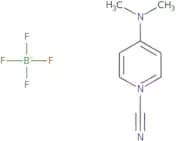
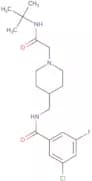
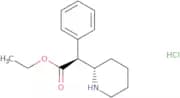
![7-Methyl-2-(trifluoromethyl)[1,2,4]triazolo[1,5-a]pyrimidine-6-carboxylic acid](/_next/image/?url=https%3A%2Fstatic.cymitquimica.com%2Fproducts%2F3D%2Fthumb-webp%2FFM100430.webp&w=3840&q=75)
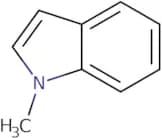
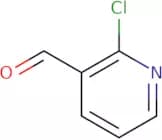
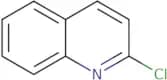
![3-(3-Piperidinopropoxy)-1-[3-(Trifluoromethyl)Phenyl]-1H-Indazole](/_next/image/?url=https%3A%2Fstatic.cymitquimica.com%2Fproducts%2F3D%2Fthumb-webp%2FFP97740.webp&w=3840&q=75)
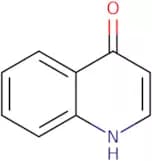
![N'-[3-Cyano-1-[2,6-dichloro-4-(trifluoromethyl)phenyl]-4-(trifluoromethyl)-1H-pyrazol-5-yl]-N,N-di…](/_next/image/?url=https%3A%2Fstatic.cymitquimica.com%2Fproducts%2F3D%2Fthumb-webp%2FFN182822.webp&w=3840&q=75)
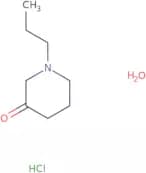
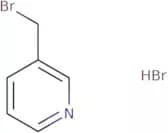
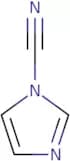
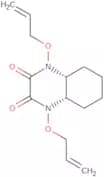
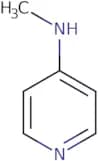
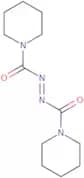
![Dipyrazino[2,3-f:2',3'-h]quinoxaline-2,3,6,7,10,11-hexacarbonitrile](/_next/image/?url=https%3A%2Fstatic.cymitquimica.com%2Fproducts%2F3D%2Fthumb-webp%2FFD42747.webp&w=3840&q=75)


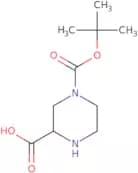
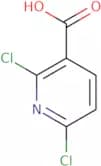
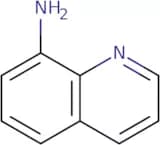
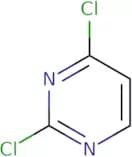
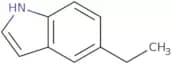
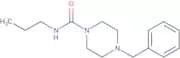
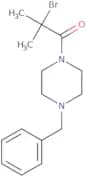
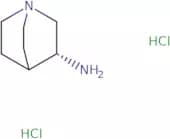
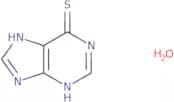
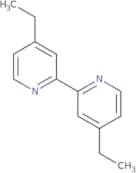
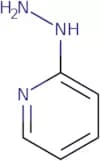
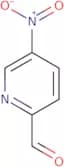

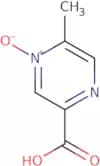
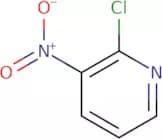
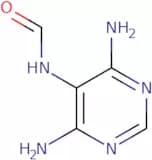
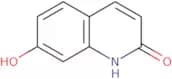
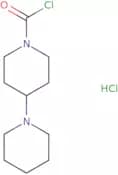
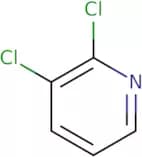
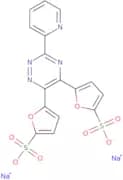
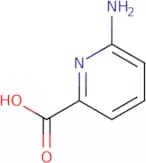
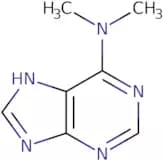
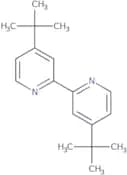
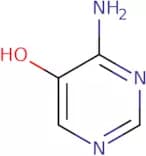
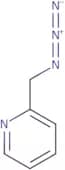
![N-Nitroso-3-azabicyclo[3.3.0]octane](/_next/image/?url=https%3A%2Fstatic.cymitquimica.com%2Fproducts%2F3D%2Fthumb-webp%2FFN166610.webp&w=3840&q=75)
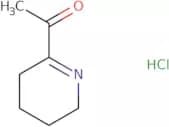
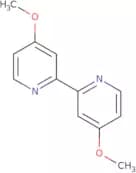
![[2,2':6',2''- Terpyridine]-4'-methanol](/_next/image/?url=https%3A%2Fstatic.cymitquimica.com%2Fproducts%2F3D%2Fthumb-webp%2FFT171190.webp&w=3840&q=75)
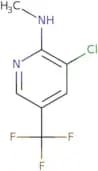
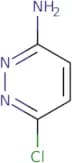
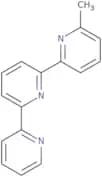
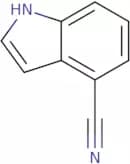
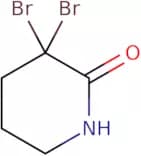
![Ethyl 5-chloropyrazolo[1,5-a]pyrimidine-3-carboxylate](/_next/image/?url=https%3A%2Fstatic.cymitquimica.com%2Fproducts%2F3D%2Fthumb-webp%2FFE44325.webp&w=3840&q=75)
![Imidazo[1,2-α]pyridin-3-yl-boronic acid pinacol ester](/_next/image/?url=https%3A%2Fstatic.cymitquimica.com%2Fproducts%2F3D%2Fthumb-webp%2FFI51745.webp&w=3840&q=75)
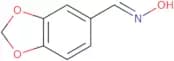

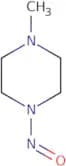
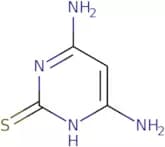
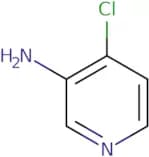
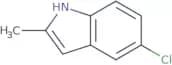
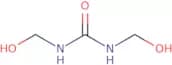
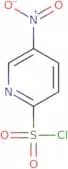
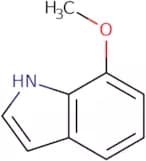
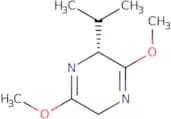

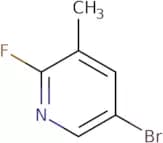
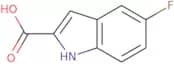
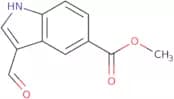
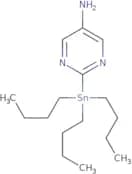
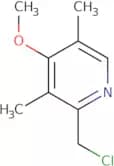
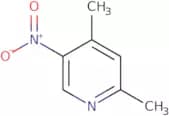
![1,1-Dimethylethyl (2S)-2-[[[5-(tributylstannyl)-3-pyridinyl]oxy]methyl]-1-azetidinecarboxylate](/_next/image/?url=https%3A%2Fstatic.cymitquimica.com%2Fproducts%2F3D%2Fthumb-webp%2FFD183344.webp&w=3840&q=75)
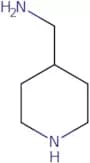
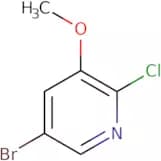
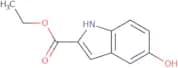
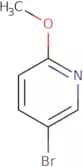
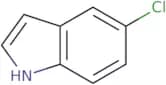

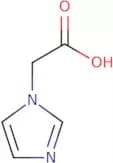
![N-[1-[2-(4-Ethyl-5-Oxotetrazol-1-Yl)Ethyl]-4-Phenylpiperidin-4-Yl]-N-(2-Fluorophenyl)Propanamide](/_next/image/?url=https%3A%2Fstatic.cymitquimica.com%2Fproducts%2F3D%2Fthumb-webp%2FFE102162.webp&w=3840&q=75)
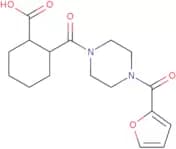

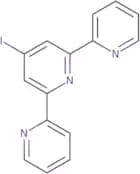
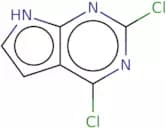
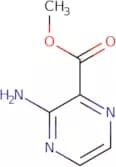
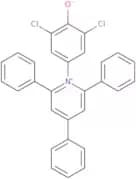
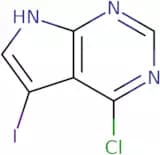

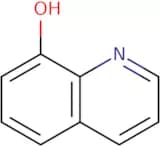
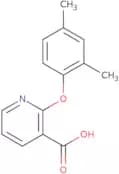
![7,8-Dimethoxy-9-oxo-9H-indeno[1,2-B]pyrazine-2,3-dicarbonitrile](/_next/image/?url=https%3A%2Fstatic.cymitquimica.com%2Fproducts%2F3D%2Fthumb-webp%2FFD64927.webp&w=3840&q=75)
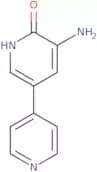
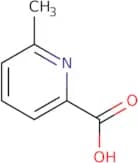
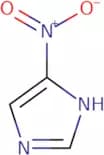
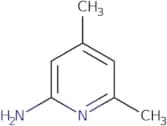
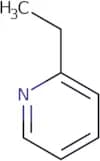
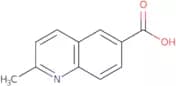
![methyl 1-[(4-methylphenyl)sulfonyl]-4-piperidinecarboxylate](/_next/image/?url=https%3A%2Fstatic.cymitquimica.com%2Fproducts%2F3D%2Fthumb-webp%2FFM168868.webp&w=3840&q=75)

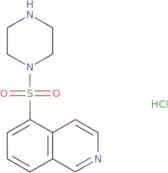
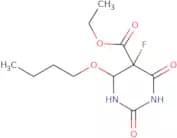

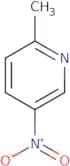
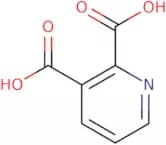
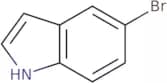
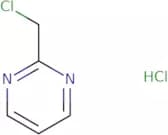
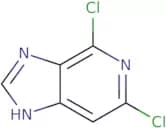
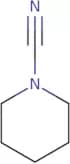
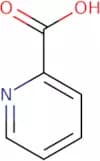
![5-Methoxy-2-[[(4-methoxy-3,5-dimethyl-2-pyridinyl)methyl]thio]-1H-benzimidazole N-oxide](/_next/image/?url=https%3A%2Fstatic.cymitquimica.com%2Fproducts%2F3D%2Fthumb-webp%2FFM63432.webp&w=3840&q=75)

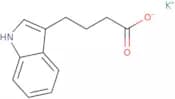

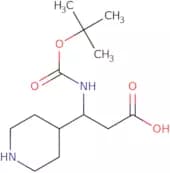
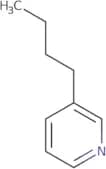
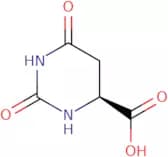
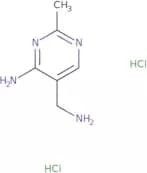

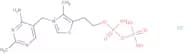
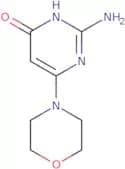
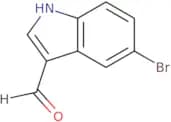
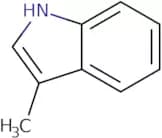
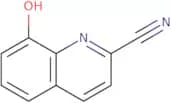
![Pyrazolo[1,5-a]pyrimidine-3-carboxylic acid](/_next/image/?url=https%3A%2Fstatic.cymitquimica.com%2Fproducts%2F3D%2Fthumb-webp%2FFP16388.webp&w=3840&q=75)
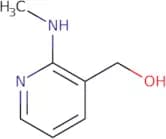
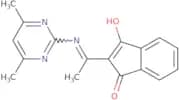
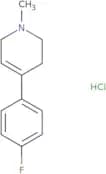

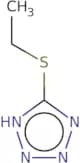
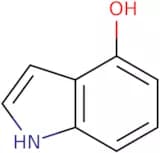
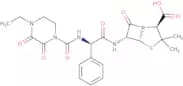
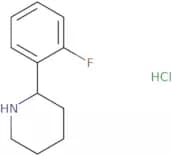
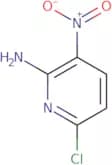

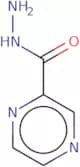
![N-[(3R)-1-(3,3-Dimethyl-2-oxobutyl)-2,3-dihydro-2-oxo-5-(2-pyridinyl)-1H-1,4-benzodiazepin-3-yl]-N…](/_next/image/?url=https%3A%2Fstatic.cymitquimica.com%2Fproducts%2F3D%2Fthumb-webp%2FFD153499.webp&w=3840&q=75)
![2-[3-[N-(4-tert-Butylbenzyl)-N-(pyridin-3-ylsulfonyl)aminomethyl]phenoxy]acetic acid](/_next/image/?url=https%3A%2Fstatic.cymitquimica.com%2Fproducts%2F3D%2Fthumb-webp%2FFT145127.webp&w=3840&q=75)
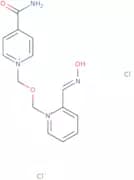
![2-[4-(4-Chloro-a-phenylbenzyl)-1-piperazinyl]-ethoxyacetic acid hydrochloride](/_next/image/?url=https%3A%2Fstatic.cymitquimica.com%2Fproducts%2F3D%2Fthumb-webp%2FFC33467.webp&w=3840&q=75)
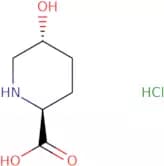
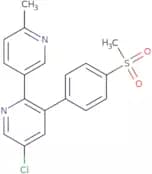
![6-(4,4,5,5-Tetramethyl-1,3,2-dioxaborolan-2-yl)imidazo[1,2-α]pyridine](/_next/image/?url=https%3A%2Fstatic.cymitquimica.com%2Fproducts%2F3D%2Fthumb-webp%2FFT159967.webp&w=3840&q=75)
![7,8,9,10-Tetrahydro-8-(trifluoroacetyl)-6,10-methano-6H-pyrazino[2,3-h][3]benzazepine](/_next/image/?url=https%3A%2Fstatic.cymitquimica.com%2Fproducts%2F3D%2Fthumb-webp%2FFT11986.webp&w=3840&q=75)
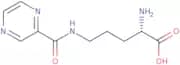
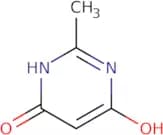
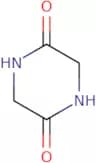
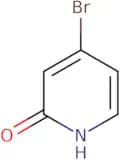
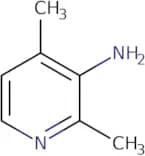
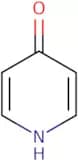

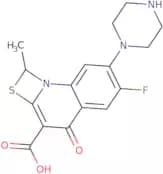
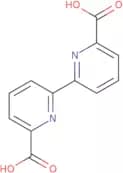
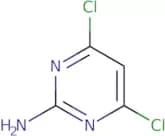
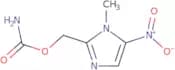
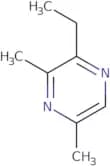
![3H-Imidazo[4,5-c]pyridine-7-carboxylic acid](/_next/image/?url=https%3A%2Fstatic.cymitquimica.com%2Fproducts%2F3D%2Fthumb-webp%2FFI167598.webp&w=3840&q=75)
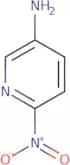
![4-[(2,3,4Trimethoxyphenyl)methyl]piperazine-1-carbaldehyde](/_next/image/?url=https%3A%2Fstatic.cymitquimica.com%2Fproducts%2F3D%2Fthumb-webp%2FFT46258.webp&w=3840&q=75)
![1H-Pyrrolo[3,2-c]pyridin-4(5H)-one](/_next/image/?url=https%3A%2Fstatic.cymitquimica.com%2Fproducts%2F3D%2Fthumb-webp%2FFP140758.webp&w=3840&q=75)
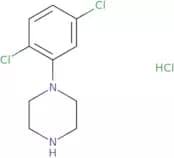
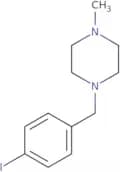
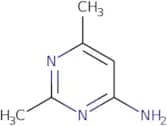
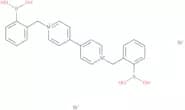
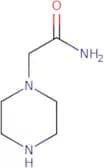
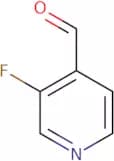
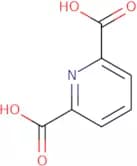
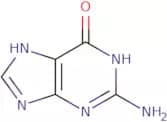
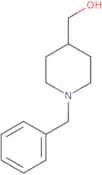
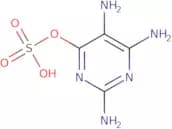
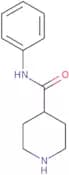
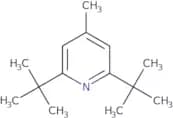
![7-Amino-2-(4-methoxyphenyl)[1,2,4]triazolo[1,5-a]pyrimidin-5(4H)-one](/_next/image/?url=https%3A%2Fstatic.cymitquimica.com%2Fproducts%2F3D%2Fthumb-webp%2FFA134729.webp&w=3840&q=75)