Amines
Amines are a set of molecules containing an amino functional group (derived from ammonia). This category includes amines at any level of substitution : primary, secondary, tertiary, and ammonium salts. Amines are fundamental in organic synthesis and are widely used in pharmaceuticals, agrochemicals, and materials science. At CymitQuimica, we provide a comprehensive selection of amines to meet your research and industrial needs. Our range ensures access to various amines for diverse chemical processes and innovative research.
Subcategories of "Amines"
- Nitrosamines(2,606 products)
- Primary Amines(30,821 products)
- Quaternary Ammonium Cations and Salts(1,099 products)
- Secondary Amines(20,817 products)
- Tertiary Amines(17,117 products)
Found 8778 products of "Amines"
Sort by
Purity (%)
0
100
|
0
|
50
|
90
|
95
|
100
2-(4-Ethoxyphenylamino)-4-(3-methyl-4-fluorophenyl)thiazole
CAS:<p>Please enquire for more information about 2-(4-Ethoxyphenylamino)-4-(3-methyl-4-fluorophenyl)thiazole including the price, delivery time and more detailed product information at the technical inquiry form on this page</p>Purity:Min. 95%N,N-Bis-(3-aminopropyl)-methylamine
CAS:<p>N,N-Bis-(3-aminopropyl)-methylamine is a polyamine that is used as an electrolyte, a polymer, and a probe for the determination of the molecular weight of other compounds. It is also used in the preparation of N,N'-bis(3-aminopropyl)ethylenediamine and ethylenediaminetetraacetic acid (EDTA). Methylpropylamine has been shown to be an effective polymerization agent. This compound contains two aminopropyl groups that are attached to one another through an ether linkage. The molecular weight of methylpropylamine can be determined by measuring the amount of light absorbed at 280 nm or by measuring its melting point. The crystallinity can be determined by x-ray diffraction.<br>Methylpropylamine has been shown to react with sodium cyanide to form methylpropyl cyanide and hydrogen cyanide.</p>Formula:C7H19N3Purity:Min. 98%Color and Shape:Clear LiquidMolecular weight:145.25 g/mol5-Amino-3-(4-methoxyphenyl)pyrazole
CAS:<p>5-Amino-3-(4-methoxyphenyl)pyrazole (5AMPAP) is an anti-cancer agent that is effective against a number of different cancers, including breast, lung, and prostate. It selectively inhibits the growth of cancer cells by targeting enzymes in the mitochondria that are required for ATP production. 5AMPAP binds to the enzyme pyruvate dehydrogenase kinase, which has been shown to be involved in regulating cell proliferation and apoptosis. In addition, it has been demonstrated that this compound has anti-inflammatory properties. The regioselectivity of 5AMPAP was determined by x-ray crystallography and was found to form a pyrazolopyrimidine ring with two nitrogens on opposite sides of the ring. This regioselectivity is necessary for its anti-cancer activity.</p>Formula:C10H11N3OPurity:Min. 95%Molecular weight:189.21 g/mol4-Aminophthalic acid
CAS:<p>4-Aminophthalic acid is a dibutyl ester of 4-aminophenol. It is used as a substrate for the production of monoclonal antibodies (MABs) to amines or acylation reactions with fatty acids. The MABs can be used in immunoassays to measure the presence of amines and acylated fatty acids in blood samples. The reaction between 4-aminophthalic acid and p-hydroxybenzoic acid forms an ester that can be detected by magnetic resonance spectroscopy, which makes it useful for detecting p-hydroxybenzoic acid levels in urine samples.</p>Formula:C8H7NO4Purity:Min. 95%Color and Shape:Grey SolidMolecular weight:181.15 g/mol6-Benzyloxytryptamine
CAS:Controlled Product<p>6-Benzyloxytryptamine is a drug that is metabolized by hydroxylation of the 6-hydroxyl group and glucuronidation. It is a positional isomer of tryptamine, with the methyl group on the 6 position instead of the 3 position. The 6-benzyloxytryptamine has been shown to have stimulatory effects in animals, but its effect on humans is not known.</p>Formula:C17H18N2OPurity:Min. 98.0 Area-%Color and Shape:PowderMolecular weight:266.34 g/molZoxazolamine
CAS:<p>Zoxazolamine is a synthetic, immunosuppressive and cytotoxic agent that inhibits the enzyme activities of cytosolic Ca2+-ATPases. It has been shown to suppress antibody response in rats. Zoxazolamine also has a number of drug interactions, including inhibition of tetracycline metabolism and induction of cytochrome P450 enzymes. The experimental model for zoxazolamine is based on the T84 cell line, which is an intestinal epithelial cell line derived from human ileum. Zoxazolamine has been shown to induce toxicity in this cell line. Zoxazolamine also causes release of bile acids from rat liver microsomes and can lead to autoimmune diseases in experimental models.</p>Formula:C7H5ClN2OPurity:Min. 95%Color and Shape:PowderMolecular weight:168.58 g/mol4-Acetoxy-N-isopropyl-N-methyltryptamine
CAS:Controlled Product<p>4-Acetoxy-N-isopropyl-N-methyltryptamine (4AO-NIPMT) is a tryptamine that has been found to be a potent inhibitor of histamine release from mast cells. Its role in allergy and other conditions is not well understood. 4AO-NIPMT also inhibits the activity of the enzyme beta-glucuronidase, which is responsible for breaking down many drugs and toxins.</p>Formula:C16H22N2O2Purity:Min. 95%Molecular weight:274.36 g/mol(4-(4-(tert-butyl)phenyl)(2,5-thiazolyl))-1-naphthylamine
CAS:<p>Please enquire for more information about (4-(4-(tert-butyl)phenyl)(2,5-thiazolyl))-1-naphthylamine including the price, delivery time and more detailed product information at the technical inquiry form on this page</p>Purity:Min. 95%[3-Chloro-4-(4-isobutyrylpiperazin-1-yl)phenyl]amine
CAS:<p>3-Chloro-4-(4-isobutyrylpiperazin-1-yl)phenyl]amine is a fine chemical that can be used in the production of medicines, research chemicals, and other speciality chemicals. It has been shown to be a versatile building block with a wide range of uses. 3-Chloro-4-(4-isobutyrylpiperazin-1-yl)phenyl]amine can be used as an intermediate in organic synthesis or as a reagent to generate other chemicals. This compound is also useful as a reaction component for the production of new compounds.</p>Formula:C14H20ClN3OPurity:Min. 95%Color and Shape:PowderMolecular weight:281.78 g/molFmoc-4-(Boc-amino)-D-phenylalanine
CAS:<p>Fmoc-4-(Boc-amino)-D-phenylalanine is a versatile building block and a useful intermediate in organic synthesis. It is used as a reaction component in the synthesis of pharmaceuticals, antibiotics, herbicides, pesticides and other organic compounds. Fmoc-4-(Boc-amino)-D-phenylalanine is also used as an additive for the production of polyurethane foams. This compound has a high quality and purity level and can be used as a reagent for chemical reactions.</p>Formula:C29H30N2O6Purity:Min. 98 Area-%Color and Shape:White Off-White PowderMolecular weight:502.56 g/mol(2-Amino-2-adamantyl)acetic acid
CAS:<p>2-Amino-2-adamantylacetic acid is a fine chemical that is used as a building block in the synthesis of many other compounds. It is also used as a research reagent and speciality chemical, and has been shown to be a versatile building block for complex molecules. This compound can be reacted with other chemicals to form useful intermediates that are used in the synthesis of pharmaceuticals and agrochemicals. 2-Amino-2-adamantylacetic acid is listed on the Chemical Abstracts Service (CAS) registry as 1573548-14-7.</p>Formula:C12H19NO2Purity:Min. 95%Color and Shape:White PowderMolecular weight:209.28 g/mol4-Amino-3-methylbenzoic acid
CAS:<p>4-Amino-3-methylbenzoic acid is a chemical compound that can be synthesized from 4-Methylbenzoic acid and sodium carbonate. It has been used in the treatment of cervical cancer and leishmania. The synthesis of this drug is an example of a chemical reaction in which a carboxylic acid is reacted with sodium carbonate to give an ester and sodium bicarbonate. This process requires the use of trifluoroacetic acid. The resulting drug also has antiviral properties, as it inhibits HIV infection by blocking reverse transcriptase activity. 4-Amino-3-methylbenzoic acid was also shown to have anti-inflammatory properties, which may be due to its ability to inhibit prostaglandin synthesis.</p>Formula:C8H9NO2Purity:Min. 95%Color and Shape:Brown PowderMolecular weight:151.16 g/mol2-(5-Trifluoromethyl-pyridin-2-yl)ethylamine 2HCl
CAS:<p>2-(5-Trifluoromethyl-pyridin-2-yl)ethylamine 2HCl is a fine chemical that can be used as a building block in the synthesis of other compounds. It is also a useful reagent and a speciality chemical, which means it is typically used for research purposes only. This compound has shown to have high quality and versatility, and is often used as an intermediate in the synthesis of complex compounds.</p>Formula:C8H9F3N2H2Cl2Purity:Min. 95%Color and Shape:White PowderMolecular weight:263.09 g/mol2,4,5-Trifluorophenylene-1,3-diamine
CAS:<p>2,4,5-Trifluorophenylene-1,3-diamine is an isomer of 2,4,5-trifluorophenol. It is a colorless liquid that is soluble in ether and hexafluorobenzene. This compound can be used as a heat stabilizer in polymers and has been shown to yield high yields (over 95%) when polymerized with maleic anhydride. The compound also has the ability to coordinate to oxygen atoms and assemble into larger structures such as rings or chains. 2,4,5-Trifluorophenylene-1,3-diamine reacts with amines to form hydrogen bonds and exhibits amino groups on its structure that are important for calorimetry measurements.</p>Formula:C6H5F3N2Purity:90%Color and Shape:PowderMolecular weight:162.11 g/molAmmonium trifluoroacetate
CAS:<p>Ammonium trifluoroacetate is a chemical compound that has two hydroxyl groups. It is used for the treatment of autoimmune diseases, such as rheumatoid arthritis, and in the synthesis of nomegestrol acetate, which is an estrogenic drug. Ammonium trifluoroacetate is also used to study the biological properties of receptors and other proteins. The thermal expansion property of ammonium trifluoroacetate can be used to determine its concentration in a sample. Ammonium trifluoroacetate also has potent antagonistic effects against HIV infection and can be detected with high sensitivity. Studies have shown that ammonium trifluoroacetate is toxic to humans; however, it does not accumulate in the body.</p>Formula:C2H4F3NO2Purity:Min. 95%Color and Shape:PowderMolecular weight:131.05 g/molEthylenediaminetetraacetic Dianhydride
CAS:<p>Ethylenediaminetetraacetic dianhydride (EDTA) is a dianhydride that is used in wastewater treatment. It is a strong chelating agent and reacts with metal ions to form complexes, which are then removed as sludge. EDTA also has amide groups that can react with water under acidic conditions, which increases its adsorption capacity. This compound is thermally stable and has a high chemical stability in the presence of human serum and basic fibroblasts. EDTA binds to DNA by electrostatic interactions, forming hydrogen bonds between the amine group of the EDTA molecule and the phosphate groups of DNA. This prevents cross-linking of DNA chains and results in an increased rate of DNA synthesis.</p>Formula:C10H12N2O6Purity:Min. 95%Color and Shape:PowderMolecular weight:256.21 g/mol4-tert-Butyl-2,6-dimethylbenzylamine hydrochloride
CAS:<p>4-tert-Butyl-2,6-dimethylbenzylamine hydrochloride is a versatile building block that can be used for the synthesis of many different types of chemical compounds. It is a reagent in organic synthesis and has been used as a building block for other compounds. 4-tert-Butyl-2,6-dimethylbenzylamine hydrochloride is also useful as an intermediate or scaffold in complex syntheses. This chemical has been used in research to produce 2,4,5-trichlorotoluene and 1,2,3,5,6-pentachlorocyclohexane. CAS No. 2703627-79-4</p>Formula:C13H21N·HClPurity:Min. 95%Color and Shape:PowderMolecular weight:227.77 g/mol(5-Chloro-2-methoxyphenyl)(4-(3-nitrophenyl)(2,5-thiazolyl))amine
CAS:<p>Please enquire for more information about (5-Chloro-2-methoxyphenyl)(4-(3-nitrophenyl)(2,5-thiazolyl))amine including the price, delivery time and more detailed product information at the technical inquiry form on this page</p>Purity:Min. 95%4-Amino isoquinoline
CAS:<p>4-Amino isoquinoline is a synthetic chemical that has a pyridine ring and chlorine atom. It can be synthesized by reacting 2,4-dichlorobenzene with acetaldehyde and hydrochloric acid. 4-Amino isoquinoline binds to the receptor that it interacts with, such as the ligand, dimethyl acetylenedicarboxylate, or taraxasterol acetate. This binding process can be used for treatment purposes. The ligand is usually introduced into the body through injection or ingestion of a drug. The ligand can also be attached to an antibody in order to target specific cells. The ligand has shown efficacy in treating cancerous tumors and other diseases like Parkinson's disease and Alzheimer's disease.</p>Formula:C9H8N2Purity:Min. 95%Color and Shape:White To Brown SolidMolecular weight:144.17 g/molMagnesium 4-aminobenzoate
CAS:<p>Magnesium 4-aminobenzoate is a chemical compound that is used as a reaction component or reagent in organic synthesis. It has a high quality and can be used for research purposes. Magnesium 4-aminobenzoate is versatile and can be used as an intermediate in the preparation of complex compounds, such as pharmaceuticals and agrochemicals.</p>Formula:C14H12MgN2O4Purity:Min. 95%Color and Shape:PowderMolecular weight:296.56 g/mol5-Methoxygramine
CAS:Controlled Product<p>5-Methoxygramine is a metabolic intermediate which is an analog of 5-hydroxytryptamine (5-HT). It has been shown to increase blood pressure and reduce the activity of the 5-HT2C receptor. This drug also has been found to inhibit the growth of some cancer cells in vitro, but it does not affect normal cells. It can be used as a tool for identifying compounds that may have similar effects. The binding affinity of 5-methoxygramine for the 5-HT2C receptor was measured by displacement experiments with 3H-spiperone. The effect of this compound on dopamine release from rat striatal slices was studied by measuring electrical activity in isolated heart preparations. The effect of this compound on leishmania infection was studied using infected mice and isolated heart preparations.</p>Formula:C12H16N2OPurity:Min. 95%Color and Shape:PowderMolecular weight:204.27 g/mol6-amino-3-methyl-4-(3-nitrophenyl)-4H-pyrano[3,2-d]pyrazole-5-carbonitrile
CAS:<p>Please enquire for more information about 6-amino-3-methyl-4-(3-nitrophenyl)-4H-pyrano[3,2-d]pyrazole-5-carbonitrile including the price, delivery time and more detailed product information at the technical inquiry form on this page</p>Formula:C14H11N5O3Purity:Min. 95%Color and Shape:PowderMolecular weight:297.27 g/mol3-Bromobenzylamine hydrochloride
CAS:<p>3-Bromobenzylamine hydrochloride is a chemical compound that belongs to the class of alkylating agents. It is a derivative of allylamine, which is an amine and can be used in the synthesis of tripeptides. 3-Bromobenzylamine hydrochloride has been shown to be able to bind to primary amines, such as histamine, serotonin, and dopamine. It has been found to inhibit the reuptake of these neurotransmitters by blocking the transporter responsible for their uptake. This inhibition leads to increased concentrations of neurotransmitters in tissues.</p>Formula:C7H8BrN•HClColor and Shape:PowderMolecular weight:222.51 g/molN,N-Dicyclohexylammonium nitrite
CAS:Controlled Product<p>Dicyclohexylammonium nitrite is a chemical compound that contains nitrite and an organic ammonium group. This compound has been shown to inhibit the growth of carcinoma cells in vitro. It has also been shown to inhibit the production of reactive oxygen species (ROS) by these cells, which may be due to its ability to scavenge hydroxyl radicals. Dicyclohexylammonium nitrite has been shown to have a low corrosion potential, which makes it suitable for use in environments where corrosion is a concern. This compound is stable in acidic, neutral or basic conditions, making it suitable for a wide range of applications.</p>Formula:C12H23N·HNO2Purity:Min. 95%Color and Shape:PowderMolecular weight:228.33 g/molZanamivir amine triacetate methyl ester
CAS:<p>Anti-viral; neuraminidase inhibitor; effective agains influenza A and B viruses</p>Formula:C18H26N2O10Purity:Min. 95%Color and Shape:Yellow PowderMolecular weight:430.41 g/mol2-Butoxyethan-1-amine
CAS:<p>2-Butoxyethan-1-amine is a solvent that has been used in the production of polydimethylsiloxane, which is often found in silicone sealants and caulks. This chemical is volatilized, so it can be released into the atmosphere during its manufacture or use. The ethers are cross-linked with glycols to form polyether polyols that are heat treated to produce ethylene glycol. 2-Butoxyethan-1-amine is also an ingredient in water solutions of polydimethylsiloxane, which may include other substances such as salts. The permeation of this chemical through microns (µm) thick layers of silica gel was demonstrated using a template containing pores of various sizes and shapes. Fluoride ions were used to catalyze the reaction between 2-butoxyethan-1-amine and silica gel; this process was shown to increase the rate of permeation by up to 40%.</p>Formula:C6H15NOPurity:Min. 95%Color and Shape:Clear LiquidMolecular weight:117.19 g/mol2-Amino-6-formylpteridin-4-one
CAS:<p>2-Amino-6-formylpteridin-4-one is a reactive compound that can cause oxidative injury in humans. It has been shown to cause hydrogen bond cleavage and the loss of structural integrity in human serum. 2-Amino-6-formylpteridin-4-one also induces apoptosis by inhibiting the mitochondrial membrane potential and releasing cytochrome c from the mitochondria into the cytosol. 2-Amino-6-formylpteridin-4-one is an inhibitor of binding to anion radicals, which may be beneficial for treating skin disorders such as psoriasis.</p>Formula:C7H5N5O2Purity:Min. 97 Area-%Color and Shape:PowderMolecular weight:191.15 g/molN,N,N',N',N'',N''-Hexamethoxymethylmelamine
CAS:<p>Hexamethoxymethylmelamine (HMMM) is a polyvinyl-based polymer that can be synthesized by the cationic polymerization of hexamethoxymethylmelamine. HMMM has been shown to have a high water permeability, making it an excellent candidate for use in wastewater treatment. It also has biocompatible properties and can be chemically stable under harsh conditions, making it suitable for use in various applications.</p>Formula:C15H30N6O6Purity:Min. 95%Color and Shape:PowderMolecular weight:390.44 g/molFarnesyl pyrophosphate triammonium salt
CAS:<p>Farnesyl pyrophosphate triammonium salt is a proteolytic cancer drug that has been shown to be effective against cancer cells. Farnesyl pyrophosphate triammonium salt is an active analog of farnesyl pyrophosphate, which is an intermediate in the synthesis of cholesterol and other steroids. Farnesyl pyrophosphate triammonium salt inhibits protein synthesis by inhibiting the methylation of proteins and the transfer of methyl groups from S-adenosylmethionine to protein substrates. This leads to a decrease in the expression of proteins necessary for cell division, such as DNA polymerase α and RNA polymerase II.</p>Formula:C15H37N3O7P2Purity:Min. 95%Color and Shape:PowderMolecular weight:433.42 g/molo-Aminobenzoylglycyl-p-nitro-L-phenylalanyl-L-proline TFA salt
CAS:<p>O-Aminobenzoylglycyl-p-nitro-L-phenylalanyl-L-proline TFA salt is a synthetic, hydrophilic interaction chromatography (HIC) substrate. It has inhibitory properties and is used in biological assays to measure the activities of enzymes that catalyze the hydrolysis of the substrate. O-Aminobenzoylglycyl-p-nitro-L-phenylalanyl-L-proline TFA salt also has been shown to have bioactivities on blood pressure and cell monolayers.</p>Formula:C23H25N5O7•C2HF3O2Purity:Min. 95 Area-%Color and Shape:PowderMolecular weight:597.49 g/molPurmorphamine
CAS:<p>Purmorphamine is a cell factor that belongs to the group of morphogens. It is structurally related to dopamine and has been shown to be effective in the treatment of Parkinson's disease. Purmorphamine is involved in the regulation of neuronal survival, differentiation, proliferation, and axon guidance. Purmorphamine binds to a receptor on neurons called the cholinergic receptor, which stimulates a G-protein linked signal transduction pathway. This leads to an increase in intracellular calcium levels and activation of protein kinase C. Purmorphamine also has anti-inflammatory effects and can inhibit leukemia inhibitory factor (LIF). It has been shown to be effective against LPS-induced inflammatory responses by inhibiting protein synthesis. Purmorphamine also inhibits cancer cells through its ability to stimulate growth factor-β1 (GF-β1) gene expression.</p>Formula:C31H32N6O2Purity:Min. 95%Color and Shape:PowderMolecular weight:520.63 g/mol4-[[4-(4-Chlorophenyl)-2-thiazolyl]amino]phenol
CAS:<p>4-[[4-(4-Chlorophenyl)-2-thiazolyl]amino]phenol is a chemical that has been used in analytical and in vitro methods to study the cellular physiology of cells. It was found to inhibit sphingosine kinase, which is an enzyme that is involved in the synthesis of sphingosine. The inhibition of this enzyme leads to decreased levels of sphingosine and the effect on the cell. 4-[[4-(4-Chlorophenyl)-2-thiazolyl]amino]phenol can also affect mitochondrial membrane potential and cyclase activity, which may be useful for treating hyperproliferative diseases such as breast cancer.</p>Formula:C15H11ClN2OSPurity:Min. 95%Molecular weight:302.78 g/molethyl 2-amino-4-(2-fluorophenyl)-7,7-dimethyl-5-oxo-4,6,7,8-tetrahydro2H-chromene-3-carboxylate
CAS:<p>Please enquire for more information about ethyl 2-amino-4-(2-fluorophenyl)-7,7-dimethyl-5-oxo-4,6,7,8-tetrahydro2H-chromene-3-carboxylate including the price, delivery time and more detailed product information at the technical inquiry form on this page</p>Purity:Min. 95%Adrenochrome monoaminoguanidine mesilate
CAS:<p>Adrenochrome monoaminoguanidine mesilate is a synthetic drug that has been used in the treatment of cellulite, obesity, and chronic fatigue syndrome. It is an orally administered drug that causes the body to release adrenaline and noradrenaline. Adrenochrome monoaminoguanidine mesilate is a crystalline substance with a melting point of 130-140°C. The drug contains no additives or excipients other than gelatinization and cellulose.</p>Formula:C11H17N5O5SPurity:Min. 95%Color and Shape:PowderMolecular weight:331.35 g/mol2-[3-[N-(4-tert-Butylbenzyl)-N-(pyridin-3-ylsulfonyl)aminomethyl]phenoxy]acetic acid
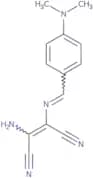
CAS:<p>2-[3-[N-(4-tert-Butylbenzyl)-N-(pyridin-3-ylsulfonyl)aminomethyl]phenoxy]acetic acid is a synthetic chemical compound, which is derived from organic synthesis processes involving aromatic compounds. It functions primarily through the modulation of specific biochemical pathways, likely involving interactions with enzymatic or receptor targets due to its structural characteristics. This compound is particularly noteworthy for its potential applications in biomedical research, where it may serve as a lead or active molecule in the development of new pharmaceutical agents. Its unique structure, featuring both aromatic and sulfonyl groups, allows for versatile interactions with biological targets, opening possibilities for its use in therapeutic development. Further research into its exact mechanisms and potential therapeutic uses could yield significant advancements in the treatment of various ailments.</p>Formula:C25H28N2O5SPurity:Min. 98 Area-%Color and Shape:PowderMolecular weight:468.57 g/mol2-Amino-1-(1-aza-2-(2,4-dichlorophenyl)vinyl)ethene-1,2-dicarbonitrile
CAS:<p>Please enquire for more information about 2-Amino-1-(1-aza-2-(2,4-dichlorophenyl)vinyl)ethene-1,2-dicarbonitrile including the price, delivery time and more detailed product information at the technical inquiry form on this page</p>Formula:C11H6Cl2N4Purity:Min. 95%Color and Shape:PowderMolecular weight:265.1 g/mol2-Amino-5-methylbenzonitrile
CAS:<p>2-Amino-5-methylbenzonitrile (2AMB) is a molecule that has two nitrile groups. It has been shown to be effective in the treatment of cancer cells, and it also inhibits thymidylate synthase (TS), an enzyme involved in DNA synthesis. The crystallographic structure of this compound has been determined by x-ray diffraction studies, and 2AMB was synthesized and assayed for its anticancer activity on human lung cancer cells in culture. 2AMB is an intercalator that binds to DNA by inserting itself between base pairs, which then blocks the progression of DNA synthesis during replication. This type of inhibition causes cell death because the cell cannot divide or make new proteins. Naphthalene and pyrrole are two chemicals found in 2AMB that have been shown to have antibacterial properties.</p>Formula:C8H8N2Purity:Min. 95%Color and Shape:PowderMolecular weight:132.16 g/molp-Amino-N,N-diethylaniline sulfate
CAS:<p>p-Amino-N,N-diethylaniline sulfate (ADESA) is an organic compound that has been used as a reagent in analytical chemistry. ADESA is used to measure the concentration of 5-hmf, a metabolite of vitamin C, and it is also used to analyze the concentration of hydrogen chloride and hydrogen sulfate in water samples. ADESA is prepared by mixing hydrochloric acid with ethylene diamine and then adding diethaniline. It can be purified by chromatography or electrochemical methods. ADESA is an oxidant that can be used for analytical purposes because it reacts with potassium dichromate to form a colorless complex. This reaction has been shown to be useful for analyzing antioxidants in food products, such as pomegranate juice.</p>Formula:C10H18N2O4SColor and Shape:White PowderMolecular weight:262.33 g/molImipramine N-oxide hydrate
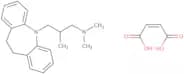
CAS:Controlled Product<p>Imipramine N-oxide hydrate is a polymer drug that belongs to the group of amines. It inhibits the activity of CYP450 enzymes and has been shown to be effective in treating inflammatory bowel disease (IBD). Imipramine N-oxide hydrate prevents adenosine A3 receptor activation and suppresses the production of dinucleotide phosphate, which may be responsible for its effectiveness in treating IBD. Imipramine N-oxide hydrate also has an effect on liver cells, which may lead to its effectiveness in treating infectious diseases. The drug is not active against autoimmune diseases, but it may have an effect on toll-like receptors.</p>Formula:C19H24N2O·xH2OPurity:Min. 95%Color and Shape:White PowderMolecular weight:296.41 g/mol(2S)-({[(4-Methyl-2-oxo-2H-chromen-7-yl)oxy]acetyl}amino)(phenyl)acetic acid
CAS:<p>(2S)-({[(4-Methyl-2-oxo-2H-chromen-7-yl)oxy]acetyl}amino)(phenyl)acetic acid is a kind of fine chemical that belongs to the class of reagents and speciality chemicals. It is a versatile building block which can be used in research, as well as in the production of pharmaceuticals and other fine chemicals. This compound can be used in reactions as a building block or intermediate, as well as a scaffold for complex compounds.</p>Formula:C20H17NO6Purity:Min. 95 Area-%Color and Shape:PowderMolecular weight:367.35 g/mol3-Amino-1,2,4-triazole
CAS:<p>Inhibitor of catalase; selection marker for HIS3 systems; herbicide</p>Formula:C2H4N4Purity:Min. 95%Color and Shape:PowderMolecular weight:84.08 g/mol1-Boc-amino-3,6,9-trioxaundecanyl-11-ol
CAS:<p>1-Boc-amino-3,6,9-trioxaundecanyl-11-ol is a PEG polymer categorised as monofunctional (OH-PEG-X). Used as a linker, 1-boc-amino-3,6,9-trioxaundecanyl-11-ol is used to attached PEG to proteins, peptides, oligonucleotides, nanoparticles and small molecules via pegylation, a bioconjugation technique.</p>Formula:C13H27NO6Purity:Min. 95%Color and Shape:Clear LiquidMolecular weight:293.36 g/molBis[2-[Ethyl[(Heptadecafluorooctyl)Sulphonyl]Amino]Ethyl] (4-Methyl-1,3-Phenylene)Biscarbamate
CAS:Controlled Product<p>Bis[2-[Ethyl[(heptadecafluorooctyl)sulphonyl]amino]ethyl] (4-methyl-1,3-phenylene)biscarbamate is a sulfonate that is used as a chemical intermediate. It is a mixture of bis[2-[ethyl(heptadecafluorooctyl)sulphonyl]amino]ethyl (4-methyl-1,3-phenylene)biscarbamate and bis[2-[ethyl(hexadecafluoroheptyl)sulphonyl]amino]ethyl (4-methyl-1,3-phenylene)biscarbamate.</p>Formula:C33H26F34N4O8S2Purity:Min. 95%Color and Shape:PowderMolecular weight:1,316.66 g/mol3-Diethylamino-2,2-dimethylpropyl p-aminobenzoate hydrochloride
CAS:Controlled Product<p>3-Diethylamino-2,2-dimethylpropyl p-aminobenzoate hydrochloride (3DAPBA) is a drug that belongs to the amide class. It has been shown to have significant effects on neuronal function in vivo, as well as on dopamine neurotransmission in vitro. 3DAPBA is also a substrate for uptake by the dopamine transporter and can inhibit locomotor activity in rats, suggesting it may be a potential therapeutic agent for the treatment of Parkinson's disease. 3DAPBA has been shown to be effective against cocaine addiction and can reduce angiogenic factors in vivo. The drug also interacts with other drugs, including synthetic cannabinoids and amphetamines, which are metabolized by CYP2B6 enzymes. These interactions may result in reduced efficacy of 3DAPBA therapy. In addition, 3DAPBA is excreted unchanged in urine samples and can be detected in human liver tissue; it also inhibits michael</p>Formula:C16H27ClN2O2Purity:Min. 95%Color and Shape:PowderMolecular weight:314.85 g/molBoc-4-hydroxymethyl-L-phenylalanine dicyclohexyl ammonium salt
CAS:Controlled Product<p>Boc-4-Hydroxymethyl-L-Phenylalanine Dicyclohexyl Ammonium Salt is a versatile building block and intermediate for the synthesis of complex compounds. It is a useful reagent for research chemicals, speciality chemicals, and fine chemicals. This compound can be used as a high quality and useful scaffold in the synthesis of various types of pharmaceuticals.</p>Formula:C27H44N2O5Purity:Min. 95%Color and Shape:PowderMolecular weight:476.65 g/mol4-Chloro-2-nitrobenzylamine hydrochloride
CAS:<p>4-Chloro-2-nitrobenzylamine hydrochloride is a fine chemical that can be used as a reagent or speciality chemical. It is also a versatile building block and reaction component for the preparation of various chemical compounds. 4-Chloro-2-nitrobenzylamine hydrochloride has been used as an intermediate in the synthesis of other chemicals, such as 1,2,3,4,5,6-hexahydrobenzo[e]pyrrolo[1,2-a]pyrazine. This compound has been shown to have antibacterial activity against Escherichia coli and Pseudomonas aeruginosa.</p>Formula:C7H7ClN2O2•HClPurity:Min. 95%Molecular weight:223.06 g/molEthylenediaminetetraacetic acid tetrasodium salt tetrahydrate
CAS:<p>Ethylenediaminetetraacetic acid tetrasodium salt tetrahydrate is a chemical compound that is used in cell culture to protect cells from oxidative injury. It has been shown to be effective against a variety of antimicrobial agents, such as aromatic hydrocarbons and reactive oxygen species. Ethylenediaminetetraacetic acid tetrasodium salt tetrahydrate has been shown to have antioxidant properties by scavenging reactive oxygen species, which are produced during the process of oxidation. This chemical compound also prevents the breakdown of disulfide bonds and may have a protective effect on DNA by preventing strand breakage. Ethylenediaminetetraacetic acid tetrasodium salt tetrahydrate can be used for sample preparation and inhibits the polymerase chain reaction (PCR) in vitro at low concentrations.</p>Formula:C10H12N2Na4O8·4H2OPurity:Min. 95%Color and Shape:PowderMolecular weight:452.23 g/mol5-Amino-2-hydroxyacetophenone
CAS:<p>5-Amino-2-hydroxyacetophenone is a chemical compound that belongs to the class of active substances. It is an intermediate in Friedel-Crafts acylation reactions, which are used to form alkyl esters by reaction with chloroformates. In these reactions, 5-Amino-2-hydroxyacetophenone is converted into a chloroformate in the presence of an acid catalyst. The reactions proceed rapidly, with the acetone or ester as the solvent. The frequency of 5-amino-2-hydroxyacetophenone can be correlated to its deformation energy and various chemical parameters such as electron density and force constants. 5-Amino-2-hydroxyacetophenone is uniquely characterized by intramolecularly hydrogen bonding organic solvents such as acetone and nitrobenzene.</p>Formula:C8H9NO2Purity:Min. 95%Molecular weight:151.16 g/mol2-Amino-5-nitrobenzylamine hydrochloride
CAS:<p>2-Amino-5-nitrobenzylamine hydrochloride is a fine chemical that can be used as a building block for research chemicals and speciality chemicals. It is a versatile building block for the synthesis of complex compounds and useful scaffold for the preparation of biologically active molecules. 2-Amino-5-nitrobenzylamine hydrochloride has been shown to have high quality with CAS No. 863771-09-9. This chemical can be used as a reagent, reaction component, or useful intermediate in reactions like nitration, amination, and reductive amination.</p>Formula:C7H10ClN3O2Purity:Min. 95%Molecular weight:203.63 g/mol(2-Aminophenyl)-N-((3,4-dimethoxyphenyl)methyl)formamide
CAS:<p>Please enquire for more information about (2-Aminophenyl)-N-((3,4-dimethoxyphenyl)methyl)formamide including the price, delivery time and more detailed product information at the technical inquiry form on this page</p>Formula:C16H18N2O3Purity:Min. 95%Color and Shape:PowderMolecular weight:286.33 g/molTetradecylammonium bromide
CAS:<p>Tetradecylammonium bromide is a crystalline compound that has been shown to have many applications. It can be used as a denitrification agent, for example, in the removal of nitrates from water or air. Tetradecylammonium bromide also has synergistic effects when combined with other molecules such as fatty acids and human urine. Its crystalline structure consists of two subunits that are linked by hydrogen bonding. The α-subunit is made up of four tetradecylammonium cations and one chloride anion, while the β-subunit is made up of six chloride anions and one tetradecylammonium cation.</p>Formula:C40H84BrNColor and Shape:White Off-White PowderMolecular weight:659.01 g/mol4-Aminoacetanilide-3-sulfonic acid
CAS:<p>4-Aminoacetanilide-3-sulfonic acid is a chemical compound with the molecular formula, C6H7NO4S. It is a white crystalline solid that is soluble in water and readily soluble in organic solvents such as ethanol, acetone and DMF. This product is used as a building block for other compounds. It can be synthesized from the reaction of 4-aminobenzenesulfonyl chloride with sodium sulfite and it has been used as an intermediate in organic synthesis. The CAS Registry Number for this compound is 96-78-6.</p>Formula:C8H10N2O4SPurity:Min. 95%Color and Shape:Pale Pink To Violet SolidMolecular weight:230.24 g/molCyclohexylamine
CAS:<p>Cyclohexylamine is a basic organic compound with the molecular formula CH(NH). It can be synthesized by the reaction of anhydrous sodium with p-nitrophenyl phosphate. Cyclohexylamine has been shown to have synergistic effects when combined with metal hydroxides and metal carbonyls, which may be due to its ability to reduce their potential for oxidation. Cyclohexylamine has been used as a model compound in an electrochemical impedance spectroscopy study of the interaction between enzyme activity and metal ions. In addition, cyclohexylamine has been found to have carcinogenic properties in cell line studies.</p>Formula:C6H13NPurity:Min. 98%Color and Shape:Clear LiquidMolecular weight:99.17 g/mol(1S,2S)-Boc-1,2-diaminocyclopentane
CAS:<p>Please enquire for more information about (1S,2S)-Boc-1,2-diaminocyclopentane including the price, delivery time and more detailed product information at the technical inquiry form on this page</p>Formula:C10H20N2O2Purity:Min. 95%Color and Shape:PowderMolecular weight:200.28 g/mol2,3-Diaminobenzamide
CAS:<p>2,3-Diaminobenzamide is a synthetic aromatic compound that is used as a radiation stabilizer. It is also an effective antimicrobial agent with reactive properties against bacteria and fungi. 2,3-Diaminobenzamide has been shown to have anti-cancer properties and can be used to treat inflammatory diseases such as rheumatoid arthritis or ulcerative colitis. The intramolecular hydrogen bond between the amide group and the benzene ring in 2,3-diaminobenzamide contributes to its stability and biological activity.</p>Formula:C7H9N3OPurity:Min. 95%Color and Shape:PowderMolecular weight:151.17 g/mol1,3-Bis-(Z-Leu-Leu)-diaminoacetone
CAS:<p>1,3-Bis-(Z-Leu-Leu)-diaminoacetone is a synthetic diketone inhibitor, which is a formulation derived through specialized organic synthesis. It functions by targeting and inhibiting aspartic proteases, a class of enzymes that play critical roles in numerous biological processes, including protein degradation and processing. This compound's mechanism involves the reversible covalent modification of the enzyme's active site, leading to an obstruction of its catalytic function.</p>Formula:C43H64N6O9Purity:Min. 95%Color and Shape:PowderMolecular weight:809 g/mol4-Methyldiphenylamine
CAS:<p>4-Methyldiphenylamine is a polymerization inhibitor that can be used in the manufacture of polymers and paints. It has been shown to inhibit the polymerization of phenylenediamines, biphenyls, anilines, and other compounds. 4-Methyldiphenylamine is not soluble in water and must be dissolved in an organic solvent such as acetone or alcohol before use. This compound is also known for its ability to form complexes with aluminium ions and phosphotungstic acid. It reacts with chloride to form a yellow/brown solid that can be removed by filtration or decantation. The optimal reaction time ranges from 3 hours to 24 hours, depending on the substrate being used. Impurities may include chromatographic peaks at Rf 0.67, 0.59, and 0.50; these impurities can be removed by washing with deionized water or by using a different solvent system during chromatography. 4</p>Formula:C13H13NPurity:Min. 95%Molecular weight:183.25 g/mol1-(4-Amino-3,5-dichloro-phenyl)-2-ethanone
CAS:<p>1-(4-Amino-3,5-dichloro-phenyl)-2-ethanone is a beta-adrenergic agent. It has been used as a stable isotope label for the study of the pharmacokinetics and metabolism of drugs in humans. In addition, it has been shown to have a good stability profile in acidic solutions and can be easily converted to other derivatives by simple chemical methods. The compound's UV spectrum is linear with respect to concentration over the range from 0.1 to 1 mg/mL, with maxima at 227 nm and 254 nm. This compound has been characterized using analytical methods such as diffraction, spectroscopy, and chromatography.</p>Formula:C8H7Cl2NOPurity:Min. 95%Color and Shape:PowderMolecular weight:204.05 g/mol7-Amino-2-(4-methoxyphenyl)[1,2,4]triazolo[1,5-a]pyrimidin-5(4H)-one
CAS:<p>7-Amino-2-(4-methoxyphenyl)[1,2,4]triazolo[1,5-a]pyrimidin-5(4H)-one is a fine chemical that belongs to the category of versatile building blocks. It can be used as a reagent for research purposes and as a speciality chemical for the production of complex compounds. This compound is also an important building block for the synthesis of compounds with high quality and useful scaffolds.</p>Formula:C12H11N5O2Purity:Min. 95%Color and Shape:PowderMolecular weight:257.25 g/mol2-Amino-4-bromobenzoic acid
CAS:<p>2-Amino-4-bromobenzoic acid is a molecule that has an acidic carboxylic group and two aromatic amino groups. It has a hydroxyl group and a fluorescence that can be activated or deactivated by ultraviolet light. 2-Amino-4-bromobenzoic acid is used in the synthesis of certain organic compounds. This molecule can be synthesized from other molecules, such as phenol, aminobenzene, and nitrobenzene. The reaction time for this chemical species is dependent on the catalytic agent used during the reaction process. A variety of chemical species are produced when 2-Amino-4-bromobenzoic acid is synthesized, including hydrogen bromide, ammonia, nitrogen gas, and water vapor. The population of 2-Amino-4-bromobenzoic acid is unknown because it is not abundant in nature.</p>Formula:C7H6BrNO2Purity:Min. 95%Color and Shape:Yellow PowderMolecular weight:216.03 g/mol2-Amino-5-sulfobenzoic acid
CAS:<p>2-Amino-5-sulfobenzoicacid is an organic compound that is used as a building block in the synthesis of other chemicals. It is also used as a co-catalyst in the copper-catalyzed dehydration of alcohols to produce alkyl sulfates and alkyl sulfonates. 2-Amino-5-sulfobenzoicacid has been shown to be stable in water at pH levels of 7 or higher, but will hydrolyze quickly when exposed to acidic environments. This compound has been shown to emit light under various conditions, including when it absorbs ultraviolet light or when it reacts with metal ions such as copper. 2-Amino-5-sulfobenzoicacid is also fluorescent and can be used for luminescent detection of metal ions.</p>Formula:C7H7NO5SPurity:Min. 95%Color and Shape:PowderMolecular weight:217.2 g/molAminoguanidine hemisulfate
CAS:<p>Aminoguanidine is a drug that inhibits the enzyme nitric oxide synthase. It is used in the treatment of patients with chronic granulomatous disease, which is a form of leukemia. This drug also has been shown to inhibit follicular growth and nitrogen atoms, as well as to inhibit the production of protein-bound polyamines. Aminoguanidine was found to have no effect on the intracellular calcium concentration or on growth factor release by receptor cells. It has been shown that it can inhibit cyclase activity and therefore reduce proliferation of cells in experimental models. The ester hydrochloride salt of this compound is an inhibitor of guanylate cyclase, which prevents the conversion of guanosine triphosphate (GTP) into cyclic guanosine monophosphate (cGMP).</p>Formula:CH6N4H2SO4Purity:Min. 95%Color and Shape:White PowderMolecular weight:123.13 g/mol4-Hydroxy-3-methoxybenzylamine
CAS:<p>4-Hydroxy-3-methoxybenzylamine is a nonsteroidal anti-inflammatory drug (NSAID) that has been shown to inhibit the production of cytokines and prostaglandins. It is metabolized by cytochrome P450 enzymes in the liver to form an amide and anhydrous sodium methyl myristate, which are excreted in urine. The reaction solution was analyzed using kinetic energy spectroscopy, which showed that 4-hydroxy-3-methoxybenzylamine reacts with vanillylamine to create a polymerase chain reaction product. This compound also has specific binding affinity for toll-like receptor 2 with high affinity, suggesting that it may have immunomodulatory properties.</p>Formula:C8H11NO2Purity:Min. 95%Color and Shape:PowderMolecular weight:153.18 g/mol(3-Aminomethyl)benzoic acid methyl ester HCl
CAS:<p>3-Aminomethylbenzoic acid methyl ester HCl is a fine chemical that is used as a reagent for the synthesis of other compounds. It is also a versatile building block, which can be used to make many different compounds. 3-Aminomethylbenzoic acid methyl ester HCl has been demonstrated to be a useful intermediate in the synthesis of various pharmaceuticals, such as metoclopramide and clozapine. 3-Aminomethylbenzoic acid methyl ester HCl is also a useful scaffold for research chemicals, such as 4-amino-N-(2-hydroxyethyl)benzenesulfonamide or N-[3-(aminomethyl)phenyl]acetamide.</p>Formula:C9H11NO2·HClPurity:Min. 95%Color and Shape:PowderMolecular weight:201.65 g/mol2-(4-Morpholinophenyl)ethylamine
CAS:<p>Please enquire for more information about 2-(4-Morpholinophenyl)ethylamine including the price, delivery time and more detailed product information at the technical inquiry form on this page</p>Formula:C12H18N2OPurity:Min. 95%Color and Shape:PowderMolecular weight:206.28 g/mol3-Chlorobenzylamine
CAS:<p>3-Chlorobenzylamine is a model system for the study of the metabolism of human pathogens. It has been shown to have cytostatic effects in sarcoma cells and pain-relieving properties in animal models. 3-Chlorobenzylamine inhibits the replication of HIV, herpes virus, and adenosine receptor antagonists. This drug has also been found to be an effective anticancer agent. 3-Chlorobenzylamine is structurally similar to other anticancer agents such as methotrexate, mercaptopurine, and pyrimidine analogs.</p>Formula:C7H8ClNPurity:Min. 95%Molecular weight:141.6 g/mol5-(Acetylamino)-N,N'-bis(2,3-dihydroxypropyl)-2,4,6-triiodo-1,3-benzenedicarboxamide
CAS:<p>5-(Acetylamino)-N,N'-bis(2,3-dihydroxypropyl)-2,4,6-triiodo-1,3-benzenedicarboxamide is a reactive iodinated contrast agent that is used in the diagnostic imaging of body cavities and blood vessels. It can be prepared by the acetylation of 5-(acetylamino)naphthalene-2,3-diol with 2,4,6-triiodobenzene dicarboxylic acid using an alkali metal as a base. The yields for this reaction are dependent on the type of solvent used. This chemical has two functional groups: an amide and an acetate group. It reacts with iohexol to form a radiocontrast product that contains both iodine and propanediol. This process is industrially carried out by mixing 5-(acetylamino)naphthalene-2,</p>Formula:C16H20I3N3O7Purity:Min. 95%Color and Shape:White PowderMolecular weight:747.06 g/mol5-Aminoquinoline
CAS:<p>5-Aminoquinoline (5-AQ) is a chemical compound that was originally synthesized in the 1930s. 5-AQ is a trifluoroacetic acid derivative of quinoline, which has been used as a photographic developer and an agent for the removal of silver from photographic film. This molecule also has a fluorescence property, which can be seen when irradiated by light with a wavelength greater than 350 nm. A hydrogen bond exists between the hydroxyl group and the nitrogen atom of the amine group in 5-AQ. The reaction mechanism for 5-AQ is believed to involve the diazonium salt intermediate, which reacts with silver ions to form silver diazonide and free ammonia.<br>5-AQ is insoluble in water but soluble in organic solvents such as acetone or alcohol. It reacts with trifluoroacetic acid to form a precipitate, which may be removed by filt</p>Formula:C9H8N2Purity:Min. 95%Color and Shape:PowderMolecular weight:144.17 g/mol[(1-Methyl-1H-indol-5-yl)methyl]amine acetate
CAS:<p>[(1-Methyl-1H-indol-5-yl)methyl]amine acetate is a versatile building block that can be used in the preparation of a wide range of chemicals. This compound has been shown to react with a variety of reagents, such as phenyliodine diacetate and chloroacetic acid to give various products. [(1-Methyl-1H-indol-5-yl)methyl]amine acetate also reacts with potassium hydroxide (KOH) to produce indole. It is an important intermediate in the synthesis of other chemical compounds and has been reported in more than 200 scientific publications. The chemical formula for [(1-Methyl-1H-indol-5-yl)methyl]amine acetate is C13H14N2O4.</p>Formula:C10H12N2·C2H4O2Purity:Min. 95%Color and Shape:White PowderMolecular weight:220.27 g/molIsobutyl 3,5-diamino-4-chlorobenzoate
CAS:<p>Isobutyl 3,5-diamino-4-chlorobenzoate is a compound that can be used as an inhibitor in the reaction process of dehalogenation. It is a low-temperature compound that crystallizes with isobutyl, which can be recycled and hydrogen gas. Isobutyl 3,5-diamino-4-chlorobenzoate absorbs nitrogen gas at high pressure and has a molecular weight of 146.</p>Formula:C11H15ClN2O2Purity:Min. 95%Color and Shape:Brown PowderMolecular weight:242.7 g/mol(8β)-N-[3-(Dimethylamino)propyl]-N-[(ethylamino)carbonyl] -6-(2-propen-1-yl)-ergoline-8-carboxamide
CAS:<p>Agonist of D2 dopamine receptors</p>Formula:C26H37N5O2Purity:Min. 95%Color and Shape:PowderMolecular weight:451.6 g/mol3-(1H-Imidazol-4-yl)benzylamine
CAS:<p>3-(1H-Imidazol-4-yl)benzylamine is a diagnostic agent that can be used for the diagnosis of Alzheimer's disease. It has been shown to have a synthetase activity, which is an enzymatic activity that forms a new compound from simpler ones. It has also been shown to increase uptake in the cerebral cortex and inhibit matrix metalloproteinase in autoimmune diseases. This drug may be used as a marker for early stage Alzheimer's disease. 3-(1H-Imidazol-4-yl)benzylamine binds to the repressor protein and stabilizes holoenzyme complexes, which are necessary for DNA transcription. This drug also inhibits chromosomal replication by binding to the histone H3 protein and prevents polymerization of DNA strands.</p>Formula:C10H11N3Purity:Min. 95 Area-%Color and Shape:PowderMolecular weight:173.21 g/molRactopamine hydrochloride - 97%
CAS:Controlled Product<p>Ractopamine is a beta-adrenergic agonist that stimulates the beta-2 receptor, leading to an increase in the release of fatty acids from adipocytes and glycerol from liver cells. The effect of ractopamine on the body weight and carcass composition can be measured by analyzing its concentration in blood plasma and urine after administration. Ractopamine is metabolized through hydrolysis into two metabolites: alpha-hydroxy-beta-methylpyridine carboxylic acid (AMPC) and pyridine carboxylic acid (PCA). These metabolites are excreted into the urine, which can then be quantified using analytical methods such as gas chromatography with an electrochemical detector.</p>Formula:C18H23NO3·HClPurity:Min. 95%Color and Shape:White PowderMolecular weight:337.84 g/mol2-(((4-iodophenyl)amino)methylene)indane-1,3-dione
CAS:<p>Please enquire for more information about 2-(((4-iodophenyl)amino)methylene)indane-1,3-dione including the price, delivery time and more detailed product information at the technical inquiry form on this page</p>Formula:C16H10INO2Purity:Min. 95%Color and Shape:PowderMolecular weight:375.16 g/mol4,4'-Diaminostilbene-2,2'-disulfonic acid
CAS:<p>4,4'-Diaminostilbene-2,2'-disulfonic acid (DAIDS) is a fluorescent dye that can be used to measure the activity of mitochondrial enzymes. It is a substrate for polymerase chain reaction and can be used as a cell viability assay. DAIDS has been shown to cause mitochondrial membrane depolarization and cytosolic calcium release in prostate cancer cells. This compound also inhibits the proliferation of human liver cells and has been proposed as a potential analytical method for wastewater samples. The anhydrous sodium form of DAIDS has been shown to increase the rate of metabolism by up to 30% in rats with body mass index greater than 25 kg/m^2.</p>Formula:C14H14N2O6S2Purity:Min. 95%Color and Shape:SolidMolecular weight:370.4 g/molBoc-2-aminobenzoic acid
CAS:<p>Boc-2-aminobenzoic acid is a synthetic amino acid that can be used for the synthesis of recombinant proteins. It contains lysine residues, which are often used in protein engineering. This product is hydrolyzed to form a chloride gas and a hydrochloride salt by the enzyme chloridase. The hydrolysis proceeds through an amine intermediate and proceeds with a rate that is first order in chloride gas and second order in Boc-2-aminobenzoic acid. The kinetic constants for this reaction have been determined using fluorescence resonance energy transfer (FRET) spectroscopy on the solid phase.</p>Formula:C12H15NO4Purity:Min. 95%Color and Shape:PowderMolecular weight:237.25 g/mol5-Bromo-1,3,4-thiadiazol-2-amine
CAS:<p>5-Bromo-1,3,4-thiadiazol-2-amine is a synthetic antiplatelet agent that belongs to the thiosemicarbazide class. It has been shown to have broad-spectrum antimicrobial activity against Gram-positive and Gram-negative bacteria. 5-Bromo-1,3,4-thiadiazol-2-amine is an orally bioavailable drug that can be used in the treatment of bacterial infections caused by Gram negative bacteria. The molecular modeling study suggests that this compound binds to the enzyme active site of DNA gyrase and inhibits its activity. 5Bromo-1,3,4-thiadiazol-2 amine is deuterated and can be used for molecular modeling studies because it is soluble in organic solvents.</p>Formula:C2H2BrN3SPurity:Min. 95%Color and Shape:PowderMolecular weight:180.03 g/molMelamine
CAS:<p>Melamine is a nitrogen-containing heterocyclic amine that is used as a flame retardant, plasticizer, and textile dye. The toxicity of melamine has been evaluated in animal studies, which showed that it has low acute oral toxicity but high inhalation and dermal toxicity profiles. The acute effects of melamine are due to its capacity to bind to the erythrocyte membrane and cause hemolysis. Melamine can also react with cyanuric acid to form cyanuramide, which can be detected by gas chromatography/mass spectrometry (GC/MS) analysis. The carcinogenic potential of melamine has not been determined, but there is evidence that it may be genotoxic and have the potential to induce cancer in humans.</p>Formula:C3H6N6Purity:Min. 95%Color and Shape:SolidMolecular weight:126.12 g/molAmino-PEG10-Amine
CAS:<p>Amino-PEG10-Amine is a PEG polymer categorised as homobifunctional PEG (X-PEG X). Used as a linker, amino-PEG10-amine is used to attached PEG to proteins, peptides, oligonucleotides, nanoparticles and small molecules via pegylation, a bioconjugation technique.</p>Formula:C22H48N2O10Purity:Min. 95%Color and Shape:Colourless To Pale Yellow LiquidMolecular weight:500.33095-Bromo-6-chloropyrazin-2-amine
CAS:<p>5-Bromo-6-chloropyrazin-2-amine is a high quality, versatile building block for the synthesis of a variety of chemical compounds. It is also a reagent used in organic chemistry for the conversion of alcohols to alkyl chlorides and bromides. It can be used as an intermediate for the preparation of various complex compounds with potential use as pharmaceuticals or fine chemicals. This compound has been shown to have potential as a useful scaffold for the development of novel drugs which could be used to treat bacterial infections such as tuberculosis. 5-Bromo-6-chloropyrazin-2-amine has also been shown to be an excellent starting material for the synthesis of research chemicals and speciality chemicals.</p>Formula:C4H3BrClN3Purity:Min. 95%Molecular weight:208.44 g/molBoc-D-glutamine
CAS:<p>Boc-D-glutamine is a small, water-soluble amino acid that has shown anticancer efficacy in vivo. It is structurally related to the cyclic peptide, glutamic acid-α-ketoglutarate (GAK). Boc-D-glutamine specifically binds to the tumor vasculature and inhibits cancer cell growth by inhibiting the uptake of essential nutrients. This drug also inhibits tumor angiogenesis and prevents metastasis by preventing the formation of new blood vessels. Boc-D-glutamine has been shown to have a greater effect on human nasopharyngeal carcinoma cells than other types of cancer cells because it targets a specific receptor found in these cells. The anticancer activity of this drug is due to its inhibition of uptake and chloride ion transport. In addition, Boc-D-glutamine has been shown to inhibit the proliferation of human embryonic kidney cells when used at high concentrations.</p>Formula:C10H18N2O5Color and Shape:White Off-White PowderMolecular weight:246.26 g/mol5-Amino-1,3-dimethyl-1,3-dihydro-2H-benzimidazol-2-one dihydrochloride
CAS:<p>5-Amino-1,3-dimethyl-1,3-dihydro-2H-benzimidazol-2-one dihydrochloride (5ADMB) is a high quality reagent that is used as a complex compound. It has been shown to be useful in the synthesis of various compounds and is a fine chemical that can be used as a building block. 5ADMB has also been shown to be an excellent scaffold for the synthesis of benzo[b]thiophenes. This compound is also useful as a research chemical or specialty chemical. 5ADMB can be used in organic syntheses as a versatile building block and it reacts with nucleophiles such as alcohols and amines to form substituted derivatives. It has an appearance of white solid powder and its CAS number is 1986846-08-5.</p>Formula:C9H11N3O·2HClPurity:Min. 95%Color and Shape:PowderMolecular weight:250.12 g/mol(S,S)-N-(p-Toluenesulfonyl)-1,2-diphenyl ethanediamine(chloro)(p-cymene)ruthenium(II)
CAS:<p>(S,S)-N-(p-Toluenesulfonyl)-1,2-diphenylethanediamine(chloro)(p-cymene)ruthenium(II) is an organic compound that belongs to the class of solvents. It is a reagent that is used in acidic conditions. The elimination of hydrocarbons from (S,S)-N-(p-toluenesulfonyl)-1,2-diphenylethanediamine(chloro)(p-cymene)ruthenium(II) is carried out by chloroform or hexane and potassium hydroxide. This compound can be purified by recrystallization from aqueous ethanol or preparative thin layer chromatography with chloroform as eluent. Recycling of this compound is possible.</p>Formula:C31H35ClN2O2RuSColor and Shape:PowderMolecular weight:636.21 g/mol1,1,2,2,3,3,4,4,4a,5,5,6,6,7,7,8,8,8a-Octadecafluoronaphthalene; 1,1,2,2,3,3,3-Heptafluoropropan-1-Amine
CAS:Controlled Product<p>1,1,2,2,3,3,4,4a,5-Octadecafluoronaphthalene is a fluorinated derivative of an organic compound that is used as an intestinal antiseptic and as a cardioplegic solution. Sodium salts of this drug are used to treat intestinal disorders such as colitis and Crohn's disease. It is also used to treat cardiac diseases such as myocardial infarction by reducing the size of the infarcted area. The drug has been shown to be effective in preventing muscle degeneration in patients with AIDS. 1,1,2,2,3,3-Heptafluoropropan-1-amine is a chemical that belongs to the group of adjuvant therapies. It is used as a pharmaceutical preparation for kinetic studies and particle characterization.</p>Formula:C13H2F25NPurity:Min. 95%Molecular weight:647.12 g/mol2-[(2,4-Dimethylphenyl)amino]nicotinic acid
CAS:<p>Please enquire for more information about 2-[(2,4-Dimethylphenyl)amino]nicotinic acid including the price, delivery time and more detailed product information at the technical inquiry form on this page</p>Formula:C14H14N2O2Purity:Min. 95%Color and Shape:PowderMolecular weight:242.27 g/mol4-Dimethylamino-4'-methylchalcone
CAS:<p>4-Dimethylamino-4'-methylchalcone is a versatile building block that can be used in synthesis of fine chemicals, research chemicals, and reagents. It can also be used as a speciality chemical or useful intermediate for the preparation of other compounds. 4-Dimethylamino-4'-methylchalcone has been shown to react with many different functional groups and is useful as a scaffold for the synthesis of complex molecules. It has been shown to have high quality, making it an excellent choice for use in reactions.</p>Formula:C18H19NOPurity:Min. 95%Color and Shape:PowderMolecular weight:265.35 g/mol(2R,3S)-3-(tert-Butoxycarbonyl)amino-1,2-epoxy-4-phenylbutane
CAS:<p>The compound (2R,3S)-3-(tert-Butoxycarbonyl)amino-1,2-epoxy-4-phenylbutane is an epoxide with a thionyl chloride mediated reaction. This compound has been shown to react with amines and nucleophiles to form epoxides. The time required for this reaction was found to be dependent on the concentration of the amine. The reaction was also found to be chiral as it produced a mixture of diastereomers. When irradiated, this compound undergoes a stereoselective reaction that leads to a new epoxide product.</p>Formula:C15H21NO3Purity:Min. 95%Color and Shape:Off-White PowderMolecular weight:263.34 g/mol[(2-Methylimidazo[2,1-b][1,3,4]thiadiazol-6-yl)methyl]amine dihydrochloride
CAS:<p>[(2-Methylimidazo[2,1-b][1,3,4]thiadiazol-6-yl)methyl]amine dihydrochloride is a high quality reagent with many uses. It is a complex compound that is used as an intermediate in the synthesis of many other compounds. This chemical has been shown to be useful as a scaffold for drug design and development. It also has been found to be a valuable building block for the synthesis of speciality chemicals and pharmaceuticals. This chemical can be used in reactions as a versatile building block and reaction component.</p>Formula:C6H8N4S·2HClPurity:Min. 95%Color and Shape:White PowderMolecular weight:241.14 g/molα-Aminoisobutyric acid methyl ester hydrochloride
CAS:<p>Alpha-aminoisobutyric acid methyl ester hydrochloride (AABME) is an amino acid that is a metabolite of the neurotransmitter GABA. It has been shown to be transported across the blood-brain barrier by a carrier-mediated transport system and is taken up by neurons via a solute carrier family 38 member 2 transporter. AABME has been observed at physiological levels in maternal blood plasma, urine, cerebrospinal fluid, and brain tissue. It has also been studied in vitro using 3T3-L1 preadipocytes as a model for adipogenesis. In this context, it has been shown to increase cell proliferation and inhibit apoptosis.</p>Formula:C5H11NO2•HClColor and Shape:PowderMolecular weight:153.61 g/mol(R)-N-Methyl-3-(1-naphthoxy)-3-(2-thienyl)propylamine hydrochloride
CAS:Controlled Product<p>(R)-N-Methyl-3-(1-naphthoxy)-3-(2-thienyl)propylamine hydrochloride is a nonsteroidal anti-inflammatory drug that has been shown to be effective for the treatment of osteoarthritis, rheumatoid arthritis, ankylosing spondylitis, and chronic low back pain. This drug can also be used for other inflammatory conditions such as psoriasis and Crohn's disease. The mechanism of action of (R)-N-Methyl-3-(1-naphthoxy)-3-(2-thienyl)propylamine hydrochloride is not fully understood. It may work by blocking the synthesis of prostaglandins in the body. This drug is metabolized in the liver to its active form, which binds to cyclooxygenase 1 and 2 enzymes to inhibit the production of prostaglandins. It also inhibits human serum x-ray</p>Formula:C18H19NOS•HClPurity:Min. 95%Color and Shape:White To Off-White SolidMolecular weight:333.88 g/molAmmonium metatungstate hydrate
CAS:<p>Ammonium metatungstate hydrate is a catalyst that is used for the efficient production of fatty acids from vegetable oils. It has been shown to be an effective catalyst in the reaction of deionized water and particle at various reaction temperatures. The cationic surfactant, optical properties, and morphology of the fatty acid are all dependent on the type of carbon source used in the reaction. Ammonium metatungstate hydrate is also used as a photocatalyst for gas sensors.</p>Formula:(H4N)6•H2O40W12•(H2O)xPurity:Min. 85%Color and Shape:PowderMolecular weight:2,956.3 g/molN-Amino-2-(4-iodophenoxy)ethanamide
CAS:<p>Please enquire for more information about N-Amino-2-(4-iodophenoxy)ethanamide including the price, delivery time and more detailed product information at the technical inquiry form on this page</p>Formula:C8H9IN2O2Purity:Min. 95%Color and Shape:PowderMolecular weight:292.07 g/mol2-Amino-8-hydroxyquinoline
CAS:<p>2-Amino-8-hydroxyquinoline is a molecule that has been shown to have optical properties. 2-Amino-8-hydroxyquinoline has also been shown to be reactive in vitro and inhibit the growth of cancer cells. It is thought that this inhibition may be due to its ability to bind to the active site of DNA polymerase, preventing DNA replication. 2-Amino-8-hydroxyquinoline has also been shown in vitro studies and vivo studies to have potent inhibition activity against human serum albumin (HSA). The molecules that are used as linkers to attach 2-amino 8 hydroxyquinoline to other molecules are thermodynamically stable. The isomers of 2 amino 8 hydroxyquinoline have also been studied by X-ray crystallography and nuclear magnetic resonance spectroscopy, which provides information about the structure of the molecule. Finally, 2 amino 8 hydroxyquinoline has been found to be an odorant</p>Formula:C9H8N2OPurity:Min. 98%Color and Shape:Off-White PowderMolecular weight:160.17 g/mol3-Amino-4-methoxybenzanilide
CAS:<p>3-Amino-4-methoxybenzanilide is a white, crystalline solid that is soluble in organic solvents. It reacts with hydrochloric acid to form hydrogen chloride and 3-amino-4-methoxybenzoic acid. 3-Amino-4-methoxybenzanilide is used as an analytical reagent for determining the chloride content of various materials. The heat energy needed for the reaction to occur optimally is between 55 and 75 degrees Celsius. The optimal reaction system includes hydrochloric acid, an organic solvent, and diazonium salt activated by hydrogen chloride gas. The reaction time is 2 hours at room temperature and the analytical method used is titrimetric analysis using triticum aestivum as the particle.</p>Formula:C14H14N2O2Purity:Min. 95%Color and Shape:PowderMolecular weight:242.27 g/mol4-Pentylbenzylamine
CAS:<p>Please enquire for more information about 4-Pentylbenzylamine including the price, delivery time and more detailed product information at the technical inquiry form on this page</p>Formula:C12H19NPurity:Min. 98.0 Area-%Color and Shape:Clear LiquidMolecular weight:177.29 g/mol5-Amino-(3,4'-bipyridin)-6(1H)-one
CAS:<p>Phosphodiesterase type 3 inhibitor; positive inotropic agent; vasodilatory</p>Formula:C10H9N3OPurity:Min. 95%Color and Shape:PowderMolecular weight:187.2 g/mol2-[(2,6-Dichlorophenyl)amino]-N,N-dimethylbenzeneacetamide
CAS:<p>2-[(2,6-Dichlorophenyl)amino]-N,N-dimethylbenzeneacetamide is a reagent, complex compound and useful intermediate with a CAS number of 21789-06-0. It is a fine chemical that can be used as a building block in the synthesis of other compounds. It has been shown to be useful in the production of speciality chemicals and research chemicals. The versatility of this compound makes it an excellent scaffold for the synthesis of other compounds. This product is not intended for human or animal use.</p>Formula:C16H16Cl2N2OPurity:Min. 95%Color and Shape:PowderMolecular weight:323.22 g/mol3-Amino-2,4,6-tribromotoluene
CAS:<p>3-Amino-2,4,6-tribromotoluene is a reactive organic compound that is a highly flammable additive. It has been used as an oxidizing agent in the production of polymeric materials and as a catalyst in the vulcanization of rubber. 3-Amino-2,4,6-tribromotoluene can react with hydrogen peroxide to form bromophenols and hydrochloric acid. When heated or exposed to light, 3-amino-2,4,6-tribromotoluene can produce toxic fumes such as hydrogen bromide and phosphorus pentoxide. This substance has been shown to be toxic to animals and humans if ingested or inhaled.</p>Formula:C7H6Br3NPurity:Min. 95%Color and Shape:PowderMolecular weight:343.84 g/mol2,4-Diamino-6-(hydroxymethyl)pteridine hydrobromide
CAS:<p>Please enquire for more information about 2,4-Diamino-6-(hydroxymethyl)pteridine hydrobromide including the price, delivery time and more detailed product information at the technical inquiry form on this page</p>Formula:C7H8N6O•HBrPurity:Min. 95%Molecular weight:273.9 g/molN-Acetyl fluvoxamine acid
CAS:<p>N-Acetyl fluvoxamine acid is a versatile building block that can be used as a reagent, speciality chemical, or useful scaffold. It has uses in research and as a building block for complex compounds. N-Acetyl fluvoxamine acid is also a useful intermediate and reaction component. This compound has CAS number 88699-87-0.</p>Formula:C16H19F3N2O4Purity:Min. 95%Color and Shape:PowderMolecular weight:360.33 g/mol[3-(2-Methoxyethoxy)benzyl]amine
CAS:<p>[3-(2-Methoxyethoxy)benzyl]amine is a high-quality chemical that can be used as an intermediate in the synthesis of complex compounds. It is also a useful scaffold for the synthesis of other chemicals, such as pharmaceuticals and pesticides. This compound also has many uses in research, such as being a versatile building block and reaction component.</p>Formula:C10H15NO2Purity:Min. 95%Color and Shape:PowderMolecular weight:181.23 g/mol3-Amino-4-methylpentan-2-one hydrochloride
CAS:<p>3-Amino-4-methylpentan-2-one hydrochloride is a versatile building block that is used for the synthesis of high quality research chemicals, useful scaffolds, and speciality chemicals. It is also used as a reagent in organic syntheses. This chemical has a wide range of uses and is a fine chemical that can be used as an intermediate or reaction component. 3-Amino-4-methylpentan-2-one hydrochloride can be reacted with other compounds to form complex molecules that have many different applications.</p>Formula:C6H13NO•HClPurity:Min. 95%Color and Shape:SolidMolecular weight:151.63 g/mol(3-Aminophenyl)boronic acid hydrochloride
CAS:<p>3-Aminophenylboronic acid hydrochloride is a chemical compound that is used for analytical chemistry, bioconjugate chemistry, and clinical diagnostics. The compound binds to model proteins with high affinity and specificity. 3-Aminophenylboronic acid hydrochloride has been shown to have low binding constants with polyols, which make it ideal for use in cell culture. 3-Aminophenylboronic acid hydrochloride has a pK of 2.7 at pH 7.4, making it acidic at this pH. The compound also has a pK of 9.3 at pH 4.5, making it neutral at this pH. 3-Aminophenylboronic acid hydrochloride is an electrochemically active molecule and can be used as an electrode material in electrochemical impedance spectroscopy experiments.</p>Formula:C6H9BClNO2Purity:Min. 95%Color and Shape:PowderMolecular weight:173.4 g/molN-(Aminoethyl)-5-naphthylamine-1-sulfonic acid
CAS:<p>The Michaelis-Menten kinetics of N-(Aminoethyl)-5-naphthylamine-1-sulfonic acid (NENSA) have been determined by studying the reaction of NENSA with a variety of acceptors. Basic fibroblasts were found to be a good substrate for this compound and it was shown that proteolytic activity is required for the hydrolysis of NENSA. The toxin is also reactive with the enzyme polymerase chain, which inhibits bacterial growth. In the presence of epidermal growth factor, NENSA has been shown to inhibit proliferation in fetal bovine retinal cells and human epidermal keratinocytes.</p>Formula:C12H14N2O3SPurity:Min. 97 Area-%Color and Shape:Yellow PowderMolecular weight:266.32 g/molL-2,4-Diaminobutyric acid dihydrochloride
CAS:<p>L-2,4-Diaminobutyric acid, dihydrochloride is a chemical compound that is a non-protein amino acid. It is used in the production of gamma-aminobutyric acid (GABA) and has been shown to be able to penetrate the blood-brain barrier. However, it also has many other health effects such as increasing fatty acids in the brain and decreasing GABA uptake. L-2,4-Diaminobutyric acid, dihydrochloride can be used for diagnostic purposes or animal health.</p>Formula:C4H10N2O2•(HCl)2Purity:Min. 95%Color and Shape:White to off-white solid.Molecular weight:191.06 g/mol3-Amino-2,5-dichlorobenzoic acid
CAS:<p>2,5-Dichlorobenzoic acid is a chemical compound that is used as an intermediate in the production of herbicides and other agricultural chemicals. It is also used for the synthesis of pharmaceuticals and dyes. 2,5-Dichlorobenzoic acid has been shown to have significant physiological effects at high doses. The use of 2,5-dichlorobenzoic acid may cause death in humans through kidney failure, although it has not been shown to be toxic to humans at low doses. The mechanism by which this effect occurs is not known.<br>2,5-Dichlorobenzoic acid has been found to be moderately toxic in animal studies with acute oral LD50 values ranging from 1,000 mg/kg body weight (mg/kg BW) to 10,000 mg/kg BW depending on the animal species tested.</p>Formula:C7H5Cl2NO2Purity:Min. 95%Color and Shape:White PowderMolecular weight:206.03 g/mol2-Aminoethoxyamine dihydrochloride
CAS:<p>2-Aminoethoxyamine dihydrochloride is a cardiotonic, which is a chemical agent that acts on the heart to increase contractility. It has been shown to be more efficient and less toxic than other cardiotonics. 2-Aminoethoxyamine dihydrochloride has been found to act as an epoxidizing agent and can be used in the synthesis of istaroxime, an inhibitor of cholesterol biosynthesis.2-Aminoethoxyamine dihydrochloride also reacts with dehydroepiandrosterone to form 2-aminoethoxyamidine hydrochloride.</p>Formula:C2H10Cl2N2OPurity:Min. 95%Color and Shape:PowderMolecular weight:149.02 g/mol1,2-Diamino-3,4-ethylenedioxybenzene dihydrochloride
CAS:<p>1,2-Diamino-3,4-ethylenedioxybenzene dihydrochloride is a chemical compound that is used as a reference in chromatographic methods for the separation of fatty acids. It can also be used as a fluorescent derivative and has been shown to bind to chloroplasts, which are organelles that capture and store light energy. 1,2-Diamino-3,4-ethylenedioxybenzene dihydrochloride has been found in water vapor and was found to have splicing activity when bound to nucleic acid sequences. This chemical compound is an amino acid derivative with hydroxy groups and an acidic catalyst.</p>Formula:C8H10N2O2·2HClPurity:Min. 95%Color and Shape:PowderMolecular weight:239.1 g/mol2’-Epidihydroergotamine
CAS:<p>2'-Epidihydroergotamine is a reagent that is used as an intermediate in the synthesis of ergot alkaloids. 2'-Epidihydroergotamine is a fine chemical that has been used as a building block for the synthesis of other compounds. It has also been used in the production of research chemicals and speciality chemicals such as antihistamines, anticancer agents, and vasoconstrictors. This compound can be used as a versatile building block in organic synthesis reactions.</p>Formula:C33H37N5O5Purity:Min. 95%Color and Shape:PowderMolecular weight:583.68 g/molR-(+)-Aminoglutethimide L-tartrate
CAS:Controlled Product<p>R-(+)-Aminoglutethimide is a potent inhibitor of mitochondrial electron transport and the cleavage enzyme 4-phenylimidazole. It inhibits mitochondrial ATP production by binding to the inner mitochondrial membrane and preventing the passage of electrons from cytochrome c oxidase to oxygen. This drug has been shown to be effective in treating corticotroph adenoma, a benign tumor of the anterior pituitary gland, which is due to excessive secretion of ACTH by the gland. R-(+)-Aminoglutethimide can also be used for treatment of Cushing's syndrome due to its ability to inhibit cortisol synthesis in the adrenal cortex. This drug has been shown to act as a potent inhibitor of progesterone synthesis in bovine and human ovaries, leading to decreased levels of pregnenolone, which is an important precursor for other steroid hormones such as testosterone or estrogens.</p>Formula:C17H22N2O8Purity:Min. 95%Color and Shape:White To Off-White SolidMolecular weight:382.37 g/mol5-Bromo-4,6-dimethylpyrimidin-2-amine
CAS:<p>Please enquire for more information about 5-Bromo-4,6-dimethylpyrimidin-2-amine including the price, delivery time and more detailed product information at the technical inquiry form on this page</p>Formula:C6H8BrN3Purity:Min. 95%Color and Shape:PowderMolecular weight:202.05 g/mol3-(Methylamino)-3-oxopropanoic acid
CAS:<p>3-(Methylamino)-3-oxopropanoic acid is a metabolite of nitroprusside. It is a potent inhibitor of the uptake of nitrates by cells, which causes cell lysis. 3-(Methylamino)-3-oxopropanoic acid has been shown to inhibit the uptake and transport chain of amino acids in the human metabolism. This results in an accumulation of metabolites that are toxic to cells and can lead to necrosis. 3-(Methylamino)-3-oxopropanoic acid is also a biocide with anti-inflammatory properties. It inhibits monoclonal antibody production by blocking protein synthesis and has been shown to be effective against tumor growth in animal models.</p>Formula:C4H7NO3Purity:Min. 95%Color and Shape:PowderMolecular weight:117.1 g/mol3-Amino-4-methylpyridine
CAS:<p>3-Amino-4-methylpyridine is a chemical compound that belongs to the group of organic compounds. It is used as an intermediate in the synthesis of podophyllotoxin, a cytotoxic agent that inhibits protein synthesis and cell division. 3-Amino-4-methylpyridine binds to mammalian cells with high affinity and inhibits protein synthesis by inhibiting the enzyme ribosomal protein S6 kinase. This compound also has an inhibitory effect on tofacitinib citrate, which is a drug used for treatment of rheumatoid arthritis. 3-Amino-4-methylpyridine has been shown to be effective against chloride ions in its reaction mechanism, making it suitable for use in organic synthesis.</p>Formula:C6H8N2Purity:Min. 98 Area-%Color and Shape:PowderMolecular weight:108.14 g/mol7-Amino-4-methyl-3-coumarinacetic acid N-succinimidyl ester
CAS:<p>7-Amino-4-methyl-3-coumarinacetic acid N-succinimidyl ester is a synthetic amino acid with a reactive carboxylic acid group. It is used as a crosslinker in biochemistry and has been shown to have biological properties in plants. 7-Amino-4-methyl-3-coumarinacetic acid N-succinimidyl ester reacts with the acidic groups of proteins, DNA, or RNA, and is an important component of some second order rate constants. This chemical is also used for the neutralization of histological stains such as haematoxylin.</p>Formula:C16H14N2O6Purity:Min. 90 Area-%Color and Shape:PowderMolecular weight:330.29 g/molEthyl 3-amino-4-(cyclohexylamino)benzoate
CAS:<p>Ethyl 3-amino-4-(cyclohexylamino)benzoate is a potent inhibitor of cellular death. It induces ferroptosis, a caspase-independent cell death mechanism, in cells that are normally resistant to apoptosis. Ethyl 3-amino-4-(cyclohexylamino)benzoate has been shown to induce the release of iron from ferritin and inhibit iron uptake by macrophages. This drug has also been shown to protect against oxidative injury and radiation, as well as neuronal death. Ethyl 3-amino-4-(cyclohexylamino)benzoate may be beneficial for treating bowel disease by reducing inflammation and protecting against damage from radiation therapy.</p>Formula:C15H22N2O2Purity:Min. 95%Color and Shape:PowderMolecular weight:262.35 g/mol2,6-Pyridinediyldimethanamine
CAS:<p>2,6-Pyridinediyldimethanamine is a reactive molecule that can be used in clinical studies. It has been shown to have an effect on mammalian cells, and it can also be used for structural studies of the molecule. This compound is mainly used as a chelate ligand in hydrogen bonding reactions. The kinetic of the reaction between 2,6-pyridinediyldimethanamine and chloride has been studied experimentally and found to follow second-order kinetics. X-ray crystal structures show that this compound forms a hydrogen bond with chloride ions.</p>Formula:C7H11N3Purity:Min. 95%Color and Shape:Clear LiquidMolecular weight:137.18 g/mol(R,R)-(-)N,N'-Bis(3,5-di-tert-butylsalicylidene)-1,2-cyclohexanediaminomanganese(III) chloride
CAS:<p>(R,R)-(-)N,N'-Bis(3,5-di-tert-butylsalicylidene)-1,2-cyclohexanediaminomanganese(III) chloride is a diamine ligand that has been used for the immobilization of ethylene. The reaction proceeds via an oxidation catalyzed by a metal such as copper or manganese. The reaction products are chlorides and alcohols. The molecular modeling and x-ray crystal structures of these reactions have been studied and kinetic data have been collected. Kinetics measurements show that the reactions are fast with an activation energy of 45 kcal/mol and proceed through a hydrogen transfer mechanism.</p>Formula:C36H52ClMnN2O2Purity:Min. 95%Color and Shape:PowderMolecular weight:635.2 g/mol4-Aminobenzyl alcohol
CAS:<p>4-Aminobenzyl alcohol is an ethylene diamine derivative that is insoluble in water. It has been shown to react with sodium carbonate in aqueous solution to form a polymer. The polymer has potential as a biomarker for the early detection of cancer and other diseases. 4-Aminobenzyl alcohol has low potency and is activated by caproic acid, which is used as an inhibitor of the enzyme epidermal growth factor (EGF). This compound also reacts with azobenzene to form a primary cell line.</p>Formula:C7H9NOPurity:Min. 98 Area-%Color and Shape:White PowderMolecular weight:123.15 g/molMethyl 3-amino-5,6-dichloro-2-pyrazine carboxylate
CAS:<p>Methyl 3-amino-5,6-dichloro-2-pyrazine carboxylate is a synthetic molecule that has been synthesized from dimethylamiloride. This chemical has been labeled and used for a variety of homologous and synthetic modifications. It may be used in labeling experiments to identify an unknown compound or to determine the structure of a known compound. The methyl 3-amino-5,6-dichloro-2-pyrazine carboxylate can also be used as a ligand to bind with subunits of proteins or nucleic acids. Photolabile methyl 3-amino-5,6-dichloro-2-pyrazine carboxylate can be synthesized by using light energy to cleave the ester bonds in the chemical. This chemical is useful for assays and techniques such as spectroscopy and nuclear magnetic resonance (NMR).</p>Formula:C6H5Cl2N3O2Purity:Min. 96.5 Area-%Color and Shape:PowderMolecular weight:222.03 g/mol3-Amino-4-methoxybenzoic acid ethyl ester
CAS:<p>3-Amino-4-methoxybenzoic acid ethyl ester is a chemical building block that can be used in the synthesis of various organic compounds. It is an important reaction component, and can also be used as a reagent or useful scaffold. 3-Amino-4-methoxybenzoic acid ethyl ester is soluble in organic solvents and has a high quality. This chemical has been shown to be useful for research purposes.</p>Formula:C10H13NO3Purity:Min. 95%Color and Shape:PowderMolecular weight:195.22 g/mol2-Amino-4-fluorobenzoic acid
CAS:<p>2-Amino-4-fluorobenzoic acid is a nitrogenous heterocyclic compound. It is an analog of the epidermal growth factor (EGF), which can bind to the EGF receptor and stimulate cell growth and differentiation. 2-Amino-4-fluorobenzoic acid has been shown to have anticancer activity in vitro, as well as in vivo. The synthetic process for this compound involves nitrous acid, hydrochloric acid, and frequency reactions. This product is used industrially for the preparation of other compounds.</p>Formula:C7H6FNO2Purity:Min. 95%Color and Shape:PowderMolecular weight:155.13 g/molFmoc-(S)-4-amino-2-carboxymethyl-1,3,4,5-tetrahydro-2H-[2]benzazepin-3-one
CAS:<p>Fmoc-(S)-4-amino-2-carboxymethyl-1,3,4,5-tetrahydro-2H-[2]benzazepin-3-one is a specialized chemical compound, which is an Fmoc-protected amino acid derivative. This compound is synthesized through a series of organic synthesis steps that incorporate chiral precursors to ensure enantiomeric purity. As a building block for peptide synthesis, it acts by introducing a protected amino function into the peptide chain, providing stability and selectivity during the synthesis process.The primary applications of Fmoc-(S)-4-amino-2-carboxymethyl-1,3,4,5-tetrahydro-2H-[2]benzazepin-3-one are in the fields of medicinal chemistry and drug discovery, where it plays a crucial role in the development of novel peptide-based therapeutics. This compound is particularly valuable due to its ability to enhance the bioavailability and metabolic stability of peptides, allowing for the exploration of new therapeutic pathways and functions. Its use is integral in the design of peptides with specific biological activities, facilitating research into new pharmacological agents and treatments.</p>Formula:C27H24N2O5Purity:Min. 95%Molecular weight:456.49 g/molp-Xylylenediamine
CAS:<p>p-Xylylenediamine is a chemical compound that has hydrogen bonding interactions with its environment and is a substrate for film deposition. It also has the ability to form hydrogen bonds with other molecules such as DNA duplexes and sodium salts. p-Xylylenediamine is soluble in water and can be used to coat the surface of objects, which can result in reduced transport properties. This molecule has been found to be present in urine samples and may be used as a biomarker for prostate cancer diagnosis.</p>Formula:C8H12N2Purity:Min. 95%Color and Shape:White PowderMolecular weight:136.19 g/mol(S)-2-Amino-3-(3,4-dihydroxyphenyl)-2-methylpropionic acid sesquihydrate
CAS:<p>(S)-2-Amino-3-(3,4-dihydroxyphenyl)-2-methylpropionic acid sesquihydrate is a synthetic drug that is used for the treatment of metabolic disorders such as diabetes mellitus. It has been shown in animal studies to increase locomotor activity and decrease bowel disease. It also has an effect on α7 nicotinic acetylcholine receptors and 2 adrenergic receptors.</p>Formula:C10H13NO4•(H2O)1Purity:Min 98%Color and Shape:PowderMolecular weight:238.24 g/mol(1H-Indazol-7-yl)methanamine
CAS:<p>Please enquire for more information about (1H-Indazol-7-yl)methanamine including the price, delivery time and more detailed product information at the technical inquiry form on this page</p>Formula:C8H9N3Purity:Min. 95%Color and Shape:PowderMolecular weight:147.18 g/mol2-Ethoxybenzylamine
CAS:<p>2-Ethoxybenzylamine is a hydrophobic organic compound. It is an amine that is used as a reagent for the oxidation of primary, secondary, and tertiary amines to their corresponding aldehydes, ketones, and quinones. 2-Ethoxybenzylamine is used in the synthesis of glycopeptides and has been shown to be effective as a surrogate for benzylamine derivatives. This compound may also be an optimised enzyme complex with chloride ions that can activate certain oxidases.</p>Formula:C9H13NOPurity:Min. 95%Color and Shape:Clear LiquidMolecular weight:151.21 g/molN-Amino-2-methylindoline hydrochloride
CAS:<p>N-Amino-2-methylindoline HCl is an organic chemical compound that belongs to the class of acylating agents. It is a colorless solid that is soluble in water and methanol. The compound has been used in the acylation reaction with triethylamine and chloride to synthesize dioxane. N-Amino-2-methylindoline HCl is also a substance that can be found in nature, such as in the leaves of plants. Organic chemistry deals with the study of compounds and their reactions, which includes N-Amino-2-methylindoline HCl and its uses.</p>Formula:C9H12N2•HClPurity:Min. 95%Color and Shape:PowderMolecular weight:184.67 g/molγ-(Aminooxy)propyl mercaptan HCl
CAS:<p>Gamma-aminopropyl mercaptan is a versatile building block that is used in the synthesis of complex organic compounds. It can be used as a reagent for research and as a speciality chemical. Gamma-aminopropyl mercaptan has been found to be useful in the synthesis of drugs, pesticides, and other biologically active substances. The compound has also been found to have anti-inflammatory properties.</p>Formula:C3H10ClNOSPurity:Min. 95 Area-%Color and Shape:PowderMolecular weight:143.64 g/molN,N,N',N'-Ethylenediaminetetrakis
CAS:<p>N,N,N',N'-Ethylenediaminetetrakis (EDTA) is a chelating agent that has been shown to be effective in the treatment of parathyroid tumours. It is administered intravenously and has been shown to bind to phosphonic acid in the body and prevent its accumulation in the bones. This prevents the development of osteoblastic lesions, which may lead to bone pain and fractures. EDTA has also been shown to have relatively low toxicity with no detectable side effects on animals. The biodistribution and uptake of this drug was monitored using scintigraphy following intravenous injection in rats. EDTA was found to be taken up by all tissues equally and distributed evenly throughout the body.</p>Formula:C6H20N2O12P4Molecular weight:436.12 g/mol2-Amino-4-chlorobenzonitrile
CAS:<p>2-Amino-4-chlorobenzonitrile is a synthetic molecule that can be synthesized in a metal chelator. It has potent inhibitory activities against amines, choline, and other molecules. 2-Amino-4-chlorobenzonitrile also has fluorescence properties. The reaction mechanism of 2-Amino-4-chlorobenzonitrile is not well understood, but it is believed to inhibit the synthesis of proteins by binding to their functional groups. This chemical can also enhance the rate of reactions by removing a hydrogen ion from the reactant.</p>Formula:C7H5ClN2Purity:Min. 95%Color and Shape:PowderMolecular weight:152.58 g/mol(1R,2R)-(+)-1,2-Diaminocyclohexane-N,N'-bis(2'-diphenylphosphinobenzoyl)
CAS:<p>(+)-1,2-Diaminocyclohexane-N,N'-bis(2'-diphenylphosphinobenzoyl) is an important chemical building block and intermediate that can be used in a wide range of organic synthesis. This compound is a versatile building block with high quality and has been shown to be useful for the synthesis of complex compounds. (+)-1,2-Diaminocyclohexane-N,N'-bis(2'-diphenylphosphinobenzoyl) can be used as a reagent in many reactions. CAS No. 138517-61-0 is a fine chemical that has been widely used in research laboratories around the world.</p>Formula:C44H40N2O2P2Purity:Min. 95%Color and Shape:White PowderMolecular weight:690.75 g/mol4,4'-Diamino-3,3'-dimethyldiphenylmethane
CAS:<p>4,4'-Diamino-3,3'-dimethyldiphenylmethane is a reactive dye that is used in the diagnosis of cervical cancer. It has been shown to suppress the expression of tumor suppressor genes by binding to DNA and interfering with transcription. This dye is also a polyvinyl compound that binds to proteins through an amine group. The bound form of 4,4'-Diamino-3,3'-dimethyldiphenylmethane can be detected using an electrode and hydroxyl group as a diode. Multivariate logistic regression was used to determine the relationship between the bound form of 4,4'-Diamino-3,3'-dimethyldiphenylmethane and women who have not had any symptoms of cervical cancer. A section was taken from each subject's cervix and stained with 4,4'-Diamino-3,3'-dimethyldiphenylmethane</p>Formula:C15H18N2Purity:Min. 95%Color and Shape:PowderMolecular weight:226.32 g/mol5-(Trifluoromethyl)benzene-1,3-diamine
CAS:<p>5-(Trifluoromethyl)benzene-1,3-diamine is a chemical compound that is used in the synthesis of coatings and magnetic resonance imaging contrast agents. It can be used as a crosslinker for polymers, such as amides, in order to improve their hardness and strength. The synthesis of 5-(trifluoromethyl)benzene-1,3-diamine is done by reacting hydrogen chloride with magnesium oxide in an organic solvent. The product can then be reacted with other compounds to produce different products. One such compound is benzotrifluoride, which can be used to synthesize fluorinated coatings and monomers. The final product can also be reacted with sodium formate to produce a constant.</p>Formula:C7H7F3N2Purity:Min. 98 Area-%Color and Shape:PowderMolecular weight:176.14 g/mol2-[(4-Amino-2-methyl-5-nitrylbenzyl)amino]ethylalcohol
CAS:<p>2-[(4-Amino-2-methyl-5-nitrylbenzyl)amino]ethylalcohol is a reactive, hydrated, colorant that belongs to the group of hydroxy compounds. It has a chromophore and is used in the production of cosmetics. 2-[(4-Amino-2-methyl-5-nitrylbenzyl)amino]ethylalcohol is used for alkalization and in the production of particle pigments. This compound can be found in fatty acid esters, as it has a long hydrocarbon chain, which makes it soluble. It also has fatty acids and an amine group that provides color.</p>Formula:C9H13N3O3Purity:Min. 95%Molecular weight:211.22 g/mol3-Methyl-5-Isothiazolamine
CAS:<p>3-Methyl-5-isothiazolamine is a linear molecule with a molecular weight of 122.1. 3-Methyl-5-isothiazolamine has an interaction with chloride and can be used as a reagent for the identification of disulfides. Disulfide bonds are formed by the oxidation of sulfhydryl groups in proteins, which are reduced by glutathione reductase to produce sulfhydryl groups. 3-Methyl-5-isothiazolamine has been shown to react with molecular ions that are characteristic of isothiazoles and isothiazole derivatives, as well as aromatic compounds such as 4-hydroxybenzoic acid. This product also reacts with dehydrogenase enzymes, such as alcohol dehydrogenase, which produces oxidized products from carbohydrates and other organic molecules that contain hydroxyl groups.</p>Formula:C4H6N2SPurity:Min. 95%Color and Shape:PowderMolecular weight:114.17 g/mol4-Amino-2-fluorobenzylamine dihydrochloride
CAS:<p>4-Amino-2-fluorobenzylamine dihydrochloride is a high quality, complex compound that can be used as a reagent, useful intermediate, or fine chemical. It is a versatile building block that can be used as a reaction component in the synthesis of speciality chemicals such as research chemicals and building blocks for drugs. It is also an important scaffold for drug design and development. 4-Amino-2-fluorobenzylamine dihydrochloride has CAS No. 2200281-02-1 and is useful in the synthesis of many different compounds.</p>Formula:C7H9FN2·2HClPurity:Min. 95%Color and Shape:PowderMolecular weight:213.08 g/mol2-Amino-5-ethyl-1,3,4-thiadiazole
CAS:<p>2-Amino-5-ethyl-1,3,4-thiadiazole is an experimental solubility data that has been shown to inhibit the growth of some bacteria. This compound is metastable and can be used as a nitrogen atom in experimental studies. The Langmuir adsorption isotherm has been used to study the adsorption of 2-amino-5-ethyl-1,3,4-thiadiazole on copper chloride particles. This molecule also interacts with substrate film and reactants such as pyridoxine hydrochloride by light emission or electrochemical impedance spectroscopy.</p>Formula:C4H7N3SPurity:Min. 95%Molecular weight:129.18 g/mol2-Amino-5-nitro-2'-fluorobenzophenone
CAS:<p>2-Amino-5-nitro-2'-fluorobenzophenone is a prodrug that is activated by thiourea, a chemical agent that is used to break down the drug. It is an anti-inflammatory drug that acts as a selective COX inhibitor and has been shown to be effective in vivo against primary tumors. 2-Amino-5-nitro-2'-fluorobenzophenone has also been shown to have antiangiogenic properties and has been used to treat inflammatory diseases such as arthritis and psoriasis. This drug can be radiolabeled with carbon, fluorine, or iodine isotopes for use in positron emission tomography (PET) imaging of primary tumors. The drug binds to response elements on cells through electrostatic interactions between the molecular orbitals of the 2 amino groups and the nucleophilic centers of these molecules.</p>Formula:C13H9FN2O3Purity:Min. 95%Color and Shape:PowderMolecular weight:260.22 g/mol6-Amino-1,3-dimethyluracil
CAS:<p>6-Amino-1,3-dimethyluracil is a synthetic compound that has been shown to have antiinflammatory activity. This drug was synthesized from recycled methylene biphenyls and quinoline derivatives. 6-Amino-1,3-dimethyluracil inhibits the synthesis of proteins in cells by inhibiting the production of amino acids such as methionine through an attack on the amino group of methionine. 6-Amino-1,3-dimethyluracil also has apoptotic activity, which may be due to its ability to inhibit protein synthesis and increase the levels of active methylene.</p>Formula:C6H9N3O2Purity:Min. 95%Color and Shape:PowderMolecular weight:155.15 g/mol2,2-dimethyl-5-(((2-phenylethyl)amino)methylene)-1,3-dioxane-4,6-dione
CAS:<p>Please enquire for more information about 2,2-dimethyl-5-(((2-phenylethyl)amino)methylene)-1,3-dioxane-4,6-dione including the price, delivery time and more detailed product information at the technical inquiry form on this page</p>Purity:Min. 95%N-(6-Hydroxyhexyl)trifluoroacetamide
CAS:<p>6-(Trifluoroacetylamino)-1-Hexanol is a magnetic compound that has been shown to bind to liposomes and hydrophobic membranes. It is also amphipathic, meaning it contains both hydrophilic and hydrophobic properties. This compound can be used for the diagnosis of certain diseases, such as cancer, by detecting gadolinium ions in the body. 6-(Trifluoroacetylamino)-1-Hexanol is also an imidazolide ligand that binds to ribonucleotides and nucleic acid matrix proteins. This allows it to be used as a contrast agent in magnetic resonance imaging (MRI).</p>Formula:C8H14F3NO2Purity:Min. 95%Color and Shape:PowderMolecular weight:213.2 g/molPropyl 4-aminobenzoate
CAS:<p>Propyl 4-aminobenzoate is an anti-angiogenic agent that inhibits the production of angiogenic factors. It has been shown to be effective in vivo with a kinetic data analysis and solubility data. Propyl 4-aminobenzoate reduces the size of angiogenic tumors and prevents new tumor formation. It also suppresses tumor growth by inhibiting the production of vascular endothelial growth factor (VEGF), thereby inducing apoptotic cell death. The induction of apoptotic cell death by propyl 4-aminobenzoate may be due to its ability to bind to and activate apoptosis protein, leading to a decrease in collagen synthesis and an increase in hyaluronic acid production.</p>Formula:C10H13NO2Purity:Min. 95%Color and Shape:PowderMolecular weight:179.22 g/molEthyl 4-(butylamino)benzoate
CAS:<p>Ethyl 4-(butylamino)benzoate is a white crystalline solid that has been shown to be an effective local anesthetic. It undergoes hydrolysis by phosphotungstic acid, which releases the active butylamine molecule. The butylamine molecule is then able to form hydrogen bonds with the negatively charged nerve endings in the spine, leading to depolarization and lack of sensation. Ethyl 4-butylamino benzoate has been used for epidural anesthesia, as well as for bronchial and mesomorphic inhalation anaesthetics. This drug also inhibits expiratory flow, which may be due to its ability to form hydrogen bonds with chloride ions in bronchial secretions.</p>Formula:C13H19NO2Purity:Min. 95%Color and Shape:PowderMolecular weight:221.3 g/mol1,2,2,3,3,4,4,5,5,6,6-Undecafluoro-N,N-Bis(1,1,2,2,2-Pentafluoroethyl)Cyclohexan-1-Amine
CAS:Controlled Product<p>1,2,2,3,3,4,4,5,5,6,6-Undecafluoro-N,N-Bis(1,1,2,2,2-Pentafluoroethyl)Cyclohexan-1-Amine is an efficient mitochondrial respiratory uncoupler that has been shown to increase the rate of oxidative phosphorylation in rat liver. It is also a membrane permeable compound that can be incorporated into micelles. This drug has been shown to have suboptimal effects on morphology and mitochondrial function in mice. 1,2 2 3 3 4 4 5 5 6 6 -Undecafluoro-N N Bis (1 1 2 2 2 2 Pentafluoroethyl) Cyclohexan 1 Amine has potential applications as a therapeutic agent for patients with respiratory disorders such as cystic fibrosis or chronic obstructive pulmonary disease.</p>Formula:C10F21NPurity:Min. 95%Molecular weight:533.08 g/mol2-[(2-Amino-5-methoxyphenyl)dithio]-4-methoxyaniline
CAS:<p>2-[(2-Amino-5-methoxyphenyl)dithio]-4-methoxyaniline is a high quality chemical reagent that can be used as a useful intermediate in the synthesis of a variety of complex compounds. This compound has been shown to have a wide range of uses, including as a building block in the synthesis of speciality chemicals and research chemicals. 2-[(2-Amino-5-methoxyphenyl)dithio]-4-methoxyaniline is an important reaction component that can be used in many organic reactions, such as coupling, condensation, substitution, elimination, nucleophilic addition and reduction.</p>Formula:C14H16N2O2S2Purity:Min. 95%Color and Shape:PowderMolecular weight:308.42 g/molN-Cyclopropyl-N-tetrahydro-2H-pyran-4-ylamine HCl
CAS:<p>N-Cyclopropyl-N-tetrahydro-2H-pyran-4-ylamine HCl is a fine chemical used as a building block in the synthesis of many compounds. It is also used in research and development, as a reagent, and as a speciality chemical. N-Cyclopropyl-N-tetrahydro-2H-pyran-4-ylamine HCl has been shown to be an excellent intermediate for the synthesis of many different products. This product is versatile and can be used as a building block or scaffold for synthesizing other compounds. N-Cyclopropyl-N-tetrahydro-2H-pyran-4-ylamine HCl has a CAS number of 1158426–65–3.</p>Formula:C8H16NOClPurity:Min. 95%Color and Shape:PowderMolecular weight:177.67 g/mol5,5-dimethyl-2-((phenylamino)sulfanylmethylene)cyclohexane-1,3-dione
CAS:<p>Please enquire for more information about 5,5-dimethyl-2-((phenylamino)sulfanylmethylene)cyclohexane-1,3-dione including the price, delivery time and more detailed product information at the technical inquiry form on this page</p>Formula:C15H17NO2SPurity:Min. 95%Color and Shape:PowderMolecular weight:275.37 g/mol2-(((4-Bromo-2,5-dimethoxyphenyl)amino)methylene)-5,5-dimethylcyclohexane-1,3-dione
CAS:<p>Please enquire for more information about 2-(((4-Bromo-2,5-dimethoxyphenyl)amino)methylene)-5,5-dimethylcyclohexane-1,3-dione including the price, delivery time and more detailed product information at the technical inquiry form on this page</p>Formula:C17H20BrNO4Purity:Min. 95%Molecular weight:382.25 g/molAnnexin A1(1-25)(dephosphorylated)(human)ammonium salt
CAS:<p>Annexin A1 is a phospholipid-binding protein that is involved in the regulation of inflammation. It is often found in atherosclerotic lesions and has been shown to be an anti-inflammatory cytokine. Annexin A1 (dephosphorylated) does not inhibit the activity of enzymes such as cyclooxygenase and lipoxygenase, and so it may have therapeutic potential for treatment of autoimmune diseases such as Crohn's disease or bowel disease. Annexin A1 also has anti-inflammatory properties, which may be due to its ability to inhibit the production of proinflammatory cytokines such as IL-6 and TNF-α by inhibiting the activation of NFκB.</p>Formula:C141H210N32O44S·NH4Purity:Min. 97 Area-%Color and Shape:White PowderMolecular weight:3,107.47 g/mol3-(N-Methyl-N-pentylamino)propionic acid hydrochloride
CAS:<p>Trichloroethylene is a chlorinated hydrocarbon that is primarily used as a solvent. The propionic acid is the monosodium salt of 3-(N-Methyl-N-pentylamino)propionic acid hydrochloride, which is an organic compound. The monohydrate and trichloride are two polymorphic forms of this substance. Acetone and unreacted Trichloroethylene are substances that may be formed during the chemical process. The alkaline form of Trichloroethylene may be obtained by refluxing the substance with sodium hydroxide in water or with potassium hydroxide in alcohol. This substance can also exist in a polymorphic form.</p>Formula:C9H20ClNO2Purity:Min. 95%Color and Shape:PowderMolecular weight:209.71 g/mol4,5-Dimethoxy-1,2-phenylenediamine hydrochloride
CAS:<p>Produces fluorescent benzimidazole derivatives; detects aromatic aldehydes</p>Formula:C8H14N2O2•xHClPurity:Min. 98%Color and Shape:Purple PowderMolecular weight:241.11 g/mol4-Amino-5-chloro-2-ethoxybenzoic acid
CAS:<p>4-Amino-5-chloro-2-ethoxybenzoic acid is a phenoxy compound that is synthesized in the laboratory. The chemical structure of this compound has been studied using high performance liquid chromatography and it was found to have pharmacokinetic properties that are consistent with those of other drugs in its class. This drug is being developed as an anti-depressant, targeting the 5HT4 receptor. The bioactive metabolite of 4-amino-5-chloro-2-ethoxybenzoic acid is 4-(4′ hydroxybutyl)phenol, which has been shown to be a potent inhibitor of phosphodiesterase activity.</p>Formula:C9H10ClNO3Purity:Min. 95%Color and Shape:White Off-White PowderMolecular weight:215.63 g/mol2,3,5,6-Tetramethyl-1,4-phenylenediamine
CAS:<p>2,3,5,6-Tetramethyl-1,4-phenylenediamine is a chemical compound that has been used in clinical pathology and plant physiology. The potential of this molecule as a photosynthetic agent has been studied extensively. It has also been shown to have biochemical properties that are similar to those of chlorophylls. 2,3,5,6-Tetramethyl-1,4-phenylenediamine is able to transfer electrons between molecules in the electron transport chain. It can be found in both prokaryotes and eukaryotes but not in plants or algae. 2,3,5,6-Tetramethyl-1,4-phenylenediamine may be toxic when ingested orally or inhaled and is capable of producing irreversible inhibition when it reacts with oxygen.</p>Formula:C10H16N2Purity:98 To 102%Color and Shape:White To Tan SolidMolecular weight:164.25 g/molBoc-1,4-trans-diaminocyclohexane hydrochloride
CAS:<p>Boc-1,4-trans-diaminocyclohexane hydrochloride is a versatile building block that can be used to synthesize complex compounds and research chemicals. It has been used as a reagent, specialty chemical and useful intermediate in many different reactions. Boc-1,4-trans-diaminocyclohexane hydrochloride is also a high quality building block that can be utilized to produce pharmaceuticals, agrochemicals and other speciality chemicals. This compound is also an important scaffold for the synthesis of biologically active molecules.</p>Formula:C11H22N2O2·HClPurity:Min. 95%Color and Shape:PowderMolecular weight:250.77 g/mol2-Aminoethyl diphenylborinate
CAS:<p>2-Aminoethyl diphenylborinate (2-APB) is a pharmacological agent that has been shown to be an effective inhibitor of growth factor-β1. This compound also has minimal toxicity, and it is a natural product. 2-APB inhibits the activity of borate channels in cell membranes and blocks intracellular calcium channels, which prevents the influx of calcium into cells. This compound has been shown to act as an inhibitor molecule by blocking the channel or 2-aminoethoxydiphenyl borate, which is an intracellular inhibitor molecule.</p>Formula:C14H16BNOPurity:(%) Min. 97%Color and Shape:PowderMolecular weight:225.09 g/mol2-(((2-Indol-3-ylethyl)amino)ethylidene)indane-1,3-dione
CAS:<p>Please enquire for more information about 2-(((2-Indol-3-ylethyl)amino)ethylidene)indane-1,3-dione including the price, delivery time and more detailed product information at the technical inquiry form on this page</p>Formula:C21H18N2O2Purity:Min. 95%Color and Shape:PowderMolecular weight:330.38 g/mol2-Chloro-1,3-bis(dimethylamino)trimethinium hexafluorophosphate
CAS:<p>2-Chloro-1,3-bis(dimethylamino)trimethinium hexafluorophosphate is a glycogen phosphorylase inhibitor. It is a synthetic compound that belongs to the class of allylamines. The synthesis of 2-chloro-1,3-bis(dimethylamino)trimethinium hexafluorophosphate has been achieved by reacting phosphorus oxychloride with dimethylformamide and amines. This reaction leads to the formation of chlorides and heterocycles. 2-Chloro-1,3-bis(dimethylamino)trimethinium hexafluorophosphate inhibits glycogen phosphorylase by binding to the active site and blocking access to the substrate glucose. It also inhibits β-glucosidase, which prevents the hydrolysis of glucosides into glucose.</p>Formula:C7H14ClN2·PF6Purity:Min. 95%Color and Shape:White PowderMolecular weight:306.62 g/mol4-(Dimethylamino)phenylaceticacid
CAS:<p>4-(Dimethylamino)phenylacetic acid (DMAPA) is a chemical inhibitor that binds to fatty acids. It has been shown to have antitumor effects on prostate cancer cells in vitro and in vivo, as well as anti-inflammatory properties. DMAPA also inhibits the synthesis of prostaglandins, which may be due to its binding to amines or the uv irradiation of the molecule. DMAPA has been shown to be effective in preventing the aggregation of serotonin receptors, which may play a role in its potential use for treating depression.</p>Formula:C10H13NO2Purity:Min. 95%Color and Shape:PowderMolecular weight:179.22 g/molN,N-Dimethylaminoethyl chloride HCl
CAS:Controlled Product<p>N,N-Dimethylaminoethyl chloride HCl is a reactive compound that inhibits the amine binding site on chitosan. It is used for the preparation of chitosan quaternary ammonium salts and esters. N,N-Dimethylaminoethyl chloride HCl has an inhibitory effect on both chitosan and suzuki coupling reactions. This compound also has a safety profile similar to other halides such as chlorine and hydrogen chloride.</p>Formula:C4H10ClN·HClPurity:Min. 98%Molecular weight:144.04 g/mol2-Amino-4-methylthiophene-3-carboxamide
CAS:<p>2-Amino-4-methylthiophene-3-carboxamide is a small molecule that is a potent inhibitor of the JAK2 kinase. This enzyme is associated with human fibrosis and has been shown to be involved in the development of liver fibrosis in rats. 2-Amino-4-methylthiophene-3-carboxamide inhibits the production of cytokines such as IL1α, IL6, and TNFα. It also blocks the activation of transcription factors such as NFκB, which are involved in inflammation. The compound has been shown to be orally active and has demonstrated efficacy in animal studies. Analogues have also been synthesized for this compound that show similar activity.</p>Formula:C6H8N2OSPurity:(%) Min. 85%Color and Shape:PowderMolecular weight:156.21 g/molcis-(+/-)-2-[(N-Benzyl-N-methyl)aminomethyl]-1-(3-methoxyphenyl)cyclohexanol hydrochloride
CAS:<p>cis-(+/-)-2-[(N-Benzyl-N-methyl)aminomethyl]-1-(3-methoxyphenyl)cyclohexanol hydrochloride is a versatile building block that can be used in the synthesis of complex compounds. This compound is also a useful reagent, speciality chemical, and reaction component. cis-(+/-)-2-[(N-Benzyl-N-methyl)aminomethyl]-1-(3-methoxyphenyl)cyclohexanol hydrochloride has been shown to be a valuable scaffold for research chemicals with high quality.</p>Formula:C22H30ClNO2Purity:Min. 95 Area-%Color and Shape:PowderMolecular weight:375.93 g/mol5-Aminoimidazole-4-carboxamide HCl
CAS:<p>5-Aminoimidazole-4-carboxamide HCl (5-AICA) is a compound that is used for the treatment of bowel disease. It inhibits the synthesis of 5'-nucleotidase and phosphoribosyl transferase, which are enzymes responsible for the conversion of nucleotide monophosphates to nucleotide diphosphates. This inhibition leads to a decrease in the amount of adenosine triphosphate (ATP) produced by cells, which may be due to its ability to inhibit ATP synthase activity. 5-AICA also has been shown to bind to DNA and inhibit transcriptional activities. The binding of 5-AICA may be due to its ability to form hydrogen bonds with guanine residues in DNA or its capability to form covalent bonds with thymidine residues in DNA. 5-AICA also has been shown to have cytotoxic effects on HL60 cells, as well as other</p>Purity:Min. 95%Color and Shape:PowderMolecular weight:126.12 g/mol1-Hydroxy-2,7-diamino mitosene - (mixture cis/trans)
CAS:<p>1-Hydroxy-2,7-diamino mitosene is a versatile building block that can be used in the synthesis of a wide range of complex compounds. This chemical compound is a reagent and speciality chemical that has been used in research and analysis as well as in the manufacture of other chemicals. 1-Hydroxy-2,7-diamino mitosene is a fine chemical with high quality and purity. It has been shown to be useful in the synthesis of new drugs or other chemical compounds. The use of this compound as an intermediate is also possible due to its versatility.</p>Formula:C14H16N4O5Purity:Min. 95%Color and Shape:PowderMolecular weight:320.3 g/molThiamine sulfate inner salt
CAS:<p>Thiamine sulfate inner salt is a hyaluronic acid that is used in skin cancer treatment. It has been shown to have antimicrobial properties, which may be due to its ability to disrupt the cell membrane. Thiamine sulfate inner salt has also been shown to increase the germination rate of damaged seeds and can be used as a stabilizer for carrageenan. This compound is an acidic substance with a pH of 2-3. It is soluble in water and hydrochloric acid and reacts with magnesium salts, ethylene diamine, diamine tetraacetic acid, and antimicrobial peptides.</p>Formula:C12H16N4O4S2Purity:Min. 95%Color and Shape:White PowderMolecular weight:344.41 g/mol2-(3,5-Dimethyl-1H-pyrazol-1-yl)quinolin-8-amine
CAS:<p>2-(3,5-Dimethyl-1H-pyrazol-1-yl)quinolin-8-amine is a fine chemical that belongs to the group of versatile building blocks. It can be used as a reagent or as a speciality chemical in research and development. 2-(3,5-Dimethyl-1H-pyrazol-1-yl)quinolin-8-amine is also a useful scaffold for the synthesis of complex compounds and has been shown to be an effective inhibitor of protein tyrosine kinases.</p>Formula:C14H14N4Purity:Min. 95%Color and Shape:PowderMolecular weight:238.29 g/molN-Nitroso-N-methyl-4-aminobutyric acid
CAS:<p>N-Nitroso-N-methyl-4-aminobutyric acid (NMBA) is a solid with a low melting point which has been identified as a potentially carcinogenic component of both tobacco and tobacco smoke. NMBA is also one of a number of nitrosamine impurities which have been found to be present in angiotensin II receptor blocker (ARB) drugs used to treat high blood pressure.</p>Formula:C5H10N2O3Purity:Min. 98 Area-%Color and Shape:Slightly Yellow PowderMolecular weight:146.14 g/molRhodamine B
CAS:<p>Rhodamine B is a fluorescent dye that has been used as a model system to study the effects of drugs on P-glycoprotein (P-gp) function. It has been shown to inhibit P-gp function by binding to the transporter protein, which is responsible for pumping drugs and other compounds out of cells. Rhodamine B can be used as a probe for P-gp activity in cell lines, including squamous carcinoma cells, and can also be used to measure drug efflux from cells.<br>Rhodamine B was found to have an optimum concentration of 10 μM and a structural analysis showed it forms a complex with the transporter protein.</p>Formula:C28H31ClN2O3Purity:Min. 95%Color and Shape:Yellow Clear LiquidMolecular weight:479.01 g/molAmodiaquine
CAS:<p>Amodiaquine is a drug that belongs to the class of antimalarial agents. It is used for the treatment and prevention of malaria caused by erythrocytic forms of Plasmodium falciparum. Amodiaquine has shown synergistic effects with other drugs, such as sulfadoxine and pyrimethamine, for the treatment of malaria due to P. falciparum. The mechanism of action of amodiaquine is not well understood, but it may involve inhibition of the Toll-like receptor. Amodiaquine has been shown to inhibit polymerase chain reaction in a concentration-dependent manner and also inhibits polymorphonuclear leucocytes, which are important in innate immunity. In addition, amodiaquine is a hypoglycemic agent and can be used for the treatment of bowel disease.</p>Formula:C20H22ClN3OPurity:Min. 95%Color and Shape:Off-White PowderMolecular weight:355.86 g/mol2-amino-1-(1-aza-2-(4-(dimethylamino)phenyl)vinyl)ethene-1,2-dicarbonitrile
CAS:<p>Please enquire for more information about 2-amino-1-(1-aza-2-(4-(dimethylamino)phenyl)vinyl)ethene-1,2-dicarbonitrile including the price, delivery time and more detailed product information at the technical inquiry form on this page</p>Formula:C13H13N5Purity:Min. 95%Color and Shape:PowderMolecular weight:239.28 g/mol3-Noradamantaneamine hydrochloride
CAS:<p>3-Noradamantaneamine hydrochloride is a thioamide that has inhibitory activities on biological processes, such as the production of tumor necrosis factor-α (TNF-α). 3-Noradamantaneamine hydrochloride also inhibits angiogenesis and the proliferation of endothelial cells. The drug was shown to be neuroprotective in animal models and to have anti-angiogenic properties. The mechanism of action is not yet clear, but may involve nitric oxide synthase inhibition or nitration of the drug.</p>Formula:C9H15N·HClPurity:Min. 95%Color and Shape:White PowderMolecular weight:173.68 g/molTris(tetrabutylammonium) hydrogen pyrophosphate
CAS:<p>Tris(tetrabutylammonium) hydrogen pyrophosphate is a triphosphate that is used as a nucleophile in organic synthesis. It reacts with isopropyl alcohol to form the corresponding cyclic adducts, which can be isolated as the corresponding acetonitrile salts. Tris(tetrabutylammonium) hydrogen pyrophosphate is also used as an intermediate for the synthesis of other molecules, such as geranyl, and provides a predictable means of synthesizing isotopomers of these molecules. This molecule may be prepared by reacting ammonium bicarbonate with chloride and then adding isopropyl alcohol to the mixture.</p>Formula:(C16H36N)3•HO7P2Purity:Min. 95%Color and Shape:PowderMolecular weight:902.34 g/molN1-(6-Methoxy-8-quinolinyl)-1,4-pentanediamine
CAS:<p>Impurity found in Primaquine diphosphate</p>Formula:C15H21N3OPurity:Min. 95%Color and Shape:Yellow PowderMolecular weight:259.35 g/mol4-Benzyloxybenzylamine
CAS:<p>4-Benzyloxybenzylamine is a synthetic analogue of the amino acid phenylalanine. It is a potent inhibitor of the enzyme tyrosinase and has been shown to be effective in inhibiting cell proliferation and inducing apoptosis in melanoma cells. The drug also has a potential for use as an anti-aging agent, which may be due to its ability to block tyrosinase activity, thereby preventing the formation of melanin. 4-Benzyloxybenzylamine also shows strong antimicrobial effects against both gram-positive and gram-negative bacteria. This drug is being investigated for use as a skin protectant, especially in cases where there are immunosuppressive conditions such as human immunodeficiency virus (HIV) or organ transplantation.</p>Formula:C14H15NOPurity:Min. 95%Color and Shape:PowderMolecular weight:213.28 g/mol5-Amino-1H-tetrazole potassium salt
CAS:<p>5-Amino-1H-tetrazole potassium salt is a chemical compound that is used as a reagent for the alkylation of organic compounds. It can be synthesized by reacting sodium with 5-amino-1H-tetrazole in the presence of dimethylformamide and ether. The yield of this reaction is high, but it is not an efficient process because it requires large quantities of starting materials. The potassium salt can be isolated from the mixture by adding water to produce a precipitate, which can then be dried.</p>Formula:CH2KN5Purity:Min. 95%Color and Shape:Slightly Yellow PowderMolecular weight:123.16 g/mol1,4-Diamino-2,3-dicyanoanthraquinone
CAS:<p>1,4-Diamino-2,3-dicyanoanthraquinone is a chemical compound that belongs to the amines group. It has transcription-polymerase chain activity and inhibits the growth of cancer cells by regulating blood pressure and stimulating the production of growth factors. The effect on cancer cells is due to its ability to inhibit kinases. 1,4-Diamino-2,3-dicyanoanthraquinone has shown an inhibitory effect on glutamate decarboxylase and fatty acid synthase, which are enzymes that regulate cell metabolism. This chemical compound also exhibits quinoline derivatives with a redox potential that can be used as hydrogen chloride in organic synthesis reactions.</p>Formula:C16H8N4O2Purity:Min. 95%Color and Shape:Blue PowderMolecular weight:288.26 g/mol2-Amino-5-chlorobenzenesulfonamide
CAS:<p>2-Amino-5-chlorobenzenesulfonamide is a synthetic chemical that is used in the manufacture of amides and diazoxide. It is also found naturally in humans as a metabolite of the amino acid histidine. 2-Amino-5-chlorobenzenesulfonamide has been shown to be a potent receptor for the modulation of acetylcholine release by binding to muscarinic receptors, including M1 and M2 subtypes, and inhibiting the enzyme hydrolysis of acetylcholine. This chemical has been shown to be chemically stable at pH 5 or higher, and it has been found to be resistant to hydrolysis by enzymes such as esterases, glucuronidases, glutathione reductase, and cytochrome P450. 2-Amino-5-chlorobenzenesulfonamide is also an enantiomer that can bind to collagen in the human</p>Formula:C6H7ClN2O2SPurity:Min. 95%Color and Shape:PowderMolecular weight:206.65 g/mol2-Amino-6-morpholin-4-ylpyrimidin-4(3H)-one
CAS:<p>2-Amino-6-morpholin-4-ylpyrimidin-4(3H)-one (2AP) is a versatile building block for the synthesis of complex compounds. It is used as a reaction component in organic chemistry, as well as a reagent for the synthesis of other chemical substances. 2AP is also useful as an intermediate in the production of pharmaceuticals, agrochemicals, and other research chemicals. 2AP has been shown to be useful in the synthesis of fine chemicals, such as amorphous silicon dioxide and polystyrene sulfonic acid. This substance can be used to make a variety of products with different properties, which makes it an excellent scaffold for research purposes.<br>2AP can be found under CAS number 37409-97-5.</p>Formula:C8H12N4O2Purity:Min. 95%Color and Shape:PowderMolecular weight:196.21 g/molMethyl 2-amino-3,4-diethoxybenzoate
CAS:<p>Methyl 2-amino-3,4-diethoxybenzoate is a chemical compound that is used as a reagent for the preparation of other complex compounds. Methyl 2-amino-3,4-diethoxybenzoate has a CAS number of 1017083-69-0 and can be found in fine chemicals, research chemicals, and speciality chemicals. This chemical is also an intermediate for the synthesis of other compounds and has been shown to have many uses as a building block for more complex compounds. As a versatile building block, methyl 2-amino-3,4-diethoxybenzoate has been used in organic synthesis reactions to produce new compounds with unique properties.</p>Formula:C12H17NO4Purity:Min. 95%Color and Shape:PowderMolecular weight:239.27 g/molTrimipramine maleate salt
CAS:Controlled Product<p>Trimipramine is an antidepressant drug of the tricyclic type. It is used in the treatment of depression, anxiety, and insomnia. Trimipramine also possesses anti-cancer effects and has been shown to inhibit prostate cancer cells. In addition, trimipramine inhibits the accumulation of cholesterol by inhibiting its synthesis.<br>Trimipramine maleate salt is a maleate salt of trimipramine that is soluble in water and alcohols. The biological properties and pharmacological treatments are similar to those of trimipramine.</p>Formula:C24H30N2O4Purity:Min. 95%Color and Shape:PowderMolecular weight:410.51 g/molN,N-Diallyl-5-methoxytryptamine
CAS:Controlled Product<p>N,N-Diallyl-5-methoxytryptamine (DMAT) is a synthetic cannabinoid that has been shown to produce effects similar to those of tetrahydrocannabinol. It has been used in clinical studies to study the effects of cannabinoids on the central nervous system. DMAT binds with high affinity to 5-HT2A receptors and low affinity to histamine H1 receptors. DMAT also binds moderately with 5-HT1A receptors, which are serotonin receptors found in the cerebral cortex and hippocampus regions of the brain. DMAT is a potent monoamine neurotransmitter reuptake inhibitor, which means it prevents the reuptake of monoamines such as dopamine, norepinephrine, and serotonin by blocking their transporters. This results in an increase in extracellular concentrations of these monoamines. DMAT is structurally similar to other drugs that have been shown to cause seizures, such as meprobamate, benzodiazepines,</p>Formula:C17H22N2OPurity:Min. 95%Molecular weight:270.37 g/mol1,3-Thiazol-5-ylmethylamine dihydrochloride
CAS:<p>1,3-Thiazol-5-ylmethylamine dihydrochloride is a useful scaffold for the preparation of complex compounds. It is a versatile building block that can be used to synthesize a wide range of chemical products. The compound has been shown to be an effective reagent in organic synthesis and is widely used as a research chemical. 1,3-Thiazol-5-ylmethylamine dihydrochloride is soluble in water and can be stored at room temperature.</p>Formula:C4H6N2S·2HClPurity:Min. 95%Color and Shape:PowderMolecular weight:187.09 g/mol3-((3,5-bis(trifluoromethyl)phenyl)amino)-5-phenylcyclohex-2-en-1-one
CAS:<p>Please enquire for more information about 3-((3,5-bis(trifluoromethyl)phenyl)amino)-5-phenylcyclohex-2-en-1-one including the price, delivery time and more detailed product information at the technical inquiry form on this page</p>Purity:Min. 95%3-((4-(dimethylamino)phenyl)amino)-5,5-dimethylcyclohex-2-en-1-one
CAS:<p>Please enquire for more information about 3-((4-(dimethylamino)phenyl)amino)-5,5-dimethylcyclohex-2-en-1-one including the price, delivery time and more detailed product information at the technical inquiry form on this page</p>Purity:Min. 95%4,4' -Bis(N,N-dimethylamino)-2,2' -bipyridine
CAS:<p>4,4' -Bis(N,N-dimethylamino)-2,2' -bipyridine (DMAB) is a ligand that is used in electrochemical studies. It has been shown to have ancillary properties, which means that it does not interact directly with the substrate but modifies its environment. DMAB can form a complex with the proton at the electrode surface and x-ray crystal structures have been obtained for this interaction. These structures demonstrate that DMAB binds to the tetrazole ring of pyridine and stabilizes the molecule by increasing its redox potentials.</p>Formula:C14H18N4Purity:Min. 95%Color and Shape:PowderMolecular weight:242.32 g/mol2-(4-Aminophenoxy)acetic acid hydrate
CAS:<p>2-(4-Aminophenoxy)acetic acid hydrate is a synthetic, chlorine atom, primary amino compound that has been used as a lysine analogue in the production of lysine-deficient media. It also has been shown to be an inhibitor of the uptake of L-lysine by rat liver cells. 2-(4-Aminophenoxy)acetic acid hydrate can also be used to synthesize conjugates with other compounds such as fluorescein and luciferin. This compound is acidic and can form hydrogen bonds with other molecules. 2-(4-Aminophenoxy)acetic acid hydrate has shown novartis in fluorescence techniques, which may be due to its ability to emit light when excited at specific wavelengths.</p>Formula:C8H9NO3·H2OPurity:Min. 95%Color and Shape:Off-White PowderMolecular weight:185.18 g/mol4,6-Diamino-2-thiopyrimidine
CAS:<p>4,6-Diamino-2-thiopyrimidine is a glycosidic bond that has been shown to inhibit the growth of bacteria in cell culture. It has also been shown to have an anticoagulant effect on human serum. The molecular weight of heparin is typically between 5000 and 15000 Da. In this study 4,6-Diamino-2-thiopyrimidine was found to be the most potent inhibitor of heparinase I activity with an IC50 of 1.5 mM. This compound is a trifluoroacetate salt that has a neutral pH and low solubility in water. It can be detected by electrochemical impedance spectroscopy (EIS). Hydrolysis by hydrochloric acid yields 4,6-diamino-2-thiopyrimidine trifluoroacetic acid as the only product. The chemical name for this substance is 4,6 diamino 2 thiop</p>Formula:C4H6N4SPurity:Min. 95%Color and Shape:PowderMolecular weight:142.18 g/mol3-Amino-2-nitrotoluene
CAS:<p>3-Amino-2-nitrotoluene (3ANNT) is an organic compound with the chemical formula C6H5N3O2. 3ANNT is a useful tool for wastewater treatment because it can be used to measure nitrogen atoms in wastewater. It is also used as an analytical method to measure the concentration of amines, nitro compounds, and other diazonium salts. The magnetic resonance spectra of 3ANNT show two hydroxyl groups and two nitro groups. The acute toxicities of 3ANNT are low, but the long-term effects are unknown.</p>Formula:C7H8N2O2Purity:Min. 98 Area-%Molecular weight:152.15 g/mol2,4,6-Trimethylbenzylamine
CAS:<p>2,4,6-Trimethylbenzylamine is a benzyl amine that has been shown to increase bone mass and reduce insulin resistance. It is also used as a specific treatment for cardiovascular disorders, cardiovascular diseases, and cancer. Benzyl amines are ligands that activate the enzyme hydroxylase by binding to it and increasing the activity of this enzyme. This leads to an increase in the production of diacylglycerol (DAG) and monoacylglycerol (MAG), which are important signaling molecules involved in cellular growth. 2,4,6-Trimethylbenzylamine has been shown to have anti-inflammatory properties by inhibiting serotonin release from platelets.br><br>br><br>2,4,6-Trimethylbenzylamine is metabolized by cytochrome p450 enzymes such as CYP1A2 into 2-methyltetrahydrofuran-3(2</p>Formula:C10H15NColor and Shape:Clear LiquidMolecular weight:149.23 g/mol2-Amino-1-(1-aza-2-(4-methylthiophenyl)vinyl)ethene-1,2-dicarbonitrile
CAS:<p>Please enquire for more information about 2-Amino-1-(1-aza-2-(4-methylthiophenyl)vinyl)ethene-1,2-dicarbonitrile including the price, delivery time and more detailed product information at the technical inquiry form on this page</p>Formula:C12H10N4SPurity:Min. 95%Color and Shape:PowderMolecular weight:242.3 g/molFmoc-β-Ala-4-amino-D-Phe(Boc)-OH
<p>Fmoc-beta-Ala-4-amino-D-Phe(Boc)-OH is a fine chemical that can be used as a building block in research, as a reagent for chemical synthesis, or as a speciality chemical. It is also a versatile building block that can be used to create other compounds. Fmoc-beta-Ala-4-amino-D-Phe(Boc)-OH is an intermediate compound and scaffold. This compound has been shown to react with ethyl chloroformate to yield the corresponding beta amino ester.</p>Formula:C32H35N3O7Purity:Min. 95%Color and Shape:White to off-white solid.Molecular weight:573.64 g/molVeratramine
CAS:<p>Veratramine is a natural drug that is used as an anti-inflammatory agent and for the treatment of autoimmune diseases. It has been shown to have significant cytotoxicity in epithelial cells, but not in mesenchymal cells. Veratramine also has a matrix effect on these cell types. Veratramine's surface methodology can be used to measure the degree of inflammation by measuring the level of cytokines at the site of injury. This technique also allows for analysis of human serum samples using LC-MS/MS techniques to identify acute toxicities and steroid alkaloids that may be present.</p>Formula:C27H39NO2Purity:Min. 95%Color and Shape:PowderMolecular weight:409.60 g/molN-(3-Aminopropylmethacrylamide HCl
CAS:<p>N-(3-Aminopropylmethacrylamide HCl is a water-soluble optical sensor that has been used in the field of bioanalysis. This compound has been shown to react with propranolol hydrochloride and produce a fluorescent product. The fluorescence intensity depends on the concentration of propranolol hydrochloride, which can be measured using an optical detector. N-(3-Aminopropylmethacrylamide HCl is synthesized from trifluoroacetic acid and 3-aminopropylamine using a solid-phase synthesis technique. This compound has also been used as a ligand for affinity chromatography and as a template molecule in nonsteroidal anti-inflammatory drug research.</p>Formula:C7H14N2O·HClPurity:Min. 95%Color and Shape:Brown White Yellow PowderMolecular weight:178.66 g/molTetraethylene glycol monoamine
CAS:<p>Tetraethylene glycol monoamine is a PEG polymer categorised as monofunctional (OH-PEG-X). Used as a linker, tetraethylene glycol monoamine is used to attached PEG to proteins, peptides, oligonucleotides, nanoparticles and small molecules via pegylation, a bioconjugation technique.</p>Formula:C8H19NO4Purity:Min. 95%Color and Shape:Colorless Clear LiquidMolecular weight:193.24 g/mol7-Aminodesacetoxycephalosporanic acid
CAS:<p>7-Aminodesacetoxycephalosporanic acid is a chemical compound that is used for wastewater treatment as a biocatalyst. It has been shown to have group P2 activity and can be used in the treatment of corynebacterium glutamicum. 7-Adca has been found to bind to the magnesium salt, which leads to control analysis and kinetic studies. The reactions are initiated by the addition of an electron donor, such as penicillin, which results in a transfer reaction. The nitrogen atoms are substituted with hydrogen atoms, which produces a fatty acid intermediate. This intermediate reacts with nitrogen atoms from another molecule of 7-Adca or 7-adca to form an amide bond. The amide bond is then hydrolyzed in water to produce 7-aminodesacetoxycephalosporanic acid and ammonia.</p>Formula:C8H10N2O3SPurity:Min. 95%Color and Shape:White PowderMolecular weight:214.24 g/molN,N,N',N'-Tetrakis(2-hydroxyethyl)ethylenediamine
CAS:<p>N,N,N',N'-Tetrakis(2-hydroxyethyl)ethylenediamine is a compound that has been used in the past as a chelating agent for removing heavy metals and radionuclides from water. It is also used as a scavenger of hydroxyl ions, which are responsible for the degradation of proteins and other biomolecules. The receptor binding sites of basic proteins have been shown to be susceptible to N,N,N',N'-tetrakis(2-hydroxyethyl)ethylenediamine. The chemical stability of this molecule has been demonstrated by FTIR spectroscopy, kinetic studies and tryptophan fluorescence quenching in vivo. Air entrainment is an important parameter in the treatment process because it increases the surface area for gas exchange. This product may be beneficial for people with high body mass index (BMI). Amines are known to bind to N,N,N',N</p>Formula:C10H24N2O4Purity:Min. 95%Color and Shape:Colorless Clear LiquidMolecular weight:236.31 g/mol3,5-Dihydroxybenzylamine hydrochloride
CAS:<p>3,5-Dihydroxybenzylamine hydrochloride is a high quality chemical used as a reagent for organic synthesis. It has also been used as an intermediate for the production of other chemicals and in the synthesis of complex compounds. 3,5-Dihydroxybenzylamine hydrochloride is also a useful scaffold for drug design and development. It can be used to make fine chemicals with various applications such as research chemicals, versatile building blocks, reaction components, and speciality chemicals.</p>Formula:C7H10ClNO2Purity:Min. 95%Color and Shape:PowderMolecular weight:175.61 g/molethyl 2-amino-7-methyl-5-oxo-4-(3-pyridyl)-4,6,7,8-tetrahydro2H-chromene-3-carboxylate
CAS:<p>Please enquire for more information about ethyl 2-amino-7-methyl-5-oxo-4-(3-pyridyl)-4,6,7,8-tetrahydro2H-chromene-3-carboxylate including the price, delivery time and more detailed product information at the technical inquiry form on this page</p>Purity:Min. 95%3-((4-methylphenyl)amino)-2-phenylinden-1-one
CAS:<p>Please enquire for more information about 3-((4-methylphenyl)amino)-2-phenylinden-1-one including the price, delivery time and more detailed product information at the technical inquiry form on this page</p>Purity:Min. 95%5-(N-Ethyl-N-2-hydroxyethylamino)-2-pentylamine
CAS:<p>Chloroquine metabolite</p>Formula:C9H22N2OPurity:Min. 95%Color and Shape:Clear LiquidMolecular weight:174.28 g/molCystamine dihydrochloride
CAS:<p>Cystamine dihydrochloride is a cysteamine prodrug that is converted to cysteamine in the body. Cysteamine is an antioxidant that has been shown to be effective in treating oxidative injury and increasing neuronal survival. The oxidation of cysteamine also depends on the presence of calcium, pantothenate, and metal ions such as zinc or copper. This process can be monitored by measuring the rate constant or the concentration of metal ions. Cystamine dihydrochloride is used to treat bowel disease, but it can also be used as a pharmacological agent. It has been shown to have antibacterial properties against Escherichia coli and Staphylococcus aureus. Cystamine dihydrochloride has not yet been found to cause any adverse effects in humans at doses up to 10 g per day.</p>Formula:C4H12N2S2•2HClPurity:(Titration) Min 99%Color and Shape:White PowderMolecular weight:225.2 g/mol
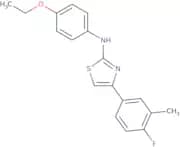

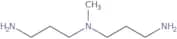
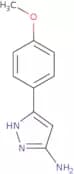
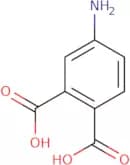
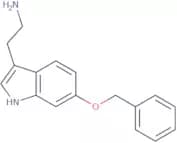
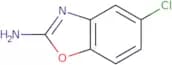
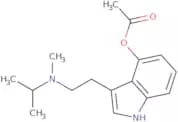
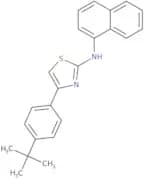
![[3-Chloro-4-(4-isobutyrylpiperazin-1-yl)phenyl]amine](/_next/image/?url=https%3A%2Fstatic.cymitquimica.com%2Fproducts%2F3D%2Fthumb-webp%2FFC134207.webp&w=3840&q=75)
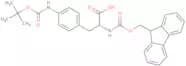
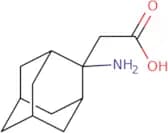
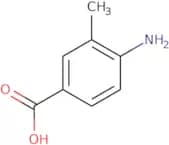
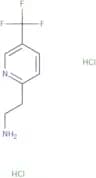
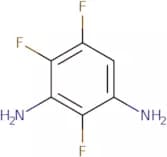

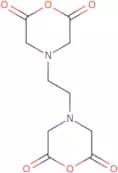
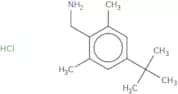
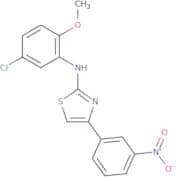
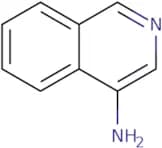
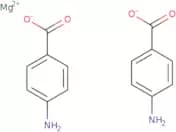
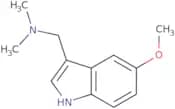
![6-amino-3-methyl-4-(3-nitrophenyl)-4H-pyrano[3,2-d]pyrazole-5-carbonitrile](/_next/image/?url=https%3A%2Fstatic.cymitquimica.com%2Fproducts%2F3D%2Fthumb-webp%2FFA169032.webp&w=3840&q=75)
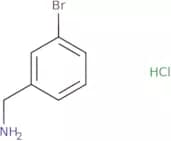
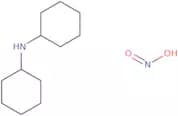
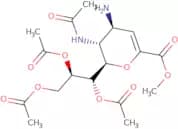

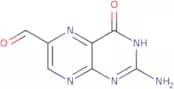
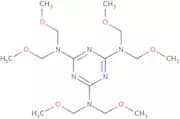
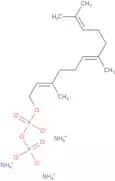
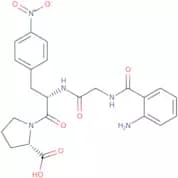
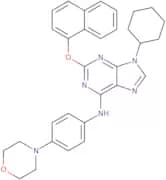
![4-[[4-(4-Chlorophenyl)-2-thiazolyl]amino]phenol](/_next/image/?url=https%3A%2Fstatic.cymitquimica.com%2Fproducts%2F3D%2Fthumb-webp%2FFC137468.webp&w=3840&q=75)
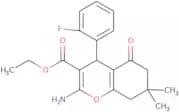
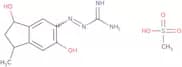
![2-[3-[N-(4-tert-Butylbenzyl)-N-(pyridin-3-ylsulfonyl)aminomethyl]phenoxy]acetic acid](/_next/image/?url=https%3A%2Fstatic.cymitquimica.com%2Fproducts%2F3D%2Fthumb-webp%2FFT145127.webp&w=3840&q=75)
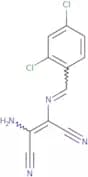
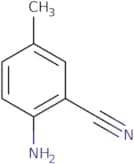
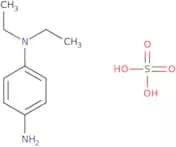

![(2S)-({[(4-Methyl-2-oxo-2H-chromen-7-yl)oxy]acetyl}amino)(phenyl)acetic acid](/_next/image/?url=https%3A%2Fstatic.cymitquimica.com%2Fproducts%2F3D%2Fthumb-webp%2FFM124529.webp&w=3840&q=75)
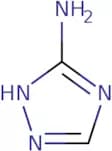

![Bis[2-[Ethyl[(Heptadecafluorooctyl)Sulphonyl]Amino]Ethyl] (4-Methyl-1,3-Phenylene)Biscarbamate](/_next/image/?url=https%3A%2Fstatic.cymitquimica.com%2Fproducts%2F3D%2Fthumb-webp%2FFB101999.webp&w=3840&q=75)


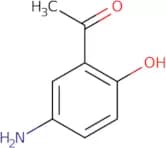
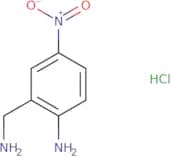

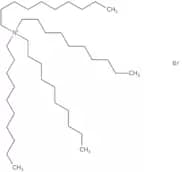
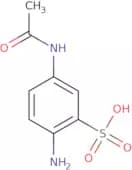
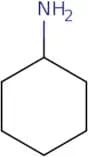
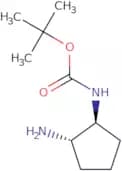
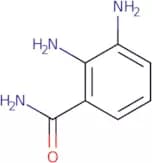
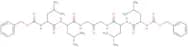
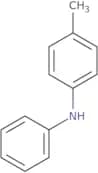
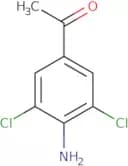
![7-Amino-2-(4-methoxyphenyl)[1,2,4]triazolo[1,5-a]pyrimidin-5(4H)-one](/_next/image/?url=https%3A%2Fstatic.cymitquimica.com%2Fproducts%2F3D%2Fthumb-webp%2FFA134729.webp&w=3840&q=75)
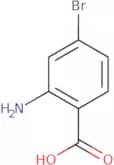
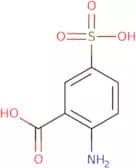
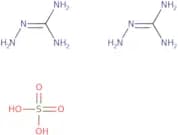
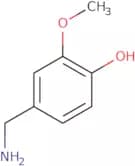
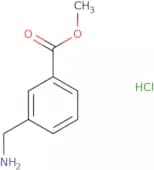

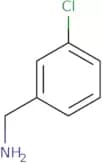
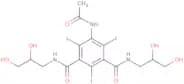
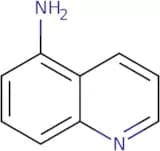
![[(1-Methyl-1H-indol-5-yl)methyl]amine acetate](/_next/image/?url=https%3A%2Fstatic.cymitquimica.com%2Fproducts%2F3D%2Fthumb-webp%2FFM124972.webp&w=3840&q=75)

![(8β)-N-[3-(Dimethylamino)propyl]-N-[(ethylamino)carbonyl] -6-(2-propen-1-yl)-ergoline-8-carboxamide](/_next/image/?url=https%3A%2Fstatic.cymitquimica.com%2Fproducts%2F3D%2Fthumb-webp%2FFD19622.webp&w=3840&q=75)
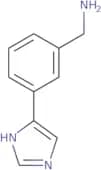
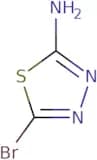
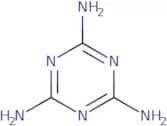

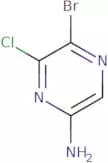
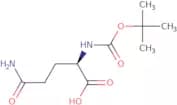
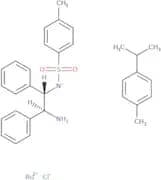
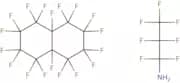
![2-[(2,4-Dimethylphenyl)amino]nicotinic acid](/_next/image/?url=https%3A%2Fstatic.cymitquimica.com%2Fproducts%2F3D%2Fthumb-webp%2FFD136109.webp&w=3840&q=75)
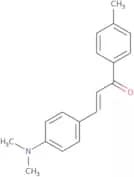
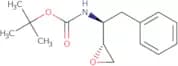
![[(2-Methylimidazo[2,1-b][1,3,4]thiadiazol-6-yl)methyl]amine dihydrochloride](/_next/image/?url=https%3A%2Fstatic.cymitquimica.com%2Fproducts%2F3D%2Fthumb-webp%2FFM123820.webp&w=3840&q=75)
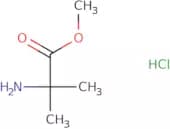
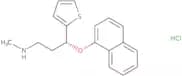

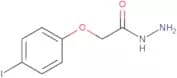
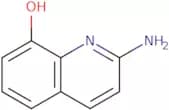
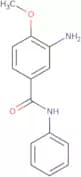
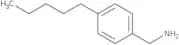
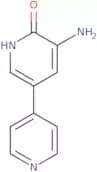
![2-[(2,6-Dichlorophenyl)amino]-N,N-dimethylbenzeneacetamide](/_next/image/?url=https%3A%2Fstatic.cymitquimica.com%2Fproducts%2F3D%2Fthumb-webp%2FFD21691.webp&w=3840&q=75)
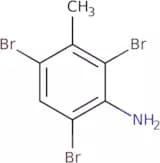

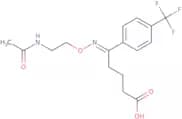
![[3-(2-Methoxyethoxy)benzyl]amine](/_next/image/?url=https%3A%2Fstatic.cymitquimica.com%2Fproducts%2F3D%2Fthumb-webp%2FFM134467.webp&w=3840&q=75)
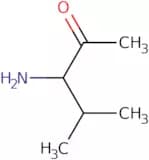
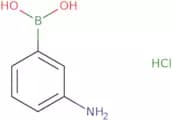
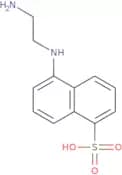
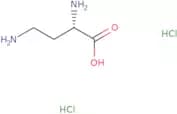
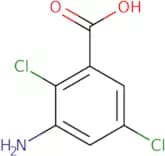
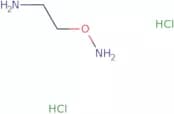
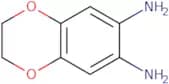
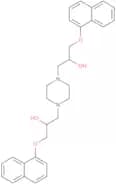
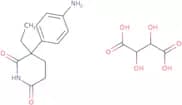
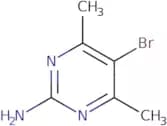
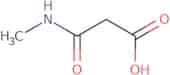

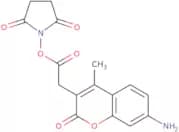
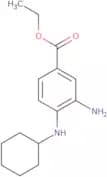
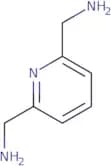
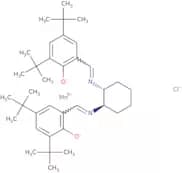
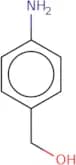
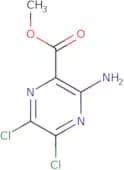
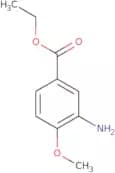
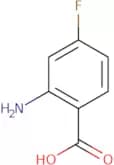
![Fmoc-(S)-4-amino-2-carboxymethyl-1,3,4,5-tetrahydro-2H-[2]benzazepin-3-one](/_next/image/?url=https%3A%2Fstatic.cymitquimica.com%2Fproducts%2F3D%2Fthumb-webp%2FFF50028.webp&w=3840&q=75)
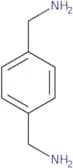
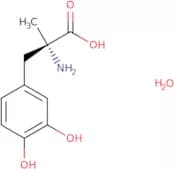
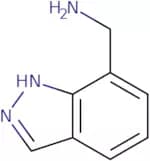
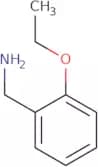
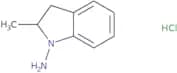

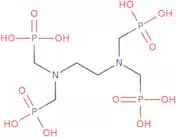

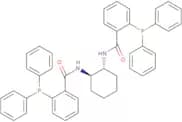
![2-[(4-Amino-2-methyl-5-nitrylbenzyl)amino]ethylalcohol](/_next/image/?url=https%3A%2Fstatic.cymitquimica.com%2Fproducts%2F3D%2Fthumb-webp%2FFA146928.webp&w=3840&q=75)

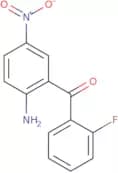
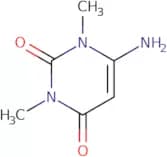
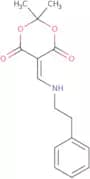
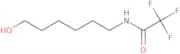
![2-[(2-Amino-5-methoxyphenyl)dithio]-4-methoxyaniline](/_next/image/?url=https%3A%2Fstatic.cymitquimica.com%2Fproducts%2F3D%2Fthumb-webp%2FFA117846.webp&w=3840&q=75)

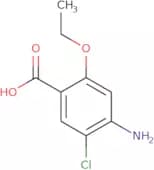

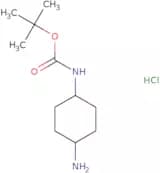
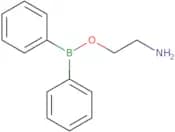

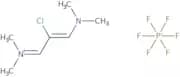

![cis-(+/-)-2-[(N-Benzyl-N-methyl)aminomethyl]-1-(3-methoxyphenyl)cyclohexanol hydrochloride](/_next/image/?url=https%3A%2Fstatic.cymitquimica.com%2Fproducts%2F3D%2Fthumb-webp%2FFB18402.webp&w=3840&q=75)