Amines
Amines are a set of molecules containing an amino functional group (derived from ammonia). This category includes amines at any level of substitution : primary, secondary, tertiary, and ammonium salts. Amines are fundamental in organic synthesis and are widely used in pharmaceuticals, agrochemicals, and materials science. At CymitQuimica, we provide a comprehensive selection of amines to meet your research and industrial needs. Our range ensures access to various amines for diverse chemical processes and innovative research.
Subcategories of "Amines"
- Nitrosamines(2,606 products)
- Primary Amines(30,821 products)
- Quaternary Ammonium Cations and Salts(1,099 products)
- Secondary Amines(20,817 products)
- Tertiary Amines(17,117 products)
Found 8778 products of "Amines"
Sort by
Purity (%)
0
100
|
0
|
50
|
90
|
95
|
100
(4-Aminophenyl)-N-(3-(trifluoromethyl)phenyl)formamide
CAS:<p>Please enquire for more information about (4-Aminophenyl)-N-(3-(trifluoromethyl)phenyl)formamide including the price, delivery time and more detailed product information at the technical inquiry form on this page</p>Formula:C14H11F3N2OPurity:Min. 95%Color and Shape:PowderMolecular weight:280.25 g/mol3-Aminophenylacetylene
CAS:<p>3-Aminophenylacetylene is a colorless liquid that is soluble in water. It has a molecular weight of 123.14 and a chemical formula of C6H5CHNH2. The transport rate of 3-aminophenylacetylene can be determined by FT-IR spectroscopy, and the epidermal growth factor can be used for the determination of 3-aminophenylacetylene. The anhydrous sodium copper complex is formed by the reaction of 3-aminophenylacetylene with hydrochloric acid. There are two possible mechanisms for this reaction: one involves the formation of a diazonium salt, while the other involves an analytical method that uses hydrogen bond or molecular docking analysis to determine the structure of 3-aminophenylacetylene. High values are obtained when 3-aminophenylacetylene reacts with malonic acid and protein synthesis.</p>Formula:C8H7NPurity:Min. 97.5 Area-%Color and Shape:Clear LiquidMolecular weight:117.15 g/mol3-Amino-2-methylbenzoic acid
CAS:<p>3-Amino-2-methylbenzoic acid is an organic compound that belongs to the group of heterocyclic compounds. 3-Amino-2-methylbenzoic acid has been shown to inhibit the transport properties of nanotubes and may be used in the development of new materials for drug delivery. It also has potential as a therapeutic agent for the treatment of cancer, diabetes, and bacterial infections. This molecule is unsymmetrical with six hydrogen bonding interactions and three functional groups. The 3-amino group can form an intermolecular hydrogen bond with a proton donor and the two methyl groups can form intramolecular hydrogen bonds with each other.</p>Formula:C8H9NO2Purity:Min. 95%Color and Shape:PowderMolecular weight:151.16 g/mol6-Amino-3-methyl-4-(4-nitrophenyl)-4H-pyrano[3,2-d]pyrazole-5-carbonitrile
CAS:<p>6-amino-3-methyl-4-(4-nitrophenyl)-4H-pyrano[3,2-d]pyrazole-5-carbonitrile is a compound that has been shown to have correlations with energies and regression. It also has a linear regression, polarities, photophysical properties, and dipole. The fluorescence and excited state of this compound are singlet and hydrogen bonding interactions with solvents.</p>Formula:C14H11N5O3Purity:Min. 95%Color and Shape:PowderMolecular weight:297.27 g/mol3-Bromo-4-methoxybenzylamine hydrochloride
CAS:<p>3-Bromo-4-methoxybenzylamine hydrochloride is a high quality reagent that is used as an intermediate in the synthesis of complex compounds. It has been shown to be a useful scaffold for the synthesis of new chemical entities and a versatile building block for organic synthesis. 3-Bromo-4-methoxybenzylamine hydrochloride can be used as a reaction component in various chemical reactions, including Friedel-Crafts acylation, nitration, chlorination and bromination.</p>Formula:C8H11BrClNOPurity:Min. 95%Color and Shape:PowderMolecular weight:252.54 g/molTris(4-Aminophenyl)methane
CAS:<p>Tris(4-aminophenyl)methane is a molecule that can react with nitrous acid to form an aliphatic hydrocarbon, which is a type of organic compound. It has been shown to be effective in mammalian cells and in vitro. Tris(4-aminophenyl)methane reacts with nitrous acid to form a diamine adduct, which has been shown to have a diameter of 3.2 nanometers. The expression plasmid containing the gene for the protein tyrosinase was introduced into E. coli cells using an electroporation technique and then used as a template for transcription reactions. The reaction products were identified by gas chromatography/mass spectrometry (GC/MS). Tris(4-aminophenyl)methane has been shown to bind tightly to DNA molecules in nuclear DNA and RNA molecules in ribosomes, inhibiting their synthesis through adsorption mechanisms. This leads to cell death through the inhibition</p>Formula:C19H19N3Purity:Min. 95%Color and Shape:PowderMolecular weight:289.37 g/mol3-(Aminomethyl)adamantan-1-ol HCl
CAS:<p>3-(Aminomethyl)adamantan-1-ol HCl is a chemical substance that can be used as a reaction component, reagent, and useful scaffold in the synthesis of pharmaceuticals. It is also a speciality chemical with versatile building block and useful intermediate properties. 3-(Aminomethyl)adamantan-1-ol HCl has been shown to be an effective building block for complex compounds, such as those used in the synthesis of anti-inflammatory drugs.</p>Formula:C11H19NO·HClPurity:Min. 95%Color and Shape:PowderMolecular weight:217.74 g/molAmmonium bisulfite - 45% In water
CAS:<p>Ammonium bisulfite is a soluble sulfite salt that is used as a reducing agent in organic chemistry. It reacts with metal hydroxides to produce sulfur and anhydrous sodium. This reaction also produces water vapor, which can be condensed and collected for use in other reactions. The reaction mechanism involves the formation of a sulfate ion when ammonium ions react with bisulfites or sulfites. Ammonium bisulfite has been shown to reduce hydrogen fluoride in aqueous solution, but not hydrofluoric acid.</p>Formula:H5NO3SPurity:(Titration) 44 To 46%Color and Shape:Colorless Clear LiquidMolecular weight:99.11 g/molHistamine diphosphate
CAS:Controlled Product<p>Endogenous ligand for histamine receptors; neurotransmitter</p>Formula:C5H9N3•(H3PO4)2Purity:Min. 95%Color and Shape:PowderMolecular weight:307.14 g/molPantethine
CAS:<p>Pantethine is a dietary supplement, which is a derivative of pantothenic acid, sourced from vitamin B5. As a biologically active compound, it undergoes conversion to pantetheine, which then forms coenzyme A (CoA) and acyl-carrier proteins. This conversion is critical, as CoA is an essential cofactor involved in numerous biochemical reactions that are integral to fatty acid metabolism, among other processes.</p>Formula:C22H42N4O8S2Purity:Min. 95%Color and Shape:PowderMolecular weight:554.72 g/molLofepramine
CAS:<p>Serotonin and norepinephrine reuptake inhibitor; anti-depressant</p>Formula:C26H27ClN2OPurity:Min. 95%Color and Shape:PowderMolecular weight:418.96 g/mol6-Amino-1-hexanethiol hydrochloride
CAS:<p>6-Amino-1-hexanethiol hydrochloride is a monolayer with an affinity for basic proteins, such as theophylline. The binding of 6-aminohexanethiol hydrochloride to theophylline has been shown to be linear and specific in electrochemical methods. 6-Aminohexanethiol hydrochloride immobilized on a surface binds theophylline with high affinity. This compound was also found to bind phosphatidylcholine, which is a major component of biological membranes. It has been demonstrated that 6-aminohexanethiol hydrochloride can be used as a functional group for immobilizing biomolecules on surfaces.</p>Formula:C6H15NS•HClPurity:Min. 95%Color and Shape:PowderMolecular weight:169.72 g/mol4'-Dimethylaminoacetophenone
CAS:<p>4'-Dimethylaminoacetophenone is a fluorescent probe that has been shown to be a potential use for measuring the activation energy of radical chain reactions. It has been shown to have synergistic effects with hydroxyl group radicals, and can be used as an indicator for carbon tetrachloride. The fluorescence properties of 4'-dimethylaminoacetophenone are dependent on the polarity of the solvent in which it is dissolved. This compound is a colorless liquid that is soluble in acetonitrile, but insoluble in water. 4'-Dimethylaminoacetophenone also has sunscreen properties, which may be due to its ability to absorb UV radiation.</p>Formula:C10H13NOPurity:Min. 95%Color and Shape:PowderMolecular weight:163.22 g/mol20-Deoxo-23-deoxy-5-O-[3,6-dideoxy-3-(dimethylamino)-β-D-glucopyranosyl]-20,23-di-1-piperidinyltylonolide
CAS:<p>20-Deoxo-23-deoxy-5-O-[3,6-dideoxy-3-(dimethylamino)-beta-D-glucopyranosyl]-20,23-di-1-piperidinyltylonolide is an antimicrobial agent that belongs to the group of chemotherapeutic agents. It is a fluorinated analog of tilmicosin. The low dose group was treated with this drug for five days, and the high dose group received 20 times the amount of drug. Fluorescence spectrometry showed that there was no significant difference in the fluorescence intensity between these two groups after 24 hours. This drug has been shown to have pharmacokinetic properties in rats and mice, but further optimization may be required to improve its process.</p>Formula:C41H71N3O8Purity:Min. 95%Color and Shape:Off-White PowderMolecular weight:734.02 g/mol4-Amino-3-nitrophenol
CAS:<p>4-Amino-3-nitrophenol is a reactive aminophenol that can be synthesized from hydrogen sulfate and diethyl ester. It is used in the synthesis of amines and other chemicals, as well as in analytical methods for determining the concentration of nitrates, nitrites, and aminophenols. 4-Amino-3-nitrophenol has been shown to have photocatalytic activity.</p>Formula:C6H6N2O3Purity:Min. 95%Color and Shape:PowderMolecular weight:154.12 g/molN,N-Dimethyl-tert-butylamine
CAS:<p>N,N-Dimethyl-tert-butylamine is an organic compound that is used as a primary amine in the preparation of piperidines. It can be obtained by electrolysis of carbon tetrachloride with n-nitrosopiperidine as the catalyst. The process of obtaining N,N-Dimethyl-tert-butylamine is unsymmetrical and yields are low. The amines may be prepared by transfer hydrogenation or catalytic reduction of an aldehyde. The asymmetric synthesis may be achieved using chiral auxiliaries.</p>Formula:C6H15NPurity:Min. 95%Color and Shape:Colorless Clear LiquidMolecular weight:101.19 g/molAcetyl-L-glutamine
CAS:<p>Acetyl-L-glutamine is a naturally occurring amino acid that is synthesized by the body and can be found in various foods. It has been shown to have many beneficial effects, such as the prevention of bowel disease. Acetyl-L-glutamine has also been shown to stimulate the production of neurotrophic factors, which are proteins that promote neuron growth and survival. This amino acid is used in therapy groups for people with neurodegenerative diseases, such as Parkinson's disease and Alzheimer's disease. Acetyl-L-glutamine may be effective against acute brain injury or stroke due to its ability to increase neuronal survival and inhibit neuronal death. The therapeutic effect of acetyl-L-glutamine on neuronal death may be due to its ability to inhibit apoptosis by preventing reactive oxygen species from binding to DNA. Acetyl-L-glutamine also promotes nerve cell growth and protects against damage caused by ischemia–reperf</p>Formula:C7H12N2O4Purity:Min. 95%Color and Shape:PowderMolecular weight:188.18 g/molN,N-Dimethyldodecylamine N-oxide - 30% solution in water
CAS:<p>N,N-Dimethyldodecylamine N-oxide, also known as lauryldimethylamine oxide (LDAO), is an amine oxide nonionic surfactant with a C12 alkyl chain used widely in cosmetics, washing, cleaning and personal care products. LDAO has antimicrobial properties and is effective against common bacteria such as S. aureus and E. coli.</p>Formula:C14H31NOColor and Shape:Colorless Clear LiquidMolecular weight:229.4 g/mol2-(((2,5-dimethoxyphenyl)sulfonyl)amino)benzamide
CAS:<p>Please enquire for more information about 2-(((2,5-dimethoxyphenyl)sulfonyl)amino)benzamide including the price, delivery time and more detailed product information at the technical inquiry form on this page</p>Purity:Min. 95%(1R)-(1S,2S,3R,5S)-Pinanediol-N-(N-pyrazinylphenylalaninoyl)-1-amino-3-methyl-butane-1-boronate
CAS:<p>(1R)-(1S,2S,3R,5S)-Pinanediol-N-(N-pyrazinylphenylalaninoyl)-1-amino-3-methyl-butane-1-boronate is a boronic acid derivative that has been shown to have an antiproliferative effect on cancer cells. It is a biodegradable, water soluble drug with a low toxicity profile. The maximum tolerated dose has been established in vivo studies and it can be used as an imaging agent for diagnosis. (1R)-(1S,2S,3R,5S)-Pinanediol-N-(N-pyrazinylphenylalaninoyl)-1-amino-3-methyl-butane-1-boronate may be used to treat cancers such as breast cancer or leukemia. This drug targets the proteasome and inhibits its activity by binding to the active site of the 20s</p>Formula:C29H39BN4O4Purity:Min. 95%Color and Shape:SolidMolecular weight:518.46 g/mol(2-Imidazo[2,1-b][1,3]thiazol-6-ylethyl)amine dihydrochloride
CAS:<p>2-Imidazo[2,1-b][1,3]thiazol-6-ylethyl)amine dihydrochloride is a high quality reagent that is used as a useful intermediate in the synthesis of complex compounds with possible pharmaceutical applications. It can also be used as a useful scaffold to create new and interesting molecules of interest. This chemical has been shown to be useful in the synthesis of speciality chemicals, research chemicals, and versatile building blocks. 2-Imidazo[2,1-b][1,3]thiazol-6-ylethyl)amine dihydrochloride is a versatile building block that has been used for the synthesis of various types of reaction components.</p>Formula:C7H9N3S·2HClPurity:Min. 95%Color and Shape:Brown PowderMolecular weight:240.15 g/molethyl 2-nitrilo-3-((2-phenylethyl)amino)prop-2-enoate
CAS:<p>Please enquire for more information about ethyl 2-nitrilo-3-((2-phenylethyl)amino)prop-2-enoate including the price, delivery time and more detailed product information at the technical inquiry form on this page</p>Purity:Min. 85%N-Dihydrocinnamoylaminocaproic acid
CAS:<p>Please enquire for more information about N-Dihydrocinnamoylaminocaproic acid including the price, delivery time and more detailed product information at the technical inquiry form on this page</p>Formula:C15H21NO3Purity:Min. 95%Molecular weight:263.33 g/molDL-1,2-Diphenyl-1,2-ethanediamine
CAS:<p>The fluorescence resonance energy transfer (FRET) technique is used to measure the distance between two molecules in a crystalline state. The FRET phenomenon occurs when one molecule is excited with light of a specific wavelength and interacts with another molecule that has an absorption spectrum at the same wavelength. The energy from the excited molecule is transferred to the second molecule, which then emits light of a different wavelength. This phenomenon can be used to study structures and interactions within molecules. A large number of studies have been done using this technique to study how small molecules bind together, such as dopamine and trifluoroacetic acid, or hydrogen bonding interactions in nitrogen-containing molecules.</p>Formula:C14H16N2Purity:Min. 95%Color and Shape:White PowderMolecular weight:212.29 g/molN-[5-(Phenylamino)-2,4-pentadienylidene]aniline monohydrochloride
CAS:<p>N-[5-(Phenylamino)-2,4-pentadienylidene]aniline monohydrochloride is a fluorescent probe that reacts with malonic acid. The reaction produces an emission peak at 595 nm and can be detected by fluorescence microscopy. This probe has been used in the study of hypoxia imaging, as well as for detection of reactive carbonyl groups and acetylation reactions. It can also be used to monitor treatment effects on residues from emulsions.</p>Formula:C17H16N2·HClPurity:(Titration) Min 98%Color and Shape:Red PowderMolecular weight:284.78 g/mol(1H-1,2,3-Triazol-4-yl)methanamine hydrochloride
CAS:<p>(1H-1,2,3-Triazol-4-yl)methanamine hydrochloride is a fine chemical that is used as a building block in the synthesis of other chemicals. It is soluble in water and has a solubility of 9.6g/100ml. This compound can be used to synthesize many different types of chemicals with high quality and purity. It also has a versatile scaffold with many different reactive functionalities for use in synthesis. (1H-1,2,3-Triazol-4-yl)methanamine hydrochloride has been shown to react with alcohols to produce esters and many other reactions including alkylation, nitration, and acylation.</p>Formula:C3H6N4·HClPurity:Min. 95%Color and Shape:PowderMolecular weight:134.57 g/mol3-Amino-1-methylpyrrolidin-2-one
CAS:<p>3-Amino-1-methylpyrrolidin-2-one is a versatile building block that has many applications in the research field. It can be used as a reagent or a speciality chemical and as an intermediate in organic synthesis. 3-Amino-1-methylpyrrolidin-2-one is also used as a reaction component and scaffold for complex compounds. This chemical has CAS number 119329-48-5.</p>Formula:C5H10N2OPurity:Min. 98 Area-%Color and Shape:Clear LiquidMolecular weight:114.15 g/mol1-(3-((5-Chloro-2-methoxyphenyl)amino)-5-methyl-2,4-thiazolyl)ethan-1-one
CAS:<p>Please enquire for more information about 1-(3-((5-Chloro-2-methoxyphenyl)amino)-5-methyl-2,4-thiazolyl)ethan-1-one including the price, delivery time and more detailed product information at the technical inquiry form on this page</p>Formula:C13H13ClN2O2SPurity:Min. 95%Molecular weight:296.77 g/mol1-Cyano-4-(dimethylamino)pyridinium tetrafluoroborate
CAS:<p>1-Cyano-4-(dimethylamino)pyridinium tetrafluoroborate (CDAP) is an organic cyanylating agent. It is reactive under acidic conditions giving CDAP an advantage over other sulfhydryl labeling agents, as it can avoid potential thiol-disulfide exchange.</p>Formula:C8H10N3BF4Purity:Min. 98 Area-%Color and Shape:PowderMolecular weight:234.99 g/mol(Ethylamino)(oxo)acetic acid
CAS:<p>(Ethylamino)(oxo)acetic acid is a low molecular weight compound that is found in many sources, including plants and animals. It has been shown to inhibit the growth of bacteria such as escherichia coli and azelaic acid, although it is not active against mycobacteria. This molecule has also been shown to be potent in inhibiting the activity of dehydrogenase enzymes. The molecular weight of this compound is unknown, but it has been determined that it contains one carboxylic group, two amide groups, and one amino group.</p>Formula:C4H7NO3Purity:Min. 95%Color and Shape:PowderMolecular weight:117.1 g/mol(R)-3-Aminobutanoic acid
CAS:<p>(R)-3-Aminobutanoic acid is a β-amino acid that is involved in the biosynthesis of other amino acids. It has been shown to have inhibitory effects on lymphoblast cells and to be an intermediate in the synthesis of dioncophylline, a calcium-mobilizing agent. (R)-3-Aminobutanoic acid is also an intermediate in the formation of crotonic acid, which is involved in the synthesis of butyric acid. This compound has been shown to have catalytic activity with a variety of organic reactions because it can act as both a base and a nucleophile. The reaction system may be reversed phase high performance liquid chromatography, gas chromatography, or thin layer chromatography.</p>Formula:C4H9NO2Purity:Min. 95%Color and Shape:PowderMolecular weight:103.12 g/mol3-Diethylamino-2,2-dimethylpropyl p-aminobenzoate hydrochloride
CAS:Controlled Product<p>3-Diethylamino-2,2-dimethylpropyl p-aminobenzoate hydrochloride (3DAPBA) is a drug that belongs to the amide class. It has been shown to have significant effects on neuronal function in vivo, as well as on dopamine neurotransmission in vitro. 3DAPBA is also a substrate for uptake by the dopamine transporter and can inhibit locomotor activity in rats, suggesting it may be a potential therapeutic agent for the treatment of Parkinson's disease. 3DAPBA has been shown to be effective against cocaine addiction and can reduce angiogenic factors in vivo. The drug also interacts with other drugs, including synthetic cannabinoids and amphetamines, which are metabolized by CYP2B6 enzymes. These interactions may result in reduced efficacy of 3DAPBA therapy. In addition, 3DAPBA is excreted unchanged in urine samples and can be detected in human liver tissue; it also inhibits michael</p>Formula:C16H27ClN2O2Purity:Min. 95%Color and Shape:PowderMolecular weight:314.85 g/mol5-Amino-2-hydroxyacetophenone
CAS:<p>5-Amino-2-hydroxyacetophenone is a chemical compound that belongs to the class of active substances. It is an intermediate in Friedel-Crafts acylation reactions, which are used to form alkyl esters by reaction with chloroformates. In these reactions, 5-Amino-2-hydroxyacetophenone is converted into a chloroformate in the presence of an acid catalyst. The reactions proceed rapidly, with the acetone or ester as the solvent. The frequency of 5-amino-2-hydroxyacetophenone can be correlated to its deformation energy and various chemical parameters such as electron density and force constants. 5-Amino-2-hydroxyacetophenone is uniquely characterized by intramolecularly hydrogen bonding organic solvents such as acetone and nitrobenzene.</p>Formula:C8H9NO2Purity:Min. 95%Molecular weight:151.16 g/mol4-Aminoacetanilide-3-sulfonic acid
CAS:<p>4-Aminoacetanilide-3-sulfonic acid is a chemical compound with the molecular formula, C6H7NO4S. It is a white crystalline solid that is soluble in water and readily soluble in organic solvents such as ethanol, acetone and DMF. This product is used as a building block for other compounds. It can be synthesized from the reaction of 4-aminobenzenesulfonyl chloride with sodium sulfite and it has been used as an intermediate in organic synthesis. The CAS Registry Number for this compound is 96-78-6.</p>Formula:C8H10N2O4SPurity:Min. 95%Color and Shape:Pale Pink To Violet SolidMolecular weight:230.24 g/molCyclopropylamine
CAS:<p>Cyclopropylamine is a chemical compound that has been shown to be stable under a variety of conditions. It can be used as a model system for the study of transfer reactions in polymerases, as well as receptor activity. Cyclopropylamine inhibits the enzyme DNA polymerase by binding to the active site and causing an irreversible inhibition. It is also used in pharmaceutical drug manufacturing due to its stability and ability to inhibit malonic acid. Cyclopropylamine can act as an intermediate in the synthesis of pyrimidine compounds, which are crystalline polymorphs.</p>Formula:C3H7NPurity:Min. 95%Color and Shape:Clear LiquidMolecular weight:57.09 g/molFmoc-4-amino-D-Phe(Boc)-4-amino-D-Phe(Boc)-OH
<p>Fmoc-4-amino-D-Phe(Boc)-4-amino-D-Phe(Boc)-OH is a high quality, versatile building block. It is a speciality chemical with CAS No. 614837-53-8 and can be used in research and development of new drugs. The compound has a wide range of applications in the pharmaceutical industry as it is an intermediate or reagent for peptide synthesis and also as a reaction component in the synthesis of complex compounds. Fmoc-4-amino-D-Phe(Boc)-4-amino-D-Phe(Boc)-OH is also used as a useful scaffold for the construction of novel biologically active molecules.</p>Formula:C43H48N4O9Purity:Min. 95%Color and Shape:White To Off-White SolidMolecular weight:764.86 g/molAminoguanidine hemisulfate
CAS:<p>Aminoguanidine is a drug that inhibits the enzyme nitric oxide synthase. It is used in the treatment of patients with chronic granulomatous disease, which is a form of leukemia. This drug also has been shown to inhibit follicular growth and nitrogen atoms, as well as to inhibit the production of protein-bound polyamines. Aminoguanidine was found to have no effect on the intracellular calcium concentration or on growth factor release by receptor cells. It has been shown that it can inhibit cyclase activity and therefore reduce proliferation of cells in experimental models. The ester hydrochloride salt of this compound is an inhibitor of guanylate cyclase, which prevents the conversion of guanosine triphosphate (GTP) into cyclic guanosine monophosphate (cGMP).</p>Formula:CH6N4H2SO4Purity:Min. 95%Color and Shape:White PowderMolecular weight:123.13 g/mol(3-Aminomethyl)benzoic acid methyl ester HCl
CAS:<p>3-Aminomethylbenzoic acid methyl ester HCl is a fine chemical that is used as a reagent for the synthesis of other compounds. It is also a versatile building block, which can be used to make many different compounds. 3-Aminomethylbenzoic acid methyl ester HCl has been demonstrated to be a useful intermediate in the synthesis of various pharmaceuticals, such as metoclopramide and clozapine. 3-Aminomethylbenzoic acid methyl ester HCl is also a useful scaffold for research chemicals, such as 4-amino-N-(2-hydroxyethyl)benzenesulfonamide or N-[3-(aminomethyl)phenyl]acetamide.</p>Formula:C9H11NO2·HClPurity:Min. 95%Color and Shape:PowderMolecular weight:201.65 g/mol5-Aminoquinoline
CAS:<p>5-Aminoquinoline (5-AQ) is a chemical compound that was originally synthesized in the 1930s. 5-AQ is a trifluoroacetic acid derivative of quinoline, which has been used as a photographic developer and an agent for the removal of silver from photographic film. This molecule also has a fluorescence property, which can be seen when irradiated by light with a wavelength greater than 350 nm. A hydrogen bond exists between the hydroxyl group and the nitrogen atom of the amine group in 5-AQ. The reaction mechanism for 5-AQ is believed to involve the diazonium salt intermediate, which reacts with silver ions to form silver diazonide and free ammonia.<br>5-AQ is insoluble in water but soluble in organic solvents such as acetone or alcohol. It reacts with trifluoroacetic acid to form a precipitate, which may be removed by filt</p>Formula:C9H8N2Purity:Min. 95%Color and Shape:PowderMolecular weight:144.17 g/molIsobutyl 3,5-diamino-4-chlorobenzoate
CAS:<p>Isobutyl 3,5-diamino-4-chlorobenzoate is a compound that can be used as an inhibitor in the reaction process of dehalogenation. It is a low-temperature compound that crystallizes with isobutyl, which can be recycled and hydrogen gas. Isobutyl 3,5-diamino-4-chlorobenzoate absorbs nitrogen gas at high pressure and has a molecular weight of 146.</p>Formula:C11H15ClN2O2Purity:Min. 95%Color and Shape:Brown PowderMolecular weight:242.7 g/mol3,4-Diaminobenzhydrazide
CAS:<p>3,4-Diaminobenzhydrazide is a diaminobenzhydrazide compound that is used as an antidote for poisoning by the tick-borne pathogen Ornithodoros moubata. It has been shown to be effective against Ornithodoros infection in humans and can be administered orally or intravenously. 3,4-Diaminobenzhydrazide has a potentiometric titration profile that can be used to detect dysprosium ions in the presence of interfering ions such as chloride. The treatment of Ornithodoros infection does not appear to have any effect on hematology or kidney function.</p>Formula:C7H10N4OPurity:Min. 95%Color and Shape:PowderMolecular weight:166.18 g/mol5-Bromo-1,3,4-thiadiazol-2-amine
CAS:<p>5-Bromo-1,3,4-thiadiazol-2-amine is a synthetic antiplatelet agent that belongs to the thiosemicarbazide class. It has been shown to have broad-spectrum antimicrobial activity against Gram-positive and Gram-negative bacteria. 5-Bromo-1,3,4-thiadiazol-2-amine is an orally bioavailable drug that can be used in the treatment of bacterial infections caused by Gram negative bacteria. The molecular modeling study suggests that this compound binds to the enzyme active site of DNA gyrase and inhibits its activity. 5Bromo-1,3,4-thiadiazol-2 amine is deuterated and can be used for molecular modeling studies because it is soluble in organic solvents.</p>Formula:C2H2BrN3SPurity:Min. 95%Color and Shape:PowderMolecular weight:180.03 g/mol3'-Amino-2'-hydroxyacetophenone
CAS:<p>3'-Amino-2'-hydroxyacetophenone is a synthetic compound that reacts with salicylaldehyde and hydrochloric acid to form an aromatic hydrocarbon. The reaction vessel used is made of glass and contains potassium dichromate, copper complex, and nitro. This product can be produced in acidic conditions with the addition of phosphotungstic acid and chloride. 3'-Amino-2'-hydroxyacetophenone can also be produced by reacting mercuric chloride, which is an oxidizing agent, with an aromatic hydrocarbon. This product has a rotator.</p>Formula:C8H9NO2Purity:Min. 95%Color and Shape:PowderMolecular weight:151.16 g/molMelamine
CAS:<p>Melamine is a nitrogen-containing heterocyclic amine that is used as a flame retardant, plasticizer, and textile dye. The toxicity of melamine has been evaluated in animal studies, which showed that it has low acute oral toxicity but high inhalation and dermal toxicity profiles. The acute effects of melamine are due to its capacity to bind to the erythrocyte membrane and cause hemolysis. Melamine can also react with cyanuric acid to form cyanuramide, which can be detected by gas chromatography/mass spectrometry (GC/MS) analysis. The carcinogenic potential of melamine has not been determined, but there is evidence that it may be genotoxic and have the potential to induce cancer in humans.</p>Formula:C3H6N6Purity:Min. 95%Color and Shape:SolidMolecular weight:126.12 g/molAmino-PEG10-Amine
CAS:Amino-PEG10-Amine is a PEG polymer categorised as homobifunctional PEG (X-PEG X). Used as a linker, amino-PEG10-amine is used to attached PEG to proteins, peptides, oligonucleotides, nanoparticles and small molecules via pegylation, a bioconjugation technique.Formula:C22H48N2O10Purity:Min. 95%Color and Shape:Colourless To Pale Yellow LiquidMolecular weight:500.33095-Bromo-6-chloropyrazin-2-amine
CAS:<p>5-Bromo-6-chloropyrazin-2-amine is a high quality, versatile building block for the synthesis of a variety of chemical compounds. It is also a reagent used in organic chemistry for the conversion of alcohols to alkyl chlorides and bromides. It can be used as an intermediate for the preparation of various complex compounds with potential use as pharmaceuticals or fine chemicals. This compound has been shown to have potential as a useful scaffold for the development of novel drugs which could be used to treat bacterial infections such as tuberculosis. 5-Bromo-6-chloropyrazin-2-amine has also been shown to be an excellent starting material for the synthesis of research chemicals and speciality chemicals.</p>Formula:C4H3BrClN3Purity:Min. 95%Molecular weight:208.44 g/molBoc-D-glutamine
CAS:<p>Boc-D-glutamine is a small, water-soluble amino acid that has shown anticancer efficacy in vivo. It is structurally related to the cyclic peptide, glutamic acid-α-ketoglutarate (GAK). Boc-D-glutamine specifically binds to the tumor vasculature and inhibits cancer cell growth by inhibiting the uptake of essential nutrients. This drug also inhibits tumor angiogenesis and prevents metastasis by preventing the formation of new blood vessels. Boc-D-glutamine has been shown to have a greater effect on human nasopharyngeal carcinoma cells than other types of cancer cells because it targets a specific receptor found in these cells. The anticancer activity of this drug is due to its inhibition of uptake and chloride ion transport. In addition, Boc-D-glutamine has been shown to inhibit the proliferation of human embryonic kidney cells when used at high concentrations.</p>Formula:C10H18N2O5Color and Shape:White Off-White PowderMolecular weight:246.26 g/mol5-Amino-1,3-dimethyl-1,3-dihydro-2H-benzimidazol-2-one dihydrochloride
CAS:<p>5-Amino-1,3-dimethyl-1,3-dihydro-2H-benzimidazol-2-one dihydrochloride (5ADMB) is a high quality reagent that is used as a complex compound. It has been shown to be useful in the synthesis of various compounds and is a fine chemical that can be used as a building block. 5ADMB has also been shown to be an excellent scaffold for the synthesis of benzo[b]thiophenes. This compound is also useful as a research chemical or specialty chemical. 5ADMB can be used in organic syntheses as a versatile building block and it reacts with nucleophiles such as alcohols and amines to form substituted derivatives. It has an appearance of white solid powder and its CAS number is 1986846-08-5.</p>Formula:C9H11N3O·2HClPurity:Min. 95%Color and Shape:PowderMolecular weight:250.12 g/mol2-Amino-3-chloropyrazine
CAS:<p>2-Amino-3-chloropyrazine is an active analogue of pyrazinamide, which is a potent antimycobacterial drug. It has been shown to have bacteriostatic activity against Mycobacterium tuberculosis in vitro and in vivo. 2-Amino-3-chloropyrazine has been shown to inhibit mitochondrial membrane potential, which may be due to its ability to inhibit hepg2 cell growth by decreasing intracellular ATP levels. It also inhibits the synthesis of bacterial DNA and protein, thereby inhibiting bacterial growth. 2-Amino-3-chloropyrazine has also been shown to have antitumor properties against mouse tumor cells. The pharmacokinetic properties of this drug are not well understood yet, but it has been shown that it can be detected in serum after administration</p>Purity:Min. 95%Color and Shape:PowderMolecular weight:129.55 g/molAmmoniumdithiocarbamate
CAS:<p>Ammoniumdithiocarbamate is a group p2 compound that reacts with hydrochloric acid to form a dithiocarbamic acid. This reaction is reversible and an equilibrium between the two compounds exists. Ammoniumdithiocarbamate can be used to synthesize nucleophilic substitutions, which are used in many industrial applications. The reactivity of ammoniumdithiocarbamate is increased by the presence of amp-activated protein, which increases hydrogen bonding interactions with the dithiocarbamic acid. Ammoniumdithiocarbamate has been shown in animal studies to inhibit inflammatory diseases and lung damage caused by carbon disulphide.</p>Formula:CH6N2S2Purity:Min. 95%Color and Shape:PowderMolecular weight:110.2 g/molEthyl 3-(dimethylamino)acrylate - Liquid
CAS:<p>Ethyl 3-(dimethylamino)acrylate (EDMA) is a liquid amide that has potent inhibitory activity against the chloride ion. EDMA is reactive and can form an adduct with the chloride ion. Molecular modeling studies have shown that EDMA binds to the cap-dependent endonuclease domain of the protein, inhibiting dioxime formation and DNA synthesis in bacteria. The β-unsaturated ketones in EDMA are also antibacterial. This compound has been found to be efficient at reducing oxalyl levels, which may be due to its ability to react with oxalate ions.</p>Formula:C7H13NO2Purity:Min. 95%Color and Shape:Yellow Clear LiquidMolecular weight:143.18 g/mol2-Bromo-N-methyl-ethylamine hydrobromide
CAS:<p>2-Bromo-N-methyl-ethylamine hydrobromide is a versatile building block that can be used in the synthesis of many fine chemicals. It is a high quality research chemical that is used to synthesize complex compounds. 2-Bromo-N-methyl-ethylamine hydrobromide is also used as a reagent and reaction component for organic synthesis, especially for the production of pharmaceuticals and other speciality chemicals. CAS No. 40052-63-9</p>Formula:C3H9Br2NPurity:Min. 95%Color and Shape:PowderMolecular weight:218.92 g/molN-[(1-Ethyl-1H-indol-3-yl)methyl]propan-2-amine
CAS:Controlled Product<p>Please enquire for more information about N-[(1-Ethyl-1H-indol-3-yl)methyl]propan-2-amine including the price, delivery time and more detailed product information at the technical inquiry form on this page</p>Formula:C14H20N2Purity:Min. 95%Molecular weight:216.32 g/molMethyl 4-((aminocarbamoyl)methoxy)benzoate
CAS:<p>Please enquire for more information about Methyl 4-((aminocarbamoyl)methoxy)benzoate including the price, delivery time and more detailed product information at the technical inquiry form on this page</p>Formula:C10H12N2O4Purity:Min. 95%Color and Shape:PowderMolecular weight:224.21 g/molPhenyl(9H-purin-6-yl)amine
CAS:<p>Phenyl(9H-purin-6-yl)amine is a chemical compound that belongs to the class of alkylating agents. It has optimum concentrations of 10-100 μg/mL and inhibits the growth of bacteria. Phenyl(9H-purin-6-yl)amine has been shown to inhibit nitrosation reactions in vitro by reacting with nitrite, hydroxyl groups, and amines. This chemical can also be used as a nutrient for cell cultures because it does not interfere with other nutrients and can be used at high concentrations without affecting cell growth. Phenyl(9H-purin-6-yl)amine has also been shown to inhibit dehydrogenase activity on excised tissues in vitro.</p>Formula:C11H9N5Purity:Min. 95%Molecular weight:211.22 g/mol1-N-Acetyl-3-nitro-p-phenylenediamine
CAS:<p>1-N-Acetyl-3-nitro-p-phenylenediamine is a hydrolytic product of 1,4-diaminobenzene. It is an intermediate in the preparation of naphthalene diamine and has been shown to hydrolyze in acidic solutions.</p>Formula:C8H9N3O3Purity:Min. 95%Color and Shape:PowderMolecular weight:195.18 g/mol1-Heptylamine
CAS:<p>1-Heptylamine is a chiral dinucleotide phosphate. It has been shown to have a high affinity for the nicotinic acetylcholine receptors in the human body, where it acts as an agonist. This compound also has a variety of other reactions that are not yet fully understood. 1-Heptylamine is found naturally in the human body and can be detected in wastewater treatment plants.<br>1-Heptylamine has been used in analytical methods such as titration calorimetry and laser ablation to measure nitrogen atoms or chiral compounds respectively. The compound is also used as an amide or alkanoic acid, although its role in these reactions is unknown.</p>Formula:C7H17NPurity:Min. 95%Color and Shape:Clear LiquidMolecular weight:115.22 g/molMethyl 4-aminocinnamate
CAS:<p>Methyl 4-aminocinnamate is an inhibitor of the integrase enzyme. It inhibits HIV-1 integrase and has been shown to be selective for this enzyme over other cellular enzymes. Methyl 4-aminocinnamate has been shown to inhibit cervical carcinoma, breast carcinoma, and esters as well as inhibiting the growth of human cancer cells in culture. The IC50 for methyl 4-aminocinnamate against cervical carcinoma was found to be in the micromolar range, which is considerably less than that of other anti-cancer agents.</p>Formula:C10H11NO2Purity:Min. 95%Color and Shape:Off-White PowderMolecular weight:177.2 g/mol2-Acetamido-5-aminopentanoic acid
CAS:2-Acetamido-5-aminopentanoic acid (2AAP) is a potential biomarker for obesity. 2AAP is synthesized from the amino acid glutamate by a synthetase that is active in adipose tissue and has a high level of aminotransferase activity. This molecule can be an inhibitor of the enzyme aconitase, which plays an important role in the citric acid cycle. This inhibition could lead to changes in body mass index (BMI). The wild-type strain of Escherichia coli and Salmonella typhimurium have been shown to produce 2AAP with x-ray diffraction data. Preparative hplc was used to isolate this compound from urine samples.Formula:C7H14N2O3Purity:Min. 95 Area-%Color and Shape:White Off-White PowderMolecular weight:174.2 g/mol2-((2,4-Dichlorophenyl)amino)-1,3-thiazole-4-carboxylic acid
CAS:Please enquire for more information about 2-((2,4-Dichlorophenyl)amino)-1,3-thiazole-4-carboxylic acid including the price, delivery time and more detailed product information at the technical inquiry form on this pagePurity:Min. 95%4-Amino-N-benzylbenzamide
CAS:<p>4-Amino-N-benzylbenzamide is a high quality chemical that is an intermediate in the synthesis of other useful compounds. It is a reagent for organic synthesis, and has many uses as a complex compound, as well as being a useful building block for more complicated molecules. 4-Amino-N-benzylbenzamide is also used as a speciality chemical in research labs, and can be used as a versatile building block to make different products.</p>Formula:C14H14N2OPurity:Min. 95%Color and Shape:PowderMolecular weight:226.27 g/mol(6S)-5,6,7,8-Tetrahydro-6-[propyl[2-(2-thienyl)ethyl]amino]-1-naphthalenol hydrochloride
CAS:Controlled Product<p>(6S)-5,6,7,8-Tetrahydro-6-[propyl[2-(2-thienyl)ethyl]amino]-1-naphthalenol hydrochloride is a reagent that can be used as an intermediate for the synthesis of many complex compounds. It is a useful building block for the synthesis of pharmaceuticals with speciality chemicals and research chemicals. This compound has been shown to be a versatile building block in the synthesis of natural products, pharmaceuticals and other organic molecules. (6S)-5,6,7,8-Tetrahydro-6-[propyl[2-(2-thienyl)ethyl]amino]-1-naphthalenol hydrochloride is also a reaction component that can be used to synthesize many chemical substances with different functional groups.</p>Formula:C19H26ClNOSPurity:Min. 95%Color and Shape:White PowderMolecular weight:351.93 g/molFluvoxamine maleate
CAS:Controlled Product<p>Serotonin reuptake inhibitor; anti-depressant</p>Formula:C15H21F3N2O2·C4H4O4Purity:(Hplc) Min. 98.0%Color and Shape:PowderMolecular weight:434.41 g/mol1-Pyrrolidinecarbodithioic acid,ammonium
CAS:<p>1-Pyrrolidinecarbodithioic acid, ammonium salt is an inhibitor of the NMDA receptor. It blocks the activation of this receptor by glutamate, a neurotransmitter that plays an important role in pain transmission and memory formation. 1-Pyrrolidinecarbodithioic acid, ammonium salt has been shown to inhibit the growth of human pathogenic fungi in cell culture. The polymerase chain reaction (PCR) technique was used to detect the presence of this drug in solutions and phase microextraction was used for chromatographic analysis. The control method for these experiments was pyrrolidine dithiocarbamate, which is a structural analog of 1-pyrrolidinecarbodithioic acid, ammonium salt. Pyrrolidine dithiocarbamate inhibits NF-κB pathway and is used to treat injury. This drug also has anti-inflammatory properties due to its inhibition of nuclear factor kappa B (NF-</p>Formula:C5H9NS2•NH3Purity:Min. 95%Color and Shape:PowderMolecular weight:164.29 g/molZanamivir amine
CAS:<p>Anti-viral; influenza neuraminidase inhibitor</p>Formula:C11H18N2O7Purity:Min. 95%Color and Shape:PowderMolecular weight:290.27 g/mol2-(hydroxyimino)-1-((4-(isopropyl)phenyl)sulfonyl)eth-2-ylamine
CAS:<p>Please enquire for more information about 2-(hydroxyimino)-1-((4-(isopropyl)phenyl)sulfonyl)eth-2-ylamine including the price, delivery time and more detailed product information at the technical inquiry form on this page</p>Formula:C11H16N2O3SPurity:Min. 95%Color and Shape:PowderMolecular weight:256.32 g/mol5-(2-Aminoethyl)-1,3,4-thiadiazol-2-amine dihydrochloride
CAS:<p>5-(2-Aminoethyl)-1,3,4-thiadiazol-2-amine dihydrochloride (5AET) is a fine chemical useful as a scaffold for building complex compounds. It is also an intermediate in the synthesis of research chemicals and speciality chemicals. 5AET can also be used as a reactant in organic reactions. This product has high purity, making it a great building block for many different types of compounds. 5AET reacts with other chemicals to form new molecules that are useful in many applications.</p>Formula:C4H10Cl2N4SPurity:Min. 95%Color and Shape:PowderMolecular weight:217.12 g/mol3-Ethyl 1-adamantanamine hydrochloride
CAS:<p>3-Ethyl 1-adamantanamine hydrochloride is a versatile building block that is used as a research chemical. It is a reagent and speciality chemical, as well as an intermediate in the production of other compounds. 3-Ethyl 1-adamantanamine hydrochloride can be used as a high quality building block for the synthesis of other compounds. It has been shown to be useful in the synthesis of complex compounds.</p>Formula:C12H21N•HClPurity:Min. 95%Color and Shape:White PowderMolecular weight:215.76 g/mol[(5,5-Dimethyltetrahydrofuran-3-yl)methyl]amine
CAS:<p>[(5,5-Dimethyltetrahydrofuran-3-yl)methyl]amine is a synthetic compound that regulates the expression of regulatory genes. It has been shown to be a potent inhibitor of neurospora sensitivity. The structure of [(5,5-dimethyltetrahydrofuran-3-yl)methyl]amine is similar to the structure of the acid analogues of this compound. [(5,5-Dimethyltetrahydrofuran-3-yl)methyl]amine also binds to and derepresses structural genes by inhibiting transcription and pathways for protein synthesis. This mechanism may be related to its inhibitory effects on neurospora sensitivity.</p>Formula:C7H15NOPurity:Min. 95%Color and Shape:PowderMolecular weight:129.2 g/molN-Boc-2-bromoethylamine
CAS:<p>N-Boc-2-bromoethylamine is a chemical compound that is used as a gadolinium chelate. This molecule has been shown to be chemically stable and can be easily synthesized in high yield, which makes it an ideal candidate for use in cell culture experiments. The reaction solution of N-Boc-2-bromoethylamine with serine proteases, such as trypsin and chymotrypsin, has been shown to result in the formation of peptides with amide bonds at the C terminus. This process is called a "Michael addition." The 2-nitroimidazole group of N-Boc-2-bromoethylamine is potent inhibitor of protein kinases and has been shown to inhibit hypoxic tumor growth by inhibiting the uptake of glucose by cancer cells. It also has antimicrobial properties, acting as an affinity ligand for binding to bacterial or fungal cells.</p>Formula:C7H14BrNO2Purity:Min. 95%Color and Shape:PowderMolecular weight:224.1 g/mol2-(2-Methoxyphenoxy)ethylamine hydrochloride
CAS:<p>2-(2-Methoxyphenoxy)ethylamine hydrochloride is a fine chemical with the CAS No. of 64464-07-9. It is a versatile building block that can be used as an intermediate for research chemicals, reaction components and specialty chemicals. This compound has been shown to work as a reagent in high quality synthesis.</p>Formula:C9H14ClNO2Purity:Min. 95%Color and Shape:PowderMolecular weight:203.67 g/molQuinolin-2-yl-methylamine
CAS:<p>Quinolin-2-yl-methylamine is an amine that is used in the synthesis of other compounds. It can be prepared by protonation of quinoline with methylamine, followed by crystallization. The yield of this reaction is dependent on the purity of the starting materials and the reaction conditions. This compound has a molecular weight of 169.07 g/mol and a melting point at 217 °C. The infrared spectrum for Quinolin-2-yl-methylamine shows peaks at 2900 cm−1, 1670 cm−1, and 1590 cm−1. It also has x-ray crystallography data (space group P21/c).</p>Formula:C10H10N2Purity:Min. 96 Area-%Color and Shape:PowderMolecular weight:158.2 g/molButenafine
CAS:<p>Butenafine hydrochloride is a mycological agent that is used to treat tinea. It has been shown to have an antifungal activity in vitro against wild-type strains of c. glabrata. Butenafine hydrochloride inhibits the synthesis of ergosterol, which is a vital component of fungal cell membranes, by blocking the conversion of squalene to lanosterol through inhibition of 14alpha-demethylase. It also has antimicrobial properties, which may be due to its ability to inhibit bacterial growth.</p>Formula:C23H27NPurity:Min. 95%Molecular weight:317.47 g/molDeamino-histidine
CAS:<p>Deamino-histidine (DAH) is a diagnostic marker that can be used to measure the disease activity of inflammatory bowel disease. It is also a marker for tissue damage, as it accumulates in mammalian tissues during inflammation or necrosis. DAH is formed by the hydrolysis of histidine catalyzed by bacterial enzyme arginase, and it can be detected in blood plasma and urine samples. The concentration of DAH correlates with the degree of intestinal inflammation and has been found to be elevated in patients with Crohn's disease or ulcerative colitis.</p>Formula:C6H8N2O2Purity:Min. 95%Color and Shape:PowderMolecular weight:140.14 g/mol5-Carboxy-X-rhodamine
CAS:<p>Single isomer of 5(6)-ROX is a fluorescent dye used in RT-PCR methods as an internal reference to determine fluorescence variation that is not associated with the amplification process (plastic of the wells, small differences in concentration or volume, instrument measurements). It produces a constant fluorescence emission signal during the PCR process that is used to normalise the emission produced by the reporter. The fluorescence signal is compatible with that of most reporters. It is used to label the 5â end of oligonucleotides as a reporter in the presence of a quencher at the 3â end (dual labelled probe). During the amplification process, the dye is cleaved, and the fluorescence increases proportionally with the amount of the specific sequence amplified during the PCR process. The development of the fluorescence signal is therefore specifically related to the amplification of the target sequence. 6-ROX with NHS-activated carboxylic acids reacts with primary amines.</p>Formula:C33H30N2O5Purity:Min. 95%Color and Shape:PowderMolecular weight:534.6 g/molCarboxymethoxyamine hemihydrochloride
CAS:<p>Carboxymethoxyamine hemihydrochloride (CMAH) is a gamma-aminobutyric acid analogue that has inhibitory properties. It is used in the treatment of syncytial virus infections and has been shown to reduce the severity of symptoms, as well as shorten the course of the disease. CMAH binds to the receptors in cells that are sensitive to gamma-aminobutyric acid. This binding inhibits uptake of calcium ions into cells, thereby reducing intracellular Ca2+ levels and inhibiting synaptic transmission. CMAH also has an effect on aminotransferase activity, which may be due to its ability to inhibit protein synthesis or dephosphorylate proteins.</p>Formula:C2H5NO3HClColor and Shape:White PowderMolecular weight:109.3 g/mol4-Aminobenzoic acid hexyl ester
CAS:<p>4-Aminobenzoic acid hexyl ester is a cytoskeletal molecule that interacts with actin and myosin to form filaments. It has been shown to regulate transcriptional activity by reducing the level of reactive oxygen species or hydrogen peroxide, which are thought to induce cell death. 4-Aminobenzoic acid hexyl ester has also been shown to interact with imatinib, which is used in cancer treatment. This interaction may be due to the ability of 4-aminobenzoic acid hexyl ester to inhibit protein–protein interactions between proteins in the Wnt signaling pathway.</p>Formula:C13H19NO2Purity:Min. 95%Color and Shape:PowderMolecular weight:221.3 g/mol3-Hydroxyphenethylamine hydrobromide
CAS:<p>3-Hydroxyphenethylamine hydrobromide is a synthetic compound that binds to the adenosine A1 receptor. 3-Hydroxyphenethylamine hydrobromide is used to study the interaction of adenosine A1 receptors with other compounds and its role in neuropathic pain. This drug has been shown to inhibit the contractions of guinea-pig trachea, which may be due to its ability to act as a fluorescent probe. Compounds that are able to bind to this receptor will have affinity constants (Ki) in the micromolar range. The interactions between 3-hydroxyphenethylamine hydrobromide and other compounds can also be studied using fluorescence probes, which allow for advances in research involving amines and their conjugates.</p>Formula:C8H11NO•HBrPurity:Min. 95%Color and Shape:White to off-white solid.Molecular weight:218.09 g/molβ-(3-Aminophenyl)propionic acid
CAS:<p>Beta-(3-aminophenyl)propionic acid (BAPA) is a β-amino acid that inhibits the formation of nitric oxide and other reactive oxygen species by binding to a receptor on the surface of cells. BAPA also has inhibitory properties against certain enzymes, such as aminopyrine N-demethylase and carbonic anhydrase. It is used in analytical methods for amines, malonic acid, and hydrochloride salts. Carbon sources that are metabolized by fungi can be converted into BAPA through the process of asymmetric synthesis. This compound is also used as a precursor for gamma-aminobutyric acid (GABA), which is a neurotransmitter in the central nervous system.</p>Formula:C9H11NO2Purity:Min. 95%Color and Shape:PowderMolecular weight:165.19 g/mol2-(Tributylstannyl)pyrimidin-5-amine
CAS:Controlled Product<p>Please enquire for more information about 2-(Tributylstannyl)pyrimidin-5-amine including the price, delivery time and more detailed product information at the technical inquiry form on this page</p>Formula:C16H31N3SnPurity:Min. 95%Molecular weight:384.15 g/mol2-Amino-5-(trifluoromethyl)benzonitrile
CAS:<p>2-Amino-5-(trifluoromethyl)benzonitrile is a versatile chemical building block that can be used in a variety of reactions. It has been used as a reagent and intermediate for research, as well as a speciality chemical. This compound has been found to have applications in the synthesis of complex compounds, such as pharmaceuticals and agrochemicals. 2-Amino-5-(trifluoromethyl)benzonitrile is also a useful scaffold for organic synthesis, due to its high quality and versatility.</p>Formula:C8H5F3N2Purity:Min. 95%Color and Shape:solid.Molecular weight:186.13 g/molN-Benzyloxycarbonyl-6-aminocaproic acid
CAS:<p>N-Benzyloxycarbonyl-6-aminocaproic acid is a synthetic molecule that has been shown to inhibit ubiquitin ligases. It may be used as an antigen for the detection of cancer cells, and it can also serve as a potential drug for inhibiting the growth of cancer cells. This molecule is a peptidomimetic that mimics the structure of ubiquitin. N-Benzyloxycarbonyl-6-aminocaproic acid binds to ubiquitin through hydrogen bonding interactions and can interfere with the protein's function by forming crosslinks with other proteins. N-Benzyloxycarbonyl-6-aminocaproic acid has been found to have a high molecular weight (MW) and viscosity, which makes it difficult to use in biological systems. However, this molecule can be used as an e3 ubiquitin ligase inhibitor in supramolecular systems because it does not interfere with other</p>Formula:C14H19NO4Purity:Min. 95%Color and Shape:White PowderMolecular weight:265.31 g/molTetrabutylammonium fluoride - 1.0M in THF
CAS:<p>Tetrabutylammonium fluoride-1.0M in THF is a solution of tetrabutylammonium fluoride in tetrahydrofuran. The compound is soluble in water and THF with solubility increasing with temperature. Tetrabutylammonium fluoride has been shown to be an effective inhibitor of the enzyme 4-hydroxycinnamic acid transaminase, which is involved in the metabolism of catecholamines. This property may be due to the ability of tetrabutylammonium fluoride to bind to the active site metal ion, copper, that participates in this reaction. Tetrabutylammonium fluoride can also inhibit other enzymes by binding to metal ions at their active sites, such as pyridoxal phosphate and hydroxyl groups.</p>Formula:C16H36FNPurity:Min. 95%Color and Shape:Clear LiquidMolecular weight:261.46 g/mol4-Amino-3-bromobenzonitrile
CAS:<p>4-Amino-3-bromobenzonitrile is a chemical compound that is synthesized by the reaction of 4-amino-2-bromobenzonitrile and NaBH4. It can be used as a ligand for copper, nickel, and cobalt ions. The crystalline form of 4-amino-3-bromobenzonitrile has been studied using x-ray diffraction and ultraviolet irradiation. The absorption spectra of the compound are in agreement with its nature as an azobenzene derivative.</p>Formula:C7H5BrN2Purity:Min. 95%Color and Shape:PowderMolecular weight:197.03 g/mol8-Aza-2,6-diaminopurine sulfate (1:x)
CAS:<p>8-Aza-2,6-diaminopurine sulfate (1:x) is a sulfate salt that is soluble in water. The molecular mass of the compound is 581.10 g/mol and it has a molecular formula of C5H7N3O4S. The crystal structure of the compound consists of an asymmetric unit containing one molecule. The 8-aza-2,6-diaminopurine monohydrate salt has a solubility of 1 g/100 mL in water at 25°C. It also has a melting point of 190°C and a boiling point of 340°C.</p>Formula:C4H5N7·xH2SO4Purity:Min. 95%Color and Shape:Slightly Yellow PowderMolecular weight:151.13 g/mol6-Benzoylamino-9H-purine-9-acetic acid
CAS:<p>6-Benzoylamino-9H-purine-9-acetic acid (BAPAA) is a high quality reagent that is used in the synthesis of complex compounds. It is also a useful intermediate in the preparation of fine chemicals, speciality chemicals, and research chemicals. 6-Benzoylamino-9H-purine-9-acetic acid is a versatile building block for the synthesis of novel compounds with desired biological activity. This compound is an excellent reaction component because it can be used to synthesize various chemical structures.</p>Formula:C14H11N5O3Purity:Min. 95%Color and Shape:PowderMolecular weight:297.27 g/mol4-Aminoindole
CAS:<p>4-Aminoindole is a heterocycle with a carboxy group and four nitrogen atoms. It can be synthesized by reacting hydrochloric acid with nitrobenzene. 4-Aminoindole has shown potential as a drug target, which may be due to its ability to inhibit the enzyme carboxamidase. The compound is also acidic in water, making it an ideal candidate for use as an acid catalyst. Electropolymerization of 4-aminoindole has been achieved using Pt electrodes in the presence of an acidic environment. This reaction results in the formation of functional groups on the metal surface that are not found in most other electropolymerization reactions.</p>Formula:C8H8N2Color and Shape:PowderMolecular weight:132.16 g/mol2-Bromo-5-(trifluoromethyl)benzylamine hydrochloride
CAS:<p>2-Bromo-5-(trifluoromethyl)benzylamine hydrochloride is a fine chemical with CAS No. 1214331-01-7 that has been used as a building block in the synthesis of various complex compounds, such as pharmaceuticals and agrochemicals. 2-Bromo-5-(trifluoromethyl)benzylamine hydrochloride is also a versatile building block for the preparation of useful intermediates and scaffolds.</p>Formula:C8H7BrF3N•HClPurity:Min. 95%Molecular weight:290.51 g/mol4-Diethylaminobenzylamine
CAS:<p>4-Diethylaminobenzylamine is a pharmacophore that binds to cannabinoid receptors. It has been shown to have anticancer activity in vitro and in vivo. 4-Diethylaminobenzylamine binds to the cannabinoid receptors, which are expressed in various tissues of the body, including the brain and nervous system. The affinity of this compound for these receptors has been shown by its ability to inhibit cancer cell growth in vitro and in vivo. 4-Diethylaminobenzylamine has also been shown to be a functional inhibitor of uptake of serotonin and dopamine into rat brain synaptosomes. This drug is being studied as a possible treatment for diseases such as sclerosis, because it may help regulate the production of cytokines that contribute to inflammation.</p>Formula:C11H18N2Purity:90%Color and Shape:PowderMolecular weight:178.27 g/molDodecyltrimethylammonium chloride
CAS:<p>Dodecyltrimethylammonium chloride is a surfactant that belongs to the group of cationic surfactants. It has been shown to be effective as an adsorbent for phosphate ions in micelles. Dodecyltrimethylammonium chloride has also been shown to act as a detergent in solutions, and can be used as a cleaning agent. It is commonly used as a surfactant in various industrial processes, such as the production of glycol ethers. The chemical structure of dodecyltrimethylammonium chloride consists of dodecanol and trimethylamine (CH3(CH2)12N(CH3)(OH)3).</p>Formula:C15H34NClPurity:Min. 95%Color and Shape:PowderMolecular weight:263.89 g/molMethyl 3-(((phenylcarbonylamino)thioxomethyl)amino)thiophene-2-carboxylate
CAS:<p>Please enquire for more information about Methyl 3-(((phenylcarbonylamino)thioxomethyl)amino)thiophene-2-carboxylate including the price, delivery time and more detailed product information at the technical inquiry form on this page</p>Formula:C14H12N2O3S2Purity:Min. 95%Color and Shape:PowderMolecular weight:320.39 g/molCAPSO
CAS:<p>CAPSO, also known as 3-(Cyclohexylamino)-2-hydroxy-1-propanesulfonic acid, is a zwitterionic buffer chemical that has an optimal pH range of 8.9-10.3 and a pKa of 9.6. This buffering agent shows low metal ion binding and high solubility and is commonly used in protein transfer applications and during cell lysis for membrane protein extraction.</p>Formula:C9H19NO4SPurity:Min. 95%Color and Shape:White PowderMolecular weight:237.32 g/molPhenoprolamine hydrochloride
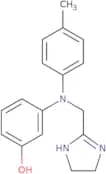
CAS:<p>Phenoprolamine hydrochloride is a synthetic polymerase chain reaction (PCR) enhancer that enhances the efficiency of DNA replication. It can be used as an alternative to dithiothreitol and is not subject to the same limitations, such as toxicity and interference with other enzymes. Phenoprolamine hydrochloride has been shown to increase cardiac contractility in rats, although it may cause a decrease in heart rate. This agent also has been shown to improve prognosis for colorectal adenocarcinoma patients, as well as inhibit the growth of several carcinoma cell lines. This drug binds to enzymes involved in the synthesis of ester linkages, which are necessary for nucleic acid synthesis.</p>Formula:C21H29NO3•HClPurity:Min. 95%Color and Shape:White To Off-White SolidMolecular weight:379.92 g/mol4-Aminobenzoyl-L-glutamic acid
CAS:<p>4-Aminobenzoyl-L-glutamic acid (PABA) is a dinucleotide phosphate that can be found in human serum. It has been shown to have receptor activity for epithelial mesenchymal cells and is used as a model organism for folate, group p2 polymerase chain reactions (PCR). PABA is also involved in the reaction mechanism of linear calibration curves.</p>Formula:C12H14N2O5Purity:Min. 95%Color and Shape:PowderMolecular weight:266.25 g/molp-Phenylenediamine-2,5-disulphonic acid
CAS:<p>P-Phenylenediamine-2,5-disulphonic acid is a diazonium salt that is used as a chemical in the textile industry. It can be activated with chlorine and hydrolyzed to form 2,5-dichloro-p-phenylenediamine (DCPD). DCPD is a viscose activator, which increases the viscosity of the viscose solution. The activation of p-Phenylenediamine-2,5-disulphonic acid with chlorine produces cyanuric chloride as an intermediate product. Cyanuric chloride has been shown to have a yellow colour when dissolved in water.</p>Formula:C6H8N2O6S2Purity:Min. 95%Color and Shape:PowderMolecular weight:268.27 g/mol2-Amino-5-methylbenzamide
CAS:<p>2-Amino-5-methylbenzamide (2AMB) is a potent inhibitor of the enzyme dihydropyrimidine dehydrogenase and is used in cancer research for its ability to inhibit tumor cell line growth. 2AMB has been shown to inhibit the synthesis of DNA, RNA, and protein in various human cell lines. The mechanism of this inhibition is not well understood, but it may be due to its ability to inhibit the activity of synthetases involved in nucleotide biosynthesis or by inhibiting the reaction system that converts hydration into ATP.</p>Formula:C8H10N2OPurity:Min. 95%Color and Shape:PowderMolecular weight:150.18 g/molBis-Boc-amino-oxyacetic acid
CAS:<p>Bis-Boc-amino-oxyacetic acid is an analog of goserelin acetate. It binds to the androgen receptor in prostate cancer cells, which leads to cytostatic effects. This drug has shown a low potency in human serum and does not bind to human serum proteins.<br>The uptake of Bis-Boc-amino-oxyacetic acid by prostate cancer cells was found to be significantly greater than that of goserelin acetate. The binding affinity of this drug for the androgen receptor is also lower than that of goserelin acetate, making it more selective for prostate cancer cells over other tissues.</p>Formula:C12H21NO7Purity:Min. 95%Color and Shape:White PowderMolecular weight:291.3 g/molN-[S-(2-Pyridylthio)cysteaminyl]ethylenediamine-N,N,N',N'-tetraacetic acid, monoamide - Technical grade 90%
CAS:<p>Furiosus is a monomeric and homodimeric protein that belongs to the group of S-adenosylmethionine synthetases. Furiosus is an enzyme that catalyzes the formation of S-adenosylmethionine from methylamine and ATP. Furiosus interacts with polymerase, subtilis, and catalysis to form a holoenzyme complex. Furiosus has been shown to have cleavage activity against peroxide and hydrogen peroxide, which is due to its ability to generate reactive oxygen species. Furiosus has also been shown to be a molecular modeling target for the development of new antibiotics.</p>Formula:C17H24N4O7S2Purity:Min. 95%Color and Shape:Pale yellow solid.Molecular weight:460.53 g/mol6-amino-4-(2-methoxyphenyl)-3-methyl-4H-pyrano[3,2-d]pyrazole-5-carbonitrile
CAS:<p>Please enquire for more information about 6-amino-4-(2-methoxyphenyl)-3-methyl-4H-pyrano[3,2-d]pyrazole-5-carbonitrile including the price, delivery time and more detailed product information at the technical inquiry form on this page</p>Formula:C15H14N4O2Purity:Min. 95%Color and Shape:PowderMolecular weight:282.30 g/molEthyl 3,5-diaminobenzoate
CAS:<p>Ethyl 3,5-diaminobenzoate is a monoacid with a reactive functional group. It is soluble in organic solvents and forms stable linkages with other molecules. Ethyl 3,5-diaminobenzoate has been used as a diagnostic tool for the identification of rhesus monkeys. The residue of this compound is degradable and can be degraded by conjugates or cavitation.</p>Formula:C9H12N2O2Purity:Min. 95%Color and Shape:PowderMolecular weight:180.2 g/mol2-Aminobenzanilide
CAS:<p>2-Aminobenzanilide is a chemical compound that has been found to have antimycobacterial activity. It is an allosteric inhibitor of the ribosome-inactivating protein (RIP) which inhibits the production of tnf-α, a proinflammatory cytokine. 2-Aminobenzanilide has also been shown to inhibit the growth of cancer cells in various in vitro assays and inhibits tumor growth in vivo. It binds to sulfonic acid groups on the surface of bacterial cell walls and alters their permeability, thus inhibiting the synthesis of proteins vital for cell division. 2-Aminobenzanilide has also been shown to react with acetylated salicylic acid ligands.</p>Formula:C13H12N2OPurity:Min. 98 Area-%Color and Shape:PowderMolecular weight:212.25 g/mol2-(Phenylthio)ethanamine hydrochloride
CAS:<p>2-Phenylthioethanamine hydrochloride is a synthetic, water soluble and lipophilic compound with a molecular weight of 171.2 g/mol. It is an antagonist of the -receptor and binds to the transporter protein. This drug is used for diagnostic purposes in angiography, phthalate determination, stable complexes for diagnosis and polymerase chain reaction (PCR) enzyme activities. 2-Phenylthioethanamine hydrochloride has been found to inhibit tumor growth in mice treated with radiation or chemotherapy. It has also been shown to be effective in the treatment of popliteal tumors in rats. The drug has been shown to be effective against bacteria that are resistant to antibiotics such as methicillin and amoxicillin. This drug also has effects on clinical relevance by inhibiting enzymes involved in clinical relevance such as acetylcholinesterase, phosphodiesterase and lipases.</p>Formula:C8H11NSPurity:Min. 95%Color and Shape:PowderMolecular weight:153.25 g/mol4-Hydroxy-3-nitrophenylethylamine nitrate
CAS:Controlled Product<p>4-Hydroxy-3-nitrophenylethylamine nitrate is a chemical that has been used as a reagent and reaction component. It can be used in the synthesis of complex compounds such as pharmaceuticals, agrochemicals, and high quality specialty chemicals. 4-Hydroxy-3-nitrophenylethylamine nitrate is an intermediate or building block for many organic syntheses due to its versatility. This compound has been shown to have a variety of useful applications including the production of antihistamines, anticonvulsants, antidepressants, antipsychotics, appetite suppressants, and decongestants.</p>Formula:C8H10N2O3•HNO3Purity:Min. 95%Color and Shape:PowderMolecular weight:245.19 g/mol1-Amino-4,5-dihydroxy-8-(methylamino)anthraquinone
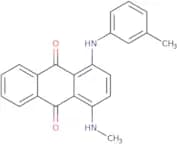
CAS:<p>Please enquire for more information about 1-Amino-4,5-dihydroxy-8-(methylamino)anthraquinone including the price, delivery time and more detailed product information at the technical inquiry form on this page</p>Formula:C15H12N2O4Purity:Technical Grade ReportedMolecular weight:284.27 g/mol4-Amino-2-chlorobenzoic acid
CAS:<p>4-Amino-2-chlorobenzoic acid (4ACB) is a drug that inhibits the absorption of other drugs by binding to their active sites. It is used as an analytical reagent in chromatographic methods for determining protein concentration, and has been shown to be effective in reducing pain in animal models. 4ACB has also been shown to have ochronotic properties, which may be due to its ability to inhibit the formation of reactive oxygen species. 4ACB binds with high affinity to the plasma proteins albumin and alpha1-acid glycoprotein, with a binding constant of 10-8 M. The elimination half-life of 4ACB is approximately 27 hours, and it is excreted primarily through the kidneys.</p>Formula:C7H6ClNO2Purity:Min. 95%Color and Shape:PowderMolecular weight:171.58 g/mol5-Acetylamino-6-formylamino-3-methyluracil
CAS:<p>5-Acetylamino-6-formylamino-3-methyluracil is an analysis method that can be used to determine the effectiveness of certain contraceptives. This drug has shown a potential to interact with other drugs, such as caffeine and amphetamines. It is also used to measure the enzyme activities of polymorphic human erythrocytes. 5-Acetylamino-6-formylamino-3-methyluracil is used in the preparation of blood samples for DNA sequencing and polymerase chain reaction (PCR) amplification. The concentration of intracellular calcium ions in humans has been shown to increase when this drug is administered, which leads to hyperproliferative diseases like cancer or HIV infection.</p>Formula:C8H10N4O4Purity:(%) Min. 95%Color and Shape:Slightly Yellow PowderMolecular weight:226.19 g/molFmoc-(S)-2-(aminomethyl)-4-methylpentanoic acid
CAS:<p>Fmoc-(S)-2-(aminomethyl)-4-methylpentanoic acid is a proteinogenic amino acid that is used in the production of casein and other dairy products. It is also found in wheat, where it can be converted to the essential amino acid methionine. Fmoc-(S)-2-(aminomethyl)-4-methylpentanoic acid is classified as a high-quality protein because it contains all eight essential amino acids (EAAs). It has been shown that when dietary intakes are low, malnourished children may benefit from increased intake of this amino acid.</p>Formula:C22H25NO4Purity:Area-% Min. 95 Area-%Color and Shape:PowderMolecular weight:367.44 g/mol(4-aza-4-(3-(trifluoromethyl)phenyl)buta-1,3-dienyl)(3-(trifluoromethyl)phenyl)amine, hydrochloride
CAS:<p>Please enquire for more information about (4-aza-4-(3-(trifluoromethyl)phenyl)buta-1,3-dienyl)(3-(trifluoromethyl)phenyl)amine, hydrochloride including the price, delivery time and more detailed product information at the technical inquiry form on this page</p>Formula:C17H13ClF6N2Purity:Min. 95%Color and Shape:PowderMolecular weight:394.74 g/molN-Fmoc-S-2-amino-heptanoic acid
CAS:<p>N-Fmoc-S-2-amino-heptanoic acid is a metabolite of the pentose phosphate pathway that is also found in the glycolytic pathway. It is a cell activator and, as such, can be used to stimulate the production of insulin, dopamine, and other metabolic products. N-Fmoc-S-2-amino-heptanoic acid has been shown to reduce levels of glucose in rat brains with administration through the injection route. This compound has also been shown to inhibit glycolytic enzymes and increase cell toxicity.</p>Formula:C22H25NO4Purity:Min. 95%Color and Shape:White Off-White PowderMolecular weight:367.44 g/molEthyl 4-aminophenylacetate
CAS:<p>Ethyl 4-aminophenylacetate is a synthetic compound that has been shown to have anticancer activity in vitro. It has been shown to inhibit the activation of mouse splenocytes by carbonyl group-containing compounds, which are induced by lipopolysaccharide (LPS). Ethyl 4-aminophenylacetate also inhibits the binding of primary amines to opioid receptors in vitro. This compound has not been tested in vivo for its anticancer activity.</p>Formula:C10H13NO2Purity:Min. 95%Color and Shape:PowderMolecular weight:179.22 g/mol3-Amino-6-nitropyridine
CAS:<p>3-Amino-6-nitropyridine is a nitropyridine and a coupler. It is used as a reagent to synthesize hydroxylamine, aralkyl, and cycloalkyl intermediates. 3-Amino-6-nitropyridine can also be used as an intermediate in the synthesis of medicines such as copper.</p>Formula:C5H5N3O2Purity:Min. 98 Area-%Color and Shape:PowderMolecular weight:139.11 g/molDihexadecyl dimethyl ammonium chloride
CAS:<p>Dihexadecyl dimethyl ammonium chloride is a cationic surfactant that has been used as a phase transfer agent for the isolation of picolinic acid from plant material. It has also been used as a reagent in analytical chemistry to measure the concentration of potassium dichromate. Dihexadecyl dimethyl ammonium chloride is soluble in water and it exhibits a phase transition temperature at about -2 °C. The compound's frequency shift can be observed with an nmr spectroscopy.</p>Formula:C34H72ClNPurity:Min. 95%Color and Shape:White PowderMolecular weight:530.39 g/mol2-Amino-7-chloro-9H-thioxanthen-9-one
CAS:<p>Please enquire for more information about 2-Amino-7-chloro-9H-thioxanthen-9-one including the price, delivery time and more detailed product information at the technical inquiry form on this page</p>Formula:C13H8ClNOSPurity:Min. 95%Molecular weight:261.73 g/mol(S)-2-((((9H-Fluoren-9-yl)methoxy)carbonyl)amino)-3-(1H-pyrrolo[2,3-b]pyridin-3-yl)propanoic acid
CAS:<p>Please enquire for more information about (S)-2-((((9H-Fluoren-9-yl)methoxy)carbonyl)amino)-3-(1H-pyrrolo[2,3-b]pyridin-3-yl)propanoic acid including the price, delivery time and more detailed product information at the technical inquiry form on this page</p>Formula:C25H21N3O4Purity:Min. 95%Molecular weight:427.45 g/mol2-Chloro-5-methylbenzylamine hydrochloride
CAS:<p>2-Chloro-5-methylbenzylamine hydrochloride is a chemical that is used as a versatile building block in the synthesis of complex compounds. It has a wide range of uses, including as a research chemical, reagent, and speciality chemical. 2-Chloro-5-methylbenzylamine hydrochloride is also used as an intermediate in the synthesis of other chemicals and can be used as an organic building block, reaction component, and scaffold. This product can be used to produce high-quality products, such as pharmaceuticals and agrochemicals.</p>Formula:C8H10ClN•HClPurity:Min. 95%Molecular weight:192.09 g/mol7-Amino-2-bromo-9-fluorenone
CAS:<p>7-Amino-2-bromo-9-fluorenone is a dye that can be used to label or visualize β-amyloid plaques in the brain. It has high binding affinity for β-amyloid, and can be used to identify the presence of this protein in the brain. 7-Amino-2-bromo-9-fluorenone is also useful for monitoring β-amyloid plaques in transgenic mice. This dye was injected into the brains of transgenic mice, and then stained with a fluorescent dye. Autoradiography was then used to identify where 7-Amino-2-bromo-9-fluorenone binds to β amyloid plaques.<br>7 - Amino - 2 - bromo - 9 - fluorenone</p>Formula:C13H8BrNOPurity:Min. 95%Molecular weight:274.11 g/molN-(4-Methyl-3-nitrophenyl)acetamide
CAS:<p>3-Methyl-4-nitro-N-acetylbenzeneamine is a biodegradable chemical that acts as an inhibitor of the growth rate of bacteria in wastewater treatment. It has been shown to be effective in both aerobic and anaerobic environments. 3-Methyl-4-nitro-N-acetylbenzeneamine is a racemic mixture, consisting of two isomers that are easily separated by chromatography. The primary mechanism for degradation of this chemical is acetylation, which converts it into acetic acid and methyl acetate. 3-Methyl-4-nitro-N-acetylbenzeneamine can also be degraded by aerobic soil bacteria with the help of fatty acids. This chemical is not toxic to humans or animals and does not affect crop plants.br></p>Formula:C9H10N2O3Purity:Min. 95%Color and Shape:PowderMolecular weight:194.19 g/mol2-Amino-8-hydroxyquinoline
CAS:<p>2-Amino-8-hydroxyquinoline is a molecule that has been shown to have optical properties. 2-Amino-8-hydroxyquinoline has also been shown to be reactive in vitro and inhibit the growth of cancer cells. It is thought that this inhibition may be due to its ability to bind to the active site of DNA polymerase, preventing DNA replication. 2-Amino-8-hydroxyquinoline has also been shown in vitro studies and vivo studies to have potent inhibition activity against human serum albumin (HSA). The molecules that are used as linkers to attach 2-amino 8 hydroxyquinoline to other molecules are thermodynamically stable. The isomers of 2 amino 8 hydroxyquinoline have also been studied by X-ray crystallography and nuclear magnetic resonance spectroscopy, which provides information about the structure of the molecule. Finally, 2 amino 8 hydroxyquinoline has been found to be an odorant</p>Formula:C9H8N2OPurity:Min. 98%Color and Shape:Off-White PowderMolecular weight:160.17 g/molL-Glutamine
CAS:<p>L-Glutamine is an amino acid that is important for protein synthesis and the maintenance of muscle mass. It is also a precursor for other compounds, such as nucleotides and glutathione, which are required for maintaining cell viability. L-Glutamine may be used to treat bowel diseases, such as Crohn's disease, by improving the function of the intestines and reducing intestinal permeability. It has been shown to decrease levels of oxidative injury in cells by acting as an antioxidant. L-Glutamine may also be used to help prevent or treat infectious diseases by increasing the activity of transcription activators that protect cells from oxidative injury. L-Glutamine can be administered intravenously or orally and can be used as a biocompatible polymer carrier for drugs that are difficult to administer due to their poor water solubility.</p>Formula:C5H10N2O3Purity:Min. 95%Color and Shape:White PowderMolecular weight:146.14 g/mol4-Amino-2-chlorobenzoic acid - 98%
CAS:<p>4-Amino-2-chlorobenzoic acid (4ACBA) is a pharmaceutical chemical that is used in the preparation of pharmaceutical preparations. 4ACBA has been shown to be absorbed through the maternal blood and have an inhibitory effect on rat sciatic nerve. The uptake of 4ACBA was found to be dose dependent, with a maximum concentration reached after 30 minutes. The pharmacokinetic properties of 4ACBA have been shown to be nonlinear, with plasma concentrations decreasing as dosage increases.</p>Formula:C7H6ClNO2Purity:Min. 95%Color and Shape:PowderMolecular weight:171.58 g/mol(2-indol-3-ylethyl)((2-(trifluoromethyl)phenyl)sulfonyl)amine
CAS:<p>Please enquire for more information about (2-indol-3-ylethyl)((2-(trifluoromethyl)phenyl)sulfonyl)amine including the price, delivery time and more detailed product information at the technical inquiry form on this page</p>Formula:C17H15F3N2O2SPurity:Min. 95%Color and Shape:PowderMolecular weight:368.38 g/mol2-Amino-4,8-naphthalenedisulfonic acid
CAS:<p>2-Amino-4,8-naphthalenedisulfonic acid is a structural analog of the natural amino acid phenylalanine. It is an inhibitor of the enzyme tyrosinase, which participates in the oxidation of dopamine to DOPA and subsequent conversion to melanin. 2-Amino-4,8-naphthalenedisulfonic acid has been shown to inhibit the growth of probiotic bacteria and can be used as a food additive. The compound also inhibits the oxidation catalyst that is required for some analytical chemistry tests. 2-Amino-4,8-naphthalenedisulfonic acid has been shown to have toxicological properties in animal studies and this toxicity is exacerbated by its ability to bind with pyridine nucleotides found in cells. The toxicological effects are thought to be related to the inhibition of protein synthesis that leads to cell death.</p>Formula:C10H9NO6S2Purity:Min. 95%Color and Shape:PowderMolecular weight:303.31 g/mol[3-(Methylamino)-5,6-dihydro-2H-1,4-thiazin-2-ylidene]hydroxylamine HCl
CAS:<p>3-(Methylamino)-5,6-dihydro-2H-1,4-thiazin-2-ylidene]hydroxylamine HCl is a fine chemical that can be used as a versatile building block. It has been shown to be a useful intermediate in the synthesis of various compounds and for the preparation of research chemicals. 3-(Methylamino)-5,6-dihydro-2H-1,4-thiazin-2-ylidene]hydroxylamine HCl is a complex compound and can be used as a reagent or reaction component. 3-(Methylamino)-5,6-dihydro-2H-1,4-thiazin-2-ylidene]hydroxylamine HCl is also an excellent quality chemical.</p>Formula:C5H9N3OS·HClPurity:Min. 95%Color and Shape:PowderMolecular weight:195.67 g/mol3-Amino-4-methylpentan-2-one hydrochloride
CAS:<p>3-Amino-4-methylpentan-2-one hydrochloride is a versatile building block that is used for the synthesis of high quality research chemicals, useful scaffolds, and speciality chemicals. It is also used as a reagent in organic syntheses. This chemical has a wide range of uses and is a fine chemical that can be used as an intermediate or reaction component. 3-Amino-4-methylpentan-2-one hydrochloride can be reacted with other compounds to form complex molecules that have many different applications.</p>Formula:C6H13NO•HClPurity:Min. 95%Color and Shape:SolidMolecular weight:151.63 g/molBiotinyl-6-aminoquinoline
CAS:<p>Biotinyl-6-aminoquinoline is a synthetic chemical that has been shown to inhibit the growth of cancer cells in laboratory mice. It was synthesized to be a substrate for the enzyme quinolinate synthase, which is involved in the synthesis of nicotinic acid. Biotinyl-6-aminoquinoline is an analytical method that has been used in urinary samples from patients with bladder cancer as well as healthy individuals. The sequences of each individual were determined and analyzed using an algorithm that performs logistic regression, which can predict whether or not the patient has bladder cancer.</p>Formula:C19H22N4O2SPurity:Min. 95 Area-%Color and Shape:PowderMolecular weight:370.47 g/mol2-[Ethyl-[2-(3-hydroxy-2,6-dimethyl-anilino)-2-oxo-ethyl]amino]-N-(3-hydroxy-2,6-dimethyl-phenyl)acetamide
CAS:<p>2-[Ethyl-[2-(3-hydroxy-2,6-dimethyl-anilino)-2-oxo-ethyl]amino]-N-(3-hydroxy-2,6-dimethylphenyl)acetamide is a reaction component that is used in the synthesis of complex compounds. It is a versatile building block and useful intermediate for the synthesis of fine chemicals. This chemical has been shown to be an effective reagent for the preparation of high quality research chemicals. CAS No. 2200280-96-0</p>Formula:C22H29N3O4Purity:Min. 95%Color and Shape:White to off-white solid.Molecular weight:399.48 g/mol4-Dimethylaminocinnamic acid
CAS:<p>4-Dimethylaminocinnamic acid (DMA) is a natural organic compound found in plants and animals. This compound has been studied for its potential use as a drug, but it is not currently used in medicine. 4-Dimethylaminocinnamic acid can inhibit the activity of certain enzymes by binding to them, including the enzyme polymerase chain that synthesizes DNA. It also can bind to other proteins, such as carbonyl groups and cinnamic acid derivatives, which are found in human liver cells. 4-Dimethylaminocinnamic acid can form hydrogen bonds with other molecules due to its hydroxyl group and carboxylic acid group. It also has a high viscosity due to its long hydrocarbon chain.</p>Formula:C11H13NO2Purity:Min. 95%Color and Shape:PowderMolecular weight:191.23 g/molMethyl 4-amino-3-bromobenzoate
CAS:<p>Methyl 4-amino-3-bromobenzoate is a benzodiazepine derivative that is used as an anxiolytic, sedative, and muscle relaxant. It has also been shown to have anti-convulsant properties. Methyl 4-amino-3-bromobenzoate can be synthesized from the corresponding amino acid. The structure of this compound is similar to that of diazepam, but it does not bind to the benzodiazepine receptor. Methyl 4-amino-3-bromobenzoate has been shown to inhibit protein–protein interactions between cellular proteins by dimerizing them, which may be related to its ability to induce cancer cell death.<br>Methyl 4-amino-3-bromobenzoate has been shown to inhibit protein–protein interactions between cellular proteins by dimerizing them, which may be related to its ability to induce cancer cell death.</p>Formula:C8H8BrNO2Purity:Min. 95%Color and Shape:Off-White PowderMolecular weight:230.06 g/molN-(Aminoethyl)-5-naphthylamine-1-sulfonic acid
CAS:<p>The Michaelis-Menten kinetics of N-(Aminoethyl)-5-naphthylamine-1-sulfonic acid (NENSA) have been determined by studying the reaction of NENSA with a variety of acceptors. Basic fibroblasts were found to be a good substrate for this compound and it was shown that proteolytic activity is required for the hydrolysis of NENSA. The toxin is also reactive with the enzyme polymerase chain, which inhibits bacterial growth. In the presence of epidermal growth factor, NENSA has been shown to inhibit proliferation in fetal bovine retinal cells and human epidermal keratinocytes.</p>Formula:C12H14N2O3SPurity:Min. 97 Area-%Color and Shape:Yellow PowderMolecular weight:266.32 g/molL-2,4-Diaminobutyric acid dihydrochloride
CAS:<p>L-2,4-Diaminobutyric acid, dihydrochloride is a chemical compound that is a non-protein amino acid. It is used in the production of gamma-aminobutyric acid (GABA) and has been shown to be able to penetrate the blood-brain barrier. However, it also has many other health effects such as increasing fatty acids in the brain and decreasing GABA uptake. L-2,4-Diaminobutyric acid, dihydrochloride can be used for diagnostic purposes or animal health.</p>Formula:C4H10N2O2•(HCl)2Purity:Min. 95%Color and Shape:White to off-white solid.Molecular weight:191.06 g/mol3-Amino-2,5-dichlorobenzoic acid
CAS:<p>2,5-Dichlorobenzoic acid is a chemical compound that is used as an intermediate in the production of herbicides and other agricultural chemicals. It is also used for the synthesis of pharmaceuticals and dyes. 2,5-Dichlorobenzoic acid has been shown to have significant physiological effects at high doses. The use of 2,5-dichlorobenzoic acid may cause death in humans through kidney failure, although it has not been shown to be toxic to humans at low doses. The mechanism by which this effect occurs is not known.<br>2,5-Dichlorobenzoic acid has been found to be moderately toxic in animal studies with acute oral LD50 values ranging from 1,000 mg/kg body weight (mg/kg BW) to 10,000 mg/kg BW depending on the animal species tested.</p>Formula:C7H5Cl2NO2Purity:Min. 95%Color and Shape:White PowderMolecular weight:206.03 g/mol3-Aminophenylboronic acid hemisulphate
CAS:<p>3-Aminophenylboronic acid hemisulphate is a cross-linking agent that has been shown to induce apoptosis in mammalian cells. It also has the ability to bind to glycan, a sugar molecule on the surface of cells. The binding of 3-aminophenylboronic acid hemisulphate induces morphogenetic protein (MP) secretion, which leads to cell death. This compound is used as an adjuvant in vaccines and also as a research reagent for studying protein sequences and antigen/antibody interactions.</p>Formula:C6H8BNO2•(H2SO4)0Purity:Min. 95%Color and Shape:White PowderMolecular weight:185.98 g/mol3,4-Diaminofurazan
CAS:<p>3,4-Diaminofurazan is a chemical compound that is stable in an oral environment. It has an optimal reactivity with a pyrazole ring and methoxy groups. 3,4-Diaminofurazan is active against Staphylococcus aureus strains that are resistant to other antibiotics. The molecule has been shown to inhibit bacterial growth by inhibiting the synthesis of DNA and RNA. The kinetic of 3,4-diaminofurazan was studied using nitro as the substrate, and it had an activation energy of 11.8 kcal/mol at 298 K. The chemical structure of 3,4-diaminofurazan has been determined by x-ray crystallography and nuclear magnetic resonance spectroscopy (NMR). It can be synthesized using nitric acid or hydrochloric acid as solvents: 1) Nitric Acid Synthesis: 2) Hydrochlor</p>Formula:C2H4N4OPurity:Min. 98 Area-%Color and Shape:PowderMolecular weight:100.08 g/mol[1-(Morpholin-4-ylcarbonyl)propyl]amine hydrochloride
CAS:Controlled Product<p>Please enquire for more information about [1-(Morpholin-4-ylcarbonyl)propyl]amine hydrochloride including the price, delivery time and more detailed product information at the technical inquiry form on this page</p>Formula:C8H16N2O2Purity:Min. 95%Molecular weight:172.22 g/mol5-Amino-2-chlorobenzonitrile
CAS:<p>5-Amino-2-chlorobenzonitrile is a functional theory that has been optimised for the synthesis of pesticides. It has been shown to have high affinity constants and to be a good potential for monitoring. 5-Amino-2-chlorobenzonitrile is synthesized in the form of monoclonal antibodies, which are then optimised using vibrational frequencies. The parameters of these molecules are optimized by comparing the calculated frequencies with those obtained from experimental data. This theory can be used to develop new pesticides that are less harmful to humans and animals, as well as being more environmentally friendly.</p>Formula:C7H5ClN2Purity:Min. 95%Color and Shape:PowderMolecular weight:152.58 g/molmethyl 2-(4,5-dimethoxy-2-(((3-(trifluoromethyl)phenyl)amino)sulfonyl)phenyl)acetate
CAS:<p>Please enquire for more information about methyl 2-(4,5-dimethoxy-2-(((3-(trifluoromethyl)phenyl)amino)sulfonyl)phenyl)acetate including the price, delivery time and more detailed product information at the technical inquiry form on this page</p>Purity:Min. 95%p-Xylylenediamine
CAS:<p>p-Xylylenediamine is a chemical compound that has hydrogen bonding interactions with its environment and is a substrate for film deposition. It also has the ability to form hydrogen bonds with other molecules such as DNA duplexes and sodium salts. p-Xylylenediamine is soluble in water and can be used to coat the surface of objects, which can result in reduced transport properties. This molecule has been found to be present in urine samples and may be used as a biomarker for prostate cancer diagnosis.</p>Formula:C8H12N2Purity:Min. 95%Color and Shape:White PowderMolecular weight:136.19 g/mol(1H-Indazol-7-yl)methanamine
CAS:<p>Please enquire for more information about (1H-Indazol-7-yl)methanamine including the price, delivery time and more detailed product information at the technical inquiry form on this page</p>Formula:C8H9N3Purity:Min. 95%Color and Shape:PowderMolecular weight:147.18 g/molN-Amino-2-methylindoline hydrochloride
CAS:<p>N-Amino-2-methylindoline HCl is an organic chemical compound that belongs to the class of acylating agents. It is a colorless solid that is soluble in water and methanol. The compound has been used in the acylation reaction with triethylamine and chloride to synthesize dioxane. N-Amino-2-methylindoline HCl is also a substance that can be found in nature, such as in the leaves of plants. Organic chemistry deals with the study of compounds and their reactions, which includes N-Amino-2-methylindoline HCl and its uses.</p>Formula:C9H12N2•HClPurity:Min. 95%Color and Shape:PowderMolecular weight:184.67 g/mol(E)-N-(3-Methylaminopropyl)-2-thiopheneacrylamide hydrochloride
CAS:<p>(E)-N-(3-Methylaminopropyl)-2-thiopheneacrylamide hydrochloride is a high quality, reagent, complex compound, useful intermediate, fine chemical. It has CAS No. 1449108-90-0 and is used as a research chemical and building block in the synthesis of other compounds. (E)-N-(3-Methylaminopropyl)-2-thiopheneacrylamide hydrochloride can be used as a versatile building block in organic synthesis reactions and is an important reaction component for the preparation of speciality chemicals.</p>Formula:C11H17N2OSClPurity:Min. 95%Color and Shape:White PowderMolecular weight:260.78 g/mol3-Noradamantaneamine hydrochloride
CAS:<p>3-Noradamantaneamine hydrochloride is a thioamide that has inhibitory activities on biological processes, such as the production of tumor necrosis factor-α (TNF-α). 3-Noradamantaneamine hydrochloride also inhibits angiogenesis and the proliferation of endothelial cells. The drug was shown to be neuroprotective in animal models and to have anti-angiogenic properties. The mechanism of action is not yet clear, but may involve nitric oxide synthase inhibition or nitration of the drug.</p>Formula:C9H15N·HClPurity:Min. 95%Color and Shape:White PowderMolecular weight:173.68 g/mol1H-Pyrrolo[3,2-b]pyridin-7-amine
CAS:<p>1H-Pyrrolo[3,2-b]pyridin-7-amine is a potent inhibitor of cyclization catalysed by 7-azaindole. It was synthesized as a modification of the 7-azaindole synthesis and has been shown to be a lipophilic heterocycle. This compound is not readily soluble in water and can be used for the synthesis of other heterocycles with similar properties. The yields are high and the modifications are easy to make, making this compound an excellent candidate for use in research.</p>Purity:Min. 95%Color and Shape:PowderMolecular weight:133.15 g/mol3-(Boc-amino)propyl bromide
CAS:<p>3-(Boc-amino)propyl bromide is an antimicrobial agent that has been shown to be a potent inhibitor of cancer cell growth in vitro. The mechanism of action of 3-(Boc-amino)propyl bromide is not yet known, but it may be due to its ability to inhibit the uptake of radiotracers by mda-mb-231 cells. 3-(Boc-amino)propyl bromide has also been shown to have a high affinity for proteins and is able to hydrogen bond with them. This property may explain the high salt requirement for its solubility, as well as its toxicity towards bacteria and other microorganisms.</p>Formula:C8H16BrNO2Purity:Min. 95 Area-%Color and Shape:Colorless PowderMolecular weight:238.12 g/mol2-Methyl-1H-imidazole-1-propanamine
CAS:<p>2-Methyl-1H-imidazole-1-propanamine is a byproduct of the reaction that produces acrylonitrile. It is a polar compound that has been shown to be an effective viscosity modifier for various types of formulations. 2-Methyl-1H-imidazole-1-propanamine can be used as an additive in pharmaceutical formulations, such as those for thiamine pyrophosphate, and is nonpolluting. The optimum concentration for this product is between 0.5% and 1%.</p>Formula:C7H13N3Purity:Min. 95 Area-%Color and Shape:Clear LiquidMolecular weight:139.2 g/molD,L-Mevalonic acid dicyclohexylammonium salt
CAS:Controlled Product<p>Mevalonic acid dicyclohexylammonium salt is a reagent, compound, and fine chemical that is used in the synthesis of complex compounds. It has CAS No. 1215802-31-5 and is a useful intermediate, building block, and scaffold for the synthesis of many speciality chemicals. Mevalonic acid dicyclohexylammonium salt is also a versatile building block that can be used as a reaction component in many organic syntheses. This product can be used in research chemicals or as an intermediate for pharmaceuticals.</p>Formula:C18H35NO4Purity:Min. 95%Color and Shape:PowderMolecular weight:329.47 g/mol2-Amino-4-cyano-phenol
CAS:<p>2-Amino-4-cyano-phenol is a compound that has been shown to have antitubercular activity. It modulates the activity of cromakalim, which is a drug used for the treatment of tuberculosis. 2-Amino-4-cyano-phenol is also an antibacterial agent and has been shown to activate bacterial DNA replication and protein synthesis. The mechanism of action of this compound is thought to be due in part to its ability to bind with the ribosomes on the outside surface of cells and inhibit their function. 2-Amino-4-cyano-phenol has also been shown to have structural similarities with phenylephrine, which inhibits bacterial growth by binding to DNA gyrase, thereby preventing transcription and replication.</p>Formula:C7H6N2OPurity:Min. 95%Color and Shape:PowderMolecular weight:134.14 g/mol4-Acetamidobenzylamine hydrochloride
CAS:<p>4-Acetamidobenzylamine hydrochloride is a chemical intermediate that belongs to the group of complex compounds. It is used as a reactant in the synthesis of other chemicals and can be used as a building block for the preparation of fine chemicals or research chemicals. 4-Acetamidobenzylamine hydrochloride has versatile uses due to its ability to react with many other chemical substances. This reagent also has high purity and can be used as a research tool in organic chemistry.</p>Formula:C9H12N2O•HClPurity:Min. 95%Color and Shape:Off-White To Yellow SolidMolecular weight:200.67 g/mol2-Bromo-4-methylbenzylamine hydrochloride
CAS:<p>2-Bromo-4-methylbenzylamine hydrochloride is a fine chemical that is used as a building block for other chemicals or as a reagent in research. It has CAS No. 1293323-97-3 and can be used in reactions where an amine is needed. This product is high quality, versatile, and useful for many different types of reactions.</p>Formula:C8H10BrN·HClPurity:Min. 95%Color and Shape:PowderMolecular weight:236.54 g/molcis-2-Amino-1-cyclohexane-carboxylic acid
CAS:<p>Cis-2-Amino-1-cyclohexane-carboxylic acid (ACCA) is a β-amino acid that binds to peptides and cyclohexane rings. ACCA has been shown to have high resistance against denaturation, which may be due to its ability to form hydrogen bonds with water molecules. It also has an analog, cis-2-(aminomethyl)cyclohexanol (CAMCH), which is used in the treatment of Gram-positive bacterial infections. ACCA can be found in glycopeptide antibiotics such as vancomycin and teicoplanin, which are used for the treatment of resistant bacteria including methicillin resistant Staphylococcus aureus (MRSA).</p>Formula:C7H13NO2Purity:Min. 95%Color and Shape:PowderMolecular weight:143.18 g/moltrans-4-(Diethylamino)cinnamaldehyde
CAS:<p>Trans-4-(Diethylamino)cinnamaldehyde is a molecule that has been systematically studied with several techniques, such as x-ray crystallography. It has been shown to be a fluorophore and can be used as a fluorescent probe. Trans-4-(Diethylamino)cinnamaldehyde can be used in the fluorescence method in which it reacts with other molecules and emits light. This reaction scheme is based on the principle of irradiation by UV light or visible light to produce an excited state. Fluorescence is detected at various wavelengths depending on the dye used. Trans-4-(Diethylamino)cinnamaldehyde also emits fluorescence when irradiated with ultraviolet light, which is often referred to as "violet" fluorescence. The wavelength of this emission is 365 nm and it can be detected using high yield techniques, such as fluorometers.</p>Formula:C13H17NOPurity:Min. 95%Color and Shape:PowderMolecular weight:203.28 g/mol3,4,5-Trimethoxybenzoic acid 8-(diethylamino)octyl ester, hydrochloride
CAS:<p>3,4,5-Trimethoxybenzoic acid 8-(diethylamino)octyl ester, hydrochloride is a chemical substance that binds to the intracellular calcium ion channels and causes an excitatory effect. It has been shown to cause cell lysis in wheat germ and influenza virus. 3,4,5-Trimethoxybenzoic acid 8-(diethylamino)octyl ester, hydrochloride also inhibits the production of TNF-α by activated tubule cells.</p>Formula:C22H38ClNO5Purity:Min. 95%Color and Shape:PowderMolecular weight:431.99 g/molChloropyramine HCl
CAS:<p>Chloropyramine is a drug that has been used to treat autoimmune diseases, such as rheumatoid arthritis and systemic lupus erythematosus. It is an antihistamine drug that acts by blocking the histamine receptor. Chloropyramine has been shown to have an effect on diastolic pressure in animal models. The model system used was human serum with locomotor activity as the endpoint. The sample preparation involved calcium pantothenate, which is a precursor of coenzymes A and C. The pharmacological agent chloropyramine binds to the agonist binding site, which is located at the end of the cell membrane and regulates ion channels, including those for calcium ions. Tricyclic antidepressant drugs are known to bind to this same binding site, inhibiting the action of both histamine and chloropyramine. Histamine causes increased blood flow due to vasodilation by stimulating H1 receptors in smooth muscles cells. Histamine</p>Formula:C16H20ClN3·HClPurity:Min. 98 Area-%Color and Shape:White PowderMolecular weight:326.26 g/mol7-Aminodesacetoxycephalosporanic acid
CAS:<p>7-Aminodesacetoxycephalosporanic acid is a chemical compound that is used for wastewater treatment as a biocatalyst. It has been shown to have group P2 activity and can be used in the treatment of corynebacterium glutamicum. 7-Adca has been found to bind to the magnesium salt, which leads to control analysis and kinetic studies. The reactions are initiated by the addition of an electron donor, such as penicillin, which results in a transfer reaction. The nitrogen atoms are substituted with hydrogen atoms, which produces a fatty acid intermediate. This intermediate reacts with nitrogen atoms from another molecule of 7-Adca or 7-adca to form an amide bond. The amide bond is then hydrolyzed in water to produce 7-aminodesacetoxycephalosporanic acid and ammonia.</p>Formula:C8H10N2O3SPurity:Min. 95%Color and Shape:White PowderMolecular weight:214.24 g/molIbogamine-18-carboxylic acid methyl ester
CAS:<p>Ibogamine is a naturally occurring alkaloid that is found in the roots of plants from the Apocynaceae family. It has been shown to be low-potency and act as an α7 nicotinic acetylcholine receptor agonist. Ibogamine also possesses transport properties through the blood-brain barrier. In addition, it has been shown to inhibit coronaridine-induced convulsions in mice and alkaloids have been isolated from its leaves. Molecular docking analysis has shown that ibogamine binds to the protein data of hep-2 cells, which are used for tissue culture. Ibogamine is a monoterpenoid indole alkaloid with anti-inflammatory properties. It has been shown to have activity against infectious diseases such as tissue culture and plate test experiments, which are used to study fatty acid synthesis and β-oxidation respectively.</p>Formula:C21H26N2O2Purity:Min. 98 Area-%Color and Shape:PowderMolecular weight:338.44 g/mol10-Aminodecanoic acid
CAS:<p>10-Aminodecanoic acid is an organic compound that belongs to the group of fatty acids. It is a monomeric molecule with two carboxylic acid groups and one hydroxyl group. 10-Aminodecanoic acid has been shown to induce tumor regression in xenograft models for human prostate, breast, and colon cancer cells. The mechanism of action is currently unclear but may be due to specific interactions with amino acids on glycoproteins or amides on proteins. 10-Aminodecanoic acid also stabilizes membranes by forming hydrogen bonds with phospholipids.</p>Formula:C10H21NO2Purity:Min. 95%Color and Shape:White PowderMolecular weight:187.28 g/mol4-Amino-5-aminomethyl-2-methylpyrimidine dihydrochloride
CAS:<p>4-Amino-5-aminomethyl-2-methylpyrimidine dihydrochloride is a vitamin B1 derivative that is biosynthesized by marine algal cells. It is active at high concentrations, and has been shown to have an interaction with the active site residues of hydrogen chloride. This analog has been used in genomic analyses and can be detected by mass spectrometry. It also has the ability to inhibit the growth of phytoplankton, which are microscopic plants living near the surface of water. The concentration of 4-amino-5-aminomethyl-2-methylpyrimidine dihydrochloride in seawater can be determined using a constant scaling factor based on plankton biomass.</p>Formula:C6H10N4•(HCl)2Purity:Min. 95%Color and Shape:Slightly Yellow PowderMolecular weight:211.09 g/mol2-(3,5-Dimethyl-1H-pyrazol-1-yl)quinolin-8-amine
CAS:<p>2-(3,5-Dimethyl-1H-pyrazol-1-yl)quinolin-8-amine is a fine chemical that belongs to the group of versatile building blocks. It can be used as a reagent or as a speciality chemical in research and development. 2-(3,5-Dimethyl-1H-pyrazol-1-yl)quinolin-8-amine is also a useful scaffold for the synthesis of complex compounds and has been shown to be an effective inhibitor of protein tyrosine kinases.</p>Formula:C14H14N4Purity:Min. 95%Color and Shape:PowderMolecular weight:238.29 g/molPyrilamine maleate
CAS:<p>Pyrilamine maleate salt is a reagent used for optical rotation measurements. It is also known to be an antihistamine that has been shown to have mutagenic effects on Salmonella typhimurium and other bacteria. Pyrilamine maleate salt inhibits potassium ion transport across the cell membrane, which can lead to hyperpolarization of the cell membrane and inhibition of the uptake of sodium ions. This inhibition leads to an increase in intracellular sodium concentrations, which in turn leads to decreased ATP production.</p>Formula:C17H23N3O•C4H4O4Purity:Min. 95%Color and Shape:PowderMolecular weight:401.46 g/mol[3-(2-Methoxyethoxy)benzyl]amine
CAS:<p>[3-(2-Methoxyethoxy)benzyl]amine is a high-quality chemical that can be used as an intermediate in the synthesis of complex compounds. It is also a useful scaffold for the synthesis of other chemicals, such as pharmaceuticals and pesticides. This compound also has many uses in research, such as being a versatile building block and reaction component.</p>Formula:C10H15NO2Purity:Min. 95%Color and Shape:PowderMolecular weight:181.23 g/mol5-Amino-(3,4'-bipyridin)-6(1H)-one
CAS:<p>Phosphodiesterase type 3 inhibitor; positive inotropic agent; vasodilatory</p>Formula:C10H9N3OPurity:Min. 95%Color and Shape:PowderMolecular weight:187.2 g/mol[(2-Methylimidazo[2,1-b][1,3,4]thiadiazol-6-yl)methyl]amine dihydrochloride
CAS:<p>[(2-Methylimidazo[2,1-b][1,3,4]thiadiazol-6-yl)methyl]amine dihydrochloride is a high quality reagent with many uses. It is a complex compound that is used as an intermediate in the synthesis of many other compounds. This chemical has been shown to be useful as a scaffold for drug design and development. It also has been found to be a valuable building block for the synthesis of speciality chemicals and pharmaceuticals. This chemical can be used in reactions as a versatile building block and reaction component.</p>Formula:C6H8N4S·2HClPurity:Min. 95%Color and Shape:White PowderMolecular weight:241.14 g/mol(2-Aminophenyl)-N-((3,4-dimethoxyphenyl)methyl)formamide
CAS:<p>Please enquire for more information about (2-Aminophenyl)-N-((3,4-dimethoxyphenyl)methyl)formamide including the price, delivery time and more detailed product information at the technical inquiry form on this page</p>Formula:C16H18N2O3Purity:Min. 95%Color and Shape:PowderMolecular weight:286.33 g/mol1-Boc-amino-3,6,9-trioxaundecanyl-11-ol
CAS:<p>1-Boc-amino-3,6,9-trioxaundecanyl-11-ol is a PEG polymer categorised as monofunctional (OH-PEG-X). Used as a linker, 1-boc-amino-3,6,9-trioxaundecanyl-11-ol is used to attached PEG to proteins, peptides, oligonucleotides, nanoparticles and small molecules via pegylation, a bioconjugation technique.</p>Formula:C13H27NO6Purity:Min. 95%Color and Shape:Clear LiquidMolecular weight:293.36 g/mol4-Dimethylaminostilbene
CAS:<p>4-Dimethylaminostilbene is a stilbene derivative that is used in the laboratory as an inhibitor of protein synthesis. 4-Dimethylaminostilbene inhibits the activity of enzymes such as acid conjugates, which are enzymes that catalyze reactions involving the addition of an acid to a molecule. This drug has been shown to inhibit sarcoma cells and to be active against animals. 4-Dimethylaminostilbene reacts with proteins by forming adducts with amino groups on the side chains of lysine or arginine residues in proteins, thereby inhibiting their function. The reaction products are excreted from the body through urine and bile. 4-Dimethylaminostilbene can be administered orally, but it must be taken with acidic foods or drinks to prevent its destruction.</p>Formula:C16H17NPurity:95%NmrMolecular weight:223.31 g/mol2-[3-[N-(4-tert-Butylbenzyl)-N-(pyridin-3-ylsulfonyl)aminomethyl]phenoxy]acetic acid
CAS:<p>2-[3-[N-(4-tert-Butylbenzyl)-N-(pyridin-3-ylsulfonyl)aminomethyl]phenoxy]acetic acid is a synthetic chemical compound, which is derived from organic synthesis processes involving aromatic compounds. It functions primarily through the modulation of specific biochemical pathways, likely involving interactions with enzymatic or receptor targets due to its structural characteristics. This compound is particularly noteworthy for its potential applications in biomedical research, where it may serve as a lead or active molecule in the development of new pharmaceutical agents. Its unique structure, featuring both aromatic and sulfonyl groups, allows for versatile interactions with biological targets, opening possibilities for its use in therapeutic development. Further research into its exact mechanisms and potential therapeutic uses could yield significant advancements in the treatment of various ailments.</p>Formula:C25H28N2O5SPurity:Min. 98 Area-%Color and Shape:PowderMolecular weight:468.57 g/mol2-(Aminooxy)ethanol
CAS:<p>2-(Aminooxy)ethanol is an organic compound that has the chemical formula CH3NOCH2CH2OH. It belongs to the group of cyclic ketones and is a colorless liquid with a boiling point of 78°C. This substance can be produced by dehydrogenation of ethylene oxide or by reaction of formamide with sodium hydroxide and hydrochloric acid. The product can also be prepared from 2-hydroxyethanol, which reacts with ethylene in presence of HCl. The reaction time for this process is around 1 hour at room temperature. The chemical formula for 2-(Aminooxy)ethanol is C4H11NO2O.</p>Formula:C2H7NO2Purity:Min. 95%Color and Shape:Clear LiquidMolecular weight:77.08 g/mol2-Iodobenzylamine HCl
CAS:<p>2-Iodobenzylamine HCl is an imine that is used in the synthesis of carboxamides. It can be produced by carbonylation of alkylamines with formaldehyde and hydrogen peroxide. In the presence of palladium, 2-iodobenzylamine HCl undergoes deprotection to give the desired carboxamide.<br>2-Iodobenzylamine HCl has been shown to react intramolecularly with amines to produce imines, which are useful intermediates in organic synthesis.</p>Formula:C7H8IN·HClPurity:Min. 95%Color and Shape:PowderMolecular weight:269.51 g/mol5,5'-Diamino-2,2'-bipyridine
CAS:<p>5,5'-Diamino-2,2'-bipyridine is an acidic metalloporphyrin that has been shown to react with epoxides to form nucleophilic adducts. This compound can be used as a ligand for lanthanide ions and reacts with aminopyridine to form bromoethane. 5,5'-Diamino-2,2'-bipyridine has been shown to have carcinogenic properties and may induce bromoethane mutagenicity in the liver. This compound is also mutagenic when added to propylene carbonate. 5,5'-Diamino-2,2'-bipyridine is luminescent in air or water when exposed to UV light.</p>Formula:C10H10N4Purity:Min. 97 Area-%Color and Shape:PowderMolecular weight:186.21 g/mol3-Iodobenzylamine hydrochloride
CAS:<p>3-Iodobenzylamine HCl is a weak anion that has a moderate affinity for the adenosine A3 receptor. 3-Iodobenzylamine HCl is used in the analysis of adenosine, d-xylose and other compounds. The binding of 3-iodobenzylamine to the A3 receptor causes an increase in cyclic AMP levels and an increase in intracellular Ca2+ levels, leading to cell signaling. 3-Iodobenzylamine HCl also acts as a competitive antagonist at the A3 receptor. This drug can also act as an agonist at the A3 receptor, with binding affinities for this site comparable to those of adenosine. This drug is able to inhibit cyanamide catalysis due to its ability to bind with fluorine atoms on the acceptor site of this enzyme.</p>Formula:C7H8IN•HClPurity:Min. 95%Color and Shape:PowderMolecular weight:269.51 g/molTriethylmethylammonium chloride
CAS:<p>Triethylmethylammonium chloride is a disulfide bond forming agent that reacts with 4-benzoyloxybenzoic acid to produce an inorganic acid. It also reacts with the substrate film to form a nitrogen atom. This product has been used as a phase transition temperature indicator and as a probe for investigating the effects of thermal expansion on electrochemical impedance spectroscopy measurements. Triethylmethylammonium chloride has also been shown to cause acid formation from sodium carbonate, which can be used in the production of hydroxyl groups, amides or fatty acids.</p>Formula:C7H18ClNPurity:Min. 95%Color and Shape:PowderMolecular weight:151.68 g/molL-α-Aminoadipic acid
CAS:<p>L-alpha-Aminoadipic acid is a metabolite of the amino acid L-lysine. It is an intermediate in the synthesis of polyamines, which are essential for cell growth and replication. L-alpha-Aminoadipic acid has been shown to be important in energy metabolism and has also been found to have neuroprotective properties, which may be due to its ability to inhibit glutamate excitotoxicity by blocking neuronal death pathways. This amino acid is not active against most bacteria, but it inhibits the growth of pathogenic strains such as Escherichia coli and Clostridium difficile.</p>Formula:C6H11NO4Purity:Min. 95%Color and Shape:White PowderMolecular weight:161.16 g/mol2-Amino-4-methyl benzoic acid
CAS:<p>2-Amino-4-methyl benzoic acid (AMBA) is a methyltransferase inhibitor. It has been shown to inhibit the enzyme in the methyl group transfer process, which is important for the synthesis of anthranilic acid, an intermediate of choline. AMBA inhibits acetylcholine production by blocking the enzyme that converts choline to acetylcholine. In addition, this compound has been shown to be a potent anticancer agent and a chemical biology tool that can be used to study protein function.</p>Formula:C8H9NO2Purity:Min. 95%Color and Shape:PowderMolecular weight:151.16 g/mol3-Amino-3'-nitrobiphenyl hydrochloride
CAS:<p>3-Amino-3'-nitrobiphenyl hydrochloride is a versatile intermediate that can be used in the synthesis of complex compounds. It is a white crystalline solid with a melting point of 178 °C. This product is soluble in water, methanol, ethanol, acetone and chloroform. 3-Amino-3'-nitrobiphenyl hydrochloride has many applications including research chemicals and speciality chemicals.</p>Formula:C12H10N2O2·HClPurity:Min. 95%Color and Shape:PowderMolecular weight:250.68 g/mol6-Amino-4-hydroxy-2-mercaptopyrimidine monohydrate
CAS:<p>6-Amino-4-hydroxy-2-mercaptopyrimidine monohydrate (6AP) is a chemical compound that has been shown to have potent antibacterial activity against Gram-positive bacteria. It is also effective at inhibiting the growth of S. aureus, both in vitro and in vivo. 6AP can be used as an alternative treatment for cancer, where it inhibits the growth of tumor cells by blocking ferrocene, which plays an important role in cancer cell proliferation and survival. The efficacy of 6AP against bacterial infections has been demonstrated in vitro with a variety of Gram-positive pathogens, including S. aureus, Streptococcus pneumoniae, Enterococcus faecalis, and Bacillus anthracis.</p>Formula:C4H5N3OS•H2OPurity:Min. 95%Color and Shape:PowderMolecular weight:161.18 g/mol3-Aminoisoxazole
CAS:<p>3-Aminoisoxazole is a chemical compound that belongs to the class of quinoline derivatives. It has potent antitumor activity and has been shown to inhibit the growth of cancer cells in vitro. 3-Aminoisoxazole is also an inhibitor of inflammatory disease, and has been shown to inhibit the production of cytokines (e.g., TNF-α) and nitric oxide, which are key mediators of inflammation. The mechanism by which 3-aminoisoxazole inhibits the production of inflammatory cytokines and nitric oxide may be due to its ability to react with nucleophilic groups on proteins and deactivate them, or by inhibiting the formation of reactive oxygen species through chemical reactions.</p>Formula:C3H4N2OPurity:Min. 95%Color and Shape:Light (Or Pale) Yellow LiquidMolecular weight:84.08 g/mol2-Amino-4-(methylsulfonyl)butanoic acid
CAS:<p>2-Amino-4-(methylsulfonyl)butanoic acid is a nonsteroidal anti-inflammatory drug that belongs to the group of sulfonamides. It is a prodrug that is hydrolyzed in vivo to its active form, 4-(methylsulfonyl)butanamide. 2-Amino-4-(methylsulfonyl)butanoic acid has been shown to be effective in the treatment of pain and inflammation in animal models. The mechanism of action has not been fully elucidated, but it may be due to its ability to inhibit prostaglandin synthesis by blocking the enzyme cyclooxygenase. This drug also inhibits glutamate release and may have epigenetic modulating effects on gene expression. 2-Amino-4-(methylsulfonyl)butanoic acid has been found to have matrix effect on physiological effects such as blood pressure, heart rate, and respiration. This drug also binds</p>Formula:C5H11NO4SPurity:Min. 95%Color and Shape:PowderMolecular weight:181.21 g/mol4-[2-[[3-(4-Hydroxyphenyl)-1-methylpropyl]amino]ethyl]-1,2-benzenediol hydrochloride
CAS:<p>Dobutamine is a beta-adrenergic agonist that causes the heart to contract and increase blood pressure. It is used for pharmacological treatment of congestive heart failure and ventricular arrhythmias, as well as during angiography of the coronary arteries. Dobutamine stimulates dopamine receptors in the heart, which increases the systolic pressure. Dobutamine has been shown to be effective in improving myocardial contractility, left ventricle function, and cardiac output in patients with chronic congestive heart failure. This drug also improves left ventricular regional wall motion, papillary muscle function, and mitral valve regurgitation. Dobutamine may cause side effects such as nausea, vomiting, headache, or chest pain.</p>Formula:C18H24ClNO3Purity:Min. 95%Color and Shape:PowderMolecular weight:337.84 g/molSulfur trioxide triethylamine complex
CAS:<p>Sulfur trioxide triethylamine complex is a second-order rate constant for the reaction of ester hydrochloride with carbapenem. It has been shown to have anti-inflammatory properties, which may be due to its inhibition of prostaglandin synthesis. Sulfur trioxide triethylamine complex has also been shown to be an effective inhibitor of pyrazoles and chromatographic analysis at nmr spectra. It has been found to act as a substrate for hydroxyl group, fetal bovine serum, and metabolic disorders in urine samples. Disulfate is a byproduct of this reaction.</p>Formula:C6H15N·SO3Purity:Min. 95%Color and Shape:White PowderMolecular weight:181.25 g/mol3-Amino-4-fluorobenzoic acid ethyl ester
CAS:<p>3-Amino-4-fluorobenzoic acid ethyl ester is a linker that is used to attach a drug molecule to the tautomycin, an analgesic. It has been shown to have nontoxic properties in animals and does not react with intestinal contents. The 3-Amino-4-fluorobenzoic acid ethyl ester also reacts with azide, phosphatase, and hydrocarbons. It is stable in the presence of aromatic hydrocarbons and can be used as a photolabeling agent for introducing a fluorescent group into a molecule.</p>Formula:C9H10FNO2Purity:Min. 95%Color and Shape:PowderMolecular weight:183.18 g/mol3-(Methylamino)propiophenone hydrochloride
CAS:<p>3-(Methylamino)propiophenone hydrochloride is a synthetic compound that can be used as an alternative to fluoxetine in microwave irradiation. It has similar effects to the drug, including advances in neurodegenerative diseases. 3-(Methylamino)propiophenone hydrochloride has been shown to improve the effects of radiation therapy on cancer cells, by inhibiting the production of reactive oxygen species and improving cell survival.</p>Formula:C10H13NO•HClPurity:Min. 95%Color and Shape:PowderMolecular weight:199.68 g/mol4-Aminobenzoic acid sodium salt
CAS:<p>4-Aminobenzoic acid sodium salt is an aminobenzoic acid that is used as a pharmaceutical intermediate. It is soluble in water and alcohol and has a pH of 4.5. The compound has been shown to inhibit the growth of bacteria by binding to enzymes involved in fatty acid synthesis, which prevents the formation of fatty acids and results in cell death. The compound also inhibits allergic reactions through its inhibition of histamine release from mast cells. 4-Aminobenzoic acid sodium salt has been found to have anti-inflammatory properties, which may be due to its ability to bind to epidermal growth factor receptors on the surface of keratinocytes, leading to increased cell proliferation and less inflammation.</p>Formula:C7H6NO2NaPurity:Min. 95%Color and Shape:PowderMolecular weight:159.12 g/molp-Aminophenyldichloroarsine hydrochloride
CAS:<p>p-Aminophenyldichloroarsine hydrochloride (APD) is a reversible alkylating agent that binds to sulphydryls and reversibly inhibits the activity of nicotinic acetylcholine receptors. It is also an arsenical that has been shown to react with other proteins, such as acetylcholine receptor subunits. When it reacts with the acetylcholine receptor, it forms stable complexes and irreversible bonds. This prevents the receptor from functioning normally and leads to paralysis of muscles. The APD also binds to the reactive sites on DNA and blocks rRNA synthesis, leading to cell death.<br>APD is active against many bacteria, including Mycobacterium tuberculosis, but not against Gram-positive bacteria such as staphylococci or streptococci. It is also active against some fungi and protozoa but not against viruses.</p>Formula:C6H7AsCl3NPurity:Min. 95%Color and Shape:PowderMolecular weight:274.41 g/molSolvent Blue 63
CAS:<p>1-[2,(3)-Methylanilino]-4-(methylamino)anthraquinone is a diazo dye that emits light when irradiated with UV-A or UV-B radiation. It is used as a fluorescent stain in electron microscopy to detect and identify the presence of metals and metal oxides in films. The compound is also used in polyvinyl chloride (PVC) films to increase thermal expansion and viscosity. 1-[2,(3)-Methylanilino]-4-(methylamino)anthraquinone may be used as a substrate film for the production of polyurethane foam for furniture cushions and automotive components. The compound can be acylated with fatty acids such as p-hydroxybenzoic acid to give it desirable properties such as lower viscosity, better adhesion, or improved light emission. This reaction can be catalyzed by heat or radiation.</p>Formula:C22H18N2O2Purity:Min. 95%Color and Shape:PowderMolecular weight:342.39 g/molPhentolamine
CAS:<p>Phentolamine is a cyclase inhibitor and a drug that is used to treat high blood pressure. It is also used in the diagnosis of primary pulmonary hypertension. Phentolamine blocks the conversion of l-phenylalanine to tyrosine, which prevents the production of catecholamines such as dopamine, epinephrine, and norepinephrine. This drug has been shown to improve brain functions when administered to rats with Parkinson's disease. Phentolamine is prepared by reacting phenylmethylsulfonyl fluoride with phentolamine mesylate. The reaction produces phentolamine mesylate sodium salt.</p>Formula:C17H19N3OPurity:Min. 95%Color and Shape:PowderMolecular weight:281.36 g/mol5(6)-Carboxytetramethylrhodamine succinimidyl ester - Mixture of 2 isomers
CAS:<p>5(6)-Carboxytetramethylrhodamine succinimidyl ester is a chemical that can be used as a research chemical, speciality chemical, or a building block in the synthesis of other compounds. It is a high quality product and has been shown to be useful in the synthesis of complex compounds. This compound reacts with amines to form N-hydroxysuccinimide esters and is an excellent reagent for the production of fluorescamine derivatives. 5(6)-Carboxytetramethylrhodamine succinimidyl ester is also an excellent scaffold for the production of other chemicals such as peptides, proteins, and drugs. CAS No: 246256-50-8</p>Formula:C29H25N3O7Purity:Min. 95%Color and Shape:Red PowderMolecular weight:527.52 g/mol3-Aminopyrazole
CAS:<p>3-Aminopyrazole is a redox potential small molecule drug that has been shown to have tuberculostatic activity. It binds to the 5-HT2 receptor on the surface of tumor cells, which causes an increase in intracellular calcium levels and cell death. 3-Aminopyrazole also inhibits growth factor production, and this may be a part of its mechanism of action. 3-Aminopyrazole has been shown to be active against gram positive bacteria such as staphylococcus aureus and streptococcus pneumoniae. It also shows antimicrobial activity against gram negative bacteria such as pseudomonas aeruginosa, e.g., in vitro assays.</p>Formula:C3H5N3Purity:Min. 95%Color and Shape:PowderMolecular weight:83.09 g/mol3-Amino-1-adamantanol hydrochloride
CAS:<p>3-Amino-1-adamantanol hydrochloride (3AAAH) is a versatile building block that can be used for the synthesis of complex compounds. It has been shown to have a high quality and is useful as a reagent, research chemical, speciality chemical, or useful scaffold in organic synthesis.</p>Formula:C10H17NO·HClPurity:Min. 95%Molecular weight:203.71 g/molN-Nitrosoethylmethylamine
CAS:<p>N-Nitrosoethylmethylamine (NMMA) is a nitrosamine that can be found in water vapor. It has been shown to cause cell lysis and has been detected by LC-MS/MS using an in vitro assay. NMMA is readily soluble in water, making it a suitable candidate for wastewater treatment. This molecule is not cytotoxic or mutagenic but does have carcinogenic potential. NMMA also exhibits matrix effects that are dependent on the type of solvent used for extraction, as well as fluorescence spectrometry results. It was found to be a potent inducer of enzymes such as beta-lactamase, DNA gyrase, and topoisomerase IV, which may be useful for studying gene expression. Dispersive solid phase extraction can be used to extract NMMA from water sources such as soil and drinking water samples.</p>Formula:C3H8N2OPurity:Min. 95%Color and Shape:Clear LiquidMolecular weight:88.11 g/mol4,6-Diaminoresorcinol dihydrochloride
CAS:<p>4,6-Diaminoresorcinol dihydrochloride is a white solid that has viscosity and hydrochloric acid as its structural formula. It is soluble in water and reacts with proton, monosodium salt to form a precipitate. 4,6-Diaminoresorcinol dihydrochloride reacts with phosphorus pentoxide to form the sulfonation product. The thermal expansion of this material is 2.8 x 10^-5/K and it has shown chemical stability at high temperatures up to 450°C. This compound has been found to be an element analysis for chloride (Cl), hydrogen chloride (HCl) and morphology.</p>Formula:C6H10N2O2Cl2Purity:Min. 98 Area-%Molecular weight:213.06 g/mol2-Amino-5-chlorobenzoic acid
CAS:<p>2-Amino-5-chlorobenzoic acid is a drug that inhibits the enzyme dopamine beta-hydroxylase. It has been used to treat Parkinson's disease, as well as schizophrenia and depression. This drug binds to the enzyme by forming a coordination complex with the 5th position of the substrate, which prevents it from binding to other substrates. 2-Amino-5-chlorobenzoic acid also inhibits prostaglandin E2 synthesis by inhibiting cyclooxygenase activity in rats. The inhibitory properties of this drug are enhanced when it is dissolved in hydroxide solution or in solutions containing sodium hydroxide. The synthesis of 2-amino-5-chlorobenzoic acid involves reacting 3,4-dihydroxybenzeneacetic acid with hydrochloric acid and sodium hydroxide solution. This reaction produces a carboxylate anion that reacts with hydrogen chloride gas to form</p>Purity:Min. 95%Color and Shape:PowderMolecular weight:171.58 g/mol2-(Butylamino)ethylamine
CAS:<p>2-(Butylamino)ethylamine is a cationic dye that is used in optical regulation. It has been shown to regulate optical properties of organic solvents, such as pH and viscosity, by altering the dipole moment of the solvent. The reaction solution contains 2-(butylamino)ethylamine and an organic solvent with a high boiling point (e.g., tetrahydrofuran). This reaction can be carried out in a magnetic field to increase yields. The reaction time can be shortened by using magnesium chloride as the catalyst instead of sulfuric acid.</p>Formula:C6H16N2Purity:Min. 95 Area-%Color and Shape:Clear LiquidMolecular weight:116.2 g/molTetraethylammonium acetate tetrahydrate
CAS:Tetraethylammonium acetate tetrahydrate (TEAT) is a trifluoroacetic acid salt that is used as a cyclase inhibitor. TEAT inhibits the activity of cyclases, which are enzymes that catalyze the formation of cyclic AMP (cAMP). This inhibition prevents the activation of protein kinases and subsequent phosphorylation of cytosolic proteins. TEAT has been shown to inhibit human serum albumin binding, transport properties, and fluorescence detector response in vitro. It also binds to DNA as a hydrogen-bond acceptor and can be used in enzymatic assays for DNA polymerase chain reaction.Formula:C10H23NO2·4H2OColor and Shape:PowderMolecular weight:261.36 g/molN-Nitroso-N-phenylhydroxylamine aluminium
CAS:<p>N-Nitroso-N-phenylhydroxylamine aluminium (NNPA) is a nitrated organic compound that belongs to the thioxanthone family. It is a colorless, oily liquid that has a strong odor of hydrochloric acid. NNPA is used in the production of polyester resins and coatings, as well as in the manufacture of methacrylate polymers. The reaction system for this compound consists of aluminum chloride and calcium carbonate. This substance can be prepared by reacting trimethylolpropane with methacrylates and magnesium in an organic solvent such as isopropyl alcohol or acetone. NNPA can also be synthesized by reacting zinc powder with ammonium bicarbonate, followed by carbamoylation with an organic amine such as isopropylcarbamate.</p>Formula:C18H15AlN6O6Purity:Min. 95%Color and Shape:White PowderMolecular weight:438.33 g/molBoc-N-Me-1,3-diaminopropane
CAS:<p>Boc-N-Me-1,3-diaminopropane is a small molecule inhibitor of the hepatitis C virus. It interacts with the viral RNA polymerase and prevents translation of the viral genome into proteins. Boc-N-Me-1,3-diaminopropane also inhibits the assembly of new ribosomes from preformed subunits in cells infected with HIV. This drug binds to the ribosomal protein L11 and blocks interactions between this protein and other components of the ribosome. Boc-N-Me-1,3-diaminopropane has been shown to be effective against small molecule inhibitors that are resistant to traditional antiviral drugs, such as protease inhibitors and nucleotide analogues.</p>Formula:C9H20N2O2Purity:Min. 95%Molecular weight:188.27 g/mol4-Carbethoxyaminothiazole
CAS:<p>4-Carbethoxyaminothiazole is a versatile building block for the synthesis of many fine chemicals and complex compounds. It is a reagent that can be used in research, as a speciality chemical, or as an intermediate to produce other useful compounds. 4-Carbethoxyaminothiazole is also a useful scaffold for the synthesis of organic molecules with interesting biological properties.</p>Formula:C6H8N2O2SPurity:Min. 95%Color and Shape:White solid.Molecular weight:172.21 g/mol1-Acetyl-1,2,3,4-tetrahydroquinolin-7-amine hydrochloride
CAS:<p>1-Acetyl-1,2,3,4-tetrahydroquinolin-7-amine hydrochloride is a versatile building block that can be used in the synthesis of complex compounds with high quality and as a speciality chemical. This compound is useful as a reagent and reaction component in organic synthesis. It has been shown to be useful in the synthesis of new scaffolds for drug discovery.</p>Formula:C11H14N2O·HClPurity:Min. 95%Color and Shape:Off-White PowderMolecular weight:226.7 g/molMitotenamine
CAS:<p>Please enquire for more information about Mitotenamine including the price, delivery time and more detailed product information at the technical inquiry form on this page</p>Formula:C13H15BrClNSPurity:Min. 95%Molecular weight:332.69 g/mol3-Amino-4-carbomethoxybenzoic acid
CAS:<p>3-Amino-4-carbomethoxybenzoic acid is a compound that has not yet been labeled with a function. It has been shown to be an intermediate in the synthesis of polymers, such as polyamides and polyesters. 3-Amino-4-carbomethoxybenzoic acid is involved in biological functions related to butyric acid, which is a metabolite of the amino acids phenylalanine and tyrosine, or from the degradation of proteins. It is also used as a precursor for amines and may be an intermediate in the synthesis of glycoconjugates. The compound was found to have anticancer properties when used in combination with other drugs, such as doxorubicin and etoposide. Furthermore, it was found to have anti-inflammatory activities by inhibiting prostaglandin synthesis.</p>Formula:C9H9NO4Purity:Min. 95%Color and Shape:PowderMolecular weight:195.17 g/mol2-(2,2-dimethylpropanoyl)-3-hydroxy-3-(phenylamino)prop-2-enenitrile
CAS:<p>Please enquire for more information about 2-(2,2-dimethylpropanoyl)-3-hydroxy-3-(phenylamino)prop-2-enenitrile including the price, delivery time and more detailed product information at the technical inquiry form on this page</p>Purity:Min. 95%2-bromo-5,5-dimethyl-3-((4-(trifluoromethoxy)phenyl)amino)cyclohex-2-en-1-one
CAS:<p>Please enquire for more information about 2-bromo-5,5-dimethyl-3-((4-(trifluoromethoxy)phenyl)amino)cyclohex-2-en-1-one including the price, delivery time and more detailed product information at the technical inquiry form on this page</p>Purity:Min. 95%
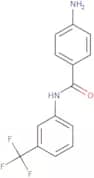

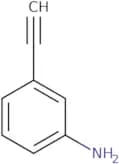
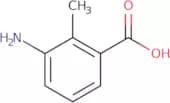
![6-Amino-3-methyl-4-(4-nitrophenyl)-4H-pyrano[3,2-d]pyrazole-5-carbonitrile](/_next/image/?url=https%3A%2Fstatic.cymitquimica.com%2Fproducts%2F3D%2Fthumb-webp%2FFA169805.webp&w=3840&q=75)
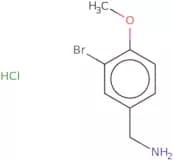
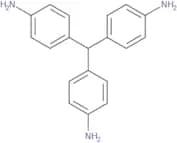
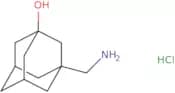

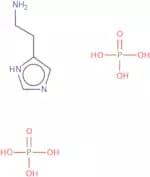

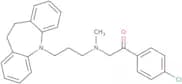


![20-Deoxo-23-deoxy-5-O-[3,6-dideoxy-3-(dimethylamino)-β-D-glucopyranosyl]-20,23-di-1-piperidinyltyl…](/_next/image/?url=https%3A%2Fstatic.cymitquimica.com%2Fproducts%2F3D%2Fthumb-webp%2FFT137728.webp&w=3840&q=75)
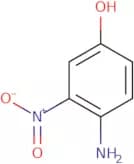
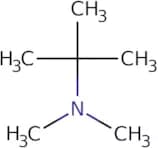
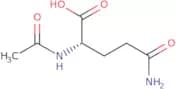

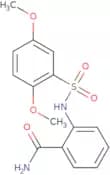
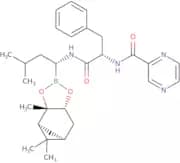
![(2-Imidazo[2,1-b][1,3]thiazol-6-ylethyl)amine dihydrochloride](/_next/image/?url=https%3A%2Fstatic.cymitquimica.com%2Fproducts%2F3D%2Fthumb-webp%2FFI126807.webp&w=3840&q=75)
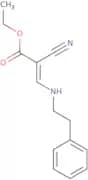
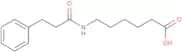
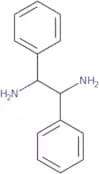
![N-[5-(Phenylamino)-2,4-pentadienylidene]aniline monohydrochloride](/_next/image/?url=https%3A%2Fstatic.cymitquimica.com%2Fproducts%2F3D%2Fthumb-webp%2FFP29019.webp&w=3840&q=75)
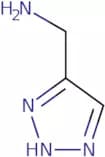
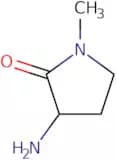
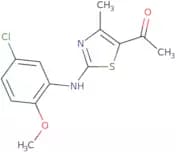
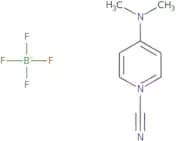
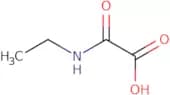
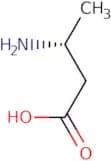

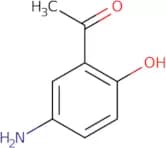
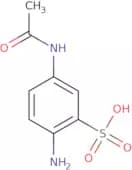
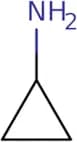
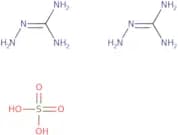
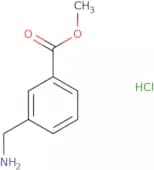
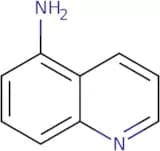

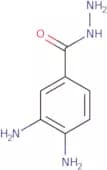
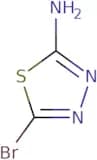
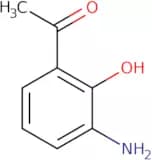
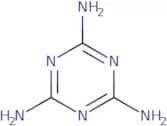

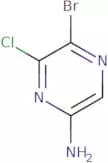
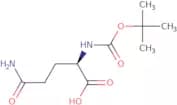
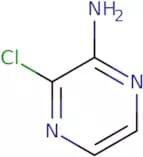
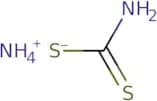
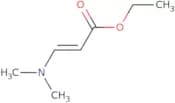
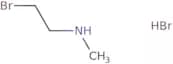
![N-[(1-Ethyl-1H-indol-3-yl)methyl]propan-2-amine](/_next/image/?url=https%3A%2Fstatic.cymitquimica.com%2Fproducts%2F3D%2Fthumb-webp%2FFE128437.webp&w=3840&q=75)
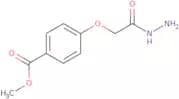
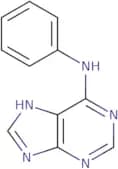
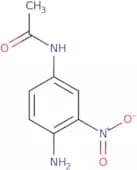

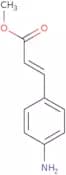
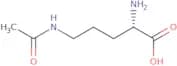
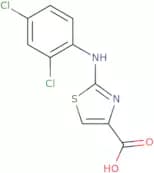
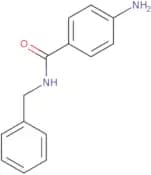
![(6S)-5,6,7,8-Tetrahydro-6-[propyl[2-(2-thienyl)ethyl]amino]-1-naphthalenol hydrochloride](/_next/image/?url=https%3A%2Fstatic.cymitquimica.com%2Fproducts%2F3D%2Fthumb-webp%2FFT27763.webp&w=3840&q=75)
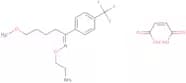
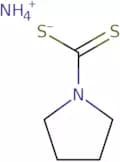
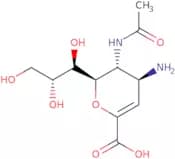

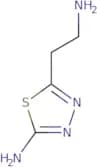
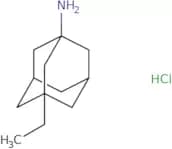
![[(5,5-Dimethyltetrahydrofuran-3-yl)methyl]amine](/_next/image/?url=https%3A%2Fstatic.cymitquimica.com%2Fproducts%2F3D%2Fthumb-webp%2FFD134552.webp&w=3840&q=75)
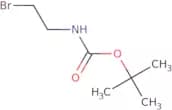
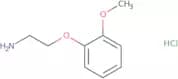
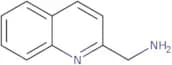
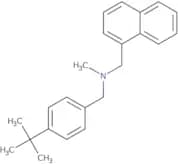

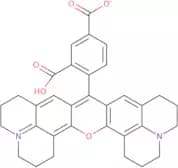
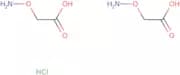
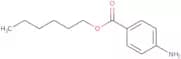
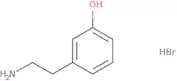
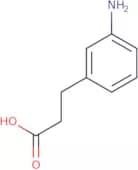
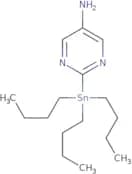
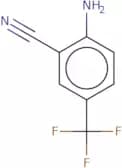
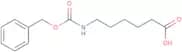

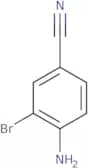

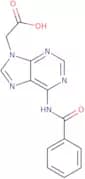
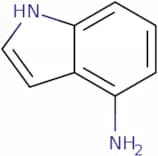
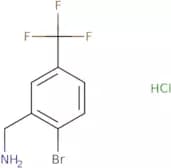
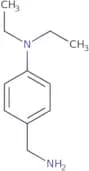

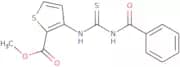
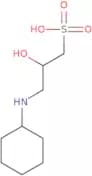
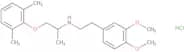
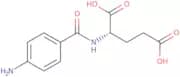
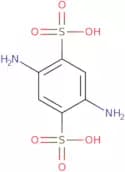

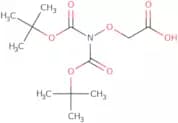
![N-[S-(2-Pyridylthio)cysteaminyl]ethylenediamine-N,N,N',N'-tetraacetic acid, monoamide - Technical …](/_next/image/?url=https%3A%2Fstatic.cymitquimica.com%2Fproducts%2F3D%2Fthumb-webp%2FFP27342.webp&w=3840&q=75)
![6-amino-4-(2-methoxyphenyl)-3-methyl-4H-pyrano[3,2-d]pyrazole-5-carbonitrile](/_next/image/?url=https%3A%2Fstatic.cymitquimica.com%2Fproducts%2F3D%2Fthumb-webp%2FFA169804.webp&w=3840&q=75)
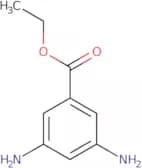
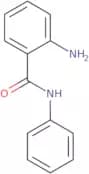
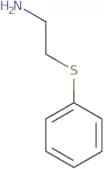
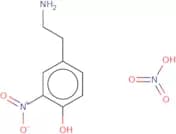
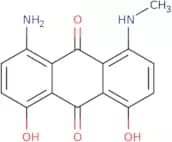
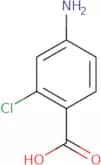

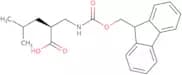
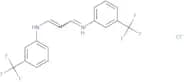
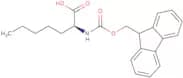
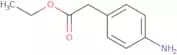
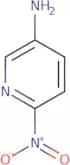

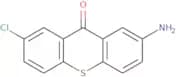
![(S)-2-((((9H-Fluoren-9-yl)methoxy)carbonyl)amino)-3-(1H-pyrrolo[2,3-b]pyridin-3-yl)propanoic acid](/_next/image/?url=https%3A%2Fstatic.cymitquimica.com%2Fproducts%2F3D%2Fthumb-webp%2FFF154979.webp&w=3840&q=75)
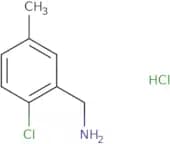
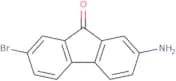
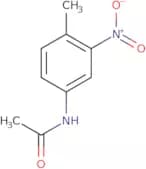
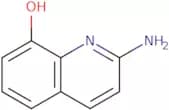
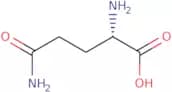
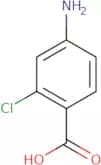

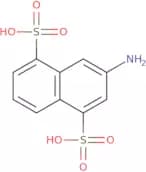
![[3-(Methylamino)-5,6-dihydro-2H-1,4-thiazin-2-ylidene]hydroxylamine HCl](/_next/image/?url=https%3A%2Fstatic.cymitquimica.com%2Fproducts%2F3D%2Fthumb-webp%2FFM164854.webp&w=3840&q=75)
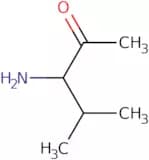
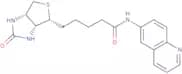
![2-[Ethyl-[2-(3-hydroxy-2,6-dimethyl-anilino)-2-oxo-ethyl]amino]-N-(3-hydroxy-2,6-dimethyl-phenyl)a…](/_next/image/?url=https%3A%2Fstatic.cymitquimica.com%2Fproducts%2F3D%2Fthumb-webp%2FFE145458.webp&w=3840&q=75)
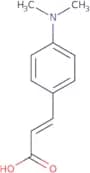
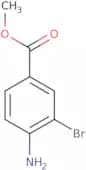
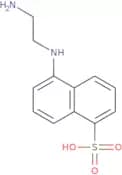
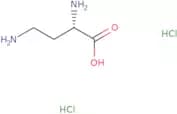
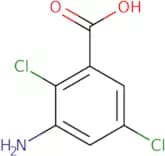

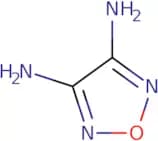
![[1-(Morpholin-4-ylcarbonyl)propyl]amine hydrochloride](/_next/image/?url=https%3A%2Fstatic.cymitquimica.com%2Fproducts%2F3D%2Fthumb-webp%2FFM130661.webp&w=3840&q=75)
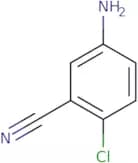
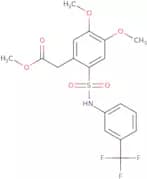
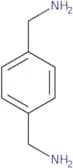
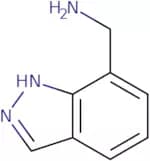
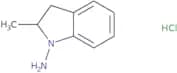
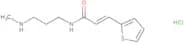
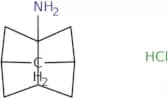
![1H-Pyrrolo[3,2-b]pyridin-7-amine](/_next/image/?url=https%3A%2Fstatic.cymitquimica.com%2Fproducts%2F3D%2Fthumb-webp%2FFP142011.webp&w=3840&q=75)
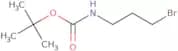
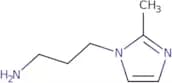
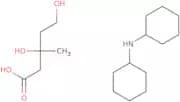
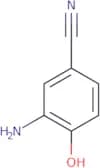
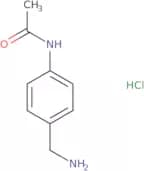
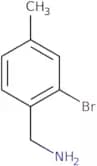

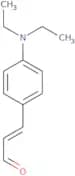
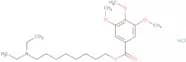
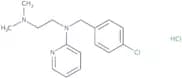

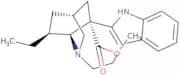

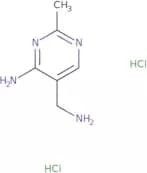

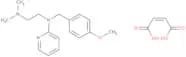
![[3-(2-Methoxyethoxy)benzyl]amine](/_next/image/?url=https%3A%2Fstatic.cymitquimica.com%2Fproducts%2F3D%2Fthumb-webp%2FFM134467.webp&w=3840&q=75)
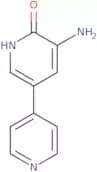
![[(2-Methylimidazo[2,1-b][1,3,4]thiadiazol-6-yl)methyl]amine dihydrochloride](/_next/image/?url=https%3A%2Fstatic.cymitquimica.com%2Fproducts%2F3D%2Fthumb-webp%2FFM123820.webp&w=3840&q=75)


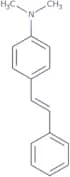
![2-[3-[N-(4-tert-Butylbenzyl)-N-(pyridin-3-ylsulfonyl)aminomethyl]phenoxy]acetic acid](/_next/image/?url=https%3A%2Fstatic.cymitquimica.com%2Fproducts%2F3D%2Fthumb-webp%2FFT145127.webp&w=3840&q=75)
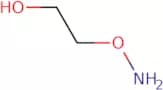
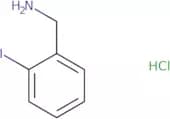
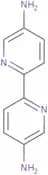
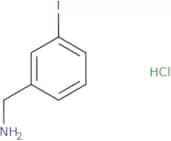
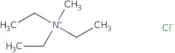
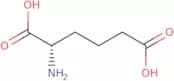
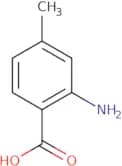

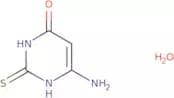
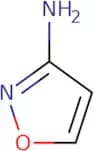
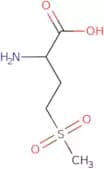
![4-[2-[[3-(4-Hydroxyphenyl)-1-methylpropyl]amino]ethyl]-1,2-benzenediol hydrochloride](/_next/image/?url=https%3A%2Fstatic.cymitquimica.com%2Fproducts%2F3D%2Fthumb-webp%2FFH27507.webp&w=3840&q=75)