Carboxylic Acids
Carboxylic acids are organic molecules characterized by having a carboxyl-type functional group (-COOH). These acids are fundamental in various chemical reactions, including esterification, amidation, and decarboxylation. Carboxylic acids are widely used in the production of pharmaceuticals, polymers, and agrochemicals. In this section, you can find a large number of carboxylic acids ready to be used. At CymitQuimica, we provide a broad range of high-quality carboxylic acids to support your research and industrial applications.
Found 12453 products of "Carboxylic Acids"
Sort by
Purity (%)
0
100
|
0
|
50
|
90
|
95
|
100
6-(3-(Adamantan-1-yl)-4-methoxyphenyl)-2-naphthoic acid
CAS:Controlled Product<p>Agonist of retinoic acid receptors (RAR-? and RAR-?); pro-apoptotic</p>Formula:C28H28O3Purity:Min. 95%Color and Shape:PowderMolecular weight:412.52 g/mol4-Hydroxy-3-methoxybenzoic acid ethyl ester
CAS:<p>4-Hydroxy-3-methoxybenzoic acid ethyl ester is a synthetic compound that is converted to protocatechuic acid, an antioxidant found in wine. It has been shown to have antioxidative properties in inflammatory bowel disease by inhibiting the formation of reactive oxygen species. Protocatechuic acid also inhibits the growth of bacterial strains such as Listeria monocytogenes and Bacillus cereus, which are often resistant to antibiotics. The mechanism of action is not well understood, but it may be due to its ability to inhibit the production of p-hydroxybenzoic acid, a precursor for bacterial cell wall synthesis. Protocatechuic acid also has anti-inflammatory properties and can be used as a bioactive phenolic in topical preparations such as creams or ointments.</p>Formula:C10H12O4Purity:Min. 95%Color and Shape:PowderMolecular weight:196.2 g/mol2-Fluoro-3-methylbenzoic acid methyl ester
CAS:<p>2-Fluoro-3-methylbenzoic acid methyl ester is a small molecule that has been shown to possess 5-HT3 receptor antagonist activity in the range of nanomolar potencies. This drug has also been shown to be orally active in mice. The physicochemical properties of 2-fluoro-3-methylbenzoic acid methyl ester include a melting point of 155.5° C, solubility in methanol and acetone, and a molecular weight of 168.2 g/mol.<br>2-Fluoro-3-methylbenzoic acid methyl ester is being developed as a targeted agent for the treatment of bowel syndrome, which is characterized by abdominal pain, nausea and diarrhea.</p>Formula:C9H9FO2Purity:Min. 95%Color and Shape:Clear LiquidMolecular weight:168.16 g/mol4-Bromomandelic acid
CAS:<p>4-Bromomandelic acid is a chemical with the molecular formula CHBrO. It is an acid that can be found in the form of a solution at room temperature. It is soluble in water and alcohols, but not in ether or chloroform. 4-Bromomandelic acid is used as a reagent for the identification of carbohydrates and other organic compounds by phase chromatography. 4-Bromomandelic acid can be recycled from triticum aestivum (wheat) straw by washing with hydrochloric acid to remove impurities. The purified product can then be crystallized from trifluoroacetic acid or acetic anhydride, followed by backpressure to remove excess solvent. It has been shown that binding constants for metal ions are increased in the presence of p-hydroxybenzoic acid or biphenyl, which has led to its use as a catalyst for reactions involving these substances.</p>Formula:C8H7BrO3Purity:Min. 95%Color and Shape:PowderMolecular weight:231.04 g/mol9,10-Dihydro-5-methoxy-9-oxo-4-acridinecarboxylic acid
CAS:<p>Please enquire for more information about 9,10-Dihydro-5-methoxy-9-oxo-4-acridinecarboxylic acid including the price, delivery time and more detailed product information at the technical inquiry form on this page</p>Formula:C15H11NO4Purity:Min. 95%Color and Shape:PowderMolecular weight:269.25 g/mol5-Methylnicotinic acid
CAS:<p>5-Methylnicotinic acid is a synthetic compound that belongs to the class of organic compounds. It is an amide with optical properties and reacts in aqueous solution with hydroxides to form salts. 5-Methylnicotinic acid has been shown to be effective against rupatadine fumarate, sodium hydroxide solution, transfer mechanism, and plasma samples.</p>Formula:C7H7NO2Purity:Min. 95%Color and Shape:PowderMolecular weight:137.14 g/molMethyl 3-formyl-6-methoxy-1-(4-methoxybenzyl)-1H-indole-2-carboxylate
CAS:Controlled Product<p>Please enquire for more information about Methyl 3-formyl-6-methoxy-1-(4-methoxybenzyl)-1H-indole-2-carboxylate including the price, delivery time and more detailed product information at the technical inquiry form on this page</p>Formula:C20H19NO5Purity:Min. 95%Molecular weight:353.37 g/mol4-Fluorophenoxyacetic acid hydrazide
CAS:<p>4-Fluorophenoxyacetic acid hydrazide (4FPAAH) is a palladium complex with anti-cancer activity. It induces apoptosis, or programmed cell death, in myelogenous leukemia cells and breast cancer cells. 4FPAAH has been shown to bind to the ATP binding site of the catalytic domain of topoisomerase II on DNA and inhibit its activity. The molecular modeling studies show that 4FPAAH binds in the same way as cisplatin, which is a platinum-based drug commonly used for cancer treatment. The structural analysis shows that 4FPAAH binds to the nitrogen atoms of the protein and eliminates the possibility of any hydrogen bonding interactions. This mechanism may be due to an electrostatic interaction between the positively charged nitrogen atom in 4FPAAH and negative charge on topoisomerase II's active site.</p>Formula:C8H9FN2O2Purity:Min. 95%Color and Shape:PowderMolecular weight:184.17 g/molGallic acid monohydrate
CAS:<p>Gallic acid monohydrate is a natural phenolic compound present in plants, such as oak and sumac. It has been shown to have anticarcinogenic properties in animal models of cancer. Gallic acid monohydrate inhibits the growth of tumor cells by binding to the DNA of tumor cells and inhibiting the synthesis of RNA and proteins. It also possesses antioxidant properties, which may be due to its ability to scavenge free radicals. Gallic acid monohydrate is soluble in water, but not in organic solvents such as ether or chloroform. It exists as two crystalline polymorphs: one anhydrous form that occurs at room temperature and a hydrated form that appears when heated above 40 degrees Celsius. In vitro assays have shown that gallic acid monohydrate is stable when exposed to heat, light, and pH changes.END></p>Formula:C7H8O6Purity:Min. 95%Color and Shape:White PowderMolecular weight:188.13 g/mol9-Fluoro-3-methyl-7-oxo-10-(1-piperazinyl)-2,3-dihydro-7H-[1,4]oxazino[2,3,4-Ij]quinoline-6-carboxylic acid
CAS:<p>9-Fluoro-3-methyl-7-oxo-10-(1-piperazinyl)-2,3-dihydro-7H-[1,4]oxazino[2,3,4-Ij]quinoline (FQ) is a fluoroquinolone antibiotic. It inhibits the DNA gyrase and topoisomerase IV enzymes that maintain the integrity of bacterial DNA. FQ has been used to treat urinary tract infections in humans and other animals. This drug is also effective against methicillin resistant Staphylococcus aureus (MRSA) and Clostridium perfringens. FQ binds to bacterial 16S ribosomal RNA and inhibits protein synthesis leading to cell death by inhibiting the production of proteins vital for cell division. The 9 position on the quinoline ring can be detected using UV detection at 260 nm.<br>FQ can be analyzed using mass spectrometry with fluor</p>Formula:C17H18FN3O4Purity:Min. 95 Area-%Color and Shape:White PowderMolecular weight:347.34 g/molcis-2-Amino-1-cyclohexane-carboxylic acid
CAS:<p>Cis-2-Amino-1-cyclohexane-carboxylic acid (ACCA) is a β-amino acid that binds to peptides and cyclohexane rings. ACCA has been shown to have high resistance against denaturation, which may be due to its ability to form hydrogen bonds with water molecules. It also has an analog, cis-2-(aminomethyl)cyclohexanol (CAMCH), which is used in the treatment of Gram-positive bacterial infections. ACCA can be found in glycopeptide antibiotics such as vancomycin and teicoplanin, which are used for the treatment of resistant bacteria including methicillin resistant Staphylococcus aureus (MRSA).</p>Formula:C7H13NO2Purity:Min. 95%Color and Shape:PowderMolecular weight:143.18 g/molThiazole-5-carboxylic acid
CAS:<p>Thiazole-5-carboxylic acid is a carboxylic acid with an aromatic ring. It is a chiral compound that can exist in the form of two enantiomers, D and L. The D form has been shown to have a lower melting point than the L form. Thiazole-5-carboxylic acid has been shown to be a competitive inhibitor of xanthine oxidase, which is involved in purine metabolism and DNA synthesis. It also has antioxidant properties due to its ability to scavenge free radicals, such as superoxide anion (O2-) and hydroxyl radical (HO).</p>Formula:C4H3NO2SPurity:Min. 95%Molecular weight:129.14 g/molN-(1-Naphthyl)phthalamic acid
CAS:<p>N-(1-Naphthyl)phthalamic acid (NPA) is a plant growth regulator that is used to increase the yield and quality of crops. It inhibits the production of ethylene, which is a plant hormone responsible for fruit ripening and senescence. NPA also has been shown to affect the levels of fatty acids in plants. The effects of NPA on mitochondrial cytochrome P450 enzymes have been studied using electrochemical impedance spectroscopy (EIS). This study showed that NPA can inhibit the activity of these enzymes, which may be due to its ability to bind to them or alter their structure.</p>Formula:C18H13NO3Purity:Min. 95%Color and Shape:Light (Or Pale) Purple To Purple SolidMolecular weight:291.3 g/mol3,5-di-tert-Butyl-4-hydroxybenzoic acid
CAS:<p>3,5-di-tert-Butyl-4-hydroxybenzoic acid (BHT) is an organic compound that is used as a preservative in food and has been shown to inhibit the production of fatty acids in the body. BHT is extracted from a variety of sources including hydrochloric acid, ultrasonic extraction, and synthetic methods. It is typically purified by a process that involves the use of deionized water and an organic solvent such as methanol or hexane. BHT can be found in urine samples and fatty alcohols. The human metabolism of BHT includes biliary secretion, which demonstrates its potential for use in treating gallstones.</p>Formula:C15H22O3Purity:Min. 95%Color and Shape:PowderMolecular weight:250.33 g/mol5-Chloro-2-methoxybenzoic acid
CAS:<p>5-Chloro-2-methoxybenzoic acid is an industrial chemical that is used in the production of pharmaceuticals, plastics, and dyes. It also has hypoglycemic activity and can be used to treat type 2 diabetes. The molecular modeling study of this compound showed that it binds to the chloride ion by forming a hydrogen bond between the oxygen atom of the carboxylic acid group and the nitrogen atom of the chloride ion. This interaction leads to a lower pH value in the environment where 5-chloro-2-methoxybenzoic acid is present. This change in pH may affect other molecules such as glucose, which could lead to a decrease in blood sugar levels. Researchers have found that 5-chloro-2-methoxybenzoic acid has cancer cell growth inhibiting properties and can be used as a potential drug for colorectal adenocarcinoma treatment.</p>Formula:C8H7ClO3Purity:Min. 95%Molecular weight:186.59 g/molFmoc-iminodiacetic acid
CAS:<p>Fmoc-iminodiacetic acid is a versatile building block and reagent that is used in the synthesis of complex compounds, such as peptides, proteins, and pharmaceuticals. It is also a useful intermediate in organic synthesis reactions. Fmoc-iminodiacetic acid has been shown to be effective as a reactant for the preparation of various scaffolds with high purity and quality.</p>Formula:C19H17NO6Purity:Min. 95%Color and Shape:PowderMolecular weight:355.34 g/mol4-Chlorobenzoic acid
CAS:<p>4-Chlorobenzoic acid is a dehalogenase that removes chlorinated organic compounds from water. It has been shown to be effective in removing the following: trichloroethene, tetrachloroethene, and dichloroethene. 4-Chlorobenzoic acid is a member of the group P2 dehalogenases and has been shown to have an affinity for aromatic substrates like benzoate. This enzyme is an integral part of wastewater treatment systems as it prevents the accumulation of toxic chlorine-containing chemicals in soil and groundwater.</p>Formula:C7H5ClO2Purity:Min. 95%Color and Shape:PowderMolecular weight:156.57 g/mol3-Bromo-4-methoxybenzoic acid methyl ester
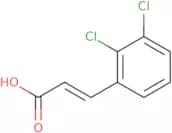
CAS:<p>3-Bromo-4-methoxybenzoic acid methyl ester is an isomer of 4-methoxybenzoic acid. It is a natural product that can be found in dihydroisoquinoline and in the ethyl formate oxidation products. There are two ways to synthesize this compound: by oxidation of diphenyl ethers or by hydrolysis of chloride acetaldehyde. 3-Bromo-4-methoxybenzoic acid methyl ester has been shown to have cellular toxicity against human cells and biphenyl.</p>Formula:C9H9BrO3Purity:Min. 95%Color and Shape:PowderMolecular weight:245.07 g/mol2,4-Dichlorocinnamic acid
CAS:<p>2,4-Dichlorocinnamic acid is a diphenolase inhibitor that is used in the treatment of lactic acidosis. It inhibits the glyoxylate cycle enzyme, muscle monophenolase activity, and tyrosinase activity. 2,4-Dichlorocinnamic acid also binds to tyrosinase and inhibits the reaction scheme. The binding of this drug to tyrosinase causes irreversible inhibition of the enzyme's catalytic site. 2,4-Dichlorocinnamic acid has been shown to have a low degree of cell toxicity and has a kinetic effect on adsorption kinetics.</p>Formula:C9H6Cl2O2Purity:Min. 95%Color and Shape:White PowderMolecular weight:217.05 g/molEthyl 2-nitrilo-2-(2-oxoindolin-3-ylidene)acetate
CAS:<p>Please enquire for more information about Ethyl 2-nitrilo-2-(2-oxoindolin-3-ylidene)acetate including the price, delivery time and more detailed product information at the technical inquiry form on this page</p>Purity:Min. 95%4-Hydroxypiperidine-4-carboxylic acid hydrochloride
CAS:<p>4-Hydroxypiperidine-4-carboxylic acid hydrochloride (HPCA) is a versatile building block, which can be used as a starting material for the synthesis of complex compounds. It is also a useful intermediate in the synthesis of pharmaceuticals, agrochemicals and other fine chemicals. HPCA has been shown to react with various reagents, such as amines and alcohols. This compound is widely used in research and industrial applications. 4-Hydroxypiperidine-4-carboxylic acid hydrochloride is a white crystalline solid that can be synthesized from piperidone through oxidation with hydrogen peroxide in the presence of sulfuric acid.</p>Formula:C6H11NO3·HClPurity:Min. 95 Area-%Color and Shape:White PowderMolecular weight:181.62 g/molB-(4-Fluoro-2-hydroxyphenyl)-boronic acid
CAS:<p>B-(4-Fluoro-2-hydroxyphenyl)-boronic acid is a fungicide that has been synthesized to inhibit the growth of fungi. This compound is an effective fungicide against a wide variety of plant pathogens. It has been shown to be highly efficient in catalyzing intramolecular cyclization reactions, which are sometimes difficult to perform with traditional methods. The regulatory nature of this compound makes it an excellent candidate for commercial applications in agroscience and industry.</p>Formula:C6H6BFO3Purity:Min. 95%Color and Shape:PowderMolecular weight:155.92 g/mol6-Fluoronicotinic acid
CAS:<p>6-Fluoronicotinic acid is a compound class that is biosynthesized from picolinic acid. It has been found to have biological properties such as the ability to form positrons and spiroindolines. 6-Fluoronicotinic acid can be synthesized by solid-phase synthesis and analyzed using vibrational spectroscopy. This compound class is also a radionuclide, which means it can be used in positron emission tomography (PET) scans of the human body. 6-Fluoronicotinic acid has been shown to bind to cardiac tissue and cancer cells, making it an effective drug for treating these diseases.</p>Formula:C6H4FNO2Purity:Min. 95%Color and Shape:PowderMolecular weight:141.1 g/mol5,7-Dinitroindole-2-carboxylic acid
CAS:<p>5,7-Dinitroindole-2-carboxylic acid is a versatile building block that has been used as a reagent in organic synthesis. It has also been shown to be an intermediate in the preparation of 5,7-dichloroindole and other complex compounds. This compound is a reaction component for the synthesis of many useful compounds, including research chemicals and speciality chemicals. 5,7-Dinitroindole-2-carboxylic acid is soluble in most solvents and can be purified by recrystallization or chromatography. The purity can be determined by elemental analysis or nuclear magnetic resonance spectroscopy.</p>Formula:C9H5N3O6Purity:Min. 95%Color and Shape:PowderMolecular weight:251.15 g/mol4-Methoxycinnamic acid
CAS:4-Methoxycinnamic acid is a derivative that is activated by light exposure. It has been shown to have antimicrobial activity against Gram-positive bacteria and yeast, but not Gram-negative bacteria. 4-Methoxycinnamic acid is an analytical reagent that can be used to measure the dry weight of skin cancer cells, as well as to study the genotoxic effects of human liver cells. The chemical has also been shown to be genotoxic in mouse bone marrow cells and human lymphocytes. 4-Methoxycinnamic acid has been found to cause synchronous fluorescence when exposed to UV light, which may be due to its ability to react with molecular oxygen. This reaction produces a linear model with two products: 4-hydroxybenzoic acid and 2,5-dihydroxybenzoic acid.Formula:C10H10O3Purity:Min. 95%Color and Shape:PowderMolecular weight:178.18 g/mol3-Bromo-4-hydroxybenzoic acid
CAS:<p>3-Bromo-4-hydroxybenzoic acid (3BBA) is a hydroxylated benzoic acid that is used as an intermediate in the production of dyes, pharmaceuticals, and other chemicals. 3BBA also has been shown to have anti-inflammatory effects and may be useful for the treatment of heart disease patients. The antimicrobial activity of 3BBA is due to its ability to inhibit bacterial growth by inhibiting the enzyme acetate extract, which is involved in the biosynthesis of fatty acids. This substance also inhibits bacterial growth by binding to particle and p. aeruginosa. 3BBA can be synthesized using ethylene diamine and p-hydroxybenzoic acid in basic dye reactions at pH optimum 7.5.</p>Formula:C7H5BrO3Purity:Min. 95%Color and Shape:SolidMolecular weight:217.02 g/molOctyl (2,4-dichlorophenoxy)acetate
CAS:<p>Octyl (2,4-dichlorophenoxy)acetate is a herbicide that has high selectivity and selectivity. It is used to control grassland weeds. Octyl (2,4-dichlorophenoxy)acetate is an efficient herbicide that can be used in a variety of situations. It can be applied as a pre-emergent or post-emergent herbicide to control weeds on lawns and other turfgrass areas, or as a selective herbicide for the control of broadleaf weeds in fields and other non-crop areas. This compound is also an effective emulsifier for the preparation of various compounds with octadecyl groups. Octyl (2,4-dichlorophenoxy)acetate has been used in China to control Euphorbiae weeds.</p>Formula:C16H22Cl2O3Purity:Min. 95%Color and Shape:Colorless PowderMolecular weight:333.25 g/mol3-Mercaptohexyl acetate
CAS:<p>3-Mercaptohexyl acetate is a chemical that is used in analytical methods to prepare samples for magnetic resonance spectroscopy. 3-Mercaptohexyl acetate is also a potential biomarker, as it can be found in vitro and has been shown to interact with other compounds. The binding of 3-mercaptohexyl acetate to thiols and the effect of carbon disulphide on this binding have been studied. 3-Mercaptohexyl acetate has been shown to interact with receptor binding sites, which may be due to its similarity to natural compounds. Chemical reactions that produce 3-mercaptohexyl acetate are not well understood.</p>Formula:C8H16O2SPurity:Min. 95%Color and Shape:Clear LiquidMolecular weight:176.28 g/mol3-Cyanophenylacetic acid
CAS:<p>3-Cyanophenylacetic acid is a versatile building block and useful intermediate that can be used in the synthesis of a wide range of organic compounds. 3-Cyanophenylacetic acid is a fine chemical with CAS No. 1878-71-3 that can be used as a research chemical, reaction component, or speciality chemical. It is an important reagent for making complex organic compounds. 3-Cyanophenylacetic acid is a high quality product with the following characteristics: <br>1) Colorless crystals; <br>2) Soluble in water; <br>3) Soluble in acetone; <br>4) Slightly soluble in ether; <br>5) Reactivity: stable to heat, light, and air; <br>6) pH (1% solution): 2.0 - 4.0; <br>7) Melting point: 129 °C; <br>8) Boiling point: 188 °C at 760 mmH</p>Formula:C9H7NO2Purity:Min. 95%Molecular weight:161.16 g/molFlumethasone acetate
CAS:Controlled Product<p>Flumethasone acetate is a synthetic corticosteroid that has anti-inflammatory, antipruritic, and vasoconstrictive properties. It is used in the treatment of various skin disorders, including psoriasis, eczema and atopic dermatitis. Flumethasone acetate binds to the cytosolic glucocorticoid receptor (GR) and inhibits the transcription of genes that encode proteins involved in inflammation. The drug also has potent anti-inflammatory activity, but lacks the mineralocorticoid activity of hydrocortisone or cortisone. Flumethasone acetate does not bind significantly to the sex hormone binding globulin (SHBG), which is important for its use in females as it will not interfere with estrogen production.</p>Formula:C24H30F2O6Purity:Min. 95%Color and Shape:White/Off-White SolidMolecular weight:452.49 g/mol3-Chloro-4-methoxybenzoic acid ethyl ester
CAS:<p>3-Chloro-4-methoxybenzoic acid ethyl ester is a chemical compound that is used as a reactant in organic synthesis. It has shown high quality and can be used for research. 3-Chloro-4-methoxybenzoic acid ethyl ester can be used as a scaffold to make fine chemicals, pharmaceuticals, and other products. It has been shown to be useful in the synthesis of many complex compounds and as an intermediate or building block for chemical reactions.</p>Formula:C10H11ClO3Purity:Min. 95%Color and Shape:PowderMolecular weight:214.65 g/mol(S)-2-((Methoxycarbonyl)amino)-3-methylbutanoic acid
CAS:<p>(S)-2-((Methoxycarbonyl)amino)-3-methylbutanoic acid is a synthetic molecule that has been studied for its antiviral activity against hepatitis C virus. The compound was found to inhibit the replication of the virus, with an IC50 of 0.5 mM in cell culture studies. It also inhibited the replicon and reaction yield of the virus in vitro. (S)-2-((Methoxycarbonyl)amino)-3-methylbutanoic acid is effective against genotype 1 and 2, but not against genotype 3. It is active against a broad range of HCV isolates, including those resistant to other drugs such as ribavirin or telaprevir. The drug has been shown to be well tolerated in animals and humans. END></p>Formula:C7H13NO4Purity:Min. 95%Color and Shape:White PowderMolecular weight:175.18 g/molD-Pantothenic acid - Technical grade
CAS:<p>D-Pantothenic acid is a vitamin that is involved in the metabolism of carbohydrates and fats. It is a cofactor for the synthesis of acetyl-coenzyme A, which is important for energy metabolism. D-Pantothenic acid also participates in the synthesis of hemoglobin and red blood cells, as well as being important for proper nerve function and cell growth. D-Pantothenic acid can be synthesized by humans from pantetheine, which is found in the diet and can be made by bacteria in the intestines. Pantetheine can also be converted to coenzyme A through an intermediate called pantethine. The human body needs both pantethine and pantetheine to produce adequate levels of D-pantothenic acid.</p>Formula:C9H17NO5Purity:Min. 95%Color and Shape:PowderMolecular weight:219.24 g/molTriphenylphosphine-3,3',3''-trisulfonic acid trisodium salt
CAS:<p>Triphenylphosphine-3,3',3''-trisulfonic acid trisodium salt is a cationic surfactant that has been used as a catalyst in organic synthesis. This drug has been shown to be effective in the treatment of hydrochloric acid and sodium carbonate bladder stones. It has also been used to treat orthoboric acid nephropathy, which is a type of kidney disease caused by exposure to high levels of boric acid. Triphenylphosphine-3,3',3''-trisulfonic acid trisodium salt is not readily absorbed into the bloodstream and exhibits low bioavailability.</p>Formula:C18H12Na3O9PS3Purity:Min. 90 Area-%Color and Shape:White PowderMolecular weight:568.42 g/mol2-(2-Furyl)-1,3-thiazolidine-4-carboxylic acid
CAS:<p>2-(2-Furyl)-1,3-thiazolidine-4-carboxylic acid is a water-soluble plant metabolite that belongs to the group of research chemicals. It is commonly used in the development of medicines and medicaments due to its unique properties. This compound contains a morpholino and benzoate moiety, which contribute to its pharmacological effects. The presence of oxadiazole and proton groups enhances its bioavailability and stability.</p>Formula:C8H9NO3SPurity:Min. 95%Color and Shape:PowderMolecular weight:199.23 g/mol(R)-(-)-3-Hydroxybutyric acid ethyl ester
CAS:<p>(R)-(-)-3-Hydroxybutyric acid ethyl ester is an enantiomer of 3-hydroxybutyric acid. It is synthesized from diethyl succinate in a one-pot, stereoselective, high-yield process by using asymmetric synthesis and hydrogenation. The reaction vessel used for this synthesis is a reaction solution that has been optimized to be resistant to high pressure and temperature. This product can be used as a renewable feedstock in the production of polyesters and other polymers.</p>Formula:C6H12O3Purity:Min. 95%Color and Shape:Colorless Clear LiquidMolecular weight:132.16 g/mol5-[(3aR,6S,6aS)-2,5,5-trioxo-1,3,3a,4,6,6a-hexahydrothieno[3,4-d]imidazol-6-yl]pentanoic acid
CAS:<p>The compound 5-[(3aR,6S,6aS)-2,5,5-trioxo-1,3,3a,4,6,6a-hexahydrothieno[3,4-d]imidazol-6-yl]pentanoic acid (TIPA) is a diagnostic marker for the diagnosis of urinary tract infections. The compound is present in urine and can be detected with an antibody response. TIPA is excreted by human kidneys in a circadian pattern and has a maximum concentration at pH 7.0. This compound is taken up by bacteria in the urinary tract and its presence can be used to diagnose UTI. TIPA also binds to biotin and polyclonal antibodies that are used for immunohistochemical assays.</p>Formula:C10H16N2O5SPurity:Min. 95%Color and Shape:White To Off-White SolidMolecular weight:276.31 g/mol4-(4-Ethoxyphenyl)-2-indol-3-yl-4-oxobutanoic acid
CAS:<p>Please enquire for more information about 4-(4-Ethoxyphenyl)-2-indol-3-yl-4-oxobutanoic acid including the price, delivery time and more detailed product information at the technical inquiry form on this page</p>Purity:Min. 90%Dimethyl 4,4'-biphenyldicarboxylate
CAS:<p>Dimethyl 4,4'-biphenyldicarboxylate is a chemical that has been used to study chronic viral hepatitis. It is known to have an effect on the nuclear DNA and signal pathways, which are involved in the regulation of energy metabolism. Dimethyl 4,4'-biphenyldicarboxylate has been shown to have hepatoprotective properties by protecting against hepatic steatosis and hepatocarcinogenesis in mice.</p>Formula:C16H14O4Purity:Min. 95%Color and Shape:PowderMolecular weight:270.28 g/mol3,4-Diacetamidobenzoic acid
CAS:<p>3,4-Diacetamidobenzoic acid is a chemical compound that can be used as a reactant or scaffold in organic chemistry. It is also used as an intermediate in the synthesis of other chemicals and has been shown to have anti-inflammatory properties. 3,4-Diacetamidobenzoic acid is a versatile reagent that can be used to synthesize complex compounds and fine chemicals with high quality. It has CAS number 205873-56-9.</p>Formula:C11H12N2O4Purity:Min. 98 Area-%Color and Shape:PowderMolecular weight:236.22 g/mol(3-Aminomethyl)benzoic acid methyl ester HCl
CAS:<p>3-Aminomethylbenzoic acid methyl ester HCl is a fine chemical that is used as a reagent for the synthesis of other compounds. It is also a versatile building block, which can be used to make many different compounds. 3-Aminomethylbenzoic acid methyl ester HCl has been demonstrated to be a useful intermediate in the synthesis of various pharmaceuticals, such as metoclopramide and clozapine. 3-Aminomethylbenzoic acid methyl ester HCl is also a useful scaffold for research chemicals, such as 4-amino-N-(2-hydroxyethyl)benzenesulfonamide or N-[3-(aminomethyl)phenyl]acetamide.</p>Formula:C9H11NO2·HClPurity:Min. 95%Color and Shape:PowderMolecular weight:201.65 g/mol4-(4-Ethoxyphenyl)-2-(3-methyl-5-oxo-1-phenyl(2-pyrazolin-4-yl))-4-oxobutanoic acid
CAS:<p>Please enquire for more information about 4-(4-Ethoxyphenyl)-2-(3-methyl-5-oxo-1-phenyl(2-pyrazolin-4-yl))-4-oxobutanoic acid including the price, delivery time and more detailed product information at the technical inquiry form on this page</p>Purity:Min. 95%7-Chloro-4-hydroxyquinoline-3-carboxylic acid
CAS:<p>7-Chloro-4-hydroxyquinoline-3-carboxylic acid is a chemical compound that has antioxidative activity and is used in the production of various organic substances. It is synthesized by reacting ammonium nitrate with a hydroxy group, an organic solvent, and phenoxy. The resulting product can be heated to form 7-chloro-4-hydroxyquinoline, which undergoes a series of reactions to produce 7-chloro-4-(2,2,2,-trichloroethoxy)quinoline. This reaction system produces a quinoline derivative that has been shown to be expressed at high levels in phosphatidylcholine (PC) and alpha-tocopherol (a vitamin E derivative). The final product is then purified by triethyl orthoformate (TEO), which removes the sulfoxide group.</p>Formula:C10H6ClNO3Purity:Min. 95%Color and Shape:PowderMolecular weight:223.61 g/mol2-Furoic acid
CAS:<p>2-Furoic acid is a compound that belongs to group P2 of the picolinic acid family. It has been shown to have synergistic effects with picolinic acid and a number of other compounds, including sodium fusidate, in inhibiting the growth of Escherichia coli and Staphylococcus aureus. 2-Furoic acid has been identified as a potential drug target for hypertension and may be used as an antihypertensive agent. This compound can be prepared by mixing hydrazine with 2-furoic acid chloride in water or ethanol at room temperature. The product can then be purified using column chromatography or recrystallized from methanol. The mechanism of this reaction is not yet known but it may involve the formation of dehydroascorbic acid by dehydration.</p>Formula:C5H4O3Purity:Min. 95%Color and Shape:PowderMolecular weight:112.08 g/molACTH(1-39) trifluoroacetate
CAS:<p>ACTH(1-39) trifluoroacetate is a synthetic form of ACTH that is used for the diagnosis of autoimmune diseases and bowel disease. It is also used to assess the function of the adrenal gland in cases of suspected Cushing's syndrome. The blood sampling procedure involves withdrawing a small amount of blood from the patient and adding ACTH(1-39) trifluoroacetate to it, which causes an increase in cortisol concentration. ACTH(1-39) trifluoroacetate binds to corticotropin receptors on cells in the body, causing them to release basic proteins that are responsible for inflammation. This drug may be a potential biomarker for metabolic disorders such as obesity. It has been shown to have anti-inflammatory properties and can be used as a nonsteroidal anti-inflammatory drug (NSAID).</p>Formula:C207H308N56O58SPurity:Min. 98 Area-%Color and Shape:PowderMolecular weight:4,541.07 g/molBoc-2-aminobenzoic acid
CAS:<p>Boc-2-aminobenzoic acid is a synthetic amino acid that can be used for the synthesis of recombinant proteins. It contains lysine residues, which are often used in protein engineering. This product is hydrolyzed to form a chloride gas and a hydrochloride salt by the enzyme chloridase. The hydrolysis proceeds through an amine intermediate and proceeds with a rate that is first order in chloride gas and second order in Boc-2-aminobenzoic acid. The kinetic constants for this reaction have been determined using fluorescence resonance energy transfer (FRET) spectroscopy on the solid phase.</p>Formula:C12H15NO4Purity:Min. 95%Color and Shape:PowderMolecular weight:237.25 g/molNesfatin-1 (rat) trifluoroacetate salt
CAS:<p>Please enquire for more information about Nesfatin-1 (rat) trifluoroacetate salt including the price, delivery time and more detailed product information at the technical inquiry form on this page</p>Formula:C424H684N116O136Purity:Min. 95%Molecular weight:9,582.67 g/mol(4-Hydroxymethylphenyl)acetic acid methyl ester
CAS:<p>(4-Hydroxymethylphenyl)acetic acid methyl ester is a fine chemical, useful building block, research chemicals and reagent. It is also a speciality chemical with CAS No. 155380-11-3. This compound can be used as a versatile building block for chemical synthesis, or as a reaction component for the synthesis of complex compounds. The high quality of this compound makes it suitable for use as an intermediate in the synthesis of other chemical compounds. (4-Hydroxymethylphenyl)acetic acid methyl ester is also a useful scaffold for the formation of new molecules or materials such as polymers.</p>Formula:C10H12O3Purity:Min. 95%Molecular weight:180.2 g/mol2-Acetamido-5-aminopentanoic acid
CAS:2-Acetamido-5-aminopentanoic acid (2AAP) is a potential biomarker for obesity. 2AAP is synthesized from the amino acid glutamate by a synthetase that is active in adipose tissue and has a high level of aminotransferase activity. This molecule can be an inhibitor of the enzyme aconitase, which plays an important role in the citric acid cycle. This inhibition could lead to changes in body mass index (BMI). The wild-type strain of Escherichia coli and Salmonella typhimurium have been shown to produce 2AAP with x-ray diffraction data. Preparative hplc was used to isolate this compound from urine samples.Formula:C7H14N2O3Purity:Min. 95 Area-%Color and Shape:White Off-White PowderMolecular weight:174.2 g/mol2,3,4,5-Tetrafluoro-6-chlorobenzoic acid
CAS:<p>2,3,4,5-Tetrafluoro-6-chlorobenzoic acid is a useful chemical that can be used as a precursor in the synthesis of many organic compounds. This compound has been shown to be an efficient and reliable reagent for the preparation of high quality 2,3,4,5-tetrafluoro-6-chlorobenzoic acid. It is also an important building block in organic chemistry and has been shown to be versatile enough to react with a wide range of other chemicals. CAS No. 1868-80-0</p>Formula:C7HClF4O2Purity:Min. 95%Color and Shape:PowderMolecular weight:228.53 g/mol2-Chloro-5-hydroxybenzoic acid
CAS:<p>2-Chloro-5-hydroxybenzoic acid is a compound that contains a hydroxyl group. It is an organic acid and a monomer that can be used in the preparation of coumarin derivatives. 2-Chloro-5-hydroxybenzoic acid can be prepared by oxidation of 2,3,4,5,6 tetrahydrobenzoquinone with hydrogen peroxide followed by hydrolysis. The oxidation step is carried out using potassium permanganate as oxidant and activated manganese dioxide as catalyst. This method yields the desired product in high yield.</p>Formula:C7H5ClO3Purity:Min. 95%Color and Shape:PowderMolecular weight:172.57 g/mol5-Bromo-2-hydroxy-3-methoxybenzoic acid
CAS:<p>5-Bromo-2-hydroxy-3-methoxybenzoic acid (5BHB) is a phenolic compound that has been shown to have fungicidal properties. The uptake of 5BHB in the brain was studied using positron emission tomography and computerized tomography scans in monkeys. The affinity of 5BHB for the dopamine D2 receptor, and its ability to inhibit methylation reactions, were also investigated. The results show that 5BHB is able to cross the blood-brain barrier and bind with high affinity to the dopamine D2 receptor. These findings suggest that 5BHB may be used as a therapeutic agent for Parkinson's disease.</p>Formula:C8H7BrO4Purity:Min. 95%Color and Shape:PowderMolecular weight:247.04 g/molβ-Naphthoic acid ethyl ester
CAS:<p>β-Naphthoic acid ethyl ester (BNAE) is a synthetic compound that has been used as an intermediate in the synthesis of organic compounds. It is also used to prepare hydroxamic acids, which are active methylene compounds. BNAE reacts with nucleophiles and is susceptible to nucleophilic attack. The reaction mechanism for this type of compound involves a cavity with a constant volume, which increases the reactivity of the molecule. This type of reaction can be explained using the functional theory and the use of organic solvents. BNAE is stable when exposed to carbon tetrachloride and hydroxamic acids, but not when exposed to diethyl succinate or chemical agents such as sodium nitrite.</p>Formula:C13H12O2Purity:Min. 95%Color and Shape:PowderMolecular weight:200.23 g/molDi-O-benzoyl L-tartaric acid
CAS:<p>Di-O-benzoyl L-tartaric acid is a chiral compound that is used in the synthesis of enantiopure compounds. It is a racemic mixture of two diastereoisomers, which means it has an asymmetric carbon atom. The two diastereoisomers can be separated using high performance liquid chromatography (HPLC). Di-O-benzoyl L-tartaric acid is used to produce β-amino acids from α-amino acids, and also as a chiral auxiliary for organic synthesis. Di-O-benzoyl L-tartaric acid can also be obtained by hydrolysis of malonic acid with hydrochloric acid or sodium hydroxide.</p>Formula:C18H14O8Purity:Min. 98 Area-%Color and Shape:White PowderMolecular weight:358.3 g/molFmoc-12-amino-4,7,10-trioxadodecanoic acid
CAS:Fmoc-12-amino-4,7,10-trioxadodecanoic acid is a PEG compound with two different functional groups (also known as heterobifunctional). Unlike homobifunctional PEG compounds (same functional group on both ends), this type of compounds are more versatile as have two different anchor points. Fmoc-12-amino-4,7,10-trioxadodecanoic acid is used as a linker and spacer to add a PEG moiety, via pegylation (a bioconjugation technique) to proteins, peptides, oligonucleotides, small molecules and nanoparticles.Formula:C24H29NO7Purity:Min. 97 Area-%Color and Shape:White Off-White Solidified MassMolecular weight:443.49 g/mol2,6-Dichloropyrimidine-4-carboxylic acid
CAS:<p>2,6-Dichloropyrimidine-4-carboxylic acid is a pyrimidine that can be used as a starting material for the synthesis of other compounds. It is an intermediate in the manufacture of anilines and pyrimidines. 2,6-Dichloropyrimidine-4-carboxylic acid is also used in the production of dyes and agrochemicals.</p>Formula:C5H2Cl2N2O2Purity:Min. 95%Color and Shape:White PowderMolecular weight:192.99 g/molDihydrocortisone 21-acetate
CAS:Controlled Product<p>Dihydrocortisone 21-acetate is a synthetic steroid hormone that has radical mechanism of action. It is used to treat inflammatory and autoimmune diseases, such as rheumatoid arthritis, lupus erythematosus, dermatitis herpetiformis, myasthenia gravis, and Behçet's disease. This drug can be synthesized from the reaction of prednisolone with acetyl chloride. Dihydrocortisone 21-acetate is an ester of hydrocortisone or cortisone. It may also be obtained from plant sources by hydrolysis of chlorocarbonates. Dihydrocortisone 21-acetate is freely soluble in dimethylformamide (DMF) and tetrazolium salts are used as the indicator for its presence.</p>Formula:C23H32O6Purity:Min. 95%Color and Shape:PowderMolecular weight:404.5 g/mol5-Chloro-4-hydroxy-1-methyl-2-oxo-1,2-dihydro-quinoline-3-carboxylic acid ethyl-phenyl-amide
CAS:<p>Laquinimod is an immunomodulator drug that inhibits the activity of the immune system. It binds to toll-like receptor 7, which is a protein on the surface of certain cells that responds to infection and inflammation. Laquinimod has been shown to inhibit neurodegeneration in vitro, which may be due to its ability to bind with neuronal death receptors and block the inflammatory response. Laquinimod also inhibits bowel disease by reducing inflammation and controlling immunity in the intestinal tract. Laquinimod has been shown to have long-term efficacy when administered at physiological levels. This drug is chemically stable, even after exposure to light.</p>Formula:C19H17ClN2O3Purity:Min. 95%Color and Shape:White PowderMolecular weight:356.8 g/mol4-Aminobenzoic acid hexyl ester
CAS:<p>4-Aminobenzoic acid hexyl ester is a cytoskeletal molecule that interacts with actin and myosin to form filaments. It has been shown to regulate transcriptional activity by reducing the level of reactive oxygen species or hydrogen peroxide, which are thought to induce cell death. 4-Aminobenzoic acid hexyl ester has also been shown to interact with imatinib, which is used in cancer treatment. This interaction may be due to the ability of 4-aminobenzoic acid hexyl ester to inhibit protein–protein interactions between proteins in the Wnt signaling pathway.</p>Formula:C13H19NO2Purity:Min. 95%Color and Shape:PowderMolecular weight:221.3 g/molLinolenic acid - 70%
CAS:<p>Linolenic acid is a polyunsaturated fatty acid that belongs to the omega-6 family. It has been shown to have apoptosis-inducing effects in various experimental models and has anti-oxidant properties. Linolenic acid also protects against UV radiation and skin cancer. In addition, linolenic acid may be beneficial for eye disorders such as dry eye syndrome and age-related macular degeneration. Clinical studies have shown that linolenic acid may help with weight loss, improve body mass index, and reduce inflammation.</p>Formula:C18H30O2Purity:Min. 95%Color and Shape:Brown Slightly Yellow Red Clear LiquidMolecular weight:278.43 g/molEthyl 3-((4-chlorophenyl)amino)-5-methyl-2,4-thiazolecarboxylate
CAS:<p>Please enquire for more information about Ethyl 3-((4-chlorophenyl)amino)-5-methyl-2,4-thiazolecarboxylate including the price, delivery time and more detailed product information at the technical inquiry form on this page</p>Purity:Min. 90%β-(3-Aminophenyl)propionic acid
CAS:<p>Beta-(3-aminophenyl)propionic acid (BAPA) is a β-amino acid that inhibits the formation of nitric oxide and other reactive oxygen species by binding to a receptor on the surface of cells. BAPA also has inhibitory properties against certain enzymes, such as aminopyrine N-demethylase and carbonic anhydrase. It is used in analytical methods for amines, malonic acid, and hydrochloride salts. Carbon sources that are metabolized by fungi can be converted into BAPA through the process of asymmetric synthesis. This compound is also used as a precursor for gamma-aminobutyric acid (GABA), which is a neurotransmitter in the central nervous system.</p>Formula:C9H11NO2Purity:Min. 95%Color and Shape:PowderMolecular weight:165.19 g/molLithium 3,5-diiodosalicylic acid
CAS:<p>Lithium 3,5-diiodosalicylic acid (Li3,5I2SA) is a cross-linking agent that has been shown to inhibit phosphatase activity and receptor binding in vitro. It also inhibits sugar transport, which is important for the functioning of human cells. Li3,5I2SA has been used to study the action of drugs on cancer cells and spermatozoa. This compound has also been tested as an inhibitor of membrane lipid peroxidation. Li3,5I2SA attaches to red blood cell membranes by binding to sites with high concentrations of monoclonal antibodies. The sequences of this compound have not yet been fully elucidated.</p>Formula:C7H4I2O3•LiPurity:Min. 98 Area-%Color and Shape:PowderMolecular weight:396.85 g/molFenofibric acid methyl ester
CAS:<p>Fenofibric acid methyl ester is a chemical that has been used as a reference standard for the calibration of HPLC. It is an acidic compound that can be used to measure the flow rate of liquids. Fenofibric acid methyl ester has a particle size between 2 and 4 micrometers in diameter, which has been shown to be consistent with the use of dihedrals and diameters. This product has been found to be suitable for chromatographic methods such as calibration and validation. The purity of this chemical has been validated by regression analysis using chromatograms.</p>Formula:C18H17ClO4Purity:Min. 95%Color and Shape:PowderMolecular weight:332.78 g/molBenzoic acid
CAS:<p>Benzoic acid is a preservative that has been used for a long time and is found in sodium benzoate and potassium benzoate. It has been shown to inhibit the growth of bacteria, viruses, fungi, and parasites. Benzoic acid inhibits the enzyme activity of bacterial catalase and peroxidase. Benzoic acid binds to bacterial DNA with high affinity and is able to penetrate the cell membrane. The antimicrobial activity of benzoic acid is dependent on its concentration. At concentrations greater than 0.5%, it forms an inner salt with potassium ions, which can lead to the death of bacteria by inhibiting their growth or interfering with their metabolism.</p>Formula:C7H6O2Color and Shape:White Off-White PowderMolecular weight:122.12 g/molEicosapentaenoic acid ethyl ester
CAS:<p>Eicosapentaenoic acid ethyl ester (EPA-E) is a natural compound that belongs to the group of polyunsaturated fatty acids. EPA-E has been shown to be an antioxidant, which prevents oxidative damage and reduces inflammation. It has been found to lower LDL cholesterol and triglycerides in clinical trials. EPA-E also decreases body mass index, hepatic steatosis, and symptoms of metabolic syndrome. The mechanism of action for these effects is not fully understood but may be due to increased activity of the enzyme spal2. EPA-E has been shown to have favorable biochemical properties in animal models of atherosclerosis.</p>Formula:C22H34O2Purity:Min. 96 Area-%Color and Shape:Clear LiquidMolecular weight:330.5 g/mol2,2,4-Trimethyl-1,2,3,4-tetrahydroquinoline-8-carboxylic acid
CAS:<p>2,2,4-Trimethyl-1,2,3,4-tetrahydroquinoline-8-carboxylic acid is a versatile building block that can be used as a reagent or speciality chemical in research and development. It is also an intermediate for the synthesis of complex compounds with various properties. This compound has been shown to be useful as a building block for the synthesis of new compounds with potential pharmaceutical applications.</p>Formula:C13H17NO2Purity:Min. 95%Color and Shape:White Off-White PowderMolecular weight:219.28 g/mol6-Benzoylamino-9H-purine-9-acetic acid
CAS:<p>6-Benzoylamino-9H-purine-9-acetic acid (BAPAA) is a high quality reagent that is used in the synthesis of complex compounds. It is also a useful intermediate in the preparation of fine chemicals, speciality chemicals, and research chemicals. 6-Benzoylamino-9H-purine-9-acetic acid is a versatile building block for the synthesis of novel compounds with desired biological activity. This compound is an excellent reaction component because it can be used to synthesize various chemical structures.</p>Formula:C14H11N5O3Purity:Min. 95%Color and Shape:PowderMolecular weight:297.27 g/mol3,4-Dimethylcinnamic acid
CAS:<p>3,4-Dimethylcinnamic acid is a plant-derived compound that has been shown to have anti-inflammatory properties. It inhibits the production of prostaglandins by inhibiting cyclooxygenase activity and reducing the production of pro-inflammatory eicosanoids. 3,4-Dimethylcinnamic acid also blocks the synthesis of leukotrienes and thromboxanes, which are involved in inflammation as well as allergic reactions and asthma. 3,4-Dimethylcinnamic acid is used to treat skin conditions such as psoriasis, eczema, or dermatitis. This compound can be obtained from plants like Dracaena fragrans (also known as Madagascar dragon tree) or ethnomedicine sources such as the African shrub Anthranilic acid. 3,4-Dimethylcinnamic acid can be synthesized by cross coupling with alkyl halides, ultraviolet irradiation of anthranils with uv</p>Formula:C11H12O2Purity:Min. 95%Color and Shape:White Off-White PowderMolecular weight:176.21 g/mol4-(Trifluoromethyl)mandelic acid
CAS:<p>4-(Trifluoromethyl)mandelic acid (4-TFA) is a metabolite of the drug mandelic acid. It is a thermodynamically stable, stereospecific, and highly polar compound that can be easily purified by column chromatography. 4-TFA has been shown to have analytical methods in common with mandelic acid, including fluorine analysis and regression. The chemical properties of 4-TFA are similar to those of other aldehydes. It also has enantiomeric purity and can be analysed using gas chromatography-mass spectrometry in urine samples.</p>Formula:C9H7F3O3Purity:Min. 95%Color and Shape:PowderMolecular weight:220.15 g/molHomovanillic acid
CAS:<p>Homovanillic acid is widely used as a fluorogenic substrate of peroxidase. The reaction is however not specific and has been shown to react also with soybean lipoxygenase in the presence of hydrogen peroxide. Excitation and emission wavelengths for homovanillic acid are 312 and 420 nm, respectively.</p>Formula:C9H10O4Purity:Min. 97.5 Area-%Color and Shape:Red PowderMolecular weight:182.17 g/mol5-Formylsalicylic acid
CAS:<p>5-Formylsalicylic acid is a molecule that has the chemical formula HOOC-(CH2)4-COOH. It is an organic acid that is derived from 5-nitrosalicylic acid, which is prepared by reacting sodium carbonate with hydroxybenzoic acid in the presence of ethylene diamine. This compound has been shown to have the ability to form hydrogen bonds with other molecules and itself. 5-Formylsalicylic acid can be synthesized by reacting sodium hydroxide with hydrogen chloride gas in a neutral pH environment. The surface methodology for this compound was determined to be gravimetric analysis, while it exhibits intermolecular hydrogen bonding interactions and matrix effects. Hydrogen bonding interactions are formed through nitrogen atoms and carboxylate groups on the surface of the molecule.</p>Formula:C8H6O4Purity:Min. 95%Color and Shape:PowderMolecular weight:166.13 g/molBenzenesulfonic acid, 4-methyl-2-(3-pyridinylmethylene)hydrazide
CAS:<p>Please enquire for more information about Benzenesulfonic acid, 4-methyl-2-(3-pyridinylmethylene)hydrazide including the price, delivery time and more detailed product information at the technical inquiry form on this page</p>Purity:Min. 95%trans-trans-10,11-Epoxy farnesenic acid methyl ester
CAS:<p>Trans-trans-10,11-Epoxy farnesenic acid methyl ester is a bound form of the hormone juvenile hormone. It is found in plants and insects. Trans-trans-10,11-Epoxy farnesenic acid methyl ester binds to the receptor on the surface of cells and initiates a series of reactions that lead to the production of proteins needed for development. The bound form is converted to an active form by methyl transferase activity or epoxidase activity. Trans-trans-10,11-Epoxy farnesenic acid methyl ester has been shown to be effective against juvenile hormone binding protein (JHBP) and has high values in samples from juvenile insects.</p>Formula:C16H26O3Purity:Min. 90 Area-%Color and Shape:Colorless PowderMolecular weight:266.38 g/molH-Pro-Arg-OH acetate salt
CAS:<p>H-Pro-Arg-OH acetate salt is a synthetic, antioxidative molecule that has been shown to lower blood pressure in animals. It is also an effective inhibitor of the oxidation of diploid cells and has been shown to be safe for long-term use. H-Pro-Arg-OH acetate salt is used as a structural probe for studies on the binding of fibrinogen to plasminogen. This compound has also been shown to reduce protamine's ability to inhibit fibrinolysis, which may lead to improved blood clotting times.</p>Formula:C11H21N5O3Purity:Min. 95%Color and Shape:PowderMolecular weight:271.32 g/mol3-Fluoro-4-methylbenzoic acid
CAS:<p>3-Fluoro-4-methylbenzoic acid is an organic compound that is used as a ligand in coordination chemistry. This compound is an alkynyl ligand with a selenium atom at the 3 position, and it can be used to make metal complexes with cycloalkyl and heterocycloalkyl rings. 3-Fluoro-4-methylbenzoic acid has been shown to be a potent inhibitor of matrix metalloproteinase activity.</p>Formula:C8H7FO2Purity:Min. 95%Color and Shape:PowderMolecular weight:154.14 g/molFolinic acid
CAS:<p>Folinic acid is a vitamin-B9 that is used as a cofactor for enzymes involved in the synthesis of DNA and RNA. It is also used to diagnose various infectious diseases, with high values found in patients with cancer or autoimmune diseases. Folinic acid has been shown to have dose-dependent effects on mammalian cells, exhibiting toxicities at higher concentrations. Folinic acid can be used to repair damaged DNA by acting as a glycosidase that breaks down the glycosidic bond between the base and sugar.</p>Formula:C20H23N7O7Purity:(%) Min. 97%Color and Shape:White PowderMolecular weight:473.44 g/mol6a-Methyl hydrocortisone 21-acetate
CAS:Controlled Product<p>Hydrocortisone is a corticosteroid that is used to suppress the immune system and reduce inflammation. It has anti-inflammatory, antipyretic, and vasoconstrictive properties. Hydrocortisone is a synthetic form of cortisol, which is produced naturally by the adrenal gland. Hydrocortisone acetate is an ester of hydrocortisone with acetic acid. This drug can be administered orally or topically, depending on the condition being treated. The methyl group in this compound makes it less reactive than natural hydrocortisone.</p>Formula:C24H34O6Purity:Min. 95%Color and Shape:PowderMolecular weight:418.52 g/mol3-Cyclohexene-1-carboxylic acid
CAS:<p>3-Cyclohexene-1-carboxylic acid is a reactive organic compound with a boiling point of 147°C. It is a solvent that can be used as an acid catalyst in organic synthesis. 3-Cyclohexane-1-carboxylic acid was used to synthesize the stereoisomers of butyl vinyl ether and alkyl phenols. This compound also metabolizes into cyclohexane ring, primary alcohols, halides, fatty acids, and aromatic hydrocarbons.</p>Formula:C7H10O2Purity:Min. 95%Color and Shape:Clear LiquidMolecular weight:126.15 g/mol2-[(Carboxymethyl)thio]benzoic acid
CAS:<p>2-[(Carboxymethyl)thio]benzoic acid is a bidentate ligand that binds to metal ions. It is coordinated, ligated, and stacked with the metal ion. The chelating ability of 2-[(Carboxymethyl)thio]benzoic acid allows it to form hydrogen bonds with both the anion and cation. This compound has been used as a catalyst for nitration reactions and for the synthesis of other organic compounds.</p>Formula:C9H8O4SPurity:Min. 95%Molecular weight:212.22 g/moltert-Butyl [(tert-butoxycarbonyl)oxy]carbamate
CAS:<p>tert-Butyl [(tert-butoxycarbonyl)oxy]carbamate is a compound that belongs to the class of hydroxylamine derivatives. It is used as a monomer for polystyrene and can be synthesized by reacting tert-butyl alcohol with hydrochloric acid and anhydrous ammonia. This substance has two main functions in the synthesis process: 1) it protects the hydroxamic acid group from hydrolysis by water; 2) it facilitates the extraction of the product from solvent. In addition, tert-Butyl [(tert-butoxycarbonyl)oxy]carbamate is also used in other applications such as the production of carboxylic acid analogues and their use in trackable aminolysis reactions. This substance is not likely to cause adverse effects at low doses, but may have lethal effects at higher doses because of its potential to inhibit protein synthesis.</p>Formula:C10H19NO5Purity:Min. 95%Molecular weight:233.26 g/mol2-(2,4-dimethylphenoxy)pyridine-3-carboxylic acid
CAS:<p>Please enquire for more information about 2-(2,4-dimethylphenoxy)pyridine-3-carboxylic acid including the price, delivery time and more detailed product information at the technical inquiry form on this page</p>Purity:Min. 95%Salicylhydroxamic acid
CAS:<p>Salicylhydroxamic acid is a hydroxamic acid that inhibits the activity of p-hydroxybenzoic acid (PHBA) reductase, an enzyme involved in the conversion of PHBA to benzoic acid. The compound has been shown to inhibit mitochondrial membrane potential and mitochondrial functions, leading to cell death. Salicylhydroxamic acid has also been shown to be active against wild-type strains of Candida glabrata, but not against resistant mutants. This drug may have therapeutic potential for bone cancer and metabolic disorders such as obesity.</p>Formula:C7H7NO3Purity:Min. 95%Color and Shape:White PowderMolecular weight:153.14 g/molUrsodeoxycholic acid methyl ester
CAS:Controlled Product<p>Ursodeoxycholic acid methyl ester is a bile acid that is produced from ursodeoxycholic acid. It is used as a drug to dissolve gallstones and reduce the risk of recurrent gallstones in patients who have had a cholecystectomy. Ursodeoxycholic acid methyl ester also reduces cholesterol levels by preventing its reabsorption in the small intestine and enhancing its excretion in the bile. This agent has been shown to modulate cell proliferation and differentiation, especially in cerebral tissue and muscle cells. Ursodeoxycholic acid methyl ester can be synthesized from ursodeoxycholic acid by saponification with base followed by methylation with methanol. The synthesis of this agent involves an elimination reaction between c1-c3 alcohols, which leads to impurities such as formaldehyde, acetone, glycerol, acetic acid, and butyric acid.</p>Formula:C25H42O4Purity:Min. 95%Color and Shape:White PowderMolecular weight:406.6 g/mol2-(4-Hydroxybenzoyl)benzoic acid
CAS:<p>2-(4-Hydroxybenzoyl)benzoic acid (HBBA) is an activated ester that can be used as a precursor for the synthesis of pharmaceuticals. It has been used in the clinical development of drugs such as anti-inflammatory agents, antibiotics, and anticancer compounds. HBBA can be synthesized by acylation of 4-hydroxybenzoic acid with an appropriate carboxylic acid via a dehydration reaction. This reaction requires high temperatures and acidic catalysts. The product is then purified to remove any residual acid catalyst and other impurities. 2-(4-Hydoxybenzoyl)benzoic acid has been shown to react with nucleophiles such as amines and alcohols, providing fluorescent compounds when reacted with diazonium salts or phthalazinone respectively.</p>Formula:C14H10O4Purity:Min. 95%Color and Shape:White PowderMolecular weight:242.23 g/mol2-Bromobenzoic acid
CAS:<p>2-Bromobenzoic acid is a sodium salt that has been reported to be used in the treatment of autoimmune diseases and bowel disease. It is a prodrug that is hydrolyzed in vivo to 2-bromophenol, its active form. 2-Bromobenzoic acid has been shown to inhibit the production of inflammatory mediators, such as prostaglandins, leukotrienes, and cytokines by inhibiting cyclooxygenase 1 and 2 enzymes. This drug also inhibits the activation of nuclear factor kappa B (NF-κB) in vitro. 2-Bromobenzoic acid may have an anti-inflammatory effect through its ability to inhibit NF-κB activation by preventing the release of tumor necrosis factor alpha (TNFα).</p>Formula:C7H5BrO2Purity:Min. 95%Color and Shape:PowderMolecular weight:201.02 g/mol(3-Aminophenyl)boronic acid hydrochloride
CAS:<p>3-Aminophenylboronic acid hydrochloride is a chemical compound that is used for analytical chemistry, bioconjugate chemistry, and clinical diagnostics. The compound binds to model proteins with high affinity and specificity. 3-Aminophenylboronic acid hydrochloride has been shown to have low binding constants with polyols, which make it ideal for use in cell culture. 3-Aminophenylboronic acid hydrochloride has a pK of 2.7 at pH 7.4, making it acidic at this pH. The compound also has a pK of 9.3 at pH 4.5, making it neutral at this pH. 3-Aminophenylboronic acid hydrochloride is an electrochemically active molecule and can be used as an electrode material in electrochemical impedance spectroscopy experiments.</p>Formula:C6H9BClNO2Purity:Min. 95%Color and Shape:PowderMolecular weight:173.4 g/molb-N-Methyl-guanadinopropionic acid
<p>b-N-Methyl-guanadinopropionic acid is a versatile, high quality, and useful building block that is used as a reagent and speciality chemical. It is also an intermediate in the synthesis of research chemicals, which are synthesized using b-N-Methyl-guanadinopropionic acid as a reactant. This compound can be used as a building block in the synthesis of complex compounds with high molecular weight. The CAS number for b-N-Methyl-guanadinopropionic acid is</p>Purity:Min. 95%3-(3,5-Dihydroxyphenyl)-1-propanoic acid
CAS:<p>3-(3,5-Dihydroxyphenyl)-1-propanoic acid is a metabolite of 3,5-dihydroxybenzoic acid (DHBA) that has been found to be elevated in the urine of women with breast cancer. This metabolite may serve as a potential biomarker for early detection of breast cancer and other types of cancer. It also has anti-inflammatory and glucose regulation effects in humans. The concentration of 3-(3,5-dihydroxyphenyl)-1-propanoic acid was found to be significantly higher in urine samples from women diagnosed with breast cancer than in urine samples from healthy controls, which suggests that this metabolite could be used as a marker for early detection of breast cancer.</p>Formula:C9H10O4Purity:Min. 95%Color and Shape:PowderMolecular weight:182.17 g/mol2,3-Dichlorophenylboronic acid
CAS:<p>2,3-Dichlorophenylboronic acid is a boron-containing compound. It is a substrate for the enzyme phosphatase and has been shown to inhibit the activity of the SHP2 protein kinase in vitro. This inhibition can lead to programmed cell death via apoptosis and necrosis. 2,3-Dichlorophenylboronic acid has also been shown to inhibit the growth of erythromycin resistant bacteria. The two isomers are not equally active. Dichloro(phenyl)boronic acid (1) is more potent than dichlorobis(phenyl)boronic acid (2).</p>Formula:C6H5BCl2O2Purity:Min. 97.5 Area-%Color and Shape:White PowderMolecular weight:190.82 g/mol2,5-Dichlorobenzoic acid potassium
CAS:<p>2,5-Dichlorobenzoic acid potassium salt is a fine chemical that is used as an intermediate for the synthesis of pharmaceuticals and speciality chemicals. It is a versatile building block with a variety of uses in research and manufacturing, including being used as a reaction component or as a reagent. This product has CAS No. 184637-62-5 and has been assigned the Chemical Abstract Service (CAS) number 184637-62-5.</p>Formula:C7H4Cl2O2•KPurity:Min. 95%Color and Shape:PowderMolecular weight:230.11 g/mol4-Chloro-3-methoxybenzoic acid methyl ester
CAS:<p>4-Chloro-3-methoxybenzoic acid methyl ester is a chemical compound that is used as a reagent in organic synthesis. It can be used to produce high quality research chemicals, speciality chemicals, and fine chemicals. This compound has a wide variety of uses because it is versatile and can be used as a reaction component or building block. Its CAS number is 116022-18-5.</p>Formula:C9H9ClO3Purity:Min. 95%Color and Shape:SolidMolecular weight:200.62 g/molPamidronic acid
CAS:<p>Pamidronic acid is a monosodium salt that inhibits the production of proteins by binding to the enzyme protein phosphatase. It has been shown to be an effective chemotherapeutic treatment in a number of animal models and human clinical trials for various cancers, including myeloma, squamous carcinoma, and bone cancer. Pamidronic acid also prevents the proliferation of tumor cells in culture via inhibition of DNA synthesis and RNA synthesis. This drug binds to estrogen receptors on the surface of some cancer cells, thereby inhibiting their response to estradiol benzoate (EB) stimulation. This leads to decreased tumor growth in preclinical models.</p>Formula:C3H11NO7P2Purity:Min. 95%Color and Shape:White PowderMolecular weight:235.07 g/mol3,5-Dimethoxy-4-hydroxycinnamic acid ethyl ester
CAS:<p>3,5-Dimethoxy-4-hydroxycinnamic acid ethyl ester is a redox potential with an acidic character. It can be synthesized from p-hydroxybenzoic acid and acetate extract of the plant Carthamus tinctorius. The synthesis starts with an asymmetric synthesis of protocatechuic acid and its derivatives. This compound is also found in the surface methodology of fatty acids and radiation that has been studied by nmr spectroscopic data. 3,5-Dimethoxy-4-hydroxycinnamic acid ethyl ester has bioactive phenolic properties and can be used for the treatment of various diseases such as cancer or diabetes.</p>Formula:C13H16O5Purity:Min. 95%Color and Shape:PowderMolecular weight:252.26 g/mol4-(2-Hydroxyethyl)benzoic acid
CAS:<p>4-(2-Hydroxyethyl)benzoic acid is a synthetic drug that binds to the dopamine D2 receptor and blocks adenylyl cyclase, which synthesizes cAMP. This results in a decrease in the binding of dopamine to its receptors, and therefore reduces the amount of dopamine that is transported into the cell. It has been demonstrated that 4-(2-hydroxyethyl)benzoic acid has affinity for both dopamine D4 receptors and dopamine D3 receptors. 4-(2-Hydroxyethyl)benzoic acid has been shown to be an effective anticancer agent in vitro, as it inhibits proliferation of human cancer cells by inhibiting DNA synthesis.</p>Formula:C9H10O3Purity:Min. 95%Color and Shape:White PowderMolecular weight:166.17 g/mol2-Cyanocinnamic acid
CAS:<p>2-Cyanocinnamic acid is a fatty acid that has been shown to inhibit the synthesis of proteins. It binds to cytochrome c oxidase, inhibiting mitochondrial respiration and electron transport, leading to decreased ATP production. 2-Cyanocinnamic acid is not easily transported out of mitochondria, which leads to its accumulation in the mitochondrial matrix. This accumulation causes synergistic inhibition with glutamate, leading to a decrease in ATP production and an increase in intracellular levels of reactive oxygen species (ROS). The use of 2-cyanoacrylic acid as a mitochondrial transport inhibitor has been proposed for the treatment of obesity and diabetes.<br>2-Cyanocinnamic acid also inhibits fatty acid uptake by binding to the protein translocase at the outer membrane of cells. This binding prevents monomers from entering the cell, where they are broken down by beta oxidation and converted into acetyl-CoA, which can be used for energy production or stored as triglycer</p>Formula:C10H7NO2Purity:Min. 95%Molecular weight:173.17 g/mol4-Acetoxyphenoxyacetic acid
CAS:<p>4-Acetoxyphenoxyacetic acid is a high-quality, versatile building block that is used as an intermediate in the synthesis of various pharmaceuticals and agricultural chemicals. It has been shown to be a useful scaffold for drug design. 4-Acetoxyphenoxyacetic acid is also used as a reagent for organic synthesis. This compound can be used to synthesize complex compounds and speciality chemicals. 4-Acetoxyphenoxyacetic acid can be used as a reaction component for reactions including cycloadditions, acylations, esterifications, and hydrolysis reactions.</p>Formula:C10H10O5Purity:Min. 95%Color and Shape:PowderMolecular weight:210.18 g/molTaraxasterol acetate
CAS:Controlled Product<p>Taraxasterol acetate is a sesquiterpene lactone that has shown anti-inflammatory activity and inhibits the production of inflammatory cytokines. It also possesses antifungal activity against various fungi, such as Candida albicans and Aspergillus niger. Taraxasterol acetate can be used for the treatment of infectious diseases, as well as for the prevention of inflammation. This compound has been found to work by binding to specific enzymes that are involved in the inflammatory response. These enzyme interactions prevent the production of pro-inflammatory molecules and cytokines, which are substances that trigger an immune response. The structure of taraxasterol acetate is similar to 3-o-caffeoylquinic acid, a natural compound found in plants such as Angelica Dahurica. Taraxasterol acetate is a component of several species of plants, including some medicinal herbs such as Angelicae Dahuricae. This compound can be purified</p>Formula:C32H52O2Purity:Min. 95%Color and Shape:PowderMolecular weight:468.75 g/molSumaresinolic acid
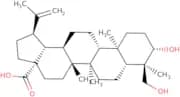
CAS:Controlled Product<p>Sumaresinolic acid is a naturally occurring triterpenoid compound, which is typically isolated from certain plant species, such as those belonging to the Sumac (Rhus) family. This compound is characterized by its complex molecular structure that endows it with various biochemical activities. Sumaresinolic acid acts primarily through anti-inflammatory and antioxidant pathways, influencing cellular signaling and modulating enzymatic activity related to inflammation and oxidative stress.</p>Formula:C30H48O4Purity:Min. 95 Area-%Color and Shape:PowderMolecular weight:472.7 g/molethyl 2-(6-bromo-2-naphthyloxy)acetate
CAS:<p>Please enquire for more information about ethyl 2-(6-bromo-2-naphthyloxy)acetate including the price, delivery time and more detailed product information at the technical inquiry form on this page</p>Purity:Min. 95%4-Methylcinnamic acid
CAS:<p>4-Methylcinnamic acid is a cinnamic acid derivative that is used as an intermediate in the synthesis of various drugs. It can be synthesized from 2-chlorocinnamic acid, which is prepared by reaction with phosphorus pentachloride. 4-Methylcinnamic acid is also able to be oxidized to 4-hydroxycinnamic acid, which has been shown to have anti-aging effects. The molecule can be modeled using molecular dynamics simulations and was found to be polarizable and diffracting.</p>Formula:C10H10O2Purity:Min. 95%Color and Shape:White PowderMolecular weight:162.19 g/molL-2,4-Diaminobutyric acid dihydrochloride
CAS:<p>L-2,4-Diaminobutyric acid, dihydrochloride is a chemical compound that is a non-protein amino acid. It is used in the production of gamma-aminobutyric acid (GABA) and has been shown to be able to penetrate the blood-brain barrier. However, it also has many other health effects such as increasing fatty acids in the brain and decreasing GABA uptake. L-2,4-Diaminobutyric acid, dihydrochloride can be used for diagnostic purposes or animal health.</p>Formula:C4H10N2O2•(HCl)2Purity:Min. 95%Color and Shape:White to off-white solid.Molecular weight:191.06 g/mol3-Chloro-2,4,5-trifluorobenzoic acid
CAS:<p>3-Chloro-2,4,5-trifluorobenzoic acid (3CTBA) is a synthetic fluoroquinolone antibiotic that has been shown to be active against gram-negative bacteria. 3CTBA inhibits the production of chloride ions in the cytoplasm of bacteria by inhibiting the enzyme chlorate reductase. 3CTBA is also effective against Mycobacterium tuberculosis and Mycobacterium avium complex. The safety profile of this drug is good, with few side effects in humans and no adverse reactions in animals. Many industrial processes have been established for the synthesis of 3CTBA, which results in a high reaction yield. This drug can be synthesized from inexpensive starting materials using a straightforward and efficient process.</p>Formula:C7H2ClF3O2Purity:Min. 95%Color and Shape:PowderMolecular weight:210.54 g/molCrotonic acid
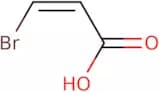
CAS:<p>Crotonic acid is a fatty acid that is a potential inhibitor of glycol ethers. It has been demonstrated to inhibit the formation of infectious diseases by binding to the agonist binding site on the surface of bacteria. Crotonic acid also binds to water molecules and forms crotonic acid hydroxide, which may be responsible for its inhibitory properties. The hydrolysis of crotonic acid can be achieved through a reaction mechanism involving water and an electrochemical process in which methyl ethyl groups are oxidized and form methyl ethyl radicals. These radicals react with hydrogen atoms from water, forming methoxy radicals that react with two hydroxyl groups, which results in the cleavage of the C-O bonds in crotonic acid to form acetic acid and methanol. Crotonic acid has also been shown to have detergent properties when used as a solid catalyst for organic reactions or as an additive in detergent compositions.</p>Formula:C4H6O2Purity:Min. 95%Color and Shape:PowderMolecular weight:86.09 g/mol2-Hydroxypentanoic acid
CAS:<p>2-Hydroxypentanoic acid is a fatty acid that is naturally produced in the body. It is also a reaction product of polylactic acid and malic acid, which are used as low-calorie substitutes for sugar. 2-Hydroxypentanoic acid has been shown to lower LDL cholesterol levels. It can be detected by an analytical method based on diazonium salt hydrolysis or hydrogen chloride mineralization, and it can be found in pharmaceutical dosage forms such as vitamin E acetate and alpha-tocopherol acetate. This compound has been used as a diagnostic tool in the identification of aliphatic hydrocarbons in metabolic profiles.</p>Formula:C5H10O3Purity:Min. 95%Color and Shape:PowderMolecular weight:118.13 g/molLinaclotide acetate
CAS:Controlled Product<p>Linaclotide acetate is a medication used for the treatment of chronic constipation and irritable bowel syndrome with constipation. It belongs to the class of drugs called guanylate cyclase C agonists, which are compounds that stimulate guanylate cyclase in cells and increase the levels of intracellular messenger cyclic guanosine monophosphate (cGMP). Linaclotide is a selective agonist for guanylate cyclase-C receptors on intestinal smooth muscle cells. It also has been shown to have an effect on mitochondrial membrane potential, as well as improve mitochondrial function. This drug has also been shown to be effective against long-term efficacy and pharmacological treatment in patients with bowel diseases.</p>Formula:C59H79N15O21S6•C2H4O2Purity:Min. 95%Color and Shape:PowderMolecular weight:1,586.8 g/molUracil-4-acetic acid
CAS:<p>Uracil-4-acetic acid is a monocarboxylic acid that is synthesized in mammalian cells. It can also be obtained by hydrolysis of orotic acid, which was previously synthesized from uridine and phosphorolysis of sephadex g-100. Uracil-4-acetic acid is used to produce uridine through the action of an enzyme called uridine phosphorylase. This enzyme catalyzes the reaction between ATP and uracil, as well as the conversion of orotic acid to orotidine 5′-monophosphate decarboxylase. Uracil-4-acetic acid has been shown to inhibit the growth of toxoplasma, but it has not been determined whether this inhibition is due to its role in the synthesis of uridine or its toxic effects on the parasite.</p>Formula:C6H6N2O4Purity:Min. 95%Color and Shape:White SolidMolecular weight:170.12 g/mol3,5-Dimethoxybenzoic acid
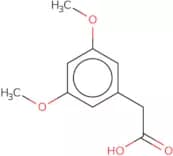
CAS:<p>3,5-Dimethoxybenzoic acid is a chemical compound that belongs to the class of organic compounds known as phenols. This compound is used in the synthesis of 2,4-dichlorobenzoic acid from 2,4-dichloroaniline and sodium hydroxide solution. 3,5-Dimethoxybenzoic acid can also be used to synthesize 2,5-dimethoxybenzoic acid by reacting with sodium hydroxide solution. In addition to its use in organic synthesis, 3,5-dimethoxybenzoic acid has been shown to inhibit ventricular myocytes in a dose dependent manner. It is also used as a model system for studying phase equilibrium.</p>Formula:C9H10O4Purity:Min. 95%Color and Shape:White PowderMolecular weight:182.17 g/molIbogamine-18-carboxylic acid methyl ester
CAS:<p>Ibogamine is a naturally occurring alkaloid that is found in the roots of plants from the Apocynaceae family. It has been shown to be low-potency and act as an α7 nicotinic acetylcholine receptor agonist. Ibogamine also possesses transport properties through the blood-brain barrier. In addition, it has been shown to inhibit coronaridine-induced convulsions in mice and alkaloids have been isolated from its leaves. Molecular docking analysis has shown that ibogamine binds to the protein data of hep-2 cells, which are used for tissue culture. Ibogamine is a monoterpenoid indole alkaloid with anti-inflammatory properties. It has been shown to have activity against infectious diseases such as tissue culture and plate test experiments, which are used to study fatty acid synthesis and β-oxidation respectively.</p>Formula:C21H26N2O2Purity:Min. 98 Area-%Color and Shape:PowderMolecular weight:338.44 g/mol2-Chloroethanesulfonic acid sodium hydrate
CAS:<p>2-Chloroethanesulfonic acid sodium hydrate is a chemical compound that belongs to the class of primary amines. It has a strong tendency to adsorb on surfaces, which can be seen in its FTIR spectra. 2-Chloroethanesulfonic acid sodium hydrate is a white crystalline solid and is insoluble in water. This compound has been found to have a high reactivity with metal ions, such as Na+, K+, Ca2+, and Mg2+. 2-Chloroethanesulfonic acid sodium hydrate reacts slowly with chloropropane, but more quickly with chloroacetic acid. The reaction time depends on the concentration of the reactants and the temperature at which it is heated.</p>Formula:C2H4ClO3SNa·H2OPurity:Min. 98%Color and Shape:White PowderMolecular weight:184.58 g/molEpi hydrocortisone 21-acetate
CAS:Controlled Product<p>Epi hydrocortisone 21-acetate is a high quality chemical. It is a reagent, which is used as a fine chemical, useful scaffold, and versatile building block in synthetic chemistry. Epi hydrocortisone 21-acetate has CAS No. 1250-97-1 and can be used in research chemicals or speciality chemicals. This compound is also a reaction component that can be used to synthesize other compounds with desirable properties.</p>Formula:C23H32O6Purity:Min. 95%Color and Shape:PowderMolecular weight:404.5 g/mol3-Bromo-4-ethoxybenzoic acid
CAS:<p>3-Bromo-4-ethoxybenzoic acid is an organic compound that has been shown to have biological activity against pathogens. 3-Bromo-4-ethoxybenzoic acid inhibits the growth of bacteria by binding to the enzyme chloride channel and regulating its function. It also has a regulatory effect on chloride channels and can be used as a catalyst for many reactions in organic synthesis.</p>Formula:C9H9BrO3Purity:Min. 95%Molecular weight:245.07 g/molTachyplesin I trifluoroacetate
CAS:<p>Tachyplesin I trifluoroacetate is an antimicrobial peptide with action on bacterial and fungal membranes by disrupting their integrity and is used for research on antimicrobial properties and potential therapeutic applications.</p>Formula:C99H151N35O19S4•(C2HF3O2)xPurity:Min. 95%Color and Shape:PowderMolecular weight:2,263.75 g/molIndole-7-carboxylic acid
CAS:<p>Indole-7-carboxylic acid is a tetrahydropyridine that can be prepared by formylation of indole-7-carboxylic acid with formaldehyde and hydroxylamine. It is also the reaction product of dimethoxybenzene and cyanoindole in the presence of a base. Indole-7-carboxylic acid has been used in the synthesis of several drugs, including metronidazole and nitrofurantoin.</p>Formula:C9H7NO2Purity:Min. 95%Molecular weight:161.16 g/mol3-Methylquinoxaline-2-carboxylic acid
CAS:<p>3-Methylquinoxaline-2-carboxylic acid is a polymerase chain reaction (PCR) reagent that can be used to detect nucleic acids. The detection sensitivity of the lc-ms/ms method is 0.1 pmol, and the matrix effect is negligible. There are no genotoxic effects, while significant cytotoxicity has been observed at concentrations of 10 µg/mL or greater. The monoclonal antibody used for immunodetection reacts with nitrite ion, which can be detected by the 3-methylquinoxaline-2-carboxylic acid assay. This reagent can also be used for sample preparation in DNA sequencing reactions.</p>Formula:C10H8N2O2Purity:Min. 97 Area-%Color and Shape:PowderMolecular weight:188.18 g/molStearic acid
CAS:<p>Stearic acid is a molecule that is found in small quantities in animal and vegetable fats. It is used to create soaps, candles, and cosmetics. Stearic acid can be synthesized from stearate by heating it with anhydrous sodium carbonate. The reaction mechanism involves the formation of water vapor, which reacts with the sodium carbonate to produce sodium hydroxide, carbon dioxide, and hydrogen gas. The hydrogen gas then combines with the stearic acid to form stearyl alcohol. This process creates a particle that can be used as a catalyst for chemical reactions such as those found in bone cancer or fetal bovine growth. Stearic acid binds calcium ions and has been shown to have potential use as a drug treatment for osteoporosis.</p>Formula:C18H36O2Purity:Min. 95%Color and Shape:PowderMolecular weight:284.48 g/mol3-Bromocinnamic acid ethyl ester
CAS:<p>3-Bromocinnamic acid ethyl ester is a chemical that is useful as a building block for the synthesis of more complex compounds. It is an intermediate in the synthesis of organic compounds and can be used as a reaction component. 3-Bromocinnamic acid ethyl ester has CAS No. 24398-80-9 and is a reagent that can be used to synthesize other chemicals. 3-Bromocinnamic acid ethyl ester is also useful as a scaffold in the development of new drugs, because it has an amide bond, which may lead to new types of drug molecules with different properties.</p>Formula:C11H11BrO2Purity:Min. 95%Molecular weight:255.11 g/mol3-Hydroxy-4-methylbenzoic acid
CAS:<p>3-Hydroxy-4-methylbenzoic acid is a cardiotonic glycoside that has been used in the treatment of cardiac arrhythmia. It has been shown to inhibit the enzyme persulfate, which is involved in the activation of hydrogen peroxide and may be responsible for the therapeutic effect of 3-hydroxy-4-methylbenzoic acid. The inhibition of persulfate by 3-hydroxy-4-methylbenzoic acid may be due to an intramolecular hydrogen bond that is formed between the sulfonate group on 3-hydroxy-4 methyl benzoic acid and the hydroxyl group on 4-tert butylbenzoic acid. Animal studies have shown that this drug inhibits sodium urate crystal formation and excretion in urine samples. This drug also inhibits renal ammoniagenesis, which is a metabolic pathway where ammonia is converted to urea, thereby lowering blood levels of ammonia. The metabolism of</p>Formula:C8H8O3Purity:Min. 95%Color and Shape:PowderMolecular weight:152.15 g/mol4-Benzyloxyphenylacetic acid
CAS:<p>4-Benzyloxyphenylacetic acid is a synthetic, hydrogenated molecule. It has been shown to be an inhibitor of glutamate dehydrogenase and coumarin derivatives. 4-Benzyloxyphenylacetic acid also has functional groups such as benzyl groups and dihedral functionalities. These functional groups are responsible for its interactions with proteins in the cell and its ability to inhibit the metabolism of glutamate. 4-Benzyloxyphenylacetic acid is used in research as a chemical tool to study the role of glutamate in cellular processes.</p>Formula:C15H14O3Purity:Min. 95%Color and Shape:PowderMolecular weight:242.27 g/molEthyl 4-(((tert-butyl)amino)thioxomethyl)piperazinecarboxylate
CAS:<p>Please enquire for more information about Ethyl 4-(((tert-butyl)amino)thioxomethyl)piperazinecarboxylate including the price, delivery time and more detailed product information at the technical inquiry form on this page</p>Purity:Min. 95%D-(+)-2-Phosphoglyceric acid sodium hydrate
CAS:<p>Please enquire for more information about D-(+)-2-Phosphoglyceric acid sodium hydrate including the price, delivery time and more detailed product information at the technical inquiry form on this page</p>Formula:C3H4Na3O7PPurity:Min. 95 Area-%Color and Shape:PowderMolecular weight:252 g/molGlycine amide acetate
CAS:Controlled Product<p>Glycine amide acetate is a product that contains an imine group. It has been shown to have staining properties when applied to human keratin and is used in the cosmetic industry as a depigmenting agent. Glycine amide acetate has been shown to be effective in the treatment of depression, although it is not yet approved for this use. The molecule also contains an iridoid compound, which may be responsible for its effects on mood.</p>Formula:C2H6N2O•C2H4O2Purity:Min. 95%Color and Shape:PowderMolecular weight:134.13 g/mol4-Nitrobenzyl (4R,5R,6S)-3-[(diphenylphosphono)oxy]-6-[(R)-1-hydroxyethyl]-4-methyl-7-oxo-1-azabicyclo[3.2.0]hept-2-ene-2-carboxylat e
CAS:<p>4-Nitrobenzyl (4R,5R,6S)-3-[(diphenylphosphono)oxy]-6-[(R)-1-hydroxyethyl]-4-methyl-7-oxo-1-azabicyclo[3.2.0]hept-2-ene-2-carboxylat e is a synthetic compound that is used as an alkalizer and impurity scavenger in the manufacture of pesticides and other organic chemicals. It has been shown to be a stereoselective herbicide with acetonitrile as its primary degradation product. The compound has also been found to be a potent inhibitor of the enzyme carbapenemase, which may lead to increased resistance to antibiotics such as monosodium salt of ertapenem.</p>Formula:C29H27N2O10PPurity:Min. 98 Area-%Color and Shape:White PowderMolecular weight:594.51 g/mol2-Amino-4-(methylsulfonyl)butanoic acid
CAS:<p>2-Amino-4-(methylsulfonyl)butanoic acid is a nonsteroidal anti-inflammatory drug that belongs to the group of sulfonamides. It is a prodrug that is hydrolyzed in vivo to its active form, 4-(methylsulfonyl)butanamide. 2-Amino-4-(methylsulfonyl)butanoic acid has been shown to be effective in the treatment of pain and inflammation in animal models. The mechanism of action has not been fully elucidated, but it may be due to its ability to inhibit prostaglandin synthesis by blocking the enzyme cyclooxygenase. This drug also inhibits glutamate release and may have epigenetic modulating effects on gene expression. 2-Amino-4-(methylsulfonyl)butanoic acid has been found to have matrix effect on physiological effects such as blood pressure, heart rate, and respiration. This drug also binds</p>Formula:C5H11NO4SPurity:Min. 95%Color and Shape:PowderMolecular weight:181.21 g/mol2,5-Dimethoxy-3-nitrobenzoic acid
CAS:<p>2,5-Dimethoxy-3-nitrobenzoic acid is a versatile building block that can be used to synthesize many different compounds. It is often used in the synthesis of complex organic molecules and can be used as a reagent or intermediate. The CAS number for this compound is 17894-26-7.</p>Formula:C9H9NO6Purity:Min. 95%Color and Shape:PowderMolecular weight:227.17 g/mol4-Amino-5-chloro-2-ethoxybenzoic acid
CAS:<p>4-Amino-5-chloro-2-ethoxybenzoic acid is a phenoxy compound that is synthesized in the laboratory. The chemical structure of this compound has been studied using high performance liquid chromatography and it was found to have pharmacokinetic properties that are consistent with those of other drugs in its class. This drug is being developed as an anti-depressant, targeting the 5HT4 receptor. The bioactive metabolite of 4-amino-5-chloro-2-ethoxybenzoic acid is 4-(4′ hydroxybutyl)phenol, which has been shown to be a potent inhibitor of phosphodiesterase activity.</p>Formula:C9H10ClNO3Purity:Min. 95%Color and Shape:White Off-White PowderMolecular weight:215.63 g/molEthyl (1,3,6-trimethyl-2,4-dioxo-2,3,4,7-tetrahydro-1H-pyrrolo[2,3-d]pyrimidin-5-yl)acetate
CAS:Controlled Product<p>Please enquire for more information about Ethyl (1,3,6-trimethyl-2,4-dioxo-2,3,4,7-tetrahydro-1H-pyrrolo[2,3-d]pyrimidin-5-yl)acetate including the price, delivery time and more detailed product information at the technical inquiry form on this page</p>Formula:C13H17N3O4Purity:Min. 95%Molecular weight:279.29 g/mol3-(4-methoxy-1-naphthyl)acrylic acid
CAS:<p>Please enquire for more information about 3-(4-methoxy-1-naphthyl)acrylic acid including the price, delivery time and more detailed product information at the technical inquiry form on this page</p>Purity:Min. 95%2-Chloroinosine 3',4',6'-triacetate
CAS:<p>2-Chloroinosine 3',4',6'-triacetate is a reagent, useful intermediate, fine chemical, and speciality chemical. It is used as an important building block in organic synthesis. 2-Chloroinosine 3',4',6'-triacetate can be used as a versatile building block for the synthesis of many other compounds. The high quality and usefulness of this compound make it a good choice for research chemicals.</p>Formula:C16H17ClN4O8Purity:Min. 95%Color and Shape:White to pale yellow solid.Molecular weight:428.78 g/mol4-Amidinobenzoic acid hydrochloride
CAS:<p>4-Amidinobenzoic acid hydrochloride is a catalytic molecule that inhibits serine proteases. It has been shown to be an effective inhibitor of the proteolytic activity of trypsin and chymotrypsin when used at concentrations of 3 mM or higher. 4-Amidinobenzoic acid hydrochloride functions by binding to the active site of the enzyme, preventing access to the substrate. This inhibition is reversible, with a half-life of about 10 minutes. The inhibitory constants for 4-amidinobenzoic acid hydrochloride are in the range of 1 μM to 100 μM.</p>Formula:C8H8N2O2•HClPurity:Min. 95%Color and Shape:PowderMolecular weight:200.62 g/molDesthiazoximic acid ceftiofur
CAS:<p>Desthiazoximic acid ceftiofur is a fine chemical that is a versatile building block for complex compounds. It is used in the research and development of new drugs as well as for the production of intermediates, reagents, and speciality chemicals. Desthiazoximic acid ceftiofur has been shown to be useful in the synthesis of high-quality, useful intermediate compounds and scaffolds for organic synthesis. The CAS number for desthiazoximic acid ceftiofur is 80370-59-8.</p>Formula:C13H12N2O5S2Purity:Min. 98 Area-%Color and Shape:PowderMolecular weight:340.38 g/mol2,2,3,3-Tetrafluoro-3-(trifluoromethoxy)propanoic acid
CAS:<p>2,2,3,3-Tetrafluoro-3-(trifluoromethoxy)propanoic acid (TFMP) is a fluorine-containing monomer that can be synthesized in an efficient method. TFMP is a resistant strain and has been shown to react with amines, carbonyls, and carboxylic groups. It can be copolymerized with other monomers to form polymeric materials. TFMP is a fluoride monomer that exhibits properties similar to perfluoroalkyl methacrylate monomers.</p>Formula:C4HF7O3Purity:Min. 95%Color and Shape:Clear LiquidMolecular weight:230.04 g/mol2-Fluorobenzoic acid
CAS:<p>2-Fluorobenzoic acid is an organic compound that is used as a pharmaceutical intermediate. It has been shown to be effective in treating autoimmune diseases, such as lupus and rheumatoid arthritis, by inhibiting the production of inflammatory cytokines. 2-Fluorobenzoic acid is synthesized from hydrogen fluoride and sodium citrate in the presence of water vapor. X-ray diffraction data have shown that this reaction occurs in a complex with nitrogen atoms and group p2 water molecules. The product formed is an acid complex with benzoate. This compound inhibits wst-1 activity, which can lead to mitochondrial membrane potential loss.</p>Formula:C7H5FO2Purity:Min. 95%Color and Shape:PowderMolecular weight:140.11 g/mol7-Methylindole-3-acetic acid
CAS:<p>7-Methylindole-3-acetic acid is a metabolite of indomethacin. It is excreted in the urine and has been found to be present in the tissues of monkeys. 7-Methylindole-3-acetic acid is excreted by the kidneys and it is not known how much of this compound is reabsorbed into the body. 7-Methylindole-3-acetic acid can be metabolized to form other metabolites, including 2,4,5,6 tetrahydropyridine (2,4,5,6 THP), which has been shown to produce DNA damage in rats. The metabolites are then excreted from the body through urination and feces.</p>Formula:C11H11NO2Purity:Min. 95%Molecular weight:189.21 g/molTetraethylammonium acetate tetrahydrate
CAS:Tetraethylammonium acetate tetrahydrate (TEAT) is a trifluoroacetic acid salt that is used as a cyclase inhibitor. TEAT inhibits the activity of cyclases, which are enzymes that catalyze the formation of cyclic AMP (cAMP). This inhibition prevents the activation of protein kinases and subsequent phosphorylation of cytosolic proteins. TEAT has been shown to inhibit human serum albumin binding, transport properties, and fluorescence detector response in vitro. It also binds to DNA as a hydrogen-bond acceptor and can be used in enzymatic assays for DNA polymerase chain reaction.Formula:C10H23NO2·4H2OColor and Shape:PowderMolecular weight:261.36 g/mol4-Pentenoic acid
CAS:<p>4-Pentenoic acid is a fatty acid that is not found in the human body. It has been shown to have acute toxicities including liver lesions and zirconium oxide poisoning in rats. 4-Pentenoic acid has been used as a molecular probe in molecular docking analysis studies to explore protein-ligand interactions. 4-Pentenoic acid also inhibits the energy metabolism of cells by inhibiting ATP production, which can lead to cell death. The inhibition of ATP levels is irreversible due to the kinetic energy that 4-pentenoic acid releases when it binds with ATP, which prevents the binding of adenosine diphosphate (ADP) to ATP synthase. This process is reversible for other fatty acids because they do not release kinetic energy upon binding with ATP and ADP.</p>Formula:C5H8O2Purity:Min. 95%Color and Shape:Clear LiquidMolecular weight:100.12 g/molMethyl 2-(2-nitrilo-3-fluorophenylthio)acetate
CAS:<p>Please enquire for more information about Methyl 2-(2-nitrilo-3-fluorophenylthio)acetate including the price, delivery time and more detailed product information at the technical inquiry form on this page</p>Formula:C10H8FNO2SPurity:Min. 95%Color and Shape:PowderMolecular weight:225.24 g/molBis(4-Nitrophenyl)phosphoric acid sodium
CAS:<p>Bis(4-nitrophenyl)phosphoric acid sodium is a synthetic compound that has been used as an antibiotic. It is a nitro group donor and may be oxidized to p-nitrophenol phosphate. Bis(4-nitrophenyl)phosphoric acid sodium inhibits bacterial growth by binding to the 30S ribosomal subunit, which prevents protein synthesis and cell division. The rate constant of this reaction has been determined using x-ray diffraction data obtained on crystals of the product with signal peptide. Bis(4-nitrophenyl)phosphoric acid sodium also has biochemical properties, such as pyrazinoic acid formation and polymerase chain reactions, which have been reported in recombinant cytochrome P450s from rat liver microsomes. The disulfide bond coordination geometry and mechanism of the reaction are still unknown but it is thought that the reaction proceeds through a single electron transfer mechanism.</p>Formula:C12H9N2O8P·NaPurity:Min. 95%Color and Shape:White PowderMolecular weight:363.17 g/molO-tert-Butyl-L-threonine tert-butyl ester acetate
CAS:Controlled Product<p>O-tert-Butyl-L-threonine tert-butyl ester acetate salt is a crystalline solid that can be prepared by reacting threonine with an acid catalyst in the presence of volatile solvents such as isobutylene. It can also be prepared by reacting threonine with an acid catalyst in the presence of organic solvents such as dioxane. The tert-butyl ester acetate salt can be synthesized from O-tert-butyl L-threonine and acetate using superacid catalysts such as sulfuric acid. This process is simplified by using solvents such as dioxane, which are less corrosive than water or ethanol.</p>Formula:C14H29NO5Purity:Min. 95%Color and Shape:PowderMolecular weight:291.38 g/mol4-Nitro-1-naphthaleneacetic acid
CAS:<p>4-Nitro-1-naphthaleneacetic acid (4NNA) is a chemical that belongs to the group of naphthalene acetic acids. It is a useful building block for the synthesis of 1,2,3,4-tetrahydronaphthoquinones, 1,2,3,4-oxonaphthoquinones and other related compounds. 4NNA is mainly used as an intermediate in organic reactions and as a reagent for the analytical detection of metals. This compound has been shown to be useful as a scaffold in drug design due to its complex structure.</p>Formula:C12H9NO4Purity:Min. 95%Molecular weight:231.2 g/molEthyl 6-Bromoindole-2-carboxylate
CAS:<p>Please enquire for more information about Ethyl 6-Bromoindole-2-carboxylate including the price, delivery time and more detailed product information at the technical inquiry form on this page</p>Formula:C11H10BrNO2Purity:Min. 95%Molecular weight:268.11 g/mol4-Nitro-1H-pyrazole-3-carboxylic acid
CAS:<p>4-Nitro-1H-pyrazole-3-carboxylic acid is a potent inhibitor of tyrosine kinases. It has been shown to bind to the ATP binding site of the enzyme, thereby blocking the catalytic action and inhibiting cell proliferation. 4-Nitro-1H-pyrazole-3-carboxylic acid can be used as a tool for studying receptor tyrosine kinase signaling pathways and drug target validation. This compound also has an immobilized form that can be used in microscopy studies to study human cell lines. The immobilized form is prepared by attaching colloidal particles of this compound onto a surface using silane coupling chemistry, which allows for its use as an alternative to radioactive isotopic labels. The immobilized form has been shown to enhance the Raman signal from proteins bound on the surface due to increased light scattering from the protein molecules in contact with this compound.</p>Formula:C4H3N3O4Purity:Min. 95%Color and Shape:SolidMolecular weight:157.08 g/mol(2-Benzyloxyphenyl)acetic acid
CAS:<p>2-Benzyloxyphenylacetic acid is a phenolic compound that has been shown to be an inhibitor of the enzyme borohydride reductase. The model studies on 2-benzyloxyphenylacetic acid were conducted in acidic and alkaline environments. The presence of buffers and other biomolecules did not affect the inhibition. 2-Benzyloxyphenylacetic acid was also found to be selective for the borohydride reductase enzyme, inhibiting it more than any other tested enzyme. This compound has been shown to inhibit the oxidation of dienones by 2-hydroxyphenylacetic acid, which may have implications in pharmaceutical applications.</p>Formula:C15H14O3Purity:Min. 95%Color and Shape:PowderMolecular weight:242.27 g/mol(2R)-2-Aminohept-6-ynoic acid
CAS:<p>2-Aminohept-6-ynoic acid is a useful building block and can be used as a reagent in organic synthesis. It is a versatile building block, and can be used as an intermediate or scaffold in the preparation of complex compounds. CAS No. 211054-03-4</p>Formula:C7H11NO2Purity:Min. 95%Color and Shape:PowderMolecular weight:141.17 g/mol3-Hydroxy-5-methylbenzoic acid
CAS:<p>3-Hydroxy-5-methylbenzoic acid is a gentisate oxidation product that is obtained from the degradation of 3-hydroxybenzoic acid. Gentisate is synthesized by Pseudomonas fluorescens, which belongs to the genus Pseudomonas. This product has been shown to inhibit the growth of Pseudomonas aeruginosa and other fluorescent pseudomonads, but not other bacteria such as Escherichia coli and Staphylococcus aureus. The mechanism of this inhibition may be due to the production of reactive oxygen species (ROS) by these organisms. 3-Hydroxy-5-methylbenzoic acid can also act as an antioxidant in alkaline conditions by reducing 2,5-dihydroxybenzoic acid to benzoic acid. It has also been shown to be a fluorescent product that can be used for unambiguous identification of Pseudomonas fluorescens isolates and</p>Formula:C8H8O3Purity:Min. 95%Color and Shape:PowderMolecular weight:152.15 g/mol2-Amino-5-iodobenzoic acid ethyl ester
CAS:<p>2-Amino-5-iodobenzoic acid ethyl ester is a chemical reagent that is used to prepare 2-chloro-5-iodobenzoic acid. It can be prepared by the hydrolysis of 2,4,6-trinitrobenzene with an aqueous solution of sodium hydroxide. The iodination reaction proceeds in two steps: (1) chlorination of methyl anthranilate with chlorine and (2) addition of the resultant product to 2,4,6-trinitrobenzene. In the first step, methyl anthranilate reacts with chlorine to form 2-chloro-5-iodobenzoic acid ethyl ester and hydrogen chloride gas. In the second step, this product reacts with 2,4,6-trinitrobenzene to form 2-amino 5 -iodobenzoic acid ethyl ester and nitrogen gas</p>Formula:C9H10INO2Purity:Min. 95%Color and Shape:PowderMolecular weight:291.09 g/mol2,3-Dihydroxyquinoxaline-6-carboxylic acid
CAS:<p>2,3-Dihydroxyquinoxaline-6-carboxylic acid is a ligand that can be used to study intermolecular hydrogen bonding. It has a luminescence property, which is dependent on the environment. 2,3-Dihydroxyquinoxaline-6-carboxylic acid has been shown to form stacking interactions with other molecules in the crystal lattice. This stacking interaction is due to the presence of intermolecular hydrogen bonds and hydrogen bonds between carboxylate anions and hydroxyl groups. When 2,3-Dihydroxyquinoxaline-6-carboxylic acid is exposed to x rays or an electron beam, it will emit light in the visible region of the spectrum. The luminescence properties of this molecule are sensitive to changes in pH and oxidation state.</p>Formula:C9H6N2O4Purity:Min. 95%Color and Shape:Off-White PowderMolecular weight:206.15 g/molBis(7-methyloctyl) cyclohexane-1,2-dicarboxylate
CAS:<p>Bis(7-methyloctyl) cyclohexane-1,2-dicarboxylate is an ester that can be found in the blood of humans and animals. It can also be found in the air as a result of the release of phthalates, which are used to soften plastics. Bis(7-methyloctyl) cyclohexane-1,2-dicarboxylate is used as a catalyst and a reagent in analytical chemistry. This substance is also commonly used as a plasticizer in polyvinyl chloride products and other plastics.</p>Formula:C26H48O4Purity:Min. 95%Color and Shape:Clear LiquidMolecular weight:424.66 g/molLL-37 amide trifluoroacetate
CAS:<p>Please enquire for more information about LL-37 amide trifluoroacetate including the price, delivery time and more detailed product information at the technical inquiry form on this page</p>Formula:C205H341N61O52•(C2HF3O2)xPurity:Min. 95%Color and Shape:PowderMolecular weight:4,492.28 g/molLosartan carboxylic acid
CAS:<p>Angiotensin II type 1 receptor antagonist</p>Formula:C22H21ClN6O2Purity:Min. 95%Color and Shape:PowderMolecular weight:436.89 g/mol3-Aminophthalic acid hydrochloride
CAS:<p>3-Aminophthalic acid hydrochloride is a diazonium salt that emits light when it reacts with chloride. This compound has been shown to be photophysically active in the presence of human serum, tumor tissue, and micelles. 3-Aminophthalic acid hydrochloride has also been found to be cytotoxic in a number of cancer models. It may also cause death by chemiexcitation of tissues. Furthermore, 3-aminophthalate and acetyl derivatives have shown anticancer activity.</p>Formula:C8H7NO4HClPurity:80%Color and Shape:PowderMolecular weight:217.61 g/molRoburic acid
CAS:<p>Roburic acid is a monocarboxylic acid that is found in the Indian spice Curcuma aromatica. It has been shown to inhibit curcuma aromatica-induced inflammation by inhibition of COX-2, as well as other inflammatory diseases. The most common technique used to identify roburic acid is a chromatographic technique with different solvents and detection by UV light. Roburic acid has also been shown to inhibit the synthesis of prostaglandin E2 (PGE2) in cells, which may be due to its ability to cause cell lysis. There are no toxicity profiles for roburic acid because it does not have significant effects on animal models.</p>Formula:C30H48O2Purity:Min. 98 Area-%Color and Shape:PowderMolecular weight:440.7 g/mol3-Chloropropionic acid
CAS:<p>3-Chloropropionic acid is a non-toxic organic compound that exhibits significant cytotoxicity against many bacterial strains. It is a white solid, which is soluble in water and has no odor. 3-Chloropropionic acid can be synthesized by the reaction of malonic acid with ethylene diamine or by the reaction of bromoacetic acid with sodium salts. The optimum pH for this reaction is 6.5 to 7.5 and the optimum temperature is 25°C to 30°C. This compound has been shown to inhibit the synthesis of fatty acids in bacteria, which may be due to its hydroxyl group. 3-Chloropropionic acid reacts with trifluoroacetic acid, giving an ester product, which can then be hydrolyzed back to 3-chloropropionic acid. This chemical also has a physiological function as an intermediate in the synthesis of other chemicals such as biotin and pantothen</p>Formula:C3H5ClO2Purity:Min. 95%Color and Shape:PowderMolecular weight:108.52 g/molMethyl 4-hydroxyphenylacetate
CAS:<p>Methyl 4-hydroxyphenylacetate is a trifluoroacetic acid derivative that can be synthesized from the reaction of acetyl chloride and phenol. The polymerase chain reaction was used to amplify the c. glabrata gene sequence, which led to the identification of two new coumarin derivatives, 3-hydroxycoumarin and 4-hydroxycoumarin. The synthesis of Methyl 4-hydroxyphenylacetate has been shown to induce apoptosis in breast cancer cells by activating a cb2 receptor in T47D cells. This compound also has an acidic nature and is not stable at high temperatures or in basic solutions such as hydrochloric acid.</p>Formula:C9H10O3Purity:Min. 95%Color and Shape:PowderMolecular weight:166.17 g/mol5-Fluoro-2-nitrophenylacetic acid
CAS:<p>5-Fluoro-2-nitrophenylacetic acid is a high quality chemical that is used as an intermediate in the synthesis of other compounds. 5-Fluoro-2-nitrophenylacetic acid is a versatile building block that can be used as a starting material for the synthesis of complex compounds and speciality chemicals. This reagent is also useful as a research chemical and building block for pharmaceuticals. 5-Fluoro-2-nitrophenylacetic acid has CAS No. 29640-98-0, which identifies it as an important synthetic intermediate with many uses in the production of fine chemicals, pharmaceuticals, and other chemical products.</p>Formula:C8H6FNO4Purity:Min. 95%Color and Shape:Off-White PowderMolecular weight:199.14 g/mol5-Benzyloxyindole-3-acetic acid
CAS:<p>5-Benzyloxyindole-3-acetic acid is a synthetic chemical that is used as a plant growth regulator. It inhibits the uptake of other plant nutrients, such as nitrates and phosphate ions by roots, which leads to decreased plant growth. This compound also has an inhibitory effect on membranes and morphology. The inhibition of membrane transport can lead to cell death, which can be seen in the case of plants treated with this chemical. 5-Benzyloxyindole-3-acetic acid has been shown to affect the response pathway of plants at temperatures between c1-c3 degrees Celsius.</p>Formula:C17H15NO3Purity:Min. 95%Color and Shape:PowderMolecular weight:281.31 g/molNorepinephrine sulfonic acid
CAS:<p>Norepinephrine sulfonic acid is a versatile building block that is used in the synthesis of various organic compounds. It is a speciality chemical and can be used as a reagent, intermediate, or scaffold for the production of pharmaceuticals, pesticides, and other chemicals. It can also be used as an intermediate for the production of other fine chemicals such as norepinephrine. Norepinephrine sulfonic acid's high quality and versatility make it a useful building block for chemists working in academia or industry.</p>Formula:C8H11NO5SPurity:Min. 97 Area-%Color and Shape:Brown PowderMolecular weight:233.24 g/molLignosulfonic acid sodium salt
CAS:<p>Lignosulfonic acid sodium salt is a water-soluble sodium salt of lignosulfonic acid. Lignosulfonic acid sodium salt has high water permeability and is an antimicrobial agent that can be used as a nutrient solution to remove phosphorus from wastewater. It has been shown to have hydrophobic effects in the Langmuir adsorption isotherm, which may be due to its low surface tension and large contact angle. Lignosulfonic acid sodium salt was also found to be chemically stable and showed no significant change in the chemical structure after being subjected to electrochemical impedance spectroscopy.</p>Formula:C20H24Na2O10S2Color and Shape:PowderMolecular weight:534.51 g/mol6-Hydroxynicotinic acid
CAS:<p>6-Hydroxynicotinic acid is a nicotinic acid analogue that has been shown to inhibit bacterial growth, with the exception of Bacillus subtilis. It has been shown to be specific for bacterial nicotinamide adenine dinucleotide (NAD) reductase and NAD+ kinase enzymes, which are involved in the biosynthesis of nicotinamide adenine dinucleotide phosphate (NADP). 6-Hydroxynicotinic acid binds to these enzymes and prevents them from carrying out their normal reactions, leading to decreased ATP production. In vitro assays have also demonstrated that 6-hydroxynicotinic acid inhibits human epidermal growth factor receptor (EGFR) tyrosine phosphorylation, thereby inhibiting its signalling pathway.</p>Formula:C6H5NO3Purity:Min. 95%Color and Shape:White PowderMolecular weight:139.11 g/molBenzothiazole-5-boronic acid pinacol ester
CAS:<p>Benzothiazole-5-boronic acid pinacol ester is a fine chemical that is used as a versatile building block in the synthesis of complex compounds. It can be used for research purposes, as a reagent in organic synthesis, or as a speciality chemical. This compound has been shown to be useful in the preparation of high quality and useful intermediates, which are then used in the production of other chemicals. Benzothiazole-5-boronic acid pinacol ester is also an important reaction component and can be used as a scaffold for the synthesis of new compounds.</p>Formula:C13H16BNO2SPurity:Min. 95%Color and Shape:PowderMolecular weight:261.15 g/mol3-(3-Hydroxy-4-methoxyphenyl)propionic acid
CAS:<p>3-(3-Hydroxy-4-methoxyphenyl)propionic acid is a dihydrochalcone that is found in lettuce. It can be used as an aglycone or with one or more sugar molecules to form glycosides, which are found in many plants. 3-(3-Hydroxy-4-methoxyphenyl)propionic acid has been shown to have a low bioavailability and to inhibit the activity of bile acids. 3-(3-Hydroxy-4-methoxyphenyl)propionic acid can be found in wastewater treatment systems, where it may act as an ecosystem pollutant. In addition, this compound shows antimicrobial properties and has been used for the treatment of wastewater.</p>Formula:C10H12O4Purity:Min. 95%Color and Shape:White Off-White PowderMolecular weight:196.2 g/mol2-Hydroxy-5-nitrocinnamic acid
CAS:<p>2-Hydroxy-5-nitrocinnamic acid is a high quality, reagent intermediate that is used in the synthesis of complex compounds. It can be used as an important intermediate for the production of fine chemicals and speciality chemicals. 2-Hydroxy-5-nitrocinnamic acid has been shown to have versatile building block properties and can be used as a useful scaffold or building block in chemical reactions.</p>Formula:C9H7NO5Purity:Min. 95%Color and Shape:PowderMolecular weight:209.16 g/mol2-(p-Tolyl)propionic acid
CAS:<p>2-(p-Tolyl)propionic acid is a bromic chemical compound that binds to the 5-HT4 receptor. It is used in the treatment of chronic pain and osteoarthritis, as well as for the management of acute pain following surgery. 2-(p-Tolyl)propionic acid has been shown to be more potent than other drugs in its class and has a low incidence of side effects. This drug can be administered via oral, parenteral, or topical routes with equal efficacy. 2-(p-Tolyl)propionic acid is metabolized by cytochrome P450 enzymes in the liver to form p-hydroxybenzoic acid, which is excreted in urine. The drug also blocks chloride channels and potassium ion channels, inhibiting cellular depolarization and leading to inhibition of pain.</p>Formula:C10H12O2Purity:Min. 95%Color and Shape:PowderMolecular weight:164.20 g/moltrans-3-Nitrocinnamic acid
CAS:<p>Trans-3-Nitrocinnamic acid is a white solid that can be obtained by the nitration of cinnamic acid. Trans-3-Nitrocinnamic acid is an isoenzyme as it has different chemical properties than cis-3-nitrocinnamic acid. The intermolecular hydrogen bonding and vibrational frequencies are different in trans-3-nitrocinnamic acid, which causes the dipole to change and increases the solubility in water. The genotoxic activity of trans-3-nitrocinnamic acid was evaluated using the Ames test, which showed that it is not mutagenic. However, there were some genotoxic effects observed in rats after applying trans-3-nitrocinnamic acid on skin.</p>Formula:C9H7NO4Purity:Min. 95%Color and Shape:PowderMolecular weight:193.16 g/molEthyl 5-chloropyrazolo[1,5-a]pyrimidine-3-carboxylate
CAS:<p>Please enquire for more information about Ethyl 5-chloropyrazolo[1,5-a]pyrimidine-3-carboxylate including the price, delivery time and more detailed product information at the technical inquiry form on this page</p>Formula:C9H8ClN3O2Purity:Min. 95%Color and Shape:PowderMolecular weight:225.63 g/mol4-Bromobutyric acid methyl ester
CAS:<p>4-Bromobutyric acid methyl ester is a synthetic compound that can be used to inhibit the activity of the G1 phase cyclin-dependent kinases. It has been shown to inhibit protein synthesis by alkylating the amino groups of proteins and fatty acids. 4-Bromobutyric acid methyl ester also inhibits the growth of cancer cell lines, such as renal carcinoma cells. The mechanism of action for this drug is not well understood, but it may be due to its ability to bind with monoclonal antibodies and enter kidney cells by passive diffusion.</p>Formula:C5H9BrO2Purity:Min. 95%Color and Shape:Clear LiquidMolecular weight:181.03 g/mol2-Chloro-5-methylbenzoic acid
CAS:<p>2-Chloro-5-methylbenzoic acid is a carcinogenic substance that is used in the manufacturing of acridine dyes. It can be found in both solid and liquid forms and has an experimental solubility range of 0.01 to 1.0g/100ml at 25°C. 2-Chloro-5-methylbenzoic acid is soluble in water and has a solute activity coefficient of 1.2, which means it is fairly soluble in water. This chemical also exhibits high reactivity with other compounds that are dissolved in water. The chemical reacts with hydrogen sulfide to produce sulfur dioxide gas, ammonia, and hydrochloric acid, as well as with nitric oxide to produce nitrous oxide, nitrogen dioxide gas, and nitric acid.</p>Formula:C8H7ClO2Purity:Min. 95%Color and Shape:PowderMolecular weight:170.59 g/molN-Succinimidyl-S-acetylthioacetate
CAS:<p>N-Succinimidyl-S-acetylthioacetate is an acetylating agent that has a reactive group, which is the succinimidyl ester. The chain reaction of this agent with thiols leads to the formation of acetic acid and a thioester. The reactivity of these molecules can be used to introduce functional groups onto proteins, such as polyclonal antibodies, b16 mouse melanoma cells, epidermal growth factor, and blood group antigens. N-Succinimidyl-S-acetylthioacetate reacts with lysine residues on the protein surface and human serum albumin by incorporating acetate groups into their amino acid chains. This agent can also be used in laboratory diagnosis for identifying bacteria and viruses.</p>Formula:C8H9NO5SPurity:Min. 95%Color and Shape:White PowderMolecular weight:231.23 g/mol2-((3-Fluorophenyl)amino)-1,3-thiazole-4-carboxylic acid
CAS:<p>Please enquire for more information about 2-((3-Fluorophenyl)amino)-1,3-thiazole-4-carboxylic acid including the price, delivery time and more detailed product information at the technical inquiry form on this page</p>Formula:C10H7FN2O2SPurity:Min. 95%Color and Shape:PowderMolecular weight:238.24 g/molSDF-1β (human) trifluoroacetate salt
CAS:<p>Please enquire for more information about SDF-1beta (human) trifluoroacetate salt including the price, delivery time and more detailed product information at the technical inquiry form on this page</p>Formula:C382H620N114O97S5Purity:Min. 95%Molecular weight:8,522.05 g/molDL-3,4-Dihydroxymandelic acid
CAS:<p>DL-3,4-Dihydroxymandelic Acid is a biologically active compound that is found in the human body and has been used as a drug for the treatment of cardiac arrhythmias. It is also an intermediate in the biosynthesis of the neurotransmitter dopamine. DL-3,4-Dihydroxymandelic Acid has been shown to decrease enzyme activity in hl-60 cells and was found to be an inhibitor of acetate extract from coli K-12. The reaction mechanism for this compound has not yet been fully elucidated. DL-3,4-Dihydroxymandelic Acid is generally considered to have a physiological function in regulating systolic pressure.</p>Formula:C8H8O5Purity:Min. 95%Color and Shape:White To Yellow SolidMolecular weight:184.15 g/mol3-Amino-4-methylbenzoic acid
CAS:<p>3-Amino-4-methylbenzoic acid is a chemical that is used in the synthesis of pharmaceuticals. It has been shown to have receptor binding activity and is able to inhibit aminotransferase activity. 3-Amino-4-methylbenzoic acid has been shown to be a competitive inhibitor of ptp1b, an enzyme that degrades phosphatidylinositol (3,4,5)-triphosphate. This property may be useful for treating inflammatory diseases such as Crohn's disease and rheumatoid arthritis. 3-Amino-4-methylbenzoic acid binds to the active site of ptp1b with high affinity and forms a coordination complex with two zinc ions. Monomers are also able to bind to ptp1b and inhibit its function.<br>3-Amino-4-methylbenzoic acid has been tested in vitro for its ability to inhibit the growth</p>Purity:Min. 95%Color and Shape:PowderMolecular weight:151.16 g/mol2-Fluoro-3-nitrobenzoic acid ethyl ester
CAS:<p>2-Fluoro-3-nitrobenzoic acid ethyl ester is a versatile, high quality building block with a number of uses in research and industry. It is an intermediate in the synthesis of a range of compounds, including pharmaceuticals and other fine chemicals. 2-Fluoro-3-nitrobenzoic acid ethyl ester is also used as a reagent for the synthesis of complex compounds, such as pharmaceuticals. This compound can be synthesized from readily available starting materials and has been shown to be useful for the preparation of scaffolds for organic synthesis. 2-Fluoro-3-nitrobenzoic acid ethyl ester is not listed on the Chemical Abstract Service (CAS) registry, but it does have an IUPAC name (2-(2,6-difluorophenyl)-5-(1,1,2,2 tetrafluoropropoxy)-3H-[1]py</p>Formula:C9H8FNO4Purity:Min. 95%Color and Shape:Off-White PowderMolecular weight:213.16 g/molβ-(4-Hydroxy-3-methoxyphenyl)propionic acid methyl ester
CAS:<p>β-(4-Hydroxy-3-methoxyphenyl)propionic acid methyl ester is a fine chemical used as a building block in the synthesis of pharmaceuticals, agrochemicals, and other chemicals. It is also used as a reagent for the detection of alkaloids and for the preparation of valuable speciality chemicals. β-(4-Hydroxy-3-methoxyphenyl)propionic acid methyl ester is an intermediate in organic reactions or can be used to synthesize complex compounds such as antibiotics. It is also an important scaffold that can be modified to produce new drugs with different properties.</p>Formula:C11H14O4Purity:Min. 95%Color and Shape:Clear LiquidMolecular weight:210.23 g/mol3,5-Dimethoxyphenylacetic acid
CAS:<p>3,5-Dimethoxyphenylacetic acid is a reagent that can be used in the synthesis of many organic compounds. It is also a high quality chemical with a CAS number of 4670-10-4. 3,5-Dimethoxyphenylacetic acid is useful as a research chemical and as an intermediate for the synthesis of more complex compounds. This compound has been shown to be a versatile building block and useful scaffold in the synthesis of highly complex chemicals.</p>Formula:C10H12O4Purity:Min. 95%Color and Shape:White PowderMolecular weight:196.2 g/mol(1-Methylethyl)boronic acid
CAS:<p>(1-Methylethyl)boronic acid is a boronic acid that can be used as a catalyst in organic synthesis. This compound is an organometallic compound that has been shown to be a good catalyst for the polymerization of olefins, and for the preparation of copolymers with polyenes. It can also be used in asymmetric synthesis and as a site-specific ligand in transition metal catalyzed reactions. (1-Methylethyl)boronic acid has been shown to inhibit protease activity and may have therapeutic potential for metabolic disorders such as obesity.</p>Formula:C3H9BO2Purity:Min. 95%Color and Shape:PowderMolecular weight:87.91 g/molα-Mating Factor acetate salt
CAS:<p>Alpha-Mating Factor acetate salt is a complex compound that is a useful intermediate, building block, and reaction component. Alpha-Mating Factor acetate salt has been shown to be a useful scaffold for the synthesis of other compounds. It can also be used as a reagent in research or as a speciality chemical. Alpha-Mating Factor acetate salt is soluble in water and most organic solvents, making it versatile in its applications.</p>Formula:C82H114N20O17S·xC2H4O2Purity:Min. 95%Color and Shape:PowderMolecular weight:1,683.97 g/molBoc-Leu-Gly-Arg-AMC acetate salt
CAS:<p>Boc-Leu-Gly-Arg-AMC acetate salt is a potential drug target for leishmaniasis. It inhibits the growth of Leishmania by binding to the 17β-estradiol receptor and inhibiting protein synthesis. This drug also has a hydrolytic activity against proteins, which is activated by an acidic environment. It has been shown to inhibit the growth of bacteria including Staphylococcus aureus and Chlamydia pneumoniae by inhibiting urokinase-type plasminogen activator (uPA) and serine protease activities. Boc-Leu-Gly-Arg-AMC acetate salt has also been shown to inhibit cellular proliferation in cancer cells.</p>Formula:C29H43N7O7•C2H4O2Purity:Min. 98 Area-%Color and Shape:PowderMolecular weight:661.74 g/molResorcinol-o,o'-diacetic acid
CAS:<p>Resorcinol-o,o'-diacetic acid is a copolymer that is used in the production of polyurethane, glyceride, or heptane. It has been shown to have a brittleness of less than 1% and can be used for the production of polyester. Resorcinol-o,o'-diacetic acid is also used as an intermediate in the synthesis of terephthalic acid and chromatographic detection method. Resorcinol-o,o'-diacetic acid is hydrophilic and can be used for packaging food and packaging materials.</p>Formula:C10H10O6Purity:Min. 95%Color and Shape:White PowderMolecular weight:226.18 g/molPhenyl acetate
CAS:<p>Phenyl acetate is a phenol compound that has been shown to inhibit the growth of cancer cells in vitro and in vivo. Phenyl acetate was found to be more potent than benzoate at inhibiting the growth of malignant brain cells. It also inhibits prostaglandin synthesis by binding with basic proteins, which prevents the release of prostaglandin J2. This activity suggests that phenyl acetate may be useful in treating cancer, as well as inflammatory disorders such as arthritis and asthma. The structural analysis of phenyl acetate reveals that it has an intermolecular hydrogen bond between two phenyl groups, which is responsible for its antifungal activity.</p>Formula:C8H8O2Purity:Min. 98%Color and Shape:Clear LiquidMolecular weight:136.15 g/molPotassium dimethyldithiocarbamate - 50% aqueous solution
CAS:<p>Potassium dimethyldithiocarbamate is a biocide that is used for the treatment of wastewater. It has been shown to inhibit the growth of bacteria and fungi through its antimicrobial activity. Potassium dimethyldithiocarbamate prevents bacterial attachment to surfaces, which may be due to its ability to bind covalently with proteins and form a protective layer on metal surfaces. This agent also has an inhibitory effect on complex enzyme reactions, such as transfer reactions, which are important in microbial metabolism.</p>Formula:C3H7NS2·KPurity:Min. 95%Color and Shape:Clear LiquidMolecular weight:160.32 g/mol1,3,6,8-Pyrenetetrasulfonic acid tetrasodium salt - powder
CAS:<p>1,3,6,8-Pyrenetetrasulfonic acid tetrasodium salt is a fluorescent dye that belongs to the group of hydroxide salts. It has been shown to have an absorption maximum at 524 nm and emission maximum at 585 nm. The molecule has a constant pressure of 0.1 mmHg when dissolved in water. 1,3,6,8-Pyrenetetrasulfonic acid tetrasodium salt is soluble in water and hydrochloric acid and has been used as a microcapsule encapsulation agent for copper complexes. This substance also absorbs light due to its dipole moment and can be used as a control experiment for other substances with different optical properties.</p>Formula:C16H6Na4O12S4Purity:Min. 97 Area-%Color and Shape:PowderMolecular weight:610.43 g/molcis-4-Chloro-3-nitrocinnamic acid
<p>Cis-4-Chloro-3-nitrocinnamic acid is an aromatic organic compound with potential utility in biochemical research and synthesis. This compound is typically derived from synthetic chemical processes involving chlorination and nitration reactions on cinnamic acid derivatives. Its molecular structure, characterized by both chloro and nitro functional groups, allows it to interact in unique ways with various biochemical pathways and molecular frameworks.</p>Formula:C9H6ClNO4Purity:Min. 95%Color and Shape:White PowderMolecular weight:227.6 g/mol3-Amino-4-nitrobenzoic acid
CAS:<p>3-Amino-4-nitrobenzoic acid is a synthetic compound, which has been shown to inhibit the activity of trypanothione reductase. This inhibition of the enzyme causes an increase in the level of intracellular trypanothione, which is then acetylated by ATP sulfurylase and converted to trypanothione. 3-Amino-4-nitrobenzoic acid is also a potent inhibitor of fxa, which is a coagulation factor necessary for blood clotting. The active site of 3-amino-4-nitrobenzoic acid contains two nitroarenes that are responsible for its antithrombotic properties.</p>Formula:C7H6N2O4Purity:Min. 95%Color and Shape:PowderMolecular weight:182.13 g/mol3-Acetylphenylboronic acid
CAS:<p>3-Acetylphenylboronic acid is a functional group with an acetyl group substituted for the hydroxyl group of phenol. 3-Acetylphenylboronic acid has been shown to inhibit cholinesterase through competitive inhibition. It also binds to the endocannabinoid receptor CB1 and competes with anandamide, which is a natural ligand of this receptor. 3-Acetylphenylboronic acid may be used as a replacement for fatty acids in carbon nanotubes because it has the same basic structure but does not react with oxygen or other chemicals. 3-Acetylphenylboronic acid also reacts with metal ions such as copper and zinc, which may be due to its electron withdrawing ability.</p>Formula:C8H9BO3Purity:Min. 98 Area-%Color and Shape:White Slightly Yellow PowderMolecular weight:163.97 g/mol2-(4-toluenesulfonyl)propionic acid hydrazide
CAS:<p>Please enquire for more information about 2-(4-toluenesulfonyl)propionic acid hydrazide including the price, delivery time and more detailed product information at the technical inquiry form on this page</p>Purity:Min. 95%4-Bromo-3,5-dimethoxybenzoic acid methyl ester
CAS:<p>4-Bromo-3,5-dimethoxybenzoic acid methyl ester is a crystalline solid that can be obtained from the reaction of 4-bromo-3,5-dimethoxybenzoic acid and methyl iodide. It has been shown to undergo an intramolecular cyclization when irradiated with ultraviolet light. This transformation is characterized by an increase in the length of the C=C bond and the appearance of a new C=O bond. The skeleton of 4-bromo-3,5-dimethoxybenzoic acid methyl ester consists of four five membered rings and two six membered rings. The molecule interacts with ligands such as styrene, mesitylene, vinylated benzyl halides, or halides.</p>Formula:C10H11BrO4Purity:Min. 95%Color and Shape:PowderMolecular weight:275.1 g/molBenzyl (S)-4-oxo-2-azetidinecarboxylate
CAS:<p>Benzyl (S)-4-oxo-2-azetidinecarboxylate is a reversible inhibitor of porcine pancreatic trypsin and chymotrypsin. It irreversibly inhibits the proteases, papain and bromelain. Benzyl (S)-4-oxo-2-azetidinecarboxylate is an alkylating agent that binds to the sulfhydryl group of enzymes, inactivating them by forming covalent bonds with cysteine residues. This irreversible inhibition leads to a decrease in protein synthesis and cell death.</p>Formula:C11H11NO3Purity:Min. 98 Area-%Color and Shape:White PowderMolecular weight:205.21 g/mol23-Hydroxybetulinic acid
CAS:<p>23-Hydroxybetulinic acid is a saponin that belongs to the group of polysaccharides. It is obtained from Curcuma aromatica, which is an edible plant also known as turmeric. 23-Hydroxybetulinic acid has been shown to have a low bioavailability, with plasma concentrations reached after 2 hours. This compound has been used in the preparation of medicines for the treatment of liver diseases, such as cirrhosis and hepatitis. Pharmacokinetic modeling has been done on both animals and humans. The results show that the metabolic pathways for 23-hydroxybetulinic acid are catalysed by beta-elemonic acid and that its absorption is facilitated by acidic conditions. 23-Hydroxybetulinic acid can be found in plasma samples after sample preparation using analytical methods such as HPLC or GC/MS.</p>Formula:C30H48O4Purity:Min. 95%Color and Shape:PowderMolecular weight:472.7 g/mol(Z)-3-Bromoacrylic acid
CAS:<p>(Z)-3-Bromoacrylic acid is an organic compound that belongs to the class of terminal alkynes. It has been shown to be a potent irreversible inhibitor of enantiopure propargylation catalyzed by dehalogenases. (Z)-3-Bromoacrylic acid reacts with the active site residues of the enzyme and forms a covalent bond, which prevents the release of acetaldehyde from propargyl alcohol. This reaction is reversible, which may cause some problems in cases where it is necessary to regenerate the enzyme. (Z)-3-Bromoacrylic acid also reacts with phosphite and halides to form five-membered rings, which are not as stable as six-membered rings.</p>Formula:C3H3BrO2Purity:Min. 95%Color and Shape:SolidMolecular weight:150.96 g/molAbiraterone acetate
CAS:Controlled Product<p>CYP17 enzyme inhibitor</p>Formula:C26H33NO2Purity:Min. 98 Area-%Color and Shape:PowderMolecular weight:391.55 g/molAllantoic acid
CAS:<p>Allantoin is a chemical compound with the molecular formula C4H6N2O3. It is a dihydroxyimide of uric acid and can be found in plants. Allantoin has been shown to inhibit transcriptional regulation by binding to dinucleotide phosphate (DNP) sites on DNA. This inhibition blocks the binding of RNA polymerase, preventing RNA synthesis and ultimately inhibiting bacterial growth. Allantoin has been shown to have antioxidant properties and was able to prevent lipid peroxidation in human serum samples. It also has been shown to improve enzyme activity in reaction solutions containing allantoic acid.</p>Formula:C4H8N4O4Purity:Min. 95%Color and Shape:White PowderMolecular weight:176.13 g/mol2,3-Dichlorocinnamic acid
CAS:<p>2,3-Dichlorocinnamic acid is an organic compound that can be synthesized in a multistep process involving the reaction of pyridine with sulfuryl chloride. This reaction forms 2,3-dichloropropiophenone and 2,3-dichloroacetophenone. The latter compound is converted to the desired product by reacting it with thionyl chloride. The final step involves hydrolysis of the ester group to form 2,3-dichlorocinnamic acid.<br>2,3-Dichlorocinnamic acid can also be synthesized from phenylpropiolic acid and chlorosulfuric acid or from methyl propiolate and chlorosulfuric acid. <br>2,3-Dichlorocinnamic acid is a white crystalline solid that melts at 155°C and boils at 287°C. It is soluble in water and has a low yield due to</p>Formula:C9H6Cl2O2Purity:Min. 95%Molecular weight:217.05 g/molEthyl 2-amino-4,5,6,7-tetrahydro-1-benzothiophene-3-carboxylate
CAS:<p>Ethyl 2-amino-4,5,6,7-tetrahydro-1-benzothiophene-3-carboxylate is an antibacterial agent that inhibits the growth of bacteria by binding to amines and metal ions. It also has in vitro anticancer activity against cancer cells. Ethyl 2-amino-4,5,6,7-tetrahydro-1-benzothiophene-3-carboxylate has been shown to have antiinflammatory activity in rats.</p>Formula:C11H15SNO2Purity:Min. 95%Color and Shape:PowderMolecular weight:225.31 g/mol4-Cyano-2-fluorobenzoic acid methyl ester
CAS:<p>4-Cyano-2-fluorobenzoic acid methyl ester is a versatile building block for complex compounds. It can be used as a reagent to synthesize other compounds and as a speciality chemical with high quality. This chemical is also an intermediate in the synthesis of other compounds, such as 4-cyano-2-fluorobenzoic acid ethyl ester, which has been shown to be useful in the synthesis of β-lactam antibiotics.</p>Formula:C9H6FNO2Purity:Min. 95%Color and Shape:PowderMolecular weight:179.15 g/molSodium 2-(3,3-bis(4-(dimethylamino)phenyl)ureido)acetate
CAS:<p>Please enquire for more information about Sodium 2-(3,3-bis(4-(dimethylamino)phenyl)ureido)acetate including the price, delivery time and more detailed product information at the technical inquiry form on this page</p>Formula:C19H23N4NaO3Purity:Min. 95%Molecular weight:378.4 g/mol4-Amino-2-chlorobenzoic acid methyl ester
CAS:<p>4-Amino-2-chlorobenzoic acid methyl ester (4ACBME) is a chemical compound that has been used in the treatment of autoimmune diseases. It acts as an immunoreceptor and regulatory molecule by binding to specific receptors on the surface of lymphocytes, which are cells that play a central role in the immune system. 4ACBME also inhibits the production of inflammatory molecules, such as TNF-α, IL-1β, IL-6 and IL-8. The regression of tissue inflammation was observed in animal models after 4ACBME treatment. This compound has been shown to have no genotoxic impurities in vitro studies and its molecular descriptors are consistent with those found for other immunoreceptors.</p>Formula:C8H8ClNO2Purity:Min. 95%Color and Shape:White PowderMolecular weight:185.61 g/mol2-Ketopimelic acid
CAS:<p>2-Ketopimelic acid is a fatty acid that is produced by the catalysis of 2-ketoglutarate. It is found in the mitochondrial matrix and in the biosynthesis of fatty acids. The wild-type strain of E. coli has been shown to produce 2-ketopimelic acid during aerobic growth on glucose, while mutant strains did not synthesize this compound. The production of 2-ketopimelic acid requires a functional acyl carrier protein (ACP) and an active enoyl reductase (ER). The biosynthesis of 2-ketopimelic acid can be catalysed by dehydrogenase enzymes such as enoyl reductase, which are involved in the conversion of 3-oxoacyl CoA into 3-hydroxyacyl CoA.<br>2-Ketopimelic acid may also play a role in tuberculosis, as it has been detected in human protein using reaction monitoring techniques</p>Formula:C7H10O5Purity:Min. 95%Color and Shape:PowderMolecular weight:174.15 g/mol2-Fluoro-6-hydroxybenzoic acid
CAS:<p>2-Fluoro-6-hydroxybenzoic acid is a fluorescent compound that is commonly used as a reagent in organic synthesis. It has been shown to be an effective fungicide, and has also been shown to have pesticidal activity against various insects. The stability of 2-fluoro-6-hydroxybenzoic acid in water depends on the pH level; at low pH levels, it is stable and can be used as a fungicide, while at high pH levels, it is unstable and cannot be used as a fungicide. Studies have shown that 2-fluoro-6-hydroxybenzoic acid binds with hydrogen ions to form stable complexes, which may explain its pesticidal properties.</p>Formula:C7H5FO3Purity:Min. 95%Color and Shape:PowderMolecular weight:156.11 g/mol3-Hydroxyhippuric acid
CAS:3-Hydroxyhippuric acid is an organic acid that is the main metabolite of benzoic acid. It is excreted in urine and can be used as a biomarker for the ingestion of benzoic acid. 3-Hydroxyhippuric acid has been detected in human urine samples after ingestion of caffeic acids, chlorogenic acids, or phenolic acids. 3-Hydroxyhippuric acid is also produced by microbial metabolism of p-hydroxybenzoate (pHBA) and may be used as a biomarker for pHBA consumption. The metabolic profile of 3-hydroxyhippuric acid varies with the type of substrate consumed: caffeic acids lead to the production of 3,4-dihydroxyphenylacetic acid (DOPAC), while chlorogenic acids produce 4-chlorophenol (4CP). Cholesterol estersase (CES) catalyzes the hydrolysis ofFormula:C9H9NO4Purity:Min. 95 Area-%Color and Shape:White PowderMolecular weight:195.17 g/mol


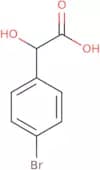
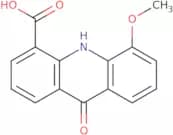

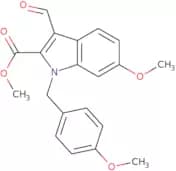
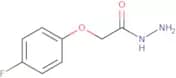
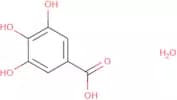
![9-Fluoro-3-methyl-7-oxo-10-(1-piperazinyl)-2,3-dihydro-7H-[1,4]oxazino[2,3,4-Ij]quinoline-6-carbox…](/_next/image/?url=https%3A%2Fstatic.cymitquimica.com%2Fproducts%2F3D%2Fthumb-webp%2FFF102861.webp&w=3840&q=75)

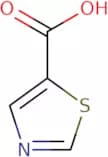

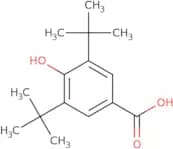
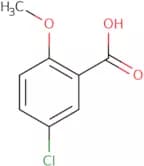
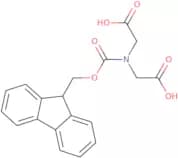
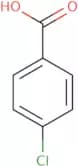
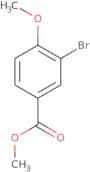

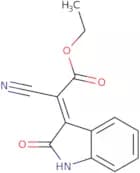
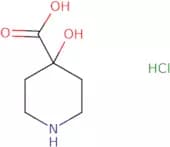
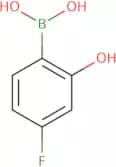
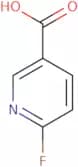
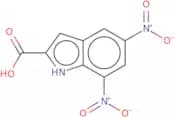
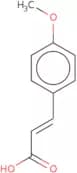
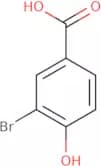
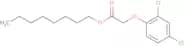
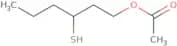
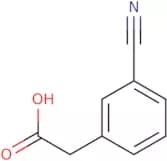
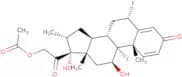
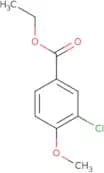
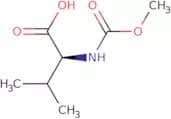
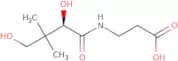
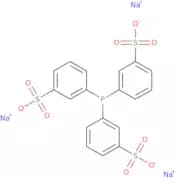
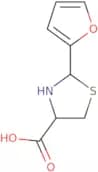
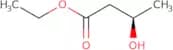
![5-[(3aR,6S,6aS)-2,5,5-trioxo-1,3,3a,4,6,6a-hexahydrothieno[3,4-d]imidazol-6-yl]pentanoic acid](/_next/image/?url=https%3A%2Fstatic.cymitquimica.com%2Fproducts%2F3D%2Fthumb-webp%2FFB64039.webp&w=3840&q=75)
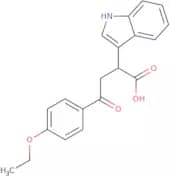
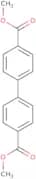
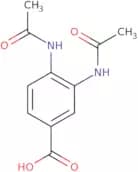
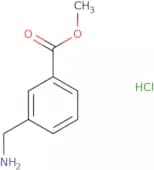
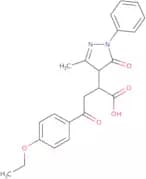
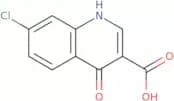
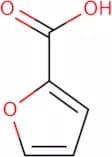
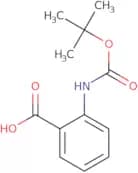
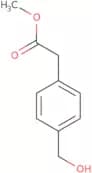
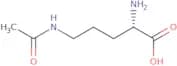
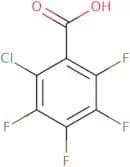
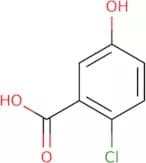
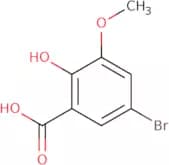
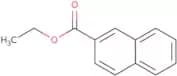
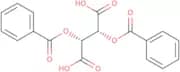
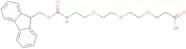
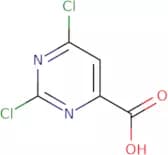
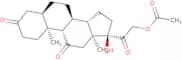
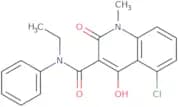
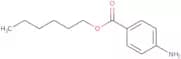
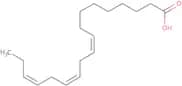
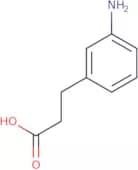
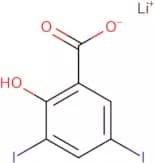
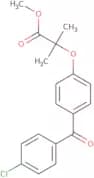
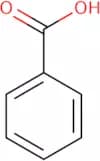
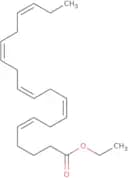
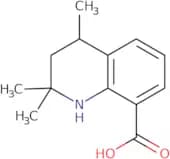
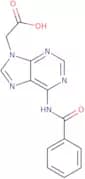
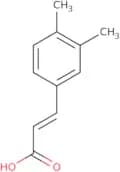
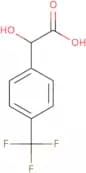
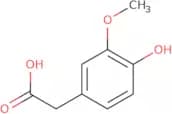
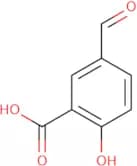
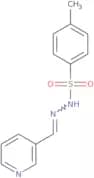
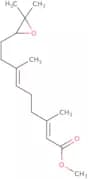
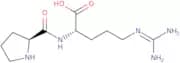
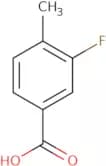
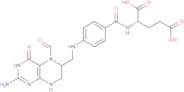
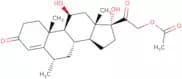
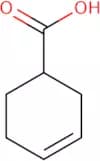
![2-[(Carboxymethyl)thio]benzoic acid](/_next/image/?url=https%3A%2Fstatic.cymitquimica.com%2Fproducts%2F3D%2Fthumb-webp%2FFC115531.webp&w=3840&q=75)
![tert-Butyl [(tert-butoxycarbonyl)oxy]carbamate](/_next/image/?url=https%3A%2Fstatic.cymitquimica.com%2Fproducts%2F3D%2Fthumb-webp%2FFB130830.webp&w=3840&q=75)
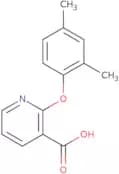
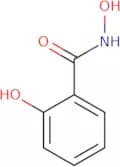
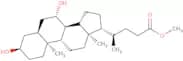
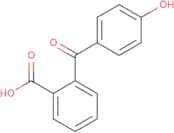
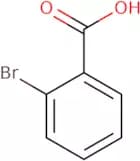
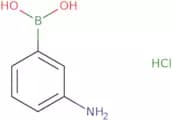
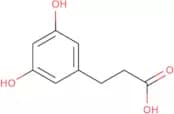
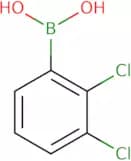

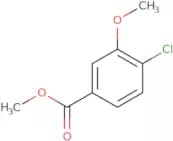
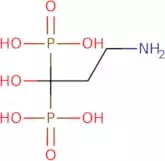
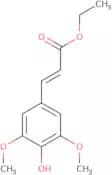
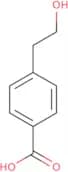

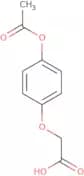

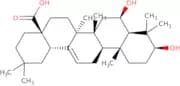
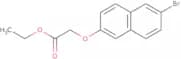
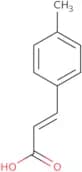
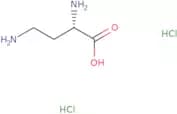
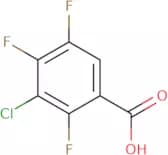
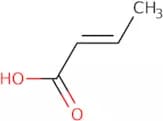

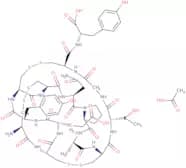

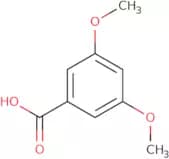
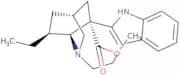

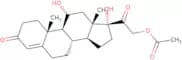
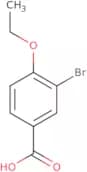
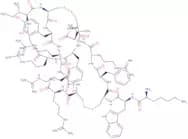
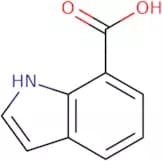
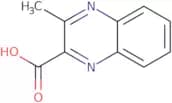

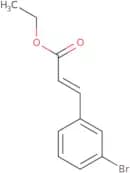
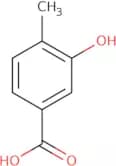
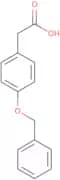
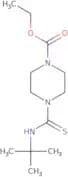
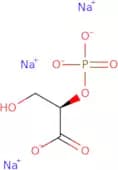
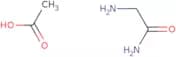
![4-Nitrobenzyl (4R,5R,6S)-3-[(diphenylphosphono)oxy]-6-[(R)-1-hydroxyethyl]-4-methyl-7-oxo-1-azabic…](/_next/image/?url=https%3A%2Fstatic.cymitquimica.com%2Fproducts%2F3D%2Fthumb-webp%2FFM140061.webp&w=3840&q=75)
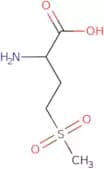

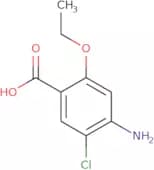
![Ethyl (1,3,6-trimethyl-2,4-dioxo-2,3,4,7-tetrahydro-1H-pyrrolo[2,3-d]pyrimidin-5-yl)acetate](/_next/image/?url=https%3A%2Fstatic.cymitquimica.com%2Fproducts%2F3D%2Fthumb-webp%2FFE128012.webp&w=3840&q=75)


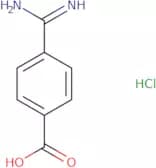
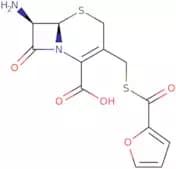
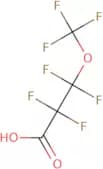

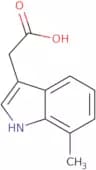


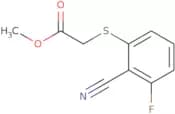

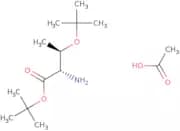
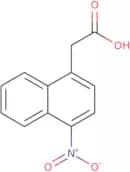
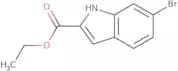
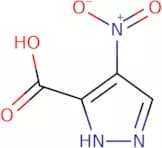
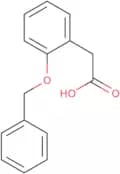
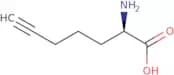
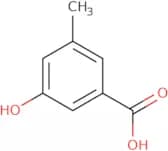

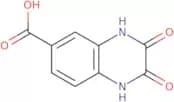

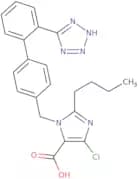
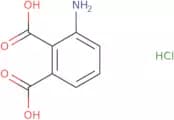
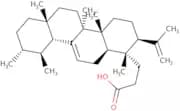
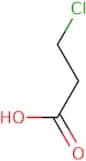
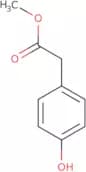
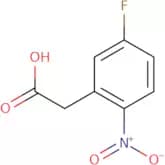
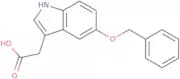
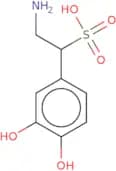
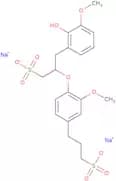
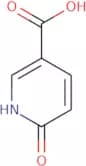
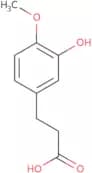
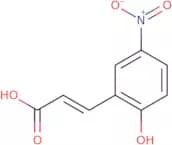
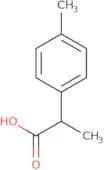
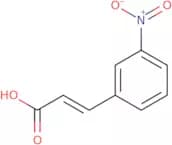
![Ethyl 5-chloropyrazolo[1,5-a]pyrimidine-3-carboxylate](/_next/image/?url=https%3A%2Fstatic.cymitquimica.com%2Fproducts%2F3D%2Fthumb-webp%2FFE44325.webp&w=3840&q=75)