


Carboxylic Acids
Carboxylic acids are organic molecules characterized by having a carboxyl-type functional group (-COOH). These acids are fundamental in various chemical reactions, including esterification, amidation, and decarboxylation. Carboxylic acids are widely used in the production of pharmaceuticals, polymers, and agrochemicals. In this section, you can find a large number of carboxylic acids ready to be used. At CymitQuimica, we provide a broad range of high-quality carboxylic acids to support your research and industrial applications.
Found 12453 products of "Carboxylic Acids"
Sort by
Purity (%)
0
100
|
0
|
50
|
90
|
95
|
100
Morpholin-4-yl-acetic acid
CAS:<p>Morpholin-4-yl-acetic acid is a water-soluble drug that has been used for the treatment of infectious diseases, such as hepatitis and malaria. It can be detected using a number of analytical methods, including gas chromatography, mass spectroscopy, and nuclear magnetic resonance. Morpholin-4-yl-acetic acid has also been used in the treatment of autoimmune diseases and cancer. It is a pharmacological agent with a variety of biological effects, including antiinflammatory activities. Morpholin-4-yl-acetic acid binds to protein kinase C (PKC) receptors and inhibits the activity of PKC enzymes by interfering with their ability to bind to phospholipids on the outside of cells. This binding prevents the formation of an enzyme complex with the cell membrane that is required for signal transduction pathways. Morpholin-4-yl-acetic acid also has hydroxyl group that can react with inorganic acids to form salts or esters.</p>Formula:C6H11NO3Purity:Min. 95%Color and Shape:Off-White PowderMolecular weight:145.16 g/molsec-Butyl Acetoacetate
CAS:<p>Please enquire for more information about sec-Butyl Acetoacetate including the price, delivery time and more detailed product information at the technical inquiry form on this page</p>Formula:C8H14O3Purity:Min. 95%Molecular weight:158.19 g/molEthyl (ethoxymethylene) cyanoacetate
CAS:<p>Ethyl (Ethoxymethylene) cyanoacetate is a chemical compound that belongs to the family of aldehyde compounds. It is a colorless liquid at room temperature, with an odor similar to that of acetic acid. The compound has been used in the synthesis of epidermal growth factor and diazonium salts. It has also been used in the production of anti-cancer drugs such as malonic acid, which inhibits tumor growth by inhibiting protein synthesis. Ethyl (Ethoxymethylene) cyanoacetate reacts with quinoline derivatives to form carbon disulphide, which can be used as an antimicrobial agent and insecticide.</p>Formula:C8H11NO3Purity:Min. 95%Color and Shape:PowderMolecular weight:169.18 g/molFluticasone 17b-carboxylic acid propionate
CAS:Controlled Product<p>Fluticasone propionate is a synthetic corticosteroid that is used in the treatment of asthma. It is an esterified prodrug which requires hydrolysis by esterases in order to become active. Fluticasone propionate has shown clinical efficacy with oral administration and can be administered by inhalation or through the skin. This drug is available as a deuterated form for use in nuclear magnetic resonance spectroscopy and reaction monitoring. It also has a linear range of 10-1000 ng/mL and a quadrupole mass spectrometer detection limit of 0.1 pmol, which allows it to be used for plasma samples and reconstituted drugs.</p>Formula:C24H30F2O6Purity:(¹H-Nmr) Min. 95 Area-%Color and Shape:White Off-White PowderMolecular weight:452.49 g/mol3-Sulfoglycolithocholic acid disodium
CAS:<p>3-Sulfoglycolithocholic acid disodium is a potential biomarker for inflammatory bowel disease. It is also used as an analytical method to measure bile acids in the blood. 3-Sulfoglycolithocholic acid disodium has been shown to be a strong indicator of liver inflammation and hepatitis. This compound can also be used as a diagnostic tool for infectious diseases, such as HIV and hepatitis C, by measuring serum bile acids levels. The level of this molecule can be measured in the blood and urine of patients with bowel disease, such as ulcerative colitis or Crohn's disease. 3-Sulfoglycolithocholic acid disodium can also be used to diagnose atrial fibrillation.</p>Formula:C26H43NO7S•Na2Purity:Min. 95%Molecular weight:559.67 g/molN, N-Bis(Carboxymethyl)-L -glutamic acid tetrasodium salt - ca. 40% in water
CAS:<p>N,N-Bis(carboxymethyl)-L-glutamic acid tetrasodium salt is a cationic surfactant that has been used in the production of personal care products and industrial cleaners. This compound is soluble in water and can be used as a post-treatment to reduce the redox potential of hydrochloric acid. It also has antibacterial efficacy against both Gram-positive and Gram-negative bacteria. N,N-Bis(carboxymethyl)-L-glutamic acid tetrasodium salt has been shown to be effective against tumor cells.</p>Formula:C9H9NO8·4NaPurity:Min. 95%Color and Shape:PowderMolecular weight:351.13 g/molFmoc-1-amino-4,7,10-trioxa-13-tridecanamine succinimic acid
CAS:<p>Fmoc-1-amino-4,7,10-trioxa-13-tridecanamine succinimic acid is a synthetic amide that is used as an intermediate in the synthesis of peptides. It has a conformational structure and can be labeled with dyes to study the structures of proteins or peptides. Fmoc-1-amino-4,7,10-trioxa-13-tridecanamine succinimic acid has been used as an immunogen in the preparation of monoclonal antibodies. It also can be conjugated to drugs or other compounds for use as bioconjugates. This compound has been shown to have enzymatic activity and can be used as a substrate for enzyme linked immunosorbent assays (ELISA). Trifluoroacetic acid is commonly used in the synthesis of this compound.</p>Formula:C29H38N2O8Purity:Min. 98 Area-%Molecular weight:542.62 g/mol5-Norbornene-2-carboxylic acid
CAS:<p>5-Norbornene-2-carboxylic acid is a reactive, carbonyl compound that has been used in metathesis reactions. In these reactions, the 5-norbornene-2-carboxylic acid reacts with sodium carbonate to form a mixture of hydroxy methyl and fluorine groups. The 5-norbornene-2-carboxylic acid can be prepared by reacting phenol with anhydrous hydrogen fluoride in the presence of sodium carbonate. This reaction produces a mixture of 5-norbornene-2 carboxylic acids, but also includes isomeric mixtures that are not useful as starting materials for synthesis. The 5-norbornene -2 carboxylic acid can also be synthesized from aliphatic hydrocarbons such as propylene or ethylene. It is important to note that the 5 - norborenene 2 carboxylic acid does not have any aromatic rings and is therefore</p>Formula:C8H10O2Purity:Min. 95%Color and Shape:Clear LiquidMolecular weight:138.16 g/mol2-(Phenylmethoxy)-acetic acid hydrazide
CAS:<p>2-(Phenylmethoxy)-acetic acid hydrazide is a synthetic depressant that belongs to the group of phthalimides. It is an orally active drug with a triazolo structure and has been used in the treatment of psychoneurosis and anxiety, but it has also been found to be effective in treating reflexes and diazepine-induced psychosomatic disorders. 2-(Phenylmethoxy)-acetic acid hydrazide may also act as a prodrug for other agents, such as azides or phenylureas.</p>Formula:C9H12N2O2Purity:Min. 95%Molecular weight:180.2 g/molEthyl 2-amino-thiazole-4-carboxylate
CAS:<p>Ethyl 2-amino-thiazole-4-carboxylate (ETAC) is an inhibitor of protein synthesis. It binds to the dna and inhibits transcription, leading to cell death by inhibiting the production of proteins vital for cell division. ETAC has been shown to have cytotoxic activity against cancer cells and hemolytic activity. It also has a strong fluorescence probe property, which may be used in cancer diagnosis. ETAC can inhibit protein synthesis in cells that are resistant to other antimicrobial agents and platinum-based chemotherapy, making it a potential treatment for these infections. The pharmacokinetic properties of ETAC are not well studied but it is excreted through urine, suggesting that it is hydrophilic and may be metabolized with glucuronidation or sulfation. The molecular modeling study suggests that the hydrogen bond between ETAC and the dna phosphate group may explain its inhibitory effects on DNA synthesis.</p>Formula:C6H8N2O2SPurity:Min. 99.0 Area-%Molecular weight:172.21 g/moltert-Butyl 4-(4-iodophenyl)tetrahydro-1(2H)-pyrazinecarboxylate
CAS:Controlled Product<p>Please enquire for more information about tert-Butyl 4-(4-iodophenyl)tetrahydro-1(2H)-pyrazinecarboxylate including the price, delivery time and more detailed product information at the technical inquiry form on this page</p>Formula:C15H21IN2O2Purity:Min. 95%Molecular weight:388.24 g/mol4-(Piperazinomethyl)benzoic acid, dihydrochloride
CAS:Controlled Product<p>Please enquire for more information about 4-(Piperazinomethyl)benzoic acid, dihydrochloride including the price, delivery time and more detailed product information at the technical inquiry form on this page</p>Formula:C12H18Cl2N2O2Purity:Min. 95%Molecular weight:293.19 g/mol3,4-Dimethylbenzoic acid
CAS:<p>3,4-Dimethylbenzoic acid is a benzoate compound that is produced by bacteria. It has been shown to have a viscosity of 0.05 cP at 25°C and a melting point of 181°C. It also has the molecular formula C9H11O2, which consists of two carbons, 11 hydrogens, and one oxygen atom. 3,4-Dimethylbenzoic acid is found in urine samples as a metabolite of p-hydroxybenzoic acid (p-OHBA). This compound also has photochemical properties and can be used for analytical determination of urinary p-OHBA levels. 3,4-Dimethylbenzoic acid is not active against bacterial pathogens such as Staphylococcus aureus or Salmonella enterica serovar Typhimurium. However, it does show some activity against Pseudomonas aeruginosa and Escherichia coli.</p>Formula:C9H10O2Purity:Min. 98 Area-%Color and Shape:PowderMolecular weight:150.17 g/molγ-Aminobutyric acid
CAS:<p>Gamma-aminobutyric acid (GABA) is a neurotransmitter that inhibits the transmission of nerve impulses in the brain. GABA binds to specific receptors and blocks voltage-dependent calcium channels, which are ion channels that allow the passage of calcium ions into cells. GABA also has a number of other functions, including biochemical properties, its role in brain function and drug interactions. The GABA receptor is found on neurons and is subject to modulation by drugs that interact with GABA receptors. In addition, GABA can react with water vapor to produce hydrogen bonding interactions. This reaction is used in electrochemical impedance spectroscopy as an analytical tool for determining the concentration of free water in a sample.</p>Formula:C4H9NO2Purity:Min. 98.0%Color and Shape:White PowderMolecular weight:103.12 g/molD-Aspartic acid b tert-butyl ester
CAS:<p>D-Aspartic acid b tert-butyl ester (DATB) is an antimicrobial agent that has been shown to inhibit the growth of drug-resistant bacteria. DATB has been shown to be active against both gram-positive and gram-negative bacteria, with a selectivity for those with a peptidoglycan cell wall. DATB inhibits the synthesis of amide and peptide bonds and has been shown to have a wide range of uses in the production of antibiotics, such as carbamates and natural products.</p>Formula:C8H15NO4Purity:Min. 95%Color and Shape:PowderMolecular weight:189.21 g/mol3-Bromo-4-pyridinecarboxylic acid
CAS:<p>3-Bromo-4-pyridinecarboxylic acid is a naphthyridine derivative that is used in drug development. It is a crystalline solid that can be dissolved in organic solvents. 3-Bromo-4-pyridinecarboxylic acid has been shown to have antiinflammatory properties and can be used as an oxidant. 3-Bromo-4-pyridinecarboxylic acid is being investigated as a receptor subtype for inflammatory diseases, and it has also been used to study the mechanism of chronic inflammatory diseases.</p>Formula:C6H4BrNO2Purity:Min. 95%Molecular weight:202.01 g/moltert-Butyl 4-(2-methoxy-2-oxoethyl)piperazine-1-carboxylate
CAS:<p>Please enquire for more information about tert-Butyl 4-(2-methoxy-2-oxoethyl)piperazine-1-carboxylate including the price, delivery time and more detailed product information at the technical inquiry form on this page</p>Formula:C12H22N2O4Purity:Min. 95%Molecular weight:258.31 g/molall-cis-6,9,12,15-Octadecatetraenoic acid
CAS:<p>All-cis-6,9,12,15-octadecatetraenoic acid is a polyunsaturated fatty acid that has been shown to have anti-inflammatory properties. It is found in the form of stearidonic acid and can be derived from plants such as flaxseed or soybeans. All-cis-6,9,12,15-octadecatetraenoic acid has been shown to inhibit the production of chemoattractant protein (MCP) in 3T3L1 preadipocytes by blocking the synthesis of arachidonic acid. This compound also inhibits the proliferation of MDA-MB 231 breast cancer cells and induces cell death via apoptosis.</p>Formula:C18H28O2Purity:Min. 95%Molecular weight:276.41 g/molN-(Aminocarbonyl)aspartic acid
CAS:<p>N-Aminocarbonyl-L-aspartic acid (NACD) is a molecule that is found in urine samples. It can be used as a biomarker to detect cancer, HIV infection, and many other diseases. The presence of NACD has been correlated with the development of acidosis, which is characterized by an increase in the pH of body fluids. The following are a few examples of how this product might be described on an eCommerce site: Rifapentine is an anti-tuberculosis drug that belongs to the class of rifamycins. It is the most active of the rifamycins for the treatment of tuberculosis. Rifapentine inhibits bacterial growth by binding to DNA-dependent RNA polymerase, thereby preventing transcription and replication. The high frequency of human activity has been shown using a patch-clamp technique on human erythrocytes. This active form is metabolized through</p>Formula:C5H8N2O5Purity:Min. 95%Color and Shape:PowderMolecular weight:176.13 g/molRibonucleic acid free acid
CAS:<p>Ribonucleic acid free acid (ribo-FAA) is a derivative of the immunosuppressive drug rapamycin. It is an immunosuppressant that inhibits the immune system by binding to a protein called FKBP12, which is involved in the activation of T cells and other immune system cells. Ribo-FAA has been shown to be effective in treating HIV patients undergoing active antiretroviral therapy, as well as for treatment of other infectious diseases such as tuberculosis or leishmaniasis. Ribo-FAA binds to FKBP12 and prevents it from activating T cells or other immune system cells, which leads to suppression of the immune response.</p>Purity:Min. 95%Color and Shape:Yellow Powder4-Chloro-6-methylnicotinic acid
CAS:<p>4-Chloro-6-methylnicotinic acid (4C6MNA) is a chemical substance that is used in the study of plant leaves and their permeability. This substance has been found to be an excellent indicator of chlorophyll content, as it stains leaf cells with a green color. 4C6MNA is taken up by healthy plant cells and mitochondria, where it binds to the chromophore molecule in the mitochondria. The binding of 4C6MNA to the chromophore molecule leads to the production of fluorescence, which can be detected via microscopy. This substance has been used for laser microbeam studies on natural leaves and tobacco plants.</p>Formula:C7H6CINO2Purity:Min. 95%Molecular weight:275.04 g/mol(6R,7R)-3-(Acetoxymethyl)-8-oxo-7-(2-(thiophen-2-yl)acetamido)-5-thia-1-azabicyclo[4.2.0]oct-2-ene-2-carboxylic acid
CAS:<p>(6R,7R)-3-(Acetoxymethyl)-8-oxo-7-(2-(thiophen-2-yl)acetamido)-5-thia-1-azabicyclo[4.2.0]oct-2-ene-2-carboxylic acid is an antimicrobial agent that inhibits bacterial growth by binding to the penicillin binding protein (PBP), which prevents the synthesis of peptidoglycan. This drug has shown effectiveness against gram positive bacteria, including aerobacter aerogenes, as well as infectious diseases in wastewater treatment plants. It has also been demonstrated to be effective in experimental models of infection due to high resistance and cell signaling pathways. The reaction solution was analyzed by plasma mass spectrometry.</p>Formula:C16H16N2O6S2Purity:Min. 98%Color and Shape:White PowderMolecular weight:396.44 g/mol(Des-Gly10,D-Ala6,Pro-NHEt 9)-LHRH acetate salt
CAS:Controlled Product<p>Des-Gly10,D-Ala6,Pro-NHEt 9)-LHRH acetate salt Pyr-His-Trp-Ser-Tyr-D-Ala-Leu-Arg-Pro-NHEt acetate (DGPRP) is a drug that is used to treat endometriosis. It is an agonist of the LHRH receptor and inhibits body formation by preventing the release of gonadotropin hormones. DGPRP has been shown to inhibit cell proliferation in cancer tissues and may be useful for the treatment of leukemia. This drug has also been shown to be biocompatible with polymer scaffolds and can be synthesized using methods such as solid phase peptide synthesis.</p>Formula:C56H78N16O12•xC2H4O2Purity:Min. 95%Molecular weight:1,167.32 g/molMethyl 6-Bromo-1-Methyl-1H-Indole-2-Carboxylate
CAS:Controlled Product<p>Please enquire for more information about Methyl 6-Bromo-1-Methyl-1H-Indole-2-Carboxylate including the price, delivery time and more detailed product information at the technical inquiry form on this page</p>Formula:C11H10BrNO2Purity:Min. 95%Molecular weight:268.11 g/mol4-(4-Nitrophenoxy)butanoic acid
CAS:Controlled Product<p>Please enquire for more information about 4-(4-Nitrophenoxy)butanoic acid including the price, delivery time and more detailed product information at the technical inquiry form on this page</p>Formula:C10H11NO5Purity:Min. 95%Molecular weight:225.2 g/mol2-Chloro-4-fluoropyridine-5-boronic acid, pinacol ester
CAS:<p>Please enquire for more information about 2-Chloro-4-fluoropyridine-5-boronic acid, pinacol ester including the price, delivery time and more detailed product information at the technical inquiry form on this page</p>Formula:C11H14BClFNO2Purity:Min. 95%Molecular weight:257.5 g/mol1-Fluoro-5a-androst-2-en-17b-ol acetate
CAS:Controlled Product<p>Please enquire for more information about 1-Fluoro-5a-androst-2-en-17b-ol acetate including the price, delivery time and more detailed product information at the technical inquiry form on this page</p>Formula:C20H28FO2Purity:Min. 95%Molecular weight:319.43 g/moltert-Butyl 4-(2-bromophenyl)piperazine-1-carboxylate
CAS:Controlled Product<p>Please enquire for more information about tert-Butyl 4-(2-bromophenyl)piperazine-1-carboxylate including the price, delivery time and more detailed product information at the technical inquiry form on this page</p>Purity:Min. 95%Ethyl 1,2-dimethyl-5-hydroxyindole-3-carboxylate
CAS:Controlled Product<p>Ethyl 1,2-dimethyl-5-hydroxyindole-3-carboxylate (EDMC) is an implantable drug that is used to treat hypertension. It is a diuretic that can be taken orally or injected. EDMC works by reducing the amount of urea nitrogen in the blood and increasing the amount of chlorine atom in the urine. This leads to an increase in active substances such as malonic acid and a decrease in arthropoda. EDMC has been shown to have antihypertensive activity due to its ability to lower diastolic and systolic pressure. The molecule also contains hydroxyl group and aldehyde groups that are analyzed by analytical chemistry.</p>Formula:C13H15NO3Purity:Min. 95%Molecular weight:233.26 g/mol3,6-Dichlorobenzo[b]thiophene-2-carboxylic acid
CAS:<p>3,6-Dichlorobenzo[b]thiophene-2-carboxylic acid is an extracellular metabolite that is involved in the metabolism of muscle. It is produced as a byproduct of the reaction catalyzed by dehydrogenase, which converts 3,6-dichlorobenzo[b]thiophene to 2-carboxybenzothiophene. This compound has been shown to inhibit the enzyme histidine carboxylate synthetase, which is involved in branched-chain amino acid synthesis. The enzyme can be inhibited by either a wild type or an analog of 3,6-dichlorobenzo[b]thiophene-2-carboxylic acid.</p>Formula:C9H4Cl2O2SPurity:Min. 95%Molecular weight:247.1 g/molGibberellic acid methyl ester
CAS:<p>Gibberellic acid methyl ester is a specialized plant growth regulator, which is synthetically derived from the naturally occurring gibberellins found in plants. These gibberellins are vital phytohormones that regulate various aspects of growth and development in higher plants. Gibberellic acid methyl ester functions by mimicking these natural gibberellins, interacting with plant cellular processes to stimulate and enhance growth. Its mode of action involves promoting cell elongation, division, and differentiation, thereby accelerating plant growth and influencing the lifecycle.</p>Formula:C20H24O6Purity:Min. 95%Molecular weight:360.4 g/mol2-Bromo-3-thiophenecarboxylic acid
CAS:<p>2-Bromo-3-thiophenecarboxylic acid (BTPC) is a synthetic drug that is used as an analog of sildenafil, which is a PDE5 inhibitor. BTPC has been shown to be a more potent and selective inhibitor of cGMP hydrolysis than sildenafil. It has also been shown to be capable of inhibiting the growth of human lung cancer cells in vitro. BTPC has not yet been tested in vivo, but may offer advantages over other PDE5 inhibitors due to its increased potency and selectivity.</p>Formula:C5H3BrO2SPurity:Min. 97 Area-%Color and Shape:PowderMolecular weight:207.05 g/mol(2S)-2-Amino-2-[(5S)-3-chloro-4,5-dihydroisoxazol-5-Yl]acetic acid
CAS:<p>(2S)-2-Amino-2-[(5S)-3-chloro-4,5-dihydroisoxazol-5-Yl]acetic acid is an inhibitor of the enzyme glutathione reductase (GR) and cytochrome P450. GR activates glutathione in cells to form a powerful antioxidant that protects against oxidative stress. (2S)-2-Amino-2-[(5S)-3-chloro-4,5-dihydroisoxazol-5-Yl]acetic acid inhibits GR and cytochrome P450 activity, leading to increased oxidative stress and neuronal death. This drug has been shown to have inhibitory properties on bowel disease by reducing the production of proinflammatory cytokines IL1β and TNFα. The compound also exhibits anti tumor response against mouse tumors by inducing apoptosis and inhibiting cell proliferation. The compound targets intracellular targets</p>Formula:C5H7ClN2O3Purity:Min. 95%Color and Shape:White PowderMolecular weight:178.57 g/molPyridine-3-sulfonic acid
CAS:<p>Pyridine-3-sulfonic acid is a reactive molecule that can exist in two forms. It reacts with iron oxides to form pyridine-3-sulfonic acid amide and reacts with picolinic acid to form pyridine-3-sulfonic acid phosphoric acid complex. Pyridine 3 sulfonic acid is an intermediate in the synthesis of picolinic acid and is involved in the genetic mechanisms of bacteria. It has been shown to be effective at concentrations of 10 mM or higher when used in tissue culture experiments. The optimum concentration for the reaction varies depending on the reactant and its environment, which is why experimentation should be conducted before using it as a reagent.</p>Formula:C5H5NO3SPurity:Min. 95%Molecular weight:159.16 g/mol3-Fluoro-4-hydroxybenzoic acid methyl ester
CAS:<p>Please enquire for more information about 3-Fluoro-4-hydroxybenzoic acid methyl ester including the price, delivery time and more detailed product information at the technical inquiry form on this page</p>Formula:C8H7O3FPurity:Min. 95%Molecular weight:170.14 g/molL-Menthyl 2,2-dihydroxyacetate
CAS:<p>L-Menthyl 2,2-dihydroxyacetate is a synthetic compound that belongs to the group of salicylic acid derivatives. It is an intermediate in the synthesis of other compounds and can be recycled. L-Menthyl 2,2-dihydroxyacetate reacts with primary amines to form iminoacetic esters and glyoxylates by acidic hydrolysis. The reaction time depends on the type of amine and the acidity of the solution. This compound has been used as a reagent to synthesize maleic anhydride from maleic acid. L-Menthyl 2,2-dihydroxyacetate is also used in methodologies for oxidizing aromatic compounds to produce benzoic acids or phenols.</p>Formula:C12H22O4Purity:Min. 95%Color and Shape:PowderMolecular weight:230.3 g/molHydroxymethanesulfinic acid monosodium salt dihydrate
CAS:<p>Hydroxymethanesulfinic acid monosodium salt dihydrate (HMSD) is a chemical that can be used to remove sulfoxylate and formaldehyde in wastewater. It can also be used as a polymerization catalyst, an activator for epoxy resins, and as a stabilizer of glycol ethers. HMSD is formed by the reaction of methyl ethyl sulfoxide with copper chloride. This chemical has been shown to have thermal expansion properties and high chemical stability, making it useful for industrial processes involving polymerization or glycol esters.</p>Formula:CH3NaO3S·2H2OPurity:Min. 95%Color and Shape:White/Off-White SolidMolecular weight:154.12 g/mol(R)-2-((tert-Butoxycarbonyl)amino)-3-methoxypropanoic acid
CAS:<p>(R)-2-((tert-Butoxycarbonyl)amino)-3-methoxypropanoic acid (BAAM) is a potent, orally bioavailable, and pharmacokinetically well-characterized inhibitor of blood coagulation that has been shown to be effective in animal models. BAAM inhibits the activity of tissue factor (TF), an enzyme that initiates the blood coagulation cascade. TF is important for hemostasis because it is activated by contact with blood and tissue factors such as collagen or thrombin. BAAM has shown some promise as a potential treatment for thrombosis, which can lead to heart attacks and strokes.</p>Formula:C9H17NO5Purity:Min. 95%Molecular weight:219.24 g/mol4-Cyano-2-methylphenylboronic acid, pinacol ester
CAS:<p>Please enquire for more information about 4-Cyano-2-methylphenylboronic acid, pinacol ester including the price, delivery time and more detailed product information at the technical inquiry form on this page</p>Formula:C14H18BNO2Purity:Min. 95%Molecular weight:243.11 g/mol3-Keto-4-etiocholenic acid methylester
CAS:Controlled Product<p>3-Keto-4-etiocholenic acid methylester is a chemical that has been shown to have insecticidal properties. 3-Keto-4-etiocholenic acid methylester binds to odorant receptors on the antennae of insects and causes an excitatory response. It can be used as a potential environmental pollutant, as well as an insecticide or repellent. 3-Keto-4-etiocholenic acid methylester binds with high affinity to olfactory receptors in the antennae of insects and has been shown to cause excitation when it comes into contact with these receptors. This compound can be used for screening for new materials with similar odorant binding properties, for research purposes, and also as a biosensor for pollution detection. 3-Keto-4-etiocholenic acid methylester has been shown to react with various substances such as oxygen, nitric oxide, nitrous oxide, sulfur dioxide and</p>Formula:C21H30O3Purity:Min. 95%Molecular weight:330.46 g/mol4-(Difluoromethoxy)phenylboronic acid
CAS:<p>Please enquire for more information about 4-(Difluoromethoxy)phenylboronic acid including the price, delivery time and more detailed product information at the technical inquiry form on this page</p>Formula:C7H7BF2O3Purity:Min. 95%Molecular weight:187.94 g/molBetamethasone 21-acetate
CAS:<p>Betamethasone 21-acetate is a potent corticosteroid that is effective in the treatment of inflammatory conditions, such as asthma and arthritis. It also helps to reduce the symptoms of inflammatory skin diseases, including atopic dermatitis, contact dermatitis, and psoriasis. Betamethasone 21-acetate is used to treat perinatal complications such as preterm labor and neonatal respiratory distress syndrome. This drug has been shown to have a low cardiac effect when administered at a low dose (1 mg/kg). The stability of betamethasone 21-acetate in blood samples is increased by adding benzalkonium chloride or trifluoroacetic acid. Betamethasone 21-acetate has been shown to be absorbed rapidly from the gastrointestinal tract and distributed widely throughout the body. It binds to plasma proteins and has a short elimination half-life of 1.5 hours.</p>Formula:C24H31FO6Purity:Min. 95%Color and Shape:PowderMolecular weight:434.5 g/molEthyl mercaptoacetate
CAS:<p>Ethyl mercaptoacetate (EM) is a metabolite of ethyl diazoacetate (EDA) that reacts with nucleophilic groups such as hydroxyl, amino, and thiol groups. It binds to the receptor binding sites of an enzyme that is involved in inflammatory diseases. EM has been shown to have inhibitory effects on the activity of this enzyme and may be used for the treatment of inflammatory diseases. EM also inhibits the production of epoxides by acting as an alkylating agent on protein cysteine residues. This reaction leads to changes in the nmr spectra which can be used for identification purposes.</p>Formula:C4H8O2SPurity:Min. 95%Molecular weight:120.17 g/mol4-amino[1,1'-biphenyl]-3-carboxylic acid
CAS:<p>Please enquire for more information about 4-amino[1,1'-biphenyl]-3-carboxylic acid including the price, delivery time and more detailed product information at the technical inquiry form on this page</p>Formula:C13H11O2NPurity:Min. 95%Molecular weight:213.23 g/mol(R)-(-)-2-Methylglutaric Acid
CAS:<p>Please enquire for more information about (R)-(-)-2-Methylglutaric Acid including the price, delivery time and more detailed product information at the technical inquiry form on this page</p>Formula:C6H10O4Purity:Min. 95%Molecular weight:146.14 g/mol5-Hydroxyisophthalic acid
CAS:<p>5-Hydroxyisophthalic acid is a dicarboxylic acid that has one hydroxyl group. It is an odorless, colorless solid that is soluble in water and ether. 5-Hydroxyisophthalic acid has been found to be a good thermal expansion agent for polypropylene and polyethylene, due to its intermolecular hydrogen bonding ability. This compound also has the ability to form diphenyl ethers with carboxylates, which are used as stabilizers in PVC. 5-Hydoxyisophthalic acid is not very reactive and can be used as a neutral pH stabilizer in alkaline solutions. Hydrogen bonds between 5-hydroxyisophthalic acid molecules allow it to form complexes with sodium salts, such as sodium thiosulfate or sodium nitrite. The coordination geometry of the molecule also allows for hydrogen bonding interactions with other neutral molecules, such as p-hydroxybenzoic acid</p>Formula:C8H6O5Purity:Min. 95%Molecular weight:182.13 g/molTimapiprant
CAS:Controlled Product<p>Timapiprant is an amide that acts as a selective inhibitor of the prostanoid receptor CRTH2, which is involved in regulating the inflammatory response. Timapiprant inhibits skin eosinophilia, which is associated with inflammatory skin diseases such as atopic dermatitis and psoriasis. It has been shown to be safe in clinical trials and has a good safety profile. The drug's mechanism of action may be due to its ability to inhibit the production of IL-4 and IL-13 by Th2 cells and its ability to inhibit lung function. Timapiprant has shown efficacy in treating allergic rhinitis, asthma, chronic obstructive pulmonary disease, erythema multiforme, pyoderma gangrenosum, and other types of inflammatory skin diseases.</p>Formula:C21H17FN2O2Purity:Min. 95%Molecular weight:348.37 g/molEthyl5-acetoxy-6-bromo-2-(bromomethyl)-1-methyl-1H-indole-3-carboxylate
CAS:Controlled Product<p>Ethyl 5-acetoxy-6-bromo-2-(bromomethyl)-1-methyl-1H-indole-3-carboxylate is a chemical compound that has been shown to have anti viral activity in vitro. The structure of the compound suggests that it may inhibit the production of inflammatory cytokines. This drug inhibits the activity of enzymes such as hydroxylases and lipases, which are important for the inflammatory process. Ethyl 5-acetoxy-6-bromo-2-(bromomethyl)-1-methyl-1H-indole-3 carboxylate may be an effective treatment for bowel disease and other inflammatory conditions.</p>Formula:C15H15Br2NO4Purity:Min. 95%Molecular weight:433.09 g/molMethyl 5-oxopyrrolidine-3-carboxylate
CAS:<p>Methyl 5-oxopyrrolidine-3-carboxylate is a nonsteroidal anti-inflammatory drug that reduces the production of pro-inflammatory cytokines. It binds to COX-2 and prevents the production of prostaglandins, which are involved in the inflammatory process. Methyl 5-oxopyrrolidine-3-carboxylate has been shown to inhibit mouse hippocampal cells and human THP1 cells, which are important in inflammation. This drug also interacts with other proteins and can be localized to mitochondria membrane potentials. Methyl 5-oxopyrrolidine-3-carboxylate has the potential for use as an anti-inflammatory agent for cellular localization in mitochondria membrane potentials.</p>Formula:C6H9NO3Purity:Min. 95%Molecular weight:143.14 g/molTauroursodeoxycholic acid, sodium salt
CAS:<p>Tauroursodeoxycholic acid, sodium salt is a taurine-conjugated bile acid derivative, which is synthesized in the liver from ursodeoxycholic acid. It functions through its role in stabilizing the mitochondria and inhibiting apoptosis by modulating the unfolded protein response. This molecular action involves reducing endoplasmic reticulum stress, thereby providing cytoprotective effects in various cellular environments.</p>Formula:C26H44NNaO6SPurity:Min. 95%Molecular weight:521.69 g/mol4-(2-Oxopyrrolidin-1-yl)benzoic acid
CAS:<p>4-(2-Oxopyrrolidin-1-yl)benzoic acid (4-OPBA) is a hydrogen bonding inhibitor that is used to study the interactions of cavity proteins. It has shown to interact with glutathione and prostaglandin D2, which are important for hematopoietic and inflammatory responses. 4-OPBA has been observed to bind with a water molecule in the cavity, which may explain its affinity for these molecular targets. The crystal structure of 4-OPBA shows that it forms an interaction with two water molecules and one other molecule in the cavity. This may be due to its ability to form hydrogen bonds with both water molecules as well as the molecule in the cavity.</p>Formula:C11H11NO3Purity:Min. 95%Molecular weight:205.21 g/mol2-Amino-3-(4-hydroxy-3-methoxyphenyl)propanoic acid
CAS:Controlled Product<p>2-Amino-3-(4-hydroxy-3-methoxyphenyl)propanoic acid is a metabolite of levodopa in the body. It is formed by oxidation of levodopa via the enzyme catechol-O-methyltransferase (COMT). This compound is used as an analytical reagent to measure levels of levodopa and its metabolites in biological samples. 2-Amino-3-(4-hydroxy-3-methoxyphenyl)propanoic acid can also be used to diagnose Parkinson’s disease, since it is produced in excess when dopamine production decreases due to the degeneration of dopaminergic neurons. The concentration–time curve for this compound can be used to calculate the clearance rate of levodopa from the blood plasma.</p>Formula:C10H13NO4Purity:Min. 95 Area-%Color and Shape:PowderMolecular weight:211.21 g/molCyclopropanecarboxylic acid chloride
CAS:<p>Cyclopropanecarboxylic acid chloride is an organic compound with a molecular formula of C3H6Cl2O. It belongs to the group of carboxylic acids and has a pyrazole ring, which is a potential drug target. Cyclopropanecarboxylic acid chloride has been found to be active against infectious diseases such as herpes, influenza, and Ebola. The mechanism of action for this compound is not yet fully understood but it has been shown to have an effect on growth factors and kinetic data.</p>Formula:C4H5ClOPurity:Min. 95%Molecular weight:104.53 g/mol2-[2-(1H-Indol-3-yl)ethyl]-1,3-dioxoisoindoline-5-carboxylic acid
CAS:Controlled Product<p>Please enquire for more information about 2-[2-(1H-Indol-3-yl)ethyl]-1,3-dioxoisoindoline-5-carboxylic acid including the price, delivery time and more detailed product information at the technical inquiry form on this page</p>Formula:C19H14N2O4Purity:Min. 95%Molecular weight:334.33 g/mol(1S,3S)-Methyl 3-aminocyclobutane carboxylate hydrochloride
CAS:<p>Please enquire for more information about (1S,3S)-Methyl 3-aminocyclobutane carboxylate hydrochloride including the price, delivery time and more detailed product information at the technical inquiry form on this page</p>Formula:C6H12ClNO2Purity:Min. 95%Molecular weight:165.62 g/molBromosuccinic acid
CAS:<p>Bromosuccinic acid is a type of organic compound with the chemical formula HOCCH=CHOH. It is an ester that contains a hydroxyl group, a carboxylic acid group, and a bromine atom. Bromosuccinic acid has been shown to have biocompatible properties and can be used as a polymer for biomedical applications. It also has the ability to form covalent bonds with basic proteins due to its hydroxyl group, which is important for protein stability. Bromosuccinic acid has been shown to inhibit trypsin activity in soybean trypsin, which may be due to its disulfide bond or low energy content. This substance also reacts with malonic acid and carbonic acid, producing galacturonic acid and fatty acids respectively. Bromosuccinic acid is produced by bacteria of the genus Enterobacteriaceae and belongs to the family of short-chain fatty acids.</p>Purity:Min. 95%1,2,3,4-Tetrahydro-1-naphthoic acid
CAS:<p>Tetrahydro-1-naphthoic acid is a toxic chemical that is used in the synthesis of various organic compounds. It is an organic acid that has a pungent odor and can cause irritation of the nose and throat. When heated, it evolves toxic fumes of hydrogen chloride gas and phosgene. Tetrahydro-1-naphthoic acid reacts with metal hydroxides to form metal tetrahydro-1-naphthoates, which have useful properties as catalysts in organic reactions. Tetrahydro-1-naphthoic acid has been used as a growth regulator in plants and animals. It binds to DNA at the C–H site, preventing protein synthesis and cell division by inhibiting RNA synthesis.</p>Formula:C11H12O2Purity:Min. 95%Molecular weight:176.21 g/molBoc-tranexamic acid
CAS:<p>Tranexamic acid is a non-protein amino acid that is used to reduce the risk of blood loss in surgical procedures. It is an inhibitor of plasmin, which is an enzyme that breaks down clots and fibrin. Tranexamic acid binds to the active site of plasmin and blocks its activity, preventing the breakdown of fibrin clots. Tranexamic acid has been shown to be selective for plasmin, as other enzymes such as urokinase are not blocked by this drug. The picolyl group on tranexamic acid interacts with the benzyl group on plasmin and this interaction may be responsible for the selectivity of tranexamic acid for plasmin over other enzymes.</p>Purity:Min. 95%1-tert-Butyl 3-methyl pyrrolidine-1,3-dicarboxylate
CAS:<p>Please enquire for more information about 1-tert-Butyl 3-methyl pyrrolidine-1,3-dicarboxylate including the price, delivery time and more detailed product information at the technical inquiry form on this page</p>Formula:C11H19NO4Purity:Min. 95%Molecular weight:229.27 g/mol(-)-trans-1,2-Cyclohexanedicarboxylic Anhydride
CAS:Controlled Product<p>(-)-trans-1,2-Cyclohexanedicarboxylic Anhydride is a macrocyclic molecule that can be used to synthesize glutaric anhydride. This compound is an analogue of the succinic anhydride and 1,2-cyclohexanedicarboxylic anhydride. (-)-trans-1,2-Cyclohexanedicarboxylic Anhydride has been shown to catalyze the hydrogenation of epoxides. It also has been shown to be a potential precursor for the synthesis of pyrrolizidine alkaloids.</p>Formula:C8H10O3Purity:Min. 95%Molecular weight:154.16 g/molFmoc-(2S,4S)-4-phenylpyrrolidine-2-carboxylic acid
CAS:<p>Please enquire for more information about Fmoc-(2S,4S)-4-phenylpyrrolidine-2-carboxylic acid including the price, delivery time and more detailed product information at the technical inquiry form on this page</p>Formula:C26H23NO4Purity:Min. 95%Molecular weight:413.47 g/molAlisol B 23-acetate
CAS:<p>Alisol B is a natural compound that has been shown to have significant cytotoxicity in vitro. Alisol B also inhibits the mitochondrial membrane potential, which is vital for cell survival. Alisol B is found to be active against several human cancer cell lines, including leukemia and breast cancer cells. It has also been shown to inhibit autophagy, the process by which cells degrade their own components and organelles in response to starvation or other stresses. This inhibition of autophagy leads to increased cell death. The anti-cancer effects of Alisol B are mediated through a number of different mechanisms, including the inhibition of protein synthesis and the induction of apoptosis. Alisol B has also been shown to have hepatoprotective properties in animal models.</p>Formula:C32H50O5Purity:Min. 95%Molecular weight:514.74 g/molrac-cis despropionyl mefentanyl N-trifluoroacetate
CAS:Controlled Product<p>Please enquire for more information about rac-cis despropionyl mefentanyl N-trifluoroacetate including the price, delivery time and more detailed product information at the technical inquiry form on this page</p>Formula:C22H25F3N2OPurity:Min. 95%Molecular weight:390.44 g/moltert-Butyl 4,7-diazaspiro[2.5]octane-7-carboxylate
CAS:<p>Please enquire for more information about tert-Butyl 4,7-diazaspiro[2.5]octane-7-carboxylate including the price, delivery time and more detailed product information at the technical inquiry form on this page</p>Purity:Min. 95%Guanidinoacetic acid
CAS:<p>Guanidinoacetic acid is a metabolite of creatine and is formed by reaction with the amino acid arginine. It is also synthesized from guanidinoacetate, which is derived from the oxidation of arginine. Guanidinoacetic acid can be found in human serum and eye disorders such as glaucoma. The analytical method for guanidinoacetic acid involves the conversion of guanidine to guanidinoacetic acid using nitrous acid, followed by gas chromatographic separation of the products. The concentration of guanidinoacetic acid in human serum has been shown to have an inverse relationship with body mass index (BMI). This means that people with a higher BMI have lower levels of guanidinoacetic acids in their blood than those who are thinner. Guanidinoacetate has also been shown to increase energy metabolism and inhibit glycolysis in humans.</p>Formula:C3H7N3O2Purity:Min. 95%Molecular weight:117.11 g/mol16-Deacetyl fusidic acid sodium salt
CAS:Controlled Product<p>Please enquire for more information about 16-Deacetyl fusidic acid sodium salt including the price, delivery time and more detailed product information at the technical inquiry form on this page</p>Formula:C29H45NaO5Purity:Min. 95%Molecular weight:496.65 g/mol1,3-Dihydroxy-2-naphthoic acid
CAS:<p>1,3-Dihydroxy-2-naphthoic acid is an organic compound that belongs to the binaphthyls. It is a white solid that can be obtained by reacting naphthalene with inorganic phosphite in the presence of acidic potassium carbonate. This reaction system produces 1,3-dihydroxy-2-naphthoic acid and potassium biphosphite as byproducts. The reaction time depends on the concentration of reactants. 1,3-Dihydroxy-2-naphthoic acid has acidic properties and can be used as a catalyst for chemical reactions involving carboxylic compounds. This compound has been shown to be effective at treating abdominal pain caused by intestinal inflammation or infection with a carbon source such as carbohydrates (e.g., glucose) or fats (e.g., oleic acid).</p>Formula:C11H8O4Purity:Min. 95%Molecular weight:204.18 g/mol2-Methyl-3-(4-methyl-1H-pyrazol-1-yl)propanoic acid
CAS:Controlled Product<p>Please enquire for more information about 2-Methyl-3-(4-methyl-1H-pyrazol-1-yl)propanoic acid including the price, delivery time and more detailed product information at the technical inquiry form on this page</p>Formula:C8H12N2O2Purity:Min. 95%Molecular weight:168.19 g/mol(3a,5b,12a)-3,12-Dihydroxy-7-oxocholan-24-oic acid methyl ester
CAS:Controlled Product<p>(3a,5b,12a)-3,12-Dihydroxy-7-oxocholan-24-oic acid methyl ester is an organic compound that belongs to the family of bile acids. It is synthesized in the liver by a series of reactions involving the conversion of cholesterol. The synthesis of this compound has been studied by x-ray analysis on single crystals and by various electron diffraction methods. This study revealed that the molecule is electron deficient and binds well to chloroform. (3a,5b,12a)-3,12-Dihydroxy-7-oxocholan-24-oic acid methyl ester has also been shown to have a constant molecular weight with a molecular formula of C37H64O4.</p>Formula:C25H40O5Purity:Min. 95%Molecular weight:420.58 g/molBromoacetic acid
CAS:<p>Bromoacetic acid is a brominated carboxylic acid that has been shown to bind to response elements and inhibit the synthesis of proteins. It has been shown to inhibit the growth of bacteria in human serum at concentrations of 1-5 mM. Bromoacetic acid also binds to metals, such as copper and zinc, and inhibits their activity. This compound has also been shown to have anti-inflammatory properties in experimental models. Bromoacetic acid is not toxic in rats, but it may cause myocardial infarction in humans.</p>Formula:C2H3BrO2Purity:Min. 95%Color and Shape:Clear LiquidMolecular weight:138.95 g/mol(2,4-Dimethylphenyl)boronic acid
CAS:<p>(2,4-Dimethylphenyl)boronic acid is an arylboronic acid that is used in organic synthesis. The boron atom of the 2,4-dimethylphenyl group coordinates with the metal atom in the catalyst to form a stable complex. This allows for a multilayer reaction and fluorescence to occur. The activated fluorine atoms can be used to boost the reaction by adding them to the substrate and increasing the rate of oxidation. Astragalus membranaceus and rapeseed extracts have been shown to increase the rate of oxidation as well as inhibiting the formation of disaccharides. These extracts also have shown anti-inflammatory effects when tested on rats. (2,4-Dimethylphenyl)boronic acid has also been found to interact with dihydroisoquinolines, which are compounds that are structurally similar to morphine and codeine.</p>Formula:C8H11BO2Purity:Min. 95%Molecular weight:149.98 g/molFerroceneacetic acid
CAS:Controlled Product<p>Ferroceneacetic acid is a compound that has been shown to have chemiluminescent properties. It is a potent reductant and oxidant, which means that it can reduce or oxidize other compounds. Ferroceneacetic acid is also an active enzyme, and its redox potential changes depending on the concentration of ferrocene in the solution. Ferroceneacetic acid can be used as a model system for analytical chemistry and electrochemistry.</p>Formula:C12H12FeO2Purity:Min. 95%Color and Shape:PowderMolecular weight:244.07 g/molMethyl 4H-furo[3,2-b]pyrrole-5-carboxylate
CAS:<p>Please enquire for more information about Methyl 4H-furo[3,2-b]pyrrole-5-carboxylate including the price, delivery time and more detailed product information at the technical inquiry form on this page</p>Formula:C8H7NO3Purity:Min. 95%Molecular weight:165.15 g/mol2-Methyl-4-chlorophenoxyacetic acid
CAS:<p>2-Methyl-4-chlorophenoxyacetic acid is a sodium salt of 2-methyl-4-chlorophenoxyacetic acid. It is a herbicide that inhibits photosynthesis by disrupting the electron transport chain in chloroplasts. The hydroxyl group on the phenoxy ring is responsible for its herbicidal activity. 2-Methyl-4-chlorophenoxyacetic acid has been shown to cause significant cell death in tissue culture, which may be due to its ability to inhibit enzymes such as acetylcholinesterase, phosphodiesterase, and carboxypeptidase A2. This chemical also has carcinogenic potential, but no toxicological studies have been conducted in humans or animals.</p>Formula:C9H9ClO3Purity:Min. 95%Molecular weight:200.62 g/molGeranyl acetate
CAS:<p>Geranyl acetate is a natural compound that belongs to the family of indole alkaloids. It is found in the essential oils of plants such as lavender and cedarwood, and has been shown to have anti-fungal properties in vitro. Geranyl acetate inhibits the growth of Candida glabrata and squamous cells by interfering with the cell membrane, leading to leakage of intracellular components and death. This compound has a reaction mechanism similar to eugenol, which is also an anti-fungal agent. Geranyl acetate binds to alcohol dehydrogenase in the cell wall, inhibiting its function and thereby preventing synthesis of ATP.</p>Formula:C12H20O2Purity:70%MinColor and Shape:PowderMolecular weight:196.29 g/mol2,3-Diketogulonic acid potassium
CAS:<p>Please enquire for more information about 2,3-Diketogulonic acid potassium including the price, delivery time and more detailed product information at the technical inquiry form on this page</p>Formula:C6H7KO7Purity:Min. 95%Color and Shape:SolidMolecular weight:230.21 g/mol3-Methyl-2-oxo-2,3-dihydro-1H-benzo[d]imidazole-4-carboxylic acid
CAS:<p>Please enquire for more information about 3-Methyl-2-oxo-2,3-dihydro-1H-benzo[d]imidazole-4-carboxylic acid including the price, delivery time and more detailed product information at the technical inquiry form on this page</p>Formula:C9H8N2O3Purity:Min. 95%Molecular weight:192.17 g/molHydrocortisone Acetate Impurity G
CAS:Controlled Product<p>Hydrocortisone is a corticosteroid that is used to treat inflammation, allergies and skin diseases. It is also used to treat adrenal gland disorders. Hydrocortisone Acetate Impurity G (HA) is a drug that has anti-inflammatory properties, which may be due to its inhibition of prostaglandin synthesis. HA was the first hydrocortisone impurity found in prednisolone tablets. This discovery led to the development of corticosteroids and their use in medicine for the treatment of inflammation and allergies.</p>Formula:C25H34O7Purity:Min. 95%Molecular weight:446.53 g/mol2-Methyl butyric acid
CAS:<p>2-Methyl butyric acid is a fatty acid that is produced by the fungus Monascus purpureus. 2-Methyl butyric acid has been shown to inhibit the activity of a number of enzymes in gland cells, including proteases, lipases, and amylases. This effect may be due to its ability to inhibit lipid peroxidation. Further research into the metabolic profiles of 2-methyl butyric acid has shown that it inhibits the activity of enzymes involved in fatty acid synthesis and metabolism, such as tiglic acid synthase and ketoacyl CoA reductase. It also shows some potential as a solid catalyst for kinetic studies.</p>Formula:C5H10O2Purity:Min. 95%Color and Shape:Clear LiquidMolecular weight:102.13 g/mol2-Hydroxyquinoline-4-carboxylic acid
CAS:<p>2-Hydroxyquinoline-4-carboxylic acid is a carboxylate that is structurally classified as a multidrug. It has been shown to inhibit bacterial efflux pumps and target enzymes, such as cancer cells and multidrug resistant bacteria. 2-Hydroxyquinoline-4-carboxylic acid also has potent antibacterial activity against Streptococcus faecalis, an opportunistic pathogen that causes infections in the urinary tract and on skin wounds. The fluorescence properties of this compound can be used for fluorescent labeling of biomolecules or for sensing applications.</p>Formula:C10H7NO3Purity:Min. 95%Color and Shape:PowderMolecular weight:189.17 g/mol3,6-Dioxaoctanedioic acid
CAS:<p>3,6-Dioxaoctanedioic acid is a functional group that can be found in nature and has been studied for its potential to inhibit cancer cell growth. 3,6-Dioxaoctanedioic acid is a magnesium salt that is used as an experimental drug to treat bronchial asthma. It works by interfering with the function of serine protease enzymes. In addition, this compound has been shown to have particle size and transport properties that are suitable for inhalation therapy. These properties make it an effective drug for treatment of respiratory diseases such as asthma or chronic obstructive pulmonary disease.</p>Formula:C6H10O6Purity:90%MinMolecular weight:178.14 g/mol5-(3-Hydroxyphenyl)isoxazole-3-carboxylic acid
CAS:<p>Please enquire for more information about 5-(3-Hydroxyphenyl)isoxazole-3-carboxylic acid including the price, delivery time and more detailed product information at the technical inquiry form on this page</p>Formula:C10H7NO4Purity:Min. 95%Molecular weight:205.17 g/mol5-Fluoropyridine-2-boronic acid
CAS:<p>Please enquire for more information about 5-Fluoropyridine-2-boronic acid including the price, delivery time and more detailed product information at the technical inquiry form on this page</p>Formula:C5H5BFNO2Purity:Min. 95%Molecular weight:140.91 g/mol3-(Bromomethyl)benzoic acid
CAS:<p>3-(Bromomethyl)benzoic acid is a quaternary ammonium salt that has been shown to be an ampk activator. It has been used in the synthesis of mesoporous materials and for the synthesis of sulfoxides, oxindoles, and carboxylic acids. 3-(Bromomethyl)benzoic acid has also been used as a calibrant for nonlinear regression analysis, due to its conformational properties.</p>Formula:C8H7BrO2Purity:Min. 95%Molecular weight:215.04 g/mol4,4'-Biphenyldisulfonic acid
CAS:<p>4,4'-Biphenyldisulfonic acid is a reactive and stable complex that can be used in organic synthesis. It has been shown to react with nitrogen-containing compounds to form stable complexes, such as 4,4'-biphenyldisulfonyl azide and 4,4'-biphenyldisulfonyl chloride. It also reacts with Friedel-Crafts reactions to form biphenyl. The alkali hydrolysis of this compound leads to the formation of sulfonic acids. This reaction also produces carbonyl groups and structural formula. 4,4'-Biphenyldisulfonic acid can be used as an anti-inflammatory agent for the treatment of influenza virus and molybdenum deficiency diseases.</p>Formula:C12H10O6S2Purity:Min. 95%Color and Shape:SolidMolecular weight:314.34 g/molN-α-Trityl-Nβ-Fmoc-L-2,3-diaminopropionic acid
CAS:<p>Please enquire for more information about N-alpha-Trityl-Nbeta-Fmoc-L-2,3-diaminopropionic acid including the price, delivery time and more detailed product information at the technical inquiry form on this page</p>Formula:C37H32N2O4Purity:Min. 95%Molecular weight:568.66 g/mol4-bromo-2,5-difluorobenzoic Acid
CAS:<p>4-Bromo-2,5-difluorobenzoic acid is a potent inhibitor of isoforms CYP2C9 and CYP2D6. It is an acidic drug with a pKa of 3.8, which makes it ionizable in biological fluids. 4-Bromo-2,5-difluorobenzoic acid inhibits the activity of CYP2C9 and CYP2D6 by binding to the pharmacophore region of these enzymes. 4-Bromo-2,5-difluorobenzoic acid also has an isosteric functionality that increases its selectivity for CYP2C9 and CYP2D6 over other cytochrome P450 isoforms. The functional groups on 4-bromo-2,5-difluorobenzoic acid are part of the inhibitor's nature that make it selective for these two cytochrome</p>Formula:C7H3BrF2O2Purity:Min. 95%Molecular weight:237 g/molMethyl 4-chloroacetoacetate
CAS:<p>Methyl 4-chloroacetoacetate is a neutral compound that reacts with hydrochloric acid to produce a salt, chloromethyl acetate. The reaction solution is then heated to evaporate the water and produce an organic solution. This reaction produces a molecular model of the compound, which has potent antibacterial activity against gram-positive and gram-negative bacteria.</p>Formula:C5H7ClO3Purity:Min. 95%Color and Shape:Clear LiquidMolecular weight:150.56 g/mol(2,4-Dichlorophenoxy)acetic acid sodium salt monohydrate
CAS:<p>(2,4-Dichlorophenoxy)acetic acid sodium salt monohydrate is a chemical that belongs to the phenoxy herbicides. It is used as a selective herbicide for control of annual and perennial grasses and broadleaf weeds in noncrop areas. This compound has been detected by gas chromatography/mass spectrometric analysis after a dispersive solid-phase extraction procedure. The target analytes were found to be acidic with an unknown molecular weight.</p>Formula:C8H5Cl2O3·Na·H2OPurity:Min. 95%Color and Shape:PowderMolecular weight:261.03 g/molBoc-L-aspartic acid a-9-fluorenylmethyl ester
CAS:<p>Boc-L-aspartic acid a-9-fluorenylmethyl ester is a synthetic compound that mimics the structure of acetylcholine. It has been shown to be an efficient method for generating pseudopeptides and cyclic peptides. This compound may be used as a surrogate for acetylcholine in virus research, since it can bind to the same receptor. Boc-L-aspartic acid a-9-fluorenylmethyl ester has also been used to generate monoclonal antibodies that are neutralizing against foot-and-mouth disease viruses.</p>Formula:C23H25NO6Purity:Min. 97 Area-%Molecular weight:411.45 g/molFmoc-4-hydrazinobenzoic acid
CAS:<p>Please enquire for more information about Fmoc-4-hydrazinobenzoic acid including the price, delivery time and more detailed product information at the technical inquiry form on this page</p>Formula:C22H18N2O4Purity:Min. 95%Molecular weight:374.39 g/molCobalt(II) acetate tetrahydrate
CAS:<p>Cobalt(II) acetate tetrahydrate is a model system that can be used to study the structures of coordination complexes. The cobalt ion has a coordination geometry with two water molecules, two oxygen atoms from the acetate anion, and one proton from the hydroxide anion. The crystal structure is composed of six-membered rings of alternating metal ions and oxygen atoms. The reaction solution contains excess sodium hydroxide and water vapor. It was determined that cobalt(II) acetate tetrahydrate reacts electrochemically at low frequencies as well as with 5-hmf, an oxidizing agent, in the presence of sodium citrate as an oxidation catalyst.</p>Formula:C4H6CoO4·4H2OPurity:Min. 95%Color and Shape:Pink To Red SolidMolecular weight:249.08 g/molEthyl 6-bromo-5-hydroxy-1-methyl-2-(phenylsulfanylmethyl)indole-3-carboxylate
CAS:Controlled Product<p>Please enquire for more information about Ethyl 6-bromo-5-hydroxy-1-methyl-2-(phenylsulfanylmethyl)indole-3-carboxylate including the price, delivery time and more detailed product information at the technical inquiry form on this page</p>Purity:Min. 95%3,5,7-Trimethyladamantane-1-carboxylic acid
CAS:<p>Please enquire for more information about 3,5,7-Trimethyladamantane-1-carboxylic acid including the price, delivery time and more detailed product information at the technical inquiry form on this page</p>Formula:C14H22O2Purity:Min. 95%Molecular weight:222.32 g/molDL-Malic acid - food grade
CAS:<p>DL-Malic acid is an organic acid that plays a role in the citric acid cycle. It is also used as an antimicrobial agent, and has been shown to be effective against fungi and bacteria. DL-Malic acid binds to the active site of complex enzymes involved in energy metabolism and has been shown to inhibit transcriptional regulation of numerous genes. DL-Malic acid has also shown to have a positive effect on metabolic disorders such as diabetes mellitus and hypoglycemia. DL-Malic acid may be synthesized with sodium salts or sodium citrate, depending on the desired end product. This compound can also be produced by laser ablation of malonic acid or by enzymatic oxidation of tartaric acid, which is a natural source of this chemical.</p>Formula:C4H6O5Purity:Min. 95%Molecular weight:134.09 g/molPiperidinium acetate
CAS:Controlled Product<p>Piperidinium acetate is a photochemical agent that has been used in the photochemical oxidation of organic compounds. It is also used as a catalyst for the oxidative coupling of piperidinium salts with sodium salts to form piperidine. Piperidinium acetate can be used for the treatment of metabolic disorders, such as lactic acidosis and hyperglycemia, and autoimmune diseases such as rheumatoid arthritis and systemic lupus erythematosus. This compound is also known to cause allergic symptoms and anhydrous sodium may be generated in the process.</p>Formula:C5H11N·C2H4O2Purity:Min. 95%Color and Shape:PowderMolecular weight:145.20 g/mol5-(Aminomethyl)-2-furoic acid hydrochloride
CAS:<p>5-(Aminomethyl)-2-furoic acid hydrochloride is a molecule that belongs to the group of carboxylates. It has a molecular weight of 191.2 g/mol and a chemical formula of CHNO. The structure of 5-(aminomethyl)-2-furoic acid hydrochloride is similar to that of hexamethylenetetramine, a common organic compound with the formula (CH)N(H)CH. 5-(Aminomethyl)-2-furoic acid hydrochloride can be used as an acceptor in hydrogen chloride gas generation reactions, which are used in the synthesis of some pharmaceutical drugs and other organic compounds. The molecule also has potential use in telomerase research because it is structurally similar to natural telomeres. In addition, this molecule has been shown to have anti-inflammatory properties due to its ability to inhibit prostaglandin synthesis.</p>Formula:C6H7NO3Purity:Min. 95%Molecular weight:141.12 g/mol4-[1-(2-Methoxyethyl)-1H-indol-3-yl]butanoic acid
CAS:Controlled Product<p>Please enquire for more information about 4-[1-(2-Methoxyethyl)-1H-indol-3-yl]butanoic acid including the price, delivery time and more detailed product information at the technical inquiry form on this page</p>Formula:C15H19NO3Purity:Min. 95%Molecular weight:261.32 g/molN-Nitroso-N-methyl-4-aminobutyric acid methyl ester
CAS:<p>Please enquire for more information about N-Nitroso-N-methyl-4-aminobutyric acid methyl ester including the price, delivery time and more detailed product information at the technical inquiry form on this page</p>Formula:C6H12N2O3Purity:Min. 95%Molecular weight:160.17 g/mol(Des-Gly10,D-Leu6,D-Leu7,Pro-NHEt 9)-LHRH trifluoroacetate salt
CAS:<p>Please enquire for more information about (Des-Gly10,D-Leu6,D-Leu7,Pro-NHEt 9)-LHRH trifluoroacetate salt including the price, delivery time and more detailed product information at the technical inquiry form on this page</p>Formula:C59H84N16O12Purity:Min. 95%Molecular weight:1,209.4 g/mol3,5-Di-(tert-butyl)benzoic acid
CAS:<p>3,5-Di-(tert-butyl)benzoic acid (3,5-DTBA) is a polynuclear organic solvent that is used as an additive in polymers, plastics, and rubbers. 3,5-DTBA has potent antiproliferative effects on cells and can be used to inhibit the growth of cancer cells. This compound also stabilizes terephthalic acid from oxidation and prevents the formation of amide products. 3,5-DTBA is synthesized from benzoic acid by reacting with methylene chloride in the presence of a catalyst such as aluminum chloride or zinc chloride.</p>Formula:C15H22O2Purity:Min. 95%Molecular weight:234.33 g/mol4-Amino-2-methylphenylboronic acid, pinacol ester
CAS:<p>Please enquire for more information about 4-Amino-2-methylphenylboronic acid, pinacol ester including the price, delivery time and more detailed product information at the technical inquiry form on this page</p>Formula:C13H20BNO2Purity:Min. 95%Molecular weight:233.11 g/molL-Glutamic acid γ-methyl ester α-tert-butyl ester hydrochloride
CAS:<p>Please enquire for more information about L-Glutamic acid gamma-methyl ester alpha-tert-butyl ester hydrochloride including the price, delivery time and more detailed product information at the technical inquiry form on this page</p>Formula:C10H19NO4·HClPurity:Min. 95%Molecular weight:253.72 g/mol17-Methylestra-3,5-diene-3,17b-diol diacetate
CAS:Controlled Product<p>Please enquire for more information about 17-Methylestra-3,5-diene-3,17b-diol diacetate including the price, delivery time and more detailed product information at the technical inquiry form on this page</p>Formula:C23H32O4Purity:Min. 95%Molecular weight:372.5 g/molHyodeoxycholic acid sodium salt
CAS:Controlled Product<p>Hyodeoxycholic acid sodium salt is a nonsteroidal anti-inflammatory drug that belongs to the class of hyodeoxycholic acids. It is an inhibitor of the enzyme activities that are involved in the synthesis of prostaglandins from arachidonic acid. Hyodeoxycholic acid sodium salt has been shown to inhibit the activity of enzymes such as cyclooxygenase, lipoxygenase, and 5-lipoxigenase. This inhibition leads to decreased production of inflammatory prostaglandins, which are responsible for inflammation and pain. Hyodeoxycholic acid sodium salt also has neurotrophic effects that may be due to its ability to stimulate NGF synthesis by neurons in vitro.</p>Formula:C24H39NaO4Purity:Min. 95%Molecular weight:414.55 g/molAtrial natriuretic factor (1-28) (human) acetate
CAS:<p>Please enquire for more information about Atrial natriuretic factor (1-28) (human) acetate including the price, delivery time and more detailed product information at the technical inquiry form on this page</p>Formula:C127H203N45O39S3•C2H4O2Purity:Min. 95%Color and Shape:PowderMolecular weight:3,140.5 g/mol1-(4-Fluorophenyl)-5-methyl-1H-pyrazole-4-carboxylic acid
CAS:<p>Please enquire for more information about 1-(4-Fluorophenyl)-5-methyl-1H-pyrazole-4-carboxylic acid including the price, delivery time and more detailed product information at the technical inquiry form on this page</p>Formula:C11H9FN2O2Purity:Min. 95%Molecular weight:220.2 g/mol(S)-2-Acetoxy-propionic acid
CAS:<p>(S)-2-Acetoxy-propionic acid is a hexyl, enantiopure, and biologically active chemical. It is a pheromone that is secreted by the streptomycetaceae bacterium as part of its mating process. It has been shown to have an inhibitory effect on stingless bees, which are native to Central America and South America. (S)-2-Acetoxy-propionic acid has been found in the mandibular glands of these bees and is believed to play a role in their behavior. This chemical can be synthesized from propionic acid and acetaldehyde or from lactic acid and acetaldehyde. It is also possible to produce it from 2-bromopropanoic acid through the tripropionate pathway. The chemical was first isolated in 1957 by Takaichi Yamashita, who named it for its ability to inhibit bee stings when applied externally. (S)-2-Acetoxy</p>Formula:C5H8O4Purity:Min. 95%Color and Shape:Colorless Clear LiquidMolecular weight:132.11 g/mol2-Methyl-3-(2-methyl-1H-imidazol-1-yl)propanoic acid
CAS:Controlled Product<p>Please enquire for more information about 2-Methyl-3-(2-methyl-1H-imidazol-1-yl)propanoic acid including the price, delivery time and more detailed product information at the technical inquiry form on this page</p>Formula:C8H12N2O2Purity:Min. 95%Molecular weight:168.19 g/moltert-Butyl 2-(2-chloroethoxy)acetate
CAS:<p>Please enquire for more information about tert-Butyl 2-(2-chloroethoxy)acetate including the price, delivery time and more detailed product information at the technical inquiry form on this page</p>Formula:C8H15ClO3Purity:Min. 95%Color and Shape:Clear, colourless liquid.Molecular weight:194.66 g/molSpiro[2.3]hexane-1-carboxylic acid
CAS:<p>Please enquire for more information about Spiro[2.3]hexane-1-carboxylic acid including the price, delivery time and more detailed product information at the technical inquiry form on this page</p>Formula:C7H10O2Purity:Min. 95%Molecular weight:126.15 g/molPerfluorophenyl 1-Benzyl-1H-Imidazole-4-Carboxylate
CAS:Controlled Product<p>Please enquire for more information about Perfluorophenyl 1-Benzyl-1H-Imidazole-4-Carboxylate including the price, delivery time and more detailed product information at the technical inquiry form on this page</p>Formula:C17H9F5N2O2Purity:Min. 95%Molecular weight:368.26 g/molDecanoic acid
CAS:<p>Decanoic acid is a saturated fatty acid that has been used as a pharmaceutical agent for the treatment of congestive heart failure. Decanoic acid is also used in the production of glycol ethers and as an intermediate in organic synthesis. The melting point of decanoic acid is between 30 and 35 degrees Celsius, which is lower than the melting points of caproic acid (40 degress) or lauric acid (45 degrees Celsius). Decanoic acid has been shown to reduce blood glucose levels in diabetic mice and rats and has also been shown to have antimicrobial activity against c. glabrata, S. aureus, and E. coli. Decanoic acid may be effective as an adjuvant therapy for melanoma by inducing apoptosis through mitochondrial membrane potential disruption.</p>Formula:C10H20O2Purity:Min. 95%Color and Shape:PowderMolecular weight:172.26 g/mol4-(2-Chlorophenyl)-9-methyl-6H-thieno[3,2-f][1,2,4]triazolo[4,3-a][1,4]diazepine-2-propanoic acid
CAS:Controlled Product<p>Please enquire for more information about 4-(2-Chlorophenyl)-9-methyl-6H-thieno[3,2-f][1,2,4]triazolo[4,3-a][1,4]diazepine-2-propanoic acid including the price, delivery time and more detailed product information at the technical inquiry form on this page</p>Formula:C18H15ClN4O2SPurity:Min. 95%Molecular weight:386.86 g/molMagnesium acetate tetrahydrate
CAS:<p>Magnesium acetate tetrahydrate is a white crystalline solid that is soluble in water and is used as a nutritional supplement. It is produced by the reaction of magnesium carbonate with an aqueous solution of acetic acid. The particle size varies depending on the synthesis method used. Magnesium acetate tetrahydrate has been shown to be effective for treating diabetes mellitus, as it helps regulate blood sugar levels by promoting insulin release from pancreatic cells and increasing glucose uptake into these cells. This compound also has been found to be effective in reducing hiv infection rates, which may be due to its ability to increase the activity of CD4+ T-cells.</p>Formula:Mg(C2H3O2)2•(H2O)4Purity:Min. 95%Color and Shape:White/Off-White SolidMolecular weight:214.45 g/molThioglycolic acid
CAS:<p>Thioglycolic acid is a strong antimicrobial agent that has been shown to be effective against bacteria and fungi. It is used in the preparation of biological samples for titration calorimetry studies. Thioglycolic acid reacts with proteins by forming covalent linkages, which can be identified using laser ablation techniques. The redox potential of thioglycolic acid makes it an ideal candidate for chemiluminescent reactions.</p>Formula:C2H4O2SPurity:95%MinColor and Shape:Colorless Clear LiquidMolecular weight:92.12 g/molDiisopropylammonium dichloroacetate
CAS:Controlled Product<p>Diisopropylammonium dichloroacetate (DADCA) is a chemical that inhibits the metabolism of glucose. It has been shown to have a hypoglycemic effect in rats and is being investigated as a treatment for metabolic disorders such as diabetes and obesity. DADCA has also been shown to reduce liver lesions in animals with chronic viral hepatitis, and has been found to be effective in reducing tumor growth in mice. This drug can also be used to treat bowel disease by reducing the amount of ammonia released by bacteria. DADCA may also have physiological effects on humans, including an increase in blood pressure and fever, although these effects have not yet been studied.</p>Purity:Min. 95%4-(4-Hydroxyphenoxy)benzoic acid
CAS:<p>4-(4-Hydroxyphenoxy)benzoic acid is a molecule that can be used to treat hypercholesterolemia. It is metabolized in the body to butyric acid, which has been shown to have an anti-inflammatory effect on the bladder and may reduce water permeability of the bladder. 4-(4-Hydroxyphenoxy)benzoic acid can also be used as a choline precursor for acetylcholine synthesis and may have osmotic properties.</p>Formula:C13H10O4Purity:Min. 95%Molecular weight:230.22 g/mol16a-Methyl prednisolone 21-acetate
CAS:Controlled Product<p>Please enquire for more information about 16a-Methyl prednisolone 21-acetate including the price, delivery time and more detailed product information at the technical inquiry form on this page</p>Formula:C24H32O6Purity:Min. 95%Molecular weight:416.51 g/mol1,4-Piperidinedicarboxylic acid, 4-aMino-, 1-(1,1-diMethylethyl) 4-ethyl ester
CAS:<p>Please enquire for more information about 1,4-Piperidinedicarboxylic acid, 4-aMino-, 1-(1,1-diMethylethyl) 4-ethyl ester including the price, delivery time and more detailed product information at the technical inquiry form on this page</p>Formula:C13H25N2O4Purity:Min. 95%Molecular weight:273.35 g/mol6a-Ethyl-chenodeoxycholic acid
CAS:Controlled Product<p>Please enquire for more information about 6a-Ethyl-chenodeoxycholic acid including the price, delivery time and more detailed product information at the technical inquiry form on this page</p>Formula:C26H44O4Purity:Min. 95%Color and Shape:SolidMolecular weight:420.63 g/mol(S)-2-Hydroxy-3-methoxy-3,3-diphenylpropionic acid
CAS:<p>This is a crystalline form of the pyrimidine derivative (S)-2-Hydroxy-3-methoxy-3,3-diphenylpropionic acid. The compound has been shown to have antiplatelet properties and is currently being developed as an antithrombotic agent. In vitro studies have shown that ambrisentan inhibits platelet aggregation, thromboxane synthesis, and leukocyte adhesion. It also reduces the levels of serum cholesterol and triglycerides in patients with chronic heart failure. Ambrisentan has been studied in clinical trials for the treatment of pulmonary hypertension associated with chronic obstructive pulmonary disease (COPD) and idiopathic pulmonary fibrosis (IPF).</p>Formula:C16H16O4Purity:Min. 95%Molecular weight:272.3 g/molL-(2S,3aS,7aS)-Octahydro-1H-indole-2-carboxylic acid benzyl ester tosylate salt
CAS:<p>Please enquire for more information about L-(2S,3aS,7aS)-Octahydro-1H-indole-2-carboxylic acid benzyl ester tosylate salt including the price, delivery time and more detailed product information at the technical inquiry form on this page</p>Formula:C23H29NO5SPurity:Min. 95%Molecular weight:431.55 g/mol3-(2-Oxo-imidazolidin-1-yl)benzoic acid
CAS:<p>Please enquire for more information about 3-(2-Oxo-imidazolidin-1-yl)benzoic acid including the price, delivery time and more detailed product information at the technical inquiry form on this page</p>Formula:C10H10N2O3Purity:Min. 95%Molecular weight:206.2 g/mol1-(4-Methoxyphenyl)-7-oxo-6-(4-(2-oxopiperidin-1-yl)phenyl)-4,5,6,7-tetrahydro-1H-pyrazolo[3,4-c]pyridine-3-carboxylic acid
CAS:<p>Apixaban is a novel, orally active, and selective factor Xa inhibitor. It is the first oral anticoagulant that has been developed to inhibit both free and clot-bound thrombin. Apixaban binds reversibly to the active site of factor Xa and inhibits factor Xa-mediated conversion of prothrombin to thrombin, resulting in an increased concentration of prothrombin in blood. Apixaban also inhibits the activity of thrombin-activated protein C (APC) that degrades fibrin clots by proteolytic cleavage of fibrinogen. This drug has a crystalline form with a particle size between 10 and 100 μm.</p>Formula:C25H24N4O5Purity:Min. 95%Molecular weight:460.48 g/mol4-Methoxy-4-oxobutanoic acid
CAS:<p>Succinic acid monomethyl ester (SAMME) is an antimicrobial agent that inhibits the enzyme activities of succinate dehydrogenase, producing mitochondrial membrane depolarization and neuronal death. SAMME has been shown to be effective in treating syncytial virus infection and solid tumours, although it has not been studied in depth. The biological sample used for this study was water vapor, which is a substrate molecule for the enzyme succinic acid semialdehyde dehydrogenase (SASD). This enzyme converts SAMME to succinic acid, which can then inhibit phosphofructokinase-1 or pyruvate kinase, leading to cellular necrosis.</p>Formula:C5H8O4Purity:Min. 95%Molecular weight:132.11 g/mol9-Bromononanoic acid
CAS:<p>9-Bromononanoic acid is a conjugate of a brominated fatty acid. It is used in the chemical ionization process to produce ions for mass spectrometry analysis. 9-Bromononanoic acid has an inhibitory effect on the growth of bacteria and was shown to be effective against bacterial cell division by inhibiting the synthesis of proteins vital for cell division. 9-Bromononanoic acid also inhibits the production of fatty acids, which may be due to its ability to bind to fatty acids and form esters with them.</p>Formula:C9H17BrO2Purity:Min. 95%Molecular weight:237.13 g/mol4-Bromo-2-methylbenzoic acid
CAS:<p>4-Bromo-2-methylbenzoic acid is a nucleophilic compound that can be used for the synthesis of esters, amides and peptides. It is also an intermediate in the synthesis of 4-bromo-2-methylbenzoic acid methyl ester, which can be used as a cardiac marker. The hydroxylamine group on this molecule reacts with electrophiles such as benzoate to form bromoacetic acid derivatives. This reaction is catalyzed by palladium and other metals. The multidimensional nature of this reaction means it can be used for cross-coupling reactions.</p>Formula:C8H7BrO2Purity:Min. 95%Molecular weight:215.04 g/molAntimony(III) acetate
CAS:<p>Antimony(III) acetate is a catalyst that is used in glycol esters and other organic reactions. It has been shown to have an activity index of 1.2-1.5, which means it can be used in place of antimony trioxide for many purposes. The chemical species is the film-forming polymer with particle size between 0.2-0.4 microns and a hydroxide solution of pH 3-6. Antimony(III) acetate can be used in the production of polymers with high viscosity, such as polyester, polyurethane, or polyethylene terephthalate (PET). This catalyst also reacts with hydrochloric acid or trifluoroacetic acid to produce a polymer film that is used in various applications such as coatings and adhesives.br>br> The following are some common uses for this product:</p>Formula:C6H12O6•SbPurity:Min. 95%Color and Shape:PowderMolecular weight:301.92 g/mol6-(Methoxycarbonyl)spiro[3.3]heptane-2-carboxylic acid
CAS:<p>Please enquire for more information about 6-(Methoxycarbonyl)spiro[3.3]heptane-2-carboxylic acid including the price, delivery time and more detailed product information at the technical inquiry form on this page</p>Formula:C10H14O4Purity:Min. 95%Molecular weight:198.22 g/mol2,5-Pyridinedicarboxylic acid
CAS:<p>2,5-Pyridinedicarboxylic acid is a white crystalline solid that is soluble in water and alcohol. It has been shown to be an effective catalyst for the oxidation of hydrocarbons. 2,5-Pyridinedicarboxylic acid also binds with metal hydroxides and forms hydrogen bonding interactions. This compound may be used as a catalyst in the production of nitric acid from ammonia, or in the manufacture of picolinic acid. 2,5-Pyridinedicarboxylic acid has a pK value of 7.4 and an optimum pH of 7. 2,5-Pyridinedicarboxylic acid can also react with sodium salts to form a n-oxide that coordinates with nitrogen atoms to give coordination geometry in which each atom is bonded to four other atoms (e.g., square planar). The molecular formula for this compound is C6H4N2O</p>Formula:C7H5NO4Purity:Min. 95%Molecular weight:167.12 g/molPhenobarbital-1-butyric acid
CAS:Controlled Product<p>Please enquire for more information about Phenobarbital-1-butyric acid including the price, delivery time and more detailed product information at the technical inquiry form on this page</p>Formula:C16H18N2O5Purity:Min. 95%Molecular weight:318.32 g/mol4-Mercaptobutyric acid
CAS:<p>4-Mercaptobutyric acid is a 3-mercaptopropionic acid, which is an intermediate in the biosynthesis of fatty acids. It is a chemical ligation agent that can be used for the synthesis of polymers and pharmaceuticals. 4-Mercaptobutyric acid can also be used to produce butyrolactone, which has been shown to have anticonvulsant properties. The chemical's photochemical properties make it useful for the production of dyes and fluorescent compounds. 4-Mercaptobutyric acid has been shown to inhibit fatty acid synthesis in Sprague-Dawley rats. The compound also possesses anti-inflammatory properties, which may be due to its ability to inhibit the release of prostaglandin E2 (PGE2) from cells.</p>Formula:C4H8O2SPurity:90%MinColor and Shape:Colorless PowderMolecular weight:120.17 g/mol1-Phenyl-1H-pyrrole-2-carboxylic acid
CAS:<p>1-Phenyl-1H-pyrrole-2-carboxylic acid is a heterocyclic compound with a carbonyl group. It is the simplest furan derivative. 1PPC has been shown to react with phosphite and trimethyl phosphite to form an intramolecular cycloaddition product, which is a biomolecular reaction. 1PPC competes with furan for the formation of pyrroles. This study also showed that pyrrole rings can be opened by 1PPC and other carbonyl groups in the presence of base, forming new compounds.</p>Formula:C11H9NO2Purity:Min. 95%Color and Shape:PowderMolecular weight:187.19 g/molHydantoin-5-acetic acid
CAS:<p>Hydantoin-5-acetic acid is a molecule that has been studied for its potential use in the stabilization of polymers and plastics. It has shown antibacterial activity against certain bacterial strains including Escherichia coli and Staphylococcus aureus. The molecule has the ability to coordinate with metal ions such as copper, zinc, and iron. The protonation state of the molecule is dependent on the pH of the environment. Hydantoin-5-acetic acid can exist in two tautomeric forms: hydantoin or 5-hydantoin. Hydantoin-5-acetic acid can be used to determine the concentration of hydrogen in proteins through chromatographic methods. This molecule also has Langmuir adsorption isotherm properties, which give it potential for use in supramolecular structures.</p>Formula:C5H6N2O4Purity:Min. 95%Molecular weight:158.11 g/mol1,3,5-Naphthalene trisulfonic acid
CAS:<p>1,3,5-Naphthalene trisulfonic acid is an organic compound that is the product of the sulfonation of naphthalene. It has been shown to inhibit the activity of 3β-hydroxysteroid dehydrogenase and 17β-hydroxysteroid dehydrogenase, enzymes involved in steroidogenesis. The maximal response was observed at a concentration of 500 μM with a detection time of 30 minutes. Xenopus oocytes were used for expression and chloride currents were recorded as an indicator for enzyme activity. Concentration-response curves were generated with organic solvents such as methanol and dimethyl sulfoxide (DMSO). 1,3,5-Naphthalene trisulfonic acid also inhibits the oxidative activities of some enzymes such as lipoxygenase and cyclooxygenase.</p>Formula:C10H8O9S3Purity:Min. 95%Molecular weight:368.36 g/mol17-Hydroxy-19-nor-17alpha-pregna-4,6-dien-20-yn-3-one acetate
CAS:<p>Please enquire for more information about 17-Hydroxy-19-nor-17alpha-pregna-4,6-dien-20-yn-3-one acetate including the price, delivery time and more detailed product information at the technical inquiry form on this page</p>Formula:C22H26O3Purity:Min. 95%Color and Shape:Off-white to pale yellowsolid.Molecular weight:338.44 g/molOxazepam acetate
CAS:Controlled Product<p>Oxazepam acetate is a chiral drug that has enantiomeric forms. Oxazepam acetate is converted to the corresponding lorazepam by hydrolysis of the acetate ester group. This drug is an analytical method for determining the concentration of oxazepam in human serum and rat liver microsomes. It also has a stereoselective effect on nucleophilic attack, which means it only reacts with one of two possible sites in the molecule. Oxazepam acetate can be used to treat insomnia, anxiety, and seizure disorders.</p>Formula:C17H13ClN2O3Purity:Min. 95%Molecular weight:328.75 g/mol5-Hexynoic acid
CAS:<p>5-Hexynoic acid is a chemical compound that has been shown to have anticancer properties. The mechanism of action is not fully understood, but it may be due to its ability to inhibit an enzyme called irreversible acetylcholinesterase, which is involved in the production of several pro-inflammatory mediators. 5-Hexynoic acid has also been shown to inhibit the growth of prostate cancer cells and can be used as a therapeutic agent for prostate cancer. It is synthesized by plants and some microorganisms, although it is not found in humans. 5-Hexynoic acid can be produced from conjugates with glutamic acid or oxalyl chloride in an acidic environment.</p>Formula:C6H8O2Purity:Min. 95%Color and Shape:Clear LiquidMolecular weight:112.13 g/molMethyl 2-fluoroacetate
CAS:<p>Methyl 2-fluoroacetate is a nucleophilic drug that has been shown to cause conformational changes in the target protein. It has been shown to be water-soluble, and can be used as a probe for studying biological processes. Methyl 2-fluoroacetate has been shown to be effective against papillary muscle, and is a potential drug for treating cardiac conditions. The mechanism of action of methyl 2-fluoroacetate is not well understood, but it is thought to involve the formation of an alkoxy radical. The molecular structure of methyl 2-fluoroacetate was studied using vibrational spectroscopy and nuclear magnetic resonance (NMR) spectra. This drug was also found to inhibit the growth of tissue culture cells at low concentrations, which may indicate that it can affect cell function.</p>Formula:C3H5FO2Purity:Min. 95%Molecular weight:92.07 g/moltert-Butyl acetoacetate
CAS:<p>tert-Butyl acetoacetate is an organic molecule that contains nitrogen atoms. The structure of tert-butyl acetoacetate can be described as a planar molecule with two hydrogen atoms and two carbon atoms. One of the hydrogen atoms is bonded to the carbon atom in the middle, and the other hydrogen atom is bonded to one of the carbons on the outside. The compound has a coordination geometry with a sodium ion in its center, and it can also exist as an anion or as a cation. Tert-butyl acetoacetate was synthesized by reacting sodium carbonate with tert-butyl alcohol. This reaction is exothermic and produces tert-butyl acetoacetate along with water and sodium hydroxide. In addition, tert-butyl acetoacetate is toxicologically studied, which has shown that it does not have any carcinogenic effects or adverse effects on reproduction in rats at doses up to 2000 mg/kg/day</p>Formula:C8H14O3Purity:Min. 95%Molecular weight:158.19 g/molChlormadinol acetate
CAS:Controlled Product<p>Chlormadinol acetate is a stable complex of a fatty acid and an antibiotic that is used to treat infections caused by bacteria. It has been shown to have high resistance to antimicrobial agents, including amoxicillin-clavulanic acid, tetracycline, and multidrug efflux pumps. Chlormadinol acetate has also been shown to inhibit the growth of certain cancer cells in vitro and in vivo using gene therapy. This drug also inhibits bacterial protein synthesis by binding to the 30S ribosomal subunit and preventing the formation of a functional 70S ribosome. Chlormadinol acetate has been shown to be clinically relevant in mice when used with amoxicillin-clavulanic acid or tetracycline.</p>Formula:C23H31ClO4Purity:Min. 95%Molecular weight:406.94 g/mol2-(2-Nitrobenzylidene)-3-oxobutanoic acid, methyl ester
CAS:<p>Please enquire for more information about 2-(2-Nitrobenzylidene)-3-oxobutanoic acid, methyl ester including the price, delivery time and more detailed product information at the technical inquiry form on this page</p>Formula:C12H11NO5Purity:Min. 95%Molecular weight:249.22 g/molBenzene-1,3-disulfonic acid disodium
CAS:<p>This is a polynuclear compound that has an electrochemical method for detection. It is catalytic, with a low detection limit. The shape of the crystals are spherical, which is due to the size of the crystals. There are no interferences in these measurements, as well as photomicrographs and dopamine sensor. This compound will have synergistic effects with chloride and glucose sensors. The following are some properties of benzene-1,3-disulfonic acid disodium salt: -It has a molecular weight of 227.2 -It has a melting point of about 237 degrees Celsius -It is soluble in water -It has a boiling point at about 515 degrees Celsius -Benzene-1,3-disulfonic acid disodium salt is not hazardous to humans if it is ingested orally; however, it can be harmful if inhaled or if it comes into contact with skin</p>Formula:C6H4Na2O6S2Purity:Min. 95%Color and Shape:PowderMolecular weight:282.2 g/mol1-(4-Fluorophenyl)-3-phenyl-1H-pyrazole-5-carboxylic acid
CAS:Controlled Product<p>Please enquire for more information about 1-(4-Fluorophenyl)-3-phenyl-1H-pyrazole-5-carboxylic acid including the price, delivery time and more detailed product information at the technical inquiry form on this page</p>Formula:C16H11FN2O2Purity:Min. 95%Color and Shape:PowderMolecular weight:282.27 g/mol4-Isopropoxyphenylboronic acid
CAS:<p>4-Isopropoxyphenylboronic acid is a boronic acid that can be used as a cross-coupling partner in palladium-catalyzed cross-coupling reactions. It is synthesized by reacting 4-hydroxyphenylacetic acid with 2 equivalents of naphthoquinone diazide. The addition of the 4-isopropoxy group to the phenyl substituent increases the reactivity of this boronic acid. This compound has been used in the synthesis of rofecoxib and cyclooxygenase inhibitors, such as aspirin and ibuprofen. The presence of an electron withdrawing group on one phenyl ring enhances the reactivity of this boronic acid towards nucleophiles, such as amines or alcohols.</p>Formula:C9H13BO3Purity:Min. 95%Molecular weight:180.01 g/mol5-Bromo-1-methyl-1H-indole-3-carboxylic acid
CAS:Controlled Product<p>Please enquire for more information about 5-Bromo-1-methyl-1H-indole-3-carboxylic acid including the price, delivery time and more detailed product information at the technical inquiry form on this page</p>Formula:C10H8BrNO2Purity:Min. 95%Molecular weight:254.08 g/mol(3a,5b,6b,7a)-6-Ethyl-3,7-dihydroxycholan-24-oic acid
CAS:Controlled Product<p>(3a,5b,6b,7a)-6-Ethyl-3,7-dihydroxycholan-24-oic acid is a synthetic cholestane derivative that has been shown to be useful in the treatment of biliary cirrhosis. The synthesis of this compound involves the reduction of an ethyl ester using a grignard reagent followed by UV irradiation. The reaction yield is high with a large excess of Grignard reagent used. This compound has been shown to be active against hepatic bile ducts and liver cells in vitro. It also has anti-inflammatory effects and can be used as an alternative treatment for patients who are intolerant to ursodeoxycholic acid or chenodeoxycholic acid.</p>Formula:C26H44O4Purity:Min. 95%Color and Shape:SolidMolecular weight:420.63 g/molDimethylaminoacetic acid hydrazide dihydrochloride
CAS:<p>Please enquire for more information about Dimethylaminoacetic acid hydrazide dihydrochloride including the price, delivery time and more detailed product information at the technical inquiry form on this page</p>Purity:Min. 95%3-Aminopicolinic acid
CAS:<p>3-Aminopicolinic acid is a carboxylate that can be found in the cytosol, mitochondria, and nucleus of cells. It is an efficient method for the synthesis of picolinic acid from 3-aminopyridine-2-carboxylic acid. The synthesis of picolinic acid has been shown to have structural analogs to molecules involved in nucleotide metabolism such as single-stranded DNA, mitochondrial DNA, and mitochondrial RNA. 3-Aminopicolinic acid has been shown to increase renal blood flow by stabilizing complexes with chloride and phosphoenolpyruvate. This compound also enhances the renal excretion of picolinic acid. 3-Desacetylcefotaxime potassium Tilmicosin Gatifloxacin 3-Aminopicolinic acid</p>Formula:C6H6N2O2Purity:Min. 95 Area-%Color and Shape:Yellow PowderMolecular weight:138.12 g/moltert-Butyl 6-(aminomethyl)-1,4-oxazepane-4-carboxylate
CAS:<p>Please enquire for more information about tert-Butyl 6-(aminomethyl)-1,4-oxazepane-4-carboxylate including the price, delivery time and more detailed product information at the technical inquiry form on this page</p>Formula:C11H22N2O3Purity:Min. 95%Molecular weight:230.3 g/mol3-Nitropropionic acid
CAS:<p>3-Nitropropionic acid (3NPA) is a mitochondrial toxin that causes neuronal death by inhibiting complex enzyme activities and inducing reactive oxygen species production. 3NPA also alters mitochondrial membrane potential and induces pro-apoptotic protein expression, leading to neuronal cell death. 3NPA has been shown to be effective in the treatment of experimental models of infectious diseases, such as rat sepsis and human HIV infection, by reducing the number of activated T cells and CD4+ T cells. 3NPA also exhibits anti-inflammatory properties by inhibiting the inflammatory responses of monocytes/macrophages and neutrophils.</p>Formula:C3H5NO4Purity:Min. 95%Color and Shape:PowderMolecular weight:119.08 g/mol(1H-Benzo[d][1,2,3]triazol-5-yl)boronic acid
CAS:<p>Please enquire for more information about (1H-Benzo[d][1,2,3]triazol-5-yl)boronic acid including the price, delivery time and more detailed product information at the technical inquiry form on this page</p>Formula:C6H6BN3O2Purity:Min. 95%Molecular weight:162.94 g/mol6-Methylnicotinic acid
CAS:<p>6-Methylnicotinic acid is the major metabolite of nicotine, which is a natural alkaloid. The formation of 6-methylnicotinic acid from nicotine in the body is induced by carbon sources such as glucose and sucrose. This compound has been shown to inhibit herpes simplex virus type 1 replication in tissue culture and animal experiments. 6-Methylnicotinic acid also has an effect on the reaction rate of 2-chloro-6-methylnicotinic acid with hydrogen gas, forming methyl nicotinate, which is an organic acid found in tobacco leaves. 6-Methylnicotinic acid is hydrophilic and can be separated from other compounds using hydrophilic interaction chromatography (HIC).</p>Formula:C7H7NO2Purity:Min. 95%Color and Shape:PowderMolecular weight:137.14 g/molMethyl 2-pyridylacetate
CAS:<p>Methyl 2-pyridylacetate is a reactive compound that can be used as a reagent for trifluoromethylthiolation of terminal alkynes. This compound has been shown to react with anilines and form isomers, including the acid form. The reaction rate of the methyl 2-pyridylacetate with pyridine compounds is slow, but it reacts quickly with thionyl chloride and hydrochloric acid. Methyl 2-pyridylacetate also reacts with nucleophiles such as methyl anthranilate to form the corresponding quinolizine derivatives.</p>Formula:C8H9NO2Purity:Min. 95%Molecular weight:151.16 g/molEthyl 1-N-Boc-3-oxopiperidine-4-carboxylate
CAS:<p>Please enquire for more information about Ethyl 1-N-Boc-3-oxopiperidine-4-carboxylate including the price, delivery time and more detailed product information at the technical inquiry form on this page</p>Formula:C13H21NO5Purity:Min. 95%Molecular weight:271.31 g/mol1-(4-Isopropylphenyl)-5-oxopyrrolidine-3-carboxylic acid
CAS:<p>Please enquire for more information about 1-(4-Isopropylphenyl)-5-oxopyrrolidine-3-carboxylic acid including the price, delivery time and more detailed product information at the technical inquiry form on this page</p>Formula:C14H17NO3Purity:Min. 95%Molecular weight:247.29 g/mol1-(2-Naphthylsulfonyl)piperidine-4-carboxylic acid
CAS:<p>Please enquire for more information about 1-(2-Naphthylsulfonyl)piperidine-4-carboxylic acid including the price, delivery time and more detailed product information at the technical inquiry form on this page</p>Formula:C16H17NO4SPurity:Min. 95%Molecular weight:319.38 g/molNomegestrol acetate
CAS:Controlled Product<p>Nomegestrol acetate is a nonsteroidal anti-inflammatory drug that binds to the response element of the gene, which leads to an increase in transcription. It is used in women to treat conditions such as endometriosis, menstrual disorders and breast cancer. The apoptosis pathway is activated by nomegestrol acetate by binding to the bcl-2 protein. This then causes a decrease in caspase activity, leading to cell death. Nomegestrol acetate also has been shown to have effects on ovarian activity and may be used as an analytical tool for determining the rate constant of polymerase chain reaction (PCR).</p>Formula:C23H30O4Purity:Min. 95%Molecular weight:370.48 g/molBoc-(3S)-1,2,3,4-tetrahydroisoquinoline-7-hydroxy-3-carboxylic acid
CAS:<p>Boc-(3S)-1,2,3,4-tetrahydroisoquinoline-7-hydroxy-3-carboxylic acid is a synthetic opioid that is chemically related to morphine. It binds to the δ opioid receptor and has a clinical development in the treatment of pain. The drug has been shown to inhibit the binding of gtpγs, which leads to the suppression of neuronal activity. Boc-(3S)-1,2,3,4-tetrahydroisoquinoline-7-hydroxy-3-carboxylic acid also has low molecular weight and low toxicity.</p>Formula:C15H19NO5Purity:Min. 95%Color and Shape:PowderMolecular weight:293.32 g/molTriphenyl acetic acid
CAS:<p>Intermediate in the synthesis of vilanterol</p>Formula:C20H16O2Purity:Min. 95%Molecular weight:288.34 g/molMethyl 1,5-dimethyl-1H-indole-2-carboxylate
CAS:Controlled Product<p>Please enquire for more information about Methyl 1,5-dimethyl-1H-indole-2-carboxylate including the price, delivery time and more detailed product information at the technical inquiry form on this page</p>Formula:C12H13NO2Purity:Min. 95%Molecular weight:203.24 g/mol(4-Ethoxyphenyl)boronic acid
CAS:<p>4-Ethoxyphenylboronic acid is a boron-containing compound that has been shown to have potent antiviral activity. This compound is synthesized from adipose tissue and optical properties of the phenoxazine derivative are studied in order to find an efficient process for solid-phase synthesis. 4-Ethoxyphenylboronic acid has been shown to inhibit triglyceride lipase and fatty acid, which may be an important drug target. It has also been found to have potent antagonistic effects on fatty acids.</p>Formula:C8H11BO3Purity:Min. 95%Molecular weight:165.98 g/moltert-Butyl 4-azidopiperidine-1-carboxylate
CAS:<p>Please enquire for more information about tert-Butyl 4-azidopiperidine-1-carboxylate including the price, delivery time and more detailed product information at the technical inquiry form on this page</p>Formula:C10H18N4O2Purity:Min. 95%Molecular weight:226.28 g/molBoc-trans-1,2-aminocyclohex-4-ene carboxylic acid
CAS:<p>Please enquire for more information about Boc-trans-1,2-aminocyclohex-4-ene carboxylic acid including the price, delivery time and more detailed product information at the technical inquiry form on this page</p>Formula:C12H19NO4Purity:Min. 95%Molecular weight:241.28 g/molFmoc-(4-aminomethyl) benzoic acid
CAS:<p>Please enquire for more information about Fmoc-(4-aminomethyl) benzoic acid including the price, delivery time and more detailed product information at the technical inquiry form on this page</p>Formula:C23H19NO4Purity:Min. 95%Molecular weight:373.4 g/mol1,1'-Bicyclo[1,1,1]pentane-1,3-dicarboxylic acid monomethyl ester
CAS:<p>1,1'-Bicyclo[1,1,1]pentane-1,3-dicarboxylic acid monomethyl ester is a chemical compound used in research and as a building block for complex compounds. It is a high quality and versatile compound that has a wide range of uses in the production of fine chemicals. This compound is an intermediate for the synthesis of 1,4-benzodioxan. CAS No. 83249-10-9</p>Formula:C8H10O4Purity:Min. 95%Color and Shape:White PowderMolecular weight:170.16 g/mol5-Bromo-1H-indole-2-carboxylic acid methyl ester
CAS:<p>5-Bromo-1H-indole-2-carboxylic acid methyl ester is a drug that belongs to the class of carboxylates. It has been shown to inhibit the growth of tumor cells in vitro and in vivo. The antitumor activity of this compound may be due to its ability to stabilize planar indole moieties, which are cytotoxic. 5-Bromo-1H-indole-2-carboxylic acid methyl ester interacts with other molecules through intermolecular interactions and can form an indole ring system that has a trifluoromethyl group and a carboxylate group in its structure.</p>Formula:C10H8BrNO2Purity:Min. 95%Molecular weight:254.08 g/mol3-Cyanopropionic acid methyl ester
CAS:<p>3-Cyanopropionic acid methyl ester is a compound that belongs to the class of aliphatic carboxylic acids. It is an intermediate in the production of adiponitrile and acrylonitrile. This compound is used as a feedstock for the manufacture of vinylene, which can be used to produce c1-6 alkyl. 3-Cyanopropionic acid methyl ester can be produced from propylene and hydrogen cyanide in a high salt, activated reaction system. It has been shown that this compound may have metabolic disorders due to its ability to inhibit fatty acid oxidation and increase viscosity. 3-Cyanopropionic acid methyl ester is a colorless liquid at room temperature with a boiling point of 154°C and a molecular weight of 98.14 g/mol.</p>Formula:C5H7NO2Purity:Min. 95%Color and Shape:Clear LiquidMolecular weight:113.11 g/molβ-CIT-FP
CAS:Controlled Product<p>Methyl (1R,2S,3S)-8-(3-Fluoropropyl)-3-(4-Iodophenyl)-8-Azabicyclo[3.2.1]Octane-2-Carboxylate is a potent dopamine receptor agonist with a high affinity for the D2 and D3 receptors in the brain. It has been shown to have antiparkinsonian effects in animal models of Parkinson's disease by increasing dopamine levels in the prefrontal cortex and striatum. This drug has also been shown to be effective in clinical studies for the diagnosis of Parkinson's disease. Methyl (1R,2S,3S)-8-(3-Fluoropropyl)-3-(4-Iodophenyl)-8-Azabicyclo[3.2.1]Octane-2-Carboxylate binds to both dopamine and serotonin receptors, which may account for its therapeutic effects on Parkinson</p>Formula:C18H23FINO2Purity:Min. 95%Molecular weight:431.28 g/molcis-4-(Hydroxymethyl)cyclohexanecarboxylicacid
CAS:<p>cis-4-(Hydroxymethyl)cyclohexanecarboxylicacid is a metabolite of chorismate, an intermediate in the biosynthesis of aromatic amino acids. It has been shown to have immunosuppressive activity and can be used to treat neurodegenerative diseases like cancer. cis-4-(Hydroxymethyl)cyclohexanecarboxylicacid is produced by stepwise conversion from 3-hydroxybenzoic acid with the use of organic solvents. The final product is purified by preparative chromatography and its molecular weight is determined by mass spectrometry. This compound has also been found to have anticancer properties due to its ability to inhibit protein synthesis in tumor cells.</p>Formula:C8H14O3Purity:Min. 95%Molecular weight:158.19 g/molcBenzooxazole-2-carboxylic acid
CAS:<p>Benzooxazole-2-carboxylic acid is a chemical compound that has been studied for its potential in the treatment of cancer. It has been shown to bind to estrogen receptors and inhibit the growth of cancer cells. This anti-cancer agent also inhibits the growth of bacteria by binding to metal ions, such as chloride, which are needed for bacterial growth. Benzooxazole-2-carboxylic acid is excreted via urine, which can lead to kidney damage if taken in high doses.</p>Formula:C8H5NO3Purity:Min. 95%Molecular weight:163.13 g/mol(6-Hydroxy-2-methyl-4-oxoquinazolin-3(4H)-yl)acetic acid
CAS:Controlled Product<p>Please enquire for more information about (6-Hydroxy-2-methyl-4-oxoquinazolin-3(4H)-yl)acetic acid including the price, delivery time and more detailed product information at the technical inquiry form on this page</p>Formula:C11H10N2O4Purity:Min. 95%Molecular weight:234.21 g/mol5,6-Epoxy-13-cis retinoic acid
CAS:<p>5,6-Epoxy-13-cis retinoic acid (5,6-ER) is the most active metabolite of all-trans-retinoic acid. 5,6-ER binds to the nuclear receptor and acts as a transcription factor. It has been shown to inhibit the growth of several cancer cell lines in vitro, including T47D cells. 5,6-ER also has antacid properties and can be used for the treatment of inflammatory bowel disease. 5,6-ER is found in low concentrations in plasma and tissues and accumulates in high concentrations in rat liver microsomes. The major metabolic pathway includes hydrolysis by trifluoroacetic acid which produces 5,6 epoxyretinoyl coenzyme A (5,6 epoxyretinoyl CoA). This compound is then converted to 5,6 epoxyretinol by an unknown mechanism.</p>Formula:C20H28O3Purity:Min. 95%Molecular weight:316.43 g/mol5-Ethylthiophene-2-carboxylic acid
CAS:<p>5-Ethylthiophene-2-carboxylic acid is a chemical compound that has been acetylated. It is often used as an intermediate in organic synthesis, especially as a building block for the production of pharmaceuticals and agrochemicals. 5-Ethylthiophene-2-carboxylic acid can be chromatographically separated by using strategies such as validation, algorithm, and regression. The chemical structure of this compound may be determined by using methods such as fingerprinting and gas chromatography. The structural isomers of this compound are naphthenic (5E) and butyllithium (5B). Chemists use 5E and 5B to profile the properties of this substance.</p>Formula:C7H8O2SPurity:Min. 95%Molecular weight:156.2 g/mol(4-Aminophenyl)boronic acid pinacol ester
CAS:<p>(4-Aminophenyl)boronic acid pinacol ester is a semiconducting material that can be used in thin film devices. It has been shown to be a good candidate for transistor and device applications due to its high yield, low cost, and high stability. This compound can also be used to modify the structure of other compounds through substitution reactions. (4-Aminophenyl)boronic acid pinacol ester has been synthesized from inexpensive starting materials, such as triphenylamine and amines.</p>Formula:C12H18BNO2Purity:Min. 95%Color and Shape:White PowderMolecular weight:219.09 g/mol2-(1-Methyl-5-(4-methylbenzoyl)-1H-pyrrol-2-yl)acetic acid
CAS:<p>2-(1-Methyl-5-(4-methylbenzoyl)-1H-pyrrol-2-yl)acetic acid is a nonsteroidal antiinflammatory drug that belongs to the group of drugs called arylpropionic acids. The drug is used to relieve inflammation and pain. 2-(1-Methyl-5-(4-methylbenzoyl)-1H-pyrrol-2-yl)acetic acid has been shown in vitro assays to be toxic to epidermal cells and inhibit the production of inflammatory mediators such as prostaglandins and leukotrienes. The drug also inhibits the production of proinflammatory cytokines such as IL6, IL8, and TNFα by activated human monocytes in vitro. It has been shown to have antiinflammatory activity in experimental models for arthritis, colitis, and asthma.</p>Formula:C15H15NO3Purity:Min. 95%Molecular weight:257.28 g/molα-Amino-2H-tetrazole-5-acetic acid
CAS:<p>Alpha-amino-2H-tetrazole-5-acetic acid (AAT) is a neurotoxin that inhibits glutamate receptors and causes neuronal cell death. It also decreases heart function in rats by inhibiting the cardiac sodium channel. AAT has been shown to be effective for inducing neuronal death in Xenopus oocytes, as well as decreasing the expression of certain receptor protein, such as NMDA and AMPA receptor subtypes. AAT is also known to cause apoptosis, which may be due to its inhibition of receptor function.</p>Formula:C3H5N5O2Purity:Min. 95%Color and Shape:Light (Or Pale) Green To Green SolidMolecular weight:143.1 g/moltert-Butyl 4-(6-aminopyridin-3-yl)piperazine-1-carboxylate
CAS:<p>tert-Butyl 4-(6-aminopyridin-3-yl)piperazine-1-carboxylate is an organic compound that can be synthesized by the reduction of 5-bromo-2-nitro pyridine with a palladium catalyst. It has been shown to inhibit the growth of cancer cells in vitro and in vivo, and is being investigated as a potential treatment for breast cancer.</p>Formula:C14H22N4O2Purity:Min. 95%Molecular weight:278.35 g/mol3-(1-Methyl-1H-indol-3-yl)propanoic acid
CAS:Controlled Product<p>3-(1-Methyl-1H-indol-3-yl)propanoic acid is a potent inhibitor of serine protease. It has been shown to have no effect on fetal heart rate, but can cause bladder cancer in transgenic animals. 3-(1-Methyl-1H-indol-3-yl)propanoic acid blocks the interaction between mammalian cells and bladder cancer cells, which may be due to its ability to block the activation of serine protease in response to thymidylate. This compound also inhibits DNA synthesis and cell growth. It is highly toxic for tumor cells and normal cells, but less so for normal tissues. It also modifies the regulatory domain of cancer cells, making it possible for 3-(1-Methyl-1H-indol-3-yl)propanoic acid to modify cancer cell activity by configuring it with a different regulatory domain that regulates the expression of proteins involved in cancer development.</p>Formula:C12H13NO2Purity:Min. 95%Molecular weight:203.24 g/mol5-[(3,5-Dimethyl-1H-pyrazol-1-yl)methyl]-2-furoic acid
CAS:<p>Please enquire for more information about 5-[(3,5-Dimethyl-1H-pyrazol-1-yl)methyl]-2-furoic acid including the price, delivery time and more detailed product information at the technical inquiry form on this page</p>Formula:C11H12N2O3Purity:Min. 95%Molecular weight:220.22 g/mol4-Piperazinylphenylboronic acid, pinacol ester
CAS:<p>Please enquire for more information about 4-Piperazinylphenylboronic acid, pinacol ester including the price, delivery time and more detailed product information at the technical inquiry form on this page</p>Formula:C16H25BN2O2Purity:Min. 95%Color and Shape:PowderMolecular weight:288.19 g/molNonafluorovaleric acid
CAS:<p>Nonafluorovaleric acid is a glycol ether that is used as a solvent and in the manufacture of fluoropolymers. Nonafluorovaleric acid is considered to be a potential biomarker for perfluoroalkyl substances, which are toxic chemicals found in many household products. It has been shown to inhibit matrix metalloproteinase activity and can be used to study autoimmune diseases. Nonafluorovaleric acid can also be used as a synchronous fluorescent probe for enzyme-linked immunosorbent assays. The toxicity of this chemical has been studied extensively and it is well known that nonafluorovaleric acid can induce enzyme induction, leading to increased production of enzymes such as cytochrome P450.</p>Formula:C5HF9O2Purity:Min. 95%Color and Shape:Clear LiquidMolecular weight:264.05 g/mol2-[(2S,3S,4S)-3-Formyl-5-Methoxycarbonyl-2-Methyl-3,4-Dihydro-2H-Pyran-4-Yl]Acetic Acid
CAS:<p>2-[(2S,3S,4S)-3-Formyl-5-Methoxycarbonyl-2-Methyl-3,4-Dihydro-2H-Pyran-4-Yl]Acetic Acid (PCA) is a natural phenolic compound that is found in olive oil. PCA has been shown to possess antioxidant and antiinflammatory properties. It also has minimal toxicity, with no adverse effects on the liver or kidney. PCA is metabolized by hydrolysis to form hydroxytyrosol and tyrosol. Hydroxytyrosol can be further metabolized to produce the aglycon 2-[(2S,3S,4S)-3-(acetyloxy)-5-(hydroxymethyl)oxolan-4-yl]acetic acid (OHA). OHA is an intermediate in the biosynthesis of erythromycin and other macrolide antibiotics such as</p>Formula:C11H14O6Purity:90%MinMolecular weight:242.23 g/molEthyl5-acetyloxy-1,2-dimethylindole-3-carboxylate
CAS:Controlled Product<p>Please enquire for more information about Ethyl5-acetyloxy-1,2-dimethylindole-3-carboxylate including the price, delivery time and more detailed product information at the technical inquiry form on this page</p>Formula:C15H17NO4Purity:Min. 95%Molecular weight:275.3 g/molMethyl 4,5-dimethoxy-1-methyl-1H-indole-2-carboxylate
CAS:Controlled Product<p>Please enquire for more information about Methyl 4,5-dimethoxy-1-methyl-1H-indole-2-carboxylate including the price, delivery time and more detailed product information at the technical inquiry form on this page</p>Formula:C13H15NO4Purity:Min. 95%Molecular weight:249.26 g/molMethyl3-iodothiophene-2-carboxylate
CAS:<p>Methyl3-iodothiophene-2-carboxylate is a chemical compound that is involved in the biosynthesis of eicosanoids. It can be synthesized by the cyclization of the corresponding lactam to produce an intermediate, which is then converted to methyl3-iodothiophene-2-carboxylate by hydrolysis or reduction. This compound has been shown to inhibit malaria parasites such as Plasmodium falciparum and Plasmodium vivax. Methyl3-iodothiophene-2-carboxylate also inhibits the growth of bacteria such as Staphylococcus aureus and Bacillus subtilis. The mechanism of action is believed to be due to its ability to inhibit protein synthesis by binding with ribosomes in prokaryotic cells.END></p>Formula:C6H5IO2SPurity:Min. 95%Molecular weight:268.07 g/mol3-Hydroxy-3-phenylpropanoic acid
CAS:<p>3-Hydroxy-3-phenylpropanoic acid, or 3HPPA, is an intermediate in the synthesis of salicylic acid. It is also an endogenous metabolite found in urine samples and is a product of the metabolism of glucosinolates by hydrolysis. The hydroxyl group on 3HPPA reacts with a carbonyl group to form a Schiff base, which is then hydrolyzed by hydrochloric acid to form hippuric acid. The biosynthesis of 3HPPA occurs through the oxidation of fatty acids with the addition of a hydroxyl group from water.</p>Formula:C9H10O3Purity:Min. 95%Color and Shape:PowderMolecular weight:166.17 g/mol1-(4-Chlorophenyl)-3-(4-methylphenyl)-1H-pyrazole-5-carboxylic acid
CAS:Controlled Product<p>Please enquire for more information about 1-(4-Chlorophenyl)-3-(4-methylphenyl)-1H-pyrazole-5-carboxylic acid including the price, delivery time and more detailed product information at the technical inquiry form on this page</p>Formula:C17H13ClN2O2Purity:Min. 95%Molecular weight:312.75 g/mol4-(1H-Pyrazol-1-yl)butanoic acid
CAS:<p>Please enquire for more information about 4-(1H-Pyrazol-1-yl)butanoic acid including the price, delivery time and more detailed product information at the technical inquiry form on this page</p>Formula:C7H10N2O2Purity:Min. 95%Molecular weight:154.17 g/mol1-(4-Fluorophenyl)pyrazole-4-boronic acid
CAS:<p>Please enquire for more information about 1-(4-Fluorophenyl)pyrazole-4-boronic acid including the price, delivery time and more detailed product information at the technical inquiry form on this page</p>Formula:C9H8BFN2O2Purity:Min. 95%Molecular weight:205.98 g/molMethyl 2-cyclohexyl-2-hydroxyphenylacetate
CAS:<p>Methyl 2-cyclohexyl-2-hydroxyphenylacetate is a c6 alkyl and diode. It is an orally active hormone with potential use in catalysis of additives, as well as in the treatment of metabolic disorders. Methyl 2-cyclohexyl-2-hydroxyphenylacetate has been shown to have anticholinergic properties, which may be due to its ability to inhibit acetylcholine release from nerve endings. Lectins are proteins found on the surface of cells that bind to specific sugars and play a role in many biological processes. A lectin that binds to erythrocytes can be used as a marker for damaged red blood cells. Methyl 2-cyclohexyl-2-hydroxyphenylacetate has been shown to react with this lectin in plasma samples from humans, indicating that it is metabolized by enzymes present in red blood cells.</p>Formula:C15H20O3Purity:Min. 95%Molecular weight:248.32 g/mol3-Hydroxy-4-amino-butyric acid
CAS:Controlled Product<p>3-Hydroxy-4-amino-butyric acid is a synthetase that catalyzes the formation of 3-hydroxy-4 amino butyric acid from 3-hydroxy butyric acid and ammonia. This reaction occurs in the presence of chloride ions, ethyl bromoacetate and butyric acid. The isolated yield of this reaction is 47%. The product can be converted to 3-amino butyric acid by dehydrating it with hydrochloric acid. 3-Hydroxy-4 amino butyric acid has been shown to have anticancer properties in vitro. It also has been shown to have antiinflammatory properties, which may be due to its ability to inhibit the production of prostaglandin E2, an inflammatory mediator.</p>Formula:C4H9NO3Purity:Min. 95%Color and Shape:PowderMolecular weight:119.12 g/mol2-(Dimethylaminocarbonyl)ethylboronic acid, pinacol ester
CAS:<p>Please enquire for more information about 2-(Dimethylaminocarbonyl)ethylboronic acid, pinacol ester including the price, delivery time and more detailed product information at the technical inquiry form on this page</p>Formula:C11H22BNO3Purity:Min. 95%Molecular weight:227.11 g/molThallium(I) acetate
CAS:<p>Used as a selective agent against gram-negative bacteria in selective media</p>Formula:C2H3O2TlPurity:Min. 95%Molecular weight:263.43 g/moltert-Butyl (1-methyl-1H-imidazol-5-yl)carbamate
CAS:<p>Please enquire for more information about tert-Butyl (1-methyl-1H-imidazol-5-yl)carbamate including the price, delivery time and more detailed product information at the technical inquiry form on this page</p>Formula:C9H15N3O2Purity:Min. 95%Molecular weight:197.23 g/molMercuric trifluoroacetate
CAS:Controlled Product<p>Mercuric trifluoroacetate is an organic compound that contains mercury and a carboxylic acid. It is an acid that is formed when mercury reacts with hydrochloric acid. Mercuric trifluoroacetate has been shown to be effective in the synthesis of a number of organic compounds, including the nonsteroidal anti-inflammatory drug (NSAID) 3-hydroxyanthranilic acid. This compound also inhibits the production of prostaglandin E2 in human leukocytes, which may be related to its inhibitory properties on congestive heart failure. Mercuric trifluoroacetate can also cause autoimmune diseases in mice by suppressing the production of interleukin-4 and interleukin-10, which are cytokines involved in immune responses.</p>Formula:C4F6HgO4Purity:Min. 95%Molecular weight:426.62 g/molD-Glutamic acid α-amide
CAS:<p>D-Glutamic acid alpha-amide is a carbohydrate that has been shown to have antibiotic properties. It can be produced by chemoenzymatic synthesis and is used as an animal feed additive. D-Glutamic acid alpha-amide is a conjugate of D-glutamic acid with either glycine or beta-alanine. The residue of this compound on red blood cells is measured in order to assess the amount of D-glutamic acid alpha-amide that has been ingested. This compound has also been shown to have antigenic properties, which can elicit immune responses when injected into animals. The meningococcal vaccine that contains D-glutamic acid alpha-amide was found to be effective at stimulating an immune response in mice against meningitis caused by gram negative species, such as Neisseria meningitidis.</p>Formula:C5H10N2O3Purity:Min. 95%Color and Shape:PowderMolecular weight:146.14 g/molMethyl 1H-indazole-3-carboxylate
CAS:Controlled Product<p>Methyl 1H-indazole-3-carboxylate is a synthetic cannabinoid that is structurally related to the natural cannabinoid, anandamide. It has been shown to be a potent activator of the CB2 receptor and to inhibit spontaneous activity in mice. Methyl 1H-indazole-3-carboxylate also binds to CB1 receptors and has potential use as a cancer therapy due to its ability to induce apoptosis. This compound is illegal in many countries, including the United States and Canada, where it is classified as a Schedule I drug.</p>Formula:C9H8N2O2Purity:Min. 95%Molecular weight:176.17 g/mol3-[(Dimethylamino)methyl]benzoic acid hydrochloride
CAS:<p>Please enquire for more information about 3-[(Dimethylamino)methyl]benzoic acid hydrochloride including the price, delivery time and more detailed product information at the technical inquiry form on this page</p>Formula:C10H13NO2Purity:Min. 95%Molecular weight:179.22 g/mol
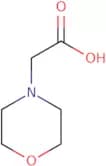

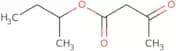
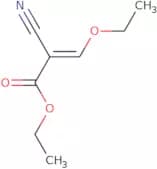
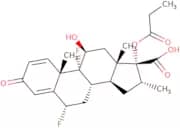
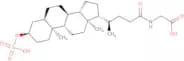
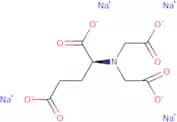
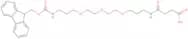
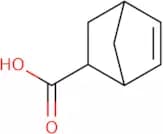


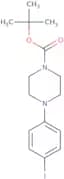
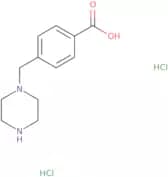
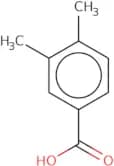

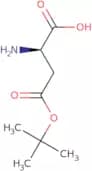
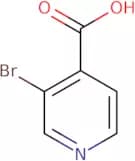
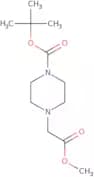
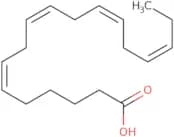
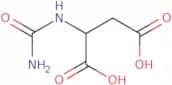

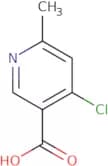
![(6R,7R)-3-(Acetoxymethyl)-8-oxo-7-(2-(thiophen-2-yl)acetamido)-5-thia-1-azabicyclo[4.2.0]oct-2-ene…](/_next/image/?url=https%3A%2Fstatic.cymitquimica.com%2Fproducts%2F3D%2Fthumb-webp%2FFA32097.webp&w=3840&q=75)
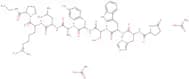
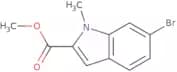
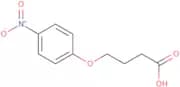
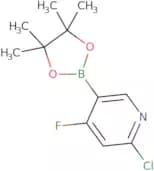
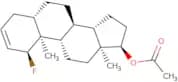

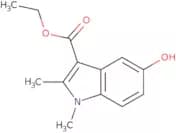
![3,6-Dichlorobenzo[b]thiophene-2-carboxylic acid](/_next/image/?url=https%3A%2Fstatic.cymitquimica.com%2Fproducts%2F3D%2Fthumb-webp%2FFD57151.webp&w=3840&q=75)
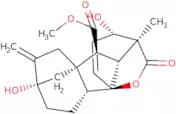
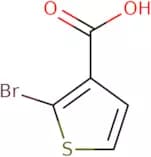
![(2S)-2-Amino-2-[(5S)-3-chloro-4,5-dihydroisoxazol-5-Yl]acetic acid](/_next/image/?url=https%3A%2Fstatic.cymitquimica.com%2Fproducts%2F3D%2Fthumb-webp%2FFA17203.webp&w=3840&q=75)
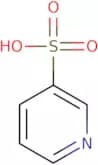
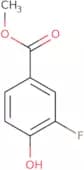


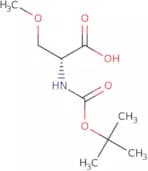
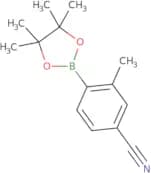
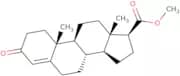
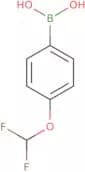
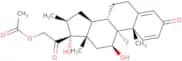
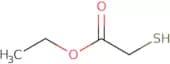
![4-amino[1,1'-biphenyl]-3-carboxylic acid](/_next/image/?url=https%3A%2Fstatic.cymitquimica.com%2Fproducts%2F3D%2Fthumb-webp%2FFA58870.webp&w=3840&q=75)
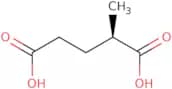

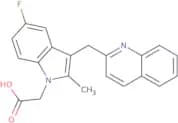
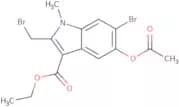
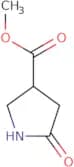

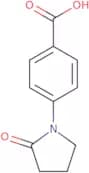
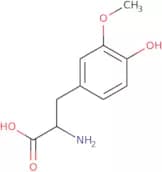

![2-[2-(1H-Indol-3-yl)ethyl]-1,3-dioxoisoindoline-5-carboxylic acid](/_next/image/?url=https%3A%2Fstatic.cymitquimica.com%2Fproducts%2F3D%2Fthumb-webp%2FFI124769.webp&w=3840&q=75)
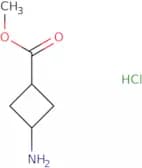
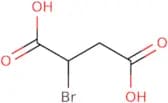

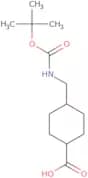
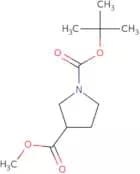

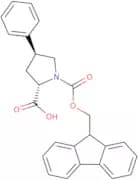
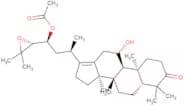
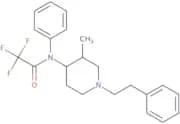
![tert-Butyl 4,7-diazaspiro[2.5]octane-7-carboxylate](/_next/image/?url=https%3A%2Fstatic.cymitquimica.com%2Fproducts%2F3D%2Fthumb-webp%2FFB141975.webp&w=3840&q=75)
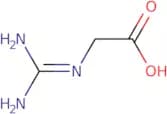
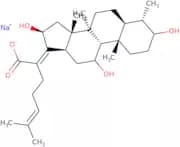
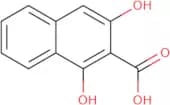
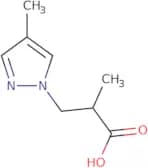
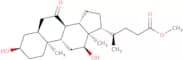
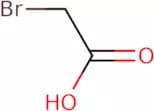
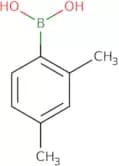

![Methyl 4H-furo[3,2-b]pyrrole-5-carboxylate](/_next/image/?url=https%3A%2Fstatic.cymitquimica.com%2Fproducts%2F3D%2Fthumb-webp%2FFM155237.webp&w=3840&q=75)
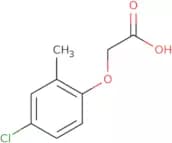
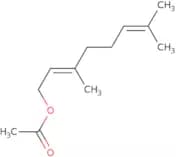
![3-Methyl-2-oxo-2,3-dihydro-1H-benzo[d]imidazole-4-carboxylic acid](/_next/image/?url=https%3A%2Fstatic.cymitquimica.com%2Fproducts%2F3D%2Fthumb-webp%2FFM143449.webp&w=3840&q=75)
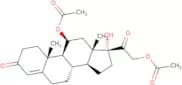
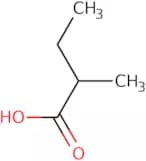
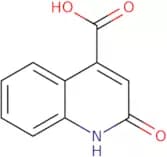
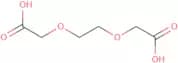
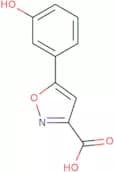
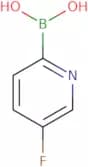
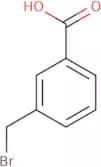
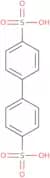
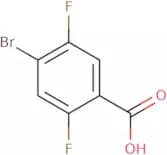
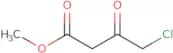
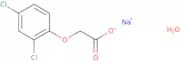
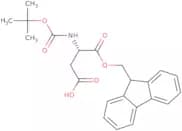
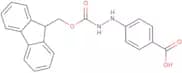
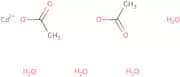
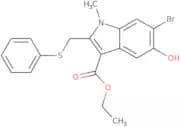
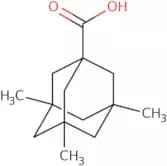
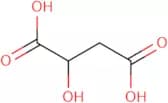

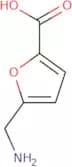
![4-[1-(2-Methoxyethyl)-1H-indol-3-yl]butanoic acid](/_next/image/?url=https%3A%2Fstatic.cymitquimica.com%2Fproducts%2F3D%2Fthumb-webp%2FFM135737.webp&w=3840&q=75)
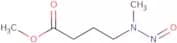
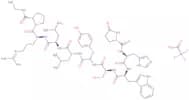
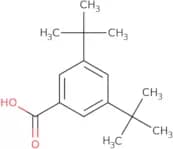
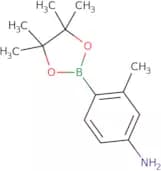
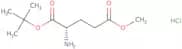
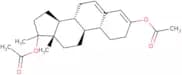
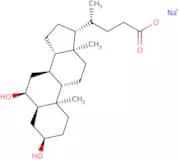
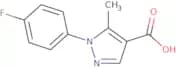
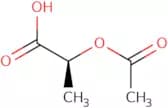
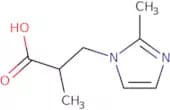
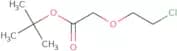
![Spiro[2.3]hexane-1-carboxylic acid](/_next/image/?url=https%3A%2Fstatic.cymitquimica.com%2Fproducts%2F3D%2Fthumb-webp%2FFS167675.webp&w=3840&q=75)
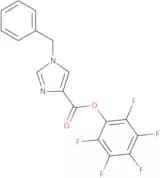
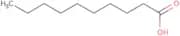
![4-(2-Chlorophenyl)-9-methyl-6H-thieno[3,2-f][1,2,4]triazolo[4,3-a][1,4]diazepine-2-propanoic acid](/_next/image/?url=https%3A%2Fstatic.cymitquimica.com%2Fproducts%2F3D%2Fthumb-webp%2FFC20336.webp&w=3840&q=75)
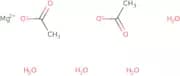
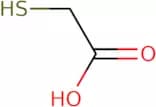
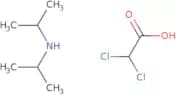
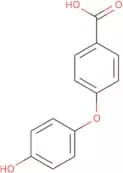
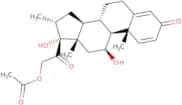
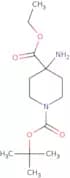
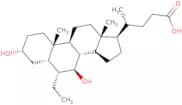
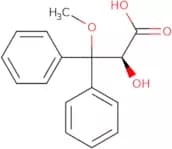

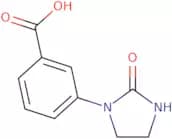
![1-(4-Methoxyphenyl)-7-oxo-6-(4-(2-oxopiperidin-1-yl)phenyl)-4,5,6,7-tetrahydro-1H-pyrazolo[3,4-c]p…](/_next/image/?url=https%3A%2Fstatic.cymitquimica.com%2Fproducts%2F3D%2Fthumb-webp%2FFM155764.webp&w=3840&q=75)
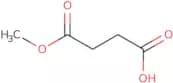

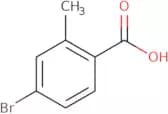

![6-(Methoxycarbonyl)spiro[3.3]heptane-2-carboxylic acid](/_next/image/?url=https%3A%2Fstatic.cymitquimica.com%2Fproducts%2F3D%2Fthumb-webp%2FFM161396.webp&w=3840&q=75)
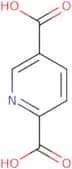
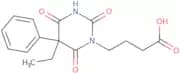
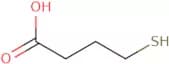
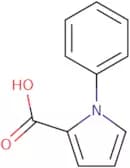
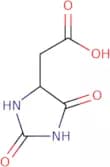
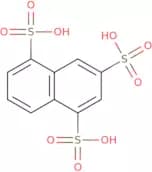
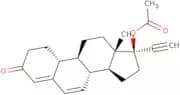
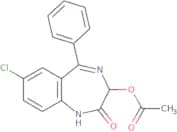

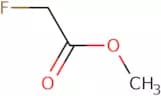
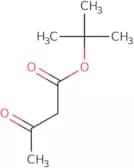
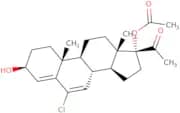
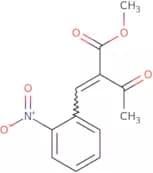

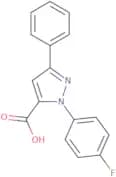
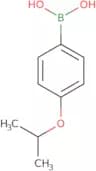

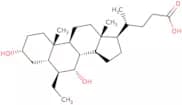
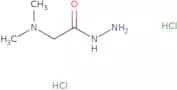
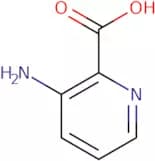
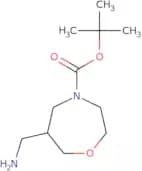
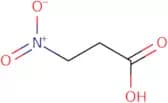
![(1H-Benzo[d][1,2,3]triazol-5-yl)boronic acid](/_next/image/?url=https%3A%2Fstatic.cymitquimica.com%2Fproducts%2F3D%2Fthumb-webp%2FFB141627.webp&w=3840&q=75)
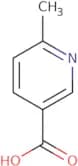
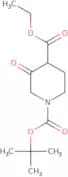


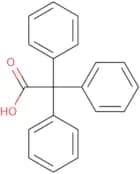
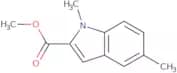
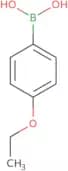
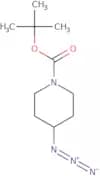
![1,1'-Bicyclo[1,1,1]pentane-1,3-dicarboxylic acid monomethyl ester](/_next/image/?url=https%3A%2Fstatic.cymitquimica.com%2Fproducts%2F3D%2Fthumb-webp%2FFB33677.webp&w=3840&q=75)
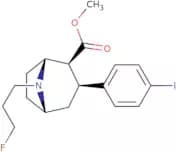
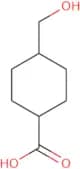
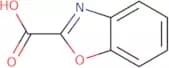
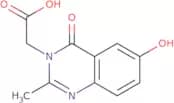
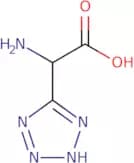
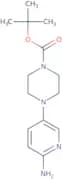
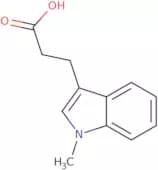
![5-[(3,5-Dimethyl-1H-pyrazol-1-yl)methyl]-2-furoic acid](/_next/image/?url=https%3A%2Fstatic.cymitquimica.com%2Fproducts%2F3D%2Fthumb-webp%2FFD115286.webp&w=3840&q=75)

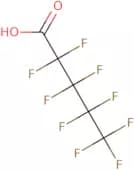
![2-[(2S,3S,4S)-3-Formyl-5-Methoxycarbonyl-2-Methyl-3,4-Dihydro-2H-Pyran-4-Yl]Acetic Acid](/_next/image/?url=https%3A%2Fstatic.cymitquimica.com%2Fproducts%2F3D%2Fthumb-webp%2FFF71925.webp&w=3840&q=75)


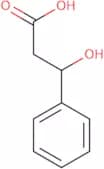
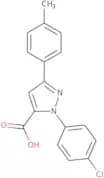
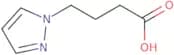

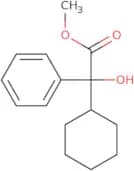
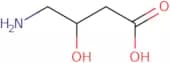

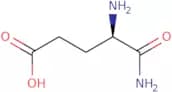
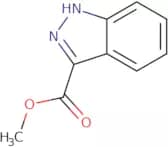
![3-[(Dimethylamino)methyl]benzoic acid hydrochloride](/_next/image/?url=https%3A%2Fstatic.cymitquimica.com%2Fproducts%2F3D%2Fthumb-webp%2FFD124093.webp&w=3840&q=75)