APIs for research and impurities
Active Pharmaceutical Ingredients (APIs) are the substances in drugs responsible for their therapeutic effects. In this section, you will find a wide variety of APIs intended for research use. These compounds are essential for the development, testing, and validation of new pharmaceutical formulations. CymitQuimica offers high-quality APIs to support research in drug discovery and development.
Subcategories of "APIs for research and impurities"
- Aminoacids and derivatives(12,328 products)
- Anthraquinones and derivatives(405 products)
- Benzimidazole and Imidazole Derivatives(10,438 products)
- Benzodiazepine Derivatives(335 products)
- Carbohydrates and glycoconjugates(5,016 products)
- Esters and Derivatives(42,240 products)
- Fatty Acids and Lypidic Derivatives(32,395 products)
- Flavonoids and Polyphenols(17,087 products)
- Free Radicals and Oxidant/Reducing Agents(213 products)
- Ketones and derivatives(2,402 products)
- Natural and semi-synthetic antibiotics(6,380 products)
- Nitriles and Cyano Derivatives(3,067 products)
- Nitrosamines and Derivatives(55 products)
- Nucleosides and Nucleotides(3,431 products)
- Organic Phosphates and Phosphonates(1,202 products)
- Organic Sulphonates and Sulphates(10,434 products)
- Organometallics(4,422 products)
- Others(6,292 products)
- Peptides and Proteins(3,154 products)
- Polymers and Derivatives(100 products)
- Purines and Pyrimidine Derivatives(8,948 products)
- Quinazoline and Quinoline Derivatives(65,966 products)
- Quinones and Derivatives(24,349 products)
- Salts and Derivatives of Active Pharmaceutical Ingredients (API)(79,673 products)
- Steroids and Derivatives(4,975 products)
- Sulfonamides and Derivatives(2,594 products)
- Terpenoids and Derivatives(3,846 products)
- Thiazolidinediones and Thiopyrans(2,752 products)
- β-Adrenergic Compounds(230 products)
Show 21 more subcategories
Found 57012 products of "APIs for research and impurities"
Sort by
Purity (%)
0
100
|
0
|
50
|
90
|
95
|
100
rac-Diacetolol
CAS:<p>Rac-Diacetolol is a racemic mixture of two isomers, (+) and (-), of acebutolol. Rac-Diacetolol is used to treat bowel disease, chronic oral inflammation and cardiac arrhythmias. It is also used as an experimental solubility probe in the study of the interactions between drugs and biological membranes. Rac-Diacetolol has been shown to have a low affinity for cytochrome P450 enzymes, which are responsible for metabolizing many drugs in the body. Rac-Diacetolol has been found to reduce plasma concentrations of PCSK9 antibody in patients with inflammatory bowel disease. The drug also has anti-inflammatory properties that may be due to its inhibition of prostaglandin synthesis.</p>Formula:C16H24N2O4Purity:Min. 95%Color and Shape:PowderMolecular weight:308.37 g/molTrimethoxy dobutamine hydrochloride
CAS:Trimethoxy dobutamine hydrochloride is a custom synthesis with CAS No. 51062-14-7, drug product and Metabolite. It is developed for niche, Drug development and Natural. Trimethoxy dobutamine hydrochloride is an API impurity with analytical and HPLC standard. The Impurity standard of it is Synthetic, while the high purity of this compound can be Research and Development or Synthetic.Formula:C21H30ClNO3Purity:Min. 95%Color and Shape:PowderMolecular weight:379.92 g/mol4-Amino-2-chloro-6,7-dimethoxyquinazoline
CAS:<p>4-Amino-2-chloro-6,7-dimethoxyquinazoline (4ACDMQ) is a synthetic compound that has been used as a chemical intermediate. The chemical structure of 4ACDMQ is similar to that of the natural amino acid tryptophan. It is synthesized by reacting phosphorus pentachloride with 2,6,7-trimethoxyquinazoline in the presence of hydroxide solution and hexamethylphosphoramide. 4ACDMQ has been shown to be an inhibitor of ubiquitin proteasome system and has been used in functional studies on this system. The reaction yield for 4ACDMQ can be increased by using sodium hydroxide solution or n-dimethyl formamide as a solvent. Functional assays have shown binding properties for 4ACDMQ to proteins such as ubiquitin and proteasome subunits.</p>Formula:C10H10ClN3O2Purity:Min. 95%Color and Shape:PowderMolecular weight:239.66 g/mol2-Acetamido-9-[[2-(acetyloxy)ethoxy]methyl]-6,9-dihydro-1H-purin-6-one
CAS:<p>2-Acetamido-9-[2-(acetyloxy)ethoxy]methyl-6,9-dihydro-1H-purin-6-one (ademetionine) is a prodrug that is metabolized in the liver to form ademetionine. Ademetionine is a potent inhibitor of guanosine deaminase, which is an enzyme that breaks down guanosine into guanine and ammonia. Ademetionine has shown efficacy in cancer treatment and may also be used to treat tuberculosis. The metabolism of this drug takes place in the liver, where it undergoes oxidation by cytochrome P450 enzymes to form the active metabolite ademetionine. Metabolism of this drug can be inhibited by drugs such as trifluoromethanesulfonic acid (TFMS), which are used for the treatment of malaria. TFMS inhibits the formation of ademetionine but does not affect the formation</p>Formula:C12H15N5O5Purity:Min. 95%Color and Shape:White PowderMolecular weight:309.28 g/molLisinopril EP Impurity E
CAS:Lisinopril EP Impurity E is an impurity of lisinopril, which is a prescription drug used to treat high blood pressure. This impurity was found in a preparative high performance liquid chromatography (HPLC) and mass spectroscopy analysis of the drug. The molecular weight of Lisinopril EP Impurity E was determined to be 317.2 amu, which corresponds to the molecular formula C7H13NO2. The FT-IR spectrum showed that this impurity has an ammonium group at 1859 cm-1 and butanoic acid at 1647 cm-1.Formula:C21H31N3O5Purity:Min. 98 Area-%Color and Shape:PowderMolecular weight:405.49 g/molN,N-Dimethyl-2-(1-phenyl-1-(pyridin-4-yl)ethoxy)ethanamine
CAS:Controlled ProductThe synthesis of N,N-dimethyl-2-(1-phenyl-1-(pyridin-4-yl)ethoxy)ethanamine is a two step process. It involves the reaction of pyridine with 2,6-dichloroacetophenone in the presence of excess potassium carbonate followed by the elimination of diethyl ether to produce the desired product. The yield for this reaction is high and it is selective when compared to other reactions that use organic solvents. This product can also be quantified using various analytical methods such as thin layer chromatography and gas chromatography.Formula:C17H22N2OPurity:Min. 95%Color and Shape:Clear LiquidMolecular weight:270.37 g/molDoxorubicin impurity
CAS:<p>Doxorubicin is an organic compound that belongs to the class of polycyclic aromatic hydrocarbons. It is used as a cancer therapy, primarily in the treatment of breast cancer. The chemical sensing of impurities in doxorubicin can be done using phase transfer methods. The quantification of these impurities can be done using high-performance liquid chromatography (HPLC) or gas chromatography (GC).</p>Formula:C26H27NO11Purity:Min. 90 Area-%Color and Shape:Red PowderMolecular weight:529.49 g/molN-(2-Phenethyl)benzamide
CAS:<p>N-(2-Phenethyl)benzamide (NPEB) is a molecule that belongs to the group of reactive molecules. It has been shown to be toxic to gram-positive bacteria, such as Staphylococcus aureus and Bacillus subtilis, but not gram-negative bacteria such as Escherichia coli. NPEB also has been shown to have locomotor activity in animals, which may be due to its ability to inhibit the mitochondrial electron transport chain and inhibit ATP production. NPEB's biological properties are well characterized. FTIR spectroscopy showed that this molecule has an amide functional group and is a small molecule with a molecular weight of 176.4 g/mol. This molecule was also found to be able to bind to mitochondria in animals.</p>Formula:C15H15NOPurity:Min. 97 Area-%Color and Shape:PowderMolecular weight:225.29 g/mol3-[[[2-[(Diaminomethylene)amino]-4-thiazolyl]methyl]thio]propanamide
CAS:3-[[[2-[(Diaminomethylene)amino]-4-thiazolyl]methyl]thio]propanamide is a synthetic drug product. It is not found in natural products and it has no pharmacopoeia name. 3-[[[2-[(Diaminomethylene)amino]-4-thiazolyl]methyl]thio]propanamide is an impurity standard for the manufacture of pharmaceuticals. It is also used as a research and development reagent and analytical standard. 3-[[[2-[(Diaminomethylene)amino]-4-thiazolyl]methyl]thio]propanamide has not been evaluated by the FDA as a food additive, but it has been evaluated by the European Union as a flavoring agent.Formula:C8H13N5OS2Purity:Min. 95%Color and Shape:White PowderMolecular weight:259.35 g/molTrandolaprilat
CAS:<p>Trandolaprilat is a prodrug of enalaprilat, which is an angiotensin-converting enzyme (ACE) inhibitor. Trandolaprilat binds to the active site of ACE and inhibits its activity, thereby causing a decrease in the formation of angiotensin II, a potent vasoconstrictor. Trandolaprilat has been shown to be effective in treating congestive heart failure and other cardiac disorders. Trandolaprilat has also been shown to have an effect on energy metabolism, as it inhibits the binding of ATPase to adenosine triphosphate (ATP). This inhibition leads to increased levels of ATP in cells and may be responsible for its cardioprotective effects.</p>Formula:C22H32N2O6Purity:Min. 95%Color and Shape:White PowderMolecular weight:420.5 g/mol1-Acetate 4-methanesulfonate 1,4-butanediol
CAS:1-Acetate 4-methanesulfonate 1,4-butanediol (1AMB) is a precursor to the hematopoietic stem cell factor G-CSF. It is a white or yellow crystalline powder that is soluble in water and has a sweet taste. The compound can be used as an additive for food products and pharmaceuticals, but it may also cause toxic effects on the liver and other tissues. 1AMB has been shown to have cytotoxic and hepatotoxic effects in animals, so appropriate animal studies should be conducted before using this substance in humans.Formula:C7H14O5SPurity:Min. 95%Color and Shape:Clear Colourless To Pale Yellow LiquidMolecular weight:210.25 g/molLansoprazole N-oxide
CAS:<p>Lansoprazole N-oxide is a prodrug that is converted to lansoprazole sulfone in vivo. Lansoprazole N-oxide is used as a diluent in chromatographic experiments. It has been shown to be more sensitive than the parent compound, lansoprazole, for the diagnosis of reflux oesophagitis. Lansoprazole N-oxide also has a validation wavelength of 240 nm and can be detected by liquid chromatography. The active form of lansoprazole, lansoprazole sulfone, can be detected by gas chromatography mass spectrometry (GCMS).</p>Formula:C16H14F3N3O3SPurity:Min. 95%Color and Shape:White PowderMolecular weight:385.36 g/molEmpagliflozin R-furanose
CAS:<p>Empagliflozin R-furanose is a drug product that belongs to the class of drugs for treatment of type II diabetes. It is a synthetic derivative of Empagliflozin, which is a natural compound found in plants. Empagliflozin R-furanose has been shown to inhibit the activity of dipeptidyl peptidase 4 (DPP-4) and reduce postprandial glucose levels in healthy subjects. This drug product has also been shown to be safe and effective in lowering blood sugar and hemoglobin A1c levels in patients with type II diabetes mellitus or impaired glucose tolerance.</p>Formula:C23H27ClO7Purity:Min. 95%Color and Shape:PowderMolecular weight:450.91 g/molN-(2-Amino-4-thiazolyl)acetyl mirabegron
CAS:<p>N-(2-Amino-4-thiazolyl)acetyl mirabegron is a research chemical that belongs to the category of drugs. It is custom synthesized and purified through analytical methods. N-(2-Amino-4-thiazolyl)acetyl mirabegron has been studied for its metabolism in vivo, including its pharmacokinetics and pharmacodynamics. This drug product is a metabolite of mirabegron, an agent used for the treatment of overactive bladder syndrome (OAB). The metabolite is also present in urine and plasma samples.</p>Formula:C26H28N6O3S2Purity:Min. 95%Molecular weight:536.7 g/molAtorvastatin lactone
CAS:<p>Atorvastatin lactone is a prodrug for atorvastatin. It is an inhibitor of the enzyme HMG-CoA reductase, which is involved in cholesterol synthesis and reduces LDL cholesterol levels. Atorvastatin lactone is absorbed from the gut into the bloodstream and then converted to atorvastatin, which has a higher potency than atorvastatin lactone. This conversion occurs in the liver by cytochrome P450 enzymes, including cytochrome CYP3A4. The pharmacokinetics of atorvastatin lactone are influenced by drugs that inhibit these enzymes. Atorvastatin and its metabolites are excreted in human serum as glucuronide or sulfate conjugates.</p>Formula:C33H33FN2O4Purity:Min. 98 Area-%Color and Shape:PowderMolecular weight:540.62 g/mol5-Methoxy-2-[[(4-methoxy-3,5-dimethyl-2-pyridinyl)methyl]sulfinyl]-1H-benzimidazole N-oxide
CAS:<p>5-Methoxy-2-[[(4-methoxy-3,5-dimethyl-2-pyridinyl)methyl]sulfinyl]-1H-benzimidazole N-oxide is an ammonium salt of a sulfoxide with a chloride. It is also known as esomeprazole magnesium. This drug is used in the preparation of pharmaceutical preparations and is used to treat gastroesophageal reflux disease (GERD), peptic ulcers, and other conditions. The magnesium salt form is a polymorphic substance that has a crystalline form that occurs in nature, called alpha form, and a synthetic form that occurs in laboratory experiments and has been designated beta form. The alpha form exhibits enantioselectivity when it binds to the enzyme pepsin, which causes the drug to have an antiulcer effect.</p>Formula:C17H19N3O4SPurity:Min. 95%Color and Shape:PowderMolecular weight:361.42 g/molCefpodoxime proxetil impurity H
CAS:<p>Cefpodoxime proxetil impurity H is an impurity of cefpodoxime proxetil, which is a prodrug that has been shown to be metabolized by esterases to the active form cefpodoxime. Cefpodoxime proxetil impurity H was found in the elution fraction when using liquid chromatography with reversed-phase as the separation method. It is thought that this impurity may arise from the use of methanol in the process of preparing cefpodoxime proxetil, although other mechanisms have not been ruled out. The mass spectrum for cefpodoxime proxetil impurity H shows peaks at m/z 812 and 682, which correspond to the parent drug and its hydrolysis product, respectively. The fragmentation pattern observed for cefpodoxime proxetil impurity H corresponds to that seen for cephalosporins.</p>Formula:C42H54N10O18S4Purity:Min. 95%Molecular weight:1,115.2 g/molD-Ala-(19)-Semaglutide
<p>D-Ala(19)-Semaglutide is a semaglutide impurity. The amino acid at position 19 has been replaced by the D-form of the amino acid D-alanine (D-Ala). Semaglutide impurities are structurally related compounds that arise during synthesis, purification, or storage of semaglutide, a long-acting GLP-1 receptor agonist for managing type 2 diabetes and obesity.</p>Formula:C187H291N45O59Molecular weight:4,113.64 g/molNaltrexone impurity E
CAS:Controlled Product<p>Naltrexone impurity E is an analytical standard that is used to calibrate high-performance liquid chromatography (HPLC) instruments. This substance is a natural metabolite of naltrexone, which is an opioid receptor antagonist, and has the chemical name of 4-hydroxy-3-methoxy-N-(5α,6β)-dimethyl-2-[(1R)-1-(3-methyloxetan-3-yl)piperidin-4-yl] benzeneacetamide. Naltrexone impurity E is a pharmacopoeia grade compound that can be used in the synthesis of drug products. Custom synthesis and natural or synthetic sources are available.</p>Formula:C24H29NO4Purity:Min. 95%Color and Shape:PowderMolecular weight:395.49 g/mol2-Hydroxy-2,2-bis(2-thienyl) acetic acid
CAS:<p>2-Hydroxy-2,2-bis(2-thienyl) acetic acid is a long-acting bronchodilator that can be administered by inhalation. It has been used in the clinical development of medicines for the treatment of asthma and chronic obstructive pulmonary disease. 2-Hydroxy-2,2-bis(2-thienyl) acetic acid is chemically related to pyridinium compounds. It is a potent inhibitor of muscarinic receptors and has an anticholinergic profile similar to atropine. The safety profile of this drug seems to be favourable in humans with no major side effects reported so far.</p>Formula:C10H8O3S2Purity:Min. 95%Color and Shape:Yellow PowderMolecular weight:240.3 g/molTenofovir isoproxil monoester
CAS:<p>Tenofovir isoproxil monoester is a prodrug of Tenofovir, which is an antiviral drug. Tenofovir prevents the growth of HIV by interfering with the synthesis of viral DNA. The process development stage involves converting Tenofovir to its disoproxil monoester form, which has been shown to have greater antiviral activity than Tenofovir alone. This conversion process involves condensing one molecule of fumarate with two molecules of tenofovir, forming tenofovir disoproxil fumarate (TFD). TFD can be converted back to Tenofovir using hydrolysis and hydrogenation. Impurities in TFD include isopropyl tenofovir and unidentified impurities that are not present in the parent drug, tenofovir. Tenofovir Disoproxil Fumarate was also shown to be more potent than TFD and is undergoing clinical trials for</p>Formula:C14H22N5O7PPurity:Min. 97 Area-%Color and Shape:White/Off-White SolidMolecular weight:403.33 g/molTelmisartan-D3-acyl-b-D-glucuronide
Controlled Product<p>Isotopically labelled metabolite of telmisartan</p>Formula:C39H35D3N4O8Purity:Min. 95%Molecular weight:693.76 g/molParacetamol Impurity L
<p>Paracetamol Impurity L is a drug product that is used as an analytical standard for the impurity paracetamol. It is found in pharmaceuticals, such as acetaminophen, which is used to relieve pain and reduce fever. Paracetamol Impurity L is a natural compound and has been shown to be metabolically stable in humans. The CAS number for this compound is 619-25-4.</p>Formula:C16H16N2O4Purity:Min. 95%Molecular weight:300.31 g/mol4-(1-Hydroxy-1-methylethyl)-2-propyl-1-[[2'-[1-(triphenylmethyl)-1H-tetrazol-5-yl][1,1'-biphenyl]-4-yl]methyl]-1H-imidazole-5-carbox ylic acid sodium salt
CAS:<p>4-(1-Hydroxy-1-methylethyl)-2-propyl-1-[[2'-[1-(triphenylmethyl)-1H-tetrazol-5-yl][1,1'-biphenyl]-4-yl]methyl]-1H-imidazole-5-carbox ylic acid sodium salt is a research and development compound that is synthesized using the drug product synthesis method. This compound belongs to the class of Impurity standards, which are used for quality control in analytical chemistry. The CAS number for this compound is 879097–59–3, and the molecular formula is C26H34N6O4S. The molecular weight of this compound is 564.49 g/mol. 4-(1-Hydroxy-1-methylethyl)-2-propyl-[1-[2'-[(1,3,5 -tris(triphenylmethyl</p>Formula:C43H39N6O3·NaPurity:Min. 95%Molecular weight:710.8 g/molDechloro haloperidol decanoate
CAS:<p>Dechloro haloperidol decanoate is a drug product that is custom synthesized to meet the needs of the customer. It is manufactured with high purity and analytical quality. Dechloro haloperidol decanoate has been extensively studied in metabolism studies, natural products, drug development, and research and development. The CAS number for this compound is 1797824-64-6. Dechloro haloperidol decanoate is a metabolite of the drug haloperidol, which is used as an antipsychotic medication. It has been shown to have pharmacopoeia standards and can be used as a synthetic impurity standard in HPLC analysis.</p>Purity:Min. 95%(+/-)-N-Benzyl-N-methyl-3-phenyl-3-[4-(trifluoromethyl)phenoxy]-propylamine hydrochloride
CAS:(+/-)-N-Benzyl-N-methyl-3-phenyl-3-[4-(trifluoromethyl)phenoxy]-propylamine hydrochloride is a synthetic drug product with the chemical name of (+/-)-N-Benzyl-N-methyl-3-phenyl-3-[4-(trifluoromethyl)phenoxy]-propylamine hydrochloride. It is an analytical standard, and its CAS No. is 660414-56-2. It has the purity of 99% and a molecular weight of 377.5. The impurities in this product are less than 1%. This product can be used as an analytical reference in HPLC, as well as a drug development and natural standard for pharmacopoeia. This product was synthesized by a process that included: (1) 3,4-(trifluoromethyl)benzaldehyde; (2) A mixture ofFormula:C24H24F3NO·HClPurity:Min. 95%Color and Shape:PowderMolecular weight:435.91 g/molDecitabine impurity 11
CAS:Decitabine is a drug product that is used as an anti-cancer drug. It is a synthetic, natural, and research and development (R&D) metabolite with the CAS No. 909402-26-2. Decitabine has shown anticancer activity in vitro and in vivo against leukemia cells. This compound is an impurity of the API decitabine that is manufactured by a chemical synthesis process. The analytical impurities are 11 compounds that have been identified from the HPLC standard of this API. The metabolites of these compounds are also included in this standard. High purity decitabine should be obtained for pharmacopoeia studies and niche applications such as HPLC standards, pharmaceuticals, or research purposes.Formula:C9H13N3O5Purity:Min. 95%Molecular weight:243.22 g/molDiclofenac impurity B
CAS:Diclofenac impurity B is a regulatory impurity in the drug Diclofenac, which is a nonsteroidal anti-inflammatory drug. Diclofenac impurity B is an acidic compound that has been shown to inhibit the formation of micelles and micellar aggregates. This impurity has also been shown to be synthesized through a number of reactions, including thermal hydrolysis, oxidation by air, and reaction with carbonyl compounds. This impurity can be identified using high-performance liquid chromatography (HPLC) and mass spectrometry (MS). The ability to identify this impurity can aid in the development of analytical methods for diclofenac.Formula:C13H9Cl2NOPurity:Min. 95%Color and Shape:PowderMolecular weight:266.12 g/molRemdesivir impurity 13
CAS:<p>Remdesivir impurity 13 is a metabolite of remdesivir, which is a drug product that is custom synthesized by us. This compound has been shown to be natural and can be found in the human body. Remdesivir impurity 13 has been studied extensively for its metabolic pathway and as a potential impurity standard for HPLC analysis.</p>Formula:C27H35N6O8PPurity:Min. 95%Molecular weight:602.58 g/molRabeprazole Impurity 2
CAS:<p>Rabeprazole Impurity 2 is a research and development impurity standard that is used for qualitative analysis. It can be custom synthesized to meet specific needs, and it can also be used in drug product synthesis. Rabeprazole Impurity 2 is a high purity synthetic compound that has been pharmacopoeia-qualified. It can also be used as a metabolite or analytical standard, and it has been studied for its metabolism studies with HPLC-MS. Rabeprazole Impurity 2 has CAS No. 1807988-36-8.</p>Formula:C18H19N3O4Purity:Min. 95%Molecular weight:341.36 g/molD-Ser-(12)-Semaglutide
<p>D-Ser(12)-Semaglutide is a semaglutide impurity. The amino acid at position 12 has been replaced by the D-form of the amino acid D-serine (D-Ser). Semaglutide impurities are structurally related compounds that arise during synthesis, purification, or storage of semaglutide, a long-acting GLP-1 receptor agonist for managing type 2 diabetes and obesity.</p>Formula:C187H291N45O59Molecular weight:4,113.64 g/molDihexyl 3,3'-(pyrazine-2,5-diyl)dipropanoate
CAS:Dihexyl 3,3'-(pyrazine-2,5-diyl)dipropanoate is a drug product that is used as an impurity standard for the determination of metabolites in drug development and metabolism studies. It has been shown to be a metabolite in the human body and is also found in rat urine. The purity of this substance is high and can be custom synthesized to meet specific needs. Dihexyl 3,3'-(pyrazine-2,5-diyl)dipropanoate can be used as an analytical standard for HPLC analysis. This compound can also be used in pharmacopoeia as a reference substance for the determination of purity and impurities.Formula:C22H36N2O4Purity:Min. 95%Color and Shape:Off-white to yellow liquid.Molecular weight:392.53 g/molN-Methyl-3-(1-naphthalenyloxy)-3-(3-thienyl) propanamine tartrate
<p>N-Methyl-3-(1-naphthalenyloxy)-3-(3-thienyl) propanamine tartrate is an impurity standard used for the quantitative analysis of norephedrine in pharmaceutical products. It is also a metabolite of methamphetamine, which has been shown to have anti-inflammatory activities.</p>Formula:C18H19NOS·C4H6O6Purity:Min. 95%Molecular weight:447.5 g/molLevonorgestrel EP Impurity O
CAS:<p>Soluble in Chloroform & in Methanol Confirmed<br>Insoluble in Water</p>Purity:95.0% MinColor and Shape:Off White or Beige SolidMolecular weight:344.49Remdesivir Related Compound 4
CAS:Remdesivir Related Compound 4 is a synthetic compound that is structurally related to remdesivir. It has been shown to have anti-HIV activity in vitro. Remdesivir Related Compound 4 may be used as an impurity standard for HPLC, and as an intermediate in the synthesis of other drugs.Formula:C32H32N4O5Purity:Min. 95%Molecular weight:552.62 g/mol3-Amino-4,6-dihydro-1,2,6-thiadiazine-1,1-dioxide, hydrochloride
<p>3-Amino-4,6-dihydro-1,2,6-thiadiazine-1,1-dioxide is an impurity that has been identified in the process of synthesizing a drug. The impurity is typically found in small quantities and is not expected to have any adverse effects on the drug product if present in concentrations below 0.1% (w/w). 3-Amino-4,6-dihydro-1,2,6-thiadiazine-1,1-dioxide can be synthesized from two other compounds: 4,6-Diaminohexane and thiosemicarbazide. The CAS number for this impurity is 53497–14–8.</p>Formula:C3H8ClN3O2SPurity:Min. 95%Molecular weight:185.63 g/molFluticasone furoate impurity I
<p>Fluticasone furoate impurity I is a drug product that is custom synthesized for research and development. It is an analytical standard that is used in metabolism studies. The metabolite of this impurity has been identified as the natural product, 4-fluoro-5-hydroxybenzoic acid. Fluticasone furoate impurity I is a synthetic standard for HPLC that can be used to calibrate the equipment and prepare stock solutions.</p>Purity:Min. 95%(3S)-3-[4-[(5-Bromo-2-chlorophenyl)methyl]phenoxy]tetrahydro-furan
CAS:Intermediate in the synthesis of empagliflozinFormula:C17H16BrClO2Purity:Min. 95%Color and Shape:White PowderMolecular weight:367.66 g/mol6'-Methoxy-2'-acetonaphthone
CAS:6'-Methoxy-2'-acetonaphthone is a reactive chemical that can be used as a reagent in organic synthesis. It is an electron-rich aromatic compound and its reactivity is enhanced by electron-donating groups such as -OH, -NH2, or -SH. 6'-Methoxy-2'-acetonaphthone can be used to form new carbon-carbon bonds in the presence of metal catalysts. This reaction can be done in either the presence or absence of a solvent, although the yield is better when carried out in organic solvents. Oxime derivatives are formed as oxidation products during this reaction. Acetylation may also occur, which would produce acetophenones or phenylacetones.Formula:C13H12O2Purity:Min. 95%Color and Shape:Off-White PowderMolecular weight:200.23 g/mol5-Aminolevulinic acid hexyl ester hydrochloride
CAS:5-Aminolevulinic acid hexyl ester hydrochloride (5-ALA HCl) is a fluorescent probe that is used in the diagnosis of bladder and skin cancers. It is a prodrug that is converted to 5-aminolevulinic acid (ALA), which reacts with intracellular porphyrins to form an excited state. This excited state fluoresces when it interacts with light, making it useful for the detection of cancer cells. 5-ALA HCl has been shown to be effective in the diagnosis of multifocal urothelial carcinoma and cervical intraepithelial neoplasia.Formula:C11H22ClNO3Molecular weight:251.75 g/mol5-Aminolevulinic acid methyl ester hydrochloride
CAS:<p>5-Aminolevulinic acid methyl ester hydrochloride is a drug that is used to treat skin conditions such as psoriasis, dermatitis, and vitiligo. It is used to treat skin cancer and inflammatory diseases such as lupus erythematosus. 5-Aminolevulinic acid methyl ester hydrochloride works by targeting the mitochondria of skin cells. This drug causes mitochondrial membrane depolarization in vitro. The clinical response to this drug is variable and may depend on the severity of the condition being treated. In vivo studies with human subjects show low bioavailability for this drug.</p>Formula:C6H11NO3·HClPurity:Min. 95%Color and Shape:PowderMolecular weight:181.62 g/mol3-Ethyl 5-methyl 2-((2-aminoethoxy)methyl)-4-(2-chlorophenyl) -6-methylpyridine-3,5-dicarboxylate 2- butenedioate
CAS:<p>3-Ethyl 5-methyl 2-((2-aminoethoxy)methyl)-4-(2-chlorophenyl) -6-methylpyridine-3,5-dicarboxylate 2- butenedioate is a synthetic compound that has been developed for the treatment of bacterial infections. This drug product is metabolized by hydrolysis to form 3,5-dimethyl 2-(2-(2-(2-(2-(2-(2-(hydroxymethyl)amino)ethoxy) ethoxy)ethoxy)ethoxy)ethoxy)-4,6-dimethylpyridine. The analytical standards for this drug are 3,5-dimethyl 2-(2-(2-(2-(2 (hydroxymethyl)amino)ethoxy)ethoxy)ethoxy)-4,6-dimethylpyridine; 3,5-, 6-, and 8-, 10-, 12-, 14-, 16-, 18-,</p>Formula:C20H23ClN2O5•C4H4O4Purity:Min. 95%Color and Shape:PowderMolecular weight:522.93 g/molOlmesartan lactone impurity
CAS:<p>Olmesartan lactone impurity is a high-purity, low-cost, and stable pharmaceutical intermediate. It is an ester of olmesartan and medoxomil. The synthesis of this compound can be achieved through the esterification of olmesartan with medoxomil using a solvent such as dioxane. This compound is used to produce olmesartan medoxomil, which is a non-selective angiotensin II receptor antagonist. Olmesartan lactone impurity has been shown to have no effects on the human body when tested in animals.</p>Formula:C24H24N6O2Purity:Min. 95%Color and Shape:White PowderMolecular weight:428.49 g/mol[5-[(Dimethylamino)methyl]furan-2-yl]methanethiol, oxalate
CAS:<p>5-[(Dimethylamino)methyl]furan-2-yl]methanethiol, oxalate is a chemical compound with the molecular formula of C4H8O2S. It is a colorless to pale yellow liquid that is soluble in water and ethanol. This product is used as an impurity standard for HPLC analysis of drugs and as a synthetic intermediate in the drug development process. 5-[(Dimethylamino)methyl]furan-2-yl]methanethiol, oxalate can be synthesized from furfuryl alcohol and methylamine under mild conditions. The purity of this product can be determined by HPLC analysis or GCMS analysis.</p>Formula:C8H13NOS·C2H2O4Purity:Min. 95%Molecular weight:261.3 g/molDihydroxy diketo atorvastatin impurity
CAS:<p>Dihydroxy diketo atorvastatin impurity is a synthetic impurity that is generated by the metabolism of atorvastatin. This drug product is an analytical standard for the determination of purity, and can also be used to develop high purity drugs.</p>Formula:C26H24FNO5Purity:Min. 95%Molecular weight:449.47 g/molrac N-Demethyl promethazine hydrochloride
CAS:<p>Rac-N-Demethylpromethazine hydrochloride is a racemic mixture of promethazine. It is an analytical reference material that is offered as a high purity API impurity standard, which can be used for HPLC analysis. Rac-N-Demethylpromethazine hydrochloride is also offered as a drug development and drug product impurity standard for the manufacture of drugs. The racemic mixture of promethazine has been shown to inhibit the growth of bacteria by competitive inhibition of bacterial enzymes. Rac-N-Demethylpromethazine hydrochloride acts on bacterial DNA gyrase and topoisomerase IV, which maintain the integrity of bacterial DNA by inhibiting the production of proteins vital for cell division. Rac-N-Demethylpromethazine hydrochloride has also been shown to have antiinflammatory properties in animal studies.</p>Formula:C16H19ClN2SPurity:Min. 95%Color and Shape:PowderMolecular weight:306.86 g/molDibenzosuberone
CAS:Dibenzosuberone is a reactive, surfactant, and β-catenin inhibitor that has been shown to have anti-cancer activity against solid tumours. It is synthesized by the asymmetric synthesis of dibenzoyl-L-tartaric acid with sodium dodecylsulfate in the presence of light. The substrate film is used to increase the rate of reactivity. Dibenzosuberone inhibits the growth of cancer cells by inhibiting cyclic peptide synthesis and blocking light emission from these cells. Dibenzosuberone also has an effect on cell migration and proliferation through its interactions with β-catenin. Dibenzosuberone hydrolyzes in aqueous solution to form benzene, which can be removed by adding hydrochloric acid or hydrogen bonding with anhydrous sodium.Formula:C15H12OPurity:Min. 95%Color and Shape:Solidified MassMolecular weight:208.26 g/molRifaximin Impurity 2
CAS:<p>Rifaximin Impurity 2 is a custom synthesis that is made to the customer's specifications. This compound is used as an impurity standard for drug product. It has a high purity and follows the pharmacopoeia standards. Rifaximin Impurity 2 is used in research and development of new drugs, which includes drug metabolism studies. This compound can be synthesized with natural or synthetic methods, and can be analyzed using HPLC.</p>Purity:Min. 95%3-(4-(4-Morpholinyl)phenyl)-5-(hydroxymethyl)oxazolidin-2-one
CAS:<p>3-(4-(4-Morpholinyl)phenyl)-5-(hydroxymethyl)oxazolidin-2-one is an impurity in the drug development process. It is used as a standard for HPLC testing and a synthetic intermediate. It has been shown to have niche use in the pharmaceutical industry. 3-(4-(4-Morpholinyl)phenyl)-5-(hydroxymethyl)oxazolidin-2-one has been found to be metabolized through oxidation and reduction reactions, leading to the formation of metabolites such as 2,6-dihydroxypyridine (DHP). Further metabolism studies are required for this substance.</p>Formula:C14H18N2O4Purity:Min. 95%Color and Shape:White to off-white solid.Molecular weight:278.3 g/mol(R)-3-(3-Fluoro-4-morpholin-4-ylphenyl)-2-oxo-5-oxazolidinyl)methyl methansulfonate
CAS:<p>(R)-3-(3-Fluoro-4-morpholin-4-ylphenyl)-2-oxo-5-oxazolidinyl)methyl methansulfonate is a Custom synthesis, drug product, Metabolite, Synthetic, Drug development, Impurity standard, Metabolism studies, API impurity, Natural, pharmacopoeia, analytical and HPLC standard. It is CAS No. 174649-09-3.</p>Formula:C15H19FN2O6SPurity:Min. 95%Molecular weight:374.39 g/molPantoprazole sulfide N-oxide
CAS:<p>Pantoprazole sulfide N-oxide is a metabolite of pantoprazole, which is a proton pump inhibitor used to reduce stomach acid production. Pantoprazole sulfide N-oxide is an impurity in pantoprazole that can be detected by HPLC. It has been shown to have about the same biological activity as pantoprazole when given orally.</p>Formula:C16H15F2N3O4SPurity:Min. 95%Color and Shape:Off-White To Yellow SolidMolecular weight:383.37 g/mol5-(2-Fluorophenyl)-1H-pyrrole-3-carboxylic acid
CAS:<p>5-(2-Fluorophenyl)-1H-pyrrole-3-carboxylic acid is a synthetic drug that is used as an impurity standard. It has been shown to be metabolized by CYP450 enzymes and glucuronidases, and can inhibit the enzyme glutathione reductase. 5-(2-Fluorophenyl)-1H-pyrrole-3-carboxylic acid also has been shown to have antiplatelet activity, which may be due to its ability to inhibit the enzyme ADP cyclase.</p>Formula:C11H8FNO2Purity:Min. 95%Color and Shape:PowderMolecular weight:205.18 g/molD-Phe(6)-Semaglutide
<p>D-Phe(6)-Semaglutide is a semaglutide impurity. The amino acid at position 6 has been replaced by the D-form of the amino acid D-phenylalanine (D-Phe). Semaglutide impurities are structurally related compounds that arise during synthesis, purification, or storage of semaglutide, a long-acting GLP-1 receptor agonist for managing type 2 diabetes and obesity.</p>Formula:C187H291N45O59Molecular weight:4,113.64 g/molSitagliptin keto amide impurity
CAS:<p>Sitagliptin Keto Amide Impurity is a research and development impurity standard that has been shown to be an impurity in the drug product Sitagliptin. It is a synthetic, analytical impurity that has been shown to be present in the drug product at 0.1% of the total weight. This impurity is soluble in water and ethanol, but insoluble in ether, chloroform, benzene, and dichloromethane. The CAS number for this compound is 764667-65-4. Sitagliptin Keto Amide Impurity can be used as an analytical reference material or as a pharmacopoeia reference standard for HPLC analysis of sitagliptin keto amide and its metabolites.</p>Formula:C16H12F6N4O2Purity:Min. 95%Color and Shape:Slightly Yellow PowderMolecular weight:406.28 g/mol(5α)-17-(3-Pyridinyl)androst-16-en-3-one
CAS:Controlled Product(5α)-17-(3-Pyridinyl)androst-16-en-3-one is a natural metabolite of testosterone that is produced in the liver. It has been identified as an impurity in API, which can be found in drugs used for the treatment of high blood pressure and prostate cancer. (5α)-17-(3-Pyridinyl)androst-16-en-3-one is not active as a drug itself, but it can be used as a standard to study the metabolism of testosterone and other steroids.Formula:C24H31NOPurity:Min. 98 Area-%Color and Shape:White PowderMolecular weight:349.51 g/mol5-Benzamidolevulinic acid
CAS:<p>5-Benzamidolevulinic acid is an ethylamine derivative that inhibits the enzyme carbonic anhydrase. It is used as a synthetic intermediate in the production of other drugs, such as dopamine and remoxipride. 5-Benzamidolevulinic acid can be found as a metabolite in the urine of humans exposed to this chemical. The major urinary metabolites are 5-benzamidolevulinate, 5-benzamidoethanol, and 2,5-dihydroxybenzoic acid.</p>Formula:C12H13NO4Purity:Min. 95%Molecular weight:235.24 g/molDecitabine impurity 13
CAS:<p>Decitabine is a drug product that is being developed for the treatment of cancer. It has been shown to inhibit the proliferation of human tumor cells in vitro and to induce apoptosis in prostate cancer cells. Decitabine is metabolized to an active form, dideoxycitidine (DDC), which binds to DNA and inhibits the enzyme DNA polymerase alpha, leading to inhibition of DNA synthesis. Impurity 13 is a by-product of the synthesis process and can be used as an analytical standard. It can also be used as a research and development impurity standard or as a pharmacopoeia impurity standard.</p>Formula:C4H6N6O2Purity:Min. 95%Molecular weight:170.13 g/molRoxithromycin impurity E
CAS:<p>Roxithromycin impurity E is a metabolite of roxithromycin. It is a yellow powder with a melting point of about 130°C and a molecular weight of 226.14g/mol. Roxithromycin impurity E has been shown to be an inhibitor of CYP3A4 and CYP2D6, as well as an inducer of CYP1A2. This impurity can be used for the research and development of roxithromycin, as well as production of analytical standards for HPLC analysis.</p>Formula:C40H74N2O15Purity:Min. 95%Molecular weight:823.02 g/molAll-trans-retinol-d5
CAS:Controlled Product<p>All-trans-retinol-d5 is a supplement that is used to protect the brain from oxidative damage and to help maintain healthy skin. It is an antioxidant that prevents free radicals from damaging cells and helps maintain the structural integrity of cell membranes. All-trans-retinol-d5 can be found in high concentrations in animal tissues, such as liver, lung, kidney, heart, brain, and eye. It can also be found in human urine. The presence of all-trans-retinol-d5 in urine has been correlated with neuroprotective effects. Retinol levels have been shown to be higher in children who are less obese than those who are obese or overweight. All-trans retinol has been shown to inhibit cancer cell proliferation and induce apoptosis by inhibiting protein synthesis at the level of transcription.</p>Formula:C20H25D5OPurity:(%) Min. 80%Color and Shape:Clear Viscous LiquidMolecular weight:291.48 g/mol4-(2-Chloroethyl)-1-ethyl-3,3-diphenylpyrrolidin-2-one
CAS:4-(2-Chloroethyl)-1-ethyl-3,3-diphenylpyrrolidin-2-one is a drug product that has not been tested in humans. It is a research chemical and has not been approved by the FDA or any other regulatory agency. 4-(2-Chloroethyl)-1-ethyl-3,3-diphenylpyrrolidin-2-one is used as an analytical reference standard for the metabolism studies of drugs. This compound's natural product status comes from its structural similarity to pyrrolidines found in some plants. The synthetic route to this compound is unknown, but it may be synthesized using the methods detailed in the Chemical Abstracts Service Registry Number 3192-64-1.Formula:C20H22ClNOPurity:Min. 95%Molecular weight:327.8 g/molO-Methyl atorvastatin calcium
CAS:<p>O-Methyl atorvastatin calcium is a drug product that is an HPLC standard. It is a natural metabolite of atorvastatin, which is synthesized by cytochrome P450 3A4 in the liver. O-Methyl atorvastatin calcium has been shown to be an impurity in some batches of atorvastatin calcium. It has been observed to have pharmacological effects similar to those of atorvastatin. O-Methyl atorvastatin calcium has been used as a research and development (R&D) tool for studies on the metabolism of drugs, including its own synthesis and the study of the effect on other drugs such as amiodarone.</p>Formula:CaC68H71F2N4O10Purity:Min. 95%Color and Shape:PowderMolecular weight:1,182.39 g/molAcyclovir acetate
CAS:<p>Acyclovir is an antiviral agent that prevents the growth of herpes simplex virus. Acyclovir is a prodrug, which is converted to acycloguanosine 5'-triphosphate (ACV-TP) in vivo. ACV-TP inhibits viral DNA polymerase and thereby prevents viral genome replication, replication. The molecular structure of Acyclovir was determined by X-ray crystallography at 3.2 Å resolution. It has been shown that ACV-TP can be activated by chloride ions and it has been suggested that this activation may be the result of an interaction with a ligand.<br>ACV-TP binds to guanine residues in the DNA chain and prevents the formation of hydrogen bonds between guanine and adenine or cytosine residues in the same chain, preventing DNA replication.</p>Formula:C10H13N5O4Purity:Min. 95%Color and Shape:White PowderMolecular weight:267.24 g/mol2-[[[3-Methyl-4-(methylthio)-2-pyridinyl]methyl]sulfinyl]-1H-benzimidazole
CAS:<p>2-[[[3-Methyl-4-(methylthio)-2-pyridinyl]methyl]sulfinyl]-1H-benzimidazole is a synthetic, nonsteroidal anti-inflammatory drug. It is soluble in methanol and ethanol, not soluble in water. The impurity standard of 2-[[[3-Methyl-4-(methylthio)-2-pyridinyl]methyl]sulfinyl]-1H-benzimidazole is 3-[2-[(3,4,5-trimethoxyphenyl)amino]-1H-benzimidazolium methyl sulfate].</p>Formula:C15H15N3OS2Purity:Min. 95%Molecular weight:317.43 g/mol6-Epi pravastatin sodium
CAS:<p>6-Epi pravastatin sodium salt is a synthetic compound with the same molecular formula and chemical structure as the natural product. It has been used in pharmacological studies, drug development, and research. 6-Epi pravastatin sodium salt is a metabolite of pravastatin.</p>Formula:C23H36O7•NaPurity:Min. 92.0 Area-%Molecular weight:447.51 g/mol1,2,3,4-Tetrahydroisoquinoline-4,6,7-triol
CAS:<p>1,2,3,4-Tetrahydroisoquinoline-4,6,7-triol is an analytical standard that has been synthesized using a custom synthesis. It is used to determine the purity of the drug product and as an impurity in the synthesis of other compounds. 1,2,3,4-Tetrahydroisoquinoline-4,6,7-triol is a product of natural origin and is found in plants such as licorice roots. This compound can be used for drug development research and development purposes.</p>Formula:C9H11NO3Purity:Min. 95%Molecular weight:181.19 g/mol(S)-5-((tert-Butylamino)methyl)-3-(3-fluoro-(4-morpholinyl)phenyl)oxazolidin-2-one
CAS:<p>(S)-5-((tert-Butylamino)methyl)-3-(3-fluoro-(4-morpholinyl)phenyl)oxazolidin-2-one is a drug product with CAS No. 1215006-08-8, which is a metabolite of Fluoxetine. It is an impurity standard for Fluoxetine and has been used as a reference compound in metabolism studies. (S)-5-((tert-Butylamino)methyl)-3-(3-fluoro-(4-morpholinyl)phenyl)oxazolidin-2-one is also an analytical reagent that can be used to calibrate HPLC systems.</p>Formula:C18H26FN3O3Purity:Min. 95%Color and Shape:White To Off-White SolidMolecular weight:351.42 g/molEthyl-(5-benzoyl-2,3-dihydro-1H-pyrrolizine-1-carboxylate, racemic
CAS:<p>Ethyl (5-benzoyl-2,3-dihydro-1H-pyrrolizine-1-carboxylate, racemic) is a molecule that can be used in the treatment of cardiac diseases. It is a cardiotonic agent that has been shown to shorten the duration of ventricular fibrillation and restore contractility. This drug also decreases the frequency and severity of angina pectoris and enhances coronary artery blood flow. The most effective dose for this drug is 1.5 mg per kg body weight. It is administered orally or intravenously and should not be used with fatty esters because it may cause hypotension. Ethyl (5-benzoyl-2,3-dihydro-1H-pyrrolizine-1-carboxylate, racemic) has been shown to have an effect on metal coordination profiles as well as an activated form of the molecule.</p>Formula:C17H17O3NPurity:Min. 98 Area-%Color and Shape:Off-White PowderMolecular weight:283.32 g/mol5-Benzoyl-7-bromo-2,3-dihydro-1H-pyrrolizine-1-carboxylic acid - Racemic
CAS:5-Benzoyl-7-bromo-2,3-dihydro-1H-pyrrolizine-1-carboxylic acid - Racemic is a drug product that is used for the research and development of drugs. It is manufactured synthetically. This compound has been shown to be metabolized in rats and humans. Studies have also shown that this compound may be an impurity in other drugs. The use of 5-Benzoyl-7-bromo-2,3-dihydro-1H-pyrrolizine-1-carboxylic acid - Racemic can be found in the USP/NF as a HPLC standard or as an analytical reference standard.Formula:C15H12BrO3NPurity:Min. 95%Molecular weight:334.16 g/molKeto bisoprolol hydrochloride
CAS:Please enquire for more information about Keto bisoprolol hydrochloride including the price, delivery time and more detailed product information at the technical inquiry form on this pageFormula:C18H30ClNO5Purity:Min. 95%Molecular weight:375.9 g/mol4-Keto 13-cis-retinoic acid
CAS:<p>4-Keto 13-cis-retinoic acid is a synthetic retinoid that was first synthesized in the 1970s. It is used for the treatment of ichthyosiform erythroderma and other skin diseases. 4-Keto 13-cis-retinoic acid binds to the retinoic acid receptor, which may be responsible for its effects on epidermal growth factor and cytosolic calcium. Treatment with 4-keto 13-cis-retinoic acid has been shown to inhibit the proliferation of hl-60 cells and squamous carcinoma cells in vitro, as well as reduce tumor size and metastasis in vivo. >>END</p>Formula:C20H26O3Purity:Min. 95%Color and Shape:PowderMolecular weight:314.42 g/molOlsalazine sodium impurity D
CAS:<p>Olsalazine sodium impurity D is a natural substance that is present as an impurity in the drug Olsalazine sodium. It is used as an analytical standard for Olsalazine sodium and its metabolites, which are involved in drug development. The purity of this substance can be customized by our research and development team. This product has CAS number 93964-55-7 and is available at a reasonable price.</p>Formula:C14H9ClN2O5Purity:Min. 95%Color and Shape:PowderMolecular weight:320.68 g/molOlanzapine N-oxide
CAS:Olanzapine N-oxide is a metabolite of olanzapine. It is produced by the oxidative deamination of olanzapine, which is catalyzed by cytochrome P450 enzymes. Olanzapine N-oxide has been shown to be responsible for some of the side effects associated with olanzapine, such as weight gain and sedation. The presence of olanzapine N-oxide in human plasma has been shown to increase with age and in women, which may be due to its higher affinity for α1-acid glycoprotein. Olanzapine N-oxide can be detected in urine or faeces using gas chromatography/mass spectrometry (GC/MS) or liquid chromatography with tandem mass spectrometry (LC/MS).Formula:C17H20N4OSPurity:Min. 95%Color and Shape:PowderMolecular weight:328.43 g/mol3-[[[2-[(Diaminomethylene)amino]thiazol-4-yl]methyl]sulphanyl]propanoic acid
CAS:3-[[[2-[(Diaminomethylene)amino]thiazol-4-yl]methyl]sulphanyl]propanoic acid is a pharmaceutical agent. It is used in the treatment of heartburn, gastroesophageal reflux disease (GERD), and other conditions. 3-[[[2-[(Diaminomethylene)amino]thiazol-4-yl]methyl]sulphanyl]propanoic acid is a prodrug that is hydrolyzed to famotidine, its active form, in the body. Famotidine has been shown to inhibit the H+/K+ ATPase enzyme from gastric parietal cells, which increases intracellular pH and reduces gastric acid secretion. 3-[[[2-[(Diaminomethylene)amino]thiazol-4-yl]methyl]sulphanyl]propanoic acid also inhibitsFormula:C8H12N4O2S2Purity:Min. 95%Color and Shape:PowderMolecular weight:260.34 g/mol2,3,5-Tri-O-benzyl-D-ribono-1,4-lactone
CAS:<p>2,3,5-Tri-O-benzyl-D-ribono-1,4-lactone is a synthetic building block which can undergo reaction with nucleophilic carbon species to afford C-ribosides (via the corresponding hemiacetal). Treatment of 2,3,5-Tri-O-benzyl-D-ribono-1,4-lactone with stronger reducing agents, such as sodium borohydride, affords ring opened products with a stereo-defined poly-oxygenated carbon chain backbone.</p>Formula:C26H26O5Purity:Min. 98 Area-%Color and Shape:White Off-White PowderMolecular weight:418.48 g/molGuaifenesin EP impurity C
CAS:<p>This is a metabolite of guaifenesin, and it is an impurity in the EP guaifenesin. It can be custom synthesized for research and development purposes. The purity of this product is high, and it can be used as an analytical standard or a drug product.</p>Formula:C20H26O7Purity:Min. 95 Area-%Color and Shape:Colorless Clear LiquidMolecular weight:378.42 g/mol6-(2,3-Dichlorophenyl)-1,2,4-triazine-3,5(2H,4H)-dione
CAS:6-(2,3-Dichlorophenyl)-1,2,4-triazine-3,5(2H,4H)-dione is a chlorinating agent that converts alcohols to alkyl chlorides. It is used for the conversion of diazotizable aromatic compounds to diazo compounds. This compound has been shown to be neuroprotective in animal models and provides protection against glutamate excitotoxicity. 6-(2,3-Dichlorophenyl)-1,2,4-triazine-3,5(2H,4H)-dione also reacts with nitrite ions to form the corresponding nitroso derivatives. These derivatives can cause DNA damage and are mutagenic. 6-(2,3-Dichlorophenyl)-1,2,4-triazine-3,5(2H,4H)-dione has been shown to react with aminoguanidine to produce a chromatFormula:C9H5Cl2N3O2Purity:Min. 95%Color and Shape:PowderMolecular weight:258.06 g/molPantoprazole N-oxide sodium
CAS:<p>Pantoprazole N-oxide sodium is a custom synthesis drug product that is being developed as an impurity standard in the synthesis of Pantoprazole. The compound is also used as a pharmacopoeia analytical standard and a HPLC standard.</p>Formula:C16H15F2N3O5S·NaPurity:Min. 95%Color and Shape:PowderMolecular weight:422.36 g/mol6-Chloro-4-(2-chlorophenyl)-2-quinazolinecarboxaldehyde
CAS:<p>6-Chloro-4-(2-chlorophenyl)-2-quinazolinecarboxaldehyde is a colorimetric reagent that can be used to detect Cl. It has been shown to react with Cl in the presence of an acidic solution and produce a red color. The reagent is stable in organic solvents, such as chloroform, but decomposes in water. 6-Chloro-4-(2-chlorophenyl)-2-quinazolinecarboxaldehyde is also used to detect chloride by titrimetric or polarographic methods.</p>Formula:C15H8Cl2N2OPurity:Min. 95%Color and Shape:Off-White PowderMolecular weight:303.14 g/molrac-3-Oxo atorvastatin sodium salt
CAS:<p>Racemic 3-Oxo atorvastatin sodium salt (3OAS) is a drug product that has been tested in the laboratory and found to be suitable for further development. It is a natural substance that has not been chemically synthesized. Racemic 3-Oxo atorvastatin sodium salt is an impurity standard that can be used to establish the purity of API drugs. It can also be used as a metabolite in metabolism studies. Racemic 3-Oxo atorvastatin sodium salt is high purity and can be used for niche applications such as pharmacopoeia production.</p>Formula:C33H32FN2NaO5Purity:Min. 95%Color and Shape:PowderMolecular weight:578.61 g/mol(+)-9-Hydroxyrisperidone
CAS:Controlled Product<p>(+)-9-Hydroxyrisperidone is an active metabolite of risperidone, which is an atypical antipsychotic. It functions as a dopamine (D2) receptor antagonist and serotonin (5-HT2A) receptor antagonist. The (+)-9-hydroxyrisperidone binds to the D2 receptor in the brain and prevents dopamine from binding, thereby blocking dopamine D2 receptors. This blocks the action of dopamine on postsynaptic cells, which results in a decrease in dopaminergic effects such as extrapyramidal symptoms and akathisia. In addition, (+)-9-hydroxyrisperidone binds to serotonin 5-HT2A receptors and blocks serotonin from binding, thereby blocking serotonin effects such as hallucinations and suicidal thoughts.</p>Formula:C23H27FN4O3Purity:Min. 95%Color and Shape:PowderMolecular weight:426.48 g/molTerbutaline impurity D
CAS:Controlled Product<p>Terbutaline Impurity D is a synthetic drug with the CAS number 94109-61-2. This product has been developed as an impurity standard for Terbutaline, which is a drug product that has been approved by the United States Pharmacopoeia (USP). Terbutaline Impurity D can be used to study the metabolism of Terbutaline in animals. It is also used to develop new drugs by chemists and other scientists.</p>Formula:C19H23NO3Purity:Min. 95%Molecular weight:313.39 g/mol(S)-N2-(Methoxymethyl)-N6-proply-4,5,6,7-tetrahydro-1,3-benzothiazole-2,6 diamine)
(S)-N2-(Methoxymethyl)-N6-proply-4,5,6,7-tetrahydro-1,3-benzothiazole-2,6 diamine) is an API impurity. CAS No. for this product is not available. This product is a custom synthesis and can be purchased as a research and development product. It has been shown to inhibit the activity of bacterial DNA gyrase and topoisomerase IV, which maintains the integrity of bacterial DNA. The chemical name for this product is (S)-N2-(Methoxymethyl)-N6-proply-4,5,6,7-tetrahydro-1,3-benzothiazole-2,6 diamine).Formula:C12H23N3OSPurity:Min. 95%Molecular weight:257.4 g/mol(R)-3-(3-Fluoro-4-(4-morpholinyl)phenyl)-5-(hydroxymethyl)oxazolidin-2-one
CAS:<p>(R)-3-(3-Fluoro-4-(4-morpholinyl)phenyl)-5-(hydroxymethyl)oxazolidin-2-one (FPH) is a synthetic drug product that is used as an impurity standard in the synthesis of pharmaceuticals. It is also used in metabolism studies and research and development. FPH has been shown to be a metabolite of the drug product, 3-(3-fluoro-4-(4-morpholinyl)phenyl)-5-(hydroxymethyl)oxazolidin-2-one, which is classified as an API impurity for pharmacopoeia purposes. FPH has a molecular formula of C11H14FO2N2O and a molecular weight of 222.26 g/mol. The CAS number for FPH is 168828-82-8.</p>Formula:C14H17FN2O4Purity:Min. 98 Area-%Color and Shape:PowderMolecular weight:296.29 g/mol3-Amino-4-carbamoylpyrazole hemisulfate
CAS:<p>3-Amino-4-carbamoylpyrazole hemisulfate is a white to yellowish crystalline powder that is soluble in water and methanol. It is a condensation product of allopurinol and ethyl orthoformate with a molecular weight of 312.4. 3-Amino-4-carbamoylpyrazole hemisulfate can be used as an anti-inflammatory agent, but it has not been approved for medical use in the United States.</p>Formula:C4H6N4OH2O4SPurity:Min. 95%Color and Shape:White PowderMolecular weight:175.16 g/mol(RS)-Di-(2-methoxyethyl) 1,4-dihydro-2,6-dimethyl-4-(3-nitrophenyl)pyridine-3,5-dicarboxylate
CAS:<p>(RS)-Di-(2-methoxyethyl) 1,4-dihydro-2,6-dimethyl-4-(3-nitrophenyl)pyridine-3,5-dicarboxylate is an impurity standard for the API (Active Pharmaceutical Ingredient) Impurity Standard. It may be used as a reference compound in HPLC analyses of analytical samples. This compound has been evaluated by the National Institute of Standards and Technology (NIST) to be a niche HPLC standard. It is also a metabolite of the drug product Metaxalone.</p>Formula:C21H26N2O8Purity:Min. 95%Color and Shape:Slightly Yellow PowderMolecular weight:434.44 g/molN-[1-(S)-(-)-(1-Naphthyl)ethyl]-3-[3-(trifluoromethyl)phenyl]-1-aminopropane hydrochloride
CAS:N-[1-(S)-(-)-(1-Naphthyl)ethyl]-3-[3-(trifluoromethyl)phenyl]-1-aminopropane hydrochloride is an analytical reagent that is used in biological and pharmaceutical research. It is a potent inhibitor of parathyroid hormone release and has been shown to be a potential biomarker for hyperparathyroidism. The drug is also used as a control analysis in polymerase chain reaction experiments. When administered to animals, it has been shown to reduce the thermal expansion of cartilage tissue and increase the rate of bone resorption. There are no known drug interactions with this drug, but it can interact with other drugs that have similar metabolic effects such as calcium or vitamin D.Formula:C22H22F3N·HClPurity:Min. 95%Color and Shape:White PowderMolecular weight:393.87 g/mol5-Aminolevulinic acid hexyl ester hydrochloride
CAS:5-Aminolevulinic acid hexyl ester hydrochloride is a cytotoxic drug that inhibits the growth of cancer cells. It is used to diagnose and treat certain cancers, including squamous cell carcinoma, skin cancer, and some types of lung cancer. 5-Aminolevulinic acid hexyl ester hydrochloride can be used in conjunction with fluorescein angiography to detect blood vessels in the skin or other tissues. This drug has also been shown to have anti-inflammatory properties that may be useful for the treatment of autoimmune diseases.Formula:C11H22NO3ClPurity:Min. 95%Color and Shape:White PowderMolecular weight:251.75 g/mol2,4-Dicyano-3-(3,4-dihydroxy-5-nitrophenyl)-N1,N1,N5,N5-tetraethylpentanediamide
<p>2,4-Dicyano-3-(3,4-dihydroxy-5-nitrophenyl)-N1,N1,N5,N5-tetraethylpentanediamide is a white crystalline solid that is used as an analytical reference standard in HPLC. It is used for the determination of purity and impurities in pharmaceuticals and drug products. This compound can be custom synthesized or obtained from natural sources. It can be found in the USP Drug Impurity Standards and the European Pharmacopoeia.</p>Formula:C21H27N5O6Purity:Min. 95%Molecular weight:445.47 g/molS-Methyl-N-cyano-N'-[2-[(5-methyl-1H-imidazol-4-yl)methylthio]ethyl]isothiourea
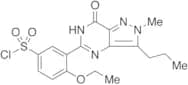
CAS:<p>Methylisothiourea is a label that can be used to identify cells in vivo. It is a fluorescent molecule that is activated by the presence of cytokines, such as IL-1β and TNF-α. Methylisothiourea has been used to evaluate corneal epithelial cells for their response to injury. The effect of Methylisothiourea on the tissue was assessed by histology and evaluated by the presence of cytokine concordance with the fluorescence intensity. Reconstitution experiments were conducted in vitro using human tissues. It was found that Methylisothiourea was not toxic at concentrations up to 500 μM and that it did not interfere with DNA synthesis or cell division at concentrations up to 10 mM.</p>Formula:C10H15N5S2Purity:Min. 95%Color and Shape:White PowderMolecular weight:269.39 g/mol5-(2-Ethoxyphenyl)-1-methyl-3-n-propyl-1,6-dihydro-7H-pyrazolo[4,3-d]pyrimidin-7-one
CAS:Sildenafil is a selective PDE-5 inhibitor that is used in the treatment of erectile dysfunction. It has been shown to have anticancer activity in vitro and in vivo. Sildenafil inhibits the activity of cyclic guanosine monophosphate (cGMP) phosphodiesterase type 5 (PDE-5), which is found in the corpus cavernosum of the penis and inhibits cGMP degradation, leading to vasodilation and increased blood flow. Sildenafil has been shown to inhibit cancer cell proliferation by blocking the synthesis of both DNA and protein, as well as inhibiting the expression of genes encoding for anti-apoptotic proteins. Sildenafil binds to PDE-5 with high affinity, but does not bind to other PDEs or ion channels at therapeutic concentrations.Formula:C17H20N4O2Purity:Min. 95%Color and Shape:White To Off-White SolidMolecular weight:312.37 g/molLisdexamfetamine dimesylate impurity C
<p>Lisdexamfetamine dimesylate impurity C is a research and development chemical with CAS No. 1207-0284-00-6 that belongs to the class of drugs. It is a custom synthesis, high purity, pharmacopoeia grade drug product that exhibits analytical properties similar to the drug product. Lisdexamfetamine dimesylate impurity C has been shown to be a metabolite of lisdexamfetamine dimesylate and is used for metabolism studies.</p>Purity:Min. 95%Trazodone hydrochloride impurity C
<p>Trazodone is a psychotropic agent that belongs to the group of antidepressants. Trazodone hydrochloride impurity C is a metabolite of trazodone and can be used as an impurity standard for the drug product in pharmacopoeia. Trazodone hydrochloride impurity C has been found in urine, blood, and saliva after administration of trazodone. It is also found in the plasma of pregnant women who are taking trazodone to treat depression or anxiety during pregnancy. <br>Trazodone hydrochloride impurity C is synthesized using a custom synthesis with high purity. It has been shown to have a niche market as an analytical reference material for HPLC standards.</p>Formula:C19H23Cl2N5OPurity:Min. 95%Molecular weight:408.32 g/mol2-Mercaptobenzimidazole
CAS:<p>2-Mercaptobenzimidazole is a chemical compound that can be used for the treatment of infectious diseases. It has been shown to have antioxidative properties and inhibit the growth of bacteria. 2-Mercaptobenzimidazole also has an effect on human serum, which may be due to its ability to bind with proteins in serum and form hydrogen bonds. 2-Mercaptobenzimidazole is stable at high temperatures and has been shown as an effective antimicrobial agent against gram positive and gram negative bacteria.</p>Formula:C7H6N2SPurity:Min. 99 Area-%Color and Shape:White/Off-White SolidMolecular weight:150.19 g/molApixaban Impurity 3
CAS:<p>Apixaban Impurity 3 is a reactant in medicines. It reacts with an amide to form the target compound, apixaban. Apixaban is a drug used to prevent stroke and blood clots in patients who have atrial fibrillation.</p>Formula:C26H27N5O4Purity:Min. 95%Color and Shape:PowderMolecular weight:473.52 g/mol3-O-Desmethyl amlodipine
CAS:3-O-Desmethyl amlodipine is a metabolite of the drug amlodipine. It has been shown to be formed in vivo and may contribute to the pharmacological activity of amlodipine, although its contribution is not well understood. 3-O-Desmethyl amlodipine has been used as an analytical standard for chemical purity testing of pharmaceuticals, and as an impurity standard for HPLC analysis.Formula:C19H23ClN2O5Purity:Min. 95%Color and Shape:PowderMolecular weight:394.85 g/molRitonavir Impurity G
CAS:<p>Ritonavir is a protease inhibitor that prevents HIV from replicating. It binds to the active site of the protease enzyme and inhibits its activity, which prevents the conversion of viral proteins into their respective functional forms. Ritonavir impurity G is a metabolite that is not present in the final drug product. This impurity standard has been characterized by HPLC and NMR spectroscopy.</p>Formula:C37H48N6O7S2Purity:Min. 95%Molecular weight:752.9 g/molAtorvastatin epoxydione impurity
CAS:<p>Atorvastatin epoxydione impurity (EPI) is a heptanoic, hydrate, diastereoisomer, racemic mixture, enantiomer and impurity of Atorvastatin. The EPI has been minimized in the formulation process by using a novel synthesis route that employs a chiral pyrrole derivative as an intermediate. This minimization has allowed for the elimination of the tautomer and other impurities present in the original compound.</p>Formula:C26H22FNO4Purity:Min. 95 Area-%Color and Shape:White PowderMolecular weight:431.46 g/molLansoprazole sulfone - Bio-X ™
CAS:Lansoprazole is a proton pump inhibitor that is used in the treatment of gastrointestinal ulcers, symptoms of GERD and to eradicate Helicobacter pylori. This drug works by decreasing gastric acid secretion by targeting H+ and K+ ATPase. It offers pain relief from heartburn and reduces ulcer related pain.Formula:C16H14F3N3O3SPurity:Min. 95%Color and Shape:PowderMolecular weight:385.36 g/molTrazodone Hydrochloride Impurity G
<p>Trazodone Hydrochloride Impurity G is a synthetic compound that is an impurity found in Trazodone Hydrochloride, CAS No. 77893-17-6. This compound has the following physical properties: MW = 284.27, mp = 227-229°C, [α] D = -33.5° (c 1.0 in water), and UV max (λ max ) = 228 nm. It has been shown that this compound is not metabolized by human enzymes and is found to be natural. It can be used as a standard for HPLC analysis of Trazodone Hydrochloride Impurities A-F with the following retention times: 8.7 min for Impurity A, 9.2 min for Impurity B, 9.9 min for Impurity C, 10.4 min for Impurity D, 11.1 min for Impurity E, and 12.3 min for Impurity F.BR>BR</p>Formula:C17H27ClN2O·HClPurity:Min. 95%Molecular weight:347.32 g/molBisoprolol impurity K
CAS:<p>Bisoprolol impurity K is a drug product that is an analytical standard used for the detection and identification of bisoprolol in pharmaceutical products. It is a synthetic impurity with CAS No. 864544-37-6 that does not have any pharmacological activity. Bisoprolol impurity K is a high purity HPLC standard that can be used to develop analytical methods for the determination of bisoprolol in pharmaceutical products.</p>Formula:C18H29NO5Purity:Min. 95%Color and Shape:White PowderMolecular weight:339.43 g/molBortezomib intermediate I
CAS:Bortezomib intermediate I is a metabolite of bortezomib, which is a research and development drug product. Bortezomib intermediate I is an impurity standard for bortezomib. Bortezomib intermediate I can be synthesized from the corresponding compound. It is an analytical standard used in pharmacopoeia and can be used as an API impurity or synthetic material in drug development. Bortezomib intermediate I has a high purity, natural origin, and a niche application. CAS No. 1248339-44-7Formula:C25H36BN5O4Purity:Min. 95%Color and Shape:White PowderMolecular weight:481.4 g/mol5-Ethenyl-2-oxo-3-pyrrolidinecarboxylic acid
CAS:Please enquire for more information about 5-Ethenyl-2-oxo-3-pyrrolidinecarboxylic acid including the price, delivery time and more detailed product information at the technical inquiry form on this pageFormula:C7H9NO3Purity:Min. 95%Molecular weight:155.15 g/molSunitinib Impurity 18
CAS:<p>Sunitinib impurity 18 is a natural API impurity that has been identified as the metabolite of sunitinib. This impurity is an analytical standard for HPLC and it is used in drug development, research and development, and niche markets. Sunitinib impurity 18 can be custom synthesized to meet your needs or you can purchase it as a synthetic or high purity API impurity. Metabolism studies on this compound have shown that it is not known to be toxic, mutagenic, carcinogenic, teratogenic, or cause reproductive toxicity.</p>Formula:C18H18FN3O2Purity:Min. 98 Area-%Color and Shape:PowderMolecular weight:327.35 g/molCalcipotriol EP Impurity B
Calcipotriol EP Impurity B is a drug product that is an impurity in Calcipotriol EP. It is produced during the synthesis of calcipotriol and may be present in the natural product. It has been shown to have anti-inflammatory properties, and can be used as a research tool to study calcipotriol metabolism.Formula:C27H40O3Purity:Min. 95%Molecular weight:412.6 g/mol1,4-Dihydro-2,6-dimethyl-4-(3-nitrophenyl)-3.5-pyridinecarboxylic acid dimethyl ester
CAS:<p>1,4-Dihydro-2,6-dimethyl-4-(3-nitrophenyl)-3.5-pyridinecarboxylic acid dimethyl ester is a creatine kinase inhibitor that blocks the synthesis of creatine phosphate, which is an important energy source for muscle contraction. Creatine kinase inhibitors are used in the treatment of congestive heart failure and myocardial infarct. They also have vasodilatory effects on blood vessels and can be used to treat hypertension. The elimination rate of 1,4-dihydro-2,6-dimethyl-4-(3-nitrophenyl)-3.5-pyridinecarboxylic acid dimethyl ester depends on its formulation: solid dispersions have a half life of about 3 hours whereas orally administered doses have a half life of about 8 hours.</p>Formula:C17H18N2O6Purity:Min. 95%Color and Shape:Yellow PowderMolecular weight:346.33 g/mol4-[2'-(7''-Deazaguanine)ethyl]benzoic acid N-hydroxysuccinimide ester
CAS:<p>4-[2'-(7''-Deazaguanine)ethyl]benzoic acid N-hydroxysuccinimide ester is a useful intermediate in the synthesis of 7''-deazaguanine, which is a key building block in the synthesis of DNA. 4-[2'-(7''-Deazaguanine)ethyl]benzoic acid N-hydroxysuccinimide ester is a versatile building block that can be used in the synthesis of complex compounds. It has been shown to react with amines, sulfonyl chlorides, and epoxides to form amides, sulfonamides, and epoxy amines respectively. The CAS number for this compound is 204257-65-8.</p>Formula:C19H17N5O5Purity:Min. 95%Molecular weight:395.37 g/mol(-)-9-Hydroxyrisperidone
CAS:Controlled Product<p>(-)-9-Hydroxyrisperidone is a metabolite of risperidone that is structurally related to the neurotransmitter dopamine. This compound has been found to be a potent antagonist of serotonin and adrenergic receptors, which may contribute to its therapeutic effects in schizophrenia. (-)-9-Hydroxyrisperidone also has been shown to have a high affinity for human liver plasma proteins, which suggests it may be responsible for the long half-life seen with risperidone. The (+) form of the drug has been shown to be more potent than (-)-9-hydroxyrisperidone, while (-)-9-hydroxyrisperidone is more selective in terms of receptor binding.</p>Formula:C23H27FN4O3Purity:Min. 95%Color and Shape:PowderMolecular weight:426.48 g/molGliclazide impurity F
CAS:<p>Gliclazide is a sulfonylurea drug that is used to treat type 2 diabetes. The impurity F, which is an impurity standard, can be synthesized by reacting 1-chloro-2,6-difluoroaniline with sodium methoxide in methanol. It is also an API impurity found in the synthesis of gliclazide and can be custom synthesized for research and development purposes. Gliclazide impurity F has a CAS number of 1076198-18-9 and the molecular formula C8H4ClF3NOS. This product has a purity of >99% and is classified as synthetic. It has been shown to have pharmacopoeia activity and can also be used for niche applications such as drug development.</p>Formula:C15H21N3O3SPurity:Min. 95%Color and Shape:White Off-White PowderMolecular weight:323.41 g/molGlipizide EP Impurity F
CAS:<p>Glipizide EP Impurity F is a synthetic impurity that is used as a research and development impurity standard. It has high purity and is pharmacopoeia grade. Glipizide EP Impurity F is also a metabolite of the drug product Glipizide and has been shown to have analytical applications for pharmacokinetic studies. It can be synthesized from natural materials or can be custom synthesized depending on the needs of the customer.</p>Formula:C11H16N2O4SPurity:Min. 95%Color and Shape:PowderMolecular weight:272.32 g/mol[(2-Butoxyethoxy)ethyl] 2-[(trifluoromethyl)phenylamino]benzoate
CAS:<p>[(2-Butoxyethoxy)ethyl] 2-[(trifluoromethyl)phenylamino]benzoate is a synthetic chemical that is an impurity in the synthesis of the drug product, [(2-butoxyethoxy)ethyl] 2-[(trifluoromethyl)phenylamino]-benzoate. It is a white to off-white solid with a melting point of 53°C. The purity of this compound is high and it has been used as an analytical standard for HPLC. This compound also has niche application in pharmacopoeia and drug development.</p>Formula:C22H26F3NO4Purity:Min. 95%Color and Shape:Pale yellow to yellow liquidMolecular weight:425.44 g/molDarunavir urea Impurity
<p>Darunavir Urea Impurity is an impurity of Darunavir which is used in the treatment of HIV. It is produced as a result of the metabolism of Darunavir by Cytochrome P450 enzymes. This impurity has been shown to be present in drug products that contain Darunavir and are manufactured using a process involving the use of urea. The CAS number for this impurity is 557-87-2.</p>Purity:Min. 95%N-[5-Amino-6-(2,3-dichlorophenyl)-1,2,4-triazin-3-yl]-2,3-dichlorobenzamide
CAS:<p>N-[5-Amino-6-(2,3-dichlorophenyl)-1,2,4-triazin-3-yl]-2,3-dichlorobenzamide is a pharmaceutical dosage form that is titrated to achieve the desired therapeutic effect. It is used to treat epilepsy and bipolar disorder. Lamotrigine binds to sodium channels in nerve cells and blocks their opening. This prevents the influx of sodium ions that are necessary for neuronal transmission. Lamotrigine has been shown to have an anticonvulsant effect by reducing the frequency of seizures in patients with epilepsy.</p>Formula:C16H9Cl4N5OPurity:Min. 95%Color and Shape:White Off-White PowderMolecular weight:429.09 g/molBis[N-[2-[[[5-[(dimethylamino)methyl]furan-2-yl]methyl]thio]ethyl]-N'-methyl-2,2-diamino-1-nitroethenyl]methane
CAS:Impurity arising druring the synthesis of ranitidineFormula:C27H44N8O6S2Purity:Min. 95%Color and Shape:Orange PowderMolecular weight:640.82 g/mol3-[[[2-[(Diaminomethylene)amino]-4-thiazolyl]methyl]thio]propanimidamide hydrochloride
CAS:3-[[[2-[(Diaminomethylene)amino]-4-thiazolyl]methyl]thio]propanimidamide hydrochloride is a Custom synthesis, drug product, Metabolite, Synthetic, Drug development, Impurity standard, Metabolism studies, API impurity, Natural and pharmacopoeia. 3-[[[2-[(Diaminomethylene)amino]-4-thiazolyl]methyl]thio]propanimidamide hydrochloride has CAS No. 76833-47-1 and is a High purity.Formula:C8H14N6S2·HClPurity:Min. 95%Color and Shape:PowderMolecular weight:294.83 g/mol3-(3-Fluoro-4-(4-morpholinyl)phenyl)-5-(hydroxymethyl)oxazolidin-2-one
CAS:3-(3-Fluoro-4-(4-morpholinyl)phenyl)-5-(hydroxymethyl)oxazolidin-2-one is a synthetic compound with research and development, impurity standard, custom synthesis, drug product, synthetic, high purity and pharmacopoeia applications. It is an impurity standard for the production of 3-[3-fluoro-4-(4-morpholinyl)phenyl]-5-(hydroxymethyl)oxazolidin-2-one hydrochloride (CAS No. 513068-96-7). This compound has been synthesized in order to study the metabolism of this metabolite. Metabolism studies have indicated that 3-(3-fluoro-4-(4-morpholinyl)phenyl)-5-(hydroxymethyl)oxazolidin-2 one is rapidly metabolized to form 3-[3-[(1S)-1,2,2Formula:C14H17FN2O4Purity:Min. 95%Molecular weight:296.29 g/molOlsalazine sodium EP impurity F
<p>Olsalazine sodium EP impurity F<br>CAS No.: <br>Natural: Yes<br>API Impurity: Yes<br>Custom Synthesis: Yes<br>Impurity Standard: Yes<br>Synthetic: Yes<br>Drug Development: Yes<br>Research and Development: Yes<br>Niche Product: Yes<br>HPLC Standard: Yes <br>High Purity Product: Yes <br>Pharmacopoeia Product: No</p>Formula:C21H14N2O9Purity:Min. 95%Molecular weight:438.34 g/mol3,3',5,5'-Tetraiodothyroformic acid
CAS:Cymit Quimicaetic beta-D-glucosiduronic acidFormula:C13H6I4O4Purity:Min. 95 Area-%Color and Shape:Off-White PowderMolecular weight:733.8 g/molEthyl 3-aminopyrazole-4-carboxylate
CAS:<p>Ethyl 3-aminopyrazole-4-carboxylate is an anticancer drug that inhibits the growth of cancer cells by inhibiting protein synthesis. It has been shown to inhibit the activity of dpp-iv and pde5, which are enzymes involved in cellular proliferation. Ethyl 3-aminopyrazole-4-carboxylate has also been shown to have antiinflammatory properties, which may be due to inhibition of prostaglandin synthesis. <br>Ethyl 3-aminopyrazole-4-carboxylate is a multinuclear compound that reacts with nitrogen atoms from the pyrazoles to form a stable molecule. Dimethylformamide is used as a solvent for this reaction. The synthesis of ethyl 3-aminopyrazole-4-carboxylate starts with acetylation, which converts the carboxylic acid group into an acetic acid group. The acetic acid group reacts with ammonia and hydrogen cyan</p>Formula:C6H9N3O2Purity:Min. 95%Color and Shape:PowderMolecular weight:155.16 g/molAztreonam impurity D
CAS:Aztreonam impurity D is a metabolite of aztreonam. Aztreonam impurity D is an impurity standard for the pharmacopoeia and API industry, as well as for drug development and research. It has been shown that this compound inhibits bacterial growth by binding to DNA-dependent RNA polymerase, thereby preventing transcription and replication. The high frequency of human activity has been shown using a patch-clamp technique on human erythrocytes. This active form is metabolized through a number of metabolic transformations, including hydrolysis by esterases or glucuronidases, oxidation by cytochrome P450 enzymes, reduction by glutathione reductase, or conjugation with glucuronic acid. Aztreonam impurity D also specifically binds to markers expressed at high levels in Mycobacterium tuberculosis strains (e.g., ESX-1 secretion system protein) and inhibits cell growth in culture.Formula:C13H17N5O5SPurity:Min. 95 Area-%Color and Shape:PowderMolecular weight:355.37 g/molN,N'''-(Dithia-2,1-ethanediyl)bis-(N'-cyano-N''-methyl)guanidine
CAS:<p>N,N'''-(Dithia-2,1-ethanediyl)bis-(N'-cyano-N''-methyl)guanidine is a metabolite of guanidine. It is a synthetic compound that is used as an analytical reference standard and impurity in pharmaceutical products. It is also used to create an impurity standard for HPLC analysis. This compound has been found in natural sources such as plants and animal tissues, but it can also be synthesized in the lab. The CAS number for this substance is 74886-59-2.</p>Formula:C10H18N8S2Purity:Min. 95%Color and Shape:White PowderMolecular weight:314.43 g/molDecitabine impurity 12
<p>Decitabine Impurity 12 is an analytical standard that is used in the research and development of drug products. It is a high purity, HPLC-grade impurity that complies with USP/NF requirements. Decitabine Impurity 12 has been shown to be a metabolite of decitabine, which is an anti-cancer drug used in the treatment of myelodysplastic syndrome (MDS) and acute myeloid leukemia (AML). This impurity has also been shown to have pharmacopoeia value as an impurity standard for drug products.</p>Formula:C4H6N6O2Purity:Min. 95%Molecular weight:170.13 g/mol2,6-Dimethyl-4-(3-nitrophenyl)-3,5-pyridinedicarboxylic acid ethyl methyl ester
CAS:2,6-Dimethyl-4-(3-nitrophenyl)-3,5-pyridinedicarboxylic acid ethyl methyl ester (DMPD) is an enzyme inhibitor that belongs to the group of metabolic inhibitors. This agent is used for the preparation of samples for analysis by chromatography and mass spectrometry. DMPD inhibits the activity of enzymes involved in drug metabolism, including CYP2C8, CYP2C9, CYP2D6, and CYP3A4. The matrix effect can be minimized by using a more acidic sample preparation. The immunosuppressant properties of DMPD have been shown in mice by inhibiting T cell activation and proliferation in vitro.Formula:C18H18N2O6Purity:Min. 95%Color and Shape:Pale yellow to yellow solid.Molecular weight:358.35 g/mol(3S,5S)-Rosuvastatin calcium
CAS:Rosuvastatin calcium is a statin drug that belongs to the group of HMG-CoA reductase inhibitors. Rosuvastatin is a racemic mixture of 3S,5S and 3R,5R stereoisomers and has been shown to have cholesterol-lowering effect in humans. The sample solution was prepared by dissolving rosuvastatin calcium in methanol and then diluting it with water. The calibration curve was performed using solutions of substances at different concentrations and injecting them into the liquid chromatograph. After running for 2 minutes, the detection wavelength and detection method were used to measure the concentration of rosuvastatin. The result was recorded as mg/mL (molecules per milliliter).Formula:C22H27FN3O6SCaPurity:Min. 95%Molecular weight:480.53 g/mol11-(1-Piperazinyl)dibenzo[b,f][1,4]thiazepine hydrochloride
CAS:<p>11-(1-Piperazinyl)dibenzo[b,f][1,4]thiazepine hydrochloride is a drug product that is used as an impurity standard in the manufacture of 11-aminoundecanoic acid. It is also used to study the metabolism of this compound. This drug product is not intended for use in humans or animals.</p>Formula:C17H18ClN3SPurity:Min. 95%Color and Shape:PowderMolecular weight:331.9 g/mol(1R)-1-(3,4-Dihydroxyphenyl)-2-(methylamino)ethanesulfonic acid
CAS:<p>(1R)-1-(3,4-Dihydroxyphenyl)-2-(methylamino)ethanesulfonic acid is a synthetic compound that is used as an API impurity in the manufacture of a drug product. It is an analytical standard for HPLC and has been shown to be a metabolite of 1-methyl-3,4-dihydroxyphenylalanine. The CAS number for (1R)-1-(3,4-Dihydroxyphenyl)-2-(methylamino)ethanesulfonic acid is 78995-75-2 and it can be found in the pharmacopoeia.</p>Formula:C9H13NO5SPurity:Min. 96 Area-%Color and Shape:White Off-White PowderMolecular weight:247.27 g/mol3-Bromo-N,N-dimethyl-3-(4-methylbenzoyl)propionamide
CAS:3-Bromo-N,N-dimethyl-3-(4-methylbenzoyl)propionamide is a natural metabolite of the drug 3-(2,6-dichlorobenzoyl)-1,2,3,4-tetrahydroisoquinoline. It is an impurity found in the synthesis of 3-(2,6-dichlorobenzoyl)-1,2,3,4-tetrahydroisoquinoline and has been shown to be a metabolite of this compound. 3-Bromo-N,N-dimethyl-3-(4-methylbenzoyl)propionamide is also used as an analytical reference material for HPLC. This chemical can be synthesized from commercially available starting materials or custom synthesized with your specifications.Formula:C13H16BrNO2Purity:Min. 95%Color and Shape:PowderMolecular weight:298.18 g/molFluticasone furoate impurity F
<p>Fluticasone furoate impurity F is a synthetic, high-purity, pharmacopoeia grade drug product. It has been developed for research and development purposes only. Impurity standard: Fluticasone furoate impurity F is a metabolite of fluticasone furoate.<br>Synthetic: Fluticasone furoate impurity F is a synthetic compound that has been custom synthesized to meet your requirements.<br>Drug Development: Fluticasone furoate impurity F has been developed as a drug product to be used in the development of new drugs.<br>Metabolism Studies: Fluticasone furoate impurity F can be used in metabolism studies and analytical determinations.END>></p>Purity:Min. 95%N-Hydroxy riluzole N-b-D-glucuronide
N-Hydroxy riluzole N-b-D-glucuronide (NHRG) is a drug product that has been used as an analytical reference standard in metabolism studies. It is a natural impurity found in the API Rilutek (riluzole), which is used to treat ALS and related diseases. NHRG exhibits a retention time of 9.5 minutes on HPLC, and its purity should be at least 98%. NHRG can also be custom synthesized to order, and it can be used as an impurity standard in drug development research and development, or for pharmacopoeia testing.Formula:C14H13F3N2O8SPurity:Min. 95%Molecular weight:426.32 g/molPravastatin lactone
CAS:<p>Pravastatin lactone is a prodrug of pravastatin that is hydrolyzed in vivo to its active form. It is used for the treatment of bowel disease and has been shown to have concentration-time curves that are linear and dose-dependent. Pravastatin lactone has an acidic pH, which may be due to the presence of carboxyl groups on the molecule. This drug also inhibits the activity of 3-hydroxy-3-methylglutaryl coenzyme A (HMG CoA) reductase, which is an enzyme that catalyzes the conversion of HMG CoA to mevalonate in order to produce cholesterol. Pravastatin lactone also suppresses the production of fatty acids by inhibiting their synthesis at the level of acetyl-coenzyme A (acetyl-CoA). The drug has not shown any evidence of toxicity when administered to rats at doses up to 10 mg/kg body weight per day</p>Formula:C23H34O6Purity:Min. 98 Area-%Color and Shape:PowderMolecular weight:406.51 g/molDehydroxy bisoprolol
CAS:<p>Dehydroxy bisoprolol is an impurity of the drug Bisoprolol that is used to make the drug product Metoprolol. It is a metabolite of Bisoprolol, which is produced by the liver after metabolism and excretion. Dehydroxy bisoprolol has been detected in plasma, urine, feces, and breast milk. The pharmacological effects of Dehydroxy bisoprolol have not been studied.</p>Formula:C18H29NO3Purity:Min. 95%Color and Shape:PowderMolecular weight:307.43 g/mol2-(N-Methyl-propanamine)-3-(2-naphthyl) thiophene
CAS:2-(N-Methyl-propanamine)-3-(2-naphthyl) thiophene is a synthetic compound that has been used as an impurity standard for the drug product and API. It has also been used for the pharmacopoeia, research and development, and analytical purposes. This compound is a metabolite of erythromycin.Formula:C18H19NOSPurity:Min. 95%Color and Shape:White To Pink Or Yellow SolidMolecular weight:297.42 g/molN-Desmethyl galanthamine
CAS:Controlled Product<p>N-Desmethyl galanthamine is a plant alkaloid that is found in the Huperzia serrata plant. It has been shown to have cholinergic activity and calcium binding properties. N-Desmethyl galanthamine inhibits acetylcholinesterase, an enzyme responsible for the breakdown of acetylcholine, which is a neurotransmitter. This inhibition leads to increased levels of acetylcholine, which results in increased neuron stimulation and improved memory function. N-Desmethyl galanthamine also binds to β2 nicotinic receptor sites and blocks the binding of nicotine, leading to decreased nicotine dependence.</p>Formula:C16H19NO3Purity:Min. 95%Molecular weight:273.33 g/molCefazolin impurity A
CAS:<p>Cefazolin impurity A is a by-product in the synthesis of Cefazolin, which is a drug product. It has CAS No. 30246-33-4 and is used as an impurity standard for analytical purposes. The Impurity Standard is also known as Metabolite A. Research and Development (R&D) studies are needed to identify the appropriate analytical impurities for this API, which will be reported on Pharmacopoeia's List of Impurities for reference. The high purity and custom synthesis of this API makes it ideal for use in R&D studies, HPLC standards, or niche markets.<br>CAS No.: 30246-33-4<br>Synonyms: Metabolite A<br>Formula: C11H14N2O5S <br>Molecular weight: 289.24 g/mol <br>Appearance: white solid powder</p>Formula:C11H12N4O3S3Purity:Min. 95%Color and Shape:PowderMolecular weight:344.44 g/mol3-(3-(Trifluoromethl)phenyl-N-(R)-1-(naphthalen-1-yl)ethyl)prop-2-en-1-amine hydrochloride
CAS:3-(3-(Trifluoromethl)phenyl-N-(R)-1-(naphthalen-1-yl)ethyl)prop-2-en-1-amine is a synthetic compound, which is not found in nature. It is an API impurity and a metabolite of the drug product. It can be synthesized in high purity and with a custom synthesis. 3-(3-(Trifluoromethl)phenyl-N-(R)-1-(naphthalen-1-yl)ethyl)prop-2-en-1-amine has been found to be involved in metabolism studies and research and development, as well as analytical purposes. This compound can also serve as an impurity standard for HPLC analysis.Formula:C22H20F3N•HClPurity:Min. 95%Color and Shape:White To Off-White SolidMolecular weight:391.86 g/molValganciclovir related compound G
CAS:<p>Valganciclovir related compound G is a drug product. It has been synthesized in our lab. Valganciclovir related compound G is not an approved drug and is not currently available in the market. Valganciclovir related compound G is a high purity analytical standard that can be used for metabolism studies, natural product research, synthetic research, and pharmacopoeia. Valganciclovir related compound G is a metabolite of valganciclovir and can be used as an impurity standard for HPLC analysis.</p>Formula:C15H24N6O6Purity:Min. 95%Molecular weight:384.39 g/mol3-O-Methylcarbidopa
CAS:Controlled Product<p>3-O-Methylcarbidopa is a drug that belongs to the class of dopa decarboxylase inhibitors. It is an inactive prodrug, which is converted into its active form by hydrolysis in the body. 3-O-Methylcarbidopa has been shown to have a plasma concentration that can be detected, with an elimination rate of about 4 hours. The active substance is found in the particle size range of 0.1 to 1 micrometer and can be analyzed using chromatographic methods. 3-O-Methylcarbidopa is primarily used for the treatment of Parkinson's disease, but also has potential applications in other diseases such as Alzheimer's disease, depression and schizophrenia.</p>Purity:Min. 95%Molecular weight:240.26(S)-Ethyl 2-ethoxy-4-[[[N-[1-(2-piperidinophenyl)-3-methyl-1-butyl]amino]carbonyl]methyl]benzoate
CAS:(S)-Ethyl 2-ethoxy-4-[[[N-[1-(2-piperidinophenyl)-3-methyl-1-butyl]amino]carbonyl]methyl]benzoate is an intermediate in the synthesis of repaglinide. It is a reagent that reacts with ethylamine and carbodiimide hydrochloride to form a urea derivative. This urea derivative is then reacted with filtration to give the desired product, which is recrystallized from dichloromethane solution. The (S)-ethyl 2-ethoxy-4-[(N-[1-(2-piperidinophenyl)-3-methyl-1-butyl]amino)carbonyl]-methyl benzoate can be converted into the ester, phenylacetic acid, through hydrolytic reaction.Formula:C29H40N2O4Purity:Min. 95%Color and Shape:White PowderMolecular weight:480.64 g/molN-Methylnitroacetamide
CAS:<p>N-Methylnitroacetamide is a pyridinium salt used as an additive in pharmaceutical preparations. It is also a drug substance that is used for oral dosage, and has been shown to be active in methylene chloride and organic solvents. This chemical has been found to have a number of impurities, including acidic compounds and organic solvents, which can cause it to degrade over time. The use of this compound requires validation and kinetic studies to ensure it meets the quality standards for its intended use.</p>Formula:C3H6N2O3Purity:Min. 95%Color and Shape:PowderMolecular weight:118.09 g/mol3-Amino-6-(2,3-dichlorophenyl)-1,2,4-triazin-5(4H)-one
CAS:<p>3-Amino-6-(2,3-dichlorophenyl)-1,2,4-triazin-5(4H)-one is a triazine derivative that is used as an analytical reagent and intermediate. It has been used as a wastewater analysis method to measure the concentration of carbamazepine. 3-Amino-6-(2,3-dichlorophenyl)-1,2,4-triazin-5(4H)-one has also been shown to be useful in developing analytical methods for clinical trials. 3DCTKP has also been used to test the matrix effect of carbamazepine by analyzing it in different matrices such as water and human plasma.</p>Formula:C9H6Cl2N4OPurity:Min. 95 Area-%Color and Shape:PowderMolecular weight:257.08 g/molRaloxifene N-oxide
CAS:<p>Raloxifene N-oxide is a synthetic drug product that is used in the treatment of osteoporosis. It belongs to the family of selective estrogen receptor modulators (SERM). Raloxifene N-oxide has been shown to inhibit bone resorption and reduce the risk of vertebral fractures. It also has anti-estrogenic effects, which have been shown to be beneficial for prostate cancer patients who are receiving androgen deprivation therapy. Raloxifene N-oxide is an impurity in the synthesis of raloxifene, which is a drug product with CAS number 195454-31-0. The purity of this compound should be at least 99%.</p>Formula:C28H27NO5SPurity:Min. 95 Area-%Color and Shape:PowderMolecular weight:489.58 g/mol1-Benzyl-4-(5,6-dimethoxy-1-oxoindan-2-ylidene)methylpiperidine
CAS:1-Benzyl-4-(5,6-dimethoxy-1-oxoindan-2-ylidene)methylpiperidine is an analytical standard and a drug product. It is a synthetic compound that has been shown to have pharmacological effects similar to those of the analgesic or opioid drugs. 1-Benzyl-4-(5,6-dimethoxy-1-oxoindan-2-ylidene)methylpiperidine can be used as an impurity standard for HPLC analyses as well as metabolic studies. This compound is also known to have potential interactions with other drugs.Formula:C24H27NO3Purity:Min. 98 Area-%Color and Shape:PowderMolecular weight:377.48 g/mol5-Hydroxy duloxetine
CAS:<p>5-Hydroxy duloxetine (5HD) is a drug product that is synthesized by Custom Synthesis. It has high purity and analytical specifications, and can be used for metabolism studies, natural product development, pharmacopoeia, and research and development. 5HD also has a CAS number of 741693-77-6. This product is synthetically produced with impurity standards. The molecular weight of 5HD is 236.3 g/mol with an impurity level of less than 1%. 5HD can be used in the following applications: HPLC standard, HPLC calibration standard, Impurity standard for LCMS, Impurity standard for GCMS.</p>Formula:C18H19NO2SPurity:Min. 95%Color and Shape:PowderMolecular weight:313.40 g/mol4-(Aminomethyl)-1-cyclohexene-1-carboxylic acid
CAS:4-(Aminomethyl)-1-cyclohexene-1-carboxylic acid is an antifibrinolytic agent that can be used to control bleeding. It is a carboxymethyl cellulose with a menthol flavour and it stabilizes the hemostatic effect of tranexamic acid. 4-(Aminomethyl)-1-cyclohexene-1-carboxylic acid has been shown to be effective in controlling bleeding in patients with disorders such as hemophilia and von Willebrand disease. The drug is stable in acidic compositions, making it useful for dental applications as well.Formula:C8H13NO2Purity:Min. 95%Color and Shape:White PowderMolecular weight:155.19 g/molDutasteride impurity F
CAS:<p>Dutasteride impurity D is a natural impurity found in dutasteride and has been reported to be an analytical marker for dutasteride. It is also used as an impurity standard, HPLC standard, and custom synthesis for drug development. Metabolism studies have shown that the major route of elimination for Dutasteride impurity D is through glucuronidation with minor amounts being excreted in urine unchanged.</p>Formula:C27H31ClF6N2O2Purity:Min. 95 Area-%Molecular weight:564.99 g/molAcetaminophen acetate
CAS:Acetaminophen acetate is a cholinergic amine that binds to the active site of the enzyme acetylcholine esterase, preventing it from breaking down acetylcholine. Acetaminophen is used as a pain reliever and antipyretic agent. It is also used for its anti-inflammatory effects in the treatment of rheumatoid arthritis and other inflammatory conditions. Acetaminophen has been shown to have anticancer properties, which may be due to its ability to bind to cancer cells, inhibit their growth, and induce apoptosis. Acetaminophen acetate is also an acylation reaction product that can be isolated by liquid chromatography in phase with fluorescence properties.Formula:C10H11NO3Purity:Min. 95%Color and Shape:White PowderMolecular weight:193.2 g/molEmpagliflozin R/S-furanose
<p>Please enquire for more information about Empagliflozin R/S-furanose including the price, delivery time and more detailed product information at the technical inquiry form on this page</p>Formula:C23H27ClO7Purity:95%NmrColor and Shape:PowderMolecular weight:450.91 g/mol(RS)-Di-isopropyl 1,4-dihydro-2,6-dimethyl-4-(3-nitrophenyl)pyridine-3,5-dicarboxylate
CAS:Di-isopropyl 1,4-dihydro-2,6-dimethyl-4-(3-nitrophenyl)pyridine-3,5-dicarboxylate is a metabolite of gatifloxacin. It is a natural product and its CAS number is 21881-78-7. Diisopropyl 1,4-dihydro 2,6-dimethyl 4-(3 nitrophenyl) pyridine 3,5 di carboxylate is an impurity standard for gatifloxacin. It has been synthesized and can be custom made to meet the pharmacopeia or API impurity requirements for drug development. The purity of this compound ranges from 98% to 100%. This compound is used in HPLC standards for research and development purposes such as metabolism studies.Formula:C21H26N2O6Purity:Min. 95%Color and Shape:White PowderMolecular weight:402.44 g/mol4-Hydroxy-2-methyl-2H-1,2-benzothiazine-3-carboxylic acid, ethyl ester 1,1-dioxide
CAS:<p>4-Hydroxy-2-methyl-2H-1,2-benzothiazine-3-carboxylic acid, ethyl ester 1,1-dioxide (4HMBC) is an organic compound that is used as a precursor in the synthesis of other chemicals. 4HMBC is used to produce xylene, sulfoxide and diethyl ether by reacting with magnesium and ethylene. It is also used in the production of dimethylformamide, a solvent that is useful for the manufacture of many products including pharmaceuticals. 4HMBC reacts with methyl iodide to form 4-(dimethylamino)pyridine which can be used for the synthesis of piroxicam. The chemical has been shown to be effective as an insecticide against ants and cockroaches. It can also be used to synthesize dyes or pigments. The chemical can be obtained by methylating 4HBC with methanol in the presence</p>Formula:C12H13NO5SPurity:Min. 95%Color and Shape:PowderMolecular weight:283.3 g/molPhytofluene
CAS:Phytofluene is a natural compound that has been found to have potential as an anticancer agent. It acts as an inhibitor of cancer cell growth and induces apoptosis, or programmed cell death, in tumor cells. Phytofluene has been shown to inhibit the activity of several important proteins involved in cancer development, including chitinase and heparin-binding protein. It is derived from Chinese medicinal plants and has been used for centuries for its anti-inflammatory and antioxidant properties. In addition to its anticancer effects, phytofluene has also been found to inhibit the activity of kinases in human urine, suggesting a potential role in the treatment of other diseases such as diabetes and cardiovascular disease.Formula:C40H62Purity:Min. 95%Molecular weight:542.9 g/molD-Asp(9)-Semaglutide
<p>D-Asp(9)-Semaglutide is a semaglutide impurity. The amino acid at position 9 has been replaced by the D-form of the amino acid D-aspartic acid (D-Asp). Semaglutide impurities are structurally related compounds that arise during synthesis, purification, or storage of semaglutide, a long-acting GLP-1 receptor agonist for managing type 2 diabetes and obesity.</p>Formula:C187H291N45O59Molecular weight:4,113.64 g/mol(R)-5-Hydroxymethyl tolterodine
CAS:<p>(R)-5-Hydroxymethyl tolterodine is a prodrug that is metabolized by cytochrome P450 3A4 (CYP3A4) in the liver to its active form, tolterodine. This drug can be used as an alternative for gabapentin in the treatment of detrusor muscle overactivity associated with neurogenic bladder dysfunction. The pharmacokinetic properties of (R)-5-hydroxymethyl tolterodine are similar to those of gabapentin, including the elimination half-life and volume of distribution. However, unlike gabapentin, which has been shown to increase the glomerular filtration rate (GFR) and renal blood flow, there is no evidence that this drug has any effect on GFR or renal blood flow. There is also no evidence that (R)-5-hydroxymethyl tolterodine causes any symptoms that may be attributed to</p>Formula:C22H31NO2Purity:Min. 98 Area-%Color and Shape:Off-White PowderMolecular weight:341.49 g/molBis{2-[(2S-trans)-Methyl 7-chloro-6,7,8-trideoxy-6-[((1-methyl-4-propyl-2-pyrrolidinyl)-carbonyl)amino]-1-thio-L-threo-a-D-galacto-o ctopyranoside]} pyrophosphate
CAS:<p>CAS No. 37450-78-5, drug product, Custom synthesis, High purity, analytical, Metabolism studies, Natural, Drug development, pharmacopoeia, Metabolite, niche, Synthetic</p>Formula:C36H66Cl2N4O15P2S2Purity:Min. 95%Molecular weight:991.91 g/molSemaglutide Impurity 59
<p>D-Arg(28)-Semaglutide is a semaglutide impurity. The amino acid at position 28 has been replaced by the D-form of the amino acid D-arginine (D-Arg). Semaglutide impurities are structurally related compounds that arise during synthesis, purification, or storage of semaglutide, a long-acting GLP-1 receptor agonist for managing type 2 diabetes and obesity.</p>Formula:C187H291N45O59Molecular weight:4,113.64 g/molBis-[5-[(dimethylamino)methyl]furan-2-yl]methane
<p>Bis-[5-[(dimethylamino)methyl]furan-2-yl]methane is a synthetic compound with the CAS number 16864-73-6. It is used in pharmacological studies and drug development. The purity of this material is greater than 99%.</p>Formula:C15H22N2O2Purity:Min. 95%Molecular weight:262.35 g/mol8-Fluoro-2,2-dimethyl-9-(4-methyl-1-piperazinyl)-6-oxo-2H,6H-oxazolo[5,4,3-ij]quinoline-5-carboxylic acid
CAS:<p>8-Fluoro-2,2-dimethyl-9-(4-methyl-1-piperazinyl)-6-oxo-2H,6H-oxazolo[5,4,3-ij]quinoline-5-carboxylic acid is a synthetic drug product. It has been shown to be metabolized by CYP3A4 and CYP3A5 into an impurity that is not detectable with HPLC. 8FQCA is also studied for its pharmacological effects on the metabolic pathways of nicotinamide adenine dinucleotide phosphate (NADPH) oxidase and cyclooxygenase 2 (COX2).</p>Formula:C18H20FN3O4Purity:Min. 95%Molecular weight:361.37 g/molApixaban Impurity 2
CAS:<p>Apixaban impurity 2 is a drug product that is used as an impurity standard in the research and development of drugs. It is also used as a synthetic intermediate in the synthesis of other drugs. Apixaban impurity 2 has been shown to be pharmacologically active, with the ability to inhibit bacterial growth by binding to DNA-dependent RNA polymerase. This compound is not toxic to mammalian cells at high concentrations, but has been shown to have some effects on the central nervous system, including depression of spontaneous motor activity and decrease in locomotor activity. Apixaban Impurity 2 is soluble in acetone and chloroform, but insoluble in water. The molecular weight of this compound is not known, but it can be determined using HPLC. Apixaban Impurity 2 has CAS number 2187409-01-2 and its molecular formula is C21H22N2O4S.</p>Formula:C25H28N6O4Purity:Min. 95%Color and Shape:PowderMolecular weight:476.53 g/mol5-((tert-Butylamino)methyl)-3-(3-fluoro-(2-morpholinyl)phenyl)oxazolidin-2-one
5-((tert-Butylamino)methyl)-3-(3-fluoro-(2-morpholinyl)phenyl)oxazolidin-2-one (5FAMPO) is a metabolite of the drug product, CAS No. 109467-92-6, and has been synthesized for use as an analytical reference standard and impurity standard in drug development studies. 5FAMPO is a synthetic molecule that has not been found in nature, but is structurally similar to natural molecules. 5FAMPO is metabolized by CYP450 enzymes to produce 2-(tert-butylamino)-4'-hydroxyphenylacetic acid (HPA), which can be quantified by HPLC analysis. 5FAMPO is also used as a research and development compound and pharmacopoeia impurity standard.Formula:C18H26FN3O3Purity:Min. 95%Molecular weight:351.42 g/mol10,11-Dihydroxy-d10 Carbamazepine
Controlled Product<p>10,11-Dihydroxy-d10 Carbamazepine is a drug product that is used as an analytical reference standard. It is natural and synthetic impurity in the API (active pharmaceutical ingredient) Carbamazepine. The CAS number for 10,11-Dihydroxy-d10 Carbamazepine is 513-81-5. This compound has been synthesized by custom synthesis and is an impurity standard for HPLC analysis of carbamazepine. 10,11-Dihydroxy-d10 Carbamazepine is also a research and development chemical for the drug development industry. It has been classified as a niche chemical due to its high purity and pharmacopoeia grade.</p>Purity:Min. 95%5-Methoxy-2-[[(4-methoxy-3,5-dimethyl-2-pyridinyl)methyl]sulphonyl]-1H-benzimidazole N-oxide
CAS:<p>5-Methoxy-2-[[(4-methoxy-3,5-dimethyl-2-pyridinyl)methyl]sulphonyl]-1H-benzimidazole N-oxide is a cyclic sulfoxide that has shown to be a potent inhibitor of gastric acid secretion. It is an important intermediate in the synthesis of esomeprazole magnesium, a proton pump inhibitor used to treat gastroesophageal reflux disease and other gastrointestinal disorders. 5-Methoxy-2-[(4-methoxy 3,5 dimethyl 2 pyridinyl) methyl] sulphonyl]-1H benzimidazole N oxide is also known as (RS)-N-[4-(4′ methoxyphenyl)-3,5 dimethylpyrazol -2 - ylmethyl] methanesulfonamide. This compound has been shown to have a polymorphic form with two different</p>Formula:C17H19N3O5SPurity:Min. 95%Color and Shape:PowderMolecular weight:377.42 g/molPitavastatin 3S,5R isomer calcium
CAS:Pitavastatin 3S,5R isomer Calcium Salt is a potent inhibitor of cholesterol biosynthesis. It is marketed as the hemihydrate form under the trade name Pravacol and is used in the treatment of type 2 diabetes. Pitavastatin 3S,5R isomer Calcium Salt inhibits cholesterol biosynthesis by blocking HMG-CoA reductase, which converts 3-hydroxy-3-methylglutaryl coenzyme A (HMG-CoA) to mevalonate (MVA). The active metabolite, pitavastatin, binds to the regulatory region of HMG-CoA reductase and prevents it from converting MVA to HMG-CoA. This reduces the pool of HMG-CoA available for conversion to cholesterol. The inhibition of this enzyme slows down the production of cholesterol and decreases blood levels. It has been approved for use in adults with type 2 diabetes and for lowering highFormula:(C25H24FNO4)2•CaPurity:Min. 95%Color and Shape:White/Off-White SolidMolecular weight:880.98 g/molAcetylenedicarboxylic acid methyl ester
CAS:Acetylenedicarboxylic acid methyl ester (ADME) is a potent inhibitor of kinases that play a crucial role in cancer cell growth and apoptosis. It has been shown to exhibit anticancer activity against various tumor cell lines, including Chinese hamster ovary cells and human bladder carcinoma cells. ADME has also been found in urine samples from healthy individuals, indicating its presence in the human body. This compound specifically targets D-xylose kinases, which are overexpressed in certain cancer cells, leading to their growth inhibition and apoptosis induction. As an inhibitor of these kinases, ADME has potential as a therapeutic agent for the treatment of cancer.Formula:C5H4O4Purity:Min. 95%Molecular weight:128.08 g/molD-Ser32-Tirzepatide
<p>Please enquire for more information about D-Ser32-Tirzepatide including the price, delivery time and more detailed product information at the technical inquiry form on this page</p>Formula:C225H348N48O68Molecular weight:4,813.5 g/molBenzyl 1,4-diazepane-1-carboxylate
CAS:Formula:C13H18N2O2Purity:95%Color and Shape:LiquidMolecular weight:234.2991,4-Diazepan-5-one hydrochloride
CAS:Formula:C5H11ClN2OPurity:95%Color and Shape:White powderMolecular weight:150.61(R)-Benzyl 5-methyl-1,4-diazepane-1-carboxylate
CAS:Formula:C14H20N2O2Purity:98%Color and Shape:No data available.Molecular weight:248.326tert-Butyl 1,4-diazepane-1-carboxylate
CAS:Formula:C10H20N2O2Purity:98%Color and Shape:LiquidMolecular weight:200.2822-(4-((Benzyloxy)carbonyl)-1,4-diazepan-1-yl)acetic acid hydrochloride
Purity:95%Molecular weight:328.791-(tert-Butoxycarbonyl)-1,4-diazepane-5-carboxylic acid
CAS:Formula:C11H20N2O4Purity:97%Molecular weight:244.291(S)-tert-Butyl 3-methyl-1,4-diazepane-1-carboxylate
CAS:Formula:C11H22N2O2Purity:95%Color and Shape:SolidMolecular weight:214.3095-Oxo-[1,4]diazepane-1-carboxylic acid tert-butylester
CAS:Formula:C10H18N2O3Purity:95%Color and Shape:SolidMolecular weight:214.2655-Oxo-[1,4]diazepane-1-carboxylic acid benzylester
CAS:Formula:C13H16N2O3Purity:97%Color and Shape:Solid, Tan powderMolecular weight:248.2821-Benzyl-1,4-diazepan-5-one
CAS:Formula:C12H16N2OPurity:95%Color and Shape:SolidMolecular weight:204.2736-FLUORO-[1,4]DIAZEPANE-1-CARBOXYLIC ACID TERT-BUTYL ESTER
CAS:Formula:C10H19FN2O2Purity:95+%Molecular weight:218.272Ref: 10-F745755
1g623.00€5g2,793.00€10g4,141.00€2.5g1,429.00€50mg210.00€100mg250.00€250mg386.00€500mg552.00€1-(1,4-Diazepan-1-yl)ethanone
CAS:Formula:C7H14N2OPurity:98%Color and Shape:ClearMolecular weight:142.2026,6-DIFLUORO-[1,4]DIAZEPANE-1-CARBOXYLIC ACID TERT-BUTYL ESTER
CAS:Formula:C10H18F2N2O2Purity:98%Color and Shape:SolidMolecular weight:236.2631-(3-Nitropyridin-2-yl)-1,4-diazepane
CAS:Formula:C10H14N4O2Purity:95%Color and Shape:Liquid, OilMolecular weight:222.248rac Ketoprofen-13C,d3 Acyl-b-D-glucuronide(Mixture of diastereomers)
CAS:Controlled Product<p>Applications A labelled metabolite of Ketoprofen (K200800).<br> Not a dangerous good if item is equal to or less than 1g/ml and there is less than 100g/ml in the package<br>References Skordi, E., et al.: Xenobiotica, 34, 1075 (2004),<br></p>Formula:CC21D3H19O9Color and Shape:NeatMolecular weight:434.42N-Hydroxy Metaraminol
CAS:Controlled ProductFormula:C9H13NO3Color and Shape:NeatMolecular weight:183.2N-[2-(2-Methoxyphenoxy)ethyl]benzylamine
CAS:<p>Applications Intermediate in the preparation of Carvedilol derivatives.<br>References Mewshaw, R., et al.: J. Med. Chem., 47, 3823 (2004),<br></p>Formula:C16H19NO2Color and Shape:NeatMolecular weight:257.328Spiramycin Embonate
CAS:Controlled Product<p>Applications Spiramycin Embonate is an antibiotic that is used in biological studies in the role of multidrug resistance of Strenotrophomonas maltophilia.<br>References Huang, Y., et al.: J. Antimicrob. Chemother., 68, 1987 (2013); Poole, K., et al.: Mol. Microbiol., 21, 713 (1996)<br></p>Formula:C66H90N2O20Color and Shape:NeatMolecular weight:1231.42Defluoro Prasugrel Hydrochloride
CAS:Controlled Product<p>Stability Hygroscopic<br>Applications Desfluoroprasugrel is a defluorinated impurity of the antiplatelet agent, Prasugrel (P701150).<br></p>Formula:C20H22ClNO3SColor and Shape:NeatMolecular weight:391.91N’-[2-[[[2-[(Dimethylamino)methyl]-4-thiazolyl]methyl]thio]ethyl] Nizatidine
CAS:Controlled Product<p>Applications N’-[2-[[[2-[(Dimethylamino)methyl]-4-thiazolyl]methyl]thio]ethyl] Nizatidine is an impurity of the histamine H2-receptor antagonist Nizatidine (N598500).<br></p>Formula:C20H33N7O2S4Color and Shape:Dark Orange To Dark BrownMolecular weight:531.78Podophyllin
CAS:<p>Applications Podophyllin is a resin extracted from the root of the plant Podophyllum sp. Berberidaceae (mandrake), which contains numerous compounds, among which podophyllotoxin.<br></p>Color and Shape:Light Brown To GreenDemethylpiperazinyl Iso Sildenafil Sulfonyl Chloride
CAS:Controlled Product<p>Applications Iso Sildenafil (I900800) derivative. Intermediate in the preparation of Iso Sildenafil and Iso Viagra.<br>References El-Abadelah, M. et al.; J. Heterocyclic Chem. 39, 1055 (2002)<br></p>Formula:C17H19ClN4O4SColor and Shape:NeatMolecular weight:410.883a-Hydroxy Pravastatin-d3 Sodium Salt
CAS:Controlled Product<p>Stability Hygroscopic<br>Applications A metabolite of Pravastatin, a competitive inhibitor of HMG-CoA reductase. Bioactive metabolite of mevastatin.<br>References Serizawa, N., et al.: J. Antibiot., 36, 604 (1983), White, H.D, et al.: N. Engl. J. Med., 343, 317 (2000),<br></p>Formula:C23H32D3NaO7Color and Shape:NeatMolecular weight:449.53Piperidin-4-one Ethylene Ketal
CAS:Controlled Product<p>Applications Piperidin-4-one Ethylene Ketal is a derivative formed from the condensation of cyclohexanone.<br></p>Formula:C7H13NO2Color and Shape:NeatMolecular weight:143.185-O-Desmethyl Omeprazole-d3
CAS:Controlled Product<p>Stability Hygroscopic<br>Applications A labeled metabolite of Omeprazole, an antiulcerative.<br>References Andersson, T., et al.: Ther. Drug Monit., 12, 415 (1990), de Morais, S., et al.: J. Biol. Chem., 269, 15419 (1994), Tanigawara, Y., et al.: Clin. Pharmacol. Ther., 66, 528 (1999), Abelo, A., et al.: Drug Metab. Disos., 28, 966 (2000),<br></p>Formula:C16H14D3N3O3SColor and Shape:NeatMolecular weight:334.419,14-Deepoxy-15-deoxo-14-deoxy-9,15-epoxy-15-hydroxy-14-oxorapamycin (>80%)
CAS:Controlled Product<p>Applications 9,14-Deepoxy-15-deoxo-14-deoxy-9,15-epoxy-15-hydroxy-14-oxorapamycin can be prepared as an immunosuppressant.<br>References Hughes, P.F.: U.S. 4 pp. Patent 1993 CODEN:USXXAM<br></p>Formula:C51H79NO13Purity:>80%Color and Shape:NeatMolecular weight:914.17N-Carboxy Ertapenem-d4 Di-(4-Nitrobenzyl) Ester
CAS:Controlled Product<p>Applications Intermediate in the preparation of Ertapenem (E635000).<br></p>Formula:C37D4H30N5NaO13SColor and Shape:NeatMolecular weight:815.771
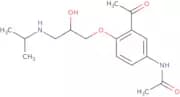

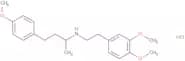

![2-Acetamido-9-[[2-(acetyloxy)ethoxy]methyl]-6,9-dihydro-1H-purin-6-one](/_next/image/?url=https%3A%2Fstatic.cymitquimica.com%2Fproducts%2F3D%2Fthumb-webp%2FIA58282.webp&w=3840&q=75)
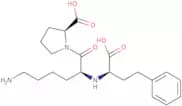
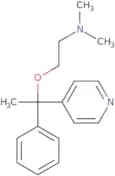
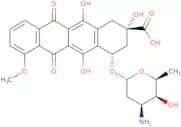
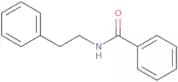
![3-[[[2-[(Diaminomethylene)amino]-4-thiazolyl]methyl]thio]propanamide](/_next/image/?url=https%3A%2Fstatic.cymitquimica.com%2Fproducts%2F3D%2Fthumb-webp%2FID58074.webp&w=3840&q=75)
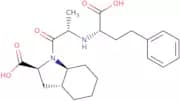
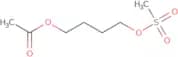
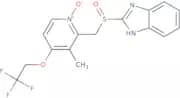
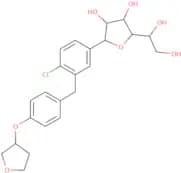
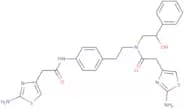
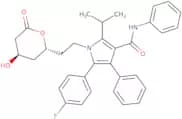
![5-Methoxy-2-[[(4-methoxy-3,5-dimethyl-2-pyridinyl)methyl]sulfinyl]-1H-benzimidazole N-oxide](/_next/image/?url=https%3A%2Fstatic.cymitquimica.com%2Fproducts%2F3D%2Fthumb-webp%2FIM57921.webp&w=3840&q=75)
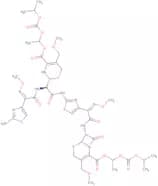

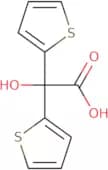
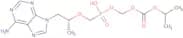
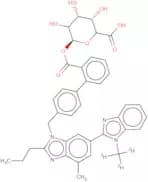
![4-(1-Hydroxy-1-methylethyl)-2-propyl-1-[[2'-[1-(triphenylmethyl)-1H-tetrazol-5-yl][1,1'-biphenyl]-…](/_next/image/?url=https%3A%2Fstatic.cymitquimica.com%2Fproducts%2F3D%2Fthumb-webp%2FIH159138.webp&w=3840&q=75)
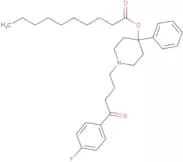
![(+/-)-N-Benzyl-N-methyl-3-phenyl-3-[4-(trifluoromethyl)phenoxy]-propylamine hydrochloride](/_next/image/?url=https%3A%2Fstatic.cymitquimica.com%2Fproducts%2F3D%2Fthumb-webp%2FIB58068.webp&w=3840&q=75)
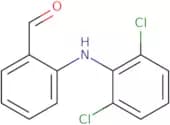
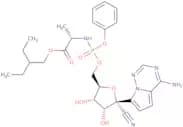
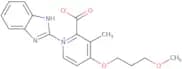

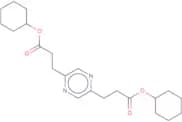


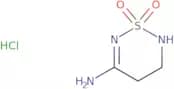
![(3S)-3-[4-[(5-Bromo-2-chlorophenyl)methyl]phenoxy]tetrahydro-furan](/_next/image/?url=https%3A%2Fstatic.cymitquimica.com%2Fproducts%2F3D%2Fthumb-webp%2FIB75174.webp&w=3840&q=75)

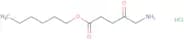
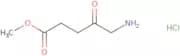
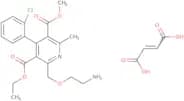
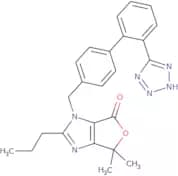
![[5-[(Dimethylamino)methyl]furan-2-yl]methanethiol, oxalate](/_next/image/?url=https%3A%2Fstatic.cymitquimica.com%2Fproducts%2F3D%2Fthumb-webp%2FID57849.webp&w=3840&q=75)
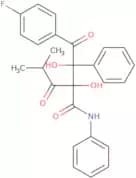
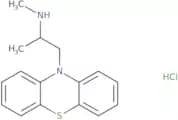
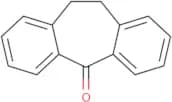
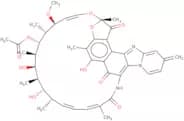
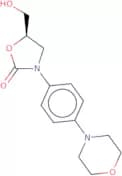
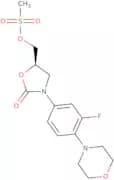

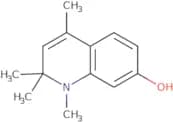

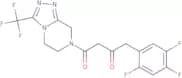
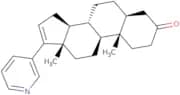
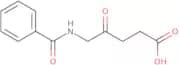

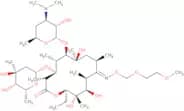
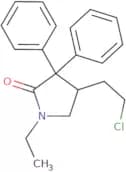
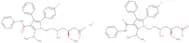
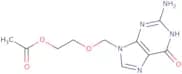
![2-[[[3-Methyl-4-(methylthio)-2-pyridinyl]methyl]sulfinyl]-1H-benzimidazole](/_next/image/?url=https%3A%2Fstatic.cymitquimica.com%2Fproducts%2F3D%2Fthumb-webp%2FIM21229.webp&w=3840&q=75)

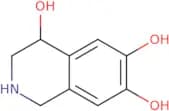

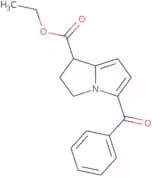
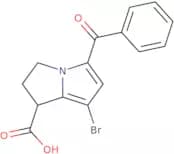
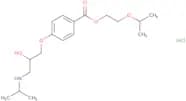
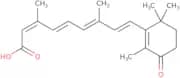
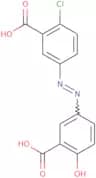
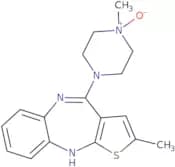
![3-[[[2-[(Diaminomethylene)amino]thiazol-4-yl]methyl]sulphanyl]propanoic acid](/_next/image/?url=https%3A%2Fstatic.cymitquimica.com%2Fproducts%2F3D%2Fthumb-webp%2FID58082.webp&w=3840&q=75)
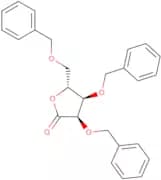
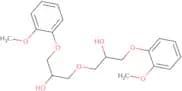
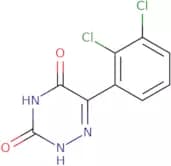
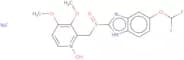


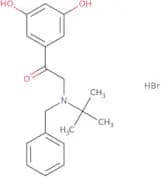
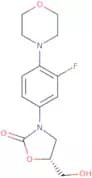
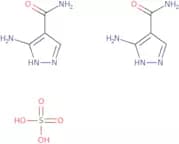
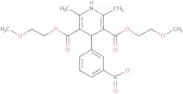
![N-[1-(S)-(-)-(1-Naphthyl)ethyl]-3-[3-(trifluoromethyl)phenyl]-1-aminopropane hydrochloride](/_next/image/?url=https%3A%2Fstatic.cymitquimica.com%2Fproducts%2F3D%2Fthumb-webp%2FIN58179.webp&w=3840&q=75)
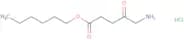
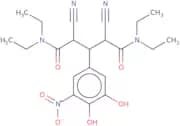
![S-Methyl-N-cyano-N'-[2-[(5-methyl-1H-imidazol-4-yl)methylthio]ethyl]isothiourea](/_next/image/?url=https%3A%2Fstatic.cymitquimica.com%2Fproducts%2F3D%2Fthumb-webp%2FIM58264.webp&w=3840&q=75)
![5-(2-Ethoxyphenyl)-1-methyl-3-n-propyl-1,6-dihydro-7H-pyrazolo[4,3-d]pyrimidin-7-one](/_next/image/?url=https%3A%2Fstatic.cymitquimica.com%2Fproducts%2F3D%2Fthumb-webp%2FNE16544.webp&w=3840&q=75)

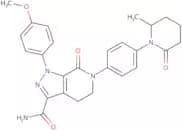
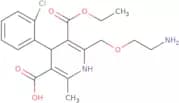
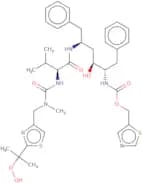

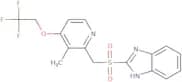
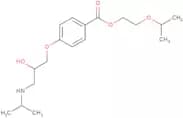

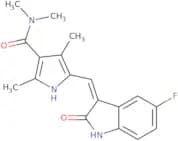
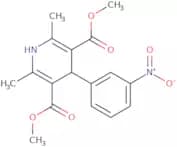
![4-[2'-(7''-Deazaguanine)ethyl]benzoic acid N-hydroxysuccinimide ester](/_next/image/?url=https%3A%2Fstatic.cymitquimica.com%2Fproducts%2F3D%2Fthumb-webp%2FFD20837.webp&w=3840&q=75)
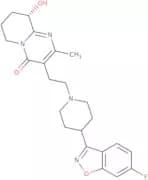
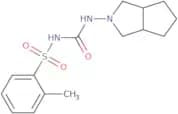
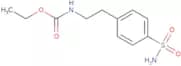
![[(2-Butoxyethoxy)ethyl] 2-[(trifluoromethyl)phenylamino]benzoate](/_next/image/?url=https%3A%2Fstatic.cymitquimica.com%2Fproducts%2F3D%2Fthumb-webp%2FIB58089.webp&w=3840&q=75)
![N-[5-Amino-6-(2,3-dichlorophenyl)-1,2,4-triazin-3-yl]-2,3-dichlorobenzamide](/_next/image/?url=https%3A%2Fstatic.cymitquimica.com%2Fproducts%2F3D%2Fthumb-webp%2FIA58055.webp&w=3840&q=75)
![Bis[N-[2-[[[5-[(dimethylamino)methyl]furan-2-yl]methyl]thio]ethyl]-N'-methyl-2,2-diamino-1-nitroet…](/_next/image/?url=https%3A%2Fstatic.cymitquimica.com%2Fproducts%2F3D%2Fthumb-webp%2FIB57852.webp&w=3840&q=75)
![3-[[[2-[(Diaminomethylene)amino]-4-thiazolyl]methyl]thio]propanimidamide hydrochloride](/_next/image/?url=https%3A%2Fstatic.cymitquimica.com%2Fproducts%2F3D%2Fthumb-webp%2FID58079.webp&w=3840&q=75)
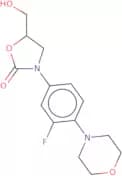
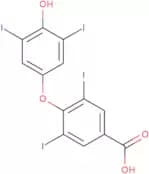
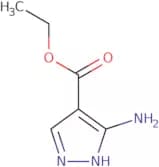
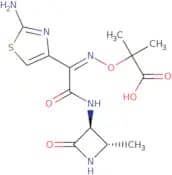
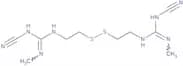

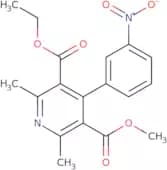
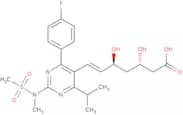
![11-(1-Piperazinyl)dibenzo[b,f][1,4]thiazepine hydrochloride](/_next/image/?url=https%3A%2Fstatic.cymitquimica.com%2Fproducts%2F3D%2Fthumb-webp%2FIN181068.webp&w=3840&q=75)
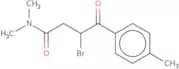
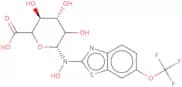
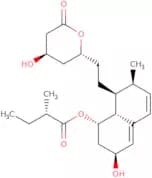
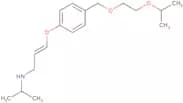

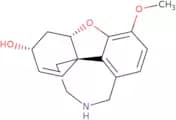
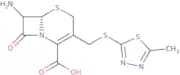
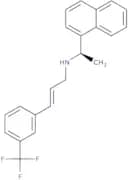
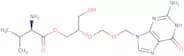
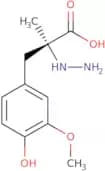
![(S)-Ethyl 2-ethoxy-4-[[[N-[1-(2-piperidinophenyl)-3-methyl-1-butyl]amino]carbonyl]methyl]benzoate](/_next/image/?url=https%3A%2Fstatic.cymitquimica.com%2Fproducts%2F3D%2Fthumb-webp%2FIE27701.webp&w=3840&q=75)

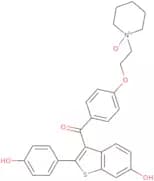
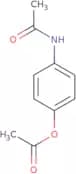
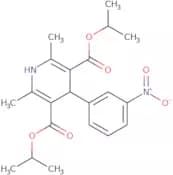

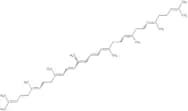


![Bis-[5-[(dimethylamino)methyl]furan-2-yl]methane](/_next/image/?url=https%3A%2Fstatic.cymitquimica.com%2Fproducts%2F3D%2Fthumb-webp%2FIB57835.webp&w=3840&q=75)
![8-Fluoro-2,2-dimethyl-9-(4-methyl-1-piperazinyl)-6-oxo-2H,6H-oxazolo[5,4,3-ij]quinoline-5-carboxyl…](/_next/image/?url=https%3A%2Fstatic.cymitquimica.com%2Fproducts%2F3D%2Fthumb-webp%2FIF182900.webp&w=3840&q=75)
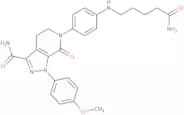
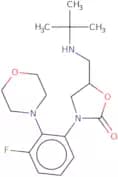
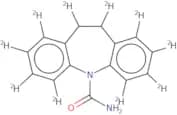
![5-Methoxy-2-[[(4-methoxy-3,5-dimethyl-2-pyridinyl)methyl]sulphonyl]-1H-benzimidazole N-oxide](/_next/image/?url=https%3A%2Fstatic.cymitquimica.com%2Fproducts%2F3D%2Fthumb-webp%2FIM57920.webp&w=3840&q=75)
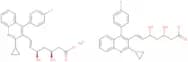
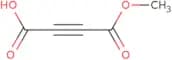
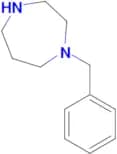


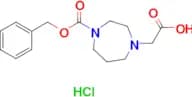
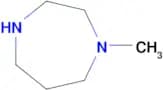
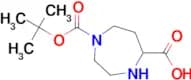
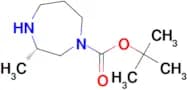
![5-Oxo-[1,4]diazepane-1-carboxylic acid tert-butylester](/_next/image/?url=https%3A%2Fstatic.cymitquimica.com%2Fproducts%2F10%2Fthumb-webp%2FF040633.webp&w=3840&q=75)
![5-Oxo-[1,4]diazepane-1-carboxylic acid benzylester](/_next/image/?url=https%3A%2Fstatic.cymitquimica.com%2Fproducts%2F10%2Fthumb-webp%2FF011833.webp&w=3840&q=75)
![6-FLUORO-[1,4]DIAZEPANE-1-CARBOXYLIC ACID TERT-BUTYL ESTER](/_next/image/?url=https%3A%2Fstatic.cymitquimica.com%2Fproducts%2F10%2Fthumb-webp%2FF469333.webp&w=3840&q=75)
![6,6-DIFLUORO-[1,4]DIAZEPANE-1-CARBOXYLIC ACID TERT-BUTYL ESTER](/_next/image/?url=https%3A%2Fstatic.cymitquimica.com%2Fproducts%2F10%2Fthumb-webp%2FF469286.webp&w=3840&q=75)


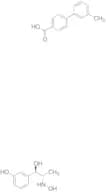
![N-[2-(2-Methoxyphenoxy)ethyl]benzylamine](/_next/image/?url=https%3A%2Fstatic.cymitquimica.com%2Fproducts%2FTR%2Fthumb-webp%2FM265670.webp&w=3840&q=75)

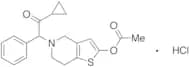
![N’-[2-[[[2-[(Dimethylamino)methyl]-4-thiazolyl]methyl]thio]ethyl] Nizatidine](/_next/image/?url=https%3A%2Fstatic.cymitquimica.com%2Fproducts%2FTR%2Fthumb-webp%2FD470980.webp&w=3840&q=75)