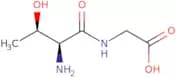
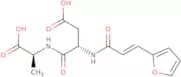
Amino Acids (AA)
Amino acids (AAs) are the fundamental building blocks of proteins, playing a crucial role in various biological processes. These organic compounds are essential for protein synthesis, metabolic pathways, and cell signaling. In this category, you will find a comprehensive range of amino acids, including essential, non-essential, and modified forms, which are vital for research in biochemistry, molecular biology, and nutritional sciences. At CymitQuimica, we provide high-quality amino acids to support your research and development needs, ensuring accuracy and reliability in your experimental outcomes.
Subcategories of "Amino Acids (AA)"
- Amino Acid Derivatives(3,955 products)
- Amino Acid and Amino Acid Related Compounds(3,471 products)
- Amino Acids with Oxygen or Sulphur(168 products)
- Boc- Amino Acids(351 products)
- Fmoc Amino Acids(1,710 products)
Found 38262 products of "Amino Acids (AA)"
Sort by
Purity (%)
0
100
|
0
|
50
|
90
|
95
|
100
4-Methoxyphenylacetylene
CAS:<p>4-Methoxyphenylacetylene is a phosphane that has been extensively studied for its reactivity in cross-coupling reactions with electron-deficient olefins. 4-Methoxyphenylacetylene has been shown to react with chlorides and form an intermediate chloride, which reacts with an olefin to form an ether. X-ray crystal structures of the reaction mechanism have been determined. The transfer mechanism involves nucleophilic attack of chloride on the phosphorus atom followed by elimination of hydrogen chloride from the phosphorus. The reaction product is an ether.</p>Formula:C9H8OPurity:Min. 95%Color and Shape:White Clear LiquidMolecular weight:132.16 g/molN-Methyl-O-methyl-L-tyrosine hydrochloride
CAS:<p>N-Methyl-O-methyl-L-tyrosine hydrochloride (NMT) is an organic compound that is synthesized from D-alanine. It has been shown to inhibit the production of didemnin, a protein that regulates the cell cycle, in mcf-7 cells. NMT has also been shown to stop the growth of human breast cancer cells and increase the lifespan of mice with cancerous tumors. NMT is a macrocyclic molecule, which means it has a ring structure made up of at least six atoms. The conformation of this molecule may be cyclic or linear.</p>Formula:C11H15NO3·HClPurity:Min. 95%Molecular weight:245.7 g/molN,N-Bis-(4-sulfobutyl)-3-methylaniline disodium salt
CAS:<p>N,N-Bis-(4-sulfobutyl)-3-methylaniline disodium salt is a fine chemical that is used as a building block for organic synthesis. It can be used in the formulation of pharmaceuticals and other chemicals. N,N-Bis-(4-sulfobutyl)-3-methylaniline disodium salt has been shown to be an excellent reagent for the synthesis of complex compounds with high purity and high quality. This compound is also versatile in its use as a building block, scaffold or intermediate for the synthesis of many different types of molecules.</p>Formula:C15H23NNa2O6S2Purity:Min. 95%Color and Shape:PowderMolecular weight:423.46 g/mol1-(4-Methoxybenzyl)piperidine-2,4-dione
CAS:<p>Please enquire for more information about 1-(4-Methoxybenzyl)piperidine-2,4-dione including the price, delivery time and more detailed product information at the technical inquiry form on this page</p>Formula:C13H15NO3Purity:Min. 95%Molecular weight:233.26 g/mol1-Methylguanidine HCl
CAS:<p>1-Methylguanidine HCl is a denaturing agent that has been used in the determination of nitrogen atoms in organic compounds. It has also been shown to have biological properties, such as anti-inflammatory activity and modulation of nitric oxide synthase. 1-Methylguanidine HCl is used in medicine as an anti-inflammatory drug, but it is not currently approved for medical use. 1-Methylguanidine HCl may be used therapeutically to reduce serum levels of creatine, which is synthesized in the liver and excreted by the kidney.</p>Purity:Min. 95%Methyl 4-methylthiazole-5-carboxylate
CAS:<p>Methyl 4-methylthiazole-5-carboxylate (MTMC) is a compound with high chemical and biological activity. MTMC has been shown to inhibit the growth of S. aureus, and also exhibits cytotoxic effects on human cancer A549 cells in vitro. MTMC has been shown to be active against HIV in cell culture and also inhibits the replication of influenza virus. MTMC has significant activity against cancer, and is also effective against immunodeficiencies that are due to viral infection. It can be synthesized by a high-yielding process involving the reaction of methyl 4-nitrobenzoate with thiourea in an organic solvent under reflux conditions. The crystal structure of MTMC was determined by X-ray diffraction methods, revealing that it is centrosymmetric with four molecules present in the asymmetric unit.</p>Purity:Min. 95%(D-Ser4,D-Ser(tBu)6,Azagly10)-LHRH
CAS:<p>Please enquire for more information about (D-Ser4,D-Ser(tBu)6,Azagly10)-LHRH including the price, delivery time and more detailed product information at the technical inquiry form on this page</p>Formula:C59H84N18O14Purity:Min. 95%Molecular weight:1,269.41 g/mol3-Methoxyphenethylamine
CAS:Controlled Product<p>3-Methoxyphenethylamine is a naturally occurring phenethylamine that is found in the human body. It is produced by the enzyme phenylethanolamine N-methyltransferase from dopamine and 3-methoxytyramine. 3-Methoxyphenethylamine can be found in the saliva, but also in the brain, muscle and kidneys. Its presence has been detected in women's breast milk. This compound has been shown to have a significant effect on chloride ion absorption and renal blood flow, as well as on 5-hydroxyindoleacetic acid levels in the urine of patients with Parkinson's disease. The predominant metabolite of 3-methoxyphenethylamine is 3-hydroxymethylphenethylamine (3HMPEA).</p>Formula:C9H13NOPurity:Min. 95%Color and Shape:Colorless Clear LiquidMolecular weight:151.21 g/molFructose-asparagine trifluoroacetate (Mixture of diastereomers)
CAS:<p>Please enquire for more information about Fructose-asparagine trifluoroacetate (Mixture of diastereomers) including the price, delivery time and more detailed product information at the technical inquiry form on this page</p>Formula:C10H18N2O8•(C2HF3O2)xPurity:Min. 95%L-Glutamic acid γ-tert-butyl ester α-amide hydrochloride
CAS:<p>Please enquire for more information about L-Glutamic acid gamma-tert-butyl ester alpha-amide hydrochloride including the price, delivery time and more detailed product information at the technical inquiry form on this page</p>Formula:C9H18N2O3·HClPurity:Min. 95%Molecular weight:238.71 g/molD-2-Cyanophenylalanine
CAS:<p>Please enquire for more information about D-2-Cyanophenylalanine including the price, delivery time and more detailed product information at the technical inquiry form on this page</p>Formula:C10H10N2O2Purity:Min. 95%Molecular weight:190.2 g/molFmoc-4-piperidone
CAS:Controlled Product<p>Fmoc-4-piperidone is a chemical compound that is used in analytical chemistry. It has the properties of being non-toxic and soluble in organic solvents. Fmoc-4-piperidone can be used as a matrix for the analysis of proteins, peptides, and amino acids with mass spectrometry. The compound also has the capability to desorb and ionize compounds from surfaces using laser desorption/ionization mass spectrometry.</p>Formula:C20H19NO3Purity:Min. 95%Molecular weight:321.37 g/molIsovaleryl-Phe-Nle-Sta-Ala-Sta-OH
CAS:<p>Isovaleryl-Phe-Nle-Sta-Ala-Sta-OH (IVAS) is a small molecule that has been shown to be an angiotensin system inhibitor. IVAS blocks the binding site of the angiotensin receptor and prevents the activation of this system. This effect is dose dependent and can be used to treat high blood pressure in humans. IVAS is a long-acting drug and has been shown to be effective in primates as well as humans. The drug is rapidly absorbed from the gastrointestinal tract and eliminated by metabolism, mainly through hydrolysis by esterases or glucuronidases, oxidation by cytochrome P450 enzymes, reduction by glutathione reductase, or conjugation with glucuronic acid. IVAS also specifically binds to markers expressed at high levels in Mycobacterium tuberculosis strains (e.g., ESX-1 secretion system protein) and inhibits cell growth in culture.</p>Formula:C39H65N5O9Purity:Min. 95%Molecular weight:747.96 g/mol8-Ethyl-1,3,4,9-tetrahydro-1-(1-methylethyl)pyrano[3,4-b]indole-1-acetic acid
CAS:<p>Please enquire for more information about 8-Ethyl-1,3,4,9-tetrahydro-1-(1-methylethyl)pyrano[3,4-b]indole-1-acetic acid including the price, delivery time and more detailed product information at the technical inquiry form on this page</p>Formula:C18H23NO3Purity:Min. 95%Color and Shape:SolidMolecular weight:301.38 g/mola-Methyl-D-phenylalanine
CAS:<p>a-Methyl-D-phenylalanine is an enantiomer of the racemic amino acid L-alanine. It has been shown to be a competitive inhibitor of benzyl alcohol dehydrogenase, which catalyses the conversion of benzyl alcohol to propanoic acid. This product is also an alkylating agent that reacts with the tert-butyl group on propanol to produce tert-butyl methyl ether and methyl benzoate. Citric acid is a weak organic acid that can be used as an acidulant in foods. Citric acid can also act as a buffer in food products, preventing changes in pH due to other ingredients. Citric acid monohydrate is a salt form of citric acid that can be used for cooking and baking purposes. A common use for citric acid monohydrate is as a leavening agent for cakes and breads, where it reacts with sodium bicarbonate to produce carbon dioxide bubbles that help make the</p>Formula:C10H13NO2Purity:Min. 95%Molecular weight:179.22 g/mol1,3-Diethyl-8-phenylxanthine
CAS:Controlled Product<p>1,3-Diethyl-8-phenylxanthine is a p2y receptor antagonist that inhibits bacterial growth by interfering with the energy metabolism of the cell. It is an analytical reagent that can be used to measure specific DNA sequences and has been shown to have genotoxic effects on cultured human cells. 1,3-Diethyl-8-phenylxanthine has also been shown to inhibit the growth of infectious bacteria such as staphylococcus aureus and Mycobacterium tuberculosis in vitro. This compound may be used as a potential biomarker for the identification of antimicrobial peptides that are active against Mycobacterium tuberculosis in humans.</p>Formula:C15H16N4O2Purity:Min. 95%Molecular weight:284.31 g/mol2-Valeryl-17'-estradiol 17-valerate
CAS:Controlled Product<p>Please enquire for more information about 2-Valeryl-17'-estradiol 17-valerate including the price, delivery time and more detailed product information at the technical inquiry form on this page</p>Formula:CHOPurity:Min. 95%Fmoc-NH-PEG9-CH2CH2COOH
CAS:<p>Fmoc-NH-PEG9-CH2CH2COOH is a PEG compound with two different functional groups (also known as heterobifunctional). Unlike homobifunctional PEG compounds (same functional group on both ends), this type of compounds are more versatile as have two different anchor points. Fmoc-NH-PEG9-CH2CH2COOH is used as a linker and spacer to add a PEG moiety, via pegylation (a bioconjugation technique) to proteins, peptides, oligonucleotides, small molecules and nanoparticles.</p>Formula:C36H53NO13Purity:Min. 95%Molecular weight:707.8 g/molN-Acetylglycinamide
CAS:Controlled Product<p>N-Acetylglycinamide is an amide that is structurally similar to the amino acid glycine. It has been shown to have anti-inflammatory properties by inhibiting prostaglandin synthesis in vitro. In vivo, N-acetylglycinamide is metabolized and excreted as the non-polar solvents n-acetylglycine and chloride. This amide is soluble in non-polar solvents such as chloroform, dichloromethane, or ether. N-acetylglycinamide also has a pairwise orientational order with respect to solvent molecules and exhibits a low degree of hydrogen bonding interactions with water molecules.</p>Purity:Min. 95%4-Chloro-N-methylpiperidine
CAS:<p>4-Chloro-N-methylpiperidine is an inorganic acid that can be used as a reagent for the synthesis of organic compounds. It is also an anticholinergic drug and a halogenating agent. 4-Chloro-N-methylpiperidine can be used to treat bronchial asthma, chronic obstructive pulmonary disease, and other respiratory disorders by inhibiting the production of histamine in the body. It also has antihistaminic effects that may be due to its ability to inhibit histamine release from mast cells or block H1 receptors. This drug also has antiallergic effects, which may be due to its ability to inhibit IgE synthesis or function. 4-Chloro-N-methylpiperidine is found in loratadine (Claritin), which is used for allergies, hives, and other allergic reactions.</p>Formula:C6H12ClNPurity:Min. 95%Color and Shape:Clear LiquidMolecular weight:133.62 g/mol4-Bromo-7-methoxy-1H-pyrrolo[2,3-c]pyridine
CAS:<p>Please enquire for more information about 4-Bromo-7-methoxy-1H-pyrrolo[2,3-c]pyridine including the price, delivery time and more detailed product information at the technical inquiry form on this page</p>Purity:Min. 95%(1R,2S)-2-[N-Benzyl-N-(mesitylenesulfonyl)amino]-1-phenyl-1-propanol
CAS:Controlled Product<p>Please enquire for more information about (1R,2S)-2-[N-Benzyl-N-(mesitylenesulfonyl)amino]-1-phenyl-1-propanol including the price, delivery time and more detailed product information at the technical inquiry form on this page</p>Formula:C25H29NO3SPurity:Min. 95%Molecular weight:423.57 g/molN-Methyl-DL-phenylalanine methyl ester hydrochloride
CAS:<p>Please enquire for more information about N-Methyl-DL-phenylalanine methyl ester hydrochloride including the price, delivery time and more detailed product information at the technical inquiry form on this page</p>Formula:C11H15NO2·HClPurity:Min. 95%Molecular weight:229.7 g/mol5-Desmethyl-3-methyl leflunomide
CAS:<p>Please enquire for more information about 5-Desmethyl-3-methyl leflunomide including the price, delivery time and more detailed product information at the technical inquiry form on this page</p>Formula:C12H9F3N2O2Purity:Min. 95%Color and Shape:PowderMolecular weight:270.21 g/mol2-((3-Amino-4-methoxyphenyl)amino)ethanol sulfate
CAS:<p>2-((3-Amino-4-methoxyphenyl)amino)ethanol sulfate is a potent antibacterial agent that inhibits the growth of bacteria by binding to the 50S ribosomal subunit. It is also used in dermatology, as an aminophenol, and as an ingredient in cosmetics. 2-((3-Amino-4-methoxyphenyl)amino)ethanol sulfate has been shown to be efficacious against bacterial infections caused by methicillin resistant Staphylococcus aureus (MRSA), Pseudomonas aeruginosa, Proteus mirabilis, and Klebsiella pneumoniae. This compound also has antihistamine properties.</p>Formula:C9H16N2O6SPurity:Min. 95%Molecular weight:280.3 g/molTetradecafluoro-2-methylpentane
CAS:Controlled Product<p>Tetradecafluoro-2-methylpentane is a fluorinated hydrocarbon that is used in synthetic chemistry. It has been shown to inhibit the growth of cancer cells and leaves. Tetradecafluoro-2-methylpentane has also been shown to be an anthropogenic emission and may contribute to global warming. The chemical is classified as a cyclic hydrocarbon, which means it contains two or more rings of carbon atoms. Cyclic hydrocarbons are generally toxic because they disrupt normal cellular function through interference with cell membranes, protein synthesis, and DNA replication.</p>Formula:C6F14Purity:Min. 95%Molecular weight:338.04 g/mol2-Methylaminoethanol
CAS:<p>2-Methylaminoethanol is a colorless, water-soluble liquid. It is an alkanolamine that has a dipole moment of 1.8 debye. 2-Methylaminoethanol can be synthesized by reacting potassium dichromate with ethanolamine in the presence of borohydride and ammonia. The reaction yield for this process is about 50%. 2-Methylaminoethanol reacts with maleic acid to form maleate salt. Maleate salt molecules have two amine groups attached to a carbonyl group, which are used as raw materials for the production of various other chemicals like nylon 11, nylon 12, and polyethylene terephthalate (PET). Maleates also serve as intermediates in the manufacture of esters and nitrites from alcohols and phenols. 2-Methylaminoethanol has been shown to cause blood pressure reduction in mammals due to its ability to inhibit vasoconstriction caused by</p>Formula:C3H9NOPurity:Min. 95%Color and Shape:Clear LiquidMolecular weight:75.11 g/molMethyl4-aminomethyl-1-boc-piperidine-4-carboxylate
CAS:<p>Please enquire for more information about Methyl4-aminomethyl-1-boc-piperidine-4-carboxylate including the price, delivery time and more detailed product information at the technical inquiry form on this page</p>Formula:C13H24N2O4Purity:Min. 95%Molecular weight:272.34 g/molZ-Leu-Val-Gly-diazomethylketone
CAS:<p>Z-Leu-Val-Gly-diazomethylketone is a prodrug that is metabolized in vivo to the active form, diazomethyl ketone. This drug has antiviral activity against a number of human pathogens, including poliovirus and herpes simplex virus. It also inhibits proteinase activity, which may be responsible for its anti-bacterial effects. Z-Leu-Val-Gly-diazomethylketone has been shown to inhibit pyogenes and staphylococci by cleavage of their cell walls. The drug also inhibits the replication of viruses such as human immunodeficiency virus (HIV) and influenza A virus.</p>Formula:C22H31N5O5Purity:Min. 95%Color and Shape:Off-White To Light (Or Pale) Yellow SolidMolecular weight:445.51 g/mol5-Chloro-2-hydroxy-2-methoxycarbonyl-1-indanone
CAS:<p>Please enquire for more information about 5-Chloro-2-hydroxy-2-methoxycarbonyl-1-indanone including the price, delivery time and more detailed product information at the technical inquiry form on this page</p>Formula:C11H9ClO4Purity:Min. 95%Molecular weight:240.64 g/molN-Methoxy-N-methylacetamide
CAS:<p>N-Methoxy-N-methylacetamide is a nucleophilic amide that can be synthesized by the reaction of acetamide with methylmagnesium chloride. It has been used to synthesize an enantiopure derivative of 2-aminopropanol, which is used in the synthesis of potent antitumor agents. N-Methoxy-N-methylacetamide has shown potent anticancer activity in mice and rats. This molecule exhibits a carbonyl group that can act as an enolate, which is a reactive intermediate within chemical reactions. The nucleophilic attack on this carbonyl group leads to intramolecular hydrogen transfer, producing a more stable product.</p>Formula:C4H9NO2Purity:Min. 95%Molecular weight:103.12 g/molThifensulfuron-methyl
CAS:<p>Thifensulfuron-methyl is a selective herbicide that inhibits the growth of plants by inhibiting the activity of acetyl-CoA carboxylase. Thifensulfuron-methyl is used to control weeds in wheat, barley, and rice crops. Thifensulfuron-methyl has been shown to induce glomerular filtration rate in rats with congestive heart failure, while also reducing total body weight gain and improving renal function. This drug also has synergic effects on skin cancer cells when combined with active antiretroviral therapy.</p>Formula:C12H13N5O6S2Purity:95%NmrMolecular weight:387.39 g/molMART-1 (26-35) (human) trifluoroacetate salt
CAS:<p>Native Melan-A (26-35) decapeptide derives from the melanocyte lineage-specific protein Melan-A/MART-1, which is expressed in almost 75-100% of primary and metastatic melanomas.<br>The region 26-35 of Melan-A protein acts as an antigenic peptide that is recognized by CD8+ tumor-reactive cytolytic T lymphocytes (CTLs) for designing antigen-specific cancer vaccines1. It has been shown that CD8+ Melan-A-specific CTLs isolated from melanoma patients efficiently lyse the Melan-A-expressing HLA-A*0201+ melanoma cell line. However, CTLs preferentially recognize the Melan-A (26-35) peptide as compared with the Melan-A (27-35) peptide. Moreover, the Melan-A (26-35) A27L analog (ELAGIGILTV) has a higher binding affinity to HLA-A*0201 than the native Melan-A (26-35) peptide (EAAGIGILTV), and consequently displays more potent antigenicity and immunogenicity.<br>It has been reported that the concentration of Melan-A (26-35) A27L analog required to obtain 50% of maximal antigenic activity (EC50) is 0.01nM, whereas that of the native Melan-A (26-35) peptide is 0.25nM1. Therefore, the relative activity of Melan-A (26-35) A27L analog is 25 fold higher than that of the native Melan-A (26-35) peptide.<br>Furthermore, functional competition assay has shown that the concentration of Melan-A (26-35) A27L analog required to achieve 50% inhibition (IC50) of tumor lysis is 2nM, which is 10 fold lower than that of the native Melan-A (26-35) peptide. Regarding peptide stability in human serum, the half-lifes (t1/2) of the native Melan-A (26-35) peptide and the A27L analog are quite similar (45 and 40min, respectively) as measured by HPLC-ESI-MS, but much higher than that of the Melan-A (27-35) nonapeptide (5min).</p>Formula:C42H74N10O14Purity:Min. 95%Molecular weight:943.1 g/molAcetyl-L-isoleucine
CAS:<p>Acetyl-L-isoleucine is a molecule that has been shown to inhibit the dehydrogenase enzyme. It can be synthesized from acetyl chloride and isomers of L-isoleucine in the presence of a metal catalyst, such as trifluoromethanesulfonic acid. Acetyl-L-isoleucine can also be used in protein synthesis and hydrolysis reactions. The ability of this molecule to bind to metal ions may also account for its antioxidant properties.</p>Formula:C8H15NO3Purity:Min. 95%Molecular weight:173.21 g/mol2-Chloro-1-(5-methoxy-1,2-dimethyl-1H-indol-3-yl)ethanone
CAS:Controlled Product<p>Please enquire for more information about 2-Chloro-1-(5-methoxy-1,2-dimethyl-1H-indol-3-yl)ethanone including the price, delivery time and more detailed product information at the technical inquiry form on this page</p>Formula:C13H14ClNO2Purity:Min. 95%Molecular weight:251.71 g/mol1-(4-Methoxy-pyridin-2-yl)-ethanone
CAS:<p>Please enquire for more information about 1-(4-Methoxy-pyridin-2-yl)-ethanone including the price, delivery time and more detailed product information at the technical inquiry form on this page</p>Formula:C8H9NO2Purity:Min. 95%Molecular weight:151.16 g/mol3-Chloro-N-methylpropan-1-amine HCl
CAS:<p>Please enquire for more information about 3-Chloro-N-methylpropan-1-amine HCl including the price, delivery time and more detailed product information at the technical inquiry form on this page</p>Formula:C4H11Cl2NPurity:Min. 95%Molecular weight:144.04 g/molPhg-Gly-OH
CAS:<p>Please enquire for more information about Phg-Gly-OH including the price, delivery time and more detailed product information at the technical inquiry form on this page</p>Formula:C10H12N2O3Purity:Min. 95%Molecular weight:208.21 g/molBoc-D-β-homophenylalanine
CAS:<p>Please enquire for more information about Boc-D-beta-homophenylalanine including the price, delivery time and more detailed product information at the technical inquiry form on this page</p>Formula:C15H21NO4Purity:Min. 95%Molecular weight:279.33 g/mol(R)-1-Boc-3-ethyl-piperazine
CAS:<p>Please enquire for more information about (R)-1-Boc-3-ethyl-piperazine including the price, delivery time and more detailed product information at the technical inquiry form on this page</p>Formula:C11H22N2O2Purity:Min. 95%Molecular weight:214.3 g/mol2-(4-Methoxyphenyl)benzothiazole
CAS:<p>2-(4-Methoxyphenyl)benzothiazole is a hydrogen-bond acceptor that is activated in the presence of an electron-withdrawing group. It has been shown to have anti-fungal properties and inhibitory properties against bacteria. 2-(4-Methoxyphenyl)benzothiazole also inhibits the activity of topoisomerase, which is an enzyme that controls DNA supercoiling and uncoiling, as well as DNA replication. The mechanism of this inhibition is not known, but it is thought to be due to the ability of 2-(4-methoxyphenyl)benzothiazole to form hydrogen bonds with the active site cysteine residues on topoisomerase I. 2-(4-Methoxyphenyl)benzothiazole also has been shown to be photophysical in nature, absorbing light at wavelengths of 350 nm and 480 nm and emitting light</p>Formula:C14H11NOSPurity:Min. 95%Color and Shape:PowderMolecular weight:241.31 g/moltert-Butyl-n-(6-methoxy-3-pyridyl)carbamate
CAS:<p>Please enquire for more information about tert-Butyl-n-(6-methoxy-3-pyridyl)carbamate including the price, delivery time and more detailed product information at the technical inquiry form on this page</p>Formula:C11H16N2O3Purity:Min. 95%Molecular weight:224.26 g/molIle-Ile-OH
CAS:<p>Ile-Ile-OH is a zwitterion that is the product of an enzyme serine protease. It has been shown to exhibit serine protease activity against corynebacterium, and it can be used for the production of active enzymes such as corynebacterium glutamicum. Ile-Ile-OH is synthesized from serine and hydrochloric acid in a reaction catalyzed by the enzyme serine protease. The rate of this reaction depends on pH and temperature, which causes the conversion of ile-ile to ile-ole at higher temperatures. Ile-Ile-OH exhibits conformational properties that are similar to those found in natural amino acids, which may be due to its zwitterionic nature. This compound also has protonation properties that have been shown to be important for uptake assays in L6 cells.</p>Formula:C12H24N2O3Purity:Min. 95%Molecular weight:244.33 g/molD-Leucine amide
CAS:<p>D-Leucine amide is a hydrophobic, carboxyamide amino acid that is found in the fungus Ochrobactrum anthropi. D-Leucine amide has been shown to catalyze the formation of tripeptides, such as d-alanine and d-tryptophan, from their monomers. The presence of this compound enhances the expression of genes encoding proteins involved in the synthesis of these amino acids. This compound also has been shown to enhance gene analysis by increasing the stability of DNA and RNA molecules.</p>Formula:C6H14N2OPurity:Min. 95%Molecular weight:130.19 g/mol4-(Benzyloxy)-5-methoxy-2-nitrobenzaldehyde
CAS:<p>4-(Benzyloxy)-5-methoxy-2-nitrobenzaldehyde (BOMBA) is an amide with affinity for microtubules. It has been shown to interact with the microtubule lattice and inhibit the polymerization of tubulin. This leads to a decrease in cell viability and cytotoxicity, as well as a decrease in tumor size. In vivo studies have demonstrated that BOMBA inhibits tumor growth by inducing thrombosis and coagulation, which results in reduced blood flow to the tumor. The mechanism of action of BOMBA is thought to be due to its ability to form sulfamates, which are known for their anti-coagulant activity.</p>Formula:C15H13NO5Purity:Min. 95%Molecular weight:287.27 g/mol4-Benzyloxy-3-methoxy-N-methylphenethylamine hydrochloride
CAS:Controlled Product<p>Please enquire for more information about 4-Benzyloxy-3-methoxy-N-methylphenethylamine hydrochloride including the price, delivery time and more detailed product information at the technical inquiry form on this page</p>Formula:C17H22ClNO2Purity:Min. 95%Molecular weight:307.81 g/molN-Methyl-L-valine hydrochloride
CAS:<p>N-Methyl-L-valine hydrochloride is a synthetic molecule that binds to the CB2 receptor. It has been shown to have anti-inflammatory effects in mice by reducing the production of inflammatory mediators such as prostaglandins and cytokines. N-Methyl-L-valine hydrochloride has also been shown to reduce inflammation in several mouse models of autoimmune diseases, such as type 1 diabetes, multiple sclerosis, and rheumatoid arthritis. This drug was found to be effective in animal models for these diseases by inhibiting inflammatory mediator release from immune cells.</p>Formula:C6H13NO2·HClPurity:Min. 95%Color and Shape:PowderMolecular weight:167.63 g/mol(S)-1-Z-2-tert-butyl-3-methyl-4-imidazolidinone
CAS:<p>Please enquire for more information about (S)-1-Z-2-tert-butyl-3-methyl-4-imidazolidinone including the price, delivery time and more detailed product information at the technical inquiry form on this page</p>Formula:C16H22N2O3Purity:Min. 95%Molecular weight:290.36 g/mol2-(2-Methyl-1H-indol-3-yl)ethanamine oxalate
CAS:Controlled Product<p>Please enquire for more information about 2-(2-Methyl-1H-indol-3-yl)ethanamine oxalate including the price, delivery time and more detailed product information at the technical inquiry form on this page</p>Formula:C13H16N2O4Purity:Min. 95%Molecular weight:264.28 g/mol(R)-(-)-2-Methylglutaric Acid
CAS:<p>Please enquire for more information about (R)-(-)-2-Methylglutaric Acid including the price, delivery time and more detailed product information at the technical inquiry form on this page</p>Formula:C6H10O4Purity:Min. 95%Molecular weight:146.14 g/mol(S)-1,2,3,4-Tetrahydro-5-methoxy-N-propyl-2-naphthalenamine hydrochloride
CAS:Controlled Product<p>Please enquire for more information about (S)-1,2,3,4-Tetrahydro-5-methoxy-N-propyl-2-naphthalenamine hydrochloride including the price, delivery time and more detailed product information at the technical inquiry form on this page</p>Formula:C14H22ClNOPurity:Min. 95%Molecular weight:255.78 g/molL-Serine amide hydrochloride
CAS:<p>L-Serine amide hydrochloride is a synthetic, anti-HIV drug that is used as an antiviral agent. It inhibits the viral life cycle by inhibiting the activity of acyclic nucleoside phosphonates, which are vital to viral DNA synthesis. L-Serine amide hydrochloride binds to the cyclopentane ring of guanosine and prevents its interaction with the enzyme ribonucleotide reductase. This binding prevents the conversion of guanosine into GTP, thereby preventing HIV from using this molecule in their life cycle. L-Serine amide hydrochloride is not active against cellular proteins or prostaglandins.</p>Formula:C3H8N2O2·HClPurity:Min. 95%Molecular weight:140.57 g/mol2-Bromo-4-methoxybenzaldehyde
CAS:<p>2-Bromo-4-methoxybenzaldehyde is a cyclic, stereoselectively eliminable, acrylate that can be used in the asymmetric synthesis of sulfamidate and lactam. It can also be used to synthesize quinoline derivatives with aluminium chloride. This product has been shown to yield good yields when reacted with functional groups such as halides and nature. 2-Bromo-4-methoxybenzaldehyde is found in biomolecular reactions.</p>Formula:C8H7BrO2Color and Shape:PowderMolecular weight:215.04 g/molGlutaurine sodium
CAS:<p>Please enquire for more information about Glutaurine sodium including the price, delivery time and more detailed product information at the technical inquiry form on this page</p>Formula:C7H14N2O6S•NaxPurity:Min. 95%Molecular weight:254.26 g/mol2,3-Dipalmitoyl-sn-glycero-1-phosphocholine
CAS:<p>2,3-Dipalmitoyl-sn-glycero-1-phosphocholine is a synthetic lipid that is used as a surfactant in biological research. It is a proton donor that destabilizes membranes and interacts with phosphatidylcholine. The deformation of the lipid bilayer may be due to its protonation state. This synthetic lipid has been shown to increase fluidity of the membrane by changing the acyl chain composition and surfactant properties. 2,3-Dipalmitoyl-sn-glycero-1-phosphocholine also increases membrane transport by interacting with the bilayer and forming lamellar structures. The enantiomeric form of this lipid has been found to be more effective than its racemic mixture in the inhibition of cholesterol biosynthesis.</p>Formula:C40H80NO8PPurity:Min. 95%Molecular weight:734.04 g/mol2-Methyl-6-(tributylstannyl)pyridine
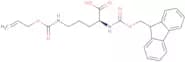
CAS:Controlled Product<p>2-Methyl-6-(tributylstannyl)pyridine is a synthetic organometallic compound that can be thermolysed to form azide and monoxide. It has been shown to react with tert-butyl lithium, leading to the formation of a nucleophilic radical species in the presence of an azide. This process is analogous to the Suzuki reaction. 2-Methyl-6-(tributylstannyl)pyridine can also be synthesized from 2,6-dibromopyridine and tributyltin chloride.</p>Formula:C18H33NSnPurity:Min. 95%Molecular weight:382.17 g/molN-α-Fmoc-Nδ-allyloxycarbonyl-D-ornithine
CAS:<p>Please enquire for more information about N-alpha-Fmoc-Ndelta-allyloxycarbonyl-D-ornithine including the price, delivery time and more detailed product information at the technical inquiry form on this page</p>Formula:C24H26N2O6Purity:Min. 95%Molecular weight:438.47 g/mol(R)-1,2,3,4-Tetrahydro-5-methoxy-N-propyl-2-naphthalenamine hydrochloride
CAS:Controlled Product<p>Please enquire for more information about (R)-1,2,3,4-Tetrahydro-5-methoxy-N-propyl-2-naphthalenamine hydrochloride including the price, delivery time and more detailed product information at the technical inquiry form on this page</p>Formula:C14H22ClNOPurity:Min. 95%Molecular weight:255.78 g/molL-threo-droxidopa
CAS:<p>L-threo-droxidopa is a prodrug that is hydrolyzed in the liver to L-3,4-dihydroxyphenylalanine (L-DOPA) and then metabolized by dopamine β-hydroxylase to form dopamine. This drug has been shown to be effective for the treatment of Parkinson's disease. The long-term efficacy of this drug is unknown, but it has been shown to be safe and well tolerated for up to six months. L-threo-droxidopa has also been shown to be effective in lowering systolic blood pressure in patients with mild hypertension. The side effects of this drug include symptoms such as nausea, vomiting, dizziness, headache, and insomnia. However, these side effects are often transient and do not require discontinuation of treatment with this medication. There are no known interactions between L-threo-droxidopa and other drugs or foods. Pharmacological</p>Formula:C9H11NO5Purity:Min. 95%Color and Shape:Off-White To Light (Or Pale) Beige SolidMolecular weight:213.19 g/mol1-(3-Phenylpropyl)piperazine
CAS:Controlled Product<p>1-(3-Phenylpropyl)piperazine (1PP) is a piperazine derivative that can be synthesized by the condensation of 3-phenylpropylamine and formaldehyde. 1PP has been shown to have neuroprotective effects in animal models of amyotrophic lateral sclerosis (ALS), brain injury, spinal cord injury, and traumatic brain injury. It has also been shown to act as a ligand for various receptors with therapeutic potential for cancer therapy. 1PP may be able to protect neurons from oxidative damage by scavenging reactive oxygen species. This drug has also been observed to inhibit the growth of cancer cells in vitro and in vivo.</p>Formula:C13H20N2Purity:Min. 95%Molecular weight:204.31 g/mol(1-Methyl-1H-indazol-3-yl)methanamine
CAS:Controlled Product<p>Please enquire for more information about (1-Methyl-1H-indazol-3-yl)methanamine including the price, delivery time and more detailed product information at the technical inquiry form on this page</p>Formula:C9H11N3Purity:Min. 95%Molecular weight:161.2 g/mol3-(6-Chloro-1-methyl-1H-benzimidazol-2-yl)propanoic acid
CAS:Controlled Product<p>Please enquire for more information about 3-(6-Chloro-1-methyl-1H-benzimidazol-2-yl)propanoic acid including the price, delivery time and more detailed product information at the technical inquiry form on this page</p>Formula:C11H11ClN2O2Purity:Min. 95%Molecular weight:238.67 g/mol2-Amino-3-(4-hydroxy-3-methoxyphenyl)propanoic acid
CAS:Controlled Product<p>2-Amino-3-(4-hydroxy-3-methoxyphenyl)propanoic acid is a metabolite of levodopa in the body. It is formed by oxidation of levodopa via the enzyme catechol-O-methyltransferase (COMT). This compound is used as an analytical reagent to measure levels of levodopa and its metabolites in biological samples. 2-Amino-3-(4-hydroxy-3-methoxyphenyl)propanoic acid can also be used to diagnose Parkinson’s disease, since it is produced in excess when dopamine production decreases due to the degeneration of dopaminergic neurons. The concentration–time curve for this compound can be used to calculate the clearance rate of levodopa from the blood plasma.</p>Formula:C10H13NO4Purity:Min. 95 Area-%Color and Shape:PowderMolecular weight:211.21 g/molN-Phenylpropanamide
CAS:<p>N-Phenylpropanamide is a chemical inhibitor that has been shown to have a protective effect against the light-induced degradation of drugs in urine samples. The compound also inhibits the hydrolysis of amides by hydrochloric acid and hydrogen bonds with the receptor binding site on human liver cells. N-Phenylpropanamide has been shown to affect cardiac function, as well as growth factor production.</p>Formula:C9H11NOPurity:Min. 95%Molecular weight:149.19 g/molN-(p-Hydroxyphenethyl)-N-(3-hydroxy-4-methoxy)benzylamine
CAS:Controlled Product<p>Narciprimine is a natural product with cytotoxic activity and was first isolated from the Narcissus plant. It is a n-oxide that contains a hydroxyphenethyl group, which is substituted by an oxygen function. This compound has been shown to have biological properties and chemical diversity due to its n-oxide structure. Narciprimine has been shown to inhibit the biosynthesis of narciclasine and haemanthamine, which are alkaloids with cytotoxic activities. The protopine moiety has also been found in narciprimin, but is not present in other related compounds such as narciclasine or haemanthamine. Narciprimin belongs to the chemical class of n-oxides, which are derived from nitrosobenzene derivatives.</p>Formula:C16H19NO3Purity:Min. 95%Color and Shape:PowderMolecular weight:273.33 g/mol2-(Chloromethyl)-3-(4-methylphenyl)quinazolin-4(3H)-one
CAS:Controlled Product<p>Please enquire for more information about 2-(Chloromethyl)-3-(4-methylphenyl)quinazolin-4(3H)-one including the price, delivery time and more detailed product information at the technical inquiry form on this page</p>Formula:C16H13ClN2OPurity:Min. 95%Molecular weight:284.74 g/mol1-Benzyl-4-phenylamino-4-(methoxymethyl)piperidine
CAS:<p>Please enquire for more information about 1-Benzyl-4-phenylamino-4-(methoxymethyl)piperidine including the price, delivery time and more detailed product information at the technical inquiry form on this page</p>Formula:C20H26N2OPurity:Min. 95%Molecular weight:310.43 g/molL-Methionine tert-butyl ester hydrochloride
CAS:<p>L-Methionine tert-butyl ester hydrochloride is a peptide that is used for the treatment of lysosomal storage diseases. It is a metabolic precursor for polypeptides and may be useful for the treatment of tissue damage due to elimination. L-Methionine tert-butyl ester hydrochloride has been shown to have a stable half-life in murine studies, and it is eliminated primarily by the kidneys. Radiometabolites with short half-lives are found in blood and urine samples following intravenous administration. The elimination rate of L-Methionine tert-butyl ester hydrochloride can be calculated by measuring the radioactivity in urine over time.</p>Formula:C9H19NO2S•HClPurity:Min. 95%Color and Shape:PowderMolecular weight:241.78 g/molN-Boc-amino-(4-N-fmoc-piperidinyl)carboxylic acid
CAS:<p>Please enquire for more information about N-Boc-amino-(4-N-fmoc-piperidinyl)carboxylic acid including the price, delivery time and more detailed product information at the technical inquiry form on this page</p>Formula:C26H30N2O6Purity:Min. 95%Molecular weight:466.53 g/molH-Phe-Ile-OH
CAS:<p>H-Phe-Ile-OH is a compound with amide functional group. It has been found to be a potential biomarker for endometriosis, with the ability to bind to monoclonal antibodies that are designed to detect specific markers of the disease. This molecule has also been shown to have diagnostic properties, as well as the ability to inhibit protein synthesis in infectious diseases. H-Phe-Ile-OH is an amino acid derivative and may be used as a biochemical diagnostic in caco-2 cells.</p>Formula:C15H22N2O3Purity:Min. 95%Molecular weight:278.35 g/mol1-O-Hexadecyl-2-O-acetyl-sn-glycero-3-phosphocholine
CAS:<p>1-O-Hexadecyl-2-O-acetyl-sn-glycero-3-phosphocholine is a phospholipid that is synthesized in the liver and has been shown to be a pressor agent. This drug has shown hypotensive effects in animal models, likely due to its ability to inhibit platelet aggregation and activate platelets. The mechanism of action of 1-O-hexadecyl 2-O-acetyl sn glycero 3 phosphate choline may be through inhibition of lipoxygenase and acetylcholine release, as well as an increase in tissue plasminogen activator (tPA) and plasminogen activator inhibitor (PAI).</p>Formula:C26H54NO7PPurity:Min. 95%Molecular weight:523.68 g/mol(5-Fluoro-2-methyl-1H-inden-3-yl)acetic acid
CAS:<p>(5-Fluoro-2-methyl-1H-inden-3-yl)acetic acid (FMIAA) is a phase transfer catalyst that catalyses the condensation of alkyl esters. It can be used in the condensation of aromatic and aliphatic aldehydes in liquid phase with potassium as a reagent and organic solvent. The FMIAA is then removed by dehydrating the product, leaving it in solid form. FMIAA has been shown to be effective for the synthesis of a wide range of compounds, including pharmaceuticals such as cyclopentanone, aminomethylpiperidine, and 4-aminoquinoline.</p>Formula:C12H11FO2Purity:Min. 95%Molecular weight:206.21 g/mol3-Amino-4-methoxypyridine
CAS:<p>3-Amino-4-methoxypyridine is a molecule that has been shown to have anesthetic activity. It has been shown to inhibit the uptake of glycogen by glioblastoma cells and decrease the rate of glycogen synthesis in these cells. 3-Amino-4-methoxypyridine also inhibits the production of ATP in cardiac muscle cells, which may be due to its ability to inhibit glycogen synthase kinase-3 (GSK3) and glycogen synthase. This drug also inhibits cancer cell growth by inhibiting protein synthesis, as well as inflammatory disease progression by inhibiting NFκB activation and cytokine production. 3-Amino-4-methoxypyridine can be synthesized from aminopyridines such as isonicotinic acid or nicotinic acid, which are oxidized with hydrogen peroxide and sodium nitrite in the presence of a base catalyst.</p>Formula:C6H8N2OPurity:Min. 95%Molecular weight:124.14 g/molL-Methionine-methyl-13C,methyl-D3
CAS:Controlled Product<p>Please enquire for more information about L-Methionine-methyl-13C,methyl-D3 including the price, delivery time and more detailed product information at the technical inquiry form on this page</p>Formula:C5H8D3NO2SPurity:Min. 95%Molecular weight:152.23 g/molFmoc-(S)-3-amino-3-(2-naphthyl)propionic acid
CAS:<p>Please enquire for more information about Fmoc-(S)-3-amino-3-(2-naphthyl)propionic acid including the price, delivery time and more detailed product information at the technical inquiry form on this page</p>Formula:C28H23NO4Purity:Min. 95%Molecular weight:437.49 g/molMAGE-3 Antigen (271-279) (human) trifluoroacetate salt
CAS:<p>ALPHA FACTOR SIGNALING PEPTIDE</p>Formula:C53H79N13O10Purity:Min. 95%Molecular weight:1,058.28 g/molClobetasol Propionate - Impurity C
CAS:Controlled Product<p>21-Chloro-9-fluoro-11beta,17-dihydroxy-16alpha-methylpregna-1,4-diene-3,20-dione 17-propionate is an ester of ketoconazole and the propionic acid. It is used as a pharmaceutical formulation and has been shown to be stable in an HPLC method. This compound also has an optical isomer that was validated by a stability test. This product has been shown to have antiinflammatory properties and may be used as a topical treatment for skin disorders such as clobetasol propionate.</p>Formula:C25H32ClFO5Purity:Min. 95%Molecular weight:466.97 g/mol2-Methylbenzyl chloride
CAS:<p>2-Methylbenzyl chloride is a reactive compound that has been shown to have inhibitory properties against cancer cells. It is an aromatic compound that is synthesized by the reaction of benzene and methyl chloride. This chemical appears as a white solid at room temperature. 2-Methylbenzyl chloride has been shown to have antimicrobial properties, which are due to its ability to react with fatty acids. The addition of 2-methylbenzyl chloride to fatty acid esters leads to the formation of hydroxylated derivatives, which are reactive and inhibit the growth of bacteria and fungi. This chemical also reacts with carbon disulphide, hydrogen chloride, and chloride in the presence of light or heat. The metabolic profiles of this chemical have not been well characterized, but it has been shown to be reactive with Mcf-7 cells.br>br> The following product details are for a product called "3DCTKP." br>br</p>Formula:C8H9ClPurity:Min. 95%Color and Shape:Clear LiquidMolecular weight:140.61 g/molMethyl 3-(1-methyl-1H-benzimidazol-2-yl)propanoate
CAS:Controlled Product<p>Please enquire for more information about Methyl 3-(1-methyl-1H-benzimidazol-2-yl)propanoate including the price, delivery time and more detailed product information at the technical inquiry form on this page</p>Formula:C12H14N2O2Purity:Min. 95%Molecular weight:218.25 g/mol9-Methyl-b-carboline
CAS:<p>9-Methyl-b-carboline is a phytochemical that belongs to the class of protonated carbon disulphide. It has been shown to inhibit monoamine oxidase and is used in some medications. 9-Methyl-b-carboline has been shown to have physiological function, including growth factor activity and epidermal growth properties. It also inhibits hydroxylase, which is an enzyme that catalyzes the stepwise oxidation of tyrosine and phenylalanine. This compound can be found in plants belonging to the families of Fabaceae, Lamiaceae, and Solanaceae. The compound has been found to act as a secondary messenger in mitochondria by transferring electrons from NADH to coenzyme Q10.</p>Formula:C12H10N2Purity:Min. 98%Color and Shape:Off-White PowderMolecular weight:182.22 g/mol1-(4-Chlorophenyl)-3-phenyl-1H-pyrazole-5-carboxylic acid
CAS:Controlled Product<p>Please enquire for more information about 1-(4-Chlorophenyl)-3-phenyl-1H-pyrazole-5-carboxylic acid including the price, delivery time and more detailed product information at the technical inquiry form on this page</p>Formula:C16H11ClN2O2Purity:Min. 95%Color and Shape:PowderMolecular weight:298.72 g/mol3-(4--Chloro-phenyl)-7-hydroxy-chromen-4-one
CAS:<p>3-(4-Chloro-phenyl)-7-hydroxy-chromen-4-one is an intermediate that is used in the research of Alzheimer's disease. It coordinates transition metals, such as copper (Cu), zinc (Zn), and nickel (Ni) to form a pharmacophore. This pharmacophore binds with flavones, which are compounds found in plants that have hypotensive and antihypertensive properties. 3-(4-Chloro-phenyl)-7-hydroxy-chromen-4-one has been shown to be an effective inhibitor of angiotensin II type 1 receptors and has a crystalline structure. 3-(4--Chloro---></p>Formula:C15H9ClO3Purity:Min. 95%Molecular weight:272.68 g/molZ-D-Alanine
CAS:<p>Z-D-Alanine is an amino acid that is synthesized from D-alanine by the enzyme serine protease. It has been shown to inhibit leukemia cells and kidney bean extract, which may be due to its ability to inhibit serine proteases. Z-D-Alanine also shows stereoselective effects in determining the enantiomeric form of its products. This amino acid can hydrogen bond with other molecules and has been shown to have intermolecular hydrogen bonds. Intramolecular hydrogen bonding has also been observed in this molecule.</p>Formula:C11H13NO4Purity:Min. 95%Molecular weight:223.23 g/mol3-Amino-6-hydroxy-2-methylquinazolin-4(3H)-one
CAS:Controlled Product<p>Please enquire for more information about 3-Amino-6-hydroxy-2-methylquinazolin-4(3H)-one including the price, delivery time and more detailed product information at the technical inquiry form on this page</p>Formula:C9H9N3O2Purity:Min. 95%Molecular weight:191.19 g/molIndole-3-acetyl-L-phenylalanine
CAS:<p>Indole-3-acetyl-L-phenylalanine is a plant growth regulator that inhibits the transport of auxin in the plant. It is used as a regulatory agent to inhibit the growth of plants by interfering with their natural regulatory mechanisms. Indole-3-acetyl-L-phenylalanine is an effective inhibitor of auxin transport and has been shown to have an inhibitory effect on plant growth. This compound also binds to acid conjugates, which are found in plants, and blocks their ability to bind to auxin receptors, preventing them from activating the cell's responses. This inhibition leads to decreased cell division and reduced root growth.</p>Formula:C19H18N2O3Color and Shape:PowderMolecular weight:322.36 g/mol1,2-Dilinoleoyl-3-palmitoyl-rac-glycerol
CAS:<p>1,2-Dilinoleoyl-3-palmitoyl-rac-glycerol (DLPG) is a lipid molecule that is structurally similar to the sphingolipid ceramide. It has been shown to be an inhibitor of cellular uptake and growth rate and also has long-term toxicity effects. DLPG has been shown to inhibit the signal transduction pathway by binding to microprocessors in the cell membrane and changing their frequency. DLPG also has a profile that can be used as an analog for dextran sulfate, which is a chemical compound that inhibits the uptake of glucose in mammalian cells. The uptake of DLPG can be decoupled from its signaling activity by using constant magnetic fields, which can be generated with superparamagnetic iron oxides or iron particles.</p>Formula:C55H98O6Purity:Min. 95%Molecular weight:855.36 g/mol3-[4-(4-Methoxyphenyl)piperazin-1-yl]-3-oxopropanenitrile
CAS:Controlled Product<p>Please enquire for more information about 3-[4-(4-Methoxyphenyl)piperazin-1-yl]-3-oxopropanenitrile including the price, delivery time and more detailed product information at the technical inquiry form on this page</p>Formula:C14H17N3O2Purity:Min. 95%Molecular weight:259.3 g/molN,N'-Di-(4-methyl-phenyl)-N,N'-diphenyl-1,4-phenylendiamine
CAS:<p>Please enquire for more information about N,N'-Di-(4-methyl-phenyl)-N,N'-diphenyl-1,4-phenylendiamine including the price, delivery time and more detailed product information at the technical inquiry form on this page</p>Formula:C32H28N2Purity:Min. 95%Molecular weight:440.58 g/mol(S)-5,6,6a,7-Tetrahydro-6-methyl- 4H-dibenzo[de,g]quinoline-10,11-diol hydrochloride
CAS:Controlled Product<p>Please enquire for more information about (S)-5,6,6a,7-Tetrahydro-6-methyl- 4H-dibenzo[de,g]quinoline-10,11-diol hydrochloride including the price, delivery time and more detailed product information at the technical inquiry form on this page</p>Formula:C17H17NO2·HClPurity:Min. 95%Color and Shape:SolidMolecular weight:303.78 g/molN-Acetyl-4-S-cysteaminylphenol
CAS:<p>N-Acetyl-4-S-cysteaminylphenol is a tyrosinase inhibitor that is used in the treatment of skin disorders such as melasma and vitiligo. It slows the production of melanin by inhibiting tyrosinase activity and may be useful for treating some types of skin cancer. N-Acetyl-4-S-cysteaminylphenol also inhibits the growth of tumor cells, but not normal cells, which may be due to its ability to inhibit protein synthesis. This compound has been shown to inhibit cyclic nucleotide phosphodiesterases and cellular processes associated with the proliferation of cancer cells.</p>Formula:C10H13NO2SPurity:Min. 95%Color and Shape:White PowderMolecular weight:211.28 g/molBoc-Arg(Boc)2-OH
CAS:<p>Boc-Arg(Boc)2-OH is a protected derivative of the amino acid arginine. The Boc (tert-butyloxycarbonyl) groups shield both the amino group and the side chain's guanidine functionality. This protection scheme allows for its selective incorporation during peptide synthesis while offering stability under various reaction conditions. Boc-Arg(Boc)2-OH has been also used in the synthesis of amino acid prodrugs of cytotoxic anthraquinones, demonstrating its potential utility in developing targeted cancer therapies.</p>Formula:C21H38N4O8Purity:Min. 95%Color and Shape:PowderMolecular weight:474.55 g/mol4-Hydroxy-7-methoxyquinoline
CAS:<p>4-Hydroxy-7-methoxyquinoline is an anti-malarial drug that belongs to the class of trimethyl, trifluoromethyl group. It is a cyclic compound and its synthesis starts with cyclization of the methyl derivative, which forms a ring. This product is used in clinical practice as an inhibitor of malarial protozoa and has been shown to have mechanistic effects on the cytochrome bc1 complex containing red blood cells. 4-Hydroxy-7-methoxyquinoline also inhibits the growth of bacteria by binding to the enzyme methionine synthase, which is involved in the biosynthesis of methionine from homocysteine. The product also has an inhibitory effect on DNA synthesis and protein synthesis.</p>Formula:C10H9NO2Purity:Min. 95%Molecular weight:175.18 g/mol2-Bromo-1-methyl-1H-imidazole
CAS:<p>Please enquire for more information about 2-Bromo-1-methyl-1H-imidazole including the price, delivery time and more detailed product information at the technical inquiry form on this page</p>Formula:C4H5BrN2Purity:Min. 95%Molecular weight:161 g/mol1-tert-Butyl 2-methyl 2-methylpyrrolidine-1,2-dicarboxylate
CAS:<p>Please enquire for more information about 1-tert-Butyl 2-methyl 2-methylpyrrolidine-1,2-dicarboxylate including the price, delivery time and more detailed product information at the technical inquiry form on this page</p>Formula:C12H21NO4Purity:Min. 95%Color and Shape:SolidMolecular weight:243.3 g/molEthyl 3-oxo-2-(2-phenylethyl)butanoate
CAS:<p>Ethyl 3-oxo-2-(2-phenylethyl)butanoate is a clear liquid that has been shown to be a photophysical and photochemical product of naphthalene, uv absorption, and photophysical properties. It has been shown to undergo cyclic equilibration in fluid solutions and possess two chromophores with different emission wavelengths. Multiexponential kinetics have been observed in the photolysis of ethyl 3-oxo-2-(2-phenylethyl)butanoate at room temperature. The compound is also susceptible to laser photolysis, which may be due to its high energy level.</p>Formula:C14H18O3Purity:Min. 95%Molecular weight:234.29 g/molMethyl 5-methylnicotinate
CAS:<p>Methyl 5-methylnicotinate is a chiral compound that contains nitrosamines. It is prepared through a reaction system with thionyl chloride, in the presence of amines and organic solvents. Methyl 5-methylnicotinate is used as an intermediate for the synthesis of rupatadine, which is an antihistamine drug. The preparation process involves reduction reactions with borohydride or chloride reagents to yield methyl 5-methylnicotinate.</p>Formula:C8H9NO2Purity:Min. 95%Molecular weight:151.16 g/molZ-dehydroalanine
CAS:<p>Dehydroalanine, also known as Z-dehydroalanine, is an intermediate in the synthesis of a variety of compounds. It has been shown to be an effective catalyst for asymmetric hydrogenation reactions. Dehydroalanine is used in the synthesis of phenyl phosphine, which can be used to catalyze asymmetric hydrogenation reactions. The formation and reactivity of dehydroalanine have been studied using NMR techniques.</p>Formula:C11H11NO4Purity:Min. 95%Molecular weight:221.21 g/mol3-(Chloromethyl)-4-methoxybenzaldehyde
CAS:<p>3-(Chloromethyl)-4-methoxybenzaldehyde is a natural product that can be extracted from the rhizomes of the plant. It has been shown to have antibacterial activity in laboratory experiments and has been used in traditional medicine for the treatment of fungus infections. 3-(Chloromethyl)-4-methoxybenzaldehyde is an imidazolylmethyl derivative with a hexane structure. It reacts with hydrochloric acid to form a molecule called chloromethylation, which is also known as an esterification reaction. Piperazine acts as a catalyst in this reaction, increasing its scalability and making it suitable for large-scale production. The compound exhibits radical scavenging activity, which may be due to its ability to donate electrons or hydrogen atoms to free radicals.</p>Formula:C9H9CIO2Purity:Min. 95%Molecular weight:288.08 g/molZ-NH-PEG10-CH2CH2COOH
<p>Z-NH-PEG10-CH2CH2COOH is a PEG compound with two different functional groups (also known as heterobifunctional). Unlike homobifunctional PEG compounds (same functional group on both ends), this type of compounds are more versatile as have two different anchor points. Z-NH-PEG10-CH2CH2COOH is used as a linker and spacer to add a PEG moiety, via pegylation (a bioconjugation technique) to proteins, peptides, oligonucleotides, small molecules and nanoparticles.</p>Formula:C31H53NO14Purity:Min. 95%Molecular weight:663.75 g/mol3,4-Dehydro-DL-proline
CAS:<p>3,4-Dehydro-DL-proline is a monoclonal antibody that is known for its ability to bind to the amino acid proline. It has been shown to be effective in the treatment of resistant mutants in plant science, tissue culture, and biological studies. 3,4-Dehydro-DL-proline binds to collagen, amide and proline analogs and hydrogen bonds with them. 3,4-Dehydro-DL-proline also has conformational properties that are important for its function as an anti-inflammatory agent.</p>Formula:C5H7NO2Purity:Min. 95%Molecular weight:113.11 g/molH-Glu(OtBu)-OBzl.HCl
CAS:<p>Please enquire for more information about H-Glu(OtBu)-OBzl.HCl including the price, delivery time and more detailed product information at the technical inquiry form on this page</p>Formula:C16H23NO4·HClPurity:Min. 95%Molecular weight:329.82 g/mol3-(4-Methyl-1H-imidazol-1-yl)-5-trifluoromethylaniline
CAS:<p>3-(4-Methyl-1H-imidazol-1-yl)-5-trifluoromethylaniline (MTIA) is a diazotization agent that is used in the industrial production of nilotinib, an anti-cancer drug. MTIA reacts with ethyl acetate to form ethyl 3-(4-methyl-1H-imidazol-1-yl)-5-(trifluoromethyl)aniline, which can then be reacted with hydrochloric acid to produce MTIA hydrochloride. The MTIA hydrochloride can be dissolved in water and used as a diazotization agent. The sequence of these reactions is: 3-(4-Methyl-1H-imidazol-1-yl)-5-(trifluoromethyl)aniline + ethyl acetate → ethyl 3-(4-methyl--1H--</p>Formula:C11H10F3N3Purity:Min. 98 Area-%Color and Shape:PowderMolecular weight:241.21 g/molN-(6-Phenylhexyl)-5-chloro-1-naphthalenesulfonamide
CAS:<p>N-(6-Phenylhexyl)-5-chloro-1-naphthalenesulfonamide is a dibutyryl camp analog that has been shown to inhibit the L-type calcium channel in a dose-dependent manner. It has an effect on both spermatozoa and glioma cells, with its most significant effect being inhibition of the intracellular calcium ion. This drug inhibits the growth rate of these cells, which may be due to its ability to activate adrenergic receptors and cause increased intracellular calcium ion levels. N-(6-Phenylhexyl)-5-chloro-1-naphthalenesulfonamide also slows the cycle of the cell, which may be due to a kinetic effect.</p>Formula:C22H24ClNO2SPurity:Min. 95%Molecular weight:401.95 g/mol(16a)-21-(Acetyloxy)-16-methyl-pregna-1,4,9(11)-triene-3,20-dione
CAS:Controlled Product<p>Please enquire for more information about (16a)-21-(Acetyloxy)-16-methyl-pregna-1,4,9(11)-triene-3,20-dione including the price, delivery time and more detailed product information at the technical inquiry form on this page</p>Formula:C24H30O4Purity:Min. 95%Molecular weight:382.49 g/molFmoc-N-Me-Asn(Trt)-OH
CAS:<p>Fmoc-N-Me-Asn(Trt)-OH is a peptidomimetic that mimics the sequence of the serine protease. The Fmoc group on the N-terminal amino acid is used to protect against proteolytic degradation and its methyl ester group confers stability in biological fluids. The Fmoc-N-Me-Asn(Trt)-OH has been shown to have minimal effects on endogenous protein synthesis, while also being quantified with high sensitivity and specificity. This compound has been shown to inhibit protein-protein interactions by acting as a competitive inhibitor of serine proteases.</p>Formula:C39H34N2O5Purity:Min. 95%Color and Shape:PowderMolecular weight:610.7 g/molFmoc-(R,S)-3-amino-N-1-carboxymethyl-2-oxo-5-cyclohexyl-1,4-benzodiazepine
CAS:Controlled Product<p>Please enquire for more information about Fmoc-(R,S)-3-amino-N-1-carboxymethyl-2-oxo-5-cyclohexyl-1,4-benzodiazepine including the price, delivery time and more detailed product information at the technical inquiry form on this page</p>Formula:C32H31N3O5Purity:Min. 95%Molecular weight:537.61 g/molrac-prolinol
CAS:<p>Rac-prolinol is a picolinic acid derivative that has been shown to inhibit the production of pyrrolidinecarboxylic acid in the form of l-tartaric acid. This inhibition is due to the formation of a hydrogen bond with the hydroxyl group on the substrate molecule, which prevents its conversion into pyrrolidinecarboxylic acid. Rac-prolinol has also been shown to inhibit collagen production in cells. Rac-prolinol binds to receptors that are involved in regulating cell proliferation and differentiation, including transforming growth factor beta receptor and epidermal growth factor receptor. It inhibits collagen synthesis by acting as a competitive inhibitor of proline hydroxylase, an enzyme responsible for catalyzing proline into hydroxyproline. The molecule also inhibits DNA synthesis by binding to the erythrocyte membrane skeleton and blocking ATP synthesis.</p>Formula:C5H11NOPurity:Min. 95%Molecular weight:101.15 g/mol(S)-(-)-1-Boc-3-aminopyrrolidine
CAS:<p>(S)-(-)-1-Boc-3-aminopyrrolidine is an inhibitor that inhibits the activity of phosphoinositide 3-kinase (PI3K) by binding to the ATP binding site and inhibiting PI3K. It has been shown to inhibit the activation of PI3Kδ, which plays a key role in tumorigenesis and metastasis. The drug also has metabolic stability and selectivity for PI3Kδ over other kinases, as well as high affinity for this enzyme. The drug was found to have low toxicity in vitro, but its effects on humans are unknown.</p>Formula:C9H18N2O2Purity:Min. 95%Color and Shape:Clear LiquidMolecular weight:186.25 g/mol3-Phenyl-1-propanol
CAS:<p>3-Phenyl-1-propanol is an organic compound that belongs to the class of trifluoroacetic acids. It has a molecular weight of 134.24 and a molecular formula of C8H12O2F3. 3-Phenyl-1-propanol is a reactive compound that reacts with germinating seeds, causing them to stop growing. The reaction products are fatty acid esters, which may be responsible for the inhibition of seed germination. 3-Phenyl-1-propanol can be prepared by reacting phenylacetaldehyde with trifluoroacetic acid in the presence of potassium hydroxide at high temperature and pressure. This method also produces 4-vinylbenzyl alcohol as a side product, which is used in the production of polymers and plastics.</p>Formula:C9H12OPurity:Min. 95%Molecular weight:136.19 g/molBoc-L-Cys(Acm)-MBHA Resin
<p>Please enquire for more information about Boc-L-Cys(Acm)-MBHA Resin including the price, delivery time and more detailed product information at the technical inquiry form on this page</p>Purity:Min. 95%4-Amino-2-methylphenylboronic acid, pinacol ester
CAS:<p>Please enquire for more information about 4-Amino-2-methylphenylboronic acid, pinacol ester including the price, delivery time and more detailed product information at the technical inquiry form on this page</p>Formula:C13H20BNO2Purity:Min. 95%Molecular weight:233.11 g/mol2-(4-Methoxyphenyl)-2-(1-hydroxycyclohexyl)ethylamineHydrochloride
CAS:<p>Please enquire for more information about 2-(4-Methoxyphenyl)-2-(1-hydroxycyclohexyl)ethylamineHydrochloride including the price, delivery time and more detailed product information at the technical inquiry form on this page</p>Formula:C15H24ClNO2Purity:Min. 95%Molecular weight:285.81 g/molProinsulin C-Peptide (55-89) (human)
CAS:<p>Proinsulin C-Peptide is a subunit of insulin. It is produced by proteolytic cleavage of proinsulin and has been used as a diagnostic agent for pancreatic beta cell function. Proinsulin C-Peptide encompasses the amino acids from 55 to 89 in the sequence of insulin. It can be used as a diagnostic agent for type 1 diabetes mellitus, which is characterized by an autoimmune destruction of beta cells, and other diseases such as multiple myeloma and non-Hodgkin's lymphoma that are associated with decreased levels of proinsulin C-Peptide.</p>Formula:C153H259N49O52Purity:Min. 95%Molecular weight:3,616.99 g/molHaloxyfop-P-methyl
CAS:<p>Haloxyfop-P-methyl is a herbicide that inhibits the growth of Gram-positive bacteria by inhibiting protein synthesis. Haloxyfop-P-methyl has been shown to inhibit the production of inflammatory genes in hispidum, an experimental bacterial strain. This herbicide also has an inhibitory effect on testicular cells and animals, which may be due to its ability to interfere with the production of prostaglandins. It is used for weed control in cereals such as triticum aestivum and lc-ms/ms method for plant analysis. The chemical structure of haloxyfop includes a methyl group and two oxyfluorine groups. Haloxyfop-P-methyl is soluble in n-dimethyl formamide (DMF) and fluoresces under UV light.</p>Formula:C16H13ClF3NO4Purity:Min. 95%Color and Shape:Clear LiquidMolecular weight:375.73 g/molBoc-glu-OMe
CAS:<p>Boc-glu-OMe is a potent inhibitor of the enzyme α-glucosidase, an enzyme that breaks down complex sugars in the insect gut. Boc-glu-OMe is used as an analytical reagent to measure the presence and activity of α-glucosidase in biological samples. It has been shown to be synergistic with insecticides such as chlorpyrifos. This product also has insecticidal properties when applied to plants, and can be used for the control of lepidoptera, invertebrates, and other insects. Acute toxicity studies have shown that Boc-glu-OMe does not affect mammals or birds at concentrations up to 100 mg/kg body weight.</p>Formula:C11H19NO6Purity:Min. 98 Area-%Color and Shape:PowderMolecular weight:261.27 g/mol3-Methyl-2-oxo-2,3-dihydro-1H-benzo[d]imidazole-4-carboxylic acid
CAS:<p>Please enquire for more information about 3-Methyl-2-oxo-2,3-dihydro-1H-benzo[d]imidazole-4-carboxylic acid including the price, delivery time and more detailed product information at the technical inquiry form on this page</p>Formula:C9H8N2O3Purity:Min. 95%Molecular weight:192.17 g/molNG,NG'-Dimethyl-L-arginine dihydrochloride
CAS:<p>NG,NG'-Dimethyl-L-arginine dihydrochloride is a substrate for nitrite reductase and is used to diagnose kidney disease. It has been shown in vitro to inhibit the activity of steroidogenic enzymes in the zona fasciculata of the adrenal gland. NG,NG'-Dimethyl-L-arginine dihydrochloride is also used as a diagnostic agent in pediatric patients with hypogonadotropic hypogonadism and during inhalation therapy in adults with asthma. NG,NG'-Dimethyl-L-arginine dihydrochloride has been shown to reduce inflammatory diseases such as rheumatoid arthritis and Crohn's disease by inhibiting arginine methylation. The drug also reduces age-related changes in steroidogenesis and blood pressure.</p>Formula:C8H18N4O2·2HClPurity:Min. 95%Color and Shape:PowderMolecular weight:275.18 g/mol(17a)-13-Ethyl-3-methoxy-18,19-dinorpregna-3,5-dien-20-yn-17-ol
CAS:Controlled Product<p>Please enquire for more information about (17a)-13-Ethyl-3-methoxy-18,19-dinorpregna-3,5-dien-20-yn-17-ol including the price, delivery time and more detailed product information at the technical inquiry form on this page</p>Formula:C22H30O2Purity:Min. 95%Molecular weight:326.47 g/mol(1S,2R)-2-[N-Benzyl-N-(mesitylenesulfonyl)amino]-1-phenyl-1-propanol
CAS:Controlled Product<p>Please enquire for more information about (1S,2R)-2-[N-Benzyl-N-(mesitylenesulfonyl)amino]-1-phenyl-1-propanol including the price, delivery time and more detailed product information at the technical inquiry form on this page</p>Formula:C25H29NO3SPurity:Min. 95%Molecular weight:423.57 g/mol1-tert-Butyl 2-methyl 4-oxopiperidine-1,2-dicarboxylate
CAS:<p>Please enquire for more information about 1-tert-Butyl 2-methyl 4-oxopiperidine-1,2-dicarboxylate including the price, delivery time and more detailed product information at the technical inquiry form on this page</p>Purity:Min. 95%trans-β-Methylstyrene
CAS:<p>Trans-beta-Methylstyrene is an inorganic acid that has been shown to be carcinogenic to animal tissue. It is a reactive compound that can undergo chemical reactions with other substances, such as hydroxyl groups, and can form adducts by reacting with nucleophilic groups. Trans-beta-Methylstyrene can react with human liver DNA and tumor cells in the presence of enzymes. The reactive properties of this compound have been used for analytical methods such as particle ionization and chemical ionization. Trans-beta-Methylstyrene has also been found to inhibit the activity of certain enzymes, including squamous carcinoma, which may be due to its ability to inhibit the production of prostaglandins from arachidonic acid.</p>Formula:C9H10Purity:Min. 95%Molecular weight:118.18 g/molH-Arg-Pro-OH sulfate salt
CAS:<p>H-Arg-Pro-OH sulfate salt is a synthetic peptide that binds to the receptor for filtrates. It is used to treat skin conditions such as dermatitis, eczema, and psoriasis. H-Arg-Pro-OH sulfate salt has been shown to be effective in inhibiting clostridium from producing proteins. This drug also inhibits the uptake of these proteins by blocking the binding of phosphorylated lysine residues to their receptors on the cell membrane. It has been shown to hydrolyze amide bonds and can be used as a catalyst for bond cleavage reactions.</p>Formula:C11H21N5O3Purity:Min. 95%Color and Shape:PowderMolecular weight:271.32 g/molmPEG6-OH
CAS:<p>mPEG6-OH is a PEG polymer categorised as monofunctional (OH-PEG-X). Used as a linker, mPEG6-OH is used to attached PEG to proteins, peptides, oligonucleotides, nanoparticles and small molecules via pegylation, a bioconjugation technique.</p>Formula:C13H28O7Purity:Min. 95%Molecular weight:296.36 g/mol1-Triphenylmethyl-4-methylimidazole
CAS:Controlled Product<p>1-Triphenylmethyl-4-methylimidazole (1MPIm) is a biaryl compound that can be used in the synthesis of organic compounds. 1MPIm reacts with aryl chlorides and catalysts to form biaryl compounds. This reaction is known as the Suzuki coupling, which is catalyzed by palladium or nickel. The use of 1MPIm is advantageous because it leads to high yields with good steric properties and few side reactions. It has been shown to be effective for the synthesis of many different types of compounds, including those containing an arylboronic acid group.</p>Formula:C23H20N2Purity:Min. 95%Molecular weight:324.42 g/molMethyl 3-(aminomethyl)-5-methylhexanoate hydrochloride
CAS:Controlled Product<p>Please enquire for more information about Methyl 3-(aminomethyl)-5-methylhexanoate hydrochloride including the price, delivery time and more detailed product information at the technical inquiry form on this page</p>Purity:Min. 95%Z-NH-PEG4-CH2CH2COOH
CAS:<p>Z-NH-PEG4-CH2CH2COOH is a PEG compound with two different functional groups (also known as heterobifunctional). Unlike homobifunctional PEG compounds (same functional group on both ends), this type of compounds are more versatile as have two different anchor points. Z-NH-PEG4-CH2CH2COOH is used as a linker and spacer to add a PEG moiety, via pegylation (a bioconjugation technique) to proteins, peptides, oligonucleotides, small molecules and nanoparticles.</p>Formula:C19H29NO8Purity:Min. 95%Molecular weight:399.44 g/molBoc-L-leucine N-hydoxysuccinimide ester
CAS:<p>The Boc-L-leucine N-hydoxysuccinimide ester is a synthetic molecule that is often used as a model for studying the effects of lysine on the activity of glutamic acid. This compound is biodegradable and has been shown to be less toxic than other compounds in its class. The Boc-L-leucine N-hydoxysuccinimide ester has potent inhibitory activity against mammalian cells, which may be due to its ability to inhibit chloride transport across membranes.</p>Formula:C15H24N2O6Purity:Min. 95%Color and Shape:White/Off-White SolidMolecular weight:328.36 g/mol2,5-Dimethoxy-4-methylamphetamine hydrochloride
CAS:Controlled Product<p>2,5-Dimethoxy-4-methylamphetamine hydrochloride is a molecule that belongs to the class of phenethylamines. It has a serotonergic activity and can be used in the treatment of depression. This drug also affects the dopaminergic system and 5-HT2 receptors. 2,5-Dimethoxy-4-methylamphetamine hydrochloride is an agonist for 5HT1A receptors and an antagonist for 5HT2A and 5HT2C receptors. It has been shown to have a significant effect on locomotor activity in humans. The effects of this drug are dose dependent, with high doses leading to hallucinogenic effects.</p>Formula:C12H20ClNO2Purity:Min. 95%Molecular weight:245.75 g/molFmoc-homocyclohexyl-L-alanine
CAS:<p>Please enquire for more information about Fmoc-homocyclohexyl-L-alanine including the price, delivery time and more detailed product information at the technical inquiry form on this page</p>Formula:C25H29NO4Purity:Min. 95%Color and Shape:White PowderMolecular weight:407.5 g/mol(3-Methyl-isoxazol-5-yl)methylamine hydrochloride
CAS:<p>Please enquire for more information about (3-Methyl-isoxazol-5-yl)methylamine hydrochloride including the price, delivery time and more detailed product information at the technical inquiry form on this page</p>Formula:C5H8N2O·HClPurity:Min. 95%Molecular weight:148.59 g/mol3-O-Methyl carbidopa
CAS:Controlled Product<p>3-O-Methyl carbidopa is a metabolite of L-3,4-dihydroxyphenylalanine that is used as a drug in the treatment of Parkinson's disease. 3-O-Methyl carbidopa is a racemic mixture of two stereoisomers that have different chemical properties. The (+) form is more active and has been shown to be more potent than the (-) form. Analysis of this compound by magnetic resonance spectroscopy (NMR) at different magnetic fields showed that it has six distinct resonances: three from the protonated molecule and three from the deprotonated molecule. The proton nmr spectrum showed peaks at 2.02 ppm (D1), 2.81 ppm (D2), 3.84 ppm (D3), 4.07 ppm (D4), 4.28 ppm (D5), and 4.53 ppm (D6). These peaks correspond to resonances for protons</p>Formula:C11H16N2O4Purity:Min. 95%Color and Shape:PowderMolecular weight:240.26 g/molIndoleacetyl phenylalanine
CAS:<p>Indoleacetyl phenylalanine is an indole-acetyl-amino acid involved in regulating auxin activity.</p>Formula:C19H18N2O3Purity:98%Color and Shape:SolidMolecular weight:322.36Lombricine
CAS:<p>Lombricine, as a phosphodiester of 2-guanidinoethanol and D-serine in structure, is a phosphagen that is unique to earthworms.</p>Formula:C6H15N4O6PColor and Shape:SolidMolecular weight:270.18A 924
CAS:<p>A 924 is an amino acid derivative with antineoplastic activity.</p>Formula:C30H57N7O11Color and Shape:SolidMolecular weight:691.81L-4FPG
CAS:<p>L-4FPG is a Glycine derivative, inhibits the neutral amino acid transporters ASCT1 and ASCT2.</p>Formula:C8H8FNO2Purity:99.26%Color and Shape:SolidMolecular weight:169.158-Chloro-1-methyl-6-phenyl-4H-Imidazo[1,5-a][1,4]benzodiazepine
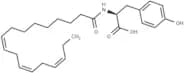
CAS:Controlled Product<p>Please enquire for more information about 8-Chloro-1-methyl-6-phenyl-4H-Imidazo[1,5-a][1,4]benzodiazepine including the price, delivery time and more detailed product information at the technical inquiry form on this page</p>Formula:C18H14ClN3Purity:Min. 95%Molecular weight:307.78 g/molN-(α-Linolenoyl) Tyrosine
CAS:<p>Certain chronic neurologic disorders, such as Parkinson's disease, are caused by an insufficiency of the neurotransmitter dopamine secondary to the degeneration</p>Formula:C27H39NO4Color and Shape:SolidMolecular weight:441.6Allylglycine
CAS:<p>Allylglycine is a glutamate decarboxylase inhibitor and a GAMMA-AMINOBUTYRIC ACID antagonist. It is used to induce convulsions in experimental animals.</p>Formula:C5H9NO2Purity:98%Color and Shape:SolidMolecular weight:115.13N-α-Tosyl-L-lysine chloromethyl ketone hydrochloride
CAS:<p>N-alpha-Tosyl-L-lysine chloromethyl ketone hydrochloride inhibits trypsin-like proteases and IFN-γ activities.</p>Formula:C14H22Cl2N2O3SPurity:97.44%Color and Shape:PowderMolecular weight:369.31N-Acetylserine
CAS:<p>N-Acetylserine (N-Acetyl-L-serine) serves as the physiological inducer of cysteine biosynthesis by binding to the CysB apoprotein and stimulating cysJIH</p>Formula:C5H9NO4Purity:99.28%Color and Shape:SolidMolecular weight:147.13Fmoc-5-aminopentanoic acid
CAS:<p>Fmoc-5-aminopentanoic acid: alkane, Fmoc-protected amine, carboxyl group, PROTAC linker, deprotects to free amine, forms amides with activators.</p>Formula:C20H21NO4Color and Shape:SolidMolecular weight:339.39Statine
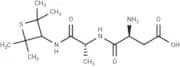
CAS:<p>Statine is a protease inhibitor that is active against pepsin and other acid proteases.</p>Formula:C8H17NO3Purity:98%Color and Shape:SolidMolecular weight:175.23Alitame
CAS:<p>Alitame is a high-intensity sweetener and sugar substitute widely used in biochemical experiments and drug synthesis research.</p>Formula:C14H25N3O4SPurity:98%Color and Shape:SolidMolecular weight:331.43MSPG
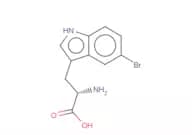
CAS:<p>mGlu receptor antagonist</p>Formula:C9H11NO5SPurity:98%Color and Shape:SolidMolecular weight:245.25L-5-BromoTryptophan
CAS:<p>L-5-BromoTryptophan (5-BrW) is an analog of the tryptophan (Trp) effector and inhibits the gelation of hemoglobin S.</p>Formula:C11H11BrN2O2Purity:99.86%Color and Shape:SolidMolecular weight:283.12N-Monoacetylcystine
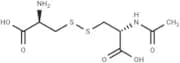
CAS:<p>N-Monoacetylcystine is a paracetamol poisoning antidote. It is used in the treatment of influenza A virus pandemic.</p>Formula:C8H14N2O5S2Purity:98%Color and Shape:SolidMolecular weight:282.34Fmoc-Phe-Phe-OH
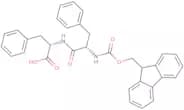
CAS:<p>Fmoc-Phe-Phe-OH is a supramolecular compound that has been synthesized and characterized. It is a carboxylic acid with an amino group at the end of the side chain. Fmoc-Phe-Phe-OH has been shown to be an effective antioxidant, which is due to its ability to regenerate other antioxidants in the body. It also has regenerative properties, as it can be used for cell culture, skin cells, and optical properties. Fmoc-Phe-Phe-OH also has antidiabetic effects, as it can inhibit glucose production by pancreatic beta cells.</p>Formula:C33H30N2O5Purity:Min. 95%Color and Shape:PowderMolecular weight:534.6 g/molThialysine HCl
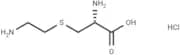
CAS:<p>Thialysine HCl is a cytotoxic cysteine derivative that inhibits Escherichia coli, acting as a protein synthesis inhibitor and metabolite.</p>Formula:C5H13ClN2O2SColor and Shape:SolidMolecular weight:200.69γ-Methylleucine
CAS:<p>Gamma-Methylleucine (2-Amino-3-tert-butylpropionic acid) is an auxiliary for copper-catalyzed asymmetric Michael reactions.</p>Formula:C7H15NO2Purity:≥98%Color and Shape:SolidMolecular weight:145.2N-Oleoyl Leucine
CAS:<p>N-Oleoyl Leucine (Oleoyl-L-leucine) is an N-fatty acyl amino acid present in plasma.</p>Formula:C24H45NO3Purity:98.25%Color and Shape:SolidMolecular weight:395.62Boc-Glu(OBzl)-OSu
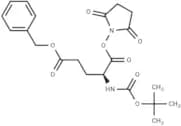
CAS:<p>Boc-Glu(OBzl)-OSu can be used for the synthesis of solid phase peptides containing benzyl glutamate residues.</p>Formula:C21H26N2O8Color and Shape:SolidMolecular weight:434.44(Des-Tyr1)-Met-Enkephalin
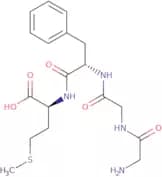
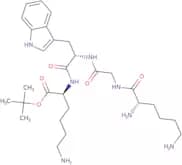
CAS:<p>Des-Tyr1-Met-Enkephalin H-Gly-Gly-Phe-Met-OH is a peptide that is derived from the endorphin family. It has been shown to have both amnestic and enkephalin effects, which may be due to its antagonistic effect on naloxone. This endogenous peptide has been studied in a dose response curve, with an increase in amnesia and decrease in memory retention as the dose increases. Des-Tyr1-Met-Enkephalin H-Gly-Gly-Phe-Met-OH also binds to receptors at the same sites as other substances such as epinephrine, β endorphin, and behavioral effects are observed.</p>Formula:C18H26N4O5SPurity:Min. 95%Molecular weight:410.49 g/molH-Lys-Gly-Trp-Lys-OtBu acetate salt
CAS:<p>The acetate salt of H-Lys-Gly-Trp-Lys is a peptide that has been modified with an acetyl group. The acetate salt is neutral and does not react with other compounds. This compound is a superoxide scavenger and can be used to prevent the formation of reactive oxygen species in biological systems.</p>Formula:C29H47N7O5Purity:Min. 95%Molecular weight:573.73 g/molFmoc-Thr(tBu)-Wang resin (100-200 mesh)
<p>Please enquire for more information about Fmoc-Thr(tBu)-Wang resin (100-200 mesh) including the price, delivery time and more detailed product information at the technical inquiry form on this page</p>Purity:Min. 95%2,3,5,6-Tetra-methyl-pyrazine
CAS:<p>2,3,5,6-Tetra-methyl-pyrazine is a chemical compound that is structurally similar to ATP. It has been shown to inhibit the mitochondrial membrane potential and induce apoptosis in rat heart cells. 2,3,5,6-Tetra-methyl-pyrazine has also been shown to inhibit ATP synthase activity and increase lactate levels in the presence of glucose. This compound inhibits cyclase activity and increases microdialysis probe signal pathways. 2,3,5,6-Tetra-methyl-pyrazine may be useful for the treatment of myocardial infarcts.</p>Formula:C8H12N2Purity:Min. 95%Molecular weight:136.19 g/molMethyltetrazine amine
CAS:<p>A building block used for derivatization of carboxylic acids or activated esters with methytetrazine moiety. The stability of Methyltetrazine Amine is substantially improved compared to hydrogen substituted tetrazine-tmine. Superior stability of methyltetrazine-amine allows this reagent to be used in wider range of chemical transformations. Long-term storage of methyltetrazine-amine, especially in aqueous buffer, is also greatly improved compared to Tetrazine Amine.Supplied as the HCl salt</p>Formula:C10H11N5Purity:Min. 95%Color and Shape:PowderMolecular weight:201.23 g/molH-Glu-Arg-OH acetate salt
CAS:Controlled Product<p>Please enquire for more information about H-Glu-Arg-OH acetate salt including the price, delivery time and more detailed product information at the technical inquiry form on this page</p>Formula:C11H21N5O5Purity:Min. 95%Molecular weight:303.32 g/molH-Leu-His-Leu-OH
CAS:<p>H-Leu-His-Leu-OH is a peptide fragment of human growth hormone. It is a stabilized, cleaved, and lyophilized form of the substance that is used as an additive in buffering solutions. It has been shown to be a potent inhibitor of the proteolytic enzymes cathepsin B, elastase, and chymotrypsin in vitro. The stability of this fragment can be attributed to its resistance to proteolysis by enzymes such as cathepsin's B, elastase, and chymotrypsin because it does not contain any free amino acid residues.</p>Formula:C18H31N5O4Purity:Min. 95%Molecular weight:381.47 g/molNeuropeptide Y (22-36) trifluoroacetate salt
CAS:<p>Please enquire for more information about Neuropeptide Y (22-36) trifluoroacetate salt including the price, delivery time and more detailed product information at the technical inquiry form on this page</p>Formula:C85H139N29O21Purity:Min. 95%Molecular weight:1,903.2 g/molDynorphin B
CAS:<p>Dynorphin B is a peptide hormone that is found in the brain and spinal cord. It is one of the many endogenous opioid peptides that bind to kappa-opioid receptors. Dynorphin B has been shown to have pain-relieving effects, which are mediated by its ability to inhibit neuronal activity in the nociceptive pathway. Dynorphin B has also been shown to have significant anti-inflammatory properties, which may be due to its inhibition of prostaglandin synthesis. Dynorphin B can also reduce locomotor activity and increase dopamine release, which may be due to its ability to activate dopamine receptors.</p>Formula:C74H115N21O17Purity:Min. 95%Molecular weight:1,570.84 g/molZ-Tyr-Leu-OH
CAS:<p>Please enquire for more information about Z-Tyr-Leu-OH including the price, delivery time and more detailed product information at the technical inquiry form on this page</p>Formula:C23H28N2O6Purity:Min. 95%Molecular weight:428.48 g/molH-Lys-Lys-Arg-Ala-Ala-Arg-Ala-Thr-Ser-Asn-Val-Phe-Ala-NH2
CAS:<p>Please enquire for more information about H-Lys-Lys-Arg-Ala-Ala-Arg-Ala-Thr-Ser-Asn-Val-Phe-Ala-NH2 including the price, delivery time and more detailed product information at the technical inquiry form on this page</p>Formula:C61H107N23O16Purity:Min. 95%Molecular weight:1,418.65 g/molBoc-Ala-Gly-OSu
CAS:<p>Please enquire for more information about Boc-Ala-Gly-OSu including the price, delivery time and more detailed product information at the technical inquiry form on this page</p>Formula:C14H21N3O7Purity:Min. 95%Molecular weight:343.33 g/molL-Cystine dihydrochloride
CAS:<p>L-Cystine dihydrochloride is a chemical compound that is used as an amino acid. It has biological properties that are due to its ability to inhibit pancreatic lipase and l-threonine. L-Cystine dihydrochloride has been shown to have anti-infectious effects against a number of bacterial and viral diseases, including HIV, herpes simplex virus, and influenza. L-Cystine dihydrochloride is also used in cell culture experiments because it can be used to break disulfide bonds in proteins.</p>Formula:C6H14Cl2N2O4S2Purity:Min. 95%Color and Shape:White PowderMolecular weight:313.22 g/mol(D-Pro4,D-Trp7·9·10)-Substance P (4-11)
CAS:<p>Substance P is a neuropeptide that is found in the central nervous system. It is also found in the gastrointestinal tract and plays a role in the regulation of smooth muscle contraction. Substance P has been shown to be involved in inflammatory responses, immune responses, and regulation of water and electrolyte balance. The maximal response of substance P occurs at concentrations between 0.1 to 1 nM and its inhibitory effect on the apical Ca2+ response occurs at concentrations between 10-100 nM. In addition, substance P has been shown to have an excitatory effect on 5-HT7 receptors with subunit composition GluN1/GluN2A/GluN2B/GluN3A/5-HT7(H).</p>Formula:C62H74N14O10SPurity:Min. 95%Molecular weight:1,207.41 g/mol3-Fluoro-4-methoxybenzoic acid
CAS:<p>3-Fluoro-4-methoxybenzoic acid is a dipolar molecule with a fluorine atom. It has been synthesized experimentally and the yields are determined by the experimental conditions. 3-Fluoro-4-methoxybenzoic acid has two isomers, which can be differentiated by their resonances. The molecule also has an asymmetric C3(CF)2Cl group in the middle of its structure that can rotate freely.</p>Formula:C8H7FO3Purity:Min. 95%Color and Shape:PowderMolecular weight:170.14 g/molEndotoxin Inhibitor
CAS:<p>Endotoxin inhibitor H-Lys-Thr-Lys-Cys-Lys-Phe-Leu-Lys-Lys-Cys-OH is a natural disulfide bond that inhibits cytosolic Ca2+ release and bacterial translocation. It has been shown to decrease the production of tumor necrosis factor alpha (TNFα) in vitro, which may be due to its effects on protein synthesis. It also has antimicrobial activity against bacteria such as Clostridium perfringens, Mycobacterium tuberculosis, and Mycobacterium avium complex. Endotoxin inhibitor H-Lys-Thr-Lys-Cys-Lys-Phe-Leu-Lys-- Lys -Cys -OH binds to the ribosomal RNA of bacteria, inhibiting protein synthesis by binding to the peptidyl transferase center</p>Formula:C55H97N15O12S2Purity:Min. 95%Molecular weight:1,224.58 g/molPancreastatin (33-48) (human) trifluoroacetate salt
CAS:<p>Pancreastatin (33-48) is a synthetic, acidic, sulfated peptide that has been shown to have high activity against pancreatic cancer cells. Pancreastatin (33-48) has been synthesized by reacting an oligopeptide with glutamic acid and aspartic acid. The N-terminal of this peptide is amidated and contains a sulfate group. This molecule has been purified by SDS-polyacrylamide gel electrophoresis and the sulfate fractionation method. Pancreastatin (33-48) is able to inhibit the proliferation of pancreatic tumor cells in vitro, but it does not appear to be cytotoxic to normal pancreatic cells. In addition, pancreastatin (33-48) has also been shown to decrease tumor growth in vivo in mice bearing a transplanted human pancreatic tumor.</p>Formula:C78H123N21O27SPurity:Min. 95%Molecular weight:1,819 g/molInfluenza PR8 Hemagglutinin Peptide (110-119) trifluoroacetate salt
CAS:<p>Influenza PR8 Hemagglutinin Peptide (110-119) trifluoroacetate salt H-Ser-Phe-Glu-Arg-Phe-Glu-Ile-Phe-Pro-Lys-OH trifluoroacetate sa lt is a surface glycoprotein that has been shown to enhance the survival of neuronal cells. It is also involved in the regulation of energy metabolism and iron homeostasis, as well as in the induction of autoimmune diseases. This peptide contains a hydroxyl group, which can be oxidized by reactive oxygen species and may have neurotrophic effects. Trifluoroacetate salts of this protein are ester linkages that bind iron tightly and have been used for the treatment of iron overload.</p>Formula:C63H90N14O16Purity:Min. 95%Molecular weight:1,299.47 g/molProadrenomedullin (1-20) (rat) trifluoroacetate salt
CAS:<p>Please enquire for more information about Proadrenomedullin (1-20) (rat) trifluoroacetate salt including the price, delivery time and more detailed product information at the technical inquiry form on this page</p>Formula:C111H177N37O28Purity:Min. 95%Molecular weight:2,477.83 g/molH-Leu-Val-Tyr-AMC
CAS:<p>H-Leu-Val-Tyr-AMC is a model compound that belongs to the group of sulfonamides. It is synthesized and used as a chymotrypsin-like protease inhibitor. H-Leu-Val-Tyr-AMC has been shown to inhibit the activity of chymotrypsin, a serine protease, by binding to its active site. This inhibition leads to an increase in the time required for digestion of proteins and peptides, which may be due to the steric hindrance created by the bulky H-Leu-Val-Tyr. H-Leu-Val-Tyr amide also has antiinflammatory properties, which are thought to be caused by its ability to inhibit prostaglandin synthesis.</p>Formula:C30H38N4O6Purity:Min. 95%Molecular weight:550.65 g/molN-((RS)-2-Hydroxy-2-phenyl-ethyl)-Val-Leu-anilide
CAS:<p>Please enquire for more information about N-((RS)-2-Hydroxy-2-phenyl-ethyl)-Val-Leu-anilide including the price, delivery time and more detailed product information at the technical inquiry form on this page</p>Formula:C25H35N3O3Purity:Min. 95%Molecular weight:425.56 g/molPyr-Arg-Thr-Lys-Arg-AMC trifluoroacetate salt
CAS:<p>Please enquire for more information about Pyr-Arg-Thr-Lys-Arg-AMC trifluoroacetate salt including the price, delivery time and more detailed product information at the technical inquiry form on this page</p>Formula:C37H57N13O9Purity:Min. 95%Molecular weight:827.93 g/molpTH (53-84) (human)
CAS:<p>Please enquire for more information about pTH (53-84) (human) including the price, delivery time and more detailed product information at the technical inquiry form on this page</p>Formula:C149H253N43O54Purity:Min. 95%Molecular weight:3,510.86 g/molAcetyl-GRP (20-26) (human, porcine, canine) trifluoroacetate salt
CAS:<p>Acetyl-GRP (20-26) (human, porcine, canine) trifluoroacetate salt Ac-His-Trp-Ala-Val-Gly-His-Leu-NH2 trifluoroacetate salt is a prophylactic and/or therapeutic compound that has been shown to be effective in the treatment of a number of different diseases. This compound has been shown to have neuroprotective and antiinflammatory effects, as well as being an effective treatment for autoimmune disorders. Acetyl-GRP (20-26) (human, porcine, canine) trifluoroacetate salt Ac-His-Trp-Ala-Val-Gly-His-Leu NH2 trifluoroacetate salt also has the potential to be used as a prophylactic or therapeutic agent against cancer, fibrotic disease, and inflammatory disease.</p>Formula:C41H57N13O8Purity:Min. 95%Molecular weight:859.97 g/molBiotinyl-(Des-Bromo)-Neuropeptide B (1-23) (human) trifluoroacetate salt
CAS:<p>Please enquire for more information about Biotinyl-(Des-Bromo)-Neuropeptide B (1-23) (human) trifluoroacetate salt including the price, delivery time and more detailed product information at the technical inquiry form on this page</p>Formula:C117H176N32O32SPurity:Min. 95%Molecular weight:2,574.91 g/molH-Tyr-Cys-Trp-Ser-Gln-Tyr-Leu-Cys-Tyr-OH trifluoroacetate salt (Disulfide bond)
CAS:<p>Please enquire for more information about H-Tyr-Cys-Trp-Ser-Gln-Tyr-Leu-Cys-Tyr-OH trifluoroacetate salt (Disulfide bond) including the price, delivery time and more detailed product information at the technical inquiry form on this page</p>Formula:C58H71N11O15S2Purity:Min. 95%Molecular weight:1,226.38 g/mol(Lys1015·1024)-Thrombospondin-1 (1015-1024) (human, bovine, mouse) trifluoroacetate salt
CAS:<p>Please enquire for more information about (Lys1015·1024)-Thrombospondin-1 (1015-1024) (human, bovine, mouse) trifluoroacetate salt including the price, delivery time and more detailed product information at the technical inquiry form on this page</p>Formula:C68H105N17O12SPurity:Min. 95%Molecular weight:1,384.73 g/molCRAMP (mouse) trifluoroacetate salt
CAS:<p>Please enquire for more information about CRAMP (mouse) trifluoroacetate salt including the price, delivery time and more detailed product information at the technical inquiry form on this page</p>Formula:C178H302N50O46Purity:Min. 95%Molecular weight:3,878.61 g/molN-α-Fmoc-Nδ-allyloxycarbonyl-L-ornithine
CAS:<p>Please enquire for more information about N-alpha-Fmoc-Ndelta-allyloxycarbonyl-L-ornithine including the price, delivery time and more detailed product information at the technical inquiry form on this page</p>Formula:C24H26N2O6Purity:Min. 95%Molecular weight:438.47 g/mol2-Bromo-5-methylpyrimidine
CAS:<p>Please enquire for more information about 2-Bromo-5-methylpyrimidine including the price, delivery time and more detailed product information at the technical inquiry form on this page</p>Formula:C5H5BrN2Purity:95%NmrMolecular weight:173.01 g/molH-D-Ile-Phe-Lys-pNA trifluoroacetate salt
CAS:<p>Please enquire for more information about H-D-Ile-Phe-Lys-pNA trifluoroacetate salt including the price, delivery time and more detailed product information at the technical inquiry form on this page</p>Formula:C27H38N6O5Purity:Min. 95%Molecular weight:526.63 g/molArg-Glu(EDANS)-(Asn670,Leu671)-Amyloid β/A4 Protein Precursor770 (668-675)-Lys(DABCYL)-Arg trifluoroacetate salt
CAS:<p>Please enquire for more information about Arg-Glu(EDANS)-(Asn670,Leu671)-Amyloid beta/A4 Protein Precursor770 (668-675)-Lys(DABCYL)-Arg trifluoroacetate salt including the price, delivery time and more detailed product information at the technical inquiry form on this page</p>Formula:C91H129N25O25SPurity:Min. 95%Molecular weight:2,005.22 g/molZ-Gly-Asp-OH
CAS:<p>Please enquire for more information about Z-Gly-Asp-OH including the price, delivery time and more detailed product information at the technical inquiry form on this page</p>Formula:C14H16N2O7Purity:Min. 95%Molecular weight:324.29 g/molIGF-II (33-40)
CAS:<p>This is a synthetic IGF-II peptide fragment (33-40) that has been immunized with an antiserum against the human growth hormone. It is used to measure the level of IGF-II in blood or serum. The immunizing antiserum cross-reacts with IgF-I and can also be used as a control for deficiency.</p>Formula:C38H74N20O12Purity:Min. 95%Molecular weight:1,003.12 g/molAc-Ala-Gln-Ala-pNA
CAS:<p>Please enquire for more information about Ac-Ala-Gln-Ala-pNA including the price, delivery time and more detailed product information at the technical inquiry form on this page</p>Formula:C19H26N6O7Purity:Min. 95%Molecular weight:450.45 g/molFormyl-LHRH (2-10) trifluoroacetate salt
CAS:<p>Please enquire for more information about Formyl-LHRH (2-10) trifluoroacetate salt including the price, delivery time and more detailed product information at the technical inquiry form on this page</p>Formula:C51H70N16O12Purity:Min. 95%Molecular weight:1,099.2 g/molH-Trp-Nle-Arg-Phe-NH2 acetate salt
CAS:<p>H-Trp-Nle-Arg-Phe-NH2 acetate salt is a muscle relaxant that binds to the muscle receptor site, which is responsible for contraction of skeletal muscles. It has been shown to be effective in treating anterior retractor mytilus in horses.</p>Formula:C32H45N9O4Purity:Min. 95%Molecular weight:619.76 g/molSuc-Ala-Ala-Pro-Lys-pNA
CAS:<p>Suc-Ala-Ala-Pro-Lys-pNA is a hybrid peptide that was expressed and purified from the gene product of the human serine protease, pancreatic elastase. It has been shown to have high salt and pH stability and predominately exists as a single polypeptide chain. Suc-Ala-Ala-Pro-Lys-pNA has been shown to enhance the immunofluorescence of inflammatory cells in vitro, suggesting it may be used as a therapeutic agent for inflammatory diseases. In addition, this hybrid peptide has also demonstrated protease activity.</p>Formula:C27H39N7O9Purity:Min. 95%Molecular weight:605.64 g/molFmoc-Lys(Mtt)-Wang resin (200-400 mesh)
<p>Please enquire for more information about Fmoc-Lys(Mtt)-Wang resin (200-400 mesh) including the price, delivery time and more detailed product information at the technical inquiry form on this page</p>Purity:Min. 95%H-D-Ala-D-Ala-bNA·HCl
CAS:<p>Please enquire for more information about H-D-Ala-D-Ala-bNA·HCl including the price, delivery time and more detailed product information at the technical inquiry form on this page</p>Formula:C16H19N3O2·HClPurity:Min. 95%Molecular weight:321.8 g/molH-Cys(Bzl)-AMC
CAS:<p>H-Cys(Bzl)-AMC is a mesocosm study that measures the effects of nutrient additions on coastal ecosystems. Collaboratively, academics and stakeholders work to analyze datasets from these experiments to diagnose the impacts of nutrient inputs on coastal systems. This exploratory initiative will help stakeholders understand the impacts of nutrient inputs on their ecosystems in order to make better decisions about how they manage their natural resources.</p>Formula:C20H20N2O3SPurity:Min. 95%Molecular weight:368.45 g/molMeOSuc-Lys(2-picolinoyl)-Ala-Pro-Val-pNA
CAS:<p>Please enquire for more information about MeOSuc-Lys(2-picolinoyl)-Ala-Pro-Val-pNA including the price, delivery time and more detailed product information at the technical inquiry form on this page</p>Formula:C36H48N8O10Purity:Min. 95%Molecular weight:752.81 g/molNeuropeptide Y (2-36) (human, rat) trifluoroacetate salt
CAS:<p>Please enquire for more information about Neuropeptide Y (2-36) (human, rat) trifluoroacetate salt including the price, delivery time and more detailed product information at the technical inquiry form on this page</p>Formula:C180H276N54O55SPurity:Min. 95%Molecular weight:4,108.51 g/mol(D-Arg0, Hyp 3,Igl5,D-Igl7, Oic 8)-Bradykinin trifluoroacetate salt
CAS:<p>Please enquire for more information about (D-Arg0, Hyp 3,Igl5,D-Igl7, Oic 8)-Bradykinin trifluoroacetate salt including the price, delivery time and more detailed product information at the technical inquiry form on this page</p>Formula:C64H95N19O13Purity:Min. 95%Molecular weight:1,338.56 g/molH-Val-Val-Val-OH
CAS:<p>H-Val-Val-Val-OH is an enantiomer of H-Val-Gly-Thr-Phe, a linear model of the apical region of the Caco2 cell. It is also a monolayer that has hydrogen bonds with other molecules. Molecular modeling shows that H-Val-Val-Val-OH inhibits the uptake of glucose by Caco2 cells. The transport properties of this molecule are not well understood, but it may inhibit glucose transport in the small intestine by binding to glucose transporter 2 (GLUT2). Chromatographic methods have been used to analyze H-Val-Val-Val-OH and its inhibition on growth factor activity.</p>Formula:C15H29N3O4Purity:Min. 95%Molecular weight:315.41 g/molH-Asp-Arg-Val-Tyr-Ile-His-Pro-Phe-His-Leu-Val-Ile-His-OH
CAS:<p>H-Asp-Arg-Val-Tyr-Ile-His-Pro-Phe-His-Leu-Val-Ile-His (Daprodinam) is a peptide that binds to the response element in the promoter region of the gene encoding for the LDL receptor. Daprodinam inhibits atherosclerosis and has been shown to have an inhibitory effect on angiotensinogen production, which leads to decreased blood pressure. Daprodinam also has inhibitory properties against toll like receptor 4, which is involved in inflammatory bowel disease.</p>Formula:C79H116N22O17Purity:Min. 95%Molecular weight:1,645.9 g/molZ-Asp-Glu-Val-Asp-chloromethylketone
CAS:<p>Z-Asp-Glu-Val-Asp-chloromethylketone is a reactive compound that inhibits the activity of proteases and induces neuronal death. Z-Asp-Glu-Val-Asp-chloromethylketone has been shown to induce necrotic cell death in malignant brain cells and has neurotrophic properties. It also causes mitochondrial membrane depolarization, which leads to mitochondrial cytochrome c release and subsequent apoptosis. The reaction mechanism is still unclear but it may involve hydrogen bonding between the ketone group and the amide nitrogen atom of the aspartate residue.</p>Formula:C27H35ClN4O12Purity:Min. 95%Molecular weight:643.04 g/molH-Thr-Gly-OH
CAS:<p>H-Thr-Gly-OH is a synthetic polymerase chain reaction product. It is a mixture of H-Thr and Gly, which are two amino acids that are involved in the replication of DNA. The sequences of these two amino acids have been determined and found to be phylogenetically related to each other. H-Thr-Gly-OH was synthesized by the ethyl esterification of H-Thr with Gly. This reaction product has been shown to have locomotor activity in Drosophila melanogaster and may also possess some other properties that are unknown at this time.</p>Formula:C6H12N2O4Purity:Min. 95%Molecular weight:176.17 g/molFA-Asp-Ala-OH
CAS:<p>FA-Asp-Ala-OH is a catalytic, acidic, and hydrophilic molecule. It has been shown to be an activating residue for carboxypeptidases. This molecule can hydrolyze other amino acids in the presence of water. Mutations to the FA-Asp-Ala-OH have been shown to have a profound effect on the kinetic properties of carboxypeptidases. The FA-Asp-Ala-OH residue is also important because it can increase the activity of carboxypeptidases by as much as 3 times as compared to wild type enzymes.</p>Formula:C14H16N2O7Purity:Min. 95%Molecular weight:324.29 g/mol
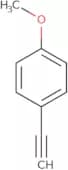

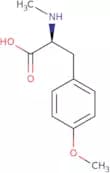
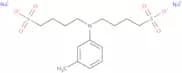
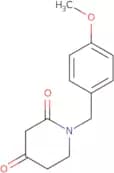
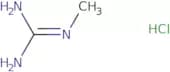
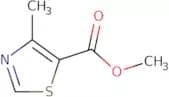
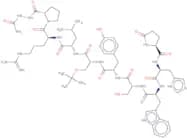
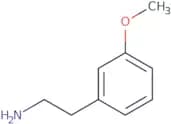

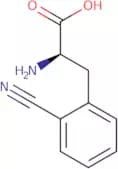

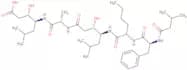
![8-Ethyl-1,3,4,9-tetrahydro-1-(1-methylethyl)pyrano[3,4-b]indole-1-acetic acid](/_next/image/?url=https%3A%2Fstatic.cymitquimica.com%2Fproducts%2F3D%2Fthumb-webp%2FFE160504.webp&w=3840&q=75)
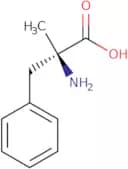
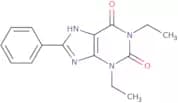
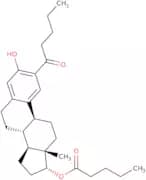

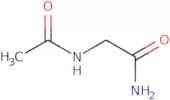
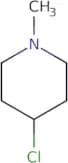
![4-Bromo-7-methoxy-1H-pyrrolo[2,3-c]pyridine](/_next/image/?url=https%3A%2Fstatic.cymitquimica.com%2Fproducts%2F3D%2Fthumb-webp%2FFB141995.webp&w=3840&q=75)
![(1R,2S)-2-[N-Benzyl-N-(mesitylenesulfonyl)amino]-1-phenyl-1-propanol](/_next/image/?url=https%3A%2Fstatic.cymitquimica.com%2Fproducts%2F3D%2Fthumb-webp%2FFB59938.webp&w=3840&q=75)
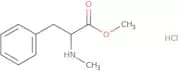
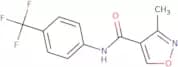
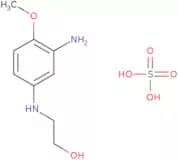
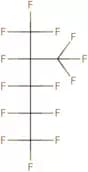

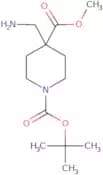
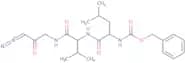
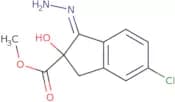
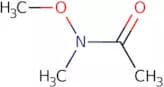
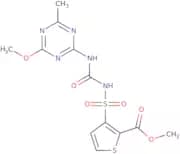
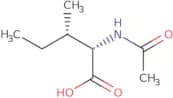

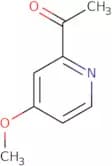

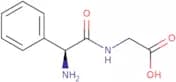
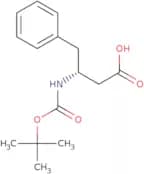
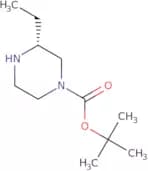
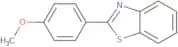
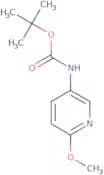

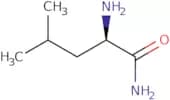


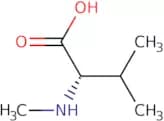
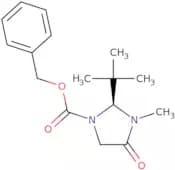
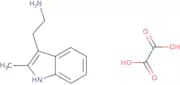
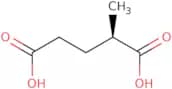
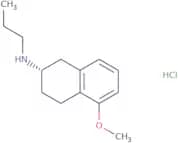
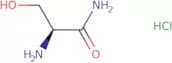
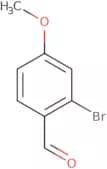
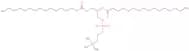
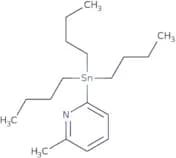
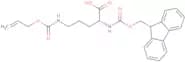
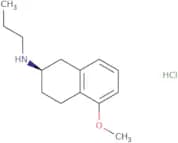
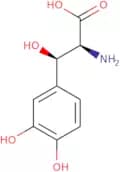

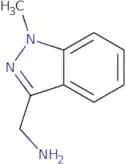

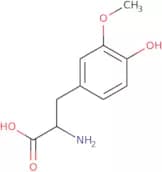
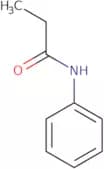
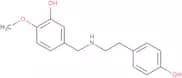
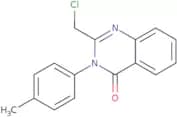
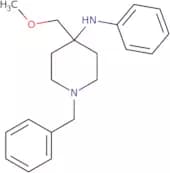
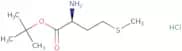
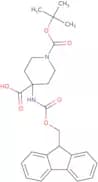
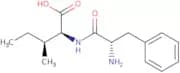

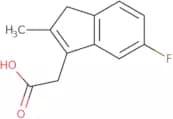
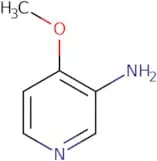
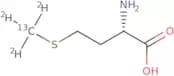

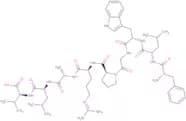
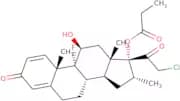
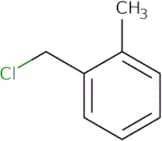

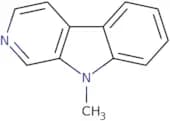
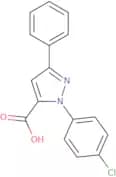
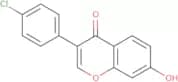
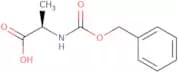
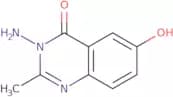
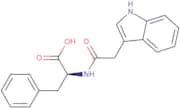

![3-[4-(4-Methoxyphenyl)piperazin-1-yl]-3-oxopropanenitrile](/_next/image/?url=https%3A%2Fstatic.cymitquimica.com%2Fproducts%2F3D%2Fthumb-webp%2FFM118645.webp&w=3840&q=75)

![(S)-5,6,6a,7-Tetrahydro-6-methyl- 4H-dibenzo[de,g]quinoline-10,11-diol hydrochloride](/_next/image/?url=https%3A%2Fstatic.cymitquimica.com%2Fproducts%2F3D%2Fthumb-webp%2FFT46165.webp&w=3840&q=75)
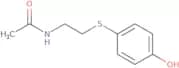
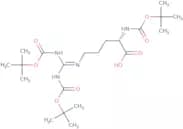


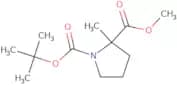
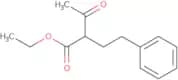
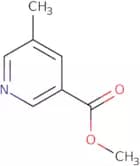
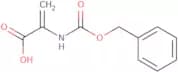


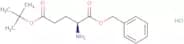
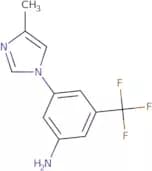

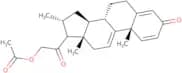
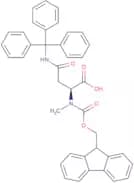
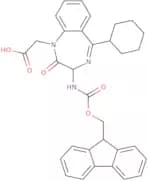
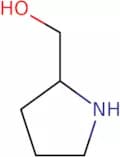

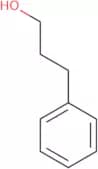
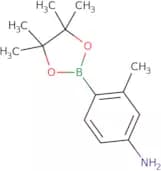
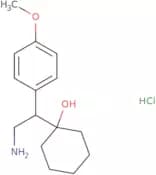

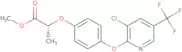
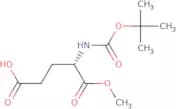
![3-Methyl-2-oxo-2,3-dihydro-1H-benzo[d]imidazole-4-carboxylic acid](/_next/image/?url=https%3A%2Fstatic.cymitquimica.com%2Fproducts%2F3D%2Fthumb-webp%2FFM143449.webp&w=3840&q=75)
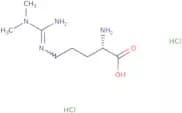
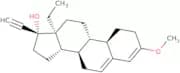
![(1S,2R)-2-[N-Benzyl-N-(mesitylenesulfonyl)amino]-1-phenyl-1-propanol](/_next/image/?url=https%3A%2Fstatic.cymitquimica.com%2Fproducts%2F3D%2Fthumb-webp%2FFB59939.webp&w=3840&q=75)
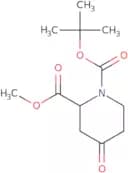
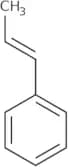


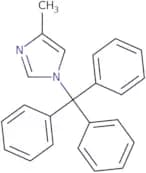
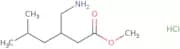

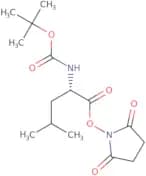

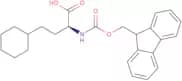
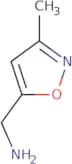
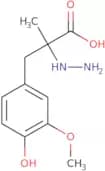


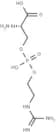

![8-Chloro-1-methyl-6-phenyl-4H-Imidazo[1,5-a][1,4]benzodiazepine](/_next/image/?url=https%3A%2Fstatic.cymitquimica.com%2Fproducts%2F3D%2Fthumb-webp%2FFC159452.webp&w=3840&q=75)