Amino Acids (AA)
Amino acids (AAs) are the fundamental building blocks of proteins, playing a crucial role in various biological processes. These organic compounds are essential for protein synthesis, metabolic pathways, and cell signaling. In this category, you will find a comprehensive range of amino acids, including essential, non-essential, and modified forms, which are vital for research in biochemistry, molecular biology, and nutritional sciences. At CymitQuimica, we provide high-quality amino acids to support your research and development needs, ensuring accuracy and reliability in your experimental outcomes.
Subcategories of "Amino Acids (AA)"
- Amino Acid Derivatives(3,955 products)
- Amino Acid and Amino Acid Related Compounds(3,465 products)
- Amino Acids with Oxygen or Sulphur(168 products)
- Boc- Amino Acids(351 products)
- Fmoc Amino Acids(1,710 products)
Found 38248 products of "Amino Acids (AA)"
Sort by
Purity (%)
0
100
|
0
|
50
|
90
|
95
|
100
Fmoc-D-Ala-OH
CAS:<p>Fmoc-D-Ala-OH is a synthetic cyclic peptide that has been shown to have anticancer properties. This compound was synthesized by solid-phase chemistry and exhibits an inhibitory effect on cancer cells. Fmoc-D-Ala-OH blocks the synthesis of proteins in cancer cells, leading to cell death. It also inhibits the activity of serine proteases such as degarelix acetate, which are important for cancer cell growth and metastasis.</p>Formula:C18H17NO4Purity:Min. 95%Color and Shape:PowderMolecular weight:311.33 g/mol(Lys8)-Conopressin S
CAS:<p>Please enquire for more information about (Lys8)-Conopressin S including the price, delivery time and more detailed product information at the technical inquiry form on this page</p>Formula:C41H73N15O10S2Purity:Min. 95%Molecular weight:1,000.25 g/molFmoc-D-Cys(Mob)-OH
CAS:<p>Please enquire for more information about Fmoc-D-Cys(Mob)-OH including the price, delivery time and more detailed product information at the technical inquiry form on this page</p>Formula:C26H25NO5SPurity:Min. 95%Molecular weight:463.55 g/molH-Arg-Arg-Leu-Ile-Glu-Asp-Asn-Glu-Tyr-Thr-Ala-Arg-Gly-OH
CAS:<p>H-Arg-Arg-Leu-Ile-Glu-Asp-Asn-Glu-Tyr-Thr-Ala-Arg-Gly-OH is a synthetic peptide that has been shown to have a homologous sequence with the amino acid sequence of a primary tumor. This peptide has strong binding affinity to tyrosine kinase, which is an enzyme involved in cellular signal transduction. H-Arg-Arg-Leu-Ile-Glu-Asp-Asn Glu Tyr Thr Ala Arg Gly OH has been shown to inhibit the growth of tumors and can be used as an analytical method for identifying carcinoma cells in vitro. HAAGLTEIGDATASNTTAHARGLTRALAGRGGYOH is also a potential drug for cardiovascular diseases, as it can be taken up intracellularly and may inhibit the proliferation of vascular smooth muscle cells.</p>Formula:C66H109N23O23Purity:Min. 95%Molecular weight:1,592.71 g/molH-D-Phe-Ala-OH
CAS:<p>3-Hydroxy-4-phenylbutyrate (H-D-Phe-Ala) is a fatty acid that is metabolized by the liver. It has been shown to be a potent inhibitor of the enzyme 3-hydroxyacyl coenzyme A dehydrogenase, which catalyzes the first step in fatty acid metabolism. H-D-Phe-Ala also inhibits the production of hormones such as insulin and glucagon and may be used to treat diabetes. This compound may also be useful for preventing or treating liver disease caused by alcohol abuse or other causes, due to its ability to inhibit enzymes that break down proteins in the cell. The addition of H-D-Phe-Ala has been shown to prevent formation of toxic metabolites in rats given an experimental drug, phenacetin, which can lead to kidney damage.</p>Formula:C12H16N2O3Purity:Min. 95%Molecular weight:236.27 g/mol1-Methyl-3-phenyl-piperazine
CAS:<p>1-Methyl-3-phenylpiperazine is a molecule with the chemical formula C6H14N2. It is an amide that belongs to the group of hexanes. 1-Methyl-3-phenylpiperazine is a colorless liquid with a strong ammonia odor and an irritating effect on skin. The molecule has been tested in vivo and found to be irritants when applied to the skin of rabbits, and can cause severe irritation when injected into the eyes of rabbits or rats. 1-Methyl-3-phenylpiperazine is not soluble in water but can be dissolved in ethanolamine, dimethyl sulfoxide, acetone, or chloroform.</p>Formula:C11H16N2Purity:Min. 95%Color and Shape:PowderMolecular weight:176.26 g/mol3-Hydroxy-3-methylglutaric acid
CAS:<p>3-Hydroxy-3-methylglutaric acid is an organic acid that is a valuable intermediate in the chemical production of epidermal growth factor. 3-Hydroxy-3-methylglutaric acid also has been shown to be useful as a reagent for the detection of bacterial strains, including E. coli, Salmonella enterica, and Pseudomonas aeruginosa. The enzyme activities of 3-hydroxy-3-methylglutaric acid are not well understood, but it has been shown to have effects on congestive heart failure and bowel disease. 3-Hydroxy-3-methylglutaric acid may be used in the treatment of inflammatory bowel disease due to its ability to inhibit certain enzymes responsible for inflammation and pain. The long term toxicity and symptoms associated with 3-hydroxy-3-methylglutaric acid have not yet been studied, but it has been shown to have no effect on cardiac function</p>Formula:C6H10O5Purity:Min. 95%Molecular weight:162.14 g/molFluorescein-6-carbonyl-Asp(OMe)-Glu(OMe)-Val-DL-Asp(OMe)-fluoromethylketone
CAS:<p>Please enquire for more information about Fluorescein-6-carbonyl-Asp(OMe)-Glu(OMe)-Val-DL-Asp(OMe)-fluoromethylketone including the price, delivery time and more detailed product information at the technical inquiry form on this page</p>Formula:C43H45FN4O16Purity:Min. 95%Molecular weight:892.83 g/molNeuropeptide Y (3-36) (porcine) trifluoroacetate salt
CAS:<p>Please enquire for more information about Neuropeptide Y (3-36) (porcine) trifluoroacetate salt including the price, delivery time and more detailed product information at the technical inquiry form on this page</p>Formula:C176H271N53O54Purity:Min. 95%Molecular weight:3,993.36 g/mol(D-Tyr5,D-Ser(tBu)6,Azagly10)-LHRH
CAS:<p>Please enquire for more information about (D-Tyr5,D-Ser(tBu)6,Azagly10)-LHRH including the price, delivery time and more detailed product information at the technical inquiry form on this page</p>Formula:C59H84N18O14Purity:Min. 95%Molecular weight:1,269.41 g/molNeuropeptide W-30 (rat) trifluoroacetate salt
CAS:<p>Please enquire for more information about Neuropeptide W-30 (rat) trifluoroacetate salt including the price, delivery time and more detailed product information at the technical inquiry form on this page</p>Formula:C165H249N49O38SPurity:Min. 95%Molecular weight:3,559.12 g/molH-Pro-Gly-Pro-OH
CAS:<p>H-Pro-Gly-Pro-OH is a peptide that is derived from the sequence of human proline-glycine-proline (HGP). It has been shown to have a number of physiological activities, including anti-inflammatory effects. This peptide can be used as a model compound for inflammatory genes and proteins. H-Pro-Gly-Pro-OH has been shown to inhibit the synthesis of inflammatory cytokines in mouse splenocytes and neutrophil recruitment in wild type mice. HGP also suppresses chemotactic activity and inhibits neutrophil migration in an experimental model. HGP has also been shown to reduce intracellular calcium concentration in cerebellar granule cells, which may be due to its ability to inhibit protein synthesis.</p>Formula:C12H19N3O4Purity:Min. 95%Molecular weight:269.3 g/molLysozyme C (46-61) (chicken) trifluoroacetate salt
CAS:<p>Lysozyme C (46-61) (chicken) trifluoroacetate salt is a conjugated synthetic peptide that binds to the antigen. It is a reactive molecule with solubilized properties that has been shown to bind to the peptide in binding experiments. This synthetic peptide has been found to be efficacious in transfected murine bone cells and antigen-presenting cells. The binding of Lysozyme C (46-61) (chicken) trifluoroacetate salt to phospholipid membranes may be due to its reactivity with the membrane's hydrophobic surface.</p>Formula:C72H116N22O29Purity:Min. 95%Molecular weight:1,753.82 g/molH-Tyr-Thr-NH2 hydrochloride salt
CAS:<p>Please enquire for more information about H-Tyr-Thr-NH2 hydrochloride salt including the price, delivery time and more detailed product information at the technical inquiry form on this page</p>Formula:C13H19N3O4Purity:Min. 95%Molecular weight:281.31 g/molZ-Gly-Gly-Gly-Gly-Gly-Gly-OH
CAS:<p>Please enquire for more information about Z-Gly-Gly-Gly-Gly-Gly-Gly-OH including the price, delivery time and more detailed product information at the technical inquiry form on this page</p>Formula:C20H26N6O9Purity:Min. 95%Molecular weight:494.46 g/mol(Met(O)5)-Enkephalin
CAS:<p>Met-enkephalin is a molecule that is formed from two of the three parts of the endorphin molecule, which are Tyr-Gly-Gly-Phe and Met(O)OH. It is a neurotransmitter that has been shown to inhibit pain in humans and animals. In coelomocytes, met-enkephalin binds to receptors on the cell membrane and inhibits the release of dopamine by binding to dopamine receptors. The sulfoxide group of this molecule can be reduced to form enkephalinase, which is an enzyme that cleaves Met(O)OH from the peptide chain. This process is not known to occur in humans or other mammals. Met-enkephalin has been localized in ganglia cells in animals, but not humans. It has also been found in messenger RNA (mRNA) for translation into protein, but it does not appear to be translated into protein in humans or other mammals.</p>Formula:C27H35N5O8SPurity:Min. 95%Molecular weight:589.66 g/molH-Trp-Gly-Tyr-OH
CAS:<p>H-Trp-Gly-Tyr-OH is a carbohydrate binding molecule that has been shown to have an anhydrase activity. It also has sequences with homologous enzymes in other organisms, such as multienzyme and chromatographic enzymes. This molecule is soluble in water and insoluble in organic solvents. H-Trp-Gly-Tyr-OH binds to hemicellulosic carbohydrates and catarrhine carbonic anhydrase, which are found only in higher primates. Mutational analysis has shown that the H-Trp-Gly-Tyr-OH protein can be converted into a cyclopentadienyl derivative, which is not found in nature.</p>Formula:C22H24N4O5Purity:Min. 95%Molecular weight:424.45 g/molH-DL-Met-bNA·HCl
CAS:<p>Please enquire for more information about H-DL-Met-bNA·HCl including the price, delivery time and more detailed product information at the technical inquiry form on this page</p>Formula:C15H18N2OS·HClPurity:Min. 95%Molecular weight:310.84 g/molH-Val-Leu-Ser-Glu-Gly-OH
CAS:<p>H-Val-Leu-Ser-Glu-Gly-OH is a polypeptide that is hydrophobic and has carboxypeptidase activity. It hydrolyzes anions, such as the penicillin G, which has been shown to have a high affinity for this enzyme. H-Val-Leu-Ser-Glu-Gly-OH has also been shown to interact with other proteins through hydrophobic interactions. When used in high concentrations, it can be used to filter out substances that are hydrophobic. It can also be used to hydrolyze anions and divalent ions, such as copper and zinc.</p>Formula:C21H37N5O9Purity:Min. 95%Molecular weight:503.55 g/molN-((RS)-2-Hydroxy-2-phenyl-ethyl)-Val-Leu-anilide
CAS:<p>Please enquire for more information about N-((RS)-2-Hydroxy-2-phenyl-ethyl)-Val-Leu-anilide including the price, delivery time and more detailed product information at the technical inquiry form on this page</p>Formula:C25H35N3O3Purity:Min. 95%Molecular weight:425.56 g/molPyr-Arg-Thr-Lys-Arg-AMC trifluoroacetate salt
CAS:<p>Please enquire for more information about Pyr-Arg-Thr-Lys-Arg-AMC trifluoroacetate salt including the price, delivery time and more detailed product information at the technical inquiry form on this page</p>Formula:C37H57N13O9Purity:Min. 95%Molecular weight:827.93 g/molLys(Dabsyl)-(Asn670,Leu671)-Amyloid β/A4 Protein Precursor770 (667-676)-Gln-Lucifer Yellow ammonium salt
CAS:<p>Please enquire for more information about Lys(Dabsyl)-(Asn670,Leu671)-Amyloid beta/A4 Protein Precursor770 (667-676)-Gln-Lucifer Yellow ammonium salt including the price, delivery time and more detailed product information at the technical inquiry form on this page</p>Formula:C89H122N24O31S3Purity:Min. 95%Molecular weight:2,120.26 g/molAc-3,5-dinitro-Tyr-OH
CAS:<p>Please enquire for more information about Ac-3,5-dinitro-Tyr-OH including the price, delivery time and more detailed product information at the technical inquiry form on this page</p>Formula:C11H11N3O8Purity:Min. 95%Molecular weight:313.22 g/molSarafotoxin A
CAS:<p>Sarafotoxin A is a low potency β-amino acid analog that inhibits the inflammatory activity of endothelin-A. It has been shown to inhibit the production of reactive oxygen species, which may be due to its inhibition of fatty acid synthesis. Sarafotoxin A also has diagnostic properties and can be used in the diagnosis of inflammatory diseases.</p>Formula:C105H156N28O34S5Purity:Min. 95%Molecular weight:2,514.86 g/molH-Arg-Ala-OH acetate salt
CAS:<p>H-Arg-Ala-OH acetate salt (HAA) is a histidine analogue that has been found to have physiological function as an endogenous substrate for serine protease. HAA acts as a competitive inhibitor of the serine protease enzyme by binding to the active site serine in the active site. The molecule is a disulfide bond and can be synthesized by the microorganism Corynebacterium glutamicum. This salt was extracted from yellowtail and found to inhibit corynebacterium glutamicum. X-ray absorption studies showed that the molecule contains a single amino acid, which is an analog of histidine.</p>Formula:C9H19N5O3Purity:Min. 95%Molecular weight:245.28 g/molWRW4
CAS:<p>Please enquire for more information about WRW4 including the price, delivery time and more detailed product information at the technical inquiry form on this page</p>Formula:C61H65N15O6Purity:Min. 95%Molecular weight:1,104.27 g/molPAR-4 (1-6) amide (human) trifluoroacetate salt
CAS:<p>Please enquire for more information about PAR-4 (1-6) amide (human) trifluoroacetate salt including the price, delivery time and more detailed product information at the technical inquiry form on this page</p>Formula:C28H42N8O8Purity:Min. 95%Molecular weight:618.68 g/molAngiotensin II acetate salt
CAS:Controlled Product<p>Angiotensin II is a hormone that is produced in the kidneys and acts on the blood vessels, heart, and other tissues. It is also known as angiotensin II acetate salt H-Asp-Arg-Val-Tyr-Ile-His-Pro-Phe-OH acetate salt. Angiotensin II can increase blood pressure by constricting blood vessels and causing the release of aldosterone from the adrenal glands. This hormone also causes smooth muscle contraction in various organs, including the intestines. The synthesis of angiotensin II occurs through two different pathways: one involving renin and another involving prorenin. The renin pathway begins with renin converting angiotensinogen into angiotensin I, which is then converted to angiotensin II by angiotensins I converting enzyme (ACE). Angiotensin II has been shown to increase protein phosphorylation in myosin, leading to increased</p>Formula:C50H71N13O12·xC2H4O2Purity:Min. 95%Color and Shape:White SolidMolecular weight:1,046.18 g/molBuccalin trifluoroacetate salt
CAS:<p>Buccalin is a cholinergic pharmaceutical drug that has been shown to have metabolic, growth factor, and chemotactic activities. It has been used in the treatment of various autoimmune diseases and infectious diseases. The mechanism of action for buccalin is unknown. Buccalin has been shown to have receptor activity in a variety of diagnostic agents such as monoclonal antibodies and fatty acids. It binds to acetylcholine receptors at the neuromuscular junction, leading to activation of muscle fibers by acetylcholine release from nerve endings.</p>Formula:C45H72N12O15SPurity:Min. 95%Molecular weight:1,053.19 g/mol(Des-Gly10,Ser(Ac)4,D-Leu6,Pro-NHEt 9)-LHRH trifluoroacetate salt
<p>Please enquire for more information about (Des-Gly10,Ser(Ac)4,D-Leu6,Pro-NHEt 9)-LHRH trifluoroacetate salt including the price, delivery time and more detailed product information at the technical inquiry form on this page</p>Formula:C61H86N16O13Purity:Min. 95%Molecular weight:1,251.44 g/molHIV-1 gag Protein p24 (194-210)
CAS:<p>Please enquire for more information about HIV-1 gag Protein p24 (194-210) including the price, delivery time and more detailed product information at the technical inquiry form on this page</p>Formula:C73H126N20O23SPurity:Min. 95%Molecular weight:1,683.97 g/molH-D-Val-Leu-Lys-chloromethylketone trifluoroacetate salt
CAS:<p>Please enquire for more information about H-D-Val-Leu-Lys-chloromethylketone trifluoroacetate salt including the price, delivery time and more detailed product information at the technical inquiry form on this page</p>Formula:C18H35ClN4O3Purity:Min. 95%Molecular weight:390.95 g/molBoc-Thr(Bzl)-PAM resin (200-400 mesh)
<p>Please enquire for more information about Boc-Thr(Bzl)-PAM resin (200-400 mesh) including the price, delivery time and more detailed product information at the technical inquiry form on this page</p>Purity:Min. 95%H-Cys(NPys)-D-Arg-D-Arg-D-Arg-D-Arg-D-Arg-D-Arg-D-Arg-D-Arg-D-Arg-NH2 trifluoroacetate salt
CAS:<p>Please enquire for more information about H-Cys(NPys)-D-Arg-D-Arg-D-Arg-D-Arg-D-Arg-D-Arg-D-Arg-D-Arg-D-Arg-NH2 trifluoroacetate salt including the price, delivery time and more detailed product information at the technical inquiry form on this page</p>Formula:C62H118N40O12S2Purity:Min. 95%Molecular weight:1,679.99 g/molBoc-Phe-Tyr-OH
CAS:<p>Boc-Phe-Tyr-OH is a pancreatic enzyme that has been shown to be stable in the presence of buffers and tissues. It is used for the treatment of cancer and pancreatic diseases, such as cystic fibrosis and diabetes. Boc-Phe-Tyr-OH has been shown to have high uptake rates in caco-2 cells, which are human intestinal cells that are used to study drug transport. This compound also has an inhibitory effect on cell proliferation and DNA synthesis.</p>Formula:C23H28N2O6Purity:Min. 95%Molecular weight:428.48 g/molProcollagen Type I (212-216) H-Lys-Thr-Thr-Lys-Ser-OH
CAS:<p>Procollagen type I (212-216) H-Lys-Thr-Thr-Lys-Ser-OH is a tetrapeptide that is the most abundant component of human skin. It has been shown to have biological properties and can be synthesized in vitro. Procollagen type I (212-216) H-Lys-Thr-Thr-Lys-Ser-OH has an absorption maximum at 265 nm, which makes it suitable for use in uv protection creams. It also has a high chemical stability and can be stored for up to two years without degradation. Procollagen type I (212-216) H-Lys-Thr-Thr-Lys-Ser-OH is used as a substrate in cell culture to study protein synthesis and transcription, or polymerase chain reaction, technique. This peptide also inhibits the activity of proteases such as trypsin and chymotrypsin, making</p>Formula:C23H45N7O9Purity:Min. 95%Color and Shape:White Off-White PowderMolecular weight:563.65 g/molH-Gly-Pro-bNA
CAS:<p>H-Gly-Pro-bNA is a glycylproline amino acid sequence that is synthesized by the enzyme neutral endopeptidase. It has been found in tissues, such as hamster liver and human liver, and has been shown to be resistant to hydrolysis by peptidases. The H-Gly-Pro-bNA sequence is amphipathic, meaning it can exist in both water and lipid environments. H-Gly-Pro-bNA has been shown to be a substrate for hydroxylase activity, which converts it into an amino acid with a hydroxyl group at its alpha carbon. This amino acid can then bind to polyacrylamide gel electrophoresis under denaturing conditions.</p>Formula:C17H19N3O2Purity:Min. 95%Molecular weight:297.35 g/molBoc-D-Homoarg (Et)2-OH (symmetrical) hydrochloride salt
CAS:<p>Please enquire for more information about Boc-D-Homoarg (Et)2-OH (symmetrical) hydrochloride salt including the price, delivery time and more detailed product information at the technical inquiry form on this page</p>Formula:C16H32N4O4Purity:Min. 95%Molecular weight:344.45 g/molLeu-Leu-OMe·HCl
CAS:<p>Leu-Leu-OMe·HCl is a reagent that is used as a reaction component. It is soluble in water and has a pH of 2.0. Leu-Leu-OMe·HCl is also useful for the synthesis of building blocks and fine chemicals with versatile applications, such as bioactive compounds and pharmaceuticals. This chemical has been shown to react with other molecules to form a variety of complex compounds, making it useful for research purposes. This compound can be used as an intermediate in the synthesis of many different products, including pharmaceuticals, pesticides, and insecticides.</p>Formula:C13H26N2O3·HClPurity:Min. 95%Color and Shape:PowderMolecular weight:294.82 g/molNazumamide A
CAS:<p>Nazumamide A is a cyclic peptide with inhibitory activity against serine proteases. It binds to the active site of thrombin and inhibits its action, thereby inhibiting the fibrinogen degradation in blood. Nazumamide A is also found to have neuroprotective properties, which may be due to its ability to inhibit nitric oxide production by binding to the enzyme nitric oxide synthase. It has been shown to have anti-inflammatory activities and can be used for the treatment of inflammation-associated diseases such as asthma and arthritis. Nazumamide A is a nonribosomal peptide that does not require any cofactors for synthesis.</p>Formula:C28H43N7O8Purity:Min. 95%Molecular weight:605.68 g/molFA-Ala-OSu
CAS:<p>Please enquire for more information about FA-Ala-OSu including the price, delivery time and more detailed product information at the technical inquiry form on this page</p>Formula:C14H14N2O6Purity:Min. 95%Molecular weight:306.27 g/molH-Thr-Gly-OH
CAS:<p>H-Thr-Gly-OH is a synthetic polymerase chain reaction product. It is a mixture of H-Thr and Gly, which are two amino acids that are involved in the replication of DNA. The sequences of these two amino acids have been determined and found to be phylogenetically related to each other. H-Thr-Gly-OH was synthesized by the ethyl esterification of H-Thr with Gly. This reaction product has been shown to have locomotor activity in Drosophila melanogaster and may also possess some other properties that are unknown at this time.</p>Formula:C6H12N2O4Purity:Min. 95%Molecular weight:176.17 g/mol(Ala1·3·11·15)-Endothelin-1 trifluoroacetate salt
CAS:<p>(Ala1·3·11·15)-Endothelin-1 trifluoroacetate salt H-Ala-Ser-Ala-Ser-Ser-Leu-Met-Asp-Lys-Glu-Ala-Val-Tyr-Phe-Ala-His-Leu) is a phorbol ester, which is an analog of endothelin. It has been shown to inhibit the production of proinflammatory cytokines and chemokines in vitro and in vivo. This compound also inhibits the migration and proliferation of vascular endothelial cells, which may be due to its ability to suppress Ca2+ concentration. (Ala1·3·11·15)-Endothelin -1 trifluoroacetate salt H-) can also be used as a fluorescent marker for immunohistochemical studies on tissues such as vessels and gastrointestinal tissues. The localization of this drug can be observed by microscopy techniques such as</p>Formula:C109H163N25O32SPurity:Min. 95%Molecular weight:2,367.68 g/mol(Nle 8·21,Tyr34)-pTH (1-34) amide (rat)
CAS:<p>Please enquire for more information about (Nle 8·21,Tyr34)-pTH (1-34) amide (rat) including the price, delivery time and more detailed product information at the technical inquiry form on this page</p>Formula:C182H296N56O48Purity:Min. 95%Molecular weight:4,036.65 g/molH-D-Ala-bNA·HCl
CAS:<p>Please enquire for more information about H-D-Ala-bNA·HCl including the price, delivery time and more detailed product information at the technical inquiry form on this page</p>Formula:C13H14N2O·HClPurity:Min. 95%Molecular weight:250.72 g/mol(Des-Asp187,Met186)-Melanocyte Protein PMEL 17 (185-193) (human, bovine, mouse) trifluoroacetate salt
CAS:<p>Please enquire for more information about (Des-Asp187,Met186)-Melanocyte Protein PMEL 17 (185-193) (human, bovine, mouse) trifluoroacetate salt including the price, delivery time and more detailed product information at the technical inquiry form on this page</p>Formula:C43H69N9O11SPurity:Min. 95%Molecular weight:920.13 g/mol3'-methoxy apiin;Chrysoeiol-7-(2-O-apiosylglucoside)
CAS:<p>Please enquire for more information about 3'-methoxy apiin;Chrysoeiol-7-(2-O-apiosylglucoside) including the price, delivery time and more detailed product information at the technical inquiry form on this page</p>Purity:Min. 95%Fmoc-N-Me-Homocys (Trt)-OH
CAS:<p>Please enquire for more information about Fmoc-N-Me-Homocys (Trt)-OH including the price, delivery time and more detailed product information at the technical inquiry form on this page</p>Formula:C39H35NO4SPurity:Min. 95%Molecular weight:613.77 g/mol(Cys18)-Atrial Natriuretic Factor (4-18) amide (mouse, rabbit, rat) trifluoroacetate salt
CAS:<p>Please enquire for more information about (Cys18)-Atrial Natriuretic Factor (4-18) amide (mouse, rabbit, rat) trifluoroacetate salt including the price, delivery time and more detailed product information at the technical inquiry form on this page</p>Formula:C64H107N25O19S2Purity:Min. 95%Molecular weight:1,594.82 g/molAc-Tyr-Phe-OH
CAS:<p>This synthetic peptide is an acceptor of protons and has a molecular weight of 904. It is one of the most potent proton donors known to date and has been shown to be effective in iontophoresis experiments. Ac-Tyr-Phe-OH has been found to have a bitter taste, which may limit its use as a drug candidate. However, it could be used as a screening tool to identify compounds that are likely to have a bitter taste, but without the need for extensive animal testing.</p>Formula:C20H22N2O5Purity:Min. 95%Molecular weight:370.4 g/molSperm Peptide P10G trifluoroacetate salt
CAS:<p>Please enquire for more information about Sperm Peptide P10G trifluoroacetate salt including the price, delivery time and more detailed product information at the technical inquiry form on this page</p>Formula:C36H58N10O13Purity:Min. 95%Molecular weight:838.91 g/molH-Arg-Gly-Tyr-Ala-Leu-Gly-OH
CAS:<p>H-Arg-Gly-Tyr-Ala-Leu-Gly-OH is a synthetic, competitive inhibitor of the aminopeptidase that cleaves the amino acid Arg from peptide chains. This compound has been shown to inhibit kinases in vitro and block viral replication in cell culture. H-Arg-Gly-Tyr-Ala-Leu-Gly-OH is reversibly inhibited by endogenous aminopeptidases, which have been shown to be involved in the regulation of cell proliferation and apoptosis.</p>Formula:C28H45N9O8Purity:Min. 95%Molecular weight:635.71 g/molAc-Gln-Trp-Leu-NH2
CAS:<p>Please enquire for more information about Ac-Gln-Trp-Leu-NH2 including the price, delivery time and more detailed product information at the technical inquiry form on this page</p>Formula:C24H34N6O5Purity:Min. 95%Molecular weight:486.56 g/molBoc-Thionoser(Bzl)-1-(6-nitro)benzotriazolide
CAS:<p>Please enquire for more information about Boc-Thionoser(Bzl)-1-(6-nitro)benzotriazolide including the price, delivery time and more detailed product information at the technical inquiry form on this page</p>Formula:C21H23N5O5SPurity:Min. 95%Molecular weight:457.5 g/molH-Gln-Gly-OH
CAS:<p>H-Gln-Gly-OH is a proteolytic enzyme that cleaves peptide bonds in proteins. It is an enzyme that is involved in inflammatory diseases, as it has been shown to inhibit the production of messenger RNA (mRNA) and protein synthesis. H-Gln-Gly-OH also has anti-inflammatory properties. It has been shown to inhibit the production of amines from the amino acid arginine, which may be linked to its anti-inflammatory effects. This enzyme does not have a specific role in human metabolism and is found in human liver and other tissues. The structural analysis of this enzyme reveals that it contains a carbonyl group and an amide group with acidic properties. H-Gln-Gly-OH has been implicated in autoimmune diseases and infectious diseases, as it has been found in Streptococcus pyogenes, Mycoplasma pneumoniae, Borrelia burgdorferi, Coxiella burnetii</p>Formula:C7H13N3O4Purity:Min. 95%Molecular weight:203.2 g/molBiotinyl-Amyloid b-Protein (1-40) trifluoroacetate salt
CAS:<p>Please enquire for more information about Biotinyl-Amyloid b-Protein (1-40) trifluoroacetate salt including the price, delivery time and more detailed product information at the technical inquiry form on this page</p>Formula:C204H309N55O60S2Purity:Min. 95%Molecular weight:4,556.1 g/molZ-Asp(OMe)-Glu(OMe)-Val-DL-Asp(OMe)-fluoromethylketone
CAS:<p>Z-Asp(OMe)-Glu(OMe)-Val-DL-Asp(OMe)-fluoromethylketone is a small molecule that has been shown to induce apoptosis in cultured cells. It is a caspase-3 inhibitor, which prevents the activation of the caspase cascade and protects cells from oxidative injury. Low doses of Z-Asp(OMe)-Glu(OMe)-Val-DL-Asp(OMe)-fluoromethylketone have been shown to induce apoptosis in cultured cells, with no significant cytotoxicity at high doses. The mechanism of action for this agent is not yet known, but it may promote mitochondrial membrane potential loss and neuronal death by binding to DNA, or induce cell death through a caspase-independent pathway.</p>Formula:C30H41FN4O12Purity:Min. 95%Molecular weight:668.66 g/molDL-Methionine methylsulfonium chloride
CAS:<p>DL-Methionine methylsulfonium chloride is a fine chemical that has many uses. It can be used as a versatile building block for research and synthesis of complex compounds, or as an intermediate for the production of speciality chemicals. DL-Methionine methylsulfonium chloride is also useful as a reaction component in organic synthesis and as a reagent in analytical chemistry. It is often used to introduce methionine residues into proteins, which are then used for structural studies and protein engineering. The quality of this compound is high and it has CAS number 3493-12-7.</p>Formula:C6H14ClNO2SColor and Shape:White PowderMolecular weight:199.7 g/molH-Val-4MbNA·HCl
CAS:<p>Please enquire for more information about H-Val-4MbNA·HCl including the price, delivery time and more detailed product information at the technical inquiry form on this page</p>Formula:C16H20N2O2·HClPurity:Min. 95%Molecular weight:308.8 g/mol2-methyl-6-(trifluoromethyl)aniline
CAS:<p>2-Methyl-6-(trifluoromethyl)aniline is a colorless, oily liquid with a sulfurous odor. It is soluble in water and alcohol. The reaction rate of 2-methyl-6-(trifluoromethyl)aniline with sulfoxides is faster than that of benzyl anilines, but slower than that of anilino derivatives. The addition of hydrophobic groups to the 2-methyl-6-(trifluoromethyl)aniline molecule increases the reaction rate. 2-Methyl-6-(trifluoromethyl)aniline can be used as an anesthetic agent because it is a potent inhibitor of nerve conduction in sciatic nerves. It also has been shown to be effective in desulfurizing propylene, which is important for the production of polypropylene plastics and synthetic rubber. 2-Methyl-6-(triflu</p>Formula:C8H8F3NPurity:Min. 95%Molecular weight:175.15 g/molIsovaleryl-Val-Val-Sta-OEt
CAS:<p>Isovaleryl-Val-Val-Sta-OEt is a peptide hormone and active inhibitor of the enzyme pepsin. This drug has been shown to have proteolytic activity in vitro, with a pepsin rate constant of 0.0015 min−1. It also inhibits the protease activity of trypsin, chymotrypsin, and elastase at a similar rate. Isovaleryl-Val-Val-Sta-OEt has been shown to be an active inhibitor of polymerase chain reaction (PCR) and reverse transcriptase activities. This drug is not absorbed through skin and can be used as a nonimmunogenic reagent for biochemical studies on water permeability and signal peptide sequences in biological samples.</p>Formula:C25H47N3O6Purity:Min. 95%Molecular weight:485.66 g/molStresscopin-Related Peptide (human)
CAS:<p>Please enquire for more information about Stresscopin-Related Peptide (human) including the price, delivery time and more detailed product information at the technical inquiry form on this page</p>Formula:C205H358N68O57Purity:Min. 95%Molecular weight:4,687.46 g/molZ-Gly-Ile-OH
CAS:<p>Please enquire for more information about Z-Gly-Ile-OH including the price, delivery time and more detailed product information at the technical inquiry form on this page</p>Formula:C16H22N2O5Purity:Min. 95%Molecular weight:322.36 g/molBoc-Lys(Z)-Lys(Z)-Lys(Z)-Lys(Z)-OBzl
CAS:<p>Please enquire for more information about Boc-Lys(Z)-Lys(Z)-Lys(Z)-Lys(Z)-OBzl including the price, delivery time and more detailed product information at the technical inquiry form on this page</p>Formula:C68H88N8O15Purity:Min. 95%Molecular weight:1,257.47 g/molH-Tyr(SO3H)-OH sodium salt
CAS:<p>Please enquire for more information about H-Tyr(SO3H)-OH sodium salt including the price, delivery time and more detailed product information at the technical inquiry form on this page</p>Formula:C9H11NO6SPurity:Min. 95%Molecular weight:261.25 g/molH-Pro-Phe-Thr-Arg-Asn-Tyr-Tyr-Val-Arg-Ala-Val-Leu-His-Leu-OH
CAS:<p>Please enquire for more information about H-Pro-Phe-Thr-Arg-Asn-Tyr-Tyr-Val-Arg-Ala-Val-Leu-His-Leu-OH including the price, delivery time and more detailed product information at the technical inquiry form on this page</p>Formula:C83H125N23O19Purity:Min. 95%Molecular weight:1,749.02 g/mol(Des-Gly10,tBu-D-Gly6,Pro-NHEt 9)-LHRH trifluoroacetate
CAS:<p>(Des-Gly10, tBu-D-Gly6,Pro-NHEt 9)-LHRH trifluoroacetate salt Pyr-His-Trp-Ser-Tyr-tBu-D-Gly-Leu-Arg-Pro-NHEt trifluoroacetate salt is a synthetic hormone that is the active form of luteinizing hormone releasing hormone (LHRH), a gonadotropin releasing hormone (GnRH). It has been used in the diagnosis and treatment of prostate cancer. The drug is also used to treat endometriosis and other conditions. It can be administered by injection or as an intranasal spray. The drug inhibits follicular growth and fertility by downregulating estradiol benzoate production.</p>Formula:C59H84N16O12•(C2HF3O2)xPurity:Min. 95%Color and Shape:PowderMolecular weight:1,209.4 g/mol(His(1-Me)2)-LHRH trifluoroacetate salt
CAS:<p>Please enquire for more information about (His(1-Me)2)-LHRH trifluoroacetate salt including the price, delivery time and more detailed product information at the technical inquiry form on this page</p>Formula:C56H77N17O13Purity:Min. 95%Molecular weight:1,196.32 g/molThr-Ala-Pro-Arg-Atrial Natriuretic Factor (1-28) (human, bovine, porcine) trifluoroacetate salt
CAS:<p>Thr-Ala-Pro-Arg-Atrial Natriuretic Factor (1-28) (human, bovine, porcine) trifluoroacetate salt is a peptide hormone that regulates blood pressure by causing the kidneys to excrete sodium and water. It is used as a model system for studying the physiological effects of urodilatin and has been shown to inhibit the cyclase enzyme. Thr-Ala-Pro-Arg-Atrial Natriuretic Factor (1-28) (human, bovine, porcine) trifluoroacetate salt may also have an antihypertensive effect through its ability to reduce levels of natriuretic peptides in plasma. This drug is also being investigated as a possible treatment for congestive heart failure. The small molecular weight makes it suitable for use as a natriuretic or antihypertensive drug with minimal side effects.</p>Formula:C145H234N52O44S3Purity:Min. 95%Molecular weight:3,505.93 g/molMca-Gly-Lys-Pro-Ile-Leu-Phe-Phe-Arg-Leu-Lys(Dnp)-D-Arg-NH2 trifluoroacetate salt
CAS:<p>Please enquire for more information about Mca-Gly-Lys-Pro-Ile-Leu-Phe-Phe-Arg-Leu-Lys(Dnp)-D-Arg-NH2 trifluoroacetate salt including the price, delivery time and more detailed product information at the technical inquiry form on this page</p>Formula:C85H122N22O19Purity:Min. 95%Molecular weight:1,756.02 g/molCRAMP-18 (mouse) trifluoroacetate salt
CAS:<p>Please enquire for more information about CRAMP-18 (mouse) trifluoroacetate salt including the price, delivery time and more detailed product information at the technical inquiry form on this page</p>Formula:C101H171N27O24Purity:Min. 95%Molecular weight:2,147.61 g/molMCH (salmon) trifluoroacetate salt
CAS:<p>Trifluoroacetate salt</p>Formula:C89H139N27O24S4Purity:Min. 95%Molecular weight:2,099.49 g/molGLP-1 (7-37) (human, bovine, guinea pig, mouse, rat) acetate salt
CAS:<p>Please enquire for more information about GLP-1 (7-37) (human, bovine, guinea pig, mouse, rat) acetate salt including the price, delivery time and more detailed product information at the technical inquiry form on this page</p>Formula:C151H228N40O47·xC2H4O2Purity:Min. 95%Molecular weight:3,355.67 g/mol(R)-(+)-2-Methyl-CBS-oxazaborolidine
CAS:<p>(R)-(+)-2-Methyl-CBS-oxazaborolidine is a dpp-iv inhibitor that is a β-unsaturated ketone. It has been shown to inhibit the enzyme histone lysine demethylase, which may be involved in the regulation of bone mass. This compound also has a pharmacokinetic profile that is characterized by high oral bioavailability, low plasma protein binding, and rapid metabolism by liver enzymes. The reaction mechanism for this compound is based on the formation of an enolate carbanion. (R)-(+)-2-Methyl-CBS-oxazaborolidine can be synthesized with high stereoselectivity and yields from reactions with simple starting materials. This synthetic route also has a number of advantages over other methods: it does not require any protecting groups, it does not use toxic solvents such as dichloromethane or chloroform, and it can be performed in anhydrous conditions</p>Formula:C18H20BNOPurity:Min. 95%Color and Shape:SolidMolecular weight:277.17 g/mol(Des-Gly10,His(Bzl)6,Pro-NHEt 9)-LHRH
CAS:<p>Please enquire for more information about (Des-Gly10,His(Bzl)6,Pro-NHEt 9)-LHRH including the price, delivery time and more detailed product information at the technical inquiry form on this page</p>Formula:C66H86N18O12Purity:Min. 95%Molecular weight:1,323.5 g/molZ-Gly-Leu-Ala-OH
CAS:<p>The peptide Z-Gly-Leu-Ala-OH is a reactive substance that is generated by the cleavage of casein kinase II. The peptide has been shown to have cytotoxic effects on Hodgkin's lymphoma cells, and also induces apoptosis in these cells. This peptide binds to mitochondria and causes mitochondrial damage, as well as generating reactive oxygen species (ROS) in the cell. ROS generation is dependent on oxygen species.</p>Formula:C19H27N3O6Purity:Min. 95%Molecular weight:393.43 g/molHSV-1 Glycoprotein (gB) (497-507)
CAS:<p>Please enquire for more information about HSV-1 Glycoprotein (gB) (497-507) including the price, delivery time and more detailed product information at the technical inquiry form on this page</p>Formula:C59H91N15O18Purity:Min. 95%Molecular weight:1,298.44 g/molZ-L-Valine N-hydroxysuccinimide ester
CAS:<p>Z-L-Valine N-hydroxysuccinimide ester is a synthetic δ opioid ligand that has been shown to have potent inhibitory activity against casein. The compound has also been shown to have high affinity for opioid receptors and δ opioid receptors, which may be due to its ability to form supramolecular complexes with these proteins. Z-L-Valine N-hydroxysuccinimide ester binds to the receptor binding site of the protein, preventing it from interacting with other molecules. It is not selective for one receptor over another and can bind to both the δ and μ opioid receptors. This synthetic substance may be used as a lead compound in drug development.</p>Formula:C17H20N2O6Purity:Min. 95%Molecular weight:348.35 g/mol3-Methylthiopropionic acid
CAS:<p>3-Methylthiopropionic acid is a bacterial metabolite that can serve as an alternative carbon source for the production of amino acids. 3-Methylthiopropionic acid is used to study the effect of matrix on enzyme activities, and has been shown to have protein-binding properties. The compound also serves as a precursor in the synthesis of tiglic acid, which is a lysine precursor. 3-Methylthiopropionic acid has been found to be effective in slowing the growth of cancer cells. It has been shown to inhibit fatty acid synthesis, and may also inhibit methionine synthetase activity and cell proliferation.</p>Formula:C4H8O2SPurity:Min. 95%Color and Shape:Colourless To Pale Yellow LiquidMolecular weight:120.17 g/molRanalexin
CAS:<p>Ranalexin is a peptide antibiotic that has been isolated from the fungus Penicillium patulum. It is an antimicrobial peptide and has shown antibacterial efficacy against gram-positive bacteria, including methicillin-resistant Staphylococcus aureus and Enterococcus faecalis. Ranalexin binds to bacterial membrane receptors, leading to rapid cell death. The biological properties of ranalexin are still being studied in order to determine its mechanism of action.</p>Formula:C97H167N23O22S3Purity:Min. 95%Molecular weight:2,103.7 g/mol(Arg8)-Vasopressin (4-9)
CAS:<p>Please enquire for more information about (Arg8)-Vasopressin (4-9) including the price, delivery time and more detailed product information at the technical inquiry form on this page</p>Formula:C25H44N12O8SPurity:Min. 95%Molecular weight:672.76 g/molH-Glu(EDANS)-Lys-Pro-Ala-Lys-Phe-Phe-Arg-Leu-Lys(DABCYL)-NH2 trifluoroacetate salt
CAS:<p>Please enquire for more information about H-Glu(EDANS)-Lys-Pro-Ala-Lys-Phe-Phe-Arg-Leu-Lys(DABCYL)-NH2 trifluoroacetate salt including the price, delivery time and more detailed product information at the technical inquiry form on this page</p>Formula:C88H124N22O15SPurity:Min. 95%Molecular weight:1,762.13 g/molNps-Val-OH·DCHA
CAS:Controlled Product<p>Please enquire for more information about Nps-Val-OH·DCHA including the price, delivery time and more detailed product information at the technical inquiry form on this page</p>Formula:C11H14N2O4S·C12H23NPurity:Min. 95%Molecular weight:451.62 g/molH-Trp-Glu-OH
CAS:<p>H-Trp-Glu-OH is a fatty acid that is involved in the synthesis of proteins. It is involved in the transcription-polymerase chain reaction, which is a technique used to amplify DNA sequences. H-Trp-Glu-OH is also used in sample preparation and in the treatment of neurological disorders and diabetes. H-Trp-Glu-OH has been shown to inhibit neuronal death by inhibiting uptake and cell proliferation through hydrogen bonds with human serum and peroxisome proliferation. This compound has also been shown to have diagnostic properties for diabetes, as it can be detected in human serum after an insulin stimulus.</p>Formula:C16H19N3O5Purity:Min. 95%Molecular weight:333.34 g/mol(2-(2-Methoxyethoxy)ethoxy)acetic acid
CAS:<p>2-(2-Methoxyethoxy)ethoxy)acetic acid (MEAA) is a cell stabilizer that can be used in the treatment of cancer, diabetes, and other diseases. MEAA has been shown to inhibit the growth of cells by binding to and stabilizing the cytoskeleton through inhibition of protein synthesis. It also prevents the activation of pro-inflammatory cytokines and reactive oxygen species. MEAA's magnetic resonance spectroscopy properties have been studied in detail and it has been shown to bind well with silver ions. MEAA has also been shown to have high cytotoxicity when combined with laser ablation therapy.</p>Formula:C7H14O5Purity:90%Color and Shape:Clear LiquidMolecular weight:178.18 g/molAc-Asp-Arg-Val-Tyr-Ile-His-Pro-Phe-His-Leu-Leu-Val-Tyr-Ser-OH
CAS:<p>Please enquire for more information about Ac-Asp-Arg-Val-Tyr-Ile-His-Pro-Phe-His-Leu-Leu-Val-Tyr-Ser-OH including the price, delivery time and more detailed product information at the technical inquiry form on this page</p>Formula:C87H125N21O21Purity:Min. 95%Molecular weight:1,801.05 g/mol(Cys26)-Amyloid b-Protein (1-40) trifluoroacetate salt
CAS:<p>Please enquire for more information about (Cys26)-Amyloid b-Protein (1-40) trifluoroacetate salt including the price, delivery time and more detailed product information at the technical inquiry form on this page</p>Formula:C194H295N53O57S2Purity:Min. 95%Molecular weight:4,345.87 g/molAmyloid β-Protein (1-40) (scrambled) trifluoroacetate salt
CAS:<p>Please enquire for more information about Amyloid beta-Protein (1-40) (scrambled) trifluoroacetate salt including the price, delivery time and more detailed product information at the technical inquiry form on this page</p>Formula:C194H295N53O58SPurity:Min. 95%Molecular weight:4,329.81 g/molTRAF6 Control Peptide trifluoroacetate salt
CAS:<p>Please enquire for more information about TRAF6 Control Peptide trifluoroacetate salt including the price, delivery time and more detailed product information at the technical inquiry form on this page</p>Formula:C139H232N34O42Purity:Min. 95%Molecular weight:3,051.53 g/molZ-Gly-Ser-OH
CAS:<p>Z-Gly-Ser-OH is a peptidase that hydrolyzes glycoproteins. It is found in a number of microorganisms and has been isolated from the bacterium, Bacillus subtilis. Z-Gly-Ser-OH hydrolyzes β-galactosidase substrates with the most common acceptor being lactose. This enzyme also has an o-glycosylation activity with a preference for n-substituted glycans. Z-Gly-Ser-OH is able to cleave lactose as well as other sugars, such as maltose, cellobiose, and sucrose.</p>Formula:C13H16N2O6Purity:Min. 95%Molecular weight:296.28 g/molPeptide YY (13-36) (canine, mouse, porcine, rat) trifluoroacetate salt
CAS:<p>Please enquire for more information about Peptide YY (13-36) (canine, mouse, porcine, rat) trifluoroacetate salt including the price, delivery time and more detailed product information at the technical inquiry form on this page</p>Formula:C135H209N41O38Purity:Min. 95%Molecular weight:3,014.36 g/mol(R)-methyl pyrrolidine-3-carboxylate hydrochloride
CAS:<p>Please enquire for more information about (R)-methyl pyrrolidine-3-carboxylate hydrochloride including the price, delivery time and more detailed product information at the technical inquiry form on this page</p>Purity:Min. 95%H-Lys-Thr-OH hydrochloride salt
CAS:<p>H-Lys-Thr-OH hydrochloride salt is a synthetic amino acid that has been used in the synthesis of a cyclic peptide. The synthesis was achieved by metathesis reactions, which involved the reaction of an acid chloride with a chiral amine to form an ester. H-Lys-Thr-OH hydrochloride salt has been shown to have high binding constants to its targets and can be used as a selective reagent for the synthesis of virus proteins. It is also able to bind to carboxylate groups, which are common in wild type viruses and gene products. This reagent also has cleavage products, which can be used for efficient method for synthesizing cyclic peptides.</p>Formula:C10H21N3O4Purity:Min. 95%Molecular weight:247.29 g/molBoc-Met-Met-OH
CAS:<p>Please enquire for more information about Boc-Met-Met-OH including the price, delivery time and more detailed product information at the technical inquiry form on this page</p>Formula:C15H28N2O5S2Purity:Min. 95%Molecular weight:380.53 g/mol(D-Trp6)-LHR
<p>Please enquire for more information about (D-Trp6)-LHR including the price, delivery time and more detailed product information at the technical inquiry form on this page</p>Formula:C83H115N25O17Purity:Min. 95%Molecular weight:1,734.96 g/molEndothelin-1 (11-21) trifluoroacetate salt
CAS:<p>Endothelin-1 (11-21) trifluoroacetate salt H-Cys-Val-Tyr-Phe-Cys-His-Leu-Asp-Ile-Ile-Trp is a peptide that is derived from endothelin. It has been shown to have an inhibitory effect on insulin stimulated glucose uptake in Sprague Dawley rats. This peptide has also been shown to bind to the endothelin receptor and act as a nonselective agonist. Endothelin 1 (11–21) trifluoroacetate salt H-Cys Val Tyr Phe Cys His Leu Asp Ile Ile Trp, when incubated with cells, had a maximal response at micron concentrations.</p>Formula:C68H92N14O15S2Purity:Min. 95%Molecular weight:1,409.68 g/molFmoc-Gly-Phe-OH
CAS:<p>Fmoc-Gly-Phe-OH is a photolytic residue that has been synthesized by solid-phase techniques. This molecule is an immobilized linker that can be used in photolabile devices to analyze the kinetics of biological processes. Fmoc-Gly-Phe-OH can also be used in supramolecular devices and regenerative medicine to measure the diameter of cells, as well as for regenerative purposes in humans.</p>Formula:C26H24N2O5Purity:Min. 95%Molecular weight:444.48 g/molH-Ala-Ala-Pro-Leu-pNA·HCl
CAS:<p>Please enquire for more information about H-Ala-Ala-Pro-Leu-pNA·HCl including the price, delivery time and more detailed product information at the technical inquiry form on this page</p>Formula:C23H34N6O6·HClPurity:Min. 95%Molecular weight:527.01 g/molIndole-3-acetic-L-alanine
CAS:<p>Indole-3-acetic-L-alanine is a plant hormone that regulates root formation and transport. It is found in all plants, but the concentration varies depending on the plant, tissue type, and growth conditions. It has been shown to regulate root formation in triticum aestivum by inhibiting auxin transport to the roots. Indole-3-acetic acid also inhibits auxin transport to the shoot apex, leading to increased branching in triticum aestivum. This compound is hydrolyzed by root cell enzymes into indole-3-acetate and L-alanine. Genetic mechanisms underlying this phenomenon are not well understood at this time.</p>Formula:C13H14N2O3Purity:Min. 95%Color and Shape:PowderMolecular weight:246.26 g/mol(S,S)-2,2'-Isopropylidenebis(4-phenyl-2-oxazoline)
CAS:<p>(S,S)-2,2'-Isopropylidenebis(4-phenyl-2-oxazoline) is an asymmetric ligand that is chiral and has been shown to be useful in the preparation of enantiopure alcohols. The compound has been used as a catalyst to prepare aldehydes and ketones. It also has been used in reactions involving dehydration or alkylation. (S,S)-2,2'-Isopropylidenebis(4-phenyl-2-oxazoline) can be synthesized by reacting molybdenum with an alcohol and adding a base. This reaction produces the desired product with high selectivity, which is due to its chirality.</p>Formula:C21H22N2O2Purity:Min. 95%Color and Shape:Colourless Or White To Yellow Solid Or Liquid (May Vary)Molecular weight:334.41 g/mol(5-Bromo-2-methoxyphenyl)acetic acid
CAS:<p>5-Bromo-2-methoxyphenyl)acetic acid (BMPEA) is a hydroxylated derivative of aspartic acid. It has been shown to induce apoptotic cell death in various cell lines, including human lung cells and rat hippocampal cells. BMPEA is synthesized by the solid-phase method and is characterized by a constant structure. It can be used to treat degenerative diseases and other conditions where apoptosis is desirable, such as Alzheimer's disease, Parkinson's disease, amyotrophic lateral sclerosis, retinitis pigmentosa, and Duchenne muscular dystrophy.</p>Formula:C9H9BrO3Purity:Min. 95%Color and Shape:PowderMolecular weight:245.07 g/molC3a (72-77) (human)
CAS:<p>Please enquire for more information about C3a (72-77) (human) including the price, delivery time and more detailed product information at the technical inquiry form on this page</p>Formula:C29H51N11O7Purity:Min. 95%Molecular weight:665.79 g/mol(Ser(tBu)6,Azagly10)-LHRH
CAS:<p>Please enquire for more information about (Ser(tBu)6,Azagly10)-LHRH including the price, delivery time and more detailed product information at the technical inquiry form on this page</p>Formula:C59H84N18O14Purity:Min. 95%Molecular weight:1,269.41 g/mol(Glu9)-Exenatide (2-39) trifluoroacetate salt
CAS:<p>Please enquire for more information about (Glu9)-Exenatide (2-39) trifluoroacetate salt including the price, delivery time and more detailed product information at the technical inquiry form on this page</p>Formula:C179H277N47O59SPurity:Min. 95%Molecular weight:4,063.46 g/molFmoc-Lys(N-Me-Abz-Boc)-OH
CAS:<p>Please enquire for more information about Fmoc-Lys(N-Me-Abz-Boc)-OH including the price, delivery time and more detailed product information at the technical inquiry form on this page</p>Formula:C34H39N3O7Purity:Min. 95%Molecular weight:601.69 g/molBoc-Asp(OBzl)-chloromethylketone
CAS:<p>Boc-Asp(OBzl)-chloromethylketone is a synthetic molecule that is immunoreactive with gp120, the virus protein. It has been shown to inhibit the proliferation of human neuroblastoma cells and induce cell death. This compound also has an effect on cytokine production in vitro. This drug is currently being studied as a potential treatment for HIV infection. Boc-Asp(OBzl)-chloromethylketone binds to the receptor type and viral type, which are essential for the virus life cycle and induces antibody production in vivo.</p>Formula:C17H22ClNO5Purity:Min. 95%Molecular weight:355.81 g/molCholecystokinin Octapeptide free acid (desulfated)
CAS:<p>Please enquire for more information about Cholecystokinin Octapeptide free acid (desulfated) including the price, delivery time and more detailed product information at the technical inquiry form on this page</p>Formula:C49H61N9O14S2Purity:Min. 95%Molecular weight:1,064.19 g/molFmoc-[15N]Val-OH
CAS:<p>Fmoc-[15N]Val-OH is an epidermal growth factor receptor (EGFR) ligand that can be used to identify phosphorylation sites on EGFR. Fmoc-[15N]Val-OH binds to the tyrosine kinase domain of the EGFR and is phosphorylated by the intracellular protein tyrosine kinases, which leads to receptor activation. This compound has been shown to have a high affinity for human epidermoid carcinoma cells and can be used in cancer research as a potent and selective ligand. Fmoc-[15N]Val-OH is also known as a growth factor and has been shown to stimulate a number of cellular responses such as cell proliferation, migration, differentiation, and adhesion.</p>Purity:Min. 95%(Des-Gly10,D-Leu6, Orn 8,Pro-NHEt 9)-LHRH trifluoroacetate salt
CAS:<p>Please enquire for more information about (Des-Gly10,D-Leu6, Orn 8,Pro-NHEt 9)-LHRH trifluoroacetate salt including the price, delivery time and more detailed product information at the technical inquiry form on this page</p>Formula:C58H82N14O12Purity:Min. 95%Molecular weight:1,167.36 g/mol(R)-2-Methylmorpholine hydrochloride
CAS:<p>Please enquire for more information about (R)-2-Methylmorpholine hydrochloride including the price, delivery time and more detailed product information at the technical inquiry form on this page</p>Formula:C5H12ClNOPurity:Min. 95%Molecular weight:137.61 g/molFmoc-Ala-Gly-OH
CAS:<p>Fmoc-Ala-Gly-OH is a cell-surface residue that is found on proteins. It is the ligand for a number of protein receptors and has been shown to be involved in factors such as orientation, verotoxin, and neoglycopeptides. Fmoc-Ala-Gly-OH also acts as an inhibitor by binding to glycine and trisaccharide residues. This residue is located at the N-terminal of the protein.</p>Formula:C20H20N2O5Purity:Min. 95%Molecular weight:368.38 g/molL-trans-Epoxysuccinyl-Ile-Pro-OMe propylamide
CAS:<p>L-trans-Epoxysuccinyl-Ile-Pro-OMe propylamide is a pharmacological agent that inhibits the toll-like receptor 4 signaling pathway. L-trans-Epoxysuccinyl-Ile-Pro-OMe propylamide has been shown to cause caspase independent cell death by inducing cathepsin and iron homeostasis. The drug also causes polymerase chain reaction inhibition and neuronal death in vivo.</p>Formula:C19H31N3O6Purity:Min. 95%Molecular weight:397.47 g/molH-Val-His-Leu-Thr-Pro-OH
CAS:<p>Please enquire for more information about H-Val-His-Leu-Thr-Pro-OH including the price, delivery time and more detailed product information at the technical inquiry form on this page</p>Formula:C26H43N7O7Purity:Min. 95%Molecular weight:565.66 g/molAc-Asp-Met-Gln-Asp-AMC
CAS:<p>Please enquire for more information about Ac-Asp-Met-Gln-Asp-AMC including the price, delivery time and more detailed product information at the technical inquiry form on this page</p>Formula:C30H38N6O12SPurity:Min. 95%Molecular weight:706.72 g/molZ-Gly-Pro-OSu
CAS:<p>Please enquire for more information about Z-Gly-Pro-OSu including the price, delivery time and more detailed product information at the technical inquiry form on this page</p>Formula:C19H21N3O7Purity:Min. 95%Molecular weight:403.39 g/molBoc-Cys(Mbzl)-PAM resin (200-400 mesh)
<p>Please enquire for more information about Boc-Cys(Mbzl)-PAM resin (200-400 mesh) including the price, delivery time and more detailed product information at the technical inquiry form on this page</p>Purity:Min. 95%Bradykinin (1-7) acetate salt
CAS:<p>Bradykinin (1-7) acetate salt H-Arg-Pro-Pro-Gly-Phe-Ser-Pro-OH acetate salt is a synthetic peptide that was designed to simulate the activity of bradykinin. It has been shown to be effective in the treatment of angina pectoris and as an analgesic. This peptide can also be used in the analysis of carboxypeptidase activity, by adding it to homogenates and measuring the reaction products. Bradykinin (1-7) acetate salt H-Arg-Pro-Pro-Gly-Phe-Ser-Pro-OH acetate salt can also be used to analyze salivary glands, activated erythrocytes, and silicon wafers. It is particularly useful for examining morphology and nanowires.</p>Formula:C35H52N10O9Purity:Min. 95%Molecular weight:756.85 g/molZ-Phe-Arg-OMe·HCl
CAS:<p>Please enquire for more information about Z-Phe-Arg-OMe·HCl including the price, delivery time and more detailed product information at the technical inquiry form on this page</p>Formula:C24H31N5O5·HClPurity:Min. 95%Molecular weight:505.99 g/molBiotinyl-pTH (44-68) (human) trifluoroacetate salt
CAS:<p>Please enquire for more information about Biotinyl-pTH (44-68) (human) trifluoroacetate salt including the price, delivery time and more detailed product information at the technical inquiry form on this page</p>Formula:C127H213N43O43SPurity:Min. 95%Molecular weight:3,062.38 g/molH(-Asn-Pro-Asn-Ala)6-OH
CAS:<p>Please enquire for more information about H(-Asn-Pro-Asn-Ala)6-OH including the price, delivery time and more detailed product information at the technical inquiry form on this page</p>Formula:C96H146N36O37Purity:Min. 95%Molecular weight:2,396.41 g/molAc-Lys-Gln-Leu-Arg-AFC trifluoroacetate salt
CAS:<p>Please enquire for more information about Ac-Lys-Gln-Leu-Arg-AFC trifluoroacetate salt including the price, delivery time and more detailed product information at the technical inquiry form on this page</p>Formula:C35H51F3N10O8Purity:Min. 95%Molecular weight:796.84 g/mol1,3,5-Tri(1-phenyl-1H-benzo[d]imidazol-2-yl)phenyl
CAS:<p>1,3,5-Tri(1-phenyl-1H-benzo[d]imidazol-2-yl)phenyl is a diphenyl ether derivative that has been synthesized from the reaction of methanol with a solution of benzimidazole. The compound is soluble in organic solvents such as chloroform and dichloromethane. The molecule absorbs UV light and emits visible light, which can be detected by photomultiplier tubes. It has chemical structures similar to other benzimidazole derivatives.</p>Formula:C45H30N6Purity:Min. 95%Molecular weight:654.76 g/molNeuropeptide Y (13-36) (porcine) trifluoroacetate salt
CAS:<p>Please enquire for more information about Neuropeptide Y (13-36) (porcine) trifluoroacetate salt including the price, delivery time and more detailed product information at the technical inquiry form on this page</p>Formula:C135H209N41O36Purity:Min. 95%Molecular weight:2,982.36 g/molH-Asn-Arg-Cys-Ser-Gln-Gly-Ser-Cys-Trp-Asn-OH (Disulfide bond)
CAS:<p>Please enquire for more information about H-Asn-Arg-Cys-Ser-Gln-Gly-Ser-Cys-Trp-Asn-OH (Disulfide bond) including the price, delivery time and more detailed product information at the technical inquiry form on this page</p>Formula:C44H65N17O16S2Purity:Min. 95%Molecular weight:1,152.22 g/molSuc-Ala-Ala-Val-Ala-pNA
CAS:<p>Suc-Ala-Ala-Val-Ala-pNA is a synthetic peptide that is structurally similar to the natural peptide Vasoactive Intestinal Peptide. The amino acid sequence of this peptide is identical to that of the natural peptide with the exception of two additional amino acids, Ala and Val. Suc-Ala-Ala-Val-Ala-pNA has been shown to have vasoactive properties and it can be used for the treatment of inflammatory diseases such as Crohn's disease. This peptide has also been shown to inhibit protease activity by binding to the reactive site on serine proteases, which are involved in the degradation of extracellular proteins.</p>Formula:C24H34N6O9Purity:Min. 95%Molecular weight:550.56 g/molAc-Leu-Glu-His-Asp-aldehyde (pseudo acid) trifluoroacetate salt
CAS:<p>Ac-Leu-Glu-His-Asp-aldehyde (pseudo acid) trifluoroacetate salt is a chemical compound that belongs to the group of apoptosis proteins. It has been shown to have anti-inflammatory and neuroprotective effects in primary cells, as well as to induce apoptosis in HL60 cells. Ac-Leu-Glu-His-Asp-aldehyde (pseudo acid) trifluoroacetate salt is also able to inhibit the activation of the caspase pathway by preventing the release of cytochrome c from mitochondria and decreasing the mitochondrial membrane potential. The protein may be used as an agent for skin cancer treatment.</p>Formula:C23H34N6O9Purity:Min. 95%Molecular weight:538.55 g/molUrocortin III (mouse) trifluoroacetate salt
CAS:<p>Trifluoroacetate salt</p>Formula:C186H312N52O52S2Purity:Min. 95%Molecular weight:4,172.92 g/molFmoc-Glu(OtBu)-Wang resin (100-200 mesh)
<p>Please enquire for more information about Fmoc-Glu(OtBu)-Wang resin (100-200 mesh) including the price, delivery time and more detailed product information at the technical inquiry form on this page</p>Purity:Min. 95%H-Lys-Gly-Gly-OH hydrochloride salt
CAS:<p>Histidine is a non-essential amino acid that has been shown to be involved in the regulation of cell growth and differentiation. It is also involved in the biosynthesis of nucleotides, collagen, and carnitine. Kinetic studies on histidine have been done by acetylation of histidine with acetic anhydride and pyridine. The kinetic method used was based on the reaction between histidine and p-nitrophenyl phosphate. The transfer reactions were performed with a strain containing lysine residues which were then adsorbed onto a surface-enhanced Raman spectroscopy (SERS) substrate. These experiments were performed using techniques such as resonance mass spectrometry (RMS), surface-enhanced Raman spectroscopy (SERS), and protonation selective mass spectrometry (PSMS).</p>Formula:C10H20N4O4Purity:Min. 95%Molecular weight:260.29 g/molFmoc-Tyr(tBu)-Wang resin (100-200 mesh)
<p>Please enquire for more information about Fmoc-Tyr(tBu)-Wang resin (100-200 mesh) including the price, delivery time and more detailed product information at the technical inquiry form on this page</p>Purity:Min. 95%pTH-Related Protein Splice Isoform 3 (140-173) (human) trifluoroacetate salt
CAS:<p>Please enquire for more information about pTH-Related Protein Splice Isoform 3 (140-173) (human) trifluoroacetate salt including the price, delivery time and more detailed product information at the technical inquiry form on this page</p>Formula:C186H313N53O44S2Purity:Min. 95%Molecular weight:4,059.94 g/molN-Boc-(3S)-3-phenyl-3-aminopropionaldehyde
CAS:<p>N-Boc-(3S)-3-phenyl-3-aminopropionaldehyde is a synthetic chiral ligand that can be used as a building block in the synthesis of other compounds. It has been used to optimize the synthetic process, and it can be used in buffers, ammonium formate, metal chelate, and other additives to synthesize new compounds. N-Boc-(3S)-3-phenyl-3-aminopropionaldehyde is an optical isomer that can be used for supercritical fluid chromatography (SCFC) or liquid chromatography (LC). This compound has been shown to have a high affinity for ligands with a phenol group.</p>Formula:C14H19NO3Purity:Min. 95%Molecular weight:249.31 g/molH-D-Phe-Cys-Tyr-D-Trp-Orn-Thr-Pen-Thr-NH2 (Disulfide bond between Cys2 and Pen7)
CAS:<p>H-D-Phe-Cys-Tyr-D-Trp-Orn-Thr-Pen-Thr-NH2 is a neuropeptide that was found in the brain of an amphibian and has been shown to have antinociceptive properties. The peptide has been shown to bind to kappa opioid receptors and δ opioid receptors, which are both involved in pain regulation. H-D-Phe-Cys-Tyr-D-Trp-Orn (HDFYDT) has been shown to be effective in vivo, which may be due to its ability to increase striatal dopamine levels and decrease locomotor activity. HDFYDT also increases gamma aminobutyric acid levels in the brain, which may result in reduced anxiety. HDFYDT is synthesized from two amino acids: histidine and glutamine. This peptide is sensitive to proteolytic enzymes and can be degraded into smaller fragments such</p>Formula:C50H67N11O11S2Purity:Min. 95%Molecular weight:1,062.27 g/molFluorescein-6-carbonyl-Leu-Glu(OMe)-Thr-DL-Asp(OMe)-fluoromethylketone
CAS:<p>Please enquire for more information about Fluorescein-6-carbonyl-Leu-Glu(OMe)-Thr-DL-Asp(OMe)-fluoromethylketone including the price, delivery time and more detailed product information at the technical inquiry form on this page</p>Formula:C43H47FN4O15Purity:Min. 95%Molecular weight:878.85 g/molAmyloid Bri Protein (1-23) trifluoroacetate salt
CAS:<p>Please enquire for more information about Amyloid Bri Protein (1-23) trifluoroacetate salt including the price, delivery time and more detailed product information at the technical inquiry form on this page</p>Formula:C116H175N31O35S2Purity:Min. 95%Molecular weight:2,627.95 g/molH-Met-Ala-OH formiate salt
CAS:<p>Please enquire for more information about H-Met-Ala-OH formiate salt including the price, delivery time and more detailed product information at the technical inquiry form on this page</p>Formula:C8H16N2O3SPurity:Min. 95%Molecular weight:220.29 g/molH-Met-2-chlorotrityl resin (200-400 mesh) (Low Substitution)
<p>Please enquire for more information about H-Met-2-chlorotrityl resin (200-400 mesh) (Low Substitution) including the price, delivery time and more detailed product information at the technical inquiry form on this page</p>Purity:Min. 95%Astressin trifluoroacetate salt
CAS:<p>Astressin trifluoroacetate salt H-D-Phe-His-Leu-Leu-Arg-Glu-Val-Leu-Glu-Nle-Ala-Arg-Ala-Glu-Gln is a cyclic peptide that has been shown to have biological properties as an inhibitor of cyclases. Astressin has shown efficacy in treating some types of autoimmune diseases and bowel diseases, although it is not effective against all types of these disorders. Astressin also has receptor activity and can induce locomotor activity. This compound has been shown to be an inhibitor of the Toll like receptor 4 (TLR4). In this role, astressin blocks the inflammatory response by preventing the binding of endotoxin to TLR4 receptors on cells.</p>Formula:C161H269N49O42Purity:Min. 95%Molecular weight:3,563.16 g/molFmoc-β-Ala-Wang resin (200-400 mesh)
<p>Please enquire for more information about Fmoc-beta-Ala-Wang resin (200-400 mesh) including the price, delivery time and more detailed product information at the technical inquiry form on this page</p>Purity:Min. 95%C-Reactive Protein (CRP) (201-206)
CAS:<p>C-reactive protein (CRP) is a protein that is synthesized by the liver in response to inflammation. It has a variety of functions, including the regulation of energy metabolism and glycolysis. CRP also has a role in regulating production of neutrophil chemotactic factors, cytokines, and reactive oxygen species. In addition, it binds to zymosan and can be used as an inflammatory marker in medical diagnostics. The amino acid sequence for CRP was first determined in 1971. The primary structure for CRP consists of two alpha helices connected by two beta strands. Its tertiary structure consists of four alpha helices that are connected through loops and turns by three beta sheets with an additional loop connecting one helix to the other strand. CRP contains no disulfide bonds or hydrophobic interactions; instead, it relies on hydrogen bonds to maintain its shape.br>br></p>Formula:C38H57N9O8Purity:Min. 95%Molecular weight:767.92 g/mol6-Diazo-5-oxo-L-norleucine
CAS:<p>Inhibitor of hexosamine biosynthetic pathway</p>Formula:C6H9N3O3Purity:Min. 95%Color and Shape:Slightly Yellow PowderMolecular weight:171.15 g/molZ-D-Arg(Z)2-OH
CAS:<p>Please enquire for more information about Z-D-Arg(Z)2-OH including the price, delivery time and more detailed product information at the technical inquiry form on this page</p>Formula:C30H32N4O8Purity:Min. 95%Molecular weight:576.6 g/mol(D-Ser4)-LHRH trifluoroacetate salt
CAS:<p>Please enquire for more information about (D-Ser4)-LHRH trifluoroacetate salt including the price, delivery time and more detailed product information at the technical inquiry form on this page</p>Formula:C55H75N17O13Purity:Min. 95%Molecular weight:1,182.29 g/molZ-Gly-Pro-Ala-OH
CAS:<p>Z-Gly-Pro-Ala-OH is a peptidase that hydrolyzes the terminal amino acids from the N-terminal of peptides and proteins. It is used as a drug therapy for neurodegenerative diseases. Z-Gly-Pro-Ala-OH has an acidic active site and can be synthesized in an on-line process. It can be monitored using a number of techniques, including monitoring by bovine serum, kinetic analysis, and analytical methods. The optimum pH for this enzyme is 5.5 to 7.0.</p>Formula:C18H23N3O6Purity:Min. 95%Molecular weight:377.39 g/mol2-[(4-Chloro-2-nitrophenyl)azo]-N-(2-methoxyphenyl)-3-oxobutanamide
CAS:<p>2-[(4-Chloro-2-nitrophenyl)azo]-N-(2-methoxyphenyl)-3-oxobutanamide is a chelating agent that has been used as a control agent in the manufacture of dyes, plastics, and rubber. It is also used as an additive in paints, textiles, and paper. 2-[(4-Chloro-2-nitrophenyl)azo]-N-(2-methoxyphenyl)-3-oxobutanamide is nonvolatile, nonflammable, and does not produce toxic byproducts when heated. This compound has low molecular weight with a molecular formula of C12H13NO5Cl. The structure of this compound includes two hydroxy groups (OH), one aliphatic hydrocarbon group (CH3), one carboxylic acid group (COOH), and three chlorine atoms (Cl). This product is soluble in water</p>Formula:C17H15ClN4O5Color and Shape:Yellow Clear LiquidMolecular weight:390.78 g/molH-Phe-Glu-OH
CAS:<p>H-Phe-Glu-OH is a compound that has been shown to significantly increase the uptake of collagen in fibrosarcoma cells. H-Phe-Glu-OH binds to a receptor on the cell surface and activates it, which leads to an increase in collagen uptake. This drug also enhances the production of collagen molecules and can be used for diagnosing diseases such as cancer. H-Phe-Glu-OH does not affect normal cells, making it possible for this drug to be used as a diagnostic tool without harming healthy tissue.</p>Formula:C14H18N2O5Purity:Min. 95%Molecular weight:294.3 g/molH-Gly-Gly-Lys-Arg-OH acetate salt
CAS:<p>The H-Gly-Gly-Lys-Arg-OH acetate salt is a diagnostic agent that belongs to the group of active analogues. It is an analogue of sialin, a compound that has been shown to be involved in the molecular pathogenesis of cancer tissues. Sialic acid is an important component of many glycoproteins and glycolipids found in the human body. This compound is metabolized by sialidase enzymes, which are present in various tissues and organs such as the brain, kidney, liver, and plasma. The H-Gly-Gly-Lys-Arg-OH acetate salt inhibits these enzymes by binding to them and preventing their action. This drug also inhibits ATP dependent transport systems for neuronal cells.</p>Formula:C16H32N8O5Purity:Min. 95%Molecular weight:416.48 g/molACTH (4-10) trifluoroacetate salt
CAS:<p>ACTH (4-10) trifluoroacetate salt is a cholinergic agent that belongs to the class of neurotransmitters. It is synthesized from the naturally occurring hormone ACTH, which is released by the anterior pituitary gland in response to a variety of stimuli. This compound has been shown to have physiological effects on various organs, including adipose tissue and locomotor activity. It also shows neuroprotective effects in animal models and has neurotrophic properties. The therapeutic potential of this compound for brain functions is currently being explored.</p>Formula:C44H59N13O10SPurity:Min. 95%Molecular weight:962.09 g/molLHRH (sea bream)
CAS:<p>Please enquire for more information about LHRH (sea bream) including the price, delivery time and more detailed product information at the technical inquiry form on this page</p>Formula:C52H68N14O14Purity:Min. 95%Molecular weight:1,113.18 g/mol(Tyr36)-pTH-Related Protein (1-36) amide (chicken)
CAS:<p>Please enquire for more information about (Tyr36)-pTH-Related Protein (1-36) amide (chicken) including the price, delivery time and more detailed product information at the technical inquiry form on this page</p>Formula:C184H301N57O55Purity:Min. 95%Molecular weight:4,191.71 g/molLeech Osmoregulatory Factor
CAS:<p>Leech Osmoregulatory Factor H-Ile-Pro-Glu-Pro-Tyr-Val-Trp-Asp-OH (LOF) is a polyunsaturated peptide that regulates osmotic pressure. It has been purified from the leech Hirudo medicinalis and can be used in diagnosis or treatment of eye disorders, such as diabetic neuropathy, or in the treatment of diseases associated with high blood viscosity. LOF binds to the surface of cells and induces changes in cell shape. The binding of LOF to receptors on the cell membrane triggers receptor binding and subsequent activation of ion channels. This leads to an increase in water permeability across the cell membrane and increases the glomerular filtration rate. LOF also binds to monoclonal antibodies that are specific for eye disorders or other conditions associated with high blood viscosity, which may be useful for diagnosis or treatment.</p>Formula:C50H67N9O14Purity:Min. 95%Molecular weight:1,018.12 g/molNeuromedin S (human) trifluoroacetate salt
<p>Please enquire for more information about Neuromedin S (human) trifluoroacetate salt including the price, delivery time and more detailed product information at the technical inquiry form on this page</p>Formula:C173H265N53O44Purity:Min. 95%Molecular weight:3,791.29 g/molZ-Gly-Pro-Leu-Gly-Pro-OH
CAS:<p>Z-Gly-Pro-Leu-Gly-Pro-OH is a synthetic peptide that is hydrophobic and has a sequence of amino acids. It can be used as a substrate for proteolytic enzymes. Z-Gly-Pro-Leu-Gly-Pro-OH has been shown to have collagenase activity in human liver and porcine tissues, but not in the presence of chloromethyl ketone. The neutral pH is important for this reaction because it increases the solubility of the substrate. This product is also soluble in water, making it easier to use in experiments.</p>Formula:C28H39N5O8Purity:Min. 95%Molecular weight:573.64 g/molH-Ala-Ala-Ala-Tyr-OH
CAS:<p>H-Ala-Ala-Ala-Tyr-OH is a peptidic substrate that is used in assays to measure the activity of proteases. It has been shown to be a good substrate for neutrophil elastase and can be used to measure the activity of this enzyme. H-Ala-Ala-Ala-Tyr-OH has also been shown to be a reference compound for fluorescence measurements, which can be used for labeling or profiling. The fluorescence emission spectrum is constant over a wide range of pH and ionic strength, making it an ideal substrate for measuring protease activity.</p>Formula:C18H26N4O6Purity:Min. 95%Molecular weight:394.42 g/molH-Arg-Arg-Arg-OH acetate salt
CAS:<p>H-Arg-Arg-Arg-OH acetate salt is a polycarboxylic acid that is found in human immunoglobulins. It has been used as a synthetic substrate for the study of radiation enhancement. H-Arg-Arg-Arg-OH acetate salt is also an allergen and can cause allergic reactions, such as itching and swelling. This compound can be used to study the neutral pH, chemical reactions, protein synthesis, and the hydroxyl group.</p>Formula:C18H38N12O4Purity:Min. 95%Molecular weight:486.57 g/molAc-Arg-Phe-Met-Trp-Met-Lys-NH2 TFA salt
CAS:<p>Ac-Arg-Phe-Met-Trp-Met-Lys-NH2 is an opioid receptor agonist with a high affinity for the μ-, δ-, and κ-opioid receptors. Ac-Arg-Phe-Met-Trp-Met-Lys-NH2 binds to these receptors, thereby inhibiting the release of neurotransmitters that transmit pain signals from the peripheral nerves to the brain. Acetyl fentanyl also inhibits the binding of opioid receptor antagonists such as naloxone, which is used in emergency rooms to block or reverse the effects of opioids. Acetyl fentanyl has been shown to be an effective analgesic in animal studies.</p>Formula:C44H66N12O7S2•xC2HF3O2Purity:Min. 95%Molecular weight:939.2 g/molLHRH (4-10) acetate salt
CAS:<p>Please enquire for more information about LHRH (4-10) acetate salt including the price, delivery time and more detailed product information at the technical inquiry form on this page</p>Formula:C33H53N11O9Purity:Min. 95%Molecular weight:747.84 g/molH-Met-Arg-OH acetate salt
CAS:<p>H-Met-Arg-OH acetate salt is a metabolite of the amino acid L-methionine. It is also a dipeptide, which consists of two amino acids that are linked by an amide bond. The linkage between the amino acids in this compound is clockwise instead of the usual left to right orientation. This means that H-Met-Arg-OH acetate salt is not an essential amino acid and can be synthesized by the body. Salmonella typhimurium uses H-Met-Arg-OH acetate salt as a precursor for its synthesis of L-arginine and L-methionine, which are essential to bacterial growth and survival. Residues have been found in foods such as milk and eggs, and it has been shown that cotransduction can lead to resistance against antibiotics such as streptomycin and tetracycline.</p>Formula:C11H23N5O3SPurity:Min. 95%Molecular weight:305.4 g/molH-Ser-AMC hydrochloride salt
CAS:<p>Please enquire for more information about H-Ser-AMC hydrochloride salt including the price, delivery time and more detailed product information at the technical inquiry form on this page</p>Formula:C13H14N2O4Purity:Min. 95%Molecular weight:262.26 g/molH-D-Leu-bNA·HCl
CAS:<p>Please enquire for more information about H-D-Leu-bNA·HCl including the price, delivery time and more detailed product information at the technical inquiry form on this page</p>Formula:C16H20N2O·HClPurity:Min. 95%Molecular weight:292.8 g/molNuclear Factor NF-KB Inhibitor SN50 trifluoroacetate salt
CAS:<p>SN50 is a nuclear factor NF-KB inhibitor that blocks the activity of transcription factors that are involved in inflammation and cancer. SN50 inhibits protease activity, which may be due to its ability to bind to response elements on DNA, leading to cytosolic calcium release and activation of signal pathways. It also binds to endothelin-a receptor and induces apoptosis. SN50 has been shown to have anti-tumour effects in resistant breast cancer cells as well as reducing serum aminotransferase levels in rats. This drug also activates transcriptional regulation by binding toll-like receptors and inducing colony stimulating factors. SN50 also has cardioprotective properties, which may be due to its ability to inhibit fatty acid synthase in cardiomyocytes.</p>Formula:C129H230N36O29SPurity:Min. 95%Molecular weight:2,781.5 g/molSuc-Leu-Leu-Val-Tyr-pNA
CAS:<p>Please enquire for more information about Suc-Leu-Leu-Val-Tyr-pNA including the price, delivery time and more detailed product information at the technical inquiry form on this page</p>Formula:C36H50N6O10Purity:Min. 95%Molecular weight:726.82 g/molSpexin trifluoroacetate salt
CAS:<p>Please enquire for more information about Spexin trifluoroacetate salt including the price, delivery time and more detailed product information at the technical inquiry form on this page</p>Formula:C74H114N20O19SPurity:Min. 95%Molecular weight:1,619.89 g/molH-Val-Ala-Ala-Phe-OH
CAS:<p>H-Val-Ala-Ala-Phe-OH is a polypeptide that has been synthesized to study the effects of metal surface on mass spectrometry. The peptide has been found to be labile and nonvolatile, which means it can easily evaporate and desorb from the metal surface. The research also shows that this polypeptide is more efficient in mass spectrometers with higher resolution.</p>Formula:C20H30N4O5Purity:Min. 95%Molecular weight:406.48 g/molN-Boc-cis-4-hydroxy-L-proline methyl ester
CAS:<p>N-Boc-cis-4-hydroxy-L-proline methyl ester is a synthetic molecule that can be used to synthesize amides. It is typically prepared through a multistep process that begins with the condensation of an acid chloride and an amine. The reaction product is then treated with methyl chloroformate to produce the desired compound, which can be purified by recrystallization. N-Boc-cis-4-hydroxy-L-proline methyl ester has been used in the synthesis of nucleophilic and reactive molecules, as well as industrial processes.</p>Formula:C11H19NO5Purity:Min. 95%Color and Shape:White PowderMolecular weight:245.27 g/molZ-Thr(Bzl)-OH·DCHA
CAS:Controlled Product<p>Please enquire for more information about Z-Thr(Bzl)-OH·DCHA including the price, delivery time and more detailed product information at the technical inquiry form on this page</p>Formula:C19H21NO5·C12H23NPurity:Min. 95%Molecular weight:524.69 g/molTRAP-6 amide trifluoroacetate salt
CAS:<p>Protease-activated receptor 1 (PAR-1) selective activating peptide, TFA salt. 98%.</p>Formula:C34H57N11O8Purity:Min. 95%Color and Shape:PowderMolecular weight:747.89 g/molN-(2-Carbamoyl-ethyl)-Val-Leu-anilide
CAS:<p>Please enquire for more information about N-(2-Carbamoyl-ethyl)-Val-Leu-anilide including the price, delivery time and more detailed product information at the technical inquiry form on this page</p>Formula:C20H32N4O3Purity:Min. 95%Molecular weight:376.49 g/molN-[(RS)-1-Carboxy-3-phenyl-propyl]-Ala-Ala-Phe-4-Abz-OH trifluoroacetate salt
CAS:<p>The N-[(RS)-1-carboxy-3-phenyl-propyl]-Ala-Ala-Phe-4-Abz-OH trifluoroacetate salt is a synthetic substrate for the study of metalloendopeptidase. This compound was used to develop a model system to study the function of human liver, and has been shown to inhibit the growth of PC12 cells. The N-[(RS)-1-Carboxy-3-phenyl-propyl]-Ala-Ala-Phe-4-Abz-OH trifluoroacetate salt is also an experimental model for congestive heart failure. This compound has been shown to increase glomerular filtration rate in experimental animals as well as basic fibroblast growth factor activity in cell culture by increasing intracellular calcium levels.</p>Formula:C32H36N4O7Purity:Min. 95%Molecular weight:588.65 g/molH-Leu-Ala-Pro-OH
CAS:<p>Please enquire for more information about H-Leu-Ala-Pro-OH including the price, delivery time and more detailed product information at the technical inquiry form on this page</p>Formula:C14H25N3O4Purity:Min. 95%Molecular weight:299.37 g/molMethyl L-tyrosinate
CAS:<p>Methyl-L-tyrosinate is a drug that has been shown to increase the activity of tyrosinase, an enzyme involved in the production of melanin. It also prevents the oxidation of tyrosine and phenylalanine, which are precursors to melanin. Methyl L-tyrosinate has been studied for its potential effects on hepatitis and Parkinson's disease. This drug binds to the hydroxyl group of tyrosinase and inhibits its activity. The inhibition of this enzyme leads to a decrease in melanin synthesis, which may be beneficial for those with vitiligo or other skin disorders where pigment loss is desired. This drug also prevents oxidative carbonylation and functional assays have shown that it has an affinity for potassium ion coordination chemistry.</p>Formula:C10H13NO3Purity:Min. 95%Molecular weight:195.22 g/molH-Gly-Gly-Lys-Ala-Ala-OH acetate salt
CAS:<p>Please enquire for more information about H-Gly-Gly-Lys-Ala-Ala-OH acetate salt including the price, delivery time and more detailed product information at the technical inquiry form on this page</p>Formula:C16H30N6O6Purity:Min. 95%Molecular weight:402.45 g/molUroguanylin Topoisomer B (human) trifluoroacetate salt
<p>Please enquire for more information about Uroguanylin Topoisomer B (human) trifluoroacetate salt including the price, delivery time and more detailed product information at the technical inquiry form on this page</p>Formula:C64H102N18O26S4Purity:Min. 95%Molecular weight:1,667.86 g/mol(D-Arg1,D-Phe5,D-Trp7·9,Leu11)-Substance P
CAS:<p>Substance P is a neuropeptide that binds to the tachykinin receptor NK1. It has potent anti-inflammatory and mitogenic activities, which are mediated through its binding to the NK1 receptor. Substance P can stimulate lung cancer cells to proliferate and inhibit their apoptosis, which may be due to an autocrine mechanism. In addition, it has been shown that substance P can potentiate the growth of some cancers such as colon cancer in vitro and in vivo by increasing DNA synthesis and cell proliferation. This peptide also has a dose-dependent effect on cell growth, with high doses inhibiting cell proliferation at higher levels than low doses.</p>Formula:C79H109N19O12Purity:Min. 95%Molecular weight:1,516.83 g/molEthyl 4-methoxyphenylacetate
CAS:<p>Ethyl 4-methoxyphenylacetate is a fatty acid that is synthesized by the condensation of aniline and pyrrole. It has been shown to inhibit the growth of bacteria, such as Salmonella typhi and Staphylococcus aureus, in vitro. The inhibition of bacterial growth is thought to be due to its ability to react with hydrogen fluoride, which results in the formation of reactive oxygen species and nitrogen radicals. This compound also inhibits the production of tyrosinase in human skin cells, which may be beneficial for individuals with acne. Ethyl 4-methoxyphenylacetate has been shown to be safe for use in clinical trials.</p>Formula:C11H14O3Purity:Min. 95%Color and Shape:Clear LiquidMolecular weight:194.23 g/molN2-(2-Tricyclo[3.3.1.13,7]dec-1-ylacetyl)-D-arginyl-L-arginyl-L-prolyl-(4R)-4-hydroxy-L-prolylglycyl-3-(2-thienyl)-L-alanyl-L-seryl- D-phenylalanyl-3-(2-thienyl)-L-alanyl-L-arginine
CAS:<p>Please enquire for more information about N2-(2-Tricyclo[3.3.1.13,7]dec-1-ylacetyl)-D-arginyl-L-arginyl-L-prolyl-(4R)-4-hydroxy-L-prolylglycyl-3-(2-thienyl)-L-alanyl-L-seryl- D-phenylalanyl-3-(2-thienyl)-L-alanyl-L-arginine including the price, delivery time and more detailed product information at the technical inquiry form on this page</p>Formula:C68H99N19O14S2Purity:Min. 95%Molecular weight:1,470.77 g/molFmoc-Lys(Adpoc)-OH
CAS:<p>Please enquire for more information about Fmoc-Lys(Adpoc)-OH including the price, delivery time and more detailed product information at the technical inquiry form on this page</p>Formula:C35H44N2O6Purity:Min. 95%Molecular weight:588.73 g/molFGF acidic I (102-111) (bovine brain)
CAS:<p>Please enquire for more information about FGF acidic I (102-111) (bovine brain) including the price, delivery time and more detailed product information at the technical inquiry form on this page</p>Formula:C59H82N16O13Purity:Min. 95%Molecular weight:1,223.38 g/molBoc-D-Pro-Gly-OH
CAS:<p>Please enquire for more information about Boc-D-Pro-Gly-OH including the price, delivery time and more detailed product information at the technical inquiry form on this page</p>Formula:C12H20N2O5Purity:Min. 95%Molecular weight:272.3 g/moltert-Butyl6-[(1e)-2-[4-(4-fluorophenyl)-6-(1-methylethyl)-2-[methyl(methylsulfonyl)amino]-5-pyrimidinyl]ethenyl]-2,2-dimethyl-1,3-di oxane-4-acetate
CAS:<p>Please enquire for more information about tert-Butyl6-[(1e)-2-[4-(4-fluorophenyl)-6-(1-methylethyl)-2-[methyl(methylsulfonyl)amino]-5-pyrimidinyl]ethenyl]-2,2-dimethyl-1,3-di oxane-4-acetate including the price, delivery time and more detailed product information at the technical inquiry form on this page</p>Formula:C29H40FN3O6SPurity:Min. 95%Molecular weight:577.71 g/molH-Val-Lys-OH monoacetate salt
CAS:<p>Please enquire for more information about H-Val-Lys-OH monoacetate salt including the price, delivery time and more detailed product information at the technical inquiry form on this page</p>Formula:C11H23N3O3•C2H4O2Purity:Min. 95%Molecular weight:305.37 g/molZ-Ala-Pro-4MbetaNA
CAS:<p>Please enquire for more information about Z-Ala-Pro-4MbetaNA including the price, delivery time and more detailed product information at the technical inquiry form on this page</p>Formula:C27H29N3O5Purity:Min. 95%Molecular weight:475.54 g/molTos-Gly-Pro-OH
CAS:<p>Tos-Gly-Pro-OH is a fluorescent histone deacetylase (HDAC) inhibitor. It has been validated as a competitive inhibitor of HDACs by using a fluorescence assay to detect the deacetylated form of 7-amino-4-methylcoumarin. Tos-Gly-Pro-OH is used in the treatment of malignant tumors, such as leukemia and lymphoma, by inhibiting HDACs that are responsible for cellular proliferation. In addition, Tos-Gly-Pro-OH may be useful in the treatment of diseases caused by bacterial infection because it inhibits bacterial HDACs that are responsible for protein synthesis and chemotaxis. This drug also inhibits trypsin activity and can be used as an alternative to nonisotopic solvents for peptide synthesis.</p>Formula:C14H18N2O5SPurity:Min. 95%Molecular weight:326.37 g/molBradykinin (2-7) acetate salt
CAS:<p>Please enquire for more information about Bradykinin (2-7) acetate salt including the price, delivery time and more detailed product information at the technical inquiry form on this page</p>Formula:C29H40N6O8Purity:Min. 95%Molecular weight:600.66 g/molAF-2
CAS:<p>AF-2 is a potent, selective and competitive antagonist at the nicotinic acetylcholine receptor (nAChR). AF-2 binds to the extracellular domains of the nAChR and prevents agonists from binding. It has been shown to inhibit acetylcholine release in isolated heart preparations with high affinity and selectivity. The drug has been tested as an anthelmintic against Caenorhabditis elegans and found to be effective. AF-2 is a cholinergic compound that binds to ganglia, leading to a biphasic response. It also has significant effects on the central nervous system, inhibiting both nicotinic and muscarinic acetylcholine receptors.<br>AF-2 is sequenced according to the following formula: <br>H-Lys-His-Glu-Tyr-Leu-Arg-Phe <br>NH2</p>Formula:C47H70N14O10Purity:Min. 95%Molecular weight:991.15 g/molNeuropeptide VF (124-131) (human) trifluoroacetate salt
CAS:<p>Neuropeptide VF (124-131) (human) trifluoroacetate salt H-Val-Pro-Asn-Leu-Pro-Gln-Arg-Phe-NH2 trifluoroacetate salt is a peptide that is synthesized in the hypothalamus and is involved in the regulation of gonadotropin secretion. It has been shown to inhibit cell growth in vitro and to have an inhibitory effect on cancer cells. This peptide also binds to receptors α, adenohypophyseal, cellular, testicular, vasoactive intestinal peptide, messenger RNA, estradiol benzoate, cancer, and progesterone receptor.</p>Formula:C45H72N14O10Purity:Min. 95%Molecular weight:969.14 g/molH-Gly-Gly-Gly-Gly-Gly-NH2·HBr
CAS:<p>Please enquire for more information about H-Gly-Gly-Gly-Gly-Gly-NH2·HBr including the price, delivery time and more detailed product information at the technical inquiry form on this page</p>Formula:C10H18N6O5·HBrPurity:Min. 95%Molecular weight:383.2 g/mol4-Methoxy-3-(trifluoromethyl)benzoic acid
CAS:<p>4-Methoxy-3-(trifluoromethyl)benzoic acid is a useful scaffold that can be used as a building block for the synthesis of complex compounds. It has been shown to react with various reagents and is a versatile building block that can be used in organic synthesis. 4-Methoxy-3-(trifluoromethyl)benzoic acid is a high quality chemical and has been classified as speciality chemicals. This product is also known by the CAS number 213598-09-5.</p>Formula:C9H7F3O3Purity:Min. 98 Area-%Color and Shape:PowderMolecular weight:220.15 g/mol(Glu1)-Fibrinopeptide B (human)
CAS:<p>Fibrinopeptide B (FPB) is a protein fragment of the blood clotting process. It is a member of the group of fibrinopeptides, which are formed by proteolytic cleavage of the precursor prothrombin. FPB is a low molecular weight peptide with an amino acid sequence that contains tryptophan and arginine residues, which are susceptible to oxidation by radiation. The presence of FPB in plasma can be used as an indicator for exposure to ionizing radiation. Matrix-assisted laser desorption/ionization (MALDI) mass spectrometry has been used to identify and quantify FPB in human plasma samples. This technique has also been applied to monitor the proteomic profile of activated platelets with high sensitivity using matrix molecules such as glycerol, ethylene glycol, and formamide as matrices for MALDI analysis.</p>Formula:C66H95N19O26Purity:Min. 95%Molecular weight:1,570.57 g/molH-Glu-Ala-Leu-Phe-Gln-pNA trifluoroacetate salt
CAS:<p>Please enquire for more information about H-Glu-Ala-Leu-Phe-Gln-pNA trifluoroacetate salt including the price, delivery time and more detailed product information at the technical inquiry form on this page</p>Formula:C34H46N8O10Purity:Min. 95%Molecular weight:726.78 g/molBoc-Arg(Tos)-Merrifield resin (200-400 mesh)
<p>Please enquire for more information about Boc-Arg(Tos)-Merrifield resin (200-400 mesh) including the price, delivery time and more detailed product information at the technical inquiry form on this page</p>Purity:Min. 95%pTH (1-38) (human)
CAS:<p>Please enquire for more information about pTH (1-38) (human) including the price, delivery time and more detailed product information at the technical inquiry form on this page</p>Formula:C197H319N59O55S2Purity:Min. 95%Molecular weight:4,458.14 g/mol(Des-Thr5)-Glucagon trifluoroacetate salt
CAS:<p>Please enquire for more information about (Des-Thr5)-Glucagon trifluoroacetate salt including the price, delivery time and more detailed product information at the technical inquiry form on this page</p>Formula:C149H218N42O47SPurity:Min. 95%Molecular weight:3,381.65 g/molH-Cit-AMC trifluoroacetate salt
CAS:<p>Please enquire for more information about H-Cit-AMC trifluoroacetate salt including the price, delivery time and more detailed product information at the technical inquiry form on this page</p>Formula:C16H20N4O4Purity:Min. 95%Molecular weight:332.35 g/molZ-Ala-Ser-OMe
CAS:<p>Z-Ala-Ser-OMe is a peptide that is produced by catalyzed amide bond formation between the carboxylic acid group of Z-Ala and the amino group of Ser. This peptide has been shown to have a molecular weight of 564.2 and a melting point of 139°C. The peptides are coupled by d-amino acid residues to form chains, which are then esterified with acyl groups to yield Z-Ala-Ser-OMe.</p>Formula:C15H20N2O6Purity:Min. 95%Molecular weight:324.33 g/molD-Tryptophan methyl ester hydrochloride
CAS:<p>D-Tryptophan is an amino acid that is naturally produced by the human body and is also found in certain foods such as bananas, oats, and turkey. D-Tryptophan methyl ester hydrochloride is a synthetic form of this amino acid. It has been shown to inhibit cell growth and may have other physiological effects such as regulating mood or sleep patterns. This drug binds to the cavity of enzymes involved in the synthesis of proteins and nucleic acids, which prevents them from carrying out their normal functions. The binding constants for D-tryptophan methyl ester hydrochloride with these enzymes are stronger than those for natural d-tryptophan. The reaction solution was studied using UV absorption spectroscopy and showed that glycol ethers were more effective solvents than piperonal, which allowed for asymmetric synthesis. Molecular docking analysis has shown that D-tryptophan methyl ester hydrochloride binds to the enzyme cavity more tightly than</p>Formula:C12H14N2O2•HClPurity:Min. 95%Color and Shape:PowderMolecular weight:254.71 g/molH-Ala-Pro-pNA hydrochloride salt
CAS:<p>H-Ala-Pro-pNA hydrochloride salt is a protease inhibitor that is used as a therapeutic agent for the treatment of hepatitis C. It has been shown to inhibit the activity of serine proteases, such as trypsin and chymotrypsin, by binding to their active site. H-Ala-Pro-pNA hydrochloride salt also inhibits the activity of DPPIV (dipeptidyl peptidase IV), which is an enzyme that cleaves the third amino acid from peptides in some blood cells. H-Ala-Pro-pNA hydrochloride salt has been shown to be effective in preventing diabetic nephropathy in animal models by inhibiting DPPIV activity.<br>H-Ala-Pro-pNA hydrochloride salt can be used to treat chronic hepatitis B and C infections. It binds to virus particles and prevents them from attaching themselves to host cells, thus preventing viral replication.</p>Formula:C14H18N4O4Purity:Min. 95%Molecular weight:306.32 g/molN-(Fmoc-5-amino-3-oxa-pentyl)succinamic acid
CAS:<p>N-(Fmoc-5-amino-3-oxa-pentyl)succinamic acid is a high quality chemical that is used as an intermediate in the production of pharmaceuticals and other fine chemicals. It is also a reagent for use in peptide synthesis. N-(Fmoc-5-amino-3-oxa-pentyl)succinamic acid has a CAS No. 669073-62-5 and can be used as a useful scaffold for the production of complex compounds. This compound is also useful for research purposes, due to its versatility as a building block with speciality chemical applications.</p>Formula:C23H26N2O6Purity:Min. 95%Molecular weight:426.46 g/molAc-Asp-Glu-Val-Asp-aldehyde (pseudo acid)
CAS:<p>Ac-Asp-Glu-Val-Asp-aldehyde (pseudo acid) is a pro-apoptotic protein that belongs to the group of pseudo acids. It is able to induce apoptosis. Ac-Asp-Glu-Val-Asp-aldehyde (pseudo acid) can induce neuronal death by activating caspases and apoptosis pathway, which are involved in the process of programmed cell death. This protein also has anti-inflammatory properties, which may be due to its ability to inhibit cyclase activity. Ac-Asp-Glu-Val-Asp (pseudo acid) has been shown to be present at physiological levels in the brain and heart, where it may play an important role in maintaining cell viability.</p>Formula:C20H30N4O11Purity:Min. 95%Molecular weight:502.47 g/molH-Gln-Glu-Lys-Gln-Asn-Thr-Val-Ala-Thr-Ala-His-Ala-Gly-Phe-Phe-Leu-Arg-Glu-Asn-Glu-Gly-OH
CAS:<p>Please enquire for more information about H-Gln-Glu-Lys-Gln-Asn-Thr-Val-Ala-Thr-Ala-His-Ala-Gly-Phe-Phe-Leu-Arg-Glu-Asn-Glu-Gly-OH including the price, delivery time and more detailed product information at the technical inquiry form on this page</p>Formula:C101H155N31O34Purity:Min. 95%Molecular weight:2,347.5 g/mol

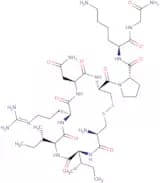
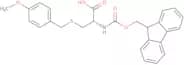
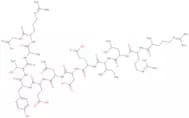
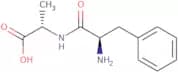
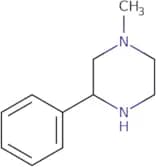
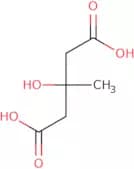
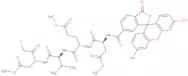

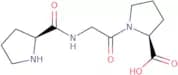
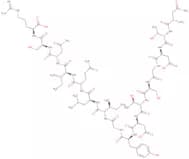
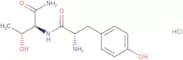

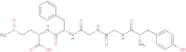


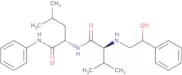


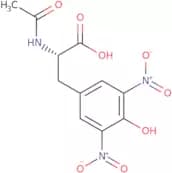

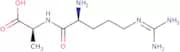
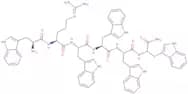
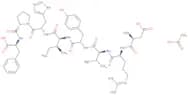


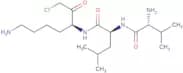

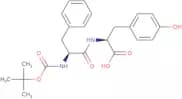
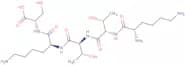
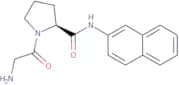
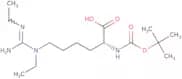

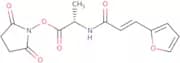
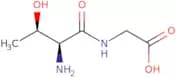

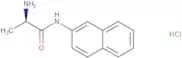
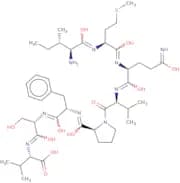

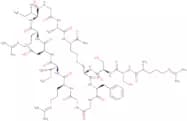
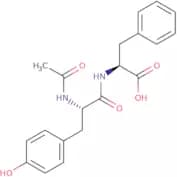
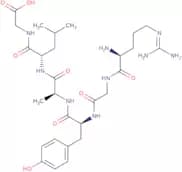
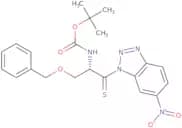
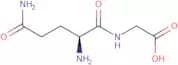
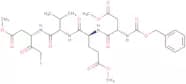

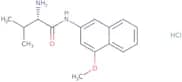
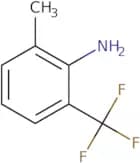
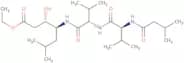

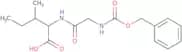
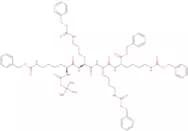
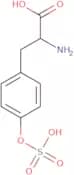
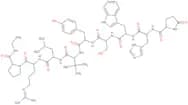

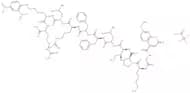
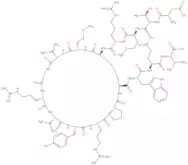

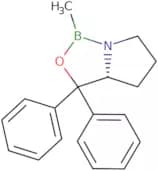

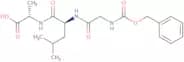
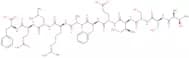
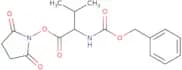
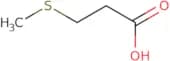
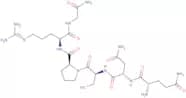
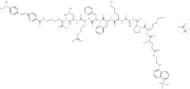
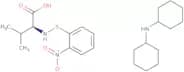
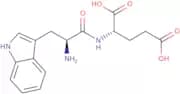
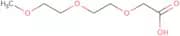


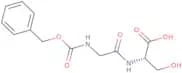
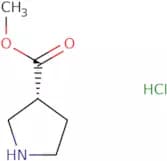
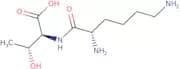
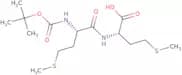
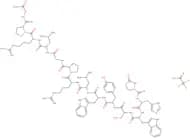
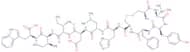

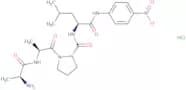
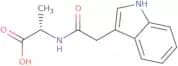
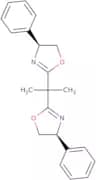
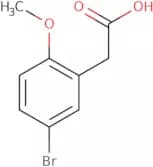
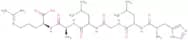
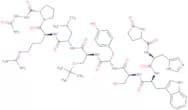

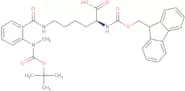
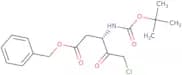
![Fmoc-[15N]Val-OH](/_next/image/?url=https%3A%2Fstatic.cymitquimica.com%2Fproducts%2F3D%2Fthumb-webp%2FFF111322.webp&w=3840&q=75)

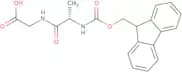
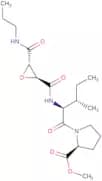

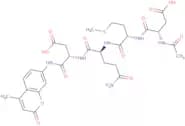
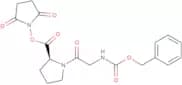
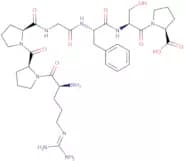
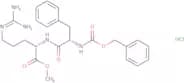
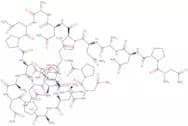
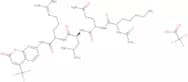
![1,3,5-Tri(1-phenyl-1H-benzo[d]imidazol-2-yl)phenyl](/_next/image/?url=https%3A%2Fstatic.cymitquimica.com%2Fproducts%2F3D%2Fthumb-webp%2FFT37776.webp&w=3840&q=75)
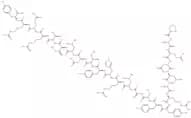


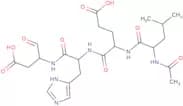

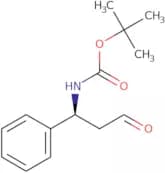
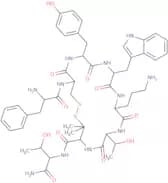
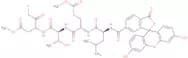
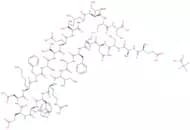
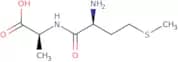
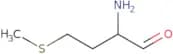


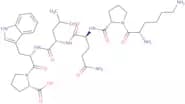


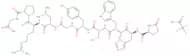
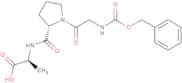
![2-[(4-Chloro-2-nitrophenyl)azo]-N-(2-methoxyphenyl)-3-oxobutanamide](/_next/image/?url=https%3A%2Fstatic.cymitquimica.com%2Fproducts%2F3D%2Fthumb-webp%2FFC149929.webp&w=3840&q=75)

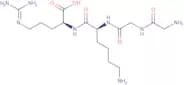


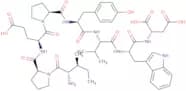
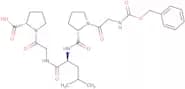
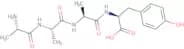
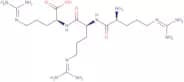
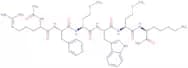


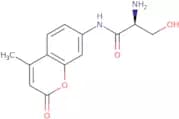
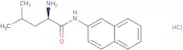
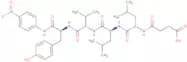

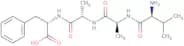
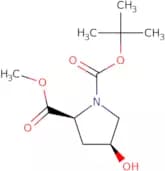
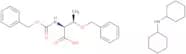
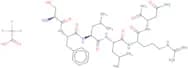
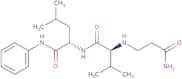
![N-[(RS)-1-Carboxy-3-phenyl-propyl]-Ala-Ala-Phe-4-Abz-OH trifluoroacetate salt](/_next/image/?url=https%3A%2Fstatic.cymitquimica.com%2Fproducts%2F3D%2Fthumb-webp%2FFR111118.webp&w=3840&q=75)
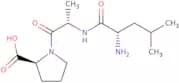
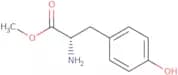
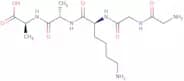
![N2-(2-Tricyclo[3.3.1.13,7]dec-1-ylacetyl)-D-arginyl-L-arginyl-L-prolyl-(4R)-4-hydroxy-L-prolylglyc…](/_next/image/?url=https%3A%2Fstatic.cymitquimica.com%2Fproducts%2F3D%2Fthumb-webp%2FFA108359.webp&w=3840&q=75)

![tert-Butyl6-[(1e)-2-[4-(4-fluorophenyl)-6-(1-methylethyl)-2-[methyl(methylsulfonyl)amino]-5-pyrimi…](/_next/image/?url=https%3A%2Fstatic.cymitquimica.com%2Fproducts%2F3D%2Fthumb-webp%2FFB148489.webp&w=3840&q=75)