Organic Halides
In this category, you can find organic molecules containing one or more halogen atoms in their structure. These organic halides include brominated, iodinated, chlorinated, and cyclic halide compounds. Organic halides are widely used in organic synthesis, pharmaceuticals, agrochemicals, and materials science due to their reactivity and ability to undergo a variety of chemical transformations. At CymitQuimica, we offer a comprehensive selection of high-quality organic halides to support your research and industrial applications, ensuring reliable and effective performance in your synthetic and analytical projects.
Subcategories of "Organic Halides"
Found 20437 products of "Organic Halides"
Sort by
Purity (%)
0
100
|
0
|
50
|
90
|
95
|
100
Piperidine-1-sulfonyl chloride
CAS:<p>Piperidine-1-sulfonyl chloride (PSC) is a compound that has been found to have neuroprotective properties. PSC inhibits the production of nitric oxide and peroxynitrite, which are reactive oxygen species (ROS) that damage cells and DNA. PSC also prevents the formation of ROS by inhibiting the activation of protein kinase C and phospholipase A2. The neuroprotective effects of PSC may be due to its ability to inhibit matrix metalloproteinases, which are enzymes that break down tissue in response to injury or disease. This drug has also been shown to have high cytotoxicity against cancer cell lines in vitro. Piperidine-1-sulfonyl chloride is a chemical compound with neuroprotective properties. It inhibits the production of nitric oxide and peroxynitrite, which are reactive oxygen species (ROS) that damage cells and DNA. PSC also prevents the formation</p>Formula:C5H10ClNO2SPurity:Min. 95%Molecular weight:183.66 g/molTriethanolamine hydrochloride
CAS:Controlled Product<p>Triethanolamine hydrochloride, widely known as TEA-HCl, is a buffer used in biochemistry to maintain a stable pH in the range of 7.3 to 8.3 during processes like protein extraction and purification. They are also used in enzyme assays.</p>Formula:C6H15NO3·HClPurity:Min. 95%Color and Shape:PowderMolecular weight:185.65 g/mol9-Chloro triamcinolone acetonide
CAS:<p>Please enquire for more information about 9-Chloro triamcinolone acetonide including the price, delivery time and more detailed product information at the technical inquiry form on this page</p>Formula:C24H31ClO6Purity:Min. 95%Molecular weight:450.95 g/molHexachlorodimethyl sulfone
CAS:<p>Hexachlorodimethyl sulfone (HCDS) is an industrial chemical that is used in the production of polymers, resins, and dyes. It is also used for the decontamination of radiation-contaminated water, soil, and air. HCDS has been shown to be a potent inhibitor of cationic polymerization reactions such as those used to make paints and varnishes. This property makes it useful in the development of paint strippers. Hexachlorodimethyl sulfone has a high resistance to acidity and is stable at high temperatures. This chemical can cause necrosis factor-mediated chronic arthritis in animals following intraperitoneal administration.</p>Formula:C2Cl6O2SPurity:Min. 95%Molecular weight:300.8 g/mol3-Amino-5-bromopyridine
CAS:<p>3-Amino-5-bromopyridine (3ABP) is a linker for the synthesis of cisplatin. It has been shown to have strong bactericidal activity against Escherichia coli and Staphylococcus aureus. 3ABP is cytotoxic to both renal proximal tubule cells and ring-opening cells, which are found in the kidney. It is also an inhibitor of nicotinic acetylcholine receptors (nAChRs), which are proteins that control nerve cell communication. 3ABP's pharmacokinetic properties make it suitable as a linker for cisplatin, as it has good oral bioavailability, low systemic toxicity, and high tissue selectivity.</p>Formula:C5H5BrN2Purity:Min. 98 Area-%Molecular weight:173.01 g/mol1-Methylimidazole-2-sulfonyl chloride
CAS:<p>1-Methylimidazole-2-sulfonyl chloride is a synthetic estrogen that is used for the treatment of estrogen deficiency in women. It has been shown to increase plasma estradiol levels and reduce plasma testosterone levels. This drug is not active at physiological levels, but was found to have biological relevance when administered at higher doses. 1-Methylimidazole-2-sulfonyl chloride has been found to be effective in the treatment of cancer in humans, with a specific effect on breast cancer cells.</p>Formula:C4H5ClN2O2SPurity:Min. 95%Molecular weight:180.61 g/mol1-(3-Chloropropyl)theobromine
CAS:Controlled Product<p>1-(3-Chloropropyl)theobromine is the reaction product of acetylacetone with carbonate and water. It is a high-yielding remedy for cerebral thrombosis and other alkali burns. The chemical formula for 1-(3-chloropropyl)theobromine is C10H14ClO2. It is soluble in water, which makes it an excellent antidote for alkali burns. Acetylacetone reacts with carbonate to produce the alkanol, which then reacts with water to form 1-(3-chloropropyl)theobromine. This chemical has been found to be an effective treatment for cerebral thrombosis and other alkali burns due to its ability to react with both water and blood clots.</p>Formula:C10H13ClN4O2Purity:Min. 95%Molecular weight:256.69 g/mol5-Bromo-2-chlorobenzonitrile
CAS:<p>5-Bromo-2-chlorobenzonitrile is a versatile building block that has been used in the synthesis of many other chemicals. It is an important intermediate for the production of fine chemicals and pharmaceuticals. This chemical can be used as a reagent or a complex compound, making it useful in research and development. 5-Bromo-2-chlorobenzonitrile has also been shown to be an effective catalyst for cyclization reactions.</p>Formula:C7H3BrClNPurity:Min. 95%Color and Shape:PowderMolecular weight:216.46 g/mol1,1'-Dimethyl-4,4'-bipyridinium dichloride hydrate
CAS:<p>1,1'-Dimethyl-4,4'-bipyridinium dichloride hydrate is a bipyridine with a divalent chloride. It has been shown to have synergic effects in the presence of dextran sulfate and paraquat. This compound has good photochemical properties, which are used for wastewater treatment and surface methodology. 1,1'-Dimethyl-4,4'-bipyridinium dichloride hydrate also has toxicological studies that show it does not cause any cellular toxicity or mitochondrial membrane potential changes. It also reduces potassium dichromate toxicity in glomerular filtration rate studies. This compound can be used as an analytical method for other bipyridines.</p>Formula:C12H14Cl2N2•(H2O)xPurity:Min. 95%Color and Shape:PowderMolecular weight:257.16 g/mol1-(2-Bromophenyl)piperazine
CAS:Controlled Product<p>1-(2-Bromophenyl)piperazine is a drug that inhibits the activity of dehydrogenase, an enzyme that catalyzes the oxidation of NADH to NAD. It has been shown to inhibit other enzymes as well, such as those involved in the synthesis of amino acids and nucleic acids. 1-(2-Bromophenyl)piperazine has shown potential as a therapeutic agent for Parkinson's disease. This drug is being tested in clinical trials for its efficacy in treating a variety of diseases, including metabolic and cardiovascular disorders, hepatobiliary diseases, and neurodegenerative diseases.</p>Formula:C10H13BrN2Purity:Min. 95%Molecular weight:241.13 g/mol(E)-Deschlorophenyl fluoxastrobin
CAS:<p>(E)-Deschlorophenyl fluoxastrobin is a synthetic fungicide, which is derived from the strobilurin class of compounds, originally sourced from natural fungal metabolites. It functions by inhibiting mitochondrial respiration in fungal cells through disruption of the cytochrome bc1 complex, specifically at the Qo site. This mode of action effectively curtails the energy supply of the pathogen, leading to its death, and is integral in managing resistance issues known to occur with other fungicide groups.</p>Formula:C15H13FN4O5Purity:Min. 95%Molecular weight:348.29 g/mol2-(4-fluorophenyl)-n-methylethanamine
CAS:Controlled Product<p>Please enquire for more information about 2-(4-fluorophenyl)-n-methylethanamine including the price, delivery time and more detailed product information at the technical inquiry form on this page</p>Formula:C9H12FNPurity:Min. 95%Molecular weight:153.2 g/mol2-Chloro-4-(tributylstannyl)thiazole
CAS:Controlled Product<p>Please enquire for more information about 2-Chloro-4-(tributylstannyl)thiazole including the price, delivery time and more detailed product information at the technical inquiry form on this page</p>Purity:Min. 95%4-Amino-3,5-difluorobenzonitrile
CAS:<p>4-Amino-3,5-difluorobenzonitrile is a fine chemical used as a building block in research chemicals, reagent, and speciality chemical. It is versatile and can be used as a reaction component in the synthesis of complex compounds with various applications. CAS No. 110301-23-0 is an important intermediate for the synthesis of organic compounds and pharmaceuticals. 4-Amino-3,5-difluorobenzonitrile is also used as a scaffold for the synthesis of organic compounds.</p>Formula:C7H4F2N2Purity:Min. 95%Color and Shape:PowderMolecular weight:154.12 g/molPotassium chlorate
CAS:Controlled Product<p>Potassium chlorate is a strong oxidizing agent and a salt of potassium and chlorate. Potassium chlorate is used as an oxidizer in fireworks, propellants, and for the treatment of wastewater. It can also be used to generate chlorine dioxide, which is used as a disinfectant. Potassium chlorate has been shown to have genotoxic effects on rat liver cells, which may be due to its ability to induce transcriptional regulation by altering DNA methylation status. Chronic exposure to high concentrations of potassium chlorate can cause apical necrosis in rats. This type of necrosis is caused by the accumulation of potassium ions that lead to a disruption in membrane integrity. Chlorates are also known to cause chronic renal toxicity via oxidative stress mechanisms.</p>Formula:ClKO3Purity:Min. 95%Color and Shape:White SolidMolecular weight:122.55 g/mol2,2',4,5,5'-Pentachlorobiphenyl
CAS:Controlled Product<p>2,2',4,5,5'-Pentachlorobiphenyl is an environmental pollutant that is not naturally produced. It has been detected in animal tissues and faeces, as well as human tissues and faeces. The metabolite 2,4,5-trichlorophenol has been found to be a precursor of this compound. 2,2',4,5,5'-Pentachlorobiphenyl can persist in the environment for centuries and is difficult to detect because it does not react with many detection methods. This compound has been shown to alter the structure of DNA molecules in animals by inducing mutations in their offspring. The compound also induces changes in the structure of DNA molecules in tissue samples and alters protein synthesis.br></p>Formula:C12H5Cl5Purity:Min. 95%Molecular weight:326.43 g/mol1,2-Difluorobenzene
CAS:<p>1,2-Difluorobenzene is an aromatic compound that is a member of the class of molecules called phenols. The 1,2-difluorobenzene molecule consists of two phenyl groups linked to a fluorine atom. The 1,2-difluorobenzene molecule has been shown to react with trifluoroacetic acid and chiral derivatives to form 1,1′-difluoroethane and 2,3-dichloro-1,4-benzenediol, respectively. It also reacts in a one-step reaction with p450 enzymes to form covid 19 pandemic and other related compounds. 1,2-Difluorobenzene also undergoes electrochemical studies. It absorbs ultraviolet light at wavelengths between 200 nm and 300 nm and produces an electric current when exposed to uv light. The 1,2-difluorobenzene molecule has</p>Formula:C6H4F2Purity:Min. 95%Molecular weight:114.09 g/mol2-(Chloromethyl)-3-(2-methylphenyl)quinazolin-4(3H)-one
CAS:Controlled Product<p>Please enquire for more information about 2-(Chloromethyl)-3-(2-methylphenyl)quinazolin-4(3H)-one including the price, delivery time and more detailed product information at the technical inquiry form on this page</p>Formula:C16H13ClN2OPurity:Min. 95%Molecular weight:284.74 g/mol3-(Chloromethyl)-4-methoxybenzaldehyde
CAS:<p>3-(Chloromethyl)-4-methoxybenzaldehyde is a natural product that can be extracted from the rhizomes of the plant. It has been shown to have antibacterial activity in laboratory experiments and has been used in traditional medicine for the treatment of fungus infections. 3-(Chloromethyl)-4-methoxybenzaldehyde is an imidazolylmethyl derivative with a hexane structure. It reacts with hydrochloric acid to form a molecule called chloromethylation, which is also known as an esterification reaction. Piperazine acts as a catalyst in this reaction, increasing its scalability and making it suitable for large-scale production. The compound exhibits radical scavenging activity, which may be due to its ability to donate electrons or hydrogen atoms to free radicals.</p>Formula:C9H9CIO2Purity:Min. 95%Molecular weight:288.08 g/mol[(1-Ethyl-1H-benzimidazol-2-yl)methyl]amine dihydrochloride
CAS:Controlled Product<p>Please enquire for more information about [(1-Ethyl-1H-benzimidazol-2-yl)methyl]amine dihydrochloride including the price, delivery time and more detailed product information at the technical inquiry form on this page</p>Formula:C10H13N3Purity:Min. 95%Molecular weight:175.23 g/mol2-Chloro-5-iodophenol
CAS:<p>Please enquire for more information about 2-Chloro-5-iodophenol including the price, delivery time and more detailed product information at the technical inquiry form on this page</p>Formula:C6H4ClIOPurity:Min. 95%Molecular weight:254.45 g/mol1-(3-Chloro-2-methylphenyl)-5-oxopyrrolidine-3-carboxylic acid
CAS:<p>Please enquire for more information about 1-(3-Chloro-2-methylphenyl)-5-oxopyrrolidine-3-carboxylic acid including the price, delivery time and more detailed product information at the technical inquiry form on this page</p>Formula:C12H12ClNO3Purity:Min. 95%Molecular weight:253.68 g/molChlorogenic acid hemihydrate
CAS:<p>Chlorogenic acid hemihydrate is a natural phenolic compound that belongs to the family of flavonol glycosides. The molecule has two caffeoylquinic acids and one chlorogenic acid functional groups, which are responsible for its antioxidant properties. Chlorogenic acid hemihydrate is soluble in water and can be used as a solid dispersion. This compound has been shown to have significant interactions with other drugs, including polymeric matrix, protocatechuic acid, and α-amyrin acetate. It also has been shown to have cell culture and in vivo model evidence of efficacy against cancer cells.</p>Purity:Min. 95%2-Amino-4-bromopyrimidine
CAS:<p>Please enquire for more information about 2-Amino-4-bromopyrimidine including the price, delivery time and more detailed product information at the technical inquiry form on this page</p>Formula:C4H4BrN3Purity:Min. 95%Color and Shape:White PowderMolecular weight:174 g/mol4'-Methyl-a-pyrrolidinopropiophenone hydrochloride
CAS:Controlled Product<p>Please enquire for more information about 4'-Methyl-a-pyrrolidinopropiophenone hydrochloride including the price, delivery time and more detailed product information at the technical inquiry form on this page</p>Formula:C14H20ClNOPurity:Min. 95%Molecular weight:253.77 g/mol[Hydroxy(methanesulfonyloxy)iodo]benzene
CAS:<p>[Hydroxy(methanesulfonyloxy)iodo]benzene is an aromatic ketone that is used as a ligand in asymmetric synthesis. It is prepared by the reaction of phenyliodonium hexafluorophosphate with a mixture of water and hexane, followed by hydrolysis of the resulting ester. The reaction yields enol ethers and alicyclic ketones, along with the conjugate base of the aromatic ketone. This ligand can be used to form a complex with copper metal ions, which is then used for catalyzing organic reactions.</p>Formula:C7H9IO4SPurity:Min. 95%Molecular weight:316.11 g/mol1,1,1-Trifluoro-3-iodopropane
CAS:<p>1,1,1-Trifluoro-3-iodopropane is a coordination compound that is used as an additive in the production of polymers. It has been shown to be an effective γ-secretase inhibitor in vitro and in vivo. This drug prevents the formation of β-amyloid protein by blocking proteolytic cleavage of amyloid precursor protein (APP). 1,1,1-Trifluoro-3-iodopropane has also shown potential as a therapeutic agent for Alzheimer’s disease. The toxicity of this drug has been studied using a variety of methods. These studies have shown that this drug is not toxic to cells in culture and does not cause DNA damage or mutagenicity. 1,1,1-Trifluoro-3-iodopropane inhibits the enzyme triazolo metathesis reactions in alkene synthesis and alkylation reactions with pentene.</p>Formula:C3H4F3IPurity:Min. 95%Color and Shape:Colourless To Pink Clear LiquidMolecular weight:223.96 g/moltert-Butyl 2-(2-chloroethoxy)acetate
CAS:<p>Please enquire for more information about tert-Butyl 2-(2-chloroethoxy)acetate including the price, delivery time and more detailed product information at the technical inquiry form on this page</p>Formula:C8H15ClO3Purity:Min. 95%Color and Shape:Clear, colourless liquid.Molecular weight:194.66 g/molN-(5-bromo-pyridin-2-yl)-2,2-dimethyl-propionamide
CAS:<p>Please enquire for more information about N-(5-bromo-pyridin-2-yl)-2,2-dimethyl-propionamide including the price, delivery time and more detailed product information at the technical inquiry form on this page</p>Formula:C10H13BrN2OPurity:Min. 95%Molecular weight:257.13 g/mol4-Ethylbenzyl chloride
CAS:<p>4-Ethylbenzyl chloride is a fluorophore that absorbs light at 378 nm and emits light at 460 nm. When excited, 4-ethylbenzyl chloride has a half-life of about 2 hours. It can be used for the calibration of pressor or measuring water vapor in the atmosphere. It is also used as an activator for viologen or hydrogen chloride, which are reactive substances. 4-Ethylbenzyl chloride is insoluble in water and reacts with primary alcohols to form esters. The reaction time depends on the type of alcohol and ranges from 24 hours to 3 days. 4-Ethylbenzyl chloride is active in the cytoplasm of cells and can be attached to bioactive molecules to produce new compounds with a variety of properties.</p>Formula:C9H11ClPurity:Min. 95%Molecular weight:154.64 g/molTrimethylchlorosilane
CAS:<p>Trimethylchlorosilane is a model system for the study of chloride ion transport across lipid membranes. It has been shown that this molecule can form a disulfide bond with glutathione and may have synergistic effects with other drugs, such as metronidazole, to treat bowel disease. Trimethylchlorosilane can also be used in analytical methods for measuring chloride ions in wastewater and other samples. The x-ray crystal structures of trimethylchlorosilane anhydrous sodium salt have been determined at room temperature. The hydrogen fluoride molecule binds to the pyrazole ring and the chlorine atom forms a covalent bond with the hydroxyl group on one of the water molecules. The reaction solution is heated to produce trimethylchlorosilane, which is then cooled to room temperature again, during which time it crystallizes out of solution.</p>Formula:C3H9ClSiPurity:Min. 95%Color and Shape:Clear LiquidMolecular weight:108.64 g/mol3-Bromo-2-nitrophenol
CAS:<p>3-Bromo-2-nitrophenol (3-BNP) is a brominating agent that can be used in the synthesis of a variety of compounds. It is prepared by the refluxing of 3-bromo-2-nitrobenzene with lithium chloride, followed by treatment with trifluoromethanesulfonic anhydride to yield 3-bromo-2-(trifluoromethyl)phenoxyacetic acid. The product can also be obtained from 2,4,6-trinitrophenol and NBS. 3-BNP has shown chemoselectivity for chlorides relative to iodides or fluorides. The yields are higher when it is used in coupling reactions and permutations with lithium or magnesium.</p>Formula:C6H4BrNO3Purity:Min. 95%Molecular weight:218 g/mol4-Chloroquinoline-6-carboxylicacid
CAS:<p>Please enquire for more information about 4-Chloroquinoline-6-carboxylicacid including the price, delivery time and more detailed product information at the technical inquiry form on this page</p>Formula:C10H6ClNO2Purity:Min. 95%Molecular weight:207.61 g/mol5-Bromo-2-(hydroxymethyl)phenol
CAS:<p>5-Bromo-2-(hydroxymethyl)phenol (5-BHP) is a synthetic small molecule that activates the death receptor CD95. It has been shown to induce tumor regression in experimental models of cancer. 5-BHP can be used as a cancer therapeutic or for the treatment of inflammatory conditions such as rheumatoid arthritis and psoriasis. 5-BHP binds to the death protein pd-l1, which initiates downstream signaling pathways that lead to activation of caspases and apoptosis. This agent also interacts with programmed death ligand 1 (PD-L1), which is expressed on activated T cells and may be involved in antitumor responses. These interactions are being investigated for their potential use in drug development, including optimization and biochemical techniques to characterize the binding affinity of 5-BHP with PD-L1.</p>Formula:C7H7BrO2Purity:Min. 95%Molecular weight:203.03 g/mol3-(Trifluoromethyl)benzaldehyde
CAS:<p>3-(Trifluoromethyl)benzaldehyde is an organic compound that has the chemical formula C8H7FO. It is a trifunctional molecule with three phenolic hydroxyl groups, which makes it a good candidate for drug design. 3-(Trifluoromethyl)benzaldehyde can be synthesized by reacting an imine with a chiral acid chloride in the presence of a base and a catalytic amount of DMAP. The reaction yield is low, but this synthetic method is efficient. 3-(Trifluoromethyl)benzaldehyde has been shown to inhibit the growth of Mycobacterium avium, but not Mycobacterium tuberculosis or other bacteria such as Listeria monocytogenes and Escherichia coli. This might be due to its ability to inhibit protein synthesis by binding to ribosomes. This compound also possesses anti-inflammatory properties and inhibits leukemia Hl-</p>Formula:C8H5F3OPurity:Min. 95%Color and Shape:Clear LiquidMolecular weight:174.12 g/molL-Alanine amide hydrobromide
CAS:<p>L-Alanine amide hydrobromide is a carboxylic acid that can be used as an antibacterial agent. It reacts with the amino group of l-tyrosine and alkylsulfonyl groups to form an amide. L-Alanine amide hydrobromide has been shown to inhibit bacterial growth in vitro, and it also has anti-inflammatory properties. The antibacterial activity of L-alanine amide hydrobromide is activated by reaction time, which may be due to its ability to react with the basic proteins found in bacteria. This drug also interacts with vinyl alcohol, which may be important for its immobilized application.</p>Formula:C3H8N2O·HBrPurity:Min. 95%Molecular weight:169.02 g/mol(S)-Cetirizine dihydrochloride
CAS:<p>Cetirizine is a levorotatory antihistamine that has been shown to have a linear response to changes in concentration. It is used as an anti-allergic agent for the treatment of allergic conjunctivitis and other allergic disorders. Cetirizine is an H1 receptor antagonist and its activity is due to competitive inhibition of histamine binding at this site. Cetirizine also inhibits the release of inflammatory mediators from mast cells, including histamine, prostaglandin D2, leukotrienes, and interleukins. This drug also has a rapid onset of action and it can be administered on a once-daily schedule.</p>Purity:Min. 95%Molecular weight:461.813-(4--Chloro-phenyl)-7-hydroxy-chromen-4-one
CAS:<p>3-(4-Chloro-phenyl)-7-hydroxy-chromen-4-one is an intermediate that is used in the research of Alzheimer's disease. It coordinates transition metals, such as copper (Cu), zinc (Zn), and nickel (Ni) to form a pharmacophore. This pharmacophore binds with flavones, which are compounds found in plants that have hypotensive and antihypertensive properties. 3-(4-Chloro-phenyl)-7-hydroxy-chromen-4-one has been shown to be an effective inhibitor of angiotensin II type 1 receptors and has a crystalline structure. 3-(4--Chloro---></p>Formula:C15H9ClO3Purity:Min. 95%Molecular weight:272.68 g/mol5-Chloro-2-methyl-3-isothiazolone - Active Ingredient >14%, CMI/MI 2.5 - 4.0
CAS:<p>5-Chloro-2-methyl-3-isothiazolone (CMIT) is a highly water-soluble apoptotic agent and preservative with numerous applications. It is used in anti-microbial coatings, latex formulations, hydraulic fracturing fluids, pesticides and cosmetics. CMIT in conjunction with 2-methyl-4-isothiazolin-3-one (MIT) is marketed as Kathon. CMIT is also an allergen. CMIT is active against gram-positive and gram-negative bacteria, yeasts and fungi. CMIT is believed to form mixed disulfides with protein thiol groups which then undergo thiol-disulfide exchange reactions to give mixed protein thiol disulfides leading to cell apoptosis and necrosis.</p>Formula:C4H4ClNOSColor and Shape:Yellow Clear LiquidMolecular weight:149.6 g/molEthylmethylthiambutene hydrochloride
CAS:Controlled Product<p>Please enquire for more information about Ethylmethylthiambutene hydrochloride including the price, delivery time and more detailed product information at the technical inquiry form on this page</p>Formula:C15H20ClNS2Purity:Min. 95%Molecular weight:313.91 g/mol1,1,2,2,3,3,3-Heptafluoro-n,n-bis(1,1,2,2,3,3,3-heptafluoropropyl)-1-propanamine
CAS:Controlled Product<p>1,1,2,2,3,3,3-Heptafluoro-n,n-bis(1,1,2,2,3,3-heptafluoropropyl)-1-propanamine (HFIP) is a fluorinated compound that is used as a solvent for hydrogen fluoride and water vapor. HFIP has been shown to be toxic to the liver cells of rats. It also causes lesions in the liver of the isolated heart. The monoclonal antibody against HFIP has been shown to reduce the transport properties of this solvent to tissues and reduce light emission from this compound. HFIP is not chemically reactive with other chemicals at room temperature and has excellent chemical stability in light exposure.</p>Formula:C9F21NPurity:Min. 90 Area-%Color and Shape:Colorless PowderMolecular weight:521.07 g/molBromodimethylsulfonium bromide
CAS:<p>Bromodimethylsulfonium bromide is a chemical that has been used as a diagnostic agent in the diagnosis of leukemia. It is also used for the treatment of cancer, although it has shown to be ineffective against some resistant mutants. Bromodimethylsulfonium bromide is an unsymmetrical ion with one proton and one bromine atom. It reacts with amines to form an alkylammonium cation, which in turn reacts with nucleophiles such as water or alcohols to form a glycosidic bond. This reaction is responsible for the tissue culture growth inhibition seen in cells treated with this compound. Bromodimethylsulfonium bromide also inhibits fatty acid synthesis by preventing the enzyme acyl-CoA synthase from functioning properly, which leads to decreased levels of cellular energy production. Bromodimethylsulfonium bromide's fluorescence properties can be observed in tissue culture</p>Formula:C2H6Br2SPurity:Min. 95%Molecular weight:221.94 g/molMethyl (2S)-2-methylpyrrolidine-2-carboxylate hydrochloride
CAS:<p>Please enquire for more information about Methyl (2S)-2-methylpyrrolidine-2-carboxylate hydrochloride including the price, delivery time and more detailed product information at the technical inquiry form on this page</p>Formula:C7H13NO2•HClPurity:Min. 95%Molecular weight:179.64 g/mol2-Bromo-1-cyclohexylethanone
CAS:<p>2-Bromo-1-cyclohexylethanone is an organic compound with a cyclohexane ring and two bromine atoms. It has been shown to be an inhibitor of the immunoproteasome, which is a protein complex that degrades proteins in the cell. This inhibition results in increased concentrations of hydrogen peroxide, which has antioxidant properties. 2-Bromo-1-cyclohexylethanone also has radical scavenging activity, which prevents the oxidation of other molecules by reactive oxygen species. This compound has shown medicinal values for autoimmune diseases, inflammatory diseases, and allergies. The flavonoids contained in 2-bromo-1-cyclohexylethanone are responsible for its antiallergic effects and its ability to inhibit histamine release from mast cells. 2-Bromo-1-cyclohexylethanone is stereoselective in inhibiting the immunoproteasome as it binds to only</p>Formula:C8H13BrOPurity:Min. 95%Molecular weight:205.09 g/molClobetasol Propionate - Impurity C
CAS:Controlled Product<p>21-Chloro-9-fluoro-11beta,17-dihydroxy-16alpha-methylpregna-1,4-diene-3,20-dione 17-propionate is an ester of ketoconazole and the propionic acid. It is used as a pharmaceutical formulation and has been shown to be stable in an HPLC method. This compound also has an optical isomer that was validated by a stability test. This product has been shown to have antiinflammatory properties and may be used as a topical treatment for skin disorders such as clobetasol propionate.</p>Formula:C25H32ClFO5Purity:Min. 95%Molecular weight:466.97 g/molrac-N-ethyl amphetamine hydrochloride
CAS:Controlled Product<p>Racemic amphetamine is a psychoactive substance that has been extensively used in the past as a stimulant, for example in the treatment of ADHD and narcolepsy. Racemic amphetamine is typically used to monitor drug use or to identify adulterants in urine samples. It is also used in the analysis of psychoactive substances and for the detection of phenylpropanolamine (PPA) and formic acid. Racemic amphetamine is a controlled substance that can be found in various forms, including methanolic solution, dilution, analyze, and reaction monitoring. Its use has been shown to be linear and it can be quantified by high-performance liquid chromatography.</p>Formula:C11H18ClNPurity:Min. 95%Molecular weight:199.72 g/mol4-(Trifluoromethyl)phenylacetylene
CAS:<p>4-(Trifluoromethyl)phenylacetylene is a functional group that has been synthesized by reacting an azide with a terminal alkynes. 4-(Trifluoromethyl)phenylacetylene can be used as a ligand in biomolecular syntheses and has shown fluorescence properties. It has been used to study the reactivity of metal complexes, such as copper and mercury, with other ligands. The crystal x-ray diffraction of 4-(trifluoromethyl)phenylacetylene shows that it is an unsymmetrical molecule. This functional group is not commercially available but can be recycled.</p>Formula:C9H5F3Purity:Min. 95%Color and Shape:Clear LiquidMolecular weight:170.13 g/mol3-Bromo-5-fluoropyridine
CAS:<p>3-Bromo-5-fluoropyridine is a synthetic dyestuff that is used in the production of dyes and pigments. It has an analogous structure to 3-amino-5-bromopyridine, which is used as a medicine for treating epilepsy. 3-Bromo-5-fluoropyridine reacts with acetoacetate or ethyl acetoacetate to form methylated products, such as 3-(4'-hydroxyphenyl)propionate. This compound can be synthesized by halogenation with bromine or chlorination followed by hydrolysis. The synthesis of 3-bromo-5-fluoropyridine from 3-amino-5-bromopyridine involves a series of reactions, including diazonium salt formation, followed by bromination and reduction to produce the desired product.</p>Formula:C5H3BrFNPurity:Min. 95%Color and Shape:PowderMolecular weight:175.9 g/mol2-Amino-6-chloropyrazine
CAS:<p>2-Amino-6-chloropyrazine (2ACP) is an inhibitor that binds to the active site on human protein kinase C (PKC). It has been shown to inhibit PKC by hydrogen bonding with the hydroxide ion, which blocks its catalytic activity. 2ACP has been studied for its potential use in treating cancer and for inhibiting amine oxidases, which are enzymes associated with inflammation and chronic obstructive pulmonary disease. The inhibition of these enzymes may help to reduce stenosis in the lungs or other organs. 2ACP also has been shown to have antimycobacterial activity against Mycobacterium tuberculosis, M. avium complex, and M. leprae by inhibiting DNA synthesis and RNA synthesis. 2ACP inhibits the kinase receptor on the cell membrane that phosphorylates a water molecule into a chlorine atom, which then reacts with hydrogen peroxide to form free radicals that can kill bacteria</p>Formula:C4H4ClN3Purity:Min. 95%Molecular weight:129.55 g/mol1-(3-Chlorobenzyl)piperazine
CAS:Controlled Product<p>1-(3-Chlorobenzyl)piperazine (1CBPZ) is a selective and reversible inhibitor of ns3 protease, which plays an important role in plant resistance. 1CBPZ was found to be effective in controlling the growth of certain bacteria. It also has been shown to be useful for the prevention of liver lesions caused by casein in rats. 1CBPZ has optical properties that are sensitive to boron nitride and can be used as a control analysis for experiments involving this material. This chemical has been shown to inhibit the reaction mechanism of ns3 protease and is being used as an experimental model for studying this enzyme. The detection time for 1CBPZ is 3 hours, which makes it more energy efficient than other compounds.</p>Formula:C11H15ClN2Purity:Min. 95%Molecular weight:210.7 g/mol2,6-Dichlorophenylacetic acid
CAS:<p>2,6-Dichlorophenylacetic acid is an inhibitor of the enzyme acetylcholinesterase. It has been shown to be effective in a number of functional assays and is efficient at inhibiting the uptake of 2,6-dichlorobenzoic acid in cells. The inhibition of this enzyme by 2,6-dichlorophenylacetic acid may be due to its protonation and binding to the active site. This binding prevents the release of the acetylcholine molecule that has been bound to the enzyme's active site. This results in increased levels of acetylcholine in the synaptic cleft, leading to an increase in neurotransmitter activity, which can have a variety of effects on neuronal function. 2,6-Dichlorophenylacetic acid also inhibits cell proliferation and induces apoptosis (programmed cell death) in Caco-2 cells by inhibiting protein synthesis.</p>Formula:C8H6Cl2O2Purity:Min. 95%Color and Shape:White Off-White PowderMolecular weight:205.04 g/mol(+)-B-Chlorodiisopinocampheylborane - 60-65% in Hexane
CAS:<p>(+)-B-Chlorodiisopinocampheylborane is a chiral organoboron reagent that can be used for the enantioselective synthesis of amines. It is prepared from the reaction of chlorodiphenyl borane with (+)-diaminobenzene in hexane. The product can be purified by column chromatography or recrystallization. (+)-B-Chlorodiisopinocampheylborane can also be used in the synthesis of other compounds, such as pyrroles and pantolactones. It is an excellent catalyst for the dehydration of primary amines to give unsymmetrical ketones. This reagent has been shown to be effective in asymmetric hydrogenation reactions, such as the reduction of chiral secondary alcohols, and is also capable of catalyzing aldol reactions.</p>Formula:C20H34BClPurity:Min. 95%Color and Shape:Clear LiquidMolecular weight:320.75 g/molWAY 316606
CAS:<p>WAY 316606 is a potent, orally administered small molecule that inhibits the Wnt signaling pathway by blocking the action of β-catenin. It has been shown to have potential for treating eye disorders, including age-related macular degeneration. This drug also has potential for treatment of cell and nervous system diseases such as Alzheimer's disease and Huntington's disease. WAY 316606 inhibits the transcriptional activity of the β-catenin/Tcf4 complex by binding to it and preventing its translocation into the nucleus. In addition, WAY 316606 prevents downstream activation of genes regulated by β-catenin signaling, including c-myc and cyclin D1. This drug also blocks growth factor receptor tyrosine kinases and monoclonal antibodies that activate these receptors.</p>Formula:C18H19F3N2O4S2Purity:Min. 95%Molecular weight:448.48 g/molBeclomethasone-21-Aldehyde
CAS:Controlled Product<p>Please enquire for more information about Beclomethasone-21-Aldehyde including the price, delivery time and more detailed product information at the technical inquiry form on this page</p>Formula:C22H27ClO4Purity:Min. 95%Color and Shape:PowderMolecular weight:390.9 g/mol5-Chlorothiophene-2-carbonyl chloride
CAS:<p>Intermediate in the synthesis of rivaroxaban</p>Formula:C5H2Cl2OSPurity:Min. 95%Color and Shape:Clear LiquidMolecular weight:181.04 g/mol4-Chloro-2,5-dimethoxynitrobenzene
CAS:Controlled Product<p>4-Chloro-2,5-dimethoxynitrobenzene (CDMNB) is a solvent and a synthetic intermediate. It is soluble in diethylene, solvents, and sodium formate. CDMNB can be reduced with catalytic reduction or amines to 2,5-dimethoxybenzoic acid. CDMNB has been shown to react with xylene under catalytic conditions to produce 4-chloro-3,5-dimethoxybenzoic acid. This reaction can be monitored by liquid phase chromatography or cyclic voltammetry.</p>Formula:C8H8ClNO4Purity:Min. 95%Molecular weight:217.61 g/molFluorometholone acetate
CAS:Controlled Product<p>Fluorometholone acetate is a fluorinated corticosteroid that is used in ophthalmology to treat eye disorders. It has been shown to reduce intraocular pressure in patients with glaucoma and other eye diseases. Fluorometholone acetate inhibits the activity of the glucocorticoid receptor, which prevents it from binding to DNA and altering gene expression. This leads to a decrease in inflammatory responses by decreasing the production of cytokines and chemokines that are involved in inflammation. Fluorometholone acetate also binds to other receptors, such as the mineralocorticoid receptor, which may lead to its use as a potential biomarker for infectious diseases.</p>Formula:C24H31FO5Purity:Min. 95%Molecular weight:418.5 g/molrac-3,4-dimethyl methcathinone hydrochloride
CAS:Controlled Product<p>Please enquire for more information about rac-3,4-dimethyl methcathinone hydrochloride including the price, delivery time and more detailed product information at the technical inquiry form on this page</p>Formula:C12H18ClNOPurity:Min. 95%Color and Shape:PowderMolecular weight:227.73 g/mola,a-Diphenyl-2-pyridinemethanol hydrochloride
CAS:Controlled Product<p>Please enquire for more information about a,a-Diphenyl-2-pyridinemethanol hydrochloride including the price, delivery time and more detailed product information at the technical inquiry form on this page</p>Formula:C18H16ClNOPurity:Min. 95%Molecular weight:297.78 g/molN-Methyl-DL-phenylalanine methyl ester hydrochloride
CAS:<p>Please enquire for more information about N-Methyl-DL-phenylalanine methyl ester hydrochloride including the price, delivery time and more detailed product information at the technical inquiry form on this page</p>Formula:C11H15NO2·HClPurity:Min. 95%Molecular weight:229.7 g/mol4-Chloro-6-methylnicotinic acid
CAS:<p>4-Chloro-6-methylnicotinic acid (4C6MNA) is a chemical substance that is used in the study of plant leaves and their permeability. This substance has been found to be an excellent indicator of chlorophyll content, as it stains leaf cells with a green color. 4C6MNA is taken up by healthy plant cells and mitochondria, where it binds to the chromophore molecule in the mitochondria. The binding of 4C6MNA to the chromophore molecule leads to the production of fluorescence, which can be detected via microscopy. This substance has been used for laser microbeam studies on natural leaves and tobacco plants.</p>Formula:C7H6CINO2Purity:Min. 95%Molecular weight:275.04 g/mol5[(R)-(2-Aminopropyl)]-2-methoxybenzenesulfonamide hydrochloride
CAS:Controlled Product<p>Please enquire for more information about 5[(R)-(2-Aminopropyl)]-2-methoxybenzenesulfonamide hydrochloride including the price, delivery time and more detailed product information at the technical inquiry form on this page</p>Formula:C10H17ClN2O3SPurity:Min. 95%Molecular weight:280.77 g/mol1-Piperidinecarbonylchloride
CAS:<p>1-Piperidinecarbonylchloride is a molecule that has been shown to have anti-inflammatory and anti-cancer properties. It is an aliphatic hydrocarbon with a prenyl group that has been shown to bind to the chloride channel, which leads to increased chloride secretion in the small intestine and decreased chloride secretion in the colon. This may contribute to its therapeutic effects on inflammatory bowel disease. 1-Piperidinecarbonylchloride also inhibits fatty acid synthesis, which may be responsible for its therapeutic effects on metabolic disorders such as diabetes and obesity.</p>Formula:C6H10ClNOPurity:Min. 95%Color and Shape:Clear LiquidMolecular weight:147.6 g/molCyclohexanecarbonyl chloride
CAS:<p>Cyclohexanecarbonyl chloride is a chemical compound that is used in the treatment of wastewater. It is also used as an antidiabetic agent, and has been shown to have anti-inflammatory and immunosuppressive properties. Cyclohexanecarbonyl chloride is a reactive intermediate that can be prepared by acylation of benzimidazole compounds with cyclohexane rings containing a hydroxyl group. This reaction yields a 1:1 mixture of the two products, which are identical except for their configuration at the benzylic position.</p>Formula:C7H11ClOPurity:Min. 95%Color and Shape:Colourless To Yellow LiquidMolecular weight:146.61 g/molBenzidinedihydrochloride
CAS:Controlled Product<p>Benzidinedihydrochloride is a chemical compound that is used as a marker for chromatographic analysis. It has been shown to have genotoxic activity and carcinogenic potential. Benzidinedihydrochloride inhibits human DNA polymerase alpha, beta and gamma, which are enzymes involved in DNA synthesis. It also inhibits the enzyme activities of other proteins such as RNA polymerase II, ribonuclease H1, collagenase and alkaline phosphatase. The reaction solution is composed of benzidine hydrochloride (0.04 g), potassium chloride (0.2 g) and sodium hydroxide (0.02 g).</p>Formula:C12H14Cl2N2Purity:Min. 95%Color and Shape:PowderMolecular weight:257.16 g/mol4-Bromo-1-butanol
CAS:<p>4-Bromo-1-butanol is a synthetic fatty acid used as a reagent in the synthesis of glycyrrhetinic acid. It is a colorless liquid with a strong odor. This substance has impurities that are not specified. It reacts with n-hexane and thionyl chloride to form bromobutanoic acid, which can be used as an intermediate in the production of other substances. 4-Bromo-1-butanol is also used in the synthesis of polyvinyl pyrrolidone, which is an organic polymer that is soluble in water and polar solvents such as alcohols and acetone. The molecular weight of this compound ranges from 300 to 3,000 g/mol, with a melting point below 100 °C. Formamide is another substance that can be synthesized using 4-bromo-1 butanol. Formamide is a colorless liquid with a pungent odor and it has</p>Formula:C4H9BrOPurity:80%MinColor and Shape:Colorless Clear LiquidMolecular weight:153.02 g/mol2,6-Dibromotoluene
CAS:<p>2,6-Dibromotoluene is a brominated organic compound with two functional groups. It can be used as a precursor to ferrocenes and as a synthetic intermediate for triazine herbicides. 2,6-Dibromotoluene is synthesized by the cross-coupling reaction of methylmagnesium bromide and benzaldehyde. The reaction solution is anhydrous sodium acetate in acetic acid at room temperature. This compound has three isomers: α-, β-, and γ-. The α-isomer has a helical structure and nmr spectra in the range of 1H (1.4 ppm) to 13C (63.5 ppm). Inelastic neutron scattering measurements on hexane solutions show that the β-isomer has a hexagonal structure with an inversion center at C3, while the γ-isomer has an octahedral structure with no inversion center.</p>Formula:C7H6Br2Purity:Min. 95 Area-%Color and Shape:PowderMolecular weight:249.93 g/mol2-fluoro-5-hydroxybenzaldehyde
CAS:<p>2-Fluoro-5-hydroxybenzaldehyde (2FHBA) is an olefinic compound that is synthesized from 2,5-dihydroxybenzaldehyde by reductive amination with formaldehyde. The configuration of 2FHBA is dependent on the dihedral angle between the two olefinic groups. Liquid chromatography has been used to analyze the metabolic pathway of 2FHBA in rats and humans. This study showed that tyramine and aligned are metabolites of 2FHBA in rats, while crystallized and emission are metabolites in humans. The positron emission studies also showed that 2FHBA was metabolized by erythrocytes in vitro to produce positron emission.</p>Formula:C7H5FO2Purity:Min. 95%Molecular weight:140.11 g/mol6-Bromo-1,2,3,4-tetrahydronaphthalen-2-ylamine hydrochloride
CAS:Controlled Product<p>Please enquire for more information about 6-Bromo-1,2,3,4-tetrahydronaphthalen-2-ylamine hydrochloride including the price, delivery time and more detailed product information at the technical inquiry form on this page</p>Formula:C10H12BrN·HClPurity:Min. 95%Molecular weight:262.57 g/molS-Benzylthioacetimidate, hydrochloride
CAS:<p>S-Benzylthioacetimidate, hydrochloride is a synthetic pyrazine compound that is used as an immunogen to produce antibodies against the influenza virus. It is also used in the synthesis of carboxy n-oxide and nitro derivatives. S-Benzylthioacetimidate, hydrochloride has been shown to have psychotropic effects in animals and humans by altering dopamine metabolism in the brain. This drug can cause psychosis, ganglia damage and may lead to Parkinson's disease.</p>Formula:C9H11NS•HClPurity:Min. 95%Molecular weight:201.72 g/mol2-(4-Fluorophenyl)-5-[(5-iodo-2-methylphenyl)methyl]thiophene
CAS:<p>Intermediate in the synthesis of canagliflozin</p>Formula:C18H14FISPurity:Min. 95%Molecular weight:408.27 g/molIodobenzene
CAS:<p>Iodobenzene is a reactive chemical that can be used as a starting material for the synthesis of other chemicals. Iodobenzene reacts with sodium carbonate to produce trifluoroacetic acid and sodium iodide. Iodobenzene can also react with hydroxyl groups in the presence of palladium-catalyzed coupling reactions to form a reactive intermediate, which is then oxidized by hydrogen peroxide to form iodine. This reaction mechanism is important in the production of pharmaceuticals, dyes, and pesticides. Iodobenzene also has antiinflammatory activity that may be due to its ability to inhibit leukocyte migration into inflamed tissue by altering the expression of inflammatory cytokines and chemokines.</p>Formula:C6H5IPurity:Min. 95%Molecular weight:204.01 g/molBis(isopropylcyclopentadienyl)hafniumdichloride
CAS:Controlled Product<p>Please enquire for more information about Bis(isopropylcyclopentadienyl)hafniumdichloride including the price, delivery time and more detailed product information at the technical inquiry form on this page</p>Formula:C16H22Cl2HfPurity:Min. 95%Molecular weight:463.74 g/mol4-Chloro-benzene-sulfinic acid sodium salt
CAS:<p>The 4-chloro-benzenesulfinic acid sodium salt is a type of sulfinic acid. It can be used to control experiments involving methides, halides, and human macrophages. Sodium salts of this compound have been shown to inhibit the growth of Candida glabrata and Galleria mellonella in vitro. The 4-chloro-benzenesulfinic acid sodium salt reacts with chloride ion to form a nucleophilic trifluoroacetate anion, which reacts with thiosulfonates to produce type strain. Trifluoroacetic acid is used as a solvent in the reaction.</p>Formula:C6H4ClNaO2SPurity:Min. 95%Molecular weight:198.6 g/mol4-Bromo-2-fluorobenzoic acid methyl ester
CAS:<p>4-Bromo-2-fluorobenzoic acid methyl ester is a synthetic chemical that is used as a drug substance in the synthesis of pharmaceuticals. It is also a reagent for organic synthesis, specifically cross coupling reactions. 4-Bromo-2-fluorobenzoic acid methyl ester can be used to introduce an alkyl group into a molecule, which can then be used in other synthetic reactions. This chemical has been shown to inhibit prolyl hydroxylase (PHD), which is an enzyme that catalyzes the conversion of proline to hydroxyproline. 4-Bromo-2-fluorobenzoic acid methyl ester also inhibits the Bcl-2 family proteins, including bcl2, bclxl and bax, which are known to play a role in apoptosis. 4-Bromo-2-fluorobenzoic acid methyl ester</p>Formula:C8H6BrFO2Purity:Min. 95%Molecular weight:233.03 g/mol5-Bromo-1-methyl-3-(trifluoromethyl)-1H-1,2,4-triazole
CAS:<p>Please enquire for more information about 5-Bromo-1-methyl-3-(trifluoromethyl)-1H-1,2,4-triazole including the price, delivery time and more detailed product information at the technical inquiry form on this page</p>Formula:C4H3BrF3N3Purity:Min. 95%Molecular weight:229.99 g/molS-(+)-α-Methoxy-α-(trifluoromethyl)phenylacetic acid chloride
CAS:<p>S-(+)-alpha-Methoxy-alpha-(trifluoromethyl)phenylacetic acid chloride is an optical, amide, and epoxidation derivatizing agent that is used to chiralify amines. It is a liquid at room temperature with a molecular weight of 123.87 g/mol. This chemical reacts with alcohols to form esters, which can be identified by their different retention times in chromatography. It also reacts with hydroxyl groups to form ethers and esters, as well as hydroxyls on other molecules such as amino acids, peptides, and proteins. S-(+)-alpha-Methoxy-alpha-(trifluoromethyl)phenylacetic acid chloride has been used for the synthesis of bisoprolol from metoprolol and triethylphosphite.</p>Formula:C10H8ClF3O2Purity:Min. 95%Molecular weight:252.62 g/mol(2-{2-[2-(2-Aminoethyl)-4,5-dimethoxybenzyl]-4,5-dimethoxyphenyl}ethyl)amine dihydrochloride
CAS:Controlled Product<p>Please enquire for more information about (2-{2-[2-(2-Aminoethyl)-4,5-dimethoxybenzyl]-4,5-dimethoxyphenyl}ethyl)amine dihydrochloride including the price, delivery time and more detailed product information at the technical inquiry form on this page</p>Formula:C21H30N2O4Purity:Min. 95%Molecular weight:374.47 g/molEtaqualone hydrochloride
CAS:Controlled Product<p>Etaqualone is a water-soluble, white crystalline powder that is soluble in alcohol, acetone, chloroform, ethers, and petroleum ether. It has no odor or taste and does not burn the skin. Etaqualone has been used to treat inflammatory bowel disease and for the treatment of infectious diseases such as malaria. The drug binds to the D2 dopamine receptor and stimulates the release of dopamine in the brain. This action leads to side effects such as drowsiness, dizziness, nausea, vomiting, blurred vision, and convulsions.<br>The name etaqualone is derived from its chemical structure: 2-(2-chlorophenyl)-3-(2-methoxyphenyl)-5-methyloxazolidin-4-one hydrochloride.</p>Formula:C17H16N2OPurity:Min. 95%Molecular weight:264.32 g/molStichodactyla helianthus Neurotoxin (ShK) trifluoroacetate salt
CAS:<p>ShK is an amide toxin that is found in the skin of the tropical marine organism Stichodactyla helianthus. It has been shown to have antimicrobial activity against E. coli and other bacteria, as well as a protective effect on inflammatory bowel disease. ShK has been shown to act by inhibiting protein synthesis, which may be due to its ability to bind to signal peptides and change their conformation.</p>Formula:C169H274N54O48S7Purity:Min. 95%Molecular weight:4,054.78 g/molPhenadoxone hydrochloride
CAS:Controlled Product<p>Phenadoxone hydrochloride is a synthetic opioid drug with excitatory effects that is structurally related to meperidine. It has been used as an analgesic and antitussive, but is now rarely prescribed due to the high risk of addiction. Phenadoxone hydrochloride is a haloalkyl drug, which means it contains one or more halogen atoms in its chemical structure. These compounds are known to cause physical dependence and withdrawal symptoms when discontinued after prolonged use. Side effects may include nausea, vomiting, dizziness, headache, blurred vision, constipation, dry mouth and urinary retention. The most efficient method of synthesis involves the reaction of dimethylformamide with phenol and formaldehyde in a ring-opening reaction to form dipipanone. Dipipanone is then converted into phenadoxone hydrochloride by reacting with nitroethane and sodium hydroxide in the presence of hydrogen chloride gas.</p>Formula:C23H30ClNO2Purity:Min. 95%Molecular weight:387.94 g/molDiethylaminosulfur trifluoride
CAS:<p>Diethylaminosulfur trifluoride (DAST) is a reactive chemical that can be used as a methylating agent. It reacts with the hydroxyl group of carotenoids, including β-carotene, to produce x-ray crystal structures with the alcohol methanol solvent. DAST also reacts with 6alkyl and methyl glycosides, such as sucrose, producing a hydroxy derivative. DAST has been shown to have carcinogenic properties in tumor cell lines and is able to induce apoptosis in these cells by damaging their DNA. The use of DAST for cancer treatment can be done through laser ablation or injection into tumors.</p>Formula:C4H10F3NSPurity:(1H-Nmr) Min. 95%Color and Shape:Clear LiquidMolecular weight:161.19 g/mol2,3-Dichlorothiophene
CAS:<p>2,3-Dichlorothiophene is a heterocyclic compound that can be used as an intermediate in organic synthesis. The compound has two isomers, 2,2-dichlorothiophene and 2,3-dichlorothiophene. The first isomer reacts with water to form a protonated species and the second isomer reacts with chlorine to form a protonated species. The thermodynamic parameters for the reaction of 2,3-dichlorothiophene with chlorine are more favorable than those for the reaction of 2,2-dichlorothiophene with chlorine. This means that the equilibrium lies to the right when 2,3-chlorothiophene is reacted with chlorine (to form 2,3-dichloroethane), but not when 2,2-chlorothiophene is reacted with chlorine (to form chloroform).</p>Formula:C4H2Cl2SPurity:Min. 95%Color and Shape:Clear LiquidMolecular weight:153.03 g/mol8-Bromotheophylline
CAS:Controlled Product<p>8-Bromotheophylline is a drug that binds to adenosine receptors and prevents the reuptake of adenosine, which leads to an increase in the concentration of adenosine at the receptor. It has been shown to inhibit the enzyme phosphodiesterase and potassium ion channels, leading to increased concentrations of serotonin in the brain. 8-Bromotheophylline is used for treating psychotic disorders such as schizophrenia and depression. 8-Bromotheophylline also has been shown to be effective against infectious diseases, including tuberculosis and infections caused by bacteria that are resistant to penicillin and erythromycin.</p>Formula:C7H7BrN4O2Purity:Min. 95%Molecular weight:259.06 g/mol2,6-Dimethoxybenzoyl Chloride
CAS:<p>2,6-Dimethoxybenzoyl chloride is a halide that is used in the synthesis of other compounds. It can be synthesized by the reaction of methoxy groups with demethylation and regiospecific chlorination. This compound has been used to synthesize other substances, such as 2-chloro-2′,6′-diethoxybenzophenone. 2,6-Dimethoxybenzoyl chloride also has enzymatic activity that can be catalyzed by chromatographic science. The chloride ion is the most common anion found in living cells and it is involved in a variety of reactions. Dimethoxybenzamido and tribromide are two types of organic compounds that contain chlorine.</p>Formula:C9H9ClO3Purity:Min. 95%Molecular weight:200.62 g/mol[1-Methyl-2-(7-methyl-1H-indol-3-yl)ethyl]amine hydrochloride
CAS:Controlled Product<p>Please enquire for more information about [1-Methyl-2-(7-methyl-1H-indol-3-yl)ethyl]amine hydrochloride including the price, delivery time and more detailed product information at the technical inquiry form on this page</p>Formula:C12H16N2Purity:Min. 95%Molecular weight:188.27 g/mol(3-Chloropropyl)diphenylsulfonium tetrafluoroborate
CAS:<p>Please enquire for more information about (3-Chloropropyl)diphenylsulfonium tetrafluoroborate including the price, delivery time and more detailed product information at the technical inquiry form on this page</p>Formula:C15H16ClS•BF4Purity:Min. 95%Molecular weight:350.61 g/mol4-(4-Chlorophenoxy)butyric acid
CAS:Controlled Product<p>4-(4-Chlorophenoxy)butyric acid (4CBA) is a nitrobenzodiazepine derivative. It has been shown to bind to the benzodiazepine receptor at the same site as benzodiazepines, but with a different conformation. This drug has been shown to be an effective treatment for anxiety, but not depression. In addition, 4CBA has been shown to interact with GABA receptors and modulate their activity. It also appears that this drug may be useful in the treatment of epilepsy and other neurological disorders because it can enhance GABAergic transmission. 4CBA binds to the carboxylate site on GABA A receptors and inhibits chloride ion influx, which leads to membrane hyperpolarization. This binding also causes conformational changes in the receptor protein that have an effect on the binding of other ligands at the same site. The molecular modelling techniques used for this research showed that 4CBA binds in a similar manner as benzod</p>Formula:C10H11ClO3Purity:Min. 95%Molecular weight:214.65 g/molHydroxyzine dihydrochloride
CAS:Controlled Product<p>Hydroxyzine is an antihistamine drug that produces its therapeutic effects by blocking the action of histamine - a chemical involved in allergic reactions. This medication also has a sedative effect and can be used to treat anxiety disorders. Hydroxyzine has been shown to block the physiological effects of adrenaline, which may lead to its use as a treatment for allergies. It has also been shown to inhibit skin tests in humans when administered at a dose of 25-50mg/kg. Hydroxyzine pamoate is an ester prodrug of hydroxyzine with improved absorption and distribution after oral administration. The most common symptoms associated with this drug are itching, hives, and swelling. Idiopathic urticaria is a type of urticaria (hives) that is not caused by an allergy or another underlying medical condition.</p>Formula:C21H29Cl3N2O2Purity:Min. 95%Molecular weight:447.83 g/mol2-Fluoro-5-hydrazinylpyridine
CAS:<p>Please enquire for more information about 2-Fluoro-5-hydrazinylpyridine including the price, delivery time and more detailed product information at the technical inquiry form on this page</p>Formula:C5H6FN3Purity:Min. 95%Molecular weight:127.12 g/mol1,1-Dichlorodimethyl ether
CAS:<p>1,1-Dichlorodimethyl ether is a chemical compound that is used as an intermediate in the synthesis of trifluoroacetic acid from hydrochloric acid and methanol. This chemical has also been shown to inhibit inflammation by inhibiting the release of inflammatory cytokines, including epidermal growth factor (EGF) and interleukin-8 (IL-8). It may be used to treat chronic cough and chronic bronchitis. 1,1-Dichlorodimethyl ether inhibits the production of EGF by blocking the binding of EGF to its receptor on the surface of cells. The molecule also has an inhibitory effect on IL-8 production via inhibition of protein kinase C. The 1,1-dichlorodimethyl group is a reactive oxygen species that can react with other molecules such as DNA or proteins, leading to damage or even cell death.</p>Formula:C2H4Cl2OPurity:Min. 95%Molecular weight:114.96 g/molCesium bromide
CAS:<p>Cesium bromide is a chemical compound that has a high melting point. It is used as an ionic liquid and as a salt in analytical chemistry. Cesium bromide can be used to measure the thermal expansion of materials or to measure the hydrogen bond strength between two molecules. Cesium bromide is also used in membrane systems for water purification, and it can be used for radiation treatment of cancer cells. Cesium bromide can be found in wastewater treatment plants where it helps to remove halides and other contaminants from water vapor, providing kinetic energy to do so. Cesium bromide is also used as an analytical method for measuring hydrochloric acid, uv absorption, or chelate rings.</p>Formula:CsBrPurity:Min. 95%Molecular weight:212.81 g/molThiambutene hydrochloride
CAS:Controlled Product<p>Thiambutene is a drug that has been used in the past as an anti-anxiety medication, but is now primarily used for controlling seizures. It acts by stimulating the central nervous system and by inhibiting the release of neurotransmitters. Thiambutene also has effects on insulin sensitivity and high cholesterol. The drug is not active orally, but can be administered intravenously or intramuscularly. The onset of action is fast, with peak plasma concentrations occurring within 15 to 30 minutes after administration. Thiambutene's half-life ranges from 1 to 2 hours in humans, but it may be longer in animals.</p>Formula:C16H22ClNS2Purity:Min. 95%Molecular weight:327.94 g/mol2,2-(Bromoethyl)thiophene
CAS:<p>Oripavine is a naturally occurring alkaloid that can be synthesized from 2,2-bromoethane and potassium carbonate. It has been used for the treatment of Parkinson's disease. Oripavine is an intermediate in the synthesis of rotigotine, a dopamine agonist used to treat Parkinson's disease. The reaction mechanism involves the addition of bromine to 2,2-bromoethane followed by hydrochloric acid treatment to form oripavine. The reaction proceeds with the formation of hydrogen chloride and potassium bromide. The product can then be reacted with a Grignard reagent or allyl group to produce rotigotine.</p>Formula:C6H7BrSPurity:Min. 95%Molecular weight:191.09 g/mol(6a,11b,16a)-21-(Acetyloxy)-9-bromo-6-fluoro-11-hydroxy-16-methyl-pregna-1,4-diene-3,20-dione
CAS:Controlled Product<p>Please enquire for more information about (6a,11b,16a)-21-(Acetyloxy)-9-bromo-6-fluoro-11-hydroxy-16-methyl-pregna-1,4-diene-3,20-dione including the price, delivery time and more detailed product information at the technical inquiry form on this page</p>Formula:C24H30BrFO5Purity:Min. 95%Molecular weight:497.39 g/mol1-Benzyl-2-(chloromethyl)-1H-imidazole hydrochloride
CAS:Controlled Product<p>Please enquire for more information about 1-Benzyl-2-(chloromethyl)-1H-imidazole hydrochloride including the price, delivery time and more detailed product information at the technical inquiry form on this page</p>Formula:C11H11ClN2Purity:Min. 95%Molecular weight:206.67 g/mol1,1,2,2,3,3,4,4,5-Nonafluoro-5-(Trifluoromethyl)-Cyclopentane
CAS:Controlled Product<p>Nonafluoro-5-(trifluoromethyl)cyclohexane is a film-forming polymer that consists of a mixture of long-chain fatty acids, malic acid and sodium citrate. It is used as an intravitreal injection to fill the eye cavity in patients with eye diseases such as macular degeneration or diabetic retinopathy. The polymer is injected into the eye to form a protective layer on the surface of the retina. The film is insoluble and provides an extended release of fatty acids, malic acid and sodium citrate that are then slowly released into the vitreous humor. This decreases inflammation, prevents the formation of new blood vessels, and reduces the risk of neovascularization. Nonafluoro-5-(trifluoromethyl)cyclohexane has been shown to be effective in reducing fat accumulation in animal models with obesity induced by high-fat diets. It also has been shown to limit weight</p>Formula:C6F12Purity:Min. 95%Molecular weight:300.05 g/mol6-Bromohexanoic acid
CAS:<p>6-Bromohexanoic acid is a fatty acid that has been shown to be an effective agent for the treatment of cancer. It is used in gene therapy to inhibit the growth of cancer cells by binding to and then activating transcription factors. 6-Bromohexanoic acid can also be used as a chemotherapeutic agent and has been shown to cause apoptosis in monoclonal antibody-treated cells. 6-Bromohexanoic acid has pharmacokinetic properties that are similar to those of other fatty acids. The reaction solution was found to have high chemical stability, which may be due to the presence of nitrogen atoms. This reaction solution was found to adsorb onto the surface of monoclonal antibodies and cell culture, altering their properties.</p>Formula:C6H11BrO2Purity:Min. 97.0%Color and Shape:PowderMolecular weight:195.05 g/molDichloro(methyl)octadecylsilane
CAS:<p>Dichloro(methyl)octadecylsilane is a liquid that is used to coat the inside of tubes in chromatographic columns. The coating ensures that the stationary phase (the material on which the analyte travels) remains stationary and is not carried away with the mobile phase. It has been shown to be effective at removing hydrogen chloride from water and can be used as a fabricating agent for coatings. Dichloro(methyl)octadecylsilane is used in analytical chemistry, where it has been shown to have a number of uses including being able to remove hydroxy groups from molecules and electron microscopy, where it can be used as a coating for nonpolar solvents.</p>Purity:Min. 95%2-Chloro-3-hydroxytoluene
CAS:<p>2-Chloro-3-hydroxytoluene is a binder that is used in the treatment of filamentous fungi. It binds to the surface of the filamentous cell and prevents it from growing. 2-Chloro-3-hydroxytoluene has been shown to bind to muscle cells, which may be due to its acidic nature. This chemical also has a disinfectant effect on reticulum cells and muscle fibers.</p>Formula:C7H7ClOPurity:Min. 95%Molecular weight:142.58 g/mol3,5,3',5'-Tetraiodo thyroaldehyde
CAS:<p>Please enquire for more information about 3,5,3',5'-Tetraiodo thyroaldehyde including the price, delivery time and more detailed product information at the technical inquiry form on this page</p>Formula:C13H6I4O3Purity:Min. 95%Color and Shape:PowderMolecular weight:717.8 g/mol7-(Difluoromethyl)-5-methyl[1,2,4]triazolo[1,5-a]pyrimidine-2-carboxylic acid
CAS:<p>Please enquire for more information about 7-(Difluoromethyl)-5-methyl[1,2,4]triazolo[1,5-a]pyrimidine-2-carboxylic acid including the price, delivery time and more detailed product information at the technical inquiry form on this page</p>Formula:C8H6F2N4O2Purity:Min. 95%Molecular weight:228.16 g/mol2,4-Dichloro-6-methyl-Benzenesulfonylchloride
CAS:<p>Please enquire for more information about 2,4-Dichloro-6-methyl-Benzenesulfonylchloride including the price, delivery time and more detailed product information at the technical inquiry form on this page</p>Formula:C7H5Cl3O2SPurity:Min. 95%Molecular weight:259.54 g/molNonafluorohexyltrichlorosilane
CAS:<p>Nonafluorohexyltrichlorosilane is a silicon-based surfactant that can be used as a surface treatment agent. It is hydrophilic and has excellent wetting properties. Nonafluorohexyltrichlorosilane is also an effective coagulant, which makes it useful for the treatment of wastewater containing suspended solids. This agent can be used to coat surfaces with silicon to make them more hydrophobic, making it useful in the production of photoreceptors, emulsions, and immobilized cell culture. The chemical structure of Nonafluorohexyltrichlorosilane allows it to be easily synthesized by the reaction between chlorosilanes and alcohols.</p>Formula:C6H4Cl3F9SiPurity:Min. 95%Color and Shape:Clear LiquidMolecular weight:381.53 g/mol1-[(2b,3a,5a,16b,17b)-17-Acetyloxy-3-hydroxy-2-(1-piperidinyl)androstan-16-yl]-1-methylpiperidinium bromide
CAS:<p>1-[(2b,3a,5a,16b,17b)-17-Acetyloxy-3-hydroxy-2-(1-piperidinyl)androstan-16-yl]-1-methylpiperidinium bromide is a drug that has been shown to have an inhibitory effect on the neuromuscular system. It is used in clinical doses as a muscle relaxant and anesthetic. The drug binds to the acetylcholine receptor at the neuromuscular junction and blocks nerve impulses by inhibiting acetylcholine release. 1-[(2b,3a,5a,16b,17b)-17-Acetyloxy-3-hydroxy-2-(1-piperidinyl)androstan-16-yl]-1-methylpiperidinium bromide has a long half life and accumulates in the body with repeated administration. This accumulation can lead to</p>Formula:C32H55BrN2O3Purity:Min. 95%Molecular weight:595.69 g/mol1-(4-Chlorophenoxy)-1-(1H-imidazol-1-yl)-3,3-dimethyl-2-butanone
CAS:<p>1-(4-Chlorophenoxy)-1-(1H-imidazol-1-yl)-3,3-dimethyl-2-butanone (CID) is a hydroxylated fatty acid that is used as an antimicrobial agent. CID has been shown to be effective against Gram negative bacteria such as Escherichia coli and Pseudomonas aeruginosa, but not against Gram positive bacteria such as Staphylococcus aureus. The optimum concentration of CID for the inhibition of bacterial growth was determined by analyzing different concentrations of the compound in vitro. A model system was developed to investigate the effect of matrix components on the solubility of CID. LCMS/MS analysis was performed to measure the concentration of CID in wastewater samples. Climbazole, glycol ethers, and experimental solubility data were also collected and analyzed for this study</p>Formula:C15H17ClN2O2Purity:Min. 95%Color and Shape:PowderMolecular weight:292.76 g/mol2-Ethylbutyryl chloride
CAS:<p>2-Ethylbutyryl chloride is a growth regulator and plant hormone. It is a non-competitive inhibitor of the enzyme glutamate decarboxylase. 2-Ethylbutyryl chloride has been shown to be effective in treating horticultural crops, such as apples, peaches, and pears. This chemical also has pharmacokinetic properties that are unique to its structure. For example, it is eliminated by the liver and kidney quickly and completely, with a half-life of about 1 minute in mice. In addition, this chemical does not affect nitric oxide production or cause hemolysis in mouse models.</p>Formula:C6H11ClOPurity:Min. 95%Molecular weight:134.6 g/mol1-Naphthoyl chloride
CAS:<p>1-Naphthoyl chloride is a metabolite of 1-naphthol. It has been used in the synthesis of steroidal alkaloids, including the anti-inflammatory drug indomethacin and the anesthetic ketamine. 1-Naphthoyl chloride is also a precursor to synthetic cannabinoids, which are substances that have effects similar to those of cannabis but are not derived from marijuana. It binds to receptors on cells that are sensitive to cannaboids. The binding causes changes in cell function and can lead to psychological effects such as paranoia and hallucinations. The detection sensitivity of 1-naphthoyl chloride can be increased by using fluorescence detectors or gravimetric analysis.</p>Formula:C11H7ClOPurity:Min. 95%Color and Shape:Clear LiquidMolecular weight:190.63 g/molTrichloroacetic anhydride
CAS:<p>Trichloroacetic anhydride is a chemical compound that is used in organic synthesis. It is a strong acid that reacts with fatty acids to form trifluoroacetic acid, which can be used as an analytical method for determining the presence of amines in a sample. It also shows inhibitory properties against inflammatory bowel disease and has been shown to have anti-inflammatory activity. Trichloroacetic anhydride is not very soluble in water, but it can be dissolved in alcohols and alkalis. This compound's ability to react with hydroxyl groups makes it useful for the synthesis of esters and ethers. Trichloroacetic anhydride's ability to react with intramolecular hydrogen may lead to metabolic disorders such as diabetes mellitus.</p>Formula:C4Cl6O3Purity:Min. 95%Molecular weight:308.76 g/mol1-Bromo-2-chloroethane
CAS:Controlled Product<p>1-Bromo-2-chloroethane is a chemical compound with the molecular formula CH3BrCl. It is used as a fumigant, an intermediate in organic synthesis, and a precursor to other chemicals. 1-Bromo-2-chloroethane is produced by the reaction of hydrogen chloride with ethylene and methyl ethyl ether. This chemical has been extensively studied for its conformational properties, which are dependent on the presence of a hydrogen bond. The molecule has two conformations, one in which the two bromine atoms are on opposite sides of the carbon atom and another in which they are not. 1-Bromo-2-chloroethane is also used as an intermediate in organic synthesis and can be converted to other chemicals such as chloral hydrate or ethylene diamine.</p>Purity:Min. 95%Methyl 2-fluoroacetate
CAS:<p>Methyl 2-fluoroacetate is a nucleophilic drug that has been shown to cause conformational changes in the target protein. It has been shown to be water-soluble, and can be used as a probe for studying biological processes. Methyl 2-fluoroacetate has been shown to be effective against papillary muscle, and is a potential drug for treating cardiac conditions. The mechanism of action of methyl 2-fluoroacetate is not well understood, but it is thought to involve the formation of an alkoxy radical. The molecular structure of methyl 2-fluoroacetate was studied using vibrational spectroscopy and nuclear magnetic resonance (NMR) spectra. This drug was also found to inhibit the growth of tissue culture cells at low concentrations, which may indicate that it can affect cell function.</p>Formula:C3H5FO2Purity:Min. 95%Molecular weight:92.07 g/mol2-Chloro-4-(tributylstannyl)pyrimidine
CAS:Controlled Product<p>2-Chloro-4-(tributylstannyl)pyrimidine is a potent inhibitor of activin, an important regulator of bone morphogenetic protein. This drug has been shown to inhibit the production of phosphatase and morphogenetic protein in mouse fibroblasts, as well as inhibiting the growth of cells from patients with fibrodysplasia. 2-Chloro-4-(tributylstannyl)pyrimidine also inhibits metabolic stability and enzyme inhibitory activities.</p>Formula:C16H29ClN2SnPurity:Min. 95%Molecular weight:403.58 g/mol4-Iodobenzoyl chloride
CAS:<p>4-Iodobenzoyl chloride (4-IB) is a specific agent that is used as a radiopaque contrast agent for X-ray imaging. It binds to cellular chloride ion channels, which are expressed on the cell surface, and allows for the accumulation of intracellular ions. 4-IB is metabolized by the liver and excreted in the bile. This drug has shown no mutagenic or carcinogenic effects in mice. Furthermore, 4-IB has shown an ability to inhibit dopamine uptake into 5HT2A receptors in CD1 mice. Clinical studies have been performed to assess its efficacy in cancer detection with inconclusive results.</p>Formula:C7H4ClIOPurity:Min. 95%Molecular weight:266.46 g/molPoly(2-hydroxypropyldimethylammonium chloride)
CAS:Controlled Product<p>Poly(2-Hydroxypropyl Dimethylammonium Chloride) is a polymer that has been shown to inhibit the growth of bacteria by forming stable complexes with chloride ions. Its application include water treatment.</p>Formula:(C5H12ClNO)nPurity:Min. 95%Color and Shape:Clear Liquid3-Cyano-1-azetidinesulfonyl chloride
CAS:<p>Please enquire for more information about 3-Cyano-1-azetidinesulfonyl chloride including the price, delivery time and more detailed product information at the technical inquiry form on this page</p>Formula:C4H5ClN2O2SPurity:Min. 95%Molecular weight:180.61 g/molAlachlor
CAS:Controlled Product<p>Alachlor is a chlorinated hydrocarbon that is used to treat wastewater. It has significant interactions with water vapor, which can lead to an increase in enzyme activities. Alachlor also binds to mitochondrial membranes and alters the membrane potential. Alachlor has been shown to be toxic to bacterial strains, such as Escherichia coli, and has been shown to cause mutations in mammalian cells. Alachlor is a stable complex with metal ions, such as Cu(II), Fe(II), and Zn(II). The redox cycle of alachlor leads to the formation of reactive oxygen species (ROS) that may affect cellular function. The matrix effect of alachlor may lead to inaccurate analytical results due to its adsorption on the surface of solids.</p>Formula:C14H20ClNO2Purity:Min. 95%Molecular weight:269.77 g/molAdrenalone hydrochloride
CAS:Controlled Product<p>Adrenalone hydrochloride is a synthetic form of epinephrine, which is an endogenous catecholamine. Adrenalone hydrochloride has been used to treat autoimmune diseases and bowel disease. Adrenalone hydrochloride binds to the alpha and beta receptors on the surface of cells, which stimulates the production of other hormones and neurotransmitters. It has also been shown to have antimicrobial properties against bacteria, fungi, and viruses. Adrenalone hydrochloride has a chemical stability that is greater than that of dopamine or adrenaline.</p>Formula:C9H11NO3·HClPurity:Min. 95%Molecular weight:217.65 g/mol3,5-Difluoromandelic acid
CAS:<p>3,5-Difluoromandelic acid is a biomolecule that is synthesized in the laboratory. It has been shown to have anti-cancer properties by inhibiting the formation of amyloid plaques and inhibiting γ-secretase, which are substances involved in the development of Alzheimer's disease. 3,5-Difluoromandelic acid has been shown to be more potent than other ligands in its class with respect to inhibition of γ-secretase activity. This molecule also shows stereospecificity for the L- and D-isomers of lactam substrates. 3,5-Difluoromandelic acid may be used as a potential lead for development of new drugs for treatment of Alzheimer's disease.</p>Formula:C8H6F2O3Purity:Min. 95%Color and Shape:White PowderMolecular weight:188.13 g/mol1-Boc-amino-3,6,9-trioxaundecanyl-11-bromide
CAS:<p>Please enquire for more information about 1-Boc-amino-3,6,9-trioxaundecanyl-11-bromide including the price, delivery time and more detailed product information at the technical inquiry form on this page</p>Formula:C13H26BrNO5Purity:Min. 95%Molecular weight:356.25 g/molBis(ethylcyclopentadienyl)hafniumdichloride
CAS:Controlled Product<p>Please enquire for more information about Bis(ethylcyclopentadienyl)hafniumdichloride including the price, delivery time and more detailed product information at the technical inquiry form on this page</p>Formula:C14H18Cl2HfPurity:Min. 95%Molecular weight:435.69 g/molBis(pentamethylcyclopentadienyl)hafniumdichloride
CAS:Controlled Product<p>Bis(pentamethylcyclopentadienyl)hafniumdichloride (BPMC-HfCl2) is an enantioselective catalyst that is used in organic synthesis. The catalyst converts unsaturated alkyl groups, halogen compounds and quinoline derivatives to their corresponding β-amino acid analogs. BPMC-HfCl2 can also be used to synthesize glycol ethers from ethyl alcohol and ethylene glycol. The catalyst has been shown to be stable in the presence of a cationic surfactant and β-amino acid, which are common substrates for the reaction.</p>Formula:C20H30Cl2HfPurity:Min. 95%Molecular weight:519.85 g/mol4'-Chloroacetophenone
CAS:<p>4'-Chloroacetophenone is a chemical substance that is used in the synthesis of other substances. It has been shown to be an effective tool for cell-specific reactions, such as methyl ketones and benzaldehyde. 4'-Chloroacetophenone reacts with hydrochloric acid and palladium complexes to produce electron reduction, which leads to the activation of methyl ketones. This reaction provides a method for synthesizing molecules with a carbonyl group. The isolated yield of this reaction is dependent on the reaction solution temperature and concentration. The mechanism of this reaction appears to be Suzuki coupling reaction.</p>Formula:C8H7ClOPurity:Min. 95%Color and Shape:Clear Colourless To Pale Yellow LiquidMolecular weight:154.59 g/mol4-Iodobenzotrifluoride
CAS:<p>4-Iodobenzotrifluoride is a ligand that reacts with aluminium to form a cross-coupling reaction. 4-Iodobenzotrifluoride is used as a reagent in the synthesis of functional groups. The reaction mechanism for this process includes nucleophilic attack of the electrophilic aluminum, followed by protonation and reductive elimination. This process also occurs in nature when dimethyl fumarate is oxidized by molecular oxygen to produce 4-iodobenzotrifluoride.</p>Formula:C7H4F3IPurity:Min. 95%Molecular weight:272.01 g/mol1-(4-Trifluoromethylbenzyl)piperazine
CAS:Controlled Product<p>Piperazine is a nitrogenous organic compound with a six-membered ring. It has been shown to be an inhibitor of some viruses, including influenza virus, herpes virus, and human immunodeficiency virus type 1 (HIV-1). Piperazine has been shown to inhibit the replication of both RNA and DNA viruses in vitro. This drug also inhibits the replication of hepatitis B virus in vitro and has been shown to have an inhibitory effect on the replication of HIV-1 in vitro. Piperazine is not active against RNA or DNA viruses that use only reverse transcriptase for viral replication. The chemical structure of piperazine is similar to that of amines, which are known to have antiviral properties. Piperazine can be synthesized from benzaldehyde and ammonia by reaction with hydrochloric acid and sodium nitrate.</p>Formula:C12H15F3N2Purity:Min. 95%Molecular weight:244.26 g/mol8-Chloro-1-methyl-6-phenyl-4H-Imidazo[1,5-a][1,4]benzodiazepine
CAS:Controlled Product<p>Please enquire for more information about 8-Chloro-1-methyl-6-phenyl-4H-Imidazo[1,5-a][1,4]benzodiazepine including the price, delivery time and more detailed product information at the technical inquiry form on this page</p>Formula:C18H14ClN3Purity:Min. 95%Molecular weight:307.78 g/molPoly(allylamine hydrochloride) - MW 15000
CAS:<p>Allylamine HCl content - max 7%</p>Formula:(C3H7N)x•(HCl)xColor and Shape:Clear LiquidN-[(1S)-1-(Aminocarbonyl)propyl]-4-chlorobutanamide
CAS:<p>Please enquire for more information about N-[(1S)-1-(Aminocarbonyl)propyl]-4-chlorobutanamide including the price, delivery time and more detailed product information at the technical inquiry form on this page</p>Formula:C8H15ClN2O2Purity:Min. 95%Color and Shape:PowderMolecular weight:206.67 g/mol1,3,5-Trifluorotrichlorobenzene
CAS:<p>Applications 1,3,5-Trifluorotrichlorobenzene is a useful reagent.<br></p>Formula:C6Cl3F3Molecular weight:235.42(Ala1)-PAR-4 (1-6) (mouse) trifluoroacetate salt
CAS:<p>(Ala1)-PAR-4 (1-6) (mouse) trifluoroacetate salt H-Ala-Tyr-Pro-Gly-Lys-Phe-OH trifluoroacetate salt is a potent inhibitor of protein kinase C, and has been shown to inhibit the growth of prostate cancer cells. It also inhibits phosphorylation of epidermal growth factor receptors, which leads to lower levels of epidermal growth factor in the cell. This drug also has antiplatelet effects and may be used as an antiplatelet agent for patients with vascular disease or diabetes.</p>Formula:C34H47N7O8Purity:Min. 95%Molecular weight:681.78 g/molBNP-26 (porcine) trifluoroacetate salt
CAS:<p>Please enquire for more information about BNP-26 (porcine) trifluoroacetate salt including the price, delivery time and more detailed product information at the technical inquiry form on this page</p>Formula:C120H198N42O36S2Purity:Min. 95%Molecular weight:2,869.25 g/mol4-Iodo-1-methylpyrazole
CAS:<p>4-Iodo-1-methylpyrazole is a reductive agent that is used in organic synthesis. It can be used as a reducing agent for the conversion of aldehydes and ketones to alcohols. 4-Iodo-1-methylpyrazole can be crystallized from diethyl etherate and blood. The product yield from this reaction is high, but it requires an oxidant such as trifluoride or plavix to react with the diacetates. 4-Iodo-1-methylpyrazole can also be synthesized by reacting allylsilanes with iodine gas in the presence of a base. This synthesis method produces 4-iodo-1-methylpyrazole in good yield and with little difficulty.</p>Formula:C4H5IN2Purity:Min. 95%Color and Shape:White To Light (Or Pale) Yellow To Tan SolidMolecular weight:208 g/mol1-(Trifluoromethyl)-1,2-benziodoxol-3(1h)-one
CAS:<p>1-(Trifluoromethyl)-1,2-benziodoxol-3(1H)-one is a deuterated analog of the phenoxy radical. It has been shown to be a potent inhibitor of the apical radiation-induced chain reactions in mitochondria and chloroplasts. The deuterium isotope effect makes 1-(Trifluoromethyl)-1,2-benziodoxol-3(1H)-one more reactive than its non-deuterated counterpart. This increased reactivity leads to an increase in biological properties, such as toxicity studies and reaction mechanism. This drug also has modulating effects on sulfonic acids, which are important for many biological reactions.</p>Formula:C8H4F3IO2Purity:Min. 95 Area-%Color and Shape:White PowderMolecular weight:316.02 g/mol4-Bromo-3-nitrobenzoicacid
CAS:<p>4-Bromo-3-nitrobenzoicacid is a fluorogenic substrate for the labeling of d-serine. It reacts with picric acid to form a fluorescent product, which can be detected by fluorescence spectroscopy. 4BnBA has been used in immobilized enzyme studies to determine the catalysis of chloride and the fluorescence response of chloride. The hydrolysis of 4BnBA by esterases produces 3-nitroaniline, which has been shown to be an intermediate for the synthesis of flavin mononucleotide (FMN). FMN is an essential cofactor for catalytic reactions involving ribonucleotides and ATP. The subunits of FMN are flavin adenine dinucleotide (FAD) and nicotinamide adenine dinucleotide (NAD). 4BnBA has also been analysed using synthetic techniques and functional theory to determine its role in biomolecular processes.</p>Formula:C7H4BrNO4Purity:Min. 95%Color and Shape:PowderMolecular weight:246.02 g/molHCV NS4A Protein (22-33) (FDA strain) trifluoroacetate salt
CAS:<p>Please enquire for more information about HCV NS4A Protein (22-33) (FDA strain) trifluoroacetate salt including the price, delivery time and more detailed product information at the technical inquiry form on this page</p>Formula:C54H99N15O14SPurity:Min. 95%Molecular weight:1,214.52 g/moluPAR (84-95) (human) trifluoroacetate salt
CAS:<p>Please enquire for more information about uPAR (84-95) (human) trifluoroacetate salt including the price, delivery time and more detailed product information at the technical inquiry form on this page</p>Formula:C62H98N18O20SPurity:Min. 95%Molecular weight:1,447.62 g/mol(Nle 13,Glu14)-Motilin (human, porcine) trifluoroacetate salt
CAS:<p>Please enquire for more information about (Nle 13,Glu14)-Motilin (human, porcine) trifluoroacetate salt including the price, delivery time and more detailed product information at the technical inquiry form on this page</p>Formula:C121H189N33O36Purity:Min. 95%Molecular weight:2,682 g/molDnp-Pro-Leu-Gly-Leu-Trp-Ala-D-Arg-NH2 trifluoroacetate salt
CAS:<p>Please enquire for more information about Dnp-Pro-Leu-Gly-Leu-Trp-Ala-D-Arg-NH2 trifluoroacetate salt including the price, delivery time and more detailed product information at the technical inquiry form on this page</p>Formula:C45H64N14O11Purity:Min. 95%Molecular weight:977.08 g/mol(E)-2-(Aminomethyl)-N,N-diethyl-1-phenylcyclopropanecarboxamideHydrochloride
CAS:Controlled Product<p>Levomilnacipran is a serotonin-norepinephrine reuptake inhibitor (SNRI) that is used for the treatment of major depressive disorder and fibromyalgia. It has been shown to have antidepressant effects in patients with major depressive disorder and fibromyalgia. Levomilnacipran inhibits the reuptake of serotonin and norepinephrine by blocking the transporter proteins in these neurotransmitter pathways, increasing their availability to interact with receptors in the brain. Levomilnacipran also has been found to inhibit aminotransferase activity, which may be responsible for its hepatotoxicity.</p>Formula:C15H23ClN2OPurity:Min. 95%Molecular weight:282.81 g/molEpinecidin-1 trifluoroacetate salt
CAS:<p>Please enquire for more information about Epinecidin-1 trifluoroacetate salt including the price, delivery time and more detailed product information at the technical inquiry form on this page</p>Formula:C114H176N30O21SPurity:Min. 95%Molecular weight:2,334.87 g/mol(Des-Glu5)-ACTH (1-24) (human, bovine, rat) trifluoroacetate salt
CAS:<p>Please enquire for more information about (Des-Glu5)-ACTH (1-24) (human, bovine, rat) trifluoroacetate salt including the price, delivery time and more detailed product information at the technical inquiry form on this page</p>Formula:C131H203N39O28SPurity:Min. 95%Molecular weight:2,804.33 g/molAQEE-30 (mouse, rat) trifluoroacetate salt
CAS:<p>Please enquire for more information about AQEE-30 (mouse, rat) trifluoroacetate salt including the price, delivery time and more detailed product information at the technical inquiry form on this page</p>Formula:C156H245N47O56Purity:Min. 95%Molecular weight:3,674.9 g/molpp60 c-src (521-533) (phosphorylated) trifluoroacetate salt
CAS:<p>Please enquire for more information about pp60 c-src (521-533) (phosphorylated) trifluoroacetate salt including the price, delivery time and more detailed product information at the technical inquiry form on this page</p>Formula:C62H95N16O28PPurity:Min. 95%Molecular weight:1,543.48 g/molNociceptin (1-13) amide trifluoroacetate salt
CAS:<p>Please enquire for more information about Nociceptin (1-13) amide trifluoroacetate salt including the price, delivery time and more detailed product information at the technical inquiry form on this page</p>Formula:C61H100N22O15Purity:Min. 95%Molecular weight:1,381.59 g/molCys-Gly-Lys-Lys-Gly-Amyloid b-Protein (35-40) trifluoroacetate salt
CAS:<p>Please enquire for more information about Cys-Gly-Lys-Lys-Gly-Amyloid b-Protein (35-40) trifluoroacetate salt including the price, delivery time and more detailed product information at the technical inquiry form on this page</p>Formula:C43H79N13O12S2Purity:Min. 95%Molecular weight:1,034.3 g/mol(Des-Gly2)-Exenatide trifluoroacetate salt
CAS:<p>Please enquire for more information about (Des-Gly2)-Exenatide trifluoroacetate salt including the price, delivery time and more detailed product information at the technical inquiry form on this page</p>Formula:C182H279N49O59SPurity:Min. 95%Molecular weight:4,129.52 g/molGalanin-Like Peptide (human) trifluoroacetate salt
CAS:<p>Please enquire for more information about Galanin-Like Peptide (human) trifluoroacetate salt including the price, delivery time and more detailed product information at the technical inquiry form on this page</p>Formula:C292H451N83O84SPurity:Min. 95%Molecular weight:6,500.28 g/molNeuropeptide EI (human, mouse, rat) trifluoroacetate salt
CAS:<p>Neuropeptide EI is a cyclic peptide that has been shown to have receptor activity in the caudate putamen, as well as locomotor activity and metabolic rate. Neuropeptide EI has also been shown to inhibit lymphatic vessels and amide sequences in fat cells. It has been shown to have various biological functions, such as an anti-inflammatory agent, an analgesic, and a chemotherapeutic agent. It is active against cancer cells and autoimmune diseases, but is inactive against bacteria.</p>Formula:C63H98N16O23Purity:Min. 95%Molecular weight:1,447.55 g/molDABCYL-Tyr-Val-Ala-Asp-Ala-Pro-Val-EDANS trifluoroacetate salt
CAS:<p>DABCYL-Tyr-Val-Ala-Asp-Ala-Pro-Val-EDANS trifluoroacetate salt is a reactive dye that has been shown to bind to the granule neurons of the cerebellum in HL60 cells. It is used as an indicator of protease activity, as it undergoes hydrolysis by serine proteases. DABCYL-Tyr-Val-Ala-Asp-Ala-Pro-Val-EDANS trifluoroacetate salt has also been shown to activate caspase 1 and cause neuronal death in a number of experimental models. This molecule is used for fluorescent labeling and detection of protein synthesis, as well as for visualization of the termini of proteins and other molecules. DABCYL Tyr Val Ala Asp Ala Pro Val EDANS trifluoroacetate salt is also known to be an antiinflammatory agent that may be effective against infectious diseases such as HIV,</p>Formula:C61H76N12O14SPurity:Min. 95%Molecular weight:1,233.39 g/mol4-[2-(Fmoc-amino)ethyl]-1-piperazineacetic acid dihydrochloride
CAS:<p>Please enquire for more information about 4-[2-(Fmoc-amino)ethyl]-1-piperazineacetic acid dihydrochloride including the price, delivery time and more detailed product information at the technical inquiry form on this page</p>Formula:C23H27N3O4•2HClPurity:Min. 95%Color and Shape:PowderMolecular weight:482.4 g/molMethyl 3-chlorophenylacetate
CAS:<p>Methyl 3-chlorophenylacetate is a chemical intermediate that has been used in the synthesis of pharmaceuticals and organic compounds. It has also been used as a reagent for research, especially in the study of organic chemistry. Methyl 3-chlorophenylacetate is a versatile building block and can be used as a reaction component to synthesize other chemicals. This compound is also an excellent scaffold for medicinal chemistry.</p>Formula:C9H9ClO2Purity:Min. 95%Color and Shape:Clear LiquidMolecular weight:184.62 g/mol(Pyr 3)-Amyloid b-Protein (3-40) trifluoroacetate salt
CAS:<p>Please enquire for more information about (Pyr 3)-Amyloid b-Protein (3-40) trifluoroacetate salt including the price, delivery time and more detailed product information at the technical inquiry form on this page</p>Formula:C187H283N51O53SPurity:Min. 95%Molecular weight:4,125.63 g/molα-CGRP (8-37) (mouse, rat) trifluoroacetate salt
CAS:<p>Trifluoroacetate salt</p>Formula:C138H224N42O41Purity:Min. 95%Molecular weight:3,127.51 g/molZ-2-Nal-chloromethylketone
CAS:<p>Please enquire for more information about Z-2-Nal-chloromethylketone including the price, delivery time and more detailed product information at the technical inquiry form on this page</p>Formula:C22H20ClNO3Purity:Min. 95%Molecular weight:381.85 g/molIL-1β (163-171) (human) trifluoroacetate salt
CAS:<p>Interleukin-1 beta (IL-1β) is a cytokine that is produced by activated macrophages and T cells. It is an important regulator of immune function, inducing fever, activating the inflammatory response, and increasing vascular permeability. IL-1β is a 163-amino acid polypeptide with a molecular weight of 18.7 kDa. The trifluoroacetate salt of IL-1β has been shown to be active in vitro against human leukemic cells and to have an interferon-gamma activity in vitro.</p>Formula:C39H64N12O19Purity:Min. 95%Molecular weight:1,004.99 g/molAmyloid Precursor Frameshift Mutant C-Terminal Peptide trifluoroacetate salt
CAS:<p>Please enquire for more information about Amyloid Precursor Frameshift Mutant C-Terminal Peptide trifluoroacetate salt including the price, delivery time and more detailed product information at the technical inquiry form on this page</p>Formula:C44H81N17O16Purity:Min. 95%Molecular weight:1,104.22 g/mol2-(2-Ethoxyphenoxy)ethyl bromide
CAS:<p>2-(2-Ethoxyphenoxy)ethyl bromide is a substance that is found as an impurity in the drug sulphonamide. It has been shown to be an optical isomer of methanol and ethanol, which have base form. The substance crystallizes in the form of white needles and its base form is tamsulosin hydrochloride. It has been used as a reagent for organic chemistry reactions, such as recrystallization, and as an impurity in organic solvents.</p>Formula:C10H13BrO2Purity:Min. 95%Molecular weight:245.11 g/molCortistatin-29 (human) trifluoroacetate salt
CAS:<p>Please enquire for more information about Cortistatin-29 (human) trifluoroacetate salt including the price, delivery time and more detailed product information at the technical inquiry form on this page</p>Formula:C149H223N47O42S3Purity:Min. 95%Molecular weight:3,440.85 g/molAbz-Amyloid β/A4 Protein Precursor770 (708-715)-Lys(Dnp)-D-Arg-D-Arg-D-Arg amide trifluoroacetate salt
CAS:<p>Please enquire for more information about Abz-Amyloid beta/A4 Protein Precursor770 (708-715)-Lys(Dnp)-D-Arg-D-Arg-D-Arg amide trifluoroacetate salt including the price, delivery time and more detailed product information at the technical inquiry form on this page</p>Formula:C69H114N26O18Purity:Min. 95%Molecular weight:1,595.81 g/mol3-Amino-2-bromo-6-chloropyridine
CAS:<p>Please enquire for more information about 3-Amino-2-bromo-6-chloropyridine including the price, delivery time and more detailed product information at the technical inquiry form on this page</p>Formula:C5H4BrClN2Purity:Min. 95%Molecular weight:207.46 g/molDnp-(Leu421)-Collagen Type VIII a1 Chain (419-426) amide (human, mouse) trifluoroacetate salt
<p>Please enquire for more information about Dnp-(Leu421)-Collagen Type VIII a1 Chain (419-426) amide (human, mouse) trifluoroacetate salt including the price, delivery time and more detailed product information at the technical inquiry form on this page</p>Formula:C40H64N14O12SPurity:Min. 95%Molecular weight:965.09 g/molFormyl-(D-Trp6)-LHRH (2-10) trifluoroacetate salt
CAS:<p>Please enquire for more information about Formyl-(D-Trp6)-LHRH (2-10) trifluoroacetate salt including the price, delivery time and more detailed product information at the technical inquiry form on this page</p>Formula:C60H77N17O12Purity:Min. 95%Molecular weight:1,228.36 g/molEnterotoxin STp (E. coli) trifluoroacetate salt
CAS:Controlled Product<p>Please enquire for more information about Enterotoxin STp (E. coli) trifluoroacetate salt including the price, delivery time and more detailed product information at the technical inquiry form on this page</p>Formula:C81H110N20O26S6Purity:Min. 95%Molecular weight:1,972.26 g/mol4-Chlorophenyl-2-pyridinylmethanol
CAS:<p>Please enquire for more information about 4-Chlorophenyl-2-pyridinylmethanol including the price, delivery time and more detailed product information at the technical inquiry form on this page</p>Formula:C12H10ClNOPurity:Min. 95%Molecular weight:219.67 g/mol6-Chloro-2-methylbenzoic acid
CAS:<p>6-Chloro-2-methylbenzoic acid is a methyl ester that is used in the synthesis of 2-chloro-6-fluorobenzaldehyde. This chemical reacts with hydrogen peroxide to produce chloride and 2,6-dichlorobenzoic acid. The compound can also be synthesized from 2,6-dichlorobenzaldehyde and methoxyethanol. 6CMB has been shown to react with anions such as Cl-, Br-, NO2-, SO3H, and PO3H2 to form organic carboxylates or sulfoxides. It has also been shown to be a byproduct of the reaction between chloral hydrate and potassium permanganate.</p>Formula:C8H7ClO2Purity:90%Color and Shape:PowderMolecular weight:170.59 g/mol(D-Phe12, Nle 21·38)-CRF (12-41) (human, rat) trifluoroacetate salt
CAS:<p>Please enquire for more information about (D-Phe12, Nle 21·38)-CRF (12-41) (human, rat) trifluoroacetate salt including the price, delivery time and more detailed product information at the technical inquiry form on this page</p>Formula:C158H265N49O43Purity:Min. 95%Molecular weight:3,539.1 g/mol2-Bromopropionitrile
CAS:<p>2-Bromopropionitrile is a chemical compound that is used in the production of nylon. The structure of 2-bromopropionitrile consists of a 6-carbon chain with two bromine atoms attached at either end. It has an n-dimethyl formamide group, which is an organic molecule containing nitrogen and carbon atoms. The 4-methoxybenzenesulfonyl chloride reacts with the 2-bromopropionitrile to give a diene, which has the formula CH=CHCHBr. This diene reacts with hydrochloric acid to produce hydrogen bromide gas and 2-bromopropionic acid. The activation energy for this reaction is 14 kilojoules per mole of reactants, which indicates that it should be carried out at high temperatures and pressures. Halides are able to act as nucleophiles in coordination chemistry because they have lone pairs on their outermost electron shell. Cation</p>Formula:C3H4BrNPurity:Min. 95%Color and Shape:Clear LiquidMolecular weight:133.97 g/molLys-(Des-Arg9)-Bradykinin trifluoroacetate salt
CAS:<p>Lys-(Des-Arg9)-Bradykinin trifluoroacetate salt H-Lys-Arg-Pro-Pro-Gly-Phe-Ser-Pro-Phe-OH trifluoroacetate salt (KBP) is a peptide that increases blood pressure by binding to the b2 receptor. This drug has been shown to be a potent pressor in animals and humans, with a concentration response curve similar to that of epinephrine. KBP binds to the extracellular domain of the b2 receptor, which activates this receptor and promotes the release of growth factors, such as epidermal growth factor (EGF). The high affinity of KBP for the b2 receptor is thought to be due to its ability to sequester EGF.</p>Formula:C50H73N13O11Purity:Min. 95%Molecular weight:1,032.2 g/mol(3,5-Dibromo-Tyr1)-Leu-Enkephalin
CAS:<p>Please enquire for more information about (3,5-Dibromo-Tyr1)-Leu-Enkephalin including the price, delivery time and more detailed product information at the technical inquiry form on this page</p>Formula:C28H35Br2N5O7Purity:Min. 95%Molecular weight:713.42 g/molH-p-Chloro-Phe-D-Cys-b-(3-pyridyl)-Ala-D-Trp-Lys-Val-Cys-p-chloro-Phe-NH2 trifluoroacetate salt (Disulfide bond)
CAS:<p>Please enquire for more information about H-p-Chloro-Phe-D-Cys-b-(3-pyridyl)-Ala-D-Trp-Lys-Val-Cys-p-chloro-Phe-NH2 trifluoroacetate salt (Disulfide bond) including the price, delivery time and more detailed product information at the technical inquiry form on this page</p>Formula:C54H66Cl2N12O8S2Purity:Min. 95%Molecular weight:1,146.22 g/molBz-Nle-Lys-Arg-Arg-AMC trifluoroacetate salt
CAS:<p>Please enquire for more information about Bz-Nle-Lys-Arg-Arg-AMC trifluoroacetate salt including the price, delivery time and more detailed product information at the technical inquiry form on this page</p>Formula:C41H60N12O7·C2HF3O2Purity:Min. 95%Color and Shape:White PowderMolecular weight:832.99 g/molNeuropeptide VF (56-92) (human) trifluoroacetate salt
<p>Please enquire for more information about Neuropeptide VF (56-92) (human) trifluoroacetate salt including the price, delivery time and more detailed product information at the technical inquiry form on this page</p>Formula:C195H304N52O51S2Purity:Min. 95%Molecular weight:4,256.95 g/mol4-Chloro-3-nitrophenacylbromide
CAS:<p>4-Chloro-3-nitrophenacylbromide is a synthetic compound that has been shown to be effective against cancer cells in vitro. In the presence of light, this substance emits a bright green fluorescence, which is useful for imaging. The synthesis of 4-Chloro-3-nitrophenacylbromide can be achieved by solid phase methods and chemosynthesis. Spirocyclic amines are used as building blocks for the synthesis of this product. This process leads to functionalization strategies with high levels of chirality and drug development.</p>Formula:C8H5BrClNO3Purity:Min. 95%Color and Shape:PowderMolecular weight:278.49 g/molH-D-Phe-Met-Arg-Phe-NH2 trifluoroacetate salt
CAS:<p>Please enquire for more information about H-D-Phe-Met-Arg-Phe-NH2 trifluoroacetate salt including the price, delivery time and more detailed product information at the technical inquiry form on this page</p>Formula:C29H42N8O4SPurity:Min. 95%Molecular weight:598.76 g/molSuc-Ala-Phe-Lys-AMC trifluoroacetate salt
CAS:<p>Please enquire for more information about Suc-Ala-Phe-Lys-AMC trifluoroacetate salt including the price, delivery time and more detailed product information at the technical inquiry form on this page</p>Formula:C32H39N5O8·C2HF3O2Purity:Min. 95%Molecular weight:735.7 g/molMca-Amyloid β/A4 Protein Precursor770 (667-676)-Lys(Dnp)-Arg-Arg amide trifluoroacetate salt
CAS:<p>Please enquire for more information about Mca-Amyloid beta/A4 Protein Precursor770 (667-676)-Lys(Dnp)-Arg-Arg amide trifluoroacetate salt including the price, delivery time and more detailed product information at the technical inquiry form on this page</p>Formula:C87H129N27O28SPurity:Min. 95%Molecular weight:2,033.19 g/molH-2,5-Diiodo-His-OH·HCl
CAS:<p>Please enquire for more information about H-2,5-Diiodo-His-OH·HCl including the price, delivery time and more detailed product information at the technical inquiry form on this page</p>Formula:C6H7I2N3O2·HClPurity:Min. 95%Molecular weight:443.41 g/molCRAMP-18 (mouse) trifluoroacetate salt
CAS:<p>Please enquire for more information about CRAMP-18 (mouse) trifluoroacetate salt including the price, delivery time and more detailed product information at the technical inquiry form on this page</p>Formula:C101H171N27O24Purity:Min. 95%Molecular weight:2,147.61 g/mol2-Chloropyridine-4-boronic acid
CAS:<p>2-Chloropyridine-4-boronic acid is a nicotinic acetylcholine receptor antagonist that has been shown to be effective against trypanosomiasis. It blocks the binding of acetylcholine to its receptor, which prevents the propagation of an action potential in the postsynaptic cell. 2-Chloropyridine-4-boronic acid inhibits the enzymes cyclooxygenase and prostaglandin synthase, which are involved in inflammation. 2-Chloropyridine-4-boronic acid is potent and selective for nicotinic acetylcholine receptors, but it also binds to other sites on the enzyme. The molecular modeling studies have shown that this compound has a pharmacophore that can be used as a guide for drug design.</p>Formula:C5H5BClNO2Purity:Min. 95%Molecular weight:157.36 g/molGLP-1 (7-36)-Lys(biotinyl) amide (human, bovine, guinea pig, mouse, rat) trifluoroacetate
CAS:<p>Please enquire for more information about GLP-1 (7-36)-Lys(biotinyl) amide (human, bovine, guinea pig, mouse, rat) trifluoroacetate including the price, delivery time and more detailed product information at the technical inquiry form on this page</p>Formula:C165H252N44O48S•(C2HF3O2)xPurity:Min. 95%Molecular weight:3,652.1 g/mol(R)-3-Amino-4-(2,4,5-trifluorophenyl)butyric acid
CAS:<p>(R)-3-Amino-4-(2,4,5-trifluorophenyl)butyric acid is an antibacterial agent that inhibits the enzyme acetylcholine esterase. This inhibition prevents the breakdown of acetylcholine, leading to increased levels of this neurotransmitter in the brain and an enhancement of cholinergic transmission. (R)-3-Amino-4-(2,4,5-trifluorophenyl)butyric acid has been shown to be effective against bacterial strains resistant to β-lactam antibiotics. The synthesis of taxol as well as other β-amino acids has been demonstrated using a variety of enzymatic methods. A reaction scheme for the synthesis of nicotinic acetylcholine has also been proposed. (R)-3-Amino-4-(2,4,5-trifluorophenyl)butyric acid is a dipept</p>Formula:C10H10F3NO2Purity:Min. 95%Color and Shape:PowderMolecular weight:233.19 g/molZ-Arg-p-nitrobenzyl ester mixture of hydrochloride and hydrobromide salt
CAS:<p>Please enquire for more information about Z-Arg-p-nitrobenzyl ester mixture of hydrochloride and hydrobromide salt including the price, delivery time and more detailed product information at the technical inquiry form on this page</p>Formula:C21H25N5O6Purity:Min. 95%Molecular weight:443.45 g/molH-Ala-2-chlorotrityl resin (200-400 mesh) (Low Substitution)
<p>Please enquire for more information about H-Ala-2-chlorotrityl resin (200-400 mesh) (Low Substitution) including the price, delivery time and more detailed product information at the technical inquiry form on this page</p>Purity:Min. 95%Cortistatin-29 (rat) trifluoroacetate salt
CAS:<p>Please enquire for more information about Cortistatin-29 (rat) trifluoroacetate salt including the price, delivery time and more detailed product information at the technical inquiry form on this page</p>Formula:C161H240N46O41S2Purity:Min. 95%Molecular weight:3,540.05 g/molα-Helical CRF (12-41) trifluoroacetate salt
CAS:<p>Please enquire for more information about Alpha-Helical CRF (12-41) trifluoroacetate salt including the price, delivery time and more detailed product information at the technical inquiry form on this page</p>Formula:C152H251N43O47S2Purity:Min. 95%Molecular weight:3,497.01 g/mol5,7-Dichloro-8-hydroxyquinaldine
CAS:<p>5,7-Dichloro-8-hydroxyquinaldine is an antimicrobial agent that can be used to treat infections caused by Gram-negative bacteria. It has been shown to have a broad spectrum of activity against both aerobic and anaerobic bacteria. 5,7-Dichloro-8-hydroxyquinaldine is active against methicillin resistant Staphylococcus aureus (MRSA) and Enterococci species. The drug has been shown to be effective in treating tissue infections in women with menstrual blood flow due to its anti-inflammatory properties. This drug is not absorbed well into the body via oral administration and is not widely available outside of China.</p>Formula:C10H7Cl2NOPurity:Min. 95%Color and Shape:PowderMolecular weight:228.07 g/molPropamocarbHydrochloride
CAS:<p>Propamocarb hydrochloride is a crystalline polymorph that has been found to be active against the bacterial strain. The mechanism of action is not yet known, but it may be due to inhibition of the enzyme carboxypeptidase A and/or an unknown biological function. Propamocarb hydrochloride has shown no significant toxicity in animal studies up to a dose of 2000 mg/kg. This compound has been studied as a potential treatment for tissue damage caused by inflammation and disease. In vitro experiments have shown that propamocarb hydrochloride is effective at inhibiting the growth of cancer cells in tissue culture, with high values (IC50) being seen at concentrations of 1-10 μM.</p>Formula:C9H21ClN2O2Purity:Min. 95%Molecular weight:224.73 g/mol2-(5-Bromo-2-pyridylazo)-5-(diethylamino)phenol
CAS:<p>2-(5-Bromo-2-pyridylazo)-5-(diethylamino)phenol is a chemical that is used for the detection of hydrochloric acid in water vapor. It reacts with zirconium oxide, which generates a red fluorescing complex. The reaction can be detected by using a fluorescence spectrometer with a test sample. 2-(5-Bromo-2-pyridylazo)-5-(diethylamino)phenol is also used to detect the presence of nitrogen atoms and sodium citrate in samples by reacting with them. This chemical reacts with an acid complex to form stable complexes. The analytical method is based on measuring the redox potential of this reaction. The flow system of this technique allows for dehydration of dehydroascorbic acid (DHA).</p>Formula:C15H17BrN4OPurity:Min. 95%Color and Shape:PowderMolecular weight:349.23 g/molBoc-Homoarg (Et)2-OH (symmetrical) hydrochloride salt
CAS:<p>Please enquire for more information about Boc-Homoarg (Et)2-OH (symmetrical) hydrochloride salt including the price, delivery time and more detailed product information at the technical inquiry form on this page</p>Formula:C16H32N4O4Purity:Min. 95%Molecular weight:344.45 g/mol2-Amino-1-phenylpropan-1-one hydrochloride
CAS:Controlled Product<p>2-Amino-1-phenylpropan-1-one hydrochloride is a chemical compound that can be used as an intermediate in the synthesis of ethyl formate. It is also a pharmaceutical intermediate, which is used to prepare triazine and alicyclic compounds. It has been shown to have potential use in the treatment of prostatic hypertrophy and heterocycle disorders. 2-Amino-1-phenylpropan-1-one hydrochloride has been found to be active in animals and humans and is not toxic to women or animals. This drug has shown no adverse effects on human health at doses up to 10 g/kg body weight.</p>Formula:C9H11NO•HClPurity:Min. 95%Color and Shape:PowderMolecular weight:185.65 g/mol3-(Difluoromethoxy)nitrobenzene
CAS:<p>Please enquire for more information about 3-(Difluoromethoxy)nitrobenzene including the price, delivery time and more detailed product information at the technical inquiry form on this page</p>Formula:C7H5F2NO3Purity:Min. 95%Molecular weight:189.12 g/molDiphenyliodonium chloride
CAS:<p>Diphenyliodonium chloride is a synthetic chemical that binds to DNA and inhibits the synthesis of proteins. It also has been shown to inhibit the growth of Gram-positive bacteria, including Methicillin-resistant Staphylococcus aureus (MRSA) and Streptococcus pneumoniae, but not Gram-negative bacteria such as Escherichia coli or Pseudomonas aeruginosa. Diphenyliodonium chloride is used in a variety of ways, including as an antimicrobial agent for the prevention of microbial contamination in pharmaceuticals and cosmetics.</p>Formula:C12H10ClIPurity:Min. 95%Color and Shape:White PowderMolecular weight:316.56 g/molEuropium tris[3-(heptafluoropropylhydroxymethylene)-(+)-camphorate]
CAS:<p>Europium Tris[3-(Heptafluoropropylhydroxymethylene)-(+)-Camphorate] is a chiral compound that can be used as a catalyst for the asymmetric synthesis of spiroketals. The catalyst is immobilized on a monolayer and has been shown to work with nitrogen nucleophiles such as ammonia and amines. It also shows catalytic activity in hydrosilylation reactions, which are used in the production of polymers. Europium Tris[3-(Heptafluoropropylhydroxymethylene)-(+)-Camphorate] is soluble in organic solvents such as ethyl diazoacetate, styrene, and tetrahydrofuran.</p>Formula:C42H42EuF21O6Purity:Min. 95%Molecular weight:1,193.71 g/mol2-Fluoroanisole
CAS:<p>2-Fluoroanisole is an organic compound that is used in organic synthesis as a chiral auxiliary. It has been shown to inhibit the growth of cancer cells by binding to nucleophilic sites on the cell and preventing the formation of new proteins. 2-fluoroanisole is synthesized through a two-step process that begins with the asymmetric synthesis of the desired chiral molecule using a chiral catalyst and deuterium isotope. The second step involves converting 2-fluoroanisole into its more stable form, dodecanedioic acid, by treating it with hydrochloric acid or trifluoroacetic acid. The structural analysis of this molecule revealed that it contains two nucleophilic substitutions, which are likely responsible for its inhibitory properties.</p>Formula:C7H7FOPurity:Min. 95%Color and Shape:Clear LiquidMolecular weight:126.13 g/mol2-Chloromethyl-3,5-dimethylpyridin-4-ol
CAS:<p>Please enquire for more information about 2-Chloromethyl-3,5-dimethylpyridin-4-ol including the price, delivery time and more detailed product information at the technical inquiry form on this page</p>Formula:C8H10ClNOPurity:Min. 95%Molecular weight:171.62 g/molAcetyl-(D-Phe2,Lys15,Arg16,Leu27)-VIP (1-7)-GRF (8-27) trifluoroacetate salt
CAS:<p>Please enquire for more information about Acetyl-(D-Phe2,Lys15,Arg16,Leu27)-VIP (1-7)-GRF (8-27) trifluoroacetate salt including the price, delivery time and more detailed product information at the technical inquiry form on this page</p>Formula:C150H246N44O38Purity:Min. 95%Molecular weight:3,273.83 g/molMaxadilan trifluoroacetate salt
CAS:<p>Maxadilan trifluoroacetate salt is a low-potency drug that binds to the GABA receptor and affects the central nervous system. Maxadilan trifluoroacetate salt is structurally related to leishmaniasis, an infectious disease caused by protozoa of the genus Leishmania. Maxadilan trifluoroacetate salt has been shown to prevent the development of autoimmune diseases in mice, including systemic lupus erythematosus, experimental autoimmune encephalomyelitis, and collagen-induced arthritis. Maxadilan trifluoroacetate salt has also been shown to be effective against cutaneous lesions in mice infected with Leishmania major. The mechanism of action is not yet known but may be due to its ability to influence mitochondrial membrane potential or fatty acid metabolism.</p>Formula:C291H466N86O94S6Purity:Min. 95%Molecular weight:6,865.73 g/molAPL1b28 trifluoroacetate salt
CAS:<p>Please enquire for more information about APL1b28 trifluoroacetate salt including the price, delivery time and more detailed product information at the technical inquiry form on this page</p>Formula:C109H185N31O39SPurity:Min. 95%Molecular weight:2,585.89 g/molMethyl 6-chloronicotinate
CAS:<p>Methyl 6-chloronicotinate is a quinoline derivative that has been shown to have cytotoxic effects. This compound inhibits the DNA repair protein O6-alkylguanine-DNA alkyltransferase (O6-AGAT) and induces apoptosis by binding to the cation channel and inhibiting the influx of calcium ions, which leads to an increase in intracellular calcium levels. Methyl 6-chloronicotinate also inhibits cancer cell proliferation through its interaction with the voltage-gated sodium channels and potassium channels, which leads to cell death. The molecular modeling study revealed that methyl 6-chloronicotinate binds to a deep hydrophobic pocket on the surface of hct116 cells, indicating that this drug may be a potential anticancer agent.</p>Formula:C7H6ClNO2Purity:Min. 98 Area-%Color and Shape:PowderMolecular weight:171.58 g/mol3-(4-Methylphenyl)-5-(trifluoromethyl)pyrazole
CAS:<p>Please enquire for more information about 3-(4-Methylphenyl)-5-(trifluoromethyl)pyrazole including the price, delivery time and more detailed product information at the technical inquiry form on this page</p>Formula:C11H9F3N2Purity:Min. 95%Molecular weight:226.2 g/mol3,5-Bis(trifluoromethyl)phenol
CAS:<p>3,5-Bis(trifluoromethyl)phenol (3,5-TFMP) is a nucleophilic compound that is soluble in organic solvents. It has acidic properties and enhances the rate of nucleophilic substitution reactions. 3,5-Bis(trifluoromethyl)phenol has been shown to be a size-exclusion chromatography stationary phase for separation of organic compounds. 3,5-TFMP has also been shown to have magnetic resonance spectroscopy properties. This compound is stable in supercritical carbon dioxide and can be used as a gravimetric analysis reagent. 3,5-Bis(trifluoromethyl)phenol is also able to form hydrogen bonds with other molecules and has the ability to bind fluorine atoms.</p>Formula:C8H4F6OPurity:Min. 95%Color and Shape:Colorless Clear LiquidMolecular weight:230.11 g/mol
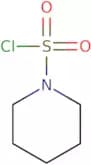

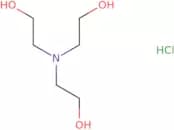
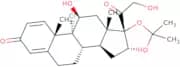
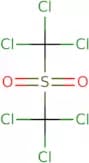
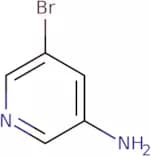
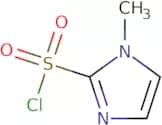
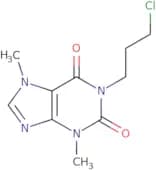
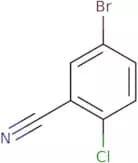
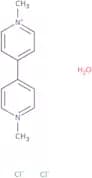
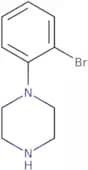


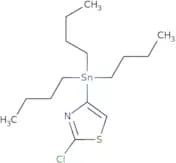
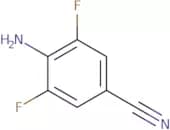

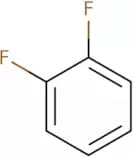
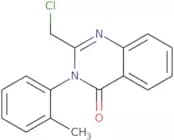

![[(1-Ethyl-1H-benzimidazol-2-yl)methyl]amine dihydrochloride](/_next/image/?url=https%3A%2Fstatic.cymitquimica.com%2Fproducts%2F3D%2Fthumb-webp%2FFE126425.webp&w=3840&q=75)
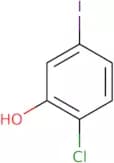
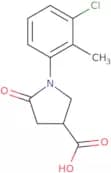
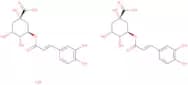
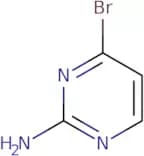
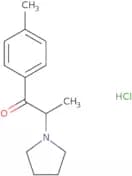
![[Hydroxy(methanesulfonyloxy)iodo]benzene](/_next/image/?url=https%3A%2Fstatic.cymitquimica.com%2Fproducts%2F3D%2Fthumb-webp%2FFH60683.webp&w=3840&q=75)
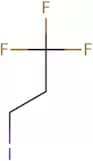
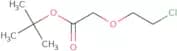
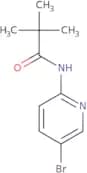

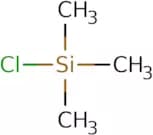
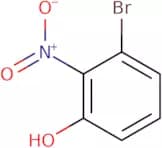
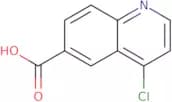
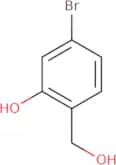
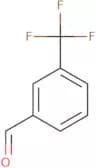

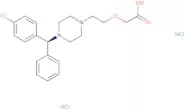
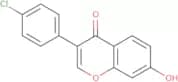
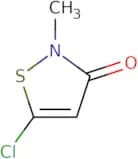
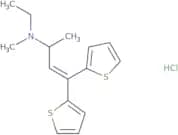

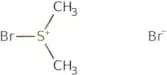
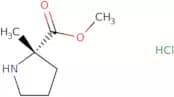

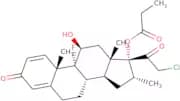

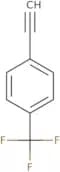
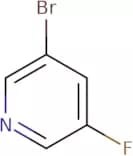
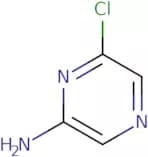
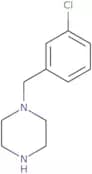
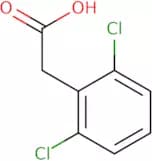
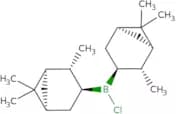

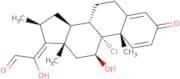
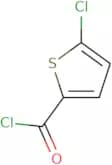


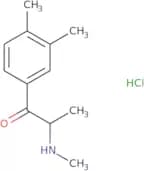
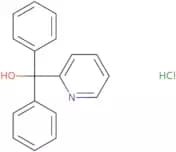
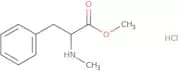
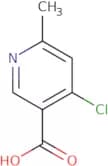
![5[(R)-(2-Aminopropyl)]-2-methoxybenzenesulfonamide hydrochloride](/_next/image/?url=https%3A%2Fstatic.cymitquimica.com%2Fproducts%2F3D%2Fthumb-webp%2FFA17834.webp&w=3840&q=75)

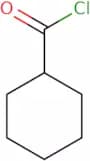
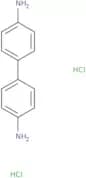

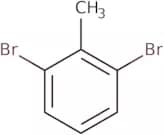
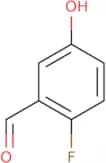
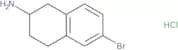
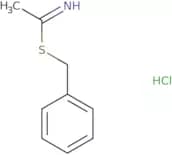
![2-(4-Fluorophenyl)-5-[(5-iodo-2-methylphenyl)methyl]thiophene](/_next/image/?url=https%3A%2Fstatic.cymitquimica.com%2Fproducts%2F3D%2Fthumb-webp%2FFF34928.webp&w=3840&q=75)
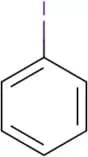
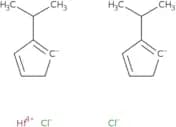
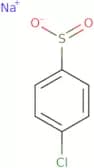
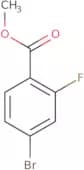
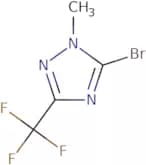
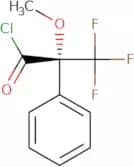
![(2-{2-[2-(2-Aminoethyl)-4,5-dimethoxybenzyl]-4,5-dimethoxyphenyl}ethyl)amine dihydrochloride](/_next/image/?url=https%3A%2Fstatic.cymitquimica.com%2Fproducts%2F3D%2Fthumb-webp%2FFA135464.webp&w=3840&q=75)
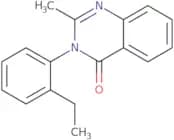
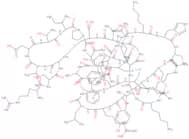
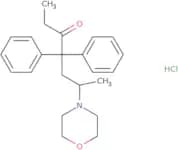
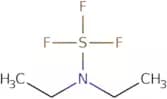
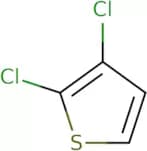
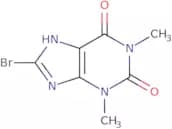
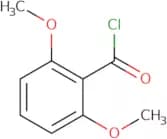
![[1-Methyl-2-(7-methyl-1H-indol-3-yl)ethyl]amine hydrochloride](/_next/image/?url=https%3A%2Fstatic.cymitquimica.com%2Fproducts%2F3D%2Fthumb-webp%2FFM123634.webp&w=3840&q=75)
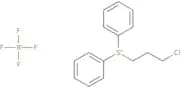
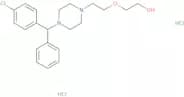
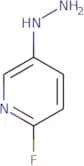
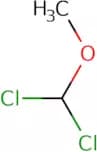
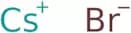
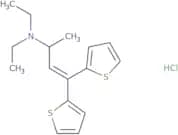
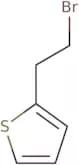
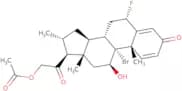

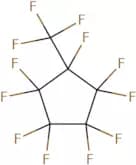
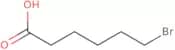

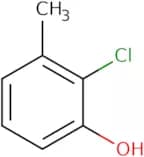
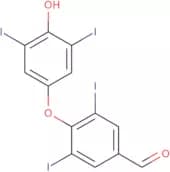
![7-(Difluoromethyl)-5-methyl[1,2,4]triazolo[1,5-a]pyrimidine-2-carboxylic acid](/_next/image/?url=https%3A%2Fstatic.cymitquimica.com%2Fproducts%2F3D%2Fthumb-webp%2FFD119953.webp&w=3840&q=75)
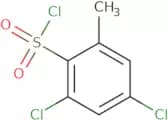
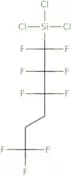
![1-[(2b,3a,5a,16b,17b)-17-Acetyloxy-3-hydroxy-2-(1-piperidinyl)androstan-16-yl]-1-methylpiperidiniu…](/_next/image/?url=https%3A%2Fstatic.cymitquimica.com%2Fproducts%2F3D%2Fthumb-webp%2FFA21131.webp&w=3840&q=75)
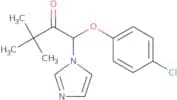
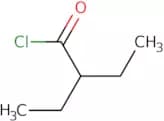
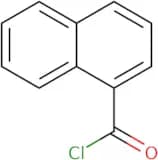
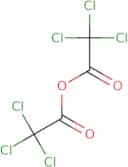
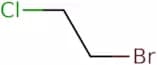
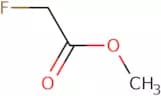
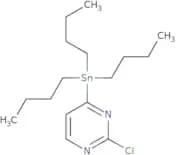
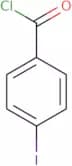
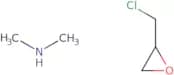
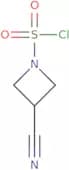
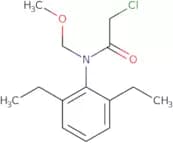

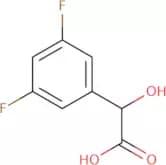

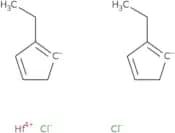
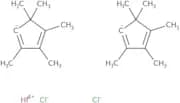
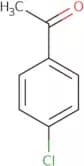
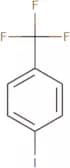
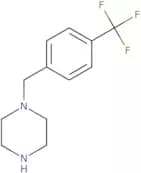
![8-Chloro-1-methyl-6-phenyl-4H-Imidazo[1,5-a][1,4]benzodiazepine](/_next/image/?url=https%3A%2Fstatic.cymitquimica.com%2Fproducts%2F3D%2Fthumb-webp%2FFC159452.webp&w=3840&q=75)
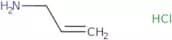
![N-[(1S)-1-(Aminocarbonyl)propyl]-4-chlorobutanamide](/_next/image/?url=https%3A%2Fstatic.cymitquimica.com%2Fproducts%2F3D%2Fthumb-webp%2FFA171302.webp&w=3840&q=75)
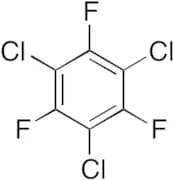

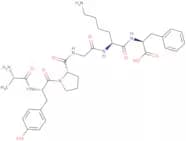
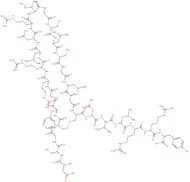
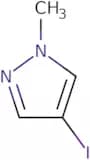
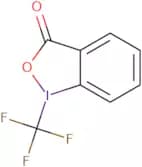
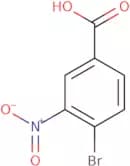
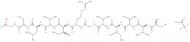


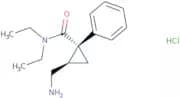


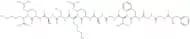
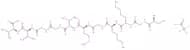
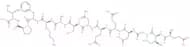

![4-[2-(Fmoc-amino)ethyl]-1-piperazineacetic acid dihydrochloride](/_next/image/?url=https%3A%2Fstatic.cymitquimica.com%2Fproducts%2F3D%2Fthumb-webp%2FFF48264.webp&w=3840&q=75)
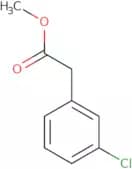
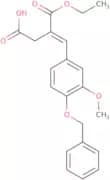

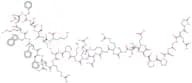
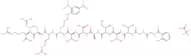
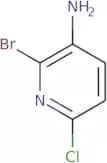
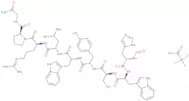

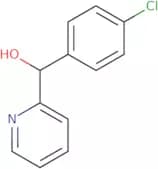


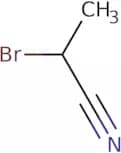
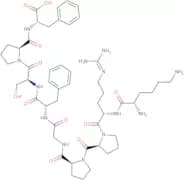
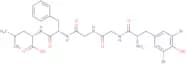

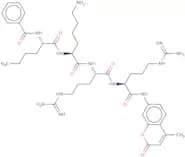
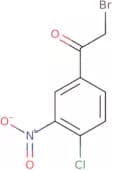

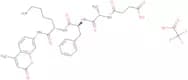
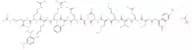
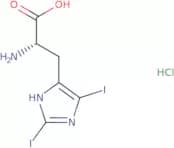
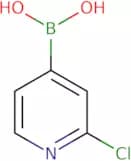

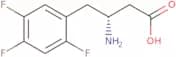




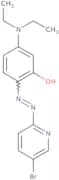
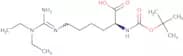
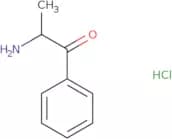
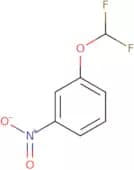
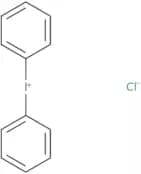
![Europium tris[3-(heptafluoropropylhydroxymethylene)-(+)-camphorate]](/_next/image/?url=https%3A%2Fstatic.cymitquimica.com%2Fproducts%2F3D%2Fthumb-webp%2FFE98265.webp&w=3840&q=75)