Amines
Amines are a set of molecules containing an amino functional group (derived from ammonia). This category includes amines at any level of substitution : primary, secondary, tertiary, and ammonium salts. Amines are fundamental in organic synthesis and are widely used in pharmaceuticals, agrochemicals, and materials science. At CymitQuimica, we provide a comprehensive selection of amines to meet your research and industrial needs. Our range ensures access to various amines for diverse chemical processes and innovative research.
Subcategories of "Amines"
- Nitrosamines(2,606 products)
- Primary Amines(30,821 products)
- Quaternary Ammonium Cations and Salts(1,099 products)
- Secondary Amines(20,817 products)
- Tertiary Amines(17,117 products)
Found 8778 products of "Amines"
Sort by
Purity (%)
0
100
|
0
|
50
|
90
|
95
|
100
4-(Acetylamino)-3-nitrobenzoic acid
CAS:<p>4-(Acetylamino)-3-nitrobenzoic acid (AANBA) is a molecule that inhibits the growth of Mycobacterium tuberculosis and influenza virus. It has been shown to have tuberculostatic activity and is able to adsorb to the cavity of the enzyme protein, preventing access by other molecules. AANBA also has antiviral properties that may be due to its ability to inhibit viral particles from binding with a cell surface receptor or inhibiting the synthesis of viral proteins. AANBA binds to the chloride ion in order to maintain the negative charge of the molecule, which is crucial for its antiviral activity.</p>Formula:C9H8N2O5Purity:Min. 95%Color and Shape:Slightly Yellow PowderMolecular weight:224.17 g/mol(S)-Brompheniramine maleate
CAS:<p>Brompheniramine is a non-sedating antihistamine with a variety of uses. It has been shown to inhibit the release of histamine and other mediators from mast cells, thereby preventing allergic reactions, such as hay fever, asthma, and chronic urticaria. Brompheniramine is also used for its sedative properties in the treatment of insomnia. Brompheniramine is a versatile building block that can be used to create complex compounds for research purposes or as speciality chemicals for high-quality fine chemical production.</p>Formula:C20H23BrN2O4Purity:Min. 95%Color and Shape:White PowderMolecular weight:435.31 g/mol2-Amino-4-bromobenzoic acid
CAS:<p>2-Amino-4-bromobenzoic acid is a molecule that has an acidic carboxylic group and two aromatic amino groups. It has a hydroxyl group and a fluorescence that can be activated or deactivated by ultraviolet light. 2-Amino-4-bromobenzoic acid is used in the synthesis of certain organic compounds. This molecule can be synthesized from other molecules, such as phenol, aminobenzene, and nitrobenzene. The reaction time for this chemical species is dependent on the catalytic agent used during the reaction process. A variety of chemical species are produced when 2-Amino-4-bromobenzoic acid is synthesized, including hydrogen bromide, ammonia, nitrogen gas, and water vapor. The population of 2-Amino-4-bromobenzoic acid is unknown because it is not abundant in nature.</p>Formula:C7H6BrNO2Purity:Min. 95%Color and Shape:Yellow PowderMolecular weight:216.03 g/mol20-Deoxo-23-deoxy-5-O-[3,6-dideoxy-3-(dimethylamino)-β-D-glucopyranosyl]-20,23-di-1-piperidinyltylonolide
CAS:<p>20-Deoxo-23-deoxy-5-O-[3,6-dideoxy-3-(dimethylamino)-beta-D-glucopyranosyl]-20,23-di-1-piperidinyltylonolide is an antimicrobial agent that belongs to the group of chemotherapeutic agents. It is a fluorinated analog of tilmicosin. The low dose group was treated with this drug for five days, and the high dose group received 20 times the amount of drug. Fluorescence spectrometry showed that there was no significant difference in the fluorescence intensity between these two groups after 24 hours. This drug has been shown to have pharmacokinetic properties in rats and mice, but further optimization may be required to improve its process.</p>Formula:C41H71N3O8Purity:Min. 95%Color and Shape:Off-White PowderMolecular weight:734.02 g/molO-(4-Nitrophenyl)hydroxylamine
CAS:<p>O-(4-Nitrophenyl)hydroxylamine (OPH) is an enantioselective, catalytic, and thermal stable reagent for the synthesis of chiral methyl groups. OPH can be used as a nucleophile to convert electron-deficient alkenes into α-chloroalkenes. It also reacts with nitroarenes to give nitroalkenes in high yields. OPH has been shown to be effective in the asymmetric hydrolysis of esters and amides through its ability to oxidize the methyl group on the substrate. This reaction does not occur with other groups such as hydroxyl or hydrogen atoms.<br>Methyl groups are important for many biological molecules, including proteins and nucleic acids, which form the backbone of cells that make up living organisms. The OPH reaction is catalyzed by enzymes called methyltransferases, which transfer one atom of methyl from S-adenosylmethionine (SAM)</p>Formula:C6H6N2O3Purity:Min. 95%Color and Shape:PowderMolecular weight:154.12 g/mol4-{[(Dimethylamino)sulfonyl]amino}benzoic acid
CAS:<p>4-{[(Dimethylamino)sulfonyl]amino}benzoic acid is a reagent that is used as an intermediate in the synthesis of complex compounds. It is also a useful scaffold for the synthesis of speciality chemicals and research chemicals. The compound has been shown to be versatile as a building block in organic reactions, such as condensation, esterification, and nitration.</p>Formula:C9H12N2O4SPurity:Min. 95%Color and Shape:Off-White To Brown SolidMolecular weight:244.27 g/mol4-((4-(dimethylamino)phenyl)methylene)-3-methyl-1-phenyl-2-pyrazolin-5-one
CAS:<p>Please enquire for more information about 4-((4-(dimethylamino)phenyl)methylene)-3-methyl-1-phenyl-2-pyrazolin-5-one including the price, delivery time and more detailed product information at the technical inquiry form on this page</p>Purity:Min. 95%Sibutramine hydrochloride monohydrate
CAS:Controlled Product<p>Serotonin receptor 5-HT antagonist; noradrenaline reuptake inhibitor</p>Formula:C17H29Cl2NOPurity:Min. 95%Color and Shape:PowderMolecular weight:334.32 g/mol3-Amino-4-methylpentan-2-one hydrochloride
CAS:<p>3-Amino-4-methylpentan-2-one hydrochloride is a versatile building block that is used for the synthesis of high quality research chemicals, useful scaffolds, and speciality chemicals. It is also used as a reagent in organic syntheses. This chemical has a wide range of uses and is a fine chemical that can be used as an intermediate or reaction component. 3-Amino-4-methylpentan-2-one hydrochloride can be reacted with other compounds to form complex molecules that have many different applications.</p>Formula:C6H13NO•HClPurity:Min. 95%Color and Shape:SolidMolecular weight:151.63 g/mol4-Diethylaminobenzaldoxime
CAS:<p>4-Diethylaminobenzaldoxime is a reaction component that is used in the synthesis of complex compounds. It has been shown to be a useful scaffold for the construction of novel chemical entities. It also has high quality, and can be used as a reagent in research or as a speciality chemical. 4-Diethylaminobenzaldoxime is versatile and can be used as an intermediate or building block in organic chemistry. This chemical has CAS No. 54376-65-7 and is classified as a fine chemical.</p>Formula:C11H16N2OPurity:Min. 95%Color and Shape:PowderMolecular weight:192.26 g/mol2,2-Bis[4-(4-aminophenoxy)phenyl]propane
CAS:<p>2,2-Bis[4-(4-aminophenoxy)phenyl]propane is a monomer that is used in the production of polyurethanes. It has a number of alkyl substituents, including chloride, which are removed during the process. 2,2-Bis[4-(4-aminophenoxy)phenyl]propane reacts with chlorides to form hydrochloric acid and 2,2-bis(4-hydroxyphenyl)propane. The reaction time depends on the concentration of chloride and can be determined by gel permeation chromatography. This monomer has been shown to have a kinetic data that is dependent on temperature, as well as magnetic resonance spectroscopy and proton NMR data. The product also exhibits an increase in thermal expansion when compared to other monomers.</p>Formula:C27H26N2O2Purity:Min. 98 Area-%Color and Shape:White PowderMolecular weight:410.51 g/mol3-Aminophenylboronic acid hemisulphate
CAS:<p>3-Aminophenylboronic acid hemisulphate is a cross-linking agent that has been shown to induce apoptosis in mammalian cells. It also has the ability to bind to glycan, a sugar molecule on the surface of cells. The binding of 3-aminophenylboronic acid hemisulphate induces morphogenetic protein (MP) secretion, which leads to cell death. This compound is used as an adjuvant in vaccines and also as a research reagent for studying protein sequences and antigen/antibody interactions.</p>Formula:C6H8BNO2•(H2SO4)0Purity:Min. 95%Color and Shape:White PowderMolecular weight:185.98 g/molCbz-L-glutamine
CAS:<p>Cbz-L-glutamine is a water soluble compound that is used in the synthesis of pomalidomide. It is synthesized through a stepwise amide formation from methylamine and ethylene diamine. Cbz-L-glutamine has been shown to have an inhibitory effect on cancer cells, which may be due to its ability to break down hydroxamic acids. This chemical reaction causes the release of hydrogen ions, which leads to the disruption of various cellular processes, such as DNA replication and protein synthesis. The uptake of Cbz-L-glutamine by cancer cells has been shown in tissue culture experiments.</p>Formula:C13H16N2O5Purity:Min. 95%Color and Shape:PowderMolecular weight:280.28 g/mol5-Aminoisatoic anhydride
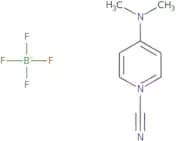
CAS:<p>5-Aminoisatoic anhydride is a versatile chemical that has been shown to be useful in the synthesis of complex compounds. It is also used as a reaction component and as a building block for research chemicals.</p>Formula:C8H6N2O3Purity:Min. 95%Color and Shape:PowderMolecular weight:178.14 g/molN, N-Dimethylpyridin-4-amine 4-methylbenzenesulfonate
CAS:<p>N,N-Dimethylpyridin-4-amine 4-methylbenzenesulfonate is an integrating agent used in polymer chemistry. It can be used to study the effects of chromophores on both linear and nonlinear optical properties in polymers. N,N-Dimethylpyridin-4-amine 4-methylbenzenesulfonate has been shown to be a good 1,3-dipolar cycloadductor for the synthesis of polymers with polarizable hyperbranched structures.</p>Formula:C7H10N2·C7H8O3SPurity:Min. 95%Color and Shape:White PowderMolecular weight:294.37 g/mol2,4,6-Trimethylbenzylamine
CAS:<p>2,4,6-Trimethylbenzylamine is a benzyl amine that has been shown to increase bone mass and reduce insulin resistance. It is also used as a specific treatment for cardiovascular disorders, cardiovascular diseases, and cancer. Benzyl amines are ligands that activate the enzyme hydroxylase by binding to it and increasing the activity of this enzyme. This leads to an increase in the production of diacylglycerol (DAG) and monoacylglycerol (MAG), which are important signaling molecules involved in cellular growth. 2,4,6-Trimethylbenzylamine has been shown to have anti-inflammatory properties by inhibiting serotonin release from platelets.br><br>br><br>2,4,6-Trimethylbenzylamine is metabolized by cytochrome p450 enzymes such as CYP1A2 into 2-methyltetrahydrofuran-3(2</p>Formula:C10H15NColor and Shape:Clear LiquidMolecular weight:149.23 g/moltrans-4-Aminocyclohexanol hydrochloride
CAS:<p>Trans-4-aminocyclohexanol hydrochloride is a monomer that has been used in the synthesis of polymers, which are used in the production of medical devices. Trans-4-aminocyclohexanol hydrochloride has shown anticancer activity and is used to inhibit the growth of murine leukemia cells. It has also shown uptake in different tissues and amination reaction with amino acids. The melting point of trans-4-aminocyclohexanol hydrochloride is 198°C, constant at 1.0, and impurities are less than 0.2%. Trans-4-aminocyclohexanol hydrochloride has been found to be a colorless solid with a molecular weight of 154.2 g/mol, an amorphous morphology, and a particle size distribution between 5 nm and 10 μm.</p>Formula:C6H13NO·HClColor and Shape:White Off-White PowderMolecular weight:151.63 g/mol2-Amino-3,4-dimethylbenzoic acid
CAS:<p>Protocatechuic acid is a phenolic compound that is found in the cell wall of plants. It has been shown to have radical scavenging activities and antioxidant properties. Protocatechuic acid binds to acetylcholine receptors, which are proteins that are involved in neurotransmission. Protocatechuic acid also inhibits the production of 4-hydroxy radicals, which are reactive oxygen species. This effect was observed when an ethanol extract was used as a source of protocatechuic acid in a study on rats with experimental myocardial infarction. The activity of the muscarinic acetylcholine receptor has been shown to be dose-dependent, with greater activity at lower concentrations and lower activity at higher concentrations. Higher doses can lead to allosteric modulation of this receptor by protocatechuic acid.</p>Formula:C9H11NO2Purity:Min. 95%Color and Shape:PowderMolecular weight:165.19 g/mol5-Amino-1H-tetrazole potassium salt
CAS:<p>5-Amino-1H-tetrazole potassium salt is a chemical compound that is used as a reagent for the alkylation of organic compounds. It can be synthesized by reacting sodium with 5-amino-1H-tetrazole in the presence of dimethylformamide and ether. The yield of this reaction is high, but it is not an efficient process because it requires large quantities of starting materials. The potassium salt can be isolated from the mixture by adding water to produce a precipitate, which can then be dried.</p>Formula:CH2KN5Purity:Min. 95%Color and Shape:Slightly Yellow PowderMolecular weight:123.16 g/mol4-Aminoindole hydrochloride
CAS:<p>4-Aminoindole hydrochloride is a white crystalline solid that can be used as a versatile building block in organic synthesis. It is also used as an intermediate in the production of various pharmaceuticals and other chemical compounds. 4-Aminoindole hydrochloride is soluble in most polar solvents, but insoluble in ethers and oils. This compound is also a useful reagent for the conversion of nitrobenzenes to aminobenzoic acids. CAS Number 174854-93-4</p>Formula:C8H9ClN2Purity:Min. 95%Color and Shape:PowderMolecular weight:168.62 g/mol3-[(Dimethylamino)methyl]benzaldehyde
CAS:<p>3-[(Dimethylamino)methyl]benzaldehyde is a fine chemical that is used as a versatile building block in the synthesis of pharmaceuticals. It is also a useful intermediate in the synthesis of complex compounds and research chemicals. This product has been shown to be high quality and can be used as a reagent for many reactions.</p>Formula:C10H13NOPurity:Min. 95%Molecular weight:163.22 g/molDL-3-Aminoisobutyric acid
CAS:<p>DL-3-Aminoisobutyric acid (LAA) is a metabolite of the amino acid L-arginine. It is produced in the liver by the enzyme arginase and can be used to diagnose hepatic steatosis. It is also found in urine and human serum, as well as in microbial metabolism. LAA has been shown to regulate gene transcription and metabolism through its ability to inhibit the activity of gamma-aminobutyric acid (GABA), an inhibitory neurotransmitter that regulates energy metabolism and metabolic disorders. In addition, LAA has been shown to have antioxidant properties, which may be related to its role in caproic acid biosynthesis.</p>Formula:C4H9NO2Color and Shape:White Off-White PowderMolecular weight:103.12 g/mol2-(4-Methyl-4H-1,2,4-triazol-3-yl)ethanamine dihydrochloride
CAS:<p>2-(4-Methyl-4H-1,2,4-triazol-3-yl)ethanamine dihydrochloride is a high quality chemical used as a building block in the synthesis of complex compounds. It is an intermediate in the manufacture of research chemicals, reagents and speciality chemicals. 2-(4-Methyl-4H-1,2,4-triazol-3-yl)ethanamine dihydrochloride is also a versatile building block that can be used in reactions to produce useful scaffolds. CAS No. 1158631-54-9</p>Formula:C5H10N4·2HClPurity:Min. 95%Color and Shape:White PowderMolecular weight:199.08 g/mol2-(((4-Bromo-2,5-dimethoxyphenyl)amino)methylene)-5,5-dimethylcyclohexane-1,3-dione
CAS:<p>Please enquire for more information about 2-(((4-Bromo-2,5-dimethoxyphenyl)amino)methylene)-5,5-dimethylcyclohexane-1,3-dione including the price, delivery time and more detailed product information at the technical inquiry form on this page</p>Formula:C17H20BrNO4Purity:Min. 95%Molecular weight:382.25 g/mol1-(2-Aminoethyl)pyrrolidine-2,5-dione hydrochloride
CAS:<p>1-(2-Aminoethyl)pyrrolidine-2,5-dione hydrochloride is a chemical intermediate that is used in the synthesis of biologically active compounds. It has been shown to be an excellent building block for synthesizing complex compounds, and is also a useful reagent. 1-(2-Aminoethyl)pyrrolidine-2,5-dione hydrochloride has been identified as a high quality research chemical and is commercially available in the form of bulk quantities or as a fine chemical.</p>Formula:C6H11ClN2O2Purity:Min. 95%Color and Shape:PowderMolecular weight:178.62 g/mol4,4'-Diamino-3,3'-dimethyldiphenylmethane
CAS:<p>4,4'-Diamino-3,3'-dimethyldiphenylmethane is a reactive dye that is used in the diagnosis of cervical cancer. It has been shown to suppress the expression of tumor suppressor genes by binding to DNA and interfering with transcription. This dye is also a polyvinyl compound that binds to proteins through an amine group. The bound form of 4,4'-Diamino-3,3'-dimethyldiphenylmethane can be detected using an electrode and hydroxyl group as a diode. Multivariate logistic regression was used to determine the relationship between the bound form of 4,4'-Diamino-3,3'-dimethyldiphenylmethane and women who have not had any symptoms of cervical cancer. A section was taken from each subject's cervix and stained with 4,4'-Diamino-3,3'-dimethyldiphenylmethane</p>Formula:C15H18N2Purity:Min. 95%Color and Shape:PowderMolecular weight:226.32 g/mol(S)-(-)-3-Aminoquinuclidine 2HCl
CAS:<p>(S)-(-)-3-Aminoquinuclidine 2HCl is a cholinergic agonist that has been shown to be effective in inducing the release of acetylcholine from brain synaptosomes. This drug binds to the nicotinic acetylcholine receptor (nAChR) and inhibits the action of the enzyme acetylcholinesterase, thereby increasing the concentration of acetylcholine in the synaptic cleft. The drug is also able to cross the blood-brain barrier and bind to receptors on neurons. It has been shown that this drug can be used as an imaging agent for molecular magnetic resonance tomography (MRT), with high sensitivity and specificity.</p>Formula:C7H16Cl2N2Purity:Min. 95%Color and Shape:White PowderMolecular weight:199.12 g/mol3-Amino-4-methoxybenzoic acid ethyl ester
CAS:<p>3-Amino-4-methoxybenzoic acid ethyl ester is a chemical building block that can be used in the synthesis of various organic compounds. It is an important reaction component, and can also be used as a reagent or useful scaffold. 3-Amino-4-methoxybenzoic acid ethyl ester is soluble in organic solvents and has a high quality. This chemical has been shown to be useful for research purposes.</p>Formula:C10H13NO3Purity:Min. 95%Color and Shape:PowderMolecular weight:195.22 g/molMethyl 3-amino-5,6-dichloro-2-pyrazine carboxylate
CAS:<p>Methyl 3-amino-5,6-dichloro-2-pyrazine carboxylate is a synthetic molecule that has been synthesized from dimethylamiloride. This chemical has been labeled and used for a variety of homologous and synthetic modifications. It may be used in labeling experiments to identify an unknown compound or to determine the structure of a known compound. The methyl 3-amino-5,6-dichloro-2-pyrazine carboxylate can also be used as a ligand to bind with subunits of proteins or nucleic acids. Photolabile methyl 3-amino-5,6-dichloro-2-pyrazine carboxylate can be synthesized by using light energy to cleave the ester bonds in the chemical. This chemical is useful for assays and techniques such as spectroscopy and nuclear magnetic resonance (NMR).</p>Formula:C6H5Cl2N3O2Purity:Min. 96.5 Area-%Color and Shape:PowderMolecular weight:222.03 g/mol(S)-trans-2-Amino-4-(2-aminoethoxy)-3-butenoic acid hydrochloride
CAS:<p>(S)-trans-2-Amino-4-(2-aminoethoxy)-3-butenoic acid hydrochloride is a chemical pesticide that inhibits the production of ethylene in plants. It is used to control growth and enhance the fruit quality of horticultural crops. It is also used as an inhibitor of serine proteases, which are enzymes that catalyze the hydrolysis of proteins. This product has been shown to act as a growth regulator by inhibiting the activity of serine proteases and blocking the biosynthesis of ethylene. (S)-trans-2-Amino-4-(2-aminoethoxy)-3-butenoic acid hydrochloride also blocks the biosynthesis of human chorionic gonadotropin, a hormone involved in reproduction and development.</p>Formula:C6H13ClN2O3Purity:Min. 97 Area-%Color and Shape:Off-White PowderMolecular weight:196.63 g/molN-(4-Amino-2,5-diethoxyphenyl)-benzamide
CAS:<p>4-Amino-2,5-diethoxyphenyl)benzamide is a small molecule that inhibits the enzyme activity of polymerase chain reaction (PCR), DNA topoisomerase I, and DNA gyrase. It has been shown to inhibit the growth of human leukemia cells in culture. 4-Amino-2,5-diethoxyphenyl)benzamide also inhibits rat liver microsomes and can be used for the treatment of neurodegenerative diseases.</p>Formula:C17H20N2O3Purity:Min. 95%Color and Shape:PowderMolecular weight:300.35 g/mol5-Nitro-m-phenylenediamine
CAS:<p>5-Nitro-m-phenylenediamine is an organic compound that has the chemical formula CHNO. It is a white crystalline solid with a melting point of 158 °C. The compound is soluble in water and other polar solvents but insoluble in nonpolar solvents such as hexane. 5-Nitro-m-phenylenediamine can be prepared by nitration of m-phenylenediamine, which produces the desired product in about 30% yield and with impurities that must be removed by fractional crystallization. The compound is used as an intermediate for making dyes and pharmaceuticals.</p>Formula:C6H7N3O2Purity:Min. 95%Color and Shape:PowderMolecular weight:153.14 g/mol2-Aminobiphenyl
CAS:<p>2-Aminobiphenyl is a chemical compound with the molecular formula C6H5CH2NH. It has been found to be carcinogenic in animals. 2-Aminobiphenyl is metabolized by the liver and excreted in urine, and is also excreted into breast milk. 2-Aminobiphenyl binds to epidermal growth factor receptors (EGFR) and triggers the activation of cell proliferation. The tissue culture studies show that it induces tumor formation at higher doses, but not at lower doses. 2-Aminobiphenyl has been shown to bind to DNA through intramolecular hydrogen bonds and form adducts with guanine bases. This binding leads to an increase in DNA strand breaks and inhibition of DNA synthesis, which may lead to cancer or other diseases affecting cells that divide rapidly such as bladder cancer or cancer of the skin.</p>Formula:C12H11NPurity:Min. 95%Color and Shape:White PowderMolecular weight:169.22 g/mol2-[(2,4-Dimethylphenyl)amino]nicotinic acid
CAS:<p>Please enquire for more information about 2-[(2,4-Dimethylphenyl)amino]nicotinic acid including the price, delivery time and more detailed product information at the technical inquiry form on this page</p>Formula:C14H14N2O2Purity:Min. 95%Color and Shape:PowderMolecular weight:242.27 g/mol[2-(4-Chlorophenoxy)ethyl]amine hydrochloride
CAS:<p>2-(4-Chlorophenoxy)ethyl]amine hydrochloride is a chemical that can be used as a building block for the synthesis of pharmaceuticals. It is an intermediate in the production of fine chemicals and other reagents. 2-[2-(4-Chlorophenoxy)ethoxy]ethylamine hydrochloride has CAS number 28769-06-4 and can be used for research purposes.</p>Formula:C8H10ClNOPurity:Min. 95 Area-%Color and Shape:Clear LiquidMolecular weight:171.62 g/mol(E)-N-(3-Methylaminopropyl)-2-thiopheneacrylamide
CAS:<p>(E)-N-(3-Methylaminopropyl)-2-thiopheneacrylamide is a high quality chemical that can be used as an intermediate in the synthesis of complex compounds. It is also a useful scaffold and building block for the synthesis of speciality chemicals with versatile reactions.</p>Formula:C11H16N2OSPurity:Min. 95%Color and Shape:Colorless Clear LiquidMolecular weight:224.32 g/mol1,2-Dioleoyl-sn-glycero-3-phosphatidylethanolamino (+)-biotin
CAS:<p>This is a speciality chemical and is not intended for use in food, drug, or cosmetic applications. This fine chemical is a useful building block, which can be used to synthesize complex compounds. It has been shown to have high reactivity with a variety of reagents, making it an excellent research component.</p>Formula:C51H92N3O10PSPurity:Min. 95%Color and Shape:PowderMolecular weight:970.33 g/mol5-Amino-2-chlorobenzonitrile
CAS:<p>5-Amino-2-chlorobenzonitrile is a functional theory that has been optimised for the synthesis of pesticides. It has been shown to have high affinity constants and to be a good potential for monitoring. 5-Amino-2-chlorobenzonitrile is synthesized in the form of monoclonal antibodies, which are then optimised using vibrational frequencies. The parameters of these molecules are optimized by comparing the calculated frequencies with those obtained from experimental data. This theory can be used to develop new pesticides that are less harmful to humans and animals, as well as being more environmentally friendly.</p>Formula:C7H5ClN2Purity:Min. 95%Color and Shape:PowderMolecular weight:152.58 g/molMethyl 3-aminothieno[2,3-β]pyridine-2-carboxylate
CAS:<p>Please enquire for more information about Methyl 3-aminothieno[2,3-β]pyridine-2-carboxylate including the price, delivery time and more detailed product information at the technical inquiry form on this page</p>Formula:C9H8N2O2SPurity:Min. 95%Color and Shape:PowderMolecular weight:208.24 g/molm-Aminophenolsulfate
CAS:<p>m-Aminophenolsulfate is a sulfonated derivative of m-aminophenol. It has been used for wastewater treatment and as an analytical reagent for the determination of p2 group substances, such as sulfa drugs. It is also used in pharmaceutical preparations and human serum. m-Aminophenolsulfate may be activated by hydrochloric acid to form a reactive intermediate (m-aminophenoxy radical) that reacts with electron acceptors such as oxygen or nitrous oxide to generate reactive oxygen species. In this way, m-aminophenolsulfate can act as a broad-spectrum antimicrobial agent against both Gram negative and Gram positive bacteria. The mechanism of this reaction is adsorption on the bacterial cell wall, which leads to cell death through osmotic lysis or disruption of membrane integrity.</p>Formula:C12H16N2O6SPurity:Min. 95%Color and Shape:PowderMolecular weight:316.33 g/mol2-Amino-5-nitro-2'-fluorobenzophenone
CAS:<p>2-Amino-5-nitro-2'-fluorobenzophenone is a prodrug that is activated by thiourea, a chemical agent that is used to break down the drug. It is an anti-inflammatory drug that acts as a selective COX inhibitor and has been shown to be effective in vivo against primary tumors. 2-Amino-5-nitro-2'-fluorobenzophenone has also been shown to have antiangiogenic properties and has been used to treat inflammatory diseases such as arthritis and psoriasis. This drug can be radiolabeled with carbon, fluorine, or iodine isotopes for use in positron emission tomography (PET) imaging of primary tumors. The drug binds to response elements on cells through electrostatic interactions between the molecular orbitals of the 2 amino groups and the nucleophilic centers of these molecules.</p>Formula:C13H9FN2O3Purity:Min. 95%Color and Shape:PowderMolecular weight:260.22 g/molFarnesyl pyrophosphate triammonium salt
CAS:<p>Farnesyl pyrophosphate triammonium salt is a proteolytic cancer drug that has been shown to be effective against cancer cells. Farnesyl pyrophosphate triammonium salt is an active analog of farnesyl pyrophosphate, which is an intermediate in the synthesis of cholesterol and other steroids. Farnesyl pyrophosphate triammonium salt inhibits protein synthesis by inhibiting the methylation of proteins and the transfer of methyl groups from S-adenosylmethionine to protein substrates. This leads to a decrease in the expression of proteins necessary for cell division, such as DNA polymerase α and RNA polymerase II.</p>Formula:C15H37N3O7P2Purity:Min. 95%Color and Shape:PowderMolecular weight:433.42 g/mol4-Dimethylaminostilbene
CAS:<p>4-Dimethylaminostilbene is a stilbene derivative that is used in the laboratory as an inhibitor of protein synthesis. 4-Dimethylaminostilbene inhibits the activity of enzymes such as acid conjugates, which are enzymes that catalyze reactions involving the addition of an acid to a molecule. This drug has been shown to inhibit sarcoma cells and to be active against animals. 4-Dimethylaminostilbene reacts with proteins by forming adducts with amino groups on the side chains of lysine or arginine residues in proteins, thereby inhibiting their function. The reaction products are excreted from the body through urine and bile. 4-Dimethylaminostilbene can be administered orally, but it must be taken with acidic foods or drinks to prevent its destruction.</p>Formula:C16H17NPurity:95%NmrMolecular weight:223.31 g/mol(S)-Chlorpheniramine maleate
CAS:<p>Histamine (H1) antagonist; used to treat allergies</p>Formula:C20H23ClN2O4Purity:Min. 95%Color and Shape:White Off-White PowderMolecular weight:390.86 g/mol6-Aminoindoline dihydrochloride
CAS:<p>Please enquire for more information about 6-Aminoindoline dihydrochloride including the price, delivery time and more detailed product information at the technical inquiry form on this page</p>Formula:C8H10N2•(HCl)2Purity:Min. 95%Molecular weight:207.1 g/molAmmonium trifluoroacetate
CAS:<p>Ammonium trifluoroacetate is a chemical compound that has two hydroxyl groups. It is used for the treatment of autoimmune diseases, such as rheumatoid arthritis, and in the synthesis of nomegestrol acetate, which is an estrogenic drug. Ammonium trifluoroacetate is also used to study the biological properties of receptors and other proteins. The thermal expansion property of ammonium trifluoroacetate can be used to determine its concentration in a sample. Ammonium trifluoroacetate also has potent antagonistic effects against HIV infection and can be detected with high sensitivity. Studies have shown that ammonium trifluoroacetate is toxic to humans; however, it does not accumulate in the body.</p>Formula:C2H4F3NO2Purity:Min. 95%Color and Shape:PowderMolecular weight:131.05 g/molp-Phenylenediamine-2,5-disulphonic acid
CAS:<p>P-Phenylenediamine-2,5-disulphonic acid is a diazonium salt that is used as a chemical in the textile industry. It can be activated with chlorine and hydrolyzed to form 2,5-dichloro-p-phenylenediamine (DCPD). DCPD is a viscose activator, which increases the viscosity of the viscose solution. The activation of p-Phenylenediamine-2,5-disulphonic acid with chlorine produces cyanuric chloride as an intermediate product. Cyanuric chloride has been shown to have a yellow colour when dissolved in water.</p>Formula:C6H8N2O6S2Purity:Min. 95%Color and Shape:PowderMolecular weight:268.27 g/mol6-Benzyloxytryptamine
CAS:Controlled Product<p>6-Benzyloxytryptamine is a drug that is metabolized by hydroxylation of the 6-hydroxyl group and glucuronidation. It is a positional isomer of tryptamine, with the methyl group on the 6 position instead of the 3 position. The 6-benzyloxytryptamine has been shown to have stimulatory effects in animals, but its effect on humans is not known.</p>Formula:C17H18N2OPurity:Min. 98.0 Area-%Color and Shape:PowderMolecular weight:266.34 g/mol3-(4-Dimethylaminophenyl)propionic acid hydrochloride
CAS:<p>3-(4-Dimethylaminophenyl)propionic acid hydrochloride is a white crystalline compound that is soluble in water. It has many uses as a building block, reagent, intermediate, or scaffold in organic synthesis due to its versatility and stability. 3-(4-Dimethylaminophenyl)propionic acid hydrochloride can be used as an additive to improve the performance of other substances. In addition, this chemical is a useful building block for the production of research chemicals or speciality chemicals.</p>Formula:C11H15NO2•HClPurity:Min. 95%Molecular weight:229.7 g/molPyridoxamine dihydrochloride
CAS:<p>Pyridoxamine dihydrochloride is a dinucleotide phosphate that is used as an antimicrobial agent. It has been shown to be toxic to certain bacteria, such as Staphylococcus aureus and Bacillus subtilis. Pyridoxamine dihydrochloride also has been shown to have inhibitory effects on the growth of yeast and fungi. This compound binds to calcium in the body, which may account for its observed toxicity to organisms that use this element for cellular processes. Pyridoxamine dihydrochloride has also been shown to have effects on the kidney and heart.</p>Formula:C8H14Cl2N2O2Color and Shape:White PowderMolecular weight:241.11 g/molImipramine hydrochloride
CAS:Controlled Product<p>Imipramine hydrochloride is a hydrochloride salt form of imipramine, a surface active tricyclic drug, a potent inhibitor of serotonin and norepinephrine reuptake. It has a greater affinity for the serotonin and it has more anticholinergic side effects which can be helpful in treating enuresis. Imipramine blocks D-2 receptors, H1 receptors, alpha 1 and alpha 2 adrenergic receptors and muscarinic receptors. It is used for therapy of depression (major and bipolar) and nocturnal enuresis in children. Also it is indicated for dysthymia, attention-deficit disorders, agoraphobia and it is effective in treating anxiety and panic disorders.</p>Formula:C19H25ClN2Purity:Min. 95%Color and Shape:PowderMolecular weight:316.87 g/mol1-[4-(Pyridin-3-yloxy)phenyl]methanamine dihydrochloride
CAS:<p>1-[4-(Pyridin-3-yloxy)phenyl]methanamine dihydrochloride (1-PPM) is a fine chemical, versatile building block and complex compound with research chemical applications. 1-PPM is a reagent, speciality chemical and useful building block for the synthesis of high quality organic compounds. The CAS number for 1-PPM is 1185300-26-8. 1-PPM has been used as a reaction component in the synthesis of substituted piperazines and substituted pyrrolidines, which are useful scaffolds for further modifications.</p>Formula:C12H12N2O·2HClPurity:Min. 95%Color and Shape:PowderMolecular weight:273.16 g/mol4-(Dimethylamino)chalcone
CAS:<p>4-(Dimethylamino)chalcone is a fluorescent molecule that has been used as a fluorescence probe to study the structures of fatty acids and other molecules. It is also used to detect neutral pH in biological studies. 4-(Dimethylamino)chalcone reacts with carbonyl groups to form stable complexes, which are useful for structural analysis. The fluorescence intensity is proportional to the concentration of the carbonyl group. This molecule has been shown to be potently active against human serum, which may be due to its ability to bind with protein and form stable complexes.</p>Formula:C17H17NOPurity:Min. 95%Color and Shape:PowderMolecular weight:251.32 g/mol1,2-Dioleoyl-3-trimethylammonium-propane, chloride
CAS:<p>1,2-Dioleoyl-3-trimethylammonium-propane, chloride (DOTAP) is a cationic lipid of the phospholipid class. DOTAP has been shown to stimulate the growth and differentiation of hematopoietic cells in vivo. DOTAP also enhances the metastatic potential of tumor cells by increasing their uptake and inhibiting apoptosis. It has been found to be active against skin cancer cells, which may be due to its ability to enhance antitumor response. DOTAP is used as a fluorescent probe for intracellular pH measurements in live cells and can be used as a carrier lipid for liposomal drug delivery systems. The major biological properties of DOTAP are its ability to form vesicles and its capacity for energy metabolism.</p>Formula:C42H80ClNO4Purity:(¹H-Nmr) Min. 95 Area-%Color and Shape:PowderMolecular weight:698.54 g/mol1,1,2,2,3,3,3-Heptafluoro-N,N-Bis(1,1,2,2,2-Pentafluoroethyl)Propan-1-Amine
CAS:Controlled Product<p>The heptafluoro-N,N-bis(1,1,2,2,2-pentafluoroethyl)propane-1-amine is a chemical compound that is used as an additive. This additive has been shown to be efficient in the removal of organic compounds such as benzene and toluene from water. It can also be used for the treatment of biofuel waste water. The heptafluoro-N,N-bis(1,1,2,2,2-pentafluoroethyl)propane-1-amine has shown to have a wavelength absorbance profile with a maximum at 370 nm in the ultraviolet region of the electromagnetic spectrum. This compound can also be used for barcoding and identification purposes in applications where human contact is required.</p>Formula:C7F17NPurity:Min. 95%Molecular weight:421.05 g/molMethyl 4-((aminocarbamoyl)methoxy)benzoate
CAS:<p>Please enquire for more information about Methyl 4-((aminocarbamoyl)methoxy)benzoate including the price, delivery time and more detailed product information at the technical inquiry form on this page</p>Formula:C10H12N2O4Purity:Min. 95%Color and Shape:PowderMolecular weight:224.21 g/molN-Methylbutylamine
CAS:<p>N-Methylbutylamine is a pharmaceutical drug that belongs to the class of amines. It is used as a hydrogen bond donor in some organic reactions. N-Methylbutylamine has been shown to have cytotoxic effects on prostate cancer cells and has been used for the treatment of this type of cancer. This drug also has a fluorescent derivative, which can be used in the detection of water vapor. The amine group of N-Methylbutylamine is involved in catalysis by enzymes and organometallic compounds. The optimum pH for this molecule is 7, with an activation energy at 20 degrees Celsius of 42 kilojoules per mole.<br>N-Methylbutylamine has also been shown to inhibit kinesin, an important protein involved in cellular transport.</p>Formula:C5H13NPurity:Min. 95%Color and Shape:Clear LiquidMolecular weight:87.17 g/mol(2R,3S)-3-(tert-Butoxycarbonyl)amino-1,2-epoxy-4-phenylbutane
CAS:<p>The compound (2R,3S)-3-(tert-Butoxycarbonyl)amino-1,2-epoxy-4-phenylbutane is an epoxide with a thionyl chloride mediated reaction. This compound has been shown to react with amines and nucleophiles to form epoxides. The time required for this reaction was found to be dependent on the concentration of the amine. The reaction was also found to be chiral as it produced a mixture of diastereomers. When irradiated, this compound undergoes a stereoselective reaction that leads to a new epoxide product.</p>Formula:C15H21NO3Purity:Min. 95%Color and Shape:Off-White PowderMolecular weight:263.34 g/molNiclosamide ethanolamine salt
CAS:<p>Chemically a chlorinated salicylanilide, niclosamide is clinically used as an anthelmintic agent. The action of niclosamide has been proven to proceed by inhibiting the STAT3 signaling pathway. Recently, niclosamide, has been considered as an antiproliferative agent in cancer treatment, e.g. melanoma and colorectal cancer. In 2021, niclosamide has been tested for the treatment of COVID-19 patients.</p>Formula:C15H15Cl2N3O5Color and Shape:PowderMolecular weight:388.2 g/mol2-(Aminooxy)ethanol
CAS:<p>2-(Aminooxy)ethanol is an organic compound that has the chemical formula CH3NOCH2CH2OH. It belongs to the group of cyclic ketones and is a colorless liquid with a boiling point of 78°C. This substance can be produced by dehydrogenation of ethylene oxide or by reaction of formamide with sodium hydroxide and hydrochloric acid. The product can also be prepared from 2-hydroxyethanol, which reacts with ethylene in presence of HCl. The reaction time for this process is around 1 hour at room temperature. The chemical formula for 2-(Aminooxy)ethanol is C4H11NO2O.</p>Formula:C2H7NO2Purity:Min. 95%Color and Shape:Clear LiquidMolecular weight:77.08 g/mol6-Aminonicotinamide
CAS:<p>6-Aminonicotinamide is an experimental drug that has shown promising results in animal studies. This compound may be useful for the treatment of cancer, due to its ability to inhibit reactive oxygen species and maintain mitochondrial membrane potential. 6-Aminonicotinamide also has a protective effect against radiation-induced cell damage, as it prevents oxidative injury to DNA and protein. In addition, 6-aminonicotinamide can stimulate the proliferation of pluripotent cells, which are cells that have the ability to differentiate into any type of cell in the body. Finally, this compound was shown to have antitumor effects by inhibiting squamous carcinoma tumor growth in experimental models.</p>Formula:C6H7N3OPurity:Min. 95%Color and Shape:PowderMolecular weight:137.14 g/molN,N-Diethyl-N-(4-iodobenzyl)amine
CAS:<p>N,N-Diethyl-N-(4-iodobenzyl)amine is a high quality and versatile building block that is used as a reagent, speciality chemical, or intermediate. The compound has been found to be useful in the synthesis of complex compounds. It can also be used as a reaction component for various organic synthesis reactions. N,N-Diethyl-N-(4-iodobenzyl)amine is commercially available from Sigma Aldrich with CAS No. 914636-94-5.</p>Formula:C11H16INPurity:Min. 95%Color and Shape:PowderMolecular weight:289.16 g/mol2-((4-Methylphenyl)sulfonyl)-N-(((2-thienylcarbonylamino)thioxomethyl)amino)ethanamide
CAS:<p>Please enquire for more information about 2-((4-Methylphenyl)sulfonyl)-N-(((2-thienylcarbonylamino)thioxomethyl)amino)ethanamide including the price, delivery time and more detailed product information at the technical inquiry form on this page</p>Formula:C15H15N3O4S3Purity:Min. 95%Color and Shape:PowderMolecular weight:397.5 g/mol4-Amino-2-chlorobenzoic acid methyl ester
CAS:<p>4-Amino-2-chlorobenzoic acid methyl ester (4ACBME) is a chemical compound that has been used in the treatment of autoimmune diseases. It acts as an immunoreceptor and regulatory molecule by binding to specific receptors on the surface of lymphocytes, which are cells that play a central role in the immune system. 4ACBME also inhibits the production of inflammatory molecules, such as TNF-α, IL-1β, IL-6 and IL-8. The regression of tissue inflammation was observed in animal models after 4ACBME treatment. This compound has been shown to have no genotoxic impurities in vitro studies and its molecular descriptors are consistent with those found for other immunoreceptors.</p>Formula:C8H8ClNO2Purity:Min. 95%Color and Shape:White PowderMolecular weight:185.61 g/molHyoscyamine
CAS:<p>Hyoscyamine is a tropane alkaloid that is found in plants of the Solanaceae family, such as henbane and jimson weed. It has been used for centuries to treat gastrointestinal disorders, spastic colon, urinary incontinence, and other conditions. The drug works by inhibiting the release of acetylcholine from nerve endings at synapses in the brain and along the gastrointestinal tract. Inhibition of acetylcholine release leads to an increase in parasympathetic activity which results in decreased motility and increased secretions. Hyoscyamine inhibits epoxidase activity, which may be associated with its anti-inflammatory properties. This drug also has transcriptional regulation effects on genes related to growth, development, and reproduction; it inhibits the synthesis of proteins that regulate cell growth and division. Scopolamine is a derivative of hyoscyamine that has been used as a sedative or preoperative medication to reduce saliva production and decrease bronchial</p>Formula:C17H23NO3Purity:Min. 95%Color and Shape:PowderMolecular weight:289.37 g/mol2-Fluoro-3-methoxyaniline
CAS:<p>2-Fluoro-3-methoxyaniline is a high quality chemical that can be used as an intermediate in the synthesis of complex compounds. It is a reagent and useful building block, with a CAS number of 801282-00-8. 2-Fluoro-3-methoxyaniline can be used to make speciality chemicals and research chemicals, as well as versatile building blocks for reactions. This compound is also a reaction component for the synthesis of other compounds.</p>Formula:C7H8FNOPurity:Min. 95%Color and Shape:Clear LiquidMolecular weight:141.14 g/mol[2-(1H-Benzimidazol-1-yl)ethyl]amine dihydrochloride
CAS:<p>2-(1H-Benzimidazol-1-yl)ethyl]amine dihydrochloride is a lead compound that has been shown to have antibacterial activity. It is a potent inhibitor of bacterial ribonucleotide reductase and thus inhibits DNA synthesis. The homology model of the enzyme shows that the chemical could bind to the active site and inhibit the production of ATP, preventing cell division. 2-(1H-Benzimidazol-1-yl)ethyl]amine dihydrochloride has been shown to have an effect on Clostridium and Bacillus anthracis, with MIC values of 1.0 µg/mL and 0.5 µg/mL respectively. This chemical also has potential for use as a drug in humans due to its lack of toxicity in mice at high doses (LD50 = 5 g/kg).</p>Formula:C9H11N3·2HClPurity:Min. 95%Color and Shape:White PowderMolecular weight:234.13 g/mol(2-Indol-3-ylethyl)(2-naphthylsulfonyl)amine
CAS:<p>Please enquire for more information about (2-Indol-3-ylethyl)(2-naphthylsulfonyl)amine including the price, delivery time and more detailed product information at the technical inquiry form on this page</p>Formula:C20H18N2O2SPurity:Min. 95%Color and Shape:PowderMolecular weight:350.43 g/mol2-Amino-3,4-diethoxybenzoic acid
CAS:<p>2-Amino-3,4-diethoxybenzoic acid is a high quality chemical with a CAS No. 61948-72-9. It is an organic compound that belongs to the class of aromatic carboxylic acids and has a molecular weight of 174.2 g/mol. 2DHB is a useful intermediate in the synthesis of fine chemicals, research chemicals, and speciality chemicals like pharmaceuticals, pesticides, and dyes. It can also be used as a building block in the synthesis of many other compounds. The versatility of 2DHB makes it an important component in reactions involving nucleophilic substitution or addition reactions.</p>Formula:C11H15NO4Purity:Min. 95%Color and Shape:PowderMolecular weight:225.24 g/molN-Nitrosobis(2-hydroxypropyl)amine
CAS:<p>N-Nitrosobis(2-hydroxypropyl)amine is a polymerase chain reaction (PCR) enhancer that has been shown to be carcinogenic in experimental animals. It is used as a synthetic retinoid, which results in the conversion of thyroxine to triiodothyronine by the thyroid gland. N-Nitrosobis(2-hydroxypropyl)amine is also used as an experimental model for squamous cell carcinoma and tumors. It causes tumor development by inhibiting DNA synthesis and increasing cellular proliferation, which leads to liver lesions and carcinomas in animal models.</p>Formula:C6H14N2O3Purity:Min. 95%Color and Shape:Yellow PowderMolecular weight:162.19 g/molEthyl 2-amino-2-methyl-1-propionate hydrochloride
CAS:<p>Ethyl 2-amino-2-methyl-1-propionate hydrochloride is a cyclic compound that is a member of the amide family. It is a herbicide that inhibits the growth of plants by blocking the synthesis of proteins, which are vital for plant growth. This compound may be useful as a preemergence herbicide because it has low toxicity to mammals and insects. Ethyl 2-amino-2-methyl-1-propionate hydrochloride has shown herbicidal activity in wheat, but not in other plants such as corn, tobacco, or rice. The herbicidal activity may be due to the inhibition of protein synthesis.</p>Formula:C6H13NO2•HClPurity:Min. 95%Molecular weight:167.63 g/mol3-Methyl-5-Isothiazolamine
CAS:<p>3-Methyl-5-isothiazolamine is a linear molecule with a molecular weight of 122.1. 3-Methyl-5-isothiazolamine has an interaction with chloride and can be used as a reagent for the identification of disulfides. Disulfide bonds are formed by the oxidation of sulfhydryl groups in proteins, which are reduced by glutathione reductase to produce sulfhydryl groups. 3-Methyl-5-isothiazolamine has been shown to react with molecular ions that are characteristic of isothiazoles and isothiazole derivatives, as well as aromatic compounds such as 4-hydroxybenzoic acid. This product also reacts with dehydrogenase enzymes, such as alcohol dehydrogenase, which produces oxidized products from carbohydrates and other organic molecules that contain hydroxyl groups.</p>Formula:C4H6N2SPurity:Min. 95%Color and Shape:PowderMolecular weight:114.17 g/mol2-Chloro-5-methylbenzylamine hydrochloride
CAS:<p>2-Chloro-5-methylbenzylamine hydrochloride is a chemical that is used as a versatile building block in the synthesis of complex compounds. It has a wide range of uses, including as a research chemical, reagent, and speciality chemical. 2-Chloro-5-methylbenzylamine hydrochloride is also used as an intermediate in the synthesis of other chemicals and can be used as an organic building block, reaction component, and scaffold. This product can be used to produce high-quality products, such as pharmaceuticals and agrochemicals.</p>Formula:C8H10ClN•HClPurity:Min. 95%Molecular weight:192.09 g/mol2-[N-[(3,5-Difluorophenyl)carbamoylamino]-C-methylcarbonimidoyl]pyridine-3-carboxylic acid
CAS:<p>2-[N-[(3,5-Difluorophenyl)carbamoylamino]-C-methylcarbonimidoyl]pyridine-3-carboxylic acid (2FPC) is a potent herbicide that inhibits the fatty acid synthase enzyme and blocks cellular energy production. Fatty acid synthase is an important enzyme in the synthesis of essential fatty acids and this inhibition can lead to a number of health complications. 2FPC also inhibits epidermal growth factor receptor (EGFR) and glucocorticoid receptors, which can lead to autoimmune diseases. The compound has been shown to produce neurotoxic effects in animals and humans, including optical sensor activation and cation channel modulation.<br>2FPC is used as a herbicide to control weeds such as knapweed. It is also used as an anti-inflammatory agent in the treatment of rheumatoid arthritis.</p>Formula:C15H12F2N4O3Purity:Min. 97 Area-%Color and Shape:PowderMolecular weight:334.28 g/molN-(1-Naphthyl)ethylenediamine dihydrochloride
CAS:<p>N-(1-Naphthyl)ethylenediamine 2HCl is a diazonium salt that is used as an analytical reagent for the determination of nitrite ion in biological samples. It can be prepared by reacting 1-naphthylamine with ethylenediamine and hydrochloric acid. The optimum concentration of N-(1-naphthyl)ethylenediamine 2HCl is between 0.5 and 1.0 M, which should be determined before use. Sulphuric acid or sodium hydroxide can be added to adjust the pH of the solution to around 2.5, although this may change the color of the solution from orange to yellow. The reaction product is then extracted into chloroform and dried over anhydrous sodium sulphate or magnesium sulfate, followed by filtration and evaporation under reduced pressure at 40°C until dryness. The final product is stored in a dark place away from</p>Formula:C12H14N2•2HClPurity:(Titration) Min. 98%Color and Shape:White PowderMolecular weight:259.17 g/mol4-Aminothiobenzamide
CAS:<p>4-Aminothiobenzamide (4ATB) is a chemical compound that is used as an anticancer agent and an antimicrobial agent. It has been shown to have antitumor activity against human liver cancer cells and anticancer activity against human adrenergic receptor-positive lung cancer cells. 4ATB binds to the chloride ion present in the cell membrane, which prevents the influx of chloride ions into the cell. This leads to an increase in intracellular pH and disruption of cellular functions. 4ATB has also been shown to inhibit methicillin-resistant Staphylococcus aureus (MRSA) infections by inhibiting bacterial growth and reducing the production of proteins vital for cell division.</p>Formula:C7H8N2SPurity:Min. 95%Color and Shape:PowderMolecular weight:152.22 g/mol2-Chloro-4-methylbenzylamine hydrochloride
CAS:<p>2-Chloro-4-methylbenzylamine hydrochloride is a fine chemical that is used in the research, development and manufacturing of pharmaceuticals, agrochemicals, polymers and other organic compounds. 2-Chloro-4-methylbenzylamine hydrochloride can be used as an intermediate for the synthesis of a variety of drugs with different structures. It is also useful as a reagent in organic synthesis. The product has been classified by the EU as an SDS (Substances of Very High Concern) due to its potential for use in the production of nerve agents like sarin gas.</p>Formula:C8H10ClN•HClPurity:Min. 95%Molecular weight:192.09 g/mol2-(Methylamino)ethanesulfonic acid
CAS:<p>2-(Methylamino)ethanesulfonic acid is a detergent composition that is a sodium salt of N-methyltaurine. It can be used as an ingredient in various detergent compositions to help remove grease and oil from surfaces. 2-(Methylamino)ethanesulfonic acid has been shown to have anti-inflammatory properties in primary sclerosing cholangitis, an autoimmune disease where bile ducts become inflamed and scarred. The chemical also has been shown to exhibit cationic surfactant properties, which may contribute to its ability to remove oils and dirt.</p>Formula:C3H9NO3SPurity:Min. 95%Color and Shape:Clear LiquidMolecular weight:139.17 g/mol2-(Dimethylamino)-6-dodecanoylnaphthalene
CAS:<p>2-(Dimethylamino)-6-dodecanoylnaphthalene (2DODN) is a fluorescent probe that interacts with cell membranes and has been shown to be cytotoxic. This compound also has high values for phase transition temperature, fluorescence and emission. 2DODN is used as a fluorescence probe in the study of HIV infection and can be used to measure the fatty acid composition of cellular membranes. 2DODN has been shown to bind to hiv viral envelope protein gp120 and inhibit its function. 2DODN binds to model systems such as k562 cells, which are primary cells derived from human erythrocytes and can be used for titration calorimetry measurements.</p>Formula:C24H35NOColor and Shape:PowderMolecular weight:353.54 g/mol4-(N-Formylmethylamino)benzoic acid
CAS:<p>4-(N-Formylmethylamino)benzoic acid is a white crystalline solid that has been used as a reagent, complex compound, and useful intermediate. It is also an important building block for the synthesis of many other compounds. 4-(N-Formylmethylamino)benzoic acid is soluble in water, ethanol, ether, benzene, chloroform and acetone. The product can be used in the preparation of various drugs and pesticides.</p>Formula:C9H9NO3Purity:Min. 95%Color and Shape:PowderMolecular weight:179.17 g/molLofepramine
CAS:<p>Serotonin and norepinephrine reuptake inhibitor; anti-depressant</p>Formula:C26H27ClN2OPurity:Min. 95%Color and Shape:PowderMolecular weight:418.96 g/mol5,7-Dihydroxytryptamine hydrobromide
CAS:Controlled Product<p>5,7-Dihydroxytryptamine hydrobromide (5,7-DHT) is a serotonin agonist that inhibits the reuptake of 5-hydroxytryptamine. 5,7-DHT is used to study the role of serotonin in regulating mood and behavior. It is also used as an experimental model for studying pain mechanisms and for testing potential analgesic drugs. The drug has been shown to act on the serotonergic system by increasing cholinergic activity and decreasing dopamine levels, leading to an excitatory effect. 5,7-DHT can also inhibit histamine release from mast cells. This drug also has a potent anti-inflammatory effect through its action on cytokine production. 5,7-DHT has been shown to be effective against chronic neuropathic pain in rats with experimental models of peripheral neuropathy and spinal cord injury.</p>Formula:C10H12N2O2•HBrPurity:(Hplc-Ms) Min. 94 Area-%Color and Shape:PowderMolecular weight:273.13 g/mol1-(4-Fluorophenyl)-N-Methylcyclohexylamine
CAS:Controlled Product<p>1-(4-Fluorophenyl)-N-Methylcyclohexylamine is a planar molecule with an electron density distribution that is more concentrated in the region of the benzene ring. The 4-fluorostyrene substituent has a vinyl group. The electron density distribution is more concentrated in the region of the benzene ring, and is less concentrated in the region of the methyl group, which is substituted by a fluorine atom. This molecule can be used as an intermediate to synthesize other molecules with conformational, planar, or hybridized properties.</p>Formula:C13H18FNPurity:Min. 95%Molecular weight:207.29 g/mol4,5-Diamino-6-chloropyrimidine
CAS:<p>4,5-Diamino-6-chloropyrimidine is a glycosidic compound that has been used for the optimization of drug targets. It has been shown to have antimalarial activity against Plasmodium falciparum in vitro and in vivo. 4,5-Diamino-6-chloropyrimidine binds to the amine groups on nucleotides, specifically purines (adenine and guanine), and amidates the 6-chloropurine ring. This makes it a potential candidate for use in chemotherapy. The structure of 4,5-diamino-6-chloropyrimidine was determined by NMR and mass spectroscopy analysis.</p>Formula:C4H5ClN4Purity:Min. 95%Molecular weight:144.56 g/mol3-Amino-L-tyrosine dihydrochloride
CAS:<p>Please enquire for more information about 3-Amino-L-tyrosine dihydrochloride including the price, delivery time and more detailed product information at the technical inquiry form on this page</p>Formula:C9H12N2O3•(HCl)2Purity:Min. 95%Molecular weight:269.12 g/mol(R)-(+)-2,2'-Diamino-1,1'-binaphthalene
CAS:<p>(R)-(+)-2,2'-Diamino-1,1'-binaphthalene is a diammonium salt that is synthesized from fatty acids. This molecule is used in the detection of cancer cells in tissue samples. (R)-(+)-2,2'-Diamino-1,1'-binaphthalene has been shown to be an effective agent against cancer cells and can be used as a diagnostic tool for tissues with cancer cells. The mechanism of action of (R)-(+)-2,2'-Diamino-1,1'-binaphthalene is not yet clear; however it may involve intramolecular hydrogen transfer reactions or coordination chemistry.</p>Formula:C20H16N2Purity:Min. 98 Area-%Color and Shape:White PowderMolecular weight:284.35 g/molFmoc-(R)-3-amino-4-(4-tert-butyl-phenyl)-butyric acid
CAS:<p>Fmoc-3-Amino-4-(4-tertbutylphenyl)butyric acid is a versatile building block that can be used in the synthesis of complex compounds. Fmoc-3-Amino-4-(4-tertbutylphenyl)butyric acid is an intermediate for the production of speciality chemicals and reagents. It is also a useful scaffold in chemical reactions, as well as a reaction component. Fmoc-(R)-3-Amino-4-(4-tertbutylphenyl)butyric acid is soluble in ethanol and ether, but insoluble in water.</p>Formula:C29H31NO4Purity:Min. 95%Color and Shape:White To Off-White SolidMolecular weight:457.56 g/molGemcitabine monophosphate disodium monohydrate
CAS:<p>Please enquire for more information about Gemcitabine monophosphate disodium monohydrate including the price, delivery time and more detailed product information at the technical inquiry form on this page</p>Formula:C9H12F2N3O7P•Na2•H2OPurity:90%Min By HplcColor and Shape:PowderMolecular weight:407.16 g/molDiclofenac diethylamine
CAS:<p>Diclofenac diethylamine is a biocompatible polymer that is used to deliver the drug diclofenac. It has been shown to have optimum concentrations of diclofenac in the eye and transdermally, but not in the bowel. Diclofenac diethylamine also has anti-inflammatory activity, which may be due to its ability to inhibit prostaglandin synthesis. The drug is an antimicrobial agent that is active against bacteria, such as Escherichia coli and Enterobacter aerogenes.</p>Formula:C14H11Cl2NO2·C4H11NPurity:Min. 98 Area-%Color and Shape:PowderMolecular weight:369.28 g/mol2-Amino-3-benzoylbenzeneacetamide
CAS:<p>2-Amino-3-benzoylbenzeneacetamide is an ophthalmic drug that has significant cytotoxicity. It is used to treat inflammation of the retina and macula, as well as other diseases of the eye such as uveitis. 2-Amino-3-benzoylbenzeneacetamide is a nonsteroidal anti-inflammatory drug (NSAID) that inhibits prostaglandin synthesis by blocking cyclooxygenase. This agent has been shown to be effective in reducing pain and inflammation in animal models, but there are no studies on its side effects or analytical methods for detection. There are also no studies on the effectiveness of this drug for treating uveitis.</p>Formula:C15H14N2O2Purity:Min. 95%Color and Shape:PowderMolecular weight:254.28 g/mol5-Amino-N,N'-bis(2,3-dihydroxypropyl)-2,4,6-triiodo-1,3-benzenedicarboxamide
CAS:<p>5-Amino-N,N'-bis(2,3-dihydroxypropyl)-2,4,6-triiodo-1,3-benzenedicarboxamide is an experimental compound that is used in the industrial preparation of pharmaceuticals and agricultural chemicals. It has a molecular weight of 191.14 g/mol. The crystallization process involves the use of ethanol to create supersaturation and then cooling to induce crystallization. This compound can be synthesized by an iodination reaction with x-ray irradiation at low temperatures.</p>Formula:C14H18I3N3O6Purity:Min. 95%Color and Shape:White PowderMolecular weight:705.02 g/mol2-Iodobenzylamine HCl
CAS:<p>2-Iodobenzylamine HCl is an imine that is used in the synthesis of carboxamides. It can be produced by carbonylation of alkylamines with formaldehyde and hydrogen peroxide. In the presence of palladium, 2-iodobenzylamine HCl undergoes deprotection to give the desired carboxamide.<br>2-Iodobenzylamine HCl has been shown to react intramolecularly with amines to produce imines, which are useful intermediates in organic synthesis.</p>Formula:C7H8IN·HClPurity:Min. 95%Color and Shape:PowderMolecular weight:269.51 g/mol5,5'-Diamino-2,2'-bipyridine
CAS:<p>5,5'-Diamino-2,2'-bipyridine is an acidic metalloporphyrin that has been shown to react with epoxides to form nucleophilic adducts. This compound can be used as a ligand for lanthanide ions and reacts with aminopyridine to form bromoethane. 5,5'-Diamino-2,2'-bipyridine has been shown to have carcinogenic properties and may induce bromoethane mutagenicity in the liver. This compound is also mutagenic when added to propylene carbonate. 5,5'-Diamino-2,2'-bipyridine is luminescent in air or water when exposed to UV light.</p>Formula:C10H10N4Purity:Min. 97 Area-%Color and Shape:PowderMolecular weight:186.21 g/molAmino(naphthalen-2-yl)acetic acid
CAS:<p>Amino(naphthalen-2-yl)acetic acid is a versatile chemical building block that can be used in research, industry and as a high quality reagent. It is a useful scaffold for the synthesis of complex compounds. Amino(naphthalen-2-yl)acetic acid has been shown to be an excellent reactant for the production of fine chemicals and is high quality, with a purity of 99%. This product is also used as a speciality chemical for the production of pharmaceuticals, pesticides, and other chemical products.</p>Formula:C12H11NO2Purity:Min. 95%Color and Shape:PowderMolecular weight:201.22 g/mol[1-(Pyrrolidin-1-ylcarbonyl)propyl]amine hydrochloride
CAS:Controlled Product<p>Please enquire for more information about [1-(Pyrrolidin-1-ylcarbonyl)propyl]amine hydrochloride including the price, delivery time and more detailed product information at the technical inquiry form on this page</p>Formula:C8H16N2OPurity:Min. 95%Molecular weight:156.23 g/mol(6S)-5,6,7,8-Tetrahydro-6-(propylamino)-1-naphthalenol
CAS:Controlled Product<p>Rotigotine is a drug that is used to treat Parkinson's disease. It is a dopamine agonist that stimulates the release of dopamine in the brain. Rotigotine has been shown to be effective in controlling symptoms of Parkinson's disease, such as tremors and stiffness, and improving motor skills. This drug has also been shown to have a good tolerability profile, with few side effects reported. Rotigotine is rapidly absorbed from the gastrointestinal tract and metabolized by CYP2D6 into desalkyl rotigotine, which are pharmacologically inactive compounds. The mean terminal half-life for rotigotine is about 2 hours.</p>Formula:C13H19NOPurity:Min. 95%Molecular weight:205.3 g/mol4-Propyloxybenzylamine
CAS:<p>4-Propyloxybenzylamine is a high quality reagent, useful for complex compound synthesis. It is an intermediate in the production of other compounds and has been used as a building block for the synthesis of many diverse chemicals. 4-Propyloxybenzylamine is also a versatile building block that can be used in reactions to produce speciality chemicals and research chemicals. This compound can be used as a reaction component in the synthesis of a wide range of chemical compounds.</p>Formula:C10H15NOPurity:Min. 95%Color and Shape:Clear LiquidMolecular weight:165.23 g/molEthoxyamine hydrochloride
CAS:<p>Ethoxyamine hydrochloride is an organic compound that contains a hydroxyl group and a chlorine atom. It is an amine with properties of an acid. Ethoxyamine hydrochloride can be used in the treatment of metabolic disorders, such as nitro, dehydrogenase deficiency and amino acid transport disorder. The compound also has been shown to have anti-inflammatory effects, which may be due to its ability to inhibit the production of prostaglandin synthesis. This drug has been found to have no significant toxicity in humans and animals, and it has been shown to be safe for use in humans.</p>Formula:C2H7NO·HClPurity:Min. 95%Color and Shape:White PowderMolecular weight:97.54 g/mol4'-Aminopropiophenone
CAS:<p>4'-Aminopropiophenone is an oxygen-carrying molecule that has been shown to have genotoxic effects. It can be used as a control agent in toxicity studies. 4'-Aminopropiophenone also has locomotor activity in animals and affects the function of neurons. This compound has not yet been tested on humans, but it is suspected that it may have a similar effect on the human body. The analytical method for this compound is based on the spectrophotometric measurement of amines. The test for this compound is done by injecting a dose into an animal and measuring the concentration of creatinine sulfate in its blood sample over time with a spectrophotometer. Radiation can alter the shape of the molecules and change their color, so it must be kept away from this chemical during testing. 4'-Aminopropiophenone has dose-dependent effects, meaning that higher doses will produce more negative effects than lower doses.</p>Formula:C9H11NOPurity:Min. 95%Color and Shape:Off-White PowderMolecular weight:149.19 g/molN-(5-Amino-2-methylphenyl)-4-(3-pyridyl)-2-pyrimidineamine
CAS:<p>Imatinib is an anticancer drug that belongs to the class of trimethyls. It is a potent inhibitor of tyrosine-specific protein kinases, including Bcr-Abl and Src family kinases. It has been shown to have antineoplastic properties in human cells in vitro. Imatinib is structurally similar to the anticancer agent lapatinib and inhibits G1 phase cell cycle progression by preventing phosphorylation of retinoblastoma protein (Rb). Imatinib is also genotoxic due to its structural similarity to other known genotoxic compounds such as bromo-2′-deoxyuridine and 2-chloroimidazole.</p>Formula:C16H15N5Purity:Min. 95%Color and Shape:PowderMolecular weight:277.32 g/molFmoc-(S)-3-amino-3-(2-nitrophenyl)propionic acid
CAS:<p>Please enquire for more information about Fmoc-(S)-3-amino-3-(2-nitrophenyl)propionic acid including the price, delivery time and more detailed product information at the technical inquiry form on this page</p>Formula:C24H20N2O6Purity:Min. 95%Color and Shape:White PowderMolecular weight:432.43 g/mol5-Aminotetramethyl rhodamine
CAS:<p>5-Aminotetramethyl rhodamine is a chemical that is used as a reagent, intermediate, and building block in the synthesis of organic compounds. This compound is useful as an intermediate in the synthesis of complex compounds, such as pharmaceuticals, agrochemicals, and other fine chemicals. 5-Aminotetramethyl rhodamine can also be used as a speciality chemical or research chemical. It has been shown to be a versatile building block in the synthesis of new compounds with potential use in applications such as medicine and electronics.</p>Formula:C24H23N3O3Purity:Min. 95%Color and Shape:PowderMolecular weight:401.46 g/molL-α-Aminoadipic acid
CAS:<p>L-alpha-Aminoadipic acid is a metabolite of the amino acid L-lysine. It is an intermediate in the synthesis of polyamines, which are essential for cell growth and replication. L-alpha-Aminoadipic acid has been shown to be important in energy metabolism and has also been found to have neuroprotective properties, which may be due to its ability to inhibit glutamate excitotoxicity by blocking neuronal death pathways. This amino acid is not active against most bacteria, but it inhibits the growth of pathogenic strains such as Escherichia coli and Clostridium difficile.</p>Formula:C6H11NO4Purity:Min. 95%Color and Shape:White PowderMolecular weight:161.16 g/mol7-[4-(4-Fluorophenyl)-6-(1-methylethyl)-2-(N-methyl-N-methylsulfonyl-amino)-pyrimidin-5-yl]-3,5-dihydroxy-hept-6-enoic acid ethyl es ter
CAS:<p>Rosuvastatin is a statin drug that inhibits cholesterol synthesis by inhibiting the enzyme HMG-CoA reductase. Rosuvastatin has been shown to reduce high-sensitivity C-reactive protein (hsCRP) and low-density lipoprotein cholesterol (LDL-C), which are risk factors for cardiovascular disease, in patients with hypercholesterolemia. Rosuvastatin also has a high degree of potency and specificity for the HMG-CoA reductase enzyme and shows no significant cross-reactivity with other HMG-CoA reductase inhibitors. Rosuvastatin is metabolized by CYP3A4 and CYP2C9. Drugs that inhibit these enzymes may increase the plasma levels of rosuvastatin, while drugs that induce these enzymes may decrease the plasma levels of rosuvastatin.</p>Formula:C24H32FN3O6SPurity:Min. 95%Color and Shape:PowderMolecular weight:509.59 g/molN-Acetyl-5-hydroxytryptamine
CAS:<p>N-Acetyl-5-hydroxytryptamine is a compound that can be synthesized from the amino acid tryptophan and has been shown to have hypoglycemic effects. It is also found in pineal gland and other organs, where it binds to DNA and alters gene expression. N-Acetyl-5-hydroxytryptamine has been shown to bind to response elements in the promoter region of protein genes, which may lead to a significant upregulation of these genes. This compound also has chemiluminescent properties, which can be measured using a cdna clone.</p>Formula:C12H14N2O2Purity:Min. 98 Area-%Color and Shape:PowderMolecular weight:218.25 g/mol4-Diethylaminobenzylamine
CAS:<p>4-Diethylaminobenzylamine is a pharmacophore that binds to cannabinoid receptors. It has been shown to have anticancer activity in vitro and in vivo. 4-Diethylaminobenzylamine binds to the cannabinoid receptors, which are expressed in various tissues of the body, including the brain and nervous system. The affinity of this compound for these receptors has been shown by its ability to inhibit cancer cell growth in vitro and in vivo. 4-Diethylaminobenzylamine has also been shown to be a functional inhibitor of uptake of serotonin and dopamine into rat brain synaptosomes. This drug is being studied as a possible treatment for diseases such as sclerosis, because it may help regulate the production of cytokines that contribute to inflammation.</p>Formula:C11H18N2Purity:90%Color and Shape:PowderMolecular weight:178.27 g/mol3-Amino-3'-nitrobiphenyl hydrochloride
CAS:<p>3-Amino-3'-nitrobiphenyl hydrochloride is a versatile intermediate that can be used in the synthesis of complex compounds. It is a white crystalline solid with a melting point of 178 °C. This product is soluble in water, methanol, ethanol, acetone and chloroform. 3-Amino-3'-nitrobiphenyl hydrochloride has many applications including research chemicals and speciality chemicals.</p>Formula:C12H10N2O2·HClPurity:Min. 95%Color and Shape:PowderMolecular weight:250.68 g/mol4-Amino-2-mercaptopyrimidine
CAS:<p>4-Amino-2-mercaptopyrimidine is a model system for coordination geometry and the hydroxyl group. It has been shown to have an x-ray crystal structure that can be used to study human serum, activated viruses, and other biological properties. 4-Amino-2-mercaptopyrimidine has been synthesized using a flow system and kinetic energy. The protonation state of 4-amino-2-mercaptopyrimidine is dependent on the pH of the solution and it can exist as two tautomers.</p>Formula:C4H5N3SPurity:Min. 97 Area-%Color and Shape:White PowderMolecular weight:127.17 g/mol3-Amino-2,5,6-trifluorobenzoic acid
CAS:<p>3-Amino-2,5,6-trifluorobenzoic acid is a pharmaceutical agent that can be used in the synthesis of dyestuffs and as a matrix for laser desorption/ionization (LDI) mass spectrometry. 3-Amino-2,5,6-trifluorobenzoic acid has been shown to form crystals that are insoluble in water or organic solvents. The crystal morphology was determined by using XRD and FTIR. 3-Amino-2,5,6-trifluorobenzoic acid also has high concentrations of impurities such as 2,4,6-trichloroaniline and 2-(3,4 dichlorophenyl) ethyl amine.</p>Formula:C7H4F3NO2Purity:Min. 95%Color and Shape:PowderMolecular weight:191.11 g/mol[(1,2-Dimethyl-1H-imidazol-5-yl)methyl]amine dihydrochloride
CAS:<p>[(1,2-Dimethyl-1H-imidazol-5-yl)methyl]amine dihydrochloride is a diagnostic agent that is used for the detection of cancer. It reacts with copper oxide to form a green precipitate that can be detected by dissolution in hydrochloric acid. This reaction takes place at a relatively short time and at temperatures as low as 0°C. The use of [(1,2-dimethyl-1H-imidazol-5-yl)methyl]amine dihydrochloride is limited to the diagnosis of pancreatic cancer because it has no effect on any other type of cancer cells.</p>Formula:C6H13Cl2N3Purity:Min. 95%Color and Shape:White PowderMolecular weight:198.09 g/mol2-(2,2-dimethylpropanoyl)-3-(phenylamino)-3-sulfanylprop-2-enenitrile
CAS:<p>Please enquire for more information about 2-(2,2-dimethylpropanoyl)-3-(phenylamino)-3-sulfanylprop-2-enenitrile including the price, delivery time and more detailed product information at the technical inquiry form on this page</p>Purity:Min. 95%N,N'-Bis(2,2,6,6-tetramethylpiperidin-4-yl)hexane-1,6-diamine,2,4,6-trichloro-1,3,5-triazine,2,4,4-trimethylpentan-2-amine
CAS:<p>Bis(2,2,6,6-tetramethylpiperidin-4-yl)hexane-1,6-diamine is a nonionic hydroxyl compound and an additive in polyolefins. It is used as a polymerization initiator or accelerator for the preparation of polyolefin plastics. Bis(2,2,6,6-tetramethylpiperidin-4-yl)hexane-1,6-diamine can be used to prepare polymers by polymerization with olefins such as ethylene and propylene. The chemical stability of this compound makes it suitable for use in sample preparation before analysis by mass spectrometry. Bis(2,2,6,6-tetramethylpiperidin-4-yl)hexane-1,6-diamine is reactive with radiation and fatty acids and has been shown to have stabilizing properties for plasma mass</p>Formula:C35H69Cl3N8Purity:Min. 95%Color and Shape:PowderMolecular weight:708.33 g/mol(R)-(+)-3-Dimethylamino pyrrolidine
CAS:<p>(R)-(+)-3-Dimethylamino pyrrolidine is a potent inhibitor of protein kinase C (PKC) with micromolar inhibitory concentrations. It binds to the enzyme and inhibits PKC activity by preventing the phosphorylation of threonine residues on the PKC substrate. 3DAP has been shown to be selective for PKC, as it does not inhibit other kinases or phosphatases at similar concentrations. 3DAP has also been shown to have antituberculosis activity in human cells and has been shown to have a high affinity for PKC in humans, which may be due to its selectivity for PKC over other kinases.</p>Formula:C6H14N2Purity:Min. 95%Color and Shape:PowderMolecular weight:114.19 g/molDiethylenetriaminepentaacetic acid dianhydride
CAS:<p>Diethylenetriaminepentaacetic acid dianhydride (DTPA) is a gadolinium chelate that can be used as a contrast agent. DTPA has been shown to have high affinity for the integrin receptor, which is expressed on the surface of many human cancer cells. This property makes DTPA an effective diagnostic tool for imaging and detecting tumor cells in vivo. DTPA is also useful for diagnosing myeloma cell lines and mouse tumors, due to its ability to bind to metal ions such as iron or copper.</p>Formula:C14H19N3O8Purity:Min. 95%Color and Shape:PowderMolecular weight:357.32 g/molAmmonium oxalate monohydrate
CAS:<p>Ammonium oxalate monohydrate is a white crystalline solid that has a molecular weight of 104.096 g/mol and a melting point of 129°C. Ammonium oxalate monohydrate is a salt formed by the reaction of ammonium with oxalic acid. It is used as an experimental model for wastewater treatment, where it is able to remove ammonium ions from wastewater. This material also reacts with sodium salts to form hydrogen bonding interactions, which can be measured using analytical methods such as X-ray diffraction or electrochemical impedance spectroscopy.</p>Formula:C2H8N2O4·H2OColor and Shape:White PowderMolecular weight:142.11 g/mol6-Hydroxyhyoscyamine
CAS:<p>6-Hydroxyhyoscyamine is a natural molecule that can bind to DNA. It has been shown to have high affinity for the 5'-GCAT-3' sequence and high specificity for the G-quadruplex structure. 6-Hydoxyhyoscyamine also has a phase transition temperature of 146°C, which may be due to the hydrogen bonds it forms with water molecules. It has been shown that 6-hydroxyhyoscyamine inhibits tumor cell growth by binding to a specific region of the promoter region of the gene encoding for growth factor β1 (GFβ1) and preventing transcription. This agent also has an inhibitory effect on tumor angiogenesis and vascular permeability, which may be related to its ability to inhibit nitric oxide production in endothelial cells. The compound is also known as anisodamine and can be used as an injection solution for patients who have had a myocardial infarct.</p>Formula:C17H23NO4Purity:Min. 97 Area-%Color and Shape:PowderMolecular weight:305.37 g/mol1S,2S-(+)-Diaminocyclohexane
CAS:<p>1S,2S-(+)-Diaminocyclohexane is a copper complex that has been reported to have anticancer activity. It has been shown to chelate metal ions and form hydrogen bonding interactions with acidic groups on the surface of cancer cells. The solubility data for 1S,2S-(+)-Diaminocyclohexane indicates that it is not soluble in water, but soluble in methanol and ethanol. Cyclic voltammetry studies indicate that the reaction mechanism for 1S,2S-(+)-Diaminocyclohexane involves electron transfer from the cyclohexane ring to a benzimidazole derivative. Linear regression analysis of carcinoma cell lines indicates that 1S,2S-(+)-Diaminocyclohexane is selective for cancer cells over normal cells.</p>Formula:C6H14N2Purity:Min. 95%Color and Shape:PowderMolecular weight:114.19 g/mol[2-(2,3-Dimethylphenoxy)ethyl]amine HCl
CAS:<p>2-(2,3-Dimethylphenoxy)ethylamine is a versatile building block that can be used for the synthesis of various complex compounds. It has been used as a reagent in research and as a speciality chemical. 2-(2,3-Dimethylphenoxy)ethylamine is useful in the synthesis of pharmaceuticals, agrochemicals, and other chemicals. This product is also a high quality intermediate that can be used for the production of active pharmaceutical ingredients (APIs). 2-(2,3-Dimethylphenoxy)ethylamine can also be used to produce scaffolds for organic syntheses.</p>Formula:C10H15NO·HClPurity:Min. 95%Color and Shape:PowderMolecular weight:201.69 g/mol2-Nitrophenethylamine hydrochloride
CAS:Controlled Product<p>2-Nitrophenethylamine hydrochloride is a fine chemical that is useful as a versatile building block. It can be used as a reaction component, or in the synthesis of other chemicals. 2-Nitrophenethylamine hydrochloride has CAS No. 861337-74-8 and is a complex compound with many possible uses, including as a research chemical or speciality chemical. As an intermediate for other compounds, it can be used to produce high quality reagents and products.</p>Formula:C8H11ClN2O2Purity:Min. 95 Area-%Color and Shape:PowderMolecular weight:202.64 g/mol2-amino-1-(1-aza-2-(4-(dimethylamino)phenyl)vinyl)ethene-1,2-dicarbonitrile
CAS:<p>Please enquire for more information about 2-amino-1-(1-aza-2-(4-(dimethylamino)phenyl)vinyl)ethene-1,2-dicarbonitrile including the price, delivery time and more detailed product information at the technical inquiry form on this page</p>Formula:C13H13N5Purity:Min. 95%Color and Shape:PowderMolecular weight:239.28 g/mol2-[(2-Amino-5-methoxyphenyl)dithio]-4-methoxyaniline
CAS:<p>2-[(2-Amino-5-methoxyphenyl)dithio]-4-methoxyaniline is a high quality chemical reagent that can be used as a useful intermediate in the synthesis of a variety of complex compounds. This compound has been shown to have a wide range of uses, including as a building block in the synthesis of speciality chemicals and research chemicals. 2-[(2-Amino-5-methoxyphenyl)dithio]-4-methoxyaniline is an important reaction component that can be used in many organic reactions, such as coupling, condensation, substitution, elimination, nucleophilic addition and reduction.</p>Formula:C14H16N2O2S2Purity:Min. 95%Color and Shape:PowderMolecular weight:308.42 g/mol3-Amino-4-methoxybenzoic acid methyl ester
CAS:<p>3-Amino-4-methoxybenzoic acid methyl ester is a modified quinoline derivative that exhibits potent antioxidant activity. It has been shown to inhibit the activation of p38 kinase, which is a proinflammatory enzyme. This leads to decreased levels of inflammatory cytokines and chemokines. 3-Amino-4-methoxybenzoic acid methyl ester also has anti-cancer effects and can be used as an anti-cancer agent in the treatment of cancer, such as lung cancer. It induces apoptosis by inhibiting the synthesis of DNA and proteins. The synthesized drug has been shown to have a chiral center, making it a potential candidate for use in pharmaceuticals.</p>Formula:C9H11NO3Purity:Min. 95%Color and Shape:PowderMolecular weight:181.19 g/molDiethyl [[(3-chloro-4-fluorophenyl)amino]methylene]malonate
CAS:<p>Diethyl [(3-chloro-4-fluorophenyl)amino]methylene]malonate is a fine chemical that is useful as a building block and intermediate for the synthesis of more complex compounds. It has been used in research as a reaction component for the synthesis of other chemicals, such as pharmaceuticals and pesticides. The CAS number for diethyl [(3-chloro-4-fluorophenyl)amino]methylene]malonate is 70032-30-3.</p>Formula:C14H15ClFNO4Purity:Min. 95%Color and Shape:PowderMolecular weight:315.72 g/molN-Methyl-1,2-phenylenediamine
CAS:<p>N-Methyl-1,2-phenylenediamine is a solvent that can be used in the synthesis of proteins and other biomolecules. It has been shown to have maximal response at a pH of 5.5 and is an enzyme substrate for nitrogen atoms. The conformational properties of N-Methyl-1,2-phenylenediamine are determined by its solid-phase synthesis. NMR spectra show that N-Methyl-1,2-phenylenediamine has hydrogen bonding capabilities with other molecules such as water and hydrochloric acid. This substance also has fluorescence properties when exposed to ultraviolet light or hydrogen peroxide. Trichomonas vaginalis is inhibited by this compound because it causes the organism to lose its motility due to the hydrogen bonds formed with the hydroxyl groups on the surface of trichomonas vaginalis.</p>Formula:C7H10N2Purity:Min. 95%Color and Shape:Clear LiquidMolecular weight:122.17 g/mol5-Amino-2-bromobenzoic acid ethyl ester
CAS:<p>5-Amino-2-bromobenzoic acid ethyl ester is a chemical compound that can be used for the production of pharmaceuticals and research chemicals. It is a versatile building block that can be used in the synthesis of complex compounds with valuable applications. 5-Amino-2-bromobenzoic acid ethyl ester is a reagent, speciality chemical, and useful building block that can be used in the synthesis of high quality compounds. This compound has been identified as an intermediate in organic reactions and as a reaction component. CAS No. 208176-32-3</p>Formula:C9H10BrNO2Purity:Min. 95%Color and Shape:PowderMolecular weight:244.09 g/mol1,2'-Dinaphthylamine
CAS:<p>1,2'-Dinaphthylamine is a β-lactam antibiotic that can be used as a substitute for ciprofloxacin. It inhibits the production of an enzyme called β-lactamase, which breaks down the antibiotic and makes it ineffective. 1,2'-Dinaphthylamine has been shown to be active against aerogenes and nitrocefin. This drug binds to periplasmic proteins in bacteria by means of an analogy with ciprofloxacin. The conjugates are resistant to efflux pumps and use of efflux inhibitors such as bafilomycin A1 can increase their efficacy.</p>Formula:C20H15NPurity:Min. 95%Color and Shape:PowderMolecular weight:269.34 g/molN-(Dithiocarboxy)sarcosine diammonium salt
CAS:<p>Dithiocarboxy-sarcosine is a chemical compound that has been used as a reaction component in organic synthesis. It is a fine chemical with CAS number 29664-09-3. Dithiocarboxy-sarcosine can be used as a versatile building block in the synthesis of complex compounds and pharmaceutical intermediates. It is also useful for the preparation of high quality reagents and research chemicals.</p>Formula:C4H13N3O2S2Purity:Min. 95%Color and Shape:PowderMolecular weight:199.3 g/mol3-Amino-2-oxazolidinone
CAS:<p>3-Amino-2-oxazolidinone is a metabolite of furazolidone. Furazolidone is a competitive inhibitor of the enzyme dihydropteroate synthase, which is involved in folate synthesis. 3-Amino-2-oxazolidinone has been shown to have an inhibitory effect on the growth of bacteria and fungi, as well as on the production of uric acid by rat liver cells. It also has genotoxic effects and can cause oxidative stress in cells. This compound is measured by an electrochemical impedance spectroscopy method that uses water vapor as the solvent.</p>Formula:C3H6N2O2Purity:Min. 95%Color and Shape:White PowderMolecular weight:102.09 g/molDirect Red 16
CAS:<p>Direct Red 16 is a dye that reacts with acids to form an intensely red compound. It is used in research and as a reagent for the production of other dyes. Direct Red 16 is also used as a building block in the synthesis of complex molecules, such as pharmaceuticals and dyes.</p>Formula:C26H17N5Na2O8S2Purity:Min. 95%Molecular weight:639.57 g/molMethyl trioctyl ammonium chloride
CAS:<p>Methyl trioctyl ammonium chloride is a quaternary ammonium compound that is used as a surfactant in a variety of applications. It has been shown to have an adsorption isotherm with a Langmuir type of behavior and it can be used as an optical sensor for water vapor. Methyl trioctyl ammonium chloride has covalent links with other molecules, such as chloride ions. The chemical composition of the nanoparticles of this chemical are determined by surface methodology, such as plasma mass spectrometry or electrochemical impedance spectroscopy. Methyl trioctyl ammonium chloride has been shown to reduce nitrite ion and sodium citrate in wastewater treatment systems. This agent also exhibits physiological effects on animals and humans, including toxic effects on the central nervous system, liver toxicity, and reproductive toxicity.</p>Formula:C25H54N·ClPurity:(%) Min. 95%Color and Shape:Slightly Yellow Clear LiquidMolecular weight:404.16 g/mol3-Acetylbenzylamine hydrochloride
CAS:<p>3-Acetylbenzylamine hydrochloride is a versatile building block that can be used as a reagent, speciality chemical, and useful scaffold. It is a complex compound with CAS No. 149889-64-5 that has been shown to have fine chemical characteristics. 3-Acetylbenzylamine hydrochloride is also a high quality research chemical that has been shown to be useful in the synthesis of various products, such as pharmaceuticals and organic compounds. 3-Acetylbenzylamine hydrochloride can be used as an intermediate for reactions in the production of fine chemicals, such as pharmaceuticals or organic compounds.</p>Formula:C9H12ClNOPurity:Min. 95%Color and Shape:PowderMolecular weight:185.65 g/mol2-Amino-4-(1H-indol-3-yl)-7,7-dimethyl-5-oxo-5,6,7,8-tetrahydro-4H-chromene-3-carbonitrile
CAS:<p>Please enquire for more information about 2-Amino-4-(1H-indol-3-yl)-7,7-dimethyl-5-oxo-5,6,7,8-tetrahydro-4H-chromene-3-carbonitrile including the price, delivery time and more detailed product information at the technical inquiry form on this page</p>Formula:C20H19N3O2Purity:Min. 95%Color and Shape:PowderMolecular weight:333.38 g/molCarbonic acid ammonium zirconium salt
CAS:<p>Carbonic acid ammonium zirconium salt is a high quality, complex compound that is used as a reagent and an intermediate. It has been shown to be useful in the synthesis of fine chemicals and speciality chemicals. Carbonic acid ammonium zirconium salt can also be used as a building block for research chemicals and versatile building blocks.</p>Formula:CH2O3·xH3N·xZrPurity:Min. 95%Color and Shape:Colorless Clear LiquidDodecylamine HCl
CAS:<p>Dodecylamine HCl is a chemical inhibitor of energy metabolism that inhibits the synthesis of fatty acids. It is used in the treatment of infectious diseases, such as malaria and tuberculosis. Dodecylamine HCl is a molecule consisting of 12 carbon atoms with an ethylene chain. This inhibitor binds to the enzyme acyl-CoA synthase, which catalyzes the production of fatty acids from acetyl-CoA and malonyl-CoA. The optimum pH for dodecylamine HCl is around 7.0, but it can be solubilized in water at higher pH levels due to its intramolecular hydrogen bonds. Dodecylamine HCl has been shown to have a particle size distribution between 10-200 nm in size and can be used as a nanoparticulate composition for drug delivery systems with thermodynamic data.!--END--></p>Formula:C12H27N·HClPurity:Min. 95%Color and Shape:White PowderMolecular weight:221.81 g/mol2-[(4-Isopropylphenyl)amino]nicotinic acid
CAS:<p>2-[(4-Isopropylphenyl)amino]nicotinic acid is a fine chemical, useful building block, research chemicals, reagent, speciality chemical and a versatile building block. It is an intermediate in organic synthesis and can be used to form many types of compounds. This compound also has many applications in the field of chemistry including use as a reaction component or as a scaffold. 2-[(4-Isopropylphenyl)amino]nicotinic acid is used in the production of pharmaceuticals, pesticides and other industrial chemicals.</p>Formula:C15H16N2O2Purity:Min. 95%Color and Shape:Yellow PowderMolecular weight:256.3 g/mol1-Pyrazin-2-ylpiperidin-4-amine dihydrochloride
CAS:<p>1-Pyrazin-2-ylpiperidin-4-amine dihydrochloride is a fine chemical that is used as an intermediate for the synthesis of research chemicals, speciality chemicals and other complex compounds. This compound has been shown to be useful in the synthesis of a variety of building blocks, including pharmaceuticals and agrochemicals. It can be used in reactions with a wide range of reagents and catalysts, which makes it an excellent starting point for new product development.</p>Formula:C9H14N4·2HClPurity:Min. 95%Color and Shape:PowderMolecular weight:251.16 g/mol(4-Methoxyphenyl)-(2,4,5-trimethoxybenzylidene)-amine
CAS:<p>4-Methoxyphenyl-(2,4,5-trimethoxybenzylidene)-amine is a chemical compound that is used as a research chemical and a building block for the synthesis of other chemicals. It has been shown to be useful as an intermediate in the synthesis of complex compounds. The product is typically used as a reaction component in organic chemistry. It can also be used as a reagent or as an additive to other chemicals. 4-Methoxyphenyl-(2,4,5-trimethoxybenzylidene)-amine is high quality and has many uses in research and industry.</p>Formula:C16H16BrNO3Purity:Min. 95%Molecular weight:350.21 g/mol[1-(Methoxymethyl)cyclopropyl]amine hydrochloride
CAS:<p>1-(Methoxymethyl)cyclopropyl]amine hydrochloride is a versatile building block that can be used in the synthesis of complex compounds. It has been shown to be useful as a reagent, speciality chemical, and research chemical. This compound is also a useful intermediate in the synthesis of other compounds and as a reaction component for several chemical reactions. 1-(Methoxymethyl)cyclopropyl]amine hydrochloride is high-quality and has CAS No. 1029716-05-9.</p>Formula:C5H11NO•HClPurity:Min. 95%Color and Shape:PowderMolecular weight:137.61 g/mol(Asn(4-aminobutyl)1·7·23,Gln(4-aminobutyl)3·11·22)-Amyloid b-Protein (1-40) trifluoroacetate salt
<p>Please enquire for more information about (Asn(4-aminobutyl)1·7·23,Gln(4-aminobutyl)3·11·22)-Amyloid b-Protein (1-40) trifluoroacetate salt including the price, delivery time and more detailed product information at the technical inquiry form on this page</p>Formula:C218H355N65O52SPurity:Min. 95%Molecular weight:4,750.62 g/molL-2-Aminobutyric acid
CAS:<p>L-2-Aminobutyric acid is a nonessential amino acid that serves as a substrate for enzymes that catalyze the alpha-elimination of hydroxyl groups. This process is used in the synthesis of proteins and other biological molecules. The L-2-Aminobutyric acid is also an analog to 2-aminoethanol, which has been shown to inhibit amyloid protein production in human serum. A synthetic route for the preparation of L-2-Aminobutyric acid has been developed using anhydrous sodium hydroxide and blood sampling from a bacterial strain. L-2-Aminobutyric acid inhibits protease activity and has been shown to have antibacterial properties. The optimum pH for this compound is 5.5, with an approximate intramolecular hydrogen bond distance of 3.1 angstroms.</p>Formula:C4H9NO2Purity:Min. 95%Color and Shape:White PowderMolecular weight:103.12 g/mol4-Aminopyridine
CAS:<p>4-Aminopyridine, sometimes abbreviated as 4-AP, is an organic compound and one of the three isomeric amines of pyridine. It is an ion channel modulator used as a research tool in characterizing subtypes of the potassium channel (K channel), which is associated with multiple sclerosis disease. 4-Aminopyridine (4AP) acts a K channel blocker that is useful clinically. It is reported that the use of 4-AP can potentially improve cognitive functions. 4-aminopyridine has shown strong evidence as potent neurotransmitter modulator with the capacity to target the damaged nervous system through blockage of voltage-gated potassium channels. This fact widen the spectrum for new therapies for another related diseases such as Parkinson.</p>Formula:C5H6N2Purity:Min. 95%Color and Shape:PowderMolecular weight:94.11 g/mol2-Dimethylaminobenzoic acid
CAS:<p>2-Dimethylaminobenzoic acid (2DMB) is a chemical compound that is used as an amide. It has optical properties and can be used to study the hydrogen bond. 2DMB is also used in ultrasonic imaging and can be found in hydatid cysts, procumbens, anthranilic, proton and specific antibody. 2DMB is also used as a homogeneous catalyst for the synthesis of various chemical compounds including cancer drugs.</p>Formula:C9H11NO2Purity:Min. 95%Color and Shape:PowderMolecular weight:165.19 g/molTyramine hydrochloride
CAS:Controlled Product<p>Tyramine hydrochloride is a model system for the enzyme dopamine β-hydroxylase. Tyramine hydrochloride has shown anti-inflammatory activity, which may be due to its ability to inhibit the synthesis of prostaglandins in human serum. Tyramine hydrochloride also has been used as a cell specific reactive reagent in experiments with human cells. This compound has been shown to have optical sensor and kinetic energy properties that make it suitable for use as a model system in studies of tyrosine metabolism.</p>Formula:C8H12ClNOPurity:Min. 95%Color and Shape:White PowderMolecular weight:173.64 g/mol3-Amino-4-fluoroacetanilide
CAS:<p>3-Amino-4-fluoroacetanilide is a white crystalline solid that is soluble in polar organic solvents. It has been used as a reaction component for the synthesis of heterocyclic compounds and as a reagent in organic synthesis. 3-Amino-4-fluoroacetanilide is also useful scaffold for the synthesis of high quality research chemicals and specialty chemicals. This compound can be used as an intermediate to synthesize more complex compounds, such as amino acid derivatives, amides, esters, and thioesters. 3-Amino-4-fluoroacetanilide is also a versatile building block with a broad range of uses in pharmaceuticals, agrochemicals, dyes, pigments, explosives and other fine chemicals.</p>Formula:C8H9FN2OColor and Shape:PowderMolecular weight:168.17 g/molTris(dodecyl)amine
CAS:<p>Tris(dodecyl)amine is a high-resistance organic amine. It is used as a corrosion inhibitor in citric and sodium citrate solutions that are used for nutrient solutions. Tris(dodecyl)amine also has the ability to inhibit the growth of microorganisms and prevent the formation of clumps in the solution. This compound is resistant to nitrogen atoms, has a constant pressure at low concentrations, and has an optimum concentration of picolinic acid.</p>Formula:C36H75NPurity:Min. 95%Color and Shape:PowderMolecular weight:521.99 g/molN-(2-Chlorobenzyl)-1-phenylpropan-2-amine hydrochloride
CAS:Controlled Product<p>N-(2-Chlorobenzyl)-1-phenylpropan-2-amine hydrochloride (CBP) is a potent stimulant drug that is used to treat chronic pain. It has been shown to be effective in the treatment of alopecia areata and inflammatory diseases, such as Crohn's disease, ulcerative colitis, and rheumatoid arthritis. CBP blocks protein synthesis by inhibiting the activity of the enzyme dinucleotide phosphate (DNP). This inhibition leads to the accumulation of adenosine monophosphate (AMP), which inhibits cyclic AMP production and protein synthesis. CBP also prevents the binding of DNP to RNA polymerase II at promoter sites, leading to a decrease in mRNA production. As a result, CBP may inhibit protein synthesis by preventing transcription or translation.</p>Formula:C16H18ClN•HClPurity:Min. 95%Color and Shape:PowderMolecular weight:296.24 g/mol[5-(4-Amino-2-bromophenyl)-2-furyl]methanol
CAS:<p>5-(4-Amino-2-bromophenyl)-2-furyl]methanol (5ABF) is a fine chemical that has been shown to be an effective building block. The compound is used as a reagent in organic synthesis and can be used as a reaction component. 5ABF is also an intermediate, which can be converted into useful building blocks. 5ABF has been shown to have versatile uses in research chemicals and speciality chemicals. This chemical's CAS number is 874592-18-4. 5ABF has a high quality and is a versatile scaffold.</p>Formula:C11H10BrNO2Purity:Min. 95%Color and Shape:Slightly Yellow PowderMolecular weight:268.11 g/molN,N'-Bis(2-hydroxyethyl)ethylenediamine
CAS:<p>N,N'-Bis(2-hydroxyethyl)ethylenediamine is a chemical compound that has been used in the synthesis of a number of drugs. It is an alkanolamine that can be synthesized by the reaction of piperazine with hydroxyethylamine. In addition, N,N'-Bis(2-hydroxyethyl)ethylenediamine has been shown to have biological properties such as being able to stimulate the production of antibodies and citric acid in animals. It also has structural similarities to vitamin B12 and exhibits hydrogen bonding between its molecules. N,N'-Bis(2-hydroxyethyl)ethylenediamine is biodegradable and does not produce significant environmental effects when released into water or soil.</p>Formula:C6H16N2O2Purity:Min. 95 Area-%Color and Shape:White PowderMolecular weight:148.2 g/mol5-Amino-3-(4-methoxyphenyl)pyrazole
CAS:<p>5-Amino-3-(4-methoxyphenyl)pyrazole (5AMPAP) is an anti-cancer agent that is effective against a number of different cancers, including breast, lung, and prostate. It selectively inhibits the growth of cancer cells by targeting enzymes in the mitochondria that are required for ATP production. 5AMPAP binds to the enzyme pyruvate dehydrogenase kinase, which has been shown to be involved in regulating cell proliferation and apoptosis. In addition, it has been demonstrated that this compound has anti-inflammatory properties. The regioselectivity of 5AMPAP was determined by x-ray crystallography and was found to form a pyrazolopyrimidine ring with two nitrogens on opposite sides of the ring. This regioselectivity is necessary for its anti-cancer activity.</p>Formula:C10H11N3OPurity:Min. 95%Molecular weight:189.21 g/mol4-Aminophthalic acid
CAS:<p>4-Aminophthalic acid is a dibutyl ester of 4-aminophenol. It is used as a substrate for the production of monoclonal antibodies (MABs) to amines or acylation reactions with fatty acids. The MABs can be used in immunoassays to measure the presence of amines and acylated fatty acids in blood samples. The reaction between 4-aminophthalic acid and p-hydroxybenzoic acid forms an ester that can be detected by magnetic resonance spectroscopy, which makes it useful for detecting p-hydroxybenzoic acid levels in urine samples.</p>Formula:C8H7NO4Purity:Min. 95%Color and Shape:Grey SolidMolecular weight:181.15 g/molN-[4-[[(1-Methylethyl)amino]acetyl]phenyl]-methanesulfonamide monohydrochloride
CAS:<p>Please enquire for more information about N-[4-[[(1-Methylethyl)amino]acetyl]phenyl]-methanesulfonamide monohydrochloride including the price, delivery time and more detailed product information at the technical inquiry form on this page</p>Formula:C12H18N2O3S•HClPurity:Min. 95%Color and Shape:PowderMolecular weight:306.81 g/mol4-Acetoxy-N-isopropyl-N-methyltryptamine
CAS:Controlled Product<p>4-Acetoxy-N-isopropyl-N-methyltryptamine (4AO-NIPMT) is a tryptamine that has been found to be a potent inhibitor of histamine release from mast cells. Its role in allergy and other conditions is not well understood. 4AO-NIPMT also inhibits the activity of the enzyme beta-glucuronidase, which is responsible for breaking down many drugs and toxins.</p>Formula:C16H22N2O2Purity:Min. 95%Molecular weight:274.36 g/mol2-Amino-N-[2-(5-methoxy-1H-indol-3-yl)ethyl]acetamide hydrochloride
CAS:<p>2-Amino-N-[2-(5-methoxy-1H-indol-3-yl)ethyl]acetamide hydrochloride is a magnetic compound that has been shown to be an effective cancer antigen. It is a derivative of the amino acid sequence of α,β-unsaturated fatty acids and can be used as a dietary supplement. 2-Amino-N-[2-(5-methoxy-1H-indol-3-yl)ethyl]acetamide hydrochloride has been shown to bind to fatty acid receptors on the surface of antigen presenting cells (APCs). It also activates the immune system by activating APCs, which leads to the production of cytokines and chemokines. This compound has also been shown to stimulate T cells in culture, leading to activation and proliferation of tumor cells.</p>Formula:C13H17N3O2·HClPurity:Min. 95%Color and Shape:PowderMolecular weight:283.75 g/molTriethylamine hydrochloride
CAS:<p>Triethylamine hydrochloride is a potential drug target and can be used to treat infectious diseases. Triethylamine hydrochloride inhibits the polymerase chain reaction, which is an important analytical technique for the detection of DNA sequences. It also has been shown to have antibacterial activity against Escherichia coli by inhibiting protein synthesis in bacteria. This may be due to its ability to form metal chelates with Fe3+, Cu2+, and Mn2+. Triethylamine hydrochloride has also been shown to inhibit the growth of Shigella flexneri and Mycobacterium tuberculosis by regulating transcription elongation through interaction with the RNA polymerase.</p>Formula:C6H16ClNColor and Shape:PowderMolecular weight:137.65 g/mol3-Bromobenzylamine hydrochloride
CAS:<p>3-Bromobenzylamine hydrochloride is a chemical compound that belongs to the class of alkylating agents. It is a derivative of allylamine, which is an amine and can be used in the synthesis of tripeptides. 3-Bromobenzylamine hydrochloride has been shown to be able to bind to primary amines, such as histamine, serotonin, and dopamine. It has been found to inhibit the reuptake of these neurotransmitters by blocking the transporter responsible for their uptake. This inhibition leads to increased concentrations of neurotransmitters in tissues.</p>Formula:C7H8BrN•HClColor and Shape:PowderMolecular weight:222.51 g/molN1,N4-Di(buta-2,3-dienyl)butane-1,4-diamine dihydrochloride
CAS:<p>N1,N4-Di(buta-2,3-dienyl)butane-1,4-diamine is a natural compound that inhibits polyamine oxidase (PAO), an enzyme that catalyzes the oxidation of polyamines. PAO is involved in the development of cancer and neuronal death. N1,N4-Di(buta-2,3-dienyl)butane-1,4-diamine has been shown to inhibit PAO activity in human carcinoma cell lines and to be neuroprotective in a rat model of Parkinson's disease. This agent also induces apoptosis by depolarizing mitochondrial membrane potential. It has been shown to be more potent than protocatechuic acid and irreversible inhibition can occur when cells are exposed for long periods of time.</p>Formula:C12H20N2•(HCl)2Purity:Min. 95%Color and Shape:SolidMolecular weight:265.22 g/molN-Methyl-N-[(1,3,5-trimethyl-1H-pyrazol-4-yl)methyl]amine
CAS:<p>Please enquire for more information about N-Methyl-N-[(1,3,5-trimethyl-1H-pyrazol-4-yl)methyl]amine including the price, delivery time and more detailed product information at the technical inquiry form on this page</p>Formula:C8H15N3Purity:Min. 95%Molecular weight:153.22 g/mol2-Amino-1-(1-aza-2-(2,4-dichlorophenyl)vinyl)ethene-1,2-dicarbonitrile
CAS:<p>Please enquire for more information about 2-Amino-1-(1-aza-2-(2,4-dichlorophenyl)vinyl)ethene-1,2-dicarbonitrile including the price, delivery time and more detailed product information at the technical inquiry form on this page</p>Formula:C11H6Cl2N4Purity:Min. 95%Color and Shape:PowderMolecular weight:265.1 g/mol1,2-Dipalmitoyl-sn-glycero-3-phosphoethanolamine
CAS:<p>1,2-Dipalmitoyl-sn-glycero-3-phosphoethanolamine is a phospholipid that plays an important role in many cellular processes. It is a major component of the lipid bilayer that surrounds cells and provides stability to the membrane. 1,2-Dipalmitoyl-sn-glycero-3-phosphoethanolamine can form hydrogen bonding interactions with other molecules in the cytoplasm. The redox potential of this compound is also high enough to allow it to participate in oxidation reactions. This phospholipid also has a phase transition temperature at which it changes from a liquid state to a solid state at room temperature. 1,2-Dipalmitoyl-sn-glycero-3-phosphoethanolamine can be used as a reaction mechanism for synthesizing glycosylated proteins or lipids. In vitro assays have been performed using this compound as</p>Formula:C37H74NO8PMolecular weight:691.96 g/mol2-Amino-6-chlorobenzonitrile
CAS:<p>2-Amino-6-chlorobenzonitrile is an inhibitor of butyrylcholinesterase. It inhibits the enzyme by binding to the active site and preventing the hydrolysis of acetylcholine. It also inhibits other enzymes that have a similar structure, such as acetylcholinesterase and benzodiazepine receptors. 2-Amino-6-chlorobenzonitrile can be synthesized from chloride and ammonia in two steps with high enantioselectivity. The first step is the addition of benzaldehyde to 2-aminobenzoic acid with sodium hydroxide, followed by treatment with phosphoryl chloride. The second step involves treatment with potassium cyanide to form cyanohydrin, which is then treated with hydrogen chloride gas to produce 2-amino-6-chlorobenzonitrile. This compound has been shown to inhibit acetylcholinesterase and butyry</p>Formula:C7H5ClN2Purity:Min. 95%Color and Shape:PowderMolecular weight:152.58 g/molMethyl 2-amino-4,5-dimethoxybenzoate
CAS:<p>Methyl 2-amino-4,5-dimethoxybenzoate is a synthetic molecule that interacts with the human serum and alters the frequency shift of its photophysical properties. The skeleton of this molecule is hydrophobic, which leads to membrane potential changes in mitochondria. The transients of this molecule are encapsulated by a membrane and it has shown to have an effect on mitochondrial membrane potential. Methyl 2-amino-4,5-dimethoxybenzoate also shows fluorescence lifetime effects and can be used as a probe for measuring mitochondrial membrane potential.</p>Formula:C10H13NO4Purity:Min. 95%Color and Shape:PowderMolecular weight:211.21 g/mol6-Amino-3,4-methylenedioxyacetophenone HCl
CAS:<p>Please enquire for more information about 6-Amino-3,4-methylenedioxyacetophenone HCl including the price, delivery time and more detailed product information at the technical inquiry form on this page</p>Formula:C9H10ClNO3Purity:Min. 95%Color and Shape:PowderMolecular weight:215.63 g/mol[1-(Azepan-1-ylcarbonyl)propyl]amine hydrochloride
CAS:Controlled Product<p>Please enquire for more information about [1-(Azepan-1-ylcarbonyl)propyl]amine hydrochloride including the price, delivery time and more detailed product information at the technical inquiry form on this page</p>Formula:C10H20N2OPurity:Min. 95%Molecular weight:184.28 g/molethyl 2-(4-(4-chlorophenylamino)-3,5-thiazolyl)acetate
CAS:<p>Please enquire for more information about ethyl 2-(4-(4-chlorophenylamino)-3,5-thiazolyl)acetate including the price, delivery time and more detailed product information at the technical inquiry form on this page</p>Purity:Min. 95%4-Aminobenzophenone
CAS:<p>4-Aminobenzophenone is a molecule that is used in the synthesis of diazonium salts. It has been shown to be an effective UV absorber and light emitter. 4-Aminobenzophenone is also able to coordinate with amine groups and hydrogen bonding, which allow it to form intermolecular bonds with other molecules. 4-Aminobenzophenone can be used in surface methodology as a cavity or as a hole on the surface of a material. 4-Aminobenzophenone has been shown to have an immune reaction when exposed to sunlight and emit light at wavelengths between 300 nm and 400 nm. This compound also reacts with carbonyl groups, which are found in quinoline derivatives, forming hydrogen bonds.</p>Formula:C13H11NOPurity:Min. 95%Color and Shape:PowderMolecular weight:197.23 g/molN-Hydroxy-2-(4-methoxyphenoxy)ethanimidamide
CAS:<p>Please enquire for more information about N-Hydroxy-2-(4-methoxyphenoxy)ethanimidamide including the price, delivery time and more detailed product information at the technical inquiry form on this page</p>Formula:C9H12N2O3Purity:Min. 95%Color and Shape:PowderMolecular weight:196.2 g/mol5-Carboxytetramethylrhodamine succinimidyl ester
CAS:<p>5-Carboxytetramethylrhodamine succinimidyl ester is a widely employed fluorescent dye (orange/red) that is suitable for different uses. In PCR applications, it has been used as both a reporter at the 5â or as a quencher at the 3â end. TAMRA-labelled oligonucleotides have been used to study interactions with DNA or DNA/protein interactions. It is an excellent fluorescent acceptor for FRET applications with a suitable dye pair. It is used as a protein/antibody labelling agent for structural studies, immunochemistry and flow cytometry. Bioconjugation is generally performed through coupling of the carboxylic acid to a primary amine at the N-terminus of a protein, on lysine side chains or amino-modified oligonucleotide. Carboxylic acids that are activated with succinimidyl esters react with primary amines.</p>Formula:C29H25N3O7Purity:Min. 95 Area-%Color and Shape:Red PowderMolecular weight:527.52 g/mol4-Amino-3-methylbenzonitrile
CAS:<p>4-Amino-3-methylbenzonitrile is a proton ionophore that can be used to prevent viral replication. It is a synthetic, aminobenzonitrile derivative that binds to the viral RNA polymerase and prevents the synthesis of new virus particles. 4-Amino-3-methylbenzonitrile has been shown to inhibit the growth of some strains of coxsackievirus, although it is less effective against other strains and viruses. 4-Amino-3-methylbenzonitrile inhibits the synthesis of viral proteins by binding to the viral RNA polymerase. This prevents viral transcription and replication, which leads to cell death.</p>Formula:C8H8N2Color and Shape:PowderMolecular weight:132.16 g/mol3-(2-Aminoethyl)-5-methoxy-1H-indole-2-carboxylic acid
CAS:<p>3-(2-Aminoethyl)-5-methoxy-1H-indole-2-carboxylic acid is a fine chemical that is used as a building block for research chemicals, reagents, and specialty chemicals. It has the CAS No. 52648-13-2. 3-(2-Aminoethyl)-5-methoxy-1H-indole-2-carboxylic acid is also a versatile building block for synthesis of complex compounds with high quality and is a reaction component in many reactions. This compound can serve as an intermediate or scaffold in chemical synthesis.</p>Formula:C12H14N2O3Purity:Min. 95%Color and Shape:White PowderMolecular weight:234.25 g/mol2,4,6-Trimethoxybenzylamine
CAS:<p>A new efficient method for the synthesis of 2,4,6-trimethoxybenzylamine (TMB) has been developed. This reaction is catalyzed by a novel metal-free reagent, which is a mixture of 1,3-dibromo-1,1-dichloroethene and 2-chloropropane. In vitro assays were carried out to confirm the cytotoxicity of TMB on mcf-7 cells. The results showed that TMB induces apoptosis in these cells and inhibits the activity of transporters responsible for nutrient uptake. This compound also showed anticancer activity against cancer cell lines in vitro and in vivo studies.</p>Formula:C10H15NO3Purity:Min. 95 Area-%Color and Shape:PowderMolecular weight:197.23 g/mol6-Amino-2,4-dichlorophenol
CAS:<p>6-Amino-2,4-dichlorophenol is an organic solution that has been shown to inhibit the uptake of quinoline derivatives by lung fibroblasts. It also inhibits cellular targets such as flavin, blood pressure and v79 cells. 6-Amino-2,4-dichlorophenol has potent antibacterial activity and a reactive nucleophilic group that can form covalent bonds with proteins in the cell membrane. 6-Amino-2,4-dichlorophenol is a reactive agent that binds to DNA and RNA in the bacterial cell's cytoplasmic membrane and inhibits protein synthesis.</p>Formula:C6H5Cl2NOPurity:Min. 95%Color and Shape:PowderMolecular weight:178.02 g/mol3-Bromo-4-methoxybenzylamine hydrochloride
CAS:<p>3-Bromo-4-methoxybenzylamine hydrochloride is a high quality reagent that is used as an intermediate in the synthesis of complex compounds. It has been shown to be a useful scaffold for the synthesis of new chemical entities and a versatile building block for organic synthesis. 3-Bromo-4-methoxybenzylamine hydrochloride can be used as a reaction component in various chemical reactions, including Friedel-Crafts acylation, nitration, chlorination and bromination.</p>Formula:C8H11BrClNOPurity:Min. 95%Color and Shape:PowderMolecular weight:252.54 g/molTris(4-Aminophenyl)methane
CAS:<p>Tris(4-aminophenyl)methane is a molecule that can react with nitrous acid to form an aliphatic hydrocarbon, which is a type of organic compound. It has been shown to be effective in mammalian cells and in vitro. Tris(4-aminophenyl)methane reacts with nitrous acid to form a diamine adduct, which has been shown to have a diameter of 3.2 nanometers. The expression plasmid containing the gene for the protein tyrosinase was introduced into E. coli cells using an electroporation technique and then used as a template for transcription reactions. The reaction products were identified by gas chromatography/mass spectrometry (GC/MS). Tris(4-aminophenyl)methane has been shown to bind tightly to DNA molecules in nuclear DNA and RNA molecules in ribosomes, inhibiting their synthesis through adsorption mechanisms. This leads to cell death through the inhibition</p>Formula:C19H19N3Purity:Min. 95%Color and Shape:PowderMolecular weight:289.37 g/molPantethine
CAS:<p>Pantethine is a dietary supplement, which is a derivative of pantothenic acid, sourced from vitamin B5. As a biologically active compound, it undergoes conversion to pantetheine, which then forms coenzyme A (CoA) and acyl-carrier proteins. This conversion is critical, as CoA is an essential cofactor involved in numerous biochemical reactions that are integral to fatty acid metabolism, among other processes.</p>Formula:C22H42N4O8S2Purity:Min. 95%Color and Shape:PowderMolecular weight:554.72 g/mol3-Hydroxy-4-methoxyphenethylamine HCl
CAS:Controlled Product<p>3-Hydroxy-4-methoxyphenethylamine HCl is an amine that is found in plants. It has been shown to be a reactive compound with a carbonyl group and an amine group. 3-Hydroxy-4-methoxyphenethylamine HCl can act as a dopamine receptor agonist, causing the release of serotonin from neurons. This chemical also has anti-inflammatory properties and may be used to treat inflammatory diseases such as asthma. 3-Hydroxy-4-methoxyphenethylamine HCl may also have blood pressure lowering effects.</p>Formula:C9H14ClNO2Purity:Min. 95%Color and Shape:White to off-white solid.Molecular weight:203.67 g/molN-Hydroxy-2-(1-naphthalenyloxy)ethanimidamide
CAS:<p>Please enquire for more information about N-Hydroxy-2-(1-naphthalenyloxy)ethanimidamide including the price, delivery time and more detailed product information at the technical inquiry form on this page</p>Formula:C12H12N2O2Purity:Min. 95%Color and Shape:PowderMolecular weight:216.24 g/molAlkylated diphenylamines
CAS:<p>Alkylated diphenylamines are reactive compounds that have been used as antioxidants in industrial processes. These antioxidants inhibit the propagation of oxidation reactions, which can lead to the degradation of polycarboxylic acids. Alkylated diphenylamines are usually synthesized from phenyl groups and fatty acid esters. They are also known as synthetic antioxidants and are used in a variety of industries, such as food production and textiles. Alkylated diphenylamines have been shown to react with metal hydroxides, such as magnesium oxide or sodium nitrate, to form reaction products that include alkanes and alkenes. The viscosity of these compounds is dependent on the length of their fatty acid chains; the longer the chain length, the lower the viscosity.</p>Purity:Min. 95%Color and Shape:Clear Viscous LiquidMolecular weight:281.4 g/mol1,9-Diaminononane
CAS:<p>1,9-Diaminononane is a reactive organic compound that belongs to the class of ferroelectric compounds. It has been used as an additive in polyamides and polycarbonates to improve their thermal expansion and electrical properties. 1,9-Diaminonane reacts with nitrogen atoms to form amide groups or with inorganic acids to form reactive functional groups. 1,9-Diaminonane also forms hydrogen bonding interactions with other molecules such as polycarboxylic acids.</p>Formula:C9H22N2Purity:Area-% Min. 95.0 Area-%Color and Shape:White Off-White PowderMolecular weight:158.28 g/mol5-Methoxytryptamine hydrochloride
CAS:Controlled Product<p>Non-selective serotonin receptor agonist that lacks affinity for the 5-HT3 receptor.</p>Formula:C11H15ClN2OMolecular weight:226.71 g/mol2-(((2,5-dimethoxyphenyl)sulfonyl)amino)benzamide
CAS:<p>Please enquire for more information about 2-(((2,5-dimethoxyphenyl)sulfonyl)amino)benzamide including the price, delivery time and more detailed product information at the technical inquiry form on this page</p>Purity:Min. 95%(2-Imidazo[2,1-b][1,3]thiazol-6-ylethyl)amine dihydrochloride
CAS:<p>2-Imidazo[2,1-b][1,3]thiazol-6-ylethyl)amine dihydrochloride is a high quality reagent that is used as a useful intermediate in the synthesis of complex compounds with possible pharmaceutical applications. It can also be used as a useful scaffold to create new and interesting molecules of interest. This chemical has been shown to be useful in the synthesis of speciality chemicals, research chemicals, and versatile building blocks. 2-Imidazo[2,1-b][1,3]thiazol-6-ylethyl)amine dihydrochloride is a versatile building block that has been used for the synthesis of various types of reaction components.</p>Formula:C7H9N3S·2HClPurity:Min. 95%Color and Shape:Brown PowderMolecular weight:240.15 g/mol4-(2,5-Dimethoxyphenyl)-1,3-thiazol-2-amine
CAS:<p>Please enquire for more information about 4-(2,5-Dimethoxyphenyl)-1,3-thiazol-2-amine including the price, delivery time and more detailed product information at the technical inquiry form on this page</p>Formula:C11H12N2O2SPurity:Min. 95%Molecular weight:236.29 g/mol5-Aminogramine
CAS:<p>5-Aminogramine is a fine chemical that is used as a versatile building block for the synthesis of complex compounds. 5-Aminoguanidine is an aminoguanidine compound that has been reported to be useful in the synthesis of reagents and speciality chemicals, such as heterocycles, polymers, and pharmaceuticals. 5-Aminoguanidine has been used as a reactant in the preparation of high quality products with various applications. It is also known to be a useful intermediate for reactions involving nucleophiles or electrophiles. Furthermore, it can be used as a scaffold for the synthesis of other compounds.</p>Formula:C11H15N3Purity:Min. 95%Color and Shape:PowderMolecular weight:189.26 g/mol2,3-Diaminophenazine
CAS:<p>2,3-Diaminophenazine is a fluorescent probe that is used for the detection of dopamine. 2,3-Diaminophenazine has been shown to be a good indicator of the presence of organic compounds in human serum. Research has also shown that 2,3-diaminophenazine can be used as a fluorescence probe for transport properties and transfer reactions. It is soluble in water and shows no evidence of toxicity or mutagenicity.<br>2,3-Diaminophenazine has been shown to react with copper ions to form a copper complex. This reaction solution can catalyze the enzyme catalysis of p-nitrophenyl phosphate to produce acid p-nitrophenol (pNP). The nitrogen atoms on 2,3-diaminophenazine are responsible for its ability to bind with copper ions and act as an electron acceptor at the electrode surface.</p>Formula:C12H10N4Purity:Min 95%Molecular weight:210.23 g/mol5-Amino-2-fluorobenzoic acid
CAS:<p>5-Amino-2-fluorobenzoic acid (5AFBA) is a synthetic aniline that is used as a fluoroquinolone antibiotic. 5AFBA inhibits the synthesis of trehalose, which is vital for bacterial growth. This drug also has been shown to be active against Mycobacterium tuberculosis and Mycobacterium avium complex. 5AFBA has also been shown to have antifungal properties, inhibiting the synthesis of ergosterol in the fungal cell membrane. 5AFBA can be modified by alkylation with geranyl groups or N-methylation at the amino group. These modifications have been shown to increase its antibacterial activity against Pseudomonas aeruginosa.</p>Formula:C7H6FNO2Color and Shape:PowderMolecular weight:155.13 g/molMethyl 4-aminobutyrate HCl
CAS:<p>Methyl 4-aminobutyrate HCl is an ester hydrochloride that is used as a chiral auxiliary in the synthesis of aminobutyric acid. It has been shown to have cognitive enhancing effects and to increase brain levels of l-glutamic acid. Methyl 4-aminobutyrate HCl also inhibits the uptake of chloride ions into synaptic vesicles, which may be due to its ability to bind with plasma proteins. This drug has been shown to have pharmacological effects on rats when administered at a dose of 1mg/kg.</p>Formula:C5H12ClNO2Color and Shape:White Off-White PowderMolecular weight:153.61 g/molEthyl 2-(4-((5-chloro-2-methoxyphenyl)amino)-3,5-thiazolyl)acetate
CAS:<p>Please enquire for more information about Ethyl 2-(4-((5-chloro-2-methoxyphenyl)amino)-3,5-thiazolyl)acetate including the price, delivery time and more detailed product information at the technical inquiry form on this page</p>Purity:Min. 95%2-N-Methylaminoethyl chloride·HCl
CAS:<p>2-N-Methylaminoethyl chloride·HCl is a nitro compound that has been programmed to inhibit PD-1. It is an inhibitor of this protein, which is involved in the regulation of immune responses. Inhibition of PD-1 can lead to an increase in T cell function and proliferation, as well as the production of cytokines. 2-N-Methylaminoethyl chloride·HCl has been shown to be a potent inhibitor of PD-1 with a Ki value of 2 nM, and it inhibits PD-L1 at concentrations up to 10 μM. This drug also inhibits resorcinol at low concentrations (0.5 μM). It is a synthetic molecule that was generated for screening purposes and does not have any other known biological activity.</p>Formula:C3H8ClN·HClPurity:Min. 95%Color and Shape:PowderMolecular weight:130.02 g/molDL-1,2-Diphenyl-1,2-ethanediamine
CAS:<p>The fluorescence resonance energy transfer (FRET) technique is used to measure the distance between two molecules in a crystalline state. The FRET phenomenon occurs when one molecule is excited with light of a specific wavelength and interacts with another molecule that has an absorption spectrum at the same wavelength. The energy from the excited molecule is transferred to the second molecule, which then emits light of a different wavelength. This phenomenon can be used to study structures and interactions within molecules. A large number of studies have been done using this technique to study how small molecules bind together, such as dopamine and trifluoroacetic acid, or hydrogen bonding interactions in nitrogen-containing molecules.</p>Formula:C14H16N2Purity:Min. 95%Color and Shape:White PowderMolecular weight:212.29 g/mol(-)-Scopolamine N-butyl bromide
CAS:<p>(-)-Scopolamine N-butyl bromide is an anti-cholinergic drug that is used for the diagnosis and treatment of bowel diseases. It has been shown to be effective in two different animal models of bowel disease, one of which was induced by dextran sulfate sodium. (-)-Scopolamine N-butyl bromide has been shown to decrease motility and increase tone in the colon, as well as reduce the severity of diarrhea in animals with experimental colitis. It also has a sedative effect on the gastrointestinal tract that may be due to its ability to bind to acetylcholine receptors.</p>Formula:C21H30NO4BrPurity:Min. 98 Area-%Color and Shape:White PowderMolecular weight:440.37 g/mol4-(5-Methoxy-1,2-dimethyl-1H-indol-3-yl)-1,3-thiazol-2-amine
CAS:<p>Please enquire for more information about 4-(5-Methoxy-1,2-dimethyl-1H-indol-3-yl)-1,3-thiazol-2-amine including the price, delivery time and more detailed product information at the technical inquiry form on this page</p>Formula:C14H15N3OSPurity:Min. 95%Color and Shape:PowderMolecular weight:273.35 g/mol(S,S)-(+)-N,N'-Bis(3,5-di-tert-butylsalicylidene)-1,2-cyclohexanediaminomanganese(III) chloride
CAS:<p>The preparation of racemic N,N'-Bis(3,5-di-tert-butylsalicylidene)-1,2-cyclohexanediaminomanganese(III) chloride (S,S)-(+)-N,N'-Bis(3,5-di-tert-butylsalicylidene)-1,2-cyclohexanediaminomanganese(III) chloride is carried out by the reaction of salicyaldehyde with manganese dioxide in acetonitrile. The mixture is heated to reflux for 3 hours. The product is purified by recrystallization from hot acetonitrile and then purified again by preparative thin layer chromatography using a chiral stationary phase. The product is obtained as a white powder in an overall yield of 52%.<br>The synthesis of (R)-(-)-N-(3,5-Di-tert-butylsalicyl</p>Formula:C36H52ClMnN2O2Color and Shape:PowderMolecular weight:635.2 g/mol(1H-1,2,3-Triazol-4-yl)methanamine hydrochloride
CAS:<p>(1H-1,2,3-Triazol-4-yl)methanamine hydrochloride is a fine chemical that is used as a building block in the synthesis of other chemicals. It is soluble in water and has a solubility of 9.6g/100ml. This compound can be used to synthesize many different types of chemicals with high quality and purity. It also has a versatile scaffold with many different reactive functionalities for use in synthesis. (1H-1,2,3-Triazol-4-yl)methanamine hydrochloride has been shown to react with alcohols to produce esters and many other reactions including alkylation, nitration, and acylation.</p>Formula:C3H6N4·HClPurity:Min. 95%Color and Shape:PowderMolecular weight:134.57 g/mol3-Amino-1-methylpyrrolidin-2-one
CAS:<p>3-Amino-1-methylpyrrolidin-2-one is a versatile building block that has many applications in the research field. It can be used as a reagent or a speciality chemical and as an intermediate in organic synthesis. 3-Amino-1-methylpyrrolidin-2-one is also used as a reaction component and scaffold for complex compounds. This chemical has CAS number 119329-48-5.</p>Formula:C5H10N2OPurity:Min. 98 Area-%Color and Shape:Clear LiquidMolecular weight:114.15 g/mol1-(3-((5-Chloro-2-methoxyphenyl)amino)-5-methyl-2,4-thiazolyl)ethan-1-one
CAS:<p>Please enquire for more information about 1-(3-((5-Chloro-2-methoxyphenyl)amino)-5-methyl-2,4-thiazolyl)ethan-1-one including the price, delivery time and more detailed product information at the technical inquiry form on this page</p>Formula:C13H13ClN2O2SPurity:Min. 95%Molecular weight:296.77 g/molN-(3-Aminopropylmethacrylamide HCl
CAS:<p>N-(3-Aminopropylmethacrylamide HCl is a water-soluble optical sensor that has been used in the field of bioanalysis. This compound has been shown to react with propranolol hydrochloride and produce a fluorescent product. The fluorescence intensity depends on the concentration of propranolol hydrochloride, which can be measured using an optical detector. N-(3-Aminopropylmethacrylamide HCl is synthesized from trifluoroacetic acid and 3-aminopropylamine using a solid-phase synthesis technique. This compound has also been used as a ligand for affinity chromatography and as a template molecule in nonsteroidal anti-inflammatory drug research.</p>Formula:C7H14N2O·HClPurity:Min. 95%Color and Shape:Brown White Yellow PowderMolecular weight:178.66 g/molN-Boc-6-bromohexylamine
CAS:<p>N-Boc-6-bromohexylamine is a hypoglycemic agent that belongs to the group of diagnostic agents. It has been shown to have an effect on glucose regulation and was used in clinical development. N-Boc-6-bromohexylamine interacts with the catalytic subunit of protein kinase C delta (PKCδ) and inhibits its activity, which can lead to a decrease in cellular glucose uptake. This molecule has also been shown to interact with chloride channels, which are involved in the regulation of cell volume, and 2-nitroimidazole, which is a hypoxic tumor promoter. N-Boc-6-bromohexylamine is synthesized from fatty acids and amides by supramolecular chemistry.</p>Formula:C11H22BrNO2Purity:Min. 95%Color and Shape:Colourless Clear LiquidMolecular weight:280.2 g/mol5-((diphenylamino)methylene)-2,2-dimethyl-1,3-dioxane-4,6-dione
CAS:<p>Please enquire for more information about 5-((diphenylamino)methylene)-2,2-dimethyl-1,3-dioxane-4,6-dione including the price, delivery time and more detailed product information at the technical inquiry form on this page</p>Purity:Min. 95%1-Cyano-4-(dimethylamino)pyridinium tetrafluoroborate
CAS:<p>1-Cyano-4-(dimethylamino)pyridinium tetrafluoroborate (CDAP) is an organic cyanylating agent. It is reactive under acidic conditions giving CDAP an advantage over other sulfhydryl labeling agents, as it can avoid potential thiol-disulfide exchange.</p>Formula:C8H10N3BF4Purity:Min. 98 Area-%Color and Shape:PowderMolecular weight:234.99 g/mol2-Amino-4-hydroxy-6-chloro-s-triazine
CAS:<p>2-Amino-4-hydroxy-6-chloro-s-triazine is a type strain of a chemical compound with clinical pharmacology. It is an active substance that can be used to treat cancer. 2-Amino-4-hydroxy-6-chloro-s-triazine has been shown to inhibit the growth of prostate cancer cells and phosphatase in hematopoietic cells. This drug also inhibits kinase receptor, which leads to the inhibition of protein synthesis and cell division. The reaction mechanism for 2-amino 4 hydroxy 6 chloros triazine is nucleophilic substitution.</p>Formula:C3H3ClN4OPurity:Min. 95%Color and Shape:White PowderMolecular weight:146.53 g/mol
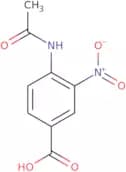

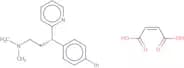
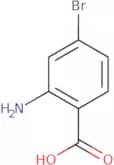
![20-Deoxo-23-deoxy-5-O-[3,6-dideoxy-3-(dimethylamino)-β-D-glucopyranosyl]-20,23-di-1-piperidinyltyl…](/_next/image/?url=https%3A%2Fstatic.cymitquimica.com%2Fproducts%2F3D%2Fthumb-webp%2FFT137728.webp&w=3840&q=75)
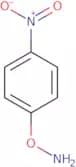
![4-{[(Dimethylamino)sulfonyl]amino}benzoic acid](/_next/image/?url=https%3A%2Fstatic.cymitquimica.com%2Fproducts%2F3D%2Fthumb-webp%2FFD132762.webp&w=3840&q=75)


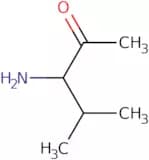
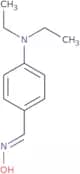
![2,2-Bis[4-(4-aminophenoxy)phenyl]propane](/_next/image/?url=https%3A%2Fstatic.cymitquimica.com%2Fproducts%2F3D%2Fthumb-webp%2FFB62700.webp&w=3840&q=75)

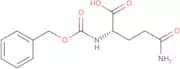
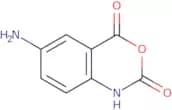
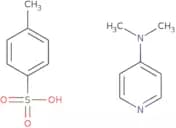
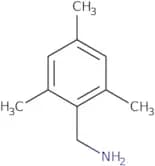
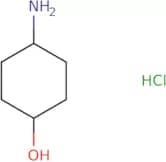
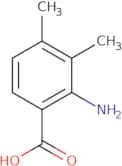
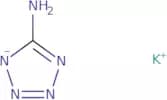
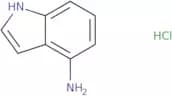
![3-[(Dimethylamino)methyl]benzaldehyde](/_next/image/?url=https%3A%2Fstatic.cymitquimica.com%2Fproducts%2F3D%2Fthumb-webp%2FFD124097.webp&w=3840&q=75)

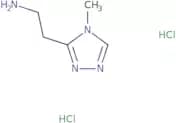
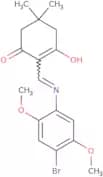
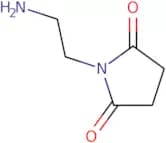
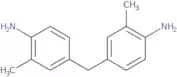
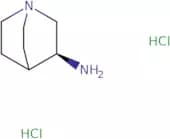
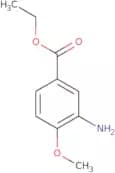
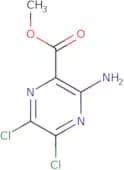
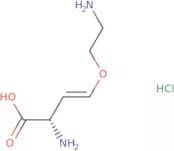
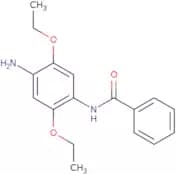
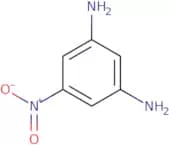
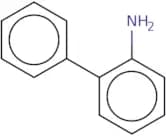
![2-[(2,4-Dimethylphenyl)amino]nicotinic acid](/_next/image/?url=https%3A%2Fstatic.cymitquimica.com%2Fproducts%2F3D%2Fthumb-webp%2FFD136109.webp&w=3840&q=75)
![[2-(4-Chlorophenoxy)ethyl]amine hydrochloride](/_next/image/?url=https%3A%2Fstatic.cymitquimica.com%2Fproducts%2F3D%2Fthumb-webp%2FFC133243.webp&w=3840&q=75)
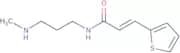
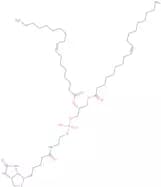
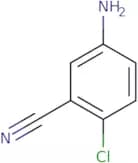
![Methyl 3-aminothieno[2,3-β]pyridine-2-carboxylate](/_next/image/?url=https%3A%2Fstatic.cymitquimica.com%2Fproducts%2F3D%2Fthumb-webp%2FFM57205.webp&w=3840&q=75)
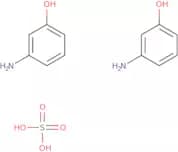
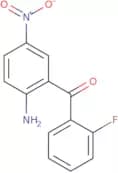
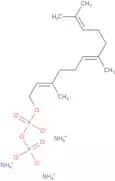
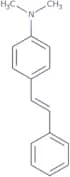
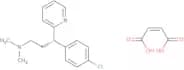
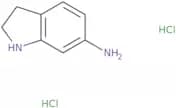

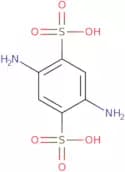
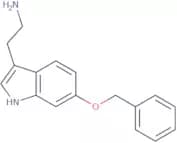
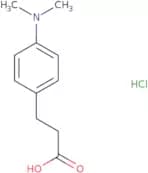
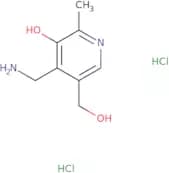
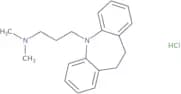
![1-[4-(Pyridin-3-yloxy)phenyl]methanamine dihydrochloride](/_next/image/?url=https%3A%2Fstatic.cymitquimica.com%2Fproducts%2F3D%2Fthumb-webp%2FFP116871.webp&w=3840&q=75)
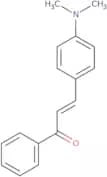


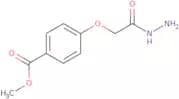
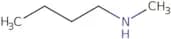
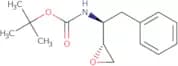
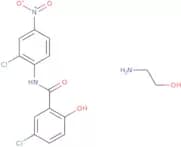
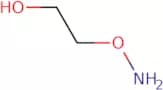
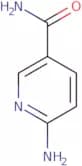
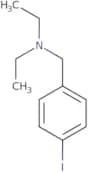

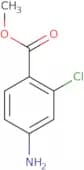
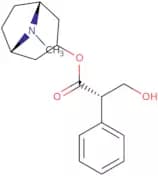
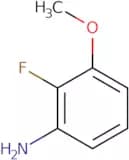
![[2-(1H-Benzimidazol-1-yl)ethyl]amine dihydrochloride](/_next/image/?url=https%3A%2Fstatic.cymitquimica.com%2Fproducts%2F3D%2Fthumb-webp%2FFB126620.webp&w=3840&q=75)
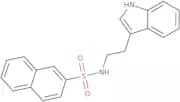
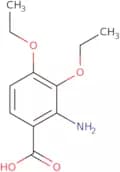
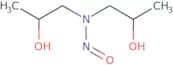
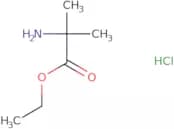

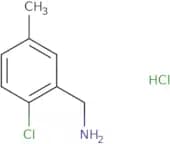
![2-[N-[(3,5-Difluorophenyl)carbamoylamino]-C-methylcarbonimidoyl]pyridine-3-carboxylic acid](/_next/image/?url=https%3A%2Fstatic.cymitquimica.com%2Fproducts%2F3D%2Fthumb-webp%2FFD101726.webp&w=3840&q=75)
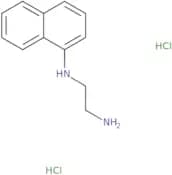

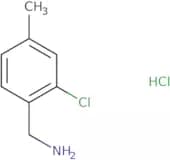

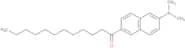
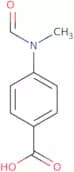
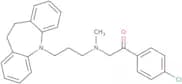
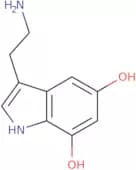
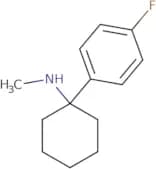
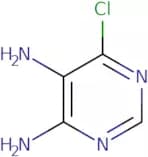
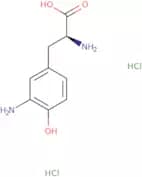
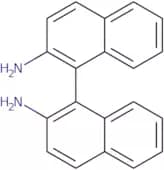
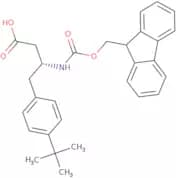

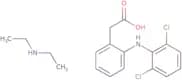
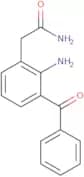

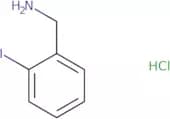
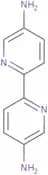
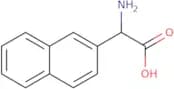
![[1-(Pyrrolidin-1-ylcarbonyl)propyl]amine hydrochloride](/_next/image/?url=https%3A%2Fstatic.cymitquimica.com%2Fproducts%2F3D%2Fthumb-webp%2FFP130638.webp&w=3840&q=75)
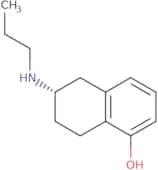
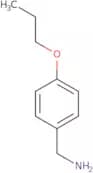
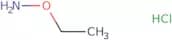
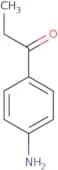

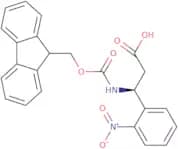

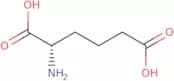
![7-[4-(4-Fluorophenyl)-6-(1-methylethyl)-2-(N-methyl-N-methylsulfonyl-amino)-pyrimidin-5-yl]-3,5-di…](/_next/image/?url=https%3A%2Fstatic.cymitquimica.com%2Fproducts%2F3D%2Fthumb-webp%2FFF35383.webp&w=3840&q=75)
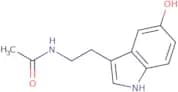
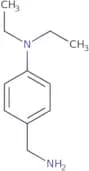

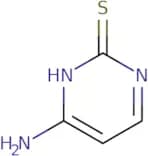
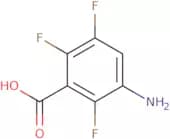
![[(1,2-Dimethyl-1H-imidazol-5-yl)methyl]amine dihydrochloride](/_next/image/?url=https%3A%2Fstatic.cymitquimica.com%2Fproducts%2F3D%2Fthumb-webp%2FFD124269.webp&w=3840&q=75)
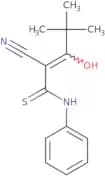

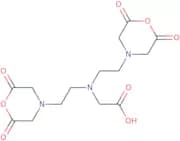
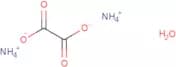
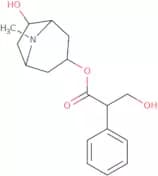
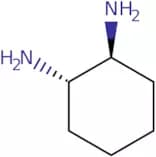
![[2-(2,3-Dimethylphenoxy)ethyl]amine HCl](/_next/image/?url=https%3A%2Fstatic.cymitquimica.com%2Fproducts%2F3D%2Fthumb-webp%2FFD133628.webp&w=3840&q=75)
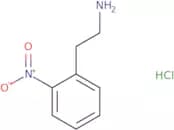
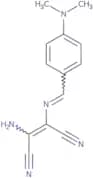
![2-[(2-Amino-5-methoxyphenyl)dithio]-4-methoxyaniline](/_next/image/?url=https%3A%2Fstatic.cymitquimica.com%2Fproducts%2F3D%2Fthumb-webp%2FFA117846.webp&w=3840&q=75)
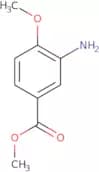
![Diethyl [[(3-chloro-4-fluorophenyl)amino]methylene]malonate](/_next/image/?url=https%3A%2Fstatic.cymitquimica.com%2Fproducts%2F3D%2Fthumb-webp%2FFD95922.webp&w=3840&q=75)
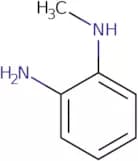
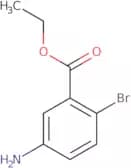
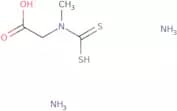
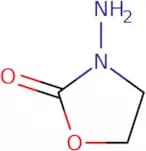

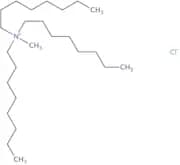
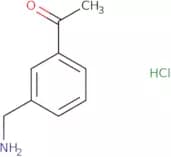
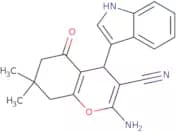

![2-[(4-Isopropylphenyl)amino]nicotinic acid](/_next/image/?url=https%3A%2Fstatic.cymitquimica.com%2Fproducts%2F3D%2Fthumb-webp%2FFI136104.webp&w=3840&q=75)

![[1-(Methoxymethyl)cyclopropyl]amine hydrochloride](/_next/image/?url=https%3A%2Fstatic.cymitquimica.com%2Fproducts%2F3D%2Fthumb-webp%2FFM129588.webp&w=3840&q=75)

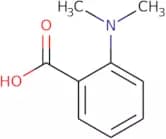
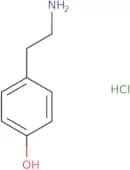
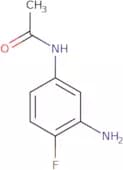

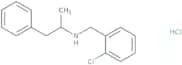
![[5-(4-Amino-2-bromophenyl)-2-furyl]methanol](/_next/image/?url=https%3A%2Fstatic.cymitquimica.com%2Fproducts%2F3D%2Fthumb-webp%2FFA134218.webp&w=3840&q=75)

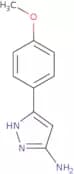
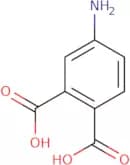
![N-[4-[[(1-Methylethyl)amino]acetyl]phenyl]-methanesulfonamide monohydrochloride](/_next/image/?url=https%3A%2Fstatic.cymitquimica.com%2Fproducts%2F3D%2Fthumb-webp%2FFI150565.webp&w=3840&q=75)
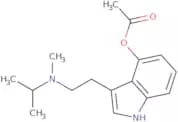
![2-Amino-N-[2-(5-methoxy-1H-indol-3-yl)ethyl]acetamide hydrochloride](/_next/image/?url=https%3A%2Fstatic.cymitquimica.com%2Fproducts%2F3D%2Fthumb-webp%2FFA116384.webp&w=3840&q=75)
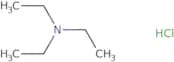
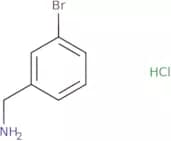

![N-Methyl-N-[(1,3,5-trimethyl-1H-pyrazol-4-yl)methyl]amine](/_next/image/?url=https%3A%2Fstatic.cymitquimica.com%2Fproducts%2F3D%2Fthumb-webp%2FFM112110.webp&w=3840&q=75)
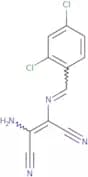

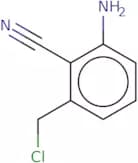
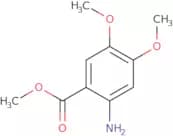

![[1-(Azepan-1-ylcarbonyl)propyl]amine hydrochloride](/_next/image/?url=https%3A%2Fstatic.cymitquimica.com%2Fproducts%2F3D%2Fthumb-webp%2FFA130671.webp&w=3840&q=75)
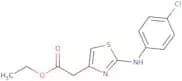
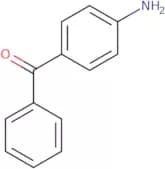
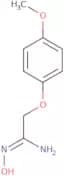
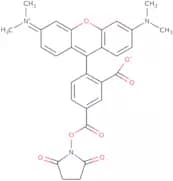
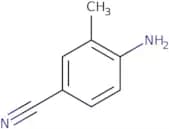
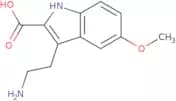
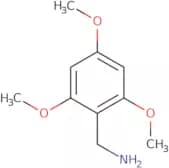
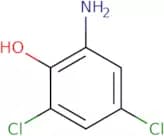
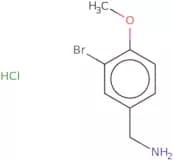
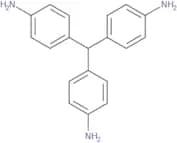

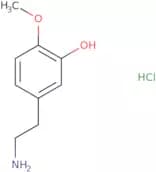
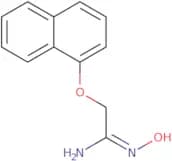
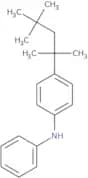


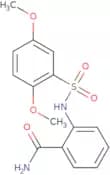
![(2-Imidazo[2,1-b][1,3]thiazol-6-ylethyl)amine dihydrochloride](/_next/image/?url=https%3A%2Fstatic.cymitquimica.com%2Fproducts%2F3D%2Fthumb-webp%2FFI126807.webp&w=3840&q=75)