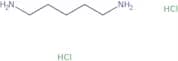
Amines
Amines are a set of molecules containing an amino functional group (derived from ammonia). This category includes amines at any level of substitution : primary, secondary, tertiary, and ammonium salts. Amines are fundamental in organic synthesis and are widely used in pharmaceuticals, agrochemicals, and materials science. At CymitQuimica, we provide a comprehensive selection of amines to meet your research and industrial needs. Our range ensures access to various amines for diverse chemical processes and innovative research.
Subcategories of "Amines"
- Nitrosamines(2,606 products)
- Primary Amines(30,805 products)
- Quaternary Ammonium Cations and Salts(1,099 products)
- Secondary Amines(20,809 products)
- Tertiary Amines(17,111 products)
Found 8777 products of "Amines"
Sort by
Purity (%)
0
100
|
0
|
50
|
90
|
95
|
100
4-Bromotriphenylamine
CAS:<p>4-Bromotriphenylamine is a molecule that has two acceptor groups and one donor group. It reacts with methylamine to form the product 4,4′-dibromobutyric acid. The reaction rate of this chemical is increased by the presence of an electron withdrawing substituent on the aromatic ring such as bromine. This compound is stable at higher temperatures, but not at lower ones. When heated, it undergoes thermal expansion and molecules are forced apart from each other. The butyric acid formed in this reaction may be used to synthesize butyrate esters for use in cancer therapy or light emission systems.<br>Light emission from this compound is due to its fluorescence properties, which depend on the chemical structure of the molecule and its environment. The efficiency of light emission is related to the number of electron-hole pairs created during excitation, which depends on the energy of incident photons and their wavelength.</p>Formula:C18H14BrNPurity:Min. 95%Color and Shape:PowderMolecular weight:324.21 g/mol3,6-Diamino-9(10H)-acridone
CAS:<p>3,6-Diamino-9(10H)-acridone is a nucleophilic compound that is used as a catalyst in peptide synthesis. It can be used to selectively introduce an acridine group into a peptide or other organic molecule. 3,6-Diamino-9(10H)-acridone is an example of a hypervalent organometallic compound that has been shown to catalyze the iodocyclization of aromatic rings. It also has been shown to catalyze the substitution of electron-deficient alkenes with electrophiles.</p>Formula:C13H11N3OPurity:Min. 97 Area-%Color and Shape:Yellow PowderMolecular weight:225.25 g/molD,L-Mevalonic acid dicyclohexylammonium salt
CAS:Controlled Product<p>Mevalonic acid dicyclohexylammonium salt is a reagent, compound, and fine chemical that is used in the synthesis of complex compounds. It has CAS No. 1215802-31-5 and is a useful intermediate, building block, and scaffold for the synthesis of many speciality chemicals. Mevalonic acid dicyclohexylammonium salt is also a versatile building block that can be used as a reaction component in many organic syntheses. This product can be used in research chemicals or as an intermediate for pharmaceuticals.</p>Formula:C18H35NO4Purity:Min. 95%Color and Shape:PowderMolecular weight:329.47 g/mol(3-((hydroxyimino)ethyl)-4-methyl(2,5-thiazolyl))phenylamine
CAS:<p>Please enquire for more information about (3-((hydroxyimino)ethyl)-4-methyl(2,5-thiazolyl))phenylamine including the price, delivery time and more detailed product information at the technical inquiry form on this page</p>Formula:C12H13N3OSPurity:Min. 95%Color and Shape:Clear LiquidMolecular weight:247.32 g/molMethyl 2-amino-4,5-dimethoxybenzoate
CAS:<p>Methyl 2-amino-4,5-dimethoxybenzoate is a synthetic molecule that interacts with the human serum and alters the frequency shift of its photophysical properties. The skeleton of this molecule is hydrophobic, which leads to membrane potential changes in mitochondria. The transients of this molecule are encapsulated by a membrane and it has shown to have an effect on mitochondrial membrane potential. Methyl 2-amino-4,5-dimethoxybenzoate also shows fluorescence lifetime effects and can be used as a probe for measuring mitochondrial membrane potential.</p>Formula:C10H13NO4Purity:Min. 95%Color and Shape:PowderMolecular weight:211.21 g/molN,N-Dimethyloctadecylamine
CAS:<p>N,N-Dimethyloctadecylamine is a cationic surfactant that is used in cosmetics to provide emulsification. This chemical species has been shown to be chemically inert and non-toxic. It also exhibits high thermal stability and low volatility. N,N-Dimethyloctadecylamine has been found to have low reactivity with lipoprotein lipase, alcohol residue, and cholesterol synthesis. This chemical substance has been shown to exhibit enzyme activities by inhibiting the activity of nitrogen atoms, which may lead to the inhibition of the reaction mechanism of amines. N,N-Dimethyloctadecylamine is not expected to cause any significant adverse effects on human health or the environment.</p>Formula:C20H43NPurity:Min. 95%Color and Shape:PowderMolecular weight:297.56 g/molN-Methyl-N-[(1,3,5-trimethyl-1H-pyrazol-4-yl)methyl]amine
CAS:<p>Please enquire for more information about N-Methyl-N-[(1,3,5-trimethyl-1H-pyrazol-4-yl)methyl]amine including the price, delivery time and more detailed product information at the technical inquiry form on this page</p>Formula:C8H15N3Purity:Min. 95%Molecular weight:153.22 g/mol(2-Imidazo[2,1-b][1,3]thiazol-6-ylethyl)amine dihydrochloride
CAS:<p>2-Imidazo[2,1-b][1,3]thiazol-6-ylethyl)amine dihydrochloride is a high quality reagent that is used as a useful intermediate in the synthesis of complex compounds with possible pharmaceutical applications. It can also be used as a useful scaffold to create new and interesting molecules of interest. This chemical has been shown to be useful in the synthesis of speciality chemicals, research chemicals, and versatile building blocks. 2-Imidazo[2,1-b][1,3]thiazol-6-ylethyl)amine dihydrochloride is a versatile building block that has been used for the synthesis of various types of reaction components.</p>Formula:C7H9N3S·2HClPurity:Min. 95%Color and Shape:Brown PowderMolecular weight:240.15 g/mol4-Aminobenzhydrazide
CAS:<p>4-Aminobenzhydrazide is a reactive chemical that can be used to study the kinetics of reactions. It is used in vitro as an antimicrobial agent against human eosinophils, HL-60 cells, and K562 cells. 4-Aminobenzhydrazide has been shown to inhibit the production of eosinophil peroxidase by inhibiting mmp-9 activity. This drug also inhibits the growth of bacteria such as Staphylococcus aureus and Escherichia coli in vitro. 4-Aminobenzhydrazide is chemically stable and does not decompose at high temperatures or react with sodium ferulate (a common oxidant).</p>Formula:C7H9ON3Purity:Min. 94 Area-%Color and Shape:PowderMolecular weight:151.17 g/mol2-(((2,5-dimethoxyphenyl)sulfonyl)amino)benzamide
CAS:<p>Please enquire for more information about 2-(((2,5-dimethoxyphenyl)sulfonyl)amino)benzamide including the price, delivery time and more detailed product information at the technical inquiry form on this page</p>Purity:Min. 95%Veratramine
CAS:<p>Veratramine is a natural drug that is used as an anti-inflammatory agent and for the treatment of autoimmune diseases. It has been shown to have significant cytotoxicity in epithelial cells, but not in mesenchymal cells. Veratramine also has a matrix effect on these cell types. Veratramine's surface methodology can be used to measure the degree of inflammation by measuring the level of cytokines at the site of injury. This technique also allows for analysis of human serum samples using LC-MS/MS techniques to identify acute toxicities and steroid alkaloids that may be present.</p>Formula:C27H39NO2Purity:Min. 95%Color and Shape:PowderMolecular weight:409.60 g/mol2-(4-Aminophenoxy)acetic acid hydrate
CAS:<p>2-(4-Aminophenoxy)acetic acid hydrate is a synthetic, chlorine atom, primary amino compound that has been used as a lysine analogue in the production of lysine-deficient media. It also has been shown to be an inhibitor of the uptake of L-lysine by rat liver cells. 2-(4-Aminophenoxy)acetic acid hydrate can also be used to synthesize conjugates with other compounds such as fluorescein and luciferin. This compound is acidic and can form hydrogen bonds with other molecules. 2-(4-Aminophenoxy)acetic acid hydrate has shown novartis in fluorescence techniques, which may be due to its ability to emit light when excited at specific wavelengths.</p>Formula:C8H9NO3·H2OPurity:Min. 95%Color and Shape:Off-White PowderMolecular weight:185.18 g/mol4-Aminopyrimidin-5-ol
CAS:<p>4-Aminopyrimidin-5-ol (4AP) is a small molecule that has been shown to mitigate populations of bacteria that are resistant to antibiotics. 4AP is a thiol compound that can be synthesized in high quantities using scalable, scalable synthesis. It has been shown to inhibit the protein synthesis of sensitive populations of bacteria by targeting their ribosomes and inhibiting the activity of bacterial DNA gyrase and topoisomerase IV. 4AP inhibits bacterial growth at low concentrations, with no effect on mammalian cells. This drug also shows potential as an antibiotic adjuvant because it utilizes trigonometric calculations, multigram scales, and chromatographic techniques for purification. 4AP is stable under a variety of temperatures, making it suitable for use in many environments.</p>Formula:C4H5N3OPurity:Min. 95%Color and Shape:SolidMolecular weight:111.1 g/molTrimipramine maleate salt
CAS:Controlled Product<p>Trimipramine is an antidepressant drug of the tricyclic type. It is used in the treatment of depression, anxiety, and insomnia. Trimipramine also possesses anti-cancer effects and has been shown to inhibit prostate cancer cells. In addition, trimipramine inhibits the accumulation of cholesterol by inhibiting its synthesis.<br>Trimipramine maleate salt is a maleate salt of trimipramine that is soluble in water and alcohols. The biological properties and pharmacological treatments are similar to those of trimipramine.</p>Formula:C24H30N2O4Purity:Min. 95%Color and Shape:PowderMolecular weight:410.51 g/molMethyl 2-amino-3,4-diethoxybenzoate
CAS:<p>Methyl 2-amino-3,4-diethoxybenzoate is a chemical compound that is used as a reagent for the preparation of other complex compounds. Methyl 2-amino-3,4-diethoxybenzoate has a CAS number of 1017083-69-0 and can be found in fine chemicals, research chemicals, and speciality chemicals. This chemical is also an intermediate for the synthesis of other compounds and has been shown to have many uses as a building block for more complex compounds. As a versatile building block, methyl 2-amino-3,4-diethoxybenzoate has been used in organic synthesis reactions to produce new compounds with unique properties.</p>Formula:C12H17NO4Purity:Min. 95%Color and Shape:PowderMolecular weight:239.27 g/molTetraheptylammonium bromide
CAS:<p>Tetraheptylammonium bromide is a solid catalyst that can be used for the preparation of pyrimidine compounds. Tetraheptylammonium bromide is a phase transition material with a melting point of about -60°C. It is used as an analytical reagent in the determination of metal ions by solution equilibria, and has been shown to have hemolytic activity. Tetraheptylammonium bromide has been shown to be a selective hydroxyl group-containing compound, which can be used in analytical chemistry methods such as linear calibration curves and carbon disulfide titrations.</p>Formula:C28H60BrNPurity:Min. 98%Color and Shape:PowderMolecular weight:490.69 g/mol5-Aminoimidazole-4-carboxamide HCl
CAS:<p>5-Aminoimidazole-4-carboxamide HCl (5-AICA) is a compound that is used for the treatment of bowel disease. It inhibits the synthesis of 5'-nucleotidase and phosphoribosyl transferase, which are enzymes responsible for the conversion of nucleotide monophosphates to nucleotide diphosphates. This inhibition leads to a decrease in the amount of adenosine triphosphate (ATP) produced by cells, which may be due to its ability to inhibit ATP synthase activity. 5-AICA also has been shown to bind to DNA and inhibit transcriptional activities. The binding of 5-AICA may be due to its ability to form hydrogen bonds with guanine residues in DNA or its capability to form covalent bonds with thymidine residues in DNA. 5-AICA also has been shown to have cytotoxic effects on HL60 cells, as well as other</p>Purity:Min. 95%Color and Shape:PowderMolecular weight:126.12 g/mol4-Amino-3-chlorobenzonitrile
CAS:<p>4-Amino-3-chlorobenzonitrile is a ligand that binds to the heme of cytochrome P450 (CYP) enzymes. It has been shown to have a pharmacokinetic profile in rats and mice with lung diseases, which is similar to that of 4-amino-2-bromobenzonitrile. This ligand inhibits CYP enzymes by competing with endogenous substrates for binding sites on the heme, leading to an increase in the metabolism of drugs such as carbonyl drugs. 4-Amino-3-chlorobenzonitrile also has potent inhibitory effects on efflux pumps in cells and may be used to treat drug resistant bacteria.</p>Formula:C7H5ClN2Purity:Min. 95%Color and Shape:PowderMolecular weight:152.58 g/mol2-Ethoxybenzylamine
CAS:<p>2-Ethoxybenzylamine is a hydrophobic organic compound. It is an amine that is used as a reagent for the oxidation of primary, secondary, and tertiary amines to their corresponding aldehydes, ketones, and quinones. 2-Ethoxybenzylamine is used in the synthesis of glycopeptides and has been shown to be effective as a surrogate for benzylamine derivatives. This compound may also be an optimised enzyme complex with chloride ions that can activate certain oxidases.</p>Formula:C9H13NOPurity:Min. 95%Color and Shape:Clear LiquidMolecular weight:151.21 g/molN-[2-(Fmoc-amino)-ethyl]glycine tert-butylester hydrochloride
CAS:<p>Please enquire for more information about N-[2-(Fmoc-amino)-ethyl]glycine tert-butylester hydrochloride including the price, delivery time and more detailed product information at the technical inquiry form on this page</p>Formula:C23H28N2O4·HClPurity:Min. 95%Color and Shape:PowderMolecular weight:432.94 g/molAmmonium oxalate monohydrate
CAS:<p>Ammonium oxalate monohydrate is a white crystalline solid that has a molecular weight of 104.096 g/mol and a melting point of 129°C. Ammonium oxalate monohydrate is a salt formed by the reaction of ammonium with oxalic acid. It is used as an experimental model for wastewater treatment, where it is able to remove ammonium ions from wastewater. This material also reacts with sodium salts to form hydrogen bonding interactions, which can be measured using analytical methods such as X-ray diffraction or electrochemical impedance spectroscopy.</p>Formula:C2H8N2O4·H2OColor and Shape:White PowderMolecular weight:142.11 g/molKynuramine dihydrochloride
CAS:<p>Kynuramine dihydrochloride is a chemical compound that is used as a reagent to produce other chemicals. It has been found to have a variety of applications, such as being used as a reaction component, a reagent for the synthesis of polymers and fine chemicals, or for use in research and development. Kynuramine dihydrochloride is also an important building block in the manufacture of pharmaceuticals and pesticides.</p>Formula:C9H12N2O·2HClPurity:Min. 95%Color and Shape:Green PowderMolecular weight:237.13 g/mol3-Aminobenzanilide
CAS:<p>3-Aminobenzanilide is an organic compound that is used as a starting material in the synthesis of other compounds. It is also used in the synthesis of ethylenediamine and benzamide, which are used in the production of rubber. 3-Aminobenzanilide can be synthesized by reacting benzoyl chloride with ammonia or ethylenediamine. The reaction with ammonia produces 3-aminobenzamide, while that with ethylenediamine produces 3-aminobenzene. This compound has been shown to induce pentylenetetrazol convulsions and to produce neurological symptoms when administered at high doses.</p>Formula:C13H12N2OPurity:Min. 95%Color and Shape:White/Off-White SolidMolecular weight:212.25 g/mol(R)-2-Amino-1-phenylethanol
CAS:<p>(R)-2-Amino-1-phenylethanol is a molecule that has antimicrobial activity. It binds to the active site of bacterial enzymes, such as those involved in the synthesis of cell walls, and inhibits the growth of bacteria through competitive inhibition. This molecule also has a dihedral angle that is similar to that of other molecules with antibacterial activity. (R)-2-Amino-1-phenylethanol is an enantiomer, which means it can be synthesized from either (S)- or (R)-1-phenylethanol. The racemic form is more active than any individual enantiomer.</p>Formula:C8H11NOPurity:Min. 95%Color and Shape:PowderMolecular weight:137.18 g/mol2-[Amino(2-oxo-2H-1-benzopyran-3-yl)methylene]propanedinitrile
CAS:<p>Please enquire for more information about 2-[Amino(2-oxo-2H-1-benzopyran-3-yl)methylene]propanedinitrile including the price, delivery time and more detailed product information at the technical inquiry form on this page</p>Formula:C13H7N3O2Purity:Min. 95%Color and Shape:PowderMolecular weight:237.21 g/moltert-Butyl ((1S,2R)-2-aminocyclopentyl)carbamate
CAS:<p>tert-Butyl ((1S,2R)-2-aminocyclopentyl)carbamate is a fine chemical with versatile uses as a building block in the synthesis of more complex compounds. It is used as an intermediate in the production of pharmaceuticals and research chemicals. This compound has a CAS number of 445479-01-6. The tert-butyl group can be removed from this molecule in order to form a variety of different building blocks. Tert-butyl ((1S,2R)-2-aminocyclopentyl)carbamate is a high quality reagent that can be used for many reactions, such as amination, amidation, and carbamoylation.</p>Formula:C10H20N2O2Purity:Min. 95%Color and Shape:PowderMolecular weight:200.28 g/mol5-Aminotetramethyl rhodamine
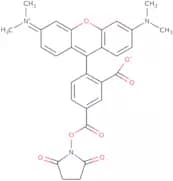
CAS:<p>5-Aminotetramethyl rhodamine is a chemical that is used as a reagent, intermediate, and building block in the synthesis of organic compounds. This compound is useful as an intermediate in the synthesis of complex compounds, such as pharmaceuticals, agrochemicals, and other fine chemicals. 5-Aminotetramethyl rhodamine can also be used as a speciality chemical or research chemical. It has been shown to be a versatile building block in the synthesis of new compounds with potential use in applications such as medicine and electronics.</p>Formula:C24H23N3O3Purity:Min. 95%Color and Shape:PowderMolecular weight:401.46 g/mol2-Amino-3-bromo-5-methylbenzoic acid
CAS:<p>2-Amino-3-bromo-5-methylbenzoic acid is a fatty acid that belongs to the group of undescribed organic acids. It is found in soil as well as in organisms such as bacteria and fungi. The 2-Amino-3-bromo-5-methylbenzoic acid molecule has been shown to be an antibiotic, inhibiting the growth of bacterial strains belonging to the phyla Actinobacteria and Proteobacteria. It may also be present in plants, where it is channeled out through the roots. This fatty acid also has nucleobase properties, which are essential for DNA replication.br>br><br>span style="font-size: 12px;">2 Amino 3 bromo 5 methyl benzoic acid (2ABMB) was first isolated from soil samples collected from a site near Beijing, China. It is one of many undescribed organic acids that are found</p>Formula:C8H8BrNO2Purity:Min. 95%Color and Shape:PowderMolecular weight:230.06 g/molLofepramine
CAS:<p>Serotonin and norepinephrine reuptake inhibitor; anti-depressant</p>Formula:C26H27ClN2OPurity:Min. 95%Color and Shape:PowderMolecular weight:418.96 g/mol4-Diethylaminobenzaldoxime
CAS:<p>4-Diethylaminobenzaldoxime is a reaction component that is used in the synthesis of complex compounds. It has been shown to be a useful scaffold for the construction of novel chemical entities. It also has high quality, and can be used as a reagent in research or as a speciality chemical. 4-Diethylaminobenzaldoxime is versatile and can be used as an intermediate or building block in organic chemistry. This chemical has CAS No. 54376-65-7 and is classified as a fine chemical.</p>Formula:C11H16N2OPurity:Min. 95%Color and Shape:PowderMolecular weight:192.26 g/mol(2-Indol-3-ylethyl)(2-naphthylsulfonyl)amine
CAS:<p>Please enquire for more information about (2-Indol-3-ylethyl)(2-naphthylsulfonyl)amine including the price, delivery time and more detailed product information at the technical inquiry form on this page</p>Formula:C20H18N2O2SPurity:Min. 95%Color and Shape:PowderMolecular weight:350.43 g/molSulfo rhodamine methanethiosulfonate
CAS:<p>Sulfo rhodamine methanethiosulfonate is a fluorescent dye that can be used for the modification of oligosaccharides. It is a water-soluble, non-toxic compound that is soluble in organic solvents and has a high affinity for proteins. This dye can be introduced into polysaccharides by chemical or enzymatic methods. Sulfo rhodamine methanethiosulfonate has been shown to modify glycosyltransferases, which are enzymes that transfer sugar molecules to other molecules. The introduction of sulfo rhodamine methanethiosulfonate alters the properties of polymers and can be used as an alternative to the use of radioactive isotopes in imaging studies.</p>Formula:C30H37N3O8S4Purity:Min. 95%Color and Shape:PowderMolecular weight:695.89 g/mol2-(Diethylamino)ethyl cellulose
CAS:<p>DEAE-C is a cationic resin used in ion-exchange chromatography, a type of column chromatography for the separation and purification of proteins, nucleic acids, and charged molecules. Structurally, DEAE-C contains cellulose gel matrix beads which are derivatised with Diethylaminoethanol (DEAE). Negatively charged molecules and proteins are locked onto the matrix surface, until released by increasing the salt concentration or changing the PH in the mobile phase.</p>Color and Shape:White Powder4,6-Diamino-5-(formylamino)pyrimidine hydrochloride
CAS:<p>4,6-Diamino-5-(formylamino)pyrimidine hydrochloride (4,6-dA-FAP) is a nucleic acid polymerase chain reaction probe that binds to damaged DNA. It can be used to identify the presence of nuclear DNA in human polymorphonuclear leukocytes. 4,6-Diamino-5-(formylamino)pyrimidine hydrochloride is also known as a redox indicator and has been shown to have antioxidant properties. This drug is not toxic at physiological levels, but it has been found to be an inhibitor of a number of enzymes. 4,6-Diamino-5-(formylamino)pyrimidine hydrochloride has been used in studies on cancer tissues and biological samples.</p>Formula:C5H7N5O•HClPurity:Min. 95%Color and Shape:PowderMolecular weight:189.6 g/molHistamine diphosphate
CAS:Controlled Product<p>Endogenous ligand for histamine receptors; neurotransmitter</p>Formula:C5H9N3•(H3PO4)2Purity:Min. 95%Color and Shape:PowderMolecular weight:307.14 g/molNiclosamide ethanolamine salt
CAS:<p>Chemically a chlorinated salicylanilide, niclosamide is clinically used as an anthelmintic agent. The action of niclosamide has been proven to proceed by inhibiting the STAT3 signaling pathway. Recently, niclosamide, has been considered as an antiproliferative agent in cancer treatment, e.g. melanoma and colorectal cancer. In 2021, niclosamide has been tested for the treatment of COVID-19 patients.</p>Formula:C15H15Cl2N3O5Color and Shape:PowderMolecular weight:388.2 g/molPoly(allylamine) solution - Average MW 15000 15 % aqueous solution
CAS:<p>Poly(allylamine) is a polymer that has antimicrobial properties and can be used to treat wastewater. It is synthesized from allyl bromide, sodium hydroxide, and water. Poly(allylamine) can also inhibit the activity of enzymes such as ATPase and lipase. The polymerization process leads to an increase in the number of hydroxyl groups, which are responsible for the antimicrobial properties. Poly(allylamine) solution has been shown to inhibit cell lysis and tumor growth in animal models.</p>Formula:(C3H7N)nPurity:Min. 95%Color and Shape:Clear Liquid(1S,2R)-(-)-cis-1-Amino-2-indanol
CAS:<p>Precusor for preparation of indinavir; a chiral ligand for asymmetric synthesis</p>Formula:C9H11NOPurity:Min. 95%Color and Shape:White PowderMolecular weight:149.19 g/mol6-Amino-3-methyl-4-(4-nitrophenyl)-4H-pyrano[3,2-d]pyrazole-5-carbonitrile
CAS:<p>6-amino-3-methyl-4-(4-nitrophenyl)-4H-pyrano[3,2-d]pyrazole-5-carbonitrile is a compound that has been shown to have correlations with energies and regression. It also has a linear regression, polarities, photophysical properties, and dipole. The fluorescence and excited state of this compound are singlet and hydrogen bonding interactions with solvents.</p>Formula:C14H11N5O3Purity:Min. 95%Color and Shape:PowderMolecular weight:297.27 g/mol6-Amino-2,4-dichlorophenol
CAS:<p>6-Amino-2,4-dichlorophenol is an organic solution that has been shown to inhibit the uptake of quinoline derivatives by lung fibroblasts. It also inhibits cellular targets such as flavin, blood pressure and v79 cells. 6-Amino-2,4-dichlorophenol has potent antibacterial activity and a reactive nucleophilic group that can form covalent bonds with proteins in the cell membrane. 6-Amino-2,4-dichlorophenol is a reactive agent that binds to DNA and RNA in the bacterial cell's cytoplasmic membrane and inhibits protein synthesis.</p>Formula:C6H5Cl2NOPurity:Min. 95%Color and Shape:PowderMolecular weight:178.02 g/mol2,2'-Azino-bis(3-ethylbenzothiazoline-6-sulfonic acid) diammonium salt
CAS:<p>ABTS can be used as a peroxidase substrate that gives a metastable cation when in the presence of H2O2. 2,2'-Azino-bis (3-ethylbenzothiazoline-6-sulfonic acid) or ABTS is commonly used in the enzyme-linked immunosorbent assay (ELISA). ABTS is chosen because the enzyme facilitates the reaction to give a green end-product with an absorbance maximum of 420nm and can therefore be detected with a spectrophotometer.</p>Formula:C18H24N6O6S4Purity:Min. 98.0 Area-%Color and Shape:PowderMolecular weight:548.68 g/mol2-Amino-1-(1-aza-2-(2,4-dichlorophenyl)vinyl)ethene-1,2-dicarbonitrile
CAS:<p>Please enquire for more information about 2-Amino-1-(1-aza-2-(2,4-dichlorophenyl)vinyl)ethene-1,2-dicarbonitrile including the price, delivery time and more detailed product information at the technical inquiry form on this page</p>Formula:C11H6Cl2N4Purity:Min. 95%Color and Shape:PowderMolecular weight:265.1 g/molN-[(1-Methyl-1H-indol-3-yl)methyl]cyclohexanamine
CAS:Controlled Product<p>Please enquire for more information about N-[(1-Methyl-1H-indol-3-yl)methyl]cyclohexanamine including the price, delivery time and more detailed product information at the technical inquiry form on this page</p>Formula:C16H22N2Purity:Min. 95%Molecular weight:242.36 g/mol4-(2,5-Dimethoxyphenyl)-1,3-thiazol-2-amine
CAS:<p>Please enquire for more information about 4-(2,5-Dimethoxyphenyl)-1,3-thiazol-2-amine including the price, delivery time and more detailed product information at the technical inquiry form on this page</p>Formula:C11H12N2O2SPurity:Min. 95%Molecular weight:236.29 g/mol4,6-Diamino-2-nitro-m-xylene
CAS:<p>Please enquire for more information about 4,6-Diamino-2-nitro-m-xylene including the price, delivery time and more detailed product information at the technical inquiry form on this page</p>Formula:C8H11N3O2·2ClHPurity:Min. 95%Molecular weight:254.10 g/mol4-Bromo-3-fluorobenzylamine hydrochloride
CAS:<p>4-Bromo-3-fluorobenzylamine hydrochloride (4BFBAH) is a compound that has been used in the past as a chemical intermediate. It is now being studied for use in boosting and stratigraphic research. This compound can be produced by reacting 4-bromo-3-fluorobenzoic acid with ammonia, and it has been shown to have waterlogging properties. 4BFBAH has also been shown to be useful in the analysis of infrastructures and socioeconomic conditions.</p>Formula:C7H8BrClFNPurity:Min. 95%Color and Shape:PowderMolecular weight:240.5 g/mol3-Amino-2-chloro-6-methylphenol
CAS:<p>3-Amino-2-chloro-6-methylphenol is a chemical substance that has been shown to have potential as a therapeutic agent for treating human cancers. 3-Amino-2-chloro-6-methylphenol has been shown to express in humans and is sensitive to the human body, which may be due to its ability to react with DNA and damage it. 3-Amino-2-chloro-6-methylphenol has also been shown to have an inhibitory effect on other chemical substances that are responsible for allergic reactions. This chemical substance has not yet been validated in animal models or clinical trials.</p>Formula:C7H8ClNOPurity:Min. 95%Color and Shape:PowderMolecular weight:157.6 g/mol(2-methoxyethyl)((2-nitrophenyl)sulfonyl)amine
CAS:<p>Please enquire for more information about (2-methoxyethyl)((2-nitrophenyl)sulfonyl)amine including the price, delivery time and more detailed product information at the technical inquiry form on this page</p>Purity:Min. 95%Deamino-histidine
CAS:<p>Deamino-histidine (DAH) is a diagnostic marker that can be used to measure the disease activity of inflammatory bowel disease. It is also a marker for tissue damage, as it accumulates in mammalian tissues during inflammation or necrosis. DAH is formed by the hydrolysis of histidine catalyzed by bacterial enzyme arginase, and it can be detected in blood plasma and urine samples. The concentration of DAH correlates with the degree of intestinal inflammation and has been found to be elevated in patients with Crohn's disease or ulcerative colitis.</p>Formula:C6H8N2O2Purity:Min. 95%Color and Shape:PowderMolecular weight:140.14 g/mol[4-(2-Methyl-1,3-oxazol-5-yl)phenyl]amine
CAS:<p>4-(2-Methyl-1,3-oxazol-5-yl)phenyl]amine is a versatile building block that is widely used in the research and development of complex compounds. This compound can be used as a reagent, speciality chemical, or useful intermediate as it has high reactivity and good solubility. 4-(2-Methyl-1,3-oxazol-5-yl)phenyl]amine is also a useful scaffold for producing other compounds.</p>Formula:C10H10N2OPurity:Min. 95 Area-%Color and Shape:PowderMolecular weight:174.2 g/mol5-(2-methylpropyl)-3-(prop-2-ynylamino)cyclohex-2-en-1-one
CAS:<p>Please enquire for more information about 5-(2-methylpropyl)-3-(prop-2-ynylamino)cyclohex-2-en-1-one including the price, delivery time and more detailed product information at the technical inquiry form on this page</p>Purity:Min. 95%Ethyl 3-((4-chlorophenyl)amino)-5-methyl-2,4-thiazolecarboxylate
CAS:<p>Please enquire for more information about Ethyl 3-((4-chlorophenyl)amino)-5-methyl-2,4-thiazolecarboxylate including the price, delivery time and more detailed product information at the technical inquiry form on this page</p>Purity:Min. 90%3-Nitrotyramine
CAS:<p>3-Nitrotyramine is a compound that has catabolic properties. It is the product of tyrosine, which is an amino acid found in most proteins. 3-Nitrotyramine has been shown to be metabolized by humans through the liver and kidneys. The metabolic pathway for this compound starts with the conversion of L-methionine into dl-methionine. This reaction generates a molecule called S-adenosyl methionine, or SAMe, which is involved in many biological processes such as neurotransmitter synthesis and gene expression regulation. 3-Nitrotyramine can also be converted into dopamine by way of the enzyme catecholamine methyltransferase. Dopamine has been shown to have a variety of effects on human physiology, including being involved in mood disorders and motor control. 3-Nitrotyramine can also be converted into gold nanoparticles by means of an acid analysis test.</p>Formula:C8H10N2O3Purity:Min. 95%Color and Shape:PowderMolecular weight:182.18 g/mol2-Amino-3,4,5-trimethoxybenzoic acid
CAS:<p>2-Amino-3,4,5-trimethoxybenzoic acid (2AMTB) is a potential anticancer agent that inhibits the growth of cancer cells by interfering with the epidermal growth factor receptor. It also blocks the binding of this receptor to its ligands, preventing the activation of downstream signaling pathways. 2AMTB has been shown to inhibit epidermal growth factor (EGF)-induced proliferation in vitro and in vivo. 2AMTB has also been shown to inhibit the production of reactive oxygen species and DNA damage caused by amines such as quinazolone, which are commonly found in chemotherapy drugs. These properties make it a potential anticancer drug candidate for use with other chemotherapeutic agents such as epirubicin.</p>Formula:C10H13NO5Purity:Min. 95%Color and Shape:PowderMolecular weight:227.21 g/molEthylenediaminetetraacetic acid disodium dihydrate
CAS:<p>Hexadentate chelator</p>Formula:C10H14N2Na2O8·2H2OColor and Shape:White PowderMolecular weight:372.24 g/mol3-Amino-4-chlorophenylacetic acid methyl ester
CAS:<p>3-Amino-4-chlorophenylacetic acid methyl ester is a fine chemical that is useful as a building block in the synthesis of complex compounds. It has been used as a reagent and speciality chemical, which can be used for research purposes. CAS No. 59833-69-1</p>Formula:C9H10ClNO2Purity:Min. 95%Molecular weight:199.63 g/molClorsulon
CAS:<p>Clorsulon is an anthelmintic drug that belongs to the group of benzimidazoles. It is used in veterinary medicine to treat nematode and cestode infections, as well as tapeworm infections. Clorsulon is a dispersive solid-phase extraction (DSPE) extractant that can be used for the separation of drugs and their metabolites from biological fluids. The chemical stability of clorsulon was assessed by exposing it to various solvents and pHs. Clorsulon was found to be stable in acetate, benzene, chloroform, ethyl acetate, ethanol, methanol, and water at pH 1-14 and a variety of temperatures ranging from -20 ˚C to 50 ˚C. No significant loss or degradation occurred after exposure to these conditions for up to 24 hours.</p>Formula:C8H8Cl3N3O4S2Purity:(Hplc) Min. 98.0%Color and Shape:PowderMolecular weight:380.66 g/mol2,5,6-Triaminopyrimidin-4-ol sulphate
CAS:<p>2,5,6-Triaminopyrimidin-4-ol sulphate is a fine chemical that is used as a reagent in the synthesis of other compounds. It can be used as a building block for research chemicals and speciality chemicals such as pesticides. This compound is also useful in the manufacture of pharmaceuticals and agrochemicals. 2,5,6-Triaminopyrimidin-4-ol sulphate has been shown to react with aniline derivatives to produce a variety of products including pyrrolidine and piperidine derivatives. This versatile compound can also be used as a scaffold in the synthesis of complex molecules.</p>Formula:C4H7N5O4SPurity:Min. 95%Color and Shape:Yellow PowderMolecular weight:221.2 g/mol(R)-3-(2-Amino-2-oxoethyl)-5-methylhexanoic acid
CAS:<p>(R)-3-(2-Amino-2-oxoethyl)-5-methylhexanoic acid (cis) is an intermediate in the synthesis of a chiral drug. It is prepared by a ring-opening reaction with an alkyl substituent, followed by asymmetric synthesis to provide optically pure cis stereoisomers. This compound has been shown to be active as a desymmetrizer of esters and as an intermediate in the synthesis of biologically active compounds.</p>Formula:C9H17NO3Purity:Min. 95%Color and Shape:White Off-White PowderMolecular weight:187.24 g/mol1,3-Dipalmitoyl-glycero-2-phosphoethanolamine
CAS:<p>Please enquire for more information about 1,3-Dipalmitoyl-glycero-2-phosphoethanolamine including the price, delivery time and more detailed product information at the technical inquiry form on this page</p>Formula:C37H74NO8PPurity:ReportedColor and Shape:White/Off-White SolidMolecular weight:691.96 g/molDodecyltrimethylammonium chloride
CAS:<p>Dodecyltrimethylammonium chloride is a surfactant that belongs to the group of cationic surfactants. It has been shown to be effective as an adsorbent for phosphate ions in micelles. Dodecyltrimethylammonium chloride has also been shown to act as a detergent in solutions, and can be used as a cleaning agent. It is commonly used as a surfactant in various industrial processes, such as the production of glycol ethers. The chemical structure of dodecyltrimethylammonium chloride consists of dodecanol and trimethylamine (CH3(CH2)12N(CH3)(OH)3).</p>Formula:C15H34NClPurity:Min. 95%Color and Shape:PowderMolecular weight:263.89 g/mol2-(hydroxyimino)-1-((4-(isopropyl)phenyl)sulfonyl)eth-2-ylamine
CAS:<p>Please enquire for more information about 2-(hydroxyimino)-1-((4-(isopropyl)phenyl)sulfonyl)eth-2-ylamine including the price, delivery time and more detailed product information at the technical inquiry form on this page</p>Formula:C11H16N2O3SPurity:Min. 95%Color and Shape:PowderMolecular weight:256.32 g/molCAPSO
CAS:<p>CAPSO, also known as 3-(Cyclohexylamino)-2-hydroxy-1-propanesulfonic acid, is a zwitterionic buffer chemical that has an optimal pH range of 8.9-10.3 and a pKa of 9.6. This buffering agent shows low metal ion binding and high solubility and is commonly used in protein transfer applications and during cell lysis for membrane protein extraction.</p>Formula:C9H19NO4SPurity:Min. 95%Color and Shape:White PowderMolecular weight:237.32 g/mol2-Fluoro-3-methoxyaniline
CAS:<p>2-Fluoro-3-methoxyaniline is a high quality chemical that can be used as an intermediate in the synthesis of complex compounds. It is a reagent and useful building block, with a CAS number of 801282-00-8. 2-Fluoro-3-methoxyaniline can be used to make speciality chemicals and research chemicals, as well as versatile building blocks for reactions. This compound is also a reaction component for the synthesis of other compounds.</p>Formula:C7H8FNOPurity:Min. 95%Color and Shape:Clear LiquidMolecular weight:141.14 g/mol2-Amino-4'-fluoroacetophenone hydrochloride
CAS:Controlled Product<p>2-Amino-4'-fluoroacetophenone hydrochloride is a fine chemical with a versatile building block. It is an intermediate used in research and a reaction component for the synthesis of complex compounds. 2-Amino-4'-fluoroacetophenone hydrochloride can be used as a reagent in the synthesis of pharmaceuticals or other useful chemicals. Its CAS number is 456-00-8.</p>Formula:C8H9ClFNOPurity:Min. 95%Molecular weight:189.61 g/mol2-Aminobiphenyl
CAS:<p>2-Aminobiphenyl is a chemical compound with the molecular formula C6H5CH2NH. It has been found to be carcinogenic in animals. 2-Aminobiphenyl is metabolized by the liver and excreted in urine, and is also excreted into breast milk. 2-Aminobiphenyl binds to epidermal growth factor receptors (EGFR) and triggers the activation of cell proliferation. The tissue culture studies show that it induces tumor formation at higher doses, but not at lower doses. 2-Aminobiphenyl has been shown to bind to DNA through intramolecular hydrogen bonds and form adducts with guanine bases. This binding leads to an increase in DNA strand breaks and inhibition of DNA synthesis, which may lead to cancer or other diseases affecting cells that divide rapidly such as bladder cancer or cancer of the skin.</p>Formula:C12H11NPurity:Min. 95%Color and Shape:White PowderMolecular weight:169.22 g/mol5-Nitro-m-phenylenediamine
CAS:<p>5-Nitro-m-phenylenediamine is an organic compound that has the chemical formula CHNO. It is a white crystalline solid with a melting point of 158 °C. The compound is soluble in water and other polar solvents but insoluble in nonpolar solvents such as hexane. 5-Nitro-m-phenylenediamine can be prepared by nitration of m-phenylenediamine, which produces the desired product in about 30% yield and with impurities that must be removed by fractional crystallization. The compound is used as an intermediate for making dyes and pharmaceuticals.</p>Formula:C6H7N3O2Purity:Min. 95%Color and Shape:PowderMolecular weight:153.14 g/mol(S)-(-)-3-Aminoquinuclidine 2HCl
CAS:<p>(S)-(-)-3-Aminoquinuclidine 2HCl is a cholinergic agonist that has been shown to be effective in inducing the release of acetylcholine from brain synaptosomes. This drug binds to the nicotinic acetylcholine receptor (nAChR) and inhibits the action of the enzyme acetylcholinesterase, thereby increasing the concentration of acetylcholine in the synaptic cleft. The drug is also able to cross the blood-brain barrier and bind to receptors on neurons. It has been shown that this drug can be used as an imaging agent for molecular magnetic resonance tomography (MRT), with high sensitivity and specificity.</p>Formula:C7H16Cl2N2Purity:Min. 95%Color and Shape:White PowderMolecular weight:199.12 g/mol3-Amino-2-piperidinone
CAS:<p>3-Amino-2-piperidinone is a metabolite of ornithine, which is a nonessential amino acid. It is produced by the metabolism of arginine and lysine, both of which are essential amino acids. 3-Amino-2-piperidinone has been found in urine samples from patients with bladder cancer and hyperornithinemia. It has also been detected in saccharomyces cerevisiae strain during energy metabolism experiments. This metabolite can be identified using chromatographic techniques such as gas chromatography and mass spectrometry.<br>3-Amino-2-piperidinone can be used to identify the presence of cancer or metabolic disorders such as hyperornithinemia by measuring its concentration in urine samples or reaction solutions.</p>Formula:C5H10N2OPurity:Min. 95%Color and Shape:PowderMolecular weight:114.15 g/molEthyl 3,5-diaminobenzoate
CAS:<p>Ethyl 3,5-diaminobenzoate is a monoacid with a reactive functional group. It is soluble in organic solvents and forms stable linkages with other molecules. Ethyl 3,5-diaminobenzoate has been used as a diagnostic tool for the identification of rhesus monkeys. The residue of this compound is degradable and can be degraded by conjugates or cavitation.</p>Formula:C9H12N2O2Purity:Min. 95%Color and Shape:PowderMolecular weight:180.2 g/mol1-Amino-4,5-dihydroxy-8-(methylamino)anthraquinone
CAS:<p>Please enquire for more information about 1-Amino-4,5-dihydroxy-8-(methylamino)anthraquinone including the price, delivery time and more detailed product information at the technical inquiry form on this page</p>Formula:C15H12N2O4Purity:Technical Grade ReportedMolecular weight:284.27 g/mol4-Amino-2-chlorobenzoic acid
CAS:<p>4-Amino-2-chlorobenzoic acid (4ACB) is a drug that inhibits the absorption of other drugs by binding to their active sites. It is used as an analytical reagent in chromatographic methods for determining protein concentration, and has been shown to be effective in reducing pain in animal models. 4ACB has also been shown to have ochronotic properties, which may be due to its ability to inhibit the formation of reactive oxygen species. 4ACB binds with high affinity to the plasma proteins albumin and alpha1-acid glycoprotein, with a binding constant of 10-8 M. The elimination half-life of 4ACB is approximately 27 hours, and it is excreted primarily through the kidneys.</p>Formula:C7H6ClNO2Purity:Min. 95%Color and Shape:PowderMolecular weight:171.58 g/molN-(Aminoethyl)-5-naphthylamine-1-sulfonic acid sodium
CAS:<p>N-(Aminoethyl)-5-naphthylamine-1-sulfonic acid sodium salt (NAES) is a fluorescent dye that has been used to study the structure of proteins. NAES binds to acceptor sites on the protein, which can be either amino acid side chains or other ions in solution. The fluorescence of NAES depends on the environment and the number of acceptors present. This dye has been used in assays for staphylococcus, as it is resistant to staining by Gram stain and stains brightly with fluorescence assay. NAES has also been shown to have a high kinetic rate and sensitivity, making it an effective virus assay.</p>Formula:C12H14N2O3S•NaPurity:Min. 95%Molecular weight:289.31 g/molRef: 3D-FA17739
1gTo inquire2gTo inquire100mgTo inquire250mgTo inquire500mgTo inquire-Unit-ggTo inquire(4-aza-4-(3-(trifluoromethyl)phenyl)buta-1,3-dienyl)(3-(trifluoromethyl)phenyl)amine, hydrochloride
CAS:<p>Please enquire for more information about (4-aza-4-(3-(trifluoromethyl)phenyl)buta-1,3-dienyl)(3-(trifluoromethyl)phenyl)amine, hydrochloride including the price, delivery time and more detailed product information at the technical inquiry form on this page</p>Formula:C17H13ClF6N2Purity:Min. 95%Color and Shape:PowderMolecular weight:394.74 g/mol(S,S)-N-(p-Toluenesulfonyl)-1,2-diphenyl ethanediamine(chloro)(p-cymene)ruthenium(II)
CAS:<p>(S,S)-N-(p-Toluenesulfonyl)-1,2-diphenylethanediamine(chloro)(p-cymene)ruthenium(II) is an organic compound that belongs to the class of solvents. It is a reagent that is used in acidic conditions. The elimination of hydrocarbons from (S,S)-N-(p-toluenesulfonyl)-1,2-diphenylethanediamine(chloro)(p-cymene)ruthenium(II) is carried out by chloroform or hexane and potassium hydroxide. This compound can be purified by recrystallization from aqueous ethanol or preparative thin layer chromatography with chloroform as eluent. Recycling of this compound is possible.</p>Formula:C31H35ClN2O2RuSColor and Shape:PowderMolecular weight:636.21 g/mol1,1,2,2,3,3,4,4,4a,5,5,6,6,7,7,8,8,8a-Octadecafluoronaphthalene; 1,1,2,2,3,3,3-Heptafluoropropan-1-Amine
CAS:Controlled Product<p>1,1,2,2,3,3,4,4a,5-Octadecafluoronaphthalene is a fluorinated derivative of an organic compound that is used as an intestinal antiseptic and as a cardioplegic solution. Sodium salts of this drug are used to treat intestinal disorders such as colitis and Crohn's disease. It is also used to treat cardiac diseases such as myocardial infarction by reducing the size of the infarcted area. The drug has been shown to be effective in preventing muscle degeneration in patients with AIDS. 1,1,2,2,3,3-Heptafluoropropan-1-amine is a chemical that belongs to the group of adjuvant therapies. It is used as a pharmaceutical preparation for kinetic studies and particle characterization.</p>Formula:C13H2F25NPurity:Min. 95%Molecular weight:647.12 g/mol4-Aminobenzamidine dihydrochloride
CAS:<p>4-Aminobenzamidine dihydrochloride is used as an analytical reagent for protease activity in tissue culture. It can also be used to inhibit the transcription-polymerase chain reaction (PCR) by binding to the catalytic site of the serine protease, which prevents DNA synthesis and transcription. 4-Aminobenzamidine dihydrochloride has been shown to inhibit platelet aggregation and possesses anti-inflammatory properties. It does not induce any adverse effects on skin or hair. The drug also binds with metal ions such as copper, iron, and zinc, preventing their absorption by the body. 4-Aminobenzamidine dihydrochloride is a metal chelate that also inhibits epidermal growth factor (EGF) and monoclonal antibodies.</p>Formula:C7H9N3·2HClPurity:Min. 95%Color and Shape:PowderMolecular weight:208.09 g/mol7-Amino-2-bromo-9-fluorenone
CAS:<p>7-Amino-2-bromo-9-fluorenone is a dye that can be used to label or visualize β-amyloid plaques in the brain. It has high binding affinity for β-amyloid, and can be used to identify the presence of this protein in the brain. 7-Amino-2-bromo-9-fluorenone is also useful for monitoring β-amyloid plaques in transgenic mice. This dye was injected into the brains of transgenic mice, and then stained with a fluorescent dye. Autoradiography was then used to identify where 7-Amino-2-bromo-9-fluorenone binds to β amyloid plaques.<br>7 - Amino - 2 - bromo - 9 - fluorenone</p>Formula:C13H8BrNOPurity:Min. 95%Molecular weight:274.11 g/molN-(4-Methyl-3-nitrophenyl)acetamide
CAS:<p>3-Methyl-4-nitro-N-acetylbenzeneamine is a biodegradable chemical that acts as an inhibitor of the growth rate of bacteria in wastewater treatment. It has been shown to be effective in both aerobic and anaerobic environments. 3-Methyl-4-nitro-N-acetylbenzeneamine is a racemic mixture, consisting of two isomers that are easily separated by chromatography. The primary mechanism for degradation of this chemical is acetylation, which converts it into acetic acid and methyl acetate. 3-Methyl-4-nitro-N-acetylbenzeneamine can also be degraded by aerobic soil bacteria with the help of fatty acids. This chemical is not toxic to humans or animals and does not affect crop plants.br></p>Formula:C9H10N2O3Purity:Min. 95%Color and Shape:PowderMolecular weight:194.19 g/mol1-Pyrrolidinecarbodithioic acid,ammonium
CAS:<p>1-Pyrrolidinecarbodithioic acid, ammonium salt is an inhibitor of the NMDA receptor. It blocks the activation of this receptor by glutamate, a neurotransmitter that plays an important role in pain transmission and memory formation. 1-Pyrrolidinecarbodithioic acid, ammonium salt has been shown to inhibit the growth of human pathogenic fungi in cell culture. The polymerase chain reaction (PCR) technique was used to detect the presence of this drug in solutions and phase microextraction was used for chromatographic analysis. The control method for these experiments was pyrrolidine dithiocarbamate, which is a structural analog of 1-pyrrolidinecarbodithioic acid, ammonium salt. Pyrrolidine dithiocarbamate inhibits NF-κB pathway and is used to treat injury. This drug also has anti-inflammatory properties due to its inhibition of nuclear factor kappa B (NF-</p>Formula:C5H9NS2•NH3Purity:Min. 95%Color and Shape:PowderMolecular weight:164.29 g/molL-Glutamine
CAS:<p>L-Glutamine is an amino acid that is important for protein synthesis and the maintenance of muscle mass. It is also a precursor for other compounds, such as nucleotides and glutathione, which are required for maintaining cell viability. L-Glutamine may be used to treat bowel diseases, such as Crohn's disease, by improving the function of the intestines and reducing intestinal permeability. It has been shown to decrease levels of oxidative injury in cells by acting as an antioxidant. L-Glutamine may also be used to help prevent or treat infectious diseases by increasing the activity of transcription activators that protect cells from oxidative injury. L-Glutamine can be administered intravenously or orally and can be used as a biocompatible polymer carrier for drugs that are difficult to administer due to their poor water solubility.</p>Formula:C5H10N2O3Purity:Min. 95%Color and Shape:White PowderMolecular weight:146.14 g/mol4-Amino-2-chlorobenzoic acid - 98%
CAS:<p>4-Amino-2-chlorobenzoic acid (4ACBA) is a pharmaceutical chemical that is used in the preparation of pharmaceutical preparations. 4ACBA has been shown to be absorbed through the maternal blood and have an inhibitory effect on rat sciatic nerve. The uptake of 4ACBA was found to be dose dependent, with a maximum concentration reached after 30 minutes. The pharmacokinetic properties of 4ACBA have been shown to be nonlinear, with plasma concentrations decreasing as dosage increases.</p>Formula:C7H6ClNO2Purity:Min. 95%Color and Shape:PowderMolecular weight:171.58 g/mol(2-indol-3-ylethyl)((2-(trifluoromethyl)phenyl)sulfonyl)amine
CAS:<p>Please enquire for more information about (2-indol-3-ylethyl)((2-(trifluoromethyl)phenyl)sulfonyl)amine including the price, delivery time and more detailed product information at the technical inquiry form on this page</p>Formula:C17H15F3N2O2SPurity:Min. 95%Color and Shape:PowderMolecular weight:368.38 g/mol2-[Ethyl-[2-(3-hydroxy-2,6-dimethyl-anilino)-2-oxo-ethyl]amino]-N-(3-hydroxy-2,6-dimethyl-phenyl)acetamide
CAS:<p>2-[Ethyl-[2-(3-hydroxy-2,6-dimethyl-anilino)-2-oxo-ethyl]amino]-N-(3-hydroxy-2,6-dimethylphenyl)acetamide is a reaction component that is used in the synthesis of complex compounds. It is a versatile building block and useful intermediate for the synthesis of fine chemicals. This chemical has been shown to be an effective reagent for the preparation of high quality research chemicals. CAS No. 2200280-96-0</p>Formula:C22H29N3O4Purity:Min. 95%Color and Shape:White to off-white solid.Molecular weight:399.48 g/molO,O'-Bis(2-aminoethyl)hexaethylene glycol
CAS:<p>O,O'-Bis(2-aminoethyl)hexaethylene glycol is a PEG polymer categorised as homobifunctional PEG (X-PEG X). Used as a linker, O,O'-bis(2-aminoethyl)hexaethylene glycol is used to attached PEG to proteins, peptides, oligonucleotides, nanoparticles and small molecules via pegylation, a bioconjugation technique.</p>Formula:C16H36N2O7Purity:Min. 95%Color and Shape:Clear LiquidMolecular weight:368.47 g/mol(S)-Fmoc-2-amino-heptanedioic acid-7-tert-butyl ester
CAS:<p>Please enquire for more information about (S)-Fmoc-2-amino-heptanedioic acid-7-tert-butyl ester including the price, delivery time and more detailed product information at the technical inquiry form on this page</p>Formula:C26H31NO6Purity:Min. 95%Molecular weight:453.53 g/molL-2,4-Diaminobutyric acid dihydrochloride
CAS:<p>L-2,4-Diaminobutyric acid, dihydrochloride is a chemical compound that is a non-protein amino acid. It is used in the production of gamma-aminobutyric acid (GABA) and has been shown to be able to penetrate the blood-brain barrier. However, it also has many other health effects such as increasing fatty acids in the brain and decreasing GABA uptake. L-2,4-Diaminobutyric acid, dihydrochloride can be used for diagnostic purposes or animal health.</p>Formula:C4H10N2O2•(HCl)2Purity:Min. 95%Color and Shape:White to off-white solid.Molecular weight:191.06 g/mol3,4-Diaminofurazan
CAS:<p>3,4-Diaminofurazan is a chemical compound that is stable in an oral environment. It has an optimal reactivity with a pyrazole ring and methoxy groups. 3,4-Diaminofurazan is active against Staphylococcus aureus strains that are resistant to other antibiotics. The molecule has been shown to inhibit bacterial growth by inhibiting the synthesis of DNA and RNA. The kinetic of 3,4-diaminofurazan was studied using nitro as the substrate, and it had an activation energy of 11.8 kcal/mol at 298 K. The chemical structure of 3,4-diaminofurazan has been determined by x-ray crystallography and nuclear magnetic resonance spectroscopy (NMR). It can be synthesized using nitric acid or hydrochloric acid as solvents: 1) Nitric Acid Synthesis: 2) Hydrochlor</p>Formula:C2H4N4OPurity:Min. 98 Area-%Color and Shape:PowderMolecular weight:100.08 g/mol[1-(Morpholin-4-ylcarbonyl)propyl]amine hydrochloride
CAS:Controlled Product<p>Please enquire for more information about [1-(Morpholin-4-ylcarbonyl)propyl]amine hydrochloride including the price, delivery time and more detailed product information at the technical inquiry form on this page</p>Formula:C8H16N2O2Purity:Min. 95%Molecular weight:172.22 g/mol2-Acetamido-5-aminopentanoic acid
CAS:<p>2-Acetamido-5-aminopentanoic acid (2AAP) is a potential biomarker for obesity. 2AAP is synthesized from the amino acid glutamate by a synthetase that is active in adipose tissue and has a high level of aminotransferase activity. This molecule can be an inhibitor of the enzyme aconitase, which plays an important role in the citric acid cycle. This inhibition could lead to changes in body mass index (BMI). The wild-type strain of Escherichia coli and Salmonella typhimurium have been shown to produce 2AAP with x-ray diffraction data. Preparative hplc was used to isolate this compound from urine samples.</p>Formula:C7H14N2O3Purity:Min. 95 Area-%Color and Shape:White Off-White PowderMolecular weight:174.2 g/mol{[2-(2-Methoxyphenyl)-1,3-thiazol-5-yl]methyl}amine
CAS:<p>Please enquire for more information about {[2-(2-Methoxyphenyl)-1,3-thiazol-5-yl]methyl}amine including the price, delivery time and more detailed product information at the technical inquiry form on this page</p>Formula:C11H12N2OSPurity:Min. 95%Color and Shape:PowderMolecular weight:220.29 g/mol4-Amino-3-chlorophenol hydrochloride
CAS:<p>Intermediate in the synthesis of lenvatinib</p>Formula:C6H7Cl2NOPurity:Min. 95%Color and Shape:PowderMolecular weight:180.03 g/molp-Xylylenediamine
CAS:<p>p-Xylylenediamine is a chemical compound that has hydrogen bonding interactions with its environment and is a substrate for film deposition. It also has the ability to form hydrogen bonds with other molecules such as DNA duplexes and sodium salts. p-Xylylenediamine is soluble in water and can be used to coat the surface of objects, which can result in reduced transport properties. This molecule has been found to be present in urine samples and may be used as a biomarker for prostate cancer diagnosis.</p>Formula:C8H12N2Purity:Min. 95%Color and Shape:White PowderMolecular weight:136.19 g/molPhenyl(9H-purin-6-yl)amine
CAS:<p>Phenyl(9H-purin-6-yl)amine is a chemical compound that belongs to the class of alkylating agents. It has optimum concentrations of 10-100 μg/mL and inhibits the growth of bacteria. Phenyl(9H-purin-6-yl)amine has been shown to inhibit nitrosation reactions in vitro by reacting with nitrite, hydroxyl groups, and amines. This chemical can also be used as a nutrient for cell cultures because it does not interfere with other nutrients and can be used at high concentrations without affecting cell growth. Phenyl(9H-purin-6-yl)amine has also been shown to inhibit dehydrogenase activity on excised tissues in vitro.</p>Formula:C11H9N5Purity:Min. 95%Molecular weight:211.22 g/mol(1-Ethylcyclopropyl)amine hydrochloride
CAS:<p>1-Ethylcyclopropyl)amine hydrochloride is a fine chemical that is used as a versatile building block and reaction component. It has been shown to be an effective intermediate in the synthesis of complex compounds. 1-Ethylcyclopropyl)amine hydrochloride has been used in the synthesis of useful scaffolds for drug discovery, such as cycloprolyl-diamine, which is a useful building block for the preparation of other compounds. Additionally, 1-Ethylcyclopropyl)amine hydrochloride is a reagent for the preparation of pharmaceutically active compounds.</p>Formula:C5H11N·HClPurity:Min. 95%Color and Shape:White PowderMolecular weight:121.61 g/mol2-Methyl-1H-imidazole-1-propanamine
CAS:<p>2-Methyl-1H-imidazole-1-propanamine is a byproduct of the reaction that produces acrylonitrile. It is a polar compound that has been shown to be an effective viscosity modifier for various types of formulations. 2-Methyl-1H-imidazole-1-propanamine can be used as an additive in pharmaceutical formulations, such as those for thiamine pyrophosphate, and is nonpolluting. The optimum concentration for this product is between 0.5% and 1%.</p>Formula:C7H13N3Purity:Min. 95 Area-%Color and Shape:Clear LiquidMolecular weight:139.2 g/mol2-Amino-4-cyano-phenol
CAS:<p>2-Amino-4-cyano-phenol is a compound that has been shown to have antitubercular activity. It modulates the activity of cromakalim, which is a drug used for the treatment of tuberculosis. 2-Amino-4-cyano-phenol is also an antibacterial agent and has been shown to activate bacterial DNA replication and protein synthesis. The mechanism of action of this compound is thought to be due in part to its ability to bind with the ribosomes on the outside surface of cells and inhibit their function. 2-Amino-4-cyano-phenol has also been shown to have structural similarities with phenylephrine, which inhibits bacterial growth by binding to DNA gyrase, thereby preventing transcription and replication.</p>Formula:C7H6N2OPurity:Min. 95%Color and Shape:PowderMolecular weight:134.14 g/mol4-Hydroxy-4'-aminobiphenyl
CAS:<p>4-Hydroxy-4'-aminobiphenyl (4-OH-4'ABP) is a test compound that is an aromatic aminobiphenyl and has been shown to be carcinogenic. This compound has been found in the urine and serum of human subjects as well as in the liver, lung and brain of experimental animals. 4-OH-4'ABP has been shown to cause cancer in target organs such as the liver and lung. It is also considered a carcinogen due to its ability to bind to DNA, inhibit protein synthesis, and induce oxidative stress. 4-OH-4'ABP can be hydroxylated at position 3 or 4 by cytochrome P450 enzymes into reactive metabolites which are then able to bind covalently with cellular macromolecules like DNA, proteins, or lipids. This binding can lead to mutations or cell death.</p>Formula:C12H11NOPurity:Min. 95%Color and Shape:PowderMolecular weight:185.22 g/mol(4-(2,4-dimethylphenyl)(2,5-thiazolyl))phenylamine
CAS:<p>Please enquire for more information about (4-(2,4-dimethylphenyl)(2,5-thiazolyl))phenylamine including the price, delivery time and more detailed product information at the technical inquiry form on this page</p>Purity:Min. 95%Methyl 4-amino-3-nitrobenzoate
CAS:<p>Methyl 4-amino-3-nitrobenzoate is a synthetic compound that has been found to have a variety of uses. It has been used to prepare intramolecular hydrogen bonds in anilines, and it can be used as an intermediate to synthesize amides and anilines. This molecule also forms resonance structures with the nitro group, which allows for increased stability. The proton magnetic resonance spectra of Methyl 4-amino-3-nitrobenzoate show that the molecule has a high degree of symmetry, which is due to the presence of intramolecular hydrogen bonding.</p>Formula:C8H8N2O4Purity:Min. 95%Molecular weight:196.16 g/mol7-Aminodesacetoxycephalosporanic acid
CAS:<p>7-Aminodesacetoxycephalosporanic acid is a chemical compound that is used for wastewater treatment as a biocatalyst. It has been shown to have group P2 activity and can be used in the treatment of corynebacterium glutamicum. 7-Adca has been found to bind to the magnesium salt, which leads to control analysis and kinetic studies. The reactions are initiated by the addition of an electron donor, such as penicillin, which results in a transfer reaction. The nitrogen atoms are substituted with hydrogen atoms, which produces a fatty acid intermediate. This intermediate reacts with nitrogen atoms from another molecule of 7-Adca or 7-adca to form an amide bond. The amide bond is then hydrolyzed in water to produce 7-aminodesacetoxycephalosporanic acid and ammonia.</p>Formula:C8H10N2O3SPurity:Min. 95%Color and Shape:White PowderMolecular weight:214.24 g/molPyrilamine maleate
CAS:<p>Pyrilamine maleate salt is a reagent used for optical rotation measurements. It is also known to be an antihistamine that has been shown to have mutagenic effects on Salmonella typhimurium and other bacteria. Pyrilamine maleate salt inhibits potassium ion transport across the cell membrane, which can lead to hyperpolarization of the cell membrane and inhibition of the uptake of sodium ions. This inhibition leads to an increase in intracellular sodium concentrations, which in turn leads to decreased ATP production.</p>Formula:C17H23N3O•C4H4O4Purity:Min. 95%Color and Shape:PowderMolecular weight:401.46 g/molEthyl 3-(dimethylamino)acrylate - Liquid
CAS:<p>Ethyl 3-(dimethylamino)acrylate (EDMA) is a liquid amide that has potent inhibitory activity against the chloride ion. EDMA is reactive and can form an adduct with the chloride ion. Molecular modeling studies have shown that EDMA binds to the cap-dependent endonuclease domain of the protein, inhibiting dioxime formation and DNA synthesis in bacteria. The β-unsaturated ketones in EDMA are also antibacterial. This compound has been found to be efficient at reducing oxalyl levels, which may be due to its ability to react with oxalate ions.</p>Formula:C7H13NO2Purity:Min. 95%Color and Shape:Yellow Clear LiquidMolecular weight:143.18 g/mol2-Amino-3-chloropyrazine
CAS:<p>2-Amino-3-chloropyrazine is an active analogue of pyrazinamide, which is a potent antimycobacterial drug. It has been shown to have bacteriostatic activity against Mycobacterium tuberculosis in vitro and in vivo. 2-Amino-3-chloropyrazine has been shown to inhibit mitochondrial membrane potential, which may be due to its ability to inhibit hepg2 cell growth by decreasing intracellular ATP levels. It also inhibits the synthesis of bacterial DNA and protein, thereby inhibiting bacterial growth. 2-Amino-3-chloropyrazine has also been shown to have antitumor properties against mouse tumor cells. The pharmacokinetic properties of this drug are not well understood yet, but it has been shown that it can be detected in serum after administration</p>Purity:Min. 95%Color and Shape:PowderMolecular weight:129.55 g/mol(2R)-2-Acetamido-5-(Diaminomethylideneazaniumyl)Pentanoate
CAS:<p>(2R)-2-Acetamido-5-(Diaminomethylideneazaniumyl)Pentanoate is an insoluble, acylase inhibitor. It is obtained from the reaction of histidine with acetaldehyde and ammonia in refluxed ethanol. This product has two optical isomers, one being (2R)-2-acetamido-5-(diaminomethylideneazaniumyl)pentanoic acid and the other being (2S)-2-acetamido-5-(diaminomethylideneazaniumyl)pentanoic acid. The former is more active than the latter against acetylesterase. The product also inhibits lysine decarboxylase and d-alanine racemase to a lesser extent. The enzyme activity of this compound can be increased by adding l-amino acid or dl-alanine.</p>Formula:C8H16N4O3Purity:Min. 95%Color and Shape:PowderMolecular weight:216.24 g/mol3'-Amino-2'-hydroxyacetophenone
CAS:<p>3'-Amino-2'-hydroxyacetophenone is a synthetic compound that reacts with salicylaldehyde and hydrochloric acid to form an aromatic hydrocarbon. The reaction vessel used is made of glass and contains potassium dichromate, copper complex, and nitro. This product can be produced in acidic conditions with the addition of phosphotungstic acid and chloride. 3'-Amino-2'-hydroxyacetophenone can also be produced by reacting mercuric chloride, which is an oxidizing agent, with an aromatic hydrocarbon. This product has a rotator.</p>Formula:C8H9NO2Purity:Min. 95%Color and Shape:PowderMolecular weight:151.16 g/mol1-Boc-amino-3,6,9-trioxaundecanyl-11-ol
CAS:<p>1-Boc-amino-3,6,9-trioxaundecanyl-11-ol is a PEG polymer categorised as monofunctional (OH-PEG-X). Used as a linker, 1-boc-amino-3,6,9-trioxaundecanyl-11-ol is used to attached PEG to proteins, peptides, oligonucleotides, nanoparticles and small molecules via pegylation, a bioconjugation technique.</p>Formula:C13H27NO6Purity:Min. 95%Color and Shape:Clear LiquidMolecular weight:293.36 g/mol2-Amino-3,4-diethoxybenzoic acid
CAS:<p>2-Amino-3,4-diethoxybenzoic acid is a high quality chemical with a CAS No. 61948-72-9. It is an organic compound that belongs to the class of aromatic carboxylic acids and has a molecular weight of 174.2 g/mol. 2DHB is a useful intermediate in the synthesis of fine chemicals, research chemicals, and speciality chemicals like pharmaceuticals, pesticides, and dyes. It can also be used as a building block in the synthesis of many other compounds. The versatility of 2DHB makes it an important component in reactions involving nucleophilic substitution or addition reactions.</p>Formula:C11H15NO4Purity:Min. 95%Color and Shape:PowderMolecular weight:225.24 g/mol2-[[(Heptadecafluorooctyl)Sulphonyl]Methylamino]Ethyl Methacrylate
CAS:Controlled Product<p>2-[[(Heptadecafluorooctyl)Sulphonyl]Methylamino]Ethyl Methacrylate is a substance that belongs to the group of substances. It is a chemical substance with a molecular formula of CH2=C(COOCH2CF3SO2)-N(CH3)2. 2-[[(Heptadecafluorooctyl)Sulphonyl]Methylamino]Ethyl Methacrylate is used as an additive in paints, adhesives and sealants to improve their resistance to water, oil and acid. This substance also has a sulfonate group, which makes it soluble in organic solvents.</p>Formula:C15H12F17NO4SPurity:Min. 95%Molecular weight:625.3 g/mol5,5'-Diamino-2,2'-bipyridine
CAS:<p>5,5'-Diamino-2,2'-bipyridine is an acidic metalloporphyrin that has been shown to react with epoxides to form nucleophilic adducts. This compound can be used as a ligand for lanthanide ions and reacts with aminopyridine to form bromoethane. 5,5'-Diamino-2,2'-bipyridine has been shown to have carcinogenic properties and may induce bromoethane mutagenicity in the liver. This compound is also mutagenic when added to propylene carbonate. 5,5'-Diamino-2,2'-bipyridine is luminescent in air or water when exposed to UV light.</p>Formula:C10H10N4Purity:Min. 97 Area-%Color and Shape:PowderMolecular weight:186.21 g/molTriethylmethylammonium chloride
CAS:<p>Triethylmethylammonium chloride is a disulfide bond forming agent that reacts with 4-benzoyloxybenzoic acid to produce an inorganic acid. It also reacts with the substrate film to form a nitrogen atom. This product has been used as a phase transition temperature indicator and as a probe for investigating the effects of thermal expansion on electrochemical impedance spectroscopy measurements. Triethylmethylammonium chloride has also been shown to cause acid formation from sodium carbonate, which can be used in the production of hydroxyl groups, amides or fatty acids.</p>Formula:C7H18ClNPurity:Min. 95%Color and Shape:PowderMolecular weight:151.68 g/mol3-Aminoisoxazole
CAS:<p>3-Aminoisoxazole is a chemical compound that belongs to the class of quinoline derivatives. It has potent antitumor activity and has been shown to inhibit the growth of cancer cells in vitro. 3-Aminoisoxazole is also an inhibitor of inflammatory disease, and has been shown to inhibit the production of cytokines (e.g., TNF-α) and nitric oxide, which are key mediators of inflammation. The mechanism by which 3-aminoisoxazole inhibits the production of inflammatory cytokines and nitric oxide may be due to its ability to react with nucleophilic groups on proteins and deactivate them, or by inhibiting the formation of reactive oxygen species through chemical reactions.</p>Formula:C3H4N2OPurity:Min. 95%Color and Shape:Light (Or Pale) Yellow LiquidMolecular weight:84.08 g/mol3-Amino-2,5,6-trifluorobenzoic acid
CAS:<p>3-Amino-2,5,6-trifluorobenzoic acid is a pharmaceutical agent that can be used in the synthesis of dyestuffs and as a matrix for laser desorption/ionization (LDI) mass spectrometry. 3-Amino-2,5,6-trifluorobenzoic acid has been shown to form crystals that are insoluble in water or organic solvents. The crystal morphology was determined by using XRD and FTIR. 3-Amino-2,5,6-trifluorobenzoic acid also has high concentrations of impurities such as 2,4,6-trichloroaniline and 2-(3,4 dichlorophenyl) ethyl amine.</p>Formula:C7H4F3NO2Purity:Min. 95%Color and Shape:PowderMolecular weight:191.11 g/mol4-[2-[[3-(4-Hydroxyphenyl)-1-methylpropyl]amino]ethyl]-1,2-benzenediol hydrochloride
CAS:<p>Dobutamine is a beta-adrenergic agonist that causes the heart to contract and increase blood pressure. It is used for pharmacological treatment of congestive heart failure and ventricular arrhythmias, as well as during angiography of the coronary arteries. Dobutamine stimulates dopamine receptors in the heart, which increases the systolic pressure. Dobutamine has been shown to be effective in improving myocardial contractility, left ventricle function, and cardiac output in patients with chronic congestive heart failure. This drug also improves left ventricular regional wall motion, papillary muscle function, and mitral valve regurgitation. Dobutamine may cause side effects such as nausea, vomiting, headache, or chest pain.</p>Formula:C18H24ClNO3Purity:Min. 95%Color and Shape:PowderMolecular weight:337.84 g/mol3-(Methylamino)propiophenone hydrochloride
CAS:<p>3-(Methylamino)propiophenone hydrochloride is a synthetic compound that can be used as an alternative to fluoxetine in microwave irradiation. It has similar effects to the drug, including advances in neurodegenerative diseases. 3-(Methylamino)propiophenone hydrochloride has been shown to improve the effects of radiation therapy on cancer cells, by inhibiting the production of reactive oxygen species and improving cell survival.</p>Formula:C10H13NO•HClPurity:Min. 95%Color and Shape:PowderMolecular weight:199.68 g/mol4-Aminobenzoic acid sodium salt
CAS:<p>4-Aminobenzoic acid sodium salt is an aminobenzoic acid that is used as a pharmaceutical intermediate. It is soluble in water and alcohol and has a pH of 4.5. The compound has been shown to inhibit the growth of bacteria by binding to enzymes involved in fatty acid synthesis, which prevents the formation of fatty acids and results in cell death. The compound also inhibits allergic reactions through its inhibition of histamine release from mast cells. 4-Aminobenzoic acid sodium salt has been found to have anti-inflammatory properties, which may be due to its ability to bind to epidermal growth factor receptors on the surface of keratinocytes, leading to increased cell proliferation and less inflammation.</p>Formula:C7H6NO2NaPurity:Min. 95%Color and Shape:PowderMolecular weight:159.12 g/molPhentolamine
CAS:<p>Phentolamine is a cyclase inhibitor and a drug that is used to treat high blood pressure. It is also used in the diagnosis of primary pulmonary hypertension. Phentolamine blocks the conversion of l-phenylalanine to tyrosine, which prevents the production of catecholamines such as dopamine, epinephrine, and norepinephrine. This drug has been shown to improve brain functions when administered to rats with Parkinson's disease. Phentolamine is prepared by reacting phenylmethylsulfonyl fluoride with phentolamine mesylate. The reaction produces phentolamine mesylate sodium salt.</p>Formula:C17H19N3OPurity:Min. 95%Color and Shape:PowderMolecular weight:281.36 g/mol2,4-Diamino-6-hydroxypyrimidine
CAS:<p>2,4-Diamino-6-hydroxypyrimidine is a potent antitumor agent that has been shown to have potent cytotoxicity against tubule cells in the kidney. It binds to DNA and inhibits transcription by interfering with polymerase chain reaction. This drug also inhibits protein synthesis and has been shown to be effective in treating diabetic patients. 2,4-Diamino-6-hydroxypyrimidine has been found to be useful in detecting high levels of c-reactive protein (CRP) in serum, which can help diagnose inflammation or myocardial infarct. 2,4-Diamino-6-hydroxypyrimidine is also used as a fluorescent probe for determining low levels of hydrogen bonds between polymers or proteins.</p>Formula:C4H6N4OPurity:Min. 95%Color and Shape:White PowderMolecular weight:126.12 g/molMethyl 5-amino-2-methylbenzoate
CAS:<p>Methyl 5-amino-2-methylbenzoate is a potent inhibitor of the B-Raf protein, which is involved in cell proliferation and differentiation. Methyl 5-amino-2-methylbenzoate has been shown to inhibit the growth of cancer cells in vitro and in vivo. Methyl 5-amino-2-methylbenzoate inhibits the activity of b-Raf (a protein that plays a role in cell proliferation and differentiation) by binding to its ATP site and blocking phosphorylation. This inhibition leads to decreased cellular activity, resulting in tumor regression. Methyl 5-amino-2-methylbenzoate also shows efficacy against other proteins, such as BclxL, HSP90, and NF1. It does this by inhibiting their ATP sites and preventing them from functioning properly. For these reasons, methyl 5-amino-2-methylbenzoate is considered a promising drug for fighting cancer.</p>Formula:C9H11NO2Purity:Min. 95%Color and Shape:PowderMolecular weight:165.19 g/mol3-Aminopyrazole
CAS:<p>3-Aminopyrazole is a redox potential small molecule drug that has been shown to have tuberculostatic activity. It binds to the 5-HT2 receptor on the surface of tumor cells, which causes an increase in intracellular calcium levels and cell death. 3-Aminopyrazole also inhibits growth factor production, and this may be a part of its mechanism of action. 3-Aminopyrazole has been shown to be active against gram positive bacteria such as staphylococcus aureus and streptococcus pneumoniae. It also shows antimicrobial activity against gram negative bacteria such as pseudomonas aeruginosa, e.g., in vitro assays.</p>Formula:C3H5N3Purity:Min. 95%Color and Shape:PowderMolecular weight:83.09 g/mol3,4-Diaminobenzhydrazide
CAS:<p>3,4-Diaminobenzhydrazide is a diaminobenzhydrazide compound that is used as an antidote for poisoning by the tick-borne pathogen Ornithodoros moubata. It has been shown to be effective against Ornithodoros infection in humans and can be administered orally or intravenously. 3,4-Diaminobenzhydrazide has a potentiometric titration profile that can be used to detect dysprosium ions in the presence of interfering ions such as chloride. The treatment of Ornithodoros infection does not appear to have any effect on hematology or kidney function.</p>Formula:C7H10N4OPurity:Min. 95%Color and Shape:PowderMolecular weight:166.18 g/mol2-(Butylamino)ethylamine
CAS:<p>2-(Butylamino)ethylamine is a cationic dye that is used in optical regulation. It has been shown to regulate optical properties of organic solvents, such as pH and viscosity, by altering the dipole moment of the solvent. The reaction solution contains 2-(butylamino)ethylamine and an organic solvent with a high boiling point (e.g., tetrahydrofuran). This reaction can be carried out in a magnetic field to increase yields. The reaction time can be shortened by using magnesium chloride as the catalyst instead of sulfuric acid.</p>Formula:C6H16N2Purity:Min. 95 Area-%Color and Shape:Clear LiquidMolecular weight:116.2 g/molTetraethylammonium acetate tetrahydrate
CAS:<p>Tetraethylammonium acetate tetrahydrate (TEAT) is a trifluoroacetic acid salt that is used as a cyclase inhibitor. TEAT inhibits the activity of cyclases, which are enzymes that catalyze the formation of cyclic AMP (cAMP). This inhibition prevents the activation of protein kinases and subsequent phosphorylation of cytosolic proteins. TEAT has been shown to inhibit human serum albumin binding, transport properties, and fluorescence detector response in vitro. It also binds to DNA as a hydrogen-bond acceptor and can be used in enzymatic assays for DNA polymerase chain reaction.</p>Formula:C10H23NO2·4H2OColor and Shape:PowderMolecular weight:261.36 g/molN-Nitroso-N-phenylhydroxylamine aluminium
CAS:<p>N-Nitroso-N-phenylhydroxylamine aluminium (NNPA) is a nitrated organic compound that belongs to the thioxanthone family. It is a colorless, oily liquid that has a strong odor of hydrochloric acid. NNPA is used in the production of polyester resins and coatings, as well as in the manufacture of methacrylate polymers. The reaction system for this compound consists of aluminum chloride and calcium carbonate. This substance can be prepared by reacting trimethylolpropane with methacrylates and magnesium in an organic solvent such as isopropyl alcohol or acetone. NNPA can also be synthesized by reacting zinc powder with ammonium bicarbonate, followed by carbamoylation with an organic amine such as isopropylcarbamate.</p>Formula:C18H15AlN6O6Purity:Min. 95%Color and Shape:White PowderMolecular weight:438.33 g/mol7-Fluorobenzo-2-oxa-1,3-diazole-4-sulfonic acid ammonium
CAS:<p>7-Fluorobenzo-2-oxa-1,3-diazole-4-sulfonic acid ammonium is a fluorescent derivative that is used in clinical pathology to study human metabolism. The compound reacts with blood cells to form a fluorescent derivative that can be detected by use of a fluorescence detector. A sample preparation technique is required to prepare the blood samples before analysis. 7-Fluorobenzo-2-oxa-1,3-diazole-4-sulfonic acid ammonium has been shown to react with disulfide bonds and endogenous substances, such as glutathione, dopamine and serotonin. The detection sensitivity for this compound is approximately 10 pM.</p>Formula:C6H6FN3O4SPurity:Min. 95%Color and Shape:White PowderMolecular weight:235.19 g/mol4-(3-Bromophenyl)-1,3-thiazol-2-amine
CAS:<p>4-(3-Bromophenyl)-1,3-thiazol-2-amine is an inhibitor of enzymes such as cholinesterase and covalent binding. It has been shown to inhibit the activity of cholinesterase in vitro. This drug is not active against erythromycin or lincomycin. 4-(3-Bromophenyl)-1,3-thiazol-2-amine also has a phenylthiazole linkage that can be conjugated with other molecules for use as a therapeutic agent.</p>Formula:C9H7BrN2SPurity:Min. 95%Color and Shape:PowderMolecular weight:255.14 g/mol(2R)-2-Aminohept-6-ynoic acid
CAS:<p>2-Aminohept-6-ynoic acid is a useful building block and can be used as a reagent in organic synthesis. It is a versatile building block, and can be used as an intermediate or scaffold in the preparation of complex compounds. CAS No. 211054-03-4</p>Formula:C7H11NO2Purity:Min. 95%Color and Shape:PowderMolecular weight:141.17 g/mol2-Amino-3-chloro-5-(trifluoromethyl)pyridine
CAS:<p>2-Amino-3-chloro-5-(trifluoromethyl)pyridine is a versatile building block that can be used in the synthesis of complex compounds. It is a useful intermediate for synthetic organic chemistry, and can be used as a reagent or speciality chemical. This compound has shown to have high quality and is useful as a scaffold in the synthesis of research chemicals.</p>Formula:C6H4ClF3N2Purity:Min. 95%Color and Shape:PowderMolecular weight:196.56 g/mol1-(3-Fluorophenyl)propan-2-amine
CAS:Controlled Product<p>3-Fluorophenylpropan-2-amine (3FPPA) is a synthetic, nonselective dopamine and serotonin reuptake inhibitor. 3FPPA has been shown to inhibit the growth of cancer cells in vitro, and enhances the release of growth factors from nerve endings in rat brain slices. 3FPPA can be used as a test compound for investigating the effects of psychostimulants on neural cell division.<br>3FPPA binds to fatty acids and can be used as a medication to treat obesity or cancer. 3FPPA is not selective for either dopamine or serotonin, but is an analog of both amines.</p>Formula:C9H12FNPurity:Min. 95%Molecular weight:153.2 g/mol4-(N,N-Diethylamino)salicylaldehyde
CAS:<p>4-(N,N-Diethylamino)salicylaldehyde is a coumarin derivative that has been shown to be a fluorescent probe for proton transfer. It emits light at around 400 nm when the probe is excited by light of wavelength greater than 300 nm. The emission spectrum changes from green to red as the pH increases. 4-(N,N-Diethylamino)salicylaldehyde also exhibits fluorescence enhancement in the presence of metal ions such as Fe3+, Cu2+, or Cr3+. This compound can be used as a fluorescent probe for hydrogen bonding interactions and metal hydroxides.</p>Formula:C11H15NO2Purity:Min. 95%Color and Shape:PowderMolecular weight:193.24 g/molFurfurylamine
CAS:<p>Furfurylamine is a model system of fatty acid. It is an organic compound with the chemical formula C4H6O2, which belongs to the group of amines. Furfurylamine has been shown to have significant interactions with autoimmune diseases and infectious diseases. Furfurylamine has been shown to inhibit the production of prostaglandin E2 (PGE2) in animal models and may be effective at treating inflammatory diseases such as asthma and arthritis. Furfurylamine also displays anti-inflammatory properties that are independent of its effects on PGE2 production.</p>Formula:C5H7NOPurity:Min. 99.0 Area-%Color and Shape:Colorless Yellow Clear LiquidMolecular weight:97.12 g/mol4-Amino-2-nitrobenzoic acid
CAS:<p>4-Amino-2-nitrobenzoic acid is a chemical compound that can be found in human urine. It belongs to the group of amides and is an acidic substance. The pH optimum for 4-Amino-2-nitrobenzoic acid is between 1 and 2. This compound can be hydrolyzed by acidic conditions, forming an amide derivative. The uptake of 4-Amino-2-nitrobenzoic acid in humans and animals depends on the glomerular filtration rate, which influences how much of the compound will be excreted by the kidneys. The uptake also depends on the acetylation status of the compound, which is determined by its metabolism with phosphatase enzymes. Organic acids are also present in human urine, which may result in the formation of 4-Amino-2-nitrobenzoic acid as well as other compounds with similar structures.</p>Formula:C7H6N2O4Purity:Min. 95%Color and Shape:SolidMolecular weight:182.13 g/mol3-Amino-1-adamantanol
CAS:<p>Intermediate in the synthesis of vildagliptin</p>Purity:Min. 95%Color and Shape:PowderMolecular weight:167.25 g/mol2-(Methylamino)acetohydrazide
CAS:<p>2-(Methylamino)acetohydrazide is a cross-linking agent that is used in the production of chitosan quaternary ammonium citrate. 2-(Methylamino)acetohydrazide also has antimicrobial properties. The monoclonal antibody reacts with the aldehyde groups on the polymer film, forming a disulfide bond. This inhibits bacterial growth by preventing cell wall synthesis, which is required for bacterial replication and survival. In addition, 2-(methylamino)acetohydrazide can be combined with malic acid or glyoxal to form polycarboxylic acid films that have antimicrobial activity.</p>Formula:C3H9N3OPurity:Min. 95%Color and Shape:Clear Colourless LiquidMolecular weight:103.12 g/molIsopentylamine
CAS:<p>Isopentylamine is a chemical compound that belongs to the class of amines. It has been shown to be an agonist of the nicotinic acetylcholine receptor, which is a type of neurotransmitter receptor found in the central and peripheral nervous systems. Isopentylamine has been shown to have clinical relevance for congestive heart failure. This drug binds to the hydroxyl group on the receptor and increases the rate of diffusion into cells by increasing membrane permeability. The basic structure of isopentylamine is shown below:</p>Formula:C5H13NPurity:Min. 98%Color and Shape:Clear LiquidMolecular weight:87.16 g/mol2-(Aminosulfonyl)benzoic acid
CAS:<p>2-(Aminosulfonyl)benzoic acid is a chemical compound that can be found in urine samples. It is used to detect the presence of saccharin and other artificial sweeteners, which are commonly used as substitutes for sugar. 2-(Aminosulfonyl)benzoic acid is also used to measure the presence of calcium pantothenate in food products. The chemical structure of this compound contains a hydrogen bond between the sulfur atom and the amine group. Hydrochloric acid can be used to break down 2-(Aminosulfonyl)benzoic acid into its constituent parts, which are sulfuric acid and benzoic acid. Uv absorption studies have also shown that 2-(Aminosulfonyl)benzoic acid absorbs ultraviolet light at 280 nm with an extinction coefficient of 20,000 M-1cm-1. This compound has been shown to have toxic effects on diabetic patients when taken orally in doses that</p>Formula:C7H7NO4SPurity:Min. 95%Color and Shape:PowderMolecular weight:201.2 g/mol3-[1-(Dimethylamino)ethyl]phenol
CAS:<p>Intermediate in the synthesis of rivastigmine</p>Formula:C10H15NOPurity:Min. 95%Color and Shape:White PowderMolecular weight:165.23 g/mol4-(Acetylamino)-3-chlorobenzoic acid
CAS:<p>4-(Acetylamino)-3-chlorobenzoic acid is a fine chemical that can be used as a building block in research, as a reagent in the synthesis of complex compounds, or as an intermediate for the synthesis of versatile scaffolds. This compound has been shown to be an effective starting material for the preparation of 4-aminomethylbenzoic acid derivatives. It is soluble in water and has a melting point of 215°C.</p>Formula:C9H8ClNO3Purity:Min. 95%Color and Shape:Pale brown solid.Molecular weight:213.62 g/molCyclopropylamine
CAS:<p>Cyclopropylamine is a chemical compound that has been shown to be stable under a variety of conditions. It can be used as a model system for the study of transfer reactions in polymerases, as well as receptor activity. Cyclopropylamine inhibits the enzyme DNA polymerase by binding to the active site and causing an irreversible inhibition. It is also used in pharmaceutical drug manufacturing due to its stability and ability to inhibit malonic acid. Cyclopropylamine can act as an intermediate in the synthesis of pyrimidine compounds, which are crystalline polymorphs.</p>Formula:C3H7NPurity:Min. 95%Color and Shape:Clear LiquidMolecular weight:57.09 g/mol4-(N-Boc-aminomethyl)aniline
CAS:<p>4-(N-Boc-aminomethyl)aniline is a cavity-preventing agent that has been demonstrated to be neuroprotective in vitro. The drug also inhibits the growth of bacteria, fungi, and viruses in cell culture and animal models. 4-(N-Boc-aminomethyl)aniline is an innovative compound class that has shown potential for treating infectious diseases such as HIV, tuberculosis, and malaria. It has been shown to act by interfering with viral replication and inhibiting the production of inflammatory cytokines (e.g., tumor necrosis factor). Furthermore, 4-(N-Boc-aminomethyl)aniline can be used as a matrix effector or nucleophile to form hydrogen bonds with other molecules. It can also have an impact on nanomaterials when it is incorporated into their surface.</p>Formula:C12H18N2O2Purity:Min. 97 Area-%Color and Shape:Yellow PowderMolecular weight:222.28 g/molBenfotiamine
CAS:<p>Benfotiamine is a thiamine derivative that is structurally similar to thiamine. It has been shown to have pharmacological effects in experimental models of diabetic complications and may be a potential therapeutic agent for the treatment of these conditions. Benfotiamine binds to the response element on the nuclear DNA, which leads to an increase in calcium pantothenate, a cofactor necessary for energy metabolism in mitochondria. The enzyme activities of benfotiamine are also modulated by calcium and magnesium ions. Benfotiamine can be used as an analytical method for nonsteroidal anti-inflammatory drugs (NSAIDs) by measuring the levels of benzoquinone imines and fluoroquinolones in urine.</p>Formula:C19H23N4O6PSPurity:Min. 95%Color and Shape:White PowderMolecular weight:466.45 g/mol2-Amino-5-iodobenzoic acid methyl ester
CAS:<p>2-Amino-5-iodobenzoic acid methyl ester (2AIBA) is a molecule that can be used as an activatable probe for imaging cancer. It has a profile suitable for radionuclide therapy and is also senescent. 2AIBA binds to DNA and inhibits the synthesis of proteins, leading to cell death. 2AIBA has potent inhibitory activity against murine melanoma cells and synergistic effects when combined with acridone. The section of tumour cells was shown to be reduced by 42% in mice when treated with 2AIBA, acridone, and radiation compared to mice treated with radiation alone.</p>Formula:C8H8INO2Purity:Min. 95%Color and Shape:PowderMolecular weight:277.06 g/mol1,2,3,4-Tetrahydro-1-naphthylamine hydrochloride
CAS:<p>1,2,3,4-Tetrahydro-1-naphthylamine hydrochloride is a high quality reagent that can be used as an intermediate in the synthesis of various organic compounds. It has been shown to be a useful building block for the synthesis of complex compounds and speciality chemicals. Tetrahydro-1-naphthylamine hydrochloride is also a versatile building block for reactions involving amines or other nucleophiles. Tetrahydro-1-naphthylamine hydrochloride is an interesting scaffold for research chemicals due to its ability to react with various functional groups.</p>Formula:C10H13N•HClPurity:Min. 95%Color and Shape:PowderMolecular weight:183.68 g/molBis[2-[Ethyl[(Heptadecafluorooctyl)Sulphonyl]Amino]Ethyl] (4-Methyl-1,3-Phenylene)Biscarbamate
CAS:Controlled Product<p>Bis[2-[Ethyl[(heptadecafluorooctyl)sulphonyl]amino]ethyl] (4-methyl-1,3-phenylene)biscarbamate is a sulfonate that is used as a chemical intermediate. It is a mixture of bis[2-[ethyl(heptadecafluorooctyl)sulphonyl]amino]ethyl (4-methyl-1,3-phenylene)biscarbamate and bis[2-[ethyl(hexadecafluoroheptyl)sulphonyl]amino]ethyl (4-methyl-1,3-phenylene)biscarbamate.</p>Formula:C33H26F34N4O8S2Purity:Min. 95%Color and Shape:PowderMolecular weight:1,316.66 g/mol2-(2-(2-Aminoethylamino)ethylamino)ethanol trihydrochloride
CAS:<p>2-(2-(2-Aminoethylamino)ethylamino)ethanol trihydrochloride is a chemical compound that is used as a reaction component and as a reagent in the synthesis of other chemicals. 2-(2-(2-Aminoethylamino)ethylamino)ethanol trihydrochloride is an intermediate for many organic compounds, including pharmaceuticals and pesticides. It has also been used to synthesize drugs for treating bacterial infections. 2-(2-(2-Aminoethylamino)ethylamino)ethanol trihydrochloride can be used in research or as a specialty chemical.</p>Formula:C6H17N3O·3HClPurity:Min. 95%Color and Shape:PowderMolecular weight:256.6 g/mol1-(2-Aminoethyl)pyrrolidine-2,5-dione hydrochloride
CAS:<p>1-(2-Aminoethyl)pyrrolidine-2,5-dione hydrochloride is a chemical intermediate that is used in the synthesis of biologically active compounds. It has been shown to be an excellent building block for synthesizing complex compounds, and is also a useful reagent. 1-(2-Aminoethyl)pyrrolidine-2,5-dione hydrochloride has been identified as a high quality research chemical and is commercially available in the form of bulk quantities or as a fine chemical.</p>Formula:C6H11ClN2O2Purity:Min. 95%Color and Shape:PowderMolecular weight:178.62 g/mol4'-Amino-4-hydroxystilbene
CAS:<p>4'-Amino-4-hydroxystilbene is a hydrocarbon that has been extracted from various plant sources. It can be dissolved in acetone and is soluble in alkanes. 4'-Amino-4-hydroxystilbene has been analyzed for its aromatic hydrocarbons, including naphthalene. This chemical can be used as a solvent extraction agent and may also have applications as an analytical reagent.</p>Formula:C14H13NOPurity:Min. 95%Color and Shape:PowderMolecular weight:211.26 g/mol(R)-3-Aminopyrrolidin-2-one
CAS:<p>(R)-3-Aminopyrrolidin-2-one is a versatile building block used as a reagent, intermediate or speciality chemical in research. CAS No. 121010-86-4 is a fine chemical that can be used to synthesize complex compounds. It is an important intermediate for the synthesis of many biologically active compounds and has been extensively studied as a drug candidate for cancer treatment. (R)-3-Aminopyrrolidin-2-one has also been shown to have antiviral effects against HIV and influenza A virus and may be useful in the treatment of viral infections.</p>Formula:C4H8N2OPurity:Min. 95%Color and Shape:PowderMolecular weight:100.12 g/molN-[(4-Amino-2-methylpyrimidin-5-yl)methyl]formamide
CAS:<p>N-[(4-Amino-2-methylpyrimidin-5-yl)methyl]formamide (NAMPT) is a triazolo compound that inhibits the ATP binding cassette transporter and blocks the uptake of uridine and pyrimidine compounds. It also inhibits inorganic pyrophosphatase, which is an enzyme that catalyzes the hydrolysis of pyrophosphate to inorganic phosphate. NAMPT has been shown to be a substrate for hypochlorous acid production in neutrophils, suggesting it may play a role in the regulation of oxidative stress. Chemical biology studies have demonstrated that NAMPT plays a physiological function as an intermediate in vitamin B1 biosynthesis.</p>Formula:C7H10N4OPurity:Min. 95%Color and Shape:PowderMolecular weight:166.18 g/mol2,6-Dichlorobenzylamine
CAS:<p>2,6-Dichlorobenzylamine (2,6-DCBA) is a potent inhibitor of creatine kinase. It has been shown to be a potent inhibitor of the enzyme in muscle cells. 2,6-DCBA binds to the phosphoryl group of creatine kinase and inhibits its activity. This inhibitory effect on muscle cells causes fatigue and weakness during exercise. 2,6-DCBA also inhibits the enzyme cytosolic creatine kinase from eukaryotes and may be a potential inhibitor for treating Duchenne muscular dystrophy.</p>Formula:C7H7Cl2NPurity:Min. 95%Color and Shape:Clear LiquidMolecular weight:176.04 g/mol3-Amino-5-nitroindazole
CAS:<p>3-Amino-5-nitroindazole is an anticancer drug that inhibits the growth of cancer cells. It has been shown to inhibit the growth of cancer cells by blocking the synthesis and repair of DNA, leading to cell death. 3-Amino-5-nitroindazole also blocks the production of new proteins, which are needed for cell division. This drug also acts on pathways that are important for tumor development and progression, such as signaling pathways and transcription factors. This compound has been shown to be selective against human squamous cell carcinoma cells and has been studied in combination with other anticancer drugs in clinical trials.</p>Formula:C7H6N4O2Purity:Min. 95%Color and Shape:SolidMolecular weight:178.15 g/molDiethylenetriaminepentaacetic acid dianhydride
CAS:<p>Diethylenetriaminepentaacetic acid dianhydride (DTPA) is a gadolinium chelate that can be used as a contrast agent. DTPA has been shown to have high affinity for the integrin receptor, which is expressed on the surface of many human cancer cells. This property makes DTPA an effective diagnostic tool for imaging and detecting tumor cells in vivo. DTPA is also useful for diagnosing myeloma cell lines and mouse tumors, due to its ability to bind to metal ions such as iron or copper.</p>Formula:C14H19N3O8Purity:Min. 95%Color and Shape:PowderMolecular weight:357.32 g/mol2-Amino-3-chlorobenzoic acid
CAS:<p>2-Amino-3-chlorobenzoic acid is a chemical compound that is used as a reagent in the cross-coupling of organic compounds. 2-Amino-3-chlorobenzoic acid has been shown to inhibit the growth of cancer cells in the laboratory and has been used as a pesticide. This compound causes DNA methylation in bacteria, which may be due to its inhibition of methyltetrahydrofolate reductase. 2-Amino-3-chlorobenzoic acid is reactive and should be handled with care because it could cause burns on contact with skin. The carcinogenic potential of this compound has not been determined.</p>Formula:C7H6ClNO2Purity:Min. 95%Color and Shape:PowderMolecular weight:171.58 g/mol1-Cyano-4-(dimethylamino)pyridinium tetrafluoroborate
CAS:<p>1-Cyano-4-(dimethylamino)pyridinium tetrafluoroborate (CDAP) is an organic cyanylating agent. It is reactive under acidic conditions giving CDAP an advantage over other sulfhydryl labeling agents, as it can avoid potential thiol-disulfide exchange.</p>Formula:C8H10N3BF4Purity:Min. 98 Area-%Color and Shape:PowderMolecular weight:234.99 g/mol6-Fluorogramine
CAS:<p>6-Fluorogramine is a synthetic compound that is metabolized by drug-metabolizing enzymes to form 6-fluorohydroxymethyltetrahydrofolate. This intermediate is then hydrolyzed to form 6-hydroxymethyltetrahydrofolate and monohydroxy methylene tetrahydrofolate. The reaction yield for this reaction is about 60%. 6-Fluorohydroxymethyltetrahydrofolate can also be converted to paraformaldehyde and dimethylamine, which are used in the synthesis of other compounds. The positional isomer of 6-fluoromethylenetetrahydropterin (6FMTP) can be synthesized from 6-fluoroformaldehyde and paraformaldehyde.</p>Formula:C11H13FN2Purity:Min. 95%Molecular weight:192.23 g/molN-(5-Amino-2-methylphenyl)-4-(3-pyridyl)-2-pyrimidineamine
CAS:<p>Imatinib is an anticancer drug that belongs to the class of trimethyls. It is a potent inhibitor of tyrosine-specific protein kinases, including Bcr-Abl and Src family kinases. It has been shown to have antineoplastic properties in human cells in vitro. Imatinib is structurally similar to the anticancer agent lapatinib and inhibits G1 phase cell cycle progression by preventing phosphorylation of retinoblastoma protein (Rb). Imatinib is also genotoxic due to its structural similarity to other known genotoxic compounds such as bromo-2′-deoxyuridine and 2-chloroimidazole.</p>Formula:C16H15N5Purity:Min. 95%Color and Shape:PowderMolecular weight:277.32 g/molSodium ammonium phosphate tetrahydrate
CAS:<p>Sodium ammonium phosphate tetrahydrate is an inorganic compound that is a salt. It is used as a test compound to measure the inhibition of viral growth. The test compound binds to the virus and prevents it from binding to cells, thus inhibiting viral replication. Sodium ammonium phosphate tetrahydrate can also be used as a means of preventing cavities by lowering the pH level in the mouth and inhibiting bacterial growth. Selenium compounds have been shown to have antiviral properties when tested on the typhimurium virus. Selenium compounds are not active against herpes simplex virus, but protocatechuic acid has been shown to inhibit herpes simplex virus replication in vitro and in vivo. Protocatechuic acid has also been shown to inhibit fatty acid synthesis and chloride ion uptake into cells, which may be responsible for its anti-viral properties.</p>Formula:NaNH5PO4·4H2OPurity:Min. 95%Color and Shape:PowderMolecular weight:209.07 g/molEthoxyamine hydrochloride
CAS:<p>Ethoxyamine hydrochloride is an organic compound that contains a hydroxyl group and a chlorine atom. It is an amine with properties of an acid. Ethoxyamine hydrochloride can be used in the treatment of metabolic disorders, such as nitro, dehydrogenase deficiency and amino acid transport disorder. The compound also has been shown to have anti-inflammatory effects, which may be due to its ability to inhibit the production of prostaglandin synthesis. This drug has been found to have no significant toxicity in humans and animals, and it has been shown to be safe for use in humans.</p>Formula:C2H7NO·HClPurity:Min. 95%Color and Shape:White PowderMolecular weight:97.54 g/mol2-Amino-5-bromothiazole-4-carboxylic acid methyl ester
CAS:<p>2-Amino-5-bromothiazole-4-carboxylic acid methyl ester is a reagent that can be used as a building block for the synthesis of complex compounds. It is also an intermediate in the synthesis of other chemical compounds with therapeutic potential. 2-Amino-5-bromothiazole-4-carboxylic acid methyl ester is a fine chemical, which is useful for research purposes. The CAS number for this product is 850429-60-6.</p>Formula:C5H5BrN2O2SPurity:Min. 95%Color and Shape:PowderMolecular weight:237.08 g/molGiosiamine
<p>Giosiamine is a heterocyclic molecule that is used as a reaction component, reagent, and useful scaffold. It is also a high-quality research chemical with speciality use in the synthesis of other chemicals. Giosiamine is available at CAS No. 1815-02-7 and can be used as an intermediate for the production of complex compounds such as pharmaceuticals, pesticides, and fine chemicals. This product has been shown to be versatile in its applications and can serve as a building block for various types of reactions.</p>Purity:Min. 95%N-Amino-D-proline
CAS:<p>N-Amino-D-proline is a hydrogen bond donor that has phytotoxic properties. It is synthesized from the reaction of ethanolamine, sulfoxide, and hydrochloric acid in the presence of lysine residues. N-Amino-D-proline may be used to treat death due to tissue injury or degeneration. The compound can also be used in chromatographic techniques as a hydrogen bond acceptor.</p>Formula:C5H10N2O2Purity:Min. 95%Color and Shape:PowderMolecular weight:130.15 g/molFmoc-cis-1-amino-4-phenyl-cyclohexane carboxylic acid
CAS:<p>Fmoc-cis-1-amino-4-phenyl-cyclohexane carboxylic acid is a fine chemical, useful building block, and research chemical. It is a versatile building block that can be used in the synthesis of complex compounds such as pharmaceuticals and agrochemicals. Fmoc-cis-1-amino-4-phenyl-cyclohexane carboxylic acid has been shown to react with various other compounds to form useful intermediates, which can be used to produce more complex molecules. This compound has also been shown to have reagent properties.</p>Formula:C28H27NO4Purity:Min. 95%Color and Shape:PowderMolecular weight:441.52 g/molDiethylenetriamine
CAS:Controlled Product<p>Diethylenetriamine is a chemical compound that has been studied extensively in the field of biological research. It is a metal chelator, meaning it binds to heavy metals, and can be used to remove them from the body. Diethylenetriamine is also an antimicrobial agent that has been shown to have a protective effect on the liver against gadolinium-induced lesions. It is used for wastewater treatment as well as metal carbonyls and metal-hydroxides reactions, such as electrochemical impedance spectroscopy. Diethylenetriamine can also be used in human immunoglobulin synthesis and Langmuir adsorption isotherm studies. Diethylenetriamine has been shown to bind with human serum proteins by hydrogen bonding interactions, which may explain its effects on the liver.</p>Formula:C4H13N3Purity:Min. 98 Area-%Color and Shape:Clear LiquidMolecular weight:103.17 g/mol2-[N-[(3,5-Difluorophenyl)carbamoylamino]-C-methylcarbonimidoyl]pyridine-3-carboxylic acid
CAS:<p>2-[N-[(3,5-Difluorophenyl)carbamoylamino]-C-methylcarbonimidoyl]pyridine-3-carboxylic acid (2FPC) is a potent herbicide that inhibits the fatty acid synthase enzyme and blocks cellular energy production. Fatty acid synthase is an important enzyme in the synthesis of essential fatty acids and this inhibition can lead to a number of health complications. 2FPC also inhibits epidermal growth factor receptor (EGFR) and glucocorticoid receptors, which can lead to autoimmune diseases. The compound has been shown to produce neurotoxic effects in animals and humans, including optical sensor activation and cation channel modulation.<br>2FPC is used as a herbicide to control weeds such as knapweed. It is also used as an anti-inflammatory agent in the treatment of rheumatoid arthritis.</p>Formula:C15H12F2N4O3Purity:Min. 97 Area-%Color and Shape:PowderMolecular weight:334.28 g/mol2-[2-(2-t-Boc-aminoethoxy)ethoxy]ethanol
CAS:<p>2-[2-(2-t-Boc-aminoethoxy)ethoxy]ethanol is a versatile chemical building block that can be used to synthesize a variety of compounds. It has been shown to be useful as a reaction component in the synthesis of pharmaceuticals and agrochemicals. The compound is also used as an intermediate for the preparation of other compounds. 2-[2-(2-t-Boc-aminoethoxy)ethoxy]ethanol is soluble in organic solvents, such as chloroform, ethanol, or acetone. It has a CAS number of 139115-92-7 and is relatively easy to purify by recrystallization from methanol.</p>Formula:C11H23NO5Purity:Min. 95%Color and Shape:Clear LiquidMolecular weight:249.3 g/mol(S)-Tetrahydrofuran-3-amine hydrochloride
CAS:<p>Please enquire for more information about (S)-Tetrahydrofuran-3-amine hydrochloride including the price, delivery time and more detailed product information at the technical inquiry form on this page</p>Formula:C4H9NO•HClPurity:Min. 95%Color and Shape:SolidMolecular weight:123.58 g/mol1-(3-((5-Chloro-2-methoxyphenyl)amino)-5-methyl-2,4-thiazolyl)ethan-1-one
CAS:<p>Please enquire for more information about 1-(3-((5-Chloro-2-methoxyphenyl)amino)-5-methyl-2,4-thiazolyl)ethan-1-one including the price, delivery time and more detailed product information at the technical inquiry form on this page</p>Formula:C13H13ClN2O2SPurity:Min. 95%Molecular weight:296.77 g/mol4-(N,N-Diethylamino)cinnamic acid
CAS:<p>4-(N,N-Diethylamino)cinnamic acid is a dye-sensitized solar cell sensitizer that has been synthesized from thiophene and acrylic acid. This compound is efficient in dye-sensitized solar cells and can be used to produce solar cells with an efficiency of over 10%.</p>Formula:C13H17NO2Purity:Min. 95%Color and Shape:PowderMolecular weight:219.28 g/molAMPD
CAS:<p>AMPD, also known as 2-Amino-2-methyl-1,3-propanediol, is a buffer solution with a pH range of 7.8-9.7 and a pKa of 8.8. This chemical buffer is used in molecular biology, protein studies, enzyme assays, and separation techniques such as isatachophoresis (ITP) and SDS-gradient gel electrophoresis.</p>Formula:C4H11NO2Purity:Min. 95%Color and Shape:PowderMolecular weight:105.14 g/molMethyl 4-(dimethylamino)benzoate
CAS:<p>Methyl 4-(dimethylamino)benzoate is a fluorescent probe that emits light at a wavelength of 360 nm when it absorbs ultraviolet radiation. It can be used in solvents to measure the acidity of solutions. The fluorescence properties are due to the dipole interaction between the trifluoromethyl group and the carbonyl group. The constant is dependent on the solvent, but it is typically around 3.2 x 10⁻² M/cm at 25°C. The solution has a greenish-yellow color, which can be attributed to its absorption in the visible region of the spectrum. This chemical also has properties as an organic solvent and can be used as a reaction medium for electrophilic aromatic substitution reactions.</p>Formula:C10H13NO2Purity:90%Color and Shape:PowderMolecular weight:179.22 g/molAZD 1152
CAS:<p>AZD 1152 is an Aurora kinase inhibitor, which is a type of small-molecule therapeutic agent. It is derived from the pharmaceutical research conducted by AstraZeneca. Its primary mode of action involves the selective inhibition of Aurora B kinase, an enzyme crucial for the regulation of mitosis. By interfering with this enzyme, AZD 1152 disrupts the normal progression of cell division, leading to the inhibition of proliferation and induction of apoptosis in rapidly dividing cells.</p>Formula:C26H31FN7O6PPurity:Min. 97 Area-%Color and Shape:Slightly Yellow PowderMolecular weight:587.54 g/mol3,5-Diaminosalicylic acid
CAS:<p>3,5-Diaminosalicylic acid is a potent antibacterial agent that inhibits the synthesis of bacterial cell walls by inhibiting the enzyme transpeptidase. It is also used as a preservative and stabilizer in pharmaceutical formulations. 3,5-Diaminosalicylic acid has been shown to be active against cochliobolus at an optimum concentration of 2%. The solute is stable in water or dilute acids and alkalis. However, it can be hydrolyzed by strong bases such as sodium hydroxide and potassium hydroxide. Impurities such as nitro groups can be removed by washing with water or ethanol. The drug substance should be analyzed using high performance liquid chromatography (HPLC) methods to ensure stability and purity. 3,5-Diaminosalicylic acid forms crystalline needles that are colorless to white in solution. They will dissolve when heated but form precipitates when cooled. The crystals are</p>Formula:C7H8N2O3Purity:Min. 95%Color and Shape:Brown PowderMolecular weight:168.15 g/molFarnesyl pyrophosphate triammonium salt
CAS:<p>Farnesyl pyrophosphate triammonium salt is a proteolytic cancer drug that has been shown to be effective against cancer cells. Farnesyl pyrophosphate triammonium salt is an active analog of farnesyl pyrophosphate, which is an intermediate in the synthesis of cholesterol and other steroids. Farnesyl pyrophosphate triammonium salt inhibits protein synthesis by inhibiting the methylation of proteins and the transfer of methyl groups from S-adenosylmethionine to protein substrates. This leads to a decrease in the expression of proteins necessary for cell division, such as DNA polymerase α and RNA polymerase II.</p>Formula:C15H37N3O7P2Purity:Min. 95%Color and Shape:PowderMolecular weight:433.42 g/mol3-Amino-1-methylpyrrolidin-2-one
CAS:<p>3-Amino-1-methylpyrrolidin-2-one is a versatile building block that has many applications in the research field. It can be used as a reagent or a speciality chemical and as an intermediate in organic synthesis. 3-Amino-1-methylpyrrolidin-2-one is also used as a reaction component and scaffold for complex compounds. This chemical has CAS number 119329-48-5.</p>Formula:C5H10N2OPurity:Min. 98 Area-%Color and Shape:Clear LiquidMolecular weight:114.15 g/mol7-Amino-2-(4-methoxyphenyl)[1,2,4]triazolo[1,5-a]pyrimidin-5(4H)-one
CAS:<p>7-Amino-2-(4-methoxyphenyl)[1,2,4]triazolo[1,5-a]pyrimidin-5(4H)-one is a fine chemical that belongs to the category of versatile building blocks. It can be used as a reagent for research purposes and as a speciality chemical for the production of complex compounds. This compound is also an important building block for the synthesis of compounds with high quality and useful scaffolds.</p>Formula:C12H11N5O2Purity:Min. 95%Color and Shape:PowderMolecular weight:257.25 g/mol(1H-1,2,3-Triazol-4-yl)methanamine hydrochloride
CAS:<p>(1H-1,2,3-Triazol-4-yl)methanamine hydrochloride is a fine chemical that is used as a building block in the synthesis of other chemicals. It is soluble in water and has a solubility of 9.6g/100ml. This compound can be used to synthesize many different types of chemicals with high quality and purity. It also has a versatile scaffold with many different reactive functionalities for use in synthesis. (1H-1,2,3-Triazol-4-yl)methanamine hydrochloride has been shown to react with alcohols to produce esters and many other reactions including alkylation, nitration, and acylation.</p>Formula:C3H6N4·HClPurity:Min. 95%Color and Shape:PowderMolecular weight:134.57 g/mol(R,R)-(-)N,N'-Bis(3,5-di-tert-butylsalicylidene)-1,2-cyclohexanediaminomanganese(III) chloride
CAS:<p>(R,R)-(-)N,N'-Bis(3,5-di-tert-butylsalicylidene)-1,2-cyclohexanediaminomanganese(III) chloride is a diamine ligand that has been used for the immobilization of ethylene. The reaction proceeds via an oxidation catalyzed by a metal such as copper or manganese. The reaction products are chlorides and alcohols. The molecular modeling and x-ray crystal structures of these reactions have been studied and kinetic data have been collected. Kinetics measurements show that the reactions are fast with an activation energy of 45 kcal/mol and proceed through a hydrogen transfer mechanism.</p>Formula:C36H52ClMnN2O2Purity:Min. 95%Color and Shape:PowderMolecular weight:635.2 g/mol(S)-2-Amino-3-(3,4-dihydroxyphenyl)-2-methylpropionic acid sesquihydrate
CAS:<p>(S)-2-Amino-3-(3,4-dihydroxyphenyl)-2-methylpropionic acid sesquihydrate is a synthetic drug that is used for the treatment of metabolic disorders such as diabetes mellitus. It has been shown in animal studies to increase locomotor activity and decrease bowel disease. It also has an effect on α7 nicotinic acetylcholine receptors and 2 adrenergic receptors.</p>Formula:C10H13NO4•(H2O)1Purity:Min 98%Color and Shape:PowderMolecular weight:238.24 g/mol2-Amino-4-chlorobenzonitrile
CAS:<p>2-Amino-4-chlorobenzonitrile is a synthetic molecule that can be synthesized in a metal chelator. It has potent inhibitory activities against amines, choline, and other molecules. 2-Amino-4-chlorobenzonitrile also has fluorescence properties. The reaction mechanism of 2-Amino-4-chlorobenzonitrile is not well understood, but it is believed to inhibit the synthesis of proteins by binding to their functional groups. This chemical can also enhance the rate of reactions by removing a hydrogen ion from the reactant.</p>Formula:C7H5ClN2Purity:Min. 95%Color and Shape:PowderMolecular weight:152.58 g/mol2-[(4-Amino-2-methyl-5-nitrylbenzyl)amino]ethylalcohol
CAS:<p>2-[(4-Amino-2-methyl-5-nitrylbenzyl)amino]ethylalcohol is a reactive, hydrated, colorant that belongs to the group of hydroxy compounds. It has a chromophore and is used in the production of cosmetics. 2-[(4-Amino-2-methyl-5-nitrylbenzyl)amino]ethylalcohol is used for alkalization and in the production of particle pigments. This compound can be found in fatty acid esters, as it has a long hydrocarbon chain, which makes it soluble. It also has fatty acids and an amine group that provides color.</p>Formula:C9H13N3O3Purity:Min. 95%Molecular weight:211.22 g/molN-(6-Hydroxyhexyl)trifluoroacetamide
CAS:<p>6-(Trifluoroacetylamino)-1-Hexanol is a magnetic compound that has been shown to bind to liposomes and hydrophobic membranes. It is also amphipathic, meaning it contains both hydrophilic and hydrophobic properties. This compound can be used for the diagnosis of certain diseases, such as cancer, by detecting gadolinium ions in the body. 6-(Trifluoroacetylamino)-1-Hexanol is also an imidazolide ligand that binds to ribonucleotides and nucleic acid matrix proteins. This allows it to be used as a contrast agent in magnetic resonance imaging (MRI).</p>Formula:C8H14F3NO2Purity:Min. 95%Color and Shape:PowderMolecular weight:213.2 g/mol2-(((4-Bromo-2,5-dimethoxyphenyl)amino)methylene)-5,5-dimethylcyclohexane-1,3-dione
CAS:<p>Please enquire for more information about 2-(((4-Bromo-2,5-dimethoxyphenyl)amino)methylene)-5,5-dimethylcyclohexane-1,3-dione including the price, delivery time and more detailed product information at the technical inquiry form on this page</p>Formula:C17H20BrNO4Purity:Min. 95%Molecular weight:382.25 g/mol3-(N-Methyl-N-pentylamino)propionic acid hydrochloride
CAS:<p>Trichloroethylene is a chlorinated hydrocarbon that is primarily used as a solvent. The propionic acid is the monosodium salt of 3-(N-Methyl-N-pentylamino)propionic acid hydrochloride, which is an organic compound. The monohydrate and trichloride are two polymorphic forms of this substance. Acetone and unreacted Trichloroethylene are substances that may be formed during the chemical process. The alkaline form of Trichloroethylene may be obtained by refluxing the substance with sodium hydroxide in water or with potassium hydroxide in alcohol. This substance can also exist in a polymorphic form.</p>Formula:C9H20ClNO2Purity:Min. 95%Color and Shape:PowderMolecular weight:209.71 g/mol2,3,5,6-Tetramethyl-1,4-phenylenediamine
CAS:<p>2,3,5,6-Tetramethyl-1,4-phenylenediamine is a chemical compound that has been used in clinical pathology and plant physiology. The potential of this molecule as a photosynthetic agent has been studied extensively. It has also been shown to have biochemical properties that are similar to those of chlorophylls. 2,3,5,6-Tetramethyl-1,4-phenylenediamine is able to transfer electrons between molecules in the electron transport chain. It can be found in both prokaryotes and eukaryotes but not in plants or algae. 2,3,5,6-Tetramethyl-1,4-phenylenediamine may be toxic when ingested orally or inhaled and is capable of producing irreversible inhibition when it reacts with oxygen.</p>Formula:C10H16N2Purity:98 To 102%Color and Shape:White To Tan SolidMolecular weight:164.25 g/mol4-(Dimethylamino)phenylaceticacid
CAS:<p>4-(Dimethylamino)phenylacetic acid (DMAPA) is a chemical inhibitor that binds to fatty acids. It has been shown to have antitumor effects on prostate cancer cells in vitro and in vivo, as well as anti-inflammatory properties. DMAPA also inhibits the synthesis of prostaglandins, which may be due to its binding to amines or the uv irradiation of the molecule. DMAPA has been shown to be effective in preventing the aggregation of serotonin receptors, which may play a role in its potential use for treating depression.</p>Formula:C10H13NO2Purity:Min. 95%Color and Shape:PowderMolecular weight:179.22 g/mol(-)-Scopolamine N-butyl bromide
CAS:<p>(-)-Scopolamine N-butyl bromide is an anti-cholinergic drug that is used for the diagnosis and treatment of bowel diseases. It has been shown to be effective in two different animal models of bowel disease, one of which was induced by dextran sulfate sodium. (-)-Scopolamine N-butyl bromide has been shown to decrease motility and increase tone in the colon, as well as reduce the severity of diarrhea in animals with experimental colitis. It also has a sedative effect on the gastrointestinal tract that may be due to its ability to bind to acetylcholine receptors.</p>Formula:C21H30NO4BrPurity:Min. 98 Area-%Color and Shape:White PowderMolecular weight:440.37 g/mol4,6-Diamino-2-thiopyrimidine
CAS:<p>4,6-Diamino-2-thiopyrimidine is a glycosidic bond that has been shown to inhibit the growth of bacteria in cell culture. It has also been shown to have an anticoagulant effect on human serum. The molecular weight of heparin is typically between 5000 and 15000 Da. In this study 4,6-Diamino-2-thiopyrimidine was found to be the most potent inhibitor of heparinase I activity with an IC50 of 1.5 mM. This compound is a trifluoroacetate salt that has a neutral pH and low solubility in water. It can be detected by electrochemical impedance spectroscopy (EIS). Hydrolysis by hydrochloric acid yields 4,6-diamino-2-thiopyrimidine trifluoroacetic acid as the only product. The chemical name for this substance is 4,6 diamino 2 thiop</p>Formula:C4H6N4SPurity:Min. 95%Color and Shape:PowderMolecular weight:142.18 g/mol3-Amino-2-nitrotoluene
CAS:<p>3-Amino-2-nitrotoluene (3ANNT) is an organic compound with the chemical formula C6H5N3O2. 3ANNT is a useful tool for wastewater treatment because it can be used to measure nitrogen atoms in wastewater. It is also used as an analytical method to measure the concentration of amines, nitro compounds, and other diazonium salts. The magnetic resonance spectra of 3ANNT show two hydroxyl groups and two nitro groups. The acute toxicities of 3ANNT are low, but the long-term effects are unknown.</p>Formula:C7H8N2O2Purity:Min. 98 Area-%Molecular weight:152.15 g/molN-[5-(Phenylamino)-2,4-pentadienylidene]aniline monohydrochloride
CAS:<p>N-[5-(Phenylamino)-2,4-pentadienylidene]aniline monohydrochloride is a fluorescent probe that reacts with malonic acid. The reaction produces an emission peak at 595 nm and can be detected by fluorescence microscopy. This probe has been used in the study of hypoxia imaging, as well as for detection of reactive carbonyl groups and acetylation reactions. It can also be used to monitor treatment effects on residues from emulsions.</p>Formula:C17H16N2·HClPurity:(Titration) Min 98%Color and Shape:Red PowderMolecular weight:284.78 g/mol3-Amino-4-chlorobenzamide
CAS:<p>3-Amino-4-chlorobenzamide is an organic compound that belongs to the class of aminobenzoic acids and is used as a coupling agent in organic synthesis. It reacts with aryl halides or halides to form 3-amino-4-chlorobenzonitrile, which can be converted into anilines by heating with ammonia and ammonium chloride. This reaction has been shown to be reversible with heat. 3-Amino-4-chlorobenzamide is also used as a water absorber in paper products, such as diapers and sanitary napkins.</p>Formula:C7H7ClN2OPurity:Min. 95%Color and Shape:PowderMolecular weight:170.6 g/mol3-Amino-5-nitro-2,1-benzisothiazole
CAS:<p>3-Amino-5-nitro-2,1-benzisothiazole is a diazonium salt that is used in wastewater treatment. It reacts with hydrogen peroxide to produce an unstable amine and a stable glycol ether. This process is known as the 3ABA reaction. The amine can be cleaved by water to produce ammonia and nitrous acid. Nitrous acid can react with organic matter in wastewater to form nitrate salts, which are soluble and easily removed from the wastewater stream. 3-Amino-5-nitro-2,1-benzisothiazole is also used in the manufacture of polyethylene terephthalate (PET) plastics. PET plastics are resistant to staining and have excellent color clarity.</p>Formula:C7H5N3O2SPurity:Min. 98 Area-%Color and Shape:PowderMolecular weight:195.2 g/mol2-Aminophenylboronic acid pinacol cyclic ester
CAS:<p>This compound is a drug target that is an organic molecule found in many pharmaceuticals. It is an acidic, ammonium persulfate-sensitive biomolecule, which can be introduced into cells and tissues to study their function. This compound has been shown to have cancer-fighting abilities, and has potent inhibitory activity against microbial infections. The compound also has suzuki coupling properties, which are used to introduce hemicyanine groups onto other molecules.</p>Formula:C12H18BNO2Purity:Min. 95%Color and Shape:White PowderMolecular weight:219.09 g/mol5-Carboxytetramethylrhodamine succinimidyl ester
CAS:<p>5-Carboxytetramethylrhodamine succinimidyl ester is a widely employed fluorescent dye (orange/red) that is suitable for different uses. In PCR applications, it has been used as both a reporter at the 5â or as a quencher at the 3â end. TAMRA-labelled oligonucleotides have been used to study interactions with DNA or DNA/protein interactions. It is an excellent fluorescent acceptor for FRET applications with a suitable dye pair. It is used as a protein/antibody labelling agent for structural studies, immunochemistry and flow cytometry. Bioconjugation is generally performed through coupling of the carboxylic acid to a primary amine at the N-terminus of a protein, on lysine side chains or amino-modified oligonucleotide. Carboxylic acids that are activated with succinimidyl esters react with primary amines.</p>Formula:C29H25N3O7Purity:Min. 95 Area-%Color and Shape:Red PowderMolecular weight:527.52 g/mol3’-β-Amino-2’,3’-dideoxy-5-fluorouridine
CAS:<p>Please enquire for more information about 3’-beta-Amino-2’,3’-dideoxy-5-fluorouridine including the price, delivery time and more detailed product information at the technical inquiry form on this page</p>Purity:Min. 95%4-Amino-2-methylbenzoic acid ethyl ester
CAS:<p>4-Amino-2-methylbenzoic acid ethyl ester is a versatile building block that can be used in the synthesis of complex compounds. It has been shown to have a number of useful applications, such as in the synthesis of pharmaceuticals, research chemicals, and speciality chemicals. 4-Amino-2-methylbenzoic acid ethyl ester is also an important reagent for the production of high quality pharmaceuticals and intermediates. This chemical is also a useful scaffold for organic reactions.</p>Formula:C10H13NO2Purity:Min. 95%Molecular weight:179.22 g/mol2-Amino-3-nitrobenzoic acid
CAS:<p>2-Amino-3-nitrobenzoic acid (2ABN) is a peroxide that is used as an antiviral. 2ABN has been shown to inhibit the formation of reactive oxygen species in cancer cells, leading to apoptosis. It also inhibits the growth of carcinoma cell lines and tissues. 2ABN reacts with chloral hydrate to form a particle that can be encapsulated for delivery and release in vivo. This drug has been expressed in Escherichia coli, which may lead to improved stability and ease of production. 2ABN is thought to have anti-inflammatory properties due to its ability to inhibit the production of prostaglandins. The reactivity of 2ABN with surfactants such as sodium laureth sulfate (SLES) has been shown, which leads to it being used as an emulsifying agent for topical application.</p>Formula:C7H6N2O4Purity:Min. 95%Color and Shape:PowderMolecular weight:182.13 g/mol1-Hydroxy-2,7-diamino mitosene - (mixture cis/trans)
CAS:<p>1-Hydroxy-2,7-diamino mitosene is a versatile building block that can be used in the synthesis of a wide range of complex compounds. This chemical compound is a reagent and speciality chemical that has been used in research and analysis as well as in the manufacture of other chemicals. 1-Hydroxy-2,7-diamino mitosene is a fine chemical with high quality and purity. It has been shown to be useful in the synthesis of new drugs or other chemical compounds. The use of this compound as an intermediate is also possible due to its versatility.</p>Formula:C14H16N4O5Purity:Min. 95%Color and Shape:PowderMolecular weight:320.3 g/molZanamivir amine
CAS:<p>Anti-viral; influenza neuraminidase inhibitor</p>Formula:C11H18N2O7Purity:Min. 95%Color and Shape:PowderMolecular weight:290.27 g/mol1,5-Diaminopentanedihydrochloride
CAS:<p>1,5-Diaminopentanedihydrochloride (1,5-DAHP) is a chemical compound that can be used in the preparation of biological samples for analysis. It is able to bind to protein molecules and thus alter their properties. 1,5-DAHP has been shown to inhibit cancer cell growth by interfering with the matrix effect. The fluorescence detector can be used for detection of amines, which are known to be produced at high levels in cancer cells. A study was conducted on the use of 1,5-DAHP as an analytical tool in urine samples. It was found that 1,5-DAHP could successfully detect coryneform bacteria in urine cultures and also showed a high specificity for identifying lysine residues at pH 6.0 and pH 8.0</p>Formula:C5H16Cl2N2Purity:Min. 95%Color and Shape:PowderMolecular weight:175.1 g/molMethyl 2-amino-3-bromobenzoate
CAS:<p>Methyl 2-amino-3-bromobenzoate is a high quality, versatile building block that is used as a reagent and intermediate in the synthesis of biologically active compounds. Methyl 2-amino-3-bromobenzoate is a complex compound that has proven useful as an intermediate in the synthesis of various fine chemicals, such as speciality chemicals. The compound also serves as a useful scaffold for the preparation of other compounds, such as research chemicals. Methyl 2-amino-3-bromobenzoate can be used in reactions with other reagents to form new compounds. It is also used to make important reaction components, such as CAS No. 104670-74-8.</p>Formula:C8H8BrNO2Purity:Min. 95%Color and Shape:PowderMolecular weight:230.06 g/mol
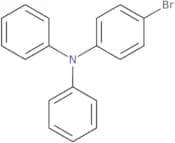

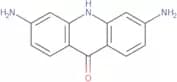
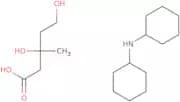
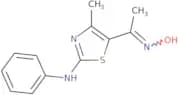
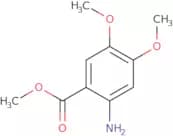

![N-Methyl-N-[(1,3,5-trimethyl-1H-pyrazol-4-yl)methyl]amine](/_next/image/?url=https%3A%2Fstatic.cymitquimica.com%2Fproducts%2F3D%2Fthumb-webp%2FFM112110.webp&w=3840&q=75)
![(2-Imidazo[2,1-b][1,3]thiazol-6-ylethyl)amine dihydrochloride](/_next/image/?url=https%3A%2Fstatic.cymitquimica.com%2Fproducts%2F3D%2Fthumb-webp%2FFI126807.webp&w=3840&q=75)
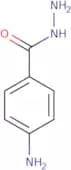
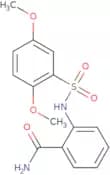
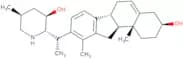
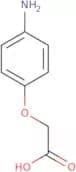
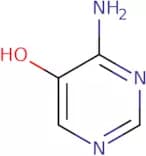
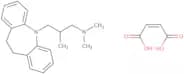
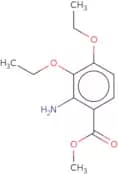
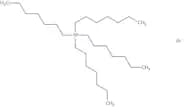
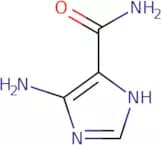
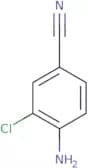
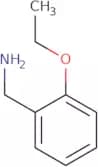
![N-[2-(Fmoc-amino)-ethyl]glycine tert-butylester hydrochloride](/_next/image/?url=https%3A%2Fstatic.cymitquimica.com%2Fproducts%2F3D%2Fthumb-webp%2FFF49771.webp&w=3840&q=75)
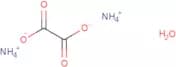
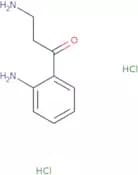
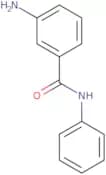
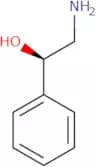
![2-[Amino(2-oxo-2H-1-benzopyran-3-yl)methylene]propanedinitrile](/_next/image/?url=https%3A%2Fstatic.cymitquimica.com%2Fproducts%2F3D%2Fthumb-webp%2FFA169776.webp&w=3840&q=75)
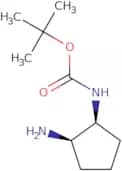

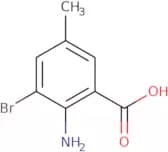
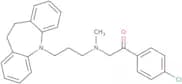
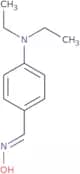
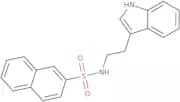
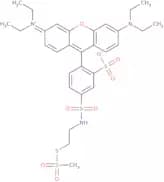
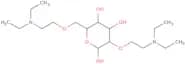
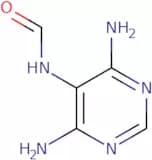
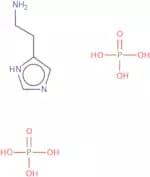
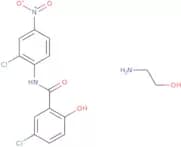
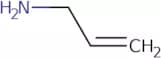

![6-Amino-3-methyl-4-(4-nitrophenyl)-4H-pyrano[3,2-d]pyrazole-5-carbonitrile](/_next/image/?url=https%3A%2Fstatic.cymitquimica.com%2Fproducts%2F3D%2Fthumb-webp%2FFA169805.webp&w=3840&q=75)
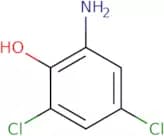

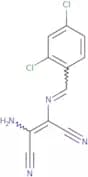
![N-[(1-Methyl-1H-indol-3-yl)methyl]cyclohexanamine](/_next/image/?url=https%3A%2Fstatic.cymitquimica.com%2Fproducts%2F3D%2Fthumb-webp%2FFM128410.webp&w=3840&q=75)
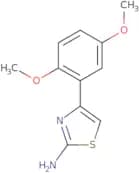
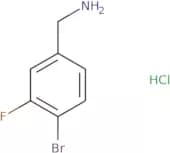
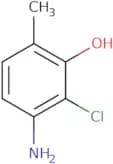

![[4-(2-Methyl-1,3-oxazol-5-yl)phenyl]amine](/_next/image/?url=https%3A%2Fstatic.cymitquimica.com%2Fproducts%2F3D%2Fthumb-webp%2FFM131648.webp&w=3840&q=75)
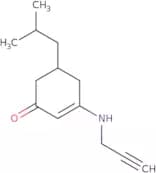
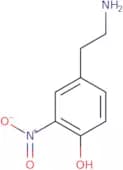
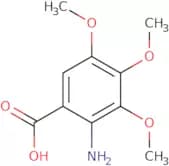
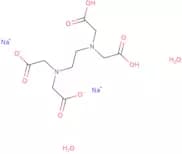
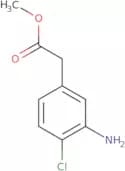
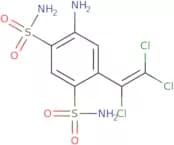
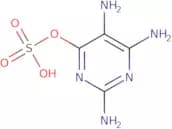
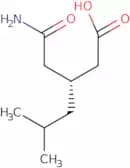



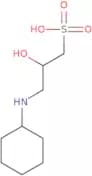
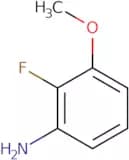
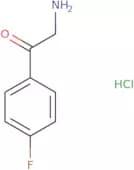
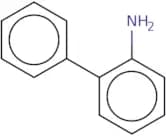
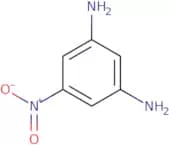
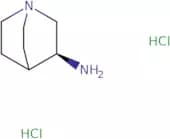
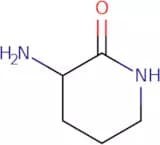
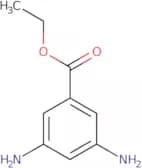
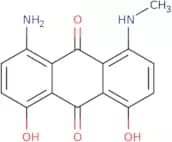
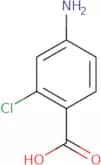
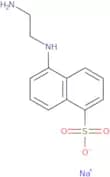
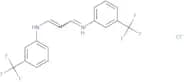
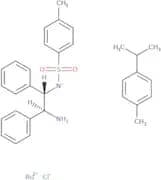
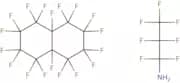
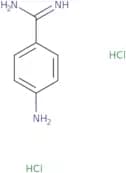
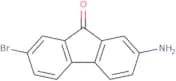
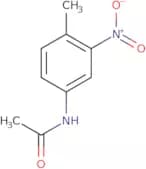
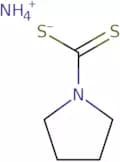
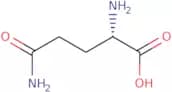
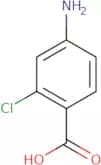

![2-[Ethyl-[2-(3-hydroxy-2,6-dimethyl-anilino)-2-oxo-ethyl]amino]-N-(3-hydroxy-2,6-dimethyl-phenyl)a…](/_next/image/?url=https%3A%2Fstatic.cymitquimica.com%2Fproducts%2F3D%2Fthumb-webp%2FFE145458.webp&w=3840&q=75)


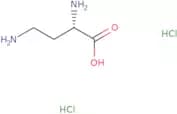
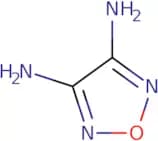
![[1-(Morpholin-4-ylcarbonyl)propyl]amine hydrochloride](/_next/image/?url=https%3A%2Fstatic.cymitquimica.com%2Fproducts%2F3D%2Fthumb-webp%2FFM130661.webp&w=3840&q=75)
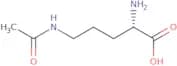
![{[2-(2-Methoxyphenyl)-1,3-thiazol-5-yl]methyl}amine](/_next/image/?url=https%3A%2Fstatic.cymitquimica.com%2Fproducts%2F3D%2Fthumb-webp%2FFM124085.webp&w=3840&q=75)
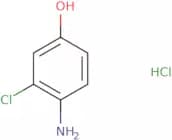
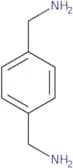
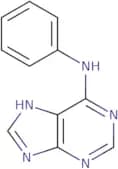
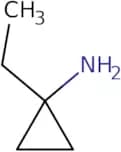
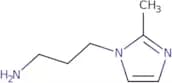
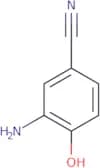
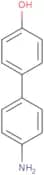
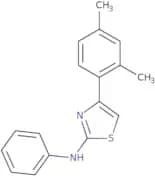
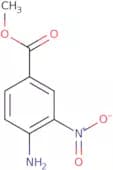

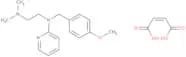
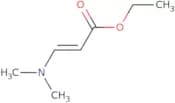
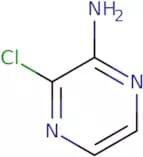
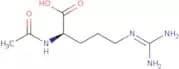
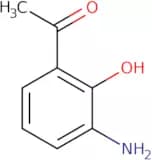

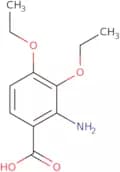
![2-[[(Heptadecafluorooctyl)Sulphonyl]Methylamino]Ethyl Methacrylate](/_next/image/?url=https%3A%2Fstatic.cymitquimica.com%2Fproducts%2F3D%2Fthumb-webp%2FFH98020.webp&w=3840&q=75)
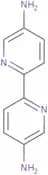
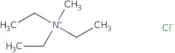
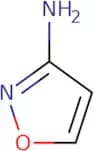
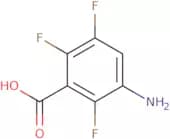
![4-[2-[[3-(4-Hydroxyphenyl)-1-methylpropyl]amino]ethyl]-1,2-benzenediol hydrochloride](/_next/image/?url=https%3A%2Fstatic.cymitquimica.com%2Fproducts%2F3D%2Fthumb-webp%2FFH27507.webp&w=3840&q=75)
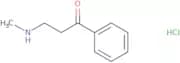
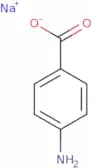
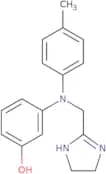

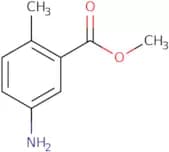
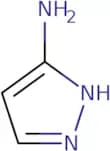
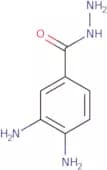


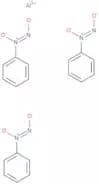
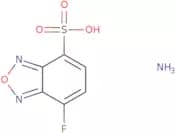
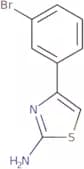
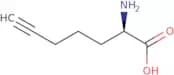

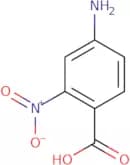
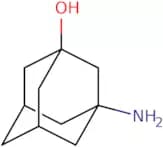
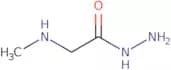
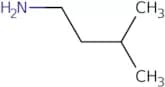
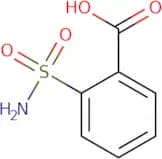
![3-[1-(Dimethylamino)ethyl]phenol](/_next/image/?url=https%3A%2Fstatic.cymitquimica.com%2Fproducts%2F3D%2Fthumb-webp%2FFD22323.webp&w=3840&q=75)
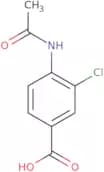
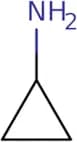
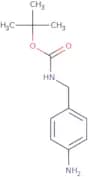
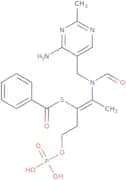

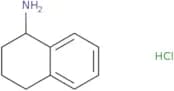
![Bis[2-[Ethyl[(Heptadecafluorooctyl)Sulphonyl]Amino]Ethyl] (4-Methyl-1,3-Phenylene)Biscarbamate](/_next/image/?url=https%3A%2Fstatic.cymitquimica.com%2Fproducts%2F3D%2Fthumb-webp%2FFB101999.webp&w=3840&q=75)
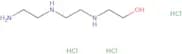
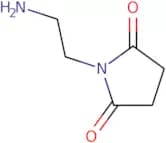
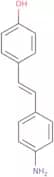
![N-[(4-Amino-2-methylpyrimidin-5-yl)methyl]formamide](/_next/image/?url=https%3A%2Fstatic.cymitquimica.com%2Fproducts%2F3D%2Fthumb-webp%2FFA31702.webp&w=3840&q=75)

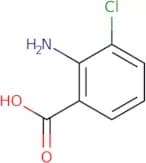
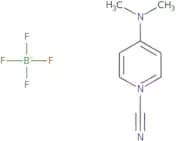
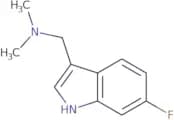


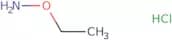
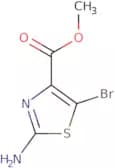


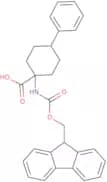
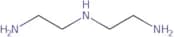
![2-[N-[(3,5-Difluorophenyl)carbamoylamino]-C-methylcarbonimidoyl]pyridine-3-carboxylic acid](/_next/image/?url=https%3A%2Fstatic.cymitquimica.com%2Fproducts%2F3D%2Fthumb-webp%2FFD101726.webp&w=3840&q=75)
![2-[2-(2-t-Boc-aminoethoxy)ethoxy]ethanol](/_next/image/?url=https%3A%2Fstatic.cymitquimica.com%2Fproducts%2F3D%2Fthumb-webp%2FFB18924.webp&w=3840&q=75)
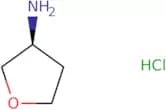
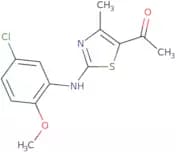
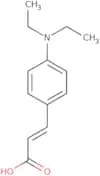
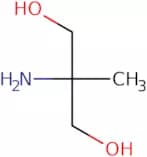
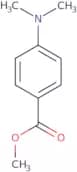
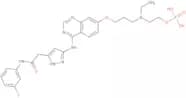
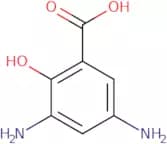
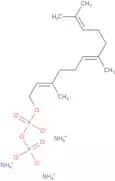
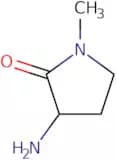
![7-Amino-2-(4-methoxyphenyl)[1,2,4]triazolo[1,5-a]pyrimidin-5(4H)-one](/_next/image/?url=https%3A%2Fstatic.cymitquimica.com%2Fproducts%2F3D%2Fthumb-webp%2FFA134729.webp&w=3840&q=75)
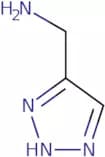
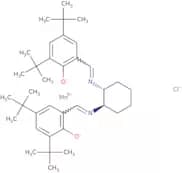
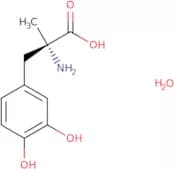

![2-[(4-Amino-2-methyl-5-nitrylbenzyl)amino]ethylalcohol](/_next/image/?url=https%3A%2Fstatic.cymitquimica.com%2Fproducts%2F3D%2Fthumb-webp%2FFA146928.webp&w=3840&q=75)
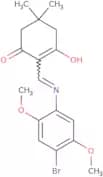
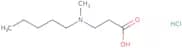


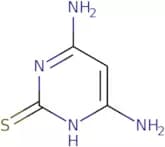
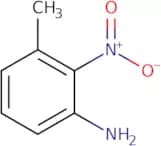
![N-[5-(Phenylamino)-2,4-pentadienylidene]aniline monohydrochloride](/_next/image/?url=https%3A%2Fstatic.cymitquimica.com%2Fproducts%2F3D%2Fthumb-webp%2FFP29019.webp&w=3840&q=75)