Carboxylic Acids
Carboxylic acids are organic molecules characterized by having a carboxyl-type functional group (-COOH). These acids are fundamental in various chemical reactions, including esterification, amidation, and decarboxylation. Carboxylic acids are widely used in the production of pharmaceuticals, polymers, and agrochemicals. In this section, you can find a large number of carboxylic acids ready to be used. At CymitQuimica, we provide a broad range of high-quality carboxylic acids to support your research and industrial applications.
Found 12453 products of "Carboxylic Acids"
Sort by
Purity (%)
0
100
|
0
|
50
|
90
|
95
|
100
4-Methyl hippuric acid
CAS:<p>4-Methyl hippuric acid is a metabolite of benzoic acid, and is excreted in the urine as an end product of phenylalanine metabolism. The matrix effect is a phenomenon that is observed when chromatographic analysis occurs in the presence of impurities or other substances. It can be minimized by using an optimum concentration of hydrochloric acid to extract the analyte from the sample matrix. 4-Methyl hippuric acid can be detected in urine samples by using a chromatographic method and then quantified by measuring its s-phenylmercapturic acid content. This compound has been used as a marker for determining blood pressure and has also been shown to have antihypertensive effects.</p>Formula:C10H11NO3Purity:Min. 95%Color and Shape:PowderMolecular weight:193.2 g/mol2-Chloro-3-nitrobenzoic acid methyl ester
CAS:<p>2-Chloro-3-nitrobenzoic acid methyl ester is a chemical compound that has been shown to inhibit the activity of serotonin. The compound binds to the 5-HT3 receptor on the enteric neurons and inhibits the release of serotonin in the bowel, which is one of the two major sites of action for this drug. This inhibition leads to reduced motility and decreased secretion in the bowel, which helps relieve symptoms in patients with irritable bowel syndrome (IBS). It has also been shown that 2-chloro-3-nitrobenzoic acid methyl ester is able to inhibit the production of serotonin from tryptophan by inhibiting an enzyme called aromatic amino acid decarboxylase.<br>2-Chloro-3-nitrobenzoic acid methyl ester has a high affinity for both rat and human 5ht3 receptors. The kinetics and thermodynamics of this reaction have been studied using methanol as a</p>Formula:C8H6ClNO4Purity:Min. 95%Color and Shape:PowderMolecular weight:215.59 g/mol2-(MorpholinoMethyl)phenylboronic acid pinacol ester
CAS:<p>2-(MorpholinoMethyl)phenylboronic acid pinacol ester is a fine chemical that can be used as a building block for the synthesis of complex compounds. It is also suitable for use in research and development, as it has been shown to be a reagent and speciality chemical. This compound is an intermediate for the synthesis of other compounds, such as pharmaceuticals, agrochemicals, and cosmetics. 2-(MorpholinoMethyl)phenylboronic acid pinacol ester can be used as a versatile building block in organic synthesis reactions. It has been shown to have high quality properties and can be used to synthesize valuable scaffolds.</p>Formula:C17H26BNO3Purity:Min. 95%Color and Shape:PowderMolecular weight:303.20 g/molD-Aspartic acid sodium salt
CAS:<p>D-Aspartic acid sodium salt is a fine chemical that is useful as a scaffold for the preparation of other compounds. It can be used as a building block in the synthesis of complex compounds, and has been shown to be an intermediate in the production of research chemicals. Aspartic acid sodium salt can also serve as a reaction component for the production of other chemical substances, and is often used as a reagent in laboratory work. D-Aspartic acid sodium salt is available at high purity and quality.</p>Formula:C4H6NO4·NaPurity:Min. 95%Color and Shape:PowderMolecular weight:155.08 g/mol(2,5-Dihydroxyphenyl)propionic acid
CAS:<p>(2,5-Dihydroxyphenyl)propionic acid is a natural compound that has been shown to inhibit integrase enzymes in vitro. The chemical structure of (2,5-dihydroxyphenyl)propionic acid is similar to that of the herbimycin antibiotics, which are also known as ansamycins. These compounds have been shown to be potential therapeutics for cancer and HIV infection. Ansamycins inhibit the activity of integrase enzymes by binding to the enzyme's active site, preventing it from carrying out its normal function. This prevents the integration of viral DNA into host cells, thus inhibiting virus replication.</p>Formula:C9H10O4Purity:Min. 95%Color and Shape:PowderMolecular weight:182.17 g/molSulfosuccinic Acid - 70 wt. % in H2O
CAS:<p>Sulfosuccinic acid is a chemical compound that belongs to the group of coumarin derivatives. It has been shown to have good chemical stability in a variety of solvents, including water. Sulfosuccinic acid is also soluble in sodium salts and can be easily prepared as an aqueous solution or as a powder with particle size less than 10 microns. The surface methodology for this compound includes methods such as scanning electron microscopy (SEM), atomic force microscopy (AFM), and X-ray photoelectron spectroscopy (XPS). Sulfosuccinic acid has been found to have matrix effects on proteins and enzymes, which may be due to its basic properties. It is also used in nanoparticulate compositions for lc-ms/ms analysis.</p>Formula:C4H6O7SPurity:Min. 95%Color and Shape:Clear LiquidMolecular weight:198.15 g/mol3-Guanidinopropionic acid
CAS:<p>3-Guanidinopropionic acid (3GP) is a disinfectant that has been shown to have a chronic oral toxicity. 3GP is also used as an additive in nutrient solutions and has antimicrobial properties. 3GP inhibits the production of ATP by binding to the atp-sensitive K+ channels, thereby blocking the influx of potassium ions into the cell. This process can lead to cardiac arrest. 3GP also has antimicrobial effects against many microorganisms, including Streptococcus pyogenes, Staphylococcus aureus, Pseudomonas aeruginosa, and Escherichia coli.</p>Formula:C4H9N3O2Purity:Min. 95%Color and Shape:PowderMolecular weight:131.13 g/molLithium 3,5-diiodosalicylic acid
CAS:<p>Lithium 3,5-diiodosalicylic acid (Li3,5I2SA) is a cross-linking agent that has been shown to inhibit phosphatase activity and receptor binding in vitro. It also inhibits sugar transport, which is important for the functioning of human cells. Li3,5I2SA has been used to study the action of drugs on cancer cells and spermatozoa. This compound has also been tested as an inhibitor of membrane lipid peroxidation. Li3,5I2SA attaches to red blood cell membranes by binding to sites with high concentrations of monoclonal antibodies. The sequences of this compound have not yet been fully elucidated.</p>Formula:C7H4I2O3•LiPurity:Min. 98 Area-%Color and Shape:PowderMolecular weight:396.85 g/molDL-Pipecolinic acid
CAS:<p>DL-Pipecolinic acid is a byproduct of the metabolism of fructus ligustri. DL-pipecolinic acid is an intermediate in the biosynthesis of picolinic acid, which is produced from DL-pipecolinic acid by the enzyme picolinic acid carboxylase. The biological activity of DL-pipecolinic acid has been demonstrated in vitro and in vivo assays against wild-type strains. This compound has also been shown to inhibit urinary tract infections and leukemia inhibitory factor (LIF).<br>DL-Pipecolinic acid binds to the disulfide bonds present in proteins, thereby inhibiting protein synthesis and cell division. It also inhibits the growth of bacteria that are resistant to penicillin, ampicillin, and erythromycin.</p>Formula:C6H11NO2Purity:Min. 95%Color and Shape:PowderMolecular weight:129.16 g/molOxytocin acetate
CAS:Controlled Product<p>Oxytocin acetate is an analog of oxytocin, which is a hormone that stimulates the uterus during labor. Oxytocin acetate is synthesized by the chemical conjugation of oxytocin with an acetic acid moiety. The stability of this molecule has been shown to be higher than that of oxytocin. This drug has been shown to have stronger binding affinity for the oxytocin receptor, which may be due to its increased molecular weight. Oxytocin acetate has also been shown to increase levels of growth factors and fatty acids in tissues when administered intramuscularly, as well as stimulating neurotransmission. The onset latency for this drug is shorter than that of oxytocin and it produces a longer duration of action in comparison to other analogs. Oxytocin acetate can also be used cosmetically as a disinfectant and can act as an amide-forming agent in organic synthesis reactions.</p>Formula:C43H66N12O12S2•C2H4O2Purity:Min. 90 Area-%Color and Shape:PowderMolecular weight:1,067.24 g/mol2-Amino-3,4,5-trimethoxybenzoic acid
CAS:<p>2-Amino-3,4,5-trimethoxybenzoic acid (2AMTB) is a potential anticancer agent that inhibits the growth of cancer cells by interfering with the epidermal growth factor receptor. It also blocks the binding of this receptor to its ligands, preventing the activation of downstream signaling pathways. 2AMTB has been shown to inhibit epidermal growth factor (EGF)-induced proliferation in vitro and in vivo. 2AMTB has also been shown to inhibit the production of reactive oxygen species and DNA damage caused by amines such as quinazolone, which are commonly found in chemotherapy drugs. These properties make it a potential anticancer drug candidate for use with other chemotherapeutic agents such as epirubicin.</p>Formula:C10H13NO5Purity:Min. 95%Color and Shape:PowderMolecular weight:227.21 g/mol3,4,5-Triiodobenzoic acid
CAS:<p>3,4,5-Triiodobenzoic acid is a mesomeric molecule that has regulatory effects on root formation. It is an inhibitor of the transport of calcium ions and thereby inhibits the uptake of calcium by plant cells. 3,4,5-Triiodobenzoic acid also prevents the formation of intermolecular hydrogen bonds and molecular electrostatic potentials in biological studies. In addition, it has been shown to have a pH optimum of 6.0 and vibrational frequencies at 157 cm-1. This compound is used as a radiopaque contrast agent for X-ray imaging in muscle tissue.</p>Formula:C7H3I3O2Purity:Min. 95%Color and Shape:PowderMolecular weight:499.81 g/molN-Benzyloxycarbonyl-6-aminocaproic acid
CAS:<p>N-Benzyloxycarbonyl-6-aminocaproic acid is a synthetic molecule that has been shown to inhibit ubiquitin ligases. It may be used as an antigen for the detection of cancer cells, and it can also serve as a potential drug for inhibiting the growth of cancer cells. This molecule is a peptidomimetic that mimics the structure of ubiquitin. N-Benzyloxycarbonyl-6-aminocaproic acid binds to ubiquitin through hydrogen bonding interactions and can interfere with the protein's function by forming crosslinks with other proteins. N-Benzyloxycarbonyl-6-aminocaproic acid has been found to have a high molecular weight (MW) and viscosity, which makes it difficult to use in biological systems. However, this molecule can be used as an e3 ubiquitin ligase inhibitor in supramolecular systems because it does not interfere with other</p>Formula:C14H19NO4Purity:Min. 95%Color and Shape:White PowderMolecular weight:265.31 g/molAcetylene dicarboxylic acid potassium salt
CAS:<p>Acetylene dicarboxylic acid potassium salt (ADAC) is a drug that belongs to the class of 2-fluorobenzoic acid derivatives. Acetylene dicarboxylic acid potassium salt inhibits the enzyme 2,3-dihydroxybenzoate-4-hydroxylase and reduces the production of propiolic acid, which leads to a decrease in the synthesis of tetracene. Acetylene dicarboxylic acid potassium salt has been shown to be an effective anesthetic, with good visual and motor activity. The high toxicity of this compound is due to its high affinity for protein binding sites and its ability to form hydrogen bonds.</p>Formula:C4H2KO4Purity:Min. 95%Molecular weight:153.15 g/molCyclo(-Arg-Gly-Asp-D-Tyr-Lys) trifluoroacetate salt
CAS:<p>Cyclo(-Arg-Gly-Asp-D-Tyr-Lys) trifluoroacetate salt is a reagent that is used in organic synthesis as a building block to create complex compounds. It is also useful for research purposes, as it can be used to produce high quality products. Cyclo(-Arg-Gly-Asp-D-Tyr-Lys) trifluoroacetate salt is a chemical with CAS No. 217099-14-4 and has the chemical formula C17H21N3O2F3.</p>Formula:C27H41N9O8Purity:Min. 95%Color and Shape:White SolidMolecular weight:619.67 g/molN2-Boc-guanine-9-acetic acid
CAS:<p>N2-Boc-guanine-9-acetic acid is a versatile building block that is used as a reagent, speciality chemical and intermediate in the synthesis of complex compounds. It has shown high quality, high purity and usefulness as an intermediate in the synthesis of organic molecules. This compound can be used to generate large quantities of guanine derivatives which are important building blocks for many types of research chemicals. N2-Boc-guanine-9-acetic acid is also useful as a reaction component or scaffold in organic syntheses.</p>Formula:C12H15N5O5Purity:Min. 95 Area-%Color and Shape:White Off-White PowderMolecular weight:309.28 g/mol3,5-Dinitrobenzoic acid
CAS:<p>3,5-Dinitrobenzoic acid is a chemical substance that is used to treat bowel disease. It has been shown to have a good effect on the treatment of diseases caused by bacteria, such as Clostridium difficile and Escherichia coli. 3,5-Dinitrobenzoic acid is an organic compound that belongs to the group of p2 compounds. The mechanism for its antibacterial activity is currently unknown. It has been found to be soluble in water at a concentration of 0.1 M and can be detected in wastewater samples. 3,5-Dinitrobenzoic acid has been shown to react with 2,4-dichlorobenzoic acid to form 2-nitrobenzyl alcohol and 4-chlorophenylhydrazine. This reaction also produces hydrogen gas that can cause explosions when mixed with air or other combustible materials. The structure consists of two benzene rings attached to nitro groups</p>Formula:C7H4N2O6Purity:Min. 98 Area-%Color and Shape:PowderMolecular weight:212.12 g/mol4-Morpholinylacetic acid hydrochloride
CAS:<p>4-Morpholinylacetic acid hydrochloride is a fluorescent probe that is used to study the interaction between extracellular proteins and cells. It can be detected in tissues by fluorescence microscopy and has been tested on animal tissues. The linker group allows for the encapsulation of the probe into mesoporous silica particles that can be recovered from biological fluids and analyzed using analytical methods. 4-Morpholinylacetic acid hydrochloride is not acidic, which means it does not interact with DNA or RNA. The fluorescent properties of this compound allow for easy detection in tissues and microenvironments where other probes may not be detectable.</p>Formula:C6H11NO3•HClPurity:Min. 95%Molecular weight:181.62 g/mol2,5-Dibromoterephthalic acid
CAS:<p>2,5-Dibromoterephthalic acid is a compound that belongs to the group of dibromoterephthalic acid. The molecule has a supramolecular structure and contains water molecules. 2,5-Dibromoterephthalic acid can be oxidized to form the redox potential and is soluble in water. It has been shown that 2,5-Dibromoterephthalic acid can be absorbed by plants and animals through the skin or through the respiratory system. This compound has been used as an element analysis reagent for chlorine and carboxylates. 2,5-Dibromoterephthalic acid reacts with trifluoroacetic acid to form diethyl ester and hydrogen bond.</p>Formula:C8H4Br2O4Purity:Min. 95%Color and Shape:PowderMolecular weight:323.92 g/mol5-Chloroindole-2-carboxylic acid methyl ester
CAS:<p>5-Chloroindole-2-carboxylic acid methyl ester is a potent inhibitor of the enzyme tyrosine kinase in cell culture, with an IC50 value of 0.5 nM. It has been shown to inhibit the growth of cancer cells (e.g., MDA-MB231, MCF-7) in vitro and in vivo. The IC50 values for inhibition of MDA-MB231 and MCF-7 cells are 0.1 and 10 nM, respectively. 5-Chloroindole-2-carboxylic acid methyl ester binds to the ATP binding site on tyrosine kinase, preventing ATP from binding and inhibiting phosphorylation of the receptor protein. This allows the receptor's downstream signaling pathways to be blocked, which leads to cell growth inhibition by arresting cell cycle progression at G0/G1 phase or inducing apoptosis.</p>Formula:C10H8ClNO2Purity:Min. 95%Molecular weight:209.63 g/molDL-Aminobutyric acid
CAS:<p>DL-Aminobutyric acid is an analog of amino acids and a potent inhibitor of protease activity. It has been shown to inhibit the proteolytic activity of amyloid protein in human serum, most likely by competitive inhibition. DL-Aminobutyric acid also inhibits the enzyme activities that are responsible for the production of ammonia from amino acids. DL-Aminobutyric acid is an analyte in blood sampling and has a pH optimum of 8.0. It has been shown to have inhibitory properties on bacteria strains including Staphylococcus aureus and Streptococcus pneumoniae, but not Mycobacterium tuberculosis or Escherichia coli.</p>Formula:C4H9NO2Purity:Min 97%Color and Shape:PowderMolecular weight:103.12 g/mol3-Amino-4-chlorophenylacetic acid methyl ester
CAS:<p>3-Amino-4-chlorophenylacetic acid methyl ester is a fine chemical that is useful as a building block in the synthesis of complex compounds. It has been used as a reagent and speciality chemical, which can be used for research purposes. CAS No. 59833-69-1</p>Formula:C9H10ClNO2Purity:Min. 95%Molecular weight:199.63 g/molFenofibric acid methyl ester
CAS:<p>Fenofibric acid methyl ester is a chemical that has been used as a reference standard for the calibration of HPLC. It is an acidic compound that can be used to measure the flow rate of liquids. Fenofibric acid methyl ester has a particle size between 2 and 4 micrometers in diameter, which has been shown to be consistent with the use of dihedrals and diameters. This product has been found to be suitable for chromatographic methods such as calibration and validation. The purity of this chemical has been validated by regression analysis using chromatograms.</p>Formula:C18H17ClO4Purity:Min. 95%Color and Shape:PowderMolecular weight:332.78 g/mol(+)-O,O'-Di-p-toluoyl-D-tartaric acid
CAS:<p>(+)-O,O'-Di-p-toluoyl-D-tartaric acid is a potent and selective ligand for the dopamine D2 receptor. It was first synthesized in 1968 and has been extensively studied for its interactions with dopamine receptors. (+)-O,O'-Di-p-toluoyl-D-tartaric acid has been shown to be an orthosteric agonist at the D2 receptor, meaning it binds directly to the receptor in the absence of any other compounds. It binds to the extracellular site of the receptor, with a binding affinity that is 10 times more potent than that of apomorphine. The compound has been shown to have antidepressant effects when administered systemically, as well as in animal models of depression. This activity may be due to its ability to selectively activate dopamine D2 receptors in regions such as the prefrontal cortex.</p>Formula:C20H18O8Purity:Min. 95%Color and Shape:PowderMolecular weight:386.35 g/mol2,4,5-Trimethylbenzoic acid
CAS:<p>2,4,5-Trimethylbenzoic acid is a white crystalline solid that is soluble in water. It is used as an analytical reagent and oxidation catalyst. 2,4,5-Trimethylbenzoic acid can be found in polymer films and inorganic acids. The oxidation products of 2,4,5-Trimethylbenzoic acid are known to have antioxidant properties. The compound can be found as an oxidant or an activator in organic synthesis reactions. 2,4,5-Trimethylbenzoic acid has been used as a starting material for the synthesis of acyl halides and carboxylates. It also has been used to synthesize fatty acids from unsaturated hydrocarbons.</p>Formula:C10H12O2Purity:Min. 95%Color and Shape:PowderMolecular weight:164.2 g/molMethylboronic acid
CAS:<p>Methylboronic acid is a cyclic peptide that can be found in plants. It was first discovered as an antimicrobial agent in the 1980s and has since been used to treat infectious diseases. Methylboronic acid reacts with oxygen nucleophiles such as penicillin-binding proteins, leading to their inhibition and subsequent death of bacteria. This compound also has potential for use in treating autoimmune diseases and inflammatory bowel disease due to its ability to inhibit the production of cytokines and other inflammatory mediators.</p>Formula:CH5BO2Purity:Min. 95%Color and Shape:PowderMolecular weight:59.86 g/mol2-(4-tert-Butylphenoxy)-2-methylpropanoic acid
CAS:<p>2-(4-tert-Butylphenoxy)-2-methylpropanoic acid is a versatile building block and reagent for the synthesis of complex compounds. It has been used in research as a possible treatment for inflammatory diseases, including asthma and rheumatoid arthritis. This product is also a useful scaffold for the development of new drugs. 2-(4-tert-Butylphenoxy)-2-methylpropanoic acid has been shown to have antiviral properties against human immunodeficiency virus (HIV) and hepatitis C virus (HCV).</p>Formula:C14H20O3Purity:Min. 95%Color and Shape:PowderMolecular weight:236.31 g/molBenzoic acid
CAS:<p>Benzoic acid is a preservative that has been used for a long time and is found in sodium benzoate and potassium benzoate. It has been shown to inhibit the growth of bacteria, viruses, fungi, and parasites. Benzoic acid inhibits the enzyme activity of bacterial catalase and peroxidase. Benzoic acid binds to bacterial DNA with high affinity and is able to penetrate the cell membrane. The antimicrobial activity of benzoic acid is dependent on its concentration. At concentrations greater than 0.5%, it forms an inner salt with potassium ions, which can lead to the death of bacteria by inhibiting their growth or interfering with their metabolism.</p>Formula:C7H6O2Color and Shape:White Off-White PowderMolecular weight:122.12 g/mol1,1',1''-Tris(1H-1,2,3-triazol-4-yl-1-acetic acid ethyl ester) trimethylamine
CAS:<p>1,1',1''-Tris(1H-1,2,3-triazol-4-yl-1-acetic acid ethyl ester) trimethylamine is an organic solvent that has been used in the synthesis of azide–alkyne cycloaddition products. The solvent has shown to be soluble in water and is stable at high temperatures. It can also be used as a reagent or ligand for cycloaddition reactions with alkynes.</p>Formula:C21H30N10O6Purity:Min. 95%Color and Shape:White PowderMolecular weight:518.53 g/molL-Aspartic β-7-amido-4-methylcoumarin
CAS:<p>L-Aspartic acid beta-7-amido-4-methylcoumarin (LAM) is a fluorescent amino acid that can be used to diagnose deficiencies of this amino acid. LAM is an experimental diagnostic chemical and has been tested in rats, rabbits, and humans. It is a fluorescent amino acid that binds to the 7th position on lysine residues in proteins. The binding of the fluorophore to the protein can be detected using fluorescence spectroscopy. The assay measures the intensity of fluorescence at 480 nm and 660 nm which corresponds to excitation at 320 nm and 420 nm respectively. LAM is currently being studied as a potential treatment for cancerous cells and their growth.</p>Formula:C14H14N2O5Purity:Min. 99 Area-%Color and Shape:White PowderMolecular weight:290.27 g/mol3,5-Di-tert-Butyl-4-hydroxybenzoic acid methyl ester
CAS:<p>3,5-Di-tert-Butyl-4-hydroxybenzoic acid methyl ester is a chemical that belongs to the group of low molecular weight solvents. It is used as an intermediate in organic synthesis and as a solvent for paints, lacquers, and varnishes. 3,5-Di-tert-Butyl-4-hydroxybenzoic acid methyl ester has been found to be resistant to radiation and ultraviolet light. This chemical has also been shown to have no mutagenic effects on calf thymus DNA.</p>Formula:C16H24O3Purity:Min. 95%Color and Shape:PowderMolecular weight:264.36 g/mol3,3',5-Triiodo thyropropionic acid
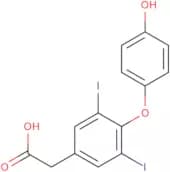
CAS:<p>Triiodothyropropionic acid is a metabolite of thyroxine, an important hormone that regulates the basal metabolic rate. It has been shown to be involved in the repair mechanism of cardiac and liver cells. Triiodothyropropionic acid is also a major metabolite of thyroxine and it is produced by the action of hydroxylases on thyroxine with water vapor as the substrate. This compound has been shown to increase cardiac function and improve heart tissue repair at physiological levels. The uptake, distribution, and excretion of triiodothyropropionic acid are similar to those for thyroxine. The metabolism of triiodothyropropionic acid occurs mainly in the liver, where it is converted into fatty acids such as 3-hydroxybutyric acid. Triiodothyropropionic acid has been shown to have effects on protein genes and rat liver microsomes.</p>Formula:C15H11I3O4Purity:Min. 95%Color and Shape:PowderMolecular weight:635.96 g/mol2-(4-(2,5-Dichlorophenylamino)-3,5-thiazolyl)acetic acid
CAS:<p>Please enquire for more information about 2-(4-(2,5-Dichlorophenylamino)-3,5-thiazolyl)acetic acid including the price, delivery time and more detailed product information at the technical inquiry form on this page</p>Purity:Min. 80%N4-Boc-cytosin-1-yl acetic acid
CAS:<p>N4-Boc-cytosin-1-yl acetic acid is a fine chemical that is used as a reagent, and can be used as a building block in the synthesis of various compounds. It has been shown to be an effective intermediate in the synthesis of various compounds, and can be used as a scaffold for drug discovery. N4-Boc-cytosin-1-yl acetic acid is also useful in the production of other chemicals, such as pharmaceuticals and pesticides.</p>Formula:C11H15N3O5Purity:Min. 98 Area-%Color and Shape:PowderMolecular weight:269.25 g/molN-Boc-pyrroyl-boronic acid
CAS:<p>N-Boc-pyrroyl-boronic acid is a linker that is used in organic synthesis. It reacts with chloride to form an organochlorine compound, which can be used as an inhibitor of s. aureus or other bacteria. The reaction time for this chemical is shorter than for the corresponding boronic acid, and it does not require the presence of a Lewis acid. This chemical has been shown to have anticancer activity in vitro, and its optimization has been studied using fluorescent carbonyl groups as the active component.</p>Formula:C9H14BNO4Purity:Min. 95%Molecular weight:211.02 g/mol3-(3,5-Dimethoxy-4-hydroxyphenyl)-propionic acid
CAS:<p>3-(3,5-dimethoxy-4-hydroxyphenyl)-propionic acid (3DMP) is a phenolic compound that is the major metabolite of sinalbin. It has been shown to be a bioactive compound with anti-inflammatory and antiatherosclerotic properties. 3DMP has also been found to have anti-cancer and anti-microbial activities. 3DMP is catabolized in the liver by cytochrome P450. This process produces metabolites including 3,5-dimethoxybenzoic acid, which can be excreted in urine samples. The physiological effects of 3DMP are mediated through binding to ABC transporters as well as G protein coupled receptors on cells such as BV2 microglial cells.</p>Formula:C11H14O5Purity:Min. 95%Color and Shape:White PowderMolecular weight:226.23 g/molFmoc-L-cysteic acid
CAS:<p>Fmoc-L-cysteic acid is a versatile building block that can be used as a reagent, speciality chemical, or useful scaffold in the synthesis of complex compounds. It is an intermediate to other organic compounds and has been reported to have high purity. Fmoc-L-cysteic acid reacts with amines in the presence of base to produce amides. This compound can also be used as a reaction component or as a scaffold in the synthesis of pharmaceuticals.</p>Formula:C18H17NO7SPurity:Min. 95%Color and Shape:PowderMolecular weight:391.4 g/molLead acetate trihydrate
CAS:<p>Lead acetate trihydrate is a polymerase chain reaction (PCR) reagent. It is used in the detection of DNA sequences, typically for forensic or genealogical purposes. Lead acetate trihydrate has been shown to inhibit mitochondrial membrane potential and increase the growth factor-β1 level in experimental models. It also has been shown to cause toxicological effects such as enzyme activities and plasma mass spectrometry changes in animals, as well as physiological effects such as energy metabolism and structural analysis changes, which are related to oxidative injury. The biological sample can be analyzed using chemiluminescence methods.</p>Formula:C4H8O4•Pb•(H2O)3Purity:Min. 95%Color and Shape:PowderMolecular weight:381.37 g/molEthyl 3-((4-chlorophenyl)amino)-5-methyl-2,4-thiazolecarboxylate
CAS:<p>Please enquire for more information about Ethyl 3-((4-chlorophenyl)amino)-5-methyl-2,4-thiazolecarboxylate including the price, delivery time and more detailed product information at the technical inquiry form on this page</p>Purity:Min. 90%4-tert-Butylbenzoic acid
CAS:<p>4-tert-Butylbenzoic acid is a 4-dimethylaminobenzoic acid derivative that has been used as a potential antidepressant. It has shown to have a high solubility in water, which may be due to hydrogen bonding interactions with the amino group of cyclen. The binding constants for 4-tert-butylbenzoic acid and cyclen have been found to be stronger than those for 4-dimethylaminobenzoic acid and cyclen. This suggests that 4-tert-butylbenzoic acid is more potent than 4-dimethylaminobenzoic acid. Process optimization studies on the synthesis of this compound have been carried out using x-ray crystal structures to determine optimum conditions. In vitro experiments using human urine samples revealed that the concentration of 4-tert-butylbenzoic acid was higher in urine samples containing amines than those without amines, suggesting that it may</p>Formula:C11H14O2Purity:Min. 95%Molecular weight:178.23 g/molIsopilocarpic acid sodium salt
CAS:<p>Isopilocarpic acid sodium salt is a synthetic compound that contains methyl groups and electron. It is an utilizable and liquid chromatographic compound with an acyl group. Isopilocarpic acid sodium salt has been shown to be a prodrug derivative that is hydrolyzed to form the active methylene and hydroxy groups. The aliphatic chain in this compound can be ethylene or benzyl.</p>Formula:C11H17N2NaO3Purity:Min. 95%Color and Shape:White PowderMolecular weight:248.25 g/mol2-Ethoxy-4-methoxybenzoic acid
CAS:<p>2-Ethoxy-4-methoxybenzoic acid is a versatile chemical compound that can be used as a building block in the synthesis of complex compounds. It has been used as an intermediate in the production of other chemicals and has been shown to be useful as a scaffold for drug design. 2-Ethoxy-4-methoxybenzoic acid is also used in research to study bacterial resistance to antibiotics and its ability to inhibit DNA replication. CAS No. 55085-15-9</p>Formula:C10H12O4Purity:Min. 95%Color and Shape:PowderMolecular weight:196.2 g/mol2,3-Dimethoxybenzoic acid
CAS:<p>2,3-Dimethoxybenzoic acid is a metal chelate that has been shown to have in vitro antifungal activity. It is also a 5-membered heteroaryl amide with inhibitory properties against proinflammatory cytokines such as TNF-α and IL-1β. 2,3-Dimethoxybenzoic acid has been found to have inhibitory effects on the metabolism of cholesterol and other lipids, which may be due to its ability to bind with serum proteins. This compound has also been shown to have antiinflammatory activity in human serum.</p>Formula:C9H10O4Purity:Min. 95%Color and Shape:White Off-White PowderMolecular weight:182.17 g/molEthyl indole-4-carboxylate
CAS:<p>Ethyl indole-4-carboxylate is an organic compound that belongs to the group of sulfonium salts. It has a ring system, an ether and a sulfone group. The chemical structure also includes two sulfones. This compound has shown nematicidal activity and can be used as a fungicide. In addition, it can be used as an intermediate in the synthesis of other compounds, such as therapeutics and fungicides.</p>Formula:C11H11NO2Purity:Min. 95%Color and Shape:Brown PowderMolecular weight:189.21 g/mol6-Chloro-2-fluoropyridine-3-boronic acid
CAS:<p>6-Chloro-2-fluoropyridine-3-boronic acid is a versatile building block for the synthesis of complex compounds, which can be used as a reagent in research or as a speciality chemical. This compound can be used as an intermediate, reaction component, or scaffold to synthesize other more complex structures. 6-Chloro-2-fluoropyridine-3-boronic acid is available in high quality and has CAS No. 1256345-66-0.</p>Formula:C5H4BClFNO2Purity:Min. 95%Color and Shape:Light (Or Pale) Orange SolidMolecular weight:175.35 g/molSorbic acid
CAS:<p>Sorbic acid is an organic acid that is used as a food preservative and antimicrobial agent. It is effective against yeasts and molds, which are the main causes of food spoilage. Sorbic acid has been shown to be non-genotoxic in biological studies, but it has been found to be genotoxic at high concentrations. Sorbic acid has also been found to have cardioprotective properties. The optimum concentration for sorbic acid is 0.1% and it does not require refrigeration.<br>Sorbic acid can be made by reacting p-hydroxybenzoic acid with potassium hydroxide or sodium hydroxide in aqueous solution. This process can be analyzed by gas chromatography, which separates compounds based on their boiling points, or by liquid chromatography, which separates compounds based on their solubility in an organic solvent like benzyl alcohol or methanol.</p>Formula:C6H8O2Purity:Min. 95%Color and Shape:PowderMolecular weight:112.13 g/mol2-Hydroxyphenylacetic acid
CAS:<p>2-Hydroxyphenylacetic acid is a hydroxylated phenolic acid that is structurally similar to other phenolic acids. It is present in many plants, including tea leaves and coffee beans, where it acts as an antioxidant. 2-Hydroxyphenylacetic acid has been found in the urine of humans and animals following ingestion of excessive amounts of these plants. It is also found in urine samples from patients with certain types of kidney disease. The synthesis of 2-hydroxyphenylacetic acid can be achieved by reacting ethylene diamine with sodium hydroxide solution or hydrochloric acid.</p>Formula:C8H8O3Purity:Min. 95%Color and Shape:Off-White Slightly Brown PowderMolecular weight:152.15 g/molH-Orn-Orn-Orn-OH acetate salt
CAS:<p>H-Orn-Orn-Orn-OH acetate salt is a chemical compound with the molecular formula C10H14O2. It is used as a building block in organic chemistry, often as an intermediate for the synthesis of other compounds, or as a reagent.</p>Formula:C15H32N6O4Purity:Min. 95%Color and Shape:PowderMolecular weight:360.45 g/mol3,5-Dinitro-4-hydroxyphenylacetic acid
CAS:<p>3,5-Dinitro-4-hydroxyphenylacetic acid is a conjugate that consists of an antigen and a carrier molecule. It is used to enhance the immune response by stimulating T cells which are responsible for the production of antibodies. The conjugate is also known to have cytotoxic effects on the surface of cancer cells in vitro. 3,5-Dinitro-4-hydroxyphenylacetic acid has been shown to be effective in immunizing mice against the antigen ovalbumin, which is often used as a model antigen in immunology research. This conjugate has been shown to promote mitogenesis, or cell division, in spleen cells isolated from immunized mice.</p>Formula:C8H6N2O7Purity:Min. 95%Molecular weight:242.14 g/molFumaric acid
CAS:<p>Fumaric acid is a dicarboxylic acid that is used in the treatment of bowel disease. This compound is a fumarate, which means it has two carboxylic acid groups and one hydroxyl group. Fumaric acid reacts with copper chloride to form water vapor, which can be toxic if inhaled. Fumaric acid also exhibits antimicrobial properties against bacteria and fungi and can be used as a pharmacological agent for the treatment of various diseases. Fumaric acid's chemical properties are similar to those of sodium salts, which may explain its use in a number of products such as injections or solutions. Structural analysis reveals that the molecular shape of fumaric acid is linear with three hydrogen atoms on each side of the central carbon atom.</p>Formula:C4H4O4Purity:Min. 95%Color and Shape:White Off-White PowderMolecular weight:116.07 g/molAminomethylphosphonic acid
CAS:<p>Aminomethylphosphonic acid has proven action as a mimetic of both D- and L-alanine; it acts as an inhibitor of cell wall enzymes such as D-Ala-D-Ala synthetase, alanine racemase (JAA02406), and UDP-N-acetylmuramyl-L-alanine synthetase</p>Formula:CH6NO3PPurity:Min. 95%Color and Shape:PowderMolecular weight:111.04 g/mol1-Diazoacetonylphosphonic acid dimethyl ester
CAS:<p>1-Diazoacetonylphosphonic acid dimethyl ester is an antimicrobial agent that has been shown to be active against Candida species and other fungi. The compound was synthesized using a modified Ugi four-component reaction, which enabled the preparation of a single asymmetric synthesis. This process also generated a new bioactive molecule, 1-aminoacetonylphosphonic acid, in high yield and with excellent enantioselectivity.</p>Formula:C5H9N2O4PPurity:Min. 95%Color and Shape:PowderMolecular weight:192.11 g/molD-(-)-Tartaric acid
CAS:<p>Used in the preparation of enantiospecific homochiral cis-4-formyl b-lactams</p>Formula:C4H6O6Purity:Min 98.5%Color and Shape:White PowderMolecular weight:150.09 g/mol4-Bromo-2-chlorocinnamic acid
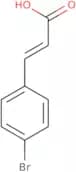
CAS:<p>4-Bromo-2-chlorocinnamic acid is a useful chemical in the synthesis of organic compounds. It is an intermediate in the production of pharmaceuticals and other organic compounds. The compound has been used as a research chemical and as a building block for the production of complex chemicals. 4-Bromo-2-chlorocinnamic acid has also been used as a building block for the production of fine chemicals, such as dyes, perfumes, and pesticides.</p>Formula:C9H6BrClO2Purity:Min. 95%Color and Shape:PowderMolecular weight:261.5 g/mol3,5-Diiodo-4(4'-methoxyphenoxy)benzoic acid
CAS:<p>3,5-Diiodo-4-(4'-methoxyphenoxy)benzoic acid is a chemical intermediate that has been used in the synthesis of pharmaceuticals and agricultural chemicals. It is a versatile building block that can be used to produce pharmaceuticals, such as diazepam and bromazepam, and other useful compounds. 3,5-Diiodo-4-(4'-methoxyphenoxy)benzoic acid is a fine chemical with high quality and speciality chemical. It has been extensively researched for its usefulness as a reagent for organic synthesis reactions.</p>Formula:C14H10I2O4Purity:Min. 95%Color and Shape:PowderMolecular weight:496.04 g/molSuberic acid
CAS:<p>Suberic acid is a sodium salt that is soluble in water. It has been shown to have biochemical properties, such as x-ray crystal structures and biocompatible polymer. Suberic acid has been shown to be effective against a number of human tumor cell lines and can inhibit the growth of hl-60 cells in vitro. Suberic acid is also found to have anti-inflammatory properties, which may be due to its inhibition of prostaglandin synthesis. The hydroxyl groups on the aromatic ring allow it to form hydrogen bonding interactions with other molecules. Suberic acid also has the ability to form complexes with vancomycin hydrochloride, providing an alternative drug for treating infectious diseases caused by methicillin-resistant Staphylococcus aureus (MRSA).</p>Formula:C8H14O4Purity:Min. 98%Color and Shape:White PowderMolecular weight:174.19 g/mol3,5-Difluoro-4-hydroxybenzoic acid
CAS:<p>3,5-Difluoro-4-hydroxybenzoic acid is a fluorotyrosine analog that has been shown to be metabolized by tyrosinase and to inhibit the enzymatic synthesis of l-tyrosine. It has also been shown to react with the fluoride ion and to form difluorotyrosines. These reactions are catalyzed by an enzyme on the electrode surface. The fluorotyrosines can then undergo biochemical reactions, such as electron transfer and oxidation, leading to a change in pH or current. This process is similar to that of other protein synthesis inhibitors, such as ascorbic acid and tyrosine. 3,5-Difluoro-4-hydroxybenzoic acid may be used in the treatment of hyperpigmentation disorders or skin cancer caused by exposure to ultraviolet light.</p>Formula:C7H4F2O3Purity:Min. 95%Color and Shape:PowderMolecular weight:174.1 g/molEicosapentaenoic acid
CAS:<p>Inhibitor of 5-lipoxygenase; reduces thromboxane A2 production</p>Formula:C20H30O2Purity:Min. 96 Area-%Color and Shape:Colorless Clear LiquidMolecular weight:302.45 g/mol4-[[(2-Amino-1,2-dicyanoethenyl)imino]methyl]benzoic acid
CAS:<p>Please enquire for more information about 4-[[(2-Amino-1,2-dicyanoethenyl)imino]methyl]benzoic acid including the price, delivery time and more detailed product information at the technical inquiry form on this page</p>Formula:C12H8N4O2Purity:Min. 95%Color and Shape:PowderMolecular weight:240.22 g/mol3,5-Diisopropylsalicylic acid
CAS:<p>3,5-Diisopropylsalicylic acid is a reactive chemical substance that has been shown to be an effective anti-inflammatory agent. The compound is active against wild-type viruses and copper complexes. 3,5-Diisopropylsalicylic acid also has been shown to inhibit the growth of human cancer cells in vitro. This drug can be used as an analytical reagent for the detection of water vapor in gas chromatography and other techniques. The acute toxicities associated with 3,5-diisopropylsalicylic acid are not well understood, but it has been shown to have a negative effect on body mass index. It also may affect pluripotent cells and radiation therapy. There are reports of drug interactions when used with certain medications such as acetaminophen or ibuprofen.</p>Formula:C13H18O3Purity:Min. 95%Color and Shape:PowderMolecular weight:222.28 g/mol[(8b)-1,6-Dimethylergolin-8-yl)methyl]carbamic acid phenylmethyl ester
CAS:<p>Ergolines are a class of drugs that bind to serotonin receptors. The ergoline derivative [(8b)-1,6-dimethylergolin-8-yl)methyl]carbamic acid phenylmethyl ester (DMPE) is a potent and selective 5-hydroxytryptamine (5-HT) receptor antagonist. DMPE has been shown to have the ability to increase serum prolactin levels in rats and antagonize the effects of metergoline in monkeys. It also reduces blood pressure in animals by blocking the vasoconstrictor effect of 5-HT on vascular smooth muscle cells.</p>Formula:C25H29N3O2Purity:Min. 95%Color and Shape:White PowderMolecular weight:403.52 g/mol6-Fluoronicotinic acid
CAS:<p>6-Fluoronicotinic acid is a compound class that is biosynthesized from picolinic acid. It has been found to have biological properties such as the ability to form positrons and spiroindolines. 6-Fluoronicotinic acid can be synthesized by solid-phase synthesis and analyzed using vibrational spectroscopy. This compound class is also a radionuclide, which means it can be used in positron emission tomography (PET) scans of the human body. 6-Fluoronicotinic acid has been shown to bind to cardiac tissue and cancer cells, making it an effective drug for treating these diseases.</p>Formula:C6H4FNO2Purity:Min. 95%Color and Shape:PowderMolecular weight:141.1 g/molLinolenic acid - 70%
CAS:<p>Linolenic acid is a polyunsaturated fatty acid that belongs to the omega-6 family. It has been shown to have apoptosis-inducing effects in various experimental models and has anti-oxidant properties. Linolenic acid also protects against UV radiation and skin cancer. In addition, linolenic acid may be beneficial for eye disorders such as dry eye syndrome and age-related macular degeneration. Clinical studies have shown that linolenic acid may help with weight loss, improve body mass index, and reduce inflammation.</p>Formula:C18H30O2Purity:Min. 95%Color and Shape:Brown Slightly Yellow Red Clear LiquidMolecular weight:278.43 g/molPoly(acrylic acid) solution
CAS:<p>Poly(acrylic acid) solution is a polymer that is used in water treatment. It has been shown to be effective in removing sulfate and carbonates from water. Poly(acrylic acid) solution has a molecular weight of about 10,000 Daltons and a number average molecular weight of about 4,000 Daltons. This solution is supersaturated with poly(acrylic acid) but it does not form crystals because it crystallizes at high temperature and pressure. The polymers are adsorbed onto the surface of the particles in the water and then can form crystals when the polymers are forced to nucleate by lowering the temperature or increasing the force applied to them.</p>Formula:(C3H4O2)xColor and Shape:Colorless Clear Liquid2-Chloro-5-methylbenzoic acid
CAS:<p>2-Chloro-5-methylbenzoic acid is a carcinogenic substance that is used in the manufacturing of acridine dyes. It can be found in both solid and liquid forms and has an experimental solubility range of 0.01 to 1.0g/100ml at 25°C. 2-Chloro-5-methylbenzoic acid is soluble in water and has a solute activity coefficient of 1.2, which means it is fairly soluble in water. This chemical also exhibits high reactivity with other compounds that are dissolved in water. The chemical reacts with hydrogen sulfide to produce sulfur dioxide gas, ammonia, and hydrochloric acid, as well as with nitric oxide to produce nitrous oxide, nitrogen dioxide gas, and nitric acid.</p>Formula:C8H7ClO2Purity:Min. 95%Color and Shape:PowderMolecular weight:170.59 g/mol4-(Acetylamino)-3-chlorobenzoic acid
CAS:<p>4-(Acetylamino)-3-chlorobenzoic acid is a fine chemical that can be used as a building block in research, as a reagent in the synthesis of complex compounds, or as an intermediate for the synthesis of versatile scaffolds. This compound has been shown to be an effective starting material for the preparation of 4-aminomethylbenzoic acid derivatives. It is soluble in water and has a melting point of 215°C.</p>Formula:C9H8ClNO3Purity:Min. 95%Color and Shape:Pale brown solid.Molecular weight:213.62 g/molGypsogenic acid
CAS:Controlled Product<p>Gypsogenic acid is a triterpenoid saponin that is found in the leaves of the plant Gypsophila paniculata. It has been shown to have hemolytic activity and protein synthesis inhibition. This compound is membrane permeable, which makes it an effective antibacterial agent. Gypsogenic acid also has anticancer properties, as it inhibits tumor growth and induces apoptosis in cancer cells. The chemical structure of gypsogenic acid consists of a sugar backbone with a fatty acid tail at one end. The glycosidic bond between the sugar and the fatty acid renders this compound soluble in water, which accounts for its hemolytic activity.</p>Formula:C30H46O5Purity:Min. 95%Color and Shape:PowderMolecular weight:486.68 g/mol3,4-Dihydroxybenzoic acid methyl ester
CAS:<p>3,4-Dihydroxybenzoic acid methyl ester is a natural compound that has been isolated from Linteus. This compound has been shown to have antiinflammatory activity and to inhibit the production of pro-inflammatory cytokines, such as tumor necrosis factor-alpha (TNF-α) and interleukin 1β (IL-1β). It also inhibits toll-like receptor 4 (TLR4), which is a protein that can bind to lipopolysaccharides on the surface of bacteria. 3,4-Dihydroxybenzoic acid methyl ester has been found to decrease mitochondrial membrane potential in cells treated with hydrogen fluoride. This agent is used in organic synthesis for the preparation of derivatives with high purity. The extract from Etoac can be used as a model organism for the study of its structure and function.</p>Formula:C8H8O4Purity:Min. 95%Color and Shape:PowderMolecular weight:168.15 g/mol(2-Pyrimidylthio)acetic acid
CAS:<p>2-Pyrimidylthio)acetic acid is an amide that has been shown to form a crystalline solid with diffraction properties. The molecular structure of this compound was determined by X-ray crystallography and showed that it has a reactive nature. 2-Pyrimidylthio)acetic acid is able to form an adsorption isotherm for the desorption of anions by magnetic nanoparticles, which may be due to its supramolecular interactions. It has also been shown to have kinetic and adsorption properties.</p>Formula:C6H6N2O2SPurity:Min. 95%Color and Shape:PowderMolecular weight:170.19 g/mol4-(Hydroxymethyl)phenylacetic acid
CAS:<p>4-(Hydroxymethyl)phenylacetic acid is an intermediate in the biosynthetic pathway of phenylpropanoids. It is a metabolite of several flavonoids and is found in plants, animals, and humans. 4-(Hydroxymethyl)phenylacetic acid has been shown to have a high concentration in human serum and plasma with low toxicity. This metabolite has been shown to be stable when complexed with collagen or other proteins, which may be due to its insolubility. 4-(Hydroxymethyl)phenylacetic acid can also be biotransformed by microflora into other metabolites such as 4-hydroxybenzoic acid, which is a precursor of salicylic acid.</p>Formula:C9H10O3Purity:Min. 95%Color and Shape:White PowderMolecular weight:166.17 g/molN-Succinimidyl-S-acetylthioacetate
CAS:<p>N-Succinimidyl-S-acetylthioacetate is an acetylating agent that has a reactive group, which is the succinimidyl ester. The chain reaction of this agent with thiols leads to the formation of acetic acid and a thioester. The reactivity of these molecules can be used to introduce functional groups onto proteins, such as polyclonal antibodies, b16 mouse melanoma cells, epidermal growth factor, and blood group antigens. N-Succinimidyl-S-acetylthioacetate reacts with lysine residues on the protein surface and human serum albumin by incorporating acetate groups into their amino acid chains. This agent can also be used in laboratory diagnosis for identifying bacteria and viruses.</p>Formula:C8H9NO5SPurity:Min. 95%Color and Shape:White PowderMolecular weight:231.23 g/mol2-((3-Fluorophenyl)amino)-1,3-thiazole-4-carboxylic acid
CAS:<p>Please enquire for more information about 2-((3-Fluorophenyl)amino)-1,3-thiazole-4-carboxylic acid including the price, delivery time and more detailed product information at the technical inquiry form on this page</p>Formula:C10H7FN2O2SPurity:Min. 95%Color and Shape:PowderMolecular weight:238.24 g/mol3,4-Dimethoxy-2-methylcinnamic acid
CAS:<p>3,4-Dimethoxy-2-methylcinnamic acid is a fine chemical that can be used as a building block to produce complex compounds. It is also an intermediate in the synthesis of chemicals such as cinnamyl alcohol, cinnamaldehyde, and 2-methyl-3-(4'-methoxyphenyl)propanoic acid. This compound is useful for research purposes as it has been shown to be an effective reaction component in organic reactions. 3,4-Dimethoxy-2-methylcinnamic acid is a high quality reagent with CAS No. 868562-26-9.</p>Formula:C12H14O4Purity:Min. 95%Color and Shape:PowderMolecular weight:222.24 g/molFerroceneboronic acid
CAS:<p>Ferroceneboronic acid is a reagent, complex compound, useful intermediate, fine chemical and useful scaffold. It is also a versatile building block for the synthesis of speciality chemicals. Ferroceneboronic acid reacts with an organic halide to form a ferrocenyl-containing boronate ester that is useful as a reaction component in organic synthesis. The CAS number for ferroceneboronic acid is 12152-94-2.</p>Formula:C5H6BO2·C5H5·FePurity:Min. 95 Area-%Color and Shape:PowderMolecular weight:229.85 g/mol2,4-Dimethoxy-6-methylbenzoic acid
CAS:<p>2,4-Dimethoxy-6-methylbenzoic acid is a polyunsaturated compound that has been shown to have antioxidative properties. It has been shown to inhibit the formation of reactive oxygen species (ROS) and lipid peroxidation and reduce oxidative stress in mice. This molecule also has anticancer activities and is able to inhibit the growth of cancer cells. 2,4-Dimethoxy-6-methylbenzoic acid has been quantified in different food products such as vegetables, fruits, and grains. It can be found in dietary supplements, solvents, and cosmetics.</p>Formula:C10H12O4Purity:Min. 95%Color and Shape:White PowderMolecular weight:196.2 g/mol3-Cyanophenylacetic acid
CAS:<p>3-Cyanophenylacetic acid is a versatile building block and useful intermediate that can be used in the synthesis of a wide range of organic compounds. 3-Cyanophenylacetic acid is a fine chemical with CAS No. 1878-71-3 that can be used as a research chemical, reaction component, or speciality chemical. It is an important reagent for making complex organic compounds. 3-Cyanophenylacetic acid is a high quality product with the following characteristics: <br>1) Colorless crystals; <br>2) Soluble in water; <br>3) Soluble in acetone; <br>4) Slightly soluble in ether; <br>5) Reactivity: stable to heat, light, and air; <br>6) pH (1% solution): 2.0 - 4.0; <br>7) Melting point: 129 °C; <br>8) Boiling point: 188 °C at 760 mmH</p>Formula:C9H7NO2Purity:Min. 95%Molecular weight:161.16 g/molGanirelix acetate
CAS:Controlled Product<p>Ganirelix acetate is a synthetic, non-steroidal, anti-hormonal agent of the gonadotropin releasing hormone (GnRH) receptor antagonist class. It is used in research as a building block for fine chemical and pharmaceutical synthesis. Ganirelix acetate has been shown to be useful in the synthesis of drugs that target the GnRH receptor or other receptors with high affinity for GnRH. This compound can act as an intermediate in many chemical reactions and is also a versatile scaffold for drug design.</p>Formula:C80H113ClN18O13•(C2H4O2)2Purity:Min. 95%Color and Shape:White PowderMolecular weight:1,690.42 g/molPalladium(II) trifluoroacetate
CAS:<p>Palladium(II) trifluoroacetate is a palladium complex with the chemical formula PdCl(CF3CO2). It is soluble in water and reacts with hydroxide solution to form palladium oxide. Palladium complexes have been used as diagnostic agents for their ability to selectively bind to specific proteins. Palladium-catalyzed asymmetric syntheses of organic compounds, such as natural products and pharmaceuticals, are also possible. Palladium complexes often undergo metathesis reactions, which involve the transfer of one ligand from one metal complex to another. The use of deuterium isotopes can be used to differentiate between the two types of palladium complexes that undergo metathesis reactions.</p>Formula:C4F6O4PdPurity:Min. 95%Color and Shape:PowderMolecular weight:332.45 g/molL-Aspartic acid β-naphthylamide
CAS:<p>L-Aspartic acid beta-naphthylamide is a dietary amino acid that is metabolized to oxaloacetate in the liver. This metabolite is then converted to aspartate and glutamate, which are both important for brain functions. L-Aspartic acid beta-naphthylamide has been shown to have regulatory effects on peptide hormones, such as inhibiting the synthesis of angiotensin II and vasopressin in rats. L-Aspartic acid beta-naphthylamide also has anti-cancer properties, which may be due to its ability to inhibit the growth of cancer cells by hydrolyzing proteins and enzymes involved in fatty acid synthesis.</p>Formula:C14H14N2O3Purity:Min. 95%Molecular weight:258.27 g/mol3-Ethoxybenzoic acid
CAS:<p>3-Ethoxybenzoic acid is an organic compound that is used as a ligand in biochemistry. It has been shown to be active in the monooxygenase activity of human cytochrome P450 enzymes, including CYP1A2 and CYP3A4. 3-Ethoxybenzoic acid binds to the ferredoxin molecule, which is a hydrogen-accepting cofactor found in many electron transfer reactions. The orientation of 3-ethoxybenzoic acid with respect to the ferredoxin molecule determines its catalytic activity. Crystallography studies have revealed that 3-ethoxybenzoic acid can bind to two water molecules and one hydroxide ion, stabilizing the ferredoxin molecule and increasing its catalytic activity.</p>Formula:C9H10O3Purity:Min. 95%Color and Shape:PowderMolecular weight:166.17 g/molDL-3,4-Dihydroxymandelic acid
CAS:<p>DL-3,4-Dihydroxymandelic Acid is a biologically active compound that is found in the human body and has been used as a drug for the treatment of cardiac arrhythmias. It is also an intermediate in the biosynthesis of the neurotransmitter dopamine. DL-3,4-Dihydroxymandelic Acid has been shown to decrease enzyme activity in hl-60 cells and was found to be an inhibitor of acetate extract from coli K-12. The reaction mechanism for this compound has not yet been fully elucidated. DL-3,4-Dihydroxymandelic Acid is generally considered to have a physiological function in regulating systolic pressure.</p>Formula:C8H8O5Purity:Min. 95%Color and Shape:White To Yellow SolidMolecular weight:184.15 g/molMethyl quinuclidine-3-carboxylate hydrochloride
CAS:<p>Methyl quinuclidine-3-carboxylate hydrochloride is a versatile building block that can be used to synthesize a variety of compounds. It is an intermediate in the production of high quality research chemicals and reagents. This compound has been shown to be useful as a scaffold for reactions that produce complex compounds with interesting biological activity. Methyl quinuclidine-3-carboxylate hydrochloride is a fine chemical that can be used as a reaction component or for other purposes.</p>Formula:C9H15NO2·HClPurity:Min. 95%Molecular weight:205.68 g/mol1-Benzyl-1H-indole-2-carboxylic acid
CAS:<p>1-Benzyl-1H-indole-2-carboxylic acid is a molecule that binds to chemokine receptors and has been used in screening assays as a chemical probe of chemokine receptor binding. It has been shown to be an antagonist of the CXCR3 receptor, with high affinity and selectivity. 1-Benzyl-1H-indole-2-carboxylic acid is also an antagonist of the CCR5 receptor, with low affinity. This compound was discovered by screening for novel antagonists of chemokines.</p>Formula:C16H13NO2Purity:Min. 95 Area-%Color and Shape:PowderMolecular weight:251.28 g/molTetramethylammonium acetate monohydrate
CAS:<p>Tetramethylammonium acetate monohydrate is an on-line, inorganic acid that reacts with other reagents to form hydrogen bonds. Tetramethylammonium acetate monohydrate is used as a reactive solvent for organic solutes and has been used in hydrophilic interaction chromatography to separate fatty acids and phenolic acids. This compound has been shown to be effective in the treatment of chronic bronchitis due to its ability to break down mucus.</p>Formula:C6H15NO2•H2OColor and Shape:White PowderMolecular weight:151.2 g/mol3-Amino-4-methylbenzoic acid
CAS:<p>3-Amino-4-methylbenzoic acid is a chemical that is used in the synthesis of pharmaceuticals. It has been shown to have receptor binding activity and is able to inhibit aminotransferase activity. 3-Amino-4-methylbenzoic acid has been shown to be a competitive inhibitor of ptp1b, an enzyme that degrades phosphatidylinositol (3,4,5)-triphosphate. This property may be useful for treating inflammatory diseases such as Crohn's disease and rheumatoid arthritis. 3-Amino-4-methylbenzoic acid binds to the active site of ptp1b with high affinity and forms a coordination complex with two zinc ions. Monomers are also able to bind to ptp1b and inhibit its function.<br>3-Amino-4-methylbenzoic acid has been tested in vitro for its ability to inhibit the growth</p>Purity:Min. 95%Color and Shape:PowderMolecular weight:151.16 g/molSodium acetate anhydrous
CAS:<p>Sodium acetate anhydrous is a salt of sodium and acetic acid. It is a white crystalline solid that can be obtained by reacting sodium hydroxide with acetic acid. This material is used as the buffer in analytical methods to maintain pH levels during chemical reactions. The addition of this salt to solution will cause the solution to have a higher boiling point, which can be used for phase transition temperature measurements. Injection solutions containing this salt are also used for injection into humans. Sodium acetate anhydrous has been shown to have covalent linkages when it reacts with DNA and ATP, which may be related to its ability to inhibit mitochondrial membrane potential and disrupt energy metabolism.</p>Formula:C2H4O2•NaPurity:Min. 95%Color and Shape:PowderMolecular weight:82.03 g/mol2-(1-Methylindol-3-yl)-4-oxo-4-phenylbutanoic acid
CAS:<p>Please enquire for more information about 2-(1-Methylindol-3-yl)-4-oxo-4-phenylbutanoic acid including the price, delivery time and more detailed product information at the technical inquiry form on this page</p>Purity:Min. 95%3-(2,3-Dihydroxyphenyl)propionic acid
CAS:<p>3-(2,3-Dihydroxyphenyl)propionic acid (3-HPP) is a phenolic acid that is produced by the oxidation of 3-hydroxybenzoic acid. It was found to have antimicrobial activity against Pseudomonas aeruginosa and Staphylococcus aureus. The mechanism of action for 3-HPP is not entirely clear, but it may inhibit the growth of bacteria by interfering with the cell membrane or lysis. This compound has been shown to be able to block disulfiram treatment in rats and increase their blood alcohol levels. Disulfiram treatment is an effective drug used in the management of chronic alcoholism and alcohol abuse. 3-HPP has also been shown to inhibit uv absorption in wild type strains of yeast and may be used as a carbon source for these organisms.</p>Formula:C9H10O4Purity:Min. 95%Color and Shape:PowderMolecular weight:182.17 g/mol(1-Isopropylpiperidin-4-yl)acetic acid
CAS:<p>(1-Isopropylpiperidin-4-yl)acetic acid is a fine chemical that has a versatile scaffold and can be used as a building block in the synthesis of complex compounds. It is also useful as a reaction component or reagent in the synthesis of new speciality chemicals. This chemical is available in high quality and purity grades.</p>Formula:C10H19NO2Purity:Min. 95%Color and Shape:PowderMolecular weight:185.26 g/mol3,5-Dibromoanthranilic acid
CAS:<p>3,5-Dibromoanthranilic acid is an anthranilic acid derivative that has been the subject of a number of chemical studies. The compound possesses the functional groups found in many other aromatic compounds and isomers. It can be used as a precursor to make other chemicals, such as dyes. 3,5-Dibromoanthranilic acid has been shown to have antitumour activity and cytotoxic potency. It also binds to DNA and inhibits RNA synthesis, which leads to cell death by inhibiting protein synthesis. This compound has been found in urine samples with concentrations of up to 0.2 mg/L, suggesting that it may be metabolized in the body.</p>Formula:C7H5Br2NO2Purity:Min. 95%Color and Shape:PowderMolecular weight:294.93 g/molβ-(4-Hydroxy-3-methoxyphenyl)propionic acid methyl ester
CAS:<p>β-(4-Hydroxy-3-methoxyphenyl)propionic acid methyl ester is a fine chemical used as a building block in the synthesis of pharmaceuticals, agrochemicals, and other chemicals. It is also used as a reagent for the detection of alkaloids and for the preparation of valuable speciality chemicals. β-(4-Hydroxy-3-methoxyphenyl)propionic acid methyl ester is an intermediate in organic reactions or can be used to synthesize complex compounds such as antibiotics. It is also an important scaffold that can be modified to produce new drugs with different properties.</p>Formula:C11H14O4Purity:Min. 95%Color and Shape:Clear LiquidMolecular weight:210.23 g/mol2-Carboxy-3-hydroxyphenyl acetic acid
CAS:<p>2-Carboxy-3-hydroxyphenyl acetic acid is a fine chemical that is used in research, as well as in the synthesis of other compounds. It is a versatile building block that can be used to make more complex compounds and has been shown to be useful in many reactions. It is also a useful intermediate and scaffold for drug design and development. 2-Carboxy-3-hydroxyphenyl acetic acid can be used to synthesize drugs that are capable of inhibiting protein translation or protein synthesis.</p>Formula:C9H8O5Purity:Min. 95%Color and Shape:PowderMolecular weight:196.16 g/mol[(3-Methylphenyl)amino]acetic acid
CAS:<p>[(3-Methylphenyl)amino]acetic acid is a high quality chemical that can be used as a reagent, intermediate, or building block in the synthesis of other compounds. It is useful for the synthesis of complex compounds and has been shown to have a wide range of applications. This compound can be used in research chemicals and as an intermediate in the production of fine chemicals. [(3-Methylphenyl)amino]acetic acid is a versatile building block that can be used to synthesize different types of molecules with diverse properties. It also has many potential uses in medicine as it has been shown to inhibit protein kinase C (PKC), which may provide therapeutic benefits for some diseases.</p>Formula:C9H11NO2Purity:Min. 95%Color and Shape:PowderMolecular weight:165.19 g/mol2,5-Dichloroterephthalic acid
CAS:<p>2,5-Dichloroterephthalic acid is a luminescent chemical that has been shown to be able to act as a probe for transcription-polymerase chain reactions. It can be used as a luminescent probe to detect hydrogen bond interactions by measuring the amount of light emitted by the compound. 2,5-Dichloroterephthalic acid has an ether linkages and is stable in many solvents, including organic solvents and water. The reaction time for this compound is fast and it emits a green light when it reacts with oxygen.</p>Formula:C8H4Cl2O4Purity:Min. 95%Color and Shape:PowderMolecular weight:235.02 g/mol(1-Methylethyl)boronic acid
CAS:<p>(1-Methylethyl)boronic acid is a boronic acid that can be used as a catalyst in organic synthesis. This compound is an organometallic compound that has been shown to be a good catalyst for the polymerization of olefins, and for the preparation of copolymers with polyenes. It can also be used in asymmetric synthesis and as a site-specific ligand in transition metal catalyzed reactions. (1-Methylethyl)boronic acid has been shown to inhibit protease activity and may have therapeutic potential for metabolic disorders such as obesity.</p>Formula:C3H9BO2Purity:Min. 95%Color and Shape:PowderMolecular weight:87.91 g/molBis[2-[Ethyl[(Heptadecafluorooctyl)Sulphonyl]Amino]Ethyl] (4-Methyl-1,3-Phenylene)Biscarbamate
CAS:Controlled Product<p>Bis[2-[Ethyl[(heptadecafluorooctyl)sulphonyl]amino]ethyl] (4-methyl-1,3-phenylene)biscarbamate is a sulfonate that is used as a chemical intermediate. It is a mixture of bis[2-[ethyl(heptadecafluorooctyl)sulphonyl]amino]ethyl (4-methyl-1,3-phenylene)biscarbamate and bis[2-[ethyl(hexadecafluoroheptyl)sulphonyl]amino]ethyl (4-methyl-1,3-phenylene)biscarbamate.</p>Formula:C33H26F34N4O8S2Purity:Min. 95%Color and Shape:PowderMolecular weight:1,316.66 g/mol8-Chloro-6-oxo-octanoic acid ethyl ester
CAS:<p>8-Chloro-6-oxo-octanoic acid ethyl ester is a chiral, thermostable and oxidizing agent that is used as an intermediate in organic synthesis. It is used to produce 8-chloro-6-oxo-octanoic acid ethyl ester, a reactive carbonyl reagent that can be used in the synthesis of amines and amides. This compound has been shown to be effective against wild type strains of E. coli as well as recombinant strains of E. coli. It also has been found to have fungicidal activity against Candida parapsilosis and Paracoccidioides brasiliensis at concentrations of 0.1 mg/mL or less.</p>Formula:C10H17ClO3Purity:Min. 95%Color and Shape:PowderMolecular weight:220.69 g/molN-Acetyl-L-aspartic acid
CAS:<p>N-Acetyl-L-aspartic acid is a molecule that has been shown to be a potential biomarker for neuronal death, with activity index levels inversely correlating with the number of granule neurons. The chemical stability of N-acetyl-L-aspartic acid was tested using various in vitro methods and found to be stable at a wide range of pHs and temperatures. This compound has also been shown to have a role in brain function, axonal growth, and metabolic disorders. This compound is found naturally in vivo in humans.</p>Formula:C6H9NO5Color and Shape:White PowderMolecular weight:175.14 g/molPyruvic acid ethyl ester
CAS:<p>Ethyl pyruvate, also known as 2-oxo-propionic acid ethyl ester, is a colourless transparent liquid at room temperature with a fresh, sweet, floral aroma. Ethyl pyruvate is a novel anti-inflammatory agent for the treatment of critical inflammatory conditions as it has potent anti-inflammatory properties and tissue protection activity, in multiple animal models of disease including: pancreatitis, ischemia-reperfusion injury, sepsis, renal injury, and endotoxemia.</p>Formula:C5H8O3Purity:Min. 95%Color and Shape:Colorless Clear LiquidMolecular weight:116.12 g/mol4-Mercaptophenylacetic acid
CAS:<p>4-Mercaptophenylacetic acid is a palladium complex that inhibits the synthesis of proteins by binding to the ribosome and blocking peptide bond formation. The molecule has a polymeric matrix with a high degree of crystallinity and an isolated yield of greater than 95%. 4-Mercaptophenylacetic acid is immobilized on a carboxylate surface and has been shown to have pharmacokinetic properties. It can be used in the treatment of cancer cells and inhibits protein synthesis, leading to cell death. 4-Mercaptophenylacetic acid also has anti-inflammatory activities due to its inhibition of prostaglandin synthesis.</p>Formula:C8H8O2SPurity:Min. 95%Color and Shape:Yellow PowderMolecular weight:168.21 g/mol4-Aminobenzoic acid hexyl ester
CAS:<p>4-Aminobenzoic acid hexyl ester is a cytoskeletal molecule that interacts with actin and myosin to form filaments. It has been shown to regulate transcriptional activity by reducing the level of reactive oxygen species or hydrogen peroxide, which are thought to induce cell death. 4-Aminobenzoic acid hexyl ester has also been shown to interact with imatinib, which is used in cancer treatment. This interaction may be due to the ability of 4-aminobenzoic acid hexyl ester to inhibit protein–protein interactions between proteins in the Wnt signaling pathway.</p>Formula:C13H19NO2Purity:Min. 95%Color and Shape:PowderMolecular weight:221.3 g/molOctanoic acid
CAS:<p>Octanoic acid is a medium-chain fatty acid that is synthesized by the condensation of two molecules of acetyl-CoA. It is an antimicrobial agent that inhibits Gram-positive bacteria, such as Aerobacter aerogenes and Staphylococcus aureus. Octanoic acid has been shown to be effective in inhibiting the growth of Gram-negative bacteria, such as Escherichia coli and Pseudomonas aeruginosa. Octanoic acid has also been shown to have physiological effects on the human body, such as its ability to induce metabolic disorders. It is also used for energy metabolism and structural analysis.</p>Formula:C8H16O2Purity:Min. 98%Color and Shape:Clear LiquidMolecular weight:144.21 g/molHyocholic acid
CAS:Controlled Product<p>Hyocholic acid is a bile acid that is a natural compound that has been shown to have cholesterol-lowering effects. It has been shown to inhibit hepatic steatosis and congestive heart failure, as well as bind to the receptor for bile acids, which may lead to physiological effects. The physiological levels of hyocholic acid in the human serum are unknown, but it has been shown to inhibit the activities of hyocholic acid hydrolase and cholesterol 7 alpha-hydroxylase in vitro. This inhibition leads to an accumulation of bile acids and cholesterol in the liver and blood and induces a condition known as hypercholesterolemia.</p>Formula:C24H40O5Purity:Min. 95%Color and Shape:White/Off-White SolidMolecular weight:408.57 g/mol2-Amino-5-bromobenzoic acid methyl ester
CAS:<p>2-Amino-5-bromobenzoic acid methyl ester is a small molecule with antiviral potency. It has a dipole moment and can form hydrogen bonds. 2-Amino-5-bromobenzoic acid methyl ester inhibits the PDE5 enzyme, which is an enzyme that breaks down cGMP. This inhibition of PDE5 leads to the increase in cGMP, which causes blood vessels to relax and widen. As a result, 2-amino-5-bromobenzoic acid methyl ester has been shown to decrease high blood pressure and improve heart function.</p>Formula:C8H8BrNO2Purity:Min. 95%Color and Shape:PowderMolecular weight:230.06 g/mol2-Chloroquinoline-8-carboxylic acid
CAS:<p>2-Chloroquinoline-8-carboxylic acid is a fine chemical that is useful as a scaffold for the synthesis of other compounds. It is a versatile building block and can be used in the production of the drug chloroquine. 2-Chloroquinoline-8-carboxylic acid has been used as an intermediate in research chemicals, reaction components in speciality chemical and complex compound. This compound has high quality and can be used as a reagent.</p>Formula:C10H6ClNO2Purity:Min. 95 Area-%Color and Shape:White Off-White PowderMolecular weight:207.61 g/mol(S)-2-Methoxy-2-(1-naphthyl)propanoic acid
CAS:<p>(S)-2-Methoxy-2-(1-naphthyl)propanoic acid is a chiral molecule that can exist in two different forms, each of which has the same physical and chemical properties. The two enantiomers are not optically active, meaning they have the same degree of rotation when passed through a polarizing filter. It is an organic compound that is used as a flavoring agent in food chemistry and as a bioactive compound. (S)-2-Methoxy-2-(1-naphthyl)propanoic acid also has been shown to function as an attractant for hemipteran insects such as mosquitoes, although it is not clear if this property is due to its aromatic or enantiomeric structure.</p>Formula:C14H14O3Purity:Min. 95%Color and Shape:PowderMolecular weight:230.26 g/molMethyl indole-3-acetate
CAS:<p>Methyl indole-3-acetate is a phytochemical that inhibits the growth of cells. It has been shown to induce apoptosis in cancer cells, and also to inhibit carcinogenesis. Methyl indole-3-acetate is found at higher concentrations in the target tissue, such as the prostate gland, than in other tissues. This compound has been shown to inhibit lipid peroxidation in vitro and may be useful for the prevention of oxidative damage as well as for its antitumor activity. The effects of methyl indole-3-acetate on cell growth are related to its ability to bind with amines and uroquinase enzymes. Methyl indole-3-acetate has been shown to have anti-cancer properties in various model systems, including microbial metabolism studies.</p>Formula:C11H11NO2Purity:Min. 99 Area-%Color and Shape:PowderMolecular weight:189.21 g/mol4-Bromo-3-(trifluoromethyl)benzoic acid
CAS:<p>4-Bromo-3-(trifluoromethyl)benzoic acid is a synthetic molecule that has been used for the synthesis of polymers. It is used in the production of polyketones and polyphenylene, which are monomers for the polymerization process. 4-Bromo-3-(trifluoromethyl)benzoic acid is also used as an electrophile in the acylation step of polycondensation reactions. The biphenylene structure can be synthesized by sequential or simultaneous addition of bromine to phenol with sodium hydroxide or potassium tetrachloroplatinate. This chemical compound can be made into two isomers: 3,4-dibromobenzene dicarboxylic acid and 3,4-dichlorobenzene dicarboxylic acid.</p>Formula:C8H4BrF3O2Purity:Min. 95%Color and Shape:PowderMolecular weight:269.02 g/molPhenyl acetate
CAS:<p>Phenyl acetate is a phenol compound that has been shown to inhibit the growth of cancer cells in vitro and in vivo. Phenyl acetate was found to be more potent than benzoate at inhibiting the growth of malignant brain cells. It also inhibits prostaglandin synthesis by binding with basic proteins, which prevents the release of prostaglandin J2. This activity suggests that phenyl acetate may be useful in treating cancer, as well as inflammatory disorders such as arthritis and asthma. The structural analysis of phenyl acetate reveals that it has an intermolecular hydrogen bond between two phenyl groups, which is responsible for its antifungal activity.</p>Formula:C8H8O2Purity:Min. 98%Color and Shape:Clear LiquidMolecular weight:136.15 g/molPotassium dimethyldithiocarbamate - 50% aqueous solution
CAS:<p>Potassium dimethyldithiocarbamate is a biocide that is used for the treatment of wastewater. It has been shown to inhibit the growth of bacteria and fungi through its antimicrobial activity. Potassium dimethyldithiocarbamate prevents bacterial attachment to surfaces, which may be due to its ability to bind covalently with proteins and form a protective layer on metal surfaces. This agent also has an inhibitory effect on complex enzyme reactions, such as transfer reactions, which are important in microbial metabolism.</p>Formula:C3H7NS2·KPurity:Min. 95%Color and Shape:Clear LiquidMolecular weight:160.32 g/mol5-Chloro-4-hydroxy-1-methyl-2-oxo-1,2-dihydro-quinoline-3-carboxylic acid ethyl-phenyl-amide
CAS:<p>Laquinimod is an immunomodulator drug that inhibits the activity of the immune system. It binds to toll-like receptor 7, which is a protein on the surface of certain cells that responds to infection and inflammation. Laquinimod has been shown to inhibit neurodegeneration in vitro, which may be due to its ability to bind with neuronal death receptors and block the inflammatory response. Laquinimod also inhibits bowel disease by reducing inflammation and controlling immunity in the intestinal tract. Laquinimod has been shown to have long-term efficacy when administered at physiological levels. This drug is chemically stable, even after exposure to light.</p>Formula:C19H17ClN2O3Purity:Min. 95%Color and Shape:White PowderMolecular weight:356.8 g/molDihydrofolic acid
CAS:<p>Dihydrofolic acid is an organic compound that is a derivative of folic acid. It is the reduced form of folic acid and can be used to treat certain autoimmune diseases, such as bowel disease. Dihydrofolic acid has been shown to have antimicrobial effects against infectious diseases, including tuberculosis. This compound can also be used to treat metal-chelate resistant bacteria, such as methicillin-resistant Staphylococcus aureus (MRSA). Dihydrofolic acid has been shown to have neuroprotective properties in animals models and may be a potential drug target for the treatment of Alzheimer's disease.</p>Formula:C19H21N7O6Purity:(%) Min. 90%Color and Shape:PowderMolecular weight:443.41 g/mol3,5-Dihydroxyphenylacetic acid methyl ester
CAS:<p>3,5-Dihydroxyphenylacetic acid methyl ester is a high quality, reagent, and complex compound with CAS No. 4724-10-1. It is used as an intermediate in the synthesis of other compounds or in research to produce new compounds. This chemical is also useful as a scaffold for building blocks or as a building block when it comes to synthesizing many different types of compounds. 3,5-Dihydroxyphenylacetic acid methyl ester has been used as a reactant in many reactions and is versatile when it comes to being able to be used in reactions involving many different types of chemicals.</p>Formula:C9H10O4Purity:Min. 95%Color and Shape:Brown Off-White PowderMolecular weight:182.17 g/mol3-Chloro-5-hydroxybenzoic acid
CAS:<p>3-Chloro-5-hydroxybenzoic acid is a fluorescent compound that has been used to study insulin resistance in rats. Using fluorescence resonance energy transfer, this study found that 3-chloro-5-hydroxybenzoic acid increases insulin sensitivity and decreases blood pressure levels. It is hypothesized that the observed effects are due to an increase in the uptake of 3,5-dihydroxybenzoic acid into cells, which helps regulate the release of nitric oxide from afferent arterioles. Increased nitric oxide leads to vasodilation and increased uptake of glucose by muscle cells. This mechanism may be responsible for the observed decrease in blood pressure and improved insulin sensitivity.</p>Formula:C7H5ClO3Purity:Min. 95%Color and Shape:PowderMolecular weight:172.56 g/molDihydrocortisone 21-acetate
CAS:Controlled Product<p>Dihydrocortisone 21-acetate is a synthetic steroid hormone that has radical mechanism of action. It is used to treat inflammatory and autoimmune diseases, such as rheumatoid arthritis, lupus erythematosus, dermatitis herpetiformis, myasthenia gravis, and Behçet's disease. This drug can be synthesized from the reaction of prednisolone with acetyl chloride. Dihydrocortisone 21-acetate is an ester of hydrocortisone or cortisone. It may also be obtained from plant sources by hydrolysis of chlorocarbonates. Dihydrocortisone 21-acetate is freely soluble in dimethylformamide (DMF) and tetrazolium salts are used as the indicator for its presence.</p>Formula:C23H32O6Purity:Min. 95%Color and Shape:PowderMolecular weight:404.5 g/molEthyl 5-bromoisoxazole-3-carboxylate
CAS:<p>Ethyl 5-bromoisoxazole-3-carboxylate is a fine chemical that can be used as a versatile building block for research chemicals and pharmaceuticals. It is also a useful intermediate for complex compounds, useful building blocks, and reagents. The CAS number for this compound is 1914946-33-0.</p>Formula:C6H6BrNO3Purity:Min. 95%Color and Shape:PowderMolecular weight:220.02 g/moltert-Butyl-4-(2-bromoethyl)piperidine-1-carboxylate
CAS:<p>tert-Butyl-4-(2-bromoethyl)piperidine-1-carboxylate is a white solid with a molecular weight of 215.07. It is soluble in organic solvents such as dichloromethane, ethanol, acetone and ether. The CAS number for this chemical is 169457-73-2. This product can be used as a reagent or complex compound to synthesize other fine chemicals, useful scaffolds and building blocks, speciality chemicals and research chemicals. It has many versatile uses due to its wide range of functional groups that are easily modified by various synthetic reactions.</p>Formula:C12H22BrNO2Purity:Min. 97 Area-%Color and Shape:PowderMolecular weight:292.21 g/molS-Methyl-L-thiocitrulline acetate salt
CAS:Controlled Product<p>S-Methyl-L-thiocitrulline acetate salt (SMTSA) is an inhibitor of the enzyme cyclase that inhibits the production of 5-hydroxytryptamine (5-HT) in the gastrointestinal tract. SMTSA has been shown to reduce 5-HT concentrations in mesenteric vessels and inhibit the physiological effects of 5-HT in rats. This drug also inhibits dopamine release from synaptosomes, which may be due to its ability to act as a competitive inhibitor of ester hydrochloride, dinucleotide phosphate, and cyclase. In addition, this drug has been shown to have a cytotoxic effect on cardiac myocytes by causing calcium influx into the cytosol and inhibiting ryanodine receptor channels.</p>Formula:C7H15N3O2SPurity:Min. 95%Color and Shape:PowderMolecular weight:205.28 g/molFmoc-cis-1-amino-4-phenyl-cyclohexane carboxylic acid
CAS:<p>Fmoc-cis-1-amino-4-phenyl-cyclohexane carboxylic acid is a fine chemical, useful building block, and research chemical. It is a versatile building block that can be used in the synthesis of complex compounds such as pharmaceuticals and agrochemicals. Fmoc-cis-1-amino-4-phenyl-cyclohexane carboxylic acid has been shown to react with various other compounds to form useful intermediates, which can be used to produce more complex molecules. This compound has also been shown to have reagent properties.</p>Formula:C28H27NO4Purity:Min. 95%Color and Shape:PowderMolecular weight:441.52 g/mol3-(4-Chlorophenyl)glutaramic acid
CAS:<p>3-(4-Chlorophenyl)glutaramic acid (3-PGA) is a nucleophilic compound that has been used for the treatment of trigeminal neuralgia. 3-PGA reacts with monomers, such as butanol and alkene, to form condensation products, which are then degraded by imine or additives. This process can be reversed by adding magnesium to the reaction mixture. 3-PGA is also used in polymerization reactions to produce copolymers from monomers like vinyl chloride and ethylene. The polymerization inhibitor 3-PGA prevents the formation of high molecular weight polymers that cannot be degraded by enzymes.</p>Formula:C11H12ClNO3Purity:Min. 95%Color and Shape:PowderMolecular weight:241.67 g/molNb-N-(benzhydryloxycarbonyl)cytosine)-1-acetic acid
CAS:<p>Nb-N-(benzhydryloxycarbonyl)cytosine)-1-acetic acid is a speciality chemical that is used as a reagent, building block, and scaffold for organic synthesis. This compound can be used in various reactions to produce complex compounds with high purity. Nb-N-(benzhydryloxycarbonyl)cytosine)-1-acetic acid is an excellent starting material for the production of fine chemicals, research chemicals, and versatile building blocks. It is also a useful intermediate for the production of pharmaceuticals and other useful compounds.</p>Formula:C20H17N3O5Purity:Min. 98 Area-%Color and Shape:White PowderMolecular weight:379.37 g/mol2-Chloro-4-hydroxybenzoic acid monohydrate
CAS:<p>2-Chloro-4-hydroxybenzoic acid monohydrate is a fine chemical that is used as a building block for research chemicals. It is an important reagent for the synthesis of complex compounds and can be used as a versatile building block for the synthesis of polymers and pharmaceuticals. 2-Chloro-4-hydroxybenzoic acid monohydrate has been used to synthesize a range of novel polymers with potential application in materials science, medicine, and electronics. This compound is also a useful intermediate in organic synthesis reactions and can be used as a scaffold to produce more complex molecules.</p>Formula:C7H5ClO3·H2OPurity:Min. 95%Color and Shape:White PowderMolecular weight:190.58 g/molDi-O-benzoyl L-tartaric acid
CAS:<p>Di-O-benzoyl L-tartaric acid is a chiral compound that is used in the synthesis of enantiopure compounds. It is a racemic mixture of two diastereoisomers, which means it has an asymmetric carbon atom. The two diastereoisomers can be separated using high performance liquid chromatography (HPLC). Di-O-benzoyl L-tartaric acid is used to produce β-amino acids from α-amino acids, and also as a chiral auxiliary for organic synthesis. Di-O-benzoyl L-tartaric acid can also be obtained by hydrolysis of malonic acid with hydrochloric acid or sodium hydroxide.</p>Formula:C18H14O8Purity:Min. 98 Area-%Color and Shape:White PowderMolecular weight:358.3 g/mol4-(N,N-Diethylamino)cinnamic acid
CAS:<p>4-(N,N-Diethylamino)cinnamic acid is a dye-sensitized solar cell sensitizer that has been synthesized from thiophene and acrylic acid. This compound is efficient in dye-sensitized solar cells and can be used to produce solar cells with an efficiency of over 10%.</p>Formula:C13H17NO2Purity:Min. 95%Color and Shape:PowderMolecular weight:219.28 g/molValproic acid semisodium
CAS:Controlled Product<p>Valproic acid is a medication used to treat seizures and other conditions. Valproic acid has been shown to be effective in the treatment of metabolic disorders such as hyperammonemia, hypertriglyceridemia, and hypoglycemia. It also has been shown to be an effective treatment for bipolar disorder. Valproic acid does have side-effect profiles that include weight gain, nausea, vomiting, and hair loss. Side effects are more likely to develop when valproic acid is taken with other medications such as erythromycin or divalproex sodium. Valproic acid can cause hypersensitivity syndrome in some patients. In order to avoid this side effect, blood sampling should be done before starting treatment. Valproic acid is metabolized by the liver into the active form, divalproex sodium (divalproex), which then inhibits the enzyme histone deacetylase (HDAC). The inhibition of HDAC leads to an increase in</p>Formula:C8H16O2•Na0Purity:Min. 95%Color and Shape:White to off-white solid.Molecular weight:311.41 g/mol1-Adamantylmalonic acid
CAS:<p>1-Adamantylmalonic acid is a hydrolytic impurity of the drug adamantine, which belongs to the class of anti-inflammatory drugs. It has been shown that 1-Adamantylmalonic acid can be produced by hydrolysis when piperidine is added to a reaction solution containing malonic acid and an alicyclic compound with a constant structure. The responsiveness of 1-Adamantylmalonic acid to light has been determined in several experiments. It has been shown that this impurity is stable, but it is more sensitive to light than adamantine. Optical properties have also been studied and it was found that 1-Adamantylmalonic acid absorbs in the ultraviolet region and fluoresces at wavelengths between 300 and 320 nm.</p>Formula:C13H18O4Purity:Min. 95%Color and Shape:PowderMolecular weight:238.28 g/molPimelic acid
CAS:<p>Pimelic acid is a dicarboxylic acid that has been found to be the precursor of malonic acid in bacteria. It has an acidic nature and significant cytotoxicity, as well as a hydroxyl group that coordinates with nitrogen atoms. Pimelic acid is stable in the presence of water vapor and air, making it difficult to synthesize. These properties have made pimelic acid a topic of interest for polymer compositions. X-ray crystal structures have shown that pimelic acid is composed of six carbons, three nitrogens, one oxygen, and one hydrogen atom.</p>Formula:C7H12O4Color and Shape:PowderMolecular weight:160.17 g/mol2,3-Dimethoxyphenylboronic acid
CAS:<p>2,3-Dimethoxyphenylboronic acid is a synthetic molecule that contains a boronic acid group. This compound has been shown to interact with histones H3 and L6. It has also been shown to modify lysine residues on the histone H3 protein by methylation. In addition, 2,3-dimethoxyphenylboronic acid interacts with other molecules in a way that changes their conformation and this interaction can be studied using vibrational spectroscopy. Organic chemists may use 2,3-dimethoxyphenylboronic acid as a ligand for biological targets or as a means of modifying proteins.</p>Formula:C8H11BO4Purity:Min. 95%Color and Shape:PowderMolecular weight:181.98 g/molEthyl 7-hydroxycoumarin-3-carboxylate
CAS:<p>Ethyl 7-hydroxycoumarin-3-carboxylate is a coumarin derivative that acts as a selective and potent inhibitor of the adenosine A3 receptor. It has been shown to inhibit growth of cancer cells in vitro, and it also inhibits the proliferation of S.aureus. Ethyl 7-hydroxycoumarin-3-carboxylate binds to the α subunit in an irreversible manner, inhibiting its function. This compound has been used to study plant physiology and homogeneous catalysis.</p>Formula:C12H10O5Purity:Min. 95%Color and Shape:PowderMolecular weight:234.2 g/mol1-H-Pyrrole-3-carboxylic acid
CAS:<p>The immobilized 1-H-pyrrole-3-carboxylic acid (1HP) is an amine that has been immobilized on a solid support. It is able to capture the growth factors and enzymes that are involved in immunoglobulin production and release. This immobilized 1HP has been used for the detection of albumin in urine samples, as well as for the determination of dopamine concentrations in blood plasma. The chemical composition of this immobilized 1HP has been determined by means of electrochemical impedance spectroscopy (EIS). The EIS results showed that it contains a few amines, which are responsible for its covalent linkages with the solid support.</p>Formula:C5H5NO2Purity:Min. 95%Color and Shape:Off-White PowderMolecular weight:111.1 g/mol2-(2-Nitrophenoxy)acetic acid
CAS:<p>2-(2-Nitrophenoxy)acetic acid (NPAA) is a molecule that has been found in plants of the genus Balanites. It has been shown to be an intramolecular hydrogen bond acceptor, which may contribute to its chemical structure and stability. NPAA has also been shown to have a constant pKa value of 4.7, which means it is slightly acidic. NPAA is used as an industrial process sample preparation agent and can be synthesized by reacting phenol with nitric acid.</p>Formula:C8H7NO5Molecular weight:197.14 g/molBathocuproine disulfonic acid disodium salt hydrate
CAS:<p>Bathocuproine disulfonic acid disodium salt hydrate is a copper complex that can be used for the analysis of urine samples. It is a multicellular animal-specific enzyme inhibitor that binds to phosphatase, which is an important component in the metabolism of carbohydrates and proteins. Bathocuproine disulfonic acid disodium salt hydrate inhibits the activity of this enzyme by forming a stable copper complex, thereby preventing the hydrolysis of phosphoric esters. Bathocuproine disulfonic acid disodium salt hydrate has been shown to inhibit growth factor activity in human serum, while inhibiting the reaction vessel corrosion process. This compound also contains functional groups such as sulfonic acid, carboxylate and sulfonamide groups.</p>Formula:C26H18N2Na2O6S2·xH2OPurity:Min. 95%Color and Shape:White PowderMolecular weight:584.57 g/mol5-Methoxyindole-2-carboxylic acid
CAS:<p>5-Methoxyindole-2-carboxylic acid is a molecule that belongs to the class of diazonium salts. It is a potent inhibitor of mitochondrial membrane potential and has been shown to have anti-diabetic effects in animal models. 5-Methoxyindole-2-carboxylic acid also inhibits sperm motility, which may be due to its ability to inhibit uv absorption. This compound has been shown to be an effective agent in the treatment of brain infarctions when administered chronically orally. The mechanism of action is not known, but it may involve inhibition of potassium ion uptake or hydrogen bond formation with fatty acids.</p>Formula:C10H9NO3Color and Shape:PowderMolecular weight:191.18 g/molβ-Naphthoic acid ethyl ester
CAS:<p>β-Naphthoic acid ethyl ester (BNAE) is a synthetic compound that has been used as an intermediate in the synthesis of organic compounds. It is also used to prepare hydroxamic acids, which are active methylene compounds. BNAE reacts with nucleophiles and is susceptible to nucleophilic attack. The reaction mechanism for this type of compound involves a cavity with a constant volume, which increases the reactivity of the molecule. This type of reaction can be explained using the functional theory and the use of organic solvents. BNAE is stable when exposed to carbon tetrachloride and hydroxamic acids, but not when exposed to diethyl succinate or chemical agents such as sodium nitrite.</p>Formula:C13H12O2Purity:Min. 95%Color and Shape:PowderMolecular weight:200.23 g/molL-Glutamic acid diethyl ester HCl
CAS:<p>L-glutamic acid diethyl ester hydrochloride (GDE) is an experimental drug that inhibits the activity of glutamic acid decarboxylase, an enzyme that catalyses the production of glutamate. GDE has been shown to decrease locomotor activity in rats and to cause neuronal death in cerebellar Purkinje neurons. It also has low potency as a neurotransmitter. L-Glutamic acid diethyl ester hydrochloride has been shown to be effective against autoimmune diseases and metabolic disorders, although it did not show significant effects on pharmacokinetic properties or glutamate levels in experimental models.</p>Formula:C9H17NO4·HClPurity:Min. 95%Color and Shape:PowderMolecular weight:239.7 g/molCorticosterone 21-acetate
CAS:Controlled Product<p>Corticosterone 21-acetate is a fatty acid that has been used as a pharmaceutical preparation for the treatment of high blood pressure. It also has antihypertensive activity and can be used to treat congestive heart failure. Corticosterone 21-acetate binds to the distal tubule cells in the kidney, causing an increase in the production of hydroxyproline, which leads to increased synthesis of collagen. This drug has been shown to inhibit the growth of some types of cancerous cells and may have synergistic interactions with other drugs that are used to treat cancer. Corticosterone 21-acetate is bound to corticosteroid binding globulin in the blood plasma, preventing it from crossing into tissues.</p>Formula:C23H32O5Purity:Min. 95%Color and Shape:SolidMolecular weight:388.5 g/molLithospermic acid
CAS:<p>Lithospermic acid is a natural product that belongs to the family of benzoquinones. It has been shown to inhibit the growth of cells by binding to their DNA polymerase and preventing it from synthesizing DNA. Lithospermic acid also binds to the surface of cells and inhibits cell cycle progression. This product is used in coronary heart disease treatment due to its ability to inhibit oxidative injury and improve lipid metabolism. Lithospermic acid inhibits cyclin D2, which is an important protein for tumor formation. The drug has also been shown to have anti-inflammatory effects in rat models of colitis and arthritis</p>Formula:C27H22O12Purity:Min. 95%Color and Shape:Slightly Brown PowderMolecular weight:538.46 g/molDelicious peptide (bovine) trifluoroacetate
CAS:<p>Delicious peptide (bovine) trifluoroacetate is a polymerase chain reaction probe that is complementary to the 3' end of the human insulin gene. When used in a polymerase chain reaction, it amplifies the DNA sequences at the 3' end of the gene. The product of this amplification has been shown to inhibit genetic disorders such as metabolic disorders, iron homeostasis, and leukemia. This agent also inhibits acidic fibroblast proliferation and pluripotent cells. This drug has been shown to have a molecular docking analysis with pharmacological agents and may be helpful in treatments for various diseases.</p>Formula:C34H57N9O16•(C2HF3O2)xPurity:Min. 95 Area-%Color and Shape:PowderMolecular weight:847.87 g/molErgosterol acetate
CAS:Controlled Product<p>Ergosterol acetate is a fatty acid that is derived from the fungus, Ganoderma lucidum. It has anti-oxidant properties and can inhibit cholesterol synthesis. Ergosterol acetate has been shown to inhibit the growth of prostate cancer cells in k562 cells and DU-145 cells, but not in Caco-2 cells. The mechanism of action for this effect may be due to its ability to inhibit epoxidase activity and transfer reactions with epoxides. Ergosterol acetate also has been shown to have physiological activities, such as increasing the viability of ganoderma lucidum spores and inhibiting cell proliferation in caco-2 cells.</p>Formula:C30H46O2Purity:Min. 97 Area-%Color and Shape:Slightly Yellow PowderMolecular weight:438.69 g/mol2-Nitro-3,4,5-trimethoxybenzoic acid methyl ester
CAS:<p>2-Nitro-3,4,5-trimethoxybenzoic acid methyl ester is a potential anticancer agent. It has been shown to inhibit the growth of cancer cells in vitro and demonstrates anticancer activity against human tumor xenografts in mice. This compound binds to the epidermal growth factor receptor (EGFR) and inhibits its activity. This binding causes downstream signalling pathways to be suppressed, which ultimately prevents tumor cells from proliferating. 2-Nitro-3,4,5-trimethoxybenzoic acid methyl ester also has directional properties that may allow for selective targeting of cancerous cells.<br>2-Nitro-3,4,5-trimethoxybenzoic acid methyl ester is a white crystalline powder with an orthorhombic crystal system and an amine group on each end of the molecule.</p>Formula:C11H13NO7Purity:Min. 95%Color and Shape:PowderMolecular weight:271.22 g/mol3-Bromopyruvic acid
CAS:<p>3-Bromopyruvic acid is a small molecule that inhibits an enzyme called dextran sulfate reductase. This enzyme is involved in the formation of sulfate in the body and is important for glycolysis, which is the process by which cells break down glucose to produce energy. 3-Bromopyruvic acid inhibits both cancer cells and normal cells, but has a greater effect on cancer cells. This compound also causes caspase-independent cell death, which means that it does not activate pro-apoptotic proteins. It may work by targeting enzymes involved in energy metabolism or by inhibiting DNA polymerase activity.</p>Formula:C3H3BrO3Purity:Min. 95%Color and Shape:PowderMolecular weight:166.96 g/mol3,5-Diaminosalicylic acid
CAS:<p>3,5-Diaminosalicylic acid is a potent antibacterial agent that inhibits the synthesis of bacterial cell walls by inhibiting the enzyme transpeptidase. It is also used as a preservative and stabilizer in pharmaceutical formulations. 3,5-Diaminosalicylic acid has been shown to be active against cochliobolus at an optimum concentration of 2%. The solute is stable in water or dilute acids and alkalis. However, it can be hydrolyzed by strong bases such as sodium hydroxide and potassium hydroxide. Impurities such as nitro groups can be removed by washing with water or ethanol. The drug substance should be analyzed using high performance liquid chromatography (HPLC) methods to ensure stability and purity. 3,5-Diaminosalicylic acid forms crystalline needles that are colorless to white in solution. They will dissolve when heated but form precipitates when cooled. The crystals are</p>Formula:C7H8N2O3Purity:Min. 95%Color and Shape:Brown PowderMolecular weight:168.15 g/mol3,3-Diphenylpropionic acid
CAS:<p>3,3-Diphenylpropionic acid is a synthetic compound that is used to treat high blood pressure. It is an ester of hydrochloric acid and 3,3-diphenylpropionic acid. 3,3-Diphenylpropionic acid lowers blood pressure by inhibiting the activity of angiotensin II, which causes constriction and shrinking of the blood vessels. The safety profile for this drug has been evaluated in a number of studies in which it was shown that there were no significant adverse effects on the heart or other organs. This drug also has a beneficial effect on diabetic neuropathy and metabolic rate. 3,3-Diphenylpropionic acid is not active against bacteria or fungi but has been shown to be effective against amines by binding to them and preventing their interaction with DNA.</p>Formula:C15H14O2Purity:Min. 95%Color and Shape:White PowderMolecular weight:226.27 g/molSyringic acid hydrazide
CAS:<p>Syringic acid hydrazide is a heterocyclic molecule with anticancer activity. It has been shown to inhibit the growth of cancer cells, both in vitro and in vivo. Syringic acid hydrazide is a chlorinating agent that reacts with p-hydroxybenzoic acid to form an intermediate that binds to active site residues on the cancer cell's DNA. This binding prevents the synthesis of DNA, leading to cell death. Syringic acid hydrazide does not affect uninfected plants or cultivars resistant to Fusarium oxysporum f., as it does not bind to their chlorophyll molecules.</p>Formula:C9H12N2O4Purity:Min. 95%Color and Shape:PowderMolecular weight:212.2 g/mol5-Bromo-2-hydroxy-3-methoxybenzoic acid
CAS:<p>5-Bromo-2-hydroxy-3-methoxybenzoic acid (5BHB) is a phenolic compound that has been shown to have fungicidal properties. The uptake of 5BHB in the brain was studied using positron emission tomography and computerized tomography scans in monkeys. The affinity of 5BHB for the dopamine D2 receptor, and its ability to inhibit methylation reactions, were also investigated. The results show that 5BHB is able to cross the blood-brain barrier and bind with high affinity to the dopamine D2 receptor. These findings suggest that 5BHB may be used as a therapeutic agent for Parkinson's disease.</p>Formula:C8H7BrO4Purity:Min. 95%Color and Shape:PowderMolecular weight:247.04 g/mol(S)-(+)-Citramalic acid
CAS:<p>Citramalic acid is a high quality, fine chemical that can be used as a reagent or building block. It can also be used in the synthesis of complex compounds and is an important intermediate for pharmaceuticals, agrochemicals, and other specialty chemicals. Citramalic acid has many uses, including as a versatile building block for organic synthesis. Citramalic acid is a reaction component that can be used to produce research chemicals with various applications.</p>Formula:C5H8O5Color and Shape:PowderMolecular weight:148.11 g/mol3-Hydroxy-4-methoxybenzoic acid methyl ester
CAS:<p>3-Hydroxy-4-methoxybenzoic acid methyl ester is a phenolic acid that is a potent inhibitor of tyrosinase activity. It has been shown to inhibit the growth of cancer cells by binding to 5-HT2A receptors and inhibiting the production of epidermal growth factor, which leads to a decrease in the expression of tyrosinase. 3-Hydroxy-4-methoxybenzoic acid methyl ester has also been shown to have an inhibitory effect on the synthesis of protocatechuic acid and acetate extract from soybean. This compound was found to be more effective than kojic acid, arbutin, and ascorbic acid.</p>Formula:C9H10O4Purity:Min. 95%Color and Shape:PowderMolecular weight:182.17 g/mol2,3-Diphospho-D-glyceric acid pentasodium salt
CAS:<p>2,3-Diphospho-D-glyceric acid pentasodium salt is a pyridine complex that is found in nature as a constant. It is also synthesized by humans and can be formed in the laboratory. 2,3-Diphospho-D-glyceric acid pentasodium salt is reactive and has been shown to be useful for producing radical species. This compound has been analysed in the human body at physiological concentrations and has been shown to interact with endogenous molecules such as lipids. The interaction of this compound with lipids could be due to its ability to form emulsions.</p>Formula:C3H3Na5O10P2Purity:Min. 95%Color and Shape:PowderMolecular weight:375.95 g/molFerrocenecarboxylic acid
CAS:Controlled Product<p>Ferrocenecarboxylic acid is a ferrocene compound that has been used as a polymerase chain reaction (PCR) probe. It has been shown to have an antiproliferative effect on leukemia cells, and can be used in the treatment of cancers. Ferrocenecarboxylic acid is membrane permeable and can therefore be used as a cell-impermeable chemotherapeutic agent. This drug also has the ability to bind to target DNA, with this binding being dependent on the functional groups present on the molecule. The ferrocene carboxylate conjugates are also able to react with nucleophiles such as dithiopyridine or pyridinium salts, which may serve as strategies for converting the drug into an MRI contrast agent.</p>Formula:C11H10FeO2Purity:Min. 98 Area-%Color and Shape:Yellow PowderMolecular weight:230.04 g/molFolic acid
CAS:<p>Folic acid is a water-soluble vitamin that is required for the synthesis of DNA and RNA. It is also important in the synthesis of amino acids, proteins, and lipids. It has been shown to have a protective effect against certain cancers, such as squamous cell carcinoma (SCC). Folic acid may be used as a supplement for women with low levels of folic acid in their diet to decrease the risk of neural tube defects in their children. Folic Acid has been shown to bind to folate receptors on cells and inhibit extracellular adenosine production. This inhibition causes an increase in intracellular adenosine concentrations, which leads to activation of nuclear DNA polymerases.</p>Formula:C19H19N7O6Purity:Min. 96 Area-%Color and Shape:Yellow PowderMolecular weight:441.4 g/mol2-Benzyl-1,2,3,4-tetrahydro-isoquinoline-3-carboxylic acid
CAS:<p>2-Benzyl-1,2,3,4-tetrahydroisoquinoline-3-carboxylic acid is a versatile building block that can be used in the synthesis of fine chemicals and pharmaceuticals. It is used as a precursor to other compounds such as 2-benzylisoquinoline and 2-(2'-benzyloxy)benzoic acid. It is also used as a reagent for various research purposes.</p>Formula:C17H17NO2Purity:Min. 95%Color and Shape:PowderMolecular weight:267.32 g/molAlendronic acid monosodium salt trihydrate - USP
CAS:<p>Farnesyl diphosphate synthase inhibitor; inhibits bone resorption</p>Formula:C4H18NNaO10P2Purity:Min. 95%Color and Shape:White PowderMolecular weight:325.12 g/mol2-[4-(2,2-Dichlorocyclopropyl)phenoxy]-2-methylpropanoic acid
CAS:<p>2-[4-(2,2-Dichlorocyclopropyl)phenoxy]-2-methylpropanoic acid (CGP) is a drug that blocks the nuclear receptor PPARγ. It has been shown to reduce cholesterol levels by inhibiting the synthesis of cholesterol, as well as reducing liver lesions in vivo. CGP also inhibits the growth of cancer cells through its ability to bind to DNA and regulate transcriptional activity. The response element for this compound is found in the promoter region of the gene encoding the growth factor-β1 (GF-β1), which is an important regulator of cell proliferation, differentiation, and apoptosis. CGP also inhibits peroxisome proliferator activator receptor α (PPARα) and γ (PPARγ). This inhibition leads to decreased expression of genes involved in lipid metabolism, such as acyl CoA synthase and fatty acid synthetase. CGP has also been shown to be carcinogenic in vivo</p>Formula:C13H14Cl2O3Purity:Min. 98 Area-%Color and Shape:PowderMolecular weight:289.15 g/mol4,4'-Bis(4-amino-1-naphthylazo)-2,2'-stilbenedisulfonic acid - 70%
CAS:<p>4,4'-Bis(4-amino-1-naphthylazo)-2,2'-stilbenedisulfonic acid - 70% (DABS) is a chemical compound that has been used in biochemical research. It is an azo dye and was originally synthesized by reacting 1-naphthol with 4-aminodiphenylamine. The color of DABS varies according to the pH. It can be obtained as either a red or blue compound at pH > 7 and as a yellow compound at pH 7. DABS interacts with human recombinant proteins, such as collagen and endoplasmic reticulum, and is capable of binding to the surface of cells. This dye also shows biological properties that are similar to those of phenothiazines when it is used in biochemical experiments involving recombinant human proteins.</p>Formula:C34H26N6O6S2Purity:Min. 95%Color and Shape:Purple PowderMolecular weight:678.74 g/molN-Succinimidyl 4-(maleimidomethyl)cyclohexane-1-carboxylate
CAS:<p>N-Succinimidyl 4-(maleimidomethyl)cyclohexane-1-carboxylate is a versatile compound with a wide range of applications. It is commonly used in research settings as a cross-linking agent and can be utilized in the synthesis of various compounds such as ribavirin, farnesene, temozolomide, gliclazide, and more.</p>Formula:C16H18N2O6Purity:Min. 98 Area-%Color and Shape:White PowderMolecular weight:334.32 g/molCalcineurin Substrate trifluoroacetate salt H-Asp-Leu-Asp-Val-Pro-Ile-Pro-Gly-Arg-Phe-Asp-Arg-Arg-Val-Ser-Val-Ala-Ala-Glu-OH trifluo roacetate salt
CAS:<p>Please enquire for more information about Calcineurin Substrate trifluoroacetate salt H-Asp-Leu-Asp-Val-Pro-Ile-Pro-Gly-Arg-Phe-Asp-Arg-Arg-Val-Ser-Val-Ala-Ala-Glu-OH trifluo roacetate salt including the price, delivery time and more detailed product information at the technical inquiry form on this page</p>Formula:C92H150N28O29Purity:Min. 95%Molecular weight:2,112.35 g/mol4-(Benzyloxyphenyl)acetic acid methyl ester
CAS:<p>4-(Benzyloxyphenyl)acetic acid methyl ester is a synthetic, phenolic, tetronic, enolates, hydrophobic, tetrahydrofuran. It is used as a precursor to a variety of chemicals including pharmaceuticals and polymerase inhibitors. 4-(Benzyloxyphenyl)acetic acid methyl ester can be synthesized by reacting benzaldehyde with 4-nitrophenol in the presence of lithium enolates. It has been shown to have acidic properties and inhibits polymerase activity.</p>Formula:C16H16O3Purity:Min. 95%Color and Shape:PowderMolecular weight:256.3 g/mol2-Ethoxycinnamic acid
CAS:<p>2-Ethoxycinnamic acid is a metastable molecule that has been obtained by an asymmetric synthesis. It is unreactive, and its reaction products are polyvalent. 2-Ethoxycinnamic acid can be analyzed using analytical methods such as flow system, functional theory, and gas chromatography. 2-Ethoxycinnamic acid has been used in the preparation of cinnamates, which are used in perfumes and flavors. Polymorphs of this molecule have also been observed in crystalline form. There are two different forms of the molecule: α-form and β-form. The α-form is more stable than the β-form because it has a hydrogen bond with the methyl group on the left side of the molecule.</p>Formula:C11H12O3Purity:Min. 95%Color and Shape:PowderMolecular weight:192.21 g/mol2,4-Dimethoxypyrimidine-5-boronic acid, pinacol ester
CAS:<p>2,4-Dimethoxypyrimidine-5-boronic acid is a high quality chemical that can be used as a reagent or a complex intermediate. It is an important building block for the synthesis of many compounds and has been shown to be useful in the synthesis of 2,4-dimethoxybenzaldehyde. This compound has been used in the preparation of 2,4-dimethoxypyrimidin-5(6H)-ones and as a reaction component in organic chemistry.</p>Formula:C12H19BN2O4Purity:Min. 97%Molecular weight:266.1 g/molAmmonium trifluoroacetate
CAS:<p>Ammonium trifluoroacetate is a chemical compound that has two hydroxyl groups. It is used for the treatment of autoimmune diseases, such as rheumatoid arthritis, and in the synthesis of nomegestrol acetate, which is an estrogenic drug. Ammonium trifluoroacetate is also used to study the biological properties of receptors and other proteins. The thermal expansion property of ammonium trifluoroacetate can be used to determine its concentration in a sample. Ammonium trifluoroacetate also has potent antagonistic effects against HIV infection and can be detected with high sensitivity. Studies have shown that ammonium trifluoroacetate is toxic to humans; however, it does not accumulate in the body.</p>Formula:C2H4F3NO2Purity:Min. 95%Color and Shape:PowderMolecular weight:131.05 g/mol(5-Pyridin-2-yl-2H-tetrazol-2-yl)acetic acid
CAS:<p>5-Pyridin-2-yl-2H-tetrazol-2-yl)acetic acid is a chemical compound that can be used as a research chemical, reagent, or speciality chemical in the synthesis of pharmaceuticals, pesticides, and other organic compounds. It is also an intermediate for the production of other compounds and has been shown to have antioxidant properties. 5-(pyridin-2-yl)-2H tetrazole is a useful building block in the synthesis of complex compounds and scaffolds.</p>Formula:C8H7N5O2Purity:Min. 95%Color and Shape:PowderMolecular weight:205.17 g/mol2-Oxo-1,2,3,4-tetrahydroquinoline-4-carboxylic acid
CAS:<p>2-Oxo-1,2,3,4-tetrahydroquinoline-4-carboxylic acid is a carboxylic acid that is an intermediate in the chemical synthesis of 2H and 3H tetrahydroquinolines. It can be synthesized by the oxidation of 2-(N,N-dimethylamino)benzaldehyde with hydrogen peroxide in methanol. The compound has been used to label animals for use in mass spectrometry studies and as a reactant in electron and nuclear magnetic resonance (NMR) spectroscopy experiments. In addition, 2-oxo-1,2,3,4-tetrahydroquinoline-4-carboxylic acid has been used to study equilibrium and reversible reactions as well as to identify the abundances of different spectral peaks. 2-Oxo-1,2,3,4-tetrahydroquinoline-4</p>Formula:C10H9NO3Purity:Min. 95%Molecular weight:191.18 g/mol5-Methoxyisoxazole-4-carboxylic acid ethyl ester
CAS:<p>5-Methoxyisoxazole-4-carboxylic acid ethyl ester is a fine chemical that has been used as a reagent, speciality chemical, and complex building block. It is also useful as a versatile intermediate for the synthesis of other organic compounds. 5-Methoxyisoxazole-4-carboxylic acid ethyl ester has been shown to react with alcohols and amines to form ethers and amides respectively. The compound can be used in the synthesis of polymers and pharmaceutical intermediates. 5-Methoxyisoxazole-4-carboxylic acid ethyl ester has a molecular weight of 210.24 g/mol and CAS No. 1314983-30-6.</p>Formula:C7H9NO4Purity:Min. 95%Molecular weight:171.15 g/molGonadorelin acetate
CAS:<p>Gonadorelin acetate is a synthetic peptide agonist, which is an analog of the naturally occurring gonadotropin-releasing hormone (GnRH). It is derived from a synthetic process designed to mimic the structure and function of endogenous GnRH. Gonadorelin acetate functions by stimulating the anterior pituitary gland to release two critical hormones: luteinizing hormone (LH) and follicle-stimulating hormone (FSH). These hormones play a pivotal role in regulating reproductive processes, including ovulation and spermatogenesis.</p>Formula:C55H75N17O13·xC2H4O2Purity:Min. 98 Area-%Color and Shape:White PowderMolecular weight:1182.292-Methoxypropyl acetate
CAS:<p>2-Methoxypropyl acetate is a cross-linking agent that is used in water treatment. It is used as an additive to deionized water and can be found in high concentrations in wastewater. 2-Methoxypropyl acetate reacts with xylene to produce light emission, which makes it suitable for use as a chemical marker. The optimum dose of 2-methoxypropyl acetate ranges from 0.025% to 0.2%. 2-Methoxypropyl acetate has been shown to be toxic when injected into rats at doses of 100 mg/kg body weight, but not at doses of 25 mg/kg body weight or less. This compound was also shown to cause protrusion and necrosis of the nasal septum in rats after administration at doses of 500 mg/kg body weight.</p>Formula:C6H12O3Purity:Min. 95%Color and Shape:Colourless LiquidMolecular weight:132.16 g/molChelidamic acid hydrate
CAS:<p>Chelidamic acid hydrate is an organic compound that belongs to the group of pyridine carboxylic acids. It is a water-soluble, colorless solid with an optimum concentration in the range of 0.1 to 1.0 M. Chelidamic acid hydrate has been used as a proton carrier and was found to be a strong base with a pKb around 12.5 and a high affinity for oxygen atoms, which are present in the form of hydroxyl groups at pH 7, 8, and 9. The compound also has been observed to have cytotoxic effects on prostate cancer cells and human erythrocytes. Chelidamic acid hydrate has shown anticancer activity by causing mitochondrial membrane potential collapse in prostate cancer cells. This activity is due to hydrogen bonding interactions between the solvated electrons and the carboxylate group of the chelidamic acid hydrate molecule that are mediated by light emission from the electron transitions between</p>Formula:C7H5NO5•xH2OPurity:Min. 95%Color and Shape:White PowderMolecular weight:183.12 g/molZanamivir amine triacetate methyl ester
CAS:<p>Anti-viral; neuraminidase inhibitor; effective agains influenza A and B viruses</p>Formula:C18H26N2O10Purity:Min. 95%Color and Shape:Yellow PowderMolecular weight:430.41 g/molPalustric acid
CAS:Controlled Product<p>Palustric acid is a fatty acid that is used to remove organic pollutants from wastewater. It has been shown to have significant interactions with human pathogens such as Pimaric Acid and Levopimaric Acid, which are produced by the degradation of chlorinated compounds. Palustric acid also has an acidic nature, and can cause a thermal expansion in water vapor.</p>Formula:C20H30O2Purity:Min. 95 Area-%Color and Shape:White Off-White PowderMolecular weight:302.45 g/mol(4-Hydroxymethylphenyl)acetic acid methyl ester
CAS:<p>(4-Hydroxymethylphenyl)acetic acid methyl ester is a fine chemical, useful building block, research chemicals and reagent. It is also a speciality chemical with CAS No. 155380-11-3. This compound can be used as a versatile building block for chemical synthesis, or as a reaction component for the synthesis of complex compounds. The high quality of this compound makes it suitable for use as an intermediate in the synthesis of other chemical compounds. (4-Hydroxymethylphenyl)acetic acid methyl ester is also a useful scaffold for the formation of new molecules or materials such as polymers.</p>Formula:C10H12O3Purity:Min. 95%Molecular weight:180.2 g/molethyl 2-amino-4-(2-fluorophenyl)-7,7-dimethyl-5-oxo-4,6,7,8-tetrahydro2H-chromene-3-carboxylate
CAS:<p>Please enquire for more information about ethyl 2-amino-4-(2-fluorophenyl)-7,7-dimethyl-5-oxo-4,6,7,8-tetrahydro2H-chromene-3-carboxylate including the price, delivery time and more detailed product information at the technical inquiry form on this page</p>Purity:Min. 95%DL-Isocitric acid trisodium
CAS:<p>DL-Isocitric acid trisodium salt hydrate is a nutrient solution that is used to provide energy for bacterial growth. DL-Isocitric acid trisodium salt hydrate provides sodium citrate, sodium succinate, and sodium carbonate which are essential for the metabolism of fatty acids. It also stabilizes chemical compounds and can be used as an alternative to the use of antibiotics. DL-Isocitric acid trisodium salt hydrate has been shown to inhibit enzyme activity in bacteria by binding to the active site of enzymes, inhibiting protein synthesis and cell division. The addition of colloidal gold particles can enhance its effectiveness in preventing bacterial growth.</p>Formula:C6H8O7•Na3Purity:Min. 95%Color and Shape:PowderMolecular weight:261.09 g/mol2-Nitrophenylacetic acid
CAS:<p>2-Nitrophenylacetic acid is a synthetic product that has been studied by electrochemical techniques. It is soluble in human serum and can be detected by a chromatographic method. The cationic surfactant, oxindole, chloride, and optimal reaction conditions are known for the solute. 2-Nitrophenylacetic acid is a pharmaceutical drug that can be cleaved into nitro and carboxylate products with hydrochloric acid and β-unsaturated ketone as cleavage products.</p>Formula:C8H7NO4Purity:Min. 98 Area-%Color and Shape:PowderMolecular weight:181.15 g/mol(2S)-({[(4-Methyl-2-oxo-2H-chromen-7-yl)oxy]acetyl}amino)(phenyl)acetic acid
CAS:<p>(2S)-({[(4-Methyl-2-oxo-2H-chromen-7-yl)oxy]acetyl}amino)(phenyl)acetic acid is a kind of fine chemical that belongs to the class of reagents and speciality chemicals. It is a versatile building block which can be used in research, as well as in the production of pharmaceuticals and other fine chemicals. This compound can be used in reactions as a building block or intermediate, as well as a scaffold for complex compounds.</p>Formula:C20H17NO6Purity:Min. 95 Area-%Color and Shape:PowderMolecular weight:367.35 g/mol4-Formylphenylboronic acid pinacol cyclic ester
CAS:<p>4-Formylphenylboronic acid pinacol cyclic ester is a boronic ester that can be used in cross-coupling reactions. It reacts with a variety of halides and metal surfaces, including palladium. 4-Formylphenylboronic acid pinacol cyclic ester has been shown to be a useful model system for the synthesis of conjugates and has been used in clinical development as a fluorophore for cancer diagnosis. The photophysical properties of 4-Formylphenylboronic acid pinacol cyclic ester have been studied extensively and the chromophore is sensitive to changes in the environment. The boronic acids are responsible for the reactivity of 4-Formylphenylboronic acid pinacol cyclic ester, which undergoes an oxidative addition reaction mechanism.</p>Formula:C13H17BO3Color and Shape:PowderMolecular weight:232.08 g/mol4-Chloroanthranilic acid
CAS:<p>4-Chloroanthranilic acid is an inorganic acid that has antimicrobial properties. It is a bound form of anthranilic acid, which is not water soluble and can be easily absorbed by the skin. 4-Chloroanthranilic acid is used as an antibiotic in topical preparations because it has been shown to have inhibitory effects on the growth of P. aeruginosa, epidermal growth factor, and nitrogen atoms. 4-Chloroanthranilic acid also has coordination complex with copper and inhibits the growth of bacteria by inhibiting the production of bacterial cell wall synthesis enzymes.</p>Formula:C7H6ClNO2Purity:Min. 95%Color and Shape:Off-White PowderMolecular weight:171.58 g/mol5-Cyano-1H-indole-2-carboxylic acid
CAS:<p>5-Cyano-1H-indole-2-carboxylic acid is a high quality reagent that is used as an intermediate in the synthesis of complex compounds. It can also be used as a building block for the synthesis of speciality chemicals and research chemicals. The versatile nature of this compound makes it useful as a reaction component in the synthesis of many different types of compounds, including fine chemicals and pharmaceuticals. 5-Cyano-1H-indole-2-carboxylic acid is available commercially with CAS No. 169463-44-9.</p>Formula:C10H6N2O2Purity:Min. 95%Color and Shape:PowderMolecular weight:186.17 g/molUrsocholic acid
CAS:Controlled Product<p>Ursocholic acid is a bile acid that is used in the treatment of pediatric bowel disease. Ursocholic acid reduces the formation of cholesterol gallstones and its use has been shown to improve the symptoms of congestive heart failure. The mechanism of action for ursocholic acid is not fully understood but it has been shown to increase the amount of serum bile acids and reduce the amount of hydroxyl group in bile acids. Ursocholic acid also increases cell lysis by interacting with hydrophobic regions on the surface of cells. There are high concentrations of ursocholic acid found in human feces, which may be due to its hydrophobic effect. Ursocholic acid also inhibits HIV infection by binding to gp120, preventing gp120 from binding to CD4 receptors on T-cells.</p>Formula:C24H40O5Purity:Min. 95%Color and Shape:PowderMolecular weight:408.57 g/mol3,5-Diiodothyroacetic acid
CAS:<p>3,5-Diiodothyroacetic acid is a diphenyl ether that has been shown to have calorigenic activity in rats. This compound inhibits the conversion of thyroxine (T4) to triiodothyronine (T3) by binding to the thyroid hormone receptor and inhibiting the enzyme 3,5-diiodothyroacetic acid deiodinase. It also inhibits the conversion of T4 to reverse T3 by binding to thyroid hormone receptors and competing with thyroxine for nuclear receptors. 3,5-Diiodothyroacetic acid has been shown to be present in human serum and is thought to originate from dietary sources such as soybean products.</p>Formula:C14H10I2O4Purity:Min. 95%Color and Shape:Off-White PowderMolecular weight:496.04 g/mol1-(2-Hydroxyethyl)-1H-pyrazole-5-carboxylic acid
CAS:<p>1-(2-Hydroxyethyl)-1H-pyrazole-5-carboxylic acid is a fine chemical that can be used as a building block for research chemicals, a reagent for speciality chemicals, and a versatile scaffold for the synthesis of complex compounds. It is also used as an intermediate or synthetic building block in reactions with other molecules. 1-(2-Hydroxyethyl)-1H-pyrazole-5 carboxylic acid has been shown to have high quality and reacts well with many other molecules.</p>Formula:C6H8N2O3Purity:Min. 95%Color and Shape:SolidMolecular weight:156.14 g/mol4-Bromocinnamic acid
CAS:<p>4-Bromocinnamic acid is a plant metabolite that is found in the leaves of plants belonging to the family Capparaceae. It can be extracted from these leaves using methanol as a solvent and then purified by column chromatography. 4-Bromocinnamic acid has been shown to have antitumor properties and has been studied in a model system for prostate cancer cells. This molecule also has the ability to hydrogen bond with other molecules, including dopamine, which is important for its anti-cancer activity.</p>Formula:C9H7BrO2Purity:Min. 95%Color and Shape:PowderMolecular weight:227.05 g/mol3-Bromo-2,6-dimethoxy-5-nitrobenzoic acid
CAS:<p>3-Bromo-2,6-dimethoxy-5-nitrobenzoic acid is a chemical component that can be used as a reagent or building block for the synthesis of other compounds. It is also an intermediate in the synthesis of pesticides and pharmaceuticals. 3-Bromo-2,6-dimethoxy-5-nitrobenzoic acid is a versatile compound with many applications in organic chemistry. This chemical has been shown to have high purity and can be used as a reaction component or reagent in research and development laboratories.</p>Formula:C9H8BrNO6Purity:Min. 95%Color and Shape:PowderMolecular weight:306.07 g/mol4-(Methylmercapto)benzoic acid
CAS:<p>4-Methylmercapto benzoic acid is a molecule that can be found in urine samples. It is a functional theory that the molecule has UV absorption at wavelengths of 280 nm and is able to bind to metal surfaces. This molecule is also hydroxylated by the enzyme hippuric acid, which binds to it, preventing its excretion in urine. The compound 4-methylmercapto benzoic acid is not present in plants, but it can be synthesized from glucosinolates. 4-Methylmercapto benzoic acid is transported across membranes by passive diffusion and has been shown to have an excretion rate of 0.7% per hour. The solute concentration of human urine is 1 Molar and the solute concentration of plant tissue is 10 Molar.</p>Formula:C8H8O2SPurity:Min. 95%Color and Shape:White PowderMolecular weight:168.21 g/mol3-Methoxyanthranilic acid hydrochloride
CAS:<p>3-Methoxyanthranilic acid hydrochloride is a synthetic, monosubstituted, hydrochloric acid salt of 3-methoxyanthranilic acid and the hydrochloride. It is a colorless crystalline solid that melts at 166 degrees Celsius. 3-Methoxyanthranilic acid hydrochloride is used as an intermediate in the synthesis of caprolactam, which is then used to produce polyamide fibers. The melting point of 3-Methoxyanthranilic acid hydrochloride can be used to identify other compounds with similar structures. This compound has been shown to have antihistamine effects and may be useful for treating allergies or asthma.</p>Formula:C8H9NO3•HClPurity:Min. 95%Color and Shape:PowderMolecular weight:203.62 g/molMethyl 5-bromo-1H-1,2,3-triazole-4-carboxylate
CAS:<p>Methyl 5-bromo-1H-1,2,3-triazole-4-carboxylate is a versatile building block and research chemical that is used in the synthesis of complex compounds. It can be used as an intermediate in the synthesis of pharmaceuticals and other chemicals. Methyl 5-bromo-1H-1,2,3-triazole-4-carboxylate is a high quality reagent and scaffold for organic chemistry. This compound reacts with alcohols to form boronic esters or boronates. It also reacts with amines to form nitrile derivatives.</p>Formula:C4H4BrN3O2Purity:Min. 95%Color and Shape:White PowderMolecular weight:206 g/molIndole-3-butyric acid, potassium salt
CAS:<p>Plant hormone; auxin; inducer of root development; used in plant rooting</p>Formula:C12H12KNO2Color and Shape:White Yellow PowderMolecular weight:241.33 g/mol3,4-Diacetoxyphenylacetic acid
CAS:<p>3,4-Diacetoxyphenylacetic acid is a white crystalline solid. It is soluble in water, ethanol and acetone. This chemical is a useful building block for the synthesis of a wide range of compounds including pharmaceuticals, pesticides and agrochemicals. 3,4-Diacetoxyphenylacetic acid has been used as a reagent for the synthesis of various complex compounds such as anti-inflammatory drugs and antibiotics. 3,4-Diacetoxyphenylacetic acid can be used as a versatile building block in the synthesis of many different compounds with high purity and quality.</p>Formula:C12H12O6Purity:Min. 95%Molecular weight:252.22 g/moltrans-Aconitic acid
CAS:<p>Trans-aconitic acid is a plant metabolite that can be found in wine, honey, and other foods. It is also produced by the action of yeast on sugars and amino acids. Trans-aconitic acid is used as an analytical reagent in chromatographic analysis due to its high solubility in organic solvents. The biological function of trans-aconitic acid has not yet been determined, but it has been hypothesized that it may be involved in energy metabolism or mitochondrial membrane potential. Trans-aconitic acid binds to nuclear DNA, which could play a role in gene expression or transcriptional regulation. It also inhibits the activity of enzymes such as p-hydroxybenzoic acid form (PHBA) and zirconium oxide (ZrO). Trans-aconitic acid has been shown to inhibit the enzyme form of PHBA with an IC50 value of 0.5 mM.</p>Formula:C6H6O6Purity:Min. 95 Area-%Color and Shape:PowderMolecular weight:174.11 g/mol16-Dehydropregnenolone acetate
CAS:Controlled Product<p>16-Dehydropregnenolone acetate is a synthetic compound that can be used in wastewater treatment. It reacts with phosphorus pentoxide to form an insoluble solid product. 16-Dehydropregnenolone acetate has been shown to inhibit the growth of human prostate cancer cells and breast cancer cells in vitro and in vivo. 16-Dehydropregnenolone acetate is also a specific agonist for the progesterone receptor, which may be due to its ability to bind to the stereospecific (S) binding site on this receptor. The optimum concentration for 16-dehydropregnanediol is 10 mM and it requires the presence of phosphotungstic acid for maximum activity. This substance has biological properties that are similar to those of natural progesterones, but it does not have any estrogenic properties.</p>Formula:C23H32O3Purity:Min. 95%Color and Shape:PowderMolecular weight:356.5 g/mol3,5-Dichloro-4-methoxybenzoic acid
CAS:<p>3,5-Dichloro-4-methoxybenzoic acid is a metabolite of 2,4-dichlorobenzoic acid and hydroxybenzoic acid that has been shown to have pharmacokinetic properties similar to those of the parent compounds. 3,5-Dichloro-4-methoxybenzoic acid has been shown to inhibit cell growth in vitro by methylating DNA and interacting with amines and growth regulators. This compound may be used for treatment of cancer cells that are resistant to chemotherapy.</p>Formula:C8H6Cl2O3Purity:Min. 95%Color and Shape:PowderMolecular weight:221.04 g/mol2-Amino-3-fluorobenzoic acid
CAS:<p>2-Amino-3-fluorobenzoic acid is a covid-19 pandemic anti-infective agent that has been shown to modulate the nicotinic acetylcholine receptor. It has been shown to be effective in preventing the spread of influenza A (H1N1) and other flu strains, as well as the related H5N1 avian flu. 2-Amino-3-fluorobenzoic acid is an organofluorine compound with a five membered ring and fluorine atom in the para position. 2-Amino-3-fluorobenzoic acid binds to the ligand binding site of the acetylcholine receptor, which is found on nerve cells. The drug competitively inhibits acetylcholine's binding to this site, preventing activation of the receptor and blocking transmission of nerve impulses across synapses. This prevents muscle contraction, leading to paralysis and death from respiratory</p>Formula:C7H6FNO2Purity:Min. 95%Color and Shape:PowderMolecular weight:155.13 g/molFolic acid impurity F
CAS:<p>Folic acid impurity F is a byproduct of the condensation reaction between folic acid and formaldehyde. This impurity is found in synthetic folic acid and is also present in small amounts in natural folates. It has been shown to be an antioxidant that can prevent the oxidation of vitamin B12, which can lead to cell damage. Folic acid impurity F can be isolated from a chromatographic column using acidic conditions, then hydrolyzed with dilute hydrochloric acid or sodium hydroxide to produce the desired product.</p>Formula:C7H6ClN5OPurity:Min. 95%Molecular weight:211.61 g/mol5-Aminovaleric acid
CAS:<p>5-Aminovaleric acid is a cyclic peptide that is an antagonist of the enzyme 5-aminovaleric acid hydrolase that catalyzes the conversion of 5-aminovaleric acid to succinic semialdehyde. The physiological function of 5-aminovaleric acid hydrolase is not known, but it has been implicated in a number of neurological disorders, such as Alzheimer's disease, Parkinson's disease, and amyotrophic lateral sclerosis. The reaction solution contains 5-aminovaleric acid (5AVA), hydrogen fluoride (HF), and l-lysine (Lys). Upon addition of HF to the solution, it reacts with Lys to form a dinucleotide phosphate intermediate. This intermediate then reacts with 5AVA to form an intramolecular hydrogen bond with the amino group of Lys and release hydrogen gas. The detection sensitivity for this reaction can be increased by using a cyclic peptide inhibitor.</p>Formula:C5H11NO2Purity:Min. 95%Color and Shape:Off-White PowderMolecular weight:117.15 g/molO-Isopropyl ethylthiocarbamate
CAS:<p>O-Isopropyl ethylthiocarbamate (IPET) is a reactive oxygen species that is used as a substrate film in electrophotographic printing. IPET is also used to inhibit the growth of cancer cells, which may be due to its ability to inhibit the activity of lp-pla2. The target cell for IPET is the receptor subtype P2X7 and it has been shown to be synergistic with sodium sulfide and polarizers. IPET binds to divalent hydrocarbons that are found in pyrite, which can cause an increase in oxidative stress and apoptosis by activating p38 mitogen-activated protein kinase. This chemical has been shown to have anti-inflammatory effects.</p>Formula:C6H13NOSPurity:Min. 95%Color and Shape:Yellow To Dark Brown LiquidMolecular weight:147.24 g/mol2-Nitroterephthalic acid
CAS:<p>2-Nitroterephthalic acid is an inorganic acid that belongs to the nitro group. It is a white powder and has a melting point of 115°C. The crystal structure of 2-nitroterephthalic acid was determined using x-ray crystallography, and the thermal expansion coefficient was measured at different temperatures between 10° and 120°C. This compound has been used as a test sample to study the hydrogen bonding interactions between methyl ethyl groups on the molecule's surface with carboxylate groups in other molecules. Structural analysis of this compound also revealed that it contains a carboxylate group that can be converted into an ester for use in organic synthesis.</p>Formula:C8H5NO6Color and Shape:PowderMolecular weight:211.13 g/molEthyl 2-(4-((5-chloro-2-methoxyphenyl)amino)-3,5-thiazolyl)acetate
CAS:<p>Please enquire for more information about Ethyl 2-(4-((5-chloro-2-methoxyphenyl)amino)-3,5-thiazolyl)acetate including the price, delivery time and more detailed product information at the technical inquiry form on this page</p>Purity:Min. 95%D-α-Aminosuberic acid
CAS:<p>D-alpha-Aminosuberic acid is a tetrapeptide with transcriptional regulatory properties. It has been shown to have minimal toxicity and lacks enzymatic inactivation, making it an attractive candidate as a drug for the treatment of cancer. D-alpha-Aminosuberic acid has been found to activate rat striatal cells in vitro and may have immunomodulatory effects that could be beneficial in infectious diseases. Clinical studies are needed before this drug can be used for these purposes.</p>Formula:C8H15NO4Purity:Min. 95%Molecular weight:189.21 g/molAc-Lys-AMC acetate salt
CAS:<p>Ac-Lys-AMC acetate salt is a fine chemical that is used as a building block in biological research. It is a versatile building block that can be used in the synthesis of complex compounds, and as a reaction component for the production of useful intermediates. Ac-Lys-AMC acetate salt is also used as a reagent in the detection of nucleic acids.</p>Formula:C18H23N3O4•C2H4O2Purity:Min. 98 Area-%Color and Shape:PowderMolecular weight:405.44 g/molL-(+)-Glutamic acid HCl
CAS:<p>L-(+)-Glutamic acid HCl is a monosodium salt that belongs to the group of water-soluble organic acids. It has been used as a food additive and in wastewater treatment, as well as for the production of polymers and pharmaceuticals. Glutamate can be converted to glutamic acid by hydrolysis with sodium hydroxide or other strong bases. Glutamic acid is an important biochemical precursor in the synthesis of proteins, peptides, and nucleic acids. It also functions as a neurotransmitter in the central nervous system. L-(+)-glutamic acid HCl has been shown to induce apoptosis in human HL-60 cells by increasing reactive oxygen species (ROS) levels and activating caspase-3 activity in these cells. The crystalline cellulose used in this study was obtained from cellulose powder (Avicel PH101).</p>Formula:C5H9NO4·HClPurity:Min. 95%Color and Shape:White PowderMolecular weight:183.59 g/mol7-Oxo cholesterol 3-acetate
CAS:Controlled Product<p>7-Oxo cholesterol 3-acetate is a cocatalyst for the oxidation of organic compounds. It is used to catalyze the oxidation of alcohols, carboxylic acids, and other organic compounds with hydrogen peroxide. 7-Oxo cholesterol 3-acetate has been shown to be a low energy catalyst that can be used in mild conditions. This compound has been shown to produce diacetyl, which is an important reaction product in the synthesis of vitamin D3 (cholecalciferol). 7-Oxo cholesterol 3-acetate has also been isolated from adipose tissue and shown to have anti-inflammatory properties.</p>Formula:C29H46O3Purity:Min. 95%Color and Shape:PowderMolecular weight:442.67 g/molLipoic acid, reduced
CAS:<p>Lipoic acid, reduced (LAR) is a naturally occurring compound that is found in many living organisms. It has been used to study the mechanisms of DNA binding and protein oxidation. Lipoic acid, reduced has been shown to have anti-inflammatory properties by inhibiting the production of prostaglandins. The rate constant for LAR is 10-3 M-1s-1 at 25°C and pH 7.0, which can be measured using a polymer composition method. This compound also has an optical sensor and chemiluminescence method that are able to measure the rate constant and determine its concentration.</p>Formula:C8H16O2S2Purity:Min. 95%Color and Shape:PowderMolecular weight:208.34 g/mol
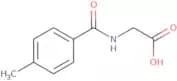

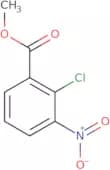
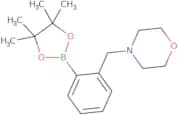

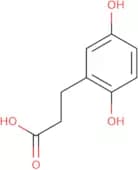
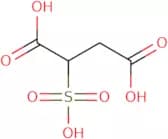
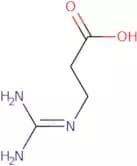
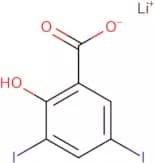
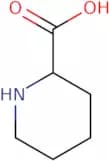
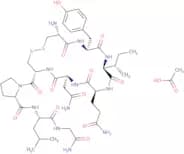
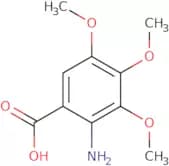
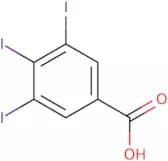
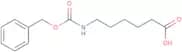
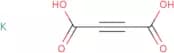
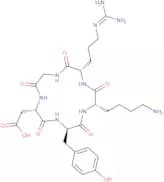
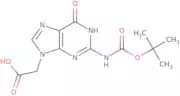
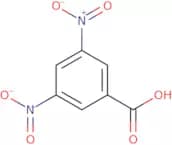
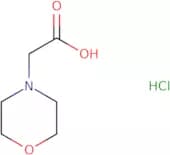
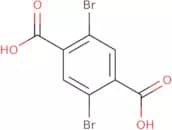
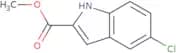
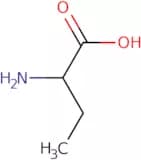
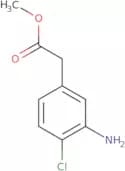
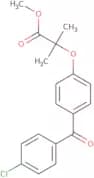
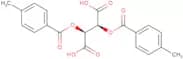
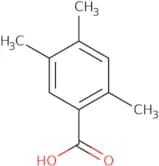
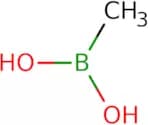
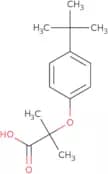
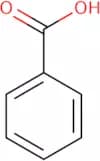
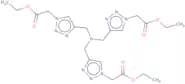
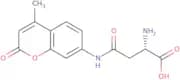
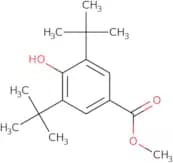
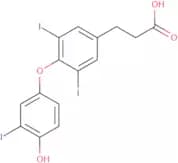
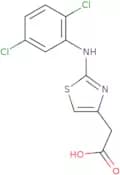
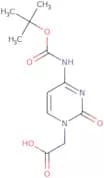
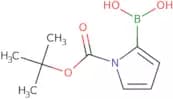
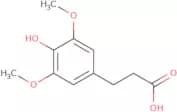
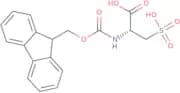

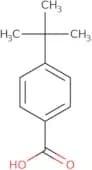
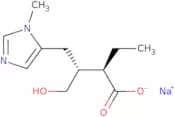
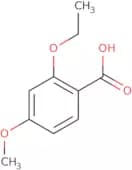
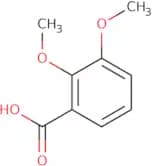
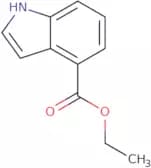
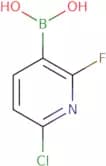
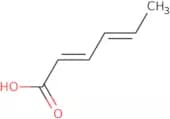
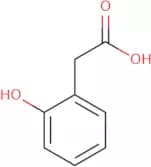

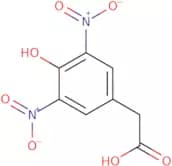

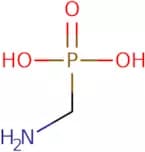
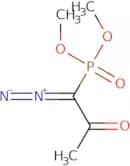
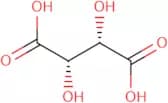
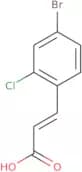

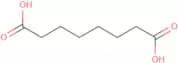
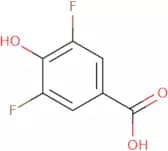
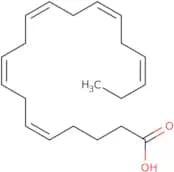
![4-[[(2-Amino-1,2-dicyanoethenyl)imino]methyl]benzoic acid](/_next/image/?url=https%3A%2Fstatic.cymitquimica.com%2Fproducts%2F3D%2Fthumb-webp%2FFA169005.webp&w=3840&q=75)
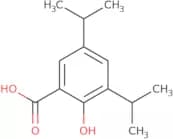
![[(8b)-1,6-Dimethylergolin-8-yl)methyl]carbamic acid phenylmethyl ester](/_next/image/?url=https%3A%2Fstatic.cymitquimica.com%2Fproducts%2F3D%2Fthumb-webp%2FFM12444.webp&w=3840&q=75)
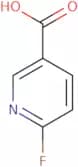
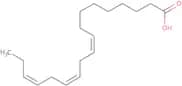
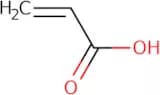
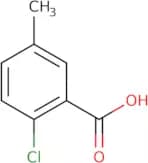
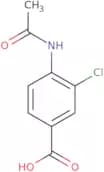
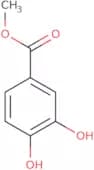
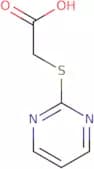
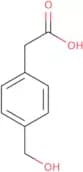
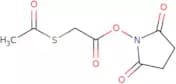
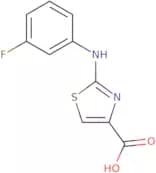

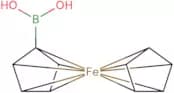
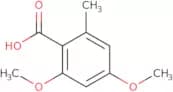
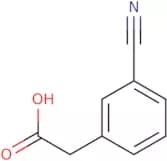
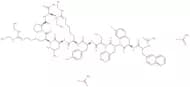
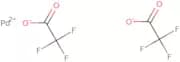
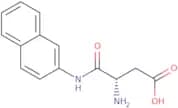
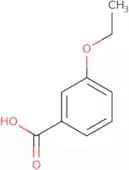
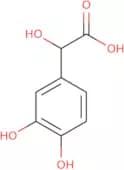
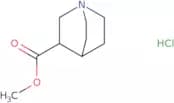
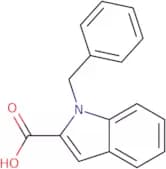
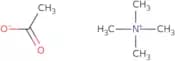
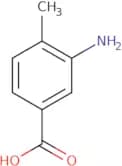
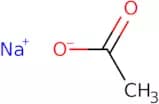
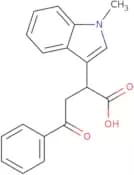
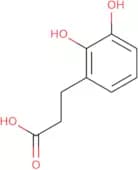
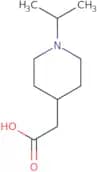
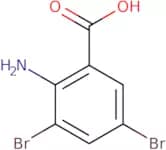
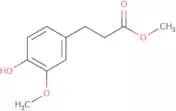
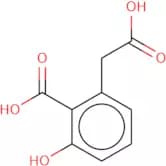
![[(3-Methylphenyl)amino]acetic acid](/_next/image/?url=https%3A%2Fstatic.cymitquimica.com%2Fproducts%2F3D%2Fthumb-webp%2FFM115478.webp&w=3840&q=75)
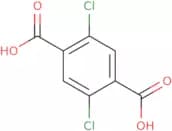

![Bis[2-[Ethyl[(Heptadecafluorooctyl)Sulphonyl]Amino]Ethyl] (4-Methyl-1,3-Phenylene)Biscarbamate](/_next/image/?url=https%3A%2Fstatic.cymitquimica.com%2Fproducts%2F3D%2Fthumb-webp%2FFB101999.webp&w=3840&q=75)
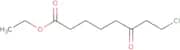
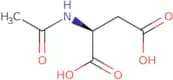
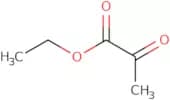
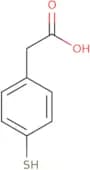
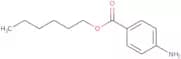
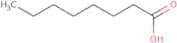
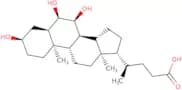
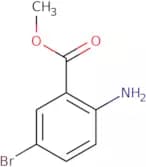
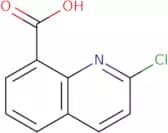
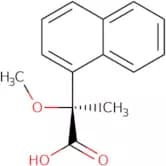
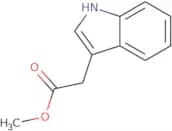
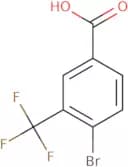
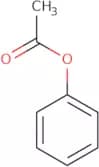
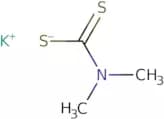
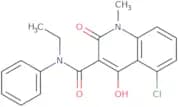

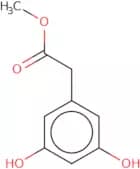
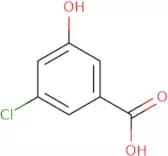
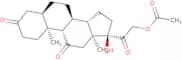
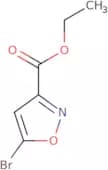
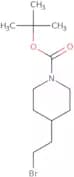

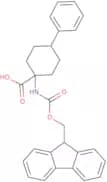
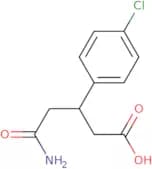
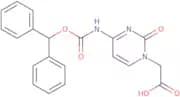
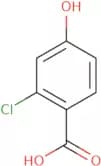
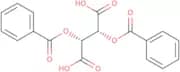
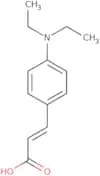
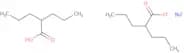
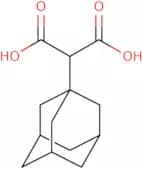
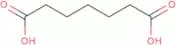

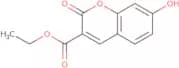
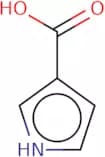

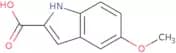
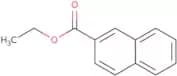
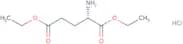
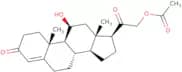
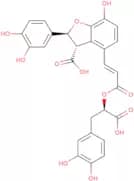
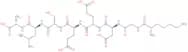
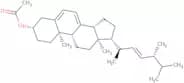
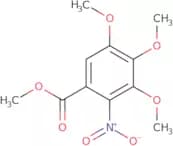
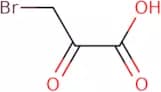
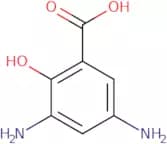
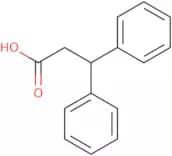
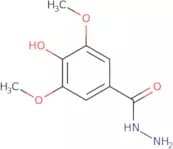
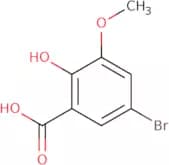
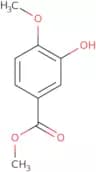
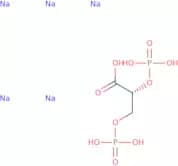

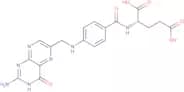
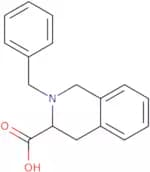
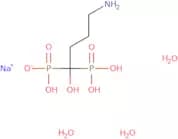
![2-[4-(2,2-Dichlorocyclopropyl)phenoxy]-2-methylpropanoic acid](/_next/image/?url=https%3A%2Fstatic.cymitquimica.com%2Fproducts%2F3D%2Fthumb-webp%2FFD11320.webp&w=3840&q=75)
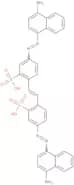
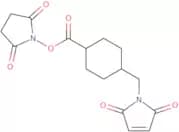
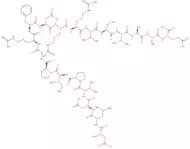
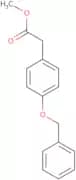
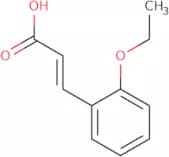
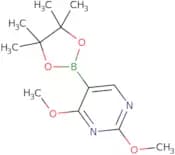

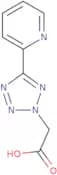
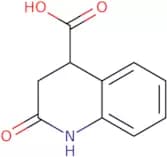
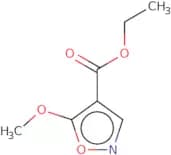
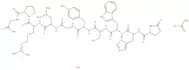
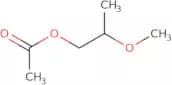
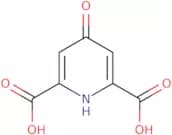
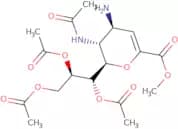
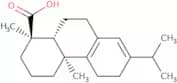
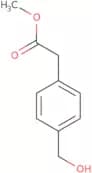
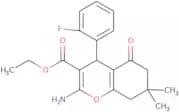
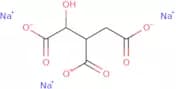
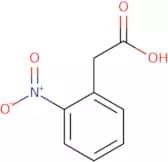
![(2S)-({[(4-Methyl-2-oxo-2H-chromen-7-yl)oxy]acetyl}amino)(phenyl)acetic acid](/_next/image/?url=https%3A%2Fstatic.cymitquimica.com%2Fproducts%2F3D%2Fthumb-webp%2FFM124529.webp&w=3840&q=75)