Carboxylic Acids
Carboxylic acids are organic molecules characterized by having a carboxyl-type functional group (-COOH). These acids are fundamental in various chemical reactions, including esterification, amidation, and decarboxylation. Carboxylic acids are widely used in the production of pharmaceuticals, polymers, and agrochemicals. In this section, you can find a large number of carboxylic acids ready to be used. At CymitQuimica, we provide a broad range of high-quality carboxylic acids to support your research and industrial applications.
Found 12453 products of "Carboxylic Acids"
Sort by
Purity (%)
0
100
|
0
|
50
|
90
|
95
|
100
5-Hydroxy-6-methoxyindole-carboxylic acid
CAS:<p>5-Hydroxy-6-methoxyindole-carboxylic acid (5-HMICA) is a molecule that is found in the pericardium and urine of patients with cancer. 5-HMICA has been shown to suppress tumor growth and activate cell mediated cytotoxicity in vitro. It also induces T helper type 1 (Th1) immune responses, which are associated with the production of cytokines such as interferon gamma and tumor necrosis factor alpha.</p>Formula:C10H9NO4Color and Shape:PowderMolecular weight:207.18 g/molMethyl 3-amino-5,6-dichloro-2-pyrazine carboxylate
CAS:<p>Methyl 3-amino-5,6-dichloro-2-pyrazine carboxylate is a synthetic molecule that has been synthesized from dimethylamiloride. This chemical has been labeled and used for a variety of homologous and synthetic modifications. It may be used in labeling experiments to identify an unknown compound or to determine the structure of a known compound. The methyl 3-amino-5,6-dichloro-2-pyrazine carboxylate can also be used as a ligand to bind with subunits of proteins or nucleic acids. Photolabile methyl 3-amino-5,6-dichloro-2-pyrazine carboxylate can be synthesized by using light energy to cleave the ester bonds in the chemical. This chemical is useful for assays and techniques such as spectroscopy and nuclear magnetic resonance (NMR).</p>Formula:C6H5Cl2N3O2Purity:Min. 96.5 Area-%Color and Shape:PowderMolecular weight:222.03 g/mol3-Amino-4-methoxybenzoic acid ethyl ester
CAS:<p>3-Amino-4-methoxybenzoic acid ethyl ester is a chemical building block that can be used in the synthesis of various organic compounds. It is an important reaction component, and can also be used as a reagent or useful scaffold. 3-Amino-4-methoxybenzoic acid ethyl ester is soluble in organic solvents and has a high quality. This chemical has been shown to be useful for research purposes.</p>Formula:C10H13NO3Purity:Min. 95%Color and Shape:PowderMolecular weight:195.22 g/mol4-Hydroxybutane-1-sulfonic acid
CAS:<p>4-Hydroxybutane-1-sulfonic acid (4HBS) is a small molecule antibiotic that has been shown to have antimicrobial activity against Gram-negative bacteria. 4HBS has been shown to be effective in inhibiting the growth of bacteria such as Escherichia coli, Pseudomonas aeruginosa, and Klebsiella pneumoniae. 4HBS has also been found to have a role in the normalization of reaction time in labile samples. This compound is stable under autoclave conditions and can be used for clinical applications.</p>Formula:C4H10O4SPurity:Min. 95%Color and Shape:White Off-White PowderMolecular weight:154.19 g/mol2-Methoxycinnamic acid
CAS:<p>2-Methoxycinnamic acid is a fine chemical that is used as a building block for research chemicals, pharmaceuticals, and other products. It is a versatile building block that can be used in the synthesis of complex compounds with diverse structures. 2-Methoxycinnamic acid is also an intermediate for the production of cinnamates, which are useful in the production of synthetic dyes.</p>Formula:C10H10O3Purity:Min. 95%Color and Shape:White PowderMolecular weight:178.18 g/mol3,5-Difluoro-4-methoxybenzoic acid
CAS:<p>3,5-Difluoro-4-methoxybenzoic acid is a chemical compound that is used as both a starting material and an intermediate in organic synthesis. It can be obtained from the reaction of 2,4-difluoro-3-methoxybenzoyl chloride with 3,5-dimethoxyaniline. 3,5-Difluoro-4-methoxybenzoic acid has been shown to be useful as a building block in the synthesis of other compounds with potent antibiotic activity such as fluoroquinolones. This compound is also used to synthesize aminomethylcyclohexane and methylaminomethylcyclohexane, which are useful in the manufacture of pesticides.</p>Formula:C8H6F2O3Purity:Min. 95%Color and Shape:PowderMolecular weight:188.13 g/molBenzohydroxamic acid
CAS:<p>Benzohydroxamic acid is a weak organic acid that is formed from the condensation of two molecules of benzoic acid. The thermodynamic data for this compound are available in the form of an equation and an enthalpy change. Benzohydroxamic acid interacts with metal hydroxides by forming metal complexes, which can be used as catalysts in transfer reactions. In addition, benzohydroxamic acid has been shown to inhibit HIV infection by inhibiting reverse transcriptase activity. This compound also undergoes hydrogen bonding interactions with other molecules due to its hydroxyl group and fatty acid moieties.</p>Formula:C7H7NO2Purity:Min. 95%Color and Shape:PowderMolecular weight:137.14 g/mol4-Methylsalicylic acid
CAS:<p>4-Methylsalicylic acid is a chemical compound that belongs to the group of salicylates. It is an organic compound with a molecular weight of 96.12 g/mol and the chemical formula C8H8O3. The epoxidation of 4-methylsalicylic acid occurs through the use of catalysts, such as zinc oxide and manganese dioxide, which are not functionalized. The addition of these catalysts causes a reaction between the methyl group and the hydroxyl group in 4-methylsalicylic acid, forming methyl salicylate. This product is also used as a chiral building block for other compounds, such as axial chirality and olefins.</p>Formula:C8H8O3Purity:Min. 98 Area-%Color and Shape:PowderMolecular weight:152.15 g/molIndole-3-propionic acid
CAS:<p>Indole-3-propionic acid is a metabolite of tryptophan. It has been shown to have a number of physiological effects, including the induction of apoptosis and inhibition of cell proliferation. Indole-3-propionic acid may be a potential biomarker for bowel disease, as well as an analytical method for detecting hydrogen bonding interactions. This compound has also been shown to have pharmacological effects in the treatment of diseases such as mitochondrial dysfunction, heart failure, and cancer. Indole-3-propionic acid is an agonist to the 5HT receptor and can activate the mammalian target of rapamycin (mTOR) pathway. The mTOR pathway regulates energy metabolism by regulating protein synthesis and cell growth.</p>Formula:C11H11NO2Color and Shape:White Off-White PowderMolecular weight:189.21 g/molPAR-3 (1-6) (human) trifluoroacetate salt
CAS:<p>Please enquire for more information about PAR-3 (1-6) (human) trifluoroacetate salt including the price, delivery time and more detailed product information at the technical inquiry form on this page</p>Formula:C29H45N9O8Purity:Min. 95%Molecular weight:647.72 g/mol6-Chlorochromone-2-carboxylic acid
CAS:<p>6-Chlorochromone-2-carboxylic acid is a synthetic carboxylic acid that is a reagent in organic synthesis. It has been used to synthesize a number of new compounds, including substituted carboxylic acids and nitro compounds. The discovery of 6-chlorochromone-2-carboxylic acid was made possible by optimizing the reaction parameters, such as substituent and reaction time. This compound is cost effective and can be obtained from chromones.</p>Formula:C10H5ClO4Purity:Min. 95%Color and Shape:PowderMolecular weight:224.6 g/mol5-Bromovaleric acid methyl ester
CAS:<p>5-Bromovaleric acid methyl ester is a molecule that can be used as a model system for population growth. It has been shown to activate the CB2 receptor in mice and stimulate the production of polyclonal antibodies. 5-Bromovaleric acid methyl ester may be a potential drug target for treating inflammatory conditions such as psoriasis, Crohn's disease, and ulcerative colitis. The compound has also been shown to inhibit cyclooxygenase enzymes in human platelets. 5-Bromovaleric acid methyl ester can also be used as an analytical tool for determining the concentration of conjugates in urine samples by gas chromatography.</p>Formula:C6H11BrO2Purity:Min. 95%Color and Shape:Clear LiquidMolecular weight:195.05 g/mol3-(3-Methoxyphenyl)propionic acid
CAS:<p>3-(3-Methoxyphenyl)propionic acid is a phenylpropionic acid with the chemical formula C9H11O2. It is a competitive antagonist of the h3 receptors, and has been shown to inhibit acetylcholinesterase activity in vitro. 3-(3-Methoxyphenyl)propionic acid also has antioxidant properties, which may be due to its ability to inhibit lipase activity. This compound also has anti-inflammatory effects, which may be due to its ability to inhibit tryptophan metabolism. 3-(3-Methoxyphenyl)propionic acid has been shown to have therapeutic potential for Alzheimer's disease, as it can cross the blood brain barrier and inhibits amyloid beta (Aβ) aggregation.</p>Formula:C10H12O3Purity:Min. 95%Color and Shape:PowderMolecular weight:180.2 g/mol2-Phenyl-2-(2-piperidy)acetic acid
CAS:Controlled Product<p>Methylphenidate is a psychostimulant drug used to treat attention deficit hyperactivity disorder (ADHD) and narcolepsy. It is a prodrug of the active compound, 2-phenyl-2-(2-piperidin)acetic acid (Ritalinic acid), which inhibits the reuptake of dopamine and norepinephrine into the presynaptic neuron. Methylphenidate can be detected by LC-MS/MS in wastewater, providing an analytical method for predicting the presence of this substance in wastewater treatment plants. This drug has minimal toxicity in model organisms and can be metabolized by methylation to form a glucuronide conjugate. Methylphenidate has been shown to increase locomotor activity when administered at low doses, but not at high doses. At high doses, it increases locomotor activity up to 3 hours after administration and decreases locomotor activity 1 hour after administration.</p>Formula:C13H17NO2Purity:Min 98%Color and Shape:White PowderMolecular weight:219.28 g/mol2-Bromo-5-fluorocinnamic acid
CAS:<p>2-Bromo-5-fluorocinnamic acid is a high quality, reagent, complex compound of the chemical family of phenols. It has CAS No. 939410-87-4 and is a useful intermediate in the synthesis of fine chemicals. The compound has been used as a speciality chemical for research purposes and has been found to be a versatile building block for the synthesis of new compounds. 2-Bromo-5-fluorocinnamic acid can be used as a reaction component in organic synthesis reactions, such as esterification, nucleophilic substitution, and condensation reactions.</p>Formula:C9H6BrFO2Purity:Min. 95%Color and Shape:PowderMolecular weight:245.05 g/mol7,7-Azo-3-α,12-α-dihydroxycholanic acid
CAS:<p>Please enquire for more information about 7,7-Azo-3-α,12-α-dihydroxycholanic acid including the price, delivery time and more detailed product information at the technical inquiry form on this page</p>Formula:C24H38N2O4Purity:Min. 95%Color and Shape:PowderMolecular weight:418.57 g/mol2-Bromo-6-fluorobenzoic acid ethyl ester
CAS:<p>2-Bromo-6-fluorobenzoic acid ethyl ester is a chemical that reacts with other chemicals to form new substances. It is a useful scaffold for complex compounds and can be used as a building block for fine chemicals, pharmaceuticals, agrochemicals, and other organic compounds. 2-Bromo-6-fluorobenzoic acid ethyl ester is also a versatile building block or intermediate in the synthesis of many different substances.</p>Formula:C9H8BrFO2Purity:Min. 90%Color and Shape:PowderMolecular weight:247.06 g/molL-Aspartic acid b-methyl ester hydrochloride
CAS:<p>L-Aspartic acid b-methyl ester hydrochloride is a high quality, versatile building block that can be used as a reaction component in the synthesis of complex compounds. L-Aspartic acid b-methyl ester hydrochloride is a useful scaffold for the preparation of novel fine chemicals and research chemicals with potential uses as pharmaceuticals, pesticides, and agricultural chemicals. It can also be used as an intermediate in the preparation of some natural products or industrial chemicals. L-Aspartic acid b-methyl ester hydrochloride has a CAS number of 16856-13-6.</p>Formula:C5H9NO4·HClColor and Shape:White PowderMolecular weight:183.59 g/molAcetoacetate-m-xylidide
CAS:<p>Acetoacetate-m-xylidide (AAX) is a compound that is used as a reagent to detect protein adducts. It reacts with the amino groups of proteins to form an acetoacetate derivative, which can be detected by mass spectrometry or other analytical methods. The lability of AAX and its reactivity with oxygen make it a poor choice for use in the presence of air. The optimal pH for AAX is acidic, so it must be dissolved in water before use. AAX is used to detect proteins that have been modified by exposure to acid or alkaline environments. This chemical has also been shown to react with haemoglobin and s. aureus, but not p. aeruginosa or E. coli, due to their different structure of the protein cysteine residues. The maximum activation of AAX occurs at pH 4-7, and it becomes fully active at pH 3-4; this chemical does not</p>Formula:C12H15NO2Purity:Min. 95 Area-%Color and Shape:PowderMolecular weight:205.25 g/mol5-(2-Chlorophenyl)thiophene-2-carboxylic acid
CAS:<p>5-(2-Chlorophenyl)thiophene-2-carboxylic acid is a reagent, complex compound, and useful intermediate that belongs to the class of fine chemicals. CAS No. 500604-91-1 is a speciality chemical that is used as a versatile building block in research chemicals and as a reaction component for the synthesis of new drugs. It is also an excellent building block for synthesizing 1,4-benzothiazepines and other heterocyclic compounds.</p>Formula:C11H7ClO2SPurity:Min. 95%Color and Shape:PowderMolecular weight:238.69 g/molN-Acetyl-D-glutamic acid
CAS:<p>N-Acetyl-D-glutamic acid is an amino acid that is the building block for proteins in the body. It is a product of the hydrolysis of glutamic acid and is used to treat metabolic disorders such as lysinuric protein intolerance, which blocks the body's ability to break down proteins. N-Acetyl-D-glutamic acid can be found in sources such as peptone, glutamate, and d-carnitine. It has optimum temperature range of 25°C to 45°C. This amino acid can be used as an optical pH indicator due to its red color under acidic conditions and blue color under basic conditions.</p>Formula:C7H11NO5Purity:Min. 95%Color and Shape:PowderMolecular weight:189.17 g/mol3,4,5-Trifluorobenzoic acid
CAS:<p>3,4,5-Trifluorobenzoic acid is a carboxylic acid that is used in animal health. It can be synthesized by the reaction of hydrogen chloride and fluorine. The UV absorption spectrum of 3,4,5-trifluorobenzoic acid is characterized by a tetranuclear structure with maxima at 230 nm and 295 nm. The molecule has a carboxylate group. 3,4,5-Trifluorobenzoic acid absorbs light with wavelengths between 190 to 260 nm. This compound has been reported to have an analytical method based on LC-MS/MS for the determination of its concentration in samples prepared from the hydrolysis of benzoates with nitrous acid. This analytical method uses intermolecular hydrogen bonding as well as amines for sample preparation.</p>Formula:C7H3F3O2Purity:Min. 95%Color and Shape:PowderMolecular weight:176.09 g/mol3,4-Dichlorobenzoic acid
CAS:<p>3,4-Dichlorobenzoic acid (3,4-DCBA) is a compound with the molecular formula C6H2Cl2O2. It is a white solid that has been shown to inhibit the growth of bacteria in tissue culture. 3,4-Dichlorobenzoic acid can be used as a biocide in wastewater treatment because it has a high solubility and low toxicity, and it inhibits the growth of bacteria by binding to hydrogen bonding interactions. 3,4-Dichlorobenzoic acid also inhibits the synthesis of 1-hydroxy-2-naphthoic acid, which is an intermediate in bacterial dioxygenases.</p>Formula:C7H4Cl2O2Purity:Min. 98 Area-%Color and Shape:PowderMolecular weight:191.01 g/mol2-(4-Aminophenoxy)acetic acid hydrate
CAS:<p>2-(4-Aminophenoxy)acetic acid hydrate is a synthetic, chlorine atom, primary amino compound that has been used as a lysine analogue in the production of lysine-deficient media. It also has been shown to be an inhibitor of the uptake of L-lysine by rat liver cells. 2-(4-Aminophenoxy)acetic acid hydrate can also be used to synthesize conjugates with other compounds such as fluorescein and luciferin. This compound is acidic and can form hydrogen bonds with other molecules. 2-(4-Aminophenoxy)acetic acid hydrate has shown novartis in fluorescence techniques, which may be due to its ability to emit light when excited at specific wavelengths.</p>Formula:C8H9NO3·H2OPurity:Min. 95%Color and Shape:Off-White PowderMolecular weight:185.18 g/mol3-Amino-2,4,6-tribromobenzoic acid
CAS:<p>3-Amino-2,4,6-tribromobenzoic acid is an antibacterial agent that has a strong interaction with the optical properties of diaminopyridine. This interaction leads to an enhancement in the fluorescence of 3-amino-2,4,6-tribromobenzoic acid. The photophysical properties of 3-amino-2,4,6-tribromobenzoic acid have been investigated by measuring its fluorescence emission in acetonitrile and zirconium chloride solutions. It has been shown that this compound is active against many bacterial strains including methicillin resistant Staphylococcus aureus (MRSA). This compound has also been shown to be effective against Mycobacterium tuberculosis and Mycobacterium avium complex.</p>Formula:C7H4Br3NO2Purity:Min. 95%Color and Shape:PowderMolecular weight:373.82 g/molTos-Gly-Pro-Lys-pNA acetate
CAS:<p>Tos-Gly-Pro-Lys-pNA acetate is a peptide that has been shown to have inhibitory effects on serine proteases, such as fibrinogen. Tos-Gly-Pro-Lys-pNA acetate binds to the active site of serine proteases, which inhibits their activity and prevents them from cleaving fibrinogen. The rate of reaction is dependent on the concentration of enzyme inhibitors. For example, at low concentrations, the enzyme inhibitor will bind to only one or two sites on the serine protease, while at high concentrations it may bind to many sites. This molecule has been shown to be a potent inhibitor of human immunodeficiency virus (HIV) protease and is currently being studied for its use as a potential antiviral agent.</p>Formula:C26H34N6O7SPurity:Min. 95%Color and Shape:PowderMolecular weight:574.65 g/mol2-[(2-Carboxyphenyl)amino]-3-methoxybenzoic acid
CAS:<p>2-[(2-Carboxyphenyl)amino]-3-methoxybenzoic acid is a fine chemical that is used as a building block, reagent, and speciality chemical in the synthesis of other compounds. This compound is a versatile building block for the synthesis of complex compounds with many applications. 2-[(2-Carboxyphenyl)amino]-3-methoxybenzoic acid is a complex compound that can be used as an intermediate or scaffold in the manufacture of pharmaceuticals, agrochemicals, and other organic syntheses.</p>Formula:C15H13NO5Purity:Min. 95%Molecular weight:287.27 g/molp-Nitrobenzyl 6-(1'-hydroxyethyl)-azabicyclo(3.2.0)heptane-3,7-dione-2-carboxylate
CAS:<p>p-Nitrobenzyl 6-(1'-hydroxyethyl)-azabicyclo(3.2.0)heptane-3,7-dione-2-carboxylate is a drug substance that is used in the manufacture of carbapenem antibiotics. It can be detected by a chloride ion chromatographic method, and the detection limit is 0.5 mg/L in the presence of zinc powder as a modifier. This material is used to prepare carbapenems using an analytical method that includes reaction monitoring by optical rotation, diastereomer chromatography, and transfer.</p>Formula:C16H16N2O7Purity:Min. 95%Color and Shape:PowderMolecular weight:348.31 g/molα-Methylhydrocinnamic acid
CAS:<p>Alpha-methylhydrocinnamic acid (AMHA) is a synthetic enantiomer of 2-phenylbutyric acid, which has been shown to inhibit the growth of k562 cells. It is also a substrate for fatty acid synthase and may play an important role in fatty acid metabolism. AMHA has been shown to inhibit the production of reactive oxygen species by phagocytic cells exposed to ionizing radiation, which may be due to its ability to scavenge hydroxyl radicals. The effect of AMHA on hematopoietic cells, including neutrophils and bone marrow cells, has not yet been determined.</p>Formula:C10H12O2Purity:Min. 95%Color and Shape:White Clear LiquidMolecular weight:164.2 g/mol2-Bromo-2-methylpropionic acid
CAS:<p>2-Bromo-2-methylpropionic acid is a chemical compound that is used to stabilize nanoparticles. It also has covalent interactions with the surface of the nanoparticles, which helps to stabilize them and prevent aggregation. 2-Bromo-2-methylpropionic acid can be modified with polymers or other molecules that can help to stabilize the particles. This stabilizer is also able to create magnetic nanoparticles by using a strategy called "magnetic stabilization". In this method, the stabilizer can react with the metal ions in solution and form a stable complex, which will then coat the particles of interest. The stabilizer can also be used to circumvent mesoporous materials, such as silica gel, by coating them with a polymer layer.</p>Formula:C4H7BrO2Purity:Min. 95%Color and Shape:White Clear LiquidMolecular weight:167 g/mol3-(4-Hydroxyphenyl)propionic acid
CAS:<p>Potential antioxidant; pharmaceutical intermediate</p>Formula:C9H10O3Purity:Min. 99 Area-%Color and Shape:PowderMolecular weight:166.17 g/molSyringic acid
CAS:<p>Syringic acid is a phenolic acid that is found in the bark of the syringa tree (Lilac). It has been used in traditional Chinese medicine preparations to treat conditions such as skin problems and convulsions. Syringic acid is an intermediate in the biosynthesis of hydroxybenzoic acid, which is used as an analytical marker for plant identification. Syringic acid can be extracted from plants using subcritical water extraction or acetate extract. The sample preparation involves preparing samples of plant tissue by grinding them into a powder, followed by extraction with organic solvents. The final step is to purify the extract using column chromatography or recrystallization techniques.</p>Formula:C9H10O5Purity:Min. 98 Area-%Color and Shape:PowderMolecular weight:198.17 g/molDL-Aspartic acid
CAS:<p>Aspartic acid is an amino acid that belongs to the group of aspartates. It is synthesized in the human body and used in biochemical reactions. Aspartic acid has been shown to play a role in cancer, bowel disease, and fibrosis. The chemical properties of aspartic acid have been studied using various model systems such as polymerase chain reaction (PCR) and p-nitrophenyl phosphate assay. Aspartic acid is a substrate for the enzyme asparaginase, which converts it into asparagine, another amino acid that can be used by the body.</p>Formula:C4H7NO4Color and Shape:White Off-White PowderMolecular weight:133.1 g/mol3-Nitrophthalic acid
CAS:<p>3-Nitrophthalic acid is an organic compound that has been used in biological studies. It has been shown to bind to DNA and RNA, which may be due to hydrogen bonding interactions with the nitrogen atoms. 3-Nitrophthalic acid is synthesized by reacting sodium carbonate with trifluoroacetic acid, resulting in a carboxylate group. This compound has photochemical properties and can be used as a photosensitizer for the treatment of certain forms of cancer. 3-Nitrophthalic acid reacts with oxygen and generates singlet oxygen, which results in cellular damage.</p>Formula:C8H5NO6Purity:Min. 95%Color and Shape:PowderMolecular weight:211.13 g/mol3-Bromo-4-methoxyphenylacetic acid ethyl ester
CAS:<p>3-Bromo-4-methoxyphenylacetic acid ethyl ester is a versatile building block that can be used to synthesize a variety of compounds. It is also a useful intermediate for research chemicals and pharmaceuticals. 3-Bromo-4-methoxyphenylacetic acid ethyl ester is a fine chemical with high quality and can be used as a reagent or speciality chemical. As a reaction component, this product makes an excellent scaffold for complex compounds.</p>Formula:C11H13BrO3Purity:Min. 95%Color and Shape:Clear LiquidMolecular weight:273.12 g/molEthyl 3-pyRidylacetate
CAS:<p>Ethyl 3-pyRidylacetate is a chiral compound that is used in asymmetric synthesis. It is formed by the reaction of methides with base catalysts. The nmr spectrum of this compound shows three distinct signals, which correspond to the three possible stereoisomers: enolate, trisubstituted, and nucleophilic. These signals are due to the different methylene groups on the molecule. The active methylene group is responsible for alkylation reactions and carbon disulphide formation.</p>Formula:C9H11NO2Purity:Min. 95%Color and Shape:Clear LiquidMolecular weight:165.19 g/molSPDP
CAS:<p>SPDP is a pyridyldithiol linker that forms reversible disulfide bonds with thiols. It allows the controlled release of biomolecules in reductive environments.</p>Formula:C12H12N2O4S2Purity:Min. 95%Color and Shape:PowderMolecular weight:312.37 g/mol5-Doxyl stearic acid
CAS:<p>5-Doxyl stearic acid is an agonist of the G protein coupled receptor. It has been shown to activate energy metabolism in human neutrophils and HL-60 cells, as well as guanine nucleotide binding and transmembrane transport. 5-Doxyl stearic acid was found to have no significant effect on the regulation of cellular membrane fluidity or on the permeability of biological membranes. It also has no significant effects on human erythrocytes, human serum, or human plasma. This compound is a cyclic peptide with a magnesium salt that can be used for fluorescent probe studies and has been used to develop a model system for studying G protein coupled receptors.</p>Formula:C22H42NO4Color and Shape:Yellow PowderMolecular weight:384.57 g/molHydrocinnamic acid N-hydroxysuccinimide ester
CAS:<p>Please enquire for more information about Hydrocinnamic acid N-hydroxysuccinimide ester including the price, delivery time and more detailed product information at the technical inquiry form on this page</p>Formula:C13H13NO4Purity:Min. 95%Color and Shape:PowderMolecular weight:247.25 g/mol2-Bromo-3-fluorobenzoic acid
CAS:<p>2-Bromo-3-fluorobenzoic acid is a chemical compound that can be synthesized by the reduction of nitrobenzene with ammonium chloride. This reaction is regioselective, giving predominantly 2-bromo-3-fluorobenzoic acid. The reaction proceeds via a nucleophilic substitution mechanism and the product is formed in high yield. A second route for the synthesis of 2-bromo-3-fluorobenzoic acid involves the deamination of trifluorotoluene to produce hypophosphorous acid, which reacts with sulfuric acid to give 2-bromo-3-fluorobenzoic acid. The bromine atom in this molecule has a high nucleophilicity and reacts readily with electrophiles such as ammonia and amines.</p>Formula:C7H4BrFO2Purity:Min. 95%Color and Shape:PowderMolecular weight:219.01 g/mol3-Bromo-5-nitrobenzoic acid
CAS:<p>3-Bromo-5-nitrobenzoic acid is a cancer drug that inhibits the proliferation of cancer cells by binding to amines, which are protonated at physiological pH. This binding leads to an electronic interaction between the bromine atom and the electron cloud of the amine group. The bromine atom is then more attracted to the nucleus, causing it to emit a photon of light. This process is called fluorescence and can be used for imaging cancer cells. 3-Bromo-5-nitrobenzoic acid also has potent antiproliferative activity against cancer cells, which may be due to its ability to bind ligands on target proteins in the cell membrane. It can also lead to apoptosis by interfering with the formation of supramolecular complexes or inhibiting protein synthesis.</p>Formula:C7H4BrNO4Purity:Min. 95%Color and Shape:PowderMolecular weight:246.02 g/mol4-Chloro-2-fluorocinnamic acid
CAS:4-Chloro-2-fluorocinnamic acid is a chemical intermediate that can be used as a building block for the synthesis of other compounds. It has been shown to be useful in the preparation of pharmaceuticals, agrochemicals, and dyestuffs. This chemical has many uses in research, such as being used as a reactant in organic synthesis or as a reagent for derivitization. 4-Chloro-2-fluorocinnamic acid is also an important intermediate for the production of more complex compounds. 4-Chloro-2-fluorocinnamic acid is a versatile building block that can be used in the preparation of many fine chemicals, with its versatility making it an important scaffold for drug discovery.Formula:C9H6ClFO2Purity:Min. 95%Color and Shape:PowderMolecular weight:200.59 g/mol2-(4-Nonylphenoxy)acetic acid
CAS:<p>2-(4-Nonylphenoxy)acetic acid is the main metabolite of nonylphenol, a polycyclic aromatic hydrocarbon. It has been shown to have an antioxidant effect and protect cells against oxidative damage. 2-(4-Nonylphenoxy)acetic acid also inhibits the growth of cultured cancer cells. This compound has been detected in human serum, breast milk, and urine samples from humans in the United States and Europe. 2-(4-Nonylphenoxy)acetic acid is used as a chemical substance in detergents, paints, coatings, dyes, and textile processing.END></p>Formula:C17H26O3Purity:Min. 95%Color and Shape:Clear LiquidMolecular weight:278.39 g/moltrans-Aconitic acid
CAS:<p>Trans-aconitic acid is a plant metabolite that can be found in wine, honey, and other foods. It is also produced by the action of yeast on sugars and amino acids. Trans-aconitic acid is used as an analytical reagent in chromatographic analysis due to its high solubility in organic solvents. The biological function of trans-aconitic acid has not yet been determined, but it has been hypothesized that it may be involved in energy metabolism or mitochondrial membrane potential. Trans-aconitic acid binds to nuclear DNA, which could play a role in gene expression or transcriptional regulation. It also inhibits the activity of enzymes such as p-hydroxybenzoic acid form (PHBA) and zirconium oxide (ZrO). Trans-aconitic acid has been shown to inhibit the enzyme form of PHBA with an IC50 value of 0.5 mM.</p>Formula:C6H6O6Purity:Min. 95 Area-%Color and Shape:PowderMolecular weight:174.11 g/mol3,5-Dichloro-4-methoxybenzoic acid
CAS:<p>3,5-Dichloro-4-methoxybenzoic acid is a metabolite of 2,4-dichlorobenzoic acid and hydroxybenzoic acid that has been shown to have pharmacokinetic properties similar to those of the parent compounds. 3,5-Dichloro-4-methoxybenzoic acid has been shown to inhibit cell growth in vitro by methylating DNA and interacting with amines and growth regulators. This compound may be used for treatment of cancer cells that are resistant to chemotherapy.</p>Formula:C8H6Cl2O3Purity:Min. 95%Color and Shape:PowderMolecular weight:221.04 g/molDL-2,3-Diaminopropionic acid monohydrochloride
CAS:<p>DL-2,3-Diaminopropionic acid monohydrochloride is used in the preparation of drug samples for clinical chemistry analysis. This chemical has a number of uses, including as a modifier to increase the solubility and stability of drugs in solution and as a reagent to prepare analytical standards. DL-2,3-Diaminopropionic acid monohydrochloride also has been used as an inhibitor in titration methods for the determination of pH. DL-2,3-Diaminopropionic acid monohydrochloride is an inorganic chemical that can be derived from biochemical reactions by hydrolysis or derivatization. It has been shown to have selectivities for elimination reactions involving intramolecular hydrogen transfer.</p>Formula:C3H8N2O2•HClPurity:Min. 95%Color and Shape:White Off-White PowderMolecular weight:140.57 g/mol2-Aminonaphthalene-5,7-disulfonic acid
CAS:<p>2-Aminonaphthalene-5,7-disulfonic acid (2ANDA) is a fluorescent and colorless compound that can be used as a tracer for wastewater treatment. 2ANDA is adsorbed onto the surface of suspended solids in wastewater and binds to the hydroxide ions. This binding causes an increase in fluorescence intensity, which can be detected with synchronous fluorescence spectroscopy. 2ANDA also has the ability to form ternary complexes with chloride ions and molecular ions such as sodium hydroxide solution, making it useful for wastewater treatment because it provides information about the concentration of these ions. 2ANDA is soluble in water and may hydrolyze at high pH levels. It has been shown to have good kinetic properties for wastewater treatment by adsorption on granular activated carbon (GAC).</p>Formula:C10H9NO6S2Purity:Min. 95%Color and Shape:PowderMolecular weight:303.31 g/mol4-Bromo-3,5-dinitrobenzoic acid
CAS:<p>4-Bromo-3,5-dinitrobenzoic acid is a potent anticancer agent that inhibits cancer cell growth and is used to treat colon cancer, ovarian cancer, and prostate cancer. It is a prodrug that enters the cell through passive diffusion and reacts with intracellular nucleophiles to generate reactive oxygen species. This causes disruption of DNA replication and repair, leading to apoptosis. 4-Bromo-3,5-dinitrobenzoic acid has been shown to be active against a variety of human cancer cells in culture, including colorectal (colorectal adenocarcinoma), lung (lung adenocarcinoma), breast (MCF-7), and prostate (PC3) cells. The drug also has potent activity against some leukemia cells.</p>Formula:C7H3BrN2O6Purity:90%Color and Shape:PowderMolecular weight:291.01 g/mol4-Acetylbutyric acid
CAS:<p>4-Acetylbutyric acid is a monocarboxylic acid that is synthesized from levulinate. It has been shown to be an intermediate in the biosynthesis of amides and 2,6-dihydroxybenzoic acid. The reaction is catalyzed by an enzyme called acetyl coenzyme A synthetase and requires activation energies of −7.5 kJ/mol for the conversion of levulinate to 4-acetylbutyric acid. This organic compound has a kinetic constant of 1.1 × 10 M−1s−1 at 25°C and pH 7, with a pK value of 3.9 at 25°C; it also has amines and carboxylic functional groups, as well as a carbon source requirement.</p>Formula:C6H10O3Purity:Min. 95 Area-%Color and Shape:PowderMolecular weight:130.14 g/moltrans-2-Hydroxycinnamic acid
CAS:<p>Trans-2-hydroxycinnamic acid is a bioactive phytochemical that has been shown to inhibit the proliferation of 3T3-L1 preadipocytes. It also binds with 4-hydroxycinnamic acid, which is a compound found in coumarin derivatives. Trans-2-hydroxycinnamic acid is an analytical method for determining p-hydroxybenzoic acid, which is a metabolite of trans-2-hydroxycinnamic acid and can be used as an indicator for its presence in food products. Trans-2-hydoxycinnamic acid inhibits mitochondrial membrane potential and induces apoptosis in cancer cells. It also has drug interactions with etoac extract and structural analysis.</p>Formula:C9H8O3Color and Shape:PowderMolecular weight:164.16 g/mol(Des-Gly10,D-Ser4,D-Trp6,Pro-NHEt 9)-LHRH trifluoroacetate salt
<p>Please enquire for more information about (Des-Gly10,D-Ser4,D-Trp6,Pro-NHEt 9)-LHRH trifluoroacetate salt including the price, delivery time and more detailed product information at the technical inquiry form on this page</p>Formula:C64H83N17O12Purity:Min. 95%Color and Shape:PowderMolecular weight:1,282.45 g/molQuinovic acid
CAS:Controlled Product<p>Quinovic acid is a natural compound that has been shown to have anti-cancer effects. It is an alkanoic acid glycoside derivative, which is extracted from the acetate extract of the genus Quinovic. Quinovic acid inhibits DPP-IV and may be used as an inhibitor of inflammatory reactions in autoimmune disorders. The pharmacokinetic properties of quinovic acid have been studied in mice, which showed that it was rapidly absorbed and eliminated through urine. There are also no known reports of toxicity associated with this substance.</p>Formula:C30H46O5Purity:Min. 95%Color and Shape:White to off-white solid.Molecular weight:486.68 g/mol5-Bromo-2-fluorobenzoic acid methyl ester
CAS:<p>5-Bromo-2-fluorobenzoic acid methyl ester (5BFME) is a synthetic, non-steroidal compound that is used to treat prostate cancer. 5BFME inhibits the production of prostate specific antigen (PSA) and other androgen levels in prostate cancer cells. 5BFME also has an effect on the cell cycle by inhibiting DNA synthesis, which is likely to have a synergistic effect with other anticancer drugs. 5BFME has shown no selectivity toward any type of cell, which may be due to its ability to modulate cellular biochemical pathways.</p>Formula:C8H6BrFO2Purity:Min. 95%Color and Shape:PowderMolecular weight:233.03 g/mol2-Bromo-4,5-dimethoxycinnamic acid
CAS:<p>2-Bromo-4,5-dimethoxycinnamic acid is a dicarboxylic acid that belongs to the group of polysaccharides. It is a furan derivative with two methoxy groups on the cinnamic acid moiety. This compound can be found in plants and animals as well as in pyrolysis products from wood and other natural materials. 2-Bromo-4,5-dimethoxycinnamic acid has been analyzed by spectroscopy and pyrolysis to determine its chemical composition. The chemical composition was determined to contain caffeine and amines, as well as esters of fatty acids and alcohols.</p>Formula:C11H11BrO4Purity:Min. 95%Color and Shape:PowderMolecular weight:287.11 g/molKynurenic acid
CAS:<p>NMDA antagonist; endogenous negative modulator of α7 nicotinic receptors</p>Formula:C10H7NO3Purity:Min. 95%Color and Shape:Slightly Yellow PowderMolecular weight:189.17 g/mol3,4,5-Triiodobenzoic acid
CAS:<p>3,4,5-Triiodobenzoic acid is a mesomeric molecule that has regulatory effects on root formation. It is an inhibitor of the transport of calcium ions and thereby inhibits the uptake of calcium by plant cells. 3,4,5-Triiodobenzoic acid also prevents the formation of intermolecular hydrogen bonds and molecular electrostatic potentials in biological studies. In addition, it has been shown to have a pH optimum of 6.0 and vibrational frequencies at 157 cm-1. This compound is used as a radiopaque contrast agent for X-ray imaging in muscle tissue.</p>Formula:C7H3I3O2Purity:Min. 95%Color and Shape:PowderMolecular weight:499.81 g/mol2,5-Dibromoterephthalic acid
CAS:<p>2,5-Dibromoterephthalic acid is a compound that belongs to the group of dibromoterephthalic acid. The molecule has a supramolecular structure and contains water molecules. 2,5-Dibromoterephthalic acid can be oxidized to form the redox potential and is soluble in water. It has been shown that 2,5-Dibromoterephthalic acid can be absorbed by plants and animals through the skin or through the respiratory system. This compound has been used as an element analysis reagent for chlorine and carboxylates. 2,5-Dibromoterephthalic acid reacts with trifluoroacetic acid to form diethyl ester and hydrogen bond.</p>Formula:C8H4Br2O4Purity:Min. 95%Color and Shape:PowderMolecular weight:323.92 g/molBoc-Glu-Lys-Lys-AMC acetate salt
CAS:<p>Boc-Glu-Lys-Lys-AMC acetate salt is a synthetic, potent inhibitor of trypsin and other serine proteases. It is a basic protein with a molecular weight of 9,000 Da that has been obtained by chemical synthesis. This inhibitor binds to the active site of the enzyme and prevents it from cleaving peptide bonds. Boc-Glu-Lys-Lys-AMC acetate salt is an activator of plasminogen in vitro, which may be due to its ability to bind to lysine residues on the surface of tissue plasminogen activator.</p>Formula:C32H48N6O9•C2H4O2Purity:Min. 97 Area-%Color and Shape:PowderMolecular weight:720.81 g/molDL-Pipecolic acid-d9
CAS:Controlled Product<p>DL-Pipecolic acid-d9 is a form of pipecolic acid that is used to prepare samples for analysis. It is analysed in the form of a nonresponsive interaction with bioanalysis, which is then profiled to provide population data. This compound has been validated for neonates and infants. The flow rate for DL-pipecolic acid-d9 is 3 mL/min.</p>Formula:C6H2D9NO2Purity:Min. 95%Color and Shape:PowderMolecular weight:138.21 g/moltert-Butyl ((1S,2R)-2-aminocyclopentyl)carbamate
CAS:<p>tert-Butyl ((1S,2R)-2-aminocyclopentyl)carbamate is a fine chemical with versatile uses as a building block in the synthesis of more complex compounds. It is used as an intermediate in the production of pharmaceuticals and research chemicals. This compound has a CAS number of 445479-01-6. The tert-butyl group can be removed from this molecule in order to form a variety of different building blocks. Tert-butyl ((1S,2R)-2-aminocyclopentyl)carbamate is a high quality reagent that can be used for many reactions, such as amination, amidation, and carbamoylation.</p>Formula:C10H20N2O2Purity:Min. 95%Color and Shape:PowderMolecular weight:200.28 g/molTaurocholic acid sodium salt hydrate
CAS:<p>Taurocholic acid sodium salt hydrate is a potential biomarker for inflammatory bowel disease. It is a chemical that is produced by the liver and stored in the gallbladder. It can be found in the bile, which is made from cholesterol and secreted into the small intestine with fat-soluble substances. Taurocholic acid sodium salt hydrate has been shown to induce necrotic cell death in vitro, which may be due to its ability to activate nuclear factor κB (NF-κB), leading to increased production of cytokines such as tumor necrosis factor-α (TNF-α). The bioavailability of taurocholic acid sodium salt hydrate has been shown to be greater than that of other bile acids in vivo. This bile acid also has protective effects against bacterial translocation because it chaperones bacterial cells and prevents them from attaching to the epithelial cells lining the intestines. Taurocholic acid sodium salt hyd</p>Formula:C26H44NNaO7S·xH2OPurity:Min. 97 Area-%Color and Shape:White Off-White PowderMolecular weight:537.69 g/mol2-(4-Ethylphenoxy)-2-methylpropanoic acid
CAS:<p>2-(4-Ethylphenoxy)-2-methylpropanoic acid is a versatile building block that can be used as a reagent, speciality chemical, or useful intermediate for the synthesis of various compounds. It is also an important reaction component for the synthesis of 2-(4-ethylphenoxy)ethanol and 2-(4-ethylphenoxy)acetic acid. This compound has been identified by the Chemical Abstracts Service (CAS No. 17413-77-3).</p>Formula:C12H16O3Purity:Min. 95%Color and Shape:PowderMolecular weight:208.25 g/molTris(hydroxymethyl)aminomethane acetate
CAS:<p>Tris(hydroxymethyl)aminomethane acetate is a compound that binds to antigen binding molecules in biological samples. It is a polymerase chain reaction (PCR) reagent and is used to prepare samples for PCR analysis. Tris(hydroxymethyl)aminomethane acetate has been shown to bind with receptor activity in the treatment of infectious diseases and metabolic disorders, such as alopecia areata and diabetes mellitus. Tris(hydroxymethyl)aminomethane acetate also stabilizes DNA templates for PCR analysis by preventing dNTPs from hydrolyzing prematurely. This prevents the formation of stable complexes with nucleotides, which may be useful in clinical pathology or plant physiology.</p>Formula:C4H11NO3·C2H4O2Purity:(Titration) Min. 98%Color and Shape:White PowderMolecular weight:181.19 g/mol2,3,5-Triiodobenzoic acid
CAS:<p>Inhibitor of auxin transport in plants</p>Formula:C7H3I3O2Purity:Min. 98 Area-%Color and Shape:PowderMolecular weight:499.81 g/mol2,3-Dimethoxybenzoic acid
CAS:<p>2,3-Dimethoxybenzoic acid is a metal chelate that has been shown to have in vitro antifungal activity. It is also a 5-membered heteroaryl amide with inhibitory properties against proinflammatory cytokines such as TNF-α and IL-1β. 2,3-Dimethoxybenzoic acid has been found to have inhibitory effects on the metabolism of cholesterol and other lipids, which may be due to its ability to bind with serum proteins. This compound has also been shown to have antiinflammatory activity in human serum.</p>Formula:C9H10O4Purity:Min. 95%Color and Shape:White Off-White PowderMolecular weight:182.17 g/molSorbic acid
CAS:<p>Sorbic acid is an organic acid that is used as a food preservative and antimicrobial agent. It is effective against yeasts and molds, which are the main causes of food spoilage. Sorbic acid has been shown to be non-genotoxic in biological studies, but it has been found to be genotoxic at high concentrations. Sorbic acid has also been found to have cardioprotective properties. The optimum concentration for sorbic acid is 0.1% and it does not require refrigeration.<br>Sorbic acid can be made by reacting p-hydroxybenzoic acid with potassium hydroxide or sodium hydroxide in aqueous solution. This process can be analyzed by gas chromatography, which separates compounds based on their boiling points, or by liquid chromatography, which separates compounds based on their solubility in an organic solvent like benzyl alcohol or methanol.</p>Formula:C6H8O2Purity:Min. 95%Color and Shape:PowderMolecular weight:112.13 g/mol3,5-Diiodo-4(4'-methoxyphenoxy)benzoic acid
CAS:<p>3,5-Diiodo-4-(4'-methoxyphenoxy)benzoic acid is a chemical intermediate that has been used in the synthesis of pharmaceuticals and agricultural chemicals. It is a versatile building block that can be used to produce pharmaceuticals, such as diazepam and bromazepam, and other useful compounds. 3,5-Diiodo-4-(4'-methoxyphenoxy)benzoic acid is a fine chemical with high quality and speciality chemical. It has been extensively researched for its usefulness as a reagent for organic synthesis reactions.</p>Formula:C14H10I2O4Purity:Min. 95%Color and Shape:PowderMolecular weight:496.04 g/mol2,5-Dichlorocinnamic acid
CAS:<p>2,5-Dichlorocinnamic acid is a chemical compound with the formula CHClCOCHCl. It is typically used as a reagent or building block in organic synthesis. 2,5-Dichlorocinnamic acid is an alpha-hydroxycarboxylic acid that exists in two tautomeric forms: the enol form (2,5-dichloro-3-oxopentanoic acid) and the keto form (2,5-dichlorohexanedioic acid). The enol form predominates at pH 7 and above. The keto form predominates at pH 1 and below.</p>Formula:C9H6Cl2O2Purity:Min. 95%Color and Shape:PowderMolecular weight:217.05 g/mol8-Chloro-6-oxo-octanoic acid ethyl ester
CAS:<p>8-Chloro-6-oxo-octanoic acid ethyl ester is a chiral, thermostable and oxidizing agent that is used as an intermediate in organic synthesis. It is used to produce 8-chloro-6-oxo-octanoic acid ethyl ester, a reactive carbonyl reagent that can be used in the synthesis of amines and amides. This compound has been shown to be effective against wild type strains of E. coli as well as recombinant strains of E. coli. It also has been found to have fungicidal activity against Candida parapsilosis and Paracoccidioides brasiliensis at concentrations of 0.1 mg/mL or less.</p>Formula:C10H17ClO3Purity:Min. 95%Color and Shape:PowderMolecular weight:220.69 g/molHyocholic acid
CAS:Controlled Product<p>Hyocholic acid is a bile acid that is a natural compound that has been shown to have cholesterol-lowering effects. It has been shown to inhibit hepatic steatosis and congestive heart failure, as well as bind to the receptor for bile acids, which may lead to physiological effects. The physiological levels of hyocholic acid in the human serum are unknown, but it has been shown to inhibit the activities of hyocholic acid hydrolase and cholesterol 7 alpha-hydroxylase in vitro. This inhibition leads to an accumulation of bile acids and cholesterol in the liver and blood and induces a condition known as hypercholesterolemia.</p>Formula:C24H40O5Purity:Min. 95%Color and Shape:White/Off-White SolidMolecular weight:408.57 g/mol4-Chloro-(α-phenyl)-cinnamic acid
CAS:<p>4-Chloro-(alpha-phenyl)-cinnamic acid is a fine chemical that is useful as a building block for research chemicals, reagents and speciality chemicals. It is also a versatile intermediate for the synthesis of complex compounds and a useful scaffold for the synthesis of high quality products. This compound can be used in reactions such as Friedel-Crafts acylation, nitration, amination, esterification and cyclization.</p>Formula:C15H11ClO2Purity:Min. 95%Color and Shape:PowderMolecular weight:258.7 g/mol2,5-Dimethylcinnamic acid
CAS:<p>2,5-Dimethylcinnamic acid is a versatile building block that can be used as a reactant in organic synthesis. This compound has been shown to have high quality and is useful for research purposes and as a speciality chemical. 2,5-Dimethylcinnamic acid can be used as a reagent or reaction component in the preparation of other compounds. It also serves as an important intermediate to synthesize complex molecules. This compound has many applications and is often used as a building block for pharmaceuticals, agrochemicals, and fine chemicals.</p>Formula:C11H12O2Purity:Min. 95%Molecular weight:176.21 g/mol3-Phenyl-4,5-dihydroisoxazole-5-carboxylic acid
CAS:3-Phenyl-4,5-dihydroisoxazole-5-carboxylic acid is a fine chemical that is used as a building block in the synthesis of other chemicals. This compound can be used in research and development as a reagent for organic synthesis or as an intermediate for the production of high quality, complex compounds. 3-Phenyl-4,5-dihydroisoxazole-5-carboxylic acid is also a versatile building block that can be used in reactions involving amines, alcohols, carboxylic acids, sulfonic acids, and nitriles. It could also be used as a scaffold molecule to create complex molecules with interesting properties.Formula:C10H9NO3Purity:Min. 95 Area-%Color and Shape:PowderMolecular weight:191.18 g/molIsonicotinic acid
CAS:<p>Isonicotinic acid is an intramolecular hydrogen compound that has been shown to have antimicrobial activity. It has the ability to bind to the surface of bacteria and inhibit their growth by forming a complex with water vapor. Isonicotinic acid also inhibits the growth of subcutaneous tumors in mice and is believed to have anti-inflammatory properties. Isonicotinic acid may be a non-toxic agent for the treatment of bacterial infections because it does not react with human serum or cause hemolysis.</p>Formula:C6H5NO2Purity:Min. 98.5 %Color and Shape:PowderMolecular weight:123.11 g/molGlycolic acid - 70% aqueous solution
CAS:<p>Glycolic acid is a dicarboxylic acid that is used as a chemical peeling agent for the treatment of hyperkeratotic skin disorders. This product has been shown to inhibit the transcription-polymerase chain reaction (PCR) in maternal blood, which may be due to its ability to form glycolate from glucose and glyceraldehyde-3-phosphate. Glycolic acid inhibits the production of malonic acid by inhibiting the enzyme malonate decarboxylase, which converts malonic acid into succinic acid. The inhibition of this enzyme leads to an accumulation of intracellular glycolate and increased levels of succinic acid in cells. Glycolic acid also inhibits dapagliflozin, an inhibitor of sodium-dependent glucose transport proteins, suggesting that it may have pharmacological effects on diabetes mellitus. Glycolic acid binds with fatty acids by forming ester bonds, thereby preventing them from being incorporated into</p>Formula:C2H4O3Purity:Min. 95%Molecular weight:76.05 g/molEthylenediaminetetraacetic acid tetrasodium salt tetrahydrate
CAS:<p>Ethylenediaminetetraacetic acid tetrasodium salt tetrahydrate is a chemical compound that is used in cell culture to protect cells from oxidative injury. It has been shown to be effective against a variety of antimicrobial agents, such as aromatic hydrocarbons and reactive oxygen species. Ethylenediaminetetraacetic acid tetrasodium salt tetrahydrate has been shown to have antioxidant properties by scavenging reactive oxygen species, which are produced during the process of oxidation. This chemical compound also prevents the breakdown of disulfide bonds and may have a protective effect on DNA by preventing strand breakage. Ethylenediaminetetraacetic acid tetrasodium salt tetrahydrate can be used for sample preparation and inhibits the polymerase chain reaction (PCR) in vitro at low concentrations.</p>Formula:C10H12N2Na4O8·4H2OPurity:Min. 95%Color and Shape:PowderMolecular weight:452.23 g/mol7-Oxo-dehydroepiandrosterone acetate
CAS:Controlled Product<p>7-Oxo-dehydroepiandrosterone acetate is a versatile building block that can be used in the synthesis of complex compounds and as a research chemical. It is a reagent, speciality chemical, and useful scaffold for the synthesis of new drugs. 7-Oxo-dehydroepiandrosterone acetate is also used in the manufacturing process as an intermediate or reaction component. The CAS number for this product is 1449-61-2.</p>Formula:C21H28O4Purity:Min. 95%Color and Shape:White Off-White PowderMolecular weight:344.44 g/mol3-(4-Ethoxybenzoyl)acrylic acid
CAS:<p>3-(4-Ethoxybenzoyl)acrylic acid is a chemical that belongs to the group of reagents. It can be used in research involving organic synthesis as a building block and as an intermediate. 3-(4-Ethoxybenzoyl)acrylic acid can also be used to synthesize complex compounds or fine chemicals. The product is high quality, easy to use, and has many uses. This compound is a versatile building block that can be used to make many different compounds.</p>Formula:C12H12O4Purity:Min. 95%Color and Shape:PowderMolecular weight:220.22 g/mol2-Chloro-4-hydroxybenzoic acid monohydrate
CAS:<p>2-Chloro-4-hydroxybenzoic acid monohydrate is a fine chemical that is used as a building block for research chemicals. It is an important reagent for the synthesis of complex compounds and can be used as a versatile building block for the synthesis of polymers and pharmaceuticals. 2-Chloro-4-hydroxybenzoic acid monohydrate has been used to synthesize a range of novel polymers with potential application in materials science, medicine, and electronics. This compound is also a useful intermediate in organic synthesis reactions and can be used as a scaffold to produce more complex molecules.</p>Formula:C7H5ClO3·H2OPurity:Min. 95%Color and Shape:White PowderMolecular weight:190.58 g/molValproic acid semisodium
CAS:Controlled Product<p>Valproic acid is a medication used to treat seizures and other conditions. Valproic acid has been shown to be effective in the treatment of metabolic disorders such as hyperammonemia, hypertriglyceridemia, and hypoglycemia. It also has been shown to be an effective treatment for bipolar disorder. Valproic acid does have side-effect profiles that include weight gain, nausea, vomiting, and hair loss. Side effects are more likely to develop when valproic acid is taken with other medications such as erythromycin or divalproex sodium. Valproic acid can cause hypersensitivity syndrome in some patients. In order to avoid this side effect, blood sampling should be done before starting treatment. Valproic acid is metabolized by the liver into the active form, divalproex sodium (divalproex), which then inhibits the enzyme histone deacetylase (HDAC). The inhibition of HDAC leads to an increase in</p>Formula:C8H16O2•Na0Purity:Min. 95%Color and Shape:White to off-white solid.Molecular weight:311.41 g/molPimelic acid
CAS:<p>Pimelic acid is a dicarboxylic acid that has been found to be the precursor of malonic acid in bacteria. It has an acidic nature and significant cytotoxicity, as well as a hydroxyl group that coordinates with nitrogen atoms. Pimelic acid is stable in the presence of water vapor and air, making it difficult to synthesize. These properties have made pimelic acid a topic of interest for polymer compositions. X-ray crystal structures have shown that pimelic acid is composed of six carbons, three nitrogens, one oxygen, and one hydrogen atom.</p>Formula:C7H12O4Color and Shape:PowderMolecular weight:160.17 g/molAnecortave acetate
CAS:Controlled Product<p>Anecortave acetate is a steroid that has been shown to inhibit angiogenesis and has been approved for the treatment of proliferative diabetic retinopathy. It is a prodrug that undergoes enzymatic cleavage by esterases to release the active form, acetate. This drug is found in high concentrations in the sclera, which could be related to its ability to inhibit angiogenesis. Anecortave acetate inhibits viral replication and inflammation by binding to receptors on cells with these functions. Anecortave acetate also binds to monoclonal antibodies that are used as imaging agents for angiography and fluorescein angiography studies. The anti-angiogenic properties of this drug have been studied using pharmacokinetics studies, animal toxicity studies, and chemical biology approaches.</p>Formula:C23H30O5Purity:Min. 96 Area-%Color and Shape:White Off-White PowderMolecular weight:386.48 g/mol2-Nitro-3,4,5-trimethoxybenzoic acid methyl ester
CAS:<p>2-Nitro-3,4,5-trimethoxybenzoic acid methyl ester is a potential anticancer agent. It has been shown to inhibit the growth of cancer cells in vitro and demonstrates anticancer activity against human tumor xenografts in mice. This compound binds to the epidermal growth factor receptor (EGFR) and inhibits its activity. This binding causes downstream signalling pathways to be suppressed, which ultimately prevents tumor cells from proliferating. 2-Nitro-3,4,5-trimethoxybenzoic acid methyl ester also has directional properties that may allow for selective targeting of cancerous cells.<br>2-Nitro-3,4,5-trimethoxybenzoic acid methyl ester is a white crystalline powder with an orthorhombic crystal system and an amine group on each end of the molecule.</p>Formula:C11H13NO7Purity:Min. 95%Color and Shape:PowderMolecular weight:271.22 g/mol2-Nitrophenylacetic acid
CAS:<p>2-Nitrophenylacetic acid is a synthetic product that has been studied by electrochemical techniques. It is soluble in human serum and can be detected by a chromatographic method. The cationic surfactant, oxindole, chloride, and optimal reaction conditions are known for the solute. 2-Nitrophenylacetic acid is a pharmaceutical drug that can be cleaved into nitro and carboxylate products with hydrochloric acid and β-unsaturated ketone as cleavage products.</p>Formula:C8H7NO4Purity:Min. 98 Area-%Color and Shape:PowderMolecular weight:181.15 g/mol4-Formylphenylboronic acid pinacol cyclic ester
CAS:<p>4-Formylphenylboronic acid pinacol cyclic ester is a boronic ester that can be used in cross-coupling reactions. It reacts with a variety of halides and metal surfaces, including palladium. 4-Formylphenylboronic acid pinacol cyclic ester has been shown to be a useful model system for the synthesis of conjugates and has been used in clinical development as a fluorophore for cancer diagnosis. The photophysical properties of 4-Formylphenylboronic acid pinacol cyclic ester have been studied extensively and the chromophore is sensitive to changes in the environment. The boronic acids are responsible for the reactivity of 4-Formylphenylboronic acid pinacol cyclic ester, which undergoes an oxidative addition reaction mechanism.</p>Formula:C13H17BO3Color and Shape:PowderMolecular weight:232.08 g/mol3,4-Diethoxyphenylacetic acid
CAS:<p>3,4-Diethoxyphenylacetic acid is a synthetic compound that has been shown to be an inhibitor of multidrug resistance (MDR) efflux pumps. It is also a substrate for membrane sulfotransferases, which are enzymes that catalyze the transfer of sulfate from 3,4-diethoxyphenylacetic acid to other compounds. The addition of 3,4-diethoxyphenylacetic acid to cultured human cells has been shown to inhibit the activity of p-glycoprotein and therefore increase the uptake of drugs such as acetonitrile and aluminium.</p>Formula:C12H16O4Purity:Min. 95%Color and Shape:PowderMolecular weight:224.25 g/mol5-Aminovaleric acid
CAS:<p>5-Aminovaleric acid is a cyclic peptide that is an antagonist of the enzyme 5-aminovaleric acid hydrolase that catalyzes the conversion of 5-aminovaleric acid to succinic semialdehyde. The physiological function of 5-aminovaleric acid hydrolase is not known, but it has been implicated in a number of neurological disorders, such as Alzheimer's disease, Parkinson's disease, and amyotrophic lateral sclerosis. The reaction solution contains 5-aminovaleric acid (5AVA), hydrogen fluoride (HF), and l-lysine (Lys). Upon addition of HF to the solution, it reacts with Lys to form a dinucleotide phosphate intermediate. This intermediate then reacts with 5AVA to form an intramolecular hydrogen bond with the amino group of Lys and release hydrogen gas. The detection sensitivity for this reaction can be increased by using a cyclic peptide inhibitor.</p>Formula:C5H11NO2Purity:Min. 95%Color and Shape:Off-White PowderMolecular weight:117.15 g/molDL-a-Tocopherol acetate - powder
CAS:<p>DL-a-Tocopherol acetate is a synthetic vitamin E compound that is used in the treatment of eye disorders and other conditions. It is an antioxidant that inhibits lipid peroxidation by scavenging free radicals. DL-a-Tocopherol acetate has been shown to inhibit the activity of protein kinase C, which plays a role in cancer, inflammation and apoptosis. This compound also inhibits the activity of toll-like receptor 4, which may be useful in treating infectious diseases, and scavenges anion radicals.</p>Formula:C31H52O3Purity:Min. 50 Area-%Color and Shape:Clear LiquidMolecular weight:472.74 g/mol4-Aminobenzoic acid N-butyl ester
CAS:<p>4-Aminobenzoic acid N-butyl ester is a glycol ether compound that has been shown to have strong immunosuppressive and anti-inflammatory properties. It has been used in the treatment of autoimmune diseases, such as systemic lupus erythematosus and rheumatoid arthritis. 4-Aminobenzoic acid N-butyl ester also has a low potential for drug interactions with other drugs. The water solubility of this compound is high, making it suitable for use in humid environments, such as the respiratory tract. The bone cancer drug butamben was developed using 4-aminobenzoic acid N-butyl ester as a starting material. This drug also reacts with benzalkonium chloride to form stable complexes with high potency and high values.</p>Formula:C11H15NO2Purity:Min. 95 Area-%Color and Shape:PowderMolecular weight:193.24 g/molPoly(acrylic acid, sodium salt) solution - average molecular weight 15000, 35% in water
CAS:<p>Poly(acrylic acid) is a polymer that has significant cytotoxicity. The molecular weight of the polymers range from 10,000 to 1,000,000 and it is soluble in water. Poly(acrylic acid) can be used for the treatment of solid tumours and bowel diseases. It has been shown to have a phase transition temperature at around 55°C, which means that it is a liquid at room temperature but becomes a gel when heated. Poly(acrylic acid) is also used as an ionotropic gelation agent in ionotropic electrode gels, and as an additive to increase the viscosity of benzalkonium chloride solutions.</p>Formula:(C3H4O2)x•NaxPurity:Min. 95%Color and Shape:Clear Liquid3-Methoxy-4-t-Butyl-Benzoic acid
CAS:<p>3-Methoxy-4-t-Butyl-Benzoic acid is a building block that can be used in the synthesis of a variety of organic compounds. This chemical has been used as a reagent, as well as in research and development. It is also used to synthesize complex compounds and may be used as a versatile building block or intermediate for reactions.</p>Formula:C12H16O3Purity:Min. 95%Molecular weight:208.25 g/molSulfosuccinic Acid - 70 wt. % in H2O
CAS:<p>Sulfosuccinic acid is a chemical compound that belongs to the group of coumarin derivatives. It has been shown to have good chemical stability in a variety of solvents, including water. Sulfosuccinic acid is also soluble in sodium salts and can be easily prepared as an aqueous solution or as a powder with particle size less than 10 microns. The surface methodology for this compound includes methods such as scanning electron microscopy (SEM), atomic force microscopy (AFM), and X-ray photoelectron spectroscopy (XPS). Sulfosuccinic acid has been found to have matrix effects on proteins and enzymes, which may be due to its basic properties. It is also used in nanoparticulate compositions for lc-ms/ms analysis.</p>Formula:C4H6O7SPurity:Min. 95%Color and Shape:Clear LiquidMolecular weight:198.15 g/mol3-Fluoro-4-hydroxyphenylacetic acid
CAS:<p>3-Fluoro-4-hydroxyphenylacetic acid is a fluorinated aromatic compound that has been shown to have serotonergic, dopaminergic and noradrenergic actions. 3-Fluoro-4-hydroxyphenylacetic acid has been shown to interact with the serotonin receptor 5HT2A in cell culture and in vivo, as well as with the dopamine receptor DRD2. This compound also interacts with the eschscholtzia receptor. 3-Fluoro-4-hydroxyphenylacetic acid is biosynthesized from 5-hydroxyindoleacetic acid (5HIAA).</p>Formula:C8H7FO3Purity:Min. 95%Color and Shape:PowderMolecular weight:170.14 g/mol2-Amino-3,4-dimethylbenzoic acid
CAS:<p>Protocatechuic acid is a phenolic compound that is found in the cell wall of plants. It has been shown to have radical scavenging activities and antioxidant properties. Protocatechuic acid binds to acetylcholine receptors, which are proteins that are involved in neurotransmission. Protocatechuic acid also inhibits the production of 4-hydroxy radicals, which are reactive oxygen species. This effect was observed when an ethanol extract was used as a source of protocatechuic acid in a study on rats with experimental myocardial infarction. The activity of the muscarinic acetylcholine receptor has been shown to be dose-dependent, with greater activity at lower concentrations and lower activity at higher concentrations. Higher doses can lead to allosteric modulation of this receptor by protocatechuic acid.</p>Formula:C9H11NO2Purity:Min. 95%Color and Shape:PowderMolecular weight:165.19 g/mol[(3-Methylphenyl)amino]acetic acid
CAS:<p>[(3-Methylphenyl)amino]acetic acid is a high quality chemical that can be used as a reagent, intermediate, or building block in the synthesis of other compounds. It is useful for the synthesis of complex compounds and has been shown to have a wide range of applications. This compound can be used in research chemicals and as an intermediate in the production of fine chemicals. [(3-Methylphenyl)amino]acetic acid is a versatile building block that can be used to synthesize different types of molecules with diverse properties. It also has many potential uses in medicine as it has been shown to inhibit protein kinase C (PKC), which may provide therapeutic benefits for some diseases.</p>Formula:C9H11NO2Purity:Min. 95%Color and Shape:PowderMolecular weight:165.19 g/mol5-Cyano-1H-indole-2-carboxylic acid
CAS:<p>5-Cyano-1H-indole-2-carboxylic acid is a high quality reagent that is used as an intermediate in the synthesis of complex compounds. It can also be used as a building block for the synthesis of speciality chemicals and research chemicals. The versatile nature of this compound makes it useful as a reaction component in the synthesis of many different types of compounds, including fine chemicals and pharmaceuticals. 5-Cyano-1H-indole-2-carboxylic acid is available commercially with CAS No. 169463-44-9.</p>Formula:C10H6N2O2Purity:Min. 95%Color and Shape:PowderMolecular weight:186.17 g/mol2-Amino-3-fluorobenzoic acid
CAS:<p>2-Amino-3-fluorobenzoic acid is a covid-19 pandemic anti-infective agent that has been shown to modulate the nicotinic acetylcholine receptor. It has been shown to be effective in preventing the spread of influenza A (H1N1) and other flu strains, as well as the related H5N1 avian flu. 2-Amino-3-fluorobenzoic acid is an organofluorine compound with a five membered ring and fluorine atom in the para position. 2-Amino-3-fluorobenzoic acid binds to the ligand binding site of the acetylcholine receptor, which is found on nerve cells. The drug competitively inhibits acetylcholine's binding to this site, preventing activation of the receptor and blocking transmission of nerve impulses across synapses. This prevents muscle contraction, leading to paralysis and death from respiratory</p>Formula:C7H6FNO2Purity:Min. 95%Color and Shape:PowderMolecular weight:155.13 g/mol3-Amino-4-chlorobenzoic acid
CAS:<p>3-Amino-4-chlorobenzoic acid is a diacid that has been shown to have strong steric interactions with manumycin and fibrinogen, which are proteins found in the human body. 3-Amino-4-chlorobenzoic acid has a carboxylate group at one end of the molecule, which can coordinate to metal ions such as chloride. The other end of the molecule contains a hydrogen atom that can form hydrogen bonds with other molecules. 3-Amino-4-chlorobenzoic acid can be synthesized by reacting 2 moles of chloroacetyl chloride with an amino acid.</p>Formula:C7H6ClNO2Purity:Min. 95%Color and Shape:PowderMolecular weight:171.58 g/molAc-Gly-Lys-OMe acetate
CAS:Controlled Product<p>Ac-Gly-Lys-OMe acetate salt is a reactive chemical compound that is used in the synthesis of peptides. This salt is synthesized by reacting glycine with lysine and formaldehyde. Ac-Gly-Lys-OMe acetate salt has been shown to have hemolytic activity and can be used as a synthetic substrate for kinetic studies. It has also been found to activate complement, which may be due to its disulfide bond formation. Ac-Gly-Lys-OMe acetate salt has been shown to inhibit fibrinogen and nitrosylation, which may result in thrombotic disorders.</p>Formula:C11H21N3O4•C2H4O2Purity:Min. 95%Color and Shape:PowderMolecular weight:319.35 g/molPipecolic acid
CAS:<p>Pipecolic acid is a metabolite of tryptophan that has been shown to inhibit the proliferation of pluripotent cells in vitro. Pipecolic acid was also shown to have a significant effect on the reaction mechanism of dinucleotide phosphate, which is essential for the synthesis of DNA and RNA. Pipecolic acid can be synthesized from picolinic acid through an amide bond formation. This compound is also found in wild-type strains as well as cancerous and infectious strains of bacteria. Pipecolic acid inhibits bacterial growth by binding to the active site of specific enzymes, such as methionine adenosyltransferase and ribonucleotide reductase, leading to the inhibition of protein synthesis and cell division. It has been shown to inhibit leukemia inhibitory factor (LIF) activity in vitro, suggesting that it may be involved in urinary infections.<br>Pipecolic acid can also be prepared using preparative high-performance liquid chromatography (prepar</p>Formula:C6H11NO2Purity:Min. 95%Color and Shape:White PowderMolecular weight:129.16 g/mol3-Chloro-4-hydroxybenzoic acid hemihydrate
CAS:<p>3-Chloro-4-hydroxybenzoic acid hemihydrate is an analog of forskolin that is used in cancer research. It has been shown to inhibit the growth of lung cancer cells, which may be due to its ability to activate protein kinase A and phosphatase enzymes. 3-Chloro-4-hydroxybenzoic acid hemihydrate is being studied as a potential treatment for multiple sclerosis and other autoimmune disorders, although it has not yet been approved for these conditions. This drug inhibits the proliferation of tumor suppressor protein p53 and reverses the effects of a synthetic form of fty720 on the activation of the p38 mitogen activated protein kinase.</p>Formula:C7H5ClO3·H2OPurity:Min. 98 Area-%Color and Shape:PowderMolecular weight:363.15 g/molFolic acid impurity F
CAS:<p>Folic acid impurity F is a byproduct of the condensation reaction between folic acid and formaldehyde. This impurity is found in synthetic folic acid and is also present in small amounts in natural folates. It has been shown to be an antioxidant that can prevent the oxidation of vitamin B12, which can lead to cell damage. Folic acid impurity F can be isolated from a chromatographic column using acidic conditions, then hydrolyzed with dilute hydrochloric acid or sodium hydroxide to produce the desired product.</p>Formula:C7H6ClN5OPurity:Min. 95%Molecular weight:211.61 g/molFlugestone 17-acetate
CAS:Controlled Product<p>Flugestone 17-acetate is a synthetic hormone that is used in the treatment of inflammatory bowel disease, as well as other inflammatory diseases. Flugestone 17-acetate is a prodrug of estradiol benzoate, which binds to the estrogen receptors in target tissues. It has been shown to be effective in treating infertility and metabolic disorders. Flugestone 17-acetate is also used to treat ovarian activity, such as estrus and fertility, and can be used for the prevention of autoimmune diseases such as chorionic or follicular growth.</p>Formula:C23H31FO5Purity:Min. 95%Color and Shape:White Yellow PowderMolecular weight:406.49 g/molN4-Boc-cytosin-1-yl acetic acid
CAS:<p>N4-Boc-cytosin-1-yl acetic acid is a fine chemical that is used as a reagent, and can be used as a building block in the synthesis of various compounds. It has been shown to be an effective intermediate in the synthesis of various compounds, and can be used as a scaffold for drug discovery. N4-Boc-cytosin-1-yl acetic acid is also useful in the production of other chemicals, such as pharmaceuticals and pesticides.</p>Formula:C11H15N3O5Purity:Min. 98 Area-%Color and Shape:PowderMolecular weight:269.25 g/mol2,2-Difluoro-2-[1,1,2,2-tetrafluoro-2-(trifluoromethoxy)ethoxy]acetic acid
CAS:<p>2,2-Difluoro-2-[1,1,2,2-tetrafluoro-2-(trifluoromethoxy)ethoxy]-acetic acid is a fluorinated compound that can be used as an adsorbent for organic compounds. It is a highly selective material and has high adsorption capacity. The adsorption equilibrium data for 2,2-difluoro-2-[1,1,2,2-tetrafluoro-2-(trifluoromethoxy)ethoxy]-acetic acid are given in the table below. Table: Adsorption Equilibrium Data Temperature (°C) Pressure (kPa) Vapor Pressure (Pa) Equilibrium Vapor Pressure (Pa) Adsorption Capacity (%) 0 0.001 0.0008 0.0012 100</p>Formula:C5HF9O4Purity:Min. 95%Color and Shape:Clear LiquidMolecular weight:296.04 g/mol1-Methyl-L-histidine
CAS:<p>1-Methyl-L-histidine (3-(1-Methylimidazol-4-yl)-L-alanine) is a natural but non-proteinogenic amino acid; employed as index of muscle protein breakdown.</p>Formula:C7H11N3O2Purity:99.79% - 99.83%Color and Shape:SolidMolecular weight:169.18Allyl Acetate
CAS:Controlled Product<p>Applications Allyl Acetate is an intermediate in synthesizing Cabergoline-d5 (C050002), a labelled dopamine D2-receptor agonist.<br> Not a dangerous good if item is equal to or less than 1g/ml and there is less than 100g/ml in the package<br>References Brambilla, E., et al.: Eur. J. Med. Chem., 24, 421 (1989); Ferrari, C., et al.: J. Clin. Endocrinol. Metab., 68, 1201 (1989); Hutton, J.T., et al.: Neurology, 46, 1062 (1996)<br></p>Formula:C5H8O2Color and Shape:NeatMolecular weight:100.12Isopropyl Acetoacetate
CAS:Controlled Product<p>Applications Isopropyl Acetoacetate (cas# 542-08-5) is a compound useful in organic synthesis.<br></p>Formula:C7H12O3Color and Shape:NeatMolecular weight:144.177-Hydroxy-1,4-benzodioxan-6-carboxylic Acid
CAS:Controlled Product<p>Applications Intermediate in the preparation of Benzoxazines.<br></p>Formula:C9H8O5Color and Shape:NeatMolecular weight:196.16tert-Butyl (Triphenylphosphoranylidene)carbamate
CAS:Controlled Product<p>Applications tert-Butyl (Triphenylphosphoranylidene)carbamate is used in the preparation of ketimines.<br>References Yan, W., et. al.: Organic Lett., 14, 2512 (2012)<br></p>Formula:C23H24NO2PColor and Shape:NeatMolecular weight:377.42Methyl Cyanoacetate
CAS:Controlled Product<p>Applications Methyl Cyanoacetate is often used as a nucleophile in the electrochemical oxidation of catechols. Methyl Cyanoacetate is also a reagent in the synthesis of Methyl 2-Amino-4-trifluoromethylthiophene-3-carboxylate (M287290); a compound used in the synthesis of DPP-IV inhibitors for treating type 2 diabetes.<br>References Rafiee, M., et al.: J. Electroanal. Chem., 626, 36 (2009); Deng, J., et al.: Eur. J. Med. Chem., 46, 71 (2010)<br></p>Formula:C4H5NO2Color and Shape:NeatMolecular weight:99.09Homophthalic acid
CAS:Controlled Product<p>Applications Homophthalic acid (cas# 89-51-0) is a useful research chemical.<br></p>Formula:C9H8O4Color and Shape:NeatMolecular weight:180.15(2S)-2-[[(phenylmethoxy)carbonyl]amino]-4-Pentenoic acid
CAS:Controlled Product<p>Applications (2S)-2-[[(phenylmethoxy)carbonyl]amino]-4-Pentenoic acid is a useful building block, and has been used in the regioselective preparation of nonracemic silylated amino acids.<br>References Marchand, D.; et al.: Eur. J. Org. Chem., 18, 3107 (2008).<br></p>Formula:C13H15NO4Color and Shape:NeatMolecular weight:249.26Methyl 4-Bromofuran-2-carboxylate
CAS:Controlled Product<p>Applications Methyl 4-Bromofuran-2-carboxylate is used to prepare pyrimidinamines and pyridinamines as adenosine receptor modulators for treatment of CNS disorders.<br>References Borroni, E., et al.; PCT Int. Appl., WO 2001062233 A2 20010830 (2001)<br></p>Formula:C6H5BrO3Color and Shape:NeatMolecular weight:205.01P,P'-[(1,2-Phenylene)bis(methylene)]bisphosphonic Acid P,P,P',P'-tetraethyl ester
CAS:Controlled Product<p>Applications P,P'-[(1,2-Phenylene)bis(methylene)]bisphosphonic Acid P,P,P',P'-Tetraethyl Ester also used in claisen condensations. Also used in the synthesis of styrylbenzenes as β-amyloid binding ligands as well as free radical scavengers.<br>References Gavara, L. et al.: Tetrahedron Lett., 54, 817 (2013); Flaherty, D. et al.: J. Med. CHem., 53, 7992 (2010);<br></p>Formula:C16H28O6P2Color and Shape:NeatMolecular weight:378.344-Vinylbenzoic Acid
CAS:Controlled Product<p>Stability Store in a Cool Dry Area.<br>Applications A metabolite of 1,4-diethenylbenzene.<br>References Linhart, I., et al.: Xenobiotica, 19, 645 (1989),<br></p>Formula:C9H8O2Color and Shape:NeatMolecular weight:148.16N,N’-Di-Boc (R)-1-Azido-3-[[3-fluoro-4-(morpholin-4-yl)phenyl]amino]propan-2-yl Acetate
Controlled Product<p>Applications N,N’-Di-Boc (R)-1-Azido-3-[[3-fluoro-4-(morpholin-4-yl)phenyl]amino]propan-2-yl Acetate is an intermediate used in the synthesis of N-Desacetyl-N,O-descarbonyl O-Acetyl Linezolid (D288280), which is an impurity of Linezolid (L466500); an oxazolidinone antimicrobial that inhibits bacterial mRNA translation.<br>References Brickner, S.J., et al.: J. Med. Chem., 39, 673 (1996); Ford, C.W., et al.: Antimicrob. Agents Chemother., 40, 1508 (1996); Rybak, M.J., et al.: Pharmacotherapy, 18, 456 (1998); Stevens, D.L., et al.: Clin. Infect. Dis., 34, 1481 (2002)<br></p>Formula:C25H38FN3O7Color and Shape:NeatMolecular weight:511.58Dimethyl Cyclopropane-1,1-dicarboxylate
CAS:Controlled Product<p>Applications Dimethyl cyclopropane-1,1-dicarboxylate (cas# 6914-71-2) is a useful research chemical.<br></p>Formula:C7H10O4Color and Shape:NeatMolecular weight:158.152,4-Dinitrobenzenesulfonic Acid xH2O
CAS:Controlled Product<p>Applications 2,4-Dinitrobenzenesulfonic Acid (cas# 89-02-1) is a useful research chemical.<br></p>Formula:C6H4N2O7S·x(H2O)Color and Shape:NeatMolecular weight:248.172-Butynoic Acid
CAS:Controlled Product<p>Applications 2-Butynoic Acid is used as a reagent in the synthesis of BMS 911543 (B596075); a potent JAK2 inhibitor used as a potential treatment for myeloproliferative disorders. 2-Butynoic Acid is also used in the preparation of chirally pure 1,2,3,4-tetrahydroisoquinoline analogs as anti-cancer agents.<br> Not a dangerous good if item is equal to or less than 1g/ml and there is less than 100g/ml in the package<br>References Fitzgerald, M.A., et al.: J. Org. Chem., 80, 6001 (2015); Ramanivas, T., et al.: Eur. J. Med. Chem., 92, 608 (2015)<br></p>Formula:C4H4O2Color and Shape:NeatMolecular weight:84.073-(4-Aminophenyl)propionic Acid
CAS:Controlled Product<p>Applications 3-(4-Aminophenyl)propionic acid (cas# 2393-17-1) is a useful research chemical.<br></p>Formula:C9H11NO2Color and Shape:NeatMolecular weight:165.19Ethyl 2-(Ethoxymethylene)acetoacetate
CAS:Controlled Product<p>Applications Ethyl 2-(ethoxymethylene)acetoacetate<br></p>Formula:C9H14O4Color and Shape:NeatMolecular weight:186.21α-Hydroxy-3,4-bis(phenylmethoxy)benzeneacetic Acid Phenylmethyl Ester
CAS:Controlled Product<p>Applications α-Hydroxy-3,4-bis(phenylmethoxy)benzeneacetic Acid Phenylmethyl Ester is an protected intermediate in the synthesis of metabolites of Catecholamines.<br></p>Formula:C29H26O5Color and Shape:NeatMolecular weight:454.516-Quinoxalinecarboxylic Acid
CAS:Controlled Product<p>Applications 6-Quinoxalinecarboxylic Acid is an intermediate used in the production of antiprotozoal agents.<br>References Kim, D., et al.: Eur. J. Med. Chem., 44, 568 (2009), Lyne, P., et al.: Bioorg. Med. Chem. Lett., 19, 1026 (2009),<br></p>Formula:C9H6N2O2Color and Shape:NeatMolecular weight:174.16Acetylenedicarboxylic Acid
CAS:Controlled Product<p>Applications Acetylenedicarboxylic Acid is used as an electrolyte in the fabrication of anodic nanoporous alumina. It is also used as a reagent in the synthesis of several organic compounds including that of derivatives of metronodazole (antibiotic and antiprotozoal medication) which display increased antimicrobial and antiparasitic properties.<br> Not a dangerous good if item is equal to or less than 1g/ml and there is less than 100g/ml in the package<br>References Kikuchi, T., et al.: Electrochem. Lett., 3, C25 (2014); Al-Masoudi, N., et al.: Monatsh. Chem., 147, 383 (2016);<br></p>Formula:C4H2O4Color and Shape:NeatMolecular weight:114.06Tetradeca-1,13-dien-3-yl Acetate
Controlled Product<p>Applications Tetradeca-1,13-dien-3-yl Acetate in synthesizing 3-Hydroxydodecanedioic Acid (H939615), which is used in studies of fatty acid metabolic disorders such as ketoacidosis where enzyme deficiencies are believed to be present.<br>References Chickos, J. et al.: J. Clin. Lab. Anal., 16, 115 (2002); Greter, J. et al.: Clin. Chem., 26, 281 (1960);<br></p>Formula:C16H28O2Color and Shape:NeatMolecular weight:252.392Isopropyl Trifluoroacetate
CAS:Controlled Product<p>Applications ISOPROPYL TRIFLUOROACETATE (cas# 400-38-4) is a useful research chemical.<br> Not a dangerous good if item is equal to or less than 1g/ml and there is less than 100g/ml in the package<br></p>Formula:C5H7F3O2Color and Shape:NeatMolecular weight:156.1(E,E)-8-Oxogeranyl Acetate
CAS:Controlled Product<p>Applications (E,E)-8-Oxogeranyl Acetate is an intermediate in the synthesis of rac-Rossinone B, an bioactive meroterpenoids from the Antarctic Ascidian.<br>References Appleton, D.R., et al.: J. Org. Chem., 23, 9195 (2009); Zhang, Z., et al.: Org. Lett., 12, 5554 (2010);<br></p>Formula:C12H18O3Color and Shape:NeatMolecular weight:210.27Ethyl 2-(1,3-dioxoisoindol-2-yl)acetate
CAS:Controlled Product<p>Applications Ethyl 2-(1,3-dioxoisoindol-2-yl)acetate<br></p>Formula:C12H11NO4Color and Shape:NeatMolecular weight:233.22Methyl 1,4-Benzodioxan-2-carboxylate
CAS:<p>Applications Methyl 1,4-Benzodioxan-2-carboxylate is an intermediate used to prepare 2,3-dihydrobenzo[b|[1,4|dioxin- and indolealkylamine derivatives as potential antidepressants.<br>References Wang, S., et al.: Archiv der Pharmazie (Weinheim, Germany), 347, 32 (2014); Wang, S., et al.: Bioorg. Med. Chem. Lettt., 24, 1766 (2014)<br></p>Formula:C10H10O4Color and Shape:Colourless To Off-WhiteMolecular weight:194.183,3-Diphenylpropionic Acid
CAS:Controlled Product<p>Applications 3,3-Diphenylpropionic Acid is used in the preparation of steroid 5α-reductase inhibiting acylpiperidines. It can also be used in the preparation of calpain-inhibitory piptidyl α-ketoacids and esters.<br>References Picard, F. et al.: J. Med. Chem., 45, 3406 (2002); Donkor, I. et al.: J. Med. Chem., 51, 4346 (2008);<br></p>Formula:C15H14O2Color and Shape:NeatMolecular weight:226.27(R)-5-Oxotetrahydrofuran-2-carboxylic Acid
CAS:Controlled Product<p>Applications (R)-5-Oxotetrahydrofuran-2-carboxylic Acid is an intermediate used to synthesize 2',3'-dideoxy-4'-selenonucleosides as potential antiviral agents.<br>References Jeong, L., et al.: Bioorg. Med. Chem., 16, 9891 (2008)<br></p>Formula:C5H6O4Color and Shape:NeatMolecular weight:130.1Phthalamic Acid
CAS:Controlled Product<p>Applications Phthalamic Acid is a reactant in the synthesis of phthalimide derivatives with analgesic activity.<br>References Gajare, S.P., Mahajan, S.S.: Int. J. Pharmaceut. Phytopharmacol. Res., 1, 357 (2012)<br></p>Formula:C8H7NO3Color and Shape:WhiteMolecular weight:165.151,1-Dimethyl 2-Ethenylcyclopropane-1,1-dicarboxylate
CAS:Controlled Product<p>Applications 1,1-Dimethyl 2-Ethenylcyclopropane-1,1-dicarboxylate is a useful chemical in organic synthesis.<br>References Laugeois, Maxime, et al.: Org. Let., 19(9), 2266-2269 (2017);Zhu, Haipan, et al.: Beilstein J. of Org. Chem., 12, 1340-1347 (2016)<br></p>Formula:C9H12O4Color and Shape:NeatMolecular weight:184.192-(4-Octylphenyl)ethyl Acetate
CAS:Controlled Product<p>Applications 2-(4-Octylphenyl)ethyl Acetate (cas# 162358-04-5) is a compound useful in organic synthesis.<br></p>Formula:C18H28O2Color and Shape:NeatMolecular weight:276.411,1-Cyclopentanediacetic Anhydride
CAS:Controlled Product<p>Applications 1,1-Cyclopentanediacetic Anhydride is used to prepare betulin carboxyalkanoate derivatives as anti-HIV agents.<br>References Sun, I., et al.: J. Med. Chem., 41, 4648 (1998); Zhu, Y., et al.: Bioorg. Med. Chem. Lett., 11, 3115 (2001)<br></p>Formula:C9H12O3Color and Shape:NeatMolecular weight:168.193,4,5-tris(Acetyloxy)benzoic Acid
CAS:Controlled ProductFormula:C13H12O8Color and Shape:NeatMolecular weight:296.222-(Cyclopropylmethoxy)-acetic Acid 1,1-Dimethyl-2-[4-(methylsulfonyl)phenyl]-2-oxoethyl Ester
CAS:Controlled Product<p>Applications 2-(Cyclopropylmethoxy)-acetic Acid 1,1-Dimethyl-2-[4-(methylsulfonyl)phenyl]-2-oxoethyl Ester is a useful research chemical for organic synthesis and other chemical processes.<br>References Leblanc, Y., et al.: Bioorg. Med. Chem. Lett., 9, 2207 (1999)<br></p>Formula:C17H22O6SColor and Shape:NeatMolecular weight:354.422,2-Dimethyl-1,3-dioxane-5,5-dicarboxylic Acid Dimethyl Ester
CAS:Controlled Product<p>Applications 2,2-Dimethyl-1,3-dioxane-5,5-dicarboxylic Acid Dimethyl Ester (cas# 111934-93-1) is a compound useful in organic synthesis.<br></p>Formula:C10H16O6Color and Shape:NeatMolecular weight:232.235-Amino-2-chloro-4-fluorobenzoic Acid
CAS:Controlled Product<p>Applications 5-Amino-2-chloro-4-fluorobenzoic Acid is an intermediate in the synthesis of Saflufenacil-d7 (S081802). Saflufenacil-d7 is the labeled version of Saflufenacil (S081800), which is a herbicide of the pyrimidinedione chemical class used for the preplant burndown and selective preemergence dicot weed control in different field crops. It was found to inhibit protoporphyrinogen IX oxidase (PPO) enzyme.<br>References Knezevic, S., et al.: Crop Prot., 29, 148 (2010); Grossmann, K., et al.: Weed Sci., 58, 1 (2010)<br></p>Formula:C7H5ClFNO2Color and Shape:NeatMolecular weight:189.574-Benzyloxybenzoic Acid
CAS:Controlled Product<p>Applications 4-Benzyloxybenzoic Acid is a chemical reagent in the preparation of anticancer leads such as quinolin-4-one derivatives.<br>References Cheng, Y. et al.: Bioorg. Med. Chem. Lett., 23, 5223 (2013);<br></p>Formula:C14H12O3Color and Shape:NeatMolecular weight:228.24Benzyl (2S)-4-Oxoazetidine-2-carboxylate
CAS:Controlled Product<p>Applications benzyl (2s)-4-oxoazetidine-2-carboxylate, is a building block used for various chemical synthesis such as for the synthesis of NMDA receptor antagonists, 3-alkyl-L-aspartic acids, and orally active β-lactam inhibitors.<br>References Baldwin, J.E. et al. Tetrahedron 51, 11581-11581, (1995); Hanessian, S. et al. Synlett , 33-33, (1992)<br></p>Formula:C11H11NO3Color and Shape:NeatMolecular weight:205.2110,12-Tricosadiynoic Acid
CAS:Controlled Product<p>Applications 10,12-TRICOSADIYNOIC ACID (cas# 66990-30-5) is a useful research chemical.<br></p>Formula:C23H38O2Color and Shape:NeatMolecular weight:346.564-Carboxy-9-fluorenone
CAS:Controlled Product<p>Applications 9-Oxo-9H-fluorene-4-carboxylic acid (cas# 6223-83-2) is a useful research chemical.<br></p>Formula:C14H8O3Color and Shape:NeatMolecular weight:224.21Methyl 2-(4-Oxocyclohexyl)acetate
CAS:Controlled Product<p>Applications METHYL 2-(4-OXOCYCLOHEXYL)ACETATE (cas# 66405-41-2) is a useful research chemical.<br></p>Formula:C9H14O3Color and Shape:NeatMolecular weight:170.21Hydrofluoric Acid
CAS:Controlled Product<p>Applications Hydrofluoric Acid is a common chemical reagent used as a precursor to most pharmaceutical and high volume fluoride compounds as well as in the oil refinery process. Hydrofluoric acid causes skin burns if contact with skin.<br> Not a dangerous good if item is equal to or less than 1g/ml and there is less than 100g/ml in the package<br>References Yamashita M. et al.; Crit. Care. Med., 29, 1575 (2001); Stahl, K. et al.: Ind. Eng. Chem., 7, 56 (1915);<br></p>Formula:FHColor and Shape:NeatMolecular weight:20.01Ethyl (2’-Hydroxy-3’-benzyloxybenzoyl)acetate
CAS:Controlled Product<p>Applications Ethyl (2’-Hydroxy-3’-benzyloxybenzoyl)acetate is an intermediate used in the preparation of 8-Hydroxy Warfarin (H996140).<br></p>Formula:C18H18O5Color and Shape:NeatMolecular weight:314.33Dimethylarsinothioic Acid Anhydrosulfide
CAS:Controlled Product<p>Applications Dimethylarsinothioic Acid Anhydrosulfide is an intermediate in the synthesis of standards for arsenic inspection. It is used as an aid to help in determining the level of toxicity in humans. Metabolite in mammals.<br></p>Formula:C4H12As2O2SColor and Shape:NeatMolecular weight:274.054-(3-Acetoxypropyl)phenyl Acetate
CAS:Controlled Product<p>Applications 4-(3-Acetoxypropyl)phenyl Acetate is an intermediate used in biological studies for biodistribution and elimination of xenoestrogen nonylphenol in Wistar rats.<br>References Oriyama, T., et al.: Synlett., 6, 701 (1997);<br></p>Formula:C13H16O4Color and Shape:NeatMolecular weight:236.263-Thiophenecarboxylic Acid
CAS:Controlled Product<p>Applications 3-Thiophenecarboxylic Acid was used as a lading compound for the development of a clinic useful D-amino acid inhibitor and have the potential to sever as active site proves to elucidate the structure-function relationships of D-amino acids.<br>References Katane, M., et al.: J. Med. Chem., 56, 1894 (2013)<br></p>Formula:C5H4O2SColor and Shape:NeatMolecular weight:128.15Methyl 2-Benzylhydrazinecarboxylate
CAS:Controlled Product<p>Applications Methyl 2-benzylhydrazinecarboxylate is an intermediate for the synthesis of CFM 1571 Hydrochloride (C291720), which acts as a soluble guanylyl cyclase (sGC) activator while ignoring adenylyl cyclase. Inhibits collagen-stimulated platelet aggregation in vitro.<br>References Kotzki, S. et al.: J. Pharm. Exp. Ther., 346, 424 (2013); Selwood, D> et al.: J. Med. CHem., 44, 78 (2001)<br></p>Formula:C9H12N2O2Color and Shape:NeatMolecular weight:180.25-Amino-2-chlorobenzoic Acid
CAS:Controlled Product<p>Applications 5-Amino-2-chlorobenzoic Acid is a reagent in the preparation of potent and selective benzothiazole hydrazone inhibitors of Bcl-XL.<br>References Sleebs, B.E., et al.: J. Med. Chem., 56, 5514, (2013)<br></p>Formula:C7H6ClNO2Color and Shape:NeatMolecular weight:171.582,2-Dimethylpropanoic Acid 1,1'-[[1-Ethyl-2-(4-hydroxyphenyl)-1,2-ethenediyl]di-4,1-phenylene] Ester
CAS:Controlled Product<p>Applications 2,2-Dimethylpropanoic Acid 1,1'-[[1-Ethyl-2-(4-hydroxyphenyl)-1,2-ethenediyl]di-4,1-phenylene] Ester is an intermediate in the synthesis of ferrocenyl tamoxifen derivatives with modified side chains.<br>References Nguyen, A., et al.: Chem. Eur. J., 15, 684 (2009);<br></p>Formula:C32H36O5Color and Shape:NeatMolecular weight:500.63Methyl 2-[2-[(2,5-Dimethylphenoxy)methyl]phenyl]-2-(hydroxy)acetic Acid Ester
CAS:Controlled Product<p>Applications Methyl 2-[2-[(2,5-Dimethylphenoxy)methyl]phenyl]-2-(hydroxy)acetic Acid Ester is an intermediate used in the synthesis of Mandestrobin (M162555), which is a novel fungicide having a methoxyacetamid structure. Mandestrobin also shows safer profiles for human health and the environment.<br>References Hirotomi, D., & Kiguchi, S.: PCT Int. Appl., WO 2017026526 A1 20170216 (2017)<br></p>Formula:C18H20O4Color and Shape:NeatMolecular weight:300.35rac-Trifluorolactic Acid
CAS:Controlled Product<p>Applications rac-Trifluorolactic Acid is a derivative of DL-Lactic Acid (L113490) which occurs in small quantities in the blood and muscle fluid of man and animals. The lactic acid concentration increases in muscle and blood after vigorous activity.<br>References He, W. et al.: Comp. Biochem. Phys. Part A: Mol. Int. Phys., 166, 308 (2013)<br></p>Formula:C3H3F3O3Color and Shape:NeatMolecular weight:144.05trans-3-Hexenedioic Acid
CAS:Controlled Product<p>Applications trans-3-Hexenedioic Acid is used as a starting material in the synthesis of Adipic Acid (A291590) which is primarily used in the synthesis of nylon.<br>References Kim, Y. et al.: Ind. Eng. Chem. Res., 51, 15801 (2012); Li, C., et al.: Electrochim. Acta, 56, 1529 (2010)<br></p>Formula:C6H8O4Color and Shape:NeatMolecular weight:144.13(2R,3R)-2,3-Bis(acetyloxy)butanedioic Acid Mono[(10S)-5-(aminocarbonyl)-10,11-dihydro-5H-dibenz[b,f]azepin-10-yl] Ester
CAS:Controlled Product<p>Applications (2R,3R)-2,3-Bis(acetyloxy)butanedioic Acid Mono[(10S)-5-(aminocarbonyl)-10,11-dihydro-5H-dibenz[b,f]azepin-10-yl] Ester is an intermediate in the synthesis of Eslicarbazepine (M546510), a novel central nervous system drug.<br>References Duncan, J., et al.: Br. J. Clin. Pharmacol., 53, 123 (2002), Almeida, L., et al.: J. Clin. Pharmacol., 45, 1062 (2005), Coppola, G., et al.: CNS Drugs, 18, 133 (2004),<br></p>Formula:C23H22N2O9Color and Shape:NeatMolecular weight:470.43Ethyl Isocyanatoacetate
CAS:Controlled Product<p>Applications is a building block used in various chemial synthesis such in the preparation of 6-(carboxymethylureido)-(±)-nicotine (CMUNic), nicotine immunogen, and imidazo[1,2-c]-quinazoline-2,5-(3H,6H)dione.<br>References Y Hieda et. al,: The Journal of pharmacology and experimental therapeutics, 283(3), undefined (1998-2-12); Papadopoulos EP.Journal of Heterocyclic Chemistry 18(3), 515-518,<br></p>Formula:C5H7NO3Color and Shape:NeatMolecular weight:129.11(E)-(2-(Furan-2-yl)-2-(methoxyimino)acetic Acid
CAS:Controlled Product<p>Applications 2-(Furan-2-yl)-2-(methoxyimino)acetic Acid is an intermediate in the synthesis of Cephalosporin derivatives.<br>References Ger. Offen. (1978), DE 2731724 A1 19780119.<br></p>Formula:C15H10F3NOSColor and Shape:NeatMolecular weight:309.3062-(4-Pyridyl)ethanesulfonic Acid
CAS:Controlled Product<p>Applications 2-(4-Pyridyl)ethanesulfonic acid is the sulfonated substrate for alkanesulfonate monooxygenase. It is also used in the preparation of benzyldimethyltetradecyl ammoniumchloride dihydrate solution.<br> Not a dangerous good if item is equal to or less than 1g/ml and there is less than 100g/ml in the package<br>References Kasahara, I., et al.: Anal. Sci., 17, i1233 (2001); Eichhorn, E., et al.: J. Biol. Chem., 274, 26639 (1999)<br></p>Formula:C7H9NO3SColor and Shape:NeatMolecular weight:187.22α-Aminocyclohexanecarboxylic Acid
CAS:Controlled ProductFormula:C7H13NO2Color and Shape:NeatMolecular weight:143.184Isobutyl Acetoacetate
CAS:Controlled Product<p>Applications Isobutyl Acetoacetate is a building block that has been used as a reactant in the preparation of b-annulated 1,4-dihydropyridine derivatives as TGFβ signaling inhibitors.<br>References Schade, D., et. al.: J. Med. Chem., 55, 9946 (2012)<br></p>Formula:C8H14O3Color and Shape:NeatMolecular weight:158.19Ethyl 2-Aminothiophene-3-carboxylate
CAS:Controlled Product<p>Applications Ethyl 2-Aminothiophene-3-carboxylate (cas# 31891-06-2) is a compound useful in organic synthesis.<br></p>Formula:C7H9NO2SColor and Shape:NeatMolecular weight:171.22(Z)-2-(Methoxyimino)-3-oxo-butanoic Acid
CAS:Controlled Product<p>Applications (Z)-2-(Methoxyimino)-3-oxo-butanoic Acid is an intermediate used in the synthesis of Cefotaxime Bromoacetyl Analogue (C242940), which is an impurity of Cefotaxime (C242950), a broad spectrum third generation cephalosporin antibiotic<br>References Wise, R., et al.: Antimicrob. Agents Chemother., 14, 807 (1978), Muhtadi, F.J., et al.: Anal. Profiles Drug Subs., 11, 139 (1982),<br></p>Formula:C5H7NO4Color and Shape:NeatMolecular weight:145.113,4-Dibenzyl-gallic Acid Benzyl Ester
CAS:Controlled Product<p>Applications An intermediate in the preparation of Digallic Acid<br></p>Formula:C28H24O5Color and Shape:NeatMolecular weight:440.494-Benzoylbenzoic acid
CAS:Controlled Product<p>Applications 4-Benzoylbenzoic acid is a reagent that is used in the synthesis of BzATP Triethylammonium Salt, which is a selective P2X purinergic agonist. It is more potent than ATP at homodimeric P2X7 receptors.<br>References Cole, D., Yount, R.: J. Biol. Chem., 265, 22537 (1990); Atarashi, K., et al.: Nature, 455, 808 (2008)<br></p>Formula:C14H10O3Color and Shape:NeatMolecular weight:226.23DL-tert-Butyl Hydrazodicarboxylate
CAS:Controlled Product<p>Applications DI-Tert-Butyl Hydrazodicarboxylate (cas# 16466-61-8) is a useful research chemical.<br></p>Formula:C10H20N2O4Color and Shape:NeatMolecular weight:232.273,4-Dihydro-6,7-dimethoxy-3-oxo-2-quinoxalinepropanoic Acid
CAS:Controlled Product<p>Applications Intermediate in the production of DMEQ-TAD<br>References Shimizu, M., et al.: Anal. Biochem., 194, 77 (1991),<br></p>Formula:C13H14N2O5Color and Shape:NeatMolecular weight:278.26tert-Butoxycarbonyl-ε-aminocaproic Acid
CAS:Controlled Product<p>Applications Protected ε-Aminocaproic Acid (A603015). Used in the preparatiom of esters of 6-aminohexanoic acid as antibacterial agents. EACA is reported to inhibit chymotrypsin, Factor VIIa, lysine carboxy peptidase, plasmin, and plasminogen activator.<br>References Dolezal, P., et al.: Pharm. Res., 10, 1015 (1993), Vavrova, K., et al.: Curr. Med. Chem., 12, 2273 (2005), Holas, T., et al.: Bioorg. Med. Chem., 14, 7671 (2006),<br></p>Formula:C11H21NO4Color and Shape:NeatMolecular weight:231.29Diethyl N,N-(3’-Pyridylmethylene)bis(carbamate)
CAS:Controlled Product<p>Applications Diethyl N,N-(3’-Pyridylmethylene)bis(carbamate) (cas# 2744-17-4) is a compound useful in organic synthesis.<br></p>Formula:C12H17N3O4Color and Shape:NeatMolecular weight:267.288-Bromooctanoic Acid
CAS:Controlled Product<p>Applications 8-Bromooctanoic Acid (cas# 17696-11-6) is a compound useful in organic synthesis.<br> Not a dangerous good if item is equal to or less than 1g/ml and there is less than 100g/ml in the package<br></p>Formula:C8H15BrO2Color and Shape:NeatMolecular weight:223.112-(Cyclopropylmethoxy)-acetic Acid
CAS:Controlled Product<p>Applications 2-(Cyclopropylmethoxy)-acetic Acid (cas# 246869-08-9) is a compound useful in organic synthesis.<br></p>Formula:C6H10O3Color and Shape:NeatMolecular weight:130.142-Thioxo-3-thiazolidinecarboxylic Acid Benzyl Ester
CAS:Controlled Product<p>Applications Intermediate in the preparation of alkoxycarbonylthiazolethione derivatives.<br></p>Formula:C11H11NO2S2Color and Shape:NeatMolecular weight:253.34Acetic Acid-d
CAS:Controlled Product<p>Stability Hygroscopic, Moisture sensitive<br>Applications Isotope labelled Acetic Acid is a common chemical reagent used in a multitude of organic reactions. It is the primary constituent of vinegar, contributing to its distinct taste and odor. It is used in the synthesis of dye-sensitized solar cells.<br>References Hara, K. et al.: J. Phys. Chem. 109, 15476 (2005); Nakayama, T. et al.: J. Biochem., 46, 1217 (1959);<br></p>Formula:C2H3DO2Color and Shape:NeatMolecular weight:61.062-(((10-(Benzyloxy)-10-oxodecan-2-yl)oxy)carbonyl)benzoic Acid
CAS:Controlled Product<p>Applications 2-(((10-(Benzyloxy)-10-oxodecan-2-yl)oxy)carbonyl)benzoic Acid is an intermediate in the synthesis of Monocarboxyisodecyl Phthalate (M525575), a metabolite of Dibutyl phthalate (DBP) (D429495), which is found widely in consumer products.<br></p>Formula:C25H30O6Color and Shape:NeatMolecular weight:426.52-(Carboxymethylamino) Nicotinic Acid Diethyl Ester
CAS:Controlled Product<p>Applications 2-(Carboxymethylamino) Nicotinic Acid Diethyl Ester (cas# 1178176-00-5) is a compound useful in organic synthesis.<br></p>Formula:C12H16N2O4Color and Shape:NeatMolecular weight:252.27Uroxanic Acid
CAS:Controlled Product<p>Applications Uroxanic Acid is an intermediate in synthesizing Allantoic Acid (A541500), which is a metabolic intermediate in nucleic acid metabolism.<br>References Yoon, K., et al.: Nat. Prod. Sci., 14, 254 (2008); Ramazzina, I., et al.: J. Biol. Chem., 283, 23295 (2008); Kim, K., et al.: J. Mol. Biol., 387, 1067 (2009);<br></p>Formula:C5H8N4O6Color and Shape:NeatMolecular weight:220.14Methyl a-Bromophenylacetate
CAS:Controlled Product<p>Applications Methyl α-bromophenylacetate is used in synthetic chemistry as an initiator for polymerization reactions (such as the polymerization of methyl methacrylate). Methyl α-bromophenylacetate is also used as a reagent to synthesize compounds that act as selective Serotonin (HCl: S274980) reuptake inhibitors (SSRI). SSRIs are used to modulate symptoms in autistic patients.<br> Not a dangerous good if item is equal to or less than 1g/ml and there is less than 100g/ml in the package<br>References Fors, B. & Hawker, C.: Angew. Chem. Int. Edit., 51, 8850 (2012); Ghoneim, O., et al.: Bioorgan. Med. Chem. Lett., 21, 6714 (2011); O’Reilly, R., et al.: Macromolecules, 40, 7441 (2007)<br></p>Formula:C9H9BrO2Color and Shape:NeatMolecular weight:229.07Ethyl [(tert-Butyldimethylsilyl)oxy]acetate
CAS:Controlled Product<p>Applications Ethyl [(tert-Butyldimethylsilyl)oxy]acetate (cas# 67226-78-2) is a compound useful in organic synthesis.<br></p>Formula:C10H22O3SiColor and Shape:NeatMolecular weight:218.37Allenylboronic acid pinacol ester
CAS:Controlled Product<p>Applications Allenylboronic acid pinacol ester<br></p>Formula:C9H15BO2Color and Shape:NeatMolecular weight:166.03N-(2-N’,N’-Dimethylaminoethyl)maleamic Acid
CAS:Controlled Product<p>Applications N-(2-N’,N’-Dimethylaminoethyl)maleamic Acid (cas# 116503-79-8) is a compound useful in organic synthesis.<br></p>Formula:C8H14N2O3Color and Shape:NeatMolecular weight:186.219-Hydroxydecanoic Acid Benzyl Ester
CAS:Controlled Product<p>Applications 9-Hydroxydecanoic Acid Benzyl Ester is an intermediate in the synthesis of Monocarboxyisodecyl Phthalate (M525575), a metabolite of Dibutyl phthalate (DBP) (D429495), which is found widely in consumer products.<br>References Weber, A. E., et al.: J. Med. Chem., 35, 3755 (1992);<br></p>Formula:C17H26O3Color and Shape:NeatMolecular weight:278.39Trichloroacetic Anhydride
CAS:Controlled Product<p>Applications Trichloroacetic Anhydride is used in organometallic reactions as well as oxadiazole containing 5-lipoxygenase activating protein inhibitors.<br>References Takahashi, H. et al.: J. Med. Chem., 58, 1669 (2015);<br></p>Formula:C4Cl6O3Color and Shape:NeatMolecular weight:308.76Diisopropyl Azodicarboxylate
CAS:Controlled Product<p>Applications Diisopropyl Azodicarboxylate is an azodicarboxylic acid derivative used as a reagent in the production of many organic compounds. Diisopropyl Azodicarboxylate is commonly used as an oxidizer in Mitsunobu reactions and can also serve as a selective deprotectant of N-benzyl groups in the presence of other protecting groups.<br>References Pichika, R. et al.: Nuc. Med. Biol., 38, 1183 (2011); Kroutil, J. et al.: Synthesis, 3, 446 (2004); Hughes, D.L. et al.: Org. React., 42, 335 (1992);<br></p>Formula:C8H14N2O4Color and Shape:NeatMolecular weight:202.212-[(1,3-Dihydro-1,3-dioxo-2H-isoindol-2-yl)acetyl]-butanedioic Acid Diethyl Ester
CAS:Controlled Product<p>Applications 2-[(1,3-Dihydro-1,3-dioxo-2H-isoindol-2-yl)acetyl]-butanedioic Acid Diethyl Ester is an intermediate in the synthesis of 5-Aminolevulinic Acid-3-13C Hydrochloride which is a naturally occurring amino acid; precursor of tetrapyrroles in the biosynthesis of chlorophyll and heme. Antineoplastic (photosensitizer).<br>References Sisler, E.C., et al.: Physiol. Plant., 16, 315 (1963), Herdeis, C., et al.: Arch. Pharm., 317, 304 (1984), Peng, Q., et al.: Cancer, 79, 2282(1997),<br></p>Formula:C18H19NO7Color and Shape:NeatMolecular weight:361.352-(Hydroxyimino)-3-oxo-pentanedioic Acid 1,5-Diethyl Ester
CAS:Controlled Product<p>Applications Used in the preparation of Isoxazole derivatives.<br>References Silverman, R.: J. Heterocyc. Chem. 15, 1519 (1978)<br></p>Formula:C9H13NO6Color and Shape:NeatMolecular weight:231.2Propane-1,3-diylbis((3-acetamidopropyl)carbamic Acid) di-tert-Butyl Ester
Controlled Product<p>Applications Propane-1,3-diylbis((3-acetamidopropyl)carbamic Acid) di-tert-Butyl Ester is an intermediate in the synthesis of derivatives of Spermine (S680510) which is a biogenic polyamine formed from Spermidine (S680400) that occurs in almost all tissues.<br>References Theoharides, T.C., et al.: Life Sci., 27, 703 (1980); Horn, Y., et al.: Cancer Res., 42, 3248 (1982)<br></p>Formula:C23H44N4O6Color and Shape:NeatMolecular weight:472.6194-(Benzyloxy)-2-hydroxy-5-(sulfooxy)benzoic Acid
Controlled Product<p>Applications 4-(Benzyloxy)-2-hydroxy-5-(sulfooxy)benzoic Acid is an intermediate used in the synthesis of 4-Hydroxy Flecainide (H942485), which is an analogue of Flecainide (F390000).<br>References Blom, Y., et al.: J. Chromatogr., 653, 138 (1993),<br></p>Formula:C14H12O8SColor and Shape:NeatMolecular weight:340.305Propyl Acetoacetate
CAS:Controlled Product<p>Applications Propyl Acetoacetate is used as a reagent in the synthesis of 3,4-dihydropyrimidin-2(1H)-ones as a novel class of potent and selective A2B adenosine receptor antagonists.<br>References Crespo, A., et al.: ACS Med. Chem. Lett., 4, 1031 (2013)<br></p>Formula:C13H16N4O6·HClColor and Shape:NeatMolecular weight:360.75rac (Aminomethyl)ethylenediaminetetraacetic Acid tetra-(t-Butyl Ester)
CAS:Controlled Product<p>Applications rac (Aminomethyl)ethylenediaminetetraacetic Acid tetra-(t-Butyl Ester) (cas# 1391052-55-3) is a compound useful in organic synthesis.<br></p>Formula:C27H51N3O8Color and Shape:NeatMolecular weight:545.71(Z)-5-(2,3-Bis(tert-butoxycarbonyl)guanidino)-2-((tert-butoxycarbonyl)amino)pentanoic Acid
Controlled Product<p>Applications (Z)-5-(2,3-Bis(tert-butoxycarbonyl)guanidino)-2-((tert-butoxycarbonyl)amino)pentanoic Acid is an intermediate used in the synthesis of N-(4-Amino-5-oxoheptyl)guanidine Trifluoroacetate Salt (A633006), which is a biosynthetic intermediate in the study of saxitoxin gene cluster in cyanobacteria.<br>References Kellmann, R., et al.: Appl. Environ. Microbiol., 74, 4044 (2008)<br></p>Formula:C21H38N4O8Color and Shape:NeatMolecular weight:474.5484-Oxocyclohexanecarboxylic Acid
CAS:Controlled Product<p>Applications 4-Oxocyclohexanecarboxylic Acid is used in the preparation of Indomethacin (I641000) analogues used in the treatment of prostate cancer. In addition it is used in the synthesis of β-alanine derivatives as glucagon receptor antagonists.<br>References Liedtke, A. et al.: J. Med. Chem., 56, 2429 (2013); Lau, J. et al.: J. Med. Chem., 50, 113 (2007);<br></p>Formula:C7H10O3Color and Shape:NeatMolecular weight:142.15Dibenzyl Azodicarboxylate
CAS:Controlled Product<p>Applications Dibenzyl azodicarboxylate is a reagent used in the synthesis of Minocycline-d6 (M344797). Minocycline-d6 is a labeled second generation tetracycline antibiotic. Antibacterial.<br>References Zbinovsky, V., et al.: Anal. Profiles Drug Subs., 6, 323 (1977); Oringer, R.J., et al.: J. Periodontol., 73, 835 (2002)<br></p>Formula:C16H14N2O4Color and Shape:YellowMolecular weight:298.29Ethyl-[4-(thienylketo)-2,3-dichloro-phenoxy]acetate
CAS:Controlled Product<p>Applications Ethyl-[4-(thienylketo)-2,3-dichloro-phenoxy]acetate (cas# 66883-42-9) is a compound useful in organic synthesis.<br></p>Formula:C15H12Cl2O4SColor and Shape:NeatMolecular weight:359.223-[(Carboxymethyl)thio]propionic Acid Dimethyl Ester
CAS:Controlled Product<p>Applications 3-[(Carboxymethyl)thio]propionic Acid Dimethyl Ester (cas# 7400-45-5) is a compound useful in organic synthesis.<br></p>Formula:C7H12O4SColor and Shape:NeatMolecular weight:192.23(2,2-Dimethyl-1,3-dioxolan-4-yl)methyl Dibenzyl Carbamate Phosphate
Controlled Product<p>Applications (2,2-Dimethyl-1,3-dioxolan-4-yl)methyl Dibenzyl Carbamate Phosphate is an intermediate used in the synthesis of Glycerol 3-Phosphoethanolamine (G601595), which is the product of a alcoholysis reaction with phosphatidylcholine and phosphatidylethanolamine.<br>References Meng, Z., et al.: Zhongguo Youzhi, 38, 32 (2013)<br></p>Formula:C26H35N2O10PColor and Shape:NeatMolecular weight:566.5373-(p-Carboxyphenyl)propionic Acid Dimethyl Ester
CAS:Controlled Product<p>Applications A benzoic acid derivative used in the preparation of potent, selective, orally bioavailable matrix metalloproteinase inhibitors.<br>References Wada, C. et al.: J. Med. Chem., 45, 219 (2002)<br></p>Formula:C12H14O4Color and Shape:NeatMolecular weight:222.24Deoxy corticosterone acetate
CAS:Controlled Product<p>Deoxy corticosterone acetate is a synthetic analogue of the natural compound corticosterone. It has been shown to cause liver lesions, cardiac effects, and hypertension in laboratory animals. Deoxy corticosterone acetate binds to dinucleotide phosphate and prevents its conversion into cytosolic calcium. This interaction inhibits the phosphorylation of myocardial proteins and reduces the production of ATP in heart muscle cells. The binding of deoxycorticosterone acetate to DNA is also an important factor in its toxicity.</p>Formula:C23H32O4Purity:Min. 97 Area-%Color and Shape:White Off-White PowderMolecular weight:372.5 g/molRisedronic acid monohydrate
CAS:<p>Risedronic acid monohydrate is a bisphosphonate that inhibits bone resorption by inhibiting the activity of osteoclasts. It is used to treat postmenopausal women with osteoporosis and bowel disease, as well as to prevent bone loss in men with prostate cancer. Risedronic acid monohydrate has been shown to be more effective than alendronate for decreasing bone mineral density in women with breast cancer who have undergone chemotherapy. Risedronic acid monohydrate binds to the active site of the enzyme polymerase chain reaction (PCR) and blocks DNA synthesis, preventing the formation of new cells. Risedronic acid monerate also binds to the active site of nonsteroidal anti-inflammatory drugs (NSAIDs), thereby blocking their ability to inhibit cyclooxygenase enzymes, which are responsible for prostaglandin synthesis. This leads to reduced inflammation and pain.</p>Formula:C7H11NO7P2·H2OPurity:Min. 95%Color and Shape:White PowderMolecular weight:301.13 g/mol3,5-Dimethoxy-4-methylbenzoic acid methyl ester
CAS:<p>3,5-Dimethoxy-4-methylbenzoic acid methyl ester (DMMBME) is a synthetic compound that is used as an immunogen to generate antibodies against fungal proteins. DMMBME is specifically used to identify the presence of bryoria and australian fungi in plants. The chemical structure of DMMBME can be oxidized by depsidones, which leads to the production of reactive oxygen species that are believed to be responsible for the oxidative coupling of target proteins. This reaction can be catalyzed by a number of enzymes such as nidulin, which is found in plant roots.</p>Formula:C11H14O4Purity:Min. 95%Color and Shape:PowderMolecular weight:210.23 g/mol
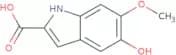

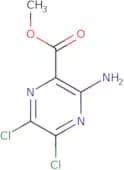
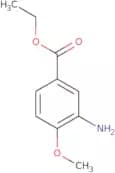
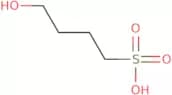
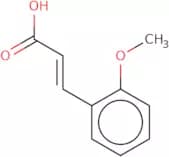
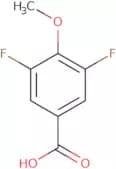
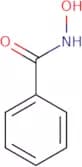
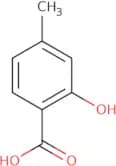
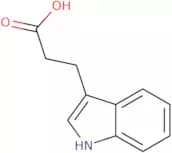
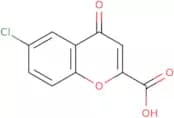
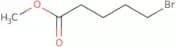
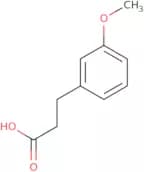
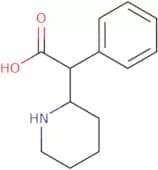

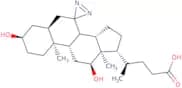
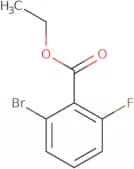
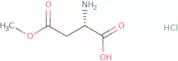
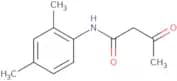
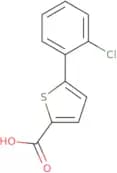
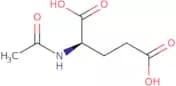
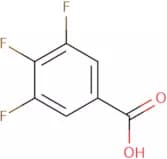
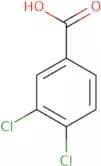
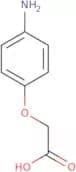

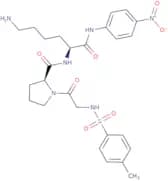
![2-[(2-Carboxyphenyl)amino]-3-methoxybenzoic acid](/_next/image/?url=https%3A%2Fstatic.cymitquimica.com%2Fproducts%2F3D%2Fthumb-webp%2FFC19799.webp&w=3840&q=75)
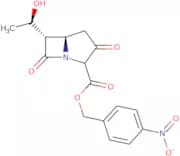
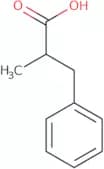
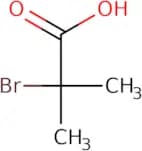
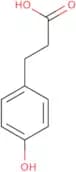
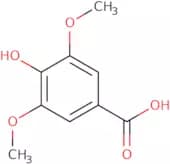
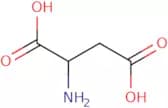
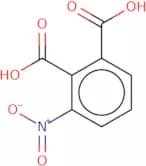

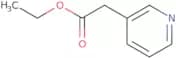
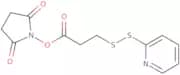
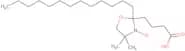
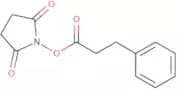
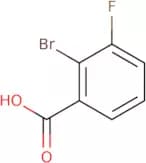
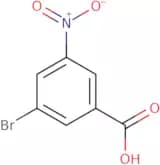
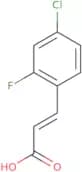
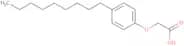
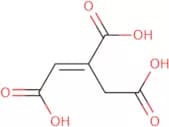
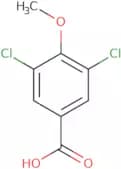
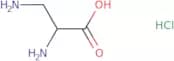
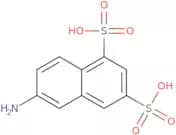

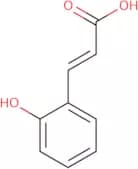

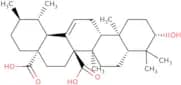
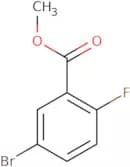
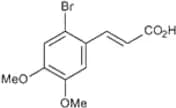
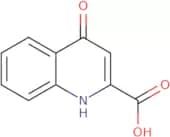
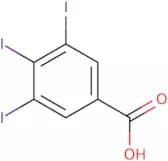
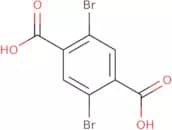
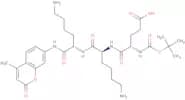
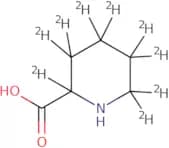
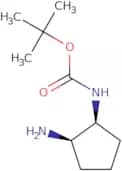
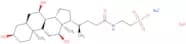
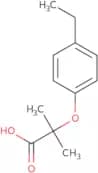
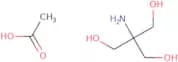
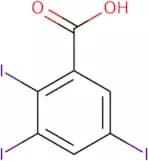
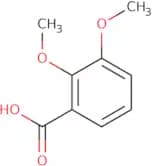
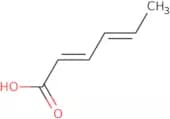

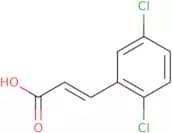
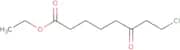
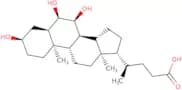
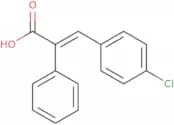
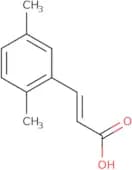
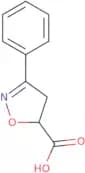
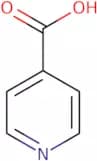
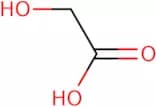

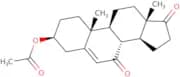
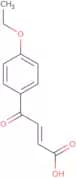
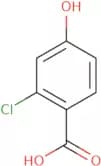
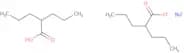
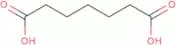
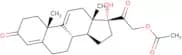
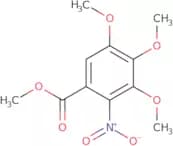
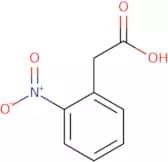
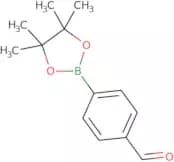
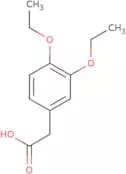
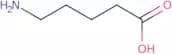
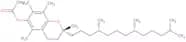

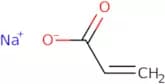
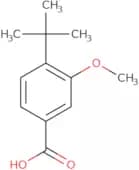
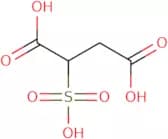
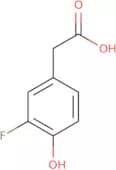
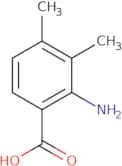
![[(3-Methylphenyl)amino]acetic acid](/_next/image/?url=https%3A%2Fstatic.cymitquimica.com%2Fproducts%2F3D%2Fthumb-webp%2FFM115478.webp&w=3840&q=75)
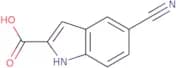
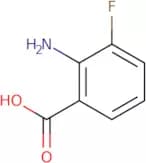
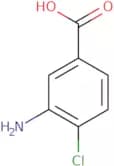
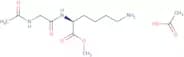
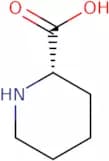
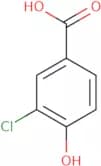
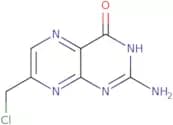
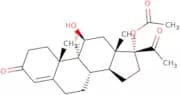
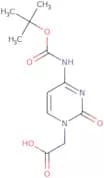
![2,2-Difluoro-2-[1,1,2,2-tetrafluoro-2-(trifluoromethoxy)ethoxy]acetic acid](/_next/image/?url=https%3A%2Fstatic.cymitquimica.com%2Fproducts%2F3D%2Fthumb-webp%2FFD99821.webp&w=3840&q=75)
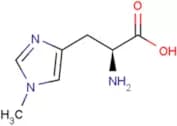

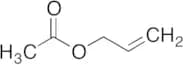


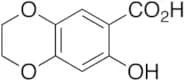
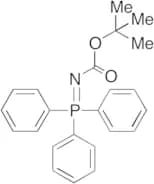
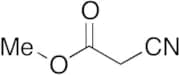
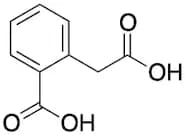
![(2S)-2-[[(phenylmethoxy)carbonyl]amino]-4-Pentenoic acid](/_next/image/?url=https%3A%2Fstatic.cymitquimica.com%2Fproducts%2FTR%2Fthumb-webp%2FP228100.webp&w=3840&q=75)
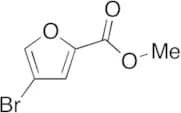
![P,P'-[(1,2-Phenylene)bis(methylene)]bisphosphonic Acid P,P,P',P'-tetraethyl ester](/_next/image/?url=https%3A%2Fstatic.cymitquimica.com%2Fproducts%2FTR%2Fthumb-webp%2FP319815.webp&w=3840&q=75)

![N,N’-Di-Boc (R)-1-Azido-3-[[3-fluoro-4-(morpholin-4-yl)phenyl]amino]propan-2-yl Acetate](/_next/image/?url=https%3A%2Fstatic.cymitquimica.com%2Fproducts%2FTR%2Fthumb-webp%2FD422605.webp&w=3840&q=75)
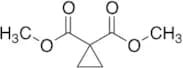
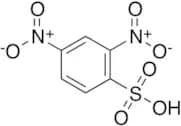
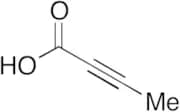
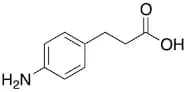
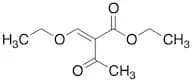
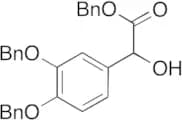
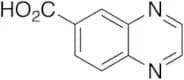
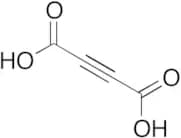
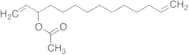
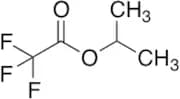
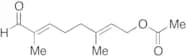
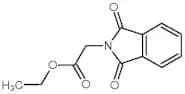
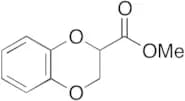

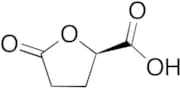
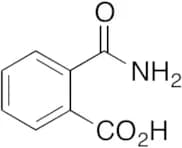
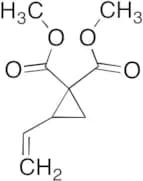

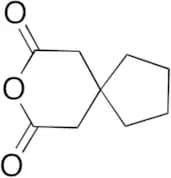
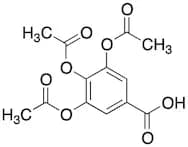
![2-(Cyclopropylmethoxy)-acetic Acid 1,1-Dimethyl-2-[4-(methylsulfonyl)phenyl]-2-oxoethyl Ester](/_next/image/?url=https%3A%2Fstatic.cymitquimica.com%2Fproducts%2FTR%2Fthumb-webp%2FC988675.webp&w=3840&q=75)
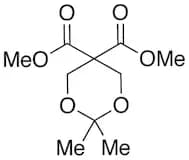
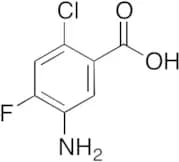
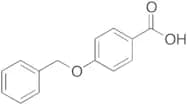


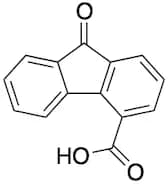
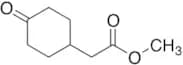

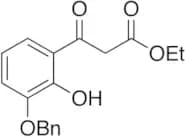
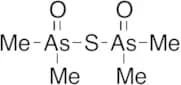
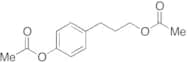

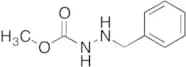
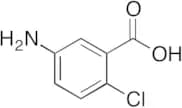
![2,2-Dimethylpropanoic Acid 1,1'-[[1-Ethyl-2-(4-hydroxyphenyl)-1,2-ethenediyl]di-4,1-phenylene] Est…](/_next/image/?url=https%3A%2Fstatic.cymitquimica.com%2Fproducts%2FTR%2Fthumb-webp%2FD473765.webp&w=3840&q=75)
![Methyl 2-[2-[(2,5-Dimethylphenoxy)methyl]phenyl]-2-(hydroxy)acetic Acid Ester](/_next/image/?url=https%3A%2Fstatic.cymitquimica.com%2Fproducts%2FTR%2Fthumb-webp%2FM153970.webp&w=3840&q=75)
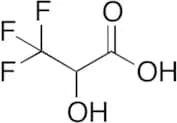
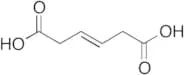
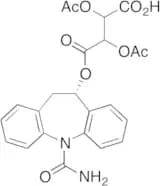
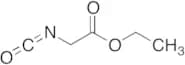
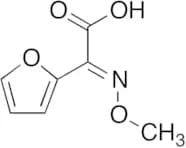
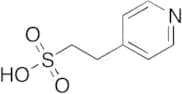
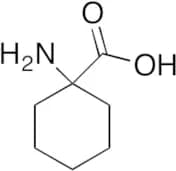
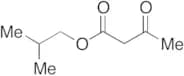
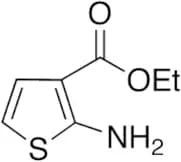
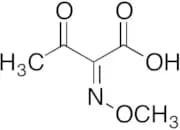
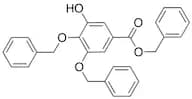
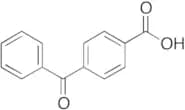
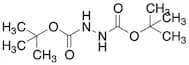
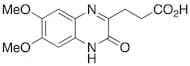
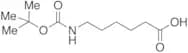
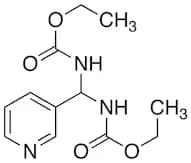

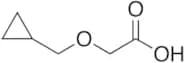
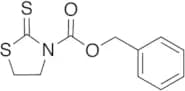
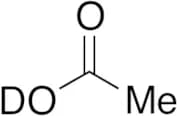
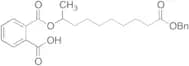
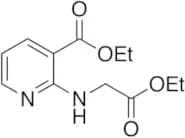
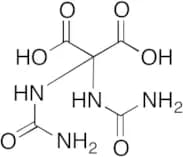
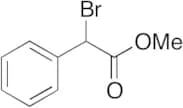
![Ethyl [(tert-Butyldimethylsilyl)oxy]acetate](/_next/image/?url=https%3A%2Fstatic.cymitquimica.com%2Fproducts%2FTR%2Fthumb-webp%2FE900620.webp&w=3840&q=75)

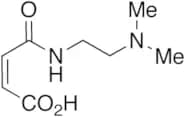


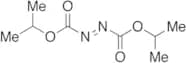
![2-[(1,3-Dihydro-1,3-dioxo-2H-isoindol-2-yl)acetyl]-butanedioic Acid Diethyl Ester](/_next/image/?url=https%3A%2Fstatic.cymitquimica.com%2Fproducts%2FTR%2Fthumb-webp%2FD449108.webp&w=3840&q=75)
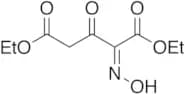
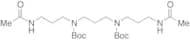
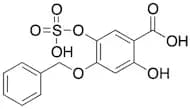
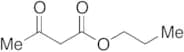
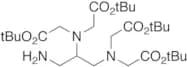


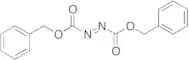
![Ethyl-[4-(thienylketo)-2,3-dichloro-phenoxy]acetate](/_next/image/?url=https%3A%2Fstatic.cymitquimica.com%2Fproducts%2FTR%2Fthumb-webp%2FE926740.webp&w=3840&q=75)
![3-[(Carboxymethyl)thio]propionic Acid Dimethyl Ester](/_next/image/?url=https%3A%2Fstatic.cymitquimica.com%2Fproducts%2FTR%2Fthumb-webp%2FC181020.webp&w=3840&q=75)