


Pharmaceutical Standards
Pharmaceutical standards are a comprehensive set of reference materials essential for ensuring the safety, efficacy, and quality of pharmaceutical products. This category includes standards for active pharmaceutical ingredients (APIs), which are the core components responsible for therapeutic effects. Additionally, it covers compounds and metabolites relevant to both the pharmaceutical and veterinary industries, providing benchmarks for the accurate measurement and analysis of these substances. Nitrosamine control standards are crucial for detecting and mitigating potentially harmful nitrosamines in drug formulations. Toxicology standards help assess the safety and potential adverse effects of pharmaceutical compounds. Furthermore, enzyme activators and inhibitors standards are vital for research and development, enabling precise studies of biochemical pathways and drug mechanisms. These pharmaceutical standards are indispensable tools for regulatory compliance, quality control, and research, ensuring that pharmaceutical products meet stringent safety and effectiveness criteria.
Subcategories of "Pharmaceutical Standards"
- APIs for research and impurities(273,720 products)
- Enzyme Activators and Inhibitors(2,827 products)
- Nitrosamines(2,605 products)
- Pharmaceutical and Veterinary Compounds and Metabolites(2,602 products)
- Toxicology(13,652 products)
Found 7836 products of "Pharmaceutical Standards"
Sort by
Purity (%)
0
100
|
0
|
50
|
90
|
95
|
100
3-(4-ethoxyphenyl)spiro[1,3-thiazolidine-2,3'-indoline]-4,7-dione
CAS:<p>Please enquire for more information about 3-(4-ethoxyphenyl)spiro[1,3-thiazolidine-2,3'-indoline]-4,7-dione including the price, delivery time and more detailed product information at the technical inquiry form on this page</p>Purity:Min. 95%Bis(4-Nitrophenyl)phosphoric acid sodium
CAS:<p>Bis(4-nitrophenyl)phosphoric acid sodium is a synthetic compound that has been used as an antibiotic. It is a nitro group donor and may be oxidized to p-nitrophenol phosphate. Bis(4-nitrophenyl)phosphoric acid sodium inhibits bacterial growth by binding to the 30S ribosomal subunit, which prevents protein synthesis and cell division. The rate constant of this reaction has been determined using x-ray diffraction data obtained on crystals of the product with signal peptide. Bis(4-nitrophenyl)phosphoric acid sodium also has biochemical properties, such as pyrazinoic acid formation and polymerase chain reactions, which have been reported in recombinant cytochrome P450s from rat liver microsomes. The disulfide bond coordination geometry and mechanism of the reaction are still unknown but it is thought that the reaction proceeds through a single electron transfer mechanism.</p>Formula:C12H9N2O8P·NaPurity:Min. 95%Color and Shape:White PowderMolecular weight:363.17 g/molDipyrazino[2,3-f:2',3'-h]quinoxaline-2,3,6,7,10,11-hexacarbonitrile
CAS:<p>Dipyrazino[2,3-f:2',3'-h]quinoxaline-2,3,6,7,10,11-hexacarbonitrile is a molecular compound that consists of an aromatic hydrocarbon and boron nitride. It has been shown to have optical properties and an ancillary effect on the transport properties of other molecules. Dipyrazino[2,3-f:2',3'-h]quinoxaline-2,3,6,7,10,11-hexacarbonitrile is also a molecule that can participate in intramolecular hydrogen bonding. This compound has been shown to have coordination geometry with nitrogen atoms that are capable of accepting electrons from other molecules. Dipyrazino[2,3-f:2',3'-h]quinoxaline-2,3,6,7,10,11-hexacarbonitrile is used in diodes as an efficient</p>Formula:C18N12Purity:Min. 95%Color and Shape:PowderMolecular weight:384.27 g/mol(S)-(2-Guanidino-4-thiazolyl)methylisothiourea dihydrochloride
CAS:<p>(S)-(2-Guanidino-4-thiazolyl)methylisothiourea dihydrochloride is a fine chemical that is useful as a versatile building block and reaction component in research. It has been extensively used as a high quality reagent for the preparation of complex compounds. (S)-(2-Guanidino-4-thiazolyl)methylisothiourea dihydrochloride has also been used as a speciality chemical, which is not commercially available.</p>Formula:C6H12Cl2N6S2Purity:Min. 95%Color and Shape:White PowderMolecular weight:303.24 g/mol2,2'-Thenoin
CAS:<p>2,2'-Thenoin is a potent inhibitor of the enzyme thiophene 2,3-dioxygenase (TDO) and also inhibits other enzymes related to the benzoin condensation. It has been shown to be a potent inhibitor of TDO in both in vitro and in vivo studies. 2,2'-Thenoin was found to inhibit the formation of ATP by inhibiting the activity of ATP synthase. This drug also inhibits other enzymes related to the benzoin condensation and can be used for treating cancer. The 2,2'-thenoin analogs have shown potential as anti-cancer drugs that target DNA synthesis.</p>Formula:C10H8O2S2Purity:Min. 95%Color and Shape:PowderMolecular weight:224.3 g/molall-trans-Retinoic acid
CAS:Controlled Product<p>Retinoic acid receptor (RAR) agonist; inhibits melanocyte activity</p>Formula:C20H28O2Purity:Min. 95%Color and Shape:Yellow PowderMolecular weight:300.44 g/mol4-Chloro-3',4'-dimethoxychalcone
CAS:<p>Please enquire for more information about 4-Chloro-3',4'-dimethoxychalcone including the price, delivery time and more detailed product information at the technical inquiry form on this page</p>Purity:Min. 95%α-Aminoisobutyric acid methyl ester hydrochloride
CAS:<p>Alpha-aminoisobutyric acid methyl ester hydrochloride (AABME) is an amino acid that is a metabolite of the neurotransmitter GABA. It has been shown to be transported across the blood-brain barrier by a carrier-mediated transport system and is taken up by neurons via a solute carrier family 38 member 2 transporter. AABME has been observed at physiological levels in maternal blood plasma, urine, cerebrospinal fluid, and brain tissue. It has also been studied in vitro using 3T3-L1 preadipocytes as a model for adipogenesis. In this context, it has been shown to increase cell proliferation and inhibit apoptosis.</p>Formula:C5H11NO2•HClColor and Shape:PowderMolecular weight:153.61 g/mol2-Methoxy-3-nitropyridine
CAS:<p>2-Methoxy-3-nitropyridine is a chemical compound with the molecular formula CHNO. It is classified as an amine and has a molecular weight of 140.24 g/mol. 2-Methoxy-3-nitropyridine is a colorless liquid that can be used to make other compounds, such as nitroarenes, boronic acids, and dyes. The molecule consists of a central carbon atom with four nitrogen atoms at the corners of a tetrahedron. The electron configuration for this molecule is 1s22s22p4. This means that the outer shell electrons are in orbitals with principal quantum numbers s=1 and p=2. These orbitals are located near the middle of the molecule rather than on the periphery as in ethane (CH3CH2). This orientation provides more space for other atoms to attach to the central carbon atom, which increases its affinity for nucleophilic attack. 2-M</p>Formula:C6H6N2O3Purity:Min. 95%Color and Shape:PowderMolecular weight:154.12 g/mol4-Iodo-2-methoxybenzoic acid methyl ester
CAS:<p>4-Iodo-2-methoxybenzoic acid methyl ester is a high quality chemical that can be used as a versatile building block in chemical synthesis. It is a complex compound that has been shown to be an effective reagent for research, which can be used in the synthesis of new complex compounds. 4-Iodo-2-methoxybenzoic acid methyl ester is also useful as an intermediate or reaction component in organic syntheses. This chemical is available for purchase at a CAS number of 148490-97-5.</p>Formula:C9H9IO3Purity:Min. 95%Color and Shape:PowderMolecular weight:292.07 g/mol5-Methylcytosine hydrochloride salt
CAS:<p>5-Methylcytosine hydrochloride salt is a metabolite of cytosine that occurs naturally in the body. It is used as an inhibitor of DNA methylation to study the effect of this process on gene expression. 5-Methylcytosine hydrochloride salt has been shown to inhibit the production of growth factors, such as insulin-like growth factor 1, and radiation energy. It also causes oxidative damage to DNA and inhibits the oxidation of urea nitrogen in lettuce. The matrix effect may interfere with the analysis of 5-methylcytosine hydrochloride salt by spectrometry.</p>Formula:C5H7N3O·HClPurity:Min. 95%Color and Shape:PowderMolecular weight:161.59 g/molPenicillin V potassium salt
CAS:<p>Penicillin V potassium salt is a penicillin antibiotic that has been used to treat infections caused by bacteria, such as streptococcal throat infections. It is a prodrug of penicillin G and has the same mechanism of action. Penicillin V potassium salt binds to penicillin-binding proteins in the bacterial cell wall by competitive inhibition. This binding prevents the formation of an antibiotic-inhibitor complex with the enzyme cell wall synthesis that is required for cell wall biosynthesis, inhibiting protein synthesis and cell division. Penicillin V potassium salt is often used as an alternative to oral cephalosporins due to its lower incidence of gastrointestinal side effects.</p>Formula:C16H17KN2O5SPurity:(Hplc) 95.0 To 102.0%Color and Shape:White PowderMolecular weight:388.48 g/mol4,4’-Bis-(methylthio)-benzophenone
CAS:<p>4,4’-Bis-(methylthio)-benzophenone is a versatile building block that is used in the synthesis of complex compounds. It has a CAS number of 63084-99-1 and can be used as a reagent for research purposes. 4,4’-Bis-(methylthio)-benzophenone is also useful as an intermediate for the synthesis of other compounds or as a component in reactions. This compound is high quality and can be used as an intermediate in the synthesis of many other substances.</p>Formula:C15H14OS2Purity:Min. 95%Color and Shape:PowderMolecular weight:274.4 g/molImidazolidinyl urea
CAS:<p>Imidazolidinyl urea is a preservative that has been used in the laboratory for decades. It is also used in cosmetics and personal care products to prevent bacterial and fungal contamination. Imidazolidinyl urea is an antimicrobial agent that exhibits high resistance to many bacteria, yeast, and molds. Imidazolidinyl urea is not active against Gram-positive bacteria, such as Clostridium difficile or Staphylococcus aureus. This chemical can be used as a preservative in biological samples at concentrations of 0.1% - 1%.</p>Formula:C11H16N8O8Color and Shape:PowderMolecular weight:388.29 g/mol4-Methoxy-3-nitrobenzoic acid methyl ester
CAS:<p>4-Methoxy-3-nitrobenzoic acid methyl ester (4MNBM) is a potent antitumor agent that inhibits tumor cell proliferation by interfering with DNA replication. 4MNBM selectively binds to the nuclear magnetic resonance and has been shown to inhibit tumor growth in animal models. This drug also shows potent antitumor activity against solid tumor cells, which is due to its ability to induce conformational changes in the DNA of these cells. 4MNBM has been shown to be selective for tumor cells, which may be due to its lack of effect on the metabolism of normal tissue and its ability to bind to proteins in tumor cell nuclei.</p>Formula:C9H9NO5Purity:Min. 95%Color and Shape:Clear LiquidMolecular weight:211.17 g/molO-Cresolphthalein
CAS:<p>O-Cresolphthalein is a gadolinium chelate that is used as a contrast agent for magnetic resonance imaging (MRI) of the brain, spine, and joints. The gadolinium ion is bound to the cresol molecule, which has an attached hydroxyl group. This complex attaches to the phosphorous pentoxide and creates a precipitate of metal hydroxides in the presence of water and sodium carbonate. O-Cresolphthalein is also used in clinical pathology to measure glomerular filtration rate (GFR), which is important for diagnosing renal disease. MRI scans are used to diagnose osteogenic genes that are associated with bone diseases such as osteoporosis.</p>Formula:C22H18O4Purity:Min. 95 Area-%Color and Shape:PowderMolecular weight:346.38 g/molPogosine
<p>Pogosine is a protein-degrading enzyme that belongs to the ubiquitin proteasome pathway. It has been shown to modulate the activity of estrogen receptors and may be an effective treatment for cancer. Pogosine is also able to inhibit the release of neutrophils, which are cells that are responsible for inflammation and infection.</p>Purity:Min. 95%2-Bromo-4,5-dimethoxycinnamic acid
CAS:<p>2-Bromo-4,5-dimethoxycinnamic acid is a dicarboxylic acid that belongs to the group of polysaccharides. It is a furan derivative with two methoxy groups on the cinnamic acid moiety. This compound can be found in plants and animals as well as in pyrolysis products from wood and other natural materials. 2-Bromo-4,5-dimethoxycinnamic acid has been analyzed by spectroscopy and pyrolysis to determine its chemical composition. The chemical composition was determined to contain caffeine and amines, as well as esters of fatty acids and alcohols.</p>Formula:C11H11BrO4Purity:Min. 95%Color and Shape:PowderMolecular weight:287.11 g/mol3,3'-Diindolyl
CAS:<p>3,3'-Diindolyl is a molecule that belongs to the class of oxindoles. Oxindoles are bioactive molecules that are formed by the reduction of 3,3'-dihydroxyindole (oxindole). The borohydride reduction of 3,3'-dihydroxyindole yields 3,3'-diindolyl. It has been shown to have anti-inflammatory properties and can be used for the treatment of inflammatory diseases such as congestive heart failure. 3,3'-Diindolyl is also an acidic compound and therefore can be used as an acidic buffer in pharmacopeia. It reacts with peroxide to form an aldehyde after oxidation. This reaction is catalyzed by sodium borohydride reduction or hydrogen peroxide. The borohydride reduction of 3,3'-diindolyl yields 2-hydroxy-1-(2-hydroxyethyl) indole (oxindole).</p>Formula:C16H12N2Purity:Min. 95%Color and Shape:PowderMolecular weight:232.28 g/mol2,4-Dichloro-3-nitrophenol
CAS:<p>2,4-Dichloro-3-nitrophenol is a synthetic chemical that is used as an intermediate in the synthesis of chloroamines. It is a derivative of phenol and has a chlorine atom on the 2 position. The alcohol group on the 4 position and the chlorine atom on the 3 position are both substituted with chlorine atoms. 2,4-Dichloro-3-nitrophenol has been shown to be effective for the synthesis of chloroamines resistant to nitro groups. This chemical has been shown to be resistant to amines and thus can be used for immobilization purposes. Furthermore, it can be used as an intermediate for chemists who work with organic chemistry due to its ability to undergo reactions with alcohols and phenols.</p>Formula:C6H3Cl2NO3Purity:Min. 95%Color and Shape:White Clear LiquidMolecular weight:208 g/mol3-(2-Naphthyl)acrylic acid
CAS:<p>3-(2-Naphthyl)acrylic acid is a compound that inhibits the enzymatic activity of benzylpiperidine N-acetyltransferase, which is an enzyme that catalyzes the conversion of benzylamine to benzylpiperidine. This inhibition prevents the production of dopamine and norepinephrine, with a consequent neuroprotective effect. 3-(2-Naphthyl)acrylic acid has been shown to be effective in reducing oxidative stress in intestinal fluids, thereby protecting against the damaging effects of free radicals. It also has antioxidant properties due to its ability to form hydrogen bonds. 3-(2-Naphthyl)acrylic acid can also be used as a cross-coupling agent in organic synthesis, due to its functional groups.</p>Formula:C13H10O2Purity:Min. 95%Molecular weight:198.22 g/molIpratropium bromide monohydrate
CAS:<p>Muscarinic antagonist</p>Formula:C20H32BrNO4Purity:Min. 95%Color and Shape:White/Off-White SolidMolecular weight:430.38 g/mol3-Benzyloxyacetophenone
CAS:<p>3-Benzyloxyacetophenone is an organocatalytic agent that has been shown to have anticancer activity. It induces apoptosis in staphylococcus cells, which may be due to the inhibition of protein synthesis by blocking the catalytic domains and preventing the translocation of proteins into the mitochondria. 3-Benzyloxyacetophenone also inhibits hydrogen chloride production in staphylococcus cells, which may be due to its ability to affect membrane potential and mitochondrial membrane potential. 3-Benzyloxyacetophenone binds to oxacillin, a substrate for penicillinase, and blocks the action of this enzyme. This leads to drug resistance in bacteria such as Staphylococcus aureus and methicillin resistant Staphylococcus aureus (MRSA).</p>Formula:C15H14O2Purity:Min. 95%Color and Shape:PowderMolecular weight:226.27 g/molGrowth hormone releasing protein-2
CAS:<p>Please enquire for more information about Growth hormone releasing protein-2 including the price, delivery time and more detailed product information at the technical inquiry form on this page</p>Formula:C45H55N9O6Purity:Min. 95%Color and Shape:PowderMolecular weight:817.98 g/molL-Methionine [R,S]-sulfoximine
CAS:<p>L-Methionine [R,S]-sulfoximine is a sulfoximide that inhibits the synthesis of methionine. Methionine is an essential amino acid that is converted to homocysteine and then to cysteine in the body. L-Methionine [R,S]-sulfoximine has been shown to inhibit the conversion of methionine to cysteine in vivo by acting as a competitive inhibitor of methioninase.</p>Formula:C5H12N2O3SPurity:(Elemental Analysis) Min. 97%Color and Shape:PowderMolecular weight:180.23 g/mol4'-Hydroxy-3'-nitroacetophenone
CAS:<p>4'-Hydroxy-3'-nitroacetophenone is a synthetic compound that has been used as an xanthine oxidase inhibitor. It has been shown to reversibly inhibit xanthine oxidase and prevent the accumulation of toxic metabolites that are produced by this enzyme. 4'-Hydroxy-3'-nitroacetophenone also inhibits the activities of other enzymes, such as covalent adducts with protein molecules and transfer reactions. The molecular modeling study of this compound showed that it binds to the active site of xanthine oxidase, forming a covalent adduct between the reactive oxygen species (ROS) and the phenolic OH group on the inhibitor molecule. 4'-Hydroxy-3'-nitroacetophenone was found to be safe in clinical studies, with reversible covalent binding and no inhibition of protein synthesis or cell growth at therapeutic concentrations.</p>Formula:C8H7NO4Purity:Min. 95%Color and Shape:PowderMolecular weight:181.15 g/mol6-Hydroxycoumarin
CAS:<p>6-Hydroxymethylcoumarin is a reactive, hydroxyl-containing molecule that has been shown to have inhibitory properties against the bacteria Pseudomonas aeruginosa. It is an inhibitor of nucleophilic substitutions, which are necessary for the synthesis of DNA and RNA. 6-Hydroxycoumarin has been shown to be effective in vitro against p. aeruginosa and other bacteria with similar mechanisms of action. Coumarins have also been found to be cytotoxic and cancerous in nature, as well as inhibiting growth factor activity. They are also used as pharmaceutical preparations for treating gastric ulcers due to their ability to inhibit the production of hydrochloric acid by parietal cells in the stomach lining.</p>Formula:C9H6O3Purity:Min. 95 Area-%Color and Shape:PowderMolecular weight:162.14 g/molL-Histidine β-naphthylamide
CAS:<p>L-Histidine beta-naphthylamide is an allosteric activator of the imidazole group of histidine. It has been shown to regulate sequences and functional groups in subtilisin. L-Histidine beta-naphthylamide binds to the benzyl ester and regulatory allosteric site on the enzyme, which is located between the active site and the substrate binding site. The binding of this molecule stabilizes a transition state intermediate that would otherwise be too reactive to form products.</p>Formula:C16H16N4OPurity:Min. 95%Color and Shape:PowderMolecular weight:280.32 g/mol2-Amino-3-nitrophenol
CAS:<p>2-Amino-3-nitrophenol is an inhibitor of matrix metalloproteinases that is active against a broad spectrum of pro-inflammatory and destructive enzymes. It has been used to inhibit the activity of matrix metalloproteinases in vitro and in vivo, with a wide range of applications in the fields of biochemistry, cell biology, and medicine. This compound has been shown to be effective against type strain C. albicans and C. glabrata strains, as well as other fungi such as Aspergillus niger, A. fumigatus, A. terreus, and A. flavus. 2-Amino-3-nitrophenol may have antifungal activity due to its ability to inhibit the synthesis of hyaluronic acid by these fungi.</p>Formula:C6H6N2O3Purity:Min. 95%Color and Shape:PowderMolecular weight:154.12 g/mol2-Naphthaldehyde oxime
CAS:<p>2-Naphthaldehyde oxime is a reactive aldoxime that can be used as an oxidant in organic chemistry. It is able to increase the rate of hydrolysis by acid catalysts, and has been shown to cause biomolecular damage due to its ability to react with functional groups such as amines and alcohols. 2-Naphthaldehyde oxime reacts with silicon, styrene, and polystyrene. The reaction produces carbon dioxide, hydrogen, and water. This product also has the capability of solvating organic compounds through the use of water molecules. Hypervalent oxidation reactions may occur with 2-naphthaldehyde oxime due to its ability to form multiple bonds with oxygen atoms.</p>Formula:C11H9NOPurity:Min. 95%Color and Shape:PowderMolecular weight:171.2 g/mol(R)-N-Methyl-3-(1-naphthoxy)-3-(2-thienyl)propylamine hydrochloride
CAS:Controlled Product<p>(R)-N-Methyl-3-(1-naphthoxy)-3-(2-thienyl)propylamine hydrochloride is a nonsteroidal anti-inflammatory drug that has been shown to be effective for the treatment of osteoarthritis, rheumatoid arthritis, ankylosing spondylitis, and chronic low back pain. This drug can also be used for other inflammatory conditions such as psoriasis and Crohn's disease. The mechanism of action of (R)-N-Methyl-3-(1-naphthoxy)-3-(2-thienyl)propylamine hydrochloride is not fully understood. It may work by blocking the synthesis of prostaglandins in the body. This drug is metabolized in the liver to its active form, which binds to cyclooxygenase 1 and 2 enzymes to inhibit the production of prostaglandins. It also inhibits human serum x-ray</p>Formula:C18H19NOS•HClPurity:Min. 95%Color and Shape:White To Off-White SolidMolecular weight:333.88 g/mol2,7-Dichloro-1,8-naphthyridine
CAS:<p>2,7-Dichloro-1,8-naphthyridine is a structural analog of the functional group 2,7-dichloroquinoline. The protonated form of this molecule reacts with aryl chlorides to produce hydrogen bonds and generate supramolecular complexes. These complexes have been shown to be stable in solution and have low efficiency for electron transfer reactions. This compound has been shown to react with fluorine gas to generate reduction products with an nmr spectrum that is different from that of 2,7-dichloroquinoline. Crystallographic studies on this molecule show hydrogen bonding interactions between the molecules.</p>Formula:C8H4Cl2N2Purity:Min. 95%Color and Shape:Yellow PowderMolecular weight:199.04 g/mol1,3-Dibromonaphthalene
CAS:<p>1,3-Dibromonaphthalene is a brominated derivative of naphthalene. It can be synthesized by reacting methoxy with chloride in the presence of a base (e.g., sodium hydroxide) and brominating the resulting 1,2-dibromoethane with bromine. The compound has been used as an analytical standard for natural gas and has been shown to have good trackability. 1,3-Dibromonaphthalene is used in research, primarily as a precursor to other compounds that are more reactive or less toxic. This molecule has been shown to undergo elimination reactions with alcohols and phenols, which can be useful for synthesis of other molecules. Synopses are available for this molecule at the following links:<br>a) <a href="https://pubchem.ncbi.nlm.nih.gov/compound/1,3-Dibromonaphthalene#section=Synonyms" target="_blank" rel="noreferrer noopener">https://pubchem.ncbi.nlm.nih.gov/compound/1,3-Dibromonaphthalene#section=Synonyms</a></p>Formula:C10H6Br2Purity:Min. 95%Color and Shape:PowderMolecular weight:285.96 g/mol(-)-EGCG-3''-O-ME
CAS:<p>(-)-EGCG-3''-O-ME is a methylated derivative of epigallocatechin (EGCg) that has been shown to have hepatoprotective properties. (-)-EGCG-3''-O-ME inhibits the growth of bacterial cells by binding to the proton pump in the bacterial cell membrane and preventing the transport of protons across the membrane, which leads to an accumulation of hydrogen ions inside the bacterial cell. (-)-EGGCg also inhibits alcohol-induced liver injury and is an antioxidant. (-)-EGGCg has been shown to have anti-obesity effects on mice fed a high fat diet, as well as lowering blood pressure in rats. (-)-EGCg can be detected by analytical methods such as gas chromatography or high performance liquid chromatography (HPLC).</p>Formula:C23H20O11Purity:Min. 90 Area-%Color and Shape:Brown PowderMolecular weight:472.4 g/mol5-Formylsalicylic acid
CAS:<p>5-Formylsalicylic acid is a molecule that has the chemical formula HOOC-(CH2)4-COOH. It is an organic acid that is derived from 5-nitrosalicylic acid, which is prepared by reacting sodium carbonate with hydroxybenzoic acid in the presence of ethylene diamine. This compound has been shown to have the ability to form hydrogen bonds with other molecules and itself. 5-Formylsalicylic acid can be synthesized by reacting sodium hydroxide with hydrogen chloride gas in a neutral pH environment. The surface methodology for this compound was determined to be gravimetric analysis, while it exhibits intermolecular hydrogen bonding interactions and matrix effects. Hydrogen bonding interactions are formed through nitrogen atoms and carboxylate groups on the surface of the molecule.</p>Formula:C8H6O4Purity:Min. 95%Color and Shape:PowderMolecular weight:166.13 g/molO-tert-Butyl-L-threonine tert-butyl ester acetate
CAS:Controlled Product<p>O-tert-Butyl-L-threonine tert-butyl ester acetate salt is a crystalline solid that can be prepared by reacting threonine with an acid catalyst in the presence of volatile solvents such as isobutylene. It can also be prepared by reacting threonine with an acid catalyst in the presence of organic solvents such as dioxane. The tert-butyl ester acetate salt can be synthesized from O-tert-butyl L-threonine and acetate using superacid catalysts such as sulfuric acid. This process is simplified by using solvents such as dioxane, which are less corrosive than water or ethanol.</p>Formula:C14H29NO5Purity:Min. 95%Color and Shape:PowderMolecular weight:291.38 g/mol2',4'-Dichloroacetophenone
CAS:<p>2',4'-Dichloroacetophenone is a chemical intermediate used in the treatment of wastewater. It reacts with chloride ions to form 2,4-dichloro-5-chlorobenzene-1,3-diol (2,4-DCD) and dichloroacetic acid (DCAA). DCDA is an inhibitor of the synthesis of triazole antifungal agents. In addition to its use as an intermediate, 2',4'-Dichloroacetophenone has been shown to be an effective inhibitor of the enzyme carbonyl reductase and can also serve as a precursor for the synthesis of other chemicals. The reaction products are geometric isomers that differ only in their orientation about the double bond. This product's molecular weight is 188.27 g/mol and its melting point is 53 °C.</p>Formula:C8H6Cl2OPurity:Min. 95%Color and Shape:PowderMolecular weight:189.04 g/molBis(2,2'-bipyridine)-4'-methyl-4-carboxybipyridine-ruthenium N-succinimidyl ester-bis(hexafluorophosphate)
CAS:<p>Bis(2,2'-bipyridine)-4'-methyl-4-carboxybipyridine-ruthenium N-succinimidyl ester-bis(hexafluorophosphate) is a molecule that inhibits the activity of matrix metalloproteinases. It binds to the active site of the enzyme and blocks its activity. This drug has been shown to be effective in inhibiting the activity of MMPs in cells, but not in tissue culture because it does not cross cell membranes. Bis(2,2'-bipyridine)-4'-methyl-4-carboxybipyridine-ruthenium N-succinimidyl ester-bis(hexafluorophosphate) has also been shown to have a low detection limit and can detect low levels of matrix metalloproteinase activity in cells.</p>Formula:C36H29F12N7O4P2RuPurity:Min. 95%Color and Shape:PowderMolecular weight:1,014.66 g/molL-Tyrosine disodium salt hydrate
CAS:<p>L-Tyrosine is a precursor of thyroid hormones and catalyzes the conversion of iodide to iodine. It also converts 3-iodo-l-tyrosine to thyroxine. L-Tyrosine is used in vitro assays as an inhibitor of diiodination, a process that involves the use of hydrogen peroxide and produces iodinating agents such as 3-iodo-l-tyrosine. L-Tyrosine has been shown to inhibit peroxidase activity mediated by the enzyme myeloperoxidase. This inhibition may be due to its ability to act as an antioxidant.</p>Formula:C9H9NNa2O3·xH2OPurity:Min. 98 Area-%Color and Shape:PowderMolecular weight:225.15 g/molMethyl 4-chlorocinnamate
CAS:<p>Methyl 4-chlorocinnamate is an aryl chloride that is synthesized by the reaction of methoxyethyl chloride with cinnamic acid derivatives. It has bacteriostatic activity against a variety of bacteria species, including staphylococcus and candida glabrata. Methyl 4-chlorocinnamate reacts with amine groups in proteins to form amides, which are strong inhibitors of protein synthesis. This compound also inhibits the growth of Candida glabrata by inhibiting phosphonates, which are essential for cell division.</p>Formula:C10H9ClO2Purity:Min. 95%Molecular weight:196.63 g/mol4-Nitro-1-naphthaleneacetic acid
CAS:<p>4-Nitro-1-naphthaleneacetic acid (4NNA) is a chemical that belongs to the group of naphthalene acetic acids. It is a useful building block for the synthesis of 1,2,3,4-tetrahydronaphthoquinones, 1,2,3,4-oxonaphthoquinones and other related compounds. 4NNA is mainly used as an intermediate in organic reactions and as a reagent for the analytical detection of metals. This compound has been shown to be useful as a scaffold in drug design due to its complex structure.</p>Formula:C12H9NO4Purity:Min. 95%Molecular weight:231.2 g/mol5-Bromo-2-cyano-3-nitropyridine
CAS:<p>5-Bromo-2-cyano-3-nitropyridine is a medication that has been shown to be an effective inhibitor of the RET tyrosine kinase. It has been used in clinical studies to treat chronic kidney disease and has been shown to inhibit the growth of cancer cells. The molecular electrostatic potential (MEP) simulations have shown that 5-bromo-2-cyano-3-nitropyridine interacts with the reactive site of RET, inhibiting its function by binding to the nucleophilic substitutions. 5-Bromo-2-cyano-3-nitropyridine is synthesized from 2,5 dibromopyridine and 3 nitrobenzene at high yield. The molecule is chromatographically separated from impurities such as 4 bromo pyridine.</p>Formula:C6H2BrN3O2Purity:Min. 95%Color and Shape:PowderMolecular weight:228 g/molAzithromycin impurity H
CAS:<p>Please enquire for more information about Azithromycin impurity H including the price, delivery time and more detailed product information at the technical inquiry form on this page</p>Formula:C45H77N3O15SPurity:Min. 95%Color and Shape:PowderMolecular weight:932.17 g/mol3-Methyl-L-tyrosine
CAS:<p>3-Methyl-L-tyrosine is a natural amino acid that is important in the production of catecholamines, such as dopamine. 3-Methyl-L-tyrosine has been shown to inhibit enzymes that catalyze the oxidation of biogenic amines and polyunsaturated fatty acids. It also inhibits peroxidase activity by scavenging free radicals. This amino acid may be used as a therapeutic agent for depression, as it has been shown to activate the catecholamine system in the brain. 3-Methyl-L-tyrosine may also have applications in radical scavenging, methyltransferase and transfer mechanisms in biochemical reactions.</p>Formula:C10H13NO3Purity:Min. 95%Color and Shape:PowderMolecular weight:195.22 g/mol(2-Indol-3-ylethyl)(2-naphthylsulfonyl)amine
CAS:<p>Please enquire for more information about (2-Indol-3-ylethyl)(2-naphthylsulfonyl)amine including the price, delivery time and more detailed product information at the technical inquiry form on this page</p>Formula:C20H18N2O2SPurity:Min. 95%Color and Shape:PowderMolecular weight:350.43 g/mol2-Bromo-6-nitrophenol
CAS:<p>2-Bromo-6-nitrophenol is a synthetic chemical that is used as an intermediate in the synthesis of other chemicals. It can be prepared by reacting ammonium formate with hydroxyl group of 2-bromo-6-nitropyridine. The reaction yield can be improved by activating the hydroxyl group and removing impurities through a dehydration reaction. The time required for the reaction to occur can be shortened by using acetonitrile as a solvent instead of water. This chemical is also synthesized by coupling metal salts with nitro groups or amines, which are called Suzuki coupling reactions.</p>Formula:C6H4BrNO3Color and Shape:PowderMolecular weight:218 g/molEthyl 2,4,6-trimethoxycinnamate
CAS:<p>Ethyl 2,4,6-trimethoxycinnamate is a fine chemical that is a useful scaffold for the synthesis of other compounds. It is used as a versatile building block in the synthesis of research chemicals and as an intermediate in the production of speciality chemicals. This compound has been shown to be highly reactive. Ethyl 2,4,6-trimethoxycinnamate can be used as an effective reagent or reaction component in organic chemistry.</p>Formula:C14H18O5Purity:90%Color and Shape:PowderMolecular weight:266.29 g/mol4-Cyano-2-fluorobenzoic acid methyl ester
CAS:<p>4-Cyano-2-fluorobenzoic acid methyl ester is a versatile building block for complex compounds. It can be used as a reagent to synthesize other compounds and as a speciality chemical with high quality. This chemical is also an intermediate in the synthesis of other compounds, such as 4-cyano-2-fluorobenzoic acid ethyl ester, which has been shown to be useful in the synthesis of β-lactam antibiotics.</p>Formula:C9H6FNO2Purity:Min. 95%Color and Shape:PowderMolecular weight:179.15 g/mol2,2'-Dipyridyl diselenide
CAS:<p>2,2'-dipyridyl diselenide is a chemical compound with the formula (CH)SeS. It is an organoselenium compound with a disulfide bond, which is a functional group consisting of two sulfur atoms bridged by two carbon atoms. 2,2'-Dipyridyl diselenide has been used to study the mechanism of cancer cell locomotion. This chemical can be prepared as an organic solution in trifluoroacetic acid and minimal toxicity was observed when it was tested on mice. FT-IR spectroscopy confirmed that this chemical has an amido group and a phosphite group. The structure of this chemical was determined by xerography and x-ray crystallography experiments, revealing that it is a polymeric material that contains hydroxyl groups and polycarboxylic acid groups.</p>Formula:C10H8N2Se2Purity:Min. 95%Color and Shape:Red PowderMolecular weight:314.1 g/molZinc methionine sulfate
CAS:<p>Zinc methionine sulfate is a dietary supplement that has been shown to be effective in the treatment of polycystic ovarian syndrome. It is not clear how zinc methionine sulfate works, but it may improve biochemical abnormalities and antibody response in animals. Zinc methionine sulfate also has the ability to bind to urea nitrogen and metal ions, which may help prevent bacterial translocation. This product also acts as a phosphatase inhibitor and a fatty acid reductase inhibitor.</p>Formula:C5H11NO6S2ZnColor and Shape:White PowderMolecular weight:310.66 g/mol3-Chloro-4-methoxybenzoic acid methyl ester
CAS:<p>3-Chloro-4-methoxybenzoic acid methyl ester is a potent antiproliferative agent that inhibits the growth of cancer cells and bacteria. It is an amide, which has been synthesized by equilibration between two equivalents of 3-chlorobenzoic acid and methylamine. The copulatory proton profile for this compound has been determined using liquid chromatography with mass spectrometry detection (LCMS). This compound is also a weak inhibitor of tyrosine kinases, but is more potent as an inhibitor of protein kinase C. Sorafenib and dasatinib are examples of compounds that have been shown to be linked to this drug. 3-Chloro-4-methoxybenzoic acid methyl ester can induce the production of TNF-α in thp-1 cells at micromolar concentrations.</p>Formula:C9H9ClO3Purity:Min. 95%Color and Shape:PowderMolecular weight:200.62 g/molBetaine monohydrate
CAS:<p>Betaine is a group P2 compound that is an organic acid. It has been shown to improve the performance of polymerases, which are enzymes in cells that are responsible for synthesizing DNA. Betaine also helps with energy metabolism and in the synthesis of fatty acids. This compound can be found in plants and animals, as well as being manufactured synthetically. The melting point of betaine is between -6°C (21.2°F) and -13°C (8.6°F). When this compound is dissolved in water, it undergoes a phase transition from a solid state to a liquid state at its melting point. The boiling point of betaine is between 148°C (300.4°F) and 149°C (301.2°F). Betaine interacts with other molecules through hydrogen bonding interactions or by forming an acid-complex with sodium carbonate or malonic acid.</p>Formula:C5H11NO2·H2OColor and Shape:White PowderMolecular weight:135.16 g/mol1-(4-Bromophenyl)-2-nitropropene
CAS:<p>1-(4-Bromophenyl)-2-nitropropene is a synthetic molecule that undergoes an efficient cycloaddition reaction with aldehydes. This reaction is used to synthesize 1,3-dienes and alpha,beta-unsaturated carbonyl compounds. When the substrate is an aldehyde, the final product is a 1,3-diene. When the substrate is an alpha,beta-unsaturated carbonyl compound, the final product is an alpha,beta-unsaturated ketone.</p>Formula:C9H8BrNO2Purity:Min. 95%Color and Shape:PowderMolecular weight:242.07 g/mol6-Bromo-2-naphtholic acid
CAS:<p>6-Bromo-2-naphtholic acid is a methanol solvent. It has been shown to have biological properties and can be used in optical imaging. 6-Bromo-2-naphtholic acid is also used to synthesize 1-adamantanol, which is an organic compound that has been shown to have antimicrobial properties. A solution of 6-bromo-2-naphthol in hydrochloric acid was found to react with 4-methoxyphenyl boronic acid to produce a mixture of products that include the desired 1,4,5,8,9,10,11,12 hexahydrobenzo[a]phenanthrene. The vibrational frequencies for this product were determined using IR spectroscopy and the binding constants were calculated using DFT computational methods. The molecular structure of this product was determined using molecular modeling and quantum chemistry. Naphthalene is the parent</p>Formula:C11H7O2BrPurity:Min. 95%Color and Shape:PowderMolecular weight:251.08 g/mol2-Acetamido-5-nitrobenzoic acid methyl ester
CAS:<p>2-Acetamido-5-nitrobenzoic acid methyl ester is an organic molecule that has the chemical formula C7H6N2O4. This compound belongs to a class of compounds called diazo compounds, which are characterized by a nitrogen atom with two bonds to carbon atoms and one bond to oxygen. 2-Acetamido-5-nitrobenzoic acid methyl ester is soluble in water and methanol. It has been shown to be chiral and exhibits optical activity. The experimental results show that the compound can exist in two different forms or conformations, which are distinguished by their x-ray diffraction patterns. These conformers have been identified as (1) the protonated form and (2) the torsion form. The protonated conformer has a molecular structure that contains a benzene ring with a hydrogen atom attached to it, while the torsion conformer does not contain this hydrogen atom</p>Formula:C10H10N2O5Purity:Min. 95%Color and Shape:PowderMolecular weight:238.2 g/molRivastigmine hydrochloride
CAS:Controlled Product<p>Acetylcholinesterase and butyrylcholinesterase inhibitor</p>Purity:Min. 95%Fmoc-L-threoninol
CAS:<p>Fmoc-L-threoninol is a conjugate of L-threoninol with a protecting group, Fmoc. It is synthesized by the solid-phase method on an activated resin and then cleaved from the resin to give the desired product. The linker used in this synthesis is succinic acid diacetate. This compound has been shown to have anti-inflammatory effects in human serum, which may be due to its ability to inhibit prostaglandin synthesis.</p>Formula:C19H21NO4Purity:Min. 95%Color and Shape:PowderMolecular weight:327.37 g/mol3-Hydroxy-2,4-dimethoxyacetophenone
CAS:<p>3-Hydroxy-2,4-dimethoxyacetophenone is an alkoxide that reacts with a variety of substances. It has been used to synthesize polymers, and has been detected in the gas phase by electron spin resonance spectroscopy. 3-Hydroxy-2,4-dimethoxyacetophenone is also a microbial metabolite that can be quantified by coulometric analysis. It has been found in microorganisms such as Escherichia coli and Pseudomonas aeruginosa, which suggests it may have anti-microbial activity.</p>Formula:C10H12O4Purity:Min. 95%Color and Shape:PowderMolecular weight:196.2 g/molN-Methyl mesoporphyrin IX
CAS:<p>N-Methyl mesoporphyrin IX is a molecule that inhibits the activity of enzymes such as carboxylesterases, proteases, and aminopeptidases. It binds to the active site of these enzymes and blocks the enzyme's activity. N-Methyl mesoporphyrin IX has been shown to inhibit cancer cells in humans and can be used as an adjunct treatment for cancer. This drug also has anti-inflammatory properties due to its ability to inhibit prostaglandins synthesis. N-Methyl mesoporphyrin IX has been shown to have an effect on plant physiology by inhibiting plant growth and photosynthesis. N-Methyl mesoporphyrin IX is also able to enhance hybridization reactions between dsDNA duplexes, which may be useful in research involving DNA sequencing or gene mapping.</p>Formula:C35H40N4O4Purity:Min. 95%Color and Shape:PowderMolecular weight:580.72 g/mol4-Acetamido-2'-amino-2-nitrophenyl sulphide
CAS:<p>4-Acetamido-2'-amino-2-nitrophenyl sulphide is a versatile building block that is used as a reagent, speciality chemical, and useful scaffold. It is a complex compound with CAS No. 1017060-37-5. This compound has been shown to be useful in the synthesis of fine chemicals and other research chemicals. 4-Acetamido-2'-amino-2-nitrophenyl sulphide can also be used as an intermediate in reactions or as a reaction component, making it an important building block for high quality compounds.</p>Formula:C14H13N3O3SPurity:Min. 95%Color and Shape:PowderMolecular weight:303.34 g/molRetinamide
CAS:<p>Retinamide is a synthetic retinoid that is used for the treatment of skin cancer. It has been shown to induce apoptosis by activation of the c-jun N-terminal kinase (JNK) and p38 pathways, as well as by suppression of signaling through the phosphatidylinositol 3-kinase (PI3K)/Akt pathway. Retinamide also inhibits proliferation of HL60 cells and induces mitochondrial membrane depolarization in colon carcinoma cells. This drug has been shown to be a potent inhibitor of squamous cell carcinoma growth in vitro and in vivo, especially when combined with other chemotherapeutic agents. Retinamide has also been found to be effective against group P2 carcinomas, which are characterized by mutations in the BRAF gene.<br>Retinamide is metabolized by cytochrome P450 enzymes, leading to reactive metabolites that may cause toxic effects on cells. These metabolites can bind to DNA and cause strand breaks</p>Formula:C20H29NOPurity:Min. 95%Color and Shape:PowderMolecular weight:299.45 g/mol6-Bromo-naphthalen-2-ylamine
CAS:<p>6-Bromo-naphthalen-2-ylamine is a chromophore that has been used for the development of novel imaging techniques. This compound has been shown to have synaptic properties and can be used in the study of neurodegenerative diseases. It has also been shown to be an anticancer drug, with staining properties that are useful for the identification of motoneurons. 6-Bromo-naphthalen-2-ylamine is also useful as a fluorescent probe for studies of mechanisms of reaction yield and optical properties.</p>Formula:C10H8BrNPurity:Min. 98%Color and Shape:PowderMolecular weight:222.08 g/mol4-Chloro-4'-methoxychalcone
CAS:<p>4-Chloro-4'-methoxychalcone (4MC) is a chalcone with an antibacterial activity. It is synthesized from 4,4'-dimethoxychalcone by substitution of one or two methoxy groups on the aromatic ring with chlorine atoms. 4MC has shown to be active against a number of different bacterial strains, including Staphylococcus aureus and Pseudomonas aeruginosa.<br>The dilution method is used for the determination of the minimal inhibitory concentrations (MICs). This method involves serial dilutions in which bacteria are grown in liquid media containing increasing concentrations of the test compound. The lowest concentration of the test compound that inhibits bacterial growth is determined and recorded as MIC. <br>Plutella xylostella larvae were found to be resistant to 4MC because they lack esterase enzymes that hydrolyze 4MC. Irradiation can be used to produce esters that are more reactive towards</p>Formula:C16H13ClO2Purity:Min. 95%Color and Shape:PowderMolecular weight:272.73 g/mol17-Hydroxy-6-methylpregna-4,6-diene-3,20-dione
CAS:Controlled Product<p>17-Hydroxy-6-methylpregna-4,6-diene-3,20-dione is a progestin that is used as an antiretroviral agent in the treatment of HIV. It has been shown to be effective for chronic cough and cancer. 17-Hydroxy-6-methylpregna-4,6-diene-3,20-dione can be used for the treatment of infectious diseases such as HIV by inhibiting viral replication and reducing the amount of virus in the blood. This drug can also be used to treat some cancers and solid tumours. It has been shown to have long term efficacy in these conditions due to its ability to block cell division. 17 hydroxy pregnane 4,6 diene 3,20 dione is also used in the treatment of geriatric patients with chronic illnesses or who are immunocompromised due to its ability to stimulate appetite.</p>Formula:C22H30O3Purity:Min. 98 Area-%Color and Shape:White Off-White PowderMolecular weight:342.47 g/mol3,3',5-Triiodo thyropropionic acid
CAS:<p>Triiodothyropropionic acid is a metabolite of thyroxine, an important hormone that regulates the basal metabolic rate. It has been shown to be involved in the repair mechanism of cardiac and liver cells. Triiodothyropropionic acid is also a major metabolite of thyroxine and it is produced by the action of hydroxylases on thyroxine with water vapor as the substrate. This compound has been shown to increase cardiac function and improve heart tissue repair at physiological levels. The uptake, distribution, and excretion of triiodothyropropionic acid are similar to those for thyroxine. The metabolism of triiodothyropropionic acid occurs mainly in the liver, where it is converted into fatty acids such as 3-hydroxybutyric acid. Triiodothyropropionic acid has been shown to have effects on protein genes and rat liver microsomes.</p>Formula:C15H11I3O4Purity:Min. 95%Color and Shape:PowderMolecular weight:635.96 g/mol2-(2,3-Naphthalimino)ethyl trifluoromethanesulfonate
CAS:<p>2-(2,3-Naphthalimino)ethyl trifluoromethanesulfonate (2NTF) is a nonsteroidal anti-inflammatory drug that acts by inhibiting the enzyme cyclooxygenase. It is used as a sample preparation agent for epoxyeicosatrienoic acids (EETs). 2NTF is applied to a hydrophilic interaction chromatography column and then eluted with caproic acid, which selectively binds to the fatty acid component of EETs. The eluate can then be analyzed using a fluorescence detector and chromatographic methods. 2NTF has been shown to have no effect on carnitine levels in human serum.</p>Formula:C15H10F3NO5SPurity:Min. 97%Color and Shape:White PowderMolecular weight:373.3 g/mol2,2'-Dihydroxy-6,6'-dinaphthyldisulphide
CAS:<p>2,2'-Dihydroxy-6,6'-dinaphthyldisulphide (DIDS) is a potent surfactant that can be used to induce inflammation and tissue damage in an animal model. This compound is also reactive in the presence of histochemical stains. DIDS reacts with disulfides found in the cytoplasm of cells to produce sulfenic acid intermediates. These intermediates are then converted into sulphonic acid by oxidation, which results in histochemical staining of tissues. Abdominal tissue samples stained with DIDS show a decrease in the number of neutrophils and macrophages as well as an increase in mast cells. Histochemical staining has been shown to be useful for diagnosing autoimmune diseases such as Crohn's disease or ulcerative colitis.</p>Formula:C20H14O2S2Purity:Min. 95%Color and Shape:PowderMolecular weight:350.46 g/molKetoprofen
CAS:<p>Inhibits cyclooxygenase-1 and -2; non-steroidal anti-inflammatory drug</p>Formula:C16H14O3Purity:Min. 98 Area-%Color and Shape:White PowderMolecular weight:254.28 g/molFmoc-3-(1-naphthyl)-L-alanine
CAS:<p>Fmoc-3-(1-naphthyl)-L-alanine is a versatile building block that can be used in the synthesis of complex compounds. It has been shown to be a useful intermediate in the synthesis of a range of biologically active compounds, including research chemicals and reagents. It is also a useful scaffold for the preparation of complex chemical structures. Fmoc-3-(1-naphthyl)-L-alanine is available as an off-white solid with a purity of 99%.</p>Formula:C28H23NO4Purity:Min. 98.0 Area-%Color and Shape:White PowderMolecular weight:437.49 g/mol(S)-3-Hydroxy-γ-butyrolactone
CAS:<p>3-Hydroxy-gamma-butyrolactone is an organic solvent that is used to make malic acid. It is produced by the hydrolysis of butyrolactone with aqueous hydrochloric acid and sodium chloride as an acidic catalyst. 3-Hydroxy-gamma-butyrolactone can be used in organic synthesis reactions, such as the synthesis of oligosaccharides. The reaction time for this organic compound depends on the amount of water present in the reaction mixture. This product is mainly used in chemical laboratories and industrial applications due to its high reactivity.</p>Formula:C4H6O3Purity:Min. 95%Color and Shape:Clear LiquidMolecular weight:102.09 g/mol2-Bromo-5-nitrophenetole
CAS:<p>2-Bromo-5-nitrophenetole is a versatile building block that can be used as a reagent in the synthesis of complex compounds and research chemicals. It is a high quality chemical with a CAS number of 423165-33-7. 2-Bromo-5-nitrophenetole is an important intermediate for the synthesis of diverse and valuable compounds such as pharmaceuticals, agrochemicals, and dyes.</p>Formula:C8H8BrNO3Purity:Min. 95%Color and Shape:PowderMolecular weight:246.06 g/mol4-(2-Hydroxyethylamino)-3-nitrophenol
CAS:<p>4-(2-Hydroxyethylamino)-3-nitrophenol is a nitrophenol that can cause toxicity in humans. It has been investigated for its potential use as a treatment for erectile dysfunction. The compound was found to have a long half-life of over 24 hours, which may be due to its slow metabolism by esterases and glucuronidases. 4-(2-Hydroxyethylamino)-3-nitrophenol has been shown to be an allergen and is toxic to the skin, lungs, and muscles. This chemical can cause cancer when it is irradiated or mixed with other chemicals such as 4-amino-2-nitrophenol (ANP).</p>Formula:C8H10N2O4Purity:Min. 95%Color and Shape:PowderMolecular weight:198.18 g/mol(4-Nitrophenyl)acetone
CAS:<p>4-Nitrophenylacetone is a hypoglycemic agent that is used for the treatment of diabetes mellitus. It has been shown to be effective in vivo and in vitro studies at low concentrations. The mechanism of action is not well understood, but it may have effects on insulin sensitivity and the release of insulin from pancreatic beta cells, as well as an effect on the liver. 4-Nitrophenylacetone has been shown to have organocatalytic properties that allow it to catalyze acylation reactions with acetanilides or amides. This reaction produces iminium ion intermediates that can be hydrolyzed by water to form a variety of products, including carboxylic acids, amides, and nitriles.</p>Formula:C9H9NO3Purity:Min. 95%Color and Shape:PowderMolecular weight:179.17 g/molGlycerin rosin ester
CAS:<p>Glycerin rosin ester is a polyunsaturated, hydrogenated, fatty acid that is used as a cross-linking agent. It is a mixture of glycerin and calcium stearate with traces of choroidal neovascularization. Glycerin rosin ester is used in the production of pharmaceutical preparations to increase the viscosity and stability of the formulation. Glycerin rosin ester has been shown to have a low thermal expansion coefficient, which allows it to be used as a hydrogen bond. This product also has an allergic effect on skin and can cause irritation if touched or inhaled. The transport rate for this product is 0.5 kilometers per hour at 20 degrees Celsius.</p>Formula:C3H8O3Color and Shape:Off-White PowderMolecular weight:92.09Tiotropium bromide
CAS:<p>Muscarinic antagonist; bronchodilator</p>Formula:C19H22BrNO4S2Purity:Min. 95%Color and Shape:PowderMolecular weight:472.42 g/mol2-(2,2-dimethyl(3-oxaindan-4-yloxy))-5-nitropyridine
CAS:<p>Please enquire for more information about 2-(2,2-dimethyl(3-oxaindan-4-yloxy))-5-nitropyridine including the price, delivery time and more detailed product information at the technical inquiry form on this page</p>Purity:Min. 95%1,8-Bis(bromomethyl)naphthalene
CAS:<p>1,8-Bis(bromomethyl)naphthalene is a naphthalene compound that has been shown to be a monoradical. It is synthesized by the replacement of two hydrogen atoms with bromine in the molecule. This reaction produces an alkylating agent and a molecule with a β-unsaturated aldehyde group. The compound has been studied using X-ray diffraction, where it has been found to have reactivity similar to other molecules with carbonyl groups. 1,8-Bis(bromomethyl)naphthalene has also been synthesized and studied by functional theory calculations. These calculations show that the bond lengths for this molecule are closer to those of benzene than those of naphthalene, which may account for its unusual reactivity.</p>Formula:C12H10Br2Purity:Min. 95%Color and Shape:PowderMolecular weight:314.02 g/mol13-cis-Retinal - 95%
CAS:<p>13-cis-Retinal is a natural compound that is a derivative of retinol. It is biologically active, and a precursor to retinoic acid. Retinal is synthesized from dietary vitamin A, and is converted to retinoic acid in the liver. Retinal binds to the receptor protein opsin, which initiates the photochemical conversion of light into nerve impulses. 13-cis-Retinal has been shown to be effective for restoring vision in people with retinitis pigmentosa and other degenerative diseases of the retina. This molecule also has anticancer properties that are due to its ability to inhibit cell division and induce apoptosis.</p>Formula:C20H28OPurity:(%) Min. 95%Color and Shape:Yellow PowderMolecular weight:284.44 g/molCholecalciferol impurity A
CAS:<p>Cholecalciferol impurity A is a cholecalciferol impurity that is used in oral hypoglycaemic drugs. It has been shown to be effective in the treatment of type 1 and type 2 diabetes, as well as multiple sclerosis, rheumatoid arthritis, and other autoimmune diseases. Cholecalciferol impurity A binds to the response element for vitamin D3 and mediates gene expression. It also activates calcium-dependent signaling pathways, which are important for bone metabolism and the immune system. This drug has been shown to reduce disease activity by increasing blood levels of natriuretic peptide levels and reducing blood sampling times in animal models.</p>Formula:C27H44OPurity:Min. 90 Area-%Color and Shape:White Yellow PowderMolecular weight:384.64 g/mol25-Fluorocholesterol
CAS:Controlled Product<p>25-Fluorocholesterol is a hydroxylated form of cholesterol that was originally synthesized in vitro. It has been found to inhibit cholesterol synthesis and is used to study the role of cholesterol in mitochondrial function. 25-Fluorocholesterol has also been shown to possess anti-carcinogenic properties, as it inhibits adrenocortical carcinoma cells by inhibiting the production of desmosterol, which is required for their growth. This compound is also able to inhibit cho-k1 cells by side-chain cleavage. 25-Fluorocholesterol has the ability to cross cell membranes and can be detected in non-steroidal anti-inflammatory drug studies using chromatography.</p>Formula:C27H45FOPurity:Min. 95%Molecular weight:404.64 g/mol4-Amino-3-nitrophenol
CAS:<p>4-Amino-3-nitrophenol is a reactive aminophenol that can be synthesized from hydrogen sulfate and diethyl ester. It is used in the synthesis of amines and other chemicals, as well as in analytical methods for determining the concentration of nitrates, nitrites, and aminophenols. 4-Amino-3-nitrophenol has been shown to have photocatalytic activity.</p>Formula:C6H6N2O3Purity:Min. 95%Color and Shape:PowderMolecular weight:154.12 g/mol4'-Methylacetophenone
CAS:<p>4'-Methylacetophenone is a solvent that is used in the chemical industry, mainly for the production of trifluoroacetic acid. It has also been shown to be an effective antimicrobial agent, which is due to its ability to dissolve lipids and proteins. The mechanism of action of 4'-methylacetophenone is not fully understood, but it has been suggested that this compound reacts with fatty acids and pyrazole rings in the cell membrane and disrupts lipid bilayers. 4'-Methylacetophenone can be used as a reagent for solid phase microextraction in analytical chemistry. In addition, it reacts with acidic compounds (e.g., sulfuric acid) to produce insoluble salts and can be used as an analytical method for determining the concentration of these compounds.</p>Formula:C9H10OPurity:Min. 95%Color and Shape:Clear LiquidMolecular weight:134.18 g/mol2,6-Dichlorocinnamic acid
CAS:<p>2,6-Dichlorocinnamic acid is an organic compound that is used as a reagent in the synthesis of other chemicals. 2,6-Dichlorocinnamic acid has been used as a component in the synthesis of various kinds of fine chemicals and useful building blocks. This chemical is also used as a speciality chemical and research chemical. 2,6-Dichlorocinnamic acid can be used as a versatile building block for the preparation of various compounds. It can be synthesized by heating cinnamic acid with chlorine gas and then reacting it with sodium hydroxide.</p>Formula:C9H6Cl2O2Purity:Min. 95%Color and Shape:PowderMolecular weight:217.05 g/mol4-Chlorosulfonylbenzoic acid methyl ester
CAS:<p>4-Chlorosulfonylbenzoic acid methyl ester is a reagent that is used in glycan biosynthesis. It is a deuterated analogue of uridine and can be used to screen for 4-epimerase enzymes. The 4-chlorosulfonylbenzoic acid methyl ester can be synthesized by the deuteration of uridine, which is then reacted with methanol and chlorosulfonic acid. This reagent can be used to study glycan biosynthesis by labeling the sugar moiety of glycans with carbon-13 atoms. The use of this reagent has been problematic because it cannot be reversibly converted back to uridine, so it cannot serve as a substrate for further synthetic reactions.</p>Formula:C8H7ClO4SPurity:Min. 95 Area-%Color and Shape:PowderMolecular weight:234.66 g/mol3'-Fluoro-4'-methoxy-β-methyl-β-nitrostyrene
CAS:<p>3'-Fluoro-4'-methoxy-beta-methyl-beta-nitrostyrene is a reactive building block that can be used in the synthesis of many different compounds. It is a fine chemical and a reagent which is useful in organic chemistry. 3'-Fluoro-4'-methoxy-beta-methyl-beta-nitrostyrene is used as a reaction component for the synthesis of many different compounds, including pharmaceuticals, agrochemicals, and other specialty chemicals. It has CAS number 1023717-11-4 and can be used as an intermediate compound or building block for the production of complex compounds.</p>Formula:C10H10FNO3Purity:Min. 95%Color and Shape:PowderMolecular weight:211.19 g/mol3,4-Methylenedioxycinnamic acid
CAS:<p>3,4-Methylenedioxycinnamic acid is a nucleophilic reagent that has been used for the synthesis of polymers and pharmaceuticals. It has been shown to react with electron-rich aromatic compounds such as anilines and phenols to form cinnamates. The compound is also a ligand for metal ions. 3,4-Methylenedioxycinnamic acid has been analysed by vibrational spectroscopy and thermodynamic parameters have been determined using hydration reactions. The carboxylate group on the molecule can be protonated or deprotonated depending on the pH of the solution.</p>Formula:C10H8O4Purity:Min. 95%Color and Shape:PowderMolecular weight:192.17 g/molTibolone
CAS:Controlled Product<p>Tibolone is a synthetic steroidal estrogen with both estrogenic and progestogenic activity. It has been shown to be effective in the treatment of postmenopausal symptoms, especially those related to the breast. Tibolone is also used for prevention of osteoporosis and to prevent recurrence of hormone-dependent cancers such as breast cancer or endometrial cancer. Tibolone binds to both estrogen receptor subtypes (ERα and ERβ) and progesterone receptor (PR), but with higher affinity for ERβ. This leads to increased levels of circulating estradiol and progesterone when compared to other estrogens such as nomegestrol acetate or conjugated equine estrogen. The drug also decreases expression of genes that are regulated by the response element (RE) in ERβ-positive cells, which may contribute to its anti-cancer effects. Tibolone has been shown to be statistically more effective than nomegestrol acetate in reducing hot flashes</p>Formula:C21H28O2Purity:Min. 95%Color and Shape:PowderMolecular weight:312.45 g/mol3’-Deoxy-N6,N6-dimethyladenosine
CAS:<p>Please enquire for more information about 3’-Deoxy-N6,N6-dimethyladenosine including the price, delivery time and more detailed product information at the technical inquiry form on this page</p>Purity:Min. 95%Clopidogrel related compound B
CAS:<p>Clopidogrel related compound B is a sweetener that is used in the pharmaceutical industry. It has shown to have bacteriophage activity and is stable to duplication. This compound also has a genetic code that can be altered by duplications. Clopidogrel related compound B is an orally active molecule and it can be administered as an osmotic or chiral agent. This compound also functions as a surfactant, which contributes to its ability to act as a platelet-aggregating agent. The drug has been shown to be transducible in vitro with high efficiency, making it a good candidate for transduction therapy.</p>Formula:C16H17Cl2NO2SPurity:Min. 95%Color and Shape:PowderMolecular weight:358.28 g/mol1-(2,4-Dimethoxyphenyl)-2-nitropropene
CAS:<p>1-(2,4-Dimethoxyphenyl)-2-nitropropene is a versatile building block that can be used in the synthesis of a wide range of compounds. It is a high quality chemical with a CAS number of 15804-78-1. This compound has been used as an intermediate to synthesize other compounds such as 2-amino-3,5,6-trimethylbenzaldehyde and 1-(2,4-dimethoxyphenyl)-2-(pyrrolidin-1-yl)propene. The compound is also useful as a reagent for reaction components in organic chemistry and biochemistry.</p>Formula:C11H13NO4Purity:Min. 95%Color and Shape:PowderMolecular weight:223.23 g/molBromocresol green, sodium salt
CAS:<p>Bromocresol green is a dye that is used in biological assays to measure the kinetics of fluorescence. It is a type of tryptophan-releasing compound that releases a yellowish-green light when it absorbs light at wavelengths between 350 and 450 nm. Bromocresol green has been quantified by measuring the intensity of the fluorescence emission as a function of time. This can be done visually or using an instrument called a fluorometer, which detects changes in light intensity over time. Bromocresol green can be used to detect the presence of amino acid residues in proteins through protonation reactions with their tryptophan residues and subsequent quenching with acetonitrile. The bromocresol green dye is also used in lithographic printing, where it serves as an acceptor for electrons from an arene (aromatic hydrocarbon). This process generates energy for lithography and also provides contrast between regions with different electron densities.</p>Formula:C21H14Br4O5SNaColor and Shape:PowderMolecular weight:721 g/molMethyltestosterone
CAS:Controlled Product<p>Methyltestosterone is an androgenic steroid that is used for the treatment of male hypogonadism, delayed puberty, breast cancer, and as a component of hormone therapy for transgender women. It has been shown to increase the concentration of testosterone in the blood by binding to the androgen receptor. Methyltestosterone has been found to be effective in controlling symptoms of low testosterone in men with prostate cancer or undergoing chemotherapy. The optimum concentration of methyltestosterone varies from individual to individual, but it has been found that doses greater than 0.5 mg/day are not more effective at treating symptoms than lower doses. Methyltestosterone does not bind to human serum albumin, which makes it more bioavailable than other forms of testosterone. Methyltestosterone also binds to rat liver microsomes with significant interactions with other drugs metabolized by these enzymes (e.g., warfarin). The matrix effect has also been observed when methylt</p>Formula:C20H30O2Purity:Min. 98 Area-%Color and Shape:PowderMolecular weight:302.45 g/mol3,3',4,4'-Benzophenonetetracarboxylic dianhydride
CAS:<p>3,3',4,4'-Benzophenonetetracarboxylic dianhydride (BPTA) is a reactive dianhydride that contains a hydroxyl group and is a nitrogen-containing compound. It has good transport properties and chemical stability. It can be used to synthesize polyimides with high resistance, color, and thermal expansion. BPTA is used as the starting material for the synthesis of diphenyl ethers. In addition, it can be used to produce polymers with good thermal stability by reacting it with diphenylmethane diisocyanate. The reaction mechanism of BPTA is similar to that of benzophenone tetracarboxylic acid (BPTCA).</p>Formula:C17H6O7Purity:Min. 95%Color and Shape:PowderMolecular weight:322.23 g/mol2-Nitrophenylhydrazine
CAS:<p>2-Nitrophenylhydrazine is a drug that is used as an anti-inflammatory agent. It is a nonsteroidal anti-inflammatory drug (NSAID) that acts by blocking the production of prostaglandins in the body, preventing inflammation and pain. 2-Nitrophenylhydrazine can be used to treat conditions such as arthritis, gout, and rheumatoid arthritis. This drug also has the ability to remove organic contaminants from water. 2-Nitrophenylhydrazine binds with fatty acids in wastewater treatment plants, forming an insoluble complex that precipitates out of solution. The compound inhibits the activity of hydrogen bond and methyl ethyl groups, which are needed for the biosynthesis of polyunsaturated fatty acids like phytanic acid and diphenyl ether.</p>Formula:C6H7N3O2Purity:Min. 95%Color and Shape:PowderMolecular weight:153.14 g/mol2,4-Dichlorocinnamic acid
CAS:<p>2,4-Dichlorocinnamic acid is a diphenolase inhibitor that is used in the treatment of lactic acidosis. It inhibits the glyoxylate cycle enzyme, muscle monophenolase activity, and tyrosinase activity. 2,4-Dichlorocinnamic acid also binds to tyrosinase and inhibits the reaction scheme. The binding of this drug to tyrosinase causes irreversible inhibition of the enzyme's catalytic site. 2,4-Dichlorocinnamic acid has been shown to have a low degree of cell toxicity and has a kinetic effect on adsorption kinetics.</p>Formula:C9H6Cl2O2Purity:Min. 95%Color and Shape:White PowderMolecular weight:217.05 g/molChromotropic acid disodium dihydrate
CAS:<p>Chromotropic acid dihydrate is a chromogenic compound that has an adsorption mechanism and is used as an analytical reagent. Chromotropic acid disodium dihydrate (CDA) is used in the determination of hydrochloric acid, natural gas and other liquids. It also can be used to measure the concentration of tyramine hydrochloride. CDA has been shown to be effective in the measurement of molecular orbitals and kinetic constants. The optical sensor is sensitive to wavelengths ranging from 200-900 nm, with a peak absorption at around 500 nm. This sensor can be used for many types of chemical reactions, such as organic synthesis, hydrogenation, and oxidation.</p>Formula:C10H6O8S2Na2·2H2OPurity:Min. 95%Color and Shape:Off-White PowderMolecular weight:400.29 g/mol4-Hydroxy duloxetine
CAS:<p>Duloxetine is a potent inhibitor of cytochrome P450, which is an enzyme that metabolizes many drugs. Duloxetine inhibits the glucuronidation of 4-hydroxy duloxetine, leading to increased levels in the blood. Duloxetine has been shown to be effective in the treatment of diabetic neuropathy, with statistically significant improvements in symptoms and nerve conduction velocity. The pharmacokinetics of duloxetine has been studied in both rats and humans. In rats, duloxetine was found to have a large volume of distribution and a long half-life, suggesting that it is not well absorbed into the blood stream. In humans, duloxetine is metabolized by CYP2D6 and CYP3A4 enzymes. It has been shown to interact with other drugs such as warfarin, tizanidine, tramadol, and fluconazole.</p>Formula:C18H19NO2SPurity:Min. 95%Color and Shape:Beige To Light Brown SolidMolecular weight:313.42 g/molLopinavir metabolite M-3/M-4
CAS:<p>Lopinavir is an antiviral drug that inhibits HIV protease, an enzyme involved in the replication of the virus. It is metabolized to form M-3 and M-4, which are active against HIV protease. Lopinavir has been shown to have antiviral activities against HIV-1 and HIV-2. The activity of lopinavir against HIV protease may be due to its ability to bind to the active site of this enzyme and inhibit its catalytic activity.</p>Formula:C37H48N4O6Purity:Min. 95%Molecular weight:644.8 g/molPyronin Y
CAS:<p>Pyronin Y is a fluorescent dye that binds to DNA in the presence of a polymerase chain reaction. It is used as a model system for studying the effects of drugs on cells and their response to chemotherapy. Pyronin Y has been shown to be an efflux pump inhibitor and has demonstrated multidrug resistance in cancer cells. It can be used to study drug resistance mechanisms, such as the efflux pumps, by using optical sensors or chemiluminescent reaction. Pyronin Y is also used in biological samples such as blood and tissue cultures for research purposes.</p>Formula:C17H19N2OClPurity:Min. 95%Color and Shape:Green PowderMolecular weight:302.8 g/mol(±)-a-Tocopherol phosphate disodium salt
CAS:<p>(±)-a-Tocopherol phosphate disodium salt is a synthetic form of vitamin E and is used in skin care products and supplements. Like vitamin E it has antioxidant properties.</p>Formula:C29H49Na2O5PPurity:Min 97%Color and Shape:PowderMolecular weight:554.66 g/mol3-Nitroacetophenone
CAS:<p>3-Nitroacetophenone is a chemical compound that has been used in the synthesis of other organic compounds. It can be synthesized by reacting hydrogen chloride with 3-nitrobenzaldehyde in the presence of a dipole and particle. The reaction rate is dependent on the concentration of reactants and the presence of hydrogen bond donor or acceptor groups. 3-Nitroacetophenone has shown antimycobacterial activity, which is due to its ability to inhibit DNA synthesis and protein synthesis. This compound also has photocatalytic activity and may be used as a radiation shield. 3-Nitroacetophenone is soluble in organic solvents such as benzene, chloroform, ether, and acetone.</p>Formula:C8H7NO3Purity:Min. 95%Color and Shape:PowderMolecular weight:165.15 g/mol1-(4-Aminophenyl)-2-nitropropane hydrochloride
CAS:<p>1-(4-Aminophenyl)-2-nitropropane hydrochloride is a fine chemical that is used in the synthesis of various other organic compounds. It has been used as a building block for the synthesis of more complex substances, such as pharmaceuticals and pesticides. It is also used to produce research chemicals for use in experiments and teaching. 1-(4-Aminophenyl)-2-nitropropane hydrochloride is soluble in water and exhibits high quality when purified. This compound can be found under CAS No. 1332530-33-2 and is reagent grade.</p>Formula:C9H13ClN2O2Purity:Min. 95%Color and Shape:PowderMolecular weight:216.66 g/molEosin B Spirit Soluble
CAS:<p>Eosin B is a chemical compound that is used as a dye in histology. It has been used in the past as an anti-fungal agent and can be activated by light, which makes it useful for photodynamic therapy treatments. Eosin B is also used in devices such as lasers and phototherapy lamps to activate tissue repair or destroy tissue.</p>Formula:C20H8Br2N2O9Purity:Min. 95%Color and Shape:PowderMolecular weight:580.09 g/molL-Methionine methyl ester hydrochloride
CAS:<p>L-Methionine methyl ester hydrochloride is an amide that has been used in the treatment of bowel diseases. It has been shown to have a polymerase chain reaction (PCR) diagnostic application for the detection of DNA duplexes and intramolecular hydrogen bonds. L-Methionine methyl ester hydrochloride inhibits the activity of enzymes such as protein kinase, phosphodiesterase, and proteases. L-Methionine methyl ester hydrochloride also has receptor activities and can be used as a diagnostic agent for malignant brain tumors or congestive heart failure. It is also able to block radiation and positron emission tomography (PET) scanning.</p>Formula:C6H13NO2S·HClPurity:Min. 98 Area-%Color and Shape:PowderMolecular weight:199.7 g/molMethyl cinnamate
CAS:<p>Methyl cinnamate is a plant-derived compound that has been shown to have antimicrobial activity against Candida glabrata. This compound inhibits the polymerase chain reaction by binding to the DNA monomer and blocking its synthesis. Methyl cinnamate also synergizes with eugenol, which is a natural product found in cloves, nutmeg, and cinnamon. The mechanism of this synergy has not yet been identified.<br>Methyl cinnamate has been shown to inhibit 3T3-L1 preadipocytes proliferation by downregulating the expression of PPARγ, which is a transcription factor that regulates adipogenesis.</p>Formula:C10H10O2Purity:Min. 95%Color and Shape:Solidified MassMolecular weight:162.19 g/mol3,5-Di-tert-Butyl-4-hydroxybenzoic acid methyl ester
CAS:<p>3,5-Di-tert-Butyl-4-hydroxybenzoic acid methyl ester is a chemical that belongs to the group of low molecular weight solvents. It is used as an intermediate in organic synthesis and as a solvent for paints, lacquers, and varnishes. 3,5-Di-tert-Butyl-4-hydroxybenzoic acid methyl ester has been found to be resistant to radiation and ultraviolet light. This chemical has also been shown to have no mutagenic effects on calf thymus DNA.</p>Formula:C16H24O3Purity:Min. 95%Color and Shape:PowderMolecular weight:264.36 g/mol22-Fluorovitamin D3
CAS:<p>22-Fluorovitamin D3 is a synthetic analog of vitamin D3, which is derived from chemical synthesis involving fluorination at the C-22 position. This modification results in a compound that mimics the structure and activity of naturally occurring vitamin D3 but with altered pharmacokinetics and metabolic stability. The fluorine atom, due to its size and electronegativity, influences the binding affinity and activity of the compound at vitamin D receptors.</p>Formula:C27H43FOPurity:Min. 95%Molecular weight:402.63 g/mol2,5-Dimethylcinnamic acid
CAS:<p>2,5-Dimethylcinnamic acid is a versatile building block that can be used as a reactant in organic synthesis. This compound has been shown to have high quality and is useful for research purposes and as a speciality chemical. 2,5-Dimethylcinnamic acid can be used as a reagent or reaction component in the preparation of other compounds. It also serves as an important intermediate to synthesize complex molecules. This compound has many applications and is often used as a building block for pharmaceuticals, agrochemicals, and fine chemicals.</p>Formula:C11H12O2Purity:Min. 95%Molecular weight:176.21 g/mol2'-Ethoxyacetophenone
CAS:<p>2'-Ethoxyacetophenone is a Friedel-Crafts acylation agent. It reacts with nucleophilic groups, such as alcohols and amines, to form an acylated product. 2'-Ethoxyacetophenone has been shown to be a useful tool for the synthesis of chiral compounds with high yields and good enantiomeric excesses. This compound can also be used as a precursor in the synthesis of polyaromatic molecules containing a chiral center. The reaction requires low substrate concentrations and short reaction times, making it advantageous for some reactions that are sensitive to these parameters.</p>Formula:C10H12O2Purity:Min. 95%Color and Shape:PowderMolecular weight:164.2 g/molLovastatin
CAS:<p>HMG-CoA reductase inhibitor; mevalonic acid synthesis inhibitor</p>Formula:C24H36O5Purity:Min. 98 Area-%Color and Shape:White PowderMolecular weight:404.54 g/molPhenyl 1,4-dihydroxy-2-naphthoate
CAS:<p>Phenyl 1,4-dihydroxy-2-naphthoate is a suzuki cross-coupling agent that can be used in organic synthesis. It is an electron rich phenyl derivative and can be used as an alternative to the miyaura reaction. Phenyl 1,4-dihydroxy-2-naphthoate has been shown to react with alkyl or aryl halides, typically at room temperature. This product has been shown to react with electron rich olefins under sterically demanding conditions and is often used in cross coupling reactions.</p>Formula:C17H12O4Purity:Min. 95%Color and Shape:PowderMolecular weight:280.27 g/mol3,5-Dimethoxycinnamic acid methyl ester
CAS:<p>Please enquire for more information about 3,5-Dimethoxycinnamic acid methyl ester including the price, delivery time and more detailed product information at the technical inquiry form on this page</p>Formula:C12H14O4Purity:Min. 95%Molecular weight:222.24 g/molBiotinyl-Gly-Gly-OH
CAS:<p>Please enquire for more information about Biotinyl-Gly-Gly-OH including the price, delivery time and more detailed product information at the technical inquiry form on this page</p>Formula:C14H22N4O5SPurity:Min. 95%Molecular weight:358.41 g/mol2,2'-Dimethoxybiphenyl
CAS:<p>2,2'-Dimethoxybiphenyl is a thermoplastic that is exothermic, making it useful in the production of polyketones. It can be used as a linker to form covalent bonds with monomers and polymers. 2,2'-Dimethoxybiphenyl has been used as a monomer to produce polyethers and polyesters. This compound has many chemical stability properties, which makes it suitable for use in polymer synthesis. It also can react with nucleophiles such as amines to form ether linkages. 2,2'-Dimethoxybiphenyl has kinetic properties that are faster than those of other ketones but slower than those of other ether-linked compounds. The activation energy for its reaction is low, making it an effective monomer for polymerization reactions.</p>Formula:C14H14O2Purity:Min. 95%Color and Shape:PowderMolecular weight:214.26 g/mol2-Methoxy-5-nitropyridine
CAS:<p>2-Methoxy-5-nitropyridine is an experimental model for the study of nucleophilic substitution reactions. It has been shown to catalyze a variety of nucleophilic substitutions, such as the reaction between dimethylformamide and methoxide. The uptake of 2-methoxy-5-nitropyridine in human cells has been studied using the mitochondrial cytochrome P450 (mt2) receptors, where it has been found that this compound binds to mt2 receptors with high affinity. The optical properties of 2-methoxy-5-nitropyridine have been determined by spectroscopic analysis and found to be similar to those of nitro compounds. Toxicity studies have also demonstrated that 2-methoxy-5-nitropyridine can cause liver damage at high doses, but there is no evidence that it causes cancer or causes reproductive toxicity.</p>Formula:C6H6N2O3Purity:Min. 95%Color and Shape:PowderMolecular weight:154.12 g/mol4,5-Dihydro-2-(1-naphthylmethyl)-1H-imidazole hydrochloride
CAS:<p>4,5-Dihydro-2-(1-naphthylmethyl)-1H-imidazole hydrochloride is a fatty acid that functions as an adrenergic receptor agonist. It has been shown to be effective in the diagnosis of cutaneous squamous cell carcinoma. 4,5-Dihydro-2-(1-naphthylmethyl)-1H-imidazole hydrochloride has also shown to have anti-cancer effects in animal models of cancer. This drug binds to fatty acid esters and can be used as a crosslinking agent for polymers. 4,5-Dihydro-2-(1-naphthylmethyl)-1H-imidazole hydrochloride is available as a sodium citrate solution for injection.</p>Formula:C14H14N2·HClPurity:Min. 98 Area-%Color and Shape:White PowderMolecular weight:246.74 g/mol2-Nitrophenylacetic acid
CAS:<p>2-Nitrophenylacetic acid is a synthetic product that has been studied by electrochemical techniques. It is soluble in human serum and can be detected by a chromatographic method. The cationic surfactant, oxindole, chloride, and optimal reaction conditions are known for the solute. 2-Nitrophenylacetic acid is a pharmaceutical drug that can be cleaved into nitro and carboxylate products with hydrochloric acid and β-unsaturated ketone as cleavage products.</p>Formula:C8H7NO4Purity:Min. 98 Area-%Color and Shape:PowderMolecular weight:181.15 g/mol3'-β-Dimethyl-β-nitrostyrene
CAS:<p>3'-beta-Dimethyl-beta-nitrostyrene is a versatile building block that can be used in organic synthesis. It is a high quality, useful intermediate and reaction component for use in the pharmaceutical industry. 3'-beta-Dimethyl-beta-nitrostyrene has been employed as a building block in the synthesis of complex compounds. This compound is an excellent reagent, which makes it useful as a speciality chemical. 3'-beta-Dimethyl-beta-nitrostyrene is an important scaffold for research chemicals and can be used to synthesize new compounds.</p>Formula:C10H11NO2Purity:Min. 95%Molecular weight:177.2 g/molOnjisaponin B
CAS:<p>Onjisaponin B is a triterpenoid saponin that has been shown to have anti-angiogenic effects, neuroprotective properties, and autophagy inducing activity. Onjisaponin B has also been shown to inhibit the production of tumor necrosis factor-α (TNF-α) in cultured PC12 cells. The anti-inflammatory effects of this compound may be due to its ability to induce autophagy. This compound induces autophagy by activating the mechanistic target of rapamycin (mTOR) pathway, which leads to the induction of autophagy through the activation of AMP kinase. Onjisaponin B has been found in plants used in traditional Chinese medicine and other Asian countries.</p>Formula:C75H112O35Purity:Min. 95%Color and Shape:White PowderMolecular weight:1,573.67 g/mol2-Hydroxy-4,6-dimethoxyacetophenone
CAS:<p>2-Hydroxy-4,6-dimethoxyacetophenone is a natural compound that has been shown to have significant cytotoxicity in vitro against human colon cancer cells. This compound may be used as an alternative treatment for bowel disease and other conditions by blocking the apoptosis pathway. 2-Hydroxy-4,6-dimethoxyacetophenone binds to DNA, preventing DNA from polymerizing into chromatin and halting the cell cycle. It also inhibits the production of xanthoxylin, which is involved in the formation of cell nuclei. The mechanism of action for this drug is similar to that of chemical pesticides and radiation treatment.</p>Formula:C10H12O4Purity:Min. 95%Color and Shape:PowderMolecular weight:196.2 g/mol1,2,3,4-Tetrahydro-2,7-naphthyridine
CAS:<p>1,2,3,4-Tetrahydro-2,7-naphthyridine (1,2,3,4-THN) is a synthetic compound that can be made by the cross-coupling of an aryl halide with an organometallic reagent. It is used in the synthesis of polymers and as a precursor for pharmaceuticals. The reaction proceeds in two steps; first, deprotonation of the imine to form an enamine intermediate followed by intramolecular cyclization to produce 1,2,3,4-THN. This compound is hydrolyzed under acidic conditions to release methyl iodide and ammonia.</p>Formula:C8H10N2Purity:Min. 95.0 Area-%Color and Shape:Clear LiquidMolecular weight:134.18 g/mol7-Hydroxy-2-naphthalene sulfonic acid sodium
CAS:<p>7-Hydroxy-2-naphthalene sulfonic acid sodium (7HNS) is a fluorescent probe that can be used for the detection of cross-links in collagen and elastin. The sensitivity of this compound is very high, with a detection limit of 1 pmol/ml. 7HNS binds to the lysine residues in collagen and elastin, forming covalent bonds that are detectable by fluorescence. It has been used in the analysis of tissues such as cartilage, bone, skin, and blood vessels.</p>Formula:C10H7NaO4SPurity:Min. 93 Area-%Color and Shape:PowderMolecular weight:246.22 g/mol6',7'-Dihydroxy bergamottin
CAS:<p>Bergamottin is a naturally occurring flavonoid that is found in grapefruit and other citrus fruit. It has been shown to inhibit the activity of the P-glycoprotein (P-gp) transporter in human cells, which may lead to drug interactions. A number of analytical methods have been developed for the determination of bergamottin in biological samples such as humans, rat liver microsomes, and natural compounds. Bergamottin has been shown to be a potent inhibitor of cytochrome P450 enzymes and can inhibit skin cancer development in mice by inhibiting the growth of human keratinocytes (HK-2 cells). Bergamottin also inhibits tumorigenesis in mice by decreasing cell proliferation and inducing apoptosis in hk-2 cells.</p>Formula:C21H24O6Purity:Min. 95%Color and Shape:PowderMolecular weight:372.41 g/mol4,4'-Diethyl-2,2'-bipyridine
CAS:<p>Please enquire for more information about 4,4'-Diethyl-2,2'-bipyridine including the price, delivery time and more detailed product information at the technical inquiry form on this page</p>Formula:C14H16N2Purity:Min. 95%Color and Shape:PowderMolecular weight:212.29 g/molNaphthol AS-LC
CAS:<p>Naphthol AS-LC is a reactive ester compound that has been used as a histological stain for cells and tissues. It can be used to detect the presence of propionate in homogenates. Naphthol AS-LC stains are also commonly used to determine the location of proteins and esters in cells, as well as to identify acid phosphatase activity in submandibular gland tissue. The reaction time for this reagent is short, so it can be used on samples that require rapid staining. Naphthol AS-LC is sensitive to light, which may cause it to lose its color or react with other compounds.</p>Formula:C19H16ClNO4Purity:Min. 95%Color and Shape:PowderMolecular weight:357.79 g/molFmoc-3-nitro-L-tyrosine
CAS:<p>Fmoc-3-nitro-L-tyrosine is an intermediate in the synthesis of a fluorogenic substrate for the determination of tyrosine residues in peptides by reverse phase high performance liquid chromatography (RP-HPLC). The product is synthesized by solid phase methods. Fmoc-3-nitro-L-tyrosine is prepared by reacting 3,4,5,6-tetrafluoroacetophenone with L-tyrosine in piperidine. The product can be cleaved to yield the residues and hydroxyl groups. The fluorogenic nature of Fmoc-3-nitro-L-tyrosine enables it to be used as a quenching reagent for the fluorescence of other compounds. This product can also be modified to become fluorescent or enzymatically active.</p>Formula:C24H20N2O7Purity:Min. 95%Color and Shape:PowderMolecular weight:448.42 g/mol2-Chloro-2',6'-dimethylacetanilide
CAS:<p>2-Chloro-2',6'-dimethylacetanilide is a synthetic drug that is used as an intermediate for the manufacture of diazepam. It has been shown to be effective in reducing the severity of symptoms and mortality rate of patients with severe influenza, also known as "pandemic flu". This compound has been shown to be effective in protecting animals from the effects of carbon monoxide poisoning. It has also been used in medicines such as covid-19, which is used for the treatment of Parkinson's disease. 2-Chloro-2',6'-dimethylacetanilide can be found in a number of other pharmaceuticals, such as antidepressants and antibiotics.</p>Formula:C10H12ClNOPurity:Min. 95%Color and Shape:White PowderMolecular weight:197.66 g/mol9-cis-Retinol acetate
CAS:<p>9-cis-Retinol acetate is a synthetic retinoid that has been shown to have antioxidant properties. It prevents the oxidation of lipids, proteins and DNA by inhibiting the activity of enzymes such as cyclooxygenase and lipoxygenase, which are responsible for generating reactive oxygen species. 9-cis-Retinol acetate also increases glutathione levels, which scavenges reactive oxygen species. 9-cis-Retinol acetate can be used to treat oxidative injury in different tissues such as the skin, liver, bowel, lung and eye. 9-cis-Retinol acetate can be used in low doses to prevent oxidative injury in the human fetus during pregnancy or in high doses to treat oxidant injuries caused by radiation exposure or chemotherapy.</p>Formula:C22H32O2Purity:Min. 95%Color and Shape:Pale yellow oil.Molecular weight:328.49 g/mol4-Benzyloxybenzoic acid methyl ester
CAS:<p>4-Benzyloxybenzoic acid methyl ester is a chemical compound that is used as a ligand in analytical chemistry. It can be used to extract metals from samples by forming coordination complexes with them. 4-Benzyloxybenzoic acid methyl ester can also be used to synthesize arenes and other organic molecules. This compound has been shown to have anti-cancer effects, which may be due to its ability to inhibit the function of histone deacetylases and thereby suppress the expression of genes involved in cell proliferation.</p>Formula:C15H14O3Purity:Min. 95%Color and Shape:PowderMolecular weight:242.27 g/molBenzoyl-L-tyrosine amide
CAS:<p>Benzoyl-L-tyrosine amide is a reaction intermediate that is a competitive inhibitor of serine proteases. It binds to the active site of the enzyme and inhibits the breakdown of proteins by blocking the access of other reactants. Benzoyl-L-tyrosine amide has been shown to inhibit proteolytic activity in subtilis, an enzyme isolated from Bacillus licheniformis. The amino acid composition and binding properties are similar to those found in natural substrates. Benzoyl-L-tyrosine amide has been synthesized and its binding affinity towards histidine residues has been determined by titration calorimetry and fluorophosphate assay.</p>Formula:C16H16N2O3Purity:Min. 95%Color and Shape:PowderMolecular weight:284.31 g/molBromocresol purple
CAS:<p>Bromocresol purple is a hydrophilic dye that has applications in indicating pH and measuring serum albumin concentrations.</p>Formula:C21H16Br2O5SPurity:Min. 95%Color and Shape:PowderMolecular weight:540.22 g/molFmoc-O-tert-butyl-D-threonine
CAS:<p>Fmoc-O-tert-butyl-D-threonine is an ion pair that is synthesized using an asymmetric synthesis process. The molecule has been shown to have antiproliferative effects in animals and humans and can inhibit neutrophil function. This synthetic compound has a glycan (a carbohydrate) attached to the side chain, which may be important for its biological activity. Fmoc-O-tert-butyl-D-threonine was synthesized on a solid phase and functional groups were introduced as part of the synthesis process. This molecule also has an inhibitory effect on ulceration in animals.</p>Formula:C23H27NO5Purity:Min. 95%Color and Shape:PowderMolecular weight:397.46 g/mol4'-Hydroxyacetophenone
CAS:<p>4'-Hydroxyacetophenone is a natural compound that belongs to the group of p-hydroxybenzaldehyde esters. The biological properties of 4'-hydroxyacetophenone are not well understood. It has been shown to have insecticidal properties in vivo, and it is also known to function as an inhibitor of hydrogen fluoride. 4'-Hydroxyacetophenone has been shown to have anti-obesity effects in animal studies, which may be due to its ability to inhibit fatty acid synthase activity. This compound also has a number of glycoside derivatives that exhibit antibiotic or anticancer activities.</p>Formula:C8H8O2Purity:Min. 95%Color and Shape:PowderMolecular weight:136.15 g/molAcriflavine hydrochloride
CAS:<p>Acriflavine hydrochloride is a drug that belongs to the class of acridines, which are used as antiseptics and disinfectants. Acriflavine has been shown to have significant cytotoxic effects on mammalian cells, with a high degree of DNA binding activity. It binds to DNA in the nucleus and interferes with replication and transcription. Acriflavine hydrochloride inhibits cell division by binding to the kinetoplast (a region of mitochondrial DNA) during mitosis. This drug also has an effect on cell metabolism, decreasing ATP production and increasing lactate production in mitochondria. Acriflavine hydrochloride also prevents the formation of reactive oxygen species, which can lead to cellular damage.</p>Formula:C27H28Cl4N6Purity:Min. 95%Color and Shape:Yellow PowderMolecular weight:578.36 g/mol4'-(2-Chloroethyl)acetophenone
CAS:<p>4'-(2-Chloroethyl)acetophenone is a reagent that is used in organic synthesis. It is an essential building block for the synthesis of many other compounds and has been used to synthesize a variety of useful compounds, such as the pharmaceuticals erythromycin and penicillin. 4'-(2-Chloroethyl)acetophenone can be obtained from various suppliers, with high quality guaranteed. This chemical has been classified by CAS No. 69614-95-5 and has a molecular weight of 166.3 g/mol.</p>Formula:C10H11ClOPurity:Min. 95%Molecular weight:182.65 g/mol2-Oxo-2H-pyran-5-carboxylic acid methyl ester
CAS:<p>2-Oxo-2H-pyran-5-carboxylic acid methyl ester is an activated form of 2-oxopyran. It reacts with nucleophiles, such as malic acid, to form ethyl esters. This reaction is an example of the Friedel-Crafts reaction, which is a type of electrophilic aromatic substitution. The rate of this reaction depends on the activation energies and fluorescence properties of the reactants. The mechanism for this reaction is that the double bond in the carbonyl group is ruptured by attacking nucleophiles, resulting in a release of hydrogen gas and formation of carboxylic acid derivatives. The product can be isolated using a solvent extraction technique or purified using column chromatography.</p>Formula:C7H6O4Purity:Min. 98 Area-%Color and Shape:PowderMolecular weight:154.12 g/molTomoxetine hydrochloride
CAS:Controlled Product<p>Noradrenalin reuptake inhibitor</p>Formula:C17H22ClNOPurity:(%) Min. 95%Color and Shape:White PowderMolecular weight:291.82 g/molMethyl 2-amino-7,7-dimethyl-4-(3-nitrophenyl)-5-oxo-4,6,7,8-tetrahydro2H-chromene-3-carboxylate
CAS:<p>Please enquire for more information about Methyl 2-amino-7,7-dimethyl-4-(3-nitrophenyl)-5-oxo-4,6,7,8-tetrahydro2H-chromene-3-carboxylate including the price, delivery time and more detailed product information at the technical inquiry form on this page</p>Formula:C19H20N2O6Purity:Min. 95%Color and Shape:PowderMolecular weight:372.37 g/molDefluoro atorvastatin acetonide tert-butyl ester
CAS:<p>Please enquire for more information about Defluoro atorvastatin acetonide tert-butyl ester including the price, delivery time and more detailed product information at the technical inquiry form on this page</p>Formula:C40H48N2O5Purity:Min. 95%Color and Shape:PowderMolecular weight:636.82 g/mol(+/-)-Epicatechin
CAS:<p>(+/-)-Epicatechin is a phenolic compound found in many plants. It has been shown to have antioxidant properties and to protect cells from oxidative damage. Epicatechin has also been shown to have anti-inflammatory effects, which may be due to its ability to inhibit the production of inflammatory cytokines such as IL-1β and TNF-α. (+/-)-Epicatechin has also been shown to increase insulin sensitivity and enhance glucose uptake. The physiological effects of (+/-)-epicatechin are mediated through its binding with receptors on the surface of cells, including PPARs and GPR40, which stimulate the activity of enzymes involved in fat metabolism.</p>Formula:C15H14O6Purity:Min. 95%Color and Shape:PowderMolecular weight:290.27 g/mol(-)-Cholesterol NHS succinate
CAS:<p>(-)-Cholesterol NHS succinate is a high-quality, complex chemical that can be used as a building block in the synthesis of other chemicals. It has been shown to be a useful intermediate in the production of drugs, such as lovastatin, and has been used as a reaction component in the synthesis of many compounds. (-)-Cholesterol NHS succinate is also versatile and can be used as an efficient scaffold for the synthesis of new compounds.</p>Formula:C35H53NO6Purity:Min. 95%Color and Shape:PowderMolecular weight:583.8 g/mol(+)-Biotin-(PEO)3-amine
CAS:<p>(+)-Biotin-(PEO)3-amine is a PEG compound with two different functional groups (also known as heterobifunctional). Unlike homobifunctional PEG compounds (same functional group on both ends), this type of compounds are more versatile as have two different anchor points. (+)-Biotin-(PEO)3-amine is used as a linker and spacer to add a PEG moiety, via pegylation (a bioconjugation technique) to proteins, peptides, oligonucleotides, small molecules and nanoparticles.</p>Formula:C16H30N4SO4Purity:Min. 95 Area-%Color and Shape:White Off-White PowderMolecular weight:374.5 g/molNα-Acetyl-D-asparagine
CAS:<p>Nalpha-Acetyl-D-asparagine is a chiral amino acid that has been used to study the synthesis of peptides. It is soluble in water and can be used as a substrate for the enzymatic reaction of glyoxylate with ammonium sulfate. The Nalpha-acetyl group increases the affinity of this amino acid for sephadex g-100, a chromatographic material. This product can be prepared using a preparative column packed with silica gel and an eluent containing ammonium sulfate. It also has optical properties that make it useful for determining concentration and purity.</p>Formula:C6H10N2O4Purity:Min. 95%Molecular weight:174.15 g/mol7-Methoxycoumarin-4-acetic acid N-succinimidyl ester
CAS:<p>7-Methoxycoumarin-4-acetic acid N-succinimidyl ester is a fluorescent probe for the detection of metalloproteinases. It has been used in assays to measure matrix metalloproteinase activity and to study the kinetics of these enzymes. This compound can be used as a fluorescence focus for the study of extracellular matrix regulation. 7-Methoxycoumarin-4-acetic acid N-succinimidyl ester inhibits matrix metalloproteinases by binding to their active site and blocking access to substrates, preventing the breakdown of extracellular matrix proteins.</p>Formula:C16H13NO7Purity:Min. 97 Area-%Color and Shape:Off-White PowderMolecular weight:331.28 g/molRosuvastatin triphenylphosphonium bromide
CAS:<p>Rosuvastatin is a high-quality reagent for organic synthesis. It has a CAS number of 885477-83-8 and is used as an intermediate in the production of fine chemicals, research chemicals, and speciality chemicals. Rosuvastatin is also a versatile building block for organic synthesis because it can be used to make many different chemical compounds. It is also used as a reaction component in the production of other chemical compounds.</p>Formula:C34H34BrFN3O2PSPurity:Min. 95%Color and Shape:White PowderMolecular weight:678.59 g/molH-D-allo-Threonine methyl ester hydrochloride
CAS:<p>H-D-allo-Threonine methyl ester hydrochloride is a speciality chemical that is used in research and development. It is an intermediate for the synthesis of other compounds, such as pharmaceuticals, pesticides, and fragrances. H-D-allo-Threonine methyl ester hydrochloride has been shown to be useful in the production of methanol and ethanol. This compound also has high quality and can be used as a reagent for other reactions.</p>Formula:C5H11NO3•HClPurity:Min. 95%Color and Shape:PowderMolecular weight:169.61 g/molDiosmetinidin chloride
CAS:<p>Diosmetinidin chloride is a fine chemical that can be used as a versatile building block for the synthesis of complex compounds. Diosmetinidin chloride has been shown to have useful scaffolding properties and is useful as a reaction component in research chemicals and speciality chemicals. It reacts with alcohols, phenols, amines, thiols, sulfides, and carboxylic acid derivatives to form new compounds. This compound is also used as a reagent in organic synthesis.</p>Formula:C16H13ClO5Purity:Min. 95%Color and Shape:PowderMolecular weight:320.72 g/mol2,2-Bis(hydroxymethyl)-2,2',2''-nitrilotriethanol
CAS:<p>Bis-Tris is a Bis(2-hydroxyethyl) amine buffer that forms metal chelates and can be used with proteins and nucleic acids. This buffering agent has an optimal pH range of 5.8-7.2 and a pKa of 6.46.</p>Formula:C8H19NO5Purity:Min. 98%Color and Shape:PowderMolecular weight:209.24 g/molSimvastatin hydroxy acid ammonium salt
CAS:<p>Simvastatin is a hydrated, acylated statin that is used as a lipid-lowering drug. It inhibits HMG-CoA reductase, an enzyme that plays a central role in cholesterol biosynthesis. The reaction solution can be activated by mixing with an acyltransferase and the desired acyl group. Simvastatin has a toxicity profile that includes myopathy, rhabdomyolysis, and liver failure. Simvastatin also inhibits lipoprotein lipase and prevents the hydrolysis of triglycerides to fatty acids and glycerol. This leads to reduced levels of low-density lipoproteins (LDLs) and increased levels of high-density lipoproteins (HDLs). Simvastatin is converted into an amide form by enzymatic cleavage, which may lead to metabolic inhibition.</p>Formula:C25H43NO6Purity:Min. 98 Area-%Color and Shape:White PowderMolecular weight:453.61 g/mol2,2'-Dianisoyl-diphenyl
CAS:<p>2,2'-Dianisoyl-diphenyl is a chemical compound with the molecular formula C6H5C6H5. It has been used as a reagent in organic synthesis, and is useful in the preparation of various complexes. 2,2'-Dianisoyl-diphenyl is highly reactive and can be used as a scaffold for other reactions. This material can be used to make fine chemicals like dyes, pharmaceuticals, fragrances, and polymers. The CAS number for this compound is 20837-34-7.</p>Formula:C28H22O4Purity:Min. 95%Molecular weight:422.47 g/mol2,2'-Biphenol
CAS:<p>2,2'-Biphenol is a phenolic compound that is used in the synthesis of polymers. The thermal expansion coefficient of 2,2'-biphenol can be measured by DSC and found to be ˜6.5 × 10⁻⁴/°C. The UV absorption spectrum of 2,2'-biphenol shows three bands at wavelengths of 290 nm, 320 nm, and 370 nm. 2,2'-Biphenol has been shown to adsorb onto biological surfaces through an adsorption mechanism. It has been observed that this adsorption occurs via x-ray crystal structures and kinetic measurements have shown that the adsorption process is rate-limited by intramolecular hydrogen bonding between the protonated phenolic hydroxyl group and the aromatic ring. The activation energies for protonation and desorption have been determined to be ˜30 kJ/mol and ˜30 kJ/mol respectively. Ac</p>Formula:C12H10O2Purity:Min. 98 Area-%Color and Shape:White PowderMolecular weight:186.21 g/mol6,7-Dihydroxycoumarin-7-benzyl ether
CAS:<p>6,7-Dihydroxycoumarin-7-benzyl ether is an antioxidant compound with a variety of uses. It has been shown to have clastogenic effects in in vitro tests. 6,7-Dihydroxycoumarin-7-benzyl ether has also been used as a screening tool for antioxidants and has found use in the fields of medicine and natural sources. The chemical structure of 6,7-dihydroxycoumarin-7-benzyl ether is heterocyclic aromatic rings with two hydroxyl groups at positions 6 and 7 on the coumarin nucleus. This molecule has prooxidant activity and can be described using chemical descriptors such as molecular weight and logP values.</p>Formula:C16H12O4Purity:Min. 95%Molecular weight:268.26 g/molBiotinyl-6-aminoquinoline
CAS:<p>Biotinyl-6-aminoquinoline is a synthetic chemical that has been shown to inhibit the growth of cancer cells in laboratory mice. It was synthesized to be a substrate for the enzyme quinolinate synthase, which is involved in the synthesis of nicotinic acid. Biotinyl-6-aminoquinoline is an analytical method that has been used in urinary samples from patients with bladder cancer as well as healthy individuals. The sequences of each individual were determined and analyzed using an algorithm that performs logistic regression, which can predict whether or not the patient has bladder cancer.</p>Formula:C19H22N4O2SPurity:Min. 95 Area-%Color and Shape:PowderMolecular weight:370.47 g/mol4,4',6,6'-Tetramethyl-2,2'-bipyridine
CAS:<p>4,4',6,6'-Tetramethyl-2,2'-bipyridine (TMTB) is a small molecule that can be used as an efficient and cost-effective catalyst for the production of hydrogen from water. TMTB is able to transform solar energy into chemical energy by converting light absorbed in a semiconductor material to an electric current. TMTB has been shown to improve the efficiency of solar cells by boosting the performance of the catalysts that drive chemical reactions in the devices. This effect was found to be synergistic with other materials such as graphene oxide and tungsten disulfide. In addition, TMTB nanoparticles were shown to have a normalizing effect on the charge density in photoelectrochemical cells, which may lead to improved stability and durability.</p>Formula:C14H16N2Purity:Min. 95 Area-%Color and Shape:PowderMolecular weight:212.30 g/mol6-Bromo-2-naphthol
CAS:<p>6-Bromo-2-naphthol is a hydroxylated aromatic compound that is used as a reagent in organic chemistry. It has shown to be an excellent substrate for the cavity test and can be used to detect the presence of a hydroxyl group in other molecules. The nmr spectra of 6-bromo-2-naphthol shows two peaks at 5.1 ppm and 7.5 ppm with a broad peak at 2.6 ppm, which is characteristic of 3-bromoquinoline. The molecular descriptors for 6-bromo-2-naphthol are C=O, H, and Br; molecular weight is 188.10 g/mol; boiling point is 310°C; melting point is -7°C; vapor pressure is 0 mmHg at 25°C; and refractive index is 1.6333 (20°C). The reaction solution of 6-brom</p>Formula:C10H7BrOPurity:Min. 95%Color and Shape:PowderMolecular weight:223.07 g/molL-Aspartic acid b-benzyl ester
CAS:<p>L-Aspartic acid b-benzyl ester (L-ABE) is a cytostatic drug that is biodegradable and can be used in a variety of animal species. It has been shown to inhibit the growth of cancer cells in vitro and in vivo, as well as micelles. L-ABE inhibits the action of dehydroascorbic acid reductase, an enzyme that reduces dehydroascorbic acid to ascorbic acid. This inhibition leads to an increase in the concentration of dehydroascorbic acid, which may cause cell death by damaging DNA. L-ABE also has been shown to inhibit P-glycoprotein (Pgp), leading to increased accumulation of anticancer drugs such as doxorubicin, which can lead to cell death.</p>Formula:C11H13NO4Purity:Min. 95%Color and Shape:White PowderMolecular weight:223.23 g/mol2-Aminonaphthalene-5,7-disulfonic acid
CAS:<p>2-Aminonaphthalene-5,7-disulfonic acid (2ANDA) is a fluorescent and colorless compound that can be used as a tracer for wastewater treatment. 2ANDA is adsorbed onto the surface of suspended solids in wastewater and binds to the hydroxide ions. This binding causes an increase in fluorescence intensity, which can be detected with synchronous fluorescence spectroscopy. 2ANDA also has the ability to form ternary complexes with chloride ions and molecular ions such as sodium hydroxide solution, making it useful for wastewater treatment because it provides information about the concentration of these ions. 2ANDA is soluble in water and may hydrolyze at high pH levels. It has been shown to have good kinetic properties for wastewater treatment by adsorption on granular activated carbon (GAC).</p>Formula:C10H9NO6S2Purity:Min. 95%Color and Shape:PowderMolecular weight:303.31 g/molDL-Homocysteine thiolactone hydrochloride
CAS:<p>DL-Homocysteine thiolactone hydrochloride is a compound that has been found in human serum and urine. It is used to measure the concentration of homocysteine in the blood, which may be an indicator of coronary heart disease. DL-Homocysteine thiolactone hydrochloride is used to synthesize the amino acid cysteine, which is vital for cell growth and protein synthesis. DL-Homocysteine thiolactone hydrochloride also has optical properties that make it suitable as a photochromic material. The compound has been shown to be a hydrogen bond donor, which makes it useful for stabilizing proteins in mammalian cells.</p>Formula:C4H8ClNOSPurity:Min. 95%Color and Shape:White PowderMolecular weight:153.63 g/mol4-Carboxycinnamic acid
CAS:<p>4-Carboxycinnamic acid is an organic compound that is a derivative of cinnamic acid. It is a colorless solid that is soluble in organic solvents and has high resistance to environmental pollution. 4-Carboxycinnamic acid has been shown to have photocatalytic activity in the presence of UV radiation, with a quantum yield of 0.2% at 365 nm. It also exhibits fluorescence properties, but these are not as strong as the parent compound, cinnamic acid. 4-Carboxycinnamic acid has functional groups that can be activated by hydrogen bonding interactions and uptake into cells. This compound also reacts with sulfonic acids to form sulfinic acids and hydrochloric acid to form chlorocinnamic acids. Chronic pulmonary effects were observed in animals after inhalation of this substance for 30 minutes per day for 10 days. X-ray crystal structures have been determined for 4-carboxycinnamic acid and its</p>Formula:C10H8O4Purity:Min. 95%Color and Shape:PowderMolecular weight:192.17 g/molLopinavir metabolite M-1
CAS:<p>Lopinavir M-1 is a metabolite of lopinavir, which is an HIV protease inhibitor. Lopinavir M-1 has been shown to have antiviral activity against HIV-1 and other retroviruses. It is a versatile building block that can be used as a reagent or a complex compound in the synthesis of other compounds. Lopinavir M-1 also has antiviral activity against HIV-2 and SIV, but not against the influenza virus.</p>Formula:C37H46N4O6Purity:Min. 95%Molecular weight:642.78 g/molRivastigmine N-Oxide
CAS:<p>Please enquire for more information about Rivastigmine N-Oxide including the price, delivery time and more detailed product information at the technical inquiry form on this page</p>Formula:C14H22N2O3Color and Shape:PowderMolecular weight:266.34 g/mola-(Dibutylamino)-4-methoxy-benzeneacetic Acid
CAS:Controlled Product<p>Applications α-(Dibutylamino)-4-methoxy-benzeneacetic Acid is an intermediate in the synthesis of Ambucetamide (A575935). Ambucetamide is an antispasmodic found to be particularly effective for the relief of menstrual pain.<br>References Janssen, P., et al.: J. Am. Chem. Soc., 76, 6192 (1954); Pickles, V., et al.: 15, 128 (1960)<br></p>Formula:C17H27NO3Color and Shape:NeatMolecular weight:293.42-tert-Butyl-1,3-diisopropylisourea
CAS:Controlled Product<p>Applications 2-tert-Butyl-1,3-diisopropylisourea is a useful synthetic intermediate in the synthesis of 5-Oxo Atorvastatin tert-Butyl Ester (O847160) which is a Boc-protected derivative of Atorvastatin (A791750, Ca Salt). 2-tert-Butyl-1,3-diisopropylisourea is also used as a reagent in the total synthesis of Citrafungin A which is an antifungal natural product.<br>References Kearney, A.S., et al.: Pharm. Res., 10, 1461 (1993); Heinonen, T.M., et al.: Clin. Ther., 18, 853 (1996); Whitfield, L.R., et al.: Eur. J. Drug Metab. Pharmacokinet., 25, 97 (2000); Calo, F., et al.: J. Org. Chem., 73, 9692 (2008)<br></p>Formula:C11H24N2OColor and Shape:NeatMolecular weight:200.322-Fluoro-a-[(trimethylsilyl)oxy]benzeneacetonitrile
CAS:Controlled Product<p>Applications 2-Fluoro-α-[(trimethylsilyl)oxy]benzeneacetonitrile is an intermediate in synthesizing 1-Cyclopropyl-2-(2-fluorophenyl)-2-hydroxy-ethanone (C989465), a useful synthetic intermediate in the synthesis of Prasugrel (P701150, HCl); an antiplatelet agent.<br>References Wiviott, S.D., et al.: Circulation, 116, 2923 (2007); Xu, X., et al. Faming Zhuanli Shenqing. CN 102718642 A 20121010. Oct 10, 2012; Wang, G., et al. Faming Zhuanli Shenqing. CN 101402556 A 20090408. Apr 8, 2009<br></p>Formula:C11H14FNOSiColor and Shape:NeatMolecular weight:223.321-(2’,5’-Dimethoxyphenyl)-2-chloroethanone
CAS:Controlled Product<p>Applications 1-(2’,5’-Dimethoxyphenyl)-2-chloroethanone (cas# 1204-22-4) is a compound useful in organic synthesis.<br></p>Formula:C10H11ClO3Color and Shape:NeatMolecular weight:214.656-(3-Pyridinylcarbonyl)valerolactam-d4
CAS:Controlled Product<p>Applications Labelled Anabaseine intermediate.<br></p>Formula:C11H8D4N2O2Color and Shape:NeatMolecular weight:208.255,6-Dihydro-5,6-dihydroxyretinoic Acid Methyl Ester
CAS:Controlled Product<p>Applications 5,6-Dihydro-5,6-dihydroxyretinoic Acid Methyl Ester is an intermediate in the synthesis of Ro 22-5112 (R637180), a retinoid that has been used in a QSAR analysis for the use of retinoids as a carcinogenesis inhibitor.<br>References Niculescu-Duvaz, I., et. al.: Carcinogenesis, 6, 479 (1985)<br></p>Formula:C21H32O4Color and Shape:NeatMolecular weight:348.486-Bromo-2-naphthylamine
CAS:Controlled Product<p>Applications Used in the new synthesis of alkylsulphanylnaphthalenes and the synthesis and mesomorphic properties of novel naphthylisothiocyanates.<br>References Lauk, u., et al.: Helv. Chim. Acta, 68, 1406 (1985), Collina, S., et al.: Bioorg. Med. Chem., 8, 1925 (2000),<br></p>Formula:C10H8BrNColor and Shape:Light BeigeMolecular weight:222.089-cis-(tert-Butyldimethylsilyl)retinyl Ether
CAS:Controlled Product<p>Applications Intermediate for the synthesis of 9-cis-Retinoids<br>References Rosen, J., et al.: J. Med. Chem., 38, 4855 (1995), Haupt, U., et al.: Biochem., 36, 2 (1997).<br></p>Formula:C26H44OSiColor and Shape:NeatMolecular weight:400.71a-Pinene Oxide
CAS:Controlled Product<p>Stability Moisture Sensitive<br>Applications alpha-Pinene oxide (cas# 1686-14-2) is a useful research chemical.<br></p>Formula:C10H16OColor and Shape:NeatMolecular weight:152.234,4a,5,6,7,8-Hexahydro-6-isopropyl-2(3H)naphthalenone
CAS:Controlled Product<p>Applications 4,4a,5,6,7,8-Hexahydro-6-isopropyl-2(3H)naphthalenone, is one of the perfume component. It can be used in the perfumery industry. It is also an intermediate in the synthesis of other compounds.<br></p>Formula:C13H20OColor and Shape:NeatMolecular weight:192.32-Acetamido-3-acetoxybenzoic Acid Methyl Ester
CAS:Controlled Product<p>Applications 2-Acetamido-3-acetoxybenzoic Acid Methyl Ester is an intermediate in the synthesis of metabolites of Bentazon (B120580), a selective post-emergence herbicide.<br></p>Formula:C12H13NO5Color and Shape:NeatMolecular weight:251.241,3-Dihydro-N-nitro-1,3-dioxo-2H-isoindole-2-carboximidothioic acid Methyl Ester-13C
CAS:Controlled Product<p>Applications 1,3-Dihydro-N-nitro-1,3-dioxo-2H-isoindole-2-carboximidothioic acid Methyl Ester-13C is an intermediate used in the synthesis of Clothianidin-d3,13C1 (C588502), which is the isotope labelled analog of Clothianidin. Clothianidin is a neonicotinoid insecticide for use in food crops.<br>References Kamel, A., et al.: J. Agric. Food Chem., 58, 5926 (2010), Lynd, L., et al.: Energy Environ. Sci., 3, 1150 (2010), Cresswell, J., et al.: Ecotoxicology, 20, 149 (2011),<br></p>Formula:CC9H7N3O4SColor and Shape:NeatMolecular weight:266.238N-(4-Cyanobutyl)-N-(phenylmethoxy)-carbamic Acid 1,1-Dimethylethyl Ester
CAS:Controlled Product<p>Applications N-(4-Cyanobutyl)-N-(phenylmethoxy)-carbamic Acid 1,1-Dimethylethyl Ester is an intermediate in synthesizing Deferoxamine-d7 TFA Salt (D228982), a labelled Deferoxamine Mesylate (D228980), which is an iron chelating agent used in therapy for patients with sickle cell diseases and iron overload. Studies suggest that it can exert potential antioxidant neuroprotective effects in stroke patients.<br>References Inati, A. et al.: Am. J. Hematol., 85, 782 (2010); Selim, M.: Translat. Stroke Res., 1, 35 (2010); Cappellini, M.D. et al.: Hemoblobin, 33, 258 (2009)<br></p>Formula:C17H24N2O3Color and Shape:NeatMolecular weight:304.38N,N-Dimethyl-5-(phenylmethoxy)-1H-indole-3-ethan-a,a,b,b-d4-amine
CAS:Controlled Product<p>Applications N,N-Dimethyl-5-(phenylmethoxy)-1H-indole-3-ethan-α,α,β,β-d4-amine is an intermediate in the synthesis of Bufotenine-d4 Hydrochloride (B689467), which is labelled bufotenine Hydrochloride (B689465) which is a weak hallucinogenic agent active by intravenous injection. It is a constituent of toad poison.<br>References Stoll, et al.: Helv. Chim. Acta, 38, 1452 (1955), Bhattacharya, S., et al.: Indian. J. Physiol. Pharmacol., 15, 133 (1971), Falkenberg, G., et al.: Acta Crystallogr., 28B, 3219 (1972)<br></p>Formula:C19H18D4N2OColor and Shape:NeatMolecular weight:298.422,4-Dibromo Deuteroporphyrin IX Dimethyl Ester
CAS:Controlled Product<p>Applications 2,4-Dibromo Deuteroporphyrin IX Dimethyl Ester is an intermediate for the synthesis of Protoporphyrin IX Dimethyl Ester-d6 (P839127), which is the labelled version of Protoporphyrin IX P(P838900). Protoporphyrin IX (PPIX) is ubiquitously present in all living cells in small amounts as a precursor of heme and PPIX-based strategies have been used for cancer diagnosis and treatment. It can be used in biological study for role of protoporphyrin IX in skin photosensitivity, biliary stones, hepatobiliary damage, liver failure and cancer diagnosis and treatment in human.<br>References Sachar, M., et al.: J. Pharmacol. Exp. Ther., 356, 267-275 (2016)<br></p>Formula:C32H32Br2N4O4Color and Shape:NeatMolecular weight:696.434,6-Bis(4-nitrophenoxy)pyrimidine
CAS:Controlled Product<p>Applications 4,6-Bis(4-nitrophenoxy)pyrimidine is an intermediate in the synthesis of N-[4-[(4-Ethyl-1-piperazinyl)methyl]-3-(trifluoromethyl)phenyl]-N'-[4-[[6-(methylamino)-4-pyrimidinyl]oxy]phenyl]urea (E926495), which is an inhibitor of RET, FLT3, KDR, c-Abl and c-Kit. Also, it prevent the growth of human thyroid cancer cells.<br>References Weisberg, E., et al.: Genes Cancer, 1, 1021-1032 (2010);<br></p>Formula:C16H10N4O6Color and Shape:NeatMolecular weight:354.271-Acetylnaphthalene
CAS:Controlled Product<p>Applications 1-Acetylnaphthalene is used in the preparation of S(-)-1-(1'-naphthyl) ethanol, an important synthetic intermediate of mevinic acid analog.<br>References Kamble, A.L. et al.: J. Mol. Catal. B Enzym., 35, 1 (2005); Bhattacharyya, M. et al.: Biores. Technol., 98, 1958 (2007);<br></p>Formula:C12H10OColor and Shape:NeatMolecular weight:170.21O-TBS Hexadec-9-enoic acid
Controlled Product<p>Applications O-TBS Hexadec-7-enoic acid is an intermediate in the synthesis of 3-Hydroxy-9-hexadecenoyl-L-carnitine which is an analogue of 3-Hydroxyhexadecanoylcarnitine Inner Salt (H943005), a derivative of Carnitine, essential cofactor of fatty acid metabolism; required for the transport of fatty acids through the inner mitochondrial membrane. Synthetized primarily in the liver and kidney; highest concentrations found in heart and skeletal muscle. Dietary sources include red meat, dairy products, beans, avocado. Also 3-Hydroxyhexadecanoylcarnitine works similar to the endogenous non-toxic molecule L-Carnitine (C184110) whose bioavailablity is improved due to the transport systems in place for Carnitine.<br>References Mitchell, M.E., et al.: Am. J. Clin. Nutr., 31, 293 (1978), Lango, R., et al.: Cardiovasc. Res., 51, 21 (2001), Vaz, F.M., et al.: Biochem. J., et al.: 361, 417 (2002), Karlic, H., et al.: Nutrition, 20, 709 (2004), O. Piermatti. et al.: Bioorg. Med. Chem., 16, 1444 (2008)<br></p>Formula:C22H44O3SiColor and Shape:NeatMolecular weight:384.674-Nitrophenyl Phosphorodichloridate
CAS:Controlled Product<p>Applications 4-Nitrophenyl Phosphorodichloridate is used as a reagent in the synthesis of dihydrobenzodioxaphosphocine oxide derivatives which have antioxidant activity.<br> Not a dangerous good if item is equal to or less than 1g/ml and there is less than 100g/ml in the package<br>References Siva Prasad, S., et al.: J. Heterocyclic Chem., no vol., no pp. (2016, ahead of print)<br></p>Formula:C6H4Cl2NO4PColor and Shape:Off-White To Light YellowMolecular weight:255.984-(2-Carboxyethenyl)benzoic Acid Methyl Ester
CAS:Controlled Product<p>Applications An intermediate in the preparation of heteropolycyclic quinolones.<br>References Dogan, J. et al.: Heterocycles, 41, 1659 (1995)<br></p>Formula:C11H10O4Color and Shape:NeatMolecular weight:206.194-Hydroxy-α-(1-hydroxycyclohexyl)benzeneacetonitrile 2,3,4-Tri-O-acetyl-β-D-glucuronide Methyl Ester
Controlled Product<p>Applications Intermediate for the synthesis of O-desmethylvenlafaxine Glucuronide.<br></p>Formula:C27H33NO11Color and Shape:NeatMolecular weight:547.551-[(4-Chlorophenyl)methyl]-2-oxocyclopentanecarboxylic Acid Methyl Ester
CAS:Controlled Product<p>Applications 1-[(4-Chlorophenyl)methyl]-2-oxocyclopentanecarboxylic Acid Methyl Ester is an intermediate in the synthesis of Isotope labelled Metconazole (M225795), an conazole based fungicide used for the control of black sigatoka disease on banana.<br>References Kato, A., et al.: Chem. Pharma. Bull., 43, 2152 (1995);<br></p>Formula:C14H15ClO3Color and Shape:NeatMolecular weight:266.72(2E,6Z,8E)-2,6,8-Decatrienoic Acid Methyl Ester
CAS:Controlled Product<p>Applications (2E,6Z,8E)-2,6,8-Decatrienoic Acid Methyl Ester is an spilanthol (S681850) related amide found from Acmella ciliata.<br>References Martin, R., et al.: Phytochem., 23, 1781 (1984);<br></p>Formula:C11H16O2Color and Shape:NeatMolecular weight:180.24Oxacillin Sodium Salt
CAS:Controlled ProductFormula:C19H18N3O5S·NaColor and Shape:NeatMolecular weight:423.418cis-Dispiro[cyclohexane-1,3'-[1,2,4]trioxolane-5',2''-tricyclo[3.3.1.13,7]decane]-4-acetic Acid
CAS:Controlled Product<p>Applications cis-Dispiro[cyclohexane-1,3'-[1,2,4]trioxolane-5',2''-tricyclo[3.3.1.13,7]decane]-4-acetic Acid is an intermediate for the synthesis of Arterolane p-Toluenesulfonic Acid (A614161), which is an antimalaria agent.<br>References Valecha, N., et al.: Clin Infect Dis. 55, 663 (2012); Patil, C. Y., et al.: Ann Med Health Sci Res. 4, 466 (2014)<br></p>Formula:C18H26O5Color and Shape:NeatMolecular weight:322.41-Vinylnaphthalene [Stabilized with 4000ppm tert-Butylcatechol]
CAS:Controlled Product<p>Stability Readily Polymerizes<br>Applications A precursor of polynuclear aromatic hydrocarbons in tobacco smoke.<br></p>Formula:C12H10Color and Shape:Colourless To OrangeMolecular weight:154.211-Oxyl-2,2,5,5-tetramethyl-∆3-pyrrolinyl-4-pyridine Disulfide
Controlled Product<p>Applications A highly reactive thiol-specific spin-label. A specific conformational probe of thiol site structure by virtue of its minimal rotational freedom and distance from the covalent disulfide linkage to the macromolecule under study.<br></p>Formula:C14H19N2OS2Color and Shape:NeatMolecular weight:295.4435’-Deoxy-5’-iodo-2’,3’-O-isopropylidene-5-fluorouridine-13C,15N2 >95%
CAS:Controlled Product<p>Applications 5’-Deoxy-5’-iodo-2’,3’-O-isopropylidene-5-fluorouridine-13C,15N2 >95% is a compound useful in organic synthesis.<br></p>Formula:CC11H14FI15N2O5Purity:>95%Color and Shape:NeatMolecular weight:415.132(2S)-2-Hydroxy-1-propyl Methanesulfonate
CAS:Controlled Product<p>Applications Used in the preparation of labeled cocaine analogs.<br>References Carroll, F.I., et al.: J. Med. Chem., 35, 2497 (1992),<br></p>Formula:C4H10O4SColor and Shape:NeatMolecular weight:154.184-(Ethoxycarbonyl)phenyl 2,3,4-Triacetate β-D-Glucopyranosiduronic Acid Methyl Ester
CAS:Controlled Product<p>Applications 4-(Ethoxycarbonyl)phenyl 2,3,4-Triacetate β-D-Glucopyranosiduronic Acid Methyl Ester is an intermediate in the synthesis of p-Salicylic Acid 4-Glucuronide which is an anthocyanin-derived phenolic acid degraded to form 4' glucuronide of 4-hydroxybenzoic acid during simulated gastrointestinal digestion and in human liver microsome.<br>References Zhang, Q.Z., et al.: Tetrahedron/, 68l, 4194 (2012); Woodward, G.M., et al.: Molec. Nutrition. Food. Res., 55, 378 (2011);<br></p>Formula:C22H26O12Color and Shape:NeatMolecular weight:482.4325-Hydroxyvitamin D2-d3 (major) (>80%) (may contain up to 2.5% d0)
CAS:Controlled Product<p>Applications 25-Hydroxyvitamin D2 (6,19,19-D3,97%) 100 Ug/Ml In Ethanol (cas# 1217467-39-4) is a useful research chemical.<br></p>Formula:C28H41D3O2Color and Shape:NeatMolecular weight:415.678-Bromo-2’,3’,5’-tri-O-acetylguanosine-13C2,15N
CAS:Controlled Product<p>Applications 8-Bromo-2’,3’,5’-tri-O-acetylguanosine-13C2,15N is an intermediate in the synthesis of 8-Aminoguanosine-13C2,15N (A609877). 8-Aminoguanosine-13C2,15N is an isotopic labelled compound of 8-Aminoguanosine (A609875), which is a potent inhibitor of purine nucleoside phosphorylase. 8-Bromo-2’,3’,5’-tri-O-acetylguanosine-13C2,15N is also a labelled analog of 8-Bromo-2’,3’,5’-tri-O-acetylguanosine (B688325).<br>References Kazmers, I.S., et al.: Science, 214, 1137 (1981); Chern, J-W., et al.: J. Med. Chem., 36, 1024 (1993)<br></p>Formula:C2C14H18Br15NN4O8Color and Shape:NeatMolecular weight:491.2265’-Deoxy-2’,3’-O-isopropylidene-5-fluorouridine-13C,15N2
CAS:Controlled Product<p>Applications 5’-Deoxy-2’,3’-O-isopropylidene-5-fluorouridine-13C,15N2 is a compound useful in organic synthesis.<br></p>Formula:CC11H15F15N2O5Color and Shape:WhiteMolecular weight:289.236Methyl Isobutyrate
CAS:Controlled Product<p>Applications Methyl Isobutyrate is an odor-active compound found in pineapples.<br> Not a dangerous good if item is equal to or less than 1g/ml and there is less than 100g/ml in the package<br>References Pino, J.A.: Int. J. Food Sci. Tech., 48, 564 (2013)<br></p>Formula:C5H10O2Color and Shape:ColourlessMolecular weight:102.13(R)-(-)-Norlaudanosine N-5-Hydroxypentyl Propionate
Controlled Product<p>Applications (R)-(-)-Norlaudanosine N-5-Hydroxypentyl Propionate is an intermediate in synthesizing N-Desmethyl-transatracurium Besylate (D295480), a structural analogue of Atracurium Besylate (A794500), A neuromuscular blocking agent.<br>References Hughes, R., et al.: Br. J. Anaesth., 53, 31 (1981), Basta, S.J., et al.: Anesth. Analog., 61, 723 (1982), Neill, E.A., et al.: Xenobiotica, 12, 203 (1982)<br></p>Formula:C28H39NO7Color and Shape:NeatMolecular weight:501.612Methyl-(4-nitrophenylethyl)-4-(nitrophenoxyethyl)amine-d4
CAS:Controlled Product<p>Applications Methyl-(4-nitrophenylethyl)-4-(nitrophenoxyethyl)amine-d4 (cas# 1189869-42-8) is a compound useful in organic synthesis.<br></p>Formula:C17H15D4N3O5Color and Shape:NeatMolecular weight:349.37(4S-cis)-4-(O-TBDMS-1-methylethyl)-2,2,5-trimethyl-1,3-dioxolane-4-carboxylic Acid
Controlled Product<p>Applications (4S-cis)-4-(O-TBDMS-1-methylethyl)-2,2,5-trimethyl-1,3-dioxolane-4-carboxylic Acid is an intermediate in the synthesis of (+)-Echimidine N-Oxide, which is a hepatotoxic pyrrolizidine alkaloid. Different extracts and echimidine-N-oxide from Symphytum sylvaticum Boiss. Subsp. sepulcrale, has been shown to have Antifungal activity.<br>References Kartal, M., et al.: Turkish, J. Med. Sci., 31, 487 (2001); Cao, Y., J. Food Comp. Anal., 29, 106 (2013);<br></p>Formula:C16H32O5SiColor and Shape:NeatMolecular weight:332.519-Anthracenepropanoic Acid Ethyl Ester
CAS:Controlled Product<p>Applications A 9-substituted derivative of the polycyclic aromatic hydrocarbon (PAH) Anthracene (A678400).<br></p>Formula:C24H20OColor and Shape:NeatMolecular weight:324.415(2S,5R)-3-(Azidomethyl)-3-methyl-7-oxo-4,4-dioxide-4-thia-1-azabicyclo[3.2.0]heptane-2-carboxylic Acid Diphenylmethyl Ester
CAS:Controlled Product<p>Applications (2S,5R)-3-(Azidomethyl)-3-methyl-7-oxo-4,4-dioxide-4-thia-1-azabicyclo[3.2.0]heptane-2-carboxylic Acid Diphenylmethyl Ester is an intermediate in the synthesis of Tazobactam Sodium Salt-13C2,15N1 (T010102), which is the labelled analogue of Tazobactam Sodium Salt (T010100), which is a β-Lactamase inhibitor, used with β-lactam antibiotics to enhance their effect.<br>References Gould, I.M., et al.: Drugs Exp. Clin. Res., 17, 187 (1991), Roland, R.K., et al.: J. Infect. Dis., 4, 226 (2000), Bonomo, R.A., et al.: Biochim. Biophys. Acta, 1547, 196 (2001),<br></p>Formula:C43H40O15Color and Shape:NeatMolecular weight:796.769
![3-(4-ethoxyphenyl)spiro[1,3-thiazolidine-2,3'-indoline]-4,7-dione](/_next/image/?url=https%3A%2Fstatic.cymitquimica.com%2Fproducts%2F3D%2Fthumb-webp%2FFE169782.webp&w=3840&q=75)


![Dipyrazino[2,3-f:2',3'-h]quinoxaline-2,3,6,7,10,11-hexacarbonitrile](/_next/image/?url=https%3A%2Fstatic.cymitquimica.com%2Fproducts%2F3D%2Fthumb-webp%2FFD42747.webp&w=3840&q=75)
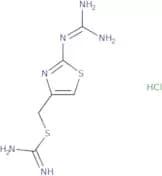
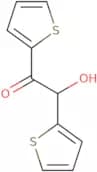
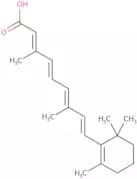
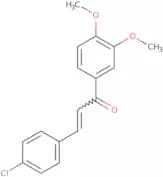
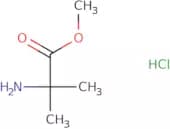
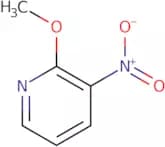
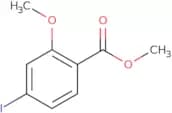
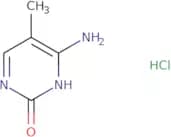
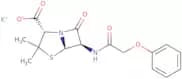
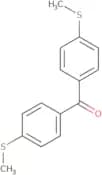
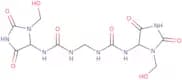
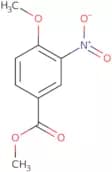
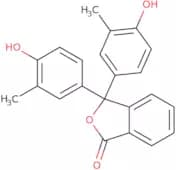
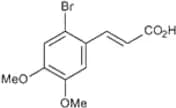

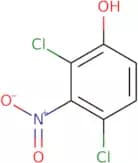
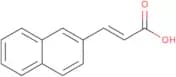
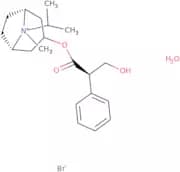
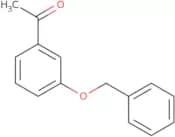
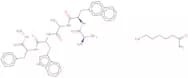
![L-Methionine [R,S]-sulfoximine](/_next/image/?url=https%3A%2Fstatic.cymitquimica.com%2Fproducts%2F3D%2Fthumb-webp%2FFM25156.webp&w=3840&q=75)
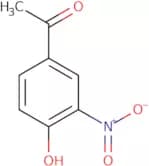
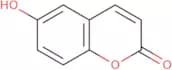
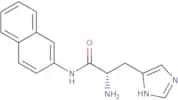
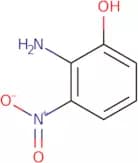
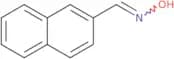
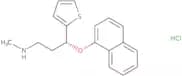
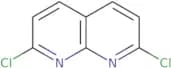
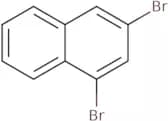
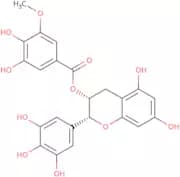
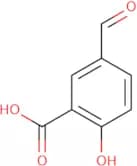
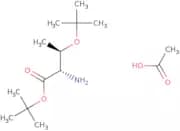
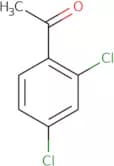
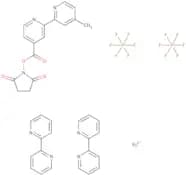
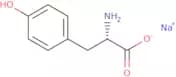
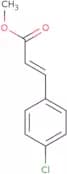
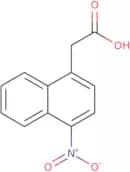
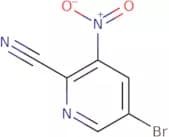
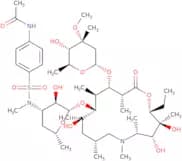
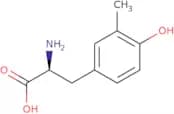
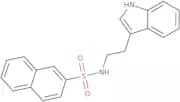
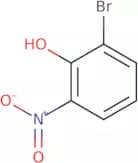
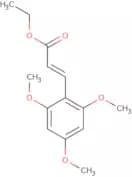
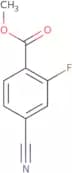
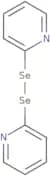
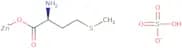
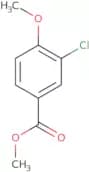
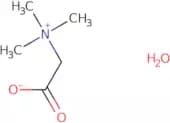
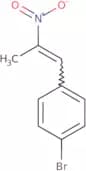
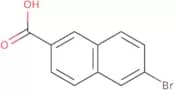
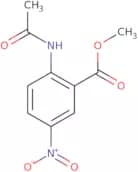

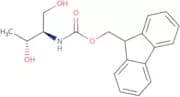
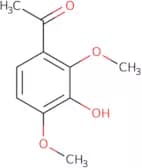
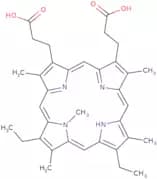
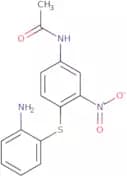
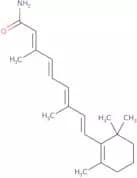

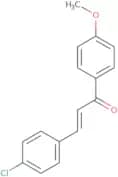
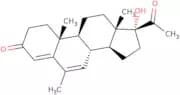
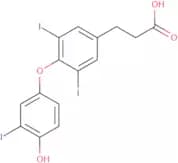
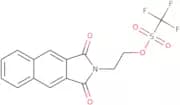
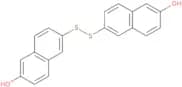
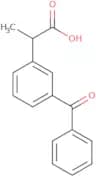

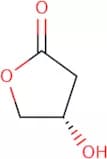

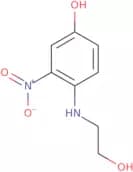
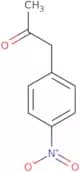
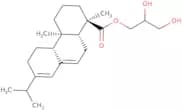
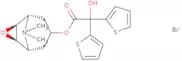

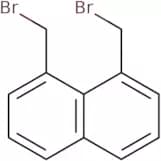
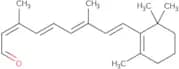
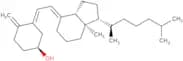
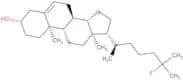
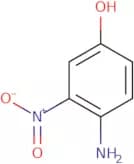
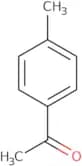
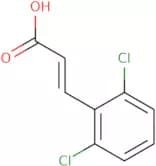
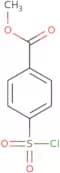
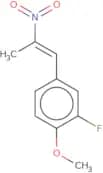
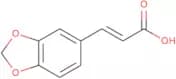
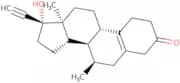
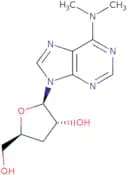
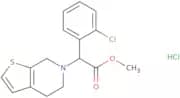
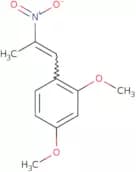
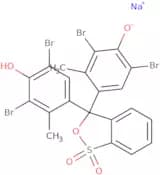
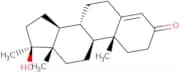
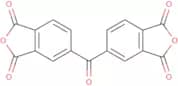


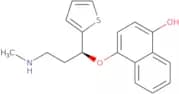
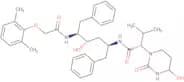
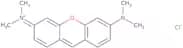

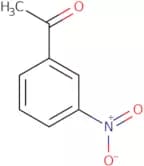
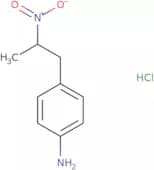
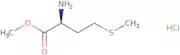
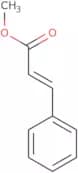
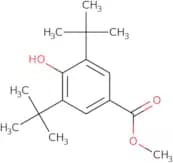
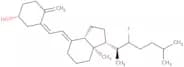
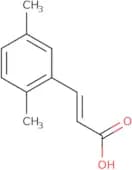
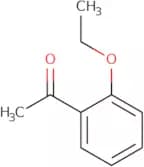
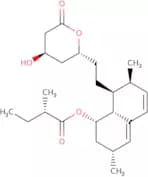
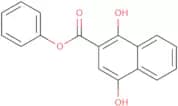
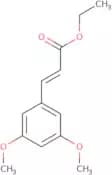
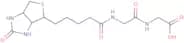
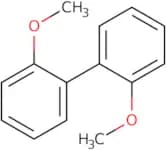

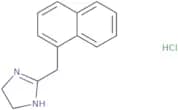
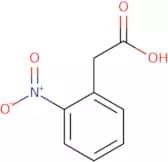
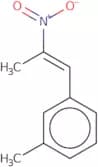
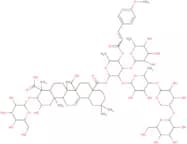
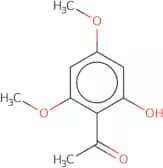
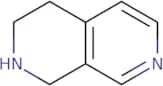
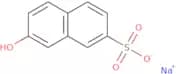
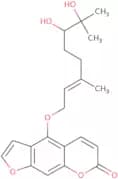
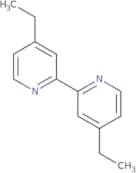
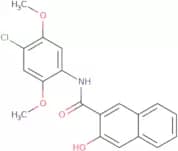
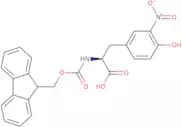
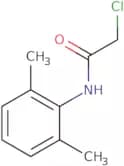
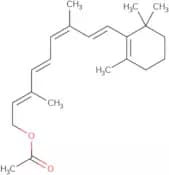
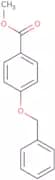
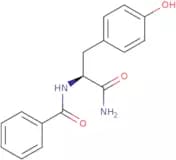
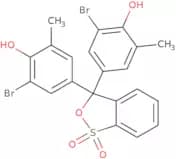

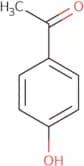
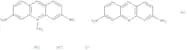
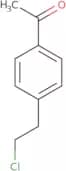
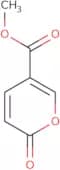
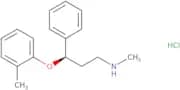

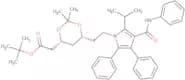
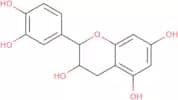
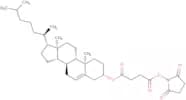

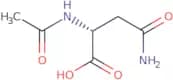
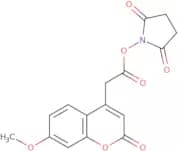
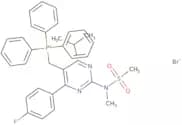
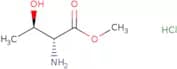
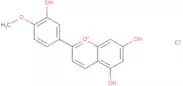

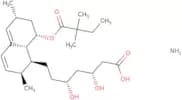
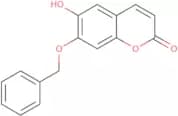
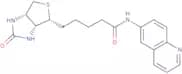
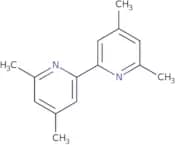
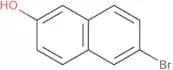
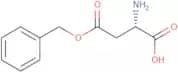
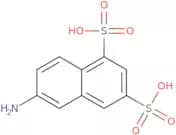
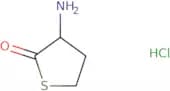
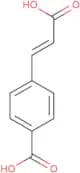
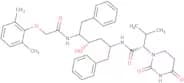
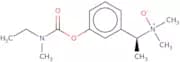

![2-Fluoro-a-[(trimethylsilyl)oxy]benzeneacetonitrile](/_next/image/?url=https%3A%2Fstatic.cymitquimica.com%2Fproducts%2FTR%2Fthumb-webp%2FF599038.webp&w=3840&q=75)
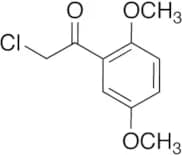

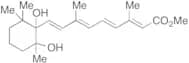

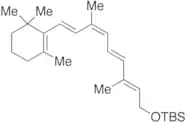
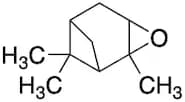
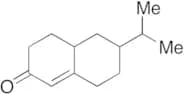
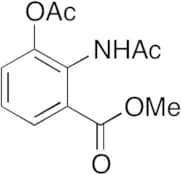
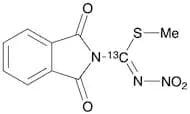
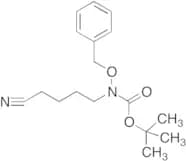
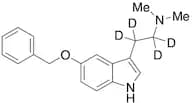
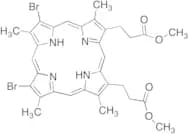
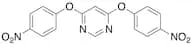
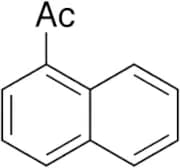
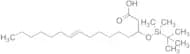
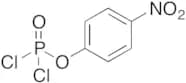
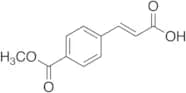
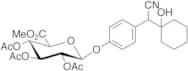
![1-[(4-Chlorophenyl)methyl]-2-oxocyclopentanecarboxylic Acid Methyl Ester](/_next/image/?url=https%3A%2Fstatic.cymitquimica.com%2Fproducts%2FTR%2Fthumb-webp%2FC381130.webp&w=3840&q=75)

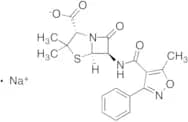
![cis-Dispiro[cyclohexane-1,3'-[1,2,4]trioxolane-5',2''-tricyclo[3.3.1.13,7]decane]-4-acetic Acid](/_next/image/?url=https%3A%2Fstatic.cymitquimica.com%2Fproducts%2FTR%2Fthumb-webp%2FD784595.webp&w=3840&q=75)
![1-Vinylnaphthalene [Stabilized with 4000ppm tert-Butylcatechol]](/_next/image/?url=https%3A%2Fstatic.cymitquimica.com%2Fproducts%2FTR%2Fthumb-webp%2FV425000.webp&w=3840&q=75)
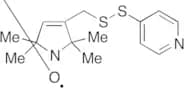
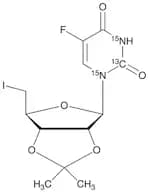
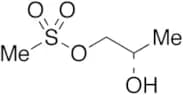
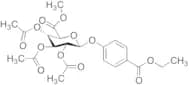
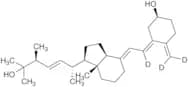
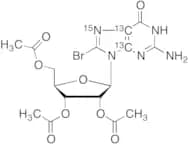
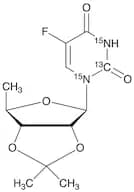
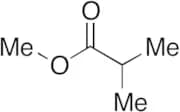
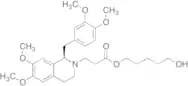
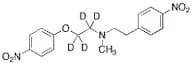
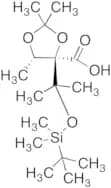
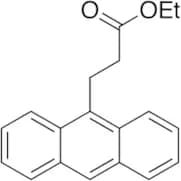
![(2S,5R)-3-(Azidomethyl)-3-methyl-7-oxo-4,4-dioxide-4-thia-1-azabicyclo[3.2.0]heptane-2-carboxylic …](/_next/image/?url=https%3A%2Fstatic.cymitquimica.com%2Fproducts%2FTR%2Fthumb-webp%2FA824955.webp&w=3840&q=75)