Terpenoids
Subcategories of "Terpenoids"
- Diterpenes (C₂₀)(671 products)
- Hemiterpenes (C₅)(21 products)
- Monoterpenes (C₁₀)(709 products)
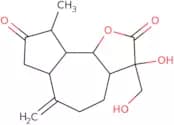
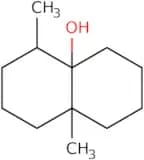
- Sesquiterpenes (C₂₅)(452 products)
- Tetraterpenes (C₄₀)(63 products)
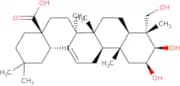
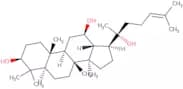
- Triterpenes (C₃₀)(1,128 products)
Found 1423 products of "Terpenoids"
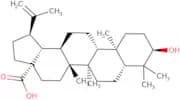
Epibetulinic acid
CAS:Epibetulinic acid is a naturally occurring triterpenoid acid, which is a derivative of betulinic acid. This compound is primarily sourced from the bark of birch trees, specifically from the Betula genus. It is a pentacyclic compound characterized by its typical lupane skeleton. Epibetulinic acid is noted for its diverse biological activities, underscoring its potent mode of action as a modulator of various cellular pathways.
Formula:C30H48O3Purity:Min. 98 Area-%Color and Shape:White PowderMolecular weight:456.7 g/molDihydroartemisinin
CAS:Dihydroartemisinin is an antimalarial agent, which is a semi-synthetic derivative of artemisinin. Artemisinin is a naturally occurring sesquiterpene lactone derived from the sweet wormwood plant, Artemisia annua. The mode of action of dihydroartemisinin involves the generation of free radicals within the parasite's cells. This process occurs when the endoperoxide bridge in its chemical structure reacts with iron, leading to oxidative damage and subsequent parasite death.Formula:C15H24O5Purity:Min. 95%Color and Shape:White PowderMolecular weight:284.35 g/molGinkgolide A
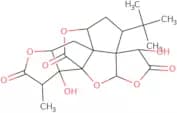
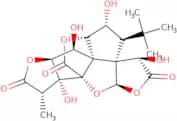
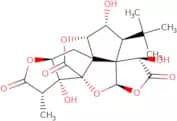
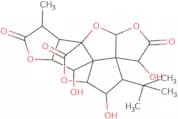
CAS:Ginkgolide A is a terpenoid lactone, which is a diterpene known for its presence in the leaves of the Ginkgo biloba tree. As a bioactive compound, it is naturally sourced from this ancient plant, which has been utilized in traditional medicine for centuries. Ginkgolide A acts primarily as an antagonist of platelet-activating factor (PAF), thereby influencing a range of physiological processes. Its modulatory effects on neurotransmission and vascular function arise from its ability to inhibit PAF binding to its receptor, reducing platelet aggregation and improving microcirculatory flow.Formula:C20H24O9Purity:Min. 95%Color and Shape:White PowderMolecular weight:408.4 g/molNimbolide
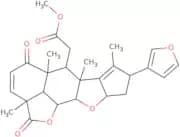
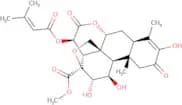
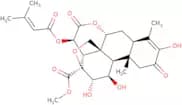
CAS:A triterpenoid with anti-cancer propertiesFormula:C27H30O7Purity:Min. 96 Area-%Color and Shape:Yellow PowderMolecular weight:466.52 g/molCurcumol
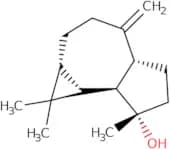
CAS:Curcumol is a bioactive compound, which is a sesquiterpenoid alcohol primarily extracted from the rhizome of the plant Curcuma wenyujin, a member of the Zingiberaceae family. The source plant is native to parts of Asia and has been traditionally used in herbal medicine. The mode of action of Curcumol involves modulation of multiple biochemical pathways, including anti-inflammatory and antioxidant pathways. It has been observed to influence cellular signaling cascades that regulate apoptosis, cell proliferation, and angiogenesis, making it a compound of interest in oncology research.
Formula:C15H24O2Purity:Min. 95%Color and Shape:PowderMolecular weight:236.35 g/molMedicagenic acid 3-O-glucoside
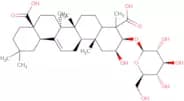
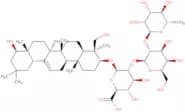
CAS:Medicagenic acid 3-O-glucoside is a bioactive phytochemical compound, which is a type of saponin glucoside. It is derived from the genus Medicago, particularly from species such as alfalfa, known for their medicinal and nutritional properties. The mode of action of Medicagenic acid 3-O-glucoside involves interactions with cellular membranes, where it can influence permeability and modulate immune responses. These interactions are attributed to its surfactant properties that enable the saponin to disrupt lipid bilayers and influence signal transduction pathways that mediate inflammatory and immune processes.Formula:C36H56O11Purity:Min. 95%Color and Shape:PowderMolecular weight:664.82 g/molGinsenoside Rd
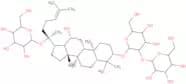
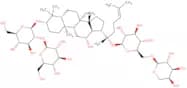
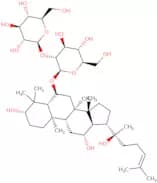
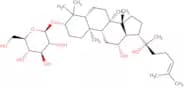
CAS:Ginsenoside Rd is a bioactive compound, classified as a saponin, which is derived from the roots of Panax ginseng. This ginsenoside is a dammarane-type triterpenoid saponin and is one of the major active components found in ginseng extracts. The mode of action of Ginsenoside Rd involves multiple biochemical pathways, including anti-inflammatory, antioxidant, and neuroprotective effects. It modulates signaling pathways such as MAPK and PI3K/Akt, resulting in diverse biological activities.Formula:C48H82O18Purity:Min. 95%Color and Shape:White PowderMolecular weight:947.18 g/molDehydrocostus lactone
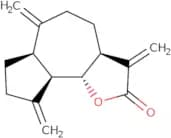
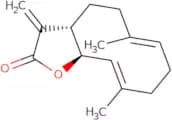
CAS:Dehydrocostus lactone is a sesquiterpene lactone, which is a natural compound extracted from plants, notably from the roots of Saussurea lappa, a plant known for its therapeutic properties. This compound exerts its mode of action primarily through the inhibition of key inflammatory pathways, including the NF-κB pathway. By interfering with these pathways, dehydrocostus lactone can modulate the expression of pro-inflammatory cytokines, thereby exhibiting anti-inflammatory effects.Formula:C15H18O2Purity:Min. 95%Molecular weight:230.3 g/molSoyasaponin I
CAS:Inhibits L-iodose and HNE reduction; aldose reductase differential inhibitorFormula:C48H78O18Purity:Min. 98 Area-%Color and Shape:PowderMolecular weight:943.12 g/molSantalol, alpha and beta isomers
CAS:Santalol, alpha and beta isomers are terpenes that belong to the class of natural compounds. They are found in the essential oils of sandalwood tree (Santalum album) and have been shown to have various biological activities, including anti-skin cancer activity in vivo models. Santalol has been shown to inhibit the production of epidermal growth factor by human prostate cancer cells. This compound also has an effect on oral pathogens, such as Streptococcus mutans and Lactobacillus acidophilus, which may be due to its ability to bind with bacterial receptors.Formula:C15H24OPurity:(%) Min. 70%Color and Shape:Colorless Clear LiquidMolecular weight:220.35 g/molGibberellic acid
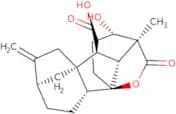
CAS:Gibberellic acid is a plant growth regulator, which is derived from fungal species, particularly Gibberella fujikuroi. It functions by stimulating and regulating various growth and developmental processes within plants. Gibberellic acid works through promoting cell elongation, breaking seed dormancy, and influencing enzyme production that leads to plant growth and development.Formula:C19H22O6Purity:(Hplc) Min. 90.0%Color and Shape:White PowderMolecular weight:346.37 g/molEburicoic acid
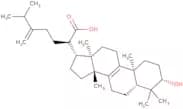
CAS:Controlled ProductEburicoic acid is a lanostane-type triterpenoid, which is a secondary metabolite primarily obtained from fungi, notably those in the Polyporaceae family. This compound features a complex molecular structure characteristic of triterpenoids, which are known for diverse biological activities. The source of eburicoic acid is crucial in understanding its biosynthesis and ecological roles within its native fungal hosts.Formula:C31H50O3Purity:Min. 95%Color and Shape:PowderMolecular weight:470.73 g/molMethyl lucidenate P
CAS:Methyl lucidenate P is a natural triterpenoid compound, which is derived from various species of the Ganoderma fungus, particularly Ganoderma lucidum, known commonly as reishi or lingzhi. This compound is structurally characterized by the presence of a methyl ester group, contributing to its unique biochemical properties. Methyl lucidenate P acts by interfering with several cellular pathways, including apoptosis induction and angiogenesis inhibition, which are crucial for its potential anticancer activities. It disrupts cell proliferation and promotes programmed cell death in various cancer cell lines.
Formula:C30H44O8Purity:Min. 95%Molecular weight:532.67 g/molGinsenoside Rb2
CAS:Ginsenoside Rb2 is a bioactive compound, which is a type of ginsenoside found predominantly in Panax ginseng. It is sourced from the root of the ginseng plant, where it functions as one of the major active constituents contributing to the plant's medicinal properties. The mode of action of Ginsenoside Rb2 involves modulation of multiple signaling pathways, including antioxidant, anti-inflammatory, and anti-cancer pathways. It influences cellular metabolism, apoptosis, and immune responses, thereby playing a critical role in the therapeutic effects of ginseng.Formula:C53H90O22Purity:Min. 98 Area-%Color and Shape:PowderMolecular weight:1,079.3 g/molGibberellic acid A4
CAS:Gibberellic acid A4 is a phytohormone and plant growth regulator, which is a diterpene acid derived from the fungal genus *Gibberella*. This compound functions by stimulating the production of enzymes that degrade cell wall components, allowing for cell elongation and division. Additionally, it influences the expression of genes related to growth and development processes.Formula:C19H24O5Purity:Min. 90 Area-%Color and Shape:White PowderMolecular weight:332.39 g/molDiosbulbin B
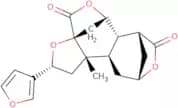
CAS:Diosbulbin B is a naturally occurring sesquiterpene lactone, which is derived primarily from the plant Dioscorea bulbifera, commonly known as "air potato" or "bitter yam." As a bioactive compound, Diosbulbin B demonstrates a mode of action that involves the induction of cytotoxicity in malignant cells, primarily through the disruption of microtubule dynamics, leading to cell cycle arrest and apoptosis.Formula:C19H20O6Purity:Min. 98 Area-%Color and Shape:PowderMolecular weight:344.36 g/molSaikosaponin B2
CAS:Saikosaponin B2 is a naturally occurring triterpenoid saponin, which is a secondary metabolite primarily sourced from the roots of Bupleurum species. These plants are widely used in traditional Chinese medicine, valued for their diverse pharmacological activities. The mode of action of Saikosaponin B2 involves modulation of inflammatory pathways, specifically through the inhibition of pro-inflammatory cytokines and reduction of oxidative stress. It also exhibits potential in modulating immune responses and possesses hepatoprotective effects.Formula:C42H68O13Purity:Min. 95%Color and Shape:White Off-White PowderMolecular weight:780.98 g/molEupatolide
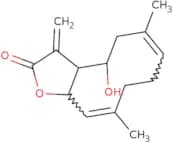
CAS:Eupatolide is a sesquiterpene lactone, which is a class of naturally occurring organic compounds. It is primarily derived from certain plants in the Asteraceae family, such as Eupatorium species. Eupatolide exhibits its biological effects through the modulation of various signaling pathways, including the inhibition of the nuclear factor kappa B (NF-κB) pathway, which plays a critical role in the regulation of immune and inflammatory responses.
Formula:C15H20O3Purity:Min. 98 Area-%Color and Shape:PowderMolecular weight:248.32 g/molAlantolactone
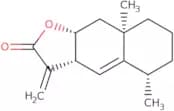
CAS:Alantolactone is a bioactive sesquiterpene lactone, which is derived from the roots of Inula helenium, a plant commonly known as elecampane. This compound is characterized by its complex bicyclic structure and exhibits a range of biological activities. The mode of action of alantolactone involves multiple biochemical pathways, including the inhibition of nuclear factor kappa B (NF-κB) and the modulation of reactive oxygen species (ROS) production. These pathways contribute to its anti-inflammatory, anti-cancer, and antimicrobial properties.Formula:C15H20O2Purity:Min. 95%Color and Shape:PowderMolecular weight:232.32 g/molSpathulenol
CAS:Herbal tasting plant metabolite from tarragon; anaesthetic and vasodilatorFormula:C15H24OPurity:Min. 90 Area-%Color and Shape:Clear LiquidMolecular weight:220.35 g/molDihydroartemisinic acid
CAS:Artemisinin precursor
Formula:C15H24O2Purity:Min. 95%Color and Shape:PowderMolecular weight:236.35 g/molForskolin
CAS:Forskolin is a diterpene compound from Asian medicinal plant Coleus forskohlii. It is an activator of adenylate cyclase, causing increase in cellular levels of cAMP. It has anti-neuroinflammatory activity since it reduced microglial activation and astrocyte activation in the brain of rodent models for cerebral amyloidosis. Forskolin also reduced amyloid beta plaques deposition in cortex and hippocampus.Formula:C22H34O7Purity:Min. 97 Area-%Color and Shape:White Off-White PowderMolecular weight:410.5 g/molSaikosaponin B
CAS:Saikosaponin B is a bioactive compound, classified as a triterpenoid saponin, which is derived from the roots of the Bupleurum chinense plant. It exerts its effects primarily by modulating immune responses and inhibiting inflammatory pathways, including the downregulation of pro-inflammatory cytokines and the inhibition of the NF-κB signaling pathway.Purity:Min. 95%Acetoxyvalerenic acid, valeriana officinalis (common valerian)
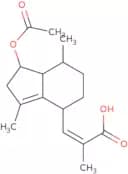
CAS:**Acetoxyvalerenic acid** is a bioactive compound, which is a sesquiterpenic constituent derived from the roots of *Valeriana officinalis*, commonly known as valerian. This perennial flowering plant is indigenous to Europe and parts of Asia and has been historically utilized for its sedative and calming effects. Recent phytochemical studies have isolated acetoxyvalerenic acid as one of the active sesquiterpenoids contributing to these effects.
Formula:C17H24O4Purity:Min. 90 Area-%Color and Shape:Colorless Clear LiquidMolecular weight:292.37 g/mol(20S)-Ginsenoside Rg3
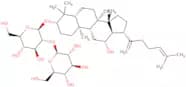
CAS:(20S)-Ginsenoside Rg3 is a bioactive saponin compound derived from the root of Panax ginseng. It is a naturally occurring component in ginseng, a traditional medicinal plant extensively studied for its diverse health benefits. The mode of action of (20S)-Ginsenoside Rg3 primarily involves the modulation of cellular pathways, such as the inhibition of tumor growth through apoptosis induction and anti-angiogenic effects. Additionally, it interacts with various signaling molecules, leading to its anti-inflammatory, antioxidant, and neuroprotective activities.Formula:C42H72O13Purity:Min. 98 Area-%Color and Shape:White PowderMolecular weight:785.01 g/molFrondoside A hydrate
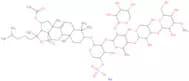
CAS:Frondoside A hydrate is a bioactive compound, specifically a triterpenoid glycoside, which is derived from the sea cucumber species Cucumaria frondosa. It exhibits promising biological activities primarily due to its unique chemical structure, which includes a sugar moiety attached to a steroidal backbone.Formula:C60H95O29SNa·xH2OPurity:Min. 95%Color and Shape:White SolidMarrubiin
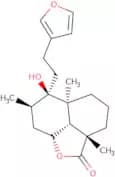
CAS:Marrubiin is a plant-derived alkaloid, which is extracted from the white horehound (Marrubium vulgare) plant. This diterpenoid compound acts primarily through its ability to stimulate gastric secretion, which in turn influences the respiratory system by increasing the production of fluid mucus. This action facilitates the expectoration of phlegm, making Marrubiin useful in treating conditions that involve excessive mucus buildup in the airways, such as chronic bronchitis and asthma.Formula:C20H28O4Purity:Min. 95%Color and Shape:PowderMolecular weight:332.43 g/molHotrienol
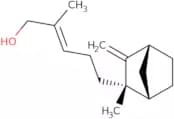
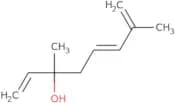
CAS:Hotrienol is a sesquiterpene alcohol, which is a naturally occurring organic compound. It is primarily sourced from certain essential oils, such as those derived from Cypress species and various aromatic plants. These oils are obtained through steam distillation or cold pressing methods, allowing for the extraction of volatile compounds where Hotrienol is present.Formula:C10H16OPurity:Min. 95%Color and Shape:PowderMolecular weight:152.23 g/mol27-Deoxyactein
CAS:27-Deoxyactein is a triterpene glycoside, which is primarily derived from the roots of the black cohosh plant, Cimicifuga racemosa. This compound is extracted through meticulous phytochemical processes aimed at isolating active constituents from the plant material. The mode of action of 27-Deoxyactein involves modulating estrogenic activity and interacting with specific cellular pathways to exert anti-inflammatory and antioxidant effects. Additionally, it has been shown to impact bone metabolism and immune function in various in vitro and in vivo studies.Formula:C37H56O10Purity:Min. 95%Color and Shape:White PowderMolecular weight:660.83 g/molTotarol - 98%
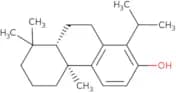
CAS:Natural diterpene; anti-microbial
Formula:C20H30OPurity:Min. 98 Area-%Color and Shape:PowderMolecular weight:286.45 g/molDubione B
CAS:Please enquire for more information about Dubione B including the price, delivery time and more detailed product information at the technical inquiry form on this pagePurity:Min. 95%Glycyrrhizic acid - 80%
CAS:Glycyrrhizic acid is the major bioactive triterpene glycoside of licorice. In mice, glycyrrhizic acid modulates the gut microbiota counteracting a high fat diet. In rats, it has shown an anti-inflammatory activity that resulted in cardioprotective action against myocardial ischemia. In humans, it is a promising adjuvant in the treatment of depression.Formula:C42H62O16Purity:Min. 95%Color and Shape:White Off-White PowderMolecular weight:822.93 g/molGeniposide
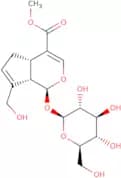
CAS:Geniposide is an iridoid glycoside compound, which is primarily sourced from the fruit of Gardenia jasminoides Ellis, a traditional medicinal plant. This compound is a significant component of various herbal preparations and plays a pivotal role in the plant's reputed therapeutic properties. Geniposide’s mode of action involves multiple biochemical pathways, notably including anti-inflammatory, antioxidant, and cholagogue effects. Its ability to influence these pathways allows it to modulate various physiological and pathological processes in the body.Formula:C17H24O10Purity:Min. 95 Area-%Color and Shape:White PowderMolecular weight:388.37 g/molMonotropein
CAS:Monotropein is a bioactive compound, which is an iridoid glycoside derived from natural sources such as plants in the Gentianaceae and Rubiaceae families. Its mode of action primarily involves anti-inflammatory and antioxidant pathways, exerting effects through modulation of specific molecular targets like NF-kB and various oxidative stress-related enzymes. These actions contribute to its efficacy in reducing inflammation and protecting against cellular oxidative damage.
Formula:C16H22O11Purity:Min. 95 Area-%Color and Shape:PowderMolecular weight:390.34 g/molCostus lactone
CAS:Costus lactone is a naturally occurring sesquiterpene lactone, which is derived from the roots of the plant Saussurea lappa, commonly known as costus. This sesquiterpene is a secondary metabolite that exhibits various bioactive properties. Costus lactone achieves its effects primarily through interactions with microbial cell membranes and can inhibit growth and replication by disrupting cellular processes crucial to microbial survival.Formula:C15H20O2Purity:Min. 98 Area-%Color and Shape:PowderMolecular weight:232.32 g/molbeta-Caryophyllene
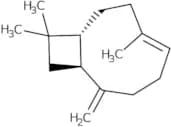
CAS:Beta-Caryophyllene is a bicyclic sesquiterpene, which is a natural product found in essential oils derived from various plants, including black pepper, cloves, and cannabis. This compound is characterized by its unique ability to selectively bind to cannabinoid receptor type 2 (CB2), acting as a full agonist. Unlike typical cannabinoids, beta-Caryophyllene does not interact substantially with CB1 receptors, making it non-psychoactive.
Formula:C15H24Purity:Min. 80%Color and Shape:Clear LiquidMolecular weight:204.35 g/mol2'-Hydroxylupalbigenin
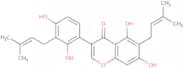
CAS:2'-Hydroxylupalbigenin is a naturally occurring flavonoid, which is isolated from the plant species Lupinus. This compound is characterized by its hydroxylated structure, which contributes to its diverse bioactivities. Flavonoids, as a class of polyphenolic compounds, are well-known for their potential roles in plant defense and have significant pharmacological profiles.Formula:C25H26O6Purity:Min. 95%Molecular weight:422.47 g/molLoganic acid
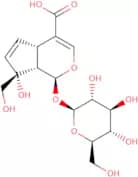
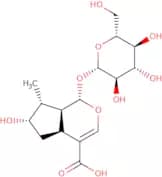
CAS:Loganic acid is a natural iridoid glycoside, which is primarily derived from plants belonging to the Loganiaceae family, such as the genus Strychnos. As a bioactive compound, it plays a significant role in plant defense mechanisms and possesses potential therapeutic properties that are of great interest to the scientific community.Formula:C16H24O10Purity:Min. 95%Color and Shape:PowderMolecular weight:376.36 g/molGinkgolide C
CAS:Ginkgolide C is a terpenoid lactone, which is a natural compound isolated from the leaves of the Ginkgo biloba tree. Ginkgolide C is primarily known for its activity as a specific antagonist of platelet-activating factor (PAF), a potent phospholipid activator and mediator of many leukocyte functions, including platelet aggregation. Its mode of action involves the inhibition of PAF binding to its receptor, thereby reducing PAF-related inflammatory responses and platelet aggregation.Formula:C20H24O11Purity:Min. 95%Color and Shape:PowderMolecular weight:440.4 g/molLasiokaurin
CAS:Lasiokaurin is a sesquiterpene lactone, which is a type of terpenoid compound primarily found in certain plant species. It is derived from the plants of the Asteraceae family, where it is biosynthesized as part of the plant's secondary metabolites. This compound is characterized by its complex structure, which includes a lactone ring, contributing to its biological activity.Formula:C22H30O7Purity:Min. 95%Color and Shape:Yellow PowderMolecular weight:406.47 g/molCantharidin
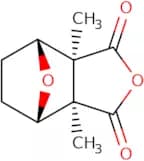
CAS:Natural toxin; protein phosphatase inhibitorFormula:C10H12O4Purity:Min. 98 Area-%Color and Shape:White/Off-White SolidMolecular weight:196.2 g/mol(+)-Aromadendrene
CAS:(+)-Aromadendrene is a sesquiterpene, which is a type of hydrocarbon compound found in the essential oils of various plants, particularly those within the Myrtaceae family. This compound is primarily sourced from the leaves and branches of Eucalyptus species, where it contributes to the plant’s aromatic profile.
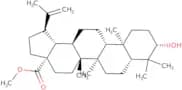
Formula:C15H24Purity:Min. 80 Area-%Color and Shape:Yellow Clear LiquidMolecular weight:204.35 g/molBetulinic acid methyl ester
CAS:Betulinic acid methyl ester is a synthetic chemical compound, which is a derivative of betulinic acid, primarily sourced from the bark of birch trees. This compound retains the influential bioactive properties of its precursor, acting primarily through the induction of apoptosis in cancerous cells by modulating mitochondrial pathways. Its ability to disrupt cancer cell proliferation and promote programmed cell death makes it a subject of interest in cancer research.Formula:C31H50O3Purity:Min. 95%Color and Shape:White Off-White PowderMolecular weight:470.73 g/molDigitoxose
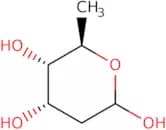
CAS:Digitoxose is a deoxy sugar, which is an integral component of certain cardiac glycosides. These glycosides, such as digitoxin, are predominantly sourced from the leaves of the digitalis species, particularly Digitalis purpurea or Digitalis lanata. The sugar moiety, digitoxose, is critical for the glycoside's ability to exert its pharmacological effects through interactions with cellular components.
Formula:C6H12O4Purity:Min. 95%Color and Shape:Off-White Yellow PowderMolecular weight:148.16 g/mol(-)-Vinigrol
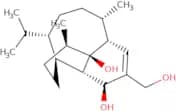
CAS:(-)-Vinigrol is a naturally occurring diterpenoid, which is originally isolated from the fungal species Virgaria nigra, known for its complex stereochemistry and unique structure. It functions as a bioactive compound with multiple mechanisms of action, including modulation of signal transduction pathways and inhibition of specific enzymes, contributing to its broad spectrum of biological activities.
Purity:Min. 95%Esculentoside A
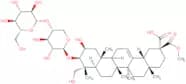
CAS:Esculentoside A is a naturally occurring saponin, which is extracted from the roots of the plant *Phytolacca esculenta*. It is known for its significant anti-inflammatory and immune-modulatory effects. The mode of action of Esculentoside A involves the suppression of pro-inflammatory cytokine production and the inhibition of nuclear factor kappa B (NF-κB) signaling pathways. This contributes to its ability to attenuate inflammatory responses and modulate immune functions.Formula:C42H66O16Purity:Min. 95%Color and Shape:SolidMolecular weight:826.96 g/molDeltoidin
CAS:Deltoidin is a cutting-edge biochemical compound, which is developed through intricate synthetic processes involving organic precursors. It functions by interacting at the molecular level with specific biochemical pathways, thereby modulating cellular responses precisely and effectively. This mode of action makes it highly valuable for targeted research applications where specific cellular mechanisms need to be studied or manipulated.Formula:C20H22O9Purity:Min. 95%Molecular weight:406.38 g/molIridogermanal
CAS:Please enquire for more information about Iridogermanal including the price, delivery time and more detailed product information at the technical inquiry form on this pageFormula:C30H50O4Purity:Min. 95%Molecular weight:474.72 g/molAescin
CAS:Beta-Aescin (also known as beta-escin) is a mixture of saponins produced by the horse chestnut tree, Aesculus hippocastanum, with most published reports relating to the pharmacological properties that it shows. It is reported that beta-aescin is a safe and very tolerable drug in the treatment of post thrombotic syndrome and chronic venous insufficiency. Aescin shows promise in the treatment of arthritis and appears to have potential as an anti-cancer drug. In fact, beta-aescin is active on glioblastoma-initiating cells (GIC), which have the ability to initiate glioblastoma growth. Glioblastoma multiform is the most abundant primary tumor of the human nervous system. Beta-aescin was more efficient in diminishing GIC growth compared to present clinically used drugs.Formula:C55H85O24Color and Shape:PowderMolecular weight:1,131.26 g/molIsoescin IA
CAS:Isoescin IA is a naturally derived product, specifically a saponin, which is extracted from the seeds of the Aesculus hippocastanum, commonly known as horse chestnut. This compound is isolated through a meticulous process involving solvent extraction and purification to maintain its integrity and efficacy.
Formula:C55H86O24Purity:Min. 95%Color and Shape:PowderMolecular weight:1,131.26 g/molGinsenoside Rf
CAS:Ginsenoside Rf is a steroidal saponin, which is a bioactive compound found primarily in the roots of Panax ginseng, a plant widely used in traditional medicine. As a part of the ginsenoside family, this compound exerts its effects through modulation of several cellular pathways, including anti-inflammatory and antioxidant mechanisms. It is known to interact with glucocorticoid receptors and influence calcium ion channels, contributing to its potential neuroprotective and immunomodulatory effects.Formula:C42H72O14Purity:Min. 95%Color and Shape:White PowderMolecular weight:801.03 g/molCucurbitacin I
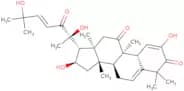
CAS:Controlled ProductInhibitor of STAT3/JAK2 signaling; radiosensitizerFormula:C30H42O7Purity:Min. 98 Area-%Color and Shape:White PowderMolecular weight:514.65 g/molGinsenoside C-K
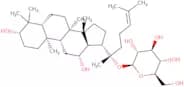
CAS:Anti-inflammatory; anti-cancer; anti-angiogenicFormula:C36H62O8Purity:Min. 98 Area-%Color and Shape:White PowderMolecular weight:622.87 g/molGinsenoside Rk1 - Ginsenoside Rk1:Ginsenoside Rz1 (5:2)
CAS:Ginsenoside Rk1 - Ginsenoside Rz1 (5:2) is a complex phytochemical formulation, which is derived from Panax ginseng, a medicinal herb renowned for its bioactive compounds. Ginsenosides, the primary active components, are triterpene saponins known for their diverse pharmacological properties. In this specific formulation, Ginsenoside Rk1 and Ginsenoside Rz1 are combined in a 5:2 ratio, creating a synergistic profile that enhances their biological efficacy.Formula:C42H70O12Purity:Min. 95%Color and Shape:PowderMolecular weight:766.48673Momordicine I
CAS:Controlled ProductMomordicine I is a bioactive compound classified as a triterpenoid. It is derived from the fruit of the plant Momordica charantia, commonly known as bitter melon, which is native to tropical and subtropical regions. The action mechanism of Momordicine I involves modulation of various signaling pathways, particularly those related to metabolic and cancer-related processes. It can influence insulin signaling pathways, contributing to glucose homeostasis, and exhibits potential inhibitory effects on tumorigenesis by inducing apoptosis and inhibiting proliferation in cancer cells.Formula:C30H48O4Purity:Min. 95%Color and Shape:PowderMolecular weight:472.7 g/molalpha-Cyperone
CAS:Alpha-Cyperone is a sesquiterpene compound, which is a natural product isolated from essential oils of certain plants like Cyperus rotundus. It is primarily sourced from the rhizomes of these plants and is known for its diverse biological activities. The mode of action of alpha-Cyperone involves the modulation of cellular pathways, potentially affecting inflammation and oxidation processes.Formula:C15H22OPurity:Min. 95%Color and Shape:Yellow Clear LiquidMolecular weight:218.33 g/molGinsenoside Rg2
CAS:Ginsenoside Rg2 is a bioactive compound, which is a saponin derived from the roots of Panax ginseng, a medicinal plant widely used in traditional medicine. Its primary mode of action involves modulating various signaling pathways and protecting nerve cells by influencing the expression of specific genes related to neuronal function. Ginsenoside Rg2 has been shown to exert antioxidant and anti-inflammatory effects, thereby playing a potential role in neuroprotection.Formula:C42H72O13Purity:Min. 98 Area-%Color and Shape:White PowderMolecular weight:785.01 g/molCynaropicrin - Cynara cardunculus (artichoke)
CAS:Cynaropicrin is a sesquiterpene lactone, which is a bioactive compound derived from Cynara cardunculus, commonly known as the artichoke. The source of this compound is primarily the leaves and flowering parts of the plant, which have been traditionally used in herbal medicine. Cynaropicrin exhibits its biological activity through the inhibition of various inflammatory pathways, particularly by modulating the NF-κB signaling pathway, which is crucial in the regulation of immune response and inflammation.Formula:C19H22O6Purity:Min. 95%Color and Shape:PowderMolecular weight:346.37 g/molEffusanin E
CAS:Effusanin E is a specialized natural compound that falls under the category of secondary metabolites. It is derived from microorganisms, specifically isolated from bacterial sources, which include soil-dwelling bacteria known for their unique biosynthetic capabilities. This compound's mode of action primarily involves inhibiting the growth of certain pathogenic bacteria. It achieves this by disrupting vital bacterial processes, potentially targeting aspects of cell wall synthesis or protein production, although the exact mechanisms may vary and require further elucidation.Formula:C20H28O6Purity:Min. 95%Molecular weight:364.43 g/molSaikosaponin A
CAS:Saikosaponin A is a triterpene saponin, which is a bioactive compound extracted from the roots of the Bupleurum species, primarily Bupleurum falcatum. As a phytochemical, it interacts with cell membranes to exert its effects. Saikosaponin A is known to modulate inflammatory pathways by inhibiting the production of pro-inflammatory cytokines and influencing the NF-κB signaling pathway. Additionally, it can enhance immune responses by regulating T-cell proliferation and differentiation.Formula:C42H68O13Purity:Min. 95%Color and Shape:White Off-White PowderMolecular weight:780.98 g/mol20(R)Ginsenoside Rh2
CAS:20(R)Ginsenoside Rh2 is a bioactive compound, specifically a ginsenoside, which is derived from the roots of Panax ginseng. This compound is categorized as a rare saponin, produced through the enzymatic or acidic hydrolysis of protopanaxadiol-type ginsenosides found naturally in ginseng. Its mode of action involves modulating various cellular pathways, including signaling pathways related to apoptosis, inflammation, and immune responses. It has been shown to exert anticancer effects through induction of apoptosis, inhibition of cell proliferation, and disruption of cell cycle progression in cancer cells. Additionally, it may influence the immune system by enhancing or regulating immune cell activity.Formula:C36H62O8Purity:Min. 98 Area-%Color and Shape:PowderMolecular weight:622.87 g/molHederagenin
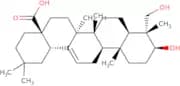
CAS:Controlled ProductHederagenin is a triterpenoid saponin, which is a naturally occurring organic compound typically found in various plant species, particularly in the Araliaceae family. It is derived from the hydrolysis of saponins such as hederacoside C, present in plants like ivy (Hedera helix). This compound exhibits a wide array of biological activities due to its ability to interact with cellular membranes and proteins.Formula:C30H48O4Purity:Min. 95.0 Area-%Color and Shape:White PowderMolecular weight:472.70 g/molOrthosphenic acid
CAS:Please enquire for more information about Orthosphenic acid including the price, delivery time and more detailed product information at the technical inquiry form on this pageFormula:C30H48O5Purity:Min. 95%Color and Shape:PowderMolecular weight:488.7 g/molGinkgolide J
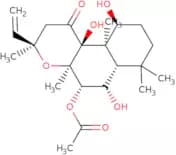
CAS:Ginkgolide J is a terpene lactone, which is a compound derived from the leaves of the Ginkgo biloba tree. This compound is a part of the ginkgolides, a group of terpenoids that possess a unique chemical structure, characterized by a diterpene skeleton and a plethora of lactone moieties. Ginkgolide J, like other ginkgolides, is isolated through a multifaceted extraction process that involves the pulverization of leaves followed by solvent-based extraction and chromatography.Formula:C20H24O10Purity:Min. 95%Color and Shape:PowderMolecular weight:424.4 g/molEffusanin A
CAS:Effusanin A is a specialized fungal metabolite, which is derived from fungal endophytes, particularly those originating from the genus Phyllosticta. This compound exhibits a unique mode of action by interfering with microbial cell walls or membranes, thereby demonstrating significant antimicrobial properties. Its biochemical activity is primarily linked to its ability to inhibit the proliferation of various pathogenic microorganisms, including bacteria and fungi.
Formula:C20H28O5Purity:Min. 95%Color and Shape:White PowderMolecular weight:348.43 g/molIsoforskolin
CAS:Isoforskolin is a forskolin derivative diterpenoid, which is extracted from the roots of *Coleus forskohlii*. This bioactive compound acts primarily by stimulating adenylate cyclase activity, leading to increased levels of cyclic adenosine monophosphate (cAMP) within cells. The elevated cAMP serves as a secondary messenger that can modulate various physiological responses, including lipolysis and vasodilation.Formula:C22H34O7Purity:Min. 95%Color and Shape:White Off-White PowderMolecular weight:410.5 g/molHarpagide
CAS:Harpagide is a bioactive compound classified as an iridoid glycoside, which is extracted primarily from the roots of the plant *Harpagophytum*, commonly known as the "devil’s claw." This compound plays a significant role in the plant's secondary metabolism, contributing to its defense mechanisms.Formula:C15H24O10Purity:Min. 95%Color and Shape:PowderMolecular weight:364.35 g/molLinalool - Natural grade
CAS:Linalool - Natural grade is a terpene alcohol, which is a naturally occurring compound found in over 200 plant species, including lavender, mint, and cinnamon. This compound is extracted from essential oils of these plants through steam distillation or solvent extraction, ensuring the retention of its natural properties.Formula:C10H18OPurity:Min. 98 Area-%Color and Shape:Colorless Clear LiquidMolecular weight:154.25 g/molAlbiflorin
CAS:Albiflorin is a bioactive compound, which is a monoterpene glucoside extracted from the roots of Paeonia species, specifically Paeonia lactiflora. Its primary mechanism of action involves the modulation of neurotransmitter systems, including serotonergic, dopaminergic, and GABAergic pathways. Such interactions are believed to underpin its effects on neural activity and psychological states.Formula:C23H28O11Purity:Min. 98 Area-%Color and Shape:PowderMolecular weight:480.46 g/molStrigolactone GR24
CAS:Strigolactone GR24 is a synthetic analog of strigolactones, which are a class of plant hormones derived from the carotenoid biosynthetic pathway. These compounds play a critical role in plant development and interaction with the environment. Strigolactone GR24 functions by mimicking the action of natural strigolactones, influencing plant architecture and facilitating communication with symbiotic organisms.Formula:C17H14O5Purity:Min. 98 Area-%Color and Shape:White PowderMolecular weight:298.29 g/molRyanodine
CAS:Ryanodine receptor effectorFormula:C25H35NO9Purity:Min. 98 Area-%Color and Shape:PowderMolecular weight:493.55 g/molγ-Himachalene
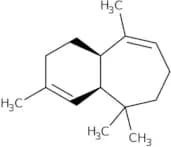
CAS:Gamma-Himachalene is a sesquiterpene hydrocarbon, which is primarily sourced from the essential oils of certain plants, such as cedarwood. As a naturally occurring compound, its biosynthesis within the plant involves the cyclization of isoprenoid units, which gives rise to its unique chemical structure. This process is typically mediated by enzymes that facilitate the formation of various terpene compounds.
Formula:C15H24Purity:Min. 95%Molecular weight:204.35 g/molHarpagoside
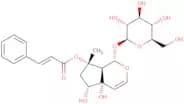
CAS:Harpagoside is a bioactive compound, which is an iridoid glycoside derived from the root of the plant Harpagophytum procumbens, commonly known as Devil’s Claw. This compound is predominantly sourced from Southern Africa, where the plant is native to semi-arid regions and has been traditionally used in herbal medicine.Formula:C24H30O11Purity:Min. 95%Color and Shape:PowderMolecular weight:494.5 g/molGeranylgeraniol
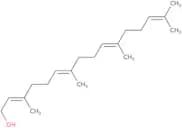
CAS:Intermediate in the mevalonate pathway for biosynthesis of vitamins E and KFormula:C20H34OPurity:Min. 85 Area-%Color and Shape:Clear LiquidMolecular weight:290.48 g/molBetulinic acid
CAS:Betulinic acid is a pentacyclic triterpenoid, which is derived from the bark of birch trees among other plants. This compound exerts its effects primarily through the induction of apoptosis in cancer cells, interference with viral replication, and modulation of inflammatory pathways. Its mode of action includes mitochondrial membrane potential disruption, inhibition of topoisomerase, and interaction with the NF-kB signaling pathway.Formula:C30H48O3Purity:Min. 95%Color and Shape:White PowderMolecular weight:456.7 g/molCitronellal
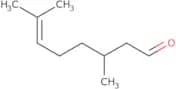
CAS:Citronellal is a monoterpenoid, which is derived from natural sources such as the oils of citronella, lemongrass, and other related plants. It is chemically characterized by its role in the biosynthetic pathway of several essential oils.
Formula:C10H18OPurity:Min. 95%Color and Shape:Colorless PowderMolecular weight:154.25 g/molSabinene
CAS:Sabinene is a bicyclic monoterpene, which is a volatile organic compound typically derived from the essential oils of various plants, including Norway spruce and some culinary herbs like black pepper, nutmeg, and tea tree. It is characterized by its distinct spicy and woody aroma, contributing to the complex bouquet of these plant essences.Formula:C10H16Purity:Min. 98 Area-%Color and Shape:Clear LiquidMolecular weight:136.23 g/mol11,13-Dihydroxy-3-oxo-10(14)guaien-12,6-olide - Cynara cardunculus (artichoke)
CAS:11,13-Dihydroxy-3-oxo-10(14)guaien-12,6-olide is a bioactive compound, which is a phytochemical derived from Cynara cardunculus, commonly known as the artichoke. This compound belongs to a class of organic compounds known as sesquiterpene lactones. It is primarily sourced from the leaves and flower buds of the artichoke plant, which are rich in various polyphenolic and terpenoid components.Formula:C15H20O5Purity:Min. 95%Color and Shape:PowderMolecular weight:280.32 g/molGibberellic acid
CAS:Gibberellic acid is a plant growth regulator, which is derived from fungal species, particularly Gibberella fujikuroi. It functions by stimulating and regulating various growth and developmental processes within plants. Gibberellic acid works through promoting cell elongation, breaking seed dormancy, and influencing enzyme production that leads to plant growth and development.Gibberellic acid is extensively utilized in agricultural and horticultural applications to enhance plant growth, improve fruit size, and increase yields. It is also employed in seed treatment to facilitate more uniform and quicker germination. Additionally, gibberellic acid is used to regulate flowering and to promote the development of certain plant species under controlled environmental conditions. This compound plays a critical role in research, providing insights into plant physiology and the hormonal interactions that govern plant development.
Formula:C19H22O6Molecular weight:346.38 g/mol(+/-)-Geosmin
CAS:Geosmin is an "earth" smelling aromatic compound that is produced by soil bacteria. Together with other substances, geosmin is a key constituent of petrichor, the pleasant scent released into the air following rainfall, after impact of water droplets with soil.Formula:C12H22OPurity:Min. 95%Color and Shape:Clear LiquidMolecular weight:182.3 g/molBayogenin
CAS:Controlled ProductBayogenin is a steroidal sapogenin, which is a bioactive compound originating from plant sources such as certain species of the Dioscorea genus (wild yams). It is primarily extracted through processes that involve saponin hydrolysis to yield the sapogenin itself. Bayogenin, like other sapogenins, serves as a precursor in the synthesis of steroidal compounds. Its mode of action involves serving as a substrate in organic synthesis, where it facilitates the production of various steroidal drugs and hormones.Formula:C30H48O5Purity:Min. 98 Area-%Color and Shape:PowderMolecular weight:488.7 g/molGinsenoside Rg1
CAS:Ginsenoside Rg1 is a bioactive compound, which is primarily derived from the roots of Panax ginseng, a traditional medicinal herb. It belongs to the family of ginsenosides, which are glycosylated triterpenoid saponins known for their diverse pharmacological activities. The mechanism of action of Ginsenoside Rg1 involves modulation of various cellular signaling pathways, including the regulation of reactive oxygen species, apoptosis, and inflammation. It also exhibits neuroprotective effects by promoting neuronal growth and differentiation.Formula:C42H72O14Purity:Min. 95%Color and Shape:White PowderMolecular weight:801.03 g/mol20(R)-Protopanaxadiol
CAS:Controlled Product20(R)-Protopanaxadiol is a bioactive compound, which is a triterpenoid saponin metabolite, derived from the processing of ginsenosides found in ginseng species. This compound is primarily sourced from the hydrolysis of specific ginsenosides, marking it as a significant component in the study of traditional medicinal plants. Its mode of action involves modulating various cellular pathways, including those related to apoptosis, antioxidant activity, and anti-inflammatory responses.Formula:C30H52O3Purity:Min. 95%Color and Shape:PowderMolecular weight:460.73 g/molGinkgolide M
CAS:Ginkgolide M is a diterpenoid trilactone, which is a natural compound derived from the leaves of the Ginkgo biloba tree. Ginkgo biloba is an ancient plant species known for its resilient nature and traditional medicinal use. The mode of action of Ginkgolide M involves antagonism of platelet-activating factor (PAF) receptors. By this mechanism, it influences various biological processes such as platelet aggregation and inflammation, which are critical pathways in numerous physiological and pathological states.
Formula:C20H24O10Purity:Min. 95%Molecular weight:424.4 g/molSteviolbioside
CAS:Steviolbioside is a high-intensity sweetening compound, classified as a steviol glycoside. It is derived from the plant Stevia rebaudiana, a member of the Asteraceae family, which is native to South America. The mode of action of Steviolbioside involves interacting with sweet taste receptors on the human tongue, specifically the TAS1R2 and TAS1R3 receptor heterodimer, mimicking the sweetness perceived from traditional sugars but without eliciting a caloric response.Formula:C32H50O13Purity:Min. 95%Color and Shape:PowderMolecular weight:642.73 g/molOryzalexin S
CAS:Secondary plant metabolite with antimicrobial properties produced in response to plant infection and exposure to UV light. This diterpenoid phytoalexin is found in rice (Oryza sativa).Formula:C20H32O2Purity:Min. 95%Color and Shape:PowderMolecular weight:304.47 g/molLevopimaric acid
CAS:Controlled ProductLevopimaric acid is a type of resin acid, which is a naturally occurring compound primarily derived from the resin of pine trees. It is classified as a diterpenoid, a group of chemical compounds known for their complex structure and diverse functionalities. The mode of action of levopimaric acid involves its role as a key intermediate in the biosynthesis of other resin acids, affecting the properties of the resin through its chemical stability and reactivity.Formula:C20H30O2Purity:(%) Min. 85%Color and Shape:PowderMolecular weight:302.45 g/molAndrographolide
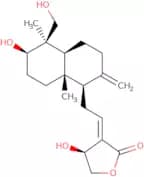
CAS:Andrographolide is a labdane diterpenoid, which is the primary active constituent extracted from the plant *Andrographis paniculata*. This compound exhibits a broad spectrum of pharmacological activities, primarily attributed to its ability to modulate various biological pathways. The mode of action of andrographolide includes the inhibition of pro-inflammatory cytokines and enzymes, as well as the activation of pathways that enhance antioxidant activities within cells.Formula:C20H30O5Purity:Min. 97.5 Area-%Color and Shape:White PowderMolecular weight:350.45 g/molAsiaticoside
CAS:Asiaticoside is a natural glycoside product extracted primarily from the plant Centella asiatica. It is a triterpenoid saponin derived from this medicinal herb, which is well-regarded for its therapeutic properties in traditional Ayurvedic and Chinese medicine. Asiaticoside operates primarily on a biochemical level by promoting collagen synthesis, enhancing angiogenesis, and modulating inflammatory responses. These actions are facilitated through the activation of key signaling pathways, including the TGF-β/Smad pathway, which plays a crucial role in cellular differentiation and proliferation.Formula:C48H78O19Purity:Min. 95 Area-%Color and Shape:White Off-White PowderMolecular weight:959.13 g/molBrusatol - Bio-X ™
CAS:Brusatol is a NRF2 inhibitor that has anti-inflammatory and immunomodulatory properties. Brusatol may have anti-cancer effects and can cause apoptosis in some cancer cells. It is a plant derived natural quassinoid.Formula:C26H32O11Purity:Min. 95%Color and Shape:PowderMolecular weight:520.53 g/molAjugarin II
CAS:Ajugarin II is a naturally occurring iridoid glycoside found in plants belonging to the genus Ajuga, which is a member of the Lamiaceae family. These plants have been traditionally used in herbal medicine and are known for their various pharmacological properties. The source of Ajugarin II is primarily the leaf and stem tissues, where it is biosynthesized as part of the plant's secondary metabolites.
Formula:C22H32O6Purity:Min. 95%Molecular weight:392.49 g/molNigranoic acid
CAS:Nigranoic acid is a triterpenoid compound, which is derived from the seeds of Schisandra species, a type of plant known for its medicinal properties. It is particularly abundant in Schisandra chinensis, commonly used in traditional medicine systems. The mode of action of nigranoic acid involves modulation of inflammatory pathways and oxidative stress. It has shown the ability to inhibit the production of pro-inflammatory cytokines and reactive oxygen species, mediating its potential therapeutic effects.Formula:C30H46O4Purity:Min. 95%Color and Shape:PowderMolecular weight:470.68 g/molTriptophenolide
CAS:Triptophenolide is a bioactive compound, which is a diterpenoid lactone extracted from the plant Tripterygium wilfordii. This compound is characterized by its ability to modulate various molecular targets and pathways associated with inflammation and immune response. The mode of action of triptophenolide involves the inhibition of nuclear factor kappa B (NF-κB) signaling, a pivotal transcription factor that regulates genes involved in inflammation, immunity, cell proliferation, and survival. By disrupting NF-κB activity, triptophenolide effectively decreases the expression of pro-inflammatory cytokines and other mediators.
Formula:C20H24O3Purity:Min. 95%Molecular weight:312.4 g/molAsiaticoside B
CAS:Asiaticoside B is a natural saponin compound, which is extracted from the plant Centella asiatica. This compound predominantly acts through modulating collagen synthesis and activating fibroblasts, which are crucial for wound healing. Additionally, Asiaticoside B exhibits anti-inflammatory properties by inhibiting pro-inflammatory cytokines, thereby reducing inflammation at the cellular level.Formula:C48H78O20Purity:Min. 95%Color and Shape:PowderMolecular weight:975.12 g/molBrusatol
CAS:Inhibitor of protein synthesis and Nrf2-mediated chemoresistanceFormula:C26H32O11Purity:Min. 97 Area-%Color and Shape:White PowderMolecular weight:520.53 g/molPonicidin
CAS:Ponicidin is a natural product, which is a diterpenoid compound derived from the plant *Isodon rubescens*. It exhibits a mode of action characterized by its ability to interfere with cellular processes through apoptosis induction and inhibition of cell proliferation. This occurs via the modulation of specific signaling pathways, including the suppression of NF-κB activity and the promotion of caspase activation.Formula:C20H26O6Purity:Min. 95%Color and Shape:PowderMolecular weight:362.43 g/molOleanolic acid
CAS:Controlled ProductOleanolic acid is a pentacyclic triterpenoid, which is a naturally occurring compound found in various plants, including olives, apples, and medicinal herbs. It exhibits a wide range of biological activities primarily due to its interaction with cellular signaling pathways. Oleanolic acid exerts its effects by modulating oxidative stress and inflammation through the inhibition of key enzymes and the regulation of gene expression related to these pathways.Formula:C30H48O3Purity:Min. 95%Color and Shape:White PowderMolecular weight:456.7 g/molGinsenoside Re
CAS:Ginsenoside Re is a naturally occurring saponin, which is a bioactive compound sourced primarily from the root of Panax ginseng. It operates through multiple biochemical pathways, including the modulation of immune responses, anti-inflammatory effects, and protective antioxidant activities. Ginsenoside Re exerts its actions by interacting with cellular receptors, influencing signaling pathways such as the PI3K/Akt and MAPK pathways, ultimately impacting gene expression and cellular responses.Formula:C48H82O18Purity:Min. 98 Area-%Color and Shape:White PowderMolecular weight:947.18 g/molCycloartenol
CAS:Cycloartenol is a triterpenoid alcohol, which serves as a precursor in the biosynthesis of sterols. It is primarily derived from plant sources, as it plays a central role in the sterol synthesis pathway in higher plants. The mode of action of cycloartenol involves its conversion into various phytosterols through enzyme-catalyzed reactions, a process that is crucial for the formation of membrane lipids and signaling molecules in plants.Formula:C30H50OPurity:Min. 90 Area-%Color and Shape:White PowderMolecular weight:426.72 g/molSoyasaponin Bb
CAS:Soyasaponin Bb is a naturally occurring saponin, which is a type of glycoside, derived from soybeans (Glycine max). It is primarily sourced from the seeds and roots of the soybean plant. The mode of action of soyasaponin Bb involves its ability to interact with lipid membranes, affecting cellular pathways and exerting antioxidant and anti-inflammatory effects. Additionally, it has been shown to modulate cholesterol metabolism and exhibit potential anticancer activities through apoptosis induction and inhibition of tumor cell proliferation.Formula:C48H78O18Purity:Min. 94.0 Area-%Molecular weight:943.12 g/molRef: 3D-Q-100575
1gTo inquire50mgTo inquire100mgTo inquire250mgTo inquire500mgTo inquire-Unit-mgmgTo inquire