Amino Acids (AA)
Amino acids (AAs) are the fundamental building blocks of proteins, playing a crucial role in various biological processes. These organic compounds are essential for protein synthesis, metabolic pathways, and cell signaling. In this category, you will find a comprehensive range of amino acids, including essential, non-essential, and modified forms, which are vital for research in biochemistry, molecular biology, and nutritional sciences. At CymitQuimica, we provide high-quality amino acids to support your research and development needs, ensuring accuracy and reliability in your experimental outcomes.
Subcategories of "Amino Acids (AA)"
- Amino Acid Derivatives(3,955 products)
- Amino Acid and Amino Acid Related Compounds(3,465 products)
- Amino Acids with Oxygen or Sulphur(168 products)
- Boc- Amino Acids(351 products)
- Fmoc Amino Acids(1,710 products)
Found 38248 products of "Amino Acids (AA)"
Sort by
Purity (%)
0
100
|
0
|
50
|
90
|
95
|
100
Boc-D-β-homophenylalanine
CAS:<p>Please enquire for more information about Boc-D-beta-homophenylalanine including the price, delivery time and more detailed product information at the technical inquiry form on this page</p>Formula:C15H21NO4Purity:Min. 95%Molecular weight:279.33 g/mol1-(4-Chlorophenyl)-3-phenyl-1H-pyrazole-5-carboxylic acid
CAS:Controlled Product<p>Please enquire for more information about 1-(4-Chlorophenyl)-3-phenyl-1H-pyrazole-5-carboxylic acid including the price, delivery time and more detailed product information at the technical inquiry form on this page</p>Formula:C16H11ClN2O2Purity:Min. 95%Color and Shape:PowderMolecular weight:298.72 g/molN-Phenyliminodiacetic acid
CAS:<p>N-Phenyliminodiacetic acid (NPD) is an organic acid that functions as a monomer and polymerization initiator in polyanhydrides. It has been shown to function as a redox potential sensor, having a strong response to changes in the environment. NPD has been shown to be sensitive to reactive oxygen species, such as HCl, which can affect its fluorescence properties. This compound is also active against aneurysms and has been used in simulations of these lesions. NPD also chelates with metal ions and can be used in the treatment of heavy metal poisoning.</p>Formula:C10H11NO4Purity:Min. 95%Molecular weight:209.2 g/mol1-Boc-2,6-Dimethyl-4-oxopiperidine
CAS:<p>Please enquire for more information about 1-Boc-2,6-Dimethyl-4-oxopiperidine including the price, delivery time and more detailed product information at the technical inquiry form on this page</p>Formula:C12H21NO3Purity:Min. 95%Molecular weight:227.3 g/mol4-Methyl-1,2,3-thiadiazole-5-carbohydrazide
CAS:<p>4-Methyl-1,2,3-thiadiazole-5-carbohydrazide (MTT) is a chemical compound that has been used in the past as an antimicrobial agent. It is made from the acid hydrazide of 4-methylthiadiazole and methyl iodide. The inhibitory concentration of MTT for bacteria is between 0.0004 and 1 mg/L, and its bactericidal concentration ranges from 0.001 to 10 mg/L. MTT has been shown to be effective against a wide range of microorganisms, including Gram-positive and Gram-negative bacteria, yeast, fungi, protozoa and helminths. MTT has also been shown to have no significant cytotoxic effects on mammalian cells when exposed at concentrations less than 500 μg/mL.</p>Formula:C4H6N4OSPurity:Min. 95%Molecular weight:158.18 g/mol3-Phenylpropanal
CAS:<p>3-Phenylpropanal is a chemical compound that is synthesized from trifluoroacetic acid, activated chitosan polymer, and fatty acids. 3-Phenylpropanal has been shown to have a bioactive phytochemical, which has been identified as allylation. This reaction is catalyzed by the addition of an allylating agent such as propargyl bromide or propargyl chloride. The rate of this reaction is dependent on the concentration of the reactant and kinetic energy (heat). The hydroxyl group on the reactant reacts with hydrogen gas in the presence of a catalyst such as sodium carbonate or zinc oxide to form a hydroxyethyl group. This process can be monitored using kinetic data such as conversion and yield.</p>Formula:C9H10OPurity:Min. 95%Color and Shape:Colourless To Pale Yellow LiquidMolecular weight:134.18 g/molN-(8-Methoxy-4-methylquinazolin-2-yl)guanidine
CAS:<p>Please enquire for more information about N-(8-Methoxy-4-methylquinazolin-2-yl)guanidine including the price, delivery time and more detailed product information at the technical inquiry form on this page</p>Formula:C11H13N5OPurity:Min. 95%Molecular weight:231.25 g/molL-Serine amide hydrochloride
CAS:<p>L-Serine amide hydrochloride is a synthetic, anti-HIV drug that is used as an antiviral agent. It inhibits the viral life cycle by inhibiting the activity of acyclic nucleoside phosphonates, which are vital to viral DNA synthesis. L-Serine amide hydrochloride binds to the cyclopentane ring of guanosine and prevents its interaction with the enzyme ribonucleotide reductase. This binding prevents the conversion of guanosine into GTP, thereby preventing HIV from using this molecule in their life cycle. L-Serine amide hydrochloride is not active against cellular proteins or prostaglandins.</p>Formula:C3H8N2O2·HClPurity:Min. 95%Molecular weight:140.57 g/mol(R)-2-((tert-Butoxycarbonyl)amino)-3-methoxypropanoic acid
CAS:<p>(R)-2-((tert-Butoxycarbonyl)amino)-3-methoxypropanoic acid (BAAM) is a potent, orally bioavailable, and pharmacokinetically well-characterized inhibitor of blood coagulation that has been shown to be effective in animal models. BAAM inhibits the activity of tissue factor (TF), an enzyme that initiates the blood coagulation cascade. TF is important for hemostasis because it is activated by contact with blood and tissue factors such as collagen or thrombin. BAAM has shown some promise as a potential treatment for thrombosis, which can lead to heart attacks and strokes.</p>Formula:C9H17NO5Purity:Min. 95%Molecular weight:219.24 g/mol1,2,3,4-Tetrahydro-4,6-dihydroxy-2-methyl-isoquinoline
CAS:<p>1,2,3,4-Tetrahydro-4,6-dihydroxy-2-methyl-isoquinoline is a useful building block in the synthesis of various compounds such as pharmaceuticals and pesticides. It is an intermediate for the preparation of other valuable chemicals such as the antihistamine diphenhydramine, which is used to treat allergies. Tetrahydroisoquinoline can also be used as a reagent to synthesize other chemical compounds. This compound has been used in research as well as commercial applications. Tetrahydroisoquinoline is also a versatile scaffold that can be modified to produce different derivatives with different properties.</p>Formula:C10H13NO2Purity:Min. 95%Color and Shape:White PowderMolecular weight:179.22 g/molH-Thr-Glu-OH
CAS:<p>H-Thr-Glu-OH is a nucleotide that is a component of RNA. It is one of the 20 natural amino acids and it is found in proteins as well as in RNA molecules. H-Thr-Glu-OH can be synthesized by hydrolysis of proteins with an enzyme called glutamic acid hydrolase. H-Thr-Glu-OH has been shown to have a high affinity for lysine, which has been shown to be required for the enzymatic activity of many protein enzymes. This amino acid can also be found in large quantities in cheese, soy sauce, and yogurt.</p>Formula:C9H16N2O6Purity:Min. 98 Area-%Color and Shape:PowderMolecular weight:248.23 g/molN-(p-Hydroxyphenethyl)-N-(3-hydroxy-4-methoxy)benzylamine
CAS:Controlled Product<p>Narciprimine is a natural product with cytotoxic activity and was first isolated from the Narcissus plant. It is a n-oxide that contains a hydroxyphenethyl group, which is substituted by an oxygen function. This compound has been shown to have biological properties and chemical diversity due to its n-oxide structure. Narciprimine has been shown to inhibit the biosynthesis of narciclasine and haemanthamine, which are alkaloids with cytotoxic activities. The protopine moiety has also been found in narciprimin, but is not present in other related compounds such as narciclasine or haemanthamine. Narciprimin belongs to the chemical class of n-oxides, which are derived from nitrosobenzene derivatives.</p>Formula:C16H19NO3Purity:Min. 95%Color and Shape:PowderMolecular weight:273.33 g/mol2-Methoxypyrimidine-5-boronic acid
CAS:<p>Please enquire for more information about 2-Methoxypyrimidine-5-boronic acid including the price, delivery time and more detailed product information at the technical inquiry form on this page</p>Formula:C5H7BN2O3Purity:Min. 95%Molecular weight:153.93 g/mol5-chloro-1-phenyl-1h-1,2,3,4-tetraazole
CAS:<p>5-Chloro-1-phenyl-1H-1,2,3,4-tetrazole (5CAT) is a dihedral molecule that contains phenyl groups and p-hydroxybenzoic acid. The argon (Ar) functionalities are activated by reaction with hydroxyl group to form the cross-coupling reaction between 5CAT and chloride (Cl). 5CAT has been shown to be a good substrate for 2D Nuclear Magnetic Resonance (NMR), as it has a protonated hydroxyl group. This functional group is also present on the chloro group of the 5CAT molecule. The vibrational analysis from the protonated hydroxyl group can be observed in the spectrum of 5CAT.</p>Formula:C7H5N4ClPurity:Min. 95%Molecular weight:180.59 g/molH-Lys-Phe-Lys-OH acetate salt
CAS:<p>H-Lys-Phe-Lys-OH acetate salt is a dinucleotide that contains two molecules of the amino acids lysine and phenylalanine. The H-Lys-Phe-Lys-OH acetate salt interacts with the monoclonal antibody, which then binds to the tumor cells. This interaction can be measured by an oscilloscope and is used for molecular imaging. The constant value is determined by optimizing the concentration of tripeptides and tetrapeptides in order to produce a fluorescent signal from the fatty acids. The glycosidic bond between the H-Lys-Phe-Lys molecule and its acetate salt allows for fluorescence, which can be measured by a monoclonal antibody.</p>Formula:C21H35N5O4Purity:Min. 95%Molecular weight:421.53 g/mol2-Methyl-5-nitropyridin-3-amine
CAS:<p>2-Methyl-5-nitropyridin-3-amine is a heterocyclic compound that is synthesized by the cyclization of 2-methylpyridine with sodium nitrite. The reaction product is hydrolyzed to yield the desired compound, 5-nitropyridine. The synthesis of this compound can be used as a target for organic synthesis.</p>Formula:C6H7N3O2Purity:Min. 95%Molecular weight:153.14 g/mol3-(Bromomethyl)-1-methyl-1H-indazole
CAS:Controlled Product<p>Please enquire for more information about 3-(Bromomethyl)-1-methyl-1H-indazole including the price, delivery time and more detailed product information at the technical inquiry form on this page</p>Formula:C9H9BrN2Purity:Min. 95%Molecular weight:225.09 g/mol2-Valeryl-17'-estradiol 17-valerate
CAS:Controlled Product<p>Please enquire for more information about 2-Valeryl-17'-estradiol 17-valerate including the price, delivery time and more detailed product information at the technical inquiry form on this page</p>Formula:CHOPurity:Min. 95%trans-2-[3-(4-tert-Butylphenyl)-2-methyl-2-propenylidene]malononitrile
CAS:<p>Trans-2-[3-(4-tert-butylphenyl)-2-methyl-2-propenylidene]malononitrile is a reactive chemical that has been used to study the mechanism of tubular transport. This compound has been shown to be a potential cancer gene therapy agent, as it can stimulate the growth of cells in culture and induce tumor regression in mice. Trans-2-[3-(4-tert-butylphenyl)-2-methyl-2-propenylidene]malononitrile binds to fatty acids and causes them to coordinate with metal ions, which may be responsible for its antitumor properties. Trans-2-[3-(4-tert-butylphenyl)-2-methyl-2-propenylidene]malononitrile also binds to DNA polymerase and transcription factors, inhibiting their function and rendering them incapable of binding RNA polymerase. The sensitivity of this compound</p>Formula:C17H18N2Purity:Min. 95%Molecular weight:250.34 g/molSodium L-glutamate monohydrate
CAS:<p>L-glutamic acid is a nonessential amino acid that is used as a food additive. L-glutamic acid is found in the form of sodium salt, called monosodium glutamate (MSG), and is used to enhance the flavor of foods. L-glutamic acid has been shown to be essential for the growth of certain bacteria, such as corynebacteria. The l-glutamic acid gene can be found in corynebacteria and corynebacterium glutamicum. It has been shown that l-glutamic acid can be synthesized by these organisms under conditions of low magnesium concentration, high pH, and high temperature.</p>Formula:C5H8NNaO4·H2OPurity:Min. 95%Color and Shape:PowderMolecular weight:187.13 g/mol4-Methoxybenzene-1,3-diamine sulfate
CAS:Controlled Product<p>4-Methoxybenzene-1,3-diamine sulfate (4MBD) is a chemical substance that inhibits the activity of cytochrome P450 enzymes. It has been shown to inhibit the activity of rat liver microsomal p-450 enzymes, and is used in studies on the effects of chemicals on protein synthesis. When 4MBD is administered to rats at dietary concentrations, it causes an increase in thyroid hormone levels and a decrease in renal function. The enzyme inhibition caused by 4MBD may be due to its ability to acylate amines, which are located near the active site of the enzyme. Linear regression analysis showed that there was a strong correlation between dietary concentrations and the inhibition of protein synthesis caused by 4MBD.</p>Formula:C7H12N2O5SPurity:Min. 95%Molecular weight:236.25 g/mol4-Phenylbenzoyl chloride
CAS:<p>4-Phenylbenzoyl chloride is a primary amino compound that has been studied extensively in the context of biological studies and as an electroluminescent device. It is also used to study the effects of alkylation on biological systems. 4-Phenylbenzoyl chloride has been shown to be cytotoxic against monocytic cell lines, with a mechanism of action that involves its ability to react with DNA, forming adducts that interfere with DNA replication. In addition, it also reacts with amines in human tissue samples, which may lead to carcinogenic effects. This compound is also effective against protozoan parasites and Leishmania species, although not thiosemicarbazide.</p>Formula:C13H9ClOPurity:Min. 95%Color and Shape:PowderMolecular weight:216.66 g/mol4-Methoxy retinoic acid
CAS:<p>Please enquire for more information about 4-Methoxy retinoic acid including the price, delivery time and more detailed product information at the technical inquiry form on this page</p>Formula:C21H30O3Purity:Min. 95%Molecular weight:330.46 g/mol3-Amino-2-methylquinazolin-4(3H)-one
CAS:Controlled Product<p>3-Amino-2-methylquinazolin-4(3H)-one is a bidentate ligand that has been shown to have antibacterial and anticancer activity. The functional theory of the compound is based on its ability to form an imine nitrogen with metal ions such as Fe(II) or Cu(II). 3-Amino-2-methylquinazolin-4(3H)-one is not active against Staphylococcus aureus, but inhibits the growth of other bacteria by binding to their ribosomes and inhibiting protein synthesis. 3-Amino-2-methylquinazolin-4(3H)-one also has in vitro anticancer activity, which may be due to its ability to inhibit DNA synthesis and cell division.</p>Formula:C9H9N3OPurity:Min. 95%Molecular weight:175.19 g/molDemeton-S-methyl
CAS:<p>Demeton-S-methyl is a chemical pesticide that belongs to the group of organophosphates. It inhibits acetylcholinesterase activity and is used for the control of insects. Demeton-S-methyl is an anticholinesterase agent that binds reversibly to the active site of acetylcholinesterase, inhibiting the enzyme's activity. This inhibition leads to accumulation of acetylcholine in nerve tissue and increased transmission at cholinergic synapses. Demeton-S-methyl has been shown to be acutely toxic in rats, mice, and dogs by inhalation or ingestion. Acute toxicities are more severe with higher dosages as well as with repeated exposures.</p>Formula:C6H15O3PS2Purity:Min. 95%Color and Shape:Clear LiquidMolecular weight:230.29 g/molMethyl 4-(benzyloxy)-1-methyl-1H-indole-2-carboxylate
CAS:Controlled Product<p>Please enquire for more information about Methyl 4-(benzyloxy)-1-methyl-1H-indole-2-carboxylate including the price, delivery time and more detailed product information at the technical inquiry form on this page</p>Formula:C18H17NO3Purity:Min. 95%Molecular weight:295.33 g/mol1,2-O-Dioctadecyl-sn-glycerol
CAS:<p>1,2-O-Dioctadecyl-sn-glycerol is a hydrogenated glycerol that can be used as an advance in synthetic chemistry. It can be hydrogenolyzed to produce choline and cyclic phosphatidylglycerols. The catalytic properties of 1,2-O-dioctadecyl-sn-glycerol are due to its ability to react with chloride or cadmium chloride to form dialkyl glycerols. This product is also used in the synthesis of cadmium.</p>Formula:C39H80O3Purity:Min. 95%Molecular weight:597.05 g/mol5-Bromo-3-methyl-1H-indazole
CAS:<p>5-Bromo-3-methyl-1H-indazole is an organic compound that is synthesized from lithium diisopropylamide and lithium. 5-Bromo-3-methyl-1H-indazole is a white solid with a melting point of 151°C. It reacts with anhydrous hydrogen bromide to form 5,5'-dibromoindazole. The molecular weight of this compound is 202.2 g/mol.</p>Formula:C8H7BrN2Purity:Min. 95%Molecular weight:211.06 g/molFmoc-(R,S)-3-amino-N-1-carboxymethyl-2-oxo-5-cyclohexyl-1,4-benzodiazepine
CAS:Controlled Product<p>Please enquire for more information about Fmoc-(R,S)-3-amino-N-1-carboxymethyl-2-oxo-5-cyclohexyl-1,4-benzodiazepine including the price, delivery time and more detailed product information at the technical inquiry form on this page</p>Formula:C32H31N3O5Purity:Min. 95%Molecular weight:537.61 g/mol1-(4-Chlorophenyl)-3-(4-methylphenyl)-1H-pyrazole-5-carboxylic acid
CAS:Controlled Product<p>Please enquire for more information about 1-(4-Chlorophenyl)-3-(4-methylphenyl)-1H-pyrazole-5-carboxylic acid including the price, delivery time and more detailed product information at the technical inquiry form on this page</p>Formula:C17H13ClN2O2Purity:Min. 95%Molecular weight:312.75 g/mol2-(1-Methyl-5-(4-methylbenzoyl)-1H-pyrrol-2-yl)acetic acid
CAS:<p>2-(1-Methyl-5-(4-methylbenzoyl)-1H-pyrrol-2-yl)acetic acid is a nonsteroidal antiinflammatory drug that belongs to the group of drugs called arylpropionic acids. The drug is used to relieve inflammation and pain. 2-(1-Methyl-5-(4-methylbenzoyl)-1H-pyrrol-2-yl)acetic acid has been shown in vitro assays to be toxic to epidermal cells and inhibit the production of inflammatory mediators such as prostaglandins and leukotrienes. The drug also inhibits the production of proinflammatory cytokines such as IL6, IL8, and TNFα by activated human monocytes in vitro. It has been shown to have antiinflammatory activity in experimental models for arthritis, colitis, and asthma.</p>Formula:C15H15NO3Purity:Min. 95%Molecular weight:257.28 g/mol7-Methoxy-1,2,3,4-tetrahydronaphthalen-2-ylamine hydrochloride
CAS:Controlled Product<p>Please enquire for more information about 7-Methoxy-1,2,3,4-tetrahydronaphthalen-2-ylamine hydrochloride including the price, delivery time and more detailed product information at the technical inquiry form on this page</p>Formula:C11H15NO•HClPurity:Min. 95%Molecular weight:213.7 g/mol1-[2-(5-Methoxy-1H-indol-3-yl)ethyl]-5-oxopyrrolidine-3-carboxylic acid
CAS:Controlled Product<p>Please enquire for more information about 1-[2-(5-Methoxy-1H-indol-3-yl)ethyl]-5-oxopyrrolidine-3-carboxylic acid including the price, delivery time and more detailed product information at the technical inquiry form on this page</p>Formula:C16H18N2O4Purity:Min. 95%Molecular weight:302.33 g/mol(S)-(-)-2-Hydroxy-4-(2-methoxyphenyl)-5,5-dimethyl-1,3,2-dioxaphosphorinane 2-oxide
CAS:<p>(S)-(-)-2-Hydroxy-4-(2-methoxyphenyl)-5,5-dimethyl-1,3,2-dioxaphosphorinane 2-oxide is a crystallization inhibitor. It can be used in the treatment of osteoporosis and to prevent the calcification of prostate tissue. (S)-(-)-2-Hydroxy-4-(2-methoxyphenyl)-5,5-dimethyl-1,3,2-dioxaphosphorinane 2-oxide has been shown to inhibit nucleation and crystal growth by adsorbing to the surfaces of nuclei and inhibiting inhibitor molecules from diffusing into the nucleus. This compound also inhibits the crystallization process by binding to one molecule of phosphate on each phosphate site on a crystal surface. The result is that there are fewer sites available for other molecules to bind, preventing crystal growth.</p>Formula:C12H17O5PPurity:Min. 95%Color and Shape:Slightly Yellow PowderMolecular weight:272.23 g/molMethyl 5-methylnicotinate
CAS:<p>Methyl 5-methylnicotinate is a chiral compound that contains nitrosamines. It is prepared through a reaction system with thionyl chloride, in the presence of amines and organic solvents. Methyl 5-methylnicotinate is used as an intermediate for the synthesis of rupatadine, which is an antihistamine drug. The preparation process involves reduction reactions with borohydride or chloride reagents to yield methyl 5-methylnicotinate.</p>Formula:C8H9NO2Purity:Min. 95%Molecular weight:151.16 g/molFmoc-1-amino-4,7,10-trioxa-13-tridecanamine succinimic acid
CAS:<p>Fmoc-1-amino-4,7,10-trioxa-13-tridecanamine succinimic acid is a synthetic amide that is used as an intermediate in the synthesis of peptides. It has a conformational structure and can be labeled with dyes to study the structures of proteins or peptides. Fmoc-1-amino-4,7,10-trioxa-13-tridecanamine succinimic acid has been used as an immunogen in the preparation of monoclonal antibodies. It also can be conjugated to drugs or other compounds for use as bioconjugates. This compound has been shown to have enzymatic activity and can be used as a substrate for enzyme linked immunosorbent assays (ELISA). Trifluoroacetic acid is commonly used in the synthesis of this compound.</p>Formula:C29H38N2O8Purity:Min. 98 Area-%Molecular weight:542.62 g/mol1-Methyl-2-(piperazin-1-ylcarbonyl)-1H-indole hydrochloride
CAS:Controlled Product<p>Please enquire for more information about 1-Methyl-2-(piperazin-1-ylcarbonyl)-1H-indole hydrochloride including the price, delivery time and more detailed product information at the technical inquiry form on this page</p>Formula:C14H17N3OPurity:Min. 95%Molecular weight:243.3 g/mol(S)-4-Fluorophenylglycine
CAS:<p>(S)-4-Fluorophenylglycine (FPG) is a drug that has been shown to have antipsychotic properties. FPG binds to the NS5B polymerase, which is an enzyme involved in the replication of viral dna. It also inhibits peptide binding in the active site of the enzyme, thereby preventing DNA synthesis. FPG has been shown to be effective against chronic schizophrenia and can be used as a treatment for this disorder. The drug is activated by uridine, which is converted into UMP by adenosine deaminase, which then reacts with FPG to form UMP-FPG. This compound has been shown to inhibit HIV replication in cell culture assays and animal models.</p>Formula:C8H8FNO2Purity:Min. 95%Molecular weight:169.15 g/mol(R)-3-Methylmorpholine
CAS:<p>(R)-3-Methylmorpholine is a potent inhibitor of phosphoinositide 3-kinases (PI3Ks) that have been implicated in the development and progression of cancer. It inhibits the PI3Ks at low concentrations, which may result in cell death. This drug also has an anti-inflammatory effect on cancer cells by inhibiting the production of lipids that promote inflammation. The pharmacokinetic properties of (R)-3-methylmorpholine include oral absorption, with a half-life of about 2 hours. In addition, it is well tolerated and does not cause any adverse side effects such as nausea or vomiting.</p>Formula:C5H11NOPurity:Min. 95%Molecular weight:101.15 g/mol(S)-(+)-2-Phenylglycine amide
CAS:<p>(S)-(+)-2-Phenylglycine amide is a racemic mixture of the (R) and (S) enantiomers. It is an inhibitor of the enzyme, racemase, which converts one type of amino acid to another. This inhibition prevents allergic reactions that can be caused by acylation reactions or ph profiles in the body. The amino acid composition of this drug is unique because it contains an ester hydrochloride group, which does not exist in other drugs. The kinetic and thermodynamic properties of (S)-(+)-2-phenylglycine amide have been studied extensively, but there are no reports on its ability to inhibit inflammatory diseases. However, it has been shown that the β-amino acid in this drug can inhibit amide hydroxamic acids and stereoselective hydroxamic acids.</p>Formula:C8H10N2OPurity:Min. 95%Molecular weight:150.18 g/mol(3-Methyl-isoxazol-5-yl)methylamine hydrochloride
CAS:<p>Please enquire for more information about (3-Methyl-isoxazol-5-yl)methylamine hydrochloride including the price, delivery time and more detailed product information at the technical inquiry form on this page</p>Formula:C5H8N2O·HClPurity:Min. 95%Molecular weight:148.59 g/molO-tert-Butyl-D-tyrosine
CAS:<p>O-tert-Butyl-D-tyrosine is an organogelator. It is a low molecular weight organic liquid that can form a gel when mixed with a solvent. O-tert-Butyl-D-tyrosine is soluble in hydrophobic solvents such as butanol, and insoluble in water. The gelation properties of this substance are due to its ability to interact with the surface of the solvent droplet and form a network that holds other solute molecules in place. This interaction is called physisorption, which means that it does not need any chemical bonds to form the gel. Gels formed by O-tert-Butyl-D-tyrosine are stable at room temperature, but will melt when heated or exposed to pH extremes.</p>Formula:C13H19NO3Purity:Min. 95%Molecular weight:237.29 g/molOxytocin (free acid)
CAS:<p>Oxytocin is an endogenous hormone.</p>Formula:C43H65N11O13S2Purity:Min. 95%Molecular weight:1,008.17 g/molN-[2-[4-(Aminosulfonyl)-phenyl]-ethyl]-5-methyl-2-pyrazinecarboxamide
CAS:<p>Fluoxetine is a potent inhibitor of the enzyme cytochrome P450 (CYP) 2C19. The inhibition of CYP2C19 by fluoxetine may lead to an increase in the plasma concentration of other drugs that are metabolized by this enzyme, such as glipizide and hydroxycyclohexyl. Fluoxetine inhibits human uric acid secretion and increases plasma concentrations of uric acid. This drug also inhibits human erythrocyte dihydropyrimidine dehydrogenase, leading to increased blood levels of pyrimidines, especially cytotoxic ones like 6-fluoro-3-indoxyl-beta-D-galactopyranoside. Fluoxetine has been shown to have a protective effect against acetaminophen toxicity in rats because it enhances the conversion of acetaminophen to its less toxic metabolite N-acetylcysteine.</p>Formula:C14H16N4O3SPurity:Min. 95%Color and Shape:White To Off-White SolidMolecular weight:320.37 g/molZ-NH-PEG12-CH2CH2COOH
<p>Z-NH-PEG12-CH2CH2COOH is a PEG compound with two different functional groups (also known as heterobifunctional). Unlike homobifunctional PEG compounds (same functional group on both ends), this type of compounds are more versatile as have two different anchor points. Z-NH-PEG12-CH2CH2COOH is used as a linker and spacer to add a PEG moiety, via pegylation (a bioconjugation technique) to proteins, peptides, oligonucleotides, small molecules and nanoparticles.</p>Formula:C35H61NO16Purity:Min. 95%Molecular weight:751.86 g/mol3-(2-Pyridyl)-D-alanine
CAS:<p>3-(2-Pyridyl)-D-alanine is an amino acid that is a precursor to the peptide antibiotic, pyrithione. It can be prepared from 2-pyridylacetic acid and D-alanine. 3-(2-Pyridyl)-D-alanine is a chiral molecule with two stereogenic centres, which means it has four different optical isomers: L-, D-, S-, and R-. The L form of 3-(2-pyridyl)-D-alanine was found in Streptomyces sp. strain NRRL 8057. This amino acid is synthesized by a peptide synthetase enzyme. The sequence of this biosynthetic gene has not been determined yet.</p>Formula:C8H10N2O2Purity:Min. 95%Molecular weight:166.18 g/mol1-(Boc-amino)-4,9-dioxa-12-dodecanamine
CAS:Controlled Product<p>Please enquire for more information about 1-(Boc-amino)-4,9-dioxa-12-dodecanamine including the price, delivery time and more detailed product information at the technical inquiry form on this page</p>Formula:C15H32N2O4Purity:Min. 95%Molecular weight:304.43 g/molAc-Arg-OH
CAS:<p>Ac-Arg-OH is a nucleotide that is involved in the synthesis of adenosine triphosphate (ATP). Ac-Arg-OH has been shown to have hemolytic activity and inhibit protein synthesis. Ac-Arg-OH binds to human serum albumin, which causes the release of hemoglobin. Ac-Arg-OH has also been shown to have an antimicrobial effect on both Gram positive and Gram negative bacteria. The copper complex of Ac-Arg-OH inhibits glutathione peroxidase (GSH-px) activities, causing oxidative stress. Ac-Arg-OH also induces alopecia areata in humans and rats.</p>Formula:C8H16N4O3Purity:Min. 95%Molecular weight:216.24 g/mol(4-Benzylpiperazin-1-yl)piperidin-4-yl-methanone dihydrochloride
CAS:Controlled Product<p>Please enquire for more information about (4-Benzylpiperazin-1-yl)piperidin-4-yl-methanone dihydrochloride including the price, delivery time and more detailed product information at the technical inquiry form on this page</p>Formula:C17H27Cl2N3OPurity:Min. 95%Molecular weight:360.32 g/mol(S)-(-)-1-Boc-3-aminopyrrolidine
CAS:<p>(S)-(-)-1-Boc-3-aminopyrrolidine is an inhibitor that inhibits the activity of phosphoinositide 3-kinase (PI3K) by binding to the ATP binding site and inhibiting PI3K. It has been shown to inhibit the activation of PI3Kδ, which plays a key role in tumorigenesis and metastasis. The drug also has metabolic stability and selectivity for PI3Kδ over other kinases, as well as high affinity for this enzyme. The drug was found to have low toxicity in vitro, but its effects on humans are unknown.</p>Formula:C9H18N2O2Purity:Min. 95%Color and Shape:Clear LiquidMolecular weight:186.25 g/molδ9,11-Dehydro-17b-estradiol 17-valerate
CAS:Controlled Product<p>Please enquire for more information about Delta9,11-Dehydro-17b-estradiol 17-valerate including the price, delivery time and more detailed product information at the technical inquiry form on this page</p>Formula:C23H30O3Purity:Min. 96 Area-%Molecular weight:354.48 g/molrac-prolinol
CAS:<p>Rac-prolinol is a picolinic acid derivative that has been shown to inhibit the production of pyrrolidinecarboxylic acid in the form of l-tartaric acid. This inhibition is due to the formation of a hydrogen bond with the hydroxyl group on the substrate molecule, which prevents its conversion into pyrrolidinecarboxylic acid. Rac-prolinol has also been shown to inhibit collagen production in cells. Rac-prolinol binds to receptors that are involved in regulating cell proliferation and differentiation, including transforming growth factor beta receptor and epidermal growth factor receptor. It inhibits collagen synthesis by acting as a competitive inhibitor of proline hydroxylase, an enzyme responsible for catalyzing proline into hydroxyproline. The molecule also inhibits DNA synthesis by binding to the erythrocyte membrane skeleton and blocking ATP synthesis.</p>Formula:C5H11NOPurity:Min. 95%Molecular weight:101.15 g/mol2-(3-Methoxyphenyl)piperidine
CAS:<p>Please enquire for more information about 2-(3-Methoxyphenyl)piperidine including the price, delivery time and more detailed product information at the technical inquiry form on this page</p>Formula:C12H17NOPurity:Min. 95%Color and Shape:PowderMolecular weight:191.27 g/mol1,3-Dipropyl-7-methylxanthine
CAS:Controlled Product<p>1,3-Dipropyl-7-methylxanthine is a xanthine compound that is structurally related to caffeine. It has been shown to have an inhibitory effect on the production of reactive oxygen species and cytosolic calcium levels in primary cells, as well as a nonselective adenosine receptor antagonist activity. It has also been shown to antagonize the effects of adenosine receptors, p2 receptors, and p2y receptors. This drug is used for the treatment of basophilic leukemia.</p>Formula:C12H18N4O2Purity:Min. 95%Molecular weight:250.3 g/mol5-Bromo-1-Methyl-1H-indazol-3-amine
CAS:<p>Please enquire for more information about 5-Bromo-1-Methyl-1H-indazol-3-amine including the price, delivery time and more detailed product information at the technical inquiry form on this page</p>Formula:C8H8BrN3Purity:Min. 95%Molecular weight:226.07 g/molBoc-D-aspartic acid β-9-fluorenylmethyl ester
CAS:<p>Please enquire for more information about Boc-D-aspartic acid beta-9-fluorenylmethyl ester including the price, delivery time and more detailed product information at the technical inquiry form on this page</p>Formula:C23H25NO6Purity:Min. 95%Molecular weight:411.45 g/molSuc-Ala-Ala-Pro-Leu-pNA
CAS:<p>The substrate Suc-Ala-Ala-Pro-Leu-pNA is commonly used in enzyme research to study various proteases. It has been utilized to determine the kinetic parameters of a proteinase from Cucurbita ficifolia seeds . Additionally, this substrate has been employed in the investigation of a thermostable signal peptide peptidase from Thermoplasma volcanium . Furthermore, it has been used in the characterization of a T lymphocyte endopeptidase activity and in chymotrypsin-like protease assays related to amidolytic and fibrinolytic activities of proteases in spleen and leukocytes of mammals .</p>Formula:C27H38N6O9Purity:Min. 95%Molecular weight:590.63 g/molGly-Pro-Ala-OH
CAS:<p>Gly-Pro-Ala-OH is a tripeptide that can be obtained from the hydrolysis of collagen. It has been shown to have an intestinal uptake and to inhibit the activity of collagenase, which is a proteolytic enzyme that breaks down collagen. Gly-Pro-Ala-OH is also a potential immunoadsorbent. Polyacrylamide gel electrophoresis (PAGE) revealed that it contains three peptides with molecular weights of 2 kDa, 3 kDa, and 4 kDa. The 2 and 4 kDa peptides are glycyl-l-leucine (GLA) and glycyl-l-leucine - proline - alanine (GPA), respectively. The 3 kDa peptide sequence has not yet been determined. Treatment with trypsin resulted in the release of GLA and GPA without any change in their relative proportions.</p>Formula:C10H17N3O4Purity:Min. 95%Molecular weight:243.26 g/mol2-Methoxy promazine
CAS:Controlled Product<p>2-Methoxy promazine is a phenothiazine antipsychotic drug which has been used to treat chronic schizophrenia. It binds to the D2 receptor, and it is one of the most potent antipsychotic drugs for this receptor. 2-Methoxy promazine also binds to dopamine receptors, with a binding constant of 0.1 nM. 2-Methoxy promazine may be useful in the treatment of bowel disease because it has been shown to decrease bowel motility and increase colonic tone. 2-Methoxy promazine is not metabolized by cytochrome P450 enzymes, but it does have photochemical properties that can cause skin damage when exposed to sunlight. It is also an analog of promethazine, which belongs to the class of phenothiazine drugs. Promethazine is synthesized from 2-methylaminophenol and methylamine through a series of transfer reactions and hydrogen bonding.</p>Formula:C18H22N2OSPurity:Min. 95%Color and Shape:PowderMolecular weight:314.45 g/mol4-Chloro-N-methylpiperidine
CAS:<p>4-Chloro-N-methylpiperidine is an inorganic acid that can be used as a reagent for the synthesis of organic compounds. It is also an anticholinergic drug and a halogenating agent. 4-Chloro-N-methylpiperidine can be used to treat bronchial asthma, chronic obstructive pulmonary disease, and other respiratory disorders by inhibiting the production of histamine in the body. It also has antihistaminic effects that may be due to its ability to inhibit histamine release from mast cells or block H1 receptors. This drug also has antiallergic effects, which may be due to its ability to inhibit IgE synthesis or function. 4-Chloro-N-methylpiperidine is found in loratadine (Claritin), which is used for allergies, hives, and other allergic reactions.</p>Formula:C6H12ClNPurity:Min. 95%Color and Shape:Clear LiquidMolecular weight:133.62 g/mol5-[(2-Methoxyphenoxy)-methyl]-2-oxazolidinone
CAS:Controlled Product<p>5-[(2-Methoxyphenoxy)-methyl]-2-oxazolidinone is a pharmacological agent that is structurally similar to rapamycin. It has been shown to inhibit the production of creatine kinase in rat liver microsomes and has been used in studies on degenerative diseases. 5-[(2-Methoxyphenoxy)-methyl]-2-oxazolidinone inhibits the activity of polymerase chain reaction (PCR) by binding to the DNA polymerase and blocking the extension of an oligonucleotide primer. It has also been shown to be toxic to humans, as it can cause fatty acid accumulation and a clinical response. In addition, this drug is enantiopure, meaning that it is composed of only one type of molecule with a specific configuration. The analytical chemistry for this drug includes gas chromatography (GC) and high performance liquid chromatography (HPLC).</p>Formula:C11H13NO4Purity:Min. 95%Color and Shape:White PowderMolecular weight:223.23 g/mol2-Methyl-3-buten-2-ol
CAS:<p>2-Methyl-3-buten-2-ol is a reactive oxygenated compound that can be found in the environment. It is produced by the oxidation of glyoxal, glycolaldehyde, and other simple sugars. 2-Methyl-3-buten-2-ol has been found to have toxic effects on wild type strains of Escherichia coli, including inhibition of growth and induction of cell death. In addition, 2-methyl-3 buten 2 ol has been shown to react with other molecules in the environment to produce epoxides. This compound can also be found in some foods and beverages as a result of its presence as a natural component or from contamination during processing. !-- END--></p>Formula:C5H10OPurity:Max. 98%Molecular weight:86.13 g/mol4-Methyl-2-piperidin-4-yl-1,3-benzoxazole
CAS:<p>Please enquire for more information about 4-Methyl-2-piperidin-4-yl-1,3-benzoxazole including the price, delivery time and more detailed product information at the technical inquiry form on this page</p>Formula:C13H16N2OPurity:Min. 95%Color and Shape:PowderMolecular weight:216.28 g/molN-Phenylhydroxylamine
CAS:<p>N-Phenylhydroxylamine is a chemical compound that is used in wastewater treatment. It is a hydrophobic compound that has been shown to irreversibly inhibit the nitrite reductase enzyme, which is responsible for converting nitrite ions into nitrate ions. This reaction mechanism was studied using in vitro assays with picolinic acid and nitrobenzene. N-Phenylhydroxylamine binds to the active site of the enzyme and blocks access by the substrate, preventing it from being converted into its product. The reaction can be reversed by adding hydrogen fluoride, which displaces the N-phenylhydroxylamine molecule from its binding site. N-Phenylhydroxylamine also binds to nitrogen atoms and participates in transfer reactions with other molecules, making it reactive and capable of reacting with other compounds. The sample preparation process should include separating N-phenylhydroxylamine from water samples after extraction because it will react with</p>Formula:C6H7NOPurity:Min. 95%Color and Shape:PowderMolecular weight:109.13 g/molZ-NH-PEG8-CH2COOH
<p>Z-NH-PEG8-CH2COOH is a PEG compound with two different functional groups (also known as heterobifunctional). Unlike homobifunctional PEG compounds (same functional group on both ends), this type of compounds are more versatile as have two different anchor points. Z-NH-PEG8-CH2COOH is used as a linker and spacer to add a PEG moiety, via pegylation (a bioconjugation technique) to proteins, peptides, oligonucleotides, small molecules and nanoparticles.</p>Formula:C26H43NO12Purity:Min. 95%Molecular weight:561.62 g/molS-(+)-α-Methoxy-α-(trifluoromethyl)phenylacetic acid chloride
CAS:<p>S-(+)-alpha-Methoxy-alpha-(trifluoromethyl)phenylacetic acid chloride is an optical, amide, and epoxidation derivatizing agent that is used to chiralify amines. It is a liquid at room temperature with a molecular weight of 123.87 g/mol. This chemical reacts with alcohols to form esters, which can be identified by their different retention times in chromatography. It also reacts with hydroxyl groups to form ethers and esters, as well as hydroxyls on other molecules such as amino acids, peptides, and proteins. S-(+)-alpha-Methoxy-alpha-(trifluoromethyl)phenylacetic acid chloride has been used for the synthesis of bisoprolol from metoprolol and triethylphosphite.</p>Formula:C10H8ClF3O2Purity:Min. 95%Molecular weight:252.62 g/mol1-[2-(5-Methyl-1H-indol-3-yl)ethyl]-5-oxopyrrolidine-3-carboxylic acid
CAS:Controlled Product<p>Please enquire for more information about 1-[2-(5-Methyl-1H-indol-3-yl)ethyl]-5-oxopyrrolidine-3-carboxylic acid including the price, delivery time and more detailed product information at the technical inquiry form on this page</p>Formula:C16H18N2O3Purity:Min. 95%Molecular weight:286.33 g/mol3-O-Methyl carbidopa
CAS:Controlled Product<p>3-O-Methyl carbidopa is a metabolite of L-3,4-dihydroxyphenylalanine that is used as a drug in the treatment of Parkinson's disease. 3-O-Methyl carbidopa is a racemic mixture of two stereoisomers that have different chemical properties. The (+) form is more active and has been shown to be more potent than the (-) form. Analysis of this compound by magnetic resonance spectroscopy (NMR) at different magnetic fields showed that it has six distinct resonances: three from the protonated molecule and three from the deprotonated molecule. The proton nmr spectrum showed peaks at 2.02 ppm (D1), 2.81 ppm (D2), 3.84 ppm (D3), 4.07 ppm (D4), 4.28 ppm (D5), and 4.53 ppm (D6). These peaks correspond to resonances for protons</p>Formula:C11H16N2O4Purity:Min. 95%Color and Shape:PowderMolecular weight:240.26 g/molN-(Ethoxycarbonylphenyl)-N'-methyl-N'-phenylformamidine
CAS:<p>Please enquire for more information about N-(Ethoxycarbonylphenyl)-N'-methyl-N'-phenylformamidine including the price, delivery time and more detailed product information at the technical inquiry form on this page</p>Formula:C15H14N2O2Purity:Min. 95%Molecular weight:254.28 g/mol2-Methyl-6-(tributylstannyl)pyridine
CAS:Controlled Product<p>2-Methyl-6-(tributylstannyl)pyridine is a synthetic organometallic compound that can be thermolysed to form azide and monoxide. It has been shown to react with tert-butyl lithium, leading to the formation of a nucleophilic radical species in the presence of an azide. This process is analogous to the Suzuki reaction. 2-Methyl-6-(tributylstannyl)pyridine can also be synthesized from 2,6-dibromopyridine and tributyltin chloride.</p>Formula:C18H33NSnPurity:Min. 95%Molecular weight:382.17 g/molBz-Phe-Val-Arg-pNA·HCl
CAS:<p>Bz-Phe-Val-Arg-pNA·HCl is an antibacterial agent that inhibits the synthesis of bacterial cell wall peptidoglycan by binding to the enzyme UDP-N-acetylmuramyl-L-alanyl-D-glutamate synthase. This compound has been shown to inhibit the growth of Gram negative bacteria and atypical bacteria, such as Staphylococcus aureus and Enterococcus faecalis. Bz-Phe-Val-Arg has also been shown to have immunomodulatory properties, which may be due to its ability to modify cellular immunity.</p>Formula:C33H40N8O6·HClPurity:Min. 95%Molecular weight:681.18 g/mol10-Methoxy iminostilbene
CAS:<p>10-Methoxy iminostilbene is a photophysical that has been shown to be toxic to mouse erythrocytes and to inhibit the DNA polymerase activity of calf thymus. It has also been shown to inhibit the growth of bacteria in an industrial process. 10-Methoxy iminostilbene is insoluble in water and organic solvents, which makes it difficult to purify. 10-Methoxy iminostilbene also has high levels of impurities and is sensitive to hydrochloric acid, methylbenzene, and amines. The functional groups present on this molecule are carbonyl, nitro, hydroxyls, ethers, amides, esters, ketones.</p>Formula:C15H13NOPurity:95%NmrColor and Shape:SolidMolecular weight:223.27 g/molH-Lys(retro-Glu-H)-OH TFA salt
<p>Please enquire for more information about H-Lys(retro-Glu-H)-OH TFA salt including the price, delivery time and more detailed product information at the technical inquiry form on this page</p>Formula:C11H21N3O5•C2HF3O2Purity:Min. 95%Molecular weight:389.32 g/mol4-Methylpyridine
CAS:<p>4-Methylpyridine is an antimicrobial agent that is used to inactivate viruses, bacteria, and fungi. It binds to the DNA of these microorganisms by intercalation and disrupts their replication process. 4-Methylpyridine has been shown to inhibit the growth of microorganisms by binding to the nitrogen atoms in their dna and preventing the synthesis of proteins required for cell division. This drug also inhibits the activity of polymerase chain reaction (PCR) enzymes such as Taq DNA polymerase and Klenow fragment. The molecular weight of this compound is 92.14 g/mol and its molar mass is 152.2 g/mol.</p>Formula:C6H7NPurity:Min. 95%Color and Shape:Brown Colorless Yellow Clear LiquidMolecular weight:93.13 g/molDihydroxy melphatalan
CAS:<p>Please enquire for more information about Dihydroxy melphatalan including the price, delivery time and more detailed product information at the technical inquiry form on this page</p>Formula:C13H20N2O4Purity:Min. 95%Molecular weight:268.31 g/mol2-Ethyl-2-phenylmalonamide
CAS:<p>2-Ethyl-2-phenylmalonamide (2-EPMA) is a metabolite of primidone that acts as an inhibitor of glutamate dehydrogenase and may be used in the treatment of epilepsy. It has been shown to be effective in treating seizures caused by carbamazepine, phenobarbital, or phenytoin. 2-EPMA is also used to measure enzyme activities in serum, which can be used as a diagnostic tool for liver diseases. 2-EPMA is typically prepared for use as an enzyme inhibitor by diluting it with high salt or human serum. This compound may have carcinogenic potential and should not be administered with single doses greater than 100 mg/kg body weight. 2-EPMA interacts with many other drugs such as phenobarbital, phenytoin, and carbamazepine.</p>Formula:C11H14N2O2Purity:Min. 95%Molecular weight:206.24 g/mol3-Chloro-2-methyl-1-propene
CAS:<p>3-Chloro-2-methyl-1-propene is a reactive chemical that belongs to the class of organic compounds. It is a chlorocarbon with a hydroxyl group and an alkyl group. 3-Chloro-2-methyl-1-propene can react with other chemicals in solution, which may be due to steric interactions or cationic polymerization. This reaction is catalyzed by a solid catalyst, such as dimethyl fumarate or chloride. The addition of hydrogen fluoride or trifluoroacetic acid will increase the rate of this reaction.</p>Formula:C4H7ClPurity:Min. 95%Color and Shape:PowderMolecular weight:90.55 g/molFmoc-(S)-3-amino-3-(2-naphthyl)propionic acid
CAS:<p>Please enquire for more information about Fmoc-(S)-3-amino-3-(2-naphthyl)propionic acid including the price, delivery time and more detailed product information at the technical inquiry form on this page</p>Formula:C28H23NO4Purity:Min. 95%Molecular weight:437.49 g/mol2-(5-chloro-2-methyl-1H-indol-3-yl)ethanamine
CAS:Controlled Product<p>Please enquire for more information about 2-(5-chloro-2-methyl-1H-indol-3-yl)ethanamine including the price, delivery time and more detailed product information at the technical inquiry form on this page</p>Formula:C11H13ClN2Purity:Min. 95%Molecular weight:208.69 g/mol3-(4-Chlorophenyl)-1-phenyl-1H-pyrazole-5-carboxylic acid
CAS:Controlled Product<p>Please enquire for more information about 3-(4-Chlorophenyl)-1-phenyl-1H-pyrazole-5-carboxylic acid including the price, delivery time and more detailed product information at the technical inquiry form on this page</p>Formula:C16H11ClN2O2Purity:Min. 95%Molecular weight:298.72 g/mol1-Butyl-3-methylimidazolium chloride
CAS:<p>1-Butyl-3-methylimidazolium chloride is an ionic liquid that is made up of a cation, 1-butyl-3-methylimidazolium, and an anion, chloride. It has been shown to be biocompatible with human serum and water vapor. The interaction between the cation and anion creates a solvation shell around the solvent molecules in the ionic liquid. This solvation shell leads to hydrogen bonding interactions with cellulose, which prevents crystalline cellulose from forming. 1-Butyl-3-methylimidazolium chloride has been shown to be effective in wastewater treatment because it removes copper ions from the solution by electrochemical reactions.</p>Formula:C8H15N2·ClPurity:Min. 95%Color and Shape:White Clear LiquidMolecular weight:174.67 g/mol5[(R)-(2-Aminopropyl)]-2-methoxybenzenesulfonamide hydrochloride
CAS:Controlled Product<p>Please enquire for more information about 5[(R)-(2-Aminopropyl)]-2-methoxybenzenesulfonamide hydrochloride including the price, delivery time and more detailed product information at the technical inquiry form on this page</p>Formula:C10H17ClN2O3SPurity:Min. 95%Molecular weight:280.77 g/mol4'-Methyl aminorex
CAS:Controlled Product<p>Please enquire for more information about 4'-Methyl aminorex including the price, delivery time and more detailed product information at the technical inquiry form on this page</p>Formula:C10H12N2OPurity:Min. 95%Molecular weight:176.22 g/mol(S)-Boc-1-adamantyl-glycine
CAS:<p>(S)-Boc-1-adamantyl-glycine is an amide that has been shown to be effective in wastewater treatment. It is a substrate for mass spectrometry detection, which can be used to determine the concentration of this compound in wastewater. The amide group can form hydrogen bonds with other molecules, which means it can bind to organic matter and remove it from water. This application has been shown to be effective in treating acidic water in the presence of radiation. (S)-Boc-1-adamantyl-glycine also has therapeutic potential for cardiovascular diseases due to its ability to inhibit nitric oxide synthase, as well as its antihypertensive effects.</p>Formula:C17H27NO4Purity:Min. 95%Color and Shape:PowderMolecular weight:309.4 g/molSuc-Val-Pro-Phe-pNA
CAS:<p>Suc-Val-Pro-Phe-pNA is an analog of the natural substrate, pNPG. It is a synthetic peptide that has been tested on neutrophils and mastocytomas for its ability to inhibit chymases. Suc-Val-Pro-Phe-pNA is hydrophobic, which means it does not dissolve in water and can therefore pass through the membrane and into the cytoplasm of cells. This peptide also interacts with soybean trypsin inhibitor, which inhibits proteolytic enzymes, such as chymases.</p>Formula:C29H35N5O8Purity:Min. 95%Molecular weight:581.62 g/molBeclomethasone-21-Aldehyde
CAS:Controlled Product<p>Please enquire for more information about Beclomethasone-21-Aldehyde including the price, delivery time and more detailed product information at the technical inquiry form on this page</p>Formula:C22H27ClO4Purity:Min. 95%Color and Shape:PowderMolecular weight:390.9 g/molO-tert-Butyl-L-threonine tert-butyl ester
CAS:<p>O-tert-Butyl-L-threonine tert-butyl ester is a bactericidal antibiotic that belongs to the class of galacturonic acid. It inhibits bacterial growth by binding to the enzyme transpeptidase, which is crucial in crosslinking peptidoglycan chains. This antibiotic has been shown to have antibacterial activity against bacteria such as Staphylococcus aureus and Streptococcus pyogenes. O-tert-Butyl-L-threonine tert-butyl ester has been used for the production of lactic acid from glucose in bioreactors. The lactic acid can be used for the production of polymers, and the fermentation process can be done using either yeast or bacteria, such as pastoris or trifluoroacetic acid. The reaction time is typically between 4 and 6 hours, at a temperature of 25 °C with an acid catalyst such as hydrochloric acid</p>Formula:C12H25NO3Purity:Min. 98%Color and Shape:Slightly Yellow Clear LiquidMolecular weight:231.33 g/mol[1-(2-Methoxyethyl)-1H-indol-3-yl]acetic acid
CAS:Controlled Product<p>Please enquire for more information about [1-(2-Methoxyethyl)-1H-indol-3-yl]acetic acid including the price, delivery time and more detailed product information at the technical inquiry form on this page</p>Formula:C13H15NO3Purity:Min. 95%Molecular weight:233.26 g/mol3-Benzyl-phenol
CAS:<p>3-Benzyl-phenol is a formaldehyde and aliphatic compound that is used as a chemical intermediate. It can be synthesized from 3-phenylglycine, which is an amino acid with the formula CH(CH)CONH. The hydroxyl group of 3-benzyl-phenol can be converted to a sulphonic or salicylic acid by hydrolysis with hydrochloric acid or salicylic acid respectively. 3-Benzyl phenol also catalyzes the reaction between paraformaldehyde and hexamine in the presence of water, yielding acetaldehyde and hydrogen gas.</p>Purity:Min. 95%4-Chloro-2-phenylquinazoline
CAS:<p>4-Chloro-2-phenylquinazoline is a ligand that inhibits the growth of bacteria by binding to their DNA. It has a molecular weight of 242.6 g/mol, and can be synthesized in two steps from 2-phenylaniline and o-chloroacetophenone. The pharmacokinetic properties of this compound have been studied using magnetic nanoparticles. 4-Chloro-2-phenylquinazoline has been shown to inhibit cancer cells and also has anti-inflammatory properties, which may be due to its ability to inhibit prostaglandin synthesis. This ligand binds to the nitrogen nucleophiles on the bacterial cell wall (e.g., trichophyton mentagrophytes) and prevents them from reacting with chlorine atoms in the environment, thus inhibiting bacterial growth.</p>Formula:C14H9ClN2Purity:Min. 95%Color and Shape:White PowderMolecular weight:240.69 g/mol2-Methylnaphthalene
CAS:<p>2-Methylnaphthalene is a carcinogenic compound that is used as a solid catalyst. It has been shown to increase the activity of hydrochloric acid, an inorganic acid, and acylation reactions. 2-Methylnaphthalene also has been found to be a good catalyst for cyclohexane ring formation and activation energies. The reaction mechanism of 2-methylnaphthalene is not completely understood but it is thought that the carbonyl group on the benzene ring may be involved. 2-Methylnaphthalene can react with piperonyl butoxide, which is an organic compound, and naphthalene to form 1-methylnaphthalene.</p>Formula:C11H10Purity:Min. 95%Color and Shape:PowderMolecular weight:142.2 g/mol5-Bromo-N1-methylbenzene-1,2-diamine
CAS:<p>Please enquire for more information about 5-Bromo-N1-methylbenzene-1,2-diamine including the price, delivery time and more detailed product information at the technical inquiry form on this page</p>Formula:C7H9BrN2Purity:Min. 95%Molecular weight:201.06 g/molTimapiprant
CAS:Controlled Product<p>Timapiprant is an amide that acts as a selective inhibitor of the prostanoid receptor CRTH2, which is involved in regulating the inflammatory response. Timapiprant inhibits skin eosinophilia, which is associated with inflammatory skin diseases such as atopic dermatitis and psoriasis. It has been shown to be safe in clinical trials and has a good safety profile. The drug's mechanism of action may be due to its ability to inhibit the production of IL-4 and IL-13 by Th2 cells and its ability to inhibit lung function. Timapiprant has shown efficacy in treating allergic rhinitis, asthma, chronic obstructive pulmonary disease, erythema multiforme, pyoderma gangrenosum, and other types of inflammatory skin diseases.</p>Formula:C21H17FN2O2Purity:Min. 95%Molecular weight:348.37 g/molD-Glyceric acid calcium dihydrate
CAS:<p>Please enquire for more information about D-Glyceric acid calcium dihydrate including the price, delivery time and more detailed product information at the technical inquiry form on this page</p>Formula:C3H6O4•Ca0•H2OPurity:Min. 95%Molecular weight:288.26 g/mol(1S,3S)-Methyl 3-aminocyclobutane carboxylate hydrochloride
CAS:<p>Please enquire for more information about (1S,3S)-Methyl 3-aminocyclobutane carboxylate hydrochloride including the price, delivery time and more detailed product information at the technical inquiry form on this page</p>Formula:C6H12ClNO2Purity:Min. 95%Molecular weight:165.62 g/molD-2-Cyanophenylalanine
CAS:<p>Please enquire for more information about D-2-Cyanophenylalanine including the price, delivery time and more detailed product information at the technical inquiry form on this page</p>Formula:C10H10N2O2Purity:Min. 95%Molecular weight:190.2 g/molLys-Bradykinin acetate salt
CAS:<p>Lys-Bradykinin is a peptide that is a member of the group of kinins. It has been shown to be effective at inhibiting the activity of kallikrein, which is an enzyme that converts kininogen to bradykinin. This inhibition lowers the levels of bradykinin in the blood and may be used as a diagnostic tool for identifying diseases such as congestive heart failure, pulmonary edema, and acute renal failure. Lys-Bradykinin can also be used as a model system for studying kinins and their biological effects on various systems. For example, it has been shown to have natriuretic properties in humans by increasing levels of erythropoietin and ANP.</p>Formula:C56H85N17O12Purity:Min. 95%Molecular weight:1,188.38 g/mol3-Amino-2-methylpropan-1-ol
CAS:<p>3-Amino-2-methylpropan-1-ol is a reactive chemical that can be used as a reactant in the synthesis of other chemicals. It is an alkanolamine and can be found in small amounts in water vapor. 3-Amino-2-methylpropan-1-ol has been shown to have low energy and it reacts with water vapor to form 3,4-dihydroxybutanal, which is a product that can be converted into other useful chemicals. 3-Amino-2-methylpropan-1-ol also reacts with high energy photons to form new substances, such as 3,4,5,6 tetrahydroxymethylbenzaldehyde. 3Amino - 2 - methylpropan - 1 - ol has been shown to have many uses including the production of low molecular weight polymers and resins for paints and coatings.</p>Formula:C4H11NOPurity:Min. 95%Molecular weight:89.14 g/molEthyl 3-methyl-3-phenylglycidate
CAS:Controlled Product<p>Ethyl 3-methyl-3-phenylglycidate is a fatty acid ester with a melting point of 119°C. It has a boiling point of 168°C and is soluble in organic solvents. The chemical formula for this compound is C10H14O2. Ethyl 3-methyl-3-phenylglycidate has been shown to have anti-oxidant effects due to its ability to inhibit lipid peroxidation, as well as long term toxicity. However, the compound may be toxic because it contains caproic acid and 3-hydroxy-3-methylhexanoic acid.</p>Formula:C12H14O3Purity:Min. 95%Color and Shape:Clear LiquidMolecular weight:206.24 g/mol2-Phenyl-1-propene - stabilized with TBC
CAS:<p>2-Phenyl-1-propene stabilized with TBC is a monomer that is used in the production of cationic polymers. This polymer undergoes a free radical polymerization process, which requires a catalyst to initiate the reaction. The most commonly used catalyst for this process is an organometallic compound, such as titanium tetrachloride (TTC) or zirconium tetrachloride (ZTC). The kinetic data of this reaction show that the monomer reacts with two equivalents of TTC or ZTC. The reaction mechanism involves an initial addition reaction between TTC/ZTC and the hydroxyl group on 2-phenyl-1-propene, followed by a subsequent insertion reaction between the methyl ethyl group on 2-phenyl-1-propene and the nitrogen atom on TTC/ZTC. This process produces a stable cationic polymer that can be used in clinical pathology and carcinogenesis studies.</p>Formula:C9H10Purity:Min. 95%Molecular weight:118.18 g/mol4-Methylcyclohexylamine
CAS:<p>4-Methylcyclohexylamine is a compound that is used as an inhibitor of the enzyme ornithine decarboxylase. It also has been shown to have anti-inflammatory properties in cell culture and in animal models of inflammatory bowel disease. 4-Methylcyclohexylamine binds to the active site of the enzyme, preventing it from converting ornithine into putrescine. Ornithine decarboxylase inhibitors are a new class of drugs for the treatment of inflammatory bowel disease, which are effective against both ulcerative colitis and Crohn's disease.</p>Formula:C7H15NPurity:Min. 95%Molecular weight:113.2 g/mol2-Bromo-4-methylacetaphenone
CAS:<p>2-Bromo-4-methylacetophenone is a synthetic compound that inhibits bacterial growth through acetylation of the aromatic ring. It is used in the synthesis of imidazolidinones, which are a class of antibacterial drugs. 2-Bromo-4-methylacetophenone has shown inhibitory activity against MCF-7 breast carcinoma cells and mononuclear cells. It also has been synthesized from phenacyl bromide and potassium carbonate in anhydrous conditions. The crystal system for 2-bromo-4-methylacetophenone is tetragonal with space group P42/mnm.</p>Formula:C9H9BrOPurity:Min. 95%Molecular weight:213.07 g/molEthyl 2-(3-cyano-4-isobutoxyphenyl)-4-methyl-5-thiazolecarboxylate
CAS:<p>Ethyl 2-(3-cyano-4-isobutoxyphenyl)-4-methyl-5-thiazolecarboxylate (ECIT) is a derivative of formyl that has been used as a solvent for industrial and laboratory purposes. ECIT is an amorphous substance with the chemical formula CH3COC6H2CH2COCH=N(C=O)C6H4CN. The compound has been quantified in various solvents, such as n-butyl alcohol and acetonitrile. ECIT is a colorless liquid that boils at 140° C. It has a formyl group and an alkynyl group, which are both reactive groups that can be used to synthesize other compounds. ECIT also contains two stereoisomers: the erythro isomer and the threo isomer. The erythro isomer has the structural formula of CH3COC6H2CH</p>Purity:Min. 95%(S)-3-Methylmorpholine
CAS:<p>(S)-3-Methylmorpholine is a ring-opening agent that is used for the synthesis of chiral, multigram quantities of morpholines. This compound can be prepared using a simple and efficient method from an inexpensive and commercially available starting material. The synthesis of (S)-3-Methylmorpholine is based on the ring-opening reaction between 3,4-dimethoxyphenylacetonitrile and dimethylformamide. (S)-3-Methylmorpholine has been shown to have anticancer properties, which are most likely due to its ability to inhibit serotonin reuptake.</p>Formula:C5H11NOPurity:Min. 95%Color and Shape:Clear LiquidMolecular weight:101.15 g/mol5-Methyl-1,3-oxazole
CAS:<p>5-Methyl-1,3-oxazole (5MOX) is a chiral molecule that belongs to the class of polyatomic compounds. It has an aldehyde functional group and is used as a precursor for pharmaceuticals, agrochemicals, and other organic compounds. 5MOX can be accessed through dehydration of ethyl acetate or benzene. The compound crystallizes in a different form depending on the temperature at which it is cooled. At room temperature, it forms crystals similar to those of covid-19 pandemic, while at higher temperatures it forms crystals with methyl groups on one side. 5MOX has been shown to inhibit neprilysin, an enzyme that degrades amyloid beta peptide in Alzheimer’s disease patients and mice models. This property makes 5MOX an attractive candidate for treating Alzheimer’s disease.</p>Formula:C4H5NOPurity:Min. 95%Color and Shape:LiquidMolecular weight:83.09 g/molN-(tert-Butoxycarbonyl)glycine N'-methoxy-N'-methylamide
CAS:<p>Please enquire for more information about N-(tert-Butoxycarbonyl)glycine N'-methoxy-N'-methylamide including the price, delivery time and more detailed product information at the technical inquiry form on this page</p>Formula:C9H18N2O4Purity:Min. 95%Molecular weight:218.25 g/molMAGE-3 Antigen (271-279) (human) trifluoroacetate salt
CAS:<p>ALPHA FACTOR SIGNALING PEPTIDE</p>Formula:C53H79N13O10Purity:Min. 95%Molecular weight:1,058.28 g/mol1-(5-Methyl-1,2,4-oxadiazol-3-yl)cyclohexanamine hydrochloride
CAS:Controlled Product<p>Please enquire for more information about 1-(5-Methyl-1,2,4-oxadiazol-3-yl)cyclohexanamine hydrochloride including the price, delivery time and more detailed product information at the technical inquiry form on this page</p>Formula:C9H16N3OClPurity:Min. 95%Molecular weight:217.7 g/mol2-Phenoxyacetaldehyde
CAS:<p>2-Phenoxyacetaldehyde is a reactive molecule that has been shown to inhibit the growth of hematopoietic cells. It also inhibits the production of active enzymes, such as amylase, by interfering with the nucleophilic attack and oxidation of 2-phenoxyacetaldehyde. The synthesis methods for 2-phenoxyacetaldehyde include homogeneous catalysts and chemical reactions. This molecule has been used in detergent compositions, but it is not suitable for use in food contact materials because of its toxicity.</p>Formula:C8H8O2Purity:Min. 95%Molecular weight:136.15 g/molCyclo(-Gly-L-Phe)
CAS:<p>Cyclo(-Gly-L-Phe) is a cyclic peptide with hydroxyl group at the C-terminal. It has been shown to have high uptake and cytotoxicity in intestinal cells. The uptake of Cyclo(-Gly-L-Phe) was found to be reversed phase high performance liquid chromatography (RP-HPLC). Cyclo(-Gly-L-Phe) is also cytotoxic to coryneform, caco2, and HeLa cells and inhibits cellular protein synthesis through inhibition of ribosome function.</p>Formula:C11H12N2O2Purity:Min. 95%Color and Shape:PowderMolecular weight:204.23 g/molN-[3-Fluoro-4-[(methylamino)carbonyl]phenyl]-2-methylalanine
CAS:<p>Please enquire for more information about N-[3-Fluoro-4-[(methylamino)carbonyl]phenyl]-2-methylalanine including the price, delivery time and more detailed product information at the technical inquiry form on this page</p>Formula:C12H15FN2O3Purity:Min. 95%Molecular weight:254.26 g/mol6-Bromo-3-phenylquinazoline-2,4(1H,3H)-dione
CAS:Controlled Product<p>Please enquire for more information about 6-Bromo-3-phenylquinazoline-2,4(1H,3H)-dione including the price, delivery time and more detailed product information at the technical inquiry form on this page</p>Formula:C14H9BrN2O2Purity:Min. 95%Molecular weight:317.14 g/molBoc-2-cyano-D-phenylalanine
CAS:<p>Please enquire for more information about Boc-2-cyano-D-phenylalanine including the price, delivery time and more detailed product information at the technical inquiry form on this page</p>Formula:C15H18N2O4Purity:Min. 95%Molecular weight:290.31 g/mol5-Oxo Rosuvastatin
CAS:<p>5-Oxo Rosuvastatin is a drug product that has been synthesized from natural ingredients. It is an analytical standard for the impurity, 5-oxo-rosuvastatin, which is a potential impurity in the API, rosuvastatin. This drug product has been custom synthesized in order to provide an Impurity Standard for HPLC. This drug product is also used as a Synthetic Reference Standard for Drug Development and Research and Development.</p>Formula:C22H26FN3O6SPurity:Min. 95%Color and Shape:Off-White To Light (Or Pale) Yellow To Dark Yellow SolidMolecular weight:479.52 g/mol5-Chloro-2-hydroxy-2-methoxycarbonyl-1-indanone
CAS:<p>Please enquire for more information about 5-Chloro-2-hydroxy-2-methoxycarbonyl-1-indanone including the price, delivery time and more detailed product information at the technical inquiry form on this page</p>Formula:C11H9ClO4Purity:Min. 95%Molecular weight:240.64 g/mol4-Methoxy-N-methylbenzylamine
CAS:<p>4-Methoxy-N-methylbenzylamine is a synthesized compound that is structurally similar to piperazine. It has been synthesized using the Chloramine T method and has been shown to be active as an amine receptor ligand. This molecule binds to the amine receptor site of the GABAA receptor with high affinity, inhibiting chloride ion flow. The functional groups on this molecule are likely responsible for its binding activity. 4-Methoxy-N-methylbenzylamine may be useful in the treatment of scopolamine-induced amnesia, due to its ability to bind to specific receptors in the brain.</p>Formula:C9H13NOPurity:Min. 95%Color and Shape:Clear LiquidMolecular weight:151.21 g/molL-Abrine
CAS:<p>L-Abrine is a plant toxin that belongs to the group of abrinoids. It is a chiral molecule and can exist as an L-form or D-form. The L-form is used in some analytical methods, such as gas chromatography, while the D-form is used in medical purposes. L-Abrine has been shown to have anti-HIV effects by inhibiting reverse transcriptase and deoxyribonuclease activity. It has also been shown to inhibit colony stimulating factor production and decrease bacterial growth in vitro. L-Abrine inhibits the replication of bacteria by binding to adenylate cyclase and blocking the enzyme's ability to synthesize cAMP from ATP. This inhibition prevents protein synthesis, leading to cell death.</p>Formula:C12H14N2O2Purity:Min. 95%Color and Shape:PowderMolecular weight:218.25 g/molFructose-asparagine trifluoroacetate (Mixture of diastereomers)
CAS:<p>Please enquire for more information about Fructose-asparagine trifluoroacetate (Mixture of diastereomers) including the price, delivery time and more detailed product information at the technical inquiry form on this page</p>Formula:C10H18N2O8•(C2HF3O2)xPurity:Min. 95%1-(4-Methoxybenzyl)piperidine-2,4-dione
CAS:<p>Please enquire for more information about 1-(4-Methoxybenzyl)piperidine-2,4-dione including the price, delivery time and more detailed product information at the technical inquiry form on this page</p>Formula:C13H15NO3Purity:Min. 95%Molecular weight:233.26 g/molO-tert-Butyl-L-trans-4-hydroxyproline
CAS:<p>Please enquire for more information about O-tert-Butyl-L-trans-4-hydroxyproline including the price, delivery time and more detailed product information at the technical inquiry form on this page</p>Formula:C9H17NO3Purity:Min. 95%Molecular weight:187.24 g/mol2-Dehydro-3-methoxy tibolone
CAS:Controlled Product<p>Please enquire for more information about 2-Dehydro-3-methoxy tibolone including the price, delivery time and more detailed product information at the technical inquiry form on this page</p>Formula:C22H30O2Purity:Min. 95%Molecular weight:326.47 g/molAllylglycine
CAS:<p>Allylglycine is a glutamate decarboxylase inhibitor and a GAMMA-AMINOBUTYRIC ACID antagonist. It is used to induce convulsions in experimental animals.</p>Formula:C5H9NO2Purity:98%Color and Shape:SolidMolecular weight:115.13Boc-Glu(OBzl)-OSu
CAS:<p>Boc-Glu(OBzl)-OSu can be used for the synthesis of solid phase peptides containing benzyl glutamate residues.</p>Formula:C21H26N2O8Color and Shape:SolidMolecular weight:434.44L-4FPG
CAS:<p>L-4FPG is a Glycine derivative, inhibits the neutral amino acid transporters ASCT1 and ASCT2.</p>Formula:C8H8FNO2Purity:99.26%Color and Shape:SolidMolecular weight:169.15N-Acetylserine
CAS:<p>N-Acetylserine (N-Acetyl-L-serine) serves as the physiological inducer of cysteine biosynthesis by binding to the CysB apoprotein and stimulating cysJIH</p>Formula:C5H9NO4Purity:99.28%Color and Shape:SolidMolecular weight:147.13Fmoc-Phe-Phe-OH
CAS:<p>Fmoc-Phe-Phe-OH is a supramolecular compound that has been synthesized and characterized. It is a carboxylic acid with an amino group at the end of the side chain. Fmoc-Phe-Phe-OH has been shown to be an effective antioxidant, which is due to its ability to regenerate other antioxidants in the body. It also has regenerative properties, as it can be used for cell culture, skin cells, and optical properties. Fmoc-Phe-Phe-OH also has antidiabetic effects, as it can inhibit glucose production by pancreatic beta cells.</p>Formula:C33H30N2O5Purity:Min. 95%Color and Shape:PowderMolecular weight:534.6 g/molN-α-Tosyl-L-lysine chloromethyl ketone hydrochloride
CAS:<p>N-alpha-Tosyl-L-lysine chloromethyl ketone hydrochloride inhibits trypsin-like proteases and IFN-γ activities.</p>Formula:C14H22Cl2N2O3SPurity:97.44%Color and Shape:PowderMolecular weight:369.31Thialysine HCl
CAS:<p>Thialysine HCl is a cytotoxic cysteine derivative that inhibits Escherichia coli, acting as a protein synthesis inhibitor and metabolite.</p>Formula:C5H13ClN2O2SColor and Shape:SolidMolecular weight:200.69N-Oleoyl Leucine
CAS:<p>N-Oleoyl Leucine (Oleoyl-L-leucine) is an N-fatty acyl amino acid present in plasma.</p>Formula:C24H45NO3Purity:98.25%Color and Shape:SolidMolecular weight:395.62L-5-BromoTryptophan
CAS:<p>L-5-BromoTryptophan (5-BrW) is an analog of the tryptophan (Trp) effector and inhibits the gelation of hemoglobin S.</p>Formula:C11H11BrN2O2Purity:99.86%Color and Shape:SolidMolecular weight:283.12MSPG
CAS:<p>mGlu receptor antagonist</p>Formula:C9H11NO5SPurity:98%Color and Shape:SolidMolecular weight:245.25Fmoc-5-aminopentanoic acid
CAS:<p>Fmoc-5-aminopentanoic acid: alkane, Fmoc-protected amine, carboxyl group, PROTAC linker, deprotects to free amine, forms amides with activators.</p>Formula:C20H21NO4Color and Shape:SolidMolecular weight:339.398-Chloro-1-methyl-6-phenyl-4H-Imidazo[1,5-a][1,4]benzodiazepine
CAS:Controlled Product<p>Please enquire for more information about 8-Chloro-1-methyl-6-phenyl-4H-Imidazo[1,5-a][1,4]benzodiazepine including the price, delivery time and more detailed product information at the technical inquiry form on this page</p>Formula:C18H14ClN3Purity:Min. 95%Molecular weight:307.78 g/molN-(α-Linolenoyl) Tyrosine
CAS:<p>Certain chronic neurologic disorders, such as Parkinson's disease, are caused by an insufficiency of the neurotransmitter dopamine secondary to the degeneration</p>Formula:C27H39NO4Color and Shape:SolidMolecular weight:441.6N-Monoacetylcystine
CAS:<p>N-Monoacetylcystine is a paracetamol poisoning antidote. It is used in the treatment of influenza A virus pandemic.</p>Formula:C8H14N2O5S2Purity:98%Color and Shape:SolidMolecular weight:282.34Lombricine
CAS:<p>Lombricine, as a phosphodiester of 2-guanidinoethanol and D-serine in structure, is a phosphagen that is unique to earthworms.</p>Formula:C6H15N4O6PColor and Shape:SolidMolecular weight:270.18γ-Methylleucine
CAS:<p>Gamma-Methylleucine (2-Amino-3-tert-butylpropionic acid) is an auxiliary for copper-catalyzed asymmetric Michael reactions.</p>Formula:C7H15NO2Purity:≥98%Color and Shape:SolidMolecular weight:145.2Alitame
CAS:<p>Alitame is a high-intensity sweetener and sugar substitute widely used in biochemical experiments and drug synthesis research.</p>Formula:C14H25N3O4SPurity:98%Color and Shape:SolidMolecular weight:331.43Indoleacetyl phenylalanine
CAS:<p>Indoleacetyl phenylalanine is an indole-acetyl-amino acid involved in regulating auxin activity.</p>Formula:C19H18N2O3Purity:98%Color and Shape:SolidMolecular weight:322.36A 924
CAS:<p>A 924 is an amino acid derivative with antineoplastic activity.</p>Formula:C30H57N7O11Color and Shape:SolidMolecular weight:691.81Statine
CAS:<p>Statine is a protease inhibitor that is active against pepsin and other acid proteases.</p>Formula:C8H17NO3Purity:98%Color and Shape:SolidMolecular weight:175.23H-Pro-Glu-OH
CAS:<p>H-Pro-Glu-OH is a homologous peptide that belongs to the group of proteins. It is synthesized in the cells by polymerase chain reaction and can be used for diagnosis of infectious diseases. It has been shown to induce antibody response in mice. H-Pro-Glu-OH is also active against Mycobacterium tuberculosis, which may be due to its ability to bind to the tyrosine kinase domain on protein genes. This peptide has been shown to have anti-inflammatory properties, inhibiting fatty acid production and leading to necrotic cell death.</p>Formula:C10H16N2O5Purity:Min. 95%Molecular weight:244.24 g/molFmoc-b-Ala-Ala-Pro-OH
CAS:<p>Fmoc-b-Ala-Ala-Pro-OH is a reaction component that can be used in the synthesis of peptides and other compounds. It is a building block for the preparation of complex compounds, such as small molecules, polymers and natural products. Fmoc-b-Ala-Ala-Pro-OH has been shown to be useful in the synthesis of various types of reagents, including antibiotics and pharmaceuticals. This chemical has been reported as a useful scaffold for the preparation of high quality research chemicals. Fmoc-b-Ala-Ala-Pro is also an intermediate in the synthesis of speciality chemicals and fine chemicals.</p>Formula:C26H29N3O6Purity:Min. 95%Color and Shape:White PowderMolecular weight:479.53 g/molCholecystokinin Octapeptide free acid (desulfated)
CAS:<p>Please enquire for more information about Cholecystokinin Octapeptide free acid (desulfated) including the price, delivery time and more detailed product information at the technical inquiry form on this page</p>Formula:C49H61N9O14S2Purity:Min. 95%Molecular weight:1,064.19 g/molFmoc-[15N]Val-OH
CAS:<p>Fmoc-[15N]Val-OH is an epidermal growth factor receptor (EGFR) ligand that can be used to identify phosphorylation sites on EGFR. Fmoc-[15N]Val-OH binds to the tyrosine kinase domain of the EGFR and is phosphorylated by the intracellular protein tyrosine kinases, which leads to receptor activation. This compound has been shown to have a high affinity for human epidermoid carcinoma cells and can be used in cancer research as a potent and selective ligand. Fmoc-[15N]Val-OH is also known as a growth factor and has been shown to stimulate a number of cellular responses such as cell proliferation, migration, differentiation, and adhesion.</p>Purity:Min. 95%Polyphemusin II-Derived Peptide
CAS:<p>Polyphemusin II-derived peptide H-Arg-Arg-2-Nal-Cys-Tyr-Arg-Lys-D-Lys-Pro-Tyr-Arg-Cit (PIIH) is a cyclic polypeptide with a disulfide bond. PIIH binds to the alpha4beta1 integrin receptor, which is involved in the adhesion of leukocytes to endothelial cells and the migration of monocytes and lymphocytes. PIIH has been shown to be a potent inhibitor of chemokine binding to cxcr4, an important regulator of inflammatory response in mouse tumor models. PIIH also inhibits hiv infection as it inhibits the release of virus from infected cells. This pharmacological effect is mediated by its ability to bind HIV gp120 and block gp120 binding to CD4 receptors on target cells.</p>Formula:C90H141N33O18S2Purity:Min. 95%Molecular weight:2,037.43 g/mol(Des-Gly2)-Exenatide trifluoroacetate salt
CAS:<p>Please enquire for more information about (Des-Gly2)-Exenatide trifluoroacetate salt including the price, delivery time and more detailed product information at the technical inquiry form on this page</p>Formula:C182H279N49O59SPurity:Min. 95%Molecular weight:4,129.52 g/molAcetyl-ACTH (1-17) Ac-Ser-Tyr-Ser-Met-Glu-His-Phe-Arg-Trp-Gly-Lys-Pro-Val-Gly-Lys-Lys-Arg-OH
CAS:<p>Please enquire for more information about Acetyl-ACTH (1-17) Ac-Ser-Tyr-Ser-Met-Glu-His-Phe-Arg-Trp-Gly-Lys-Pro-Val-Gly-Lys-Lys-Arg-OH including the price, delivery time and more detailed product information at the technical inquiry form on this page</p>Formula:C97H147N29O24SPurity:Min. 95%Molecular weight:2,135.45 g/molBoc-Lys(Fmoc)-Leu-Ala-Leu-OH
CAS:<p>Please enquire for more information about Boc-Lys(Fmoc)-Leu-Ala-Leu-OH including the price, delivery time and more detailed product information at the technical inquiry form on this page</p>Formula:C41H59N5O9Purity:Min. 95%Molecular weight:765.94 g/molBoc-Arg(Tos)-PAM resin (200-400 mesh)
<p>Please enquire for more information about Boc-Arg(Tos)-PAM resin (200-400 mesh) including the price, delivery time and more detailed product information at the technical inquiry form on this page</p>Purity:Min. 95%H-Glu(OtBu)-2-chlorotrityl resin (200-400 mesh)
<p>Please enquire for more information about H-Glu(OtBu)-2-chlorotrityl resin (200-400 mesh) including the price, delivery time and more detailed product information at the technical inquiry form on this page</p>Purity:Min. 95%p-Hydroxyhippuryl-His-Leu-OH
CAS:<p>P-hydroxyhippuryl-His-Leu-OH is a natriuretic that has been shown to have beneficial effects on diabetic patients. It can be used to prevent and treat proliferative diabetic retinopathy, which is a complication of diabetes. P-hydroxyhippuryl-His-Leu-OH increases the glomerular filtration rate and decreases the ventricular mass index, which may be due to its ability to inhibit angiotensin II receptors in the brain. P-hydroxyhippuryl-His-Leu-OH also inhibits angiotensin converting enzyme, an enzyme that converts angiotensin I into angiotensin II. This inhibition leads to an increase in levels of atrial natriuretic peptide (ANP), brain natriuretic peptide (BNP), and the downstream effectors of these peptides, namely nitric oxide synthase and cyclooxygenase</p>Formula:C21H27N5O6Purity:Min. 95%Molecular weight:445.47 g/mol(Dab 9)-Neurotensin (8-13) trifluoroacetate salt
CAS:<p>Please enquire for more information about (Dab 9)-Neurotensin (8-13) trifluoroacetate salt including the price, delivery time and more detailed product information at the technical inquiry form on this page</p>Formula:C36H60N10O8Purity:Min. 95%Molecular weight:760.92 g/mol((Cys31, Nva 34)-Neuropeptide Y (27-36))2
CAS:<p>Please enquire for more information about ((Cys31, Nva 34)-Neuropeptide Y (27-36))2 including the price, delivery time and more detailed product information at the technical inquiry form on this page</p>Formula:C116H186N36O28S2Purity:Min. 95%Molecular weight:2,597.08 g/molOctreotide trifluoroacetate salt (Dimer, Parallel) (
<p>Please enquire for more information about Octreotide trifluoroacetate salt (Dimer, Parallel) ( including the price, delivery time and more detailed product information at the technical inquiry form on this page</p>Formula:C98H132N20O20S4Purity:Min. 95%Molecular weight:2,038.48 g/molH-His-Leu-His-bNA acetate salt
CAS:<p>Please enquire for more information about H-His-Leu-His-bNA acetate salt including the price, delivery time and more detailed product information at the technical inquiry form on this page</p>Formula:C28H34N8O3Purity:Min. 95%Molecular weight:530.62 g/mol5-Amino-2-methoxy-4-methylpyridine
CAS:<p>5-Amino-2-methoxy-4-methylpyridine is a small molecule that inhibits bromodomains. Bromodomains are protein domains that bind to acetylated lysine residues on histones. 5-Amino-2-methoxy-4-methylpyridine binds to the bromodomain, preventing the acetylated lysine residues from binding with other proteins and inhibiting transcription. This drug has been shown to be effective in treating prostate cancer by interacting with the androgen receptor. 5-Amino-2-methoxy-4-methylpyridine also interacts with ATPase, which may lead to increased levels of ATP production, and has been shown to have antitumor effects in vitro.</p>Formula:C7H10N2OPurity:Min. 95%Molecular weight:138.17 g/molH-Val-AMC trifluoroacetate salt
CAS:<p>Please enquire for more information about H-Val-AMC trifluoroacetate salt including the price, delivery time and more detailed product information at the technical inquiry form on this page</p>Formula:C15H18N2O3Purity:Min. 95%Molecular weight:274.32 g/molNesfatin-1 (30-59) (mouse, rat) trifluoroacetate salt
<p>Please enquire for more information about Nesfatin-1 (30-59) (mouse, rat) trifluoroacetate salt including the price, delivery time and more detailed product information at the technical inquiry form on this page</p>Formula:C167H260N40O54Purity:Min. 95%Molecular weight:3,692.09 g/molH-Ser-Asp-Gly-Arg-Gly-OH
CAS:<p>H-Ser-Asp-Gly-Arg-Gly-OH is a peptide and model system for epidermal growth factor. It has been shown to stimulate epidermal growth and protein synthesis in the skin cells. The peptide has also been shown to inhibit fibrinogen production by monoclonal antibody, which is a biochemical marker of wound healing. H-Ser-Asp-Gly-Arg-Gly-OH analogs have been shown to inhibit the activation of epidermal growth factor receptor and have an inhibitory effect on cell growth.</p>Formula:C17H30N8O9Purity:Min. 95%Molecular weight:490.47 g/molOrphan GPCR SP9155 Agonist P550 (mouse) trifluoroacetate salt
CAS:<p>Please enquire for more information about Orphan GPCR SP9155 Agonist P550 (mouse) trifluoroacetate salt including the price, delivery time and more detailed product information at the technical inquiry form on this page</p>Formula:C126H195N37O37Purity:Min. 95%Molecular weight:2,820.12 g/molCaerulein (desulfated)
CAS:<p>Caerulein (desulfated) Pyr-Gln-Asp-Tyr-Thr-Gly-Trp-Met-Asp-Phe-NH2 is a decapeptide that is found in the Australian frog, Caerulea. It has been shown to be a potent extractant of ionic materials and can be used in the separation of proteins by ion exchange chromatography. The sequence is as follows: Caerulein (desulfated) Pyr-Gln-Asp-Tyr-Thr-Gly-Trp-Met-Asp-Phe. It has an acid composition of Cys, Asp, Tyr, Glu, Pro, Gly, Phe and Met. The amino acid composition is Pro, Ala, Gly, Val, Gln and Leu. Caerulein (desulfated) Pyr-Gln has been shown to have antihypertensive effects due to</p>Formula:C58H73N13O18SPurity:Min. 95%Molecular weight:1,272.34 g/mol(Tyr15)-Fibrinopeptide B (human)
CAS:<p>Fibrinopeptide B is a linear peptide that is found in the human fibrinogen molecule. It has been shown to be bioactive and can be used as a specific molecular marker for thrombus formation. Fibrinopeptide B has an optimal wavelength of 280 nm, and can be detected using phosphoric acid-based electrophoresis. The peptides are typically only 10 to 20 amino acids long, although the length varies depending on the protein they are derived from.</p>Formula:C75H102N20O27Purity:Min. 95%Molecular weight:1,715.73 g/molH-Leu-Arg-Leu-OH hydrochloride salt
CAS:<p>H-Leu-Arg-Leu-OH is a synthetic, basic tripeptide with the sequence H-Leu-Arg-Leu. It has been shown to have physiological properties in an electrophoresis experiment, as well as being synthesized in a laboratory.</p>Formula:C18H36N6O4Purity:Min. 95%Molecular weight:400.52 g/molLeptin (116-130) amide (mouse) trifluoroacetate salt
CAS:<p>Amide; Trifluoroacetate salt</p>Formula:C64H109N19O24SPurity:Min. 95%Molecular weight:1,560.73 g/molFmoc-Ala-Gly-OH
CAS:<p>Fmoc-Ala-Gly-OH is a cell-surface residue that is found on proteins. It is the ligand for a number of protein receptors and has been shown to be involved in factors such as orientation, verotoxin, and neoglycopeptides. Fmoc-Ala-Gly-OH also acts as an inhibitor by binding to glycine and trisaccharide residues. This residue is located at the N-terminal of the protein.</p>Formula:C20H20N2O5Purity:Min. 95%Molecular weight:368.38 g/molFmoc-L-aspartic acid β-allyl ester
CAS:<p>Fmoc-L-aspartic acid beta-allyl ester is a specific interaction between an amide and an enzyme target. It has been shown to have anti-inflammatory properties by inhibiting the activity of COX-2, which inhibits the production of prostaglandins. Fmoc-L-aspartic acid beta-allyl ester is a cyclic peptide with a lactam ring system that has been synthesized in a stepwise manner on a solid phase. This molecule interacts with cell line A549 and blocks the proliferation of cancer cells. Fmoc-L-aspartic acid beta-allyl ester also contains a disulfide bond that stabilizes its structure.</p>Formula:C22H21NO6Purity:Min. 95%Molecular weight:395.41 g/molH-Lys-Gly-Gly-Lys-OH acetate salt
CAS:<p>Please enquire for more information about H-Lys-Gly-Gly-Lys-OH acetate salt including the price, delivery time and more detailed product information at the technical inquiry form on this page</p>Formula:C16H32N6O5Purity:Min. 95%Molecular weight:388.46 g/molHTLV-1 Tax (11-19) trifluoroacetate salt
CAS:<p>Please enquire for more information about HTLV-1 Tax (11-19) trifluoroacetate salt including the price, delivery time and more detailed product information at the technical inquiry form on this page</p>Formula:C56H79N9O12Purity:Min. 95%Molecular weight:1,070.28 g/molBoc-Cys(SEt)-OH·DCHA
CAS:Controlled Product<p>Please enquire for more information about Boc-Cys(SEt)-OH·DCHA including the price, delivery time and more detailed product information at the technical inquiry form on this page</p>Formula:C10H19NO4S2·C12H23NPurity:Min. 95%Color and Shape:White/Off-White SolidMolecular weight:462.71Fmoc-α-methyl-L-phenylalanine
CAS:<p>Please enquire for more information about Fmoc-α-methyl-L-phenylalanine including the price, delivery time and more detailed product information at the technical inquiry form on this page</p>Formula:C25H23NO4Purity:Min. 95%Color and Shape:PowderMolecular weight:401.45 g/molN-Benzoyl-N-phenylhydroxylamine
CAS:<p>N-Benzoyl-N-phenylhydroxylamine is a compound that has been shown to be an optimum concentration for the production of molybdenum. It is a model system for the extraction and separation of molybdenum from other metals. The extraction process involves acidification with nitric acid, followed by precipitation with sodium benzoate. N-Benzoyl-N-phenylhydroxylamine is extracted using an electrode and then purified with a metal chelate. This compound has been shown to have synergistic effects when combined with vanadium, which may be due to their similar chemical properties.</p>Formula:C13H11NO2Purity:Min. 95%Molecular weight:213.23 g/molCholecystokinin Octapeptide (1-6) (desulfated)
CAS:<p>Please enquire for more information about Cholecystokinin Octapeptide (1-6) (desulfated) including the price, delivery time and more detailed product information at the technical inquiry form on this page</p>Formula:C36H47N7O10S2Purity:Min. 95%Molecular weight:801.93 g/molZ-Tyr-Phe-OH
CAS:<p>Please enquire for more information about Z-Tyr-Phe-OH including the price, delivery time and more detailed product information at the technical inquiry form on this page</p>Formula:C26H26N2O6Purity:Min. 95%Molecular weight:462.49 g/molZ-Gly-Ala-Pro-bNA
CAS:<p>Z-Gly-Ala-Pro-bNA is a peptidase that hydrolyzes peptides. The peptidase has two catalytic domains, which are located at the N and C termini of the protein. The N-terminal domain contains an oligopeptidase motif that has been shown to be important for the hydrolysis of substrates with hydrophobic residues. The C-terminal domain contains a cavity, which is necessary for binding to substrate and catalysis. This catalytic domain also contains an acid substitution, which may contribute to its stability in acidic environments. A mutant form of Z-Gly-Ala-Pro-bNA was generated by changing the amino acid residue at position n from serine to asparagine, which led to an increase in thermostability and in catalytic activity.</p>Formula:C28H30N4O5Purity:Min. 95%Molecular weight:502.56 g/molMeOSuc-Ala-Ala-Pro-Val-chloromethylketone
CAS:<p>MeOSuc-Ala-Ala-Pro-Val-chloromethylketone is a serine protease inhibitor that has been shown to be effective against influenza virus and HIV. It was found to be active against a number of serine proteases, such as trypsin, chymotrypsin, and elastase. MeOSuc-Ala-Ala-Pro-Val-chloromethylketone also has chemotactic activity in thp1 cells and lung fibroblasts. It is activated by the addition of water and has been shown to inhibit the growth of soybean trypsin. However, it does not have any effect on human trypsin.</p>Formula:C22H35ClN4O7Purity:Min. 95%Molecular weight:502.99 g/molFmoc-Cit-Wang resin (200-400 mesh)
<p>Please enquire for more information about Fmoc-Cit-Wang resin (200-400 mesh) including the price, delivery time and more detailed product information at the technical inquiry form on this page</p>Purity:Min. 95%H-D-Phe-His-Leu-Leu-Arg-Glu-Val-Leu-Glu-Nle-Ala-Arg-A la-Glu-Gln-Leu-Ala-Gln-Gln-Ala-His-Ser-Asn-Arg-Lys-a-Me-Leu-Nle-Glu-Ile-Ile-NH 2 trifluoroacetate salt
CAS:<p>Please enquire for more information about H-D-Phe-His-Leu-Leu-Arg-Glu-Val-Leu-Glu-Nle-Ala-Arg-A la-Glu-Gln-Leu-Ala-Gln-Gln-Ala-His-Ser-Asn-Arg-Lys-a-Me-Leu-Nle-Glu-Ile-Ile-NH 2 trifluoroacetate salt including the price, delivery time and more detailed product information at the technical inquiry form on this page</p>Formula:C159H267N49O43Purity:Min. 95%Molecular weight:3,553.13 g/molSuc-Ala-Leu-Pro-Phe-OH
CAS:<p>Please enquire for more information about Suc-Ala-Leu-Pro-Phe-OH including the price, delivery time and more detailed product information at the technical inquiry form on this page</p>Formula:C27H38N4O8Purity:Min. 95%Molecular weight:546.61 g/mol2-Methylthio-cis-zeatin
CAS:<p>2-Methylthio-cis-zeatin is a corynebacterium metabolite that is produced by the oxidative deamination of 2-methylthioadenosine. It can be used as an indicator for the presence of corynebacteria in various plant species and has been found to have physiological functions such as multiple-reaction monitoring, biochemical analysis, and chemical structures. The production of 2-methylthio-cis-zeatin has been detected in tissue culture and explants from plants. Chemical analyses have shown that this metabolite is an impurity or contaminant in some pharmaceuticals and food products. 2-Methylthio-cis-zeatin can be identified using chromatographic methods with a mass spectrometric detection (MS) method, which allows for the identification of its isomers. This metabolite can also be analyzed using chromatographic methods with MS detection, which allows for the identification of its isomers</p>Formula:C11H15N5OSPurity:Min. 95%Molecular weight:265.34 g/mol3-Bromo-2-methylaniline
CAS:<p>3-Bromo-2-methylaniline is a six membered, planar, planar conformation with a dihedral angle of 120°. The molecule has two dimers that are connected by hydrogen bonds. It has a crystal structure that is made up of molecules arranged in a hexagonal grid. The molecule is made up of three atoms: one carbon atom, one nitrogen atom, and one bromine atom. The three atoms are arranged in the following order: bromine, carbon, nitrogen.</p>Formula:C7H8BrNPurity:Min. 95%Color and Shape:Clear Colourless To Yellow To Brown Or Red-BrownMolecular weight:186.05 g/molFmoc-Ile-Ser(Psi(Me ,Me)pro)-OH
CAS:<p>Please enquire for more information about Fmoc-Ile-Ser(Psi(Me ,Me)pro)-OH including the price, delivery time and more detailed product information at the technical inquiry form on this page</p>Formula:C27H32N2O6Purity:Min. 95%Molecular weight:480.55 g/molH-Lys(isopropyl)-OH
CAS:<p>Please enquire for more information about H-Lys(isopropyl)-OH including the price, delivery time and more detailed product information at the technical inquiry form on this page</p>Formula:C9H20N2O2Purity:Min. 95%Molecular weight:188.27 g/mol3-Iodo-2-methylbenzoic acid
CAS:<p>3-Iodo-2-methylbenzoic acid is a reagent that is used as an intermediate in the synthesis of complex compounds and fine chemicals. 3-Iodobenzoic acid is classified as a speciality chemical, which means it can be used for research purposes only. 3-Iodo-2-methylbenzoic acid has many uses, including being a versatile building block in chemical reactions and a reaction component in the synthesis of useful scaffolds and building blocks.</p>Formula:C8H7IO2Purity:Min. 95%Color and Shape:SolidMolecular weight:262.04 g/molH-Lys-Tyr-OH acetate salt
CAS:<p>H-Lys-Tyr-OH acetate salt (HAT) is a synthetic nonsteroidal anti-inflammatory drug that has been used in the treatment of inflammatory diseases and cancer. HAT is an optical isomer of the naturally occurring amino acid L-lysine. It has been shown to have antioxidative properties and to be active against HIV infection and inflammatory diseases, including diabetes. HAT also has a molecular structure that makes it a potential therapeutic agent for cancer, as well as for women with osteoporosis and other chronic inflammatory conditions.</p>Formula:C15H23N3O4Purity:Min. 95%Molecular weight:309.36 g/molBiotinyl-Obestatin (rat) trifluoroacetate salt
CAS:<p>Please enquire for more information about Biotinyl-Obestatin (rat) trifluoroacetate salt including the price, delivery time and more detailed product information at the technical inquiry form on this page</p>Formula:C124H188N36O33SPurity:Min. 95%Molecular weight:2,743.11 g/molFurin Inhibitor II trifluoroacetate salt
CAS:<p>Furin inhibitor II is a small molecule that inhibits the activity of furin, which is an enzyme used in the processing of growth factor-β1. Furin inhibitor II binds to human receptors and blocks their binding to the surface glycoprotein on cancer cells. Furin inhibitor II also has physiological activities, such as reducing inflammation, inhibiting viral replication, and inhibiting the growth of bacteria. Furin inhibitor II may be useful for treating cancer or infectious diseases.</p>Formula:C36H75N25O6Purity:Min. 95%Molecular weight:954.15 g/molCys(NPys)-Antennapedia Homeobox (43-58) amide trifluoroacetate salt
CAS:<p>Please enquire for more information about Cys(NPys)-Antennapedia Homeobox (43-58) amide trifluoroacetate salt including the price, delivery time and more detailed product information at the technical inquiry form on this page</p>Formula:C112H176N38O22S3Purity:Min. 95%Molecular weight:2,503.04 g/molN-Boc-isonipecotic acid
CAS:<p>N-Boc-isonipecotic acid is a potent antitumor agent that has been clinically shown to be effective against leukemia and lymphoma. It has potent antibacterial activity against Gram-positive bacteria such as Staphylococcus aureus and Streptococcus pyogenes. N-Boc-isonipecotic acid binds to the gyrase enzyme, which is used by these bacteria to maintain the integrity of their DNA, inhibiting protein synthesis and cell division. This drug also has anti-inflammatory properties. N-Boc-isonipecotic acid inhibits prostaglandin synthesis in cells, which may be due to its ability to inhibit the production of tumor necrosis factor α (TNFα) in macrophages.</p>Formula:C11H19NO4Purity:Min. 95%Molecular weight:229.27 g/molBoc-Phe-Merrifield resin (200-400 mesh)
<p>Please enquire for more information about Boc-Phe-Merrifield resin (200-400 mesh) including the price, delivery time and more detailed product information at the technical inquiry form on this page</p>Purity:Min. 95%(1S,2R)-Fmoc-aminocyclohexane carboxylic acid
CAS:<p>Please enquire for more information about (1S,2R)-Fmoc-aminocyclohexane carboxylic acid including the price, delivery time and more detailed product information at the technical inquiry form on this page</p>Formula:C22H23NO4Purity:Min. 95%Molecular weight:365.42 g/molBoc-His(1-Mts)-OH·DCHA
CAS:Controlled Product<p>Please enquire for more information about Boc-His(1-Mts)-OH·DCHA including the price, delivery time and more detailed product information at the technical inquiry form on this page</p>Formula:C20H27N3O6S·C12H23NPurity:Min. 95%Molecular weight:618.83 g/molH-Gly-Gly-Arg-OH acetate salt
CAS:<p>Please enquire for more information about H-Gly-Gly-Arg-OH acetate salt including the price, delivery time and more detailed product information at the technical inquiry form on this page</p>Formula:C10H20N6O4Purity:Min. 95%Molecular weight:288.3 g/molAc-Ala-Ala-Ser(PO3H2)-Pro-Arg-pNA trifluoroacetate salt
CAS:<p>Please enquire for more information about Ac-Ala-Ala-Ser(PO3H2)-Pro-Arg-pNA trifluoroacetate salt including the price, delivery time and more detailed product information at the technical inquiry form on this page</p>Formula:C28H43N10O12PPurity:Min. 95%Molecular weight:742.67 g/mol(Tyr1)-TRAP-7 trifluoroacetate salt
CAS:<p>Please enquire for more information about (Tyr1)-TRAP-7 trifluoroacetate salt including the price, delivery time and more detailed product information at the technical inquiry form on this page</p>Formula:C45H67N11O10Purity:Min. 95%Molecular weight:922.08 g/molBradykinin (1-7) acetate salt
CAS:<p>Bradykinin (1-7) acetate salt H-Arg-Pro-Pro-Gly-Phe-Ser-Pro-OH acetate salt is a synthetic peptide that was designed to simulate the activity of bradykinin. It has been shown to be effective in the treatment of angina pectoris and as an analgesic. This peptide can also be used in the analysis of carboxypeptidase activity, by adding it to homogenates and measuring the reaction products. Bradykinin (1-7) acetate salt H-Arg-Pro-Pro-Gly-Phe-Ser-Pro-OH acetate salt can also be used to analyze salivary glands, activated erythrocytes, and silicon wafers. It is particularly useful for examining morphology and nanowires.</p>Formula:C35H52N10O9Purity:Min. 95%Molecular weight:756.85 g/molAtrial Natriuretic Factor (1-24) (frog)
CAS:<p>Please enquire for more information about Atrial Natriuretic Factor (1-24) (frog) including the price, delivery time and more detailed product information at the technical inquiry form on this page</p>Formula:C103H165N37O34S3Purity:Min. 95%Molecular weight:2,561.84 g/molN-[3-Fluoro-4-[6-(2-methyl-2H-tetrazol-5-yl)-3-pyridinyl]phenyl]carbamic acid phenylmethyl ester
CAS:<p>Intermediate in the synthesis of tedizolid</p>Formula:C21H17FN6O2Purity:Min. 95%Molecular weight:404.4 g/mol(D-Trp6,D-Leu7)-LHRH trifluoroacetate salt
CAS:<p>Please enquire for more information about (D-Trp6,D-Leu7)-LHRH trifluoroacetate salt including the price, delivery time and more detailed product information at the technical inquiry form on this page</p>Formula:C64H82N18O13Purity:Min. 95%Molecular weight:1,311.45 g/molFmoc-Tyr(PO3(MDPSE)2)-OH
CAS:<p>Please enquire for more information about Fmoc-Tyr(PO3(MDPSE)2)-OH including the price, delivery time and more detailed product information at the technical inquiry form on this page</p>Formula:C54H54NO8PSi2Purity:Min. 95%Molecular weight:932.15 g/mol
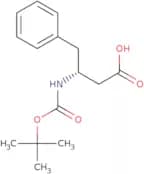

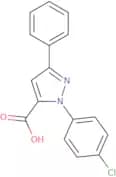
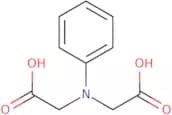
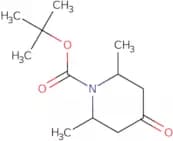
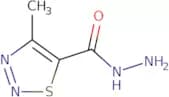
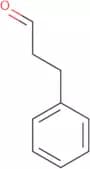
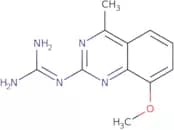
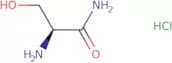
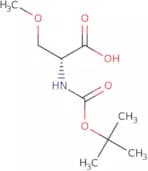
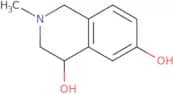
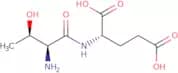
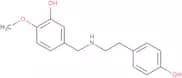
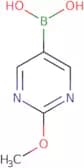

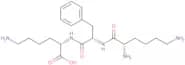
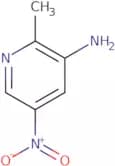
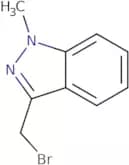
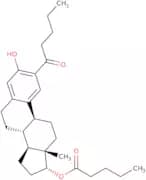
![trans-2-[3-(4-tert-Butylphenyl)-2-methyl-2-propenylidene]malononitrile](/_next/image/?url=https%3A%2Fstatic.cymitquimica.com%2Fproducts%2F3D%2Fthumb-webp%2FFB166374.webp&w=3840&q=75)

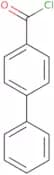
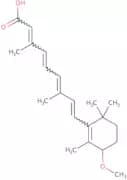
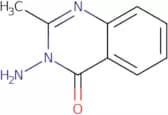
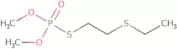


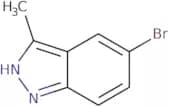
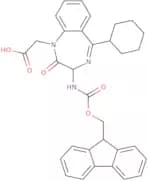
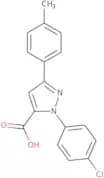
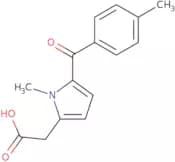
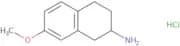
![1-[2-(5-Methoxy-1H-indol-3-yl)ethyl]-5-oxopyrrolidine-3-carboxylic acid](/_next/image/?url=https%3A%2Fstatic.cymitquimica.com%2Fproducts%2F3D%2Fthumb-webp%2FFM119445.webp&w=3840&q=75)
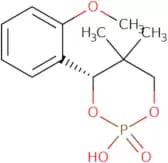
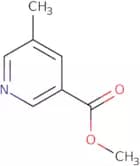
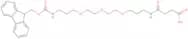
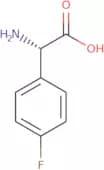

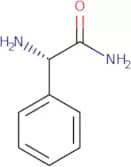
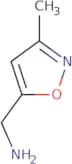
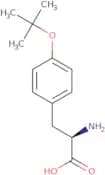
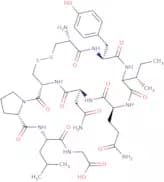
![N-[2-[4-(Aminosulfonyl)-phenyl]-ethyl]-5-methyl-2-pyrazinecarboxamide](/_next/image/?url=https%3A%2Fstatic.cymitquimica.com%2Fproducts%2F3D%2Fthumb-webp%2FFA150607.webp&w=3840&q=75)

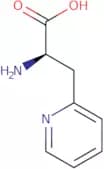

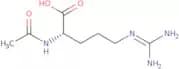
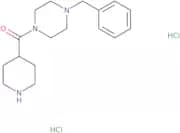


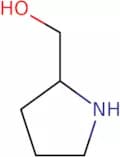
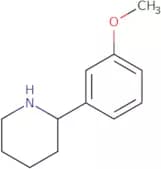


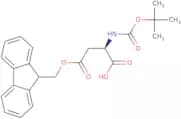
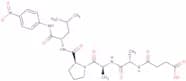
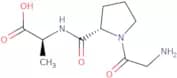
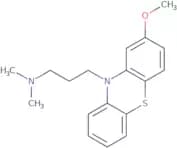
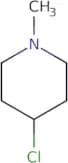
![5-[(2-Methoxyphenoxy)-methyl]-2-oxazolidinone](/_next/image/?url=https%3A%2Fstatic.cymitquimica.com%2Fproducts%2F3D%2Fthumb-webp%2FFM25063.webp&w=3840&q=75)
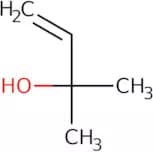
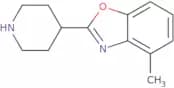
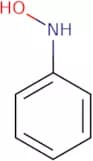

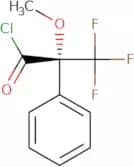
![1-[2-(5-Methyl-1H-indol-3-yl)ethyl]-5-oxopyrrolidine-3-carboxylic acid](/_next/image/?url=https%3A%2Fstatic.cymitquimica.com%2Fproducts%2F3D%2Fthumb-webp%2FFM119447.webp&w=3840&q=75)
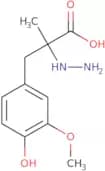
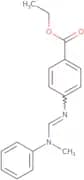
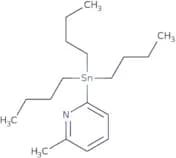
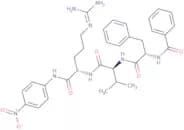
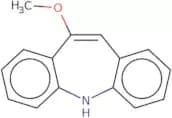
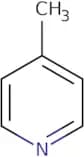

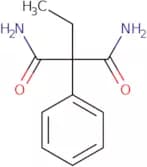
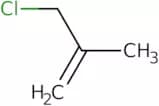

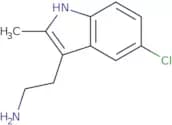
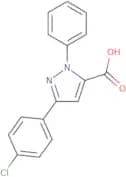
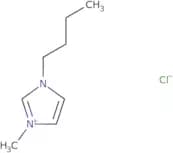
![5[(R)-(2-Aminopropyl)]-2-methoxybenzenesulfonamide hydrochloride](/_next/image/?url=https%3A%2Fstatic.cymitquimica.com%2Fproducts%2F3D%2Fthumb-webp%2FFA17834.webp&w=3840&q=75)

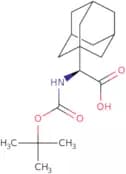
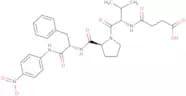
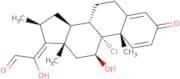
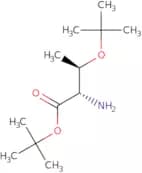
![[1-(2-Methoxyethyl)-1H-indol-3-yl]acetic acid](/_next/image/?url=https%3A%2Fstatic.cymitquimica.com%2Fproducts%2F3D%2Fthumb-webp%2FFM135744.webp&w=3840&q=75)
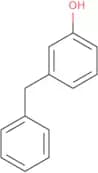
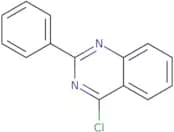
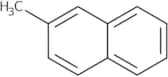
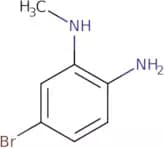
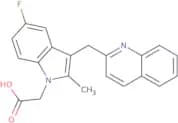
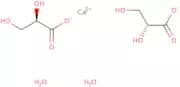
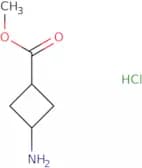
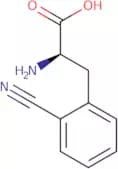
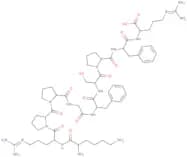
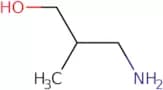

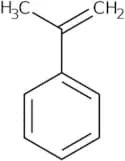

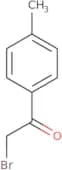
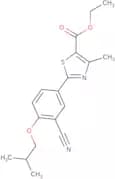
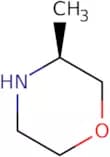
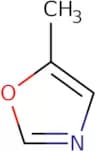

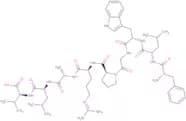


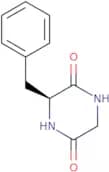
![N-[3-Fluoro-4-[(methylamino)carbonyl]phenyl]-2-methylalanine](/_next/image/?url=https%3A%2Fstatic.cymitquimica.com%2Fproducts%2F3D%2Fthumb-webp%2FFF99416.webp&w=3840&q=75)
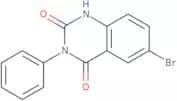
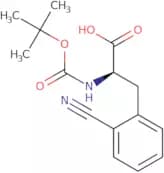
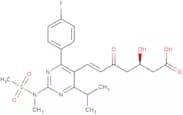
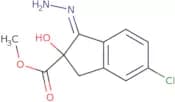
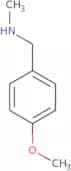
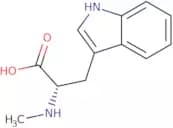
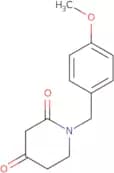
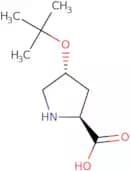
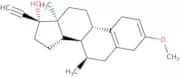


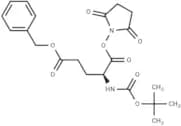


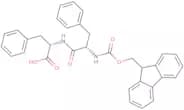

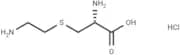

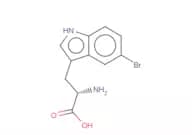


![8-Chloro-1-methyl-6-phenyl-4H-Imidazo[1,5-a][1,4]benzodiazepine](/_next/image/?url=https%3A%2Fstatic.cymitquimica.com%2Fproducts%2F3D%2Fthumb-webp%2FFC159452.webp&w=3840&q=75)
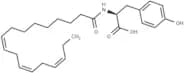
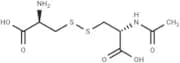
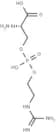

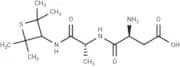



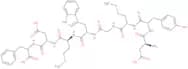
![Fmoc-[15N]Val-OH](/_next/image/?url=https%3A%2Fstatic.cymitquimica.com%2Fproducts%2F3D%2Fthumb-webp%2FFF111322.webp&w=3840&q=75)
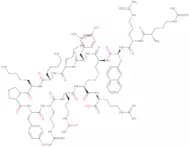


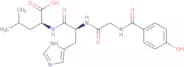
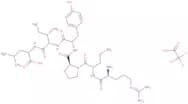


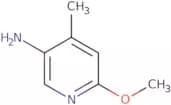
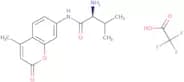

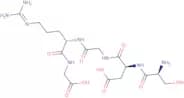




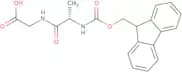
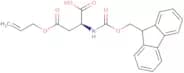

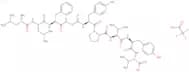

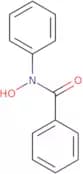
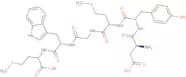

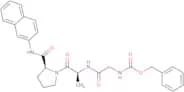



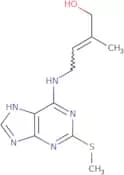
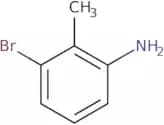
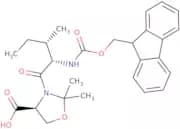

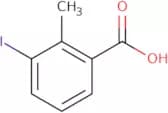
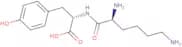


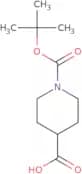
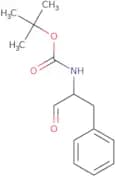
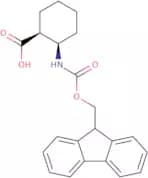
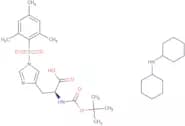
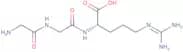
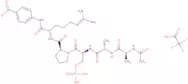

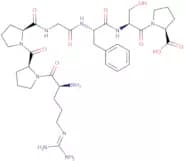
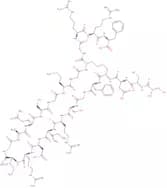
![N-[3-Fluoro-4-[6-(2-methyl-2H-tetrazol-5-yl)-3-pyridinyl]phenyl]carbamic acid phenylmethyl ester](/_next/image/?url=https%3A%2Fstatic.cymitquimica.com%2Fproducts%2F3D%2Fthumb-webp%2FFF102200.webp&w=3840&q=75)