Organic Halides
In this category, you can find organic molecules containing one or more halogen atoms in their structure. These organic halides include brominated, iodinated, chlorinated, and cyclic halide compounds. Organic halides are widely used in organic synthesis, pharmaceuticals, agrochemicals, and materials science due to their reactivity and ability to undergo a variety of chemical transformations. At CymitQuimica, we offer a comprehensive selection of high-quality organic halides to support your research and industrial applications, ensuring reliable and effective performance in your synthetic and analytical projects.
Subcategories of "Organic Halides"
Found 20440 products of "Organic Halides"
Sort by
Purity (%)
0
100
|
0
|
50
|
90
|
95
|
100
7-[4-[4-(4-Fluorobenzoyl)Piperidin-1-Yl]Butyl]-1,3-Dimethylpurine-2,6-Dione
CAS:Controlled Product7-[4-[4-(4-Fluorobenzoyl)Piperidin-1-Yl]Butyl]-1,3-Dimethylpurine-2,6-Dione is a drug that belongs to the group of adenosine receptor antagonists. It has been shown to inhibit phosphodiesterase activity and is used as a pharmaceutical dosage. 7-[4-[4-(4-Fluorobenzoyl)Piperidin-1-Yl]Butyl]-1,3-Dimethylpurine-2,6-Dione has been shown to bind to the 5HT2C receptor in vitro. This drug may have therapeutic potential for obesity and type 2 diabetes mellitus treatment.Formula:C23H28FN5O3Purity:Min. 95%Molecular weight:441.5 g/mol4-Chlorocyclohexene
CAS:4-Chlorocyclohexene is a chlorinating agent that has been used in the production of chlorine. It is a colorless liquid with an odor similar to that of chloride. 4-Chlorocyclohexene reacts with hydrogen chloride to form 4-chlorobenzene and hydrogen gas. This reaction is mediated by acid, base, or even metals such as copper. 4-Chlorocyclohexene can be used to produce polyatomic molecules such as carboxylates, chlorides, and sulfides. It has also been used in the synthesis of lipid nanoparticles for use in skincare products.Formula:C6H9ClPurity:Min. 95%Color and Shape:PowderMolecular weight:116.59 g/mol4-(2,2-Difluoro-1,3-benzodioxol-4-yl)-1H-pyrrole-3-carbonitrile
CAS:<p>4-(2,2-Difluoro-1,3-benzodioxol-4-yl)-1H-pyrrole-3-carbonitrile is a fungicide that inhibits the growth of fungi. It has been shown to be effective against postharvest fungal infections and synergizes with zirconium oxide. 4-(2,2-Difluoro-1,3-benzodioxol-4-yl)-1H-pyrrole-3-carbonitrile binds to copper ions and prevents ATP binding to ATP binding cassette transporter protein (ABC) transporters in fungi cells. This leads to apoptosis of these cells by inhibiting the mitochondrial electron transport chain.</p>Formula:C12H6F2N2O2Purity:Min. 98 Area-%Color and Shape:PowderMolecular weight:248.19 g/mol4-Chloro-2-fluoroaniline
CAS:<p>4-Chloro-2-fluoroaniline is a potent inhibitor of the epidermal growth factor receptor (EGFR) that belongs to the group of amides. It has been shown to have immunomodulatory effects, which may be due to its ability to inhibit the production of hydrogen fluoride and growth factors. 4-Chloro-2-fluoroaniline has been found to be effective in inducing remission for patients with inflammatory bowel disease.</p>Formula:C6H5ClFNPurity:Min. 95%Color and Shape:Clear LiquidMolecular weight:145.56 g/molMethyl 6-bromo-3,4-dimethoxybenzoate
CAS:<p>Methyl 6-bromo-3,4-dimethoxybenzoate is a potent compound that inhibits topoisomerase. It is not as selective as other topoisomerase inhibitors, but it is more reactive and has been shown to be effective in the synthesis of lactones. This compound can also be used as an intermediate for the synthesis of more potent inhibitors of topoisomerase. Methyl 6-bromo-3,4-dimethoxybenzoate has been shown to react with aliphatic aldehydes and nitro compounds to form zinc powder. The reaction proceeds via a catalytic mechanism involving an initial complexation of the methyl group with the carbonyl oxygen atom followed by nucleophilic attack by zinc.</p>Formula:C10H11BrO4Purity:Min. 98 Area-%Color and Shape:PowderMolecular weight:275.1 g/molBetazole dihydrochloride
CAS:<p>Histamine H2 receptor agonist</p>Formula:C5H9N3·2HClPurity:Min. 95%Color and Shape:White PowderMolecular weight:184.07 g/molDrotaverine hydrochloride
CAS:<p>Phosphodiesterase 4 inhibitor; anti-spasmodic agent</p>Formula:C24H32ClNO4Purity:Min. 95%Color and Shape:PowderMolecular weight:433.97 g/molProlintane hydrochloride
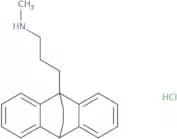
CAS:Controlled Product<p>Prolintane hydrochloride is a drug that has been shown to inhibit the activity of enzymes in the inflammatory and immune responses. It also inhibits the uptake of caffeine, which may be due to its ability to bind with the toll-like receptor (TLR) and CB2 receptor. Prolintane hydrochloride has been used to treat bowel disease, depression, and autoimmune diseases such as rheumatoid arthritis. This drug has a depressant effect on the central nervous system, which may lead to symptoms such as drowsiness and fatigue. The drug is metabolized through a synthetic pathway that involves N-deacetylation by acetyltransferase enzymes. Prolintane hydrochloride also inhibits inflammatory bowel disease by reducing cytokine production in mice with colitis.</p>Purity:Min. 95%5-Fluoro-2-methylphenylhydrazine hydrochloride
CAS:5-Fluoro-2-methylphenylhydrazine hydrochloride is a crystalline solid that is soluble in water. It is used as a reagent in organic synthesis, but it also has application as an intermediate in the production of calcium hydroxide and calcium fluoride. 5-Fluoro-2-methylphenylhydrazine hydrochloride reacts with methacrylate to produce an ultrafine powder, which can be difficult to hydrate because of its high molecular weight. The hydration reaction requires the addition of large amounts of water and heat. This process can be accelerated by adding a solution of calcium ions or calcium hydroxide to the reaction mixture. Hydrogen fluoride gas (HF) may also be generated during this process. Crystallization occurs when the solids are heated or placed in contact with a nonpolar solvent such as hexane.Formula:C7H9FN2•HClPurity:Min. 95%Color and Shape:PowderMolecular weight:176.62 g/mol1,8-Bis(bromomethyl)naphthalene
CAS:<p>1,8-Bis(bromomethyl)naphthalene is a naphthalene compound that has been shown to be a monoradical. It is synthesized by the replacement of two hydrogen atoms with bromine in the molecule. This reaction produces an alkylating agent and a molecule with a β-unsaturated aldehyde group. The compound has been studied using X-ray diffraction, where it has been found to have reactivity similar to other molecules with carbonyl groups. 1,8-Bis(bromomethyl)naphthalene has also been synthesized and studied by functional theory calculations. These calculations show that the bond lengths for this molecule are closer to those of benzene than those of naphthalene, which may account for its unusual reactivity.</p>Formula:C12H10Br2Purity:Min. 95%Color and Shape:PowderMolecular weight:314.02 g/mol3-Chloro-4-nitrotoluene
CAS:<p>3-Chloro-4-nitrotoluene (3CNT) is a lactam that is produced from hydrochloric acid and styrene. 3CNT has a reactive nature, as it readily undergoes dehydration to produce benzothiazine. The reaction of 3CNT with hydroxamic acids yields the corresponding nitro compound, which can be used for the synthesis of organic compounds. 3CNT also reacts with protonated amines to form an oxazoline derivative. 3CNT is used in cross-coupling reactions, which are important for the synthesis of complex molecules such as pharmaceuticals and agrochemicals. Kinetic data on 3CNT’s reaction with hydroxamic acids show that it has a high rate of conversion to nitro compounds.</p>Formula:C7H6ClNO2Purity:Min. 95%Color and Shape:PowderMolecular weight:171.58 g/molDi-(1-adamantyl)amine hydrochloride
CAS:Di-(1-adamantyl)amine hydrochloride is a fine chemical that is used as a building block in research. It has been shown to be an effective reagent for the preparation of polymers and as a speciality chemical. Di-(1-adamantyl)amine hydrochloride can be used as a reaction component for the synthesis of other compounds and is available in high quality. It is also versatile, being able to react with carboxylic acids, amines, alcohols, phosphorus halides, and thiols. This compound is not listed with CAS No., but it is available from many suppliers.Formula:C20H32ClNPurity:Min. 95%Color and Shape:PowderMolecular weight:321.93 g/mol5-Aminofluorescein
CAS:5-Aminofluorescein is a fluorescence probe that is used to detect the presence of reactive groups on basic fibroblast cells. 5-Aminofluorescein reacts with an ionotropic gelation agent and forms a fluorescent gel when it contacts cells. The fluorescent gel penetrates the cell membrane and binds to enzymes, which will cause the release of cellular energy in the form of heat. This energy can be measured by calorimetry or by measuring the change in fluorescence. 5-Aminofluorescein has been shown to have significant cytotoxicity against malignant brain tumor cells, which may be due to its ability to penetrate into these cells and bind to DNA. It also has antimicrobial properties and can be used as a titration indicator for certain drugs, such as antibiotics.Formula:C20H13NO5Purity:Min. 95 Area-%Color and Shape:PowderMolecular weight:347.32 g/mol3-Methoxyanthranilic acid hydrochloride
CAS:3-Methoxyanthranilic acid hydrochloride is a synthetic, monosubstituted, hydrochloric acid salt of 3-methoxyanthranilic acid and the hydrochloride. It is a colorless crystalline solid that melts at 166 degrees Celsius. 3-Methoxyanthranilic acid hydrochloride is used as an intermediate in the synthesis of caprolactam, which is then used to produce polyamide fibers. The melting point of 3-Methoxyanthranilic acid hydrochloride can be used to identify other compounds with similar structures. This compound has been shown to have antihistamine effects and may be useful for treating allergies or asthma.Formula:C8H9NO3•HClPurity:Min. 95%Color and Shape:PowderMolecular weight:203.62 g/mol2-Indol-3-yl-2-oxo-N-(3-(1,1,2,2-tetrafluoroethoxy)phenyl)ethanamide
CAS:Please enquire for more information about 2-Indol-3-yl-2-oxo-N-(3-(1,1,2,2-tetrafluoroethoxy)phenyl)ethanamide including the price, delivery time and more detailed product information at the technical inquiry form on this pageFormula:C18H12F4N2O3Purity:Min. 95%Color and Shape:PowderMolecular weight:380.29 g/mol2-Fluoro-3-methylbenzoic acid methyl ester
CAS:<p>2-Fluoro-3-methylbenzoic acid methyl ester is a small molecule that has been shown to possess 5-HT3 receptor antagonist activity in the range of nanomolar potencies. This drug has also been shown to be orally active in mice. The physicochemical properties of 2-fluoro-3-methylbenzoic acid methyl ester include a melting point of 155.5° C, solubility in methanol and acetone, and a molecular weight of 168.2 g/mol.<br>2-Fluoro-3-methylbenzoic acid methyl ester is being developed as a targeted agent for the treatment of bowel syndrome, which is characterized by abdominal pain, nausea and diarrhea.</p>Formula:C9H9FO2Purity:Min. 95%Color and Shape:Clear LiquidMolecular weight:168.16 g/molIodoquinol
CAS:Iodoquinol is a quinoline derivative that has been shown to have antifungal properties in vitro. It is used to treat bowel disease and infectious diseases, such as malaria and tuberculosis. Iodoquinol has also been shown to reduce the incidence of autoimmune diseases by inhibiting the production of pro-inflammatory cytokines. The mechanism of action for this drug is not well understood, but it is believed that it reacts with DNA and may inhibit the synthesis of proteins. It has also been shown to cause genotoxic effects in a model system by binding covalently to DNA, as well as benzalkonium chlorideFormula:C9H5I2NOPurity:Min. 95%Color and Shape:Yellow PowderMolecular weight:396.95 g/molFmoc-L-proline pentafluorophenyl ester
CAS:Fmoc-L-proline pentafluorophenyl ester is an estrogen analog that binds to the estrogen receptor α. It has been shown to inhibit cancer cell growth in vitro and in vivo. In addition, Fmoc-L-proline pentafluorophenyl ester inhibits the formation of new cancer cells by inducing cell death and inhibiting proliferation. This drug also has anti-inflammatory properties and is able to bind with calmodulin, which may be related to its ability to inhibit breast cancer cell growth.Formula:C26H18F5NO4Purity:Min. 95%Molecular weight:503.42 g/mol4-Chloro-3-nitrobenzamide
CAS:<p>4-Chloro-3-nitrobenzamide (4CNBA) is a potent inducer of hepatic drug metabolizing enzymes. It reacts with methyl cinnamate to form the 4-chloro-3-nitrobenzamide methyl ester and chloride ions. This reaction is catalyzed by copper, which binds to the 4CNBA molecule. The chloride ion then displaces water from the ester, producing a nitroso intermediate. This intermediate breaks down into an unstable nitrite, which in turn reacts with hydrogen peroxide to form a hydroxylamine intermediate. Hydroxylamine can then react with sulfhydryl groups to produce reactive thiols that are responsible for the induction of detoxification enzymes in the liver.<br>4CNBA has been shown to be toxic at high concentrations and is rapidly detoxified by Phase II enzymes such as glutathione S transferase, UDP glucuronosyltransferase, and N-acetyl</p>Formula:C7H5ClN2O3Purity:Min. 95%Color and Shape:PowderMolecular weight:200.58 g/mol3-Bromo-5-(trifluoromethyl)toluene
CAS:3-Bromo-5-(trifluoromethyl)toluene is a hydrolase enzyme that can hydrolyze the ester bonds in 3-bromo-5-(trifluoromethyl)toluene and other compounds. The enzyme has been shown to be active against gram-negative bacteria, including Klebsiella pneumoniae. It is not active against gram-positive bacteria such as Staphylococcus aureus or Streptococcus pneumoniae. This enzyme is classified as an antibiotic resistance framework because it can modify certain antibiotics, such as piperazine and analogs, by converting them into ligands for the active site of the enzyme. 3BFT also has biosynthesis activity in which it converts pyrophosphate to ATP and PPi.Formula:C8H6BrF3Purity:Min. 95%Color and Shape:Clear LiquidMolecular weight:239.03 g/mol2-Chloro-3-fluorobenzoic acid
CAS:<p>2-Chloro-3-fluorobenzoic acid is a common intermediate used in organic synthesis. It can be synthesized by the halogenation of 2,4-dichlorophenol with <br>chlorine or bromine followed by nitration and reduction. This compound is an important reagent for generating various heterocycles. It is characterized by a coefficient of 0.5 (palladium), which makes it useful for analytical methods that require a high level of purity, such as spectroscopic analysis. The chemical diversity descriptor demonstrates the variety of chemical reactions that this compound has undergone during its synthesis.</p>Formula:C7H4ClFO2Purity:Min. 95%Color and Shape:PowderMolecular weight:174.56 g/mol3,5-Dibromobenzaldehyde
CAS:3,5-Dibromobenzaldehyde is an analytical reagent that has been used as a chemosensor. The compound was synthesized by the reaction of benzaldehyde with bromine and potassium hydroxide (KOH). 3,5-Dibromobenzaldehyde has a skeleton consisting of three phenyl groups and two aldehyde groups. The compound also contains two active methylene groups and two vinylene groups. 3,5-Dibromobenzaldehyde can be detected by fluorescence probe or low energy electron diffraction. This chemical is an effective antibacterial agent with an LD50 value of 1.6 milligrams per kilogram in rats.Formula:C7H4Br2OPurity:Min. 95%Color and Shape:White PowderMolecular weight:263.91 g/mol(2,3-Dichlorophenyl)acetonitrile
CAS:<p>(2,3-Dichlorophenyl)acetonitrile is a fine chemical that is useful as a building block in the synthesis of more complex compounds. It has been used in research as a reagent and as a speciality chemical. (2,3-Dichlorophenyl)acetonitrile reacts with many different types of compounds to form new molecules. This intermediate can be used in the synthesis of many different types of compounds and also serves as an important scaffold for larger molecules.</p>Formula:C8H5Cl2NPurity:Min. 95%Color and Shape:PowderMolecular weight:186.04 g/mol1-(3,4-Difluorophenyl)-2-nitroethene
CAS:<p>1-(3,4-Difluorophenyl)-2-nitroethene is a versatile chemical building block that can be used as a reagent, intermediate, or scaffold in the synthesis of complex compounds. It is a high quality product with a wide range of uses. 1-(3,4-Difluorophenyl)-2-nitroethene has been shown to react with various other chemicals to form new compounds. For example, it reacts with methyl bromoacetate to form 1-(3,4-difluorophenyl)ethanone and 2-bromoacetaldehyde. This product can also be used as an intermediate in the synthesis of organic derivatives such as 3-[(2'-chloro-1'-fluoroethyl)amino]propionitrile hydrochloride.</p>Formula:C8H5F2NO2Purity:Min. 95%Molecular weight:185.13 g/mol4,5-Dihydro-1H-pyrazol-3-ol hydrochloride
CAS:<p>4,5-Dihydro-1H-pyrazol-3-ol hydrochloride (DHPE) is a potent inhibitor of the uptake and transport of serotonin in the rat brain. DHPE inhibits serotonin uptake by blocking the binding of serotonin to its transporter protein and also inhibits serotonin reuptake at the synapse. It is also an inhibitor of lysine hydroxylase, which converts lysine to catecholamine neurotransmitters. This inhibition leads to decreased levels of dopamine, norepinephrine and epinephrine, which can cause depression. DHPE binds to acidic amino acids such as glycine and glutamate, potentiating their actions on postsynaptic neurons. This effect may be due to increased synaptic activity or decreased inhibitory neurotransmitter release.br><br>br><br>The environment can affect the pharmacokinetics of DHPE. DHPE has been shown to have higher concentrations in acidic environments than basic environments because it is more soluble</p>Formula:C3H6N2OPurity:Min. 95%Color and Shape:PowderMolecular weight:86.09 g/molEthyl 3-iodobenzoate
CAS:<p>Ethyl 3-iodobenzoate (EIB) is a catalytic reagent that is used in the synthesis of terminal alkynes. It has been shown to be highly reactive with chloride and transmetallates to form ethyl 3-chlorobenzoate. The reaction time between EIB and chloride can be decreased by adding magnesium to the reaction mixture. This reagent also reacts with thymic acid, a synthon for many thiols, forming ethyl 3-thiophenoate. Ethyl 3-iodobenzoate can also act as an affinity label for halides and heterocycles.</p>Formula:C9H9IO2Purity:Min. 95%Color and Shape:Clear LiquidMolecular weight:276.07 g/mol3-Iodobenzamide
CAS:3-Iodobenzamide is a metalloporphyrin that is used as a research tool. It has been shown to inhibit the tyrosine kinase activity of the BCR-ABL protein and to induce apoptosis in chronic myeloid leukemia cells. 3-Iodobenzamide binds to the dopamine D2 receptor, which leads to inhibition of adenylate cyclase and decreased levels of cAMP. The binding affinity of 3-iodobenzamide for dopamine receptors and its ability to inhibit cAMP production make it an ideal candidate for use in studies on striatal membrane preparations and homogenates.Formula:C7H6INOPurity:Min. 95%Color and Shape:PowderMolecular weight:247.03 g/molFmoc-3-chloro-L-tyrosine
CAS:<p>Fmoc-3-chloro-L-tyrosine is a fine chemical that belongs to the class of versatile building blocks. It is a reagent and speciality chemical that is used in the synthesis of complex compounds. Fmoc-3-chloro-L-tyrosine can be used as a useful scaffold to produce high quality and versatile building blocks, which are useful for research purposes. Fmoc-3-chloro-L-tyrosine has CAS No. 478183-58-3, which shows its high quality and usefulness.</p>Formula:C24H20ClNO5Purity:Min. 95%Color and Shape:White PowderMolecular weight:437.87 g/molNᵉ-Dimethyl-L-lysine hydrochloride
CAS:<p>Ne-Dimethyl-L-lysine hydrochloride is a tryptic cleavage product of L-lysine that can be used as a marker for the presence of lysine residues in proteins. Ne-Dimethyl-L-lysine hydrochloride can be used to identify and quantify modified lysines, such as trimethylated lysines, and damaged lysines. Ne-Dimethyl-L-lysine hydrochloride binds to RNA, which makes it a good marker for rRNA synthesis.</p>Formula:C8H18N2O2·HClPurity:Min. 95%Color and Shape:PowderMolecular weight:210.7 g/mol1-Chloro-3-[4-(2-methoxyethyl)phenoxy]-2-propanol
CAS:<p>1-Chloro-3-[4-(2-methoxyethyl)phenoxy]-2-propanol is a potent antihypertensive agent that is synthesized by the chemoenzymatic process. It differs from other antihypertensive drugs in that it incorporates an oxirane group, which makes it more hydrophobic than other drugs. 1-Chloro-3-[4-(2-methoxyethyl)phenoxy]-2-propanol is a crystalline solid with a melting point of 128°C and a density of 1.0 g/mL. The chemical name for this drug is 4-[(1E)-1-(chloromethoxy)propyl]phenol, which has potent antihypertensive activity and high enantioselectivity.</p>Formula:C12H17ClO3Purity:Min. 95%Molecular weight:244.71 g/mol3-(1,1,2,2-Tetrafluoroethoxy)aniline
CAS:3-(1,1,2,2-Tetrafluoroethoxy)aniline is a reagent that belongs to the group of complex compounds. It has CAS No. 831-75-4 and is used as an intermediate in the synthesis of fine chemicals, useful scaffolds and building blocks. This versatile chemical can be used as a reaction component for the production of speciality chemicals and research chemicals. 3-(1,1,2,2-Tetrafluoroethoxy)aniline can be used as a starting material for the production of other reagents such as fluoroalkylating agents and fluorinating agents.Formula:C8H7F4NOPurity:Min. 95%Color and Shape:Colorless Clear LiquidMolecular weight:209.14 g/mol2-(N-(4-iodophenyl)carbamoyl)cyclohexanecarboxylic acid
CAS:Please enquire for more information about 2-(N-(4-iodophenyl)carbamoyl)cyclohexanecarboxylic acid including the price, delivery time and more detailed product information at the technical inquiry form on this pageFormula:C14H16INO3Purity:Min. 95%Color and Shape:PowderMolecular weight:373.19 g/molD-Ornithine hydrochloride
CAS:D-Ornithine hydrochloride is a synthetic amino acid that is used as a precursor for the synthesis of polyamines in the body. It is also used as an additive in food and animal feed. This amino acid has been shown to inhibit gramicidin production by inhibiting the enzyme acylase. D-Ornithine hydrochloride has also been shown to stimulate the production of ornithine by increasing ATP levels and activating enzymes such as pyruvate kinase, glutamic pyruvate transaminase, and phosphoenolpyruvate carboxykinase. In addition, it has been shown to have chemoenzymatic properties that allow for its use in reactions with fatty acids as substrates. The reaction yield increases with higher substrate concentrations, which can be achieved using immobilized cells or by adding cyclic peptides such as ornithine to the reaction mixture.Formula:C5H12N2O2•HClPurity:Min. 95%Color and Shape:PowderMolecular weight:168.62 g/molChloral hydrate
CAS:Controlled Product<p>Chloral hydrate is a sedative and hypnotic drug that is used in the treatment of insomnia, anxiety disorders, and seizure disorders. It has also been used as an anticonvulsant and muscle relaxant. Chloral hydrate binds to the 5-HT2 receptors on neurons to produce its sedative effects. The therapeutic dose of chloral hydrate ranges from 1 to 3 g per day in adults, with a maximum dose of 12 g per day. Clinical studies have shown that chloral hydrate can cause liver damage when combined with other drugs such as acetaminophen or alcohol.</p>Formula:C2H3Cl3O2Purity:Min. 95%Color and Shape:PowderMolecular weight:165.4 g/mol1-Cyano-4-(dimethylamino)pyridinium tetrafluoroborate
CAS:1-Cyano-4-(dimethylamino)pyridinium tetrafluoroborate (CDAP) is an organic cyanylating agent. It is reactive under acidic conditions giving CDAP an advantage over other sulfhydryl labeling agents, as it can avoid potential thiol-disulfide exchange.Formula:C8H10N3BF4Purity:Min. 98 Area-%Color and Shape:PowderMolecular weight:234.99 g/mol5-Chloro-6-[(2-imino-1-pyrrolidinyl)methyl]-2,4(1H,3H)-pyrimidinedione monohydrochloride
CAS:Trifluridine is a pyrimidine nucleoside analog that is used in the treatment of colorectal cancer. It is a potent inhibitor of DNA polymerase and other enzymes involved in DNA replication and transcription, including RNA polymerase. Trifluridine has been shown to inhibit the growth of various types of human tumor cells in vitro. This drug also has anti-inflammatory properties, which may be due to its ability to inhibit prostaglandin synthesis. Trifluridine can cause fetal bovine syndrome when given to pregnant women and should not be used during pregnancy or breastfeeding.Formula:C9H11ClN4O2·HClPurity:Min. 98 Area-%Color and Shape:White PowderMolecular weight:279.12 g/molN-Succinimidyl 4,4,5,5,6,6,7,7,8,8,9,9,9-tridecafluorononanoate
CAS:<p>N-Succinimidyl 4,4,5,5,6,6,7,7,8,8,9,9-tridecafluorononanoate is a high quality reagent that can be used as an intermediate in the synthesis of complex compounds. It has been shown to be a useful scaffold for the synthesis of peptides and other biomolecules. This chemical is also versatile and can be used as a building block or reaction component in many different reactions.</p>Formula:C13H8F13NO4Purity:Min. 95%Color and Shape:PowderMolecular weight:489.19 g/molChlorpromazine
CAS:Controlled Product<p>Dopamine receptor antagonist; antipsychotic; inhibitor of HSP27</p>Formula:C17H19ClN2SPurity:Min. 95%Molecular weight:318.86 g/molN-Methyl-N-phenylazetidin-3-amine hydrochloride
CAS:N-Methyl-N-phenylazetidin-3-amine hydrochloride is a white solid with a melting point of 175°C. It is soluble in water, ethanol, and ether. N-Methyl-N-phenylazetidin-3-amine hydrochloride is an intermediate for the synthesis of chemical compounds that are used in research and development. This compound can be used as a building block to create complex compounds with biological activity. It can also be used as a scaffold to create novel chemical compounds that have not been observed before. The quality of this chemical is high, making it suitable for research purposes.Formula:C10H15N2ClPurity:Min. 95%Color and Shape:Solid.Molecular weight:198.69 g/mol2-Chloro-2',6'-dimethylacetanilide
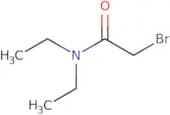
CAS:2-Chloro-2',6'-dimethylacetanilide is a synthetic drug that is used as an intermediate for the manufacture of diazepam. It has been shown to be effective in reducing the severity of symptoms and mortality rate of patients with severe influenza, also known as "pandemic flu". This compound has been shown to be effective in protecting animals from the effects of carbon monoxide poisoning. It has also been used in medicines such as covid-19, which is used for the treatment of Parkinson's disease. 2-Chloro-2',6'-dimethylacetanilide can be found in a number of other pharmaceuticals, such as antidepressants and antibiotics.Formula:C10H12ClNOPurity:Min. 95%Color and Shape:White PowderMolecular weight:197.66 g/molL-β-Homotryptophan hydrochloride
CAS:L-beta-Homotryptophan hydrochloride is a fine chemical that is used in research, as well as in the production of other chemicals. It is a useful building block for complex compounds. It can be used to react with other compounds to produce reactions components or scaffolds. L-beta-Homotryptophan hydrochloride is also a versatile building block and can be used to synthesize other fine chemicals, such as pharmaceuticals, pesticides, and herbicides. L-beta-Homotryptophan hydrochloride belongs to the category of reagents that are available in high quality and are often used in research. The CAS number for this compound is 339994-86-4.Formula:C12H14N2O2•HClPurity:Min. 95%Color and Shape:Off-White PowderMolecular weight:254.71 g/mol4'-Chloro-2'-fluoroacetophenone
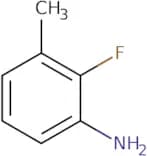
CAS:4'-Chloro-2'-fluoroacetophenone is a high-quality chemical reagent that can be used to prepare complex compounds. It is also a useful intermediate for the preparation of fine chemicals, useful scaffolds, and other research chemicals. This compound is a versatile building block that can be used in the synthesis of speciality chemicals, reaction components, and other compounds.Formula:C8H6ClFOPurity:Min. 95%Molecular weight:172.58 g/mol4-Chloro-2-methoxybenzoic acid
CAS:<p>4-Chloro-2-methoxybenzoic acid is a chloroacetic acid that is used as an antibacterial agent. It has been shown to have a broad spectrum of activity against bacteria, including gram-positive and gram-negative bacteria. 4-Chloro-2-methoxybenzoic acid is active against both stationary and mobile phases of growth. It has also been shown to be effective in inhibiting the growth of fungi, such as Aspergillus niger, Aspergillus fumigatus, Penicillium notatum, and Fusarium oxysporum. This compound can be synthesized from carboxylic acids by reacting them with sodium nitrite in the presence of dry nitrogen gas to form chloroacetic acid. The chemical formula for this compound is CHClOOC(CH)COOH.</p>Formula:C8H7ClO3Purity:Min. 95%Color and Shape:PowderMolecular weight:186.59 g/molTetrabromobisphenol S
CAS:Tetrabromobisphenols (TBB) are skin conditioners that are used in the cosmetic industry. They are derived from fatty acids and have a structural formula of C10H8Br4. TBBs have a fluorine atom at their central position and have been shown to react with bacterial strains and produce reaction products, such as hydrogen chloride, calcium carbonate, and carbonic acid. TBBs form hydrogen bonds with the membrane system of cells and affect physiological functions. TBBs are able to penetrate the skin and enter the bloodstream, which can lead to toxic side effects in humans.Formula:C12H6Br4O4SPurity:Min. 95%Color and Shape:PowderMolecular weight:565.86 g/mol4-Bromo-2-fluoro-5-nitroacetanilide
CAS:<p>4-Bromo-2-fluoro-5-nitroacetanilide is a versatile building block that has been used in the synthesis of complex compounds. It is a reagent which can be used in the research and development of pharmaceuticals, agricultural chemicals, and other specialty chemicals. 4-Bromo-2-fluoro-5-nitroacetanilide is also a useful building block for synthesis of other chemical compounds. This compound has been shown to have high quality for use in organic synthesis and as a reaction component for the preparation of useful scaffolds. This compound is also useful as an intermediate in organic reactions. CAS No. 95635-46-4</p>Formula:C8H6BrFN2O3Purity:Min. 95%Color and Shape:PowderMolecular weight:277.05 g/mol5-(Trifluoromethyl)benzene-1,3-diamine
CAS:<p>5-(Trifluoromethyl)benzene-1,3-diamine is a chemical compound that is used in the synthesis of coatings and magnetic resonance imaging contrast agents. It can be used as a crosslinker for polymers, such as amides, in order to improve their hardness and strength. The synthesis of 5-(trifluoromethyl)benzene-1,3-diamine is done by reacting hydrogen chloride with magnesium oxide in an organic solvent. The product can then be reacted with other compounds to produce different products. One such compound is benzotrifluoride, which can be used to synthesize fluorinated coatings and monomers. The final product can also be reacted with sodium formate to produce a constant.</p>Formula:C7H7F3N2Purity:Min. 98 Area-%Color and Shape:PowderMolecular weight:176.14 g/mol2-(Fluoromethyl)-3-(2-Methylphenyl)Quinazolin-4-One
CAS:Controlled Product2-(Fluoromethyl)-3-(2-Methylphenyl)Quinazolin-4-One (RUG) is a new synthetic drug that is structurally related to diazepam and lorazepam. The drug has been shown to have sedative, muscle relaxant, anti-convulsant, and analgesic properties in animal studies. RUG has been shown to inhibit the activities of enzymes such as serum cholinesterase and acetylcholinesterase in animals. It also stimulates salivation and inhibits muscle contractions, which may be due to its ability to enhance the effects of gamma aminobutyric acid (GABA). When administered orally or intraperitoneally, RUG produces a dose-dependent reduction in spontaneous activity in rats. These effects are similar to those produced by rugulovasine, a natural indole alkaloid from the plant Uncaria rhynchophylla.Formula:C16H13FN2OPurity:Min. 95%Molecular weight:268.29 g/mol3-Bromo-5-(trifluoromethyl)phenol
CAS:<p>3-Bromo-5-(trifluoromethyl)phenol is a versatile building block that is used as a scaffold for synthesis of complex compounds. It can be used as a reaction component in the synthesis of valuable chemical products, such as fine chemicals and research chemicals. 3-Bromo-5-(trifluoromethyl)phenol is also useful for the production of speciality chemicals. This chemical has been shown to have high quality and can be used as a reagent in organic synthesis.</p>Formula:C7H4BrF3OPurity:Min. 95%Color and Shape:Colorless Clear LiquidMolecular weight:241.01 g/mol2,8-Dichlorodibenzo-p-dioxin
CAS:2,8-Dichlorodibenzo-p-dioxin (2,8-DCDD) is a chlorinated dioxin. It is used as an analytical reagent in wastewater treatment methods. 2,8-DCDD can be prepared by the reaction of chlorine atoms with a sample that contains dioxins. The preparation of 2,8-DCDD involves the use of solvents such as dichloromethane or toluene and has been shown to require activation energies between 10 and 40 kcal/mol. 2,8-DCDD is a postulated carcinogen because it binds to receptor sites on cells and promotes tumor formation in animal models. The rate of formation of 2,8-DCDD has been shown to increase when triclosan is present in the environment at concentrations greater than 0.1 ppm. Triclosan can also promote the formation of 2,6-dichlorophenolFormula:C12H6Cl2O2Purity:Min. 95%Molecular weight:253.08 g/mol4-Chloro-3-nitroacetophenone
CAS:<p>4-Chloro-3-nitroacetophenone is a phenothiazine drug that is used in the treatment of lung conditions. It binds to the active site of human cytochrome P450, which is an enzyme that metabolizes many drugs and other foreign substances. 4-Chloro-3-nitroacetophenone inhibits the reaction by binding to the chloride ion and preventing it from leaving the enzyme's active site, which is necessary for its function. The drug has been shown to have a high affinity for protozoan tetrahymena, an organism that has been widely used as a model system in biochemistry research. 4-Chloro-3-nitroacetophenone also inhibits biochemical reactions involving nucleophilic substrates such as quinoline derivatives. The reaction rate of these substrates is decreased by this drug due to its ability to compete with water molecules for the nucleophilic reaction intermediate.</p>Formula:C8H6ClNO3Purity:Min. 95%Color and Shape:PowderMolecular weight:199.59 g/mol7-Chloro-5-(2-fluorophenyl)-2,3-dihydro-1H-1,4-benzodiazepine-2-methanamine
CAS:Controlled ProductPlease enquire for more information about 7-Chloro-5-(2-fluorophenyl)-2,3-dihydro-1H-1,4-benzodiazepine-2-methanamine including the price, delivery time and more detailed product information at the technical inquiry form on this pageFormula:C16H15ClFN3Purity:Min. 95%Color and Shape:PowderMolecular weight:303.76 g/mol2-Chloro-5-nitrobenzene sulfonamide
CAS:<p>2-Chloro-5-nitrobenzene sulfonamide (2CNS) is a glycol ether that has been shown to inhibit the activity of carbonic anhydrase. It has been shown to be a competitive inhibitor of the enzyme, and can be used as a lead compound for developing new drugs. 2CNS has been shown to inhibit an anhydrase that is found in bacteria, such as Streptococcus pneumoniae, Haemophilus influenzae, and Staphylococcus aureus. This inhibition causes increased levels of hydrogen ions in the bacterial environment, which leads to the acidification of their surroundings. 2CNS also inhibits chloride ion uptake in these bacteria.<br>2CNS's pharmacophore includes two aromatic hydrocarbon rings with at least one hydrogen bond acceptor group on each ring. This pharmacophore is responsible for its inhibition of carbonic anhydrase and chloride ion binding site.</p>Formula:C6H5ClN2O4SPurity:Min. 97 Area-%Color and Shape:White Off-White PowderMolecular weight:236.63 g/mol6-Bromo-2,3-dimethoxybenzoic acid
CAS:<p>6-Bromo-2,3-dimethoxybenzoic acid is a synthetic chemical that has been shown to have antibacterial activity. It has been shown to inhibit the growth of bacteria by binding to the imine group in the bacterial cell wall and preventing its synthesis. 6-Bromo-2,3-dimethoxybenzoic acid has also been shown to be synthesised from 2,3-dimethoxybenzoic acid and bromine. This compound is a benzophenanthridine alkaloid that inhibits protein synthesis and cell division.</p>Formula:C9H9BrO4Purity:Min. 95%Color and Shape:PowderMolecular weight:261.07 g/molBenzyldodecyldimethylammonium bromide
CAS:Benzyldodecyldimethylammonium bromide (BDDAB) is a versatile building block that can be used in synthesis of complex compounds. It is also a reagent and CAS No. 7281-04-1. BDDAB is a high quality, useful intermediate for the synthesis of useful scaffolds and useful reaction components. This chemical is also useful as a specialty chemical due to its versatility and research chemicals because it can be used in synthesis of new compounds.Formula:C21H38BrNPurity:Min. 95%Color and Shape:White PowderMolecular weight:384.44 g/mol2-Chlorophenol
CAS:2-Chlorophenol is an organic compound that is used as a disinfectant and antiseptic. It has been shown to adsorb onto activated carbon and other organic matter in wastewater treatment facilities, where it is degraded by the intramolecular hydrogenation of 2-chlorophenol to 2-hydroxybenzoic acid. This reaction can be catalyzed by sodium citrate, which acts as a proton donor. The kinetics of this transformation can be described using the pseudo-first order rate law. 2-Chlorophenol also regulates transcriptional activity through binding to DNA at specific sites. This binding can be detected using solid phase microextraction techniques on copper chloride or surfactant sodium dodecyl. The reaction mechanism for the conversion of 2-chlorophenol to 2-hydroxybenzoic acid involves intermolecular hydrogen bonding with a proton donor that leads to the oxidation of the substrate. The redox potential for this processFormula:C6H5ClOPurity:Min. 95%Color and Shape:LiquidMolecular weight:128.56 g/molFluorometholone
CAS:Controlled Product<p>Fluorometholone is a fluorocorticoid that is used to treat inflammatory conditions of the skin, eye, and airways. It has been shown to be effective against microbial infections in animals by inhibiting the production of fatty acids and reducing inflammation. Fluorometholone has also been shown to inhibit glucocorticoid receptors in cells, which may lead to less side effects when compared with other corticosteroids.<br>The drug is injected into the affected area, or taken orally as an injection solution. In cases of severe inflammation, it can be administered intravenously or intramuscularly. Fluorometholone can also be given topically, but this is not common due to its high potency.</p>Formula:C22H29FO4Purity:Min. 97 Area-%Color and Shape:White Off-White PowderMolecular weight:376.46 g/molEthyl 2-chloro-2-(hydroxyimino)acetate
CAS:<p>Ethyl 2-chloro-2-(hydroxyimino)acetate is an organic compound that contains a chloride group, two oxadiazole rings, and an ethyl group. It has been shown to bind to receptors on the surface of cells and act as a competitive antagonist. It has also been shown to inhibit influenza virus growth by binding to the receptor binding site on the virus surface. Ethyl 2-chloro-2-(hydroxyimino)acetate can be made synthetically or in nature by the reaction of formaldehyde with ammonia, which produces glutamic acid and hydrogen chloride gas. This molecule is able to react with sodium carbonate in water to produce ethyl chloroformate. The molecule has been shown to have cancerous effects when injected into rats.</p>Formula:C4H6ClNO3Purity:Min. 95%Color and Shape:PowderMolecular weight:151.55 g/mol3-Amino-2,4,6-tribromobenzoic acid
CAS:<p>3-Amino-2,4,6-tribromobenzoic acid is an antibacterial agent that has a strong interaction with the optical properties of diaminopyridine. This interaction leads to an enhancement in the fluorescence of 3-amino-2,4,6-tribromobenzoic acid. The photophysical properties of 3-amino-2,4,6-tribromobenzoic acid have been investigated by measuring its fluorescence emission in acetonitrile and zirconium chloride solutions. It has been shown that this compound is active against many bacterial strains including methicillin resistant Staphylococcus aureus (MRSA). This compound has also been shown to be effective against Mycobacterium tuberculosis and Mycobacterium avium complex.</p>Formula:C7H4Br3NO2Purity:Min. 95%Color and Shape:PowderMolecular weight:373.82 g/mol6-Bromo-DL-tryptophan
CAS:<p>6-Bromo-DL-tryptophan is an alkylating agent that has been shown to be effective in the treatment of neurodegenerative diseases. 6-Bromo-DL-tryptophan is a natural product that is synthesized from L-tryptophan by the addition of bromine. The biosynthesis of 6-bromo-DL-tryptophan occurs through a two step process, which involves conversion of L-tryptophan to L-3,4,5,6 tetrahydroisoquinoline and then to 6-(2,4dinitrophenyl)-L-tryptophan. This synthetic pathway has been optimized for industrial production using chemical and biochemical methodologies.</p>Formula:C11H11BrN2O2Purity:Min. 98 Area-%Color and Shape:White PowderMolecular weight:283.12 g/mol4-Bromomandelic acid
CAS:<p>4-Bromomandelic acid is a chemical with the molecular formula CHBrO. It is an acid that can be found in the form of a solution at room temperature. It is soluble in water and alcohols, but not in ether or chloroform. 4-Bromomandelic acid is used as a reagent for the identification of carbohydrates and other organic compounds by phase chromatography. 4-Bromomandelic acid can be recycled from triticum aestivum (wheat) straw by washing with hydrochloric acid to remove impurities. The purified product can then be crystallized from trifluoroacetic acid or acetic anhydride, followed by backpressure to remove excess solvent. It has been shown that binding constants for metal ions are increased in the presence of p-hydroxybenzoic acid or biphenyl, which has led to its use as a catalyst for reactions involving these substances.</p>Formula:C8H7BrO3Purity:Min. 95%Color and Shape:PowderMolecular weight:231.04 g/mol4-Fluoroestradiol
CAS:Controlled Product4-Fluoroestradiol is an estrogen with a molecular weight of 270.4 g/mol that has been shown to be carcinogenic in animal models. 4-Fluoroestradiol binds to the estrogen receptor and activates the gene product, which stimulates cell growth and proliferation. This drug has been shown to induce cancer in tissues such as the liver, biliary tract, and mammary glands when administered at doses higher than 0.3 mg/kg/day. 4-Fluoroestradiol also interacts with hydrogen bonds in enzymes such as retinol dehydrogenase, all-trans-retinoic acid (ATRA), and specific agents such as retinoic acid (RA). This interaction may inhibit the catalytic rate of these enzymes or alter their substrate specificity.Formula:C18H23FO2Purity:Min. 95%Color and Shape:PowderMolecular weight:290.37 g/molSulfanilylfluoride
CAS:Sulfanilylfluoride is an antiviral agent that inhibits the synthesis of glycogen by inhibiting the activity of glycogen synthase kinase-3. It also has a prodrug form, which is converted to its active form in the human body by hydrolysis and esterification. The drug has been shown to be effective against hepatitis B virus (HBV) and herpes simplex virus type 2 (HSV-2). Sulfanilylfluoride can be used as a second line treatment for HBV in patients with chronic hepatitis B who are resistant to lamivudine/zidovudine or telbivudine. It is also used in HSV-2 infections, including genital herpes and cold sores. Sulfanilylfluoride is not active against HIV, varicella zoster virus, or cytomegalovirus.Formula:C6H6FNO2SPurity:Min. 95%Molecular weight:175.18 g/molCopper(II) chloride
CAS:<p>Copper chloride is a chemical compound that is formed when copper and chlorine react together. It can be used to catalyze the reaction of coumarin derivatives with water vapor, forming a solution of copper(II) chloride. This solution has a higher water permeability than copper(I) chloride, which is due to its coordination geometry. Copper chloride has been shown to have biological properties that are similar to those of copper (e.g., redox potentials). It also binds to and inhibits drug metabolism enzymes such as cytochrome P450 reductase, thereby preventing the conversion of prodrugs into active metabolites.</p>Formula:CuCl2Purity:Min. 95%Color and Shape:PowderMolecular weight:134.45 g/mol5-Fluoro-2-methoxybenzonitrile
CAS:<p>5-Fluoro-2-methoxybenzonitrile is a fine chemical that has a versatile building block and is used as a reaction component in the synthesis of complex compounds. It is also used as a reagent and research chemical. The compound can be useful for the preparation of high quality pharmaceuticals, pesticides, materials science, and other industries.</p>Formula:C8H6FNOPurity:Min. 95%Molecular weight:151.14 g/mol3-(1,1,2,2,3,3,4,4,5,5,6,6,7,7,8,8,8-Heptadecafluorooctylsulfonylamino)propyl-trimethylazanium chloride
CAS:Controlled Product<p>3-(1,1,2,2,3,3,4,4,5,5,6,6,7,7,8,8,8-Heptadecafluorooctylsulfonylamino)Propyl-Trimethylazanium Chloride is a polyfluoroalkyl sulfonate (PFAS) that belongs to the group of substances. It is used in the manufacturing of electroplating and other chemical processes. PFAS are persistent organic pollutants that can accumulate in human and environmental tissues. The PFAS was originally synthesized as an analytical reagent for chromatography columns. 3-(1,1,2,2,3 ,3 ,4 ,4 ,5 ,5 ,6 ,6</p>Formula:C14H16F17N2O2S•ClPurity:Min. 95%Color and Shape:PowderMolecular weight:634.78 g/mol2,5-Dichlorobenzaldehyde
CAS:2,5-Dichlorobenzaldehyde is a molecule that is used as a building block for the synthesis of etoposide. Etoposide is an anticancer drug that has been shown to be effective against many types of cancer cells. 2,5-Dichlorobenzaldehyde has been proposed as an optical probe for detecting methyltransferase activity in vivo and in vitro. It has also been shown to inhibit the proliferation of cancer cells by binding to survivin, which plays a role in regulating apoptosis. 2,5-Dichlorobenzaldehyde can be synthesized from commercially available chemicals with asymmetric synthesis methods. The molecule can also be used for functional studies on metal ions and dipole interactions.Formula:C7H4Cl2OPurity:Min. 95%Molecular weight:175.01 g/mol4-(Methylamino)-1-(3-pyridyl)-1-butanone dihydrochloride
CAS:4-(Methylamino)-1-(3-pyridyl)-1-butanone dihydrochloride (4-MBA) is a natural product that has been shown to have anti-cancer properties in vitro and in vivo. It inhibits the growth of cancer cells by inhibiting DNA synthesis and inducing apoptosis, as well as by inhibiting the production of certain proteins. 4-MBA has been shown to be effective against strains of Escherichia coli and Salmonella typhimurium. This compound is found in honeybush tea, Aspalathus linearis, and other plants, but is not present in humans or animals. 4-MBA has also been shown to inhibit nicotine metabolism in humans and rats.Formula:C10H16Cl2N2OPurity:Min. 95%Color and Shape:SolidMolecular weight:251.15 g/mol[1-(Methoxymethyl)cyclopropyl]amine hydrochloride
CAS:<p>1-(Methoxymethyl)cyclopropyl]amine hydrochloride is a versatile building block that can be used in the synthesis of complex compounds. It has been shown to be useful as a reagent, speciality chemical, and research chemical. This compound is also a useful intermediate in the synthesis of other compounds and as a reaction component for several chemical reactions. 1-(Methoxymethyl)cyclopropyl]amine hydrochloride is high-quality and has CAS No. 1029716-05-9.</p>Formula:C5H11NO•HClPurity:Min. 95%Color and Shape:PowderMolecular weight:137.61 g/molMethyl 2-(chlorosulfonyl)acetate
CAS:<p>Methyl 2-(chlorosulfonyl)acetate is a chemical compound that has been shown to reduce the number of ovarian cells in mice. It has also been shown to have anti-inflammatory properties, as it inhibits the production of prostaglandin, which is a hormone that causes inflammation. Methyl 2-(chlorosulfonyl)acetate also has the ability to induce cell apoptosis and is being studied for its potential use as an anti-cancer agent. This chemical compound binds to chloride ions and ammonium nitrate ions and forms a carbanion. The carbanion can then react with hydrogen bonds with other molecules, forming new compounds. X-ray diffraction studies have revealed that methyl 2-(chlorosulfonyl)acetate binds to cancer cells through hydrogen bonds and kills the cells by causing them to undergo apoptosis, or programmed cell death.</p>Formula:C3H5SO4ClPurity:Min. 95%Color and Shape:Clear LiquidMolecular weight:172.59 g/mol2,4-Dichloro-5-ethoxypyrimidine
CAS:<p>2,4-Dichloro-5-ethoxypyrimidine is a chemical compound that is used as a reagent and a reaction component in organic synthesis. It is an intermediate for the production of other chemicals. The high purity of this compound makes it suitable for research purposes. It can be used as a versatile building block or as an intermediate to build complex compounds. 2,4-Dichloro-5-ethoxypyrimidine has CAS No. 280582-25-4. This chemical is also known by the name Et2N2Cl5O2P.</p>Formula:C6H6Cl2N2OPurity:Min. 95%Color and Shape:SolidMolecular weight:193.03 g/mol4-Desmethoxy-4-chloro omeprazole sulfide
CAS:<p>4-Desmethoxy-4-chloro omeprazole sulfide is a versatile building block in the synthesis of new chemical compounds. The compound can be used as a reagent, speciality chemical, or reaction component and is suitable for use in research or as a building block. 4-Desmethoxy-4-chloro omeprazole sulfide is a valuable intermediate that can be used in the synthesis of many useful scaffolds. CAS No. 220757-74-4</p>Formula:C16H16ClN3OSPurity:Min. 95%Color and Shape:Off-white to light pink to pink solid.Molecular weight:333.84 g/mol2,5-Dichlorophenylthiourea
CAS:Please enquire for more information about 2,5-Dichlorophenylthiourea including the price, delivery time and more detailed product information at the technical inquiry form on this pagePurity:Min. 95%N-[2-(1,3-Dimethylbutyl)phenyl]-5-fluoro-1,3-dimethyl-1H-pyrazole-4-carboxamide
CAS:Controlled Product<p>N-[2-(1,3-Dimethylbutyl)phenyl]-5-fluoro-1,3-dimethyl-1H-pyrazole-4-carboxamide is an herbicide that belongs to the group of fatty acid amides. It is a selective postemergence herbicide that inhibits the germination and growth of plants by inhibiting the synthesis of fatty acids. Unlike other chemical pesticides, it has no effect on animals or humans and it is not toxic to plants. The selectivity of N-[2-(1,3-Dimethylbutyl)phenyl]-5-fluoro-1,3-dimethyl-1H-pyrazole-4-carboxamide makes it a good candidate for use in combination preparations with other chemicals.</p>Purity:Min. 95%1-(2,2-Dibromoethenyl)cyclopropane
CAS:1-(2,2-Dibromoethenyl)cyclopropane is a versatile building block that can be used as a reagent or an intermediate in the synthesis of other chemical compounds. It is also a useful scaffold for organic reactions and has been shown to be a high-quality product with valuable research applications. 1-(2,2-Dibromoethenyl)cyclopropane is not currently registered as a pesticide.Formula:C5H6Br2Purity:Min. 95%Color and Shape:LiquidMolecular weight:225.91 g/mol3,3',5-Triiodo thyropropionic acid
CAS:<p>Triiodothyropropionic acid is a metabolite of thyroxine, an important hormone that regulates the basal metabolic rate. It has been shown to be involved in the repair mechanism of cardiac and liver cells. Triiodothyropropionic acid is also a major metabolite of thyroxine and it is produced by the action of hydroxylases on thyroxine with water vapor as the substrate. This compound has been shown to increase cardiac function and improve heart tissue repair at physiological levels. The uptake, distribution, and excretion of triiodothyropropionic acid are similar to those for thyroxine. The metabolism of triiodothyropropionic acid occurs mainly in the liver, where it is converted into fatty acids such as 3-hydroxybutyric acid. Triiodothyropropionic acid has been shown to have effects on protein genes and rat liver microsomes.</p>Formula:C15H11I3O4Purity:Min. 95%Color and Shape:PowderMolecular weight:635.96 g/molL-Glutamic acid gamma-(p-nitroanilide) hydrochloride
CAS:<p>Please enquire for more information about L-Glutamic acid gamma-(p-nitroanilide) hydrochloride including the price, delivery time and more detailed product information at the technical inquiry form on this page</p>Formula:C11H13N3O5·HClPurity:Min. 95%Color and Shape:SolidMolecular weight:303.7 g/mol3-Chloro-1-(3,4-dichlorophenyl)-4-morpholin-4-yl-1H-pyrrole-2,5-dione
CAS:<p>3-Chloro-1-(3,4-dichlorophenyl)-4-morpholin-4-yl-1H-pyrrole-2,5-dione is a chemical compound that can be used as a reaction component, reagent, or useful scaffold for chemical synthesis. It is a high quality chemical with CAS No. 415713-60-9 and has the molecular formula C14H10Cl2N2O3. This versatile building block has been shown to be useful as an intermediate in organic chemistry and as a building block for complex compounds.</p>Formula:C14H11Cl3N2O3Purity:Min. 95%Color and Shape:PowderMolecular weight:361.61 g/molFluoromethylcholine chloride
CAS:<p>Fluoromethylcholine chloride is a diagnostic agent that can be used for the diagnosis of prostate cancer. Fluoromethylcholine chloride is injected into the patient's body and then emits radiation from inside the tumor. The emitted radiation is detected by a camera, which creates an image of the tumor on a computer monitor. This imaging technique can also be used to detect liver lesions and other types of cancers such as brain tumors, breast cancer, and leukemia. Fluoromethylcholine chloride has been shown to have high uptake in prostate tissue and low uptake in normal tissues such as liver, kidney, or muscle.</p>Formula:C5H13ClFNOColor and Shape:PowderMolecular weight:157.61 g/molMethyl 3-iodo-4-methoxybenzoate
CAS:<p>Methyl 3-iodo-4-methoxybenzoate is a radioactive compound that has been shown to have pharmacological properties. It is used in the treatment of cancer and has demonstrated cytotoxic effects on tumor cells. Methyl 3-iodo-4-methoxybenzoate binds to the cell membrane and causes changes in membrane permeability, leading to cell death. This compound also demonstrates affinity for 4-ibp, a receptor found on cancer cells.</p>Formula:C9H9IO3Purity:Min. 95%Molecular weight:292.07 g/mol1,1,1,2-Tetrachloro-2-Fluoroethane
CAS:Controlled Product1,1,1,2-Tetrachloro-2-Fluoroethane is a chlorofluorocarbon that has a vapor pressure of 0.004 mm Hg at 20°C and a boiling point of -63.3°C. It is soluble in water at concentrations of 1.5 mg/L and has an experimentally determined coefficient of viscosity of 2.8 mPa·s at 20°C. This compound can be found in the group of halocarbons with molecular weight compounds ranging from 78 to 150 g/mol, or approximately between 120 and 230 g/mol. The molecular descriptors for this compound are approximations and are calculated using temperatures from 0 to 100°C, with an approximation error below 5%.Formula:C2HCl4FPurity:Min. 95%Molecular weight:185.84 g/molMethyl 3-chloro-4-hydroxybenzoate
CAS:<p>Methyl 3-chloro-4-hydroxybenzoate is a wastewater treatment chemical that has been shown to be effective in the removal of chlorinated compounds such as ppcps and triclosan. It is used in pH adjustment, buffer production, corrosion control, and wastewater treatment. Methyl 3-chloro-4-hydroxybenzoate forms a complex with an alkali metal ion, which reacts with chlorine gas to form hydrochloric acid. The reaction also produces 4-hydroxybenzoic acid (4HB) as a byproduct. Treatment methods for methyl 3-chloro-4-hydroxybenzoate include chlorination and alkaline treatments.</p>Formula:C8H7ClO3Purity:Min. 95%Molecular weight:186.59 g/molO-tert-Butyl-D-serine t-butyl ester hydrochloride
CAS:<p>O-tert-Butyl-D-serine t-butyl ester hydrochloride is a reaction component that can be used as a reagent in research and chemical synthesis. This compound is useful for the synthesis of complex compounds, such as pharmaceuticals and agrochemicals. It is also used in the production of fine chemicals, such as dyes and perfumes. CAS No. 179559-35-4</p>Formula:C11H23NO3·HClPurity:Min. 95%Color and Shape:PowderMolecular weight:253.77 g/molEfavirenz
CAS:Efavirenz is a non-nucleoside-based reverse transcriptase inhibitor (NNRTI) of the reverse transcriptase of HIV-1. It inhibits the viral enzyme reverse transcriptase by binding to its active site. In certain cell culture assays, efavirenz showed great efficiency when inhibiting wild-type HIV-1 replication with values of inhibition constant Ki between 2.97 to 17.60 mM in single mutation enzymes and 26.05 to 56.50 nM in double mutation. In the treatment of HIV, efavirenz has been studied in combination with emtricitabine and tenofovir disoproxil fumarate for ease of administration in some clinical studies. Recent in vitro cell studies indicated efavirenz is a potential treatment for pancreatic, prostate and triple-negative breast cancers due to its cytotoxicity against cancer cells, with an EC50 of 31.5 μM.Formula:C14H9ClF3NO2Purity:Min. 95%Color and Shape:PowderMolecular weight:315.68 g/mol4-Chloro-3,5-dibromotoluene
CAS:4-Chloro-3,5-dibromotoluene is a versatile building block that is used in the synthesis of many compounds. It can be used as a reactant for the preparation of 4,4'-diiodotoluene, which is an important intermediate for the synthesis of polymers. This compound also has been found to be a useful reagent in organic syntheses and it has been reported to have high quality and research chemical status.Formula:C7H5Br2ClPurity:Min. 95%Molecular weight:284.38 g/mol(4)6-Chlorothymol
CAS:<p>(4)6-Chlorothymol is a fatty acid that has antimicrobial activity. It is used in biocides, such as anhydrous sodium thymol, and it has been shown to have toxicity studies in vitro. (4)6-Chlorothymol has been shown to have activity index of 0.32 and an antimicrobial activity against Gram-positive bacteria. In vivo studies show that this compound also inhibits the growth of cervical cancer cells in vitro.</p>Formula:C10H13ClOPurity:Min. 95%Color and Shape:PowderMolecular weight:184.66 g/molN-Boc-N, N-bis(2-bromoethyl)amine
CAS:N-Boc-N, N-bis(2-bromoethyl)amine is a versatile building block which can be used to generate complex compounds. It has been used as a reagent in the synthesis of various research chemicals, and as a speciality chemical in the manufacture of herbicides. N-Boc-N, N-bis(2-bromoethyl)amine is also an intermediate for the production of certain pharmaceuticals and as a scaffold for organic syntheses. This compound is also useful as a reaction component in the synthesis of high quality pharmaceuticals with diverse metabolic profiles.Formula:C9H17O2NBr2Purity:Min. 95%Color and Shape:PowderMolecular weight:331.04 g/mol[(8S,9R,10S,11S,13S,14S,16S,17R)-9-Fluoro-11-Hydroxy-17-(2-Methoxyacetyl)-10,13,16-Trimethyl-3-Oxo-6,7,8,11,12,14,15,16-Octahydrocyc lopenta[a]Phenanthren-17-Yl] Propanoate
CAS:Controlled ProductBetamethasone is a corticosteroid that is used to treat inflammation, ankylosing spondylitis, and rheumatoid arthritis. It has been shown to have efficacy in the treatment of pediatric patients with asthma, as well as animal models of cardiac arrest and stroke. Betamethasone has also been shown to be effective in the treatment of potassium ion-associated death due to cardiac arrhythmia or repolarization abnormalities. This drug can be administered orally or topically; it binds to the glucocorticoid receptor on cells and modulates gene transcription. The primary mechanism of action for betamethasone is not fully understood but may involve inhibition of protein synthesis and suppression of inflammatory cells.Formula:C26H35FO6Purity:Min. 95%Molecular weight:462.55 g/mol4-Chlorosulfonylbenzoic acid methyl ester
CAS:4-Chlorosulfonylbenzoic acid methyl ester is a reagent that is used in glycan biosynthesis. It is a deuterated analogue of uridine and can be used to screen for 4-epimerase enzymes. The 4-chlorosulfonylbenzoic acid methyl ester can be synthesized by the deuteration of uridine, which is then reacted with methanol and chlorosulfonic acid. This reagent can be used to study glycan biosynthesis by labeling the sugar moiety of glycans with carbon-13 atoms. The use of this reagent has been problematic because it cannot be reversibly converted back to uridine, so it cannot serve as a substrate for further synthetic reactions.Formula:C8H7ClO4SPurity:Min. 95 Area-%Color and Shape:PowderMolecular weight:234.66 g/mol5-Fluoro D,L-tryptophan
CAS:<p>5-Fluoro D,L-tryptophan (5FDTL) is a tryptophan analog that inhibits the growth of bacteria by binding to fatty acid synthesis enzymes. 5FDTL binds to wild-type and resistant mutants of bacterial fatty acid synthases, which are proteins that catalyze the formation of long-chain fatty acids from acetyl-CoA. This binding prevents the formation of long-chain fatty acids, which are required for bacterial cell replication. 5FDTL also binds to protein data and has been shown to have an anti-infective effect on wild-type strains of Pseudomonas aeruginosa and Escherichia coli as well as Pichia pastoris. Disulfide bonds in 5FDTL stabilize its secondary structure and provide protection against proteolytic degradation by enzymes in the extracellular environment. The structural analysis of 5FDTL has revealed that it consists of a small molecule with a logarithmic growth phase</p>Formula:C11H11FN2O2Purity:Min. 95%Color and Shape:PowderMolecular weight:222.22 g/molTris(4,7-diphenyl-1,10-phenanthroline)ruthenium bis(hexafluorophosphate)
CAS:Tris(4,7-diphenyl-1,10-phenanthroline)ruthenium bis(hexafluorophosphate) is a fluorescent dye that can be used to measure oxygen concentration. It has been shown to inhibit the transfer of oxygen at low concentrations. Tris(4,7-diphenyl-1,10-phenanthroline)ruthenium bis(hexafluorophosphate) is used as a calibration standard for the measurement of oxygen concentration in liquids by fluorescence.Formula:C72H48N6Ru·2F6PPurity:(¹H-Nmr) Min. 95 Area-%Color and Shape:Orange PowderMolecular weight:1,388.19 g/molN-Allyl-N-ethylheptadecafluorooctanesulphonamide
CAS:Controlled Product<p>N-Allyl-N-Ethylheptadecafluorooctanesulphonamide is a chemical substance that belongs to the group of sulfonates. It is an oily liquid with a boiling point of about 160°C, and is soluble in water. N-Allyl-N-Ethylheptadecafluorooctanesulphonamide has been used as a component of mixtures, such as cleaning agents and cosmetics. The chemical properties of this substance are not well studied due to its limited use.</p>Formula:C13H10F17NO2SPurity:Min. 95%Molecular weight:567.26 g/mol4-Hydroxy-3-(trifluoromethyl)benzonitrile
CAS:4-Hydroxy-3-(trifluoromethyl)benzonitrile is a versatile building block that can be used as a starting material for the synthesis of complex compounds. It is also used in research, as a reagent and speciality chemical, and as a useful intermediate. This chemical has been found to be useful in the synthesis of high quality compounds with a wide range of applications. The CAS number for 4-hydroxy-3-(trifluoromethyl)benzonitrile is 124811-71-8.Formula:C8H4F3NOPurity:Min. 95%Color and Shape:PowderMolecular weight:187.12 g/mol3,5-Diiodo-L-thyronine
CAS:<p>3,5-Diiodo-L-thyronine (3,5DIT) is a thyroid hormone that has been shown to have a number of physiological effects. It is capable of altering the activity of target enzymes, such as growth factor β1 and 3,5-diiodo-L-thyronine 5'-deiodinase (DID). 3,5DIT can stimulate cardiac effects by binding to the nuclear receptor TRβ1. It also stimulates weight loss by regulating fat metabolism through its effect on adipose tissue. 3,5DIT has been shown to alter mitochondrial functions and mitochondrial energy metabolism. This hormone may be used as an analytical tool for measuring mitochondrial functions in living cells.</p>Formula:C15H13I2NO4Purity:Min. 98 Area-%Color and Shape:White Off-White PowderMolecular weight:525.08 g/mol3,4-Dehydro-L-proline methyl ester hydrochloride
CAS:<p>3,4-Dehydro-L-proline methyl ester hydrochloride is a reagent that is used in the synthesis of complex compounds. It is a versatile building block for the synthesis of fine chemicals and can be used as a research chemical or as a speciality chemical. 3,4-Dehydro-L-proline methyl ester hydrochloride has CAS No. 186145-08-4 and can be used as an intermediate in reactions to create high quality reaction components.</p>Formula:C6H9NO2•HClPurity:Min. 95%Color and Shape:SolidMolecular weight:163.6 g/mol1,3-Bis(4-chlorophenyl)urea
CAS:Triclocarban is a chlorinated aromatic compound that is widely used as a biocide in wastewater treatment. Triclocarban can be found in water, soil, and human and animal wastes. The analytical method for triclocarban is based on the reaction of the analyte with 1,3-bis(4-chlorophenyl)urea to form a red product that can be measured spectrophotometrically at 630 nm. Triclosan is another chlorinated aromatic compound that may contaminate water sources due to its use as an antimicrobial agent and deodorant. Triclosan has also been shown to have mutagenic properties. It has been shown to inhibit microbial growth by binding to nucleophilic sites on enzymes in the cell membrane or by forming stable complexes with metal ions necessary for cellular metabolism.Formula:C13H10Cl2N2OPurity:Min. 98 Area-%Color and Shape:White Off-White PowderMolecular weight:281.14 g/mol2-Bromocinnamic acid
CAS:<p>2-Bromocinnamic acid is a synthetic compound that inhibits the reactions of arylating agents with tissues. It has cytotoxic activity and can be used in the treatment of alzheimer's disease. The synthesis of 2-bromocinnamic acid begins with anhydrous acetonitrile, which is heated to form an anhydrous salt. This salt is then dissolved in water and treated with potassium iodide and sodium nitrite. The resultant mixture undergoes a series of reactions to produce 2-bromocinnamic acid, including the addition of molybdenum as a catalyst. The reaction also produces byproducts that are removed by extraction or distillation. Finally, it undergoes a chromophore change from yellow to red in the presence of air due to oxidation by atmospheric oxygen.</p>Formula:C9H7BrO2Purity:Min. 95%Molecular weight:227.05 g/molBromocresol green
CAS:<p>Bromocresol green is a cationic surfactant that is used as a fluorescent indicator dye. It binds to proteins and can be detected with an optical sensor. Bromocresol green has been shown to react with hydrochloric acid, which may be due to the protonation of the cationic group. This reaction is reversible and depends on pH. The binding of bromocresol green to serum proteins results in a decrease in fluorescence intensity due to quenching by adsorption at the protein-protein interface. The kinetic data for this dye have been found to depend on α1-acid glycoprotein concentration.</p>Formula:C21H14Br4O5SColor and Shape:PowderMolecular weight:698.01 g/mol4-Benzyloxyaniline hydrochloride
CAS:4-Benzyloxyaniline hydrochloride (4BOAH) is a pro-apoptotic agent that induces cell death by binding to the estrogen receptor. It binds to the cytoplasmic region of the estrogen receptor, which prevents the estrogen receptor from binding to its target DNA sequence. This leads to apoptosis and cell death. 4BOAH has been shown to be an effective inhibitor of breast cancer in animal models and also shows anti-estrogen activity in human liver cells. 4BOAH is a reactive compound with a molecular weight of 239.46 g/mol, an empirical formula C9H11NO2Cl, and structural formula H-C-N=C=O. 4BOAH forms hydrogen bonds with other molecules because it has a lone pair of electrons on the nitrogen atom and can form covalent bonds with amines due to its electron withdrawing properties. The structure of 4BOAH is shown below:Formula:C13H13NO·HClPurity:Min. 95%Color and Shape:PowderMolecular weight:235.71 g/mol1-(4-bromophenyl)-2-((4-methylphenyl)sulfonyl)ethan-1-one
CAS:Please enquire for more information about 1-(4-bromophenyl)-2-((4-methylphenyl)sulfonyl)ethan-1-one including the price, delivery time and more detailed product information at the technical inquiry form on this pagePurity:Min. 95%2-Bromo-5-fluoro-6-methylpyridine
CAS:2-Bromo-5-fluoro-6-methylpyridine is a versatile and useful building block that can be used to synthesize complex compounds. This compound is also a high quality chemical with a CAS number of 374633-38-2. It can be used as a reagent, which means it can be used in the laboratory for various chemical reactions, or as a speciality chemical. 2-Bromo-5-fluoro-6-methylpyridine is an intermediate in the synthesis of other chemicals and has been shown to have reactive groups on both ends of the molecule, making it useful for creating scaffolds for larger molecules.Formula:C6H5BrFNPurity:Min. 95%Color and Shape:PowderMolecular weight:190.01 g/molPhthalocyanine Silicon Dichloride
CAS:<p>Phthalocyanine Silicon Dichloride is a compound that belongs to the group of phthalocyanines. It is synthesized from 4-tert-butylbenzoic acid and silicon tetrachloride in the presence of a base. This compound has shown photophysical properties that are activated by light, and has been studied for its potential use as an organic semiconductor material. The coordination complex formed between this compound and copper ions has been determined by x-ray crystal structures to be square planar.</p>Formula:C32H16Cl2N8SiPurity:Min. 95%Color and Shape:PowderMolecular weight:611.51 g/molH-Arg-Trp-OH hydrochloride
CAS:<p>H-Arg-Trp-OH hydrochloride salt is a peptidomimetic that has been synthesised to mimic the antimicrobial peptides. It has been shown to have haemodynamic effects and causes lysis of cells in culture. This compound also reduces the growth of P. aeruginosa, an important pathogen in cystic fibrosis patients. H-Arg-Trp-OH hydrochloride salt has been shown to be effective against a wide range of Gram positive and negative bacteria, including methicillin resistant Staphylococcus aureus (MRSA).</p>Formula:C17H24N6O3•(HCl)xPurity:Min. 95%Color and Shape:SolidMolecular weight:360.41 g/mol1,10-Dichlorodecane
CAS:1,10-Dichlorodecane is a synthetic cationic surfactant with an antimicrobial effect. It has been shown to inhibit the growth of bacteria in urine samples at concentrations of less than 1 mg/mL. The inhibitory effect on bacterial growth is due to the strong interaction between the chloride ions and the ionic surfactant, which causes a decrease in the surface tension of water and disturbs cell membranes. 1,10-Dichlorodecane also inhibits the growth of other bacteria such as Staphylococcus aureus and Pseudomonas aeruginosa. This product can be used as a broad-spectrum antimicrobial agent against Gram-positive and Gram-negative bacteria.Formula:C10H20Cl2Purity:Min. 95%Color and Shape:Clear LiquidMolecular weight:211.17 g/mol2-Bromo-4-fluoro-5-methylaniline hydrochloride
CAS:2-Bromo-4-fluoro-5-methylaniline hydrochloride is a versatile building block that can be used in the synthesis of complex compounds. It has two bromine atoms, two chlorine atoms, and one fluorine atom and is classified as a research chemical. This compound is used as a reagent in organic chemistry and as a speciality chemical. 2-Bromo-4-fluoro-5-methylaniline hydrochloride is also an intermediate for the synthesis of other chemicals and has been shown to be useful for the synthesis of new scaffolds.Formula:C7H7BrFN·HClPurity:Min. 95%Color and Shape:PowderMolecular weight:240.5 g/molN-Boc-6-bromohexylamine
CAS:<p>N-Boc-6-bromohexylamine is a hypoglycemic agent that belongs to the group of diagnostic agents. It has been shown to have an effect on glucose regulation and was used in clinical development. N-Boc-6-bromohexylamine interacts with the catalytic subunit of protein kinase C delta (PKCδ) and inhibits its activity, which can lead to a decrease in cellular glucose uptake. This molecule has also been shown to interact with chloride channels, which are involved in the regulation of cell volume, and 2-nitroimidazole, which is a hypoxic tumor promoter. N-Boc-6-bromohexylamine is synthesized from fatty acids and amides by supramolecular chemistry.</p>Formula:C11H22BrNO2Purity:Min. 95%Color and Shape:Colourless Clear LiquidMolecular weight:280.2 g/mol2-Chloro-5-cyanopyrazine
CAS:2-Chloro-5-cyanopyrazine is a synthetic compound that has been shown to have anti-cancer properties. It is an acceptor molecule that has a nucleophilic character and can react with electrophiles to form covalent bonds. This compound has been shown to selectively inhibit the growth of cancer cells in vitro. The mechanism of action is not yet clear, but it may be due to its ability to induce apoptosis and arrest cell cycle progression at the G1 phase. 2-Chloro-5-cyanopyrazine also has the potential for use as an analytical reagent because of its high solubility in organic solvents. In addition, this compound can be used as a copper donor in reactions involving carboxylic acids or other nucleophiles. 2-Chloro-5-cyanopyrazine can be synthesized from benzene and chloropicrin in the presence of copper(II)Formula:C5H2ClN3Purity:Min. 95%Color and Shape:Off-White To Yellow SolidMolecular weight:139.54 g/molMeOSuc-Ala-Phe-Lys-AMC trifluoroacetate salt
CAS:MeOSuc-Ala-Phe-Lys-AMC is a compound that has a destabilizing effect on the vascular wall, due to its ability to inhibit proteolytic activity. It is also able to reduce the level of angiogenic factors, and thus has an anti-angiogenic effect. MeOSuc-Ala-Phe-Lys-AMC has been shown to have a macroscopic effect on vessels in tissue culture, and this can be observed through leucocyte migration. MeOSuc-Ala-Phe-Lys-AMC has also been shown to cause haemorrhagic changes in microvessels and muscle cells. This compound is also able to inhibit placental growth factor and muscle cell proliferation, as well as reducing the number of microvessels in the placenta.Formula:C33H41N5O8•C2HF3O2Purity:Min. 95 Area-%Color and Shape:PowderMolecular weight:749.73 g/mol3-Bromo-5-nitrobenzoic acid
CAS:<p>3-Bromo-5-nitrobenzoic acid is a cancer drug that inhibits the proliferation of cancer cells by binding to amines, which are protonated at physiological pH. This binding leads to an electronic interaction between the bromine atom and the electron cloud of the amine group. The bromine atom is then more attracted to the nucleus, causing it to emit a photon of light. This process is called fluorescence and can be used for imaging cancer cells. 3-Bromo-5-nitrobenzoic acid also has potent antiproliferative activity against cancer cells, which may be due to its ability to bind ligands on target proteins in the cell membrane. It can also lead to apoptosis by interfering with the formation of supramolecular complexes or inhibiting protein synthesis.</p>Formula:C7H4BrNO4Purity:Min. 95%Color and Shape:PowderMolecular weight:246.02 g/mol1,1,1,2,2,3-Hexachloro-3-fluoropropane
CAS:Controlled Product<p>1,1,1,2,2,3-Hexachloro-3-fluoropropane is a chemical compound that is used as a solvent and as a volatile agent in the process of vaporization. It has been shown to be toxic to the environment and has been classified as hazardous by the Environmental Protection Agency (EPA). The EPA estimates that 1,1,1,2,2,3-Hexachloro-3-fluoropropane emits about 100 million pounds per year into the atmosphere. This chemical compound is also used as an ingredient in certain pesticides.</p>Formula:C3HCl6FPurity:Min. 95%Molecular weight:268.75 g/molL-Serine β-lactone tetrafluoroborate
CAS:L-Serine beta-lactone tetrafluoroborate salt is a fine chemical that is used as a reagent, complex compound and building block in the synthesis of other compounds. It is also an important intermediate for the production of pharmaceuticals and agrochemicals. L-Serine beta-lactone tetrafluoroborate salt has been shown to be a versatile building block in organic synthesis. This product may react with acids to produce hydrogen fluoride gas, which can cause injury or death through inhalation or contact with skin, eyes or clothing.Formula:C3H5NO2•BF4•HPurity:Min. 95%Color and Shape:White/Off-White SolidMolecular weight:174.89 g/mol9-Fluoro-17,21-Dihydroxy-Pregn-4-Ene-3,11,20-Trione
CAS:Controlled Product9-Fluoro-17,21-Dihydroxy-Pregn-4-Ene-3,11,20-Trione is a potent mineralocorticoid that is used to diagnose both congenital and acquired forms of adrenal insufficiency. This drug acts by increasing the synthesis of aldosterone and hydrocortisone in the adrenal glands. It is also used to treat Addison's disease and congenital adrenal hyperplasia. 9-Fluoro-17,21-Dihydroxy-Pregn-4-Ene-3,11,20-Trione has been shown to be an effective treatment for patients with myeloproliferative diseases who are resistant to vinblastine or colchicine. The drug binds to the proenzyme form of plasminogen activator (PA) and induces its conversion into active plasminogen activator (PA).Formula:C21H27FO5Purity:Min. 95%Molecular weight:378.43 g/mol2,3-Difluoro-4-methoxybenzoic acid
CAS:2,3-Difluoro-4-methoxybenzoic acid is a versatile building block that can be used to make complex compounds. This compound is a high quality, useful intermediate and reaction component that can be used in the synthesis of pharmaceuticals and other chemical products. 2,3-Difluoro-4-methoxybenzoic acid is a reagent that can be used for research purposes or as a speciality chemical. It has been shown to have many uses as a scaffold for making new compounds with different structures.Formula:C8H6F2O3Purity:Min. 95%Color and Shape:PowderMolecular weight:188.13 g/molPhosphocholine chloride calcium salt tetrahydrate
CAS:<p>Phosphocholine chloride calcium salt tetrahydrate is a lipid-regulating agent that can be used in health-care products. It has a safety profile and does not cause any adverse reactions when taken orally. The uptake of phosphocholine chloride calcium salt tetrahydrate is pH dependent, and it has been shown to inhibit lipoprotein lipase activity at acidic pH levels (below 4.5). This drug is used in the preparation of samples for fluorescence assays, such as monoclonal antibodies or density lipoprotein, which requires hydrophobic substances to bind with the fluorescent dye. Phosphocholine chloride calcium salt tetrahydrate can also be used as an emulsifying agent in enzymatic methods, such as calcium carbonate or chloride.</p>Formula:C5H13CaClNO4P·4H2OColor and Shape:White PowderMolecular weight:329.73 g/mol2-Iodo-4-nitrotoluene
CAS:2-Iodo-4-nitrotoluene is an analytical reagent that is used in chromatographic methods for the separation of copper complexes. It reacts with copper to form a copper complex, which can be detected by UV spectroscopy. 2-Iodo-4-nitrotoluene has been used as a reagent for the detection of antimalarial activity and also as a reagent for determining the presence of amines. The technique involves reacting 2-iodo-4-nitrotoluene with ammonia or an amine, forming a nitrosoamine that can be detected by nmr spectra. This chemical is reusable and yields high purity products, making it an ideal choice for techniques involving solvents.Formula:C7H6INO2Purity:Min. 95%Color and Shape:PowderMolecular weight:263.03 g/molTyramine hydrochloride
CAS:Controlled Product<p>Tyramine hydrochloride is a model system for the enzyme dopamine β-hydroxylase. Tyramine hydrochloride has shown anti-inflammatory activity, which may be due to its ability to inhibit the synthesis of prostaglandins in human serum. Tyramine hydrochloride also has been used as a cell specific reactive reagent in experiments with human cells. This compound has been shown to have optical sensor and kinetic energy properties that make it suitable for use as a model system in studies of tyrosine metabolism.</p>Formula:C8H12ClNOPurity:Min. 95%Color and Shape:White PowderMolecular weight:173.64 g/molIralukast
CAS:<p>Iralukast is a leukotriene receptor antagonist that blocks the bronchoconstrictor response. It is used in the treatment of bronchial asthma, chronic obstructive pulmonary disease, and bowel diseases such as ulcerative colitis. Iralukast is not absorbed into the bloodstream and therefore does not inhibit the production of the inflammatory mediators that are responsible for these diseases. Iralukast binds to receptors on cells lining the airways, preventing activation of cells by leukotrienes, which are released by mast cells in response to an allergen or irritant. This binding prevents the release of inflammatory mediators from mast cells and reduces bronchial reactivity. Iralukast also has been shown to inhibit the enzyme activity of phospholipase A2 (PLA2), which has been implicated in inflammatory bowel disease.</p>Formula:C38H37F3O8SPurity:Min. 95%Molecular weight:710.216123-Hydroxy-4-iodobenzyl alcohol
CAS:<p>3-Hydroxy-4-iodobenzyl alcohol is a nucleophile that can be used as an affinity label for proteins and nucleic acids. 3-Hydoxy-4-iodobenzyl alcohol is capable of disrupting the linker between two molecules, which allows for analysis of protein/nucleic acid interactions. 3-Hydroxy-4-iodobenzyl alcohol can be used to label molecules, but it is not covalently bound to them. It has been shown to show tumor growth inhibition in glioma cells, which may be due to its ability to disrupt factor 1, a transcription factor that regulates cell proliferation and differentiation.</p>Formula:C7H7IO2Purity:Min. 95%Color and Shape:PowderMolecular weight:250.03 g/mol2,2-Bis(4-carboxyphenyl)hexafluoropropane
CAS:<p>2,2-Bis(4-carboxyphenyl)hexafluoropropane is a sulfonated derivative of hexafluoropropylene. It is a proton-containing compound that has been studied as a possible replacement for chlorofluorocarbons in refrigeration and insulation. The thermal expansion coefficient and the supramolecular properties of 2,2-bis(4-carboxyphenyl)hexafluoropropane have been investigated by structural analysis. This substance is also soluble in diethyl ether, which can be used to extract it from the reaction mixture. It has high uptake and gel permeation chromatography (GPC) retention times, as well as viscosity and FTIR spectroscopy absorption bands at 2900 cm−1 and 3300 cm−1. The luminescent properties of 2,2-bis(4-carboxyphenyl)hexafluoroprop</p>Formula:C17H10F6O4Purity:Min. 98 Area-%Color and Shape:White PowderMolecular weight:392.25 g/mol5-Chloro-2-hydroxypyridine
CAS:<p>5-Chloro-2-hydroxypyridine is an organic molecule that contains a water molecule. It has been shown to inhibit the enzyme diaphorase, which is involved in the production of acid in the body. 5-Chloro-2-hydroxypyridine also interacts with dipole molecules and forms a carbonyl group with them, which is a chemical bond. This compound has been shown to be effective against mouse mammary carcinoma cells, human colon carcinoma cells, and human carcinoma cells. FTIR spectroscopy has revealed that 5-chloro-2-hydroxypyridine absorbs light at around 1615 cm−1 and 1742 cm−1.</p>Formula:C5H4ClNOPurity:Min. 95%Color and Shape:PowderMolecular weight:129.55 g/mol2-Amino-5-nitro-2'-chlorobenzophenone
CAS:2-Amino-5-nitro-2'-chlorobenzophenone (2ACCB) is a precursor for the synthesis of 2,4,6-trichlorophenol. 2ACCB reacts with hydrochloric acid in the presence of a scrubber to produce diphenyl ether and activated 2ACCB. The reaction rate can be increased by adding sodium hydroxide solution to the reaction solution. The hydroxy group on the 2ACCB molecule can be converted to a terpene by transfer reactions with glycol esters. This compound has been used as a sterilant and disinfectant in reaction solutions containing chlorine atoms or carbonyl groups.Formula:C13H9ClN2O3Purity:Min. 95%Color and Shape:PowderMolecular weight:276.67 g/mol4-Fluorostyrene
CAS:<p>Styrene is a monomer that can be polymerized with other monomers to form polymers. Styrene is used in the manufacture of polystyrene, which has a variety of uses, such as for food packaging and insulation. 4-Fluorostyrene is a monomer that can be polymerized with other styrenes to form polystyrene. 4-Fluorostyrene is also used as a catalyst in the production of ethylene and copolymers. This monomer has been shown to initiate polymerization reactions because it has two unsaturated bonds. Styrene and 4-fluorostyrene have been observed by spectroscopy to have similar electronic structures.</p>Formula:C8H7FPurity:Min. 95%Color and Shape:Colorless Clear LiquidMolecular weight:122.14 g/molChlorothiazide
CAS:Controlled ProductChlorothiazide is a diuretic that is a thiazide. It is used in combination preparations to treat high blood pressure (hypertension) and congestive heart failure. Chlorothiazide is also used to reduce the amount of fluid in the body (edema) and as an adjuvant therapy for kidney disease. This drug has been shown to be safe at therapeutic doses, although it may have some toxic effects on liver function. The toxicity studies on chlorothiazide have demonstrated no carcinogenic effects in either animals or humans, but there are reports of some skin cancer cases among people who have taken this drug for many years.Formula:C7H6ClN3O4S2Purity:Min. 95%Color and Shape:White/Off-White SolidMolecular weight:295.73 g/mol5-Methyl-3-piperidin-4-yl-1H-indole hydrochloride
CAS:<p>5-Methyl-3-piperidin-4-yl-1H-indole hydrochloride is a synthetic chemical that is used as a building block for the synthesis of other compounds. It is a versatile intermediate, having been shown to react with amines, alcohols, phenols, and thiols. 5-Methyl-3-piperidin-4-yl-1H-indole hydrochloride can be used in the manufacture of pharmaceuticals and agrochemicals. This compound has been found to be an effective reagent for the preparation of cyclic peptides and can be used as a building block for the synthesis of other compounds. When reacted with 2-(trimethylsilyl)ethanol, it produces a high quality complex compound.</p>Formula:C14H18N2·HClPurity:Min. 97 Area-%Color and Shape:PowderMolecular weight:250.77 g/molLevamisole hydrochloride
CAS:<p>Levamisole is a synthetic imidazothiazole derivative belonging to the family of anthelmintic drugs. It is a nicotinic acetylcholine receptor (nAChR) agonists that binds to nAChRs on the neuromuscular junctions of parasitic worms, mimicking the action of the neurotransmitter acetylcholine. This excessive stimulation of nAChRs leads to persistent depolarization of muscle cells and spastic paralysis to expel of the worms. Levamisole exhibits broad-spectrum activity against various roundworms, whipworms, hookworms, and threadworms.</p>Formula:C11H12N2S·HClPurity:Min. 95%Color and Shape:White PowderMolecular weight:240.75 g/mol4-Deschloro-4-bromo dapagliflozin
CAS:<p>Please enquire for more information about 4-Deschloro-4-bromo dapagliflozin including the price, delivery time and more detailed product information at the technical inquiry form on this page</p>Formula:C21H25BrO6Purity:Min. 95%Color and Shape:PowderMolecular weight:453.32 g/mol4-Chloro-3-nitrobenzoic acid
CAS:4-Chloro-3-nitrobenzoic acid is a solute that reacts with sodium hydroxide to form 4-chloro-3-nitrophenolate. It also reacts with hydrogen chloride to form 4-chloro-3-nitrobenzoyl chloride. The solubility of the compound in different solvents can be determined by experimental solubility data and structural analysis. 4-Chloro-3-nitrobenzoic acid has been shown to inhibit protein synthesis in liver cells, which may be due to its ability to bind copper ions and form a complex that inhibits the activity of copper enzymes. This compound may also react with sodium salts in the presence of heat or light, leading to the formation of an insoluble precipitate. When heated with strong acids such as hydrogen chloride, 4-chloro-3 nitrobenzoic acid reacts with benzene and forms 3,4 dinitrobenezeneFormula:C7H4ClNO4Purity:Min. 95%Color and Shape:PowderMolecular weight:201.56 g/mol1-(3-((5-Chloro-2-methoxyphenyl)amino)-5-methyl-2,4-thiazolyl)ethan-1-one
CAS:Please enquire for more information about 1-(3-((5-Chloro-2-methoxyphenyl)amino)-5-methyl-2,4-thiazolyl)ethan-1-one including the price, delivery time and more detailed product information at the technical inquiry form on this pageFormula:C13H13ClN2O2SPurity:Min. 95%Molecular weight:296.77 g/mol3-Fluoro-4-methoxybenzonitrile
CAS:3-Fluoro-4-methoxybenzonitrile is a ferroelectric liquid crystal chiral molecule. It can be synthesized industrially by the reaction of 3-fluoro-4-methoxybenzoyl chloride with sodium methoxide. The synthesis is scalable and leads to high yields. 3-Fluoro-4-methoxybenzonitrile has been used in the synthesis of other ferroelectric liquid crystals, such as 4-(3′,5′-diiodophenyl)pentaerythritol triacrylate and 3,5′-(1H,1′H) -dibenzothiophene. This compound also displays nematic phase behavior at room temperature when in contact with a nematic director. Polarization data for this substance are available from experiments on thin films.Formula:C8H6FNOPurity:Min. 95%Color and Shape:PowderMolecular weight:151.14 g/mol8-Chloro-6-oxo-octanoic acid ethyl ester
CAS:<p>8-Chloro-6-oxo-octanoic acid ethyl ester is a chiral, thermostable and oxidizing agent that is used as an intermediate in organic synthesis. It is used to produce 8-chloro-6-oxo-octanoic acid ethyl ester, a reactive carbonyl reagent that can be used in the synthesis of amines and amides. This compound has been shown to be effective against wild type strains of E. coli as well as recombinant strains of E. coli. It also has been found to have fungicidal activity against Candida parapsilosis and Paracoccidioides brasiliensis at concentrations of 0.1 mg/mL or less.</p>Formula:C10H17ClO3Purity:Min. 95%Color and Shape:PowderMolecular weight:220.69 g/mol4-Chloro-3-nitrobenzenethiol
CAS:<p>4-Chloro-3-nitrobenzenethiol (4CNBT) is a micropet that is used as a radiotracer to measure the uptake of serotonin in the brain. This compound has been shown to bind to the serotonin transporter, which is responsible for reuptake of serotonin from the synapse. The radiolabeled 4CNBT can be used for positron emission tomography (PET) scanning and postinjection autoradiography. 4CNBT has also been used as a ligand in pharmacological studies on serotonin transporters.</p>Formula:C6H4ClNO2SPurity:Min. 95%Color and Shape:White PowderMolecular weight:189.62 g/mol(1R,2S)-2-(3,4-Difluorophenyl)cyclopropanamine (2R)-Hydroxy(phenyl)ethanoate
CAS:Controlled Product<p>Intermediate in the synthesis of ticagrelor</p>Formula:C9H9F2N·C8H8O3Purity:Min. 95%Color and Shape:White PowderMolecular weight:321.32 g/mol4,5-Dichloro-1,2,3-dithiazoliumchloride
CAS:4,5-Dichloro-1,2,3-dithiazoliumchloride is a pyrazole ring with an acidic hydrogen. It is used as a model system to study the reactions of nucleophilic attack on amines and the low energy chemistry of pyrazoles. The compound has significant antifungal activity against Candida glabrata, which may be due to its ability to react with the carbonyl group in the active methylene. This reaction mechanism leads to inhibition of the synthesis of ergosterol and other sterols essential for fungal cell membranes.Formula:C2Cl3NS2Purity:Min. 95 Area-%Color and Shape:PowderMolecular weight:208.52 g/mol7-Chloro-1,3-dihydro-5-phenyl-2H-1,4-benzodiazepine-2-thione
CAS:Controlled Product<p>7-Chloro-1,3-dihydro-5-phenyl-2H-1,4-benzodiazepine-2-thione is a reagent that is used as a starting material for the synthesis of various organic compounds. It can be used in the production of pharmaceuticals, pesticides and other chemicals. 7CBDT has been found to be a useful scaffold for complex compounds and as a building block for fine chemicals.</p>Formula:C15H11ClN2SPurity:Min. 95%Color and Shape:Yellow PowderMolecular weight:286.78 g/molManganese(II) chloride monohydrate
CAS:<p>Manganese(II) chloride monohydrate is a high quality, reagent grade chemical that is used as a complexing agent and intermediate in the production of fine chemicals. It can also be used as a versatile building block for the synthesis of speciality chemicals. Manganese(II) chloride monohydrate is a useful scaffold with which to build other molecules and has been found to be an important reaction component for the synthesis of various organic compounds.</p>Formula:Cl2Mn·H2OPurity:Min. 95%Color and Shape:PowderMolecular weight:143.86 g/mol3-Bromo-2,6-dimethoxy-5-nitrobenzoic acid
CAS:3-Bromo-2,6-dimethoxy-5-nitrobenzoic acid is a chemical component that can be used as a reagent or building block for the synthesis of other compounds. It is also an intermediate in the synthesis of pesticides and pharmaceuticals. 3-Bromo-2,6-dimethoxy-5-nitrobenzoic acid is a versatile compound with many applications in organic chemistry. This chemical has been shown to have high purity and can be used as a reaction component or reagent in research and development laboratories.Formula:C9H8BrNO6Purity:Min. 95%Color and Shape:PowderMolecular weight:306.07 g/mol5-(4-((3-Chloro-4-((3-fluorobenzyl)oxy)phenyl)amino) quinazolin-6-yl)furan-2-carbaldehyde
CAS:5-(4-((3-Chloro-4-((3-fluorobenzyl)oxy)phenyl)amino)quinazolin-6-yl)furan-2-carbaldehyde is a heterocyclic compound that has been used to study protein tyrosine kinase activity. This drug binds to the active site of the enzyme and inhibits its function by forming an irreversible covalent bond with the enzyme's reactive cysteine residue, which prevents the transfer of phosphate groups from ATP to the substrate (tyrosine).Formula:C26H17ClFN3O3Purity:Min. 95%Molecular weight:473.88 g/molCholesteryl chloride from beef fat
CAS:Controlled ProductCholesteryl chloride is a cholesteric liquid crystal, which is a component extracted from beef fat. This compound is derived through the processing of animal fat to isolate lipid components, specifically targeting cholesterol derivatives. Its mode of action involves its ability to exhibit unique optical properties due to its liquid crystalline structure, which aligns in a helical pattern. This alignment causes selective reflection of light, an essential feature in the study of optical and thermochromic materials.Formula:C27H45ClPurity:Min. 95%Color and Shape:PowderMolecular weight:405.1 g/molFlutropium bromide
CAS:Flutropium bromide is an analog of the drug pergolide mesylate. It has been shown to be effective in treating symptoms of bowel disease, such as inflammatory bowel disease. Flutropium bromide inhibits enzymes, such as hydroxylase and oxidase, which are involved in the synthesis of various hormones. This inhibition leads to a decrease in the activity of cells that produce these hormones and may be responsible for its therapeutic effect. Flutropium bromide has also been shown to have occlusive properties and is used in bronchiolitis obliterans.Formula:C24H29BrFNO3Purity:Min. 95%Molecular weight:478.39 g/mol(1H-1,2,3-Triazol-4-yl)methanamine hydrochloride
CAS:(1H-1,2,3-Triazol-4-yl)methanamine hydrochloride is a fine chemical that is used as a building block in the synthesis of other chemicals. It is soluble in water and has a solubility of 9.6g/100ml. This compound can be used to synthesize many different types of chemicals with high quality and purity. It also has a versatile scaffold with many different reactive functionalities for use in synthesis. (1H-1,2,3-Triazol-4-yl)methanamine hydrochloride has been shown to react with alcohols to produce esters and many other reactions including alkylation, nitration, and acylation.Formula:C3H6N4·HClPurity:Min. 95%Color and Shape:PowderMolecular weight:134.57 g/mol4-Bromo-2,6-difluorobenzoic acid
CAS:4-Bromo-2,6-difluorobenzoic acid is a liquid crystal that belongs to the class of fluorinated benzoic acids. It is an activated liquid crystal composed of chiral molecules with substituents on the 4- and 6-positions of the aromatic ring. The compound has been shown to have excellent fluoroarene solubilizing properties in a glycol matrix and can be used as an additive to produce liquid crystals with desired properties.Formula:C7H3BrF2O2Purity:Min. 95%Color and Shape:PowderMolecular weight:237 g/mol2-Chloro-5-iodotoluene
CAS:<p>2-Chloro-5-iodotoluene is an estrogen receptor antagonist that inhibits the activity of estrogen. 2CIT has been shown to be a potent aromatase inhibitor, and can be used for the treatment of endometriosis and breast cancer. 2CIT has been shown to inhibit the production of estrogen by binding to the aromatase enzyme and preventing it from converting testosterone into estrogen in peripheral tissues such as adipose tissue. This drug can also prevent the conversion of androgens into estrogens in target tissues, including breast tissue. As a result, this drug inhibits tumor growth by preventing the formation of new blood vessels needed for tumor growth. 2CIT may also have anti-cancer properties due to its ability to inhibit DNA synthesis in tumor cells.</p>Formula:C7H6ClIPurity:Min. 95%Color and Shape:PowderMolecular weight:252.48 g/molHistapyrrodine hydrochloride
CAS:<p>Histapyrrodine hydrochloride is a histamine receptor antagonist. It is an analog of the natural ligand histamine, which binds to and blocks the H1 receptor. Histapyrrodine hydrochloride has been shown to have anti-inflammatory effects in animal models of inflammatory diseases. Histapyrrodine hydrochloride can be used as an alternative to other pharmaceutical preparations for the treatment of autoimmune diseases and infectious diseases.</p>Formula:C19H25ClN2Purity:Min. 95 Area-%Color and Shape:PowderMolecular weight:316.87 g/mol4'-(2-Chloroethyl)acetophenone
CAS:<p>4'-(2-Chloroethyl)acetophenone is a reagent that is used in organic synthesis. It is an essential building block for the synthesis of many other compounds and has been used to synthesize a variety of useful compounds, such as the pharmaceuticals erythromycin and penicillin. 4'-(2-Chloroethyl)acetophenone can be obtained from various suppliers, with high quality guaranteed. This chemical has been classified by CAS No. 69614-95-5 and has a molecular weight of 166.3 g/mol.</p>Formula:C10H11ClOPurity:Min. 95%Molecular weight:182.65 g/molNim-trityl-L-histidine methyl ester hydrochloride
CAS:<p>Nim-trityl-L-histidine methyl ester hydrochloride is a versatile amino acid building block for the synthesis of complex compounds.</p>Formula:C26H25N3O2•HClPurity:Min. 95%Color and Shape:White PowderMolecular weight:447.96 g/mol3,5-Dimethylphenylhydrazine hydrochloride
CAS:<p>3,5-Dimethylphenylhydrazine hydrochloride is a chemical compound that is used as a reagent in biochemistry and molecular biology. It reacts with proteins to form stable covalent bonds. This reaction can be used to modify the active site of an enzyme or to create affinity labels for protein purification. 3,5-Dimethylphenylhydrazine hydrochloride can also react with a pyrrole group on the side chain of phenylalanine residues to form an affinity label that allows it to bind specifically to myoglobin. The modification of myoglobin alters its structure and its ability to bind oxygen, which results in a shift in the wavelength at which it absorbs light.</p>Formula:C8H12N2·HClPurity:Min. 95%Color and Shape:PowderMolecular weight:172.66 g/mol6-Fluoro-2-methylindole
CAS:6-Fluoro-2-methylindole is a member of the group of aromatic ketones. It is an organic compound that can be synthetized from 2,6-dichloroindole and methyl iodide. There are two types of photodimerization reactions for 6-fluoro-2-methylindole: one is an aerobic reaction and the other is an anaerobic reaction. The mechanistic study of 6-fluoro-2-methylindole has been investigated using bond cleavage and transformation reactions. This organic compound reacts with amines to form polycycles with high yields. It also undergoes Diastereomeric Control in chemistry.Formula:C9H8FNPurity:Min. 95%Color and Shape:Brown PowderMolecular weight:149.16 g/mol1,2,2,3,3,4,4,5,5,6,6-Undecafluoro-N,N-Bis(1,1,2,2,2-Pentafluoroethyl)Cyclohexan-1-Amine
CAS:Controlled Product1,2,2,3,3,4,4,5,5,6,6-Undecafluoro-N,N-Bis(1,1,2,2,2-Pentafluoroethyl)Cyclohexan-1-Amine is an efficient mitochondrial respiratory uncoupler that has been shown to increase the rate of oxidative phosphorylation in rat liver. It is also a membrane permeable compound that can be incorporated into micelles. This drug has been shown to have suboptimal effects on morphology and mitochondrial function in mice. 1,2 2 3 3 4 4 5 5 6 6 -Undecafluoro-N N Bis (1 1 2 2 2 2 Pentafluoroethyl) Cyclohexan 1 Amine has potential applications as a therapeutic agent for patients with respiratory disorders such as cystic fibrosis or chronic obstructive pulmonary disease.Formula:C10F21NPurity:Min. 95%Molecular weight:533.08 g/molBuclizine dihydrochloride
CAS:<p>Buclizine is a tricyclic antidepressant that inhibits the activity of dopamine receptors. It can be used to treat nausea and vomiting, which are symptoms of many chronic diseases, including cancer. Buclizine also has anti-infectious effects and can inhibit the growth of bacteria by preventing their ability to synthesize DNA. This drug is used as an antimicrobial agent for the treatment of infectious diseases such as syphilis and leprosy. The hypoglycemic effect of buclizine may be due to its ability to inhibit insulin release or to decrease the production of glucose by liver cells.</p>Formula:C28H35Cl3N2Purity:Min. 98 Area-%Color and Shape:PowderMolecular weight:505.95 g/molN-Methyl-L-isoleucine hydrochloride
CAS:<p>N-Methyl-L-isoleucine hydrochloride is a molecule that has been found to have significant cytotoxicity against cancer cells. It has also been shown to inhibit the growth of Molt-4 and MCF-7 cells, both of which are human tumor cell lines. The molecular structure of N-Methyl-L-isoleucine hydrochloride is similar to that of L-isoleucine, but with an additional methyl group. Analysis by gas chromatography/mass spectroscopy revealed no other significant peaks in the nmr spectra. This compound may be a promising lead for developing new drugs for the treatment of cancer.</p>Formula:C7H15NO2·HClPurity:Min. 95%Color and Shape:PowderMolecular weight:181.66 g/mol(S)-trans-2-Amino-4-(2-aminoethoxy)-3-butenoic acid hydrochloride
CAS:(S)-trans-2-Amino-4-(2-aminoethoxy)-3-butenoic acid hydrochloride is a chemical pesticide that inhibits the production of ethylene in plants. It is used to control growth and enhance the fruit quality of horticultural crops. It is also used as an inhibitor of serine proteases, which are enzymes that catalyze the hydrolysis of proteins. This product has been shown to act as a growth regulator by inhibiting the activity of serine proteases and blocking the biosynthesis of ethylene. (S)-trans-2-Amino-4-(2-aminoethoxy)-3-butenoic acid hydrochloride also blocks the biosynthesis of human chorionic gonadotropin, a hormone involved in reproduction and development.Formula:C6H13ClN2O3Purity:Min. 97 Area-%Color and Shape:Off-White PowderMolecular weight:196.63 g/molArachidoyl-DL-carnitine chloride
CAS:Please enquire for more information about Arachidoyl-DL-carnitine chloride including the price, delivery time and more detailed product information at the technical inquiry form on this pageFormula:C27H52ClNO3Purity:Min. 95%Molecular weight:474.16 g/mol2-Chloro-5-hydroxybenzaldehyde
CAS:<p>2-Chloro-5-hydroxybenzaldehyde is an organic compound that can be used as a starting material for the synthesis of many other chemicals. It is a building block for the production of high quality and fine chemicals, such as research chemicals and speciality chemicals. 2-Chloro-5-hydroxybenzaldehyde also has versatile uses in chemical reactions, such as condensation reactions, nucleophilic substitution reactions, and electrophilic addition reactions. The CAS number of this chemical is 7310-94-3.</p>Formula:C7H5ClO2Purity:Min. 98 Area-%Color and Shape:PowderMolecular weight:156.57 g/mol2-Iodomesitylene
CAS:2-Iodomesitylene is a chloride that reacts with an alkyl halide to form a C-C cross-coupling reaction. It is used as a polymerization initiator in cationic polymerization reactions, which are efficient and reactive. 2-Iodomesitylene is soluble in organic solvents such as trifluoroacetic acid and is therefore suitable for the synthesis of polymers containing aromatic hydrocarbons or divalent hydrocarbons. 2-Iodomesitylene has been shown to react with nucleophiles such as nitrogen or carbon nucleophiles, forming useful products such as vinyl ethers.Formula:C9H11IPurity:Min. 95%Color and Shape:PowderMolecular weight:246.09 g/mol4-Fluoro-2-(trifluoromethyl)benzonitrile
CAS:<p>4-Fluoro-2-(trifluoromethyl)benzonitrile is a potential anticancer drug that has been shown to inhibit the growth of cancer cells in vitro. It is a Grignard reagent that can be used to synthesize pyrazole derivatives. 4-Fluoro-2-(trifluoromethyl)benzonitrile inhibits the production of estrogen, which leads to castration-resistant prostate cancer. This drug also has an amide group, which may be due to modifications by formylation or dehydrating. 4-Fluoro-2-(trifluoromethyl)benzonitrile was isolated from a reaction mixture with chloroform and potassium hydroxide in a yield of 3%.</p>Formula:C8H3F4NPurity:Min. 95%Color and Shape:SolidMolecular weight:189.11 g/mol[(2,5-Dichlorophenyl)sulphonyl]phenylamine
CAS:<p>[(2,5-Dichlorophenyl)sulphonyl]phenylamine is a versatile building block with a number of potential applications. It can be used as a reagent in the synthesis of complex compounds or as an intermediate in the preparation of useful scaffolds. This compound has been studied for use in the production of research chemicals and other speciality chemicals. [(2,5-Dichlorophenyl)sulphonyl]phenylamine is also a useful building block that can be used to produce high quality fine chemicals with diverse properties.</p>Formula:C12H9Cl2NO2SPurity:Min. 95%Molecular weight:302.18 g/mol2-[[(Heptadecafluorooctyl)sulphonyl]methylamino]ethyl acrylate
CAS:Controlled Product<p>2-[(Heptadecafluorooctyl)sulphonylamino]ethyl acrylate is a chemical used to remove contaminants from water. It is often used in industrial wastewater treatment, as well as for municipal and domestic wastewater treatment. This chemical binds to organic compounds and removes them from the water through adsorption. 2-[(Heptadecafluorooctyl)sulphonylamino]ethyl acrylate is also used in the filtration of surface water and drinking water. The efficacy of this chemical has been tested on humans, but it was not found to be toxic.</p>Formula:C14H10F17NO4SPurity:Min. 95%Color and Shape:PowderMolecular weight:611.27 g/mol1-Bromo-4,4,4-trifluorobutane
CAS:<p>1-Bromo-4,4,4-trifluorobutane is a chemical compound that is used in the treatment of tumors. It has been shown to be effective as a radiosensitizer and can be used for the treatment of cancerous tumors. It also has been shown to bind to copper, which may lead to potential uses in polymer synthesis. The binding affinity of 1-bromo-4,4,4-trifluorobutane with copper is very strong and it forms stable complexes with the metal. This chemical can be synthesized by reacting 1-bromoethanol with 3 equivalents of TFAA and one equivalent of CuCl2 at room temperature in THF.</p>Formula:C4H6BrF3Purity:Min. 95%Color and Shape:Clear LiquidMolecular weight:190.99 g/mol2-(4-Methyl-4H-1,2,4-triazol-3-yl)ethanamine dihydrochloride
CAS:<p>2-(4-Methyl-4H-1,2,4-triazol-3-yl)ethanamine dihydrochloride is a high quality chemical used as a building block in the synthesis of complex compounds. It is an intermediate in the manufacture of research chemicals, reagents and speciality chemicals. 2-(4-Methyl-4H-1,2,4-triazol-3-yl)ethanamine dihydrochloride is also a versatile building block that can be used in reactions to produce useful scaffolds. CAS No. 1158631-54-9</p>Formula:C5H10N4·2HClPurity:Min. 95%Color and Shape:White PowderMolecular weight:199.08 g/mol(2,5-Dichlorophenyl)acetic acid
CAS:2,5-Dichlorophenylacetic acid is an electrophilic compound that reacts with nucleophiles such as alcohols, amines, and thiols. It is used in the synthesis of pharmaceuticals and other organic compounds. 2,5-Dichlorophenylacetic acid has been shown to be a substrate for oxidation by autoxidation. This substance also undergoes sequence reactions with nucleophiles.Formula:C8H6Cl2O2Purity:Min. 95%Color and Shape:PowderMolecular weight:205.04 g/mol1,1,1,2,2,3,3,4,4,5,5,6,6-Tridecafluoro-6-Propan-2-Yloxyhexane
CAS:Controlled Product<p>1,1,1,2,2,3,3,4,4,5,5,6,6-Tridecafluoro-6-Propan-2-Yloxyhexane (HFPO) is a perfluorinated compound that has been shown to be a potent inhibitor of HIV. It is used in biomedical research as an experimental treatment for HIV infection. HFPO inhibits the activity of phosphatase by binding to the active site and blocking the hydrolysis of phosphate groups from ATP. This prevents the release of energy from ATP and blocks protein synthesis. HFPO also binds to retroviruses and proviruses at their binding sites on RNA polymerase II during transcriptional elongation and inhibits viral replication.</p>Formula:C9H7F13OPurity:Min. 95%Molecular weight:378.13 g/molPrasugrel Hydrobromide
CAS:Prasugrel is a thienopyridine prodrug that inhibits the enzyme ADP-dependent P2Y purinergic receptor. Prasugrel inhibits platelet aggregation and the formation of blood clots by blocking the conversion of ADP to ATP on the surface of platelets, thus preventing the release of serotonin from platelets. The reaction products formed by prasugrel are similar to those formed by clopidogrel and include hydrogen sulfate ions and a thiol-containing metabolite. It has also been shown to have potent cytotoxic activity against melanoma cells and anti-inflammatory properties.Purity:Min. 95%4-Iodobenzenesulphonamide
CAS:<p>4-Iodobenzenesulphonamide is a drug with antifungal and anticancer activity. The compound has been shown to inhibit the growth of cancer cells in vitro. It also has an antifungal effect in vitro, which is most likely due to its ability to inhibit the synthesis of ergosterol, a component of the cell membrane. 4-Iodobenzenesulphonamide may be used for the treatment of cervical cancer and vulvovaginal candidiasis. This drug does not show any serious side effects, but it has been shown to have some adverse effects on liver function tests and red blood cells.</p>Formula:C6H6INO2SPurity:Min. 95%Color and Shape:PowderMolecular weight:283.09 g/mol[1-(Morpholin-4-ylcarbonyl)butyl]amine hydrochloride
CAS:Controlled Product<p>Please enquire for more information about [1-(Morpholin-4-ylcarbonyl)butyl]amine hydrochloride including the price, delivery time and more detailed product information at the technical inquiry form on this page</p>Formula:C9H18N2O2Purity:Min. 95%Molecular weight:186.25 g/molFluorexon
CAS:Fluorexon is a novel fluorogenic probe that can be used as an optical sensor to measure the activity of polymerase chain reactions. Fluorexon has been shown to localize in mitochondria and to induce cytotoxicity in cancer cells. The drug also induces apoptosis through mitochondrial membrane potential depolarization and oxidative injury. This compound has demonstrated acute toxicities, but it is not known if these are due to its effects on drug transporters or its ability to increase cytosolic calcium.Formula:C30H26N2O13Color and Shape:Yellow PowderMolecular weight:622.53 g/mol[2-(4-Chlorophenoxy)ethyl]amine hydrochloride
CAS:<p>2-(4-Chlorophenoxy)ethyl]amine hydrochloride is a chemical that can be used as a building block for the synthesis of pharmaceuticals. It is an intermediate in the production of fine chemicals and other reagents. 2-[2-(4-Chlorophenoxy)ethoxy]ethylamine hydrochloride has CAS number 28769-06-4 and can be used for research purposes.</p>Formula:C8H10ClNOPurity:Min. 95 Area-%Color and Shape:Clear LiquidMolecular weight:171.62 g/mol1,2-Dibromo-1,1-Difluoroethane
CAS:Controlled Product<p>1,2-Dibromo-1,1-difluoroethane is a hydrocarbon solvent that has proton and chlorine atoms. It is used as a section in organic chemistry to study the properties of fluorine and chlorine. 1,2-Dibromo-1,1-difluoroethane can be obtained by reacting hydrogen fluoride with an aliphatic hydrocarbon such as cyclohexane or chloromethane. This compound has liquid crystal composition and produces nmr spectra in the region of 50 ppm up to 400 ppm. 1,2-Dibromo-1,1-difluoroethane also decomposes into hydrogen chloride when heated to high temperatures.</p>Formula:C2H2Br2F2Purity:Min. 95%Molecular weight:223.84 g/mol4-(5-Methyl-1,3,4-oxadiazol-2-yl)piperidine dihydrochloride
CAS:4-(5-Methyl-1,3,4-oxadiazol-2-yl)piperidine dihydrochloride is a fine chemical that is a useful building block for research chemicals and speciality chemicals. It is also a versatile intermediate for the synthesis of complex compounds with diverse structures. In addition, 4-(5-methyl-1,3,4-oxadiazol-2-yl)piperidine dihydrochloride can be used as a reagent in the synthesis of pharmaceuticals or other organic compounds. This compound has been assigned CAS No. 1993195-75-7 and its molecular formula is C9H12N2O2.Formula:C8H13N3O·2HClPurity:Min. 95 Area-%Color and Shape:PowderMolecular weight:240.13 g/mol4-Bromo-2-fluorobenzyl alcohol
CAS:<p>4-Bromo-2-fluorobenzyl alcohol is a high quality chemical that is used as an intermediate to produce other useful chemicals. It is also a reagent, useful in the production of complex compounds. 4-Bromo-2-fluorobenzyl alcohol has a CAS No. 188582-62-9 and can be used as a building block for producing speciality chemicals. This compound can be used as a versatile building block for the production of new products and it is often used as a reaction component in organic synthesis.</p>Formula:C7H6BrFOPurity:Min. 95%Color and Shape:PowderMolecular weight:205.02 g/molDiphenylacetyl chloride
CAS:Diphenylacetyl chloride is a synthetic amide which has been used in the treatment of cancer. It is also used in the treatment of autoimmune diseases, such as rheumatoid arthritis and multiple sclerosis. This drug has been shown to be effective in transferring reactions in the synthesis of natural products, such as amides, ureas, and hydroxylamines. In addition, it has been found that this compound can be used to synthesize a number of carbohydrates, including glycosides and saccharides. Diphenylacetyl chloride can also react with hydroxyl groups or anilines to form acylation products. The mechanism by which this drug works is not well understood but it is thought that it may inhibit the production of oxytocin receptor proteins.Formula:C14H11ClOPurity:Min. 90 Area-%Color and Shape:White To Yellow SolidMolecular weight:230.69 g/mol1-(2-Chloropropanoyl)-4-(2-fluorophenyl)piperazine
CAS:Controlled ProductPlease enquire for more information about 1-(2-Chloropropanoyl)-4-(2-fluorophenyl)piperazine including the price, delivery time and more detailed product information at the technical inquiry form on this pageFormula:C13H16ClFN2OPurity:Min. 95%Molecular weight:270.73 g/mol2-Amino-5-chloro-2'-fluorobenzophenone
CAS:<p>2-Amino-5-chloro-2'-fluorobenzophenone is a phenoxazine that has been used as an analytical reagent. It is also a fluorescent compound and an anxiolytic drug. 2-Amino-5-chloro-2'-fluorobenzophenone can be found in urine samples, where it may be the result of biotransformation by bacteria in the intestine or chemical reactions with nicotine or hydrochloric acid. The molecular electrostatic potentials for 2-amino-5-chloro-2'-fluorobenzophenone are calculated from vibrational spectra and the crystal x-ray diffraction pattern of its crystals. The chromatographic conditions for 2-amino-5-chloro-2'-fluorobenzophenone are determined by clinical chemistry and biodegradability, which is assessed using nmr spectra.</p>Formula:C13H9ClFNOPurity:Min. 95%Color and Shape:PowderMolecular weight:249.67 g/mol(S,S)-(+)-N,N'-Bis(3,5-di-tert-butylsalicylidene)-1,2-cyclohexanediaminomanganese(III) chloride
CAS:<p>The preparation of racemic N,N'-Bis(3,5-di-tert-butylsalicylidene)-1,2-cyclohexanediaminomanganese(III) chloride (S,S)-(+)-N,N'-Bis(3,5-di-tert-butylsalicylidene)-1,2-cyclohexanediaminomanganese(III) chloride is carried out by the reaction of salicyaldehyde with manganese dioxide in acetonitrile. The mixture is heated to reflux for 3 hours. The product is purified by recrystallization from hot acetonitrile and then purified again by preparative thin layer chromatography using a chiral stationary phase. The product is obtained as a white powder in an overall yield of 52%.<br>The synthesis of (R)-(-)-N-(3,5-Di-tert-butylsalicyl</p>Formula:C36H52ClMnN2O2Color and Shape:PowderMolecular weight:635.2 g/molN-Sulphamyl-3-chloropropionamidine hydrochloride
CAS:N-Sulphamyl-3-chloropropionamidine hydrochloride is a chemical compound that is used as a stain for histological studies. It is activated by chloride ions and reacts with cellular components in tissue sections to form a black precipitate. This technique is used for the diagnosis of tuberculosis and other bacterial infections. A number of techniques are available for this staining, including potassium dichromate, mercuric chloride, and rotator methods. Other uses include the identification of histologists or tissues.Formula:C3H8ClN3O2S•HClColor and Shape:PowderMolecular weight:222.09 g/molChlorphenesin
CAS:Chlorphenesin is a preservative that is used as an analytical agent in vivo to determine chemical stability and to maintain the pH of a solution. It has been shown to be stable in human serum at a concentration of 0.1% (w/v). Chlorphenesin is also a carbamate, which reacts with acidic compounds, such as benzalkonium chloride, to form chlorhexidine. In vitro assays have shown that chlorphenesin inhibits the enzyme acetylcholinesterase, which breaks down acetylcholine. This effect may be due to its ability to bind with serine hydroxyl groups on the protein. Chlorphenesin also has been shown to inhibit the activity of isoxsuprine hydrochloride, an inhibitor of cyclooxygenase-2 (COX-2), through competitive inhibition.Formula:C9H11ClO3Purity:Min. 98 Area-%Color and Shape:PowderMolecular weight:202.63 g/mol4-Bromo-2-methylbenzoic acid ethyl ester
CAS:4-Bromo-2-methylbenzoic acid ethyl ester is a high quality and versatile building block. It is a useful intermediate in the synthesis of organic compounds, and can be used as a reaction component in the synthesis of complex compounds. 4-Bromo-2-methylbenzoic acid ethyl ester is also a useful scaffold for the construction of new chemical entities. It has been shown to react with potassium tert-butoxide to produce 4-(2,6-dimethylphenyl)piperidine (CAS No. 220389-34-4).Formula:C10H11BrO2Purity:Min. 95%Color and Shape:Clear LiquidMolecular weight:243.1 g/mol2-Bromo-N,N-diethylacetamide
CAS:2-Bromo-N,N-diethylacetamide is a chemical compound that is used as an amide. It has been shown to have anti-inflammatory properties and can be used for the treatment of inflammatory lesions. This drug also has been shown to inhibit the production of 3-bromopropylamine hydrobromide in laboratory animals. 2-Bromo-N,N-diethylacetamide binds to cellular proteins such as mt2 receptors and can be used for the treatment of nervous system diseases such as depression. The titration calorimetry shows that 2-Bromo-N,N-diethylacetamide is a good candidate for use in biomolecular applications due to its low toxicity and high thermal stability.Formula:C6H12BrNOPurity:Min. 95%Color and Shape:LiquidMolecular weight:194.07 g/molEtoperidone hydrochloride
CAS:Etoperidone hydrochloride is a drug that is an antagonist of the dopamine D2 receptor. It is used to treat Parkinson's disease and psychosis. Etoperidone hydrochloride binds to the dopamine D2 receptor and blocks its function, which may be due to its ability to inhibit locomotor activity in mice. This drug also inhibits population growth by preventing antibody production, which is essential for fighting infectious diseases. Etoperidone hydrochloride has been shown to be effective in clinical trials against symptoms of Parkinson's disease and psychosis, as well as experimental models of schizophrenia.Formula:C19H29Cl2N5OPurity:Min. 95%Color and Shape:White PowderMolecular weight:414.37 g/mol(+/-)-Salsolinol hydrobromide
CAS:<p>(+/-)-Salsolinol hydrobromide is a chemical compound derived from the condensation of dopamine and acetaldehyde. This compound occurs naturally in the brain and certain fermented beverages, influencing neurological pathways. As a dopaminergic compound, it affects dopaminergic neurons by stimulating or inhibiting dopamine receptors, depending on the context of its application.The interest in (+/-)-Salsolinol hydrobromide centers around its potential involvement in neurodegenerative conditions such as Parkinson's disease. It is studied for its role in modulating dopamine metabolism and its impact on dopaminergic tone. The compound is also researched for its contribution to the addictive properties observed in alcohol consumption, given its formation during the metabolic processes initiated by alcohol intake.As a research tool, (+/-)-Salsolinol hydrobromide aids in understanding the interactions between neurotransmitter systems and their implications in neuropsychiatric disorders. Ongoing studies aim to elucidate its precise function, contributing to broader insights into the development of therapeutic targets for related pathological states.</p>Formula:C10H14BrNO2Purity:Min. 97 Area-%Color and Shape:PowderMolecular weight:260.13 g/molL-17-Hydroxylupanine perchlorate
<p>L-17-Hydroxylupanine perchlorate is a chemical compound that can be used as a reaction component, reagent, or useful scaffold in organic synthesis. It is an intermediate for the production of complex compounds such as L-DOPA, which is used to treat Parkinson's disease. L-17-Hydroxylupanine perchlorate has been shown to be useful as a building block for the production of various fine chemicals including pharmaceuticals and pesticides.</p>Formula:C15H25ClN2O6Purity:Min. 95%Color and Shape:SolidMolecular weight:364.82 g/mol2-Fluoro-3-methylaniline
CAS:2-Fluoro-3-methylaniline is a reactive, biomolecular, research chemical that belongs to the class of allosteric modulators. It has been shown to have muscarinic M1 receptor antagonist activity and can be used as a pharmacophore for the development of cholinergic drugs. 2-Fluoro-3-methylaniline also has carbonylation and formylation properties. It forms 1-bromo-2-iodobenzene through reductive amination with benzyne. This reaction is both intramolecular and allosteric, thus making it a useful tool for studying these types of reactions.Formula:C7H8FNPurity:Min. 95%Color and Shape:Clear LiquidMolecular weight:125.14 g/mol4,4,5,5-Tetrachloro-1,3-dioxolan-2-one
CAS:4,4,5,5-Tetrachloro-1,3-dioxolan-2-one is a chemical compound that is the product of the reaction between phosphorus pentachloride and amines. This compound has been used as a reagent for the synthesis of nanotubes in an efficient method. The interaction with malonic acid leads to formation of vinylene carbonate ester. Hydrogen chloride and chloride are used as hydrogen donors and acceptors respectively during this process. 4,4,5,5-Tetrachloro-1,3-dioxolan-2-one also reacts with oxalyl in the presence of base to form 4-(4',4'''-dimethoxytrityl)benzoic acid.Formula:C3Cl4O3Purity:(%) Min. 95%Molecular weight:225.84 g/molN-(2-Chlorobenzyl)-1-phenylpropan-2-amine hydrochloride
CAS:Controlled ProductN-(2-Chlorobenzyl)-1-phenylpropan-2-amine hydrochloride (CBP) is a potent stimulant drug that is used to treat chronic pain. It has been shown to be effective in the treatment of alopecia areata and inflammatory diseases, such as Crohn's disease, ulcerative colitis, and rheumatoid arthritis. CBP blocks protein synthesis by inhibiting the activity of the enzyme dinucleotide phosphate (DNP). This inhibition leads to the accumulation of adenosine monophosphate (AMP), which inhibits cyclic AMP production and protein synthesis. CBP also prevents the binding of DNP to RNA polymerase II at promoter sites, leading to a decrease in mRNA production. As a result, CBP may inhibit protein synthesis by preventing transcription or translation.Formula:C16H18ClN•HClPurity:Min. 95%Color and Shape:PowderMolecular weight:296.24 g/mol2-Chloro-4-(methylthio)pyrimidine
CAS:Please enquire for more information about 2-Chloro-4-(methylthio)pyrimidine including the price, delivery time and more detailed product information at the technical inquiry form on this pageFormula:C5H5ClN2SPurity:Min. 95%Color and Shape:PowderMolecular weight:160.62 g/mol(3,5-dichlorophenyl)(4-(3-nitrophenyl)(2,5-thiazolyl))amine
CAS:Please enquire for more information about (3,5-dichlorophenyl)(4-(3-nitrophenyl)(2,5-thiazolyl))amine including the price, delivery time and more detailed product information at the technical inquiry form on this pagePurity:Min. 95%4-Chloro-L-tryptophan
CAS:4-Chloro-L-tryptophan is an indole alkaloid that belongs to the group of 2-d nmr. It has a chiral carbon atom and two enantiomers, D and L. 4-Chloro-L-tryptophan is used in the synthesis of serotonin in the brain. Synthesis of serotonin involves a two-step process: first, L-tyrosine is converted to 4-hydroxyphenylpyruvic acid by an aminotransferase enzyme (e.g., phenylalanine aminotransferase), then 4-hydroxyphenylpyruvic acid is converted to 4-chloro-L-tryptophan by a decarboxylase enzyme (e.g., pyridoxal phosphate). The biosynthesis of serotonin also requires an intermediate molecule called indole pyruvic acid.Formula:C11H11ClN2O2Purity:Min. 94 Area-%Color and Shape:PowderMolecular weight:238.67 g/mol(S)-(+)-3-Fluoropyrrolidine HCl
CAS:<p>(S)-(+)-3-Fluoropyrrolidine HCl is a dipeptidyl peptidase inhibitor that has been shown to inhibit the activity of dipeptidyl peptidase IV (DPP-IV). It is orally active and has a pharmacokinetic profile that includes a rapid absorption, good bioavailability, and short elimination half-life. The drug also has high selectivity for DPP-IV inhibition over other enzymes, such as aminopeptidase P. (S)-(+)-3-Fluoropyrrolidine HCl analogues have been developed, including those with substitutions on the central carbon atom or on the nitro group. These analogues are more potent than their parent compound and show increased selectivity for DPP-IV inhibition.</p>Formula:C4H9ClFNPurity:Min. 95%Molecular weight:125.57 g/mol3-(Perfluorohexyl)propyl iodide - stabilized with copper powder
CAS:3-(Perfluorohexyl)propyl iodide is a perfluorinated compound that is stabilized with copper powder. It can be used as a monomer in the preparation of coatings and additives for high-performance polymers. 3-(Perfluorohexyl)propyl iodide has been shown to desorb from polymer surfaces in order to calibrate gas chromatographs, and can be used to analyze the effectiveness of strategies for removing this compound from the environment. This compound has been detected in various environmental media at low concentrations, including streams, wastewater effluent, soil, and air. The main route of human exposure seems to be through inhalation or ingestion of contaminated food. 3-(Perfluorohexyl)propyl iodide binds to thiomorpholine and betaines in its environment.Formula:C9H6F13IPurity:Min. 95%Color and Shape:Colorless PowderMolecular weight:488.03 g/mol(-)-Scopolamine N-butyl bromide
CAS:<p>(-)-Scopolamine N-butyl bromide is an anti-cholinergic drug that is used for the diagnosis and treatment of bowel diseases. It has been shown to be effective in two different animal models of bowel disease, one of which was induced by dextran sulfate sodium. (-)-Scopolamine N-butyl bromide has been shown to decrease motility and increase tone in the colon, as well as reduce the severity of diarrhea in animals with experimental colitis. It also has a sedative effect on the gastrointestinal tract that may be due to its ability to bind to acetylcholine receptors.</p>Formula:C21H30NO4BrPurity:Min. 98 Area-%Color and Shape:White PowderMolecular weight:440.37 g/mol4-Bromo-2-fluorophenol
CAS:4-Bromo-2-fluorophenol is a mesomorphic substance that has a helical structure. It has been shown to have ferroelectric properties and light emission, as well as being spontaneously polar. 4-Bromo-2-fluorophenol is a dipole molecule with two hydrogen bonds on each side of the molecule. The fluorine atom in 4-bromo-2-fluorophenol interacts with chlorine atoms through an intramolecular hydrogen bond.Formula:C6H4BrFOPurity:Min. 95%Color and Shape:Clear LiquidMolecular weight:191 g/mol2-(2,6-Dichlorophenyl)-1-(hydroxyimino)ethylamine
CAS:Please enquire for more information about 2-(2,6-Dichlorophenyl)-1-(hydroxyimino)ethylamine including the price, delivery time and more detailed product information at the technical inquiry form on this pagePurity:Min. 95%2,3-Difluoro-4-hydroxybenzonitrile
CAS:<p>2,3-Difluoro-4-hydroxybenzonitrile is a versatile compound that has various applications in different fields. It is an enantiomer of podophyllotoxin and can be used as a propionate in research chemicals. This compound exhibits reactivity towards metallic catalysts and can be used as an isothiocyanate for antiviral purposes. Additionally, it has chlorinating properties and can form hydrogen bonds. 2,3-Difluoro-4-hydroxybenzonitrile is also used in the production of microcapsules and can dissolve easily in methanol. Furthermore, this compound has been found to have interactions with ectonucleotidase and cholinergic receptors. Its unique characteristics make it a valuable component in various industries.</p>Formula:C7H3F2NOPurity:Min. 95%Color and Shape:PowderMolecular weight:155.1 g/mol4-Bromo-2-fluoroaniline hydrochloride
CAS:4-Bromo-2-fluoroaniline hydrochloride is a versatile building block that can be used as a reactant, reagent, or service scaffold. It has been widely used in the synthesis of complex compounds and fine chemicals. The CAS number for 4-Bromo-2-fluoroaniline hydrochloride is 1174029-29-8.Formula:C6H5BrFN•HClPurity:Min. 95%Color and Shape:PowderMolecular weight:226.47 g/mol(Asn(4-aminobutyl)1·7·23,Gln(4-aminobutyl)3·11·22)-Amyloid b-Protein (1-40) trifluoroacetate salt
Please enquire for more information about (Asn(4-aminobutyl)1·7·23,Gln(4-aminobutyl)3·11·22)-Amyloid b-Protein (1-40) trifluoroacetate salt including the price, delivery time and more detailed product information at the technical inquiry form on this pageFormula:C218H355N65O52SPurity:Min. 95%Molecular weight:4,750.62 g/molNelotanserin
CAS:<p>1-[3-(4-Bromo-1-methyl-1H-pyrazol-5-yl)-4-methoxyphenyl]-3-(2,4-difluorophenyl)urea is the active ingredient in a drug that is used to treat chronic schizophrenia. It has been shown to have both antipsychotic and antidepressant properties. The drug works by blocking the 5HT2A receptor, which inhibits the effects of serotonin on heterocyclic amines at the postsynaptic membrane. This causes hyperpolarization of the membrane, which blocks neurotransmitter release and prevents further transmission of signals. It also blocks the H1 receptor, which decreases histamine release and reduces inflammation in the brain.</p>Formula:C18H15BrF2N4O2Purity:Min. 95%Color and Shape:PowderMolecular weight:437.24 g/mol3,5-Dihydroxybenzamidine hydrochloride
CAS:3,5-Dihydroxybenzamidine hydrochloride is a fine chemical that is used as a building block in the synthesis of complex compounds. It is also used as a reagent and speciality chemical in research. 3,5-Dihydroxybenzamidine hydrochloride has been reported to be useful for the preparation of versatile building blocks and reaction components.Formula:C7H8N2O2•HClPurity:Min. 95%Molecular weight:188.61 g/molGly-pro-4-methoxy-β-naphthylamide hydrochloride
CAS:<p>Gly-pro-4-methoxy-β-naphthylamide hydrochloride is a fine chemical that is useful as a versatile building block and intermediate. It is a research chemical that has been used in the production of other compounds, such as drugs, pesticides, and dyes. This compound is also used to synthesize certain polymers and plastics. Gly-pro-4-methoxy-β-naphthylamide hydrochloride has CAS number 100929-90-6, but it can be found under many other names including 4-(2′,5′dimethylphenyl)-1-(2′hydroxyethyl)piperazine (CAS 105999).</p>Formula:C18H22ClN3O3Purity:Min. 95 Area-%Color and Shape:PowderMolecular weight:363.84 g/molMaprotiline hydrochloride
CAS:Controlled ProductNoradrenaline reuptake inhibitor; tetracyclic antidepressantFormula:C20H24ClNPurity:Min. 95%Color and Shape:PowderMolecular weight:313.86 g/mol4-Methoxy-2-(trifluoromethyl)benzaldehyde
CAS:4-Methoxy-2-(trifluoromethyl)benzaldehyde is a chemical that has been used in the synthesis of a variety of compounds. It is an important intermediate for the production of pharmaceuticals, agrochemicals, and fine chemicals. This compound can be used as a building block to produce other organic compounds with high quality. 4-Methoxy-2-(trifluoromethyl)benzaldehyde can also be used as a reagent in organic chemistry reactions, such as the synthesis of indoles. The CAS number for this compound is 106312-36-1.Formula:C9H7F3O2Purity:Min. 95%Color and Shape:PowderMolecular weight:204.15 g/mol2-Bromo-2-methylpropionic acid
CAS:2-Bromo-2-methylpropionic acid is a chemical compound that is used to stabilize nanoparticles. It also has covalent interactions with the surface of the nanoparticles, which helps to stabilize them and prevent aggregation. 2-Bromo-2-methylpropionic acid can be modified with polymers or other molecules that can help to stabilize the particles. This stabilizer is also able to create magnetic nanoparticles by using a strategy called "magnetic stabilization". In this method, the stabilizer can react with the metal ions in solution and form a stable complex, which will then coat the particles of interest. The stabilizer can also be used to circumvent mesoporous materials, such as silica gel, by coating them with a polymer layer.Formula:C4H7BrO2Purity:Min. 95%Color and Shape:White Clear LiquidMolecular weight:167 g/mol5-Carboxyfluorescein diacetate
CAS:<p>5-Carboxyfluorescein diacetate is a reactive dye that can be used as a model system to study the effects of reactive species on biological molecules. It has been shown to inhibit mitochondrial membrane potential and activate detoxification enzymes in rats. 5-Carboxyfluorescein diacetate also induces apoptosis in human leukemia cells and inhibits the proliferation of human breast cancer cells. The effect of 5-carboxyfluorescein diacetate on collagen synthesis in a rat wound healing model has been investigated, with an increase in collagen found after treatment. This drug can also cause immunomodulatory effects by inhibiting macrophage activity and increasing T lymphocytes.</p>Formula:C25H16O9Purity:Min. 95 Area-%Color and Shape:White PowderMolecular weight:460.39 g/mol
![7-[4-[4-(4-Fluorobenzoyl)Piperidin-1-Yl]Butyl]-1,3-Dimethylpurine-2,6-Dione](/_next/image/?url=https%3A%2Fstatic.cymitquimica.com%2Fproducts%2F3D%2Fthumb-webp%2FFF99814.webp&w=3840&q=75)

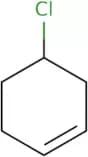
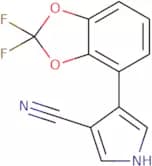
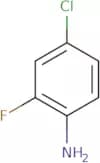
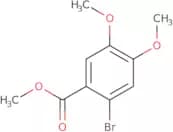
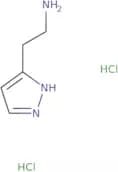
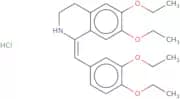

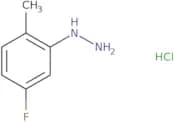
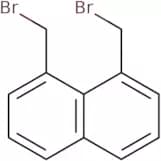
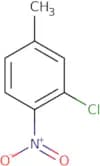
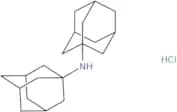
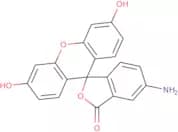
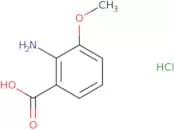
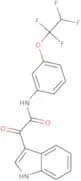

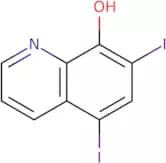

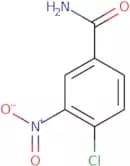
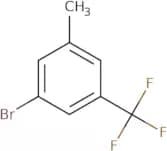
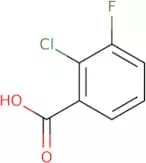
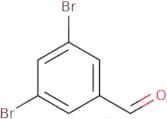
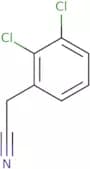
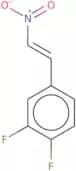
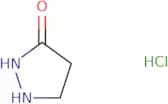
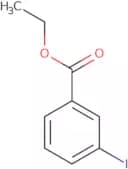


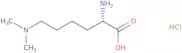
![1-Chloro-3-[4-(2-methoxyethyl)phenoxy]-2-propanol](/_next/image/?url=https%3A%2Fstatic.cymitquimica.com%2Fproducts%2F3D%2Fthumb-webp%2FFC27415.webp&w=3840&q=75)
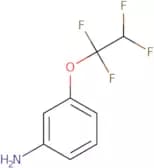
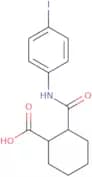
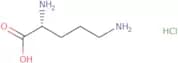
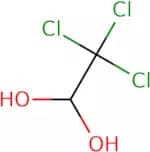
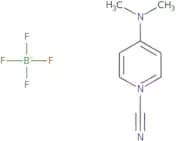
![5-Chloro-6-[(2-imino-1-pyrrolidinyl)methyl]-2,4(1H,3H)-pyrimidinedione monohydrochloride](/_next/image/?url=https%3A%2Fstatic.cymitquimica.com%2Fproducts%2F3D%2Fthumb-webp%2FFC126316.webp&w=3840&q=75)
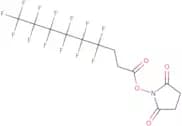
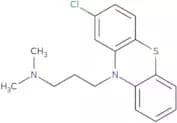
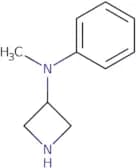
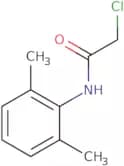
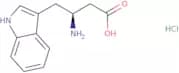
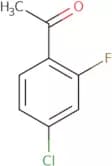
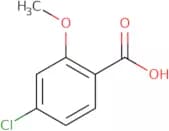
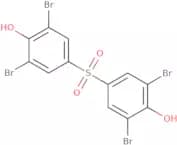
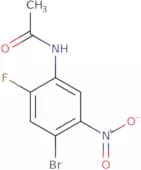
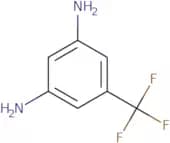
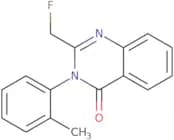
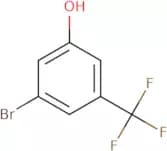
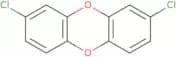
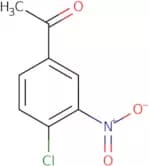

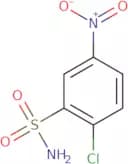
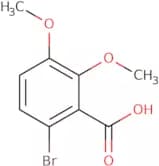

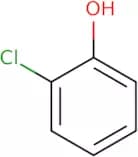
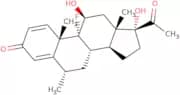
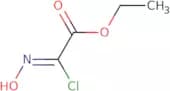

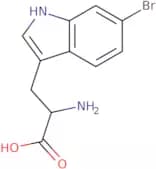
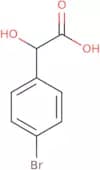
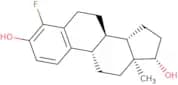
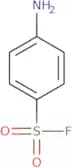

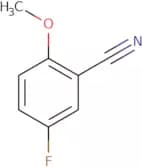
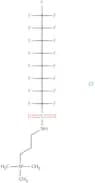
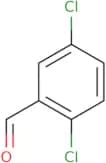
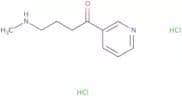
![[1-(Methoxymethyl)cyclopropyl]amine hydrochloride](/_next/image/?url=https%3A%2Fstatic.cymitquimica.com%2Fproducts%2F3D%2Fthumb-webp%2FFM129588.webp&w=3840&q=75)
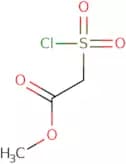
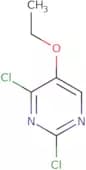
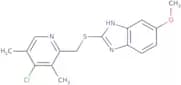
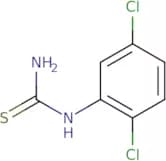
![N-[2-(1,3-Dimethylbutyl)phenyl]-5-fluoro-1,3-dimethyl-1H-pyrazole-4-carboxamide](/_next/image/?url=https%3A%2Fstatic.cymitquimica.com%2Fproducts%2F3D%2Fthumb-webp%2FFD156991.webp&w=3840&q=75)
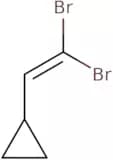
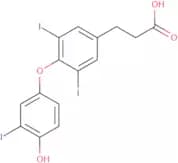
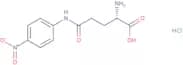
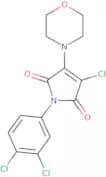
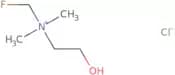
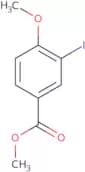
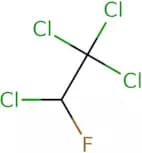
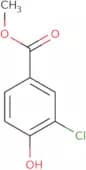
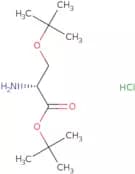
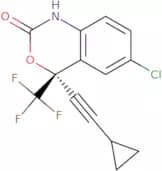
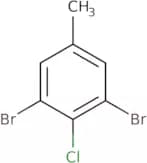
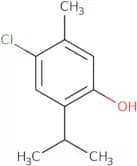

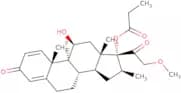
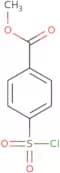


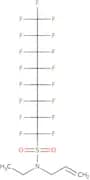
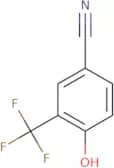
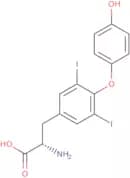
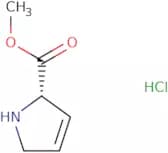
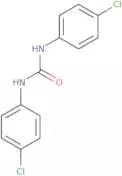
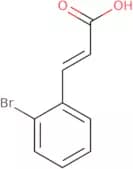
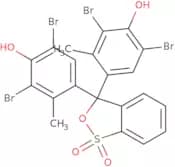
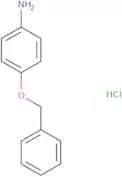
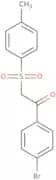


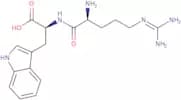

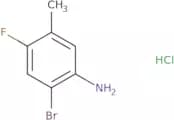
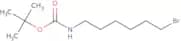

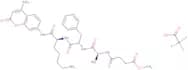
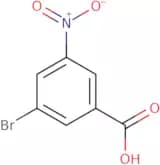
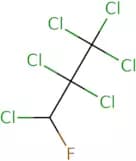
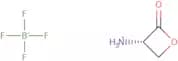
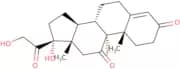
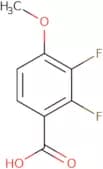
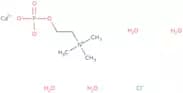
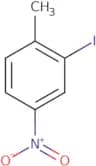
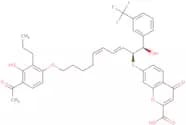
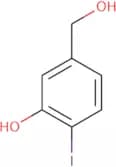
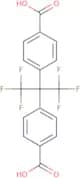
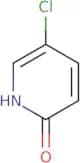
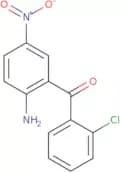

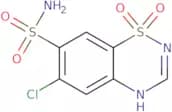
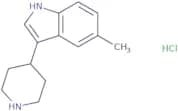
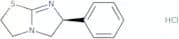
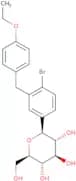
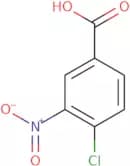
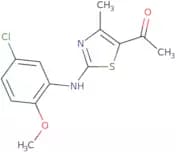
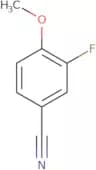
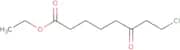
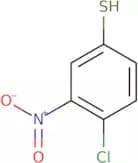
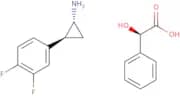
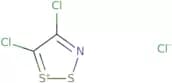
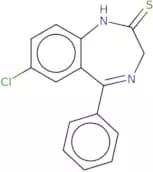

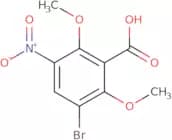
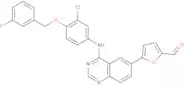
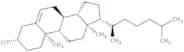
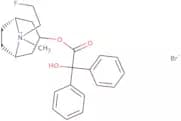
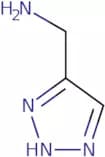
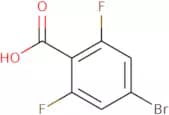

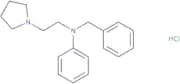
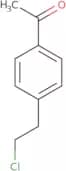
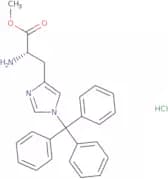

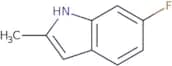
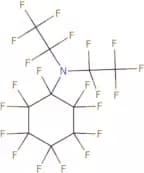
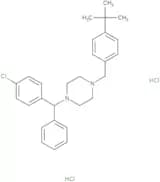
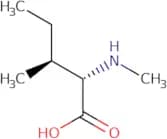
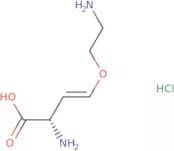
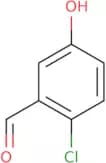
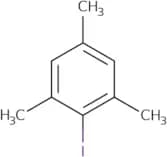
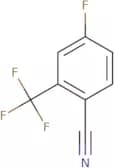
![[(2,5-Dichlorophenyl)sulphonyl]phenylamine](/_next/image/?url=https%3A%2Fstatic.cymitquimica.com%2Fproducts%2F3D%2Fthumb-webp%2FFD145674.webp&w=3840&q=75)
![2-[[(Heptadecafluorooctyl)sulphonyl]methylamino]ethyl acrylate](/_next/image/?url=https%3A%2Fstatic.cymitquimica.com%2Fproducts%2F3D%2Fthumb-webp%2FFH96868.webp&w=3840&q=75)
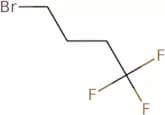
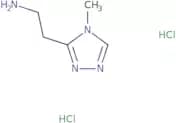
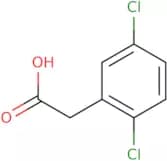

![[1-(Morpholin-4-ylcarbonyl)butyl]amine hydrochloride](/_next/image/?url=https%3A%2Fstatic.cymitquimica.com%2Fproducts%2F3D%2Fthumb-webp%2FFM130676.webp&w=3840&q=75)
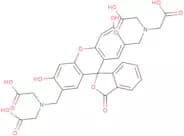
![[2-(4-Chlorophenoxy)ethyl]amine hydrochloride](/_next/image/?url=https%3A%2Fstatic.cymitquimica.com%2Fproducts%2F3D%2Fthumb-webp%2FFC133243.webp&w=3840&q=75)