Organic Halides
In this category, you can find organic molecules containing one or more halogen atoms in their structure. These organic halides include brominated, iodinated, chlorinated, and cyclic halide compounds. Organic halides are widely used in organic synthesis, pharmaceuticals, agrochemicals, and materials science due to their reactivity and ability to undergo a variety of chemical transformations. At CymitQuimica, we offer a comprehensive selection of high-quality organic halides to support your research and industrial applications, ensuring reliable and effective performance in your synthetic and analytical projects.
Subcategories of "Organic Halides"
Found 20440 products of "Organic Halides"
Sort by
Purity (%)
0
100
|
0
|
50
|
90
|
95
|
100
Fluorescent Brightener 220, Technical grade
CAS:<p>Fluorescent Brightener 220, Technical grade (FB220) is a fluorescent compound that confers a bright green fluorescence in the visible spectrum upon irradiation with ultraviolet light. FB220 is used as an additive in detergent compositions for detection of soil and stains on fabrics. It also has been used as a fluorophore to monitor the progress of chemical reactions, to detect bacteria in agrochemical testing, and to measure the time required for various compounds to diffuse through microcapsules. The fluorescence intensity of FB220 can be decreased by cationic surfactants and fatty acid compounds.<br>Fluorescent Brightener 220 can be inhibited by certain drugs such as phenobarbital, phenytoin, carbamazepine, and primidone.</p>Formula:C40H40N12Na4O16S4Color and Shape:PowderMolecular weight:1,165.04 g/mol1-Chloro-1-Fluoroethane
CAS:Controlled Product<p>1-Chloro-1-fluoroethane is a chemical compound that is used as a corrosion inhibitor for steel. It binds to water molecules and prevents the formation of hydrogen bonds with other substances, such as fatty acids. It is also used as a solid catalyst for the reaction of chloride with fluorine. 1-Chloro-1-fluoroethane has low energy and can be used in a flow system. It has been shown to be an effective catalyst for the production of hydrogen chloride from hydrogen fluoride and chlorine gas. Vibrational spectroscopy data show that 1-chloro-1-fluoroethane interacts with water molecules by forming hydrogen bonds.</p>Formula:C2H4ClFPurity:Min. 95%Molecular weight:82.5 g/mol5-Chloro-1,10-phenanthroline
CAS:5-Chloro-1,10-phenanthroline (5CP) is a molecule that has been used in the study of DNA oxidation. 5CP has been shown to be an effective inhibitor of oxidative dna damage and can be used for the prevention of mutations caused by reactive oxygen species. This compound was also found to inhibit the growth of L1210 murine leukemia cells, which is due to its ability to bind to potassium ions. 5CP has been shown to have significant binding constants with DNA and protein molecules. It also has a very high level of ancillary activity and can be used as a catalyst in transfer reactions.Formula:C12H7ClN2Purity:Min. 97.5 Area-%Color and Shape:Red PowderMolecular weight:214.65 g/mol4-Bromo-3-fluorobenzaldehyde
CAS:4-Bromo-3-fluorobenzaldehyde is a drug substance that can be used in cancer therapy. It is a cross-linking agent that can form covalent bonds with DNA and proteins, which inhibits the ability of cells to replicate. 4-Bromo-3-fluorobenzaldehyde has been shown to have cytotoxic activity against human cancer cells in culture. This compound is synthesized by an unsymmetrical nitroaldol reaction, followed by Suzuki coupling with 3-(4′-methoxyphenyl) propanone. The structural formula for this product is C9H5BrFO2.Formula:C7H4BrFOPurity:Min. 95%Molecular weight:203.01 g/molLithium tetra(perfluoro-tert-butoxy)aluminate
CAS:Used in modifying and improving the electrolyte systems commonly used in lithium-ion batteries, particularly through unique interactions at the interface of electrode materials.Formula:C16AlF36LiO4Purity:Min. 95%Color and Shape:Colorless PowderMolecular weight:974.03 g/molMethyl 4-bromomethylbenzoate
CAS:Methyl 4-bromomethylbenzoate is an aryl halide with the chemical formula CHBr. It is an orally effective and selective apoptosis pathway inhibitor that blocks the release of tumor necrosis factor-α (TNF-α) induced by lipopolysaccharides in monocytes. Methyl 4-bromomethylbenzoate has also been shown to inhibit matrix metalloproteinase activity in vitro, which may be due to its ability to block the cleavage of proteoglycan precursors. The molecular modeling studies have revealed that this agent binds to DNA through a hydrophobic pocket, which inhibits transcription and replication. Methyl 4-bromomethylbenzoate has also been shown to be active against cancer cells and induce apoptosis through caspase activation and mitochondrial dysfunction.Formula:C9H9BrO2Purity:Min. 95%Color and Shape:PowderMolecular weight:229.07 g/molPropyl 3,5-dichloro-4-hydroxybenzoate
CAS:Propyl 3,5-dichloro-4-hydroxybenzoate is a high quality chemical that is used as an intermediate in the synthesis of other compounds. It can be obtained from a number of sources, including the conversion of the corresponding chloride with alcohols. Propyl 3,5-dichloro-4-hydroxybenzoate is a colorless liquid with a sweet smell and has been shown to be useful in organic syntheses due to its versatility as a building block.Formula:C10H10Cl2O3Purity:Min. 95%Color and Shape:PowderMolecular weight:249.09 g/mol2-Methoxy benzyl chloride
CAS:<p>2-Methoxy benzyl chloride is an organometallic compound that has potent antagonist activity against a wide variety of organometallic and non-organometallic compounds. It is used in the treatment of inflammatory diseases, such as myocardial infarct, and also displays antimicrobial properties. 2-Methoxy benzyl chloride is a potent competitive inhibitor of many enzymes, including xanthine oxidase, hydroxylase, and tyrosinase. This molecule also has the ability to bind to cationic polymers and inhibit polymerization reactions by interfering with the formation of hydrogen bonds between monomers. The chlorine atom in this molecule can be replaced by a hydrogen atom for use as an antimicrobial agent. 2-Methoxy benzyl chloride binds to nitrogen atoms on amides and other nitrogen containing compounds, which may account for its antiinflammatory effects.</p>Formula:C8H9ClOPurity:Min. 95%Color and Shape:PowderMolecular weight:156.61 g/mol3-Bromo-4-hydroxybenzyl alcohol
CAS:3-Bromo-4-hydroxybenzyl alcohol (3BHA) is a synthetic compound that is used as an antagonist in the treatment of platelet aggregation. It inhibits the activity of benzoxazine, an enzyme involved in the synthesis of 4-hydroxybenzoic acid. 3BHA blocks this pathway at high concentrations, inhibiting biosynthesis and leading to the accumulation of bromophenols. This inhibition may explain why aspirin has a potent inhibitory effect on platelet aggregation when combined with 3BHA.Formula:C7H7BrO2Purity:Min. 95%Color and Shape:PowderMolecular weight:203.03 g/mol6-Bromo-4-chloroquinoline
CAS:<p>6-Bromo-4-chloroquinoline is a chemical compound with the molecular formula C8H6BrClN. It belongs to the class of heterocyclic compounds and has been used in the synthesis of other compounds, such as pharmaceuticals. 6-Bromo-4-chloroquinoline has been shown to be an effective anticancer drug, with measurable levels in the blood after oral administration. This drug interacts with hydrogen bonding interactions with thp-1 cells, which are erythrocytes derived from human peripheral blood lymphocytes. 6-Bromo-4-chloroquinoline also interacts with sodium sulfide, which is found in human liver and kidney cells. The pharmacokinetic properties of 6-bromo-4-chloroquine have been studied in rats and mice.</p>Formula:C9H5BrClNPurity:Min. 95%Color and Shape:PowderMolecular weight:242.5 g/mol3,4,5-Tribromotoluene
CAS:3,4,5-Tribromotoluene is a halogenated toluene with three bromine atoms. It can be used for the synthesis of indole derivatives using a variety of reactions, including intermolecular cycloaddition and trikentrins. 3,4,5-Tribromotoluene has been shown to undergo efficient and regioselective cross-coupling reactions with indoles to produce butenylindoles. These reactions are often used in the synthesis of natural products such as benzylisoquinoline alkaloids that are useful in medicine.Formula:C7H5Br3Purity:Min. 95%Color and Shape:PowderMolecular weight:328.83 g/mol(8S,9S,11R,13S,14S,17S)-11-(2-Fluoroethyl)-13-Methyl-6,7,8,9,11,12,14,15,16,17-Decahydrocyclopenta[a]Phenanthrene-3,17-Diol
CAS:Controlled Product(8S,9S,11R,13S,14S,17S)-11-(2-Fluoroethyl)-13-Methyl-6,7,8,9,11,12,14,15,16,17-Decahydrocyclopenta[a]Phenanthrene-3,17-Diol is a light emitting diode (LED) that emits light in the near infrared spectrum. This LED is composed of a single layer of CdTe nanowires and has an emission wavelength of 760 nm. It also has a high quantum efficiency and low energy requirements for fabrication. The lifetime of this device is also long and its optical properties are stable over time. This device can be used to replace traditional incandescent bulbs or to emit light in specific wavelengths for biomedical applications.Formula:C20H27FO2Purity:Min. 95%Molecular weight:318.43 g/mol5-Chlorooxindole
CAS:5-Chlorooxindole is a synthetic, chemotherapeutic drug that has been shown to have anti-tumor activity in animal models. It is an oxindole derivative with the chemical formula CHNClO. The compound is synthesized by the reaction of 3,5-dichloroaniline and indole in chloroform and purified by column chromatography. 5-Chlorooxindole has shown potential as an antitumor agent because it inhibits cancer cell growth through mechanisms such as induction of apoptosis and suppression of tumor angiogenesis.Formula:C8H6ClNOPurity:Min. 95%Molecular weight:167.59 g/molN-Ethylamine-2,4,6-triphenyl pyridinium tetrafluoroborate
CAS:N-Ethylamine-2,4,6-triphenyl pyridinium tetrafluoroborate is a chemical reagent that belongs to the group of fine chemicals. It is soluble in water and ethanol, and has a melting point of around 100°C. N-Ethylamine-2,4,6-triphenyl pyridinium tetrafluoroborate is used in organic synthesis as a useful building block or as a research chemical for the production of other compounds. This compound is a versatile building block that can be used in the preparation of complex compounds such as pharmaceuticals. N-Ethylamine-2,4,6-triphenyl pyridinium tetrafluoroborate has been classified as an extremely hazardous substance by the US Department of Transportation due to its high reactivity with water.Formula:C25H23N2•BF4Purity:Min. 95%Molecular weight:438.27 g/molDemecarium bromide
CAS:<p>Demecarium bromide is a diagnostic drug that can be used to identify the presence of cancer cells. It reacts with sodium citrate and water vapor to produce a red color in tissue culture. The demecarium bromide test is a simple, inexpensive, and highly specific screening method for cancer. Demecarium bromide has been shown to be effective in the treatment of glaucoma and as an antiglaucoma agent. It has also been used in the treatment of insulin resistance, although its clinical relevance is not known. Demecarium bromide may also have potential use in degenerative diseases such as Parkinson's disease or Alzheimer's disease.</p>Formula:C32H52N4O4·2BrPurity:Min. 95%Color and Shape:PowderMolecular weight:716.59 g/mol2-Chloro-5-nitrobenzaldehyde
CAS:2-Chloro-5-nitrobenzaldehyde (2CNB) is an antibacterial agent that has been shown to be effective against a number of bacterial species. It is a nucleophilic compound and reacts with the sulfhydryl group in cysteine. 2CNB also reacts with the thiol group of proteins, which are involved in many cellular processes. 2CNB has industrial uses, such as for the production of cyclohexanone and cyclopentanone. The structures of 2CNB and its homologues have been studied by 13CNMR spectroscopy, which provides information about the type of bonds present in the molecule and their lengths.Formula:C7H4ClNO3Purity:Min. 95%Color and Shape:PowderMolecular weight:185.56 g/mol2-(4-Methyl-4H-1,2,4-triazol-3-yl)ethanamine dihydrochloride
CAS:<p>2-(4-Methyl-4H-1,2,4-triazol-3-yl)ethanamine dihydrochloride is a high quality chemical used as a building block in the synthesis of complex compounds. It is an intermediate in the manufacture of research chemicals, reagents and speciality chemicals. 2-(4-Methyl-4H-1,2,4-triazol-3-yl)ethanamine dihydrochloride is also a versatile building block that can be used in reactions to produce useful scaffolds. CAS No. 1158631-54-9</p>Formula:C5H10N4·2HClPurity:Min. 95%Color and Shape:White PowderMolecular weight:199.08 g/molZ-Val-Ala-DL-Asp-fluoromethylketone
CAS:Z-Val-Ala-DL-Asp-fluoromethylketone is a drug that is used for the treatment of cancer. It can be used in combination with other chemotherapeutic drugs, such as z-vad-fmk, to induce apoptosis in cancer cells. Z-Val-Ala-DL-Asp-fluoromethylketone also inhibits autophagy and neuronal death by inhibiting caspase activation, which prevents the release of proapoptotic proteins from mitochondria into the cytosol. This drug has been shown to have antiinflammatory effects on IL2 receptor signaling pathways and inhibits the production of proinflammatory cytokines by binding to IL2.Formula:C21H28FN3O7Purity:Min. 95%Color and Shape:PowderMolecular weight:453.46 g/mol3,3',5-Triiodo thyropropionic acid
CAS:<p>Triiodothyropropionic acid is a metabolite of thyroxine, an important hormone that regulates the basal metabolic rate. It has been shown to be involved in the repair mechanism of cardiac and liver cells. Triiodothyropropionic acid is also a major metabolite of thyroxine and it is produced by the action of hydroxylases on thyroxine with water vapor as the substrate. This compound has been shown to increase cardiac function and improve heart tissue repair at physiological levels. The uptake, distribution, and excretion of triiodothyropropionic acid are similar to those for thyroxine. The metabolism of triiodothyropropionic acid occurs mainly in the liver, where it is converted into fatty acids such as 3-hydroxybutyric acid. Triiodothyropropionic acid has been shown to have effects on protein genes and rat liver microsomes.</p>Formula:C15H11I3O4Purity:Min. 95%Color and Shape:PowderMolecular weight:635.96 g/mol4'-Fluoro-2'-hydroxyacetophenone
CAS:4'-Fluoro-2'-hydroxyacetophenone is a chemical that is used as an antibacterial agent. It inhibits the growth of bacteria by interfering with microbial metabolism and inhibiting the synthesis of proteins, DNA, RNA and cell wall components. 4'-Fluoro-2'-hydroxyacetophenone has been shown to be active against P. aeruginosa, Enterococci and other bacterial strains. The compound also reduces the number of viable cells in culture supernatants from these bacteria. The mechanism of action of 4'-fluoro-2'-hydroxyacetophenone is not known but may be related to its ability to form covalent bonds with carbonyl groups present in enzymes or protein structures. The compound can also spontaneously combust when heated to decomposition. This combustion releases fluorine gas which could cause environmental pollution if released into the atmosphere during its manufacture or use.Formula:C8H7FO2Purity:Min. 95%Color and Shape:PowderMolecular weight:154.14 g/mol1-Fluoro-3-methoxy-2-nitrobenzene
CAS:<p>1-Fluoro-3-methoxy-2-nitrobenzene is a versatile building block that can be used as a scaffold for the synthesis of complex compounds. It is also used as a reaction component in research and development, especially in the production of pharmaceuticals, pesticides and other chemicals. 1-Fluoro-3-methoxy-2-nitrobenzene has many uses in the production of high quality reagents, such as pharmaceutical intermediates, dyes, and explosives.</p>Formula:C7H6FNO3Purity:Min. 95%Molecular weight:171.13 g/mol2,3,5-Triiodobenzoic acid
CAS:Inhibitor of auxin transport in plantsFormula:C7H3I3O2Purity:Min. 98 Area-%Color and Shape:PowderMolecular weight:499.81 g/mol2,6-dichloro(3-pyridyl)4-(3-chloro-5-(trifluoromethyl)(2-pyridyl))piperazinyl ketone
CAS:Please enquire for more information about 2,6-dichloro(3-pyridyl)4-(3-chloro-5-(trifluoromethyl)(2-pyridyl))piperazinyl ketone including the price, delivery time and more detailed product information at the technical inquiry form on this pagePurity:Min. 95%1-[2-[(2,4-Dimethylphenyl)thio]phenyl]piperazine hydrobromide
CAS:Controlled Product1-[2-[(2,4-Dimethylphenyl)thio]phenyl]piperazine hydrobromide is an atypical antidepressant that is used for the treatment of major depressive disorder. It has been shown to be effective in animal models of depression and in clinical trials with humans. 1-[2-[(2,4-Dimethylphenyl)thio]phenyl]piperazine hydrobromide blocks the serotonin 5HT1B receptor subtype, which is responsible for regulating mood and emotional response. This drug does not block the 5HT1A or 5HT2 receptors, so it does not cause some of the side effects associated with selective serotonin reuptake inhibitors (SSRIs). In addition, 1-[2-[(2,4-Dimethylphenyl)thio]phenyl]piperazine hydrobromide has a chemical stability that lasts longer than other drugs in its class.Formula:C18H22N2S·HBrPurity:Min. 98 Area-%Color and Shape:PowderMolecular weight:379.36 g/mol4-Hydroxybenzenesulfonyl chloride
CAS:<p>4-Hydroxybenzenesulfonyl chloride is a thionyl chloride derivative that reacts with pyridine in the presence of an dehydrating agent to form a polyurethane. The dehydration of 4-hydroxybenzenesulfonyl chloride is conducted by reacting it with magnesium and carboxylate in xylene, with subsequent reaction with chlorine to produce thiomorpholine. Thiomorpholine can be further reacted with thionyl chloride to produce sulfate. This compound has been shown to induce TNF-α production in mouse macrophages, which may be due to its ability to inhibit protein synthesis and induce apoptosis. 4-Hydroxybenzenesulfonyl chloride also has high yield for the synthesis of polyurethane, making it a popular choice for use in industrial applications.</p>Formula:C6H5ClO3SPurity:Min. 85 Area-%Color and Shape:PowderMolecular weight:192.62 g/mol[1-(3-Methoxyphenyl)-1-methylethyl]amine hydrochloride
CAS:[1-(3-Methoxyphenyl)-1-methylethyl]amine hydrochloride is an organic compound that can be used as a reagent and a building block. It has been shown to be a useful intermediate in the synthesis of various other compounds, such as pharmaceuticals. This chemical is also used in research, as it is versatile and can react with other compounds easily. [1-(3-Methoxyphenyl)-1-methylethyl]amine hydrochloride can be purchased at our store if you are interested in purchasing this product.Formula:C10H15NO·HClPurity:Min. 95%Color and Shape:PowderMolecular weight:201.69 g/mol4-(2- fluorophenyl)-6,8-dihydro-1,3,8-trimethyl-Pyrazolo[3,4-e][1,4]diazepin-7(1H)-one mixt. with 2-(ethylamino)-2-(2-thienyl)cycloh exanone hydrochloride
CAS:Controlled ProductTelazol is an anesthetic that belongs to the class of nonbenzodiazepine drugs. It is used as a short-term sedative and analgesic in preoperative, obstetrical, and diagnostic procedures. Telazol is a prodrug that is metabolized in vivo to its active form, 4-(2-fluorophenyl)-6,8-dihydro-1,3,8-trimethyl-Pyrazolo[3,4-e][1,4]diazepin-7(1H)-one (TFD). Telazol has been shown to have low toxicity when administered at low doses (0.5 mg/kg) to rats.Formula:C27H33ClFN5O2SPurity:Min. 95%Molecular weight:546.1 g/molN-[5-(Phenylamino)-2,4-pentadienylidene]aniline monohydrochloride
CAS:N-[5-(Phenylamino)-2,4-pentadienylidene]aniline monohydrochloride is a fluorescent probe that reacts with malonic acid. The reaction produces an emission peak at 595 nm and can be detected by fluorescence microscopy. This probe has been used in the study of hypoxia imaging, as well as for detection of reactive carbonyl groups and acetylation reactions. It can also be used to monitor treatment effects on residues from emulsions.Formula:C17H16N2·HClPurity:(Titration) Min 98%Color and Shape:Red PowderMolecular weight:284.78 g/mol2,5-Diiodopyridine
CAS:2,5-Diiodopyridine is regiospecific and has been shown to have a high affinity for the nicotinic acetylcholine receptor. It has been synthesised by cross-coupling reactions of boronic acids with halides. 2,5-Diiodopyridine can also be used as a precursor for epibatidine. Epibatidine is a drug that binds to nicotinic acetylcholine receptors and activates them, which in turn leads to activation of voltage-gated calcium channels. This process leads to an increase in the release of dopamine, serotonin and norepinephrine from neurons. The uptake of 2,5-diiodopyridine was found at the level of 0.7% after 3 hours and 1% after 12 hours in mesoporous silica nanoparticles. 2,5-Diiodopyridine can be used as a precursor for epibatidine which is a drug thatFormula:C5H3I2NPurity:Min. 95 Area-%Color and Shape:PowderMolecular weight:330.89 g/molSilver trifluoromethanesulfonate
CAS:<p>Silver trifluoromethanesulfonate is a silver salt that is used in carbohydrate chemistry. It can be used for the synthesis of coumarin derivatives, which are important for the development of pharmaceuticals and other organic compounds. The reaction with acylating agents produces an acylated silver ion that reacts with amines to form a cationic polymerization. This polymerization is activated by the presence of high salt or amines, and proceeds with high efficiency. The asymmetric synthesis of carbohydrates using this method has been demonstrated using x-ray diffraction data and nmr spectroscopic data.</p>Formula:CAgF3O3SPurity:Min. 95%Color and Shape:White PowderMolecular weight:256.94 g/mol3-Bromo-6-chloro-7-methylchromone
CAS:<p>3-Bromo-6-chloro-7-methylchromone is a fine chemical that is useful as a building block in organic synthesis. It is a versatile intermediate, and can be used as a reaction component in various chemical reactions. 3-Bromo-6-chloro-7-methylchromone has a CAS number of 263365-48-6 and is classified as a complex compound. This chemical is mainly used for the preparation of other chemicals with more desirable properties.</p>Formula:C10H6BrClO2Purity:Min. 95%Color and Shape:PowderMolecular weight:273.51 g/molBis(triphenylphosphine)nickel(II) dichloride
CAS:Bis(triphenylphosphine)nickel(II) dichloride is a coordination compound that belongs to the group P2. It has an octahedral geometry with two adjacent nickel atoms and two chloride ligands. The metal-metal bond length is 2.14 Å, which is shorter than the average bond length of 2.54 Å for octahedral complexes. Bis(triphenylphosphine)nickel(II) dichloride reacts with quinoline derivatives to form amines and undergoes transfer reactions with amines, chlorides, and olefins. It also undergoes irreversible oxidation when in contact with water. The compound is stereoselective for substitution by halides at the para position on the phenyl ring.Formula:C36H30Cl2NiP2Purity:Min. 95%Color and Shape:PowderMolecular weight:654.17 g/mol4-(Trifluoromethoxy)phenol
CAS:<p>4-(Trifluoromethoxy)phenol is an anti-tuberculosis drug. It is a diode that has been shown to have pharmacokinetic properties in rats and mice. 4-(Trifluoromethoxy)phenol has been shown to act as a prodrug, which is activated by conversion to the active form. This active form inhibits the growth of Mycobacterium tuberculosis by binding to the 50S ribosomal subunit and preventing bacterial transcription and replication. The molecular structure of 4-(trifluoromethoxy)phenol is similar to phenoxypropanoid compounds, such as biphenyl, which may be responsible for its anti-tuberculosis effects. 4-(Trifluoromethoxy)phenol also binds DNA at specific sites with high affinity and specificity, inhibiting gene expression and RNA synthesis.</p>Formula:C7H5F3O2Purity:Min. 95%Color and Shape:Clear LiquidMolecular weight:178.11 g/mol4-Bromo-3-fluorobenzyl alcohol
CAS:<p>4-Bromo-3-fluorobenzyl alcohol is an analog of prenylation, a process that is essential for the synthesis of many cellular components. It inhibits farnesyltransferase, an enzyme involved in the process of prenylation. Farnesyltransferase catalyzes the conversion of the 5-carbon farnesol to the 15-carbon geranylgeraniol, which is then converted to a 20-carbon geranylgeranyl pyrophosphate. This reaction generates a molecule with two prenyl groups. The discovery of 4-bromo-3-fluorobenzyl alcohol was made possible by its potent inhibition of farnesyltransferase and it has been shown to have promising results as a potential treatment for cancer.</p>Formula:C7H6BrFOPurity:Min. 95%Color and Shape:PowderMolecular weight:205.02 g/mol1-(4-Fluorophenyl)-2-nitropropene
CAS:1-(4-Fluorophenyl)-2-nitropropene is a versatile building block that is used in the synthesis of a wide range of complex chemical compounds. This compound is also found to be useful as a key component in the synthesis of pharmaceuticals, research chemicals, and other fine chemicals. 1-(4-Fluorophenyl)-2-nitropropene can be used as a reagent for organic reactions, and it has been shown to react with amines to form nitrosoamines. This compound is an intermediate in the synthesis of 4-fluoroaniline, which has various industrial applications. The chemical formula for 1-(4-Fluorophenyl)-2-nitropropene is C8H6FO3N3O2.Formula:C9H8FNO2Purity:Min. 95%Color and Shape:PowderMolecular weight:181.16 g/mol(3-(2,6-dichlorophenyl)-5-methylisoxazol-4-yl)-N-(4-(2-pyridylthio)phenyl)formamide
CAS:Please enquire for more information about (3-(2,6-dichlorophenyl)-5-methylisoxazol-4-yl)-N-(4-(2-pyridylthio)phenyl)formamide including the price, delivery time and more detailed product information at the technical inquiry form on this pagePurity:Min. 95%5-Iodosalicylamide
CAS:<p>5-Iodosalicylamide is a chemical building block. 5-Iodosalicylamide can be reacted with appropriately functionalised aromatic compounds to afford the corresponding anilides, which have been shown to exhibit anti-fungal and bactericidal properties.</p>Formula:C7H6INO2Purity:Min. 95%Color and Shape:PowderMolecular weight:263.03 g/mol1-Chloro-3-[4-(2-methoxyethyl)phenoxy]-2-propanol
CAS:<p>1-Chloro-3-[4-(2-methoxyethyl)phenoxy]-2-propanol is a potent antihypertensive agent that is synthesized by the chemoenzymatic process. It differs from other antihypertensive drugs in that it incorporates an oxirane group, which makes it more hydrophobic than other drugs. 1-Chloro-3-[4-(2-methoxyethyl)phenoxy]-2-propanol is a crystalline solid with a melting point of 128°C and a density of 1.0 g/mL. The chemical name for this drug is 4-[(1E)-1-(chloromethoxy)propyl]phenol, which has potent antihypertensive activity and high enantioselectivity.</p>Formula:C12H17ClO3Purity:Min. 95%Molecular weight:244.71 g/mol3-Bromo-5-(trifluoromethyl)phenol
CAS:<p>3-Bromo-5-(trifluoromethyl)phenol is a versatile building block that is used as a scaffold for synthesis of complex compounds. It can be used as a reaction component in the synthesis of valuable chemical products, such as fine chemicals and research chemicals. 3-Bromo-5-(trifluoromethyl)phenol is also useful for the production of speciality chemicals. This chemical has been shown to have high quality and can be used as a reagent in organic synthesis.</p>Formula:C7H4BrF3OPurity:Min. 95%Color and Shape:Colorless Clear LiquidMolecular weight:241.01 g/mol4-Benzyloxy-2-chlorobenzyl alcohol
CAS:<p>4-Benzyloxy-2-chlorobenzyl alcohol is an intermediate in the synthesis of a number of complex compounds. It has been found to be useful as a reagent and as a building block in the synthesis of fine chemicals and speciality chemicals. This chemical has also been used as a reaction component in the synthesis of versatile building blocks. CAS No. 219764-60-0, this compound is often used by researchers for its versatility and ability to act as a scaffold.</p>Formula:C14H13ClO2Purity:Min. 95%Color and Shape:PowderMolecular weight:248.7 g/molGold(III) chloride trihydrate - 50% Au
CAS:Gold is a transition metal that is chemically inert and non-toxic. It can be used as a catalyst, electrode, or semiconductor in various techniques. Gold(III) chloride trihydrate has been used as a pesticide and an extractant for nitrocellulose membranes. Gold(III) chloride trihydrate has also been shown to have cancer-fighting properties and is currently being studied for its use in the treatment of prostate cancer. Gold(III) chloride trihydrate has also been used in microscopy and optical studies and has shown to have bioelectrochemical properties. The transport mechanism of gold(III) chloride trihydrate is not yet fully understood, but it may be due to the transport of charged particles on the surface of the molecule. Gold(III) chloride trihydrate has also been used for photocatalytic activity, surface-enhanced Raman spectroscopy, and transport properties with buffers.Formula:HAuCl4·3H2OPurity:Min. 95%Color and Shape:Yellow To Orange SolidMolecular weight:393.83 g/mol3'-Deoxy-2',3'-Didehydro-2'Fluorothymidine
CAS:3'-Deoxy-2',3'-Didehydro-2'Fluorothymidine (3DFT) is a nucleoside analogue of thymidine. It has been shown to be an efficient inhibitor of HIV replication in vitro and in vivo. 3DFT is able to inhibit virus production by blocking the viral reverse transcriptase enzyme, which is responsible for copying the viral genomic RNA into DNA. This drug also inhibits the activity of human immunodeficiency virus type 1 integrase, which is an enzyme that catalyses the integration of proviral DNA into host cell chromosomes. 3DFT is a potent inhibitor of HIV infection in vitro and in vivo and has also been shown to inhibit other viruses such as cytomegalovirus, herpes simplex virus types 1 and 2, varicella zoster virus, influenza A virus, coxsackie B4 virus, echovirus 7, and erythrovirus 9.Formula:C10H11FN2O4Purity:Min. 95%Molecular weight:242.2 g/mol1-(4-Aminophenyl)-2-nitropropane hydrochloride
CAS:<p>1-(4-Aminophenyl)-2-nitropropane hydrochloride is a fine chemical that is used in the synthesis of various other organic compounds. It has been used as a building block for the synthesis of more complex substances, such as pharmaceuticals and pesticides. It is also used to produce research chemicals for use in experiments and teaching. 1-(4-Aminophenyl)-2-nitropropane hydrochloride is soluble in water and exhibits high quality when purified. This compound can be found under CAS No. 1332530-33-2 and is reagent grade.</p>Formula:C9H13ClN2O2Purity:Min. 95%Color and Shape:PowderMolecular weight:216.66 g/mol4-Fluoro-2-(trifluoromethyl)benzaldehyde
CAS:4-Fluoro-2-(trifluoromethyl)benzaldehyde is a chemical compound that can be used as a reagent in the formylation reaction. This product is soluble in ether, chloroform and benzene. The crystallographic data of this product are available and show that it has an isotropic crystal structure with a monoclinic unit cell. The molecular weight of this product is 150.38 g/mol and the molecular formula is C8H6F3O. The wavelength at which maximum absorption occurs for this product is 266 nm.Formula:C8H4F4OPurity:Min. 95%Color and Shape:Clear LiquidMolecular weight:192.11 g/mol4-Bromo-3-(trifluoromethyl)benzoic acid
CAS:4-Bromo-3-(trifluoromethyl)benzoic acid is a synthetic molecule that has been used for the synthesis of polymers. It is used in the production of polyketones and polyphenylene, which are monomers for the polymerization process. 4-Bromo-3-(trifluoromethyl)benzoic acid is also used as an electrophile in the acylation step of polycondensation reactions. The biphenylene structure can be synthesized by sequential or simultaneous addition of bromine to phenol with sodium hydroxide or potassium tetrachloroplatinate. This chemical compound can be made into two isomers: 3,4-dibromobenzene dicarboxylic acid and 3,4-dichlorobenzene dicarboxylic acid.Formula:C8H4BrF3O2Purity:Min. 95%Color and Shape:PowderMolecular weight:269.02 g/mol4-Chloro-(α-phenyl)-cinnamic acid
CAS:4-Chloro-(alpha-phenyl)-cinnamic acid is a fine chemical that is useful as a building block for research chemicals, reagents and speciality chemicals. It is also a versatile intermediate for the synthesis of complex compounds and a useful scaffold for the synthesis of high quality products. This compound can be used in reactions such as Friedel-Crafts acylation, nitration, amination, esterification and cyclization.Formula:C15H11ClO2Purity:Min. 95%Color and Shape:PowderMolecular weight:258.7 g/mol5'-Bromo-2'-chloroacetophenone
CAS:5'-Bromo-2'-chloroacetophenone is a chemical intermediate that is used in the synthesis of many organic compounds. It is a brominated ketone that has a variety of reactions and can be used as a building block or as an intermediate. 5'-Bromo-2'-chloroacetophenone is also used in research and development, as well as in high-quality chemical production.Formula:C8H6BrClOPurity:Min. 95%Color and Shape:Clear LiquidMolecular weight:233.49 g/mol2-Bromo-4,5-difluoroanisole
CAS:2-Bromo-4,5-difluoroanisole is a reactive intermediate that can be used as a building block in organic synthesis. It has been shown to be a useful reagent in the synthesis of heterocycles, including pyrrolidines, imidazoles and oxazoles. 2-Bromo-4,5-difluoroanisole is also used as an intermediate for the production of pharmaceuticals and pesticides. This chemical is soluble in water, ethanol and ether and has a boiling point of 111°C.Formula:C7H5BrF2OPurity:Min. 95%Molecular weight:223.01 g/mol2-Bromo-4-chloro-1-nitrobenzene
CAS:2-Bromo-4-Chloro-1-Nitro-Benzene is a paraoxon compound that is used to produce chemical weapons. It has been shown to be able to neutralize nerve agent in the body and is undergoing clinical trials as an antidote for nerve agents. 2-Bromo-4-Chloro-1-Nitro-Benzene is produced by trituration from the corresponding bromide or chloride in the presence of nitric acid and hydrochloric acid and can be purified by recrystallization from water. The microreactor process was used to prepare this substance because it gave good yields, was easy to implement, and was cost effective. 2BCNB has also been shown to be a potent transport inhibitor of clozapine with configurable nature, portability, and detoxification properties.Formula:C6H3BrClNO2Purity:Min. 95%Color and Shape:PowderMolecular weight:236.45 g/molL-Methionine methyl ester hydrochloride
CAS:L-Methionine methyl ester hydrochloride is an amide that has been used in the treatment of bowel diseases. It has been shown to have a polymerase chain reaction (PCR) diagnostic application for the detection of DNA duplexes and intramolecular hydrogen bonds. L-Methionine methyl ester hydrochloride inhibits the activity of enzymes such as protein kinase, phosphodiesterase, and proteases. L-Methionine methyl ester hydrochloride also has receptor activities and can be used as a diagnostic agent for malignant brain tumors or congestive heart failure. It is also able to block radiation and positron emission tomography (PET) scanning.Formula:C6H13NO2S·HClPurity:Min. 98 Area-%Color and Shape:PowderMolecular weight:199.7 g/mol(4-(4-bromophenyl)(2,5-thiazolyl))(4-phenoxyphenyl)amine
CAS:<p>Please enquire for more information about (4-(4-bromophenyl)(2,5-thiazolyl))(4-phenoxyphenyl)amine including the price, delivery time and more detailed product information at the technical inquiry form on this page</p>Purity:Min. 95%Z-Sulindac sulphide
CAS:(Z)-5-Fluoro-2-methyl-1-[p-(methylthio)benzylidene]indene-3-acetic acid is a potent inhibitor of protein synthesis. It has been shown to inhibit the activity of sulindac sulfide, a cyclase inhibitor and nonsteroidal anti-inflammatory agent, in human polymorphonuclear leukocytes and cancer cells. (Z)-5-Fluoro-2-methyl-1-[p-(methylthio)benzylidene]indene-3-acetic acid also inhibits the mitochondrial membrane potential and reduces the growth of cancer cells by inhibiting proteins that are involved in cell proliferation.Formula:C20H17FO2SPurity:Min. 95%Color and Shape:PowderMolecular weight:340.41 g/mol2-Bromo-4-(Trifluoromethyl)Acetanilide
CAS:2-Bromo-4-(trifluoromethyl)acetanilide is a fluorine-containing compound that is used in the preparation of membrane transporters. It interacts with the active conformation of these proteins, thereby inhibiting their function in transporting molecules across the membrane. The conformational analysis of this molecule has been shown to be incomplete due to its interaction with other molecules, which may lead to an impaired biological activity. 2-Bromo-4-(trifluoromethyl)acetanilide has been shown to inhibit the biosynthesis of certain compounds, such as neurotransmitters and antibiotics, by targeting enzymes involved in their synthesis. The chemical analysis of this molecule shows it can be detected by NMR spectroscopy and mass spectroscopy.Formula:C9H7BrF3NOPurity:Min. 95%Color and Shape:PowderMolecular weight:282.06 g/mol4-Bromobenzophenone
CAS:4-Bromobenzophenone is a molecule that reacts with hydrochloric acid to form 4-bromo-2-chlorophenol, which is a reaction product. The protein target of 4-bromobenzophenone is catalysed by the addition of a nucleophilic reagent. The thermal expansion of the metastable form of 4-bromobenzophenone has been measured using a kinetic technique, and this type of reaction mechanism has been confirmed using chromatographic methods. The use of phosphorus pentachloride in the synthesis of 4-bromobenzophenone was observed in urine samples.Formula:C13H9BrOPurity:Min. 95%Color and Shape:PowderMolecular weight:261.11 g/molNiclosamide ethanolamine salt
CAS:Chemically a chlorinated salicylanilide, niclosamide is clinically used as an anthelmintic agent. The action of niclosamide has been proven to proceed by inhibiting the STAT3 signaling pathway. Recently, niclosamide, has been considered as an antiproliferative agent in cancer treatment, e.g. melanoma and colorectal cancer. In 2021, niclosamide has been tested for the treatment of COVID-19 patients.Formula:C15H15Cl2N3O5Color and Shape:PowderMolecular weight:388.2 g/molPyridoxal hydrochloride
CAS:<p>Pyridoxal hydrochloride is a vitamin B6 metabolite. It is involved in many biochemical reactions, including trans-sulfuration, amino acid synthesis, and neurotransmitter synthesis. Pyridoxal hydrochloride has been shown to have antimicrobial activity against some bacteria species by inhibiting their enzyme activities. This compound also inhibits the growth of various fungi. The redox potentials of pyridoxal hydrochloride can be determined by titration calorimetry, which can be used to study its structural properties. In vitro experiments with cells have shown that pyridoxal hydrochloride may increase the efficiency of protein production when used during cell transfection. Toxicity studies have shown that pyridoxal hydrochloride is not toxic to humans at doses up to 2000 mg/kg body weight per day for up to 14 days.</p>Formula:C8H9NO3·HClPurity:Min. 98 Area-%Color and Shape:White PowderMolecular weight:203.62 g/mol2,3-Difluoroanisole
CAS:2,3-Difluoroanisole is a synthetic organic compound that is used in the preparation of other organic compounds. It is prepared by the amination reaction of chloroacetic acid and 2,3-difluoroethanol. The anticancer activity of 2,3-difluoroanisole has been studied extensively. This compound inhibits the growth of cancer cells by inhibiting DNA synthesis and protein synthesis. The inhibitory effects are due to the chlorine atom on the molecule, which can react with hydrogen atoms on amino groups on enzymes, thereby preventing these enzymes from functioning properly. 2,3-Difluoroanisole also has inhibitory properties against olefinic reactions such as formylation or chemists reactions at high temperatures.Formula:C7H6F2OPurity:Min. 95%Molecular weight:144.12 g/mol(aza((2-fluorophenyl)amino)methylene)methane-1,1-dicarbonitrile
CAS:<p>Please enquire for more information about (aza((2-fluorophenyl)amino)methylene)methane-1,1-dicarbonitrile including the price, delivery time and more detailed product information at the technical inquiry form on this page</p>Formula:C9H5FN4Purity:Min. 95%Color and Shape:PowderMolecular weight:188.16 g/mol2,4,6-Tribromo-3-cresol
CAS:<p>2,4,6-Tribromo-3-cresol is a functional group that is used as an anti-fungal agent. This compound has been shown to be active against many fungi and bacteria, including Candida albicans and Escherichia coli. The particle size of 2,4,6-tribromo-3-cresol is 0.1 microns in diameter and it has a boiling point of 240 degrees Celsius. This product is also used in the production of sealants for dental restorations and as an additive to pharmaceuticals. 2,4,6-Tribromo-3-cresol can also be used as a delta opioid receptor agonist for the treatment of cancer or autoimmune diseases such as lupus erythematosus.</p>Formula:C7H5Br3OPurity:Min. 95%Color and Shape:PowderMolecular weight:344.83 g/mol2,5-Dibromobenzoic acid
CAS:2,5-Dibromobenzoic acid is an organic compound with the formula HO2CCHBrO2. It is a white solid that dissolves in water and organic solvents. This compound has been shown to inhibit PTP1B (protein tyrosine phosphatase 1B), which is a protein kinase involved in insulin signal transduction. Inhibition of PTP1B by 2,5-dibromobenzoic acid has been shown to lead to decreased cancer cell growth and increased apoptosis without affecting normal cells. This compound also inhibits histone methylation, which may be useful for cancer diagnosis or treatment. In addition, 2,5-dibromobenzoic acid can be used in the synthesis of polymers due to its ability to react with methacrylates or acrylates under free radical polymerization conditions. 2,5-Dibromobenzoic acid is a monFormula:C7H4Br2O2Purity:Min. 95%Color and Shape:PowderMolecular weight:279.91 g/molAc-Arg-Gly-Lys(Ac)-AMC trifluoroacetate salt
CAS:<p>Ac-Arg-Gly-Lys(Ac)-AMC is a potent apoptotic agent that induces the apoptosis of cancer cells by binding to the caspase-9, which is an enzyme that initiates the process of apoptosis. Ac-Arg-Gly-Lys(Ac)-AMC has been shown to inhibit the growth of cancer cells in cell culture and also shows potent antitumor activity against MDA-MB-231 breast cancer cells. This drug can be used as a potential therapeutic agent for cancers such as colorectal, prostate, and pancreatic cancer. Ac-Arg-Gly-Lys(Ac)-AMC is also able to induce apoptosis in human leukemia cells and may have a potential role in therapy for acute myelogenous leukemia (AML).</p>Formula:C28H40N8O7•C2HF3O2Purity:Min. 98 Area-%Color and Shape:PowderMolecular weight:714.69 g/molα-Chloro-ω-(2,2-Dichloro-1,1,2-Trifluoroethyl)-Poly(Difluoromethylene)
CAS:Controlled Product<p>Alpha-Chloro-Omega-(2,2-Dichloro-1,1,2-Trifluoroethyl)-Poly(Difluoromethylene) is a fluorinated polymer that has been shown to be effective in removing chlorine atoms from the atmosphere. The production of this polymer requires an irradiation process with a magnetic field. Alpha-Chloro-Omega-(2,2-Dichloro-1,1,2-Trifluoroethyl)-Poly(Difluoromethylene) is produced by the reaction of alpha chlorohydrin and trifluoroethylene. This polymer is insoluble in water and is not flammable or explosive. It can be used as a chemical precursor for other fluoropolymers or as an additive for polyurethane. Alpha Chloro Omega - ( 2 , 2 - Dichloro - 1 , 1 , 2 - Trifluoroethyl )</p>Formula:C3Cl3F5Purity:Min. 95%Molecular weight:237.38 g/mol6-Bromochromone-3-carboxylic acid
CAS:6-Bromochromone-3-carboxylic acid is a reactive building block that is used as a reagent. It is also a useful scaffold for the synthesis of complex compounds, due to its high quality and versatility. 6-Bromochromone-3-carboxylic acid can be used as a starting material for the synthesis of fine chemicals such as pharmaceuticals, pesticides, and dyes. This compound has CAS number 51085-91-7.br> 6-Bromochromone-3-carboxylic acid is an important intermediate in organic syntheses because it can be reacted with other molecules containing functional groups to produce new compounds.br> The 6-bromochromone carboxylic acid group reacts with alcohols and amines to form esters and amides respectively. The carboxylic acid group can also react with phenols to produce phenoxy acids.br> This compoundFormula:C10H5BrO4Purity:Min. 95%Color and Shape:PowderMolecular weight:269.05 g/mol4-Methoxy-2-(trifluoromethyl)benzoic acid
CAS:4-Methoxy-2-(trifluoromethyl)benzoic acid is a useful building block for the synthesis of various organic compounds. It is used in the preparation of pharmaceuticals, agrochemicals, and pesticides. 4-Methoxy-2-(trifluoromethyl)benzoic acid is also a reagent for many organic reactions, such as Friedel–Crafts reactions, Grignard reactions, and alkylation reactions. It is also an intermediate for the synthesis of other compounds.Formula:C9H7F3O3Purity:Min. 95%Color and Shape:PowderMolecular weight:220.15 g/mol2-Chloro-4-methylbenzylamine hydrochloride
CAS:2-Chloro-4-methylbenzylamine hydrochloride is a fine chemical that is used in the research, development and manufacturing of pharmaceuticals, agrochemicals, polymers and other organic compounds. 2-Chloro-4-methylbenzylamine hydrochloride can be used as an intermediate for the synthesis of a variety of drugs with different structures. It is also useful as a reagent in organic synthesis. The product has been classified by the EU as an SDS (Substances of Very High Concern) due to its potential for use in the production of nerve agents like sarin gas.Formula:C8H10ClN•HClPurity:Min. 95%Molecular weight:192.09 g/mol2-(4-Bromophenyl)-1,3-benzoxazol-5-amine
CAS:<p>2-(4-Bromophenyl)-1,3-benzoxazol-5-amine is an organic compound with a molecular formula of C14H10BrN2O and a molecular weight of 270.44 g/mol. 2-(4-Bromophenyl)-1,3-benzoxazol-5-amine is white to off white crystalline powder that is soluble in ether and ethanol but insoluble in water. It is a versatile building block for the synthesis of other fine chemicals. This compound has been used as a research chemical and as an intermediate in the synthesis of complex compounds.</p>Formula:C13H9BrN2OPurity:Min. 95%Color and Shape:PowderMolecular weight:289.13 g/mol2-Chloro-4-(methylthio)pyrimidine
CAS:Please enquire for more information about 2-Chloro-4-(methylthio)pyrimidine including the price, delivery time and more detailed product information at the technical inquiry form on this pageFormula:C5H5ClN2SPurity:Min. 95%Color and Shape:PowderMolecular weight:160.62 g/mol2-Chloro-4-methylquinazoline
CAS:2-Chloro-4-methylquinazoline is an organic compound that is synthesized from the reaction of ethylmagnesium bromide and methylthiocyanate. This product has been shown to crystallize as a salt with the chloride ion, which is formed by the reaction of 2-chloro-4-methylquinazoline with thiosulfate. The synthesis of this product requires nucleophilic substitution reactions and yields two equivalents of methylmagnesium chloride. X-ray crystallography was used to determine the molecular structure for this compound.Formula:C9H7ClN2Purity:Min. 95%Color and Shape:Green PowderMolecular weight:178.62 g/mol4-Fluorocinnamaldehyde
CAS:<p>4-Fluorocinnamaldehyde is a reactive molecule that can be used in the catalytic asymmetric synthesis of 4-fluoroalkylbenzenes, which are used as intermediates in the production of pharmaceuticals. It reacts with hydroxymethyl groups to form 4-fluoroalkylbenzene derivatives, which are substrates for asymmetric reactions. This compound has been shown to react with amines and thiols to form Michael acceptors and Michael donors respectively. The crystallographic data obtained from this molecule shows that it belongs to space group P2 and its crystal system is orthorhombic. It also has optical properties that make it suitable for use as an optical material or nanowires.</p>Formula:C9H7FOPurity:Min. 80%Color and Shape:Clear LiquidMolecular weight:150.15 g/mol3-Chloro-2-nitrobenzaldehyde
CAS:<p>3-Chloro-2-nitrobenzaldehyde is an analog of 2-nitrobenzaldehyde. It can be synthesized by reacting a halogen with benzaldehyde, such as chlorine or bromine. 3-Chloro-2-nitrobenzaldehyde is unreactive and can be used in the production of other compounds, such as pharmaceuticals. 3-Chloro-2-nitrobenzaldehyde has been shown to react with sodium methoxide to produce a methoxide. The methoxide is then reacted with an alcohol to produce an ester.</p>Formula:C7H4ClNO3Purity:Min. 95%Molecular weight:185.56 g/mol3-Nitro-4-(trifluoromethyl)phenol
CAS:3-Nitro-4-(trifluoromethyl)phenol is an amino acid that has been found in fossils of the proterozoic era. It is believed to have played a role in evolution and the onset of life because it was resistant to damage by oxygen free radicals. 3-Nitro-4-(trifluoromethyl)phenol has been shown to be damaging to mesenchymal cells, which are cells that form cartilage and bone, leading to cell death. The chemical damages mesenchymal stem cells, which can lead to diseases such as osteoarthritis or rheumatoid arthritis. Researchers believe that this chemical may have played a role in the orogeny, or mountain formation, that occurred during the late Proterozoic Era.Formula:C7H4F3NO3Purity:Min. 95%Color and Shape:PowderMolecular weight:207.11 g/molPipecurium bromide
CAS:Pipecurium bromide is a neuromuscular blocking agent that inhibits the enzyme acetylcholinesterase. It is used as a diagnostic aid in clinical practice and for intubation of patients with respiratory failure due to paralysis of the respiratory muscles. Pipecurium bromide has been shown to reduce serum aminotransferase levels and cardiac arrhythmias when given intravenously. This drug also has a low toxicity profile and does not affect body mass index or kinetic energy. Pipecurium bromide is chemically stable in nitrous oxide, which can be used for administration through an endotracheal tube.Formula:C35H62N4O4·2BrPurity:Min. 95%Color and Shape:PowderMolecular weight:762.7 g/mol3-(Bromomethyl)pyridine hydrobromide
CAS:3-(Bromomethyl)pyridine hydrobromide is a small molecule that inhibits the influenza virus by binding to its neuraminidase enzyme. This binding prevents the virus from attaching to host cells and spreading. 3-(Bromomethyl)pyridine hydrobromide has been shown to inhibit the growth of influenza A in both cell culture and animal models. The drug also has anti-influenza virus activity against strains of the virus that are resistant to amantadine and rimantadine. 3-(Bromomethyl)pyridine hydrobromide could be used as a diagnostic tool for influenza, as well as an antiviral agent for treatment of influenza infections.Formula:C6H7Br2NPurity:Min. 95%Color and Shape:PowderMolecular weight:252.93 g/mol2-Fluoro-3-iodotoluene
CAS:<p>2-Fluoro-3-iodotoluene is a useful building block which has found use as a versatile intermediate in organic synthesis, as a reaction component in research chemical reactions, and as a speciality chemical. It is also used as a reagent for the fluorination of alcohols. This compound can be used as an effective building block in the synthesis of high-quality complex compounds with a range of properties. 2-Fluoro-3-iodotoluene is classified as an extremely hazardous substance and should be handled with care.</p>Formula:C7H6FIPurity:Min. 95%Color and Shape:Yellow PowderMolecular weight:236.03 g/mol1,3-Dimethyl-1H-pyrazole-4-carbonyl chloride
CAS:<p>1,3-Dimethyl-1H-pyrazole-4-carbonyl chloride is a fine chemical that can be used as a building block in research or as a reagent in the synthesis of other chemicals. It is also used as a speciality chemical and has many useful applications. 1,3-Dimethyl-1H-pyrazole-4-carbonyl chloride is produced by reacting methyl pyrazole with chloroacetyl chloride. It is soluble in acetone and insoluble in water. The CAS number for this chemical is 113100-61-1.</p>Formula:C6H7ClN2OPurity:Min. 95%Color and Shape:PowderMolecular weight:158.59 g/mol(Bromomethyl)triphenylphosphonium bromide
CAS:<p>Bromomethyl)triphenylphosphonium bromide is an antibacterial agent that inhibits the growth of bacteria by binding to terminal alkynes. Bromomethyl)triphenylphosphonium bromide binds to the hydroxyl group in the cell membrane and reacts with the virus, thus inhibiting its replication. It has been shown to be effective against syncytial viruses such as human respiratory syncytial virus (HRSV). The reaction scheme of this drug is not yet known.</p>Formula:C19H17Br2PPurity:Min. 95%Color and Shape:PowderMolecular weight:436.12 g/mol2-Chloro-4-methoxyaniline
CAS:2-Chloro-4-methoxyaniline is a primary amine that has been used in the synthesis of polychlorinated and chlorinated amines. It is an important precursor for the manufacture of herbicides, insecticides, and pharmaceuticals. 2-Chloro-4-methoxyaniline reacts with hydrogen chloride to form chloroacetanilide, which can be hydrolysed to aniline. This reaction proceeds at room temperature and does not require catalysts. The reactivity of this compound is due to its nucleophilic substitutions in the presence of ketocarboxylic acids or vinyl ethers. 2-Chloro-4-methoxyaniline has also been used as a dehydrating reagent in organic synthesis reactions.br>br> 2-Chloro-4-methoxyaniline is highly reactive because it contains two primary amines (NH2) thatFormula:C7H8ClNOPurity:Min. 95%Molecular weight:157.6 g/molCystamine dihydrochloride
CAS:<p>Cystamine dihydrochloride is a cysteamine prodrug that is converted to cysteamine in the body. Cysteamine is an antioxidant that has been shown to be effective in treating oxidative injury and increasing neuronal survival. The oxidation of cysteamine also depends on the presence of calcium, pantothenate, and metal ions such as zinc or copper. This process can be monitored by measuring the rate constant or the concentration of metal ions. Cystamine dihydrochloride is used to treat bowel disease, but it can also be used as a pharmacological agent. It has been shown to have antibacterial properties against Escherichia coli and Staphylococcus aureus. Cystamine dihydrochloride has not yet been found to cause any adverse effects in humans at doses up to 10 g per day.</p>Formula:C4H12N2S2•2HClPurity:(Titration) Min 99%Color and Shape:White PowderMolecular weight:225.2 g/mol4-Bromo-2-fluoro-5-nitroaniline
CAS:<p>4-Bromo-2-fluoro-5-nitroaniline is a chemical intermediate that has shown potential for use in research. This compound has been used as a building block for the synthesis of other compounds, and it has proven to be an excellent reagent for the reaction of amines with ketones. The CAS number for this product is 87547-06-6.</p>Formula:C6H4BrFN2O2Purity:Min. 95%Color and Shape:PowderMolecular weight:235.01 g/molAmodiaquine
CAS:<p>Amodiaquine is a drug that belongs to the class of antimalarial agents. It is used for the treatment and prevention of malaria caused by erythrocytic forms of Plasmodium falciparum. Amodiaquine has shown synergistic effects with other drugs, such as sulfadoxine and pyrimethamine, for the treatment of malaria due to P. falciparum. The mechanism of action of amodiaquine is not well understood, but it may involve inhibition of the Toll-like receptor. Amodiaquine has been shown to inhibit polymerase chain reaction in a concentration-dependent manner and also inhibits polymorphonuclear leucocytes, which are important in innate immunity. In addition, amodiaquine is a hypoglycemic agent and can be used for the treatment of bowel disease.</p>Formula:C20H22ClN3OPurity:Min. 95%Color and Shape:Off-White PowderMolecular weight:355.86 g/mol(2-Chloro-4-fluorophenyl)acetone
CAS:<p>2-Chloro-4-fluorophenyl)acetone (CAS No. 845781-18-2) is a fine chemical that is useful as a scaffold for the synthesis of various compounds, including pharmaceuticals, pesticides and dyes. The compound is used as an intermediate in the synthesis of other chemicals such as pharmaceuticals, research chemicals and speciality chemicals. The compound has versatile uses, making it a useful building block in organic chemistry. It can be used to make a wide range of compounds that have different properties and functions. 2-Chloro-4-fluorophenyl)acetone also has high quality and purity.</p>Formula:C9H8ClFOPurity:Min. 95%Color and Shape:PowderMolecular weight:186.61 g/mol4-Fluorophenylhydrazine hydrochloride
CAS:<p>4-Fluorophenylhydrazine HCl is a chemical compound with the molecular formula C8H4FO2N. It is a white crystalline solid that is soluble in water and alcohol. 4-Fluorophenylhydrazine HCl is commonly used as an intermediate in the synthesis of other compounds. The functional groups present on 4-fluorophenylhydrazine are methyl and hydroxyl groups, which are derived from the starting material, phenol. This synthetic process starts by reacting sodium hydrogen with methylating agents such as polyalthenol or hydrochloric acid to produce the desired product. In addition, it has been shown to have antiinflammatory activity and can inhibit tumour cell lines in vitro.</p>Formula:C6H7FN2·HClPurity:Min. 95%Color and Shape:Red PowderMolecular weight:162.59 g/mol2-Indol-3-yl-2-oxo-N-((3-(trifluoromethoxy)phenyl)methyl)ethanamide
CAS:Please enquire for more information about 2-Indol-3-yl-2-oxo-N-((3-(trifluoromethoxy)phenyl)methyl)ethanamide including the price, delivery time and more detailed product information at the technical inquiry form on this pageFormula:C18H13F3N2O3Purity:Min. 95%Color and Shape:PowderMolecular weight:362.3 g/molN-Acetyl-S-(trichlorovinyl)-L-cysteine
CAS:N-Acetyl-S-(trichlorovinyl)-L-cysteine is a recombinant protein that is produced by the chemical ionization of human cytochrome P450 1A1 (CYP1A1) using trichloroacetic acid. The reactive intermediate is conjugated to an anti-bacterial antibody that binds to bacterial enzymes, such as bacterial cytosolic enzymes, and prevents their activity. This treatment has been shown to be effective in experimental infection models in mice. N-Acetyl-S-(trichlorovinyl)-L-cysteine is also capable of increasing the antibody response in humans. It can be used for the diagnosis of chronic exposure to perchloroethylene, which is a chemical that can cause liver damage.Formula:C7H8Cl3NO3SPurity:Min. 95 Area-%Color and Shape:PowderMolecular weight:292.57 g/molD-Leucine ethyl ester hydrochloride
CAS:D-Leucine ethyl ester hydrochloride is a synthetic amino acid with the chemical formula C5H11NO3. It is an ammonium salt of leucine that has been modified by replacing the side chain carboxylic acid group with an ethyl ester. This modification prevents D-leucine from being metabolized as a source of energy and instead makes it a useful probe for studying enzyme catalysis. D-Leucine ethyl ester hydrochloride is used to study intramolecular reactions in proteins, such as peptides and tripeptides, by probing their backbone conformation.Formula:C8H17NO2•HClPurity:Min. 95%Color and Shape:PowderMolecular weight:195.69 g/mol1-Bromo-2-nitrobenzene
CAS:1-Bromo-2-nitrobenzene is a chemical compound that can be used as a palladium catalyst for the synthesis of organic compounds. It is a group P2 ligand, which means it will bind to metals such as palladium and platinum. 1-Bromo-2-nitrobenzene undergoes nucleophilic addition reactions with diazonium salts to form the corresponding diazonium bromide. The diazonium bromide can then undergo transfer reactions with other molecules, such as alcohols and amines, to form new products. 1-Bromo-2-nitrobenzene also undergoes staudinger reduction to form a ketone or an aldehyde. This reaction requires the presence of hydrochloric acid, halides, or other electron-donating compounds in order to work properly. Chemical reactions involving 1-bromo-2-nitrobenzene may includeFormula:C6H4BrNO2Purity:Min. 95%Color and Shape:PowderMolecular weight:202.01 g/molCopper (I) chloride
CAS:<p>Copper (I) chloride is a chemical compound that is made up of copper and chlorine. It has an ideal pH of 5.8 and reacts with water to form cuprous chloride, which can be used in the production of nitric acid. Copper (I) chloride also forms insoluble complexes with fatty acids, amines, and nitrogen atoms. Copper (I) chloride has been shown to inhibit the growth of some bacteria, such as Staphylococcus aureus, by inhibiting protein synthesis. This inhibition may be due to the structural similarities between copper (I) chloride and copper (II) sulfate, which inhibits protein synthesis by binding to ribosomes. Copper (I) chloride has also been shown to cause autoimmune diseases in mice because it contains hydroxyl groups that are similar to those found on human thyroglobulin proteins. The resulting immune response leads to an inflammatory reaction that damages tissues in the body.br>br></p>Formula:CuClColor and Shape:Yellow Clear LiquidMolecular weight:99 g/molChlormethiazole
CAS:Controlled Product<p>Sedative and hypnotic; used in treatment of acute alcohol withdrawal</p>Formula:C6H8ClNSPurity:Min. 95%Color and Shape:Colorless PowderMolecular weight:161.65 g/mol1-Bromo-4-chloro-2-fluorobenzene
CAS:<p>1-Bromo-4-chloro-2-fluorobenzene is an antifungal agent that has been shown to be active against staphylococci, gram-negative bacteria, and fungi. The combination of 1-bromo-4-chloro-2-fluorobenzene with formaldehyde yields a synergistic effect. The inhibitory concentration for the growth of cereus and carbonation is 0.5% and 0.1%, respectively. It also shows antibacterial properties towards Gram positive bacteria, including Staphylococcus aureus and Enterococcus faecalis. 1–Bromo-4–chloro–2–fluorobenzene inhibits bacterial growth by binding to DNA gyrase, which prevents transcription and replication. The high frequency of human activity has been shown using a patch clamp technique on human erythrocytes. This active form is metabolized through a number of metabolic transformations,</p>Formula:C6H3BrClFPurity:Min. 95%Color and Shape:Clear LiquidMolecular weight:209.44 g/molSDF-1β (human) trifluoroacetate salt
CAS:<p>Please enquire for more information about SDF-1beta (human) trifluoroacetate salt including the price, delivery time and more detailed product information at the technical inquiry form on this page</p>Formula:C382H620N114O97S5Purity:Min. 95%Molecular weight:8,522.05 g/mol(6α,17β)-6-Fluoro-17-Hydroxyandrost-4-En-3-One
CAS:Controlled Product(6alpha,17beta)-6-Fluoro-17-Hydroxyandrost-4-En-3-One is an androgen that has both agonistic and antagonistic effects on nuclear receptors. It activates the androgen receptor and is equipotent with testosterone. This drug also inhibits the estrogen receptor, but does not bind to the progesterone receptor. This synthetic agent is used for treating hypogonadism in males due to castration or aging and prostate cancer.Formula:C19H27FO2Purity:Min. 95%Molecular weight:306.41 g/molPerfluoroalkylsulfonyl quaternary ammonium iodide
CAS:Controlled ProductPerfluoroalkylsulfonyl quaternary ammonium iodide is a chemical substance that is used as an industrial treatment for wastewater, including industrial effluents, sludge, and waste water. It is liquid at room temperature. The reaction mechanism of perfluoroalkylsulfonyl quaternary ammonium iodide is nucleophilic attack on the electron-deficient carbon atom in the aromatic ring of the target molecule. This leads to formation of a covalent bond between the two molecules. The photoelectron microscopy technique has been used to study this reaction and has shown that it occurs in three phases: liquid phase, gas phase, and solid phase. Infrared spectrometry was also used to show that perfluoroalkylsulfonyl quaternary ammonium iodide reacts with chemical substances such as triphase.Formula:C14H16F17IN2O2SPurity:Min. 95%Color and Shape:Slightly Yellow PowderMolecular weight:726.23 g/mol2,2,2-Trifluoroacetamide
CAS:<p>2,2,2-Trifluoroacetamide is a chemical compound that is stable under normal conditions and can be stored for long periods of time. The compound has been shown to react with trifluoroacetic acid and in the presence of an electrochemical probe to give a redox reaction. This reaction mechanism has been studied by using pharmacokinetic properties of 2,2,2-trifluoroacetamide and its metabolites. The compound is not active against infectious diseases but may be used as a reagent in analytical methods. 2,2,2-Trifluoroacetamide has also been investigated for its ability to bind hydrogen atoms and form intramolecular hydrogen bonds with tryptophan residues in proteins.</p>Formula:C2H2F3NOPurity:Min. 95%Color and Shape:PowderMolecular weight:113.04 g/mol1-Chloro-2-(2-methoxyethoxy)ethane
CAS:<p>Please enquire for more information about 1-Chloro-2-(2-methoxyethoxy)ethane including the price, delivery time and more detailed product information at the technical inquiry form on this page</p>Formula:C5H11ClO2Purity:Min. 95%Color and Shape:Clear Colourless LiquidMolecular weight:138.59 g/molEthyl [2-methyl-3-(chlorosulfonyl)phenoxy]acetate
CAS:Ethyl [2-methyl-3-(chlorosulfonyl)phenoxy]acetate is a fine chemical that has been used as a building block in the synthesis of other complex chemicals. It is also an intermediate for the production of pesticides and pharmaceuticals. The compound can be used to form more than one hundred different organic compounds, which makes it a versatile building block. It can be reacted with other chemicals to create new compounds, such as drugs or herbicides.Formula:C11H13ClO5SPurity:Min. 95 Area-%Color and Shape:PowderMolecular weight:292.74 g/molTetradecyl pyridinium chloride
CAS:<p>Tetradecyl pyridinium chloride is a cationic surfactant that is used in toothpaste, mouthwash and other oral hygiene products. Tetradecyl pyridinium chloride is an antimicrobial agent which can be found in cosmetics, household cleaning products, and various other personal care items. It is effective against bacterial strains such as Streptococcus mutans and Staphylococcus aureus by disrupting the cell membrane. Tetradecyl pyridinium chloride has also been shown to be active against fungi such as Candida albicans, but not against viruses or parasites.</p>Formula:C19H34ClNPurity:Min. 98 Area-%Color and Shape:White PowderMolecular weight:311.93 g/molN-[4-[[(1-Methylethyl)amino]acetyl]phenyl]-methanesulfonamide monohydrochloride
CAS:Please enquire for more information about N-[4-[[(1-Methylethyl)amino]acetyl]phenyl]-methanesulfonamide monohydrochloride including the price, delivery time and more detailed product information at the technical inquiry form on this pageFormula:C12H18N2O3S•HClPurity:Min. 95%Color and Shape:PowderMolecular weight:306.81 g/molN-(5-Cyano-2-chlorophenyl)acetamide
CAS:<p>N-(5-Cyano-2-chlorophenyl)acetamide is a high quality, reagent, and versatile building block. It is a fine chemical that can be used as a building block for the synthesis of other compounds. N-(5-Cyano-2-chlorophenyl)acetamide is also a speciality chemical that can be used in research or as a reaction component. It has been found to be useful as an intermediate in the synthesis of complex compounds.<br>END></p>Formula:C9H7ClN2OPurity:Min. 95%Molecular weight:194.62 g/mol1,1,1,3,3,3-Hexabromoacetone
CAS:<p>Hexabromoacetone is a synthetic chemical that belongs to the class of organometallics. It is an efficient method for preparing amines and primary alcohols from halogenated acetones, as well as a polymerization inhibitor. Hexabromoacetone is also used in analytical methods for detecting amines and primary alcohols. The compound has antiviral properties, with its action being primarily due to UV irradiation. This chemical can be prepared using hydrogen chloride and hydroxyl groups, or by using uv irradiation on 2-bromoethanol.</p>Formula:C3Br6OPurity:Min. 97 Area-%Color and Shape:PowderMolecular weight:531.46 g/mol6-Fluoroindole-3-carboxaldehyde
CAS:<p>6-Fluoroindole-3-carboxaldehyde (6FLA) is a synthetic compound that inhibits biosynthesis of the phytoalexins salicylic acid and lignin in plants. It also inhibits the β-glucuronidase enzyme, which hydrolyzes the glucuronide conjugates of phenolic compounds and xenobiotics. 6FLA has been shown to cause mild liver damage in rats, but its effects on humans are unknown. 6FLA may be used as a detectable substance for assays.</p>Formula:C9H6FNOPurity:Min. 95%Molecular weight:163.15 g/mol6-Bromoindole-2-carboxylic acid
CAS:<p>6-Bromoindole-2-carboxylic acid is a useful building block that can be used in the synthesis of complex compounds. This chemical is also a versatile intermediate for research chemicals and pharmaceuticals. 6-Bromoindole-2-carboxylic acid is often used as a reaction component for organic syntheses, such as the manufacture of reagents and other specialty chemicals.</p>Formula:C9H6BrNO2Purity:Min. 95%Color and Shape:PowderMolecular weight:240.05 g/molD-Phenylalanyl-prolyl-arginyl chloromethyl ketone
CAS:D-Phenylalanyl-prolyl-arginyl chloromethyl ketone is a chemical compound that inhibits the proteolytic activity of serine proteases. It binds to the thrombin receptor on the surface of cells and prevents activation of fibrinogen by thrombin, which is an enzyme that promotes clotting. D-Phenylalanyl-prolyl-arginyl chloromethyl ketone also blocks platelet aggregation and has shown an ability to induce muscle cell proliferation. This drug has been used in pharmacological experiments as an inhibitor binding agent.Formula:C21H31ClN6O3Purity:Min. 90 Area-%Color and Shape:PowderMolecular weight:450.96 g/mol1,3,7-Trichloronaphthalene
CAS:<p>This validated method for the analysis of 1,3,7-trichloronaphthalene is based on a validated experimental method. It uses a set of structural coefficients and an experimental value to calculate the bioconcentration factor (BCF). The BCF is then used to calculate the optimum vector, which is found by using descriptors and structural factors. The experimental values are also used to determine the vector. This method has been validated experimentally and theoretically.</p>Formula:C10H5Cl3Purity:Min. 95%Color and Shape:PowderMolecular weight:231.5 g/mol3-Amino-4-fluoroacetanilide
CAS:<p>3-Amino-4-fluoroacetanilide is a white crystalline solid that is soluble in polar organic solvents. It has been used as a reaction component for the synthesis of heterocyclic compounds and as a reagent in organic synthesis. 3-Amino-4-fluoroacetanilide is also useful scaffold for the synthesis of high quality research chemicals and specialty chemicals. This compound can be used as an intermediate to synthesize more complex compounds, such as amino acid derivatives, amides, esters, and thioesters. 3-Amino-4-fluoroacetanilide is also a versatile building block with a broad range of uses in pharmaceuticals, agrochemicals, dyes, pigments, explosives and other fine chemicals.</p>Formula:C8H9FN2OColor and Shape:PowderMolecular weight:168.17 g/mol1,1,2,3-Tetrachloro-1-fluoropropane
CAS:Controlled Product<p>1,1,2,3-Tetrachloro-1-fluoropropane is a solvent that can be used to solvate organic compounds. It is volatile and has a boiling point of -78°C. This compound is used in the chlorination of methane and ethane, which produces 1,1,2-trichloroethane and 1,2-dichloroethane respectively. Hydrogen fluoride is also produced as an unwanted byproduct. The chlorine produced by this process is then catalyzed to form fluorine gas. This gas can be vaporized or depletes depending on the reaction conditions and the temperature of the reactor. Fluorine gas reacts with atmospheric water vapor to produce hydrofluoric acid (HF). When HF comes into contact with moist surfaces it will corrode them and produce hydrogen ions that react with metal oxides to produce metal salts and water. The emission of HF from chlorofluorocarbons</p>Formula:C3H3Cl4FPurity:Min. 95%Molecular weight:199.87 g/molAnagrelide hydrochloride
CAS:Phosphodiesterase-III inhibitor; thrombocytopenicFormula:C10H7Cl2N3O•HClPurity:Min. 95%Color and Shape:PowderMolecular weight:292.55 g/mol3-Bromo-4-methoxybenzaldehyde
CAS:<p>3-Bromo-4-methoxybenzaldehyde is a heterocycle that contains a covalent inhibitor. It has been shown to have inhibitory activity against imines, hydroxyl groups, and human serum. 3-Bromo-4-methoxybenzaldehyde has been shown to be an efficient method for the synthesis of nitrogen containing heterocycles with potential use as pharmaceuticals. This compound has also been used in the asymmetric synthesis of diphenyl ethers, which are useful in pharmacological studies. The reaction mechanism of this compound is not well understood and needs more research before it can be applied to other areas.</p>Formula:C8H7BrO2Purity:Min. 95%Color and Shape:PowderMolecular weight:215.04 g/mol4-Chloro-3-nitrophenylacetamide
CAS:<p>4-Chloro-3-nitrophenylacetamide is a chemical compound that can be used as a reagent, useful scaffold for research, and a high quality research chemical. CAS No. 5540-60-3, this versatile building block is useful for the synthesis of complex compounds and fine chemicals.</p>Formula:C8H7ClN2O3Purity:Min. 98 Area-%Color and Shape:PowderMolecular weight:214.61 g/molFluorescein
CAS:Fluorescein is a fluorescent molecule often used in in vitro assays, immunohistochemistry, microscopy, and clinical analytics. Fluorescein is not a natural product and was first synthesized in 1871 by Adolf von Baeyer, a later Nobel-prize winner for his work on organic dyes. Fluorescein has an absorption maximum of 494 nm and an emission maximum of 512 nm; these values can however slightly change depending on the solution medium. Fluorescein is used clinically in ophthalmology to assess the blood flow in the eye blood vessels and to detect eye injuries such as foreign bodies and possible abrasions. Interestingly, fluorescein has been found to possess peroxidase activity under certain conditions.Formula:C20H12O5Color and Shape:PowderMolecular weight:332.31 g/mol2-Chloro-5-methylthiazole-4-carbonitrile
CAS:Please enquire for more information about 2-Chloro-5-methylthiazole-4-carbonitrile including the price, delivery time and more detailed product information at the technical inquiry form on this pageFormula:C5H3ClN2SPurity:Min. 95%Molecular weight:158.61 g/mol2,2,2-Trifluoro-N-(4-piperidinyl)acetamide
CAS:2,2,2-Trifluoro-N-(4-piperidinyl)acetamide (TFAPA) is a nucleic acid analog that binds to the target nucleic acid. TFAPA is a morpholino compound with an amide linkage between the morpholine ring and the acetic acid group. TFAPA is a sequence-specific DNA analog that inhibits protein synthesis by binding to the target nucleic acid. TFAPA can also be used as a probe for the detection of abnormal sequences in RNA.Formula:C7H11F3N2OPurity:Min. 95%Color and Shape:White PowderMolecular weight:196.17 g/molMethyltriphenylphosphine bromide
CAS:<p>Methyltriphenylphosphine bromide is a chemical inhibitor that binds to the active site of mitochondrial enzymes, disrupting their function. It has been shown to be a potent chemical inhibitor of congestive heart failure in an electrochemical impedance spectroscopy study. Methyltriphenylphosphine bromide may also inhibit the production of antimicrobial peptides by interfering with the activity of proteases and lipases. This drug could be used for the treatment of metabolic disorders such as diabetes mellitus or obesity. Methyltriphenylphosphine bromide is not effective against vancomycin-resistant Staphylococcus aureus (VRSA) or methicillin-resistant Staphylococcus aureus (MRSA).</p>Formula:C19H18P·BrPurity:Min. 95%Color and Shape:White To Off-White SolidMolecular weight:357.22 g/mol3-Fluorophthalodinitrile
CAS:<p>3-Fluorophthalodinitrile is a hydroxylated aromatic hydrocarbon with a chloride substituent. It has been shown to yield high percentages of the chloride ion in crystalline form. The compound is also photochemically stable and has been used as an absorber for infrared radiation in the preparation of pharmaceutical preparations, such as thrombin receptor antagonists. 3-Fluorophthalodinitrile has a crystalline structure and belongs to the class of phthalocyanines. It has been shown to bind to thrombin receptors and inhibit platelet aggregation, which may be due to its ability to inhibit calcium from binding to phospholipids on the platelet membrane surface.</p>Formula:C8H3FN2Purity:Min. 95%Color and Shape:Yellow PowderMolecular weight:146.12 g/molSodium perfluorohexanoate
CAS:<p>Sodium perfluorohexanoate is a compound that belongs to the group of pharmacological agents. It has been shown to have low water permeability and receptor activity in vitro. The toxicity of this compound has been studied extensively in animals, and it does not have any significant effects on the liver or kidney. However, it may cause damage to the spleen, brain, and testes. Chronic oral exposure to sodium perfluorohexanoate can cause toxic effects on the liver, kidney, spleen, brain, and testes. Sodium perfluorohexanoate is also an analytical method for measuring human serum levels of dinucleotide phosphate (dNTP) and erythrocyte membrane potential (EMP).</p>Formula:C6HF11O2•NaPurity:Min. 95%Color and Shape:PowderMolecular weight:337.04 g/mol3-Amino-3-(4-bromophenyl)propanoic acid
CAS:<p>3-Amino-3-(4-bromophenyl)propanoic acid is a versatile building block that is used in the synthesis of many different compounds. It is a reagent, useful as a research chemical and as a speciality chemical. 3-Amino-3-(4-bromophenyl)propanoic acid has been used in the synthesis of a number of complex compounds, including pharmaceuticals and pesticides. This compound is a good choice for use in organic synthesis because it reacts readily with an array of functional groups, such as carboxylic acids and amines.</p>Formula:C9H10BrNO2Purity:Min. 95%Color and Shape:PowderMolecular weight:244.09 g/molN-Iodosuccinimide
CAS:<p>N-Iodosuccinimide is a reagent that is used in the synthesis of monoclonal antibodies. It reacts with the amino groups of proteins to form stable complexes that are soluble in organic solvents. N-Iodosuccinimide can also be used for the treatment of tumors by reacting with DNA to form cross-links and inhibiting tumor cell growth. N-Iodosuccinimide reacts with methyl ketones to form mixtures of stable complexes, which are useful for the synthesis of polymers and polyesters. This reaction mechanism is a variation on the Suzuki coupling reaction and has been shown to be effective for cervical cancer cells in culture.</p>Formula:C4H4INO2Color and Shape:Brown Clear LiquidMolecular weight:224.98 g/molDi-(1-adamantyl)amine hydrochloride
CAS:Di-(1-adamantyl)amine hydrochloride is a fine chemical that is used as a building block in research. It has been shown to be an effective reagent for the preparation of polymers and as a speciality chemical. Di-(1-adamantyl)amine hydrochloride can be used as a reaction component for the synthesis of other compounds and is available in high quality. It is also versatile, being able to react with carboxylic acids, amines, alcohols, phosphorus halides, and thiols. This compound is not listed with CAS No., but it is available from many suppliers.Formula:C20H32ClNPurity:Min. 95%Color and Shape:PowderMolecular weight:321.93 g/molFmoc-L-proline pentafluorophenyl ester
CAS:Fmoc-L-proline pentafluorophenyl ester is an estrogen analog that binds to the estrogen receptor α. It has been shown to inhibit cancer cell growth in vitro and in vivo. In addition, Fmoc-L-proline pentafluorophenyl ester inhibits the formation of new cancer cells by inducing cell death and inhibiting proliferation. This drug also has anti-inflammatory properties and is able to bind with calmodulin, which may be related to its ability to inhibit breast cancer cell growth.Formula:C26H18F5NO4Purity:Min. 95%Molecular weight:503.42 g/mol3,5-Dibromobenzaldehyde
CAS:3,5-Dibromobenzaldehyde is an analytical reagent that has been used as a chemosensor. The compound was synthesized by the reaction of benzaldehyde with bromine and potassium hydroxide (KOH). 3,5-Dibromobenzaldehyde has a skeleton consisting of three phenyl groups and two aldehyde groups. The compound also contains two active methylene groups and two vinylene groups. 3,5-Dibromobenzaldehyde can be detected by fluorescence probe or low energy electron diffraction. This chemical is an effective antibacterial agent with an LD50 value of 1.6 milligrams per kilogram in rats.Formula:C7H4Br2OPurity:Min. 95%Color and Shape:White PowderMolecular weight:263.91 g/mol2-Fluoro-5-nitrobenzoic acid
CAS:2-Fluoro-5-nitrobenzoic acid is a molecule that can be used in biological studies to measure the proton concentration of a solution. This compound has been shown to bind to caffeine and β-amino acids, which may be due to its ability to form intermolecular hydrogen bonds. 2-Fluoro-5-nitrobenzoic acid has also been shown to enhance reactive oxygen species generation by nitrobenzoic molecules, making it a potential drug for the treatment of cancer.Formula:C7H4FNO4Purity:Min. 95%Color and Shape:PowderMolecular weight:185.11 g/molNᵉ-Dimethyl-L-lysine hydrochloride
CAS:<p>Ne-Dimethyl-L-lysine hydrochloride is a tryptic cleavage product of L-lysine that can be used as a marker for the presence of lysine residues in proteins. Ne-Dimethyl-L-lysine hydrochloride can be used to identify and quantify modified lysines, such as trimethylated lysines, and damaged lysines. Ne-Dimethyl-L-lysine hydrochloride binds to RNA, which makes it a good marker for rRNA synthesis.</p>Formula:C8H18N2O2·HClPurity:Min. 95%Color and Shape:PowderMolecular weight:210.7 g/mol4-Fluorobenzaldehyde
CAS:<p>4-Fluorobenzaldehyde is an organic compound that is used in the synthesis of other chemicals. 4-Fluorobenzaldehyde has been shown to have hemolytic activity and to be a copper complex that reacts with hydrochloric acid. The reaction mechanism of 4-fluorobenzaldehyde with copper chloride is thought to involve the formation of a copper complex, which then undergoes nucleophilic attack by the trifluoroacetic acid, forming a positronium ion. This positronium ion then reacts with hydroxide ions from water, forming hydrogen peroxide and a pyrimidine compound.</p>Formula:C7H5FOPurity:Min. 98 Area-%Color and Shape:Colourless To Yellow LiquidMolecular weight:124.11 g/mol2-Chloro-2',6'-dimethylacetanilide
CAS:2-Chloro-2',6'-dimethylacetanilide is a synthetic drug that is used as an intermediate for the manufacture of diazepam. It has been shown to be effective in reducing the severity of symptoms and mortality rate of patients with severe influenza, also known as "pandemic flu". This compound has been shown to be effective in protecting animals from the effects of carbon monoxide poisoning. It has also been used in medicines such as covid-19, which is used for the treatment of Parkinson's disease. 2-Chloro-2',6'-dimethylacetanilide can be found in a number of other pharmaceuticals, such as antidepressants and antibiotics.Formula:C10H12ClNOPurity:Min. 95%Color and Shape:White PowderMolecular weight:197.66 g/molBoc-4-iodo-L-phenylalanine
CAS:Boc-4-iodo-L-phenylalanine is a chemical compound belonging to the category of amino acid derivatives. It is widely used in research for various applications, including peptide synthesis and drug discovery. The L-phenylalanine derivative, has a Boc protecting group (tert-butoxycarbonyl) on the amino group and an iodine atom at the 4-position of the phenyl ring. The Boc group protects the amino group from unwanted reactions during peptide synthesis, while the iodine atom serves as a useful group for further modifications.Formula:C14H18IHO4Purity:Min. 95%Color and Shape:PowderMolecular weight:378.2 g/mol2,5-Dichlorobenzaldehyde
CAS:2,5-Dichlorobenzaldehyde is a molecule that is used as a building block for the synthesis of etoposide. Etoposide is an anticancer drug that has been shown to be effective against many types of cancer cells. 2,5-Dichlorobenzaldehyde has been proposed as an optical probe for detecting methyltransferase activity in vivo and in vitro. It has also been shown to inhibit the proliferation of cancer cells by binding to survivin, which plays a role in regulating apoptosis. 2,5-Dichlorobenzaldehyde can be synthesized from commercially available chemicals with asymmetric synthesis methods. The molecule can also be used for functional studies on metal ions and dipole interactions.Formula:C7H4Cl2OPurity:Min. 95%Molecular weight:175.01 g/molN-[2-(1,3-Dimethylbutyl)phenyl]-5-fluoro-1,3-dimethyl-1H-pyrazole-4-carboxamide
CAS:Controlled Product<p>N-[2-(1,3-Dimethylbutyl)phenyl]-5-fluoro-1,3-dimethyl-1H-pyrazole-4-carboxamide is an herbicide that belongs to the group of fatty acid amides. It is a selective postemergence herbicide that inhibits the germination and growth of plants by inhibiting the synthesis of fatty acids. Unlike other chemical pesticides, it has no effect on animals or humans and it is not toxic to plants. The selectivity of N-[2-(1,3-Dimethylbutyl)phenyl]-5-fluoro-1,3-dimethyl-1H-pyrazole-4-carboxamide makes it a good candidate for use in combination preparations with other chemicals.</p>Purity:Min. 95%1-(2,2-Dibromoethenyl)cyclopropane
CAS:1-(2,2-Dibromoethenyl)cyclopropane is a versatile building block that can be used as a reagent or an intermediate in the synthesis of other chemical compounds. It is also a useful scaffold for organic reactions and has been shown to be a high-quality product with valuable research applications. 1-(2,2-Dibromoethenyl)cyclopropane is not currently registered as a pesticide.Formula:C5H6Br2Purity:Min. 95%Color and Shape:LiquidMolecular weight:225.91 g/molMethyl 3-iodo-4-methoxybenzoate
CAS:<p>Methyl 3-iodo-4-methoxybenzoate is a radioactive compound that has been shown to have pharmacological properties. It is used in the treatment of cancer and has demonstrated cytotoxic effects on tumor cells. Methyl 3-iodo-4-methoxybenzoate binds to the cell membrane and causes changes in membrane permeability, leading to cell death. This compound also demonstrates affinity for 4-ibp, a receptor found on cancer cells.</p>Formula:C9H9IO3Purity:Min. 95%Molecular weight:292.07 g/molEfavirenz
CAS:Efavirenz is a non-nucleoside-based reverse transcriptase inhibitor (NNRTI) of the reverse transcriptase of HIV-1. It inhibits the viral enzyme reverse transcriptase by binding to its active site. In certain cell culture assays, efavirenz showed great efficiency when inhibiting wild-type HIV-1 replication with values of inhibition constant Ki between 2.97 to 17.60 mM in single mutation enzymes and 26.05 to 56.50 nM in double mutation. In the treatment of HIV, efavirenz has been studied in combination with emtricitabine and tenofovir disoproxil fumarate for ease of administration in some clinical studies. Recent in vitro cell studies indicated efavirenz is a potential treatment for pancreatic, prostate and triple-negative breast cancers due to its cytotoxicity against cancer cells, with an EC50 of 31.5 μM.Formula:C14H9ClF3NO2Purity:Min. 95%Color and Shape:PowderMolecular weight:315.68 g/mol4-Chloro-3,5-dibromotoluene
CAS:4-Chloro-3,5-dibromotoluene is a versatile building block that is used in the synthesis of many compounds. It can be used as a reactant for the preparation of 4,4'-diiodotoluene, which is an important intermediate for the synthesis of polymers. This compound also has been found to be a useful reagent in organic syntheses and it has been reported to have high quality and research chemical status.Formula:C7H5Br2ClPurity:Min. 95%Molecular weight:284.38 g/mol2-Chlorotrityl chloride resin - (100-200mesh)
CAS:Please enquire for more information about 2-Chlorotrityl chloride resin - (100-200mesh) including the price, delivery time and more detailed product information at the technical inquiry form on this pageFormula:C19H14Cl2Color and Shape:Yellow PowderMolecular weight:313.22N-Boc-N, N-bis(2-bromoethyl)amine
CAS:N-Boc-N, N-bis(2-bromoethyl)amine is a versatile building block which can be used to generate complex compounds. It has been used as a reagent in the synthesis of various research chemicals, and as a speciality chemical in the manufacture of herbicides. N-Boc-N, N-bis(2-bromoethyl)amine is also an intermediate for the production of certain pharmaceuticals and as a scaffold for organic syntheses. This compound is also useful as a reaction component in the synthesis of high quality pharmaceuticals with diverse metabolic profiles.Formula:C9H17O2NBr2Purity:Min. 95%Color and Shape:PowderMolecular weight:331.04 g/mol5-Fluoro D,L-tryptophan
CAS:<p>5-Fluoro D,L-tryptophan (5FDTL) is a tryptophan analog that inhibits the growth of bacteria by binding to fatty acid synthesis enzymes. 5FDTL binds to wild-type and resistant mutants of bacterial fatty acid synthases, which are proteins that catalyze the formation of long-chain fatty acids from acetyl-CoA. This binding prevents the formation of long-chain fatty acids, which are required for bacterial cell replication. 5FDTL also binds to protein data and has been shown to have an anti-infective effect on wild-type strains of Pseudomonas aeruginosa and Escherichia coli as well as Pichia pastoris. Disulfide bonds in 5FDTL stabilize its secondary structure and provide protection against proteolytic degradation by enzymes in the extracellular environment. The structural analysis of 5FDTL has revealed that it consists of a small molecule with a logarithmic growth phase</p>Formula:C11H11FN2O2Purity:Min. 95%Color and Shape:PowderMolecular weight:222.22 g/mol3,5-Diiodo-L-thyronine
CAS:<p>3,5-Diiodo-L-thyronine (3,5DIT) is a thyroid hormone that has been shown to have a number of physiological effects. It is capable of altering the activity of target enzymes, such as growth factor β1 and 3,5-diiodo-L-thyronine 5'-deiodinase (DID). 3,5DIT can stimulate cardiac effects by binding to the nuclear receptor TRβ1. It also stimulates weight loss by regulating fat metabolism through its effect on adipose tissue. 3,5DIT has been shown to alter mitochondrial functions and mitochondrial energy metabolism. This hormone may be used as an analytical tool for measuring mitochondrial functions in living cells.</p>Formula:C15H13I2NO4Purity:Min. 98 Area-%Color and Shape:White Off-White PowderMolecular weight:525.08 g/molBromocresol purple
CAS:<p>Bromocresol purple is a hydrophilic dye that has applications in indicating pH and measuring serum albumin concentrations.</p>Formula:C21H16Br2O5SPurity:Min. 95%Color and Shape:PowderMolecular weight:540.22 g/mol3-Fluoro-2-methylbenzaldehyde - 80%
CAS:3-Fluoro-2-methylbenzaldehyde is a colorless liquid that has a strong odor. It is used as an intermediate in organic synthesis, especially for the production of fluorine compounds. 3-Fluoro-2-methylbenzaldehyde is also used to study the bioconversion of aldehydes and reductases in fungi. This chemical can be detected by its spectra and its ability to react with fluorine. 3-Fluoro-2-methylbenzaldehyde can also be synthesized by reacting naphthalene with anisole and hydrogen fluoride gas.Formula:C8H7FOPurity:Min. 95%Color and Shape:Clear LiquidMolecular weight:138.14 g/molL-Serine β-lactone tetrafluoroborate
CAS:L-Serine beta-lactone tetrafluoroborate salt is a fine chemical that is used as a reagent, complex compound and building block in the synthesis of other compounds. It is also an important intermediate for the production of pharmaceuticals and agrochemicals. L-Serine beta-lactone tetrafluoroborate salt has been shown to be a versatile building block in organic synthesis. This product may react with acids to produce hydrogen fluoride gas, which can cause injury or death through inhalation or contact with skin, eyes or clothing.Formula:C3H5NO2•BF4•HPurity:Min. 95%Color and Shape:White/Off-White SolidMolecular weight:174.89 g/molRopivacaine hydrochloride monohydrate
CAS:Controlled ProductReversible inhibitor of voltage-gated sodium channelsFormula:C17H29ClN2O2Purity:Min. 95%Color and Shape:White Off-White PowderMolecular weight:328.88 g/mol[(8S,10S,11S,13S,14S,16S)-9-Fluoro-11-Hydroxy-10,13,16-Trimethyl-17-Methylsulfanylcarbonyl-3-Oxo-6,7,8,11,12,14,15,16-Octahydrocyclo penta[a]Phenanthren-17-Yl] Acetate
CAS:Controlled Product<p>(8S,10S,11S,13S,14S,16S)-9-Fluoro-11-Hydroxy-10,13,16-Trimethyl-17-Methylsulfanylcarbonyl-3-Oxo-6,7,8,11,12,14,15,16-Octahydrocyclo penta[a]Phenanthren-17-Yl) Acetate is a fatty acid ester that is used as a pharmaceutical preparation. It has been shown to be an effective treatment for the muscle wasting disease myotonic dystrophy and has been approved by the FDA. (8S,10S,11S,13S,14S,, 16 S)-9 - Fluoro - 11 - Hydroxy - 10 , 13 , 16 - Trimethyl - 17 - Methylsulfanylcarbonyl - 3 - Oxo - 6 , 7 , 8 , 11</p>Formula:C24H31FO5SPurity:Min. 95%Molecular weight:450.56 g/mol5-Chloro-2-hydroxypyridine
CAS:<p>5-Chloro-2-hydroxypyridine is an organic molecule that contains a water molecule. It has been shown to inhibit the enzyme diaphorase, which is involved in the production of acid in the body. 5-Chloro-2-hydroxypyridine also interacts with dipole molecules and forms a carbonyl group with them, which is a chemical bond. This compound has been shown to be effective against mouse mammary carcinoma cells, human colon carcinoma cells, and human carcinoma cells. FTIR spectroscopy has revealed that 5-chloro-2-hydroxypyridine absorbs light at around 1615 cm−1 and 1742 cm−1.</p>Formula:C5H4ClNOPurity:Min. 95%Color and Shape:PowderMolecular weight:129.55 g/mol9,10-Bis(bromomethyl)anthracene
CAS:<p>9,10-Bis(bromomethyl)anthracene is a chemical compound that can be used as a chemical probe for electron spin resonance (ESR) spectroscopy. The ESR spectrum of 9,10-bis(bromomethyl)anthracene in trifluoroacetic acid shows a single peak at g = 2.0286 and the emission spectrum exhibits peaks at 612 nm and 581 nm. 9,10-Bis(bromomethyl)anthracene has been used to detect potassium ions by observing the fluorescence properties of the chromophore. This compound also has fluorine groups which make it very soluble in nonpolar solvents such as hexane or pentane. It can be synthesized with an efficient method that involves reacting an imine with dichloroacetic acid followed by reaction with bromine and potassium hydroxide in chloroform.</p>Formula:C16H12Br2Purity:Min. 95%Color and Shape:PowderMolecular weight:364.07 g/mol4-Chloro-3-nitrobenzenethiol
CAS:<p>4-Chloro-3-nitrobenzenethiol (4CNBT) is a micropet that is used as a radiotracer to measure the uptake of serotonin in the brain. This compound has been shown to bind to the serotonin transporter, which is responsible for reuptake of serotonin from the synapse. The radiolabeled 4CNBT can be used for positron emission tomography (PET) scanning and postinjection autoradiography. 4CNBT has also been used as a ligand in pharmacological studies on serotonin transporters.</p>Formula:C6H4ClNO2SPurity:Min. 95%Color and Shape:White PowderMolecular weight:189.62 g/mol4-Bromo-2,6-difluorobenzoic acid
CAS:4-Bromo-2,6-difluorobenzoic acid is a liquid crystal that belongs to the class of fluorinated benzoic acids. It is an activated liquid crystal composed of chiral molecules with substituents on the 4- and 6-positions of the aromatic ring. The compound has been shown to have excellent fluoroarene solubilizing properties in a glycol matrix and can be used as an additive to produce liquid crystals with desired properties.Formula:C7H3BrF2O2Purity:Min. 95%Color and Shape:PowderMolecular weight:237 g/mol3-Trifluoromethoxyphenylboronic acid
CAS:3-Trifluoromethoxyphenylboronic acid is a lead compound that has the potential to be an efficient and water-soluble inhibitor of protein kinases. It has been shown to have a significant inhibitory effect on vismodegib transport. This compound may also have anticancer properties. 3-Trifluoromethoxyphenylboronic acid binds to the active site of protein kinases, blocking their catalytic activity and inhibiting cell proliferation by interfering with the signaling pathway that regulates cancer cells.Formula:C7H6BF3O3Purity:Min. 90%Color and Shape:PowderMolecular weight:205.93 g/molHistapyrrodine hydrochloride
CAS:<p>Histapyrrodine hydrochloride is a histamine receptor antagonist. It is an analog of the natural ligand histamine, which binds to and blocks the H1 receptor. Histapyrrodine hydrochloride has been shown to have anti-inflammatory effects in animal models of inflammatory diseases. Histapyrrodine hydrochloride can be used as an alternative to other pharmaceutical preparations for the treatment of autoimmune diseases and infectious diseases.</p>Formula:C19H25ClN2Purity:Min. 95 Area-%Color and Shape:PowderMolecular weight:316.87 g/mol4'-(2-Chloroethyl)acetophenone
CAS:<p>4'-(2-Chloroethyl)acetophenone is a reagent that is used in organic synthesis. It is an essential building block for the synthesis of many other compounds and has been used to synthesize a variety of useful compounds, such as the pharmaceuticals erythromycin and penicillin. 4'-(2-Chloroethyl)acetophenone can be obtained from various suppliers, with high quality guaranteed. This chemical has been classified by CAS No. 69614-95-5 and has a molecular weight of 166.3 g/mol.</p>Formula:C10H11ClOPurity:Min. 95%Molecular weight:182.65 g/molCycloguanil hydrochloride
CAS:Cycloguanil hydrochloride is an anti-malarial drug that inhibits the activity of dihydrofolate reductase, which is a target enzyme for many drugs. The drug is structurally similar to proguanil, but the latter has more potent activity against the parasite and better oral bioavailability. Cycloguanil hydrochloride binds to the enzyme's active site and blocks its action, thereby inhibiting essential enzymes in the synthesis of DNA. This leads to a decrease in production of malarial parasites and inhibition of their growth. Cycloguanil hydrochloride can also be used for chemoprophylaxis in falciparum malaria when combined with other drugs such as sulfadoxine or pyrimethamine.Formula:C11H14ClN5•HClPurity:Min. 98 Area-%Color and Shape:PowderMolecular weight:288.18 g/mol4-Iodo-2-methylaniline
CAS:The 4-Iodo-2-methylaniline is a synthetic molecule that belongs to the group of amines. It has been shown to bind to human protein and can be used for the synthesis of boronic acids and quinoline derivatives. 4-Iodo-2-methylaniline can be synthesized by reacting hydrochloric acid with sodium periodate, followed by addition of an aryl boronic acid. The reaction time is dependent on the nature of the reactant. The pharmacophore consists of a proton and an aryl boronic acid, which is responsible for binding with human protein.Formula:C7H8INPurity:Min. 95%Color and Shape:PowderMolecular weight:233.05 g/molBuclizine dihydrochloride
CAS:<p>Buclizine is a tricyclic antidepressant that inhibits the activity of dopamine receptors. It can be used to treat nausea and vomiting, which are symptoms of many chronic diseases, including cancer. Buclizine also has anti-infectious effects and can inhibit the growth of bacteria by preventing their ability to synthesize DNA. This drug is used as an antimicrobial agent for the treatment of infectious diseases such as syphilis and leprosy. The hypoglycemic effect of buclizine may be due to its ability to inhibit insulin release or to decrease the production of glucose by liver cells.</p>Formula:C28H35Cl3N2Purity:Min. 98 Area-%Color and Shape:PowderMolecular weight:505.95 g/molN-Methyl-L-isoleucine hydrochloride
CAS:<p>N-Methyl-L-isoleucine hydrochloride is a molecule that has been found to have significant cytotoxicity against cancer cells. It has also been shown to inhibit the growth of Molt-4 and MCF-7 cells, both of which are human tumor cell lines. The molecular structure of N-Methyl-L-isoleucine hydrochloride is similar to that of L-isoleucine, but with an additional methyl group. Analysis by gas chromatography/mass spectroscopy revealed no other significant peaks in the nmr spectra. This compound may be a promising lead for developing new drugs for the treatment of cancer.</p>Formula:C7H15NO2·HClPurity:Min. 95%Color and Shape:PowderMolecular weight:181.66 g/mol(S)-trans-2-Amino-4-(2-aminoethoxy)-3-butenoic acid hydrochloride
CAS:(S)-trans-2-Amino-4-(2-aminoethoxy)-3-butenoic acid hydrochloride is a chemical pesticide that inhibits the production of ethylene in plants. It is used to control growth and enhance the fruit quality of horticultural crops. It is also used as an inhibitor of serine proteases, which are enzymes that catalyze the hydrolysis of proteins. This product has been shown to act as a growth regulator by inhibiting the activity of serine proteases and blocking the biosynthesis of ethylene. (S)-trans-2-Amino-4-(2-aminoethoxy)-3-butenoic acid hydrochloride also blocks the biosynthesis of human chorionic gonadotropin, a hormone involved in reproduction and development.Formula:C6H13ClN2O3Purity:Min. 97 Area-%Color and Shape:Off-White PowderMolecular weight:196.63 g/mol1-(2'-Bromophenyl)-1-hydroxyethane
CAS:<p>1-(2'-Bromophenyl)-1-hydroxyethane is a biomolecule that has been shown to inhibit the growth of corynebacterium. This inhibition is stereoselective, with the (S) form being more effective than the (R) form. The oxidation products of this compound are produced by catalytic dehydration of formate and ethyl group elimination, which produce ferrocene and hydroxymethylferrocene respectively. These products are stereogenic, giving rise to chiral molecules that can be used in efficient methods for organic synthesis.</p>Formula:C8H9BrOPurity:Min. 95%Color and Shape:PowderMolecular weight:201.06 g/mol[2-(4-Chlorophenoxy)ethyl]amine hydrochloride
CAS:<p>2-(4-Chlorophenoxy)ethyl]amine hydrochloride is a chemical that can be used as a building block for the synthesis of pharmaceuticals. It is an intermediate in the production of fine chemicals and other reagents. 2-[2-(4-Chlorophenoxy)ethoxy]ethylamine hydrochloride has CAS number 28769-06-4 and can be used for research purposes.</p>Formula:C8H10ClNOPurity:Min. 95 Area-%Color and Shape:Clear LiquidMolecular weight:171.62 g/mol2-(2,4-Dichlorobenzenesulphonyl)propionic acid hydrazide
CAS:Please enquire for more information about 2-(2,4-Dichlorobenzenesulphonyl)propionic acid hydrazide including the price, delivery time and more detailed product information at the technical inquiry form on this pagePurity:Min. 95%1-Aminohydantoin hydrochloride
CAS:<p>1-Aminohydantoin hydrochloride is an intermediate in the synthesis of the aminohydantoins, a class of drugs used to treat epilepsy. It is also used as a reagent for preparing monoclonal antibodies. 1-Aminohydantoin hydrochloride is prepared by reacting hydrochloric acid with hydrazine and sodium citrate, followed by purification using distillation and recrystallization. 1-Aminohydantoin hydrochloride can be used to determine the presence of chloride ions in animal tissues by measuring its chemical shift on a mass spectrometer. This drug has been shown to inhibit oxidative DNA damage in rat kidneys, which may be due to its ability to suppress reactive oxygen species production.</p>Formula:C3H6ClN3O2Color and Shape:PowderMolecular weight:151.55 g/mol1,2,3-Trifluorobenzene
CAS:1,2,3-Trifluorobenzene is a chemical compound that belongs to the group of fluorine compounds. It is a colorless liquid with a boiling point of −78°C. The molecule has three carbon atoms and one fluorine atom, which are linked together by single bonds. 1,2,3-Trifluorobenzene can be used in organic synthesis reactions such as the Suzuki coupling reaction and amyloid protein aggregation. It also emits light with fluorescence properties and has been shown to be stable in the presence of hydrogen fluoride or hydrochloric acid. 1,2,3-Trifluorobenzene has low energy and is a liquid crystal material that can be found at room temperature in its crystalline state. 1,2,3-Trifluorobenzene's nmr spectra show signals at 3.5 ppm (s), 4.7 ppm (s), 5.6 ppm (sFormula:C6H3F3Purity:Min. 98 Area-%Color and Shape:Clear LiquidMolecular weight:132.08 g/mol4,4,5,5-Tetrachloro-1,3-dioxolan-2-one
CAS:4,4,5,5-Tetrachloro-1,3-dioxolan-2-one is a chemical compound that is the product of the reaction between phosphorus pentachloride and amines. This compound has been used as a reagent for the synthesis of nanotubes in an efficient method. The interaction with malonic acid leads to formation of vinylene carbonate ester. Hydrogen chloride and chloride are used as hydrogen donors and acceptors respectively during this process. 4,4,5,5-Tetrachloro-1,3-dioxolan-2-one also reacts with oxalyl in the presence of base to form 4-(4',4'''-dimethoxytrityl)benzoic acid.Formula:C3Cl4O3Purity:(%) Min. 95%Molecular weight:225.84 g/molH-D-allo-Threonine methyl ester hydrochloride
CAS:<p>H-D-allo-Threonine methyl ester hydrochloride is a speciality chemical that is used in research and development. It is an intermediate for the synthesis of other compounds, such as pharmaceuticals, pesticides, and fragrances. H-D-allo-Threonine methyl ester hydrochloride has been shown to be useful in the production of methanol and ethanol. This compound also has high quality and can be used as a reagent for other reactions.</p>Formula:C5H11NO3•HClPurity:Min. 95%Color and Shape:PowderMolecular weight:169.61 g/mol4-Bromo-2-fluorophenol
CAS:4-Bromo-2-fluorophenol is a mesomorphic substance that has a helical structure. It has been shown to have ferroelectric properties and light emission, as well as being spontaneously polar. 4-Bromo-2-fluorophenol is a dipole molecule with two hydrogen bonds on each side of the molecule. The fluorine atom in 4-bromo-2-fluorophenol interacts with chlorine atoms through an intramolecular hydrogen bond.Formula:C6H4BrFOPurity:Min. 95%Color and Shape:Clear LiquidMolecular weight:191 g/mol(Asn(4-aminobutyl)1·7·23,Gln(4-aminobutyl)3·11·22)-Amyloid b-Protein (1-40) trifluoroacetate salt
Please enquire for more information about (Asn(4-aminobutyl)1·7·23,Gln(4-aminobutyl)3·11·22)-Amyloid b-Protein (1-40) trifluoroacetate salt including the price, delivery time and more detailed product information at the technical inquiry form on this pageFormula:C218H355N65O52SPurity:Min. 95%Molecular weight:4,750.62 g/mol2-Chloro-L-phenylalanine
CAS:<p>2-Chloro-L-phenylalanine (2CLP) is a fatty acid that can be used as a pharmacological agent. It has been shown to have an anti-inflammatory effect in the form of an inflammatory lesion in animals. 2CLP is also able to inhibit monoamine neurotransmitters, such as phenolic acid, which is involved in energy metabolism and mitochondrial functions. 2CLP has been shown to increase bile acids and decrease serum cholesterol levels. The chemical structure of 2CLP makes it difficult for the body to absorb it. This chemical has not been tested on humans, but studies have shown that it may be effective when combined with other drugs.</p>Formula:C9H10ClNO2Purity:Min. 95%Color and Shape:White PowderMolecular weight:199.63 g/mol3-(3-Fluorophenyl)-2-Methylquinazolin-4(3H)-One
CAS:Controlled ProductQuinazolinones are a class of chemicals that inhibit the enzyme acetylcholinesterase. 3-Fluorophenyl-2-methylquinazolin-4(3H)-one (3FPMQ) is a connector molecule that has been shown to be an inhibitor of acetylcholinesterase, the enzyme responsible for the breakdown of the neurotransmitter acetylcholine. It is also an antenna molecule that can be used in ethyl esters and enzymatic assays. The high resistance of this molecule has been shown by chemical treatments and chemical analyses. Amplitudes generated by 3FPMQ have been shown to be effective at positioning it next to naphthalene, which is a ring structure with two c1-c6 alkoxy groups on either side. This molecule has also shown muscle relaxant properties.Formula:C15H11FN2OPurity:Min. 95%Molecular weight:254.26 g/mol3-Amino-2-bromo-4,6-dimethylpyridine
CAS:<p>3-Amino-2-bromo-4,6-dimethylpyridine is a fine chemical that can be used as a versatile building block in the synthesis of other compounds. It is also an intermediate for the production of organic compounds and research chemicals. 3-Amino-2-bromo-4,6-dimethylpyridine is listed on the Chemical Abstracts Service (CAS) registry with the number 104829-98-3. This compound has a complex structure and is high quality and stable.</p>Purity:Min. 95%Color and Shape:PowderMolecular weight:201.06 g/mol4-(Trifluoromethoxy)phenylacetic acid
CAS:4-(Trifluoromethoxy)phenylacetic acid is a useful scaffold, versatile building block, and useful intermediate in organic synthesis. It is a speciality chemical that is used as a reaction component in the preparation of complex compounds. 4-(Trifluoromethoxy)phenylacetic acid is also a reagent for the synthesis of high-quality pharmaceuticals, such as antibiotics and antiviral agents. This compound has CAS No. 4315-07-5 and can be found at Chemicals Online.Formula:C9H7F3O3Purity:Min. 95%Color and Shape:PowderMolecular weight:220.15 g/mol2,3,5-Trichloro-N-(3,5-dichloro-2-hydroxyphenyl)-6-hydroxybenzamide
CAS:Oxyclozanide is an antimicrobial agent that inhibits the enzyme activity of chitin synthase in the nematode, which is necessary for the production of chitin. This inhibition leads to disruption of the nematode's cell membrane and death. Oxyclozanide has been shown to be effective against resistant mutants, as well as synergistic with other antimicrobial agents. It is also a specific antidote for oxyclozanide poisoning.Formula:C13H6Cl5NO3Purity:Min. 95%Color and Shape:PowderMolecular weight:401.46 g/molMolindone hydrochloride
CAS:<p>Molindone is a neuroleptic agent that has been shown to be effective in the treatment of schizophrenia. It also has antipsychotic properties and may treat other mental disorders. Molindone is a potent dopamine antagonist, which is thought to explain its therapeutic effects in these conditions. The drug is well absorbed orally and crosses the blood-brain barrier easily, making it suitable for oral administration. Molindone has been shown to have toxic effects in animal studies, including a decrease in serum prolactin levels, an increase in liver weights, and an increase in the number of animals that died during toxicity studies. These side-effect profiles are similar to those seen with haloperidol (a phenothiazine antipsychotic), which suggests that molindone may be used as an alternative to haloperidol when treating psychosis or other mental disorders.</p>Formula:C16H24N2O2•HClPurity:Min. 95%Color and Shape:White To Light (Or Pale) Yellow To Light (Or Pale) Red SolidMolecular weight:312.83 g/mol2-Chloro-3-nitrotoluene
CAS:<p>2-Chloro-3-nitrotoluene (2CNT) is a primary site test compound that is used to determine the activity of enzymes that metabolize nitrate. It has been shown to inhibit inorganic nitrate reductase and plant nitrate reductase, which are important enzymes for the transport of nitrogen. The rate of 2CNT degradation increases with increasing temperature, and it is resistant to heat and oxygen. 2CNT also inhibits tobacco N-acetyltransferase, an enzyme involved in the metabolism of nicotine. 2CNT can be used as an inhibitor to study plant physiology because it evaporation occurs rapidly at room temperature.</p>Formula:C7H6ClNO2Purity:Min. 95%Color and Shape:Clear LiquidMolecular weight:171.58 g/mol3,5-Dibromosalicylaldehyde
CAS:3,5-Dibromosalicylaldehyde is a copper complex that has been synthesized from 3,5-dibromosalicylaldehyde and copper chloride. FTIR spectroscopy revealed that the coordination geometry of the copper complex is octahedral with two nitrogen atoms in the equatorial plane. The presence of hydrogen bonding interactions was confirmed by homologous protein adsorption experiments. This chemical structure was determined using X-ray crystallography and fluorescence probe experiments. The copper complex showed high affinity for malonic acid, which is an ester hydrochloride. The molecular mechanism of this interaction is based on adsorption, which occurs through hydrogen bonding interactions and hydrophobic interactions. Structural analysis revealed that the polymeric matrix consists of a three-dimensional network of crosslinked chains, while FTIR analysis indicated a possible disulfide bond between two cysteine residues.Formula:C7H4Br2O2Purity:Min. 95%Color and Shape:Yellow PowderMolecular weight:279.91 g/molDiosmetinidin chloride
CAS:Diosmetinidin chloride is a fine chemical that can be used as a versatile building block for the synthesis of complex compounds. Diosmetinidin chloride has been shown to have useful scaffolding properties and is useful as a reaction component in research chemicals and speciality chemicals. It reacts with alcohols, phenols, amines, thiols, sulfides, and carboxylic acid derivatives to form new compounds. This compound is also used as a reagent in organic synthesis.Formula:C16H13ClO5Purity:Min. 95%Color and Shape:PowderMolecular weight:320.72 g/molH-Arg-AMC hydrochloride
CAS:H-Arg-AMC hydrochloride is a denaturing agent that is used to prevent the proteolytic degradation of proteins in muscle and other tissues. It has been shown to inhibit the activity of lipase, myofibrillar, and endoplasmic enzymes. H-Arg-AMC hydrochloride also has cancer preventive effects by inhibiting the growth of tumor cells. H-Arg-AMC hydrochloride has been shown to have high values in notochord markers, supplementing cytosolic markers, and endogenous markers.Formula:C16H21N5O3·xHClPurity:Min. 95%Color and Shape:White PowderMolecular weight:331.37 g/molN-Methyltryptamine hydrochloride
CAS:Controlled ProductN-Methyltryptamine hydrochloride is a chemical that has been shown to be an antagonist of the serotonin receptor 5-HT7 in vivo. This drug is also a potent inhibitor of acetylcholinesterase, which may be due to its ability to inhibit the methylation of serotonergic receptors. It has been shown to have clinical efficacy in treating depression, although it is not currently approved by the FDA for this use. N-Methyltryptamine hydrochloride has been shown to have an antidepressant effect in wild-type mice and in mouse models of depression. It inhibits the growth of cancer cells by inducing apoptosis and inhibiting cell proliferation.Formula:C11H15ClN2Purity:Min. 95%Color and Shape:PowderMolecular weight:210.7 g/mol4-Fluoro-2-methoxybenzoic acid
CAS:4-Fluoro-2-methoxybenzoic acid is a versatile building block that is used in the synthesis of many complex compounds. It is a reagent, which means it can be used as an intermediate in the synthesis of other compounds. 4-Fluoro-2-methoxybenzoic acid is also a useful scaffold for the preparation of new chemical entities with specific pharmaceutical properties. The CAS number for this compound is 395-82-4.Formula:C8H7FO3Purity:Min. 95%Color and Shape:PowderMolecular weight:170.14 g/mol5,7-Dihydroxytryptamine hydrobromide
CAS:Controlled Product<p>5,7-Dihydroxytryptamine hydrobromide (5,7-DHT) is a serotonin agonist that inhibits the reuptake of 5-hydroxytryptamine. 5,7-DHT is used to study the role of serotonin in regulating mood and behavior. It is also used as an experimental model for studying pain mechanisms and for testing potential analgesic drugs. The drug has been shown to act on the serotonergic system by increasing cholinergic activity and decreasing dopamine levels, leading to an excitatory effect. 5,7-DHT can also inhibit histamine release from mast cells. This drug also has a potent anti-inflammatory effect through its action on cytokine production. 5,7-DHT has been shown to be effective against chronic neuropathic pain in rats with experimental models of peripheral neuropathy and spinal cord injury.</p>Formula:C10H12N2O2•HBrPurity:(Hplc-Ms) Min. 94 Area-%Color and Shape:PowderMolecular weight:273.13 g/mol2-Bromo-3-fluorobenzonitrile
CAS:2-Bromo-3-fluorobenzonitrile is a boronic acid that is used in the synthesis of organic compounds. It is made from aryl boronic acids, aryl chlorides, and chlorides. 2-Bromo-3-fluorobenzonitrile has been shown to be an effective reagent for the synthesis of boronic esters and ethers. This reagent is also used in scaleable transformations involving transition metals.Formula:C7H3BrFNPurity:Min. 95%Color and Shape:PowderMolecular weight:200.01 g/mol4-Chloro-2-methylaniline
CAS:<p>4-Chloro-2-methylaniline (CMA) is a chemical that belongs to the group of amines and is used as an intermediate in the manufacture of dyes, pesticides and pharmaceuticals. CMA has been shown to be toxic to humans through skin contact, inhalation or ingestion. This substance also disrupts the activity of enzymes such as acetylcholinesterase, which is responsible for breaking down acetylcholine and regulating muscle contractions. Long-term exposure to this chemical may lead to bladder cancer. CMA can also be used as a model for carcinogenic potential studies due to its ability to induce cancer in animals.</p>Formula:C7H8ClNPurity:Min. 95%Molecular weight:141.6 g/molMethyl 3,5-dibromo-4-hydroxybenzoate
CAS:<p>Estrogens are steroid hormones that regulate a variety of physiological processes including reproduction, bone metabolism, and the development of certain cancers. Estrogens are synthesized from C-19 and C-20 steroids such as progesterone and testosterone. The conversion of these precursors to estrogens is catalyzed by the cytochrome P450 enzyme 17 beta-hydroxysteroid dehydrogenase (17βHSD). Methyl 3,5-dibromo-4-hydroxybenzoate is a selective inhibitor for 17βHSD. It binds to the active site of 17βHSD, preventing it from catalyzing the conversion of C-19 or C-20 steroids to estrogens. This inhibition has been shown to lead to an increase in circulating levels of sex hormone binding globulin (SHBG) and consequently a decrease in free estrogen levels.</p>Formula:C8H6Br2O3Purity:Min. 95%Color and Shape:PowderMolecular weight:309.94 g/molAcridine-3,6-diamine
CAS:Acridine-3,6-diamine is a fluorescent dye that is used in analytical chemistry to measure the concentration of DNA. The dye binds to the enzyme form of DNA and can be detected with a fluorescence microscope. Acridine-3,6-diamine is also used as a model system for studying multidrug efflux pumps found in cells, which are ATPases that pump out toxic substances from bacteria. This drug has shown antibacterial efficacy against various bacteria, including Staphylococcus aureus and Escherichia coli. The potential mechanism of action may be due to inhibition of the bacterial DNA replication processes by binding to the cell nuclei or through inhibition of energy metabolism or dinucleotide phosphate synthesis.Formula:C13H11N3Purity:Min. 95%Color and Shape:PowderMolecular weight:209.25 g/mol4-(4,6-Dimethoxy-1,3,5-triazin-2-yl)-4-morpholinium tetrafluoroborate
CAS:4-(4,6-Dimethoxy-1,3,5-triazin-2-yl)-4-morpholinium tetrafluoroborate is a modulating agent that is used in the treatment of infectious and metabolic disorders. The compound has been shown to increase the activity of fatty acid oxidation and decrease the production of inflammatory mediators. 4-(4,6-Dimethoxy-1,3,5-triazin-2-yl)-4-morpholinium tetrafluoroborate interacts with a variety of proteins by binding to their Nterminal domains. It can be conjugated to other molecules and then used as probes for kinetic studies or as antiinflammatory compounds.Formula:C10H17N4O3•BF4Purity:Min. 97 Area-%Color and Shape:PowderMolecular weight:328.07 g/mol3-Chloro-1-aminoadamantane hydrochloride
CAS:3-Chloro-1-aminoadamantane hydrochloride is a versatile building block that can be used to synthesize a variety of complex compounds. It has been shown to be an effective reagent for the synthesis of new chemical compounds and has also been used in the synthesis of pharmaceuticals, agrochemicals, and other useful organic compounds. 3-Chloro-1-aminoadamantane hydrochloride can be used as a high quality intermediate for the synthesis of other chemicals or as a reaction component for organic reactions. This compound is also an important scaffold for the construction of biologically active molecules.Formula:C10H16ClN•HClPurity:Min. 95%Color and Shape:PowderMolecular weight:222.15 g/mol[(1,2-Dimethyl-1H-imidazol-5-yl)methyl]amine dihydrochloride
CAS:[(1,2-Dimethyl-1H-imidazol-5-yl)methyl]amine dihydrochloride is a diagnostic agent that is used for the detection of cancer. It reacts with copper oxide to form a green precipitate that can be detected by dissolution in hydrochloric acid. This reaction takes place at a relatively short time and at temperatures as low as 0°C. The use of [(1,2-dimethyl-1H-imidazol-5-yl)methyl]amine dihydrochloride is limited to the diagnosis of pancreatic cancer because it has no effect on any other type of cancer cells.Formula:C6H13Cl2N3Purity:Min. 95%Color and Shape:White PowderMolecular weight:198.09 g/mol2,6-Dichlorophenylacetonitrile
CAS:<p>2,6-Dichlorophenylacetonitrile (2,6-DCPA) is a cyanide herbicide that controls weed growth. 2,6-DCPA is used as a preemergent herbicide and is applied to the soil before planting. It can be mixed with calcium oxide or other materials to form a dust, which is then applied to the soil surface. 2,6-DCPA inhibits plant growth by interfering with the photosynthesis process, which may be due to its high cytotoxicity. The exact mechanism of action has not been determined but it may be due to interference with chloride transport or ethyl esters production in plants. This chemical has also been shown to inhibit amine metabolism in plants and animals.<br>2,6-DCPA has two isomers: cis and trans. They differ only in the position of the chlorine atom on the benzene ring: cis (left) and trans (right).</p>Formula:C8H5Cl2NPurity:Min. 95%Color and Shape:White PowderMolecular weight:186.04 g/mol6-Bromo-2-naphthol
CAS:6-Bromo-2-naphthol is a hydroxylated aromatic compound that is used as a reagent in organic chemistry. It has shown to be an excellent substrate for the cavity test and can be used to detect the presence of a hydroxyl group in other molecules. The nmr spectra of 6-bromo-2-naphthol shows two peaks at 5.1 ppm and 7.5 ppm with a broad peak at 2.6 ppm, which is characteristic of 3-bromoquinoline. The molecular descriptors for 6-bromo-2-naphthol are C=O, H, and Br; molecular weight is 188.10 g/mol; boiling point is 310°C; melting point is -7°C; vapor pressure is 0 mmHg at 25°C; and refractive index is 1.6333 (20°C). The reaction solution of 6-bromFormula:C10H7BrOPurity:Min. 95%Color and Shape:PowderMolecular weight:223.07 g/mol(1,3-Dioxolan-2-yl)methyltriphenylphosphonium Bromide
CAS:(1,3-Dioxolan-2-yl)methyltriphenylphosphonium Bromide is a synthetic reagent that is used in the Wittig reaction. It is prepared by reacting p-toluenesulfonic acid with methylene chloride and methoxybenzene. This reagent can be used to synthesize β-unsaturated aldehydes from alkenes and hydroxylamine. The preparation of this reagent involves recrystallizing it from ethanol or ethyl acetate and then hydrogenating it to give (1,3-dioxolan-2-yl)methyl triphenylphosphonium bromide.Formula:C22H22BrO2PPurity:Min. 95%Color and Shape:PowderMolecular weight:429.29 g/mol2-Amino-N-[2-(2-chlorobenzoyl)-4-nitrophenyl]acetamide
CAS:2-Amino-N-[2-(2-chlorobenzoyl)-4-nitrophenyl]acetamide is a fine chemical that is used as a building block in organic synthesis. It is a versatile intermediate for the synthesis of other compounds and can be used to make a variety of useful scaffolds. 2-Amino-N-[2-(2-chlorobenzoyl)-4-nitrophenyl]acetamide has been used in research and development of pharmaceuticals, agrochemicals, herbicides, and other compounds.Formula:C15H12ClN3O4Purity:Min. 95%Color and Shape:Slightly Yellow PowderMolecular weight:333.73 g/mol4-Chloro-1,3-dioxolan-2-one
CAS:<p>4-Chloro-1,3-dioxolan-2-one is a reactive functional group that can be classified as a carbonyl compound. It has been shown to react with hydroxyl groups and methyl ethyl groups. 4-Chloro-1,3-dioxolan-2-one is also a strong nucleophile and can also be used in transfer reactions. <br>The reaction solution of 4-chloro-1,3-dioxolan 2 one contains constant pressure and electrochemical impedance spectroscopy (EIS). The carbonate anion reacts with hydrogen fluoride to release CO2 gas, which was observed by particle tracking velocimetry (PTV) and PTV analysis. The nitrogen atoms in the molecule are low energy and react with HCl at room temperature to produce NH4Cl. <br>4 Chloro 1,3 dioxolan 2 one is not soluble in water but it is soluble in hydrochloric</p>Formula:C3H3ClO3Purity:Min. 95%Color and Shape:Colorless Clear LiquidMolecular weight:122.51 g/mol2,5-Dichloropyrimidine
CAS:<p>2,5-Dichloropyrimidine is a cytotoxic drug that is activated by acetonitrile to form an intermediate, which is then converted to the active form. This drug has been shown to be neuroprotective in animal models of neurodegenerative diseases. 2,5-Dichloropyrimidine also blocks the production of nitric oxide by binding to the factor receptor and prevents activation of the growth factor. The drug has been shown to inhibit the growth of cancer cells in vitro and in vivo.</p>Formula:C4H2Cl2N2Purity:Min. 95%Color and Shape:PowderMolecular weight:148.98 g/molα-Dansyl-L-arginine hydrochloride
CAS:a-Dansyl-L-arginine hydrochloride is a substrate that binds to albumin and is an antimicrobial peptide. It has been shown to have a fatty acid adsorption mechanism and inactivated. The molecule is an amide with a structural analysis using analytical chemistry, titration calorimetry, and hyperbolic graphs. The enhancement constant is a constant term that is used in the Arrhenius equation for kinetic studies.Formula:C18H25N5O4S•HClPurity:Min. 95%Color and Shape:PowderMolecular weight:443.95 g/mol2,4-Dichloro-6-phenyl-1,3,5-triazine
CAS:<p>2,4-Dichloro-6-phenyl-1,3,5-triazine is a triazine that has been synthesized and characterized by gel permeation chromatography and powder diffraction analysis. This compound is insoluble in organic solvents due to its high molecular weight. 2,4-Dichloro-6-phenyl-1,3,5-triazine has a number of different applications in the field of polymer science as an acceptor for activated polymers. It can also be used for thermally or photophysically activated polymers. The molecular structure of this compound was determined using x-ray crystallography and molecular modelling techniques.</p>Formula:C9H5Cl2N3Purity:Min. 98%Color and Shape:PowderMolecular weight:226.06 g/mol(4-Iodophenyl)hydrazine hydroiodide
CAS:<p>(4-Iodophenyl)hydrazine hydroiodide is a synthetic compound that has shown anti-viral activity against HIV and cytomegalovirus. It also has anticancer properties and can be used to treat colon cancer. The compound binds to the nucleic acid in a number of ways, including by forming reversible covalent bonds with functional groups on the nucleic acid. These interactions are primarily due to its pyrazole ring and hydrazine moiety. (4-Iodophenyl)hydrazine hydroiodide is structurally similar to phenyldiazenyl, which exhibits photochromism and fluorescence properties. This similarity may account for the observed photochemical changes in the molecule when exposed to light.</p>Formula:C6H7IN2Purity:Min. 95%Molecular weight:234.04 g/mol2,5-Dibromoterephthalic acid
CAS:<p>2,5-Dibromoterephthalic acid is a compound that belongs to the group of dibromoterephthalic acid. The molecule has a supramolecular structure and contains water molecules. 2,5-Dibromoterephthalic acid can be oxidized to form the redox potential and is soluble in water. It has been shown that 2,5-Dibromoterephthalic acid can be absorbed by plants and animals through the skin or through the respiratory system. This compound has been used as an element analysis reagent for chlorine and carboxylates. 2,5-Dibromoterephthalic acid reacts with trifluoroacetic acid to form diethyl ester and hydrogen bond.</p>Formula:C8H4Br2O4Purity:Min. 95%Color and Shape:PowderMolecular weight:323.92 g/mol3,5-Dibromobenzylamine hydrochloride
CAS:<p>3,5-Dibromobenzylamine hydrochloride is a versatile building block that is used as a reaction component and intermediate in the synthesis of pharmaceuticals. It is also useful as a research chemical and speciality chemical, which are substances that are not typically found in consumer products. 3,5-Dibromobenzylamine hydrochloride can be used as a building block for the synthesis of new compounds by reacting with other chemicals. This compound has been registered under CAS 202982-73-8 and has high quality standards.</p>Formula:C7H8Br2ClNPurity:Min. 95%Color and Shape:PowderMolecular weight:301.41 g/mol2-chloro-n-(4-chlorophenyl)acetamide
CAS:<p>2-Chloro-N-(4-chlorophenyl)acetamide (2CPA) is an antimycobacterial agent that inhibits the growth of Mycobacterium tuberculosis. The antimycobacterial activity of 2CPA has been demonstrated in a dilution method, where it reduced the number of viable cells in cultures of M. tuberculosis and Mycobacterium smegmatis. The antimicrobial activity of 2CPA was confirmed using a fluorescence assay, which showed that this compound is active against M. tuberculosis H37Rv and M. smegmatis at concentrations above 0.1 mM. 2CPA also has a potent bactericidal effect on Staphylococcus aureus with an MIC value of 0.06 mg/mL at 30 minutes and is active against Enterococcus faecalis with an MIC value of 4 mg/mL at 30 minutes.</p>Formula:C8H7Cl2NOPurity:Min. 95%Molecular weight:204.05 g/molTiclopidine hydrochloride
CAS:<p>P2Y12 receptor antagonist; ADP-induced platelet aggregation inhibitor</p>Formula:C14H15Cl2NSPurity:Min. 95%Color and Shape:White PowderMolecular weight:300.25 g/molL-Homoleucine hydrochloride
CAS:<p>L-Homoleucine hydrochloride is a fine chemical that is used as a building block in the synthesis of complex compounds and pharmaceuticals. It has been shown to be a useful reagent in organic chemistry and can be used as a speciality chemical. L-Homoleucine hydrochloride is also a versatile building block that can be used in the synthesis of several different compounds, including pharmaceuticals, agrochemicals, and research chemicals. This compound is also an intermediate for the production of other compounds with potential clinical applications. L-Homoleucine hydrochloride belongs to CAS number 1330286-49-1.</p>Formula:C7H15NO2·HClPurity:Min. 95%Color and Shape:White PowderMolecular weight:181.66 g/molSodium tetrakis[3,5-bis(trifluoromethyl)phenyl]borate
CAS:<p>Tetrakis(3,5-bis(trifluoromethyl)phenyl)borate is a boron compound that has the formula [(CH)B] and is an ionic compound. It is a model system for studying conformational properties of organic compounds in solution. A reaction solution containing sodium tetrakis(3,5-bis(trifluoromethyl)phenyl)borate reacts with coumarin derivatives to form stable complexes. These complexes are then detected by infrared spectroscopy, mass spectrometry, and nuclear magnetic resonance (NMR). This method has been applied to urine samples and plasma from healthy subjects as well as human serum. The stable complexes can be used to measure the concentration of free coumarin derivatives in these samples. The cationic polymerization of polystyrene was studied using tetrakis(3,5-bis(trifluoromethyl)phenyl)borate</p>Formula:C32H12BF24•NaPurity:(%) Min. 95%Color and Shape:PowderMolecular weight:886.2 g/mol4-Bromo-2-fluorobenzaldoxime
CAS:<p>4-Bromo-2-fluorobenzaldoxime is a fine chemical that is used as a building block in the synthesis of complex molecules. It is also an intermediate in the production of pharmaceuticals, research chemicals, and other specialty chemicals. 4-Bromo-2-fluorobenzaldoxime has a CAS number of 202865-64-3 and is a useful reagent for organic synthesis. It can be used to produce high quality compounds with versatile building blocks.</p>Formula:C7H5BrFNOPurity:Min. 95%Color and Shape:PowderMolecular weight:218.02 g/mol2-Iminothiolane hydrochloride
CAS:<p>2-Iminothiolane hydrochloride is an amine that reacts with free thiol groups in proteins. It can be used to generate models of protein structures, as well as to study the effects of disulfide bonds on protein stability and function. 2-Iminothiolane hydrochloride has been shown to inhibit HIV infection by blocking the uptake of all-trans retinoic acid into cells. This drug also has minimal toxicity and can be used for cancer therapy. The drug was shown to have minimal toxicity in vitro, but it has not yet been tested in vivo.</p>Formula:C4H8ClNSPurity:Min. 95%Color and Shape:White Off-White PowderMolecular weight:137.63 g/mol25-Fluorocholesterol
CAS:Controlled Product25-Fluorocholesterol is a hydroxylated form of cholesterol that was originally synthesized in vitro. It has been found to inhibit cholesterol synthesis and is used to study the role of cholesterol in mitochondrial function. 25-Fluorocholesterol has also been shown to possess anti-carcinogenic properties, as it inhibits adrenocortical carcinoma cells by inhibiting the production of desmosterol, which is required for their growth. This compound is also able to inhibit cho-k1 cells by side-chain cleavage. 25-Fluorocholesterol has the ability to cross cell membranes and can be detected in non-steroidal anti-inflammatory drug studies using chromatography.Formula:C27H45FOPurity:Min. 95%Molecular weight:404.64 g/mol2,3-Difluoro-4-bromo phenol
CAS:2,3-Difluoro-4-bromophenol (2,3-DFBP) is a phenolic compound that has been synthesized by a multistep process. It has been shown to have low birefringence, high optical anisotropy, and high yield of synthesis. 2,3-DFBP has also been shown to have mesomorphic properties and can be used in the development of devices such as microscopy.Formula:C6H3BrF2OPurity:Min. 95%Molecular weight:208.99 g/mol2,6-Dichloro-4-nitroaniline
CAS:<p>2,6-Dichloro-4-nitroaniline is an organic compound that has been shown to have anti-inflammatory properties. It can be used for the treatment of inflammatory skin diseases such as psoriasis and eczema. Short-term exposure to 2,6-dichloro-4-nitroaniline showed no toxic effects in cell culture studies and 2,6-dichloro-4-nitroaniline does not cause damage to skin cells or light exposure. The hydroxyl group on the aromatic ring of this molecule can react with hydrochloric acid to form a reactive intermediate. This intermediate reacts with N2H2 molecules to form a molecule called dinitrochlorobenzene. Dinitrochlorobenzene is a highly toxic substance that will react with nitrogen atoms on the cell wall surface in an acidic environment, forming nitrosamines which are highly carcinogenic compounds.</p>Formula:C6H4Cl2N2O2Purity:Min. 95%Color and Shape:Slightly Yellow PowderMolecular weight:207.01 g/mol
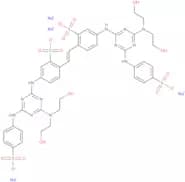

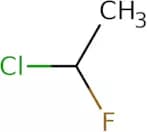
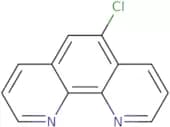
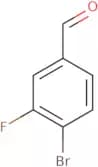

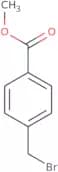
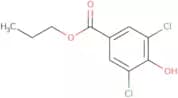
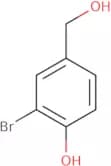
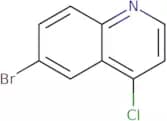
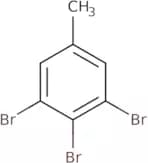
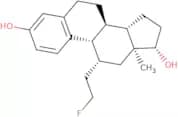
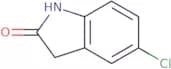
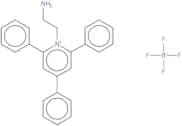
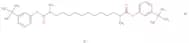
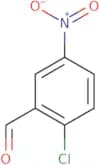
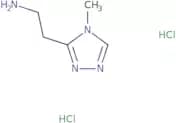
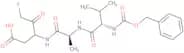
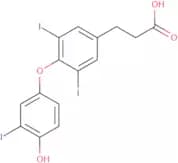
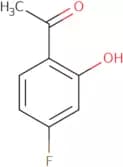

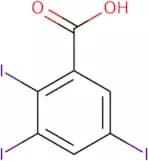
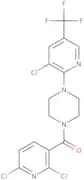
![1-[2-[(2,4-Dimethylphenyl)thio]phenyl]piperazine hydrobromide](/_next/image/?url=https%3A%2Fstatic.cymitquimica.com%2Fproducts%2F3D%2Fthumb-webp%2FFD157097.webp&w=3840&q=75)
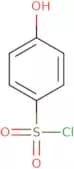
![[1-(3-Methoxyphenyl)-1-methylethyl]amine hydrochloride](/_next/image/?url=https%3A%2Fstatic.cymitquimica.com%2Fproducts%2F3D%2Fthumb-webp%2FFM136868.webp&w=3840&q=75)
![4-(2- fluorophenyl)-6,8-dihydro-1,3,8-trimethyl-Pyrazolo[3,4-e][1,4]diazepin-7(1H)-one mixt. with …](/_next/image/?url=https%3A%2Fstatic.cymitquimica.com%2Fproducts%2F3D%2Fthumb-webp%2FFF104101.webp&w=3840&q=75)
![N-[5-(Phenylamino)-2,4-pentadienylidene]aniline monohydrochloride](/_next/image/?url=https%3A%2Fstatic.cymitquimica.com%2Fproducts%2F3D%2Fthumb-webp%2FFP29019.webp&w=3840&q=75)
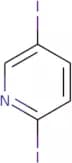
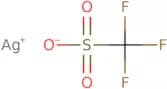

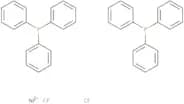
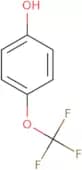
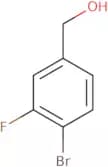
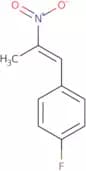
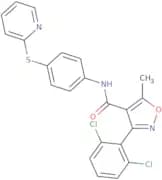
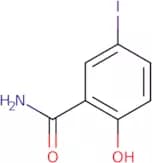
![1-Chloro-3-[4-(2-methoxyethyl)phenoxy]-2-propanol](/_next/image/?url=https%3A%2Fstatic.cymitquimica.com%2Fproducts%2F3D%2Fthumb-webp%2FFC27415.webp&w=3840&q=75)
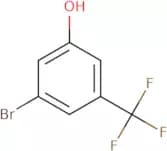
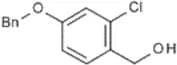
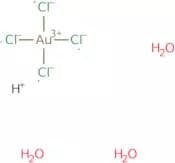
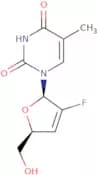
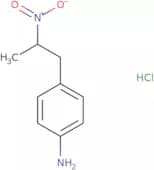
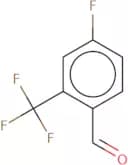
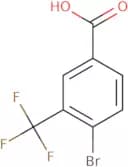
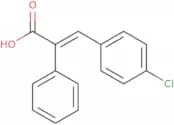
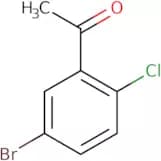
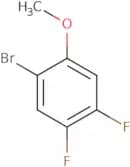
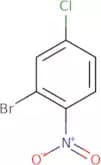
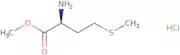
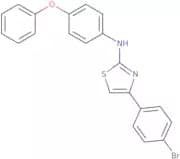
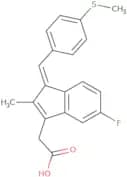
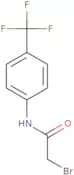

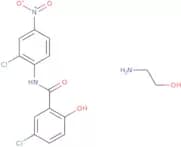
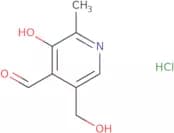
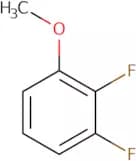
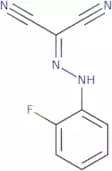
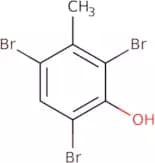
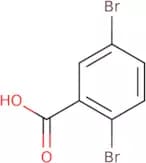
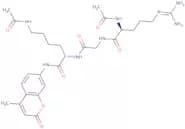
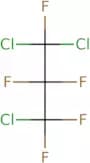
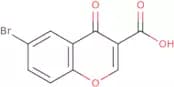
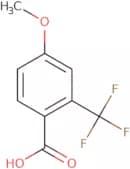
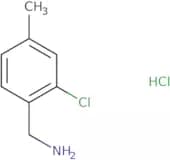
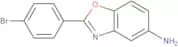
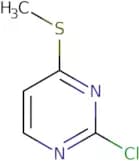
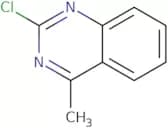
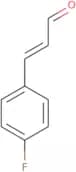


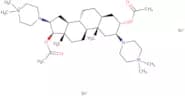
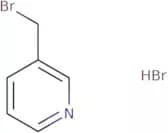
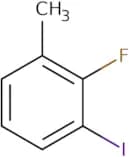
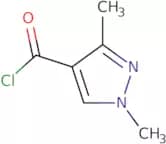
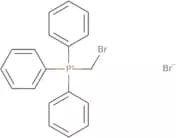
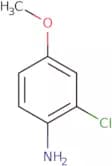
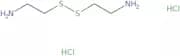
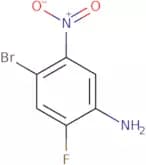

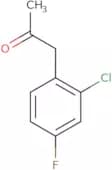
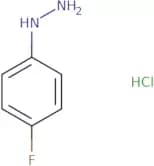
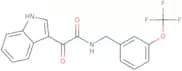

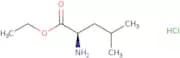
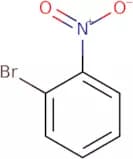

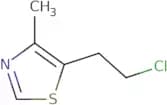

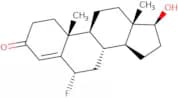


![Ethyl [2-methyl-3-(chlorosulfonyl)phenoxy]acetate](/_next/image/?url=https%3A%2Fstatic.cymitquimica.com%2Fproducts%2F3D%2Fthumb-webp%2FFE22936.webp&w=3840&q=75)

![N-[4-[[(1-Methylethyl)amino]acetyl]phenyl]-methanesulfonamide monohydrochloride](/_next/image/?url=https%3A%2Fstatic.cymitquimica.com%2Fproducts%2F3D%2Fthumb-webp%2FFI150565.webp&w=3840&q=75)
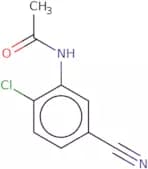
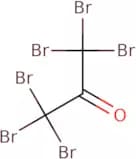
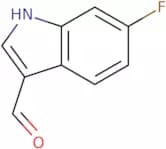
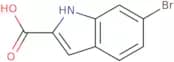
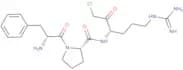
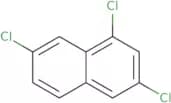
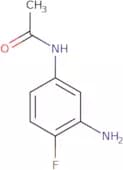
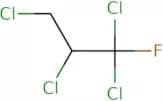
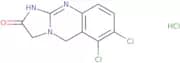


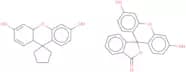
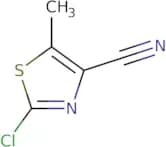
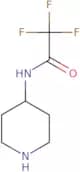
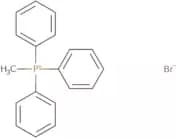
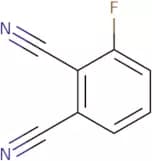
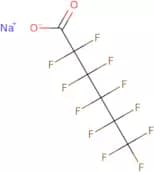
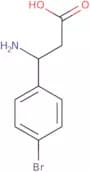
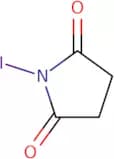
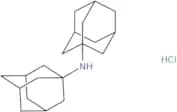

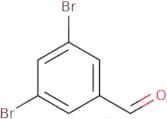
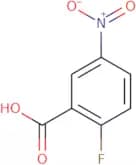
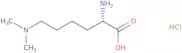
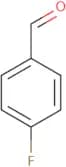
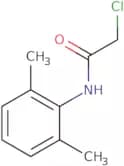
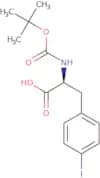
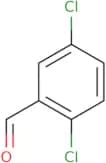
![N-[2-(1,3-Dimethylbutyl)phenyl]-5-fluoro-1,3-dimethyl-1H-pyrazole-4-carboxamide](/_next/image/?url=https%3A%2Fstatic.cymitquimica.com%2Fproducts%2F3D%2Fthumb-webp%2FFD156991.webp&w=3840&q=75)
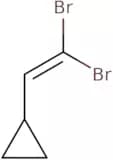
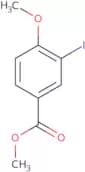
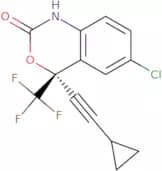
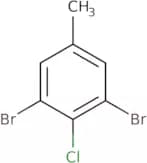


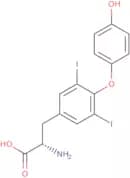
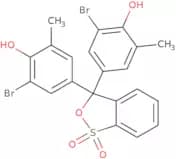


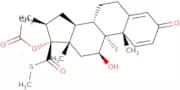
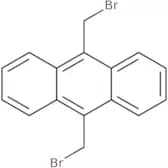
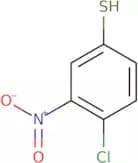
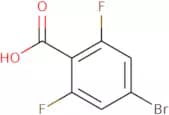
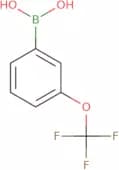
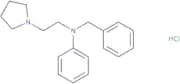
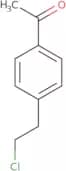
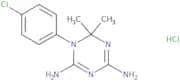
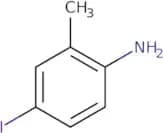
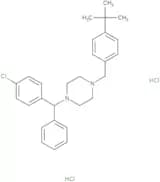
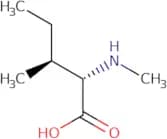
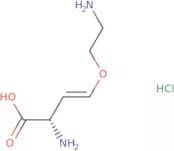
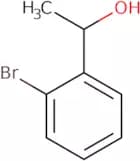
![[2-(4-Chlorophenoxy)ethyl]amine hydrochloride](/_next/image/?url=https%3A%2Fstatic.cymitquimica.com%2Fproducts%2F3D%2Fthumb-webp%2FFC133243.webp&w=3840&q=75)
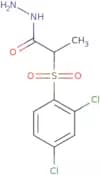
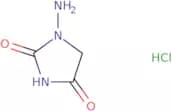
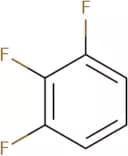
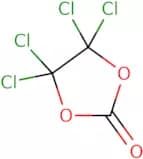
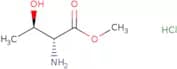
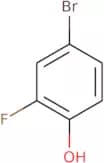

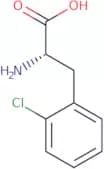
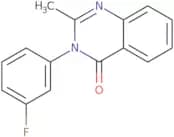

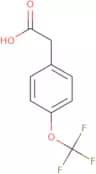
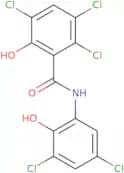
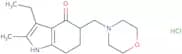
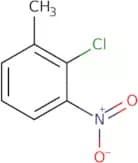
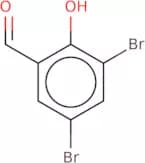
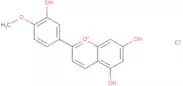
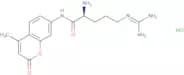
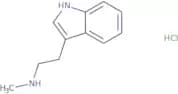
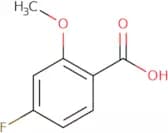
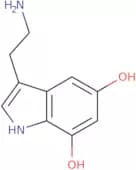
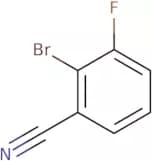
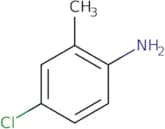
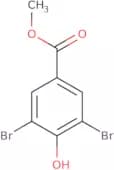
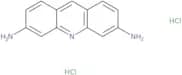
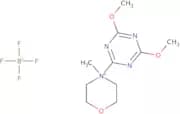
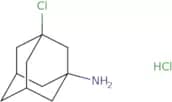
![[(1,2-Dimethyl-1H-imidazol-5-yl)methyl]amine dihydrochloride](/_next/image/?url=https%3A%2Fstatic.cymitquimica.com%2Fproducts%2F3D%2Fthumb-webp%2FFD124269.webp&w=3840&q=75)
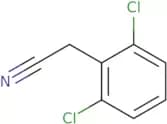
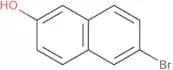
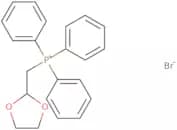
![2-Amino-N-[2-(2-chlorobenzoyl)-4-nitrophenyl]acetamide](/_next/image/?url=https%3A%2Fstatic.cymitquimica.com%2Fproducts%2F3D%2Fthumb-webp%2FFA17795.webp&w=3840&q=75)
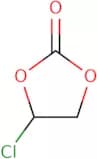
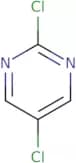
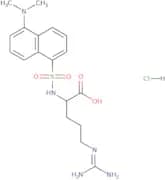
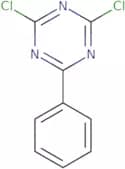
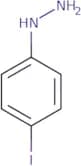
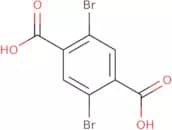
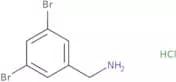

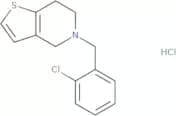
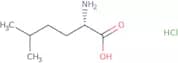
![Sodium tetrakis[3,5-bis(trifluoromethyl)phenyl]borate](/_next/image/?url=https%3A%2Fstatic.cymitquimica.com%2Fproducts%2F3D%2Fthumb-webp%2FFS93415.webp&w=3840&q=75)