


Amines
Amines are a set of molecules containing an amino functional group (derived from ammonia). This category includes amines at any level of substitution : primary, secondary, tertiary, and ammonium salts. Amines are fundamental in organic synthesis and are widely used in pharmaceuticals, agrochemicals, and materials science. At CymitQuimica, we provide a comprehensive selection of amines to meet your research and industrial needs. Our range ensures access to various amines for diverse chemical processes and innovative research.
Subcategories of "Amines"
- Nitrosamines(2,605 products)
- Primary Amines(30,821 products)
- Quaternary Ammonium Cations and Salts(1,099 products)
- Secondary Amines(20,817 products)
- Tertiary Amines(17,117 products)
Found 8780 products of "Amines"
Sort by
Purity (%)
0
100
|
0
|
50
|
90
|
95
|
100
4-Amino-2-benzylamino-6-phenyl-1,3,5-triazine
CAS:<p>4-Amino-2-benzylamino-6-phenyl-1,3,5-triazine is a high quality chemical that can be used as a reagent in organic synthesis. This compound is also a useful intermediate and has been used as a building block in the preparation of various pharmaceuticals. 4-Amino-2-benzylamino-6-phenyl-1,3,5-triazine has CAS No. 693241-47-3 and is an important speciality chemical for research purposes. It is also versatile and can be used as a reaction component for the synthesis of other compounds.</p>Formula:C16H15N5Purity:Min. 95%Color and Shape:PowderMolecular weight:277.32 g/molImipramine hydrochloride
CAS:Controlled Product<p>Imipramine hydrochloride is a hydrochloride salt form of imipramine, a surface active tricyclic drug, a potent inhibitor of serotonin and norepinephrine reuptake. It has a greater affinity for the serotonin and it has more anticholinergic side effects which can be helpful in treating enuresis. Imipramine blocks D-2 receptors, H1 receptors, alpha 1 and alpha 2 adrenergic receptors and muscarinic receptors. It is used for therapy of depression (major and bipolar) and nocturnal enuresis in children. Also it is indicated for dysthymia, attention-deficit disorders, agoraphobia and it is effective in treating anxiety and panic disorders.</p>Formula:C19H25ClN2Purity:Min. 95%Color and Shape:PowderMolecular weight:316.87 g/molAmmonium trifluoroacetate
CAS:<p>Ammonium trifluoroacetate is a chemical compound that has two hydroxyl groups. It is used for the treatment of autoimmune diseases, such as rheumatoid arthritis, and in the synthesis of nomegestrol acetate, which is an estrogenic drug. Ammonium trifluoroacetate is also used to study the biological properties of receptors and other proteins. The thermal expansion property of ammonium trifluoroacetate can be used to determine its concentration in a sample. Ammonium trifluoroacetate also has potent antagonistic effects against HIV infection and can be detected with high sensitivity. Studies have shown that ammonium trifluoroacetate is toxic to humans; however, it does not accumulate in the body.</p>Formula:C2H4F3NO2Purity:Min. 95%Color and Shape:PowderMolecular weight:131.05 g/molImipramine N-oxide hydrate
CAS:Controlled Product<p>Imipramine N-oxide hydrate is a polymer drug that belongs to the group of amines. It inhibits the activity of CYP450 enzymes and has been shown to be effective in treating inflammatory bowel disease (IBD). Imipramine N-oxide hydrate prevents adenosine A3 receptor activation and suppresses the production of dinucleotide phosphate, which may be responsible for its effectiveness in treating IBD. Imipramine N-oxide hydrate also has an effect on liver cells, which may lead to its effectiveness in treating infectious diseases. The drug is not active against autoimmune diseases, but it may have an effect on toll-like receptors.</p>Formula:C19H24N2O·xH2OPurity:Min. 95%Color and Shape:White PowderMolecular weight:296.41 g/mol5-(Acetylamino)-N,N'-bis(2,3-dihydroxypropyl)-2,4,6-triiodo-1,3-benzenedicarboxamide
CAS:<p>5-(Acetylamino)-N,N'-bis(2,3-dihydroxypropyl)-2,4,6-triiodo-1,3-benzenedicarboxamide is a reactive iodinated contrast agent that is used in the diagnostic imaging of body cavities and blood vessels. It can be prepared by the acetylation of 5-(acetylamino)naphthalene-2,3-diol with 2,4,6-triiodobenzene dicarboxylic acid using an alkali metal as a base. The yields for this reaction are dependent on the type of solvent used. This chemical has two functional groups: an amide and an acetate group. It reacts with iohexol to form a radiocontrast product that contains both iodine and propanediol. This process is industrially carried out by mixing 5-(acetylamino)naphthalene-2,</p>Formula:C16H20I3N3O7Purity:Min. 95%Color and Shape:White PowderMolecular weight:747.06 g/mol4-Pentylbenzylamine
CAS:<p>Please enquire for more information about 4-Pentylbenzylamine including the price, delivery time and more detailed product information at the technical inquiry form on this page</p>Formula:C12H19NPurity:Min. 98.0 Area-%Color and Shape:Clear LiquidMolecular weight:177.29 g/mol2-Aminoethoxyamine dihydrochloride
CAS:<p>2-Aminoethoxyamine dihydrochloride is a cardiotonic, which is a chemical agent that acts on the heart to increase contractility. It has been shown to be more efficient and less toxic than other cardiotonics. 2-Aminoethoxyamine dihydrochloride has been found to act as an epoxidizing agent and can be used in the synthesis of istaroxime, an inhibitor of cholesterol biosynthesis.2-Aminoethoxyamine dihydrochloride also reacts with dehydroepiandrosterone to form 2-aminoethoxyamidine hydrochloride.</p>Formula:C2H10Cl2N2OPurity:Min. 95%Color and Shape:PowderMolecular weight:149.02 g/mol2’-Epidihydroergotamine
CAS:<p>2'-Epidihydroergotamine is a reagent that is used as an intermediate in the synthesis of ergot alkaloids. 2'-Epidihydroergotamine is a fine chemical that has been used as a building block for the synthesis of other compounds. It has also been used in the production of research chemicals and speciality chemicals such as antihistamines, anticancer agents, and vasoconstrictors. This compound can be used as a versatile building block in organic synthesis reactions.</p>Formula:C33H37N5O5Purity:Min. 95%Color and Shape:PowderMolecular weight:583.68 g/mol5-Bromo-4,6-dimethylpyrimidin-2-amine
CAS:<p>Please enquire for more information about 5-Bromo-4,6-dimethylpyrimidin-2-amine including the price, delivery time and more detailed product information at the technical inquiry form on this page</p>Formula:C6H8BrN3Purity:Min. 95%Color and Shape:PowderMolecular weight:202.05 g/mol(R,R)-(-)N,N'-Bis(3,5-di-tert-butylsalicylidene)-1,2-cyclohexanediaminomanganese(III) chloride
CAS:<p>(R,R)-(-)N,N'-Bis(3,5-di-tert-butylsalicylidene)-1,2-cyclohexanediaminomanganese(III) chloride is a diamine ligand that has been used for the immobilization of ethylene. The reaction proceeds via an oxidation catalyzed by a metal such as copper or manganese. The reaction products are chlorides and alcohols. The molecular modeling and x-ray crystal structures of these reactions have been studied and kinetic data have been collected. Kinetics measurements show that the reactions are fast with an activation energy of 45 kcal/mol and proceed through a hydrogen transfer mechanism.</p>Formula:C36H52ClMnN2O2Purity:Min. 95%Color and Shape:PowderMolecular weight:635.2 g/mol2-[(4-Amino-2-methyl-5-nitrylbenzyl)amino]ethylalcohol
CAS:<p>2-[(4-Amino-2-methyl-5-nitrylbenzyl)amino]ethylalcohol is a reactive, hydrated, colorant that belongs to the group of hydroxy compounds. It has a chromophore and is used in the production of cosmetics. 2-[(4-Amino-2-methyl-5-nitrylbenzyl)amino]ethylalcohol is used for alkalization and in the production of particle pigments. This compound can be found in fatty acid esters, as it has a long hydrocarbon chain, which makes it soluble. It also has fatty acids and an amine group that provides color.</p>Formula:C9H13N3O3Purity:Min. 95%Molecular weight:211.22 g/mol4-Amino-2-fluorobenzylamine dihydrochloride
CAS:<p>4-Amino-2-fluorobenzylamine dihydrochloride is a high quality, complex compound that can be used as a reagent, useful intermediate, or fine chemical. It is a versatile building block that can be used as a reaction component in the synthesis of speciality chemicals such as research chemicals and building blocks for drugs. It is also an important scaffold for drug design and development. 4-Amino-2-fluorobenzylamine dihydrochloride has CAS No. 2200281-02-1 and is useful in the synthesis of many different compounds.</p>Formula:C7H9FN2·2HClPurity:Min. 95%Color and Shape:PowderMolecular weight:213.08 g/molEthyl 4-(butylamino)benzoate
CAS:<p>Ethyl 4-(butylamino)benzoate is a white crystalline solid that has been shown to be an effective local anesthetic. It undergoes hydrolysis by phosphotungstic acid, which releases the active butylamine molecule. The butylamine molecule is then able to form hydrogen bonds with the negatively charged nerve endings in the spine, leading to depolarization and lack of sensation. Ethyl 4-butylamino benzoate has been used for epidural anesthesia, as well as for bronchial and mesomorphic inhalation anaesthetics. This drug also inhibits expiratory flow, which may be due to its ability to form hydrogen bonds with chloride ions in bronchial secretions.</p>Formula:C13H19NO2Purity:Min. 95%Color and Shape:PowderMolecular weight:221.3 g/molAnnexin A1(1-25)(dephosphorylated)(human)ammonium salt
CAS:<p>Annexin A1 is a phospholipid-binding protein that is involved in the regulation of inflammation. It is often found in atherosclerotic lesions and has been shown to be an anti-inflammatory cytokine. Annexin A1 (dephosphorylated) does not inhibit the activity of enzymes such as cyclooxygenase and lipoxygenase, and so it may have therapeutic potential for treatment of autoimmune diseases such as Crohn's disease or bowel disease. Annexin A1 also has anti-inflammatory properties, which may be due to its ability to inhibit the production of proinflammatory cytokines such as IL-6 and TNF-α by inhibiting the activation of NFκB.</p>Formula:C141H210N32O44S·NH4Purity:Min. 97 Area-%Color and Shape:White PowderMolecular weight:3,107.47 g/molN,N-Dimethylaminoethyl chloride HCl
CAS:Controlled ProductN,N-Dimethylaminoethyl chloride HCl is a reactive compound that inhibits the amine binding site on chitosan. It is used for the preparation of chitosan quaternary ammonium salts and esters. N,N-Dimethylaminoethyl chloride HCl has an inhibitory effect on both chitosan and suzuki coupling reactions. This compound also has a safety profile similar to other halides such as chlorine and hydrogen chloride.Formula:C4H10ClN·HClPurity:Min. 98%Molecular weight:144.04 g/mol4-Aminoindole hydrochloride
CAS:<p>4-Aminoindole hydrochloride is a white crystalline solid that can be used as a versatile building block in organic synthesis. It is also used as an intermediate in the production of various pharmaceuticals and other chemical compounds. 4-Aminoindole hydrochloride is soluble in most polar solvents, but insoluble in ethers and oils. This compound is also a useful reagent for the conversion of nitrobenzenes to aminobenzoic acids. CAS Number 174854-93-4</p>Formula:C8H9ClN2Purity:Min. 95%Color and Shape:PowderMolecular weight:168.62 g/mol2,4,6-Trimethylbenzylamine
CAS:<p>2,4,6-Trimethylbenzylamine is a benzyl amine that has been shown to increase bone mass and reduce insulin resistance. It is also used as a specific treatment for cardiovascular disorders, cardiovascular diseases, and cancer. Benzyl amines are ligands that activate the enzyme hydroxylase by binding to it and increasing the activity of this enzyme. This leads to an increase in the production of diacylglycerol (DAG) and monoacylglycerol (MAG), which are important signaling molecules involved in cellular growth. 2,4,6-Trimethylbenzylamine has been shown to have anti-inflammatory properties by inhibiting serotonin release from platelets.br><br>br><br>2,4,6-Trimethylbenzylamine is metabolized by cytochrome p450 enzymes such as CYP1A2 into 2-methyltetrahydrofuran-3(2</p>Formula:C10H15NColor and Shape:Clear LiquidMolecular weight:149.23 g/molN-(3-Aminopropylmethacrylamide HCl
CAS:<p>N-(3-Aminopropylmethacrylamide HCl is a water-soluble optical sensor that has been used in the field of bioanalysis. This compound has been shown to react with propranolol hydrochloride and produce a fluorescent product. The fluorescence intensity depends on the concentration of propranolol hydrochloride, which can be measured using an optical detector. N-(3-Aminopropylmethacrylamide HCl is synthesized from trifluoroacetic acid and 3-aminopropylamine using a solid-phase synthesis technique. This compound has also been used as a ligand for affinity chromatography and as a template molecule in nonsteroidal anti-inflammatory drug research.</p>Formula:C7H14N2O·HClPurity:Min. 95%Color and Shape:Brown White Yellow PowderMolecular weight:178.66 g/mol3-(2-((3-Bromophenyl)amino)ethyl)oxazolidin-2-one
CAS:<p>Please enquire for more information about 3-(2-((3-Bromophenyl)amino)ethyl)oxazolidin-2-one including the price, delivery time and more detailed product information at the technical inquiry form on this page</p>Formula:C11H13BrN2O2Purity:Min. 95%Molecular weight:285.14 g/mol3-Amino-4-chlorobenzamide
CAS:<p>3-Amino-4-chlorobenzamide is an organic compound that belongs to the class of aminobenzoic acids and is used as a coupling agent in organic synthesis. It reacts with aryl halides or halides to form 3-amino-4-chlorobenzonitrile, which can be converted into anilines by heating with ammonia and ammonium chloride. This reaction has been shown to be reversible with heat. 3-Amino-4-chlorobenzamide is also used as a water absorber in paper products, such as diapers and sanitary napkins.</p>Formula:C7H7ClN2OPurity:Min. 95%Color and Shape:PowderMolecular weight:170.6 g/mol2-Aminochrysene
CAS:<p>2-Aminochrysene is a chemical that binds to DNA and causes a genotoxic effect. It has been shown to be carcinogenic to rats and is carcinogenic in humans. 2-Aminochrysene is metabolized by conjugation with glucuronic acid or glutathione, which are found in the liver, kidney, and other tissues. The binding constants for 2-aminochrysene were measured using the calf thymus DNA as a substrate and amines as ligands. Transfer of 2-aminochrysene from the plasma membrane to the cytosol was observed in cells treated with nitrous oxide (NO). The cytosolic enzyme binding assay showed that 2-aminochrysene binds to the S9 protein of hepatic microsomes.<br>2-Aminochrysene has also been shown to inhibit phospholipase A2 activity, which may be due to its ability to bind to the enzyme's active site.</p>Formula:C18H13NPurity:Min. 95%Color and Shape:Yellow PowderMolecular weight:243.3 g/mol(S)-Brompheniramine maleate
CAS:<p>Brompheniramine is a non-sedating antihistamine with a variety of uses. It has been shown to inhibit the release of histamine and other mediators from mast cells, thereby preventing allergic reactions, such as hay fever, asthma, and chronic urticaria. Brompheniramine is also used for its sedative properties in the treatment of insomnia. Brompheniramine is a versatile building block that can be used to create complex compounds for research purposes or as speciality chemicals for high-quality fine chemical production.</p>Formula:C20H23BrN2O4Purity:Min. 95%Color and Shape:White PowderMolecular weight:435.31 g/mol5-Carboxytetramethylrhodamine succinimidyl ester
CAS:<p>5-Carboxytetramethylrhodamine succinimidyl ester is a widely employed fluorescent dye (orange/red) that is suitable for different uses. In PCR applications, it has been used as both a reporter at the 5â or as a quencher at the 3â end. TAMRA-labelled oligonucleotides have been used to study interactions with DNA or DNA/protein interactions. It is an excellent fluorescent acceptor for FRET applications with a suitable dye pair. It is used as a protein/antibody labelling agent for structural studies, immunochemistry and flow cytometry. Bioconjugation is generally performed through coupling of the carboxylic acid to a primary amine at the N-terminus of a protein, on lysine side chains or amino-modified oligonucleotide. Carboxylic acids that are activated with succinimidyl esters react with primary amines.</p>Formula:C29H25N3O7Purity:Min. 95 Area-%Color and Shape:Red PowderMolecular weight:527.52 g/mol1-Boc-1,8-diaminooctane
CAS:<p>1-Boc-1,8-diaminooctane is a polymerase that is used in the synthesis of DNA. It has been shown to be able to cleave supercoiled DNA and bind to acidic surfaces. This compound is fluorescent and can form covalent adducts with nucleic acids. 1-Boc-1,8-diaminooctane also has a piperidine group, which can act as a linker for other molecules such as anthracene. 1-Boc-1,8-diaminooctane is a neutral pH compound that reacts well with biomolecules.</p>Formula:C13H28N2O2Purity:Min. 95%Color and Shape:PowderMolecular weight:244.37 g/mol3’-β-Amino-2’,3’-dideoxy-5-fluorouridine
CAS:Please enquire for more information about 3’-beta-Amino-2’,3’-dideoxy-5-fluorouridine including the price, delivery time and more detailed product information at the technical inquiry form on this pagePurity:Min. 95%4-Amino-2-methylbenzoic acid ethyl ester
CAS:4-Amino-2-methylbenzoic acid ethyl ester is a versatile building block that can be used in the synthesis of complex compounds. It has been shown to have a number of useful applications, such as in the synthesis of pharmaceuticals, research chemicals, and speciality chemicals. 4-Amino-2-methylbenzoic acid ethyl ester is also an important reagent for the production of high quality pharmaceuticals and intermediates. This chemical is also a useful scaffold for organic reactions.Formula:C10H13NO2Purity:Min. 95%Molecular weight:179.22 g/mol2-Amino-3-nitrobenzoic acid
CAS:<p>2-Amino-3-nitrobenzoic acid (2ABN) is a peroxide that is used as an antiviral. 2ABN has been shown to inhibit the formation of reactive oxygen species in cancer cells, leading to apoptosis. It also inhibits the growth of carcinoma cell lines and tissues. 2ABN reacts with chloral hydrate to form a particle that can be encapsulated for delivery and release in vivo. This drug has been expressed in Escherichia coli, which may lead to improved stability and ease of production. 2ABN is thought to have anti-inflammatory properties due to its ability to inhibit the production of prostaglandins. The reactivity of 2ABN with surfactants such as sodium laureth sulfate (SLES) has been shown, which leads to it being used as an emulsifying agent for topical application.</p>Formula:C7H6N2O4Purity:Min. 95%Color and Shape:PowderMolecular weight:182.13 g/mol6-Amino-3,4-methylenedioxyacetophenone HCl
CAS:<p>Please enquire for more information about 6-Amino-3,4-methylenedioxyacetophenone HCl including the price, delivery time and more detailed product information at the technical inquiry form on this page</p>Formula:C9H10ClNO3Purity:Min. 95%Color and Shape:PowderMolecular weight:215.63 g/mol2-Hydroxy imipramine
CAS:<p>2-Hydroxy imipramine is a metabolite of imipramine, which is an antidepressant drug that belongs to the tricyclic antidepressant class. It is formed through enzyme hydrolysis by liver microsomes and monoclonal antibodies. 2-Hydroxy imipramine has been shown to have an affinity for the norepinephrine transporter in rat heart cells and human liver cells. The metabolism of 2-hydroxy imipramine can be inhibited by drugs such as chlorpromazine and fluoxetine, which induce hepatic enzymes responsible for the metabolic transformation of this drug. 2-Hydroxy imipramine may also have anti-inflammatory effects on cardiac tissue due to its ability to inhibit the activity of cytochrome P450, which are enzymes that metabolize many drugs in humans.</p>Formula:C19H24N2OPurity:(%) Min. 95%Color and Shape:Brown PowderMolecular weight:296.41 g/mol4-Octyloxybenzylamine
CAS:<p>4-Octyloxybenzylamine is a fine chemical that is used as a building block in research or as a reagent in the synthesis of other compounds. It has CAS No. 37806-64-7 and can be used in organic synthesis as a speciality chemical or as an intermediate or scaffold for complex organic molecules. 4-Octyloxybenzylamine has many uses, including being a versatile building block for synthesizing other compounds, such as polymers and polyesters, which are useful for commercial applications, such as textiles and plastics.</p>Formula:C15H25NOPurity:Min. 95%Color and Shape:PowderMolecular weight:235.37 g/molTriethylamine hydrochloride
CAS:<p>Triethylamine hydrochloride is a potential drug target and can be used to treat infectious diseases. Triethylamine hydrochloride inhibits the polymerase chain reaction, which is an important analytical technique for the detection of DNA sequences. It also has been shown to have antibacterial activity against Escherichia coli by inhibiting protein synthesis in bacteria. This may be due to its ability to form metal chelates with Fe3+, Cu2+, and Mn2+. Triethylamine hydrochloride has also been shown to inhibit the growth of Shigella flexneri and Mycobacterium tuberculosis by regulating transcription elongation through interaction with the RNA polymerase.</p>Formula:C6H16ClNColor and Shape:PowderMolecular weight:137.65 g/molN-(tert-Butoxycarbonyl)-1,4-diaminobutane
CAS:<p>N-(tert-Butoxycarbonyl)-1,4-diaminobutane is a cationic polymer that is used for transfection. It has been shown to have high efficiency in the transfection of DNA into cells and polymers that are biodegradable and can be dissolved in water. This chemical compound also has an acidic pH range, which makes it useful for the treatment of intracellular environments with a low pH. N-(tert-Butoxycarbonyl)-1,4-diaminobutane has been shown to cause cytotoxicity in cells at high concentrations, but has no effects on cells at lower concentrations. The disulfide bonds of this compound make it endosomal-lytic and nonviral.</p>Formula:C9H20N2O2Purity:Min. 95%Color and Shape:Clear LiquidMolecular weight:188.27 g/mol2-Amino-N-[2-(5-methoxy-1H-indol-3-yl)ethyl]acetamide hydrochloride
CAS:<p>2-Amino-N-[2-(5-methoxy-1H-indol-3-yl)ethyl]acetamide hydrochloride is a magnetic compound that has been shown to be an effective cancer antigen. It is a derivative of the amino acid sequence of α,β-unsaturated fatty acids and can be used as a dietary supplement. 2-Amino-N-[2-(5-methoxy-1H-indol-3-yl)ethyl]acetamide hydrochloride has been shown to bind to fatty acid receptors on the surface of antigen presenting cells (APCs). It also activates the immune system by activating APCs, which leads to the production of cytokines and chemokines. This compound has also been shown to stimulate T cells in culture, leading to activation and proliferation of tumor cells.</p>Formula:C13H17N3O2·HClPurity:Min. 95%Color and Shape:PowderMolecular weight:283.75 g/molMethyl trioctyl ammonium chloride
CAS:<p>Methyl trioctyl ammonium chloride is a quaternary ammonium compound that is used as a surfactant in a variety of applications. It has been shown to have an adsorption isotherm with a Langmuir type of behavior and it can be used as an optical sensor for water vapor. Methyl trioctyl ammonium chloride has covalent links with other molecules, such as chloride ions. The chemical composition of the nanoparticles of this chemical are determined by surface methodology, such as plasma mass spectrometry or electrochemical impedance spectroscopy. Methyl trioctyl ammonium chloride has been shown to reduce nitrite ion and sodium citrate in wastewater treatment systems. This agent also exhibits physiological effects on animals and humans, including toxic effects on the central nervous system, liver toxicity, and reproductive toxicity.</p>Formula:C25H54N·ClPurity:(%) Min. 95%Color and Shape:Slightly Yellow Clear LiquidMolecular weight:404.16 g/mol3-((4-methylphenyl)amino)-2-phenylinden-1-one
CAS:Please enquire for more information about 3-((4-methylphenyl)amino)-2-phenylinden-1-one including the price, delivery time and more detailed product information at the technical inquiry form on this pagePurity:Min. 95%3,5-Dihydroxybenzylamine hydrochloride
CAS:<p>3,5-Dihydroxybenzylamine hydrochloride is a high quality chemical used as a reagent for organic synthesis. It has also been used as an intermediate for the production of other chemicals and in the synthesis of complex compounds. 3,5-Dihydroxybenzylamine hydrochloride is also a useful scaffold for drug design and development. It can be used to make fine chemicals with various applications such as research chemicals, versatile building blocks, reaction components, and speciality chemicals.</p>Formula:C7H10ClNO2Purity:Min. 95%Color and Shape:PowderMolecular weight:175.61 g/molVeratramine
CAS:<p>Veratramine is a natural drug that is used as an anti-inflammatory agent and for the treatment of autoimmune diseases. It has been shown to have significant cytotoxicity in epithelial cells, but not in mesenchymal cells. Veratramine also has a matrix effect on these cell types. Veratramine's surface methodology can be used to measure the degree of inflammation by measuring the level of cytokines at the site of injury. This technique also allows for analysis of human serum samples using LC-MS/MS techniques to identify acute toxicities and steroid alkaloids that may be present.</p>Formula:C27H39NO2Purity:Min. 95%Color and Shape:PowderMolecular weight:409.60 g/molFmoc-beta-Ala-4-amino-D-Phe(Boc)-OH
<p>Fmoc-beta-Ala-4-amino-D-Phe(Boc)-OH is a fine chemical that can be used as a building block in research, as a reagent for chemical synthesis, or as a speciality chemical. It is also a versatile building block that can be used to create other compounds. Fmoc-beta-Ala-4-amino-D-Phe(Boc)-OH is an intermediate compound and scaffold. This compound has been shown to react with ethyl chloroformate to yield the corresponding beta amino ester.</p>Formula:C32H35N3O7Purity:Min. 95%Color and Shape:White to off-white solid.Molecular weight:573.64 g/mol3-((3,5-bis(trifluoromethyl)phenyl)amino)-5-phenylcyclohex-2-en-1-one
CAS:<p>Please enquire for more information about 3-((3,5-bis(trifluoromethyl)phenyl)amino)-5-phenylcyclohex-2-en-1-one including the price, delivery time and more detailed product information at the technical inquiry form on this page</p>Purity:Min. 95%1,3-Thiazol-5-ylmethylamine dihydrochloride
CAS:<p>1,3-Thiazol-5-ylmethylamine dihydrochloride is a useful scaffold for the preparation of complex compounds. It is a versatile building block that can be used to synthesize a wide range of chemical products. The compound has been shown to be an effective reagent in organic synthesis and is widely used as a research chemical. 1,3-Thiazol-5-ylmethylamine dihydrochloride is soluble in water and can be stored at room temperature.</p>Formula:C4H6N2S·2HClPurity:Min. 95%Color and Shape:PowderMolecular weight:187.09 g/mol7-Amino-4-methylcoumarin
CAS:<p>Fluorescent probe for AMC-based labelling of oligosaccharides or peptides</p>Formula:C10H9NO2Purity:Min. 98 Area-%Color and Shape:Yellow PowderMolecular weight:175.18 g/molN,N-Diallyl-5-methoxytryptamine
CAS:Controlled Product<p>N,N-Diallyl-5-methoxytryptamine (DMAT) is a synthetic cannabinoid that has been shown to produce effects similar to those of tetrahydrocannabinol. It has been used in clinical studies to study the effects of cannabinoids on the central nervous system. DMAT binds with high affinity to 5-HT2A receptors and low affinity to histamine H1 receptors. DMAT also binds moderately with 5-HT1A receptors, which are serotonin receptors found in the cerebral cortex and hippocampus regions of the brain. DMAT is a potent monoamine neurotransmitter reuptake inhibitor, which means it prevents the reuptake of monoamines such as dopamine, norepinephrine, and serotonin by blocking their transporters. This results in an increase in extracellular concentrations of these monoamines. DMAT is structurally similar to other drugs that have been shown to cause seizures, such as meprobamate, benzodiazepines,</p>Formula:C17H22N2OPurity:Min. 95%Molecular weight:270.37 g/molTrimipramine maleate salt
CAS:Controlled Product<p>Trimipramine is an antidepressant drug of the tricyclic type. It is used in the treatment of depression, anxiety, and insomnia. Trimipramine also possesses anti-cancer effects and has been shown to inhibit prostate cancer cells. In addition, trimipramine inhibits the accumulation of cholesterol by inhibiting its synthesis.<br>Trimipramine maleate salt is a maleate salt of trimipramine that is soluble in water and alcohols. The biological properties and pharmacological treatments are similar to those of trimipramine.</p>Formula:C24H30N2O4Purity:Min. 95%Color and Shape:PowderMolecular weight:410.51 g/molMethyl 2-amino-3,4-diethoxybenzoate
CAS:<p>Methyl 2-amino-3,4-diethoxybenzoate is a chemical compound that is used as a reagent for the preparation of other complex compounds. Methyl 2-amino-3,4-diethoxybenzoate has a CAS number of 1017083-69-0 and can be found in fine chemicals, research chemicals, and speciality chemicals. This chemical is also an intermediate for the synthesis of other compounds and has been shown to have many uses as a building block for more complex compounds. As a versatile building block, methyl 2-amino-3,4-diethoxybenzoate has been used in organic synthesis reactions to produce new compounds with unique properties.</p>Formula:C12H17NO4Purity:Min. 95%Color and Shape:PowderMolecular weight:239.27 g/mol2-amino-1-(1-aza-2-(4-(dimethylamino)phenyl)vinyl)ethene-1,2-dicarbonitrile
CAS:<p>Please enquire for more information about 2-amino-1-(1-aza-2-(4-(dimethylamino)phenyl)vinyl)ethene-1,2-dicarbonitrile including the price, delivery time and more detailed product information at the technical inquiry form on this page</p>Formula:C13H13N5Purity:Min. 95%Color and Shape:PowderMolecular weight:239.28 g/molRhodamine B
CAS:<p>Rhodamine B is a fluorescent dye that has been used as a model system to study the effects of drugs on P-glycoprotein (P-gp) function. It has been shown to inhibit P-gp function by binding to the transporter protein, which is responsible for pumping drugs and other compounds out of cells. Rhodamine B can be used as a probe for P-gp activity in cell lines, including squamous carcinoma cells, and can also be used to measure drug efflux from cells.<br>Rhodamine B was found to have an optimum concentration of 10 μM and a structural analysis showed it forms a complex with the transporter protein.</p>Formula:C28H31ClN2O3Purity:Min. 95%Color and Shape:Yellow Clear LiquidMolecular weight:479.01 g/molN-Nitroso-N-methyl-4-aminobutyric acid
CAS:<p>N-Nitroso-N-methyl-4-aminobutyric acid (NMBA) is a solid with a low melting point which has been identified as a potentially carcinogenic component of both tobacco and tobacco smoke. NMBA is also one of a number of nitrosamine impurities which have been found to be present in angiotensin II receptor blocker (ARB) drugs used to treat high blood pressure.</p>Formula:C5H10N2O3Purity:Min. 98 Area-%Color and Shape:Slightly Yellow PowderMolecular weight:146.14 g/mol(R)-2-((4-Aminophenethyl)amino)-1-phenylethanol hydrochloride
CAS:<p>Intermediate in the synthesis of mirabegron</p>Formula:C16H20N2O·HClPurity:Min. 95%Color and Shape:PowderMolecular weight:292.8 g/mol3-Aminobutan-1-ol
CAS:<p>3-Aminobutan-1-ol is an amine that is synthesized industrially by the reduction of soybean trypsin with borohydride. This chemical has been used as a substrate in asymmetric synthesis and can be detected by high detection sensitivity. 3-Aminobutan-1-ol binds to the carbonyl group of amino acid residues and causes a reaction with chloride ions for detection. The product of this reaction is an enantiomer, which can be separated from other reaction products by purified chiral stationary phases. 3-Aminobutan-1-ol is also involved in the biosynthesis of proteins and enzymes. It reacts with hydrochloric acid to form a salt, which can then be used as an enzyme inhibitor.</p>Formula:C4H11NOPurity:Min. 95%Color and Shape:Clear LiquidMolecular weight:89.14 g/mol5-Aminoisophthalic acid
CAS:<p>5-Aminoisophthalic acid is a molecule that belongs to the group of compounds classified as p2, which are characterized by a hydrogen bond. The molecule is synthesized from n-dimethylformamide and glycol ester. It can be used in the synthesis of other compounds, such as 5-aminoisophthalic acid, which has been shown to have hemolytic activity. FTIR spectroscopy analysis reveals that the structure of 5-aminoisophthalic acid has nitrogen atoms in its side chain. This molecule also has an ultraviolet absorption range of about 225 nm to about 300 nm and shows strong absorption bands at around 290 nm and 350 nm.</p>Formula:C8H7NO4Purity:Min. 95%Color and Shape:PowderMolecular weight:181.15 g/mol4-Bromo-2-methylbenzylamine hydrochloride
CAS:<p>4-Bromo-2-methylbenzylamine hydrochloride is a high quality, versatile building block that can be used in the synthesis of many different compounds. It is a reagent that can be used as an intermediate in the production of other compounds. 4-Bromo-2-methylbenzylamine hydrochloride is also a fine chemical and speciality chemical that can be used for research purposes. This compound has been shown to be useful as a reaction component in the synthesis of complex compounds.</p>Formula:C8H10BrN·HClPurity:Min. 95%Molecular weight:236.54 g/mol3-Amino-4-bromophenol
CAS:<p>3-Amino-4-bromophenol is an industrial chemical that is used in the diazotization and reduction reactions. 3-Amino-4-bromophenol can be synthesized by reacting hydrazine with iron oxide and nitrite in a condition of acetone and sodium nitrite. The product yield for this reaction is about 90%. 3-Amino-4-bromophenol crystallizes from acetone as a white powder.</p>Formula:C6H6BrNOPurity:Min. 95%Molecular weight:188.02 g/mol1-Hydroxy-2,7-diamino mitosene - (mixture cis/trans)
CAS:<p>1-Hydroxy-2,7-diamino mitosene is a versatile building block that can be used in the synthesis of a wide range of complex compounds. This chemical compound is a reagent and speciality chemical that has been used in research and analysis as well as in the manufacture of other chemicals. 1-Hydroxy-2,7-diamino mitosene is a fine chemical with high quality and purity. It has been shown to be useful in the synthesis of new drugs or other chemical compounds. The use of this compound as an intermediate is also possible due to its versatility.</p>Formula:C14H16N4O5Purity:Min. 95%Color and Shape:PowderMolecular weight:320.3 g/mol2-Chloro-1,3-bis(dimethylamino)trimethinium hexafluorophosphate
CAS:<p>2-Chloro-1,3-bis(dimethylamino)trimethinium hexafluorophosphate is a glycogen phosphorylase inhibitor. It is a synthetic compound that belongs to the class of allylamines. The synthesis of 2-chloro-1,3-bis(dimethylamino)trimethinium hexafluorophosphate has been achieved by reacting phosphorus oxychloride with dimethylformamide and amines. This reaction leads to the formation of chlorides and heterocycles. 2-Chloro-1,3-bis(dimethylamino)trimethinium hexafluorophosphate inhibits glycogen phosphorylase by binding to the active site and blocking access to the substrate glucose. It also inhibits β-glucosidase, which prevents the hydrolysis of glucosides into glucose.</p>Formula:C7H14ClN2·PF6Purity:Min. 95%Color and Shape:White PowderMolecular weight:306.62 g/molBoc-1,4-trans-diaminocyclohexane hydrochloride
CAS:<p>Boc-1,4-trans-diaminocyclohexane hydrochloride is a versatile building block that can be used to synthesize complex compounds and research chemicals. It has been used as a reagent, specialty chemical and useful intermediate in many different reactions. Boc-1,4-trans-diaminocyclohexane hydrochloride is also a high quality building block that can be utilized to produce pharmaceuticals, agrochemicals and other speciality chemicals. This compound is also an important scaffold for the synthesis of biologically active molecules.</p>Formula:C11H22N2O2·HClPurity:Min. 95%Color and Shape:PowderMolecular weight:250.77 g/mol4,5-Dihydronaphtho[1,2-d][1,3]thiazol-2-amine
CAS:<p>Please enquire for more information about 4,5-Dihydronaphtho[1,2-d][1,3]thiazol-2-amine including the price, delivery time and more detailed product information at the technical inquiry form on this page</p>Formula:C11H10N2SPurity:Min. 95%Molecular weight:202.28 g/molPropyl 4-aminobenzoate
CAS:<p>Propyl 4-aminobenzoate is an anti-angiogenic agent that inhibits the production of angiogenic factors. It has been shown to be effective in vivo with a kinetic data analysis and solubility data. Propyl 4-aminobenzoate reduces the size of angiogenic tumors and prevents new tumor formation. It also suppresses tumor growth by inhibiting the production of vascular endothelial growth factor (VEGF), thereby inducing apoptotic cell death. The induction of apoptotic cell death by propyl 4-aminobenzoate may be due to its ability to bind to and activate apoptosis protein, leading to a decrease in collagen synthesis and an increase in hyaluronic acid production.</p>Formula:C10H13NO2Purity:Min. 95%Color and Shape:PowderMolecular weight:179.22 g/mol5-(Trifluoromethyl)benzene-1,3-diamine
CAS:<p>5-(Trifluoromethyl)benzene-1,3-diamine is a chemical compound that is used in the synthesis of coatings and magnetic resonance imaging contrast agents. It can be used as a crosslinker for polymers, such as amides, in order to improve their hardness and strength. The synthesis of 5-(trifluoromethyl)benzene-1,3-diamine is done by reacting hydrogen chloride with magnesium oxide in an organic solvent. The product can then be reacted with other compounds to produce different products. One such compound is benzotrifluoride, which can be used to synthesize fluorinated coatings and monomers. The final product can also be reacted with sodium formate to produce a constant.</p>Formula:C7H7F3N2Purity:Min. 98 Area-%Color and Shape:PowderMolecular weight:176.14 g/mol2-Amino-4-hydroxy-6-chloro-s-triazine
CAS:<p>2-Amino-4-hydroxy-6-chloro-s-triazine is a type strain of a chemical compound with clinical pharmacology. It is an active substance that can be used to treat cancer. 2-Amino-4-hydroxy-6-chloro-s-triazine has been shown to inhibit the growth of prostate cancer cells and phosphatase in hematopoietic cells. This drug also inhibits kinase receptor, which leads to the inhibition of protein synthesis and cell division. The reaction mechanism for 2-amino 4 hydroxy 6 chloros triazine is nucleophilic substitution.</p>Formula:C3H3ClN4OPurity:Min. 95%Color and Shape:White PowderMolecular weight:146.53 g/mol1-Aminoindane
CAS:Controlled Product<p>1-Aminoindane is an analog of dopamine that has been shown to have neuroprotective properties. It inhibits the aggregation of amyloid protein and can help prevent neuronal death by binding to hydroxyl groups on the neuronal surface. 1-Aminoindane has also been shown to bind to hydrogen bonding interactions on the outside of neurons and inhibit the entry of calcium ions into cells. <br>1-Aminoindane is a racemic mixture, meaning that it has two enantiomers, which can be differentiated using molecular docking analysis. One enantiomer, known as (R)-1-aminoindane, appears to be more active than its counterpart (S)-1-aminoindane in inhibiting amyloid protein aggregation and preventing neuronal death. This suggests that 1-aminoindane may be a promising therapeutic agent for Alzheimer's disease treatment.</p>Formula:C9H11NPurity:Min. 95%Color and Shape:Clear LiquidMolecular weight:133.19 g/molgamma-(Aminooxy)propyl mercaptan HCl
CAS:<p>Gamma-aminopropyl mercaptan is a versatile building block that is used in the synthesis of complex organic compounds. It can be used as a reagent for research and as a speciality chemical. Gamma-aminopropyl mercaptan has been found to be useful in the synthesis of drugs, pesticides, and other biologically active substances. The compound has also been found to have anti-inflammatory properties.</p>Formula:C3H10ClNOSPurity:Min. 95 Area-%Color and Shape:PowderMolecular weight:143.64 g/mol2-Ethoxybenzylamine
CAS:<p>2-Ethoxybenzylamine is a hydrophobic organic compound. It is an amine that is used as a reagent for the oxidation of primary, secondary, and tertiary amines to their corresponding aldehydes, ketones, and quinones. 2-Ethoxybenzylamine is used in the synthesis of glycopeptides and has been shown to be effective as a surrogate for benzylamine derivatives. This compound may also be an optimised enzyme complex with chloride ions that can activate certain oxidases.</p>Formula:C9H13NOPurity:Min. 95%Color and Shape:Clear LiquidMolecular weight:151.21 g/molFmoc-(S)-4-amino-2-carboxymethyl-1,3,4,5-tetrahydro-2H-[2]benzazepin-3-one
CAS:<p>Fmoc-(S)-4-amino-2-carboxymethyl-1,3,4,5-tetrahydro-2H-[2]benzazepin-3-one is a specialized chemical compound, which is an Fmoc-protected amino acid derivative. This compound is synthesized through a series of organic synthesis steps that incorporate chiral precursors to ensure enantiomeric purity. As a building block for peptide synthesis, it acts by introducing a protected amino function into the peptide chain, providing stability and selectivity during the synthesis process.The primary applications of Fmoc-(S)-4-amino-2-carboxymethyl-1,3,4,5-tetrahydro-2H-[2]benzazepin-3-one are in the fields of medicinal chemistry and drug discovery, where it plays a crucial role in the development of novel peptide-based therapeutics. This compound is particularly valuable due to its ability to enhance the bioavailability and metabolic stability of peptides, allowing for the exploration of new therapeutic pathways and functions. Its use is integral in the design of peptides with specific biological activities, facilitating research into new pharmacological agents and treatments.</p>Formula:C27H24N2O5Purity:Min. 95%Molecular weight:456.49 g/mol4-Aminobenzyl alcohol
CAS:<p>4-Aminobenzyl alcohol is an ethylene diamine derivative that is insoluble in water. It has been shown to react with sodium carbonate in aqueous solution to form a polymer. The polymer has potential as a biomarker for the early detection of cancer and other diseases. 4-Aminobenzyl alcohol has low potency and is activated by caproic acid, which is used as an inhibitor of the enzyme epidermal growth factor (EGF). This compound also reacts with azobenzene to form a primary cell line.</p>Formula:C7H9NOPurity:Min. 98 Area-%Color and Shape:White PowderMolecular weight:123.15 g/mol2,6-Pyridinediyldimethanamine
CAS:2,6-Pyridinediyldimethanamine is a reactive molecule that can be used in clinical studies. It has been shown to have an effect on mammalian cells, and it can also be used for structural studies of the molecule. This compound is mainly used as a chelate ligand in hydrogen bonding reactions. The kinetic of the reaction between 2,6-pyridinediyldimethanamine and chloride has been studied experimentally and found to follow second-order kinetics. X-ray crystal structures show that this compound forms a hydrogen bond with chloride ions.Formula:C7H11N3Purity:Min. 95%Color and Shape:Clear LiquidMolecular weight:137.18 g/mol4-Phenoxybenzylamine
CAS:<p>4-Phenoxybenzylamine is a cardiac stimulant that belongs to the group of l-type calcium channel blockers. It is a highly potent and selective blocker of voltage-gated L-type calcium channels in myocytes, which are cells that make up the muscle tissue of the heart. 4-Phenoxybenzylamine has been shown to be effective against resistant strains and can be used to optimize sodium channels in recombinant cells. This drug also blocks potassium channels, which may lead to an antiseizure effect. 4-Phenoxybenzylamine is hydrophobic and can be given orally.<br>END>></p>Formula:C13H13NOPurity:Min. 95%Color and Shape:Clear LiquidMolecular weight:199.25 g/molRhodamine B isothiocyanate, mixture of isomers
CAS:<p>Rhodamine B isothiocyanate (RBITC) is a fluorescent dye that can be synthesized by reacting 2,4-dinitrobenzene with aniline. RBITC fluoresces in the visible spectrum, but has also been shown to fluoresce in the near infrared region of the electromagnetic spectrum. The microstructural and morphological properties of RBITC have been studied using simulations methods such as molecular dynamics and Monte Carlo techniques. RBITC has a spinodal decomposition behavior when heated or cooled, which can be used to study transport pathways in solids. These pathways are motivated by connectivity and topological techniques.</p>Formula:C29H30N3O3SClPurity:Min. 70%Color and Shape:Red PowderMolecular weight:536.09 g/mol4-Amino-2-fluorobenzoic acid
CAS:<p>4-Amino-2-fluorobenzoic acid is a potent inhibitor of formylating enzymes, such as carbonyl reductase and amino acid formyltransferase. It has been shown to be an effective inhibitor of cancer cells in vivo and inhibits the growth of prostate cancer cells. This compound has also been shown to inhibit nitro reduction reactions, which are involved in the carcinogenic process. 4-Amino-2-fluorobenzoic acid reacts with chloride ions to produce a functional group that can react with carbon nanotubes, making it a candidate for use in cancer therapy.</p>Formula:C7H6FNO2Purity:Min. 95%Color and Shape:SolidMolecular weight:155.13 g/mol4-Amino-2-cyanotoluene
CAS:<p>4-Amino-2-cyanotoluene is a quinazoline compound that inhibits the synthesis of thymine, which is necessary for DNA replication. This compound binds to the enzyme thymidylate synthetase, thereby inhibiting the synthesis of thymine. The inhibitory effect has been shown in a study using calf thymus DNA. 4-Amino-2-cyanotoluene also inhibits the synthesis of other nucleic acids such as adenine and guanine.</p>Formula:C8H8N2Purity:Min. 95%Color and Shape:PowderMolecular weight:132.16 g/molTetrahexylammonium hydrogensulfate
CAS:<p>Tetrahexylammonium hydrogensulfate is a salt that is used in analytical chemistry to separate 3-mercaptopropionic acid from fatty acids. It is also used as a buffer in the chemical ionization mass spectrometry method for detection of cyclohexane ring. The separation of 3-mercaptopropionic acid from fatty acids can be achieved by using chromatographic science, which involves a co2 flow and chloride gas. This process has been shown to be effective for the analysis of urine samples, human serum, and hydrochloric acid. The reaction products are fatty acids and their derivatives, which are separated by chromatographic methods.</p>Formula:C24H53NO4SColor and Shape:PowderMolecular weight:451.75 g/mol2,4-Diaminobenzaldehyde
CAS:<p>2,4-Diaminobenzaldehyde is a chemical compound that is used as an intermediate in the synthesis of drugs and other organic chemicals. It can be oxidized with periodate to produce 2,4-diaminophenol. This reaction system can then be desilyated to produce 2,4-diaminoanisole. Reaction time has a significant effect on the yield of this reaction system. The optimal dosage of periodate for this reaction system is 0.5 mM for 2,4-diaminophenol and 0.1 mM for 2,4-diaminoanisole. This reaction system can also be carried out using lavendamycin or tosyl chloride instead of periodate. The conversion efficiency of this reaction system is dependent on the presence or absence of methyl esters in the starting material and product.<br>END></p>Formula:C7H8N2OPurity:Min. 95%Color and Shape:White Yellow PowderMolecular weight:136.15 g/molD-α-Aminosuberic acid
CAS:<p>D-alpha-Aminosuberic acid is a tetrapeptide with transcriptional regulatory properties. It has been shown to have minimal toxicity and lacks enzymatic inactivation, making it an attractive candidate as a drug for the treatment of cancer. D-alpha-Aminosuberic acid has been found to activate rat striatal cells in vitro and may have immunomodulatory effects that could be beneficial in infectious diseases. Clinical studies are needed before this drug can be used for these purposes.</p>Formula:C8H15NO4Purity:Min. 95%Molecular weight:189.21 g/mol3,4-Dimethylbenzylamine hydrochloride
CAS:<p>3,4-Dimethylbenzylamine hydrochloride is an efficient primary alkylating agent that reacts with amines to form N,N'-bis(3,4-dimethylbenzyl)urea. This reaction can be carried out in a solvent such as ethanol or dichloromethane using one of the many amines and isocyanides listed below. This reagent is used for the synthesis of 3-aminopyridine from malononitrile and ethanol. It also has been used for the synthesis of 2-pyridinamine from 1-aminoethane and isocyanides.</p>Formula:C9H13N·HClPurity:Min. 95%Molecular weight:171.67 g/molMethylamine - 50% in water
CAS:Controlled Product<p>The molecular formula of methylamine is CH3NH2. It has an intramolecular hydrogen bond that stabilizes the molecule. Methanol is a good solvent for methylamine, and its ph optimum is 10. Methylamine reacts with hydrochloric acid to form a molecule consisting of two hydrogen atoms and one nitrogen atom (H3N-HCl). The locomotor activity of rats was reduced by methylamine after administration at doses greater than 200 mg/kg. The uptake of methylamine in human serum was increased by α-tocopherol, an antioxidant. Methylamine reacts with amines to form products with different properties, including alkanoic acid and fatty acid. Methylamine binds to the type strain receptor but not other strains or species of bacteria.</p>Formula:CH5NPurity:Min. 95%Molecular weight:31.06 g/molTetramethylammonium acetate monohydrate
CAS:<p>Tetramethylammonium acetate monohydrate is an on-line, inorganic acid that reacts with other reagents to form hydrogen bonds. Tetramethylammonium acetate monohydrate is used as a reactive solvent for organic solutes and has been used in hydrophilic interaction chromatography to separate fatty acids and phenolic acids. This compound has been shown to be effective in the treatment of chronic bronchitis due to its ability to break down mucus.</p>Formula:C6H15NO2•H2OColor and Shape:White PowderMolecular weight:151.2 g/mol3-Nitrobenzylamine hydrochloride
CAS:<p>3-Nitrobenzylamine HCl is an intermediate in the synthesis of peptides. This compound is used to produce polypeptides and can be immobilized on a solid support for high yield production. 3-Nitrobenzylamine HCl can be covalently linked to a solid support by reacting with an activated carboxyl group and can undergo conformational changes upon irradiation with ultraviolet light or azobenzene derivatives. 3-Nitrobenzylamine HCl has been used in solid phase peptide synthesis, a technique that produces polypeptides at high yields. It is also used as a substrate for NMR techniques, which are useful for determining the nature of the molecule and its potentials.</p>Formula:C7H8N2O2•HClPurity:Min. 95%Molecular weight:188.61 g/mol2-Amino-3-chloro-5-nitrobenzonitrile
CAS:<p>2-Amino-3-chloro-5-nitrobenzonitrile is a hydroxyalkyl compound. It is sensitive to light, sulfamic acid and heat. The compound has been expressed in E. coli, but it is not possible to crystallize it due to its sensitivity to ph changes and organic solvents. The substance can be used as a dyestuff or dye intermediate. Due to its stability in crystal form, this substance can also be used as a raw material for the production of nitrite.</p>Formula:C7H4ClN3O2Purity:Min. 95%Color and Shape:PowderMolecular weight:197.58 g/molBenzylhydroxylamine hydrochloride
CAS:<p>Benzylhydroxylamine hydrochloride is an antimicrobial agent that has inhibitory properties against a range of microorganisms, including bacteria and fungi. Benzylhydroxylamine hydrochloride was shown to have anticancer activity in a mouse model of bowel disease. It also inhibits the production of inflammatory cytokines, such as TNF-α, IL-1β, and IL-6, from human monocytes. This agent also has been shown to be effective in animal models of autoimmune diseases such as multiple sclerosis and rheumatoid arthritis. The mechanism by which this drug exerts its effects is not well understood but may involve the inhibition of dopamine β-hydroxylase in the brain or nitrogen atoms that are important for protein synthesis. Benzylhydroxylamine hydrochloride can react with trifluoroacetic acid (TFA) to form a reactive intermediate that can covalently bind to proteins and cause toxicity.</p>Formula:C7H9ON·HClPurity:Min. 95%Color and Shape:PowderMolecular weight:159.61 g/mol(1-tert-Butylcyclopropyl)amine hydrochloride
CAS:<p>(1-tert-Butylcyclopropyl)amine hydrochloride is a ciprofloxacin analog that inhibits the growth of bacteria by binding to the enzyme DNA gyrase. It also prevents the cleavage of RNA and protein synthesis which blocks the production of new cells in bacterial colonies. The drug has a broad spectrum of activity against Gram-positive and Gram-negative organisms, including methicillin-resistant Staphylococcus aureus (MRSA). The drug has been shown to be effective against isolates resistant to ciprofloxacin, such as Enterobacteriaceae, Pseudomonas aeruginosa, Acinetobacter baumannii, and Klebsiella pneumoniae. <br>(1-tert-Butylcyclopropyl)amine hydrochloride binds to microtubules and disrupts the cell division process during mitosis. This drug has been shown to inhibit spindle formation in</p>Formula:C7H15N·HClPurity:Min. 95%Color and Shape:PowderMolecular weight:149.66 g/mol2-(4-Chlorophenyl)-2-Phenylethylamine hydrochloride
CAS:<p>2-(4-Chlorophenyl)-2-Phenylethylamine hydrochloride is a fine chemical that is used as a building block in research, the synthesis of speciality chemicals, and as a reagent. Its CAS number is 21998-50-5. This compound has been shown to be an intermediate in reactions for the synthesis of complex compounds, and it can also be used as a scaffold for the preparation of other compounds.</p>Formula:C14H14ClN·HClPurity:Min. 95 Area-%Color and Shape:PowderMolecular weight:268.18 g/mol1-Aminoindane hydrochloride
CAS:Controlled Product<p>1-Aminoindane HCl is an inhibitor of the enzyme aminotransferase, which is involved in the metabolism of amines. It binds to the active site of this enzyme and prevents it from catalyzing its usual reaction. 1-Aminoindane HCl has been shown to inhibit 5-hydroxytryptamine uptake and release in rat brain synaptosomes. This drug also inhibits the binding of a number of drugs (e.g., amphetamine) to their receptors on plasma membranes and blocks the binding of drugs such as pargyline and α-methylparatyrosine to their receptors on mitochondria. 1-Aminoindane HCl is also a competitive inhibitor for primary amines such as tyramine and phenylethylamine.</p>Formula:C9H11N•HClPurity:Min. 95%Color and Shape:SolidMolecular weight:169.65 g/mol2-[[(4-Acetylphenyl)amino]methylene]-5,5-dimethyl-1,3-cyclohexanedione
CAS:<p>Please enquire for more information about 2-[[(4-Acetylphenyl)amino]methylene]-5,5-dimethyl-1,3-cyclohexanedione including the price, delivery time and more detailed product information at the technical inquiry form on this page</p>Formula:C17H19NO3Purity:Min. 95%Color and Shape:PowderMolecular weight:285.34 g/molN-Boc-ethylenediamine
CAS:<p>N-Boc-ethylenediamine is a chemical compound that belongs to the group of peptide hormones. It is historically used as a building block for peptides, such as luteinizing hormone releasing hormone (LHRH), which control reproduction and regulate the release of hormones. N-Boc-ethylenediamine has been shown to inhibit dpp-iv, an enzyme that breaks down proteins needed for cell growth and survival. This inhibition leads to cell death by apoptosis, or programmed cell death. N-Boc-ethylenediamine has also been shown to be an antimicrobial peptide against gram negative bacteria. The synthesis of this compound can be accomplished through several methods, including using diazonium salt or histone proteins. The analytical method involves hydrogen bonding between the amines and trifluoroacetic acid in order to produce the desired product.</p>Formula:C7H16N2O2Purity:Min. 95%Color and Shape:Clear LiquidMolecular weight:160.21 g/mol[2-(3-Methylphenoxy)ethyl]amine hydrochloride
CAS:<p>[2-(3-Methylphenoxy)ethyl]amine hydrochloride is a fine chemical that is a versatile building block. It can be used as a reaction component in the synthesis of complex molecules and as a reagent for the synthesis of speciality chemicals and research chemicals. This compound has been shown to react with nitric acid to form an amine salt, which is useful for the manufacture of pharmaceuticals. [2-(3-Methylphenoxy)ethyl]amine hydrochloride can also be reacted with chloroacetic acid to form an amine salt, which is useful for the manufacture of pesticides. The high quality and versatility of this compound make it a useful scaffold for many types of reactions.</p>Formula:C9H13NO•HClPurity:Min. 95 Area-%Color and Shape:PowderMolecular weight:187.66 g/mol4-Aminobenzotrifluoride
CAS:<p>4-Aminobenzotrifluoride is a chemical compound that belongs to the group of nitroso compounds. It has been shown to have antiproliferation activity in vitro and in vivo. 4-Aminobenzotrifluoride is synthesized by reacting sodium nitrite with p-hydroxybenzoic acid in the presence of an organic acid, such as acetic acid or formic acid, to produce diazonium salt. The diazonium salt is then reacted with an inorganic acid, such as hydrochloric acid or sulfuric acid. This reaction produces 4-aminobenzotrifluoride and water.</p>Formula:C7H6F3NPurity:Min. 95%Color and Shape:Clear LiquidMolecular weight:161.12 g/moltert-Butyl ((1S,2R)-2-aminocyclopentyl)carbamate
CAS:<p>tert-Butyl ((1S,2R)-2-aminocyclopentyl)carbamate is a fine chemical with versatile uses as a building block in the synthesis of more complex compounds. It is used as an intermediate in the production of pharmaceuticals and research chemicals. This compound has a CAS number of 445479-01-6. The tert-butyl group can be removed from this molecule in order to form a variety of different building blocks. Tert-butyl ((1S,2R)-2-aminocyclopentyl)carbamate is a high quality reagent that can be used for many reactions, such as amination, amidation, and carbamoylation.</p>Formula:C10H20N2O2Purity:Min. 95%Color and Shape:PowderMolecular weight:200.28 g/mol4-Aminoquinaldine
CAS:<p>4-Aminoquinaldine is a metastable redox potential compound that has been shown to reversibly reduce the mitochondrial membrane potential in leishmania. It also has been shown to have antimicrobial properties and is able to inhibit the growth of bacteria through hydrogen bonding interactions. 4-Aminoquinaldine is most effective against gram-positive bacteria and has an acidic pH, with a pKa of 3.4. The reaction mechanism for 4-aminoquinaldine involves nucleophilic attack at the C5 position of the quinolinium ring followed by elimination of H2O from the S2 position.</p>Formula:C10H10N2Purity:Min. 99 Area-%Color and Shape:PowderMolecular weight:158.2 g/molTris(hydroxymethyl)aminomethane acetate
CAS:<p>Tris(hydroxymethyl)aminomethane acetate is a compound that binds to antigen binding molecules in biological samples. It is a polymerase chain reaction (PCR) reagent and is used to prepare samples for PCR analysis. Tris(hydroxymethyl)aminomethane acetate has been shown to bind with receptor activity in the treatment of infectious diseases and metabolic disorders, such as alopecia areata and diabetes mellitus. Tris(hydroxymethyl)aminomethane acetate also stabilizes DNA templates for PCR analysis by preventing dNTPs from hydrolyzing prematurely. This prevents the formation of stable complexes with nucleotides, which may be useful in clinical pathology or plant physiology.</p>Formula:C4H11NO3·C2H4O2Purity:(Titration) Min. 98%Color and Shape:White PowderMolecular weight:181.19 g/mol3,5-Dinitro-1,2-phenylenediamine
CAS:<p>3,5-Dinitro-1,2-phenylenediamine is an aromatic compound that is used as an anti-cancer drug. 3,5-Dinitro-1,2-phenylenediamine can be synthesized by the reaction of diethyl ester with nitrous acid. This product has been shown to inhibit the growth of cancer cells in culture and is cytotoxic to ovarian cancer cells. 3,5-Dinitro-1,2-phenylenediamine has also been shown to have a synergistic effect with other drugs. It inhibits the synthesis of DNA and RNA by binding to nucleic acids and blocking protein synthesis. This product is not active against bacteria or fungi but may be toxic if ingested.</p>Formula:C6H6N4O4Purity:Min. 95%Color and Shape:PowderMolecular weight:198.14 g/mol3-Amino-L-tyrosine dihydrochloride
CAS:<p>Please enquire for more information about 3-Amino-L-tyrosine dihydrochloride including the price, delivery time and more detailed product information at the technical inquiry form on this page</p>Formula:C9H12N2O3•(HCl)2Purity:Min. 95%Molecular weight:269.12 g/mol1,3,5-Tris(4-aminophenyl)benzene
CAS:<p>1,3,5-Tris(4-aminophenyl)benzene is a monomer that can be used for the synthesis of polymers. This compound has been shown to take up in primary tumors, which suggests that it may have tumor-targeting properties and be useful for the diagnosis and treatment of cancer. The uptake of 1,3,5-Tris(4-aminophenyl)benzene has been studied using magnetic resonance spectroscopy and it has been shown that its uptake is proportional to the number of functional groups present. It also exhibits optimal reaction with carbamic acid, which leads to high isolated yields. This molecule has also been shown to have transport properties in mice. Intramolecular hydrogen bonding occurs in this molecule because nitrogen atoms are available on both ends of the amine group. This allows 1,3,5-Tris(4-aminophenyl)benzene to act as a base by donating an electron pair from</p>Formula:C24H21N3Purity:Min. 95%Color and Shape:White PowderMolecular weight:351.44 g/mol2-Amino-3-bromo-5-methylbenzoic acid
CAS:<p>2-Amino-3-bromo-5-methylbenzoic acid is a fatty acid that belongs to the group of undescribed organic acids. It is found in soil as well as in organisms such as bacteria and fungi. The 2-Amino-3-bromo-5-methylbenzoic acid molecule has been shown to be an antibiotic, inhibiting the growth of bacterial strains belonging to the phyla Actinobacteria and Proteobacteria. It may also be present in plants, where it is channeled out through the roots. This fatty acid also has nucleobase properties, which are essential for DNA replication.br>br><br>span style="font-size: 12px;">2 Amino 3 bromo 5 methyl benzoic acid (2ABMB) was first isolated from soil samples collected from a site near Beijing, China. It is one of many undescribed organic acids that are found</p>Formula:C8H8BrNO2Purity:Min. 95%Color and Shape:PowderMolecular weight:230.06 g/mol2-Amino-3-nitrophenol
CAS:<p>2-Amino-3-nitrophenol is an inhibitor of matrix metalloproteinases that is active against a broad spectrum of pro-inflammatory and destructive enzymes. It has been used to inhibit the activity of matrix metalloproteinases in vitro and in vivo, with a wide range of applications in the fields of biochemistry, cell biology, and medicine. This compound has been shown to be effective against type strain C. albicans and C. glabrata strains, as well as other fungi such as Aspergillus niger, A. fumigatus, A. terreus, and A. flavus. 2-Amino-3-nitrophenol may have antifungal activity due to its ability to inhibit the synthesis of hyaluronic acid by these fungi.</p>Formula:C6H6N2O3Purity:Min. 95%Color and Shape:PowderMolecular weight:154.12 g/mol(2-Indol-3-ylethyl)(2-naphthylsulfonyl)amine
CAS:Please enquire for more information about (2-Indol-3-ylethyl)(2-naphthylsulfonyl)amine including the price, delivery time and more detailed product information at the technical inquiry form on this pageFormula:C20H18N2O2SPurity:Min. 95%Color and Shape:PowderMolecular weight:350.43 g/mol2-(4-Methyl-4H-1,2,4-triazol-3-yl)ethanamine dihydrochloride
CAS:<p>2-(4-Methyl-4H-1,2,4-triazol-3-yl)ethanamine dihydrochloride is a high quality chemical used as a building block in the synthesis of complex compounds. It is an intermediate in the manufacture of research chemicals, reagents and speciality chemicals. 2-(4-Methyl-4H-1,2,4-triazol-3-yl)ethanamine dihydrochloride is also a versatile building block that can be used in reactions to produce useful scaffolds. CAS No. 1158631-54-9</p>Formula:C5H10N4·2HClPurity:Min. 95%Color and Shape:White PowderMolecular weight:199.08 g/molDidecyl dimethyl ammonium chloride - 95%min
CAS:<p>Didecyl dimethyl ammonium chloride is a quaternary ammonium compound. It has been used in toxicity studies on animals and as an analytical reagent for the detection of ammonium and chloride ions in the presence of copper chloride. Didecyl dimethyl ammonium chloride is also used as a disinfectant, with some reports of its use to treat infectious diseases. It has been found to have some effect on diptera larvae, but has no effect on epithelial mesenchymal cells. The phase transition temperature of this product is between -10°C and +20°C. This product can be purified by preparative high-performance liquid chromatography (HPLC).</p>Formula:C22H48ClNPurity:Min. 95%Color and Shape:White To Cream To Light (Or Pale) Yellow To Yellow To Brown SolidMolecular weight:361.347537-[(Dimethylamino)methyl]-2,2,4-trimethyl-1,2-dihydroquinolin-6-ol
CAS:<p>7-[(Dimethylamino)methyl]-2,2,4-trimethyl-1,2-dihydroquinolin-6-ol is a chemical compound that belongs to the group of fine chemicals. It is a versatile building block and useful intermediate for research chemicals. 7-[(Dimethylamino)methyl]-2,2,4-trimethyl-1,2-dihydroquinolin-6-ol is also a speciality chemical with high purity and quality. CAS No. 300690-44-2</p>Formula:C15H22N2OPurity:Min. 95 Area-%Color and Shape:PowderMolecular weight:246.35 g/mol(1R,4S)-4-Amino-2-cyclopentene-1-methanol hydrochloride
CAS:<p>(1R,4S)-4-Amino-2-cyclopentene-1-methanol hydrochloride is a chemical compound that is used as a building block in the synthesis of other compounds. It is also known to be a speciality chemical and a research chemical. (1R,4S)-4-Amino-2-cyclopentene-1-methanol hydrochloride can be used as an intermediate in the production of fine chemicals, pharmaceuticals and agrochemicals. The compound has been found to have high quality and good purity by the manufacturer.</p>Formula:C6H11NO•HClPurity:Min. 95%Color and Shape:Brown SolidMolecular weight:149.62 g/molEnisamium iodide
CAS:<p>Enisamium iodide is an antiviral agent synthesized from isonicotinic acid derivatives, which is a small molecule inhibitor of viral RNA polymerase. It interferes with the replication process of various viruses by inhibiting the activity of RNA-dependent RNA polymerase, crucial for viral genome synthesis. Enisamium iodide exhibits its antiviral properties by impeding the replication of single-stranded RNA viruses, thereby mitigating viral propagation in host cells.</p>Formula:C14H15N2O•IPurity:90%Color and Shape:PowderMolecular weight:354.19 g/molO-(2,4-Dinitrophenyl)hydroxylamine
CAS:<p>O-(2,4-dinitrophenyl)hydroxylamine is a synthetic compound that binds to the enzyme bound site of the cap-dependent endonuclease. It is an inhibitor of influenza virus replication in vitro and has shown inhibitory activity against murine leukemia virus. O-(2,4-dinitrophenyl)hydroxylamine is also a model for the study of aminoglycoside antibiotics. The compound inhibits aminoglycoside-induced protein synthesis in eukaryotic cells and may be useful in understanding the mechanism of action and resistance to these antibiotics.</p>Formula:C6H5N3O5Purity:Min. 98 Area-%Color and Shape:Yellow PowderMolecular weight:199.12 g/molAmmonium tetrachloropalladate(II) - 94%
CAS:<p>Ammonium tetrachloropalladate(II) is a chemical compound that acts as an oxidation catalyst, which is used in the production of polyvinyl chloride. Ammonium tetrachloropalladate(II) is also used as a catalyst in organic reactions such as the sodium citrate-catalyzed oxidation of alcohols to form esters and acyl chlorides. This compound is stable at high temperatures and has been shown to be genotoxic in vitro. Ammonium tetrachloropalladate(II) can be synthesized by reacting palladium with zirconium oxide in a plasma mass spectrometry process.</p>Formula:(NH4)2PdCl4Purity:Min. 95%Color and Shape:PowderMolecular weight:284.31 g/mol2-Amino-4-chloropyrimidine
CAS:<p>2-Amino-4-chloropyrimidine is an amido compound that is used to treat infectious diseases. It is a potent inhibitor of the enzyme topoisomerase II, which is involved in DNA replication and transcription. This drug has shown cytotoxic activity against du145 cells, an immortalized prostate cancer cell line. 2-Amino-4-chloropyrimidine has also been shown to be effective against MDA-MB-231 cells and thp1 cells, which are human breast cancer cell lines. 2-Amino-4-chloropyrimidine binds to the active site of topoisomerase II, preventing the enzyme from binding with the two ends of DNA and causing DNA breakage. The drug has also been shown to inhibit the growth of cervical cancer cells by binding with amine groups on proteins found on these cells.</p>Formula:C4H4ClN3Purity:80Color and Shape:White PowderMolecular weight:129.55 g/molSimvastatin hydroxy acid ammonium salt
CAS:<p>Simvastatin is a hydrated, acylated statin that is used as a lipid-lowering drug. It inhibits HMG-CoA reductase, an enzyme that plays a central role in cholesterol biosynthesis. The reaction solution can be activated by mixing with an acyltransferase and the desired acyl group. Simvastatin has a toxicity profile that includes myopathy, rhabdomyolysis, and liver failure. Simvastatin also inhibits lipoprotein lipase and prevents the hydrolysis of triglycerides to fatty acids and glycerol. This leads to reduced levels of low-density lipoproteins (LDLs) and increased levels of high-density lipoproteins (HDLs). Simvastatin is converted into an amide form by enzymatic cleavage, which may lead to metabolic inhibition.</p>Formula:C25H43NO6Purity:Min. 98 Area-%Color and Shape:White PowderMolecular weight:453.61 g/mol(PEO)3-Mono-amine
CAS:<p>(PEO)3-Mono-amine is a glucose analogue that is taken up by cells via glucose transporters. It has been shown to inhibit the growth of cancer cells in vitro and in vivo. This molecule can be conjugated with drugs, proteins, or other molecules for targeted delivery to tumor cells. The chemical stability of (PEO)3-Mono-amine makes it a potential candidate for use in on-line glucose sensing devices.</p>Formula:C6H15NO3Purity:Min. 96 Area-%Color and Shape:Clear LiquidMolecular weight:149.19 g/mol4-(2- fluorophenyl)-6,8-dihydro-1,3,8-trimethyl-Pyrazolo[3,4-e][1,4]diazepin-7(1H)-one mixt. with 2-(ethylamino)-2-(2-thienyl)cycloh exanone hydrochloride
CAS:Controlled Product<p>Telazol is an anesthetic that belongs to the class of nonbenzodiazepine drugs. It is used as a short-term sedative and analgesic in preoperative, obstetrical, and diagnostic procedures. Telazol is a prodrug that is metabolized in vivo to its active form, 4-(2-fluorophenyl)-6,8-dihydro-1,3,8-trimethyl-Pyrazolo[3,4-e][1,4]diazepin-7(1H)-one (TFD). Telazol has been shown to have low toxicity when administered at low doses (0.5 mg/kg) to rats.</p>Formula:C27H33ClFN5O2SPurity:Min. 95%Molecular weight:546.1 g/mol3-Amino-2,2,4,4-tetramethylthietane
CAS:<p>3-Amino-2,2,4,4-tetramethylthietane is an organic compound that is found in the nitrate group. It is a colorless liquid that is soluble in water and most organic solvents. It can be used as a precursor to other compounds or as a reagent in chemical reactions. 3-Amino-2,2,4,4-tetramethylthietane has been shown to form ethers with sulfate ions and chloride ions. It also catalyzes the activation of vinyl ethers by leuckart's catalyst to produce vinyl sulfonates. 3-Amino-2,2,4,4-tetramethylthietane can be synthesized from thiourea and nitric acid.</p>Formula:C7H15NSPurity:Min. 95%Color and Shape:White to yellow crystalline powderMolecular weight:145.27 g/molN-Methyl-1,2-phenylenediamine
CAS:<p>N-Methyl-1,2-phenylenediamine is a solvent that can be used in the synthesis of proteins and other biomolecules. It has been shown to have maximal response at a pH of 5.5 and is an enzyme substrate for nitrogen atoms. The conformational properties of N-Methyl-1,2-phenylenediamine are determined by its solid-phase synthesis. NMR spectra show that N-Methyl-1,2-phenylenediamine has hydrogen bonding capabilities with other molecules such as water and hydrochloric acid. This substance also has fluorescence properties when exposed to ultraviolet light or hydrogen peroxide. Trichomonas vaginalis is inhibited by this compound because it causes the organism to lose its motility due to the hydrogen bonds formed with the hydroxyl groups on the surface of trichomonas vaginalis.</p>Formula:C7H10N2Purity:Min. 95%Color and Shape:Clear LiquidMolecular weight:122.17 g/molCarbonic acid ammonium zirconium salt
CAS:<p>Carbonic acid ammonium zirconium salt is a high quality, complex compound that is used as a reagent and an intermediate. It has been shown to be useful in the synthesis of fine chemicals and speciality chemicals. Carbonic acid ammonium zirconium salt can also be used as a building block for research chemicals and versatile building blocks.</p>Formula:CH2O3·xH3N·xZrPurity:Min. 95%Color and Shape:Colorless Clear LiquidBenzo[d]oxazol-7-amine
CAS:<p>Benzo[d]oxazol-7-amine is a fine chemical that is used as a versatile building block in the synthesis of complex compounds. It is also used as a reagent and speciality chemical for research purposes. Benzo[d]oxazol-7-amine has been shown to be useful in the synthesis of biologically active compounds, such as sildenafil citrate, which is prescribed to treat erectile dysfunction. This compound was found to have an antihypertensive effect on rats when administered orally. The benzo[d]oxazol-7-amine scaffold can also be used to create novel anti-cancer agents with high cytotoxicity against cancer cells in culture.</p>Formula:C7H6N2OPurity:Min. 95%Color and Shape:PowderMolecular weight:134.14 g/molO-(2-Aminoethyl)polyethylene glycol 3,000
CAS:<p>O-(2-Aminoethyl)polyethylene glycol 3,000 (PEG3K) is a cationic surfactant that has antibiotic-resistant properties. PEG3K can be used to treat cancers and bacterial infections. It is a superparamagnetic iron particles that can be used to target specific cells because of its magnetic properties. This compound is also an acylation reaction with an amine group and an ester bond.</p>Formula:(C2H4O)nC2H7NOPurity:Min. 95%Color and Shape:White Powder4-Propyloxybenzylamine
CAS:<p>4-Propyloxybenzylamine is a high quality reagent, useful for complex compound synthesis. It is an intermediate in the production of other compounds and has been used as a building block for the synthesis of many diverse chemicals. 4-Propyloxybenzylamine is also a versatile building block that can be used in reactions to produce speciality chemicals and research chemicals. This compound can be used as a reaction component in the synthesis of a wide range of chemical compounds.</p>Formula:C10H15NOPurity:Min. 95%Color and Shape:Clear LiquidMolecular weight:165.23 g/mol2-(3,4-dimethoxyphenyl)-3-((4-chlorophenyl)amino)inden-1-one
CAS:<p>Please enquire for more information about 2-(3,4-dimethoxyphenyl)-3-((4-chlorophenyl)amino)inden-1-one including the price, delivery time and more detailed product information at the technical inquiry form on this page</p>Purity:Min. 95%2-Amino-3-fluorobenzoic acid
CAS:<p>2-Amino-3-fluorobenzoic acid is a covid-19 pandemic anti-infective agent that has been shown to modulate the nicotinic acetylcholine receptor. It has been shown to be effective in preventing the spread of influenza A (H1N1) and other flu strains, as well as the related H5N1 avian flu. 2-Amino-3-fluorobenzoic acid is an organofluorine compound with a five membered ring and fluorine atom in the para position. 2-Amino-3-fluorobenzoic acid binds to the ligand binding site of the acetylcholine receptor, which is found on nerve cells. The drug competitively inhibits acetylcholine's binding to this site, preventing activation of the receptor and blocking transmission of nerve impulses across synapses. This prevents muscle contraction, leading to paralysis and death from respiratory</p>Formula:C7H6FNO2Purity:Min. 95%Color and Shape:PowderMolecular weight:155.13 g/mol3'-Aminopropionanilide
CAS:<p>3'-Aminopropionanilide is a synthetic chemical that belongs to the group of aminopropionates. It has been used as a reaction component and reagent in organic synthesis. 3'-Aminopropionanilide is a versatile building block, which can be used to synthesize complex compounds with different functions. This compound is also an intermediate in the synthesis of other chemicals, such as pharmaceuticals or agrochemicals. 3'-Aminopropionanilide has a CAS number of 22987-10-6.</p>Formula:C9H12N2OPurity:Min. 95%Color and Shape:PowderMolecular weight:164.2 g/molCbz-L-glutamine
CAS:<p>Cbz-L-glutamine is a water soluble compound that is used in the synthesis of pomalidomide. It is synthesized through a stepwise amide formation from methylamine and ethylene diamine. Cbz-L-glutamine has been shown to have an inhibitory effect on cancer cells, which may be due to its ability to break down hydroxamic acids. This chemical reaction causes the release of hydrogen ions, which leads to the disruption of various cellular processes, such as DNA replication and protein synthesis. The uptake of Cbz-L-glutamine by cancer cells has been shown in tissue culture experiments.</p>Formula:C13H16N2O5Purity:Min. 95%Color and Shape:PowderMolecular weight:280.28 g/mol5-Carboxymethoxytryptamine hydrochloride
CAS:Controlled Product<p>5-Carboxymethoxytryptamine hydrochloride (5CMT) is a chemical compound that belongs to the group of useful building blocks. It is a versatile intermediate that can be used in the synthesis of many important compounds. 5CMT reacts with amines and alcohols to form amides and esters. It also reacts with carboxylic acids to form acid halides and anhydrides. 5CMT has been shown to be a useful scaffold in organic synthesis, as it can be converted into various derivatives. 5CMT is soluble in water, methanol, ethanol, acetone, and dichloromethane.</p>Formula:C12H14N2O3•HClPurity:Min. 95%Molecular weight:270.71 g/mol3-Amino-4-chlorobenzoic acid
CAS:<p>3-Amino-4-chlorobenzoic acid is a diacid that has been shown to have strong steric interactions with manumycin and fibrinogen, which are proteins found in the human body. 3-Amino-4-chlorobenzoic acid has a carboxylate group at one end of the molecule, which can coordinate to metal ions such as chloride. The other end of the molecule contains a hydrogen atom that can form hydrogen bonds with other molecules. 3-Amino-4-chlorobenzoic acid can be synthesized by reacting 2 moles of chloroacetyl chloride with an amino acid.</p>Formula:C7H6ClNO2Purity:Min. 95%Color and Shape:PowderMolecular weight:171.58 g/mol3-Hydroxy-4-methoxyphenethylamine HCl
CAS:Controlled Product<p>3-Hydroxy-4-methoxyphenethylamine HCl is an amine that is found in plants. It has been shown to be a reactive compound with a carbonyl group and an amine group. 3-Hydroxy-4-methoxyphenethylamine HCl can act as a dopamine receptor agonist, causing the release of serotonin from neurons. This chemical also has anti-inflammatory properties and may be used to treat inflammatory diseases such as asthma. 3-Hydroxy-4-methoxyphenethylamine HCl may also have blood pressure lowering effects.</p>Formula:C9H14ClNO2Purity:Min. 95%Color and Shape:White to off-white solid.Molecular weight:203.67 g/molN,N,N',N'-Tetramethylenediamine
CAS:<p>Initiates acrylamide polymerization in combination with ammonium persulfate</p>Formula:C6H16N2Purity:Min. 98 Area-%Color and Shape:Colorless Slightly Yellow Clear LiquidMolecular weight:116.2 g/molmethyl 2-nitrilo-3-methylthio-3-(phenylamino)prop-2-enoate
CAS:<p>Please enquire for more information about methyl 2-nitrilo-3-methylthio-3-(phenylamino)prop-2-enoate including the price, delivery time and more detailed product information at the technical inquiry form on this page</p>Purity:Min. 95%N-[(1-Methyl-1H-indol-3-yl)methyl]cyclohexanamine
CAS:Controlled ProductPlease enquire for more information about N-[(1-Methyl-1H-indol-3-yl)methyl]cyclohexanamine including the price, delivery time and more detailed product information at the technical inquiry form on this pageFormula:C16H22N2Purity:Min. 95%Molecular weight:242.36 g/mol2-amino-4-(3,4-dimethoxyphenyl)-5-oxo-4,6,7,8-tetrahydro2H-chromene-3-carbonitrile
CAS:<p>Please enquire for more information about 2-amino-4-(3,4-dimethoxyphenyl)-5-oxo-4,6,7,8-tetrahydro2H-chromene-3-carbonitrile including the price, delivery time and more detailed product information at the technical inquiry form on this page</p>Formula:C18H18N2O4Purity:Min. 95%Color and Shape:PowderMolecular weight:326.35 g/mol5,6-Diethyl-2,3-dihydro-1H-inden-2-amine hydrochloride
CAS:Controlled Product<p>5,6-Diethyl-2,3-dihydro-1H-inden-2-amine hydrochloride is the salt form of a chemical compound that belongs to the group of acetylation agents. This chemical is highly soluble in water and is used as a reagent to acetylate amines. The industrial process for this compound begins with an acetone solution of 2,3-dihydroindene. Acetyl chloride reacts with 2,3-dithiobenzoyl chloride in an acid environment to produce 5,6-diethyl-2,3-dihydroindane. The product is treated with hydrogen chloride gas to produce 5,6-diethyl-2,3 dihydroindanamine hydrochloride. This compound has been shown to be toxic for aquatic life and can cause environmental pollution when released into the environment.</p>Formula:C13H19N•HClPurity:Min. 95%Color and Shape:White PowderMolecular weight:225.76 g/mol4-(Dimethylaminobenzylidene)rhodanine
CAS:<p>4-(Dimethylaminobenzylidene)rhodanine is a monosodium salt of the drug rhodanine. Rhodanine is a small-molecule, kinetically stable, and surface active agent that inhibits tumor growth by binding to sulfamoyl chloride, inhibiting the synthesis of DNA. Rhodanine has been shown to inhibit the growth of colon cancer cells in mice and human leukemia cells in vitro. This drug also inhibits the proliferation of erythrocytes and platelets. Rhodanine binds to chloride ions on cell surfaces and forms a complex with silver ions that can then be detected by electron microscopy or profiling studies using hydroxide solutions. The efficacy of 4-(dimethylaminobenzylidene)rhodanine as an anticancer agent is dependent on its concentration. A blood sample containing 4% dimethylaminobenzylidene rhodanine was found to have anti-t</p>Formula:C12H12N2OS2Purity:Min. 95%Color and Shape:PowderMolecular weight:264.37 g/mol4,6-Diamino-2-nitro-m-xylene
CAS:<p>Please enquire for more information about 4,6-Diamino-2-nitro-m-xylene including the price, delivery time and more detailed product information at the technical inquiry form on this page</p>Formula:C8H11N3O2·2ClHPurity:Min. 95%Molecular weight:254.10 g/mol3-Aminobenzamide
CAS:<p>3-Aminobenzamide is a drug that has been shown to be effective in the treatment of temozolomide-induced neuronal death. 3-Aminobenzamide inhibits the synthesis of ATP and blocks its binding to the atp-binding cassette transporter, which prevents the transport of this nucleotide into cells. This results in cell death due to insufficient energy metabolism and inability to repair DNA damage. 3-Aminobenzamide also increases production of reactive oxygen species, which are involved in reperfusion injury and myocardial infarcts. 3-Aminobenzamide is used as a model system for studying DNA repair and energy metabolism.</p>Formula:C7H8N2OPurity:Min. 95%Color and Shape:PowderMolecular weight:136.15 g/mol2-N-Methylaminoethyl chloride·HCl
CAS:<p>2-N-Methylaminoethyl chloride·HCl is a nitro compound that has been programmed to inhibit PD-1. It is an inhibitor of this protein, which is involved in the regulation of immune responses. Inhibition of PD-1 can lead to an increase in T cell function and proliferation, as well as the production of cytokines. 2-N-Methylaminoethyl chloride·HCl has been shown to be a potent inhibitor of PD-1 with a Ki value of 2 nM, and it inhibits PD-L1 at concentrations up to 10 μM. This drug also inhibits resorcinol at low concentrations (0.5 μM). It is a synthetic molecule that was generated for screening purposes and does not have any other known biological activity.</p>Formula:C3H8ClN·HClPurity:Min. 95%Color and Shape:PowderMolecular weight:130.02 g/mol2-Amino-3-methoxybenzoic acid hydrochloride
CAS:<p>2-Amino-3-methoxybenzoic acid hydrochloride is a synthetic monosubstituted hydroxy analog of the natural alkaloids, which are substituted with an amino group. It is produced by the demethylation of 2-amino-3-hydroxypyridine and reacts with caprolactam to form 2,6-dihydroxybenzaldehyde. It has been used in the synthesis of methoxyanthranilic acid, which is a synthetic analogue of anthranilic acid. Hydrochloric acid can be added to 2-amino-3-methoxybenzoic acid hydrochloride to produce 2,6-dihydroxybenzoyl chloride. This compound also undergoes condensation reactions with methoxyanthranilic acid to form 2,6-dimethoxybenzaldehyde.</p>Formula:C8H9NO3•HClPurity:Min. 95%Color and Shape:PowderMolecular weight:203.62 g/mol1-(3-Aminopropyl)pyridin-2(1H)-one HCl
CAS:<p>1-(3-Aminopropyl)pyridin-2(1H)-one HCl is a fine chemical that belongs to the group of heterocyclic compounds. It is a versatile building block that can be used as an intermediate or a scaffold in chemical synthesis. 1-(3-Aminopropyl)pyridin-2(1H)-one HCl is soluble in water and has been shown to react with a variety of other compounds, including amines, alcohols, thiols, and phenols. This compound also has high quality and can be used for research purposes.</p>Formula:C8H12N2O·HClPurity:Min. 95%Color and Shape:White PowderMolecular weight:188.65 g/molMethyl 2-amino-4,5-dimethoxybenzoate
CAS:<p>Methyl 2-amino-4,5-dimethoxybenzoate is a synthetic molecule that interacts with the human serum and alters the frequency shift of its photophysical properties. The skeleton of this molecule is hydrophobic, which leads to membrane potential changes in mitochondria. The transients of this molecule are encapsulated by a membrane and it has shown to have an effect on mitochondrial membrane potential. Methyl 2-amino-4,5-dimethoxybenzoate also shows fluorescence lifetime effects and can be used as a probe for measuring mitochondrial membrane potential.</p>Formula:C10H13NO4Purity:Min. 95%Color and Shape:PowderMolecular weight:211.21 g/mol2-Amino-N-methylbenzamide
CAS:<p>2-Amino-N-methylbenzamide is a benzodiazepine receptor antagonist that has been shown to inhibit the proliferation of cancer cells in vitro. 2-Amino-N-methylbenzamide binds to the benzodiazepine receptor, which is found in cell nuclei and is involved in controlling the process of cell division. Benzodiazepines are a class of drugs that work by increasing the activity of GABA, which reduces neuronal excitability. 2-Amino-N-methylbenzamide prevents this activity by binding to the benzodiazepine receptor, preventing GABA from binding to its receptors and thereby inhibiting neuronal excitability. This drug has also been shown to inhibit cancer growth through an anthranilic acid derivative, methyl anthranilate. Methyl anthranilate inhibits DNA synthesis and induces apoptosis in cancer cells, leading to cell death.</p>Formula:C8H10N2OPurity:Min. 95%Color and Shape:PowderMolecular weight:150.18 g/molN-[5-(Phenylamino)-2,4-pentadienylidene]aniline monohydrochloride
CAS:N-[5-(Phenylamino)-2,4-pentadienylidene]aniline monohydrochloride is a fluorescent probe that reacts with malonic acid. The reaction produces an emission peak at 595 nm and can be detected by fluorescence microscopy. This probe has been used in the study of hypoxia imaging, as well as for detection of reactive carbonyl groups and acetylation reactions. It can also be used to monitor treatment effects on residues from emulsions.Formula:C17H16N2·HClPurity:(Titration) Min 98%Color and Shape:Red PowderMolecular weight:284.78 g/mol2-[(Ethylamino)methyl]-4-nitrophenol
CAS:<p>Please enquire for more information about 2-[(Ethylamino)methyl]-4-nitrophenol including the price, delivery time and more detailed product information at the technical inquiry form on this page</p>Formula:C9H12N2O3Purity:Min. 95%Color and Shape:PowderMolecular weight:196.2 g/mol2-Methylthiopyrimidine-4,6-diamine
CAS:<p>2-Methylthiopyrimidine-4,6-diamine is a potent inhibitor of the enzyme DNA polymerase. It has shown to be effective against hepg2 cells and other cancer cells. The compound binds covalently to the active site of the enzyme, where it stabilizes the transition state and deshields the electrostatic field around the nucleophilic nitrogen atom. This interaction leads to a decreased affinity for ATP, which is required for DNA synthesis. 2-Methylthiopyrimidine-4,6-diamine also has antimalarial activity and inhibits amide bond formation in hepg2 cells.</p>Formula:C5H8N4SPurity:Min. 95%Color and Shape:PowderMolecular weight:156.21 g/mol2-[Amino(2-oxo-2H-1-benzopyran-3-yl)methylene]propanedinitrile
CAS:<p>Please enquire for more information about 2-[Amino(2-oxo-2H-1-benzopyran-3-yl)methylene]propanedinitrile including the price, delivery time and more detailed product information at the technical inquiry form on this page</p>Formula:C13H7N3O2Purity:Min. 95%Color and Shape:PowderMolecular weight:237.21 g/molDL-1,2-Diphenyl-1,2-ethanediamine
CAS:<p>The fluorescence resonance energy transfer (FRET) technique is used to measure the distance between two molecules in a crystalline state. The FRET phenomenon occurs when one molecule is excited with light of a specific wavelength and interacts with another molecule that has an absorption spectrum at the same wavelength. The energy from the excited molecule is transferred to the second molecule, which then emits light of a different wavelength. This phenomenon can be used to study structures and interactions within molecules. A large number of studies have been done using this technique to study how small molecules bind together, such as dopamine and trifluoroacetic acid, or hydrogen bonding interactions in nitrogen-containing molecules.</p>Formula:C14H16N2Purity:Min. 95%Color and Shape:White PowderMolecular weight:212.29 g/mol4-Aminobenzhydrazide
CAS:<p>4-Aminobenzhydrazide is a reactive chemical that can be used to study the kinetics of reactions. It is used in vitro as an antimicrobial agent against human eosinophils, HL-60 cells, and K562 cells. 4-Aminobenzhydrazide has been shown to inhibit the production of eosinophil peroxidase by inhibiting mmp-9 activity. This drug also inhibits the growth of bacteria such as Staphylococcus aureus and Escherichia coli in vitro. 4-Aminobenzhydrazide is chemically stable and does not decompose at high temperatures or react with sodium ferulate (a common oxidant).</p>Formula:C7H9ON3Purity:Min. 94 Area-%Color and Shape:PowderMolecular weight:151.17 g/mol[2-(1,3-Benzoxazol-2-yl)ethyl]amine hydrochloride
CAS:<p>2-(1,3-Benzoxazol-2-yl)ethyl]amine hydrochloride is a fine chemical that is used as a building block in the synthesis of other chemicals. It can be used as an intermediate in the production of pharmaceuticals and agrochemicals. 2-(1,3-Benzoxazol-2-yl)ethyl]amine hydrochloride is also used to synthesize useful scaffolds and reaction components. This compound has been shown to be stable at high temperatures and has low toxicity.</p>Formula:C9H10N2O·HClPurity:Min. 95%Color and Shape:White PowderMolecular weight:198.65 g/molTetraethylene glycol monoamine
CAS:<p>Tetraethylene glycol monoamine is a PEG polymer categorised as monofunctional (OH-PEG-X). Used as a linker, tetraethylene glycol monoamine is used to attached PEG to proteins, peptides, oligonucleotides, nanoparticles and small molecules via pegylation, a bioconjugation technique.</p>Formula:C8H19NO4Purity:Min. 95%Color and Shape:Colorless Clear LiquidMolecular weight:193.24 g/mol2,3-Diaminophenazine
CAS:<p>2,3-Diaminophenazine is a fluorescent probe that is used for the detection of dopamine. 2,3-Diaminophenazine has been shown to be a good indicator of the presence of organic compounds in human serum. Research has also shown that 2,3-diaminophenazine can be used as a fluorescence probe for transport properties and transfer reactions. It is soluble in water and shows no evidence of toxicity or mutagenicity.<br>2,3-Diaminophenazine has been shown to react with copper ions to form a copper complex. This reaction solution can catalyze the enzyme catalysis of p-nitrophenyl phosphate to produce acid p-nitrophenol (pNP). The nitrogen atoms on 2,3-diaminophenazine are responsible for its ability to bind with copper ions and act as an electron acceptor at the electrode surface.</p>Formula:C12H10N4Purity:Min 95%Molecular weight:210.23 g/mol2-(4-Aminophenoxy)acetic acid hydrate
CAS:<p>2-(4-Aminophenoxy)acetic acid hydrate is a synthetic, chlorine atom, primary amino compound that has been used as a lysine analogue in the production of lysine-deficient media. It also has been shown to be an inhibitor of the uptake of L-lysine by rat liver cells. 2-(4-Aminophenoxy)acetic acid hydrate can also be used to synthesize conjugates with other compounds such as fluorescein and luciferin. This compound is acidic and can form hydrogen bonds with other molecules. 2-(4-Aminophenoxy)acetic acid hydrate has shown novartis in fluorescence techniques, which may be due to its ability to emit light when excited at specific wavelengths.</p>Formula:C8H9NO3·H2OPurity:Min. 95%Color and Shape:Off-White PowderMolecular weight:185.18 g/mol4-Aminopyrimidin-5-ol
CAS:<p>4-Aminopyrimidin-5-ol (4AP) is a small molecule that has been shown to mitigate populations of bacteria that are resistant to antibiotics. 4AP is a thiol compound that can be synthesized in high quantities using scalable, scalable synthesis. It has been shown to inhibit the protein synthesis of sensitive populations of bacteria by targeting their ribosomes and inhibiting the activity of bacterial DNA gyrase and topoisomerase IV. 4AP inhibits bacterial growth at low concentrations, with no effect on mammalian cells. This drug also shows potential as an antibiotic adjuvant because it utilizes trigonometric calculations, multigram scales, and chromatographic techniques for purification. 4AP is stable under a variety of temperatures, making it suitable for use in many environments.</p>Formula:C4H5N3OPurity:Min. 95%Color and Shape:SolidMolecular weight:111.1 g/mol2-Aminoterephthalic acid
CAS:<p>2-Aminoterephthalic acid is a sulfa drug that has a skeleton containing two nitrogen atoms. It is a white, crystalline powder and can be dissolved in water. 2-Aminoterephthalic acid is used as an intermediate for the preparation of other sulfa drugs. The detection limit of this compound was determined to be 0.5 mg/L with the use of a chemiluminescence method and fluorescence probe. This compound reacts with acid to form an acid complex that can be detected by plasma mass spectrometry or electrochemical impedance spectroscopy.</p>Formula:C8H7NO4Purity:Min. 97 Area-%Color and Shape:White PowderMolecular weight:181.15 g/molVal-Cit-PAB-OH
CAS:The Val-Cit-PAB linker is an activated peptide linker that is cleaved by cathepsin B. It enables the selective intracellular release of attached drugs in ADC applications.Formula:C18H29N5O4Purity:Min. 95%Color and Shape:PowderMolecular weight:379.45 g/mol2-[(2-Carboxyphenyl)amino]-3-methoxybenzoic acid
CAS:<p>2-[(2-Carboxyphenyl)amino]-3-methoxybenzoic acid is a fine chemical that is used as a building block, reagent, and speciality chemical in the synthesis of other compounds. This compound is a versatile building block for the synthesis of complex compounds with many applications. 2-[(2-Carboxyphenyl)amino]-3-methoxybenzoic acid is a complex compound that can be used as an intermediate or scaffold in the manufacture of pharmaceuticals, agrochemicals, and other organic syntheses.</p>Formula:C15H13NO5Purity:Min. 95%Molecular weight:287.27 g/mol1,4-Diamino-2,3-dicyanoanthraquinone
CAS:<p>1,4-Diamino-2,3-dicyanoanthraquinone is a chemical compound that belongs to the amines group. It has transcription-polymerase chain activity and inhibits the growth of cancer cells by regulating blood pressure and stimulating the production of growth factors. The effect on cancer cells is due to its ability to inhibit kinases. 1,4-Diamino-2,3-dicyanoanthraquinone has shown an inhibitory effect on glutamate decarboxylase and fatty acid synthase, which are enzymes that regulate cell metabolism. This chemical compound also exhibits quinoline derivatives with a redox potential that can be used as hydrogen chloride in organic synthesis reactions.</p>Formula:C16H8N4O2Purity:Min. 95%Color and Shape:Blue PowderMolecular weight:288.26 g/mol1-(4-Aminophenyl)ethanone oxime
CAS:<p>4-Aminoacetophenone oxime is an organic compound that is soluble in water and methanol. It has a molecular weight of 169.17 g/mol, a melting point of 190 °C, and a boiling point of 260 °C. 4-Aminoacetophenone oxime has been shown to have antimicrobial activity against Gram-positive bacteria, such as Staphylococcus aureus, but not against Gram-negative bacteria. This compound can be used as a ligand for metal ions such as copper and zinc, which are important in biological processes. The magnetic properties of 4-aminoacetophenone oxime make it possible to detect the molecule using nuclear magnetic resonance spectroscopy.<br>4-Aminoacetophenone oxime can be synthesized by reacting 5-nitrosalicylaldehyde with ammonium acetate in the presence of hydrochloric acid:</p>Formula:C8H10N2OPurity:Min. 95%Color and Shape:PowderMolecular weight:150.18 g/molAcetyl-L-glutamine
CAS:Acetyl-L-glutamine is a naturally occurring amino acid that is synthesized by the body and can be found in various foods. It has been shown to have many beneficial effects, such as the prevention of bowel disease. Acetyl-L-glutamine has also been shown to stimulate the production of neurotrophic factors, which are proteins that promote neuron growth and survival. This amino acid is used in therapy groups for people with neurodegenerative diseases, such as Parkinson's disease and Alzheimer's disease. Acetyl-L-glutamine may be effective against acute brain injury or stroke due to its ability to increase neuronal survival and inhibit neuronal death. The therapeutic effect of acetyl-L-glutamine on neuronal death may be due to its ability to inhibit apoptosis by preventing reactive oxygen species from binding to DNA. Acetyl-L-glutamine also promotes nerve cell growth and protects against damage caused by ischemia–reperfFormula:C7H12N2O4Purity:Min. 95%Color and Shape:PowderMolecular weight:188.18 g/molButenafine
CAS:<p>Butenafine hydrochloride is a mycological agent that is used to treat tinea. It has been shown to have an antifungal activity in vitro against wild-type strains of c. glabrata. Butenafine hydrochloride inhibits the synthesis of ergosterol, which is a vital component of fungal cell membranes, by blocking the conversion of squalene to lanosterol through inhibition of 14alpha-demethylase. It also has antimicrobial properties, which may be due to its ability to inhibit bacterial growth.</p>Formula:C23H27NPurity:Min. 95%Molecular weight:317.47 g/mol1,4-Dioxaspiro[4.5]decan-8-ylmethanamine
CAS:1,4-Dioxaspiro[4.5]decan-8-ylmethanamine is a fine chemical that is a versatile building block and reagent. It can be used as a reaction component, useful intermediate, or useful scaffold in the synthesis of complex compounds. The CAS number for 1,4-Dioxaspiro[4.5]decan-8-ylmethanamine is 30482-25-8.Formula:C9H17NO2Purity:(%) Min. 95%Color and Shape:Brown PowderMolecular weight:171.24 g/molTetraheptylammonium bromide
CAS:<p>Tetraheptylammonium bromide is a solid catalyst that can be used for the preparation of pyrimidine compounds. Tetraheptylammonium bromide is a phase transition material with a melting point of about -60°C. It is used as an analytical reagent in the determination of metal ions by solution equilibria, and has been shown to have hemolytic activity. Tetraheptylammonium bromide has been shown to be a selective hydroxyl group-containing compound, which can be used in analytical chemistry methods such as linear calibration curves and carbon disulfide titrations.</p>Formula:C28H60BrNPurity:Min. 98%Color and Shape:PowderMolecular weight:490.69 g/mol(2-Imidazo[2,1-b][1,3]thiazol-6-ylethyl)amine dihydrochloride
CAS:<p>2-Imidazo[2,1-b][1,3]thiazol-6-ylethyl)amine dihydrochloride is a high quality reagent that is used as a useful intermediate in the synthesis of complex compounds with possible pharmaceutical applications. It can also be used as a useful scaffold to create new and interesting molecules of interest. This chemical has been shown to be useful in the synthesis of speciality chemicals, research chemicals, and versatile building blocks. 2-Imidazo[2,1-b][1,3]thiazol-6-ylethyl)amine dihydrochloride is a versatile building block that has been used for the synthesis of various types of reaction components.</p>Formula:C7H9N3S·2HClPurity:Min. 95%Color and Shape:Brown PowderMolecular weight:240.15 g/mol[1-(Pyrrolidin-1-ylcarbonyl)butyl]amine hydrochloride
CAS:Controlled Product<p>Please enquire for more information about [1-(Pyrrolidin-1-ylcarbonyl)butyl]amine hydrochloride including the price, delivery time and more detailed product information at the technical inquiry form on this page</p>Formula:C9H18N2OPurity:Min. 95%Molecular weight:170.25 g/mol5-Amino-1,3,4-thiadiazole-2-sulfonamide
CAS:<p>5-Amino-1,3,4-thiadiazole-2-sulfonamide is a chemical compound that inhibits the growth of skin cancer cells. It has inhibitory properties against choroidal neovascularization induced by dorzolamide hydrochloride and other pharmacological agents. 5-Amino-1,3,4-thiadiazole-2-sulfonamide has also been shown to have antiangiogenic activity in vitro and in vivo assays. 5ATTS inhibits the growth of bacteria and fungi by inhibiting fatty acid synthesis. The drug also has been shown to be effective in treating diabetic neuropathy and fluorescein angiography associated with itchy eyes.</p>Formula:C2H4N4O2S2Purity:Min. 95%Color and Shape:PowderMolecular weight:180.21 g/mol6-Amino-7-hydroxy-4-methylcoumarin
CAS:<p>6-Amino-7-hydroxy-4-methylcoumarin is an antibacterial agent that has been shown to be effective against a range of Gram-positive and Gram-negative bacteria. It is synthesized from coumarins in nature, but also can be synthesized in the laboratory. This compound has been shown to inhibit bacterial growth by forming a covalent bond with the bacterial enzyme DNA gyrase, preventing the synthesis of DNA. 6-Amino-7-hydroxy-4-methylcoumarin has also been shown to have anti cancer properties.</p>Formula:C10H9NO3Purity:Min. 95%Color and Shape:Yellow solid.Molecular weight:191.18 g/molDeamino-histidine
CAS:<p>Deamino-histidine (DAH) is a diagnostic marker that can be used to measure the disease activity of inflammatory bowel disease. It is also a marker for tissue damage, as it accumulates in mammalian tissues during inflammation or necrosis. DAH is formed by the hydrolysis of histidine catalyzed by bacterial enzyme arginase, and it can be detected in blood plasma and urine samples. The concentration of DAH correlates with the degree of intestinal inflammation and has been found to be elevated in patients with Crohn's disease or ulcerative colitis.</p>Formula:C6H8N2O2Purity:Min. 95%Color and Shape:PowderMolecular weight:140.14 g/mol2-(3,4,5-Trimethoxyphenyl)ethylamine
CAS:Controlled Product<p>2-(3,4,5-Trimethoxyphenyl)ethylamine (TMPEA), also known as 3,4,5-trimethoxyamphetamine or 3,4,5-trimethoxyphenethylamine is a psychoactive agent that is structurally related to amphetamine and mescaline. It is a precursor to TMA which is an hallucinogenic drug. TMPEA has been shown to have dose-dependent effects on locomotor activity in mice and rats. In addition, it has been found to bind with high affinity to 5HT2A receptors in the rat brain. This compound can be prepared by reacting trifluoroacetic acid with 2-(3,4,5-trimethoxyphenyl)ethanamine. The sample preparation of this compound may be performed using human serum or lophophora plants.</p>Formula:C11H17NO3Purity:Min. 95%Color and Shape:PowderMolecular weight:211.26 g/mol2,3,5-Trifluorobenzylamine hydrochloride
CAS:<p>2,3,5-Trifluorobenzylamine hydrochloride is an important chemical building block that is used in a variety of chemical reactions. It can be used as a reagent to form 2,3,5-trifluorobenzaldehyde and other useful chemicals. The compound also has the ability to be used as a versatile building block in synthetic organic chemistry. 2,3,5-Trifluorobenzylamine hydrochloride is an intermediate in the synthesis of various pharmaceuticals and pesticides. The compound also has potential use as a scaffold in drug design applications.</p>Formula:C7H6F3N·ClHPurity:Min. 95%Color and Shape:PowderMolecular weight:197.59 g/mol[4-(2-Methyl-1,3-oxazol-5-yl)phenyl]amine
CAS:<p>4-(2-Methyl-1,3-oxazol-5-yl)phenyl]amine is a versatile building block that is widely used in the research and development of complex compounds. This compound can be used as a reagent, speciality chemical, or useful intermediate as it has high reactivity and good solubility. 4-(2-Methyl-1,3-oxazol-5-yl)phenyl]amine is also a useful scaffold for producing other compounds.</p>Formula:C10H10N2OPurity:Min. 95 Area-%Color and Shape:PowderMolecular weight:174.2 g/mol4-Amino-5-chloro-2-ethoxybenzoic acid
CAS:<p>4-Amino-5-chloro-2-ethoxybenzoic acid is a phenoxy compound that is synthesized in the laboratory. The chemical structure of this compound has been studied using high performance liquid chromatography and it was found to have pharmacokinetic properties that are consistent with those of other drugs in its class. This drug is being developed as an anti-depressant, targeting the 5HT4 receptor. The bioactive metabolite of 4-amino-5-chloro-2-ethoxybenzoic acid is 4-(4′ hydroxybutyl)phenol, which has been shown to be a potent inhibitor of phosphodiesterase activity.</p>Formula:C9H10ClNO3Purity:Min. 95%Color and Shape:White Off-White PowderMolecular weight:215.63 g/molTris(dimethylamino)sulfonium difluorotrimethylsilicate
CAS:<p>Tris(dimethylamino)sulfonium difluorotrimethylsilicate is a solute that is used in synthetic chemistry. It has been shown to stimulate bone growth in vitro and to inhibit the metastasis of cancer cells in animal studies. Tris(dimethylamino)sulfonium difluorotrimethylsilicate has also been shown to be an effective treatment for bladder cancer. This compound has been shown to bind to cortistatin, an active substance that inhibits the proliferation of human bladder cancer cells. The compound binds to benzyl groups on cortistatin and prevents it from binding with its receptors on the bladder cancer cells, leading to cell death.</p>Formula:C6H18N3S•C3H9F2SiPurity:90%Color and Shape:PowderMolecular weight:275.48 g/mol5,5-dimethyl-2-((phenylamino)sulfanylmethylene)cyclohexane-1,3-dione
CAS:<p>Please enquire for more information about 5,5-dimethyl-2-((phenylamino)sulfanylmethylene)cyclohexane-1,3-dione including the price, delivery time and more detailed product information at the technical inquiry form on this page</p>Formula:C15H17NO2SPurity:Min. 95%Color and Shape:PowderMolecular weight:275.37 g/mol2-[(2-Amino-5-methoxyphenyl)dithio]-4-methoxyaniline
CAS:2-[(2-Amino-5-methoxyphenyl)dithio]-4-methoxyaniline is a high quality chemical reagent that can be used as a useful intermediate in the synthesis of a variety of complex compounds. This compound has been shown to have a wide range of uses, including as a building block in the synthesis of speciality chemicals and research chemicals. 2-[(2-Amino-5-methoxyphenyl)dithio]-4-methoxyaniline is an important reaction component that can be used in many organic reactions, such as coupling, condensation, substitution, elimination, nucleophilic addition and reduction.Formula:C14H16N2O2S2Purity:Min. 95%Color and Shape:PowderMolecular weight:308.42 g/mol1,2,2,3,3,4,4,5,5,6,6-Undecafluoro-N,N-Bis(1,1,2,2,2-Pentafluoroethyl)Cyclohexan-1-Amine
CAS:Controlled Product<p>1,2,2,3,3,4,4,5,5,6,6-Undecafluoro-N,N-Bis(1,1,2,2,2-Pentafluoroethyl)Cyclohexan-1-Amine is an efficient mitochondrial respiratory uncoupler that has been shown to increase the rate of oxidative phosphorylation in rat liver. It is also a membrane permeable compound that can be incorporated into micelles. This drug has been shown to have suboptimal effects on morphology and mitochondrial function in mice. 1,2 2 3 3 4 4 5 5 6 6 -Undecafluoro-N N Bis (1 1 2 2 2 2 Pentafluoroethyl) Cyclohexan 1 Amine has potential applications as a therapeutic agent for patients with respiratory disorders such as cystic fibrosis or chronic obstructive pulmonary disease.</p>Formula:C10F21NPurity:Min. 95%Molecular weight:533.08 g/mol2-Amino-5-nitro-2'-fluorobenzophenone
CAS:<p>2-Amino-5-nitro-2'-fluorobenzophenone is a prodrug that is activated by thiourea, a chemical agent that is used to break down the drug. It is an anti-inflammatory drug that acts as a selective COX inhibitor and has been shown to be effective in vivo against primary tumors. 2-Amino-5-nitro-2'-fluorobenzophenone has also been shown to have antiangiogenic properties and has been used to treat inflammatory diseases such as arthritis and psoriasis. This drug can be radiolabeled with carbon, fluorine, or iodine isotopes for use in positron emission tomography (PET) imaging of primary tumors. The drug binds to response elements on cells through electrostatic interactions between the molecular orbitals of the 2 amino groups and the nucleophilic centers of these molecules.</p>Formula:C13H9FN2O3Purity:Min. 95%Color and Shape:PowderMolecular weight:260.22 g/molN-Methyl-N-phenylazetidin-3-amine hydrochloride
CAS:<p>N-Methyl-N-phenylazetidin-3-amine hydrochloride is a white solid with a melting point of 175°C. It is soluble in water, ethanol, and ether. N-Methyl-N-phenylazetidin-3-amine hydrochloride is an intermediate for the synthesis of chemical compounds that are used in research and development. This compound can be used as a building block to create complex compounds with biological activity. It can also be used as a scaffold to create novel chemical compounds that have not been observed before. The quality of this chemical is high, making it suitable for research purposes.</p>Formula:C10H15N2ClPurity:Min. 95%Color and Shape:Solid.Molecular weight:198.69 g/mol4-Amino-3-methylbenzonitrile
CAS:<p>4-Amino-3-methylbenzonitrile is a proton ionophore that can be used to prevent viral replication. It is a synthetic, aminobenzonitrile derivative that binds to the viral RNA polymerase and prevents the synthesis of new virus particles. 4-Amino-3-methylbenzonitrile has been shown to inhibit the growth of some strains of coxsackievirus, although it is less effective against other strains and viruses. 4-Amino-3-methylbenzonitrile inhibits the synthesis of viral proteins by binding to the viral RNA polymerase. This prevents viral transcription and replication, which leads to cell death.</p>Formula:C8H8N2Color and Shape:PowderMolecular weight:132.16 g/molN,N-Dimethyldodecylamine N-oxide - 30% solution in water
CAS:<p>N,N-Dimethyldodecylamine N-oxide, also known as lauryldimethylamine oxide (LDAO), is an amine oxide nonionic surfactant with a C12 alkyl chain used widely in cosmetics, washing, cleaning and personal care products. LDAO has antimicrobial properties and is effective against common bacteria such as S. aureus and E. coli.</p>Formula:C14H31NOColor and Shape:Colorless Clear LiquidMolecular weight:229.4 g/mol2-Amino-4-fluorobenzoic acid
CAS:<p>2-Amino-4-fluorobenzoic acid is a nitrogenous heterocyclic compound. It is an analog of the epidermal growth factor (EGF), which can bind to the EGF receptor and stimulate cell growth and differentiation. 2-Amino-4-fluorobenzoic acid has been shown to have anticancer activity in vitro, as well as in vivo. The synthetic process for this compound involves nitrous acid, hydrochloric acid, and frequency reactions. This product is used industrially for the preparation of other compounds.</p>Formula:C7H6FNO2Purity:Min. 95%Color and Shape:PowderMolecular weight:155.13 g/mol2-Aminobenzimidazole
CAS:<p>2-Aminobenzimidazole is a fluorescent compound that has been used as a probe for the detection of hydrogen bonding interactions. It is also an antihypertensive drug and has been shown to inhibit the growth of prostate cancer cells. 2-Aminobenzimidazole is able to pass through the mitochondrial membrane, which may be due to its ability to transport protons across this membrane. This drug has been shown to inhibit bowel disease by reducing inflammation and increasing bowel motility. The mechanism of action has not yet been elucidated, but it is thought that 2-aminobenzimidazole may work by altering proton flow across the mitochondrial membrane or by inhibiting the release of proinflammatory factors from immune cells.</p>Formula:C7H7N3Purity:Min. 95%Color and Shape:PowderMolecular weight:133.15 g/mol1-((2,5-dichlorophenyl)sulfonyl)-5-methylthio-1,2,4-triazole-3-ylamine
CAS:<p>Please enquire for more information about 1-((2,5-dichlorophenyl)sulfonyl)-5-methylthio-1,2,4-triazole-3-ylamine including the price, delivery time and more detailed product information at the technical inquiry form on this page</p>Purity:Min. 95%2-(((4,6-dimethylpyrimidin-2-yl)amino)ethylidene)indane-1,3-dione
CAS:<p>Please enquire for more information about 2-(((4,6-dimethylpyrimidin-2-yl)amino)ethylidene)indane-1,3-dione including the price, delivery time and more detailed product information at the technical inquiry form on this page</p>Purity:Min. 95%DL-2,3-Diaminopropionic acid monohydrochloride
CAS:<p>DL-2,3-Diaminopropionic acid monohydrochloride is used in the preparation of drug samples for clinical chemistry analysis. This chemical has a number of uses, including as a modifier to increase the solubility and stability of drugs in solution and as a reagent to prepare analytical standards. DL-2,3-Diaminopropionic acid monohydrochloride also has been used as an inhibitor in titration methods for the determination of pH. DL-2,3-Diaminopropionic acid monohydrochloride is an inorganic chemical that can be derived from biochemical reactions by hydrolysis or derivatization. It has been shown to have selectivities for elimination reactions involving intramolecular hydrogen transfer.</p>Formula:C3H8N2O2•HClPurity:Min. 95%Color and Shape:White Off-White PowderMolecular weight:140.57 g/molN-[2-(Fmoc-amino)-ethyl]glycine tert-butylester hydrochloride
CAS:<p>Please enquire for more information about N-[2-(Fmoc-amino)-ethyl]glycine tert-butylester hydrochloride including the price, delivery time and more detailed product information at the technical inquiry form on this page</p>Formula:C23H28N2O4·HClPurity:Min. 95%Color and Shape:PowderMolecular weight:432.94 g/molKynuramine dihydrochloride
CAS:<p>Kynuramine dihydrochloride is a chemical compound that is used as a reagent to produce other chemicals. It has been found to have a variety of applications, such as being used as a reaction component, a reagent for the synthesis of polymers and fine chemicals, or for use in research and development. Kynuramine dihydrochloride is also an important building block in the manufacture of pharmaceuticals and pesticides.</p>Formula:C9H12N2O·2HClPurity:Min. 95%Color and Shape:Green PowderMolecular weight:237.13 g/molCarboxymethoxyamine hemihydrochloride
CAS:Carboxymethoxyamine hemihydrochloride (CMAH) is a gamma-aminobutyric acid analogue that has inhibitory properties. It is used in the treatment of syncytial virus infections and has been shown to reduce the severity of symptoms, as well as shorten the course of the disease. CMAH binds to the receptors in cells that are sensitive to gamma-aminobutyric acid. This binding inhibits uptake of calcium ions into cells, thereby reducing intracellular Ca2+ levels and inhibiting synaptic transmission. CMAH also has an effect on aminotransferase activity, which may be due to its ability to inhibit protein synthesis or dephosphorylate proteins.Formula:C2H5NO3HClColor and Shape:White PowderMolecular weight:109.3 g/molAminomethylphosphonic acid
CAS:<p>Aminomethylphosphonic acid has proven action as a mimetic of both D- and L-alanine; it acts as an inhibitor of cell wall enzymes such as D-Ala-D-Ala synthetase, alanine racemase (JAA02406), and UDP-N-acetylmuramyl-L-alanine synthetase</p>Formula:CH6NO3PPurity:Min. 95%Color and Shape:PowderMolecular weight:111.04 g/mol2-Amino-4-(trifluoromethyl)benzoic acid
CAS:<p>2-Amino-4-(trifluoromethyl)benzoic acid (2ATB) is a fluorescent compound that is used in assays to study the function of cells. It is a functional theory that 2ATB binds to the skeleton of cells, which are then subjected to optical properties testing. Fluorescence resonance energy transfer has been shown to occur between 2ATB and retinoic acid molecules in the cell nucleus, which may be related to cellular senescence. The structure of 2ATB has been determined by X-ray crystallography and it has been synthesized by halogenation.</p>Formula:C8H6F3NO2Purity:Min. 95%Color and Shape:PowderMolecular weight:205.13 g/mol4-Aminobenzoic acid hexyl ester
CAS:<p>4-Aminobenzoic acid hexyl ester is a cytoskeletal molecule that interacts with actin and myosin to form filaments. It has been shown to regulate transcriptional activity by reducing the level of reactive oxygen species or hydrogen peroxide, which are thought to induce cell death. 4-Aminobenzoic acid hexyl ester has also been shown to interact with imatinib, which is used in cancer treatment. This interaction may be due to the ability of 4-aminobenzoic acid hexyl ester to inhibit protein–protein interactions between proteins in the Wnt signaling pathway.</p>Formula:C13H19NO2Purity:Min. 95%Color and Shape:PowderMolecular weight:221.3 g/molEthyl 3-((4-chlorophenyl)amino)-5-methyl-2,4-thiazolecarboxylate
CAS:<p>Please enquire for more information about Ethyl 3-((4-chlorophenyl)amino)-5-methyl-2,4-thiazolecarboxylate including the price, delivery time and more detailed product information at the technical inquiry form on this page</p>Purity:Min. 90%4,4'-Bis(4-amino-1-naphthylazo)-2,2'-stilbenedisulfonic acid - 70%
CAS:<p>4,4'-Bis(4-amino-1-naphthylazo)-2,2'-stilbenedisulfonic acid - 70% (DABS) is a chemical compound that has been used in biochemical research. It is an azo dye and was originally synthesized by reacting 1-naphthol with 4-aminodiphenylamine. The color of DABS varies according to the pH. It can be obtained as either a red or blue compound at pH > 7 and as a yellow compound at pH 7. DABS interacts with human recombinant proteins, such as collagen and endoplasmic reticulum, and is capable of binding to the surface of cells. This dye also shows biological properties that are similar to those of phenothiazines when it is used in biochemical experiments involving recombinant human proteins.</p>Formula:C34H26N6O6S2Purity:Min. 95%Color and Shape:Purple PowderMolecular weight:678.74 g/molN-Benzyloxycarbonyl-6-aminocaproic acid
CAS:<p>N-Benzyloxycarbonyl-6-aminocaproic acid is a synthetic molecule that has been shown to inhibit ubiquitin ligases. It may be used as an antigen for the detection of cancer cells, and it can also serve as a potential drug for inhibiting the growth of cancer cells. This molecule is a peptidomimetic that mimics the structure of ubiquitin. N-Benzyloxycarbonyl-6-aminocaproic acid binds to ubiquitin through hydrogen bonding interactions and can interfere with the protein's function by forming crosslinks with other proteins. N-Benzyloxycarbonyl-6-aminocaproic acid has been found to have a high molecular weight (MW) and viscosity, which makes it difficult to use in biological systems. However, this molecule can be used as an e3 ubiquitin ligase inhibitor in supramolecular systems because it does not interfere with other</p>Formula:C14H19NO4Purity:Min. 95%Color and Shape:White PowderMolecular weight:265.31 g/molO,O'-Bis(2-aminoethyl)hexaethylene glycol
CAS:<p>O,O'-Bis(2-aminoethyl)hexaethylene glycol is a PEG polymer categorised as homobifunctional PEG (X-PEG X). Used as a linker, O,O'-bis(2-aminoethyl)hexaethylene glycol is used to attached PEG to proteins, peptides, oligonucleotides, nanoparticles and small molecules via pegylation, a bioconjugation technique.</p>Formula:C16H36N2O7Purity:Min. 95%Color and Shape:Clear LiquidMolecular weight:368.47 g/molAmmonium heptamolybdate tetrahydrate
CAS:<p>Ammonium heptamolybdate tetrahydrate (AHMT) is a lamellar crystal that has been found to have a low-energy structure. AHMT is formed by the reaction of ammonium nitrate with molybdenum trioxide, and can be prepared from a solution of ammonium sulfamate and molybdic acid. AHMT has been shown to have catalytic effect in the conversion of n-hexane to cyclohexane, as well as optical properties that are similar to those observed for other lamellar materials. AHMT has also been used clinically for the treatment of disulfides.</p>Formula:(NH4)6Mo7O24•(H2O)4Purity:Min. 95%Color and Shape:White PowderMolecular weight:1,236 g/molClorsulon
CAS:<p>Clorsulon is an anthelmintic drug that belongs to the group of benzimidazoles. It is used in veterinary medicine to treat nematode and cestode infections, as well as tapeworm infections. Clorsulon is a dispersive solid-phase extraction (DSPE) extractant that can be used for the separation of drugs and their metabolites from biological fluids. The chemical stability of clorsulon was assessed by exposing it to various solvents and pHs. Clorsulon was found to be stable in acetate, benzene, chloroform, ethyl acetate, ethanol, methanol, and water at pH 1-14 and a variety of temperatures ranging from -20 ˚C to 50 ˚C. No significant loss or degradation occurred after exposure to these conditions for up to 24 hours.</p>Formula:C8H8Cl3N3O4S2Purity:(Hplc) Min. 98.0%Color and Shape:PowderMolecular weight:380.66 g/mol2-(4-Bromophenyl)-1,3-benzoxazol-5-amine
CAS:<p>2-(4-Bromophenyl)-1,3-benzoxazol-5-amine is an organic compound with a molecular formula of C14H10BrN2O and a molecular weight of 270.44 g/mol. 2-(4-Bromophenyl)-1,3-benzoxazol-5-amine is white to off white crystalline powder that is soluble in ether and ethanol but insoluble in water. It is a versatile building block for the synthesis of other fine chemicals. This compound has been used as a research chemical and as an intermediate in the synthesis of complex compounds.</p>Formula:C13H9BrN2OPurity:Min. 95%Color and Shape:PowderMolecular weight:289.13 g/mol4-Amino-N-benzylbenzamide
CAS:<p>4-Amino-N-benzylbenzamide is a high quality chemical that is an intermediate in the synthesis of other useful compounds. It is a reagent for organic synthesis, and has many uses as a complex compound, as well as being a useful building block for more complicated molecules. 4-Amino-N-benzylbenzamide is also used as a speciality chemical in research labs, and can be used as a versatile building block to make different products.</p>Formula:C14H14N2OPurity:Min. 95%Color and Shape:PowderMolecular weight:226.27 g/mol4-Amino-3-bromobenzonitrile
CAS:<p>4-Amino-3-bromobenzonitrile is a chemical compound that is synthesized by the reaction of 4-amino-2-bromobenzonitrile and NaBH4. It can be used as a ligand for copper, nickel, and cobalt ions. The crystalline form of 4-amino-3-bromobenzonitrile has been studied using x-ray diffraction and ultraviolet irradiation. The absorption spectra of the compound are in agreement with its nature as an azobenzene derivative.</p>Formula:C7H5BrN2Purity:Min. 95%Color and Shape:PowderMolecular weight:197.03 g/mol2,5,6-Triaminopyrimidin-4-ol sulphate
CAS:<p>2,5,6-Triaminopyrimidin-4-ol sulphate is a fine chemical that is used as a reagent in the synthesis of other compounds. It can be used as a building block for research chemicals and speciality chemicals such as pesticides. This compound is also useful in the manufacture of pharmaceuticals and agrochemicals. 2,5,6-Triaminopyrimidin-4-ol sulphate has been shown to react with aniline derivatives to produce a variety of products including pyrrolidine and piperidine derivatives. This versatile compound can also be used as a scaffold in the synthesis of complex molecules.</p>Formula:C4H7N5O4SPurity:Min. 95%Color and Shape:Yellow PowderMolecular weight:221.2 g/mol2-Amino-6-chlorobenzonitrile
CAS:2-Amino-6-chlorobenzonitrile is an inhibitor of butyrylcholinesterase. It inhibits the enzyme by binding to the active site and preventing the hydrolysis of acetylcholine. It also inhibits other enzymes that have a similar structure, such as acetylcholinesterase and benzodiazepine receptors. 2-Amino-6-chlorobenzonitrile can be synthesized from chloride and ammonia in two steps with high enantioselectivity. The first step is the addition of benzaldehyde to 2-aminobenzoic acid with sodium hydroxide, followed by treatment with phosphoryl chloride. The second step involves treatment with potassium cyanide to form cyanohydrin, which is then treated with hydrogen chloride gas to produce 2-amino-6-chlorobenzonitrile. This compound has been shown to inhibit acetylcholinesterase and butyryFormula:C7H5ClN2Purity:Min. 95%Color and Shape:PowderMolecular weight:152.58 g/molMethyl 4-aminocinnamate
CAS:<p>Methyl 4-aminocinnamate is an inhibitor of the integrase enzyme. It inhibits HIV-1 integrase and has been shown to be selective for this enzyme over other cellular enzymes. Methyl 4-aminocinnamate has been shown to inhibit cervical carcinoma, breast carcinoma, and esters as well as inhibiting the growth of human cancer cells in culture. The IC50 for methyl 4-aminocinnamate against cervical carcinoma was found to be in the micromolar range, which is considerably less than that of other anti-cancer agents.</p>Formula:C10H11NO2Purity:Min. 95%Color and Shape:Off-White PowderMolecular weight:177.2 g/mol3-Chloro-1-aminoadamantane hydrochloride
CAS:3-Chloro-1-aminoadamantane hydrochloride is a versatile building block that can be used to synthesize a variety of complex compounds. It has been shown to be an effective reagent for the synthesis of new chemical compounds and has also been used in the synthesis of pharmaceuticals, agrochemicals, and other useful organic compounds. 3-Chloro-1-aminoadamantane hydrochloride can be used as a high quality intermediate for the synthesis of other chemicals or as a reaction component for organic reactions. This compound is also an important scaffold for the construction of biologically active molecules.Formula:C10H16ClN•HClPurity:Min. 95%Color and Shape:PowderMolecular weight:222.15 g/mol1,2-Dipalmitoyl-sn-glycero-3-phosphoethanolamine
CAS:<p>1,2-Dipalmitoyl-sn-glycero-3-phosphoethanolamine is a phospholipid that plays an important role in many cellular processes. It is a major component of the lipid bilayer that surrounds cells and provides stability to the membrane. 1,2-Dipalmitoyl-sn-glycero-3-phosphoethanolamine can form hydrogen bonding interactions with other molecules in the cytoplasm. The redox potential of this compound is also high enough to allow it to participate in oxidation reactions. This phospholipid also has a phase transition temperature at which it changes from a liquid state to a solid state at room temperature. 1,2-Dipalmitoyl-sn-glycero-3-phosphoethanolamine can be used as a reaction mechanism for synthesizing glycosylated proteins or lipids. In vitro assays have been performed using this compound as</p>Formula:C37H74NO8PMolecular weight:691.96 g/mol4-Amino-3-fluorobenzoic acid
CAS:4-Amino-3-fluorobenzoic acid (4AFB) is an inhibitor of the enzyme nitric oxide synthase. It has been shown to inhibit chronic inflammation by reducing blood pressure and inhibiting the production of reactive oxygen species that can cause damage to cells in the body. 4AFB is a competitive inhibitor of nitric oxide synthase, which prevents the production of nitric oxide from L-arginine. Nitric oxide is an important signaling molecule in the nervous system, and its inhibition may lead to hyperpolarization of the membrane, which can have therapeutic benefits for certain conditions.Formula:C7H6FNO2Purity:Min. 95%Color and Shape:PowderMolecular weight:155.13 g/molMethyl 3-(((phenylcarbonylamino)thioxomethyl)amino)thiophene-2-carboxylate
CAS:<p>Please enquire for more information about Methyl 3-(((phenylcarbonylamino)thioxomethyl)amino)thiophene-2-carboxylate including the price, delivery time and more detailed product information at the technical inquiry form on this page</p>Formula:C14H12N2O3S2Purity:Min. 95%Color and Shape:PowderMolecular weight:320.39 g/molN,N,N',N',N'',N''-Hexamethoxymethylmelamine
CAS:<p>Hexamethoxymethylmelamine (HMMM) is a polyvinyl-based polymer that can be synthesized by the cationic polymerization of hexamethoxymethylmelamine. HMMM has been shown to have a high water permeability, making it an excellent candidate for use in wastewater treatment. It also has biocompatible properties and can be chemically stable under harsh conditions, making it suitable for use in various applications.</p>Formula:C15H30N6O6Purity:Min. 95%Color and Shape:PowderMolecular weight:390.44 g/molPhenyl(9H-purin-6-yl)amine
CAS:<p>Phenyl(9H-purin-6-yl)amine is a chemical compound that belongs to the class of alkylating agents. It has optimum concentrations of 10-100 μg/mL and inhibits the growth of bacteria. Phenyl(9H-purin-6-yl)amine has been shown to inhibit nitrosation reactions in vitro by reacting with nitrite, hydroxyl groups, and amines. This chemical can also be used as a nutrient for cell cultures because it does not interfere with other nutrients and can be used at high concentrations without affecting cell growth. Phenyl(9H-purin-6-yl)amine has also been shown to inhibit dehydrogenase activity on excised tissues in vitro.</p>Formula:C11H9N5Purity:Min. 95%Molecular weight:211.22 g/molAmmonium acetate
CAS:<p>Ammonium acetate is a salt that is used in the laboratory to synthesize ubiquitin ligases. It has been shown to have receptor activity and can be used to study the interaction between ammonium ions and sodium citrate. Ammonium acetate is a chemical reagent that is used to synthesize ubiquitin ligases, which are proteins that are involved in the degradation of other proteins. Ammonium acetate can also be used as an experimental model for myocardial infarct. The reaction between ammonium and water vapor yields ammonia gas, which can be analyzed with electrochemical impedance spectroscopy (EIS). A solution of ammonium acetate and palladium on zirconium oxide is suitable for coupling reactions, such as amination reactions. This compound has been used as an analytical method for the structural analysis of organic compounds.</p>Formula:C2H7NO2Color and Shape:White Clear LiquidMolecular weight:77.08 g/molBoc-1-amino-4,7,10-trioxa-13-tridecanamine
CAS:<p>Boc-1-amino-4,7,10-trioxa-13-tridecanamine (BocAT) is a triazine compound that has been used to synthesize azides as well as to inhibit the growth of cancer cells. The inhibition of tumor cells is achieved through the covalent attachment of BocAT to lysine residues on the cell surface. This process leads to cell death by preventing the synthesis of proteins necessary for cell division and metabolism. BocAT has also been shown to bind gadolinium and other metal ions with high specificity. It can be used in vivo for tumor tissue localization and imaging with magnetic resonance imaging (MRI).</p>Formula:C15H32N2O5Purity:Min. 95%Color and Shape:Yellow LiquidMolecular weight:320.43 g/molN-[(1-Ethyl-1H-indol-3-yl)methyl]propan-2-amine
CAS:Controlled Product<p>Please enquire for more information about N-[(1-Ethyl-1H-indol-3-yl)methyl]propan-2-amine including the price, delivery time and more detailed product information at the technical inquiry form on this page</p>Formula:C14H20N2Purity:Min. 95%Molecular weight:216.32 g/mol
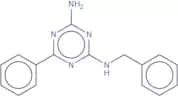

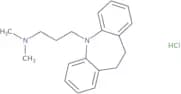


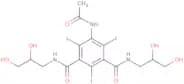
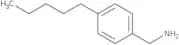
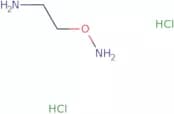
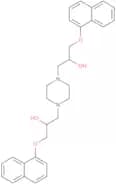
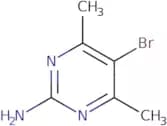
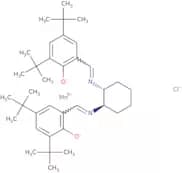
![2-[(4-Amino-2-methyl-5-nitrylbenzyl)amino]ethylalcohol](/_next/image/?url=https%3A%2Fstatic.cymitquimica.com%2Fproducts%2F3D%2Fthumb-webp%2FFA146928.webp&w=3840&q=75)
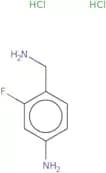
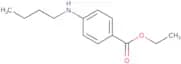

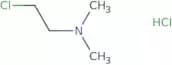
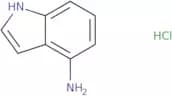
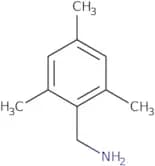
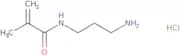
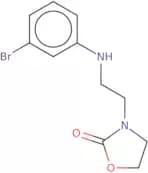

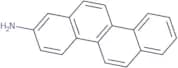
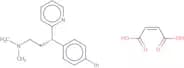
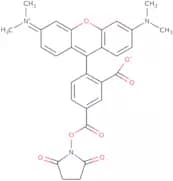

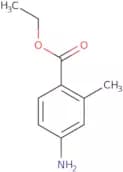
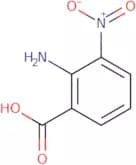

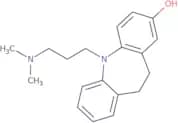

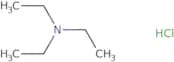
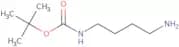
![2-Amino-N-[2-(5-methoxy-1H-indol-3-yl)ethyl]acetamide hydrochloride](/_next/image/?url=https%3A%2Fstatic.cymitquimica.com%2Fproducts%2F3D%2Fthumb-webp%2FFA116384.webp&w=3840&q=75)
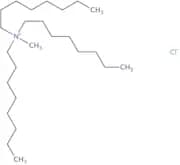
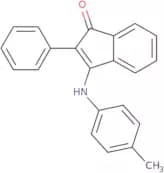
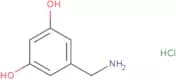
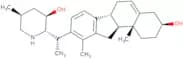
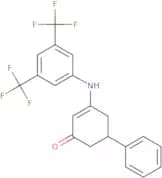
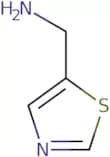
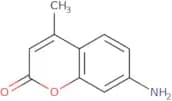
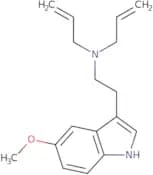
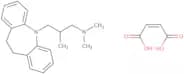
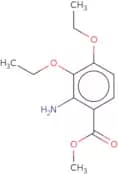
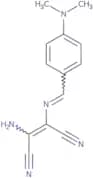
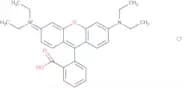
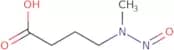

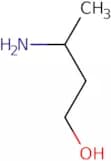
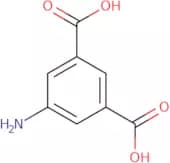
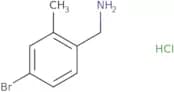
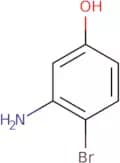
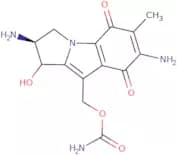
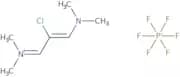
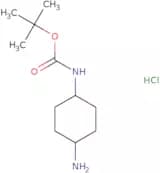
![4,5-Dihydronaphtho[1,2-d][1,3]thiazol-2-amine](/_next/image/?url=https%3A%2Fstatic.cymitquimica.com%2Fproducts%2F3D%2Fthumb-webp%2FFD127118.webp&w=3840&q=75)
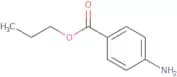
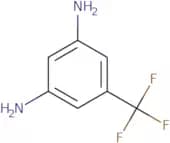
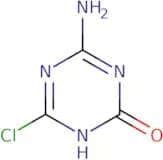
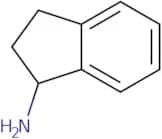

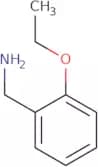
![Fmoc-(S)-4-amino-2-carboxymethyl-1,3,4,5-tetrahydro-2H-[2]benzazepin-3-one](/_next/image/?url=https%3A%2Fstatic.cymitquimica.com%2Fproducts%2F3D%2Fthumb-webp%2FFF50028.webp&w=3840&q=75)
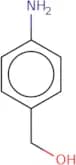
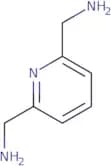
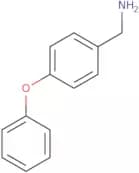
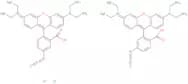
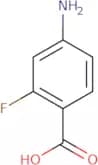
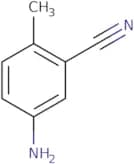
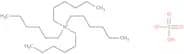
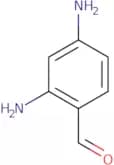
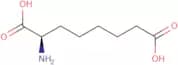
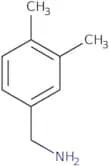
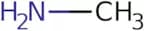
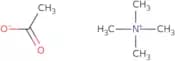
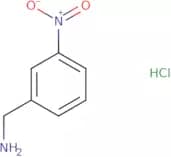

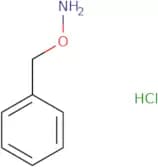
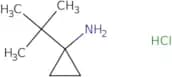
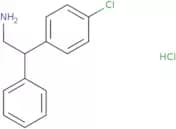
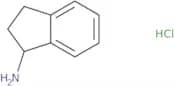
![2-[[(4-Acetylphenyl)amino]methylene]-5,5-dimethyl-1,3-cyclohexanedione](/_next/image/?url=https%3A%2Fstatic.cymitquimica.com%2Fproducts%2F3D%2Fthumb-webp%2FFA169010.webp&w=3840&q=75)
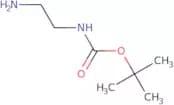
![[2-(3-Methylphenoxy)ethyl]amine hydrochloride](/_next/image/?url=https%3A%2Fstatic.cymitquimica.com%2Fproducts%2F3D%2Fthumb-webp%2FFM120149.webp&w=3840&q=75)
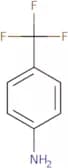
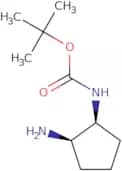
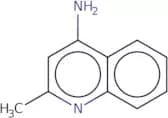
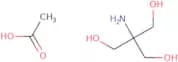
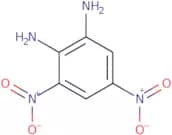
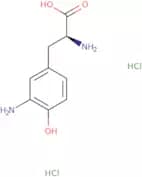
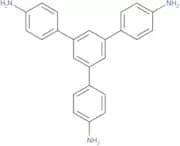
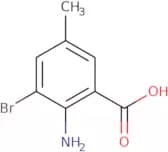
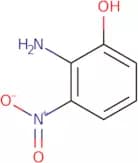
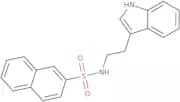
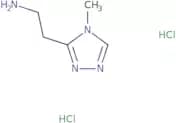

![7-[(Dimethylamino)methyl]-2,2,4-trimethyl-1,2-dihydroquinolin-6-ol](/_next/image/?url=https%3A%2Fstatic.cymitquimica.com%2Fproducts%2F3D%2Fthumb-webp%2FFD129815.webp&w=3840&q=75)
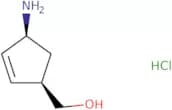
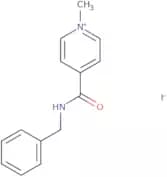
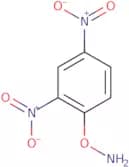
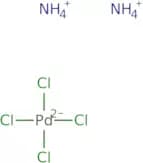
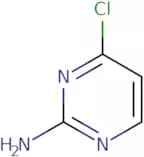
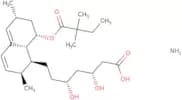

![4-(2- fluorophenyl)-6,8-dihydro-1,3,8-trimethyl-Pyrazolo[3,4-e][1,4]diazepin-7(1H)-one mixt. with …](/_next/image/?url=https%3A%2Fstatic.cymitquimica.com%2Fproducts%2F3D%2Fthumb-webp%2FFF104101.webp&w=3840&q=75)

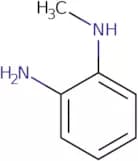
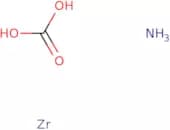
![Benzo[d]oxazol-7-amine](/_next/image/?url=https%3A%2Fstatic.cymitquimica.com%2Fproducts%2F3D%2Fthumb-webp%2FFB141114.webp&w=3840&q=75)
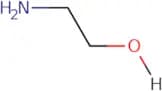
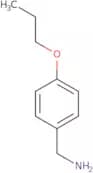
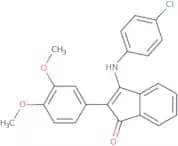
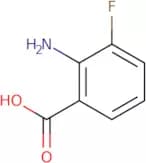
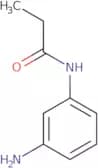
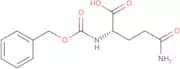
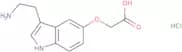
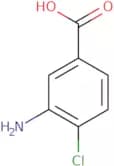
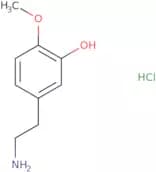
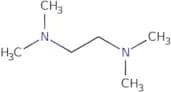
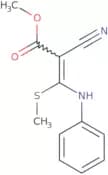
![N-[(1-Methyl-1H-indol-3-yl)methyl]cyclohexanamine](/_next/image/?url=https%3A%2Fstatic.cymitquimica.com%2Fproducts%2F3D%2Fthumb-webp%2FFM128410.webp&w=3840&q=75)
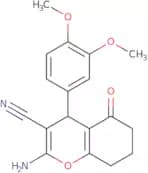
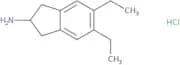
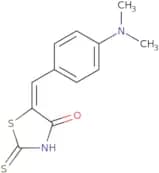
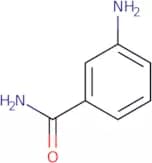
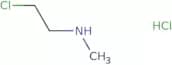

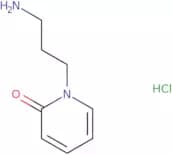
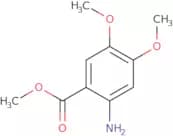
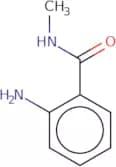
![N-[5-(Phenylamino)-2,4-pentadienylidene]aniline monohydrochloride](/_next/image/?url=https%3A%2Fstatic.cymitquimica.com%2Fproducts%2F3D%2Fthumb-webp%2FFP29019.webp&w=3840&q=75)
![2-[(Ethylamino)methyl]-4-nitrophenol](/_next/image/?url=https%3A%2Fstatic.cymitquimica.com%2Fproducts%2F3D%2Fthumb-webp%2FFE23132.webp&w=3840&q=75)
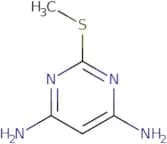
![2-[Amino(2-oxo-2H-1-benzopyran-3-yl)methylene]propanedinitrile](/_next/image/?url=https%3A%2Fstatic.cymitquimica.com%2Fproducts%2F3D%2Fthumb-webp%2FFA169776.webp&w=3840&q=75)
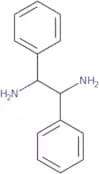
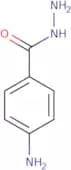
![[2-(1,3-Benzoxazol-2-yl)ethyl]amine hydrochloride](/_next/image/?url=https%3A%2Fstatic.cymitquimica.com%2Fproducts%2F3D%2Fthumb-webp%2FFB123800.webp&w=3840&q=75)

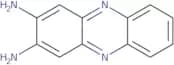
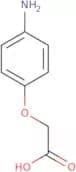
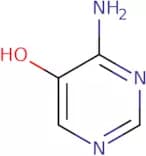
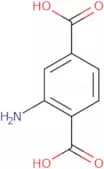
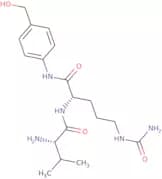
![2-[(2-Carboxyphenyl)amino]-3-methoxybenzoic acid](/_next/image/?url=https%3A%2Fstatic.cymitquimica.com%2Fproducts%2F3D%2Fthumb-webp%2FFC19799.webp&w=3840&q=75)


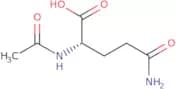
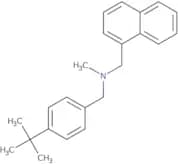
![1,4-Dioxaspiro[4.5]decan-8-ylmethanamine](/_next/image/?url=https%3A%2Fstatic.cymitquimica.com%2Fproducts%2F3D%2Fthumb-webp%2FFD153838.webp&w=3840&q=75)
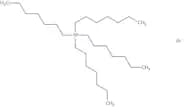
![(2-Imidazo[2,1-b][1,3]thiazol-6-ylethyl)amine dihydrochloride](/_next/image/?url=https%3A%2Fstatic.cymitquimica.com%2Fproducts%2F3D%2Fthumb-webp%2FFI126807.webp&w=3840&q=75)
![[1-(Pyrrolidin-1-ylcarbonyl)butyl]amine hydrochloride](/_next/image/?url=https%3A%2Fstatic.cymitquimica.com%2Fproducts%2F3D%2Fthumb-webp%2FFP130657.webp&w=3840&q=75)
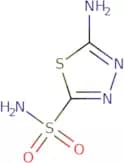
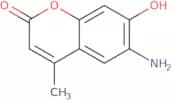

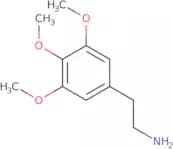
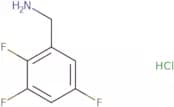
![[4-(2-Methyl-1,3-oxazol-5-yl)phenyl]amine](/_next/image/?url=https%3A%2Fstatic.cymitquimica.com%2Fproducts%2F3D%2Fthumb-webp%2FFM131648.webp&w=3840&q=75)
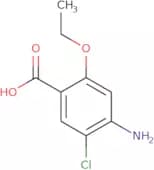
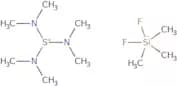
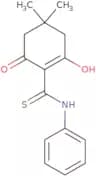
![2-[(2-Amino-5-methoxyphenyl)dithio]-4-methoxyaniline](/_next/image/?url=https%3A%2Fstatic.cymitquimica.com%2Fproducts%2F3D%2Fthumb-webp%2FFA117846.webp&w=3840&q=75)
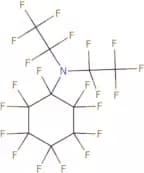
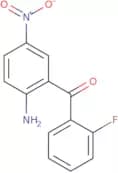
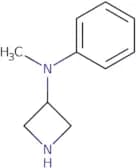
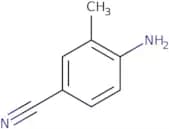

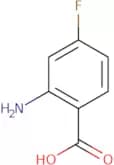
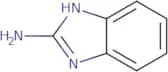

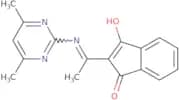
![N-[2-(Fmoc-amino)-ethyl]glycine tert-butylester hydrochloride](/_next/image/?url=https%3A%2Fstatic.cymitquimica.com%2Fproducts%2F3D%2Fthumb-webp%2FFF49771.webp&w=3840&q=75)
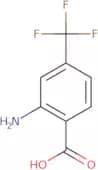
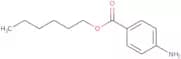
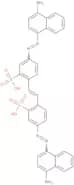


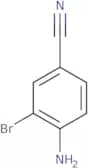
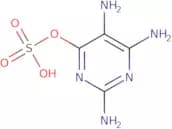
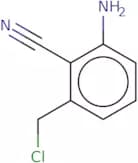
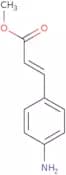
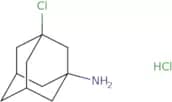


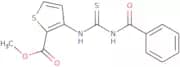
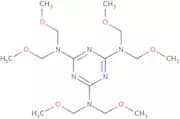
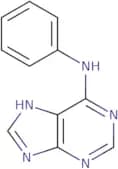
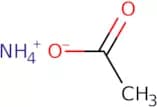

![N-[(1-Ethyl-1H-indol-3-yl)methyl]propan-2-amine](/_next/image/?url=https%3A%2Fstatic.cymitquimica.com%2Fproducts%2F3D%2Fthumb-webp%2FFE128437.webp&w=3840&q=75)