Carboxylic Acids
Carboxylic acids are organic molecules characterized by having a carboxyl-type functional group (-COOH). These acids are fundamental in various chemical reactions, including esterification, amidation, and decarboxylation. Carboxylic acids are widely used in the production of pharmaceuticals, polymers, and agrochemicals. In this section, you can find a large number of carboxylic acids ready to be used. At CymitQuimica, we provide a broad range of high-quality carboxylic acids to support your research and industrial applications.
Found 12453 products of "Carboxylic Acids"
Sort by
Purity (%)
0
100
|
0
|
50
|
90
|
95
|
100
N-Nitroso-N-methyl-4-aminobutyric acid
CAS:<p>N-Nitroso-N-methyl-4-aminobutyric acid (NMBA) is a solid with a low melting point which has been identified as a potentially carcinogenic component of both tobacco and tobacco smoke. NMBA is also one of a number of nitrosamine impurities which have been found to be present in angiotensin II receptor blocker (ARB) drugs used to treat high blood pressure.</p>Formula:C5H10N2O3Purity:Min. 98 Area-%Color and Shape:Slightly Yellow PowderMolecular weight:146.14 g/mol5-Bromo-2,3-dimethoxybenzoic acid
CAS:<p>2,3-Dimethoxybenzoic acid is a metabolite of 2,3-dimethoxybenzaldehyde, which is produced by the condensation of acetaldehyde and benzoic acid. It has been used as an intermediate in organic synthesis. The enzyme dopamine D3 receptor ligand binding assays have been used to study the ability of 5-bromo-2,3-dimethoxybenzoic acid to inhibit dopamine uptake in rat striatal membranes. The compound has also been shown to be a specific ligand for the dopamine D3 receptor and bind with a high affinity.</p>Formula:C9H9BrO4Purity:Min. 95%Color and Shape:PowderMolecular weight:261.07 g/mol4-Acetylbenzoic acid ethyl ester
CAS:<p>4-Acetylbenzoic acid ethyl ester is a receptor binding agent that inhibits the activity of phosphatidylinositol 3-kinase (PI3K), which is a protein involved in cell growth, differentiation and survival. It has been shown to inhibit tumor growth and induce apoptosis in cancer cells. 4-Acetylbenzoic acid ethyl ester also induces cell death in inflammatory diseases by inhibiting the activation of protein kinase C γ (PKC γ) by retinoic acid. This agent has been shown to be active against recombinant human Pparγ and can be used as an additive for cell-based assays.</p>Formula:C11H12O3Purity:Min. 95%Color and Shape:PowderMolecular weight:192.21 g/mol1-[(5-Chloro-1-methyl-1H-indol-3-yl)methyl]piperidine-4-carboxylic acid
CAS:Controlled Product<p>Please enquire for more information about 1-[(5-Chloro-1-methyl-1H-indol-3-yl)methyl]piperidine-4-carboxylic acid including the price, delivery time and more detailed product information at the technical inquiry form on this page</p>Formula:C16H19ClN2O2Purity:Min. 95%Molecular weight:306.79 g/molDihydroferulic acid
CAS:<p>Dihydroferulic acid is a natural compound that is found in both plants and animals. It is an intermediate in the metabolism of ferulic acid, which is found in plants. Dihydroferulic acid has been shown to have a redox potential similar to p-hydroxybenzoic acid, which may be due to dihydroferulic acid's ability to reduce hydrogen peroxide. Dihydroferulic acid has also been shown to increase production of neurotrophic factors and stimulate polymerase chain reaction activity. Dihydroferulic acid has been shown to have biological properties that are related to its antioxidant activity, such as its ability to inhibit lipid peroxidation and scavenge hydroxyl radicals.</p>Formula:C10H12O4Purity:Min. 95%Color and Shape:Slightly Yellow PowderMolecular weight:196.2 g/mol5-Methyl-2-thiophenecarboxylic acid
CAS:<p>5-Methyl-2-thiophenecarboxylic acid is an organic compound with the molecular formula CH3COOH. It has a carboxyl group at one end and a methyl group at the other, hence its name. 5-Methyl-2-thiophenecarboxylic acid is used in the synthesis of esters that are useful as intermediates in the production of pharmaceuticals, pesticides, and other chemicals. The asymmetric synthesis of 5-Methyl-2-thiophenecarboxylic acid was accomplished by reacting it with sodium hydroxide in methanol. The compound is also found to have anticarcinogenic properties. A study conducted on mice showed that 5-Methyl-2-thiophenecarboxylic acid inhibited skin cancer by inducing apoptosis in melanoma cells and inhibiting cell proliferation. 5-Methyl-2-thiophenecarboxylic acid has been shown to</p>Formula:C6H6O2SPurity:Min. 95%Color and Shape:PowderMolecular weight:142.18 g/mol1,4-Phenylenediacrylic acid diethyl ester
CAS:<p>1,4-Phenylenediacrylic acid diethyl ester (PDAD) is an organic molecule that is used as a template molecule in polymerizations. It can be used to coat surfaces with polymers, which makes them more resistant to corrosion and wear. PDAD interacts with an electron beam in the presence of oxygen, generating excimers and supercritical CO2. These interactions are responsible for the red shift that occurs when PDAD interacts with the electron beam. The absorption spectrum of PDAD has been shown to change depending on its morphology: alpha-type PDAD absorbs at lower wavelengths than beta-type PDAD.</p>Formula:C16H18O4Purity:Min. 95%Color and Shape:PowderMolecular weight:274.31 g/mol3-Methyl-5-isoxazoleacetic acid
CAS:<p>Please enquire for more information about 3-Methyl-5-isoxazoleacetic acid including the price, delivery time and more detailed product information at the technical inquiry form on this page</p>Formula:C6H7NO3Purity:Min. 95%Molecular weight:141.12 g/mol3-(4-Hydroxyphenyl)propionic acid
CAS:<p>Potential antioxidant; pharmaceutical intermediate</p>Formula:C9H10O3Purity:Min. 99 Area-%Color and Shape:PowderMolecular weight:166.17 g/mol3,5-Dichloro-4-fluorobenzoic acid
CAS:<p>3,5-Dichloro-4-fluorobenzoic acid is a chemical that belongs to the class of reagents. It reacts with an amine to form a urea and a dioxane derivative. 3,5-Dichloro-4-fluorobenzoic acid is used in the research and development of new drugs as a useful scaffold for novel compounds. It can be used as an intermediate or building block in the synthesis of complex molecules. This chemical also has speciality uses as a fine chemical, such as for use in cosmetics or cleaning products.</p>Formula:C7H3Cl2FO2Purity:Min. 95%Color and Shape:PowderMolecular weight:209 g/mol3,5,3',5'-Tetraiodo thyrolactic acid
CAS:<p>3,5,3',5'-Tetraiodo thyrolactic acid is a fine chemical that belongs to the group of useful building blocks. It is a reagent and speciality chemical. 3,5,3',5'-Tetraiodo thyrolactic acid can be used as a reaction component in the synthesis of pharmaceuticals and other organic molecules. This compound is also versatile and can be used as a scaffold for developing new analogues. 3,5,3',5'-Tetraiodo thyrolactic acid has excellent quality and purity with CAS No. 7069-47-8.</p>Formula:C15H10I4O5Purity:Min. 95%Color and Shape:PowderMolecular weight:777.85 g/mol(3,4-Bis(trifluoromethyl)phenyl)boronic acid
CAS:<p>3,4-Bis(trifluoromethyl)phenylboronic acid is a versatile building block that can be used as a reagent in organic synthesis. It has been shown to be a high quality product with the CAS number 1204745-88-9. This chemical is used to produce fine chemicals and research chemicals. 3,4-Bis(trifluoromethyl)phenylboronic acid is also a useful intermediate in the production of complex compounds and can be used as a building block for speciality chemicals.</p>Formula:C8H5BF6O2Purity:Min. 95%Color and Shape:PowderMolecular weight:257.93 g/mol3-Chloro-4-nitrobenzoic acid
CAS:<p>3-Chloro-4-nitrobenzoic acid (3CNB) is an amine that has been shown to be a 5-HT1A receptor agonist. It has been used in animal models of anxiety, depression and schizophrenia. 3CNB is able to activate the 5-HT1A receptor, which is involved in the regulation of anxiety, mood and other behaviors. The activation energies for the binding of 3CNB to the 5-HT1A receptor are calculated to be 8.3 kcal/mol and 9.2 kcal/mol at pH 7.0 and 10 respectively. A clinical study found that this agent was effective in treating trichomonas vaginalis infections as well as reducing symptoms of irritable bowel syndrome. In vivo studies have revealed that 3CNB is capable of inducing a sustained increase in extracellular serotonin levels in rat brain tissue with a half life of 2 hours. Kinetic studies have also shown that nitro groups enhance</p>Formula:C7H4ClNO4Purity:Min. 98 Area-%Color and Shape:PowderMolecular weight:201.56 g/mol3-Nitrophthalic acid
CAS:<p>3-Nitrophthalic acid is an organic compound that has been used in biological studies. It has been shown to bind to DNA and RNA, which may be due to hydrogen bonding interactions with the nitrogen atoms. 3-Nitrophthalic acid is synthesized by reacting sodium carbonate with trifluoroacetic acid, resulting in a carboxylate group. This compound has photochemical properties and can be used as a photosensitizer for the treatment of certain forms of cancer. 3-Nitrophthalic acid reacts with oxygen and generates singlet oxygen, which results in cellular damage.</p>Formula:C8H5NO6Purity:Min. 95%Color and Shape:PowderMolecular weight:211.13 g/mol2-(4-Hydroxy-3-iodophenyl)acetic acid
CAS:<p>2-(4-Hydroxy-3-iodophenyl)acetic acid is a versatile building block that is used in the production of fine chemicals and research chemicals. Cas No. 19039-15-7, it is a high quality reagent that can be used as a speciality chemical or building block for more complex compounds. This compound can be used as an intermediate in organic synthesis and as a reaction component for organic reactions. It is also a useful scaffold for synthesizing other organic compounds.</p>Formula:C8H7IO3Purity:Min. 95%Color and Shape:PowderMolecular weight:278.04 g/mol4-Aminophthalic acid
CAS:<p>4-Aminophthalic acid is a dibutyl ester of 4-aminophenol. It is used as a substrate for the production of monoclonal antibodies (MABs) to amines or acylation reactions with fatty acids. The MABs can be used in immunoassays to measure the presence of amines and acylated fatty acids in blood samples. The reaction between 4-aminophthalic acid and p-hydroxybenzoic acid forms an ester that can be detected by magnetic resonance spectroscopy, which makes it useful for detecting p-hydroxybenzoic acid levels in urine samples.</p>Formula:C8H7NO4Purity:Min. 95%Color and Shape:Grey SolidMolecular weight:181.15 g/mol2,6-Dimethoxy-4-methylbenzoic acid
CAS:<p>2,6-Dimethoxy-4-methylbenzoic acid is a carboxylic acid that is used as an intermediate in the production of lithium.</p>Formula:C10H12O4Purity:Min. 95%Color and Shape:PowderMolecular weight:196.2 g/mol3-(4-tert-Butylbenzoyl)acrylic acid
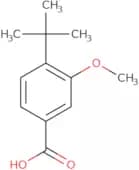
CAS:<p>Please enquire for more information about 3-(4-tert-Butylbenzoyl)acrylic acid including the price, delivery time and more detailed product information at the technical inquiry form on this page</p>Formula:C14H16O3Purity:Min. 95%Color and Shape:PowderMolecular weight:232.28 g/molKulonic acid
CAS:Controlled Product<p>Kulonin is a plant extract that is used for the treatment of cancer. It has potent antitumor activity and can inhibit the growth of human lung cancer cells, SGC-7901 cells. Kulonin was shown to have antioxidant properties in an oxygenated environment, which may be due to its ability to scavenge reactive oxygen species and inhibit lipid peroxidation. This compound also has a nutritional value and is able to cross the blood-brain barrier, making it a potential candidate for treating brain tumors.</p>Purity:Min. 95%Ethyl 3-pyRidylacetate
CAS:<p>Ethyl 3-pyRidylacetate is a chiral compound that is used in asymmetric synthesis. It is formed by the reaction of methides with base catalysts. The nmr spectrum of this compound shows three distinct signals, which correspond to the three possible stereoisomers: enolate, trisubstituted, and nucleophilic. These signals are due to the different methylene groups on the molecule. The active methylene group is responsible for alkylation reactions and carbon disulphide formation.</p>Formula:C9H11NO2Purity:Min. 95%Color and Shape:Clear LiquidMolecular weight:165.19 g/molSPDP
CAS:<p>SPDP is a pyridyldithiol linker that forms reversible disulfide bonds with thiols. It allows the controlled release of biomolecules in reductive environments.</p>Formula:C12H12N2O4S2Purity:Min. 95%Color and Shape:PowderMolecular weight:312.37 g/mol4-(Acetylamino)-3-nitrobenzoic acid
CAS:<p>4-(Acetylamino)-3-nitrobenzoic acid (AANBA) is a molecule that inhibits the growth of Mycobacterium tuberculosis and influenza virus. It has been shown to have tuberculostatic activity and is able to adsorb to the cavity of the enzyme protein, preventing access by other molecules. AANBA also has antiviral properties that may be due to its ability to inhibit viral particles from binding with a cell surface receptor or inhibiting the synthesis of viral proteins. AANBA binds to the chloride ion in order to maintain the negative charge of the molecule, which is crucial for its antiviral activity.</p>Formula:C9H8N2O5Purity:Min. 95%Color and Shape:Slightly Yellow PowderMolecular weight:224.17 g/mol5-Bromosalicylic acid methyl ester
CAS:<p>5-Bromosalicylic acid methyl ester is a hydroxylated bromo derivative of salicylic acid. It is a synthetic chemical that has been shown to be stable in various conditions and reactive with other compounds. 5-Bromosalicylic acid methyl ester has been shown to inhibit the activity of cholinergic receptors, which are involved in regulation of heart rate and contractions. This compound also binds to fatty acids and hydrogen bonds with functional groups on biomolecules.</p>Formula:C8H7BrO3Purity:Min. 98 Area-%Color and Shape:PowderMolecular weight:231.04 g/mol2-Bromo-4-hydroxyphenylacetic acid
CAS:<p>2-Bromo-4-hydroxyphenylacetic acid (2-BHPAA) is a phenolic hydroxyl compound that is synthesized from acrylic acid. It has been used in the synthesis of other compounds, such as 4-hydroxybenzoic acid, 2-[2-(2,6-dichlorophenoxy)ethoxy]phenol, and 3,4-dihydroxyphenylacetic acid. 2-BHPAA can be synthesized by dehydrogenative bromination of phenol with bromine and acetic acid in an organic solvent. The yield of this reaction is typically high because the product does not contain any functional groups that can act as a catalyst for competing reactions.</p>Formula:C8H7BrO3Purity:Min. 95%Color and Shape:PowderMolecular weight:231.04 g/molNeuropeptide W-23 (human)
CAS:<p>Neuropeptide W-23 (human) is an antibody that recognizes the neuropeptide receptor, specifically the Neuropeptide Y receptor 1. The antibody binds to the Npy1 receptor and inhibits its activity. Neuropeptide W-23 (human) can be used as a research tool in cell biology and pharmacology studies.</p>Formula:C119H183N35O28SPurity:Min. 95%Molecular weight:2,584.01 g/molMethyl 4-fluorobenzoylacetate
CAS:<p>Methyl 4-fluorobenzoylacetate is a prenyl compound that can be used as an anti-oxidant, hepatoprotective, and regulatory agent. The prenyl group in this molecule is responsible for its antioxidant activity. It also has been shown to have hepatoprotective properties in experimental animals with liver injuries. Methyl 4-fluorobenzoylacetate is used as a synthetic intermediate in the synthesis of coumarin derivatives and phenylcoumarins. This molecule may also have anti-inflammatory properties, which are due to its ability to inhibit cyclooxygenase enzymes. Methyl 4-fluorobenzoylacetate is also an antibacterial agent and has been shown to be a potent inhibitor of bacterial DNA gyrase and topoisomerase IV, which maintain the integrity of bacterial DNA. In addition, methyl 4-fluorobenzoylacetate has anticoagulant</p>Formula:C10H9FO3Purity:Min. 85%Color and Shape:Colourless To Pale Yellow LiquidMolecular weight:196.18 g/molR-(-)-Arundic acid
CAS:<p>R-(-)-Arundic acid is a chiral compound, which is a derivative of arundic acid specifically designed for enantiomeric purity. It is sourced through synthetic organic chemistry processes, allowing for precise control over its stereochemistry. The mode of action of R-(-)-Arundic acid involves the inhibition of astrocyte activation by modulating the synthesis of certain cytokines and inflammatory mediators. This mechanism provides a neuroprotective effect, making it a valuable tool in the study of neurodegenerative diseases and brain injuries.</p>Formula:C11H22O2Purity:Min. 98 Area-%Color and Shape:Clear Viscous LiquidMolecular weight:186.29 g/molHomovanillic acid sulfate sodium salt
CAS:<p>Homovanillic acid sulfate sodium salt (HVA) is a metabolite of dopamine that is used to diagnose or monitor diseases related to the central nervous system. The HVA concentration in urine can be determined by colorimetric assay, which has been shown to be useful for identifying patients with Parkinson's disease and other degenerative diseases. HVA is also found in blood plasma and cerebrospinal fluid, as well as in many other body tissues. HVA levels are increased during pregnancy, because it is an intermediate in the biosynthesis of estradiol from testosterone. In addition, concentrations of HVA increase with age, due to decreased clearance rates.</p>Formula:C9H8Na2O7SPurity:Min. 95%Color and Shape:PowderMolecular weight:306.2 g/molHydrocinnamic acid N-hydroxysuccinimide ester
CAS:<p>Please enquire for more information about Hydrocinnamic acid N-hydroxysuccinimide ester including the price, delivery time and more detailed product information at the technical inquiry form on this page</p>Formula:C13H13NO4Purity:Min. 95%Color and Shape:PowderMolecular weight:247.25 g/molH-Ala-Phe-Lys-AMC trifluoroacetate salt
CAS:<p>H-Ala-Phe-Lys-AMC trifluoroacetate salt is a chemical compound that can be used as an intermediate in the synthesis of peptides, peptidomimetics, and other organic compounds. This reagent is a high quality, versatile building block that can be used in the synthesis of complex compounds. H-Ala-Phe-Lys-AMC trifluoroacetate salt is a fine chemical that has been assigned CAS No. 120928-02-1. It is a useful scaffold for the synthesis of novel compounds with potential pharmaceutical value.</p>Formula:C28H35N5O5•C2HF3O2Purity:Min. 95 Area-%Color and Shape:PowderMolecular weight:635.63 g/molDiphenylmethane-4,4'-dicarboxylic acid
CAS:<p>Diphenylmethane-4,4'-dicarboxylic acid is a synthetic diphenylmethane compound that has fluorescent properties. It also has anti-tumor activity and can be used to treat cancer. Diphenylmethane-4,4'-dicarboxylic acid has been shown to inhibit the growth of tumor cells in vitro by binding to the receptor site on the cell membrane and blocking the release of certain substances. This drug also has an isothermic process that is used for encapsulation. The oxidation products of diphenylmethane-4,4'-dicarboxylic acid are medicines and dyestuffs.</p>Formula:C15H12O4Purity:Min. 90%Color and Shape:PowderMolecular weight:256.25 g/mol2-Bromo-6-fluorobenzoic acid
CAS:<p>2-Bromo-6-fluorobenzoic acid is a carboxylate that has been used in the treatment of prostate cancer cells. It is activated by nucleophilic attack to form a reactive intermediate, which then reacts with the fluorine or chlorine substituents on DNA bases. This reaction leads to the replacement of the fluorine or chlorine with bromine, resulting in the formation of a quinazolinone. The substituted nucleotide is then recognized by enzymes, leading to cell death.<br>2-Bromo-6-fluorobenzoic acid has also been shown to be active against other cancer cells, such as lung and breast cancer cells.</p>Formula:C7H4BrFO2Purity:Min. 95%Color and Shape:PowderMolecular weight:219.01 g/mol2-Fluoro-6-methoxybenzoic acid
CAS:<p>2-Fluoro-6-methoxybenzoic acid is a monocarboxylic acid that is synthesized from 2,6-dichlorobenzoic acid by a mediated, synthetic sequence. This compound can be used as a substrate for kinetic analyses of the transport of carboxylic acids across cellular membranes. The uptake of 2-fluoro-6-methoxybenzoic acid is expressed in the apical surface membrane of Caco2 cells. Kinetic studies indicate that this compound reacts rapidly with butyllithium to form an enamine intermediate. The enamine intermediate then reacts with either water or methanol to produce a final product, depending on the reaction time.</p>Formula:C8H7FO3Purity:Min. 95%Color and Shape:PowderMolecular weight:170.14 g/molSDF-1α (human) trifluoroacetate salt
CAS:<p>Please enquire for more information about SDF-1alpha (human) trifluoroacetate salt including the price, delivery time and more detailed product information at the technical inquiry form on this page</p>Formula:C356H578N106O93S4Purity:Min. 95%Molecular weight:7,959.32 g/molD-Gluconic acid zinc (II) salt
CAS:<p>D-Gluconic acid zinc salt is an inorganic compound that is used to treat deficiencies of D-gluconate. It is a salt of zinc and D-gluconic acid, which is a natural metabolite found in the human body. This compound can be used to maintain healthy levels of D-gluconate in the tissues and help control symptoms related to deficiencies. The efficiency of this method has been demonstrated by an in vitro test on human femur cells. A profile analysis showed that D-gluconic acid zinc salt was able to minimize the severity of symptoms associated with deficiencies caused by gluconate deficiency, such as tissue sensitivity and bone degradation.</p>Formula:C12H22O14ZnPurity:Min. 95%Color and Shape:White PowderMolecular weight:455.68 g/molIsonipecotic acid
CAS:<p>Isonipecotic acid is a potent antagonist that binds to the response element of the platelet cyclic adenosine monophosphate (cAMP) receptor. This receptor is a regulatory protein that controls the activity of cAMP in cells, including platelets. Isonipecotic acid can be used to treat coronary heart diseases and autoimmune diseases by regulating blood clotting, as well as for treatment of insect resistance and autoimmune diseases. It has been shown to have pharmacokinetic properties that are similar to those of other coumarin derivatives.</p>Formula:C6H11NO2Purity:Min. 95%Color and Shape:White PowderMolecular weight:129.16 g/mol3-Amino-4-methoxybenzoic acid methyl ester
CAS:<p>3-Amino-4-methoxybenzoic acid methyl ester is a modified quinoline derivative that exhibits potent antioxidant activity. It has been shown to inhibit the activation of p38 kinase, which is a proinflammatory enzyme. This leads to decreased levels of inflammatory cytokines and chemokines. 3-Amino-4-methoxybenzoic acid methyl ester also has anti-cancer effects and can be used as an anti-cancer agent in the treatment of cancer, such as lung cancer. It induces apoptosis by inhibiting the synthesis of DNA and proteins. The synthesized drug has been shown to have a chiral center, making it a potential candidate for use in pharmaceuticals.</p>Formula:C9H11NO3Purity:Min. 95%Color and Shape:PowderMolecular weight:181.19 g/mol2-Bromocinnamic acid
CAS:<p>2-Bromocinnamic acid is a synthetic compound that inhibits the reactions of arylating agents with tissues. It has cytotoxic activity and can be used in the treatment of alzheimer's disease. The synthesis of 2-bromocinnamic acid begins with anhydrous acetonitrile, which is heated to form an anhydrous salt. This salt is then dissolved in water and treated with potassium iodide and sodium nitrite. The resultant mixture undergoes a series of reactions to produce 2-bromocinnamic acid, including the addition of molybdenum as a catalyst. The reaction also produces byproducts that are removed by extraction or distillation. Finally, it undergoes a chromophore change from yellow to red in the presence of air due to oxidation by atmospheric oxygen.</p>Formula:C9H7BrO2Purity:Min. 95%Molecular weight:227.05 g/mol6-Bromo-1H-indole-3-carboxylic acid
CAS:<p>6-Bromo-1H-indole-3-carboxylic acid is a natural product that is isolated from the marine sponge Smenospongia purpurea. It was first reported in 1979 and has been used for the synthesis of other compounds. 6-Bromoindole, a precursor to 6-bromo-1H-indole-3-carboxylic acid, is biosynthesized from methyl ester and NMR spectra indicate that it has a dihedral angle of 173°. This compound has been shown to have antibacterial activity against staphylococcus.</p>Formula:C9H6BrNO2Purity:Min. 95%Color and Shape:PowderMolecular weight:240.05 g/mol1,1-Difluoroacetic acid
CAS:<p>1,1-Difluoroacetic acid is a synthetic chemical that can be used as an analytical reagent in the quantitative analysis of trifluoroacetic acid. It is prepared by reacting hydrogen fluoride with fatty acid. The reaction mechanism starts with the formation of difluoroacetate and 1,1-difluoroacetic acid. This compound reacts with hydroxyl group to form difluoroacetic acid and hydrogen fluoride. 1,1-Difluoroacetic acid is also used in natural compounds to introduce fluoro groups into nitrogen atoms.</p>Formula:C2H2F2O2Purity:Min. 95%Color and Shape:Clear LiquidMolecular weight:96.03 g/mol3-(2,3,4-trimethoxyphenyl)propanoic acid
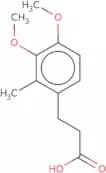
CAS:<p>3-(2,3,4-Trimethoxyphenyl)propanoic acid is a high quality chemical that is used as a reagent and as a useful intermediate in the production of fine chemicals. CAS No. 33130-04-0 is a versatile building block with many applications in the research and development of compounds for use as pharmaceuticals, agrochemicals, or other chemicals. 3-(2,3,4-Trimethoxyphenyl)propanoic acid can be used to synthesize new chemical substances with different properties than those of the starting material. This compound has been shown to have many uses in organic synthesis due to its versatility and reactivity.</p>Formula:C12H16O5Purity:Min. 98 Area-%Color and Shape:PowderMolecular weight:240.25 g/mol5-Hydroxyisophthalic acid dimethyl ester
CAS:<p>5-Hydroxyisophthalic acid dimethyl ester (5-HIPED) is a palladium complex that can be used in the synthesis of polymers. It has been shown to be an effective linker molecule for use in the polymerization of monomers with functional groups, such as chloride and hydroxyl groups. 5-HIPED has also been used for linking polyethylene glycols to form copolymers, which may have applications in cancer diagnosis and detection. 5-HIPED can also be used to synthesize cationic polymers, which are useful in cancer treatment.</p>Formula:C10H10O5Purity:97.5 To 100.0 Area-%Color and Shape:White PowderMolecular weight:210.18 g/molS,S'-Bis(a,a'-dimethyl-a''-acetic acid)trithiocarbonate
CAS:<p>Bis(trithiocarbonate)s are a group of compounds that are used as reagents, intermediates and building blocks in organic synthesis. They are also used for the preparation of certain pharmaceuticals. Bis(trithiocarbonate)s can be used as a versatile building block for chemical synthesis. It is also an intermediate in the synthesis of various pharmaceuticals, including but not limited to piroxicam and penicillin.</p>Formula:C9H14O4S3Purity:Min. 95 Area-%Color and Shape:Yellow PowderMolecular weight:282.4 g/mol2-Biphenylcarboxylic acid
CAS:<p>2-Biphenylcarboxylic acid (2BCA) is a metabolite of biphenyl. The hydroxyl group on 2BCA binds to the receptor, producing an antihypertensive effect. It has been shown to be effective in the treatment of metabolic disorders and diseases such as diabetes mellitus, hypertension, and heart disease. 2BCA is also effective in the treatment of tumors because it inhibits tumor cell growth by binding to fatty acids. This drug forms hydrogen bonds with other molecules due to its hydroxyl group and can be synthesized through a Suzuki coupling reaction.<br>2BCA has been found to have an inhibitory effect on prostaglandin synthesis through the p2 receptor activity.</p>Formula:C13H10O2Purity:Min. 95%Color and Shape:PowderMolecular weight:198.22 g/mol3-Ethoxy-4-hydroxyphenylacetic acid
CAS:<p>3-Ethoxy-4-hydroxyphenylacetic acid is a chemical compound that functions as an anaesthetic. It has been shown to produce sedation and anesthesia in animals, but not in humans. 3-Ethoxy-4-hydroxyphenylacetic acid is also a metabolite of the drug propofol, which is used as a general anesthetic.</p>Formula:C10H12O4Purity:Min. 95%Color and Shape:PowderMolecular weight:196.2 g/mol4-(N-Formylmethylamino)benzoic acid
CAS:<p>4-(N-Formylmethylamino)benzoic acid is a white crystalline solid that has been used as a reagent, complex compound, and useful intermediate. It is also an important building block for the synthesis of many other compounds. 4-(N-Formylmethylamino)benzoic acid is soluble in water, ethanol, ether, benzene, chloroform and acetone. The product can be used in the preparation of various drugs and pesticides.</p>Formula:C9H9NO3Purity:Min. 95%Color and Shape:PowderMolecular weight:179.17 g/molCAPSO
CAS:<p>CAPSO, also known as 3-(Cyclohexylamino)-2-hydroxy-1-propanesulfonic acid, is a zwitterionic buffer chemical that has an optimal pH range of 8.9-10.3 and a pKa of 9.6. This buffering agent shows low metal ion binding and high solubility and is commonly used in protein transfer applications and during cell lysis for membrane protein extraction.</p>Formula:C9H19NO4SPurity:Min. 95%Color and Shape:White PowderMolecular weight:237.32 g/mol3-Amino-4-nitrobenzoic acid
CAS:<p>3-Amino-4-nitrobenzoic acid is a synthetic compound, which has been shown to inhibit the activity of trypanothione reductase. This inhibition of the enzyme causes an increase in the level of intracellular trypanothione, which is then acetylated by ATP sulfurylase and converted to trypanothione. 3-Amino-4-nitrobenzoic acid is also a potent inhibitor of fxa, which is a coagulation factor necessary for blood clotting. The active site of 3-amino-4-nitrobenzoic acid contains two nitroarenes that are responsible for its antithrombotic properties.</p>Formula:C7H6N2O4Purity:Min. 95%Color and Shape:PowderMolecular weight:182.13 g/molBenzoic acid hydrazide
CAS:<p>Benzoic acid hydrazide is an antimicrobial agent that inhibits the growth of bacteria by binding to the active site of benzoyl-coenzyme A reductase, which is an enzyme involved in the biosynthesis of benzoate from benzoate semialdehyde. The optimum concentration for this compound is 1 mM. Benzoic acid hydrazide has been shown to inhibit bacterial growth in biological studies and x-ray crystal structures have been determined for this molecule. It also inhibits the growth of bacteria that are resistant to other types of antibiotics, such as ampicillin, erythromycin, and tetracycline. The mechanism of action for benzoic acid hydrazide appears to be due to its ability to form hydrogen bonding interactions with inhibitor molecules.</p>Formula:C7H8N2OPurity:Min. 95%Color and Shape:PowderMolecular weight:136.15 g/molMesitylenesulphonic acid hydrate
CAS:<p>Mesitylenesulphonic acid hydrate is a high quality chemical that is used as a reagent, complex compound and useful intermediate. It can be used in the production of fine chemicals, research chemicals, speciality chemicals and versatile building blocks. Mesitylenesulphonic acid hydrate has CAS No. 79326-99-1 and is a speciality chemical that can be used as a reaction component for the production of important compounds such as pharmaceuticals, pesticides and herbicides.</p>Formula:C9H12O3S·xH2OPurity:Min. 95%Color and Shape:PowderMolecular weight:200.26 g/molDehydroabietic acid
CAS:<p>Dehydroabietic acid is a compound that belongs to the class of natural products. It has been shown to have anticancer activity in 3T3-L1 preadipocytes, which are cells that are used for research on obesity and diabetes. Dehydroabietic acid inhibits mitochondrial membrane potential and induces apoptosis in cancer cell lines, including carcinoma cells. This compound has also shown synergistic effects with other compounds in inhibiting the growth of tumor cells.</p>Formula:C20H28O2Purity:Min. 90 Area-%Color and Shape:White Off-White PowderMolecular weight:300.44 g/molL-Glutamic acid di-tert-butyl ester hydrochloride
CAS:<p>L-glutamic acid di-tert-butyl ester hydrochloride is a synthetic glutamic acid conjugate that can be used in the treatment of cancer. L-Glutamic acid di-tert-butyl ester hydrochloride is a substrate for many enzymes, such as glutamate transporters and glutaminase, which are found in tumor cells. It has been shown to decrease the uptake of docetaxel by tumor xenografts in mice. The expression of L-Glutamic acid di-tert-butyl ester hydrochloride has been observed in tissues during cancerous growth and it is expressed at higher levels than in normal tissues.</p>Formula:C13H25NO4·HClPurity:Min. 95%Color and Shape:White PowderMolecular weight:295.8 g/molSulfo-SMCC sodium
CAS:<p>Crosslinker reacting rapidly with primary amines. It is used as a protein crosslinker where it reacts with cysteine to yield specific conjugates. The cyclohexane bridge confers added stability to the maleimide group making it ideal for maleimide activation of proteins. It is soluble in water and many other aqueous buffers although it is less stable then in DMSO or DMF.</p>Formula:C16H17N2O9SNaPurity:Min. 95 Area-%Color and Shape:White Off-White PowderMolecular weight:436.37 g/molFludrocortisone acetate
CAS:Controlled Product<p>Fludrocortisone acetate is a corticosteroid hormone used in the treatment of a number of diseases, including infectious diseases. Fludrocortisone acetate can be administered orally or by injection. It is also used to treat bowel disease and as an aid to diagnose subarachnoid hemorrhage. The matrix effect of fludrocortisone acetate has been studied using human serum and polymerase chain reactions (PCR). Fludrocortisone acetate is stable at temperatures below its phase transition temperature, but it undergoes degradation at higher temperatures. This drug is not active against bacteria, fungi, viruses, or parasites.</p>Formula:C23H31FO6Purity:Min. 95%Color and Shape:PowderMolecular weight:422.49 g/mol2-Amino-4-bromocinnamic acid
CAS:<p>2-Amino-4-bromocinnamic acid is a fine chemical with a CAS number of 914636-63-8. It is used in the synthesis of complex compounds and useful building blocks, as well as in research. This compound has been shown to be an intermediate for the preparation of derivatives with potential pharmaceutical applications, such as antihistamines, antipsychotics, and antibiotics. 2-Amino-4-bromocinnamic acid is also an important reagent for organic syntheses.</p>Formula:C9H8BrNO2Purity:Min. 98 Area-%Color and Shape:PowderMolecular weight:242.07 g/molGlycodeoxycholic acid
CAS:Controlled Product<p>Glycodeoxycholic acid is a bile acid derivative, which is synthesized in the liver from cholesterol. It functions primarily as a signaling molecule with multiple physiological roles in the human body. This compound is conjugated, enhancing its solubility and facilitating its transport within the gastrointestinal tract. Glycodeoxycholic acid acts as an agonist for specific receptors such as the farnesoid X receptor (FXR), playing a vital role in the regulation of bile acid synthesis, lipid metabolism, and glucose homeostasis.</p>Formula:C26H43NO5Purity:Min. 95%Color and Shape:PowderMolecular weight:449.62 g/mol2-Hydroxy-3-methylbutyric acid
CAS:<p>2-Hydroxy-3-methylbutyric acid is an intermediate in the microbial metabolism of hydrogen fluoride and caproic acid. It can be used as a diagnostic for probiotic bacteria. 2-Hydroxy-3-methylbutyric acid has been shown to cause cell lysis, which may be due to its ability to act as a polymerase chain reaction (PCR) enhancer. The activity index of 2-hydroxy-3-methylbutyric acid is higher than that of other organic acids, such as 3,4-dimethoxybenzoic acid and ferulic acid.</p>Formula:C5H10O3Purity:Min. 95%Color and Shape:PowderMolecular weight:118.13 g/mol[(8S,10S,11S,13S,14S,16S)-9-Fluoro-11-Hydroxy-10,13,16-Trimethyl-17-Methylsulfanylcarbonyl-3-Oxo-6,7,8,11,12,14,15,16-Octahydrocyclo penta[a]Phenanthren-17-Yl] Acetate
CAS:Controlled Product<p>(8S,10S,11S,13S,14S,16S)-9-Fluoro-11-Hydroxy-10,13,16-Trimethyl-17-Methylsulfanylcarbonyl-3-Oxo-6,7,8,11,12,14,15,16-Octahydrocyclo penta[a]Phenanthren-17-Yl) Acetate is a fatty acid ester that is used as a pharmaceutical preparation. It has been shown to be an effective treatment for the muscle wasting disease myotonic dystrophy and has been approved by the FDA. (8S,10S,11S,13S,14S,, 16 S)-9 - Fluoro - 11 - Hydroxy - 10 , 13 , 16 - Trimethyl - 17 - Methylsulfanylcarbonyl - 3 - Oxo - 6 , 7 , 8 , 11</p>Formula:C24H31FO5SPurity:Min. 95%Molecular weight:450.56 g/mol5(6)-Carboxyfluorescein diacetate N-succinimidyl ester
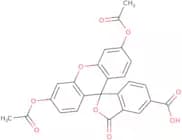
CAS:<p>5(6)-Carboxyfluorescein diacetate N-succinimidyl ester is a high quality chemical that is used as an intermediate in the synthesis of fluorescein, a complex compound. It is also useful as a reagent and building block in the synthesis of other compounds. 5(6)-Carboxyfluorescein diacetate N-succinimidyl ester is soluble in water and can be used to make fine chemicals, such as speciality chemicals and research chemicals. The chemical is also versatile and can be used as a reaction component for synthesizing other compounds.</p>Formula:C29H19NO11Purity:Min. 95%Color and Shape:White PowderMolecular weight:557.46 g/mol5-(N-Maleimido)fluorescein diacetate
CAS:<p>5-(N-Maleimido)fluorescein diacetate is a fluorescent probe that can be used to detect single-stranded DNA. This compound is not toxic to cells and has been shown to be a good indicator of the presence of double-stranded DNA. 5-(N-Maleimido)fluorescein diacetate is taken up by cells, where it binds to the dsDNA in the nucleus. The fluorescence is then detected using microscopy or flow cytometry. 5-(N-Maleimido)fluorescein diacetate can be used as a fluorescent probe for herpes simplex virus and other DNA viruses. It also binds to liposomes and has been shown to inhibit HIV replication in vitro and in vivo.</p>Formula:C28H17NO9Purity:Min. 95 Area-%Color and Shape:White PowderMolecular weight:511.44 g/mol3-(3-Hydroxyisoxazol-5-yl)propanoic acid
CAS:<p>3-(3-Hydroxyisoxazol-5-yl)propanoic acid is a fine chemical used as a reagent, speciality chemical, and reaction component in the synthesis of complex compounds. It is also used as a building block or scaffold in the synthesis of other compounds. 3-(3-Hydroxyisoxazol-5-yl)propanoic acid is less reactive than other carboxylic acids due to its bulky group at one end. This makes it more stable and easier to handle. 3-(3-Hydroxyisoxazol-5-yl)propanoic acid can be used for research purposes and has been shown to be an effective inhibitor of HIV protease.</p>Formula:C6H7NO4Purity:Min. 95 Area-%Color and Shape:PowderMolecular weight:157.12 g/molEthyl 2-hydroxy-5,6,7,8-tetrahydroquinoline-3-carboxylate
CAS:<p>Ethyl 2-hydroxy-5,6,7,8-tetrahydroquinoline-3-carboxylate is a fine chemical that is used as a building block in the manufacture of other compounds. It is also used as a reagent and speciality chemical. Ethyl 2-hydroxy-5,6,7,8-tetrahydroquinoline-3-carboxylate is an intermediate that can be used to produce other compounds. It can be used as a reaction component or useful scaffold for complex molecules.</p>Formula:C12H15NO3Purity:Min. 95%Color and Shape:PowderMolecular weight:221.25 g/molEthyl 3-tolylacetate
CAS:<p>Ethyl 3-tolylacetate is a colorless or light yellow liquid. It has a boiling point of 123-124 degrees Celsius and a density of 1.067 g/mL. It is soluble in water, but insoluble in ethanol and ether. Ethyl 3-tolylacetate has been used to synthesize hydrochlorides, ethoxycarbonyls, imines, hydrazones, and isatins.</p>Formula:C11H14O2Purity:Min. 95%Color and Shape:PowderMolecular weight:178.23 g/mol2-Furoic acid hydrazide
CAS:<p>2-Furoic acid hydrazide is an antifungal agent that inhibits the synthesis of cell membrane lipids by inhibiting the enzyme enoyl-ACP reductase. This compound has been shown to be effective against Candida albicans in vitro and in vivo. 2-Furoic acid hydrazide may also have amoebicidal activity, although this has not yet been confirmed. The mechanism of action of 2-furoic acid hydrazide is currently unknown, but it may be due to its ability to inhibit adenosine receptor antagonists and its interaction with hydrogen bonding interactions.</p>Formula:C5H6N2O2Purity:Min. 95%Color and Shape:PowderMolecular weight:126.11 g/mol2-Amino-5-bromobenzoic acid methyl ester
CAS:<p>2-Amino-5-bromobenzoic acid methyl ester is a small molecule with antiviral potency. It has a dipole moment and can form hydrogen bonds. 2-Amino-5-bromobenzoic acid methyl ester inhibits the PDE5 enzyme, which is an enzyme that breaks down cGMP. This inhibition of PDE5 leads to the increase in cGMP, which causes blood vessels to relax and widen. As a result, 2-amino-5-bromobenzoic acid methyl ester has been shown to decrease high blood pressure and improve heart function.</p>Formula:C8H8BrNO2Purity:Min. 95%Color and Shape:PowderMolecular weight:230.06 g/molCitric acid tripotassium monohydrate
CAS:<p>Citric acid tripotassium salt monohydrate is a membrane-stabilizing agent that has been shown to improve the function of the circuitry in animals. It has been used for the treatment of motoneurons and muscle pain. Citric acid tripotassium salt monohydrate has also been found to be an effective treatment for chronic pain, which may be due to its ability to block pain signals from reaching the brain. This drug has also shown efficacy in treating neurological disorders such as Parkinson's disease, Alzheimer's disease, and multiple sclerosis. Citric acid tripotassium salt monohydrate is effective at improving the physiological mechanisms that are responsible for translating nervous system activity into movement.</p>Formula:C6H8O7•H2O•K3Purity:Min. 95%Color and Shape:White To Off-White SolidMolecular weight:237.43 g/molDiphenylmethane-4-carboxylic acid
CAS:<p>Diphenylmethane-4-carboxylic acid is a synthetic compound that has been used as a contraceptive. It works by forming a hydrophobic complex with fatty acids in the cell membrane, which prevents the uptake of glyoxal and thiosemicarbazide. Diphenylmethane-4-carboxylic acid has also been shown to be effective in treating cancerous tumors in rats. The formation rate of diphenylmethane-4-carboxylic acid can be increased when it is reacted with citric acid or phosphoric acid in the presence of phosphorus pentoxide. The reaction is catalyzed by sodium hydroxide solution or hydroxide solution.</p>Formula:C14H12O2Purity:Min. 98 Area-%Color and Shape:PowderMolecular weight:212.24 g/mol4-Mercaptophenylacetic acid
CAS:<p>4-Mercaptophenylacetic acid is a palladium complex that inhibits the synthesis of proteins by binding to the ribosome and blocking peptide bond formation. The molecule has a polymeric matrix with a high degree of crystallinity and an isolated yield of greater than 95%. 4-Mercaptophenylacetic acid is immobilized on a carboxylate surface and has been shown to have pharmacokinetic properties. It can be used in the treatment of cancer cells and inhibits protein synthesis, leading to cell death. 4-Mercaptophenylacetic acid also has anti-inflammatory activities due to its inhibition of prostaglandin synthesis.</p>Formula:C8H8O2SPurity:Min. 95%Color and Shape:Yellow PowderMolecular weight:168.21 g/molPyrazine-2-carboxylic acid
CAS:<p>Pyrazine-2-carboxylic acid is a potent inhibitor of bacterial x-lactamase. It was found that the inhibition of x-lactamase by pyrazine-2-carboxylic acid could be attributed to hydrogen bonding interactions with the active site of the enzyme and a high rate constant for the reaction. The antibacterial efficacy of pyrazine-2-carboxylic acid against wild type Streptococcus pneumoniae and methicillin resistant Staphylococcus aureus (MRSA) was tested and found to be comparable to that of benzylpenicillin. Pyrazine-2-carboxylic acid also has biological properties, such as an inhibitory effect on protein synthesis in bacteria, which may be due to its ability to bind to ribosomes.</p>Formula:C5H4N2O2Purity:Min. 95%Color and Shape:PowderMolecular weight:124.1 g/molN-Acetyl-L-aspartic acid
CAS:<p>N-Acetyl-L-aspartic acid is a molecule that has been shown to be a potential biomarker for neuronal death, with activity index levels inversely correlating with the number of granule neurons. The chemical stability of N-acetyl-L-aspartic acid was tested using various in vitro methods and found to be stable at a wide range of pHs and temperatures. This compound has also been shown to have a role in brain function, axonal growth, and metabolic disorders. This compound is found naturally in vivo in humans.</p>Formula:C6H9NO5Color and Shape:White PowderMolecular weight:175.14 g/molAcetoacetate-m-xylidide
CAS:<p>Acetoacetate-m-xylidide (AAX) is a compound that is used as a reagent to detect protein adducts. It reacts with the amino groups of proteins to form an acetoacetate derivative, which can be detected by mass spectrometry or other analytical methods. The lability of AAX and its reactivity with oxygen make it a poor choice for use in the presence of air. The optimal pH for AAX is acidic, so it must be dissolved in water before use. AAX is used to detect proteins that have been modified by exposure to acid or alkaline environments. This chemical has also been shown to react with haemoglobin and s. aureus, but not p. aeruginosa or E. coli, due to their different structure of the protein cysteine residues. The maximum activation of AAX occurs at pH 4-7, and it becomes fully active at pH 3-4; this chemical does not</p>Formula:C12H15NO2Purity:Min. 95 Area-%Color and Shape:PowderMolecular weight:205.25 g/molFmoc-(S)-2-(aminomethyl)-4-methylpentanoic acid
CAS:<p>Fmoc-(S)-2-(aminomethyl)-4-methylpentanoic acid is a proteinogenic amino acid that is used in the production of casein and other dairy products. It is also found in wheat, where it can be converted to the essential amino acid methionine. Fmoc-(S)-2-(aminomethyl)-4-methylpentanoic acid is classified as a high-quality protein because it contains all eight essential amino acids (EAAs). It has been shown that when dietary intakes are low, malnourished children may benefit from increased intake of this amino acid.</p>Formula:C22H25NO4Purity:Area-% Min. 95 Area-%Color and Shape:PowderMolecular weight:367.44 g/molIndole-5-carboxylic acid ethyl ester
CAS:Indole-5-carboxylic acid ethyl ester is a formamide activated analog of piperidine. It is an effective antibacterial agent against Staphylococcus aureus. Indole-5-carboxylic acid ethyl ester inhibits the growth of bacteria by binding to the extracellular surface and interfering with cell membrane permeability. The compound also has anti-cancer properties, and may be used in pharmaceuticals as a pyrazole derivative.Formula:C11H11NO2Purity:Min. 95%Color and Shape:PowderMolecular weight:189.21 g/molBenzohydroxamic acid potassium
CAS:<p>Benzohydroxamic acid potassium salt is an organic compound that is soluble in water, but insoluble in organic solvents. It has a molecular weight of 134.2, and its chemical formula is C7H6N4O3K. It can react with acid solutions to form hydroxamic acids (e.g., benzohydroxamic acid). The nmr spectra of these compounds have been shown to be sensitive to the presence of molybdenum or other metal ions. Benzohydroxamic acid potassium salt can be synthesized by reacting hydrochloric acid with zirconium tetrachloride and carbon tetrachloride in the presence of ethyl bromoacetate. This reaction produces insoluble benzohydroxamic acid potassium salt together with ethyl bromoacetate as a byproduct.<br>Molecular weight: 134.2<br>Chemical formula: C7H6N4O3K<br>Soluble</p>Formula:C7H7NO2•KPurity:Min. 95%Color and Shape:PowderMolecular weight:176.23 g/mol4-n-Butoxyphenylacetic acid butyl ester
CAS:<p>4-n-Butoxyphenylacetic acid butyl ester is a chemical reagent that has been studied extensively as a useful intermediate in organic synthesis. It is of high purity and quality, and can be used for many applications.</p>Formula:C16H24O3Purity:80%Color and Shape:PowderMolecular weight:264.36 g/mol3-Cyclohexene-1-carboxylic acid
CAS:<p>3-Cyclohexene-1-carboxylic acid is a reactive organic compound with a boiling point of 147°C. It is a solvent that can be used as an acid catalyst in organic synthesis. 3-Cyclohexane-1-carboxylic acid was used to synthesize the stereoisomers of butyl vinyl ether and alkyl phenols. This compound also metabolizes into cyclohexane ring, primary alcohols, halides, fatty acids, and aromatic hydrocarbons.</p>Formula:C7H10O2Purity:Min. 95%Color and Shape:Clear LiquidMolecular weight:126.15 g/mol2-Carboxy-3-hydroxyphenyl acetic acid
CAS:<p>2-Carboxy-3-hydroxyphenyl acetic acid is a fine chemical that is used in research, as well as in the synthesis of other compounds. It is a versatile building block that can be used to make more complex compounds and has been shown to be useful in many reactions. It is also a useful intermediate and scaffold for drug design and development. 2-Carboxy-3-hydroxyphenyl acetic acid can be used to synthesize drugs that are capable of inhibiting protein translation or protein synthesis.</p>Formula:C9H8O5Purity:Min. 95%Color and Shape:PowderMolecular weight:196.16 g/molβ-(4-Hydroxy-3-methoxyphenyl)propionic acid methyl ester
CAS:<p>β-(4-Hydroxy-3-methoxyphenyl)propionic acid methyl ester is a fine chemical used as a building block in the synthesis of pharmaceuticals, agrochemicals, and other chemicals. It is also used as a reagent for the detection of alkaloids and for the preparation of valuable speciality chemicals. β-(4-Hydroxy-3-methoxyphenyl)propionic acid methyl ester is an intermediate in organic reactions or can be used to synthesize complex compounds such as antibiotics. It is also an important scaffold that can be modified to produce new drugs with different properties.</p>Formula:C11H14O4Purity:Min. 95%Color and Shape:Clear LiquidMolecular weight:210.23 g/molGallic acid sodium
CAS:<p>Gallic acid sodium salt is a fatty acid that can be extracted from plant sources. It is a hydroxyl group with a cationic surfactant and it has high values in the hydroxide solution. Gallic acid sodium salt can be used as a hydroxyl group extractant, which is an important property for use in clinical settings. It also has high values as a radiation-resistant, hydroxide solution, and hydroxyapatite extractant. The compound can be prepared by treating gallic acid with sodium carbonate or sodium hydroxide to form gallium(III) ion and sodium chloride. This compound can then react with copper chloride to form gallium(III) copper chloride coordination complex.</p>Formula:C7H5O5NaPurity:Min. 95%Color and Shape:PowderMolecular weight:192.1 g/molN-Fmoc-S-2-amino-heptanoic acid
CAS:<p>N-Fmoc-S-2-amino-heptanoic acid is a metabolite of the pentose phosphate pathway that is also found in the glycolytic pathway. It is a cell activator and, as such, can be used to stimulate the production of insulin, dopamine, and other metabolic products. N-Fmoc-S-2-amino-heptanoic acid has been shown to reduce levels of glucose in rat brains with administration through the injection route. This compound has also been shown to inhibit glycolytic enzymes and increase cell toxicity.</p>Formula:C22H25NO4Purity:Min. 95%Color and Shape:White Off-White PowderMolecular weight:367.44 g/mol(3-Aminomethyl)benzoic acid hydrochloride
CAS:<p>(3-Aminomethyl)benzoic acid hydrochloride is a high-quality, versatile compound that can be used as a reagent or scaffold for the synthesis of complex compounds. It is a fine chemical that can be used as an intermediate in organic chemistry and has been shown to be useful in the synthesis of speciality chemicals. The CAS number for this chemical is 876-03-9. This chemical is also a versatile building block for reactions, and has been shown to be an excellent reaction component for research purposes.</p>Formula:C8H9NO2•HClPurity:Min. 95%Color and Shape:PowderMolecular weight:187.62 g/mol2-Fluoro-3-nitrobenzoic acid ethyl ester
CAS:<p>2-Fluoro-3-nitrobenzoic acid ethyl ester is a versatile, high quality building block with a number of uses in research and industry. It is an intermediate in the synthesis of a range of compounds, including pharmaceuticals and other fine chemicals. 2-Fluoro-3-nitrobenzoic acid ethyl ester is also used as a reagent for the synthesis of complex compounds, such as pharmaceuticals. This compound can be synthesized from readily available starting materials and has been shown to be useful for the preparation of scaffolds for organic synthesis. 2-Fluoro-3-nitrobenzoic acid ethyl ester is not listed on the Chemical Abstract Service (CAS) registry, but it does have an IUPAC name (2-(2,6-difluorophenyl)-5-(1,1,2,2 tetrafluoropropoxy)-3H-[1]py</p>Formula:C9H8FNO4Purity:Min. 95%Color and Shape:Off-White PowderMolecular weight:213.16 g/molAsperulosidic acid
CAS:<p>Asperulosidic acid is a glycoside derivative that belongs to the natural compounds. It has been shown to be an enzyme inducer in bacteria, yeast and plants. Asperulosidic acid can be found in the leaves of asperula odorata, a plant commonly known as sweet woodruff. It is also found in fructus asperuli, which is made from the fruit of asperula odorata. Asperulosidic acid has been shown to increase the activity of enzymes such as β-glucuronidase and esterase in bacteria, which may have an effect on their metabolism. This compound also increases the activity of proteases and other enzymes in plants and yeast. The matrix effect can be used to determine the concentration of this compound by measuring its effects on enzyme activity. Matrix effects can be measured using a plate test or by plasma mass spectrometry. Asperulosidic acid has been shown to have growth</p>Formula:C18H24O12Purity:Min. 95%Color and Shape:SolidMolecular weight:432.38 g/molIralukast Na
CAS:<p>Iralukast Na is a leukotriene receptor antagonist that prevents bronchoconstrictor response. It binds to the cystic fibrosis transmembrane conductance regulator (CFTR) and blocks the binding of leukotrienes, which are potent bronchoconstrictors. Iralukast Na also blocks the activity of inflammatory cells and reduces bowel inflammation. Iralukast Na has been shown to be effective in treating asthma, inflammatory bowel disease, and other autoimmune diseases.</p>Formula:C38H36F3NaO8SPurity:Min. 95%Molecular weight:732.198073-Hydroxybutyric acid
CAS:<p>3-Hydroxybutyric acid is a fatty acid that is the product of the oxidation of butyric acid. It has been shown to have biological functions such as inhibition of glucose uptake and activation of transport properties in recombinant cells. 3-Hydroxybutyric acid also has a role in regulation of intracellular pH, which can be measured by monitoring changes in the levels of hydrochloric acid or sodium salts in urine samples. The biological function of 3-hydroxybutyric acid may be related to its ability to inhibit the growth of bacteria, such as Pseudomonas aeruginosa. This compound has been successfully used as a model protein for cytosolic proteins.</p>Formula:C4H8O3Purity:(%) Min. 80%Color and Shape:Clear LiquidMolecular weight:104.1 g/molMethyl quinuclidine-3-carboxylate hydrochloride
CAS:<p>Methyl quinuclidine-3-carboxylate hydrochloride is a versatile building block that can be used to synthesize a variety of compounds. It is an intermediate in the production of high quality research chemicals and reagents. This compound has been shown to be useful as a scaffold for reactions that produce complex compounds with interesting biological activity. Methyl quinuclidine-3-carboxylate hydrochloride is a fine chemical that can be used as a reaction component or for other purposes.</p>Formula:C9H15NO2·HClPurity:Min. 95%Molecular weight:205.68 g/mol2-Amino-5-iodobenzoic acid methyl ester
CAS:<p>2-Amino-5-iodobenzoic acid methyl ester (2AIBA) is a molecule that can be used as an activatable probe for imaging cancer. It has a profile suitable for radionuclide therapy and is also senescent. 2AIBA binds to DNA and inhibits the synthesis of proteins, leading to cell death. 2AIBA has potent inhibitory activity against murine melanoma cells and synergistic effects when combined with acridone. The section of tumour cells was shown to be reduced by 42% in mice when treated with 2AIBA, acridone, and radiation compared to mice treated with radiation alone.</p>Formula:C8H8INO2Purity:Min. 95%Color and Shape:PowderMolecular weight:277.06 g/molL-Aspartic acid β-naphthylamide
CAS:<p>L-Aspartic acid beta-naphthylamide is a dietary amino acid that is metabolized to oxaloacetate in the liver. This metabolite is then converted to aspartate and glutamate, which are both important for brain functions. L-Aspartic acid beta-naphthylamide has been shown to have regulatory effects on peptide hormones, such as inhibiting the synthesis of angiotensin II and vasopressin in rats. L-Aspartic acid beta-naphthylamide also has anti-cancer properties, which may be due to its ability to inhibit the growth of cancer cells by hydrolyzing proteins and enzymes involved in fatty acid synthesis.</p>Formula:C14H14N2O3Purity:Min. 95%Molecular weight:258.27 g/molPyrimidine-4-boronic acid
CAS:<p>Pyrimidine-4-boronic acid is a pyrimidine derivative that is used as a building block or intermediate in organic chemistry. It has the CAS number 852362-24-4 and can be found in research chemicals and speciality chemicals. Pyrimidine-4-boronic acid is a versatile chemical with many uses, including as a reaction component or reagent. This compound has many properties that make it useful for synthesis, such as its low toxicity and high quality.</p>Formula:C4H5BN2O2Purity:Min. 95 Area-%Color and Shape:PowderMolecular weight:123.91 g/mol6-Hydroxy-3-anisic acid
CAS:<p>6-Hydroxy-3-anisic acid is a building block that can be used to synthesize complex compounds. It is a versatile intermediate that can be used in the synthesis of pharmaceuticals, agrochemicals, and fine chemicals. 6-Hydroxy-3-anisic acid has been shown to have high quality and purity, making it a valuable research chemical for scientific studies. It is also useful in the production of specialty chemicals such as dyes and perfumes.</p>Formula:C8H8O4Purity:Min. 98 Area-%Color and Shape:PowderMolecular weight:168.15 g/mol2,4-Dimethoxy-6-methylbenzoic acid
CAS:<p>2,4-Dimethoxy-6-methylbenzoic acid is a polyunsaturated compound that has been shown to have antioxidative properties. It has been shown to inhibit the formation of reactive oxygen species (ROS) and lipid peroxidation and reduce oxidative stress in mice. This molecule also has anticancer activities and is able to inhibit the growth of cancer cells. 2,4-Dimethoxy-6-methylbenzoic acid has been quantified in different food products such as vegetables, fruits, and grains. It can be found in dietary supplements, solvents, and cosmetics.</p>Formula:C10H12O4Purity:Min. 95%Color and Shape:White PowderMolecular weight:196.2 g/molEthyl pyrrolidinoacetate
CAS:<p>Ethyl pyrrolidinoacetate is a chemical intermediate that can be used as a building block for other chemicals. It has been shown to react with aliphatic amines to form imine derivatives, which are useful in the synthesis of polymers and other chemicals. Ethyl pyrrolidinoacetate is also a versatile scaffold for organic chemistry, being able to undergo reactions with both nucleophilic and electrophilic reagents. This compound is also used in research for pharmaceuticals and other compounds.</p>Formula:C8H15NO2Color and Shape:Clear LiquidMolecular weight:157.21 g/molSalicylhydroxamic acid
CAS:<p>Salicylhydroxamic acid is a hydroxamic acid that inhibits the activity of p-hydroxybenzoic acid (PHBA) reductase, an enzyme involved in the conversion of PHBA to benzoic acid. The compound has been shown to inhibit mitochondrial membrane potential and mitochondrial functions, leading to cell death. Salicylhydroxamic acid has also been shown to be active against wild-type strains of Candida glabrata, but not against resistant mutants. This drug may have therapeutic potential for bone cancer and metabolic disorders such as obesity.</p>Formula:C7H7NO3Purity:Min. 95%Color and Shape:White PowderMolecular weight:153.14 g/molCocarboxylase tetrahydrate
CAS:<p>Cocarboxylase tetrahydrate is a coenzyme form of vitamin B1; cofactor for enzymes involved in carbohydrate catabolism</p>Formula:C12H18N4O7P2S·4H2OPurity:Min 96%Color and Shape:White PowderMolecular weight:496.37 g/mol(E)-3-(4-Isopropylbenzoyl)acrylic acid
CAS:<p>3-(4-Isopropylbenzoyl)acrylic acid is a versatile building block that can be used in the synthesis of complex compounds, such as pharmaceuticals. It has been shown to be an effective reagent for the preparation of complex compounds and speciality chemicals. 3-(4-Isopropylbenzoyl)acrylic acid is also a useful intermediate for fine chemicals, research chemicals, and reaction components. This compound can be used as a useful scaffold for the synthesis of new chemical compounds. CAS No. 29587-82-4</p>Formula:C13H14O3Purity:90%Color and Shape:PowderMolecular weight:218.25 g/mol[(8b)-1,6-Dimethylergolin-8-yl)methyl]carbamic acid phenylmethyl ester
CAS:<p>Ergolines are a class of drugs that bind to serotonin receptors. The ergoline derivative [(8b)-1,6-dimethylergolin-8-yl)methyl]carbamic acid phenylmethyl ester (DMPE) is a potent and selective 5-hydroxytryptamine (5-HT) receptor antagonist. DMPE has been shown to have the ability to increase serum prolactin levels in rats and antagonize the effects of metergoline in monkeys. It also reduces blood pressure in animals by blocking the vasoconstrictor effect of 5-HT on vascular smooth muscle cells.</p>Formula:C25H29N3O2Purity:Min. 95%Color and Shape:White PowderMolecular weight:403.52 g/mol3,5-Difluoro-4-hydroxybenzoic acid
CAS:<p>3,5-Difluoro-4-hydroxybenzoic acid is a fluorotyrosine analog that has been shown to be metabolized by tyrosinase and to inhibit the enzymatic synthesis of l-tyrosine. It has also been shown to react with the fluoride ion and to form difluorotyrosines. These reactions are catalyzed by an enzyme on the electrode surface. The fluorotyrosines can then undergo biochemical reactions, such as electron transfer and oxidation, leading to a change in pH or current. This process is similar to that of other protein synthesis inhibitors, such as ascorbic acid and tyrosine. 3,5-Difluoro-4-hydroxybenzoic acid may be used in the treatment of hyperpigmentation disorders or skin cancer caused by exposure to ultraviolet light.</p>Formula:C7H4F2O3Purity:Min. 95%Color and Shape:PowderMolecular weight:174.1 g/mol4-(Heptyloxy)benzoic acid
CAS:<p>4-(Heptyloxy)benzoic Acid is a white crystalline solid that has a melting point of about 140-145°C. It is soluble in water, methanol, acetone and ethanol. The solubility in water can be increased by adding sodium hydroxide or potassium hydroxide to the solution. 4-(Heptyloxy)benzoic acid has been used for optical properties studies, as well as for ternary mixtures. 4-(Heptyloxy)benzoic acid has also been used to study hydrogen bonding interactions between molecules and the mesomorphic character of polymers. This chemical has also been studied using molecular descriptors and thermal expansion measurements.<br>4-(Heptyloxy)benzoic acid is primarily used as an intermediate in polymer chemistry research.</p>Formula:C14H20O3Purity:Min. 95%Color and Shape:PowderMolecular weight:236.31 g/mol2-Formylphenoxyacetic acid
CAS:<p>2-Formylphenoxyacetic acid (FPAA) is a molecule that belongs to the group of p2 molecules. It has been detected in urine samples and can be used as a marker for urinary tract infections. FPAA is an electrochemical detector for copper complexes and has been shown to have antimicrobial activity against Staphylococcus, amines, and carboxylates. The mechanism of its antimicrobial activity may involve hydrogen bonding interactions with the negatively charged groups on the cell wall of bacteria. Chemical structures and structural analysis have shown that FPAA contains two aldehyde groups linked by an ether bond.</p>Formula:C9H8O4Purity:Min. 95%Color and Shape:PowderMolecular weight:180.16 g/molZinc acetate
CAS:<p>Zinc acetate is a chemical compound that contains zinc, oxygen, and carbon. It is used in the treatment of infectious diseases, such as bowel disease. Zinc acetate also functions as an antiseptic and astringent. The reaction mechanism for this compound is ionotropic gelation. This process involves the formation of hydrogen bonds between molecules that are then converted to a solid state. Zinc acetate will react with phosphorus pentoxide to form zinc phosphate, which can be used as a structural analysis for x-ray diffraction data. In addition, it has been shown to have high values when nitrogen atoms are present and zinc acetate is also soluble in water vapor and reacts with copper chloride to form zirconium oxide.</p>Formula:C4H6O4ZnPurity:Min. 95%Color and Shape:PowderMolecular weight:183.47 g/mol4-Amino-2-chlorobenzoic acid - 98%
CAS:<p>4-Amino-2-chlorobenzoic acid (4ACBA) is a pharmaceutical chemical that is used in the preparation of pharmaceutical preparations. 4ACBA has been shown to be absorbed through the maternal blood and have an inhibitory effect on rat sciatic nerve. The uptake of 4ACBA was found to be dose dependent, with a maximum concentration reached after 30 minutes. The pharmacokinetic properties of 4ACBA have been shown to be nonlinear, with plasma concentrations decreasing as dosage increases.</p>Formula:C7H6ClNO2Purity:Min. 95%Color and Shape:PowderMolecular weight:171.58 g/molPropiolic acid sodium
CAS:<p>Propiolic acid sodium salt (PAPS) is a corrosion inhibitor that prevents the formation of rust on metal surfaces. It contains a carbonyl group and a hydroxide ion. PAPS has been shown to react in a non-polar solvent such as n-dimethylformamide with nitrogen atoms or an amine to produce a proton, which can then be used to reduce fatty acids. This reaction is expressed in the following equation:</p>Formula:C3HNaO2Purity:Min. 95%Color and Shape:PowderMolecular weight:92.03 g/mol3,4-Difluoro-5-(trifluoromethyl)benzoic acid
CAS:<p>3,4-Difluoro-5-(trifluoromethyl)benzoic acid is a fine chemical that is used as a versatile building block for the synthesis of complex compounds. It is an intermediate product in the production of pharmaceuticals, such as 3,4-Difluoro-5-(trifluoromethyl)benzonitrile and 3,4-Difluoro-5-(trifluoromethyl)benzamide. This compound has been shown to be useful in the preparation of research chemicals and speciality chemicals.</p>Formula:C8H3F5O2Purity:Min. 95%Color and Shape:White PowderMolecular weight:226.1 g/mol2-Amino-4,8-naphthalenedisulfonic acid
CAS:<p>2-Amino-4,8-naphthalenedisulfonic acid is a structural analog of the natural amino acid phenylalanine. It is an inhibitor of the enzyme tyrosinase, which participates in the oxidation of dopamine to DOPA and subsequent conversion to melanin. 2-Amino-4,8-naphthalenedisulfonic acid has been shown to inhibit the growth of probiotic bacteria and can be used as a food additive. The compound also inhibits the oxidation catalyst that is required for some analytical chemistry tests. 2-Amino-4,8-naphthalenedisulfonic acid has been shown to have toxicological properties in animal studies and this toxicity is exacerbated by its ability to bind with pyridine nucleotides found in cells. The toxicological effects are thought to be related to the inhibition of protein synthesis that leads to cell death.</p>Formula:C10H9NO6S2Purity:Min. 95%Color and Shape:PowderMolecular weight:303.31 g/moltrans-3-Nitrocinnamic acid
CAS:<p>Trans-3-Nitrocinnamic acid is a white solid that can be obtained by the nitration of cinnamic acid. Trans-3-Nitrocinnamic acid is an isoenzyme as it has different chemical properties than cis-3-nitrocinnamic acid. The intermolecular hydrogen bonding and vibrational frequencies are different in trans-3-nitrocinnamic acid, which causes the dipole to change and increases the solubility in water. The genotoxic activity of trans-3-nitrocinnamic acid was evaluated using the Ames test, which showed that it is not mutagenic. However, there were some genotoxic effects observed in rats after applying trans-3-nitrocinnamic acid on skin.</p>Formula:C9H7NO4Purity:Min. 95%Color and Shape:PowderMolecular weight:193.16 g/mol2-(p-Tolyl)propionic acid
CAS:<p>2-(p-Tolyl)propionic acid is a bromic chemical compound that binds to the 5-HT4 receptor. It is used in the treatment of chronic pain and osteoarthritis, as well as for the management of acute pain following surgery. 2-(p-Tolyl)propionic acid has been shown to be more potent than other drugs in its class and has a low incidence of side effects. This drug can be administered via oral, parenteral, or topical routes with equal efficacy. 2-(p-Tolyl)propionic acid is metabolized by cytochrome P450 enzymes in the liver to form p-hydroxybenzoic acid, which is excreted in urine. The drug also blocks chloride channels and potassium ion channels, inhibiting cellular depolarization and leading to inhibition of pain.</p>Formula:C10H12O2Purity:Min. 95%Color and Shape:PowderMolecular weight:164.20 g/mol2-Hydroxy-5-nitrocinnamic acid
CAS:<p>2-Hydroxy-5-nitrocinnamic acid is a high quality, reagent intermediate that is used in the synthesis of complex compounds. It can be used as an important intermediate for the production of fine chemicals and speciality chemicals. 2-Hydroxy-5-nitrocinnamic acid has been shown to have versatile building block properties and can be used as a useful scaffold or building block in chemical reactions.</p>Formula:C9H7NO5Purity:Min. 95%Color and Shape:PowderMolecular weight:209.16 g/mol3-(3-Hydroxy-4-methoxyphenyl)propionic acid
CAS:<p>3-(3-Hydroxy-4-methoxyphenyl)propionic acid is a dihydrochalcone that is found in lettuce. It can be used as an aglycone or with one or more sugar molecules to form glycosides, which are found in many plants. 3-(3-Hydroxy-4-methoxyphenyl)propionic acid has been shown to have a low bioavailability and to inhibit the activity of bile acids. 3-(3-Hydroxy-4-methoxyphenyl)propionic acid can be found in wastewater treatment systems, where it may act as an ecosystem pollutant. In addition, this compound shows antimicrobial properties and has been used for the treatment of wastewater.</p>Formula:C10H12O4Purity:Min. 95%Color and Shape:White Off-White PowderMolecular weight:196.2 g/mol2-Chloro-3-nitrobenzoic acid ethyl ester
CAS:<p>2-Chloro-3-nitrobenzoic acid ethyl ester is a reactive chemical intermediate that can be used as a building block in organic synthesis. It is a versatile reagent that can be used in many reactions, such as condensation, cyclization, amination, and oxidation. The compound has been shown to be useful in the synthesis of polymers, pharmaceuticals, and natural products. 2-Chloro-3-nitrobenzoic acid ethyl ester is an environmentally friendly compound with a low toxicity profile. It has been classified as a high quality fine chemical with CAS number 3979-45-1.</p>Formula:C9H8ClNO4Purity:Min. 95%Color and Shape:PowderMolecular weight:229.62 g/mol(4-(Methylcarbamoyl)phenyl)boronic acid
CAS:<p>Please enquire for more information about (4-(Methylcarbamoyl)phenyl)boronic acid including the price, delivery time and more detailed product information at the technical inquiry form on this page</p>Formula:C8H10BNO3Purity:Min. 95%Color and Shape:PowderMolecular weight:178.98 g/mol4-Dimethylaminocinnamic acid
CAS:<p>4-Dimethylaminocinnamic acid (DMA) is a natural organic compound found in plants and animals. This compound has been studied for its potential use as a drug, but it is not currently used in medicine. 4-Dimethylaminocinnamic acid can inhibit the activity of certain enzymes by binding to them, including the enzyme polymerase chain that synthesizes DNA. It also can bind to other proteins, such as carbonyl groups and cinnamic acid derivatives, which are found in human liver cells. 4-Dimethylaminocinnamic acid can form hydrogen bonds with other molecules due to its hydroxyl group and carboxylic acid group. It also has a high viscosity due to its long hydrocarbon chain.</p>Formula:C11H13NO2Purity:Min. 95%Color and Shape:PowderMolecular weight:191.23 g/mol2,3-Dichlorophenylboronic acid
CAS:<p>2,3-Dichlorophenylboronic acid is a boron-containing compound. It is a substrate for the enzyme phosphatase and has been shown to inhibit the activity of the SHP2 protein kinase in vitro. This inhibition can lead to programmed cell death via apoptosis and necrosis. 2,3-Dichlorophenylboronic acid has also been shown to inhibit the growth of erythromycin resistant bacteria. The two isomers are not equally active. Dichloro(phenyl)boronic acid (1) is more potent than dichlorobis(phenyl)boronic acid (2).</p>Formula:C6H5BCl2O2Purity:Min. 97.5 Area-%Color and Shape:White PowderMolecular weight:190.82 g/molMethyl (1R,2S,3S,5S)-3-(4-Fluorophenyl)-8-[(E)-3-Iodoprop-2-Enyl]-8-Azabicyclo[3.2.1]Octane-2-Carboxylate
CAS:Controlled Product<p>Methyl (1R,2S,3S,5S)-3-(4-fluorophenyl)-8-[(E)-3-iodoprop-2-enyl]-8-azabicyclo[3.2.1]octane-2-carboxylate is an imaging agent that is used to diagnose and treat bowel diseases. It has pharmacokinetic properties that allow for a more accurate diagnosis of eye disorders and bowel disease. Methyl (1R,2S,3S,5S)-3-(4-fluorophenyl)-8-[(E)-3-iodoprop-2-enyl]-8-azabicyclo[3.2.1]octane-2-carboxylate is a DPPIV inhibitor that modulates the dopamine transporter in the brain by binding to its extracellular site of action on dopamine transporter proteins and blocking the reuptake of dopamine into the pres</p>Formula:C18H21FINO2Purity:Min. 95%Molecular weight:429.27 g/mol3-Trifluoromethylbutyric acid
CAS:<p>3-Trifluoromethylbutyric acid is a synthetic compound that has been studied as a potential drug for the treatment of dyslipidemia. 3-Trifluoromethylbutyric acid binds to the enzyme phosphatase, which is a key regulator of lipid metabolism and controls the production of lipids in cells. This binding prevents the phosphatase from breaking down phosphoinositides, leading to an increase in the levels of phosphoinositides. The resulting increase in the levels of these molecules causes an increase in the number of insulin receptors on cell surfaces and leads to an improvement in insulin sensitivity. 3-Trifluoromethylbutyric acid also has binding sites on human cells that are specific for subtype 7, which is associated with lower risk for cardiovascular disease, obesity, and diabetes.</p>Formula:C5H7F3O2Purity:Min. 95%Color and Shape:Colorless PowderMolecular weight:156.1 g/mol6-Hydroxynicotinic acid
CAS:<p>6-Hydroxynicotinic acid is a nicotinic acid analogue that has been shown to inhibit bacterial growth, with the exception of Bacillus subtilis. It has been shown to be specific for bacterial nicotinamide adenine dinucleotide (NAD) reductase and NAD+ kinase enzymes, which are involved in the biosynthesis of nicotinamide adenine dinucleotide phosphate (NADP). 6-Hydroxynicotinic acid binds to these enzymes and prevents them from carrying out their normal reactions, leading to decreased ATP production. In vitro assays have also demonstrated that 6-hydroxynicotinic acid inhibits human epidermal growth factor receptor (EGFR) tyrosine phosphorylation, thereby inhibiting its signalling pathway.</p>Formula:C6H5NO3Purity:Min. 95%Color and Shape:White PowderMolecular weight:139.11 g/mol2,5-Dichlorobenzoic acid potassium
CAS:<p>2,5-Dichlorobenzoic acid potassium salt is a fine chemical that is used as an intermediate for the synthesis of pharmaceuticals and speciality chemicals. It is a versatile building block with a variety of uses in research and manufacturing, including being used as a reaction component or as a reagent. This product has CAS No. 184637-62-5 and has been assigned the Chemical Abstract Service (CAS) number 184637-62-5.</p>Formula:C7H4Cl2O2•KPurity:Min. 95%Color and Shape:PowderMolecular weight:230.11 g/mol2-Cyanocinnamic acid
CAS:<p>2-Cyanocinnamic acid is a fatty acid that has been shown to inhibit the synthesis of proteins. It binds to cytochrome c oxidase, inhibiting mitochondrial respiration and electron transport, leading to decreased ATP production. 2-Cyanocinnamic acid is not easily transported out of mitochondria, which leads to its accumulation in the mitochondrial matrix. This accumulation causes synergistic inhibition with glutamate, leading to a decrease in ATP production and an increase in intracellular levels of reactive oxygen species (ROS). The use of 2-cyanoacrylic acid as a mitochondrial transport inhibitor has been proposed for the treatment of obesity and diabetes.<br>2-Cyanocinnamic acid also inhibits fatty acid uptake by binding to the protein translocase at the outer membrane of cells. This binding prevents monomers from entering the cell, where they are broken down by beta oxidation and converted into acetyl-CoA, which can be used for energy production or stored as triglycer</p>Formula:C10H7NO2Purity:Min. 95%Molecular weight:173.17 g/mol5-Amino-4-oxopentanoic acid benzyl ester hydrochloride
CAS:<p>Please enquire for more information about 5-Amino-4-oxopentanoic acid benzyl ester hydrochloride including the price, delivery time and more detailed product information at the technical inquiry form on this page</p>Formula:C12H15NO3·HClPurity:Min. 97%Color and Shape:PowderMolecular weight:257.71 g/molNonanoic acid
CAS:<p>Nonanoic acid is a fatty acid that is metabolized by the liver, and is used as a substrate in the film-forming test to measure the rate constant of glycol ethers. Nonanoic acid also has anti-inflammatory properties and can be used to treat skin diseases caused by bacteria. It can also be used as a therapeutic for people with chronic obstructive pulmonary disease (COPD). In mice, nonanoic acid has been shown to have an antibacterial effect on Gram-positive bacteria, including methicillin resistant Staphylococcus aureus (MRSA). This compound also prevents the activation of toll-like receptor 4 (TLR4) and TLR2 in human monocytes. Nonanoic acid is structurally similar to benzalkonium chloride and pelargonic acid, which are both antimicrobial agents.</p>Formula:C9H18O2Purity:Min. 95 Area-%Color and Shape:Clear LiquidMolecular weight:158.24 g/molEthyl 2-(methylthio)acetate
CAS:<p>Ethyl 2-(methylthio)acetate is a natural product that is found in cantaloupe. It has been shown to have antibacterial properties, and can be used as a preservative in food products. Ethyl 2-(methylthio)acetate exhibits antimicrobial activity against human pathogens such as Listeria monocytogenes and Staphylococcus aureus, with high inhibitory concentration values at low concentrations. The mechanism of action for this compound is not yet known. It is thought that it may act by binding to the anilines on bacterial cell walls, or by interacting with the chloride ions on the surface of bacteria. This product can be detected using gel permeation chromatography and photometric assays, and has been shown to inhibit the growth of Listeria monocytogenes in vitro at concentrations ranging from 10-6 to 10-2 M.</p>Formula:C5H10O2SPurity:Min. 95%Color and Shape:Clear LiquidMolecular weight:134.2 g/molAcetrizoic acid
CAS:<p>Acetrizoic acid is a metabolic disorder that affects the hydroxyl group in human serum. It is used as an injection solution for the diagnosis of conditions such as protein synthesis, enhancement and radiation. Acetrizoic acid has been shown to have clinical relevance in situations where it can be used as a diagnostic agent for women with drug reactions. The compound has also been shown to have therapeutic value in cell culture experiments on rat liver microsomes. Acetrizoic acid has been shown to enhance protein synthesis in these cells by inhibiting the activity of cytochrome P450 enzymes.</p>Formula:C9H6I3NO3Purity:Min. 98 Area-%Color and Shape:PowderMolecular weight:556.86 g/mol3,4-Dihydroxyphenylacetic acid
CAS:<p>3,4-Dihydroxyphenylacetic acid (DOPAC) is a metabolite of dopamine and is found in the central nervous system. Dopamine is an important neurotransmitter that is involved in the regulation of movement, emotional responses, and hormone release. Dopamine is synthesized from tyrosine by tyrosine hydroxylase and then converted to L-3,4-dihydroxyphenylalanine by L-aromatic amino acid decarboxylase. DOPAC can be formed from dopamine by monoamine oxidases or catechol O-methyltransferases. The level of DOPAC in the brain has been shown to be increased following exposure to neurotoxins such as 6-hydroxy dopamine or 1-methyl 4-phenyl 1,2,3,6 tetrahydropyridine (MPTP). This increase may be due to decreased activity of monoamine oxidases. The level</p>Formula:C8H8O4Purity:Min. 95%Color and Shape:Beige PowderMolecular weight:168.15 g/molTaraxasterol acetate
CAS:Controlled Product<p>Taraxasterol acetate is a sesquiterpene lactone that has shown anti-inflammatory activity and inhibits the production of inflammatory cytokines. It also possesses antifungal activity against various fungi, such as Candida albicans and Aspergillus niger. Taraxasterol acetate can be used for the treatment of infectious diseases, as well as for the prevention of inflammation. This compound has been found to work by binding to specific enzymes that are involved in the inflammatory response. These enzyme interactions prevent the production of pro-inflammatory molecules and cytokines, which are substances that trigger an immune response. The structure of taraxasterol acetate is similar to 3-o-caffeoylquinic acid, a natural compound found in plants such as Angelica Dahurica. Taraxasterol acetate is a component of several species of plants, including some medicinal herbs such as Angelicae Dahuricae. This compound can be purified</p>Formula:C32H52O2Purity:Min. 95%Color and Shape:PowderMolecular weight:468.75 g/mol4-Hydroxy-2-methylcinnamic acid
CAS:<p>4-Hydroxy-2-methylcinnamic acid is a chemical intermediate that can be used in organic synthesis as a building block or reagent. It has been shown to have a high quality and purity, and is also an excellent reaction component. This compound is used as a speciality chemical, versatile building block, and complex compound. 4-Hydroxy-2-methylcinnamic acid has been used in the production of drugs such as amiodarone, sotalol, and tacrolimus. It can also be used in the production of other fine chemicals such as benzaldehyde, cinnamyl alcohol, cinnamaldehyde, and hydroxyacetophenone.</p>Formula:C10H10O3Purity:Min. 95%Color and Shape:PowderMolecular weight:178.18 g/molZinc ethylphenyl dithiocarbamate
CAS:<p>Zinc ethylphenyl dithiocarbamate is a hydrogenated zinc diethyldithiocarbamate that is used as an industrial chemical. The process of hydrogenation changes the chemical properties of the molecule by replacing one or more hydrogens with a hydrogen atom. It has been shown to have strong antioxidant properties and to inhibit the oxidation of fats, oils, and other organic substances. Zinc ethylphenyl dithiocarbamate has also been shown to be anti-inflammatory and to have hemolytic activity. This product is a white powder that is soluble in organic solvents such as ethers, benzene, and chloroform. It can be mixed into molten waxes and oils at high temperatures without decomposing.</p>Formula:C18H20N2S4ZnPurity:Min. 95%Color and Shape:White PowderMolecular weight:458.01 g/mol4,5-Dibenzyloxy-2-methylbenzoic acid
CAS:<p>4,5-Dibenzyloxy-2-methylbenzoic acid (DBMA) is a chemical compound that is known to be an inhibitor of the growth factor receptor. It has been shown to inhibit the growth factor receptor in a dose-dependent manner. DBMA binds to the cytoplasm and inhibits protein synthesis by binding to sequences that are involved in regulating gene expression. This compound also interacts with other proteins including those involved in DNA replication, transcription, and translation. DBMA has been shown to interact with the protein polymerase chain and has been found to bind to the bacterial cells of Salmonella typhimurium.</p>Formula:C22H20O4Purity:Min. 95%Molecular weight:348.39 g/mol2-Bromo-5-chlorobenzoic acid methyl ester
CAS:<p>2-Bromo-5-chlorobenzoic acid methyl ester is a chemical compound that is a component of the perborate oxidant. This chemical reacts with hydrogen peroxide to produce water, oxygen, and 2-bromo-5-chlorobenzoic acid. It can also be used in cyclisation reactions to synthesise heterocyclic compounds. The reaction mechanism for this process involves the formation of an unstable intermediate that spontaneously breaks down into two bromine atoms and one carbon atom. This process is catalyzed by metal ions such as copper, silver, and zinc. 2-Bromo-5-chlorobenzoic acid methyl ester has been used as an intermediate in the synthesis of homologues of ribonucleotide reductase.</p>Formula:C8H6BrClO2Purity:Min. 95%Color and Shape:PowderMolecular weight:249.49 g/mol(3-Ethoxyphenyl)acetic acid
CAS:<p>3-Ethoxyphenylacetic acid is a reagent and building block that can be used in the synthesis of pharmaceuticals and agrochemicals. This compound is also a versatile building block that can be used to synthesize a variety of other compounds, including amino acids, peptides, and drugs. 3-Ethoxyphenylacetic acid is soluble in water, alcohols, ethers, acetone, chloroform, benzene, and carbon tetrachloride. It has an mp at 115°C. The CAS number for this compound is 72775-83-8.</p>Formula:C10H12O3Purity:Min. 95%Color and Shape:PowderMolecular weight:180.2 g/molEthyl chloroacetate
CAS:<p>Used in the preparation of 5-member heterocycles</p>Formula:C4H7ClO2Purity:Min. 95%Color and Shape:Colorless Clear LiquidMolecular weight:122.55 g/mol(R)-3-Hydroxybutyric acid sodium
CAS:<p>Chiral intermediate in the biosynthesis and metabolism of fatty acids</p>Formula:C4H8O3•NaColor and Shape:PowderMolecular weight:127.09 g/molSumaresinolic acid
CAS:Controlled Product<p>Sumaresinolic acid is a naturally occurring triterpenoid compound, which is typically isolated from certain plant species, such as those belonging to the Sumac (Rhus) family. This compound is characterized by its complex molecular structure that endows it with various biochemical activities. Sumaresinolic acid acts primarily through anti-inflammatory and antioxidant pathways, influencing cellular signaling and modulating enzymatic activity related to inflammation and oxidative stress.</p>Formula:C30H48O4Purity:Min. 95 Area-%Color and Shape:PowderMolecular weight:472.7 g/mol5-Methyl-2-pyrazinecarboxylic acid
CAS:<p>5-Methyl-2-pyrazinecarboxylic acid is a natural compound that can be found in plants. It has been shown to have antidiabetic properties and to be useful as a fluorescence probe. 5-Methyl-2-pyrazinecarboxylic acid can be synthesized by the condensation of pyrazinamide with formaldehyde, followed by oxidation with sodium formate. The synthesis of 5-methyl-2-pyrazinecarboxylic acid can also be achieved by heating an aqueous solution of pyrazinamide at 100°C for 30 minutes. This process yields the desired product in high yield, which is then purified by recrystallization or column chromatography.</p>Formula:C6H6N2O2Purity:Min. 95%Color and Shape:PowderMolecular weight:138.12 g/molVapreotide acetate
CAS:<p>Vapreotide acetate is an anti-cancer compound that is derived from a peptide hormone. It inhibits the growth of cancer cells by binding to the neurokinin-1 receptor, which may be involved in the regulation of cell proliferation and apoptosis. Vapreotide acetate has been shown to inhibit IGF-I (insulin-like growth factor 1) and somatostatin release in vitro. The molecular docking analysis of vapreotide acetate with the neurokinin-1 receptor has been performed using a computer program. The potency of vapreotide acetate was found to be comparable to other analogs such as octreotide acetate and lanreotide acetate in inhibiting cell proliferation in human osteosarcoma cell lines. Vapreotide acetate has also been shown to have anti-inflammatory properties due to its ability to inhibit plasma mass spectrometry for cytokines such as IL-6, TNFα, IL-8,</p>Formula:C57H70N12O9S2•C2H4O2Purity:Min. 98 Area-%Color and Shape:PowderMolecular weight:1,191.43 g/mol3-Aminophthalic acid hydrochloride
CAS:<p>3-Aminophthalic acid hydrochloride is a diazonium salt that emits light when it reacts with chloride. This compound has been shown to be photophysically active in the presence of human serum, tumor tissue, and micelles. 3-Aminophthalic acid hydrochloride has also been found to be cytotoxic in a number of cancer models. It may also cause death by chemiexcitation of tissues. Furthermore, 3-aminophthalate and acetyl derivatives have shown anticancer activity.</p>Formula:C8H7NO4HClPurity:80%Color and Shape:PowderMolecular weight:217.61 g/mol4-Acetoxy-3,5-dimethoxybenzoic acid
CAS:<p>4-Acetoxy-3,5-dimethoxybenzoic acid (4ADOB) is a chemical substance that has been shown to have cancer chemotherapeutic properties. It is hydroxylated by the enzyme acetylase, which converts it into 4-acetoxy-3,5-dimethoxybenzoyl coenzyme A (4ADBCA). 4ADBCA inhibits the activity of amine oxidase, an enzyme that breaks down natural substances such as amino acids and neurotransmitters. Inhibition of amine oxidase leads to a decrease in the production of proinflammatory substances and cytokines that play a role in inflammatory diseases.</p>Formula:C11H12O6Purity:Min. 95%Color and Shape:PowderMolecular weight:240.21 g/molmethyl 2-(4,5-dimethoxy-2-(((3-(trifluoromethyl)phenyl)amino)sulfonyl)phenyl)acetate
CAS:<p>Please enquire for more information about methyl 2-(4,5-dimethoxy-2-(((3-(trifluoromethyl)phenyl)amino)sulfonyl)phenyl)acetate including the price, delivery time and more detailed product information at the technical inquiry form on this page</p>Purity:Min. 95%L-Glutamic acid magnesium salt HBr
CAS:<p>Amino acid; neurotransmitter</p>Formula:C5H8BrMgNO4Purity:Min. 95 Area-%Color and Shape:Off-White PowderMolecular weight:250.33 g/molLosartan carboxylic acid
CAS:<p>Angiotensin II type 1 receptor antagonist</p>Formula:C22H21ClN6O2Purity:Min. 95%Color and Shape:PowderMolecular weight:436.89 g/mol5-Methyl-2-nitrobenzoic acid
CAS:<p>5-Methyl-2-nitrobenzoic acid is a nitro compound that has been shown to have potent cytotoxicity in vivo. 5-Methyl-2-nitrobenzoic acid inhibits the proliferation of cervical cancer cells in vitro, and induces apoptosis. The functional groups present on this molecule are nitro and methyl. The linear model used to describe the structure of 5-methyl-2-nitrobenzoic acid is an electron withdrawing group, which is why it has such potent cytotoxic effects. It also shows optical properties such as vibrational spectroscopy, which can be used to identify this molecule</p>Formula:C8H7NO4Purity:Min. 95%Color and Shape:PowderMolecular weight:181.15 g/molBis(7-methyloctyl) cyclohexane-1,2-dicarboxylate
CAS:<p>Bis(7-methyloctyl) cyclohexane-1,2-dicarboxylate is an ester that can be found in the blood of humans and animals. It can also be found in the air as a result of the release of phthalates, which are used to soften plastics. Bis(7-methyloctyl) cyclohexane-1,2-dicarboxylate is used as a catalyst and a reagent in analytical chemistry. This substance is also commonly used as a plasticizer in polyvinyl chloride products and other plastics.</p>Formula:C26H48O4Purity:Min. 95%Color and Shape:Clear LiquidMolecular weight:424.66 g/molPolyanetholesulfonic acid sodium salt
CAS:Polyanetholesulfonic acid sodium salt or sodium polyanetholesulfonate (SPS) is the polymer of anetholesulfonic acid and is a mixture of regioisomers with respect of the position of the sulfonic acid group. Sodium polyanetholesulfonate was originally developed as an anticoagulant, however it also possesses anticomplement properties and lowers the bactericidal action of blood. Polyanetholesulfonic acid sodium salt is therefore useful as a diagnostic reagent to encourage the growth of pathogens within blood.Formula:(C10H11NaO4S)nPurity:Min. 98%Color and Shape:Off-White Powder6-(Trifluoromethyl)pyridine-2-boronic acid
CAS:<p>6-(Trifluoromethyl)pyridine-2-boronic acid is a solid chemical that is soluble in organic solvents. It is a building block for the synthesis of more complex compounds, and also serves as an intermediate in the synthesis of pharmaceuticals. 6-(Trifluoromethyl)pyridine-2-boronic acid has been shown to be useful for the preparation of fine chemicals and has been widely used as a reagent in research.</p>Formula:C6H5BF3NO2Purity:Min. 95%Color and Shape:PowderMolecular weight:190.92 g/molMethyl 2-aminothiazole-5-carboxylate
CAS:<p>Methyl 2-aminothiazole-5-carboxylate is a molecule that has been shown to have anticancer effects in vivo. It is an aromatic heterocycle with the chemical formula C6H4N2S. Methyl 2-aminothiazole-5-carboxylate has been found to inhibit the chloride channel ClC-2, which leads to decreased cell proliferation and cancer progression. This molecule also demonstrated synergistic effects when used with other anticancer therapeutics, such as chloroquinoxaline.<br>Methyl 2-aminothiazole-5-carboxylate is a synthetic compound that can be used as an anticancer drug for the treatment of cancer.</p>Formula:C5H6N2O2SPurity:Min. 95%Molecular weight:158.18 g/molAndrostenediol 3-acetate
CAS:Controlled Product<p>Androstenediol 3-acetate is an oxime that is used as a coupling agent in organic synthesis. It uncouples oxidative phosphorylation by forming a covalent bond to the enzyme cytochrome-c oxidase, which is involved in the electron transport chain of mitochondria. This inhibits ATP production and forces the cell to rely on anaerobic glycolysis for energy. The efficiency of this reaction was determined through nuclear magnetic resonance spectroscopy and found to be about 60%. Androstenediol 3-acetate has been shown to increase myocardial contractility and cause cardiac hypertrophy in rats.</p>Formula:C21H32O3Purity:Min. 95%Color and Shape:PowderMolecular weight:332.48 g/mol3,4-Dihydro-3-oxo-2H-(1,4)-benzothiazin-2-ylacetic acid
CAS:<p>3,4-Dihydro-3-oxo-2H-(1,4)-benzothiazin-2-ylacetic acid is a high quality chemical that can be used as a reagent, intermediate or building block. It is an important chemical for use in the production of fine chemicals and speciality chemicals. 3,4-Dihydro-3-oxo-2H-(1,4)-benzothiazin-2-ylacetic acid is also a versatile building block for the synthesis of many organic compounds. The compound has been shown to be useful as a reaction component in diverse chemical reactions such as Friedel Crafts acylation and alkylation reactions.</p>Formula:C10H9NO3SPurity:Min. 95%Color and Shape:PowderMolecular weight:223.25 g/mol2-(7-Ethylindol-3-yl)-4-oxo-4-phenylbutanoic acid
CAS:<p>Please enquire for more information about 2-(7-Ethylindol-3-yl)-4-oxo-4-phenylbutanoic acid including the price, delivery time and more detailed product information at the technical inquiry form on this page</p>Purity:Min. 95%Ethyl 2,5-dimethoxyphenylacetate
CAS:<p>Ethyl 2,5-dimethoxyphenylacetate is a chemical that has a wide range of uses in the synthesis of complex compounds. It can be used as an intermediate for the production of research chemicals or as a reaction component for speciality chemicals. The compound is also useful in the synthesis of fine chemicals and other useful scaffolds. It has been used as a building block to produce high-quality reagents.</p>Formula:C12H16O4Purity:Min. 95%Color and Shape:PowderMolecular weight:224.25 g/mol(2,4,6-Trimethoxyphenyl)acetic acid
CAS:<p>(2,4,6-Trimethoxyphenyl)acetic acid is a fine chemical that can be used as a versatile building block in the synthesis of other compounds. It is also a useful intermediate for research chemicals and reaction components. (2,4,6-Trimethoxyphenyl)acetic acid is used to synthesize speciality chemicals such as polymers and pharmaceuticals. It is also an important reagent in organic synthesis. This compound has been shown to have high quality and can be used as an additive in paints and coatings.</p>Formula:C11H14O5Purity:Min. 95%Color and Shape:PowderMolecular weight:226.23 g/mol3-tert-Butyl-6-methylsalicylic acid
CAS:<p>3-tert-Butyl-6-methylsalicylic acid is a versatile building block that is used in the synthesis of complex compounds. It reacts with amines to form salicylanilides and is also used as a reagent for the synthesis of acetylenes. 3-tert-Butyl-6-methylsalicylic acid can be used as a starting material for the production of pharmaceuticals, pesticides, and dyes. This compound has been shown to be an effective intermediate in the synthesis of new drugs, such as antimalarial agents and analgesics. The high quality of this chemical makes it a useful scaffold for organic synthesis.</p>Formula:C12H16O3Purity:Min. 95%Color and Shape:PowderMolecular weight:208.25 g/mol2,4,5-Trichlorophenoxyacetic acid
CAS:Controlled Product<p>2,4,5-Trichlorophenoxyacetic acid (2,4,5-T) is a herbicide that inhibits the growth of plants by inhibiting photosynthesis. It can be found in the environment as a contaminant of manufactured items such as vinyl chloride and polyurethane. 2,4,5-T is also used to produce dioxin and polychlorinated biphenyls (PCBs). The mechanism of toxicity involves inhibition of the activity of an enzyme called acetolactate synthase (ALS), which is responsible for synthesizing an important amino acid called L-alanine. ALS inhibitors are toxic to animals because they inhibit the formation of L-alanine and disrupt cellular energy production. In CD-1 mice, 2,4,5-T has been shown to have an inhibitory dose at 1 mg/kg body weight with long-term toxicity at doses up to 5 mg/kg body weight. 2,4,5</p>Formula:Cl3C6H2OCH2CO2HPurity:Min. 95%Color and Shape:PowderMolecular weight:255.48 g/molEthyl cyclopentanone-2-carboxylate
CAS:<p>Ethyl cyclopentanone-2-carboxylate (ECPC) is a chemical compound that can be synthesized from picolinic acid, β-amino acid, and methyl ketones. It is a bifunctional molecule that has been shown to have the ability to activate methylene groups. ECPC has been used in the synthesis of β-amino esters and ethyl esters. This compound can also react with hydrogen fluoride and trifluoroacetic acid to form ethyl cyclopentanone-2-carboxylate trifluoroacetate (ECPCT). ECPC has been found to undergo an aldol cyclization reaction when exposed to hydrogen ions in the presence of a base. The activation energies for this reaction are 19.6 kJ/mol for the first step and 23.5 kJ/mol for the second step.</p>Formula:C8H12O3Purity:Min. 95 Area-%Color and Shape:Colorless Clear LiquidMolecular weight:156.18 g/mol2-Amino-5-iodobenzoic acid ethyl ester
CAS:<p>2-Amino-5-iodobenzoic acid ethyl ester is a chemical reagent that is used to prepare 2-chloro-5-iodobenzoic acid. It can be prepared by the hydrolysis of 2,4,6-trinitrobenzene with an aqueous solution of sodium hydroxide. The iodination reaction proceeds in two steps: (1) chlorination of methyl anthranilate with chlorine and (2) addition of the resultant product to 2,4,6-trinitrobenzene. In the first step, methyl anthranilate reacts with chlorine to form 2-chloro-5-iodobenzoic acid ethyl ester and hydrogen chloride gas. In the second step, this product reacts with 2,4,6-trinitrobenzene to form 2-amino 5 -iodobenzoic acid ethyl ester and nitrogen gas</p>Formula:C9H10INO2Purity:Min. 95%Color and Shape:PowderMolecular weight:291.09 g/molUlifloxacin
CAS:<p>Extensive research has been conducted on the antimicrobial activity of 6-fluoro-1-methyl-4-oxo-7-(1-piperazinyl)-4H-(1,3)thiazeto(3,2a)quinoline-3-carboxylic acid (FPMT). FPMT is a levorotatory compound that is rapidly metabolized by esterases to 6FMT, which is also active against bacteria. FPMT inhibits bacterial growth, but does not inhibit mammalian cell growth. The main mechanism of action for FPMT is probably through its ability to inhibit the synthesis of bacterial DNA and RNA. This drug has been shown to be effective against sinusitis caused by bacterial rhinosinusitis and urinary tract infections caused by Escherichia coli and Pseudomonas aeruginosa. FPMT can be used as an alternative to prulifloxacin for the treatment of these types of infections</p>Formula:C16H16FN3O3SPurity:Min. 98 Area-%Molecular weight:349.38 g/mol3-Bromo-4-methoxycinnamic acid
CAS:<p>3-Bromo-4-methoxycinnamic acid is an organic compound that is used as a reagent, a useful scaffold, and a useful intermediate. It has been shown to be an excellent building block for the synthesis of complex compounds. 3-Bromo-4-methoxycinnamic acid can be used in the production of fine chemicals.</p>Formula:C10H9BrO3Purity:Min. 95%Color and Shape:PowderMolecular weight:257.08 g/mol4-Hydroxymandelic acid ethyl ester
CAS:<p>Mandelic acid is a natural product that can be found in the leaves and rhizomes of plants from the genus Mandelia. It has been analysed for its natural product profile and was found to contain alcohols, fatty acids, and volatile compounds. 4-Hydroxymandelic acid ethyl ester is a synthetic compound that has been shown to have age-related benefits and functional properties. The compound has been shown to increase fatty acid synthesis, decrease oxidation of fatty acids, and inhibit signalling pathways associated with inflammation.</p>Formula:C10H12O4Purity:Min. 95%Color and Shape:PowderMolecular weight:196.2 g/molPleuromulin
CAS:<p>The compound 5-hydroxy-4,6,9,10-tetramethyl-1-oxo-6-vinyldecahydro-3a,9-propanocyclopenta[8]annulen-8-yl hydroxyacetate is an antimicrobial agent that inhibits bacterial growth by binding to the disulfide bond of bacterial peptidoglycan. It is effective against a wide range of microorganisms including MRSA and methicillin resistant Enterococcus faecalis. The compound has shown efficacy in an animal model of chronic bronchitis caused by Streptococcus pneumoniae. The compound has a short half life and can be administered orally or intravenously with a pharmacokinetic profile that depends on the dose. This drug also has high resistance to β lactamase enzymes, which are found in some bacteria such as E. coli.</p>Formula:C22H34O5Purity:Min. 95%Color and Shape:White PowderMolecular weight:378.5 g/mol2-[4-(4-Chloro-a-phenylbenzyl)-1-piperazinyl]-ethoxyacetic acid hydrochloride
CAS:<p>2-[4-(4-Chloro-a-phenylbenzyl)-1-piperazinyl]-ethoxyacetic acid hydrochloride is a chemical compound that has been used to investigate the possible neuroprotective effects of cetirizine, an antihistamine. This drug was developed as a prodrug of cetirizine, which is converted in vivo to its active form. The main mechanism of action for this drug is inhibition of histamine release from mast cells and basophils by blocking H1 receptors. 2-[4-(4-Chloro-a-phenylbenzyl)-1-piperazinyl]-ethoxyacetic acid hydrochloride has also been shown to have beneficial effects on allergic symptoms and bowel disease in experimental models and clinical properties.</p>Formula:C21H25ClN2O3·HClPurity:Min. 95%Color and Shape:PowderMolecular weight:425.35 g/molIbogamine-18-carboxylic acid methyl ester
CAS:<p>Ibogamine is a naturally occurring alkaloid that is found in the roots of plants from the Apocynaceae family. It has been shown to be low-potency and act as an α7 nicotinic acetylcholine receptor agonist. Ibogamine also possesses transport properties through the blood-brain barrier. In addition, it has been shown to inhibit coronaridine-induced convulsions in mice and alkaloids have been isolated from its leaves. Molecular docking analysis has shown that ibogamine binds to the protein data of hep-2 cells, which are used for tissue culture. Ibogamine is a monoterpenoid indole alkaloid with anti-inflammatory properties. It has been shown to have activity against infectious diseases such as tissue culture and plate test experiments, which are used to study fatty acid synthesis and β-oxidation respectively.</p>Formula:C21H26N2O2Purity:Min. 98 Area-%Color and Shape:PowderMolecular weight:338.44 g/mol3,6-Difluorophthalic acid
CAS:<p>3,6-Difluorophthalic acid is a fine chemical with a CAS number of 651-97-8. It is used as an intermediate in the production of pesticides and pharmaceuticals and is also a useful building block for more complex compounds. 3,6-Difluorophthalic acid has been shown to be stable when heated to 190°C. This product can be used as a reagent and is available in high quality.</p>Formula:C8H4F2O4Purity:Min. 95%Molecular weight:202.11 g/mol4-Nitro-1H-pyrazole-3-carboxylic acid
CAS:<p>4-Nitro-1H-pyrazole-3-carboxylic acid is a potent inhibitor of tyrosine kinases. It has been shown to bind to the ATP binding site of the enzyme, thereby blocking the catalytic action and inhibiting cell proliferation. 4-Nitro-1H-pyrazole-3-carboxylic acid can be used as a tool for studying receptor tyrosine kinase signaling pathways and drug target validation. This compound also has an immobilized form that can be used in microscopy studies to study human cell lines. The immobilized form is prepared by attaching colloidal particles of this compound onto a surface using silane coupling chemistry, which allows for its use as an alternative to radioactive isotopic labels. The immobilized form has been shown to enhance the Raman signal from proteins bound on the surface due to increased light scattering from the protein molecules in contact with this compound.</p>Formula:C4H3N3O4Purity:Min. 95%Color and Shape:SolidMolecular weight:157.08 g/mol3-Dansylaminophenylboronic acid
CAS:<p>3-Dansylaminophenylboronic acid is a boronic acid that forms reversible covalent bonds with dopamine. It can be used in the diagnosis of cancer, as it binds to histone lysine and magnetic particles. The fluorescence resonance of 3-Dansylaminophenylboronic acid can also be used in the diagnosis of cancer, as it produces a strong signal. This compound has been shown to have homogeneous assays for the detection of dopamine and lipoprotein lipase in urine samples. 3-Dansylaminophenylboronic acid has also been found to be effective against cancer cells in culture, although it is not active against polysialic-expressing cells.</p>Formula:C18H19BN2O4SPurity:Min. 95%Color and Shape:PowderMolecular weight:370.23 g/mol10-Aminodecanoic acid
CAS:<p>10-Aminodecanoic acid is an organic compound that belongs to the group of fatty acids. It is a monomeric molecule with two carboxylic acid groups and one hydroxyl group. 10-Aminodecanoic acid has been shown to induce tumor regression in xenograft models for human prostate, breast, and colon cancer cells. The mechanism of action is currently unclear but may be due to specific interactions with amino acids on glycoproteins or amides on proteins. 10-Aminodecanoic acid also stabilizes membranes by forming hydrogen bonds with phospholipids.</p>Formula:C10H21NO2Purity:Min. 95%Color and Shape:White PowderMolecular weight:187.28 g/mol2-Acetamido-5-nitrobenzoic acid methyl ester
CAS:<p>2-Acetamido-5-nitrobenzoic acid methyl ester is an organic molecule that has the chemical formula C7H6N2O4. This compound belongs to a class of compounds called diazo compounds, which are characterized by a nitrogen atom with two bonds to carbon atoms and one bond to oxygen. 2-Acetamido-5-nitrobenzoic acid methyl ester is soluble in water and methanol. It has been shown to be chiral and exhibits optical activity. The experimental results show that the compound can exist in two different forms or conformations, which are distinguished by their x-ray diffraction patterns. These conformers have been identified as (1) the protonated form and (2) the torsion form. The protonated conformer has a molecular structure that contains a benzene ring with a hydrogen atom attached to it, while the torsion conformer does not contain this hydrogen atom</p>Formula:C10H10N2O5Purity:Min. 95%Color and Shape:PowderMolecular weight:238.2 g/mol4-Toluene-sulfinic acid sodium salt, anhydrous
CAS:<p>4-Toluene-sulfinic acid sodium salt is a sulfamic acid that is used as a cross-linking agent in the synthesis of organic polymers. It is commonly used in the synthesis of poly(methyl methacrylate) and other alkyd resins. 4-Toluene-sulfinic acid sodium salt can be used to detect hydrogen chloride gas by the reaction with sulfur dioxide to form 4-toluene sulfonic acid. This method provides a sensitive detection system, which is useful for detecting small quantities of hydrogen chloride gas. The optimal reaction conditions are between pH 5 and 7 and at room temperature. 4-Toluene-sulfinic acid sodium salt also has been shown to form an efficient method for synthesizing diphenyl ethers with unsymmetrical substitutions.</p>Formula:C7H7NaO2SPurity:Min. 95%Color and Shape:PowderMolecular weight:178.19 g/mol3-Fluoro-5-hydroxy-4-methylbenzoic acid methyl ester
CAS:<p>3-Fluoro-5-hydroxy-4-methylbenzoic acid methyl ester is a high quality, versatile building block. It is used as a reagent and as a speciality chemical in the research laboratory. This compound is also an intermediate for the synthesis of other chemicals. 3-Fluoro-5-hydroxy-4-methylbenzoic acid methyl ester can be used in the synthesis of complex compounds that are useful scaffolds for drug development.</p>Formula:C9H9FO3Color and Shape:PowderMolecular weight:184.16 g/molO-tert-Butyl-L-threonine tert-butyl ester acetate
CAS:Controlled Product<p>O-tert-Butyl-L-threonine tert-butyl ester acetate salt is a crystalline solid that can be prepared by reacting threonine with an acid catalyst in the presence of volatile solvents such as isobutylene. It can also be prepared by reacting threonine with an acid catalyst in the presence of organic solvents such as dioxane. The tert-butyl ester acetate salt can be synthesized from O-tert-butyl L-threonine and acetate using superacid catalysts such as sulfuric acid. This process is simplified by using solvents such as dioxane, which are less corrosive than water or ethanol.</p>Formula:C14H29NO5Purity:Min. 95%Color and Shape:PowderMolecular weight:291.38 g/mol5-Chlorovanillic acid
CAS:<p>5-Chlorovanillic acid is a weight compound that belongs to the group of methoxylated compounds. It is a precursor in the catabolic pathway of vanillic acid, which is synthesized from p-hydroxybenzoic acid. This compound can be found as one of the major phenolic acids in many plants and fruits, such as strawberries and apples. 5-Chlorovanillic acid has been shown to be an inhibitor for the growth of bacterial strains in culture, including C. perfringens. It has also been shown to have anti-inflammatory properties by inhibiting prostaglandin synthesis.</p>Formula:C8H7ClO4Purity:80%Color and Shape:PowderMolecular weight:202.59 g/molBis-(1,3-diethylthiobarbituric acid)trimethine oxonol
CAS:<p>Bis-(1,3-diethylthiobarbituric acid)trimethine oxonol (BTTMO) is a compound class of drugs that inhibit the ATP-binding cassette transporter and block the transport of cellular metabolites across the mitochondrial membrane. This inhibition leads to a decrease in cellular ATP levels and an increase in cytosolic calcium. BTTMO has shown promising results in animal models for treatment of cervical cancer, which may be due to its ability to stimulate epidermal growth factor receptor signaling. BTTMO also inhibits energy metabolism by inhibiting mitochondrial membrane potential and blocking atp-sensitive potassium channels. It also induces gamma-aminobutyric acid release from neurons, leading to hyperpolarization of the cell membrane.</p>Formula:C19H24N4O4S2Purity:Min. 95%Color and Shape:Dark Purple SolidMolecular weight:436.55 g/mol5,6,7,8-Tetrahydro-1-naphthoic acid
CAS:<p>5,6,7,8-Tetrahydro-1-naphthoic acid is a synthetic organic compound that is used to make dyes and paints. It has toxic properties and can cause irritation of the skin or lungs. The mechanism of its toxicity is not known, but it may be due to the formation of reactive oxygen species in the body or the inhibition of monoamine oxidase. 5,6,7,8-Tetrahydro-1-naphthoic acid exhibits dose-dependent toxicity with increasing doses resulting in more severe reactions. It also has a high potential for long term carcinogenicity.</p>Formula:C11H12O2Purity:Min. 95%Molecular weight:176.21 g/mol2-(2-Chlorophenoxy)-2-methylpropanoic acid
CAS:<p>2-(2-Chlorophenoxy)-2-methylpropanoic acid is a plant hormone that is involved in the mediation of plant responses to various biotic and abiotic stressors. It is synthesized from salicylic acid by the enzyme phenylalanine ammonia-lyase and its structure resembles that of hydrogen peroxide. Its linear growth-promoting activity is mediated by the formation of 2,4-dichlorophenoxyacetic acid, which activates the production of hydrogen peroxide and induces cell expansion. The biosynthesis of this compound has been shown in plants through studies on excised tissues.</p>Formula:C10H11ClO3Purity:Min. 95%Color and Shape:PowderMolecular weight:214.65 g/mol3-Methylquinoxaline-2-carboxylic acid
CAS:<p>3-Methylquinoxaline-2-carboxylic acid is a polymerase chain reaction (PCR) reagent that can be used to detect nucleic acids. The detection sensitivity of the lc-ms/ms method is 0.1 pmol, and the matrix effect is negligible. There are no genotoxic effects, while significant cytotoxicity has been observed at concentrations of 10 µg/mL or greater. The monoclonal antibody used for immunodetection reacts with nitrite ion, which can be detected by the 3-methylquinoxaline-2-carboxylic acid assay. This reagent can also be used for sample preparation in DNA sequencing reactions.</p>Formula:C10H8N2O2Purity:Min. 97 Area-%Color and Shape:PowderMolecular weight:188.18 g/mol2-(4-hydroxy-3-methoxyphenyl)-1,3-thiazolidine-4-carboxylic acid
CAS:<p>Please enquire for more information about 2-(4-hydroxy-3-methoxyphenyl)-1,3-thiazolidine-4-carboxylic acid including the price, delivery time and more detailed product information at the technical inquiry form on this page</p>Formula:C11H13NO4SPurity:Min. 95%Color and Shape:PowderMolecular weight:255.29 g/molTrifluoromethoxyacetic acid
CAS:<p>Trifluoromethoxyacetic acid is a synthetic drug that has been used to treat inflammatory bowel disease, alopecia and seborrhoea. It is also used as a pharmacological agent for the treatment of autoimmune diseases, such as sclerosis, malignant and bowel disease. Trifluoromethoxyacetic acid has anti-inflammatory properties due to its inhibition of prostaglandin synthesis. This drug has been shown to be effective in treating alopecia areata in rats with an oral dose of 0.5 mg/kg for two weeks, which is comparable to the effect observed with 1 mg/kg of minoxidil (Rogaine). Trifluoromethoxyacetic acid binds to nitrogen atoms on proteins and inhibits protein synthesis, leading to cell death by inhibiting the production of proteins vital for cell division.</p>Formula:C3H3F3O3Purity:Min. 95 Area-%Color and Shape:Clear LiquidMolecular weight:144.05 g/mol7-Methylindole-3-acetic acid
CAS:<p>7-Methylindole-3-acetic acid is a metabolite of indomethacin. It is excreted in the urine and has been found to be present in the tissues of monkeys. 7-Methylindole-3-acetic acid is excreted by the kidneys and it is not known how much of this compound is reabsorbed into the body. 7-Methylindole-3-acetic acid can be metabolized to form other metabolites, including 2,4,5,6 tetrahydropyridine (2,4,5,6 THP), which has been shown to produce DNA damage in rats. The metabolites are then excreted from the body through urination and feces.</p>Formula:C11H11NO2Purity:Min. 95%Molecular weight:189.21 g/mol6-Heptynoic acid
CAS:<p>Heptynoic acid is a fatty acid that is found in the form of its esters, such as heptanoate, butyrate and valerate. These esters are used as monomers for the production of polymers. Heptynoic acid is also a precursor molecule for the synthesis of other organic compounds, such as propiolic acid. This compound is used in the manufacture of drugs for the treatment of prostate carcinoma and has been shown to be an inhibitor of cholinesterase enzymes. Heptynoic acid can also be used as a fluorescent probe for studies on lipid bilayers, specifically monolayers. It has been shown to react with matrix molecules at different positions to produce different colors when subjected to fluorescence analysis.</p>Formula:C7H10O2Purity:Min. 95%Color and Shape:Clear LiquidMolecular weight:126.15 g/mol(E,E)-Piperic acid
CAS:<p>Piperic acid is a metal chelate that has synergistic effects with other antimicrobial agents. It can be used to treat infectious diseases and carcinoma. Piperic acid is a natural compound found in plants, fruits, and vegetables, which has been shown to inhibit drug transporter proteins P-glycoprotein (P-gp) in the mitochondrial membrane potential. This inhibits the transport of drugs from outside the cell into the mitochondrial membrane, which also prevents the production of reactive oxygen species.</p>Formula:C12H10O4Purity:Min. 95%Color and Shape:Yellow To Green SolidMolecular weight:218.21 g/molChromotropic acid disodium dihydrate
CAS:<p>Chromotropic acid dihydrate is a chromogenic compound that has an adsorption mechanism and is used as an analytical reagent. Chromotropic acid disodium dihydrate (CDA) is used in the determination of hydrochloric acid, natural gas and other liquids. It also can be used to measure the concentration of tyramine hydrochloride. CDA has been shown to be effective in the measurement of molecular orbitals and kinetic constants. The optical sensor is sensitive to wavelengths ranging from 200-900 nm, with a peak absorption at around 500 nm. This sensor can be used for many types of chemical reactions, such as organic synthesis, hydrogenation, and oxidation.</p>Formula:C10H6O8S2Na2·2H2OPurity:Min. 95%Color and Shape:Off-White PowderMolecular weight:400.29 g/mol3-Cyanophenylacetic acid
CAS:<p>3-Cyanophenylacetic acid is a versatile building block and useful intermediate that can be used in the synthesis of a wide range of organic compounds. 3-Cyanophenylacetic acid is a fine chemical with CAS No. 1878-71-3 that can be used as a research chemical, reaction component, or speciality chemical. It is an important reagent for making complex organic compounds. 3-Cyanophenylacetic acid is a high quality product with the following characteristics: <br>1) Colorless crystals; <br>2) Soluble in water; <br>3) Soluble in acetone; <br>4) Slightly soluble in ether; <br>5) Reactivity: stable to heat, light, and air; <br>6) pH (1% solution): 2.0 - 4.0; <br>7) Melting point: 129 °C; <br>8) Boiling point: 188 °C at 760 mmH</p>Formula:C9H7NO2Purity:Min. 95%Molecular weight:161.16 g/molIndole-2-acetic acid
CAS:<p>Indole-2-acetic acid is a coumarin derivative that is found in plants and is used as a dietary supplement. It has been shown to have an inhibitory effect on photosynthetic activity and the growth of bacteria, fungi, and protozoa. Indole-2-acetic acid can be produced by chemical reactions involving aromatic hydrocarbons such as benzene or dioxane. It also inhibits the production of insulin in vivo and has been shown to reduce insulin resistance in rats.</p>Formula:C10H9NO2Purity:Min. 95%Color and Shape:PowderMolecular weight:175.18 g/molFlumethasone acetate
CAS:Controlled Product<p>Flumethasone acetate is a synthetic corticosteroid that has anti-inflammatory, antipruritic, and vasoconstrictive properties. It is used in the treatment of various skin disorders, including psoriasis, eczema and atopic dermatitis. Flumethasone acetate binds to the cytosolic glucocorticoid receptor (GR) and inhibits the transcription of genes that encode proteins involved in inflammation. The drug also has potent anti-inflammatory activity, but lacks the mineralocorticoid activity of hydrocortisone or cortisone. Flumethasone acetate does not bind significantly to the sex hormone binding globulin (SHBG), which is important for its use in females as it will not interfere with estrogen production.</p>Formula:C24H30F2O6Purity:Min. 95%Color and Shape:White/Off-White SolidMolecular weight:452.49 g/molDihydroxyfumaric acid hydrate
CAS:<p>Dihydroxyfumaric acid hydrate is a deuterated chemical that can be used in spectrometry as a deuteration agent to study the effect of deuteration on the vibrational and reactive properties of molecules. It is also used in medicine as an immobilization reagent for enzymes and antibodies. Dihydroxyfumaric acid hydrate has been shown to have prebiotic activity in food composition, inhibiting glycolaldehyde and protocatechuic acid. This chemical may also serve as a recycled molecule for other applications.</p>Formula:C4H4O6·xH2OPurity:Min. 95%Color and Shape:PowderMolecular weight:148.07 g/mol3-Fluoro-2-methoxybenzoic acid
CAS:<p>3-Fluoro-2-methoxybenzoic acid is a chemical compound that is used as a reaction component, reagent, and building block for fine chemicals. It is a versatile intermediate that is useful in the preparation of complex compounds. 3-Fluoro-2-methoxybenzoic acid has been used to synthesize pharmaceuticals, including antipsychotics and anticonvulsants, as well as dyes and pesticides. 3-Fluoro-2-methoxybenzoic acid belongs to the speciality chemical category and can be used in research labs or other specialized settings.<br>3-Fluoro-2-methoxybenzoic acid has CAS No. 106428-05-1.</p>Formula:C8H7FO3Purity:Min. 95%Color and Shape:PowderMolecular weight:170.14 g/molPoly(acrylic acid, sodium salt) solution - average molecular weight 15000, 35% in water
CAS:<p>Poly(acrylic acid) is a polymer that has significant cytotoxicity. The molecular weight of the polymers range from 10,000 to 1,000,000 and it is soluble in water. Poly(acrylic acid) can be used for the treatment of solid tumours and bowel diseases. It has been shown to have a phase transition temperature at around 55°C, which means that it is a liquid at room temperature but becomes a gel when heated. Poly(acrylic acid) is also used as an ionotropic gelation agent in ionotropic electrode gels, and as an additive to increase the viscosity of benzalkonium chloride solutions.</p>Formula:(C3H4O2)x•NaxPurity:Min. 95%Color and Shape:Clear LiquidH-Tyr-Arg-Gly-Asp-Ser-OH trifluoroacetate
CAS:<p>H-Tyr-Arg-Gly-Asp-Ser-OH trifluoroacetate salt is a peptide that belongs to the class of amides. It is an inhibitor of the growth factor, TGFβ1, and it has been shown to have a high affinity for human serum albumin. H-Tyr-Arg-Gly-Asp-Ser-OH trifluoroacetate salt has been shown to inhibit the growth of cells in culture; this may be due to its ability to bind to proteins, such as collagen and cell culture media. H-Tyr-Arg-Gly-Asp-Ser-OH trifluoroacetate salt has also been shown to have biological properties that are similar to those of human immunoglobulin.</p>Formula:C24H36N8O10•C2HF3O2Purity:Min. 95%Color and Shape:White/Off-White SolidMolecular weight:710.61 g/mol1H-Pyrrolo[3,2-b]pyridine-7-carboxylic acid
CAS:<p>1H-Pyrrolo[3,2-b]pyridine-7-carboxylic acid is a chemical compound that belongs to the group of organic compounds. The spatial property of 1H-pyrrolo[3,2-b]pyridine-7-carboxylic acid is protrusion. It has a molecular weight of 293.1 g/mol and optical properties of module and positioning. The actuator module position can be used as an on/off switch for the molecule's optical properties.</p>Formula:C8H6N2O2Purity:Min. 95 Area-%Color and Shape:PowderMolecular weight:162.15 g/mol4-Methoxy-tetrahydro-2h-pyran-4-carboxylic acid
CAS:<p>4-Methoxy-tetrahydro-2h-pyran-4-carboxylic acid is a fine chemical that belongs to the group of research chemicals. It is a versatile building block and useful intermediate in organic synthesis. 4-Methoxy-tetrahydro-2h-pyran-4-carboxylic acid has been used as a reagent for the preparation of the compound 5,5'-dithiobis(4,4'-dimethylvaleronitrile) (CAS No. 1010836-49). This compound has been shown to be an effective antiviral agent against HIV.</p>Formula:C7H12O4Purity:Min. 95 Area-%Color and Shape:PowderMolecular weight:160.17 g/mol2-(2,4-Dichlorophenoxy)-2-methylpropanoic acid
CAS:<p>2,4-Dichlorophenoxyacetic acid is a plant growth regulator that inhibits the transfer of auxin from the shoot to the root. It does this by preventing synthesis of 2,4-dichlorophenoxyacetic acid (2,4-D) and its conversion to 2,4-dichlorophenoxypropionic acid (2,4-DP). The 2,4-D then binds to the auxin transport proteins in the plasma membrane and prevents their passage through the cell wall. The mechanism of action of 2,4-D is not well understood but it is thought that it may inhibit or interfere with indoleacetic acid production or metabolism. Auxins are also mediators of plant physiology and play a role in many processes such as phototropism and phytochrome sensitivity.<br>2,4-D has been shown to block photosynthesis and respiration in plants by inhibiting chlorophyll synthesis. Indoleacetic acid</p>Formula:C10H10Cl2O3Purity:Min. 95%Color and Shape:Clear LiquidMolecular weight:249.09 g/mol1,4,7,10-Tetraazacyclododecane-1,4,7,10-tetraacetic acid
CAS:<p>1,4,7,10-Tetraazacyclododecane-1,4,7,10-tetraacetic acid (DOTA) is a metal chelator or radioligand that is used for the diagnosis of cancer. DOTA, as other analogous compounds such as NOTA, TETA and DTPA, has a high affinity for gadolinium and binds to integrin receptors on the surface of cancer cells. It can then be detected by nuclear magnetic resonance spectroscopy or computed tomography. This agent is also used in conjunction with other drugs to treat certain cancers. The most common use of DOTA is as a component of chemotherapy drugs such as docetaxel and cisplatin. DOTA has been shown to be biocompatible with human serum and metabolic response studies have been conducted in animals without any serious side effects. DOTA has shown to be an effective anti-cancer drug for solid tumors in animals and humans with minimal toxicity due to its coordination geometry.</p>Formula:C16H28N4O8Purity:Min. 95%Color and Shape:White PowderMolecular weight:404.42 g/molImidazo[1,2-α]pyridin-3-yl-boronic acid pinacol ester
CAS:<p>Imidazo[1,2-a]pyridin-3-yl-boronic acid pinacol ester is a reagent that is used as an intermediate in the synthesis of complex compounds. The compound has been shown to be useful for research purposes and can be used as a building block in the synthesis of chemical compounds. Imidazo[1,2-a]pyridin-3-yl-boronic acid pinacol ester has an CAS number of 1238337-02-4 and is a versatile building block that can be used to synthesize speciality chemicals.</p>Formula:C13H17BN2O2Purity:Min. 95%Color and Shape:PowderMolecular weight:244.1 g/molPiperidin-1-yl-acetic acid
CAS:<p>Piperidin-1-yl-acetic acid is a nitrogen-containing organic compound, which is an alkanoic acid. It has a molecular weight of 104.09 and empirical formula C6H11NO2. Piperidin-1-yl-acetic acid is not soluble in cold water, but it dissolves in boiling water to form a white solid. This compound can be used as an enzyme inhibitor or as a pharmacological agent.<br>Piperidin-1-yl-acetic acid has been shown to inhibit the transcriptional regulation of enzymes that are involved in the production of porphyrins and other heme protein cofactors such as cytochrome c. The compound also inhibits the synthesis of these enzymes by binding to their active sites and inhibiting their function.</p>Formula:C7H13NO2Purity:Min. 95 Area-%Color and Shape:PowderMolecular weight:143.18 g/mol2-(2-Oxo-1-pyrrolidinyl)butyric acid
CAS:<p>2-Oxo-1-pyrrolidineacetic acid ethylester is a chiral compound that has been used as a calibration standard for the determination of hexane in pharmaceutical formulations. It has also been used as an impurity in ion-exchange chromatography and as an acidic reagent in the preparation of pharmaceutical formulations. 2-Oxo-1-pyrrolidineacetic acid ethylester is a racemic mixture, containing equal amounts of two enantiomers, which can be separated by column chromatography on silica gel. The separation of these enantiomers was achieved using a butanoic acid mobile phase with a flow rate of 1 mL/min. The elution order was found to be (R)-2-oxo-1-pyrrolidineacetic acid ethylester > (S)-2-oxo-1-pyrrolidineacetic acid ethylester.</p>Formula:C8H13NO3Purity:Min. 95%Color and Shape:PowderMolecular weight:171.19 g/mol3,4-Dimethoxy-2-methylphenylpropionic acid
CAS:<p>3,4-Dimethoxy-2-methylphenylpropionic acid is a building block for organic synthesis. It has been used as a research chemical and as a reaction component in the synthesis of other chemicals. 3,4-Dimethoxy-2-methylphenylpropionic acid is also available at high purity levels and can be used as a reagent for analytical purposes.</p>Formula:C12H16O4Purity:Min. 95%Color and Shape:PowderMolecular weight:224.25 g/mol1H-Indoline-3-carboxylic acid
CAS:<p>1H-Indoline-3-carboxylic acid is a molecule with the chemical formula C8H6N2O2. It is an aromatic carboxylic acid and one of the three enantiopure isomers of indoline. 1H-Indoline-3-carboxylic acid has two tautomers, cis (cis) and trans (trans). The stereoisomer cis is found in nature, while trans can be synthesized. 1H-Indoline-3-carboxylic acid can be cleaved to form phenylacetic acid and benzoic acid in reactions catalyzed by acids at high temperatures. Kinetic studies have shown that 1H-indoline-3-carboxylic acid undergoes biotransformation to form methylbenzene, ethylbenzene, propylbenzene, butylbenzene, pentylbenzene and hexylbenzene.</p>Formula:C9H9NO2Purity:Min. 95%Color and Shape:PowderMolecular weight:163.17 g/molChloroplatinic acid hexahydrate
CAS:<p>Chloroplatinic acid hexahydrate is a chemical compound that is used to synthesize other chemicals, such as pharmaceuticals. It has a melting point of 810 degrees Celsius and a boiling point of 927 degrees Celsius. Chloroplatinic acid hexahydrate is soluble in water and reacts with copper chloride to form chloroplatinic acid monohydrate. It can be converted to hydrogen bonding interactions by adding hydroxyl groups or molecules, and it has been shown to have magnetic resonance spectroscopy properties.</p>Formula:H2PtCl6·6H2OColor and Shape:Brown Orange PowderMolecular weight:517.91 g/mol3-Methoxy-4-t-Butyl-Benzoic acid
CAS:<p>3-Methoxy-4-t-Butyl-Benzoic acid is a building block that can be used in the synthesis of a variety of organic compounds. This chemical has been used as a reagent, as well as in research and development. It is also used to synthesize complex compounds and may be used as a versatile building block or intermediate for reactions.</p>Formula:C12H16O3Purity:Min. 95%Molecular weight:208.25 g/mol5-Carboxyfluorescein diacetate
CAS:<p>5-Carboxyfluorescein diacetate is a reactive dye that can be used as a model system to study the effects of reactive species on biological molecules. It has been shown to inhibit mitochondrial membrane potential and activate detoxification enzymes in rats. 5-Carboxyfluorescein diacetate also induces apoptosis in human leukemia cells and inhibits the proliferation of human breast cancer cells. The effect of 5-carboxyfluorescein diacetate on collagen synthesis in a rat wound healing model has been investigated, with an increase in collagen found after treatment. This drug can also cause immunomodulatory effects by inhibiting macrophage activity and increasing T lymphocytes.</p>Formula:C25H16O9Purity:Min. 95 Area-%Color and Shape:White PowderMolecular weight:460.39 g/mol2-Amino-5-chlorobenzoic acid
CAS:<p>2-Amino-5-chlorobenzoic acid is a drug that inhibits the enzyme dopamine beta-hydroxylase. It has been used to treat Parkinson's disease, as well as schizophrenia and depression. This drug binds to the enzyme by forming a coordination complex with the 5th position of the substrate, which prevents it from binding to other substrates. 2-Amino-5-chlorobenzoic acid also inhibits prostaglandin E2 synthesis by inhibiting cyclooxygenase activity in rats. The inhibitory properties of this drug are enhanced when it is dissolved in hydroxide solution or in solutions containing sodium hydroxide. The synthesis of 2-amino-5-chlorobenzoic acid involves reacting 3,4-dihydroxybenzeneacetic acid with hydrochloric acid and sodium hydroxide solution. This reaction produces a carboxylate anion that reacts with hydrogen chloride gas to form</p>Purity:Min. 95%Color and Shape:PowderMolecular weight:171.58 g/mol4-Chloro-3-nitrobenzoic acid
CAS:<p>4-Chloro-3-nitrobenzoic acid is a solute that reacts with sodium hydroxide to form 4-chloro-3-nitrophenolate. It also reacts with hydrogen chloride to form 4-chloro-3-nitrobenzoyl chloride. The solubility of the compound in different solvents can be determined by experimental solubility data and structural analysis. <br>4-Chloro-3-nitrobenzoic acid has been shown to inhibit protein synthesis in liver cells, which may be due to its ability to bind copper ions and form a complex that inhibits the activity of copper enzymes. This compound may also react with sodium salts in the presence of heat or light, leading to the formation of an insoluble precipitate. When heated with strong acids such as hydrogen chloride, 4-chloro-3 nitrobenzoic acid reacts with benzene and forms 3,4 dinitrobenezene</p>Formula:C7H4ClNO4Purity:Min. 95%Color and Shape:PowderMolecular weight:201.56 g/mol2-(4-Chloro-3-nitrobenzoyl)benzoic acid
CAS:<p>2-(4-Chloro-3-nitrobenzoyl)benzoic acid is a high quality, reagent, and complex compound that is useful as an intermediate. It has the CAS number of 85-54-1 and is classified as a fine chemical. This compound can be used as a building block for speciality chemicals or research chemicals. It is also a versatile building block for reactions and has many applications in synthetic chemistry.</p>Formula:C14H8ClNO5Purity:Min. 95%Color and Shape:PowderMolecular weight:305.67 g/mol4-Chlorosulfonylbenzoic acid methyl ester
CAS:<p>4-Chlorosulfonylbenzoic acid methyl ester is a reagent that is used in glycan biosynthesis. It is a deuterated analogue of uridine and can be used to screen for 4-epimerase enzymes. The 4-chlorosulfonylbenzoic acid methyl ester can be synthesized by the deuteration of uridine, which is then reacted with methanol and chlorosulfonic acid. This reagent can be used to study glycan biosynthesis by labeling the sugar moiety of glycans with carbon-13 atoms. The use of this reagent has been problematic because it cannot be reversibly converted back to uridine, so it cannot serve as a substrate for further synthetic reactions.</p>Formula:C8H7ClO4SPurity:Min. 95 Area-%Color and Shape:PowderMolecular weight:234.66 g/mol
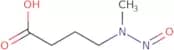


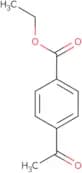
![1-[(5-Chloro-1-methyl-1H-indol-3-yl)methyl]piperidine-4-carboxylic acid](/_next/image/?url=https%3A%2Fstatic.cymitquimica.com%2Fproducts%2F3D%2Fthumb-webp%2FFC128187.webp&w=3840&q=75)
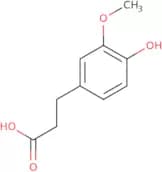
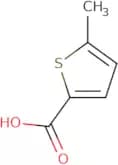

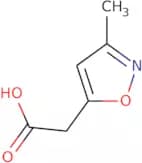
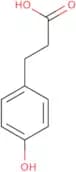
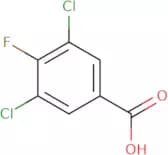

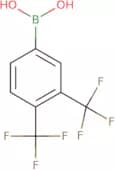

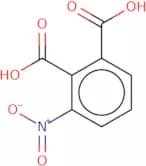

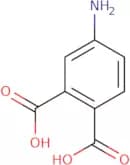
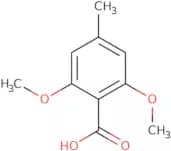
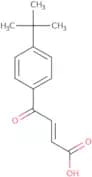
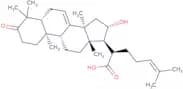
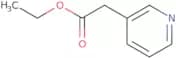
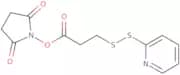
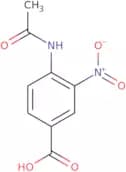
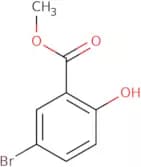
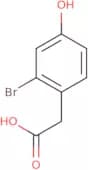
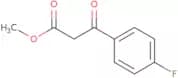
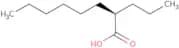

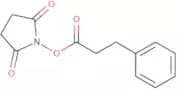
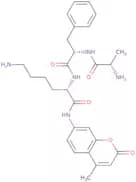
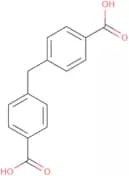
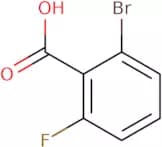


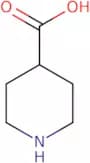
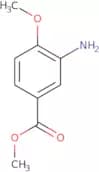
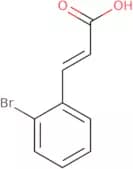
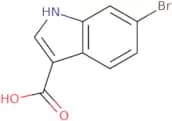
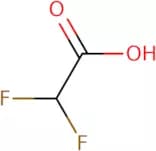
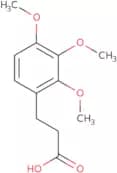
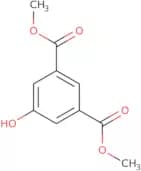
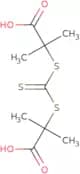
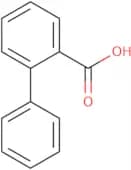
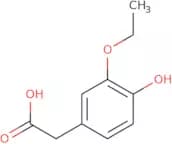
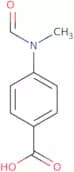
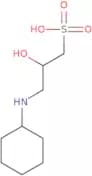
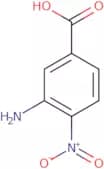
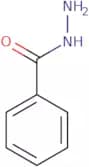
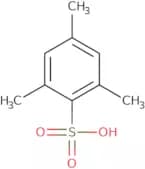
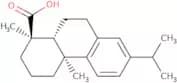
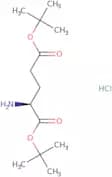
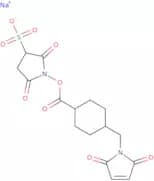
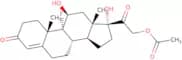
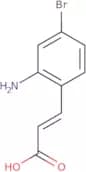
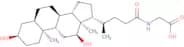
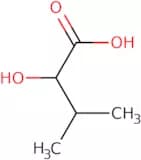
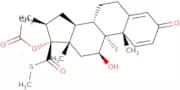
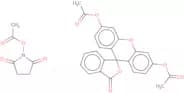
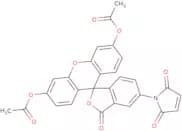
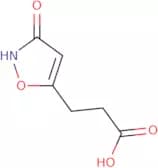
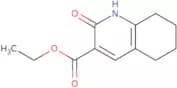
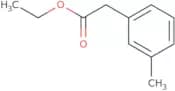
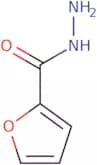
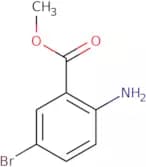
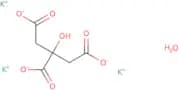
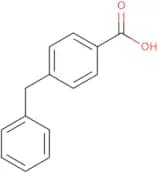
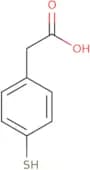
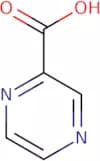
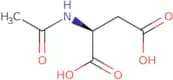
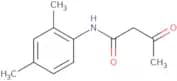
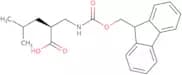
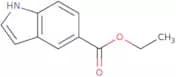

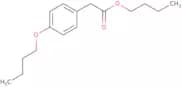
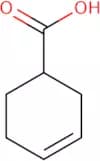
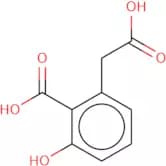
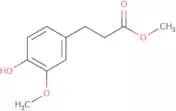
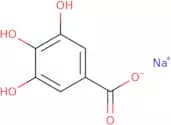
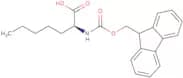
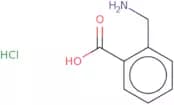
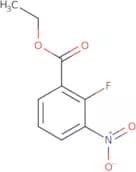
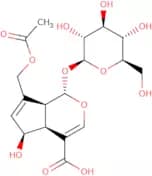

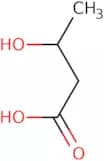
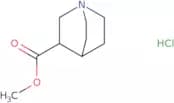

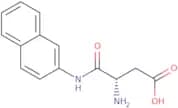
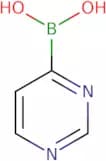
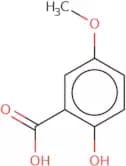
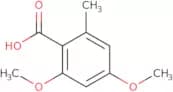
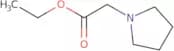
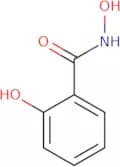
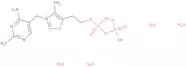
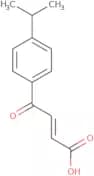
![[(8b)-1,6-Dimethylergolin-8-yl)methyl]carbamic acid phenylmethyl ester](/_next/image/?url=https%3A%2Fstatic.cymitquimica.com%2Fproducts%2F3D%2Fthumb-webp%2FFM12444.webp&w=3840&q=75)
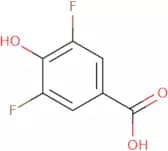

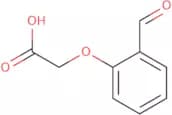
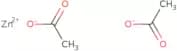
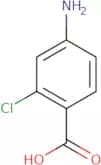
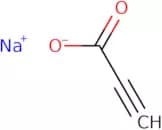
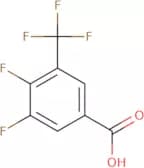
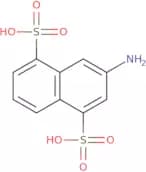
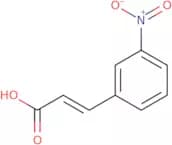
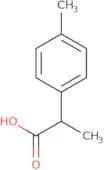
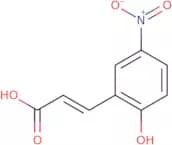
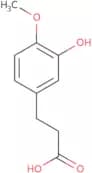
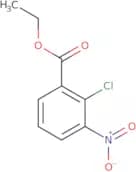
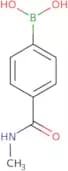
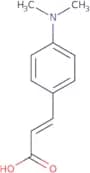
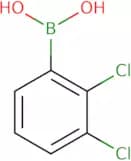
![Methyl (1R,2S,3S,5S)-3-(4-Fluorophenyl)-8-[(E)-3-Iodoprop-2-Enyl]-8-Azabicyclo[3.2.1]Octane-2-Carb…](/_next/image/?url=https%3A%2Fstatic.cymitquimica.com%2Fproducts%2F3D%2Fthumb-webp%2FFM102777.webp&w=3840&q=75)
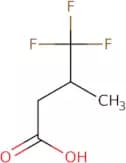
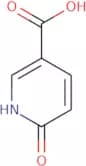


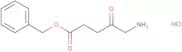

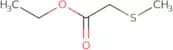
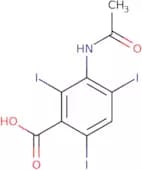
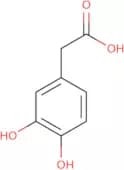

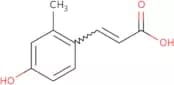
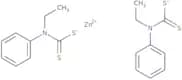
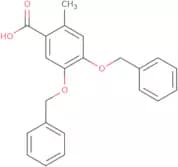
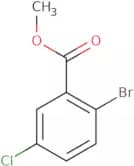
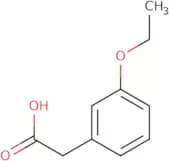
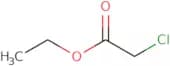
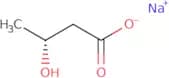
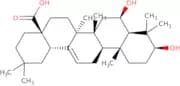
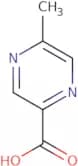
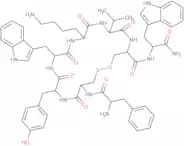
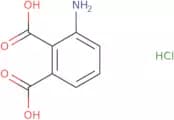
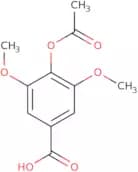
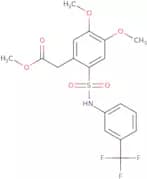
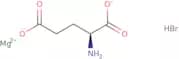
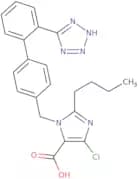
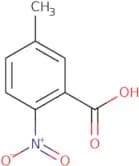


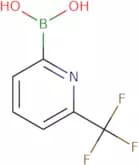
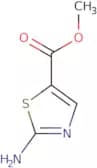
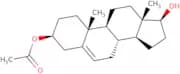
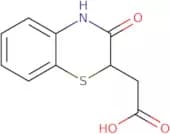
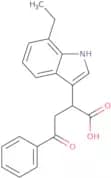
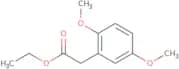
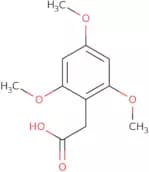

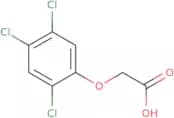
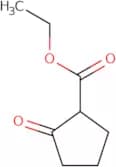

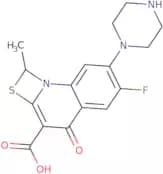
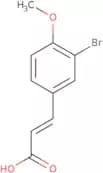
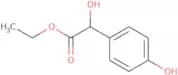
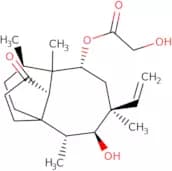
![2-[4-(4-Chloro-a-phenylbenzyl)-1-piperazinyl]-ethoxyacetic acid hydrochloride](/_next/image/?url=https%3A%2Fstatic.cymitquimica.com%2Fproducts%2F3D%2Fthumb-webp%2FFC33467.webp&w=3840&q=75)
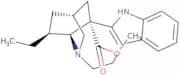
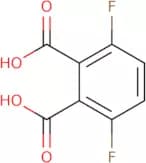
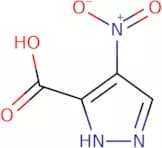
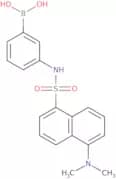

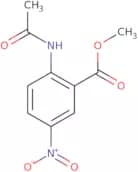
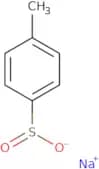
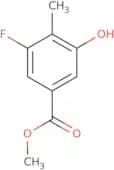
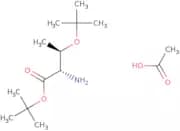
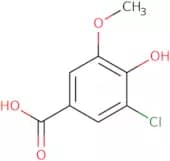
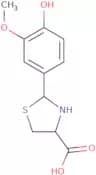
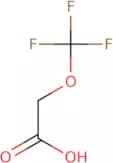
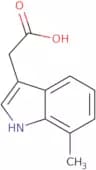
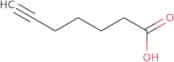
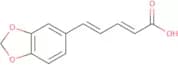

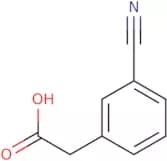
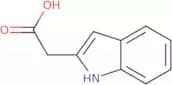
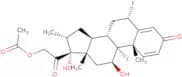
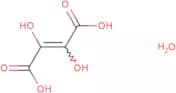
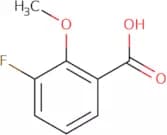
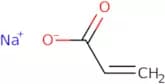
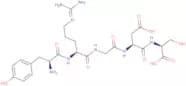
![1H-Pyrrolo[3,2-b]pyridine-7-carboxylic acid](/_next/image/?url=https%3A%2Fstatic.cymitquimica.com%2Fproducts%2F3D%2Fthumb-webp%2FFP167590.webp&w=3840&q=75)
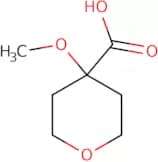
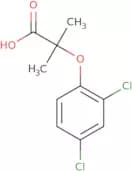
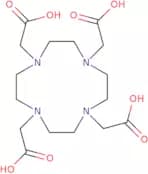
![Imidazo[1,2-α]pyridin-3-yl-boronic acid pinacol ester](/_next/image/?url=https%3A%2Fstatic.cymitquimica.com%2Fproducts%2F3D%2Fthumb-webp%2FFI51745.webp&w=3840&q=75)