Flavonoids
Flavonoids are a group of plant metabolites with antioxidant properties that contribute to the color of fruits and flowers. They play a significant role in protecting plants from UV radiation and pathogens. Flavonoids are studied for their potential health benefits, including anti-inflammatory, antiviral, and anticancer properties. They are widely researched in the fields of pharmacology, nutrition, and molecular biology.
Subcategories of "Flavonoids"
- Anthocyanidins(46 products)
- Anthocyanin(46 products)
- Catechin(88 products)
- Chalcones(237 products)
- Pterocarpan(28 products)
Found 2404 products of "Flavonoids"
Sort by
Purity (%)
0
100
|
0
|
50
|
90
|
95
|
100
Vicenin III
CAS:<p>Vicenin III is a natural flavonoid compound, which is a type of polyphenolic metabolite commonly found in various plant species. It is primarily extracted from herbaceous plants and certain fruits and vegetables, where it acts as a secondary metabolite contributing to the plant's defense mechanisms. The compound exerts its effects through antioxidant properties, which involve scavenging free radicals and reducing oxidative stress at the cellular level. Additionally, it demonstrates anti-inflammatory activity by modulating key signaling pathways and inhibiting pro-inflammatory mediators.</p>Formula:C26H28O14Purity:Min. 95%Color and Shape:PowderMolecular weight:564.49 g/molPinocembrin dimethylether
CAS:<p>Pinocembrin dimethylether is a flavonoid derivative, which is synthesized from natural sources such as honey, propolis, and certain plants. It retains the core flavonoid structure while being modified to enhance its bioavailability and stability. This compound acts primarily as a neuroprotective agent through its antioxidative and anti-inflammatory properties. It interacts with various molecular pathways to mitigate oxidative stress and reduce neuroinflammation, contributing to cellular protection.</p>Formula:C17H16O4Purity:Min. 95%Color and Shape:PowderMolecular weight:284.31 g/molKaempferol-3,7,4'-trimethyl ether
CAS:<p>Kaempferol-3,7,4'-trimethyl ether is a methylated flavonoid compound, which is naturally derived from various plant sources known for their rich polyphenol content. This compound is characterized by its three methoxy groups attached to the kaempferol structure, enhancing its hydrophobic nature and overall stability. The primary mode of action of Kaempferol-3,7,4'-trimethyl ether involves modulation of various cellular signaling pathways, including those related to antioxidant and anti-inflammatory processes. It exerts its effects by interacting with key enzymes and receptors, leading to the modulation of gene expression linked to cellular stress responses.</p>Formula:C18H16O6Purity:Min. 98 Area-%Color and Shape:PowderMolecular weight:328.32 g/molIsoliquiritin
CAS:<p>Isoliquiritin is a flavonoid compound, which is primarily extracted from the roots of the Glycyrrhiza glabra plant, commonly known as licorice. The compound is characterized by its unique chemical structure that plays a significant role in its biological activity. The mode of action of isoliquiritin is tied to its ability to interact with various cellular signaling pathways. It exhibits antioxidant, anti-inflammatory, and antimicrobial properties by modulating the expression of specific enzymes and inhibiting the activity of pro-inflammatory cytokines. Additionally, its potential in modulating cellular pathways makes it an intriguing subject for research related to metabolic and cardiovascular health.</p>Formula:C21H22O9Purity:Min. 85.0 Area-%Molecular weight:418.39 g/molRef: 3D-Q-100563
10mgTo inquire25mgTo inquire50mgTo inquire100mgTo inquire250mgTo inquire-Unit-mgmgTo inquireButin
CAS:<p>Butin is a flavonoid compound, which is naturally derived from certain plants and is characterized by a chalcone structure. This compound acts as an antifungal agent by disrupting the cell membrane integrity of pathogenic fungi, ultimately inhibiting their growth and reproduction. The mechanism is thought to involve interference with key enzymatic pathways essential for cell wall synthesis, though precise molecular interactions are still under investigation.</p>Formula:C15H12O5Purity:Min. 95%Color and Shape:PowderMolecular weight:272.25 g/mol5-Methoxyflavanone
CAS:<p>5-Methoxyflavanone is a synthetic flavonoid compound, which is derived from chemical modifications of naturally occurring flavonoids. These modifications often enhance bioavailability and activity compared to their natural counterparts. This compound functions primarily through its antioxidant activity, scavenging free radicals and reducing oxidative stress within biological systems. This mode of action is vital in cellular protection against damage caused by oxidative agents.</p>Formula:C16H14O3Purity:Min. 95%Color and Shape:White PowderMolecular weight:254.28 g/mol3',4',5,7-Tetramethoxyflavone
CAS:<p>3',4',5,7-Tetramethoxyflavone is a polyphenolic compound, which is a specific type of flavonoid. It is derived from various plant sources, where it occurs naturally as part of the plant's defense mechanism against environmental stressors. This compound exerts its activity through various biochemical pathways, including modulation of enzyme activities and interference with cellular signaling pathways. Studies suggest it may inhibit certain enzymes involved in inflammation and oxidative stress, thereby playing a potential role in therapeutic applications.</p>Formula:C19H18O6Purity:Min. 95%Color and Shape:White PowderMolecular weight:342.34 g/molLotisoflavan
CAS:<p>Phytoalexin isolated from the fungus-inoculated leaflets of Lotus angustissimus</p>Formula:C17H18O5Purity:Min. 95%Color and Shape:PowderMolecular weight:302.32 g/mol5,7-Dihydroxyflavone
CAS:<p>5,7-Dihydroxyflavone is a naturally occurring flavonoid, which is derived from various plant sources, including herbs and fruits. With its structure characterized by hydroxyl groups at positions 5 and 7, it serves as a bioactive compound with strong antioxidant properties. This flavonoid is known to interact with cellular pathways by scavenging free radicals and modulating enzyme activity, thereby protecting cells from oxidative stress and potential damage.</p>Formula:C15H10O4Purity:Min. 95%Color and Shape:Yellow PowderMolecular weight:254.24 g/mol2'-Hydroxyflavanone
CAS:<p>2'-Hydroxyflavanone is a flavonoid, which is a type of polyphenolic compound found naturally in a variety of plants. These compounds are widely distributed in the plant kingdom and are particularly abundant in fruits, vegetables, and certain herbs. The source of 2'-Hydroxyflavanone can be traced back to its presence in citrus fruits and other plant materials, where it serves as a secondary metabolite.</p>Formula:C15H12O3Purity:Min. 98 Area-%Color and Shape:PowderMolecular weight:240.25 g/molGenistin
CAS:<p>Genistin is a naturally occurring isoflavone glycoside, which is derived primarily from soybeans and other legumes. It serves as a glycoside form of genistein, a well-known phytoestrogen. The mode of action of Genistin involves its bioconversion into genistein through hydrolysis. Once converted, it functions by binding to estrogen receptors, exhibiting estrogenic activity that can modulate various biological pathways.</p>Formula:C21H20O10Purity:Min. 97 Area-%Color and Shape:Off-White PowderMolecular weight:432.38 g/mol5-Methyl 7-methoxyisoflavone
CAS:<p>5-Methyl 7-methoxyisoflavone is a synthetic isoflavone derivative, which is typically sourced in the laboratory through chemical synthesis processes involving the modification of plant-derived isoflavones. This compound is structurally similar to certain natural flavonoids but is characterized by the addition of the methyl and methoxy groups, which are not found in its natural counterparts.</p>Formula:C17H14O3Purity:Min. 95%Color and Shape:White PowderMolecular weight:266.29 g/mol3'-Prenyldaidzein
CAS:<p>3'-Prenyldaidzein is a prenylated isoflavone, which is a naturally occurring compound typically derived from plants such as those found in the Fabaceae family. Prenylated isoflavones are characterized by the attachment of a prenyl group to the isoflavone structure, which often enhances their biological activity compared to their non-prenylated counterparts.</p>Formula:C20H18O4Purity:Min. 95%Color and Shape:PowderMolecular weight:322.35 g/molIsoneorautenol
CAS:<p>Isoneorautenol is a synthetic compound, which is derived from complex organic synthesis processes. Its unique chemical structure allows it to interact specifically with certain molecular targets, making it an intriguing candidate for various biological and chemical applications. The mode of action of Isoneorautenol involves the modulation of specific biochemical pathways, potentially influencing cellular behavior and function.</p>Formula:C20H18O4Purity:Min. 95%Color and Shape:PowderMolecular weight:322.35 g/molKaempferol-3,4'-dimethyl ether
CAS:<p>Kaempferol-3,4'-dimethyl ether is a naturally occurring flavonoid compound which is primarily found in various plants. This compound is known for its structural classification as a methylated flavonol, distinguished by the presence of ether groups at the 3 and 4' positions of kaempferol. Derived mainly from botanical sources such as herbs and traditional medicinal plants, it plays a critical role in plant defense mechanisms.</p>Formula:C17H14O6Purity:Min. 95%Color and Shape:PowderMolecular weight:314.29 g/molOmbuoside
CAS:<p>Please enquire for more information about Ombuoside including the price, delivery time and more detailed product information at the technical inquiry form on this page</p>Formula:C29H34O16Purity:Min. 95%Color and Shape:Off-White To Yellow SolidMolecular weight:638.57 g/molMethyl hesperidine
CAS:<p>Methyl hesperidine is a flavonoid derivative, which is a chemical compound sourced from citrus fruits, particularly from the peels. It is a modified form of hesperidin, a natural flavonoid found predominantly in oranges and other citrus species. The mode of action for methyl hesperidine involves its antioxidant and anti-inflammatory properties. It works by scavenging free radicals and reducing oxidative stress, which can help protect cells and tissues from damage.</p>Formula:C29H36O15Purity:Min. 95%Color and Shape:PowderMolecular weight:624.59 g/molQuercetin 3-b-D-glucopyranoside
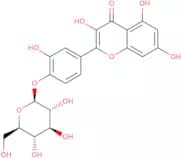
CAS:<p>Quercetin 3-b-D-glucopyranoside is a naturally occurring flavonoid, which is found predominantly in a variety of fruits and vegetables. Its primary source includes apples, onions, and tea, where it is often present as a glycoside conjugate. This compound exerts its effects through its mode of action as an antioxidant, scavenging free radicals, and modulating signaling pathways that influence cellular processes such as apoptosis and inflammation.</p>Formula:C21H20O12Purity:Min. 98 Area-%Color and Shape:PowderMolecular weight:464.38 g/mol3,7-Dihydroxy-5,8-dimethoxyflavanone
CAS:<p>3,7-Dihydroxy-5,8-dimethoxyflavanone is a flavonoid derivative, which is a type of polyphenolic compound commonly found in various plants. Flavonoids are known for their wide-ranging biological activities and are often studied for their roles in plant defense mechanisms. This compound can be sourced from plants such as those in the genus Citrus, where it contributes to the plant's metabolic pathways and confers resistance against pathogens.</p>Formula:C17H16O6Purity:Min. 95%Molecular weight:316.31 g/mol7,2',4'-Tribenzyloxyisoflavone
CAS:<p>7,2',4'-Tribenzyloxyisoflavone is a synthetic compound, which is a derivative of isoflavones, known for its potential role in biochemical and pharmacological research. This compound is primarily sourced through chemical synthesis involving the modification of the isoflavone structure by introducing benzyloxy groups, which alters its physicochemical properties and enhances its stability and solubility for research purposes.</p>Formula:C36H28O5Purity:Min. 95%Molecular weight:540.6 g/mol8,3'-Dihydroxydaidzein
CAS:<p>8,3'-Dihydroxydaidzein is a naturally occurring isoflavonoid compound, which is a type of phytoestrogen predominantly found in soy and other leguminous plants. This compound is biosynthesized through the pathways involving the hydroxylation of daidzein, a well-known isoflavone. As a phytoestrogen, 8,3'-Dihydroxydaidzein mimics estrogenic activity by binding to estrogen receptors, thereby influencing various physiological processes in organisms.</p>Formula:C15H10O6Purity:(Hplc-Ms) Min. 80 Area-%Color and Shape:PowderMolecular weight:286.24 g/molRotenone
CAS:<p>Rotenone is a naturally occurring insecticide and piscicide, which is derived from the roots of several tropical and subtropical plant species, primarily from the Leguminosae family. Its primary source includes plants such as *Derris* and *Lonchocarpus*. Rotenone works by inhibiting cellular respiration. Specifically, it interferes with the mitochondrial electron transport chain by binding to complex I, blocking the production of ATP and ultimately leading to cell death.</p>Formula:C23H22O6Purity:Min. 98 Area-%Color and Shape:Beige PowderMolecular weight:394.42 g/molLoureirin B
CAS:<p>Loureirin B is a natural polyphenolic compound, which is derived from the resin of Dracaena cochinchinensis, commonly known as Dragon's Blood. This compound exhibits its mode of action primarily through the inhibition of key inflammatory pathways, including the suppression of cyclooxygenase-2 (COX-2) and the reduction of pro-inflammatory cytokines. Such mechanisms suggest its potential in modulating inflammatory responses effectively.</p>Formula:C18H20O5Purity:Min. 95%Color and Shape:White PowderMolecular weight:316.35 g/molFlavone
CAS:<p>Flavone is a type of flavonoid, which is a naturally occurring compound found in various plant sources. As a subgroup of polyphenolic compounds, flavones are primarily derived from the leaves, stems, and seeds of plants like parsley, thyme, and celery. The mode of action of flavones involves their ability to act as antioxidant agents, scavenging free radicals and reducing oxidative stress in biological systems. This mechanism plays a crucial role in protecting cells from damage and maintaining cellular integrity.</p>Formula:C15H10O2Purity:Min. 98 Area-%Color and Shape:PowderMolecular weight:222.24 g/mol7,2'-Dibenzyloxy-8,4'-dimethoxyisoflavone
CAS:<p>7,2'-Dibenzyloxy-8,4'-dimethoxyisoflavone is a complex flavonoid derivative, which is a synthetic isoflavone compound with potential applications in medical and biochemical research. It is derived from the modification of naturally occurring isoflavones, typically found in various plants, including soybeans. Isoflavones like this compound are of significant interest due to their estrogenic activities, as they can mimic or influence estrogen action in biological systems.</p>Formula:C31H26O6Purity:Min. 95%Molecular weight:494.53 g/molTheaflavin-3-O-gallate
CAS:<p>Theaflavin-3-O-gallate is a polyphenolic compound, which is derived from the oxidation of specific catechins found predominantly in black tea (Camellia sinensis). This compound is a significant member of the theaflavins, which are formed during the fermentation process of tea leaves. The bioactivity of Theaflavin-3-O-gallate is attributed to its ability to interact with and modulate various biological pathways, mainly through its antioxidant properties and its role in modulating cellular oxidative stress responses.</p>Formula:C36H28O16Purity:Min. 95%Color and Shape:Red PowderMolecular weight:716.6 g/mol3,7,8,3',4'-Pentahydroxyflavone
CAS:<p>3,7,8,3',4'-Pentahydroxyflavone is a naturally occurring flavonoid, which is commonly found in plants and contributes to their defensive mechanisms. This compound is sourced from a variety of plant materials, where it acts as a potent antioxidant by scavenging free radicals and inhibiting oxidative stress pathways.</p>Formula:C15H10O7Purity:Min. 95%Color and Shape:PowderMolecular weight:302.24 g/mol4'-Methoxyflavanone
CAS:<p>4'-Methoxyflavanone is a methoxy-substituted flavanone, which is a specialized class of flavonoids. These compounds are primarily derived from plant sources and are known for their diverse biological activities. The modification of the flavanone structure with a methoxy group can significantly influence its biochemical interactions and properties.</p>Formula:C16H14O3Purity:Min. 95%Color and Shape:PowderMolecular weight:254.28 g/molMyricetin trimethyl ether
CAS:<p>Myricetin trimethyl ether is a flavonoid derivative, which is a metabolite of myricetin, a naturally occurring flavonoid found in various fruits, vegetables, and herbs. This compound is of significant interest due to its potential bioactive properties. It is commonly studied within the context of its antioxidative mechanisms, where it functions by neutralizing free radicals and attenuating oxidative stress, a key factor implicated in the pathogenesis of numerous chronic diseases.</p>Formula:C18H16O8Color and Shape:PowderMolecular weight:360.31 g/mol6,7-Dimethoxy-2',4'-dihydroxyisoflavone
CAS:<p>6,7-Dimethoxy-2',4'-dihydroxyisoflavone is a naturally occurring isoflavone, which is typically derived from various plant sources, such as legumes or medicinal herbs. It belongs to a class of polyphenolic compounds known for their antioxidative capabilities. This compound acts primarily by scavenging free radicals and reducing oxidative stress, thus protecting cellular structures from damage. Its mode of action involves the modulation of cellular antioxidant pathways and potential interaction with estrogen receptors, contributing to its biological effects.</p>Formula:C17H14O6Purity:Min. 95%Molecular weight:314.29 g/molEupatorin - 94%
CAS:<p>Eupatorin - 94% is a bioactive flavonoid compound, which is a natural extract primarily derived from the plant species Eupatorium. This compound is characterized by its high degree of purity, standing at 94%, making it suitable for rigorous scientific investigation. Eupatorin is widely recognized for its pharmacological potential due to its ability to modulate various biochemical pathways.</p>Formula:C18H16O7Purity:Min. 95%Color and Shape:White PowderMolecular weight:344.32 g/molChrysin dimethyl ether
CAS:<p>Chrysin dimethyl ether is a methylated flavonoid derivative, which is naturally sourced from various plants. This compound is synthesized by methylation of the hydroxyl groups on the chrysin molecule, a process often accomplished using organic synthesis methods. The mode of action for Chrysin dimethyl ether involves modulation of various biological pathways, including antioxidant activity and interaction with cell signaling pathways. Its phenolic structure confers radical scavenging properties, potentially influencing oxidative stress processes in biological systems.</p>Formula:C17H14O4Purity:Min. 95%Color and Shape:White PowderMolecular weight:282.29 g/molLuteone
CAS:<p>Luteone is a natural compound, which is a plant-derived flavonoid isolated from various botanical sources. It exhibits a range of biological activities primarily due to its ability to modulate key cellular mechanisms. Luteone functions through its interaction with multiple molecular targets, demonstrating antioxidant, anti-inflammatory, and anti-cancer properties by influencing signaling pathways and gene expression related to cellular stress responses and apoptosis.</p>Formula:C20H18O6Purity:Min. 95%Molecular weight:354.35 g/mol7,3'-Dimethoxyflavone
CAS:<p>7,3'-Dimethoxyflavone is a flavonoid compound, which is a type of secondary metabolite found in various plants. This compound is primarily sourced from the leaves and stems of certain plant species, where it acts as a natural protector against pathogens and contributes to the plant's development and survival mechanisms.</p>Formula:C17H14O4Purity:Min. 95%Color and Shape:PowderMolecular weight:282.29 g/molKwakhurin
CAS:<p>Kwakhurin is a natural compound, characterized as an isoflavone, which is derived from the plant Pueraria mirifica. This plant is traditionally found in Southeast Asia and has been used in traditional medicine for various health benefits. Kwakhurin acts primarily as a phytoestrogen, meaning it can mimic the activity of estrogen in the body by binding to estrogen receptors. This behavior enables it to potentially modulate hormonal balances and exert estrogenic effects.</p>Formula:C21H20O6Purity:(%) Min. 95%Color and Shape:White/Off-White SolidMolecular weight:368.38 g/molVestitol
CAS:<p>Vestitol is a naturally occurring flavonoid, which is a bioactive compound derived from various plant species. As a flavonoid, vestitol is synthesized by plants during their metabolic processes and is found predominantly in legumes such as red clover. Its biochemical mode of action includes modulation of reactive oxygen species (ROS) and interactions with cellular signaling pathways that regulate oxidative stress. By scavenging free radicals, vestitol contributes to the protection of cellular structures and biomolecules from oxidative damage.</p>Formula:C16H16O4Purity:Min. 95%Color and Shape:White Off-White PowderMolecular weight:272.3 g/molQuercetin-3-arabinoside
CAS:<p>Quercetin-3-arabinoside is a flavonoid glycoside, which is a naturally occurring compound found in various plants including fruits and vegetables. It is derived from quercetin, a flavonoid widely distributed in the plant kingdom. The arabinoside component is a sugar moiety that enhances the solubility and stability of the compound. Quercetin-3-arabinoside exerts its effects through antioxidant activity, where it scavenges free radicals and chelates metal ions, thus protecting cells from oxidative stress and potential damage.</p>Formula:C20H18O11Purity:Min. 95%Color and Shape:PowderMolecular weight:434.35 g/molCyrtopterinetin
CAS:<p>Cyrtopterinetin is a naturally occurring flavonoid compound, which is derived from specific plant sources such as Cyrtomium species in Pteridaceae. This compound exerts its biological effects primarily through the modulation of various signaling pathways. It affects key molecular targets involved in the regulation of cell proliferation, apoptosis, and inflammation. The ability of cyrtopterinetin to influence these pathways is attributed to its capacity to bind with cellular proteins and alter gene expression.</p>Formula:C17H16O5Purity:Min. 98 Area-%Molecular weight:300.31 g/molNaringenin-7-glucoside
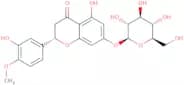
CAS:<p>Naringenin-7-glucoside is a flavonoid glycoside, which is primarily sourced from citrus fruits and certain herbs. This compound is a glucoside derivative of naringenin, a type of flavanone commonly found in a variety of plant species. With its distinct chemical structure, Naringenin-7-glucoside exerts its effects primarily through antioxidant and anti-inflammatory mechanisms. The compound works by scavenging free radicals and modulating cell signaling pathways, thereby reducing oxidative stress and inflammation at the cellular level.</p>Formula:C21H22O10Purity:Min. 95%Color and Shape:White Off-White PowderMolecular weight:434.39 g/molKaempferol-3-glucoside(6”-O-acetate)-7-glucoside
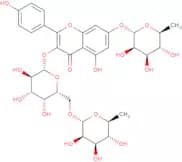
CAS:<p>Kaempferol-3-glucoside(6”-O-acetate)-7-glucoside is a flavonoid glycoside, which is a naturally occurring compound found in various plants and foods. This compound originates from plant sources, notably in fruits, vegetables, and certain traditional medicines, where it is biosynthesized as a secondary metabolite.</p>Formula:C29H32O17Purity:Min. 95%Molecular weight:652.55 g/mol3'-Hydroxy-5'-prenylbiochanin A
CAS:<p>3'-Hydroxy-5'-prenylbiochanin A is a prenylated isoflavone, which is a type of naturally occurring polyphenolic compound. It is predominantly sourced from various plant species, particularly those belonging to the Fabaceae family, such as legumes and soy. These compounds are often found in the plant's roots, stems, and leaves and play crucial roles in plant defense mechanisms.</p>Formula:C21H20O6Purity:Min. 95%Molecular weight:368.38 g/molAmentoflavone-7”,4”’-dimethyl ether
CAS:<p>Amentoflavone-7",4"'-dimethyl ether is a synthetic biflavonoid derivative, which is modeled on natural compounds found in certain plant species. Biflavonoids are typically sourced from plants like Gingko biloba and Selaginella, known for their varied biological activities. The dimethyl ether modification enhances the molecule's chemical stability and potentially its bioavailability.</p>Formula:C32H22O10Purity:Min. 95%Molecular weight:566.51 g/mol6,2',3'-Trimethoxyflavanone
CAS:<p>6,2',3'-Trimethoxyflavanone is a type of flavonoid compound, specifically a flavanone, which is derived from natural sources, commonly plants. These compounds are often extracted from various parts of plants such as leaves, stems, or seeds, where they naturally occur in small quantities. The structure of flavanones, characterized by their three-ring system and methoxy groups, contributes to their biochemical activity.</p>Formula:C18H16O5Purity:Min. 95%Color and Shape:PowderMolecular weight:312.3 g/mol3',4',5',6,7,8-Hexamethoxy-5-hydroxyflavone
CAS:<p>3',4',5',6,7,8-Hexamethoxy-5-hydroxyflavone is a methoxylated flavonoid, which is a type of polyphenolic compound derived from various plant sources. These compounds are often synthesized naturally within the plant kingdom, and their structures are characterized by multiple methoxy groups that contribute to their distinct bioactive properties.</p>Formula:C21H22O9Purity:Min. 95%Color and Shape:PowderMolecular weight:418.39 g/mol3'-Benzyloxy-4',5,6,7-tetramethoxyflavone
CAS:<p>3'-Benzyloxy-4',5,6,7-tetramethoxyflavone is a synthetic flavone derivative, which is structurally modified from naturally occurring flavonoids. These compounds are often sourced from various plant species or created synthetically to mimic the beneficial components found in plant matter. The mode of action of this compound primarily hinges on its ability to interact with cellular pathways due to its polyphenolic structure. Such interactions may include the inhibition of certain enzymes, modulation of receptor activities, or altering oxidative states within cells.</p>Formula:C26H24O7Purity:Min. 95%Molecular weight:448.46 g/mol7-Hydroxy-2',4',5'-trimethoxyisoflavone
CAS:<p>7-Hydroxy-2',4',5'-trimethoxyisoflavone is a naturally occurring flavonoid, which is commonly isolated from various plant sources, including legumes and other flavonoid-rich botanical species. This compound exhibits a unique structural configuration characterized by hydroxyl and methoxy functional groups, contributing to its notable bioactivity.</p>Formula:C18H16O6Purity:Min. 95%Color and Shape:PowderMolecular weight:328.32 g/molRutin hydrate
CAS:<p>Capillary protectant; free radical scavenger; antioxidant</p>Formula:C27H30O16·3H2OPurity:Min. 95 Area-%Color and Shape:Yellow PowderMolecular weight:664.56 g/mol7,8,2',4'-Tetrabenzyloxyisoflavone
<p>7,8,2',4'-Tetrabenzyloxyisoflavone is a synthetic chemical compound derived from the modification of the isoflavone structure. It is designed for research purposes and acts as a biochemical tool in studying the effects and interactions of isoflavones and their derivatives. The compound is synthesized through a series of benzylation reactions involving isoflavone, sourced primarily from plant-based materials like soybeans, known for their phytoestrogen properties.</p>Formula:C43H34O6Purity:Min. 95%Molecular weight:646.73 g/molKaempferol-3-O-glucorhamnoside - 65%
CAS:<p>Kaempferol-3-O-glucorhamnoside - 65% is a flavonoid glycoside, which is derived from various plant sources such as tea, broccoli, and apples. This compound is a conjugate of the flavonoid kaempferol with sugar moieties, specifically glucose and rhamnose. Its biochemical mode of action involves modulating various signaling pathways, including those related to oxidative stress and inflammation. By influencing these pathways, it may inhibit the production of reactive oxygen species (ROS) and regulate the expression of inflammatory cytokines.</p>Formula:C27H30O15Purity:Min. 95%Color and Shape:PowderMolecular weight:594.52 g/mol7,8-Benzoflavone
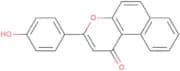
CAS:<p>7,8-Benzoflavone is a synthetic flavonoid compound, which is derived from the structural modification of naturally occurring flavones. It possesses significant biochemical activity attributed to its ability to act as a potent inhibitor of certain cytochrome P450 enzymes, particularly CYP1A1 and CYP1B1. By inhibiting these enzymes, 7,8-Benzoflavone modulates the metabolism of various xenobiotics, impacting the bioactivation or detoxification of potential carcinogens.</p>Formula:C19H12O2Purity:Min. 95%Color and Shape:White PowderMolecular weight:272.3 g/molGlycitein
CAS:<p>Glycitein is an isoflavone compound, which is a type of phytoestrogen primarily derived from soy products. It is sourced from soybeans, where it functions as a secondary metabolite. In biochemical terms, glycitein exhibits modes of action characterized by its estrogenic and antioxidant activities. It interacts with estrogen receptors in the body, mimicking the hormone's effects to a certain extent, which can influence numerous physiological processes.</p>Formula:C16H12O5Purity:Min. 95%Color and Shape:PowderMolecular weight:284.26 g/mol2',3,5,7-Tetrahydroxyflavone
CAS:<p>2',3,5,7-Tetrahydroxyflavone is a naturally occurring flavonoid compound, which is primarily derived from various plant sources known for their rich polyphenolic content. This compound is characterized by its multiple hydroxyl groups that confer significant antioxidant properties. Its mode of action primarily involves the scavenging of free radicals and the inhibition of oxidative enzyme systems. Additionally, it is known to modulate several intracellular signaling pathways, including those involved in inflammation and apoptosis.</p>Formula:C15H10O6Purity:Min. 95%Color and Shape:PowderMolecular weight:286.24 g/molα-Naphthoflavanone
CAS:<p>**α-Naphthoflavanone** is a synthetic flavanone compound, which is derived from natural plant polyphenols. It exhibits its mode of action primarily through the modulation of various biochemical pathways, potentially influencing enzyme activity, receptor binding, and signaling cascades. As a flavanone, it interacts with specific molecular targets, leading to possible antioxidant and anti-inflammatory effects.</p>Formula:C19H14O2Purity:Min. 95%Color and Shape:SolidMolecular weight:274.31 g/molEriodictyol - 98%
CAS:<p>Eriodictyol - 98% is a flavonoid compound, which is a type of plant-based molecule. It is primarily sourced from multiple plant species, including certain herbs and bark, notably from the Eriodictyon genus. As a bioactive compound, eriodictyol functions by modulating cellular oxidative stress responses through its ability to scavenge free radicals and inhibit reactive oxygen species.</p>Formula:C15H12O6Purity:Min. 98 Area-%Color and Shape:White PowderMolecular weight:288.25 g/mol5,2'-Dihydroxyflavone
CAS:<p>5,2'-Dihydroxyflavone is a type of flavonoid, which is a class of polyphenolic compounds. These compounds are predominantly found in various plants, serving as part of their secondary metabolites. As a natural phytochemical, 5,2'-Dihydroxyflavone has garnered attention for its potential bioactive properties, particularly in the realm of neuroprotection.</p>Formula:C15H10O4Purity:Min. 95%Molecular weight:254.24 g/mol7-Methoxyflavone
CAS:<p>7-Methoxyflavone is a bioactive compound classified as a flavonoid, which is derived from various natural sources such as plants, fruits, and vegetables. This compound exerts its biological effects through modulation of enzyme activity and interaction with cellular signaling pathways, primarily involving the modulation of cytochrome P450 enzymes and affecting neurotransmitter systems.</p>Formula:C16H12O3Purity:Min. 95%Color and Shape:White PowderMolecular weight:252.26 g/molKaempferol-3-rutinoside
CAS:<p>Kaempferol-3-rutinoside is a naturally occurring flavonoid glycoside, which is derived from various plant sources such as tea, fruits, and vegetables. It is a complex compound where the flavonoid kaempferol is conjugated to a disaccharide, rutinoside. The mode of action involves its ability to scavenge free radicals due to its antioxidant properties, as well as inhibit specific enzymes and pathways associated with inflammation, thus providing both antioxidant and anti-inflammatory benefits.</p>Formula:C27H30O15Purity:Min. 95%Color and Shape:PowderMolecular weight:594.52 g/molAzoxystrobin
CAS:<p>Azoxystrobin is a fungicide, which is a synthesized chemical compound, derived from natural strobilurin compounds produced by fungi. Its mode of action involves inhibiting mitochondrial respiration in fungi by blocking the cytochrome bc1 complex, disrupting energy production essential for fungal growth and survival.</p>Formula:C22H17N3O5Purity:Min. 95%Color and Shape:PowderMolecular weight:403.39 g/mol3',4',7-Trihydroxyisoflavone
CAS:<p>3',4',7-Trihydroxyisoflavone is a naturally occurring isoflavone, which is derived from plants, particularly those in the legume family. This compound is part of the flavonoid class of polyphenols, known for their extensive presence in various plant and food sources. The source of 3',4',7-Trihydroxyisoflavone can often be traced back to soybeans and other similar legumes, which are rich in these phenolic compounds.</p>Formula:C15H10O5Purity:Min. 95%Color and Shape:Slightly Yellow PowderMolecular weight:270.24 g/molFlavanone
CAS:<p>Flavanone is a type of flavonoid, which is a class of plant secondary metabolites. This compound is primarily found in citrus fruits such as oranges, lemons, and grapefruits. As a natural polyphenolic antioxidant, flavanone exhibits its mode of action by scavenging free radicals, thereby reducing oxidative stress within biological systems. This activity is crucial in modulating signaling pathways and enhancing the cellular antioxidant capacity.</p>Formula:C15H12O2Purity:Min. 95%Color and Shape:PowderMolecular weight:224.25 g/molLupinalbin A
CAS:<p>Lupinalbin A is a natural compound, which is a type of phenolic compound, sourced from white lupin (Lupinus albus) seeds. This compound exhibits significant biological activity primarily through its ability to modulate cellular signaling pathways. Its mode of action includes the inhibition of specific kinases and transcription factors, which are crucial in the progression of inflammatory and cancerous processes.</p>Formula:C15H8O6Purity:Min. 95%Color and Shape:PowderMolecular weight:284.22 g/molEucomin dimethyl ether
CAS:<p>Eucomin dimethyl ether is a synthetic compound, which is a specially synthesized chemical molecule derived through a series of controlled laboratory reactions. Its mode of action involves acting as a methylating agent where it can add methyl groups to other compounds, a key property exploited in various chemical syntheses.</p>Formula:C19H20O5Purity:Min. 95%Molecular weight:328.36 g/mol5,3',4'-Trimethoxyflavone
CAS:<p>5,3',4'-Trimethoxyflavone is a polyphenolic compound, which is categorized as a flavonoid. This compound is naturally sourced from certain plant species in the Asteraceae family, known for their rich flavonoid content. As a flavonoid, it functions primarily by modulating various biological pathways, including antioxidant, anti-inflammatory, and neuroprotective mechanisms.</p>Formula:C18H16O5Purity:Min. 95%Color and Shape:PowderMolecular weight:312.32 g/molTheaflavin
CAS:<p>Theaflavin is a polyphenolic compound, which is derived from the oxidation of catechins in black tea leaves. This compound acts as an antioxidant by scavenging free radicals and reducing oxidative stress. Theaflavin modulates various signaling pathways, influencing cellular processes such as apoptosis and inflammation. Its antioxidant capabilities are attributed to its ability to donate electrons and stabilize radical species, thus protecting cellular components from damage.</p>Formula:C29H24O12Purity:Min. 95%Color and Shape:Red PowderMolecular weight:564.49 g/molIsookanin
CAS:<p>Isookanin is a naturally occurring flavonoid compound, which is derived from various plant sources, including certain flowers and herbs. Its mode of action involves interacting with cellular pathways to exhibit anti-inflammatory and antioxidant properties. Isookanin achieves this by modulating the activity of enzymes and signaling molecules involved in inflammatory responses, thereby potentially reducing oxidative stress and inflammation.</p>Formula:C15H12O6Purity:Min. 98 Area-%Color and Shape:PowderMolecular weight:288.25 g/mol3’,4’-Dimethoxyflavanone
CAS:<p>3’,4’-Dimethoxyflavanone is a flavonoid compound, which is a type of natural phenolic product derived from various plant sources. Its structure is characterized by a flavanone backbone with methoxy groups at the 3' and 4' positions on the B-ring. These structural features contribute to its bioactivity, allowing it to interact with various biological targets through mechanisms such as free radical scavenging, modulation of signaling pathways, and enzyme inhibition.</p>Formula:C17H16O4Purity:Min. 95%Molecular weight:284.31 g/mol2',7,8-Trihydroxyflavone
CAS:<p>2',7,8-Trihydroxyflavone is a flavonoid compound, which is naturally sourced from various plant species. It functions by acting as an agonist for the tropomyosin receptor kinase B (TrkB), a receptor for brain-derived neurotrophic factor (BDNF). This interaction modulates neurotrophic signaling pathways, promoting neuronal survival, differentiation, and synaptic plasticity.</p>Formula:C15H10O5Purity:90%Color and Shape:PowderMolecular weight:270.24 g/mol6,8-Diprenyl-5,7,3',4'-tetrahydroxyflavanone
CAS:<p>6,8-Diprenyl-5,7,3',4'-tetrahydroxyflavanone is a prenylated flavanone, which is a type of flavonoid compound. This compound is naturally derived from certain plant sources, where it acts as a secondary metabolite. Its mode of action primarily revolves around its antioxidant properties, where it neutralizes free radicals and reduces oxidative stress. Additionally, its structure allows it to engage in various interactions with cellular pathways, influencing different biological activities.</p>Formula:C25H28O6Purity:Min. 95%Molecular weight:424.49 g/mol6-Hydroxyflavone-β-D-glucoside
CAS:<p>6-Hydroxyflavone-beta-D-glucoside is a naturally occurring flavonoid glycoside, which is a compound of interest in the field of phytochemistry and pharmacology. This compound is sourced primarily from various plant species known for their rich flavonoid content. The mode of action typically involves modulating biochemical pathways associated with antioxidant defense, often by interacting with cellular signaling mechanisms that regulate oxidative stress.</p>Formula:C21H20O8Purity:Min. 95%Color and Shape:PowderMolecular weight:400.38 g/molAcacetin 7-O-methyl ether
CAS:<p>Acacetin 7-O-methyl ether is a flavonoid derivative, which is a secondary metabolite primarily derived from various plants, including those in the Asteraceae family. This compound is biosynthesized as part of the plant's natural defense mechanism against herbivores and pathogens. Acacetin 7-O-methyl ether exhibits its biological activities through various modes of action, including anti-inflammatory and antioxidant effects, by inhibiting key signaling pathways and modulating enzyme activities.</p>Formula:C17H14O5Purity:Min. 95%Color and Shape:White PowderMolecular weight:298.29 g/molEucomin
CAS:<p>Eucomin is a quinoline derivative and an antimalarial agent, which is isolated from natural sources such as the bark of the cinchona tree or synthesized chemically. With its mode of action targeting the heme polymerase enzyme of Plasmodium parasites, Eucomin effectively inhibits the conversion of toxic heme to non-toxic hemozoin, a process critical for parasite survival within red blood cells.</p>Formula:C17H14O5Purity:Min. 95%Molecular weight:298.29 g/molScutellarein
CAS:<p>Scutellarein is a flavonoid compound, which is derived from plants such as Scutellaria baicalensis (commonly known as Chinese skullcap). This flavonoid exists naturally in certain herbs and plays a significant role in traditional medicine practices. It is extracted from the aerial parts of these plants through various processing techniques, focusing on its bioactive potential.</p>Formula:C15H10O6Purity:Min. 95%Color and Shape:Yellow PowderMolecular weight:286.24 g/mol3-Hydroxy-7,8,2',3'-tetramethoxyflavone
CAS:<p>3-Hydroxy-7,8,2',3'-tetramethoxyflavone is a specialized flavonoid compound, which is a type of polyphenolic product derived from natural plant sources. This compound is primarily extracted from various plant species known for their rich polyphenolic content, exhibiting diverse biological activities. As a natural secondary metabolite, 3-Hydroxy-7,8,2',3'-tetramethoxyflavone interacts with cellular signaling pathways, particularly those involved in oxidative stress, inflammation, and cell cycle regulation. Its mode of action includes modulation of enzymatic activities and alteration of gene expression, leading to significant impacts on cellular physiological processes.</p>Formula:C19H18O7Purity:Min. 95%Molecular weight:358.34 g/molDidymin
CAS:<p>Didymin is a flavonoid compound, which is a type of polyphenolic molecule. It occurs naturally in certain citrus fruits and plants, representing a secondary metabolite with bioactive properties. Didymin exhibits antioxidative activity by neutralizing free radicals and reducing oxidative stress, primarily through the modulation of cellular signaling pathways. This mechanism involves the enhancement of endogenous antioxidant defenses and the inhibition of pro-inflammatory mediators.</p>Formula:C28H34O14Purity:Min. 98 Area-%Color and Shape:PowderMolecular weight:594.56 g/molAmpelopsin-3'-O-glucoside
CAS:<p>Ampelopsin-3'-O-glucoside is a flavonoid glycoside, which is a compound derived from various plant sources, including members of the Vitaceae family. This compound is characterized by the attachment of a glucose molecule to the flavonoid ampelopsin, altering its solubility and bioavailability properties. Its mode of action is primarily through its antioxidant activity, involving the scavenging of free radicals and inhibition of oxidative stress pathways. These properties are of significant interest due to their potential in modulating the oxidative status in biological systems.</p>Formula:C21H22O13Purity:Min. 95%Color and Shape:PowderMolecular weight:482.39 g/mol3,2',4',5'-Tetra methoxyflavone
CAS:<p>3,2',4',5'-Tetra methoxyflavone is a specialized flavonoid compound, which is derived primarily from various plant sources, such as those belonging to the genus Kaempferia, a member of the ginger family. This compound is characterized by its four methoxy groups attached to its flavonoid backbone, which significantly influences its biological activity and solubility.</p>Formula:C19H18O6Purity:Min. 95%Molecular weight:342.34 g/mol2',5,6',7-Tetrahydroxyflavanone
CAS:<p>2',5,6',7-Tetrahydroxyflavanone is a naturally occurring flavanone, which is a type of flavonoid compound. It is primarily sourced from various plant species, where it functions as a secondary metabolite. This compound exhibits significant antioxidant activity, which is mediated through its ability to scavenge free radicals and chelate metal ions, thereby mitigating oxidative stress at the cellular level.</p>Formula:C15H12O6Purity:Min. 95%Color and Shape:PowderMolecular weight:288.25 g/molGossypin
CAS:<p>Gossypin is a flavonoid compound, which is a type of polyphenol found in various natural sources, such as plants. It is primarily isolated from the flowers of Hibiscus species. The mode of action of gossypin involves various biochemical pathways, including its role as a free-radical scavenger and modulator of several enzymes. It exhibits antioxidant, anti-inflammatory, and neuroprotective properties through interactions with cellular receptors and signaling pathways.</p>Formula:C21H20O13Color and Shape:Yellow PowderMolecular weight:480.38 g/mol6,4'-Dimethoxyflavanone
<p>6,4'-Dimethoxyflavanone is a flavanone derivative, which is a type of organic compound belonging to the larger class of flavonoids. These compounds are primarily sourced from natural products, frequently occurring in various plant species. Flavonoids are known for their diverse bioactive properties, which can include antioxidant, anti-inflammatory, and potential anticancer activities. The mode of action for 6,4'-Dimethoxyflavanone typically involves interacting with cellular pathways to modulate enzyme activities or signaling processes, potentially influencing oxidative stress and cellular proliferation.</p>Formula:C17H16O4Purity:Min. 95%Molecular weight:284.31 g/molSativan
CAS:<p>Sativan is a pharmaceutical product derived from cannabis, which is sourced from the Cannabis sativa plant. It exerts its effects primarily through modulation of the endocannabinoid system, interacting with cannabinoid receptors such as CB1 and CB2 located throughout the central and peripheral nervous systems. The resulting biochemical cascade influences neurotransmitter release, which can alter mood, perception, and various physiological processes.</p>Formula:C17H18O4Purity:Min. 95%Color and Shape:PowderMolecular weight:286.32 g/mol3'-Hydroxy-8-O-methylretusin
CAS:<p>3'-Hydroxy-8-O-methylretusin is a naturally occurring flavonoid, which is derived from various plant sources, primarily within the Leguminosae family. It exhibits a range of bioactivities attributed to its molecular structure, characterized by hydroxylation and methylation processes that enhance its stability and reactivity.</p>Formula:C17H14O6Purity:Min. 95%Molecular weight:314.29 g/molCalopogoniumisoflavone A
CAS:<p>Calopogoniumisoflavone A is a naturally occurring isoflavone compound, which is derived from the plant species Calopogonium, commonly found in tropical regions. This compound is primarily isolated from the leaves and roots of the plant, where it accumulates as a secondary metabolite. The mode of action of Calopogoniumisoflavone A involves the modulation of biological pathways influenced by its isoflavonoid structure, which can interact with cellular receptors, potentially exhibiting estrogenic or antioxidant properties.</p>Formula:C21H18O4Purity:Min. 95%Molecular weight:334.37 g/molKaempferol-3-glucoside(6”-O-acetate)-7-rhamnoside
CAS:<p>Kaempferol-3-glucoside(6”-O-acetate)-7-rhamnoside is a flavonoid glycoside derivative, which is naturally sourced from various plants, particularly those in the Brassicaceae family. This compound is known for its significant antioxidant properties, allowing it to scavenge free radicals and reduce oxidative stress within biological systems. Its mode of action involves the modulation of several cellular pathways, including the inhibition of protein kinases and the regulation of anti-inflammatory responses. This results in potential therapeutic benefits in conditions related to oxidative stress and inflammation.</p>Formula:C29H32O16Purity:Min. 95%Color and Shape:PowderMolecular weight:636.55 g/molGlabridin
CAS:<p>Glabridin is a flavonoid compound, which is primarily isolated from the root of the licorice plant, Glycyrrhiza glabra. It functions as a potent skin-lightening and anti-inflammatory agent through its ability to inhibit melanin synthesis in the skin. This mode of action is primarily achieved by inhibiting the activity of tyrosinase, an enzyme crucial in the melanin biosynthesis pathway. Additionally, Glabridin exhibits antioxidant properties, which help to protect skin cells from oxidative damage.</p>Formula:C20H20O4Purity:Min. 98 Area-%Color and Shape:PowderMolecular weight:324.37 g/molLuteolin-6-C-glucoside
CAS:<p>Luteolin-6-C-glucoside is a flavonoid glycoside, which is a bioactive compound derived from various plant sources, including celery, parsley, and certain herbs. This compound is characterized by the attachment of a glucose molecule at the C-6 position of luteolin, a naturally occurring flavonoid. The mode of action of luteolin-6-C-glucoside primarily involves its antioxidant properties, where it neutralizes free radicals and reduces oxidative stress within biological systems.</p>Formula:C21H20O11Purity:Min. 98 Area-%Color and Shape:PowderMolecular weight:448.38 g/molRetusin
CAS:<p>Retusin is an alkaloid compound, which is derived from organic botanical sources, specifically certain plant species known for their medicinal properties. It functions primarily through a bactericidal mode of action by interfering with bacterial cell wall synthesis and disrupting critical metabolic pathways essential for bacterial survival. This interference effectively inhibits bacterial growth and proliferation, leading to cell death.</p>Formula:C19H18O7Purity:Min. 95%Color and Shape:SolidMolecular weight:358.34 g/mol7-Hydroxy-5-methylflavone
CAS:<p>7-Hydroxy-5-methylflavone is a flavonoid compound, which is a diverse group of phytonutrients present in a variety of plants. These compounds are derived from flavonoid biosynthesis pathways that commonly occur in fruits, vegetables, and certain beverages like tea. Flavonoids are well-regarded for their roles in plant defense mechanisms and their antioxidative properties.</p>Formula:C16H12O3Purity:Min. 95%Color and Shape:PowderMolecular weight:252.26 g/molFerreirin
CAS:<p>Ferreirin is an iron chelator, which is derived from natural sources. It functions by binding to excess iron ions in biological systems, forming a stable complex that can be excreted from the body. This mode of action is critical in managing iron overload conditions, often seen in various pathological states such as thalassemia or hemochromatosis where excess iron poses a risk of oxidative damage to cells and tissues.</p>Formula:C16H14O6Purity:Min. 95%Molecular weight:302.28 g/molNeoisoliquiritin
CAS:<p>Neoisoliquiritin is a bioactive flavonoid glycoside, which is a derivative of isoliquiritin. It is primarily sourced from the roots of Glycyrrhiza species, commonly known as licorice plants. This compound is formed through the natural modifications of flavonoids within the plant, involving glycosylation processes that enhance its solubility and stability.</p>Formula:C21H11O9Purity:Min. 95%Color and Shape:PowderMolecular weight:418.39 g/mol5-Hydroxy-4'-methoxyflavone
CAS:<p>5-Hydroxy-4'-methoxyflavone is a naturally occurring flavone, which is a type of polyphenolic compound found in various plants. It is derived from natural sources such as fruits, vegetables, and certain herbs. This compound is part of the larger class of flavonoids, which are known for their various biological activities and potential health benefits.</p>Formula:C16H12O4Purity:Min. 95%Molecular weight:268.26 g/molWogonin
CAS:<p>Wogonin is a bioactive flavonoid compound, which is isolated from the roots of the plant Scutellaria baicalensis, commonly known as Baikal skullcap. Its mode of action involves modulating various signaling pathways, including the inhibition of pro-inflammatory cytokines and the suppression of cancer cell proliferation through the induction of apoptosis and cell cycle arrest. By influencing these molecular pathways, Wogonin exhibits significant pharmacological potential.</p>Formula:C16H12O5Purity:Min. 98 Area-%Color and Shape:Yellow PowderMolecular weight:284.26 g/mol6-Prenyl-3'-methoxydaidzein
<p>6-Prenyl-3'-methoxydaidzein is a prenylated isoflavonoid, which is a secondary metabolite frequently found in the Leguminosae family, particularly in the roots of certain plant species. This compound exhibits a unique structural modification that involves the addition of a prenyl group, which can enhance its biological activity. Known for its potential antioxidant properties, 6-Prenyl-3'-methoxydaidzein acts by scavenging free radicals and reducing oxidative stress within cellular systems.</p>Formula:C21H20O5Purity:Min. 95%Molecular weight:352.38 g/molMosloflavone
CAS:<p>Mosloflavone is a naturally occurring flavonoid, which is derived from certain plant sources, particularly those belonging to the Moraceae family. This compound is recognized for its bioactive properties, functioning primarily through antioxidant and anti-inflammatory mechanisms. The mode of action involves the scavenging of free radicals and the inhibition of various pro-inflammatory pathways, thereby reducing oxidative stress and inflammation at the cellular level.</p>Formula:C17H14O5Purity:Min. 98 Area-%Color and Shape:PowderMolecular weight:298.29 g/molGenistein
CAS:<p>Genistein is a naturally occurring isoflavone, which is derived primarily from soy products and other legumes. Its chemical structure allows it to mimic the function of 17-beta-estradiol, a form of estrogen, by binding to estrogen receptors. This selective binding primarily targets estrogen receptor beta, leading to a range of biological effects. Moreover, Genistein exhibits antioxidant properties by scavenging free radicals and inhibiting oxidative stress.</p>Formula:C15H10O5Purity:Min. 95%Color and Shape:White PowderMolecular weight:270.24 g/molNevadensin
CAS:<p>Nevadensin is a naturally occurring flavonoid compound, which is isolated from the plant *Rosmarinus officinalis*, commonly known as rosemary. Rosemary is a member of the Lamiaceae family and is widely recognized for its antioxidant and aromatic properties. The active ingredient, nevadensin, exerts its effects primarily through the inhibition of the cyclooxygenase (COX) enzymes, particularly COX-2, which are key players in the inflammatory process. This inhibition reduces the production of pro-inflammatory mediators, contributing to its anti-inflammatory activity.</p>Formula:C18H16O7Purity:Min. 98 Area-%Color and Shape:Yellow PowderMolecular weight:344.32 g/mol3,7,3'-Trimethoxyflavone
CAS:<p>3,7,3'-Trimethoxyflavone is a type of flavonoid, which is a class of polyphenolic compounds. It is naturally occurring and can be derived from certain plant species. Flavonoids are well-known for their presence in fruits, vegetables, and various other plant sources, contributing to the plants' color, flavor, and disease resistance.</p>Formula:C18H16O5Purity:Min. 95%Molecular weight:312.32 g/mol7-Hydroxy-2',3',4'-trimethoxyisoflavone
CAS:<p>7-Hydroxy-2',3',4'-trimethoxyisoflavone is a naturally occurring isoflavone, which is a type of flavonoid commonly found in certain plants. It is typically sourced from various botanical species known for their rich flavonoid content. Isoflavones are derived from plants such as soybeans, and in some cases, isolated from other legumes and herbs.</p>Formula:C18H16O6Purity:Min. 95%Molecular weight:328.32 g/mol5,7-Dihydroxyisoflavone
CAS:<p>5,7-Dihydroxyisoflavone is a naturally occurring isoflavone, which is a type of flavonoid compound commonly found in various plants. It is primarily derived from sources such as soybeans and other legumes, which are known to contain a wide array of phytonutrients. The mode of action of 5,7-Dihydroxyisoflavone involves its ability to act as an antioxidant, scavenging free radicals and thereby reducing oxidative stress within biological systems. This function is crucial in preserving cellular health and preventing damage that can lead to chronic diseases.</p>Formula:C15H10O4Purity:Min. 95%Color and Shape:PowderMolecular weight:254.24 g/mol7-O-Methyl quercetin
CAS:<p>7-O-Methyl quercetin is a flavonoid derivative, which is a naturally occurring compound found in several plant species, often referred to as a methylated form of the flavonoid quercetin. It is primarily sourced from plants such as onion, green tea, and various berries, where it serves diverse ecological roles, including defense mechanisms against herbivores and pathogens.</p>Formula:C16H12O7Purity:90%Color and Shape:PowderMolecular weight:316.26 g/molHinokiflavone pentamethyl ether
CAS:<p>Hinokiflavone pentamethyl ether is a synthetic flavonoid derivative, which is a chemically modified compound sourced from the natural biflavonoid, hinokiflavone. It is characterized by the methylation of phenolic hydroxyl groups, enhancing its stability and solubility. This compound can be derived through organic synthesis techniques involving the catalytic methylation of hinokiflavone.</p>Formula:C35H28O10Purity:Min. 95%Molecular weight:608.59 g/mol3-Methylflavone-8-carboxylic acid
CAS:<p>3-Methylflavone-8-carboxylic acid is a synthetic compound, which is known primarily as an antagonist of the gamma-aminobutyric acid (GABA) receptor system. This product is derived from chemical synthesis processes involving flavone derivatives. The mode of action involves competitive inhibition at the GABA-A receptor sites, thereby modulating neurotransmitter activity within the central nervous system.</p>Formula:C17H12O4Purity:Min. 95%Color and Shape:PowderMolecular weight:280.27 g/mol4',6,7-Trimethoxyisoflavone
CAS:<p>4',6,7-Trimethoxyisoflavone is a naturally occurring isoflavone, which is a type of phytoestrogen found in certain plants. This compound is generally derived from plant sources that are rich in isoflavones, such as soybeans and other legumes. Isoflavones like 4',6,7-Trimethoxyisoflavone are known to exhibit a range of biological activities due to their structural similarity to estrogens, allowing them to bind to estrogen receptors.</p>Formula:C18H16O5Purity:Min. 95%Color and Shape:White Off-White PowderMolecular weight:312.32 g/mol(S)-Equol
CAS:<p>(S)-Equol is a non-steroidal estrogen, which is a metabolite produced by the gut microbiota from dietary isoflavones, specifically daidzein, found in soy and other legumes. It has high affinity for estrogen receptor beta, playing a significant role in modulating estrogenic activity without altering steroid hormone levels.</p>Formula:C15H14O3Purity:Min. 98 Area-%Color and Shape:PowderMolecular weight:242.27 g/molAspalathin
CAS:<p>AntioxidantImage created by Dave Richardson sourced from <a href="https://www.inaturalist.org/photos/171407970" target="_blank" rel="noreferrer noopener">https://www.inaturalist.org/photos/171407970</a></p>Formula:C21H24O11Purity:Min. 97 Area-%Color and Shape:White PowderMolecular weight:452.41 g/molLeucocyanidin polymer
CAS:<p>Leucocyanidin polymer is an oligomeric flavonoid compound, which is primarily sourced from plants, particularly abundant in certain fruits, seeds, and barks. These naturally occurring polymers belong to a class of compounds known as proanthocyanidins, which are part of the larger flavonoid family.</p>Formula:(C15H14O7•C15H14O6)xPurity:Min. 95%Color and Shape:PowderLuteolin
CAS:<p>Luteolin is a flavonoid compound, which is a naturally occurring substance found predominantly in various fruits, vegetables, and medicinal herbs. Its sources are diverse, including parsley, artichokes, celery, and chamomile tea, where it is accumulated as a secondary metabolite. The mode of action of luteolin primarily involves the inhibition of key enzymes and pathways that lead to oxidative stress and inflammation, including but not limited to the cyclooxygenase and lipoxygenase pathways. This inhibition results in its strong antioxidant and anti-inflammatory properties.</p>Formula:C15H10O6Purity:Min. 95 Area-%Color and Shape:White Yellow Green PowderMolecular weight:286.24 g/molTectoridin
CAS:<p>Tectoridin is a naturally occurring isoflavone glycoside, which is derived from the rhizomes of the Iris plant, particularly from Iris tectorum. This compound acts as a bioactive isoflavone that can undergo enzymatic hydrolysis to release tectorigenin, the aglycone form. Tectoridin and its metabolites are investigated for their pharmacological properties, which include antioxidant, anti-inflammatory, and anti-cancer activities.</p>Formula:C22H22O11Purity:Min. 95%Color and Shape:White PowderMolecular weight:462.4 g/mol5,4'-Dimethoxyflavanone
<p>5,4'-Dimethoxyflavanone is a flavonoid compound, which is a type of polyphenolic product ubiquitously found in various plant sources. These flavonoids are synthesized by plants as secondary metabolites, which aid in plant defense against herbivores and pathogens, and also contribute to the plant's coloration. The mode of action of 5,4'-Dimethoxyflavanone involves the modulation of oxidative stress and inflammation pathways. It achieves this by scavenging free radicals and inhibiting pro-inflammatory enzymes, thus providing a protective effect at the cellular level.</p>Formula:C17H16O4Purity:Min. 95%Molecular weight:284.31 g/molVitexicarpin
CAS:<p>Vitexicarpin is a type of flavonoid compound, which is derived from plants in the Vitex genus, commonly known as the chaste tree. This naturally occurring bioactive compound acts primarily through the inhibition of various signaling pathways involved in inflammation and cancer progression. Its mechanism often targets pathways such as NF-kB and MAPK, which play crucial roles in inflammatory responses and cellular proliferation.</p>Formula:C19H18O8Purity:Min. 95%Color and Shape:PowderMolecular weight:374.34 g/mol3,7,8,2',4'-Pentahydroxyflavone
<p>3,7,8,2',4'-Pentahydroxyflavone is a flavonoid compound, which is a type of polyphenolic secondary metabolite found in various plants. This compound is typically isolated from natural sources, including vegetables, fruits, and certain herbs. Its chemical structure, characterized by multiple hydroxyl groups, contributes to its potent antioxidant activity, allowing it to scavenge free radicals effectively.</p>Formula:C15H10O7Purity:90%Color and Shape:PowderMolecular weight:302.24 g/molKaempferol-3-sophoroside-7-glucoside
CAS:<p>Kaempferol-3-sophoroside-7-glucoside is a flavonoid glycoside, which is a type of bioactive compound commonly found in various plant species. It is typically isolated from plant sources known for high flavonoid content, such as vegetables, fruits, and certain medicinal herbs. The compound's mode of action is primarily characterized by its ability to engage in redox reactions, thereby exerting antioxidative effects. This antioxidative action is facilitated via the scavenging of free radicals and reactive oxygen species, contributing to its role in cellular protection.</p>Formula:C33H40O21Purity:Min. 95%Molecular weight:772.66 g/molQuercetin 3-α-L-rhamnoside
CAS:<p>Quercetin 3-α-L-rhamnoside is a flavonoid compound, which is a plant-derived product with rich biological activity. It is primarily sourced from various fruits and vegetables, where it occurs naturally as a glycoside. The mode of action involves its capability to modulate oxidative stress and inflammation through interactions with several cellular pathways, primarily by acting as an antioxidant and modulating enzyme activity related to reactive oxygen species.</p>Formula:C21H20O11Purity:Min. 95%Color and Shape:White PowderMolecular weight:448.38 g/molPatulin
CAS:<p>Patulin is a mycotoxin, which is a toxic secondary metabolite produced by certain species of fungi, particularly those within the genera Penicillium, Aspergillus, and Byssochlamys. It is predominantly sourced from moldy fruits, especially apples and apple-derived products, where these fungi thrive and synthesize the compound. The mode of action of patulin involves disrupting cellular processes by forming covalent adducts with proteins and nucleic acids, ultimately leading to cellular damage and oxidative stress.</p>Formula:C7H6O4Purity:Min. 95%Color and Shape:White PowderMolecular weight:154.12 g/molScutellarin
CAS:<p>Scutellarin is a bioactive flavonoid compound, which is derived primarily from the plant Scutellaria baicalensis and other species within the Scutellaria genus. As a naturally occurring phytochemical, Scutellarin exerts its effects through multiple biological pathways, including antioxidant, anti-inflammatory, and anti-apoptotic activities.</p>Formula:C21H18O12Purity:Min. 95%Color and Shape:Yellow PowderMolecular weight:462.36 g/mol7,2'-Dihydroxy-4',5'-methylenedioxyisoflavone
CAS:<p>7,2'-Dihydroxy-4',5'-methylenedioxyisoflavone is a naturally occurring isoflavone compound, which is typically isolated from various plant sources. This compound is a secondary metabolite, often found in plants known for their therapeutic properties. Isoflavones are well-recognized for their potential bioactivity, acting as phytoestrogens due to their structural similarity to estrogen.</p>Formula:C16H10O6Purity:Min. 95%Molecular weight:298.25 g/molIsosakuranetin
CAS:<p>Isosakuranetin is a flavonoid compound, which is derived from various plant sources, especially citrus fruits and other botanicals. Its mode of action involves modulating key signaling pathways, primarily through its antioxidant properties. These antioxidants scavenge free radicals, thereby mitigating oxidative stress and reducing cellular damage. This biochemical activity makes isosakuranetin a compound of interest in various fields related to health and disease prevention.</p>Formula:C16H14O5Purity:Min. 95%Color and Shape:PowderMolecular weight:286.28 g/mol5,6,7-Trimethoxyflavone
CAS:<p>5,6,7-Trimethoxyflavone is a specialized flavonoid compound, which is derived from natural plant sources. This compound exists primarily in certain species of the plant kingdom, such as citrus fruits, where it is part of a group of polyphenolic compounds known for their diverse biological activities. Its structure is characterized by the presence of three methoxy groups at positions 5, 6, and 7 on the flavone backbone, contributing to its distinct biochemical properties.</p>Formula:C18H16O5Purity:Min. 95%Color and Shape:PowderMolecular weight:312.32 g/mol7-Benzyloxy-2',4'-dimethoxyisoflavone
CAS:<p>7-Benzyloxy-2',4'-dimethoxyisoflavone is a synthetic isoflavone, which is a type of phenolic compound. Isoflavones are derived from plants, commonly found in soybeans and other legumes, and are often synthesized in laboratories for research and pharmaceutical purposes. These compounds are known for their structural similarity to estrogens and their ability to act as phytoestrogens.</p>Formula:C24H20O5Purity:Min. 95%Molecular weight:388.41 g/mol3-Hydroxy-5,7-dimethoxyflavone
CAS:<p>3-Hydroxy-5,7-dimethoxyflavone is a naturally occurring flavonoid, which is primarily derived from various plant sources. This compound belongs to a class of polyphenolic substances known as flavonoids, which are commonly found in fruits, vegetables, and certain herbs. Flavonoids such as 3-Hydroxy-5,7-dimethoxyflavone are known for their diverse biological activities due to their unique structural configurations and ability to interact with various biological targets.</p>Formula:C17H14O5Purity:Min. 95%Molecular weight:298.29 g/molIcarisid II - Bio-X ™
CAS:<p>Icariside II is a natural product derived from Epimedium brevicornu Maxim (E. brevicornu) that exhibits various beneficial properties as a small molecule drug candidate. It has been shown to induce apoptosis in K562 cells, making it a potential treatment for leukemia. Icariside also regulates MAPK signaling, which plays a crucial role in cell growth and differentiation. Moreover, it has been found to promote osteogenesis, making it a promising candidate for bone health. With its unique properties and potential therapeutic applications, Icariside II is an interesting candidate for small molecule studies and drug development research.This product is part of our Bio-X ™ Range. These products are aimed at life science researchers who need high quality ready-to-use products for assay development, screening or other R&D work. With a solubility datasheet and convenient vials, all of our Bio-X ™ products are in stock across our global warehouses for rapid delivery and ease of use.</p>Formula:C27H30O10Purity:Min. 95%Color and Shape:PowderMolecular weight:514.5 g/mol2'-Methoxyflavonol
CAS:<p>2'-Methoxyflavonol is a methoxyflavonoid, which is a type of polyphenolic compound. It is derived from natural sources, primarily plants where flavonoids are commonly found. These compounds are known for their wide range of biological activities.</p>Formula:C16H12O4Purity:Min. 95%Color and Shape:White PowderMolecular weight:268.26 g/molPhaseollinisoflavan
CAS:<p>Phaseollinisoflavan is a naturally occurring isoflavone compound, which is derived from the legume plant, Phaseolus vulgaris, commonly known as the common bean. Its mode of action primarily involves the inhibition of enzymatic activity, particularly affecting pathways related to oxidative stress and various metabolic processes. This isoflavone exerts its effects by modulating signal transduction pathways, which are critical in cellular response mechanisms.</p>Formula:C20H20O4Purity:Min. 95%Molecular weight:324.37 g/mol3',4',7-Trihydroxyflavone
CAS:<p>3',4',7-Trihydroxyflavone is a naturally occurring flavonoid compound, which is derived from a variety of plant sources. It is a type of secondary metabolite commonly found in fruits, vegetables, and certain herbs. This compound exerts its effects primarily through its antioxidant properties, which involve scavenging free radicals and modulating oxidative stress pathways in biological systems.</p>Formula:C15H10O5Purity:Min. 95%Color and Shape:Slightly Yellow PowderMolecular weight:270.24 g/mol3',4',5',5,7-Pentamethoxyflavone
CAS:<p>3',4',5',5,7-Pentamethoxyflavone is a synthetic flavonoid compound, which is derived from the structural modification of naturally occurring flavonoids found in various plants. The compound is specifically produced for research and development purposes, exploring its biological and pharmacological potential. The mode of action involves interaction with various cellular pathways, including modulation of enzyme activity, influence on cell signaling pathways, and potential antioxidant properties due to its polyphenolic structure.</p>Formula:C20H20O7Purity:Min. 95%Color and Shape:PowderMolecular weight:372.37 g/molQuercetin-7,4'-diglucoside
CAS:<p>Quercetin-7,4'-diglucoside is a flavonoid glycoside, which is a bioactive compound derived from various plants, particularly in fruits, vegetables, and certain leaves. It functions through its ability to modulate cellular pathways related to oxidative stress and inflammation, acting as a potent antioxidant and anti-inflammatory agent. These modes of action are primarily attributed to its capacity to scavenge free radicals and attenuate the expression of pro-inflammatory cytokines by interfering with signaling pathways, such as NF-κB and MAPK.</p>Formula:C27H30O17Purity:Min. 90%Color and Shape:Clear LiquidMolecular weight:626.52 g/molQuercetin hydrate
CAS:<p>Inhibitor of HSP70 and HSP27 expression</p>Formula:C15H10O7·xH2OPurity:Min. 95%Color and Shape:Yellow Green PowderMolecular weight:302.24 g/molDihydroprunetin
CAS:<p>Dihydroprunetin is a synthetic analog of natural flavonoid compounds, which is derived from chemical modifications of prunetin, originally sourced from various plant species. It functions primarily as an antioxidant by inhibiting oxidative stress pathways and scavenging free radicals. This activity is attributed to modifications that enhance its stability and bioavailability compared to its natural counterparts.</p>Formula:C16H14O5Purity:Min. 95%Molecular weight:286.28 g/molDehydroequol
CAS:<p>Dehydroequol is a dietary supplement ingredient, which is a metabolite of the soy isoflavone daidzein. It is produced through the biotransformation by certain gut bacteria that convert daidzein into equol compounds, specifically the dehydrogenated form. This compound is noted for its estrogenic activity, acting primarily as a selective estrogen receptor modulator (SERM). Dehydroequol binds to estrogen receptors with a preference for the beta subtype, exerting moderate estrogenic effects.</p>Formula:C15H12O3Purity:Min. 95%Molecular weight:240.25 g/mol7-Benzyloxy-2',3',4'-trimethoxyisoflavone
CAS:<p>7-Benzyloxy-2',3',4'-trimethoxyisoflavone is a synthetic isoflavone, which is a type of flavonoid compound often derived from plant secondary metabolites. Its source lies in laboratory synthesis, using specific chemical reactions to obtain the desired isoflavone structure with a benzyloxy group and methoxy groups at specified positions on the molecule.</p>Formula:C25H22O6Purity:Min. 95%Molecular weight:418.44 g/molLiquiritin
CAS:<p>Natually produced by plants such as liquorice, liquiritin is formed by the linkage between liquiritigenin and a beta-D-glucopyranosyl residue at position 4. Liquiritin clinical relevance has been as an antiviral and anti-inflammatory agent. In 2020, an artificial intelligent approach has indicated that liquiritin might inhibit SARS-CoV-2 by acting similarly to type I interferon.</p>Formula:C21H22O9Purity:Min. 95%Color and Shape:White PowderMolecular weight:418.39 g/mol3',4',5'-Trimethoxyflavanone
<p>3',4',5'-Trimethoxyflavanone is a specialized flavonoid compound, which is synthesized from natural sources, such as plants belonging to the flavonoid family. This compound is characterized by its distinctive methoxy group modifications on the flavanone backbone, enhancing its bioactive potential. Its mode of action involves modulation of various biochemical pathways, including antioxidant systems and inflammatory mediators. By stabilizing free radicals and inhibiting pro-inflammatory enzymes, 3',4',5'-Trimethoxyflavanone plays a crucial role in cellular protection and homeostasis.</p>Formula:C18H16O5Purity:Min. 95%Molecular weight:312.3 g/molEupafolin
CAS:<p>Eupafolin is a naturally occurring flavonoid compound, specifically a flavone, which is derived from certain medicinal plants, primarily in the genus *Artemisia*. It is a secondary metabolite found in various parts of these plants, including the leaves and stems. As a bioactive substance, eupafolin exerts its effects through several biochemical pathways, most notably by scavenging free radicals and modulating inflammatory responses. Its mode of action involves the inhibition of key enzymes and molecules in the inflammatory cascade, as well as the upregulation of antioxidant defenses.</p>Formula:C16H12O7Purity:Min. 95%Color and Shape:PowderMolecular weight:316.26 g/molHesperetin
CAS:<p>Hesperetin is a flavonoid compound, which is naturally derived from citrus fruits such as oranges and lemons. As a notable bioactive molecule, its mode of action primarily involves the modulation of oxidative stress and inflammatory pathways. Hesperetin exerts its effects by scavenging free radicals and inhibiting the activation of inflammatory cytokines, making it a compound of significant interest in the biochemical and pharmacological sectors.</p>Formula:C16H14O6Purity:Min. 98.5 Area-%Color and Shape:White PowderMolecular weight:302.28 g/mol3,7,3'-Trihydroxyflavone
CAS:<p>3,7,3'-Trihydroxyflavone is a flavonoid derivative, which is a type of polyphenolic compound commonly found in various plants and is derived from natural sources like fruits, vegetables, and herbal plants. It is characterized by its polyphenolic structure, which contributes to its ability to scavenge free radicals and reduce oxidative stress.</p>Formula:C14O5H10Purity:Min. 98%Color and Shape:PowderMolecular weight:258.23 g/molSilandrin hplc
CAS:<p>Please enquire for more information about Silandrin hplc including the price, delivery time and more detailed product information at the technical inquiry form on this page</p>Purity:Min. 95%2'-Hydroxy-β-naphthoflavone
CAS:<p>2'-Hydroxy-β-naphthoflavone is a synthetic flavonoid, which is derived from structural modifications of natural flavonoids. It functions as a potent aryl hydrocarbon receptor (AhR) agonist and enzyme inducer. The structure is based on a naphthoflavone framework, allowing it to efficiently interact with cellular proteins related to xenobiotic metabolism.</p>Formula:C19H12O3Purity:Min. 95%Color and Shape:PowderMolecular weight:288.3 g/mol3-Methoxyflavone
CAS:<p>3-Methoxyflavone is a synthetic flavonoid, which is a type of product known for its biological activities and potential therapeutic applications. It is derived from flavones, naturally occurring compounds found in various plants, known for their role in plant pigmentation and UV protection. The compound's mode of action is primarily through interaction with various biological targets, including modulation of enzyme activity and regulation of signal transduction pathways.</p>Formula:C16H12O3Purity:Min. 95%Color and Shape:White PowderMolecular weight:252.26 g/molApigenin-7-glucoside
CAS:<p>Apigenin-7-glucoside is a naturally occurring flavonoid glycoside, which is derived primarily from various plant sources, including parsley, celery, chamomile, and some fruits. This compound is formed when apigenin, a flavonoid, is conjugated with a glucose molecule. The interaction with glucose enhances its solubility and bioavailability in biological systems.</p>Formula:C21H20O10Purity:Min. 95%Color and Shape:Yellow PowderMolecular weight:432.39 g/molHesperidin methylchalcone
CAS:<p>Hesperidin methylchalcone is a specialized flavonoid product, which is derived from citrus fruits, predominantly oranges. It is chemically modified from its natural form to enhance its solubility and bioavailability, making it more effective in biological systems. The mode of action of hesperidin methylchalcone involves the modulation of oxidative stress and inflammation within the body, primarily by acting as an antioxidant and anti-inflammatory agent. It achieves these effects by scavenging free radicals and inhibiting pro-inflammatory enzymes, which contributes to cellular protection and stabilization of connective tissues.</p>Formula:C29H36O15Purity:Min. 98.0%Color and Shape:PowderMolecular weight:624.59 g/mol3-Hydroxy-7,2',4'-trimethoxyflavone
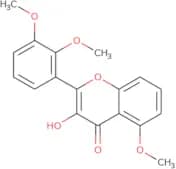
CAS:<p>3-Hydroxy-7,2',4'-trimethoxyflavone is a specialized flavone compound, which is a type of polyphenolic molecule commonly found in a variety of plants. This product is naturally derived, often isolated from diverse botanical sources like various species of herbs and flowering plants known for their medicinal properties. The compound exhibits various biological activities through its interactions with cellular pathways, predominantly by modulating enzymatic functions and signaling pathways that influence oxidative stress and inflammation.</p>Formula:C18H16O6Purity:Min. 95%Molecular weight:328.32 g/molAlnusin
CAS:<p>Alnusin is a phytochemical compound, which is a naturally occurring flavonoid sourced from the bark and leaves of the alder tree (genus Alnus). This compound is structurally categorized as an O-methylated flavonoid, specifically demonstrating unique biological activities.</p>Formula:C16H12O6Purity:90%Color and Shape:PowderMolecular weight:300.26 g/molCupressuflavone-7,7”-dimethyl ether
CAS:<p>Biflavonyl pigment; anti-inflammatory; analgesic</p>Formula:C32H22O10Purity:Min. 95%Color and Shape:solid.Molecular weight:566.51 g/molTricetin
CAS:<p>Tricetin is a naturally occurring flavonoid compound, which is primarily sourced from various plant species. Its molecular structure comprises multiple hydroxyl groups, contributing to its biological activity. Tricetin functions by modulating several biochemical pathways; it exhibits antioxidant properties through scavenging of reactive oxygen species and chelation of metal ions. Additionally, Tricetin possesses anti-inflammatory effects, as it can inhibit the synthesis of pro-inflammatory cytokines and downregulate the expression of enzymes involved in inflammation, such as cyclooxygenase and lipoxygenase.</p>Formula:C15H10O7Purity:Min. 95%Color and Shape:Yellow PowderMolecular weight:302.24 g/mol3-(3,4-Dimethoxyphenyl)-1H-benzo[f]chromen-1-one
CAS:<p>3',4'-Dimethoxy-beta-naphthoflavone is a synthetic chemical compound, which is a selective aryl hydrocarbon receptor (AhR) agonist, derived from flavonoid structures. With its capacity to modulate xenobiotic metabolism, this compound acts as an inducer of cytochrome P450 enzymes, specifically CYP1A1 and CYP1A2, through the activation of the AhR pathway. Upon binding to AhR, 3',4'-Dimethoxy-beta-naphthoflavone translocates to the nucleus, where it influences gene expression involved in xenobiotic metabolism.</p>Formula:C21H16O4Purity:Min. 95%Molecular weight:332.35 g/molScutellarein-6,4'-dimethyl ether
CAS:<p>Scutellarein-6,4'-dimethyl ether is a flavonoid derivative, which is a type of polyphenolic compound widely found in the plant kingdom. It is primarily sourced from various species within the genus Scutellaria, known for their rich flavonoid content. Scutellarein-6,4'-dimethyl ether demonstrates an affinity for interacting with key biological pathways, including exerting possible antioxidant activities by scavenging free radicals and modulating redox states, as well as potential anti-inflammatory effects through the regulation of inflammatory mediators.</p>Formula:C17H14O6Purity:Min. 95%Color and Shape:PowderMolecular weight:314.29 g/molKaempferol-3-O-rhamnoside
CAS:<p>Kaempferol-3-O-rhamnoside is a naturally occurring flavonoid glycoside, which is derived from various plants, particularly those in the families Rosaceae and Brassicaceae. This compound is a significant bioactive component found in herbs, fruits, and vegetables. Its mode of action primarily involves the scavenging of free radicals, inhibition of oxidative stress, and modulation of various signaling pathways related to inflammation and apoptosis.</p>Formula:C21H20O10Purity:Min. 95 Area-%Color and Shape:Yellow PowderMolecular weight:432.38 g/molMucronulatol
CAS:<p>Mucronulatol is a naturally occurring compound, which is derived from certain plant species known for their rich array of bioactive compounds. As a product of natural origin, mucronulatol is classified as a polyphenolic compound. Its biosynthesis in plants is a part of the complex secondary metabolism, playing roles in defense mechanisms against environmental stressors and pathogens. The mode of action of mucronulatol involves modulation of various biochemical pathways, which may include antioxidant activity, enzyme inhibition, or signaling pathway regulation. This capacity makes mucronulatol a subject of interest in pharmacological and therapeutic research.</p>Formula:C17H18O5Purity:Min. 95%Molecular weight:302.32 g/molKaempferol-3,4'-diglucoside
CAS:<p>Kaempferol-3,4'-diglucoside is a glycosylated flavonoid, which is a type of chemical compound found abundantly in various plants. This product is derived from natural sources, particularly from several edible and medicinal plants known for their health benefits. Kaempferol-3,4'-diglucoside functions through mechanisms related to its antioxidant properties, scavenging free radicals and reducing oxidative stress within biological systems.</p>Formula:C27H30O16Purity:Min. 95%Molecular weight:610.52 g/molNaringenin trimethyl ether
CAS:<p>Naringenin trimethyl ether is a flavonoid compound, which is typically derived from citrus fruits and other plant sources. This compound is part of the larger class of polyphenolic compounds known as flavonoids, which are prominent for their presence in various plant species, contributing to a variety of physiological activities.</p>Formula:C18H18O5Purity:Min. 95%Color and Shape:PowderMolecular weight:314.33 g/mol4',7-Dihydroxy-2-methoxyisoflavone
CAS:<p>4',7-Dihydroxy-2-methoxyisoflavone is a naturally occurring isoflavone, which is a type of phytochemical compound typically found in the Leguminosae family of plants. These plants are well-known for their rich source of bioactive compounds. This specific isoflavone is primarily isolated from plants like red clover or soybeans, which are renowned for their beneficial bioactive constituents.</p>Formula:C16H12O5Purity:Min. 95%Molecular weight:284.26 g/mol2'-Hydroxyflavonol
CAS:<p>2'-Hydroxyflavonol is a flavonoid derivative, which is a polyphenolic compound commonly found in plants. This compound is derived from natural sources, particularly various fruits, vegetables, and roots. Its mode of action is primarily through its role as an antioxidant, where it scavenges free radicals, thereby reducing oxidative stress. Furthermore, it can modulate multiple signaling pathways, contributing to its various bioactivities.</p>Formula:C15H10O4Purity:Min. 95%Molecular weight:254.24 g/mol7,8,3'-Trihydroxyflavone
CAS:<p>7,8,3'-Trihydroxyflavone is a type of flavonoid, which is a class of polyphenolic compounds. It is primarily derived from various plant sources, including certain fruits, vegetables, and herbs known for their antioxidant properties. Its mode of action involves selective agonism of the tropomyosin receptor kinase B (TrkB), a receptor associated with the brain-derived neurotrophic factor (BDNF).</p>Formula:C15H10O5Purity:Min. 95%Color and Shape:PowderMolecular weight:270.24 g/mol3,4'-Dihydroxy-7-methoxyflavone
CAS:<p>3,4'-Dihydroxy-7-methoxyflavone is a specialized flavonoid compound, which is naturally occurring in certain plant species. As a type of flavonoid, it is part of a larger group of polyphenolic compounds widely found in fruits, vegetables, and other plant-derived foods. These compounds are well-known for their potential health benefits, primarily due to their antioxidant and anti-inflammatory properties. The mode of action of 3,4'-Dihydroxy-7-methoxyflavone involves scavenging free radicals and modulating various signaling pathways that influence inflammation and oxidative stress at the cellular level.</p>Formula:C16H12O5Purity:Min. 95%Molecular weight:284.26 g/mol5,7,2'-Trimethoxyflavone
CAS:<p>5,7,2'-Trimethoxyflavone is a synthetic flavonoid compound, which is typically sourced from the chemical modification of natural flavonoids. Derived from various plant sources, flavonoids are known for their diverse biological activities. The mode of action of 5,7,2'-Trimethoxyflavone involves the modulation of various cellular pathways, potentially impacting enzyme activity, signal transduction, and gene expression.</p>Formula:C18H16O5Purity:Min. 95%Molecular weight:312.32 g/mol4',7-Dimethoxyisoflavone
CAS:<p>4',7-Dimethoxyisoflavone is a synthetic isoflavone, which is structurally related to compounds naturally found in certain plants, particularly legumes. This compound is engineered to mimic the bioactive properties of naturally occurring isoflavones, which have been studied for their potential health benefits. The mode of action of 4',7-Dimethoxyisoflavone involves modulating signaling pathways that are related to cellular growth and hormonal activity. It may influence pathways such as estrogen receptor signaling, although it possesses distinct properties compared to phytoestrogens found in soy products.</p>Formula:C17H14O4Purity:Min. 95%Color and Shape:PowderMolecular weight:282.29 g/molCalycosin
CAS:<p>Calycosin is a naturally occurring isoflavone, which is a class of organic compounds. It is derived primarily from the root of Astragalus membranaceus, a plant widely used in traditional Chinese medicine. As a prominent phytoestrogen, Calycosin exhibits a mode of action that includes binding to estrogen receptors, thereby influencing various estrogen-mediated biological processes.</p>Formula:C16H12O5Purity:Min. 95%Color and Shape:White PowderMolecular weight:284.26 g/mol7-Methoxyflavonol
CAS:<p>7-Methoxyflavonol is a naturally-occurring flavonoid with intriguing biochemical properties, identified primarily in various plant species. This compound is derived from natural sources such as herbs and fruits, where it contributes to the plant's defense mechanisms. The mode of action of 7-Methoxyflavonol involves modulation of enzymatic activities and interaction with cellular signaling pathways, exhibiting potential antioxidant and anti-inflammatory effects.</p>Formula:C16H12O4Purity:Min. 95%Molecular weight:268.26 g/mol2'-Hydroxyflavone
CAS:<p>2'-Hydroxyflavone is a flavonoid compound that is naturally derived from various plant sources and is commonly found in certain fruits, vegetables, and herbs. Its structure is characterized by the presence of a hydroxyl group at the 2' position, which significantly influences its biological activity.</p>Formula:C15H10O3Color and Shape:PowderMolecular weight:238.24 g/mol5-Methyl-7-hydroxyisoflavone ethylcarbonate ester
CAS:<p>5-Methyl-7-hydroxyisoflavone ethylcarbonate ester is a synthetic isoflavone derivative, which is structurally derived from naturally occurring flavonoids commonly found in plants such as soy and red clover. This compound is designed to retain the biological activity of its parent isoflavones while enhancing certain pharmacokinetic properties, particularly stability and bioavailability.</p>Formula:C19H16O5Purity:Min. 95%Color and Shape:PowderMolecular weight:324.33 g/molOrobol 7-O-glucoside
CAS:<p>Orobol 7-O-glucoside is a flavonoid glucoside, which is a type of phenolic compound widely studied in the scientific community for its potential biological activities. It is derived from natural plant sources, particularly legumes, where it occurs as a conjugate of the isoflavone orobol. The mode of action of Orobol 7-O-glucoside involves its ability to scavenge free radicals, providing potent antioxidant effects. This compound exhibits the ability to modulate signaling pathways relevant to oxidative stress and inflammation, suggesting possible therapeutic roles in related disorders.</p>Formula:C21H20O11Purity:Min. 95%Color and Shape:PowderMolecular weight:448.38 g/mol3',4'-Dihydroxy-α-napthoflavone
CAS:<p>3',4'-Dihydroxy-α-napthoflavone is a synthetic flavonoid derivative, which is primarily recognized as a potent inhibitor of certain cytochrome P450 enzymes. Derived through chemical synthesis, its structure is akin to natural flavonoids but modified to enhance its biochemical interactions. This compound exhibits strong inhibitory effects on CYP1A1, CYP1A2, and CYP1B1 enzymes, which are key players in the metabolism of various xenobiotics and endogenous compounds.</p>Formula:C19H12O4Purity:Min. 95%Color and Shape:PowderMolecular weight:304.3 g/mol5-Hydroxy-3,6,2'-trimethoxyflavone
CAS:<p>5-Hydroxy-3,6,2'-trimethoxyflavone is a naturally occurring flavone, which is a type of polyphenolic compound. It is primarily sourced from various Erythrina species, which are flowering plants in the legume family. This compound interacts with biological systems through its role as an antioxidant, influencing enzyme activity and modulating signaling pathways. It may exert anti-inflammatory, anticancer, and neuroprotective effects, though these mechanisms require further elucidation in vivo. Its applications predominantly lie in biomedical research, where it serves as a tool for studying flavonoid functions and their potential therapeutic benefits. Scientists also examine its role in traditional medicine systems to validate and explore its health-related effects. As research progresses, 5-Hydroxy-3,6,2'-trimethoxyflavone continues to generate interest due to its complex interactions within biological frameworks and potential for diverse therapeutic applications.</p>Formula:C18H16O6Purity:Min. 95%Molecular weight:328.32 g/mol3,7,3',4',5'-Pentamethoxyflavone
CAS:<p>3,7,3',4',5'-Pentamethoxyflavone is a polymethoxyflavone, which is a class of flavonoids characterized by multiple methoxy groups. It is predominantly found in certain citrus fruits, particularly in the peels. The compound is isolated through extraction and purification processes that leverage the natural abundance in these sources.</p>Formula:C20H20O7Purity:Min. 95%Molecular weight:372.37 g/mol3,7,8,4'-Tetramethoxyflavone
CAS:<p>3,7,8,4'-Tetramethoxyflavone is a naturally occurring flavonoid, which is derived from various plant sources, including certain traditional medicinal herbs. Flavonoids like this one are noted for their diverse biological activities and potential therapeutic applications.</p>Formula:C19H18O6Purity:Min. 95%Molecular weight:342.34 g/mol3'-Prenylbiochanin A
CAS:<p>3'-Prenylbiochanin A is a prenylated isoflavone, which is a type of natural compound often derived from plants such as those in the Fabaceae family. Its unique structure incorporates a prenyl group, which is a 5-carbon isoprene unit, added to the biochanin A framework. This structural modification can significantly influence the compound's biological activity by enhancing its lipophilicity and bioavailability in cellular environments.</p>Formula:C21H20O5Purity:Min. 95%Molecular weight:352.38 g/mol3-Hydroxy-5,2',3'-trimethoxyflavone
CAS:<p>3-Hydroxy-5,2',3'-trimethoxyflavone is a naturally occurring flavone, which is a type of polyphenolic compound found in various plants. This compound is derived from natural sources and is often isolated from specific plant species such as certain herbs and fruits. The mode of action of 3-Hydroxy-5,2',3'-trimethoxyflavone often involves interaction with biological pathways at the cellular level, potentially including antioxidant activity, modulation of enzyme function, and influence on signal transduction pathways.</p>Formula:C18H16O6Purity:Min. 95%Molecular weight:328.32 g/molHesperetin 7-O-glucoside
CAS:<p>Hesperetin 7-O-glucoside is a flavonoid derivative, which is commonly found in citrus fruits, particularly in their peels. This compound belongs to the class of flavonoids known as glycosylated flavonoids, which are characterized by the attachment of a glucose molecule to the flavonoid aglycone.</p>Formula:C22H24O11Purity:Min. 95%Color and Shape:White PowderMolecular weight:464.42 g/mol3',5'-Diprenyl-dihydroacacetin
CAS:<p>3',5'-Diprenyl-dihydroacacetin is a prenylated flavonoid, which is a type of secondary metabolite commonly found in plants. It is derived from natural botanical sources, particularly within the flavonoid-rich family of medicinal herbs. Prenylation, a biochemical modification involving the addition of hydrophobic prenyl groups, enhances the biological activity of flavonoids by increasing their lipophilicity and cellular uptake.</p>Formula:C26H30O5Purity:Min. 95%Molecular weight:422.51 g/mol3-Hydroxy-3',4'-dimethoxy-6-methyl flavone
CAS:<p>3-Hydroxy-3',4'-dimethoxy-6-methyl flavone is a naturally occurring flavone, which is a type of flavonoid, commonly found in various plants. Flavones are known for their diverse range of biological activities, including anti-inflammatory, antioxidant, and anticancer properties. This particular flavone is derived from plant sources such as certain fruits, vegetables, and herbs, where it often plays a role in the plant's defense mechanisms.</p>Formula:C18H16O5Purity:Min. 95%Color and Shape:PowderMolecular weight:312.32 g/mol4'-Hydroxy-β-naphthoflavone
CAS:<p>4'-Hydroxy-β-naphthoflavone is a synthetic chemical compound, which is a derivative of flavone. It is primarily sourced through chemical synthesis, allowing for the production of a highly pure and consistent compound for research purposes. The mode of action of 4'-Hydroxy-β-naphthoflavone involves its role as a potent agonist of the aryl hydrocarbon receptor (AhR), a transcription factor involved in the regulation of biological responses to planar aromatic hydrocarbons.</p>Formula:C19H12O3Purity:Min. 95%Molecular weight:288.3 g/molRobinin
CAS:<p>Robinin is a flavonoid glycoside, which is a naturally occurring phytochemical compound. It is derived from plant sources, particularly within the Fabaceae family, such as Robinia pseudoacacia. The mode of action of Robinin involves its interaction with various cellular and molecular pathways, exhibiting properties such as antioxidant and anti-inflammatory effects.</p>Formula:C33H40O19Purity:Min. 95 Area-%Color and Shape:PowderMolecular weight:740.66 g/molBaicalein-6-glucuronide - from Scutellaria galericulata (skullcap)
CAS:<p>Baicalein-6-glucuronide is a glucuronide derivative of the flavonoid baicalein, derived from the herb Scutellaria galericulata, commonly known as skullcap. This flavonoid is intricately bound with a glucuronic acid moiety, which enhances its solubility and bioavailability compared to its parent compound. The source, Scutellaria galericulata, is a perennial herbaceous plant native to wetlands and known for its rich phytochemical profile.</p>Formula:C21H18O11Purity:Min. 95%Color and Shape:Yellow PowderMolecular weight:446.36 g/molSigmoidin A
CAS:<p>Sigmoidin A is a diterpenoid compound, which is a plant-derived natural product. It originates from the Alpinia genus, a group of plants known for their diverse bioactive compounds. With its intricate molecular structure, Sigmoidin A is identified primarily for its potential anti-inflammatory properties. The mode of action involves modulation of signaling pathways and inhibition of pro-inflammatory mediators, which suggests its potential utility in therapeutic contexts.</p>Formula:C25H28O6Purity:Min. 95%Molecular weight:424.49 g/mol3',4'-Dihydroxyflavone
CAS:<p>3',4'-Dihydroxyflavone is a type of flavonoid compound, which is naturally found in various plants. These secondary metabolites are crucial for plant health and defense mechanisms. Known for their antioxidative and anti-inflammatory properties, flavonoids play a significant role in moderating oxidative stress and inflammation.</p>Formula:C15H10O4Purity:Min. 95%Color and Shape:PowderMolecular weight:254.24 g/mol3,5,6,2'-Tetrahydroxyflavone
CAS:<p>3,5,6,2'-Tetrahydroxyflavone is a hydroxylated flavone compound, which is a type of polyphenolic compound widely recognized for its potential antioxidant properties. Naturally occurring in various plant sources, it can be isolated from species commonly known for their medicinal or nutritional benefits.</p>Formula:C15H10O6Purity:Min. 95%Molecular weight:286.24 g/mol5-O-Methyl quercetin
CAS:<p>5-O-Methyl quercetin is a flavonoid compound, which is derived from various plant sources, particularly found in certain fruits, vegetables, and medicinal herbs. It is a methylated form of quercetin, a well-known polyphenolic antioxidant. As a natural derivative, its mode of action includes modulation of various signaling pathways, exhibiting both anti-inflammatory and antioxidant properties through its interaction with intracellular signaling molecules and enzymes such as kinases and transcription factors.</p>Formula:C16H12O7Purity:Min. 95%Color and Shape:Off-White PowderMolecular weight:316.26 g/mol3-Hydroxy-7,2'-dimethoxyflavone
CAS:<p>3-Hydroxy-7,2'-dimethoxyflavone is a specialized flavonoid, which is a type of polyphenolic compound commonly found in various plants. Flavonoids are known for their diverse roles in plant defense and pigmentation. This compound is sourced from natural plant materials, where it's synthesized as a secondary metabolite. Its mode of action involves acting as an antioxidant, offering protection against oxidative stress by neutralizing free radicals. Such activity is essential in preserving cellular integrity and preventing damage to biomolecules such as DNA, lipids, and proteins.</p>Formula:C17H14O5Purity:Min. 95%Molecular weight:298.29 g/molQuercetin-7,3',4'-trimethyl ether-3-rhamnoside
CAS:<p>Quercetin-7,3',4'-trimethyl ether-3-rhamnoside is a methylated flavonoid glycoside, which is a specialized compound found in certain plant species. This compound is derived from natural plant sources, particularly various herbs and fruits that are known to produce bioactive flavonoids. The mode of action of quercetin-7,3',4'-trimethyl ether-3-rhamnoside involves its ability to interact with various cellular signaling pathways, potentially modulating oxidative stress, inflammation, and other cellular processes.</p>Formula:C24H26O11Purity:Min. 95%Molecular weight:490.46 g/mol7,8-Dimethoxy-4'-hydroxyisoflavone
CAS:<p>7,8-Dimethoxy-4'-hydroxyisoflavone is an isoflavone compound, which is a type of phytoestrogen commonly found in various plants. Isoflavones like this one are often derived from legumes and other plant sources. These compounds are characterized by their chemical structure, which is similar to that of estrogen, allowing them to exert estrogen-like effects in biological systems.</p>Formula:C17H14O5Purity:Min. 95%Molecular weight:298.29 g/mol(-)-Epiafzelechin 3-O-gallate(4b-6)
CAS:<p>(-)-Epiafzelechin 3-O-gallate(4b-6) is a catechin derivative, which is a type of flavonoid known for its potential bioactive properties. It is sourced primarily from plant materials, particularly those belonging to the family Theaceae, which includes tea plants. This compound is a part of the polyphenolic group, often extracted from natural sources using solvent extraction methods followed by chromatographic techniques for purification.</p>Formula:C44H34O20Purity:Min. 95%Molecular weight:882.73 g/molOrobol 7,4'-dimethyl ether
CAS:<p>Orobol 7,4'-dimethyl ether is a methylated flavonoid compound, which is synthesized from natural flavonoid precursors derived from plant sources such as legumes and soy. This compound acts primarily through its antioxidant properties, where it can scavenge free radicals and stabilize reactive oxygen species, thus protecting cellular components from oxidative damage.</p>Formula:C17H14O6Purity:Min. 95%Color and Shape:White/Off-White SolidMolecular weight:314.29 g/mol5,7,3'-Trimethoxyflavone
CAS:<p>5,7,3'-Trimethoxyflavone is a naturally occurring flavonoid compound, which is primarily sourced from certain plant species. As a member of the flavone category, this compound is characterized by its distinctive chemical structure featuring multiple methoxy groups. It is extracted from plants known for their medicinal properties, where it exists as a minor component contributing to the plant’s bioactive profile.</p>Formula:C18H16O5Purity:Min. 95%Molecular weight:312.32 g/mol3-Hydroxy-6,2'-dimethoxyflavone
CAS:<p>3-Hydroxy-6,2'-dimethoxyflavone is a flavonoid compound, which is a type of polyphenolic secondary metabolite. It is found in certain plants and is derived from natural sources known for their diverse pharmacological profiles. Flavonoids like 3-Hydroxy-6,2'-dimethoxyflavone often play crucial roles in plant defense mechanisms and pigmentation.</p>Formula:C17H14O5Purity:Min. 95%Molecular weight:298.29 g/molCalycosin-7-O-β-D-glucoside
CAS:<p>Calycosin-7-O-β-D-glucoside is a flavonoid glycoside, which is primarily derived from the root of Astragalus membranaceus, a plant widely used in traditional Chinese medicine. This compound is characterized by its antioxidative and anti-inflammatory activities, mediated through modulation of various signaling pathways in the body, such as the MAPK and NF-κB pathways. It plays a significant role in scavenging free radicals and inhibiting inflammatory mediators, thus contributing to cellular protection and reducing oxidative stress.</p>Formula:C22H22O10Purity:Min. 95%Color and Shape:White PowderMolecular weight:446.4 g/mol7,8-Dimethoxyflavanone
CAS:<p>7,8-Dimethoxyflavanone is a flavonoid derivative, which is a type of natural compound commonly found in various plants. It is typically extracted from plant sources such as fruits, vegetables, and herbs. This compound is part of a larger class of flavonoids, which are known for their diverse biological activities.</p>Formula:C17H16O4Purity:Min. 95%Molecular weight:284.31 g/molα-Naphthoflavone
CAS:<p>Alpha-naphthoflavone is a synthetic flavonoid, which is an aryl hydrocarbon receptor antagonist known for its interaction with cytochrome P450 enzymes. It is typically synthesized in laboratory settings and does not occur naturally. Alpha-naphthoflavone acts by competitively inhibiting the binding of ligands to the aryl hydrocarbon receptor (AhR) and modulating the activity of cytochrome P450 enzymes, particularly CYP1A1 and CYP1B1. This modulation is crucial in studying the metabolic pathways and the mechanism of enzyme induction or inhibition in xenobiotic metabolism.</p>Formula:C19H12O2Purity:Min. 98.0 Area-%Molecular weight:272.31 g/molRef: 3D-N-1500
1kgTo inquire50gTo inquire100gTo inquire250gTo inquire500gTo inquire-Unit-kgkgTo inquire2'-Hydroxy-α-naphthoflavone
CAS:<p>2'-Hydroxy-α-naphthoflavone is a specialized chemical compound, classified as a flavonoid derivative. This product is typically sourced from laboratory synthesis and is characterized by its distinct molecular structure, which allows it to interact with specific biological pathways. The mode of action of 2'-Hydroxy-α-naphthoflavone involves the inhibition of cytochrome P450 enzymes. These enzymes are integral to the metabolic processes involving xenobiotics, which are compounds foreign to an organism's normal biochemistry.</p>Formula:C19H12O3Purity:Min. 95%Color and Shape:PowderMolecular weight:288.3 g/mol3',4'-Dimethoxy-7-hydroxyisoflavone
CAS:<p>3',4'-Dimethoxy-7-hydroxyisoflavone is a naturally occurring isoflavone, a type of flavonoid, which is typically derived from various plant sources. Isoflavones are known for their presence in soy and other legumes, but this particular compound is distinguished by its specific chemical structure, characterized by two methoxy groups and a hydroxyl group that contribute to its unique biological activity.</p>Formula:C17H14O5Purity:Min. 93 Area-%Color and Shape:Yellow PowderMolecular weight:298.29 g/molAlpinumisoflavone dimethyl ether
CAS:<p>Alpinumisoflavone dimethyl ether is a naturally occurring isoflavonoid, which is a type of phytochemical compound. It is derived from the plant family Leguminosae, particularly found in some species of the genus Millettia. This compound acts primarily through the modulation of cellular pathways associated with inflammation and cell proliferation, often involving the inhibition of specific kinases and signaling molecules that are active in both cancerous and inflammatory processes.</p>Formula:C22H20O5Purity:Min. 95%Molecular weight:364.39 g/molMorin
CAS:<p>Morin is a flavonoid compound, which is a naturally occurring polyphenolic molecule found primarily in the white mulberry tree, Morus alba, and other plant sources. It operates by exhibiting strong antioxidant activity, whereby it scavenges free radicals and chelates metal ions, effectively mitigating oxidative stress within biological systems.</p>Formula:C15H10O7Purity:Min. 90%Color and Shape:PowderMolecular weight:302.24 g/mol4'-O-Methylpunctatin
CAS:<p>4'-O-Methylpunctatin is a specialized natural product, classified as a methoxyflavone, which is derived from specific plant sources known for their diverse phytochemical compositions. Structurally, it is a derivative of punctatin, modified through methylation, enhancing its biological properties and stability. This compound acts through various mechanisms, primarily influencing glucose metabolism pathways. It exhibits inhibitory effects on enzymes like α-glucosidase and provides antioxidant properties that protect pancreatic β-cells from oxidative stress.</p>Formula:C18H16O6Purity:Min. 95%Molecular weight:328.32 g/molβ-Naphthoflavanone
CAS:<p>Beta-Naphthoflavanone is a synthetic flavanone compound, which is primarily studied in the context of its chemopreventive properties. It is derived through chemical synthesis involving the condensation of naphthol derivatives with appropriate flavanone precursors. The mode of action of beta-Naphthoflavanone involves modulating various biochemical pathways, including inhibition of certain cytochrome P450 enzymes, as well as affecting signaling pathways associated with cell proliferation and apoptosis.</p>Formula:C19H14O2Purity:Min. 95%Color and Shape:PowderMolecular weight:274.31 g/mol7-Hydroxyflavone
CAS:<p>7-Hydroxyflavone is a naturally occurring flavonoid, which is a type of polyphenolic compound derived primarily from various plant sources. As a natural antioxidant, its mode of action involves the scavenging of free radicals, thus providing potential protective effects against oxidative stress. This compound also influences multiple cellular signaling pathways and can modulate the activity of certain enzymes.</p>Formula:C15H10O3Purity:Min. 95%Color and Shape:PowderMolecular weight:238.24 g/molα-Naphthoflavanol
CAS:<p>**Alpha-Naphthoflavanol** is a synthetic compound, which is categorized as a flavanol derivative. It is synthesized from the naphthalene compound, a polycyclic aromatic hydrocarbon, through a series of chemical reactions involving hydroxylation and other functional group modifications. This compound is designed to specifically interfere with biological pathways by acting as an inhibitor or modulator in cellular processes.</p>Formula:C19H12O3Purity:Min. 95%Molecular weight:288.30 g/molDihydrorobinetin
CAS:<p>Dihydrorobinetin is a flavonoid derivative, which is a naturally occurring compound found in certain plant sources. It belongs to the larger group of polyphenolic compounds known for their diverse biological activities. Dihydrorobinetin is primarily extracted from plants such as locust trees, where it occurs as a secondary metabolite.</p>Formula:C15H12O7Purity:Min. 95%Color and Shape:PowderMolecular weight:304.25 g/molOrientin
CAS:<p>Orientin (Luteolin-8-C-glucoside) is a flavonoid that has been shown to have biological properties, such as anti-inflammatory and antioxidant activities, which may be due to its ability to inhibit toll-like receptor 4. Orientin is an effective inhibitor of the growth of Leishmania amazonensis in vitro. It also inhibits the growth of Candida glabrata, a fungus that causes oral thrush and other infections. Orientin has been shown to have high values in inflammatory bowel diseases (IBD).</p>Formula:C21H20O11Purity:Min. 95%Color and Shape:PowderMolecular weight:448.38 g/mol5,7-Dihydroxy-2',3',4',5'-tetramethoxyflavone
CAS:<p>5,7-Dihydroxy-2',3',4',5'-tetramethoxyflavone is a naturally occurring flavonoid, which is a type of polyphenolic compound. It is sourced primarily from various plant species, particularly those belonging to the genus *Scutellaria* and other related species known for their rich flavonoid content. The mode of action of 5,7-Dihydroxy-2',3',4',5'-tetramethoxyflavone involves modulation of key signaling pathways associated with oxidative stress and inflammatory processes, which can contribute to cellular protection and homeostasis.</p>Formula:C19H18O8Purity:Min. 95%Color and Shape:SolidMolecular weight:374.34 g/mol3'-Methoxy-α-napthoflavone
CAS:<p>3'-Methoxy-α-napthoflavone is a synthetic small molecule inhibitor, which is derived from naphthoflavone structures known for their affinity with cytochrome P450 enzymes. It primarily acts as a selective inhibitor of CYP1A enzymes, particularly CYP1A1 and CYP1A2. The compound's mode of action involves binding to the active site of the CYP1A enzymes, thereby hindering the enzyme's metabolic activity and preventing substrate access.</p>Formula:C20H14O3Purity:Min. 95%Molecular weight:302.32 g/molPinocembrin 7-O-β-D-glucoside
CAS:<p>Pinocembrin 7-O-beta-D-glucoside is a flavonoid glucoside, which is a specialized type of plant secondary metabolite. This compound is primarily sourced from the plant genus *Eremurus*. The mode of action of Pinocembrin 7-O-beta-D-glucoside involves its interaction with various biological pathways, where it exhibits antioxidant, anti-inflammatory, and neuroprotective properties. It functions by modulating oxidative stress and reducing inflammation, which contributes to its protective roles in cellular systems.</p>Formula:C21H22O9Purity:Min. 95%Color and Shape:SolidMolecular weight:418.39 g/molSpiraeoside
CAS:<p>Spiraeoside is a flavonoid glycoside, which is a type of naturally occurring compound commonly found in various plant species. It is primarily sourced from the aerial parts of certain plants, including members of the Rosaceae family. The compound is characterized by its specific structure, which includes a sugar moiety attached to a flavonoid backbone.</p>Formula:C21H20O12Purity:Min. 95%Color and Shape:White PowderMolecular weight:464.38 g/mol


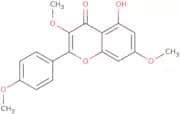

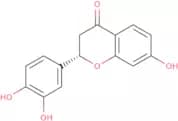
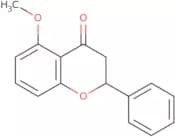
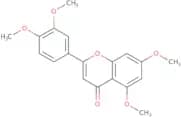

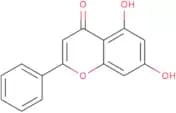
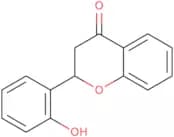

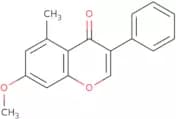
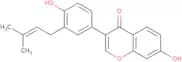

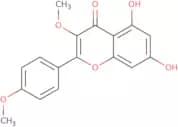
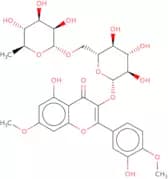

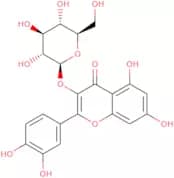

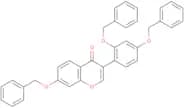
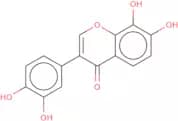


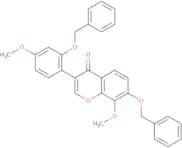


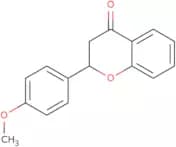
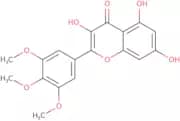


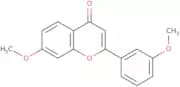
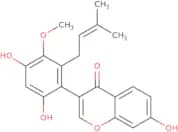




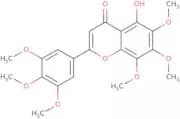
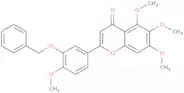

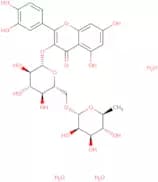
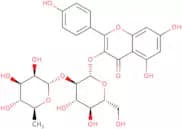
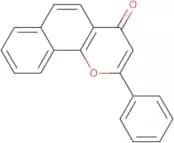


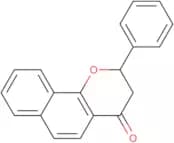
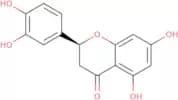
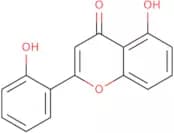

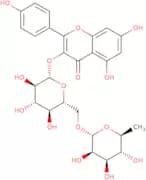
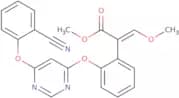


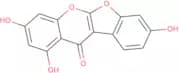
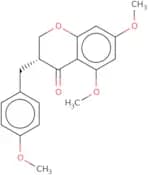


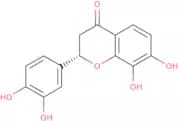


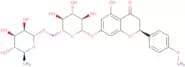
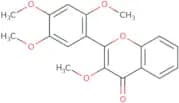
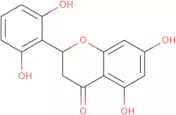
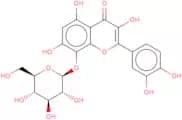


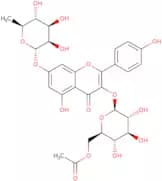


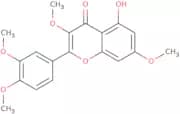
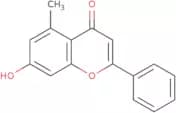

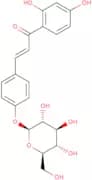

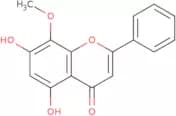

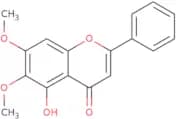
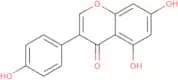


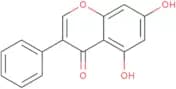
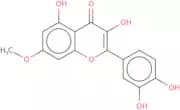
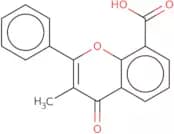


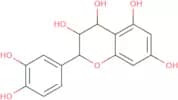
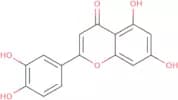
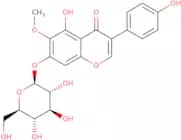

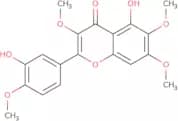
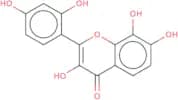

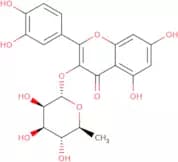

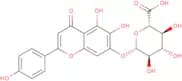


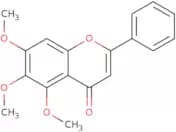

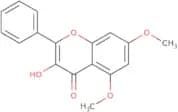
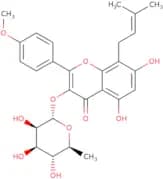
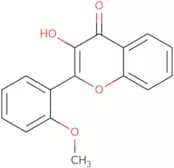

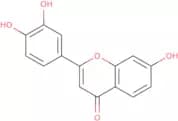
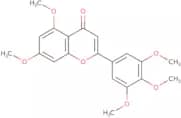
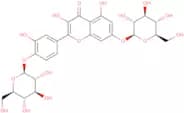
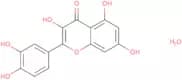
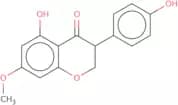

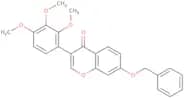
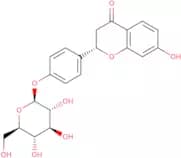

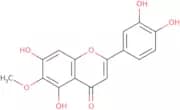
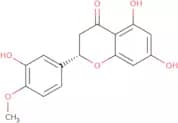
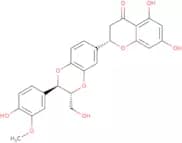

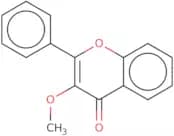

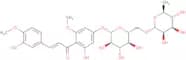
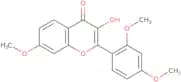


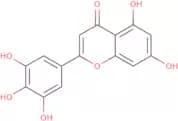
![3-(3,4-Dimethoxyphenyl)-1H-benzo[f]chromen-1-one](/_next/image/?url=https%3A%2Fstatic.cymitquimica.com%2Fproducts%2F3D%2Fthumb-webp%2FFD65660.webp&w=3840&q=75)